Annual Report and Financial Statements for the year ended 31 December 2025
A LANDMARK YEAR: SECURING OUR FUTURE
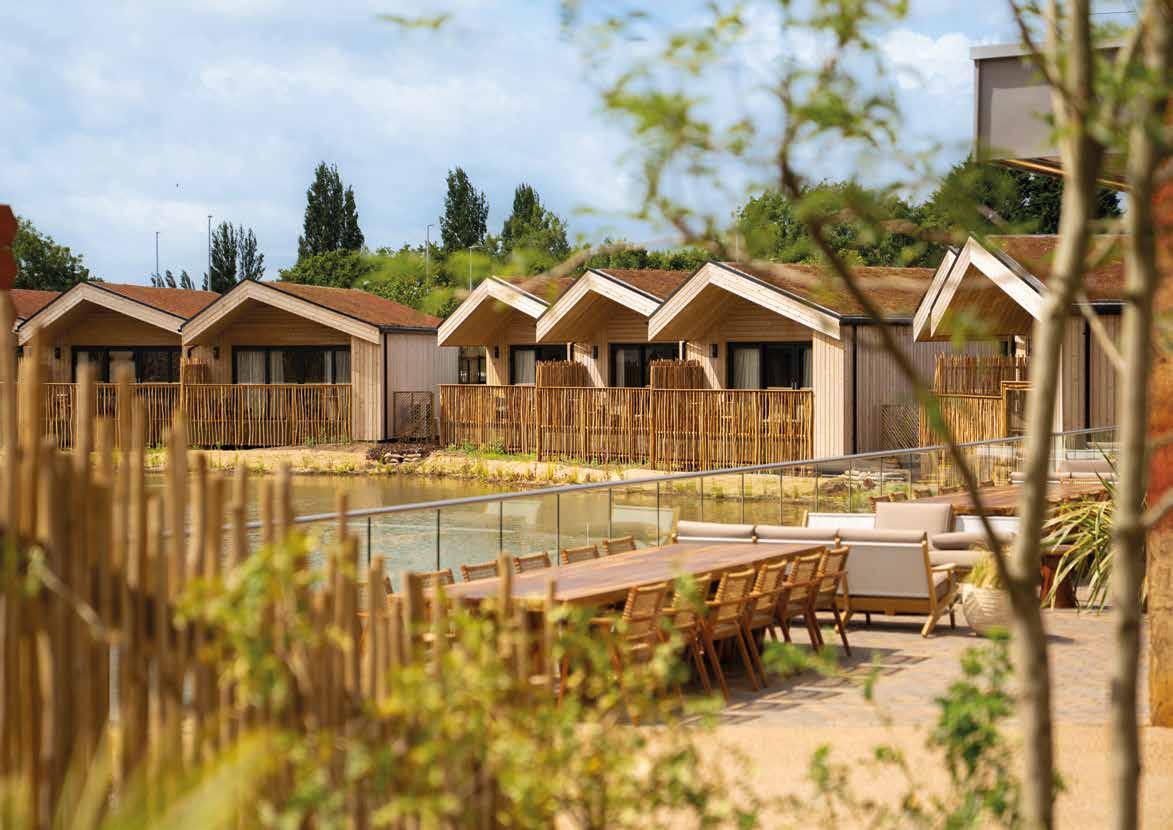
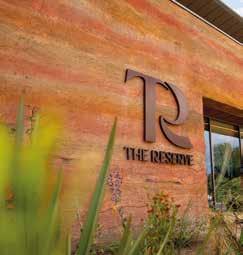
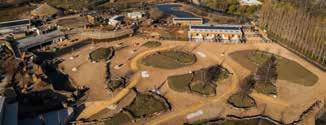
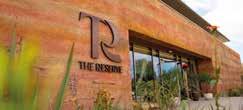
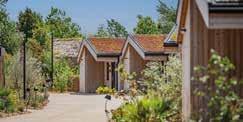
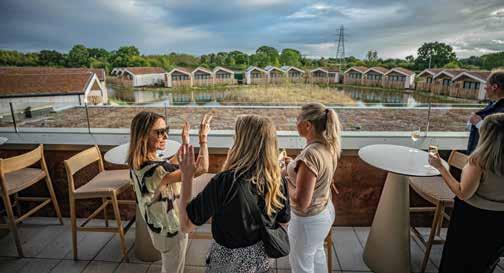
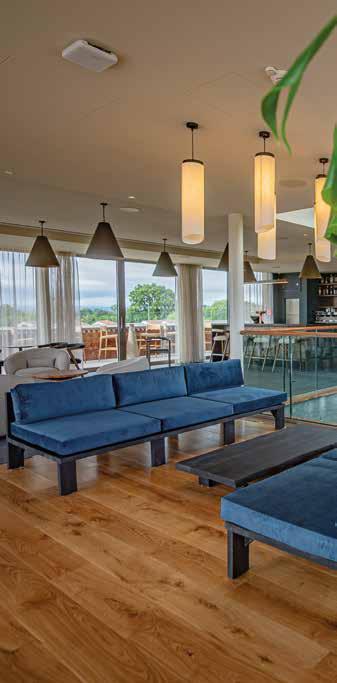
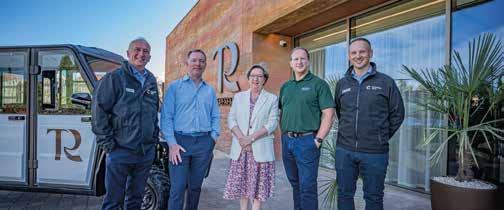
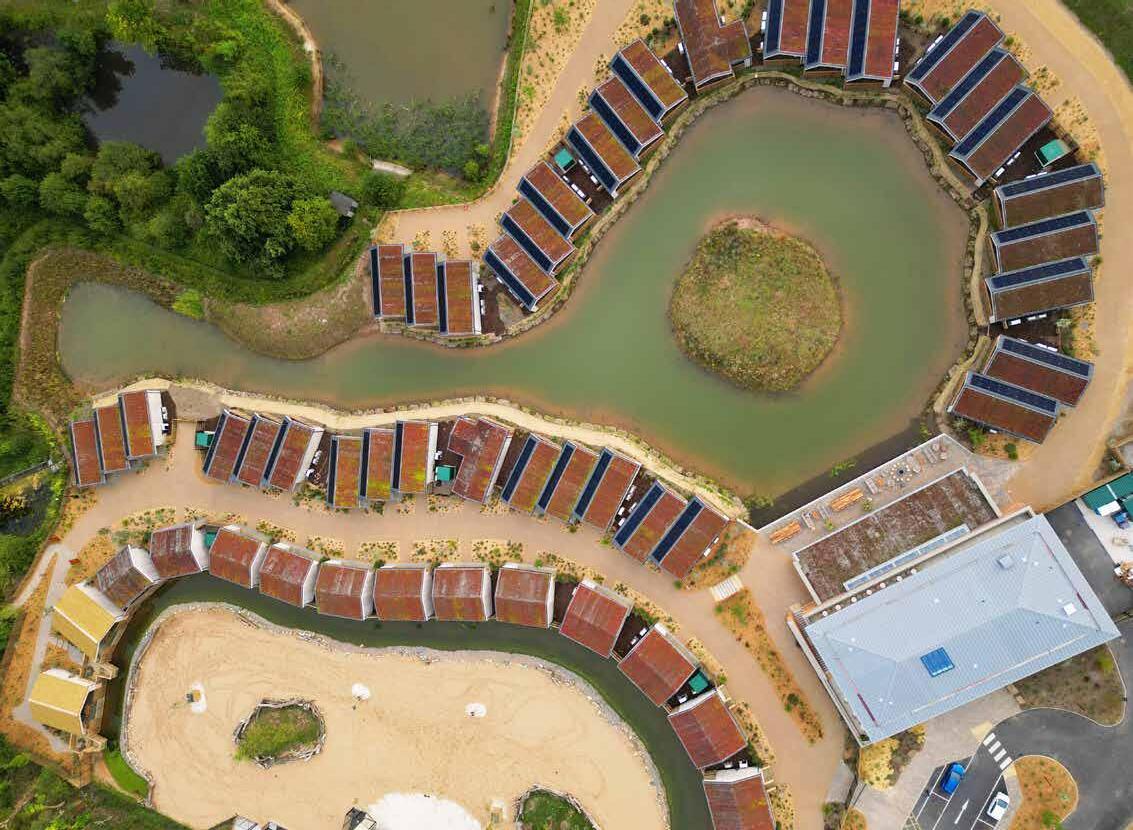
The Reserve, Chester Zoo’s first overnight stay offering, boasts 51 rooms and offers guests an unforgettable stay and a unique way to experience Chester Zoo. The Reserve will bring over 75,000 additional visitors to the zoo each year and all profits will be reinvested in the zoo’s conservation and education work.
The North of England Zoological Society (‘NEZS’) is a conservation and education charity that owns and runs Chester Zoo.
The Trustees of the North of England Zoological Society (‘Chester Zoo’ / ‘the Charity’ / ‘NEZS’) are pleased to present their annual report, together with the consolidated financial statements of the charity and its subsidiaries for the year ended 31 December 2025, which are also prepared to meet the requirements for a directors’ report, a strategic report and financial statements for Companies Act 2006 purposes.
The financial statements comply with the Charities Act 2011, the Companies Act 2006, the Charity’s Memorandum and Articles of Association, and Accounting and Reporting by Charities: Statement of Recommended Practice applicable to charities preparing their financial statements in accordance with the Financial Reporting Standard applicable in the UK and Republic of Ireland (FRS102).
Charitable objects
The Charity’s objects, as set out in its memorandum and articles of association, are:
(a) To promote the conservation of the physical and natural environment by promoting biodiversity.
(b) To advance the education of the public on the conservation of the physical and natural world and the promotion of biodiversity; in particular by, but not limited to, the provision of public education, scientific study and the maintenance of endangered animals, plants and habitats in both protective and natural environments.
and
report also includes the directors’ report as
Highlights of the year
A record number of visitors
In 2025, Chester Zoo welcomed a record 2,136,224 visitors – an impressive 8% increase on 2024 – driven in part by the excitement surrounding two landmark openings. Heart of Africa, launched in April, and the opening of The Reserve, in August, which gave guests the chance to extend their visit and experience wildlife in a completely new way. Read more about these developments in our case studies on pages 20–21 (The Reserve) and 24–27 (Heart of Africa).
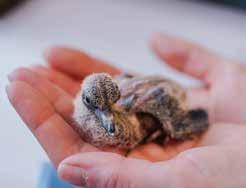
Rare Socorro dove chicks hatch
Eight Socorro doves, extinct in the wild for decades, successfully hatched at the zoo, boosting hopes for the species’ survival. The zoo cares for the birds as part of a wider European and North American conservation breeding programme safeguarding the approximately 200 remaining doves. The hatching of the chicks strengthened the insurance population, supporting long-term efforts to eventually reintroduce the species to its native Socorro Island off the coast of Mexico.
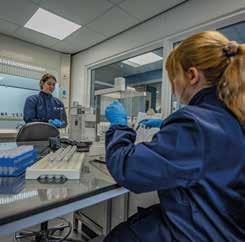
Groundbreaking elephant virus vaccine developed
A world-first vaccine to combat elephant endotheliotropic herpesvirus (EEHV) was developed by scientists from the zoo, the University of Surrey and the Animal and Plant Health Agency. Proven safe and effective in trials, it triggers a strong immune response, offering hope against a disease that can kill young elephants in 24 hours. The breakthrough represents a major step in protecting endangered Asian elephants and marks a historic milestone in global conservation efforts.
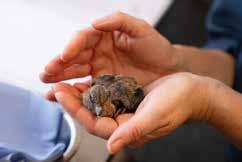
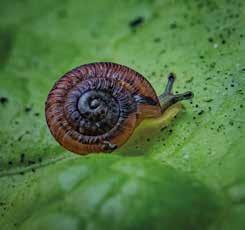
Rare snails returned to the wild
Bred at the zoo as part of a long-running recovery effort, 800 critically endangered land snails were released onto Deserta Grande in Madeira. The release followed last year’s reintroduction of 1,300 individuals and marked another major step in restoring a species once believed extinct for more than a century. The growing number of zoobred snails now established on the islands strengthens hopes for the species’ longterm survival.
Prestigious photography exhibition hosted
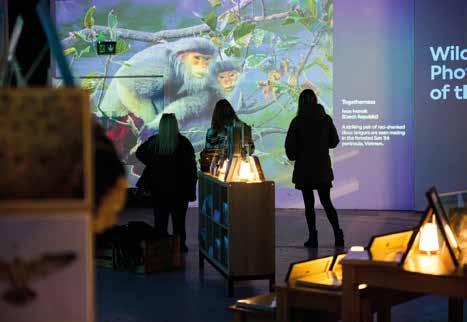
The zoo brought the prestigious Wildlife Photographer of the Year exhibition to Cheshire for the very first time, hosting 100 previously unseen images from the Natural History Museum. Running from February to April, the showcase combined striking photography with immersive soundscapes and video to reveal the stories behind each shot. The collection highlighted the beauty and vulnerability of wildlife and inspired visitors to reflect on the importance of protecting nature.
Chester Zoo named UK’s top zoo
Chester Zoo was officially named the most-loved zoo in the UK by Tripadvisor, earning 11,392 ‘excellent’ visitor reviews. The zoo’s focus on conservation and engaging experiences also placed it as the third-best zoo or aquarium in Europe. This recognition reflects millions of traveller reviews and highlights the zoo’s success in inspiring visitors while supporting its vital work to prevent extinction worldwide.
First snow leopard born at the zoo
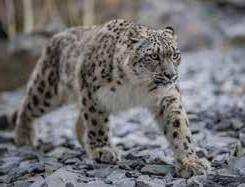
A historic milestone was reached with the birth of a snow leopard cub – the first in the zoo’s 94-year history. The female cub arrived in June to first-time parents Nubra and Yashin, who were carefully paired through an international conservation breeding programme to support the rare big cats. The arrival marked an important contribution to efforts to safeguard this vulnerable species.
Funding boost for Networks for Nature
A £4 million grant from The National Lottery Heritage Fund was secured to advance the zoo-led Networks for Nature project, aimed at restoring habitats across Cheshire. The funding will enable the creation or restoration of 9 ponds, nearly 3,000m of hedgerow and over 100 hectares of habitat. It will also support 14 new jobs, environmental training for young people and year-long projects involving thousands of students and community groups, helping to build a thriving landscape for wildlife and local people.
Reflecting on a landmark year
How does a global conservation powerhouse navigate economic uncertainty while delivering world-class projects? Chief Executive Officer Jamie Christon and Chair of Trustees Malcolm Ardron discuss resilience, responsibility and the strategic vision driving Chester Zoo forward.
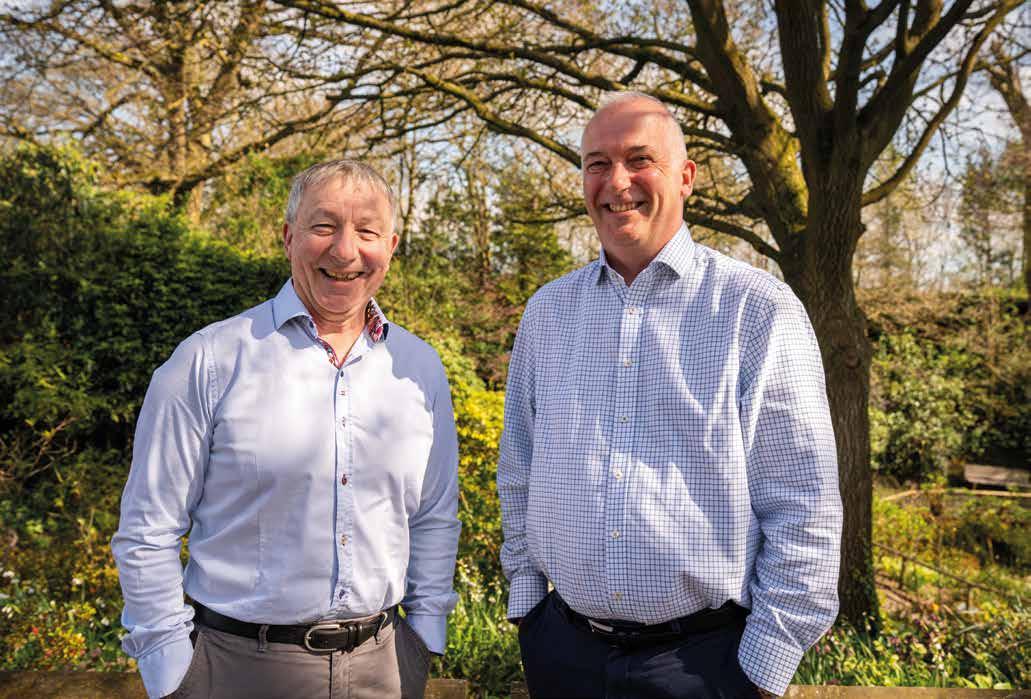
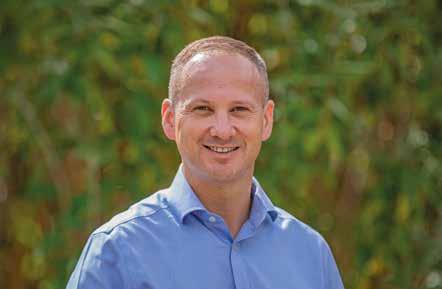
Malcolm Ardron, Chair of Trustees and Jamie Christon, Chief Executive Officer
2025: A landmark year – CEO and Chair Q&A
Q: 2025 has been described as a landmark year for Chester Zoo. Can you explain why and what this means to you personally?
A: (Jamie, CEO): The development of Heart of Africa and The Reserve was first imagined in 2016, following the successful opening of Islands, our last major capital project. While planning continued for both developments, unforeseen events – including the Monsoon Forest fire in 2018 and the global pandemic in 2020 – meant that construction could not begin until late 2022.
As a result, seeing the first visitors step into Heart of Africa and welcoming our first guests to The Reserve were moments of profound pride for me and for our passionate team of staff and volunteers. 2025 marks the year we delivered on a long-held promise to our people, members and visitors.
Q: Jamie has outlined his pride in delivering two major capital projects in 2025, on time, on budget and with great success – all against the backdrop of a challenging economic climate. How did you and the Board of Trustees ensure this happened?
A: (Malcolm, Chair): This achievement speaks volumes about the capability and resilience of Chester Zoo. From a governance perspective, the Board maintained rigorous oversight throughout the process, while also supporting the organisation’s recovery from the extended pandemic closures.
Credit is due to an extremely professional Board of Trustees, alongside the Operational and Strategic Development team, who worked tirelessly on this complex undertaking. Together, they demonstrated that Chester Zoo is not only a world-class conservation charity, but also a highly competent, well-run organisation capable of delivering large-scale projects efficiently and effectively.
Q: Chester Zoo is increasingly recognised as a global conservation powerhouse. What’s next in your plans to support your mission of preventing extinction?
A: (CEO): In 2021, we set out ambitious conservation targets designed to make a meaningful difference both here in Chester and across our field programmes in more than 20 countries. We are now halfway through that plan, and in 2026 we will publish an impact report detailing our progress.
At the same time, we remain agile –identifying emerging global challenges, scanning the horizon for new international threats and considering what the next decade means for our partners, our planet and our organisation. We have positioned Chester Zoo as a sustainable, credible and long-term environmental organisation that will continue delivering positive outcomes for people, animals and plants for many years to come.
“2025 marks the year we delivered on a long-held promise to our people, members and visitors.”
Q: You’ve mentioned the importance of remaining agile. In an increasingly uncertain world, what keeps you awake at night, and how is the Board prepared?
A: (Chair): Over recent years, Chester Zoo has evolved into a highly complex organisation, requiring a Board of Trustees with a broad range of expertise. With this growth comes challenges – both internal and external – that demand constant vigilance.
Our governance structure provides robust assurance, regularly tested and scrutinised, while ensuring the executive team has appropriate mitigation measures in place at all levels. What concerns me most are external pressures: national economic uncertainty and global events that are increasingly impacting conservation efforts across the NGO sector. These challenges are likely to continue into 2026.
Q: Chester Zoo is positioning itself as a National Conservation Zoo and a vital community asset. What responsibilities come with this, and how are you fulfilling them?
A: (CEO): We recognise our daily responsibility to those who live around us, work for and with us, and engage with us as stakeholders at local, regional and national levels.
We continue to embed ourselves within our community – as a responsible employer, a trusted advisor and a collaborative partner in conservation initiatives, including our Networks for Nature project here in Cheshire.
Our dedicated External Affairs team works closely with national, regional and local media, as well as UK and European parliamentarians, enabling us to influence policy, protect our work and champion conservation. With over 2.1 million visits each year, we play a vital role in the visitor economy, while our growing media reach allows us to engage millions of advocates globally and promote sustainable conservation worldwide.
Q: How does the Board of Trustees work with the executive team throughout the year, and where will its focus be in 2026?
Q: While Chester Zoo has had a successful year, other UK organisations have struggled. How are you ensuring the zoo can achieve its mission long into the future?
A: (Chair): The Board operates through a robust and frequently tested governance framework. Trustees chair and actively participate in key leadership committees, including conservation, strategic development, ethics, audit and risk.
Trustees also engage regularly with the executive team and staff beyond formal Board meetings and provide support to the Youth Board. In 2026, the Board will focus on recruiting new trustees as others retire, consolidating progress to date and strengthening future planning to ensure long-term sustainability.
The Board recognises the importance of maintaining Chester Zoo’s reputation as a driver of change – staying ahead of challenges while actively seeking new opportunities where appropriate.
A: (CEO): Our teams have demonstrated that maintaining strong operational cash flow – driven by year-on-year revenue growth – is essential to offset rising costs and protect our mission.
Exploring new commercial opportunities, such as The Reserve, will remain a key focus in the years ahead. As a visitor attraction operating in a highly competitive market, and amid ongoing cost-of-living pressures, we must continually adapt – often on a daily basis.
We rely on highly skilled professional teams to support our conservationists, ensuring they have the resources needed to deliver meaningful impact. If revenue growth slows or stalls, stagnation quickly follows – ultimately limiting our ability to prevent extinction.
Malcolm Ardron Jamie Christon Chair of Trustees Chief Executive Officer
1 May 2026
Our resilience model in action: a landmark year
Diversified income streams, grants and prudent financial management, including over £4 million secured through The National Lottery Heritage Fund for Networks for Nature.
Thousands of hours of expertise from our dedicated teams, volunteers and global partners, from horticulturalists nurturing endangered plants to field conservationists working in Madagascar.
Decades of conservation research, advanced species husbandry and habitat design knowledge, underpinning projects from the Cheshire countryside to the forests of Madagascar.
Our 130-acre site, world-class facilities and proven project management capabilities, providing the operational foundation for every major initiative we undertake.
Long-standing relationships with community groups, schools, members and global partners who share our commitment to protecting biodiversity.
Our existing populations of more than 500 threatened species and the landscapes we manage, both at Chester Zoo and through formal conservation partnerships worldwide.
Outputs
Conservation zoo expansion:
New and enhanced habitats, from the 22-acre Heart of Africa savannah to the innovative Hidden Savannah indoor environment, creating homes for 57 species and setting new standards for animal welfare.
Enhanced visitor experience:
Immersive, purpose-led experiences that deepen emotional connections with wildlife, from the sights and sounds of an African savannah to overnight stays at The Reserve.
Outcomes
New revenue streams:
Diversified income from overnight hospitality, increased visitor dwell time and commercial partnerships, with all surpluses reinvested directly into our conservation mission.
Strengthened long-term resilience, with new income streams and grant funding securing the resources needed to sustain and grow our conservation work.
Upskilled, confident teams with the experience to deliver complex, large-scale projects, from major habitat construction to international field expeditions.
New knowledge in habitat creation, species recovery and plant conservation, reinforcing our reputation as a worldleading centre of conservation science.
A stronger, more innovative organisation, with world-class facilities that attract visitors, inspire partners and demonstrate what a modern conservation zoo can achieve.
A growing community of conservation advocates, with millions of visitors, thousands of young people and hundreds of community groups inspired to act for nature.
Measurable progress for threatened wildlife, from the downlisting of the golden mantella frog to improved welfare and breeding capabilities for species across the zoo.
Our strategy in action
Financial sustainability
The funds and financial resources that enable the delivery of our mission to prevent extinction.
Income growth: 10% growth in income across a diversifying range of income streams.
Capital investment: £19.8 million capital expenditure investment in the zoo as construction of Heart of Africa and The Reserve concluded.
Donations, grants and legacies: Income of £7.2 million given in support of our mission.
Spend on charitable activities: £30.4 million spent on funding our mission to prevent extinction.
Largest grant secured: Grant worth over £4 million secured from The National Lottery Heritage Fund for our Networks for Nature project.
Conservation zoo
Our conservation zoo, which provides exceptional animal and plant care facilities, alongside a world-class visitor experience.
Record visitor numbers: 2,136,224 visits to Chester Zoo in 2025, the highest ever.
Overnight accommodation: The Reserve opened and is expected to attract over 75,000 additional visitors each year.
Best zoo in the UK: Officially named best-rated zoo in the UK by Tripadvisor, with 11,392 ‘excellent’ visitor reviews.
Sustainable operations: Scope 1 & 2 emissions have reduced by 27% since 2019. In 2025, 41% of our operational waste was reused or recycled and 25% of zoo land was being managed for UK biodiversity.
Saving species: Our 130-acre zoo is now home to 30,000 animals from more than 500 threatened species, along with five national plant collections.
Scientific leadership
Our expertise, research, knowledge and reputation as an international centre of excellence in zoo conservation science and as an influential voice for nature.
Conservation training: We trained 935 conservationists to deliver positive change for wildlife through our Conservation Training Academy.
Scientific research: We published 32 peer-reviewed papers and supported reproduction research projects across 10 European breeding programmes working with 50 zoos.
Global collaboration: We formed a global wildlife cryobanking partnership with Toronto Zoo and are saving species on behalf of the Bermudan, Spanish and Portuguese governments.
International policy: We collaborated on seven motions at the IUCN World Congress, influencing frameworks for conservation actions.
Impact and evaluation: We began working with EAZA to evaluate the impact of the European breeding programmes in achieving conservation goals.
People and culture
The skills, dedication and passion of our people and partners who deliver our mission every day.
Employee engagement: 79% employee engagement score in our 2025 survey.
Apprenticeship programme: 16 apprentices supported, with many progressing into full-time roles.
Diversity and inclusion: We launched our Inclusive Growth Strategy to foster a culture where everyone belongs.
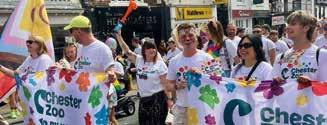
Vibrant team culture: 600 colleagues and volunteers attended ZooFest 2025; 130 employees and their families and friends attended the Chester Pride parade.
Relationships with our members, visitors, partners and supporters who share our commitment to protecting biodiversity.
Record membership numbers: 164,878 members engaged with our zoo and supported our mission.
Engagements: We delivered 982,000 engagements towards our target of empowering 10 million people to live more sustainably and for the benefit of wildlife by 2030.
Inspiring the next generation: Our educators enabled 93,445 participations in our taught programmes for schools.
Free educational visits: 55,403 people benefited from our free educational ticket schemes.
Digital reach: Around 90,000 people engaged with our online live lessons.
Species and habitats
The animal and plant populations we care for and protect, both at Chester Zoo and globally through our conservation work.
Nature around us: 27% of zoo-owned land is now managed for the protection of UK biodiversity.
Improving habitats: 360,000 hectares of landscapes protected through formal partnerships worldwide.
Protecting species: We added a further nine species of animals and plants to our target for conservation breeding and propagation.
Worldwide partnerships: We worked with 60 partners in over 20 countries to protect threatened wildlife.
Accreditation: We received Conservation Practitioner Accreditation from Botanic Gardens Conservation International; we are the only zoo in the UK to have received this accreditation.
Case Study 1 – Conservation Practitioner
A landmark achievement: Chester Zoo officially recognised as a global leader in plant conservation
Our groundbreaking accreditation as a ‘Conservationist Practitioner’ by Botanic Gardens Conservation International secures our future as a powerful force for protecting the world’s most threatened plants.
Our ambition
Our mission to prevent extinction has always been about more than just animals. We have long understood that we cannot save species in isolation; we must save the entire ecosystem. This year, in what has truly been ‘a landmark year’ for Chester Zoo, we sought official recognition for our decades of work in plant conservation. We pursued accreditation from Botanic Gardens Conservation International (BGCI) to validate our expertise and secure our future as a holistic conservation organisation, capable of tackling the biodiversity crisis on all fronts. BGCI is a global charity and network that unites botanic gardens and related institutions to conserve threatened plants, promote plant diversity and educate the public about plant importance. This was a strategic decision to elevate the profile of our plant conservation work, demonstrating that our commitment to the natural world is absolute.
Meet the team
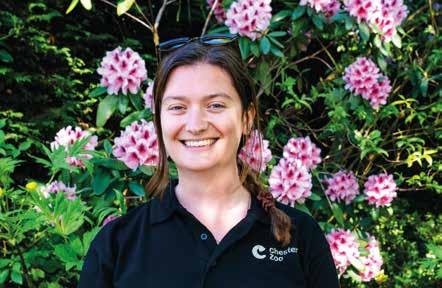
Richard Hewitt, Nursery Team Manager
“For me, it’s about the quiet, patient work of nurturing a species back from the brink. Holding a seed from a plant that’s functionally extinct in the wild... that’s a feeling you can’t describe. This accreditation is a testament to that dedication. It’s a recognition of the passion and expertise of the whole team, and it gives us a more powerful voice to speak up for the plants that so often get overlooked.”
Scale of our achievement
Global recognition One of only 24 gardens worldwide to achieve BGCI’s Conservation Practitioner Accreditation.
UK leadership
One of only four in the UK, alongside The Eden Project, Fossil Plants and the National Botanic Garden of Wales.
Species conservation Protecting over 400 threatened plant species and five National Plant Collections.
The challenge A staggering 40% of the world’s plant species are at risk of extinction.
The story of delivery
The journey to becoming a BGCI-accredited botanic garden was one of collaboration, dedication and passion. It was a story written by many hands, across many teams.
Our Plant team, the daily guardians of our green spaces, worked tirelessly to meet the rigorous standards of the BGCI. From the vast new landscapes of Heart of Africa to the delicate, temperature-controlled environments of our tropical houses, their expertise was the foundation of our success. They are the ones who brave the storms to clear fallen trees and who nurture the seeds of critically endangered plants in our greenhouses.
But this was not just a story about horticulture. Our Field Programmes team worked with partners across the globe, from the forests of Madagascar to the Atacama Desert in Chile, to deliver realworld conservation impact. Our Science team pushed the boundaries of knowledge, with PhD studies on rare orchids and pitcher plants, and developed new propagation techniques. And our Conservation Education and Engagement team shared the wonder of the plant world with our visitors, inspiring a new generation of conservationists.
Our impact in action
This accreditation is a perfect example of our integrated approach to value creation, demonstrating how we work across a number of different value drivers to deliver our conservation mission.
Species and habitats: This achievement directly enhances our ability to conserve threatened plant species and their habitats, both at the zoo and around the world. It strengthens our contribution to global biodiversity.
Scientific leadership: The BGCI accreditation solidifies our reputation as a world-leading centre of excellence in conservation science. It extends our scientific leadership beyond the animal kingdom to the entire web of life.
Education and engagement: This new status provides a powerful new story to engage our members, visitors and partners. It allows us to highlight the vital, but often unseen, work of plant conservation and to inspire our supporters to join us in protecting the natural world.
People and culture: This accreditation is a celebration of the skills, dedication and passion of our people. It fosters a sense of pride and shared purpose, and it will help us to attract and retain the very best talent in the conservation sector.
Conservation zoo: Our worldclass facilities, from our extensive glasshouses to our cutting-edge research labs, were the essential infrastructure that made this achievement possible. They are the physical embodiment of our commitment to conservation.
Financial sustainability: This prestigious accreditation enhances our reputation and brand, helping us to attract new visitors, members and donors. It opens up new funding opportunities and partnerships, ensuring the longterm financial sustainability of our vital conservation work.
Connecting to our future
This accreditation is a beginning, not an end point. It is a key part of ‘Securing Our Future’. We are planning an arboretum of threatened trees and developing new propagation skills for our most important conservation species. Our Plant and Science teams are collaborating to establish Chester Zoo as one of the UK’s leading plant conservation centres and a powerful force for nature on the global stage.
“Chester Zoo demonstrates a deep commitment to plant conservation and a clear vision for the future. By integrating plant conservation so effectively with animal conservation and public engagement, they provide a powerful model for the sector.”
Patricia Malcolm, Head of Membership and Conservation Services, Botanic Gardens Conservation International (BGCI)
426 threatened plant species in the collection
10 plant reintroduction projects currently underway
6 countries where we have active plant conservation projects
5,452 education engagement activites in 2025
A landmark stay: securing our financial sustainability
The Reserve opened on 18 August 2025 as a bold step in commercial diversification, creating an overnight experience that is unmistakably Chester Zoo and strengthening our financial resilience to protect wildlife for generations to come.
Scale of our achievement
New revenue streams Overnight stays, premium experiences, hospitality and retail-generating diversified income.
Visitor experience An immersive year-round destination that deepens emotional connection to wildlife and conservation.
Staff development Cross-departmental collaboration and training in customer experience delivery and conservation storytelling.
Mission alignment A commercially robust offering that remains authentic to Chester Zoo’s values and conservation purpose.
The challenge Balancing commercial viability with ethical standards or quality of visitor experience while planning for evolving visitor behaviours in a changing economic landscape.
Our ambition
Our conservation mission depends on long-term financial resilience. As challenges facing wildlife grow, Chester Zoo must diversify how we generate income to support conservation and global impact. The Reserve was born from a simple question: how do we create an overnight stay experience that’s uniquely Chester Zoo. From the outset, this was never about accommodation alone. We wanted to create something immersive that would deepen visitor connection to wildlife while generating income reinvested into our mission. The ambition was to create a year-round destination that would enhance the zoo offering and secure our long-term sustainability.
the team
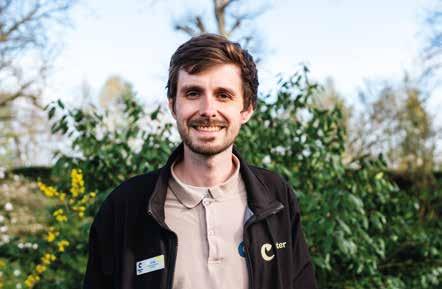
Dominic Strange, Chief
Operating Officer
“Building
The Reserve taught us that the best ideas come from bringing different perspectives together. Our Conservation team challenged us to think differently about guest experience. Our Sustainability team pushed us to invest in renewable energy. Our Operations team ensured we could deliver world-class service. The result is something that none of us could have created alone. That collaborative spirit is at the heart of Chester Zoo’s culture, and The Reserve is a testament to it.”
Meet
The story of delivery
Planning for The Reserve brought together teams from across the organisation over a number of years. A key partnership was with Troo Hospitality, who operate the onsite hotel. Troo’s experience in sustainable hospitality and values alignment shaped an operation that is commercially strong, environmentally responsible and fully integrated with our zoo experience. This was as much a cultural project as an operational one. Staff across teams were trained in customer experience delivery and conservation storytelling, ensuring every guest interaction reinforces our mission. Bringing together skills from animal care, education, operations and hospitality created an experience that feels distinctive and purpose-led. Early performance has been encouraging, with visitors reporting a stronger understanding of how their stay protects animals and habitats.
Our impact in action
The Reserve demonstrates how commercial innovation directly supports our conservation mission, delivering value across multiple dimensions.
Species and habitats: Every element of The Reserve reinforces conservation messaging, demonstrating that mission-aligned commercial activity supports conservation impact.
Scientific leadership: Lessons from revenue management and experience design are already influencing other parts of the organisation, creating benefits beyond The Reserve itself.
Education and engagement: Extending the zoo experience deepens emotional connection to wildlife and conservation, with visitors reporting a stronger understanding of how their stay protects animals and habitats.
People and culture: The project has encouraged new ways of working and collaboration across teams, creating opportunities for staff development and pride in delivering something distinctive.
Conservation zoo: The Reserve strengthens Chester Zoo’s position as an innovative conservation organisation prepared to think differently about funding and how to deliver its mission.
Financial sustainability: Diversified income streams strengthen the zoo’s financial resilience and support continued investment in conservation work.
Connecting to our future
The Reserve is still in its early stages, but it already demonstrates what is possible when commercial strategy and conservation impact are aligned. We continue to monitor performance and refine the offer. This project is not an end point; it is a key part of securing Chester Zoo’s future. By creating an overnight experience that is uniquely Chester Zoo, The Reserve strengthens our ability to inspire, educate and protect wildlife for generations to come.
“What an amazing experience, a joy from start to finish… The venue was stunning, the lodge was incredible, seeing the giraffes gave us an unforgettable experience. We enjoyed every moment”
Tripadvisor review from a family visitor.
75,000+ additional visitors expected annually 100% of profits are reinvested into conservation work
70 new jobs created at the resort
2,361 guests welcomed in first full month
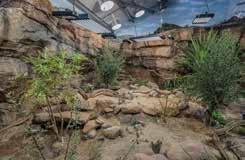
A landmark in detail: securing a future for the overlooked
Hidden Savannah is a bold indoor habitat that brings overlooked species into the spotlight, uniting teams across the zoo and inviting visitors to appreciate the beauty of life at every scale.
Scale of our achievement
Immersive habitat One new all-weather immersive habitat, enhancing the year-round visitor experience.
Cross-taxa care Multiple animal taxa housed within a single, innovative dry indoor environment.
Our ambition
connection Overwhelmingly positive visitor feedback, with many guests discovering ‘new favourite’ species.
Team innovation A landmark project in cross-departmental collaboration, uniting animal care, facilities and design teams.
The challenge Overlooked species often dismissed as unimportant, yet critical to ecosystem health and biodiversity.
Chester Zoo is renowned for its largescale habitats. The ambition for Hidden Savannah was intentionally different. We aimed to create a space for pause and closer observation – a counterpoint to the outdoor savannah. This project celebrates nature’s beauty, not through size but through the intricate details of form, behaviour and adaptation. Strategically, it also increases our all-weather appeal and provides a new model for how our teams collaborate to deliver excellence and innovation in animal care and exhibit design.
the team
Watson,
“Hidden Savannah demonstrates what Chester Zoo does best: combining world-class animal care, innovative design and visitor experience... Every member of the team contributed their expertise.”
Visitor
Peter
Animal Technical Support Officer
Meet
The story of delivery
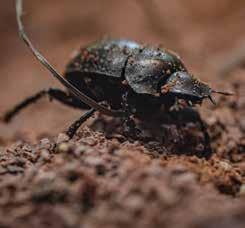
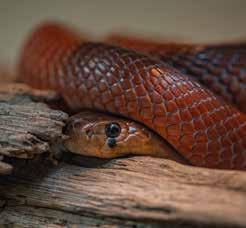
Delivering Hidden Savannah was a story of collaboration. Animal care teams from different specialisms worked together to design a habitat supporting multiple species. Our Facilities Management colleagues played a pivotal creative role, designing and installing bespoke infrastructure and innovative heating and lighting systems to mimic natural rhythms. Design and interpretation teams worked closely with keepers to tell the stories of these species compellingly, reframing animals like naked mole rats and locusts as remarkable ambassadors for resilience and ecological importance.
Our impact in action
Hidden Savannah creates impact across multiple dimensions – protecting wildlife, inspiring visitors, supporting our team and strengthening partnerships.
Species and habitats: By celebrating overlooked species, the exhibit deepens understanding of biodiversity and ecosystem complexity, reinforcing our conservation mission.
Scientific leadership: Innovations in heating, lighting and multispecies husbandry have enhanced welfare outcomes and generated learning for future developments.
Education and engagement: Visitor feedback shows surprise and delight, strengthening emotional connections and encouraging deeper engagement with all forms of wildlife.
People and culture: The project empowered our teams, strengthened collaborative problem-solving skills and fostered shared achievement and pride in our in-house expertise.
Conservation zoo: A high-quality, flexible, energy-efficient asset that enhances resilience against weather disruption and supports consistent visitor flow year-round.
Financial sustainability: By increasing dwell time and all-weather appeal, Hidden Savannah contributes to the zoo’s financial sustainability and wider conservation work.
Connecting to our future
Hidden Savannah is a statement about our values. It proves that conservation storytelling does not rely on scale alone and that innovation is found in the details. This project provides a model for future developments where collaboration is embedded from the start and overlooked species are given prominence. It stands as a reminder that every species matters and that meaningful impact is often found by looking a little closer.
“Hidden Savannah sets a new standard for multi-species exhibit design. The habitat clearly prioritises animal welfare, with excellent environmental controls, appropriate enrichment and careful species compatibility. This is an exhibit that demonstrates how zoos can combine visitor experience with genuine animal welfare commitment. It’s an exemplary model.”
Zak Showell, Chair of BIAZA Membership & Licensing Committee and Director, Shaldon Wildlife Trust
16
5
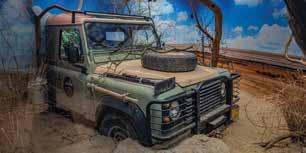
A landmark achievement: Heart of Africa
The UK’s largest and most immersive African savannah habitat, delivering conservation impact across multiple dimensions through unified teamwork and eight years of dedication.
Scale of our achievement
Largest savannah habitat
The UK’s largest and most immersive African savannah habitat, spanning 22 acres with 14 new animal houses and naturalistic habitat zones.
Species diversity 57 species now call Heart of Africa home, with 140+ animals successfully relocated, including endangered species and lesser-known creatures from the hidden savannah.
Visitor connection Over 75,000 visitors in the first week, with overwhelmingly positive feedback demonstrating powerful connections between people and wildlife, building conservation advocates.
Team achievement
A landmark project uniting virtually every part of the organisation, creating around 30 new jobs and demonstrating a culture of collaboration and shared purpose.
The challenge Operating a major construction site within a busy zoo environment while maintaining animal welfare and visitor safety throughout the project.
Our ambition
We set out to create the largest and most immersive zoo habitat ever seen in the UK – a living showcase of African biodiversity that would connect people with nature by surrounding them with the sights and sounds of an East African savannah.
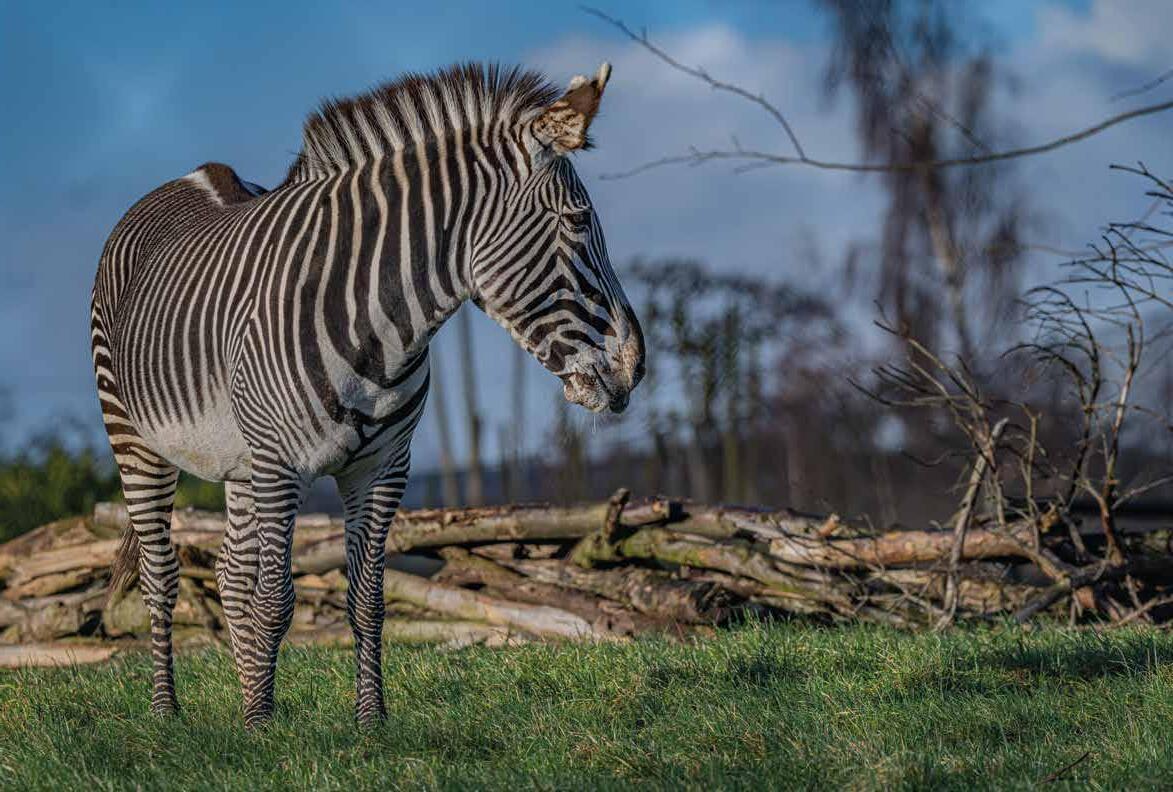
Heart of Africa was envisioned as a vibrant savannah where giraffes, zebras, ostriches and antelopes roam together, mirroring their environment in the wild. But we also wanted to celebrate the smaller creatures in the Hidden Savannah, from naked mole rats to locusts, to show appreciation for every living creature that supports the ecosystem.
At its core, this was about advancing our mission of preventing extinction. As Jamie Christon, CEO, reflected: “Developments like this help drive visitor numbers which in turn fund the conservation work we do. Everything we do is with the purpose of protecting our zoo, our people and our mission in the long term.”
Meet the team
Cathy
Lunn, Strategic Development Director
“What’s been most rewarding is seeing how every part of the organisation came together with a shared purpose. From the moment we broke
ground to opening
day, this wasn’t just a construction project – it was a team effort that tested our organisation’s mettle and proved what we can do when we all pull together toward an ambitious goal.”
The story of delivery
Bringing Heart of Africa from vision to reality was an eight-year journey of dedication, innovation and true teamwork. Planning began in 2017 with our in-house Development team designing the initial concept. The teams refined the design and secured funding, navigating the disruption of the COVID pandemic and finally kicking off major construction in late 2022. Leading the charge on site was our Strategic Development Director, Cathy Lunn, who transformed an area of mainly grass paddocks into savannah grasses, rock kopjes, watering holes and 14 new animal houses.
On 5 April 2025, Heart of Africa officially opened to the public, right on schedule.
Our impact in action
Heart of Africa delivers impact across six integrated dimensions:
Species and habitats: Heart of Africa houses 57 species, creating new homes for threatened and lesserknown animals. The 22-acre habitat includes naturalistic zones with rock kopjes and watering holes, showcasing ecosystem diversity from giraffes to naked mole rats.
Scientific leadership: Our animal teams applied advanced knowledge of species compatibility, habitat design and animal behaviour to create stable mixedspecies herds. The immersive experiences bring our field work and scientific research to life.
Education and engagement: Over 75,000 visitors in the first week experienced Heart of Africa, with immersive experiences encouraging visitors to take action for nature and building a community of conservation advocates.
People and culture: The development created around 30 new jobs and enabled teams to learn new skills and take on new experiences. Over 100 employees and volunteers from all departments were involved in opening-week activities.
Conservation zoo: The 22-acre development includes 14 new animal houses and sustainable construction practices. Sustainable construction, on-site recycling and energy-efficient systems have helped reduce environmental impact and reinforce our net zero goals.
Financial sustainability: With an expected 200,000 additional visitors per year, Heart of Africa is generating important revenue that feeds back into our conservation mission – demonstrating how commercial success directly enables conservation impact.
75,000 visitors in the first week
Connecting to our future
Heart of Africa is truly part of a bigger picture for Chester Zoo’s future. This zone has become a springboard for new ambitions and a template for how we will approach projects going forward. The confidence and lessons gained from Heart of Africa are instrumental in imagining what comes next for our Strategic Development Plan. Whatever comes next, we know that we will only achieve our ambition through our people, working together as one team, with one mission: to prevent extinction.
57 species now call Heart of Africa home
22 acre development, with 14 new animal houses
200,000 expected additional visitors per year
“Heart of Africa presented unique challenges –delivering a major construction project within an operating zoo environment required exceptional coordination and respect for animal welfare. Chester Zoo’s team demonstrated remarkable professionalism and collaborative spirit. The result is a worldclass habitat that sets a new standard for zoo development. We’re proud to have been part of this achievement.”
Andrew Dunham, Director, McPhillips Wellington Limited
Our story of delivery and the team
Growing together: eight years, one
united team
Heart of Africa represents a landmark moment in our history, not just for what we built, but for how we grew as an organisation. Over eight years, this project became a catalyst for innovation, pushing our teams to expand their skills and redefine what is possible in modern zoo design. It was an immense undertaking that required us to redevelop eight acres of the zoo in a single, ambitious phase.
This achievement belongs to the passionate experts who worked collaboratively across every discipline. From the initial conceptual designs to the mobilisation of 140+ animals, the project was fuelled by a culture of shared purpose. By celebrating the challenges we overcame and the successes we shared, we recognise that our greatest strength remains
our people. Here we celebrate the people and sub-teams who turned a bold vision into a landmark reality.
Meet the teams: the people behind the project
Heart of Africa was a true team effort, with everyone in the organisation playing their part. Here’s how different teams brought the vision to life:
Facilities and Development team
“Operating a building site in the middle of a busy zoo required real ingenuity.”
Working alongside McPhillips, the Facilities and Development team navigated unique challenges with precision – carefully staging activity to avoid disturbing animals and visitors, and routing construction traffic through back-of-house roads. They transformed the area into 14 new animal houses and naturalistic habitat zones, delivering on time and on budget. Their ability to coordinate with external partners and internal teams demonstrated the crossdepartmental collaboration that defines Heart of Africa.
Connected to:
Horticultural team
“Turning a construction site into a thriving African landscape.”
The Horticultural team planted tens of thousands of plants – from acacia trees to savannah grasses – creating naturalistic habitats for 57 species from giraffes to naked mole rats. Their botanical expertise in species selection and habitat design reflects the scientific knowledge underpinning Heart of Africa. The authentic African landscape they created is the foundation for the immersive visitor experience that builds conservation advocacy.
Connected to:
Celebrating challenges and successes
Animal teams
“Orchestrating the delicate process of relocating 140+ animals into their new homes.”
Animal teams from across species groups worked together to provide design briefs to ensure all animal management welfare considerations were incorporated. They then worked to relocate and settle 140+ animals, applying advanced knowledge of species compatibility and multi-species habitat management. By opening day, all animals were comfortably established in secure, carefully designed homes. Their expertise in animal welfare and behaviour created the scientific foundation for Heart of Africa, enabling the immersive visitor experiences that connect people with wildlife and build conservation advocates.
Connected to:
Conservation Education and Engagement team
“Connecting guests with the wonders of the savannah.”
Our Conservation Education and Engagement team worked across the habitat to create immersive interpretation and educational areas, including the new endocrinology lab, which brings our scientific research directly to guests. Our rangers developed new engagement programmes to inspire visitors, while our dedicated volunteers expanded their expertise to share stories of both iconic and lesser-known savannah species. Their work transforms a walk through the habitat into a powerful conservation journey, building a community of advocates for the natural world.
Connected to:
Commercial and Operations teams
“Mobilising the newly created space for guests and operations.”
Visitor experience, Marketing, Operations, Food & Beverage, and Retail teams worked simultaneously to ensure Heart of Africa was guest ready. They created immersive pathways and interpretive signage, recruited and trained new staff, and established operational processes in record time. With 75,000+ visitors in the first week, they demonstrated that commercial success and world-class visitor experience directly enable conservation funding and impact.
Connected to:
There were plenty of obstacles along the way, but the Chester Zoo team overcame them through resilience and unity. In an undertaking of this scale, challenges are inevitable, and we’re proud of the way our employees responded, both in the moment and in taking time to learn and reflect. It’s a huge testament to our people, their passion, care and commitment.
To celebrate success as a team, every employee was invited to special preview days to explore the space before the public and to come together to celebrate the development before launch. As Dominic Strange, Commercial Director, summed up after the opening: “What’s truly stood out is the way teams from all across the zoo pulled together to transform a building site into a beautiful, immersive experience worthy of our visitors. Seeing over 75,000 people enjoy Heart of Africa in just the first week has made us all incredibly proud.”
Delivering Heart of Africa was as much a human achievement as a technical one. For the team, the reactions of visitors and the shared sense of pride were the greatest reward. We not only built a habitat, we created something that brought our entire organisation together. The confidence and lessons gained from this project are instrumental as we imagine what comes next for Chester Zoo’s strategic development plan.
A landmark expedition: securing the future of Madagascar’s most threatened forests
Our 2025 expedition to the Mangabe Protected Area, in partnership with Madagasikara Voakajy, represents a landmark moment in our commitment to community-led conservation and securing the future of this critical ecosystem.
Scale of our achievement
Protected area Conservation action covering 27,346 hectares of the Mangabe Protected Area, a critical biodiversity hotspot.
Community empowerment 10 community-based organisations established, empowering local people to protect their forests.
Species recovery The golden mantella frog has been downlisted from critically endangered to endangered.
Global partnership A 10+ year partnership with Madagasikara Voakajy, a leading
Our ambition
The challenge Madagascar has lost 80%–90% of its original forest cover, and remaining fragments are under severe threat.
For over a decade, Chester Zoo has partnered with Madagasikara Voakajy to protect the Mangabe Protected Area. This year, in what has truly been ‘a landmark year’, our ambition was to deepen this partnership by providing our people, expertise and passion. The 2025 expedition was a strategic investment designed to catalyse new initiatives and secure the future of this globally important ecosystem.
Meet the team
Imogen Newens-Hill, Ectotherm Keeper
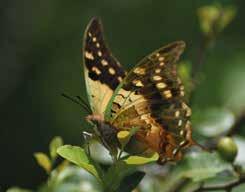
“Butterflies and insects are crucial parts of the forest ecosystem and strong indicators of forest health. Being able to collaborate with the local students and community members has shown me the incredible power of teamwork and shared passion for conservation and how pivotal these partnerships are to conservation success. The expedition really highlighted to me why I became an entomologist in the first place.”
Malagasy conservation organisation.
The story of delivery
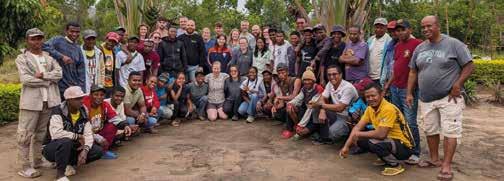
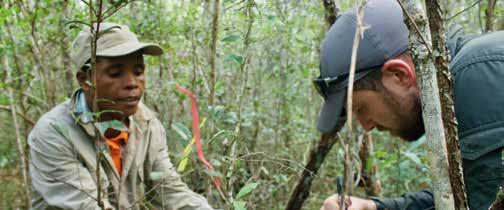
Fifteen colleagues, from horticulturists to directors, joined forces with Madagasikara Voakajy and local communities to deliver high-impact initiatives. Our team designed and built a new plant nursery for reforestation and sustainable employment. We planted native trees and conducted the first-ever butterfly surveys with students from the University of Antananarivo, providing vital baseline data for forest monitoring. Our education experts delivered lessons to schoolchildren, inspiring the next generation of conservationists. We also trialled ecotourism experiences and provided guide training.
The expedition forged deep relationships and demonstrated to local people that their home is of international significance and part of a wider global conservation network.
Our impact in action
This expedition demonstrates how our six capitals work in synergy to deliver our conservation mission.
Species and habitats: Direct contribution to restoration and protection of the Mangabe forest, a critical habitat for endemic species, including the golden mantella frog.
Scientific leadership: Insect surveys and collaboration with the University of Antananarivo strengthened our reputation as a global leader in conservation science.
Education and engagement: Deep relationships forged with local communities and a new generation of conservationists inspired through school outreach.
People and culture: A life-changing experience for colleagues and a powerful investment in the skills and leadership of the Madagasikara Voakajy team.
Conservation zoo: Our success as a visitor attraction enabled this complex expedition, demonstrating
return on investment from our visitors and members.
Financial sustainability: A strengthened partnership has enabled us to attract new funding and partnerships for the long-term sustainability of this vital work.
Connecting to our future
This expedition is a catalyst for the future and a key part of ‘Securing Our Future’ in Mangabe. The plant nursery will support increased reforestation, the insect survey data will provide vital monitoring tools and the ecotourism business plan will provide sustainable income for local communities. This expedition has laid the groundwork for a new chapter in our partnership with Madagasikara Voakajy.
27,346
hectares covered by conservation action
15 colleagues involved in the expedition
10 community-based organisations established
“The most memorable expedition moment for me was the interaction between the Chester Zoo and MV teams with the students and teachers of Mangabe Primary School. I saw their faces light up with enthusiasm during the environmental education sessions. This type of collaboration is essential for us and partners to enhance impact and credibility, pool skills and resources, highlight scientific research and produce useful and actionable results.”
Voahirana Randriamamonjy, Mangabe
£150,000 of project funding
Site Manager at Madagasikara Voakajy
A landmark blueprint: securing nature’s future in our communities
Networks for Nature is a £5 million landscape-scale conservation project that reconnects people and nature across the Cheshire landscape, building a blueprint for community-led nature recovery that can be replicated across the country.
Scale of our achievement
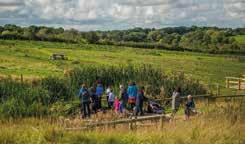
Habitat restoration Creating or restoring at least nine ponds, 100 hectares of habitat and 3,000 metres of hedgerow.
Community engagement Supporting 18 community groups and engaging 700 volunteers for nature.
Partnership network Collaborating with six GP surgeries on green social prescribing and empowering over 100 community groups.
Youth leadership Engaging 4,500 children and young people in nature-based learning and training 90 young people as environmental leaders.
The challenge The UK is one of the most naturedepleted countries in the world; nearly one in six species are at risk of extinction.
Our ambition
The UK is increasingly disconnected from nature, reducing our capacity to care for it and negatively impacting human wellbeing. Networks for Nature aims to develop a blueprint for collaborative nature recovery. Our ambition is to transform the landscape around Chester Zoo and into Chester and Ellesmere Port, reconnecting people and nature through community stewardship and partnership working. By building capacity for community-led habitat restoration and creating a joined-up landscape of wildliferich spaces, we aim to deliver lasting benefits for both people and nature.
Meet the team
“The most exciting part of Networks for Nature for me is being welcomed into communities where people volunteer their time because they want to have genuine impact — for wildlife and for one another. Whether it’s building grass snake nests on the Chester Zoo estate or supporting a group managing a community orchard, you see real community power in action. That collective energy, that advocacy for nature and place, is what creates lasting change.”
Chris Ablett, Community Volunteer Assistant Manager
The story of delivery
In March 2025, we were awarded over £4 million from The National Lottery Heritage Fund, enabling us to launch Networks for Nature. We have established a 14-strong project team, including three new trainees, who work collaboratively with existing Chester Zoo teams and our incredible partners.
Our Community Volunteering team have engaged community leaders through conservation action days, training and networking events. Our Schools Engagement team have started collaborating with local schools, delivering curriculum projects, school grounds improvements and Family Wildlife Clubs. We’ve trained 36 young people in Environmental Leadership qualifications to lead nature-based projects. Our Wildlife and Wellbeing team have begun working with GP surgeries on green social prescribing and engaging community groups in naturebased activities. Our partners have made significant improvements to their land, creating new habitats and removing barriers to community access.
Our impact in action
This landscape-scale project demonstrates how our six capitals work together to deliver lasting conservation and community benefits.
Species and habitats: Creating and restoring habitats across a mixed-use landscape enables species to move more freely and increases resilience to climate change.
Scientific leadership: Robust monitoring and evaluation will develop a blueprint for community-led nature restoration that can be replicated across the country.
Education and engagement: At least 4,500 children and young people will be engaged with nature-based learning, with 90 trained as environmental leaders.
People and culture: Upskilling 700 volunteers and 100 community groups builds lasting capacity for community stewardship and strengthens local pride in nature.
Conservation zoo: The number and variety of partners convened through the project demonstrates our leadership in landscape-scale conservation and strengthens our position as an influential conservation charity.
Financial sustainability: Receiving our largest ever grant award and galvanising the support from multiple additional funders provides significant support to our conservation mission.
Connecting to our future
Networks for Nature represents a step change in our ability to lead landscape-scale conservation and community engagement in the UK. Recognised within the Cheshire and Warrington Local Nature Recovery Strategy and integrated into Chester’s One City Plan, this project will create a legacy of lasting change. The blueprint we develop can be replicated across regions, securing our future as a leader in community-led nature recovery.
4,500 children and young people will engage in nature-based learning
90 trained as environmental leaders
“The £4 million investment, made possible by National Lottery players, in ‘Networks for Nature’ highlights our shared belief with Chester Zoo for collaborative, communityled conservation. This project demonstrates the potential for community and nature conservation organisations to work together, creating lasting impact across the UK. It is vital that we value, rebuild and protect our natural heritage so it is sustained for the future. We are excited to see the zoo and its communities taking forward this shared ambition in new and innovative ways.”
Helen Featherstone, Director, England, North at The National Lottery Heritage Fund
3,000 metres of hedgerow restored
700 volunteers upskilled through engagement
Landmark results: building a resilient and diversified future
Financial highlights & KPIs
12% growth in overall income to £70.5m (2024: £63.1m)
Increases in income from:
Visitor admissions –
£21.3m
(2024: £20.2m)
Trading activities, including The Reserve – £21.8m (2024: £18.1m)
Expenditure:
Expenditure on charitable activities of £30.4m, an increase of £3.9m (2024: £26.5m)
Cash flow from operations of £12.5m, an increase of 23% (2024: £10.1m)
Memberships –
£15.8m
(2024: £13.8m)
Donations, grants and legacies –
£6.6m
(2024: £5.9m)
Employment costs of £30.2m (2024: £26.1m) in relation to 684 FTEs* (2024: 664 FTEs)
*Full-time equivalents
Capital investment of £19.8m (2024: £32.2m), concluding Heart of Africa and The Reserve
Chester Zoo delivered another year of record income in 2025. What were the highlights?
2025 was a landmark year for the zoo, with our total income growing by 12% to £70.5m. This is a fantastic achievement and a testament to the hard work of the entire team. The growth was driven by several factors, including strong performance from visitor admissions and memberships, continued success from our trading activities and the opening of The Reserve in August. We also saw significant increases in donations, grants and legacies, which are vital for funding our conservation work. The breadth of this growth across all our income streams demonstrates the strength and resilience of our diversified business model.
Q&A – Liz Carnie, Chief Financial Officer
What were the main drivers of this income growth?
The growth in income was broad-based, which is very encouraging. Visitor admissions and memberships continue to be our most significant income streams, and both performed strongly in 2025. We also saw a significant increase in our trading activities, with The Square completing its second full year of operation and delivering excellent results. The opening of The Reserve in mid-August was a particular highlight, as it started to contribute valuable income in its first few months and positions us well for future growth. Finally, we were delighted to receive a major grant from The National Lottery Heritage Fund for our Networks for Nature project, which will provide over £4m of funding for our vital conservation work over the coming years.
2025 saw the conclusion of a major investment programme. Can you tell us more about that?
In 2025, we completed our ambitious three-year investment programme, which included the development of the Heart of Africa zone, The Reserve and essential
supporting electrical infrastructure. This was a major undertaking for the zoo, with capital expenditure of £19.8m in 2025, bringing the total investment over the three years to a record level. This investment is all about enhancing the visitor experience, creating world-class habitats for our animals and diversifying our income streams through new offerings like hotel accommodation. We are thrilled with the results, and we are confident that these new developments will be enjoyed by our visitors for many years to come while supporting our charitable mission.
that this scale of investment was essential for the long-term sustainability of the zoo. At the end of 2025, our net borrowings stood at £39.7m, an increase of £11.1m from the previous year.
We have a clear and robust plan in place to manage this debt, and we were pleased to renew our facility with Santander early in 2026, supporting the zoo through to 2031. Crucially, our strong operational cash flow gives us confidence that we can comfortably service and repay this debt while continuing to invest in our charitable mission.
How has the zoo managed its costs in a high-inflation environment?
The zoo's borrowings have increased significantly. Why is that and how is it being managed?
The increase in our borrowings is a direct result of our recent investment programme. In 2023, we took out a loan facility with Santander to help fund the development of Heart of Africa and The Reserve, recognising
Like all organisations, we have been facing significant inflationary pressures, particularly in relation to our employment costs. The increase in the National Living Wage and changes to National Insurance thresholds have had a substantial impact on our operating costs. Despite these challenges, our absolute priority remains ensuring that our animals and plants are well cared for and that our people are rewarded fairly for their hard work and dedication. We are working hard to manage these costs effectively through careful planning and driving efficiencies across the organisation, while
never compromising on the quality of care we provide or the standards we maintain.
Despite the investment and borrowing, the zoo generated strong cash flow. What does this tell us?
Our cash flow from operations was very strong in 2025, at £12.5m – an increase of 23% on the previous year. This is a key indicator of the financial health of the zoo, and it demonstrates the resilience of our business model even in challenging economic conditions. It demonstrates our ability to generate enough cash for operations, debt repayments and future investments. This strong cash flow gives us the confidence to continue to pursue our ambitious plans for the zoo while managing our financial commitments responsibly. It's a clear sign that our strategy of diversifying income streams and investing in the zoo is working.
Cash flow from operations, funding investment in the zoo (£m)
In 2024, the zoo had a net inflow of funds of £2.2m, but in 2025 there was a net outflow of £0.6m.
Can you explain this change?
This is an important question, and the change reflects the different stages of our investment cycle. In 2024, our ongoing capital investment programme was offset by solid income growth and lower depreciation costs. In 2025, while our income continued to grow strongly to £70.5m and we generated excellent operational cash flow of £12.5m, several factors contributed to the net outflow position, resulting in the group deficit of £698k.
Firstly, as we completed our major capital projects, we commenced depreciation of these substantial new assets, and our depreciation and amortisation charge rose to £8.3m from £6.9m in 2024. Secondly, our borrowing costs increased to £3.2m as our borrowings rose and we completed Heart of Africa and The Reserve; these costs were £1.8m in 2024. Thirdly, we incurred one-off pre-opening costs of £0.5m for The Reserve ahead of its August launch. Offsetting these increased costs, we did benefit from a profit of £1.2m on the disposal of a portfolio of residential properties during the year.
The key point is that our strong operational cash flow of £12.5m demonstrates the underlying financial health of the organisation.
The net outflow is a timing issue related to our investment cycle, and as we move into 2026 and beyond, we expect to see the full benefits of our recent investments flowing through to our bottom line.
What is the financial outlook for 2026?
2026 will be a year of consolidation for the zoo. After a period of major investment, our focus will be on maximising the return on that investment and continuing to grow and diversify our income streams. We will also remain focused on controlling our operating costs and beginning to repay our borrowings. The Reserve will have its first full year of operation, which we expect to contribute significantly to our income. We are confident that the zoo is in a strong financial position, with robust cash generation and a clear strategic direction. We are excited about the opportunities that lie ahead as we continue to deliver our mission of preventing extinction while ensuring the long-term financial sustainability of the organisation.
Spotlight on our financial strategy
What was the total capital investment over the three-year programme?
Between 2023 and 2025, Chester Zoo invested £71.5m, representing the most ambitious capital programme in the zoo’s history. This delivered not only the newly opened Heart of Africa and The Reserve, but also a new snow leopard habitat, a new Conservation Education Hub, expansion of our zoo science facilities, along with critical systems and infrastructure upgrades.
How is the borrowing structured?
The zoo has a loan facility with Santander Bank, specifically arranged to fund the Heart of Africa and The Reserve developments. This facility was renewed in early 2026 and will support the zoo through to 2031. Part of the loan is structured as a ‘Green Loan’, reflecting the environmental credentials of the projects, particularly The Reserve, where all buildings have an Energy Performance Certificate rating of A.
What is the repayment plan?
The zoo has a clear repayment plan aligned with anticipated cash flows. With net borrowings of £39.7m at the end of 2025, the focus for 2026 is on consolidation and beginning the repayment journey; the first repayment of £5m is due in September 2026. The strong operational cash flow of £12.5m provides confidence that the zoo can service its debt while continuing to deliver its charitable mission.
How does The Reserve contribute to income diversification?
Opening in mid-August 2025, The Reserve provides hotel accommodation, restaurant facilities and event spaces. This creates new revenue streams that operate year-round and are less dependent on day visitor numbers. The Reserve attracts both overnight leisure guests and corporate clients who typically spend more and visit during offpeak periods, helping to smooth income throughout the year.
What safeguards protect the zoo’s financial position?
Chester Zoo aims to maintain minimum free cash reserves of at least £4.6m to ensure financial stability. The Board’s Finance and Audit Committee provides oversight of financial performance and risk management, regularly monitoring cash flow and forecast covenant compliance.
What are the key financial priorities for 2026?
The priorities for 2026 are maximising income from The Reserve in its first full year, continuing to grow and diversify income streams, maintaining tight control of operating costs and beginning to repay borrowings. The zoo will continue to invest in conservation programmes while ensuring animal welfare and staff wellbeing remain top priorities.
Risk, opportunity and our path forward
At Chester Zoo, managing risk is not just about protecting our assets, it’s fundamental to ensuring we can achieve our mission. The Board of Trustees have a structured risk management strategy that sets out responsibilities, processes for escalation and links to both internal controls and external legal frameworks. Through our risk register, the Executive team and Trustees regularly assess the most significant threats to Chester Zoo’s stability and sustainability, to ensure the charity remains resilient.
Our risk appetite balances responsible caution with the need to take calculated risks to deliver our strategy and long-term plans. While we embrace opportunities for innovation and conservation, we remain particularly risk-averse in areas affecting animal welfare, visitor safety and financial sustainability.
Managing our risks to secure our future
The risk register identifies over 20 risks. Below, we outline some key risks and our mitigation.
Risk category Description of risk
Reputational
Financial
Major incident: A major incident, such as a dangerous animal escape, cyberattack or disease outbreak, could threaten human and animal safety and damage Chester Zoo’s reputation.
Our mitigation
Internal controls – risk assessments, operating procedures and policies, with regular external audit and inspections.
Emergency preparedness – crisis response plans and emergency drills conducted in collaboration with partners, including the emergency services.
Business continuity – a structured, comprehensive insurance framework and cash reserves policy.
Financial downturn: A significant downturn in financial performance results in failure to achieve budgeted income and leads to use of cash reserves.
Monitoring and forecasting – three- to five-year forecasts guide strategic decisions, while monthly management accounts and regular reforecasts support short-term decision-making.
Diversification of income streams – a strategy to diversify income and reduce reliance on day visitors by growing memberships, fundraising and trading revenue.
Environmental Climate change: Climate change accelerates biodiversity loss, heightening the importance of our conservation role, and will impact operations through extreme weather. Regulatory change, rising associated costs and evolving visitor expectations also present challenges and opportunities.
Political Policy change: Political instability in the UK and overseas may disrupt the economy, and policy changes could reduce funding for environmental protection and conservation programmes.
Policies and procedures – setting out our approach to climate risk, principles and targets.
Strategic planning – sustainability and future climate considerations are embedded into wider strategies, such as our Strategic Development Plan for the zoo.
Monitoring and advocacy – we actively track policy changes and engage in advocacy to protect conservation funding.
Collaboration – partnering with global organisations to navigate regulatory changes.
Opportunities to secure our future
Chester Zoo is driven by an ambitious vision that is guiding us towards our centenary in 2031 and beyond. And as we move forward, there are a number of opportunities that we will embrace.
Opportunity Description of opportunity Our action
Conservation leadership As the UK’s top-rated zoo, attracting over 2 million visitors annually, we have a unique chance to shape the future of a modern conservation-led zoo.
Use of technology The rapid advancement of technology is having a major impact on wildlife conservation and on how organisations operate.
We will put species conservation at the heart of everything we do, underpinned by science and innovation. We will use our voice and public reach to advocate for nature, influencing people, policy and practice for the benefit of wildlife.
Climate risk
Climate change presents material physical and transitional risks and opportunities for Chester Zoo. It drives biodiversity loss: impacting and increasing the importance of our conservation mission. In addition, it directly affects our operations through storms, extreme rainfall, drought and heatwaves. Regulatory change, rising costs and shifting visitor expectations may also create challenges and opportunities for the organisation. Our approach to managing climate risk includes:
People and culture
Our people are key to the delivery of our strategy, and we must ensure we have the right people and culture for the future.
Financial sustainability Continued diversification of revenue streams will support further investment in our mission and provide resilience against risk.
We will embed technology across all our work, partnering to use AI to boost species management in the zoo and to monitor and protect wildlife in the field.
We’ll use emerging technology to inspire visitors and extend our reach beyond the zoo.
We will strengthen our governance, leadership and skills to meet the future needs of our complex organisation. A valuesdriven culture that prioritises inclusion and wellbeing will boost performance and adaptability.
We will continue to diversify our income by developing new revenue streams to complement zoo admission income. This will include creating additional opportunities within the zoo site and enhancing the overall visitor experience.
We will also explore income-generating opportunities beyond the zoo, particularly through the use of our wider land holdings and by leveraging our brand.
In addition, we will use the skills and expertise of our team to work across the national zoo and aquarium sector, generating further income to support our charitable mission.
Governance – Delivery of Chester Zoo’s Sustainability Policy rests with the Trustees, delivered by the executive through the Sustainability Steering Group. All staff and volunteers contribute to delivery. The Audit and Risk Management Committee oversees climate and sustainability risk and the Ethical Review Committee oversees wider sustainability practices.
Strategy – Our Sustainability Policy defines how we deliver sustainability, including our approach to climate risk, principles and targets. Climate risk is also embedded in wider strategies, such as our Strategic Development Plan, ensuring infrastructure and site design are resilient to future extreme weather and a changing climate.
Risk management – Climate risk, both physical and transitional, is recorded on the zoo’s risk register. The Leadership team assesses climate related risks and opportunities, informed by reporting standards and good practice.
Metrics and targets – Our Sustainability Policy sets out the objectives and targets the zoo is currently working towards. This includes metrics and targets on carbon (including Scope 1, 2 and 3 emissions), waste, forest risk commodities and UK biodiversity, which we report progress on annually (found on page 56).
Our leadership, governance and charitable purpose
Introduction
The North of England Zoological Society (“the Charity” or “Chester Zoo”) is the official registered charity name for Chester Zoo. As well as undertaking all of Chester Zoo’s charitable activities, it is parent company to a number of wholly owned subsidiaries that have been incorporated for specific reasons, including two trading companies, two dormant companies and a company that oversees the Charity’s defined benefit pension scheme (see note 24 of the financial statements).
The charity is regulated by its Memorandum and Articles of Association – available for public inspection at Companies House.
Our charitable objects
Chester Zoo’s charitable objects, which set out why we were established as a charity, are laid out in our governing documents. The objects are:
• To promote the conservation of the physical and natural environment by promoting biodiversity.
• To advance the education of the public on the conservation of the physical and natural world and the promotion of biodiversity, in particular by, but not limited to, the provision of public education, scientific study and the maintenance of endangered animals,
plants and habitats in both protective and natural environments.
The strategies for achieving our charitable objects, and related objectives, actions and activities, together with case studies setting out the impact of our work are set out on pages 12-31 of this report.
Our governance structure
Chester Zoo operates a two-tier board structure, with a Trustee Board and team of Executive Directors, a common structure typical of many UK registered charities. The Trustees are the directors for the purposes of company law.
The Board of Trustees
How many Trustees are there and how are they appointed?
Our governing documents set out the requirements for Trustees. There must not be fewer than three, or more than 17 Trustees. Of these, no more than 14 can be Elected Trustees and no more than three can be Co-opted Trustees.
Elected Trustees, who must be members of Chester Zoo, are elected by the members at the Annual General Meeting and are Trustees for a maximum of six years. Co-opted Trustees are co-opted by the Trustees and may serve for up to 15 months from being appointed. Co-opted Trustees often go on to
become Elected Trustees. Similarly, Elected Trustees may be co-opted at the end of their six-year term and could subsequently go on to be re-elected by the members.
The Chair and Vice Chair are elected by the Trustees from their current membership and take the role for up to three years. At the end of the three years, they can be re-elected for a maximum of three further years. During their time as Chair or Vice Chair, they are not required to retire as Trustees in accordance with the normal six-year rule.
Who determines the responsibilities of the Board of Trustees?
Our Trustees, in their capacity as directors, have responsibilities under charity and company law. The Trustees have ultimate responsibility for the activities of Chester Zoo and hold it ‘in trust’ for current and future beneficiaries.
Our Board of Trustees fulfils these responsibilities by:
• Ensuring that there is a clear mission and strategic direction, in line with the charitable objectives, and that Chester Zoo is focused on achieving these.
• Overseeing the performance of Chester Zoo, its employees and its culture.
• Ensuring that Chester Zoo complies with legal and regulatory requirements.
• Acting as guardians of Chester Zoo’s
assets, both tangible and intangible, taking all due care over their security, deployment and proper application.
• Ensuring that Chester Zoo’s governance is of the highest possible standard.
How frequently does the Board of Trustees meet and what’s discussed?
The Board of Trustees meets on a formal basis at least six times a year and has a rolling business cycle that is used to set the agenda for each meeting. Meetings, which are also attended by the Executive Directors and members of the Youth Board, are generally held as hybrid meetings, with Trustees encouraged to attend in person where practicable.
Board meetings have standing agenda items which are discussed at each meeting, including health and safety, financial performance, safeguarding and any claims or legal matters. At each meeting, the Executive Directors all give an update on their team’s work, and there is a report from the Chair of each subcommittee.
In addition, there is a rolling business cycle of matters covered at least once a year. This includes approval of the annual budget, an annual health and safety review and a review of the risk management strategy and risk register. Once a year, a strategic review meeting is held where longer-term strategic direction is discussed.
At each meeting, at least one significant additional topic is presented for debate, discussion or approval. In 2025, these included the results of the annual staff engagement survey, a long-term investment plan for the zoo’s conservation work, the zoo’s inclusion strategy, proposals for the demolition of the zoo’s aquarium, the establishment of an NGO in Uganda and strategic plans for the zoo’s landholding.
There are a number of subcommittees of the Board that meet regularly during the year.
Who was a member of the Trustee Board during this reporting period?
The following table sets out who our Trustees were during the year, how many Board meetings they attended (some Trustees having been appointed during the year) and which committees they were involved in.
Professor David MacDonald retired as a Trustee on 5 June 2025 at the end of his term. Angela Robinson resigned as a Trustee on 6 October 2025 due to a change in personal circumstances.
*Jen Carter is the Trustee liaison to the Youth Board. **David Wooton acts as Chester Zoo’s Safeguarding Lead.
What do the subcommittees do?
The Board of Trustees delegate aspects of their responsibilities to six subcommittees.
The Ethical Review Committee acts in an advisory capacity to the executive and the Board of Trustees to ensure that Chester Zoo pursues its mission while adhering to the highest possible relevant ethical principles. The committee met three times in 2025, approving and reviewing a range of research projects conducted both at the zoo and as part of overseas field programmes, including those undertaken by our partners. The committee receives regular reports on matters relating to animal health, welfare and husbandry at the zoo and considers Chester Zoo’s ethical practices in relation to its wider operations, including policies relating to matters such as sustainability, procurement and the management of the zoo’s employees.
The Ethical Review Committee had four external specialist advisors in 2025: Professor Richard Preziosi, Dr Lottie Hosie, Sandra Donnelly and Allison Green.
The Audit & Risk Management Committee has the responsibility to review the effectiveness and integrity of the Society’s systems for internal control and its risk assessment procedures, and it appoints Chester Zoo’s external and internal auditors. The committee met four times in 2025 and
received reports from the external auditors on the 2024 financial statements and from the internal auditors who performed a cyber risk assessment. The Society’s risk register was reviewed, and several presentations were made by management on topics such as health and safety, data governance, insurance and banking.
The Remuneration Committee has responsibility for determining the remuneration of the Chief Executive Officer on behalf of the Trustees. Remuneration for other Executive Directors is set by the Chief Executive Officer in consultation with the Remuneration Committee and with external advice where necessary. The Remuneration Committee met once in 2025 at the beginning of the year to work with the CEO in setting a suite of objectives for 2025 and agree on remuneration ahead of the April 2025 pay reviews. A focus of the discussion was organisation design and ensuring Chester Zoo has the correct structure in place to deliver the strategic plan.
The Trustee Nominations Committee takes responsibility for ensuring that the Board has the relevant skills, experience, characteristics and backgrounds to provide high-quality, effective governance of the Society’s affairs. The committee is responsible for identifying and proposing new Trustees to the membership for election at the Annual General Meeting. New Trustee roles are advertised through a number of
channels, including the Society’s regular communications with its membership, the website and increasingly, where specialist skills are sought, the use of executive search organisations. The Nominations Committee is also responsible for the induction, support and development of new Trustees.
The Nomination Committee met once in 2025 to discuss board succession plans and recruitment plans for 2025. The committee worked with Warren Partners, an external recruitment agency, to recruit one new Trustee in 2025.
The Strategic Development Committee is responsible for ensuring that the longterm Strategic Development Plan (SDP) for the physical development of the zoo estate is implemented in accordance with the strategy set out by the Trustees. The committee monitors progress, scrutinises and makes decisions in respect of individual strategic capital projects in respect of the overall SDP with regard to quality, cost and overall programme, and makes recommendations to the Board of Trustees for any issues of significance in respect of the SDP and its implementation. The Strategic Development Committee met five times in 2024 and, through reports from project steering groups, monitored progress on the completion of Heart of Africa and The Reserve. The committee also received presentations from the Executive team on strategic use of the wider zoo landholding,
including renewable energy generation, and for the zoo’s aquarium as it reaches its end of life.
The Strategic Development Committee had one specialist advisor in 2025, Mark Ditchburn.
The Conservation Plan Committee provides oversight of the 10-year Conservation Plan, as approved by the Board of Trustees, and assurance that it is being properly implemented in accordance with the strategic objectives and against measurable targets set for its delivery. The committee met three times in 2025, monitoring progress against each of the six targets throughout the year. In 2025, the committee also reviewed and finalised a cost and investment plan, approved a proposal for establishment of an NGO in Uganda and received updates on the Networks For Nature project and work with UK native species.
How are Trustees supported in their role?
Every Trustee begins their Chester Zoo journey with a Trustee handbook and formal induction, which involves spending dedicated time with members of the zoo team.
Trustees complete annual training sessions on topics such as safeguarding, modern slavery, cybersecurity, equality, diversity and
inclusion, and they receive regular topical updates from the Company Secretary at each Board meeting.
The Executive team
The Board of Trustees delegate the day-today management of Chester Zoo to the five C-Suite Directors, led by the Chief Executive Officer. The C-Suite Directors provide advice and information to the Board of Trustees and attend all Board meetings and relevant subcommittee meetings.
The Executive team, comprising the C-Suite Directors and other directors, meet regularly as a group. Agendas include standing items such as health and safety, financial performance and review of the risk register, together with more strategic matters ahead of presentation and discussion at Trustee meetings.
All directors play active roles in project steering groups across the zoo, working closely with senior managers and delivering a directors’ engagement session to all staff each quarter.
The C-Suite directors at the date of this report and serving during the year were:
• Jamie Christon DL, Chief Executive Officer. Jamie has overall leadership responsibility for the operation and strategic direction of Chester Zoo,
supported by the Board of Trustees. He joined the zoo in 2013 as Chief Operating Officer and became CEO in early 2021.
• Dr Kirsten Pullen, Chief Conservation Officer and Deputy CEO. Kirsten joined Chester Zoo in 2025. With responsibility for all aspects of the conservation strategy, Kirsten has garnered experience in the national and international zoo conservation community.
• Jen Atkins, Chief People Officer. Jen leads people and culture, health and safety, and transformation at Chester Zoo. Jen has an extensive background in HR leadership across a variety of sectors and joined Chester Zoo in 2023.
• Liz Carnie, Chief Financial Officer. A Chartered Accountant by background, Liz joined Chester Zoo in 2014 and is responsible for finance, IT operations and fundraising.
• Dominic Strange, Chief Operating Officer. Dominic, who has significant experience in the leisure and attractions industry, leads the commercial strategy and oversees operations and marketing. Dominic joined Chester Zoo in 2010 and has led his teams through a period of significant growth in visitation.
The other directors are: Carl Askew, FM & Operations Director; Cathy Lunn, Strategic Development Director; Charlotte Smith, Director of Conservation Education; Gareth Siddorn, External Affairs Director; Dr Gerardo
Garcia, Animal & Plant Director; Jennifer McDermott, People & Culture Director; Charlotte Lord, Brand & Marketing Director and Tom Owen, Finance Director.
External advice and assurance
The Trustee Board and Executive team take external advice from a number of professional organisations, including:
Company Secretary
Aarco Service Limited, represented by Nick Clarke
External Independent Auditor
Grant Thornton UK LLP, Royal Liver Building, Liverpool L3 1PS
Internal Independent Auditor
RSM UK Risk Assurance Services LLP, 20 Chapel Street, Liverpool L3 9AG
The Chester Zoo Youth Board is a group of 18 professionals and students, aged 18–26, who ensure the zoo’s work is relevant and informed by the perspective of young people. As a volunteer group, we believe that conservation organisations can prevent extinction through empowering future generations. We work closely with the zoo’s senior teams and Trustees across four key areas:
• People and culture
• Public affairs and legislation
• Conservation education and engagement
• Commercial growth and visitor experience
In addition to these strategic areas, we also react to topical issues, represent young people and the zoo at events, and advocate for youth governance, to help organisations, groups and individuals. Throughout 2025, the Chester Zoo Youth Board:
• Conducted six Youth Board meetings and contributed to six Trustee meetings.
• Delivered a presentation to the Board of Trustees on young people’s priorities and ideas for Chester Zoo, drawing on five years of Youth Board work.
• Established a Youth Board alumni network.
• Hosted a one-day Youth Summit around the theme of “Getting into Conservation”.
• Provided feedback on the zoo’s student membership workstream and staff survey results.
• Contributed to the zoo’s plans for youth engagement, inclusive growth and live lessons.
• Offered a youth perspective as part of the zoo’s response to the government’s Curriculum and Assessment Review and relevant IUCN motions.
• Led or contributed to over 40 events.
• Onboarded six new Youth Board members and developed our own Youth Board inclusion practices.
In 2026, the Youth Board will continue to deliver advice, feedback and input on matters that relate to young people across the zoo. We will build on our reputation as a strong form of youth governance and articulate ideas in a way that is actionable and implementable. As a Board, we are always building towards quality advice, impactful advocacy and stimulating ideas today, for a more inclusive, empowering and successful tomorrow.
Our stakeholder dialogue
At Chester Zoo, engaging with our stakeholders is central to achieving our mission to prevent extinction. Through open dialogue, collaboration and shared purpose, we work locally, nationally and internationally to grow our influence and to deliver meaningful, lasting conservation impact.
Our employees and volunteers
Why we engage
To foster a positive, inclusive and engaging workplace where colleagues and volunteers feel valued, empowered and inspired to contribute to our mission.
How we engage
• Regular pulse surveys, engagement sessions and transparent internal communications.
• Recognition programmes, including Chester Zoo Stars and quarterly STAR Awards.
• Inclusion workshops and involvement in shaping our new Inclusive Growth Strategy.
• Staff Association meetings with senior leaders.
• Events that connect teams, including ZooFest.
Highlights
• 73% response rate to the 2025 engagement survey and maintained a 79% engagement score.
• First full year of the Chester Zoo Stars recognition programme.
• Staff input shaped the Inclusive Growth Strategy.
• ZooFest 2025 brought together more than 600 colleagues and volunteers.
Our members and supporters
Why we engage
To build lasting relationships which inspire and connect people with wildlife.
How we engage
• Our team of rangers and volunteers engage with over 2 million visitors throughout the year.
• Monthly member communications and exclusive digital newsletter.
• Bespoke events and experiences for supporters.
Highlights
• 21,500 members attended our Heart of Africa preview.
• Members brought over 7,000 guests into the zoo on our exclusive Members Days.
• 3,000 people took part in our Run for Nature, raising over £200,000.
• Our new Celebration Tree, designed by artist Emma Rogers, was unveiled in June and is a new way to celebrate people and memories at the zoo.
• Our Footprints for the Future appeal, launched to celebrate the opening of Heart of Africa, provides a unique way for people to support the conservation of giraffes.
Our local community
Why we engage
To improve the local area for people and wildlife and to support communities facing barriers to engaging with conservation.
How we engage
• Long-term partnerships working with environmental and community development organisations in the region.
• Wildlife Champions training and networking events for community leaders.
• Community events and online resources.
• Green social prescribing programme, in partnerships with GP practices and other social prescribers.
Highlights
• A £4m grant from The National Lottery Heritage Fund allowed us to launch our Networks for Nature project.
• Partnership working to improve inclusive practices on the Chester Zoo site, including Deaf Support Network for British Sign Language signs and Autism Together for sensory signs.
• 49 organisations received 5,000 tickets as part of our Community Connection Scheme.
Our donors and partners
Why we engage
To build long-standing relationships that support our work through financial donations, sponsorship and in-kind contributions.
How we engage
• Flexible partnership models aligned with environmental, social and governance (ESG) priorities.
• Regular touchpoints, including unique experiences, events and personal updates, provide insight into the impact of our conservation work.
• Opportunities for partners to volunteer and be part of our mission.
Highlights
• 900 corporate volunteers supported our mission, donating over 3,600 hours of time.
• 30 businesses partnered with us to support our conservation work, either through donations or providing in-kind contributions of goods and service.
• Two major donors joined us on a visit to Assam, India, to witness the beginning of their five-year funding support for a project aiming to foster human–elephant co-existence in Raimona National Park.
Our field partners
Why we engage
To create partnership networks in the regions where we work, in order to deliver sustainable, evidence-based conservation projects.
How we engage
• Working with 50+ partners across 17 countries and over 60 field projects.
• Funding, research collaboration and capacity building.
• Long-term commitments supporting locally led conservation.
• Highlights
• Working with the IUCN Conservation Planning Specialist Group to develop a conservation action plan for the critically endangered Javan green magpie.
• Global leadership in giant pangolin monitoring science.
• Worked with The Mersey Forest Trust to plant over 5,000 trees on zoo land.
• Community honey production and bear-friendly certification scheme in Bolivia.
• Our long-running partnership with Hutan to protect the Kinabatangan landscape in Borneo helped to achieve UNESCO Man & Biosphere status.
Policymakers and wider civil society
Why we engage
To influence policy changes that support conservation and biodiversity, and to raise awareness of Chester Zoo’s nationally leading conservation work.
How we engage
• Providing briefing notes on issues the zoo has expertise or experience in.
• Working with politicians to help shape political debate.
• Responding to consultations and calls for evidence.
• Meetings in Westminster, stakeholder visits to the zoo and attending party conferences.
• Playing an active role in the environmental NGO sector, including taking part in joint campaigns and events.
• Working with BIAZA and EAZA to support influencing efforts.
Highlights
• We hosted the Zoos Minister, Baroness Hayman, to launch worldleading new UK zoo standards.
• The Secretary of State for Environment, Food and Rural Affairs, Emma Reynolds MP, visited the zoo to learn more about our innovative science-based conservation work.
• The tourism minister joined us to find out more about what makes us one of Britain’s leading visitor attractions.
• We successfully coordinated with other BIAZA members to campaign on a range of conservation and environmental issues.
S172 statement
The Board of Trustees, as Directors of The North of England Zoological Society, are aware of their duty under section 172 of the Companies Act 2006 to act in the way which they consider, in good faith, would be most likely to promote the success of the Charity, for it to achieve its charitable objectives. In particular, the Board acknowledges that its decisions have a long-term impact on Chester Zoo’s stakeholders, including its employees, and on the environment, the community and the zoo’s reputation for a high standard of conduct as a charity.
Trustees have complied with section 4 of the Charities Act 2011, having due regard to public benefit guidance published by the Charities Commission, including its supplementary guidance on fee charging.
Governance and decision making
On pages 40–43 of this report, we have set out the governance structure of the Board and its committees, the executive director team and professional advisors, along with detail of matters considered during the year.
The balance of skills, experience, knowledge and diversity amongst the Board, the director team and the Youth Board brings a variety of different perspectives to discussions and enhances the Board’s decision-making process.
All decisions are made in support of the strategy and its objective to continue to build a strong, resilient and sustainable zoo that can maintain and develop its mission of preventing extinction throughout this decade and into the next.
Impact on the environment
On pages 56–58 of this report, there are details of how Chester Zoo is acting to reduce the impact of its activities on the environment, in line with the four sustainability targets set out in the Chester Zoo Sustainability Policy. Chester Zoo’s estate includes the zoo and a significant land holding surrounding the zoo itself. This land is used both for operational purposes, including growing browse for the animals, for carbon storage and for the protection
of biodiversity and includes the zoo’s nature reserve.
Reputation as a charity
Chester Zoo has in place a range of policies and procedures that provide clear guidance on expectations and requirements for those working with and for the Charity. Areas covered include ethical practices, employment procedures, working practices, communications procedures, health & safety procedures, environment, and safeguarding and information governance.
All policies are reviewed and updated regularly, and a number are reviewed by the Audit & Risk Management Committee or Ethical Review Committee as standing items.
As Chester Zoo’s activities regularly involve its staff and volunteers working with children and vulnerable adults, there is a designated Trustee safeguarding lead and there is a designated safeguarding officer on site every day.
Public benefit
Chester Zoo relies on income from admissions, memberships and trading to deliver its charitable activities. To reduce financial barriers and make entry to the zoo accessible to all, a range of discounted and free tickets is offered throughout the year.
In 2025, 70,368 children under one entered free and 103,771 children under three visited for a nominal fee. A £1 ticket initiative for people receiving Universal Credit or disability related benefits enabled 33,626 visits, while a further 5,000 free tickets were distributed through the zoo’s Community Connections scheme to 49 organisations supporting vulnerable groups.
Education visits are heavily subsidised. The winter free-ticket scheme provided 27,904 free educational visits, and outreach programmes engaged with 10,893 pupils from 58 schools with high numbers of children eligible for free school meals; these programmes also generated 16,005 family visits. The Networks for Nature programme supported local schools with training, nature learning and family wildlife clubs. Nationally, 633 teachers received training to deliver conservation education, and new live lessons reached an estimated 90,000 learners. Free online resources and new biodiversitythemed teaching material created with Twinkl expanded this reach.
The zoo’s Ofsted-registered holiday clubs recorded 1,516 participations, supported by schemes that reduce childcare costs. Youth programmes for 12 to 25-year olds delivered 1,713 engagements, including green skills projects, while Youth Network events supported young people seeking a career in conservation and 36 young people completed our Environmental Leadership
course. Advanced training supported 24 postgraduate scholars and 16 apprentices.
Other initiatives included our annual Dreamnight, for families of children with lifelimiting conditions, and a regular Memory Café, which had 437 attendances. Chester Zoo’s volunteering programme engaged 251 people, undertaking roles across visitor engagement, education, gardening and events, with 50 young volunteers including students completing the Duke of Edinburgh programme and participants from a local specialist residential unit for people with mental health challenges.
The Chester Zoo-led Wildlife Champions network trained 31 new community leaders and supported citizen science campaigns involving 343 people, generating 26,384 wildlife observations across 2,210 species. Our community partnerships work expanded into areas such as Green Social Prescribing.
The zoo’s Nature Reserve remained free to access year-round and hosted events, including Nature Fest, which engaged over 4,000 people.
Equality, diversity and inclusion
In 2025, we strengthened our commitment to equality, diversity and inclusion (EDI) through the development of our Inclusive Growth Strategy, which sets out how inclusion underpins both our conservation
mission and our long-term sustainability. Our vision is clear: at Chester Zoo, we believe that inclusion is essential to both our conservation mission and our sustainability and growth as an organisation. By embracing diverse backgrounds, perspectives and experiences, we create a culture where everyone belongs, so that together, we drive meaningful, lasting impact for people and wildlife.
During the year, we continued to build awareness and engagement around inclusion. We recognised key moments such as Neurodiversity Celebration Week and National Inclusion Week, providing colleagues with opportunities to share lived experience and access practical resources that support inclusive ways of working. In our latest employee engagement pulse survey, 78% of employees agreed or strongly agreed that Chester Zoo is a great place to work.
Our colleague networks, including LGBTQ+ and allies, continued to meet regularly and play an active role in fostering connection and visibility. This commitment to inclusion was reflected in strong engagement across the year, including our continued participation in Chester Pride, where over 130 employees, along with their friends and family, attended.
We also remained focused on widening access to careers in conservation. Through
apprenticeships, work experience and student placements, we continued to support people at different stages of their education and early careers, helping to create more inclusive pathways into the sector.
Looking ahead, our Inclusive Growth workstream plan provides a clear and coordinated framework for action. Through targeted work across a range of topics such as people and culture, guest experience and nurturing future conservationists, we will continue to embed inclusion into everyday practice, ensuring Chester Zoo remains a place where everyone feels welcome and valued.
Grant-making
Chester Zoo supports a wide range of conservation and research activities both in the zoo and externally, often in partnership with other organisations to whom we provide ongoing financial support. Grants towards scholarships are also awarded. Rather than providing one-off grants, the Charity works in partnership with other likeminded organisations with whom projects are co-developed in line with our mission and Conservation Plan.
Criteria for funding support for such projects include alignment with the Chester Zoo Conservation Plan, feasibility, expected conservation outcomes, qualification
of project personnel, capacity building, benefits to local communities, relevance to other conservation initiatives of the zoo and regions or countries where the zoo already has a field conservation focus, links to species within the collection plan and opportunities for technical support from zoo employees.
Primarily, support is provided to those projects judged to have the potential to make a significant positive conservation impact and a contribution to one or more of the six targets of our Conservation Plan. Applications are requested to be made on our standard grant application forms, and these are reviewed internally against standardised criteria before a funding decision is made.
Our employees and volunteers
Page 46 of this report sets out how we engaged with our employees and volunteers.
Fundraising
Chester Zoo is committed to fair, responsible and positive fundraising, ensuring supporters feel connected to our work and understand the impact of their donations. We follow best practice and are registered with the Fundraising Regulator, with all activity aligned to the Code of Fundraising Practice.
We avoid intrusive fundraising and prioritise treating donors fairly. Support is tailored to each individual’s needs, and – with permission – we maintain communication to identify when additional care may be required. We take steps to protect donors, including delaying or returning gifts, monitoring online donations for errors or misuse, ensuring transparency about how donations are used, and refusing gifts where capacity is in doubt. Returned donations are recorded to guide future decisions. Supporters under 16 require explicit guardian consent and must be accompanied during calls or fundraising; they do not receive general fundraising communications.
We ensure donors fully understand the purpose and implications of their gift, and our campaigns are designed to avoid emotional pressure.
No fundraising complaints were received during the year.
Relationships with suppliers
Chester Zoo maintains, strong, longstanding relationships with many of its suppliers. Suppliers in ley areas are carefully selected in accordance with procurement guidelines that align with the zoo’s values.
Borrowings and reserves
Chester Zoo aims to apply as much funding as possible towards its charitable objectives while ensuring financial sustainability. The Trustees consider the long-term impact of financial decisions on the zoo’s stakeholders, ensuring that resources are used effectively.
During the year, the Charity has used borrowings to fund its capital projects. These borrowing decisions are made with careful consideration of financial risk and long-term value creation, ensuring they support the strategy. More detail can be found in note 17 of the financial statements.
In setting the cash reserves policy, the Board considers the Charity’s continuing financial commitments in terms of its employees and overhead, including the cost of caring for the zoo’s plants and animals alongside funding its charitable activities that take place outside of the zoo, along with any capital commitments and the associated borrowing facilities. The Board also considers the risk that its future income may be impacted by factors outside of management control,
particularly incidents that could close all or part of the zoo for a period of time, or more prolonged factors such as social trends, recession and competition.
Throughout 2025, Chester Zoo sought to maintain unrestricted cash reserves of at least £4.6m, alongside its banking facility provided by Santander, to protect the organisation in the event of a short-term decline in its income. Unrestricted reserves are freely available for the zoo’s general charitable purposes. At times, during the last quarter of 2025 and into the early months of 2026, the charity drew on these cash reserves to manage working capital pressures. It is anticipated that there will be no need to draw on these reserves from June 2026 onwards.
Restricted funds derive from donations, grants and legacies that are received and are to be spent on specific capital projects or charitable activities.
After setting aside restricted income funds and the free cash reserve of £4.6m, the balance of available funds is designated to funds that can only be realised by disposing of fixed assets that are held for charitable use, up to the net book value of those fixed assets in the balance sheet.
At 31 December 2025, the group had total funds employed of £65.1m (2024: £65.8m) of which £1.2m were restricted (2024: £1.1m),
£4.6m were free (2024: £4.4m) and the balance of £59.3m (2024: £60.3m) were designated.
Going concern
The Trustees of the Charity and group have adopted the going concern bases for the preparation of the financial statements. The Trustees have prepared forecasts, including cash flow forecasts for the Group to 31 May 2027. These forecasts, which were also prepared for the recent refinancing, have been based on the Group's historic and latest performance and expectations about future income and expenditure. They have been used to determine the level of financial resources and liquidity available to the Group under this base case. These forecasts demonstrate that Group has sufficient financial resources to support its liabilities as they fall due and the terms of its financing facilities, including the covenants through to 31 May 2027.
The Trustees have applied stress testing to these forecasts to demonstrate that the group's cash flow and covenant projections can withstand a reasonably plausible downside scenario. These sensitivities include a 5% reduction visitor numbers and related income and decreases in new income streams, including income from The Reserve, alongside mitigating actions to reduce discretionary expenditure. These sensitivities along with mitigating actions
provide evidence to support the Trustee’s view that the group will continue to have sufficient headroom within its cash reserves and borrowing facility to manage any potential risks in the period through to 31 May 2027, while complying with covenants within the banking facilities, in a reasonable downside scenario.
Trustees acknowledge that the current economic outlook has the potential to be volatile and as the zoo relies heavily on income from visitors it could be further adversely impacted by consumer confidence and cost of living pressures. In addition, the zoo’s cost base is impacted by inflation, particularly regarding employment costs, utilities and food prices. Should these factors produce a more severe decline in financial performance then more significant steps would have to be taken to reduce the cost base and delay future planned capital expenditure, all of which would be done in consultation with the bank.
On balance, having considered the reasonable downside scenario, and acknowledging the ongoing support of the bank, the Trustees are of the opinion that the Charity and group has adequate resources to continue in operational existence for the foreseeable future, being a period of not less than 12 months from the date of approval of these financial statements. Accordingly, they continue to adopt the going concern basis in preparing the financial statements.
Statement of Trustees’ responsibilities
The Trustees (who are also directors of the North of England Zoological Society for the purposes of company law) are responsible for preparing the Trustees’ Annual Report (including the Strategic Report) and the financial statements in accordance with applicable law and regulation.
Company law requires the Trustees to prepare financial statements for each financial year. Under that law, the Trustees have elected to prepare the financial statements in accordance with United Kingdom Generally Accepted Accounting Practice (United Kingdom Accounting Standards and applicable law), including FRS 102 The Financial Reporting Standard applicable in the UK and Republic of Ireland. Under company law, the Trustees must not approve the financial statements unless they are satisfied that they give a true and fair view of the state of the affairs of the charitable company and the group and of the incoming resources and application of resources, including the income and expenditure of the charitable group for that period. In preparing these financial statements, the Trustees are required to:
• Select suitable accounting policies and then apply them consistently
• Observe the methods and principles in the Charities Statement of Recommended Practice (FRS 102)
• Make judgements and accounting estimates that are reasonable and prudent
• State whether applicable UK Accounting Standards, comprising FRS 102, have been followed, subject to any material departures disclosed and explained in the financial statements
• Prepare the financial statements on the going concern basis unless it is inappropriate to presume that the charitable group will continue in business
The Trustees are responsible for keeping adequate accounting records that are sufficient to show and explain the charitable company’s transactions and disclose with reasonable accuracy at any time the financial position of the charitable company and the group and enable them to ensure that the financial statements comply with the Companies Act 2006.
They are also responsible for safeguarding the assets of the charitable company and the group and hence for taking reasonable steps for the prevention and detection of fraud and other irregularities.
Disclosure of information to auditor
Each of the persons who are Trustees at the date of approval of this report confirms that:
So far, as the Trustee is aware, there is no relevant audit information of which the Charity’s auditor is unaware.
The Trustee has taken all the steps that they ought to have taken as a Trustee in order to make themself aware of any relevant audit information and to establish that the Charity’s auditor is aware of that information.
The confirmation is given and should be interpreted with the provisions of section 418 of the Companies Act 2006.
The Trustees are responsible for the maintenance and integrity of the corporate and financial information included on the charitable company’s website. Legislation in the United Kingdom governing the preparation and dissemination of financial statements may differ from legislation in other jurisdictions.
Independent auditor
A resolution to formally reappoint Grant Thornton UK LLP as independent auditors will be proposed at the Annual General Meeting.
The Trustees’ Report, made up of pages 6–59 and pages 84–85 was approved by the Trustees on 1 May 2026 and signed on their behalf by:
Malcolm Ardron Chair of Trustees
Our sustainability commitment
Sustainability Policy
Chester Zoo is committed to improving sustainability across all its activities. Our Sustainability Policy sets out how we will deliver sustainability as an organisation, what we aim to achieve and how sustainability is integrated into our strategy and operations across both the zoo and our wider landholding.
Targets
Our sustainability targets are:
• Carbon net zero in our scope 1 & 2 emissions by 2030 (scope 3 by 2050 at the latest).
• Towards a zero waste operation by 2030.
• Procurement of deforestation-free commodities in all our major supply chains.
• Achieve net gain for UK biodiversity, with at least 30% of zoo-owned land being managed for UK biodiversity by 2030.
Key achievements in 2025
• Launching sustainability training for all staff and volunteers – equipping everyone with the knowledge to drive sustainability forwards across the organisation.
• Installing 120kWp solar PV and air source heat pumps at The Reserve, planning a solar farm for the zoo estate, retrofitting the lion habitat with an air source heat pump and moving to 35% of our road fleet being electric vehicles, all of which contributed to our carbon net zero ambitions.
• Our journey towards zero waste took another step forwards with reverse vending machines introduced, newly designed segregated waste facilities being installed in Heart of Africa, stepping up operations at our Resource Recovery Centre and winning a Green Apple Award.
• We reviewed the prevalence of forest risk commodities in our supply chain and our progress towards purchasing certified products.
• We planted a further five-hectare native woodland on our land, increasing our biodiversity areas, surveying habitats in the operational zoo and winning a Cheshire Design Award for our new woodland and Networks for Nature project.
• We used our voice to influence change in policy and industry around sustainability, including on issues of net zero, energy, transport, waste, deforestation and land use.
Plans for 2026
• Retrofitting our Tsavo 1 rhino habitat to an air source heat pump to bring all our rhino habitats onto sustainable heating.
• Progressing plans for a solar farm on our estate to help to power the zoo with renewable energy generated on site.
• Completing installation of segregated waste bins across site to provide visitors with facilities to recycle and making a step change on our journey towards zero waste.
• Refining our internal policy, reporting and procurement processes to deliver good practice on forest risk commodities.
• Producing new long-term management and monitoring plans for biodiversity areas on our estate and reedbed restoration to support wetland wildlife populations.
Sustainability performance
All reporting in this section relates to the North of England Zoological Society (NEZS), including its subsidiary companies: Chester Zoo Enterprises Ltd and Chester Zoo Hotels Ltd.
2025 Headline Performance
Greenhouse gas emissions decreased by 22.17% (2019–2025)
Volumes of waste sent for reuse and recycling remained stable
We were managing 25% of our landholdings for UK biodiversity
We reviewed current sourcing standards for forest risk commodities in our supply chain
Carbon net zero
The table shows estimated greenhouse gas emissions across scopes 1, 2 and 3 in tCO₂e (tonnes of carbon dioxide equivalents).
Figures are rounded.
Greenhouse gas emissions
Zero waste
The table shows progress on working towards zero waste for our operational waste* by 2030.
In 2025, our scope 1 and 2 emissions decreased by 14.81% against 2024 and 26.66% against the 2019 baseline. Our scope 3 emissions decreased by 4.75% against 2024 and 23.34% against the 2019 baseline. Our total emissions (scopes 1, 2 & 3), decreased by 5.62% against 2024 and 22.17% against the 2019 baseline.
Streamlined Energy and Carbon Reporting (SECR) can be found on p59. Climate risk reporting can be found on p39.
Figures are rounded.
In 2025, our total operational waste increased by 12% against 2024 and 5% against the 2022 baseline. We sent no operational waste to landfill and 454 tonnes (59%) to incineration. The volume of waste sent to incineration increased by 23% (84 tonnes) (2024–2025) and is linked to the operations of The Reserve and increased visitor numbers in 2025. Reuse and recycling
rates decreased from 46% (2024) to 41% (2025), as a result of the increase in volume of waste sent to incineration, but volumes remained stable.
*Currently, ‘operational waste’ excludes capital and maintenance, veterinary, laboratory, horticulture, meat animal feed and herbivorous animal waste streams, which are managed outside of our operational waste management contract. We’re working to include these in our waste reporting in future.
Deforestation-free commodities
In 2025, we reviewed current sourcing and certification standards used in our supply chain and understood the next steps needed to improve sustainable procurement of forest risk commodities across the organisation. We also continued engagement and involvement with industry at a UK level to understand, collaborate and influence wider industry change.
UK biodiversity gain
The table shows progress towards managing 30% of our landholdings for UK biodiversity by 2030.
By the end of 2025, 66.7 hectares (25%) of zoo-owned land was being managed for UK biodiversity – 84% of the way towards the target. In 2025, a further 14.2 hectares of land on our estate was brought under management for UK biodiversity. However, in 2025, construction of the carbon capture and storage pipeline associated with the HyNet project commenced. It impacts 3.8 hectares of zoo land that was previously under management for UK biodiversity and contributing to the target. The impacted area has therefore been excluded from our reported figures for the net gain for UK biodiversity target until compensation is in place and the land is returned to the zoo and under management for UK biodiversity. Work to achieve net gain for UK biodiversity across site also included thinning of pine woodland using working horses to let in more light, creation of new grass snake heaps during NatureFest and sowing of wild bird cover crop and pollinator mixes to increase butterfly and wintering bird numbers.
Greenhouse Gas Emissions 2025
Streamlined Energy and Carbon Reporting (SECR)
This section sets out our disclosure in line with the Streamlined Energy and Carbon Reporting (SECR), for the reporting period 1 January to 31 December 2025, for the North of England Zoological Society (NEZS), including its subsidiary companies: Chester Zoo Enterprises Ltd and Chester Zoo Hotels Ltd. All figures are rounded.
Energy consumption
Chester Zoo’s energy use within the United Kingdom:
Greenhouse gas emissions associated with energy use
Chester Zoo’s greenhouse gas emissions, associated with its energy use in the United Kingdom, are:
The following table shows the greenhouse gas intensity ratios, based on the emissions data above, and the equivalent ratios for last year (2024) and our baseline year for SECR (2020) for comparison.
2.64 kgCO₂e kgCO₂e per acre of the total zoo estate** 4,736 kgCO₂e 5,730 kgCO₂e 5,354 kgCO₂e
*In 2020, the zoo was closed to the public for a number of months due to COVID-19 lockdowns. **In 2023, the zoo purchased an additional area of land, increasing the zoo estate to 265ha. This has contributed to the reduction of emissions under the intensity metric per acre of the total zoo estate.
Methodology
Greenhouse gas emissions have been calculated using the Greenhouse Gas Protocol Corporate Accounting and Reporting Standard and the UK Government GHG Conversion Factors for Company Reporting. The organisational boundary is set around operational activities within the UK and at our operational zoo estate. We’re continuously improving our reporting and data, so our intensity metrics have been refined to provide a direct comparison between years, based on the emissions sources in the table above.
Energy efficiency actions
In 2025, we continued to invest in energy efficiency on-site, including LED lighting, insulation and reducing heat loss in buildings. In addition, we installed building mounted solar PV and air source heat pumps and increased use of electric vehicles, improving the carbon efficiency of our energy use.
Next steps
*Oil products are used for heating and operational vehicles on-site. Figures contain a small usage of fuel by equipment on-site that cannot be disaggregated in the data.
We’ll continue working to improve reporting of our full greenhouse gas emissions footprint (as reported under ‘Carbon net zero’) and our wider environmental impact. We’re continuously developing our strategy to deliver our Sustainability Policy and drive forward action to address greenhouse gas emissions and wider environmental impact. This will include further investment in renewable and low carbon technology, increasing waste reuse and recycling rates, collaborating with supply chain partners on sustainability and delivering net gain for UK biodiversity on-site.
Independent auditor’s report
Opinion
We have audited the financial statements of The North of England Zoological Society (the ‘parent charitable company’ or ‘Society’) and its subsidiaries (the ‘group’) for the year ended 31 December 2025, which comprise the Consolidated Statement of Financial Activities (including a Consolidated Income and Expenditure account), the Consolidated and Society Balance sheets, the Consolidated Cash Flow Statement and notes to the financial statements, including a summary of significant accounting policies. The financial reporting framework that has been applied in their preparation is applicable law and United Kingdom Accounting Standards, including Financial Reporting Standard 102; The Financial Reporting Standard applicable in the UK and Republic of Ireland (United Kingdom Generally Accepted Accounting Practice).
In our opinion, the financial statements:
• give a true and fair view of the state of the group’s and parent charitable company's affairs as at 31 December 2025 and of the group’s incoming resources and application of resources, including its income and expenditure for the year then ended;
• have been properly prepared in accordance with United Kingdom Generally Accepted Accounting Practice including FRS 102 'The Financial Reporting Standard applicable in the
to the members of The North of England Zoological Society
UK and Republic of Ireland' and the Statement of Recommended Practice: Accounting and Reporting by Charities, 2019 Edition; and
• have been prepared in accordance with the requirements of the Companies Act 2006.
Basis for opinion
We have been appointed as auditor under the Companies Act 2006 and report in accordance with regulations made under that Act. We conducted our audit in accordance with International Standards on Auditing (UK) (ISAs (UK)) and applicable law. Our responsibilities under those standards are further described in the ‘Auditor’s responsibilities for the audit of the financial statements’ section of our report. We are independent of the group and parent charitable company in accordance with the ethical requirements that are relevant to our audit of the financial statements in the UK, including the FRC’s Ethical Standard, and we have fulfilled our other ethical responsibilities in accordance with these requirements. We believe that the audit evidence we have obtained is sufficient and appropriate to provide a basis for our opinion.
Conclusions relating to going concern
We are responsible for concluding on the appropriateness of the trustees’ use of the
going concern basis of accounting and, based on the audit evidence obtained, whether a material uncertainty exists related to events or conditions that may cast significant doubt on the group’s and the parent charitable company’s ability to continue as a going concern. If we conclude that a material uncertainty exists, we are required to draw attention in our report to the related disclosures in the financial statements or, if such disclosures are inadequate, to modify the auditor’s opinion. Our conclusions are based on the audit evidence obtained up to the date of our report. However, future events or conditions may cause the group or parent charitable company to cease to continue as a going concern.
In our evaluation of the trustees’ conclusions, we considered the inherent risks associated with the group’s and parent charitable company’s business model including effects arising from macro-economic uncertainties such as cost inflation and low levels of UK economic growth, we assessed and challenged the reasonableness of estimates made by the trustees and the related disclosures and analysed how those risks might affect the group’s and parent charitable company’s financial resources or ability to continue operations over the going concern period.
In auditing the financial statements, we have concluded that the trustees’ use of the going concern basis of accounting in the
preparation of the financial statements is appropriate.
Based on the work we have performed, we have not identified any material uncertainties relating to events or conditions that, individually or collectively, may cast significant doubt on the group’s and parent charitable company’s ability to continue as a going concern for a period of at least twelve months from when the financial statements are authorised for issue.
Our responsibilities and the responsibilities of the directors with respect to going concern are described in the relevant sections of this report.
Other information
The other information comprises the information included in the Annual Report and Financial Statements, other than the financial statements and our auditor’s report thereon. The trustees are responsible for the other information contained within the Annual Report and Financial Statements. Our opinion on the financial statements does not cover the other information and, except to the extent otherwise explicitly stated in our report, we do not express any form of assurance conclusion thereon.
Our responsibility is to read the other information and, in doing so, consider whether the other information is materially inconsistent with the financial statements
or our knowledge obtained in the audit or otherwise appears to be materially misstated. If we identify such material inconsistencies or apparent material misstatements, we are required to determine whether there is a material misstatement in the financial statements themselves. If, based on the work we have performed, we conclude that there is a material misstatement of this other information, we are required to report that fact.
We have nothing to report in this regard.
Opinion on other matters prescribed
by
the Companies Act 2006
In our opinion, based on the work undertaken in the course of the audit:
• the information given in the Strategic Report and the Directors’ Report, prepared for the purposes of company law, included in the Trustees’ Report for the financial year for which the financial statements are prepared is consistent with the financial statements.
• the Strategic Report and the Directors’ Report included in Trustees’ Report have been prepared in accordance with applicable legal requirements.
Matter on which we are required to report under the Companies Act 2006
In the light of the knowledge and understanding of the group and parent
charitable company and their environment obtained in the course of the audit, we have not identified material misstatements in the Strategic Report or the Directors’ Report included in the Trustees’ Report.
Matters on which we are required to report by exception
We have nothing to report in respect of the following matters where the Companies Act 2006 requires us to report to you if, in our opinion:
• adequate accounting records have not been kept by the parent charitable company; or
• returns adequate for our audit have not been received from branches not visited by us; or
• the parent charitable company’s financial statements are not in agreement with the accounting records and returns; or
• certain disclosures of trustees' remuneration specified by law are not made; or
• we have not received all the information and explanations we require for our audit.
Responsibilities of trustees
As explained more fully in the Statement of Trustees' Responsibilities set out on page 54, the trustees (who are also the directors of the charitable company for the purposes of company law) are responsible for the preparation of the financial statements and
for being satisfied that they give a true and fair view, and for such internal control as the trustees determine is necessary to enable the preparation of financial statements that are free from material misstatement, whether due to fraud or error.
In preparing the financial statements, the trustees are responsible for assessing the group and the parent charitable company’s ability to continue as a going concern, disclosing, as applicable, matters related to going concern and using the going concern basis of accounting unless the trustees either intend to liquidate the group or parent charitable company or to cease operations, or have no realistic alternative but to do so.
Auditor’s responsibilities for the audit of the financial statements
Our objectives are to obtain reasonable assurance about whether the financial statements as a whole are free from material misstatement, whether due to fraud or error, and to issue an auditor’s report that includes our opinion. Reasonable assurance is a high level of assurance but is not a guarantee that an audit conducted in accordance with ISAs (UK) will always detect a material misstatement when it exists.
Misstatements can arise from fraud or error and are considered material if, individually or in the aggregate, they could reasonably be expected to influence the economic decisions of users taken on the basis of
these financial statements.
Irregularities, including fraud, are instances of non-compliance with laws and regulations. The extent to which our procedures are capable of detecting irregularities, including fraud, is detailed below:
• We obtained an understanding of the legal and regulatory frameworks applicable to the group and parent charitable company, and the industry in which it operates, and determined which may influence the financial statements. Given the nature of its operating activities, the group and parent charitable company is subject to several laws and regulations where the consequences of non-compliance could have a material effect on amounts or disclosures in the financial statements.
• We determined that the following laws and regulations are the most significant which are directly relevant to specific assertions in the financial statements:
• Those that relate to reporting frameworks being FRS 102 and the Statement of Recommended Practice (‘Charities SORP (FRS 102)’), the Charities Act 2011, the Companies Act 2006 and the relevant tax compliance regulations.
• Those that relate to the operational activities of the group and parent charitable company as a zoo being the Zoo Licencing Act 1981, including
subsequent amendments, Health and Safety requirements of the animals, visitors and employees, data protection, and bribery and corruption practices.
• We enquired of management, the Audit and Risk Management Committee and the internal auditors whether there was any awareness of instances of noncompliance with laws and regulations or whether they had any knowledge of actual or suspected fraud. We corroborated the results of our enquiries to supporting documentation, such as Board minute reviews.
• We assessed the susceptibility of the group’s and parent charitable company’s financial statements to material misstatements, including how fraud might occur. We performed the following audit procedures to address the risks related to irregularities and fraud:
• Evaluation of the processes and controls in place to address the risks related to irregularities and fraud;
• Challenge of the assumptions and judgements made by management in its significant accounting estimates;
• Review of performance targets and conditions to funding received and their propensity to influence efforts made by management to manage earnings;
• Review and testing of journal entries, in particular those with unusual account combinations, journals
relating to management estimates and journal entries impacting the reported result for the year;
• Consideration of the potential for fraud in revenue recognition through the manipulation of revenue from membership income, cut off in respect of visitor admissions and accommodation bookings, events income and revenue recognised through an unusual account combination;
• Identifying related parties and through our data interrogation tools performed a review for any related party transactions in the year.
• In assessing the potential risks of material misstatements, we obtained an understanding of the group’s and parent charitable company’s operations, the applicable statutory provisions and business risks that may result in risk of material misstatement, and the group’s and parent charitable company’s control environment, including the adequacy for authorisation of transactions.
• These audit procedures were designed to provide reasonable assurance that the financial statements were free from fraud or error. The risk of not detecting a material misstatement due to fraud is higher than the risk of not detecting one resulting from error and detecting irregularities that result from fraud is inherently more difficult than detecting those that result from error, as fraud may
involve collusion, deliberate concealment, forgery or intentional misrepresentations. Also, the further removed noncompliance with laws and regulations is from events and transactions reflected in the financial statements, the less likely we would become aware of it.
• The engagement leader’s assessment of the appropriateness of the collective competence and capabilities of the engagement team included consideration of the engagement team’s experience with similar engagements, their understanding and knowledge of the group’s and parent charitable company’s industry and their understanding of the industry and regulatory requirements.
A further description of our responsibilities for the audit of the financial statements is located on the Financial Reporting Council’s website at: www.frc.org.uk/ auditorsresponsibilities. This description forms part of our auditor’s report.
Use of our report
This report is made solely to the charitable company’s members, as a body, in accordance with Chapter 3 of Part 16 of the Companies Act 2006. Our audit work has been undertaken so that we might state to the charitable company’s members those matters we are required to state to them in an auditor's report and for no other purpose. To the fullest extent permitted by law, we do not accept or assume responsibility to
anyone other than the charitable company and the charitable company’s members as a body, for our audit work, for this report, or for the opinions we have formed.
Michelle Lloyd, FCA
Senior Statutory Auditor for and on behalf of Grant Thornton UK LLP
Statutory Auditor, Chartered Accountants Liverpool
Date: 1 May 2026
Consolidated financial statements
Consolidated statement of financial activities (including a consolidated income and expenditure account) for the year ended 31 December 2025
The North of England Zoological Society reported an unconsolidated surplus of £1,892,676 after a £469,559 Gift Aid donation from its trading subsidiary Chester Zoo Enterprises Limited. No Statement of Changes in Equity has been presented as all such gains and losses have been included above. The notes on pages 73 to 82 form part of these financial statements.
Consolidated and Society balance sheets as at 31 December 2025
The Society reported a consolidated deficit for the year of £698,000 (2024: surplus of £2,214,000). This was a result of initial set-up costs of the new hotel, coupled to a shortened period of trade in the financial year. A full year of operations will move Chester Zoo Hotels Limited and the group back to a surplus position in 2026.
The financial statements were approved and authorised by the Trustees on 1 May 2026 and signed on their behalf by:
Malcolm Ardron, Chair of Trustees Company number – 00287902 – The North of England Zoological Society
The notes on pages 73 to 82 form part of these financial statements.
Consolidated cash flow statement for the year ended 31 December 2025
The notes on pages 73 to 82 form part of these financial statements.
Principal accounting policies
The following accounting policies have been applied in dealing with items that are considered material in relation to the financial statements of The North of England Zoological Society (“the Charity”, “the Society”). They are consistent with those adopted in the financial statements for the prior year.
Basis of Preparation
The financial statements have been prepared on a going concern basis under the historical cost convention and in accordance with applicable accounting standards in the United Kingdom. The financial statements comply with the Charities Act 2011, the Companies Act 2006, the Memorandum and Articles of Association, and Accounting and Reporting by Charities: Statement of Recommended Practice (“Charities SORP (FRS102)”) applicable to charities preparing their financial statements in accordance with the Financial Reporting Standard applicable in the UK and Republic of Ireland (FRS102). The functional currency of the charity is sterling (£).
The group’s activities, together with the factors likely to affect its future development, performance and position are set out in the Strategic Report. The financial position of the Charity and its subsidiaries, its cash flows and liquidity position are shown in these financial statements.
Significant estimates and judgements made in preparing the financial statements are set out on pages 71 and 72. The Strategic Report also notes the principal risks and uncertainties that impact on the group.
The Charity has taken advantage of the exemption allowed from preparing a cash flow statement on the basis that it is a qualifying entity and the consolidated cash flow statement included in these financial statements includes the Charity’s cash flows.
Going concern
The financial statements have been prepared on a going concern basis. In determining the appropriate basis of preparation of the financial statements, the Trustees are required to consider whether the Charity and the group can continue in operational existence for the foreseeable future, at least 12 months from the date of approving the financial statements.
Following a period of capital expenditure and the subsequent opening of the new Heart of Africa zone in the zoo, and The Reserve, the charity’s new overnight stays destination, Chester Zoo’s income once again grew in 2025, as did its associated cost base and its borrowings. Further investment was made in technology to help secure new income streams and in expanding charitable activities, while the charity continued to carefully manage inflationary pressures, especially around salaries. During the period
planned capital expenditure, primarily in support of the strategic development plan, totalled £19.8m and the charity drew down on borrowings to fund the investment. In the last quarter of the year and into the early months of 2026, the charity drew on its cash reserves at times, to manage working capital pressures. It is anticipated that there will be no requirement to draw on reserves from June 2026 onwards.
The charity’s bank, Santander, remain supportive and the £45.0m banking facility, secured in 2023 to fund these developments, was refinanced shortly after the financial year end and was supplemented by a £2.5m overdraft facility. Full details, including details of the related covenants, which were tested by the bank at September and December 2025, and subsequently waived, and which will now be tested from June 2026 onwards, can be found in note 17.
The Trustees have prepared forecasts, including cash flow forecasts for the Group to 31 May 2027. These forecasts, which were also prepared for the refinancing, have been based on the Group's historic and latest performance and expectations about future income and expenditure. They have been used to determine the level of financial resources and liquidity available to the Group under this base case. These forecasts demonstrate that the Group has sufficient financial resources to support its liabilities as they fall due and the terms of its financing facilities, including the covenants through to 31 May 2027.
The Trustees have applied stress testing to these forecasts to demonstrate that the group's cash flow and covenant projections can withstand a reasonably plausible downside scenario. These sensitivities include a 5% reduction in visitor numbers and related income and decreases in new income streams, including income from The Reserve, alongside mitigating actions to reduce discretionary expenditure. These sensitivities along with mitigating actions provide evidence to support the Trustees’ view that the group will continue to have sufficient headroom within its cash reserves and borrowing facility to manage any potential risks in the period through to 31 May 2027, while complying with covenants within the banking facilities, in a reasonable downside scenario.
Trustees acknowledge that the current economic outlook has the potential to be volatile and as the zoo relies heavily on income from visitors it could be further adversely impacted by consumer confidence and cost of living pressures. In addition, the zoo’s cost base is impacted by inflation, particularly regarding employment costs, utilities and food prices. Should these factors produce a more severe decline in financial performance then more significant steps would have to be taken to reduce the cost base and delay future planned capital expenditure, all of which would be done in consultation with the bank.
On balance, having considered the reasonable downside scenario, and
acknowledging the ongoing support of the bank, the Trustees are of the opinion that the Charity and group has adequate resources to continue in operational existence for the foreseeable future, being a period of not less than 12 months from the date of approval of these financial statements. Accordingly, they continue to adopt the going concern basis in preparing the financial statements.
Consolidation
The consolidated statement of financial activities (SOFA), consolidated balance sheet and consolidated cash flow statement include the financial statements of the Charity and its subsidiary undertakings, Chester Zoo Enterprises Limited, Chester Zoo Hotels Limited and the North of England Zoological Society Pension Trustee Company Limited made up to 31 December 2025 and comply with recommended practice for accounting by charities. The results of the subsidiaries are consolidated on a line-by-line basis. No separate SOFA has been presented for the charity alone as permitted by Section 408 of the Companies Act 2006. Chester Zoo (Nigeria) Limited, Chester Zoo Foundation Nigeria and Chester Zoo Uganda Limited have not been included because they are dormant and not considered material to the group.
Funds Employed
All funds employed must be expended in furtherance of the objectives of the Charity.
Restricted income funds must be used in furtherance of some specific aspect of those objectives.
Designated funds are those which have been set aside by the Trustees out of unrestricted funds for identifiable future expenditure, but the designation has an administrative purpose only and does not legally restrict the Trustees’ discretion to apply the funds.
The unrestricted fund represents the funds to provide for the working capital of the group and contingent expenditure.
Incoming Resources
In accordance with the SORP, all incoming resources becoming receivable by the group during the year are recognised in the SOFA, regardless of their source or of the purpose to which they are to be allocated. Income, both unrestricted and restricted, is recognised at the time of receipt. Where income relates to a service to be provided in the following financial year, such income is deferred and released over the period the service is provided. This includes deposits on hotel accommodation stays. Another example of this is the treatment of annual membership income or deposits received ahead of events held at the zoo.
Where income is restricted to a specific purpose, as specified by a donor, the income is included in restricted funds. Legacies are recognised when payment is received or assets transferred, or where there has been
a grant of probate and the executors have established that there are sufficient assets in the estate after meeting its liabilities to pay the legacy. Grants from government and non-government sources are recognised when there is entitlement, conditions have been met and there is certainty of receipt.
Resources Expended
Expenditure is recognised when a liability is incurred. In accordance with the Charities SORP, support costs have been allocated to charitable activities and fundraising, apportioned by usage according to relative cost driving activities. Support costs also include governance costs as a separate component in line with the Charities SORP. Governance costs comprise of all costs involving public accountability of the group and its compliance with regulations and good practice.
VAT
Visitor admission income is treated as VAT exempt. Accordingly, the Charity is a partially exempt body and may not recover all VAT incurred on costs, with the exception of VAT incurred in connection with the catering, retail, event and hotel operations for which the sales are subject to VAT. These operate through the trading subsidiaries Chester Zoo Enterprises Limited and Chester Zoo Hotels Limited and the VAT directly related to these operations can be recovered in full. The Charity uses the standard method to calculate its residual input tax recovery. The
cost of any irrecoverable VAT is apportioned in the SOFA under other resources expended. Any irrecoverable VAT relating to the purchase of fixed assets is capitalised as part of the asset value.
Taxation
The Charity is considered to pass the tests set out in Paragraph 1 Schedule 6 Finance Act 2010 and therefore it meets the definition of a charitable company for UK corporation tax purposes. Accordingly, the charity is potentially exempt from taxation in respect of income or capital gains received within categories covered by Chapter 3 Part 11 Corporation Tax Act 2010 or Section 256 of the Taxation of Chargeable Gains Act 1992, to the extent that such income or gains are applied exclusively to charitable purposes.
Investments in Subsidiary Undertakings
These are included at cost less any provision for impairment.
Intangible Fixed Assets
Computer software is included in the balance sheet at historic purchase cost less accumulated amortisation. The amortisation rate reflects the useful economic life of the computer software.
Tangible Fixed Assets
Tangible assets are included in the balance sheet at historic purchase cost less accumulated depreciation and any recognised impairment loss. Assets in the course of construction are stated at cost, less any recognised impairment loss.
Depreciation
The rates and method of depreciation are consistent with those used in previous years. Depreciation is calculated using a straight line basis. Freehold land is not depreciated and assets in the course of construction are only depreciated when the assets are ready for their intended use.
Impairment
The carrying amounts of assets are reassessed when impairment indicators are present. An impairment loss is recognised to the extent the carrying amount of an asset exceeds its estimated recoverable amount. The estimated recoverable amount is reviewed at subsequent balance sheet dates where further information is available.
Leases
All leases currently held by the group are operating leases and the rental charges are taken as expenditure when incurred. The group has not entered into any finance leases.
Stocks
Stocks are valued at the lower of cost and estimated net realisable value. Where necessary, provision is made for obsolete, slow moving and defective stocks.
contributions is charged to the SOFA in the salary period to which they relate.
The defined benefit scheme was closed to future accrual in March 2012. The group has historically made payments in order to reduce the scheme’s solvency deficit over time. These payments have been recognised within actuarial gains and losses in the net movement in funds in the SOFA. To the extent that the scheme is in surplus on a technical provision basis, the group does not recognise this in the financial statements, as the group is unable to recover any surplus either through reduced contributions in the future or through refunds from the scheme.
for each member in the scheme, and as a result, the Group is no longer liable for the benefits to the members. From this date the defined benefit pension scheme assets and liabilities have been de-recognised. The defined benefit scheme was then wound-up on 6 January 2026.
Grant-making
The group supports a wide range of conservation and research activities both in the zoo and externally, often in partnership with other organisations. Liabilities relating to grants are recognised once the group is irrevocably committed to the provision of the grant.
Animals in the zoo’s care are generally either bred at the zoo or come to Chester from other zoos without charge and are held in trust. No annual assessment is made of the value of the animals and plants in the Charity’s care. They are collectively held in the balance sheet at a nominal value of £1,000 and not depreciated, as a more realistic valuation cannot be attributed.
Pensions
The group operates two voluntary pension schemes.
The group makes contributions to a defined contribution pension scheme for all qualifying permanent employees and to the NEST scheme for all qualifying seasonal employees. Employees are automatically enrolled on the pension scheme unless the group is notified by the employee that they wish to opt out. The cost of these
The trustee of the defined benefit scheme, secured member benefits with Aviva on 23 November 2021. While there remained no legal or constructive obligation to buy out the pension scheme at 31 December 2024, the payment and professional fees attributable to the transaction have been recognised in the SOFA in prior years as a settlement of the scheme within other expenditure. The policy with Aviva represented an asset within the scheme that is an insurance policy that exactly matches the amount and timing of all of the benefits payable under the plan. As a result, the fair value of the asset is deemed to be the present value of the obligations under the defined benefit plan.
It should be noted that the Aviva insurance policy was cancelled on 1 August 2025 and replaced with individual insurance policies
Related Party Transactions
Details of transactions with related parties are disclosed in the notes to the financial statements.
Debtors
Trade and other debtors are recognised at transaction price less any impairment.
Cash at bank and in hand
Cash at bank and in hand includes cash and short-term highly liquid investments with a short maturity of three months or less from the date of acquisitions, or opening of the deposit, or similar account.
Creditors
Creditors are recognised where the group has a present obligation resulting from a past event that will probably result in the transfer of funds to a third party and the amount due to settle the obligation can be measured or estimated reliably. Creditors are normally recognised at their settlement amount after allowing for any trade discounts due.
Financial instruments
The group primarily only enters into basic financial instrument transactions that result in the recognition of financial assets and liabilities, like accounts receivable and payable.
Financial assets that are measured at cost and amortised cost are assessed at the end of each reporting period for objective evidence of impairment. If objective evidence of impairment is found, an impairment loss is recognised in the SOFA.
Debt instruments (other than those wholly repayable or receivable within one year), including loans and other accounts payable, are initially measured at present value of the future cash flows and subsequently at amortised cost using the effective interest method. Debt instruments that are payable within one year, typically trade creditors, are measured, initially and subsequently, at the undiscounted amount of the cash or other consideration expected to be paid or received. However, if the arrangements constitute a financing transaction, the liability is measured,
initially at the present value of future cash flows discounted at a market rate of interest for a similar debt instrument and subsequently at amortised cost.
For financial assets measured at cost less impairment, the impairment loss is measured as the difference between an asset’s carrying amount and best estimate, which is an approximation of the amount that the charitable company would receive for the asset if it were to be sold at the balance sheet date.
Interest rate derivatives are classified as complex and are measured at their fair value at the balance sheet date with changes in fair value recognised against the surplus or deficit for the year.
Financial assets and liabilities are offset and the net amount reported in the balance sheet when there is an enforceable right to set off the recognised amounts and there is an intention to settle on a net basis or to realise the asset and settle the liability simultaneously.
Significant judgements
Preparation of the financial statements requires management to make significant judgements. The items in the financial statements where these judgements have been made include:
• Properties owned by the group that are rented out: The group owns a number of properties carried within tangible assets with a net book value
of £849,206 (2024: £872,312) that are rented out. These properties are accounted for at cost less accumulated depreciation rather than as investment properties as the group does not hold these properties for investment purposes. They are held in furtherance of the charitable purposes of the group.
• Impairment of tangible fixed assets: Impairment tests will only be undertaken where there has been some indication that impairment has actually occurred. In a situation where the net book value of a tangible fixed asset will be greater than its recoverable amount, the value of the asset will be written down to this recoverable amount. An impairment assessment was undertaken for The Reserve, which has a net book value of £24,804,561. Using both fair value and value in use, it was determined there was no impairment. There were no other indications of impairment in the year.
• Defined benefit pension scheme and buy-in with Aviva: At 31 December 2024, the scheme still remained the responsibility of the group and the present value of the pension scheme asset depends on a number of factors that are determined on an actuarial basis using a variety of assumptions. The assumptions used in determining the net cost (income) for pensions include the discount rate. Any changes in these assumptions, which are disclosed in note 24, will impact the
carrying amount of the pension liability. The group has not recognised this pension scheme asset on the balance sheet as, despite the fact that as a result of the surplus, the group is not currently making any contributions into the scheme, the scheme is closed to future accrual and the group is not entitled to a refund from the scheme.
On 1 August 2025 the responsibility of the scheme was extinguished through the completion of a buy-out.
• Going concern assumption: Forecasts and sensitivity analysis used to support the Trustees’ going concern assumptions are based on historic trading performance, management’s expectations about future income and costs and reasonable downside scenarios. A severe downturn in the economy, which reduces visitor numbers and income or significant increase in inflation, which increases the zoo’s costs, could lead to scenarios whereby the charity is not compliant with conditions within the banking facilities which would require mitigating actions to be taken. See page 68 for more detail.
Significant estimates
Preparation of the financial statements requires management to make significant estimates. The items in the financial statements where these estimates have been made include:
• Depreciation and amortisation rates: Depreciation and amortisation rates used in respect of both tangible and intangible assets reflect the expected useful life of those assets based on historic experience. For major projects, component parts are allocated varying depreciation rates depending on their nature. The depreciation and amortisation charge for the year ending 31 December 2025 was £8.3m.
• Defined benefit pension scheme: As at 31 December 2024, the scheme still remained the responsibility of the group and the present value of the pension scheme asset was dependent on a number of factors that are determined on an actuarial basis using a variety of assumptions. The assumptions used in determining the net cost (income) for pensions include the discount rate. Any changes in these assumptions, which are disclosed in note 24, will impact the carrying amount of the pension liability. The group has not recognised this pension scheme asset on the balance sheet as, despite the fact that as a result of the surplus, the group is
not currently making any contributions into the scheme, the scheme is closed to future accrual and the group is not entitled to a refund from the scheme.
On 01 August 2025 the responsibility of the scheme was extinguished through the completion of a buy-out.
Notes to the consolidated financial statements
1. Status
The Charity is a company limited by guarantee and has no share capital. Members have guaranteed the liabilities of the Charity to the extent of £1 each in the event of the Charity being wound up. The registered address is Cedar House, Caughall Road, Chester CH2 1LH. The principal activity of the Charity is as a conservation and education charity that owns and operates Chester Zoo.
2. Trading activities
The Charity has two wholly owned trading subsidiaries, Chester Zoo Enterprises Limited and Chester Zoo Hotels Limited, both incorporated in the UK (each representing an investment of £100 in ordinary £1 shares), which operates the catering, retail, event and hotel activities of the Zoo from outlets and hotel premises rented from the Charity. It distributes its annual taxable profit via Gift Aid to the Charity.
Audited financial statements for Chester Zoo Enterprises Limited for the year ended 31 December 2025 will be filed with the Registrar of Companies.
Audited financial statements for Chester Zoo Hotels Limited for the year ended 31 December 2025 will be filed with the Registrar of Companies. The Reserve, the subsidiary’s hotel, only commenced trading on 18 August 2025.
4. Expenditure on charitable activities
5.b. Analysis of support costs
Support costs have been allocated to the activities set out in note 5a on the basis of their usage of cost driving activities attributable to each support service, as follows:
5.a. Analysis of total expenditure
6. Grants payable in furtherance of the Charity’s objectives
The Charity makes institutional grants payable in furtherance of the Charity’s objects, to support field and zoo conservation and research. The grants have been included in the other direct costs analysis of total resources expended within the statement of financial activities.
9. Employee costs
The average monthly headcount employed by the Charity during the year was 1,095 (2024: 954), including seasonal employees. The average monthly number of full-time equivalent employees (FTE) analysed by category were as follows:
No allocation of support costs is required as all grants are issued directly to partners, with minimal employee or associated expenditure incurred in relation to the grant-making activities.
7. Net income before other recognised gains and losses
This is after charging:
Services provided by the Charity’s auditor
8. Trustees’ remuneration
The Trustees, being charity Trustees, received no remuneration (2024: £nil) and 6 Trustees received reimbursement totalling £3,413 (2024: £5,071) for travel and accommodation expenses necessarily incurred. Indemnity insurance costing £33,600 (2024: £33,600) has been taken out by the Charity to protect the Charity, its Trustees and other employees.
The aggregate payroll costs of these persons were as follows:
The number of employees, including those employed for only part of the year, whose emoluments for the year (after deducting employee pension contributions under salary sacrifice) fell within each band of £10,000 from £60,000 upwards is shown on the next page. All of these employees had benefits accruing to them under the defined contribution pension scheme. Contributions to the defined contribution scheme for all of these employees totalled £295,453 (2024: £284,295).
2025 number 2024 number
11. Tangible assets
From £210,001 to £220,000
£200,001 to £210,000
The key management personnel employed by the Charity comprise five members of the Executive team who reported to the Board of Trustees during the year. Their total employee benefits for 2025 including salary, bonus, pension contributions and employer’s national insurance contributions were £750,429 (2024: £756,386).
10. Intangible assets
The Trustees consider that the Charity holds no fixed assets for investment purposes. While some of the fixed assets do yield a rental income, they were not acquired for that purpose, but to facilitate the operation of the zoo, which is a primary charitable purpose of the Charity.
The Trustees consider that it is not meaningful to consider the market value of most of the Charity’s land and buildings. Where an assessment can be made, the Trustees consider that the market value exceeds the book value.
All the tangible fixed assets included in the consolidated statement above relate entirely to the Charity.
The Charity considers that none of its assets meet the definition of heritage assets under FRS102. Although certain assets may have a heritage quality, these are all used for operational purposes in the running of the zoo and are therefore classified as operating assets.
During the year, the Charity disposed of five residential properties that had no carrying value brought forward in the accounts. This created a net gain on fixed assets, which is shown in the SOFA.
12. Investments in subsidiary companies
14. Debtors: amounts falling due within one year
Chester Zoo Uganda Limited is a company limited by guarantee where the North of England Zoological Society is the sole member.
The principal undertakings in which the Charity’s interest at the year-end is more than 20% are as follows:
15. Analysis of changes in net (debt)/funds
Cash held in escrow is set aside for the Trustee of the Charity’s defined benefit pension scheme and used to conclude the wind-up of the scheme (see note 24 for further details on the buy-in and buy-out of the scheme). The money would also be paid to the pension scheme if the Charity were to become insolvent.
All the above undertakings are registered at Cedar House, Caughall Road, Upton-by-Chester, Chester CH2 1LH. Activities in Nigeria have now ceased and Chester Zoo (Nigeria) Limited and Chester Zoo Foundation Nigeria are now dormant.
13. Stocks
16. Creditors: amounts falling due within one year
The revolving credit facility and development loan totalling £45.0m have been treated as short term creditors as, at the balance sheet date, certain covenant conditions within the banking facility had not been met. Whilst Santander had given their ongoing support, the formal waiver was not given until after the year end. Accounting standards therefore require the loans to be treated as short term creditors as at the balance sheet date. The loans were refinanced on 27th March 2026 as set out in note 17.
Amounts owed to the subsidiary are unsecured, interest-free and repayable on demand.
17. Creditors: amounts falling due after more than one year
As at 31 December 2025, the borrowing facility provided by Santander was in the process of being refinanced. As a result of certain covenant conditions not being met and a waiver being given by the bank post year end, accounting standards require the loans be treated as short term creditors (see note 16).
On 27 March 2026, an amended, unsecured borrowing facility was agreed which comprises
• A £30m revolving credit facility, which expires in March 2031; and
• A £15m development loan, which expires in September 2028 and is classified as a green loan, having been taken out originally to fund The Reserve and enhancements to Chester Zoo’s high-voltage electricity network.
Repayments under both loans will be made annually, in September each year, with the first repayment of £5m due in September 2026, followed by annual repayments of £7.5m per annum and a final payment of £12.5m in 2031.
In addition, a £2.5m overdraft facility, which is renewable annually, was put in place from 10 February 2026. A fee of £247,500 was paid for arrangement of the loans and £12,500 for the overdraft. Both loans bear interest at a margin of between 2.6% and 2.85% above SONIA depending on leverage, while undrawn amounts incur a commitment fee of 40% of the margin. The overdraft, when drawn, bears interest at a rate of 3.5%.
To remain compliant with the new facilities, the Charity is required to meet the following covenants, which are measured quarterly:
i. Interest cover – which must be at least 3.0:1 for the period to 30 June 2026, 3.25:1 for the period to 30 September 2026, 3.5:1 for the period to 31 December 2026, 3.75:1 for the period to 31 March 2027 and 4.0:1 thereafter.
ii. Leverage – which must not exceed 4.75:1 for the period to 30 June 2026, 4.0:1 for the period to 30 June 2027, 3.0:1 for the period to 30 June 2028 and 2.5:1 thereafter.
iii. Cash flow cover – which must not be less than 1:1.
18. Financial instruments
In order to mitigate some interest rate risk, the Charity was entered into an interest rate hedging arrangement with Santander, to largely protect from interest rate fluctuations which may have occurred when the Charity had undertaken significant borrowings to fund the Heart of Africa and The Reserve developments.
At year ended 31 December 2025, this arrangement comprised of an interest rate swap, with a variable notional amount of £5m covering the period 30 April 2024 to 30 June 2026. The swap exchanges a variable SONIA rate for a fixed rate of 5.096%. At 31 December 2025, the fair value liability of the swap was £107,816 (2024: £175,000).
This instrument provides hedging against interest rate fluctuations on borrowings between 30 April 2024 and 30 June 2026. The fair value of £107,816 in Santander’s favour will unwind over the coming months as interest payments are made under the arrangements.
19. Post Balance Sheet Events
Santander banking facilities
On 27 March 2026 the Charity and Santander entered a new borrowing facility as set out in note 17. In addition, a £2.5m overdraft facility, which is renewable annually, was put in place from 10 February 2026.
Pension
scheme buy out
As explained in note 24, the Trustees of the scheme secured a buy-in with Aviva. As at 31 December 2024, the Charity had not transferred its legal obligation in respect of the scheme to Aviva and had no legal or constructive obligation to do so. However, The Trustee of the Scheme, and the North of England Zoological Society triggered the wind-up of the scheme with effect from 5 October 2022.
The Charity discharged its obligations in respect of the pension scheme on 1 August 2025 when a buy out of the scheme took place through the issuing of insurance policies to each member of the scheme.
The scheme was wound up on 6 January 2026.
20. Movement in consolidated funds
Restricted income funds include income from certain donations, grants and legacies received and money set aside in escrow for the defined benefit pension scheme (note 24).
Designated funds relate both to the movement in the Charity’s defined benefit pension scheme as it secured benefits with an insurer and to its intangible and tangible fixed assets which are used to carry out the group’s activities. They have therefore been designated for that purpose.
The Charity sets aside a minimum £4.6m (2024: £4.4m) cash reserve, held separately from the group’s other cash balances. Such a sum is sufficient to operate for a period of two months without significant curtailment of its activities.
21. Capital commitments
22. Leasing commitments
The group’s future minimum non-cancellable operating lease commitments are as follows:
23. Related party transactions
The Charity will receive a charitable distribution by Gift Aid from Chester Zoo Enterprises Limited for the year ended 31 December 2025 of £469,559 (2024: £117,300) before 30th September 2026. The Charity leases retail and F&B outlets to Chester Zoo Enterprises Limited and hotel premises to Chester Zoo Hotels Limited. The 2025 lease costs to Chester Zoo Enterprises Limited were £707,750 (2024: £728,250). The 2025 premises lease costs to Chester Zoo Hotels Limited were covered under an agreed rent-free period which ended 01 March 2026; however, in accordance with FRS 102, lease costs of £212,462 have been recognised in the individual unconsolidated financial statements on a straight-line basis over the lease term. The Charity also charged support costs to Chester Zoo Enterprises Limited totalling £4,827,548 (2024: £3,989,141) and charged £1,370,657 to Chester Zoo Hotels Limited (2024: £nil). Chester Zoo Hotels Limited also acts as agent for the Society in relation to admissions and experiences income. The income the Society derived from this totalled £358,462 (2024: £nil). As at the 31 December 2025, the Charity owed £624,136 to Chester Zoo Enterprises Limited (2024: the Charity owed £580,484) and was owed £1,616,614 by Chester Zoo Hotels Limited (2024: £nil).
24. Pensions
The Charity operates two pension schemes: a defined benefit scheme and a defined contribution scheme.
Defined benefit scheme
The defined benefit scheme holds assets in a separately administered fund and closed to future accrual in March 2012.
On closing the scheme to future accrual in 2012, the Charity committed to funding the scheme on a solvency basis over a 10-year period and to work towards securing member benefits with an insurer and in November 2021 the Trustees of the scheme secured a buy-in with Aviva. The Charity contributed £2.1m, from funds held in escrow for the scheme, as part of the buy-in transaction. Professional fees of £105,000 (2023: £142,000) were also incurred in relation to this transaction.
Cash held in escrow of £177,000 forms part of the Charity’s cash and cash equivalents balance (note 15) and is treated as restricted funds (note 20) and used to fund the final windup of the scheme. Any outstanding cash on escrow not used to finance the wind up will be paid to the Society. The Trustee of the scheme and the Charity triggered the formal wind up of the scheme with effect from 5th October 2022. The Charity discharged its obligations in respect of the pension scheme from a ‘buy-in’ to a ‘buy-out’ policy on 1st August 2025, where each member of the scheme will have received an insurance policy in their own name, covering the benefits due under the scheme. The Charity wound up the scheme on 6th January 2026.
A full actuarial valuation was carried out as at 31 December 2020, and updated to 31 December 2025 for the purpose of these disclosures by Spence & Partners Limited, qualified independent actuaries.
defined benefit asset/(liability) recognised
In line with FRS102, a surplus can only be recognised in the balance sheet to the extent that the Charity can gain economic benefit from it. As the scheme is closed to future accrual, a surplus can only be recognised to the extent of an agreed refund. There is no recognition of any surplus at the year end.
The major assumptions made by the actuary for the defined benefit scheme were as follows:
Thank yous and acknowledgements 2025
We could not achieve our mission without the support we receive from many individuals and organisations. Our thanks go to:
Trusts, foundations and grants
• Be One
• BGCI Global Botanic Garden Fund
• Charles Brotherton Trust
• Cheshire West and Chester Shared Prosperity Fund
• Darwin Initiative
• Fondation Segré
• IUCN: SOS Lemurs
• The Johnson Foundation
• Korkeasaari Zoo
• Lord Leverhulme’s Charitable Trust
• Marjorie Coote Animal Charity Trust
• Marjory Boddy Charitable Trust
• Marsh Charitable Trust
• Morris Animal Foundation
• Mrs D M France-Hayhurst Foundation
• The National Lottery Heritage Fund
• Pan Pacific Conservation Foundation
• Rainforest Trust
• Re:wild
• Sir Donald and Lady Edna Wilson Charitable Trust
• Souter Charitable Trust
• Toronto Zoo
• Westminster Foundation
• The William Dean Countryside and Educational Trust
Corporate
partners, sponsors and gift-in-kind supporters
• Allwyn UK
• Arighi Bianchi
• Asda
• Attractions.io
• British Salt
• The Co-operative Group
• CDW UK
• Chester Race Company
• CSSC
• Escapism Chester
• Ferrero UK
• Gener8
• The Gift Scholars
• HaloITSM
• Happy Little Soles
• hi-impact
• Kickback Coffee
• MBNA
• Mitsubishi Electric
• The Mowgli Trust
• M&S Bank
• Proximo Group
• Pura
• The Q Partnership
• Saputo Dairy UK
• Slater Heelis
• Slingsby
• Smurfit Westrock
• Urenco
• Thornley Leisure Parks
• Toyota UK
• West Wallasey Fleet Hire Services
• wienerberger
Major donors
• Andrew and Savitha Calthorpe
• Margaret and Michael Hennell
• Neil and Diane Holbrook
• Dennis Holman
• The Tony Williams Conservation Exchange Award Patrons
• Conservation Patrons
• Lady Alexis and Sir Phil Redmond
• Mike and Anna Rigby Guardian Patrons
• Jason and Louise Ellison
• Kevin John Fletcher
• Annie and Christopher Johnson
• Diane Laming
• Philip Oldridge
• Annette Powell
• Phil Robson
• Emma Rodgers
• Sylvia Short
Wildlife Patron
• Geoff Homer
Legacies
Thank you to everyone who has so kindly remembered Chester Zoo with a gift in their wills. We are hugely grateful for their generous foresight and support which helps us to carry out our vital conservation work. This year we’d like to thank:
• Kevin Briggs
• Michael Burt
• Frank Carpenter
• Dorothy Howe
• Mrs Teresa King
• Alan Parker
• Dr Alan Parkes
• Joyce Rigg
• Jean Southern
• Jean Tedstone
• June Walker
• Rev. Michael Ward
• Judith Whiteley
• Sarah Whitworth
Our education partners
• Bangor University
• Bogor Agricultural University
• Derby College
• European College of Zoological Medicine
• Liverpool John Moores University
• Manchester Metropolitan University
• Nottingham Trent University
• University of Chester
• University of Kent
• University of Liverpool
• University of Oxford
• University of Plymouth
• Universidad Michoacana de San Nicolás de Hidalgo
chesterzoo.org
Scan to view our digital report
Registered Charity No. 306077 | Registered Company No. 287902
North of England Zoological Society, Cedar House, Caughall Road, Upton by Chester, Chester CH2 1LH | Tel: 01244 380280
Chester Zoo is licensed under the Zoo Licensing Act 1981. In the interests of conservation and educational study, this report may be freely copied without alteration or amendment and stored by electronic means without formal permission. It is also available to download from our website. Chester Zoo is happy to assist anyone with special needs to obtain a copy in the appropriate format. Published May 2026 by the North of England Zoological Society.