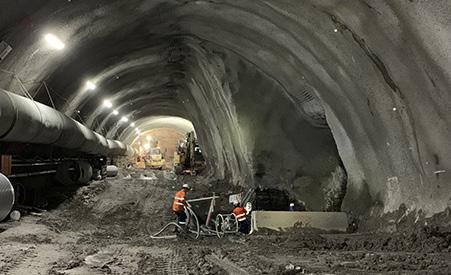
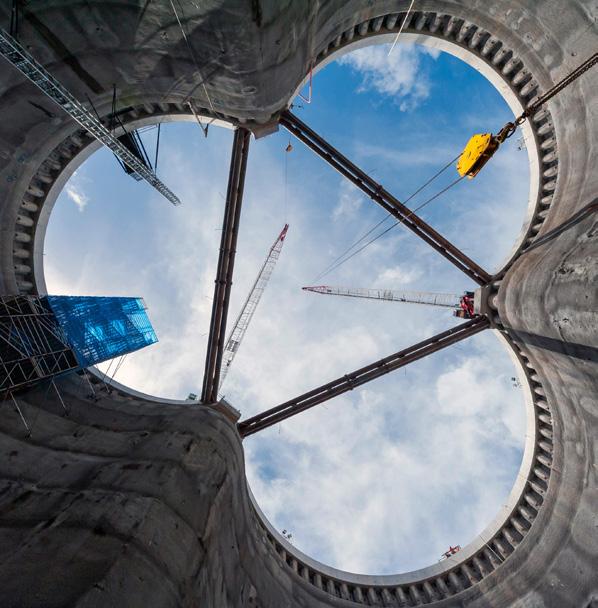
Delve Underground helps build thriving communities by delivering state-of-the-art, sustainable heavy civil infrastructure, providing technical engineering design and construction management expertise in the water, wastewater, transportation, and energy/natural resources sectors. Offering a full range of engineering services, we work closely with our clients at every stage of a project, assisting them with planning, design, project management, construction management, and dispute resolution. Delve Underground is also committed to the principles of sustainability in its practices. With more than 350 staff members, we serve our clients from 25 offices located in the United States, Canada, Australia, and New Zealand.
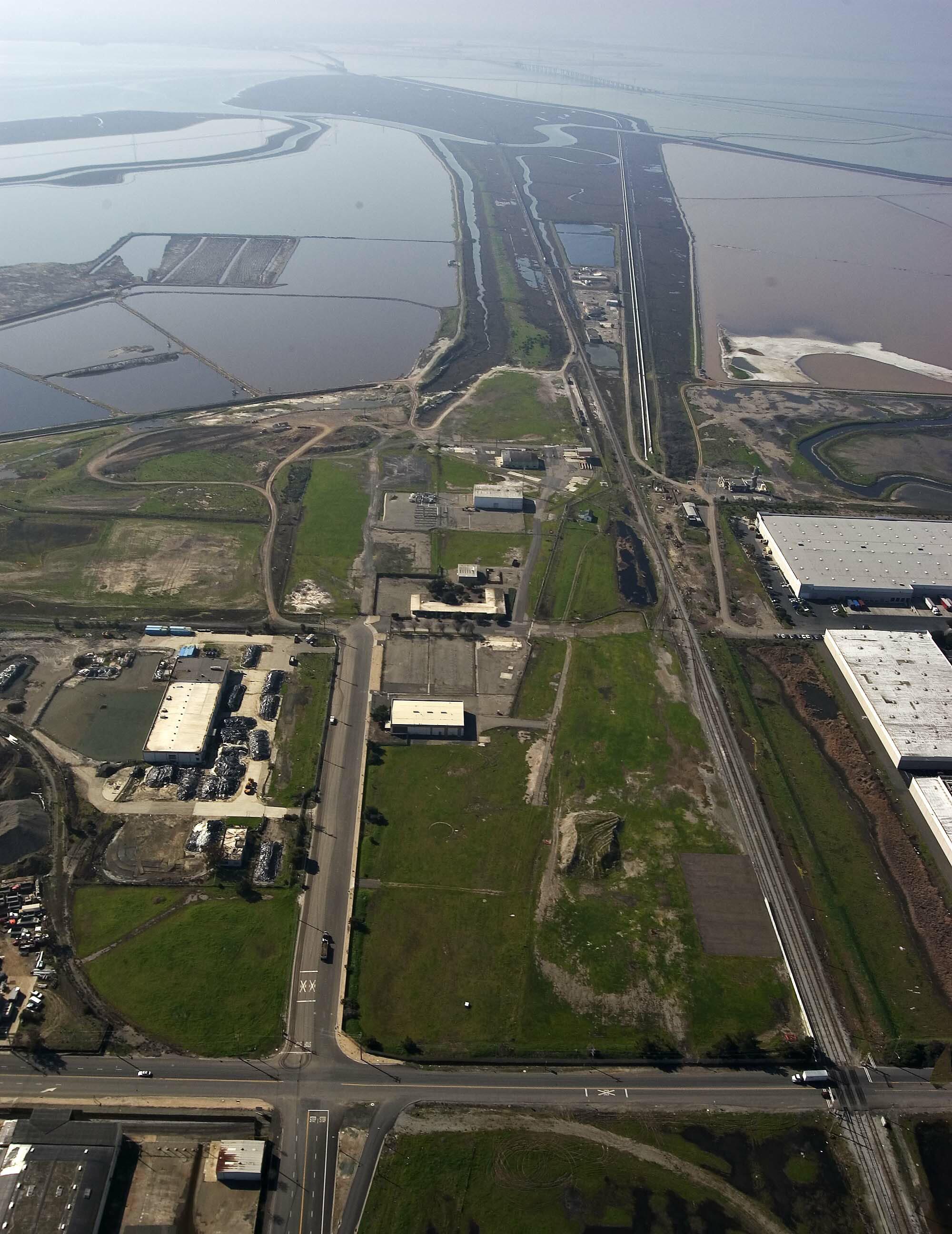
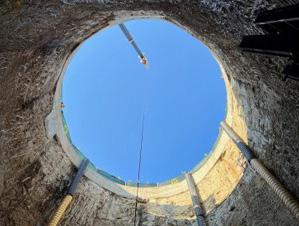
Bay Tunnel
Sustainability Expertise
Who We Are
We solve our clients’ infrastructure challenges with our collective expertise and legacy of underground excellence. We provide value by improving water access and cleanliness, decreasing vehicle emissions, and reducing sewer overflows.
We seek to enhance resilience to climate change, and reduce carbon footprints and emissions on our projects. We promote sustainability by considering ways to improve environmental outcomes, making environmentally positive choices on our projects, and offering sustainable options, improvements, and expertise to our clients. We proactively manage risks and opportunities through the lens of sustainability, supporting the long-term interests of our clients. We promote a culture of shared responsibility for sustainable outcomes and constantly strive to improve the knowledge, awareness, and skills related to sustainability for our employees.
Services
• Integrated design & engineering
• Risk management
• Alternatives analysis
• Envision & LEED certification
• Tunnel rehabilitation
• Seismic resilience
• Structural resilience
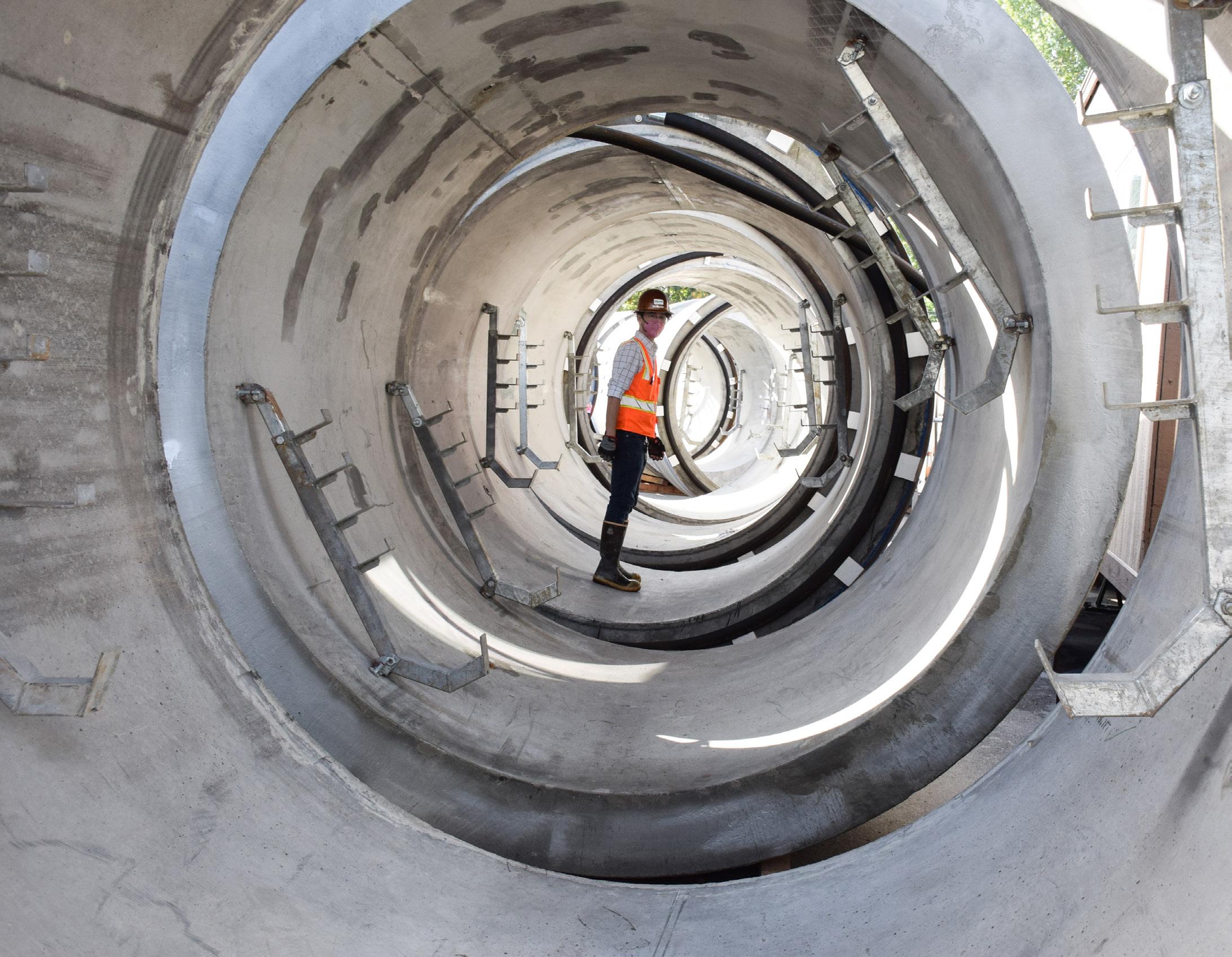
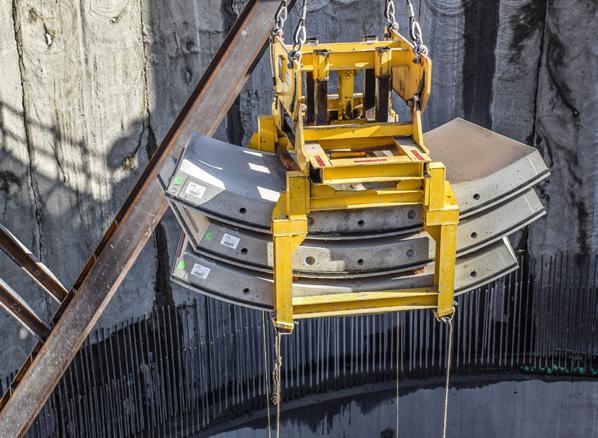
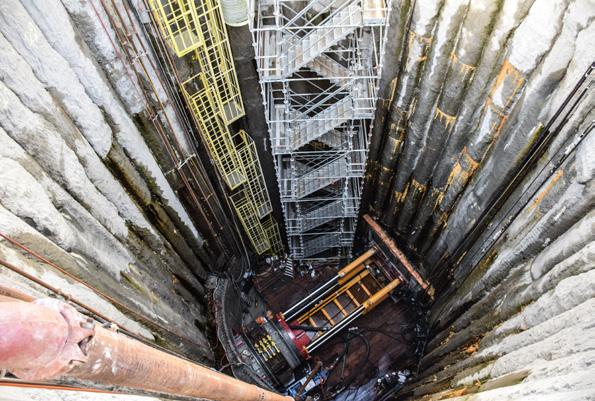
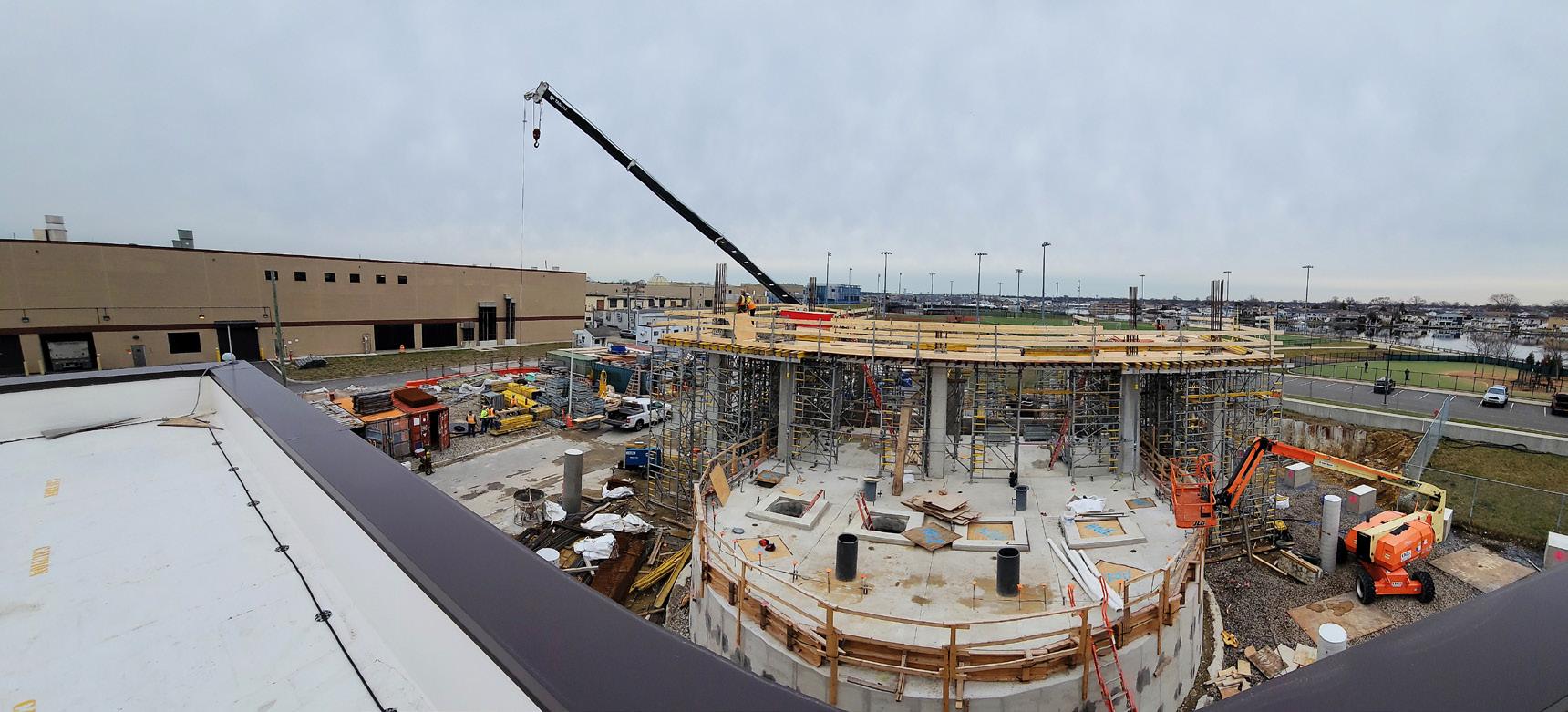
Ship Canal Water Quality Project – Tunnel Storage
What We Do
Innovation: For nearly 65 years, Delve Underground has focused on providing full-service design and construction services for underground infrastructure projects. We’ve earned a reputation for delivering practical and constructible solutions for challenging projects.
Constructability: Our constructability expertise is honed through on-going collaboration with contractors under all major delivery methods , has given us unique insight into managing construction risk and delivering fully detailed designs, calculations, and cost estimates . Having this unique insight has allowed us to integrate constructability in our designs through all stages of work, improving safety, ensuring efficient use of materials, and embedding reduction of public impacts in key design decisions.
Rehabilitation and reuse: We assess facility conditions, develop rehabilitation concepts, and provide preliminary cost estimates and schedule analysis for repairs. Through our team’s expert inspection, analysis, and rehabilitation planning, the longevity of a tunnel, for example, can be extended, whether as an alternative to new construction, to accommodate a change in usage, or to address tunnel deterioration and/ or failure.
Sustainability support: Our work is tailored to our clients’ needs and requirements. We work directly for agencies with some of the most aggressive sustainability goals in the country; we also support contractors under alternative delivery methods to meet defined project sustainability requirements. We collaborate to develop a strategic approach with our clients, efficiently adopting, embedding, and delivering appropriate industry rating schemes and standards that measure and drive sustainability outcomes.
Support of small and disadvantaged businesses: Delve Underground promotes diversity and inclusion for our project delivery partners. We have a history of meeting and exceeding pre established goals for small business firm participation on our projects. As part of our team, these firms, led by experts in their own rights, engage in meaningful ways on projects that they could not pursue on their own, building their qualifications and helping to sustain and grow their businesses.
Environmental protection: Protecting the environment and our natural resources is woven into the culture of Delve Underground, both in our office environments and through the projects we design. Many of our projects are inherently beneficial to our planet’s environment, such as our CSO work that promotes cleaner waterways, and our rail transit projects that reduce air pollution and greenhouse gas emissions. Our team includes LEED-certified personnel and Envision Sustainability Professionals (ENV SP) to assist clients with achieving simultaneous environmental, social, and economic outcomes to achieve measurable sustainability on projects.
Delve Underground is an employee-owned engineering company providing a comprehensive array of technical services.
Cal Park Hill Tunnel
Project Sustainability Portfolio
Western Springs
Central Interceptor
Background
AUCKLAND
CENTRAL INTERCEPTOR
May Road, Mount Roskill
OVERLOADED EXISTING INTERCEPTORS
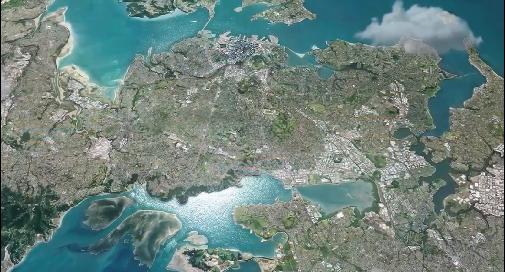
Central Interceptor will improve Auckland’s waterways and beaches. The tunnel will be the largest bored wastewater tunnel in Watercare’s history and is part of their long-term strategy to effectively manage wastewater within Auckland. It will ultimately reduce wastewater overflows by up to 80% and ensure sufficient capacity to meet the planned population growth of the city.
Services and Scope
Delve Underground was responsible for detailed design of the main tunnel and shafts, including development of drawings, specifications, and a geotechnical baseline report. During construction, services include construction management for the mainline tunnels and shafts, and geotechnical engineering support.
Sustainability Initiatives
The project has already received a “Leading” Infrastructure Sustainability (IS) Design Rating, achieved through Infrastructure Sustainability Council of Australia (ISCA). Achievements that Delve Underground was directly involved with under this rating include:
} Combined sewer and storm overflows into the harbour and urban streams during rain events will be reduced from more than 50 times per year to less than 10 times per year.
} Whole of life energy reduction of 41% through network efficiency, pump station design, and shaft optimization.
} Whole of life materials reduction of 15% through shaft optimization from a duo-vortex to a single cascade drop-shaft model and value engineering of link sewers.
Other project elements contributing to the “Leading” IS Design Rating include:
} Site restoration at 16 shaft construction sites will involve planting double the number of trees that were removed for construction.
} Improvement of lava rock forest habitats along the tunnel route, particularly near Meola Creek.
} Development of an ecology quantification method to apply percentage increases of ecological enhancement to individual initiatives and overall net enhancement.
} Whole of life water reduction of 40% and a shift of all operational water to treated effluent.
LOCATION Auckland, New Zealand
OWNER Watercare
CONSTRUCTION COST $4.4B NZD
ROLE Planning/Feasibility, Preliminary Design, Detailed Design of Main Tunnels and Shafts, Construction Phase Services
Mangere Pump Station
City Rail Link Contract 2
Background
City Rail Link (CRL), the largest underground infrastructure project in New Zealand, is being designed and constructed to the highest sustainability standards. It is a vital extension of the passenger railway that will provide connectivity to the existing Auckland rail network and double its capacity.
Services and Scope
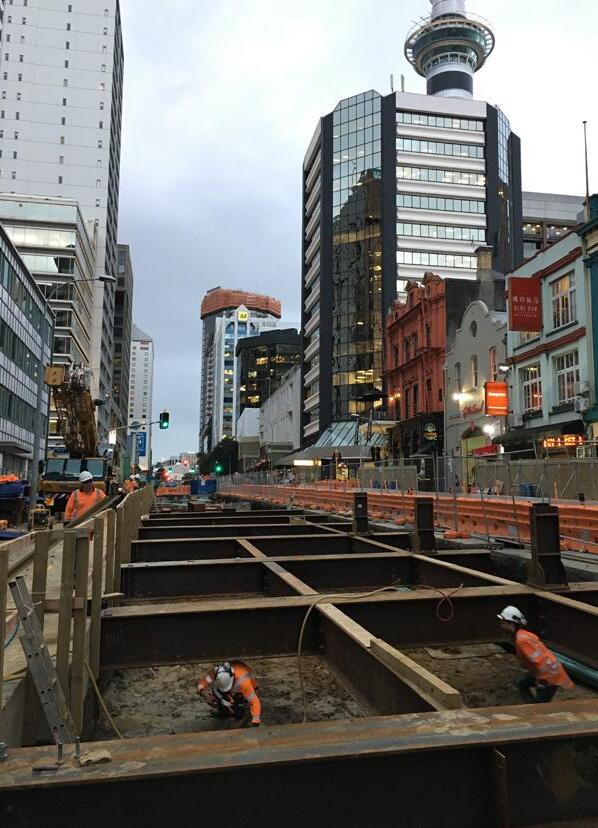
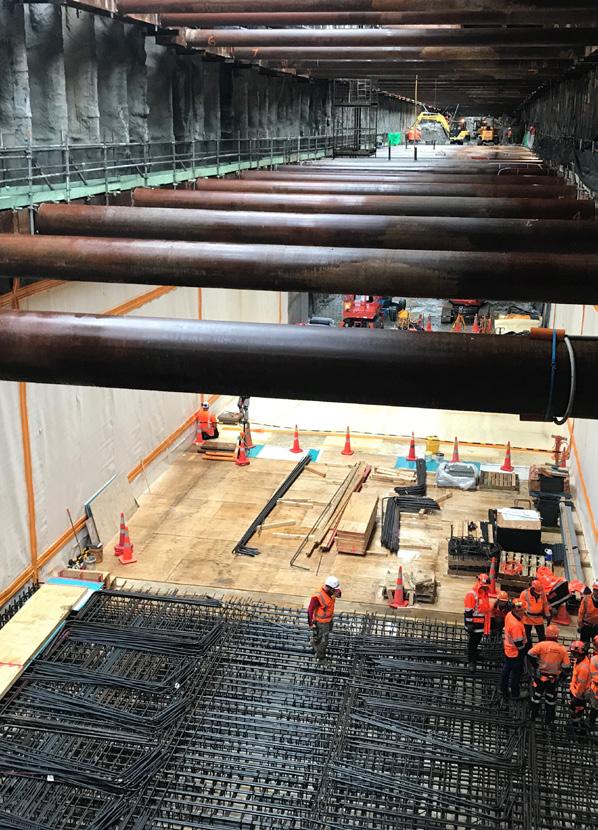
Delve Underground designed the temporary ground support systems for CRL Contract 2, utilizing sustainable elements that were carried through into permanent structures. Delve Underground modeled the ground support systems and designed the structural support for the temporary excavation at Albert Street.
Sustainability Initiatives
Delve Underground’s design and construction innovations made more efficient use of materials, improved worker safety, and reduced community impacts, which are all sustainability goals for this construction contract. Work included:
} Use of jet grouted arches to support the soil between soldier piles underneath the left-inplace temporary concrete bridge deck, allowing minimal disturbance to existing utilities. This minimized service relocations and stabilized the ground in advance of excavation underneath.
} Advance trough excavation below the next stage strut level: this construction method allowed continuous plant access below the struts, enabling the excavated material to be transported to a single surge pile inside the trench. A single long reach excavator was then used to load spoil trucks, minimizing site equipment use and simplifying vehicle movements.
} Non-reinforced and non-doweled steel fiber shotcrete between the temporary piling: using ground pressure to hold the arches in place and prevent flexural actions eliminated the need for steel mesh inside the arch and costly dowel drilling into the piles. This method saved time, materials, and cost, and provided a safer construction method.
} Use of friction split-set rock anchors instead of traditional grouted bar anchors for rockfall mesh pins: testing of the friction split-sets in the relatively soft ground conditions verified that they achieved the required holding force with adequate factors of safety. This reduced time, materials, and cost, as the drilled holes are smaller and can be made with a hand-held air leg drill, without grouting.
These and other measures implemented on the project resulted in a ‘Leading’ Infrastructure Sustainability (IS) rating by the Infrastructure Sustainability Council of Australia (ISCA), which is the highest possible achivement in the IS scheme.
LOCATION Auckland, New Zealand
OWNER Auckland Transport
CONSTRUCTION COST $4.4B NZD
ROLE Detailed Design and Construction Phase Services
Coos Bay Rail Line Project
Background
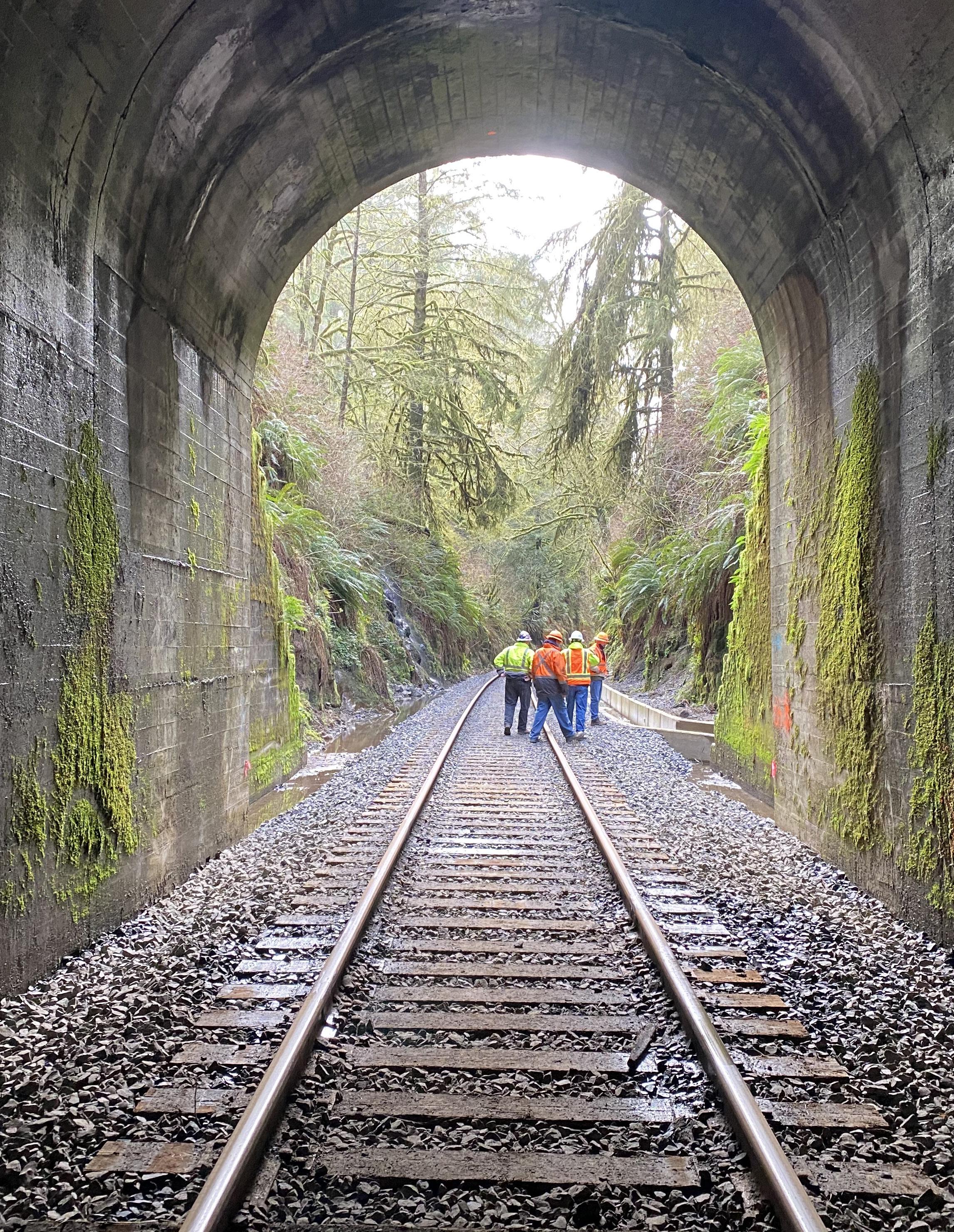
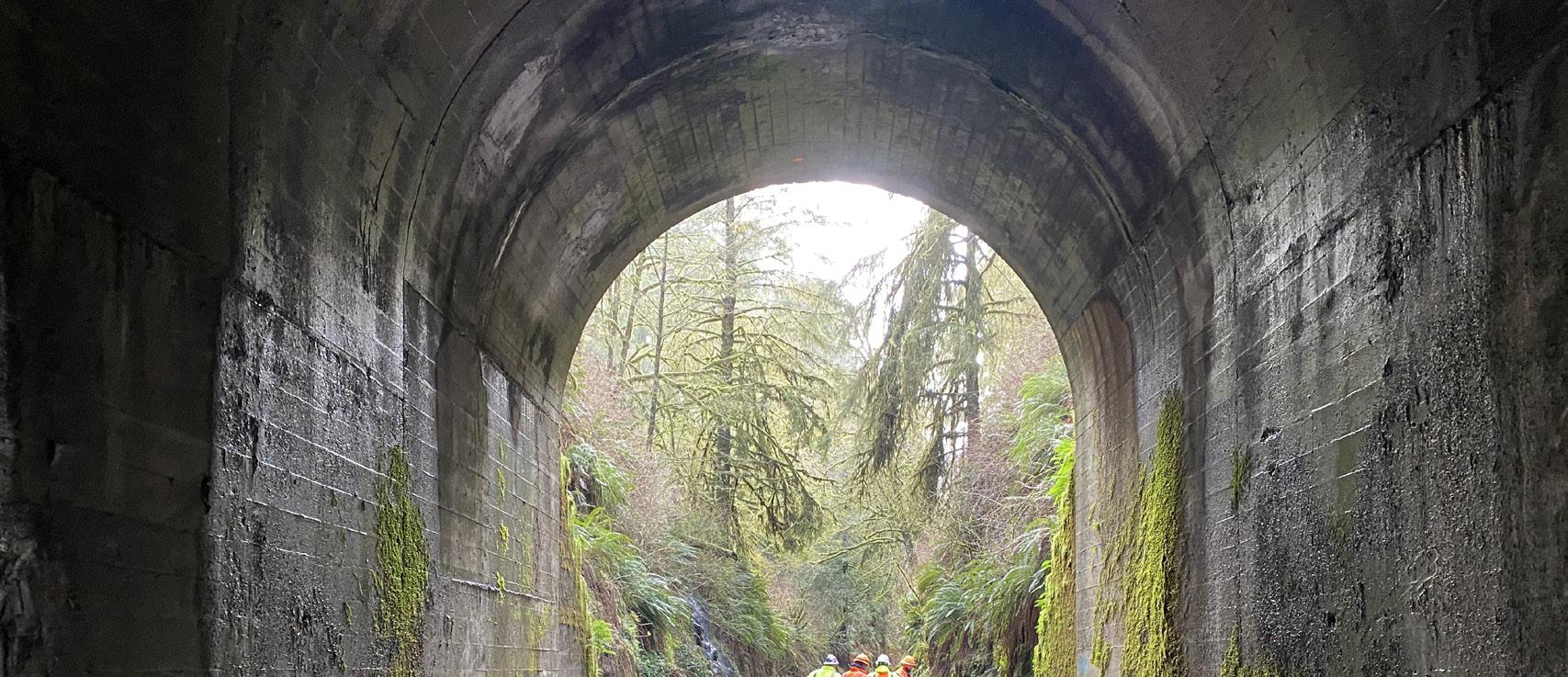
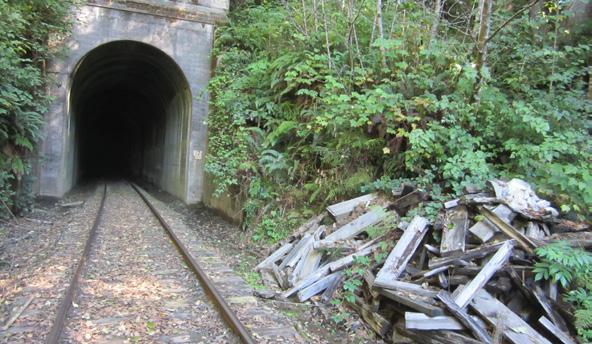
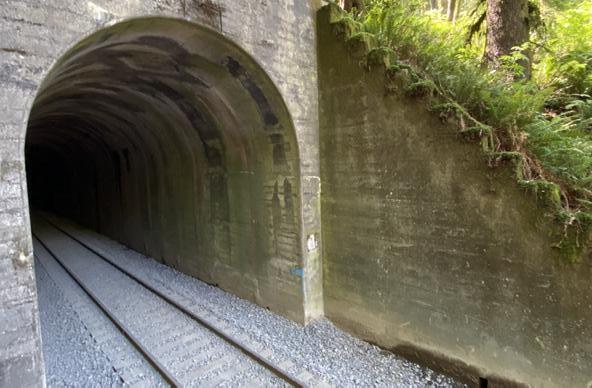
The Oregon International Port of Coos Bay owned and operated Coos Bay Rail Line (CBRL) extends approximately 134 miles (215 km) from Eugene to Coquille, Oregon. Since the Port reopened the line in 2010, the line has kept over 185,000 trucks off the road by rehabilitating its bridges and tunnels. In 2007, the line was shut down because of deterioration of its nine tunnels. Delve Underground has worked with the owner, Oregon International Port of Coos Bay, to reopen and rehabilitate the tunnels since 2011. We performed extensive condition assessments of each tunnel, supporting the owner’s funding applications with recommendations, conceptual designs, cost estimates, and construction schedules for structural and drainage rehabilitation. We then led a multidisciplinary team to complete the planning, design, permitting, and construction management for the tunnel rehabilitation program.
Sustainable outcomes of the completed projects include:
} Carbon reduction through reuse: The order-of-magnitude carbon savings from restoring the tunnels at Coos Bay could range from 50 to 75% of the embodied carbon emissions, as compared to constructing new tunnels.
} Habitat restoration: Several endangered species, notably Coho salmon, were protected during construction and their habitat restored. Permanent habitat improvements included construction of a concrete stepped spillway, conveying an existing stream around a tunnel portal wingwall, riprap aprons and concrete splash walls for energy dissipation, fish passages supplementing replaced culverts, and enhanced streambed sections.
} Economic benefit: CBRL now transports $220 million in freight every year, providing connections to the North American rail network for manufacturing operations in Coos, Douglas, and Lane Counties, and for marine terminals in Coos Bay Harbor. This has opened new market opportunities for domestic and international trade.
} Operational carbon savings: One railcar has the capacity of 3.3 truckloads, which provides significant savings to shippers, reduces greenhouse gas emissions by approximately 75% and, by reducing traffic congestion on the highway system, improves air quality and mitigates the need for additional capacity.
LOCATION Various Cities, OR
OWNER Oregon International Port of Coos Bay
CONSTRUCTION COST $20M USD
ROLE Inspection Services, Design Services During Construction, Environmental and Grant Compliance
E360 East Link Design-Build
Background
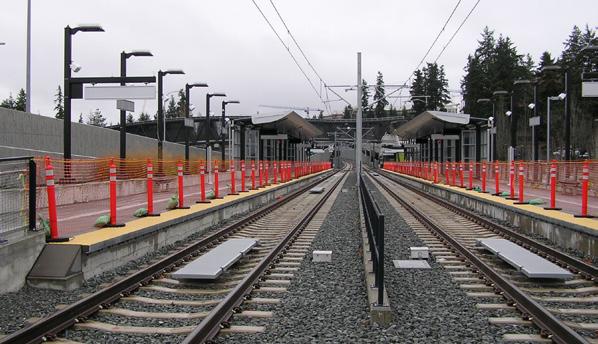
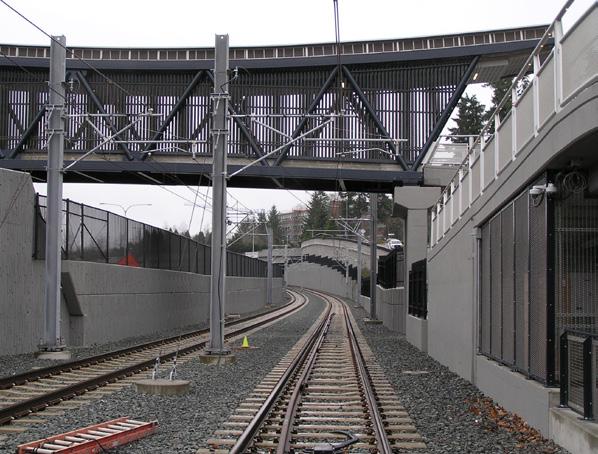
E360 is a 1.8-mile (2.89 km) light rail section consisting of at-grade, retained fill and retained cut sections and aerial guideway. The project, being delivered design-build, is part of the East Link Extension, which will provide light rail service from Seattle to Redmond, running along the east side of Lake Washington on I-90.
Services and Scope
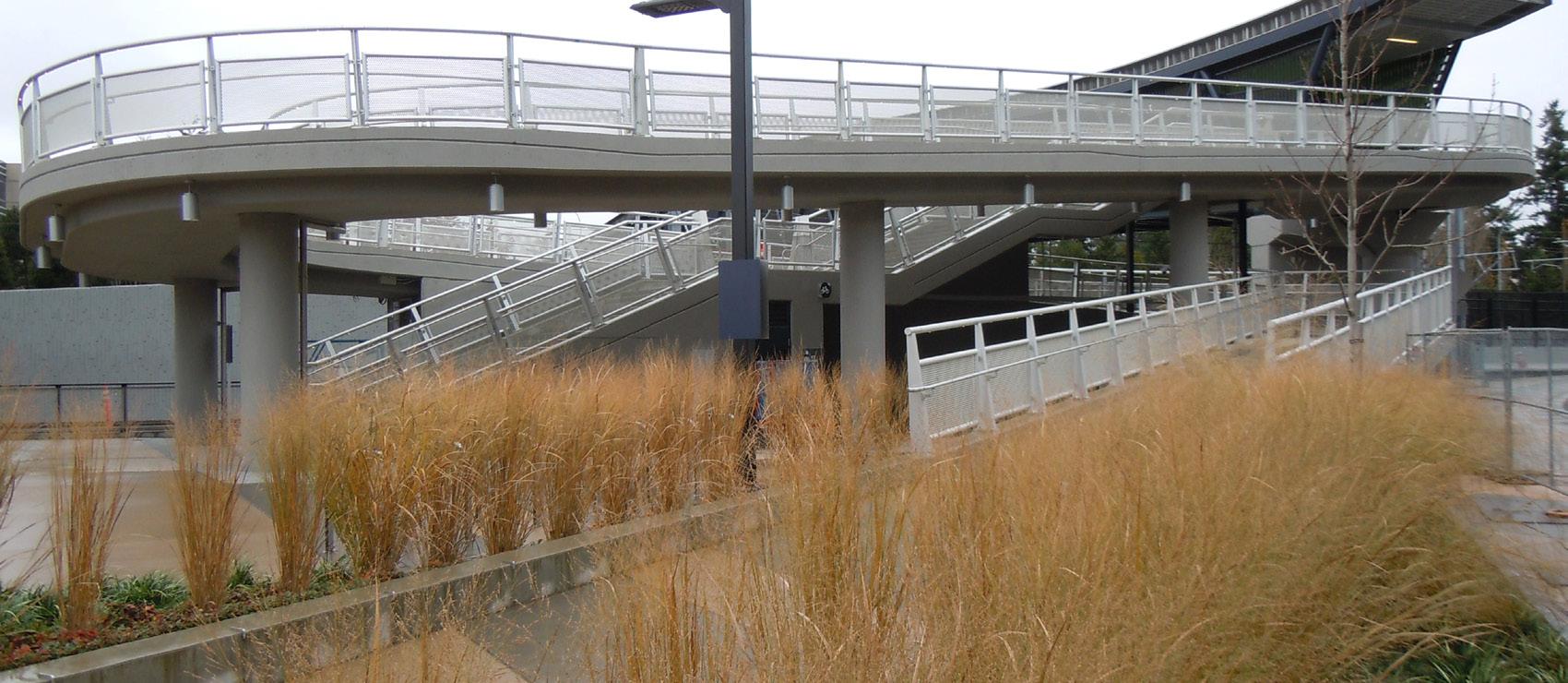
Delve Underground served as the prime designer under subcontract to the Kiewit-Hoffman joint venture for the final design of the transit guideway, the Redmond Technology and Overlake Village Stations, pedestrian bridges, transit center parking garage, and bus bay facility.
Sustainability Initiatives
} The development of an alternative design for Redmond Technology Station which consolidated construction, leaving a large percentage of the southern portion of the site undeveloped to support biodiversity and water runoff.
} Futureproofing for electric vehicle (EV) charging stations in the garage.
} Adding bicycle racks and lockers to promote and facilitate cycling as a transportation mode.
} More than 50% shading of paved areas at RTS, reducing “heat island” effect.
} The preservation of trees across the project site.
} Selecting specific materials for longer service life.
LOCATION Bellevue to Redmond, WA
OWNER Sound Transit
CONSTRUCTION COST $228M USD
ROLE Tender Design, Final Design, Design
Services During Construction
S/DBE PARTICIPATION 13.5% SBE / 19.9% DBE
Ellicott City North Tunnel
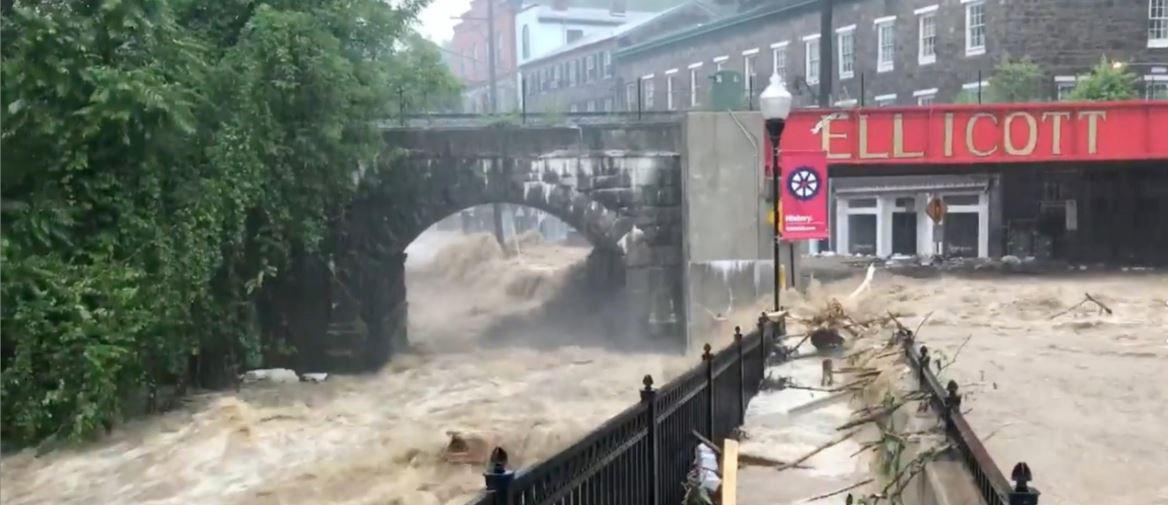
Background Ellicott City, a historic downtown area in Howard County, Maryland, has been inundated by recent major flash flood events that resulted in property damage and loss of life. In response, the County developed the Ellicott City Safe & Sound Plan to mitigate the risk of flash flooding. A major component of the Plan is the Ellicott City North Tunnel, a stormwater conveyance tunnel that will divert stormwater flows upstream of the downtown area to an outlet on the Patapsco River.
Benefits The Ellicott City North Tunnel will primarily intercept storm flows from the Hudson Branch and an unnamed tributary, allowing base flow to bypass the project and continue along its current drainage patterns. The outfall structure will be constructed with minimal rock cover underneath an active CSX railway.
Services and Scope Final design provided. Scope of services include alternatives evaluation, geotechnical investigation, hydraulic modeling, construction impact assessments, cost estimation, risk analysis, and permitting.
Sustainability Initiatives
} Significantly mitigating the potential frequency and severity of flood in the project area.
} Preserving the historic and cultural resources of the project area by utilizing an extended alignment that eliminated the need to demolish six historic structures.
} Pursuing byproduct synergies such as rock chips from tunnel excavation for use as fill on construction sites or other nearby projects.
} Reducing construction waste by committing to the diversion of construction waste from disposal to recycling and reuse.
} Providing for the protection of surface and groundwater quality during construction and operation including spill and leak presentation and response plans.
} Determining primary contributors to embodied carbon for the project during construction and operation; reducing the net embodied carbon by 5% over a baseline.
} Minimizing community disturbance during construction by designating haul routes and hours that minimize traffic impacts and designing blasting operations to minimize ground vibration and air overpressure.
} Considering all aspects of sustainability throughout the design phase using the Institute for Sustainable Infrastructure (ISI) Envision framework as a guide.
} Pursuing verification and award through the ISI Envision process.
LOCATION Ellicott City, MD
OWNER Howard County DPW, Bureau of Environmental Services
CONSTRUCTION COST Pending
ROLE Preliminary Design, Final Design Services
MBE PARTICIPATION 16.1%
Background
The Rondout-West Branch Bypass Tunnel will mitigate leakage of the Delaware Aqueduct, which supplies nearly 50% of the raw water for New York City. The project involves constructing a 2.5-mile-long bypass tunnel around the Roseton section, along with two deep shafts, and performing repair and grouting work for the leakage at Wawarsing.
Services and Scope
As prime consultant on the nine-year-long Bypass Program Engineering Support (BPES) contract, Delve Underground is leading a team of 18 firms supporting the NYC DEP for design and construction services. In addition, scope includes inspection of the entire length of the Rondout-West Branch Bypass Tunnel when it is unwatered to connect to the Bypass Tunnel.
Sustainability Initiatives
Sustainability initiatives that were undertaken on the inspection and rehabilitation of the Rondout-West Branch Bypass Tunnel include:
} Reducing the loss of 15 to 35 million gallons per day of lost drinking water to nearly zero.
} Extending the design life of a vital infrastructure lifeline.
} Procuring land adjacent to the shaft site to dispose of spoils, eliminating most of the truck traffic for haulage.
LOCATION Roseton and Wawarsing, NY
OWNER New York City Department of Environmental Protection (NYC DEP)
CONSTRUCTION COST $710M USD
SERVICES Preliminary Design, Final Design/ Construction Documents, Design Services During Construction
M/WBE PARTICIPATION 2.6% MBE / 9.3% WBE
Rondout-West Branch Bypass Tunnel
Ship Canal Water Quality Project
Background
This complex public infrastructure project will keep nearly 75 million gallons of polluted stormwater and sewage out of the Ship Canal, Salmon Bay, and Lake Union each year. Based on data from the last five years, the Ship Canal Water Quality Project (SCWQP) would have removed about 70% of Seattle Public Utilities’ (SPU’s) total combined sewer overflow volume.
Services and Scope
As the prime design engineer, Delve Underground leads a multidisciplinary design team working directly for SPU in a design-bid-build contract. The main components of the project include an offline storage tunnel and appurtenances, the tunnel effluent pump station (TEPS), force main, and associated conveyance facilities.
Sustainability Initiatives
SCWQP is one of SPU’s first projects with formal sustainability requirements. The project team used the Envision sustainability framework and rating system throughout design and construction to identify, assess, and prioritize opportunities for improving sustainability over the project lifecycle. Through this process, the project has made significant sustainability commitments:
} Construction: Constructing a tunnel versus tanks has multiple sustainable benefits, including longer lifespan, lower long-term operational costs, and a decrease in the use of materials such as concrete and steel.
} Remediation and restoration are woven through the project’s approach to the site. In addition to remediation of the 5,000-square-foot brownfield reception shaft site, existing piers will be restored along the water’s edge, reintroducing a rich shoreline habitat for aquatic life. Bioretention facilities are designed to reduce site runoff and mitigate soil contamination, with plants selected to provide phytoremediation.
} Community and stakeholder engagement is shaping the project’s public realm legacy. SCWQP will improve mobility and access for the Ballard multi modal corridor and the Burke-Gilman Trail. A new public space will be created using the right-of-way and street end space adjacent to the pump station, in coordination with the Seattle Department of Transportation, providing a unique connection between the neighborhood and waterfront, and the pump station yard will incorporate a new urban tree farm.
LOCATION Seattle, WA
OWNER Seattle Public Utilities
CONSTRUCTION COST $572M USD
ROLE Preliminary Design, Final Design, Design Services During Construction
DELIVERY METHOD Design-Bid-Build
M/WBE PARTICIPATION 10.7% MBE / 11.5% WBE
Sydney Metro: City and Southwest
Background
The Sydney Metro City and Southwest mega-contract is the largest public transport project in Australia, delivering a new standalone railway with 31 metro stations and more than 41 miles (66 km) of new rail. The project will build infrastructure; preserve future transport corridors to support future growth; reduce social disadvantages; and improve sustainability by reducing pollution, minimizing use of materials, energy, and water, providing climate change resilience, biodiversity and heritage conservation, and reducing greenhouse gas emissions.
Services and Scope
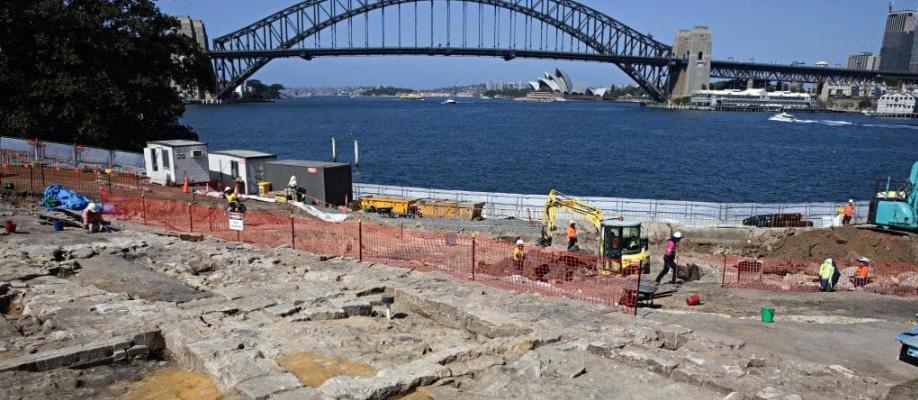
Delve Underground was responsible for the design of the Pitt Street Station mined cavern and tunnel boring machine (TBM) retrieval shafts for the design-build contractor. At the Pitt Street Station site, advanced 2D and 3D numerical modeling was used to investigate building impacts of ground movements and calibration of surface and in-shaft monitoring. The station geometry also required excavation within 9.8 feet (3 m), in plan, of existing high-rise structure foundations. As an added challenge, the station invert was designed to be just above the installed permanent rock bolt crown support of an active motorway tunnel, the Cross City Tunnel.
Sustainability Initiatives
Delve Underground provided sustainability in-design measures to minimize environmental impacts by establishing and implementing objectives regarding surface water, ground water, contaminated land, noise and vibration, traffic, air quality, and light pollution. Delve Underground was responsible for design of the Pitt Street Station mined cavern and TBM retrieval shafts for the design-build contractor. Specific sustainable components include:
} Climate change resilience: Permanent structures were designed to a design life of more than 100 years to address probable maximum flood considerations.
} Carbon and energy management: The design scope incorporated considerations for greenhouse gas emissions in accordance with Transport for NSW’s carbon emissions reduction taskforce including lining support optimization and minimizing material use.
} Community benefit: Designed to enhance community benefits and minimize community impacts, including noise attenuation structures, avoidance of impacts to known heritage items, and consideration of vehicle and pedestrian movements around worksites.
} Resources: (1) The design by minimized water consumption and use of potable water. An example was the selection of resourceful concrete mix designs. (2) Waste and material consumption was considered during detailed design by optimizing pile spacing through iterative ground-structure interactive modeling.
LOCATION Sydney, NSW
OWNER Transport for New South Wales
CONSTRUCTION COST $12B AUD
ROLE Tender Design, Detailed Design, and Construction Phase Services
WestConnex
Background
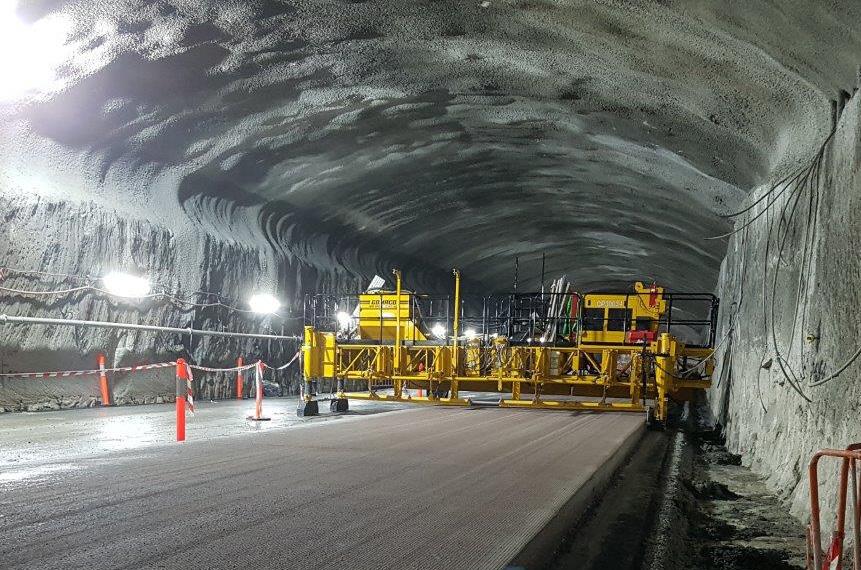
WestConnex will link Sydney’s west and southwest with the city, airport, and the Botany Bay ports in a continuous 33 km motorway. Project innovation included the engineering of a thinner layer of shotcrete for the tunnel lining, which significantly reduced the overall volume of shotcrete required in construction, while still meeting all tunnel design and safety requirements.
Sustainability Initiatives
Delve Underground has played a key role in three WestConnex projects:
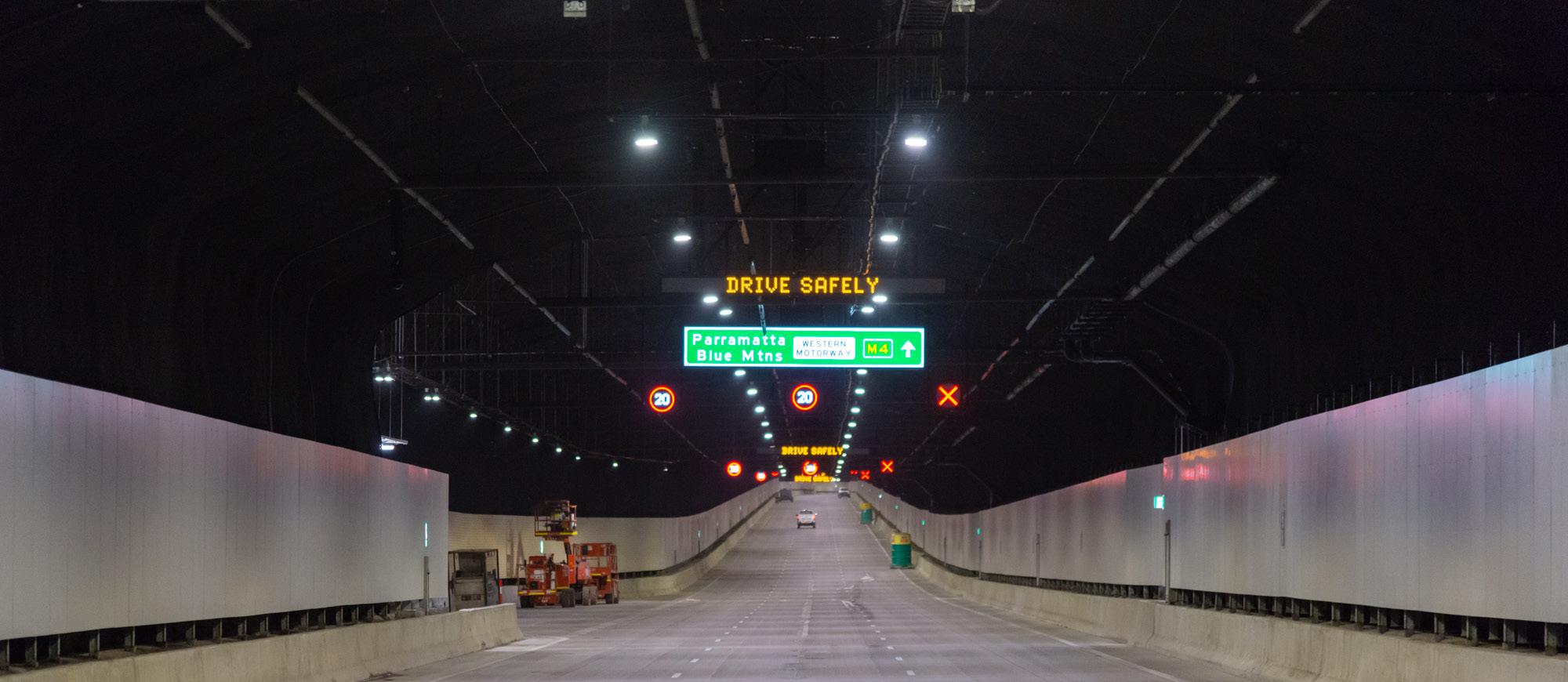
M4 East Tunnel (Stage 1B): The WestConnex New M4 Tunnels secured a “Leading” rating from the Infrastructure Sustainability Council of Australia (ISCA), recognizing the project as one of the most sustainably designed, constructed, and technologically advanced road tunnel projects in the world. Delve Underground provided the geotechnical and structural detailed design of temporary and permanent supports for the mainline tunnels including water resistant linings, cross passages, breakdown bays, substations, portals, ventilation shafts and tunnels, and temporary access tunnels.
New M5 Tunnel (Stage 2): Delve Underground provided detailed design for excavation sequencing, temporary and permanent support of the two-lane mainline tunnels, cross passages, breakdown bays, substations, portals, ventilation shafts and tunnels, and temporary access tunnels. Working with the project team, Delve Underground identified options to reduce waste and reuse clean tunnel spoil and excavated material for pre load embankments, temporary works platforms, and general earthworks.
Rozelle Interchange (Stage 3B): Complex underground interchange beneath the site of the old Rozelle Rail Yards will provide multi-tunnel connections between the M4-M5 Link, the City West Link, Victoria Road (Iron Cove Link), and the Anzac Bridge. Delve Underground provided geotechnical and structural design, along with temporary works and final support, for 13 design packages comprising of portals, mainline roadways, cross passages, caverns, and all underground ventilation structures (substations, ventilation fan houses, and ancillary tunnels). Once construction is complete, the project will relieve excess surface congestion, deliver new active transport options to the community, and create up to 10 hectares of green space.
LOCATION Sydney, NSW
OWNER Sydney Motorway Corporation
CONSTRUCTION COST $7.14B AUD
ROLE Preliminary/Tender Design, Detailed Design/Construction Documents
Bay Park Conveyance Design-Build Project
Background
The Bay Park Conveyance Project is improving water quality and storm resiliency in Long Island’s Western Bays by upgrading existing wastewater management infrastructure that will result in a 90% reduction of the nitrogen load to the bays, which has impacted the natural environment of the bays significantly. The project will also spur the rapid ecological recovery of the marshlands, which will protect coastal communities from storm surge and sea level rise.
Delve Underground is the lead designer for the Western Bays Constructors JV for this project. The firm is providing engineering design services for 3.6 miles (5.8 km) of force main microtunnel and 7.2 miles (11.6 km) of force main aqueduct pipe rehabilitation and sliplining to convey up to 75 MGD (284 million liters/day) of treated effluent from the Bay Park Sewage Treatment Plant (STP) to the Cedar Creek Water Pollution Control Plant (WPCP) to be discharged via an existing ocean outfall. Discharging via the existing ocean outfall will provide an opportunity for the natural recovery of the bays’ environment and habitat for fish, plants, and other wildlife. The ocean outfall allows the natural ocean currents to safely dissipate the treated effluent so that it cannot collect and develop a high enough concentration to impact the bays’ water environment as it does currently.
Services and Scope
Delve Underground is responsible for trenchless and geotechnical engineering designs for subsurface structures, including deep shaft support of excavation for microtunneling and sliplining, wet well and pump station foundations, and structural design for the new pump station.
LOCATION Long Island, New York
OWNER Nassau County Design-build Contract holder – New York State Department of Environmental Conservation
The Bay Park Conveyance Project is the largest trenchless and first of its kind design-build contract to be awarded in New York State and on the East Coast.
CONSTRUCTION COST $439M USD
ROLE Preliminary and Final Design, Design Services During Construction, Geotechnical Investigation, Support of Excavation Design, Structural Design, Trenchless Design
M/WBE PARTICIPATION 13.1% MBE / 6.1% WBE
Background
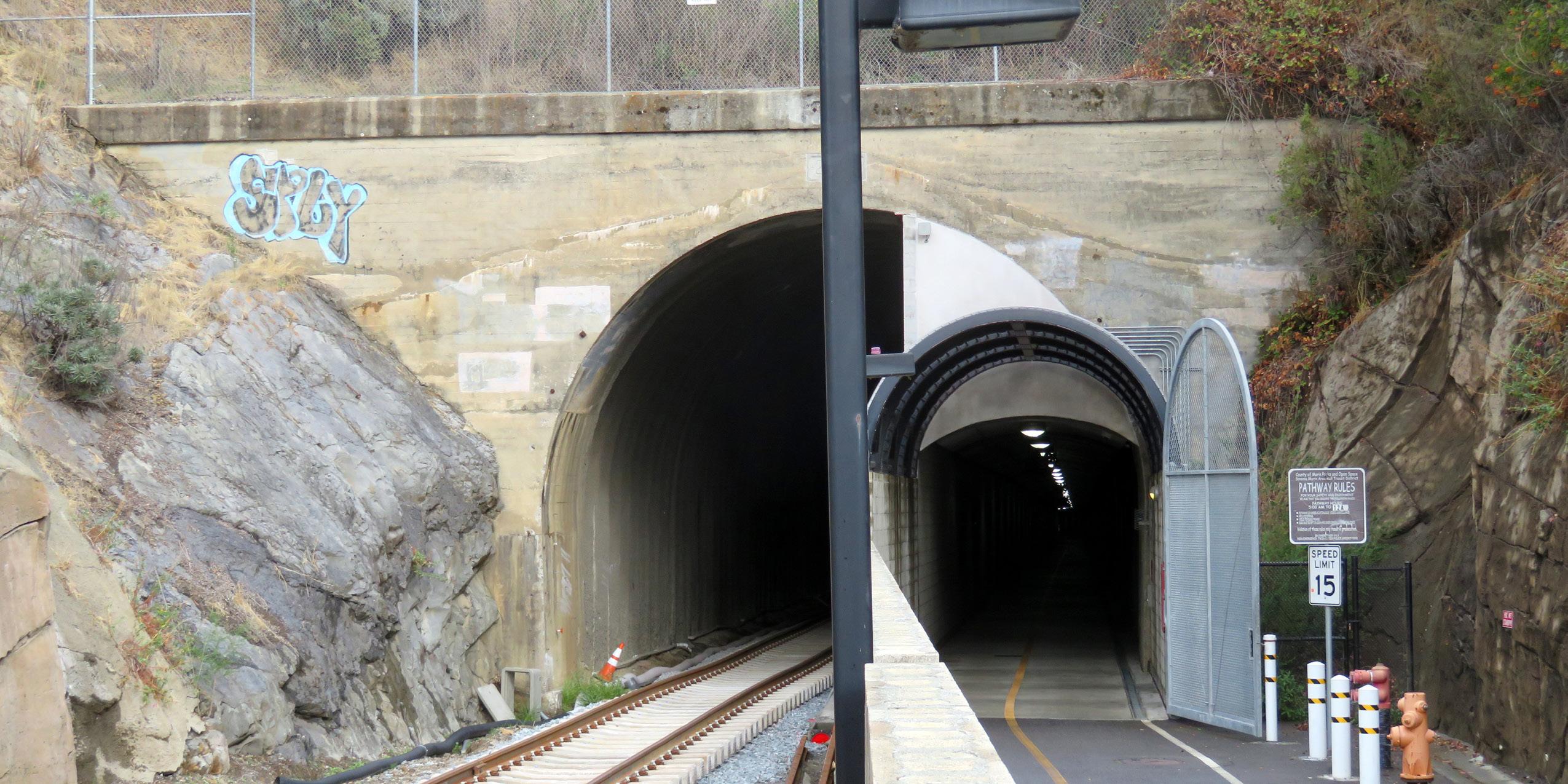
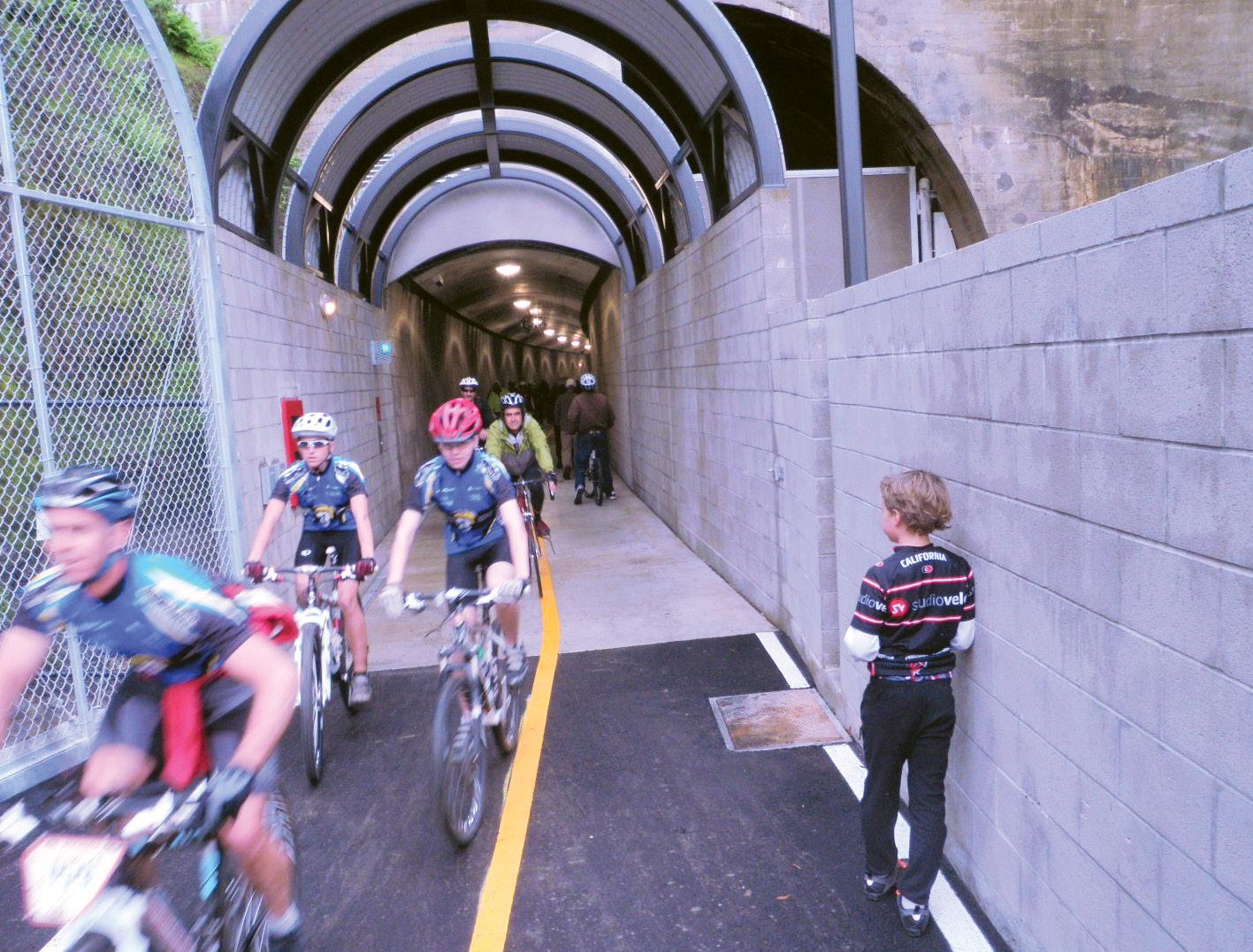
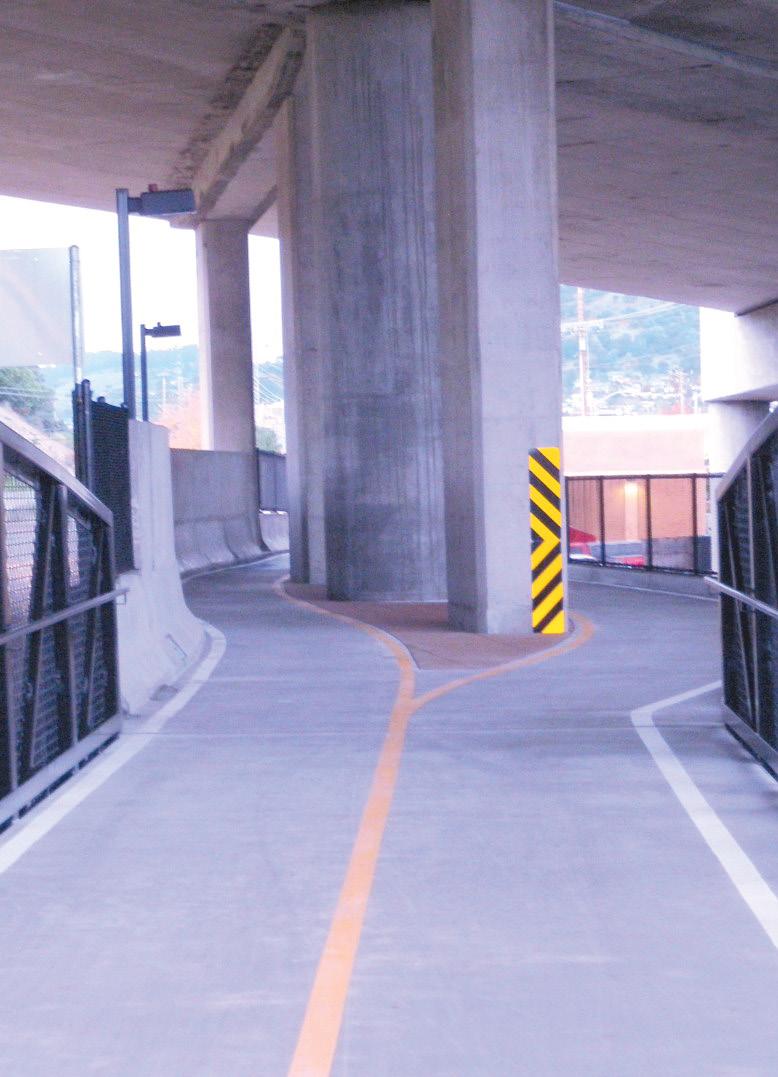
In 2008, Delve Underground was retained by Marin County in California to provide construction management (CM) services for the rehabilitation of the Cal Park Tunnel. The project’s unique dual focus was to rehabilitate the abandoned Cal Park railroad tunnel for light rail, and construct a pedestrian/bike pathway inside the tunnel. The refurbished tunnel now links the Marin County towns of Larkspur and San Rafael.
The tunnel is 1,100 feet long, 21 feet tall, and 26 feet wide, and was configured for double heavy rail track. It was constructed in weak shale and sandstone and mixed faced conditions of soil and rock. The tunnel was originally built in 1884, and the redwood timber ground support had decayed and weakened over time. As a result of this deterioration, unstable rock conditions, and fires in the 1980s, the tunnel suffered collapse at the north and south ends. During earlier phases of the project, Delve Underground performed tunnel inspection and provided rehabilitation recommendations to various project owners.
Services and Scope
Our more recent CM services include project management, resident engineering, field inspection, independent quality control testing, and office engineering. The tunnel was resupported with steel ribs, shotcrete, and concrete. To stabilize the tunnel at the north end, the project team installed a 100-foot-long pipe canopy above the tunnel crown to provide confinement and reinforcement to the collapsed zone and act as a conduit to pump grout into the collapse debris. Additional grout was pumped from the surface above the tunnel using injection anchors, stabilizing the debris and allowing the contractor to excavate. The tunnel’s final configuration will allow commuters to either take the train or commute on their bikes. The project was completed in 2010.
LOCATION San Rafael, CA
OWNER County of Marin
CONSTRUCTION COST $18M USD
ROLE Construction Management
AWARDS
PROJECT OF THE YEAR AWARD HISTORICAL RESTORATION / PRESERVATION
American Public Works Association (APWA), National Chapter, 2011
PROJECT OF THE YEAR AWARD / HISTORICAL
American Public Works Association (APWA), Northern California Chapter, 2011
OUTSTANDING PROJECT AWARD / SMALL PROJECT OF THE YEAR
American Society of Civil Engineers (ASCE), Region 9, 2011
PROJECT ACHIEVEMENT AWARD INFRASTRUCTURE
CATEGORY / LESS THAN $15 MILLION
Construction Management Association of America (CMAA), National Chapter, 2011
PROJECT ACHIEVEMENT AWARD TRANSPORTATION CATEGORY / LESS THAN $20 MILLION
Construction Management Association of America (CMAA), Northern California Chapter, 2011
OUTSTANDING PROJECT AWARD / SMALL PROJECT OF THE YEAR
American Society of Civil Engineers (ASCE), San Francisco Section, 2010
Cal Park Hill Tunnel
Background
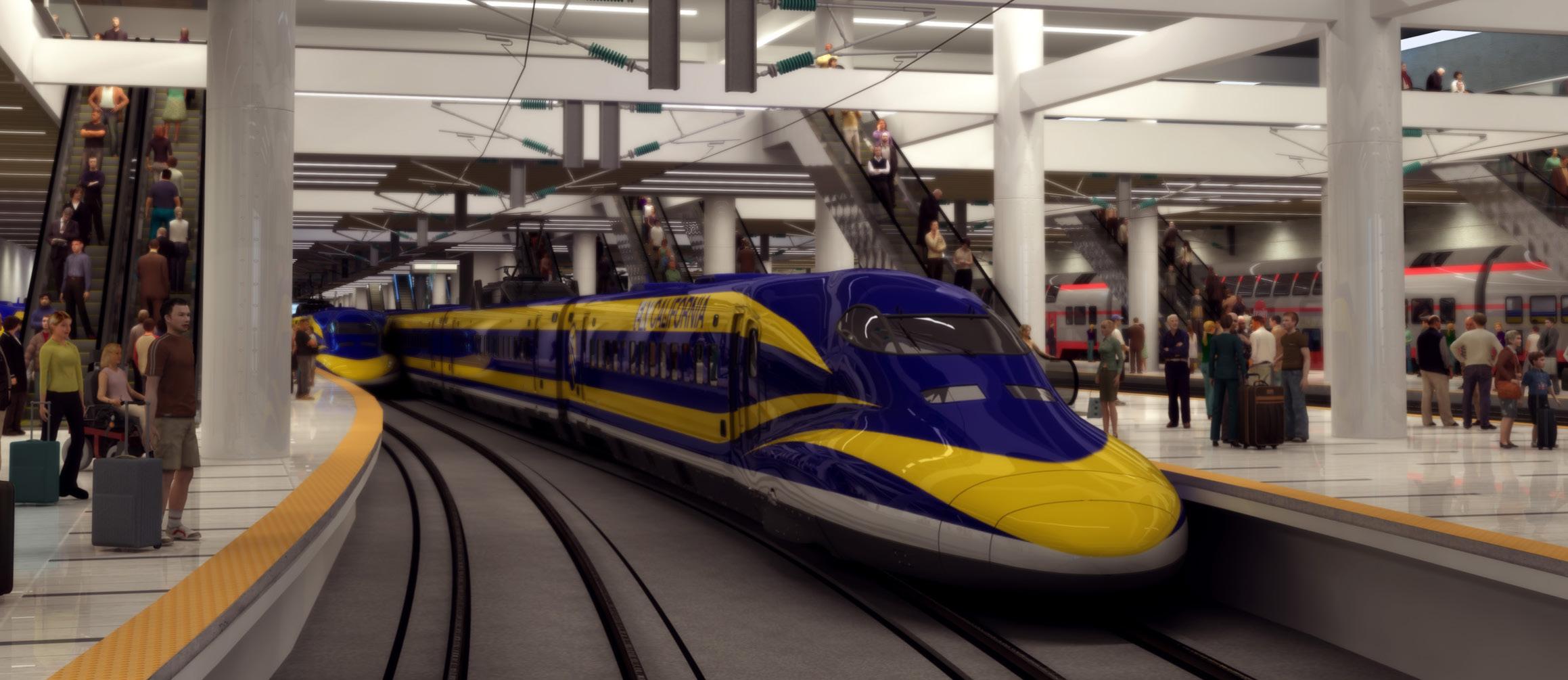
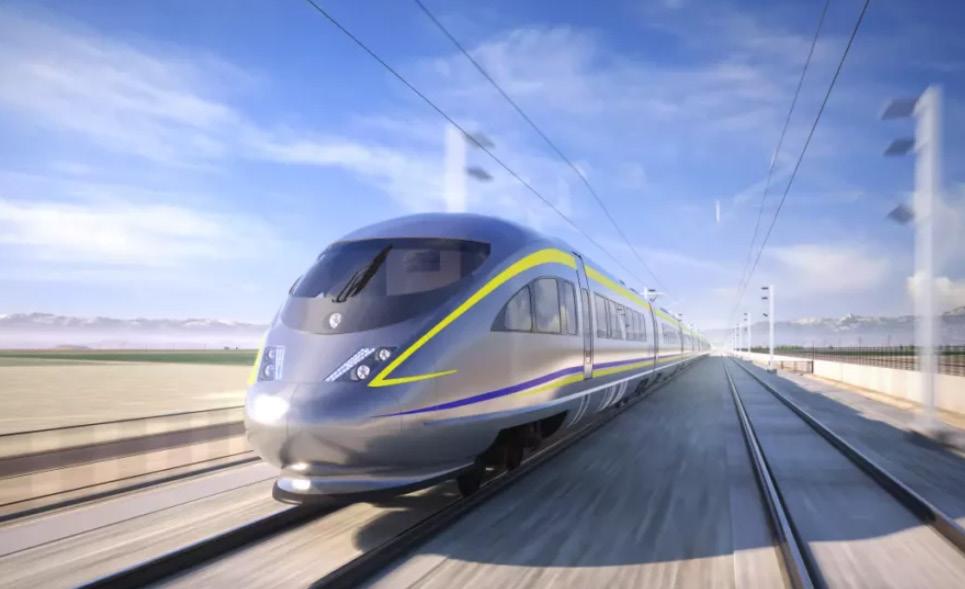
The State of California is planning, designing, building, and operating the first high-speed rail system in the nation. The high-speed rail system will connect the mega-regions of the State, contribute to economic development and a cleaner environment, create jobs, and preserve agricultural and protected lands. When it is completed, trains will run from San Francisco to the Los Angeles basin in under three hours at speeds capable of exceeding 200 miles per hour. The high-speed rail system will eventually extend to Sacramento and San Diego, totaling 800 miles with up to 24 stations. In addition, the Authority is working with regional partners to implement a State-wide rail modernization plan that will invest billions of dollars in local and regional rail lines to meet the State’s 21st century transportation needs.
The California High-Speed Rail Program is the largest transportation program to date to earn an Envision Platinum Award for sustainable infrastructure. The Platinum Envision award achieved by the Authority and its program partners demonstrates that sustainability is achievable across large-scale and complex transportation systems.
Services & Scope
As a member of the program delivery support services team, Delve Underground is providing support services for the CAHSR system for tunnels. The tunnel scope includes project and construction management, engineering and design, schedule analysis, claims/dispute facilitation, and geotechnical support.