} Sydney Metro West Eastern Tunnelling Project
} Staff Recognition
} Engineering Services for Emergency Repairs
} Idaho’s State Highway 55 Response
} A Case for Using Buried Structures
} Sydney Metro West Eastern Tunnelling Project
} Staff Recognition
} Engineering Services for Emergency Repairs
} Idaho’s State Highway 55 Response
} A Case for Using Buried Structures
We appreciate your feedback. Send it to segments@delveunderground .com
Managing Editor Allison Halvorson, CPSM
Contributing Editors Mary Brownell, Lucy Campos, Julie McCullough
Graphic Designer Seth McGinnis
Executive Editor Victor Romero, PE, PG, CEG, ENV SP
Cover: Idaho’s State Highway 55
The following awards acknowledge the outstanding contributions of Delve Underground teams and their partners. We are proud to be recognized for these achievements.
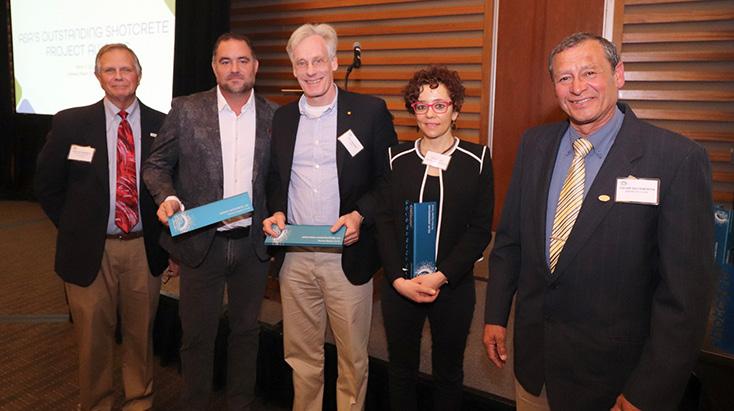
American Shotcrete Association 2023 Outstanding Underground Project Award Rondout Bypass Tunnel Project
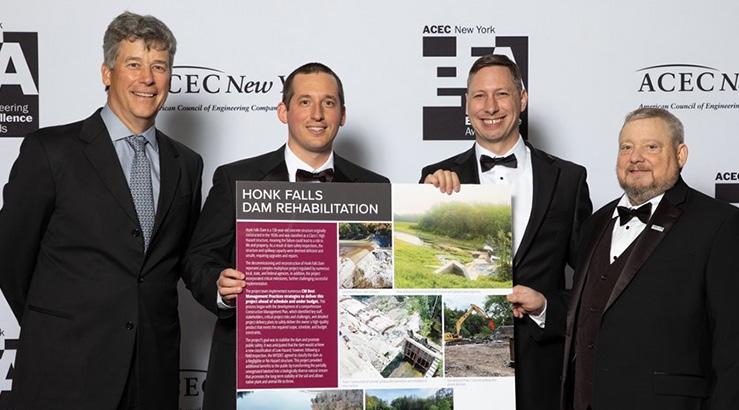
New York Engineering Excellence Gold Award in Category G: Water Resources Honk Falls Dam Rehabilitation Project
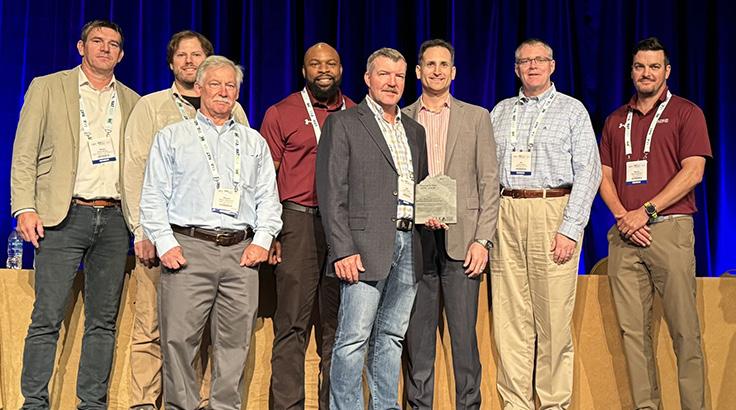
Underground Construction Association (UCA) Project of the Year $50M to $500M Hartsfield–Jackson Atlanta International Airport Plane Train Tunnel West Extension Project
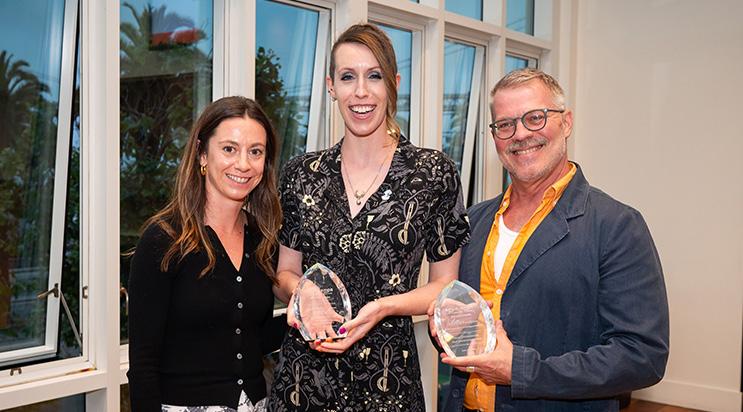
San Francisco Bay Area Chapter Topaz Awards of Excellence in Brand Awareness/Corporate Identity and Website Internal/External
Delve Underground is committed to building thriving communities. Across every office, our people donate their time and skills to their communities through volunteer service.
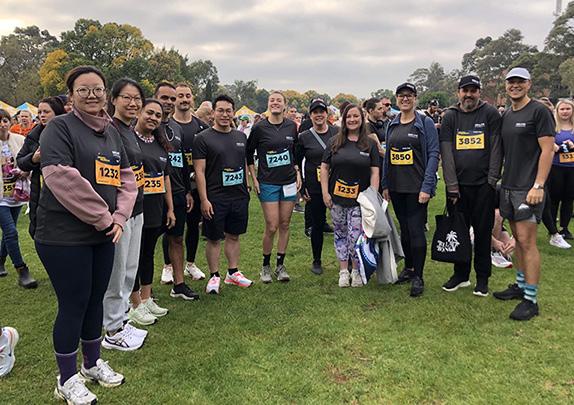
This spring, our Melbourne office participated in the 2024 Memory Walk & Jog, an event dedicated to raising funds for people impacted by dementia.
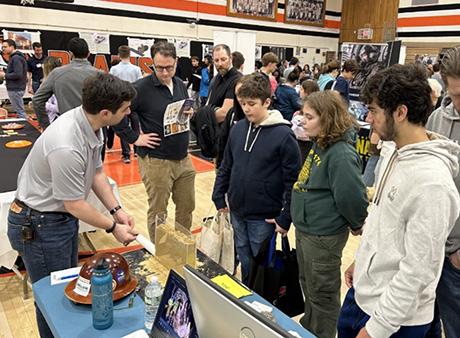
New York and New Jersey Engineers engaged with students at the 20th Annual Tri-State Engineering EXPO aimed at inspiring middle and high school students to pursue an education and career in engineering.
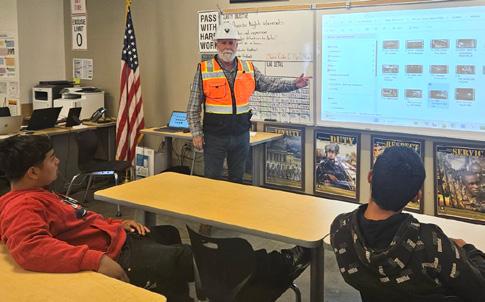
Matt Gallagher, a Principal Engineer based in our Los Angeles office, volunteered with Perry High School Junior Reserve Officers Training Corp (JROTC) Career Day in Perris, California.
Our Walnut Creek team visited third and fifth grade classrooms at Columbia Elementary School in Tuolumne County as part of Engineers and Scientists in the Schools Days.

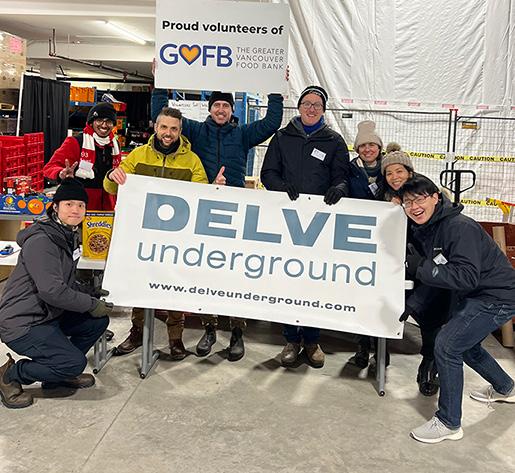
Our Vancouver team continued their tradition of volunteering for the third consecutive year at the Greater Vancouver Food Bank.
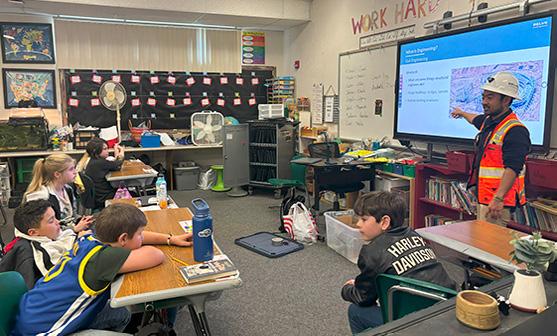
Delve Underground sponsored the 2024 Tuolumne County Volunteer Fair in Sonora, California.
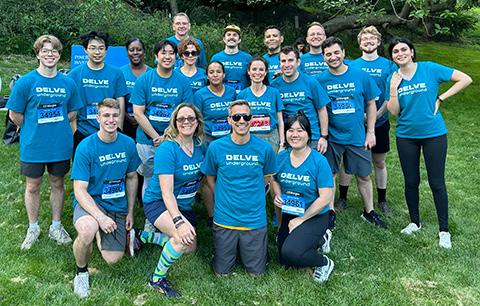
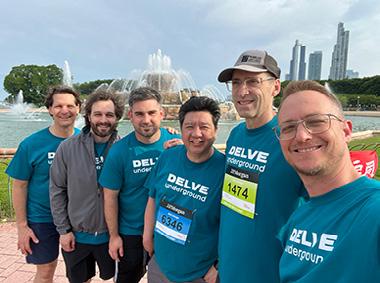
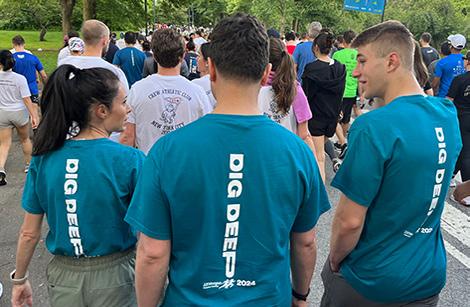
The New York, New Jersey (above), and Chicago (left) offices joined thousands of companies in the 2024 J.P. Morgan Corporate Challenge, a 3.5-mile road race benefiting local nonprofit organizations and an opportunity to enjoy an evening of fitness, friendly competition, and fun!
Sydney Metro is the biggest urban rail project in Australian history. Sydney Metro West (SMW) is a 24-kilometer (15 mi) underground expansion of Sydney Metro that will link the Parramatta and Sydney central business districts (CBDs) and the communities in between. The completion of the SMW line is part of the Future Transport Strategy’s vision of “30-minute cities,” with a goal of improving public transport networks and services to ensure 30-minute access to key destinations 24/7.
ETP will provide the missing link between The Bays and Sydney CBD
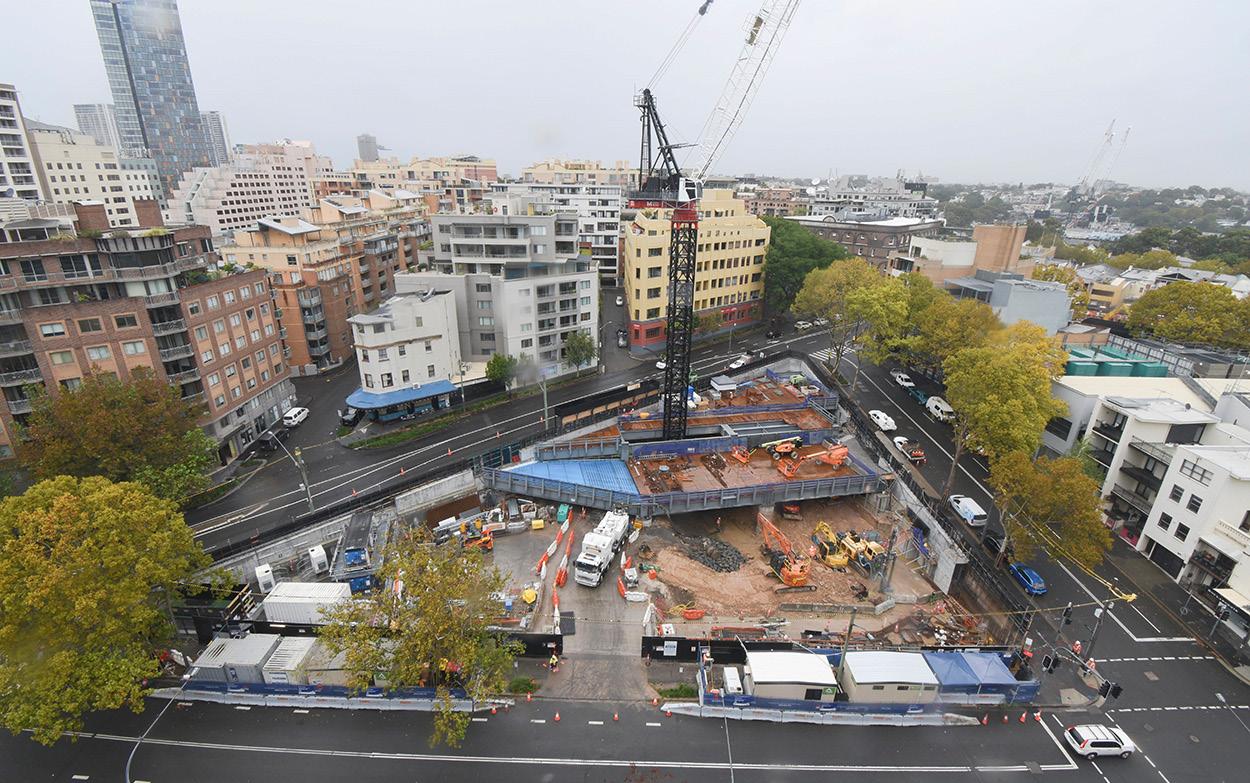
SMW is being delivered in three stages: Central Tunnelling Package (CTP); Western Tunnelling Package (WTP); and our scope, Eastern Tunnelling Package (ETP). The first two stages, CTP and WTP, are currently under construction. ETP, which is 3.5 kilometers (2.2 mi) of tunnel, will service growing populations of the western suburbs of Sydney, Australia, from greater Parramatta to Sydney CBD. It will provide the missing link between the inner west suburb of The Bays to Sydney CBD.
by Sudip Ganguly

In December 2022, Delve Underground began delivering the detail design, as summarized below, and as of May 2024 we have successfully completed the design. Delve Underground’s detail design scope on ETP included:
} The approximately 2.3 kilometer long (1.43 mi) twin bored tunnels located between the new Hunter Street Station in the center of the Sydney CBD, and the new The Bays Station located between Glebe Island and the White Bay Power Station. The tunnels are being excavated using two tunnel boring machines (TBMs) and are segmentally lined, with an inner diameter of approximately 6.2 meters (20.3 ft).
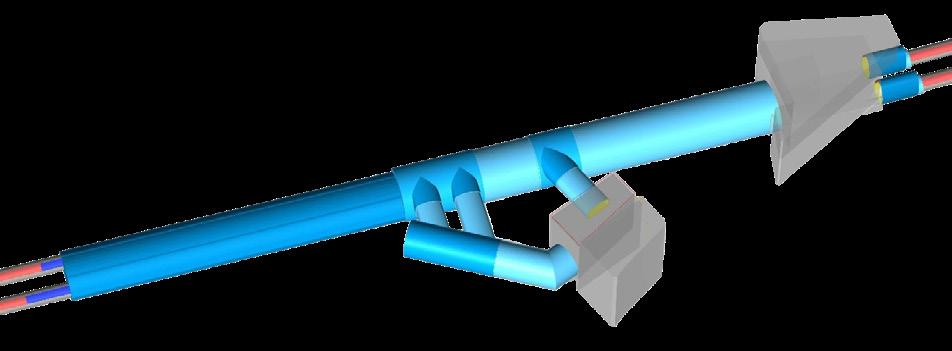
} Excavation and primary support of the Pyrmont Station Cavern and Crossover Cavern and associated pedestrian access and service adits by roadheaders. The excavated spans of the caverns are approximately 24 meters (78.7 ft) with limited ground cover. The expected ground conditions for the caverns vary from competent Hawkesbury Sandstone to complex geological structure associated with the Luna Park Fault Zone.
} Waterproofing and permanent lining of the Pyrmont Station Cavern and Crossover Cavern, including plenum slabs and deflection walls in the Crossover Cavern and associated pedestrian access and service adits. The waterproofing and permanent linings are designed for a service life of 120 years. The various permanent linings range from bar-reinforced concrete to steel fiber-reinforced concrete as well as unreinforced concrete.
} Excavation, primary support, waterproofing, and permanent linings for the cross passages between the bored tunnels, which are spaced approximately every 240 meters (787 ft) along the alignment. Delve Underground’s scope also includes the temporary opening support for the cross passages and first-stage concrete invert of the bored tunnels.
} Temporary works for the launch and retrieval of TBMs and site establishment.
} Proof engineering of excavation and primary support designs by other designers on the project.
Delivering a project of this scale requires companywide collaboration. Thus far, a total of 100 employees across three countries and 4 time zones have worked on this project to deliver the detail design.
ETP is an excellent example of all-around collaboration and coordination among the owner, contractor, and consultant for a very successful delivery of detail design of the project.
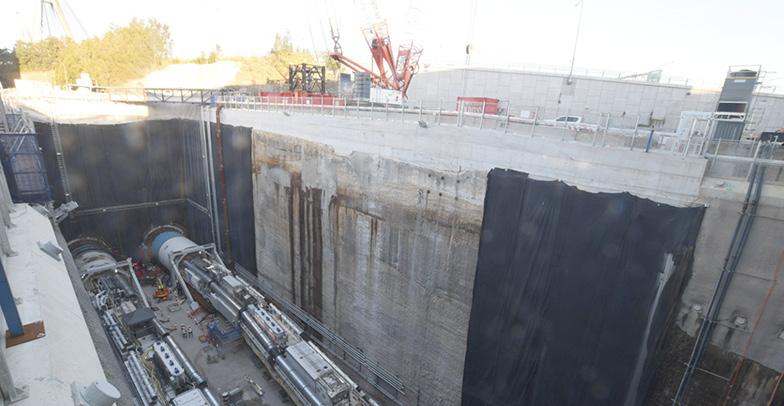
The Bays by others
Delve Underground began Construction Phase Services (CPS) in February 2024. Our CPS scope includes tunnel face and shaft geotechnical mapping at the Pyrmont Station sites and at cross passages between TBM tunnels. This work provides assurance that the observations made by the CPS team compare the encountered ground conditions with the anticipated ground conditions assumed during the design phase. Delve Underground will also provide inspections of the ground conditions encountered by the TBMs, if needed.
Hunter St Station by others
Hunter St Turnback by others
“Pressure tunnels play a critical role for water supply systems and hydro projects. They have unique challenges that are very dependent on proper characterization of the geology and understanding how rock interacts with the lining.”
Bade Sozer Principal/Water Market Lead (East)
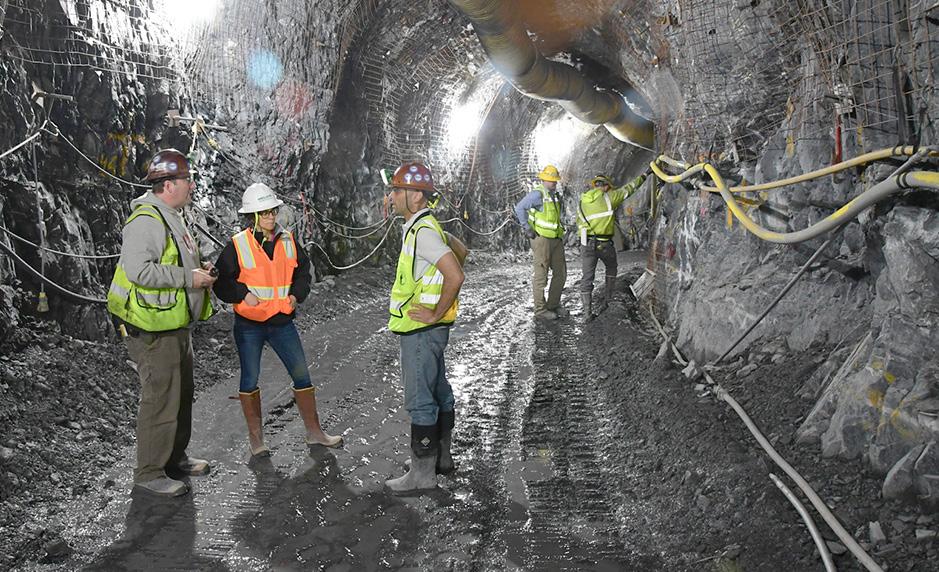
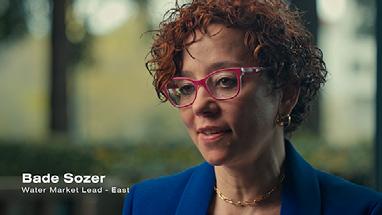
Click to watch Delve Underground Principal/Water Market Lead
Bade Sozer as she discusses her career at the firm.
Congratulations to all Delve Underground staff who authored, coauthored, and presented conference papers.
NASTT No-Dig Show in Providence, RI, April 14–18
John Altinyurek; George Gutierrez (WBC/Northeast Remsco); Syed Haq (WSP); Brian Lakin; Christina Marino (WBC/John Picone); Babs Marquis: Design-Build Coordination and Management Plan for the Bay Park Conveyance Project Delivery with Dual Trenchless Construction Methods – New York.
Sarah Mills, Dru Nielson; James Grigg (Sonoma County Water Agency): Trenchless Replacement of Aging Sewer Trunk Main in Sonoma, California.
Su Soe, Dru Nielson; Christina Ramirez (West Yost); Parastou Hooshialsadat (Sonoma County Water Agency): Trenchless Replacement of Aging Force Main in the Russian River Gorge.
North American Tunneling (NAT) Conference in Nashville, TN, June 23–26
Yun Bai; Michael Salcher (Gamuda Australia); Sarah Wilson, Mark Trim: Construction Phase Services for Australian and North American SEM Tunneling.
Ritika Kundu; Moussa Wone (DC Water and Sewer Authority); Amanda M. Morgan; Tatiana K. Proctor (Greeley and Hansen): Design and Construction Challenges at the Piney Branch CSO 049 Storage Tunnel in Washington, DC.
Joseph Rigney, David Nowak; Conrad Stacey, Michael Beyer (Delve Stacey Agnew); Chris Blanchard (J.F. White Construction); John Czach (MassDOT): Sumner Tunnel Rehabilitation.
Ali Hafiz, Kaz Tabrizi (Advanced Infrastructure Design); Joseph Rigney, Kevin Ruston, James Dorta; Chris Blanchard, Mike Keville, Rich McCafferty (J.F. White Contracting): Determining Tunnel Clearance by Automating 3D Mobile Laser Profile Data.
Elnaz Saminfar, Eric Westergren, Jeff Fontana, Jae Bateman, Mark Trim: Revolutionizing Australia’s Large Underground Infrastructure Projects with Digital Engineering.



















Congratulations to the Delve Underground staff who received awards and honors in recognition of significant career milestones.
Babs Marquis received the 2024 NASTT No-Dig Show Chair Award for Distinguished Service.
On May 2 in New York City, Victor Romero and Dan Adams were inducted into The Moles ‘Class of 2024,’ Their induction is a recognition by their peers as being outstanding professionals in the heavy civil industry.
Jason Cho and Ashkan Shafee achieved Chartered Status through Engineers Australia.
David Schake earned his Professional Engineer license in Ohio.






by Carol Ravano
Most of us don’t think twice about the critical infrastructure that we depend on every day—highways and railroads, municipal pipelines, rock and soil slopes—but when the unexpected happens, it brings commerce and transportation to a stop. Blocked rail lines or highways and out-of-service pipelines inconvenience the public and result in lost revenue. Delve Underground has provided emergency engineering services and repairs for these types of situations for over a quarter of a century. Examples of emergency projects include railroad tunnel fires, portal structure collapses, and rock slope failures.
Our ability to respond quickly lies in our expertise in geotechnical and structural engineering, experience in construction management, specialized in-house unmanned aerial vehicle (UAV) operators and rope access teams. These solid qualifications enable us to provide flexible repair designs using readily available materials to meet the site conditions. Furthermore, Delve Underground’s decades-long working relationships and collaborative design approaches with both owners and contractors have given us deep knowledge and understanding of the tunnels, and their original designs and construction techniques. We have performed repairs in nonemergency situations, which makes us even better prepared to move quickly in emergency situations.
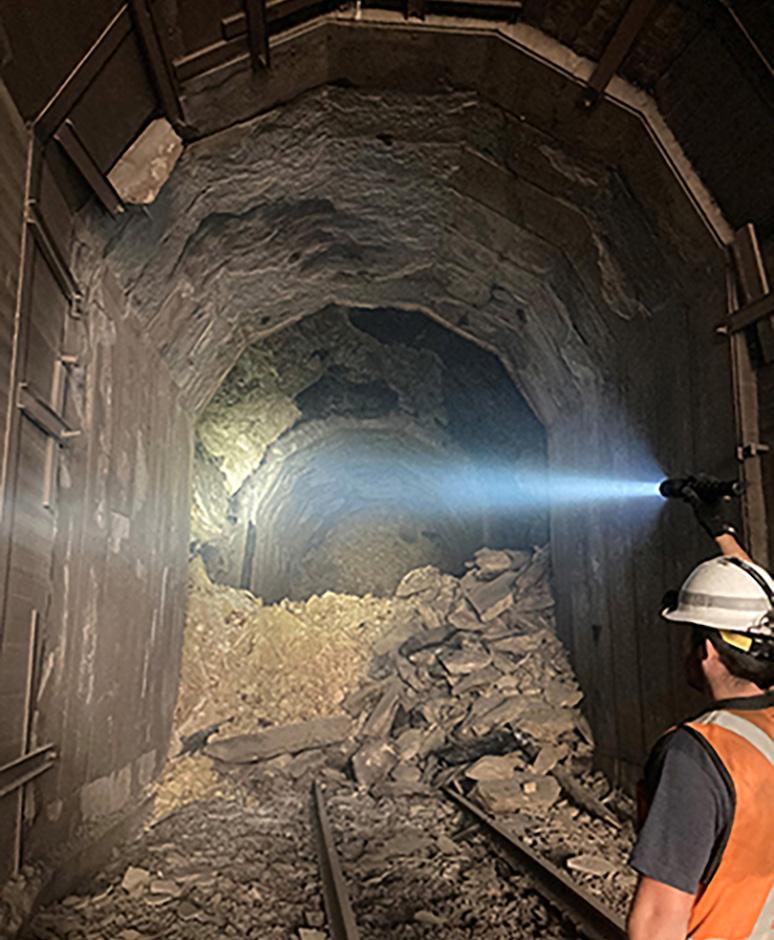
Delve Underground has supported first-responder teams on emergency situations involving active railroad tunnel fires caused by wildfires and arson. These fires pose a significant threat, potentially damaging or destroying the original timber sets and lagging within the tunnel, leading to a loss of structural integrity and potential collapse of surrounding materials. Even in tunnels with concrete liners, fires can cause the embedded timber sets and lagging to burn, resulting in spalling of the concrete due to extreme heat. However, complete tunnel collapse is less likely in these instances due to the remaining concrete liner.
In one instance in Southern California, a train derailment ignited a fire inside a concretelined tunnel, which affected the embedded timber sets and packing behind the liner. Delve Underground was called on to give recommendations to first responders for fire suppression. Utilizing grout pumped through holes in the liner, we extinguished the fire behind the concrete. However, the intense heat caused spalling of the concrete liner. After the fire was extinguished, our team assessed the damage, offered repair design recommendations, and stationed engineers on site to ensure ongoing stability during the repairs.
Another railroad fire emergency ocurred in July 2021 when a massive wildfire engulfed a 480-foot-long tunnel along an active rail line near Quincy, California. The tunnel’s liner consisted of timber sets, concrete panels, and steel sets; the fire caused the 190-foot-long section of timber sets to burn and collapse, blocking the rail line. Delve Underground promptly responded to the emergency, delivering a conceptual repair design and bid documents just five days after the tunnel collapsed. Through a competitive bidding process, a contractor was selected and mobilized to the site within two weeks. Despite challenges such as wildfires still burning, closed roads, and shortages of supplies nationwide, construction began before the fire was fully contained. Our team, along with the contractor, worked seven days a week until the tunnel was reopened. Remarkably, despite the remote location and adverse conditions, the tunnel reopened to freight traffic in October 2021— about 10 weeks after repairs commenced—with no recorded injuries.
Railroad portals and snowshed structures often face considerable challenges from excessive rock and avalanche loads, exceeding their original design specifications. In November 2015, a timber snowshed outside of a tunnel that was erected in 1943 in the Cascade Mountains in Washington State was hit by rockfall and partially collapsed, obstructing train passage along a mainline track. Delve Underground swiftly responded to the emergency, evaluating the rock slope above the tunnel from where the rock had fallen and providing recommendations for temporary repairs that allowed trains to resume operations in less than 48 hours after the rockfall.
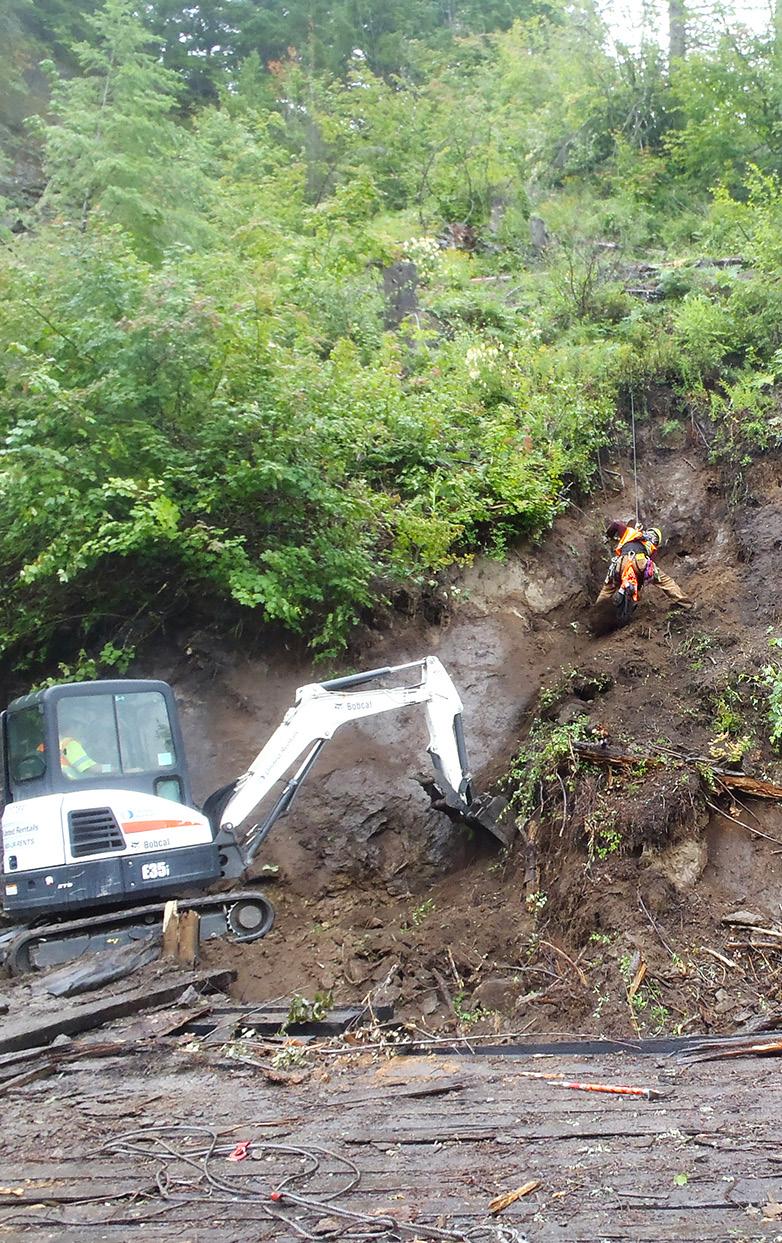
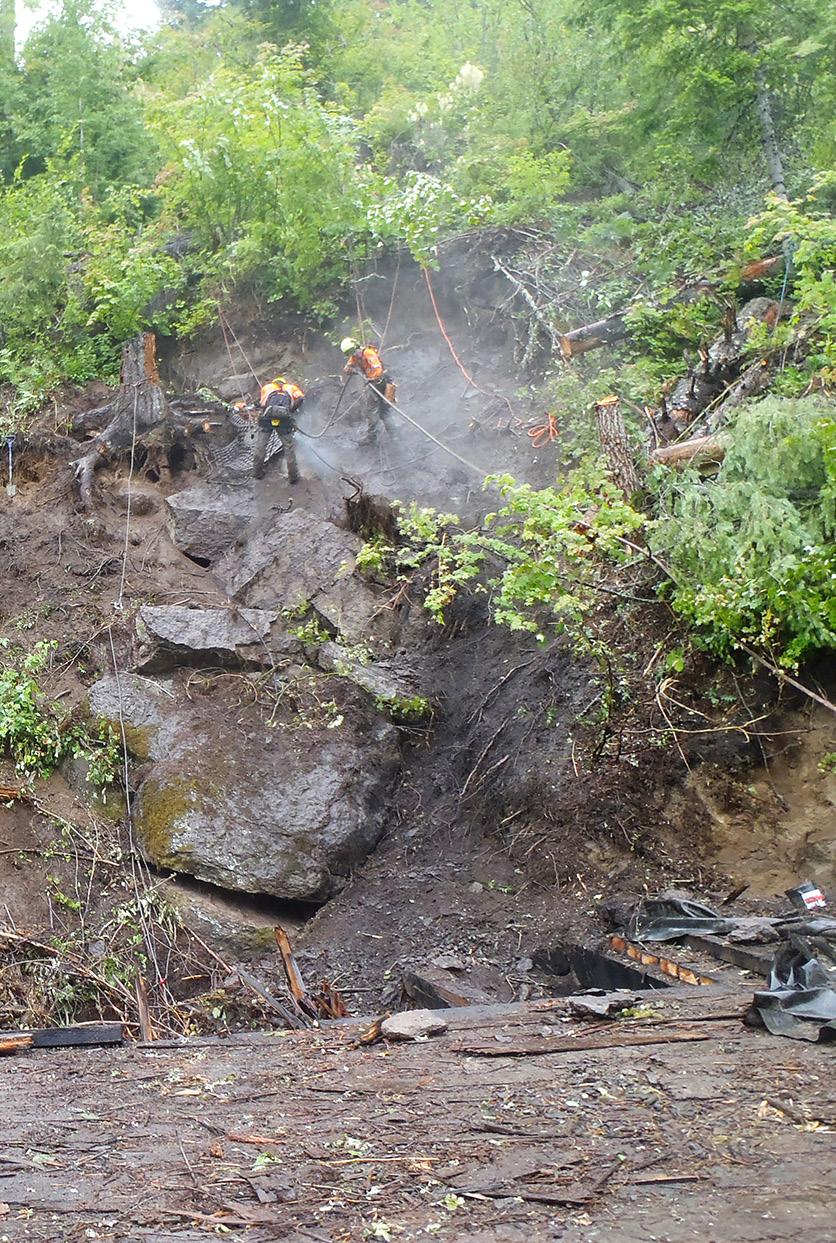
Subsequently, Delve Underground’s rope access team conducted thorough investigations to assess unstable areas of a 250-foot-tall rock slope above the snowshed. This assessment led to slope mitigation measures that included the installation of rock anchors and wire mesh, which was completed in 2018. However, in July 2019, during roof timber replacement, another rockslide occurred in a different location, damaging major timber elements and puncturing the snowshed roof. This posed a new threat to passing trains. Delve Underground acted promptly, evaluating the slope’s stability, allowing trains to cautiously pass through the area while contracting with a slope stabilization contractor to repair the slope. Our mitigation strategies evolved with the changing geomorphology of the site, leading to successful completion of the project in July 2020.
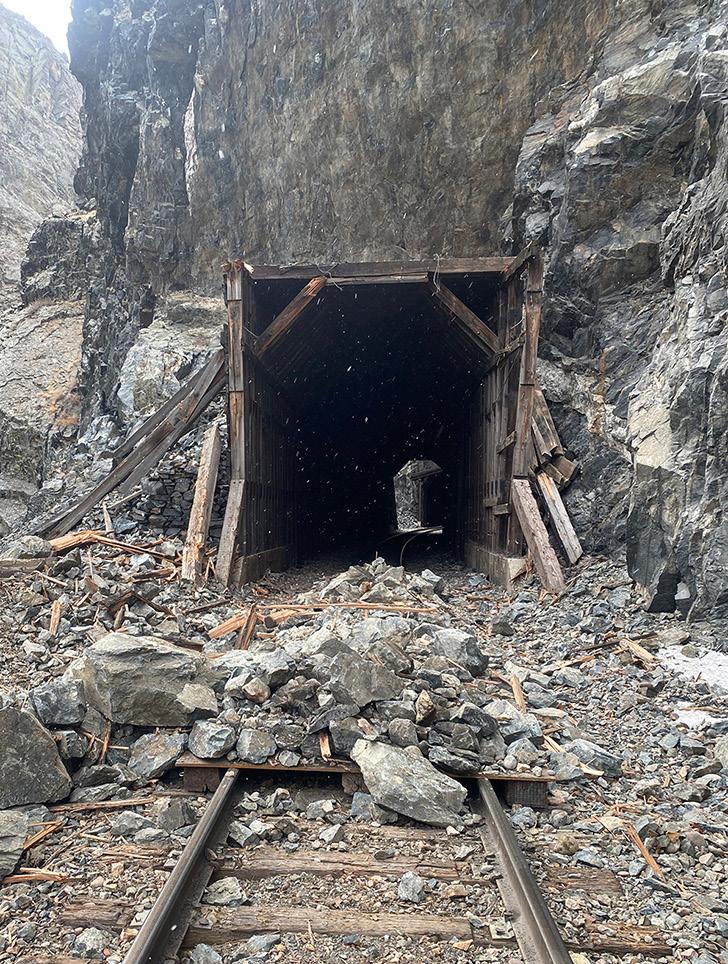
In a separate incident on Christmas Day 2020, a rockslide destroyed the wooden portal structure of a railroad tunnel in Wyoming’s Wind River Canyon. Delve Underground quickly assessed the situation, and used rope access and UAV imaging techniques to evaluate the extent of damage and develop repair plans. A specialized rock contractor, working with Delve Underground’s design for stabilization, removed unstable rocks from the overhanging slope and reinforced the slope with rock anchors and drains. Delve Underground designed a new steel portal to replace the damaged timber portal. The project was completed 1-1/2 years later, in June 2022.
Delve Underground’s expertise, experience, and specialized in-house teams have made us the go-to company for emergency response for railroads and government agencies.
by James Struthers, CEG, RG


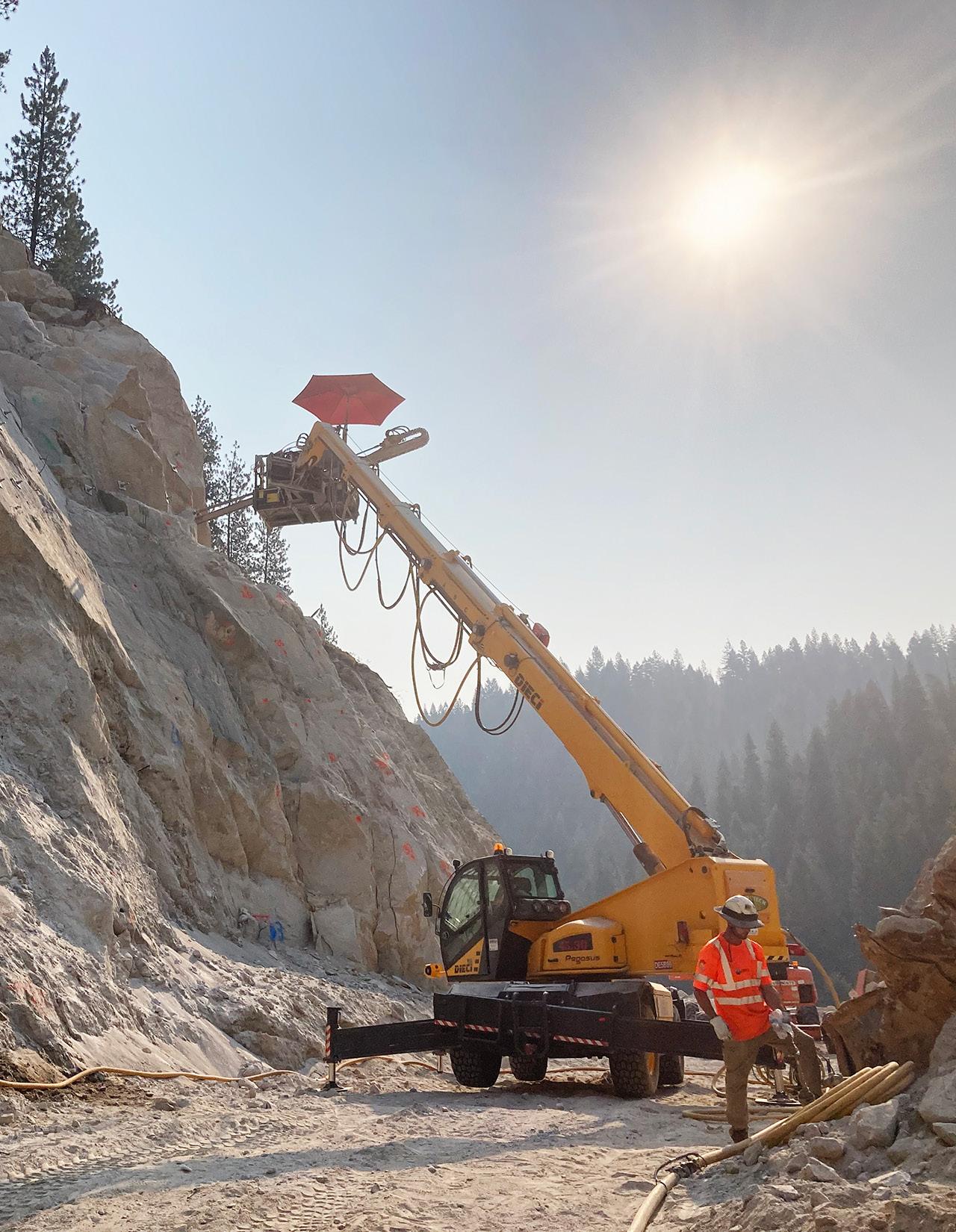
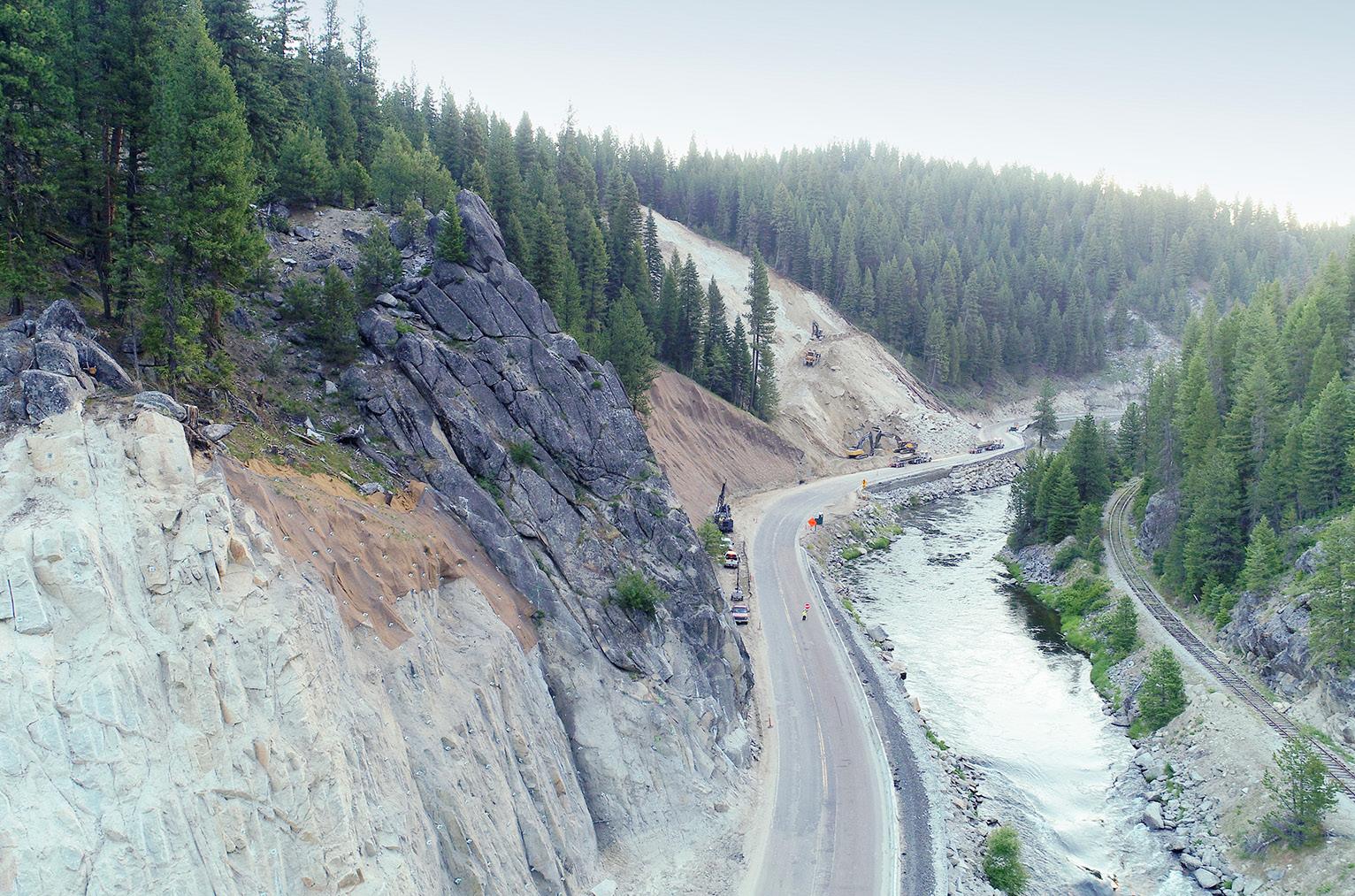
From 2020 to 2023, the Idaho Transportation Department (ITD) District 3 oversaw the widening of State Highway 55 between Smiths Ferry and Round Valley, Idaho, approximately 60 miles (97 km) north of the city of Boise. This route provides a critical transportation connection between Boise and the town of McCall and is one of the few north–south connector routes in Idaho.
At the project location, the highway follows a deep incised canyon formed by the North Fork of the Payette River. ITD’s project goal was to improve roadway geometry and sight distance by widening and realigning the roadway using a series of rock cuts and downslope wall systems. Within the 1-mile (1.6 km) project limits, work included nine major rock cuts ranging between 60 and 200 feet high (18–61 m).
On March 15, 2021, a series of significant failures occurred in the newly constructed rock slopes, damaging several pieces of heavy equipment and shutting down the road. ITD immediately contacted Delve Underground to mobilize to the site, assess what caused the slope failures and the risk to the traveling public, provide emergency stabilization design and construction services, and assess and redesign the remainder of the rock cuts for the project. ITD’s mandate was to maintain the original construction schedule even though the project had to be redesigned. Delve Underground was given broad latitude with respect to coordinating the redesign, and construction phasing and staging to meet this objective.
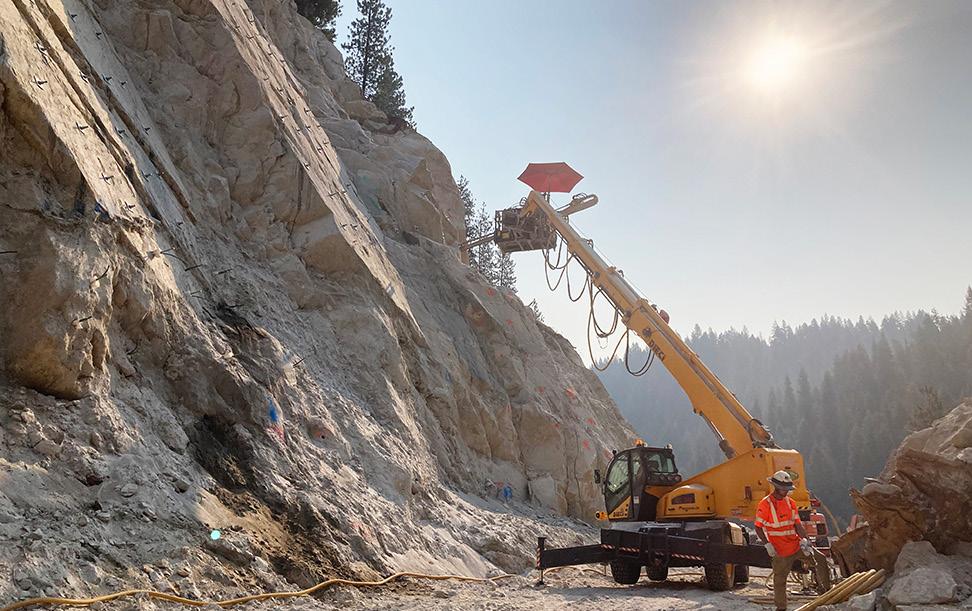
Over the next two construction seasons, the Delve Underground team provided blasting consulting for over 80 blasting plans; developed plans, specifications, and estimates for the rock-cut redesigns; and oversaw installation of rock dowels, mesh drape, pinned mesh stabilization systems, and rock slope drains. To facilitate rapid redesign of the project, the team used rope access safety techniques* and drone/UAV technology extensively to collect data that was utilized both to establish the new cut designs and for design of supplemental rock reinforcement required as each cut lift was constructed. Initial slope mitigation and redesign were delivered to ITD within just 30 days of the emergency route closure.
*See “The Benefits of Rope Access in Challenging Terrains” (July 2023) for more about Delve Underground’s rope access services and training program.
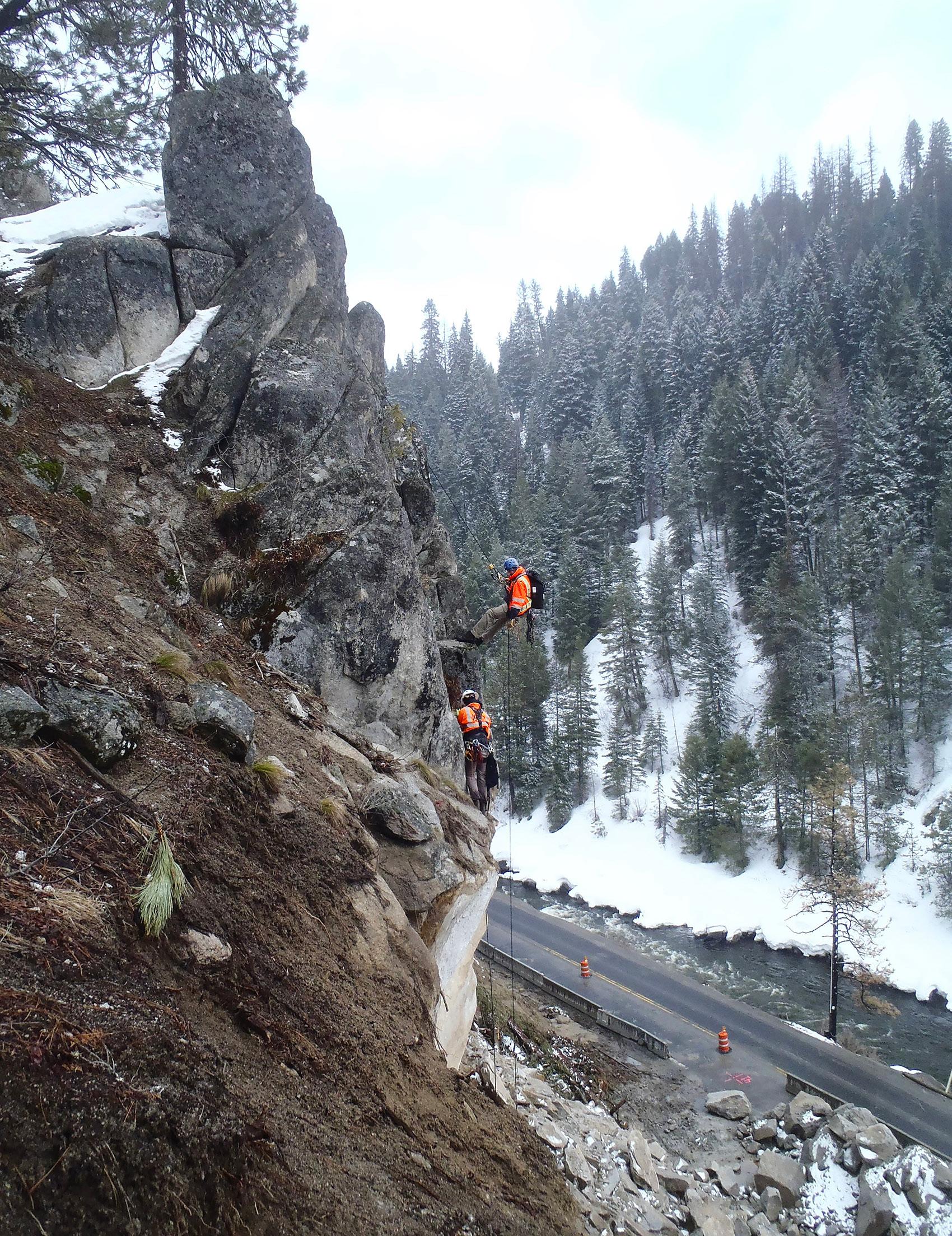
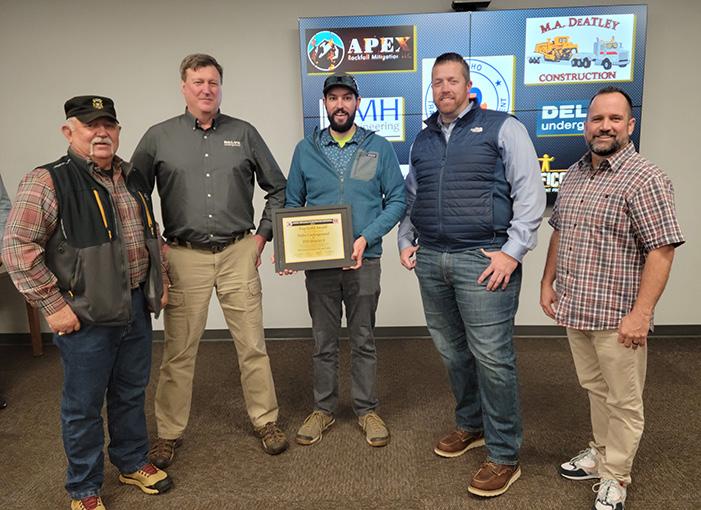
The success of this project relied on tight integration of the project delivery team, including the ITD project engineers, ITD management, the contractor, and Delve Underground. The close working relationships established early on during construction allowed design work to be closely coordinated with construction sequencing and phasing such that delays were substantially avoided. Not only was the project completed within the original schedule—in fall 2023—it was awarded the Idaho Association of General Contractors Top Gold Award for Excellence in Construction Partnering.
The United States has over 617,000 bridges, many of which are past their expected 50-year service life, as the average age is 60 years. While large bridges get more media attention and funding, smaller spans (20 to 60 feet [33 to 18 meters]) are equally important yet often overlooked. These shorter span bridges typically consist of either steel or concrete girders resting on abutment walls. Just because a bridge has a shorter span does not make it immune from a costly replacement for the owner, which is likely to be a local city, town, or village. These types of bridge owners often do not have the same funding opportunities as a state department of transportation or regional toll authority does.
Local municipalities often face significant costs for replacing shorter span bridges made of steel or concrete girders. Municipal governments can address the urgency and funding scarcity by using buried structures for bridge applications. This approach helps public administrators "do more with less" and implement solutions in less time.
Buried structure technology enables a new bridge or the replacement of an existing bridge to be constructed for a lower initial cost compared to traditional girder and abutment structures.
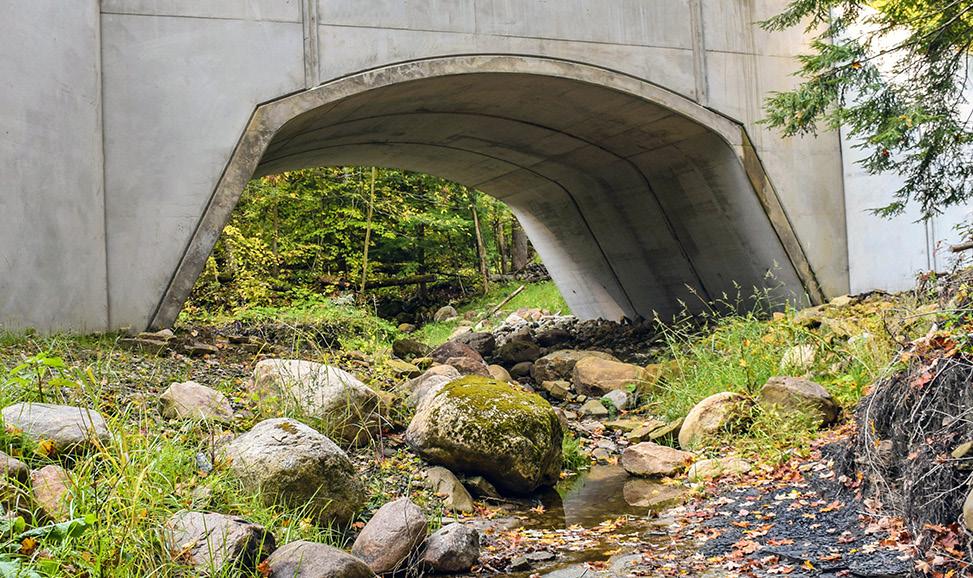
A “buried” bridge is a soil-structure interaction system that can use the in situ soil for most—in
some cases all—of the backfill surrounding the structural component. The structural elements consist of either galvanized steel corrugated plate, aluminum corrugated plate, or precast reinforced concrete arch sections, which are mass produced in off-site factories and easily shipped to the jobsite.
Additional project savings are realized if the structural element is corrugated metal plate because the structural materials for an entire bridge can be delivered to the jobsite in one truckload. In comparison, a traditional girder bridge requires multiple deliveries because of the load and size constraints of only hauling one girder per truckload.
by Kenneth Leo Dombroski, PE, MPA

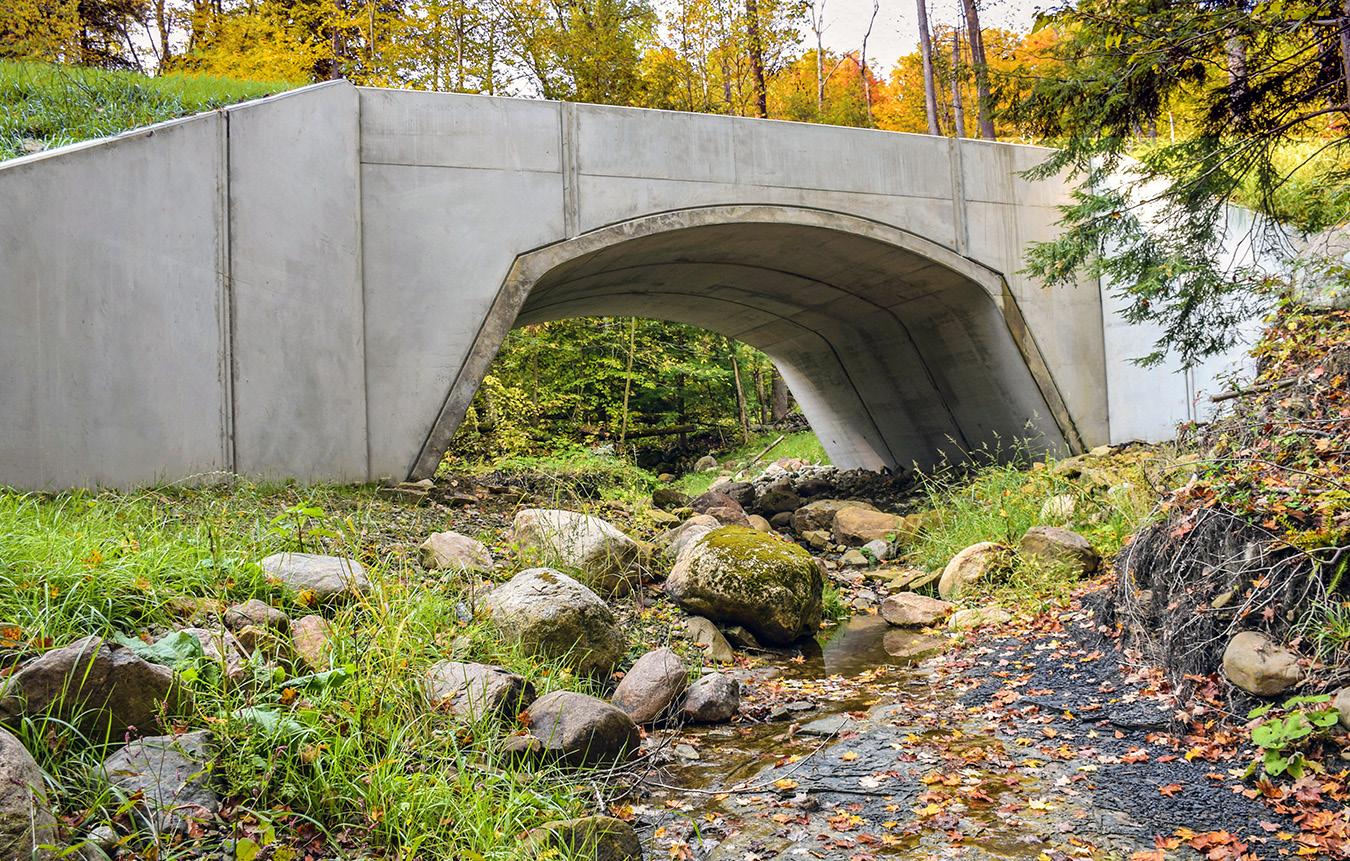
Other factors that yield a lower installed cost for soil-structure interaction systems include savings on labor and equipment in addition to a larger pool of contractors who are qualified to build the structure. Buried structures, especially those built with metal plates, can be constructed using smaller work crews and ordinary equipment. By comparison, crews on girder/abutment bridges include a wider array of trades and require larger specialized equipment, such as cranes for setting girders and large concrete spreader machines for bridge deck pours. The ability to use basic crews and equipment on buried structures allows municipalities to receive more competitive bid proposals from a more diverse group of contractors. These factors collectively enable local government agencies to implement bridge replacements at 15 to 50 percent less cost than traditional girder/abutment bridges.
Depending on the circumstances, the schedule for a bridge replacement project is just as or more important than the budget. Buried structures allow for accelerated bridge construction (ABC). Whether the soil-structure interaction system consists of precast concrete elements or metal plates, the construction is modular, which facilitates speed and efficiency because of ease of handling in the field. Additional efficiencies are achieved using prefabricated foundations and end treatments (i.e., headwalls and wingwalls). It is feasible for a deficient bridge to be replaced with a brand new buried structure in one month or less.
Besides a lower initial cost, buried structures are less expensive to maintain. The savings on maintenance begin with annual inspections. Buried structures are easier to access and have fewer structural components to inspect. For example, a traditional abutment-girder bridge might have special components such as abutment rockers, abutment bearing pads,
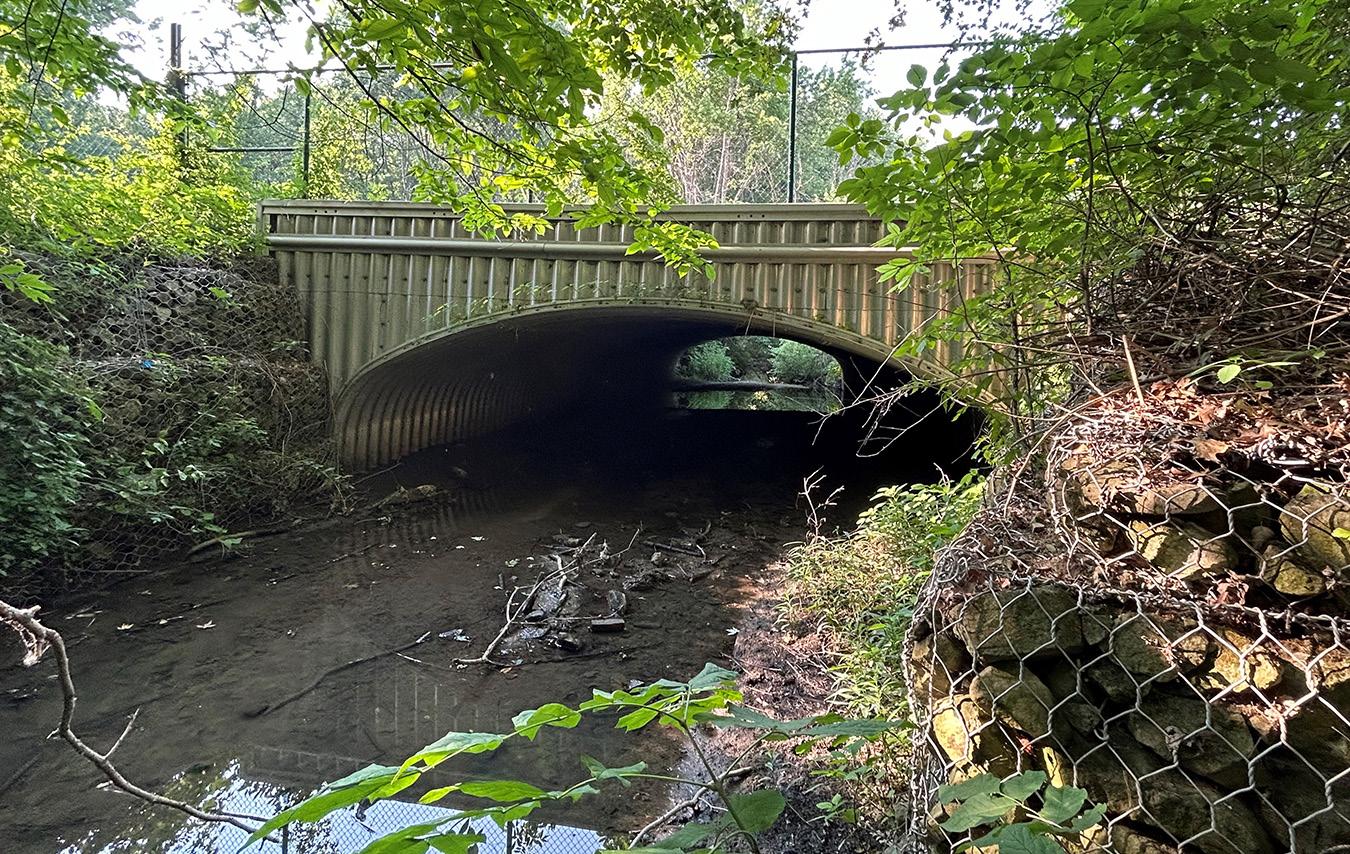
and lateral bracing between the girders, while a buried structure only has its structural shell and a foundation if it is a three-sided structure or arch. Often, the buried structure is four-sided with either an exposed or buried invert. Either way, there is much less detail to inspect with buried structures than traditional girder bridges.
These “soil-structure interaction” systems used for bridges also eliminate two costly maintenance concerns. First, buried structures do not require periodic painting, whereas steel girder bridges might need repainting two to three times over their typical 50-year service life. This eliminates a costly, labor-intensive maintenance task that can also harm the environment. Additionally, buried structures offer long-term durability. For instance, a buried structure made with an aluminum structural plate can have a service life well beyond 50 years with little to no treatment for any exposed plate surfaces.
As part of the maintenance cycle for abutment-girder style bridges, the bridge deck and other superstructure components require replacement at least once during the service life. There is no bridge deck or superstructure to maintain on buried structures. Instead, the highway driving surface, which is often asphalt
pavement, is maintained in the same manner as the pavement on each approach to the bridge. This is a much more economical and efficient maintenance scenario.
Buried structures are not a solution for all bridge scenarios. However, under suitable topography and site conditions, owner agencies should consider these soil-structure interaction systems during planning or preliminary design. They may find that they can conceivably replace two bridges for the price of one!
Note: In a future edition of Segments, the author will explain how metal plate and precast elements can also be used for the rehabilitation and reline of existing bridges and tunnels.
SOURCES:
American Society of Civil Engineers, 2021 Report Card for America’s Infrastructure, 2024
Short Span Steel Bridge Alliance, Resources for Bridge Owners and Designers, 2024
Delve Underground is a leader in heavy civil engineering, serving the water, wastewater, transportation, and energy sectors. We offer comprehensive design, construction management, and dispute resolution capabilities. Founded in 1954, Delve Underground is an employee-owned firm with 25 offices and 350 team members throughout the United States, Canada, Australia, and New Zealand.