COMMUNITY SURVEY 2024 KEY FINDINGS
INTRODUCTION

SURVEY OVERVIEW

BCPPS CORE QUESTIONS
“WHEN YOU THINK ABOUT THE DPD, TO WHAT EXTENT DO YOU AGREE OR DISAGREE WITH THE FOLLOWING STATEMENTS?”







(strongly) agree that the police make decisions based on that matter to the community. (strongly) agree that the police treat people with respect.
(strongly) agree that they generally support how the police usuall (strongly) agree that police are dealing with things (strongly) agree that they feel a moral duty to follow police orders. (strongly) agree that police provide the same quality of service to all citizens. facts.
y act.
(strongly) agree that they would help police if asked.
BCPPS CORE QUESTIONS
“ABOUT HOW OFTEN WOULD YOU SAY THAT THE POLICE IN YOUR NEIGHBOURHOOD EXCEED THEIR AUTHORITY?”
BCPPS CORE QUESTIONS
“IN GENERAL, TO WHAT EXTENT DO YOU AGREE THAT THE DPD ARE EFFECTIVE AT...”
Responding quickly to calls for assistance? Resolving crimes where violence is involved?




BCPPS CORE QUESTIONS
PoliceinCanada
“HOW GOOD OF A JOB DO YOU THINK THE POLICE IN DELTA ARE DOING” VS. “HOW GOOD OF A JOB DO YOU THINK THE POLICE IN CANADA ARE DOING?” 80% 40%
PoliceinDelta
Percentage of survey participants saying that the agencies above are doing a good | excellent job.
*Percentages rounded to the nearest whole number
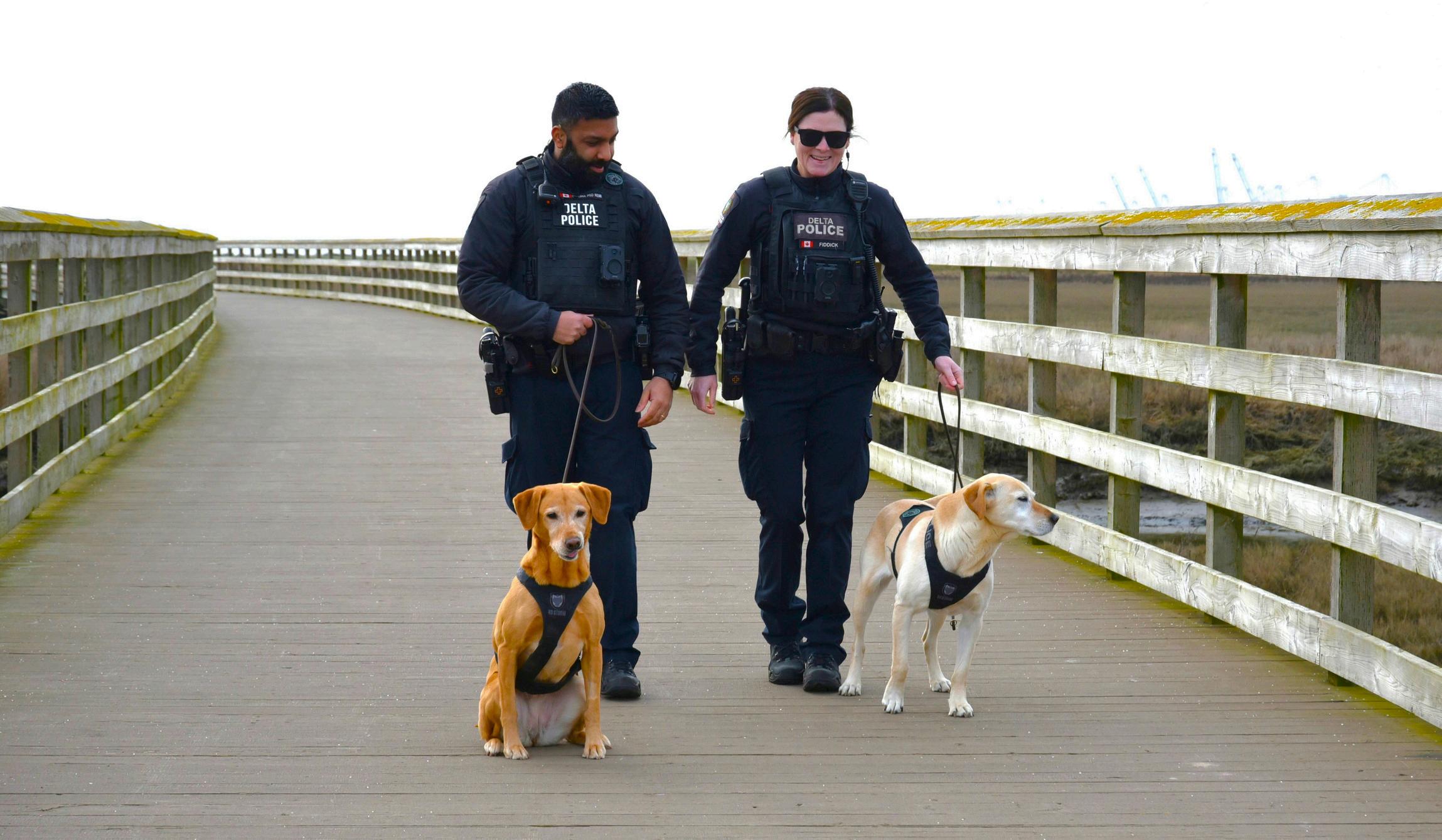
TOP POLICING SERVICES
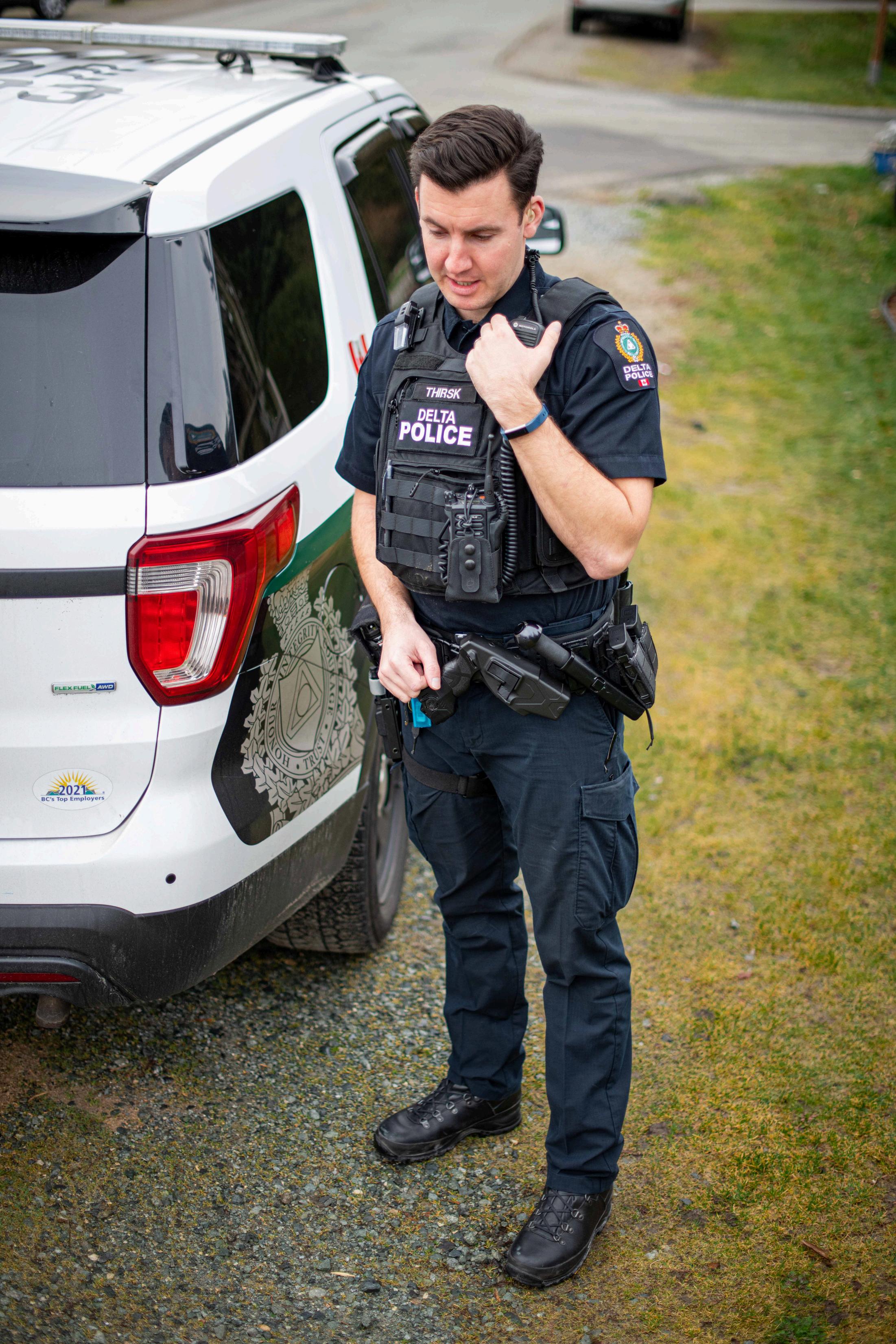
TOP FUTURE IMPACTS ON POLICING
The survey identified the top three future issues expected to impact policing in Delta.
SUPPORT FOR BODY-WORN CAMERAS (BWC)
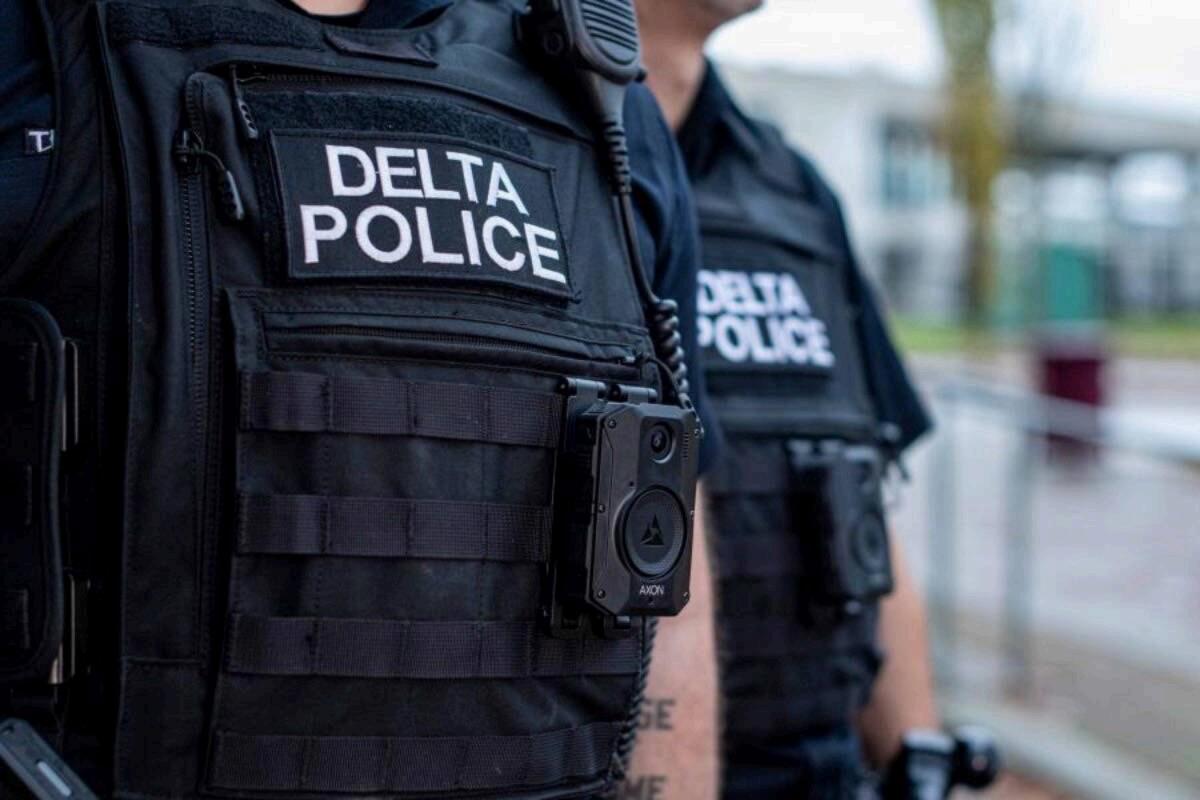
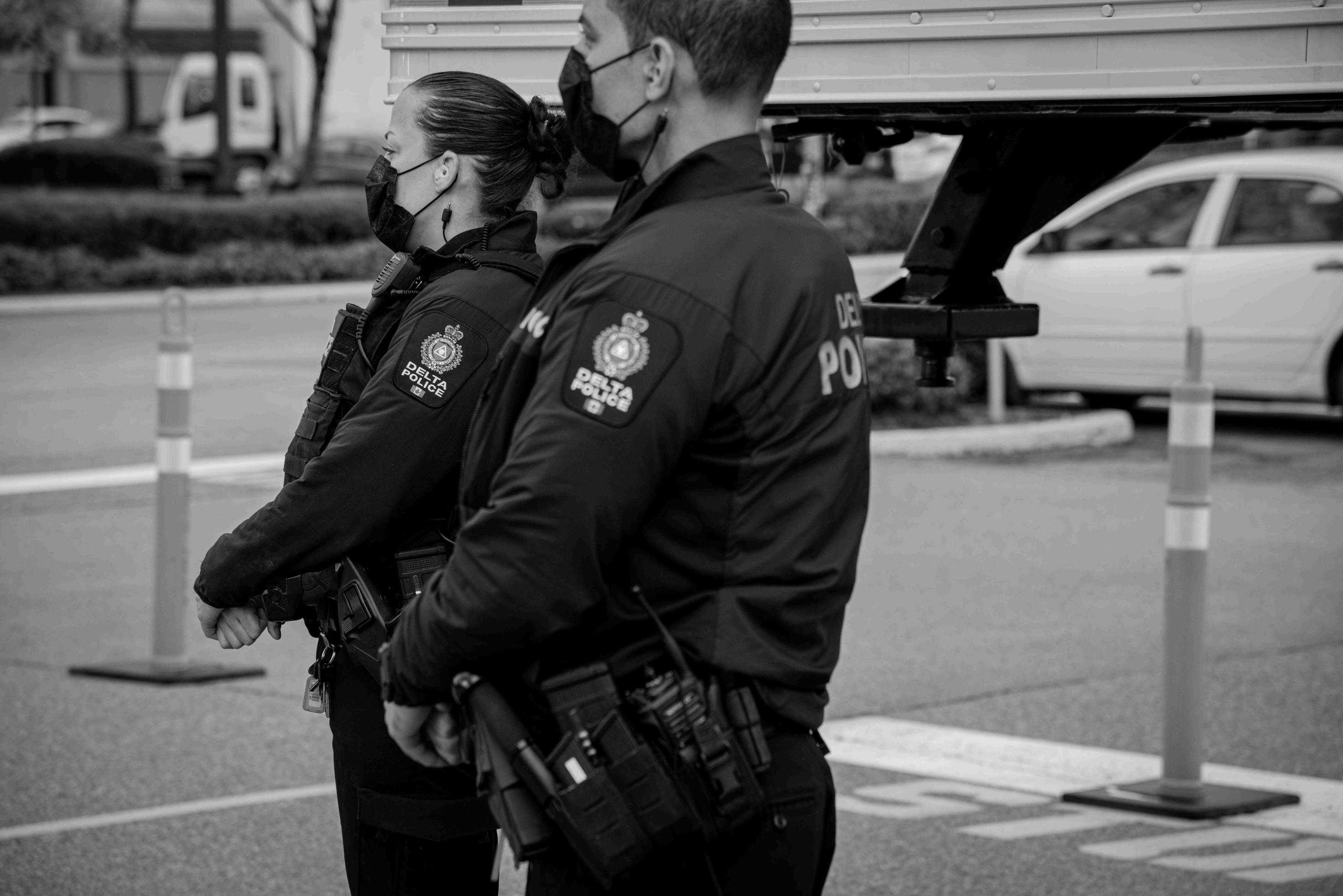
und strong public support for body-worn indicating that BWCs are somewhat or very s support was consistent across all ncluding age, gender, and area of Delta.

Range of abilities
Knowledge of languages other than English A range of ages
Equal number of males and females
DIVERSITY ELEMENTS
Range of religious beliefs
Individual economic status Sexual orientation
INFORMATION SOURCES
The survey found that most respondents rely on social media and online news for information, but trust DPD’s sources the most.
SOURCE
Social media sites
News media (Internet)
Delta newspaper
Television news
Friends | relatives
Radio stations
DPD website
DPD spokesperson
Employees at work
Delta business leaders
Religious
Reported Use (%) High | Very High Trust (%)
PERFORMANCE RATINGS FOR 12 SERVICE AREAS
The survey asked respondents how well DPD is doing in 12 key service areas; the ratings are noted below.
Service Area
Very Good or Good
Violent Crimes
Domestic Violence | IPV
Urgent | Timely Response
Property Crimes
Auto Theft
Youth and Schools
Visible Presence
Regular Community Consultation
Community Offices
Value for Money
Traffic Enforcement
Volunteering
Average Poor or Very Poor
PUBLIC PERCEPTION OF CRIME AND POLICE SERVICES

37% of respondents had no contact with the DPD in the past year.
48% had contact only one to three times.
PUBLIC PERCEPTION OF CRIME AND POLICE SERVICES (CONT.)
While most respondents' experience with DPD is limited, the DPD uses data-driven tools to measure safety and service impact in the community. These include calls for service, hotspot mapping, and crime trend analysis. According to year-end statistics comparing 2024 to 2023:
PUBLIC PERCEPTION OF CRIME AND POLICE SERVICES (CONT.)
Despite these improvements, perception does not necessarily match reality. This is not unique to Delta. National and provincial surveys show similar gaps between perception and actual crime data:
A 2023 Angus Reid Institute survey found that 48% of Canadians believe crime is increasing in their community, despite national statistics showing stable or declining rates.
A 2022 BC Justice Institute survey reported that news and social media were the most frequently used sources of crime information, but over 70% of respondents trusted information from police sources more.
This gap between perception and reality shows why strong, consistent communication is so important. DPD will continue sharing accurate crime data, highlighting positive outcomes, and showing the work being done by the officers. Over time, this will help build public understanding and trust in both community safety and policing services.
CONCLUSION AND NEXT STEPS

*Rounded from 78.1% and 38.1%