






s we age and begin to lose our mobility and sense of balance, bathing can not only become difficult but also a cause of additional stress and anxiety Fear of falling and a fear of not being able to get out of the tub are two of the most common occurrences with many of our seniors today Walk-in tubs have become extremely popular in the last decade and estimates show that people who go ahead and install a walk-in tub in their homes today, will be able to live independently for an additional five years.
Walk-in tubs are exactly what the name implies, tubs that have large doors that open, and you simply walk in and sit down on a 17-inch-high seat. You c lose and lock the door and the tub fills rapid ly while you are sitting comfortably and safely inside All the taps and controls are easily accessible at your fingertips. Once you are done your bath, turn the dial and the tub quickly drains and you simply open the door and walk out of the tub The various models all have numerous grab bars and nonslip surfacesmaking getting in and out worr y free Walk-in tubs are designed for an aging population who desire to remain independent for many years to come
Manufacturers have optional tub designs accommodating ever y shape and size of person and bathroom. There is a tub size that will fit in the space where your existing tub or shower is.Walk-in tubs can be as basic as a soaker tub to as deluxe as your own personal spa.
Offering numerous options such as heated back, multispeed warmair jets, water jets, ozone, light

therapy, aromatherapy, and more
The benefits of a walk-in tub are numerous.
Many people crave being able to confidently have a bath again and find relief by just soaking in a warmtub O wners say they believe they sleep better af ter a soothing bath. The warm air or water jets give a deep massage and help to stimulate circulation, thus carr ying additional
healing oxygen throughout the body to the hands and feet. This has shown positive results increasing mobility and helping to relieve the pain and symptoms of such conditions as arthritis, chronic back pain, fibromyalgia, diabetic and peripheral neuropathy, as well as various other acute and chronic conditions.
The Canadian Government website states
Perhaps, one of the best decisions I’ve made is when I decided to go ahead and put a walk-in tub in my house I no longer have a fear of falling and this will help me live in my home for many more years to come ’ Jean S
that 1 in 4 seniors fall ever y year, and 25% of these falls are serious, leaving the victims permanently disabled and bedridden. A large percentage of these falls take place in the bathroom. Aside from all the pain and suffering it also ends up costing the Canadian medical system two billion dollars annually
Therefore, the British Columbia and Federal Governments are helping many people who decide to purchase a walk-in tub now The help comes in the forms of a tax credit, a Provincial Sales Tax waiver, and in certain qualifying cases a $9,000.00 Government Grant.
As we all age and the years fly by,many seniors are faced with the reality that taking proactive steps today and deciding to retrofit their homes with a walk-in tub is one of the best investments they can make to help them age in place, comfortably and independently in the home they love









DELTA SOUTH MENTAL HEALTH AND SUBSTANCE USE CENTRE
604-948-7010
BLOCKWATCH SOCIETY OF BRITISH COLUMBIA
1-877-602-3358
PUBLIC GUARDIAN AND TRUSTEE AND COMMUNITY RESOURCE NETWORK
1-604-660-4444
SENIORS ABUSE & INFORMATION LINE
1-866-437-1940
VICTIMLINKBC
1-800-563-0808
EMERGENCY Dial 911
Legal Information/ Financial Services
SERVICE BC
604-660-2421
BRITISH COLUMBIA SECURITIES COMMISSION
1-800-373-6393
CANADA BENEFITS
1-800-622-6263
CANADA REVENUE AGENCY
1-800-959-8281
CANADA MORTGAGE AND HOUSING CORPORATION
1-800-668-2642
LAWYER REFERRAL SERVICE
1-604-687-3221
Food Services
EMERGENCY FOOD CUPBOARD – DELTASSIST
604-594-3455
MEALS ON WHEELSLADNER/TSAWWASSEN
604-946-9526
SOUTH DELTA FOOD BANK
604-946-1967
Health Resources/ Transportation
ARTHRITIS ANSWERS LINE 1-800-321-1433
ALZHEIMER SOCIETY OF BC – SOUTH DELTA 1-800-936-6033
BC ASSOCIATION OF LIFELINE PROGRAMS (LIFELINE REPRESENTATIVE) 1-800-543-3546
BC ASSOCIATION OF COMMUNITY RESPONSE NETWORKS - ADULT ABUSE & NEGLECT 1-800-986-0841
BC CANCER –SOUTH DELTA
604-946-1121
CANADIAN MENTAL HEALTH ASSOCIATION –SOUTH DELTA 604-943-1878
DELTA HOSPITAL 604-946-1121
DELTA SENIORS BUS 604-597-4876
DELTASSIST
604-946-9526
FRASER HEALTH AUTHORITY - SOUTH DELTA 604-952-3550
FIRST LINK DEMENTIA HELPLINE 1-800-936-6033
HANDIDART
604-575-6600
HEALTHLINK BC Dial 811 (711 for the deaf and the hard of hearing) GRANDPARENTS RAISING GRANDCHILDREN –MEETS
AT DELTASSIST 604-946-9526
PARKINSON SOCIETY BRITISH COLUMBIA 1-800-668-3330
ROUTE65.CA 1-877-955-6565
SENIORS HEALTH CARE SUPPORT LINE 1-887-952-3181
TSAWWASSEN FIRST NATION COMMUNITY NURSE 604-9845239
TSAWWASSEN FIRST NATION COUNSELING SERVICES 604-908-3015 TRANSLINK
604-953-3333
Housing
AUGUSTINE HOUSE SOCIETY 604-940-6005
BC HOUSING 604-433-2218
KINVILLAGE
604-943-0155
THE WATERFORD 604-943-5954
THE WEXFORD 604-948-4477
Police/Fire/ Ambulance
AMBULANCE NON-EMERGENCY LINE 604-872-5151
DELTA ABORIGINAL LIAISON OFFICER AND DELTA POLICE 604-946-4411
FIRE NON-EMERGENCY LINE 604-946-8541
METRO VANCOUVER CRIME STOPPERS 1-800-222-8477
POLICE NON-EMERGENCY LINE 604-946-4411
BETTER BUSINESS BUREAU - INTERIOR BC 1-888-803-1222
BRITISH COLUMBIA CRIME PREVENTION ASSOCIATION 1-888-405-2288
CANADIAN ANTI-FRAUD CENTRE
1-888-495-8501
CONSUMER PROTECTION BC 1-888-564-9963
Government CITY OF DELTA 604-946-4141
MEMBER OF PARLIAMENT (FEDERAL) THE HONOURABLE JILL MCKNIGHT 778-593-4007
METRO VANCOUVER REGIONAL DISTRICT 604-432-6200
MINISTER OF THE LEGISLATIVE ASSEMBLY (PROVINCIAL) IAN PATON 604-940-7930
TSAWWASSEN FIRST NATION 604-943-2112
Recreation/ Activity Centres
FRASER VALLEY REGIONAL LIBRARY libraryforyou@fvrl.bc.ca 1-888-668-4141 ext. 7076
KINVILLAGE COMMUNITY CENTRE 604-943-0155
MCKEE SENIORS RECREATION CENTRE 604-946-1411
TSAWWASSEN FIRST NATION ELDERS CENTRE 604-943-2112


DEAR DELTA COMMUNITY,
We are excited to share Living 55+, a magazine created especially for Delta’s 55 + community. Our goal is to provide a trusted resource filled with information, opportunities, and insights to help you stay connected, engaged, and informed.

As we age, access to the right resources becomes more important than ever. Whether it’s finding local services, staying involved through volunteer opportunities, or learning about initiatives designed to support older adults, Living 55 Plus is here to
help. We are proud to bring together useful information from community leaders, organizations, and experts to make navigating this stage of life easier and more fulfilling.
Delta is a wonderful place to live, and Living 55 Plus is here to support and celebrate the many ways older adults contribute to our community. We hope you enjoy this publication and find it to be a valuable resource.

Best regards, YOUR TEAM AT THE DELTA OPTIMIST








BY CATHERINE DUNWOODY


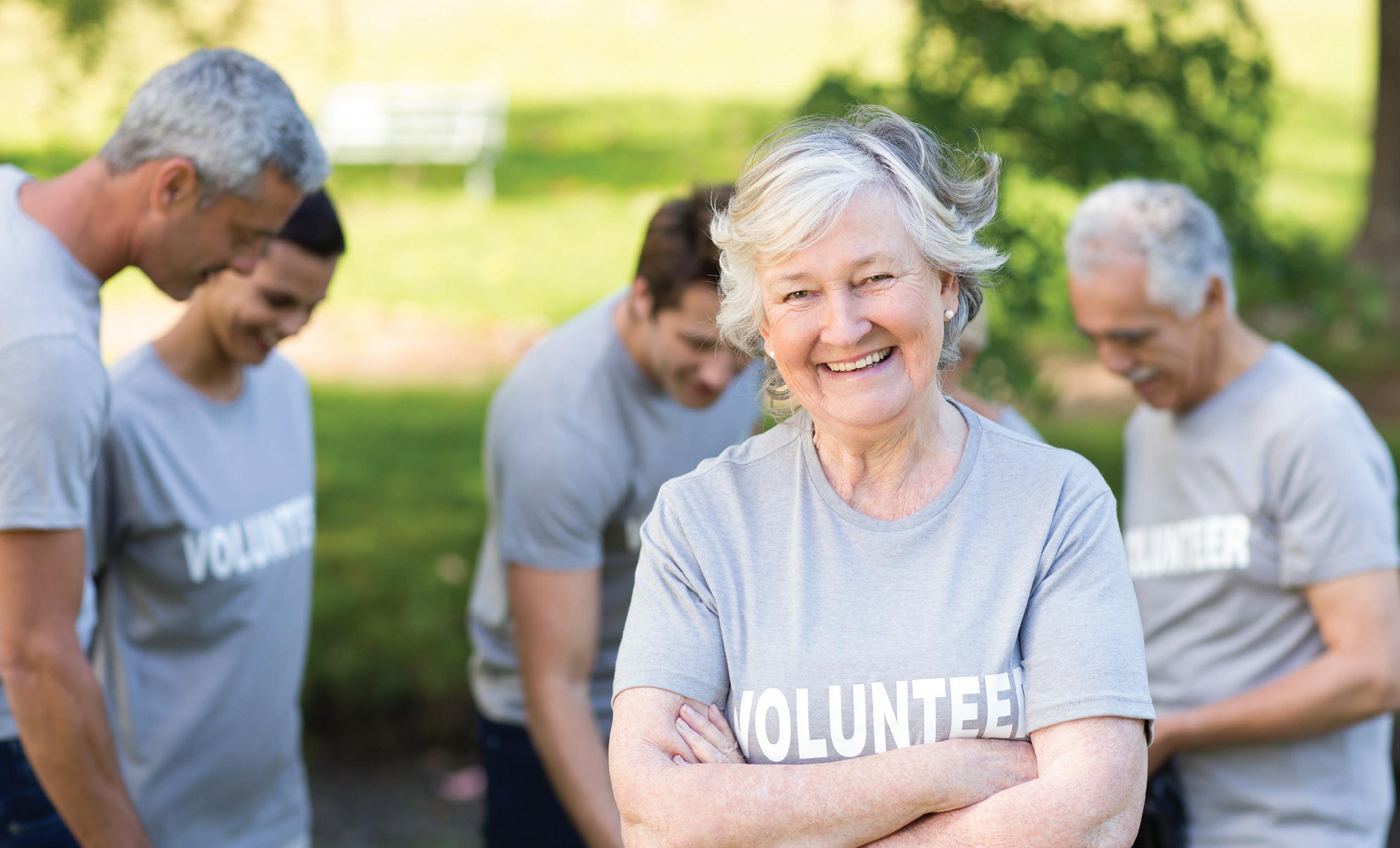
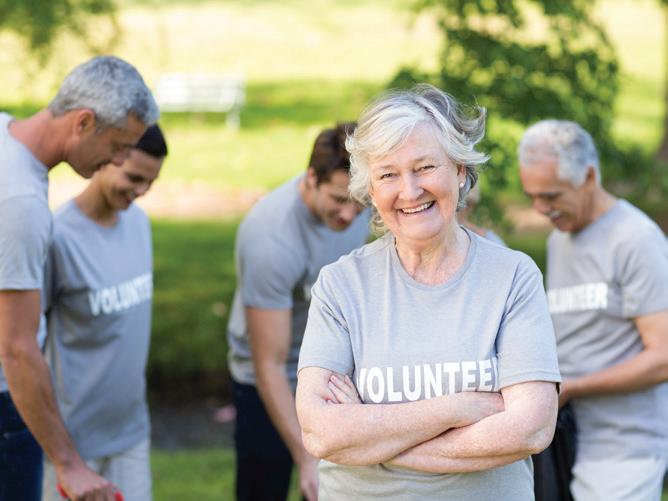
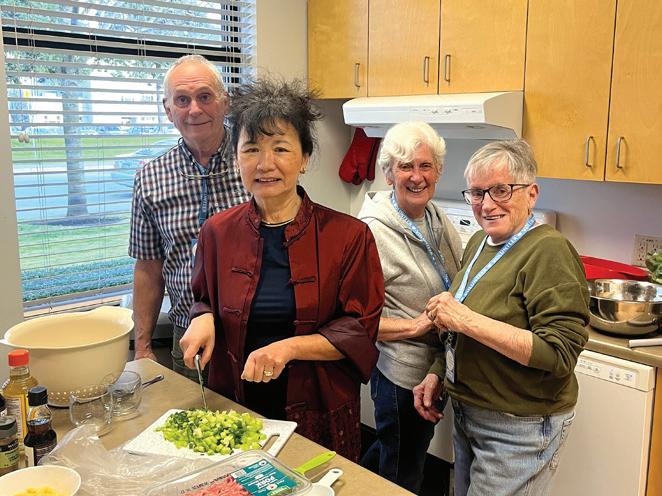
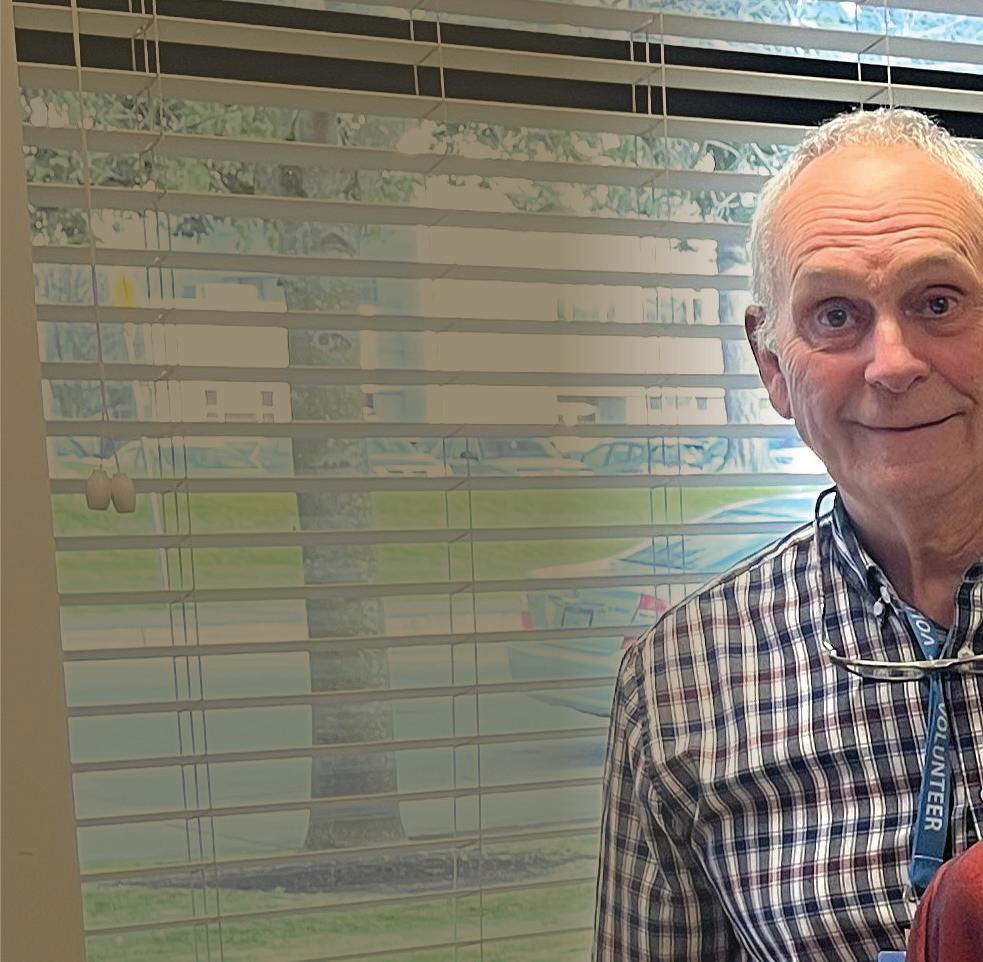
Volunteering. Not only does it feel good to do, turns out it’s good for you too. Acts of service like donating your time to help others absolutely benefit those in need of course, but studies show it also boosts your own mental health as well. The Delta Hospital and Community Health Foundation may be a way of achieving that win-win combo when you make time to volunteer, and all interested individuals are welcome – and appreciated.
Considered invaluable by the foundation, volunteers fuel and support signature fundraising events scheduled throughout the year. For 2026, volunteers are essential and much needed for the upcoming Power of Women in Philanthropy event on March 5th, the Delta Health Classic Golf Tournament on June 11th, and the Moonlight Gala November 7th. If you have never volunteered to help out at an event before, the duties range and you’ll likely find something best suited to your own skills and life experience. Folks are always sought after to set up and tear down at the venue, assist

in registration, sell raffle tickets, support auction supervision and provide guest services. Without the kind hearts of volunteers, these events would just not be possible. Raising funds is essential for the Delta Hospital to obtain state-of-the-art equipment, build awareness, keep up with technology and raise the bar when it comes to improving patient care. "When our volunteers give their time to Delta Hospital and Community Health Foundation, they strengthen healthcare related services and programs for all of Delta. Their dedication fuels critical fundraising, enhances patient experiences, and creates lasting impact for everyone who depends on Delta Hospital. We are deeply grateful for their time, compassion, and commitment,” says Lisa Hoglund, CEO, Delta Hospital and Community Health Foundation.
If you’d like to learn more about how to give back by volunteering with Delta Hospital and Community Health Foundation and explore what opportunities are available, please visit
"WHEN OUR VOLUNTEERS GIVE THEIR TIME TO DELTA HOSPITAL AND COMMUNITY HEALTH FOUNDATION, THEY STRENGTHEN HEALTHCARE RELATED SERVICES AND PROGRAMS FOR ALL OF DELTA. ”
LISA HOGLUND, CEO, DELTA HOSPITAL AND COMMUNITY HEALTH FOUNDATION
dhchfoundation.ca/ways-to-give/ volunteer. Warning. Volunteerism is contagious. Once you’ve experienced how great it feels to be part of a global movement with good intentions, you’ll likely want to volunteer on repeat. ◆




Senior safety from crime is an important issue as older individuals may be more vulnerable to scams, theft, and other forms of exploitation. Here are a few tips for keeping seniors safe from crime:
Awareness:
Seniors should be aware of common scams, such as telemarketing fraud, identity theft, and fake sweepstakes, and take steps to protect themselves from these types of crimes. This may include being cautious about giving out personal information over the phone or online, and not responding to unsolicited offers.
Secure personal information:
Seniors should keep personal information, such as Social Security numbers, credit card numbers, and bank account information, secure and limit the amount of personal information that they share with others. This can include using strong passwords and








regularly monitoring bank and credit card accounts for suspicious activity.
Avoid unfamiliar individuals:
Seniors should be cautious about opening their door to unfamiliar individuals, and consider using a peephole or security system to verify the identity of visitors. They should also be wary of individuals who ask for money or offer unsolicited services. Be mindful of surroundings:
Seniors should be mindful of their surroundings, especially when they are out in public, and take steps to protect themselves from potential crimes. This can include avoiding dark and isolated areas, carrying a personal alarm, and being aware of their surroundings when using an ATM or shopping.
Report suspicious activity: If seniors witness or are the victim of a


crime, they should report the incident to the police as soon as possible. This can help to prevent further crime and ensure that the individuals responsible are held accountable.
In conclusion, senior safety from crime is a critical issue that requires awareness and action. By taking steps to protect themselves from scams, theft, and other forms of exploitation, seniors can stay safe and secure, and continue to live full and fulfilling lives. Whether it is being mindful of personal information, avoiding unfamiliar individuals, or reporting suspicious activity, there are many ways to keep seniors safe from crime.









BY CATHERINE DUNWOODY



There’s no shortage of resources and information available regarding longevity and the importance of aging with a solid foundation that includes physical mobility, cognitive health and emotional wellness. Countless books, articles, social media, podcasts and television programs focus on healthy aging.
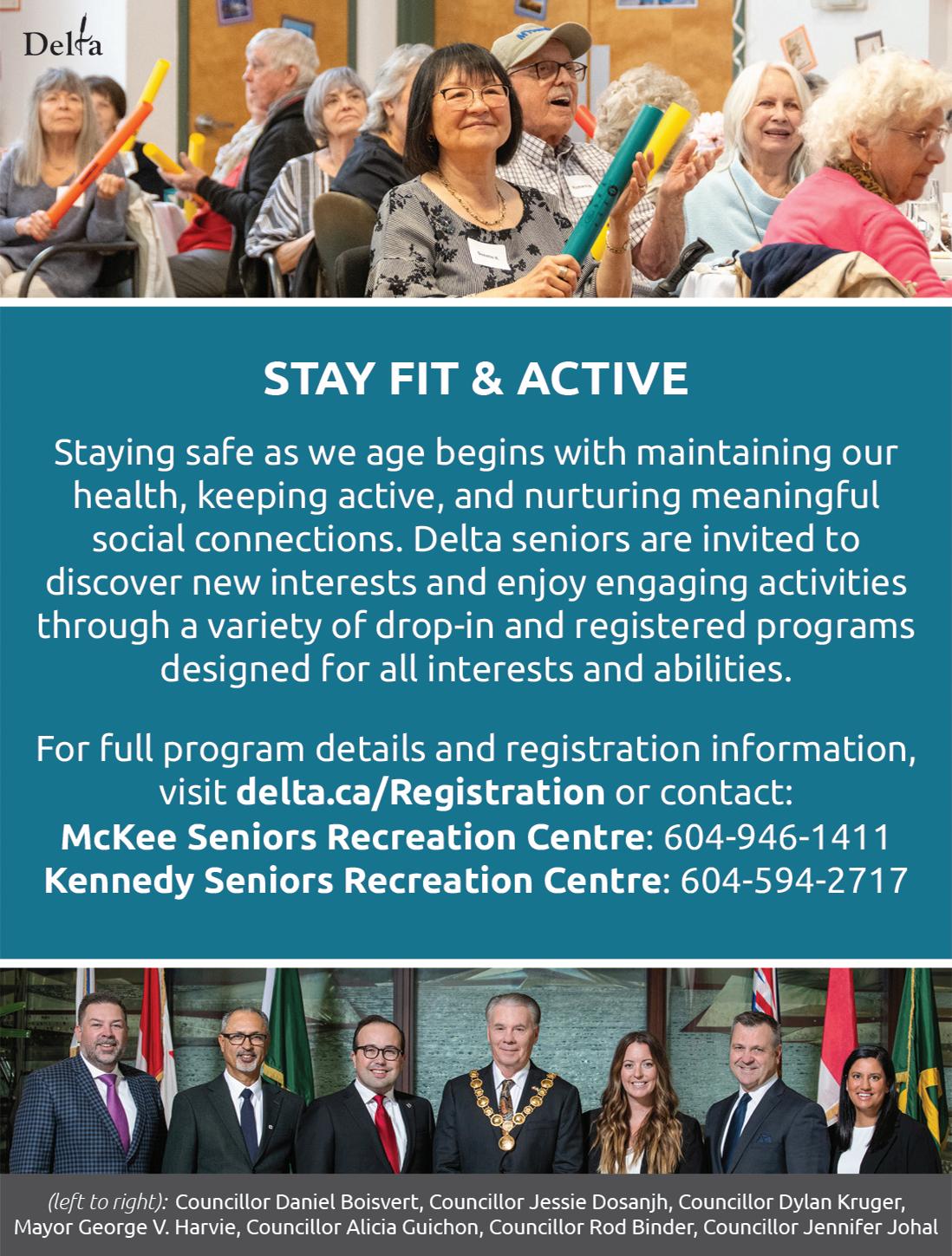
It’s encouraging to know that as we get older, regular activity boosts strength, flexibility and lowers the risk of disease. Social interaction with others improves mental health and reduces the possibility of developing dementia. Knowing we can make choices regarding our overall health, our quality of life and how we age is a positive thing indeed.
The City of Delta recognizes this and has two vibrant seniors recreation centres that support older adults of 50+ in the community, where they can “stay active, connected, and engaged,” says Lauren Munden, Senior Communications Advisor. Both Kennedy Seniors Society


"SENIORS SOCIETY MEMBERS AGED 50+ ARE ENCOURAGED TO GET INVOLVED, SHARE THEIR TALENTS, AND CONTRIBUTE TO THE WELCOMING COMMUNITY ATMOSPHERE THAT MAKES BOTH CENTRES SO SPECIAL. ”
LAUREN MUNDEN, SENIOR COMMUNICATIONS ADVISOR.
and McKee Seniors Society offer reasonably priced annual memberships to each centre with a range of fitness programs, art and music classes, plus social events geared to the older adult.
As well, we have learned that volunteering is good for us,
boosting our emotional wellbeing and connectedness in the community. “Seniors Society members aged 50+ are encouraged to get involved, share their talents, and contribute to the welcoming community atmosphere that makes both centres so special,” says Munden. Being of service as a volunteer has benefits personally and to others.
Information about programs, services, and opportunities is published monthly in the Wise & Wonderful newsletter, plus one can visit delta.ca/Registration for details on available programs.
Need more information?
A dedicated Seniors Support Coordinator is available Tuesday through Thursday from 8:30 a.m. to 4:00 p.m. by appointment. Call 604-787-1242.
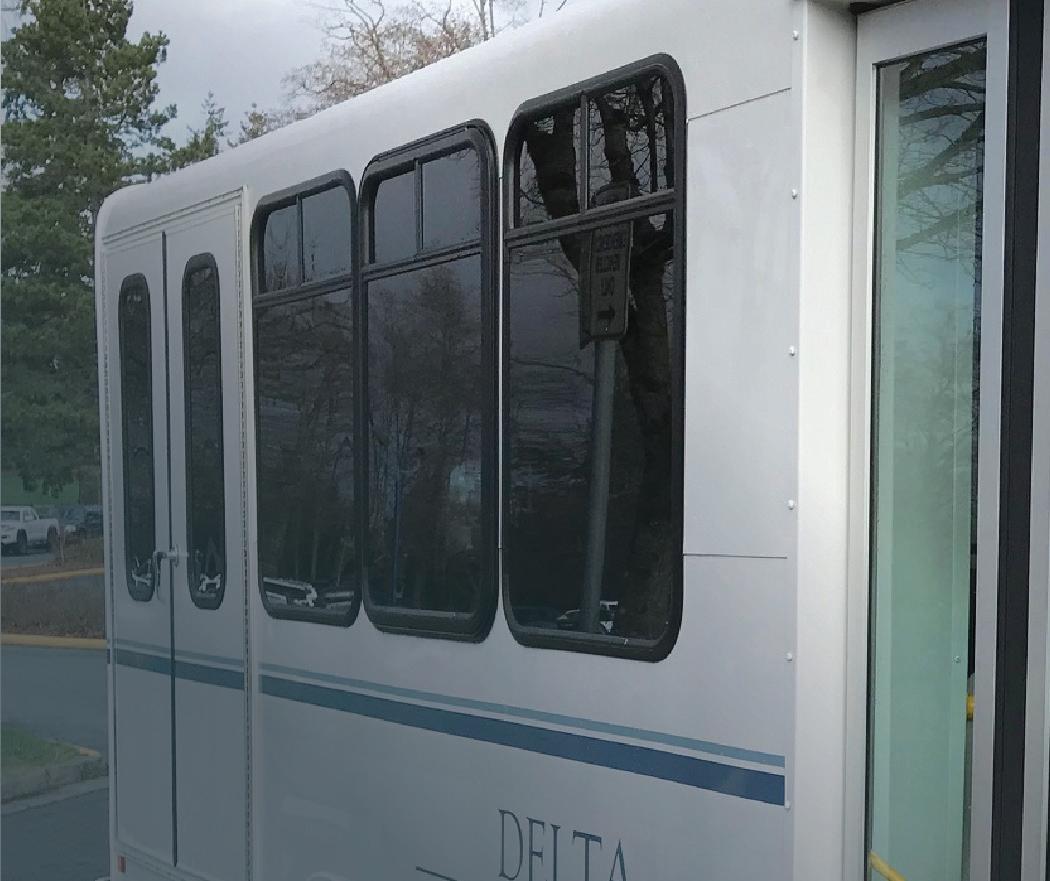
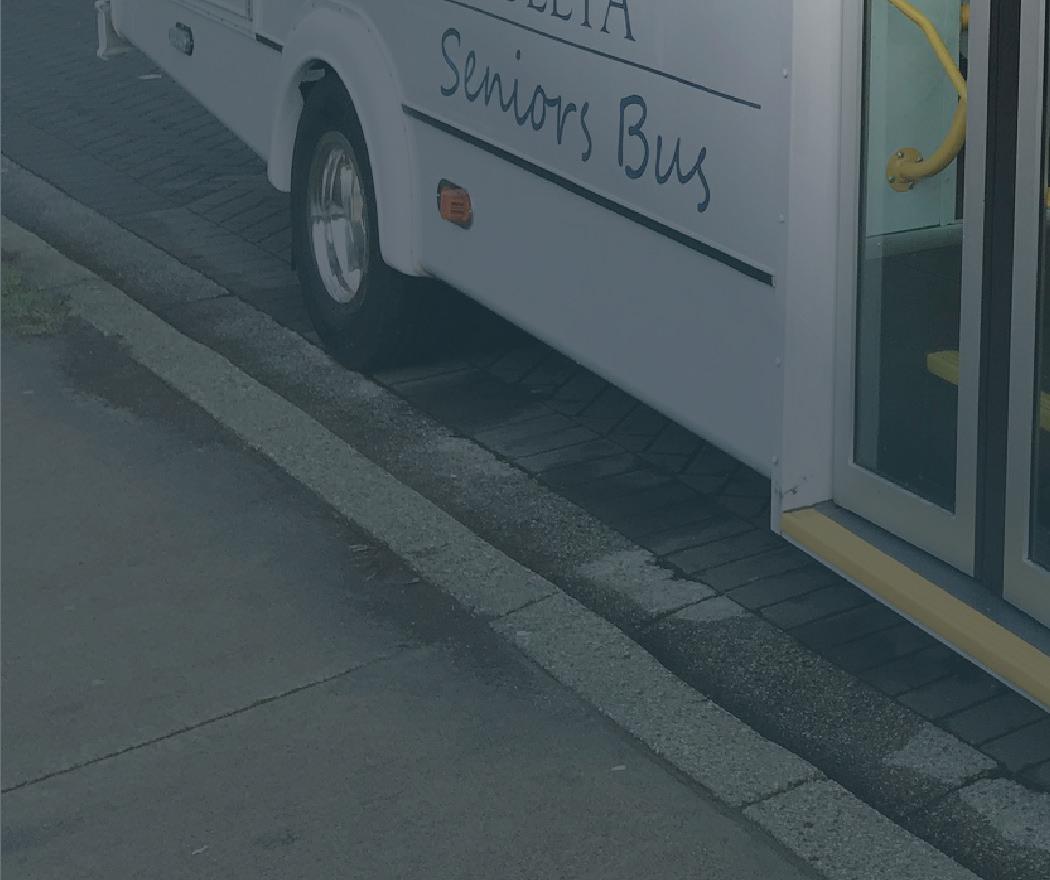
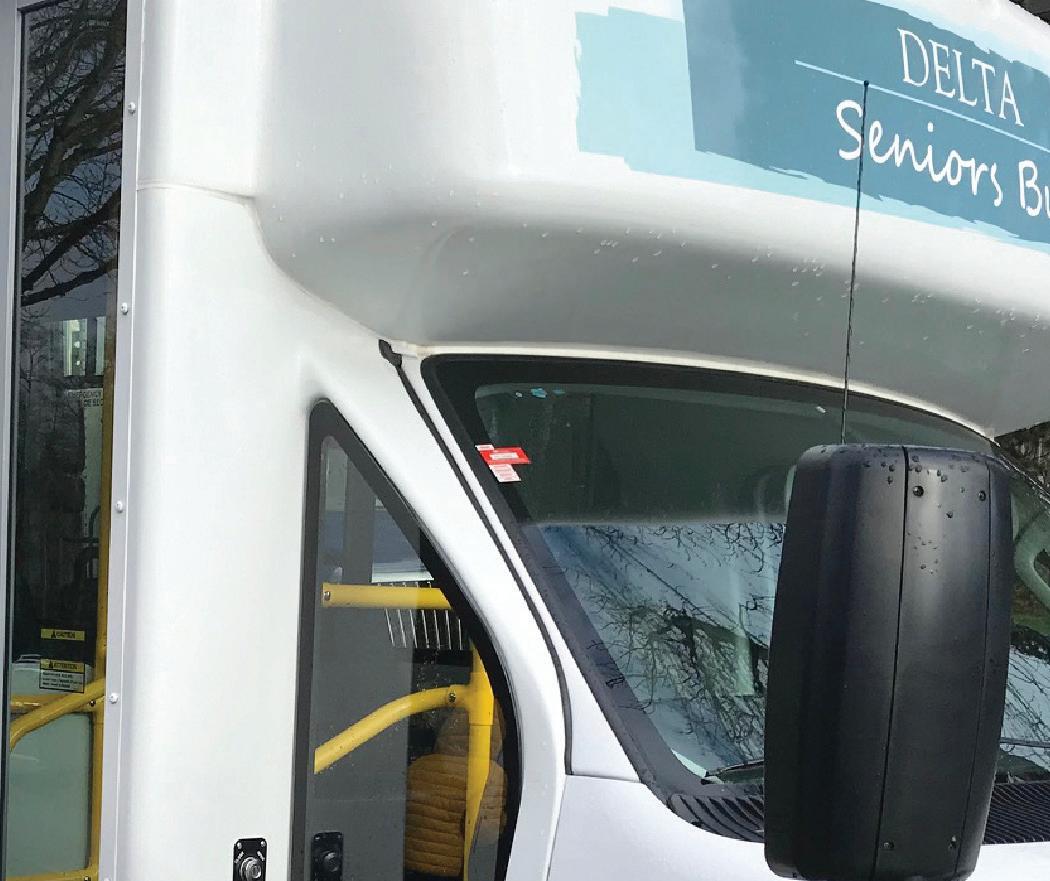
For those seeking accessibility support, the Delta Seniors Bus provides free transportation for residents aged 65+, “making it easier to stay involved and connected,” says Munden. ◆
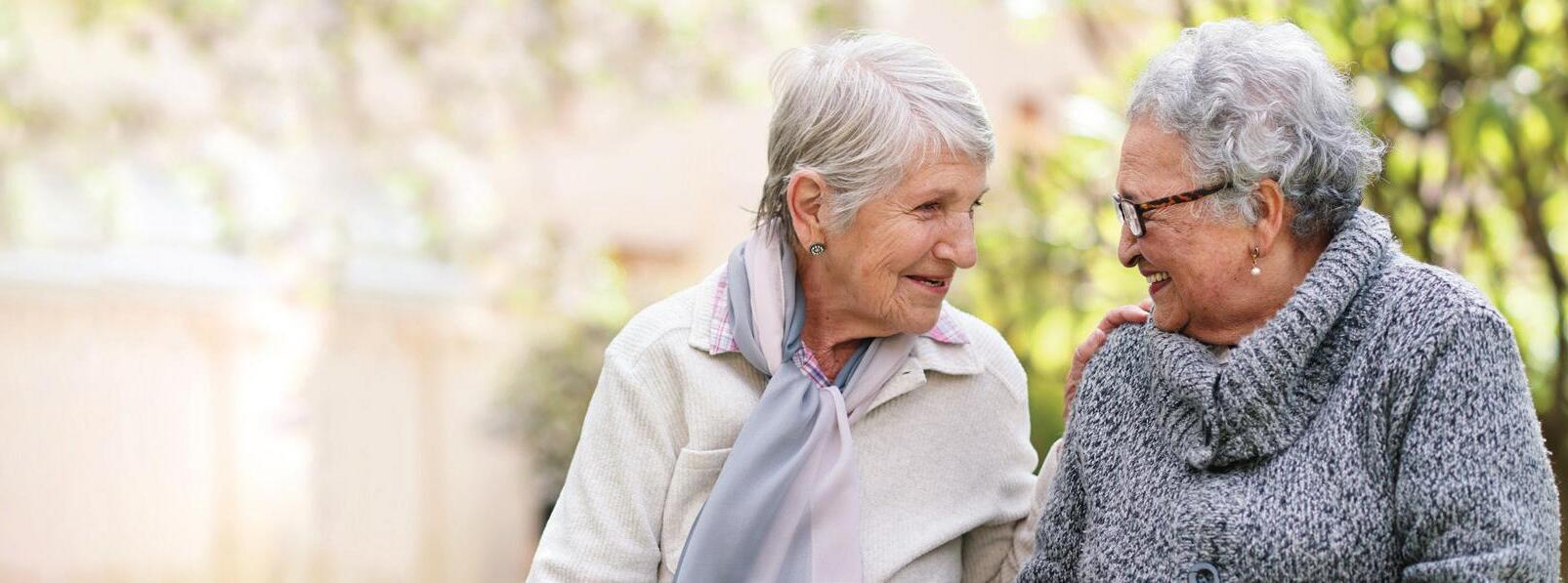
Staying connected is crucial for seniors as it not only fosters emotional well-being but also plays a pivotal role in maintaining physical health. In an era dominated by technology, seniors must leverage various means to stay in touch with family, friends, and their community.
Social connections have a direct impact on mental health, reducing feelings of loneliness and depression among seniors. Regular communication with loved ones provides a sense of purpose and belonging, contributing to a positive mindset. Additionally, staying connected allows for the exchange of experiences, stories, and wisdom, promoting intergenerational bonding.









Beyond the emotional realm, social connections also influence physical health. Studies show that seniors with robust social networks tend to have lower rates of chronic diseases and live longer, healthier lives. Engaging with others can encourage physical activity, whether through social outings or shared recreational activities.
Community involvement further enhances the quality of life for seniors. Participating in local events, clubs, or volunteer work provides a sense of belonging and purpose, fostering a supportive environment. In conclusion, the importance of seniors staying connected to family, friends, and community cannot be overstated. These connections contribute to emotional well-being, physical health, and an enriched quality of life for our cherished seniors. Embracing various modes of communication and active participation in community life ensures that seniors remain vibrant contributors to society.




















occur. In case of a large scale catastrophe, it is also important to take the time to plan ahead and make an emergency preparedness plan and kit.
To begin, here is a list of fire safety tips based on recommendations from the NFPA:
Please take these steps to prevent fires:


Older adults may face decreased mobility, cognitive confusion, sight and hearing loss that can all impact your ability to respond and take the quick steps necessary in an emergency situation.
We've assembled some of the most recommended fire safety and emergency preparedness tips for seniors to help guide you on some of the things you should do to prevent fires and reduce the likelihood of injury should one
■ When you cook, stay in the kitchen while the oven or stove is on and move things that can burn away from the stove.
■ Know what to do if food catches fire in a pan. The National Fire Protection Association recommends sliding a lid on the pan and turning off the burner. If the fire is too large to control, immediately go outside and call the fire department.
■ Always check to make sure burners and the oven are turned off when you finish cooking.
■ Wear short, rolled-up or fitted sleeves when cooking so they don't catch fire accidentally as well as shoes to reduce the risk of burns.
■ Protect electrical cords from damage and regularly inspect them for wear. Unplug items with damaged cords until they can be replaced. Remove cords that stretch across doorways, hallways, or run under carpets. Limit the number of electrical devices you plug in to each wall outlet.
■ Give your space heaters 3 feet of clearance from nearby objects, people, and pets. Never plug your space heater into an extension cord or
power strip, plug them directly into the wall. Turn off your space heaters at night and whenever you leave the room.
■ Have a professional inspect your home heating equipment and fireplace at least once a year.
■ Keep fire extinguishers in your home, know how to use them, and check them regularly.
■ You should have at least one fire extinguisher near every fire hazard, whether it be the kitchen, the fireplace, wood stove or your furnace room.
Make sure your fire extinguishers are full and operational.
Prepare now for fire detection and escape:
■ Keep your home’s pathways clutter free and exits clear in case you need to leave quickly due to smoke or fire.
■ Install smoke detectors on every level of your home, including in all sleeping areas and the kitchen. Check them monthly and replace the batteries as needed. (simply press the test button).
■ If hearing the alarm is a problem, you can get a strobe alarm or one that shakes your bed in the event it goes off. If you’re deaf or hearing impaired, install accessory devices that will alert you to smoke or fire.
■ Install carbon monoxide detectors as well especially if you use gas in your home.
■ Have your fireplace & wood stoves inspected annually: Your
fireplace or wood stove may need cleaning. Too much soot in your chimney can cause a fire. Cracks in chimney bricks and rusting in stove pipes can also cause a fire.
■ Remember to “stop, drop, and roll.” If your clothing catches fire, lower yourself to the ground , cover your face and roll over to smother the flames. Instead of dropping, you can also cover the flames with a nonflammable blanket.
■ Keep any items you need to move safely, like your walker, cane or glasses, near your bed at night. Have a phone within reach as well.
■ Create a fire escape plan and familiarize yourself with it: Plan
how you will get outside in case of fire. Have at least two ways out of each room and decide on a single safe area outside your home, where you and anybody else in your residence knows to meet and wait for the fire department. Never go back inside a burning building.
■ You should know the exits from your house or apartment, as well as how to get out of your building. Make sure your designated escape door can be easily opened, when rushed and visibility is poor. While exiting your home, crawl under the smoke.
■ If you have difficulty maneuvering quickly or without help, consider getting one of the many dependable
and reputable medical alert systems. If you have an emergency, simply press the button and agents will send help right away.
■ If there is a fire that’s too hard to control, get out immediately and call 911. ◆
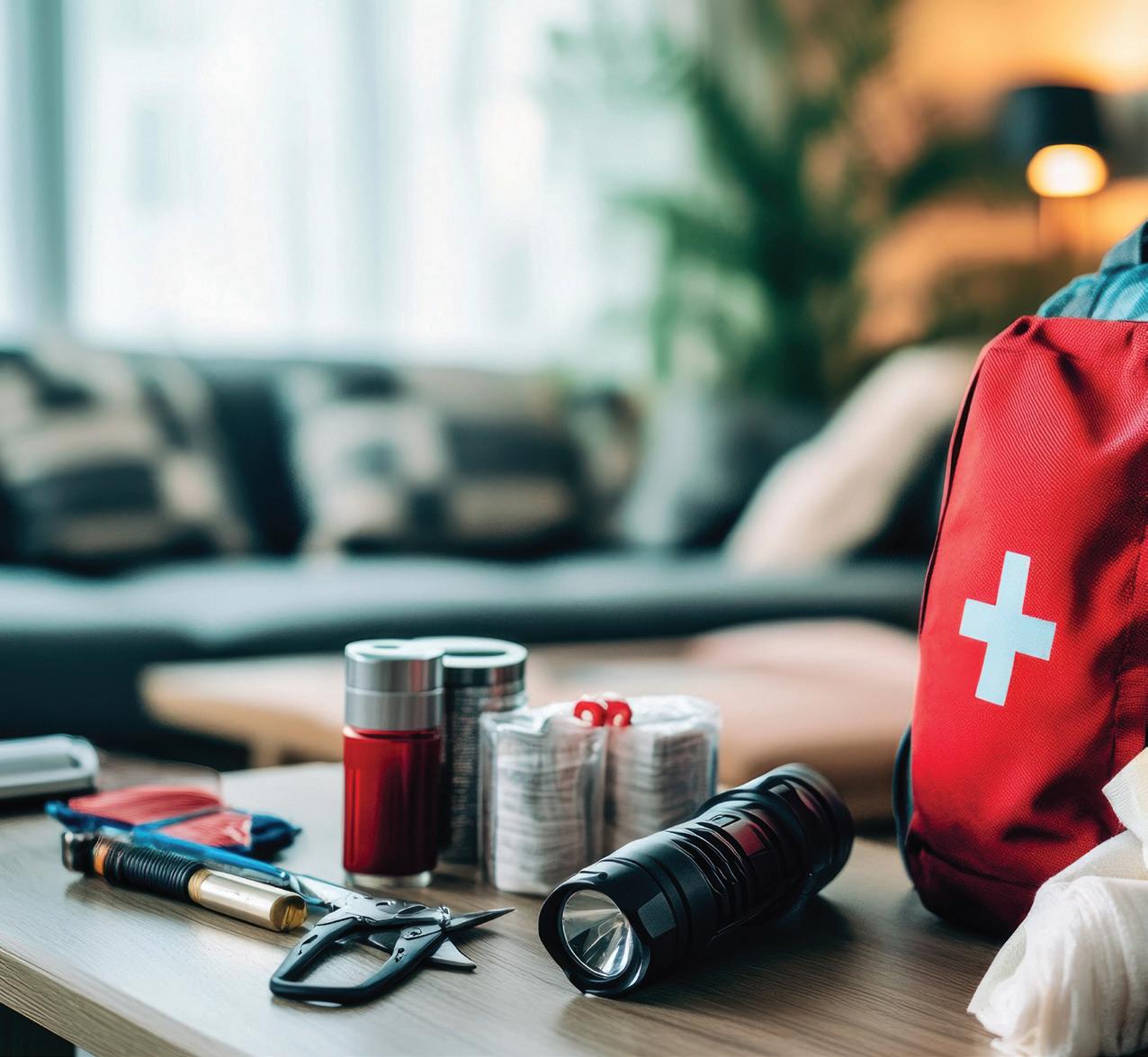
A grab-and-go bag is a small emergency kit that's easy to take with you, in case you need to leave right away. It's a good idea to make grab-and-go bags for your home, workplace and vehicle.
INCLUDE THE FOLLOWING:
- Food (ready to eat) and water
- Phone charger and battery bank
- Small battery-powered or hand-crank radio
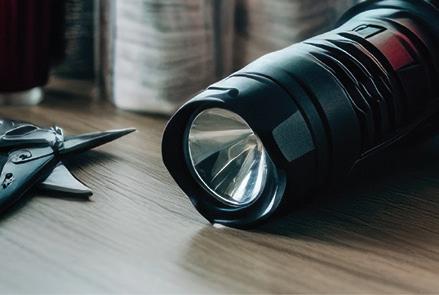
- Battery-powered or hand-crank flashlight
- Extra batteries
- Small first-aid kit and personal medications
- Personal toiletries and items, such as an extra pair of glasses or contact lenses
- Copy of your emergency plan
- Copies of important documents, such as insurance papers and identification
- Cash in small bills
- Local map with your family meeting place identified
- Seasonal clothing and an emergency blanket
- Pen and notepad
- Whistle

And thatalso meansthere’s much to missout on if youhavetrouble hearing. Untreatedhearinglosshas wide-reaching consequences affecting nearlyevery aspect of daily life.
? DID YOUKNOW...


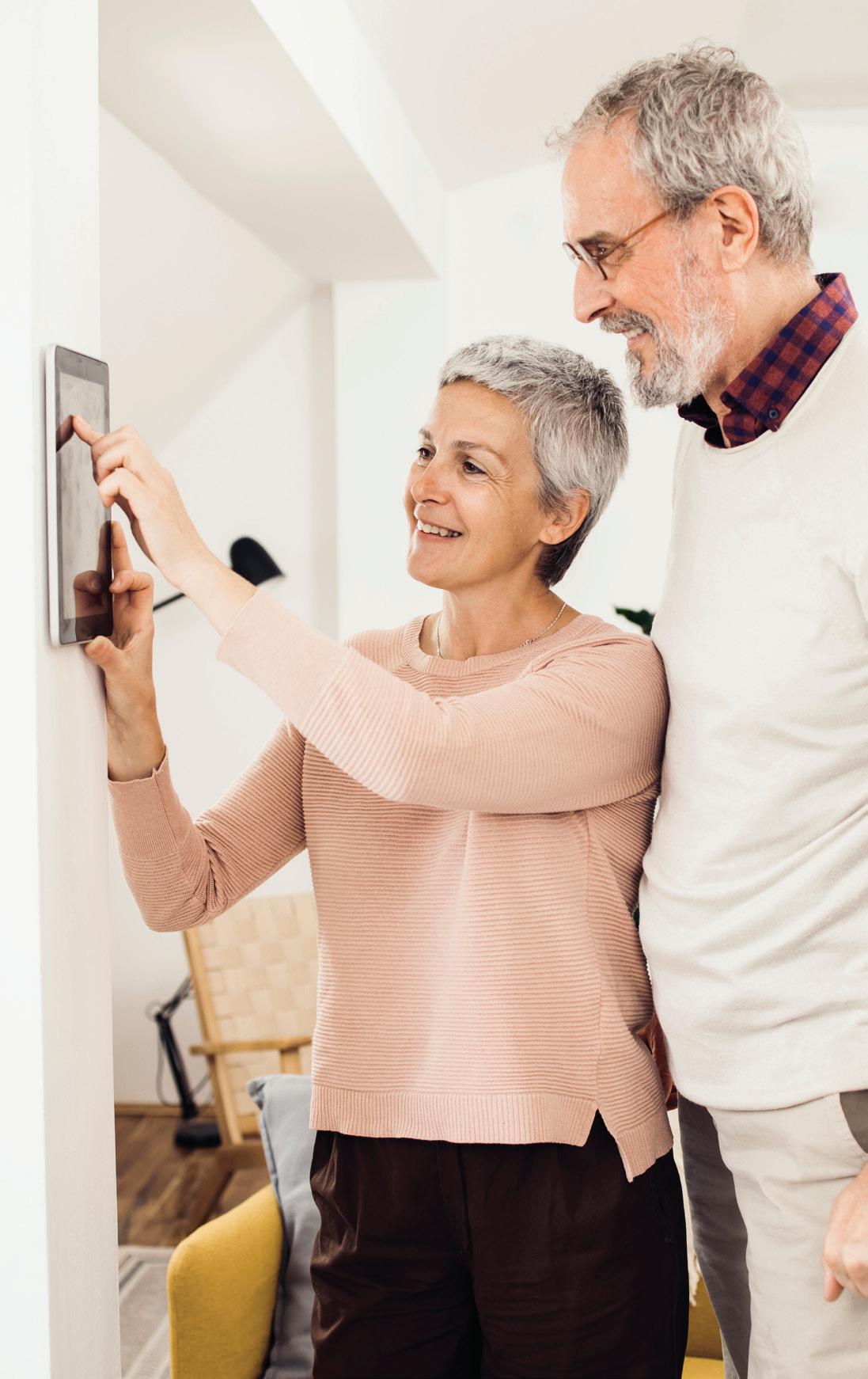




Securing your home is paramount, especially for seniors seeking peace of mind and safety. Implementing a few key measures can significantly reduce the risk of break-ins. Begin by fortifying entry points with robust locks and deadbolts. Reinforce doors and windows with security films or laminates to deter forced entry.
Well-lit exteriors are a natural deterrent, so install motion-sensor lights around your property to illuminate potential hiding spots. Consider a home
security system with features like cameras, alarms, and 24/7 monitoring for added protection. Get to know your neighbors, fostering a tight-knit community that looks out for one another.
Avoid advertising your absence by utilizing timers for lights, radios, or TVs to create the illusion of an occupied home. Finally, be cautious about sharing travel plans on social media. These simple steps empower seniors to create a safer living environment, promoting both security and peace of mind in their homes.
Elder abuse is a pressing societal issue that demands attention and awareness. It refers to any intentional or negligent act by a caregiver, family member, or trusted individual that causes harm or distress to an older person. Recognizing the signs of elder abuse is crucial in addressing this problem effectively.
Identifying elder abuse involves paying attention to both physical and emotional indicators. Physical signs may include unexplained injuries, bruises, or changes in the elder’s behavior. Emotional indicators may manifest as withdrawal, depression, or sudden changes in mood. Financial exploitation is another form of abuse, often characterized by unexplained withdrawals, changes in financial patterns, or unauthorized use of an elder’s assets.
To avoid elder abuse, fostering open communication is essential. Regularly

checking in on elderly loved ones and maintaining strong connections can help create an environment where abuse is less likely to occur unnoticed. Empowering seniors with knowledge about their rights, financial literacy, and encouraging
them to speak up when they feel uncomfortable are effective preventive measures.
Additionally, setting up legal safeguards, such as power of attorney documents and regular monitoring of financial accounts, can protect elders from financial
exploitation. By promoting awareness and proactively implementing preventative strategies, we can collectively work towards creating a safer and more supportive environment for our older community members. ◆





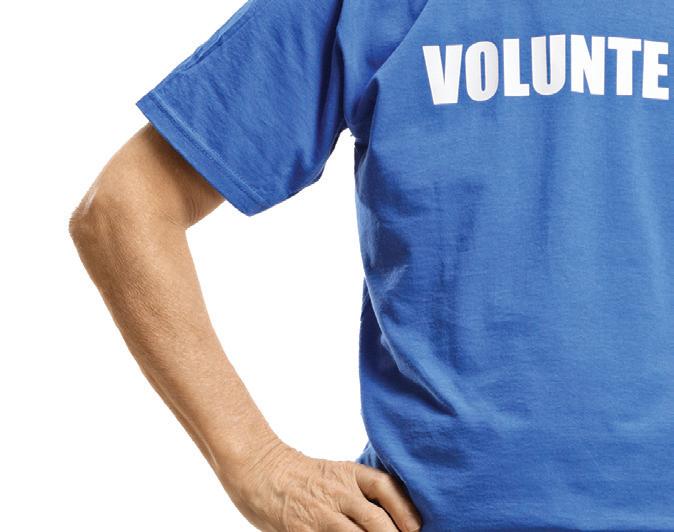
olunteering among senior citizens not only benefits the communities they serve but also plays a crucial role in enhancing their own well-being. As retirees embark on a new chapter, volunteering provides a sense of purpose, keeping them active, engaged, and connected. The value of their life experiences and skills becomes an invaluable asset to various organizations.

















bridges gaps between age groups, fostering mutual understanding and respect. The impact of senior citizens dedicating their time to volunteer work extends far beyond the immediate tasks at hand, creating a legacy of compassion and community building. In essence, volunteering among senior citizens becomes a win-win, enriching their lives while leaving an enduring positive mark on the communities they serve. ◆ in becomes an



outcomes of their efforts,


for seniors, combating Moreover, the that senior volunteering
Senior volunteers often bring a wealth of knowledge and a unique perspective to their roles, contributing significantly to community initiatives. Beyond the tangible outcomes of their efforts, volunteering fosters a sense of fulfillment and social connection for seniors, combating isolation and loneliness that can sometimes accompany retirement. Moreover, the intergenerational exchange that occurs through senior volunteering













‘AGE-FRIENDLY’
BY SANDOR GYARMATI
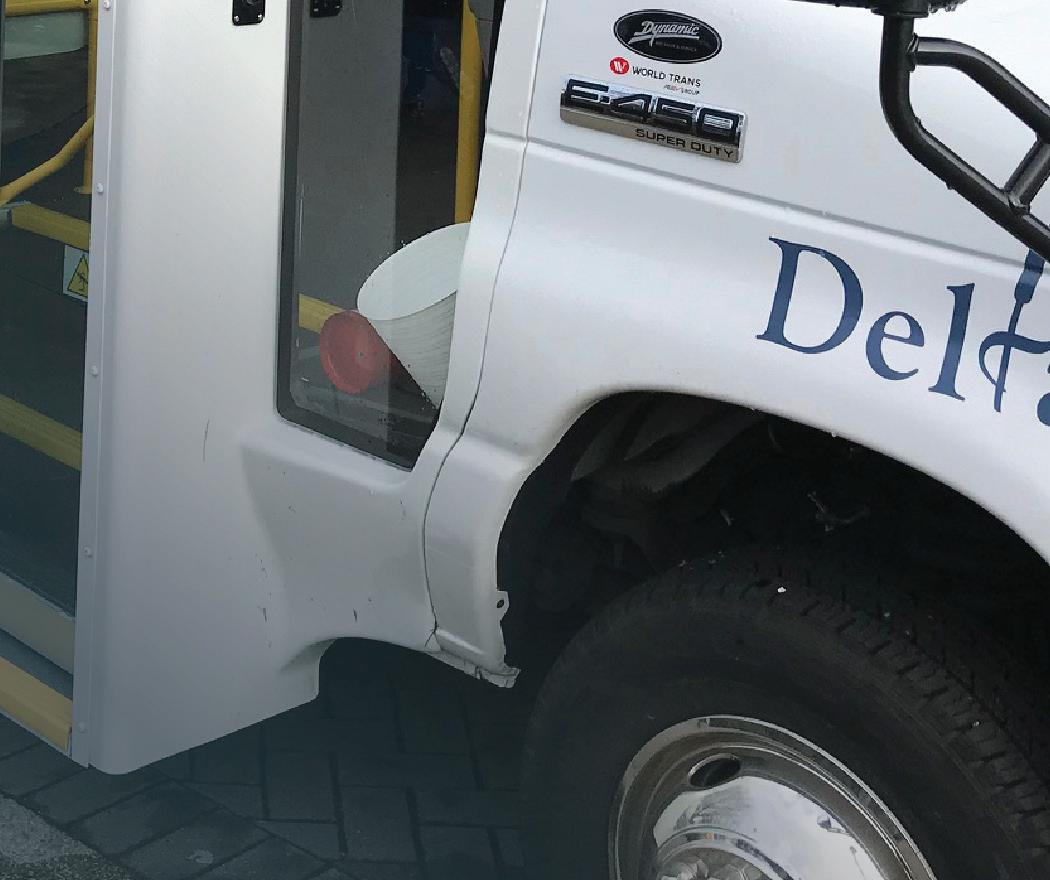
Continuing to improve crosswalk safety, having more street furniture and washrooms as well as increasing the Delta Seniors Bus service are among the many recommendations outlined in a new Delta Age-Friendly Strategy and Action Plan.
Endorsed by council in mid-2024, the plan, part of the city’s overall Social Action Plan, has been more than two years in the making.
Three years ago, the city received funding from the provincial government to conduct an agefriendly needs assessment and action plan. The city subsequently hired a consultant to help develop a plan for residents 65 and older, grounded in the World Health Organization’s (WHO) Age-Friendly Cities framework.
Age-friendly communities commit to creating environments and services that support healthy and active aging, social inclusion and enable residents to participate fully
in all aspects of community life, no matter their age, a report to council notes.
Among the many goals is offering a variety of social activities and programs to cater to diverse people, taking place at suitable hours, locations and for a low cost to help reduce social isolation, having a range of housing options available in central locations close to transit and facilities frequented by seniors, as well as having transit services and parking to accommodate people of diverse mobility needs to help reduce barriers.
To be an age-friendly city, it is also important to know how to best support all residents, including seniors who are known to be more vulnerable during extreme weather events, among the other goals.
The report notes that a gap analysis was completed following a review of city policies, age-friendly best practices and community engagement results. The report

outlines what the city is doing well to contribute to an age-friendly community, but also opportunities for improvement.
“Community outreach completed to inform the Strategy identified that seniors have a strong sense of belonging in Delta; survey respondents spoke about many supports they receive from the City, including Delta’s Seniors Community Support Coordinator, the Seniors Bus Program and in senior centres,” the report adds.
“At the same time, seniors would like to see better access to resources, better coordination between service providers, and programming tailored to seniors to increase their social inclusion and participation (e.g., more public spaces for gathering, more digital literacy and intergenerational programming, supports for culturally-diverse seniors, and more ‘senior-friendly’ promotion of services).”
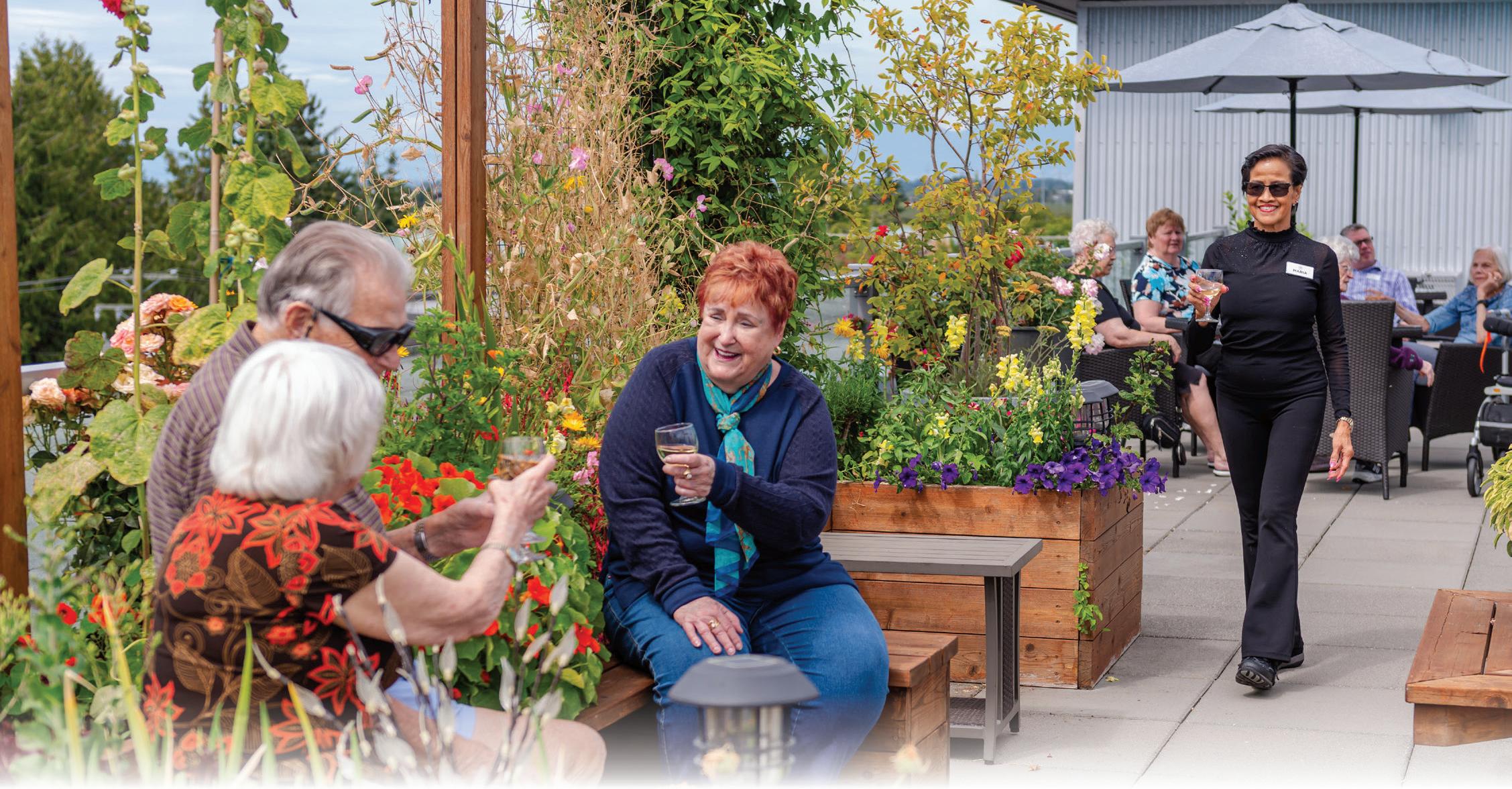
Send your days doing whatyou love best,and letustakecare of therest.
•Bright and spacious apartments
•Delicious menu optionsprepared in-house by Red Seal chefs eachday
•Daily social, fitnessand entertainment activities
•Weeklyhousekeeping service &linen laundry
•Courtesy shuttlefor car-freeliving
Come for atour, and we’ll treat you to lunch! Call Andie today:






Internet scams targeting seniors have become a prevalent and concerning issue, preying on the vulnerability and lack of familiarity many older individuals have with online platforms. Scammers often employ tactics such as phishing emails, fake websites, and fraudulent calls, exploiting the trusting nature of seniors. Common scams include lottery fraud, where seniors are told they’ve



Planning ahead brings peace of mind—for you and for those you care about most. Contact us today to start the conversation.






won a prize but need to pay fees upfront, and tech support scams, where scammers pose as tech professionals to gain access to personal information.
Seniors may also fall victim to romance scams, where perpetrators build fake online relationships to exploit emotions and extract money. To protect themselves, seniors should be cautious about sharing personal information online, verify the legitimacy of emails and websites, and be skeptical of unsolicited calls. Education and awareness are crucial in empowering seniors to navigate the digital landscape safely, ensuring they can enjoy the benefits of the internet without falling prey to malicious schemes.














STAYING CONNECTED AFTER LOSS: WHY COMMUNITY MATTERS MORE THAN EVER
BY JORDON MILLER
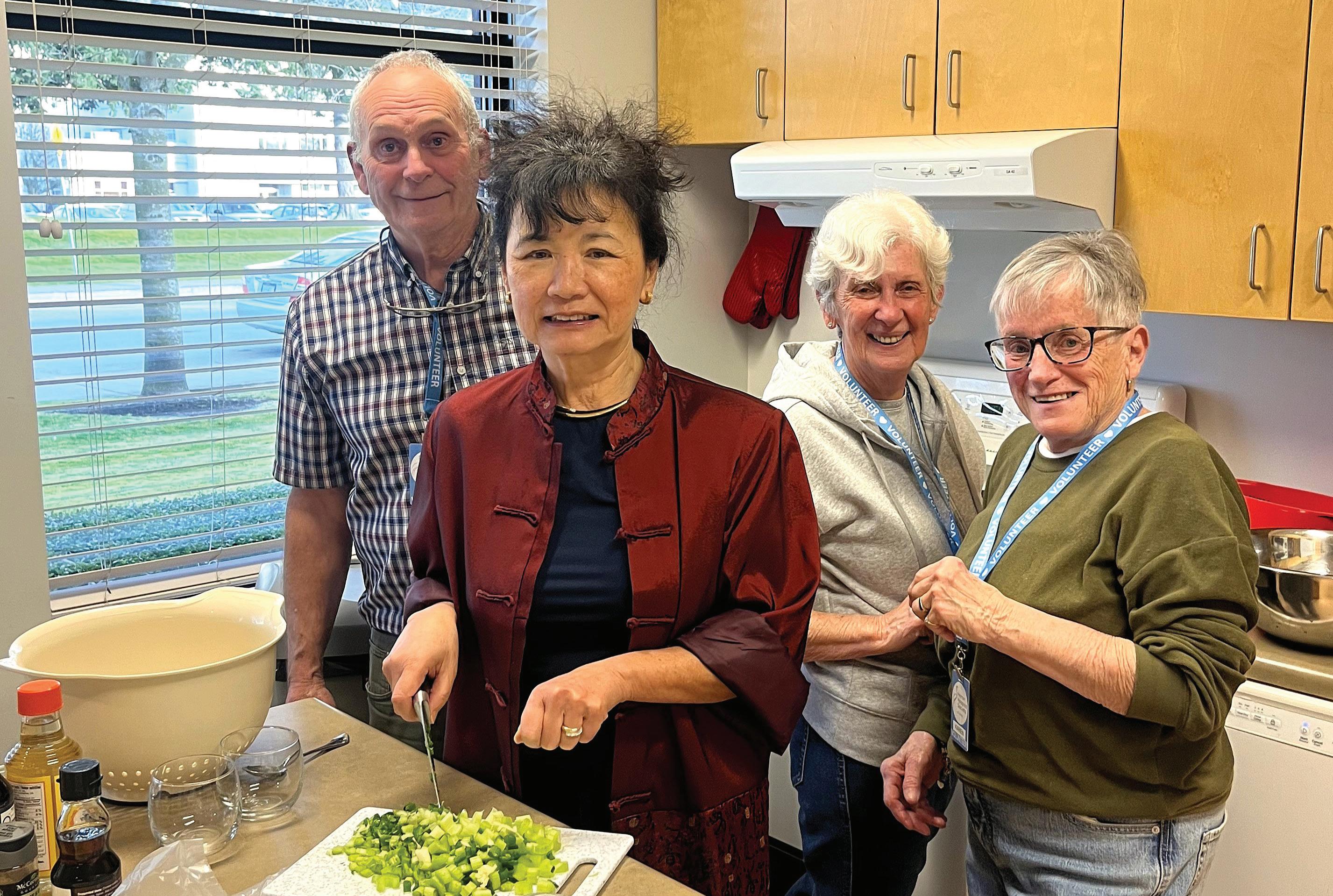
Later life can bring profound transitions — retirement, changing health, and, for many, the loss of a spouse or long-time partner. While grief is a natural and deeply personal experience, one of the lesser-discussed challenges that can follow loss is social isolation. When daily routines change, it can take time to rebuild a sense of rhythm and connection. The coffee shared each morning, the evening conversation, the quiet comfort of someone in the next room — these moments leave a real imprint. Without them, days can feel longer and more uncertain.
At the same time, research consistently shows that meaningful connection plays an important role in overall well-being as we age. Staying socially engaged is linked to better mental health, cognitive resilience, and a stronger sense of purpose.
The encouraging news is that connection does not need to be dramatic or overwhelming.
Often, it begins with something small: joining a walking group, volunteering, attending a community event, reconnecting with an old friend, or participating in a support group with others who understand the experience of loss. In Delta, a number of community organizations are working to ensure that older adults don’t have to navigate these transitions alone. Heron Hospice Society of Delta offers free grief support groups and one-to-one counselling for individuals coping with the death of a loved one. These services are available to anyone in the community, regardless of whether their loved one received hospice care.
Grief is not something to “get over,” nor does it follow a predictable timeline. But with the right support and meaningful connection, many people find new ways to carry their loss while continuing to live fully.
As a community, staying attentive to neighbours, friends, and
"HERON HOSPICE SOCIETY OF DELTA OFFERS FREE GRIEF SUPPORT GROUPS AND ONE-TO-ONE COUNSELLING FOR INDIVIDUALS COPING WITH THE DEATH OF A LOVED ONE. ”
JORDON MILLER, RESOURCE DEVELOPMENT OFFICER HERON HOSPICE SOCIETY OF DELTA
family members who may be navigating bereavement is one simple but powerful way we can support one another. Sometimes, a conversation, an invitation, or a shared walk is where renewal begins. ◆



























As guardians of public safety, the police force recognizes the growing importance of securing online accounts, particularly for our senior citizens. In an era where technology connects us, seniors often find themselves


vulnerable to cyber threats. We urge our elderly community members to adopt proactive measures to protect their online presence.
Firstly, cultivate a habit of strong, unique passwords for each account, incorporating a

mix of letters, numbers, and symbols. Regularly updating passwords is crucial in thwarting potential breaches. Enable two-factor authentication whenever possible, adding an extra layer of security. Be cautious when sharing personal
information online and scrutinize unsolicited emails or messages. Fraudsters often prey on trust, posing as reputable entities. Verify the legitimacy of requests before divulging sensitive information. We encourage seniors to attend community workshops or seek guidance from local law enforcement on navigating the digital landscape securely. By staying informed and implementing these precautions, our seniors can confidently enjoy the benefits of the online world without compromising their safety. Together, let’s build a digital community that prioritizes security and empowers our seniors to thrive in the digital age. ◆
Presented by


&CAREGIVER SENIOR EXPO SPRING 2026 &CAREGIVER SENIOR EXPO SPRING 2026
Kin Village Community Centre April 25th – 11:00 a.m. – 3:00 p.m. 5430 10 Ave, Delta
Join us at our annual event, where guests can connect with a wide range of exhibitors and discover helpful products, services, and resources designed to support caregivers and families.
Throughout the day, enjoy a series of short, engaging presentations covering a variety of timely topics related to wellbeing, caregiving, community supports, and practical tools for everyday life. &CAREGIVER SENIOR EXPO SPRING 2026
In our communities, the safety of vulnerable populations, particularly seniors with memory loss, is of paramount importance. Wandering incidents among elderly individuals grappling with cognitive decline present a significant public safety concern. These seniors, often afflicted by conditions like Alzheimer’s or dementia, may inadvertently wander away from familiar surroundings, putting themselves at risk of injury or disorientation. Public safety initiatives

must focus on raising awareness and implementing proactive measures to mitigate the potential dangers associated with wandering seniors. Communities can benefit from collaborative efforts


involving local law enforcement, healthcare providers, and concerned citizens. Training programs for first responders and community members alike can equip them with the skills to identify and assist wandering seniors swiftly. Implementing technologies such as GPS tracking devices and community-based alert systems can play a pivotal role in ensuring a rapid response to incidents. By fostering a sense of collective responsibility and embracing innovative solutions, we can create a safer environment for our elderly neighbors with memory loss, promoting their wellbeing and preserving the fabric of our caring communities. ◆




















Buying and selling items through online marketplaces like Craigslist can be a convenient and efficient way to find great deals, but it’s crucial to

prioritize safety to avoid potential risks.
When engaging in transactions on these platforms, consider the following precautions to ensure a secure experience.

Additionally, bring a friend or family member along for added security. Never share personal information like your home address or financial details. Utilize communication within the platform’s messaging system to maintain anonymity.
First, always meet in a public and welllit location when exchanging goods. Many police stations offer designated safe exchange zones for online transactions.
When buying or selling, trust your instincts. If something feels off or if the deal seems too good to be true, reconsider the transaction. Payment methods such as cash or secure online platforms add an extra layer of protection. By prioritizing safety measures, you can enjoy the benefits of online marketplaces while minimizing potential risks and ensuring a secure buying and selling experience.


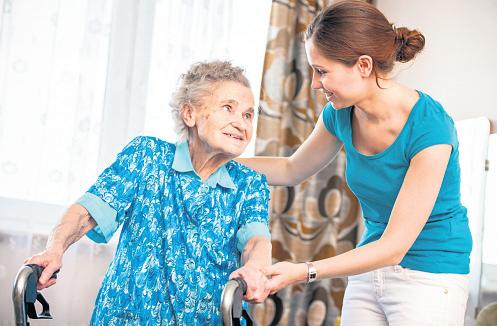
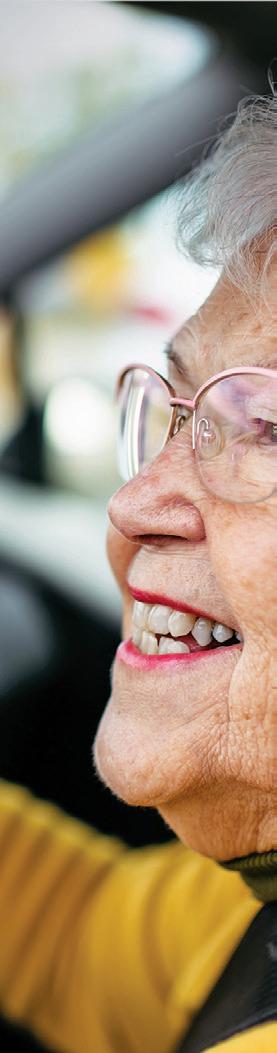
Aheir independence, ensuring safe driving becomes a paramount concern. Aging brings changes in physical and cognitive abilities, prompting the need for regular self-assessment. Signs of diminished driving abilities, including trouble with speed consistency and increased anxiety, should not be ignored.
Regular health assessments, encompassing vision and hearing tests, are vital. Open communication with healthcare providers about health issues impacting driving is key. Seniors can benefit from driver safety courses covering updated traffic laws and adaptive driving techniques.
Staying informed about vehicle technology, such as lane departure warnings, assists in compensating for age-
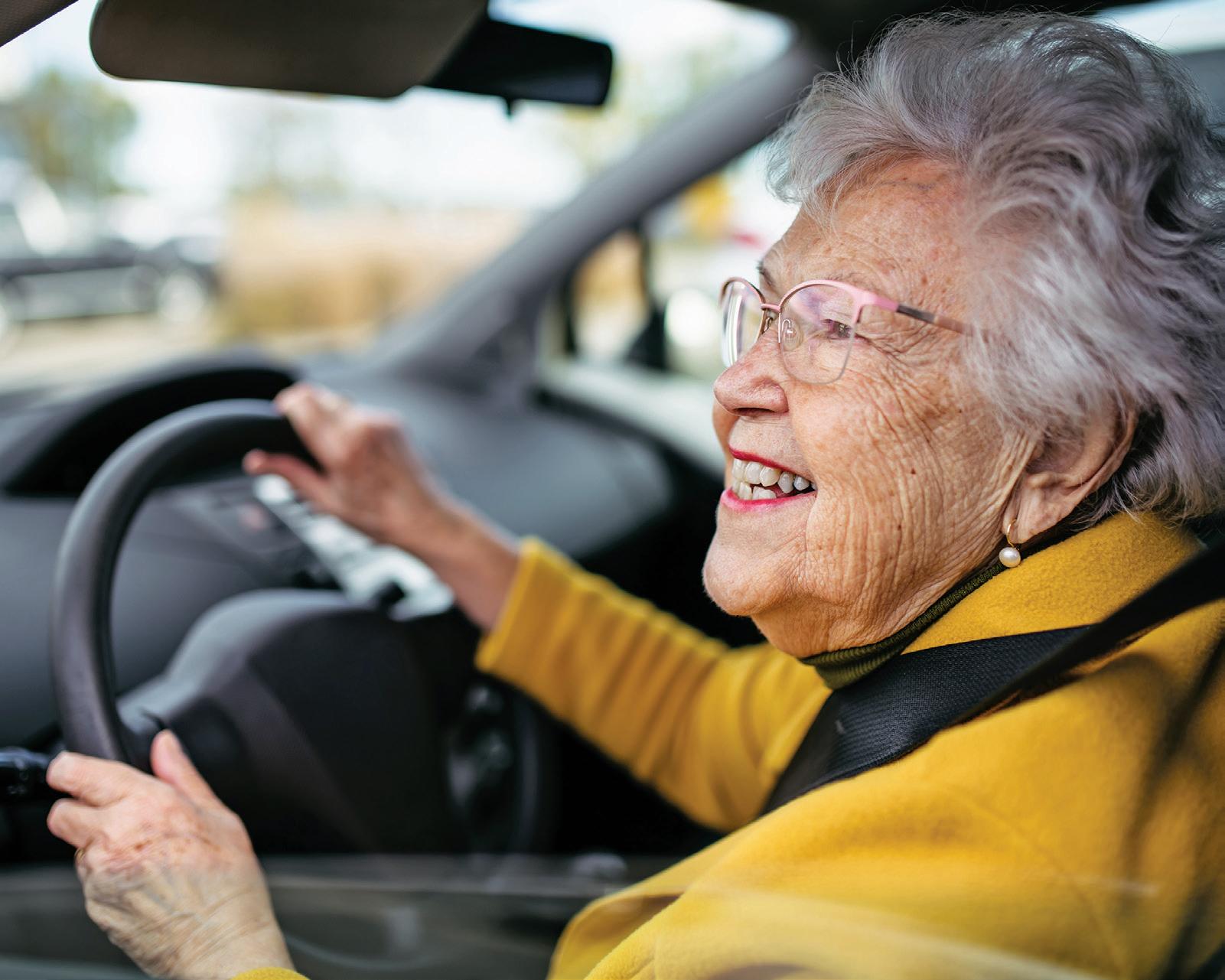
related limitations. Nevertheless, recognizing when to surrender a driver’s license is crucial. Factors like increased accidents, difficulty comprehending traffic signs, and concerns from family or healthcare professionals
should prompt a reassessment.
While relinquishing a license is challenging, it’s a responsible decision for the safety of the senior driver and others on the road.
Embracing alternative transportation options ensures continued connectivity without compromising wellbeing. The goal is to empower seniors to make informed choices about their driving capabilities, gracefully transitioning into a new phase of mobility and independence. ◆
There are few things worse than returning to your vehicle from a pleasant walk or other activity, to find that your vehicle has been targeted by thieves. Theft from automobiles is a crime of opportunity, and too often, the opportunity is created by the owner of the vehicle. In 2022, the Delta
Police received 753 reports of theft from autos across the three communities of North Delta, Ladner and Tsawwassen. Many of these thefts could have been prevented if the vehicle owners had taken a few simple steps to avoid becoming a victim of crime.
Thieves often target vehicles that have
been parked in an area they know the owner will not be returning to for a period of time. These locations include shopping malls, dog parks, dyke access points, sporting events or even our own driveways at night. Some simple steps you can take to make your vehicle less desirable to thieves include:
- Lock your doors and windows
- Ensure there are no valuables visible to a would-be thief from outside the vehicle
- Park in a well-lit area at night
- If possible, park in an area with video surveillance
- If possible, park in a secure garage or compound
- Employ a vehicle alarm
- Leave no valuables in vehicle period (I.D., money, banking info etc.)
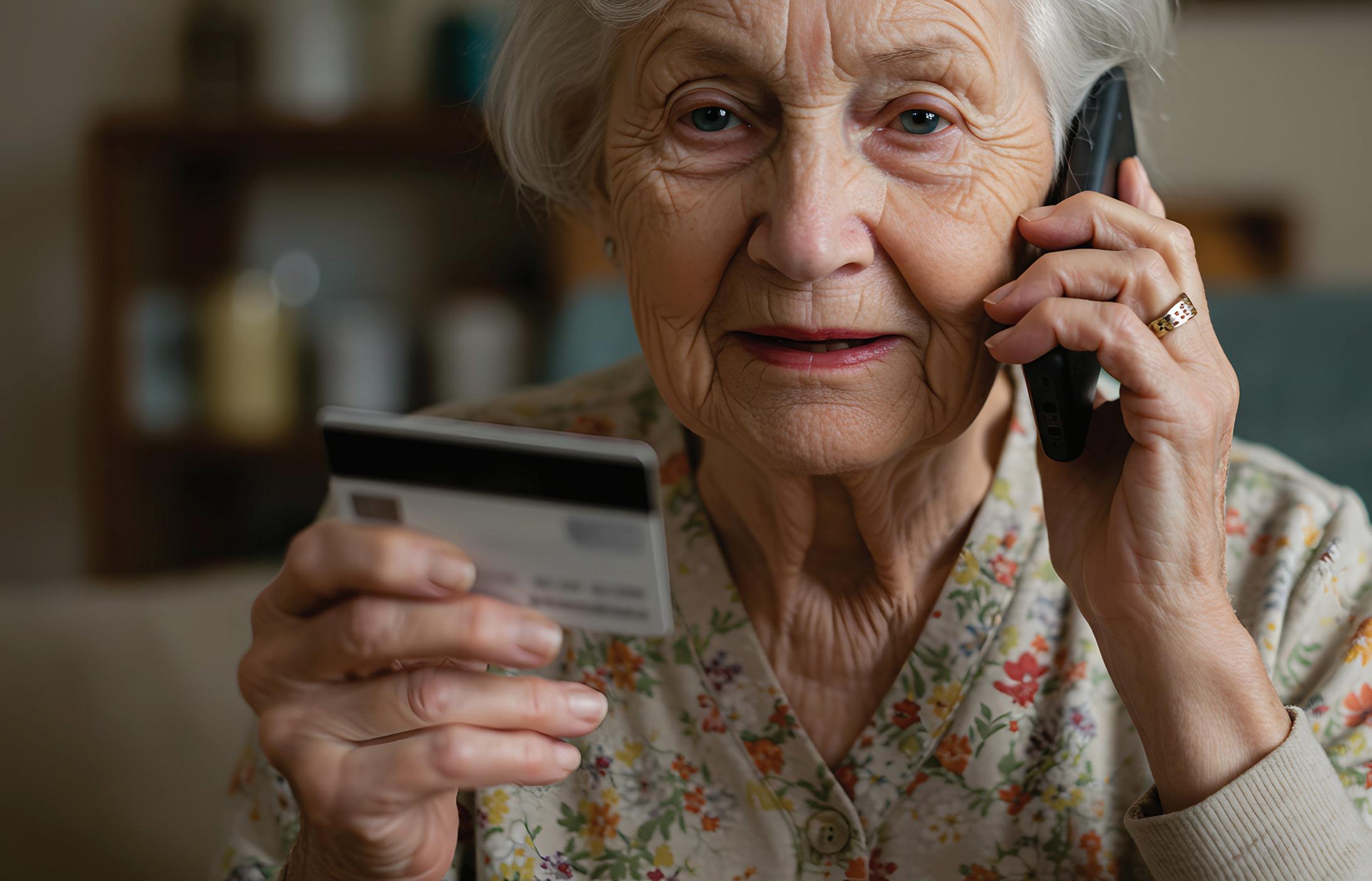
As technology advances, so do the tactics of scammers, with seniors often being targeted through schemes like the “grandparent scam.” This deceptive strategy involves fraudsters posing as a grandchild in distress, urgently requesting financial assistance. To shield themselves from falling victim to this heartless ploy, seniors can adopt several precautionary measures.
Establishing a secret code or passphrase can help seniors verify the legitimacy of a distress call. Additionally, seniors should be wary of unsolicited calls and refrain from divulging personal information. Encouraging seniors to double-check with other family members before taking any action can be a crucial step. Furthermore, raising awareness about common scams and their evolving tactics within senior communities is essential. Regularly updating security measures, such as installing caller ID, can also bolster defence against these scams. By staying informed and vigilant, seniors can fortify their defences against the grandparent scam and other fraudulent schemes, ensuring their financial well-being and peace of mind. ◆
In the digital age, love has found a new battleground – the vast expanse of the internet. While online dating offers a convenient way to connect with potential partners, it has also given rise to a sinister phenomenon known as romance scams. These scams involve perpetrators creating fake profiles to lure unsuspecting individuals into a web of deception, exploiting emotions for financial gain.
Romance scams typically begin with the fraudster establishing a fake identity and cultivating a virtual relationship with their target. Professing love and trust, they gradually manipulate victims into sending money, often under the pretext of a fabricated emergency or financial crisis. The emotional toll on victims is profound, as they not only lose their hard-earned money

but also grapple with the heartbreak of realizing their supposed soulmate never existed.
To protect oneself from falling victim to romance scams, it’s crucial to be vigilant and skeptical online. Verifying the identity of a potential partner, avoiding sharing personal and financial information too soon, and conducting reverse image searches are essential precautions.
If you feel you’ve been the victim of a romance scam, or if you suspect someone you know has been victimized, please report to your local police.
- Don’t ever give any money, especially by cryptocurrency, which cannot be recalled. Instead, discuss the situation with a family member or friend you trust;
- If you’re not certain your partner is real, search for them on Google. Most real people leave traces of themselves online; if there are none to be found, they’re



Additionally, reporting suspicious profiles to the platform and educating oneself about common scam tactics can contribute to a safer online dating experience.
As we navigate the digital realm of love, staying informed and cautious is the key to unveiling the masks worn by those seeking to exploit our emotions for their gain. ◆
probably not real;
- Try doing an online image search of your partner’s profile picture, as it may be found elsewhere on the internet under other people’s names – a strong indicator of fraud;
- Don’t share intimate photos with people you have not met in person, as they could be used for extortion later.