Why Additive-Free Pure Agave Tequila Delivers the Smoothest Taste and Finish delicious24ktequila
Why
Published
by Delicious 24K Tequila | Educational Guide
There's a moment every tequila drinker knows — that split second after a sip where you're either grimacing or quietly nodding in appreciation. If you've spent years associating tequila with burning throats and rough mornings, chances are you haven't experienced the real thing yet.
The truth is, the best smooth tequila isn't about premium marketing or a fancy bottle. It comes down to one simple principle: what's in it, and what isn't.
In this guide, we break down exactly why additive-free, 100% pure agave tequila delivers a smoother taste and a cleaner finish — and how knowing this can completely change the way you choose, sip, and enjoy tequila.
What Most People Don't Know About Their Tequila
Bottle
Walk into any liquor store, and you'll see shelves lined with tequila bottles of every colour and price point. What most people don't realise is that not all tequilas are created equal — and the difference often lies in what brands quietly add after distillation.
Under Mexican regulations, certain tequila producers are permitted to add up to 1% of approved substances to their product. These additives include:
● Caramel colouring — to make the liquid look older or more aged than it is
● Oak extract — to simulate barrel flavour without actual ageing time
● Glycerin — to create an artificial silky mouthfeel
● Sugar syrup — to mask harsh or low-quality alcohol notes
None of these is required to appear on the label. That means a bottle can legally say "100% agave" on the front while still containing a cocktail of these hidden ingredients on the inside. This is why two bottles at similar price points can taste drastically different — one smooth, one sharp and unpleasant.
The bottom line: If a tequila needs additives to taste good, the base spirit wasn't good enough to begin with.
What Makes Pure Agave Tequila Taste Smoother
— Naturally
Real smoothness in tequila isn't manufactured. It's earned through three things: the quality of the agave plant, the craft of the distillation, and the patience of proper production.
1. The Blue Weber Agave — Where It All Starts
Authentic tequila must be made from Blue Weber agave (Agave tequilana), a plant that takes 6 to 7 years to fully mature. During those years, the piña (the heart of the plant) accumulates natural sugars and complex flavour compounds.
When producers rush the process or mix in other sugars (called mixto tequila — which can be as little as 51% agave), the resulting spirit lacks depth and smoothness. 100% Blue Weber agave allows those natural sugars to ferment cleanly, creating a spirit that carries genuine character without the need for chemical correction.
According to the Distilled Spirits Council of the United States, premium spirit categories — including 100% agave tequila — have seen consistent growth precisely because consumers are paying closer attention to what goes into the bottle.
2. The Piña Roasting Process
After harvest, the agave piñas are slowly roasted — traditionally in brick ovens called hornos — to convert the raw starches into fermentable sugars. This slow roasting is critical. When done properly, it imparts a natural sweetness and earthiness that defines the tequila's flavour profile.
Mass producers often use industrial autoclaves (pressure cookers) to speed this step up. While faster, this shortcut creates a harsher, more industrial-tasting spirit — which is exactly why so many commercial tequilas taste rough without heavy masking.
3. Fermentation — The Soul of the Spirit
After roasting, the agave juice undergoes natural fermentation. Traditional producers use open-air fermentation tanks and allow wild or cultivated yeasts to work slowly, developing a richer flavour profile. This is where pure tequila taste begins to take shape.
When fermentation is rushed, or artificial yeasts are used to cut time, the result is a less complex, harsher spirit. Natural fermentation, by contrast, creates esters and aromatic compounds that contribute directly to a smooth, layered finish.
4. Distillation — Keeping What Belongs, Removing What Doesn't
Quality tequila is typically distilled twice in copper pot stills. The distiller carefully separates the "heads" and "tails" (the harsh, undesirable compounds) from the "heart" — the purest, smoothest portion of the distillate.
This precision takes skill and time. When done correctly, the result is a smooth spirit, not because something was added to it, but because everything wrong was carefully removed.
Why Additives Are Actually a Sign of Lower Quality
It might seem counterintuitive — why would something added make the tequila worse? The answer is straightforward: additives are corrections, not enhancements.
Think of it like cooking. A meal made with fresh, quality ingredients doesn't need a heavy sauce to taste good. Additives in tequila serve the same purpose as an overpowering sauce — they cover up problems in the base product.
Here's what each common additive actually tells you about a tequila:
Additive
What It Masks
Glycerin Thin, watery texture from low-quality distillation
Sugar syrup Harsh, bitter notes from rushed fermentation
Caramel color
Insufficient or no actual barrel ageing
Oak extract
Lack of genuine ageing time and craft
Artificial flavors Poor quality or mixed agave sources
A genuinely great tequila without additives doesn't need any of these. The smoothness is already there — baked in through time, craft, and quality agave.
How to Identify Additive-Free Tequila (Before You Buy)
Knowing what to look for can save you from a disappointing bottle. Here are practical ways to identify naturally smooth tequila before you buy:
1. Look for "Additive-Free" Certification. Some distilleries voluntarily disclose their additive-free status.
2. Check the Distillery (NOM Number) Every tequila bottle carries a NOM (Norma Oficial Mexicana) number, which identifies the distillery where it was made. Researching that NOM can reveal a lot about the producer's reputation and methods.
3. "100% Agave" Is Necessary But Not Sufficient. A label saying "100% agave" means no sugar cane alcohol was blended in — but it does not mean the tequila is additive-free. Both standards must be met separately.
4. Trust Small-Batch, Artisanal Producers. Small-batch producers who take pride in their craft rarely use additives. Their reputation is built on what's actually in the bottle, not what's been added to it. VinePair's guide to tequila production goes deeper into what separates artisanal production from commercial manufacturing.
5. Try It Neat First. The real test? Sip it without ice, without lime, without salt. A quality, additive-free tequila should be pleasant, smooth, and interesting on its own. If a tequila only tastes good buried in a cocktail, that tells you something.
The 24K Deliciosa Vida Standard — Purity as
a Promise
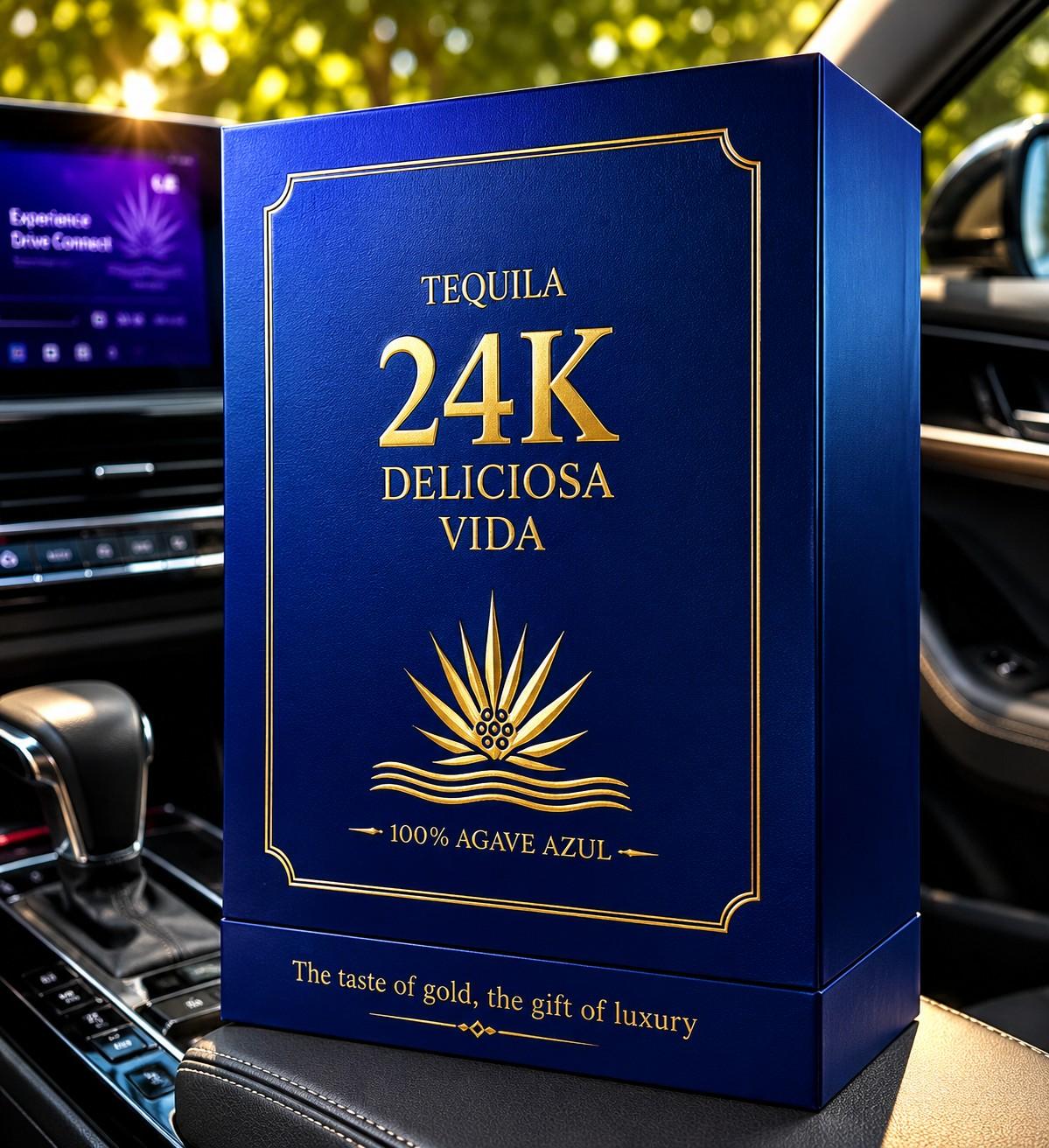
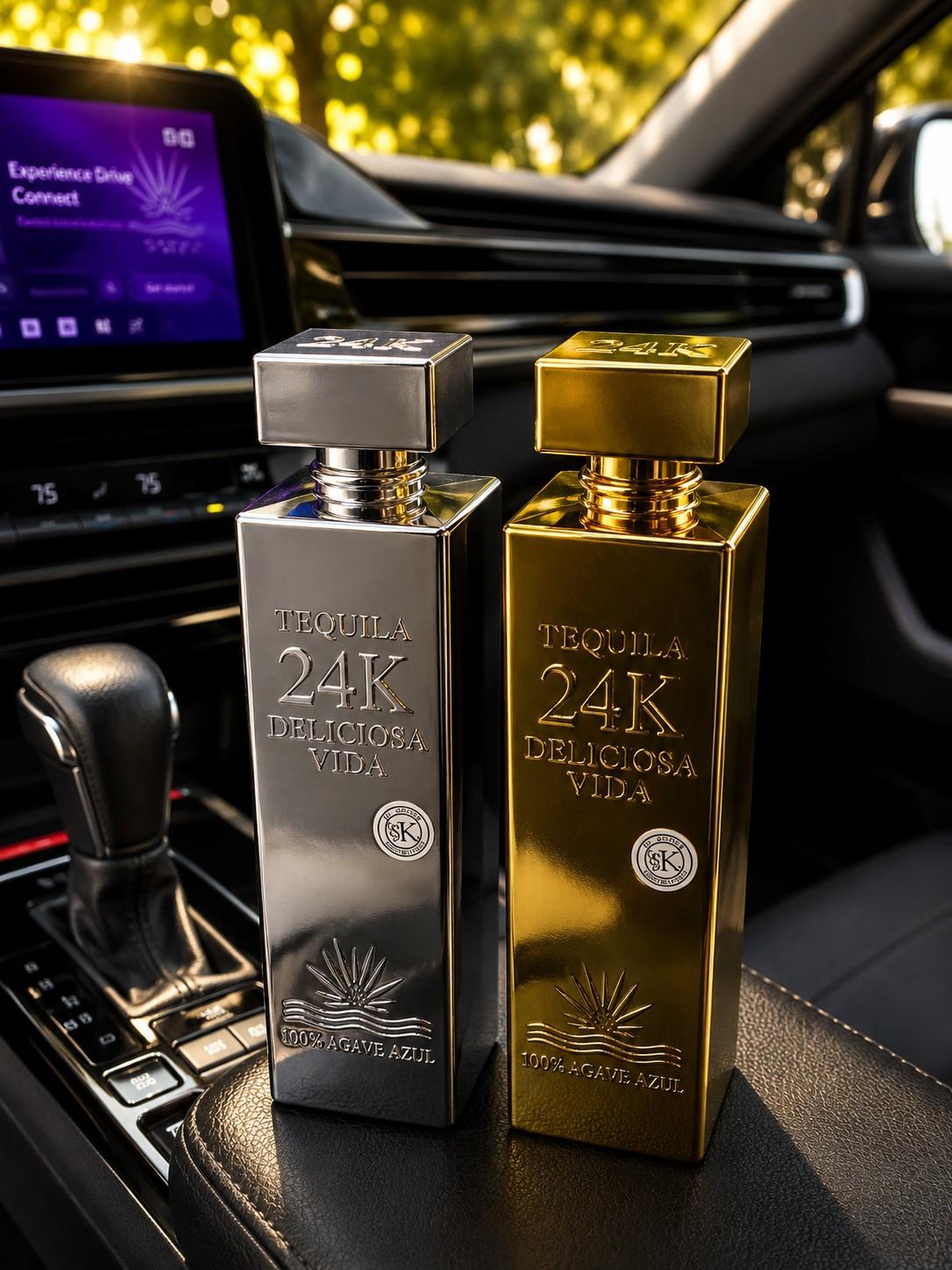
At Delicious 24K Tequila, the commitment to additive-free purity isn't a marketing phrase — it's the entire philosophy. Named after 24 karat gold (the purest form of the metal), every bottle is crafted from 100% Blue Weber agave with zero additives, zero shortcuts, and zero compromise.
The result? A tequila that earns its smooth finish the right way — through artisanal methods, slow roasting, natural fermentation, and precise double distillation.
The 24K lineup earned a Gold Medal at the 2023 San Francisco World Spirits Competition for the Blanco expression — one of the most respected blind-tasted competitions in the spirits industry. That recognition reflects what happens when you let quality speak for itself.
Whether you're looking for a crisp, bright sip with the 24K Silver Blanco, a warm, nuanced pour with the Rose Gold Reposado, or a rich, complex finish with the Gold Extra Añejo, each expression delivers that naturally smooth tequila experience — nothing hidden, nothing artificial.
Blanco vs. Reposado vs. Extra Añejo — Which Is the Smoothest?
A common question from people new to quality tequila is which style is smoothest. The honest answer: it depends on your palate. Here's a quick guide:
Blanco (Silver) Unaged or rested very briefly. This is the purest expression of the agave — crisp, herbaceous, slightly sweet, with a clean finish. When made without additives, a quality Blanco is remarkably smooth and easy to drink neat.
Reposado Aged 2 to 8 months in oak barrels. The barrel time softens the spirit further, adding gentle notes of vanilla, caramel, and spice while the agave character remains intact. Many people find Reposado to be the sweet spot of smoothness and complexity.
Añejo Tequila is a premium spirit aged in oak barrels for 12 Months, making it darker and smoother than unaged blanco tequila. Its extended time in wood-former bourbon American oak barrels which impart a rich, complex profile with deep notes of vanilla, caramel, and toasted oak.
Extra Añejo Aged over 3 and a half years. This is the most refined, richest expression — often compared to a premium whisky or cognac in its depth and warmth. The extended ageing creates an incredibly smooth finish with layers of oak, dried fruit, chocolate, and earth. The taste of the Agave is still richly present in this exceptional tequila.
According to Wine Enthusiast, the Extra Añejo category has grown significantly as consumers discover that aged tequila can rival the world's finest sipping spirits.
The Difference You'll Feel the Next Morning
Here's something worth talking about, honestly: additive-heavy tequilas are frequently associated with worse hangovers. While alcohol itself is the primary cause of how you feel the next day, certain compounds matter too.
Congeners — byproducts of fermentation and distillation — are more prevalent in lower-quality spirits. Added sugars, artificial flavours, and caramel colouring can also contribute to a rougher experience after drinking.
Pure, additive-free tequila made from quality agave tends to produce fewer of these compounds. Many people who switch to tequila without additives report a noticeably different experience — not just during the sip, but the morning after.
Where to Find 24K Deliciosa Vida Tequila
If you're in Southern California and ready to experience what genuinely smooth, additive-free tequila tastes like, you don't have to go far. 24K
Deliciosa Vida is available across the region — including Los Angeles, Simi Valley, Santa Monica, San Fernando Valley, Ventura, and San Diego.
Use the Retail Locator to find a store near you, or browse the full product lineup to learn more about each expression before you buy.
Frequently Asked Questions (FAQs)
Q1: What makes tequila smooth? True smoothness in tequila comes from three things: fully mature Blue Weber agave, careful distillation that removes harsh compounds, and (for aged expressions) proper barrel resting. Additives like glycerin can mimic smoothness artificially, but the real thing comes from quality production.
Q2: What does "additive-free tequila" mean? Additive-free tequila contains no post-distillation additions — no coloring, no sweeteners, no glycerin, and no oak extract. What's in the bottle is purely what came out of the distillation process: agave spirit, and nothing else.
Q3: Is 100% agave the same as additive-free? No. "100% agave" means the spirit was fermented entirely from agave sugars (not blended with cane alcohol), but it does not guarantee the absence of additives. A tequila can be both 100% agave and contain post-distillation additives. Look specifically for additive-free certification or disclosure.
Q4: Why does some tequila burn so much? Burning is typically caused by harsh fusel alcohols and congeners that weren't properly removed during distillation, or by additives and low-quality base ingredients. Quality distillation carefully separates these harsh compounds from the clean heart of the spirit.
Q5: What is the best way to drink smooth tequila? High-quality, additive-free tequila is best enjoyed neat or on a single large ice cube — no salt, no lime required. This allows you to experience the full flavor profile. Blanco expressions work beautifully in cocktails, while Reposado and Extra Añejo are best sipped slowly like a fine whisky.
Q6: How do I know if a tequila has additives? Check the label for additive-free disclosure, research the NOM distillery number, consult the Tequila Matchmaker app's additive-free database, or simply try the tequila neat. An additive-heavy tequila often tastes artificially sweet or has an unusually slick, glycerin-like texture.
Q7: Does additive-free tequila give you a worse hangover? Quite the opposite. Additive-free, quality tequila typically produces fewer hangover-causing congeners and lacks the added sugars that can worsen next-day effects. Of course, drinking in moderation remains the most important factor.
Q8: What is the difference between Blanco, Reposado, and Extra Añejo tequila? Blanco is unaged and delivers the purest agave flavour. Reposado is aged 2–12 months in oak, adding softness and subtle wood notes. Extra Añejo is aged over 3 years, producing the richest, most complex, and smooth finish — comparable to premium aged spirits like whisky or cognac.
Q9: Why did 24K Tequila win a Gold Medal at the SF World Spirits Competition? The 2023 San Francisco World Spirits Competition is a blind-tasted, internationally judged event where spirits are evaluated purely on quality. The 24K Blanco won Gold because it demonstrated exceptional clarity, balance, and smoothness — qualities that are only possible when you start with great agave and add nothing to mask it.
Q10: Where can I buy additive-free tequila in Southern California? Delicious 24K Tequila is available at multiple retail locations across Southern California, including Los Angeles, Santa Monica, Simi Valley, Ventura, and San Diego. Visit the Retail Locations page for the nearest store, or shop directly through the 24K Products page.
Final Thoughts — Taste the Difference Purity Makes
The tequila world has changed. Consumers are more informed, more discerning, and less willing to accept what they can't identify on a label. The rise of additive-free tequila isn't a trend — it's a correction. A return to what the spirit was always supposed to be: pure, expressive, and genuinely smooth.
When you sip a naturally smooth tequila that's been crafted with nothing but quality agave, skilled hands, and honest production, the difference is immediate. The warmth spreads evenly. The finish lingers pleasantly. And there's no reaching for lime to cover anything up.
That's what pure tequila taste actually feels like.
Ready to taste the difference? Explore the 24K Deliciosa Vida collection — Blanco, Reposado, and Extra Añejo — and discover why purity will always be the gold standard.
Delicious 24K Tequila | 24K Deliciosa Vida | Award-Winning AdditiveFree Tequila | Available in Southern California Contact: 310-457-7777 | delicious24ktequila.com