




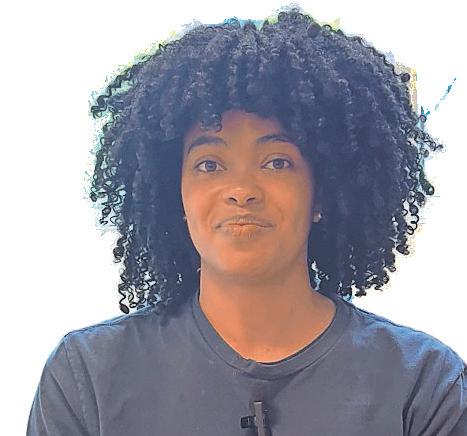




As James Talarico gains ground against Ken Paxton, voters are watching to see whether his Houston promises translate into lasting action.
campaign.
Talarico makes Houston promises
In recent weeks, Democratic Congressional candidate James Talarico has opened up a lead over Republican candidate Ken Paxton in three polls, giving Democrats renewed optimism about their chances in November and their dream of turning Texas blue. But as the race enters a new phase, it is worth keeping in mind the commitments Talarico made during his Houston town hall. They may prove just as important as his standing in the polls.

At a recent event, held specifically to address concerns from Black Texans, Talarico acknowledged longstanding frustrations that Democratic candidates have too often taken Black voters for granted.
He responded by pledging to invest $25 million in Black voter outreach, calling it the largest such commitment in modern Texas history. Along with the funding, he promised to continue engaging Black communities through targeted outreach, Black media, local leaders, and faith organizations, while asking voters to hold him accountable.
The promises came after pointed questions from attendees who challenged Talarico to earn, rather than assume, Black support. As he continues to lead Paxton, the Houston town hall offers a benchmark for evaluating his campaign. The coming months will show whether those commitments translate into sustained engagement and whether voters believe he has followed through on his promises.
Quantum technology is a field of science that uses quantum physics and sub-atomic particles to build tools that process data, measure things, and send messages in faster ways. As this technology moves from research labs toward real-world applications, Prairie View A&M University is betting that preparing the next generation starts with preparing teachers.
The university recently hosted QuanTime, a quantum science workshop that introduced K-12 educators from school districts across Texas to one of the nation’s fastest-growing STEM fields.
Rather than focusing on complex equations, the training emphasized classroom-ready activities that used spinning tops and other hands-on demonstrations to explain concepts like superposition and quantum computing.
While many students won’t encounter the subject until college, if at all, professors say introducing foundational ideas earlier could help build interest in careers expected to shape computing, cybersecurity, communications, and medicine in the coming decades.
What sets the effort apart is its focus on teachers as the starting point. Educators not only learned the material from scientists at Sandia National Laboratories but also immediately put it into practice by leading activities for Prairie View’s Summer Bridge students. If those teachers carry the lessons back to their classrooms, the workshop’s impact could extend to hundreds of students across Texas, broadening access to a field that will likely play an increasingly important role in the state’s STEM workforce.
Texas is already seeing the effects of sweeping changes to the Supplemental Nutrition Assistance Program (SNAP), and the consequences could be especially significant in Houston, where hundreds of thousands of families rely on food assistance to make ends meet.
According to new data from the Center on Budget and Policy Priorities, Texas has lost nearly 600,000 SNAP recipients since July 2025, a 17% decline through June 2026. More than half of that drop, about 317,000 recipients, were children, underscoring how deeply the changes are affecting families. Nearly 155,000 people across the nine-county Houston area lost SNAP benefits in the past year, according to data from Texas Health and Human Services.
For Houston, the numbers could translate into increased pressure on food banks and community organizations that already serve residents facing rising living costs.
Fewer households receiving SNAP benefits also means less federal money flowing through local grocery stores and neighborhood economies.
Nationwide, SNAP participation is down by more than 4.9 million people over the past year, per U.S. Department of Agriculture (USDA) data.
As additional provisions of the law take effect, participation is expected to continue falling.
The long-term question for Texas is whether local governments and nonprofits can absorb the growing demand. For Houston, where food insecurity has remained a persistent challenge, the coming months could reveal how wide the gap between need and available assistance becomes.
On the web
• Beyond the Supermarket: The fresh options reshaping how we eat.
• Under Trump, how does America rank globally?
• And the Blackest ice cream flavor is…
By Aswad Walker
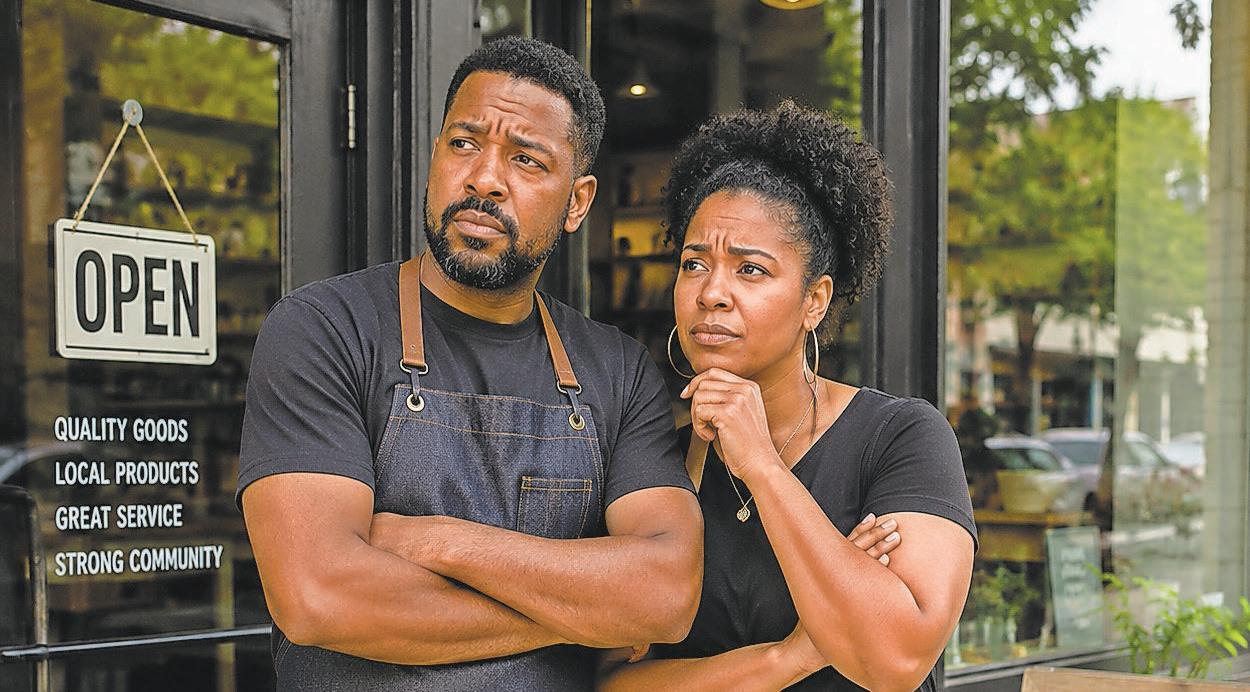
For decades, Houston’s Minority, Women, and Small Business Enterprise (MWSBE) Program has served as an important gateway for Black-owned businesses seeking city contracts and opportunities to grow.
Now, that landscape has changed thanks to a recent court ruling that removed race from consideration in the city’s contract-awarding process. And for many Black entrepreneurs, the question is no longer simply what happened. It’s what happens next.
A recent federal court ruling prohibits the City of Houston from considering race when awarding certain public contracts, eliminating the race-conscious portion of the MWSBE Program. The decision also applies to the Midtown Management District’s minority contracting program.
While the city has said it will comply immediately, the ruling leaves the women-owned and small-business portions of the program intact, and existing contracts are not affected.
But regarding how Black businesses move going forward, business leaders say the answer lies in collaboration, community investment, strategic partnerships, and political engagement.
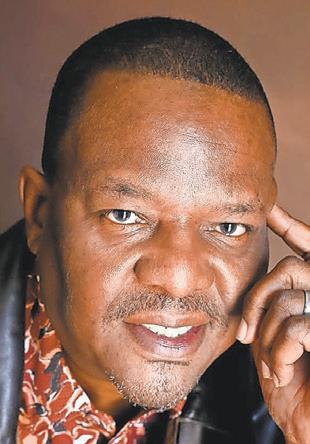
Rev. Carol Guess, chair of the Texas Association of African American Chambers of Commerce, believes the response must begin within the community.
“I think concerned citizens of every walk of life who want to help Black business owners should connect with and join chambers of commerce that focus on those communities and intentionally patronize those businesses,” Guess said.


She points to organizations such as the Greater Houston Black Chamber of Commerce, the TriCounty Black Chamber, the Black Chamber of Brazoria County, and the Texas Association of African American Chambers as places where consumers and companies can discover Black-owned businesses.
Her message is simple: If fewer public
opportunities are available, private support becomes even more important. Also, keeping dollars circulating among Black-owned businesses can help offset lost contracting opportunities while creating stronger local business networks.
Although race can no longer be considered in many city contracting decisions, Guess says opportunities still exist.
“The ruling was narrowly tailored to focus on race,” she said. “Women-owned and small-business classifications will still be considered when awarding City of Houston contracts.”
That means Black-owned businesses should explore strategic partnerships.
“If you’re going after a City of Houston contract, partner with a woman-owned or other small business to build capacity to bid,” Guess said.
She also encourages Black businesses to intentionally buy from one another.
“Look for Black businesses that you can supply goods and services to—and that can supply your business.”
Those supplier relationships can create new revenue streams while strengthening the broader Black business ecosystem.
The ruling removes race as a contracting factor, but it does not eliminate Houston’s
MWSBE program altogether. That distinction is important.
Many businesses have spent years obtaining certifications, building relationships, and learning how to navigate government procurement. Niles Dillard, owner of Superior Video Productions, knows firsthand how one opportunity can transform an entire business.
Originally focused on wedding videography, his company expanded dramatically after becoming certified through Houston’s program.
“We went from wedding videography to doing business with the NFL, NCAA, and major corporations because of that opportunity,” he said.
The exposure led to work on two Super Bowls, as well as contracts with the City of Houston, the Houston Airport System, and Houston ISD. But Dillard worries future entrepreneurs may find it harder to access similar opportunities.
“The playing field has never been level,” he said. “We weren’t looking for handouts. We were looking for the opportunity to be at the table when everything begins.”
Even so, existing certifications, procurement knowledge, and business relationships remain valuable assets that companies can leverage beyond race-conscious contracting programs.
Craig Amos, an IT professional, acknowledges many Black-owned businesses
are experiencing what he calls “revenue starvation.”
“But instead of panicking,” Amos said, “we have enough resources within our own communities to strengthen ourselves, strengthen our communities, and build our Black businesses back up.”
Guess believes the ruling also serves as a reminder that business and politics are deeply connected. She notes that federal judges hold lifetime appointments and that judicial decisions often reflect the long-term consequences of elections.
“This ruling is a consequence of who people elected decades ago,” Guess said. “If potential voters stay home because they don’t like any of the candidates, they’re effectively helping choose the people who may appoint judges whose decisions affect them later.”
Her advice is straightforward: Vote in every election, from local races to presidential contests.
For Black entrepreneurs, civic engagement is more than a political exercise. It can shape the business environment for generations.
By Tannistha Sinha
A new grant is set to help Black families in Houston’s Kashmere Gardens neighborhood safeguard their homes and pass on generational wealth, thanks to a $300,000 award to Texas Southern University’s Earl Carl Institute for Legal & Social Policy.
The funding, provided by the Rockwell Fund, will support the expansion of heirs’ property and estate planning services in the historic neighborhood over the next two years.
“Heirs’ property challenges disproportionately affect Black families and low-to-moderate income households, limiting their ability to build and preserve generational wealth while increasing vulnerability to property loss,” said Sarah Guidry, executive director of the Earl Carl Institute.
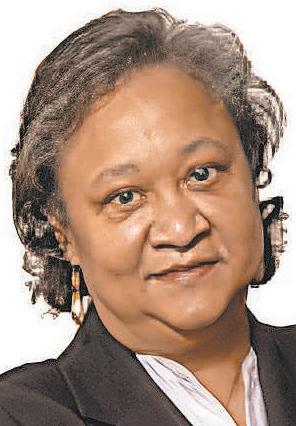
“Through this work, we aim to help families stabilize ownership, protect their homes, and preserve long-term wealth in Kashmere Gardens.”
This marks the second consecutive year of support from the fund, which also awarded the Institute $300,000 in 2025 to address legal challenges that put residents’ housing stability at risk.
Heirs’ property issues arise when a homeowner dies without a will, leaving multiple family members with fractional ownership of a property. It disproportionately impacts Black Americans, who experience a greater rate of discrimination and exclusion from legal and financial systems for generations.
Without a clear title, families often struggle to make repairs or sell the property without the unanimous consent of all heirs.
These complications can leave homes vulnerable to forced sales or predatory investors looking to acquire property at below-market prices.
By confirming family agreements and clarifying ownership, the Institute hopes to

wealth in many Black
close the door on tactics that have stripped generational wealth from Black families across the country.
A central part of the initiative involves placing a dedicated attorney in the community each week.
The attorney will meet with families at a central site within Kashmere Gardens itself.
Organizers say this consistent, in-person presence is intended to build trust with residents and offer timely guidance on issues ranging from title clearing to probate alternatives, estate planning, and other legal matters affecting property ownership and housing stability.
“Through education, legal assistance, and proactive planning, the program will empower residents to navigate complex property and estate matters more effectively,” reads a statement from TSU.
The Earl Carl Institute, based at TSU’s Thurgood Marshall School of Law, has operated since 1992 as a nonprofit think tank focused on legal advocacy for marginalized communities. Its mission centers
on providing free legal representation and conducting policy research, advocacy, and community engagement, while advancing public policy solutions to systemic socioeconomic challenges.
By combining direct legal services with education and proactive planning tools, the Institute aims to equip Kashmere Gardens residents with the resources needed to navigate complex property and estate matters before problems arise.
The Earl Carl Institute, through the Opal Mitchell Lee Property Preservation Project, also offers free legal services to help families navigate inheritance and property title issues.
Other legal services provided by the institute include:
• The Thurgood Marshall School of Law Innocence Project: Exonerating the wrongfully convicted
• The ECI Juvenile Justice Project: A juvenile criminal defense and representation in school disciplinary actions
Families with
•
•
•
•
•
•
By Laura Onyeneho
Prairie View A&M University has stood for 150 years, trained generations of Black professionals, and sent graduates across every sector of American life.
Yet outside the HBCU community, its story is rarely told on the same terms as those of other Texas institutions. Dancer and activist Harrison Guy wants to change that, one movement at a time.
Dear Prairie View, a multidisciplinary production commissioned by Performing Arts Houston, will have its premiere Sept. 4–5, 2026, at the Wortham Theater Center. Created and choreographed by Guy, the evening-length work spans the university’s full arc, from its founding on a former plantation during Reconstruction, through the Civil Rights era, to student life today, using dance, original music, spoken word, and visual storytelling.
Guy is the Houston-based founder of Urban Souls Dance Company and a former PVAMU student whose connection to the university runs deep. He spent roughly three years researching and collecting material before formally beginning production earlier this year. The piece grew significantly in scope after it was selected for Performing Arts Houston’s New Now programming, expanding from an originally planned 25-minute work into a full evening.
“I often think that people think there are no Black people in Texas,” Guy said. “I see this as an opportunity to really remind people, teach people, inform people that there are Black people in Texas, and they’ve done amazing things.”
The institution’s origins are tied to the 1876 amendment of the Texas Constitution, which simultaneously enabled the founding of what is now Texas A&M University and created the legislative opening for a separate school for Black Texans. Prairie View was established on the grounds of the Alta Vista Plantation in Waller County. Its first eight students, known as the Alta Vista Eight, began classes in 1876, laying the foundation for graduates in law, medicine, engineering, education, and the arts.
Guy said he researched the production through both the university’s institutional archive, which he described as unusually rich for a Black history project, and through oral history, speaking with former students, people who grew up near campus, and those who worked or taught at the university. One piece of archival footage struck the entire creative team. A television recording of the Prairie
View Concert Chorale performing for Dr. Martin Luther King Jr., approximately two weeks before his assassination in April 1968.
Rather than staging a strict historical reenactment, Guy said the dance medium offers him creative and emotional latitude that written or documentary accounts cannot. In sections on activism, including a segment honoring Sandra Bland, he chose to memorialize rather than recreate,
allowing movement to carry grief and dignity simultaneously.
“I want people to really understand the HBCU celebration of it, celebrating what the difference of going to an HBCU is,” Guy said.
“The production features Prairie View-affiliated talent throughout. A PVAMU alumnus designed the lighting, a current faculty member and an alumnus composed the original score, and Mr. and Ms. Prairie

Dear Prairie View
When: Sept. 4-5, 2026
Where: Cullen Theater, Wortham Center
Price: From $29
To buy tickets visit: https:// performingartshouston.org/events/ harrison-guy-dear-prairie-view-202609-04-730-pm/
View will appear on stage.”
The original score was composed collaboratively by Dr. John L. Cornelius II and Brandon Willis. Cornelius, a professor of music, piano studio, and composition at PVAMU for 22 years, earned his Doctor of Musical Arts degree in composition from Rice University. Willis is a PVAMU alumnus who graduated in 2016 with a bachelor’s degree in vocal performance, and the two have known each other since Willis arrived on campus in 2012.
Cornelius and Guy developed a structured framework, which he called “filling in the frame”, identifying which historical moments carry the most emotional weight and how to sequence them without losing the narrative’s momentum. For the sonic arc, the team is using a virtual orchestra to track the university’s evolution through sound, starting from acoustic instruments meant to evoke the earliest era and gradually introducing electric organ, guitar, electric piano, and synthesizers as the timeline moves toward the present. Willis, who also has experience composing for Houston’s Black-owned dance company Nia’s Daughters, said the archival footage of the Chorale performing for Dr. King was transformative for him. He attended Prairie View and sang with the Chorale himself, yet had never known of that moment before Guy showed him the recording. That discovery deepened the responsibility he felt in setting those years to music.
“It’s just an honor to be able to be part of it, connecting things all the way back from slave songs through to Moses Hogan-esque hymns and classical neoclassicism,” Willis said. “With strong ties to the rich choral and band history that has poured into even today’s modern music, it all connects in its own way.”
Guy’s choreographic approach made the collaborative challenge less daunting than it might otherwise be. Because Guy’s movement is already highly narrative and emotionally specific, the music does not need to carry the explanatory load alone. Projected imagery, audio clips, and dance each occupy defined roles within the production’s structure, allowing the score to prioritize feeling over exposition.
“It’s for everybody,” Cornelius said. “But the big difference is that for people who have a connection to Prairie View, it’s going to hit them a little closer to the bone.”
Learn more about the performance process
Tickets for Dear Prairie View are available through Performing Arts Houston at performingartshouston.org.
By ReShonda Tate
Back-to-school shopping can strain any family budget. Between school supplies, uniforms, backpacks, electronics, and extracurricular expenses, costs add up quickly.
The good news is that families don’t have to tackle those expenses alone.
3. Support Black- owned businesses
By ReShonda Tate
Families across Greater Houston are once again preparing for one of the year’s most expensive rites of passage: Back-to-school season.
From kindergarten classrooms in the Third Ward to college campuses across Texas, parents are filling shopping carts with notebooks, uniforms, laptops, and dorm essentials — all while stretching household budgets already strained by the rising cost of groceries, housing, and everyday necessities.
For many Black families in Space City, preparing for a new school year has never been just about checking items off a supply list. It has long required resourcefulness, careful planning, and collective community support.
This year is no different. Across Houston — from Sunnyside to Alief, Kashmere to Fort Bend — churches, fraternities, nonprofits, and Black-owned businesses are stepping in with backpack giveaways, supply drives, and grooming events, proving once again that when economic pressures rise, the community finds a way.

The cost of heading back to school continues to weigh heavily on household budgets. According to the National Retail Federation’s annual back-to-class survey, families with K–12 students are expected to spend an average of $863.86 per household this season—pushing total national spending to a record $43.3 billion. For college families, that number leaps to an average of $1,437.79.
School Back-to-School Fair
Check local school district websites for district-wide giveaway schedules.
2-1-1 Texas
Dial 2-1-1 or visit 211texas.org to locate neighborhood supply drives and free health screenings near your zip code.
Harris County Public Library
Free Wi-Fi, printing, laptop checkouts, and after-school tutoring programs (hcpl.net).
Electronics remain the single largest expense, averaging nearly $293 per K–12 student, followed closely by apparel and footwear. Recent consumer surveys show that one in three parents plan to finance their school shopping on credit cards or through “buy now, pay later” services — a stark reflection of how everyday inflation is impacting family balance sheets.
For many Houston families, these school expenses come at a time when local utility bills, rent, and grocery totals remain elevated, forcing parents to prioritize every dollar.
The financial weight of heading back to school continues to hit home. National retail surveys show families expect to spend hundreds of dollars per child on



supplies, clothing, and electronics, while parents of college-bound students face additional costs for tuition, textbooks, and housing.
In Houston, those purchases come at a time when utility bills, rent, and grocery store totals remain elevated, forcing parents to prioritize every single dollar.
“We’re seeing families who used to donate to our drives now standing in line for supplies themselves,” said Amanda Washington, who organized a back-toschool drive with her local church. “The need is real, but so is the pride and determination of these parents.”
Rather than sacrificing quality, Houston parents are approaching the season like seasoned strategists:
• Tax-Free Weekend strategy: Maximizing savings on state tax exemption days for apparel and basic supplies.
• Price comparisons & coupon stacking: Comparing prices across big-box retailers and neighborhood discount shops.
• Supply audits: Reusing backpacks, binders, and calculators from previous school years before buying new ones.
• Phased purchasing: Spreading purchases across paychecks throughout August and September rather than buying everything at once.
Houston organizations answer the call
For decades, Houston churches and community
organizations have helped ensure children begin the school year with confidence, regardless of their family’s financial circumstances.
Throughout August, congregations, civic groups, and nonprofits across the city host backpack giveaways, school supply drives, health fairs, and resource events that provide everything from notebooks and calculators to uniforms and vaccinations.
Many events also connect families with community resources, including after-school programs, health screenings, and educational services.
For organizers, the mission extends beyond filling backpacks. It’s about easing financial stress and reminding parents they are not navigating another school year alone.
“When we invest in our youth, we invest in the future of our communities. Service is a core principle of Phi Beta Sigma, and we’re proud to support students by providing the resources they need to succeed,” said Hank Bell, whose Fort Bend chapter of Phi Beta Sigma Fraternity, Inc. recently held a back-to-school drive. “Giving back isn’t just an event for us, it’s a lifelong commitment to uplifting those we serve.”
Black-owned businesses invest in students
Many Black-owned businesses are also finding ways to support families during the back-to-school season.
Local bookstores, children’s boutiques, tutoring
centers, and neighborhood retailers are offering discounts, hosting supply drives, and partnering with nonprofits to provide backpacks and classroom essentials to students who need them most.
Every purchase made at a neighborhood business helps strengthen the local economy while supporting entrepreneurs who have long invested in their communities.
“We held an HBCU back-to-school sendoff as a way to show our commitment to and belief in HBCUs as vital institutions,” said Marcus Davis, owner of the breakfast klub. “HBCUs help build and strengthen the African American community, and through this event, we celebrate students’ choices and show our unwavering support.”
every dollar
Financial experts say a little planning can significantly reduce back-to-school expenses. Among their recommendations:
• Shop your home before shopping the store. Many supplies from previous school years can be reused.
• Wait to purchase specialty classroom items until teachers distribute final supply lists.
• Stack digital coupons, loyalty rewards, and cashback offers to maximize savings.
• For college students, build a small emergency fund for unexpected expenses such as lab fees, software subscriptions, or course materials.
From tax-free shopping weekends and school supply giveaways to neighborhood swaps and Black-owned businesses offering discounts, there are plenty of ways to stretch every dollar. Here are 10 practical ways to save money while helping students start the school year prepared.
1. Shop during Texa's Tax-Free Weekend
Texas’ annual Sales Tax Holiday Aug. 7-9 allows shoppers to purchase qualifying clothing, footwear, school supplies and backpacks tax-free.
Money-saving tip: Pair tax-free savings with store coupons, rewards programs, and cash-back apps for even greater discounts.
2. Organize a school supply or uniform swap
Many Black-owned stores, restaurants, boutiques, and neighborhood retailers offer back-to-school discounts, backpack giveaways or community events throughout August.
4. Take advantage of free school supply drives Churches, nonprofits and civic organizations across Greater Houston host dozens of backpack giveaways each summer.
Many events also include health screenings, immunizations, and family resource fairs.
5. Look for free or discounted haircuts
Several Houston barbershops and beauty salons partner with community organizations before school starts to provide free or reduced-cost haircuts and hairstyles.
Call neighborhood shops or follow their social media pages for announcements.
Before buying new, check with family, friends and neighbors. Children often outgrow uniforms long before they’re worn out, and many families have extra folders, notebooks and calculators tucked away.
6. Buy only what students need immediately
Teachers often adjust supply lists during the first week of school. Purchase the essentials first, then wait for post-back-to-school clearance sales to pick up additional supplies, seasonal clothing and specialty items.
7. Buy in bulk with other families
Warehouse stores offer significant savings on classroom basics, but one family rarely needs dozens of glue sticks or hundreds of pencils.
Split bulk purchases with relatives, neighbors or other parents to reduce costs for everyone.
8. Shop Houston’s thrift and consignment stores
Resale stores are excellent places to find gently used clothing, backpacks and even school uniforms at a fraction of retail prices.
Many students also enjoy creating a unique style by mixing thrifted pieces with new items.
9. Ask about school technology programs
Before purchasing a laptop or tablet, check whether your school district provides devices for students. If you need to buy a computer, consider certified refurbished models, which often include warranties while costing substantially less than new devices.
10. Make the library your study partner
The Houston Public Library and Harris County Public Library systems offer much more than books. Families can access: Physical books and e-books, audiobooks, homework help, free Wi-Fi, public computers, printing services, study rooms, and educational programs throughout the school year
Using library resources can save families hundreds of dollars over the course of the academic year.
By Laura Onyeneho
For decades, one of the Houston area’s largest predominantly Black communities has drawn little attention from local arts coverage.
This summer, the Anderson Center for the Arts set out to change that, launching Apollo HTX, a live talent showcase modeled after the Apollo Theater’s legendary Amateur Night in Harlem.
The inaugural event brought open auditions, a live competition, and cash prizes to a part of Houston that Michelle Bonton, founder and executive director of the Anderson Center for the Arts, says has long lacked cultural infrastructure.
“Being able to have a show like the Apollo, and to have the Anderson Center for the Arts in this particular community, is very, very huge,” Bonton said.
Bonton grew up watching Amateur Night at the Apollo and said the idea for a Houston version had been years in the making. The Harlem original, launched in 1934, helped introduce the world to Ella Fitzgerald, James Brown, Luther Vandross, and Lauryn Hill. Bonton wanted that same spirit of discovery rooted in East Harris County, where she has lived and worked most of her adult life.
“A lot of my firsts happened right here in this community,” she said. “So it’s home for me, and I always think about how I can give back.”
The Anderson Center for the Arts is a 501(c)(3) nonprofit whose mission is to expand arts access in underserved communities and preserve Black history and culture. Bonton previously led the organization when it operated as the Harris County Cultural Arts Council, incorporated in 2018 as the first arts organization based in East Harris County.
Choosing East Harris County over established arts corridors like Third Ward
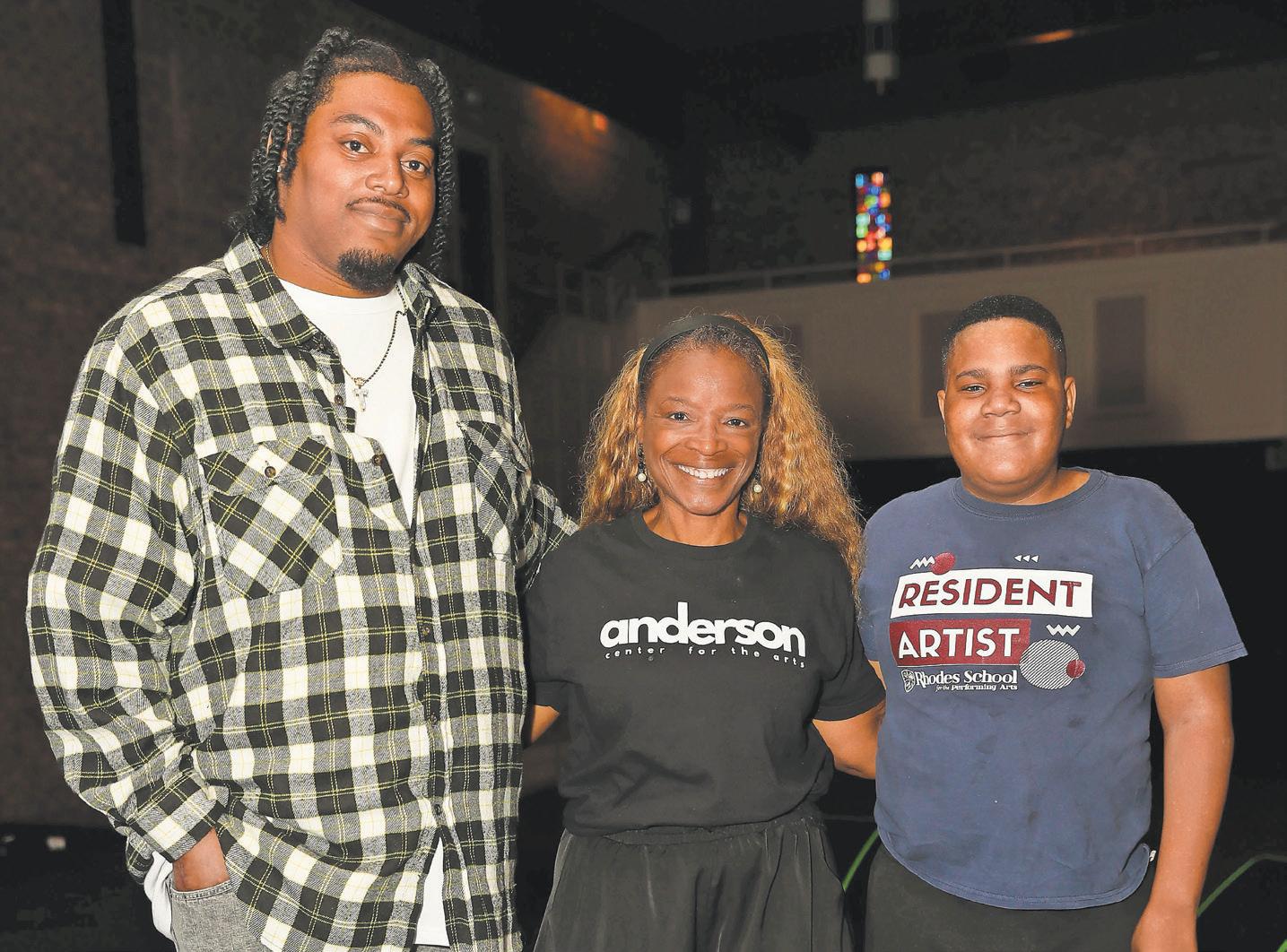
Bonton, founder and executive director of the Anderson Center for the Arts (Center), stands with the winners of the first Apollo HTX competition, Troy Mason (Left) and Logan Gilbert (Right). Credit: Jimmie Aggison/Defender.
or Midtown was intentional. The center wanted something distinctly Houston while honoring the Harlem original, reflected in the name.
Houston’s nonprofit arts and culture sector generates more than $1.3 billion in annual economic activity and supports more than 21,000 jobs, according to the most recent Arts & Economic Prosperity study by Americans for the Arts. Spending, Bonton said, has rarely reached this stretch of unincorporated Harris County.
“Houston’s got talent,” Bonton said. “How do we showcase that in a way that aligns with our mission, that pays homage and gives respect to the actual Apollo in New York, but that is also very much Houston? And that’s where the [Apollo] HTX comes in.”
LEGAL NOTICE
materials, supplies, and digital resources for grade PreK-12 Schools. If you are interested in this opportunity, please contact Arsalan Ahmad, Bid Coordinator, by August 31st, 2026. BID NOTICE
Apollo HTX held three open audition rounds with no entry fee, a deliberate choice to remove cost as a barrier for performers.
A selection panel narrowed the field before finalists competed live in adult and youth categories. The Anderson Center partnered with LoKatt Management to bring the concept to life. Winners received cash prizes: $1,500 for the adult category and $500 for the youth category, intended to introduce young performers to the business side of their craft.
Houston singer Troy Mason, who works at FedEx, performs at weddings and other events on the side, won the adult competition singing Sam Cooke’s A Change Is Gonna Come. He said the decision to compete came after his wife pushed him to stop sitting on his talent.
“I was overwhelmed, really, to tell you the truth,” Mason said of the moment he was announced as the winner. “So many people came out [whom] I invited, they were cheering for me.”
Mason began singing at the age of four, performing in front of neighbors and family, which carried a different weight than past shows. He described a backstage atmosphere of camaraderie among competitors, including impromptu Soul Train lines before they went on.
“The response that I got when I was singing, from the first note, was amazing,” Mason said. “Everybody was screaming and standing up.” Since winning, Mason said he has booked new studio sessions and an upcoming performance with author Pharrell Phelps.
In the youth category, seventh-grader Logan Gilbert, a student at Rhodes School for the Performing Arts, won for singing Beyoncé’s “Listen.”
“ELA, reading, choir, and theater, they really helped me to enunciate and pronounce my words better,” he said. “My favorite thing about it is that I get to go up on stage and showcase my talents to the whole entire world.”
Growing up in a supportive church family and a family of singers also helped nurture his talent. His biggest career goal is to one day perform on Broadway.
“It kind of felt like I was performing at my church,” Gilbert said. “Because all of my church family was here, my missionaries, my grandma, everybody.”
Apollo HTX will return in 2027 as an annual event, with plans to expand the VIP experience. The Anderson Center also plans to build an affordable on-site recording studio as it works to become, as Bonton called it, “the home for Black creative practice” in Houston.
LEGAL NOTICE

By Aswad Walker
There is nothing conventional about Zakiya Newman—and that’s precisely what makes her impact so compelling. While Gen Z is often dismissed as disengaged, Newman represents a powerful counter-narrative.
A Houston native who studied at Deerfield Academy in Massachusetts and Lewis & Clark College in Oregon, Newman stands in a long lineage of Black women transforming civic participation into a vehicle for community empowerment.
Political awakening
Newman traces her activism to the 2016 presidential election.
“I just knew Hillary Clinton was going to win... the adults had it taken care of,” she said. “But to see the outcome, I was really shocked. That made me want to step up, because I realized the work isn’t done yet.”
Then a high school senior, Newman moved quickly from frustration to action. She immersed herself in phone banking and block walking, eventually transitioning into professional digital and ground outreach. Beyond politics, she views this work as a way to reclaim human connection.
“A lot of times, people in my generation talk about feeling lonely... being online so much,” Newman noted. “But working in this space, I’ve been able to build real community.”
Global lens, local mission
Newman’s perspective was further sharpened while studying abroad in Jordan. Observing the legacy of the Arab Spring reframed her view of advocacy.
“Learning about people rising up because they felt unheard... it motivated me,” she said. “If people across the world can mobilize and fight for what’s right, I need to bring that energy back here.”
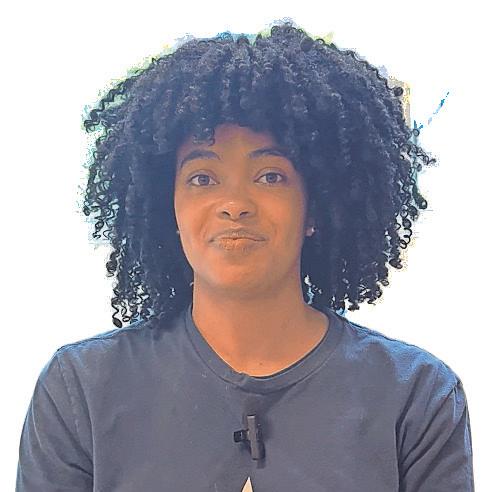

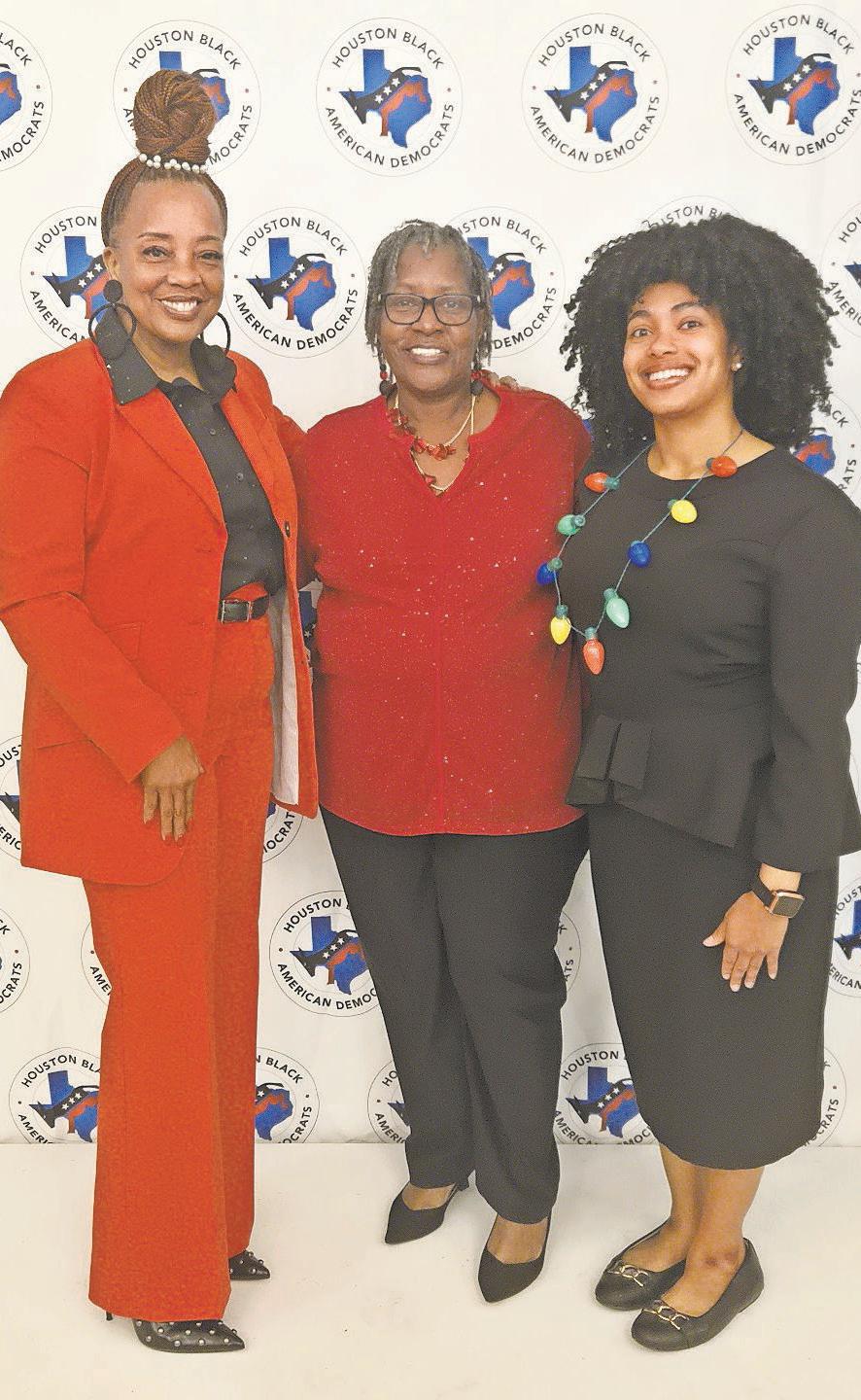
Today, Newman serves as the development director of Harris County Communities Meeting. Her extensive resume includes roles with Houston Justice, the Harris County Democratic Party, and a public policy internship with U.S. Sen. Jeff Merkley.
Reimagining voter engagement
Newman is known for a non-traditional approach to outreach, often described in her former position at Houston Justice as “adding cheese on the broccoli.” The goal is to make civic participation more inviting through community dinners and entertainment.
“We create spaces where people can get to know candidates in a more intimate way,” she explained.

Consistency is a hallmark of her strategy. She ensures that engagement doesn’t end at
registration.
“It’s not enough just to register someone,” Newman said. “You have to remind them about election dates, answer questions about IDs—just being a trusted resource.”
Leadership and legacy
Those who work with Newman see her as a vital new voice.
“In Zakiya, I see the emergence of a new generation of leadership—one that is informed, intentional, and unapologetically committed to equity and impact,” said Annie Johnson Benifield, founder of Houston Voting Initiative. “What impresses me most is her ability to translate passion into action and vision into results. She is not only doing the work—she is inspiring others to believe they can do it too.”
Former colleague Patrick Chery added,
“She’s organized, a great planner, and her spirit is always up. A lot of us look to her for information.”
Newman remains a staunch defender of her generation’s potential, urging critics to look past social media stereotypes.
“The most sensationalized things get the most attention,” she said. “If you’re not in the spaces where young people are doing incredible work, you won’t see it. You just have to get offline and go into your community.”
Drawing inspiration from figures like the late Queen Alia of Jordan and singer Selena Quintanilla, Newman is focused on sustainable change.
“The goal is not to live forever,” she said, quoting Selena, “but to build something that will last forever.”
The most sensationalized things get the most attention. If you’re not in the spaces where young people are doing incredible work, you won’t see it. You just have to get offline and go into your community.”
By Terrance Harris
Prairie View A&M football is coming off a season that was nothing short of historic.
First-year coach Tremaine Jackson and the Panthers won the SWAC West, won the SWAC Championship, advanced to the Celebration Bowl in Atlanta, and were within a controversial call of winning the Black National Championship during a four-overtime thriller against South Carolina State.
Naturally, the expectations are high for the Panthers – despite losing some significant players – as they prepare to enter the 2026 season as the defending SWAC champions.
Try convincing Jackson of any of that.
PVAMU: Last year was last year
“I think it’s cool that the media and people around here say we are the defending… We haven’t done anything,” Jackson said during July’s SWAC Media Day. “This team has not made a first down. We’re trying to figure out how we are going to get that done.
“And the way we play football at Prairie View A&M is whatever happened before, that has no bearing on what is going to happen in the future.”
So don’t expect Prairie View’s brash-talking coach to feel any comfort as he heads into his second season with a SWAC championship trophy and armed with on-the-field knowledge of his conference opponents.
“I’m so wired in a different way, to nothing feels different,” Jackson said to the Defender. “It’s always 4th and 1 for us. We’re always trying to seek answers and be better. Just when you think you know the league, the league changes because the players change in the league. So you never can get a bead on it.”
Whether Jackson agrees or not, the Panthers have ascended to being a member of the hunted after being picked in the preseason conference poll to repeat as SWAC champions. And they are the No. 2 team in the country in the inaugural Preseason Black College Football Poll, which comprises MEAC and SWAC Division I FCS programs.
But unlike years past, Texas Southern has some lofty expectations after breaking through last season with the program’s first NCAA-recognized winning campaign in 25 years in Cris Dishman’s second year at the helm. The Tigers, who finished second in the West behind Prairie View, have been picked to finish in fourth place this season and are ranked ninth in the Preseason Black College Football Poll.
Dishman, however, accepts the increased expectations and believes it’s a sign of what can come.
“It’s astounding that it took 25 years to have a winning season, but we did what we had to do. We’re looking forward to more this year,” said Dishman, whose team came within a walk-off touchdown by Prairie View in last year’s season-opening Labor Day Classic of possibly winning the division and competing for the SWAC Championship. “I keep telling my guys that in six seconds we could have a better record.”
For Jackson, the motivation is not just about repeating as SWAC champions, but finishing the fight this time as the Black College Football national champion.
“At Prairie View A&M football, if we don’t wake up and we don’t get the confetti on Dec. 12, it was a bad year,” said Jackson, who watched South Carolina State celebrate their championship after a 40-38 win. “We need the confetti to fall on us in the Mercedes-Benz Stadium on Dec. 12, around 4 p.m. Eastern Time. And the confetti falls sideways in Atlanta, so it gets on everybody.
“If we don’t get that, then it was a failed year, regardless of how many games we won. That’s the new mentality here at Prairie View A&M.”
But the nuance is in returning with the proverbial targets now on the back of the Panthers’ program.
“Prairie View A&M will never be the hunted. We will always be the hunter,” Jackson said. “People felt about us whatever way they felt about us last year, before we even played one snap. The way we carry ourselves, the way we go about our business, the confidence that we play with; it’s different.”
“So when you understand who we are and who you are, and what you came to do as a program, then none of that stuff matters to us.”
Both Dishman and Jackson have had to navigate the tricky waters of the transfer portal and NIL to get to this point. They have lost some high-performing players to the transfer portal, gained talented players through the portal, and will be starting new quarterbacks this season.
It’s likely that Tevin Carter will get the first nod to replace Cam Peters at Prairie View. And former Jackson State and Southern quarterback Cam’Ron McCoy landed at TSU in the offseason and is the favorite to replace KJ Cooper after he transferred to University of South Florida.
“If you lose one guy who is very athletic, you have to get one guy in who is more athletic than the guy you just lost,” Dishman said. “That’s what we try to do each and every time.”


By Jimmie Aggison
While many college-bound athletes dream of winning championships, Eguonome Akpobassa is preparing for a different calling.
As she prepares to continue her track and field career at the University of Oklahoma, the Bridgeland senior also plans to pursue a nursing degree, driven by a faith-centered desire to serve others. For Eguonome, success has never been defined solely by medals or records but by the opportunity to care for people and make a lasting difference in their lives.
“I love being seen as an athlete, and track and field has been a huge part of my life, but I also want people to know me as someone who is hardworking and confident, and who loves taking care of others,” Eguonome said. “I want my impact to extend beyond my sport because I know that one day my athletic career will end, but the character I’ve built and the way I treat people will last longer.”
That perspective has shaped how she wants to be remembered long after her spikes are put away.
“When people hear my name years from now, I want them to remember me as someone who tried to use her gifts to make a positive impact,” Eguonome said. “More than any awards or titles, I hope my faith, personality, and work ethic stand out.”
Ironically, the person who hopes to be remembered for her character first captured people’s attention through athletic accomplishments.
Eguonome enters college as one of the nation’s premier jumpers. She won the UIL 6A state championship in the triple jump with a leap of 41-11.25 and earned the silver medal in the long jump with a jump of 20-3.50. She followed that performance by being named the 2026 Marilyn Sepulveda Memorial Female Athlete of the Meet at the Great Southwest Track and Field Classic after jumping a nation-leading 21-0.50 in the long jump and 40-0.75 in the triple jump, ranking No. 15 in the nation.
While athletics may have introduced Eguonome to many people, she hopes it will ultimately serve as a platform to impact lives beyond the runway.
“While in college, I plan to study nursing because it is a career that gives me the chance to make a meaningful difference every day by helping people through some of the toughest or most important moments of their lives,” said Eguonome.
Her parents work in the medical field. Her mother, Rosemary Akpobassa, is a pharmacist, and her father, Jonathan Akpobassa, is a psychiatric nurse practitioner. Together, they have encouraged Eguonome to pursue excellence on the track and in the classroom.
“Eguonome is one of the hardest working, driven, and faith-led people I know,” Jonathan said. “I am so proud of all her successes on and off the track. My little girl has grown into an amazing young woman with the brightest future, and I’m so excited to see where the Lord leads her.”


Her passion for helping others did not develop overnight. It was nurtured by those closest to her.
“My parents have taught me what true hard work, perseverance, and faith look like,” Eguonome said. “The values they instilled in me from a young age have made me the person I am today. They have also taught
When people hear my name years from now, I want them to remember me as someone who tried to use her gifts to make a positive impact.”
me to remain humble, treat everyone with respect, and trust God even through the hardest times of my life. This has greatly shaped my success not only in Track and Field but also in the classroom.”
The values Eguonome credits with her success are the same ones her parents hoped would guide her throughout her life.
“Growing up, what we taught Eguonome most was to believe in herself and to be confident. This would allow her to stand up for what she believes in and to bet on herself,” Rosemary said. “I feel that this, too, has contributed to her success in every area of her life.”
Those values influence not only how Eguonome approaches her future but also how she embraces her most important responsibility as a role model for her younger sisters.
“Being a role model for my sisters is one of my favorite things,” Eguonome said. “Knowing they look up to me pushes me to strive for greatness even more than I already do. More than anything, I want them to know that success is not just about achievements but about character and the impact you have on the people around you.”
Her younger sisters have watched those
lessons unfold every day.
“Eguonome teaches us every day to never give up without a fight,” younger sister Maryann Akpobassa said. “Even at her lowest moments, she always figures out how to get the job done, whether it is school work or a workout. We love her!”
Whether at home, in the classroom, or on the track, one principle remains central to everything she does: faith.
“My faith has brought me to where I am today,” Eguonome said. “I truly do not even remember who I was before I met God. While I strive for excellence in academics, athletics, and my future, my faith has taught me that true success won’t be found in any of those things but in living with purpose and honoring God in all my actions. My faith reminds me that who I become as a person is far more important than any award or check I receive.”
As Eguonome prepares to begin her next chapter at the University of Oklahoma, she hopes the platform of track and field has given her a way to serve others long after her competitive career ends.
“What excites me most is knowing that even the smallest actions can have a lasting impact on someone’s life,” said Eguonome.