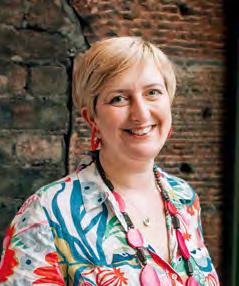
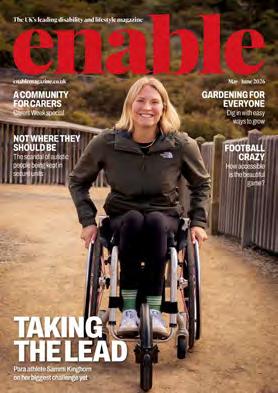
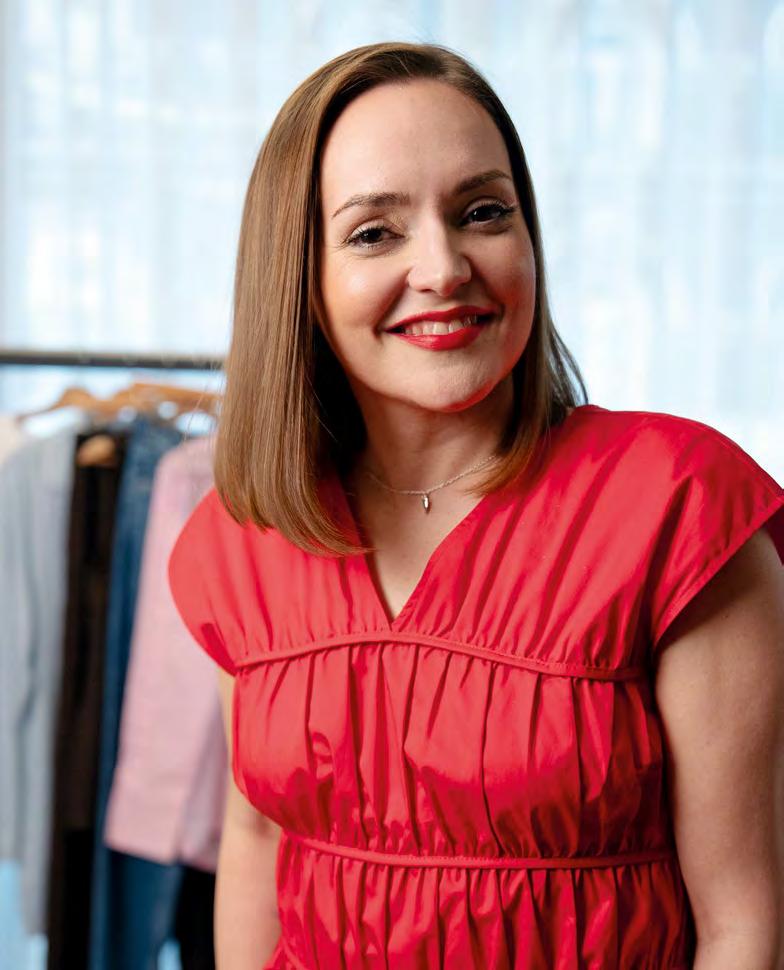
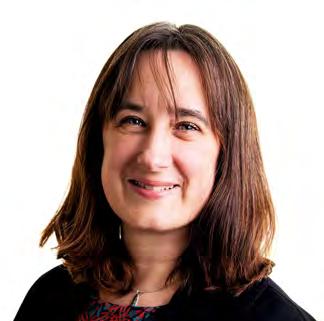
riting is a strange process. Some days you’re so full of ideas, and words flow so fast that your laptop can’t keep up with your brain. Other times, you’re all worded out, with no sentences left and no energy to be creative. Those fatigue-filled days come and go, which is why I’m so grateful to work with an amazing team of writers at Enable magazine.
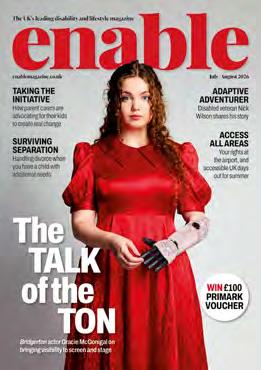
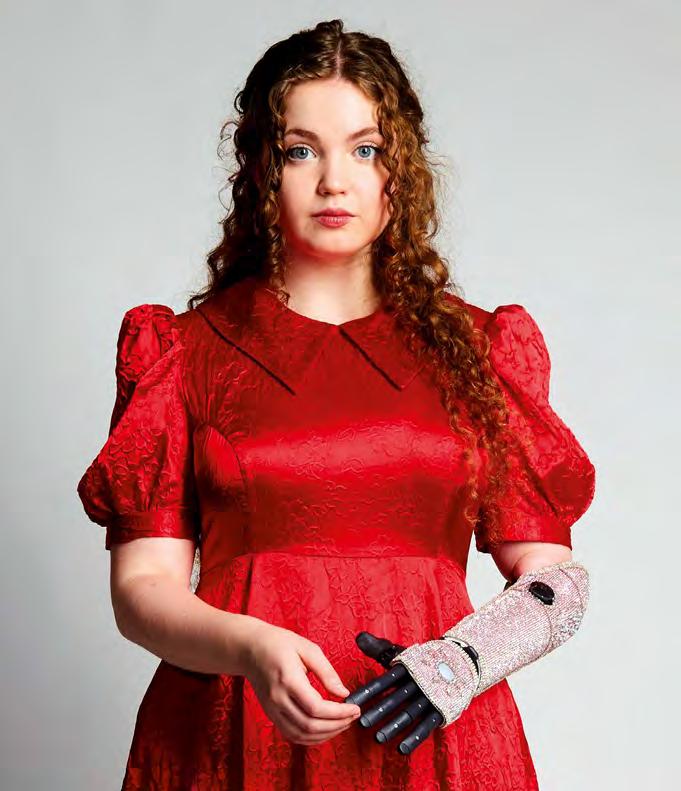
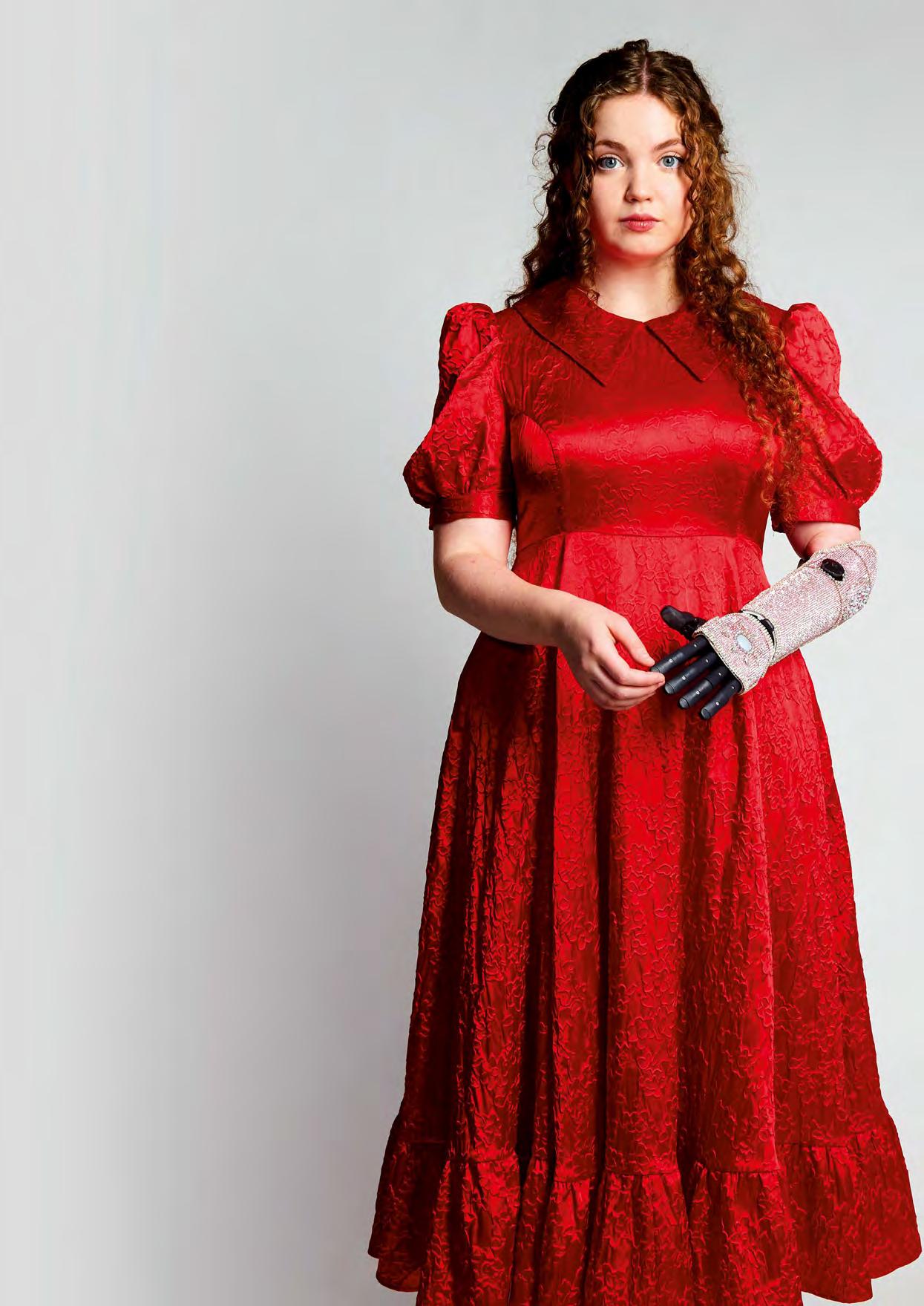
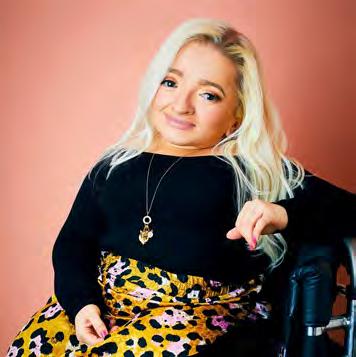
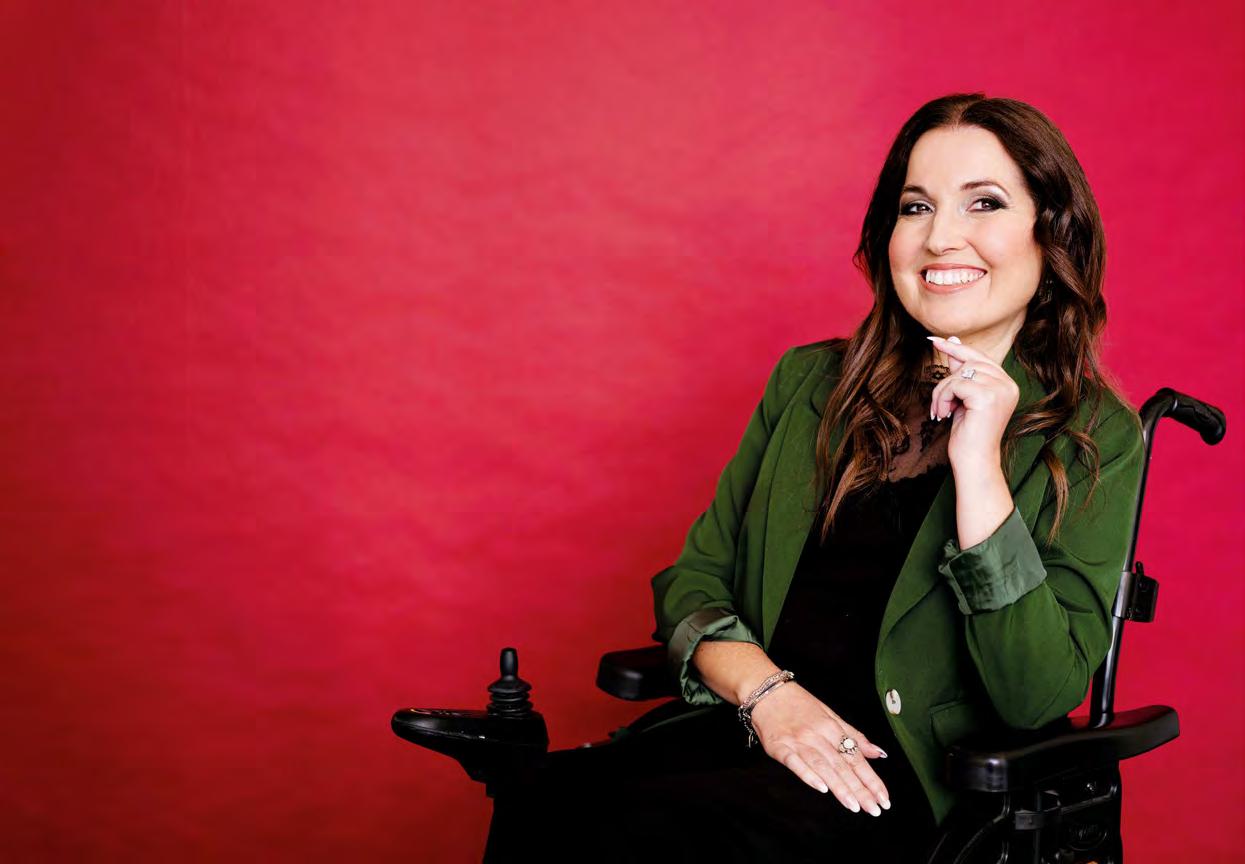
Writers like Kate Stevenson, who carried out the brilliant lead interview with this issue’s cover star, Bridgerton actress Gracie McGonigal. And writers like Samantha Renke who – as well as being a muchloved columnist at Enable – is a disability trailblazer. She’s doing important work making cervical screening accessible, so of course, in this issue, we had to talk about the research she’s been involved with.
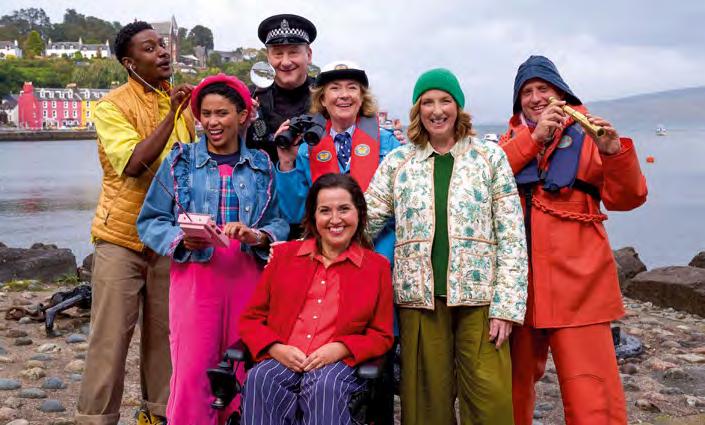
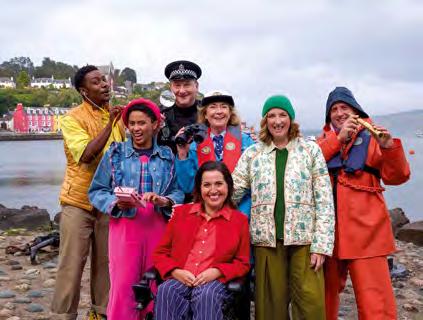
My work as Editor is more like the role of a storyteller, as I get to share so many remarkable tales from everyday people. Tales of courage (like that of Dani Elm, who you can read about on page 10), joy (like Balamory star Kim Tserkezie, who’s delighted to be returning to our screens), and even “stupid stuff” (in the words of adaptive adventurer Nick Wilson on page 46)!
As Enable’s Editor, it’s fair to say there’s never a dull day. Which leaves me to say, I wish you a sunshine-filled summer! Till next issue –
15 SEPARATION SURVIVAL
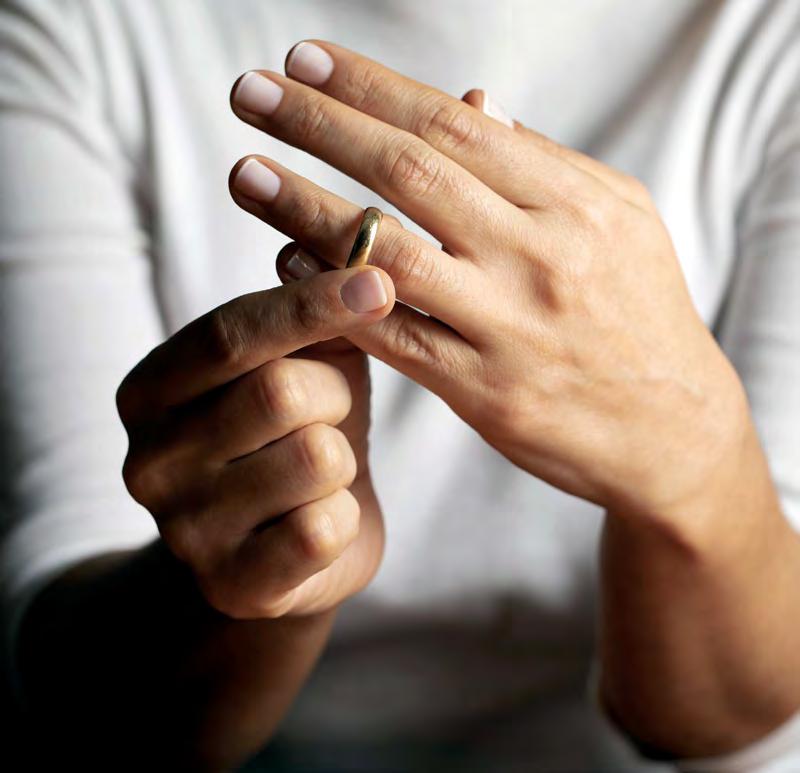
How can parents keep their disabled children’s best interests at heart during divorce or
40 FORCES OF NATURE
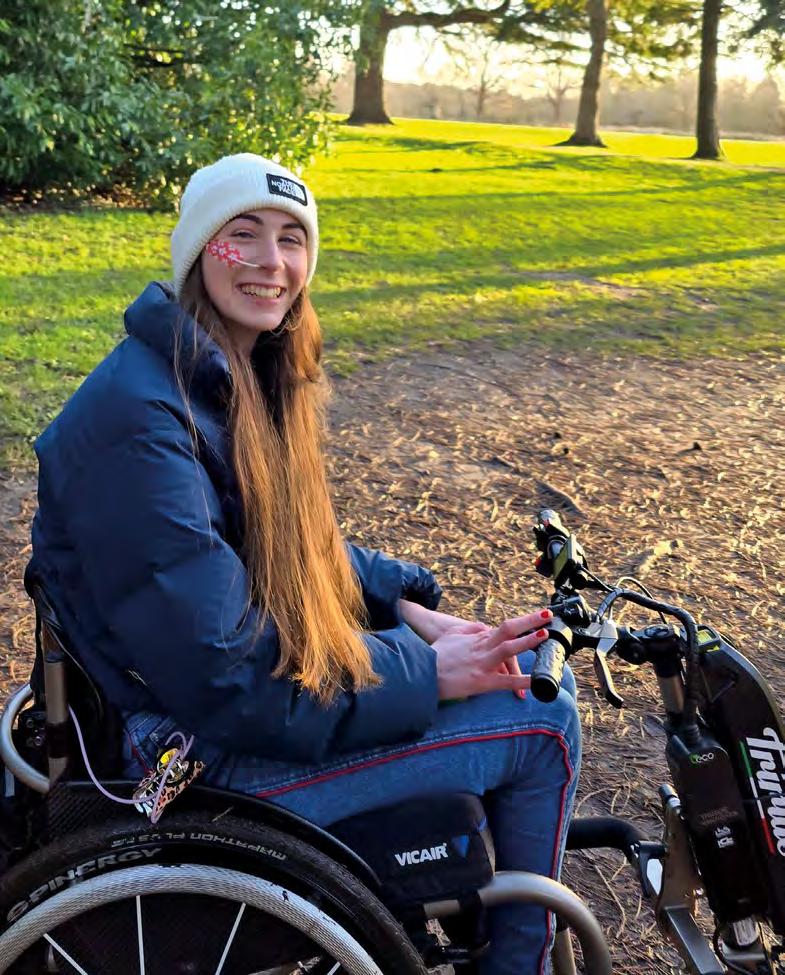
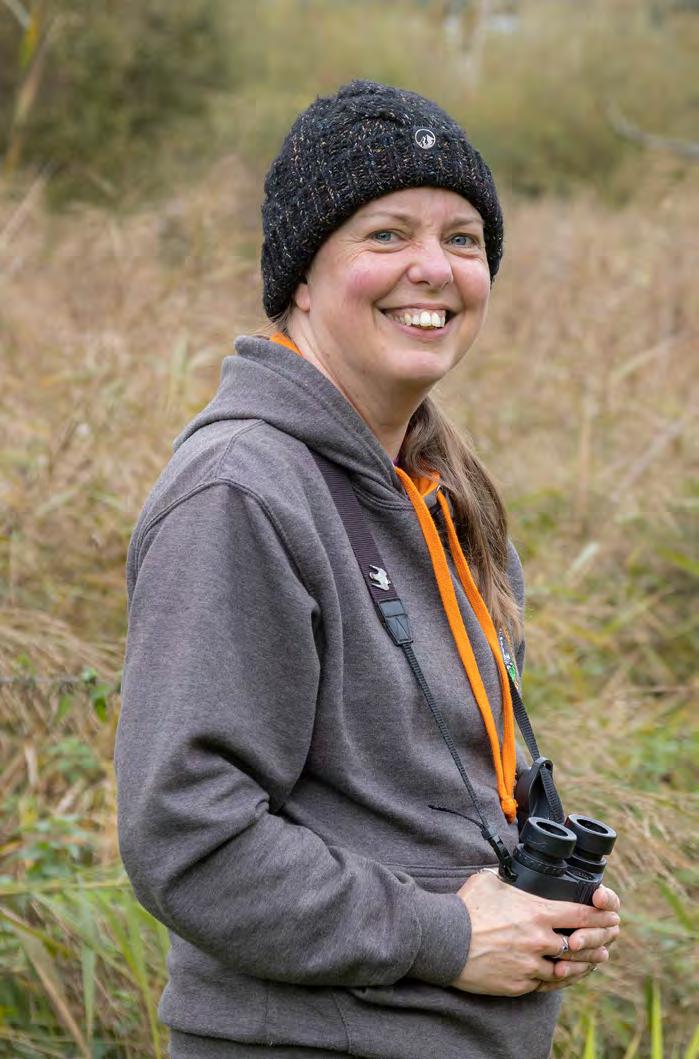
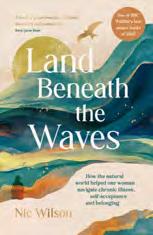
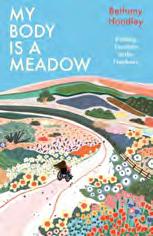
I spoke with authors Nic Wilson and Bethany Handley about their memoirs, which each intertwine issues around nature, disability, personal growth, and societal barriers.
What's inside
Interview
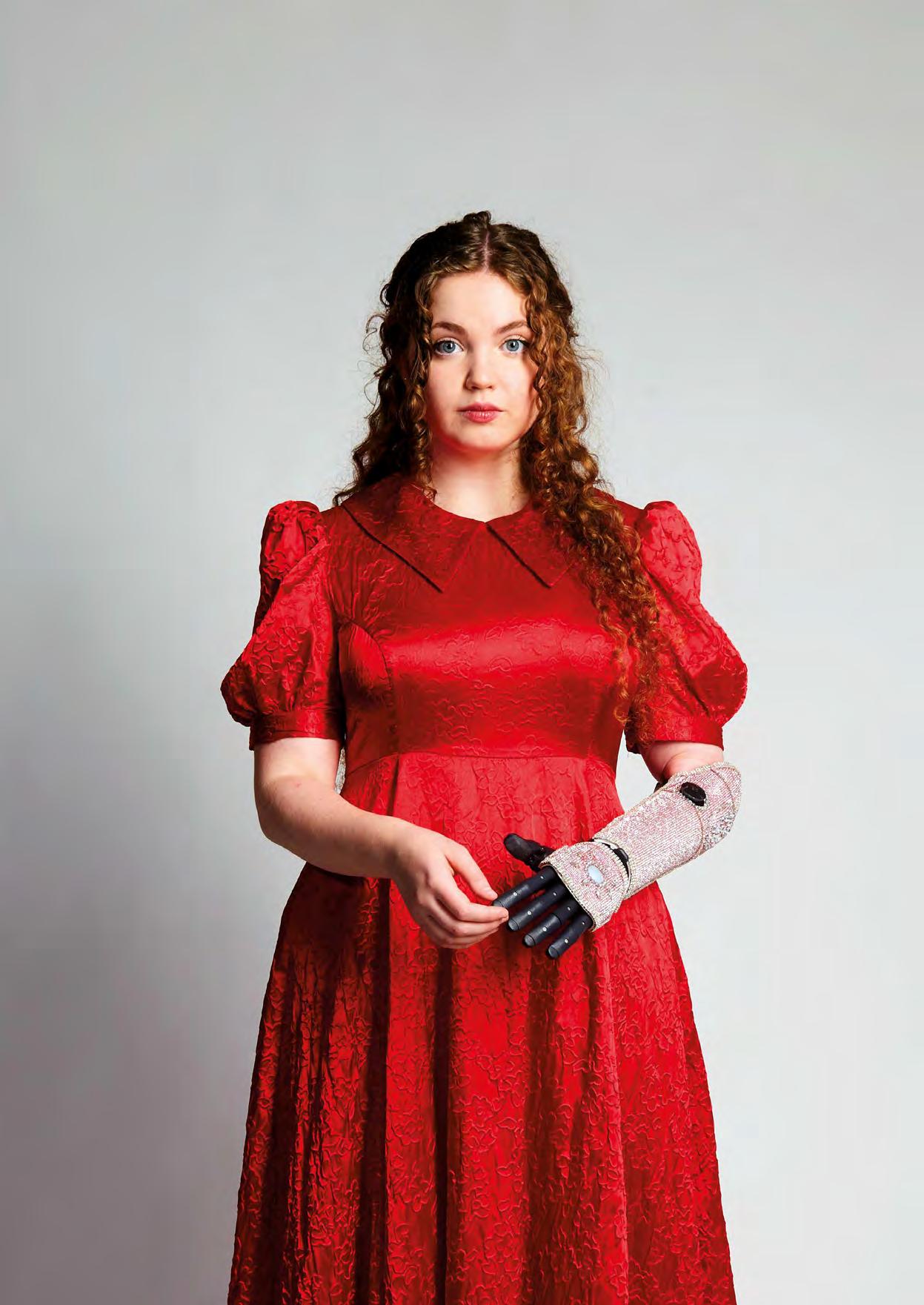
08 THE TALK OF THE TON
Gracie McGonigal has arrived, and The Ton is already taking note. The actor speaks exclusively to Kate Stevenson about all things Bridgerton, and bringing visibility to screens worldwide.
10 THE NEXT CHAPTER
Dani Elms became paralysed in a car accident in which she also lost her daughter. She shares her story.
39 WHAT’S THE STORY?
Kim Tserkezie is best known for her role as Penny Pocket in CBeebies favourite Balamory. She joined Editor Melissa Holmes to chat about TV representation, the importance of self-belief, and sharing a lift with a Spice Girl.
46 READY TO ROLL
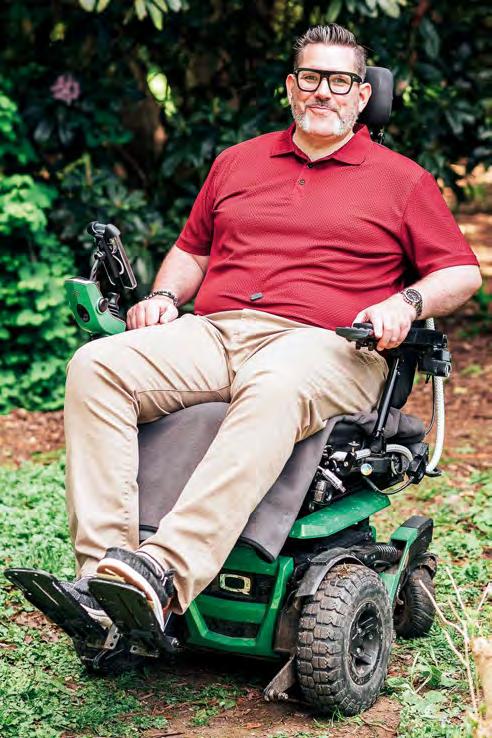
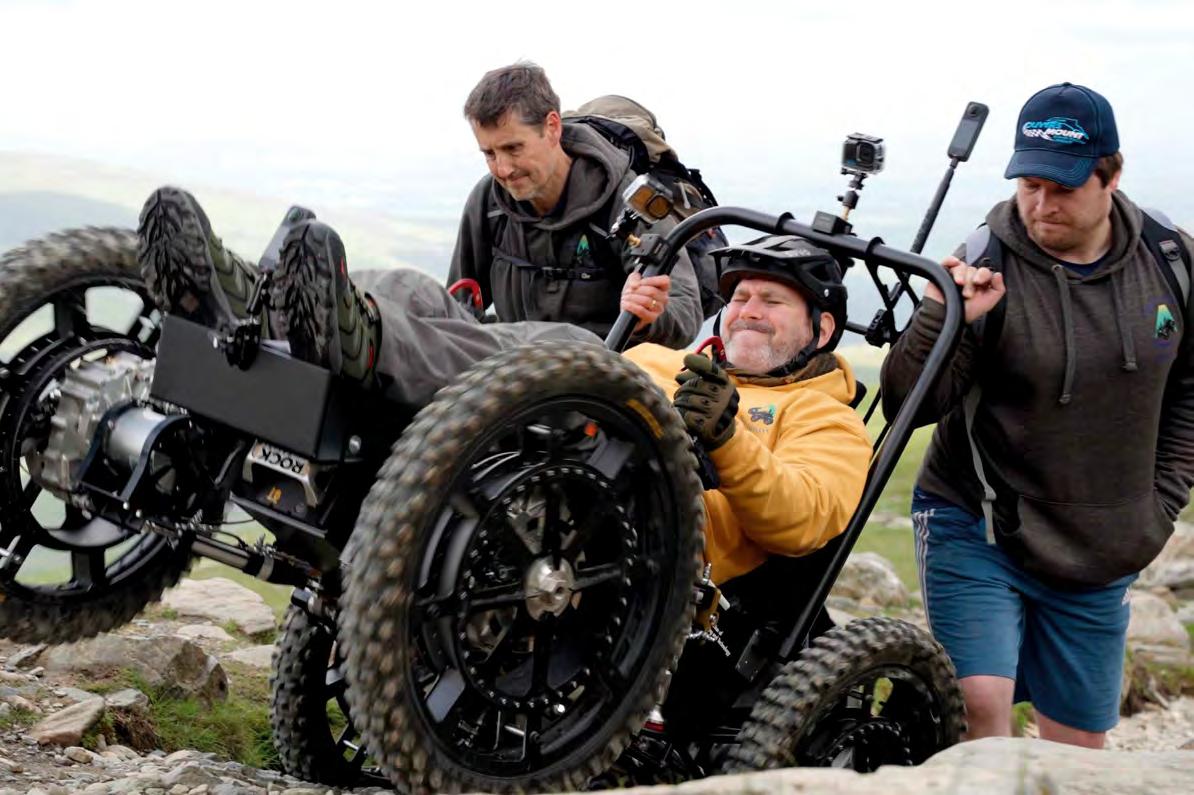
Disabled adventurer Nick Wilson talks about the importance of getting into the great outdoors, and his 50 at 50 challenge.
66 MY GOLDEN TICKET
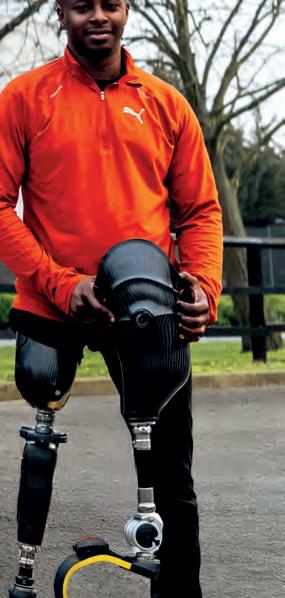
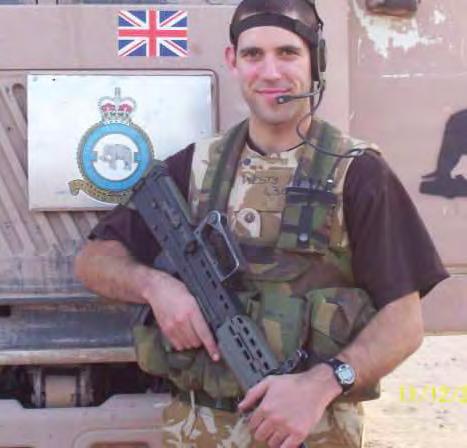
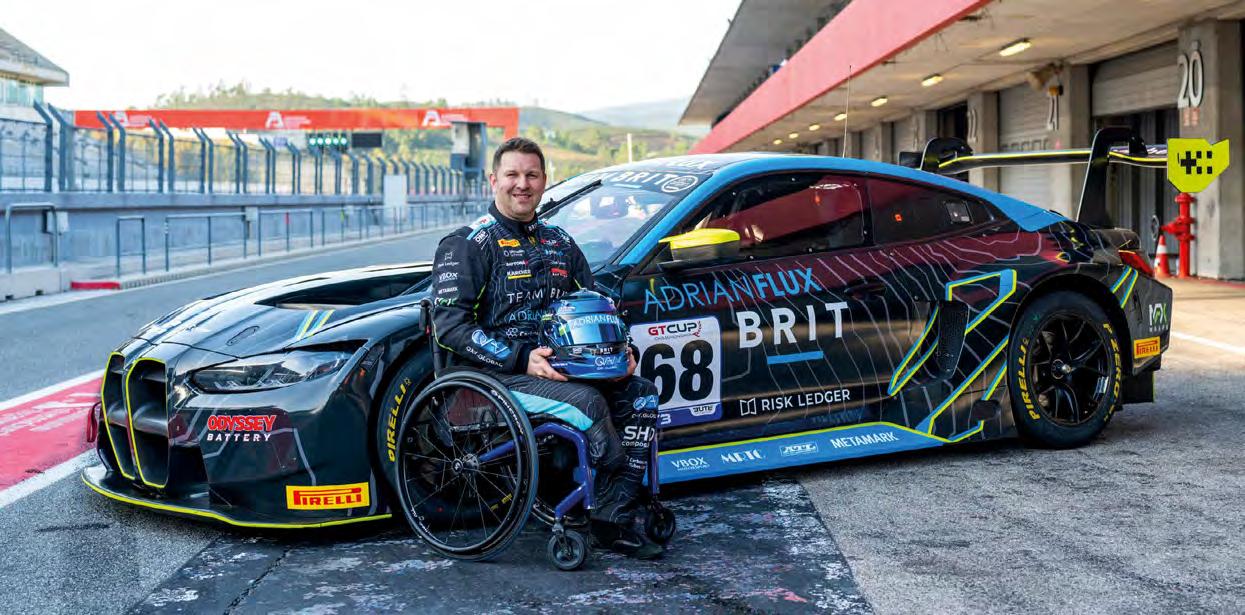
Team BRIT’s Paul Fullick on losing a leg, winning races, and why disabled people should stop listening to “you can’t”.
Care
12 TAKING THE INITIATIVE
From founding PTAs to launching CICs, here’s how parent carers are advocating for their kids to create real change.
Life
15 SEPARATION SURVIVAL
We consider how parents can keep their disabled and/ or neurodivergent children’s best interests at heart during divorce or separation.
28 DISABILITY PRIDE MONTH
Every July, Disability Pride Month celebrates the lives, achievements and experiences of disabled people.
30 ONE SIZE FITS ALL?
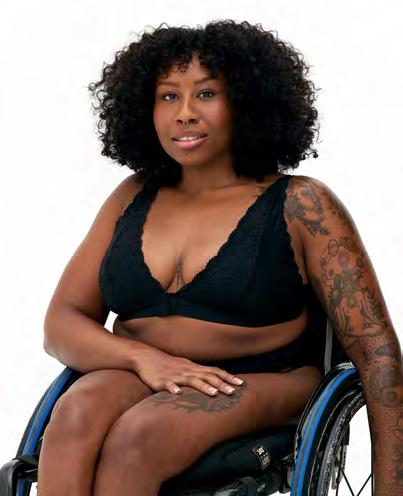
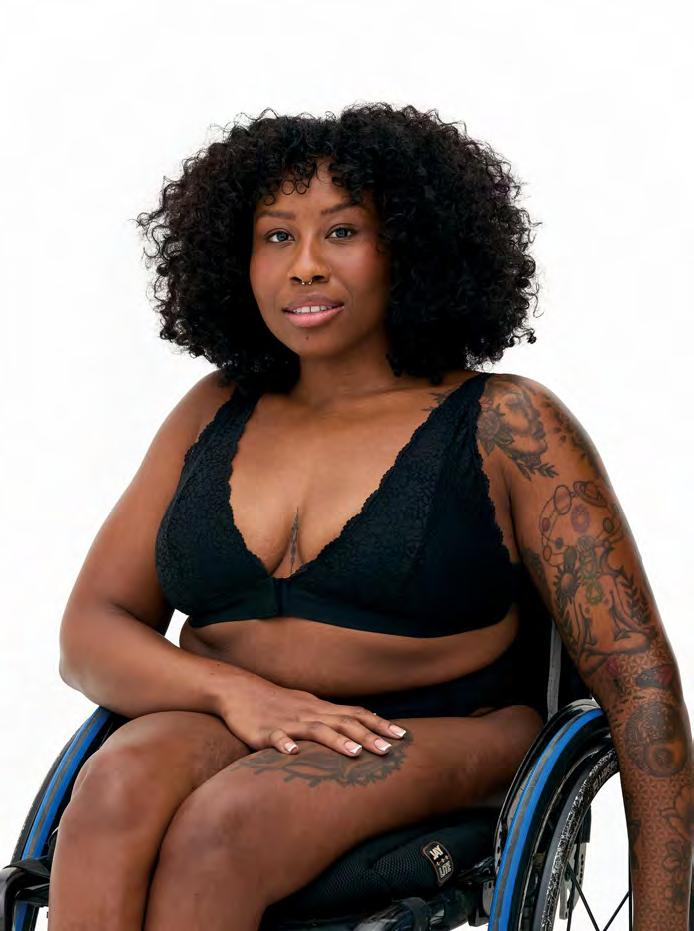
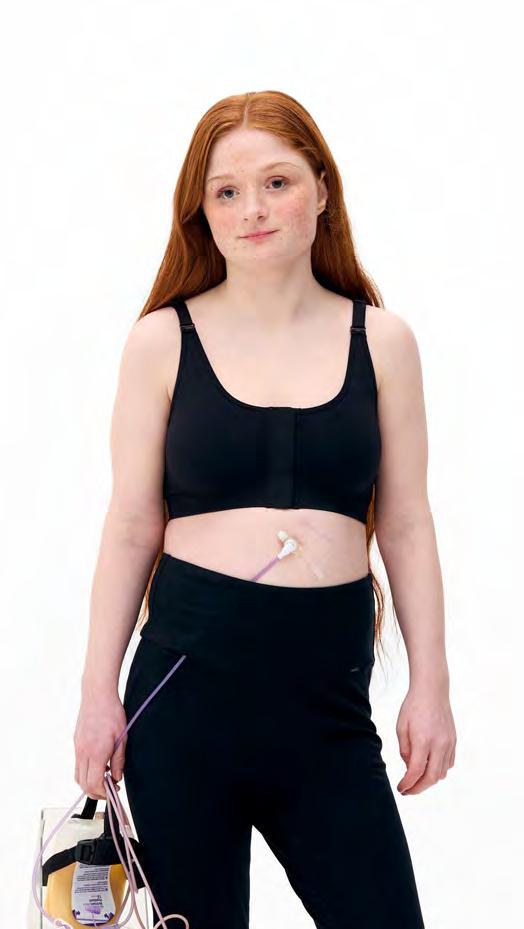
Victoria Jenkins speaks to Kate Stevenson about adaptive fashion, inaccessible design, and why style, dignity and self-expression should never depend on your body.
40 FORCES OF NATURE
Editor Melissa Holmes spoke to authors Nic Wilson and Bethany Handley about their memoirs, which intertwine issues around nature, disability, personal growth, and societal barriers.
43 PRODUCTS
The latest must-buys for your basket.
45 DIARY
The shows, events, and exhibitions filling up our schedule this season.
48 TAKING FLIGHT
Top tips to ensure your holiday travels go without a hitch.
50 FREEDOM TO EXPLORE
The best accessible days out and attractions across the UK this summer.
Voices
18 SPOONS AND THE RACE FOR SPACE
Columnist Tim Rushby-Smith considers spoon theory, and the energy spent just trying to get somewhere.
26 SINGLE AND SATISFIED
Columnist Samantha Renke shares her thoughts on dating as a disabled person – from overcompensating for others, to understanding herself.
Finance
53 UNLOCKING SUPPORT
The benefits, grants, and payments that can help you live more independently.
Health
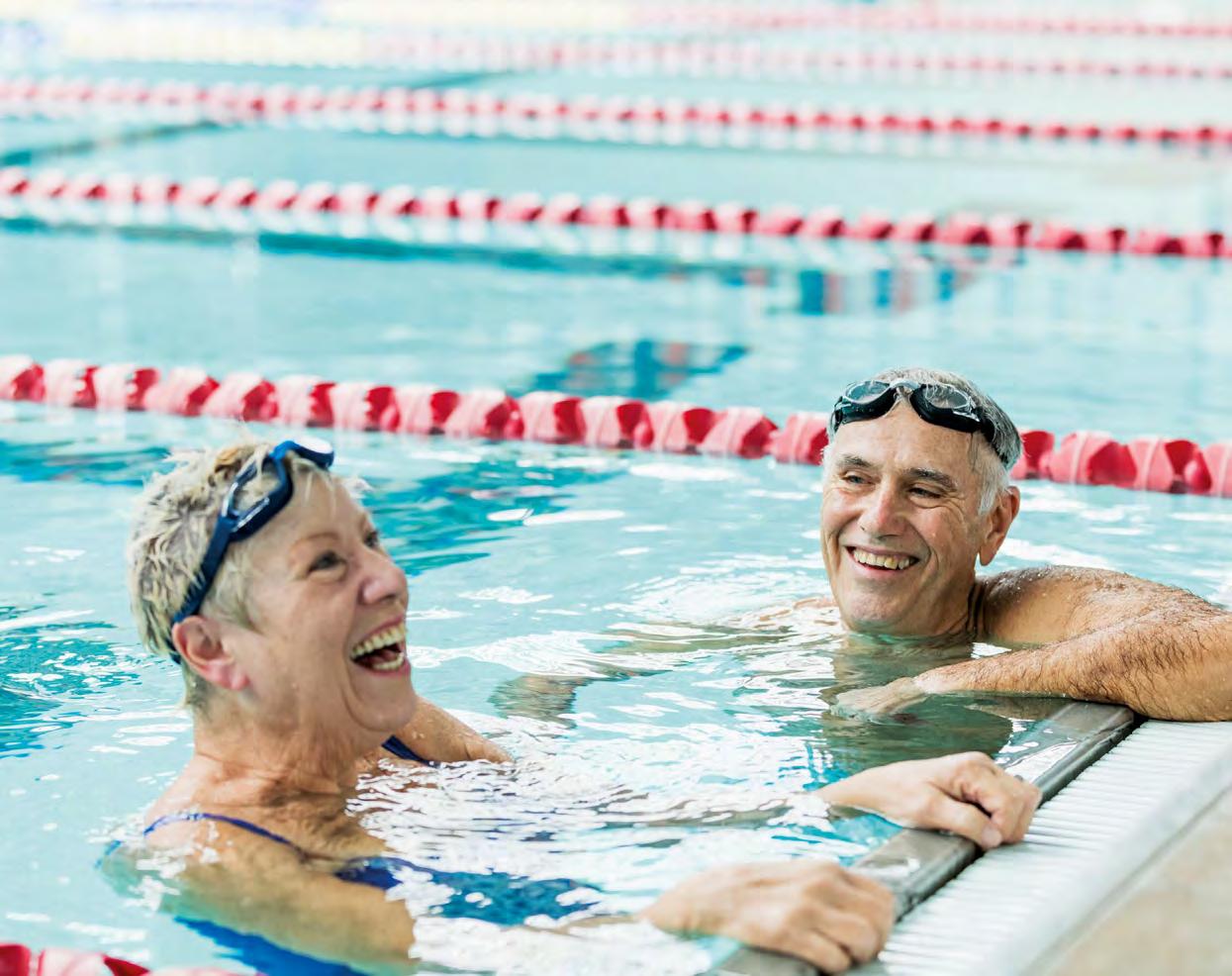
20 NOT SLOWING DOWN
Getting active has benefits way beyond your physical and mental health – it can also help you age well. We learn more.
23 THE LOST YEARS
Emma Stewart spent more than a decade being told her pain was normal. When doctors finally operated, they discovered extensive endometriosis.
36 SCREENED OUT
Disabled women face significant barriers to cervical screening. Could self-testing finally close the gap? We uncover the vital work being done to improve access.
Motoring
54 MOTABILITY AT A CROSSROADS
With major changes taking place to the car leasing scheme for disabled drivers, we take a look under the bonnet to see if you should be concerned.
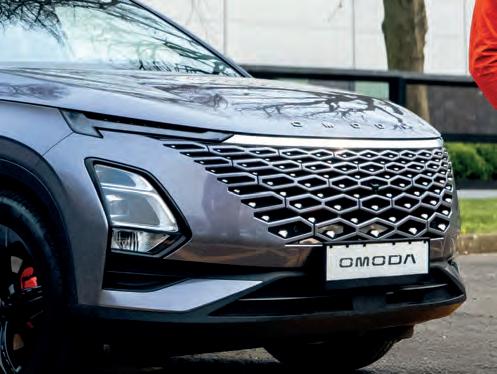
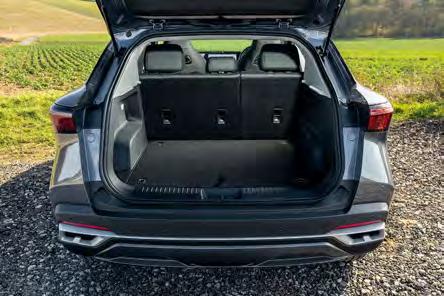
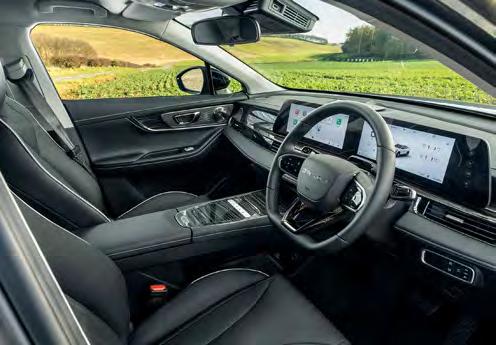
56 REVIEW: OMODA 5
The Omoda 5 now comes with an
efficient hybrid option that makes it a cost-effective choice for Motability customers.
Employment
59 VOLUNTEERING: WHY WE SHOULD BE MORE ‘DUGNAD’
Enable reader Nadia Bousseau shares her feelings on the importance of volunteering.
62 EMPLOYMENT Q & A
Our employment expert answers a reader’s question about how to discuss reasonable adjustments before they start a new role.
64 A CAREER IN TECH
The UK technology sector is an attractive option for many disabled people who are leaving education or looking for a new career direction. We find out more.
News
‘Misplaced fears’ cause job woes
EMPLOYERS ARE BEING HELD back from hiring people with a learning disability by a ‘misplaced fear’ of getting it wrong, not by cost or capability, new research by Mencap reveals. The survey of more than 1,600 UK employers found 80% of employers believe people with a learning disability can be productive at work, yet 48% employ none, 37% cite health and
safety concerns as a barrier, while 30% worry about saying or doing the wrong thing.
Jon Sparkes OBE of Mencap said: “If we’re serious about widening access to work, employers need the right information and support to move beyond good intentions and act on the commitment people with a learning disability bring.”
ACCESS TO WORK FAILINGS
FAILINGS IN THE DWP’S administration of the Access to Work scheme are having a clear human cost for the people it’s designed to support, according to the Public Accounts Committee. Their latest report warns these issues are having damaging consequences for people’s employment, income, and health and wellbeing, as well as undermining Access to Work’s effectiveness.
The DWP aims to process applications in 25 working days, yet applicants are currently being informed this may take up to 37 weeks. The DWP has stated it will recruit additional staff to help clear the application backlog by September 2027. The Committee identified further failings, including “confusing, inaccessible and, at times, distressing” communication from the DWP, along with inconsistent decision-making.
HOUSING DAMAGING HEALTH
POOR HOUSING IS DRIVING avoidable pressure across health and social care services and damaging people’s health, a report by the Royal College of Occupational Therapists has found. 3.5 million homes in England are classed as non-decent, and 87% of homes fail to meet basic accessibility criteria. The research also found poor housing costs the NHS in England £1.5 billion annually. Report author Lauren Walker said: “Housing is too often treated as an afterthought in health and care, meaning people are reaching the point of crisis before they get support.” The report sets out recommendations for politicians, policymakers and system leaders – learn more at rcot.co.uk.
Supreme Court ruling
THE UK SUPREME COURT has scrapped a legal protection that entitled ‘severely disabled people’ who lack mental capacity to automatic independent checks on their care arrangements. The judgement changes the definition of deprivation of liberty, with Sense’s Harriet Edwards calling it “a major blow to the rights of disabled people with complex needs.”
In light of the judgement, Sense, the National Autistic Society, Mencap and Mind have called on the UK Government to provide clarity to local authorities and care providers on how the rights of disabled people with complex needs can be strengthened and protected.
The of the TALK TON
Gracie McGonigal has arrived and The Ton is already taking note. The actor speaks exclusively to Kate Stevenson about all things Bridgerton, and bringing visibility to screens worldwide
There’s a moment, early on in our conversation, when Gracie McGonigal laughs and admits just how surreal the past few months have been. She’s been juggling performances, rehearsals, and the sudden, dizzying attention that comes with stepping into one of television’s most extravagant worlds. “It’s been crazy,” she says, smiling. “I don’t know how I’m still here, but we’re alive and well.”
A NOTABLE DEBUT
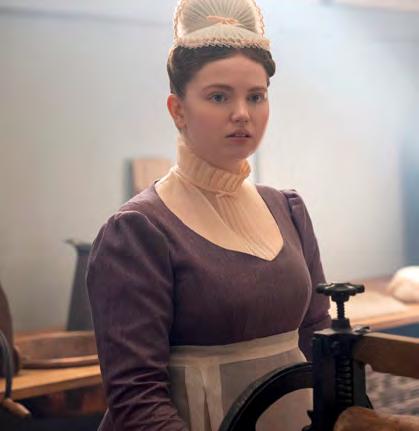
Alive, well, and very much at the centre of something bigger than she ever anticipated. When Gracie entered the world of Bridgerton as Hazel, she didn’t just join a global phenomenon; she made a statement.
“For me, it was hugely important,” she says, referring to bringing visible disability into the series. “Partly because Bridgerton has always had this ethos of diversity and inclusion, but also to be allowed to contribute to it.”
What’s more, there was her personal dream too: “As an actor, I really wanted to do the show,” admits Gracie. “Only later did I realise just how important it might be for other people to see me doing it physically too.”
A WARM RECEPTION
What she didn’t expect was the fan reaction: “I was a little bit nervous,” reveals Gracie, smiling. “The fan community is so big, and they really ride or die for the characters. I didn’t know if they’d like me, especially because Hazel didn’t exist in the books.”
She pauses, then breaks into a grin. “But people really, really loved it. They’ve sent me
all kinds of incredible messages. I feel like my presence on the show is more meaningful than I could have envisioned early doors.”
She recalls seeing one social media video in particular. “There’s this girl watching the TV, and then she turns the camera around and shows herself with the same arm as me,” explains Gracie. “She’s just so joyful, and thrilled to see herself reflected.” She pauses, letting that sit. “I think that’s what it’s about. For someone just going about their life, finding solace in watching something like Bridgerton and seeing themselves… that feels incredible.”
AFFAIRS OF THE HEART
Whether on the small screen or theatre stage (she’s performed in panto, with the National Theatre, and in a West End musical), Gracie feels the weight of responsibility. On being a disabled actor, she says: “A lot of the time, you are the first person doing it. And that can be stressful, feeling like you’re holding a whole community behind you,” she admits. “It makes me incredibly thankful to the people before me who have worked to make sure disabled people get recognised in this way.”
That’s why, for Gracie, representation doesn’t mean creating a spectacle: it’s simply about recognition. Particularly since, for much of her own life, that recognition was absent – especially in one crucial area.
“I didn’t grow up seeing myself reflected in romance,” she says. “In my teenage years, I didn’t know if love would be an option for me.” She shakes her head with a smile. “Which is insane, because of course it is. But when you don’t see yourself reflected as someone desirable, as someone who can flirt, how do you know?”
It makes Hazel’s small, romantic moments in Bridgerton feel all the more powerful. “I loved the little flirtation,” she says. “Because of course they’re flirting. Why not?”
Why not, indeed? As Gracie puts it, disabled characters should be allowed to “exist fully”, beyond the stereotypes: “There are so many roles where every two seconds she’s talking about her disability,” she adds. “Or she’s the saddest girl in the room. That’s not something that interests me.”
INCLUSION, IF YOU PLEASE
That’s why she believes progress is real, but uneven. On the Bridgerton set, she discovered an environment where people listened. “There was an access consultant who was always checking in and would make adjustments if I needed them,” she explains.
But elsewhere? The picture is more complicated. “Many theatres are still not accessible, and that really limits who can even get in the room.”
The solution? “Open-mindedness. Tell me what I can do, and how I can help. Because I want to, and I will.”
THE NEXT CHAPTER
It’s that spirit that defines Gracie. She’s grounded, thoughtful, and quietly ambitious. She speaks about her future in terms of possibilities, not barriers.
Someone watching Bridgerton and seeing themselves –that feels incredible
When I ask her what she thinks Lady Whistledown would write about her at this moment in her career, she laughs and says: “Oh god! Incredibly lucky, disabled ginger girl at a crossroads decides which job she wants to navigate next?” Then she adds, almost conspiratorially: “I would love to do a proper rom-com. That’s a goal of mine.”
Whatever Gracie sets her sights on next, one thing’s for sure – her Bridgerton debut has already sent ripples through The Ton.
Gracie in Bridgerton
The next chapter
Dani Elm – who became paralysed in a car accident in which she also lost her daughter – speaks to Editor Melissa Holmes about rebuilding her life, future surrogacy plans and turning heartbreak into healing
When Dani Elm talks about adapting to life after a catastrophic car accident in 2018, she’s clear on one thing: “You find out what you can do. It’s not about what you can’t do.”
Dani and husband Dan also lost their daughter, four-year-old Darcy, in the accident. “I didn’t start grieving properly until I got home,” Dani recalls. “I was in hospital for so long – everybody was focused on keeping me alive.” After weeks in a coma, Dani learned she’d sustained a spinal injury, which was initially missed while doctors treated her brain injury. She spent seven months at Salisbury Spinal Treatment Centre. With no accessible accommodation nearby, her medical team suggested a care home placement. Dani refused. “I said: ‘My daughter died. I need my family. I’m not going anywhere’.” She spent months living at her mother’s inaccessible house, showering under a gazebo outside as there was no adapted bathroom.
BUILDING A LIFE
After an insurance settlement, Dani and Dan were able to buy and adapt a large home near their families. “I didn’t want a bungalow,” she says. “I wanted a house, in my town, where we could build a life.”
Community has always been important to Dani, and local help has been instrumental in her recovery. After the accident, fundraisers gathered £20,000 towards Darcy’s funeral and support for the family.
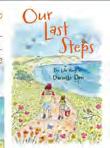
Dani works hard to give back. She’s written a memoir – Our Last Steps – an open-hearted look at trauma, loss, and learning to live in a changed body. Half of the book’s proceeds are being
donated to 2Wish, which provides support to those affected by sudden death in young people. The other half will be donated to Swanage Carnival, which Dani and her mum have been involved with for 24 years. Dani funds the Carnival’s community night (taking place on 29 July), which features local performers and a firework display. “Darcy loved fireworks,” she says. “Now we light up the sky in her memory –hopefully she sees them from heaven.”
STRONGER TOGETHER
Dani talks openly about subjects that are often left out of conversations around acquired disability: intimacy, relationships, mental health and parenthood. “We’ve always wanted three children,” she reveals. “We’ve got one. She’s never been in this house, but she oozes from these walls; she’s here.” After fertility treatment was unsuccessful, the couple found support through online spinal injury communities and surrogacy networks. “That was the moment I realised there was still life ahead of us,” Dani says. She and Dan hope to grow their family through surrogacy.
But it’s not been easy. “I thought about times that I could end it,” she admits. “Then I’d look at the people around me and realise we still needed each other.” Dani has a team of roundthe-clock carers, and says it was important for Dan to remain as her husband, not her carer. “I wouldn’t wish it on anyone. If your relationship’s not
strong, you’re going to break. But we always say we’re stronger together.”
Led by her heart and supported by the love of her family and community, Dani says: “Everyone’s got their own way of doing things. If you choose life, you’ll find your own way.”
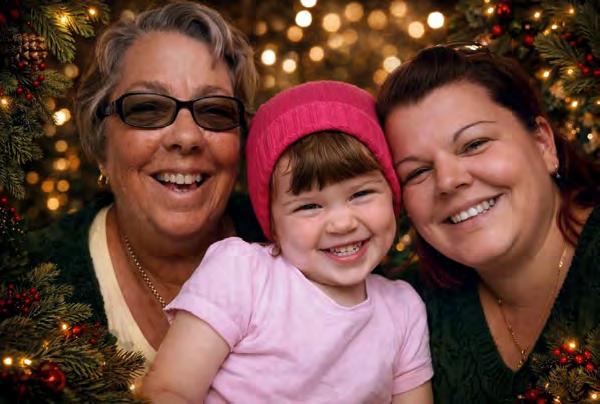
Dani with her mum and late daughter, Darcy
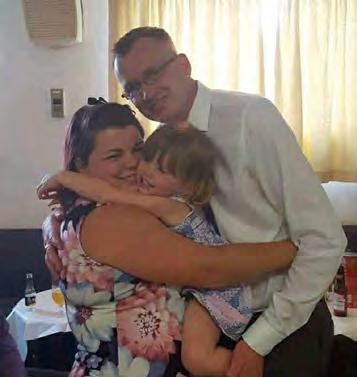
Dani, Dan and Darcy
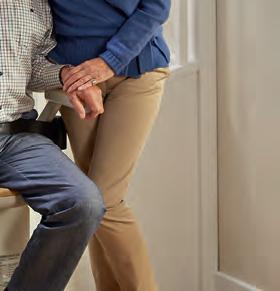
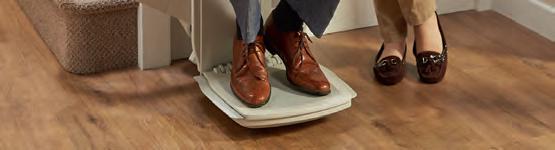
Stay in the home you love with the UK’s best-selling homelift.
Reconnect your home
Regain access to all areas of your home with a stylish, cost-effective homelift. Save the cost and upheaval of moving and maintain your independent lifestyle with a Stiltz Homelift. It allows you to travel easily and safely between oors without any of the hassles of a stairlift.
Peace of mind
Buy with con dence directly from Stiltz, the UK’s largest homelift provider and you can sit back and let us reconnect all the areas of your home.
Taking the INITIATIVE
From founding PTAs to launching CICs, here’s how parent carers are advocating for their kids to create real change
For many parent carers of children with additional support needs, life can feel like a constant battle. From pushing for your child to receive the most basic care to taking your local authority to court over education issues, we’re used to fighting our corner to get what our children need. But it can be a hard, thankless, and lonely journey. Sometimes, the support – whether it’s an understanding shoulder to cry on, or an expert who’s on your side – just isn’t there. That’s why some parent carers are choosing to take the initiative and create the support networks they and their children need.
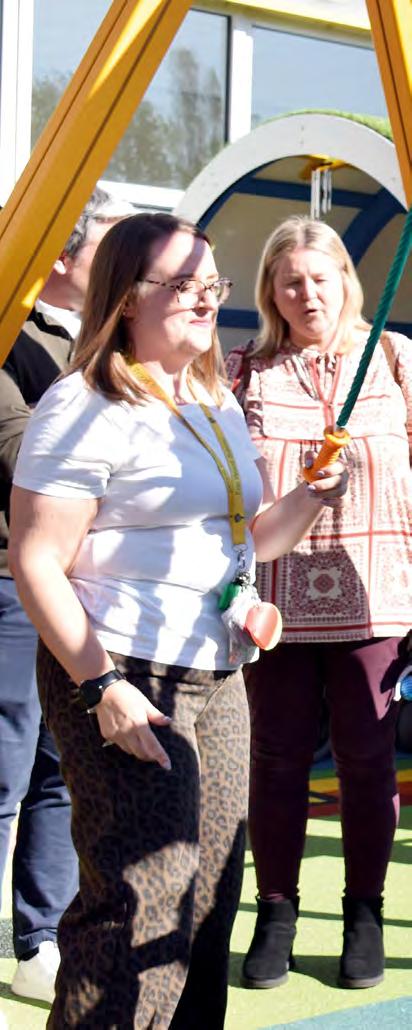
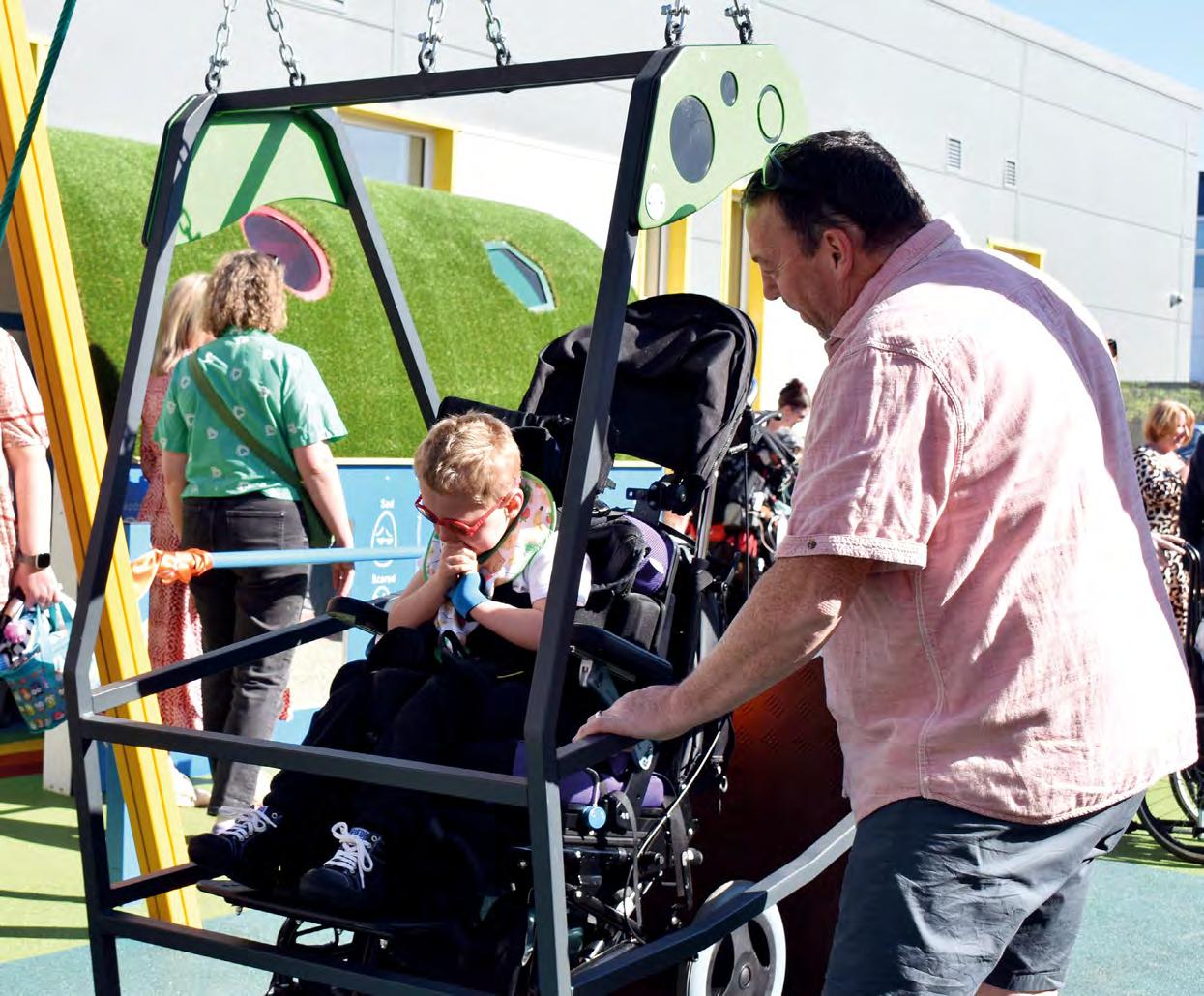
Rachael Penn co-founded a PTA (Parent-Teacher Association) at her son’s specialist school, Fox Wood in Warrington, because she wanted her child, his school friends, and the wider community to enjoy access to play. “The main site had been there for 10 years and, although they’ve got amazing facilities in the playground,
they didn’t have anything specifically for the wheelchair users,” explains Rachael. 40% of the school’s pupils use wheelchairs – with the nearest accessible playground 40 minutes’ drive away, it was obvious something needed to change.
With the school’s support, she set up the PTA in May 2024. She admits she “didn’t really know” her fellow parents before – with many of their children using school transport, there wasn’t the usual opportunity for playground chats at pick-up and drop-off. But she quickly made friends, and says: “As a special needs parent, nobody else gets you unless the parent is living that same life. We really bonded and made some amazing friendships.”
BROKEN PILLARS
One of the reasons Bromley-based Helen Ewumi set up Obimi was to make friends. Like Rachael, Helen – a social worker and mum of four – says: “It’s difficult speaking to people who are not walking in your shoes – they don’t understand what you’re going through. That’s why I organise a lot of events. The last brunch we did was amazing. I had over 45 parents, just chatting, having fun, being ourselves, not thinking about our children for a few hours.” By running events like brunches or paint and sip sessions, and offering virtual meet-ups, Helen recognises the importance of self-care for parent carers, saying: “We are the pillars. And if the pillars are broken, everything else is broken.”
Similarly, for the parents of Fantastic Fox Wood PTA, spending time together fundraising by approaching local businesses for sponsorship and organising community events like a laser extravaganza (an alternative to firework displays), the benefits were obvious: “They’d say ‘I’ve been stuck
in the house for weeks on end, but I came to a meeting’ and their mental health was improving,” explains Rachael. “I had things in my diary to do; it really boosted me too.”
MAKING MEMORIES
During sleepless nights caring for her son, Rachael stayed awake applying for funding. Her hard work paid off – a £30,000 grant from Certas Energy’s Community Bloom Fund pushed the PTA over their fundraising goal, with the fully wheelchair accessible playground – which will be available to children with special needs across the local area – opening its gates in April this year. “I’m not going to lie and say it wasn’t exhausting and hard work,” she reflects, “but it was worth it. Seeing the smiles on the children’s faces during our grand opening – they’ll be etched in my memory forever.”
As well as providing opportunities to socialise and meet other parent
Helen Ewumi
carers, Helen’s role as a social worker means she’s quickly realised the power and potential of knowledge-sharing among families. Through webinars and meetings, she provides accessible information in easy-to-understand terms for parents navigating EHCPs, benefit applications, and education meetings.
“I support parents to understand the lingo,” she says. “There’s a lot of jargon!” She’s also a fount of knowledge, directing people towards resources like bladder services, which provides nappies for children with continence issues. “Knowledge is key,” she notes. “A little information like that can change a family’s world.”
WORLD CHANGING
And what these women have done is world changing, with the impact of their efforts felt widely in the community. Helen uses her own funds to pay for Obimi’s activities but is on the lookout
We are the pillars. And if the pillars are broken, everything else is broken
for funding support. She says that her children being proud of her and the thanks she gets from parents she helps are the best reward. “That to me means more than money,” she smiles. “It means more than anything in the world. It’s just one little thing that I’ve done, and I’ve changed the whole family dynamic.” For Rachael, the PTA’s fundraising efforts have been vital: “It gives other children of the community a chance to experience play, and have inclusivity like their friends.”
Both Helen and Rachael set up their
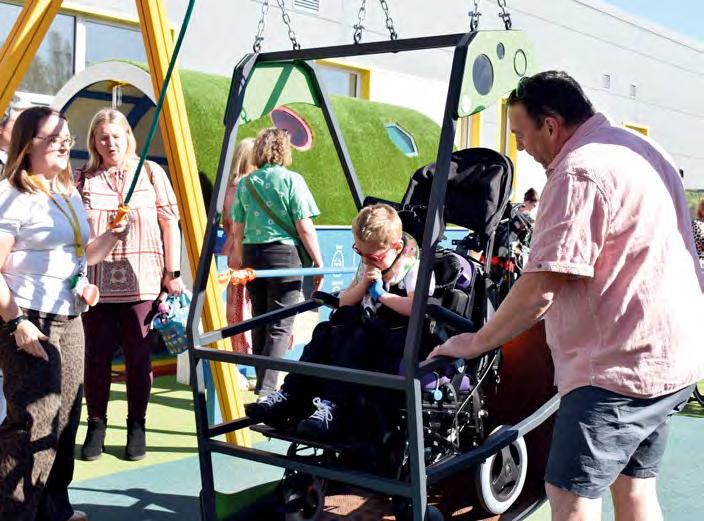
Fox Wood pupils loved exploring their new wheelchair accessible playground for the first time
support projects to fill a gap where information, funding, equipment, or support was lacking. The grassroots nature of efforts like Fantastic Fox Wood PTA and Obimi CIC means they’re attuned to the very real needs of their communities, providing a lifeline for people who might otherwise be adrift in the system. In the words of Helen: “Empowering parents is very important, so they can say, ‘Actually, I do know my stuff’.” Neither had previous experience in running something like this but, as Rachael puts it: “If you’ve just got an ounce of passion for something that you really want to go for, then you’ll succeed.”
Certas Energy Community Bloom Fund: certasenergy.co.uk/community-bloom-fund
Directory of Social Change: dsc.org.uk
National Council for Voluntary Organisations: ncvo.org.uk Obimi CIC: obimi.org
UNFLAVOURED TOOTHPASTE
A U TISM FRIENDLY
3 great reasons to smile!
1000ppm/ 1450ppm FLUORIDE PROTECTION NON FOAMING
UNFLAVOURED
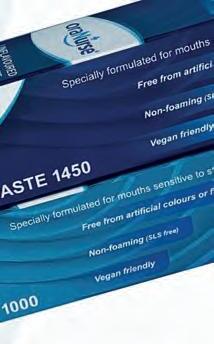
OraNurse® is an unflavoured toothpaste specially formulated for people sensitive to strong flavours. It contains the daily recommended fluoride, is SLS free (non-foaming) and gentle on teeth with an RDA (relative dentin abrasion) value of 29.68
OraNurse Unflavoured Toothpaste is designed with sensory sensitivities in mind, making it a trusted choice for autistic individuals who find traditional toothpastes overwhelming.
Free from flavourings, colourings, and sodium lauryl sulphate (SLS), it offers a gentle, neutral brushing experience without strong tastes or foaming agents. This makes daily oral care more manageable and less stressful for those with heightened sensory awareness.
Despite its mild formulation, OraNurse still provides excellent protection against cavities and plaque. Recommended by dental professionals and carers alike, it is ideal for both children and adults. Whether at home, in schools, or care environments, OraNurse helps promote independence and comfort in oral hygiene routines. Make brushing a positive experience with OraNurse.
Separation survival
Going through divorce or separation is a challenging experience for any family, but when children with additional support needs are involved, the complexities multiply. From travelling between separate homes and navigating new routines, to adjusting to a new partner, it can be a lot for any child to go through. And, no matter how difficult the experience is for separating parents, it’s vital to keep the children’s best interests at heart.
Naturally, there’s plenty to think about: living arrangements, agreeing on education, healthcare and religion, shared care patterns, extended family, child maintenance and expenses, and how separated parents can communicate, set boundaries, and co-parent effectively. With a disabled child, there’s even more to consider
– everything from ensuring both parents have access to an adaptive vehicle if needed, to issues like what will happen to your child’s care and accommodation when they turn 18.
NAVIGATING CHANGE
Some parents can organise a parenting plan together, while some prefer to go through a mediation service, Cafcass, or the courts to make these important decisions (especially because court orders are legally binding). Getting good legal and financial advice early in the process can help you navigate separation while considering the additional financial and healthcare needs associated with raising a child with disabilities.
Sonal Parekh (pictured) is a family solicitor with SA Law. She supports vulnerable clients, including people
With expert advice from family solicitor Sonal Parekh, we consider how parents can keep their disabled and/or neurodivergent children’s best interests at heart during divorce or separation
Successful coparenting requires a unified focus on the child’s welfare
affected by mental health issues and physical disabilities. Sonal offers valuable insights into the separation process: “Children, especially those who are neurodivergent, need to know what’s happening when and where,” Sonal highlights. Maintaining consistency and a stable routine is very important, as it offers a sense of security and predictability which helps children feel secure.
Sonal, who is also a Trustee at Ashiana Charitable Trust for adults and young people with learning difficulties, advises: “If on a Monday, you’re with mummy, the child should be with mummy on a Monday because that’s what they know. If it’s pizza night on a Friday, it’s pizza night on a Friday.” Keeping patterns regular helps children adjust to new circumstances without feeling their world is falling apart.
COMMUNICATION
One of the most significant aspects of successful co-parenting after separation is open and honest communication –whether that’s between co-parents, or between parent and child.
You can prepare children for changes using sensory tools, softer language, and play therapy to bridge communication. “If they’re neurodivergent or disabled, it doesn’t mean they can’t understand issues,” Sonal says. “You’ve just got to break it
down a little bit more.”
Maintaining open communication between co-parents can be challenging. There are several tools available, such as shared calendars and parenting apps like OurFamilyWizard, which can help you manage schedules, appointments, and school events. This ensures all communication is recorded and –importantly – both parents are aligned, without the need for constant direct communication.
UNIFIED APPROACH
Successful co-parenting – particularly when one parent might resist acceptance of a child’s diagnosis of neurodivergence, for example – requires a unified focus on the child’s welfare.
“Parental responsibility means that both parents have to make decisions on big things like education and medical treatment,” Sonal stresses.
When tensions are high during separation or divorce, mediation can be a less confrontational way of resolving disputes. Navigating these decisions may involve seeking court intervention when disagreements arise.
It can help to find a specialist who has knowledge of working with families of children with additional support needs. But, as Sonal points out: “Court is your last resort. You want to resolve any issues or disagreements amicably, costeffectively and quickly. Going to court is
very expensive and will add more strain and pressure on an already difficult situation.”
You might also consider a separated parents programme, to help you make thoughtful, child-focused decisions which are focused on your child’s best interests. These aren’t a parenting class or a judgement of your parenting – they’re designed to equip you to manage your new reality of parenting outside a relationship. These are often available online, with many listed on the Separated Parenting Programme Directory, and can sometimes be funded by your local authority.
SELF-CARE
Separation can take a real toll on parents’ emotions, and support is vital –especially if a split is acrimonious. Sonal recommends counselling for affected parents, and says: “As a mother myself, I know that to be your best mother, you’ve got to be your best self.” Counselling and therapy can help you process your emotions, manage stress, and develop effective strategies for healthy coparenting.
You can also find help from local and online support groups and communities, especially those geared towards parents who have children with additional support needs. Engaging with people who are facing similar situations can help you share your experience and feel less isolated. Sonal encourages parents to: “Find your support network and really rely on them.” Having the right people around you – whether that’s family, friends, or an online community – can support your personal wellbeing, and ensure a nurturing environment for your child or children.
Separation is deeply personal and often challenging but, with the right support, parents can help children with additional needs feel secure and supported through the transition. Open communication, consistency, and access to appropriate resources can make a significant difference to a child’s comfort and stability during times of change.
Tim Rushby-Smith
Originally from London, writer, artist and paraplegic Tim Rushby-Smith is based in Australia. He is the author of two books: Looking Up and Beyond the Break
Follow Tim on X @trushbys
Spoons and the race for space
Iam guessing that you, dear reader, are familiar with ‘spoon theory’? A summary, just in case: Spoon Theory was a metaphor created by Christine Miserandino in 2003 to give people insight into life with chronic illness or pain. The theory uses spoons to represent energy, and describes how every act requires energy that is then unavailable for other things.
For example, if getting up, washed and dressed in the morning requires a huge effort, then one has less energy for fun things in the evening. Thus, planning requires consideration of extra effort that may be hidden to others.
USING SPOONS
I mention this because I have recently come to view my mental capacity for public interactions in the same way. When I am out, I’m primed for interactions that can take energy I don’t really want to spend.
This might mean having to prod people in noisy environments, so they become aware of my presence and
move out of the way (or people ending up on my lap when they try and dart through a ‘gap’ in the crowd), staff screaming at people to clear a gap wide enough to drive a bus through (making me feel very conspicuous), or the inevitable hassles over disabled toilets (who gets to use them, why they have been turned into a staff locker room and food store, and so on).
PRIMED
The way that such challenges affect me is akin to a surge of adrenaline; I’m primed, so I move fast, darting through gaps, occasionally shouting at people who haven’t seen me, desperate to get
Planning requires consideration of extra effort that may be hidden to others
Tim Rushby-Smith on spoon theory, and the energy spent just trying to get somewhere
to the front of the crowd where I can see what’s going on.
On more than one occasion, I have been chided by people close to me. They ask me to relax, and point out that there’s no rush. Objectively, I know that. But I’m expecting confrontation, or hassle at best.
Even when we’re heading out for dinner with friends, I will spend some of the journey wondering if I’ll be able to get my knees under the table, if there will be steps or no accessible bathroom. Don’t get me wrong, our friends are very considerate, but there’s still the possibility of misunderstanding.
EXTRA THINKING
I know everyone around the table has their own daily travails to deal with, but my paraplegia means that – even after 21 years – I have to make these extra calculations, and sit with the anxiety that begins whenever I leave the house.
All of which means that, by the time we start the meal, I’m already a few ‘spoons’ down. I can only hope we’re not having soup…
SHOULDN'T THE SUPPORT BE TOO? sensory needs are unique
For many, finding the right sensory support can feel like a process of trial and error. What brings comfort, focus or reassurance to one person may do very little for another.
Sensory needs are deeply individual. Every person experiences the world differently, responds to their environment differently and finds comfort in different ways.
We believe support should reflect that individuality, and it’s a belief is rooted in personal experience.
HOW can SENSORY support HELP?
Improves focus and attention
Supports emotional regulation
Following an ADHD diagnosis in adulthood and while raising neurodivergent children, our family quickly discovered that finding sensory resources that genuinely met individual needs was easier said than done.
That experience continues to shape our approach today and our commitment to helping others find support that works
Support relaxation & self soothing
Calms during stressful situations
Promotes hand strength
Helps with fine motor skill
Helps reduce restlessness
find us at The
Not slowing down
Getting active has benefits way beyond your physical and mental health – it can also help you age well. We learn more
We often associate ageing with loss of mobility, increased risk of falls, ‘old age’ conditions like heart disease and dementia, and declining vision and hearing. If you already live with a disability or chronic health condition, the thought of growing older can be worrying, but it doesn’t need to be. Ageing doesn’t have to mean slowing down, or becoming more immobile due to your conditions. Because, according to the charity Age UK, while we can’t prevent ageing, we can all take action to help us age in the best way possible.
Modern science is helping people live longer, more active lives. Staying active into old age helps protect against a huge range of health issues, including memory loss and decreased bone
density. What’s more, being active can help you enjoy life more and get the most out of it, whether that’s playing with your grandchildren or simply being able to bring the shopping in from the supermarket. As Dr Hussain Al-Zubaidi explains: “Regular movement is one of the most powerful tools you have to protect your future health – a bit like paying into a personal pension plan.”
TICKING TIMEBOMB
However, research by Age UK has found that 24% of people aged 55-64 in England are physically inactive. That’s bad news for their future health, and a ticking timebomb for the health service. The charity’s Act Now, Age Better campaign is focusing on how crucial it is for everyone to embrace physical activity as a cornerstone of ageing well.
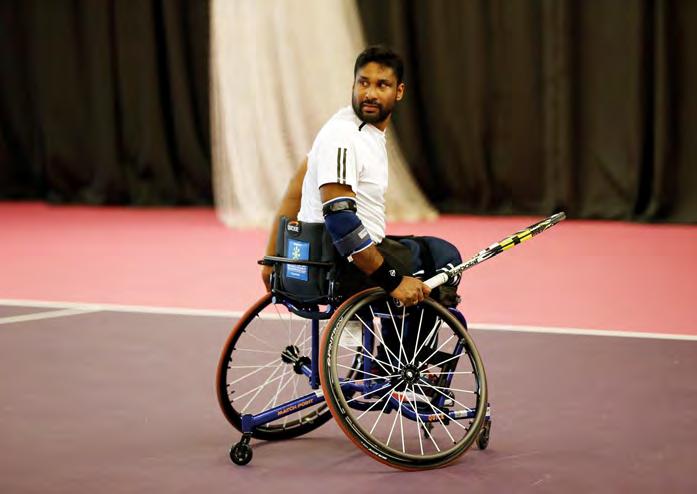
Manoj Soma first got into disability sport after watching the Paralympics, but his interest in sport goes beyond the elite level. Since becoming involved in disability sport, Manoj – who was affected by polio at age two, and walks with crutches – recognises that engaging in physical activity has significantly changed the trajectory of his health and wellbeing.
ACTIVE BENEFITS
“Even in my early thirties I had a big belly,” Manoj says, “and walking was hard for me.” At this time, Manoj had a gym membership, but he rarely attended due to work pressures. However, since picking up sport, Manoj’s weight and Type 2 diabetes are under control.
The benefits he’s enjoyed from being active inspired Manoj to set up Choice International, a not-forprofit international development organisation providing opportunities for people of all abilities to engage in sports, including wheelchair
Ageing doesn’t have to mean slowing down, or becoming more immobile due to your conditions
basketball, tennis, and padel.
Even if you’ve never been into sport, any form of physical activity can have a positive impact on the ageing process. From competitive sports such as badminton, to fun activities like dance classes, or options that get you outdoors including handcycling or Parkrun, there are plenty of enjoyable – and accessible – options out there. According to Age UK, 45% of people aged 55 to 64 in England would feel happier about taking up a team sport or group activity if the focus was on fun, inclusion and enjoyment, rather than ability and competition. So where should you start?
There are plenty of organisations that can point you in the right direction. Check out Activity Alliance, a national charity and leading voice for disabled people in sport and activity, or Sport in Mind, which aims to transform the nation’s mental health through sport. There’s also We Are Undefeatable, which supports people with long-term health conditions to be more active.
Movement also has positive effects on mental health, mood and sleep. For Manoj, sport is also about personal growth, mental relief, and community building. “Sport is something that invites you, makes you get up and go,” he says. His focus is on team sports, as they help foster a sense of belonging and accountability. He points out that, if someone on his team misses a wheelchair tennis match or training session, the whole team’s performance can be affected. “It helps you feel valued – people will check on you to see why you were absent, but you also realise how important you are as part of that team,” Manoj explains.
HELPING OTHERS
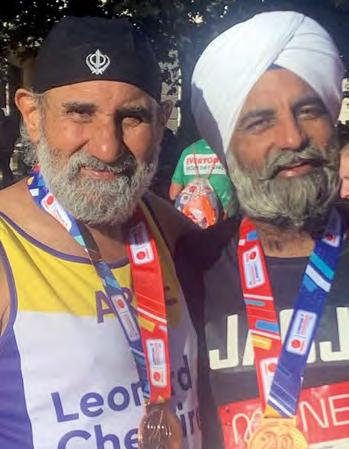
Staying active has amazing benefits for you, and can even benefit others too. One running duo, both aged 66, have raised thousands of pounds for disability charity Leonard Cheshire. In April, Jagjit Singh ran his 600th marathon by taking part in the London Marathon. Jagjit was joined by his good friend and fellow marathon veteran Arnie. Known as ‘the Turbanator’, Arnie began running in his early fifties and has completed more than 121 long distance races.
The pair’s fundraising efforts support disabled adults living at Symonds House, a residential care home in Hertfordshire, run by Leonard Cheshire. Jagjit says: “It’s great to complete my 600th marathon with my friend as a kind of celebration. Arnie has always encouraged me a lot, and I’m really pleased to run for Leonard Cheshire. Knowing we’re helping others gives us extra energy.”
While starting might feel daunting, taking part in regular physical activity offers so many benefits, especially as you grow older. As Paul Farmer, CEO of Age UK, concludes: “By focusing on fun, inclusivity and removing the pressure to perform, we can help people overcome concerns about ability or fitting in. The result is not just improved physical health, but greater confidence, connection and overall wellbeing.”
MORE INFORMATION Activity Alliance: activityalliance.org.uk Age UK: ageuk.org.uk Choice International: choice-international.com
in Mind: sportinmind.org We Are Undefeatable: weareundefeatable.co.uk
Arnie and Jagjit with medals at the 2024 London Marathon
Manoj in action
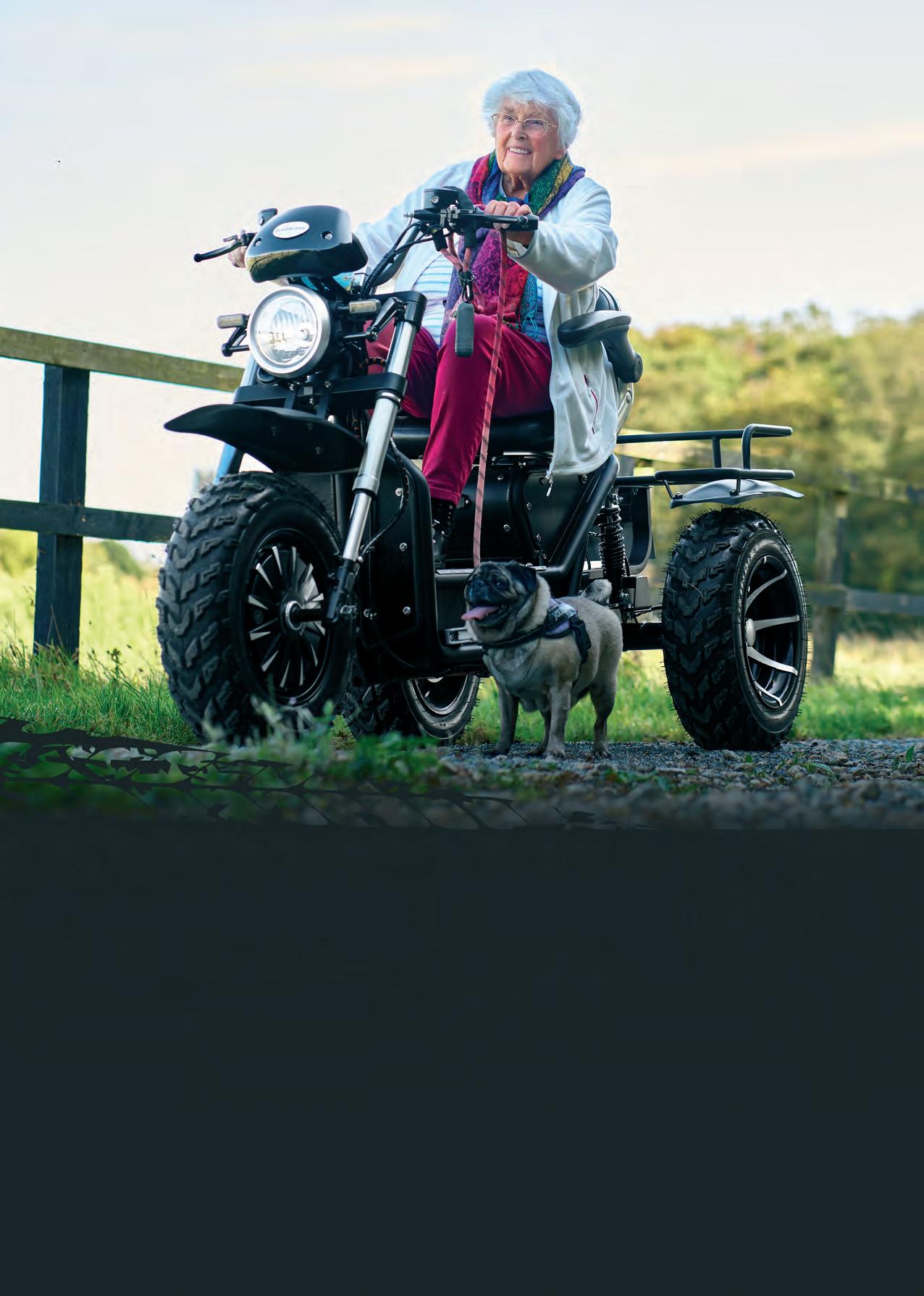
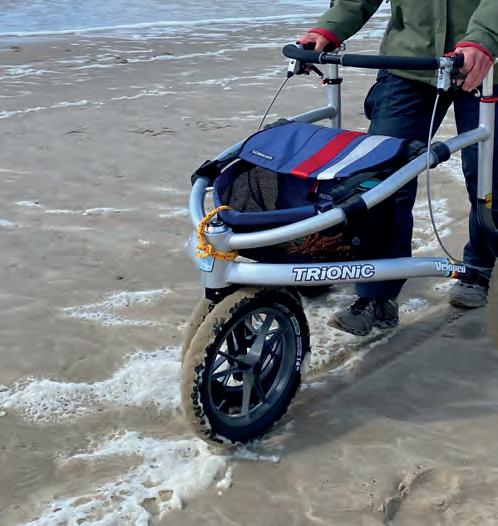
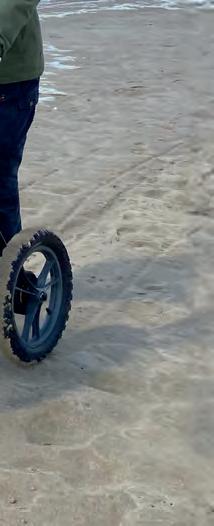
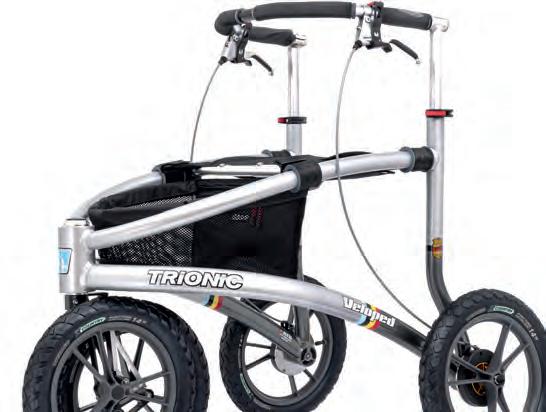
Embrace the Veloped
The Veloped is a mobility machine designed for those who want more—more comfort, confidence, and adventure. Whether you’re navigating city streets or exploring off-road trails, it’s time to move beyond the ordinary and step into what’s possible. Every step you take should feel like a choice, not a compromise.
THE LOST YEARS
Emma Stewart spent more than a decade being told her pain was normal. When doctors finally operated, they discovered extensive endometriosis. Her experience highlights a healthcare system that’s still failing thousands of women
I’m not leaving until you put me on the list.” Those were the words of Emma Stewart as she sat in a gynaecology department, exhausted and in tears.
For years, Emma – a lawyer from Scotland – had been telling doctors the same thing: something was wrong. The pain she was experiencing was so severe it made her vomit. Even morphine did little to help. Emma had reached the
point where she couldn’t live her life. Yet, appointment after appointment, she was dismissed.
On this particular day, a female consultant had just told Emma that her periods were “not relevant,” even though that’s exactly what she was there to discuss: how horrific they were. Understandably, Emma had had enough.
“I sat there and said, ‘Well, I’m
not moving until you put me on the laparoscopy list’,” she recalls. When surgeons eventually operated, they found endometriosis: “The surgeon said to me, ‘Your pelvis is riddled with endo’.”
Those words were devastating, but they were also vindication. After more than a decade of being doubted, somebody had finally confirmed what she had known all along. “I went to doctors with that information from the start,” sighs Emma.
enable health
“I told them what I thought it was, and they never listened to me.”
THE FIGHT
Emma’s story is far from unique. Endometriosis affects around one in 10 women (and those assigned female at birth) in the UK – an estimated 1.5 million people. Yet, according to Endometriosis UK, the average time to diagnosis now stands at more than nine years. During that time, patients often see multiple doctors, attend A&E repeatedly, and are told their symptoms are simply part of being a woman.
Emma’s journey began when she was just 13: “My first period was horrendous, but they got significantly worse over time.” Over the following years, Emma’s health continued to deteriorate. She was diagnosed with IBS, chronic fatigue syndrome and fibromyalgia; she underwent colonoscopies; specialists investigated her spine; and surgeons even removed part of a disc from her back. But nothing explained why she was living with relentless pain.
Still, doctors continued to insist endometriosis was unlikely. The breaking point came nine years after her first surgery. Doctors discovered widespread deep infiltrating endometriosis affecting her bowel, ureter, uterus, pelvic ligaments and other structures throughout her pelvis. The diagnosis confirmed what Emma had suspected since she was a teenager.
But receiving answers was only the beginning. “There’s a gap between diagnosis and aftercare,” she explains. “You get told you’ve got endometriosis, and then it’s like, ‘Off you go’.”
THE AFTERMATH
Like many patients, Emma discovered that a diagnosis does not automatically lead to effective treatment. At one point, she was taking 21 tablets of strong painkillers a day. “I was like a zombie. Everything I took had another side effect.”
Now 30, she continues to navigate daily pain while worrying about fertility, relationships and the future. “The other thing that constantly plays in my mind is fertility,” reveals Emma. “People who don’t have endometriosis already have that biological clock. We’ve got it doubled because we may not be able to
have a family.”
One of the biggest struggles she deals with is the misconceptions she encounters almost daily: “I’ve been told I just can’t cope with pain. I’ve been told everybody has periods this bad.”
She believes many of the barriers patients face stem from a deeper issue. “Medical misogyny,” she says bluntly. Because endometriosis is a gynaecological condition, she feels women’s pain is too often minimised or normalised. “There’s this attitude of, ‘Oh, it can’t be that bad. Just get on with it’.”
A NEW BATTLE
But the consequences reach far beyond physical health. Endometriosis is associated with higher rates of anxiety, depression and social isolation. Many patients report difficulties maintaining education, employment and relationships.
Emma knows that reality all too well: “I can’t always do what I want because my body won’t let me. I feel anxiety every day about whether I’m going to wake up feeling fine or not.” And it has a huge impact: everything requires careful planning. “If I go to a restaurant, I need a chair with a back. I can’t sit on a bench because my pain is so bad.”
The condition’s invisible nature often compounds the problem. “People say, ‘You look well, so you must be ok.’” She
No one should have to spend years proving they’re in pain
pauses before adding: “Just because I don’t have an arm cast, doesn’t mean I’m fine.”
That’s why, more than a decade after her symptoms first began, Emma is still searching for better treatments, better support and better understanding. “The number of times I say I have endometriosis and people say, ‘Sorry, what is that?’ is frightening.”
What she wants most is remarkably simple: for the next generation of patients not to have to fight as hard as she did. “No one should have to spend years proving they’re in pain,” she finishes with a sad smile.
And, after hearing Emma’s story, it is difficult to disagree.
The Silent Wound: Pressure Sores and the Cost of Inadequate Care
Pressure sores rarely make headlines, yet they affect an extraordinary number of people. It is estimated that over 150,000 patients are affected by pressure ulcers each year. Treating them costs the NHS over a million pounds every day. But behind every statistic is a person whose life has been changed by a wound that, in many cases, should never have developed.
A pressure sore forms when skin and tissue are starved of blood supply through sustained pressure, usually over a bony area like the heel, hip or sacrum. If you have reduced mobility, sensation, or rely on a wheelchair or bed for long periods, you’re at higher risk and so is anyone affected by incontinence or poor nutrition. Knowing the early signs puts you in control: skin that’s red or discoloured and doesn’t fade when pressed, feels warm, or a patch that’s firm or unusually soft. Caught here, the damage can often be stopped and reversed.
If ignored, sores progress through four stages — from discoloured skin (stage 1), to a shallow open wound (stage 2), through full-thickness loss (stage 3), to exposed muscle or bone (stage 4).
They frequently cause chronic pain and carry a serious risk of infection, especially in intimate areas. The toll isn’t only physical — they can chip away at independence and dignity in ways that are rarely talked about openly.
The good news is that prevention works. Regular repositioning, skin checks, good nutrition and hydration, and the right equipment — pressure-relieving mattresses, cushions and heel protectors — dramatically reduce risk. You’re entitled to a proper assessment and care plan, and to speak up if it isn’t happening.
Where care falls short, the consequences can be life-changing, and the law recognises this. Claims for negligent pressure sore care can run into tens of thousands of pounds for the pain, suffering and ongoing financial impact. Time limits are strict: generally three years from the date of injury, or three years from the date of death where a loved one has passed.
If you or someone you love has suffered, don’t wait — the clock is already running.
If you or a loved one has ever
suffered from pressure sores, we are here to help.
Do you wonder if the care received caused or contributed to the injury?
We can answer your questions and help you find out if you could be entitled to compensation for the pain and suffering caused.
We offer a No Win No Fee service, so there is no financial risk to you and you won`t pay any legal fees if your claim is unsuccessful
We’ve recovered millions of pounds in compensation for people who have suffered with pressure sores and for families who have lost loved ones. We’ve also helped with access to specialist care, treatment and rehabilitation.
We will guide advise and support you every step of the way with a personal service tailored to you and your needs and work tirelessly to get the best results for you and your family.
Samantha Renke
Samantha is a broadcaster, actress, disability activist and the author of You Are the Best Thing Since Sliced Bread
Follow Samantha on Instagram @samantharenke
Columnist Samantha Renke shares her thoughts on dating as a disabled person
SINGLE AND SATISFIED
It’s ok to be Disabled and single – here’s why.
At the start of my writing career, it seemed all anyone wanted from me was articles about dating. Back then, I’d eagerly oblige. Truth be told, my dating pool was shallow… think toddler’s paddling pool. Like many young Disabled people, I faced relentless ableism. At school and college, I wasn’t asked out; peer pressure saw to that. Dating apps were no better: a mix of ignorance, outright cruelty, and a hint of pity.
Then there were those who crossed a different line. Some were chasing a fetish. Others wanted to keep me hidden – I became the ‘dirty little secret’. That has gradually chipped away at my selfworth, and left me carrying a quiet but persistent belief: that I was unlovable.
VOYEURISTIC
At the same time, I was being asked to write about my sex life, to give dating advice, even to explain how I masturbate. It didn’t take long to realise I wasn’t being asked to educate; I was being asked to satisfy curiosity. It felt voyeuristic, not empowering.
Still, I wrote. I didn’t want to reinforce the narrative that I was unlucky in love, so I’d overcompensate. I exaggerated and tried to present a version of myself that felt more ‘acceptable’. Other times, I protested too much, insisting we can have sex and we make great partners. But, underneath it all, the message was the same: please love me.
Back then, so much of my self-worth was tied to being someone’s girlfriend.
It felt like proof that I was ‘normal’; proof that Disability wasn’t the tragedy people assumed it to be. I didn’t want to be a stereotype. I didn’t want to be excluded from conversations about relationships, or met with that sympathetic head tilt when I said I was single.
LOVE THYSELF
But now, as I settle into my fourth decade, still single – and absolutely not ready to mingle – something has shifted. I’m calm. I’m content. I’m happy.
Like everything in my life, I’ve done this at my own pace. For years, I thought my happiness had to mirror that of my pre-Disabled peers: partner, relationship, shared home, conventional milestones. I spent so much time trying to fit that mould.
But the truth is, I’m not like most of my peers. And, for a long time, I never actually asked myself what I wanted.
And now, at 40, the answer is simple: I like my own company. I like my life as it is, with my cats, my space, my independence.
For a long time, I never actually asked myself what I wanted
I want to understand myself more deeply, without comparison. Because the more you invest in yourself, the less power other people’s expectations have over you.
So yes, I’m single – and I’m choosing that, for now. Because here’s the part we don’t say enough: dating as a Disabled person can be tough. Really tough. It can be exhausting, dehumanising, and emotionally draining. And it’s ok to admit that.
Being Disabled and single is not a failure. It is not something to be pitied or fixed. Sometimes, it’s an act of selfpreservation.
Disability Rights UK Empowering Equality and Inclusion for Disabled People
We’re dedicated to creating a society where Disabled people have equal power, rights, and equality of opportunity.
As the UK’s leading organisation for, led, and run by Disabled people, we collaborate with Disabled People’s Organisations and the Government to drive change. We challenge policymakers to improve rights to benefits, quality of life, and economic opportunity.
Full of tools and tactics to help you make a successful claim
We know it’s not disability or health conditions that prevent inclusion, but the barriers created by an inaccessible environment.
Supporting our work in 2026
We plough 100% of our profits from publications and Radar Keys back into funding our services, including our free helplines and factsheets, innovative projects to support independent living and standing up for Disabled people’s rights.
In this coming year we will hold the Government to account to deliver their commitment to run a co-produced review of Personal Independence Payment (PIP) and monitor the impact of cuts to Universal Credit health-related support.
We also campaign for accessible transport, education, employment opportunities and public services.
Welfare benefits and social care: everything you need to know
Thinking about making a claim for a benefit? Or applying for care or support services?
The answers you need, all in one place
O Comprehensive guidance on the benefits system and your rights
O How social care operates around the UK and how support needs should be met, at home or in a care home
O Other services and resources for disabled people
Written in plain English by benefits specialists and updated every year, our handbook has been the trusted source of advice for both claimants and advisers for almost 50 years.
A4 paperback (300+ pages) £52 inc P&P (£26 if you’re on benefits)
Order online
Scan the QR code
Or visit our online shop to buy keys or publications Visit shop.disabilityrightsuk.org SHOP
This includes campaigning for the rights of people with non-visible conditions and to raise awareness of the fact that not everyone who needs an accessible toilet ‘looks disabled’.
Buying from Disability Rights UK means you can be sure your toilet key is manufactured and guaranteed by the makers of the Radar locks themselves, Nicholls & Clarke. We rely on sales to maintain the National Key Scheme which gives independent access to locked public toilets across the UK.
To find out more about our work and current campaigning activities, visit: www.disabilityrightsuk.org
Need priority access to accessible public toilets?
If you have a health condition or disability, finding a clean, tidy, accessible toilet can be a challenge.
The Radar Key gives you access to over 9,000 locked disabled public toilets around the UK. We manage the Radar National Key Scheme (NKS) and use profits from Key sales to maintain the scheme.
Get a Radar Key
O Manufactured and guaranteed by the makers of Radar NKS locks
O Don’t risk buying a cheap copy that may not work
Genuine Radar Key £5 + P&P
Order by phone
Call us to order and pay with a credit or debit card
Monday to Friday 10am-4pm Telephone 0203 687 0790
Disability Pride Month
Every July, Disability Pride Month celebrates the lives, achievements and experiences of disabled people, while also shining a light on the barriers many still face in everyday life
WHEN AND WHY?
Disability Pride Month is held in July to mark the anniversary of the Americans with Disabilities Act (ADA), which became law on 26 July, 1990. The legislation made discrimination against disabled people illegal in areas such as work, education, transport and public services. In the UK, similar legal protections were later established through the Disability Discrimination Act 1995 and the Equality Act 2010. But Disability Pride Month is about more than legislation. At its heart, it encourages people to see disability as a natural part of human diversity – rather than something to be hidden, ‘fixed’, or defined by limitations.
A CELEBRATION
According to disability equality charity Scope, Disability Pride Month is “about challenging the idea that disabled people should feel ashamed of their disabilities.” The organisation says the month is also a chance to celebrate disabled identities and challenge the ableism, discrimination and prejudice disabled people face. With three quarters of disabled people saying they experience negative attitudes, it’s clear we need a chance to have our voices heard, while at the same time pushing for change and celebrating how far we’ve come.
The UK’s first Disability Pride parade took place in Belfast in 2014, with Brighton hosting England’s first event three years later. Since then, Disability Pride celebrations have continued to
Three in four disabled people say they experience negative attitudes
grow, with social media campaigns raising awareness, and disabled creators sharing their experiences online.
GET INVOLVED
There are lots of ways to get involved in Disability Pride Month, whether you’re disabled or not. One of the simplest ways is to learn more about disability rights and the barriers disabled people face. You can also support events in your local area, such as marches, talks or community gatherings.
This year there are events taking place across the country for Disability Pride Month. Chester’s Disability Pride Parade takes place on 6 July, promising an empowering and joyous march through the city centre. In
London, North Kensington Library Film Club is screening a moving film about the writer and painter Christy Brown. You can also take part by thinking about accessibility in your own spaces. This could mean sharing content online in accessible formats, challenging ableist language when you hear it, or supporting organisations and campaigns that promote equality.
WHY SHOULD YOU CELEBRATE?
To this day, one of the most influential figures in the disability rights movement is the late activist Judy Heumann. She’s often called the ‘mother of the disability rights movement’, and said: “Disability only becomes a tragedy when society fails to provide the things we need to lead our lives.”
That’s why every July we should not only celebrate the progress made, but also recognise that there’s still important work to do to make the UK fully accessible and inclusive for everyone.
One size fits all?
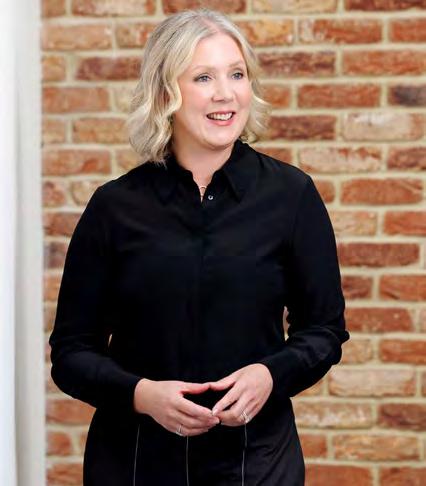
Victoria Jenkins speaks to Kate Stevenson about adaptive fashion, inaccessible design and why style, dignity and self-expression should never depend on your body
Agreat outfit can change your mood, confidence, posture, and sense of self. Clothing is our armour, and entire industries are built on the emotional power of getting dressed.
But what happens when your body no longer fits the rules?
When Victoria Jenkins became disabled at 26, fashion stopped feeling expressive and started feeling hostile. After a major surgery, she spent eight weeks in pyjamas and loose clothing, disconnected from the wardrobe she once knew. “It was a shock to go back to it and find that so many things were causing pain and discomfort,” she reveals.
BEHIND THE SEAMS
The fashion industry sells the fantasy that clothing can help us become who we want to be. What it rarely confronts is what happens when getting dressed becomes physically exhausting, painful, or impossible without assistance.
What happens when buttons stop being cute design details and become barriers? When waistbands bruise? When changing rooms are inaccessible? When style itself starts to feel conditional? The list goes on.
Victoria has always seen the darker side of the fashion industry – having worked inside mainstream fashion
itself, and since founding her own adaptive fashion label, Unhidden – but she had never felt it like this before. Back then, she says, she didn’t fully see the scale of the exclusion. Now she sees it everywhere: “Accessibility does not exist in fashion retail,” she says.
THE MISSING STITCH
Her eureka moment came in a hospital ward in 2016. Another patient admitted she no longer felt able to dress like herself; she was just dressing to survive. “She felt trapped in a uniform of t-shirts and jogging bottoms,” adds Victoria.
The comment stayed with her. It exposed something deeper than
clothing itself. Losing access to fashion often means losing access to identity, spontaneity, and belonging.
Victoria started researching adaptive clothing from her hospital bed, convinced solutions must already exist. Instead, what she found was an industry almost entirely devoid of imagination. Adaptive fashion existed, but often in ways that felt medicalised, stripped back, or aesthetically disconnected from mainstream style. “I wondered if maybe I could bring some colour, print, or a non-adaptive looking aesthetic to the table,” she says.
FASHION FAILS
Disabled people are often offered functionality instead of beauty, or practicality instead of self-expression, as though dignity and style are optional extras.
Victoria rejects that framework entirely: “We deserve to feel stylish,” she says. “Not being able to dress for occasions keeps us out of events either socially or for work.”
She believes that exclusion is rarely recognised as exclusion. It’s difficult for some people to understand how a wedding invitation means something different when formalwear causes pain, or how a beach holiday feels different when swimwear hasn’t been designed for your body. Fashion is social access, and it always has been.
Adaptive design is about removing that friction from daily life without sacrificing identity in the process.
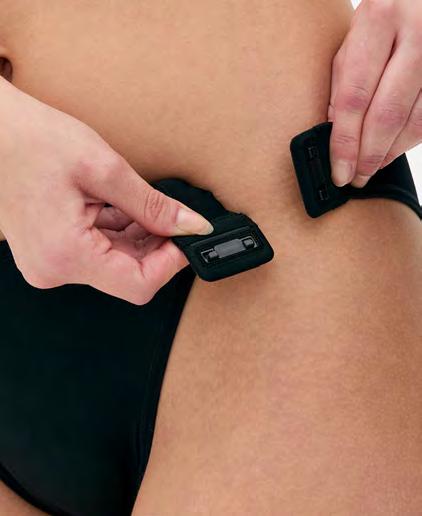
That’s why Victoria focuses on ‘hiding’ adaptive features within garments: magnetic fastenings concealed inside cuffs, access points integrated discreetly into silhouettes, designs that work for seated bodies and medical devices without visually separating the wearer from mainstream fashion.
BUTTON IT
That philosophy has helped propel Unhidden from an independent label and onto the runway at London Fashion Week. More recently, it’s seen Victoria work on a major collaboration with Primark. The significance of that partnership goes beyond visibility.
“There’s no getting away from the subject of cost,” admits Victoria.
“Bringing affordable adaptive clothing to 10 countries and 96 stores gives
those who can’t afford adaptive design from smaller businesses some options and some choice. It also signals to other brands that it is financially viable.”
And she says fashion houses repeatedly make the same mistake when attempting adaptive collections: they fail to meaningfully involve disabled people in the design process from the start. “I can spot the faults in the design from a photo,” continues Victoria. “It tells me they didn’t consult with anyone during development, or until it was too late to make changes.”
Too often, disability is treated as a trend forecast or marketing category rather than a lived experience. Real inclusion, argues Victoria, would mean disabled people are embedded throughout fashion and retail, not positioned at its edges. “Hire us,” she says, simply.
Because accessible fashion is not really about clothing alone: for decades, fashion has framed disabled people as people to design around. Victoria is part of a generation insisting
I never thought I’d see adaptive on the high street in my lifetime
on something far more radical: design with us, design for us, design as we belong here too.
“I never thought I’d see adaptive fashion on the high street in my lifetime, and that happened, so I cling on to hope that the above is possible,” she pauses, “We are just very, very far away from it.”
Victoria
THE RIGHT FIT FOR EVERYBODY
We learn more about Primark’s Adaptive clothing range, which has been designed for – and with – disabled people
Adaptive clothing is designed to make dressing easier and more comfortable for people with a wide range of needs, including disabled people or those experiencing temporary disability. It incorporates thoughtful design features, from magnetic fastenings and accessible openings, to seated styles. Its aim? To support ease of dressing, comfort, and independence – without compromising on style.
High street favourite Primark launched its first Adaptive clothing collection in January 2025, following the successful release of an adaptive underwear range the year before. It features affordable and stylish wardrobe staples across womenswear and menswear, all with features designed around the needs of disabled people or those experiencing temporary disability. Importantly, the range was developed alongside award-winning adaptive fashion designer and disability campaigner Victoria Jenkins.
CUSTOMER FEEDBACK
The collection’s adaptive features are designed to make dressing simpler, from magnetic zippers and snap fastenings to waist loops that help to pull up trousers, and hidden openings for tube, stoma or catheter access. There’s also a range of options for people who are seated, such as wheelchair users.
Created to reflect a diverse range of needs, the collection was shaped through a series of focus groups and hands-on fit sessions with members of the disabled community, with fashion being just as important as functionality.
ADAPTIVE FITS
Primark’s current Adaptive collection includes a range of summer staples in natural fabrics including cotton and linen. It’s been designed for disabled people, those with reduced mobility or dexterity, wheelchair users, people with sensory sensitives, and those who require clothing that accommodates medical devices.
Ann-Marie Cregan, Trading Director at Primark, explains: “We’ve learned so much from customers since launching our adaptive range, particularly the difference the right clothing can make to everyday life. That feedback has shaped this collection, and we knew swimwear was an important next step, especially as holidays and warmer weather can bring additional challenges.”
That’s why, in Primark’s latest collection, you’ll find the high street’s first adaptive swimwear options for women and men, including a women’s tankini (£14 top; £10 bottoms), which features tube access at the side seams plus inner waistband pulls, and men’s cargo swim shorts (£12), which have been designed with accessible openings, extra large pockets for devices, tube access
and inner waistband pulls.
Their latest range includes tees, shorts, co-ords and short pyjama sets. Primark has also developed an adaptive stoma brief for women with Droplock drip-resistant technology, which features a wider waistband and comfort fit.
Victoria, founder of Unhidden, explains: “To be able to expand the offering to new categories, and utilise customer feedback in real time to improve the garments, is something I am immensely proud of and truly shows Primark’s ongoing commitment to this range.”
You can check out the full range,
Primark’s Adaptive range supports ease of dressing, comfort and independence – without compromising on style
Ann-Marie Cregan
including pricing and descriptions, by visiting primark.com and searching ‘adaptive’.
BRAND-WIDE COMMITMENT
Primark is committed to applying inclusive design to more product ranges, by working in partnership with experts to help make a bigger impact.
Charlie Magadah-Williams, Head of Inclusion and Community Impact at Primark, explains: “At each stage of the journey in developing this adaptive collection, we’ve challenged ourselves to make every element of it more accessible – from the labelling used, through to how a customer will experience the product when shopping in store. We’re so grateful for the expert partnerships we’ve drawn on, and the many colleagues and advisors we’ve worked with in the disabled community to inform this collection and our work. They’ve pushed us to go further and do more.”
Primark has taken on feedback from customers to introduce new colourways and design improvements, and they’ve also started to address challenges children can face with clothing. 95% of their current kids’ clothing range is back-neck label free, and they’ve also introduced seamless and flat-seam socks for kids, designed for extra comfort.
INCLUSIVITY FOR ALL
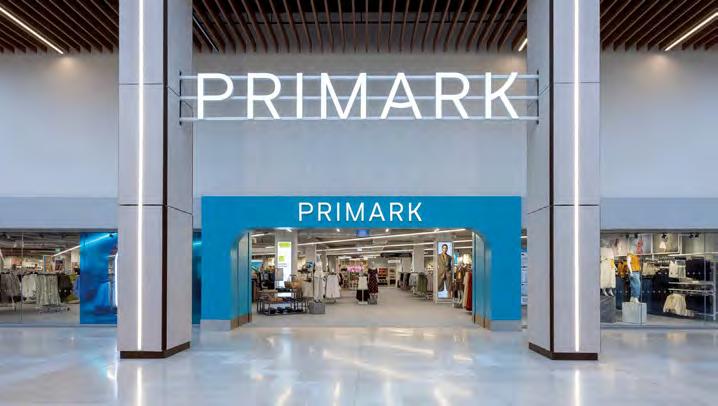
And their efforts go beyond clothing: Primark is also working hard to create a more accessible shopping (and working) environment. In 2024, they partnered with AccessAble to offer accessibility information for all stores across the UK and Ireland. Every store offers accessible till points and fitting rooms, and all stores across Great Britain now host a sensoryfriendly shopping hour on the first hour of opening each Saturday. These initiatives are all part of Primark’s efforts
to create a more inclusive in-store experience.
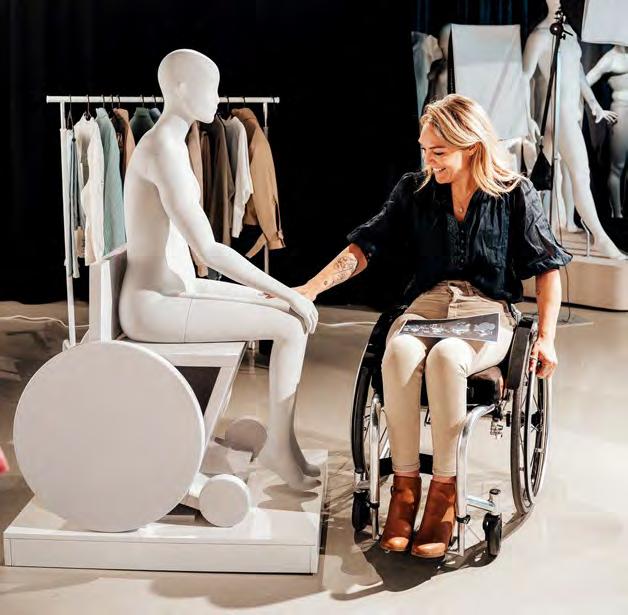
Primark has even been named in the inaugural Forbes Accessibility 200 List, which features the biggest innovators and impact-makers in accessibility. From improving Click & Collect packaging to make it easier to open, to introducing the ‘Sophie’ wheelchair pose mannequin to its flagship stores and working with partners like accessibility specialist Dr Shani Dhanda and the Business Disability Forum, Primark is working hard to identify and deliver targeted improvements for both shoppers and colleagues.
FOR MORE INFORMATION
Primark’s Adaptive range is available in 22 of its stores across the UK. The full collection is also available via Primark’s Click & Collect service in all stores across Great Britain – simply click primark.com and search ‘adaptive’.
enable competition
£100 TO SPEND AT PRIMARK
In need of a summer wardrobe refresh, or looking to treat yourself to some new home décor goodies? Perhaps you have birthdays coming up that you’d like to find gifts for, or you’ve been inspired by our ageing well feature on page 20 and you want to pick up some fresh gym outfits?
Whatever your situation, a Primark gift card is a useful prize which can be used for anything in their stores –from toiletries to homewares or their latest adaptive clothing range, which can be ordered via click and collect on primark.com
One Enable reader will be lucky enough to win a £100 Primark gift voucher with this issue’s competition. With 193 Primark stores across the UK, there’s sure to be a branch on a high street near you. The Primark adaptive range includes clothing, nightwear and underwear designed with modifications to improve comfort, independence and ease of dressing. So don’t miss your chance to win a £100 Primark gift card with Enable – enter now.
HOW TO ENTER
Simply send us your name, contact details and where you picked up your copy of Enable magazine. All entries must be received by Monday 24 August 2026. Good luck! BY EMAIL competitions@dcpublishing.co.uk quoting ‘Primark 2026’ ONLINE enablemagazine.co.uk/Primark2026
TERMS AND CONDITIONS: All entries must be received by Monday 24 August 2026. The prize is a £100 Primark gift card, which will be emailed to the winner. The prize is non-transferable, non-refundable, there is no cash alternative and it cannot be sold to another party. The contents of the prize may differ from the images and descriptions included here. One entry per household. The publisher’s decision is final. If you do not wish to receive further communications from Enable magazine, include ‘opt-out’ in your entry.
SCREENED OUT
Disabled women face significant barriers to cervical screening. Could self-testing finally close the gap? Editor Melissa Holmes spoke to disability activist Samantha Renke and Professor Sue Sherman about their important research that’s helping improve access
Cervical screening is a vital tool in helping pick up abnormalities that could lead to cancer in women and people with a cervix. Previously referred to as a smear test, cervical screening can detect HPV, a virus which can lead to cancer. The screening programme prevents more than seven in 10 cervical cancers. But for numerous reasons – including worries over pain and discomfort, embarrassment, or bad experiences with screening in the past – one in three women don’t attend their routine appointments.
For disabled women, cervical screening can be fraught with additional challenges. Samantha Renke’s worst experience involved being lifted on to
the examination bed by her PA, with multiple members of staff present while she underwent the screening. She says: “I didn’t feel like a patient. I felt like a medical curiosity.”
Samantha, a disability advocate and Enable columnist, has spent the last four years as lead Patient and Public Involvement (PPI) consultant on research into disabled women’s experiences of cervical screening. The research canvassed the views of more than 1,400 people who’ve had difficulties accessing cervical screening, and Samantha found the work validated her own experiences.
DISCONNECT
“Some people had really horrific treatment, and that never ceases
to upset me or shock me,” reveals Samantha. “And there seemed to be a real disconnect between the good practice clinicians [in another survey] thought they were offering, and what the survey participants said they experienced.”
Because, not only do disabled people face major barriers when it comes to physically accessing the doctor’s surgery and examination room (let alone arranging transport to the surgery, and booking an appointment that aligns with your PA’s schedule), they also face attitudinal barriers.
EYE-OPENING
Research lead Professor Sue Sherman of the University of Sheffield shares: “The thing I was most taken aback by was the attitudinal findings. This doesn’t apply to all healthcare providers, but the survey participants reported some poor experiences with healthcare providers where the medical professional didn’t understand the disability, and didn’t treat the patient as the expert in their own condition. They perhaps were dismissive of reports of pain, or weren’t willing to try different solutions. Those aspects were a bit of an eyeopener.”
This lack of awareness can contribute to an environment where patients feel undervalued and unheard – leading to more missed appointments and serious health issues, like abnormal cervical cells, being missed. More than half of participants reported delaying, missing, or never attending screening, with most of those indicating that the main reason was disabilityrelated factors.
There isn’t one solution for everybody. People want choice if it’s available (Sue)
VULNERABLE
What’s more, when you’re in such a vulnerable position, it can be hard to speak up and advocate for your own needs. Especially when, as Samantha explains: “We don’t encourage disabled people, particularly disabled women, to speak up.” She also points out that many see medical professionals “almost in a godly way, and we’re not given the go ahead to challenge them.”
When it comes to accessing healthcare like cervical screening, there are lots of intersectional barriers to consider, such as religion and culture, the infantilisation of disabled people, and some professionals’ belief that disabled women aren’t sexually active.
“It comes down to not viewing disabled people as necessarily people, not seeing them as having autonomy or bodily autonomy, not seeing them as desirable, and not seeing them as deserving of love, marriage or children.” Samantha, who is an ambassador for The Eve Appeal’s Get Lippy campaign, adds: “A whole systemic and institutional unravelling of ableist rhetoric and narratives within society as a whole is needed.”
SELF-TESTING
However, things are beginning to change. This year, the NHS is rolling out self-testing at home for cervical screening. Self-screening kits are starting to be sent to people who are at least six months overdue cervical screening, or who’ve never been screened.
The swab test is like a long cotton bud that you insert into your vagina, before posting back for testing. If any abnormalities are found, you’ll still
need to attend a medical setting for further testing, but self-testing can remove initial embarrassment and worry over pain and discomfort for many women, as well as being more accessible to many disabled women.
Self-testing isn’t a silver bullet, but it offers a degree of autonomy that traditional methods might lack. As Sue highlights: “What the research tells us is that there isn’t one solution for everybody. People want choice if it’s available.”
The concept of a ‘screening passport’ also emerged from the study, highlighting the potential benefit of recording specific needs and adjustments – reducing the onus on patients to continually advocate for themselves during every medical interaction. Sue also highlights other practical changes, such as training sample-takers in disability awareness and accommodating diverse needs within healthcare settings.
What would Samantha say to a disabled woman who is put off screening because she’s frightened of the process, or it feels inaccessible?
“Your health comes first – nothing is worth taking the risk,” she adds. She recommends people call ahead, ask questions, request a longer appointment, and get your GP to be part of the solution.
“A little bit of discomfort is worth it in the long-term.” She says disabled women need to understand that: “Your needs are not extra. Your needs are not extreme. And don’t let anyone make you feel that way.”
This research was funded by the UK National Institute for Health and Care Research under its Research for Patient Benefit Programme. The views expressed are those of the authors.
Professor Sue
Samantha
WHAT’S THE STORY?
Actor Kim Tserkezie chatted with Enable’s Editor about TV representation, the importance of self-belief, and sharing a
lift with a Spice Girl
Kim Tserkezie is best known for her role as Penny Pocket on the beloved CBeebies show Balamory, which has returned to our screens with a new series. But Kim is equally at home behind the camera as a writer and producer – she founded TV production agency Scattered Pictures – and opposite the therapist’s chair as a psychotherapeutic counsellor.
Q: How do you feel about the return of Balamory?
A: Oh, I’m so happy. It’s such a joyous programme and I’m very happy it’s back.
Q: What impact did Balamory have on you?
A: My audition for Penny was one of the first times I got to audition to play a character, rather than to represent a disability issue. So Balamory felt really important to me from the outset.
Q: Can you share any memorable moments from being recognised as Penny Pocket?
A: I once ended up in a lift with Spice Girl Geri Halliwell. I was speechless, but she recognised me and was so excited. The most memorable thing though was doing
the big arena tours. Meeting disabled children who’d travelled across the country to come and say hello – that really stayed with me.
Q: How do you feel representation has changed in the industry?
A: There has been progress and that should be celebrated, but it frustrates me how slowly the progress is taking place. Until there’s better representation at a senior level, we’re going to struggle for it to trickle down. You can have the most inclusive production team, but if commissioners don’t say yes, nobody gets to see it.
Q: How has your experience as a disabled person influenced your work as a therapist?
A: I know from my own experiences, there can be an assumption that all disabled people have the same needs. It’s about working on an individual basis based on what each person needs to be comfortable in order to participate in therapy.
Q. What’s been the proudest moment in your career so far?
A. Balamory’s definitely been a high for me. When I won my Royal Television
Society Award for Drama Performance, that was another big moment [Kim was Executive Producer and played the lead in the short film Obsession]. I’m now able to integrate my therapy role with my work in television and film, so I feel very fulfilled creatively and professionally. Sometimes we set limits on ourselves about what we think we can and can’t do, but I decided to go for it, and it’s working very well.
Q: What are your future aspirations?
A: I’d love to do some more acting work. I’ve missed it. I worked the last few years mainly writing and producing, but I’m really hoping there’s some more exciting acting roles in store. And to finally qualify as a psychotherapist next year, hopefully.
Q: What advice would you give to young disabled people?
A: They are enough just as they are –they don’t have anything to prove to be valued as an important part of society.
Kim and the cast of Balamory
Forces of nature
Editor Melissa Holmes spoke to authors Nic Wilson and Bethany Handley about their memoirs, which each intertwine issues around nature, disability, personal growth, and societal barriers
In today’s fast-paced world, many of us yearn for a deeper connection with nature – a connection that goes beyond physical activity and extends into the realm of mental and emotional healing.
In one of my own experiences of mental health breakdown, I credit being in nature during winter and spring as part of my journey towards feeling better: tree buds unfurling as the meds kicked in, migrating birds returning to fill bright blue skies with sound while my own negative self-talk became more muted.
But, for writer and naturalist Nic Wilson, her relationship with nature is more two-way. “I don’t see the natural world as a healing place,” she explains. “It’s somewhere that helps with my mental health, but a chronic illness is unlikley to be healed by going outside.” Author and poet Bethany Handley takes a similar approach: “We shouldn’t look at going off into nature as a cure for anything,” she asserts. “That’s quite a transactional way to look at nature – looking at how we benefit from it.”
MEADOWBRIGHT
Bethany’s latest book, My Body is a Meadow, celebrates how we’re all part of nature, wherever we are. “If we’re in hospital on a drip, that’s probably a soil-derived drug. So we are as much a part of nature as any part of the ecosystem,” she says.
Since becoming a wheelchair user, Bethany has been advocating for more inclusive outdoor environments. She explains how her book came about, saying: “I set out on this journey of rediscovery, to rethink and relearn which landscapes I could access, and think about how we could remove some of these barriers.” Each chapter focuses on a different body of nature, from going back to surfing – “My brother’s built me an adaptive board,” she smiles – to getting into the mountains.
Bethany’s keen to dismantle the notion of the lone adventurer too: “We should be celebrating that we’re all interdependent beings. We’re never alone; we’re all part of very complex ecosystems.”
Reflecting on a recent adventure in the Black Mountains, she says: “The only reason I could access that
is because my partner was there to assist me in my all-terrain wheelchair. I want people to start celebrating this dependence that we often stigmatise. It’s the most beautiful thing to be interdependent with people. My family and friends now support me physically, but I support them just as much emotionally.”
It’s wild that we still don’t expect to see all bodies sharing these spaces
Bethany
SENSE OF CONNECTION
Nic urges a similar approach to rethinking what access to nature should mean. Her memoir, Land Beneath the Waves, explores how the natural world helped her navigate chronic illness and self-acceptance. Considering what a relationship with the natural world can look like when access to nature may be limited, Nic says: “Nature doesn’t have to be at the top of a mountain. The birds you see out of your bedroom window, the plants you see in the pavement cracks outside your house – there are all these ways of having a deep, meaningful and exciting relationship with nature.”
Writing about landscape was a safe way for me to talk about my body
Bethany feels the same sense of connection: “As someone who’s been stuck in a hospital bed a lot, nature is the houseplant by my hospital bed, or going down to the smoking area to feel the rain. These interactions are just as important.”
But it’s not all positive. Nic – who volunteers to improve natural spaces, and is a Guardian Country Diarist –emphasises the wonder and joy of spending time in nature, but says: “There’s also anger, frustration and grief, because the natural world is not being looked after well.” Bethany’s writing reflects this too, as she refers to how we disable the world around us. “I grew up kayaking and swimming in the River Wye,” she explains. “Emerging from hospital, I couldn’t believe the difference in the River Wye: how bare the banks were, and how polluted the river was. You could smell it.”
NEGLECT
This visceral sense of neglect mirrors Nic’s experience of medical gaslighting and the intergenerational impacts of chronic illness. “At one point, she was told she was a malingerer and got thrown out of hospital,” says Nic of her mother, who had postnatal depression and has ME. Nic, who’s based in North Hertfordshire, also draws parallels between the damage that’s being done to nature, and the impact of trauma on the body. “In the book, I compare the changing floodplains to the unpredictability of the chronically ill body,” she reflects. “Writing about landscape was a safe way for me to talk about my body, which I’ve not found
easy to talk or write about.”
She hopes that readers of her book will want to explore nature: “One of the best comments I get from people is ‘Since I read your book, I’m seeing things I hadn’t seen before’. I love that.” Bethany hopes her writing will encourage people to think more inclusively about access. “I still get people commenting on my wheelchair, not expecting to see me in the woods. It’s wild that we still don’t expect to see all bodies sharing these spaces. Until disabled people are part of these discussions and present in these spaces, we won’t design access for everyone.”
Bethany Handley: bethanyhandley.com
Wilson: nicwilson.co.uk Both Land Beneath the Waves and My Body is a Meadow are available now, from all good booksellers.
Dental care can be challenging if you have sensory sensitivities. SensoryShine recently won Product Design Award at the Business Disability Forum’s Disability Smart Impact Award. Their Ultra-Soft Sonic Nano Electric Toothbrush is designed for teens and adults with sensitive gums, sensory sensitivities, or additional support needs, to deliver a clean that feels calm, comfortable, and manageable.
£49.99 / sensoryshine.uk
DAILY VITAMINS
CapyChews – capybara-shaped vitamins – have launched online and in Home Bargains stores. The range includes a multivitamin, nighttime gummies, a probiotic gummy and a calming gummy. Available in a range of flavours, they’re non-GMO, vegetarian and gluten-free, with no added sugar, and have been designed to support the needs of children aged three to 12.
From £9.99 / capychews.com
Product picks
TAKE A BREAK
Perching stools are ideal if you find standing for long periods difficult. Adopting a semi-seated position reduces strain on the legs and lower back, making this stool ideal for the kitchen, bedroom or whenever you need to take a break from standing. Also available with added arms and backrest, these stools are lightweight, easy to move, comfortable, and hygienic.
When a group of strangers arrive at Hotel Mirabelle for a holiday, their lives begin to intertwine and transform. Dr Valerie Sinason, author of Hotel Mirabelle and The Wonderful Wheelchair Company, has more than 40 years of professional experience working with trauma and disability, and is also a carer. The novel offers a rare, deeply authentic portrayal of care, disability and human connection. From £7.48 (Kindle edition) / mybook.to/HotelMirabelle
UNDERSTANDING SCHIZOPHRENIA
Halyn Has Schizophrenia And That’s OK tells Halyn’s story of understanding and accepting her schizophrenia diagnosis. The book is ideal for anyone seeking to understand their diagnosis, or for people hoping to support their loved one with schizophrenia. Through humorous and moving illustrations, the book shows it’s possible to live a happy and fulfilling life with the condition.
£12.99 / from all good booksellers
Send us details of your products to editor@dcpublishing.co.uk
STICK IT TO ’EM
If you’re out and about and need support to get around, how about this folding walking stick from Cool Crutches? Available in four bold colours (blue, pink, purple and black), you can choose from a left or right-handed grip. It’s ultra lightweight and easy to carry, as it folds down compactly. The best thing? No annoying clicking – the clip system ensures silence when you walk.
£79.17 exc. VAT / coolcrutches.com
The diary
14 JULY
MKDAD
Milton Keynes / Free
Taking place in Campbell Park from noon until 2:30pm, Milton Keynes Disability Awareness Day will feature live performances, a silent disco, and interactive workshops in a relaxed atmosphere. From 6 to 10 July, inclusive events –including a group walk, dance sessions, and art journalling for carers – will be happening across the city. camphillmk.co.uk
25 - 26 JULY
Draw to Perform
The Dream Centre, Chailey Heritage Foundation, Lewes / day one: £10, day two: £15 per workshop
Day one of the Draw to Perform Festival for Drawing and Disability features live drawing performances by professional disabled artists, while day two offers workshops for disabled participants and the public. drawtoperform.com
UNTIL 4 OCTOBER
Design and Disability
V&A Dundee / Free
The V&A’s Design and Disability exhibition, which was praised as being “A world-shaping, boundary-breaking joy of a show" by The Guardian during its London showing, has moved north of the border. Visitors to the V&A in Dundee will be able to see everything from an adaptive XBOX controller to carnival costumes and bespoke prosthetics, in an exhibition which celebrates disabled-led work within design, art, architecture, fashion and photography. vam.ac.uk/dundee
22 JULY
Disability Festival in the Park
Christchurch Green, London E11 / Free
A festival designed entirely around disabled people? Sign us up! With more than 60 service providers, activities and performers, Disability Festival in the Park brings together music, comedy, and creative arts in an inclusive and community-led event. Every year, the organisers aim to have fun, foster awareness, and cultivate a sense of belonging through music, art, and shared experiences. disabilityfestival.co.uk
THROUGHOUT AUGUST
Extant Enhance
Underbelly, Edinburgh / various prices
Extant, the UK’s leading professional performing arts company of blind and visually impaired artists, returns to the Edinburgh Festival Fringe to present three Enhance shows and a new showcase, which takes place on 18 August. The programme will feature some of the UK’s most exciting visually impaired artists working across stand-up, cabaret, dance, theatre and new writing, championing accessibility not as an add-on, but as an integral part of creative practice. extant.org.uk
11 - 12 SEPTEMBER
Motability Scheme Live
Royal Highland Centre, Edinburgh / Free
Looking to learn more about the Motability Scheme? Visit Motability Scheme Live, Edinburgh, where you can see more than 60 vehicles, test drive a range of cars and speak to specialists. Discover what’s available and explore your options this September. motabilityschemelive.co.uk
READY TO ROLL
Disabled adventurer Nick Wilson speaks to Editor Melissa Holmes about the importance of getting into the great outdoors, and the launch of his 50 at 50 challenge
Nick Wilson is no ordinary adventurer. As a disabled war veteran and the founder of Disabled Adventurer, Nick uses an all-terrain powerchair to venture into places often considered inaccessible – like doing a solo ascent of Yr Wyddfa (Snowdon). His journey is about more than just personal achievement: he wants to open up the narrative around accessibility and adventure for disabled people.
BREAKING BARRIERS
To mark his fiftieth birthday this July, Nick has launched his 50 at 50 challenge. The goal is to complete a number of long distance trails of up to 50km during the year ahead, to break down the financial and logistical barriers that often deter disabled people from
exploring the outdoors. How?
The challenge aims to raise £150,000 to fund and donate eight all-terrain Quantum Outback powerchairs to outdoor venues and charities across the UK, so disabled people can access the outdoors with more freedom and confidence.
This aligns with Nick’s advocacy for next-generation batteries which will expand horizons when it comes to adaptive adventuring. “I want people to see it is possible to actually get outdoors, even in a daily chair,” he asserts. “Everyone who uses powerchairs has range anxiety.
The ‘boring’ innovation side of the campaign is about bringing EV battery technology into the mobility sector. Yes, lead-acid batteries can do eight miles on one charge at a push, but you’re only doing four miles per hour.”
And that’s hardly the exhilarating experience Nick – or many disabled outdoor lovers – want to experience.
SAVED MY LIFE
The 50 at 50 challenge is taking place for emotional reasons, as well as to raise funds, as Nick explains: “I really want to show people they can get outdoors.” Nick has been an ambulant wheelchair user since 2023 – “It’s all new to me,” he admits – and lives with chronic conditions including nerve pain and fibromyalgia. He’s found solace in the great outdoors, and told me: “Getting outdoors literally saved my life.”
Nature gives Nick a mental and emotional release, which plays a crucial role in helping him manage
How do you know what you’re truly capable of unless you push yourself?
his chronic pain. “When you’re fully engrossed in that space, it takes your mind off the pain,” he says.
“50 at 50 is about getting out and about, showing people where the trails are,” explains Nick. But getting outside isn’t always easy. “I remember first adapting to being in a wheelchair, seeing photographs of myself in the Army – the fittest I’d ever been… And now I wasn’t able to move without being in complete agony,” he recalls. Nick spends a lot of time lying on his bed where he’s most comfortable, and recognises how easy it can be to spiral from that. “You’re stuck in your bed all day staring at the four walls. And when you are... it’s not just your condition and feeling like you’re housebound. It’s the effort to get outdoors.”
Nick recognises this effort doesn’t even start with physical obstacles. “Just to get outside takes a lot,” he says. “Then as soon as you get out the
door, it’s bad pavements, bad roads, obstacles everywhere. Mentally, you’ve got to be in the place to be able to accept that and for it not to impact you. And if you’re not, then you don’t go outside.”
PUSHING LIMITS
That’s why he wants the 50 at 50 project to help people see they can “push their limits.” He admits some people have said this goal is impossible due to their disability, but responds: “Pushing your limits could be having a shower every day. How do you know what you’re truly capable of unless you push yourself?”
Nick acknowledges this can look different for everyone. “Adventure could mean going up the high street,” explains Nick. “Pushing your limits could be getting outside the door once a day every day. It could be doing something more active from your bed whenever you can.”
AN ADVENTUROUS FUTURE
It’s said that nothing worth doing ever comes easy, and that’s something Nick has discovered too. It took him four attempts to ascend Yr Wyddfa solo,
using Rock Climber, an all-terrain power chair prototype, which took him and his team two years to build from scratch. Nick’s work has reached thousands of people, including 13-year-old engineering fan Jude. Nick and Jude recently met each other at Silverstone Museum, and they plan to complete a section of a 50 at 50 trail together. “I’m a middle-aged fat git in a wheelchair doing stupid stuff,” Nick quips. “I never thought I’d be able to reach young people. But it wasn’t about age – it doesn’t matter who I am. Jude is a young lad who can see that he can have fun, excitement, and adventure in his future. I’ve learnt so much from that.”
With his online accessibility videos, adventure content, and the 50 at 50 challenge, Nick’s reach is going beyond the disabled community. He’s helping shift public understanding of what access really looks like, and highlights that accessibility is a universal consideration that has positive impacts for everyone. In his words: “Access isn’t a luxury – it’s freedom.” With the 50 at 50 project, Nick has his sights firmly set on creating a world where adventure knows no bounds.
Nick ascends Yr Wyddfa
TAKING FLIGHT
Top
tips to ensure your summer travels go without a hitch
Summer’s here! Thousands of people across the UK are gearing up for their annual summer holiday. For many, the journey is part of the holiday, whether that’s treating yourself to a duty-free perfume, enjoying an in-flight pint, or indulging in a trashy beach novel during take-off. But for disabled travellers, the process of getting to and from your destination can leave you in need of another holiday to recover. Thankfully, disabled passengers travelling through UK airports (and many airports across the world) have legal rights. The challenging part can be knowing what to ask for, when to ask for it, and what to do if things don’t go according to plan.
Disabled passengers (including people with hidden disabilities, like neurodivergence and chronic pain conditions) and people with reduced mobility are legally entitled to free assistance when flying from a UK airport on any airline, or flying to a UK airport on a UK or EU airline. According to the
Disabled passengers are legally entitled to free assistance when
flying
Civil Aviation Authority (CAA), “similar rights apply in the EU and the US, but not all countries offer assisted travel.”
BEFORE YOU BOARD
Assistance should be tailored to individual needs, and it can begin before you even reach the terminal. When booking and flying, there’s plenty to think about, such as the airline’s policy on carrying medical oxygen or medication, whether there’s an accessible bathroom on the plane, and how boarding will take place.
Many flight operators and holiday
companies have dedicated teams to support disabled travellers. You might need support from the car park or drop-off point, assistance with checkin and security, or help with boarding the aircraft, finding suitable seating, and disembarking at your destination. Notifying these teams at least 48 hours before you fly gives them the chance to organise support. However, even if you arrive without pre-booking assistance, they should still make reasonable efforts to help.
WHEN THINGS GO WRONG
As a disabled passenger, you can travel with up to two pieces of mobility equipment free of charge (in addition to your standard baggage allowance). However, barely a month goes by without a news report of a passenger’s wheelchair being damaged in transit, or a disabled person being left stranded on an empty plane. Despite legal protections, disabled passengers continue to report problems. If something goes wrong, keep records of what happened – take photos, keep receipts, and make a note of the staff involved. Your first port of call should be a complaint to the airport or airline, but you can escalate your complaint to the CAA if needed.
Bear in mind that assisted travel isn’t the airline or airport doing you a favour – it’s your legal right. With a little preparation and a clear understanding of your rights as a disabled passenger, you should be able to start (and end!) your holiday smoothly, with dignity and confidence.
TRUSTED BY 300,000+ CARD HOLDERS
Exclusively for disabled individuals and carers Advanced security features
Emergency contact QR code
Lanyards & RADAR Keys available exclusively to card holders
Freedom to EXPLORE
FAMILY-FRIENDLY
With schools out for summer, it’s time to take on some fun, inclusive adventures. In Yorkshire, head to Eureka! This exciting, colourful museum is perfect for kids aged zero to 11. It has six unique zones to discover, each filled with interactive exhibits designed to inspire enquiring minds. Recently named the UK’s top-rated attraction by Which?, Eureka! is packed with accessibility features.
At Winchester Science Centre, children are being encouraged to get curious and Play Wild this summer by
discovering three new outdoor exhibits. These new spaces, which open on 18 July, take visitors from prehistoric seas and chalk streams to thriving woodlands, uncovering how nature, wildlife and people are connected.
Or why not spark young imaginations at Belfast’s W5? Interactive exhibits cover everything from medicine and energy to engineering and outer space. One Tripadvisor reviewer commented: “Amazing experience for kids. We were travelling with a wheelchair, and accessibility was excellent.”
The best accessible attractions and days out across the UK this summer, from museums and open-air art, to the best beaches
FOR HISTORY BOFFINS
Norwich Castle, which was built by William the Conqueror as a royal palace, has recently undergone a major redevelopment to make it the most accessible castle in the UK. Designed almost 1,000 years ago to keep people out, this incredible space is now welcoming to everyone. Visitors can access all five floors – from basement to battlements – and take in spectacular views across Norwich from the fully accessible rooftop.
Or why not take in the sights, sounds and smells of Viking York at the very place its history was uncovered? Between years 1976 and 1981, archaeologists revealed the houses, workshops and backyards of Jorvik. The museum is based underground, and wheelchair users must phone ahead to book, but other accessibility features make this fascinating museum a must-visit.
Emotive and atmospheric, Culloden is the site of one of the most harrowing battles in British history. Deepen your understanding of the Jacobite Rising with a trip to the Culloden Visitor Centre. Standing beside the battlefield, it features artefacts and interactive displays that reveal the background to the conflict. In the care of the National Trust for Scotland, the Visitor Centre was voted a 2020 Venue of the Year by disabled access charity Euan’s Guide.
Eureka!
Norwich Castle
FOR NATURE LOVERS
In Wales, Llyn Brenig is a beautiful reservoir with 23km of shoreline featuring accessible trails, a level access visitor centre, and accessible fishing, with a roll-on, roll-off Wheelyboat available to hire. It’s a haven for nature fans. 130 species of birds have been recorded around Llyn Brenig, including water pipit, chiffchaff, stonechat and breeding ospreys in the summer months, and you might spot stoats, weasels, polecats and even otters.
Yorkshire Sculpture Park is Europe’s largest sculpture park, and also home to an array of wildlife – from towering trees to nesting herons. Be inspired by nature-themed sculptures in the great outdoors, including pieces by Andy Goldsworthy, or take on one of the suggested routes for wheelchair and mobility scooter users (or pre-book an all-terrain scooter) to enjoy this beautiful outdoor gallery.
Top tips
Edinburgh’s Royal Botanic Garden offers a world of plants in the heart of the city. One of the highest-rated attractions on Euan’s Guide, the Garden offers accessible routes, wheelchair loans, induction loops and pre-bookable BSL guided tours. Visitors praise the warm and friendly staff, with one saying: “You can relax because all the ‘disability stuff’ has been accommodated, so you can enjoy your visit like everyone else.”
• Check out euansguide.com and accessable.co.uk, and individual attraction websites, for full accessibility and pricing information.
• Everyone’s accessibility needs differ. Always phone ahead to ensure the venue or attraction can meet your specific access needs.
• Many venues allow carers free entry with ID, but always check in advance.
• Some attractions enable you to pay once but your ticket is valid for a year, so you can return at a later date, as many times as you like.
COASTAL RETREATS
It wouldn’t be summer without a trip to the beach! Beach wheelchairs are available to hire at an evergrowing number of locations, from Balmedie Beach in Aberdeenshire to Bude, St Ives and Newquay in Cornwall – don’t forget your bucket and spade!
For the full seaside experience, Blackpool is one of the most inclusive resorts in the UK, with level seafront paths, accessible trams, and beach wheelchairs. Blackpool can get busy, but it has a wide choice of accessible attractions like Blackpool Tower, with its iconic Ballroom and SkyWalk experience 380 feet up, the Pleasure Beach with quiet zones and wheelchair-accessible ride platforms (guests must be able to transfer directly from their wheelchair to the ride vehicle), and Sandcastle Waterpark.
Further south, Bournemouth Beach stretches for seven miles along the Dorset coastline, and it’s highly rated when it comes to accessibility. There’s level promenade access, accessible parking, yearround accessible toilets, beach-friendly wheelchairs for hire and, at Boscombe Beach, there are three fully accessible beach huts available to rent.
Yorkshire Sculpture Park
Edinburgh’s Royal Botanic Garden
Bournemouth
Hill Lodge
Accessible Self-Catering Accommodation, Poole, Dorset
• Semi-rural location 20 minutes from the spectacular Jurassic Coastline and Poole Harbour
• Sleeps 6
• Wheelchair accessible ground-floor with wheel-in wet room
• Electric profiling bed
• Adapted kitchen
• Variety of mobility aids provided, on request, including self-propelling shower-chair
The benefits, grants, and payments that can help you live more independently
Being disabled is expensive. The extra costs associated with disability can quickly add up – Scope’s Disability Price Tag research found that disabled households need an extra £1,095 each month to have the same standard of living as non-disabled households. With the average PIP payment at £465 per month, it’s not enough to cover these extra costs. Thankfully, there’s a range of grants, government schemes and charitable funds available to support independence and improve quality of life.
HOME SWEET HOME
If you need equipment or adaptations to your home, your local authority should be your first port of call. A needs assessment via occupational therapy or child/adult services will identify what you need – such as grab rails, bathing aids, or ramps – and supply and fund these smaller items.
For larger changes, you may be eligible for a Disabled Facilities Grant. This helps cover the cost of major adaptations to your home, like stairlifts, level-access showers, accessible kitchens, and bedroom extensions. Funding varies depending on where you live (England: up to £30,000, Wales: up to £36,000, and Northern Ireland: up to £25,000. Scottish councils use the Scheme of Assistance, which covers 80% to 100% of approved costs), and the grant will not affect your benefits.
OUT AND ABOUT
When it comes to getting about, speak to your GP or Occupational Therapist about being referred to your local NHS wheelchair service. They will either offer you a wheelchair directly, or allocate you a Personal Wheelchair Budget, which allows you to contribute to a chair that better suits your needs.
Some Shopmobility Schemes offer long-term hire of manual or powered wheelchairs and mobility scooters, often at reduced rates. Meanwhile, the Motability Scheme enables you to use
Scope’s research found that disabled households
need an extra £1,095 each month
your qualifying mobility allowance to lease a brand-new vehicle – a service that supports 890,000 disabled people across the UK.
GET TO WORK
If you’re employed, self-employed or seeking work, Access to Work can provide a grant towards assistive equipment and tech, communication support or job coaching, or even assistance with travel costs. The scheme helped 74,190 people last year, with the average annual payment being £4,000.
If statutory funding doesn’t meet your needs or you’re not eligible, you can always turn to charity support or fundraising. Check you’re receiving the right benefits via entitledto.co.uk, then use grants-search.turn2us.org.uk to find any charitable grants available based on your disability, location and personal circumstances.
If you’re a part of a low-income household with a disabled child, you may be eligible for support through Family Fund. Unpaid carers can book a short break twice a year through the Carefree Breaks charity.
Life can feel expensive when you’re disabled, but don’t assume help isn’t available. A chat with a charity, or your local benefits advice office or carers centre might help you unlock funding to make your life more independent.
Motability at a crossroads
With major changes taking place to the car leasing scheme for disabled drivers, we take a look under the bonnet to see if you should be concerned
For thousands of disabled people, Motability is more than just a way to lease a car: it means independence. But major changes are causing concern among customers and carers, with rising costs, stricter rules and ‘black box’ monitoring sparking debate.
NEW TAX RULES
The biggest shake-up comes from new tax rules. All new orders for Motability cars placed from 1 July 2026 will see VAT and Insurance Premium Tax applied. 20% VAT won’t be applied to lease payments made from your mobility allowance, but it will apply to Advance Payments, excess mileage charges, and early termination fees.
In response, Motability says it’s making “careful changes”. These include reducing the annual mileage allowance to 10,000 miles, increasing the excess mileage fee, changing tyre replacement limits, and introducing admin fees for EU breakdown cover. The mileage allowance restriction in particular will impact those in rural areas and people who attend frequent medical appointments.
These changes were made in a bid to keep the scheme sustainable longterm, with Chief Executive Andrew Miller saying: “If we did nothing, the average cost of a new lease would increase by around £1,100.”
DRIVE SMART?
Many users feel the changes go beyond simple cost-cutting. One of the most controversial developments has been the introduction of Drive Smart devices – or ‘black boxes’ – for younger drivers and first-time lease holders. These monitor driving behaviour including speed, braking and cornering. Motability says the move is aimed at reducing scheme insurance costs,
which total £1.4 billion each year.
Backlash against Drive Smart was swift. Many argued adapted vehicles and certain disabilities can affect driving patterns, leading to unfair scores. Online discussions have been filled with concerns. One Facebook user said the technology is “so flawed, we hate it already”, while another wrote it’s “virtually impossible to drive in rush hour traffic.” “It’s just another way of controlling what we do and where we go,” claimed another.
Following customer feedback, Motability has paused the compulsory use of Drive Smart while it works on improvements.
BOY RACERS?
Customers have also been affected by the removal of premium vehicle brands from Motability, including BMW, Audi, and Alfa Romeo. This seemed to be
a kneejerk reaction to claims in some sections of the media that the scheme was taking taxpayers for a ride – with high-end cars given to “bed-wetting boy racers,” according to one Reform MP. However, figures show just 6% of Motability’s fleet is made up of noneconomy brands, “while the cost to the taxpayer is exactly the same due to the fact disabled people already pay the extra fee themselves,” explained Frances Ryan in The Guardian Motability remains a lifeline for more than 800,000 people across the UK. But as these changes roll out, customers are watching closely – and hoping the balance between affordability and accessibility isn’t lost along the way.
FOR MORE INFORMATION
For up to date information on the scheme, visit motability.co.uk
iscover the history of The Salvation Army’s Strawberry Field and ts connection to John Lennon in our visitor exhibition. Explore he gardens where he sought solace as a child, including the Sgt epper inspired bandstand and new Sir George and Lady Judy Martin Rose Garden.
The Salvation Army is a Church and registered Charity in England (214779), Wales (214779), Scotland (SC009359) and the Republic of Ireland (CHY6399)
The Salvation R
Omoda 5
The Omoda 5 now comes with an efficient option that makes it a cost-effective choice for Motability customers
INSIDE
As with many cars in the compact SUV sector, the Omoda 5 provides an easy opening for the driver to get in. The door opens wide and the seat is set at a height that is neither too lofty nor low-slung. Both trims also come with electric seat adjustment and heated front chairs, while comfort is very good on longer trips.
We also found the view to the front and sides was excellent, though reversing can be a little awkward due to the thick rear pillars – thank goodness for the parking sensors and, on the Noble model, a superb 540 degree parking camera. This gives an underbody view as well as an all-round view, allowing you to catch anything your mirrors or even traditional camera systems might miss, like rocks,
potholes, parking blocks, or anything lurking just below your bumper.
The dash in the Omoda 5 SHS-H uses a wide sweep of display that looks classy and is simple to navigate. We also found it easy to disengage unwanted safety beeps, while the centre console offers ample storage and a double cupholder.
Rear seat space is plentiful for both kids and adults, though the middle seat on the bench is not as broad as some in this class. With the Noble trim, you also get a powered tailgate to access the 370 litre boot, which is on a par with a Volkswagen Golf’s. The load sill is quite high, but the load floor sits flush with the bumper to make it hassle-free to push and pull heavier items into place.
DRIVE IT
The Omoda 5 is available in six different options via Motability, including petrol, hybrid, and all electric. The hybrid 1.5T SHS-H Knight 5dr 1DHT requires an Advance Payment of £999, while the higher-spec hybrid Noble model has an Advance Payment of £2,599. Both models use the full higher rate mobility part of your Personal Independence Payment. To find out more, visit motability.co.uk
Even when accelerating hard, the hybrid power system is impressively hushed
EQUIPMENT
The Omoda 5 SHS-H comes in the same two trims as the petrol 5. The Knight offers 18 inch alloy wheels, front and rear parking sensors, noiseinsulating glass, heated front seats with electric adjustment, and wireless phone charging. You also get the twin 12.3 inch dash displays, multi-function steering wheel controls, and leather and cloth upholstery. The Noble model adds full leather upholstery, ambient cabin lighting, a heated steering wheel and windscreen, ventilated front seats, sunroof, Sony eight-speaker stereo, 540 degree parking camera, and a powered tailgate.
DRIVING
Perhaps the biggest compliment we can pay the Omoda 5 SHS-H’s hybrid system is that you just don’t really notice it. In most situations, the car simply pulls away in near silence as the small battery powers the small electric motor.
Omoda doesn’t quote an EV range figure, as the car can only drive for short distances on electricity alone.
When the 1.5 litre turbo petrol engine does come into play, it achieves this very smoothly and quietly. Even when accelerating hard, the hybrid power system is impressively hushed.
Across a wide variety of roads, we found the Omoda offered good comfort on choppy surfaces. It also
resists too much lean in corners and feels well balanced, in a similar fashion to a Kia Sportage. While not fast, the Omoda 5 SHS-H is quick enough off the mark, and the Sport mode helps when overtaking. In the default Eco mode, we saw an average of 49.4mpg, which is not far short of the claimed 53.3mpg.
Summary
Keen pricing and good refinement make the hybrid Omoda 5 SHS-H the pick of its range, and a sound choice in its sector.
Purpose-built Accessible Accommodation
Introducing new
purpose-built accommodation for students with physical access requirements, located at the heart of the NFTS in Beaconsfield from January 2027.
Delivering world class training in film, television and games
VOLUNTEERING
Why we should be more ‘dugnad’
Enable reader Nadia Bousseau shares her feelings on the importance of volunteering
ugnad’ is a beautiful Norwegian word, meaning voluntary work done together with other people. After all, volunteering was never meant to be done on an individual level, but as part of a collective. It’s for everyone, so it should never be anything less than inclusive. It makes sense that volunteering opportunities – whether they’re in a charity shop, at a business premises, or carried out from home or in the great outdoors – should embrace diversity and inclusion, in the same way as any workplace or employer.
SENSE OF PURPOSE
There are many people who are unable to work for health or other personal reasons, so volunteering – particularly for disabled people – gives meaning and a sense of purpose, by making a positive contribution to society.
For those looking to start or return to work, volunteering allows them to learn new skills, as well as gain experience and confidence. A volunteer may not even be looking to do paid work, but volunteering often opens up opportunities to move into a paid role, or get involved in other volunteering projects.
I have seronegative arthritis, and spent seven years volunteering as a fundraiser for Arthritis UK. I wanted to give something back to the charity that had funded vital research into treatments that have enabled me to be able to work and do the things I enjoy, particularly running.
IN ALIGNMENT
Volunteering doesn’t have to be limiting – you can volunteer in more than one volunteering role, or in different organisations that align with
ABOUT THE WRITER
Nadia works in the healthcare sector. She’s passionate about volunteering, particularly supporting people with disabilities to volunteer. Nadia has three long-term conditions and is deaf.
Nadia
enable employment
your beliefs and values. At the same time as volunteering with Arthritis UK, I wanted to use my existing skills – I trained and worked as a linguist and copywriter – to help others. I spent a few years volunteering as a proofreader for an online platform that helped grow community through the gift economy, because it aligned with my values.
TAKING PRIDE
There’s a wonderful man who volunteers in our local Oxfam Shop. He’s there every Thursday, looking very dapper and always dressed in a smart suit. He has a physical disability and speech impairment.
The man is polite and welcomes every customer. He’s in charge of taking payments and sits by the till. It’s obvious that reasonable adjustments have been made to his voluntary role, as he’s well supported by another volunteer in the shop – they’re not just colleagues, they’re clearly good friends. If he needs any assistance, his friend simply steps in and helps him.
What stands out to me is that this smart-looking man takes so much pride in volunteering. He looks really happy. For me, this encapsulates the heart of ‘dugnad’: two volunteers working together and supporting each other.
Under the terms of the Equality Act 2010, everyone has the right to request reasonable adjustments to enable them to access society – whether that’s going out for a meal, doing a
There are organisations who will welcome you with open arms
job, accessing public transport, or carrying out a voluntary role [although volunteers aren’t protected by employment legislation, as they’re not contracted employees]. So if you need a work phone with Bluetooth to connect to your hearing aids so you can hear effectively, don’t be afraid to make this request to the organisation or business you’re volunteering with. Similarly, if your keyboard hurts your fingers, make sure you ask for a soft touch keyboard.
DON’T BE SORRY
Never apologise for requesting any reasonable adjustment. I know I’m guilty of saying ‘I’m sorry to bother you, but I need X, Y and Z’. The fact that standard equipment is not always suitable for many disabled people is not your fault –it’s a reflection of the ableism we face on a day-to-day basis.
I’m actively trying to move away from saying ‘I’m sorry’ and towards saying ‘This equipment is not suitable for me because of X, Y and Z. I therefore need…’. As I’ve seen in my
own voluntary work – and with the lovely man who volunteers in my local Oxfam Shop – voluntary roles can be tailored to suit every individual. That might mean requesting to work specific time slots, fewer hours, or even to work from home if the role allows. You can also skip or reschedule volunteering sessions if you have a medical appointment or are going on holiday – just let your manager know in advance.
There are many remote volunteering roles out there – you don’t need to be in an office to make a difference. You can support an organisation by inputting or analysing data, writing articles, or proofreading as I did, all from the comfort of home.
Public sector organisations and charities are always looking for volunteers. Admittedly, there’s still work to do when it comes to understanding disabled people’s abilities and potential, but there are organisations out there who will welcome you and what you have to offer with open arms – especially given your lived experience – so keep faith and have hope!
Never forget that you are unique and you are amazing. This is why we could all do with being a bit more ‘dugnad’.
Defending disabled people’s rights in the workplace, in our communities, and across our region. Creating a more inclusive society, built on respect, opportunity, and equality.
Registers of Scotland is hiring
Join an award-winning public sector organisation recognised for its technology and innovation.
•Inclusive and supportive workplace
•Flexibility
•Great benefits and competitive salary
•Work with purpose
•Professional development
•Innovative work culture
Put your career on the map at ros.gov.uk/about/careers
Jane Hatton
Jane is the founder of Evenbreak, a social enterprise run by and for disabled people, with a specialist job board and a career hive.
Send your questions to editor@dcpublishing.co.uk
EMPLOYMENT Q&A
What should I say?
An Enable reader gets in touch to ask our employment expert – founder of Evenbreak, Jane Hatton – about how to discuss reasonable adjustments before they start a new role
QI’ve just been offered a new role which I start in two weeks. My new employer has asked for a telephone call to discuss any reasonable adjustments I might need. I’m nervous about sharing too much, or forgetting something important.
AFirst of all, huge congratulations on your new job! It’s understandable to be nervous about such a conversation, but don’t forget, you are in control of how much you share and what you ask for. It’s a good idea to prepare for the telephone meeting by thinking about the barriers you might face, and what the employer could do to remove them. Make notes to ensure you remember everything.
MAKE TWEAKS
Generally, I’d recommend you don’t go into medical details or diagnoses. It isn’t relevant to the conversation. Instead, focus on any barriers you may face, and look for solutions to remove or reduce those. It might be small tweaks
to your work day, or it may be a piece of complex assistive technology – or both.
For example, if travelling during rush hour is difficult, you could ask for flexible hours so you can avoid the busy period, or ask to work from home for some or part of the week if the role can be done remotely.
If the employer uses hot-desking, you might want to ask for an exemption and a fixed workspace if you’re blind or autistic. Again, you don’t need to explain in any detail why hot-desking might prove difficult, just offer an outline such as: “I need to remember where I’ve put things without someone else moving things around.”
It might be a workaround you’ve used in previous jobs, like asking for instructions to be written down, or an agenda being produced before meetings, or a specific piece of software or tech that helped you do your job well.
THE RIGHT TONE
The tone of the conversation is important too. The approach of “I’m keen to do my best for the company, and this is what I need to perform at my best,” will land much better than “I’m sorry to be a nuisance, but I will need…”
Adjustments that help your productivity may help other staff
Don’t be apologetic about asking for adjustments. Not only is it your legal right, but it’s also beneficial for the employer. Adjustments will help you be more productive, which helps them to succeed. It’s worth bearing in mind too that adjustments that help your productivity might also help other employees.
You might also want to mention Access to Work, a government scheme which helps with additional costs of adjustments, since not all employers are aware that this support exists.
I hope this has given you a framework for the meeting, and I hope you thrive in your new role!
Shape your talent with apprenticeships at Liverpool Hope University
Ready to take your career to the next level?
A degree apprenticeship offers a unique, accessible and supportive pathway to build on your invaluable experience, gain a full university degree, and unlock new opportunities all while remaining employed and earning a salary.
Liverpool Hope University is currently offering apprenticeship opportunities in:
Physiotherapy
Primary Teaching
Social Work
Youth Work
Apprentices at Liverpool Hope University will benefit from a flexible approach to learning with opportunities for both full time and part time employees to study, with access to tailored learning support.
1st in the North West for Academic Support
1st in the North West for Mental Wellbeing Services
1st in the North West for Student Satisfaction
Get in touch to find out more today apprenticeships@hope.ac.uk hope.ac.uk/apprenticeships/
A CAREER IN TECH
The UK technology sector is an attractive option for many disabled people who are leaving education or looking for a new career direction. We find out more
Employing more than two million people and worth a staggering £1.2 trillion, the UK’s tech sector is buoyant and, according to the IET (Institution of Engineering and Technology), a career in tech is one of the most soughtafter careers in the job market today. With opportunities across sectors including health, finance, and fintech (financial technology), roles encompass everything from cyber security and software development to data analysis and digital marketing.
WHY TECH?
Tech careers can be particularly appealing for disabled people thanks to the availability of remote working, flexible hours and skills-based
recruitment. Careers in the tech sector are often task-oriented, relying on virtual systems with remote monitoring, making them ideal for people with physical disabilities or neurodivergence. In fact, Auticon, founded in 2009, has become the largest majority-autistic company in the world. It’s a global consultancy firm and social enterprise which exclusively employs adults on the autism spectrum as IT consultants, working with organisations like KPMG, NatWest, and Deloitte.
There’s never been a better time to get into the tech industry either: 54% of employers across sectors including finance, IT, manufacturing, media, consulting, government, utilities and retail report difficulty in filling entry-level digital economy roles. More than half
say they would “pay over the odds to acquire the digital skills they need,” according to research by FourthRev.
OPTIONS
When people think of tech, they often think of coding – the process of using programming languages to give a computer detailed instructions. However, the tech industry offers a huge range of careers which are suited to different interests and skill sets.
You might consider software development, where you can build websites, apps or digital platforms; data analysis, where you can examine information to help businesses and organisations make better decisions about their work; or a role in cyber security, which can see you work to secure data, or protect businesses, government or organisations from digital threats like hacking and fraud. Artificial intelligence is a rapidly growing sector, while IT support experts are always in demand.
With your lived experience, a role as an accessibility consultant could be the perfect fit
With your lived experience as a disabled person, a role in user experience or as an accessibility consultant could be the perfect fit.
Innovations in tech for accessibility – like screen readers, real-time captioning, and even AI-assisted prostheses – are offering exciting new job opportunities for disabled people. As Diane Lightfoot, CEO at Business Disability Forum, recently said at a DWP meeting with Google, Meta, Microsoft and Amazon: “Technology is moving at pace. Disabled people need to be involved in the design of AI-powered tools from the very beginning to ensure they are designed inclusively.”
PATHWAYS
You don’t necessarily need to have a degree to get started in a career in tech, as the sector is very skills focused. According to the LSE, “the most soughtafter professionals will combine AI literacy and data analytics with human problem-solving, working confidently alongside intelligent systems.”
So, whether you’re leaving school, considering your options after college, returning to work after a career break, or looking for a change of direction, there are plenty of pathways into technology, including apprenticeships (which allow you to earn a salary while gaining recognised qualifications and workplace experience), college courses, professional certifications and online coding bootcamps.
For women looking to enter the technology sector, Code First Girls offers training programmes to help learners develop coding and digital skills. Their options include everything from free, self-paced Coding Kickstarter Courses to intensive courses in DevOps and Cloud, Data for Business, Cyber Security, AI and Machine Learning or Java. And, for university students or
recent graduates with any disability, internship and graduate programmes exist via programmes including Change 100 and EmployAbility.
SKILLS FOCUS
The technology sector is increasingly focused on skills rather than traditional career paths. This means employers are often more interested in what you can do, rather than where you studied. That approach makes it a good option for those who’ve followed a less conventional route into employment. And continuous professional development is a cornerstone of any career in tech, as the industry is altering rapidly due to the evolution of AI, increased automation, and everchanging scientific discoveries.
What makes the sector even more appealing for disabled people is that many technology jobs can be performed remotely from home, or on a hybrid basis. This gives you more flexibility around your health needs. If you’re disabled, you’re also entitled to request reasonable adjustments to support your studies or to enable you to carry out your job. While working, you can apply for Access to Work funding. This grant can be used to pay for things such as specialist equipment, assistive software, or support workers like a job coach.
FLEXIBILITY
A career in technology won’t suit everyone, but it can offer a unique combination of flexibility, progression and earning potential. And, because there’s no single way to build a successful career in tech, whether you choose an apprenticeship, online learning programme, college course or professional certification, the industry increasingly values skills, problemsolving ability and lived experience alongside formal qualifications. With digital skills becoming more valuable across every area of the economy, the technology sector is opening doors for people who may have previously felt excluded from traditional career paths.
FOR MORE INFORMATION
Auticon: auticon.com
Code First Girls: codefirstgirls.com
Change100: ingeus.co.uk/change-100
EmployAbility: employ-ability.org.uk
Institution of Engineering and Technology: theiet.org
MY GOLDEN TICKET
Team BRIT driver Paul Fullick on losing his leg, winning races, and why disabled people should stop listening
Qto “you can’t”
Army diver, motorcyclist, racing driver… Have you ever had a quiet hobby?
A: Maybe not! I left the Army and immediately got into motorcycle racing because I missed the adrenaline, the teamwork, and the chaos.
Q: You’ve had two life-changing accidents. Did they completely change who you are?
A: Absolutely. The first one completely reset my life. I got the bends [decompression sickness] during a military diving course in Egypt. I had to relearn how to walk and talk, and it changed who I fundamentally was. The second accident took my leg in a motorcycle collision, and I had to start from scratch again.
Q: Most people would panic after losing a limb. What was going through your mind?
A: Honestly? I was already planning the recovery while waiting for the ambulance. I remember thinking, ‘This will be awful… but not as awful as the first accident’. I knew it would be about digging deep, surrounding myself with the right people, and getting on with it.
Q: Did doctors give you hope after your amputation?
A: They mostly gave me a list of things I’d never do again. Nobody said, ‘By the way, you could become a racing driver’. That would’ve been useful information.
Q: What’s it like turning up to races as a disabled driver?
A: People are always supportive, but maybe they see Team BRIT turn up and think, ‘Good for them, they’re having a nice little go’. Then we win races and suddenly everyone gets very serious.
Q: Motorsport is one of the few sports where disabled and nondisabled athletes compete together. Does that make winning sweeter?
A: Definitely. Once the helmet’s on, nobody knows who’s disabled anyway. Half the drivers only realise afterwards when they see someone climbing out with one leg.
Everyone assumes driving the car is the difficult bit –that’s easy
Q: What do people misunderstand most about disability in motorsport?
A: Everyone assumes driving the car is the difficult bit – that’s easy. Most of the time it’s everything around it, like finding accessible hotels or getting across gravel paddocks.
Q: Humour seems to be a big part of your outlook.
A: Absolutely. In our team there’s no taboo around disability. Last year I raced with a guy who had one arm, and between us we made an entire racing driver with a couple of bits left over. If you can find the funny side first, it breaks all the barriers down. That’s why I got involved in the comedy sketch with Tim Oliver [Ricky Gervais impersonator] and Adrian Flux [sponsor].
Q: What would you say to someone who’s recently become disabled?
A: Stop obsessing over the things you can’t do anymore. Focus on what’s still possible. My injury felt like the end of everything at first. Weirdly, it ended up being my golden ticket to a life I never imagined.