
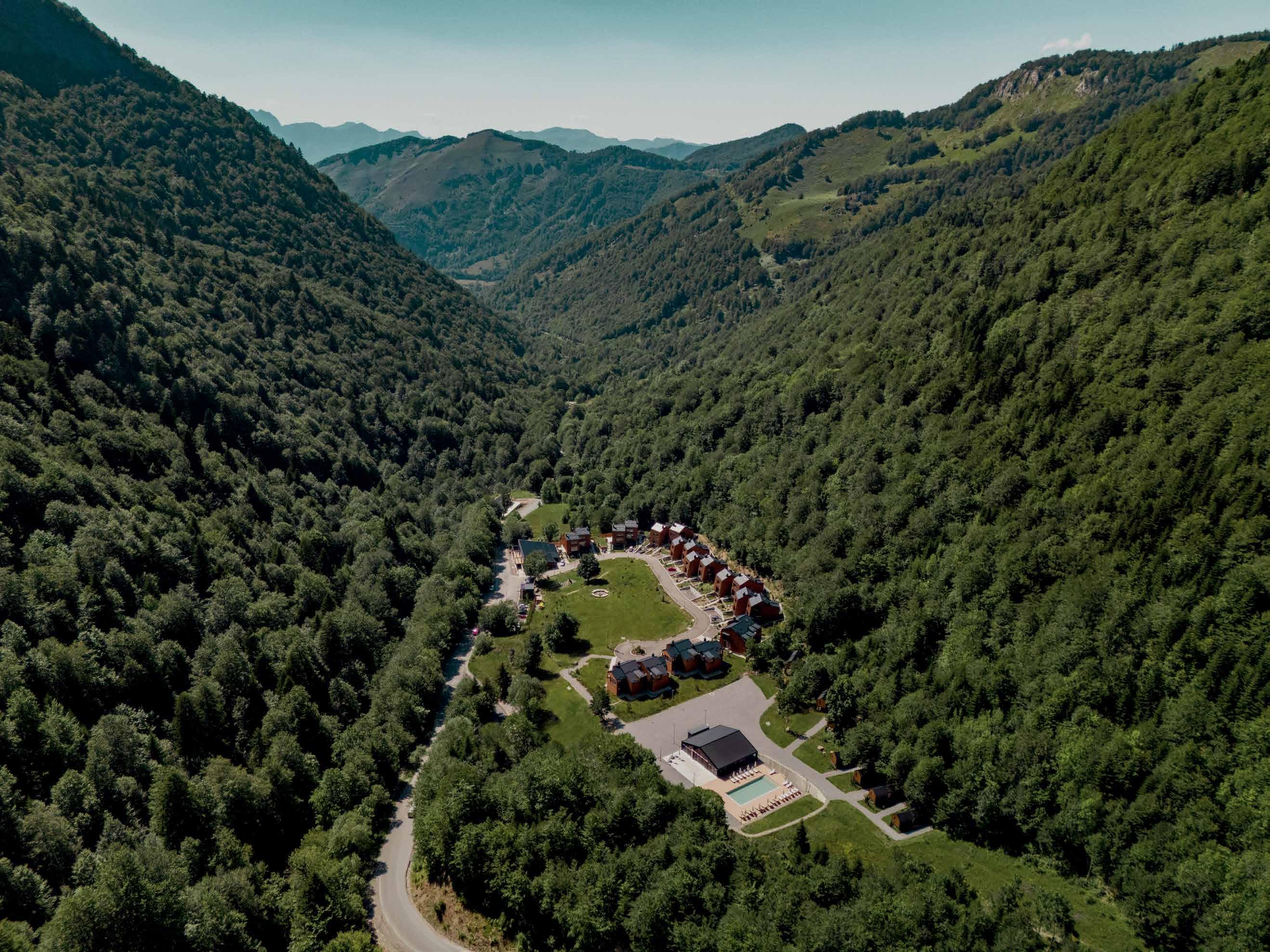
At Mountain Retreat by Dukley, every element of a memorable event comes together in one connected mountain setting.
A flexible event hall, Ember Restaurant, poolside spaces and accommodation within the retreat create a seamless experience in Kolašin, surrounded by nature and designed for effortless planning.
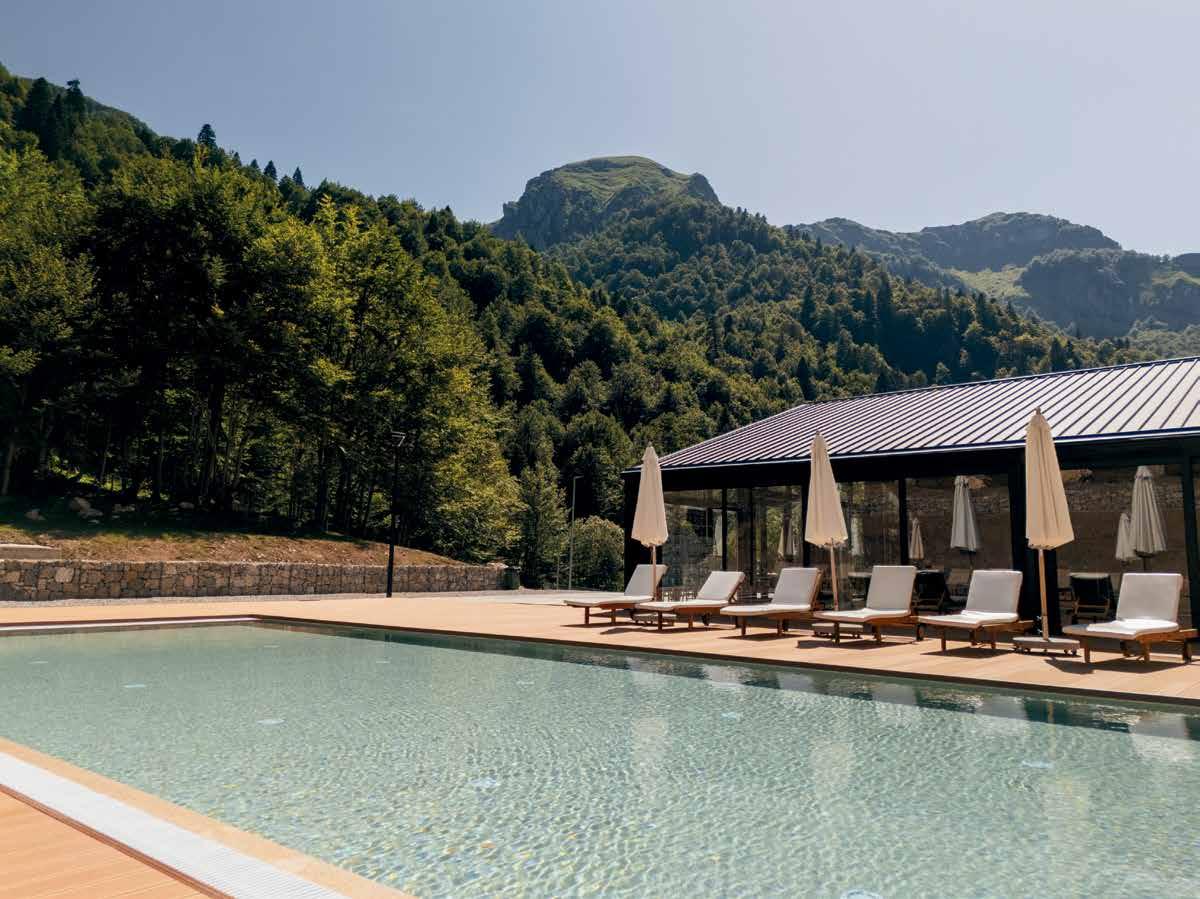
The Event Center includes a 240 m² multipurpose hall with flexible layouts for conferences, presentations, celebrations and private events.
The space is available throughout the year and can be adapted to different event formats.
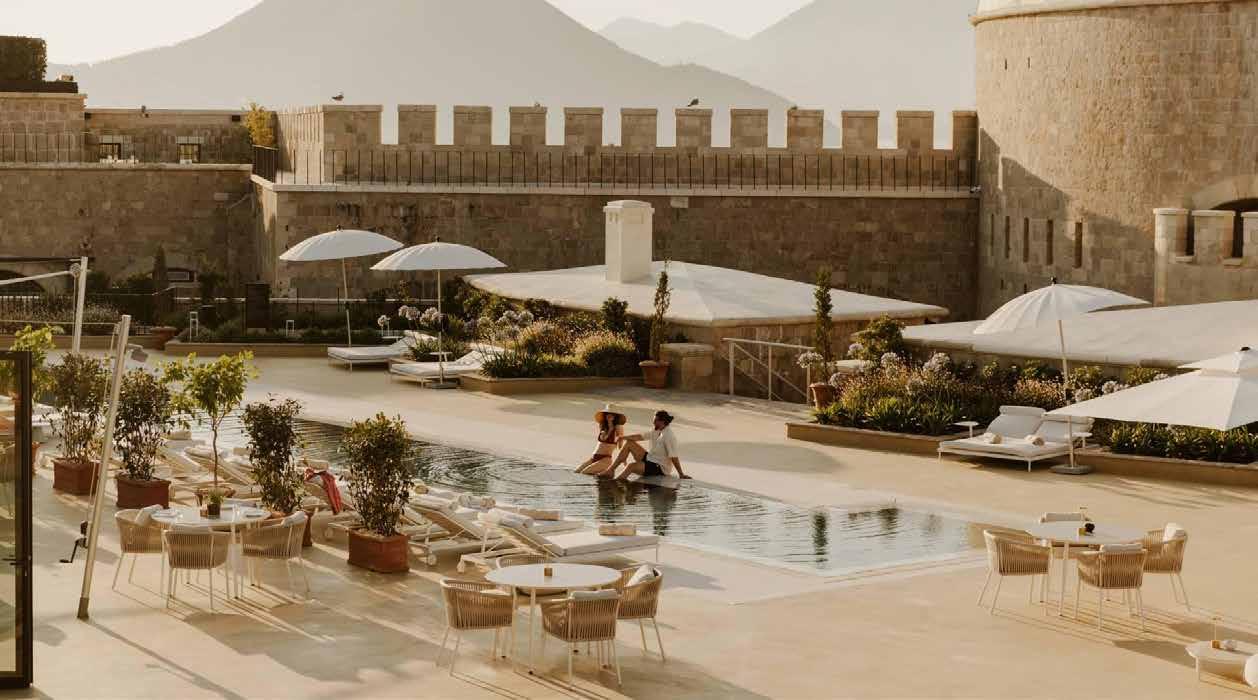
Located beside the hall, the outdoor pool overlooks the surrounding mountain landscape.
It is suitable for private receptions, offering an open-air venue for guests during the warmer months.
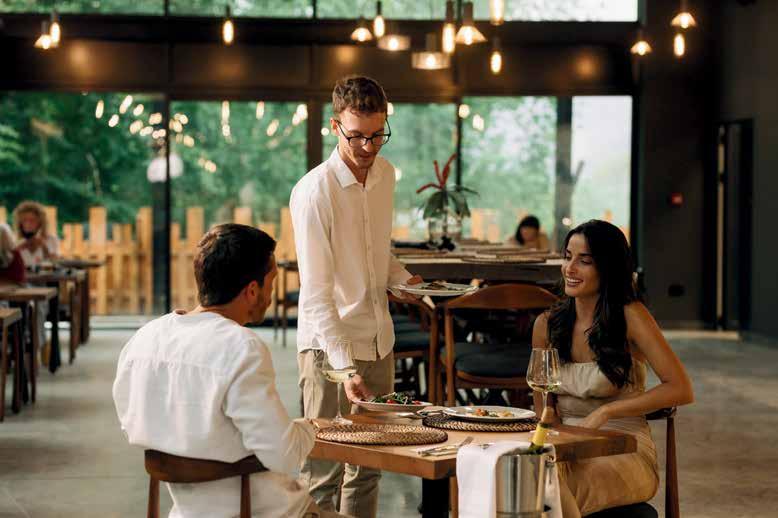
Ember Restaurant offers indoor dining, attentive service, and menus adapted to each occasion.
It is suitable for business lunches, private dinners and celebrations, and can be included as part of a complete event programme.
Open-air spaces invite BBQ parties, informal receptions, children’s birthdays and family gatherings, all surrounded by forest and fresh mountain air.
Conferences, corporate events, presentations, team gatherings, weddings, anniversaries, birthdays, BBQ events, private celebrations, receptions and special occasions. WHAT WE CAN ORGANIZE
EVERYTHING IN ONE PLACE
Event spaces, restaurant service, outdoor areas, accommodation and nature come together within one retreat, making Mountain Retreat by Dukley a complete event destination in Montenegro.

Why grassroots connections, cultural diplomacy, and shared history remain resilient against daily political tides
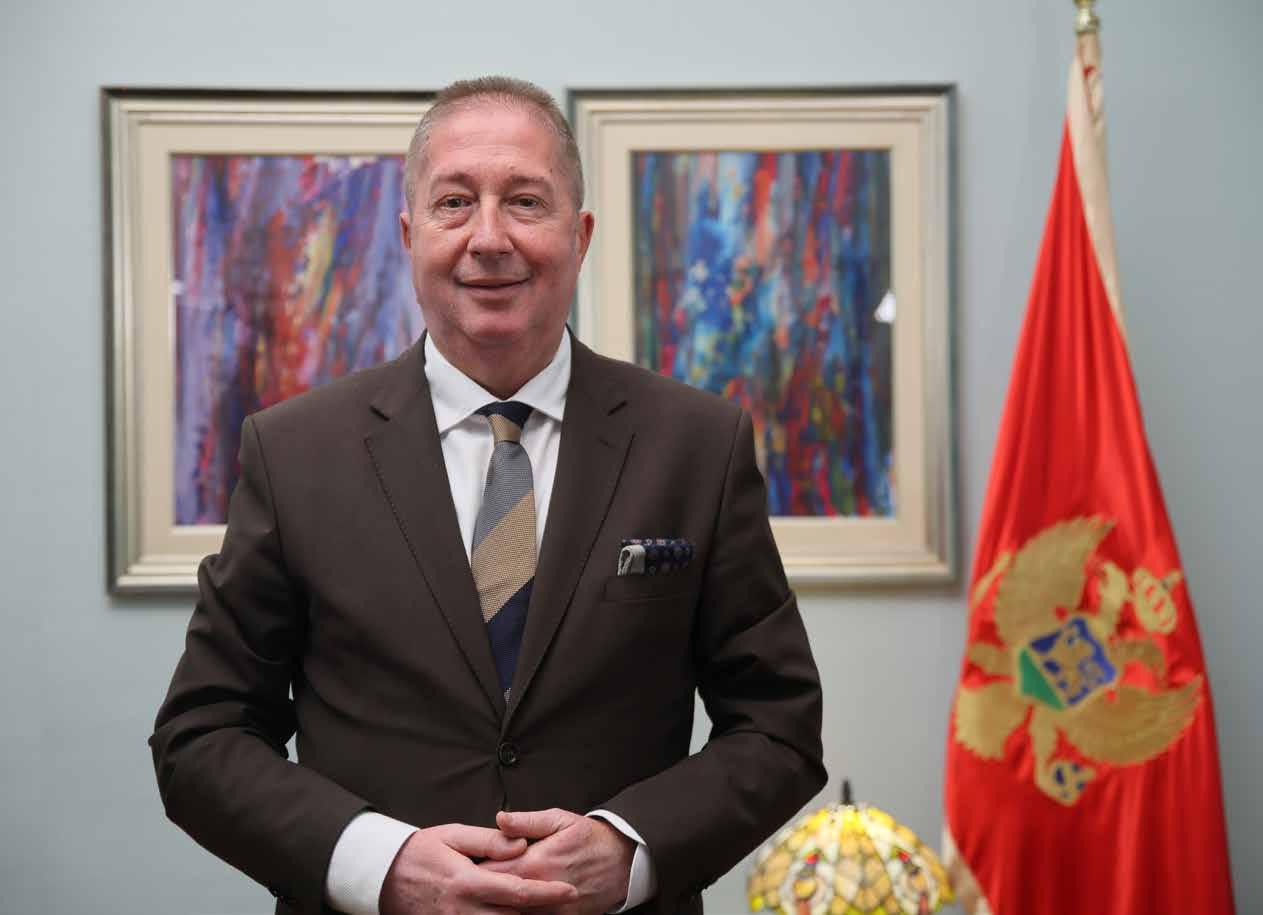
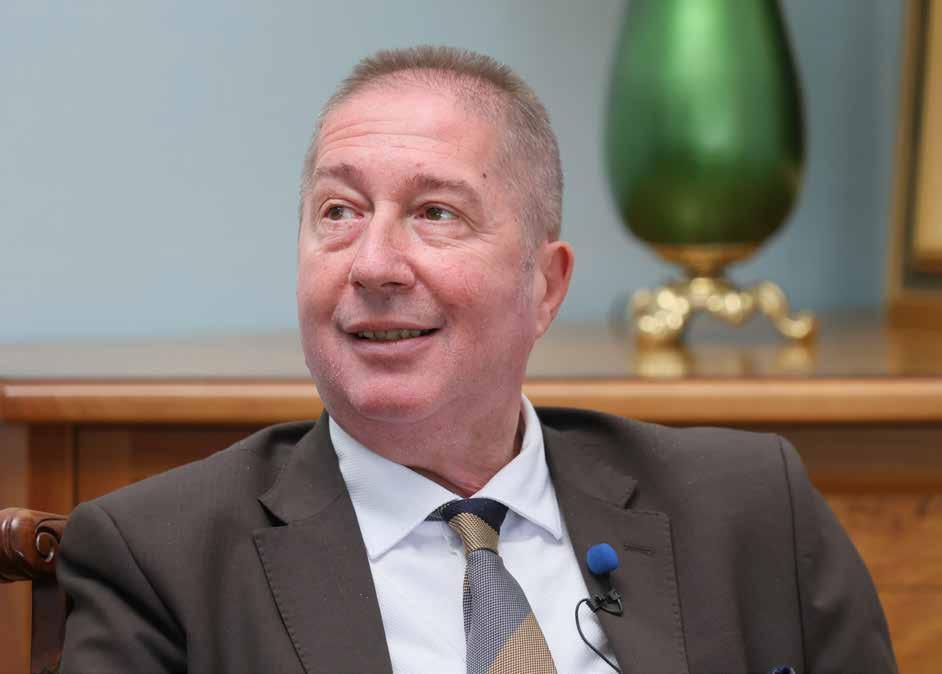
H.E. NEBOJŠA ĐOKOVIĆ
Ambassador of Montenegro to the Republic of Serbia
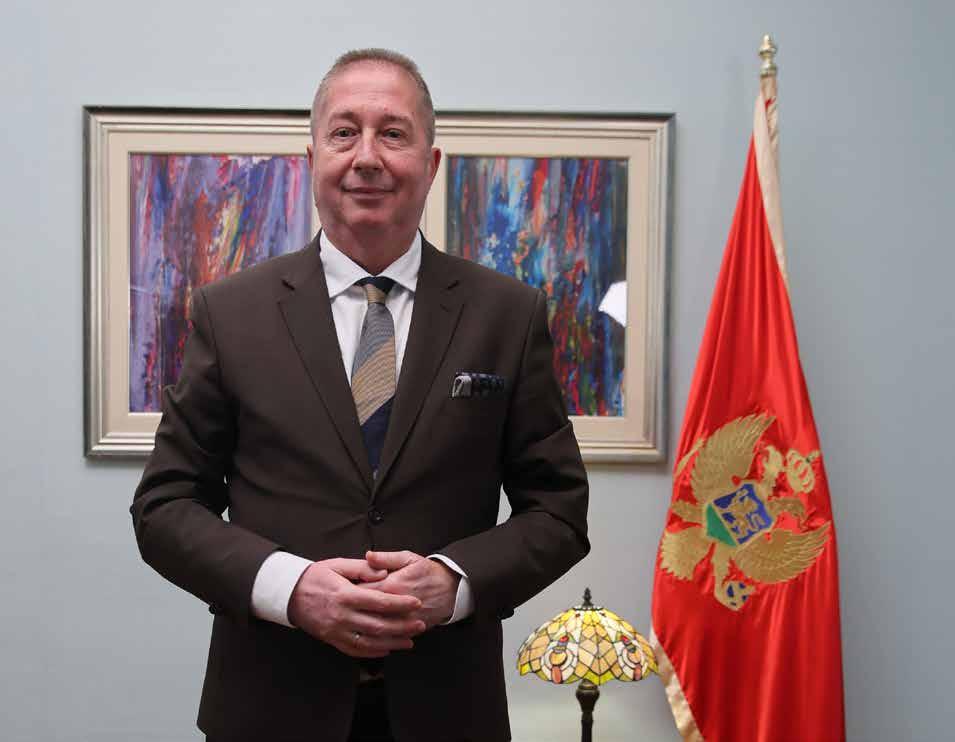
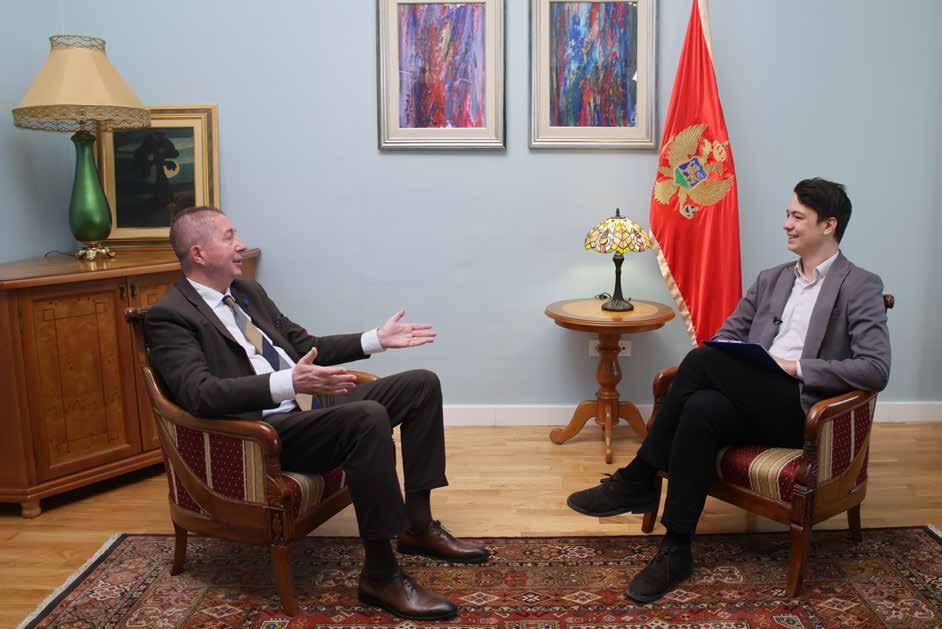
H.E. Nebojša Đoković, Ambassador of Montenegro to the Republic of Serbia, reflects on the deep historical, cultural, and economic ties between the two countries. In this interview, he discusses bilateral relations, Montenegro’s European path, the significance of the EU-Western Balkans Summit in Tivat, and opportunities to strengthen economic cooperation, from transport infrastructure to Belgrade Expo 2027.
When you look back at the period you have spent here, what would you say has been the greatest challenge, and perhaps the greatest step forward you have managed to achieve in the relations between our two countries?
Even before beginning my mandate in Belgrade, I knew that representing Montenegro in Serbia carries a unique responsibility due to our specific, multi-layered historical, cultural, social, and economic relations. The greatest challenge was not establishing communication with institutions. Rather, the biggest challenge has been finding a way to resolve
CITIZENS EXPECT US TO PRESERVE THE RELATIONS BETWEEN OUR TWO COUNTRIES
certain issues on which we might have differing views, and which sometimes create a clouded picture in our relations, through a structured institutional dialogue.
It is about finding a solution through an open approach in bilateral relations for any question that might cause ambiguity or
require additional clarification. I consider it a major success and a step up in quality over the past 14 to 15 months in Belgrade that we now have a continuous institutional dialogue. This was something that perhaps did not exist in the same way in previous times, particularly before 2020.
Regarding the governments over the last six years, and especially the government active since 2023, I can say there has been constant communication among our ministries, public institutions, economies, and citizens. We must preserve this relationship; it is a valuable asset that we must not give up. Challenges always
exist. You see, when neighbouring countries are so close and have so much in common that we could fill numerous shows with discussions about it, it requires extra effort. It demands a specific, sophisticated approach to resolving our differing views on certain problems or outstanding issues through responsible, open dialogue and with complete mutual respect.
Has your own perception of the relations between our countries changed since you took office? Do media narratives accurately reflect the state of our relations compared to the direct communication you experience with officials and citizens? Even before coming to Belgrade, I knew the situation in Serbia quite well. However, until you are on the ground dealing with concrete diplomatic tasks, your perspective is often shaped by media headlines, political statements, and public relations. It is only when you are here that you feel how life actually pulses differently.
Diplomacy naturally takes a different approach from daily political discourse, media appearances, or debates, which often present a distorted picture of our relations and can leave citizens wondering whether things are functioning as they should. Over this period, through my direct interactions with the institutions of the Republic of Serbia and numerous individuals—including professors, academics, intellectuals, athletes, artists, writers, and ordinary people in everyday life—I have seen ample room for a rich relationship based on goodwill and opportunities for cooperation. We must utilise these opportunities; failing to do so would be irresponsible. Ultimately, the role of diplomacy is to deepen relations between states, especially between two historic states like Serbia and Montenegro.
In that sense, I have gained a much clearer picture. I believe I have a better understanding of the relations and the shared desires that exist, particularly between our economies, which are highly complementary and enjoy broad cooperation. We will likely discuss this further as we go. So, yes, my view has changed to some extent, but in a highly positive direction. On certain matters, I have gained a clearer perspective that differs from the prejudices one might hold before facing the actual situation on the ground.
OUR BILATERAL RELATIONS ARE FAR BROADER THAN INDIVIDUAL
One event that drew global attention to Montenegro was the EU-Western Balkans Summit in Tivat, which gathered top European and Western Balkan officials. Could you share the key message sent from that summit? The key message is that the accession and European integration process is very much alive. This was a massive diplomatic event for Montenegro—arguably the largest in our modern history—where we gathered so many heads of state and government from EU member states, as well as regional leaders, in Tivat at the same time. We received strong support for Montenegro, primarily as the host, which signalled that the final phase of this process has begun, especially with the creation of the ad hoc group working on the accession treaty. Montenegro proved itself to be a responsible partner and presented a positive image of the entire region, whose clear interest is to be part of European integration.
I believe this is the stance of all our neighbouring countries, including Serbia, as the largest
country in the Western Balkans. We all see our mutual relations as an indicator of our maturity to join the European Union and the family of European nations. It shows how much progress we have made in fighting corruption and organised crime, strengthening the rule of law and institutions, connecting markets, and cooperating on joint initiatives in third markets to facilitate the free movement of goods, people, and capital.
A powerful message was sent that the region is active in this process. After many years during which the process may have seemed to slow down, causing ordinary people to view it as a distant horizon, this summit proved that integration is tangible. We personally hope that by 2028, Montenegro will become the next member of the European Union, paving the way for the rest of the region to follow.
Serbia did participate in the summit, but public attention was somewhat diverted by the incident at the Tivat airport, where several Serbian citizens were turned back. Despite this, Serbia still attended. Before we go into the details, how does Podgorica view Belgrade’s decision to participate in the summit despite those immediate tensions?
I think it was exceptionally important that Serbia participated in
the summit, allowing the broader regional picture and context of our relations to prevail over a single localised situation. Such incidents do occasionally occur between neighbouring countries and demand public and media attention. Serbia’s participation was crucial because we are directed toward one another. If the entire Western Balkans is not part of the European Union tomorrow, the integration process is incomplete.
We often emphasise that we do not view European integration as a sports competition where Montenegro merely needs to cross the finish line first to boast. We view it as our collective goal and success. We must help one another, as none of us can achieve the crucial goals we want for our citizens and economies through isolated efforts. Therefore, Serbia’s participation was vital. President Vučić attended, and there were extensive contacts among all Western Balkan leaders, prime ministers, presidents, and heads of European institutions, allowing them to coordinate many matters both multilaterally and bilaterally. I believe this will remain one of the most significant diplomatic gatherings of this period.
Additionally, Montenegro not only hosts this summit but also presides over the Berlin Process. This remains an important institutional framework supporting all regional countries in our final goal of EU accession. It allows us to
utilise substantial EU funds—the abolition of roaming charges is already a major benefit, as is the youth cooperation network gathering over 30,000 young people, and the significant financial resources invested in infrastructure and digitalisation. Montenegro is hosting several other ministerial councils as well, and all these diplomatic gatherings demonstrate the serious commitment of our governments to bring this integration process to a successful conclusion.
Did this airport incident damage the bilateral relations between our two countries, and if so, how?
I believe our bilateral relations are far broader than individual incidents, such as the situation with the airplane and the passengers turned back from the Tivat airport. Our security services assessed that, at that moment, when security was elevated to the highest possible level, the situation could have disrupted the summit itself— which was in no one’s interest. The safety of all leaders was the absolute priority, and every sovereign state has the right to make such assessments.
I do not believe the incident was as significant as it was portrayed in certain Serbian media outlets, where the real picture may not have been presented accurately, and where headlines and political debates raised tensions beyond what was necessary. Montenegro and Serbia are two historic states recognised since the Congress of Berlin. We have always been at the vanguard of social and economic processes and changes in the Balkans. We did not emerge through a mere coincidence of historical circumstances, but through a centurieslong struggle of our people for freedom and statehood.
Our relations are incredibly deep. Our citizens cooperate daily. So many students from Montenegro come to Serbia, and so many people from Serbia own properties and spend their summers in Montenegro. Our businesses, chambers of commerce, athletes, and cultural workers collaborate constantly. This is the substance of our bilateral relationship, and it is far too resilient to be disrupted by an isolated incident.
The important message I want to convey is that open channels of communication are always present in diplomacy. We can always resolve such issues at the institutional level. All that is required is
goodwill and sincere, open dialogue. Any issue, even those that should not consume too much of our energy, can be resolved without raising unnecessary tensions.
We saw a statement from the Ministry of Foreign Affairs of Montenegro that took a sharp tone toward Belgrade, yet concluded with a desire for relations to remain at the highest level. As Ambassador, how do you see the path to overcoming these noises and returning to constructive dialogue?
These issues can always be resolved through open dialogue, but only by fully applying the principles of mutual respect, appreciation, and awareness that we are dealing with two sovereign, independent states that will occasionally have differing interests. This is entirely normal. Even in a family, you have people who are closely related but have different interests and inclinations. That does not mean a conflict must occur. You sit down, talk, identify the source of friction, and resolve it.
Such situations will happen again; this is certainly not the last
one. We see similar situations across the region in other states. What matters is mutual respect and the awareness that differing views do not mean a lack of respect. I view these dynamics as a form of passion that exists between those who are close. A lack of empathy or passion produces cold relations, which is what you have with those to whom you are not closely tied or with whom you share no interests. Our deep connection, combined with our Dinaric temperament, sometimes causes us to react more passionately than necessary. Sometimes daily political discourse temporarily stirs the waters, but things quickly settle within a few days, allowing us to refocus on our citizens and our economy. Our responsibility as diplomats is to elevate the quality of these relations consistently. Our ties are good, stable, and strong, but we must work daily to lift them to a higher level. We cannot achieve this by hiding from problems or by blowing them out of proportion.
Having spent a year and a half observing the Serbian market directly from Belgrade, where do you see the greatest untapped potential for our cooperation? The space for cooperation is vast. In my discussions with businesspeople in Serbia and during my visits to numerous
economic forums in Belgrade, I see a constant desire to launch new projects, approach markets jointly, utilise European funds, and connect our infrastructure. Our largest joint project is the highway connection from Bar to Boljare. This is progressing well. Work will soon begin on the section from Kolašin to Andrijevica, and later to Boljare, while we expect Serbia’s progress from Požega onward. This infrastructure will immensely benefit both our business communities and citizens, eventually cutting travel time between Belgrade and Podgorica to about four hours.
There is also a natural complementarity here. Montenegro is a tourism-oriented country that offers great opportunities in digitalisation, energy, and agriculture. At the same time, Serbia has strong economic potential, structural resources, and advanced infrastructure, with a vast network of highways under construction. Serbia is also hosting the Expo next year.
In terms of trade, Serbia accounts for one-fifth of Montenegro’s foreign trade, amounting to roughly €900 million. Regarding foreign direct investment, Serbia has attracted € 600 million over the past six years. We have significantly elevated our economic relations. It is also worth noting that Air Serbia and Air Montenegro carry
roughly every third tourist visiting Montenegro. At the same time, Montenegro consistently ranks among the top three travel destinations for Serbian tourists. Our railway infrastructure, which requires further reconstruction, also carries a massive number of passengers. As summer has begun, our border crossings are already highly active.
We are planning a major business forum between our chambers of commerce for this autumn or winter. Representatives of our Chamber of Economy recently visited Vrbas in May to meet with businesses in Vojvodina. Over the coming years, and particularly with Montenegro’s entry into the EU, our cooperation will reach even higher levels. Montenegro uses the Euro as its currency, which reduces transaction costs for investors. Our fiscal system is highly competitive within the region, providing a strong incentive for foreign direct investment. Montenegro is not only rich in natural beauty; it is also a powerful engine for future business, and, as a future EU member, it will offer extensive opportunities for economic partners.
Montenegro’s central theme for the Belgrade Expo will be “Where Stone Preserves Value.” How do you view the significance of this global event for presenting Montenegro’s new economic identity?
It is extraordinarily significant. The Expo represents a significant opportunity for Montenegro’s international presentation. The slogan you mentioned beautifully captures the essence of Montenegro—a country rich in natural potential and resources that can be valorised through sustainable development and highend tourism.
Montenegro is not only a land of natural beauty but also of knowledge, creativity, and innovation. We expect our small and medium-sized enterprises, which our government actively supports as the foundation of our economy, to benefit greatly. We also have a highly stable monetary and banking system with numerous reputable foreign banks. Montenegro is positioning itself on the global tourism map as a country that offers something unique. We have beautiful resorts, natural beaches, and a stunning coastline. While our coast is relatively short compared to larger nations, foreign ambassadors—including those
WE VIEW EUROPEAN INTEGRATION AS OUR COLLECTIVE SUCCESS
who attended the Tivat summit—frequently tell us they have discovered something entirely different from anything they had seen before.
I invite everyone in Serbia to visit Montenegro, where they can feel entirely at home among friends and relatives without any language barriers. They can enjoy both our sea and our highly attractive mountains. With the construction of new roads connecting our coast and the northern region, you can literally travel from a mountain peak to the beach in an hour or two. The Expo is a grand opportunity, and we are already constructing our pavilion. We will have a superb presentation next year.
Recently, the Embassy of Montenegro in Belgrade marked Montenegro’s Independence Day with a strong message of good neighbourly relations. How does the Embassy plan to use cultural diplomacy to bring Montenegrin creativity closer to the public here in Serbia?
Culture is our most vital bridge; people connect best through culture, science, and art. The
Embassy participates in and supports various projects to the best of its ability. Over the past year and a half, we have supported numerous painters and writers. Recently, right here in the Montenegrin House, we hosted the promotion of the journal Contexts of Culture by the Paštrovići “Alumnus” Association. Before that, we organised wonderful humanitarian events in which our painters donated their works to support children in Bijela. We plan to continue these activities. We must use culture to build connections and to prevent the negative perceptions that can occasionally arise from temporary political noises or incidents. We share so many writers, poets, and painters. Some are still with us, while others who have passed away made monumental contributions. Many were born in Montenegro but spent their creative lives, or the majority of their careers, in Serbia, within our former shared state. Culture is how we demonstrate the maturity of our societies and the wealth of our diversity to the region and the European Union. Both of our countries are multicultural, multiconfessional, multi-ethnic, and civic-minded. We respect other nations and nurture this diversity as a source of wealth, rather than a problem.
Do you believe these deep personal bonds provide the most resilient foundation for stable, long-term relations?
I absolutely agree. Our relations have deep, intertwined roots, historically bound by the shared sacrifices of our ancestors who fought for centuries for our common freedom. We must always remember this; it is our greatest responsibility and obligation. Our citizens expect us to respect what has been built over centuries. No single generation or temporary group of officials leading our institutions can damage relations that run this deep and hold such priceless value. We must preserve this capital and hand it down to the next generation.
I believe the diplomacy of our two countries should work in harmony to improve these relations continuously. Living for nearly a century in a shared state is a profound historical experience. Even though we are now two sovereign states, independent in our decision-making, we are on a shared European path. We must always find ways to cooperate and never allow any temporary incident to divert us from that path. I am firmly convinced that nothing will.
The full interview is available on our website.

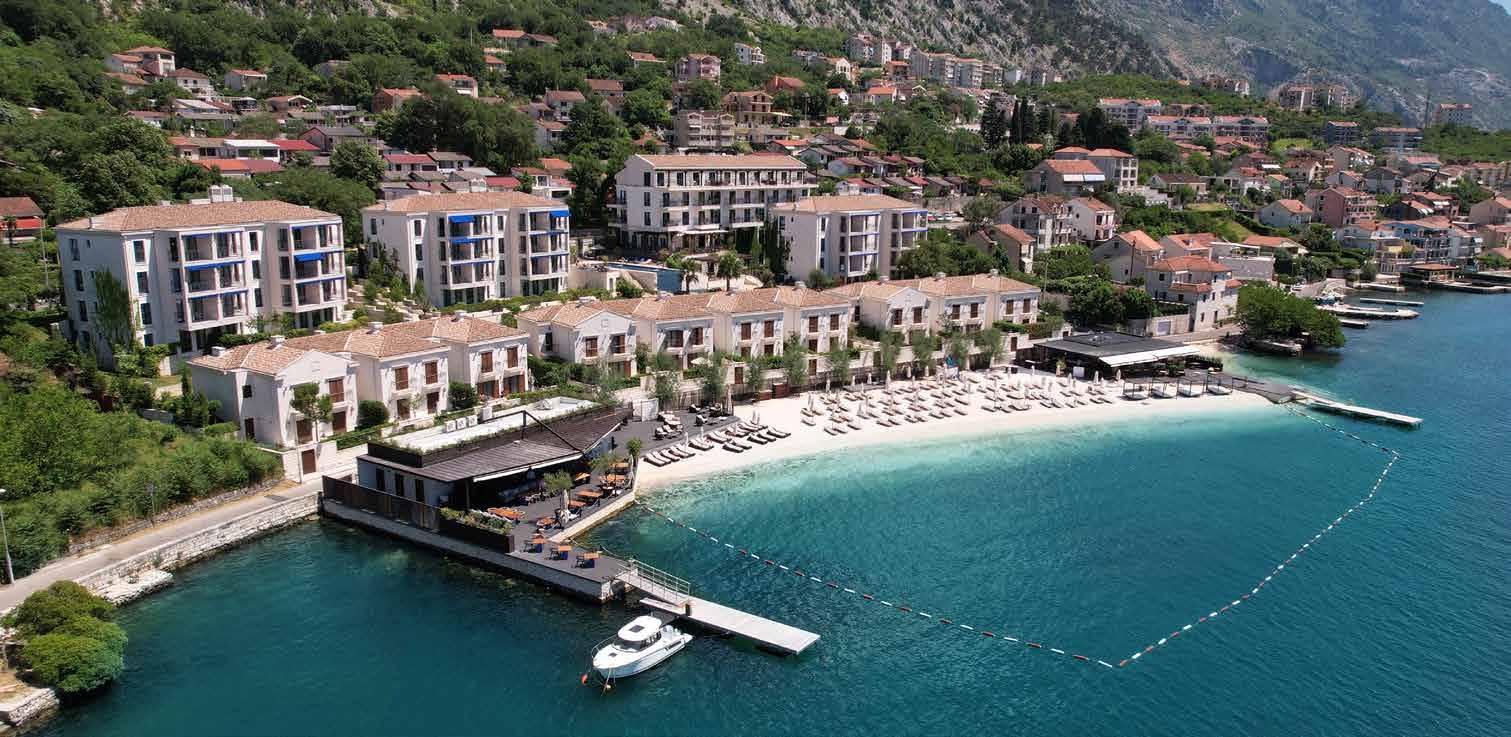
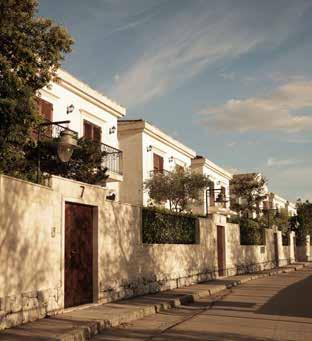
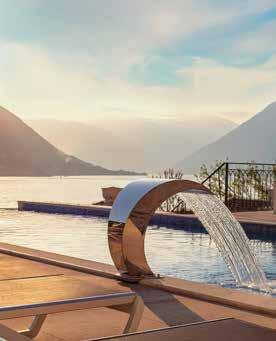
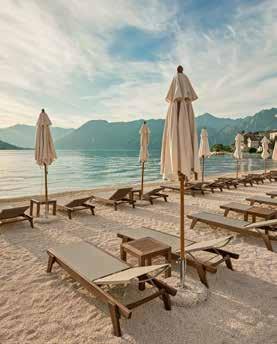
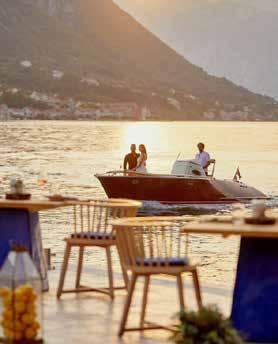
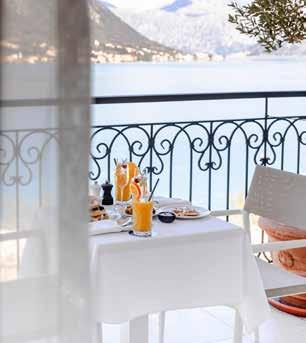
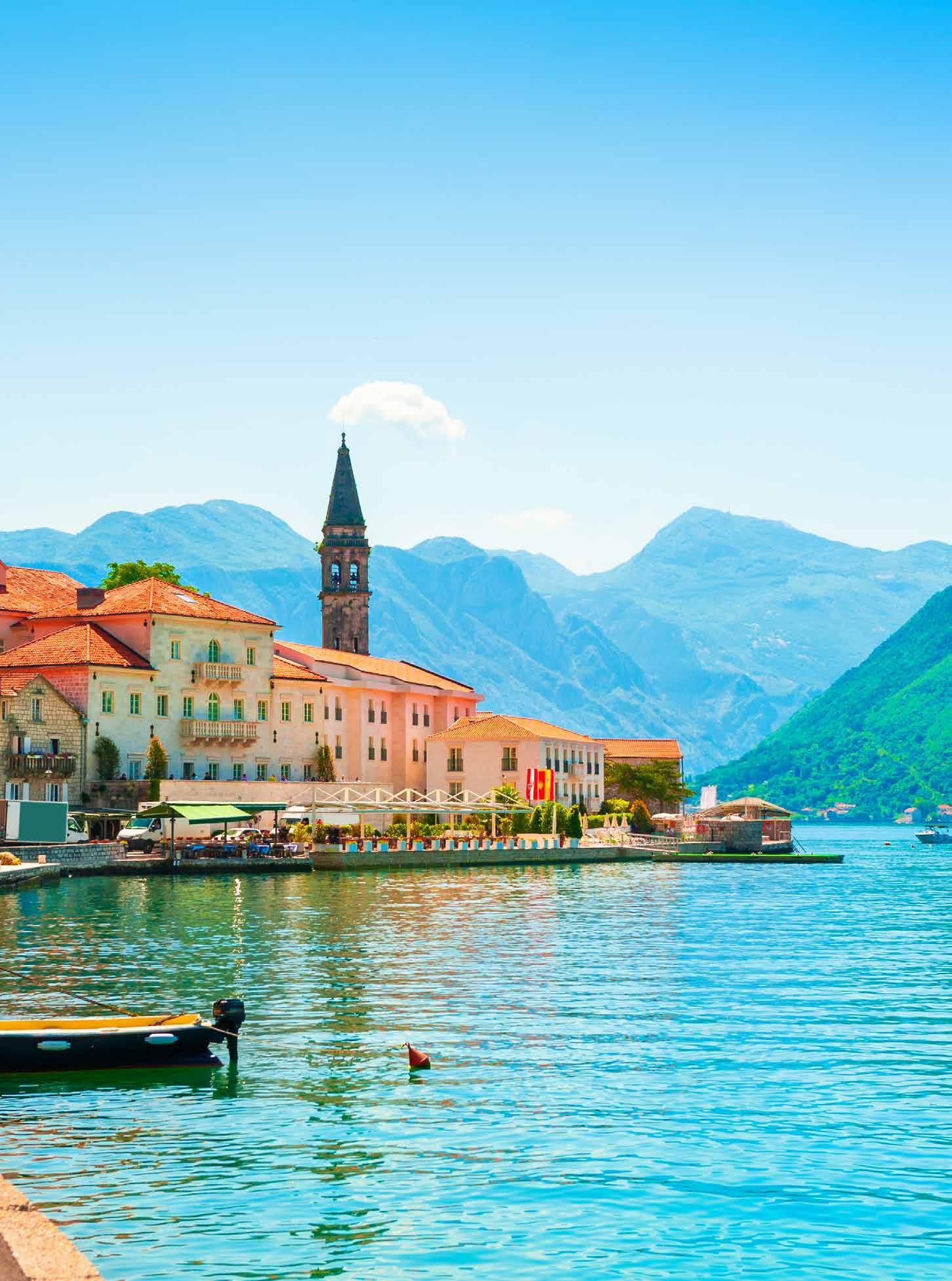
As Montenegro celebrates its Statehood Day, Huma Kotor Bay Hotel & Villas stands as a contemporary reflection of the country’s hospitality, natural beauty and growing international appeal as a luxury Mediterranean destination.
Set on the waterfront of Boka Bay, one of Montenegro’s most iconic coastal landscapes, Huma Kotor Bay Hotel & Villas reflects the elegance, warmth and distinctive character of the Montenegrin Adriatic.
Created for travellers who seek more than a classic seaside stay, Huma brings together contemporary accommodation, private beachfront villas, refined gastronomy and a deep connection to the destination. Its privileged position near the UNESCO-protected town of Kotor offers a rare balance of natural beauty, cultural heritage and effortless Mediterranean living.
Every part of the hotel experience is designed to celebrate the spirit of Boka Bay, sophisticated, welcoming and unforgettable.
Gastronomy adds a distinctive layer to the experience. At Mudra Art Cuisine, Michelin star chef Guillaume Iksander brings refined fine dining to Boka Bay, combining creativity, precision and contemporary culinary artistry. Mandolina offers elegant Italian dining full of Mediterranean character, while Virtu Beach Bar completes the atmosphere with signature cocktails, sea views and relaxed beachfront energy.
On the occasion of Montenegro’s Statehood Day, Huma Kotor Bay Hotel & Villas proudly celebrates the country’s timeless beauty, hospitality and growing position as one of the Mediterranean’s most distinctive luxury destinations.
Huma Kotor Bay Hotel & Villas
WHERE MONTENEGRO WELCOMES THE WORLD.
+382 68 888 884 reservations@humahotel.me www.humahotel.me
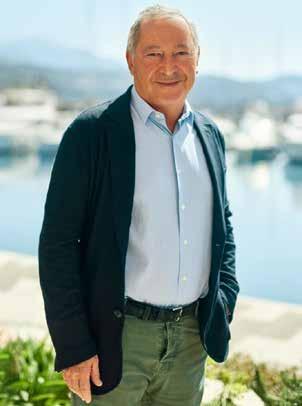
SAMIH SAWIRIS
Owner of the Egyptian-Swiss Orascom Group
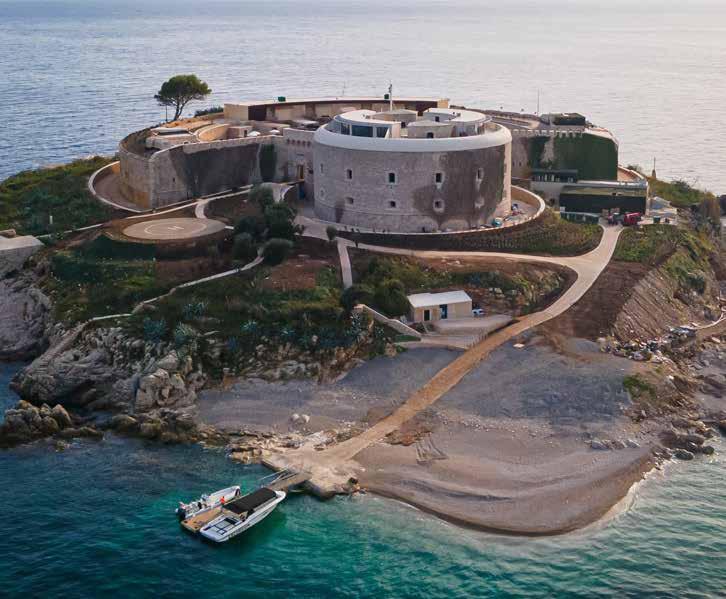
hen I first visited Mamula three years ago, I wrote an article titled “A Coptic Billionaire’s Dream in the Bay of Kotor,” telling the story of how Samih Sawiris had secured a 49year lease on the island guarding the entrance to Montenegro’s Bay of Kotor. This time, I had the opportunity to meet him in person and discuss not only Mamula, which has operated under the Singaporean luxury hospitality brand Banyan Tree since last year, but also a wide range of other topics.
The Orascom Group, founded in Egypt in 1950, has grown into a global conglomerate with interests spanning cement production, hospitality, residential developments, telecommunications, and a wide range of other industries.
Samih Sawiris has held Montenegrin citizenship alongside his Egyptian nationality since 2011. With an estimated fortune of around one billion US dollars, he is officially ranked as the 26th wealthiest person in Africa. In addition to Luštica Bay and Mamula, he owns hotel resorts in Switzerland and Egypt, Switzerland’s FC Luzern, and the German division of the tour operator Thomas Cook. As we sit in the shade of his favourite bar on Mamula Island, Sawiris orders tea and begins his story.
“Thecostofrestoring,preserving and maintaining a heritage site like this is beyond anything most people can imagine. I know that from personal experience becauseIcomefromEgypt.Weface a similar situation there with old Mamluk houses. The state does not have the resources to maintain them all. When you have hundreds upon hundreds of monuments dating back to antiquity,
it becomes impossible to care for every single one. The inevitable result is that, one by one, they fall into ruin.”
MAMULA IS MY LITTLE PARADISE
When did you first see the island?
It was fourteen years ago. I was flying over the area looking for land for what would become Luštica Bay. From the air, I first saw the Luštica peninsula and its beaches. By nature, I’m curious, and I don’t like to miss anything interesting, so I told the pilot, “Don’t head back just yet. Let’s continue along the coast all the way to the entrance of the Bay of Kotor.” That’s when I spotted the island and asked him to fly over it.
As we circled above, I thought, “For our project, Luštica Bay is still the better location.” It was closer and offered two natural marina sites: one smaller, which is the marina we have today, and another where the old quarry was located. I had no doubts about Luštica.
As for Mamula, had Montenegro, then or even today, had an annual budget of, say, €100 million for restoring heritage sites like this, I would have
said, “No, let the state restore it.” But that money did not exist. You could see it from the condition of the country’s fortresses, churches and other historic buildings. The same is true in Serbia, Bosnia and much of the region. In countries like Norway or Sweden, governments have the resources to preserve their heritage. Here, the authorities generally have good intentions, but as the saying goes, the road to hell is paved with good intentions. Everyone kept saying, “This is a cultural monument, part of our national heritage. There can be no commercial use.”
When I later visited the island by boat and went inside, it was a complete disaster. Everything that could be stolen had been taken: doors, gates, every valuable part of the structure. The walls were covered with signs of drug use, there was rubbish everywhere, and the entire place had been abandoned. I thought, “Fine, I’ll forget about it.”
A few years later, I came back, and the situation was even worse. I told government officials, “You’re doing nothing. You said you would restore the fortress.” The answer was always the same: “We don’t have the budget. We have more urgent priorities.” Seven or eight years later, nothing had changed. Eventually, they realised that giving the fortress a new purpose was the only way to preserve it.
Believe me, had nothing been done, water would have begun seeping into the walls, the roofs would have collapsed, and the trees growing through the stone would have torn the entire structure apart. Do you know how the pharaohs split granite? They drilled a line of holes, inserted wooden wedges, and soaked them with water. The wood expanded, and the granite cracked. If wood can split granite, imagine what tree roots can do to these walls. One wall would have fallen, then another, until eventually nothing would have been left. Only then did they finally say, “All right. Go ahead with the project.”
Some might say you’re attracted to “impossible projects.” They certainly appeal to me, but I also have to be honest and pragmatic. You can only afford to take on bold projects like this once you have built a successful business that generates profits, creates jobs, and continues to grow, as Luštica Bay does. But coming to Montenegro back then and embarking on something like this meant being... 80 or 90 per cent crazy.
IF THE FEELING IS RIGHT, THE PROJECT WILL SUCCEED
I hope that today, when people see the outcome, they understand what I have been saying from the very beginning: these are not commercial projects. They are an expression of love for this country, for this place, and of a desire to bring back to life something that was, for all practical purposes, dead.
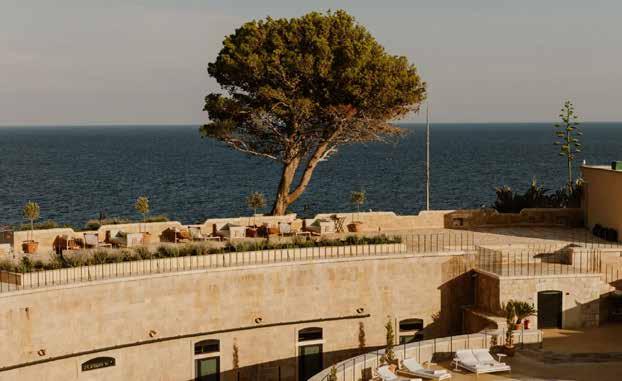
Today, people can visit the island, walk through it, and see what it once looked like. Admiral Mamula, after whom the island is named, personally came here. He was not only an outstanding military commander but also a man with a genuine appreciation for architecture. Just look at the proportions, the symmetry, and the
details. Many military structures have no aesthetic value whatsoever, but this one is completely different.
What, in your view, will be the broader impact of Mamula Island Hotel on luxury tourism and property values in Montenegro? In many ways, this is a flagship project in that segment.
Absolutely. That is precisely how I presented the idea from day one. The point was never how many rooms the hotel would have, how much revenue it would generate, or how profitable it would be. The real significance is that Montenegro can now claim to be home to the most remarkable hotel along the entire Adriatic coast.
There is simply no other hotel that can tell a story like this. A modern luxury hotel can be built almost anywhere. But this combination of history, architecture, and location is truly one of a kind.
You opened Mamula when Sveti Stefan was closed. Were you concerned that you might face a similar situation in your relationship with the government or the local community?
I don’t think it is fair to place all the blame on the Government of Montenegro. There are always two sides to every story. I have never had a conflict with the state on that scale because that is a situation in which everyone loses. Even if you believe the government is in the wrong, there is no point in going to war with it.
But there were disagreements with the local community as well?
Of course. Situations like that could have been handled more gracefully. The local community must always be on your side. If you lose their support, it becomes very difficult to succeed.
Is that why you also created a museum exhibition here telling the story of the fortress?
Yes. I remember that when the hotel opened, you wrote an article pointing out that almost every building in this part of the world more than a hundred years old had served at some point as a prison or a military facility. There are many such examples, including in Serbia. People say, “This used to be a prison.” Yes, but perhaps only for a few months or a few years during a history spanning nearly two centuries. You cannot ignore 180 years of history and remember only that one brief chapter.
It’s the same as saying that the Citadel of Cairo was simply a prison. It wasn’t. It served as the residence of Egypt’s rulers, a military headquarters, and the country’s administrative centre. Only after the 1952 revolution was it used as a prison for a relatively short period. Today, tourists come to see the mosque, the fortress, and its rich history. No one comes because it was once a prison. In my view, the whole debate surrounding Mamula was unnecessarily dramatised, largely because of one German journalist who, from the very beginning, was determined to tell a negative story.
When the project finally came to life, you also organised Open Days for the local community. Yes. At the beginning, no one believed in the project. Almost none of the projects I have undertaken in my life were trusted at the outset. But then you convinced me to open the doors to the public. More than 4,500 people from Montenegro visited the complex. It was a major logistical and financial undertaking, but it completely changed public perception of the project. People were finally able to see for themselves what we had actually done. That was in October or November 2022.
Is your vision, then, to redefine luxury hospitality in the region?
I wouldn’t describe myself as a great visionary. My logic is actually quite simple. If I complete a hotel like this, Montenegro will gain the finest hotel on the Adriatic. And when Aman at Sveti Stefan eventually reopens in full, this small country will have more world-class luxury destinations than Croatia and Serbia combined.
Years ago, I told Montenegro’s then-president that the country’s strategy should be to become the “Monte Carlo of the East.” I still believe that it should be a national strategy. Montenegro has a population of only around 650,000 to 700,000 people. It doesn’t need millions of new jobs. If the country were to pursue mass tourism with four million visitors a year, it would have to import close to a million foreign workers. That doesn’t make much sense.
It is far more logical to focus on developing a limited number of truly exceptional luxury destinations.
In your view, what made it possible for major international investors to come to Montenegro in the first place?
QUALITY HAS ALWAYS MATTERED MORE THAN THE NUMBER OF PROPERTIES
The government at the time played a major role. I’m not saying that because there are people here today who were part of that administration. Quite simply, they inspired confidence. It was a small country where decisions could be made quickly.
I remember meetings where, within ten minutes, all the relevant ministers, the Governor of the Central Bank, and everyone else needed to move a project forward would be sitting in the same room. That level of efficiency was extremely attractive to serious investors. And I certainly wasn’t the only one who thought so.
The same conclusion was reached by the people who brought Aman to Montenegro, by the Rothschild family, and by many other major international investors. They all recognised that Montenegro was a place where business could be done efficiently. Of course, the government at the time was also very stable and well coordinated.
What principle has guided you throughout your career?
I have always asked myself one simple question: “Would I want to live here?” If the answer was yes, then I knew other people would want the same. That has always been my guiding principle.
I have visited many redeveloped military sites in Germany. Some of them felt so bleak that, as a guest, you would want to leave immediately. Even after being beautifully restored, they lacked
How do you see Montenegro today compared with when you first arrived?
The system has become more stable over time. I don’t see any dramatic changes. But democracy brings its own challenges. Everyone has the right to an opinion, and everyone wants things done their own way. As a result, decision-making today takes much longer than it did in the past. That is perfectly normal. When a government is made up of several political parties, it is difficult to expect everyone to agree on everything. I believe that this is precisely what will slow down the implementation of new large-scale projects. Montenegro is a small country. That means just a handful of major investments can significantly increase its GDP. You don’t need a hundred projects like Luštica Bay. Two or three are enough for the entire economy to feel a substantial boost.
the right atmosphere. The location, the scale, the ambience, all of these shape how a place makes people feel. If that feeling is positive, the project will succeed. If it isn’t, it won’t. For me, it’s as simple as that.
How much faith did you place in feasibility studies?
Honestly, very little. I never paid much attention to feasibility studies. In fact, I sometimes deliberately “fooled” myself. Take Mamula, for example. Our initial budget was around €15 to €17 million. I knew from the outset that it wouldn’t be enough.
But I wanted that budget to be approved by my advisers. Later, I could say, “Itturnsouttheprojectwillcostmorethantwiceas much.” In the end, including the first two years of operations, the total investment reached around €50 million. The construction itself cost approximately €28 million.
The restoration took longer than originally planned, didn’t it? It did. Every time we opened up a wall or part of the structure, we discovered another problem. The damage was far more extensive than anyone had anticipated. It was on Mamula that I first witnessed something extraordinary: the force of the bora wind drove rain almost horizontally through the stone walls. I couldn’t believe it. You’re used to water coming from above. Here, the wind is so powerful that it pushes rain straight through the exterior walls.
Why did you choose Banyan Tree as your partner for Mamula Island Hotel?
Because I’ve known them for nearly four decades, back when I was developing El Gouna in Egypt, I travelled to Phuket and saw their Laguna Phuket project. They were among the first to understand that a luxury hotel should be more than just a hotel. It has to be an entire destination where guests can find everything they need in one place. Guests shouldn’t have to take a taxi into town to find a restaurant or go shopping. That concept made a tremendous impression on me. We stayed in touch over the years, and when the opportunity with Mamula came along, they were the first partner I thought of. I knew how they worked, and I knew we shared the same values.
You also seem to share a love of music. We had the opportunity to hear one of Banyan Group’s co-founders play the piano, and it was truly impressive. I didn’t know she played the piano. If she really gives a solo recital, then I’ll definitely have to go and hear her. (Laughs)
It seems you and the owners of Banyan Group share the same philosophy: quality before rapid expansion.
Exactly. One of the founders has a former school friend in Thailand who now owns more than five hundred hotels. But Banyan Tree has never wanted to grow at any cost. For them, quality has always mattered more than the number of properties. That’s a philosophy I deeply admire.
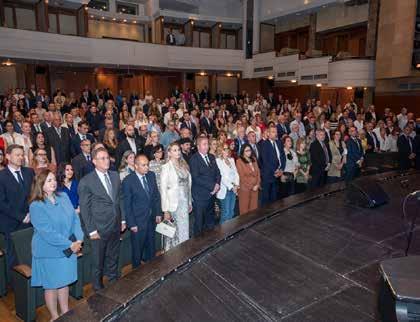
On the occasion of 13 July, Montenegro’s Statehood Day, the Embassy of Montenegro to the Republic of Serbia hosted a formal reception in Belgrade on Wednesday, 8 July 2026
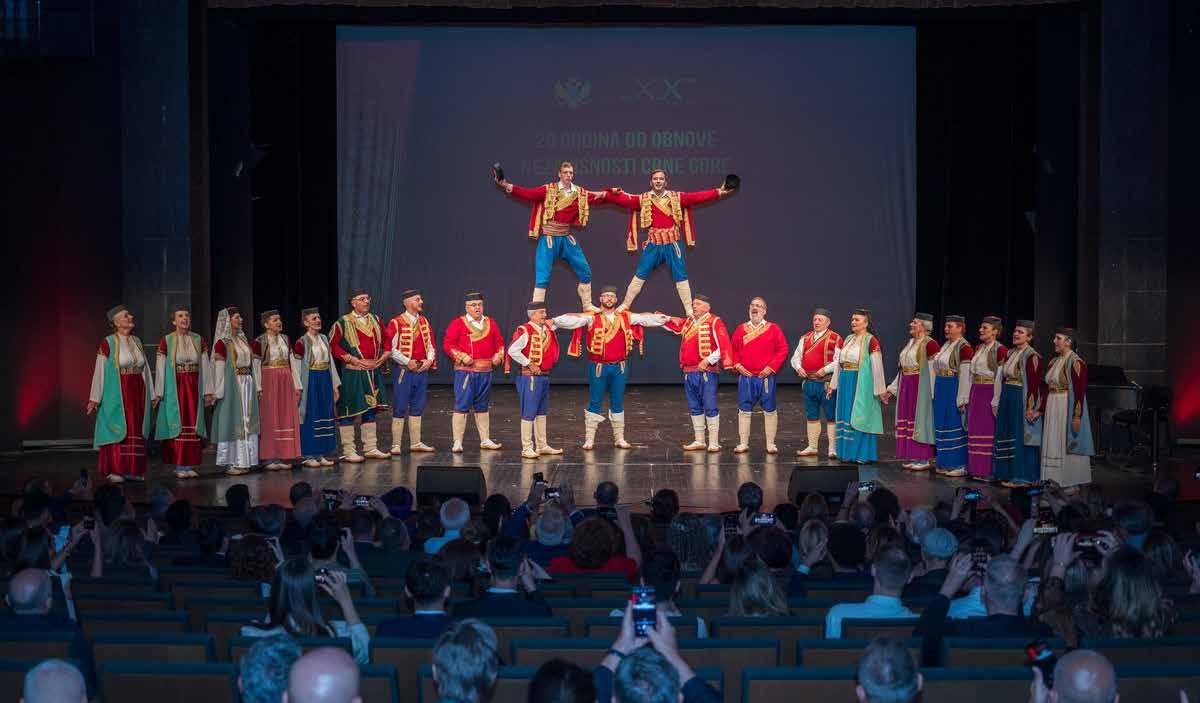
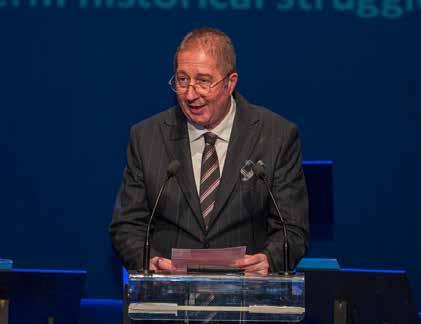
The reception was hosted by H.E. Nebojša Đoković, Ambassador of Montenegro to the Republic of Serbia, and his wife, Mrs Jelena Đoković.
The reception brought together members of the diplomatic corps, representatives of state institutions, international organisations,
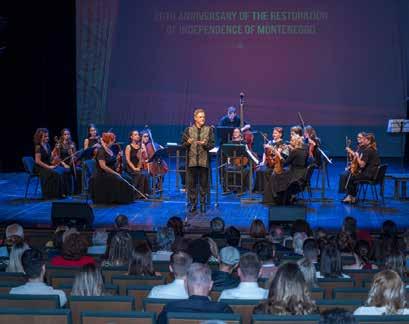
the business community, and cultural and public figures, as well as numerous friends of Montenegro in Serbia.
The evening began with a cultural performance showcasing Montenegro’s rich cultural heritage, followed by a cocktail reception and an opportunity for guests to meet and socialise.
Montenegro’s Statehood Day is celebrated on 13 July in commemoration of two landmark events in the country’s history: the international recognition of Montenegro at the 1878 Congress of Berlin, and the outbreak of the 13 July Uprising in 1941, one of the first organised anti-fascist uprisings in occupied Europe.
The reception in Belgrade was held in a spirit of good neighbourly relations and diplomatic dialogue, highlighting the importance of cooperation, mutual respect, and the continued strengthening of ties between Serbia and Montenegro.