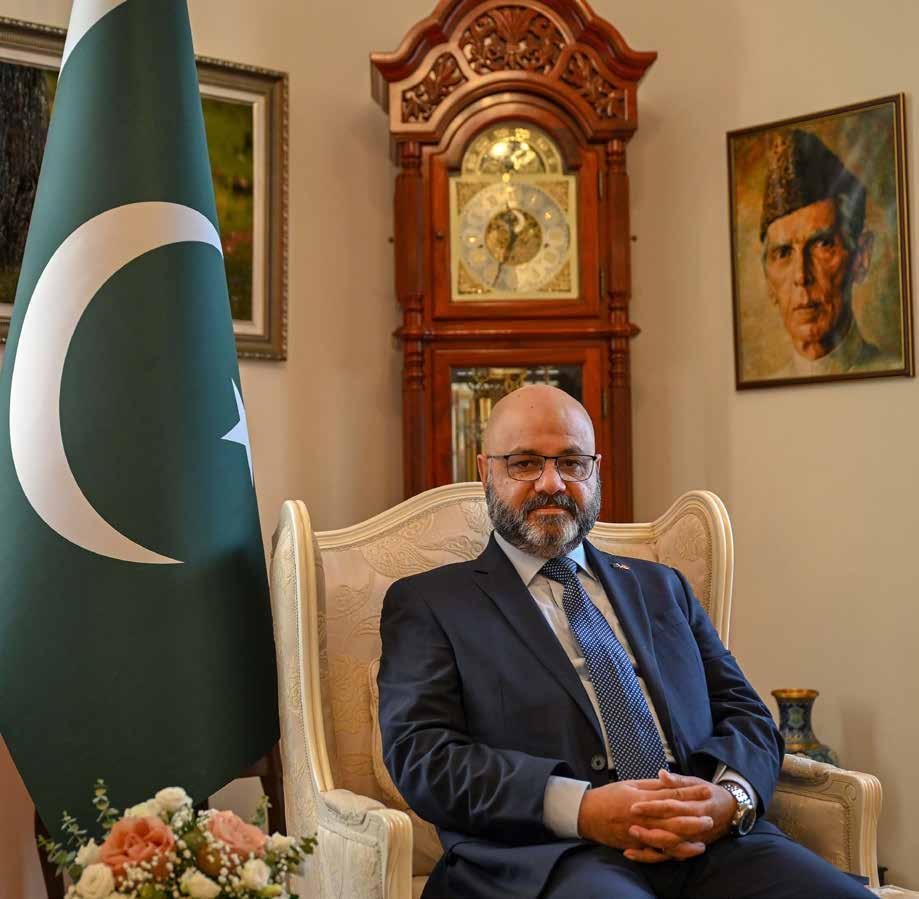
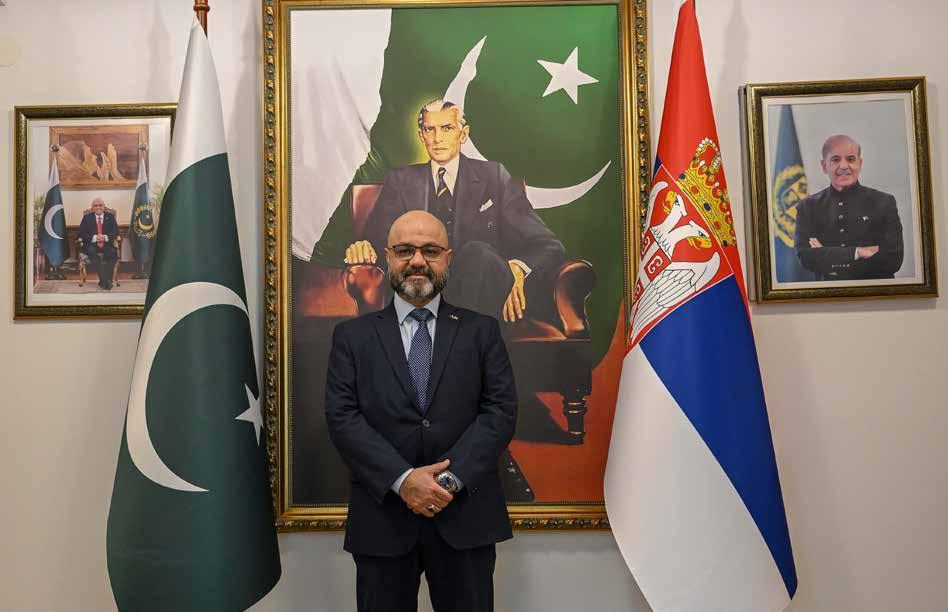
H.E. Syed Faraz Hussain Zaidi Ambassador of The Islamic Republic of Pakistan to Serbia
A Monument in Bloom
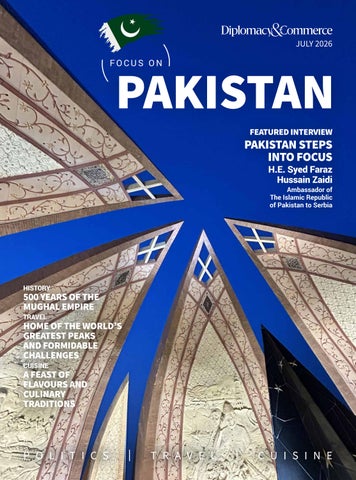
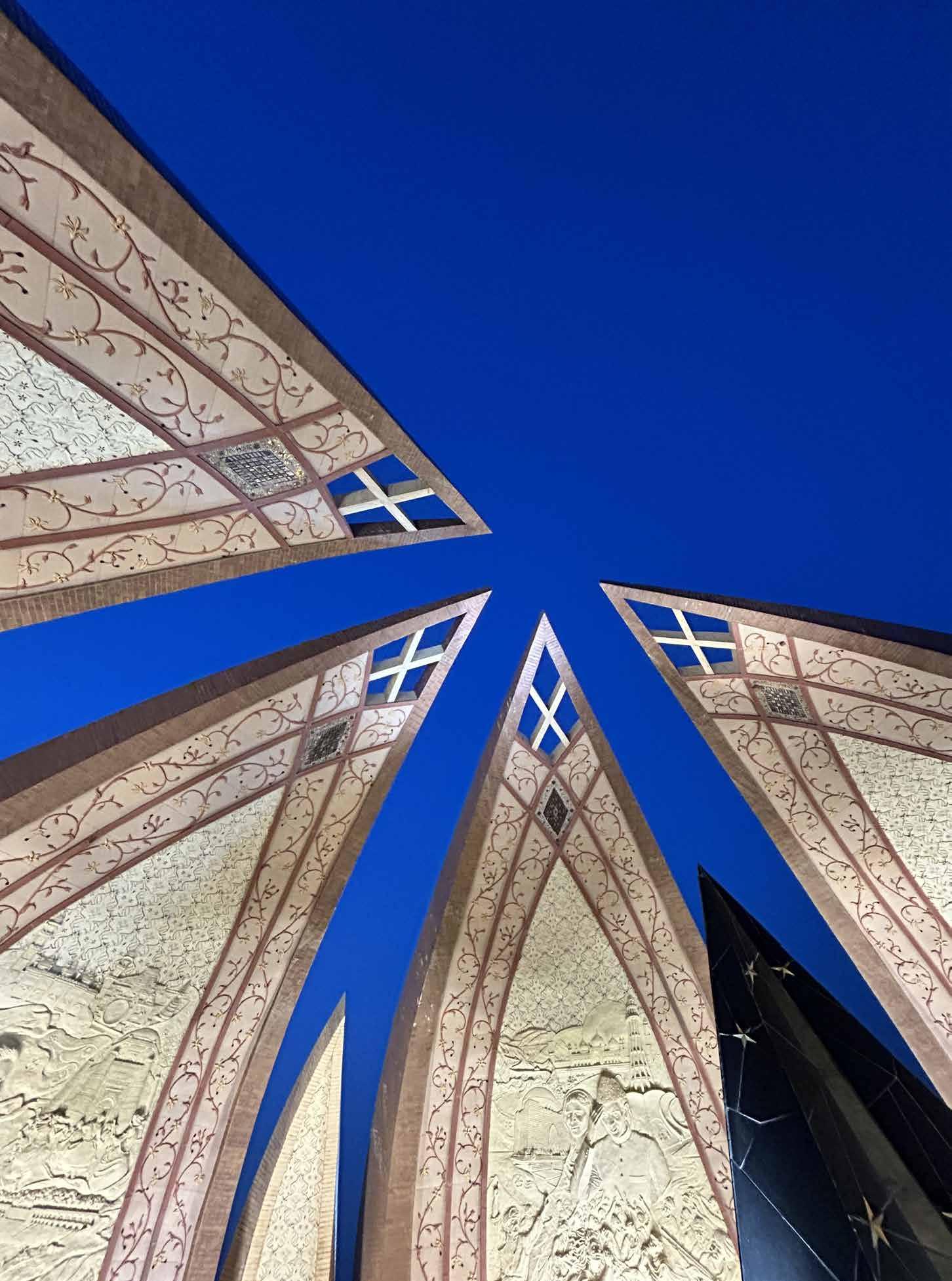
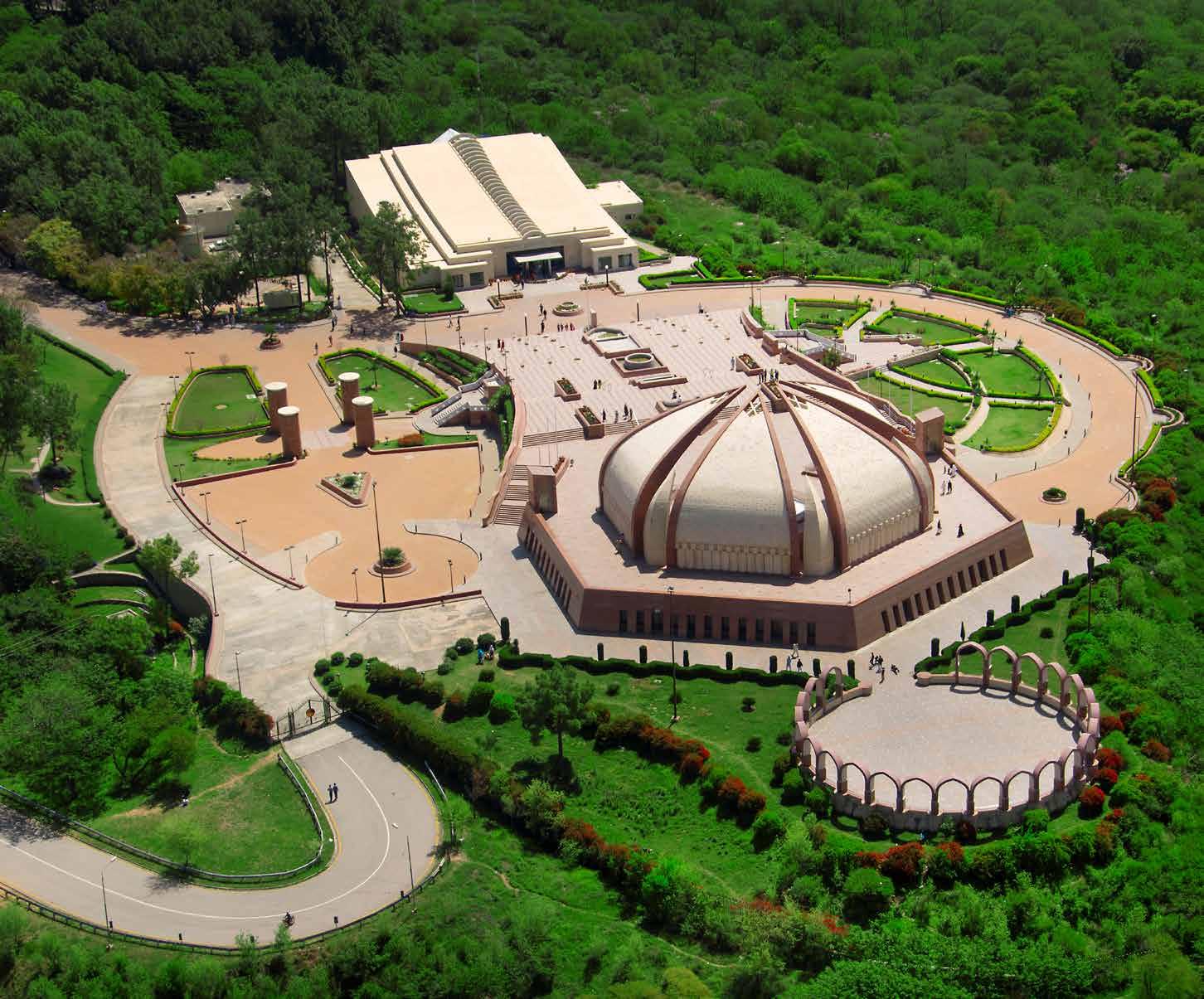
Rising above Islamabad on the Shakarparian Hills, the Pakistan Monument was designed by architect Arif Masoud as a symbol of national unity. Its four large granite petals represent Pakistan’s principal cultures—Punjabi, Sindhi, Baloch and Pashtun—while three smaller petals stand for the country’s minorities, Azad Kashmir and Gilgit-Baltistan. The inner walls depict celebrated landmarks and defining moments from Pakistan’s history. Viewed from above, the entire structure forms the star and crescent of the national flag. The monument was inaugurated on Pakistan Day, 23 March 2007.
COMMEMORATING THE 150TH BIRTH ANNIVERSARY OF THE QUAID -E – AZAM
In 2026, Pakistan commemorates the 150th anniversary of Muhammad Ali Jinnah’s (1876–1948) birth, revered as the founder of Pakistan and honored with the title Quaid-e-Azam (“Great Leader”)
Quaid-e-Azam Muhammad Ali Jinnah was a statesman, lawyer, and constitutionalist whose political philosophy emphasized the rule of law, democratic governance, and equal citizenship. It was based on these beliefs that he strove for the formation of a separate homeland not only for the Muslims of the subcontinent, but one that provided safety and security to all, and a chance to live a life of dignity. He envisioned a state where citizens of all faiths and backgrounds could enjoy equal rights and opportunities, guided by constitutional principles, justice, and mutual respect. He said in the speech of the constituent assembly, on 11 August 1947, merely days before Pakistan’s birth: “You are free; you are free to go to your temples. You are free to go to your mosques or to any other places of worship in this State of Pakistan. You may belong
to any religion, caste or creed—that has nothing to do with the business of the state.”
Throughout his public life, he advocated integrity, discipline, and determination, believing that a nation’s strength depended on the character, unity, and commitment of its people. His guidelines for this nascent country’s statecraft were peace within and peace without. “We want to live peacefully and maintain cordial, friendly relations with our immediate neighbours and with the world at large.” He stated. More than seven decades after his passing, Jinnah’s leadership and statesmanship continue to shape Pakistan’s national identity and inspire generations to uphold the values of unity, faith, and discipline. Commemoration of his birth serves not only as a tribute to the country’s founding father but also as an opportunity to reaffirm the ideals he championed, including education,
A NATION’S STRENGTH DEPENDS ON THE CHARACTER, UNITY, AND COMMITMENT OF ITS PEOPLE
civic responsibility, women’s empowerment, and public service. Jinnah died at age 71 in September 1948, just over a year after Pakistan gained independence from the British Raj. He left a deep and respected legacy in Pakistan, Stanley Wolpert summarizes the impact he had on Pakistan as he writes in his book Jinnah of Pakistan “Few individuals significantly alter the course of history. Fewer still modify the map of the world. Hardly anyone can be credited with creating a nation-state. Mohammad Ali Jinnah did all three.”
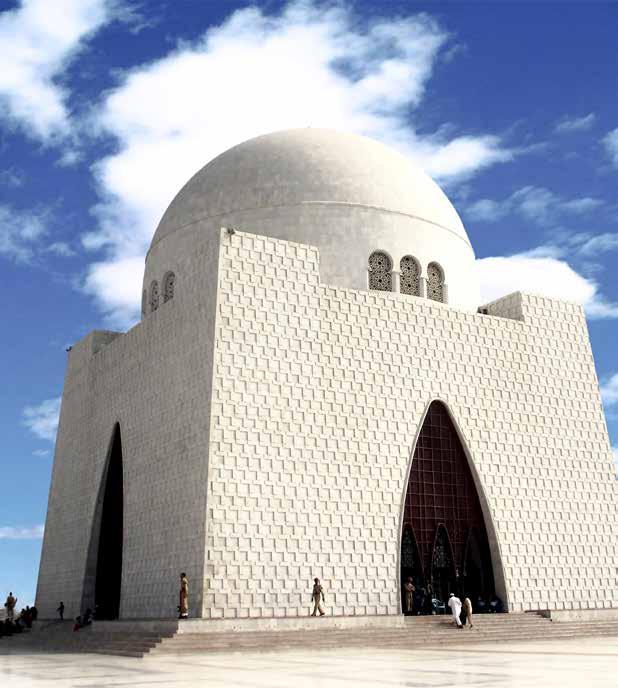
Jinnah Mausoleum, Karachi
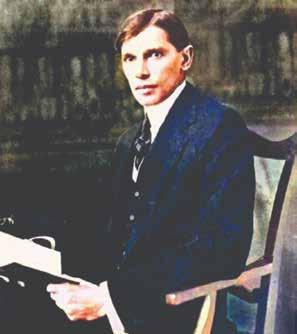
Young Quaid as a Barrister, early 1920s
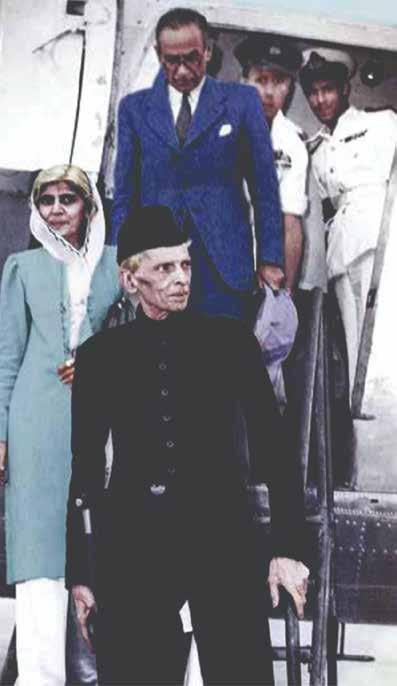
Quaid-i-Azam, accompanied by his sister Mohtarma Fatima Jinnah, arrives in Lahore to receive a great welcome
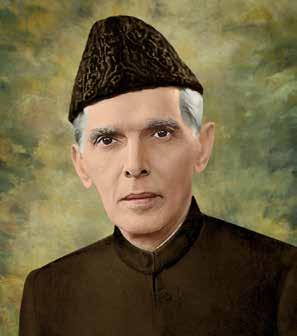
Quaid-e-Azam official portrait
by Dragan Nikolić
PAKISTAN STEPS INTO FOCUS
A conversation on economic diplomacy, multilateral engagement and the untapped potential of cooperation with Serbia
Diplomacy & Commerce presents the interview with H.E. Syed Faraz Hussain Zaidi, Ambassador of the Islamic Republic of Pakistan to Serbia, for the Serbian media. Conducted as part of the magazine’s special edition FocusOn Pakistan, this interview offers a rare and comprehensive insight into Pakistan’s foreign policy priorities, economic ambitions, and vision for strengthening ties with Serbia. Speaking with clarity and strategic focus, the Ambassador outlines the evolving dynamics of bilateral relations and positions Pakistan as an active and constructive player on the global stage.
A VISION FOR MODERN DIPLOMACY
Pakistan occupies a strategically vital position in South Asia. How would you define the key pillars of Pakistan’s foreign policy in 2026, particularly in light of the strengthening of regional initiatives and the “Economic Diplomacy” that your country is so actively promoting? In 2026, Pakistan’s foreign policy remains consistent in its fundamentals. The international environment is becoming more complex, but our priorities are clear: safeguarding national interests, promoting regional stability, and engaging constructively with the international community.
Pakistan’s approach is grounded in respect for sovereignty, adherence to the UN Charter, and the peaceful settlement of disputes. Dialogue and diplomacy remain our preferred instruments for the resolution of disputes. We consistently seek mutually beneficial and cooperative solutions, while ensuring that our security and sovereignty are protected in accordance with international law.
Economic diplomacy has become a central element of our external engagement. Foreign policy today is closely linked with development. Pakistan is focused on expanding trade, attracting investment, strengthening connectivity, and building partnerships in sectors such as information technology, agriculture, energy, and infrastructure. Sustainable economic growth strengthens national resilience and contributes to regional stability.
At the multilateral level, Pakistan continues to support strengthening the United Nations and reinforcing international cooperation. In a more competitive and multipolar world, we favour balanced engagement and practical cooperation.
MULTILATERAL COOPERATION
Pakistan is recognised as a staunch advocate for cooperation within the UN and the Organisation of Islamic Cooperation (OIC). In what ways does Pakistan contribute to global peace and security today, with a specific focus on UN peacekeeping missions, where your troops have traditionally been among the top contributors?
Pakistan has been a committed member of the United Nations since its independence in 1947 and is currently serving as a non-permanent member of the UN Security Council for the 2025–2026 term. Our engagement reflects a long-standing commitment to multilateralism, international law, and peaceful dispute resolution.
Pakistan remains among the leading contributors to UN peacekeeping operations. At present, Pakistani uniformed personnel are deployed in seven UN peacekeeping missions, including in the Democratic Republic of the Congo, Darfur, and the Central African Republic.
ECONOMIC DIPLOMACY IS NOW CENTRAL TO OUR FOREIGN POLICY
More than 170 Pakistani peacekeepers have sacrificed their lives in the service of international peace and security. This record reflects Pakistan’s sustained commitment to global peace and collective security. We also continue to support enhanced training standards and greater participation of women in peacekeeping missions.
Pakistan supports strengthening the United Nations so that it remains credible, representative, and responsive to contemporary global challenges.
CLIMATE DIPLOMACY
Given that Pakistan is one of the nations most vulnerable to climate change, how does your diplomacy utilise international forums to raise awareness about “Climate Justice”? Furthermore, what sustainable development models can Pakistan offer as an example to other developing nations?
Climate change remains one of the most pressing challenges facing the international community. Pakistan, despite contributing less than one percent to global emissions, is among the countries most vulnerable to climate impacts.
In international forums, Pakistan consistently advocates climate action based on equity and the principle of common but differentiated responsibilities and respective capabilities. We emphasise the importance of honouring climate finance commitments, particularly for adaptation and loss and damage.
There is a shared understanding of the importance of balanced foreign policy and respect for sovereignty. With continued engagement, our institutional cooperation will deepen further.
ECONOMIC COOPERATION AND EXPO 2027
At the national level, Pakistan is expanding renewable energy, promoting ecosystem restoration, and strengthening disaster resilience. Our climate diplomacy reflects both advocacy for fairness and a commitment to practical solutions.
The relations between Pakistan and Serbia date back to 1948. With the recently announced reopening of the Serbian Embassy in Islamabad and an intensified political dialogue, how do you assess the current level of political trust? Furthermore, in which international forums do our two countries most effectively coordinate their positions?
Pakistan and Serbia established diplomatic relations in 1948. The decision to reopen the Serbian Embassy in Islamabad, which had been closed since 1999, marks an important step in strengthening bilateral ties. It reflects renewed engagement and confidence in the relationship.
Political dialogue between our two countries is constructive and forwardlooking. We maintain regular exchanges through diplomatic channels and support each other in multilateral settings, including within the United Nations and other international forums.
Trade exchange shows significant potential for growth, particularly in agriculture, IT services, and the textile industry. How do you envision Pakistan’s participation in the upcoming EXPO 2027 in Belgrade, and do you consider this a pivotal opportunity for “B2B” networking between the business communities of our two nations?
Economic relations between Pakistan and Serbia hold considerable potential. There are complementarities in sectors such as agriculture, information technology, textiles, pharmaceuticals, engineering products, and sports goods.
Expo 2027 Belgrade will be an important international event for Serbia and the wider region. It will provide a platform for innovation, youth engagement, and business networking.
Inter-ministerial consultations in Islamabad regarding Pakistan’s participation are underway. We view the Expo as a valuable opportunity to promote business-to-business contacts, investment partnerships, and greater economic visibility for both countries. Our Embassy stands ready to facilitate engagement between the business communities of Pakistan and Serbia.
CULTURAL EXCHANGE AND EDUCATION
In recent years, we have witnessed a growing interest in Pakistani culture in Serbia (through events such as Discover Pakistan). Are there plans to expand cooperation in higher education and science, and how do you see the role of “people-to-people” diplomacy—students, tourists, and artists—in further bringing Islamabad and Belgrade closer together?
People-to-people engagement remains an essential dimension of Pakistan–Serbia relations. Academic and cultural exchanges help build long-term understanding and trust. The reopening of the Serbian Embassy in Islamabad will further strengthen people-to-people exchanges and institutional linkages between our two countries.
During the recent visit of the leadership of the Institute of International Politics and Economics to Islamabad, cooperation agreements were concluded with the Islamabad Policy Research Institute and the Institute of Strategic Studies Islamabad. These agreements provide a structured framework for research collaboration and sustained dialogue between leading institutions of both countries.
We see scope for further cooperation in higher education, science, tourism, and cultural initiatives. Greater interaction among students, researchers, artists, and entrepreneurs will continue to strengthen ties between Islamabad and Belgrade.
PAKISTAN AND SERBIA SHARE A COMMITMENT TO ENHANCED COOPERATION
H.E. SYED FARAZ HUSSAIN ZAIDI Ambassador of The Islamic Republic of Pakistan in Serbia
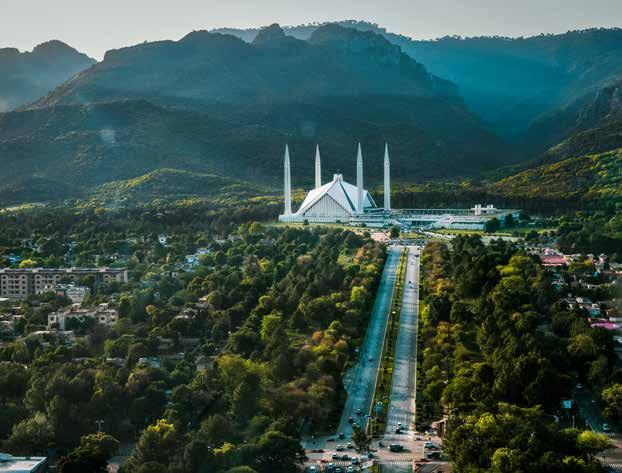
Faisal Mosque, Islamabad
500 YEARS OF THE MUGHAL EMPIRE
Five centuries later, the Mughal legacy still lives on in architecture, language, cuisine, and culture
On 21 April 1526, the Central Asian prince Zahir-ud-Din Muhammad Babur achieved a decisive victory over Sultan Ibrahim Lodi at the First Battle of Panipat, laying the foundations of what would become one of the most influential empires of the early modern world “the Mughal Empire (1526–1857)”.
From its origins in the fertile plains of the Punjab to its expansion across much of the subcontinent, the empire transformed the region’s political, economic, cultural, and artistic landscape. For more than three centuries, the Mughals forged a sophisticated imperial civilization whose influence extended well beyond the lifespan of the dynasty itself, leaving an enduring legacy in governance, language, architecture, literature, art, and cuisine.
The Mughal Empire’s centralized administration and large, well-equipped army allowed it to integrate diverse regions into a single political framework. Babur won victories against different Indian rulers, successfully crushing strong contenders and potential resistance. After him, his son Humayun strengthened and expanded the empire but it was under Akbar (1556–1605) that Mughal governance evolved from a loosely structured, military-led system to reach its most systematic imperial framework. Akbar expanded the boundaries of the empire through his military prowess and consolidated power through a centralized bureaucracy, reorganizing the empire into provinces. Subsequently Aurangzeb further strengthened the empire and focused on the refined arts it is still known for.
THE MUGHAL EMPIRE UNITED DIVERSE CULTURES UNDER A SINGLE IMPERIAL VISION
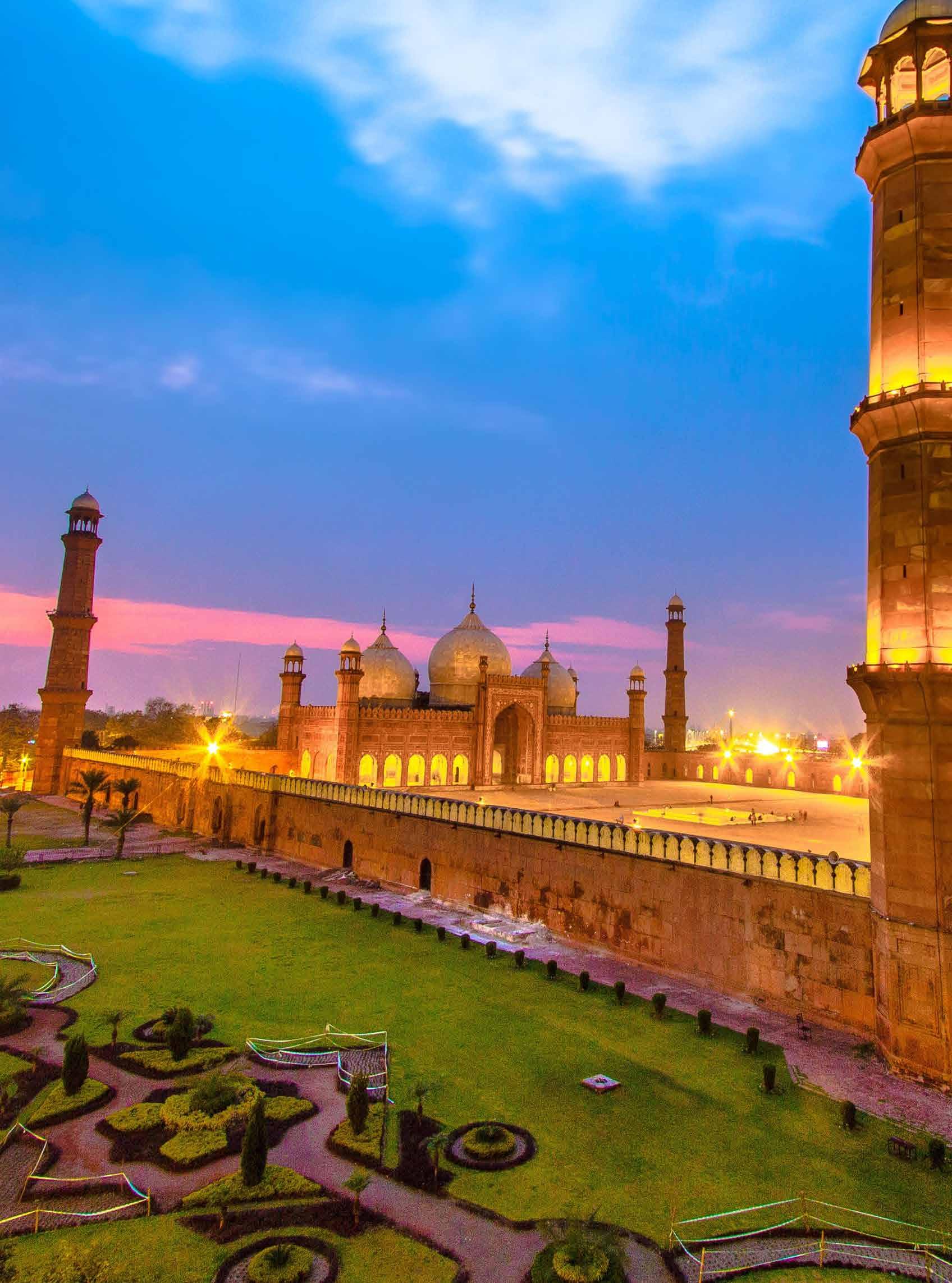
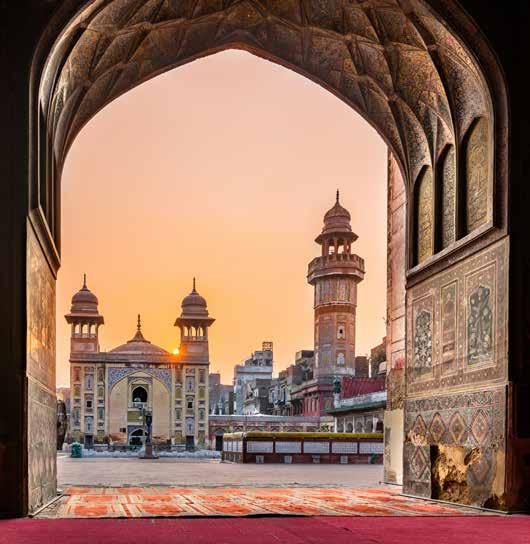
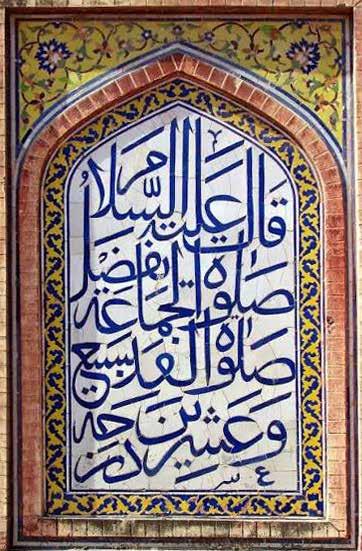
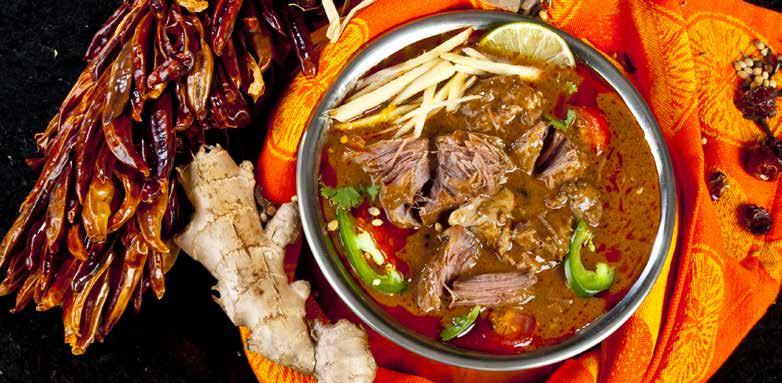
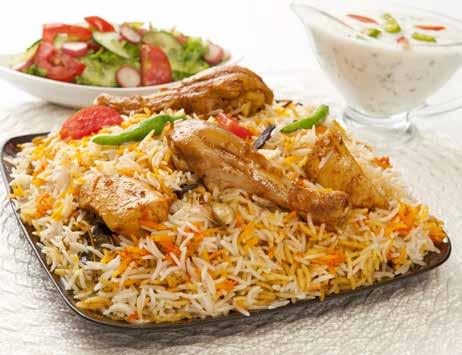
Five centuries after the decisive victory that led Babur to make the subcontinent his home, Mughal influence remains deeply embedded in its culture, language, cuisine, and architecture. The empire’s architectural marvels are perhaps its most visible contributions with the Badshahi Mosque standing proudly in Lahore along with the sprawling Shalimar gardens. The culinary legacy of the Mughals is equally significant. Mughlai cuisine introduced rich dishes that combined Central Asian and Persian influences with South Asian spices and other ingredients. Foods including biryani, nihari, kebabs, and pulao, which came to the subcontinent through the Mughal kitchens, have become integral to the cuisine of South Asia. Equally important was the Mughal impact on language. Persian became the language of administration and high culture, and it influenced the development of Pakistan’s National Language; Urdu. For Pakistan’s national identity the legacy of the Mughal Empire remains an intrinsic part. As the heartland of much of the Mughal Empire, the country preserves an extraordinary architectural lineage with magnificent monuments, gardens and various other marvels offering timeless spaces of beauty and reflection. More than a chapter in history, the Mughal legacy lives on in Pakistan’s cities, customs, and collective memory, serving as a lasting testament to one of the world’s greatest imperial civilizations and its enduring contribution to the country’s cultural heritage.
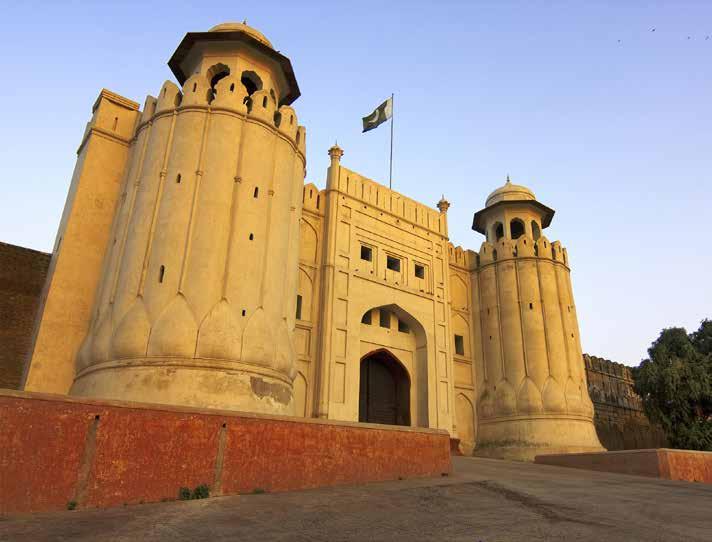
Lahore fort, Punjab
Wazir Khan Mosque
Calligraphy
Badshahi Masjid, Lahore
PAKISTAN: A CRADLE OF CIVILIZATIONS AND ARCHITECTURAL HERITAGE
From the Indus Valley to Gandhara, Pakistan preserves one of the world’s richest cultural legacies
Pakistan stands at the crossroads of South Asia, Central Asia, and the Middle East, making it one of the world’s great meeting places of civilizations. With a cultural legacy spanning more than 9,000 years, the country has been shaped by successive waves of peoples, empires, religions, and trade routes that have left an enduring imprint on its identity. From the sophisticated urban centres of the Indus Valley Civilization and the Buddhist monasteries of Gandhara to the grandeur of the Mughal Empire and the elegance of British colonial architecture, Pakistan’s heritage is a remarkable mosaic of cultures, languages, artistic traditions, and architectural styles.
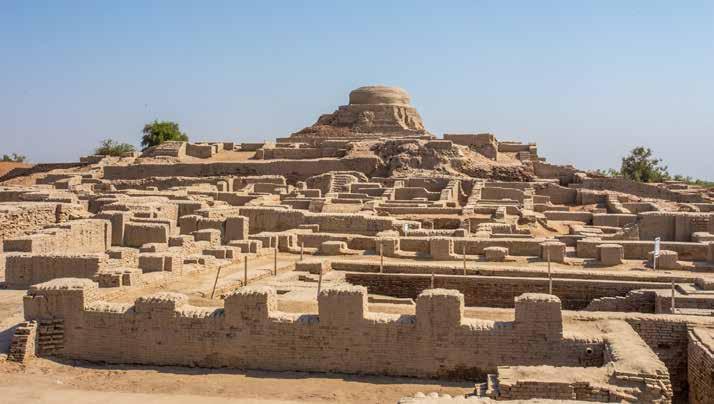
Pakistan is home to the birthplace of the Indus Valley Civilization, one of the world’s earliest and most advanced urban societies. The civilization was first identified in 1921 with the excavation of Harappa in present-day Punjab Province, followed a year later by the discovery of Mohenjo-daro in Sindh, near the Indus River. These groundbreaking archaeological finds transformed our understanding of early human civilization, revealing a sophisticated society that flourished around 2600 BCE. Mohenjo-daro, inscribed as a UNESCO World Heritage Site in 1980, is celebrated for its remarkably advanced urban planning, orderly street grid, elaborate drainage network, and one of the world’s earliest known urban sanitation systems. The civilization’s reach extended far beyond these two great cities, with archaeological sites stretching from Sutkagen Dor on Pakistan’s Makran coast near the Arabian Sea to Ropar in present-day India, demonstrating the vast extent and remarkable influence of this Bronze Age civilization.
FOR MORE THAN 9,000 YEARS, PAKISTAN HAS STOOD AT THE CROSSROADS OF CIVILIZATIONS
The northern regions of Pakistan are home to some of the world’s most significant Buddhist archaeological treasures, reflecting the country’s pivotal role in the ancient Gandhara civilization, which flourished
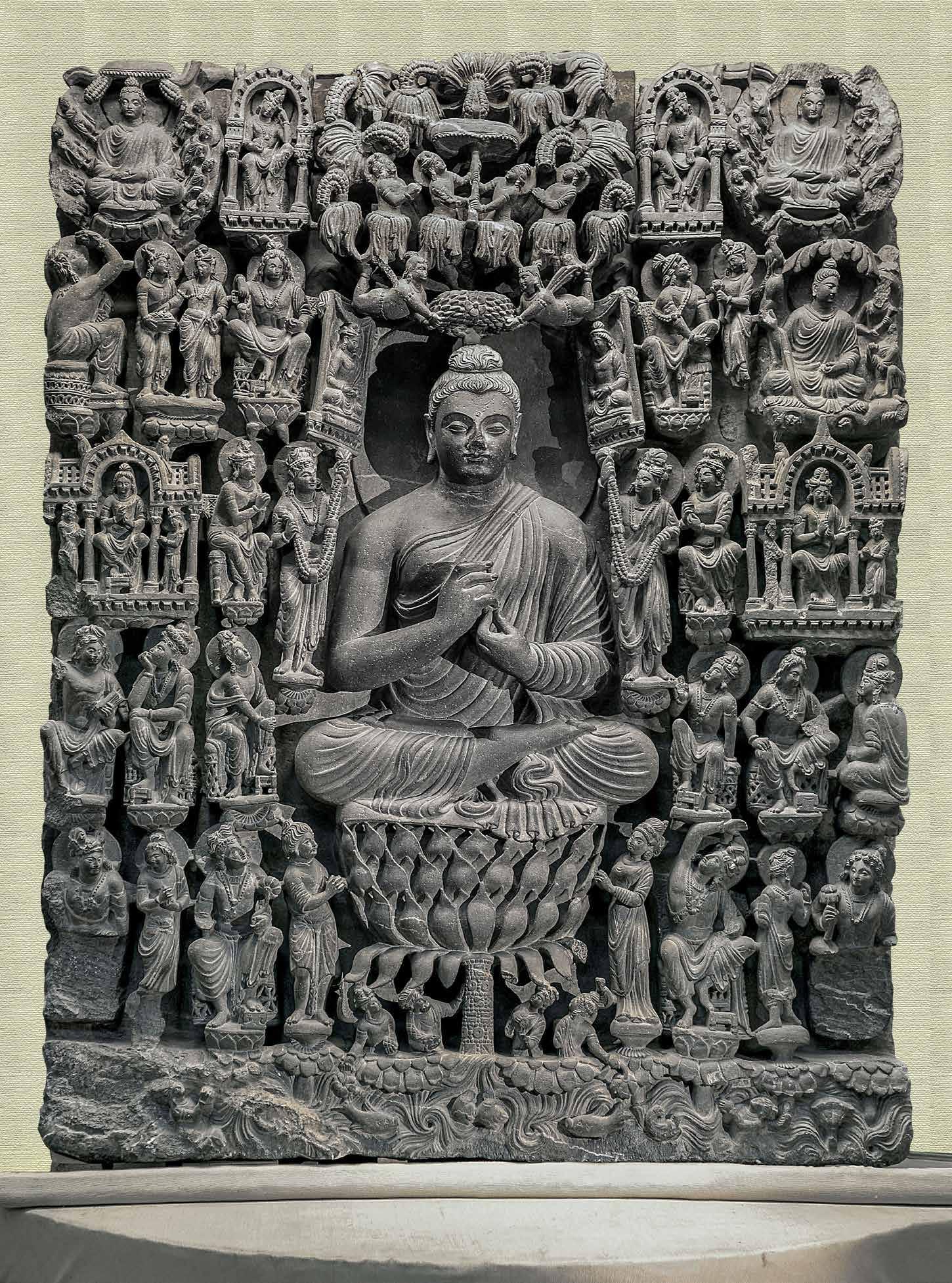
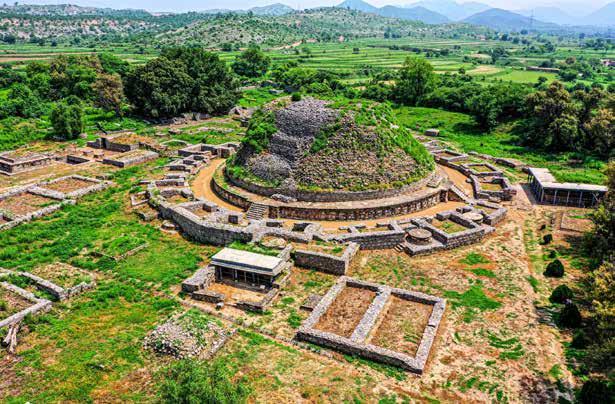
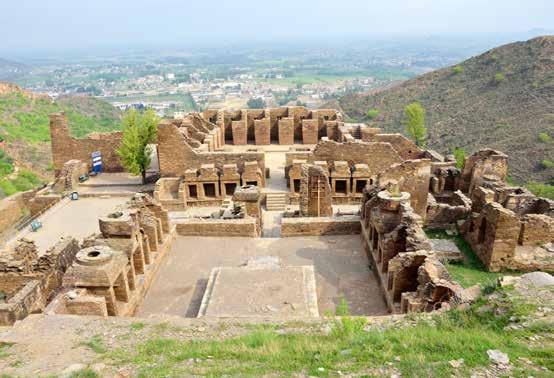
between the 1st century BCE and the 7th century CE. This remarkable cultural landscape preserves an extraordinary concentration of monasteries, stupas, temples, and sculptural masterpieces that bear witness to the spread of Buddhism along the Silk Road. Among the most celebrated sites is Taxila, a UNESCO World Heritage Site and one of the ancient world’s foremost centres of learning, where students from across Asia studied philosophy, medicine, mathematics, and the arts. Its extensive archaeological remains, including the Dharmarajika Stupa, Jaulian Monastery, Sirkap, and Sirsukh, illustrate the distinctive Gandhara school of Buddhist art. Further north, the UNESCO-listed monastery of Takht-i-Bahi, together with the stupas and monasteries scattered throughout the valleys of Swat, Gilgit-Baltistan, and Khyber Pakhtunkhwa, stand as enduring monuments to a flourishing Buddhist civilization that once made present-day Pakistan one of the most important spiritual and intellectual centres of Asia. Together, these monuments chronicle more than four millennia of architectural evolution, illustrating Pakistan’s enduring role as a bridge between civilizations and preserving the legacy of cultures that have flourished on its fertile soil for thousands of years.
Dharmarajika Stupa Taxila Mohenjo-daro
Takht-i-Bahi' and 'Khyber Pakhtunkhwa
Mahayana Buddha sculpture
HOME OF THE WORLD’S GREATEST PEAKS AND FORMIDABLE CHALLENGES
Where the Karakoram’s towering summits and vast glaciers create one of Earth’s last great wildernesses
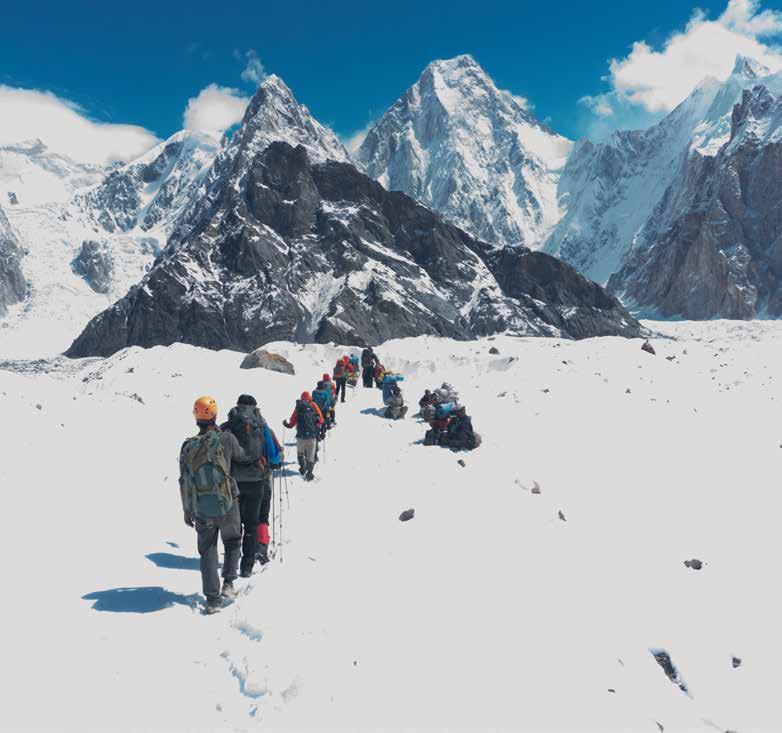
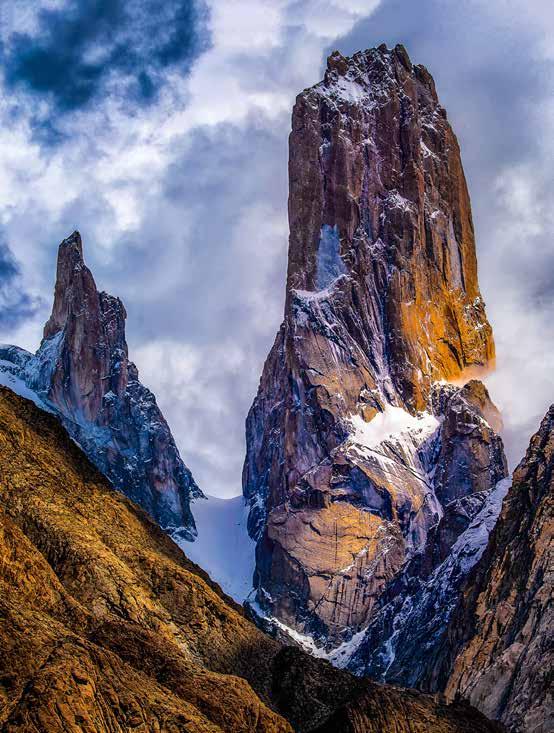
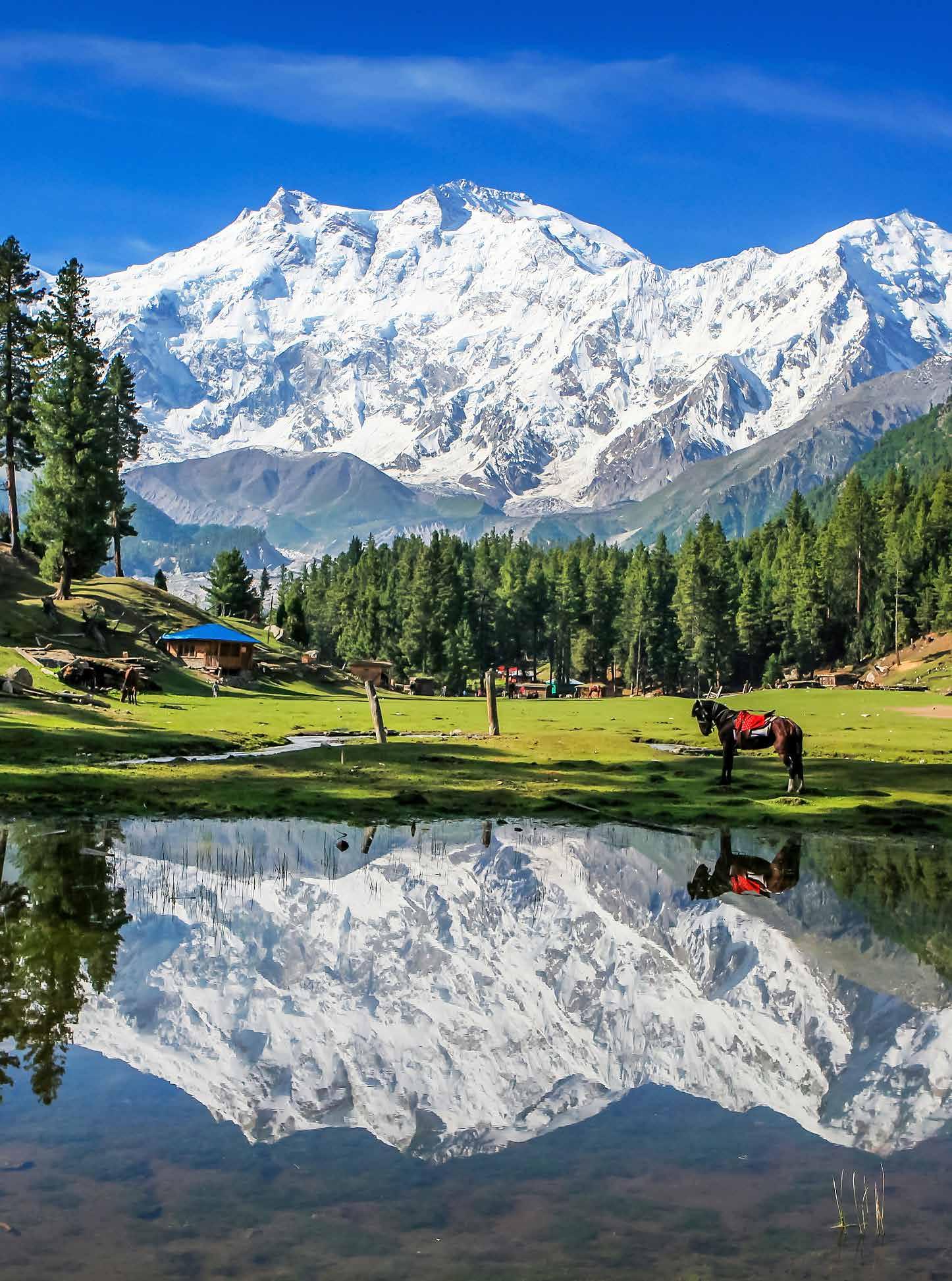
Pakistan is one of the world’s premier mountain destinations, boasting an extraordinary concentration of some of the planet’s highest and most spectacular peaks. The country is home to 108 mountains rising above 7,000 metres, along with hundreds more exceeding 6,000 metres. The total number of peaks above 5,000 and 4,000 metres remains uncounted, underscoring the immense scale of Pakistan’s mountainous landscape. Five of the world’s fourteen eight-thousanders, the independent peaks exceeding 8,000 metres, are found in Pakistan, with four clustered around the legendary Concordia, where the Baltoro and Godwin Austen glaciers converge to form one of the most awe-inspiring mountain ranges on Earth. A little known fact is that Pakistan is home to over 7,250 glaciers which makes it the largest concentration of glacial ice outside the polar regions.
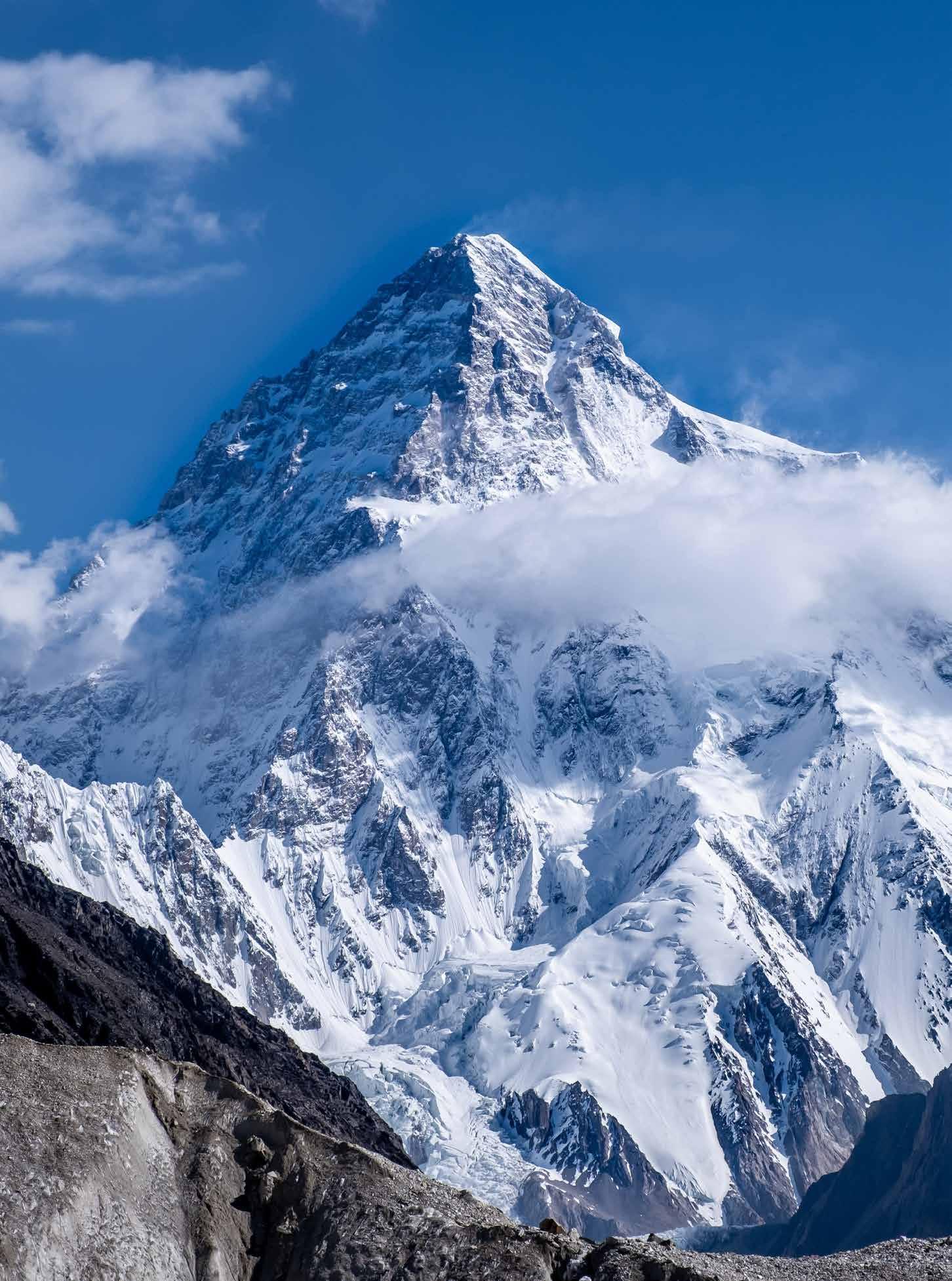
Dominating this dramatic landscape is K2, also known as Mount GodwinAusten or Chhogori, which in the local Balti language means “Large Mountain”. K2 rises to 8,611 metres (28,251 feet) above sea level, making it the world’s second-highest mountain after Mount Everest (8,848 metres/29,029 feet).
Straddling the border between Pakistan and China, K2 stands between Baltistan in Pakistan’s Gilgit-Baltistan region and the Taxkorgan Tajik
K2 REMAINS ONE OF THE WORLD’S MOST FORMIDABLE MOUNTAINS, WHERE ONE IN FOUR SUMMIT ATTEMPTS ENDS IN TRAGEDY
Autonomous County in China’s Xinjiang Uyghur Autonomous Region. As the highest summit of the Karakoram Range, K2 is not only Pakistan’s highest mountain but also the highest point in China’s Xinjiang region. For decades, K2 was the only eight-thousander that refused to be conquered in winter, earning it the moniker “The Savage Mountain.” It wasn’t until early 2021 that a team of ten Nepali climbers, moving in a historic display of unity, finally stood on its crown in the dead of winter. Yet, even with modern technology, K2 remains a statistical anomaly as for every four people who reach the summit, one dies trying. To look at Chogori from the Concordia glacial junction is to see the Earth’s raw power. It is a monument to the sublime, beautiful enough to inspire the soul, yet indifferent enough to crush it. In the shadow of its near-perfect silhouette, human ambition meets its most honest mirror, reminding us that there are still places on this planet that cannot be tamed, only briefly visited with profound humility.
Concordia & K2 Base camp
Tango tower in the Karakorum Mountains
A FEAST OF FLAVOURS AND CULINARY TRADITIONS
A culinary journey where centuries of tradition, regional diversity, and hospitality meet at the table
Pakistani cuisine is a vibrant reflection of the country’s rich cultural diversity, shaped by centuries of migration, trade, and the blending of civilizations. Drawing influences from Central Asia, Persia, and the Middle East, Pakistan’s culinary heritage is renowned for its bold flavours, fragrant spices, and remarkable regional variety. Every province offers its own distinctive specialties, from the aromatic biryanis and spicy curries of Sindh to the hearty meat dishes, tandoor-baked breads, and celebrated barbecue traditions of Punjab. These regional cuisines, enriched by local ingredients and time-honoured cooking techniques, together create one of Asia’s most diverse and rewarding gastronomic experiences.
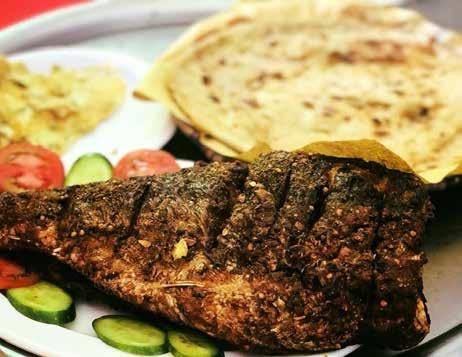
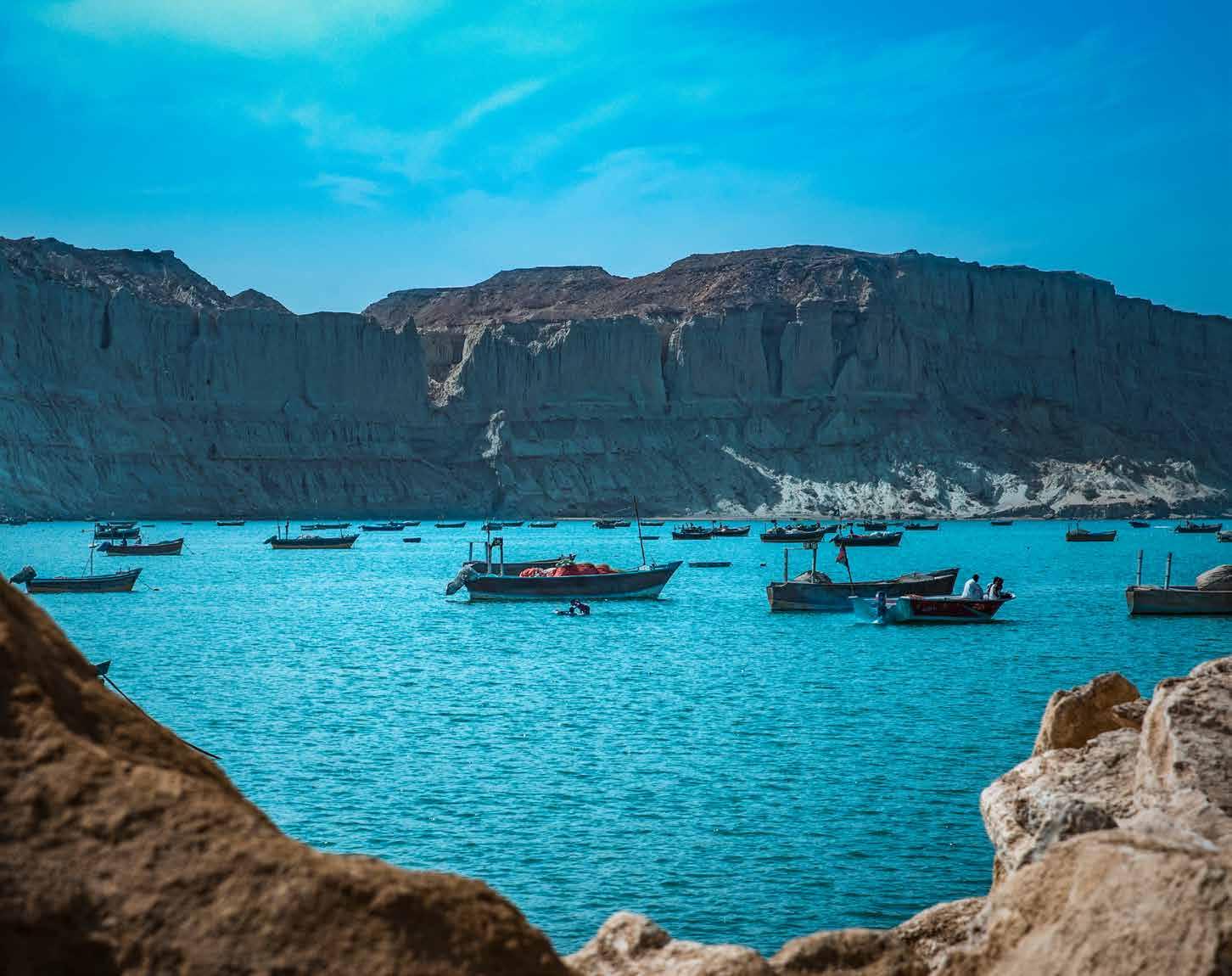
Across the country’s varied landscapes, food tells the story of its people and their traditions. In the northwest, Pashtun communities such as the Shinwari are renowned for their simple yet flavourful cuisine, particularly succulent lamb seasoned with little more than salt and slow-cooked over charcoal or prepared in large iron woks with tomatoes and natural spices. Along the Arabian Sea coast, generations of fishing communities have perfected dishes featuring fresh crab, prawns, and a wide variety of fish, grilled over open flames or simmered in richly spiced curries. Meanwhile, Karachi, the nation’s largest and most cosmopolitan city, is a culinary melting pot where dishes such as nihari and countless styles of biryani reflect the traditions of the diverse communities that have made
IN PAKISTAN, FOOD IS MORE THAN A MEAL. IT IS A SYMBOL OF HOSPITALITY, FRIENDSHIP, AND HUMAN
CONNECTION
the city their home. From bustling street food markets to festive family feasts, Pakistani cuisine is more than a collection of recipes; it is a celebration of hospitality, regional identity, and the country’s multicultural heritage.
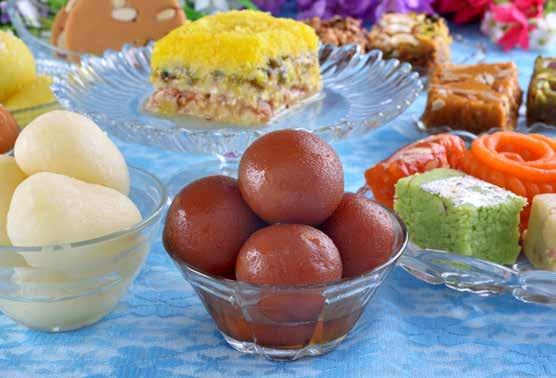
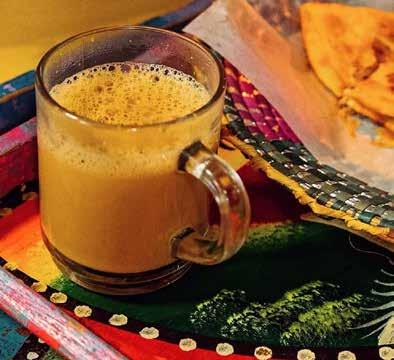
Beautifully woven into this tapestry of culinary excellence, is the renowned hospitality of the Pakistani people. Hospitality is more than a social custom, it is a deeply cherished tradition that transcends regions, cultures, and communities. A guest is considered a blessing from God, therefore whether welcoming a lifelong friend, a neighbour, or a first-time visitor from abroad, Pakistanis take great pride in extending warmth and generosity to their guests. It is customary for no guest to leave a home without being offered a steaming cup of Pakistani tea, the original chai latte, accompanied by an assortment of traditional refreshments such as crispy pakoras, freshly prepared samosas, or an array of homemade sweets and savoury delicacies. This enduring culture of generosity and shared meals embodies the spirit of Pakistani society, where food is not only a source of nourishment but also a symbol of friendship, respect, and human connection.
Fairy Meadows, Gilgit Baltistan
Biryani Gulab jaamun and various mithai
Chai Lahori fish Chicken Biryani
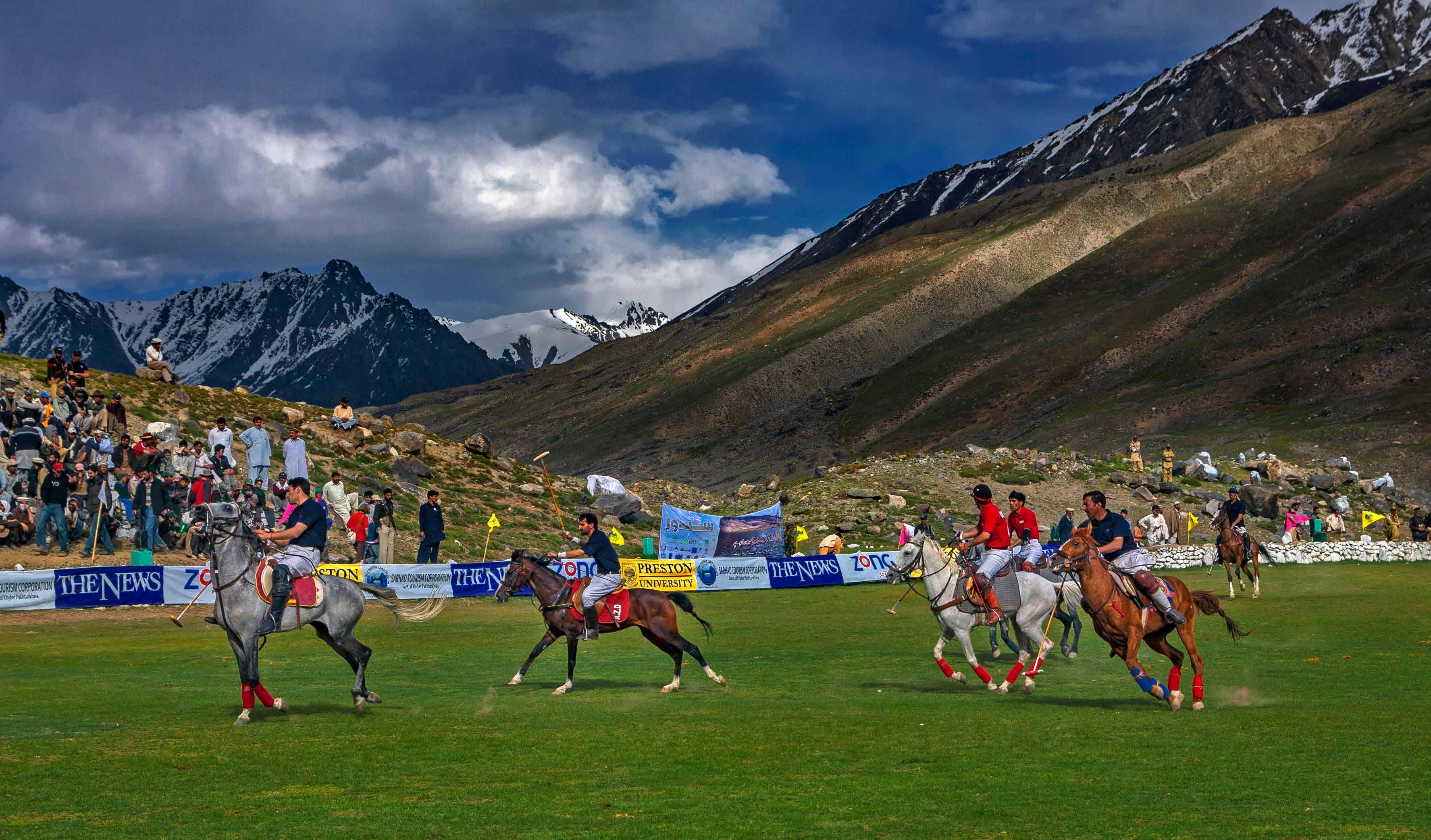
Polo Above the Clouds
Played at an altitude of around 3,700 metres, the Shandur Polo Festival is often described as the world’s highest polo tournament. Every summer, teams from Chitral and Gilgit-Baltistan meet on the spectacular Shandur Pass for fiercely contested matches played in a traditional, fast-paced style with few formal restrictions. Surrounded by snow-capped peaks, the festival combines sport with music, dancing and local celebrations, transforming this remote Himalayan plateau into one of Pakistan’s most extraordinary cultural gatherings.