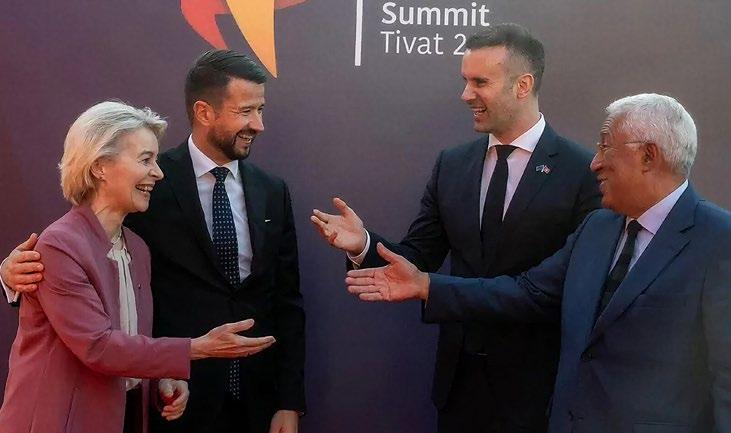
EU–WESTERN BALKANS SUMMIT IN TIVAT

EU–WESTERN BALKANS SUMMIT IN TIVAT
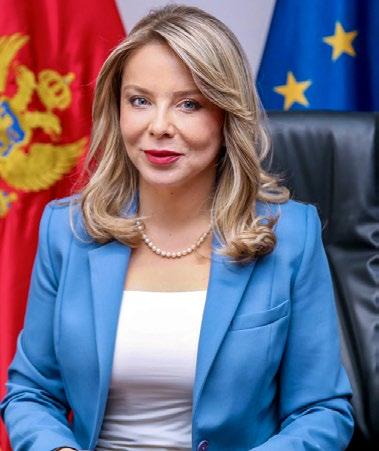
RESILIENT, PREDICTABLE, EUROPEAN
DR IRENA RADOVIĆ
Governor of the Central Bank of Montenegro
MONTENEGRO
TOPS EUROPE’S TOURISM MAP
SIMONIDA KORDIĆ Minister of Tourism of Montenegro
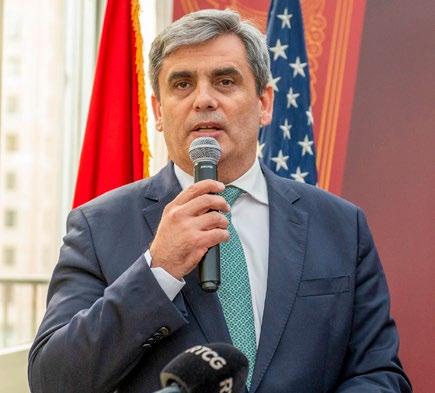
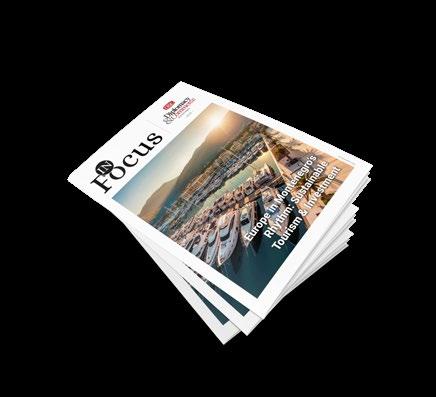
FROM STATEHOOD TO STANDING: MONTENEGRO AT 20 TWO DECADES OF MONTENEGRIN INDEPENDENCE
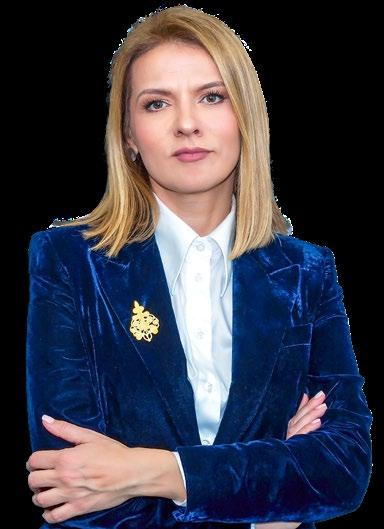
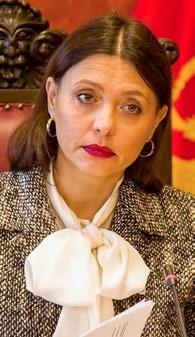
FROM INDEPENDENCE TO INTEGRATION
DR NINA DRAKIĆ
President of the Chamber of Economy of Montenegro
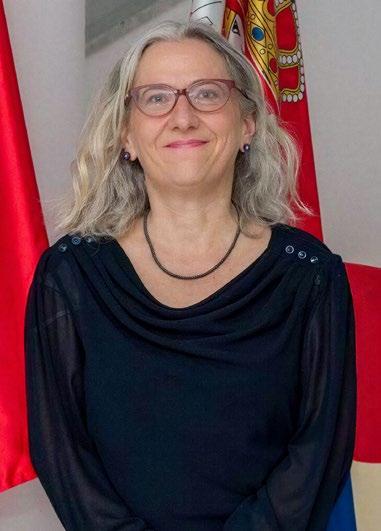
AMBASSADOR'S INTERVIEW
SWITZERLAND AND MONTENEGRO: BUILDING FUTURES
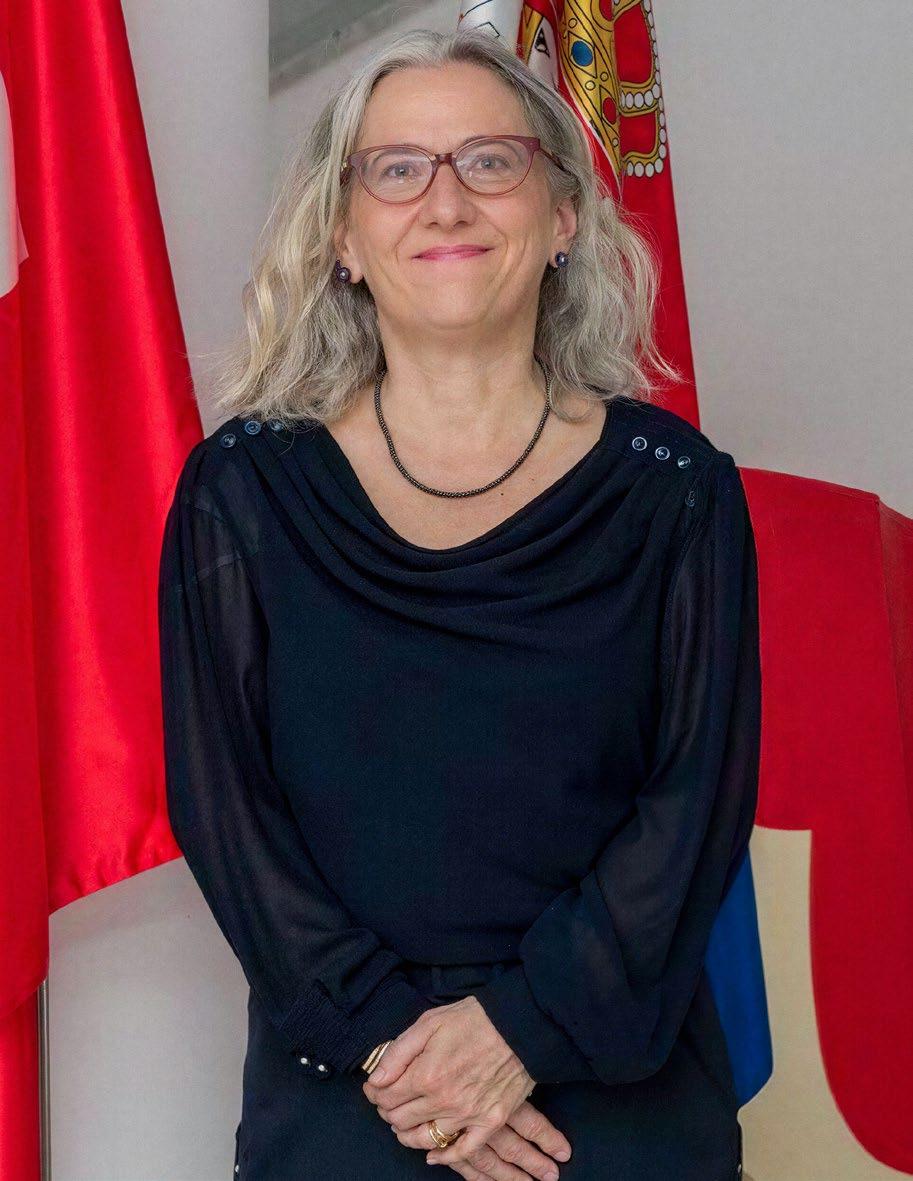
H.E. MS. ANNE LUGON-MOULIN Ambassador of Switzerland to Montenegro
MARITIME HERITAGE AS CULTURAL DIPLOMACY
MAJA USKOKOVIĆ, Director of the Maritime Museum of Montenegro, Kotor

FOLLOW US TO STAY UPDATED
It is with great pleasure that we present to you the new issue of Diplomacy magazine, dedicated to the values that connect Montenegro with the European family of nations and, at the same time, marking one of the most significant dates in our country's modern history — Montenegro's Independence Day.
MILOŠ DRAGAŠ CEO dragasm@drafmedia.me
ALEKSANDRA TOMIĆ
Editor-in-Chief aleksandra.tomic@drafmedia.me
NATALIJA PEROVIĆ Advertising Director advertising@drafmedia.me
ZORAN DRAGIĆ
Design and prepress zoran.dragic@gmail.com
Translation
Double L D.O.O.
Contributors:
Miloš Dragaš Robert Čoban Žikica Milošević
BIROGRAF
COMP D.O.O.
Atanasija Pulje 22
Zemun
Republika Srbija

Published by:
DRAF Media d.o.o.
81100 Podgorica, Montenegro
Karađorđeva 18
VAT: 03542041
Reg. No: 51128768
Office: Karađorđeva 18
81100 Podgorica
Phone: + 382 69 220 275
CIP – Katalogizacija u publikaciji
Nacionalne biblioteke Crne Gore, Cetinje
ISSN 2989 – 2481 = Diplomacy and Commerce Montenegro (Print)
COBIS.CG-ID 26760708
International Copyright 2016-2023
Color Media Communications, Novi Sad, Serbia
Copyright for Montenegro: 2023
The Media doo, Podgorica, Montenegro
Europe Day and Independence Day offer an opportunity to reflect on what we have achieved, as well as to take stock of the challenges and opportunities that lie ahead. In a time of dynamic global change, Montenegro continues along its European path, building a society founded on democratic values, economic development and international cooperation.
We have devoted particular attention to tourism, one of the most important branches of our economy and one of Montenegro's most powerful ambassadors in the world. Through conversations with the heads of tourism organisations and centres of tourism development, we present the plans, potential, and visions that will shape the coming tourist seasons and the long-term development of this strategic field.
It is with particular pleasure that we bring you an exclusive interview with Irena Radović, Governor of the Central Bank of Montenegro, who speaks about the stability of the banking system, Montenegro's economic prospects, financial resilience and the role of institutions in creating a favourable business climate. Her views and reflec-
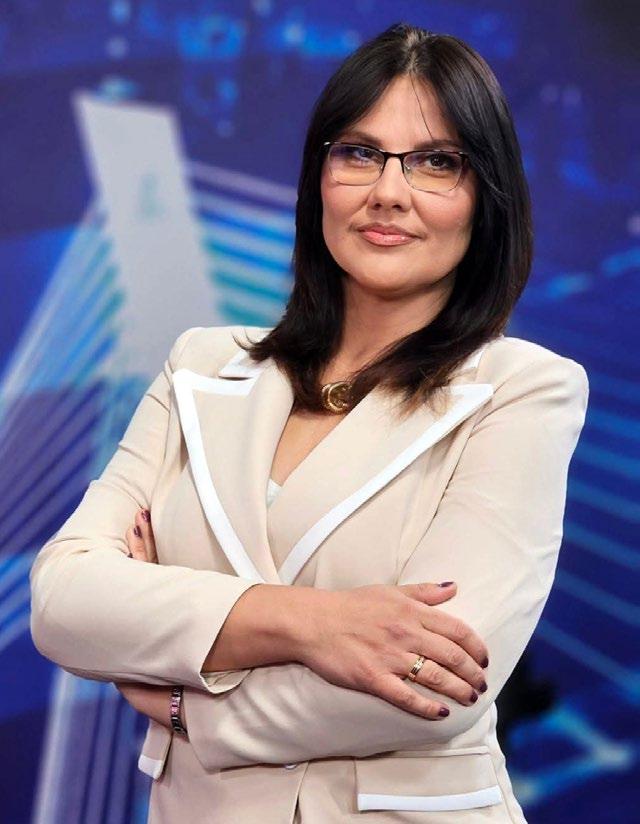
tions are a valuable contribution to understanding the economic dynamics that directly affect the country's development and the quality of life of its citizens.
As always, through carefully chosen topics, relevant interlocutors and expert analysis, we have sought to offer content that informs, inspires and encourages dialogue. We believe that diplomacy, the economy, tourism, and European integration are not separate themes but interconnected
segments in the development of a modern society.
I thank our interlocutors, partners, associates and loyal readers for the trust they continue to place in us. It is precisely thanks to that support that Diplomacy magazine remains a space where ideas, experiences and visions of the future come together.
Respectfully,
Aleksandra Tomić Editor-in-Chief
Call us or send us request on: e-mail: pretplata-dc@color.rs
Phone: +381 11 4044 960
Payment Instructions: www.diplomacyandcommerce.rs/subscription
H.E.
The reopening of Montenegro’s Embassy in Bern, growing Swiss investments and support for European reforms signal a new phase of stronger political, economic and institutional cooperation between the two countries.
Relations between Switzerland and Montenegro can today be described as stable, dynamic and strategically oriented toward long-term cooperation. High-level political dialogue, increasing investment interest and continued support for reform processes demonstrate the mutual commitment to strengthening bilateral ties. In an interview for Diplomacy Magazine, Swiss Ambassador Anne Lugon-Moulin and Honorary Consul Vladimir Radonjić discuss the potential for further connecting the two countries, the importance of Montenegro’s European integration, the role of education and innovation, as well as the values that make the Swiss model one of the most successful in Europe. Special emphasis is placed on trust, institutional stability and “quiet diplomacy” as the foundations of sustainable partnerships.
How would you assess the current level of relations between Switzerland and Montenegro, and where do you see the greatest potential for further development?
The bilateral relations between Switzerland and Montenegro are excellent. As a clear testimony of this, Montenegro has reopened its Embassy in Bern in January this year. Deputy Prime Minister Ibrahimovic travelled to Bern and was received by Swiss Federal Councilor and Minister of Foreign Affairs, Ignazio Cassis. Last year, the President of Montenegro met with our President in St. Gall. I see strong potential for further development in attracting more Swiss investments to Montene-
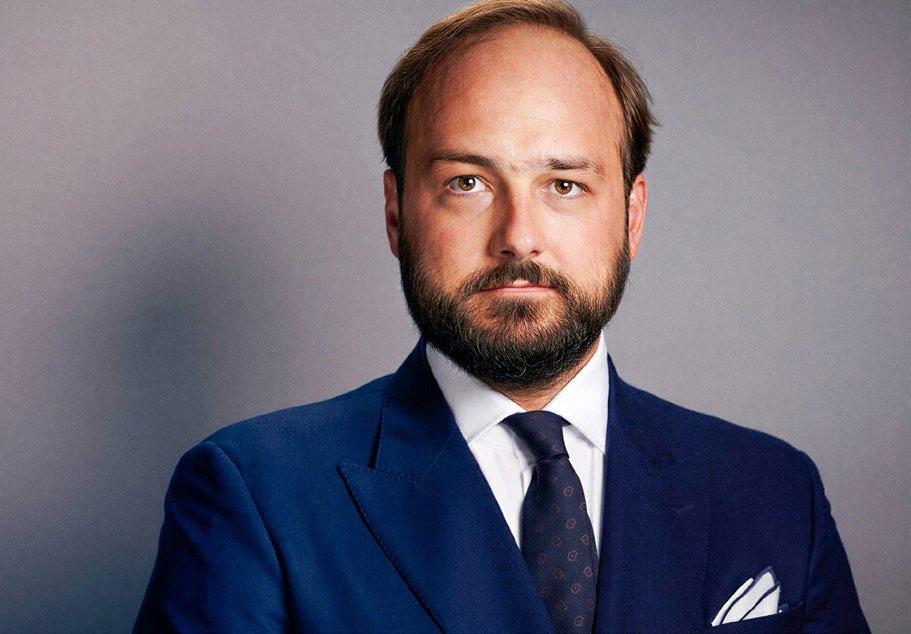
Switzerland Among the Leading Foreign Investors in Montenegro
• Switzerland ranked as the fifth-largest foreign investor in Montenegro in 2024.
• Swiss companies are active in sectors including maritime transport, pharmaceuticals, real estate and services.
• Additional investment potential is expected as Montenegro advances toward EU membership.
• Key conditions for attracting new investments include the rule of law, legal predictability, transparent public procurement and the fight against transnational crime.
• Although not an EU member itself, Switzerland strongly supports Montenegro’s European path.
gro; once Montenegro joins the EU, Switzerland will most probably start a programme of support, as we are doing in all EU member states from Eastern Europe.
Which key sectors could Switzerland further support in the development of Montenegro in the coming period?
We are already supporting Montenegro in the field of vocational education training, through a regional project aiming at investing in technical schools in the Western Balkans region. At the same time, we are also one of the main contributors to the Montenegro Acceleration Fund, located at the United Nations Office
in Podgorica. This fund allows many projects to be financed in a variety of sectors. We are also contemplating some actions in the field of democracy resilience.
In what way does the honorary consulate contribute to strengthening institutional and economic ties between the two countries?
The Honorary Consulate primarily serves as a bridge between the two countries, their institutions, business communities and citizens. This role is carried out through day-to-day communication, and connecting of relevant interlocutors of both countries, especially in the business sector.
A particularly important aspect of the Honorary Consulate’s work relates to providing support to Swiss citizens in Montenegro, within the limits of the entrusted consular mandate and in close cooperation with the Embassy of Switzerland in Belgrade. At the same time, the Honorary Consulate can contribute to a better understanding of the business, legal and institutional environment in Montenegro, which is important for building trust and encouraging economic contacts.
In this respect, the Honorary Consulate does not act in isolation, but rather as part of Switzerland’s broader diplomatic and consular framework, with full respect for the competencies of the Embassy and with the aim of ensuring that
Are there any concrete examples of successful cooperation that you would highlight as a model for the future?
As two small countries, Switzerland and Montenegro have annual political consultations at Assistant State Secretary level. This structured framework of diplomatic exchanges enable every common point to be discussed.
Switzerland is recognized as a leader in innovation—how can this expertise be transferred to the Montenegrin context?
each engagement contributes to the concrete, practical and longterm strengthening of bilateral relations.
How interested are Swiss investors in the Montenegrin market, and which sectors are the most attractive to them?
As in many other countries, we can see that Swiss companies come from a variety of sectors, ranging from maritime transport to pharmaceutical companies and real estate. In 2024, Switzerland ranked 5th foreign direct investor in Montenegro. This shows not only the potential of Montenegro, but also the strength of the Swiss economy.
Which reforms or initiatives would further encourage investments from Switzerland?
All that pertains to EU accession will ultimately facilitate Swiss companies invest in Montenegro. The rule of law, the predictability and security of law enforcement, the fight against transnational crime, open public procurements procedures: all those elements are crucial for Swiss investors. More generally, the democratic principles and values that are pushed by the EU accession reforms are very important for Switzerland and the Swiss private sector. This is one of the reasons why Switzerland, despite not being an EU member, supports the European path of Montenegro.
Switzerland ranks highly across various international innovation indices. It has held 1st place on the WIPO (World Intellectual Property Organization) index for 15 years in a row, and 1st in the EU Innovation Scoreboard for 10 consecutive years. This is the result of a clear policy of funding Research and Development at one of highest rates relative to GDP worldwide, ensuring that research institutions and businesses stay competitive, and work together. The role of the state in Switzerland is to set up good economic framework conditions and to ensure top quality university education and research, while fostering collaboration between the private sector and the research and innovation ecosystem. It is a bottom-up approach and it has been successful so far. This model could certainly inspire other countries.
How important are educational and professional exchange programs for strengthening bilateral relations?
Switzerland’s dual education system is globally recognized for its effectiveness in blending academic learning with practical experience, resulting in a highly skilled workforce and low unemployment. The two main characteristics of the Swiss VET success story are: 1) close cooperation between educational institutions, the private sector, and the professional associations and 2) the permeability of the Swiss education system as a whole, which enables many opportunities for development. Young people combine on-the-job training with lessons in vocational school. In turn, they receive a high-quality vocational education, which then gives them direct access to the labor market.
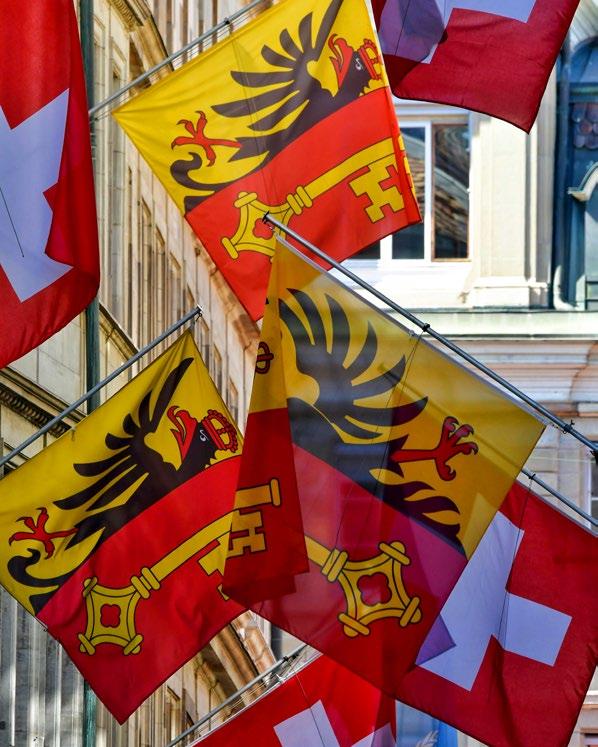
As many as 65% of all secondary students are following a dual track system in Switzerland. This is one of the success factors in the Swiss economy. I believe that this model is worth trying in Montenegro.
Are there plans to expand cooperation between universities and research institutions of the two countries?
In Switzerland, it is not up to the state to define how research programmes are conducted by our universities. While they receive substantial amounts of funds from the Swiss National Fund for research projects and teaching, there are no formal obligations from the state with regard to which partner institutions they work with. In that sense, we cannot direct them to work with Montenegrin universities. It is up to the Swiss and the Montenegrin universities themselves to find ways to work with each other. I would of course welcome such cooperation and I am sure there would be many meaningful opportunities.
How do you view Montenegro’s role in European integration from Switzerland’s perspective?
The Western Balkans region’s stability and its European integration are a priority of our foreign policy. As mentioned earlier, Switzerland
The Swiss Education Model as Inspiration for Montenegro
• Around 65% of Swiss secondary school students follow a dual education system.
• The model combines academic learning with practical training in companies.
• Close cooperation between schools, businesses and professional associations is considered a key success factor of the Swiss VET system.
• Switzerland already supports vocational education projects in the Western Balkans through investments in technical schools.
• The system enables young people to enter the labour market more quickly while developing a highly skilled workforce.
In that sense, quiet diplomacy is not a substitute for formal diplomatic channels, but rather a valuable complement to them. It helps relationships develop naturally, without unnecessary formality, while fully respecting the institutional framework, competencies and diplomatic culture.
framework and consular competencies. I see my contribution precisely in the fact that, through my professional experience, local knowledge of the institutional and business environment, and network of contacts, I can help further strengthen the links between citizens of Switzerland and citizens of Montenegro.
I consider the greatest contribution to be the fact that the Honorary Consulate can serve as a reliable point of contact, support and connection, both for Swiss citizens and for initiatives that contribute to the strengthening of bilateral relations, especially economic ties and mutual understanding.
is not an EU-member state, but we deeply believe that the European integration of Western Balkan countries would bring more prosperity and stability to the region. This is in the interest of everyone on the European continent. We are also impressed to witness the speed and the dedication of the Montenegrin government in adopting a large number of laws that are necessary to conclude the integration process within a set deadline.
How significant are “quiet diplomacy” and personal contacts in building long-term partnerships?
Quiet diplomacy and personal contacts play an important role, particularly in relations between smaller countries, or between countries seeking to develop stable and long-term partnerships. Many important processes do not begin with major public initiatives, but rather through dialogue, trust, mutual understanding and the careful building of relationships. Personal contacts are often key to opening doors to institutional, economic, academic or cultural cooperation. They make it possible to better understand the needs, expectations and priorities of both sides, while also allowing any potential obstacles to be addressed in a constructive and unobtrusive manner.
What motivated you to accept the role of honorary consul, and what do you consider your greatest contribution so far?
Accepting the role of Honorary Consul of Switzerland is, for me, a great honour and privilege. Switzerland is a country that is widely recognized as a global model in many respects: for the strength of its institutions, the rule of law, political stability, economic development, innovation, quality of life, democratic tradition and deeply rooted sense of civic responsibility.
Switzerland is a symbol of reliability, neutrality, precision, institutional maturity and social consensus. To represent, in the capacity of Honorary Consul and within the limits of the entrusted mandate, the interests of such a country is a special responsibility. That responsibility requires not only respect for the high standards that Switzerland represents, but also a readiness to contribute, carefully and with dedication, on a daily basis, to the protection and support of Swiss citizens in Montenegro, as well as to the development of relations between the two countries. I would particularly emphasize that this role is exercised in close and structured cooperation with the Embassy of Switzerland, with full respect for the diplomatic
Which values of Swiss society do you consider particularly important to promote in Montenegro? Among the values of Swiss society, I would particularly highlight unity in diversity, multiculturalism, civic responsibility, political stability, neutrality, economic development and a culture of consensus. Switzerland is an example of a country that has succeeded in bringing together different languages, cultures, identities and regional particularities into a functional, stable and successful political and social system. In this respect, there are certain similarities with Montenegrin society, of course within a different historical and regional context. Montenegro is also recognized as a meeting point of different cultures, religions and identities, and this very capacity for coexistence is one of the values that should be further nurtured and strengthened.
The Swiss experience shows that differences do not have to be a weakness; rather, they can be a source of stability, better decision-making and social resilience, provided that there are institutions, legal certainty, responsibility and a willingness to engage in dialogue. I consider particularly important the sense of civic responsibility, respect for rules, trust in institutions and the ability of society to reach sustainable solutions through consensus.
These are universally important values, and they are particularly relevant for Montenegro in the context of its European path, institutional development and the need for long-term political, economic and social stability.

Dr Nina Drakić, President of the Chamber of Economy of Montenegro
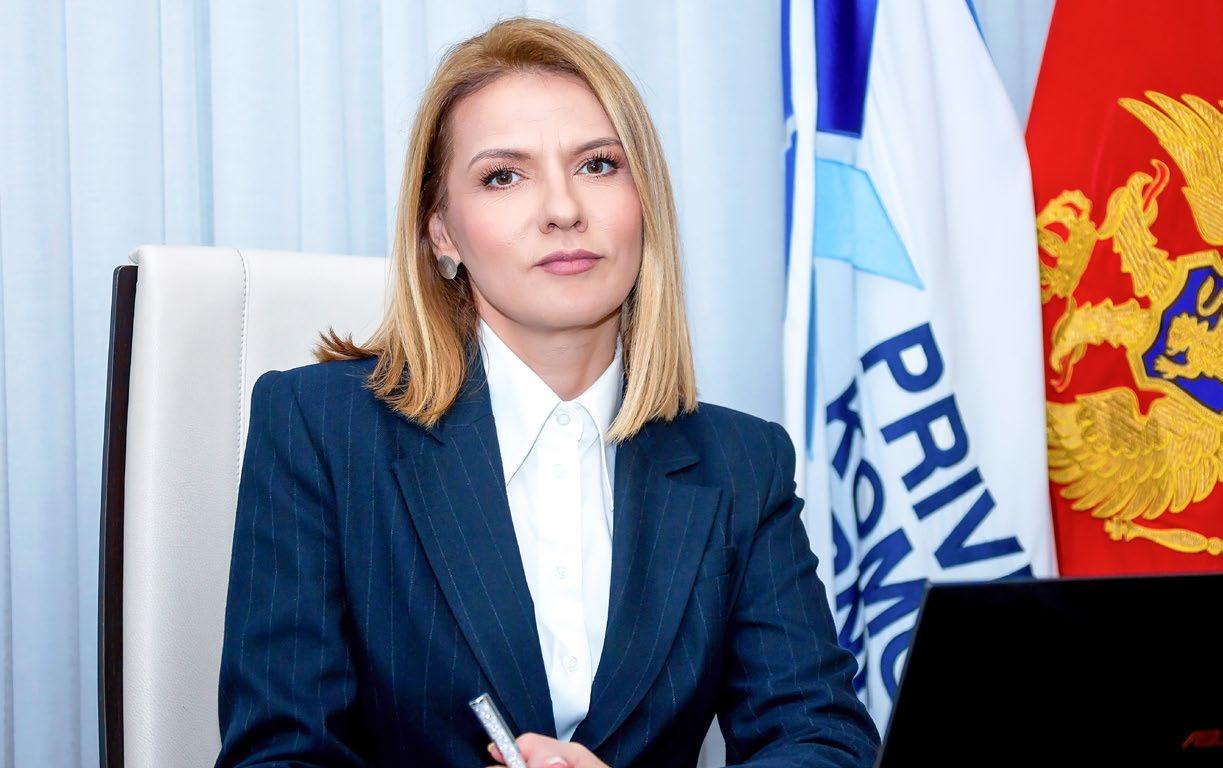
The next phase of development calls for diversification, stronger industry and energy, digital transformation, and sustainable investment — all as pillars of resilience and competitiveness
Two decades after Montenegro regained its independence, the country’s economy stands at a crossroads — marked by modernization, foreign investment, and closer ties with Europe, yet still challenged by vulnerability to global shocks and structural weaknesses. In this interview, Dr Nina Drakić, President of the Chamber of Economy of Montenegro, reflects on the nation’s progress, the lessons learned, and the priorities for building a more resilient, diversified, and sustainable future.
How do you assess Montenegro's economic development today, two decades on from the restoration of independence, and which changes would you single out as the most significant? In economic terms, the twenty years of restored independence have been marked by significant progress and
MONTENEGRO
modernisation, but also by numerous challenges that show we are still searching for a balance between development, sustainability and a better standard of living for our citizens. Over the past two decades, Montenegro has undergone significant institutional and economic changes that have largely transformed the domestic economy. Compared with 2006, today we have a more open market, a more developed financial sector and considerably stronger integration with European and international economic flows. During this period, a large number of investments were also realised, particularly in tourism, energy, in-
frastructure and real estate, spurring economic growth and the development of individual branches of the economy. It is especially significant that, over the years, the private sector has taken on the dominant role in generating economic activity and new jobs, while at the same time the number of registered enterprises and entrepreneurial initiatives has grown. In parallel, improvements to the regulatory framework and business procedures have gradually created more favourable conditions for investment, company growth, and the strengthening of the economy's overall competitiveness. Nevertheless, despite this evident progress,
the Montenegrin economy still faces numerous challenges that affect its competitiveness, resilience and the long-term sustainability of its development. A particular problem is the pronounced sensitivity of the Montenegrin economy to external shocks — including disruptions in global markets, inflationary pressures, and geopolitical crises — which, in recent years, has further underscored the vulnerability of small, open economies to outside influences. At the same time, the economy continues to display numerous internal weaknesses that affect its competitiveness and resilience.
How much more competitive and attractive for investment is the business environment in Montenegro today than it was in 2006? Over two decades, the business environment in Montenegro has
changed significantly and is today, in many respects, more modern than in 2006. The banking sector is more developed, infrastructure has been improved, connectivity with European and regional markets has increased, and foreign investment is considerably higher than in the period immediately following the restoration of independence. Business operations are partly digitalised, administrative procedures have been simplified compared with the earlier period, and the private sector has become more flexible and more oriented towards services, tourism and international cooperation. Montenegro today is a far more open economy, more exposed to global economic flows than it was two decades ago.
How has the European integration process affected the improvement of the business environment and the development of the economy?
The European integration process has had an important influence on the improvement of the business environment through reforms in finance, market competition, business legislation, and public administration. The introduction of European standards has contributed to greater transparency and to aligning the domestic market with European Union rules, further strengthening investor confidence. The COVID-19 pandemic further accelerated the digitalisation of business and the development of electronic services, but it also exposed the vulnerability of the Montenegrin economy, particularly due to its heavy reliance on tourism and external sources of revenue. Despite numerous challenges, today's business environment is characterised by greater market openness, more modern ways of doing business and stronger ties with the European economic area. Montenegrin companies are already reaping significant benefits from the European integration process. First and foremost, alignment with European standards increases their competitiveness and eases access to a market of almost 450 million consumers. It also opens up additional opportunities to draw on EU pre-accession funds, to participate in European programmes supporting innovation, digitalisation and human resource development, and to connect with partners from member states. It is especially important that the accession process brings greater legal certainty, a more predictable business environment, and stronger confidence among foreign investors — all of which directly
TOURISM, CONSTRUCTION, AND IT HAVE DRIVEN GROWTH, BUT DIVERSIFICATION IS KEY TO LONG-TERM RESILIENCE
drive the growth of investment and business opportunities for domestic companies. From a regional perspective, since the restoration of independence in 2006, Montenegro has been among the most open economies in the Western Balkans. Its liberal regime for foreign investment, the use of the euro, NATO membership and the greatest progress in the EU accession process are its most important comparative advantages. The use of the euro is a particular advantage, as it has contributed to macroeconomic stability, reduced currency risk and made doing business with European partners simpler.
Which sectors have made the greatest progress over the past twenty years, and where do you see the greatest potential for future growth?
Speaking of economic development, over the past twenty years, the greatest progress has been made in tourism, construction, trade, and the services sector, which today are the main drivers of the Montenegrin economy. Tourism has undergone significant expansion through the development of luxury hotels, marinas, tourist complexes, and major investment projects along the coast. Over the past two decades, Montenegro has come to be recognised as an attractive tourist destination on the Mediterranean, contributing to growth in revenue, employment and foreign capital inflows. In parallel, the construction sector has developed — above all thanks to investment in real estate, road infrastructure and tourist facilities — while trade has grown on the back of increased consumption and market development. In the past few years, there has also been notable growth in the IT sector, in digital services and in interest in energy, particularly renewable sources such as solar and wind. This development has been further encouraged by the European Green Agenda and the process of aligning with European Union standards, which creates space for new investment and the modernisation of the economy. At the same time, the COVID-19 pandemic showed how sensitive an economy can be when it relies heavily on a single dominant sector, above all, tourism. This is why
there is increasing discussion of the need to diversify the economy: to strengthen manufacturing, energy, the IT sector and other activities that could, over the long term, contribute to more stable and more sustainable economic growth.
What are currently the greatest challenges facing Montenegrin businesses, and what needs to be done to overcome them?
The challenges that businesses face are a combination of long-standing structural problems and the consequences of the global crises that have marked the recent period, which makes operations and long-term planning more difficult for companies in Montenegro. For years, businesses have cited the shortage of a workforce with the appropriate knowledge and skills, the grey economy, and unfair competition as their greatest barriers. A particular challenge is also the difficult access to favourable sources of financing, especially for the micro, small and medium-sized enterprises that form the backbone of our economy. The economy is further burdened by inefficient administration, frequent regulatory changes, parafiscal charges and underdeveloped infrastructure. Even so, it is important to note that the 2022 tax reform significantly reduced the tax burden on labour and contributed to greater formalisation of employment, representing an important step forward for the business environment. The conclusion is that the economic system is more stable and more developed today than it was two decades ago, but long-term sustainable growth requires further improvements in the economy's competitiveness and resilience, along with a partnership between the state and the economy and the continuation of reforms that will improve the business environment. Stronger economic diversification is particularly important, as developing sectors that create new value can contribute to a more stable, more resilient economy to external shocks. In the next phase of development, the focus should be on strengthening productivity, developing industry and energy, digitalisation, and sustainable investment.
Has Montenegro managed to harness the potential of foreign direct investment for the long-term development of its economy? Independence was certainly an important factor in positioning Montenegro as an investment destination. After 2006, a significant rise in foreign direct investment was recorded, particularly in tourism, real estate, banking, and energy, with the total FDI inflow reaching approximately €16 billion by the end of 2025. Over that period, Montenegro established itself as an open economy with a clear European orientation and the capacity to attract significant international capital. Today, however, it is equally important to speak not only of the volume of investment but also of its quality, and of its long-term effects on the economy. The quality of investment is measured by its contribution to new jobs, the development of domestic companies, the strengthening of infrastructure, the transfer of knowledge, and the country's overall competitiveness — together with the responsible and sustainable management of space as a limited resource. In recent years, we have recorded strong growth in real estate investment, which confirms Montenegro's appeal as a destination for living, tourism and investment, with such investment making a significant contribution to the development of construction, tourism and related services. Even so, the long-term development question remains how, alongside the existing investment model, to simultaneously strengthen sectors with higher added value, higher productivity and greater export potential. Investors are drawn not merely by a country's political status, but above all by the quality of the business environment — legal certainty, efficient institutions, a stable tax policy, developed infrastructure and the predictability of the system, particularly amid pronounced global uncertainty and ever-greater competition among investment destinations. In other words, independence created space for a stronger investment cycle, but the sustainability and quality of future investment depend, above all, on the state's ability to continue reforms and keep improving the business environment.
The EU–Western Balkans Summit in Tivat united European leaders in strong support of Montenegro’s integration, reinforcing optimism that the country is on track to become the Union’s next member state
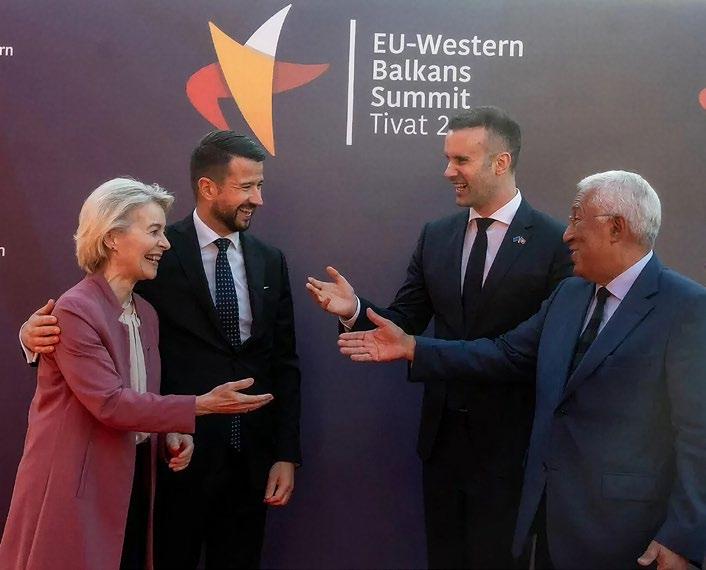
Tivat hosted one of the most significant international events in Montenegro’s modern political history – the EU–Western Balkans Summit, organised under the auspices of the President of Montenegro. For the first time during its accession negotiations, Montenegro welcomed leaders of European Union Member States, heads of European institutions and representatives of countries from across the region, reaffirming its role as the frontrunner in European integration in the Western Balkans.
The President’s Adviser for European Affairs, Miloš Radonjić, specified that the Summit had sent a strong message portray-
ing Montenegro as a European success story and a country with the capacity to bring together European partners around shared objectives. In addition to the official delegations, the event attracted extensive international media coverage, further underscoring the significance of the gathering and the interest of the European public in the enlargement process.
The official programme included a plenary session and a series of bilateral meetings between leaders, while a formal dinner for high-level guests was hosted on the eve of the Summit. In doing so, Montenegro showcased not only its political capacities but also its tourism and cultural potentials.
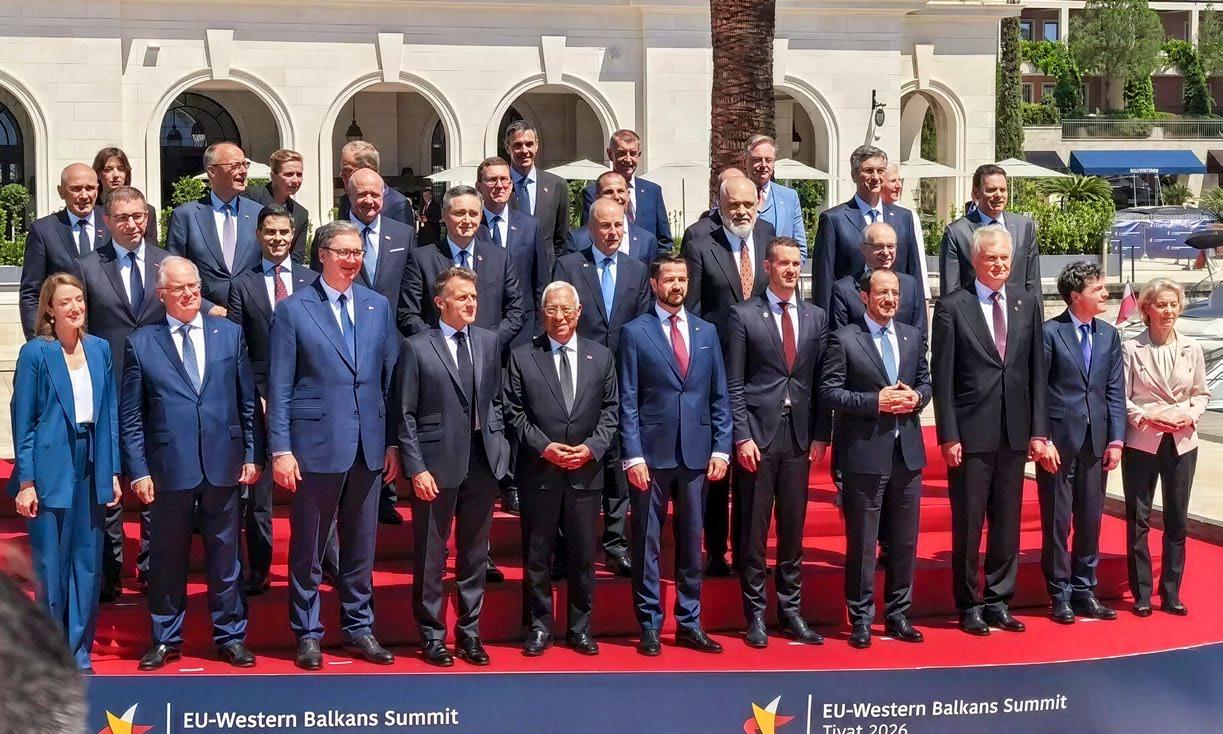
• Montenegro hosted the EU–Western Balkans Summit for the first time during its accession negotiations.
• Tivat brought together leaders of EU Member States, the Western Balkan countries, and the highest-ranking European officials.
• The European Commission described Montenegro’s progress as “impressive”.
• The enlargement of the European Union and the Growth Plan for the Western Balkans were at the centre of discussions.
• European leaders reaffirmed that the future of the region lies within the European Union.
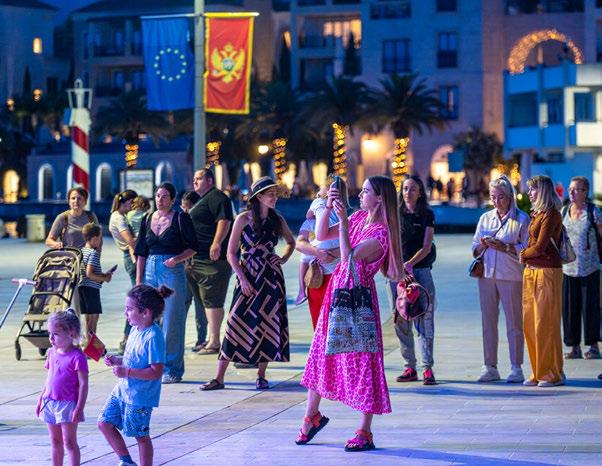
Alongside the diplomatic activities, a rich cultural and entertainment programme was held on Tivat’s Pine waterfront, featuring performances by local artists and presentations by successful Montenegrin entrepreneurs whose projects have been supported through European Union funding programmes.
The central themes of the discussions were the enlargement policy and the Growth Plan for the Western Balkans, an instrument through which the European Union seeks to accelerate the region’s economic convergence with the European market and EU standards.
President of the European Commission Ursula von der Leyen stated that Montenegro had achieved impressive progress on its European path and expressed
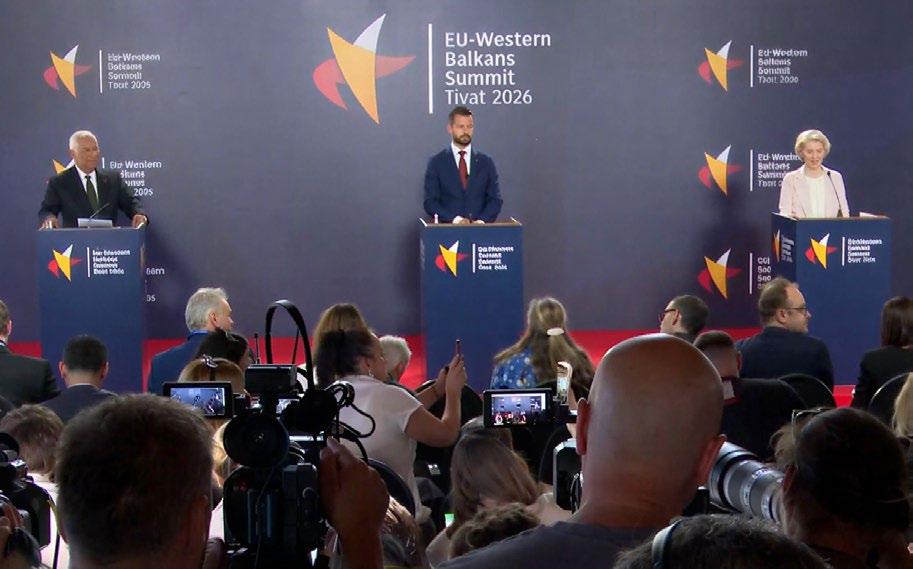
the expectation that the negotiating chapters could be closed by the end of the year or early next year, thereby paving the way for the conclusion of the Accession Treaty.
A similar message was conveyed by President of the European Council António Costa, who emphasised that the European Union is following Montenegro’s progress with optimism and that enlargement remains one of the Union’s key geopolitical priorities.
President of Montenegro Jakov Milatović assessed that the Summit had reaffirmed the country’s European perspective and demonstrated a high level of political maturity and unity with regard to the strategic objective of membership in the European Union.
According to the messages conveyed by European officials at the Summit, Montenegro remains the most advanced candidate for European Union membership among the countries of the Western Balkans. Should reforms continue at the planned pace, the closure of all
negotiating chapters and the commencement of the final phase of the accession process are expected. Such expectations have further strengthened the belief that Montenegro could become the next member of the European Union in the second half of this decade.
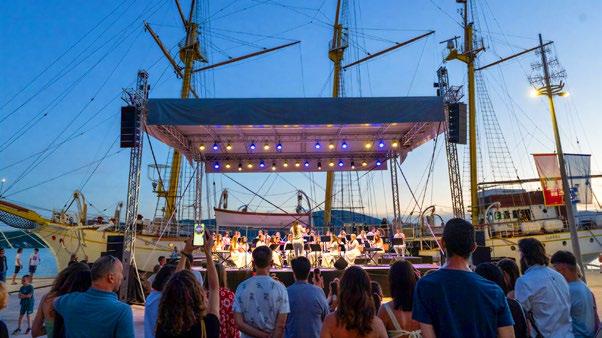
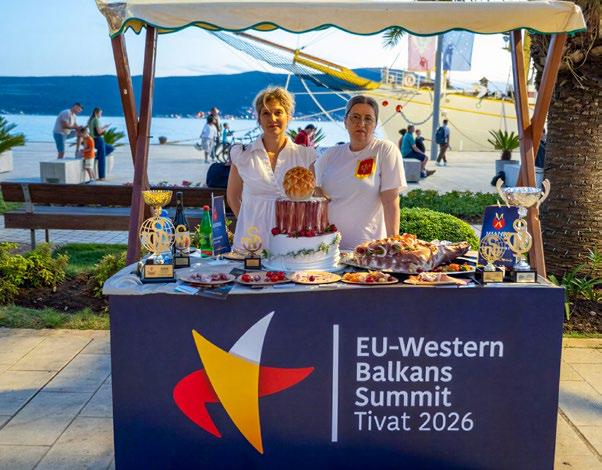
Photo: Media Biro
In an interview for Diplomacy & Commerce Montenegro, the Governor of the Central Bank of Montenegro, Dr Irena Radović, discusses the resilience of the financial system, the results of SEPA membership, the forthcoming TIPS Clone instant-payment system, digital operational resilience and the country’s path towards the European financial area.
How do you assess the current stability and resilience of Montenegro's financial system amid global economic and geopolitical uncertainty?
Montenegro today faces a period of heightened global uncertainty with a stable and well-capitalised banking sector, strong liquidity, and institutions that are continuously strengthening their alignment with European standards. This is particularly important at a time of pronounced global uncertainty, geopolitical tensions, changing financing conditions, and a slowdown in parts of the European economy. It is precisely in such an environment that the stability of the financial system represents one of the basic preconditions for preserving confidence, investment and economic growth. For a small, open and euroised economy such as Montenegro, financial stability is not merely an economic question, but a question of the country's overall resilience. In conditions of limited monetary space, it rests largely on the resilience of the banking sector, the quality of the regulatory and supervisory framework, and the ability of institutions to recognise and mitigate risks in good time. That is precisely why the CBCG acts with a clear priority: to preserve a safe, predictable, and credible financial system, capable of responding to both external shocks and the challenges of the domestic environment. We mustn't be the only ones offering such an assessment today. International institutions confirm it as well. In the European Commission's conclusions from May's Economic
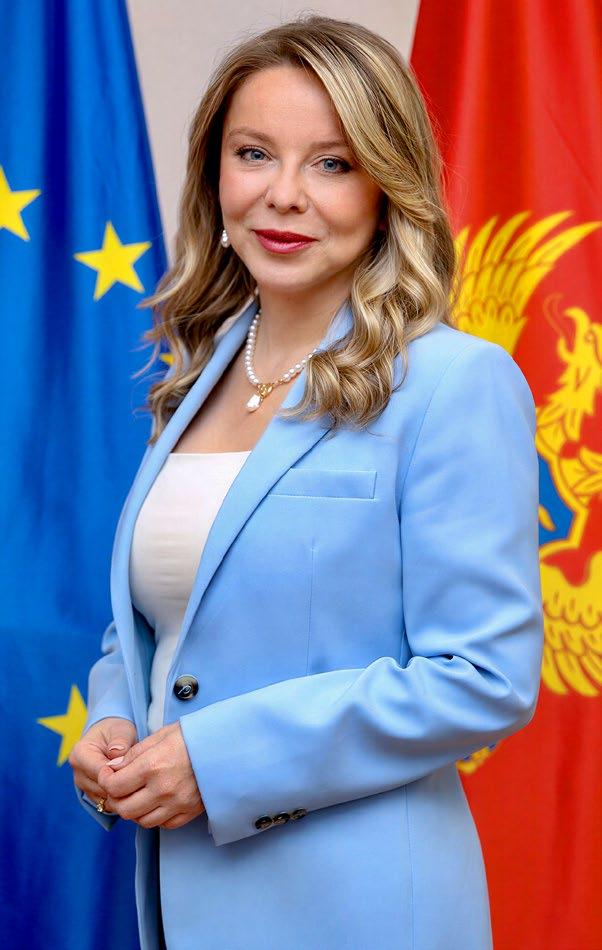
DR IRENA RADOVIĆ Governor of the Central Bank of Montenegro
MONTENEGRO’S BANKING SECTOR IS STABLE, WELL-CAPITALISED AND ALIGNED WITH EUROPEAN STANDARDS — A FOUNDATION FOR CONFIDENCE, INVESTMENT AND GROWTH
and Financial Dialogue with the EU in Brussels, the Montenegrin banking sector was assessed as stable, profitable and well-capitalised. This is strong confirmation that Montenegro, despite complex circumstances, has managed to preserve financial stability and build a system that can provide reliable support for economic development and strengthen investment confidence.
What does a stable and well-capitalised banking sector concretely mean for citizens, the economy and international investors?
A stable and well-capitalised banking sector represents one of the key foundations of a country's overall economic security. For citizens, it means the safety of deposits, the continuity and reliability of financial services, and greater confidence. For the
economy, it means the availability of financing, an efficient payment system and the ability of banks to support investment and development cycles. For international investors, a stable and well-regulated banking sector means a predictable business environment, lower operational risk, and a clearer assessment of the long-term sustainability of investment. Investors today do not seek only markets with growth potential. They seek institutions they can trust. That is precisely why independent and strong institutions, the stability of the financial system, the quality of supervision and alignment with European rules are among the most important elements of a country’s investment attractiveness. The banking sector in Montenegro plays a central role in financing the economy, which is why its stability has broader significance for development. It is not enough for the sector to grow; it is equally important that this growth be founded on healthy bases, with the preservation of asset quality, adequate capitalisation and high liquidity. It is precisely this balance that the CBCG continuously monitors through supervision, macroprudential measures, and the further alignment of the regulatory and supervisory framework with European Union standards. It is particularly important to emphasise that stability is measured not only by current indicators but, above all, by the sector's ability to absorb potential future shocks. In that sense, the strong capital position of banks, the historically low level of non-performing loans, good liquidity, and the sector's profitability represent key shock absorbers and confirm its resilience. For investors, the most important message is that Montenegro's financial system operates in accordance with European Union rules and standards. This reduces the perception of risk, strengthens the country's institutional credibility and improves its position as a reliable and attractive investment destination.
Montenegro has become part of the SEPA area. What are the most important results after the first eight months of implementation, and how do they change Montenegro’s position in the European financial space? Accession to the SEPA area represents one of the concrete benefits of European integration that citizens and the economy feel daily, even before membership of the European Union itself. This is a reform that does not merely represent a technical improvement of the payment system, but substantially enhances the quality of financial infrastructure, directly strengthens the competitiveness of the economy and brings measurable benefits to the economy and to citizens. The results clearly confirm the significance of this reform. In the first eight months, more than 123,000 SEPA transactions were carried out, with a total value of over 2.3 billion euros. Citizens and the economy achieved more than 6.2 million euros in savings. In contrast, with full digitalisation and the transfer of all transactions to SEPA electronic channels, annual savings could exceed 12 million euros. SEPA is not merely a payment reform. It represents the practical integration of Montenegro into the single European payments market before membership of the European Union itself. More concretely still, the average fee for SEPA transactions since their implementation began is 5.97 euros, while the average fee for SWIFT transactions in 2024 was 73.4 euros. This means that SEPA transactions are more than twelve times cheaper. It is particularly important to note that, when using digital channels, the cost of a SEPA transaction for amounts up to 20,000 euros is just 1.99 euros. In comparison, the first daily transaction up to 200 euros is free of charge. This shows the extent to which SEPA directly reduces costs, accelerates business and increases the efficiency of financial flows. For the economy, particularly for companies operating with partners in the EU, SEPA means lower operating costs, simpler cash flow management, greater predictability, and easier inclusion in European value chains. For citizens, it means cheaper, more transparent and safer payments abroad. For the international business community, SEPA is proof that Montenegro can successfully implement complex European regulatory, technical and operational standards. This sends a clear message that the country is ready for deeper integration into the European financial space. According to a World Bank report, following Montenegro's accession to SEPA, it became the country with the lowest cross-border payment costs to the European Union in the Western
SEPA HAS ALREADY SAVED CITIZENS AND BUSINESSES OVER €6 MILLION, PROVING MONTENEGRO CAN MEET COMPLEX EU STANDARDS AHEAD OF ACCESSION
Balkans. This further strengthens its investment attractiveness and credibility on the path towards the EU.
After SEPA, the TIPS Clone instant-payment system has been announced and is planned for 20 July 2026. What does this project bring to citizens, the economy and the financial sector?
TIPS Clone is the next major step in the modernisation of Montenegro's payment system. If SEPA reduced the cost of international payments, TIPS Clone would change how citizens and the economy conduct everyday domestic payments. While SEPA enabled cheaper and more efficient payments towards the European area, TIPS Clone will bring instant payments within the domestic system, in real time, 24 hours a day, seven days a week.The full market application of the TIPS Clone platform, which will be aligned with TIPS's operational rules and work practices, is planned for 20 July 2026. The project is being carried out in partnership with the Bank of Italy — the technical provider of the TIPS service within the Eurosystem payment infrastructure — with the support of the European Central Bank and the World Bank. Montenegro will be among the first in the region to have an instant-payment infrastructure based on Eurosystem technology. For citizens, this means a new generation of payment services: transferring money within a few seconds. For the economy, particularly for small and medium-sized enterprises, the trade and service sectors, it means faster liquidity management, more efficient settlement of obligations, and better predictability of cash flows. In combination with SEPA, TIPS Clone represents an important step towards the full modernisation of Montenegro’s payment system. It accelerates financial flows, encourages digitalisation, increases the competitiveness of the financial sector and further brings Montenegro closer to the European financial area.
How much does progress in European integration and alignment with EU standards contribute to the confidence of the international business and diplomatic community in Montenegro? European integration is not merely Montenegro’s strategic goal. It represents the country’s most im-
portant development project. Every new alignment with European rules increases the predictability of the business environment, strengthens investor confidence and reduces the perception of risk. The confidence of investors and international partners is built through the strength of institutions, regulatory alignment, objective supervision and operational compatibility with the European market. The greater the degree of that alignment, the lower the perception of risk and the stronger the readiness for long-term business and investment engagement.Today, the CBCG plays one of the key roles in the negotiation process, through the chapters within its competence and through preparations for future membership of the European System of Central Banks. Through intensive alignment of legislation with the EU acquis, the modernisation of payment infrastructure, and the strengthening of institutional capacities, we show that we do not regard European standards as a formal obligation for the future but as a framework for action today. SEPA is the best example of such an approach, and TIPS Clone its logical continuation. Montenegro is not preparing for European standards after accession to the European Union. We are introducing them already today. Our goal is for Montenegro to be recognised as a country with a credible, stable and modern financial system, integrated into European financial flows.
Digitalisation brings new opportunities, but also new risks. How does the CBCG approach the digital and operational resilience of the financial system?
The digitalisation of the financial sector opens up great scope for more efficient, cheaper and more accessible services, but at the same time brings new risks — from cyber threats and operational disruptions to greater dependence on technological infrastructure and external providers. That is why digital transformation cannot be sustainable without a strong framework for digital and operational resilience. At the same time, the European Union is significantly raising the standards of digital resilience through the DORA regulatory framework, and
the CBCG aligns its activities and expectations towards the sector with that approach. Confidence in digital financial services is built not only through innovation but, above all, through the security and reliability of the system. The CBCG approaches this question systematically and over the long term. The modernisation of the payment system, accession to SEPA, the preparation of the TIPS Clone platform, the development of electronic services and alignment with European standards are part of the same reform agenda. Payment infrastructure is particularly significant in this respect. Payment systems represent a public good on which the daily life of citizens and the functioning of the economy depend. In the digital age, it is not enough merely to prevent risks; the system must be able to recognise them in good time, absorb them and ensure rapid recovery and continuity of functioning. That is why the CBCG works in parallel to improve the regulatory and supervisory framework, strengthen operational and technical capacities, and align with best European practices.
What are the CBCG’s key priorities in the period ahead, and what message do you send to the international business community when it comes to the security and attractiveness of Montenegro as an investment destination? Our ambition is clear: for Montenegro to enter the European Union with a financial system that is ready — in the quality of its institutions, regulatory framework, and infrastructure — to function as part of the European financial space from the first day of membership. The CBCG’s priorities in the period ahead remain the preservation of financial stability, the further strengthening of supervision, the successful implementation of the TIPS Clone system, the continuation of alignment with the EU acquis and preparation for future integration into the European System of Central Banks. In parallel, we continue to build an institutional framework that encourages sustainability, efficiency, and higher-quality financial services, because contemporary competitiveness no longer rests solely on the cost of capital but also on the quality of institutions, the speed of the system, and the reliability of the rules. We believe that it is precisely the combination of stable institutions, modern financial services and a clear European perspective that will be one of the most important factors of Montenegro's future competitiveness.
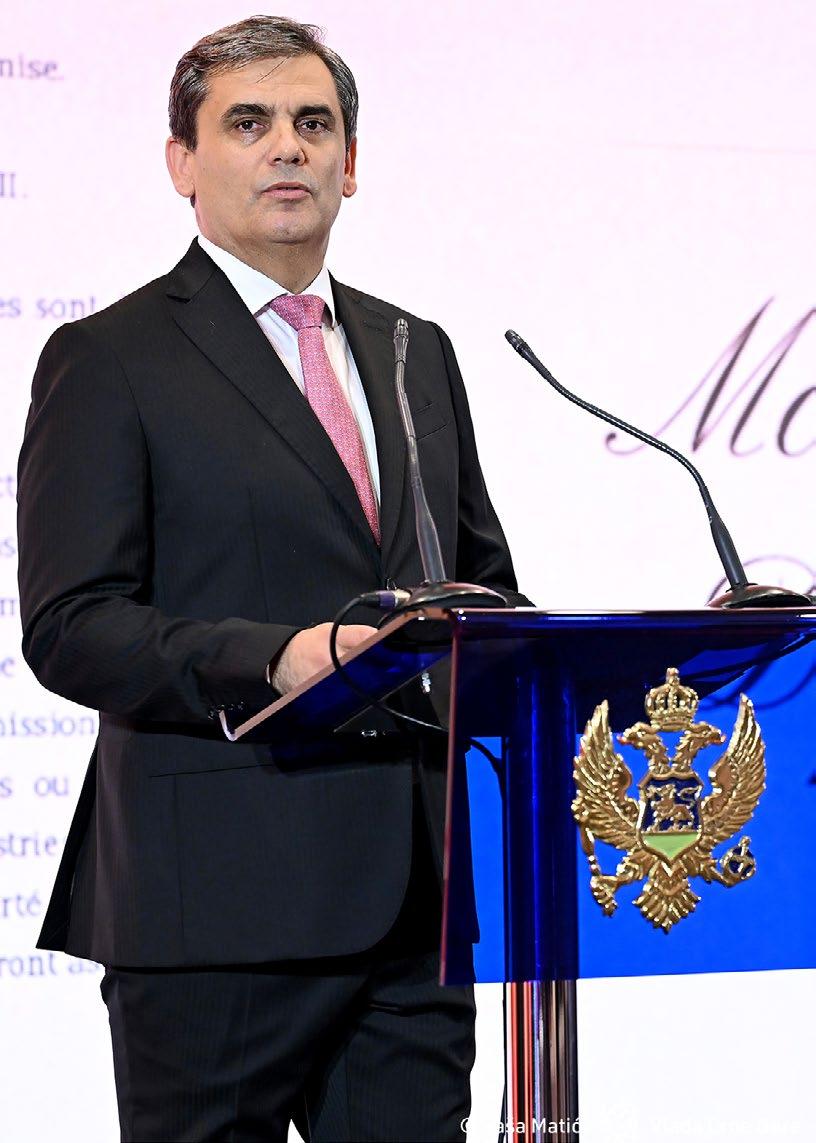
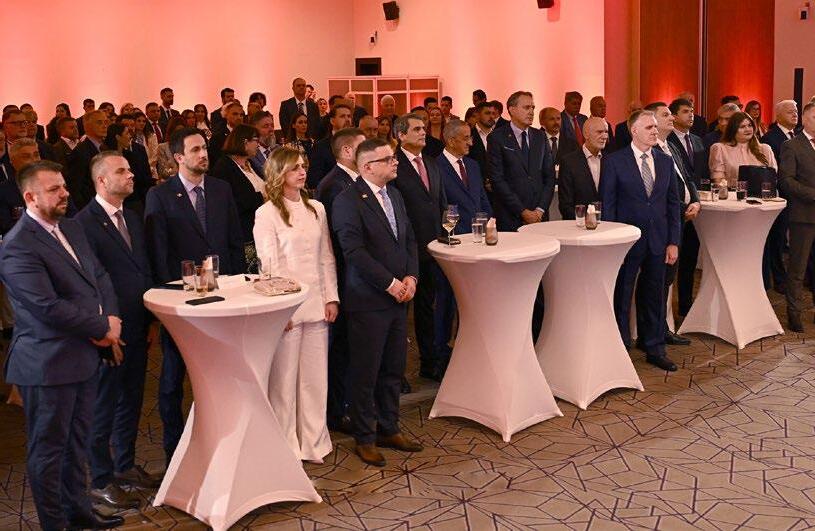
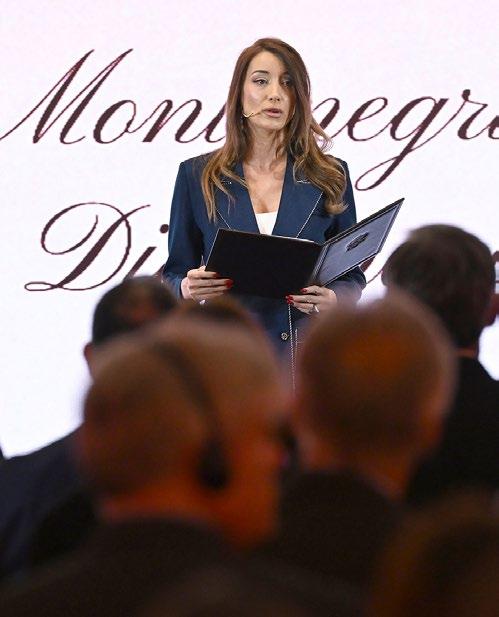
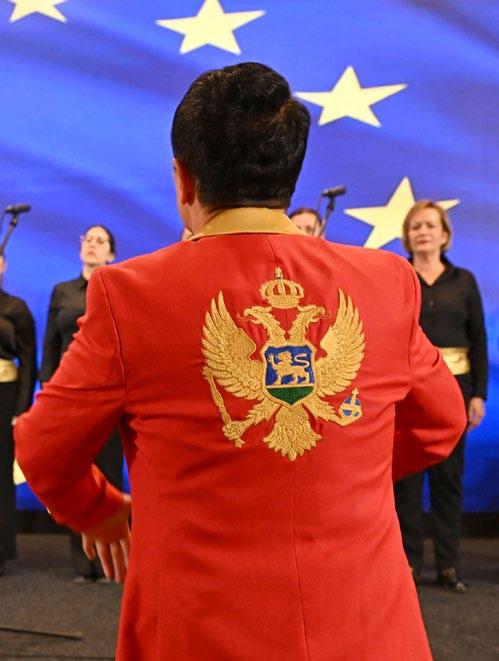
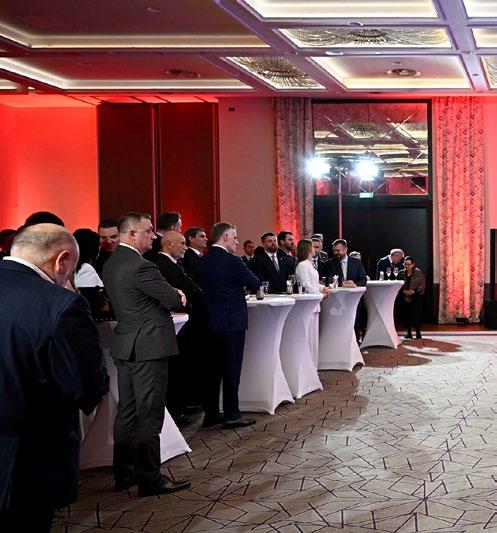
Marking the Day of Montenegrin Diplomacy, Deputy Prime Minister and Minister of Foreign Affairs Ervin Ibrahimović affirmed that a civic and European Montenegro has no alternative, while the ceremony in Podgorica once again underscored the state's historical depth, international credibility, and European orientation.
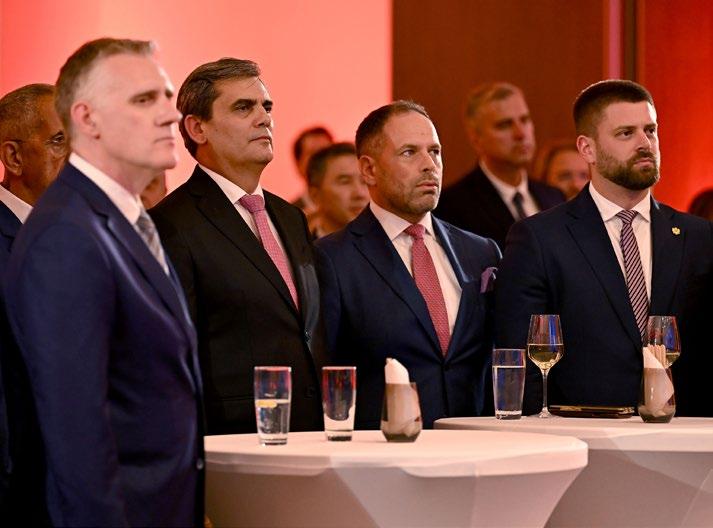
Montenegro marked 6th May – the Day of Montenegrin Diplomacy – with a ceremonial reception in Podgorica, bringing together representatives of the state leadership, the diplomatic corps, former officials, and international partners in a spirit of shared remembrance of the country's rich diplomatic heritage and its contemporary foreign-policy priorities.
The host of the event was Deputy Prime Minister and Minister of Foreign Affairs Ervin Ibrahimović, who, in his address, recalled that Montenegrin diplomacy draws on a tradition spanning more than a century and a half – dating back to the establishment of the Princely Chancellery for Foreign Affairs in 1874.
Emphasising the continuity of the idea of statehood, Ibrahimović underscored that Montenegrin diplomacy has never been merely an administrative mechanism but
an expression of the aspiration for freedom, equality, and the right to self-determination.
"From Gavro Vuković to the contemporary generations of our diplomats, the same idea has endured – that Montenegro, regardless of its size, pursues a policy grounded in freedom, dignity, dialogue, and equality among nations," the Minister stated.
Particular emphasis was placed on the state's European and Euro-Atlantic path. Ibrahimović assessed that the receipt of the IBAR and the commencement of work on the Accession Treaty constitute irreversible steps towards membership of the European Union, while the visit of NATO Secretary General Mark Rutte further confirmed Montenegro's position as a reliable ally within the Alliance.
International partnerships and friendships were an important theme of the evening, as reflected in a video message from the Icelandic Minister of Foreign Affairs, Þorgerður Katrín Gunnarsdóttir, who recalled Iceland's historic support for the restoration of Montenegrin independence and its accession to NATO.
The focus of the event was the employees of the Ministry of Foreign Affairs, to whom Ibrahimović paid tribute for their profes-
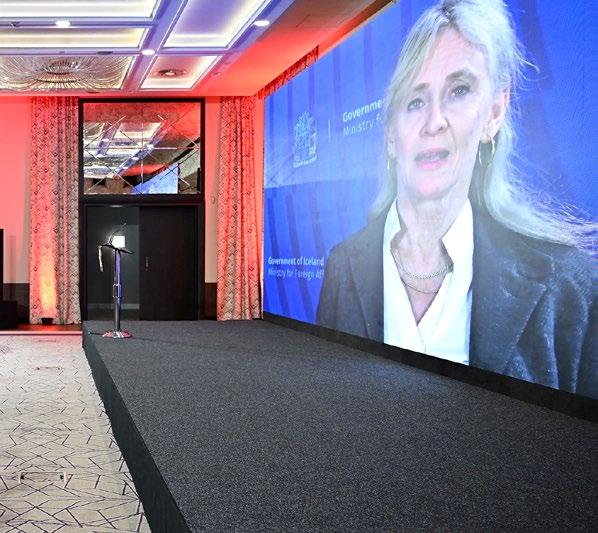
sionalism and dedication, emphasising that it is precisely their work that forms the foundation of Montenegro's international reputation.
As part of the programme, a documentary on the development of the Montenegrin diplomatic service was screened, featuring archival materials and testimonies that evoked key moments in the state's diplomatic history – from its earliest institutional steps to its contemporary international achievements.
One of the evening's most powerful messages concerned the value framework of contemporary Montenegro. Ibrahimović emphasised that anti-fascism, inter-ethnic harmony, and the rule of law are integral to the state's identity, underscoring that "whoever abandons a civic and European Montenegro abandons its very essence."
The ceremony concluded with a symbolic linking of generations – with gratitude extended to retired diplomats and a welcome extended to young cadres who, in the years to come, will represent Montenegro, both in the European diplomatic space and throughout the world, advocating its interests and contributing to the development of bilateral and multilateral relations and cooperation.
New
financial arrangements for healthcare, railway infrastructure, and the energy transition confirm Montenegro’s European course and the EIB’s support for the EU accession process
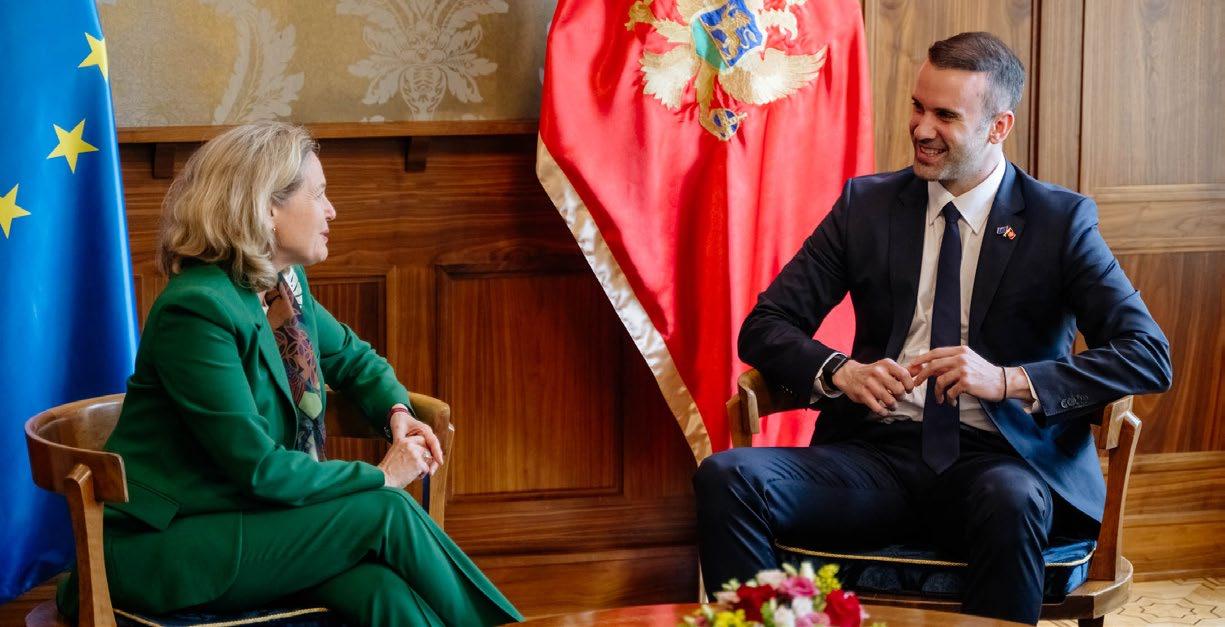
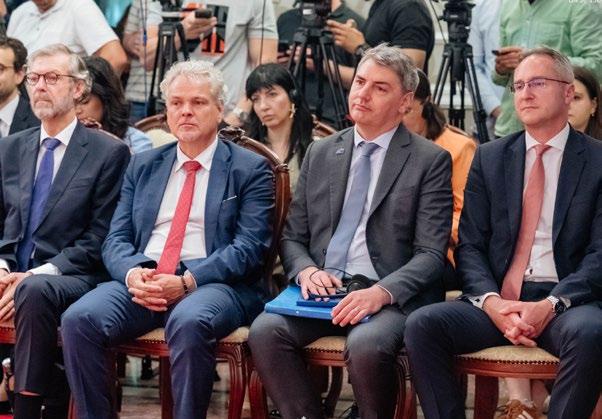
Montenegro and the European Investment Bank have confirmed a strong strategic partnership with the launch of new investments worth more than €250 million, aimed at improving the healthcare system, modernising railway infrastructure, and supporting the energy transition of small and medium-sized enterprises.
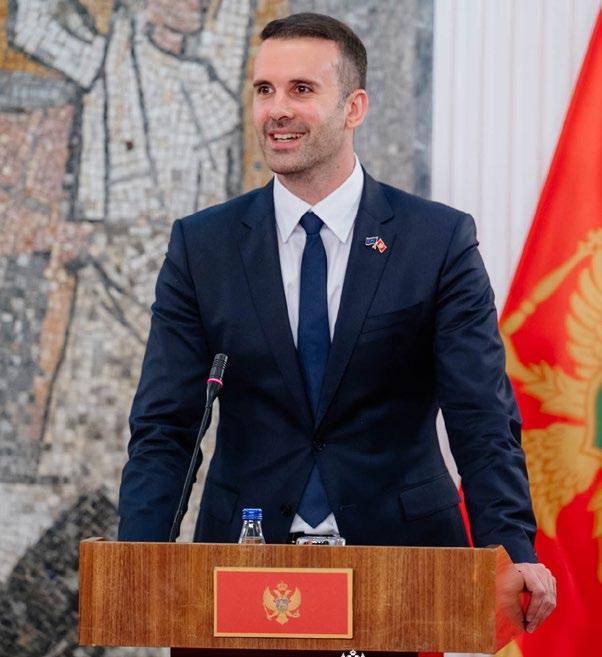
During the official visit to Montenegro by the President of the EIB, Nadia Calviño, a meeting was held with the Prime Minister, Milojko Spajić, at which it was noted that EIB investments in Montenegro during 2026 would be tripled compared with the previous year.
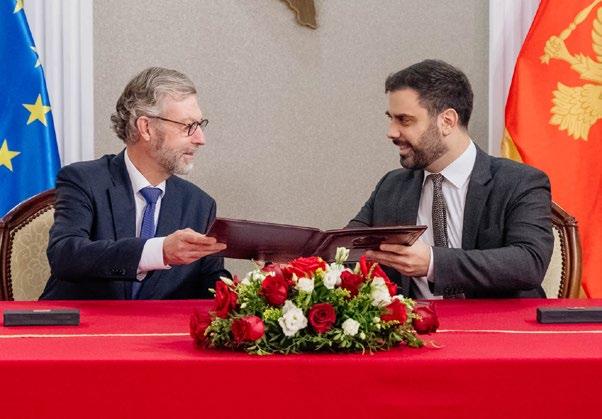
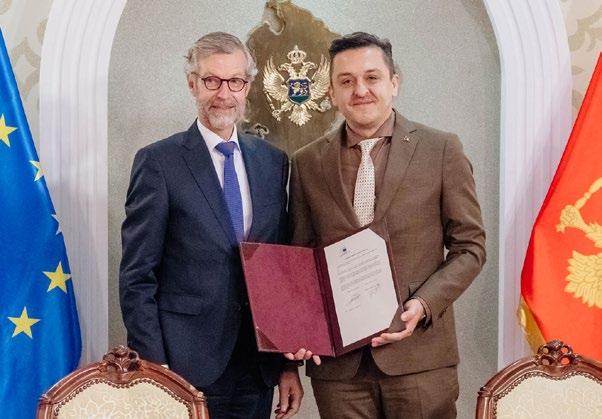
In the presence of Prime Minister Spajić and President Calviño, key financial agreements were signed, comprising:
• A loan for the project of equipping healthcare facilities in Montenegro;
• A project for the modernisation of the electrified single-track railway on the Bar–Golubovci
MONTENEGRO AND THE EUROPEAN INVESTMENT BANK HAVE REINFORCED THEIR STRATEGIC PARTNERSHIP THROUGH NEW INVESTMENTS EXCEEDING €250 MILLION, FOCUSED ON HEALTHCARE MODERNISATION, RAILWAY INFRASTRUCTURE, AND THE GREEN TRANSITION OF SMALL AND MEDIUMSIZED ENTERPRISES. DURING THE VISIT OF EIB PRESIDENT NADIA CALVIÑO, AGREEMENTS WERE SIGNED IN THE PRESENCE OF PRIME MINISTER MILOJKO SPAJIĆ, CONFIRMING STRONG SUPPORT FOR MONTENEGRO’S EUROPEAN INTEGRATION PATH. THE PACKAGE INCLUDES €27 MILLION FOR HEALTHCARE EQUIPMENT, €175 MILLION FOR THE BAR–GOLUBOVCI RAILWAY UPGRADE, AND €50 MILLION TO SUPPORT SUSTAINABLE BUSINESS INVESTMENTS, UNDERSCORING MONTENEGRO’S POSITION AS A LEADING REGIONAL BENEFICIARY OF EIB FINANCING.
section, including the Ratac landslide and the Sozina tunnel;
• An investment grant for the Orient/East-Mediterranean Corridor – the Bar–Vrbnica railway route, Golubovci–Bar section;
• As well as a financing agreement between the EIB and the Development Bank of Montenegro.
The agreements were signed by the Minister of Finance, Novica Vuković; the Minister of Maritime Affairs and Coordinator of the Ministry of Transport, Filip Radulović; the Executive Director of the Development Bank of Montenegro, Nikola Tripković; and the Vice-President of the EIB, Robert de Groot
In the healthcare sector, the EIB has approved a €27 million loan to equip more than 30 public hospitals and clinics with modern medical technology, with the aim of improving disease prevention and the quality of healthcare services.
For the modernisation of the railway between the Port of Bar and Golubovci, a total of €175 million has been allocated, comprising an EIB loan of €63 million and a European Union grant of €112 million through the Western Balkans Investment Framework. It is expected that the project will enhance the capacity, safety, and efficiency of rail transport, while further strengthening regional connectivity and integration with the European Union.
In addition, a loan agreement worth €50 million was signed with the Development Bank of Montenegro, intended to provide new credit lines for small and medium-sized enterprises for the implementation of renewable
energy and energy efficiency projects.
Prime Minister Milojko Spajić noted that the conclusion of the agreements with the EIB represents a confirmation of the strong partnership between Montenegro and the European Investment Bank, emphasising that the investments in question are ones that citizens feel directly through an improvement in their quality of life, and that they also confirm that the state is responsibly implementing reforms and
advancing on its European path. He also underscored the significance of the fact that the EIB has had an office in Montenegro since November of last year, noting that this will further intensify cooperation on future projects in the fields of education, environmental protection, and transport infrastructure, including the continuation of road modernisation and the implementation of the second section of the motorway.
The President of the EIB, Nadia Calviño, welcomed Montenegro’s progress and reiterated her sup-
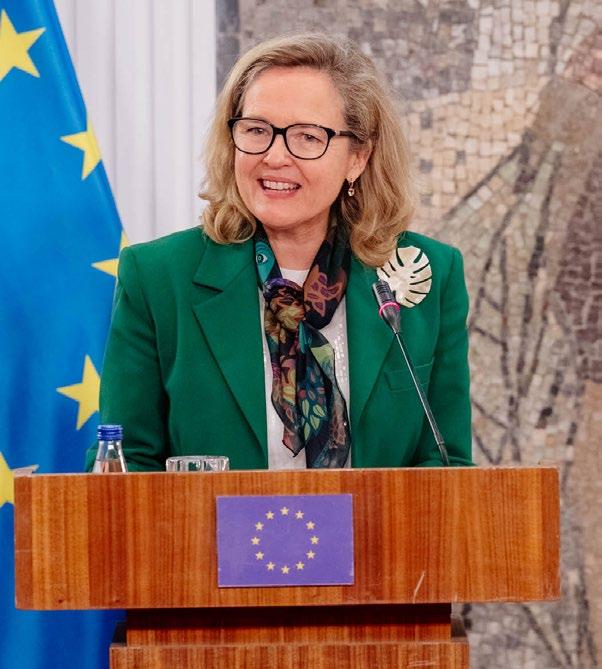
port for the objective of concluding the EU accession negotiations by the end of the year.
As she stated, the EIB Group will continue to support Montenegro's European path through investments that improve citizens' daily lives and the economy's competitiveness, particularly by strengthening the healthcare system, modernising railway infrastructure, and accelerating the energy transition.
Since 2009, the European Investment Bank has allocated a total of €1.5 billion to projects in Montenegro across education, healthcare, environmental protection, the development of small and medium-sized enterprises, and sustainable transport. Montenegro is today the largest beneficiary of EIB funds per capita relative to GDP among the Western Balkan states and the countries covered by the European Union's enlargement policy.
Europe Day in Podgorica
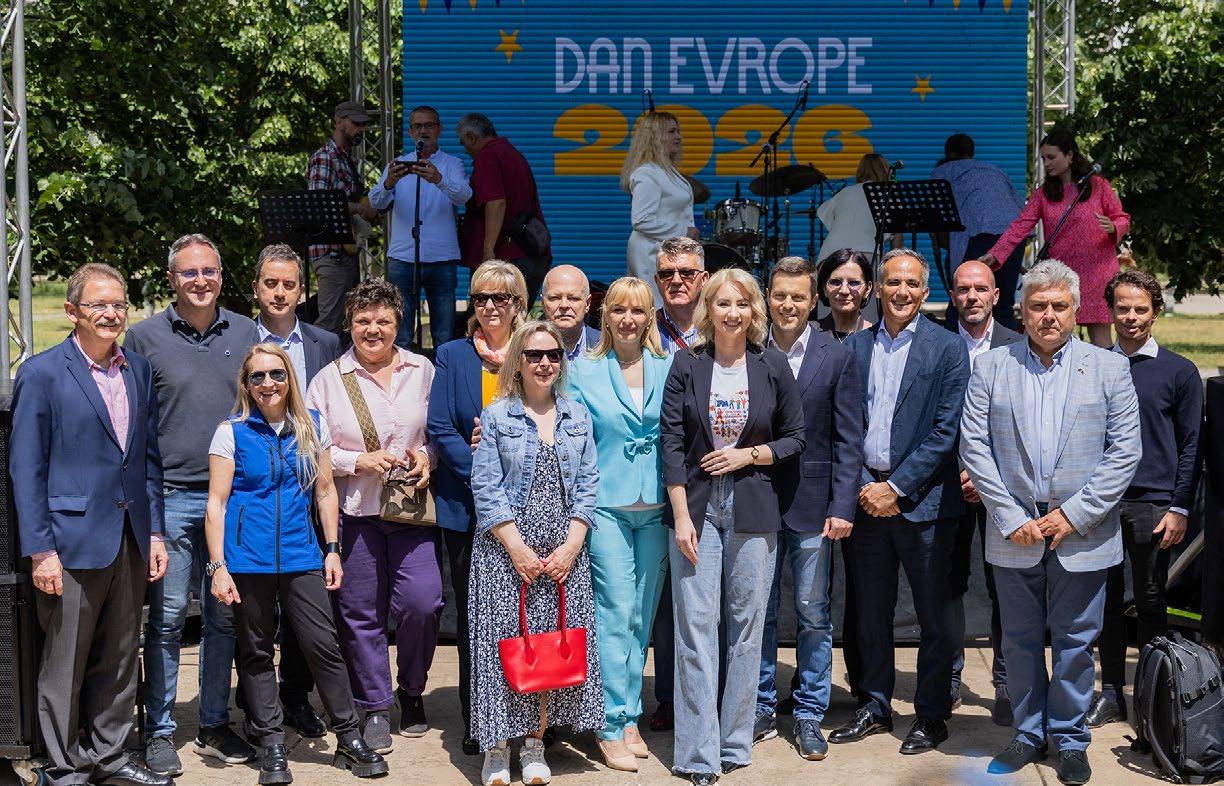
The Delegation of the European Union to Montenegro marked Europe Day with a rich programme that brought together institutions, the diplomatic corps, artists, and citizens in a celebration of Montenegro’s European perspective
The Delegation of the European Union to Montenegro marked Europe Day with a series of events in Podgorica, reaffirming its commitment to European values, partnership, and a shared future for Montenegro and the European Union.
The central reception to mark Europe Day was held at the “Špiro Mugoša” Sports Aerodrome, in the presence of the highest state officials, representatives of the diplomatic corps, state and local institutions, the media, civil society, and the academic community.
Addressing those in attendance, the Ambassador of the European Union to Montenegro, Johan Sattler, emphasised that Montenegro belongs to the European family of nations.
“Montenegro, as an old European country, is not ‘acceding’ to Europe, nor are we ‘bringing’ Europe here. It is better to say that our mission is to help Montenegro return home, to take the place that belongs to it in the European family,” Sattler said.
The ceremony was opened with performances of the European
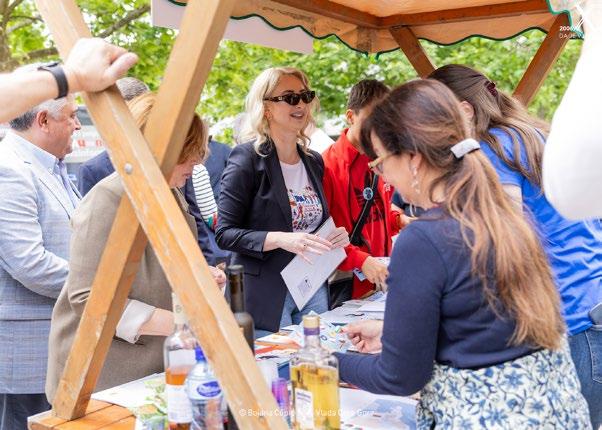
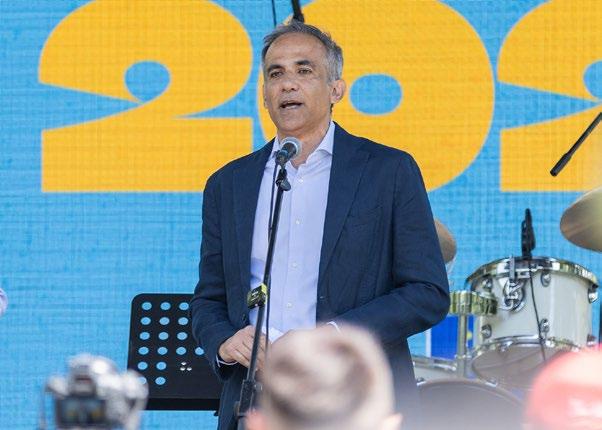
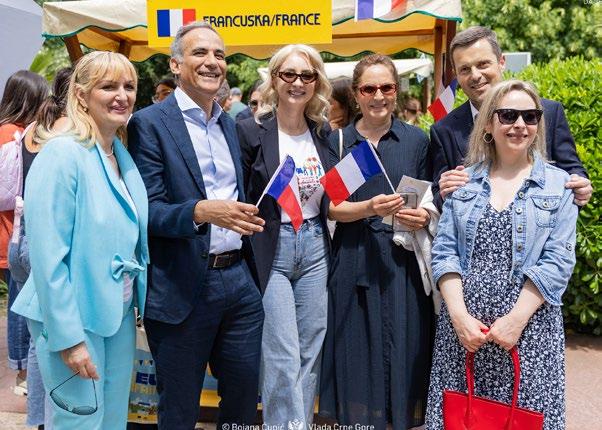
PODGORICA HOSTED A VIBRANT EUROPE DAY PROGRAMME ORGANISED BY THE DELEGATION OF THE EUROPEAN UNION TO MONTENEGRO, BRINGING TOGETHER SENIOR OFFICIALS, THE DIPLOMATIC CORPS, ARTISTS, AND CITIZENS. THE CELEBRATION PLACED EUROPEAN VALUES, PARTNERSHIP, AND SOLIDARITY AT ITS CENTRE, UNDERSCORED BY AMBASSADOR JOHAN SATTLER’S MESSAGE THAT MONTENEGRO BELONGS TO THE EUROPEAN FAMILY OF NATIONS. THE PROGRAMME FEATURED AN OFFICIAL RECEPTION, AN EU FAIR, CULTURAL EVENTS, AND A CONCERT AT INDEPENDENCE SQUARE, REAFFIRMING THE COUNTRY’S EUROPEAN PERSPECTIVE AND CLOSE TIES WITH THE EUROPEAN UNION.
Union and Montenegrin anthems, rendered by the operatic artist Olivera Tičević, accompanied by the "Three Cellos" ensemble. A special moment of the evening was marked by the parachutists of the "Špiro Mugoša" Aeroclub, who, during the performance of the anthems, executed a helicopter jump carrying the flags of the European Union and Montenegro, symbolically affirming partnership and a shared European future.
The cultural segment of the programme was further enriched by performances from the “Ljute Kamilice” children’s choir and the Mjesna muzika “Đenović” orchestra.
As part of the Europe Day celebrations, the Delegation of the European Union to Montenegro, in partnership with the Ministry of European Affairs and the Capital City of Podgorica, also organised an EU Fair in the University Park. The programme was opened by the Deputy Head of the Delegation of the European Union, Riccardo Serri, the Minister of European
Affairs, Maida Gorčević , and the Mayor of Podgorica, Saša Mujović, who underscored the importance of European values, cooperation, and solidarity.
The musical segment of the programme featured performances by the O.M. band of the Delegation of the European Union to Montenegro, the Fantom band, and Petar Wagner, while an evening concert by the regional music star Nina Badrić on the Square of Independence drew a large number of citizens.
Particular attention was attracted by the stands of 14 European Union member states – Austria, Bulgaria, Croatia, the Czech Republic, France, Germany, Greece, Hungary, Italy, the Netherlands, Poland, Romania, Slovakia, and Slovenia – as well as numerous partners and institutions, presenting European cultures, gastronomy, educational programmes, and opportunities for cooperation.
An interactive European passport game generated great interest,

with visitors touring the stands and participating in activities inspired by European traditions and cultures.
Thematic zones offered a diverse range of content for all generations – from sports and creative workshops, a photography exhibition entitled “What Does Europe Mean to You?”, a “With Wine and Colours” workshop, an innovation zone dedicated to robotics and digital technologies, through
to a dog adoption programme organised in cooperation with the dog shelter.
This year’s celebration of Europe Day once again affirmed the importance of open dialogue, cultural exchange, and strong partnership between Montenegro and the European Union, through events that brought together citizens, institutions, and international partners in a spirit of solidarity and European values.
The diplomatic network and diaspora jointly mark the jubilee of restored statehood on four continents
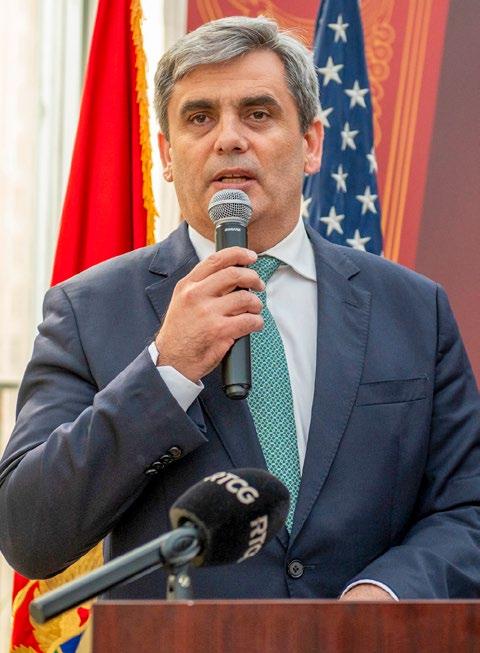
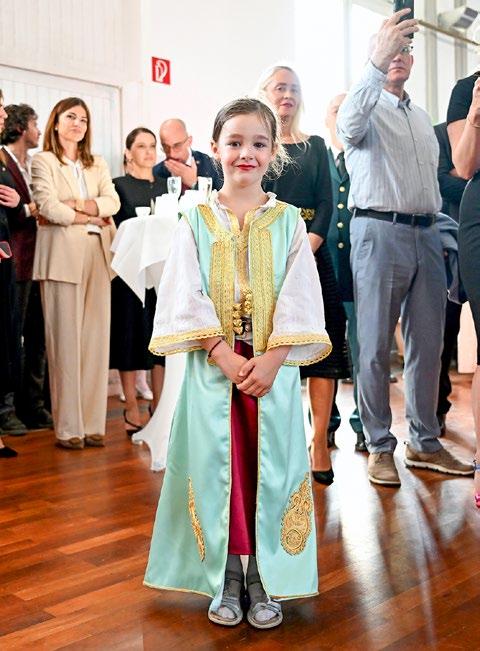
To mark the national jubilee — twenty years since the restoration of Montenegro's independence — diplomatic and consular missions around the world organised a series of ceremonial receptions, cultural events and promotional activities to commemorate one of the most significant dates in the country's modern history.
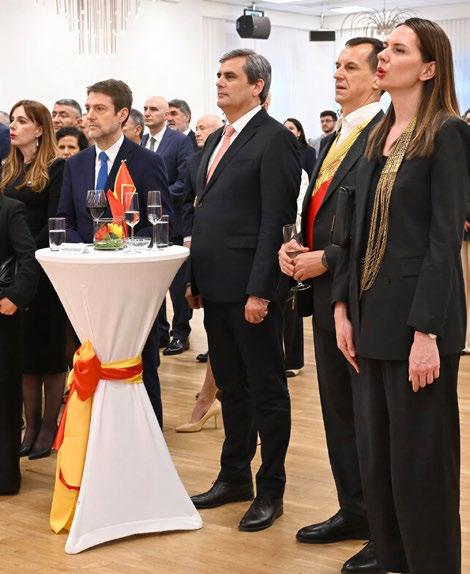
Throughout May, Independence Day celebrations were held by the Embassies of Montenegro in Slovenia, Bulgaria, North Macedonia, Croatia, the United Kingdom, Poland, Serbia, Albania and Kosovo, as well as by the Permanent Mission of Montenegro to the United Nations and Other International Organisations in Geneva. The events brought together numerous guests from the political, diplomatic, business and cultural spheres of the host countries, reaffirming Montenegro’s international standing and visibility two decades after the restoration of its statehood.
A special contribution to the jubilee celebrations was made by the Deputy Prime

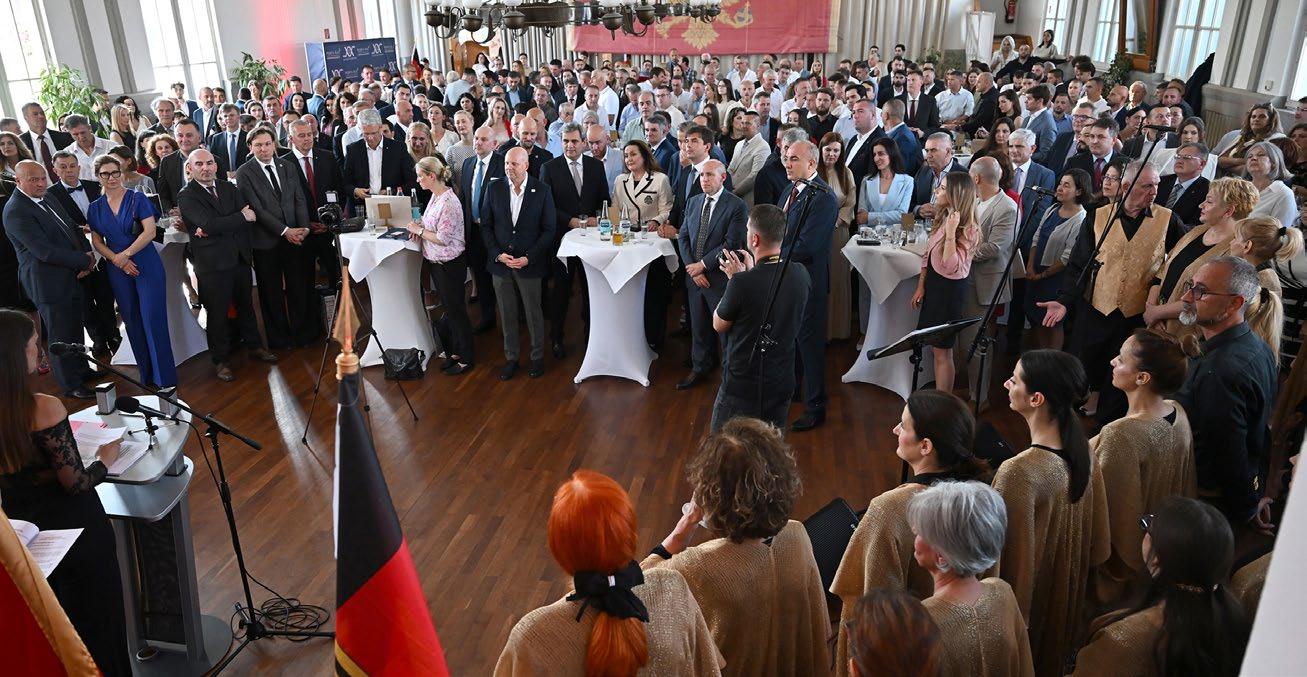
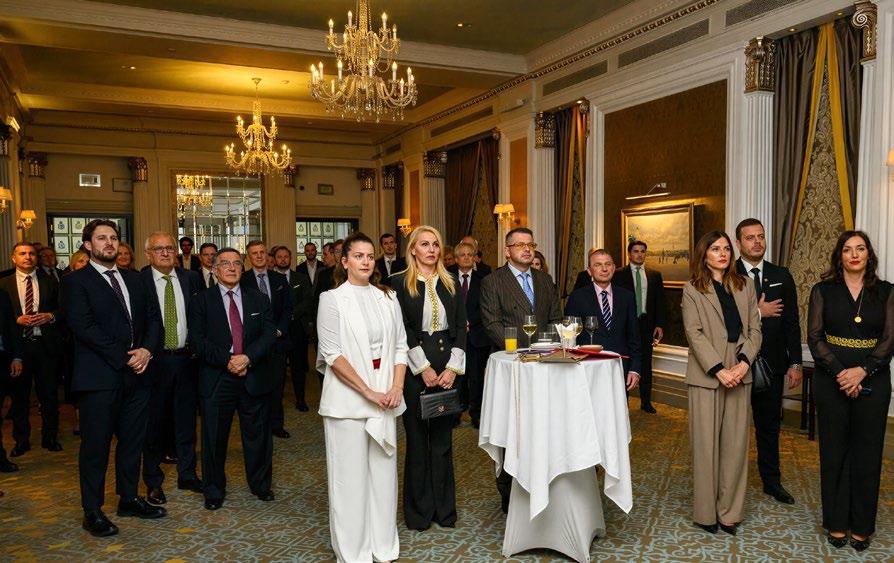
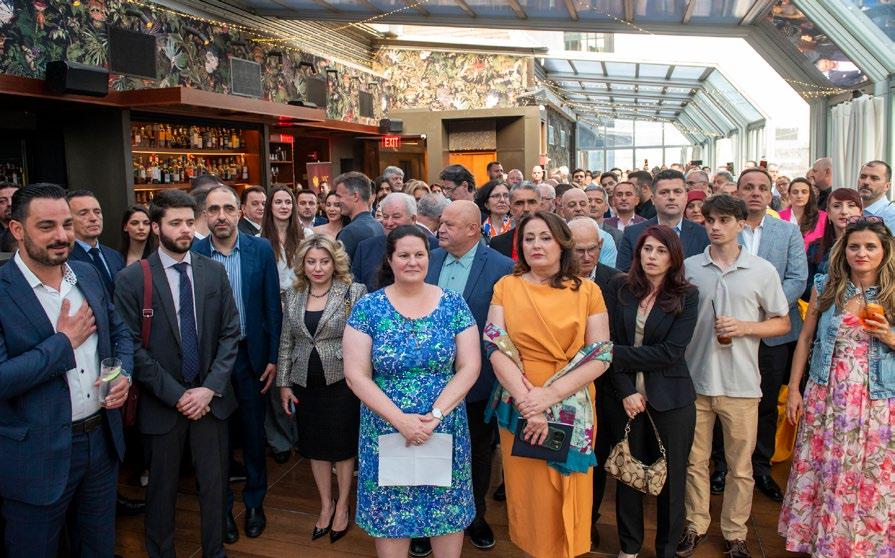
Minister and Minister of Foreign Affairs of Montenegro, Ervin Ibrahimović, who attended ceremonial receptions organised by the Embassy of Montenegro in Tirana during his official visit to Albania, as well as those hosted by the Consulate General of Montenegro in New York and the Consulate General in Frankfurt. His presence underscored the importance of the jubilee for Montenegrin diplomacy and ties with the diaspora.
The ceremonial receptions held around the world provided an occasion to showcase Montenegro's contemporary achievements, strengthen cooperation with international partners, and reaffirm the values on which the modern Montenegrin state is built. Of particular note was the strong turnout of representatives of the Montenegrin diaspora, who once again demonstrated their enduring bond with their homeland.
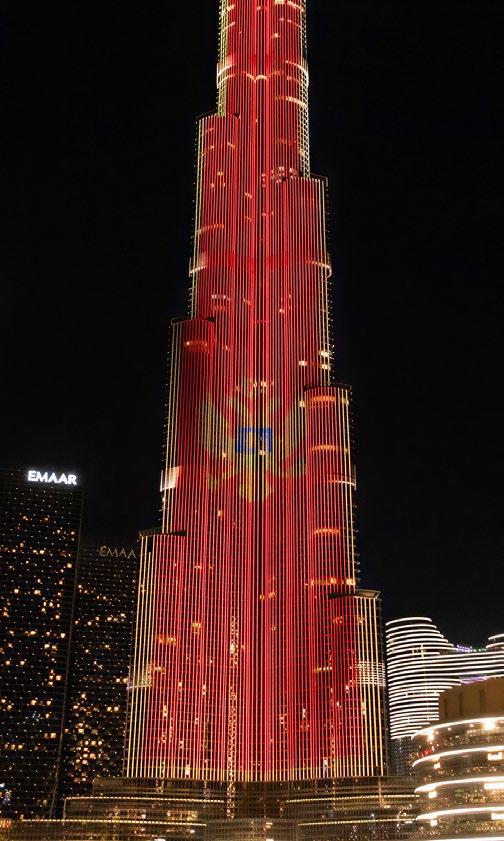
The jubilee also acquired a powerful symbolic dimension through visual promotions of Montenegro at some of the world's most iconic landmarks. The Montenegrin flag lit
up the façade of the Burj Khalifa in Dubai, the tallest building in the world. At the same time, the national emblem was also displayed on Times Square in New York and the Atakule tower in Ankara. These gestures represented a striking international promotion of Montenegro and its anniversary.
The series of events organised across the globe once again affirmed the commitment of Montenegro’s diplomatic and consular network to advancing state interests, strengthening ties with the diaspora and enhancing international partnerships. At the same time, the jubilee served as an opportunity to present Montenegro as a modern, European and multicultural state whose voice is increasingly heard on the international stage.
Celebrations of the jubilee will continue in the months ahead, as further diplomatic and consular missions organise ceremonial receptions in the run-up to Statehood Day, carrying forward the programme of commemorating the defining dates of Montenegrin history.
THE FLAG LIT UP BURJ KHALIFA, TIMES SQUARE, AND ATAKULE — POWERFUL SYMBOLS OF MONTENEGRO’S MODERN IDENTITY AND GROWING INTERNATIONAL VOICE
Jelena Dubak, Secretary General of the Red Cross Montenegro
In a time of global crises and growing social distance, the Red Cross of Montenegro remains a vital pillar of humanity and support for the most vulnerable. Secretary General Jelena Dubak speaks about the challenges of modern society, the importance of volunteerism, and the need for humanity to become a shared responsibility of us all.
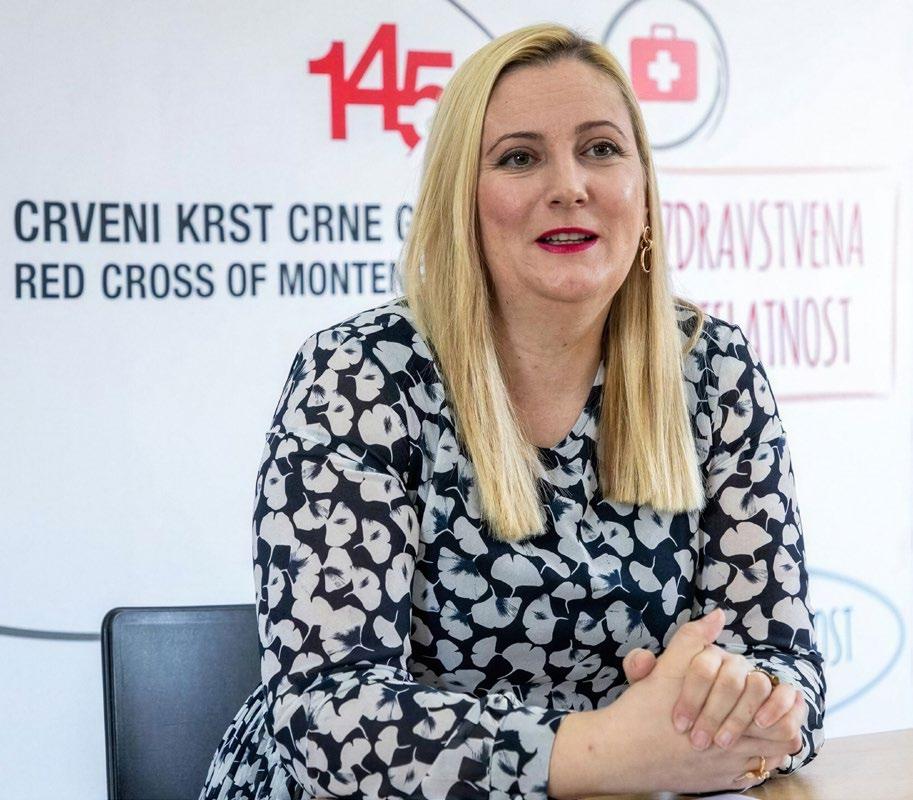
As the world faces increasing humanitarian crises, climate change, migration, and increasingly pronounced social inequalities, the role of humanitarian organizations has become more important than ever. As the oldest humanitarian organization in the Balkan region, the Red Cross of Montenegro has, for more than a century, stood as a symbol of solidarity, impartiality, and support for people in their most difficult moments. In an interview for Diplomacy & Commerce, the Secretary General of the Red Cross of Monte-
negro, Jelena Dubak, discusses the contemporary challenges of humanitarian work, the importance of international cooperation, the role of young people and volunteerism, as well as the need for society to rediscover empathy and genuine human connection.
How would you assess the current humanitarian challenges in Montenegro?
I would describe the current humanitarian challenges in Montenegro as complex and multifaceted. As the first officially recognized
Red Cross organization in Montenegro, and indeed the first in the Balkans, making it the oldest humanitarian organization in the region, we strive not only to respond to the needs of communities but also to anticipate them. Our role requires preventive action and timely intervention. However, this has become increasingly difficult in circumstances where significant international funding has been rapidly redirected to other priorities. As a result, there is a genuine concern that some beneficiaries, including citizens
of Montenegro as well as asylum seekers and migrants, may be left without adequate support. In addition, climate change represents a serious and growing challenge. Although it is not always at the forefront of public attention, its consequences are becoming increasingly evident through the growing frequency of emergencies such as wildfires and floods. These events pose substantial risks and cause significant damage, clearly demonstrating that investment in prevention is essential for protecting both lives and property. At the same time, digitalization is an important component of our response to contemporary challenges. We are actively working to enhance the accessibility and efficiency of our services through digital transformation, ensuring that support reaches all those who need it. Unfortunately, we are also witnessing an increasing process of social dehumanization. Paradoxically, digital technologies that were intended to bring people closer together have often resulted in greater social distance. For this reason, it is crucial to strengthen empathy, solidarity, and direct human relationships as the foundation of all sustainable humanitarian action. This principle lies at the very heart of the work of the Red Cross and the wider Red Cross and Red Crescent Movement worldwide.
What role does the Red Cross of Montenegro play in strengthening social solidarity and supporting the most vulnerable?
For more than a century and a half, the Red Cross of Montenegro has served humanity by fostering a spirit of solidarity, empathy, and social cohesion among citizens.
Through numerous initiatives supporting local communities, the promotion of volunteerism, and continuous advocacy for the improvement of public policies, legislation, and strategies that contribute to the well-being of society, we have built a strong support system for those most in need. At the same time, we have provided assistance to people seeking safety and a new home in Montenegro while fleeing armed conflicts, reaffirming that humanity knows no borders. Our teams have also responded to crises beyond our national borders, including earthquakes and other disasters, demonstrating the universality of Red Cross principles and our commitment to helping every person in need, regardless of where they are. This is how we continue to operate today, more than a century and a half after our establishment. Indeed, it seems that our role in society is becoming increasingly important and necessary. Global circumstances are changing from day to day, with around 130 active conflicts currently taking place worldwide, and consequently, the need for the Red Cross to act in a neutral and impartial manner is greater than ever. For this reason, we invest significantly in strengthening our capacities, both in terms of human resources and technological capabilities, so that we are ready at any time—day or night—to demonstrate responsibility and solidarity towards citizens, the state, the region, and the wider Red Cross and Red Crescent Movement. We are equally committed to ensuring that we do not act alone. We firmly believe that through the joint efforts of government institutions, civil society organizations, the non-governmental sector, the business community, and citizens, we can achieve far more for the communities we serve. Therefore, at a time when solidarity is more important than ever, the Red Cross calls on citizens, institutions, and businesses to join us in creating meaningful humanitarian change. Together, we can accomplish much more—let us demonstrate that we are united in humanity.
What are the key programmes and activities you are currently implementing?
The key programmes and activities we carry out as an organization are primarily focused on
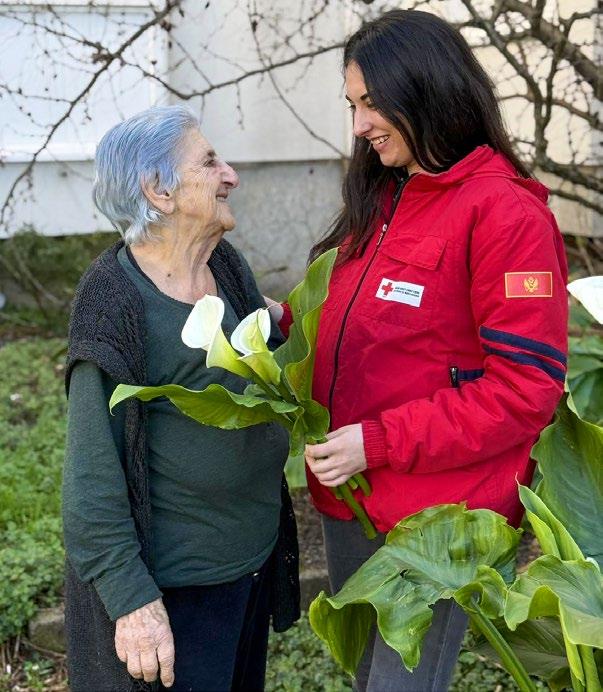
“CRISES TODAY ARE NO LONGER THE EXCEPTION; THEY ARE BECOMING
THE
NORM,” SAYS
JELENA DUBAK, EMPHASIZING THAT CLIMATE CHANGE, MIGRATION, AND SOCIAL INEQUALITIES ARE AMONG THE GREATEST CHALLENGES FACING MODERN SOCIETY. FOR THIS REASON, THE RED CROSS OF MONTENEGRO CONTINUOUSLY INVESTS IN PREVENTION, STRENGTHENING COMMUNITY RESILIENCE, AND DEVELOPING EARLY RESPONSE SYSTEMS TO ENSURE THAT ASSISTANCE REACHES THE MOST VULNERABLE IN A TIMELY AND EFFECTIVE MANNER.
supporting people, with all our initiatives designed in accordance with the actual needs of our beneficiaries. People are always at the heart of everything we do, and this remains our enduring priority. We place particular emphasis on public education in the field of first aid, as well as on promoting voluntary blood donation as one of the most direct ways of saving lives. Depending on the season, we also focus on the development of lifeguard services at designated beaches and ski resorts, where our trained and certified lifeguards provide essential assistance to visitors and actively contribute to their safety and well-being. At the same time, we support public institutions in responding to crises and emergencies, whether caused by migration movements, natural disasters, or other challenges. A significant part of our work is also dedicated to mental health
been the case and will remain so for as long as there is a need for the Red Cross, as a humanitarian organization and a key actor within civil society, to actively contribute to the well-being of citizens and communities. At the international level, we continuously strengthen our partnerships and strive to present the needs of our citizens to the international community in order to secure concrete and measurable support that can deliver lasting benefits to local communities. Through advocacy, cooperation, and joint initiatives, we seek to ensure that international assistance translates into sustainable improvements in people’s lives. Traditionally, the Red Cross of Montenegro has maintained close cooperation for many years with numerous Red Cross National Societies, not only across the region but throughout Europe and around the world. This collaboration is facilitated through the extensive global network of the International Red Cross and Red Crescent Movement, which currently comprises 191 National Societies.
How do you respond to crisis situations, and how prepared is the system for emergencies?
care through the provision of psychosocial support and psychological first aid to those who need it most. In parallel, we continuously develop services for older persons in both urban and rural areas, people on the move, citizens facing social vulnerability, as well as children and families.
How important is cooperation with government institutions and international partners in your work?
It is extremely important, because without mutual support and cooperation, we would not be able to fulfil our mission or provide adequate assistance to those in need. The Red Cross of Montenegro works closely with government institutions as well as civil society organizations, making all of its capacities available, particularly in responding to crises and emergencies. This has always
We respond to crisis situations swiftly, in an organized manner, and in close cooperation with government institutions and international partners, drawing on the experience gained during some of the most challenging periods in our history. One of the most notable examples was the arrival of refugees from the countries of the former Yugoslavia, when their number amounted to almost onethird of Montenegro’s total population. In those circumstances, with the strong support of partners from the International Red Cross and Red Crescent Movement and with full recognition of our role by the state, the Red Cross made a crucial contribution to maintaining social stability. A similar approach was applied during the arrival of a large number of displaced persons from Kosovo, when, in addition to humanitarian assistance, we provided all other forms of support in accordance with our mandate. During the COVID-19 pandemic, despite the uncertainty and the risks assumed by our volunteers and staff, we remained continuously present and committed to supporting citizens.
Alongside the distribution of basic necessities, we placed particular emphasis on providing psychosocial support, which proved to be of exceptional importance during that period. These experiences confirm that in every crisis we act with solidarity, responsibility, and dedication to those who need assistance the most.
How do you encourage volunteerism and civic engagement, particularly among young people?
As someone who began my own journey as a Red Cross volunteer, I have always been deeply aware of the importance of volunteers within our organization. I often say that we are at our strongest when we have a large number of motivated volunteers who are willing to dedicate their time, knowledge, and energy to helping others. In a time when young people have access to countless opportunities and activities, maintaining their motivation is not always easy. Today’s young people tend to be less inclined to stay in one place for long and are constantly seeking new experiences and opportunities. Nevertheless, we are proud that we continue to bring together enthusiastic young individuals who, by helping others, also develop themselves into better and more responsible members of society. It is also important to emphasize that Red Cross volunteers are not only young people. Our organization is enriched by dedicated older adults and people of working age who, despite their daily responsibilities, still find the time to contribute to the work of the Red Cross. We are sincerely grateful for their commitment and support.
How present is social responsibility in the business sector when it comes to humanitarian initiatives?
Although we are witnessing an increasing dehumanization of society, I must emphasize that there is also a growing presence of socially responsible companies and entrepreneurs who do not wish to forget that at the centre of everything are people, families, and, ultimately, the community. You will notice that within the operations of a large number of companies and organizations, one of the fundamental principles is socially responsible
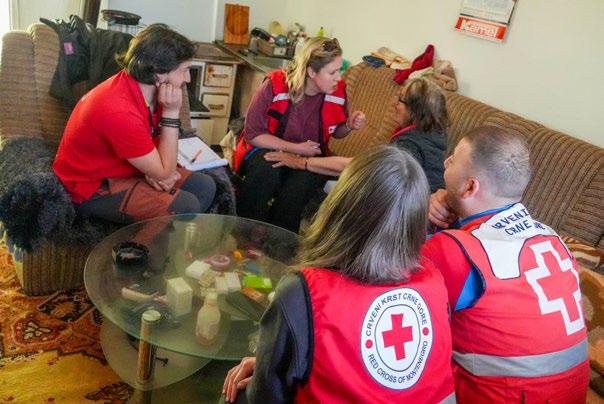
TODAY, THE RED CROSS OF MONTENEGRO BRINGS TOGETHER A LARGE NUMBER OF VOLUNTEERS FROM DIFFERENT GENERATIONS WHO SELFLESSLY DEDICATE THEIR TIME AND KNOWLEDGE TO SERVING THEIR COMMUNITIES. “WE ARE AT OUR STRONGEST WHEN WE HAVE MOTIVATED PEOPLE WHO ARE READY TO HELP OTHERS,” SAYS DUBAK, STRESSING THAT VOLUNTEERING NOT ONLY TRANSFORMS SOCIETY BUT ALSO CHANGES INDIVIDUALS THEMSELVES BY FOSTERING EMPATHY, RESPONSIBILITY, AND A SENSE OF BELONGING TO THE COMMUNITY.
conduct, and that comprehensive strategies of such business practices have been developed by various corporations. In line with our mandate, companies frequently approach us with the intention of becoming part of our humanitarian mission and contributing to the development and improvement of communities as a whole—through donations, volunteering, or joint activities. Nevertheless, there can never be enough humanism. Therefore, I take this opportunity to call on the business community to allocate, within their annual corporate social responsibility budgets, a portion of funds to support the activities of the Red Cross with older persons, particularly in rural and remote areas, where the only “footstep” that reaches these communities is often that of a volunteer or a mobile medical team of the Red Cross. In this regard, the Red Cross is launching a digital fundraising campaign for older persons, through which you help us restore what money alone cannot buy: attention, closeness, and the feeling of being remembered. Your donation means far more than you might think. It means that someone will receive a visit that brightens their week, that medical assistance will reach those who need
as a member of numerous working groups and national bodies, through which it actively contributes to the development of better policies, the improvement of living conditions for citizens, and the strengthening of the system as a whole. At the same time, the development of digital tools and modern technologies will enable greater efficiency and accessibility, while we will continue to uphold what lies at the core of our mission, and these are humanity, solidarity, and direct contact with people. Ultimately, I see the Red Cross as an even stronger pillar of society, an organization that not only responds to crises but also actively contributes to their mitigation and prevention, building more resilient and more humane communities.
What message would you send to decision-makers and the international community regarding the strengthening of humanitarian capacities?
it most, that someone will smile again, step outside, and feel part of the community. Lead by example and show that you actively care for those who, in their past, built our future, because no one should grow old alone.
How do you see the development of the role of the Red Cross in the coming period?
In the coming period, I am convinced that the role of the Red Cross will become even more significant and complex. Contemporary challenges, ranging from climate change and migration to increasingly pronounced social inequalities and the need to preserve mental health, require a strong, organized, and adaptable humanitarian response. The Red Cross will continue to serve as a reliable partner to the state and the community in crisis situations, while also further strengthening its preventive role, particularly through education, building community resilience, and developing early response systems, with a special focus on working with the most vulnerable population groups and the continuous improvement of existing services as well as the development of new ones in line with their needs. In addition, the Red Cross plays an important role
The message to decision-makers and the international community is that investment in humanitarian capacities must not be reactive or ad hoc, but strategic and continuous. Today’s crises are no longer exceptions; they are becoming the norm, and it is therefore essential to invest in a timely manner in strengthening systems that can respond to them effectively. This includes stable and long-term funding, strengthening local organizations that are the first to respond on the ground, as well as additional investment in prevention and community preparedness. Every euro invested in prevention is returned many times over through saved lives and reduced consequences of crises. It is also important to preserve and further develop partnerships between institutions, humanitarian organizations, and international actors, with full respect for the principles of the Red Cross—humanity, impartiality, neutrality, independence, voluntary service, unity, and universality. Only through joint and well-coordinated action can we ensure that assistance reaches those who need it most, at the right time and in the right way.
Ultimately, investment in the humanitarian sector is not an expense; it is an investment in the security, stability, and dignity of every society.
Sveti Stefan
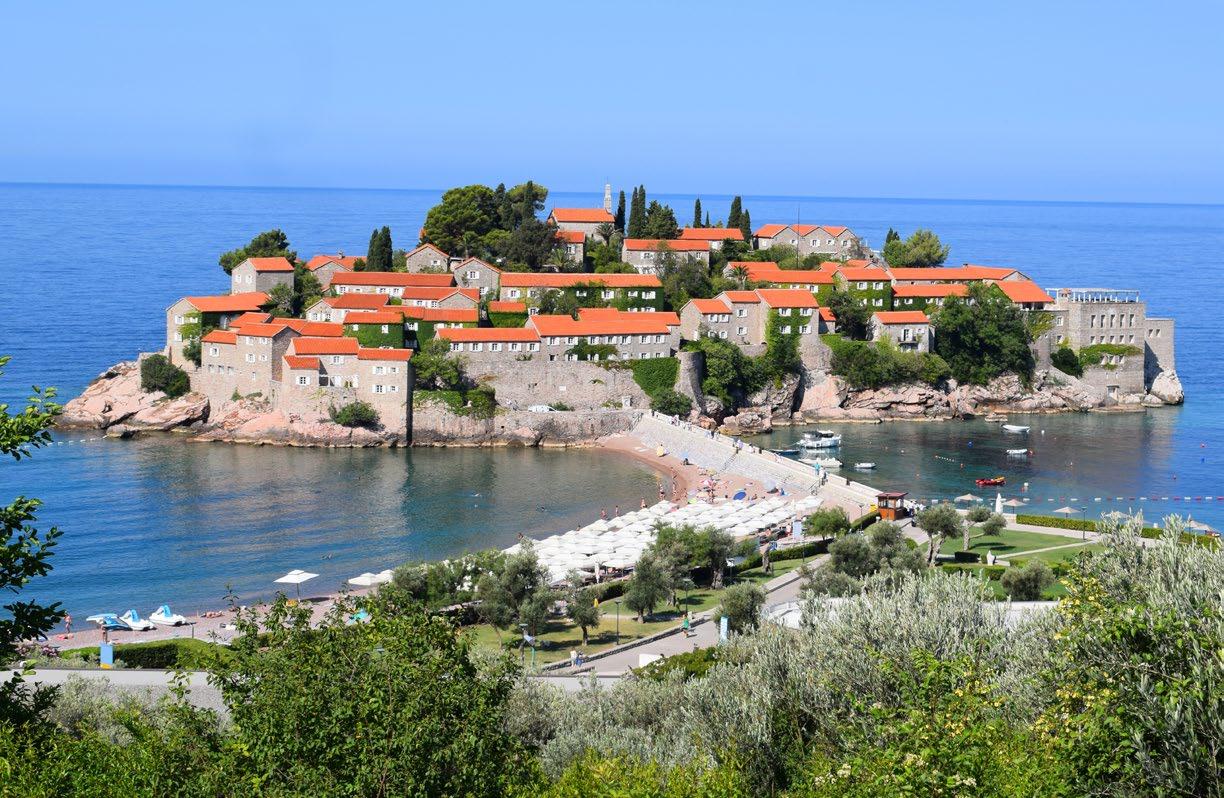
On the Montenegrin coast, at a point where dramatic relief descends toward the calm surface of the Adriatic Sea, Sveti Stefan is more than a destination – it is a symbol. Its almost surreal silhouette, set upon a peninsula and connected to the mainland by a narrow sandbar, has, for decades, served as Montenegro's visual signature on the international stage.
Founded in the fifteenth century as a fortified fishing settlement, Sveti Stefan has throughout its history been a space of adaptation and transformation. Yet the defining moment in its development came in the mid-twentieth century, when the potential of this site was recognised, and its conversion into an exclusive hotel complex began. What sets this transformation apart is the fact that authenticity was not sacrificed – on the contrary, the original architecture was preserved, and contemporary amenities were integrated with exceptional sensitivity to the space and its identity.
In today's global tourism landscape, where destinations compete not only on the quality of their service but also on the strength of
their narrative, Sveti Stefan occupies a unique position. It offers not merely luxury, but an experience rooted in the history and aesthetics of the Mediterranean. It is precisely this combination that makes it relevant not only to tourists but also within the broader context of Montenegro's international promotion as a sophisticated and stable destination
Its role today extends beyond tourism. Sveti Stefan functions as a representational space – a place that communicates the country's values: continuity, cultural depth, and the capacity to transform heritage into contemporary capital. In this sense, it becomes part of the diplomatic narrative as well – a discreet yet powerful platform for presenting the state on the global stage.
The visual identity of Sveti Stefan remains virtually untouched. Stone houses with terracotta roofs, narrow cobblestone streets, and the harmonious relationship between architecture and nature create an atmosphere that feels enclosed, but not inaccessible. Facing the open sea, this space offers a sense of security and seclusion – a form of luxury that is increasingly valued today.
At the same time, its immediate proximity to Miločer and the former royal residence further underscores the historical and symbolic dimension of this space. Parks, olive groves, and manicured shores form the natural setting that complements the architectural ensemble, creating a harmony between cultural and natural heritage.
In the context of future development, Sveti Stefan remains one of the key assets of Montenegro's tourism and investment strategy. Its significance lies not only in its exclusivity but in its capacity to serve as a bridge between local identity and global standards. It is precisely in this equilibrium that its long-term value resides.
Sveti Stefan today is not merely a place to stay – it is an experience, a message, and a symbol. At a time when authenticity is becoming the most important currency in tourism and international image, this small peninsular town remains a powerful reminder that true value lies in preserving what is original, alongside thoughtful and responsible transformation toward the future.
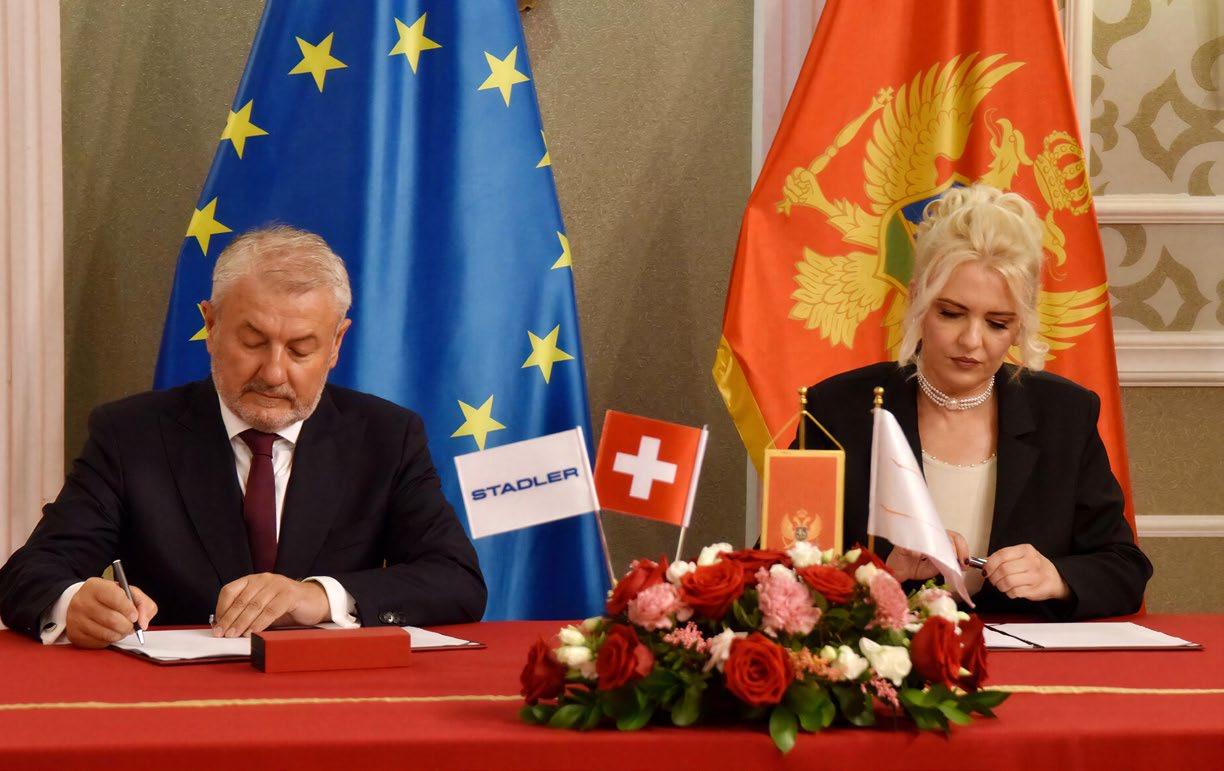
The partnership between Railway Transport of Montenegro and Stadler introduces a new generation of trains, strengthens regional connectivity, and reaffirms Montenegro’s commitment to sustainable mobility and European infrastructure standards
With the signing of the contract between Stadler and Railway Transport of Montenegro (ŽPCG) to procure three state-of-the-art four-car FLIRT electric multiple units, Montenegro has taken one of the most significant steps in the modernisation of its railway system in recent decades. The project, valued at 30 million euros and supported by the European Bank for Reconstruction and Development (EBRD), strongly reaffirms the country’s European orientation and its commitment to sustainable mobility, modern infrastructure and regional connectivity. The new vehicles will be based on Stadler’s proven FLIRT platform, which is in service across Europe and is widely regarded as one of the most successful solutions for
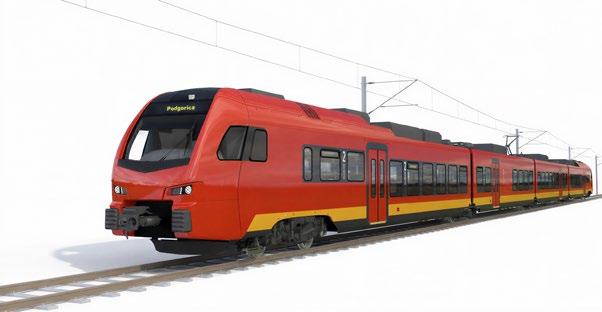
regional and suburban rail transport. Of particular significance is that the trains for Montenegro will be largely compatible with the units already in service with Serbian Railways, thereby, for the first time, enabling modern electric cross-border rail services between the two neighbouring countries.
The Executive Director of ŽPCG, Dragana Lukšić, described the signing of the contract as a historic moment for Montenegrin railways. As she emphasised, selecting a renowned manufacturer whose vehicles operate success-
THE PROJECT IN NUMBERS
• Investment value: 30 million
• Financial support: EBRD
• Number of new trains: 3 Stadler FLIRT electric multiple units
• Maximum speed: 160 km/h
• Capacity: 244 seats per train
• Fully low-floor access for persons with reduced mobility
• Delivery deadline: up to 36 months
• Modern air conditioning, video surveillance and passenger information systems
fully in Switzerland, Germany, Poland, Hungary, Slovenia and Serbia guarantees high quality, long-term reliability and more efficient maintenance.
• The most significant modernisation of ŽPCG’s rolling stock in recent decades
• Montenegro becomes the 50th country in the world in which Stadler trains operate
• Enables modern electric cross-border rail services with Serbia
• Strengthens regional connectivity and European transport integration
• Contributes to reducing operating costs through the standardised FLIRT platform
• Supports the objectives of sustainable and environmentally friendly mobility
• Enhances the quality of service for citizens and tourists
• Represents an important step towards aligning Montenegrin railways with European standards
“The new Stadler trains will provide passengers with a higher level of comfort, safety and reliability, while also increasing the attractiveness of rail travel for citizens and tourists. Montenegro is thereby taking an important step towards a modern European railway,” said Lukšić.
On the Swiss side, Ansgar Brockmeyer, Executive Vice President for Sales and Marketing and Deputy CEO of Stadler, expressed satisfaction that Montenegro is becoming the 50th country where the company’s trains will operate. “Our vehicles today connect communities across five continents and symbolise reliability, innovation and sustainable mobility. This project marks an important new milestone for Stadler and confirms the growing significance of modern railway solutions in South-East Europe,” Brockmeyer emphasised.
In the words of Željko Davidović, the new trains will be more than a means of transport, serving as a symbol of modernisation, European integration and regional cooperation. “This investment represents tangible evidence of progress and a shared vision for the development of sustainable mobility in the Western Balkans,” Davidović noted, thanking the Government of Montenegro, the EBRD and all partners involved in the realisation of the project.
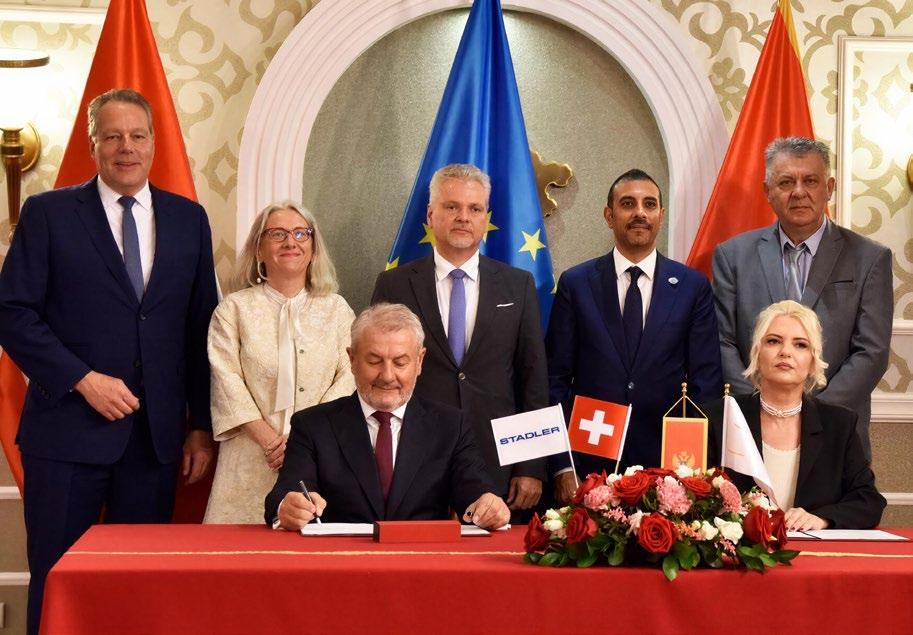
The new electric multiple units are designed for a maximum speed of 160 kilometres per hour, enabling more efficient use of the existing infrastructure and improving the quality of rail services. Each train will have 244 seats, with additional standing room and space for bicycles and luggage, thereby meeting the needs of modern passengers and growing tourist traffic.
The fully low-floor design will ensure unimpeded access for people with reduced mobility, while modern air conditioning, video surveillance, digital passenger information and advanced safety systems will significantly enhance the user experience. Particular attention has been paid to energy efficiency and sustainability, in line with European objectives for transport decarbonisation and the promotion of environmentally friendly modes of mobility.
The FLIRT platform is now present in numerous European countries, including Switzerland, Germany, Austria, Italy, the Netherlands, Denmark, Finland, Poland, Hungary, Slovenia and Serbia. Its widespread deployment confirms that it is a standardised, technically proven solution that meets the highest European standards.
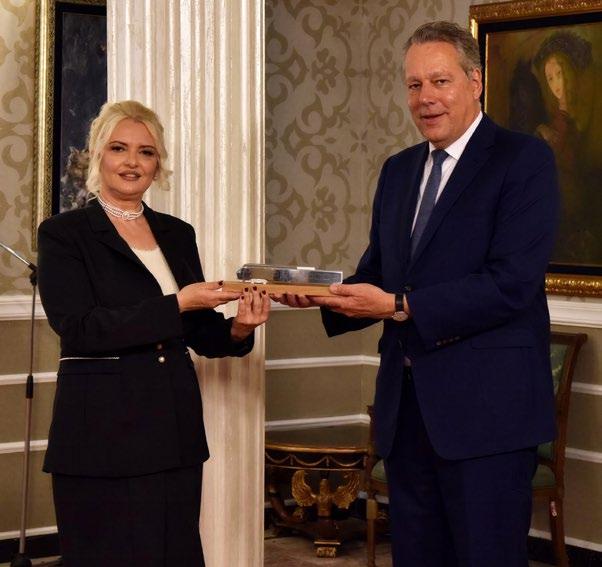
Delivery of the trains is planned within 36 months, with the possibility of earlier completion owing to the platform already being developed and homologated. Additional value is provided by the well-established service network and the availability of spare parts across Europe, which will enable lower operating costs and greater availability of the trains throughout their service life.
At a time when European countries are investing heavily in railway infrastructure as a key to sustainable development, Mon-
tenegro is confirming, through this project, its readiness to follow modern mobility trends. The procurement of new Stadler FLIRT trains is not merely an investment in rolling stock but an investment in better connectivity for citizens, the development of tourism, regional integration and the strengthening of the country’s European perspective.
With a new generation of trains on its tracks, Montenegro is sending a clear message that the future of its transport depends on modern, efficient and sustainable solutions — fully aligned with European standards and ambitions.
Bajo Pivljanin
Between the Ottoman Empire and the Republic of Venice, Bajo Pivljanin forged the legend of a warrior and a negotiator, becoming a symbol of Balkan resistance and political skill on the frontier of empires
In the collective memory of Montenegro and the wider Balkan region, few historical figures simultaneously bear the mantle of warrior, protector of the people, and political symbol as Bajo Pivljanin does. His name has been recorded not only in epic poetry and folk tradition, but also in the archives of the Republic of Venice and the Ottoman Empire, as that of a man who, in the turbulent seventeenth century, became one of the key actors in the cross-border conflicts between East and West.
Born as Dragojlo Nikolić in Piva, a land of savage beauty and still more savage historical fate, Bajo grew up in an era when the boundary between freedom and subjugation was as thin as a mountain ridge. The Ottoman Empire then dominated the greater part of the Balkans, while local tribes and hajduk bands represented the last bastions of autonomy and resistance. It is precisely in this historical vacuum that the phenomenon of the rebel arose – not merely outlaws from authority, but guardians of identity, custom, and the idea of freedom.
Bajo Pivljanin crossed very early from a local insurgent into a regional military leader. His ability to rally warriors from Herzegovina, Piva, Dalmatia, and the Bay of Kotor made him far more than an ordinary rebel chieftain. For the Republic of Venice, he was a valuable ally against the Ottomans; for the people, a symbol of resistance; for the Ottoman authorities, a dangerous adversary whose operations destabilised the entire frontier zone.
His military strategy rested on mobility, intimate knowledge of the terrain, and the psychological impact of surprise strikes. Yet what distinguishes Bajo Pivljanin
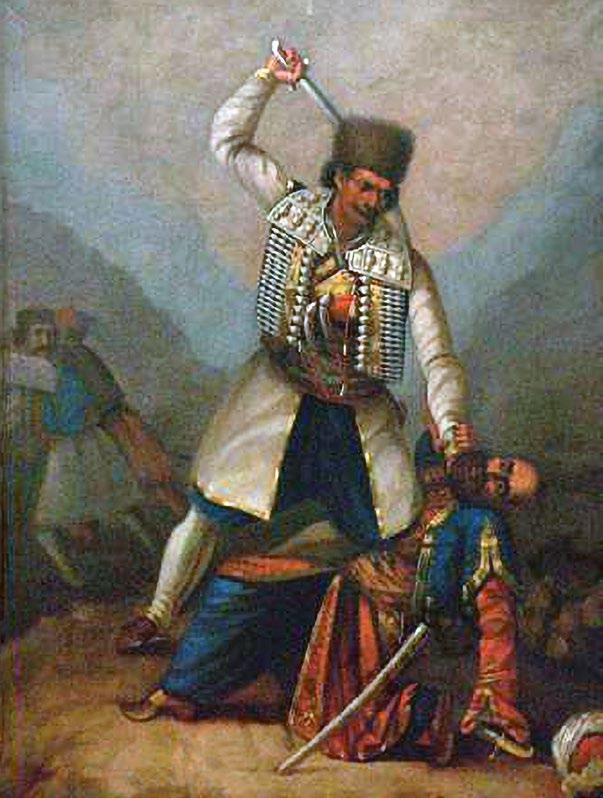
HIS RELATIONSHIP WITH THE REPUBLIC OF VENICE IS ESPECIALLY COMPELLING FROM THE CONTEMPORARY PERSPECTIVE OF INTERNATIONAL RELATIONS. VENICE SAW IN HIM AN INSTRUMENT OF ITS EASTERN POLICY, BUT AT THE SAME TIME LOOKED WARILY UPON HIS AUTONOMY AND HIS INFLUENCE AMONG THE ORTHODOX POPULATION.
from other rebel leaders is the fact that he understood the political dimension of war. He was aware that the Balkans' borders were determined not solely by the sword, but also by alliances, the interests of great powers, and the capacity for negotiation. In this sense, Bajo
was a precursor of what might today be called "guerrilla diplomacy." Bajo, however, succeeded in balancing between the interests of the great powers and loyalty to his own people – a rare political skill even within the modern framework of diplomacy.
Today, more than three centuries later, Bajo Pivljanin remains a symbol of resistance, but also a reminder that the Balkans were often governed by men who belonged not to courts, but to frontiers. His story speaks of a time when diplomacy was forged in mountain passes as much as in Venetian palaces, and political influence was measured by courage, standing, and the ability to survive between empires.
The pinnacle of his military activity occurred during the Cretan War between Venice and the Ottoman Empire, when hajduk and Uskok bands became an important factor in regional security. Bajo then operated not merely as a warrior but as a figure who united different Balkan communities in a common resistance to Ottoman domination. It is precisely for this reason that his historical role transcends national narratives and enters the broader Mediterranean and European context of the seventeenth century.
The death of Bajo Pivljanin at the Battle of Vrtijeljka in 1685 marked the end of an epoch. Tradition holds that the Ottomans sent his severed head to Constantinople as proof of their victory, which speaks volumes about the symbolic weight he carried even among his enemies. Yet like many great historical figures of the Balkans, Bajo, after death, became more powerful as a myth than he had been as a man.
In the era of contemporary geopolitics and new divisions, the figure of Bajo Pivljanin acquires renewed relevance – not as a romantic rebel from epic songs, but as a historical figure who bears witness to the enduring struggle of small peoples to preserve their autonomy in a world of great powers.
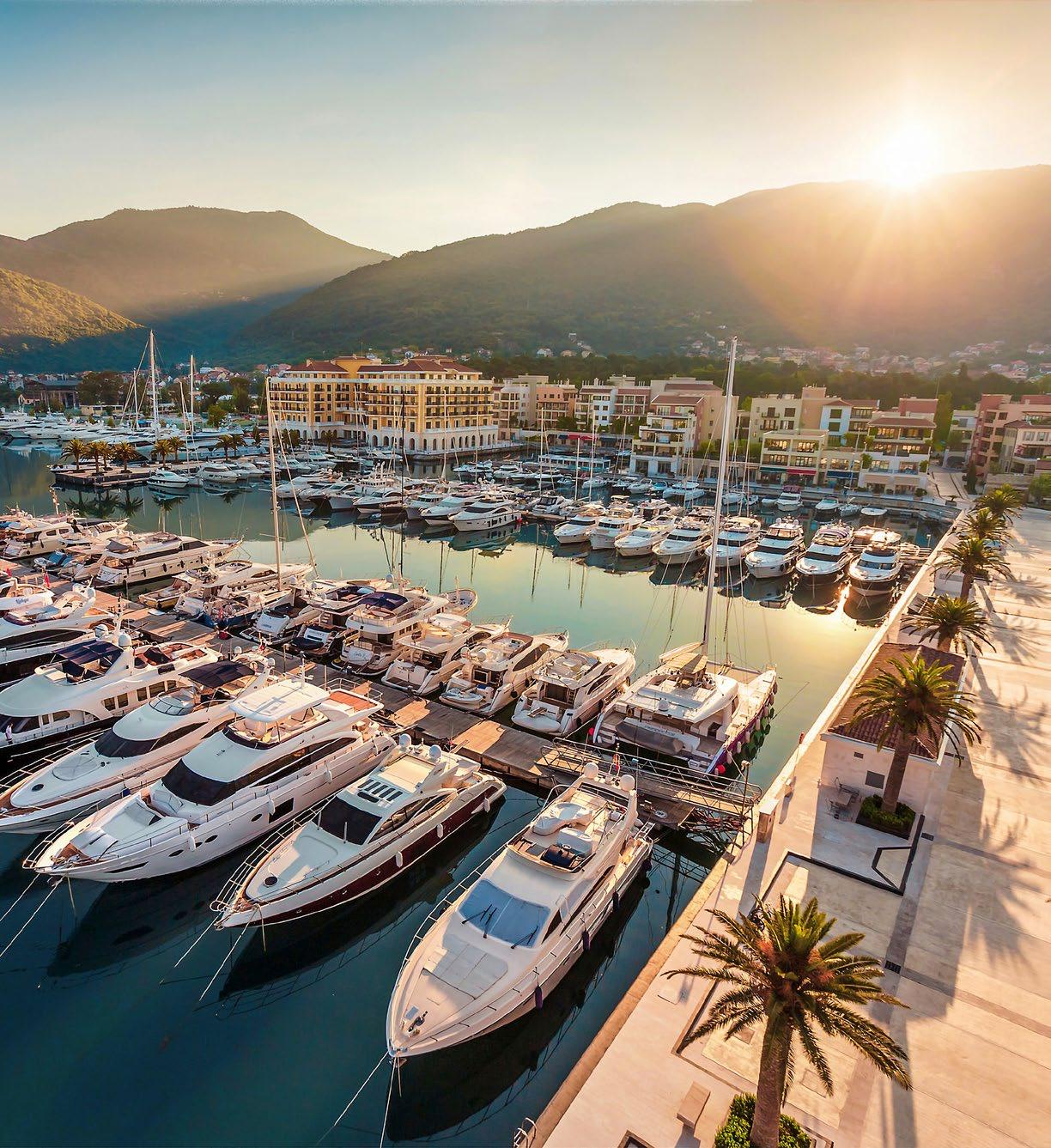
Simonida Kordić, Minister of Tourism of Montenegro
Having assumed a leading role in European tourism structures and become the best-rated European destination for visitor satisfaction, Montenegro sees its future in sustainable development, high-value investment and year-round tourism
Montenegro has emerged as one of Europe’s most acclaimed destinations, topping the charts for visitor satisfaction and reputation while assuming a leading role in global tourism structures. At the helm of this transformation is Simonida Kordić, Minister of Tourism, who envisions a future built on sustainability, innovation, and authentic experiences. In this conversation, she outlines how Montenegro is shaping a new era of tourism — from luxury resorts and rural households to digital storytelling and regional cooperation — and why the country’s unique blend of sea, mountains, and culture is winning the trust of travellers and investors alike.
How would you assess Montenegro’s current position on the international tourism map?
In April 2026, the European Travel Commission ranked Montenegro at the top of its list of best-rated European destinations for reputation and visitor satisfaction, with a score of 9.22/10 — a result also confirmed by independent international analyses. This reflects a significant improvement in the quality of Montenegro’s tourism offer and in the trust our guests place in our destination. Montenegro’s standing on the international tourism map is further confirmed by our position at the very forefront of European tourism. Chairing the Commission for Europe within UN Tourism — the most important global organisation in the field of tourism — is the highest position Montenegro has ever held in international tourism structures. It is particularly significant that Montenegro earned the confidence of 24 states with voting rights, which represents strong international recognition
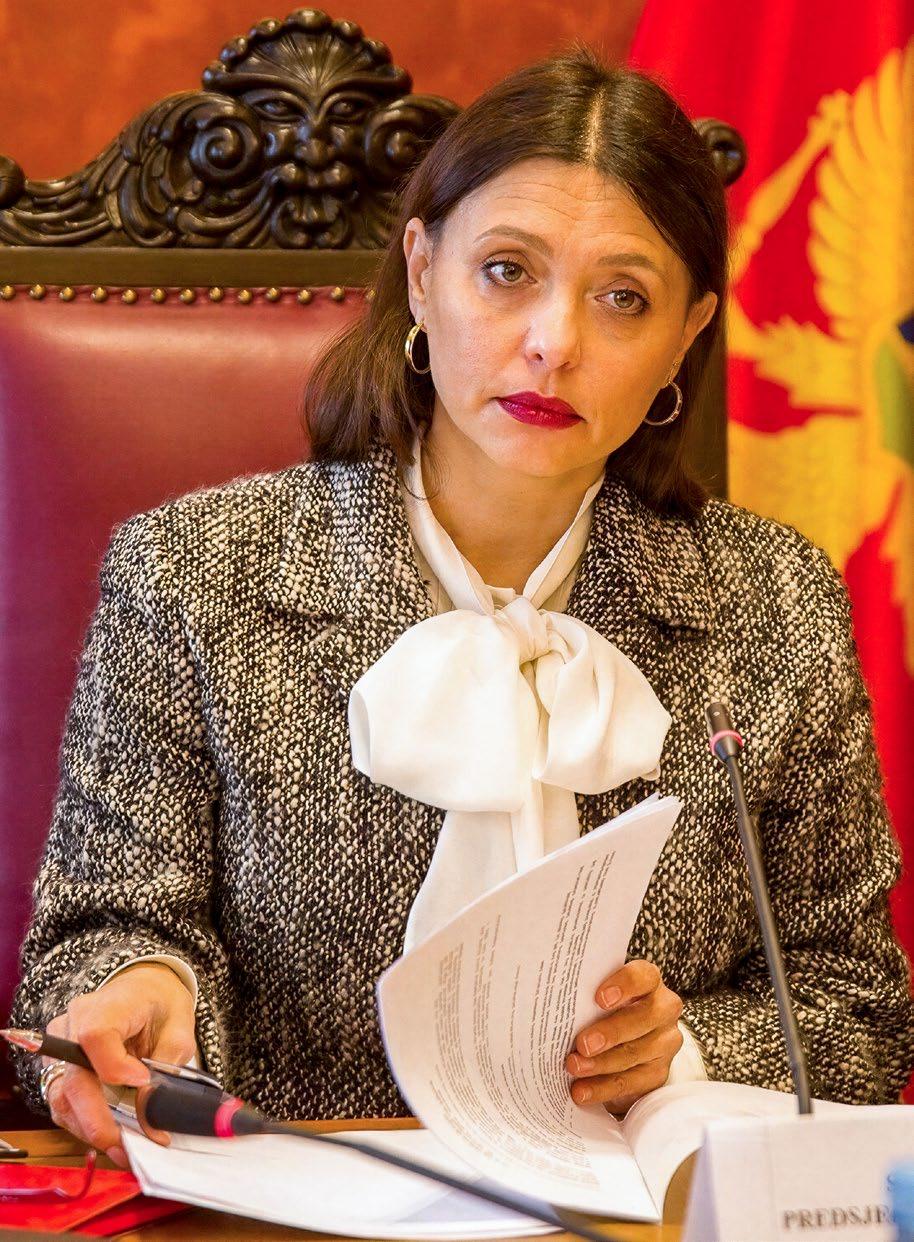
SIMONIDA KORDIĆ Minister of Tourism of Montenegro
• First place on the list of bestrated European destinations by reputation and visitor satisfaction (9.22/10).
• Chair of the Commission for Europe within UN Tourism — the highest international position Montenegro has achieved in the tourism sector.
• The support of 24 member states with voting rights confirms the credibility of Montenegrin tourism policy.
• A unique destination that, in a small area, unites sea, mountains, cultural heritage and authentic experiences.
• Host of key international tourism gatherings and regional initiatives shaping the future of European tourism.
and confirmation of the credibility of our tourism policy. All of this opens the door to more intensive cooperation with numerous countries and experts, enabling the exchange of knowledge, the application of best practices, and the strengthening of institutional capacity — particularly in areas where we wish to make further progress: sustainable development, digitalisation, the creation and promotion of specific tourism products, and investment. At the same time, it allows us to present Montenegro’s potential to a much wider international audience and to further position our country as a relevant actor in the development of European and global tourism. Montenegro brings something truly unique to the European tourism offer. In such a small area, we offer an incredible diversity of content and experiences. In just a 15-minute cable-car ride between Lovćen and Kotor, you cross two climate zones, and in a single day it is possible to both ski and enjoy the seaside. Another advantage is our proximity to European capitals, no more than two hours’ flight away, which makes Montenegro an exceptionally accessible destination. Today’s travellers seek a high-quality, active holiday — authentic experiences, culture, history, gastronomy, unspoilt nature and genuine contact with the local way of life. That is precisely what Montenegro can offer, especially through the development
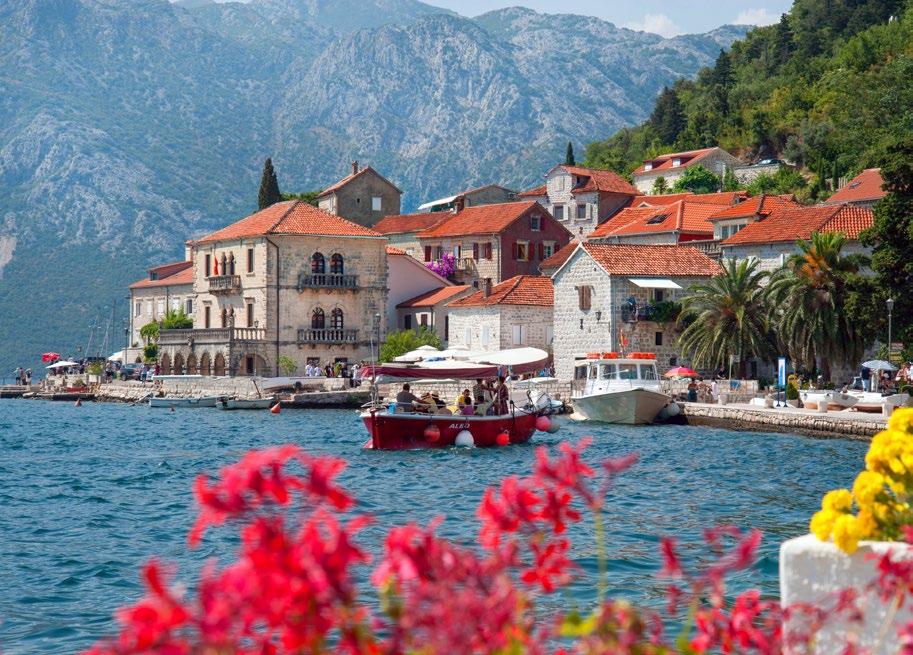
TODAY’S TRAVELLERS INCREASINGLY SEEK AUTHENTIC EXPERIENCES, UNSPOILT NATURE, ORGANIC FOOD AND CONTACT WITH LOCAL TRADITIONS. THAT IS PRECISELY WHY WE ARE SEEING CONTINUOUS GROWTH IN RURAL HOUSEHOLDS INCLUDED IN THE TOURISM OFFER — FROM 56 REGISTERED HOUSEHOLDS IN 2019 TO 378 TODAY.
of rural tourism in the north of the country, where visitors can be part of their hosts’ daily lives, enjoy organic food, clean water and sincere hospitality. At a time when authenticity and sustainability are the most sought-after values in tourism, this is a significant competitive advantage. We will present it to the countries of Europe and Asia at our interregional forum this autumn in Podgorica, and again next year when we host the Commission for Europe — for which we received the unanimous support of more than 30 countries.
Which segments of tourism do you plan to develop further — for example, health, conference, luxury or rural tourism?
The Ministry of Tourism’s priority is the development of sustainable, year-round tourism, with a particular focus on segments that can help reduce seasonality and ensure more balanced development across all of Montenegro’s regions. That is precisely why we
are devoting special attention to MICE tourism — that is, conference and business tourism — as well as to health, luxury and rural tourism. We see MICE tourism as a key segment for extending the season. Congresses, conferences and business events are most often organised in the off-season months, such as March, October and November, and can significantly improve occupancy throughout the year. To realise that potential fully, additional investment in modern congress centres and supporting infrastructure is needed. Montenegro has a significant advantage here, as it is still a relatively new and less-exposed destination in this segment — which is particularly attractive to professional event organisers seeking new and exclusive locations. We also recognise great potential in health tourism. Certain facilities and natural resources already exist on which we can build a competitive offer, but we see room for further investment and im-
provement in service quality to elevate this segment and position Montenegro as a destination for rest, rehabilitation and wellness. Luxury tourism is already well developed, particularly on the coast, where renowned international brands and high-value investments are present. The arrival of prestigious international hotel brands such as One&Only, Regent, Hilton, Hyatt and Aman, together with the development of major projects such as Portonovi, Porto Montenegro and Luštica Bay, confirms this. Our ambition is to further develop this segment sustainably, preserving the authenticity of the landscape and its natural resources. We consider the development of rural tourism especially important, particularly in northern Montenegro, which represents a major and still underexploited potential. Today’s travellers increasingly seek authentic experiences, unspoilt nature, organic food and contact with local traditions and ways of life. That is precisely why we are seeing continuous growth in the number of rural households included in the tourism offer — from 56 registered households in 2019 to 378 today. This confirms that rural tourism is becoming one of the most promising development segments, one that at the same time contributes to the preservation of local communities and to more balanced economic development across the country.
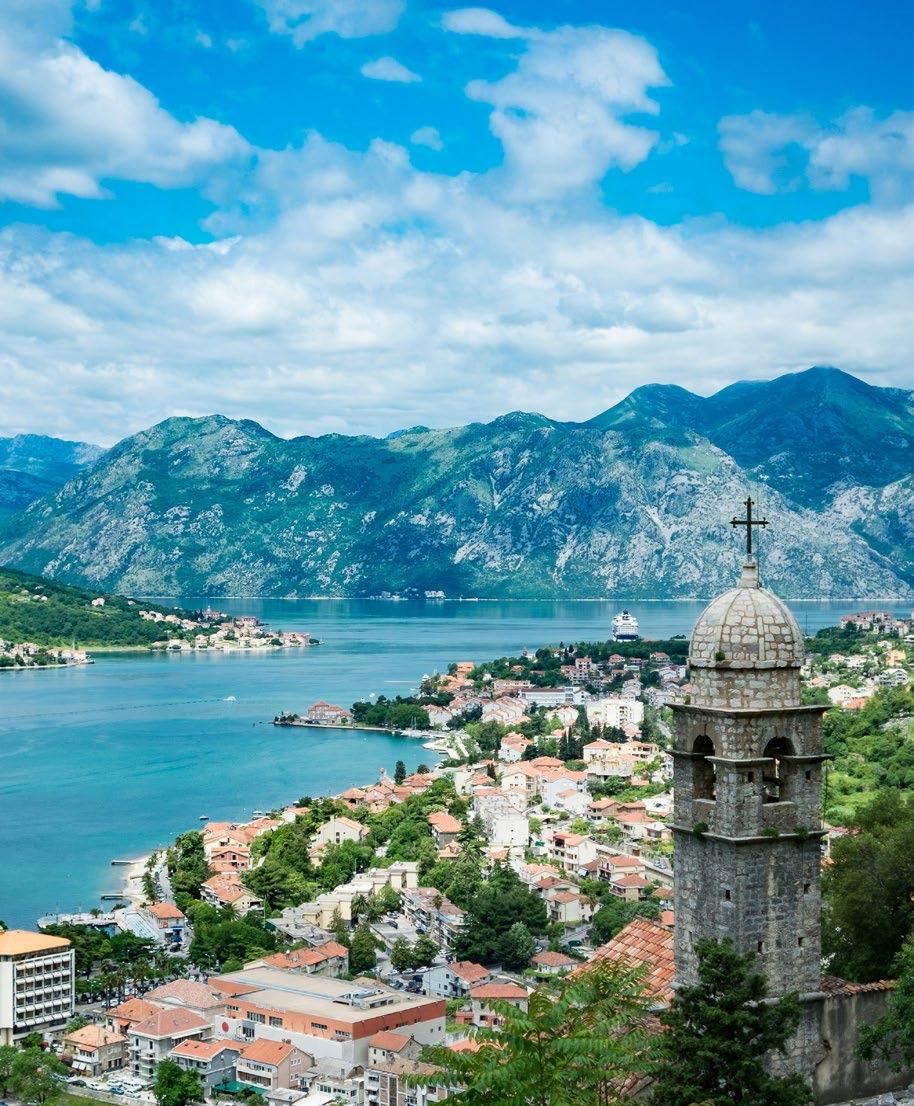
Through the development of these segments, we want Montenegro to be a destination with a year-round offer — one that provides varied content for different traveller profiles while preserving its most important values: nature, authenticity and hospitality.
How do you see the role of investment in the further development of tourism infrastructure?
We see investment as the key driver of a new phase in the development of Montenegrin tourism. Our aim is not merely to increase accommodation capacity, but above all to build a modern, competitive and sustainable destination capable of meeting the demands of the contemporary market. That is precisely why infrastructure investment is of
OUR PRINCIPLE IS SIMPLE — MY GUEST IS YOUR GUEST TOO. WHEN WE COOPERATE REGIONALLY, EVERYONE BENEFITS: THE STATES, THE TOURISM INDUSTRY, AND THE TOURISTS THEMSELVES, WHO GAIN A RICHER, MORE REWARDING EXPERIENCE
strategic importance — because without quality connectivity and modern conditions, there can be no long-term development of tourism. In that context, we are focused on modernising the transport network and airports, improving municipal utility systems, and on the digitalisation of tourism services, which is today becoming a standard of competitive destinations. What we particularly insist upon, however, is that every invest-
ment project be aligned with the principles of sustainability and the protection of the landscape. Our nature and authenticity are not merely a symbol of Montenegro but also our most valuable tourism resource. For that reason, we want investments that will bring new value while preserving the destination’s identity. It is precisely for this reason that the state continues to improve the investment climate through clear rules, more efficient proce-
• A focus on year-round tourism through the development of conference (MICE), health, luxury and rural tourism.
• The number of registered rural households has risen from 56 (2019) to 378, confirming the growth of the rural tourism offer.
• Continued investment in airports, transport and municipal infrastructure, with strict adherence to the principles of sustainability.
• Development of digital solutions and the TIS 5 system for more efficient management of tourist flows.
• The “Bridging Destinations” regional initiative strengthens the joint appearance of SouthEast European countries in distant markets and promotes the concept: “My guest is your guest too.”
dures and a partnership-based relationship with credible investors. We are convinced that only through responsible, long-term, well-considered investment can we further strengthen tourism as one of the most important sectors of the Montenegrin economy.
How important is regional cooperation in positioning Montenegro as an attractive destination? Regional cooperation is one of the key directions we advocate for the development of tourism today, as contemporary tourism trends clearly show that guests — especially from distant markets — no longer wish to visit only one country during a single trip. Today’s traveller seeks authenticity, varied experiences, and an acquaintance with multiple cultures, cuisines, natural landscapes, and the ways of life of local communities. That is precisely why, together with our colleagues from Bulgaria, Serbia, Croatia, North Macedonia, Albania, Greece and Italy, we have launched the “Bridging Destinations” initiative, grounded in cooperation rather than competition among destinations. We believe the region can be far more competitive when it presents itself, particularly in distant markets, where tourists often wish to visit several countries in a single trip and experience different cultures.
Our principle is simple — “my guest is your guest too.” If a tourist visits Croatia, Greece or Serbia, there is a strong chance they will wish to extend their journey to Montenegro as well, just as our guests can continue their travels through the region. When we cooperate, everyone benefits — the states, the tourism industry, and the tourists themselves, who gain a richer, more rewarding experience. Montenegro holds a very important place in that regional story because, in a small area, it offers exceptional diversity — sea, mountains, national parks, cultural and historical heritage, authentic gastronomy, and hospitality. It is precisely in that authenticity and in the linking of different experiences that we see the future of contemporary tourism.
How do digitalisation and contemporary trends affect the promotion of the tourism offer?
First, the wave of digitalisation has swept through almost every sphere of society and the economy, and the tourism sector has not been immune to the changes brought by the modern age. It has become clear that digitalisation is no longer a choice but a necessity and a key precondition for a destination’s competitiveness. Digitalisation has completely changed the way tourist destinations are promoted, because today’s travellers seek information primarily online — through websites, mobile applications and social media, where they can view photographs,
video content and virtual tours of natural and cultural attractions, as well as the experiences and reviews of other visitors, on the basis of which they make decisions about travel and accommodation. Contemporary trends further shape the promotion of the tourism offer. Personalised content, interactive tools, blogs and video tours increase user engagement and foster more direct, authentic communication with tourists. Particularly significant is the Ministry of Tourism’s cooperation with UNIDO on a project on digital storytelling and 3D presentation of cultural heritage; we are already preparing a continuation of this cooperation through a new project that will further enhance digital promotion and innovative tourism content in Montenegro. All of this contributes to better promotion of the destination, greater visibility of the tourism offer, and a better understanding of the needs of contemporary travellers. In other words, digitalisation today does not merely promote a destination — it creates the complete tourism experience from the trip-planning stage. For this reason, the Ministry of Tourism recognises digitalisation and innovation as
a key priority for the development of tourism in Montenegro. For the first time, through the Programme of Incentive Measures in the Field of Tourism for 2026, we have created a special support measure to develop smart and sustainable tourist destinations through digital and innovative solutions. The aim of this measure is to improve the management of tourist flows, promote less-developed and less-visited destinations, extend the tourist season and enhance the digital experience of tourists before, during and after their visit. In parallel, we are working intensively to develop the TIS 5 system (a new generation of the tourism information system), which will enable more efficient data management, better coordination among institutions, and more modern digital services for tourists and the tourism industry.
What message would you send to international investors and tourists regarding the future of tourism in Montenegro?
To international investors, I want to say that Montenegro is today a reliable and promising partner, strategically developing its tourism sector in line with the
latest global trends. Our country offers a unique blend of exceptional natural beauty, a favourable geographic position, and a clear vision for tourism development centred on quality, sustainability, and authenticity. Investors who choose to invest in Montenegro are investing in a market that still has considerable room for growth, particularly in the sustainable and luxury segments and in tourism based on authentic experiences. We are ready to be their active partner in projects that will deliver mutual benefit — profitability for investors and long-term development for local communities, while preserving the authenticity of our destination.
As for tourists, I want to send a clear message that Montenegro remains a destination of unique experience, offering, in a small area, a rare blend of sea, mountains, rich cultural heritage and warm hospitality. It is precisely this diversity that is our greatest advantage and the reason many guests return to us year after year. That is why we continue to invest in service quality, infrastructure, and the development of new content to provide tourists with an even richer, safer, and more rewarding experience year-round. Our ambition is not merely to increase the number of visits, but to build Montenegro into a recognisable Mediterranean destination that successfully unites authenticity, quality and sustainable development.
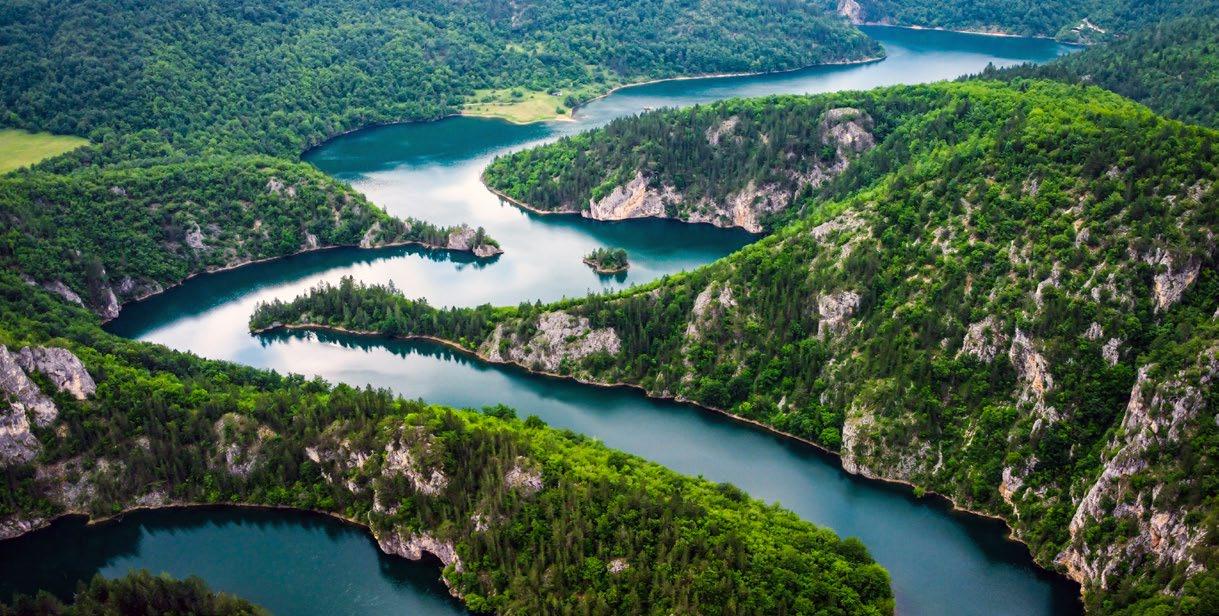
Ana Tripković Marković, Director of the National Tourism Organisation of Montenegro
The National Tourism Organisation’s director on strategy, digital campaigns, and partnerships shaping Montenegro’s rise as a recognisable European destination
At a time when tourist destinations compete not only on the quality of their offerings but also on the strength of their brands, Montenegro is increasingly successfully building international recognition through a blend of authenticity, natural beauty, and contemporary marketing approaches. The results achieved in the most important source markets, prestigious international awards, and growing visibility on digital platforms all confirm that the country is positioning itself ever more strongly as one of the most attractive European destinations. We spoke with Ana Tripković Marković, Director of the National Tourism Organisation of Montenegro, about the promotional strategy, the role of digital marketing, cooperation with the private sector, and the future directions of Montenegro’s tourism brand.
How would you assess Montenegro’s current position on the global tourism map?
As an indicator of the destination’s good reputation on the international market, I would highlight that, for more than two years now, Montenegro has featured in the monthly reports of the European Travel Commission (ETC) among the TOP 10 best-rated destinations by visitors to online travel platforms, while in April, we took first place. It is particularly important to note that Montenegro hosted several significant international events this year, further strengthening its image and visibility. Among them, the General Assembly of the European Travel Commission stands out, gathering around 70 leading representatives of the European tourism sector from 32 member countries, as well as the EU–Western Balkans Summit. Montenegro is positioning itself ever more clearly on the global tourism map as a destination distinguished by the diversity of its tourism offer. Despite the challenges the global tourism sector has faced — from the pandemic to geopolitical and economic circumstances — Mon-
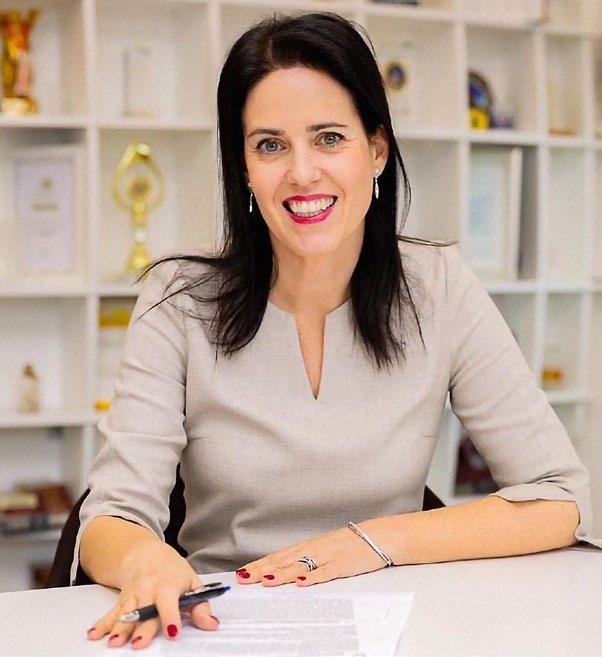
tenegro has demonstrated the ability to adapt to market changes, as evidenced by the sector's stable development, the destination's sustained competitiveness, and Montenegro’s growing international recognition.
What are the key elements of the strategy for branding Montenegro as a tourist destination?
In the contemporary tourism environment, characterised by rapidly changing trends and intense competition among destinations, building a strong and recognisable brand is one of the key preconditions for success. A good destination brand is not merely a visual identity or a promotional campaign; it creates emotion and builds a connection with potential visitors. Montenegro’s branding strategy rests precisely on highlighting what makes us unique — the blend of unspoilt nature, rich cultural heritage, authentic experiences and the sense of freedom our country offers. In that context, the new promotional campaign “Uncover Your Wild Side” represents a
powerful step forward in the way we communicate with international markets. At a time when perceptions of destinations are shaped by numerous digital channels and tourists, more than ever, seek authentic experiences, our goal was to bring together the experiences and values Montenegro offers into a single message. That is precisely why, through the “Uncover Your Wild Side” campaign, we focused on emotion, authenticity, and the destination experience, as contemporary tourists increasingly seek a connection with nature and content that offers an escape from everyday life. The destination spot was therefore conceived as a film trailer, with the aim of evoking emotion and a sense of adventure. We are particularly pleased that the campaign’s promotional film achieved exceptional international success, winning second place among the best tourism films in the world at the CIFFT (International Committee of Tourism Film Festivals) network's final, held in Portugal. In addition to this major recognition, over the
course of the year, the film won a further eight international awards, including accolades at the prestigious Golden City Gate tourism film festival in Berlin, as well as awards within the CIFFT network of festivals in Tortosa, New York, Tokyo, Cannes, Zagreb and Los Angeles. Further confirmation of its quality came with the winning of the prestigious Webby Award, regarded as the most significant global recognition in the field of internet content.
In what way does the National Tourism Organisation contribute to increasing the country’s international recognisability?
The National Tourism Organisation of Montenegro continuously contributes to strengthening the destination’s international recognisability through a broad range of promotional activities across key source markets. In the previous year alone, promotional activities were carried out in more than 20 markets, including appearances at international tourism fairs, marketing campaigns, the organisation of study visits for media, influencers and tour operators, and intensive digital marketing. A particularly significant contribution was made by the digital campaign “Uncover Your Wild Side,” which the National Tourism Organisation carried out in 2024 across the markets of the United Kingdom, France and Germany. The campaign generated more than 380 million impressions, 5.8 million clicks and over 2.3 million visits to the website. Through influencer activities, it recorded 8.9 million content views and more than 546,000 interactions, thereby fully achieving the campaign’s set objectives. I would particularly highlight the activities carried out through the programme of incentive measures. Through support measures for joint marketing campaigns with leading international partners, 18 campaigns were conducted in 2025 across nine strategically important markets, with a total reach of more than 140 million impressions. The campaigns were carried out in cooperation with
• Strengthening digital marketing and a presence on global platforms
• Greater application of artificial intelligence and advanced analytics in promotion
• Development of authentic tourism experiences and sustainable tourism
• Strengthening partnerships with leading international tour operators and airlines
• Continuous enhancement of the quality of the tourism offer through the Montenegro Quality programme
• Positioning Montenegro as a destination that, in a small space, brings together sea, mountains, culture, adventure and top-class gastronomic experiences
renowned partners such as Jet2holidays, easyJet holidays, TUI, Expedia, Voyage Privé, Secret Escapes UK, Schauinsland Reisen, Trendtours, Reisen Aktuell, FRAM, Nowa Itaka and eSky. The activities were further intensified in 2026 as well — likewise through the programme of incentive measures, but also through fair appearances, cooperation with the media, business workshops with tour operators and other activities. At the same time, a three-month promotional campaign was launched on the channels of Warner Bros. Discovery, including the Discovery Channel and the Travel Channel, promoting Montenegro across 36 markets in Europe and the EMEA region, with a potential monthly reach of more than 50 million viewers. All the above activities contribute to strengthening Montenegro’s visibility, enhancing the destination’s image and improving its position in the international tourism market.
What are the most effective channels for promoting Montenegro in international markets? When it comes to promoting Montenegro as a tourist destination, the best results come from a combination of traditional and digital promotional channels. Digital marketing, social media, collaboration with influencers, online campaigns, and a presence on leading tourism platforms enable quick, efficient reach of diverse target groups in international markets. At the same time, traditional channels such as tourism fairs, specialised media and promotional events continue to play a significant role in strengthening the destination’s recognisability. Per-
sonal contact with partners in source markets is especially important, especially with tour operators, travel agencies, and media representatives. Study visits by media, influencers and tour operators are also a very significant part of promotion. When they can experience the destination personally, they create an authentic impression. Such experiences often result in high-quality media content and new travel arrangements.
How do you assess cooperation with the private sector in creating the tourism offer?
Cooperation with the private sector is essential to developing a competitive, high-quality Montenegrin tourism offer. Alongside joint promotional activities with tourism entities, we place particular focus on enhancing the quality of the tourism offer through the Montenegro Quality programme. This is a national quality mark awarded by the National Tourism Organisation of Montenegro to entities that meet clearly defined criteria. The mark is awarded at three levels — bronze, silver and gold — and confirms high standards of service and operations. Since the programme’s establishment, the Montenegro Quality mark has been awarded to around 50 tourism entities across Montenegro, including hotels, restaurants, rural households, travel agencies, museums, galleries, and tourist attractions. It is particularly significant that the programme encompasses different segments of the tourism offer, thereby encouraging the development of quality across the entire destination. Our engagement does not end with the awarding of the mark. We conduct ongoing field inspections and training, and include mark-holders in promotional activities to maintain high standards and further affirm quality as one of the key values of Montenegrin tourism.
To what extent do digital marketing and social media influence the perception of Montenegro as a destination?
Digital marketing and social media today play a decisive role in shaping perceptions of Montenegro as a tourist destination, particularly as travel planning increasingly moves online. A 2023 guest survey found that the majority of respondents use the internet as their primary source of information when choosing a destination and planning a trip. This trend is expected to intensify, with the growing influence of digital platforms and social media on travel decisions.
For this reason, we continuously strengthen our activities in the digital space. Through cooperation with international media, influencers, and global travel platforms, and through large-scale digital campaigns, we reach an audience of millions worldwide. The results of our “Uncover Your Wild Side” campaign confirm the effectiveness of this approach. The campaign achieved more than 380 million impressions and 5.8 million clicks, indicating strong interest among potential visitors to Montenegro. We focused on engaging audiences through collaborations with influencers, resulting in 8.9 million views and more than 546,000 interactions. At the same time, more than 2.3 million visits to our website were recorded, and all the campaign’s key objectives were met.
What are the greatest challenges in branding a small tourist country at the global level?
One of the greatest challenges in branding a small tourist destination at the global level is the budget allocated to international promotion. Competition in the tourism market today is exceptionally fierce, and leading tourist destinations invest significant resources in marketing, digital campaigns, promotion and a presence in key markets. The National Tourism Organisation of Montenegro operates with a budget that is among the lowest in Europe relative to those of other countries’ national tourism organisations. It is encouraging that, even with significantly more modest resources, we manage to achieve notable results. The best example of this is our current promotional campaign “Uncover Your Wild Side,” whose promotional film won several international awards at prestigious tourism film festivals around the world. These accolades carry particular weight given that the competition included destinations with many times larger promotional budgets, among them some of the most developed tourism markets in Europe.
How do you see the further development of Montenegro’s international promotion in the years ahead?
Trends in the global tourism market shift rapidly, and tourists’ expectations today increasingly favour authentic experiences, personalised content and a deeper connection with the destination. For this reason, I believe Montenegro’s international promotion in the years ahead will require even more innovative approaches and a greater capacity to adapt to market changes. I would
highlight two key challenges faced by all tourist destinations. The first is that, in the era of digital platforms and traveller-generated content, the perception of a destination is shaped daily across a wide range of communication channels. The second is the need to bring together numerous experiences, local stories, brands, attractions and tourism products into one clear, recognisable and authentic message that will stand out in a highly competitive international environment. The key task of those who manage destination branding is to recognise what contemporary tourists seek and to present, authentically, what the destination truly offers. I believe the boundaries of destination promotion will shift further in the years ahead, as digital marketing, advanced analytics, artificial intelligence, creative content and new formats of communication grow in importance. However, regardless of the changes brought by new technologies and marketing trends, the quality of the tourism offer remains the key precondition for successful promotion. No campaign, however creative and visible, can, over the long term, compensate for a lack of quality in the destination itself. It is precisely for this reason that the National Tourism Organisation of Montenegro is, for the fourth year running, implementing the Integrated Quality Management in the Destination project, through which it carries out numerous activities aimed at enhancing the tourism offer, raising the quality of services, educating the tourism economy and strengthening the destination’s competitiveness. In the end, the best promotion is a satisfied guest who shares their positive experience with others.
What message would you send to international tourists about Montenegro?
To international tourists, I would say: visit Montenegro with a desire to discover its diversity, because this is a destination that, in a relatively small space, offers an exceptional variety of experiences — from the sea and mountains to rich cultural heritage, to an active holiday and authentic gastronomy. It is precisely the blend of natural beauty, hospitality, and authentic experiences that makes Montenegro a popular destination for many visitors year after year. I would invite them to step beyond the usual tourist routes, explore the country’s hidden corners, and discover Montenegro's authentic, wild beauty that inspires, connects one with nature, and offers a genuine respite from everyday life.
Montenegro’s
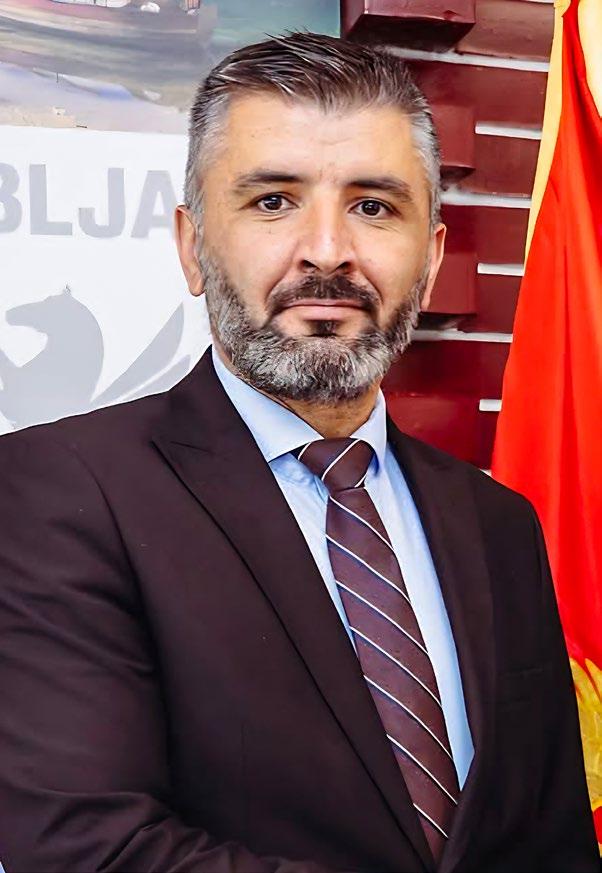
RADOŠ ŽUGIĆ Mayor of the Municipality of Žabljak
Set in the heart of one of Montenegro’s most impressive natural landscapes, Žabljak has for decades been a symbol of mountain authenticity, unspoilt nature and unique tourism potential. As the centre of Durmitor National Park, a UNESCO-protected area , the municipality now faces a new developmental challenge — how to preserve its exceptional natural value while meeting the demands of contemporary tourism and economic development.
Growing interest from domestic and international visitors, significant infrastructure investment
and ambitious development projects are opening new perspectives for Žabljak and the entire north of Montenegro. The local administration’s focus rests on enhancing the tourism offer, modernising infrastructure, extending the tourist season and creating conditions for a higher quality of life for the local population.
In conversation with Diplomacy magazine, Radoš Žugić, the Mayor of the Municipality of Žabljak discusses the current state of this mountain destination, the key projects that will shape the period ahead, the challenges of
sustainable development, the role of the local community, and the prospects for the north of Montenegro to become one of the country’s most important areas of development.
How would you assess Žabljak’s current position as a tourist destination in Montenegro and the region?
I believe Žabljak is among the most significant destinations on Montenegro's tourist map and beyond, and I believe many would agree. As the centre of Durmitor National Park, which is under UNESCO protection, our municipality possesses unique natural riches that attract visitors from every continent. In recent years, we have recorded steady growth in tourist numbers, from the region as well as from European and global markets. The local administration is actively working on projects to enhance the tourism offering further and extend the season. Our goal is for Žabljak to be an attractive destination throughout the year. I believe that through sustainable development and the preservation of natural resources, we can further strengthen our competitiveness. We are especially pleased that more tourists return precisely because of the authentic atmosphere, hospitality and unspoilt nature. That is why we look to the future and Žabljak’s further development with optimism.
What are the key development priorities for the municipality in the period ahead?
Thanks to effective communication and support at the state level, infrastructure investment has increased significantly in recent years. The projects are numerous, and each is important in its own way. Looking ahead, the two I would single out as key priorities are the reconstruction
of the Savin Kuk ski resort and the construction of a new town square with accompanying facilities. These two major capital projects bring a new dimension to what our municipality has to offer. Žabljak has long been — and remains — a recognised destination for winter tourism, but more substantial investment in this area has largely been absent for a considerable period; for that reason, the reconstruction of the ski resort is one of our priorities, to keep pace with the times and maintain competitiveness. The town square — with an underground car park, administrative buildings, roads and all that goes with it — gives a new face to the very heart of the urban centre and relieves the present town centre, where congestion is noticeable, particularly during the summer months, owing to the large number of visitors.
How can mountain tourism become a stronger driver of economic development in the north of Montenegro?
As Mayor of the Municipality of Žabljak, I believe that mountain tourism can be a key driver of economic development in northern Montenegro by better leveraging our natural resources. It is essential to invest in transport and tourism infrastructure. Particular attention should be devoted to developing summer-season content, such as hiking, cycling and adventure tourism. It is important to link tourism with local agriculture and food production so that local producers also benefit from this development. It is likewise necessary to encourage new investment and job creation in the tourism sector. Sustainable development and the protection of nature must remain priorities to preserve what makes our mountains unique. In this way, mountain tourism can contribute
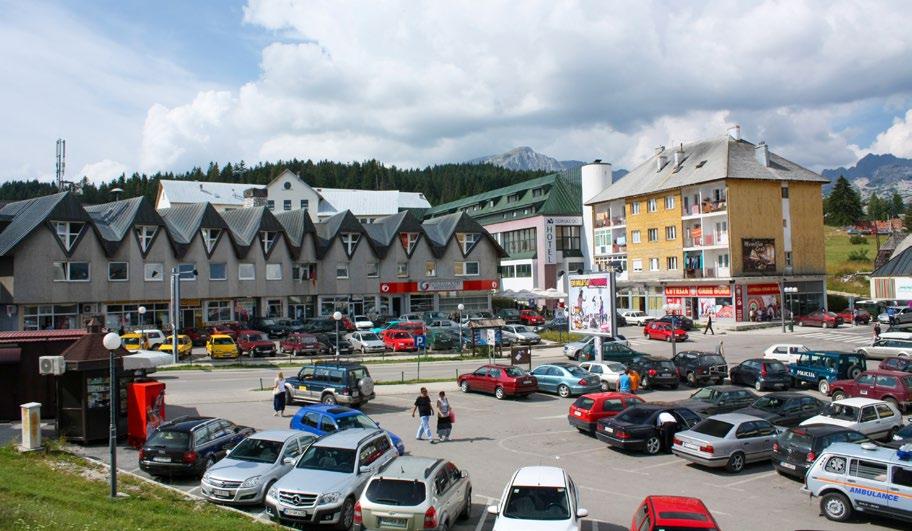
to a higher standard of living for citizens and to halting emigration from the north.
To what extent has Žabljak managed to balance tourism development with the preservation of natural resources?
I can say that the balance between tourism development and the preservation of natural resources is one of our greatest challenges and priorities. In the preceding period, we faced a wave of intensive, often unplanned and illegal construction that placed serious pressure on Žabljak’s space and natural value. However, through more decisive action by the competent institutions, stricter enforcement of planning documentation, and intensified oversight of inspections, we have largely brought such occurrences under control. Today, the situation is considerably more favourable, and development is increasingly aligned with the principles of sustainability and environmental protection. Our aim is not merely to increase the number of tourists, but to create a quality destination that safeguards the natural riches of Durmitor for future generations. I believe we have taken important steps in that direction, but we remain committed to further improving the balance between development and landscape preservation.
What are the greatest infrastructure challenges the municipality faces?
The greatest infrastructure challenges for us are improving the road network, modernising municipal utilities, and adapting capacity
ŽABLJAK,
AT THE HEART OF UNESCO-PROTECTED DURMITOR, IS ONE OF THE REGION’S LEADING MOUNTAIN DESTINATIONS. ITS FUTURE LIES IN YEAR-ROUND TOURISM — HIKING, CYCLING, ADVENTURE SPORTS AND WINTER ACTIVITIES — WHILE STRATEGIC PROJECTS AIM TO SECURE ITS PLACE ON EUROPE’S TOURIST MAP.
to the growing number of tourists. Owing to the dispersed nature of its rural areas and its extensive road network, and given the resources available, the Municipality of Žabljak cannot fully meet the needs of our residents. Still, I believe we nonetheless do a good job in that respect within the bounds of what is possible. We also need further development of the water supply and sewerage networks, particularly during periods of increased tourist visits. Providing enough parking spaces is likewise a challenge, as is improving the waste management system to meet environmental standards. These are the key areas to which the greatest attention is devoted.
How do you assess cooperation with state institutions and the private sector in developing tourism? Cooperation is at an exceptionally high level. I think the understanding is complete, and that through joint efforts, we are doing everything we can to ensure that tourism, as the most important branch of the local economy, generates high profits that contribute to the quality of life, which is crucial. Naturally, what I have just said must relate to the principles of environmental protection and
ernmental sector. It is precisely the local population that best knows the values, traditions and natural riches of this region and is the most important partner in their preservation. Sustainable tourism means that the benefits of development are felt first and foremost by citizens — through new jobs, higher incomes and better living conditions. That is why the local community needs to be involved in decision-making and in shaping the tourism offer. In Žabljak, we strive to develop tourism that will simultaneously contribute to economic development and to the preservation of natural resources for future generations.
How do you see the future of Montenegro’s north in economic and demographic terms?
related matters, to maintain the balance between the desire for the highest possible revenue and the preservation of the most valuable asset we possess: unspoilt nature, recognised globally.
Which projects are currently key to enhancing Žabljak’s tourism offer?
I would not single out any currently key projects, for one reason: our projects are systematically planned through the Strategic Development Plan of the Municipality of Žabljak, and they are mostly medium- or long-term. They are also designed to improve every sphere of our citizens’ lives, and it is difficult to name those currently in focus because they interconnect and build upon one another. What I can say is that these are mostly major capital projects, whose full benefits will be most visible in the period ahead.
How important is the role of the local community in the development of sustainable tourism? It is decisive for the development of sustainable tourism. No development strategy can deliver full results without the active participation of citizens, local entrepreneurs, farmers and the non-gov-
I see the future of northern Montenegro with cautious optimism. What particularly concerns us is the long-standing trend of depopulation and emigration, especially among young people who, in search of better opportunities, leave their home regions. This is not a problem for Žabljak alone, but for almost all municipalities in the north of the country, and it represents one of the most important development questions we face. Nevertheless, I believe that northern Montenegro has enormous potential in tourism, agriculture, energy and natural resources. With stronger support from the state through infrastructure projects, economic incentives and measures that will enable young people to build a future in their own region, it is possible to change the present picture.
What message would you send to investors and tourists considering Žabljak as a destination?
I want to tell investors and tourists that they are always welcome in Žabljak. Our municipality is strongly committed to sustainable development, to improving infrastructure and to creating the best possible conditions for living and doing business. Žabljak has exceptional natural riches and great potential for tourism, hospitality and other economic activities. We are open to quality investment that will contribute to economic development, create new jobs and advance the local community. To tourists, we offer a unique blend of unspoilt nature, hospitality and an authentic mountain setting that is rarely found elsewhere.
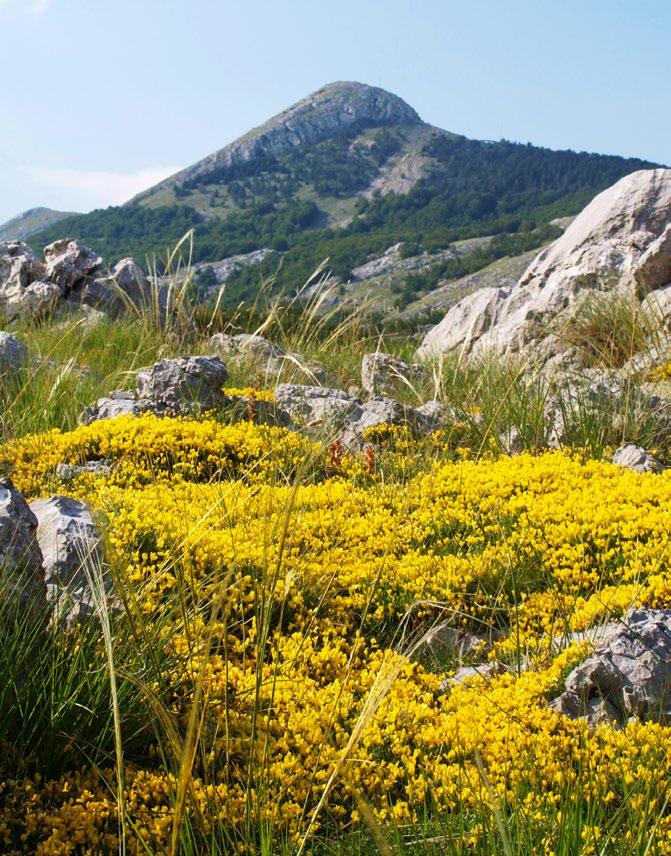
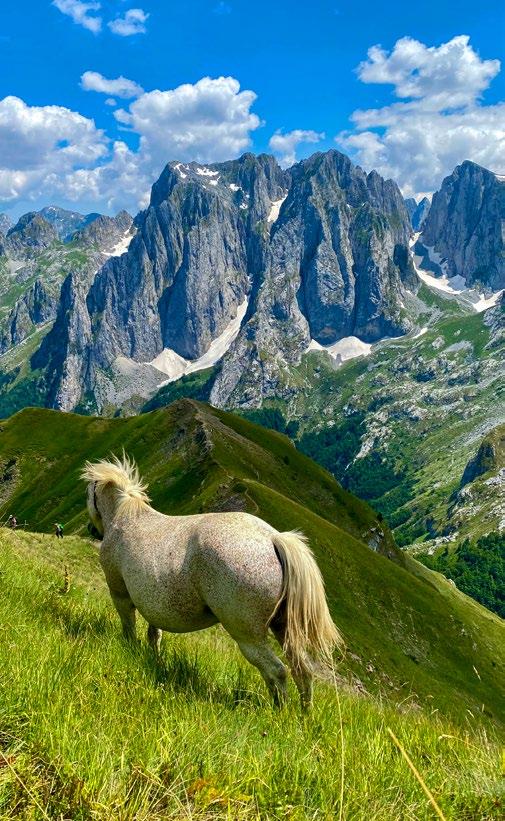
Montenegro owes its international recognition in large part to its exceptional natural riches. The national parks represent the most valuable treasuries of biodiversity, cultural heritage and authentic landscapes, but also significant potential for the development of sustainable tourism. In conversation with Diplomacy & Commerce Montenegro, the Director of the Public Enterprise for National Parks of Montenegro, Marinela Đuretić, discusses the challenges of protecting nature at a time of growing tourist pressures, the importance of international cooperation, the involvement of local communities and the projects that contribute to preserving the natural heritage for future generations.
How would you assess the current balance between tourism development and the protection of natural resources in Montenegro? Nature is Montenegro's greatest asset and the main reason tourists visit us. The national parks, as the most valuable protected areas, play a special role not only in preserving biodiversity but also in developing the tourism offer. In recent years, we have seen tourism growth, which brings numerous economic benefits but also places additional pressure on natural resources. Urbanisation, unplanned construction, and an increase in visitors to sensitive areas require careful management and long-term planning. That is why tourism development must be founded on the principles of sustainability. Preserved nature is not an obstacle to development, but its most important resource. Only through a responsible attitude towards the landscape can we preserve natural values while ensuring a high-quality tourism offering. In that process, the National Parks of Montenegro have a significant role. Our task is to protect the country's most valuable natural areas and to contribute to the development of sustainable tourism through
cooperation with institutions, local communities, and all users of the space.
What is the key role of the National Parks of Montenegro in the development of sustainable tourism?
The National Parks of Montenegro are among the most important tourism resources of our country and a strong pillar of sustainable development. Their natural diversity, rich biodiversity, cultural heritage, and the authenticity of local communities give Montenegro a distinctive tourism profile. From cruises on Lake Skadar and rafting on the Tara, to hiking, cycling and birdwatching, the national parks offer unique experiences that attract visitors from all over the world. At the same time, they contribute to the development of local communities by creating new jobs, promoting rural tourism, and promoting local products. Particularly important is linking Montenegro's coast and north through a joint tourism offering, whereby the national parks become a key factor in more balanced regional development. The role of the Public Enterprise for National Parks of Montenegro is to ensure the balance between nature protection and the tourism valorisation of the space. Through improving infrastructure, developing new content and cooperating with the local population and the tourism sector, we work to ensure that the national parks remain attractive destinations while preserving their natural values and authenticity.
What are the greatest challenges you face in preserving natural assets?
The National Parks of Montenegro today face numerous challenges, among which the following stand out: illegal construction, poaching, unlawful logging, fires, inadequate waste disposal and ever-greater pressures on the space. At the same time, climate change further complicates the management of
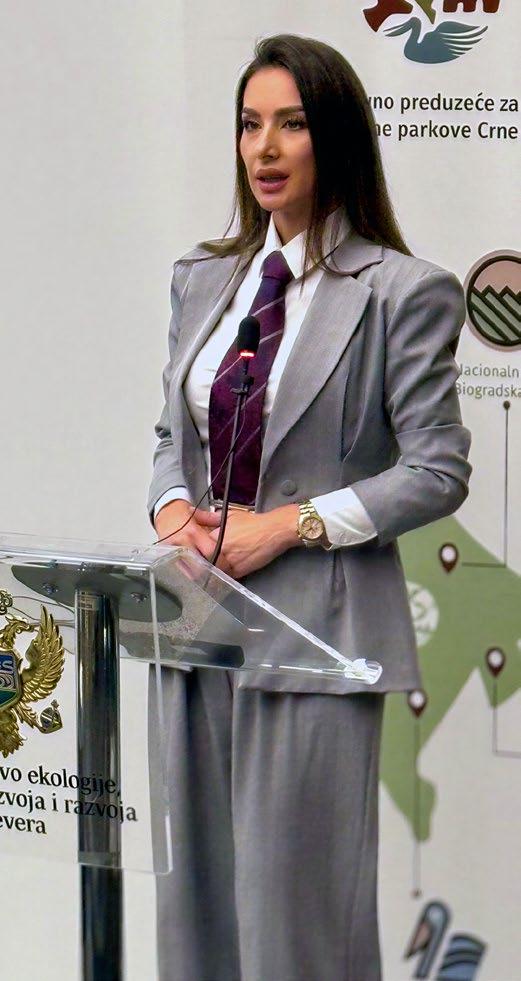
protected areas through longer dry periods, increased fire risk, and changes in natural habitats. We see the response to these challenges in strengthening protection services, improving monitoring of natural values, enhancing cooperation with competent institutions and local communities, and applying contemporary standards of protected-area management. We devote particular attention to preserving forest and aquatic ecosystems, protecting endangered species and restoring degraded areas. Equally important are education and raising public awareness of the importance of preserving nature. Through cooperation with international partners and the implementation of numerous projects, we further strengthen the capacities of the National Parks and create the conditions for more effective protection of Montenegro’s most valuable natural areas.
How is the pressure of a growing number of visitors managed in protected areas?
The growth in visitor numbers confirms the attractiveness of the national parks, but also requires careful management to preserve their natural values. Our goal is to enable a high-quality stay for visitors while preserving
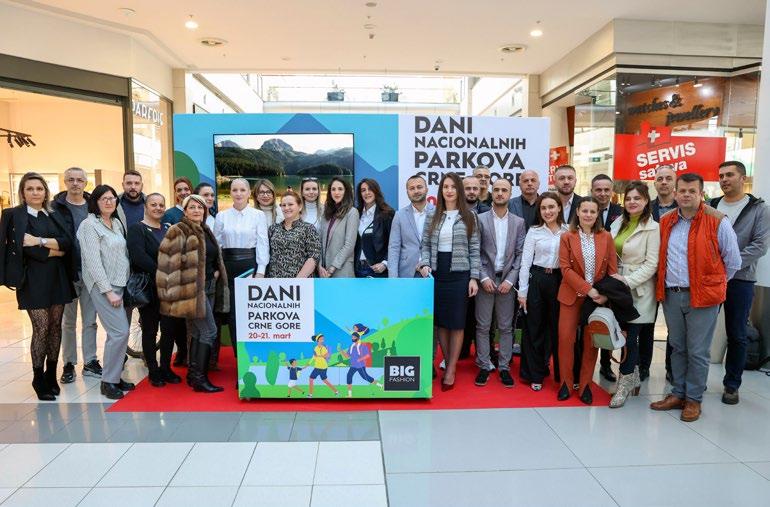
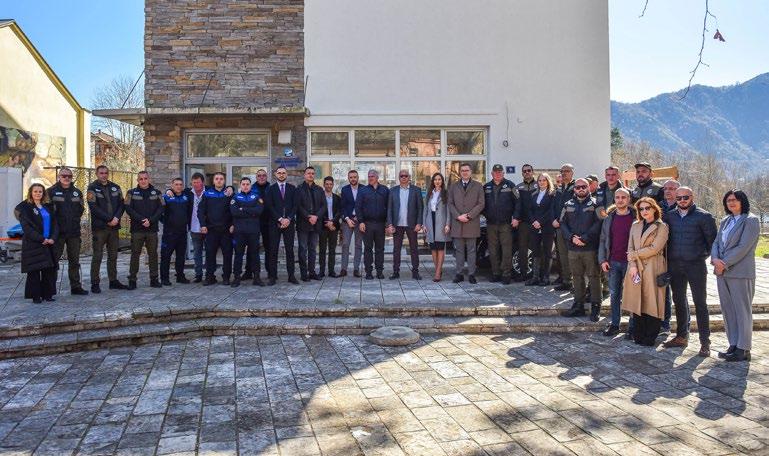
sensitive ecosystems and habitats. To that end, we are developing visitor infrastructure, arranging trails and viewpoints, improving signage and conducting visit monitoring. We have introduced an electronic ticketing system and video surveillance, which enable us to track visitors' movements better and protect the space more effectively. Activities must be directed in accordance with protection zones and management plans to reduce pressure on the most sensitive areas. With the support of the FAO, the first Carrying Capacity Study in Montenegro was prepared for Durmitor National Park, which represents an important tool for planning visits and preserving the natural values of this area.
How involved are local communities in the processes of protecting and sustainably using natural resources?
Local communities are among the most important partners in managing national parks. Sustainable nature protection is not possible without the active participation of the people who live and work in these areas, which is why we devote particular attention to cooperation with the local population, municipalities and other users of the space. An
important mechanism for involving local communities is the Socio-Economic Councils, which have operated in all five national parks since 2015. Through their work, open communication, the exchange of opinions and more active participation of the local population in matters of nature protection and sustainable development have been enabled. Over the past year, we organised around 30 council sessions and participatory meetings to strengthen dialogue and partnerships with local communities. We believe that the best results are achieved precisely through cooperation and shared responsibility for preserving Montenegro's natural values.
What is your cooperation with international organisations in the field of nature protection like?
International cooperation is one of the key pillars in the development of Montenegro's National Parks. Through partnerships with organisations such as UNESCO, IUCN, WWF, the EUROPARC Federation and numerous other institutions, we improve nature protection, strengthen professional capacities and apply contemporary standards of protected-area management.
We are particularly proud that, from 2026, through cooperation with the EUROPARC Federation, Montenegro will, for the first time, join the Junior Ranger programme. A significant success is also the membership of the Dulovine Botanical Garden in the BGCI organisation — as the first botanical garden from Montenegro in this global network — as well as the inclusion of Lake Skadar National Park in the Wilder Parks initiative of the Rewilding Europe programme. International cooperation brings new knowledge, experience, and financing opportunities, and also contributes to the improved international recognition of Montenegro and its national parks. Through joint projects and initiatives, we continue to strengthen the system of nature protection and to promote Montenegro as an example of responsible management of natural values.
Which projects would you single out as the most significant in the recent period?
In recent years, we have implemented several significant projects that contribute to nature protection, infrastructure improvement, and the strengthening of national parks' capacities. I would single out the PA.CON II project, carried out in Lovćen National Park, which encompasses the improvement of hiking infrastructure, the reconstruction of the Visitor Centre at Ivanova korita and the arrangement of the "Kraljevo počivalo" viewpoint. Also significant is the SWIM project, within the Horizon Europe programme, aimed at preserving aquatic ecosystems and protecting migratory fish species. I consider the project "Lake Skadar — Transboundary Biosphere Reserve" particularly important; through it, Lake Skadar has been nominated for the UNESCO MAB [Man and the Biosphere] programme. So too is the ForestConnect project, which improves habitat conditions and reduces conflicts between wild animals and the local population. Likewise, through the Eco DaLLi project, we are working to preserve the biodiversity of the River Tara and Durmitor National Park, while with the support of the Eco Fund, a project to improve municipal infrastructure in Durmitor National Park was successfully implemented, further enhancing the protection of the Black Lake [Crno jezero] ecosystem. These projects confirm that the national parks are not only guardians of nature, but also active
The National Parks of Montenegro today represent one of the most significant pillars of sustainable tourism. From cruises on Lake Skadar and rafting on the Tara to hiking, cycling, and birdwatching, these protected areas offer unique experiences that attract visitors from all over the world. At the same time, they contribute to the development of local communities through new jobs, the growth of rural tourism and the promotion of local products. The key to success is establishing a balance between the tourism valorisation of the space and the preservation of the natural values that represent Montenegro's greatest asset.
participants in sustainable development and international cooperation.
How do you see the balance between economic development and the preservation of ecosystems?
The role of the Public Enterprise in preserving Montenegro's nature is becoming increasingly significant and demanding amid growing challenges. One of the key goals of our institution is to build and preserve, in cooperation with institutions and organisations, a balance between economic development and the preservation of nature — one in which economic progress is not achieved at the expense of natural resources, but in keeping with their preservation and the long-term stability of ecosystems. The Public Enterprise for National Parks of Montenegro plays a key role in establishing and maintaining the balance between economic development and ecosystem protection, a fundamental principle of our country's sustainable development. Through the management of the most valuable natural areas, the Enterprise directly contributes to preserving biodiversity, ecosystem stability, and the long-term protection of natural resources, while enabling their sustainable valorisation. Through professional supervision, monitoring of the state of nature, implementation of management plans, and protection of sensitive habitats, the Enterprise actively contributes to the preservation of natural ecosystems. These activities are particularly important in the context of the increasingly pronounced pressures of urbanisation, climate change and intensive tourism development. A particularly important role is played by the involvement of local communities in planning and management processes, because it is precisely they who live with the natural resources and depend directly upon them. The application of legal and institutional protection measures, together with the strengthening of environmental awareness, contributes to a more responsible attitude towards nature as
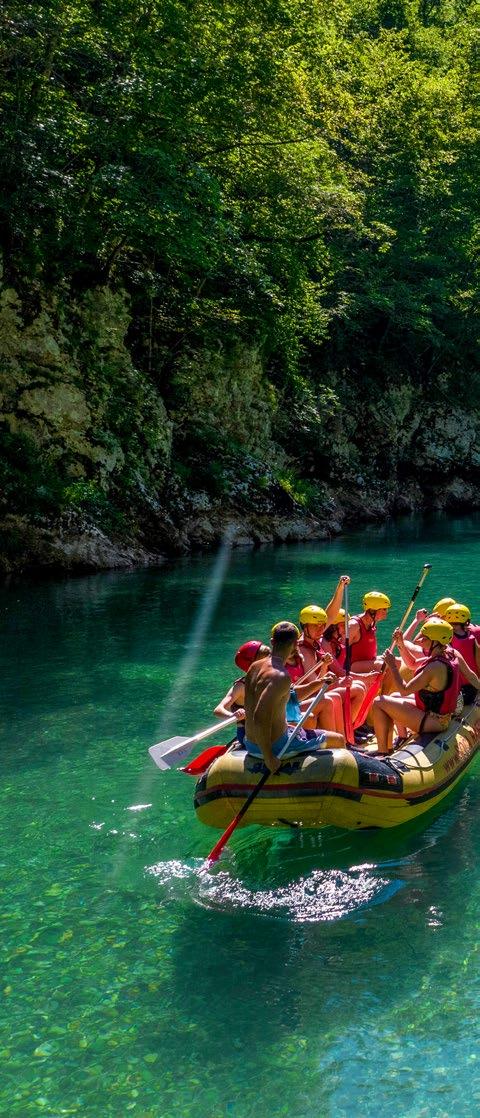
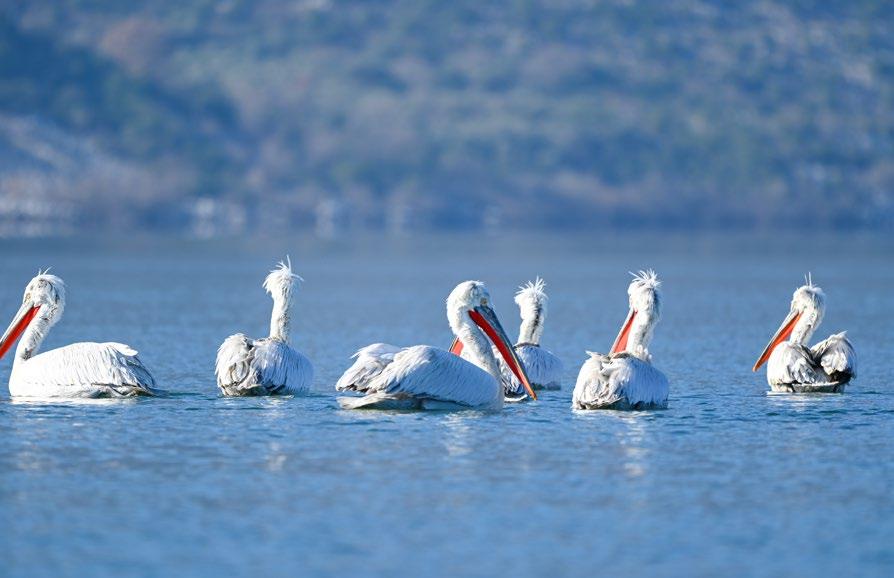
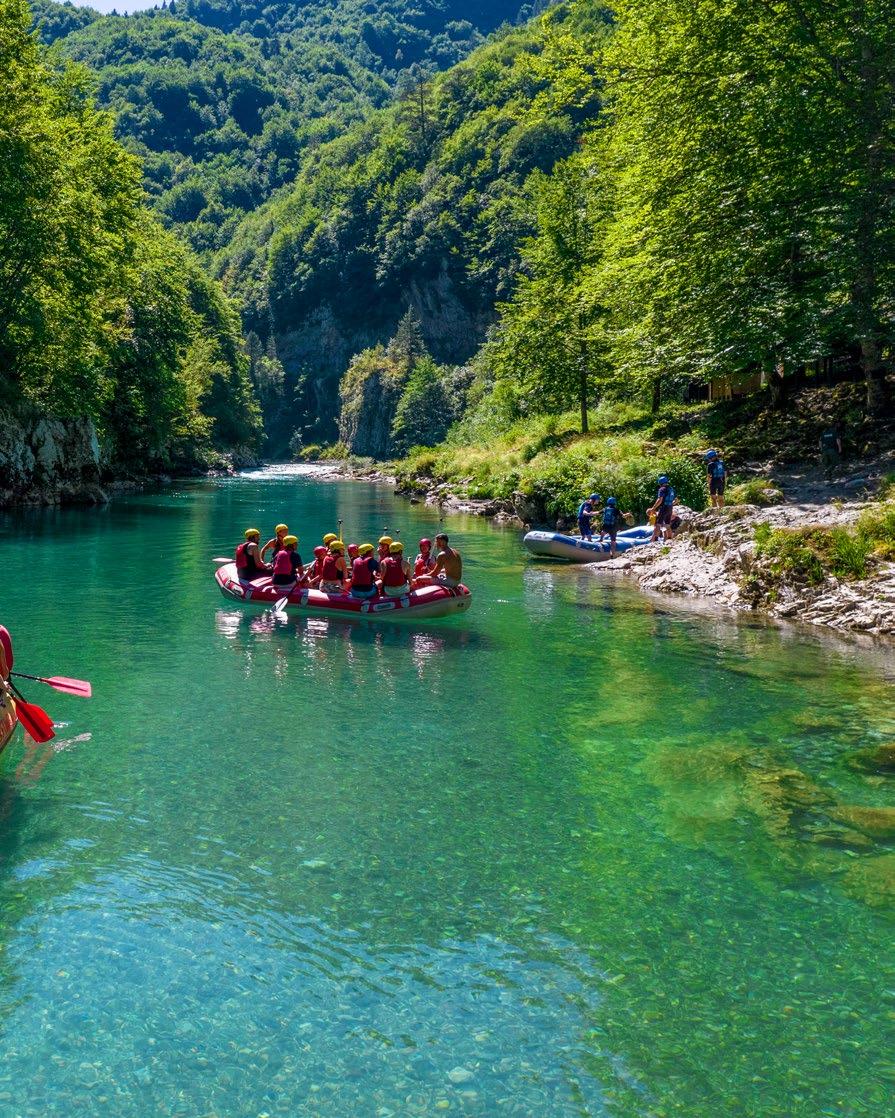

a key asset of contemporary development. In this way, it is possible to establish a model of development that is economically stable, competitive, and sustainable over the long term, while preserving natural values and ecosystems as the foundation of quality of life and the development of future generations.
How important is visitor education in preserving the national parks?
Education is one of the most important tools for nature protection. When people understand the value of national parks and the importance of preserving biodiversity, they behave more responsibly towards the space they visit. National parks are not only protected areas but also open-air classrooms. Through workshops, educational programmes, guided tours and various promotional activities, we strive to develop, in children, young people and adults, an awareness of the importance of protecting nature and using natural resources sustainably. We devote particular attention to working with the youngest. Over the past year, we organised more than 60 educational workshops in which around 4,250 children took part, while through marking numerous environmental dates, we further promoted the values of the national parks and the protection of the environment.
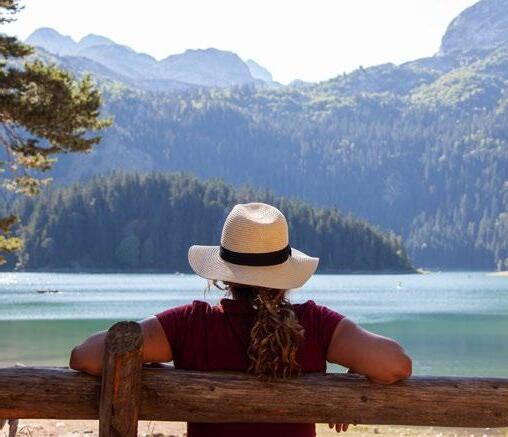
Over the past year, the National Parks of Montenegro organised more than 60 educational workshops in which around 4,250 children took part. Through educational programmes, guided tours and awareness-raising campaigns, a culture of responsible behaviour towards nature is being developed. As Director Marinela Đuretić emphasises, national parks are not only protected areas, but also open-air classrooms that help new generations understand the importance of biodiversity and the preservation of natural resources.
What message would you send to the public and to tourists when it comes to responsible behaviour in nature?
My message is simple — enjoy nature, but respect it. The national parks are among Montenegro's most valuable natural treasures, and each of us has a responsibility to help preserve them. It is enough to observe a few basic rules: do not leave waste, do not disturb animals, do not pick protected plants, and use only marked trails. Seemingly small things can have great significance for the preservation of nature. That is why I call on all visitors to be our partners in protecting nature. Let us leave behind only memories and photographs, and preserve nature just as we found it. Experience the Parks and discover a unique world of original beauty, rich natural and cultural heritage and an attractive tourism offer. We invite you to feel, through an active holiday, the unspoilt wilderness of Montenegro and gradually discover the exceptional values of its protected natural areas.
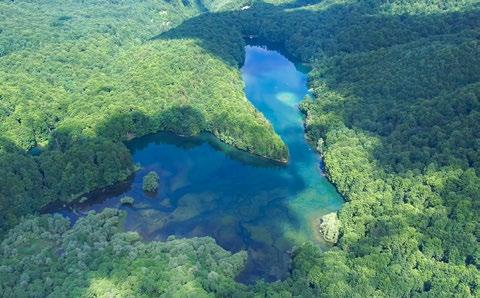
Maja Uskoković, Director of the Maritime Museum of Montenegro, Kotor
In the heart of Kotor, in the eighteenth-century Palata Grgurina, the Maritime Museum of Montenegro preserves the story of one of the Mediterranean's most recognisable cultural landscapes. Yet in the vision of its Director, Maja Uskoković, this space has long since transcended the role of a conventional museum institution. Today, it is a dynamic cultural organism – a place of encounter between past and present, local and international, tangible and intangible heritage.
In conversation with “Diplomacy & Commerce Montenegro,” Uskoković speaks of the Museum as a platform for dialogue and cultural diplomacy, of the Bay of Kotor as a space where civilisations meet, and of the maritime tradition that naturally connects Montenegro with Europe and the Mediterranean. In a time of rapid change and global challenges, the Maritime Museum in Kotor remains a guardian of identity, but also an active participant in its contemporary translation –for new generations and for an international audience.
Today, the Maritime Museum in Kotor is not merely a custodian of artefacts but also a space for cultural dialogue. How do you define its contemporary mission? The Maritime Museum of Montenegro endeavours to keep pace with the contemporary trends in twenty-first-century museology. Museums today are no longer merely places in which objects and historical documents are preserved – they are spaces of encounter, dialogue, and exchange, places where the past converses with the present. The Maritime Museum does not safeguard maritime heritage alone; through publishing, exhibitions, educational programmes, and workshops, we strive to ensure
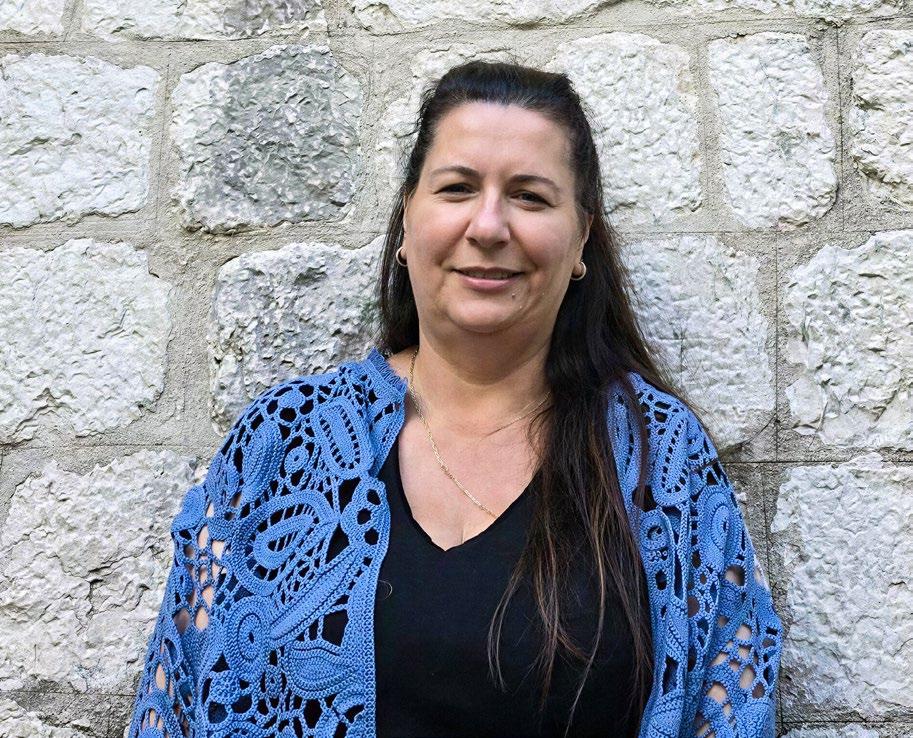
MAJA USKOKOVIĆ Director
that our visitors are actively involved in the life of the Museum and experience it as a living, approachable space. Given the large number of foreign visitors, many of our publications are bilingual, as we want our publishing output, too, to transcend Montenegro's borders.
Kotor is a city that lives between its past and tourism. How challenging is it to preserve the authenticity of maritime heritage in an era of mass tourism? It is indeed a major challenge. Kotor is at once a living city and a world-class destination, and precisely for that reason, we must be especially responsible toward its authenticity. Heritage must not become mere scenery for tourism. It is important to find a balance between openness toward
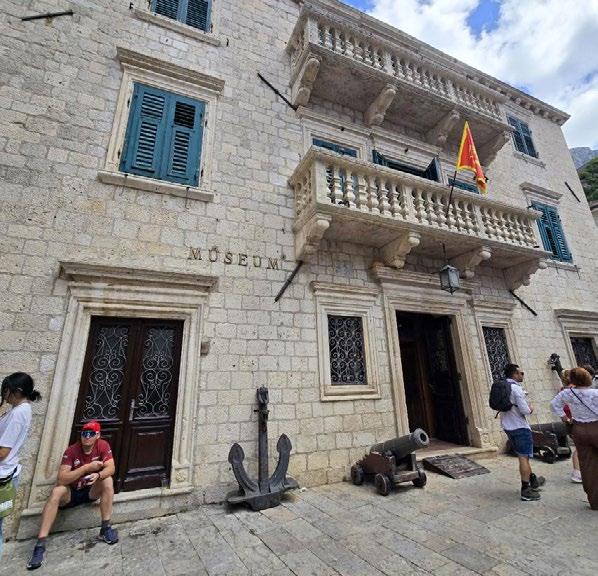
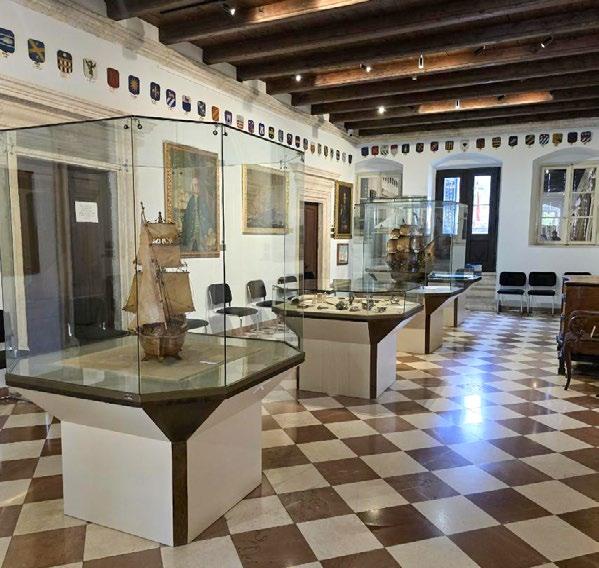
visitors and the preservation of the identity of the space, the spirit of the city, and its history.
Your professional biography is rooted in conservation and restoration. Does that very sense of “saving the traces of time” also shape your approach to managing the Museum?
Absolutely. Conservation teaches you patience and responsibility toward the objects held in the Museum. When you work on the preservation of a single object, you come to realise how precious every trace of the past is, and how easily it can disappear. Leading an institution and managing its operations carries particular weight. As a conservator, I always place the preventive protection of objects above all else, and I probably notice certain things more than directors who do not come from the profession would. The maritime tradition of the Bay of Kotor carries a strong European and Mediterranean identity.
How important is it today for Montenegro to communicate with the Mediterranean precisely through culture?
I believe it is extremely important. The Bay of Kotor has always been a place where different civilisations, languages, and customs meet, and it is precisely in this that I see its particular strength. For centuries, it has been part of the Mediterranean cultural sphere, and its maritime tradition naturally connects Montenegro with Europe and the Mediterranean – not only geographically, but through
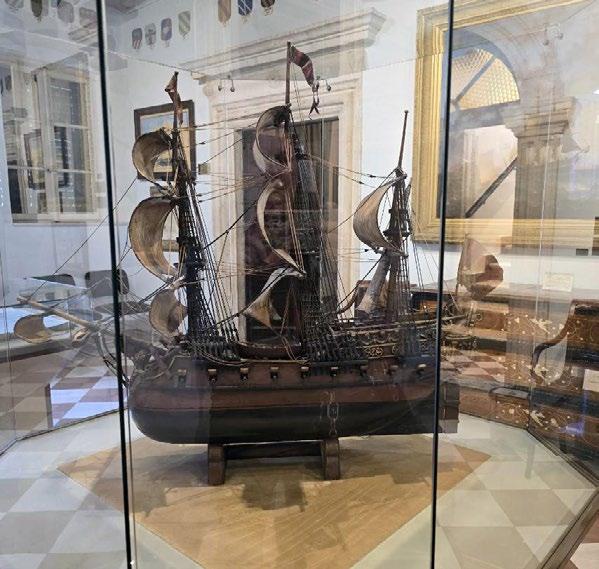
IN THE HISTORIC PALATA GRGURINA IN KOTOR, THE MARITIME MUSEUM OF MONTENEGRO HAS EVOLVED BEYOND ITS TRADITIONAL ROLE AS A REPOSITORY OF ARTEFACTS. UNDER THE LEADERSHIP OF DIRECTOR MAJA USKOKOVIĆ, IT IS POSITIONED AS A DYNAMIC CULTURAL PLATFORM THAT CONNECTS PAST AND PRESENT THROUGH EXHIBITIONS, EDUCATION, PUBLISHING, AND PUBLIC PROGRAMMES. EMPHASISING ACCESSIBILITY AND DIALOGUE, THE MUSEUM INCREASINGLY FUNCTIONS AS A SPACE WHERE MARITIME HERITAGE IS NOT ONLY PRESERVED BUT ACTIVELY INTERPRETED FOR CONTEMPORARY AND INTERNATIONAL AUDIENCES.
history, architecture, seafaring tradition, and way of life.
The Palata Grgurina itself functions as an exhibit. What does the daily life of an institution housed within an eighteenth-century historical building look like?
The Palata Grgurina truly is an exhibit in its own right. Working in such a space represents a privilege, but also a great responsibility. In addition to our daily care for the museum collections, we are no less attentive to the palace itself as part of the cultural heritage.
On several occasions, you have spoken of the need to modernise the Museum's permanent display and to reach out to younger generations. How do you strike a balance between new technologies and the dignity of the historical material?
Technology should be a means, not an end. It can help younger generations to understand his-
tory more easily and make the museum experience more interactive, but it must never displace the authenticity of the original object. As in all things, the key lies precisely in measure – using contemporary tools, but with respect for the collections and the space.
It seems the Maritime Museum is increasingly becoming a cultural stage – a venue for exhibitions, concerts, book launches, and meetings. Must the museums of the future be living social spaces?
I believe they must. The Maritime Museum has always been recognised as a cultural hub in the city of Kotor. A museum should not be a closed and silent space that people visit only occasionally. It should live together with the community. Cultural events, conversations, concerts, and gatherings give the museum new energy and enable it to become part of the city's daily life.
Kotor has always been a port for people from different cultures, languages, and religions. Can maritime heritage today serve as a bridge of dialogue in a divided world? It can, and I believe that it is precisely in this that its great value lies. Seafarers have, for centuries, connected different shores, cultures, and peoples – from the time of Marco Polo and his journeys along the Silk Roads, right up to the present day. The maritime tradition reminds us that exchange, openness, and encounter are the natural conditions of the Mediterranean, and that the sea has never separated people, but connected them. Kotor, as a city of seafarers, has always had that breadth toward foreigners, because there is scarcely a family in the Bay of Kotor in which someone has not been, or still is, a mariner.
We often speak of tangible heritage, but what about intangible heritage – customs, speech, maritime practices, and the memories of families who lived by the sea? Intangible heritage is perhaps the most vulnerable aspect of a given space's identity. Objects can survive for centuries, but customs, language, and memories disappear far more quickly if we do not pass them on. That is why it is important to record the stories of families, maritime expressions, local customs, and the everyday life of people who lived by the sea. One of the latest publications of the Maritime Museum is “Fešta o’ cukra," a small but valuable edition devoted to the tradition of preparing sweet delicacies in the Bay of Kotor.
Through a blend of cultural heritage and gastronomy, we tell the story of customs, recipes, and a way of life passed down through generations. We have also published a facsimile edition of "Ribarski nazivi na Mulu” (“Fishing Terminology of Muo") by Don Stjepo Vukašinović (1879–1946). This work from the early twentieth century is a significant source for the study of the language, culture, and life of fishermen in the Bay of Kotor. It is particularly important for its rich vocabulary of Boka expressions that preserve the speech and traditions of the area. These words bear witness to the everyday life of labourers and fishermen, their customs and working methods. The work also reveals the special relationship the fishermen of Muo have with their boats, which they experience as living beings, assigning to every part of the boat a name akin to those of parts of the human body.
In a time of accelerating change and digital routine, are museums becoming places of silence and contemplation that contemporary man increasingly seeks?
I believe so. People today live at a great pace and amid a constant stream of information. A museum can offer a different rhythm – a space in which a person pauses, looks at an object, and feels the continuity of time. Such experiences are becoming ever more precious.
THE BAY OF KOTOR’S MARITIME TRADITION IS PRESENTED AS A KEY BRIDGE BETWEEN MONTENEGRO, THE MEDITERRANEAN, AND EUROPE. THROUGH ITS SEAFARING HISTORY, MULTILINGUAL HERITAGE, AND CULTURAL EXCHANGES, KOTOR BECOMES A SYMBOL OF OPENNESS AND CONNECTIVITY. THE MUSEUM HIGHLIGHTS BOTH TANGIBLE AND INTANGIBLE HERITAGE—FROM HISTORICAL OBJECTS TO LOCAL LANGUAGE AND MARITIME CUSTOMS—POSITIONING THEM AS TOOLS OF CULTURAL DIPLOMACY AND IDENTITY-BUILDING IN A GLOBAL CONTEXT.
Kotor today attracts audiences from all over the world. What do foreign visitors most commonly identify as distinctive about the maritime tradition of the Bay of Kotor?
To many, it is incredible that the Bay of Kotor, despite its modest size, produced so many captains, ships, and maritime stories connected with the entire Mediterranean and beyond. What fascinates them most is the combination of a small space and a great maritime history.
To what extent do cultural institutions in Montenegro have the support to think long-term, strategically, and internationally?
Culture often operates between enthusiasm and limited resources. Nevertheless, there is a growing awareness of the importance of cultural heritage. Long-term development requires stable support, clear strategies, and international cooperation, particularly when we speak of institutions that safeguard national heritage.
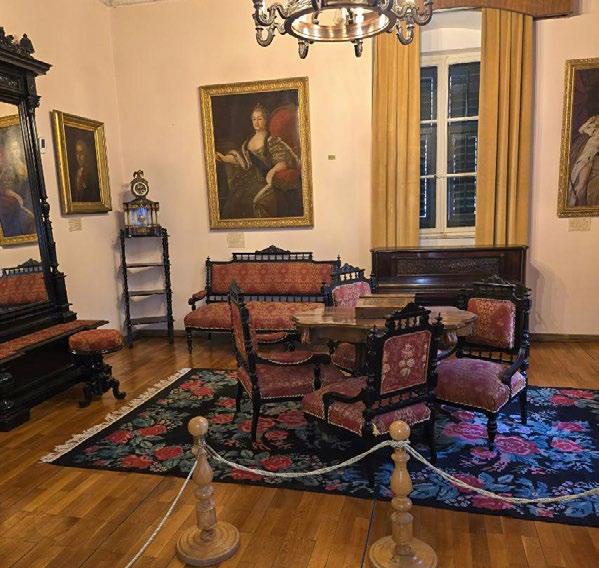
If you had to describe the relationship between the Bay of Kotor and the sea in a single sentence, what would it be?
For those of us who grew up in the Bay of Kotor, the Bay and the sea are one – life in every sense of the word. In the Bay of Kotor, the sea is not merely a landscape; it is a way of life.
What is your vision for the Maritime Museum over the next ten years?
We are currently working on the reorganisation of the space, a new permanent display, and the replacement of the Museum vitrines to meet all contemporary museum standards. The Maritime Museum is already recognised for its rich programme of activities. Still, I would like it to become even more open to international cooperation, contemporary museological practices, and younger generations, while preserving the authenticity and dignity of the space to which it belongs.
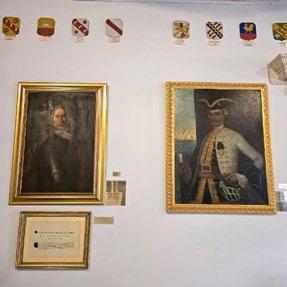
Do you believe that culture can still change society – quietly, but fundamentally?
Of course. I would not work in culture if I did not believe that. Perhaps change does not come at the speed we might wish, but it is important that culture always be present and that, through its work, it contributes to society. I believe that culture exerts its influence quietly, but deeply. It shapes a person’s awareness, sensibility, and relationship with others. Art and culture change people from within – and it is precisely from that point that every real change begins.
What would you like a young person to feel upon leaving the Maritime Museum in Kotor? I would like them to leave filled with emotion and a sense of pride – to feel that Kotor, the Bay, and seafaring endure, and to sense how proud we ourselves are of our history and the heritage we safeguard.
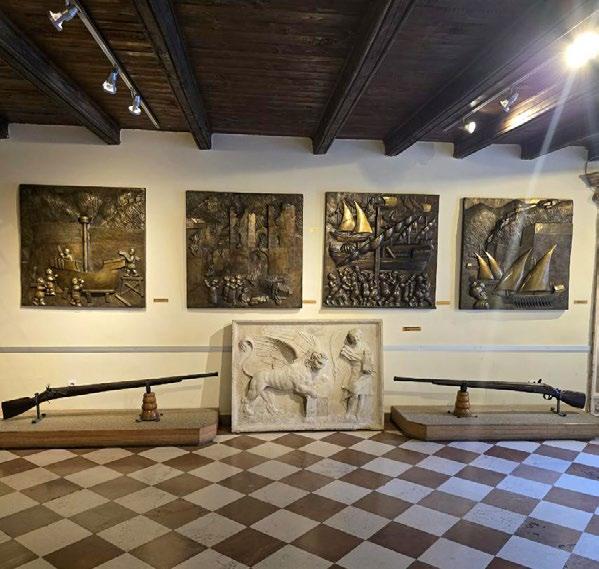
Sistem-mne d.o.o. at the Adria Summit 2026 in Tivat
Focusing on sustainable investment, grid development, and global partnerships, company leaders outlined key challenges and perspectives in today’s energy sector
The company Sistem-mne d.o.o. participated in this year's Adria Summit 2026 as a participant and observer, where we had the opportunity to follow the most important regional and international trends in economics, energy, and sustainable development.
We devoted particular attention to the panels on the energy transition, renewable energy sources, and the challenges of decarbonisation, as these topics represent one of the key directions of our company's development. The discussions raised numerous questions about the future of the energy sector in the region, as well as the need for more intensive cooperation between the private and public sectors.
During the summit, we established and expanded partnerships with numerous companies and institutions from the region and Europe, representing a significant step toward further development of business cooperation and potential joint projects.
Company representatives also participated in a roundtable with the Minister of Energy and Mining, during which they discussed potential difficulties in developing energy projects in Montenegro, regulatory challenges, and the need to improve the investment environment in the renewable energy sector.
At the round table, as the company Sistem-mne d.o.o., we devoted particular attention to the topic of the need to define through the legislative framework the concepts of "functional connection" and "co-location," bearing in mind that in the future there will be an increasing number of energy projects in which investors, for reasons of sustain-
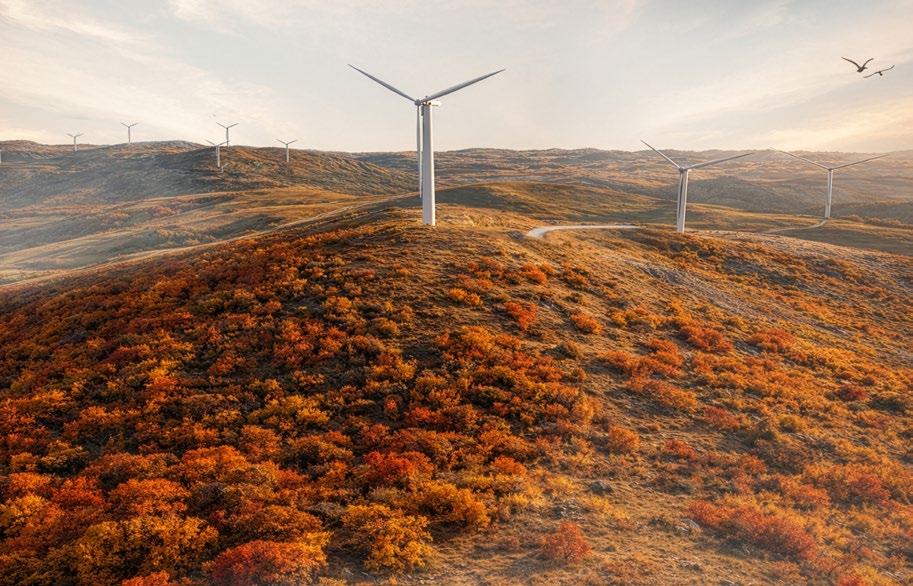
ability, finding the best technical solution, environmental protection, and economic viability, will need to develop and construct connection infrastructure jointly. The current legislative framework does not yet adequately recognise such models of cooperation, which is why we consider that further improvement and adaptation to contemporary trends in the development of the energy sector are essential. This topic is also of particular significance for the reliability of the electricity transmission network, which in the coming years will need to be continuously upgraded and developed while maintaining a sustainable balance between the electricity transmission company and private investors.
We particularly emphasised that the development of wind farm projects is an extremely complex and protracted process. On average, developing a single wind project takes between five and seven years
and involves numerous administrative, technical, and regulatory procedures. It was also stressed that the existing legislative framework in Montenegro requires further improvement and adaptation to the contemporary needs of the energy market and investors to enable faster, more efficient development of renewable energy projects.
The company Sistem-mne d.o.o. has extensive experience in developing wind energy projects. We are particularly proud of our participation in the development of the Možura Wind Farm project, which today represents one of the most successful and significant renewable energy projects in Montenegro, confirming the country's potential for sustainable energy development.
We are currently developing several projects in northern Montenegro, including the Korita Wind Farm, the Sinjajevina 1 Wind
Farm, and the Sinjajevina 2 Wind Farm, which have the potential to make a significant contribution to the energy stability and the green transition of the state.
In addition, we developed the Bijela Wind Farm project from its very inception – from measuring wind potential, through preparing complete project documentation, to the issuance of the construction permit, which we expect in the near future. Through the development of this project, we succeeded in bringing a prestigious investor to Montenegro, further confirming that domestic companies can be a strong and reliable partner in the realisation of major energy investments.
The Adria Summit once again confirmed the importance of regional connectivity, the exchange of experience, and joint action in creating a sustainable energy future.
Dragutin Mitrović, Employers’ Federation of Montenegro Executive
Twenty Years On, Montenegro
the Union Offers a Historic Opportunity to Boost Competitiveness, Draw Investment, and Position the Domestic Economy on the
Twenty years after the restoration of independence, Montenegro finds itself at one of the most important developmental crossroads in its modern history. As the country approaches the conclusion of its negotiations with the European Union, the business community is increasingly asking not only what has been achieved over the past two decades, but also what opportunities the period ahead will bring.
Entrepreneurs and business owners in Montenegro have shown remarkable resilience amid numerous challenges — from the global financial crisis to the COVID-19 pandemic to the political and economic transformations that have marked the region. Despite a limited market and numerous structural challenges, domestic companies have managed to preserve business continuity and ensure a stable supply of goods and services to citizens.
However, as Dragutin Mitrović, member of the Executive Board of the Employers’ Federation of Montenegro, points out, the key challenge has not been a lack of entrepreneurial energy, but rather the absence of a clear developmental perspective.
"The period after 2014 was marked by a certain stagnation of European enlargement. When the prospect of membership became uncertain, a decline in business optimism and investment energy was felt. Today, the situation is different — the goal is clear once again, and that goal is Montenegro's full membership in the European Union," Mitrović told Diplomacy.
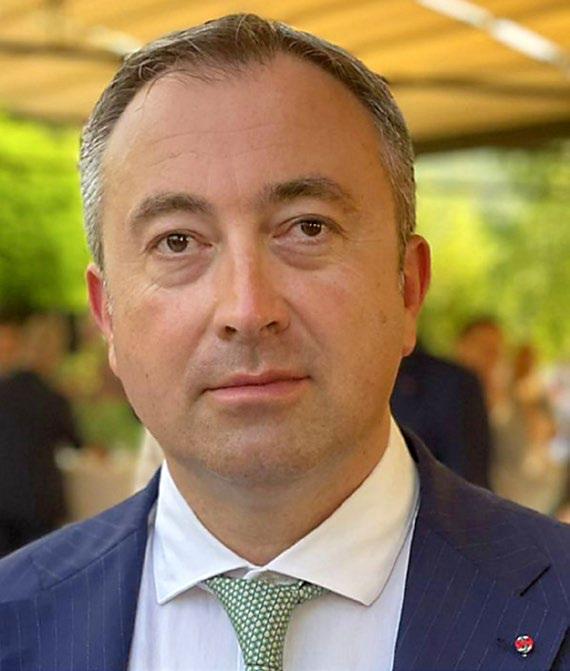
“THE
ERA OF INDIVIDUAL SUCCESS MUST GROW INTO AN ERA OF SHARED SUCCESS. THE STATE, THE ECONOMY AND CITIZENS SHOULD ACT AS A TEAM. MONTENEGRO’S EUROPEAN FUTURE IS NOT THE PROJECT OF A SINGLE INSTITUTION OR A SINGLE GENERATION — IT IS A COMMON ENDEAVOUR OF US ALL.”
In his words, European integration represents far more than a political process. It means adopting standards that improve the business environment, strengthen legal certainty, and create the preconditions for long-term economic growth.
“In closed systems, it is difficult to solve problems such as the grey economy, corruption, regulatory obstacles or the shortage of a qualified work-
force. The European framework brings additional responsibility, but also mechanisms that help to overcome these challenges systemically,” Mitrović emphasises.
He considers it particularly significant that upon joining the European Union, Montenegro will become more visible on the map for European investors, media, and business partners.
In the words of Dragutin Mitrović, European Union membership represents an unprecedented developmental opportunity for the Montenegrin economy. By entering the single European market of more than 450 million consumers, domestic companies gain the chance for stronger growth, new partnerships and greater international recognition. “This opens up space for new investment, partnerships and the development of domestic enterprises. That is why I believe the best is yet to come.”
"More than 450 million inhabitants, and millions of companies and investors across the European Union, will for the first time view Montenegro as part of the common market. It opens up space for new investment, partnerships and the development of domestic enterprises. That is why I believe the best is yet to come,” Mitrović says.
Nevertheless, the Diplomacy interviewee believes that complete success also requires a change in the social paradigm. “The era of individual success must grow into an era of shared success. The state, the economy and citizens should act as a team. Montenegro’s European future is not the project of a single institution or a single generation — it is a common endeavour of us all,” Mitrović concludes.
It is precisely in this shift — from “I” to “we” — that many see the most important step towards Montenegro’s European future. If the past twenty years were a time of proving resilience, the coming decade could become a period of full affirmation of the country’s economic potential on the European stage.