Diplomacy&Commerce Montenegro - No. 15 - March-April 2026
DIPLOMATIC EVENT FID FORUM
IRELAND AND MONTENEGRO CELEBRATE STRONGER BONDS
RAMADAN IN MONTENEGRO: A QUIET STRENGTH
RIFAT FEJZIĆ Reis of the Islamic Community in Montenegro
BETWEEN AMBITION AND REALITY
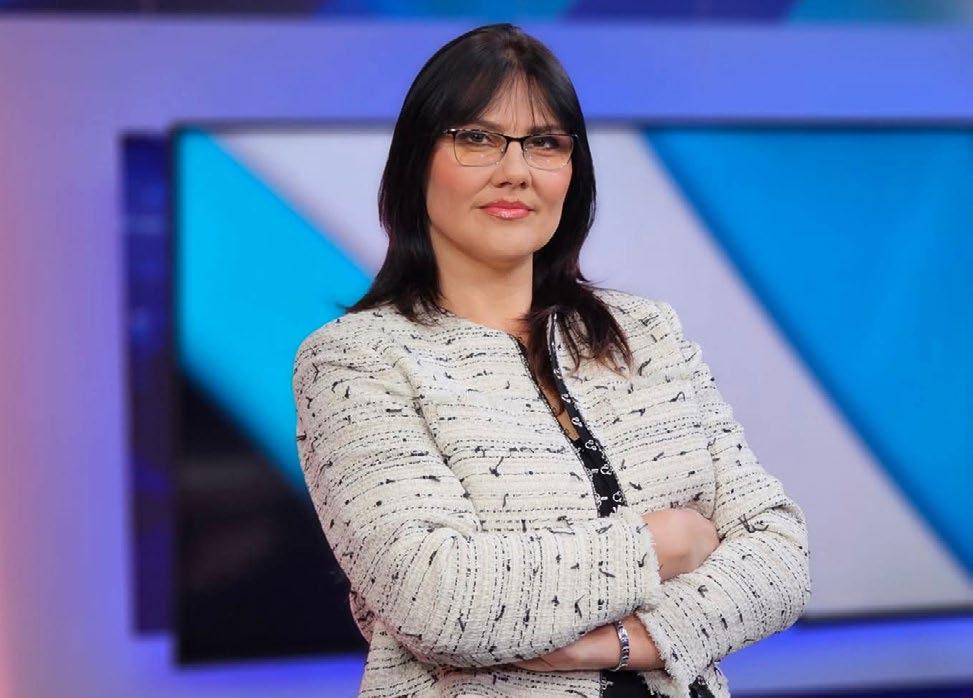
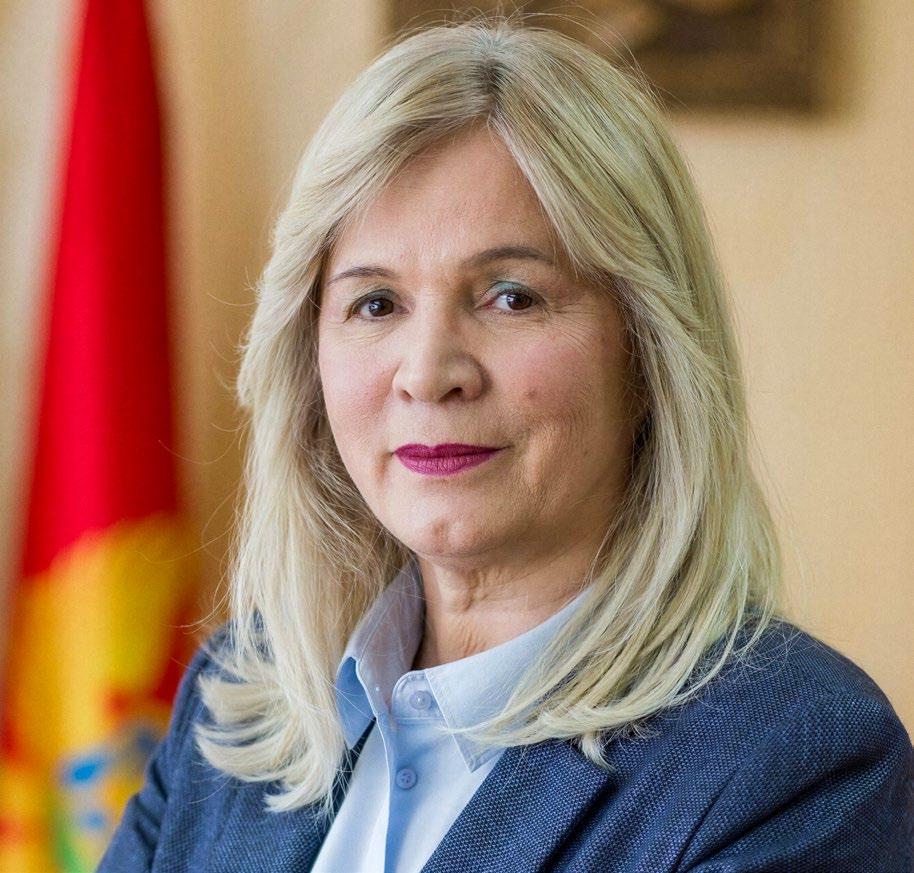
PROF. DR GORDANA ĐUROVIĆ, Professor at the University of Montenegro
CETINJE AS HOST OF A GLOBAL DIALOGUE
RESILIENCE REDEFINED: SMALL ECONOMIES IN A SHIFTING WORLD
NIKOLA ĐURAŠKOVIĆ Mayor of Cetinje H.E. MR. CHRISTIAN STEINER Ambassador of Austria to Montenegro
PARTNERSHIP, INNOVATION, AND THE EU PERSPECTIVE
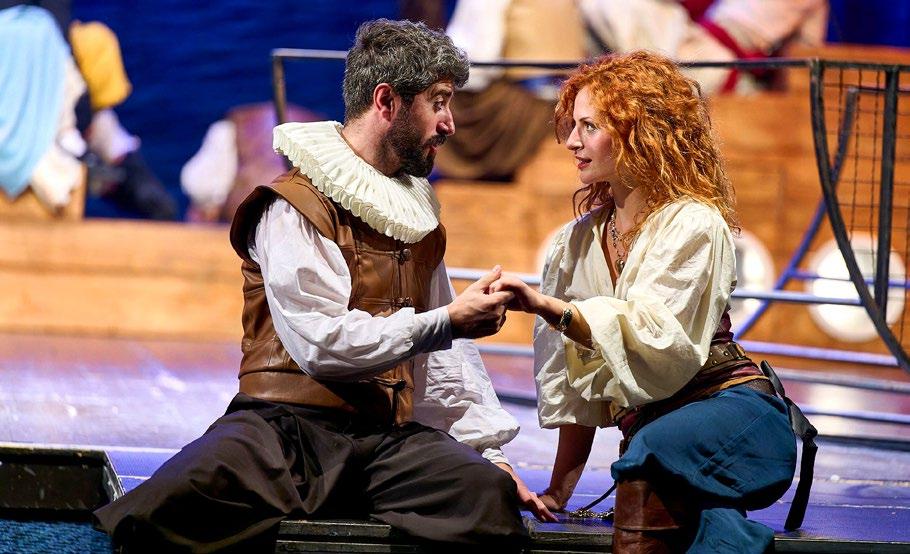
75 YEARS OF ART, AND CULTURAL CONTINUITY
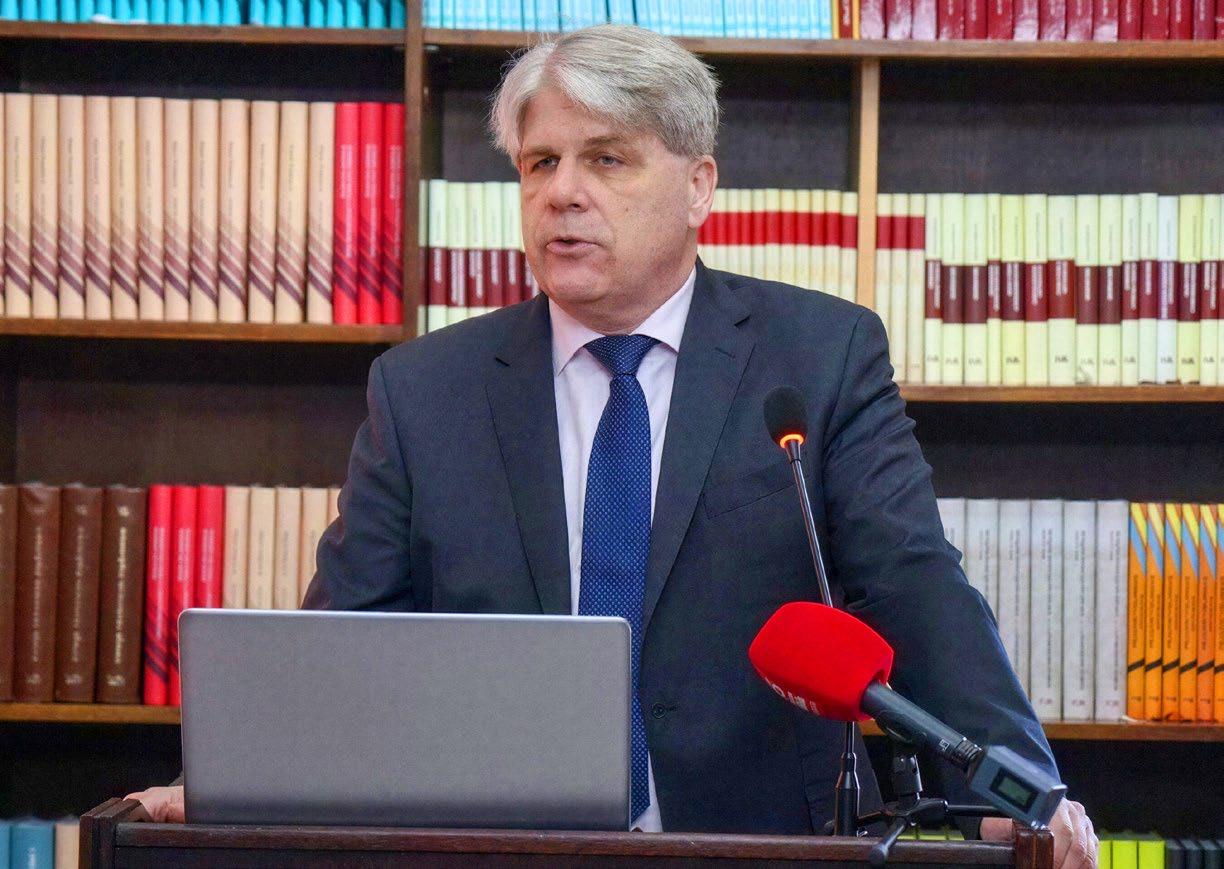
SANDRA VUJOVIĆ, Director of Podgorica City Theatre
MILOŠ DRAGAŠ CEO dragasm@drafmedia.me
ALEKSANDRA TOMIĆ Editor-in-Chief aleksandra.tomic@drafmedia.me
NATALIJA PEROVIĆ Advertising Director advertising@drafmedia.me
ZORAN DRAGIĆ
Design and prepress zoran.dragic@gmail.com
Translation
Double L D.O.O.
Contributors:
Miloš Dragaš
Robert Čoban Žikica Milošević
Print
BIROGRAF
COMP D.O.O.
Atanasija Pulje 22
Zemun
Republika Srbija
Published by:
DRAF Media d.o.o.
81100 Podgorica, Montenegro
Karađorđeva 18
VAT: 03542041
Reg. No: 51128768
Office: Karađorđeva 18
81100 Podgorica
Phone: + 382 69 220 275
CIP – Katalogizacija u publikaciji
Nacionalne biblioteke Crne Gore, Cetinje
ISSN 2989 – 2481 = Diplomacy and Commerce Montenegro (Print)
COBIS.CG-ID 26760708
International Copyright 2016-2023
Color Media Communications, Novi Sad, Serbia
Copyright for Montenegro: 2023
The Media doo, Podgorica, Montenegro
Those who build bridges, build the future
At a time when global relations are undergoing profound transformations, and the lines between politics, economics, and society are becoming ever more fluid, the need for dialogue has never been greater. It is precisely in these complex circumstances that small countries such as Montenegro gain the opportunity to demonstrate their greatest strength – the capacity to connect, to understand, and to position themselves strategically.
Contemporary diplomacy is no lon ger reserved for official channels alone. Today, it unfolds through investment, innovation, education, and culture. Economic cooperation and the business community are becoming key actors in international relations, while trust remains the
currency of greatest value. In this context, the Western Balkans region is increasingly demonstrating that it can be a space of stability and also of new ideas.
Montenegro, as part of the European path, continues to build bridges – not only toward the European Union, but also toward global partners. Reforms, sustainable development, and digital transformation are no longer options but imperatives. At the same time, the challenges we face remind us that every change is a process that demands patience, responsibility, and a clear vision.
This is precisely why it is important to create platforms that connect decision-makers, business leaders, and diplomats. The exchange of
ideas and experiences today constitutes the foundation of future partnerships. A magazine such as this one aspires to be more than an informational source – to be a space of encounter, inspiration, and understanding.
In this issue, we bring stories that attest to the potential of cooperation and to the concrete results that arise when vision is translated into action. We believe that precisely such examples are the best indicator of the direction in which the region should move.
For in a world that is changing at an ever-accelerating pace, those who build bridges also build the future.
Aleksandra Tomić Editor-in-Chief
Call us or send us request on: e-mail: pretplata-dc@color.rs
Montenegro Is a Frontrunner Among EU Candidates – Huge Opportunities for Investment and Cooperation
H.E. MR. CHRISTIAN STEINER
Ambassador of Austria to Montenegro
In an exclusive interview with Diplomacy & Commerce Montenegro, Austrian Ambassador Christian Steiner discusses the current state of bilateral relations, economic opportunities, tourism cooperation, green energy, and the priorities of Austria’s diplomatic mission in Podgorica. The Ambassador emphasises the solidarity and long-term partnership between Austria and Montenegro, particularly in the context of European integration, and encourages the business community to seize the new opportunities that EU accession will bring.
THE BILATERAL RELATIONS BETWEEN AUSTRIA AND MONTENEGRO ARE EXCELLENT AND BASED ON CLOSE, MULTIFACETED COOPERATION. AUSTRIA STRONGLY SUPPORTS MONTENEGRO IN ITS PATH TO THE EUROPEAN UNION AND PROMOTES EXCHANGES IN NUMEROUS FIELDS, INCLUDING SECURITY, JUSTICE, AND EDUCATION.
How would you evaluate the current state of bilateral relations between Austria and Montenegro? Which areas of cooperation have demonstrated the most progress in recent years?
The bilateral relations between Austria and Montenegro are excellent and based on close, mul-
tifaceted cooperation. Austria strongly supports Montenegro in its path to the European Union and promotes exchanges in numerous fields, including security, justice, and education. This cooperation operates at various levels – from bilateral discussions to joint initiatives. Many official vis-
its have occurred in recent years, and several high-level visits are scheduled for 2026. Austria is particularly looking forward to the EU-Western Balkans Summit in Tivat on 5 June this year, as well as numerous high-level meetings organised by Montenegro as chair of the Berlin Process and the Committee of Ministers of the Council of Europe throughout 2026. A particularly positive example of the close friendship and Austria’s quick response was the immediate support provided last August when more than 50 Austrian firefighters arrived in Montenegro with firefighting
equipment to assist their colleagues from Montenegro in extinguishing the severe wildfires. These aid measures highlight the solidarity, trust, and close partnership between the two countries – especially in times of crises.
Many Austrian companies are thriving in sectors like banking, construction, and tourism in Montenegro. Which sectors do you think present the best opportunities for future collaboration? Austria has been one of Montenegro’s most significant economic partners for many years and is among the top ten investors in the country. Austrian companies have a strong and varied presence in the Montenegrin market. They operate successfully in the finance, insurance, energy, and retail sectors, making a substantial contribution to the country’s economic growth and modernisation. At the same time, considerable potential remains for further investment by Austrian companies. Integration into the European single market will greatly improve the framework conditions for investors, making Montenegro even more appealing to foreign capital. The energy and infrastructure sectors, in particular, present substantial opportunities for future cooperation. There is a rising demand and strong interest from Austrian companies, especially in the renewable energy sector. Infrastructure projects also offer a wide array of opportunities for long-term partnerships and investments.
Montenegro continues its journey towards joining the European Union. How does Austria perceive Montenegro’s progress in the accession process, and what support can be anticipated in the near future?
Austria views Montenegro’s EU accession process very positively. We consider Montenegro as a frontrunner among the candidate countries. Austria hopes that Montenegro can conclude EU accession negotiations by the end of this year. Austria has long supported Montenegro and other Western Balkans countries actively on their path to the European Union. We do so alongside other like-minded EU member states. To this end, we established the “Friends of the Western Bal-
MONTENEGRO IS A COUNTRY IN TRANSITION, AND MANY NEW OPPORTUNITIES WILL ARISE, PARTICULARLY THROUGH ACCESS TO THE SINGLE MARKET FOLLOWING EU ACCESSION. I ENCOURAGE THE BUSINESS COMMUNITY TO CLOSELY MONITOR THESE DEVELOPMENTS AND PARTICIPATE ACTIVELY SO THAT WE CAN ALL BENEFIT FROM THE OPPORTUNITIES THAT THIS DYNAMIC PERIOD PRESENTS.
kans” group. It offers political backing for the EU integration efforts of the Western Balkan region and works on ideas to deliver more tangible benefits to local people. The concept of “gradual integration” includes practical measures that enable the people of Montenegro to benefit even before EU membership. We welcome that Montenegro joined the Single European Payments Area (SEPA) last year, significantly reducing bank transfer fees to and from EU countries. We also support Montenegro's inclusion in the “roam like at home” scheme this year, which would eliminate roaming charges for mobile calls to and from the EU.
Economic diplomacy has become an increasingly important aspect of international relations. In what ways does the Austrian Embassy support business cooperation between the two countries?
Economic diplomacy is a vital part of Austria’s foreign policy. During high-level visits, meetings with business representatives are a key element of the programme, as was the case during the visit of the Austrian Foreign Minister, Beate Meinl-Reisinger, to Montenegro in July 2025. During his visit to Montenegro in August 2025, Austrian Federal Chancellor Christian Stocker signed the “Political declaration of intent on deepening Austrian-Montenegrin economic collaboration through structured dialogue and joint initiatives” with Prime Minister Milojko Spajić. The Austrian Embassy Podgorica actively and consistently supports Austrian companies operating in Montenegro. Last year, we organised a meeting between subsidiaries of Austrian firms and Prime Minister Milojko Spajić and his team. The gathering facilitated an excellent exchange of ideas on how to strengthen our economic cooperation and further enhance the business environment.
Tourism is a significant bridge between our two countries. How do you see the potential for strengthening tourism exchange between Austria and Montenegro?
Tourism acts as a vital link between Austria and Montenegro and holds great potential for further enhancing mutual ties. Montenegro is becoming an increasingly popular destination for Austrian visitors. The number of tourists has grown substantially since 2019 – from approximately 35,000 to about 48,000 annually. The good flight connections between Montenegro and Austria certainly support this, making travel simpler and more appealing. Montenegro stands out for its remarkable beauty – featuring an impressive coastline, diverse mountain scenery, and a rich cultural heritage. Notably, many cultural monuments, some in the Bay of Kotor dating back to the Austro-Hungarian era, highlight the historical ties between the two countries.
Austria is recognised for its strong commitment to sustainability and innovation. Are there opportunities for collaboration with Montenegro in fields such as green energy, sustainable development, and digital transformation?
There is undoubtedly significant potential for collaboration in energy efficiency, renewable energy, sustainable infrastructure, and digital transformation. Austria is indeed recognised as one of the leading players in these sectors, distinguished by its strong commitment and innovative approaches. From your perspective as Ambassador, what are the main priorities of your diplomatic mission in Montenegro in the coming years? Nearly everything we do in Montenegro is linked to the country's EU accession process. Over the past thirty years, I have held various roles relating to EU issues, including several concerning EU enlargement. As a result, I am well placed to support Mon-
tenegro on its EU accession journey. I am pleased to be present during an important and dynamic period as Montenegro diligently works to adopt and implement the necessary reforms. The aim is to gradually close each chapter and, hopefully, complete the EU accession negotiations before the end of this year.
Cultural diplomacy frequently plays a crucial role in enhancing bilateral relations. What initiatives or projects could further link the people of Austria and Montenegro?
We view culture as a vital link to strengthen people-to-people contacts between our nations. For many years, Austrian artists have taken part in the Kotor Art Festival. I was personally very pleased to attend last year's opening of this esteemed festival, which was dedicated to the 200th birthday of Johann Strauss, the “King of Waltz”. Besides music, we also organise events on literature and theatre. One of the most well-known writers in the German-speaking world, the Austrian Robert Menasse, came to Montenegro and engaged in an inspiring discussion on EU-related topics based on his novel “The Enlargement”. This year, on the joyful occasion of the 80th birthday of the Austrian Nobel laureate in Literature, Elfriede Jelinek, we plan to present a performance of her play “Shadow. Eurydice says”. We hope that such initiatives will make a lasting contribution to bringing the people of both countries closer together.
Finally, what message would you like to convey to the business community and readers of Diplomacy & Commerce Montenegro? Montenegro is a country in transition, and many new opportunities will arise, particularly through access to the single market following EU accession. EU membership could significantly increase access to EU funds. Montenegro should actively seize this opportunity. At the same time, further opportunities for cooperation in business, innovation, and sustainable development will emerge. I encourage the business community and readers of Diplomacy & Commerce Montenegro to closely monitor these developments and participate actively so that we can all benefit from the opportunities that this dynamic period presents.
Photo:
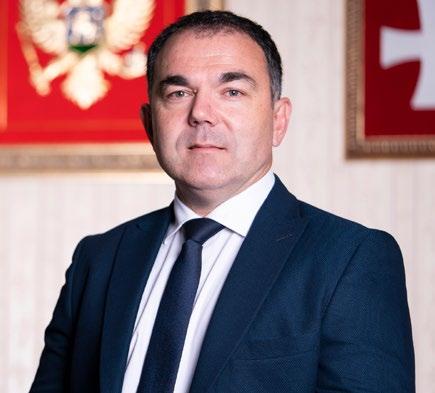
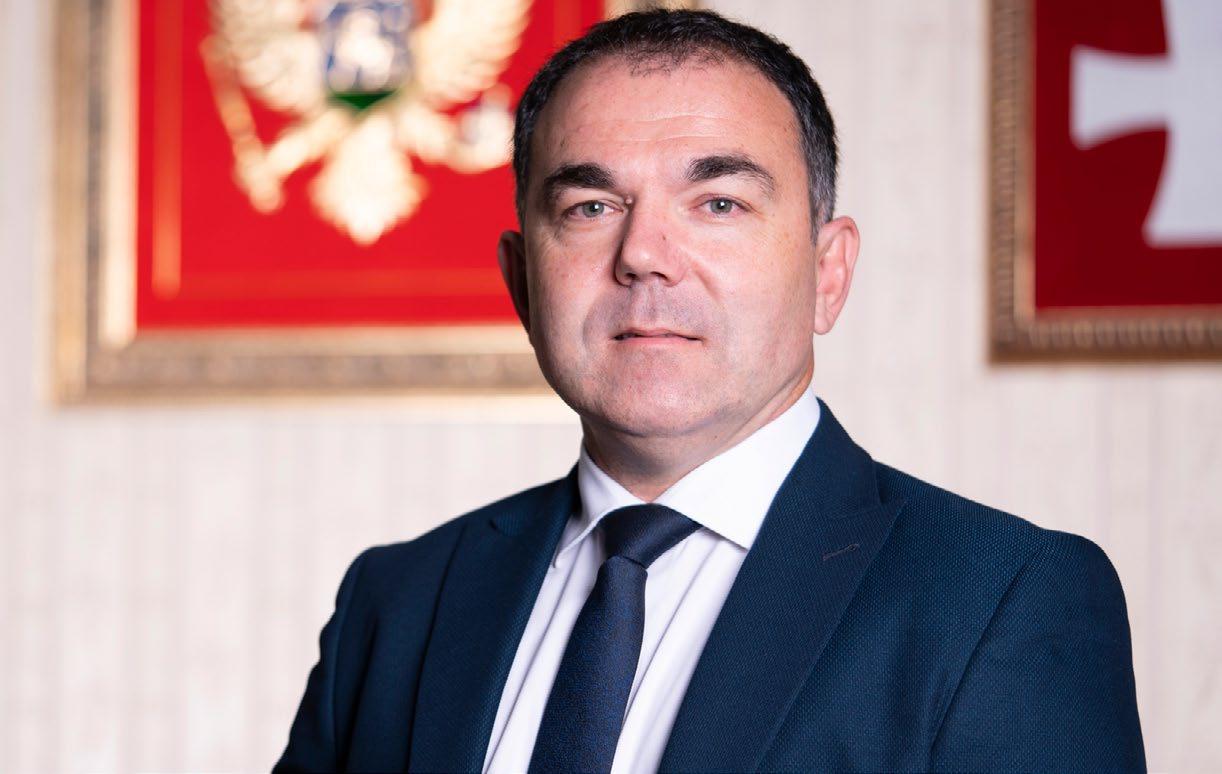
Nikola Đurašković, Mayor of Cetinje
Cetinje as Host of a Global Dialogue
From Classrooms to Competitiveness: How Montenegro Is Building Its Future Through Education and Innovation”
The decision to host the World Congress of PEN Centres in 2027 represents one of the most significant international recognitions of the cultural and historical identity of the Royal Capital and of Montenegro. A city that, through the centuries, has been a symbol of free thought, dialogue, and the meeting of diverse ideas is once again positioning itself as a relevant player on the global cultural stage. In conversation with the Mayor of Cetinje, we discover how this initiative came about, what the event signifies for the city's international image, and how Cetinje is today building its role as a contemporary cultural centre.
Cetinje will host the World Congress of PEN Centres in 2027, one of the most significant international literary events. How important is this decision for Cetinje and for Montenegro?
CETINJE HAS ALWAYS BEEN A MEETING PLACE OF IDEAS AND FREE THOUGHT. HOSTING THE 2027 PEN CONGRESS IS A POWERFUL RECOGNITION OF OUR CULTURAL SIGNIFICANCE AND A CHANCE TO AFFIRM MONTENEGRO’S ROLE ON THE GLOBAL STAGE.
Throughout its history, Cetinje has been a place of the meeting of ideas, culture, and free thought, and we therefore view the decision to host the World Congress of PEN Centres in 2027 as a great recognition and confirmation of its cultural and historical significance. This is one of the most important international literary gatherings, bringing together writers, intellectuals, and advocates for freedom of expression from across the world, lending this event special significance not only for Cetinje but for Montenegro as a whole. For our city,
this represents an opportunity to affirm even more powerfully the role of Cetinje as a space where culture, dialogue, and free thought are cultivated. At the same time, it will contribute to the international visibility of Cetinje and Montenegro. It will further affirm our rich cultural tradition before the global public.
How did the initiative arise for Cetinje to be the candidate for hosting this prestigious gathering, and what role did the local administration and the Montenegrin PEN Centre play in this?
The initiative to have Cetinje be a candidate to host the World Congress of PEN Centres originated with the Montenegrin PEN Centre, with the support of the Royal Capital of Cetinje, the Centre for Culture of the Royal Capital of Cetinje, and the Faculty of Montenegrin Language and Literature. From the very outset, we recognised the significance of this idea and its potential, and through the joint action of the city administration, the Faculty of Montenegrin Language and Literature, and the Centre for Culture of the Royal Capital of Cetinje, the conditions were created for Cetinje to be presented as a serious and worthy host of such an important international gathering. It was precisely this cooperation and clear vision that contributed to Cetinje being recognised as a place which, through its history, cultural heritage, and contem-
porary creativity, possesses all the prerequisites to host writers and intellectuals from across the world.
The arrival of hundreds of writers, journalists, publishers, and intellectuals from around the world is expected. What will this event mean for the international promotion of Cetinje as a cultural capital?
The arrival of a large number of writers, journalists, publishers, and intellectuals from around the world will represent an exceptional opportunity to present Cetinje to the international public even more powerfully. Such gatherings carry special significance because they bring together people who, through their work and activities, shape cultural and social currents. It is precisely through events of this kind that Cetinje has the opportunity to confirm its role as the cultural capital of Montenegro and to present itself as a city that cultivates dialogue, freedom of expression, and the exchange of ideas. I am certain that the participants of the congress will carry away powerful impressions of our city and its cultural tradition, which is the best recommendation for its further international promotion.
How important is it for the city that congresses of International PEN are traditionally held in major cultural centres of the world, and that they will now be held in Cetinje?
The decision to hold the congress of International PEN in Cetinje represents a great recognition for us, particularly given that these gatherings are traditionally held in major global cultural centres. This attests that our city, too, is recognised as a place with a strong cultural tradition and a significance that transcends its dimensions. At the same time, it is an opportunity to demonstrate that Cetinje has the capacity to host such an important international event and, through it, to further present the values for which the Royal Capital is known – culture, history, and openness to ideas and dialogue.
What are the key activities and preparations that the Royal Capital of Cetinje will undertake in the coming period to ensure that the organisation of the congress proceeds at the highest level?
CETINJE HAS ALWAYS BEEN A MEETING PLACE OF IDEAS AND FREE THOUGHT. HOSTING THE 2027 PEN CONGRESS IS A POWERFUL RECOGNITION OF OUR CULTURAL SIGNIFICANCE AND A CHANCE TO AFFIRM MONTENEGRO’S ROLE ON THE GLOBAL STAGE.
The organisation of an event of this kind demands serious and comprehensive preparations, particularly regarding the improvement of urban infrastructure and the overall conditions for the stay of a large number of international guests. In that sense, our goal is to improve multiple segments of the city’s life in the coming period, both through existing and through future infrastructure projects.
How important will cooperation with institutions such as the Faculty of Montenegrin Language and Literature and the Centre for Culture of the Royal Capital of Cetinje be in the organisation of the event?
In organising such a significant international event, cooperation with relevant cultural and educational institutions will be particularly important. The Faculty of Montenegrin Language and Literature and the Centre for Culture of the Royal Capital of Cetinje have extensive experience in organising cultural and literary programmes, which is why their role in the preparation and realisation of the congress will be of great importance. It is through the joint work of the city administration and these institutions that Cetinje possesses a vibrant cultural life and a tradition that naturally connects it with events of this kind. I believe that through sound cooperation among all structures, we will organise the congress at a high level and provide a worthy welcome to writers, journalists, and intellectuals from across the world.
The PEN Centres Congress promotes values such as freedom of expression, dialogue, and international cooperation. How important are these values for contemporary society and for the identity of Cetinje?
Throughout its history, Cetinje has always been a place of progressive thought, freedom of expression, and openness to different ideas – even in the most difficult times of the nineteen-nineties, when it demon-
strated the capacity to preserve the spirit of tolerance and critical reflection. At the same time, as a historical capital and the former seat of numerous diplomatic missions, Cetinje was a space of the meeting of cultures, ideas, and international cooperation, through which the city built a reputation as a place that actively participates in the broader European and global cultural dialogue. Contemporary society faces numerous challenges that frequently test the fundamental values upon which the democratic order rests, which is why principles such as freedom of expression, open dialogue, and international cooperation are essential to preserving pluralism, mutual understanding, and social stability. Today, despite the numerous challenges of the contemporary age – including attempts to suppress or relativise our identity – Cetinje continues to cultivate these same values, and it is precisely for this reason that events such as the PEN Centres Congress hold special significance for our city, as they confirm that Cetinje remains a space where ideas are freely exchanged and where culture and dialogue form the foundation of social development.
Do you expect that the organisation of such an event will have long-term effects on cultural tourism and the international image of Cetinje?
I believe that organising such an event will have a significant and lasting impact on cultural tourism and the international recognition of Cetinje. The arrival of a large number of writers, journalists, publishers, and intellectuals from around the world represents an exceptional opportunity to showcase our city as a place of rich history, culture, and authentic traditions. At the same time, events of this kind strengthen the city's cultural offering and further stimulate interest in Cetinje as a destination where culture, art, and contemporary international dialogue converge. I am certain that the International PEN Congress will contribute to making
Cetinje still more visible on the international cultural and tourism map, and that its effects will be recognisable in the years to come.
In what way is Cetinje today building its position as a regional and international cultural centre?
Cetinje is building its position as a regional and international cultural centre above all through the continuity of cultural programmes, the strengthening of cultural institutions, and the organisation of events that transcend the local and national frame. Our city possesses a strong institutional foundation – from national museums and cultural establishments to significant festivals and international events held in Cetinje throughout the year. It is precisely through such programmes that Cetinje remains a space of encounter for artists, creators, and audiences from the region and beyond. At the same time, we endeavour, through partnerships with international organisations and cultural networks, to further open space for cooperation, the exchange of ideas, and the realisation of projects that contribute to the contemporary cultural life of the city. In this way, Cetinje, drawing on its rich tradition and contemporary creativity, continues to strengthen its role as one of the most important cultural centres in the region.
What message would you send to the international cultural and literary community that will come to Cetinje in 2027?
To the international cultural and literary community, I wish to convey that in Cetinje awaits them a city of powerful history and a distinctive atmosphere, in which many important ideas and cultural currents have been shaped over the centuries. I am convinced that a stay in the Royal Capital will be an occasion not only for discussing the important themes of contemporary society, but also for becoming acquainted with a place deeply connected to freedom of thought and creativity. It will be a great pleasure for us to host writers, journalists, and intellectuals from across the world, and to be part of an important international event together. I believe that for many of them, Cetinje will remain a place to which they will gladly return.
Photo: Cetinje Mayor's Office
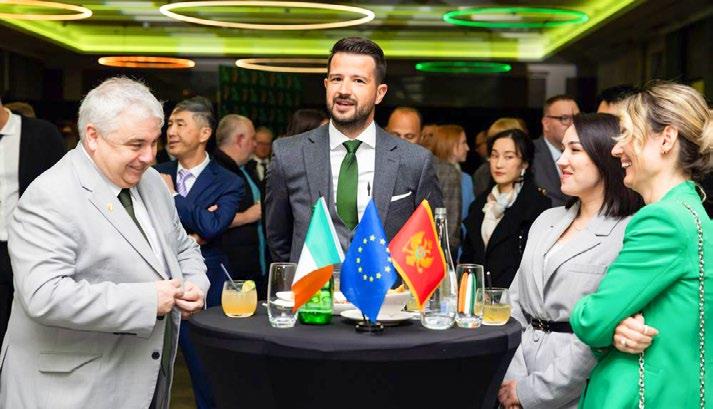
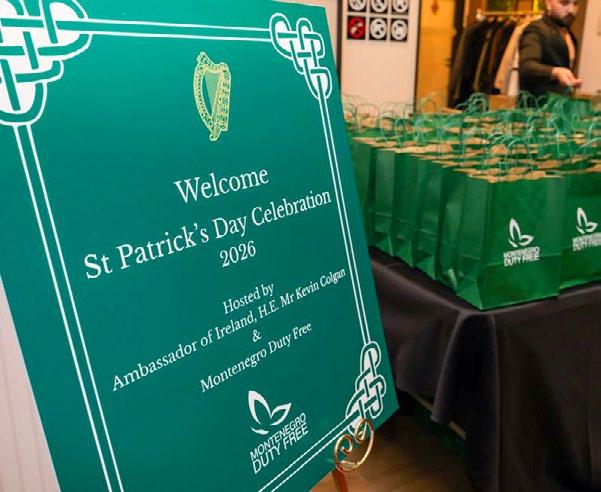
St Patrick’s Day Celebration in Podgorica
Ireland and Montenegro Celebrate Stronger Bonds
The Ambassador of Ireland and the President of Montenegro underscored the strengthening of bilateral relations and support for European integration
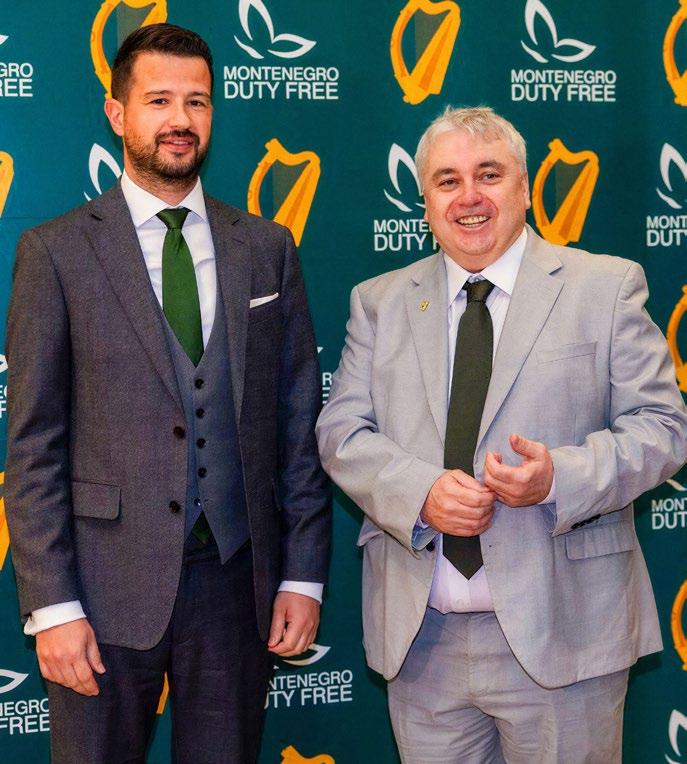
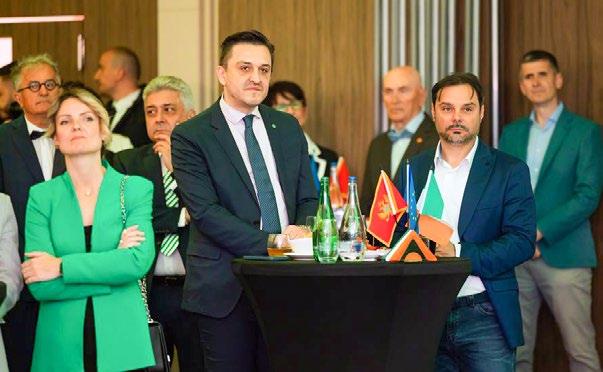
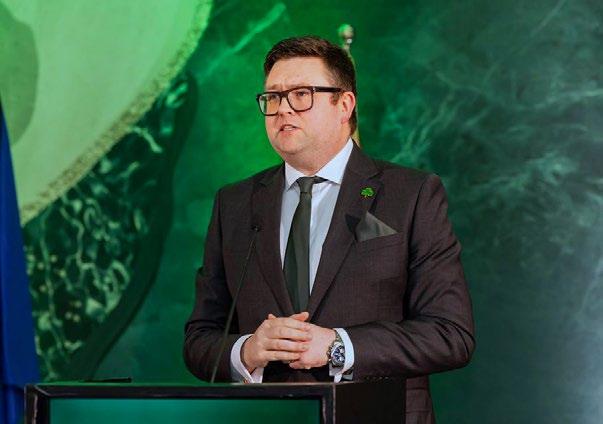
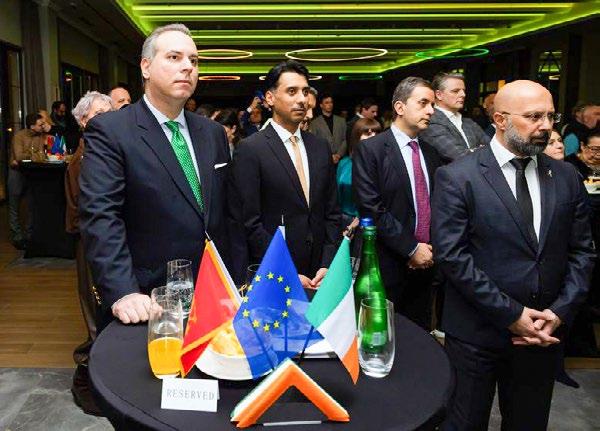
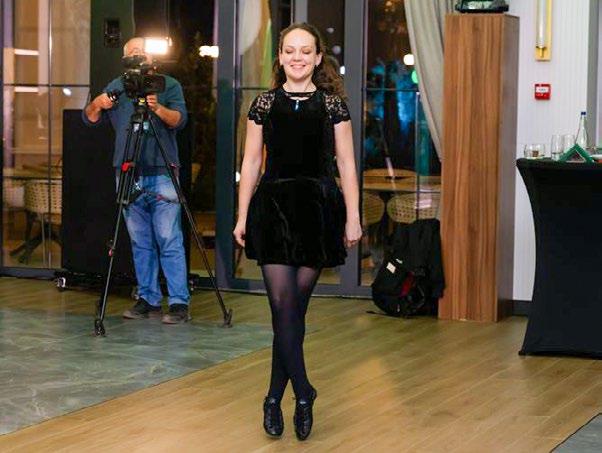
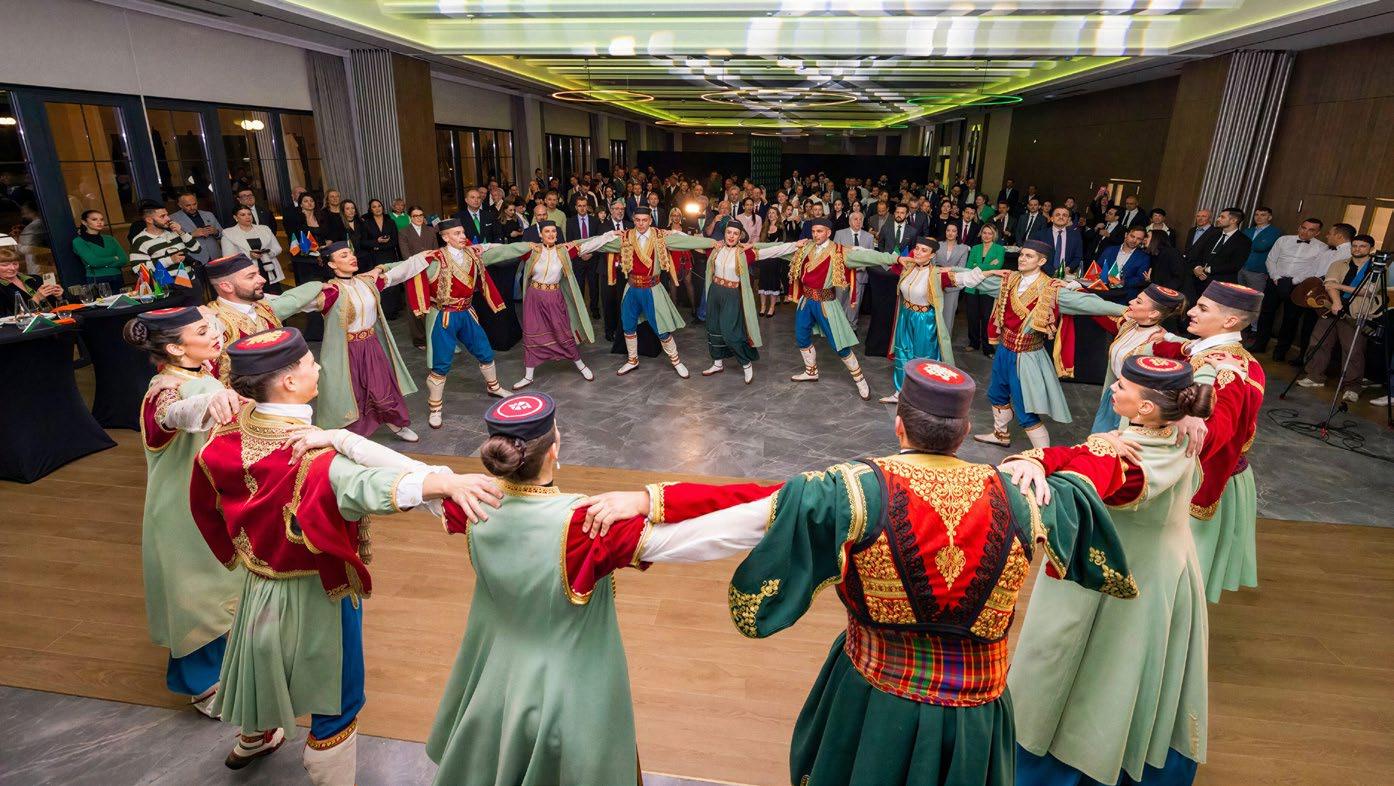
In the presence of numerous guests from Montenegro’s public and social spheres, a ceremonial reception was held in Podgorica to mark St Patrick’s Day – Ireland’s national holiday, which symbolises unity, family gathering, and joy, and is recognised and celebrated worldwide. The event, distinguished by a rich musical programme featuring traditional Irish dancers and musicians, as well as a Montenegrin folklore ensemble and a violin soloist, was opened by the Ambassador of Ireland to Montenegro, Kevin Colgan, the President of Montenegro, Jakov Milatović, and the Director of Montenegro Duty Free, Christopher Dunham Haigh. In his opening address, Ambassador Colgan emphasised that Montenegro enjoys the strong support of all European Union member states, highlighting the ongoing progress of bilateral relations between the two nations.
“I am pleased to see that in recent months, relations between Ireland and Montenegro have been further strengthened. From the high level of meetings with our government, it is clear how committed we are to Montenegro,” said Colgan.
The President of Montenegro, Jakov Milatović, stated that relations with Ireland are entering a new phase, with strong support for his country's European path.
“Montenegro remains firmly committed to reforms and to the achievement of its strategic goal – membership of the European Union. We are determined to become the next EU member state, and in this endeavour we greatly value the support of all our partners, and of Ireland in particular. I am convinced that with the continued support of our European partners we can move decisively forward and affirm the policy of enlargement as an investment in the stability and prosperity of Europe,” said Milatović.
In a separate statement to the media, Ambassador Colgan assessed that Montenegro has made significant progress in the European Union accession process.
“I believe that Montenegro has done an enormous amount of work so far. You have completed a large part of the accession process, and I have no doubt that you will succeed in the next phase as well,” said Colgan
He also underlined that Ireland will keep offering strong support for Montenegro’s European integration.
“If Ireland, from being one of the poorest countries, has become one of the wealthiest in the European Union – then so can Montenegro. Stay focused and continue with reforms,” said Colgan.
The reception was held at the Knjaz estate, organised by the Embassy of the Republic of Ireland and the company Air Arianta, which operates in Montenegro under the name Montenegro Duty Free. The company’s Director, Christopher Dunham Haigh, emphasised a commitment to the development of duty-free business and to the promotion of both international and Montenegrin products. He stated that with accession to the European Union, the country becomes more attractive for new investment.
”Since 2019, we have been expanding our business in Montenegro, and we truly believe in the market's potential. We take pride in promoting not only Irish and international products but also Montenegrin ones – those that hold special value for travellers. Our team mainly consists of Montenegrin people, and it is a pleasure to witness their pride and dedication. We recognise that we are often the last point of contact travellers have with Montenegro, which is why we aim to offer them a pleasant and distinctive experience in our stores, with a recognisable Irish charm,” said Dunham Haigh. St Patrick’s Day was once again celebrated in Podgorica in a spirit of friendship, cultural exchange, and the strengthening of bonds between Montenegro and Ireland.
Photo: Embassy Of Ireland in Montenegro
Resilience Redefined: Small Economies in a Shifting World
Montenegro’s CEO Forum charts a path through digital transformation, industrial renewal, and policy discipline
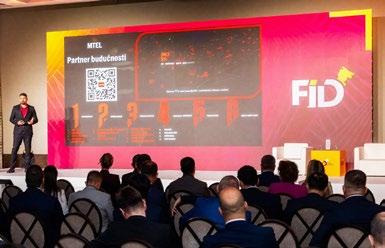
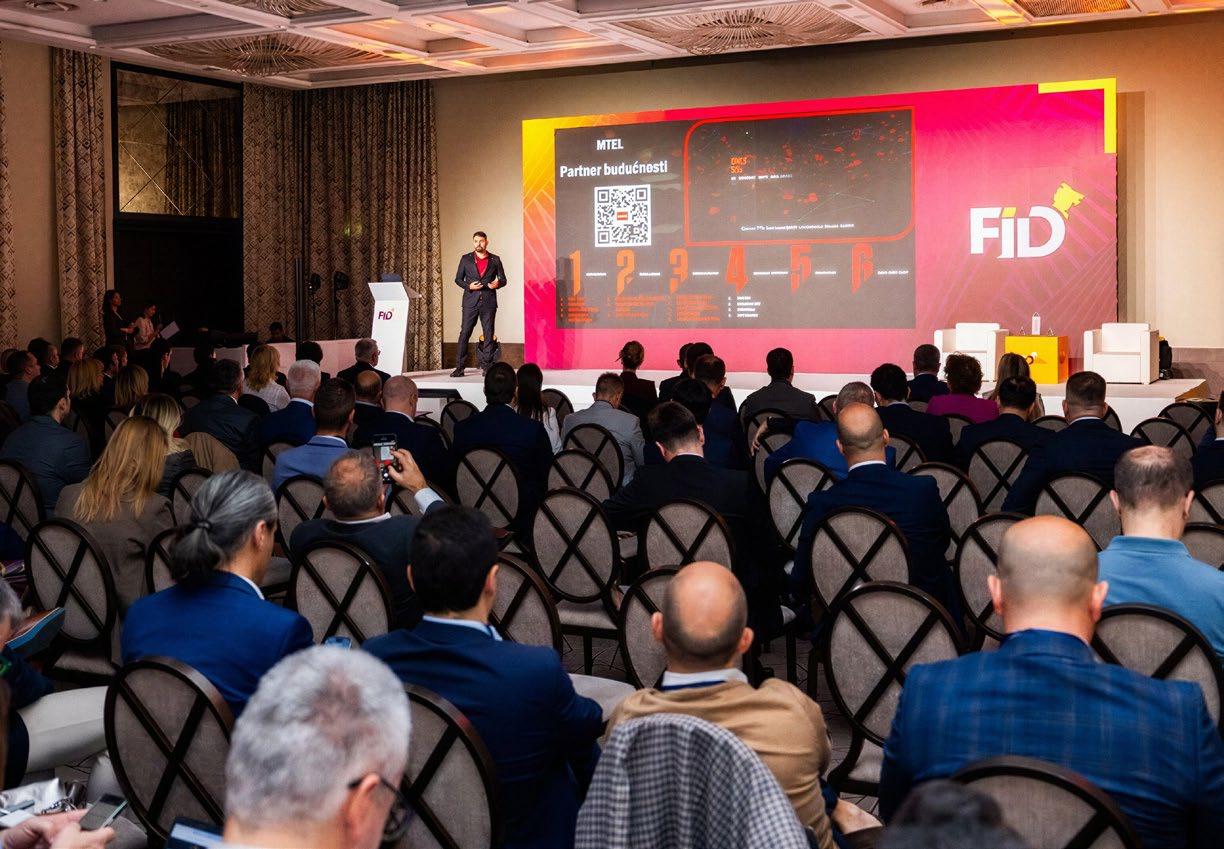
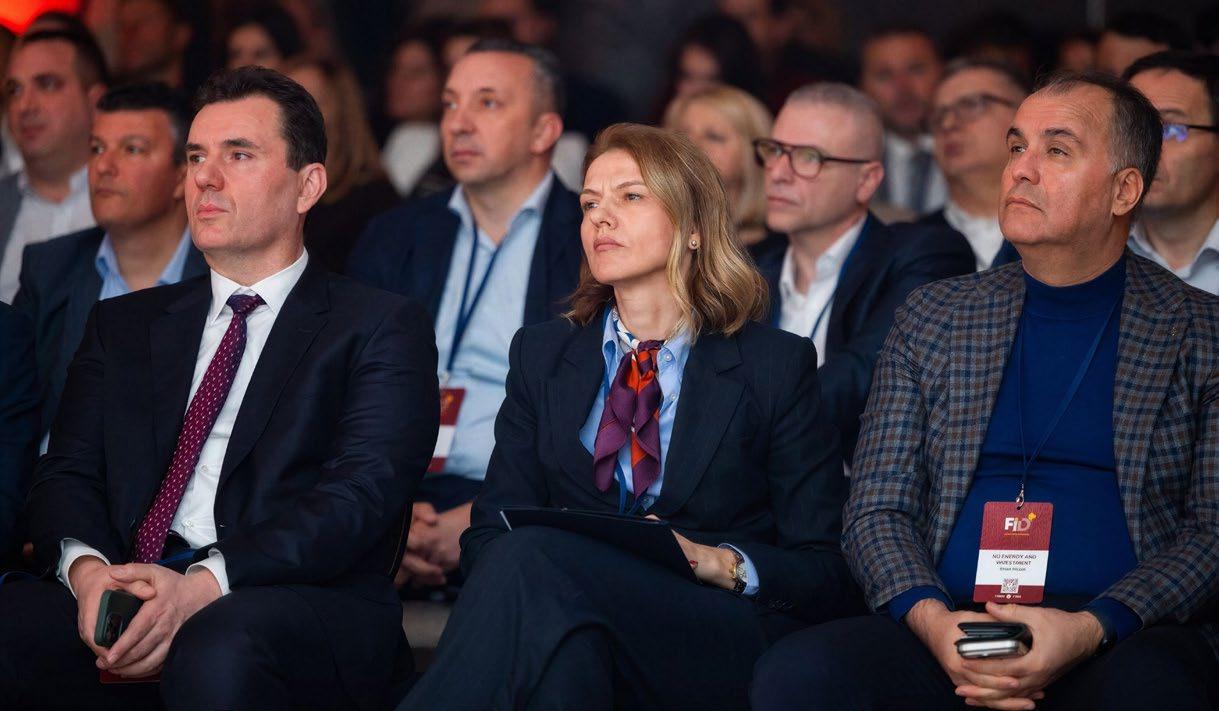
The inaugural CEO Forum in Podgorica created an opportunity for strategic discussions regarding the future of small economies amid global uncertainties, bringing together influential decision-makers from both the country and the region.
Rajko Milić, the founder and director of the Investitor portal, has set out an ambitious vision for its first edition, with the aim of developing it into an ongoing platform – a hub for exchanging ideas, sharing experiences, and generating practical business solutions. The discussion focused on the structure of the Montenegrin economy and its ability to withstand external pressures.
NINA DRAKIĆ, THE PRESIDENT OF THE CHAMBER OF COMMERCE, HIGHLIGHTED THE GROWING COMPLEXITY OF THE GLOBAL LANDSCAPE, STRESSING THAT SMALL ECONOMIES CAN NO LONGER AFFORD UNCOORDINATED POLICIES OR IMPROVISED DECISIONS. IN THIS CONTEXT, SHE NOTED, THE STAKES OF ERRONEOUS CHOICES ARE RISING, WHILE THE ROOM FOR CORRECTION IS SHRINKING.
Nina Drakić, the President of the Chamber of Commerce , highlighted the growing complexity of the global landscape, stressing that small economies can no longer afford uncoordinated policies or improvised decisions. In this context, she noted, the stakes
of erroneous choices are rising, while the room for correction is shrinking. Her assessment of the Montenegro’s growth model – still largely reliant on services, consumption, and imports – raises questions about the scope of reforms implemented so far. Cur-
rent economic trends send a clear message: fostering sustainable development hinges on bolstering the manufacturing sector, enhancing the predictability of the business landscape, and transitioning from temporary fixes to a focus on long-term planning and investment stability.
Digital transformation emerged as one of the Forum’s central themes. Martin Leberle of NLB Bank pointed to Montenegro’s strong potential in IT expertise and data processing, while also addressing the disparity between technological advancements and the regulatory environment. The swift adoption of the SEPA sys-
THE FORUM ADDRESSED KEY TOPICS SUCH AS INVESTMENTS, DIGITALIZATION, INDUSTRIAL DEVELOPMENT, AND ECONOMIC TRANSFORMATION –ALL CRITICAL TO MONTENEGRO’S FUTURE GROWTH. THE KEY TAKEAWAY THAT EMERGED WAS THAT THE COMPETITIVENESS OF A SMALL ECONOMY IS NO LONGER RELIANT SOLELY ON ITS RESOURCES, BUT RATHER ON THE CAPACITY TO NAVIGATE CHANGE – SWIFTLY, STRATEGICALLY, AND IN COOPERATION BETWEEN THE PUBLIC AND PRIVATE SECTORS.”
tem and the Apple Pay service, as noted, illustrates the market’s operational readiness, but also underscores the need for legislative support to fully unlock this potential. He further noted that economic trends are closely linked to social patterns. The structure of the bank’s client base – largely retirees and public sector employees – reflects deeply rooted habits of trust and financial behavior that often go beyond standard economic metrics. Operational efficiency and competitiveness were also discussed in the context of logistics. Milan Ora noted that a considerable portion of the regional economy still relies on fragmented and outdated communication frameworks. The shift towards digital logistics, he said, represents more than a mere technological advancement; it signifies a fundamental change in management practices
– moving towards systems that enable greater control, transparency, and predictability in business operations.
Dragan Bokan highlighted the perspective of the real sector through the example of Voli, a company that has established its market presence over three decades amidst challenging economic circumstances. The information regarding consumer confidence that he shared reveals a steady market view of the brand, underlining the importance of consistent quality and pricing. Simultaneously, his criticism of regulatory choices that could adversely affect the national economy reflects broader concern about the balance between governmental policies and market logic. In the context of European integration, he underscored that competition is set to intensify,
necessitating prompt adaptations of business models.
Dušan Radusinović spoke about management and a customer-oriented approach, emphasizing how Mtel has evolved through the advancement of its 5G network and its strategic role as a partner rather than merely a service provider.
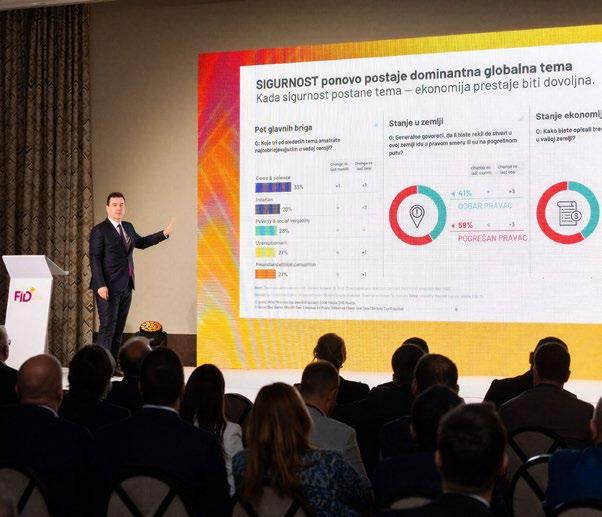
Vladimir Raičević drew attention to the demographic dimension of the economy, pointing to a widespread perception of stagnation and declining economic conditions among a large share of the population. Such percep-
tions, he noted, directly influence consumption, investments, and the overall economic activity.
The Forum addressed key topics such as investments, digitalization, industrial development, and economic transformation – all critical to Montenegro’s future growth. The key takeaway that emerged was that the competitiveness of a small economy is no longer reliant solely on its resources, but rather on the capacity to navigate change – swiftly, strategically, and in cooperation between the public and private sectors.
Photo:
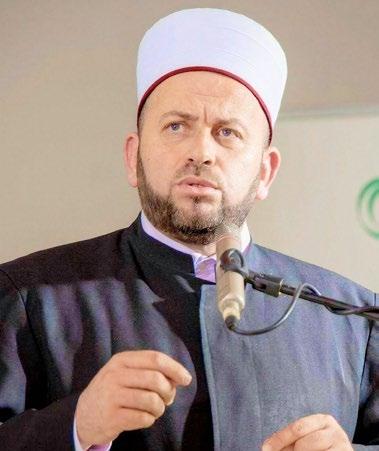
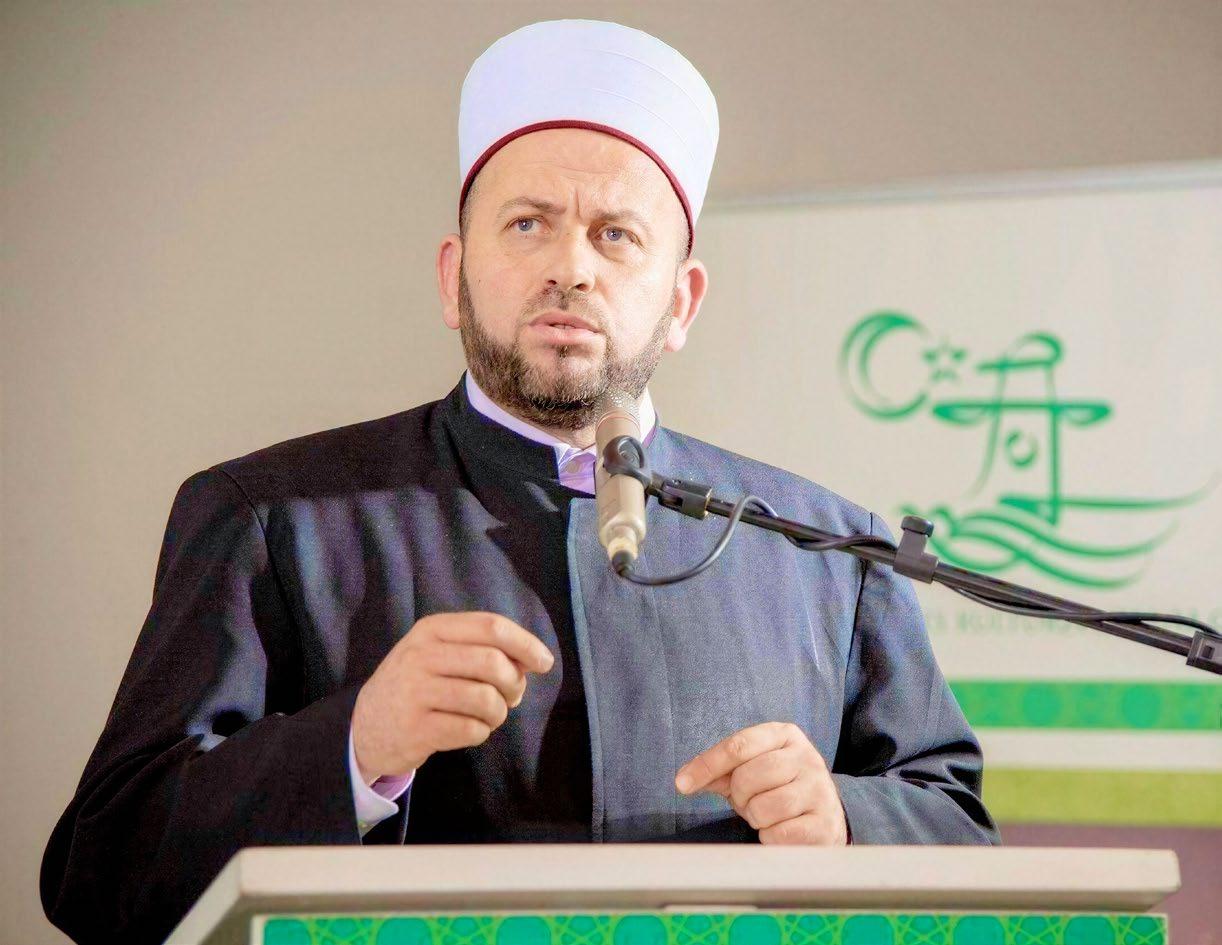
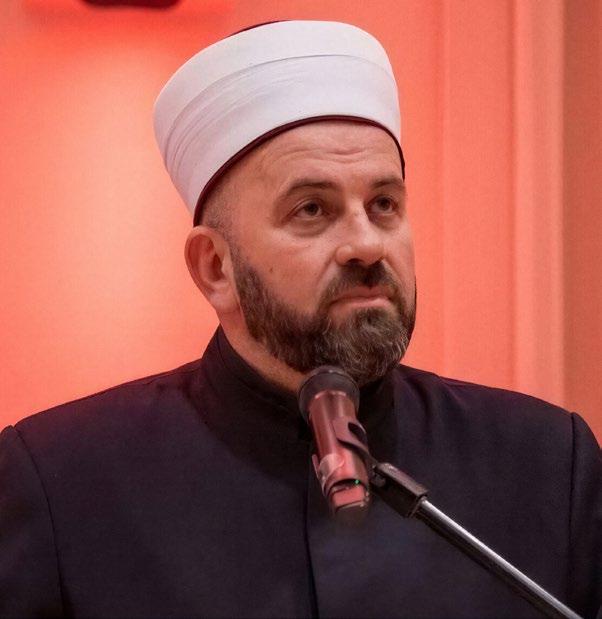
Rifat Fejzić, Reis of the Islamic Community in Montenegro
Ramadan in Montenegro: A Quiet Strength
Reis Rifat Fejzić on tradition, coexistence, and the spirit of mutual respect
In Montenegro, a land defined by its rich mosaic of cultures and faiths, Ramadan and Eid al-Fitr resonate far beyond the boundaries of religious practice. They embody values of solidarity, empathy, and dialogue that strengthen the fabric of a diverse society. At the heart of these reflections stands Rifat Fejzić , Reis of the Islamic Community in Montenegro, whose voice carries both spiritual depth and civic responsibility. In this conversation, he speaks about how these mubarak days nurture togetherness, inspire younger generations, and encourage interfaith cooperation. His insights reveal how traditions rooted in faith can serve as bridges between communities, offering lessons of tolerance and unity that are vital for Montenegro’s shared future.
RAMADAN IS MORE THAN ABSTAINING FROM FOOD AND DRINK; IT IS A CALL TO SOLIDARITY, GENEROSITY, AND MUTUAL RESPECT. IN MONTENEGRO’S DIVERSE SOCIETY, IT OPENS DOORS, BRINGS NEIGHBORS TOGETHER AT IFTARS, AND REMINDS US THAT STRENGTH LIES IN UNDERSTANDING ONE ANOTHER.
Ramadan and Eid al-Fitr go beyond religious observance; they represent a time for reflection, unity, and strengthening human connections. In Montenegro, a country shaped by rich ethnic and religious diversity, these sa-
cred days also carry strong social significance. In this conversation, Mr. Fejzić, a renowned religious leader, speaks about how Ramadan and Eid al-Fitr contribute to a culture of respect, tolerance, and inclusive coexistence, as well as the role of younger generations and public institutions in upholding the values these holidays promote. Through this conversation, we gain insight into how religious traditions can serve as bridges between communities, and how even small acts of openness and solidarity contribute to the stability and progress of society.
RIFAT FEJZIĆ
Reis of the Islamic Community in Montenegro
Mr. Fejzić, this period invites reflection, commitment, and unity. How do you see the role of Ramadan in strengthening social cohesion and encouraging dialogue among different religious communities in Montenegro?
Ramadan is a time for introspection and reconnecting with others. Fasting goes beyond abstaining from food and drink — it becomes a deeper reflection on personal behavior, relationships, and responsibility toward the community. Its power to strengthen social cohesion lies in its spiritual depth. In a diverse society such as Montenegro, Ramadan carries particular significance. It promotes values such as solidarity, generosity, and mutual respect — values that transcend religious and national differences. During this month, we see doors opening, iftars being shared, and people of different faiths coming together. These are moments when trust is built and dialogue becomes more meaningful. Ramadan reminds us that the strength of a community lies in its ability to understand and accept one another. Through ibadah and social engagement, individuals are urged to act as connectors among people, fostering unity rather than creating barriers. Ramadan is therefore not only important for Muslims — it contributes to a broader culture of togetherness, respect, and the common good. These values are essential for the stability and progress of our society, and for strengthening Montenegro as a place where diversity is seen as a unifying force.
In what ways does Eid al-Fitr contribute to mutual understanding and respect among different religious and cultural groups?
Eid al-Fitr is a joyful celebration, but it also carries universal messages. At its core are gratitude, togetherness, and the strengthening of human connections, making it a vital link among diverse religious and cultural groups within our nation. In Montenegro, Eid alFitr goes beyond a religious holiday — it becomes a social occasion that brings people of diverse beliefs together. Visiting one another, exchanging greetings, and sharing in the celebration reflect a deeply rooted culture of coexistence. Opening our homes to neighbors and friends of different religions sends a strong message of trust, respect and unity. Eid al-
EID AL-FITR IS A JOYFUL CELEBRATION, YET ITS ESSENCE IS GRATITUDE AND TOGETHERNESS. BY VISITING ONE ANOTHER AND OPENING OUR HOMES, WE SEND A POWERFUL MESSAGE OF TRUST AND UNITY — SHOWING THAT TRUE WEALTH IS FOUND IN SHARED HUMANITY AND COMPASSION.
Fitr reminds us that true wealth lies in our shared humanity — in our ability to understand others, support those in need, and build relationships based on sincerity and compassion. Such gatherings help break down prejudice and deepen mutual respect. Eid al-Fitr serves a crucial function in fostering a community where diversity is embraced as a chance for connection, dialogue, and collective advancement. This holiday serves as a reminder that genuine respect and understanding can be fostered through simple yet heartfelt actions that bring individuals together.
What key lessons about tolerance and coexistence can be drawn from Ramadan and Eid al-Fitr? Ramadan and Eid al-Fitr teach us that faith is closely linked to how we relate to others. The first and foremost lesson is empathy. Through fasting, one experiences hunger and need, and becomes more aware of those who live in hardship every day. This inner change leads to greater understanding and concern for others, regardless of their religion or background. The second lesson is tolerance — not just as a concept, but as a practice. Ramadan encourages patience, restraint from negative speech and actions, while also fostering respect for diversity. In a setting infused with spirituality, individuals are more inclined to embrace others and their differences, understanding that these variations present not a challenge, but a chance for collective growth. The third lesson emphasizes the importance of unity. Iftars, collective prayers, and Eid al-Fitr celebrations serve as a poignant reminder that no individual exists in solitude, but rather as a member of a broader community. These gatherings serve to enhance the sense of community and receptiveness to diverse perspectives, as we frequently celebrate the joy of Ramadan alongside neighbors and friends from various faiths. Ultimately, Ramadan and Eid al-
Fitr impart lessons of accountability, urging us to embody good within our communities. This entails fostering connections of trust, promoting peace, and enhancing a culture of conversation. In this light, these mubarak days ought to be regarded not merely as a spiritual journey, but also as a chance to foster a more compassionate, equitable, and interconnected community for everyone.
How can religious leaders and communities work together to promote inclusivity in Montenegro’s multi-ethnic and multi-religious society?
Religious leaders and communities hold a unique responsibility and an exceptional opportunity to promote peace, foster dialogue, and cultivate mutual understanding. To begin with, they can demonstrate through their actions that diversity is a valuable strength, rather than a challenge. When leaders engage in open communication, meet face-to-face, and convey messages of respect, they convey a powerful message to their followers that coexistence is not merely achievable, but also something to be aspired to. A vital approach is engaging in ongoing interreligious dialogue. This encompasses not just official gatherings, but also collaborative projects, charitable efforts, and initiatives that unite individuals around shared principles – aiding those in need, safeguarding human dignity, and maintaining peace. These endeavors dismantle biases and foster trust. Engaging with the youth is of paramount significance. Faith-based groups have the potential to instill in younger generations a culture characterized by respect, non-violence, and openness through various educational initiatives, workshops, and collaborative programs. Young people raised in an environment of mutual respect contribute to the creation of a more stable and equitable society. Religious leaders play a crucial role in society by serv-
ing as a beacon of reason. They must unequivocally denounce all forms of hatred, discrimination, and violence, while championing the principles of justice, solidarity, and the common good. During challenging times, their voice can significantly impact the maintenance of social order. Simultaneously, it is crucial that historical facts are conveyed with accuracy and impartiality. The history of Montenegro reveals a rich tapestry of coexistence, characterized by instances of mutual respect alongside challenges that offer valuable lessons. A clear and unbiased perspective on history, free from manipulation and political influence, fosters trust and respect among individuals today. Religious communities have the potential to significantly contribute by advocating for truth, justice, and a culture of remembrance that fosters connection rather than division. In the end, true inclusiveness is forged not just through grand statements, but through consistent actions – welcoming gestures, a willingness to engage in dialogue, and genuine concern for each individual. This is exactly where religious groups can demonstrate how diversity can be turned into a powerful force that unites and shapes a shared future.
How do you envision the younger generations contributing to the preservation of respect, solidarity, and interfaith dialogue during Ramadan and Eid al-Fitr?
The involvement of young individuals is crucial in safeguarding and advancing the principles that underpin a thriving community. The observance of Ramadan and Eid al-Fitr presents a chance to transmit these values to younger generations, while also allowing youth to reinterpret and express them in contemporary and relatable manners. To begin with, the youth serve as a vital link connecting the past with what lies ahead. By engaging in Ramadan activities, humanitarian efforts, and shared iftars, young people gain insight into the essence of solidarity and the importance of responsibility towards others. Simultaneously, by utilizing their communication methods, particularly through contemporary platforms, they have the ability to disseminate messages of tolerance and shared respect far beyond what earlier generations could achieve.
Their enthusiasm and willingness to embrace different perspectives position them as authentic facilitators of interfaith discussions. Young individuals forge connections, engage in collaboration, and cultivate friendships with greater ease, unencumbered by bias. That is why they have the potential to spearhead initiatives that unite individuals from various faiths and cultures, particularly during Ramadan and Eid al-Fitr when the themes of unity resonate most strongly. It is crucial to highlight their accountability. It is essential for young individuals to move beyond mere observation and engage actively in the creation of a society characterized by respect and peace. This entails a readiness to challenge hate speech, foster a culture of dialogue, and demonstrate through their actions how universal values are embodied. The future of interfaith harmony is fundamentally in the hands of the younger generation. By fostering empathy, openness, and responsibility, we can ensure that the values of Ramadan and Eid al-Fitr endure beyond these mubarak days, serving as a lasting foundation for a communal existence.
What initiatives or programs in Montenegro have you found to be the most impactful in fostering interfaith dialogue and enhancing social cohesion?
The most impactful efforts are those that unite individuals through tangible gatherings and collaborative endeavors. These events mainly consist of collaborative iftars, discussions, and gatherings of spiritual leaders, fostering trust and facilitating open conversation. Projects aimed at youth through educational programs and workshops hold significant value, as they foster a culture of respect and understanding from a young age. The involvement of various religious communities in humanitarian efforts holds significant value, as their collective actions not only aid those in need but also dismantle biases and foster a sense of unity. It is crucial to highlight that meaningful and lasting dialogue also requires a fair perspective on history. Meetings of religious leaders have full meaning only if they are based on truth, responsibility, and a willingness to clearly condemn crimes and injustices, without relativization and a se-
YOUNG PEOPLE ARE VITAL IN CARRYING FORWARD THE VALUES OF RESPECT AND DIALOGUE. THEIR OPENNESS AND ENTHUSIASM MAKE THEM NATURAL FACILITATORS OF INTERFAITH ENCOUNTERS, ENSURING THAT THE SPIRIT OF RAMADAN AND EID AL-FITR ENDURES AS A FOUNDATION FOR PEACE AND SOLIDARITY.
lective approach. As long as there are attempts to glorify war crimes or deny the suffering of others, it is difficult to talk about a sincere encounter – because then dialogue loses its essence and becomes a form without content. That is why facing the past is not an obstacle, but a prerequisite for true dialogue. Only on the basis of truth and justice is it possible to build trust and a common future. Ultimately, the most successful initiatives are those that connect people through the common good, but also through the courage to face the challenges of the past, so that the future is more stable, more just and more honest.
In what ways does the observance of Ramadan in Montenegro stand apart from that in other nations, and what unique cultural or social elements contribute to the distinctiveness of this celebration?
The month of Ramadan in Montenegro reveals a unique and understated charm, rooted in the country’s diverse ethnic and religious tapestry. In contrast to certain nations where Ramadan
contemporary methods of celebration are emerging in urban settings, including organized iftars and cultural events, which further enhance the experience of this month. In the end, Ramadan in Montenegro embodies a blend of cultural heritage, spiritual depth, and a spirit of mutual respect. This unique blend of contrasts is what renders it distinctive and memorable.
takes center stage in public life, Montenegro observes this sacred month with a quieter yet deeply sincere and dignified approach, fostering a community that values mutual respect. A notable aspect is the robust spirit of community togetherness. The spirit of Ramadan extends beyond the Muslim community, often reaching out to neighbors and friends of diverse beliefs. The act of coming together for iftars, exchanging congratulations, and engaging in mutual visits adds a layer of openness and warmth to this month. In the context of Montenegro, Ramadan is deeply intertwined with cultural heritage and familial bonds. Family gatherings hold significant importance, fostering traditions and instilling values in the younger generations. In smaller communities, this bond is even more evident, as religious and social life are closely linked. The essence lies in moderation and balance - Ramadan is observed with dignity, steering clear of excessive commercialization, thereby allowing its spiritual messages to shine through. Simultaneously,
In what ways can public institutions and the media promote the principles of tolerance and mutual respect that are embodied during Ramadan and Eid al-Fitr? Public institutions and the media play a crucial role in influencing social consciousness and can significantly aid in reinforcing the values that Ramadan and Eid alFitr embody. To begin with, it is crucial for institutions to exhibit a balanced approach towards all religious communities through their actions, by supporting the observance of religious holidays and fostering an atmosphere where everyone feels valued and free to express their beliefs. The media possess the ability to foster a culture of dialogue and understanding through their content. Through thoughtful coverage of Ramadan and Eid al-Fitr, highlighting their universal themes of solidarity, mercy, and togetherness, the media has the opportunity to connect these values with a broader audience, transcending religious boundaries. It is crucial to avoid sensationalism and clichés, focusing instead on providing content that highlights positive examples of collaboration among individuals and communities. Informative programs, interviews, reports, and documentary features can aid in dismantling biases and fostering mutual trust. Furthermore, collaborative initiatives between institutions and the press that advocate for tolerance, unity, and civic duty can have a strong impact, particularly among the youth. These initiatives foster an understanding that the principles of Ramadan and Eid al-Fitr resonate universally and hold significance for the whole community. In the end, when institutions and the press operate with accountability, regularity, and a respect for diversity, they transform into essential partners in fostering a community rooted in peace, dialogue, and mutual respect.
Photo: Reis
MEF: The Bridge to Europe
Montenegro’s Employers Federation shaping trust, stability, and integration on the road to the EU
As Montenegro advances toward EU membership, economic issues come to the forefront for diplomats and business leaders alike. The Montenegrin Employers Federation (MEF) has become the key intermediary connecting the domestic economy, state authorities, and European business forums, shaping Montenegro's successful integration.
International partners view Montenegro through the lens of investments, regulatory reforms, and labour market stability. For them, MEF stands out as a relevant and reliable interlocutor. Its role goes beyond merely representing employers' interests: MEF actively shapes economic policies and brings European standards into the national framework.
One of the fundamental principles of the European socio-economic model is social dialogue – structured cooperation between employers, trade unions and the state. In Montenegro, MEF is recognised as the representative social partner of employers and an active participant in the work of the Social
Council. Through this mechanism, the Federation participates in drafting labour legislation, negotiating collective agreements, and implementing labour market reforms, with a focus on achieving a balance between protecting employees and enhancing companies' competitiveness. This approach is fully aligned with European practice, where employers' organisations play a key role in creating sustainable economic policies.
In negotiating Chapter 19 – Social Policy and Employment, a functioning social dialogue is an important condition for closing the negotiations. MEF acts as an institutional partner in the process of European integration and contributes to the stability and predictability of the business environment.
The Federation adds a special dimension by joining BusinessEurope, the leading organisation of EU national employers' confederations. Through this, the Montenegrin economy participates in European consultative processes, ensuring that domestic companies' positions are considered
when shaping business policies. Montenegrin employers also receive timely updates on regulatory changes from Brussels.
For international investors, this signals that the business community in Montenegro follows European standards and actively participates in broader European processes.
At the global level, MEF's membership in the International Organisation of Employers (IOE) further strengthens its institutional capacity. IOE is a key partner of the International Labour Organisation (ILO) and the central point of global dialogue on labour standards. Through this channel, domestic companies are positioned within the global business network, which is particularly significant at a time when competitiveness depends on their ability to adapt to international trends.
At the same time, the Federation actively works to strengthen its members' capacities. It does this through education, international projects, and the exchange of ex-
periences with European partners. These efforts help companies prepare for entry into the EU single market.
Preparing for EU Membership Montenegro's accession to the EU will bring new opportunities and new obligations for the business community. As integration accelerates, the stability and predictability of the economic system are now key factors for development. Employers' organisations in Member States play an important role in European social dialogue. They participate in negotiations about employment, competitiveness, and social protection policies.
The Montenegrin Employers Federation supports these goals: strengthening competitiveness, improving the labour market, and aligning with European standards. For diplomats and businesses, MEF is an institutional bridge between the Montenegrin economy and European processes. Its work in social dialogue, international networks, and business reforms shows that it actively contributes to Montenegro's European perspective.
Photo: Montenegrin Employers Federation
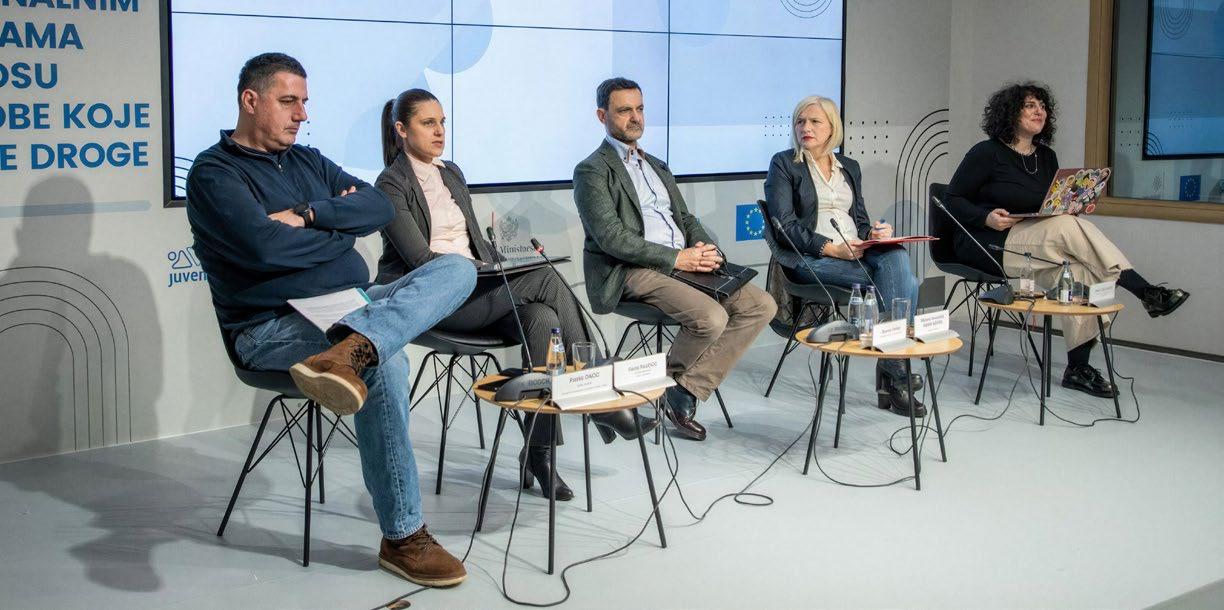
Ivana Vujović, Director of the NGO Juventas
Three Decades of Juventas: Between Values and Social Change
Ivana Vujović on the development of the civil sector, the empowerment of young people, and the role of an organisation that for three decades has been building a bridge between the community and institutions
IVANA VUJOVIĆ Director of the NGO Juventas
On the occasion of Juventas's 30th anniversary, one of the most recognisable non-governmental organisations in Montenegro, we spoke with Executive Director Ivana Vujović about the organisation's development, the challenges and changes in the civil sector, and the importance of continuous work to empower young people and marginalised communities. From a student initiative to a relevant social actor, Juventas today represents an important pillar in the fields of human rights, public policy, and social inclusion.
FROM A STUDENT
INITIATIVE IN
1995, JUVENTAS GREW INTO AN ORGANISATION THAT SUPPORTS PEOPLE DIRECTLY, STRENGTHENS INSTITUTIONS, AND ADVOCATES SYSTEMIC CHANGE.
Looking back over three decades, how would you describe Juventas's evolution and its contribution to society?
When I look at Juventas's development over three decades, I see an organisation that has succeeded in preserving its foundational
values while evolving alongside society. We began in 1995 as an informal group of students who wanted a space for free expression, critical thought, and creativity, and we were formally registered in January 1996. In the first years of activity, the focus was on cul-
ture, publishing, and media. At the same time, we later entered more deeply into the fields of public policy, human rights, and health and social protection. Today, Juventas is an organisation that provides direct support to people, strengthens the capacities of both the civil and state sectors, and advocates for systemic change. I see our contribution in the fact that, in many fields, we opened topics before they became socially accepted, provided services when the system did not, and built a space for a more responsible, more solidary, and more just society.
Which initiatives best illustrate your mission of youth empowerment and social responsibility? Our mission is best illustrated by initiatives that offer young people not only knowledge but also real opportunities to act and to influence society. From its very founding, Juventas has been strongly oriented toward youth policy, the empowerment of young people, and their active participation in decision-making processes. Of particular significance are initiatives that have the potential to change society in the long term, such as the media literacy programmes with which we have been engaged since 2005. In the contemporary environment, it is not enough for young people to have access to information –they must understand it, analyse it critically, and use it responsibly. Equally important are programmes in human rights, public health, prevention, gender equality, and the fight against hate speech, through which we encourage the development of an inclusive and responsible society. Over three decades of work, Juventas has remained consistent in its mission to stand alongside communities at risk of social exclusion – even when this was neither simple nor accepted.
Our work with LGBTIQ persons, people who use drugs, persons who provide sexual services, persons serving prison sentences and persons who have served prison sentences, as well as members of the Roma and Egyptian community, began at a time when the very idea of providing support to these communities was frequently contested. We faced incomprehension, prejudice, and even open discrimination, precisely because we chose to stand alongside those whom the system was neglecting. Despite this – or precisely because of it – we built an approach grounded in trust, respect, and people's real needs. At moments when institutional support was virtually non-existent, Juventas was a place of safety, information, and support. Over the years, we developed not only services but also relationships that enabled the voice of these communities not merely to be heard, but to be taken into account. Today, thirty years later, Juventas is recognised as an important bridge between communities and institutions – a bridge that enables dialogue, understanding, and concrete change. Our role is not only to provide support, but also to create a space where communities can speak about their needs, experiences, and rights, and where those voices become part of the decision-making process. For us, it is essential that empowerment not remain an idea but be translated into concrete support that enables people to achieve greater independence, dignity, and equal participation in society.
How does Juventas contribute to the strengthening of civil society in Montenegro?
Juventas contributes to strengthening civil society at multiple levels. First, through consistency and continuity, we demonstrate that the civil sector is not a temporary correction of the system. Still, an important social actor that identifies problems, offers solutions, and is often the first to respond in crises. Second, we build trust through specialised and dedicated work in fields that demand knowledge, integrity, and long-term commitment. Research shows that citizens often place greater trust in narrowly specialised non-governmental organisations than in the institutions that should be address-
WE CHOSE TO SUPPORT LGBTIQ PERSONS, DRUG USERS, SEX WORKERS, PRISONERS, AND ROMA COMMUNITIES EVEN WHEN SOCIETY RESISTED — BUILDING TRUST AND RESPECT WHERE THE SYSTEM FAILED.
ing the same issues, and this represents both an obligation and a responsibility. Third, we actively contribute to strengthening the capacities of other civil society organisations through mentoring and financial support, helping them to develop their programmes, improve their work, and operate sustainably over the long term. We believe that a strong civil society, in combination with strong institutions, creates conditions of higher quality and greater justice for all citizens. Furthermore, we strengthen civil society through partnerships with institutions, international organisations, schools, media, local communities, and other non-governmental organisations. Finally, it is important to emphasise our readiness to provide direct support to people simultaneously and to advocate for changes in public policy, for without these two levels of action, there can be neither a strong nor a sustainable civil society.
Which projects do you consider most significant for the development of leadership and active citizenship among young people? When it comes to young people, I consider the most significant projects to be those that do not treat them as passive recipients of activities, but as equal actors of change. These programmes teach young people about human rights, democracy, media literacy, gender equality, and social responsibility, while simultaneously developing skills in public speaking, advocacy, teamwork, and initiative, intending to enhance their competitiveness across various fields. I consider particularly important those projects that have contributed to the development of youth structures and participation mechanisms, including spaces in which young people can articulate the needs of their peers and communicate them to decision-makers. For the development of leadership, it is essential that young people feel their voices can produce change, and, for active citizenship, that
they learn change is not a oneoff event but a process that demands persistence, knowledge, and responsibility. In that sense, our most important projects are precisely those that unite values and practice.
In what way does Juventas link education with the practical engagement of young people in the community?
We have always endeavoured to ensure that education does not remain at the level of theory. For this reason, our training sessions, workshops, and courses almost always include a component of practical engagement – whether through peer education, participation in local initiatives, campaigns, research, public debates, or through direct work in the community. A young person learns the most when given the space to apply acquired knowledge, to question it, and to adapt it to real circumstances. This is why Juventas links formal and non-formal education with concrete social experience. At the same time, through paid internship programmes, we further support young people in gaining work experience and increasing their competitiveness in the labour market, particularly for those who have not had previous opportunities for professional development. When young people participate in campaigns against discrimination, analyse media content, take part in consultations on public policy, or organise peer activities, they are not merely absorbing information – they are developing a sense of responsibility and belonging to the community. This is, in our view, one of the key prerequisites for healthy, sustainable, and active civic engagement.
How do you assess the long-term impact of your programmes on local communities?
The long-term impact of our programmes is most evident in the fact that they do not merely produce individual results but also build the community's capacity. Over the past 30 years, we have
implemented approximately 300 projects and, through them, provided annual support to more than 2,000 people. When viewed over time, we are speaking of tens of thousands of people who have participated in our activities, used our services, undergone training, or been part of various empowerment processes. However, for me, the impact is not only about numbers. It can also be seen in the fact that many topics that were once marginalised are today far more visible in the public space, that certain services have come to be recognised as indispensable, and that numerous local communities have gained actors who know how to initiate action and support others. Most importantly, step by step, we have contributed to the creation of communities that are more open, more sensitive to diversity, and more ready for solidarity.
What are the greatest changes in the civil sector that you have experienced over the past thirty years?
The civil sector today is incomparably more developed than it was 30 years ago, but it is also faced with more complex challenges. During Juventas's emergence, one of the greatest obstacles was the insufficient understanding of the concept of civil society and the very limited institutional support. Today, the civil sector is far more professionalised, thematically specialised, and visible. Still, it faces a crisis of trust in institutions, unstable financing, the withdrawal of certain funds, and often insufficient state support, particularly for medium-sized organisations. The social context has also changed –the issues are more complex, social divisions deeper, and digital space has opened both new possibilities and new risks. Nevertheless, what encourages me is that the civil sector in Montenegro has demonstrated resilience, integrity, and the capacity to respond when society needs it most.
How do you integrate innovations and digital tools into your work with young people and the community?
We do not regard innovations and digital tools as an adjunct to our work, but as an integral part of contemporary social action. This is particularly evident in our work with young people, where digital space represents both an opportunity and a challenge.
For a long time, we have been developing programmes in media and digital literacy, and in recent years we have increasingly been working on safety in the online environment, critical reading of content, identification of disinformation, and responsible digital citizenship. We use digital tools for education, research, campaigns, networking, and support for service users. At the same time, we endeavour to ensure that innovations are not an end in themselves, but respond to the real needs of the community. For this reason, I am particularly interested in models that link digital solutions with social innovations, service accessibility, and greater inclusion of people who are often on the margins. The essence is that technology should serve human rights, equality, and higher-quality support.
What strategic goals will mark the next decade of Juventas?
I believe several clear strategic directions will mark the next decade of Juventas. The first is the preservation and improvement of existing programmes and services, for longevity has meaning only if quality remains high and we respond to people's real needs. The second is the expansion of activities into municipalities where we have not hitherto been sufficiently present, to contribute to a more even distribution of support and opportunities. The third direction is strengthening regional action, as many of the challenges we
FOR OVER THIRTY YEARS, JUVENTAS HAS STAYED TRUE TO ITS VALUES, OPENED SENSITIVE TOPICS, AND HELPED MAKE THE COMMUNITY BETTER.
face transcend national borders and demand joint responses. And the fourth, for me a very important one, is greater reliance on scientifically grounded approaches – on research, data, evaluations, and models of work that are verified and evidence-based. If we wish to remain relevant in the coming decades as well, we must remain firm in our values but ever stronger and more precise in our methodology.
What personally motivates you in leading an organisation with such a long tradition?
What motivates me above all is the sense of purpose. To lead an organisation with such a tradition means bearing a great responsibility toward the people who built it before us, as well as toward the communities that expect support, integrity, and consistency from our work. I find motivation in the fact that Juventas is not an organisation that exists for its own sake, but for the sake of people and of social changes that can improve the quality of life. The collective dimension particularly inspires me – the fact that Juventas is composed of professionals with knowledge, experience, and a sincere need to work for the common good. In a time in which social
divisions are deep and empathy is often suppressed, it is important to me to lead an organisation that cultivates support for the community, authenticity, and responsibility. When you see concrete changes in people's lives and know that you have, even in part, contributed to a more just society, that becomes a powerful and enduring source of motivation.
What advice would you give to young leaders who wish to contribute to the social community?
To young leaders, I would say: do not wait for the ideal moment or ideal circumstances, for these rarely arrive on their own. It is important to be curious, to learn, to listen to the community, and not to fall into the trap of superficial activism that ends with symbolic gestures. Leadership is not a question of visibility but of responsibility. It demands a readiness to understand problems, to build trust, to share space with others, and to remain consistent even when it is difficult. I would also tell them that it is important to cultivate integrity, for this is precisely the foundation of all long-term social action. Changes do not happen overnight, but they do when there is continuity, cooperation, and a readiness to
work even when the results are not immediately visible. Those who contribute most to the social community are those who know how to unite values, knowledge, and concrete action.
Looking back, what do you consider the greatest achievement of Juventas?
I consider the greatest achievement of Juventas to be the fact that the organisation has, for over thirty years, remained relevant, consistent in its values, and close to the people for whom it exists. In a country and region that has undergone numerous political, social, and economic changes, surviving was not enough – it was important to grow, to learn, and to remain authentic. For me, it is a great achievement that we have built an organisation that has implemented hundreds of projects, provided continuous support to thousands of people, opened up socially sensitive topics, and at the same time preserved the community's trust. I consider equally important the fact that we have succeeded in combining direct services with the advocacy of change, that we have in many fields pushed the boundaries, and that we have remained an organisation that acts where institutions cannot, do not know how to, or do not wish to provide adequate support. If I had to condense everything into a single sentence, I would say that Juventas's greatest achievement is helping make our community better.
Photo: Juventas
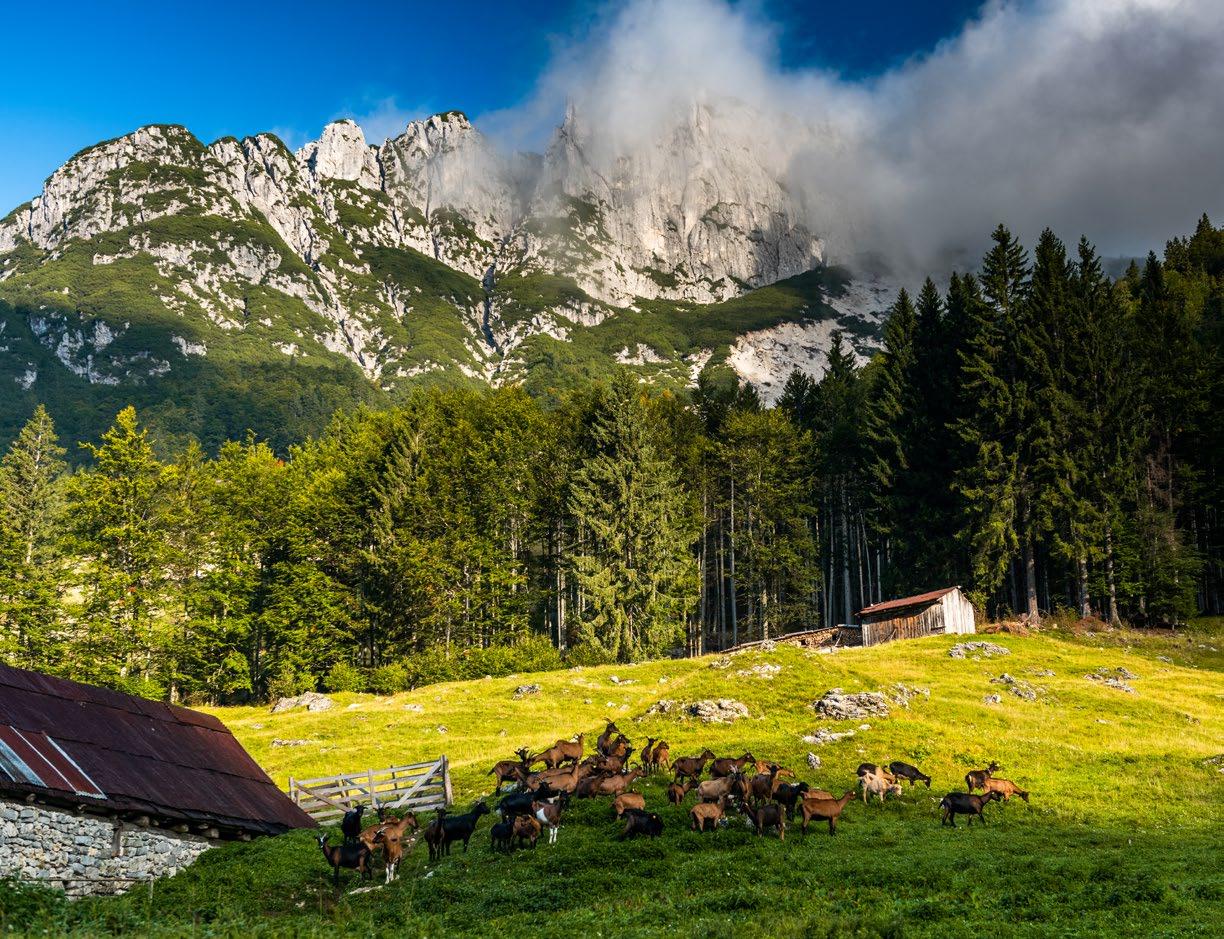
Durmitor
Pristine Wilderness Whispering to Europe
Where mountain peaks, crystalline lakes, and untameable nature reveal the true essence of Montenegrin adventure
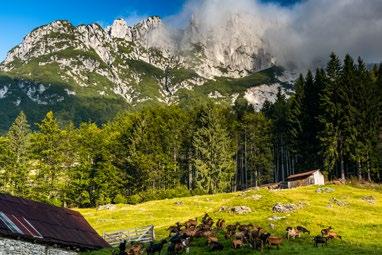
In northern Montenegro, within the heart of the Dinaric massif, Durmitor stands as a testament to pristine nature and unique mountain beauty. With its 48 peaks exceeding 2,000 metres, deep canyons, and emerald lakes, this national park is more than just a destination for adventurers – it is a symbol of Montenegro's ecological and cultural richness that it proudly protects.
Durmitor is a place where untamed nature and sophisticated adventure coexist. Visitors can choose between adrenaline-filled activities – hiking, cycling, winter sports – or peaceful moments by lakes that reflect
the sky. The soft whisper of the wind and the silence of mountain plateaux invoke the universal language of nature. Every path, rock, and peak tells a story that Durmitor shares with Europe and the world – a tale of authenticity, resilience, and beauty that surpasses borders.
For those seeking more than the typical mountain adventure, Durmitor also provides refined ways to engage with the surrounding landscape: luxury eco-guesthouses, culinary excursions featuring local delicacies, and customised tours that uncover the park’s hidden corners. Here, nature is not just observed
but experienced – each moment offers an opportunity for reflection, inspiration, and an authentic encounter that combines culture, ecology, and adventure.
In a world where mass tourism often threatens to dilute the character of destinations, Durmitor remains inherently authentic. Its message is clear: true beauty is preserved, respected, and shared with those eager to understand its significance. For Montenegro, this mountain jewel is not merely a natural attraction – it is an ambassador of the country, quietly whispering to Europe of the strength and grace of untouched wilderness.
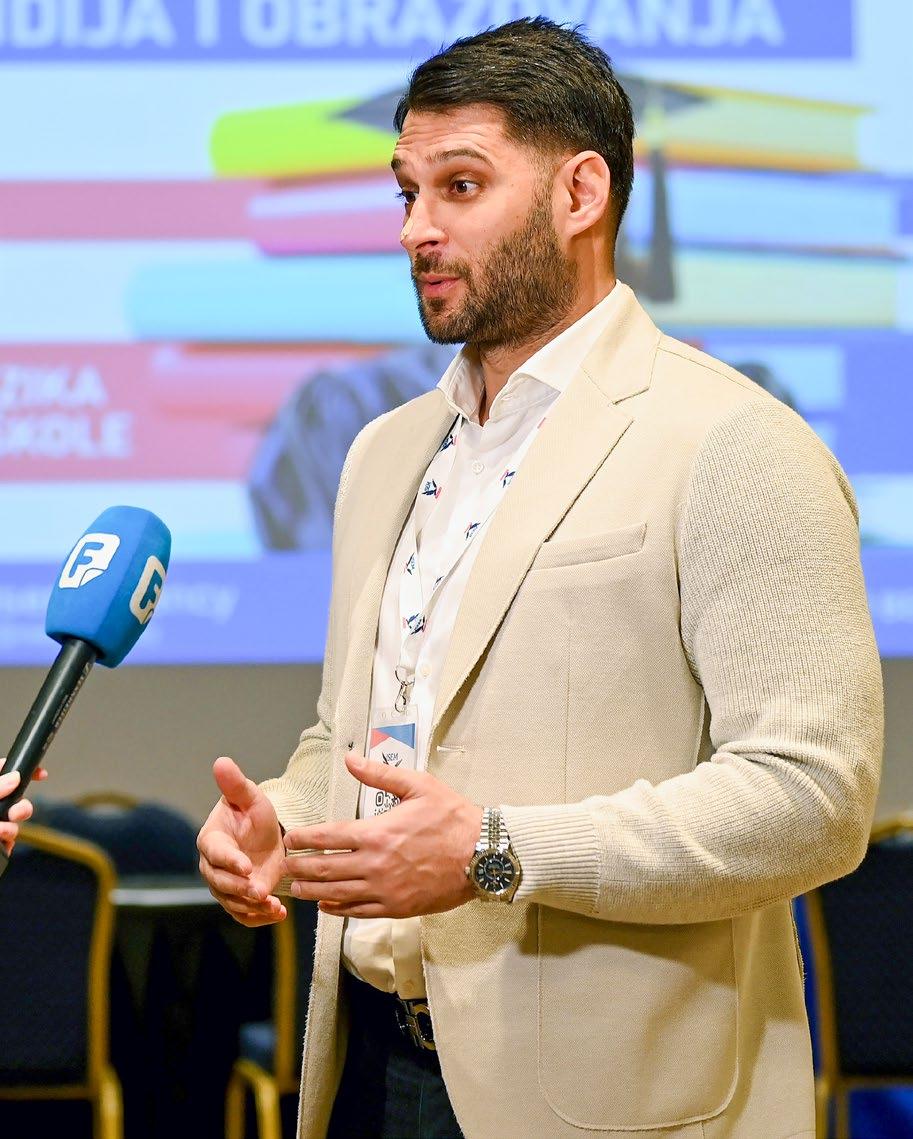
Baćko Babić, Director of ISEM Agency
Opening Doors to Global Education
ISEM Agency’s Decade of Guiding Montenegro’s Youth
Toward
At a time when international education is becoming a key to competitiveness, ISEM Agency from Montenegro has for more than a decade been helping young people find their path to universities around the world. Through a personalised approach, comprehensive support, and a clear understanding of the challenges students face, the agency has become a reliable partner on the road to academic and professional success. In this conversation we discover how the ISEM story began, what opportunities it offers today to young people from the region, and why global experience is more important than ever.
How was ISEM Agency founded, and what was your principal motivation for devoting yourself to the field of international education and scholarships?
ISEM Agency was founded in 2011, inspired by my personal academic experience abroad –in the United States, Costa Rica, and Belgium, where I completed secondary school, undergraduate, and master’s studies. Upon finishing my studies, I decided to return and help young people from Montenegro and the region to gain an equally valuable experience. Our motivation from the first day was clear: to enable pupils and students easier access to quality international education. We identified great potential, but also a lack of information, support, and proper guidance, which we wanted to change. Our goal was to become a reliable partner for young people and their parents on their academic journey.
What scholarship programmes and educational opportunities do you currently offer to students from the region, and what distinguishes them from other similar programmes?
ISEM Agency offers virtually all programmes related to education abroad: undergraduate, master’s, and doctoral studies; enrolment
International Success
BAĆKO BABIĆ Director of ISEM Agency
in boarding-type secondary schools; secondary-school exchanges; summer and winter language schools; Work & Travel and Au Pair programmes; Harrison Assessment academic guidance; and preparation for applications and interviews. Our services encompass the entire process: counselling and programme selection, preparation
of documentation, application to schools, universities, and scholarships, interview preparation, assistance with visas and accommodation, and support during the stay abroad. What distinguishes us is our personalised approach, as we engage with each candidate individually, in accordance with their ambitions, profile, and financial means.
How accessible is education abroad today for young people from Montenegro and the region, and what are the most common obstacles they face?
Today, education abroad is more accessible than ever, but certain obstacles still exist, such as a lack of information, financial constraints, complex application processes, and language barriers.
Our goal is to remove precisely these obstacles, through education, support, and connection with institutions that offer scholarships and flexible payment arrangements.
Which countries and universities are currently most attractive to students wishing to study abroad through the programmes ISEM offers?
The most sought-after destinations at present are Italy, the United States, England, Switzerland, Spain, Austria, Greece, Germany, and numerous others. Students are increasingly choosing programmes that offer a combination of quality education, affordable costs, and employment opportunities during or after their studies.
In what way does ISEM Agency assist students throughout the entire process – from the selection of a university to obtaining a scholarship and departing for their studies?
We provide both advisory and administrative assistance and support. Our service thus encompasses the entire process: the selection of the country and school or university, the preparation of documentation, application for scholarships, interview preparation, and assistance with visas and departure. In practical terms, pupils and students are never on their own – we are with them at every step.
How important is international academic mobility for the development of young professionals, and what impact can it have on the economies of smaller countries such as Montenegro?
The international mobility of pupils and students is exceptionally important. International experience increases competitiveness on the labour market, develops a global perspective, and fosters innovation and independence. A competitive workforce and experts in specific fields directly influence the competitiveness of the entire economy. In the future, it will be virtually impossible to be a competitive candidate for employment without international experience, whether through an exchange, an internship, or study abroad.
SINCE 2011, ISEM AGENCY HAS BEEN GUIDING MONTENEGRO’S YOUTH TOWARD INTERNATIONAL EDUCATION. FOUNDED BY BAĆKO BABIĆ, THE AGENCY OFFERS SCHOLARSHIPS, EXCHANGES, AND TAILORED SUPPORT THAT SIMPLIFY THE PATH TO STUDYING ABROAD. IN THIS INTERVIEW, BABIĆ SHARES HOW GLOBAL EXPERIENCE SHAPES COMPETITIVENESS AND WHY INTERNATIONAL MOBILITY IS MORE VITAL THAN EVER.
Have you noticed changes in the interest of young people in studying abroad in recent years?
The fundamental motives have remained the same: a desire for new experiences, the advancement of knowledge, language learning, and becoming acquainted with new cultures. What has changed is accessibility and mobility, as today young people go abroad much earlier, even during primary school or early secondary school.
Can you share an inspiring example of a student who, thanks to your programmes, succeeded in achieving significant academic or professional success?
One of our students began studies abroad with a great desire for advancement, but without a clear direction and with limited prior experience. Over the course of the programme, through con-
How do you see the role of agencies such as yours in connecting students with international universities and scholarship funds? Agencies are essential because they connect students with institutions, simplify the entire application process, enable enrolment on the desired programme, and provide verified information. Our agency provides both advisory and administrative support. Both types of support are equally important. We follow the further path and success of our candidates.
How important is it that young people, after studying abroad, transfer knowledge and experience back to their home countries?
The transfer of knowledge and experience by young people upon their return is exceptionally important. The return of young people with international experience – and we are pleased that this is the case – makes society as a whole better and of higher quality. Young people return with new ideas, knowledge, and experiences, and stimulate the development of new industries.
tinuous work, mentorship, and practical projects, he succeeded in developing key skills and building confidence. He particularly distinguished himself through his persistence and readiness to learn from mistakes. He actively participated in all assignments, sought additional challenges, and made use of every opportunity for advancement. As a result, he began working on real projects while still on the programme, and shortly after its completion received his first professional opportunity in his field. Today he holds a managerial position that enables his further development and continuous professional growth, and he frequently emphasises that the knowledge, support, and practical experience gained during his studies were decisive for that success.
What plans does ISEM Agency have for its further development? Our plans include the continuous improvement of services as well as the expansion of our offering. The offering in the area of academic programmes from numerous language schools, secondary schools, and universities is constantly changing, as is the application process itself, available scholarships, and so on. We continuously follow global trends and wish to provide the best offering for our candidates.
What advice would you give to young people from Montenegro who are thinking about studying abroad but are still unsure where to begin?
I would advise young people to begin preparing in good time by learning foreign languages and attending short-term programmes such as summer language schools, exchanges, and boarding schools during primary and secondary school. It is also very important to inform themselves in good time, to take the courage to make that step, and we are here to provide them with full assistance and support throughout the entire process.
Queen Milena of Montenegro
The Quiet Diplomacy of Queen Milena
From the salons of Cetinje to the courts of Europe: Queen Milena’s quiet but decisive role in shaping Montenegro’s foreign policy identity
The history of Montenegrin statehood in the nineteenth and early twentieth centuries is defined by a constant struggle for recognition and survival in a European environment dominated by larger powers. Montenegro, though geographically small and militarily limited, sought to assert itself as a sovereign actor in the Balkans. In this process, diplomacy was as crucial as armed resistance. While King Nikola I embodied the public face of Montenegrin politics, Queen Milena Vukotić Petrović-Njegoš played a quieter but equally significant role. Her influence was exercised through family networks, reputation, and trust, making her a central figure in shaping Montenegro’s foreign policy identity.
Milena was born into the distinguished Vukotić family, which had long-standing ties to Montenegrin leadership. Her marriage to Nikola I in 1860 coincided with a period of transition, as Montenegro consolidated its independence after centuries of Ottoman pressure while seeking recognition from European powers. The Congress of Berlin in 1878, convened to revise the Treaty of San Stefano, reshaped the Balkans by curbing Russian influence and strengthening Austria-Hungary’s position. For Montenegro, the congress confirmed its independence but limited its territorial ambitions, underscoring the vulnerability of small states in the face of great-power diplomacy. In this environment, Milena’s role became increasingly important. She recognised that Montenegro’s survival depended not only on military resilience but on its ability to remain visible in European politics through informal channels. Her daughters, often referred to as “the European princesses,” married into powerful
dynasties across the continent.
Princess Elena became Queen of Italy through her marriage to Victor Emmanuel III, Princess Zorka married Prince Peter Karađorđević who later became King of Serbia, and other daughters married into Russian and German nobility. These marriages were deliberate acts of diplomacy, providing Montenegro with symbolic access to the centres of European power. In an era when dynastic ties often carried more weight than treaties, Milena’s careful orchestration of these alliances amplified Montenegro’s influence far beyond its borders.
Her influence was particularly evident during the Balkan Wars of 1912–1913, when Montenegro joined Serbia, Bulgaria, and Greece in the Balkan League against the Ottoman Empire. Although Montenegro’s military contribution was modest, its par-
ticipation in the alliance demonstrated its determination to remain a relevant actor in regional politics. Milena’s family connections reinforced these alliances, ensuring that Montenegro’s role was recognised despite its limited resources. The wars highlighted the importance of both military action and diplomatic visibility, and Milena’s quiet diplomacy helped secure the latter.
During the First World War, Montenegro aligned with Serbia and the Allied powers against Austria-Hungary and the Central Powers. The country suffered heavy casualties and eventual occupation, but its alliances reflected the broader network of relationships cultivated by Milena and her family. Though she did not participate directly in negotiations, her influence was embedded in the background of diplomatic exchanges, ensuring that Montenegro was not over-
looked. Her example illustrates how soft power, based on trust and reputation, could sustain a state’s presence in international affairs even when its material resources were limited.
The dissolution of Montenegrin independence in 1918, when the country was absorbed into the newly formed Kingdom of Serbs, Croats, and Slovenes, introduced a tragic dimension to the royal family’s fate. Exile and displacement followed, and Milena’s later years were marked by sorrow. Yet historical distance allows for a reassessment of her role. She was not merely the consort of a ruler but a strategic actor who contributed to shaping Montenegro’s foreign policy identity. Her legacy demonstrates that diplomacy is not confined to formal negotiations but can be conducted through social and familial networks that endure beyond political upheavals.
Queen Milena’s example underscores a broader lesson about small states: their strength often lies in carefully managed international relations rather than military power. For Montenegro, her discreet diplomacy provided a means of survival and influence in a volatile European environment. In contemporary terms, her role anticipates the importance of soft power, cultural diplomacy, and informal networks in international relations. She reminds us that influence can be exercised through patience, foresight, and the cultivation of trust, and that small states can amplify their presence through strategic use of relationships. Her story is a reminder that diplomacy extends beyond negotiations at the table and that silence, when combined with strategy, can translate into lasting political influence.
Photo: Chicago Daily Tribune
Montenegro
Toward the European Union
Photo: Envato
Prof.
Dr Gordana Đurović, Professor at the University of Montenegro and President of the Montenegrin Pan-European Union
Between Ambition and Reality
Can Montenegro turn its European dream into membership by 2028?
At a moment when Montenegro's European agenda finds itself at one of its most sensitive turning points, the question is no longer whether, but how quickly and to what standard the country can complete the accession process. After more than two decades since the beginning of the integration path and nearly 14 years of negotiations, the ambitious "28 by 2028" goal appears attainable, but by no means guaranteed. In an interview with Diplomacy and Commerce Montenegro magazine, Prof. Dr Gordana Đurović – former Minister for European Integration and President of the Montenegrin Pan-European Union – analyses the current pace of reforms, the political tensions that are slowing the process, and the broader geopolitical context shaping Brussels' attitude toward enlargement. Her message is clear: the key to success no longer lies in plans, but in political maturity, institutional stability, and the capacity to pursue the European path as a shared national project.
As a former Minister for European Integration (and the first Deputy Prime Minister of Montenegro for European Integration) ,¹ how do you assess the pace and quality of Montenegro's accession process today?
We have been on the path of European integration for a long time – formally, one could say, since the year 2000 and the Zagreb Summit. We began substantive negotiations in June 2012. Everything accelerated with the definitive receipt, in June 2024, of a positive report on the fulfilment of the interim benchmarks for the rule-of-law cluster, at which point the conditions were met for the chapter-closure process to continue. It was then that the ambitious and appealing motto "Montenegro 28#28" was launched – the idea that Montenegro would become the 28th member of the EU by 2028. In the meantime, matters have grown more complex, both at home, in the EU, and on the global stage. Although we had planned considerably more, from that point to the present, we have closed only eleven chapters;
fourteen negotiating chapters in total have been provisionally closed. Our plan means that by the end of the year, we must close a further nineteen negotiating chapters, as well as negotiate the terms of accession under Chapter 34 – EU Institutions. In brief: at home, the pace of legislative reform is not proceeding entirely to plan, and the adoption of amendments to legislation in the fields of internal affairs and national security – which were not accompanied by a "blue flag" – provoked sharp disagreement from part of the opposition and a withdrawal from the chairmanships of important parliamentary committees. Both sides, and the ruling coalition in particular, must demonstrate goodwill as soon as possible and endeavour to restore the situation to normality, for there
is no time to spare. This means that the Law on Personal Data Protection must be adopted without delay and that the previously amended legislation must be harmonised with the General Data Protection Regulation. Only then could the return of the largest opposition party to the full-capacity work of Parliament be expected. One should not underestimate the fact that these political upheavals are visible all the way to Brussels – to the Commission, the European Parliament, and the member states. This confuses those who wish to see a strong pro-European bloc in the country and unity on this path. Discord and blockades on the domestic political scene play into the hands of sceptical member states that remain reserved about providing full support to Montenegro and consequently de-
A BRIEF REMINDER
Minister for European Integration and International Economic Relations , February 2004 –November 2006; Deputy Prime Minister for European Integration, November 2006 – June 2009; Minister for European Integration, June 2009 – December 2010.
fer the adoption of certain important decisions that ought to be taken in our favour. This places the planned conclusion of the negotiating process at risk and raises many questions. On the other hand, cohesion within the EU itself – particularly in the context of an increasingly complex geopolitical landscape, systemic uncertainty, and the difficulty of reaching agreement on key decisions in the field of foreign and security policy
PROF. DR GORDANA ĐUROVIĆ Professor at the University of Montenegro and President of the Montenegrin Pan-European Union
– means that part of the attention is, by the nature of things, directed to other priorities. Consequently, if we are not sufficiently visible and do not deliver good results, we will certainly not be a priority in decision-making. Nevertheless, the greater part of the responsibility lies with us, and we should not blame the Commission and the EU if plans are not realised. There is still time for 28#28, but time is inexorably running out.
To what extent is the closure of negotiating chapters – particularly Chapter 21 – a genuine indicator of progress, and to what extent a formal step forward without full implementation in practice?
It would be well if the closure of Chapter 21, on the trans-European energy and transport networks, could soon be followed by the closure of the chapters on energy and on transport. And that we simultaneously close other chapters that integrate us into the EU single market, such as the free movement of goods, the free movement of persons, competition and state aid, financial services, food safety, health and consumer protection, and an aligned customs policy. There – we have easily arrived at the magic number nine. Were we to complete this by summer, we would then have 10 of the most demanding chapters remaining before December 2026. (Let us recall that, for example, Croatia likewise closed ten chapters in the second half of 2009.) Given that this is a key national project, I still believe it is possible. But these months through to the end of July 2026 will reveal the degree of realism of these projections.
To what extent do institutional stability and the political context affect Montenegro’s credibility in the negotiating process?
Institutional stability – across all three branches of government – is of great importance, particularly at this stage of integration. There are many instruments used to monitor and assess this. Ultimately, we report on it, debate it at considerable length, and listen to the statements of officials and analysts, both domestically and in the region and the Union. There can be no integration without the required threshold of institutional stability and measurable results of institutional functioning. The political context is likewise a mirror of our European agenda. All parties that deviate from the legislative plan set out in the Accession Programme, as well as those that insist on priorities other than those of the EU agenda,
THE ERA OF PLANNING IS BEHIND US – THE SUCCESS OF MONTENEGRO’S EUROPEAN PATH NOW DEPENDS ON POLITICAL MATURITY, INSTITUTIONAL STABILITY, AND THE ABILITY TO PURSUE INTEGRATION AS A TRULY SHARED NATIONAL PROJECT. THE ‘28 BY 2028’ GOAL IS ACHIEVABLE, BUT NO LONGER GUARANTEED.
are impediments to the process and jeopardise the national project.
How do you see the role of civil society and the expert public in the European integration process today, compared with the period when you led this portfolio?
The role of civil society and the expert public in the European integration process today remains important. Still, in certain respects, it differs from the period before the attainment of candidate-country status. In that "preceding" period, the European integration process was new and a political priority for the youngest member of the United Nations, and civil society accordingly played a strong role in mobilising and educating. At the same time, the expert public participated significantly in drafting strategic documents and in harmonising legislation. The civil sector was a partner and driver of reform, rather than a critic. Today, the situation is more complex. Civil society is more professionalised and possesses stronger expertise. It has a clear focus on monitoring reforms and raises its voice for transparency and accountability in institutions. The critique of civil society is sharper today – and this in circumstances in which there is a risk to the political consensus on EU integration, because one part of the political spectrum has an "emotional" relationship with neighbouring countries and argues that accession should not take place without them. The number of civil society organisations has accordingly increased significantly. Yet the civil sector's periodic diminished influence on decision-making is evident, further eroding public trust in the process itself. This means that today civil society and the expert public have a more mature but also more demanding role: less to promote the integration process itself, and more to serve as critics of the insufficient and non-transparent work of certain institutions and to exercise oversight over them. Their role is therefore crucial to preserving the credibility of reforms, accelerating the accession process, and strengthening democratic standards. The EU recognises the importance of civil society today and supports its voice.
Do you consider that Montenegro's citizens sufficiently understand the concrete benefits of EU membership, or is a stronger communication strategy needed?
The citizens of Montenegro do not sufficiently understand the benefits of Union membership – understanding is partial and uneven, and a stronger, targeted communication strategy is therefore needed. This means in particular: clear messages directed at vulnerable groups, and especially at young people; the dismantling of stereotypes regarding strict EU standards in all spheres of life; and the declaration of war on all disinformation and manipulation.
In the context of geopolitical challenges and EU enlargement, where do you see the position of the Western Balkans and of Montenegro in the coming years?
It would certainly be best for our country to become a full member of the EU as soon as possible, and thereby also to help ensure that the positive spillover effect of the benefits of integration that Montenegro will experience is reflected in support for the process, the dynamics of reform, and the very dynamics of accession in all the countries of the region. Within the EU, an agreement may yet be reached on revising the 2020 accession methodology, which would then accelerate the process in the early phases of negotiations. But the accession criteria must certainly not be abandoned, for in that case the accession process would lose its meaning and would amount to mere political decisions that would lead more to the disintegration than to the integration of the bloc.
How critical are reforms in the fields of the rule of law and consumer protection for the acceleration of negotiations and genuine integration into the European system?
Consumer protection and the public health of all EU citizens within the single market are very important common policies of the EU, and Montenegro is very close to meeting the benchmarks and closing this negotiating chapter. The rule of law is the theme with which the process began and will end – we
hope by December 2026. A good deal will remain and find its place in the Accession Treaty and the transitional provisions. And this, too, we will have to fulfil, for without it there will be no accession date.
How does the Pan-European Union contribute to the strengthening of European values and political dialogue in the region?
Through work with young people as a key target group, as well as through projects that focus on Montenegro's integration into common EU policies, such as the common market, EU cohesion policy, mobilising funds for the green agenda, and related areas. Research findings are published and presented publicly. We promote Montenegro at Pan-European conferences across Europe, where we endeavour to expand the network of Pan-Europeans who support our European path.
Is there a risk of “enlargement fatigue” within the EU, and how might this affect the dynamics of Montenegro’s negotiations?
Enlargement fatigue is a phenomenon identified immediately after the major enlargement of 2004, particularly after the rejection of the Constitution for Europe in 2005. On the other hand, in the enlargement countries, there is a form of fatigue with the "commitment to integration" that never materialises into membership. This naturally affects the dynamics of the integration process, particularly as new risks Europe and the EU face today emerge.
In your view, what would be the key next step that would bring Montenegro closer to full membership of the European Union?
The key next step for Montenegro toward full EU membership is not merely the formal closure of chapters, but the accelerated and credible implementation of reforms in the field of the rule of law, together with that essential part of electoral reform that we must complete for the next elections to be conducted regularly. Finally, it is very important that results along the integration path are not promoted merely as the achievement of one or more parties, but rather presented as the result of a national project supported by the entire society. In other words, the energy of integration must not be confused with the early phase of a pre-election campaign for next year's parliamentary elections.
Photo: Private archive
Francophonie Month in Montenegro
Francophonie Without Borders
Through a month of culture, dialogue, and creativity, Montenegro affirms its place in the global Francophone community
Francophonie is a vast country without borders, wrote Gilles Vigneault — a thought that this year once again precisely captures the spirit of Francophonie Month in Montenegro. Throughout March 2026, this idea took full form in a rich and dynamic programme encompassing film, literature, music, and intellectual exchange, confirming that the Francophone space extends far beyond linguistic frameworks.
Francophonie is today less regarded as a community founded exclusively on language and more as a complex cultural and social ecosystem. It is a space in which different identities, values, and perspectives converge, creating a singular synergy between tradition and contemporaneity. It is precisely this capacity to integrate difference that renders Francophonie relevant in the contemporary global context.
Within this framework, the relationship to the French language remains deeply individual — for some, it is part of a historical legacy; for
others, a medium of creative expression; and for others still, a space of freedom and innovation. This diversity of approach further confirms the language’s vitality and universality.
As representatives of French diplomacy in Montenegro emphasise, Francophonie plays a key role in building bridges among cultures, fostering mutual understanding and cooperation. With nearly 400 million speakers worldwide, French is one of the most important global languages for communication and cultural exchange.
Montenegro, which has held observer status in the International Organisation of La Francophonie since 2010, continues to affirm its commitment to this space. This year’s programme once again demonstrated a high level of institutional cooperation and cultural ambition.
The central event was a concert by the artist Nikola Petitjean Popović, held to mark International Francophonie Day, which, through
Francophonie is a tapestry of voices and cultures, a meeting place where dialogue and creativity thrive. Its strength lies in openness, weaving tradition with innovation.
personal and artistic expression, united diverse cultural identities. The film segment of the programme brought audiences together in seventeen screening venues across the country, offering a cross-section of contemporary and classical Francophone cinema in cooperation with relevant domestic institutions.
Literature attracted particular attention through the first edition of the Prix Goncourt – Choix du Monténégro, realised in partnership with the academic community. A guest appearance by a renowned French author further enhanced the programme's quality, creating space for direct dialogue with the public.
Lectures, workshops, and exhibitions additionally enriched the programme. At the same time, the jubilee of the "Avenir" Creative Centre in
Herceg Novi highlighted a longstanding contribution to the development of Francophone culture in the region. The participation of diplomatic missions from other countries further underscored the event's international character.
From Podgorica to Nikšić and Herceg Novi, Francophonie Month once again confirmed that this concept is not static but an open and inclusive process — a space of encounter, ideas, and creativity. In a time of global challenges, Francophonie remains a powerful reminder of the importance of cultural dialogue and shared values.
Perhaps it is precisely in this openness that its greatest strength lies — the capacity to enable each person to find their voice and share it with the world.
Photo:
Institut
français du Monténégro
Sandra Vujović, Director of Podgorica City Theatre
75 Years of Art, Dialogue, and Cultural Continuity
From tradition to contemporary poetics: Podgorica City Theatre as a space of encounter, innovation, and international visibility
At a time when cultural institutions across Europe are confronting the challenge of redefining their roles in contemporary society, jubilees such as seven and a half decades of existence represent rare and precious moments of reflection, but also of a clear forward gaze. It is precisely such a moment that Podgorica City Theatre is marking – an institution that for 75 years has shaped the cultural identity of the capital and actively participated in the development of Montenegro’s artistic scene. From its founding in 1951 in the then Titograd to the present day, the theatre has grown into a space of encounter between tradition and contemporaneity, a place where artistic excellence is cultivated and where the doors are open to new generations of authors and audiences. In the context of contemporary global currents, its role transcends the local frame – it is becoming an important actor in cultural diplomacy and part of a broader international exchange of ideas, aesthetics, and values. On this significant jubilee, we speak with the Director of Podgorica City Theatre, Sandra Vujović, about the legacy that carries an obligation, the challenges shaping contemporary cultural management, and a vision for the future in which theatre remains one of the essential spaces for dialogue, critical thought, and creative exchange.
INSTITUTIONAL TRADITION AND CONTEMPORARY CHALLENGES
Podgorica City Theatre is celebrating its 75th anniversary. How would you define its role in the social and cultural development of Montenegro?
Throughout its 75 years of existence, Podgorica City Theatre has been far more than an institution – it is a living organism
PODGORICA CITY THEATRE IS A LIVING ORGANISM THAT GROWS WITH THE CITY, SHAPING GENERATIONS OF AUDIENCES. SEVENTY-FIVE YEARS ON, IT REMAINS A VITAL SPACE FOR DIALOGUE, EMOTION, AND REFLECTION.
that breathes, changes, and matures alongside the city. From its founding in 1951 in the former Titograd to the present day, it has been and remains one of the key pillars of cultural life, a meeting point of audiences and art, as well as a space where generations of both spectators and creators are shaped. Its distinction lies in its ability to embrace different ages and sensibilities – from the youngest, through drama an d puppet stages, to adult audiences in evening performances.
Today, with the new Index stage, this space further opens itself to young authors, their initial voices, and new poetic expressions, which I consider vitally important for the future of theatre. Over the decades, the City Theatre has developed a rich and diverse repertoire, cultivating both classical and contemporary works and actively shaping the theatrical arts in Montenegro. But what truly defines it is continuity – a persistent willingness to evolve, to respond to its time, and to remain relevant,
close to, and needed by its audience. I would therefore say that its role today is just as vital as it was 75 years ago: to be a space for dialogue, emotion, and reflection, as well as a secure place where culture grows alongside society.
What does this jubilee symbolically signify – is it a retrospective or the beginning of a new developmental phase?
This jubilee is not just a reflection of the past, but most importantly, a daring leap forward. Naturally, 75 years of existence embody a profound respect for tradition, for everything that has been created, and for the generations that have shaped the City Theatre's identity. Yet, we also see this moment as the start of a new phase of development. In this sense, the City Theatre
SANDRA VUJOVIĆ Director of Podgorica City Theatre
today deliberately broadens its scope, embracing new forms, modern aesthetics, and diverse creative voices. It is especially significant to us that we remain engaged in the present era and actively seek new audiences. We aim for a stage expression that is modern, communicative, and captivating, whilst remaining artistically meaningful. Our goal is a theatre that resonates equally with the young and those who have supported us for decades. It is precisely in blending tradition with contemporaneity that we find our future growth and the true significance of this jubilee.
CULTURAL DIPLOMACY AND INTERNATIONAL COOPERATION
In the contemporary context, culture is an important segment of “soft power.” To what extent can theatre contribute to the international image of a country?
In the modern world, culture is truly one of the most subtle yet powerful tools of “soft power,” and theatre in this context holds a special position. Unlike many other forms, it conveys direct, living emotion and a universal language that crosses borders, languages, and political boundaries. Theatre can greatly enhance a country's international image through the quality, authenticity, and courage of its expression. When productions travel to festivals, when we undertake co-productions or collaborate with international artists, we are not just representing one institution, but the entire cultural identity of our country. For Monte-
tions, guest performances, residency programmes, and artist exchanges. In Montenegro, this space exists, but I believe we can utilise it much more intensively and strategically. This requires long-term partnerships, joint programmes, and a clear realisation that culture is not only an internal value of society but also a vital instrument of its international positioning. Strengthening this connection will yield a twofold benefit: our artists will have a broader field of activity, and Montenegro will possess a stronger, more recognisable, and more authentic voice on the international cultural stage.
THE CREATIVE SECTOR AS A DEVELOPMENTAL RESOURCE
THEATRE IS ONE OF THE MOST POWERFUL FORMS OF SOFT POWER. EVERY PRODUCTION ABROAD CARRIES MONTENEGRO’S CULTURAL IDENTITY, TURNING OUR STAGE INTO AN AMBASSADOR AND A BRIDGE TO THE WORLD.
negro, which is small but rich in cultural layers, this is an especially important space for visibility. Through contemporary, relevant, and artistically impactful productions, we can shape the image of a country that is open, creative, and engaged with the world. I believe that the role of theatre in this context is multifaceted – it serves as an ambassador, a bridge, and a place of encounter. Every high-quality artistic act originating here has the potential to become part of a broader, international cultural landscape.
How significant are international co-productions, festivals, and regional exchanges for the positioning of the Montenegrin scene?
International co-productions, festivals, and regional exchanges are vital for establishing the position of the Montenegrin scene. They not only provide visibility but also serve as a testament to quality, offering a space for exchanging ideas and allowing our artists to participate in a wider international context. It is especially important to highlight that this is where generations of exceptionally talented dramatic artists develop and actively create, as evidenced by the numerous awards they consistently receive
at international festivals. This is no coincidence but rather the result of serious, dedicated work and genuine artistic expression. Therefore, the region and the world must recognise that even in a small country like ours, a vibrant, high-quality, and relevant artistic scene can flourish. Though our size may be modest, in terms of artistic potential and achievements, we are truly a significant artistic force.
Is there potential for closer connections between cultural institutions, the diplomatic corps, and international organisations in Montenegro?
Absolutely, I would argue that this is one of the most significant potentials yet to be more actively developed. Cultural institutions and the diplomatic corps naturally operate within the same realm when it comes to international exchange, understanding, and the representation of a country abroad. Theatre, like other artistic expressions, can serve as a highly effective tool of cultural diplomacy, a space where different cultures, languages, and perspectives meet. It is precisely through collaboration with embassies and international organisations that we can open new channels for co-produc -
Creative industries today constitute a significant economic sector in Europe. Is culture also increasingly recognised as a developmental platform in Montenegro?
Creative industries today unquestionably represent a vital economic and developmental sector across Europe, and it is heartening that in Montenegro, too, culture is increasingly being recognised in this way. There is a visible and growing awareness of its potential, along with increased investment, which marks an important step forward. Nonetheless, our role as cultural managers is to continually enhance this process, advocating for improved working conditions, more stable financing models, and stronger support for artists and cultural workers. Without quality conditions, sustainable development cannot be achieved. Culture, in essence, is the identity of a society – it is through culture that we are recognised, remembered, and that we communicate with the world. That is why it is crucial to see culture not only as a value, but also as a strategic resource that can promote both economic and broader social progress.
How challenging is it to run a cultural institution within budget limits and the necessity for increased production?
Managing a cultural institution today involves constantly balancing real budgetary constraints with the need for artistic and production growth. This is indeed demanding, but it also opens space for creativity—not only on stage but also in how we plan, organise, and develop projects.
Limited resources often push us to be more inventive, seeking new partnerships, co-productions, and alternative financing methods. It is precisely in these circumstances that managerial responsibility grows—requiring careful, strategic, and long-term thinking about every aspect of production. At the same time, the desire for growth is natural, both artistically and organisationally. Audiences expect quality, relevance, and continuity, which necessitate investment and development. Therefore, the key is to find a sustainable model that allows for both stability and progress. I believe the greatest challenge is finding the balance: staying true to artistic standards and vision while operating within real financial limits. When that balance is achieved, constraints can serve as a motivation to create something authentic and valuable.
Is there adequate systemic support for developing domestic authors and young artists?
Systemic support is never sufficient. It must continuously grow and adapt alongside the needs of the modern artistic scene. This is an ongoing process that cannot be completed but is constantly rebuilt and enhanced. One of our primary responsibilities as leaders of cultural institutions is to actively create space for the development of domestic writers and young artists. This requires not only production conditions but also opportunities for research, experimentation, visibility, and professional growth. It is crucial that we offer young creators continuity rather than occasional chances, because it is from such continuity that strong authorial voices arise—voices that eventually shape the entire scene. I would therefore say that support
OUR PRIORITY IS TO STRENGTHEN THE INDEX STAGE FOR YOUNG AUTHORS AND EXPAND THE JAGOŠ MARKOVIĆ FESTIVAL. BY SUPPORTING NEW VOICES AND DEEPENING
INTERNATIONAL PARTNERSHIPS, WE SHAPE A FUTURE AT THE PINNACLE OF THE GLOBAL STAGE.
exists, but our aim is to strengthen it further, make it more accessible, and sustain it more robustly – for without investment in young authors, there is no future for culture.
REPERTOIRE AND SOCIAL RESPONSIBILITY
How do you select the repertoire – is the priority artistic aesthetics, social topicality, or a balance of both principles?
The City Theatre's repertoire is not chosen based on a single exclusive principle but through a carefully maintained balance between artistic aesthetics, social relevance, and the needs of the ensemble itself. The process often begins with defining a thematic framework that guides the season's direction. Within this framework, we select projects that, through their quality, authorial signature, and message, align with the theme while also allowing the ensemble to develop, explore, and grow artistically. Since the City Theatre communicates with audiences across different generations, this aspect is especially important to us. We therefore aim for a diverse repertoire — in genre and scenic forms — to both retain the existing audience and attract new viewers. It is in this delicate balance that we find the strength of our repertoire policy: to be thoughtful, relevant, and open to a variety of artistic expressions and audiences.
globe. Art recognises no borders and serves as a universal means of communication among diverse cultures. Art is the language through which we all understand one another.
Which project or initiative would you single out as a strategic priority in the coming period?
Do you consider that theatre should be a space of social critique and dialogue?
Absolutely. Theatre has always been a space for social critique and dialogue, a place where society reflects on itself. Today, more than ever, it remains a powerful mirror and correction of reality, one that guides audiences towards deeper understanding and change. The only theatre that does not leave us indifferent is good.
How can a new, younger audience be attracted in an era of digital platforms and evolving cultural habits?
Attracting a new, younger audience starts from the earliest age.
Attending the theatre is a habit formed in childhood, which is why programmes for young children are vital for the long-term growth of audiences. Simultaneously, in the digital communication age, we must engage where the audience is – through social networks and modern channels – to bring theatre closer, increase visibility, and make it more relevant to new generations.
VISION OF THE FUTURE
Where do you see Podgorica City Theatre in the next ten years?
At the very pinnacle of the international stage, it is a significant and prominent arena that unites authors and audiences from all corners of the
As a key strategic priority, I would highlight the further development and positioning of the Index stage as a space dedicated to young authors and contemporary authorial poetics. In this context, initiatives such as the Open Call for authors and authorial teams are also extremely important to us, enabling the theatre to identify new voices, their artistic sensibilities and interests, and to incorporate them into production processes systematically. A special emphasis is placed on the development of the Jagoš Marković Festival of Theatre Direction, which, as of this year, takes on a competitive character and, consequently, has the potential to become a significant regional and international meeting point for contemporary theatre and directorial poetics. Meanwhile, we have already begun concrete collaborations with renowned European theatres, which we will further deepen in the coming period through co-productions and joint projects. It is precisely in this fusion of support for young authors, the development of a festival platform, and the strengthening of international partnerships that we see the strategic direction for the City Theatre’s future growth.
What message would you like to convey to the cultural audience and international partners on 75 years of work?
Although decades of history, work, and artistic legacy lie behind us, we see Podgorica City Theatre today as a modern, vibrant, and contemporary institution whose best days are yet to come. Building on that strong tradition, we are fostering new artistic innovations, embracing dialogue and cooperation, and cultivating bold authorial voices that are shaping the future of theatre. Our message to the cultural community and international partners is clear yet impactful: we continue to grow, connect, and create a space where art holds meaning, power, and responsibility. For us, theatre is not just a stage, but a community, a meeting place, and a catalyst for change – and it is precisely this kind of theatre that we wish to share with the world.
SAPPHIRE HAIR CLINIC
Jove Ilića 49
Voždovac, Beograd
+381 60 6000 302
serbiasapphiremed@gmail.com www.sapphirehair.rs
The Path to Natural Hair
Natural and
lasting
hair transplant results with the specialists of Sapphire Med Serbia
Hair loss today is a major concern that affects the confidence of both men and women. However, thanks to advanced technology and skilled specialists, this issue can now be fixed permanently. Emin Kaya and his team at Sapphire Med Serbia , based in Belgrade, is one of the clinics gaining recognition across the region for its modern techniques and international experience with patients.
What is Sapphire Med Serbia? What sets you apart?
As Sapphire Med Serbia, our aim is to deliver natural and durable results in hair transplantation. Our greatest advantage is a personalised approach to each patient and a fully tailored process. From designing the hairline to the transplantation technique itself, every detail is planned to match the patient’s facial features and expectations.
Which techniques do you use?
At our clinic, we employ one of the most advanced and effective methods – Sapphire FUE hair transplantation. Thanks to specialist sapphire blades, a denser and more natural look is achieved. The recovery process is also significantly more comfortable and quicker.
How does the process work for patients from abroad?
– In Belgrade, we welcome patients from many European countries, especially from Montenegro. We organise the entire process from start to finish:
• Complimentary online hair analysis
• Transfer and accommodation support
• Personal consultation While our patients focus on their treatment, we handle all other details.
When are results visible?
Initial results are usually visible after three to four months. From the sixth month onwards, changes become more noticeable, and the final, natural, and lasting outcome is achieved within ten to twelve months.
What is your advice to those considering hair transplantation?
– The most important thing is to choose the right clinic and to plan carefully. Instead of prioritising the lowest price, one should focus on an experienced team, hygienic conditions, and an approach aimed at achieving a natural result. Hair transplantation is an aesthetic procedure whose effects last a lifetime. Sapphire Med Serbia offers more than just hair transplantation – it is a process of restoring confidence.
Photo: Sapphire Med Serbia
EMIN KAYA Hair Transplant Expert
Budva Wine Fest 2026
Budva Hosts Its First Wine Fest
Forty wineries, ten distilleries, and a vision for
South-East Europe’s premier gathering
The first edition of Budva Wine Fest was successfully held in Budva, bringing together a large number of exhibitors and visitors over two days at the Hotel Avala. The rich and diverse offering of forty wineries and ten distilleries that registered to participate in Budva Wine Fest attracted considerable interest from representatives of the HoReCa sector and the tourism industry, as well as from lovers of fine wine and quality spirits.
"The impressions are so positive that we have already begun preparing the next Budva Wine Fest. We had interesting guests seeking to export Montenegrin products and were very interested in exporting to several major countries worldwide. The very point of the event is the B2B meetings between exhibitors and producers on the one hand and consumers, clients, restaurants, hotels, and chambers of commerce of other countries on the other," said Nikola Merdović, one of the organisers of Budva Wine Fest. Merdović noted that their goal is for the event to grow into a tradition.
“Our goal is to create a hospitality expo in Budva that will bring together a considerable number of segments. As early as next year,
"OUR GOAL IS TO CREATE A HOSPITALITY EXPO IN BUDVA THAT WILL BRING TOGETHER A CONSIDERABLE NUMBER OF SEGMENTS. AS EARLY AS NEXT YEAR, BUDVA WINE FEST COULD BECOME ONE OF THE MOST IMPORTANT WINE GATHERINGS IN SOUTH-EAST EUROPE." — NIKOLA MERDOVIĆ
Budva Wine Fest could become one of the most important wine gatherings in South-East Europe. We have received expressions of interest from chambers of commerce in the region that wish to send their winemakers to Budva Wine Fest to present themselves in Montenegro, which tells us that
attendance next year will be even greater,” said Merdović.
Thanks to the participation of the companies Rustrog Montenegro, Primanova, Montefino, and Dandur, beverages from the most diverse corners of the world were presented at Budva Wine Fest.
"We have a very broad offering of wines and spirits from across the world. At my stand, I am presenting highly interesting beverages from Japan, Mexico, and China, and we also have Michael Jordan's tequila. There are also participants from the region, Italy, France… We have represented the entire world in our portfolio. With this event, we wanted to offer something to Budva, which has given us a great deal over the years. Although the exhibitors are ordinarily competitors to one another, this kind of synergy is something we all need," said sommelier Radul Dubljević
Road Rail Company also presented itself at the wine fair with four stands.
"We represent a great many wineries, and on this occasion, we are presenting the wineries Bennati, Franc Arman Malvasia, Pošip Korčula; we also represent the renowned French champagne Taittinger, and I must mention Borgo Molino, which has performed very well both on the coast and in Podgorica in terms of sales. Given that this is the first edition of Budva Wine Fest, I must say that our impressions are positive. We are satisfied; it is interesting, unusual, full – there are a great many people. I believe this is an opportunity for many hoteliers and restaurateurs to come and taste, in one place, all the wines on offer, wines they could likely include on their wine lists in the coming period. We endeavour always to participate in events of this kind, all with a view to improving sales," said Igor Medojević of Road Rail Company.
Participation in Budva Wine Fest was a new experience for the wineries BIBICh from northern Dalmatia and Stari hrast from Šumadija.
"The atmosphere is excellent, the attendance is excellent, and we are glad to be here. The wineries BIBICh and Stari hrast are already recognised, and their products are available in restaurants in
Montenegro. We are here to confirm that status. We have produced some new labels, and we wish to present them in particular," said sommelier Stevo Đokmarković
Wines from the Aleksić winery of Vranje were also presented at the Budva Wine Fest.
“I believe a wine fair of this kind was something the Montenegrin coast was missing. Today we are presenting here a selection of our products, and what the Montenegrin public is especially familiar with is the Tamjanika Žuti cvet, which delights new visitors here as well,” said Dragana Janjić of the Aleksić Winery.
The distillery, Mr Chura, also presented a rich and innovative offering at the Budva wine festival. "We produce spirits from our own products – from maise we produce grain alcohols, we make gin and vodka, and we are the only ones in the region to produce rum from sugarcane molasses that we import from South America. Our importer for Montenegro is Compania de Vinos, with whom we have a wonderful cooperation. We also have a wonderful cooperation with Nikola Merdović and our brand ambassador, Igor Nikolić. We are presenting ourselves well here; the effects of participation in Budva Wine Fest have been very positive, and we are finding new customers. We will endeavour to attend events of this kind at every new opportunity," said Đorđe Keserović of the Mr Chura distillery.
Marko Popović, Director of the Skaska distillery from Serbia, expressed his satisfaction at presenting in Budva for the first time. "The setting is excellent, the atmosphere is pleasant, and visitors are very interested in what we have to offer. We are presenting the plum
"VRANAC ORIGINATES IN MONTENEGRO, AND MORE SPECIFICALLY IN THE CRMNICA REGION AROUND LAKE SKADAR. DOMESTIC WINES SHOULD BE REPRESENTED AS WIDELY AS POSSIBLE AT WINE FAIRS OF THIS KIND; THEREAFTER, THEY CAN DEMONSTRATE THE HIGH QUALITY OF THEIR WINE PRODUCTS AND BECOME THE DOMINANT COMPONENT OF THE WINE LISTS OF RESTAURANTS AND HOTELS IN MONTENEGRO."
— MIŠKO LEKOVIĆ
brandy Skaska from the village of Bare in Šumadija. Rakija can be emblematic of our region. We believe we have great prospects," said Popović.
Budva Wine Fest also featured a gastro corner where visitors could taste cheeses from the Montenegrin companies Argella and Highland Canyon.
Engaging educational lectures were also held on the second day of the fair. Considerable interest was attracted by the promotion of the Lexicon of Viticulture and Winemaking of Montenegro, published by the Montenegrin Academy of Sciences and Arts.
"The Lexicon of Viticulture and Winemaking of Montenegro represents a significant contribution to the science and profession of viticulture and winemaking. With standardised entries, we attempted – and succeeded – to present the
historical and developmental path of viticulture and winemaking in Montenegro, as well as their significance for the cultural and economic development of Montenegrin society. The grapevine has been one of the oldest crops in Montenegro since ancient times. At the same time, wine has been an integral part of our tradition, faith, customs, and culture for centuries. A thorough knowledge of the rich history of Montenegrin viticulture and winemaking, of viticultural regions and sub-regions, of our autochthonous varieties, and of the significance of wine in all aspects of human life in these territories promotes viticulture and winemaking as integral components of Montenegrin identity and history. The cultivation of the grapevine in the territories of Montenegro, together with wine as an integral part of the material, cultural, and spiritual expressions of our people, necessitated that the lexicon, in
addition to significant terms from viticulture and winemaking, also present terms from other sciences relevant to this field – terms from history, archaeology, mythology, genetics, heraldry, botany, religion, philosophy, literature, and the musical and visual arts," said Prof. Dr Vesna Maraš, Editor-in-Chief of the Lexicon of Viticulture and Winemaking of Montenegro.
A special master class entitled “Godinje – The Birthplace of Vranac and the Wine Story of Montenegro” was presented by the winemaker and founder of the Garnet winery, Miško Leković "Vranac is an inexhaustible subject. I place particular emphasis on the fact that Vranac originates in Montenegro, and more specifically in the Crmnica region around Lake Skadar. I am here today to represent our winery Garnet, which is located in Crmnica itself, in the village of Godinje. We have built our entire family story in the village of Godinje and in our winery around wine and around Vranac. For years, we have been engaged in wine tourism, welcoming people from around the world. Most of them are Europeans, and they themselves tell us that in Montenegrin restaurants there are not enough domestic wines, the very wines for which they came. Domestic production is of enormous importance, and domestic wines should be represented as widely as possible at wine fairs of this kind; thereafter, they can demonstrate the high quality of their wine products and become the dominant component of the wine lists of restaurants and hotels in Montenegro," said Leković.
The organisers of the first Budva Wine Fest are the company Montefino Wine from Bar and a team that has worked for years on the realisation of this idea, while a large number of partners and sponsors supported the event.