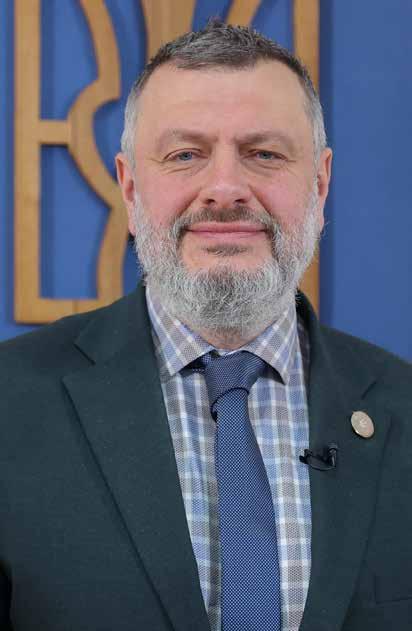
H.E.


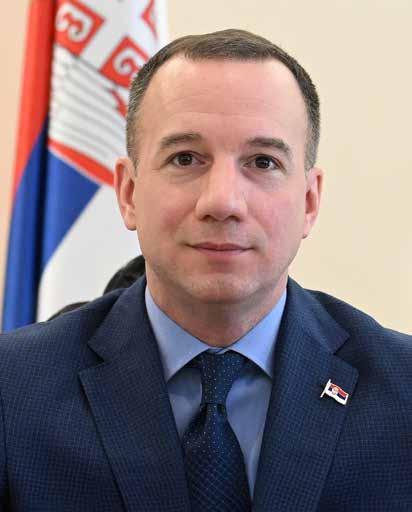
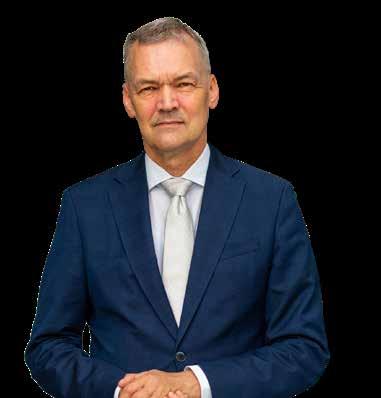
H.E.
There are plenty of places to stay on Kopaonik. At Grey Hotel Kopaonik, every corporate gathering is approached with a strong focus on personalisation and understanding the specific needs of each team. By carefully shaping every detail of the experience, the hotel creates tailored retreats that combine business functionality with meaningful benefits, genuine hospitality and experiences that teams truly value.
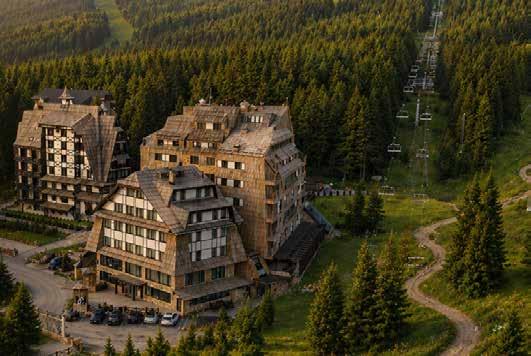
Located at the foot of the Karaman Greben slope, Grey Hotel Kopaonik offers a more intimate and design-led alternative to the traditional mountain hotel experience. With direct ski-in & ski-out access, contemporary interiors and panoramic mountain views, the hotel has increasingly become a destination for companies looking to organise smaller, more thoughtful business retreats. What makes Grey particularly appealing for corporate guests is its balance between functionality and atmosphere. The hotel’s conference space accommodates presentations, workshops and executive meetings, while the rest of the experience feels intentionally relaxed rather than overly formal.
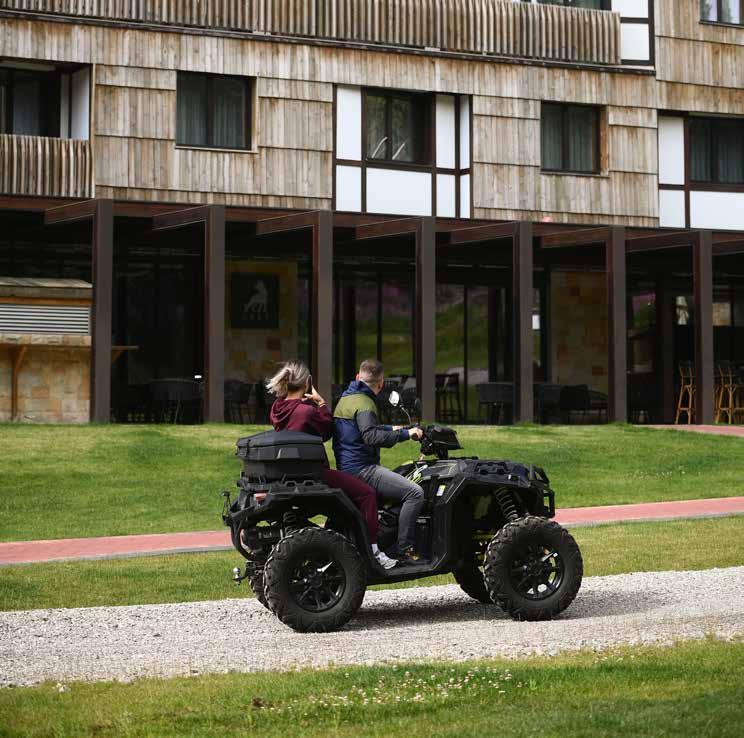
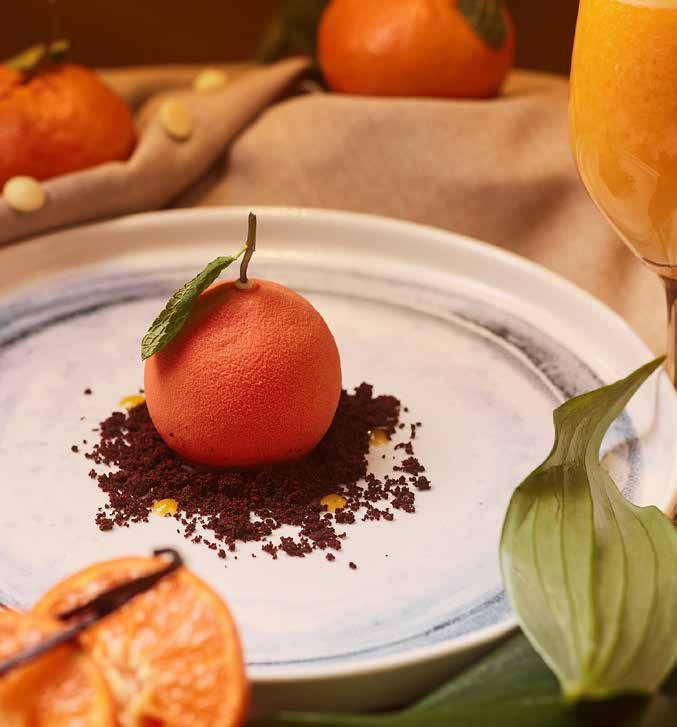
Some teams come for strategy sessions, followed by wine dinners at Grey Gourmet. Others combine meetings with wellness programmes, mountain activities or informal evenings designed to reconnect colleagues outside the office environment.
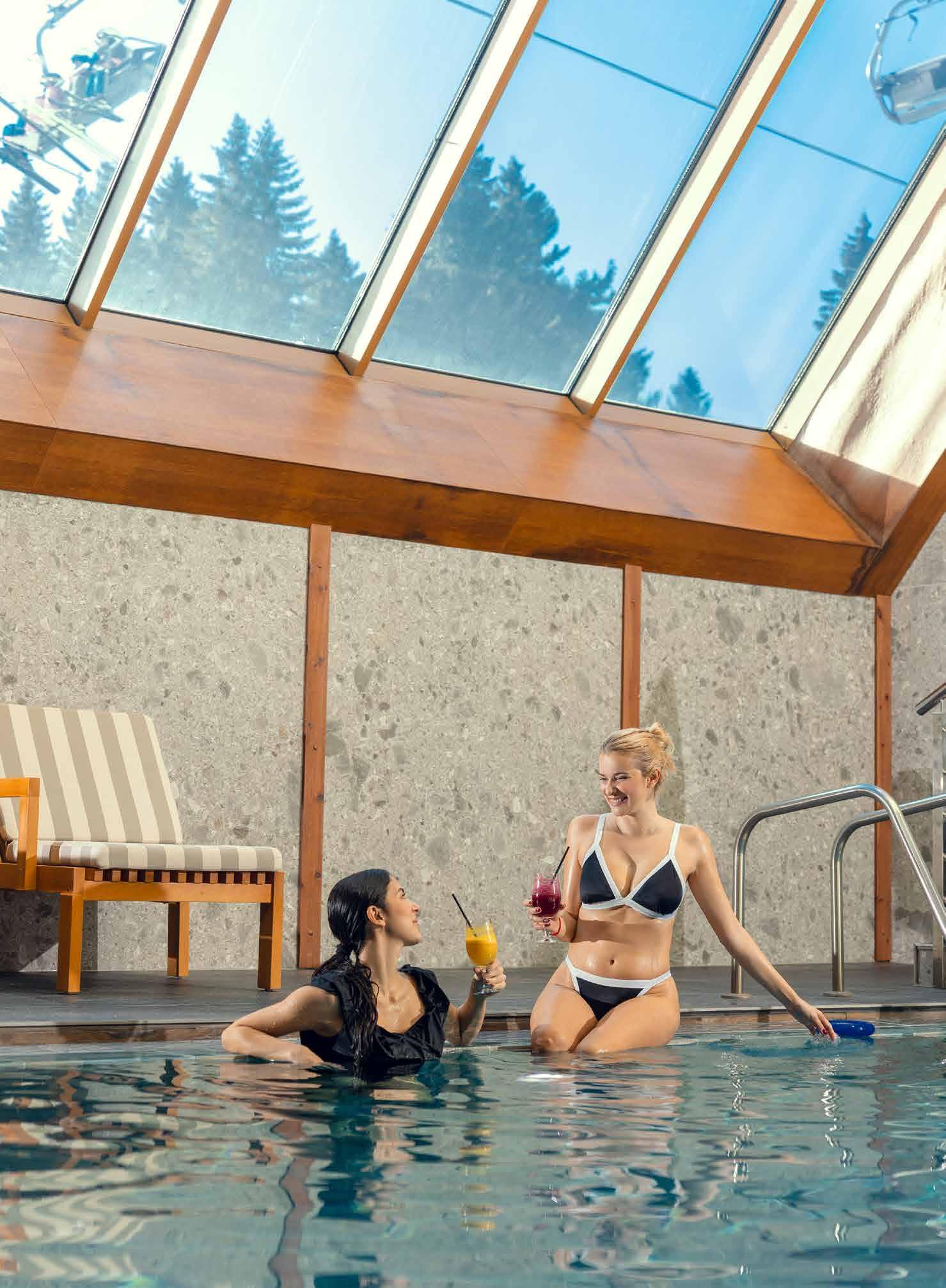
The hotel’s Spa & Wellness centre adds another layer to the experience. Spread across two spa zones, the space includes saunas, steam baths, hydrotherapy facilities, massage rooms and personalised treatments created around relaxation and recovery after long working days or time spent on the slopes.
At Grey Hotel, wellness holds a special meaning. Through Grey Rituals, the hotel introduces a new approach to relaxation — carefully curated seasonal wellness experiences inspired by different times of the year. From Winter Glow and Detox to Balance and Recharge programmes, each ritual is designed to restore energy, improve wellbeing and create a deeper sense of relaxation during the stay.
Every seasonal programme includes a tailored selection of treatments, wellness activities and exclusive guest benefits, offering a more personalised and immersive spa experience in the heart of Kopaonik.
Rather than positioning business gatherings around rigid corporate formats, Grey approaches them more like carefully curated retreats, where productivity, hospitality and genuine downtime naturally exist in the same space.
6
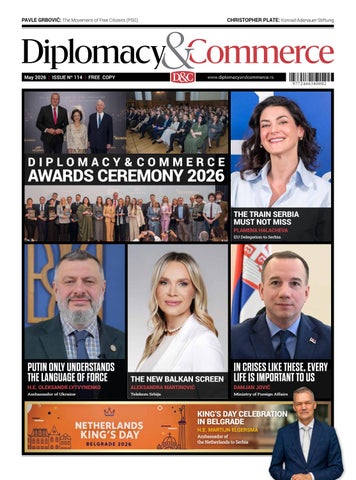
AMBASSADOR’S INTERVIEW PUTIN ONLY UNDERSTANDS THE LANGUAGE OF FORCE
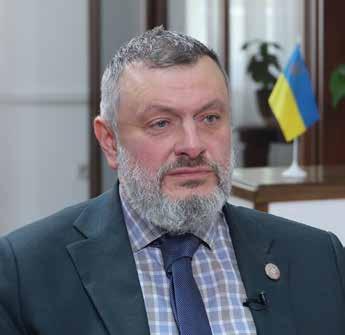
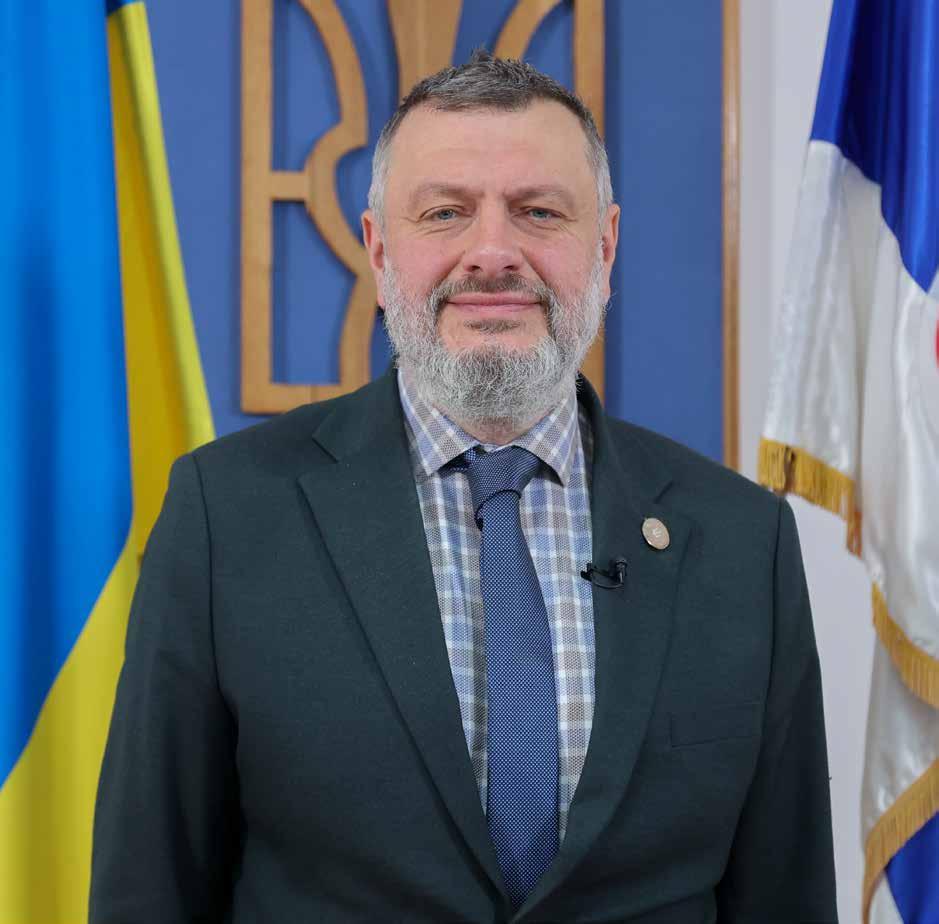
H.E. OLEKSANDR LYTVYNENKO Ambassador of Ukraine to Serbia
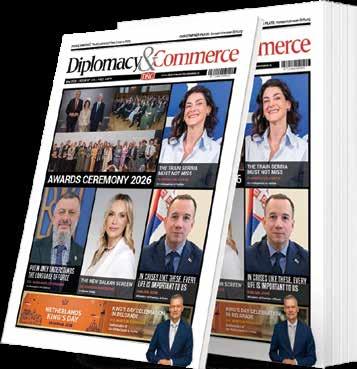
MAGAZINE #114 / MAY 2026
10 POLITICAL INTERVIEW IN CRISES LIKE THESE, EVERY
State
KONTIĆ ŽIKICA MILOŠEVIĆ BOJANA BAČIĆ
Contributors ROBERT ČOBAN VIKTOR LAZIĆ LAZAR JOVANOVIĆ
Advertising DRAGAN NIKOLIĆ dragan.nikolic@color.rs
DRAGAN VUČEVIĆ dragan.vucevic@color.rs marketing@color.rs
Photos GORAN ZLATKOVIĆ NEBOJŠA BABIĆ THE EMBASSY OF THE NETHERLANDS SHUTTERSTOCK
Translation COLOR MEDIA EVENTS
Prepress VLADIMIR DUDAŠ C e n t r o b i r o
BIROGRAF COMP D.O.O. Zemun, Atanasija Pulje 22
Distribution PRETPLATA D.O.O. office@pretplata.rs +381 11 314 99 21
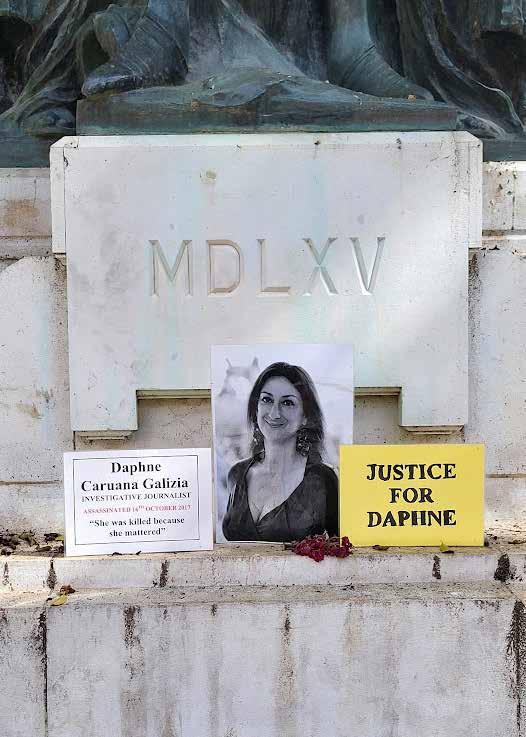
Beneath the monument commemorating the victory in the Great Siege of Malta of 1565, in the centre of Valletta, I come across photographs of Daphne Caruana Galizia (1964–2017). Daphne was a Maltese investigative journalist who was killed in a car bomb attack after exposing the involvement of numerous Maltese political officials in organised crime. To this day, neither the killers nor those who ordered the murder have been identified. She was the wife of lawyer Peter Caruana Galizia and the mother of three sons. Her eldest son, Matthew, is a member of the International Consortium of Investigative Journalists. Daphne’s colleagues and family regularly maintain her photographs beside the monument in central Valletta, reminding both the Maltese public and the hundreds of thousands of foreign tourists who pass through every year that the perpetrators and masterminds of this crime have never been found.
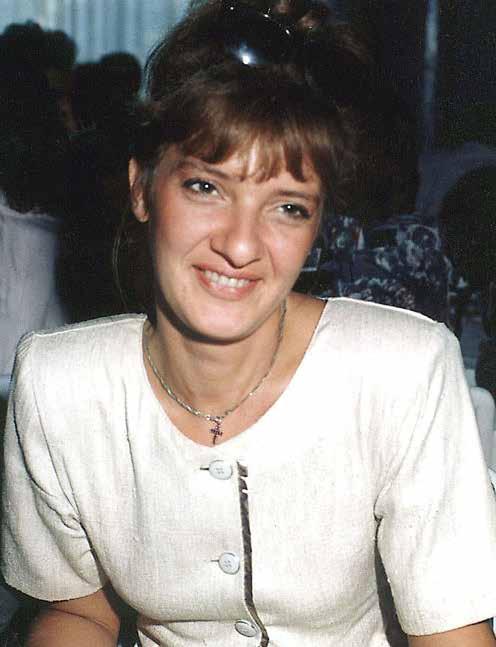
In Serbia, every April, only a handful of media outlets, barely enough to count on the fingers of one hand, together with just as few of us, her colleagues on social media, remember that on 8 April 1994, Dana Vujasinović, a journalist for Duga, was found dead in her flat. That morning, my colleague Goca Jovanović and I boarded a train from Novi Sad to Belgrade. From the Main Railway Station, we took a tram to the BIGZ building, where the editorial office of Duga was located and where we collaborated with its journalists. We had coffee with Dada. I remember it as vividly as if it were yesterday: she was sitting on a radiator, leaning against the window, smiling, in a new emotional relationship. She did not look like someone who would take her own life that evening.
Thirty-two years later, the circumstances surrounding Dada’s death remain unresolved. There is no monument in the centre of Belgrade beneath which someone would keep her photographs and remind the public that the killers and those who ordered the crime have never been found. The same is true for journalists Slavko Ćuruvija, murdered in 1999, and Milan Pantić, murdered in 2001.
Robert Čoban
Ambassador of Ukraine to the Republic of Serbia
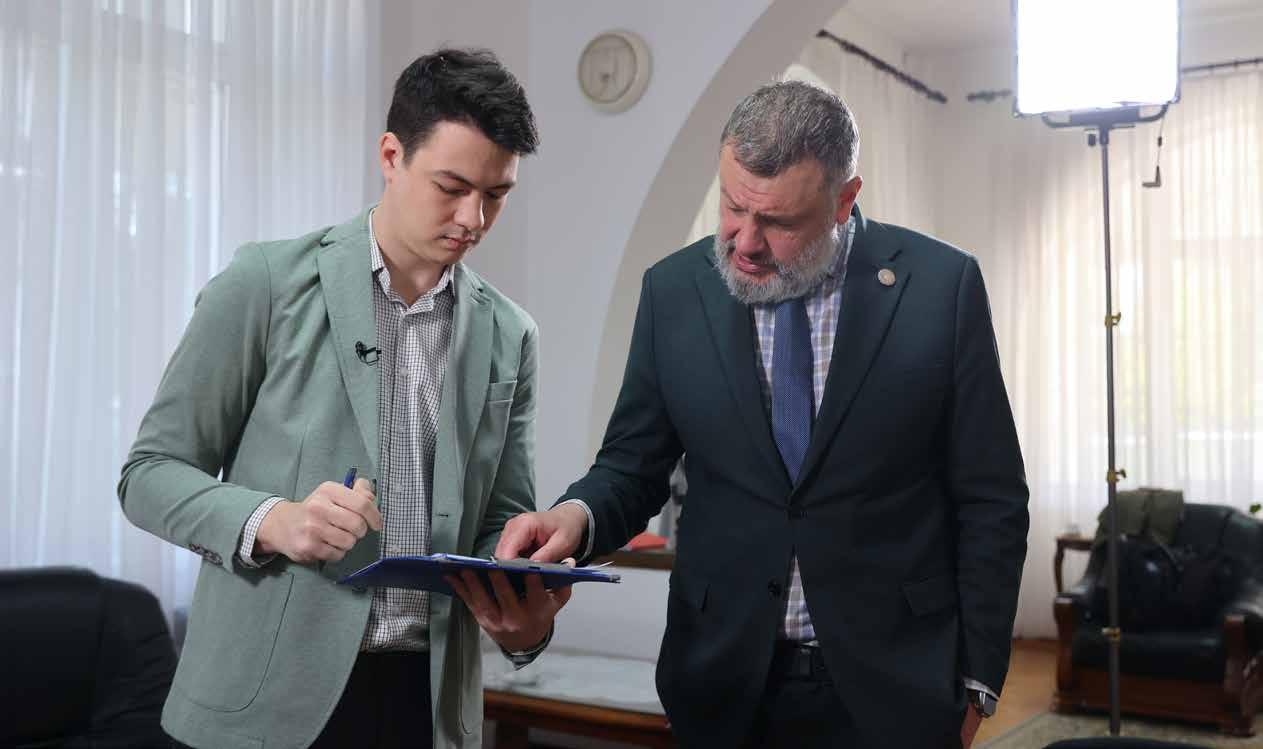
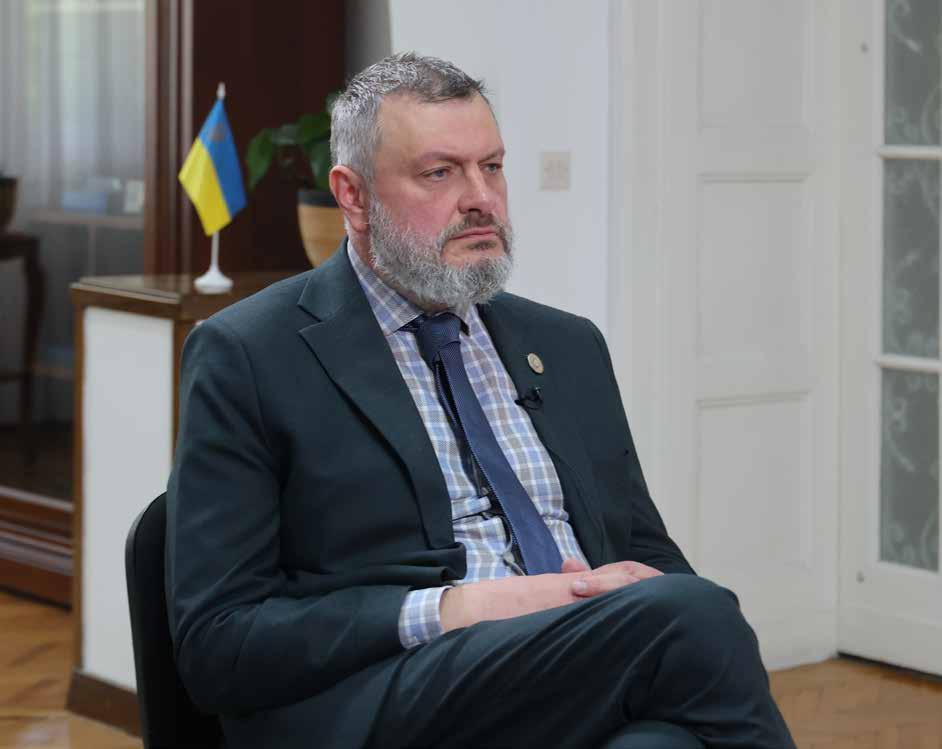
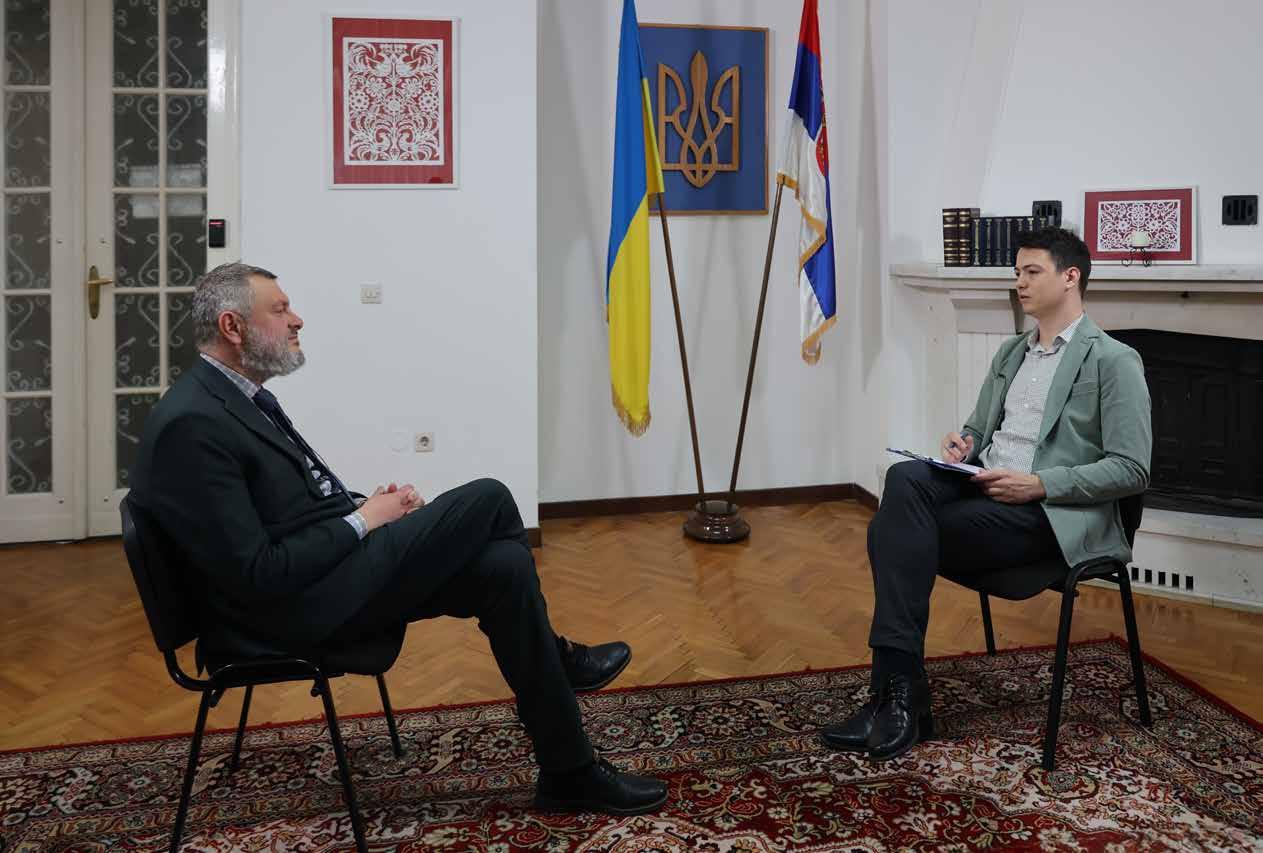
In an interview for the TV show Diplomata, produced by Diplomacy&Commerce in cooperation with Euronews Serbia, H.E. Oleksandr Lytvynenko, Ambassador of Ukraine to Serbia, spoke about the devastating impact of recent military escalations, the complexities of Serbia’s neutral stance, and the strategic evolution of Ukrainian diplomacy in the Western Balkans. Reflecting on centuries of shared historical ties and a mutual path toward European Union integration, he emphasised the importance of moral clarity, security cooperation, and the potential for a renewed economic partnership between Kyiv and Belgrade.
Before we fully move on to the topics we will be discussing, it is important to mention one of the largest attacks that occurred today in Ukraine. Specifically, at the moment we are recording, it is one of the largest attacks that has taken place. Can you tell us how Ukraine is responding to this and how it is being viewed, especially given that it is happening during Orthodox Easter?
Today, Russia attacked many Ukrainian cities, primarily using ballistic missiles, and killed many people. Mostly civilians, including a 12-year-old child. No one can say those people are to blame for the war. They are a completely peaceful population. They are victims of the Russians. They are people who were killed at the very moment when Putin wants to continue this war.
Unfortunately, that attack is a powerful answer to the question of whether Putin wants to stop the war. Unfortunately, we are in a very difficult situation. Ukraine
SOMETIMES
is in a very difficult situation. But we continue the resistance. We will fight as long as necessary. But what is extremely important is that we truly want to achieve peace. That is our greatest wish, especially these days, during or after Easter, which is a time of peace, resurrection, readiness, and so on.
Naturally, we will return to the topic of the war. But before that, you had some time since arriving in Belgrade as the new ambassador. Can you tell us what your impressions are of Belgrade and, most importantly, of the people here in Serbia? I am very glad to be here. From a political point of view, this is a
very interesting place. It is quite a challenge for a Ukrainian ambassador because Serbia maintains a neutral stance. And despite your desire for integration, you are not yet in the EU, and you have not yet implemented the European Union’s sanctions policy.
But we understand your position. Of course, we would like the Serbian government to change its policy in the future. But the situation is what it is. Those sanctions are not against Russia. They are against barbarism. Against crime. Against the attempt to stop this
terrible and unprovoked war. We do not demand it; it is not a geopolitical issue. Unfortunately, it is a moral question. I cannot give advice. I cannot interfere in your affairs. I want to say: in this war, it is not just about Ukraine; it is about human beings.
Even before you came to Serbia, many media outlets highlighted that you come from a security, rather than a diplomatic, background. What does that mean for Belgrade, for your appointment? Does it mean that Kyiv is changing its approach to the Western Balkans and Serbia, perhaps viewing it more through a security prism than a diplomatic one?
Before my appointment, I had a meeting with the President, who gave me a strong diplomatic task and mandate. I have only one task: to facilitate the development of our relations with Serbia, primarily in the economic and humanitarian spheres. I am here not as a retired general, but as a young diplomat.
Many Ukrainians have found temporary refuge here in Serbia, but there are also Serbs who have deep historical ties with Ukraine. In what ways will you work to strengthen those
HISTORY IS ALREADY FINISHED, BUT THE FUTURE IS WHAT WE ARE CURRENTLY TRYING TO SHAPE
cultural bridges between our peoples?
You see, for us as Ukrainians, as Orthodox Christians, the cultural barrier is quite low. I read somewhere—I don’t remember where— that for Ukrainians, the Serbian language is too easy to learn but too difficult to speak.
That is absolutely true. It is hard to force yourself to study from textbooks regularly. It is understandable when you are learning English or German, not to mention Eastern languages like Arabic or Farsi. But Serbian?
You understand many words. The grammar is not that different. But there are similarities. Still, it is hard to force yourself to study.
But viewed as a whole, our countries have a very long and interesting cultural and religious connection. I would start at least from the 17th and 18th centuries, when Serbs came to Kyiv and settled at the Lavra, the KyivPechersk Lavra. When Ukrainian researchers, philosophers,
theologians from the Kyiv-Mohyla Academy, and iconographers came to Serbia. It was very fruitful and important from an intellectual and spiritual standpoint. Later, in the 18th century, there were at least two large Serbian colonies in Ukraine—New Serbia and Slavenosrbija. One of them was near Bakhmut, a place of fierce fighting today. Later, we had strong ties. For example, unfortunately, few people know that most of the economic relations between the Soviet Union and Yugoslavia were actually between Ukraine and Yugoslavia. Many people studied in Ukraine. I remember, in Soviet times, Yugoslav culture was highly valued. And we had truly close and interesting relations. I still remember, in Soviet times, when I was a child, that Yugoslav culture was among the most prestigious in the Soviet Union and in Soviet Ukraine.
So, there is a good foundation. Ambassador Lytvynenko: Yes, it is a great foundation. From my point
of view, the biggest problem in our relations is the lack of information on both sides and the proliferation of strong myths. Sometimes it seems that Serbs use “Russian glasses” to look at Ukraine. Sometimes we Ukrainians lose our perception of Serbia by also using “Russian glasses” when Russians talk about Russia in the Balkans. That is absolutely not true. Both countries are very complex, with rich and interesting histories, diverse modernities, and interesting contemporary life. And we should know more about each other. Much more.
There is also a Ukrainian minority living in Vojvodina. How important is their presence here for the relations between our countries?
I want to take this opportunity to mention that yesterday we reopened the monument to Taras Shevchenko. This Ukrainian national poet was vandalised two months ago, on 24 February, the day the war began. And I am very grateful to the Mayor of Novi Sad, who helped us restore and reopen that monument. Interestingly, we did it on the day of the 34th anniversary of our diplomatic relations. You are right when you say there is a very old Ukrainian minority in Vojvodina. It originated
in the 18th century, when the Austrian Empire brought people from Western Ukraine and settled them in Vojvodina.
Perhaps that is enough about shared history, but it is good to talk about a shared future, as you mentioned.
That is very important. History is already finished, but we are currently shaping the future.
Yes, and both countries are trying to become members of the European Union as well. So, we hope to be together one day within that European family. Ukraine began negotiations with the European Union in 2024, aiming to become a full member in 2027, which is already next year. How important is it for both our countries to join the European Union?
I think that shared goals and a shared desire are very important. And one of the most important characteristics of the European integration process is that it is not just about foreign policy. It is about the transformation of the country itself. In Serbia, I like Serbia very much because many things remind me of my country. Too many things that I am familiar with, and not all of them are pleasant. I am being very honest
IN A WORLD WHERE LAW MEANS NOTHING AND WHERE ONLY MILITARY FORCE IS IMPORTANT, WE HAVE ONLY ONE POSSIBILITY—TO RESIST
with you, but life is life, and it is a good opportunity to make our dialogue more active when we have shared goals. And what is very important, when we talk about the past, we are actually talking about the future.
Certainly, yes.
Because the past is not important for its own sake, it is important as a basis and a foundation for building our future, and I hope that Serbia will continue its movement toward the European Union, just as Ukraine has.
In the last few days, everyone has been following the elections in Hungary, where Viktor Orban lost, and a Hungarian won and took over the leadership of the country. But before those elections, during alleged incidents on the Ukrainian side, Orban said Ukraine was responsible for them. How do you respond to those accusations?
If these were so-called “false flag” operations, what is the strategic goal of creating discord in the relations between Belgrade and Kyiv? Is it enough to sow doubt in the public to damage the relations between our countries even without the results of an investigation? You see, someone—and I know very well who that someone is—does not want our relations to develop. Because Serbia is one of the most important countries in the Balkans. Ukraine is one of the most important countries in Eastern Europe. And I think our ties are very natural. We have no contradictions.
We have an excellent opportunity for development. In economic relations, we have an outstanding shared heritage in culture and religion that we must develop. Someone doesn’t like that and is trying to undermine it. That is their problem. They like to undermine the situation worldwide as a disruptive factor. Of course, I am referring to Russia.
Four years have passed since the beginning of Russia’s invasion of Ukraine. Ukraine has shown resilience, but exhaustion is taking its toll. What interests us is how Ukraine is coping with this at the societal level and how the economy stays on its feet after the war exhausts its resources.
First of all, you should ask Orban himself, because even he and his associates have proved nothing. Those are just speculations. He said, “Ukraine could do it, and they are surely doing it.” And I don’t want to comment on those very strange ideas. I am very grateful to your military counterintelligence service, which provided a clear, strong answer to all questions. They mentioned all of that, said they had launched an investigation, and I believe that investigation will find the real culprits.
Serbia did not directly accuse Ukraine in that regard. How important is that?
I don’t even understand why we would discuss that issue. Ukraine definitely had nothing to do with that problem, except in Orban’s own head and that of his associates. And I am very grateful for the clear messages from the Serbian side. That is very professional, thank you very much.
You see, all wars, including this one, are a tragedy. A situation in which tens of thousands of people perish. It is a huge challenge. It is a huge threat to humanity. But we have no other choice but to resist. The problem with this war is that the current Russian regime, the regime of Vladimir Putin, wants to return the world to the 19th century. To a world where there is only one language—the language of force. And in some ways, Putin is quite successful in that. We see what is happening around the world.
And in this world, where law means nothing and where only military force is important, in this war we have only one possibility—to resist. Unfortunately, no one can tell you when the war will stop. Ukraine is doing everything possible to achieve peace. But unfortunately, achieving peace also requires the Kremlin’s will.
And how are the peace negotiations going?
Negotiations are not a childish answer. However, the mere existence of negotiations is a very good thing.
It is very good that we continue to talk to each other, and not just through bombs, drones, and other weapons. But when it will yield results, no one can say. We are grateful to the Americans for mediating those negotiations. And we truly hope that Russia and Ukraine will reach an agreement in the future. Because this war not only harms Ukraine, it also harms our future. After the war, Ukraine will be a completely different country than it was before. But it also harms Russia. Putin is, after all, a Russian problem. But Putin is not only destroying Ukraine. He is also destroying his own country. Unfortunately, that is not our responsibility.
Earlier, you mentioned that NATO is the only guarantee of peace in this situation. But you are the ambassador here in Serbia, where people are quite sceptical of NATO due to our history with the alliance. As a diplomat, how do you plan to align Ukraine’s security needs with Serbia’s historical sensitivity toward NATO? First of all, I want to emphasise that Ukrainian policy does not harm any interest of Serbia. That
is very important to us. We strictly support the territorial integrity of your country. We understand all your traumas and are very grateful for your help and strong support for Ukraine’s territorial integrity.
that NATO is not some magic book. It is one of the possible instruments. A very important one. It has proven its stability for 70 years. But the situation is changing.
THIS WAR HAS SHOWN THAT MY COUNTRY, LIKE ALL COUNTRIES IN THE WORLD, HAS ONLY ONE REAL GUARANTEE: ITS OWN CAPACITIES
Secondly, this war has shown that my country, like all countries in the world, has only one real guarantee. Those are its own capacities. That is our army, our air force, our diplomacy, security and intelligence services, and our economy.
NATO has played an extremely important role in supporting European security over the last 75, 76, or 77 years. And that is one of the reasons why the idea of joining NATO became part of the Ukrainian constitution. We hope—in fact, we don’t just hope, we are working on it. Of course, the situation is very difficult. And I want to emphasise
Yes, certainly. And I wanted to ask you precisely about that change in the situation, as someone who was the head of the intelligence service and has experience in that field. Do you see the Western Balkans as a region that will finally stabilise in the coming period, or perhaps as a potential second front of a hybrid war that could distract Europe’s attention from the East? There are always groups of people who want to destabilise the situation. But in the end, stability depends on the people living in that region. I believe that the Serbian people, as well as your neighbours, understand the importance of
peace, especially after 1999. And I believe that the Balkans will continue to be a peaceful and prosperous region.
That is certainly good to hear, that forecast. For the last question, Mr Ambassador, looking ahead, how do you see the development of relations between Serbia and Ukraine in the years to come?
I hope we will succeed in overcoming our common shame that our trade exchange is so small and that we know so little about each other. And that we will return to a normal situation as two countries with strong historical ties. We will have developed, prosperous trade and cultural exchange. I believe in that. The full interview is available on our website

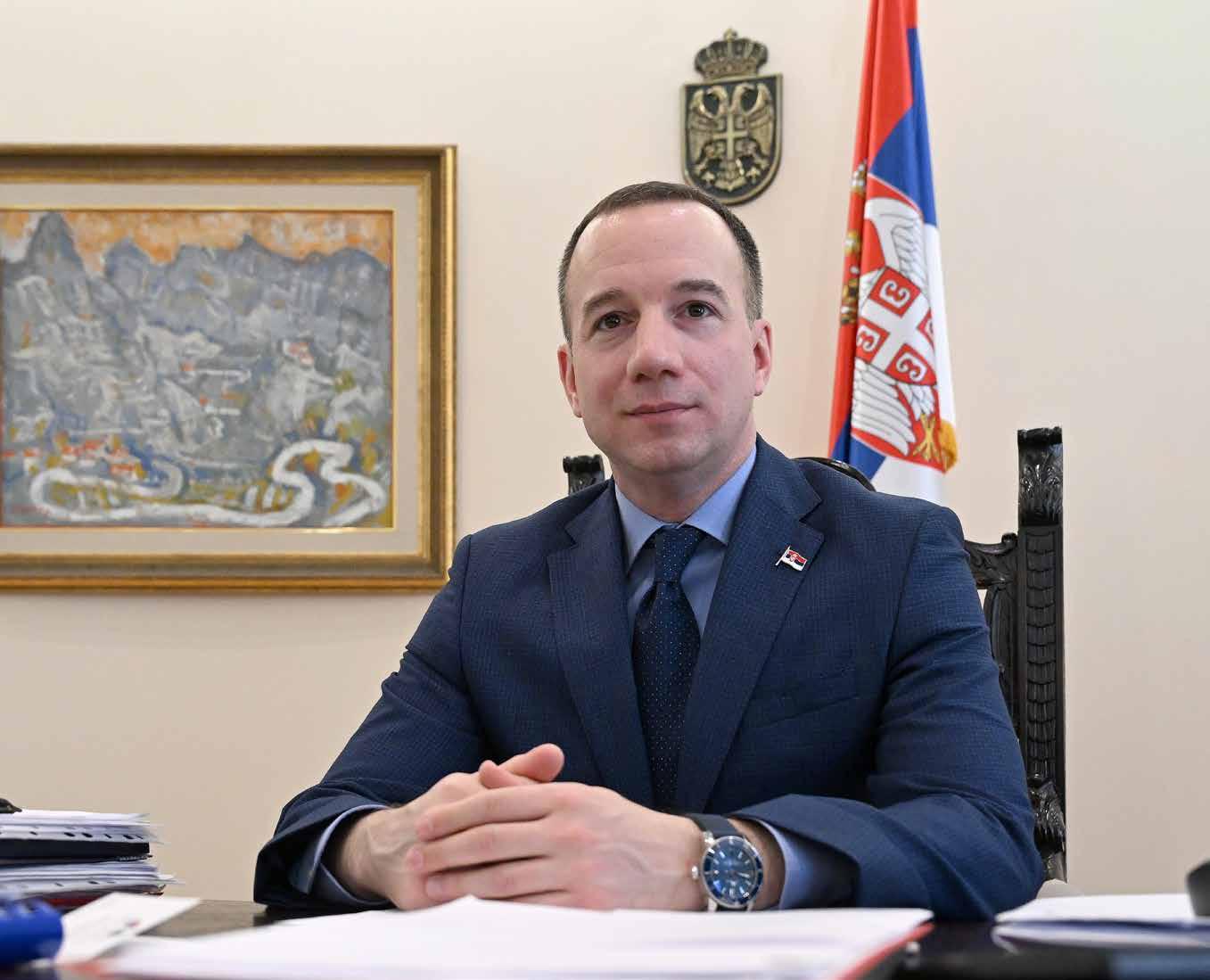
Serbia’s Role in Global Crisis Response and the Roadmap to EXPO 2027
DAMJAN JOVIĆ
State Secretary in the Ministry of Foreign Affairs
In an interview for the TV show Diplomata, produced by Diplomacy&Commerce in cooperation with Euronews Serbia, Damjan Jović, State Secretary in the Ministry of Foreign Affairs, spoke about the multi-generational family legacy
that led him to diplomacy, the complex logistics of evacuating Serbian and foreign citizens from conflict zones in the Middle East, and the strategic importance of EXPO 2027. Reflecting on his education at prestigious global universities and his diplomatic engagements with partners from Denmark to India, he emphasised Serbia’s commitment to territorial integrity,
regional stability, and to developing a modern, innovative image on the world stage.
Could you share your motivation for pursuing international relations and diplomacy as your main profession?
It is probably a consequence of the fact that, for several generations, my family has been involved in this business. My
grandfather was a diplomat his whole life; he worked in this ministry. My mother worked as a diplomat. We did not overlap; we did not work in the same periods, but my father was also a political scientist, so the direction from my closest environment was toward political science, international relations, and diplomacy. So, I assume that is a logical consequence.
In your educational profile, you listed experience at Charles University in Prague and specialised training at Yale. How did those educational experiences influence your view on diplomacy and international politics?
Due to circumstances, I had the opportunity to study at four universities after graduating from the University of Belgrade. For a while, I studied at Yale University in America, then at UCL, part of the University of London, and Charles University in Prague. I wouldn’t even say it was just a matter of circumstances; you always have to fight for your place. There, you compete with people from all over the world who want the same thing. It is a useful experience primarily because you learn to compete with people from other countries, from other worlds, from other cultures. Then you get to know them —how they think, how they perceive the world —and you try to see the world through their shoes—that is what later makes it easier to do the job I do today.
What would you like to remain as your personal contribution to your work within Serbian diplomacy?
First of all, as I mentioned earlier, given that I am already the third generation in the family to do this job and work in this ministry, of course, the first goal is not to shame your ancestors. And after that, everything else you can do to build on it is just a bonus. Diplomacy is often a collection of small steps; it is not just a collection of great successes. And sometimes those small steps with which you build a good foundation for the future—perhaps for colleagues who will succeed you one day—are your contribution to the general success of the state. Of course, we are all here to work so that, ultimately, the state is the main winner of everything we provide in our work. I try to be a responsible member of the team that leads the Ministry of Foreign Affairs. In that context, I also contribute by providing a parameter or criterion for younger colleagues to approach their work professionally and with dedication. How to try every day to make at least some small step forward in their professional work and to build that one small brick, perhaps into the common house we are building and striving to strengthen every day. That is, of course, our Serbia.
You participated in the evacuations of our citizens from endangered areas in the Middle East, where a few thousand of our citizens were evacuated. Can you describe what that process looked like and which key institutions were involved in its implementation?
Well, yes, after the outbreak of the latest war conflicts—but this hasn’t only been the case now; whenever there is a major crisis in the world, from the COVID pandemic to previous war con-
DIPLOMACY IS OFTEN A COLLECTION OF SMALL STEPS, NOT JUST A SERIES OF GREAT SUCCESSES.
flicts in the Middle East and other parts of the world, the primary concern of the state is naturally to take care of its citizens. Hence, they return safely, alive and well, to Serbia. That was the case this time as well. Of course, we first went by priorities, trying to save our people and help where it was most critical. That was, of course, in the Islamic Republic of Iran. After the start of the conflict, we had a smaller number of our citizens there, but there are no small and large numbers; every life is important, and there, of course, our embassy in Tehran first had to evacuate, with the logistical support of the Ministry of Foreign Affairs, all our citizens who found themselves there at the moment the war operations began.
I must also praise our colleagues there who did it responsibly. They waited until the very last Serbian citizen who wanted to evacuate had safely left the Islamic Republic of Iran, and only then did they evacuate themselves. About how risky this job can sometimes be, not just beautiful, is shown by the fact that our embassy was damaged twice in the bombings of Tehran, the last time two days ago. And after that, after we pulled those citizens out toward Azerbaijan and further toward Turkey and to safety, we naturally proceeded to the evacuation of our citizens from the State of Israel, which is also directly in this conflict and one of the most threatened locations regarding the safety of our citizens. We took
them out of the State of Israel by the shortest, safest route, naturally in an organised manner, providing land transport, routes, and all other necessary permits toward Sharm el-Sheikh in Egypt, which was the nearest safe point from which we could safely return them all to Belgrade.
Our national airline, Air Serbia, was also involved, providing planes whenever possible for such situations, and, of course, in cooperation with Air Serbia, we safely returned our citizens from the State of Israel to Serbia. After that, we encountered a situation where we had to safely return a large number of our citizens to Serbia from other countries indirectly exposed to war operations: primarily the United Arab Emirates, Kuwait, Qatar, Bahrain, and Saudi Arabia. Some people found themselves there as tourists. Still, some people are residents in those countries or who work there and cannot leave, and whose families—often families with small children—wanted to take shelter in Serbia, a safe home for all of us. Here, I must again emphasise the importance of diplomacy and good relations between states, which are not built overnight to yield immediate results but take years to build.
Good diplomatic relations between the United Arab Emirates and the Republic of Serbia contributed to the fact that as soon as the airspace opened, at least momentarily, so some planes could take off from Dubai, the company from the UAE, Fly Dubai, opened one of its first destinations to Belgrade; among the first ten flights was Belgrade. These are not things
OUR PRIMARY CONCERN IS TO ENSURE OUR CITIZENS RETURN SAFELY, ALIVE AND WELL, TO SERBIA
that happen spontaneously; they happen because good relations are created at the highest political level, so that, in given crises, priority is naturally given to other states. It was important that the President of the State, but also the Minister of Foreign Affairs, held talks with all the foreign ministers of the mentioned states so that all
other procedures—and these are complex procedures for pulling people out in war conditions— would pass without major difficulties and, of course, so that we could return all our people safely to Serbia. After that, we organised two more flights with Air Serbia from Dubai, and then organised two flights from Riyadh to collect our citizens from Kuwait, Bahrain, Qatar, and Saudi Arabia at the nearest safe location.
As soon as the conditions were met, all those evacuations passed without major problems. However, there were situations where, for example, after the take-off of an Air Serbia plane, airports were attacked by drones only a few hours later and similar situations.
We conduct a thorough security assessment to determine the safest time and method to proceed with the evacuation of our citizens so that everyone returns home safely. After that, we came to a situation where we had many of our citizens left in Qatar who were interested in evacuating, and we joined them with all remaining citizens from Kuwait and Bahrain, whom we transported all night from those countries to the airport in Doha, along with complex administrative border procedures between all those countries on the way, primarily Saudi Arabia and Qatar itself regarding entry.
This was during the month of Ramadan, when people living and working in those countries are less engaged, so diplomacy again needed to do its job to ensure everything was finished on time. I must say that on that day, the last flight that took off from Doha was organised by the Ministry of Foreign Affairs of the Government of the Republic of Serbia, which paid for that charter flight of the Qatar Airways company because Air Serbia could not get insurance to fly to that region due to high risks. We completed the last evacuation, and all our citizens who wanted to return home from the Middle East arrived safely. The greatest satisfaction for us, of course, is their smiles and the smiles of their children when they land in Belgrade.
What is interesting is that a decision was made to include citizens of other countries on those flights as well. For example, there were Montenegrin citizens, as well as those from Bosnia and Herzegovina, Italy, the United Kingdom, and others. How did
the decision come about for them to be part of those evacuation waves?
On those flights were citizens of surely over 20 countries from all parts of the world, from the most developed European states to, of course, neighbouring states to whom we were the first to provide help wherever there was space to evacuate them from war-torn areas. We believe that such an approach sends a good message: in trouble, we are nevertheless closest to each other, or at least we should be, and Serbia wanted to show goodwill with that gesture to help its first neighbours as well. I think the most citizens of Bosnia and Herzegovina were on our flights, but there were also citizens of North Macedonia, Montenegro, Croatia, Slovenia, Bulgaria, and Romania. Romania also helped us evacuate some of our citizens from Oman. We reciprocated, of course, with our flight from Dubai, which had room for some of their citizens. Often, these are mixed marriages where the spouses—parents of children who have Serbian citizenship—are foreign citizens, so we always tried not to separate families and, by priority, first to enable people in poor health, elderly people, and families with small children to evacuate.
Of course, you mentioned that Serbia also helped its neighbours in the region during COVID. Now we have this current example with the evacuations. What does this actually say about Serbia’s readiness to help not only in the wider region but also further beyond our borders?
Of course, relations with our neighbours are very important; a peaceful, stable environment where people and states cooperate is always a good prerequisite for those who observe us from the outside, who might be considering investing in our region here or, why not, coming to live here. There are such cases here as well. I think we are sending a good image, and that it is for the benefit of all of us to try, at least when it is difficult or there is a problem, to be there for each other and to provide help. It seems to me that this is the case because as soon as this situation arose, our neighbouring states were the first to turn to us for help, even though perhaps some sharper political messages are exchanged on a daily level; yet, we all know that at the end of the day, we don’t have any closer people than we are to each other. At least it should be so.
You also recently met with the Danish Ambassador. Can you tell us what the most important topics in Serbia’s cooperation with Nordic countries, such as Denmark, are?
As part of my role, I meet daily with ambassadors from all states represented at the ambassadorial level here in Belgrade, as well as those who cover us nonresidentially and from neighbouring states when they come to Belgrade—this is one of my work priorities. You mentioned the meeting with the Danish Ambassador. That meeting was perhaps specific because Denmark is a very successful, wealthy European state. A state that perhaps shows better performance in crisis times than some other European states. What made that last meeting specific now is also the fact that Denmark is facing
IN TROUBLE, WE ARE NEVERTHELESS CLOSEST TO EACH OTHER, AND SERBIA WANTED TO SHOW GOODWILL BY HELPING ITS NEIGHBOURS
a problem that Serbia has faced since 1999: others perhaps question its sovereignty or territorial integrity. That was not the case before, and well, that was one of the more interesting topics of our conversation. You all know about the situation regarding Greenland. Serbia, in principle, supports the territorial integrity and sovereignty of all member states of the United Nations, and we would like all other states to treat the sovereignty and territorial integrity of the Republic of Serbia in the same way. And of course, we always convey that message. Besides that, of course, the always-important topics are the economy, primarily, cooperation at the multilateral level, and other topics of importance to the two states. Regarding Scandinavian countries, of course, there are some states where we have a significant Serbian diaspora. That is always a topic in conversations because our diaspora is, of course, important to us. These are our people, our brothers and sisters who live far from Serbia, but I
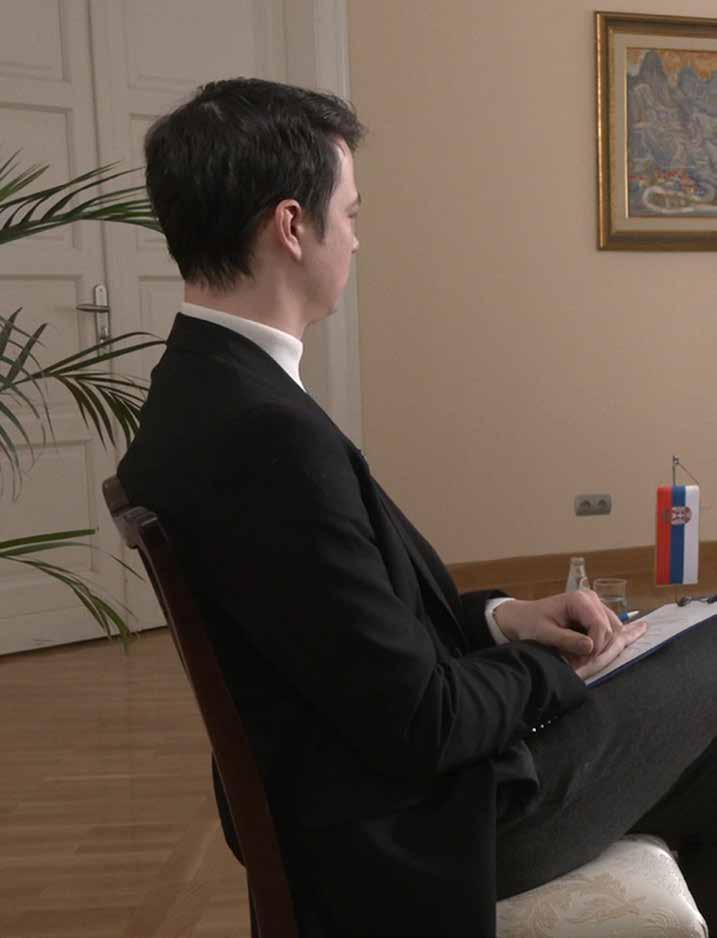
know that sometimes their hearts view Serbia even more closely than some people who live here in Serbia itself, where we sometimes take everything for granted. When a person steps away, separates, and lives far away, they begin to perceive all the good sides of what we, as a people and as a state, have here and can provide to each other and to all people of goodwill. I tell you this from experience as someone who had the opportunity to be part of the diaspora.
You also had the opportunity to meet with the Indian Ambassador, H.E. Abhishek Shukla. We considered possibilities for cooperation in sectors such as IT—for which India is very well known, as is Serbia—culture, and the economy, and we announced India’s participation in EXPO 2027. How do you see the perspective of Serbian-Indian relations in the coming years, and which areas of cooperation do you consider the most promising for the future?
I recently met with the Ambassador of India, and we also held bilateral political consultations with the Republic of India. Of course, the Deputy Minister of Foreign Affairs of India was also there, I believe, last week. We are bound by traditionally good and friendly relations between the two states. We are also bound by a very close historical cooperation, dating back to the period when we were founders of the Non-Aligned Movement. We strive to build relations on those traditions today as well. But not only on those.
You mentioned, of course, space and new technologies— these are becoming the most important issues for all states worldwide, and thus for us and for India. In those areas, fortunately, both states are achieving very good, recognisable results. You know that the President of the Republic was recently at the summit dealing with artificial intelligence in New Delhi, where he met with the President and Prime Minister of India. We hope to be in a position to host them here in Belgrade.
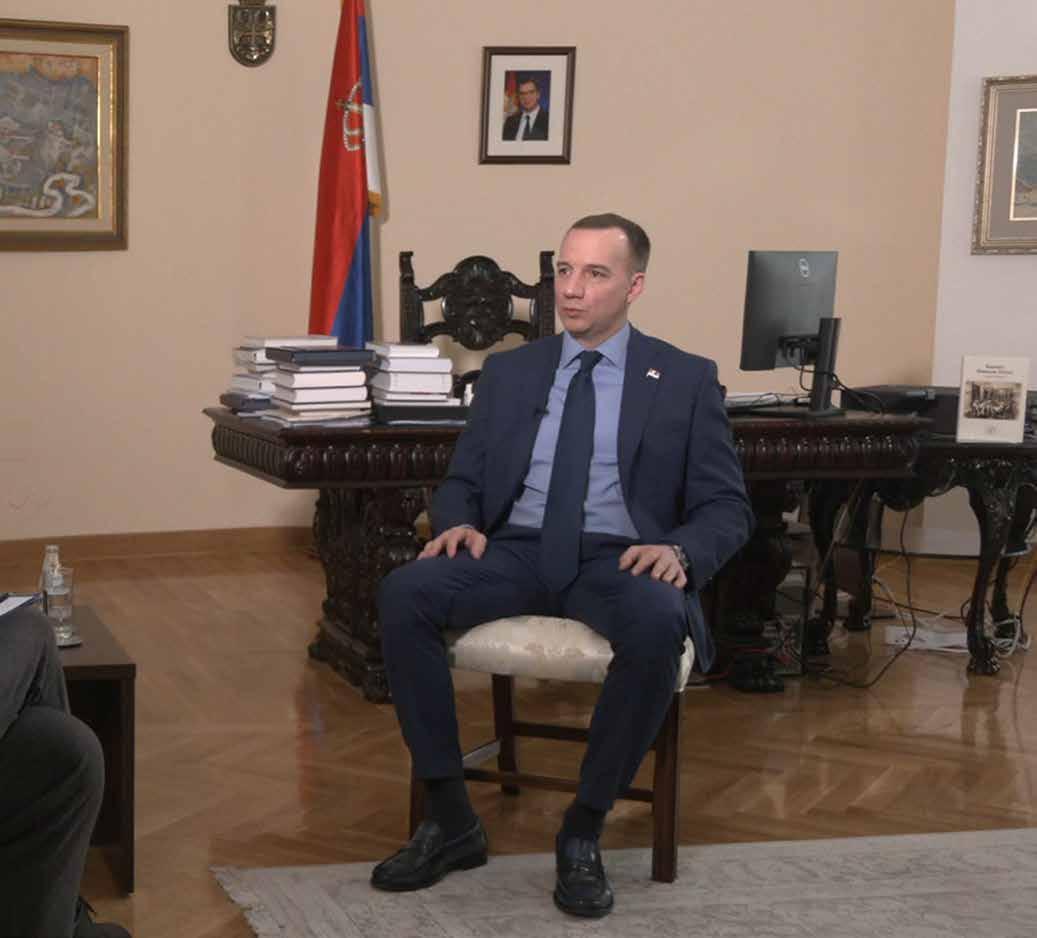
And perhaps specifically EXPO, which you mentioned, will be a good opportunity for us to show ourselves as good hosts to an Indian delegation at the highest level. In the meantime, we hope to host the Minister of Foreign Affairs of India here in Belgrade, perhaps this year. Our cooperation has great potential. That potential was not fully exploited in previous years, and we will address this in the coming period.
How do you think EXPO 2027 can strengthen cooperation with the participating countries, not only on an economic and investment-attracting level, but also on a cultural and political level of understanding between those countries and us?
We proposed sport and culture as the theme of this EXPO, as something indisputable to anyone in the world and that connects people. I think we have succeeded in that to a considerable extent so far, given that over 135 states have confirmed their participation in EXPO 2027, which will be
EXPO 2027 IS A GREAT OPPORTUNITY TO PRESENT THE MODERN FACE OF SERBIA AS A COUNTRY OF FRIENDSHIP, INNOVATION, AND PARTNERSHIP
held in Belgrade. This will likely be the largest specialised EXPO exhibition ever organised by the number of participants. We are proud of that, and it reflects the Republic of Serbia’s good relations with the vast majority of states worldwide.
This will be a good opportunity for Serbia to present itself in a way that perhaps we haven’t been sufficiently presented so far, both in global media and among states that are perhaps further away from us. In the past couple of decades, we were often stigmatised, viewed incorrectly and with prejudice. I think this is a good opportunity to change the image of Serbia for the better, to present the modern face of Serbia, naturally with respect for all those
desirable partner for cooperation if they see potential in what your state is doing. That is, of course, the idea behind this major project.
All state institutions are dedicated to ensuring EXPO 2027 proceeds successfully, and, given the large number of foreign citizens, the Ministry of Foreign Affairs is one of the institutions carrying out that work.
Which partners and which countries do you see as key collaborators for Serbia, say, in the next decade?
Well, if you observe now, even in these war conflicts and in these times which are very turbulent among all warring parties in all wars, Serbia has not a single enemy or any state that views Serbia in a hostile way. That is not something that happens by itself; it is naturally the result of thoughtful, systematic work and efforts to preserve friendly relations with all states that are traditionally friendly, and to try at every moment to create more friends than enemies for the Republic of Serbia.
Of course, the most important relations for any state are always those with the greatest powers that decide on all major global issues and can determine the fate of smaller states, especially in times when international law weakens, and rules are respected less and less. You have to rely on good bilateral relations. I think there is room to improve our actions further and make the situation better in our relationship with our neighbours. As I have already said, that is very important because of how people from the outside view our region, whether it is a zone of stability or one where some potential conflict or problem is expected.
traditions of ours that grace us and endure through time.
To present Serbia as a country that offers friendship to all wellintentioned states, to all those who want to have friendly relations with us, but also to present Serbia as a good business destination, as a state that has successful science, a state in which innovations are born, a state that tries to follow all trends regarding the development of new technologies, investment in artificial intelligence, and to present, of course, some new technologies for the first time here on the European continent. In that sense, of course, the image of the state that you project onto other countries leaves an impression on them, and in that sense, they see you as a
All of that naturally brings economic benefits if you succeed in projecting your region as a zone of stability and prosperity. We will, of course, try to establish the best possible relations with all our neighbours, as I consider them some of our most important partners in the future.
The full interview is available on our website

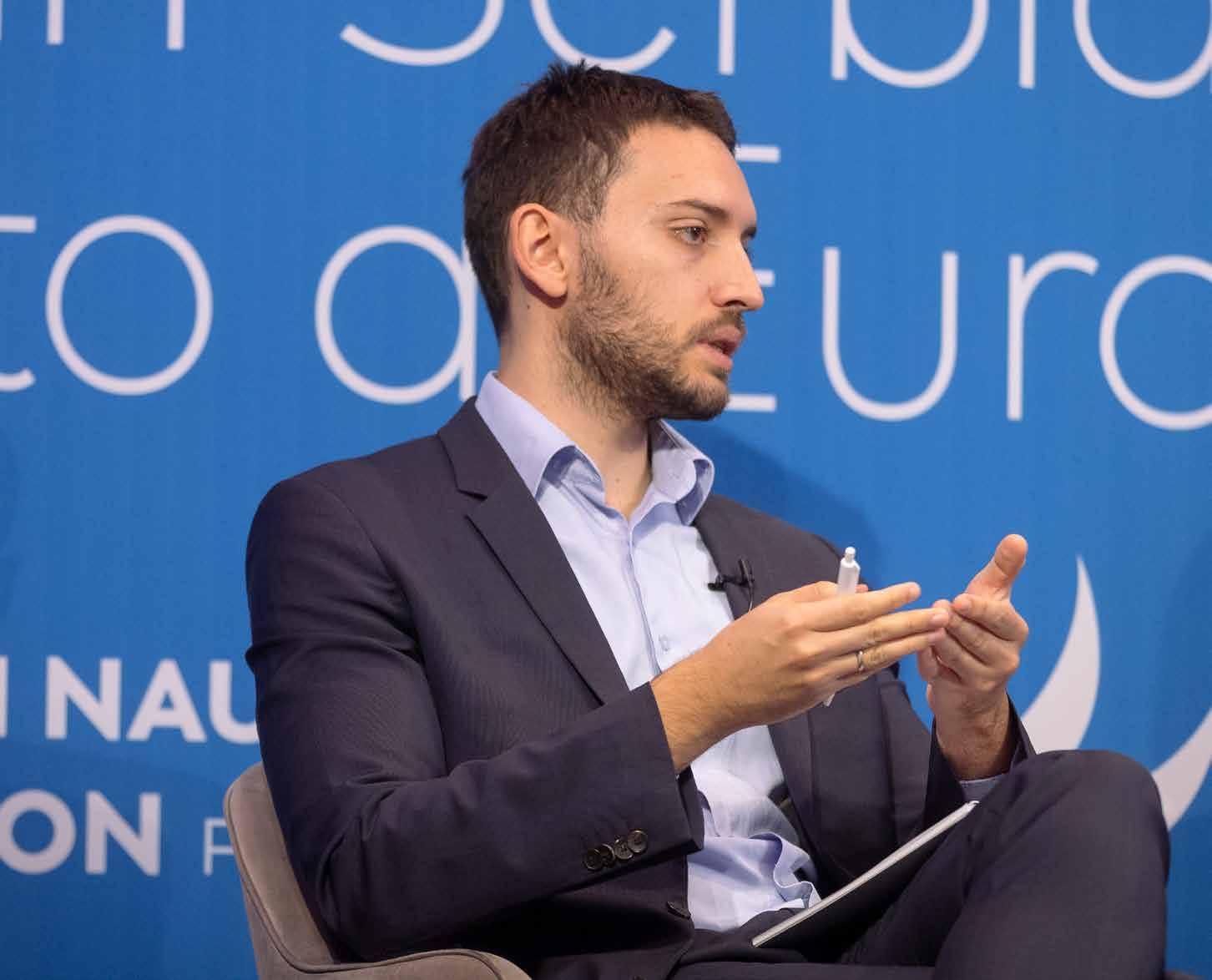
Why Serbia can no longer balance between authoritarianism and European integration
PAVLE GRBOVIĆ
The Movement of Free Citizens (PSG)
In a moment when Serbia is facing one of the deepest political and social crises in its recent history, questions about the future of democracy, institutions, the opposition, and the country’s European path are becoming
increasingly urgent. In this interview for Diplomacy&Commerce, Pavle Grbović, president of the Movement of Free Citizens (PSG), speaks openly about the collapse of institutions, the rise of student protests, the challenges facing the opposition, media control, and the need for a clear pro-European alternative in Serbia.
THOSE WHO CREATED THIS PROBLEM CANNOT BE THE ONES TO SOLVE IT
What is the state of Serbia’s political system today?
The political system has collapsed, and nothing will change as long as the people who control the key mechanisms of governance remain in place. We are facing the deepest political and social crisis of this century, alongside a regime that is running away from
elections. We have a president publicly speculating about the election date. At the same time, the president of the ruling party and the head of its parliamentary group are unaware of it. Neither does the Prime Minister know, despite being, according to the Constitution, the most powerful political figure in the country and the one who must formally submit a reasoned proposal for the dissolution of the National Assembly.
We have institutions that no longer function and in which nobody has any trust. We have a police force protecting criminals while citizens are being beaten on election day. We have a government boasting that it survived thanks to “Ćaciland”, a twilight
zone populated by people who, under normal circumstances, would be serving several millennia in prison sentences combined.
In the end, we have a minister accused of abuse of office and a state that responds by persecuting prosecutors. There is not a single segment of the state apparatus functioning normally, or even remotely in line with the purpose it is supposed to serve. Those who created this problem cannot be the ones to solve it.
Besides the destruction of the system’s institutions, there is also an impression that the opposition, as an important corrective force against the regime, has itself been weakened or destroyed. Does the opposition bear part of the responsibility for its own weakness?
Certainly, part of the responsibility does lie with the opposition, but that requires a serious and extensive analysis. Not everyone within the opposition is the same, nor do they share the same degree of responsibility, and it is also highly questionable who can truly be considered part of the opposition. Moreover, if we are to discuss this issue honestly, it would not be realistic to place the blame solely on the current generation of parties and political leaders.
However, regardless of how such an analysis begins or ends, we must not miss the essence of the problem. The devastation of
The student protests have once again awakened social energy, and it seems that the momentum necessary for change is now being channelled through this movement. How do you explain that?
At first, people were inspired by the young people’s energy because they believed the young people were indifferent to what was happening around them. That misconception was dispelled in the best possible way. The choice of their initial demands, as well as their later realisation that the regime would never fulfil them and that elections are the only genuine instrument of change, demonstrates their maturity.
They succeeded in creating a belief that change is possible. It does not surprise me that students have earned greater trust than the opposition or any other political actor. Who in their right mind could oppose young, uncorrupted people fighting for justice? Their horizontal structure and the absence of formal leaders have greatly helped them throughout the movement’s phases.
However, for potential to become real political strength, and for belief to turn into actual change, structure, politics, and people with names and surnames are also necessary. I believe our role is to help them through that transformation, not make it more difficult.
WE WANT TO BUILD A STATE MODELLED ON THE COUNTRIES OUR PEOPLE MOVE TO IN SEARCH OF A BETTER LIFE
the opposition and of the political system as a whole is largely the direct consequence of a deliberate strategy by the regime aimed at destroying political parties. Not because they fear any individual party or leader, but because they want to dismantle political parties as the most effective mechanism for political organisation and action. Unfortunately, they have been largely successful in doing so.
Vučić is a highly experienced politician, himself a product of a political party, a party soldier, and he clearly understands that it is far easier to fight against a large number of fragmented actors with diverse interests and values than against a strong and homogeneous structure.
all those votes can ultimately be combined into a total large enough to secure victory. Unlike the student movement, which is understandably still not fully politically profiled, parties such as the Movement of Free Citizens represent clearly defined policies, values, and the expertise needed to turn those ideas into reality.
I firmly believe that Serbia needs a clear pro-European alternative, not only for this election cycle, but also so that, as a country, we can seize the opportunity to accelerate our European path, as Montenegro and Albania have done. The Movement of Free Citizens will make its full contribution to establishing such an alternative, but that in no way means we want to create competition. Rather, we want to offer an option complementary to a future student-led list.
There is frequent talk about the lack of unity within the opposition. In your view, where is the line between necessary pluralism and political inefficiency that ultimately benefits the ruling authorities? We already have one conglomerate governed by uniformity of thought, and it is called the Serbian Progressive Party. There is no dialogue there, only directives. There are no opinions, only propaganda. That is not the terrain on which we should compete. If we want to win, we must be different, above all, more tolerant towards one another.
Does the opposition have the capacity, and the willingness, to politically articulate that energy, or is there a risk that it could dissipate?
I only have the mandate to speak on behalf of the Movement of Free Citizens when it comes to that question. The reality is that the student list has become the main force of the opposition struggle. Opinion polls confirm this, but they also show that there is still a significant number of people who want to vote for opposition parties, and without those votes, there can be no change.
The only logical solution is to create a political formation in which no vote remains below the electoral threshold, so that
At the same time, pluralism must not become anarchy or fragmentation. It has often happened that the worst relations existed between parties that were politically the closest, because instead of seeing each other as allies, they viewed one another as competition. I believe that perspective has now begun to change, and I believe a new generation of politicians is maturing, one that will operate differently.
What concrete strategy is the Movement of Free Citizens preparing for the upcoming elections? Will you pursue broader coalitions or focus on building a distinct and independent political profile? What is the key step at this moment?
Running independently at this moment would amount to an irresponsible display of political vanity, so we certainly will not go it alone. We will do our utmost to
help form a pro-European front, and we will be a reliable partner to everyone who shares those values.
Unlike in some previous election cycles and coalitions, this time we will promote our policies much more openly and forcefully. Not because of political whim, but because those policies are essential for Serbia today. We will not remain silent in the face of historical revisionism, the glorification of war criminals, or the denial of the crimes they committed. We will not allow the entire country to be isolated from Europe because of the personal inadequacies of those in power.
We will not tolerate the creation of regional conflicts, which this regime regularly attempts whenever it fails to keep pace with its neighbours constructively. We will not allow new generations to pay debts they had no part in creating, nor to carry the burden of the most misguided policies and the most shameful decade in the history of our people. We will not allow patriotism to be falsely equated with defending those individuals and those policies.
We want to build a state modelled on the countries our people move to in search of a better life. We are no less worthy nor less capable of achieving that ourselves. And we are not condemned to material or spiritual poverty, nor is that our natural habitat.
Serbia’s European path increasingly appears to be more of a declarative goal than one translated into genuine reforms. Is the EU still a realistic political destination?
For Serbia, yes. For this regime, no. It is up to the citizens to choose a side and to share the fate and consequences of their own decisions. Minister Mali’s statement was astonishing when he claimed that a potential freezing of European funds would not harm the budget because the government had not even counted on those funds in the first place. That shows the extent of their irresponsibility. In Serbia, several hundred thousand people depend directly on investors coming from the European Union. The largest number of investors comes precisely from those countries, and the majority of Serbia’s exports are directed there as well.
The freezing of European funds does not cost only the amount the state would otherwise have
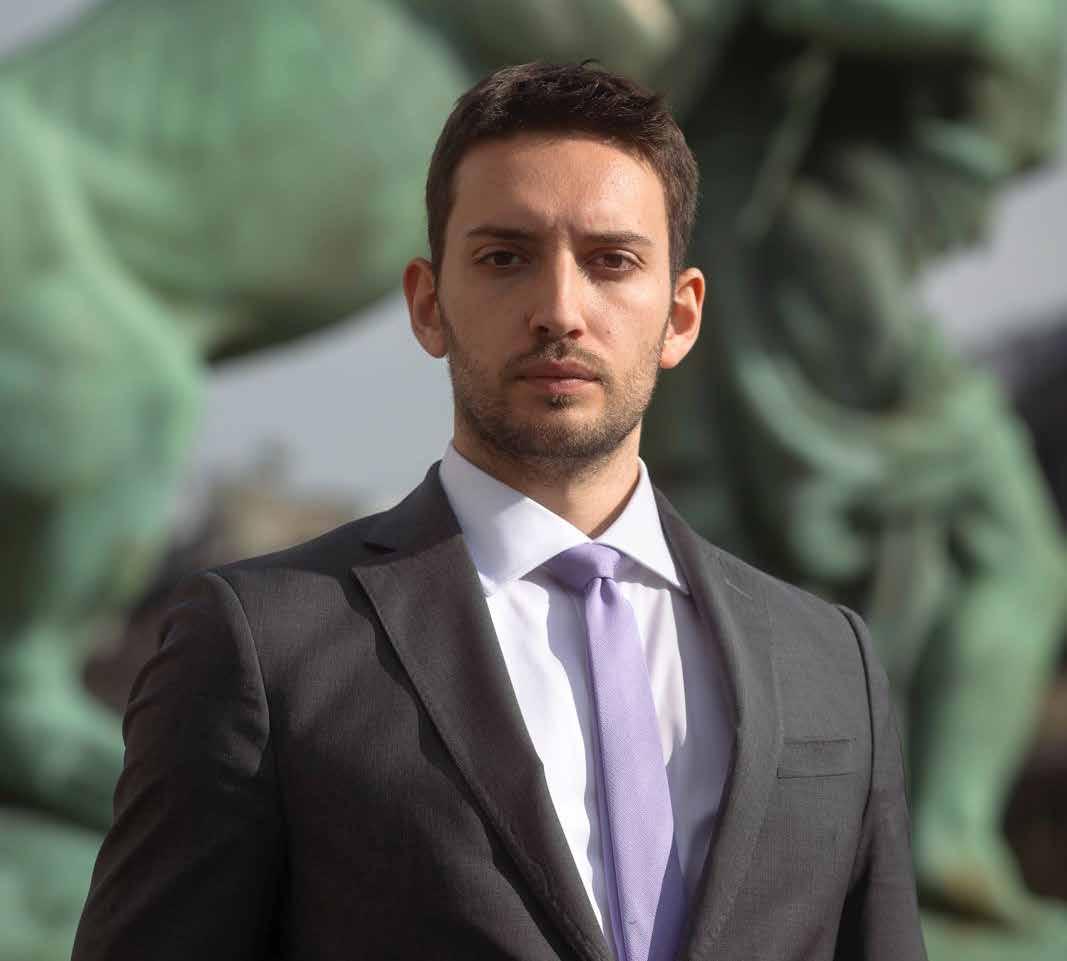
WE ARE NOT CONDEMNED TO MATERIAL OR SPIRITUAL POVERTY, NOR IS THAT OUR NATURAL HABITAT
received. The damage is far greater. Such a move sends a message to both existing and potential investors that Serbia is an unstable country and a market to be avoided. The consequences of that could be immeasurable.
For the Movement of Free Citizens, there is absolutely no dilemma: Europe, immediately.
Until now, the regime has somehow managed to dance on a thin wire, pretending to implement reforms so that the European path, and above all European funds, would not officially be halted, while ensuring that those “reforms” changed nothing in substance. They understand perfectly well that Serbia cannot function in isolation from Europe. Still, they also know that this regime would have no political survival if genuine European standards were introduced: free media, fair elections, and an independent judiciary.
That balancing act has lasted far too long and has led many citizens to lose faith in the European Union because of its ambivalent approach. However, it is increasingly clear that this practice is coming to an end, as evidenced by Serbia’s refusal to accept certain European funds following the adoption of the socalled “Mrdić laws”. Another new development is that Germany will reduce funding for Serbia due to the country’s disastrous state of the rule of law.
To what extent are the media today an obstacle to a fair political contest, and does the opposition have any answer to the ruling party’s dominance in the media other than relying on social networks?
The media situation in Serbia is unlike that of any European country and is one of the main causes of instability. The greatest
problem is the public broadcaster, which uses money from all citizens either to mislead them or to keep them in the dark about relevant information. That is why reform of the media sector will be one of the first steps after a change of government, alongside, of course, the dismantling of all security services from the lowest to the highest levels. Without dismantling that apparatus, which is the main obstacle to every attempt at modernisation and the principal generator of hatred and conflict, no political victory would have any real meaning.
However, if we are speaking about the current moment and the media landscape as it exists today, it is clear that it will not change significantly while the Serbian Progressive Party remains in power, and that we must therefore seek alternative ways to reach voters. I believe that the frequent and mass protests across Serbia have broken through years of darkness, dispelled fear, and shifted the balance towards those who want change. The only way to preserve that atmosphere is through grassroots work, and we are prepared for that.
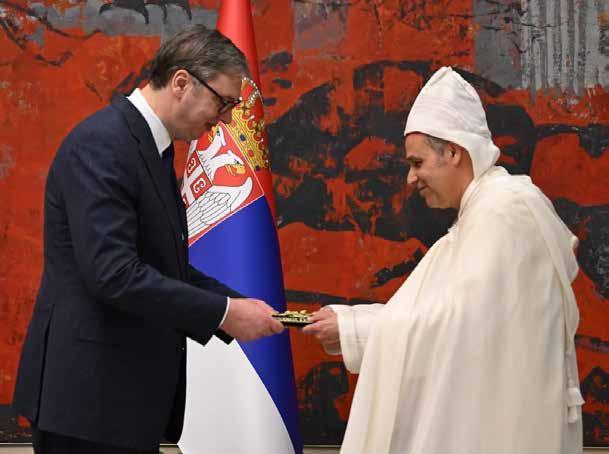
President of the Republic of Serbia, Aleksandar Vučić, received the credentials of the Ambassador of the Kingdom of Morocco, Omar Amghar
President Vučić extended a warm welcome to the newly appointed Moroccan ambassador, wishing him every success in his work and a pleasant stay in Serbia. He expressed confidence that the ambassador’s engagement would provide fresh momentum to further strengthen cooperation between the two countries, which are traditionally linked by friendly relations based on mutual respect and understanding.
President Vučić thanked Morocco for its principled position on respecting the territorial integrity and sovereignty of the Republic of Serbia, emphasising the importance of such support in the international arena.
He reaffirmed Serbia’s readiness to further intensify political dialogue and to enhance economic cooperation, particularly in trade, agriculture, tourism, and investment.
“I am confident that there is significant room to increase and diversify trade exchange, and I call for the acceleration of procedures that will enable key bilateral agreements to enter into force,” said Vučić.
12 MAY 2026


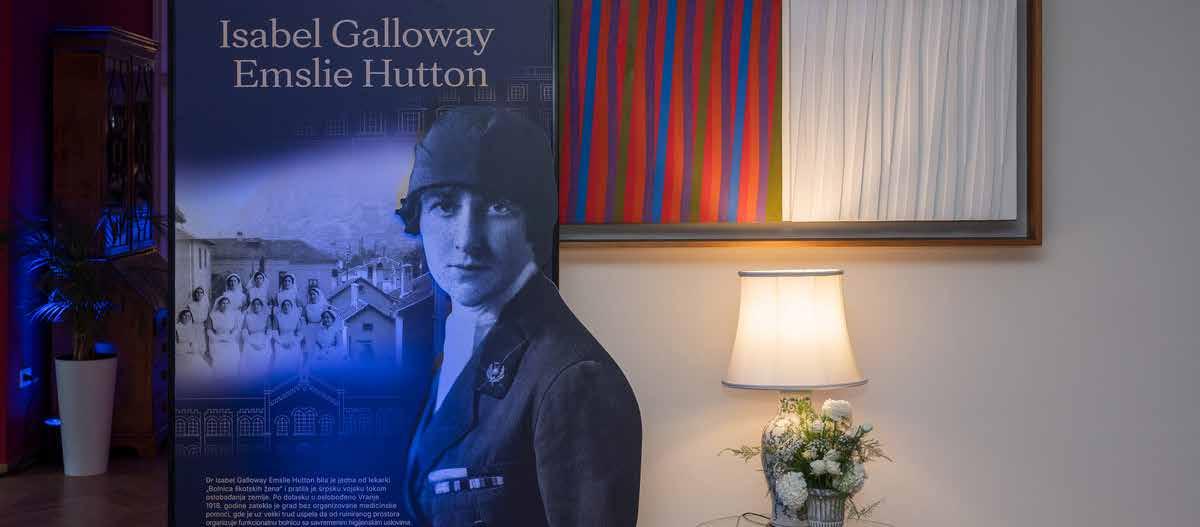
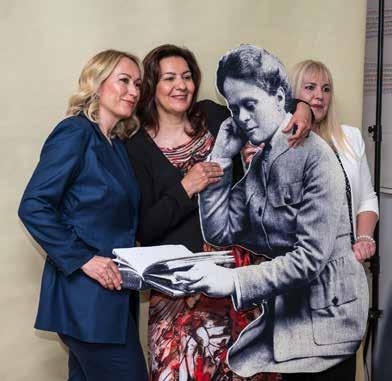
The British Embassy in Belgrade, in partnership with AstraZeneca, marked International Nurses Day, celebrated annually on 12 May
A reception was held at the Residence of the British Ambassador, H.E. Edward Ferguson. International Nurses Day is observed worldwide on the anniversary of Florence Nightingale’s birth, in recognition of the vital role nurses and healthcare technicians play in safeguarding public health,
advancing healthcare services, and providing patient care.
In addition to Ambassador Ferguson, the event featured an address by renowned Serbian cardiologist Professor Dr Siniša Pavlović, author of the landmark three-volume publication The Unforgotten, who spoke about the humanity, sacrifice, and solidarity shown by British women who saved the lives of soldiers and civilians in Serbia during the First World War.
15 APRIL 2026
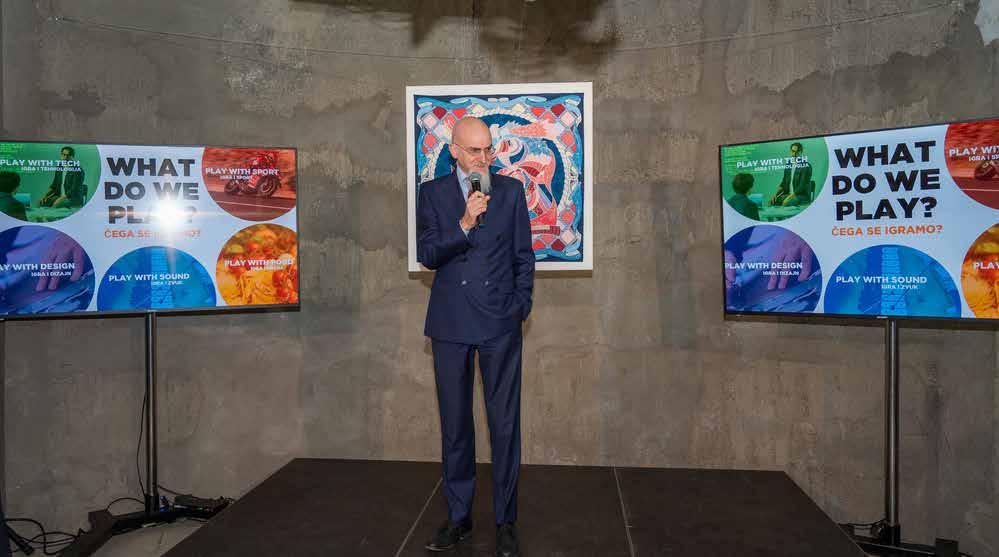
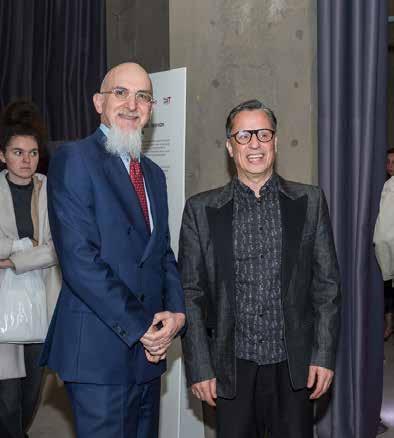
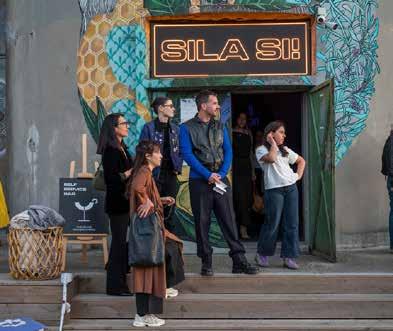
Within the 57th Belgrade Fashion Week, the project “Play with Design: FUTURE MAKERS – New Visions for the Fashion of Tomorrow” was inaugurated.
The exhibition was realised in cooperation with the Embassy of Italy in Belgrade and the NABA Academy in Milan, and it was held at the Silos space in Luka Beograd.
The project presents the work of fashion design students from Italy and Serbia, with a focus on new approaches to contemporary fashion and experimental design.
“FUTURE MAKERS” was part of the opening of Belgrade Fashion Week and was presented as a segment of the event’s accompanying program. The opening was attended by the Italian Ambassador to Belgrade, H.E. Luca Gori.
16 APRIL 2026
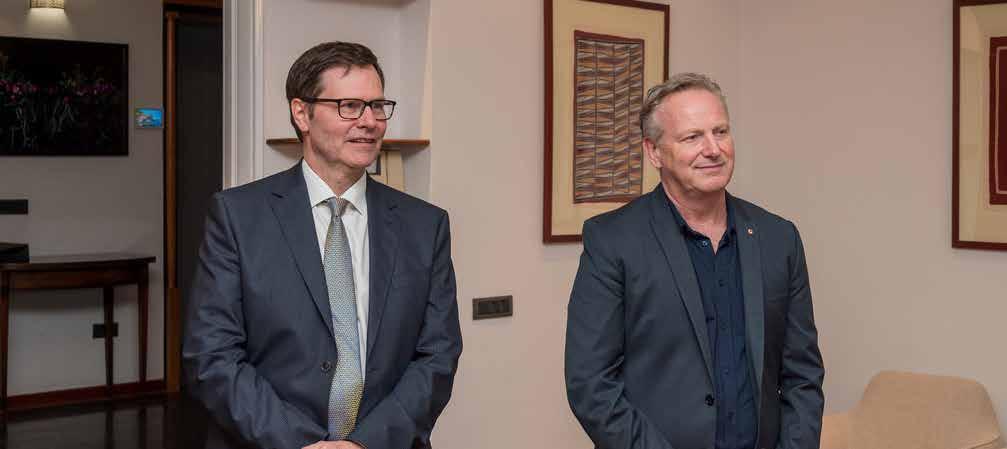
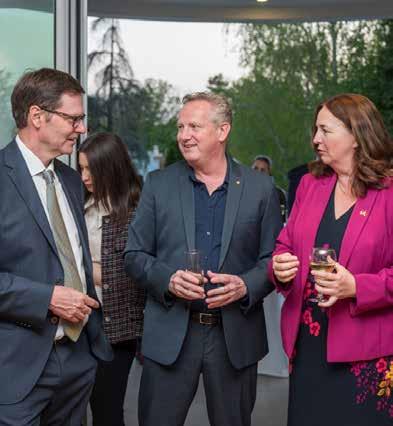
Acocktail reception was hosted at the residence of the Australian Ambassador in Belgrade in honour of one of Australia’s most distinguished musicians and conductors, Alexander Briger, who visited Serbia for a performance with the Belgrade Philharmonic Orchestra.
The reception was hosted by the Australian Ambassador to Serbia, H.E. Peter Truswell, at the Ambassador’s Residence, gathering members of the diplomatic and cultural community. The partnership between the Australian Embassy and the Belgrade Philharmonic
Orchestra enabled Belgrade audiences to experience the artistry of the renowned Australian conductor, celebrated for his contemporary and innovative interpretations of classical music. In 2016, Briger was appointed an Officer of the Order of Australia (AO) in recognition of his distinguished service to the arts as a leading conductor.
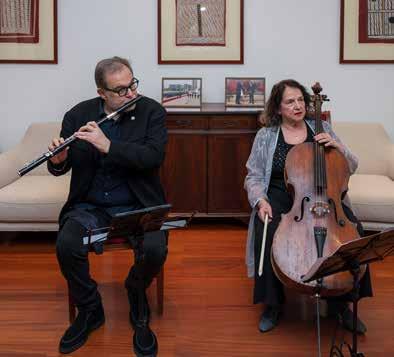
During the reception, Professors Belic and Jovanovic performed celebrated classical pieces, further highlighting the evening dedicated to strengthening cultural ties between Australia and Serbia.
16 APRIL 2026
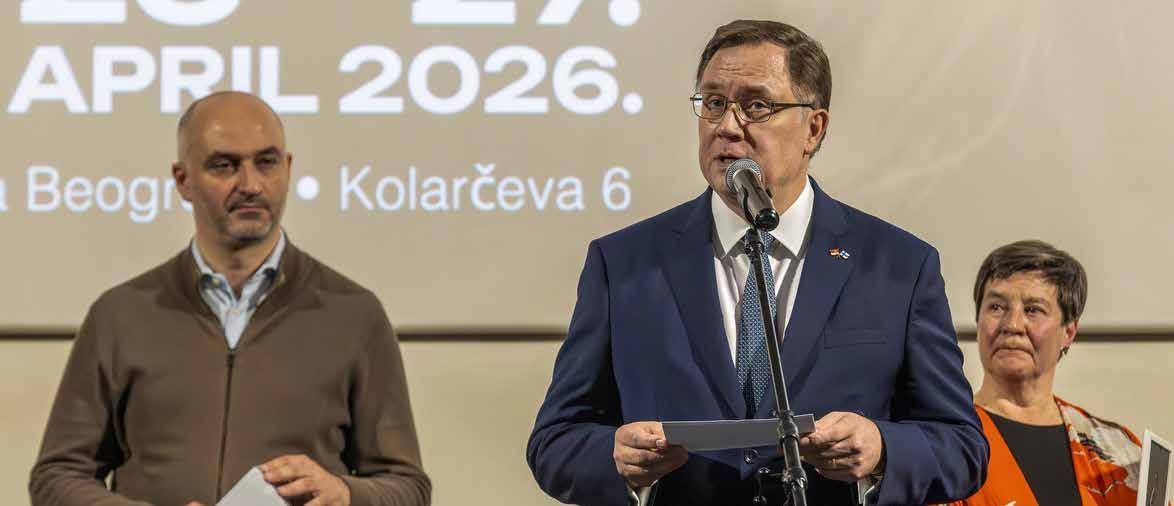
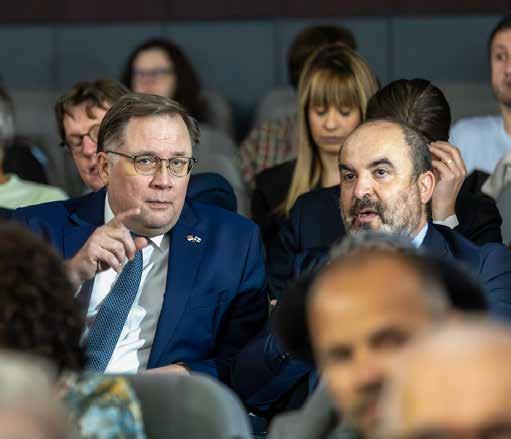
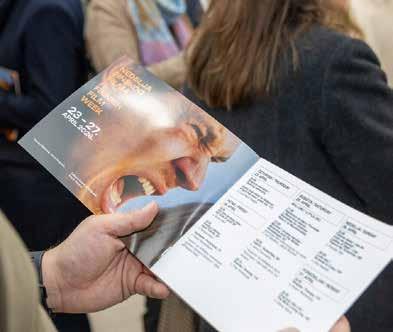
With a screening of Light That Never Fades by director Lauri-Matti Parppei, Finnish Film Week officially opened on 23 April at the Belgrade Cultural Centre.
Now in its eighth edition, the festival once again introduced Belgrade audiences to contemporary works from one of Europe’s most distinctive national cinemas.
The event was ceremonially opened by Finland’s Ambassador to Serbia, H. E. Niklas Lindqvist, who expressed his gratitude to everyone who has contributed to the festival’s continuity and success over the years.
The audience was also addressed by film selector and director Stefan Arsenijević, along with guests from Finland: director
Jenni Toivoniemi, whose film Butterflies was screened at the festival, and screenwriter and director Samppa Batal, who also appeared before the Belgrade audience as the lead actor in the short film Pantyhose, which was shortlisted for this year’s Academy Awards.
Finnish Film Week was organised with the support of the Embassy of Finland and the Finnish Film Foundation. It was led by Jaana Puskala, who co-founded the Finnish film showcase with Nebojša Popović in 2010.
On this occasion, Puskala presented the Belgrade Cultural Centre team with a certificate of appreciation for their long-standing cooperation and support in organising a film festival that has become a favourite among Belgrade audiences.
22 APRIL 2026
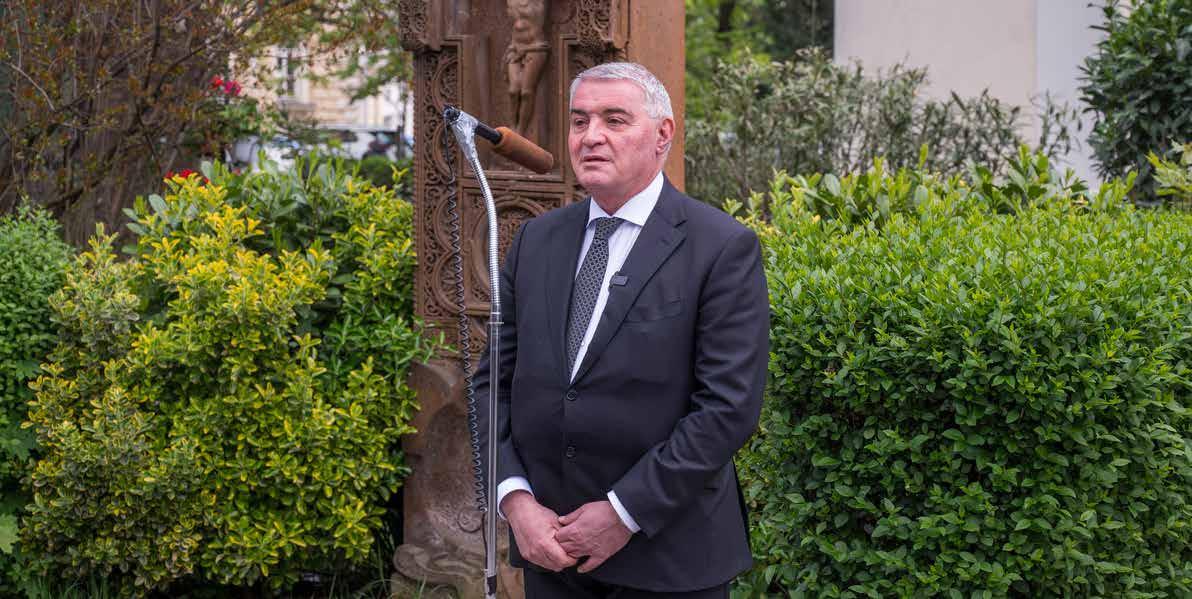
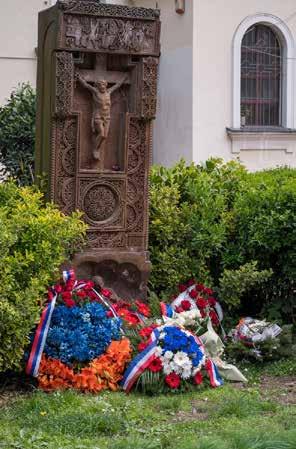
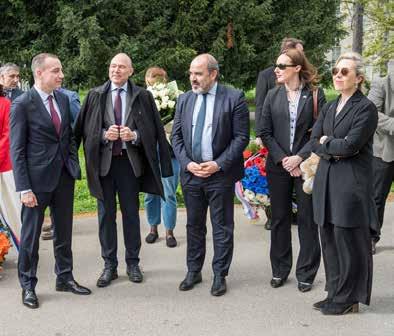
The Embassy of the Republic of Armenia in the Republic of Serbia, in cooperation with the Armenian National Community in Serbia, the Association of Armenians of Vrnjačka Banja, and the Society for Armenian-Serbian Heritage in Serbia “ANI,” organised a wreathlaying ceremony in memory of the victims of the Armenian Genocide.
The ceremony was held on Wednesday, 22 April 2026, at the Armenian khachkar in Zemun Park, in front of the Church of Saint Archangel Gabriel.
Those gathered paid tribute to the victims and once again emphasised the importance of preserving the memory of the victims of the genocide against the Armenian people.
23 APRIL 2026
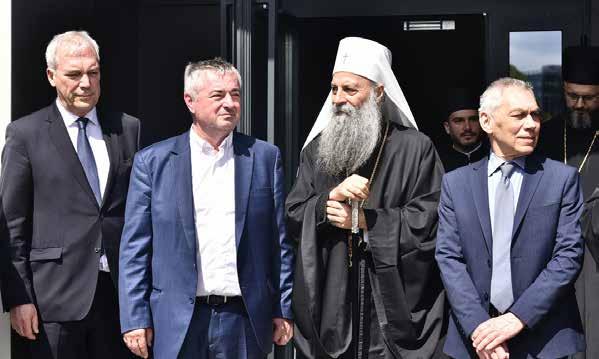
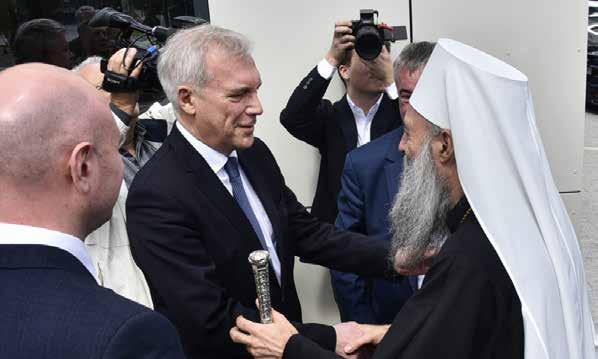
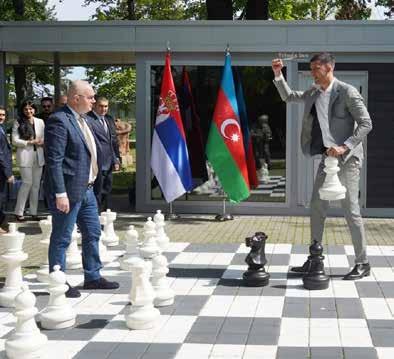
The Honorary Consulate of the Russian Federation in Vojvodina was ceremonially opened in Novi Sad. Dušan Bajatović, director of Srbijagas and a senior official of the Socialist Party of Serbia, has been appointed honorary consul.
The opening ceremony was attended by Patriarch Porfirije, Russia’s ambassador to Serbia, H.E. Aleksandr Botsan-Kharchenko, the Russian Deputy Foreign Minister, Aleksandr Grushko, the President of the Novi Sad City Assembly, Dina Vučinić, and the former minister and leader of the Movement of Socialists, Aleksandar Vulin.
23 APRIL 2026
Dušan Bajatović noted that Serbs see Russians as brothers, but in reality know relatively little about the country and its people.
“We believe in Mother Russia; we know we are Orthodox Christians, we know we are Serbs and Russians, and we know we are brothers. It is no coincidence that the Patriarch spoke of us as one people, united within the Orthodox Church. We have many enemies… But let me say this: we Serbs, in essence, know very little about Russia. We know they are an Orthodox nation, that they are our brothers, and that we can rely on
Russia. But beyond that, about its natural beauty, its science, how far Russia has advanced, we know very little,” Bajatović said.
Patriarch Porfirije said that all people are “created as beings of community, and what applies to individuals also applies to nations. Cooperation and dialogue are therefore in our nature; through cooperation, we affirm ourselves. The Orthodox Church is one and united. Many nations within the Orthodox Church, through communion with God, are also in communion with one another.
The honorary consulate is located at 2 Branka Bajić Street.
Azerbaijan and Serbia strengthen cooperation: Chess pavilion opened in Tašmajdan Park.
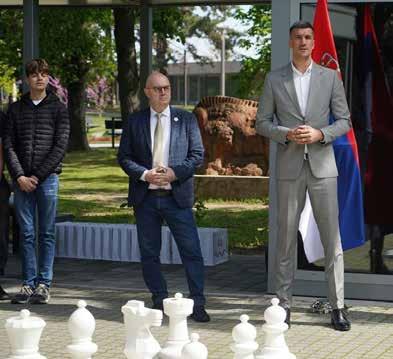
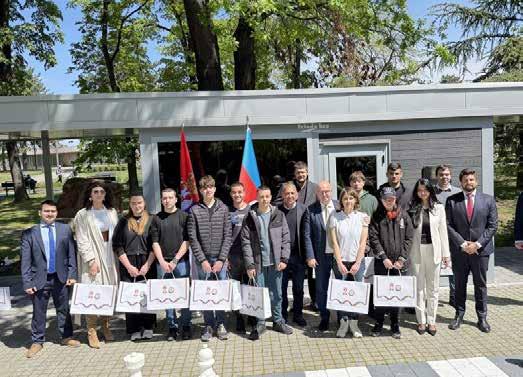
On 23 April 2026, the opening ceremony of a chess pavilion took place in Tašmajdan Park in Belgrade, organised by the Embassy of Azerbaijan in the Republic of Serbia and financially supported by the company AzVirt.
The pavilion was inaugurated in the presence of the State Secretary of the Ministry of Sports of Serbia, Marko Kešelj, the President of the Chess Federation of Serbia, Andrija Jorgić, as well as representatives of the Embassy.
In the address delivered on behalf of the Ambassador of Azerbaijan to Serbia, Kamil
Khasiyev, it was noted that the opening of the chess pavilion, just a few steps from the monument to the National Leader of Azerbaijan, Heydar Aliyev, in Tašmajdan Park, is a source of great satisfaction. The Ambassador emphasised that friendly relations between Azerbaijan and Serbia continue to develop successfully and have reached the highest level of strategic partnership.
It was further highlighted that the official visit of the President of the Republic of Azerbaijan, H.E. Ilham Aliyev, to Belgrade in February marked an important milestone
in bilateral relations. During the visit, the Strategic Partnership Council held its first meeting under the co-chairmanship of the two Presidents, and several significant documents were signed, elevating the partnership to a qualitatively new level. Today, the Republic of Serbia is one of Azerbaijan’s closest friends in Europe and a reliable strategic partner.
Following the ceremony, a symbolic first move was made, and a blitz (3+2) chess tournament commenced. Awards and gifts were presented to the tournament winners and participants.
29 APRIL 2026
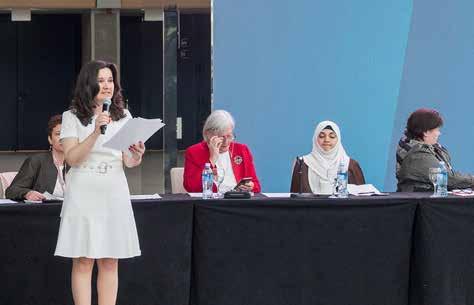
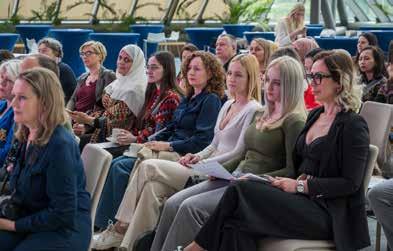
At a ceremonial event held on 29 April at the Sava Center, the International Women’s Club Belgrade (IWC) signed partnership agreements with eleven local organisations selected for funding under the “Women for Women” initiative.
This marks the third consecutive year that IWC has directed its resources toward local projects to empower women throughout Serbia.
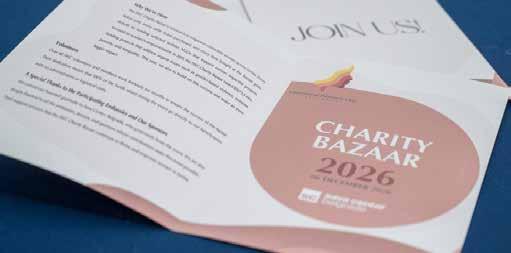
A total of 5.5 million RSD was raised during IWC’s 22nd Annual Charity Bazaar in December 2025. Held at the Sava Center, the bazaar attracted nearly 3,000 visitors and included participation from 29 embassies.
The ceremony was opened by Andrea Pavukova, IWC President and spouse of the
07 MAY 2026
Slovak Ambassador to Serbia, who highlighted the long-term significance of the supported initiatives:
“This is not just a ceremony, this is a commitment to action,” Pavukova said. “Many projects are too small for major donors but too important to be overlooked. We focus on vital initiatives that often remain invisible. By supporting women in their communities, we aim to strengthen connections among them and provide the tools they need to shape their own lives.”
Selected from a record 97 applications, these projects address key issues such as safe housing, specialised psychological support, and professional training for survivors of violence, single mothers, and
marginalised communities. From supporting women recovering from breast cancer to empowering entrepreneurs in rural areas, each initiative seeks to move beyond short-term aid and foster longterm systemic change and economic independence.
Building on this momentum, IWC is pleased to announce that the next charity bazaar is scheduled for 6 December 2026, with continued support from the Sava Center as a key sponsor and host. Preparations are already underway to ensure the ongoing success of Serbia’s largest multicultural charity event and to further IWC’s mission to support local initiatives that empower women across the country.
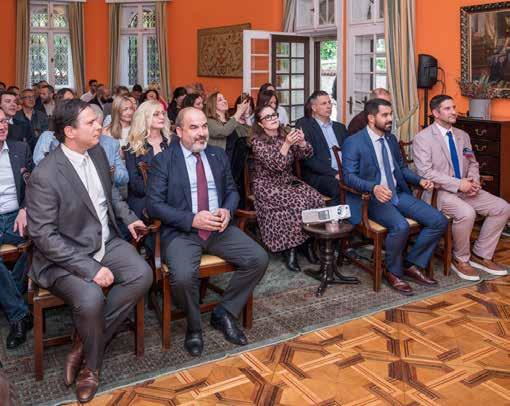
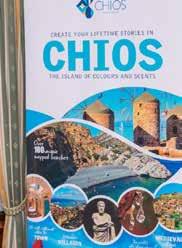
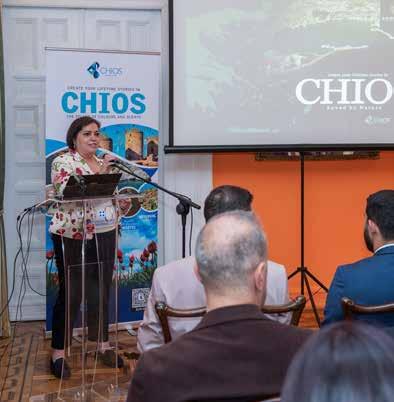
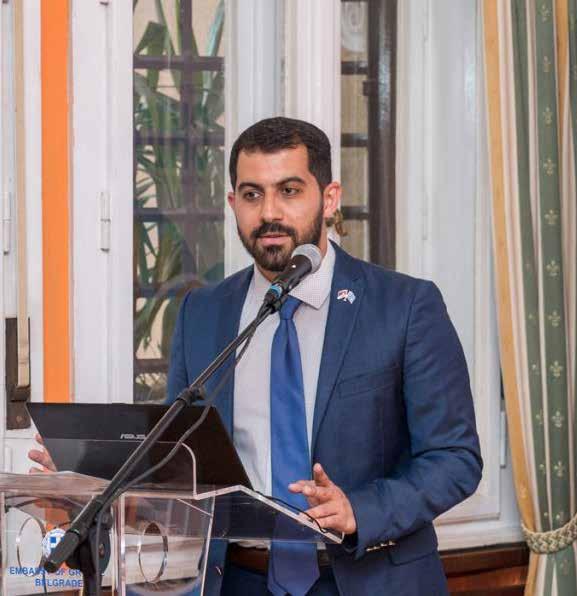
Apresentation of the Greek island of Chios was held at the residence of the Greek Ambassador in Belgrade for Serbian tourism professionals, journalists, and influencers.
The event was organised by the Embassy of Greece in Belgrade and the Serbian office of the Greek National Tourism Organisation (GNTO/EOT), under the auspices of the EOT, and was attended by H.E. Maria Levanti, Ambassador of Greece to Serbia.
The guests were addressed by the Deputy Mayor of Chios, Giorgos Christakis, and Giorgos Passas, the representative of the Chios Chamber of Commerce and Tourism Organisation, who introduced the tourism potential of this Aegean island, renowned for its rich history, maritime tradition, and mastic production.
Particular emphasis during the presentation was placed on the authentic experiences Chios offers visitors, including local gastronomy, cultural heritage, and natural beauty, which distinguish the island from
other Greek destinations. Mariana Stević from the travel agency Argus Tours and travel blogger Nemanja Damjanov, founder of the Greecetale page, shared their impressions from a study trip to Chios organised in October 2025 at the initiative of the Greek National Tourism Organisation and its representative office in Serbia.
They highlighted that Chios is a destination that offers Serbian tourists a different, more tranquil experience of Greece, characterised by preserved traditions, hospitality, and an authentic atmosphere.
09 MAY 2026
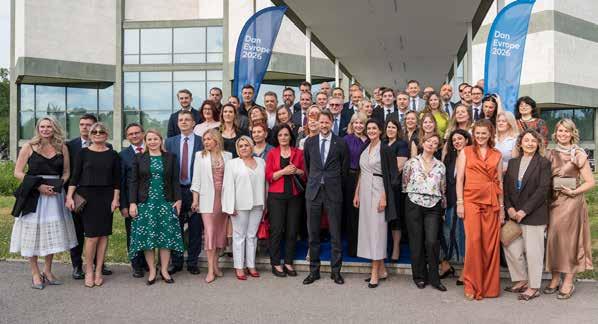
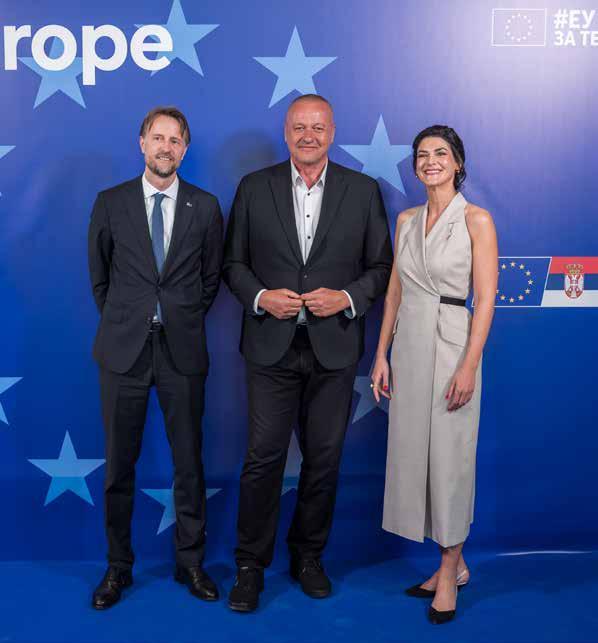
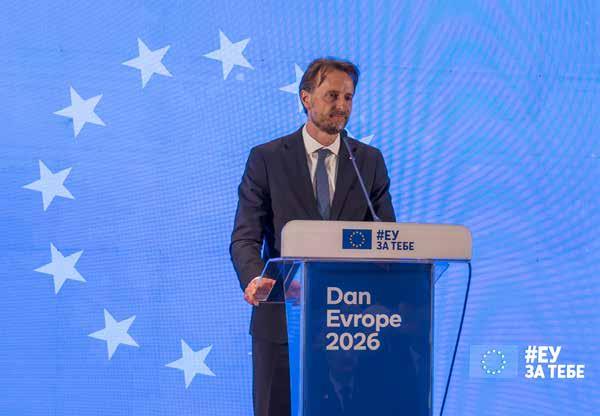
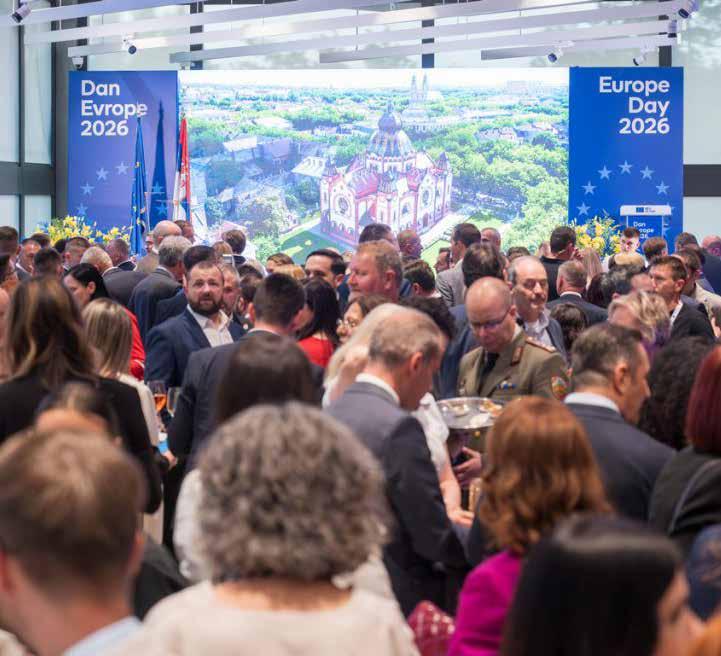
Europe Day Reception at the Museum of Contemporary Art Convened Serbian Officials, Ambassadors and EU Partners
Head of the EU Delegation to Serbia Andreas von Beckerath stated that Serbia belongs in the European Union “as a host at its own table,” emphasising that the country’s European path requires continued reforms, stricter rule of law, and enhanced institutional cooperation.
Head of the European Union Delegation to Serbia Andreas von Beckerath said that 9 May carries profound historical significance, marking a day to remember all victims of the Second World War and those who paid the price of fascism and Nazism. At the same time, he noted, it is also a day that commemorates the courageous post-war decision by European nations, once divided by borders, to choose unity over division and cooperation over conflict, Tanjug reported.
Speaking to RTS, von Beckerath said that the EU firmly believes Serbia belongs in the European Union, “not as a guest, but as a host at its own table.” He assessed that
while modest progress has been achieved, much remains to be done, particularly in the areas of the rule of law and the electoral framework.
He recalled that the Schuman Declaration was drafted and adopted 76 years ago, underscoring the fundamental values upon which the European Union was built.
“These are democracy and the rule of law, along with the clear belief that our future will be far more prosperous and better if we stand together. That is precisely the Europe we commemorate today, and it is also the Europe we offer to Serbia’s citizens. It is important to say that we believe Serbia belongs in the Union — not as a guest, but, as I said yesterday, as a host at its own table,” the Head of the EU Delegation emphasised.
Von Beckerath added that Europe Day is also a celebration of diversity, stressing that diversity within the European Union
should not be seen as a barrier, but rather as a bridge.
He also recalled that a Europe Day reception had been held the previous evening at the Museum of Contemporary Art, while today’s focus was on celebrating Europe Day together with Serbian citizens.
“We will host numerous concerts here in Belgrade, in front of the Europe House on Knez Mihailova Street. There will be performances for both younger and older generations, while additional programmes are taking place in Novi Pazar, Niš, and Novi Sad. Tomorrow, we will organise an open-air picnic at Kalemegdan Fortress in Belgrade, and we hope many people will join us,” von Beckerath said.
The Head of the EU Delegation to Serbia also thanked Serbian citizens for the warm welcome he has received during his nearly one year in office, saying that he feels “at home” in Serbia.
13 MAY 2026
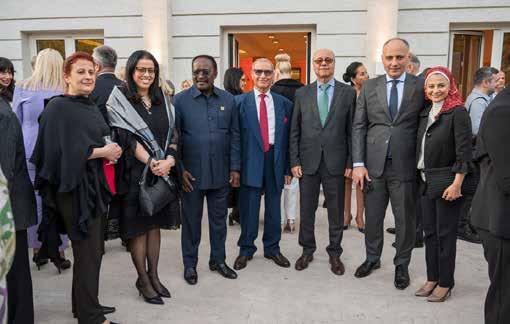
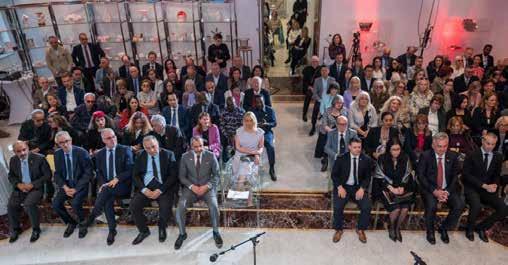
As part of the celebration marking 70 years of diplomatic relations between Tunisia and Serbia, the Embassy of Tunisia in Belgrade is organising the event “Days of Tunisia in Serbia”, taking place from 13 May to 16, at the Madlena Art Palace.
Organised in cooperation with the Embassy of Tunisia and the Tunisian National Tourist Office, the four-day program offers visitors an opportunity to discover the richness of Tunisian culture, art, tourism, and gastronomy, with a special focus on the country’s authentic lifestyle, traditional music and dance, as well as its world-renowned organic olive oil.
The event was officially opened by the Ambassador of Tunisia to Belgrade, H.E. Imen Laajili Ammari, who hosted a reception at the Madlena Art Palace. Guests were introduced
MAY 2026
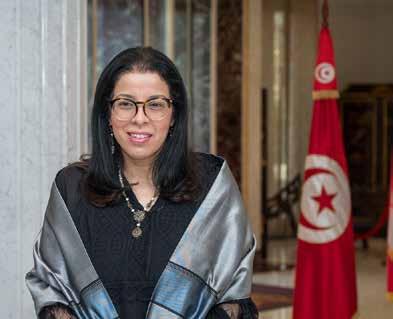
to the full program and a variety of presentations showcasing Tunisia’s cultural and tourist diversity.
The programme included presentations dedicated to the island of Djerba and Tunisia’s organic olive oil tradition, along with documentary screenings, a photography exhibition, a professional tourism gathering, expert lectures, olive oil tastings, and musical performances inspired by Mediterranean culture.
14 MAY 2026
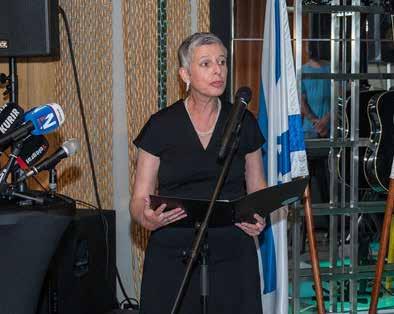
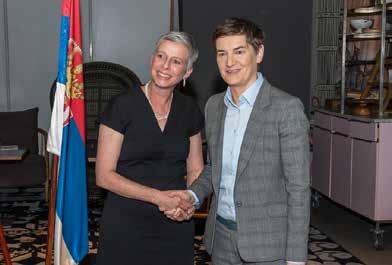
The Embassy of Israel in Belgrade marked the 78th anniversary of the State of Israel’s independence on 14 May.
The celebration was attended by National Assembly Speaker Ana Brnabić, ministers Adrijana Mesarović, Jagoda Lazarević, Dragan Glamočić, and Nenad Vujić, as well as representatives of foreign embassies, according to Tanjug.
Israeli Ambassador H.E. Avivit Bar-Ilan said that this year’s Independence Day slogan, “The Power of Renewal,” best reflects the spirit of the country and the Israeli people over the past year.
“On this very day, 78 years ago, 14 May 1948, David Ben-Gurion declared the establishment of the State of Israel, fulfilling the centuries-old dream of the Jewish people to return to their homeland and live in freedom and sovereignty,” Bar-Ilan said.
She added that it was a deeply emotional historic moment, the rebirth of the Jewish state after a long period of exile, persecution, and hope.
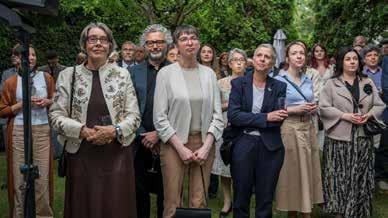
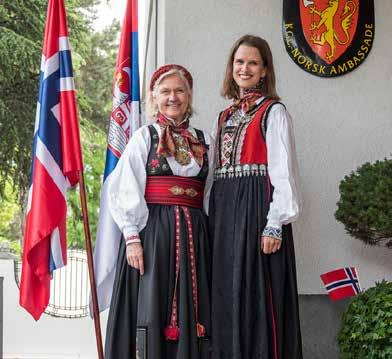
Norwegian Ambassador to Serbia, H.E. Kristin Melsom, hosted a ceremonial reception to celebrate Norway’s Constitution Day, observed annually on 17 May.
The event brought together friends of Norway, members of the diplomatic corps, and representatives of the local community. On 17 May 1814, Norway adopted its Constitution, and the date is celebrated as the birthday of the Norwegian state and nation.
Traditionally, citizens take to the streets dressed in national costumes known as
“bunad,” with each region of Norway featuring its own unique design, making the celebration especially colourful and diverse.
Speaking about relations between Serbia and Israel, Bar-Ilan said that bilateral cooperation between the two countries has never been stronger. She noted that recent years have seen remarkable growth in trade, innovation, technology, tourism, culture, and people-to-people ties.
Highlighting symbols of the close connection between Serbs and Jews, Bar-Ilan said there is no more authentic symbol of that bond than Israeli-Serbian singer Jasmin Levy, who was the guest of honour at the celebration in Belgrade.
The Israeli ambassador also recalled Serbia’s support during the captivity of Serbian-Israeli citizen Alon Ohel, who Hamas kidnapped during the 7 October 2023 attacks.
During the ceremony, Alon Ohel also addressed the guests via video message, thanking the people of Serbia for the care and support shown to his family throughout his captivity.
by Dragan
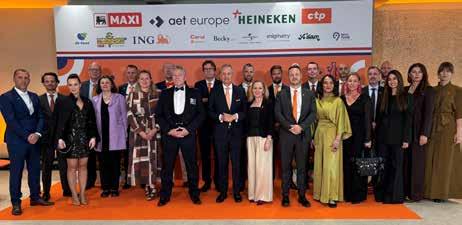
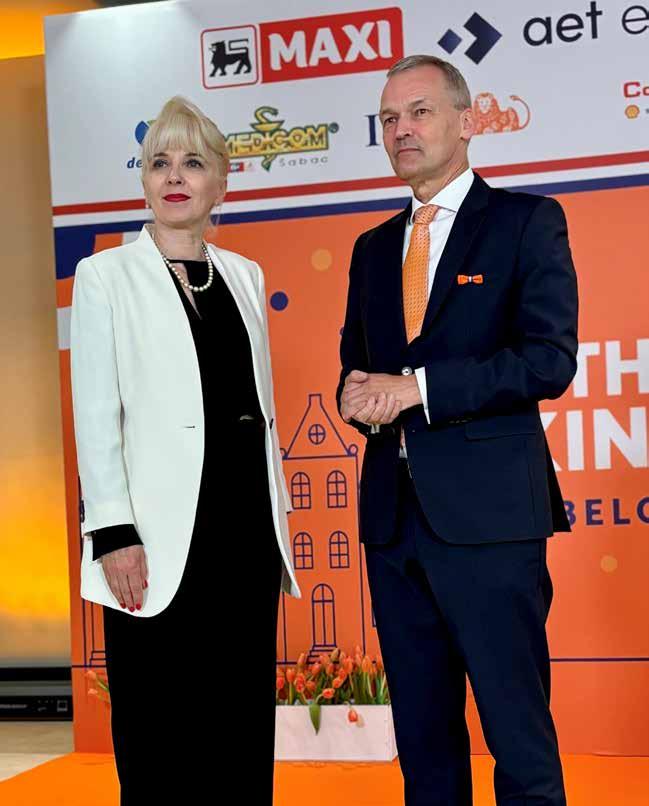
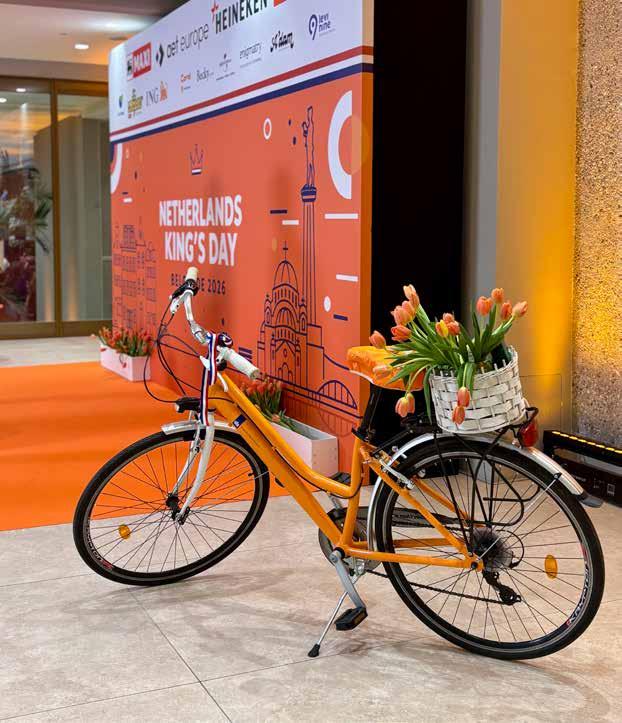
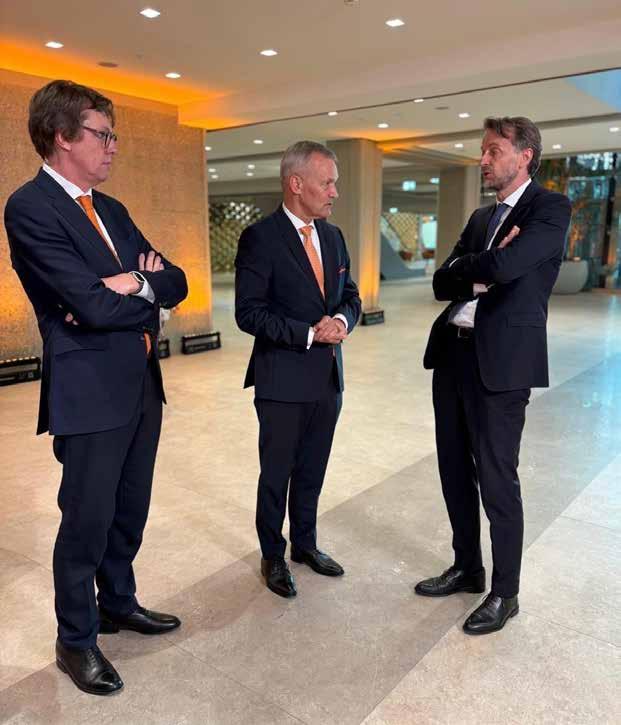
On the occasion of King’s Day, the National Day of the Netherlands, the Ambassador of the Kingdom of the Netherlands to Serbia, H.E. Martijn Elgersma, hosted a reception. The celebration this year was special since 2026 marks 135 years of diplomatic relations between the Netherlands and Serbia.
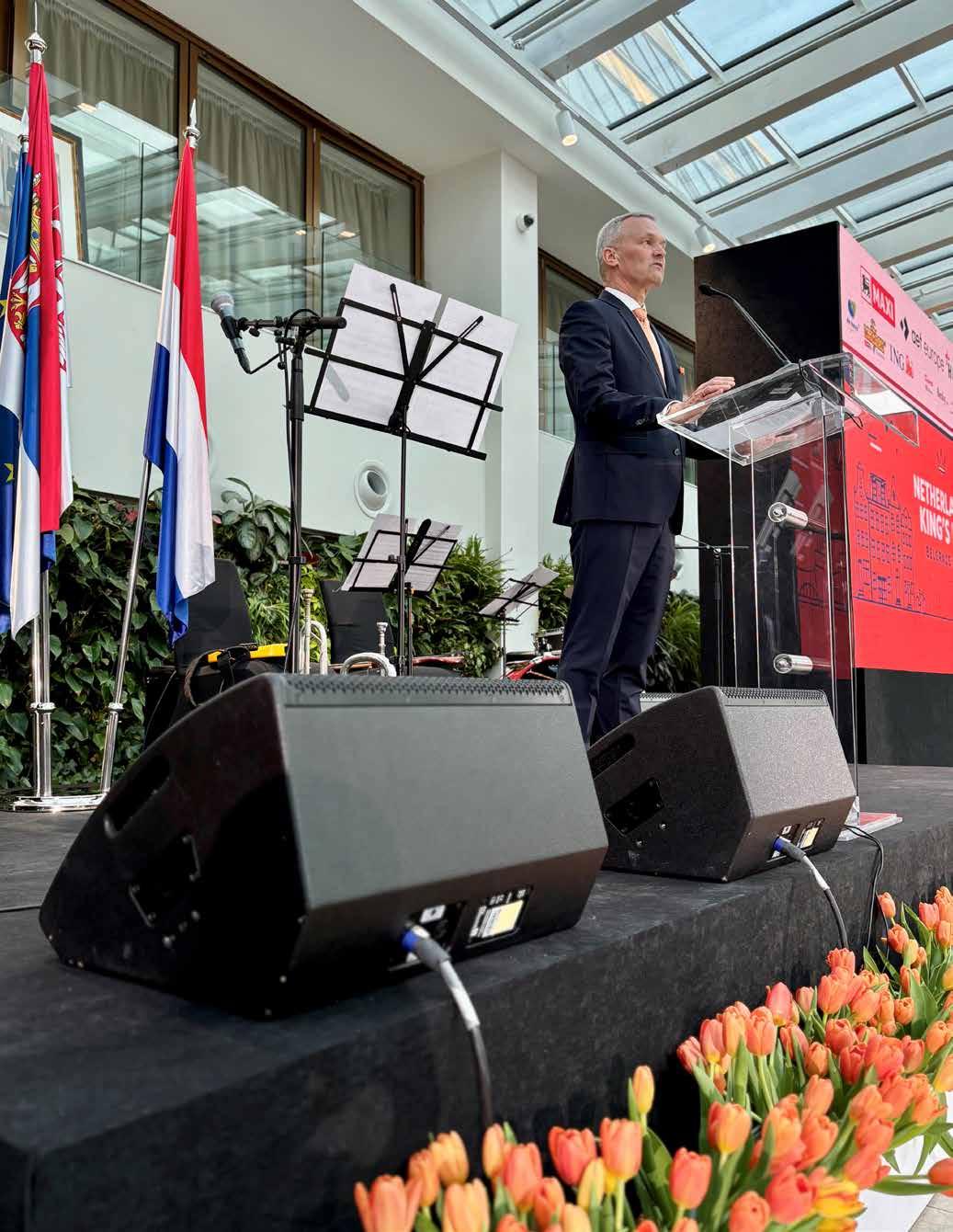
King’s Day (Koningsdag) is a national holiday in the Netherlands that is celebrated on 27 April to mark the birthday of His Majesty King Willem-Alexander. After the inauguration of King Willem-Alexander in 2013, the first King’s Day, after years of celebrating Queen’s Day, was celebrated in 2014. The name and dates have changed over history, but the festive spirit of this holiday remains. The Netherlands turns orange on King’s Day as a token of pride for the Dutch Royal Family, the House of OrangeNassau. The Day is celebrated with street parties, markets and music.
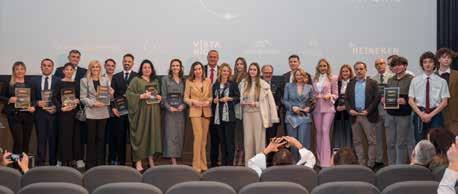
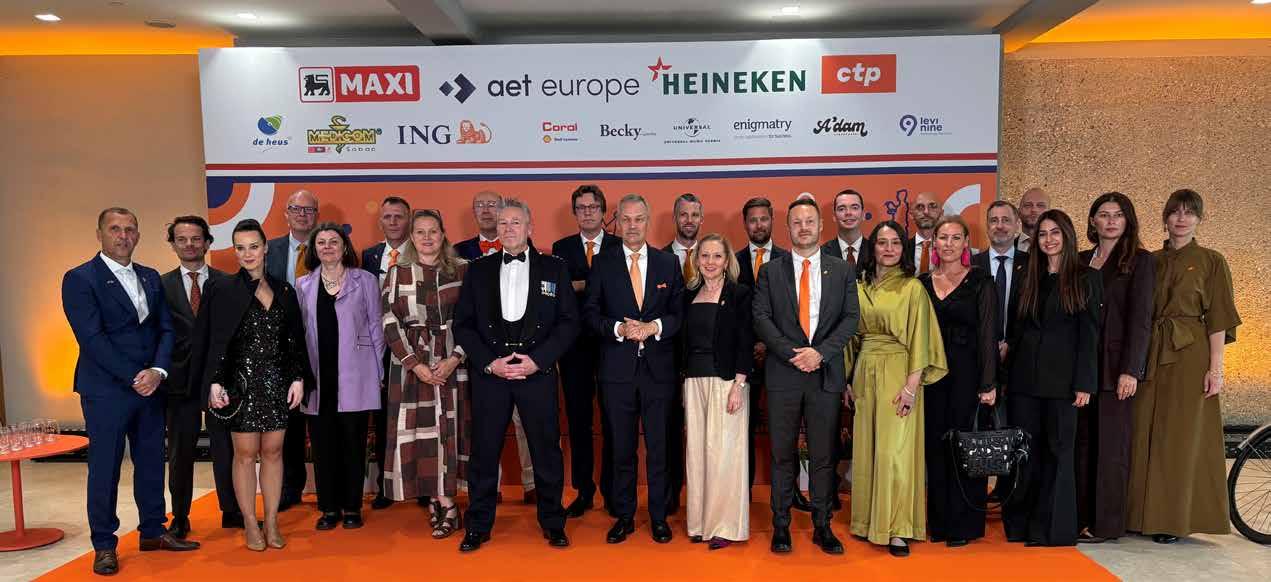
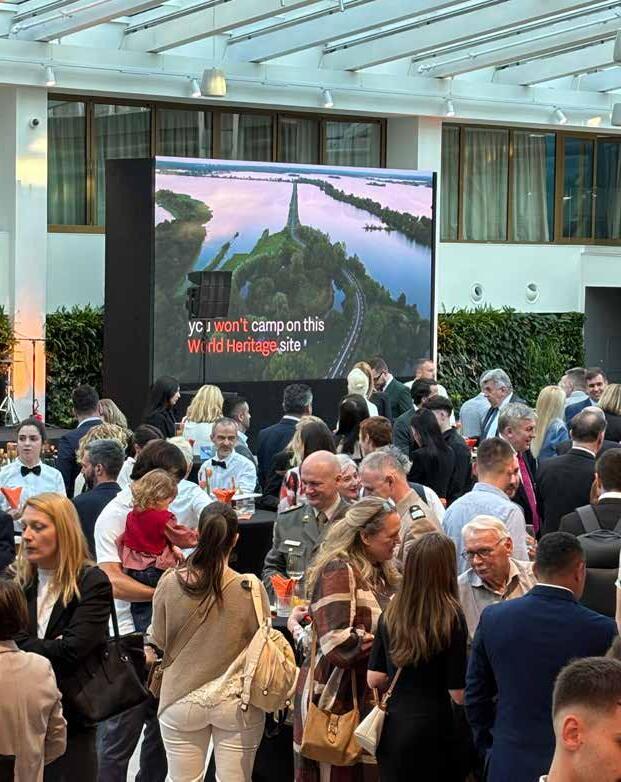
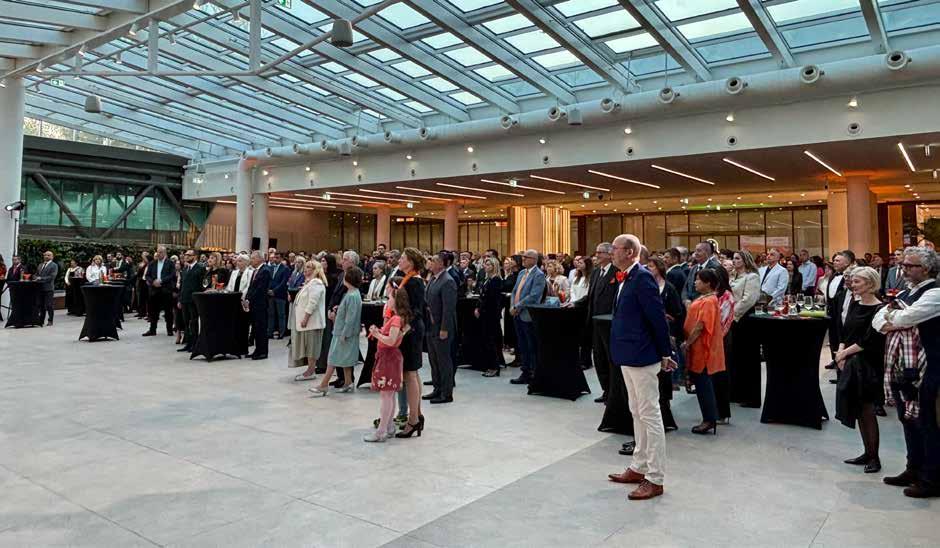
The Belgrade reception was attended by representatives of the Dutch community in Serbia, Serbian Government officials, members of the diplomatic corps and representatives of civil society and the business community.
The event was supported by Ahold Delhaize (Maxi), A.E.T. Europe, Heineken, CTP Serbia, De Heus, Medicom Šabac, ING, Coral Shell Group, Becky. works, Universal Music Serbia, Enigmatry, Levi9 and A’dam Stroopwafel.
DEMOCRACY, MEDIA FREEDOM AND THE RULE OF LAW REMAIN ESSENTIAL FOR SERBIA’S EUROPEAN FUTURE
At a reception marking 135 years of diplomatic relations between the Netherlands and Serbia, the Dutch Ambassador emphasised the strong historical, political, economic and cultural ties connecting the two countries, while also underlining the importance of Serbia’s European path and continued reforms.
Speaking before diplomats, business leaders and representatives of civil society in Belgrade, the ambassador said that this year’s King’s Day celebration carried additional significance because it coincided with the 135th anniversary of diplomatic relations between Serbia and the Netherlands. He described the bilateral relationship as one built not only by institutions and governments, but also by individuals,
RELATIONS
companies, universities, media and cultural organisations. Referring to the long tradition of cooperation between the two
countries, the ambassador mentioned Dutch doctor Arius van Tienhoven, who served in Serbia during the Balkan Wars and
the First World War and documented wartime life and crimes committed against Serbian civilians. He also referred to Serbian football player Dušan Tadić as someone who “brought a piece of Serbia to the Netherlands”, while highlighting the role of Serbian diaspora communities, investors, businesspeople, universities and civil society organisations in strengthening bilateral relations.
The ambassador particularly praised the cooperation between Dutch civil society organisations and Serbia’s independent media over the past three decades, calling it “heart-warming”, while also congratulating Kulturni Centar Grad on its seventeenth anniversary and recalling its close cooperation with Dutch partners since its establishment.
Speaking about Serbia’s European integration process, the ambassador stressed that sustainable progress in democracy, media freedom and the rule of law remains essential both for Serbia’s EU accession ambitions and for overcoming social polarisation within the country itself. He reiterated that the Netherlands would continue supporting reforms and engaging with Serbia within the accession framework.
The speech also highlighted plans for expanding bilateral cooperation in several fields. The ambassador announced that, as the Netherlands holds the 2026 presidency of the Benelux organisation, a joint Benelux visit to Serbia is expected to take place later this year. In the economic sphere, he pointed to the upcoming meeting of the high-level working group on agriculture in May, as well as training programmes organised by Wageningen University focusing on sustainable agriculture methods.
THE NETHERLANDS WILL CONTINUE TO SUPPORT SERBIA’S REFORMS AND STRENGTHEN COOPERATION THROUGH BUSINESS, EDUCATION AND CIVIL SOCIETY
Business cooperation was another major topic of the address, with the ambassador announcing the annual Balkan Business Dialogue to be held in The Hague in cooperation with the Dutch Serbian Business Association. He also thanked sponsors from the Dutch business community operating in Serbia, including companies such as Ahold Delhaize, ING Bank and Universal Music, saying their presence reflects the excellent trade and investment relations between the two countries.
The ambassador also touched on sports diplomacy, recalling
the recent European Water Polo Championship in which the Dutch team narrowly lost to Serbia after a penalty shootout, and noting that the national football teams of Serbia and the Netherlands are set to meet twice this autumn in the UEFA Nations League.
Concluding the speech, the ambassador thanked all those who have contributed to strengthening Dutch-Serbian friendship and raised a toast to the health of Willem-Alexander and to the continued partnership between the two countries.

Prime Minister of the Republic of Serbia, Prof. Dr. Đuro Macut, together with the President of the Swiss Confederation, Guy Parmelin, visited the Nestlé factory in Surčin and attended the presentation of the Serbia–Switzerland Cooperation Programme for the 2026–2029 period at Ložionica.
The Prime Minister emphasised that Serbia highly values its friendship with Switzerland, highlighting Nestlé as a strong example of how solid partnerships and investments can bring tangible benefits to local communities and create new opportunities for citizens.
Macut stated that the Cooperation Programme between the Republic of Serbia and the Swiss Confederation for 2026–2029 represents a new chapter in relations between the two countries and confirms decades of friendship and the strength of their partnership. He recalled that over 35 years of cooperation, through various programmes, significant progress had been made in improving the work of municipalities across Serbia, modernising public administration, and achieving results in sustainable development and the strengthening of democratic capacities.
“Thanks to the projects implemented so far, the quality of everyday life in many parts of Serbia has improved,” the Prime Minister stressed, expressing gratitude to Switzerland for its decision to continue the partnership in the coming years.
President of the Swiss Confederation Guy Parmelin said that the ties between the two
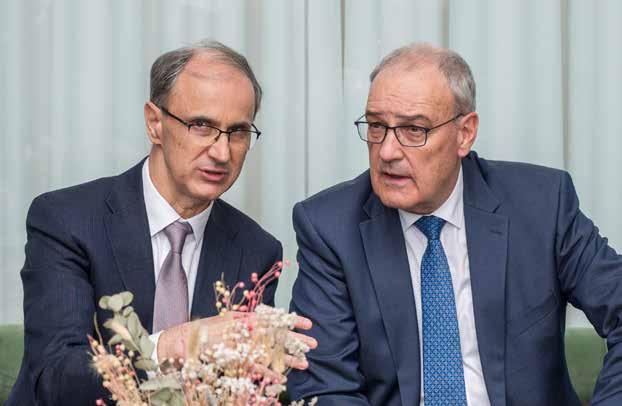
SERBIA HAS GREAT POTENTIAL FOR THE DEVELOPMENT OF DUAL EDUCATION SYSTEMS AND INNOVATION, AND WE WANT TO HARNESS THAT POTENTIAL FURTHER
countries are strong and span a broad range of areas, underscoring intensive economic cooperation and close cultural exchange that further connect the two societies.
“Serbia is an important partner in the Western Balkans region, and we believe there is considerable potential for further strengthening our cooperation,” said Parmelin, adding that Switzerland will continue supporting local selfgovernments and the development of Serbian companies to foster sustainable and inclusive growth.
As Patricia Danzi, Director General of the Swiss Agency for Development and Cooperation
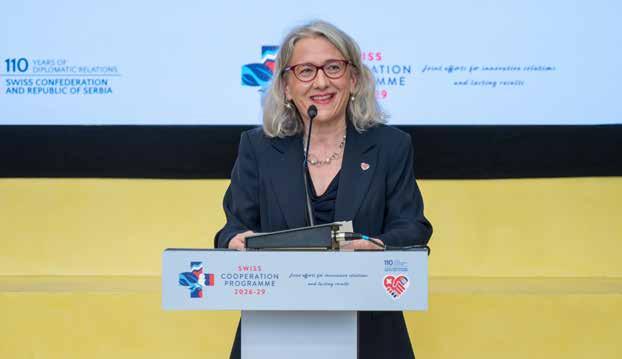
(SDC), exclusively told Diplomacy & Commerce, bilateral cooperation worldwide is currently under significant pressure. However, the fact that Switzerland remains engaged, with the involvement of two ministries and a support instrument worth more than EUR 93 million, demonstrates that, despite all challenges, it will remain a reliable partner to Serbia over the next four years.
“When we speak about economic development, especially over the past several months, we have seen that rising food prices and the challenges faced by economies worldwide further confirm how
important it is to provide young people with a future, perspective, and a shared vision, as well as concrete employment opportunities. This is an area in which we continue to invest significantly.
Serbia has great potential for the development of dual education systems and innovation, and we want to harness that potential further,” Danzi emphasised.
Within the framework of the 2026–2029 Cooperation Programme, implemented by the Swiss Agency for Development and Cooperation (SDC) and the State Secretariat for Economic Affairs (SECO), in cooperation with the State Secretariat for Migration (SEM), the focus is placed on three key areas: strengthening local democracy and civil society, economic development and employment, as well as climate change and urban resilience.
Special emphasis is also placed on education, innovation, and dual training models, as well as migration and regional stability within the broader strategic framework for the Western Balkans. The total value of Swiss funding allocated for this period amounts to approximately CHF 88 million.
Since 1991, Switzerland has been one of Serbia’s key bilateral partners and one of its most significant donors, with total support exceeding CHF 650 million to date. This new phase of cooperation confirms the continuity of support for Serbia’s reforms and European path, with a strong focus on stability, development, and institutional strengthening.
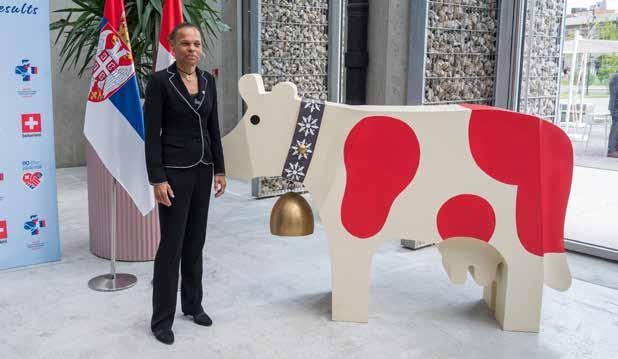
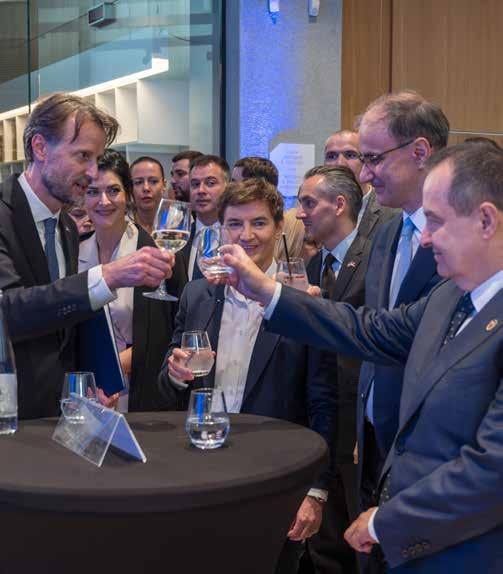
“NEXT YEAR IN... PRIZREN OR BRUSSELS”
Toast at the Europe Day reception, Museum of Contemporary Art Belgrade, 8 May
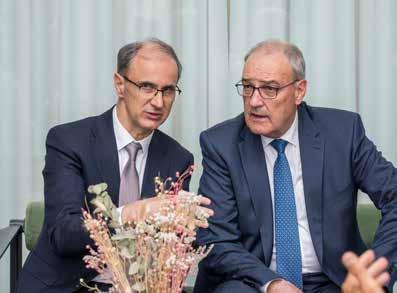
“HE NO LONGER MENTIONS GREENLAND OR YOU. I’M AFRAID WE’RE NEXT.”
The ambassadors of Norway and Canada at a cocktail reception honouring Australian conductor Alexander Briger, Australian Residence, 16 April
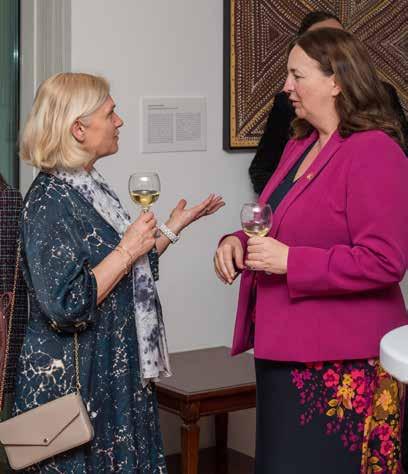
“YOU, FOR EXAMPLE, ARE NOT IN THE EUROPEAN UNION, AND WHAT ARE YOU MISSING?”
Đuro Macut and Guy Parmelin, Ložionica, 28 April
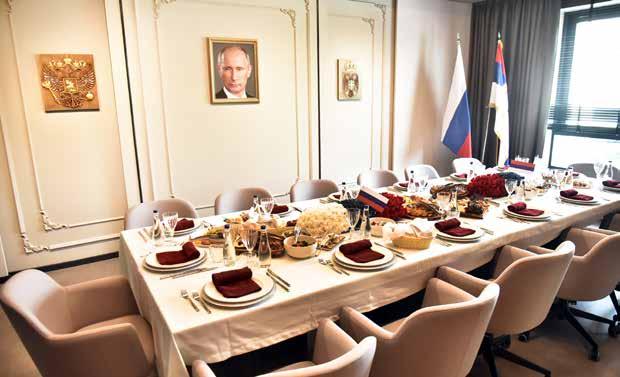
“BIG BROTHER”
Formal luncheon at the Honorary Consulate of the Russian Federation in Novi Sad, 23 April
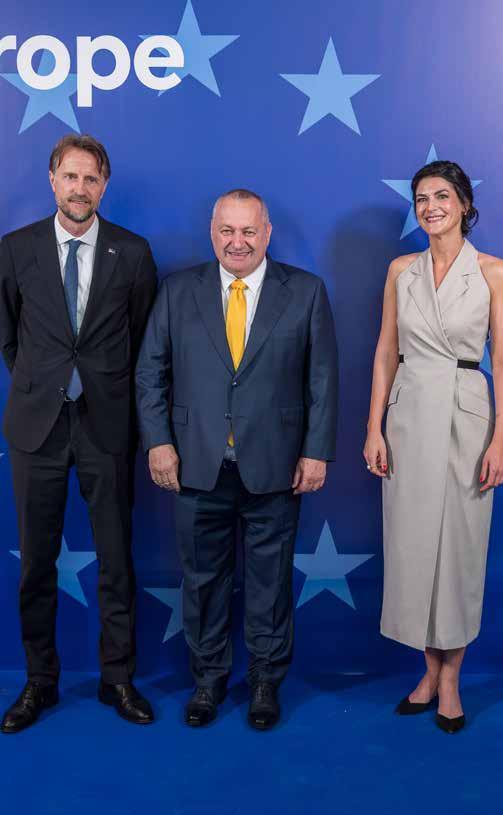
“IF THEY INVITE ME TO THE IRISH RECEPTION, I’LL COME DRESSED IN GREEN”
Srđan Milivojević at the Europe Day reception, Museum of Contemporary Art Belgrade, 8 May
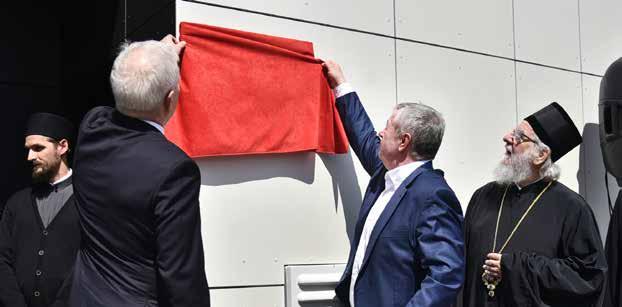
“SOMETHING RED, SOMETHING OLD, SOMETHING NEW, SOMETHING BORROWED...”
Opening of the Honorary Consulate of the Russian Federation in Novi Sad, 23 April
In an interview for the TV show Diplomata, produced by Diplomacy&Commerce in cooperation with Euronews Serbia, Plamena Halacheva, Deputy Head of the EU Delegation to Serbia, spoke about the current trajectory of Serbia’s EU integration and the strategic necessity of regional stability. This conversation provides a detailed look at the Growth Plan, the importance of aligning foreign policy, and the tangible benefits awaiting Serbian citizens.
ENLARGEMENT HAS ALWAYS BEEN A GEOPOLITICAL PROCESS, BUT THAT DOES NOT GO AT THE EXPENSE OF THE MERITS OF THE STATES THEMSELVES
From Brussels to the Western Balkans, you have followed the enlargement policy from both the centre and the field. What are the most important lessons from your experience?
I will start with my own country’s experience, because that is what I know best. I often hear that Bulgaria and Romania were admitted thanks to some geopolitical discount—how
geopolitical reasons outweighed merit-based criteria. The reality is that enlargement has always been a geopolitical process—probably the most geopolitical process that exists—, but that does not come at the expense of the merits of the states themselves. It is not one or the other. Both things exist simultaneously.
But what, in my experience, makes the key difference—both through the experience of my country and through the
experience of the four candidate countries in which I had the privilege to serve—is the degree to which European integration is a project of the entire society. To what extent is it perceived as a train that must not be missed and as a historical opportunity that transcends all political and social divisions?
Unfortunately, the current level of polarisation and divisive rhetoric in Serbia does not contribute to that. Nor does it address the absence of a substantive debate on what membership in the European Union truly entails. You know, I have been in Serbia for almost four years, and it still surprises me how little is said about the European Union. And when it is discussed, it is mostly about money, sanctions, or Kosovo.
I believe that Serbia’s membership in the European Union can be precisely that strong and practical platform around which various actors can work together in the interest of all citizens. But for that, objective communication and an informed public debate are needed. That is why I thank you for the opportunity to speak about this in more detail, especially on Europe Day.
What are the current biggest obstacles Serbia faces in advancing toward European Union membership?
In today’s enlargement process, speed is a political issue. It depends on strategic choices. On alignment. On political will and a real commitment to reforms. As I already said, the accession process is simultaneously geopolitical and merit-based. But merits are not abstract. They are measured by concrete steps—in the area of the rule of law, the strengthening of democracy, and strategic alignment in a highly contested geopolitical space.
In our last report on Serbia, we noted with concern a slowdown in reforms. We called for overcoming the deadlock in the area of the judiciary and fundamental rights, as well as for an urgent halt to the regression in freedom of expression and the erosion of academic freedoms. We also called for reforming the electoral framework in accordance with ODIHR recommendations. We have seen certain positive steps, but efforts must continue in all areas. I believe that is also what the citizens of Serbia are asking for.
THE CURRENT LEVEL OF POLARISATION AND DIVISIVE RHETORIC IN SERBIA DOES NOT CONTRIBUTE TO THE EUROPEAN INTEGRATION PROJECT
Commissioner Kos warned that Serbia could lose 1.5 billion euros due to concerns about the rule of law. How does the European Union Delegation interpret that warning, and what message should Serbian institutions draw from it?
I believe the message is quite clear, and we expect the authorities to take it seriously. In practice, we continuously assess whether the relevant conditions for support within the financial instruments of the European Union have been met. This is part of the regular implementation of those instruments and applies to the entire process, including the Growth Plan, at the stage of every payment request. We previously expressed concern regarding the recent adoption of judicial regulations, the so-called Mrdić laws.
progress against the pre-agreed reforms when the authorities submit a report on their implementation. In addition to the conditions for implementing reforms, certain prerequisites must be met throughout the process.
This means that beneficiaries, such as Serbia, must continue to respect and maintain effective democratic mechanisms, free and fair elections, pluralistic media, an independent judiciary, and the rule of law. In addition, Serbia and Kosovo must participate constructively in the process of normalisation of relations, and that is a specific prerequisite. There are also general conditions, including macro-financial stability, responsible management of public finances, and transparency and oversight of the budget.
All these conditions—whether they relate to concrete reforms, are general, or serve as prerequisites—are continuously assessed to ensure that countries stay on the right track. It is important to remember that our assistance is not an end in itself. We invest and provide support to Serbia on its path to European Union membership because we see it as a future member state. In a way, it is an investment in the future of the European Union itself.
We now expect Serbia to fully implement the Venice Commission’s urgent opinion on those laws, and we are carefully monitoring the next steps. We have seen positive steps this week, but sustainable progress in key reforms, especially in the areas of the rule of law, fundamental rights, and democratic principles, remains crucial. And this is not only regarding financial support but also the pace of accession negotiations. Most importantly, we continue to support Serbia on its path to Europe.
What concrete steps does Serbia need to take so as not to lose the mentioned funds by the end of the year?
The Reform and Growth Facility has clear rules and conditions. Every six months, we assess
As a candidate country, Serbia faces the challenge of demonstrating the implementation of reforms, not just the adoption of laws. How will the European Union measure whether reforms are truly working in practice? That is a great challenge—and not only in Serbia but in all candidate countries. It is one thing to align legislation with European Union standards. Still, it is a completely different level of complexity when that legislation needs to be truly implemented, in both spirit and letter of the law. And measuring that itself is by no means a simple task.
To be as specific as possible, let’s take the Growth Plan as an example. Within its Reform Agenda, Serbia has committed to 98 reform steps. The Reform Agenda is designed to unlock socio-economic potential and accelerate the accession process, with a strong focus on reform implementation.
For example, while one reform step may refer to the adoption of legislation aligned with the European Union, the next may explicitly require its implementation, including a quantitative target.
For example, therefore, it is not just about adopting a bypass act for the 5G network, but also about introducing the 5G network so that it covers 40 per cent of households in Serbia. Since each reform step unlocks a certain amount of financial resources, there is a strong incentive for the reforms actually to be implemented. In other cases, reform steps may directly relate to “results in practice,” i.e., the record of results achieved through the implementation of legislation.
This is the case in the fight against corruption and organised crime, where final court verdicts are assessed year after year. The goal is to carefully monitor trends to understand the long-term effects of legal changes in practice. In addition, there are horizontal safeguards, such as the obligation to make reforms irreversible.
This means that even when a certain reform step is considered fulfilled, it will continue to be monitored to ensure that previous decisions have not been overturned—for example, by repealing a law or its selective application. At the same time, we look at the broader picture and do not rely exclusively on the quantitative reports of national authorities, but
SERBIA AND KOSOVO MUST PARTICIPATE CONSTRUCTIVELY IN THE PROCESS OF NORMALISING RELATIONS AS A SPECIFIC PREREQUISITE FOR ACCESS TO GROWTH FUNDS
continuously conduct an active dialogue with various actors, including civil sector organisations, the private sector, international financial institutions, and others, to gain insight into the actual impact of reforms on the ground.
At the beginning, you mentioned an unavoidable topic: alignment with European Union sanctions against Russia. How important is this issue for the accession process, and can Serbia balance between neutrality and the ambition to become a member of the European Union?
The Russian aggression against Ukraine changed everything. It fundamentally changed the European security architecture and gave strategic geopolitical significance back to the European Union’s enlargement policy. Today, enlargement is truly seen as a geopolitical necessity.
The European Union has been completely clear with its partners, including candidate countries like Serbia: relations with Russia cannot function on a “business as usual” basis with the current regime and in the context of the unprovoked and unjustified Russian aggression against Ukraine.
Ultimately, it is Serbia that submitted the application for membership in the European Union, and that strategic choice implies alignment with the European Union, including foreign policy.
The European Union wants to count on Serbia as a reliable partner. And that in these very unstable geopolitical circumstances, we can count on each other, meaning that Serbia also has the European Union’s back.
That is why alignment with the EU Common Foreign and Security Policy is more important today than ever before. We have seen
certain efforts by Serbia in that direction, and we hope for further progress and sustainable alignment with our foreign policy, including sanctions against Russia —or rather, the Russian regime— that is an important distinction I want to emphasise.
Another important and decisive factor in that process is the dialogue between Belgrade and Pristina. How does the European Union assess Serbia’s role in that process today, and what impact does it have?
The normalisation of relations between Serbia and Kosovo is one of the factors that determines the pace of accession negotiations under Serbia’s negotiating framework. The European Union has been the only mediator in that process since 2011 and remains committed to it. Today, we see that Serbia continues to participate in the dialogue, which is important.
The Ohrid Agreement reached in 2023 set a clear framework, and the European Union expects both sides to continue implementing it in a concrete and sustainable manner. The roadmap is known to everyone. Recently, there has been some progress—for example,
three weeks ago in Brussels, the first technical meeting of the Commission for Missing Persons was held—but other processes must progress as well.
When there are concrete steps toward normalisation, it builds trust among member states and supports progress in the accession process. Therefore, the message is very clear: constructive engagement and credible implementation of obligations in the dialogue are key to preserving and accelerating Serbia’s European path.
An important aspect of the cooperation between Serbia and the EU is the economic one. How effective has European Union support been in mitigating economic consequences for Serbia, and what new initiatives are planned?
Serbia’s economic future is linked to Europe’s economic future. More than half of Serbian exports go to the European Union market, and the largest share of foreign investment comes from European Union member states. Serbian companies already operate in accordance with European standards of quality, safety, and environmental protection. That is not accidental—it is a conscious decision, which the European Union fully supports.
Our goal is to help Serbia close the gap with the European Union in living standards, productivity, and competitiveness. For that, both investments and deep structural reforms are needed, such as modernisation of public administration, strengthening the rule of law, and improving the business environment.
We support this with long-term financing, from large infrastructure projects, especially in the field of transport, increasing domestic production of clean energy, and expanding the digital network, which are key for competitiveness and connectivity, to emergency aid during crises such as the COVID pandemic or the energy crisis, when we provided Serbia with significant budget funds.
But to accelerate progress, Serbia must address key obstacles, including regulatory predictability, the management of state-owned enterprises, labour market mismatches, and the strengthening of small and medium-sized enterprises. These are precisely the areas covered by our new Growth Plan.
The Plan enables accelerated access to certain benefits of the single European market even before full membership—allocating
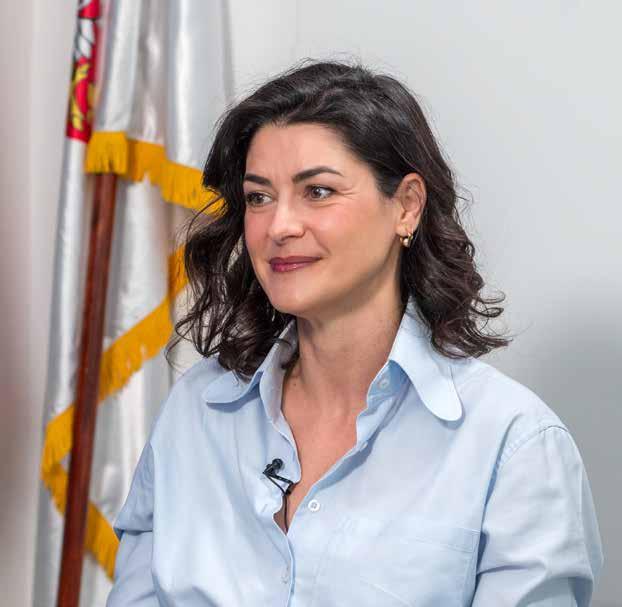
THE EU GROWTH PLAN IS AN INTEGRATION THAT YOU CAN FEEL IN YOUR WALLET, POTENTIALLY SAVING CITIZENS AND COMPANIES MILLIONS OF EUROS
up to 1.6 billion euros for reforms that encourage growth, competitiveness, and integration. At the same time, we are further investing in sectors through which Serbia can join European Union supply chains—such as manufacturing, electric vehicles, and the food industry. And we must not forget small and medium-sized enterprises, which are key. We help them access financing, innovate, and operate sustainably.
This week, 18 banks in Serbia officially joined the Single Euro Payments Area—the SEPA system used in all European Union countries. If banks implement this adequately, euro transactions for Serbia’s citizens and economy will become faster, cheaper, and more reliable. As a result, citizens and companies could save millions of euros in transaction costs. For small and medium-sized enterprises, this will further simplify international payments and cross-border trade. That is what the European Union Growth Plan looks like in practice—integration that you can feel in your wallet.
Exactly, and it is a great encouragement to hear that some steps are still being taken in that regard. It is important to
edition is special not only because it is the first of the season but also because it marks 10 years of existence and is part of the Europe Day celebration.
There will be good music and plenty of content for children and adults. Next weekend, I hope we will see each other at the Agricultural Fair in Novi Sad. The European Union will have its own pavilion, and we have prepared numerous activities—from live culinary workshops to direct conversations with experts to special programs for children. I hope we will see each other on 21 May in Leskovac at the outdoor exhibition TOLERANCE, which brings together artists from all over the world with works dedicated to tolerance, understanding, and togetherness. And join us at the end of May in city exploration adventures in Niš and Belgrade.
The EU Delegation has obviously prepared a lot, and thank you for the invitation to those events. Finally, what message would you send to the citizens of Serbia about the European Union’s expectations and the opportunities that await them if Serbia implements all necessary reforms?
note that today is Europe Day, and I would like to ask you how the European Delegation plans to mark and celebrate it. Thank you for that question. We have planned a large number of activities for Europe Month during May 2026 in Belgrade, Novi Sad, Niš, Novi Pazar, and other cities. The program under the slogan “United in Diversity” includes concerts, exhibitions, educational workshops, organised walks, and festival content. All events are open to the public and free of charge.
This year’s Europe Month 2026 has a special, jubilee meaning, as it marks 40 years since the first official celebration of Europe Day and the introduction of the European Union flag and anthem into official use. So this is a special jubilee.
Today we organised a celebration in front of the European House on Knez Mihailova Street in Belgrade, which included musical and visual arts, as well as the exhibition “United in Diversity,” where eight artists presented their authorial interpretations of European values and their meanings. A day later, on 10 May, I invite everyone to join us at Lower Kalemegdan for the popular outdoor event—the Picnic. This
We must remind ourselves that the opportunities available today cannot compare with those that citizens of Serbia and the Serbian economy will have when Serbia becomes a member of the European Union. I assert this to you, coming from the other side of the border—both the process of accession to the European Union and membership itself deeply change a society.
And do not be fooled by technical jargon and bureaucratic aspects of the process. This is not just about opening chapters, fulfilling benchmarks, and writing new reports. That is not the essence. In the end, it all comes down to the fundamental question—what kind of future do you want for your children? And I think we all know the answer.
The full interview is available on our website

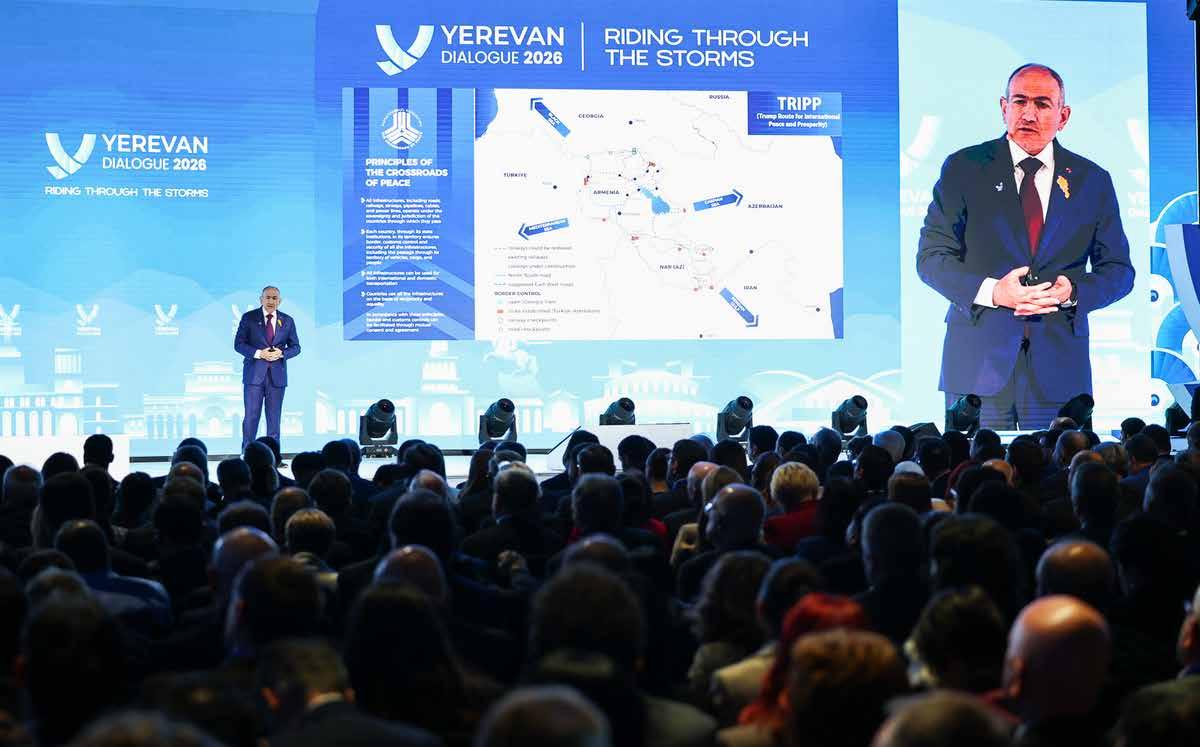
While Armenia balances between regional tensions, elections and shifting geopolitical alliances, Yerevan is increasingly positioning itself as a stage for dialogue and soft power diplomacy
Emmanuel Macron was the main star in Yerevan last week, singing “La Bohème” at the state dinner with Armenia’s leaders, while crowds greeted him in the streets with ovations and sang “La Marseillaise”. The hosts are hoping that all of this will bring Prime Minister Nikol Pashinyan more luck in the parliamentary elections in early June than was recently the case with Trump and Viktor Orbán.
Other European leaders returned to their countries, but Emmanuel Macron still had work to do in Yerevan. Once the 8th Summit of the European Political Community had concluded, the 3rd Yerevan Dialogue began, a conference launched by Armenia’s Ministry of Foreign Affairs in 2024 with the ambition of fostering dialogue, after decades of conflict in the region, both with neighbouring countries and among major regional and global powers. Thanks to the Embassy of Armenia in Prague, which also covers Serbia from the Czech Republic, I have had the opportunity to follow this conference over the past three years and observe changes in its programme, priorities, and participants.
RIDING THROUGH THE STORMS PERFECTLY CAPTURED THE MOOD OF A WORLD SLIPPING DEEPER INTO UNCERTAINTY
In its first year, the war in Ukraine was still “fresh” and dominated as the central international topic. At the same time, Azerbaijan’s takeover of Nagorno-Karabakh had taken place only a year earlier, in September 2023, and the wound was still deeply painful. In my article for NIN at the
time, I described the bitterness felt by some of my Armenian friends, who believed that Prime Minister Nikol Pashinyan had too easily moved on from the “seizure of NagornoKarabakh” and rushed into normalising neighbourly relations and the broader regional situation.
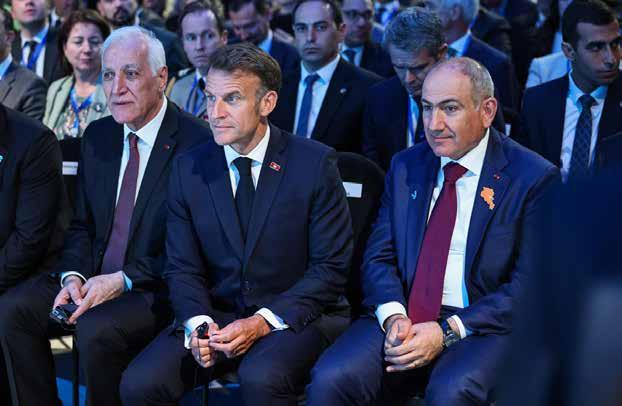
Last year, the summit already included Azerbaijani representatives, while Péter Szijjártó, Hungary’s foreign minister and minister of trade at the time, also took part. This carried particular significance given the rupture in diplomatic relations between Hungary and Armenia after Viktor Orbán allowed the extradition to Azerbaijan of Ramil Safarov, the Azerbaijani officer who, during a Partnership for Peace training programme in Budapest in 2004, murdered Armenian officer Gurgen Margaryan, nearly decapitating him with an axe.
This year’s programme, against the backdrop of the complete turmoil that Donald Trump has unleashed on the global stage during the second year of his second term, was dominated by themes related to the ongoing Gulf War and its consequences for the world economy.
The conference slogan, “Riding Through the Storms”, accompanied by The Doors’ song “Riders on the Storm”, which echoed on a loop through the hall during summit breaks, captured the atmosphere perfectly. Who the “killer on the road” might be in this case, we can only speculate.
During one of the conference breaks, my Croatian colleague Domagoj Hajduković, himself a regular guest at the Yerevan Dialogue, and I remarked how the once turbulent South Caucasus region now appears almost like an “oasis of peace” compared to the rest of the world.
“On the margins of the summit”, I encountered many familiar diplomatic faces who had previously served in Belgrade. Gvantsa Keshelava, who once served as a diplomat at the Georgian Embassy in Serbia, now works for Georgia’s Ministry of Foreign Affairs. Oana Cristina Popa served as Romania’s ambassador to Serbia before becoming head of the EU Delegation to Montenegro, and today works for the German Marshall Fund. Françoise Jacob was formerly the UN Resident Coordinator in Serbia and now holds the same position in Armenia.
The opening of the Yerevan Dialogue was delayed by a full 45 minutes as everyone awaited the arrival of the main star of the event, Emmanuel Macron, who was, in fact, the only European leader to remain in the city after the 8th Summit of the European Political Community.
The evening before, at the state dinner hosted in his honour by Armenian President Vahagn Khachaturyan and Prime Minister Nikol Pashinyan, the atmosphere relaxed as the night progressed. Macron took the microphone and
sang “La Bohème” as his personal tribute to Charles Aznavour, the legendary French chansonnier of Armenian descent. He then performed “Les Feuilles Mortes”, famously associated with Yves Montand, while Prime Minister Pashinyan joined him on drums. Pashinyan is, in fact, known as a great music enthusiast and even has his own band, called “Verchaban”, which held its first concert in January this year.
This was not the only striking moment of Macron’s visit to Yerevan. Wherever the French president appeared, he was greeted with ovations. At one point, crowds in the streets of Yerevan spontaneously began singing “La Marseillaise”, a scene that, I must admit, is rarely witnessed in today’s world, except when meticulously stage-managed, which by all appearances was not the case here.
When I visited the Memorial to the Victims of the Armenian Genocide the following day, located on the hill of Tsitsernakaberd above the Hrazdan River gorge on the outskirts of Yerevan, I found a fresh wreath there bearing the signature of Emmanuel Macron. France was, after all, among the first countries to recognise that what took place in the Armenian genocide between 1915 and 1917 during the Great War constituted genocide.
Not all countries, however, agree on how to define these events, in which, according to various historical sources, between 600,000 and 1.5 million Armenians were killed. One of the countries that still officially avoids using the term “genocide” in relation to this tragedy is Serbia.
One can only speculate whether the reason lies in Serbia’s desire to preserve good relations with the far more influential Turkey or with the energy-rich Azerbaijan. Still, relations between Serbia and Armenia remain rather reserved. As I heard from the conference organisers, President Aleksandar Vučić had originally been expected to attend the 8th Summit of the European Political Community. Vučić had been a regular participant at all previous summits held in other countries, including the Czech Republic, Moldova, Spain, the United Kingdom, Hungary, Albania, and Denmark. Yet only a few days before the summit began, organisers received information that Serbian Prime Minister Đuro Macut would travel to Yerevan instead of the Serbian president.
Armenia is also the only country in the South Caucasus with which Serbia has no direct air connection. Since last year, Air Serbia has
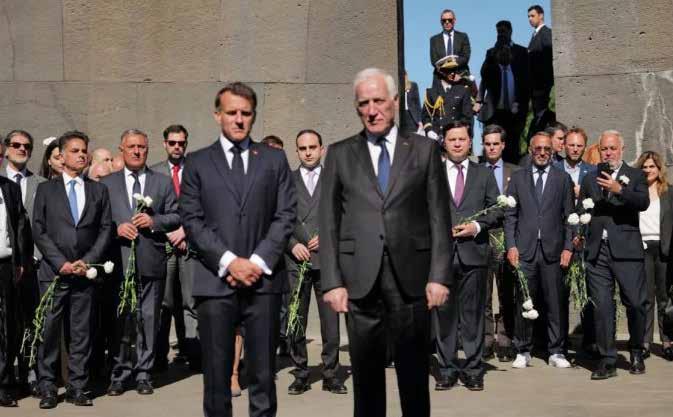
COMPARED TO THE REST OF TODAY’S WORLD, THE SOUTH CAUCASUS SUDDENLY FEELS ALMOST LIKE AN OASIS OF PEACE
operated regular flights to Tbilisi, the capital of Georgia, and, starting this month, has also begun flying twice weekly to Baku, the capital of Azerbaijan.
Still wishing to project an image of friendly relations, Serbia sent Foreign Minister Marko Đurić to the Yerevan Dialogue this year. In previous years, Serbia had been represented only by state secretaries and lower-ranking officials.
Đurić took part in the opening panel immediately after the conference ceremony and handled himself well when moderator Zbigniew Pisarski, head of Poland’s Casimir Pulaski Foundation, asked whether Serbia’s stance towards the European
Union could be considered insincere if the country simultaneously refused to follow the EU’s foreign policy towards Russia. Minister Đurić explained the specific historical circumstances and energy-related realities that distinguish Serbia’s relationship with Russia from that of some other EU candidate countries in the region. He also emphasised the substantial humanitarian aid Serbia has provided to Ukraine throughout the war.
It should also be noted that, among the countries of the region, only Serbia was represented at the Yerevan Dialogue by a foreign minister. Other states sent lower-ranking representatives to participate in the
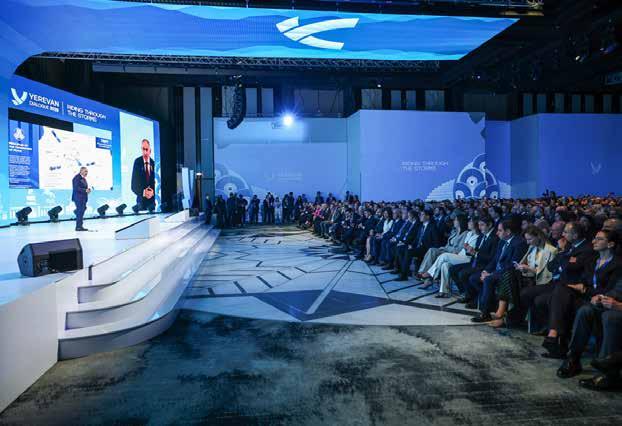
panels: Andreja Metelko-Zgombić, State Secretary for Europe at Croatia’s Ministry of Foreign and European Affairs; Zoran Dimitrovski, Assistant Minister for Foreign Affairs and Foreign Trade of North Macedonia; and Megi Fino, Deputy Minister for Europe at Albania’s Ministry of Foreign Affairs.
There is little doubt that these two summits carry major foreign policy significance for Yerevan, above all through strengthening Armenia’s “soft power”. Considering that Armenia is a landlocked country with no major energy resources, situated in a far-from-friendly neighbourhood with which it has only in recent years begun to build more normal relations, it becomes much clearer why soft power is so important for the country.
At the same time, these summits also served an important domestic political purpose for Prime Minister Nikol Pashinyan. In less than a month, on 7 June, Armenia will hold parliamentary elections in which its challengers are leaders of proRussian political parties. These are, in fact, the first parliamentary elections in Armenia since Azerbaijan’s takeover of Nagorno-Karabakh in September 2023.
Several diplomats I spoke with assured me that Pashinyan has little reason to worry and that his victory is considered almost certain. Opinion polls point in the same direction, although surprises are always possible.
The hosts are hoping that Emmanuel Macron will bring Prime Minister Pashinyan more electoral luck than Viktor Orbán and Donald Trump managed to bring earlier this April.
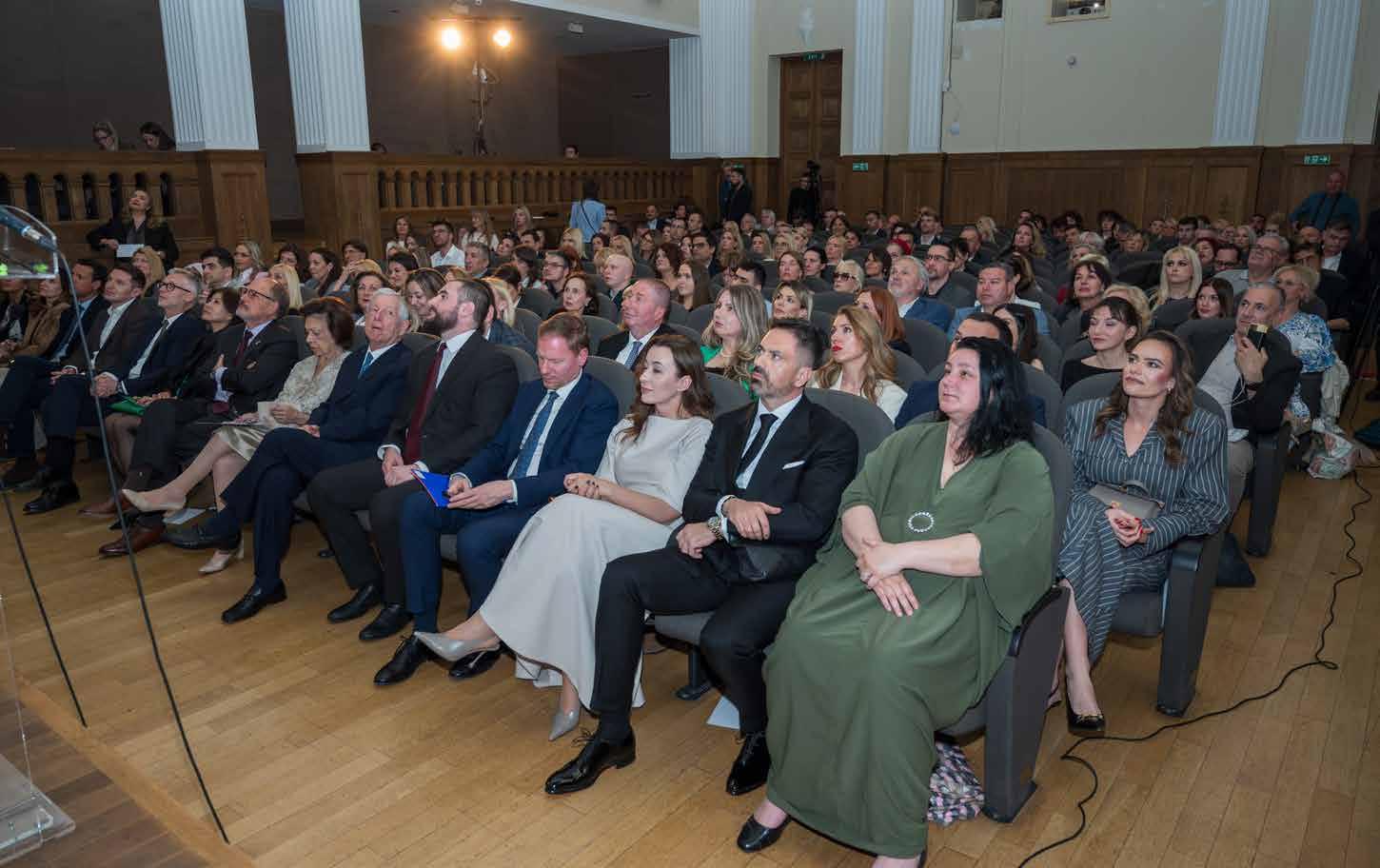
DIPLOMACY & COMMERCE 10TH ANNIVERSARY
Diplomacy, business, and social responsibility came together at the celebration of Diplomacy & Commerce magazine’s tenth anniversary
In the elegant setting of the Yugoslav Film Archive, the Diplomacy & Commerce magazine celebrated its 10th anniversary in the presence of numerous guests and long-standing friends of the editorial team
As a special segment of the celebration, twenty-two Diplomacy & Commerce Awards for 2026 were presented to individuals, companies, and institutions that have made outstanding contributions to Serbia’s economic, social, and humanitarian development.
The award winners were selected by a distinguished jury composed of Marko Čadež, Vladimir Gak, Milan Antonijević, Veselin Jevrosimović, Tijana Palkovljević Bugarski, Igor Černiševski, Stevan Ristić, Milica Pražić, Danijela Popović-Jurić and Princess Ljubica Karađorđević.
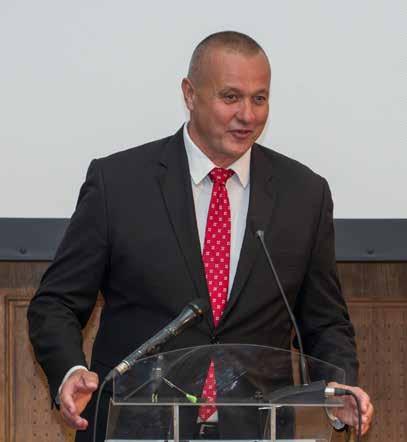
TRUE SUCCESS IS NOT INDIVIDUAL, BUT SHARED
Opening remarks were delivered by Robert Čoban, who presented the magazine’s platforms and regional reach, and Usame Zukorlić, in charge of reconciliation, regional cooperation, and social stability in the Government of Serbia.
On behalf of the Government, Zukorlić congratulated the anniversary and recalled that when the project was launched ten years ago, its mission was to connect diplomacy and business, as well as Serbia and the world. “Today, a decade later, we see that the project has become a strong pillar in understanding ideas, promoting best practices, and
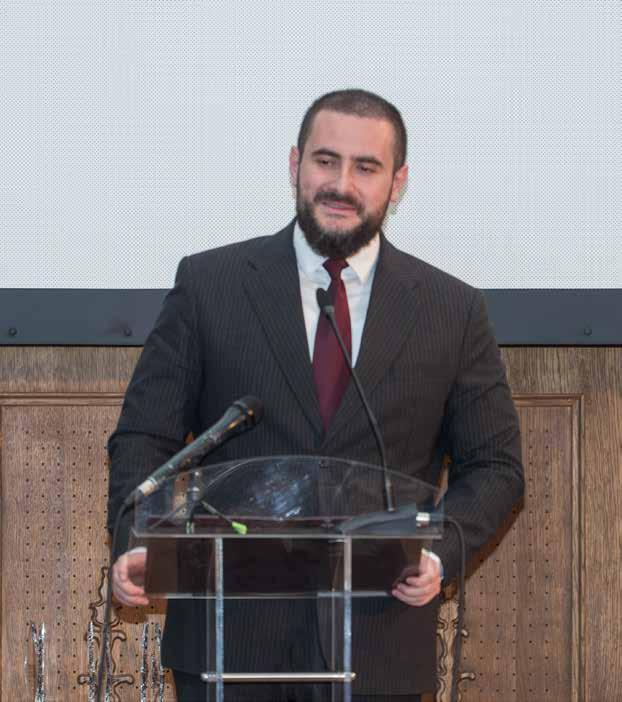
strengthening international relations,” he stated, emphasising that there can be no longterm economic stability without social stability, nor successful business in the region without genuine reconciliation and open regional cooperation.
He added that the diplomatic corps and business community play a key role, as their investments and projects connect people across borders, while their commitment to sustainable development significantly supports local communities and overall social stability.
Addressingtheaudience, Milan Antonijević noted that the Diplomacy& Commerce awards remind us that the economy has meaning only when it is connected to values such as solidarity, sustainability, and openness. “We are not only celebrating projects and results, but people and institutions who
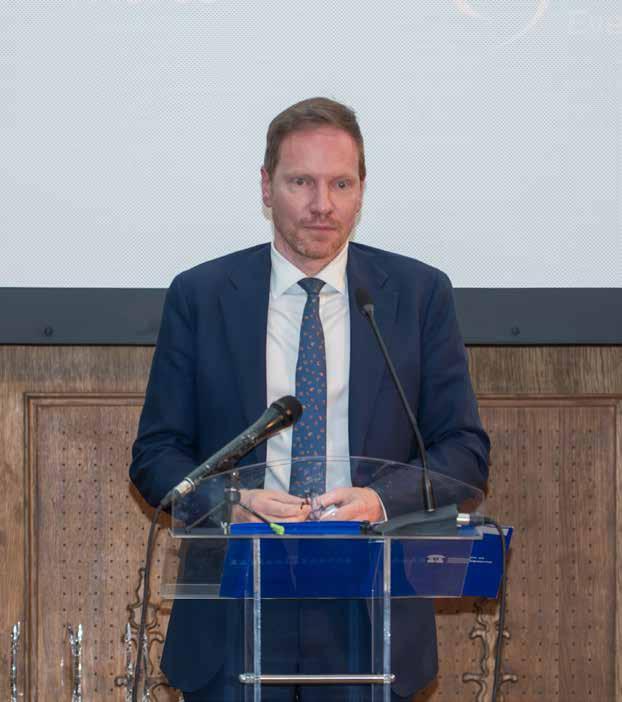
understand that true success is not individual, but shared,” he said, congratulating the winners for pushing the boundaries of what we consider possible in society.
At the very beginning of the ceremony, the Diplomacy & Commerce Humanitarian Lifetime Achievement Award was presented to Princess Katarina Karađorđević. She expressed her gratitude and emphasised that more than three decades of humanitarian work would not have been possible without the generosity and dedication of those who supported her efforts.
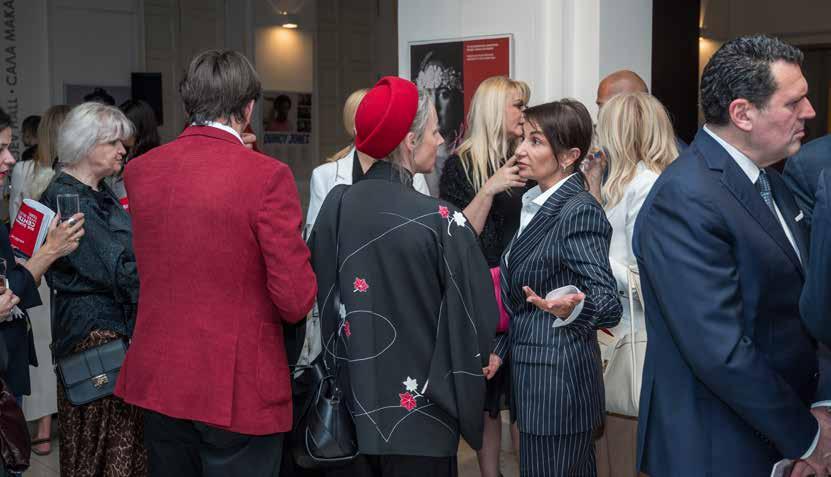
“Without the generosity and commitment of all those who have supported my vision, it would not have been possible to bring comfort, hope, and smiles, and to improve so many lives through our joint efforts. This award will serve as a lasting inspiration for all of us to continue our mission of helping those most in need, as there is no greater fulfilment than knowing you have made a meaningful and lasting difference in someone’s life.”
The award was presented to her by journalist and writer Duška Jovanić.
The event was supported by Vista Rica, Gold Gondola Zlatibor, and Rubin Kruševac.
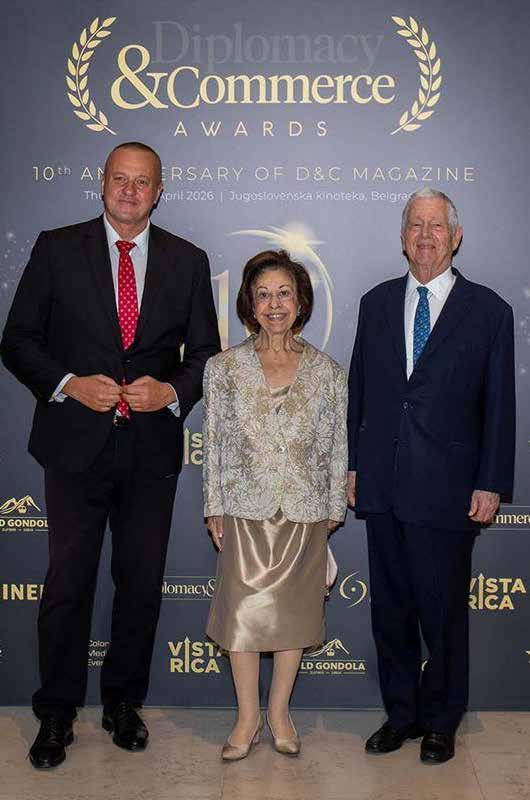
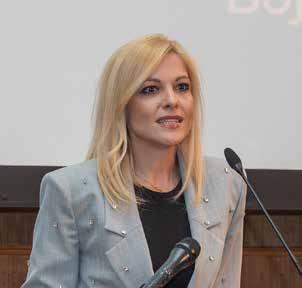
The Diplomacy & Commerce Award for Best CSR Campaign was presented to Air Serbia for the project “Uniforms Get a New Purpose.” The award was received by Bojana Knežević and representatives of the humanitarian organisation “Dečje srce,” and presented by Jelena Medaković
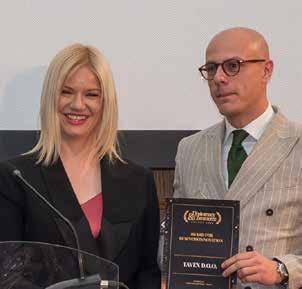
The Diplomacy & Commerce Award for Business Innovation (Product Category) was awarded to Tavex Zlato & Srebro for its digital platform. The award was received by Georgi Hristov and presented by Jelena Zvekić
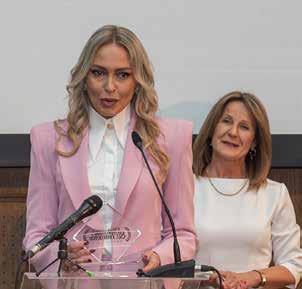
The Diplomacy & Commerce Award for Support to Cultural Institutions and Artists was awarded to Mozzart Foundation for the campaign “Theatre of Humanity.” The award was accepted by Jelena Zrnzević and presented by Marija Radulović Tikvicki.
The Diplomacy & Commerce Award for Digital Transformation was presented to CORIS Assistance for the “24SAFE” mobile application. The award was accepted by Darko Stupar and presented by Vuk Šćekić
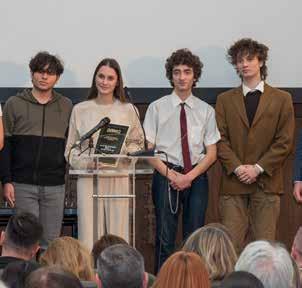
The Diplomacy & Commerce Award for Humanitarian Work was presented to Rade Končar Electrical Engineering School for the project “Student Parliament Humanitarian Actions.” The award was presented to students by Radman Šelmić
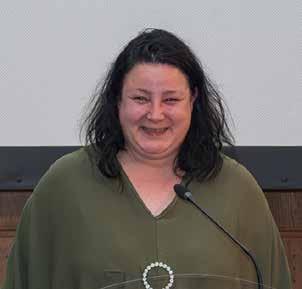
The Diplomacy & Commerce Award for Best Media Relations (Institution Category) was awarded to Novi Sad Theatre The award was accepted by Judit Ferenc and presented by Mihajlo Pavić.
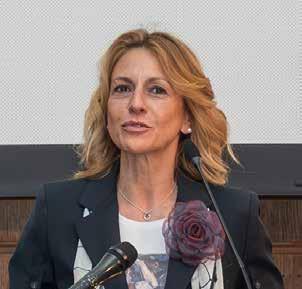
The Diplomacy & Commerce Award for International Promotion of Cultural Heritage was awarded to the Museum of Yugoslavia. The award was accepted by Director Neda Knežević and presented by Tijana Palkovljević Bugarski
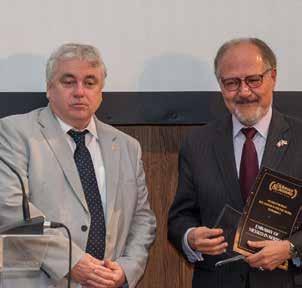
The Diplomacy & Commerce Award for Best Media Relations (Embassy Category) was presented to the Embassy of Mexico in Serbia. The award was accepted by Ambassador Carlos Felix Corona and presented by the Irish Ambassador, H.E. Kevin Colgan
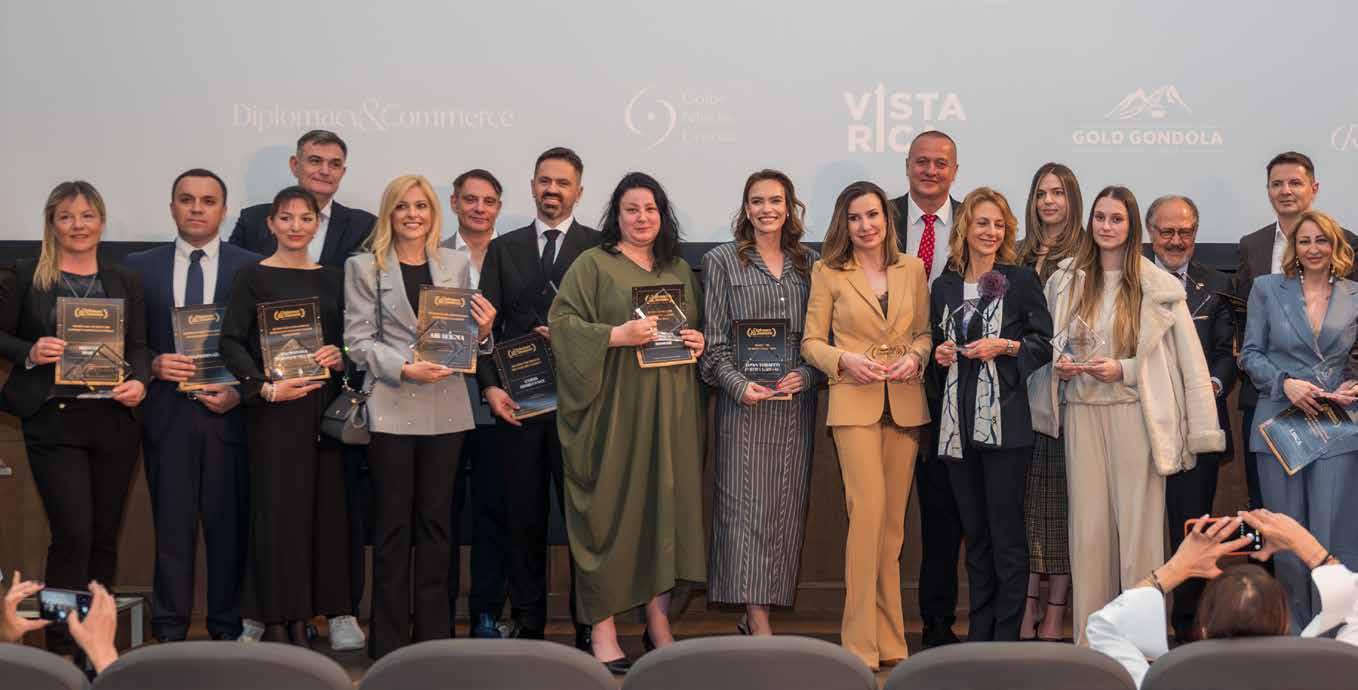
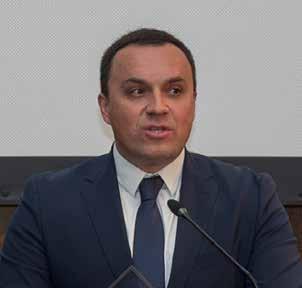
The Diplomacy & Commerce Award for Green Economy and Sustainable Development Projects was presented to Vojvodinašume The award was presented to Marko Marinković by Milica Pražić
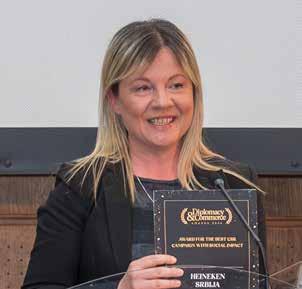
The Diplomacy & Commerce Award for Best CSR Campaign with Social Impact was awarded to Heineken Serbia for the campaign “When rounds go, driving stops.” The award was accepted by Biljana Bobić Subin and presented by Nataša Đurđević
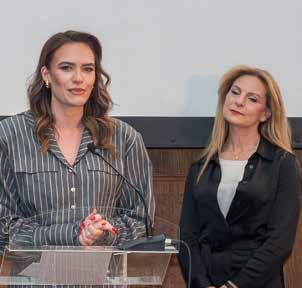
The Diplomacy & Commerce Award for Business Innovation (Company Category) was presented to Japan Tobacco International for the launch of the Ploom AURA device in Serbia. The award was accepted by Dana Karanović and presented by Dragana Todorović
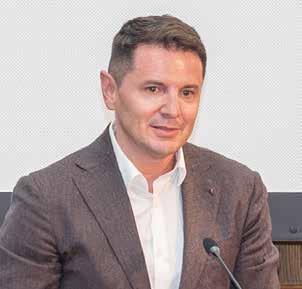
The Diplomacy & Commerce Award for Most Professional Media Personality was presented to Drago Jovanović and awarded by Jelena Zorić
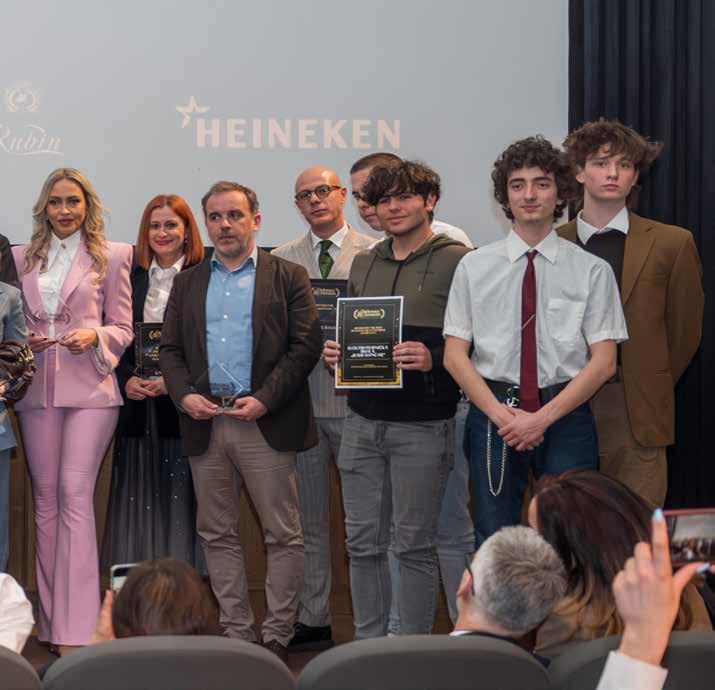

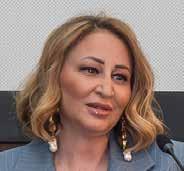
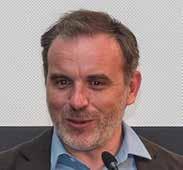

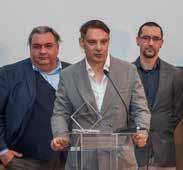
The Special Award for International Hospitality and Multicultural Destination was presented to Palmanova Designer Village by Larisa Ham
The Special Award for Digital Innovation in Service of Citizens was presented to Novi Sad Gas and awarded by a representative of the Embassy of Libya in Serbia.
The Special Award for Contribution to Major International Sporting Events was presented to UNIQA Insurance and awarded by Jelena Sadler
The Special Award for Excellence in Green Energy Transition was presented to ElevenEs and awarded by Aleksandar Goračinov
The Special Award for Excellence in Social Impact and Brand Authenticity was presented to Lisca and awarded by Jelena Peličić
The Special Award for Excellence in Transport Services was presented to Air Montenegro by H.E. Nebojša Đoković
The Special Award for Gold Standard in Patient Care and Trust was presented to Confident Clinic by Marko Platiša
The Special Award for Excellence in Mountain and Ski Resort Industry was presented to Olympic Center Jahorina and awarded by Nataša Maksimović
The Special Networking Award “Miodrag Bogić” was presented to Živorad Vasić by Niko Laković and Milka Bogić
O n the occasion of the 10 th anniversary of Diplomacy & Commerce magazine, ambassadors and representatives of the diplomatic community shared their reflections on the magazine’s role in connecting diplomacy, business, culture, and international cooperation in Serbia over the past decade.

H.E. FATAH MAHRAZ
Ambassador of Algeria to Serbia
The cooperation between the Algerian Embassy in Belgrade and the monthly magazine Diplomacy and Commerce, which has materialised through multiple activities organised by both sides, has proven over the years to be useful and constructive in all aspects.
The magazine stands out for the depth and seriousness of its analyses and articles, as well as for the high-quality design of the publication.
I wish the editor-in-chief and his team continued success in the remarkable work they are performing.

H.E. HIDAJET BIŠČEVIĆ
Ambassador of the Republic of Croatia
In almost every country where my diplomatic duties have taken me, from Turkey and Russia to Ukraine and Tajikistan, diplomatic communities have relied, among many other things, on magazines such as your local Diplomacy & Commerce. A valuable source of information, an important platform for promoting the countries whose ambassadors are accredited in Belgrade, and a valuable overview of current events and analyses. That is how I would describe D&C.
I am also personally grateful for the opportunity Mr Robert Čoban gave me by publishing a series of articles that would later grow into my latest book, Diplomacy at the Table.
In short, my warmest congratulations to the editorial team and contributors of our D&C on the occasion of its tenth anniversary!

H.E.
KEVIN COLGAN
Ambassador of Ireland
“As Belgrade’s newest Embassy, Diplomacy & Commerce has both provided us with invaluable insight into the diplomatic circuit in Belgrade and allowed us to showcase our first resident Saint Patrick’s Day in March. Congratulations to them on their ten-year anniversary. I wish them every success in the future.”
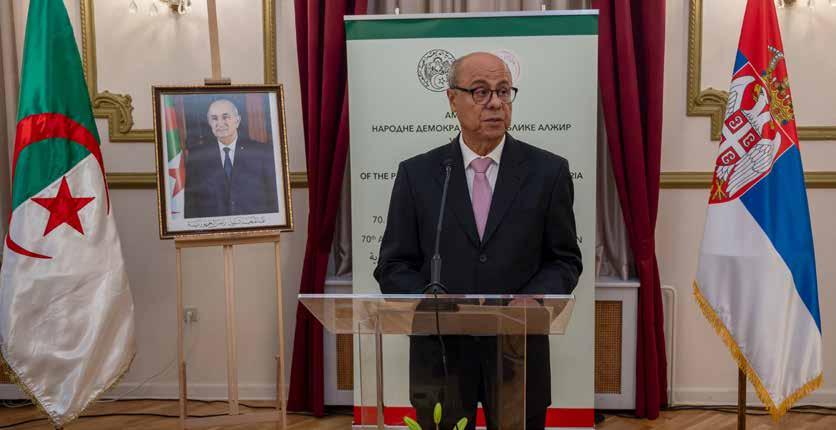
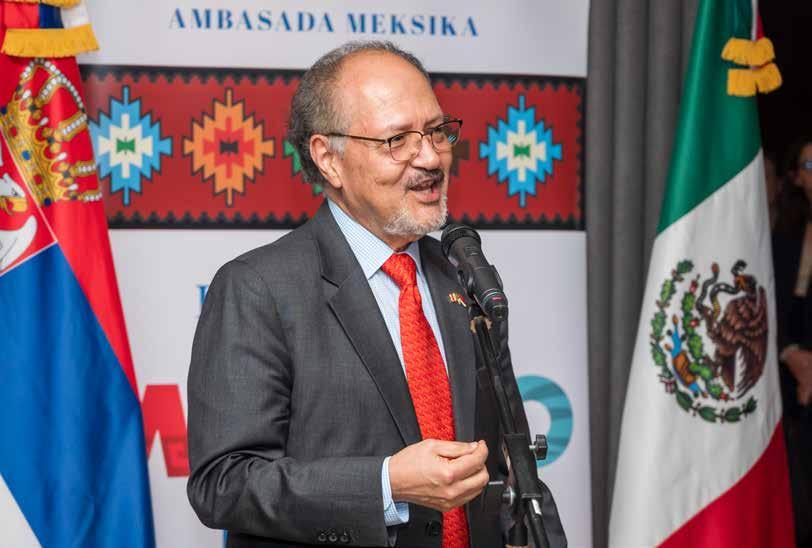
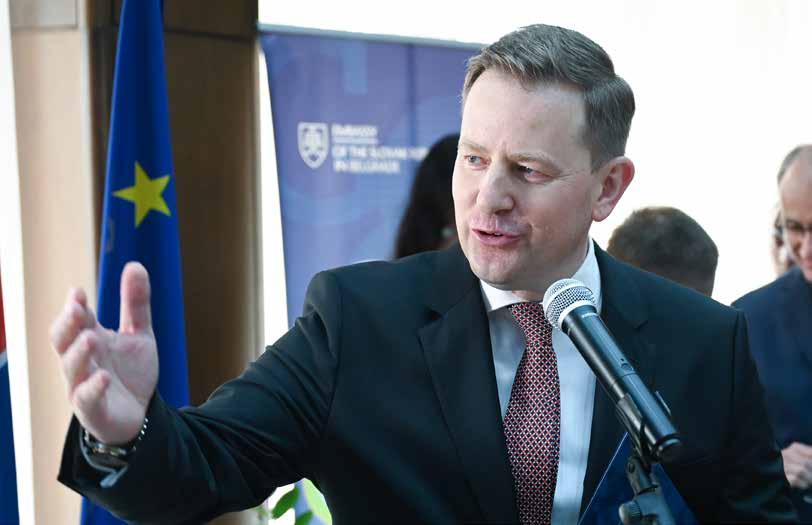

H.E. ASHOT HOVAKIMIAN Ambassador of the Republic of Armenia
Over the past several years, we have had the pleasure of maintaining close and constructive cooperation with Diplomacy&Commerce magazine, which has established itself as a respected publication covering diplomatic, economic, and public life in Serbia. Our collaboration during the past year was particularly meaningful and greatly appreciated, especially through the publication of the special “InFocus Armenia” edition of Diplomacy&Commerce. On the occasion of this important anniversary, I extend my sincere congratulations and wish Diplomacy&Commerce continued success, growth, and many more achievements in the years ahead.

H.E. CARLOS ISAURO FÉLIX CORONA
Ambassador of Mexico
The Embassy of Mexico wishes to congratulate Diplomacy and Commerce magazine for its 10th anniversary! Throughout the years, Diplomacy&Commerce has consistently provided meaningful insight into diplomatic relations, economic cooperation, and cultural exchange, while also giving visibility to initiatives that contribute to stronger ties between nations and peoples.
The magazine has offered space for presenting Mexican cultural events, economic initiatives, and bilateral activities, helping Serbian audiences become more familiar with the richness and diversity of Mexico, which is of particular importance this year, as we mark the 80th anniversary of diplomatic relationship between Mexico and Serbia.
We wish the entire team continued success, inspiration, and many more years of fruitful work.

H.E. MICHAL PAVÚK
Ambassador of the Slovak Republic
Over the past decade, Diplomacy&Commerce has become an important platform connecting the international community in Serbia and fostering meaningful dialogue among diplomatic, business, and cultural partners. Its contribution to shaping a vibrant and open international environment in Belgrade is highly appreciated. The magazine has consistently highlighted the valuable role that foreign partners and investors play in Serbia’s economic development, modernization, and cultural exchange. At the same time, it has helped strengthen mutual understanding and cooperation between Serbia and the international community. On the occasion of this important anniversary, I wish Diplomacy&Commerce continued success in its mission in the years ahead.
After more than two decades of operation, “Vojvodinašume” has become a company whose name is recognised not only in Serbia and the region but also among forestry professionals across Europe.
The company preserves the traditions of Vojvodina forestry by combining the principles of the forestry profession and its long-standing heritage with new technologies and modern business models, and by strategically focusing on cooperation with scientific and research institutions, project development, and the positive selection of personnel.
The work and activities of Public Enterprise “Vojvodinašume” represent one of the strategic pillars of the green economy in Serbia. Forests are managed on ecological, social, and economic principles, combining sustainable production, nature protection, wildlife management, and the use of fish resources. At the same time, the company follows a commercial business policy focused on self-financing through market-based placement of its products and services.
At the time of its establishment in 2002, Public Enterprise “Vojvodinašume” operated with outdated machinery, while employees lacked the equipment necessary to carry out essential tasks and production plans. As a result, the engagement of small private forestry contractors significantly reduced operational efficiency. A turning point came with the strategic decision not to outsource certain activities to the private sector, but instead to invest in personnel, modern machinery and equipment, and development projects. At the time, this decision ran completely counter to prevailing regional trends. Today, it is evident that this was the right path, one that “Vojvodinašume” continues to follow. This is best reflected in investments in modern technologies such as harvesters, forwarders, agro-drones and robotics, drones
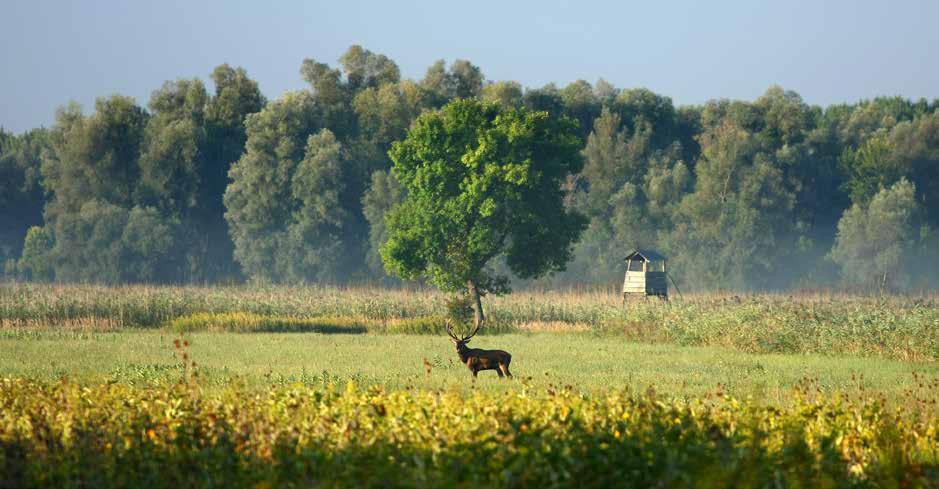
equipped with multispectral cameras, and similar innovations. These investments are essential to business stability and to the successful preservation and improvement of the resources entrusted to the company’s management.
Today, forestry within the company is both traditional and interdisciplinary, integrating advanced science with practical expertise. Rational organisation, work, and business operations have led to intensive cooperation with scientific and educational institutions to support development planning, including the resolution of complex professional and scientific challenges. Long-term cooperation with these institutions also requires dedicated financial resources, which are secured from the company’s own sources.
The availability of various European Union funds has enabled Public Enterprise “Vojvodinašume” to launch a series of projects focused on improving the condition of forests and protected areas. Projects have been intensively
implemented since 2009, and by 2022, the company had completed 15 projects with a total value exceeding EUR 1.5 million. Since 2022, the company has been implementing 13 additional projects worth more than EUR 8 million, financed through EU programmes such as Interreg, LIFE, and Horizon, as well as by other donors including ELPS and GCF. Through these projects, the company aims to improve forest and protected area conditions while addressing essential challenges in forest management, such as improving water regimes and increasing resilience to climate change. This achievement is particularly significant given that the company lacks a dedicated project management department, and project implementation is an additional responsibility for its employees.
The demanding task of preserving the forests of Vojvodina, while simultaneously introducing and consistently applying international standards in forest management, utilisation, and regeneration, is
successfully carried out by all employees of the company. For more than two decades, the company has followed a policy of positive personnel selection, exemplified by recruiting the best students from the Faculty of Forestry.
At a time marked by labour shortages and an uncompetitive private forestry sector, Public Enterprise “Vojvodinašume” enjoys a strategic advantage because its investments in personnel, production automation, and state-of-the-art machinery over previous years have proven worthwhile. This demonstrates that generating profit in forestry does not necessarily represent the greatest advantage. Far more important is having the human and technical infrastructure capable of meeting the needs of nature, the economy, and society.
Public Enterprise “Vojvodinašume” will continue to preserve the tradition of sustainable forest management, responsible business practices, and the development of new technologies to improve forest conditions. The company also remains committed to being a reliable partner to sectors and industries connected to forestry, and to supporting local communities that rely on wood as a secure and dependable source of energy.
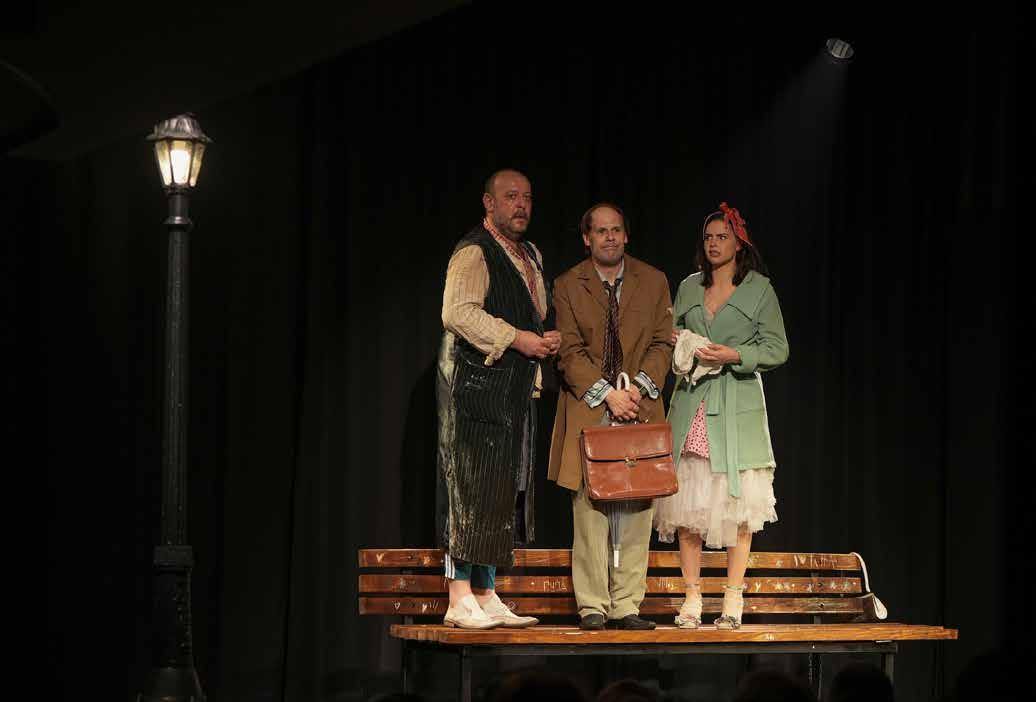
The only theatre where the audience becomes part of the story comes to life in Dorćol
From the sound of “Mostarske kiše” to the aroma of “Španska pita”, without much fanfare but with plenty of soul, the Mozzart Foundation has placed “the boards that mean life” onto the cobblestones of Dorćol. In just one year, more than 200 artists have stepped onto this stage, breathing life into a new city theatre at 35 Cara Dušana Street through their energy, emotion, and talent. A theatre unique in many ways, not least because its doors are open to everyone and all cultural programmes are completely free for the audience. That is how the story began…
The Mozzart Foundation quickly became a beloved meeting place of art and community, a quiet refuge for words, movement, and thought. An ally of the arts, but also their companion, support system, and loyal host. A safe space where theatre returns to its roots and becomes accessible to all. Yet theatre sometimes has the power to do more than create art; it can inspire solidarity. That is precisely the mission the Mozzart Foundation embraced when it went one step further and transformed its stage into a true Theatre of Humanity.
The Theatre of Humanity is a completely unique and innovative concept that unites art and
THE MOZZART FOUNDATION HOSTED MORE THAN 200 ARTISTS AND DONATED OVER RSD 5 MILLION
humanitarianism, because tickets are not purchased with money, but with acts of kindness. On this stage, art does not merely entertain or ask questions. It heals, quite literally. One humanitarian SMS donation equals one ticket. This has become the wellknown mechanism through which the audience secures a seat in the theatre while simultaneously taking an active role in humanity. The Mozzart Foundation matches every donation after each performance.
More than 15,000 visitors have so far enjoyed the creative magic of over 200 artists, while the Mozzart Foundation has donated more than RSD 5 million for the treatment of citizens in need. Because when humanity takes centre stage, there is always a demand for one more ticket.
The first event through which the foundation officially opened its doors to visitors was the poetry evening “Živa reč – Pero i Miloš Zubac”. That evening, the forecast over Dorćol
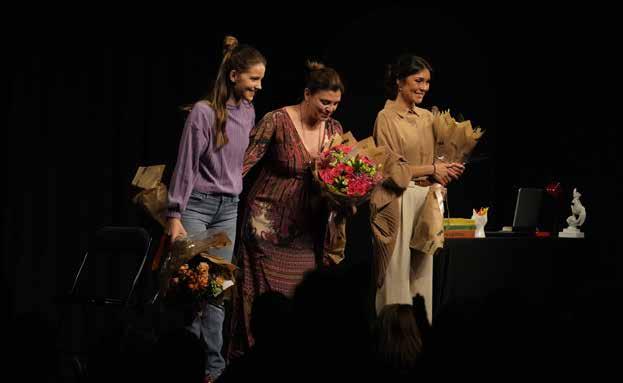
announced “Mostarske kiše”, and several hundred visitors came to enjoy their sound. “It began so beautifully that it would be a shame for it to stop,” echoed the words of the legendary Pero, whose pen gave birth to verses loved across generations. And so it was, “Mostarske kiše” unleashed a true flood of beautiful emotions and outstanding art at the Mozzart Foundation’s address.
Cultural programmes continued to follow one after another. Numerous theatre performances were staged, including “Zagonetne varijacije”, “Anđela”, “Prah”, “Dečije povrede”, “Frenki i Džoni”, “Džepovi puni kamenja”, “Bogojavljenje”, “Svlačenje”, “Naši dani”, “Kako sam prestao da pevam pod tušem”, and “Đurologija”…
The stage also hosted musical and poetry evenings such as “Poezija živa” with Nebojša Milovanović, performances by Mirjana Bobić Mojsilović and Tanja Banjanin, Nele Karajlić, Marko Milošević and Boris Režak, Bojan Marović and Branislav Trifunović, as well as concerts by the quartets “Habanera”, “Experience”, “Azzurro”, and “Rocher”…
The Mozzart Foundation also supported emerging artists, with graduate productions such as “Nana” and “Trg ratnika”, as well as the first solo concert by the “Serbian Bocelli”, the exceptionally talented young tenor Nemanja Crnatović.
The Mozzart Foundation elevated its support for culture and the arts by producing its own theatre performances. The monodrama “Bašta sljezove boje”, directed by Egon Savin and masterfully performed by Nebojša Milovanović, was the first production created by the Mozzart Foundation. An additional emotional layer was brought to Ćopić’s masterpiece through its humanitarian dimension. Instead of purchasing tickets, visitors donate to the NORBS Plus Foundation to support people suffering from rare diseases, and more than half a million dinars have already been raised.
The foundation also produced the play “Pale zvezde”, inspired by James Kirkwood’s hit comedy “Legends”, starring Katarina Radivojević, Marijana Mićić, and Miloš Vlalukin.
In April, two more premieres produced by the foundation were successfully staged: “Španska pita”, starring Isidora Minić, Dragana Mićalović, and Ivana Zečević, directed and adapted by Irfan Mensur, and “Ljubinko i Desanka”, directed by Goran Šušljik and featuring Ljubomir Bandović, Janko Cekić, and Aleksandra Vulanović.
GEORGI HRISTOV Director of Tavex
We spoke with Georgi Hristov, Director of Tavex, about investment gold, global uncertainty, and the growing importance of secure and transparent precious metals trading
Could you briefly introduce Tavex and explain its core business?
Tavex is an international company founded in Estonia in 1991, with decades of experience in trading, investing in gold, silver, and currencies. Today, the company operates in 12 countries and is one of the leading players in the precious metals investment market in Northern Europe and Serbia.
One of our key advantages lies in our direct cooperation with some of the world’s largest and most respected refineries, including Valcambi, Argor-Heraeus, PAMP, and others. This represents a major recognition for us, as direct partnerships with the world’s leading refineries are neither easy nor quick to obtain. That is precisely why only a small number of dealers can claim to maintain direct relationships with the world’s top refineries.
For clients, this means access to products of clear origin, internationally recognised quality, and the highest level of security. Our goal is to make investment gold accessible, understandable, and secure for every client, whether they are purchasing gold for the first time or already building a long-term investment portfolio.
What exactly is investment gold, and how does it differ from jewellery?
Investment gold most commonly comes in the form of gold bars and bullion coins. When it comes to coins, they are generally minted after 1900 and must either be, or previously have been, legal tender in the country that issued them. Gold bars, on the other hand, are
typically defined by their high purity standard, most commonly 999.9/1000.
The key difference between investment gold and gold jewellery is that investment gold is a financial asset rather than a consumer product. Investment gold is exempt from VAT, whereas jewellery prices include not only the value of the gold itself but also craftsmanship, design, branding, retail margins, and, often, VAT.
Investment gold is traded at prices much closer to the international market price. Premiums are significantly lower, and when
selling back to a dealer, the difference between the buy and sell price is considerably smaller than with jewellery.
Why are more and more people turning to gold as an investment?
Interest in investment gold has been growing for several key reasons. First and foremost are inflation and the declining purchasing power of paper currencies. When the real value of currencies declines, people naturally seek assets that preserve value over the long term.
The second reason is global uncertainty, including geopolitical conflicts, financial crises, tensions between major economies, and market instability. In such periods, gold has traditionally been viewed as a means of protection and portfolio diversification.
The third reason is that physical gold carries no counterparty risk. It is not someone else’s promise, loan, or liability. When a person owns physical investment gold, control over that asset remains entirely in their own hands.
How is investment gold purchased today, and what should clients pay attention to?
The most important thing is for clients to choose reliable and trustworthy dealers, companies with a proven track record, transparent pricing, clear buyback conditions, and direct partnerships with internationally recognised refineries.
Clients should be cautious when dealing with suspicious websites, unclear offers, or dealers who cannot clearly prove the origin of their products. With investment gold, price alone is not what matters most. Authenticity, liquidity, and trust are equally essential. Many people simply do not have the knowledge or tools needed to identify counterfeit or problematic products on their own, which is why choosing the right dealer is crucial.
This is precisely where our digital platform, Tavex ID, comes into focus. The platform received an award for innovation in ecommerce, and Tavex became the first company in Serbia to offer a complete remote buying-andselling service for physical investment gold.
In addition to purchasing, Tavex ID also enables clients to sell their gold back to Tavex remotely. This means that clients can not only buy investment gold online with secure, insured delivery, but also manage their investments in a modern, practical, and transparent way based on real market prices.
How innovation, design, and personalisation are reshaping the modern reduced-risk category
DANA KARANOVIĆ
Reduced Risk Products Manager at JTI Adriatica
In this interview with Dana Karanović, Reduced Risk Products Manager at JTI Adriatica, we discuss how the Ploom brand is positioning itself at the intersection of technology, design, and lifestyle culture. The conversation explores changing consumer habits, the growing role of personalisation and innovation, and the future potential of reduced-risk products in an increasingly experience-driven market.
Nearly two years after the brand was launched on the market, what do you see as its biggest differentiator compared to competitors, and what did consumers recognise first?
Two years ago, JTI, one of the largest Japanese investments and a leading tobacco company in Serbia, launched Ploom – an advanced heated tobacco device intended for adult
tobacco consumers, powered by innovative HeatFlow technology developed and refined in Japan.
Since its launch, feedback from adult users has been very positive. We believe the key difference of the Ploom brand is that we do not focus solely on the device’s technical features,
Our goal is to create meaningful everyday moments and an experience that feels personal and relevant to adult tobacco consumers, while offering a product designed with attention to both performance and user experience.
For the second year in a row, you have received the Innovation of the Year award. In what ways do technological innovations today concretely improve the user experience, and how much do users actually recognise that kind of progress?
Today, technological innovation plays a much broader role than simple technical improvement – it directly shapes how intuitive, practical, and easy a product is to use in everyday life. That is why, at JTI, we continuously invest in developing products and technologies that respond to the evolving expectations of adult tobacco consumers.
Receiving the Innovation of the Year award for the second consecutive year is confirmation for us that users recognise progress not only in device performance but also in the overall experience – from design and functionality to personalisation options.
With the new-generation device, Ploom AURA, we further enhanced that aspect of the user experience. Thanks to the new Smart HeatFlow technology, developed and refined in Japan, which enables more precise tobacco heating control, as well as Bluetooth connectivity and a dedicated mobile app, adult users can adjust the heating intensity and usage modes according to their own preferences, monitor device status, and access additional features that make the experience simpler and more tailored to their needs.
We believe users today clearly recognise innovations that deliver practical value and successfully combine technology, functionality, and design in ways that naturally fit into their lifestyles.
The brand has now been present at Milan Design Week for the third consecutive year. Why is the connection between technology, design, and lifestyle culture important for the development of a modern brand? Today, consumers expect much more from modern brands than pure product functionality – they look for experience, aesthetics, and values they can relate to. That is why we believe that technology, design, and lifestyle culture are naturally connected today and together shape how people experience a brand.
CONSUMERS EXPECT MUCH MORE FROM MODERN BRANDS THAN PURE PRODUCT FUNCTIONALITY
but on the overall experience created by the combination of technology, aesthetics, and functionality. That is probably what adult users of heated tobacco products recognised first and appreciated most quickly.
Our presence at Milan Design Week 2026 is very important to us, as it is one of the world’s leading design events and an ideal platform for presenting innovations that combine technology, aesthetics, and contemporary user experience.
Ploom first appeared at Milan Design Week in 2024 through a collaboration with internationally renowned French designer Ora Ito. The collaboration attracted significant attention from visitors and the media, while the Ploom installation was included in several “Top 5 Places to Visit” and “Best of Milan Design Week” lists.
The following year, Ploom introduced the CONNECTED SENSATIONS concept – a
multisensory experience that became one of the more notable installations during the event.
This year, Ploom presented Feel the AURA. With this new immersive experience, adult users had the opportunity not only to observe design but to truly experience it through an environment that adapted to them personally. Light, temperature, and flavour responded to visitors’ movements and preferences, allowing everyone to experience the installation in their own way. The experience was divided into three parts: Study of Light, where lighting changed in response to movement; Study of Temperature, where warmth and heating dynamics created a relaxing atmosphere; and Study of Flavour, where adult consumers could explore different flavours and choose the one that suited them best.
At Milan Design Week 2026, JTI also introduced the new limited-edition Ploom AURA device in Glacier White, featuring a refined white finish that reflects sophistication, elegance, and subtlety, along with a carefully selected collection of exclusive accessories.
How have user habits changed over the past few years, and what influences their choices and expectations the most today?
Over the past few years, we have seen a significant shift in the habits of adult tobacco consumers, both globally and in our local market. More and more adult users are looking for alternatives to traditional cigarettes, alongside growing demand for products that combine technology, quality, and an enhanced user experience.
When it comes specifically to heated tobacco devices, it is clear that they are no longer seen as products used only occasionally. For
WE BELIEVE LOYALTY TODAY IS BUILT ON AUTHENTICITY, RELEVANCE, AND A BRAND’S ABILITY TO EVOLVE ALONGSIDE ITS USERS
many adult users, they have become part of their everyday routine and, in many cases, a primary choice compared to conventional cigarettes.
Today, several factors influence the choice of a specific device. Adult consumers expect ease of use and maintenance, reliable performance, long battery life, and intuitive features such as automatic device activation or mobile app connectivity. At the same time, personalisation has become increasingly important - users want devices that can naturally fit their lifestyle and personal preferences through design, colours, accessories, and different usage modes.
We also see that consumers increasingly value products that combine practicality with aesthetics, in which technology serves a clear purpose and enhances the overall experience in a simple, intuitive way.
Where do you see the greatest growth potential for the reduced-risk product category in the coming years, and which trends are you following most closely?
We believe the greatest growth potential for the reduced-risk product category lies in continued innovation and growing interest among adult consumers in products that offer a more advanced, personalised user experience.
At JTI, we focus on developing products that meet the needs and expectations of adult tobacco consumers, with a strong emphasis on quality, innovation, and an authentic user experience. We remain committed to developing the reduced-risk category and to creating
products that combine advanced performance with modern solutions tailored to adult users’ expectations.
At the same time, we closely follow trends in personalisation, the integration of technology and design, and the growing importance of intuitive, functional devices. This is why we continue to invest in the development of heated tobacco products within the reducedrisk category, while expecting that traditional tobacco products and reduced-risk products will continue to coexist.
We also see growing consumer interest in products that fit seamlessly into everyday routines, offering simplicity, reliability, and a more customised experience, which will likely continue shaping the category in the years ahead.
At a time when consumers have a wide range of choices and easily change their habits, how do brands build long-term loyalty today?
At a time when consumers have more choice than ever and habits change quickly, we believe long-term brand loyalty is built through the overall experience a brand provides and its ability to respond to users’ needs and expectations continuously.
That is why, with Ploom, we go beyond functionality alone and pay close attention to the overall experience and the way users feel through the combination of aesthetics, technology, and everyday interactions with the brand.
At the same time, we closely monitor feedback and evolving habits among adult consumers, as those insights drive meaningful innovations and improvements to the user experience. We believe loyalty today is built on authenticity, relevance, and a brand’s ability to evolve alongside its users.
This product is not risk-free and may cause addiction. For adult use only.
empathy,
VALENTINA GAGIĆ
Director of Lisca Serbia & International Strategic Marketing
We spoke with Valentina Gagić about authenticity, emotional connection with consumers, and the transformation of Lisca into a modern lifestyle brand built on confidence, responsibility, and long-term
In a time when markets are flooded with short-lived trends and aggressive marketing, has authenticity become the most valuable currency a brand can possess today?
In the digital era, authenticity has ceased to be merely a “nice addition” and has become the only true guarantee of long-term survival. Today’s consumers possess an almost flawless radar for insincerity. A brand that changes its identity with every passing trend quickly loses trust, and trust is the hardest investment to regain in the modern marketplace.
For Lisca, authenticity is our most valuable currency because it is built on decades of being present in the most intimate moments of a woman’s life. We do not simply sell a product; we sell a promise that we fulfil with every stitch. Our strategy is one of “quiet strength” by remaining faithful to superior quality and designs that respect the female body, rather than chasing fleeting aesthetics.
For us, authenticity means having the courage to remain true to ourselves while continuing to evolve. That is why generations keep returning to us, grandmothers, mothers, and daughters alike, seeing Lisca as a constant in a world changing far too quickly. Our recent authenticity award is confirmation that the market is yearning for stability, tradition, and the truth behind a name.
Today’s consumers expect far more from brands than just product quality. They also look for emotion, values, and

social responsibility. How does Lisca build a more human and meaningful connection with its customers?
Modern marketing is no longer a one-way street, but an ongoing dialogue. Today’s woman does not seek only the perfect fit from us, but also an ally that understands her challenges, fears, and victories. We build that relationship by humanising the brand, moving beyond the sterile boundaries of corporate communication into the realm of genuine, tangible support.
Our projects are not merely marketing campaigns; they are living platforms for empowerment and dialogue on issues that truly matter to women. We want every woman to feel seen and respected as a human being, not simply as a customer in a sales report.
This relationship is built through complete transparency and a
constant presence within the community. We listen to feedback, adapt to customer needs in real time, and strive to ensure that every interaction leaves a positive emotional imprint. The award we recently received for social impact reflects our ambition to be a brand with character, one that is not afraid to take responsibility for the messages it sends into the public sphere.
Today, Lisca is no longer just a lingerie manufacturer, but a lifestyle brand with a clearly defined identity. In which direction do you plan to develop the brand in the coming years, and what will define its signature in the future?
Our vision is to transform the brand into a contemporary lifestyle symbol that shapes not only fashion but also values. Lisca is becoming part of every aspect of the modern
woman’s daily life, offering support throughout her day. Our goal is to create an ecosystem of confidence that combines refined aesthetics, timeless elegance, and minimalist design with absolute functionality.
In the years ahead, our focus will be on experiential transformation. We want every point of contact with the brand to be highly personalised. Digitalisation allows us to understand people’s needs better, but our vision is one of “digital humanisation”, using technology to become even closer to the individual.
In the future, the Lisca signature will not be just a logo, but a feeling. We want that feeling of unwavering inner confidence and harmony to truly define us. Our mission is to inspire every woman not to follow someone else’s standards of beauty, but to create her own.
Sustainability and responsibility towards the community are no longer merely questions of image, but essential elements of serious business strategy. How does Lisca integrate these values into its everyday operations?
For us, sustainability is not a trend, but a strategic decision and a moral responsibility. In the textile industry, Lisca consciously chooses responsibility. Our greatest strength lies in uncompromising quality. A product that lasts for years is the most sustainable product one can own. We actively oppose the culture of fast consumption by creating pieces that retain their form and value after a single season.
Sustainability encompasses everything, from the ethical treatment of employees to the careful selection of materials. Our social responsibility strategy is inseparable from our business goals, because profit has true value only when it also creates value for society as a whole. We invest in projects that support women’s health, education, and rights. When you purchase a Lisca product, you are investing in a system that respects work and integrity. We believe this is the only path towards a sustainable future in which business and humanity function as one.

How CORIS Assistance combines technology, international expertise, and human support to meet the demands of a rapidly changing global market
CORIS Assistance, CEO
As global mobility, digitalisation, and international healthcare services continue to reshape the assistance industry, companies are expected to provide far more than emergency support. In this interview, Darko Stupar, CEO of CORIS Assistance, discusses how the company has evolved over two decades in Serbia, the growing importance of trust and technology in the industry, and why reliable solutions remain the foundation of sustainable international business.
Assistance services are often perceived as operational support in crisis situations. How would you define their role in today’s international business environment?
At its core, the assistance business is a business of trust, but today its role is far broader. In a world of intensive international mobility, where people and companies operate across borders, assistance services have become part of the infrastructure that ensures business continuity and the security of movement. Our task is not only to react when problems arise, but also to provide a reliable support system that functions across different geographical, regulatory, and operational frameworks. That is why our “zero principle” is not speed, efficiency, or security individually, but a reliable solution that combines all these elements and builds long-term trust with partners and clients.
This year, you are celebrating an important milestone, 20 years of business operations in Serbia. To what extent have the expectations of clients and partners changed, and how has CORIS Assistance evolved over the years?
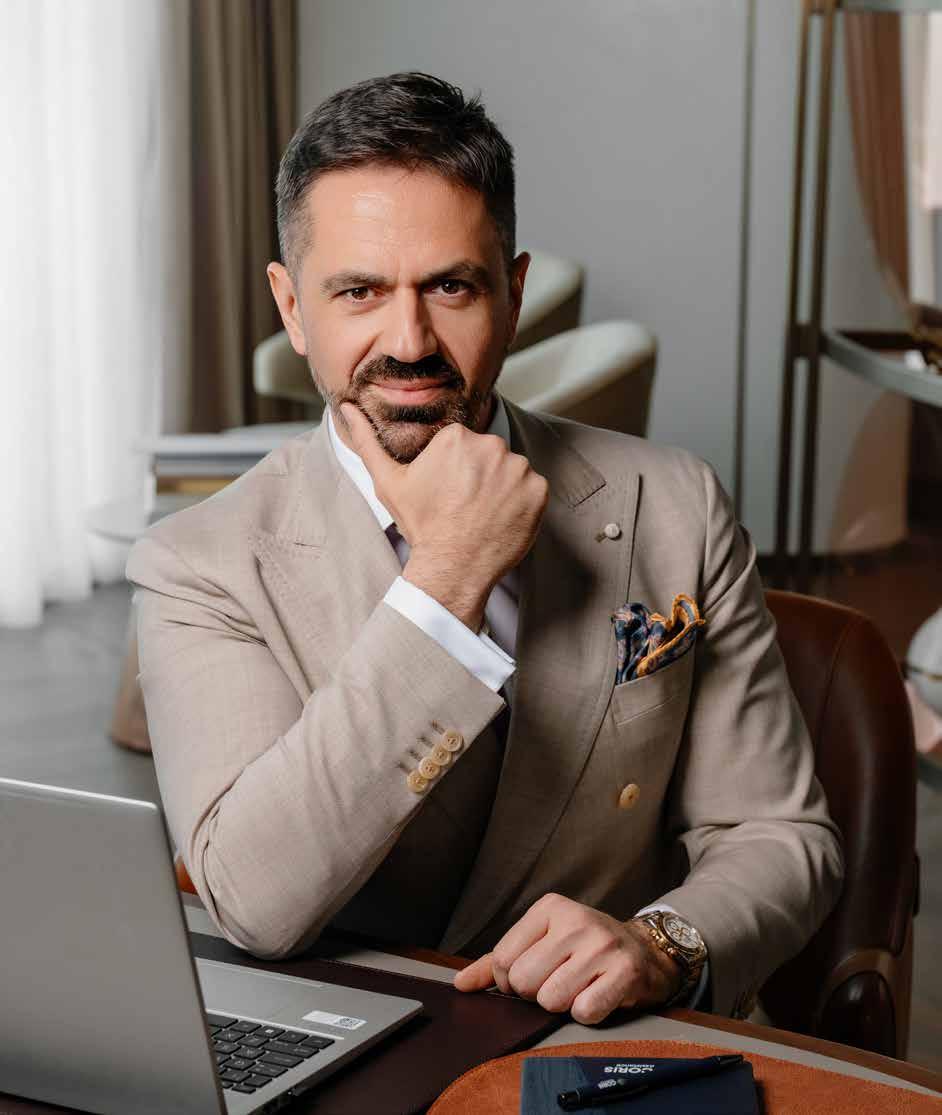
The changes have been fundamental. In the past, it was enough simply to solve the problem. Today, clients expect it to be done quickly, transparently, and with a high level of professionalism. Speed has become the standard,
ASSISTANCE SERVICES HAVE BECOME PART OF THE INFRASTRUCTURE THAT ENSURES BUSINESS CONTINUITY AND THE SECURITY OF MOVEMENT
while quality is now a basic requirement rather than a differentiator. What truly makes the difference is the overall customer experience: the way communication is handled, the availability of information, and the feeling that the entire process is under control.
CORIS Assistance has also evolved, consistently keeping pace with business trends, global and local crises, and the processes of digitalisation. The development of our insurance policy brokerage service has become a key differentiator in the market, as end users, meaning private individuals, can now purchase the insurance best suited to their needs through our sister company, Tara Partner. Together, the benefits we provide and our high-quality assistance services deliver a complete solution for every client.
How is digital transformation reshaping the assistance industry and your business model?
Digital transformation is one of the key drivers of change in our industry. It is not only about introducing new technologies, but also about changing the way we think, organise processes, communicate with clients, and manage data. Our in-house product, the “24SAFE” mobile application, which we recently launched publicly, is exactly what our clients and partners needed: a reliable, integrated operational system that transforms how assistance services are delivered. We have received an important award for “Digital Transformation” because the application digitalises key processes, from reviewing insurance policies, coverage, and limit utilisation to submitting claims and processing reimbursements. In doing so, it eliminates the need for traditional communication channels and significantly simplifies the customer journey.
At the same time, it is important to maintain a balance between technology and the human factor, because complex situations still require experience, judgement, and empathy. Our goal is to use technology as a tool that enhances service quality, not as a replacement for the essence of the relationship with the client.
How important is the development of international healthcare services and the so-called medical concierge approach for the future of the industry?
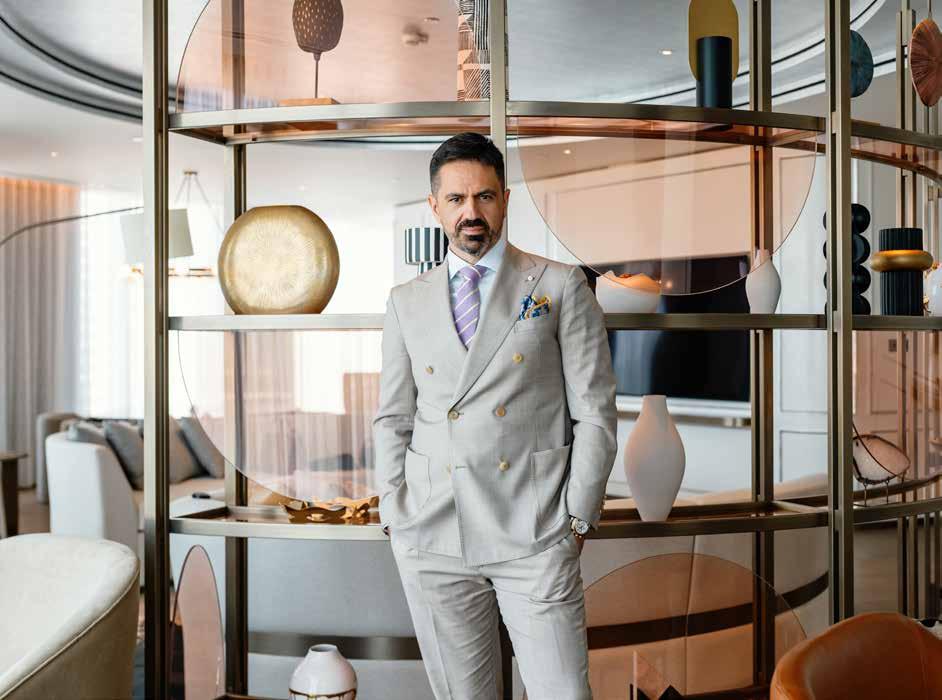
HAVING A GOOD IDEA IS NOT ENOUGH; IT IS EQUALLY IMPORTANT TO HAVE AN ORGANISATION CAPABLE OF CONSISTENTLY DELIVERING IT ACROSS DIFFERENT MARKETS AND CIRCUMSTANCES
Extremely important. Today, healthcare assistance goes far beyond emergency support and is increasingly entering the domain of planning and managing healthcare services at an international level. Clients expect support that includes selecting appropriate medical institutions, organising examinations, coordinating with doctors, and managing the logistics of the entire process. In this context, the medical concierge approach represents an integrated service that connects different systems and ensures continuity of care for the client, regardless of location.
This is particularly important for companies and individuals, diplomatic teams and their families, global travellers, business professionals, and anyone seeking healthcare services anywhere in the world. Our company, CORIS Global Medic, provides strategic support for international insurance and assistance programmes through a global network of partners, medical institutions, and hospitals. With operational
centres in Belgrade and Istanbul, CGM works with leading insurers worldwide to provide continuous, reliable services that improve efficiency, reduce unnecessary costs, and ensure high-quality outcomes.
How do you view the importance of regional cooperation and the positioning of companies from Southeast Europe in the global market?
Regional cooperation is essential for building competitiveness. The markets of Southeast Europe have significant potential, but also specific challenges that require a strong understanding of the local context. Companies that aim to remain relevant globally must view quality as a universal standard rather than a local achievement. This means investing in processes, people, and partnerships, and being prepared for continuous adaptation. Combining local expertise with the implementation of international standards enables sustainable growth and expansion into new markets.
In your opinion, what distinguishes companies with global ambitions from those that remain locally oriented?
The difference lies primarily in mindset and discipline in execution. Companies with global ambitions are not satisfied with local success alone, but strive to meet standards comparable to the very best in the industry. They build systems that are reliable and sustainable, regardless of the market they operate in. They also invest in long-term relationships and reputation, which is crucial in our business. Having a good idea is not enough; it is equally important to have an organisation capable of consistently delivering that idea across different circumstances and markets.
What are CORIS Assistance’s key priorities in the coming period?
Our priorities are to further improve service quality, develop digital solutions, and strengthen our international partner network. At the same time, we are focused on team development and organisational capacity, as we believe that people are the foundation of every sustainable system. Our goal is to remain a reliable partner in an increasingly complex international environment and to continue developing solutions that meet the needs of modern clients and companies.
DR VESNA VUKAJLOVIĆ VASILIĆ
Confident Clinic
We spoke with Dr Vesna Vukajlović Vasilić from Confident Clinic about artificial intelligence in dentistry, the future of diagnostics, and why trust remains the foundation of modern medicine despite rapid technological change.
At this year’s 10th Diplomacy & Commerce Awards, Confident Clinic received the Excellence in Patient Care and Trust award. How do you define trust in modern medicine?
In the past, trust was based almost entirely on the doctor’s authority. In contrast, today patients expect far more: clear communication, predictable treatment, accessible information, and the feeling that decisions about their health are based on the most precise data available.
This is precisely why modern technologies and AI have become so valuable. When doctors make decisions today, those decisions are no longer based solely on individual experience but also on vast amounts of data, analyses, digital protocols, and scientific knowledge that AI systems can process in seconds. This provides patients with an additional level of security and precision.
Nevertheless, regardless of technological progress, trust is still built through human relationships. Patients need to feel that someone is listening to them, understanding them, and guiding them through the treatment process with care and responsibility.
Do you believe that the very definition of patient trust is changing as artificial intelligence advances?
Absolutely. Patients today increasingly expect clinics to use the most advanced technologies and for medicine to be based on data, precision, and predictability. AI has introduced an entirely new
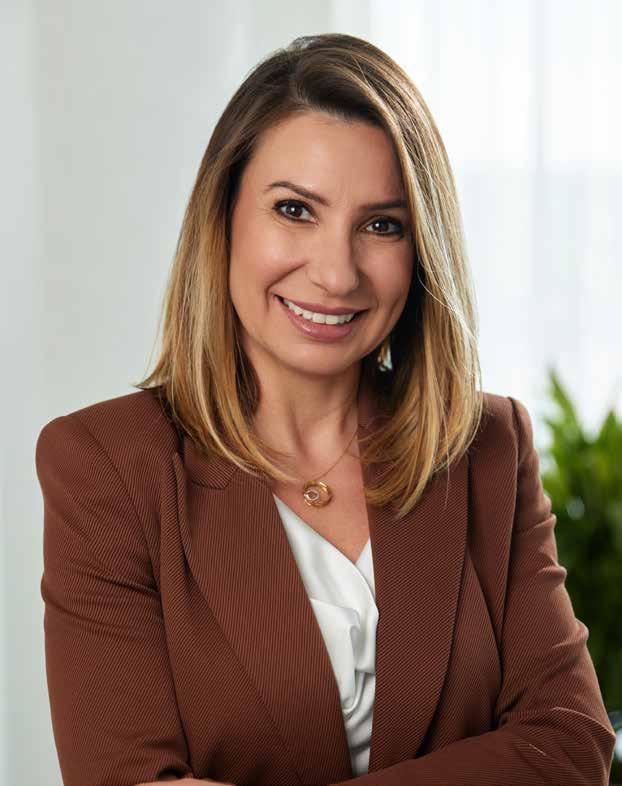
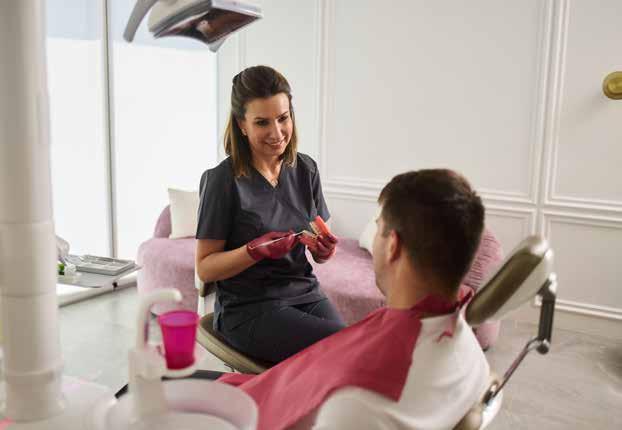
dimension to medical decisionmaking by enabling the processing of enormous amounts of information that a human alone could not analyse with the speed and scope required.
That does not mean patients trust doctors less; quite the opposite. They trust doctors who use the best possible tools to make the highest-quality decisions. I believe this will become the defining standard of modern medicine.
At Confident Clinic, we do not view technology as a trend but as a means to provide patients with a higher level of security, precision, and treatment quality.
To what extent is AI changing dental diagnostics today? Are we talking about improving existing processes or about a fundamental shift in the way doctors think?
I believe we are witnessing one of the greatest transformations in dentistry in recent decades. AI has not merely accelerated existing processes; it has changed the way we analyse data, plan treatments, and make decisions.
Modern AI systems can now integrate and analyse enormous amounts of information, including diagnostic scans, digital models, statistical data, clinical protocols, and the results of numerous scientific studies. This gives doctors a far broader perspective and additional confidence when planning treatment.
Ultimately, the final decision is still made by the doctor, but now with the support of systems that enable a level of precision and predictability that was previously impossible. That is precisely why I believe AI is changing not only the speed of work, but also the quality of medical thinking itself.
One of the challenges of AI in healthcare is transparency. How do you explain the role of algorithms in treatment to patients without undermining their sense of security?
We explain to patients very openly that AI is not a replacement for the doctor, but rather a powerful
tool that enables doctors to make more informed and precise decisions. When patients are presented with digital analyses, simulations of future results, or detailed treatment plans, they gain additional confidence because they can better understand both their condition and the treatment process. Today, people want transparency and want to understand the process they are going through.
I believe technology does not undermine the feeling of security when it is presented properly. On the contrary, patients then feel that their treatment is not based solely on the subjective judgment of a single individual, but on a combination of medical experience, modern technology, and an enormous body of medical knowledge that AI systems can process.
Do you notice that AI is influencing the speed of decision-making and operational efficiency, and do patients genuinely perceive this as a higher-quality service?
Although biology is something we still cannot, and should not, accelerate, today we can analyse data, plan treatments, and present patients with clear and predictable treatment strategies much faster than before.
Patients definitely notice this. The modern patient expects efficiency, clear communication, and a high level of organisation. When this is combined with a carefully planned treatment based on advanced digital analyses, their trust naturally increases.
Technology in itself is not the goal. The goal is better service and better outcomes for the patient. And this is precisely where AI is making an enormous difference today.
How challenging was it to implement AI into the clinic’s everyday operations? Was the greater challenge technological, or was it changing the team’s mindset? Many of the software solutions you use already come with built-in AI technologies. In your opinion, how many dental clinics in Belgrade are actively using AI in their daily work?
Modern dentistry today is almost unimaginable without digital technologies and AI systems, particularly in diagnostics, treatment planning, and workflow organisation. Many of the software solutions we use already include integrated AI functions that improve precision and efficiency daily.
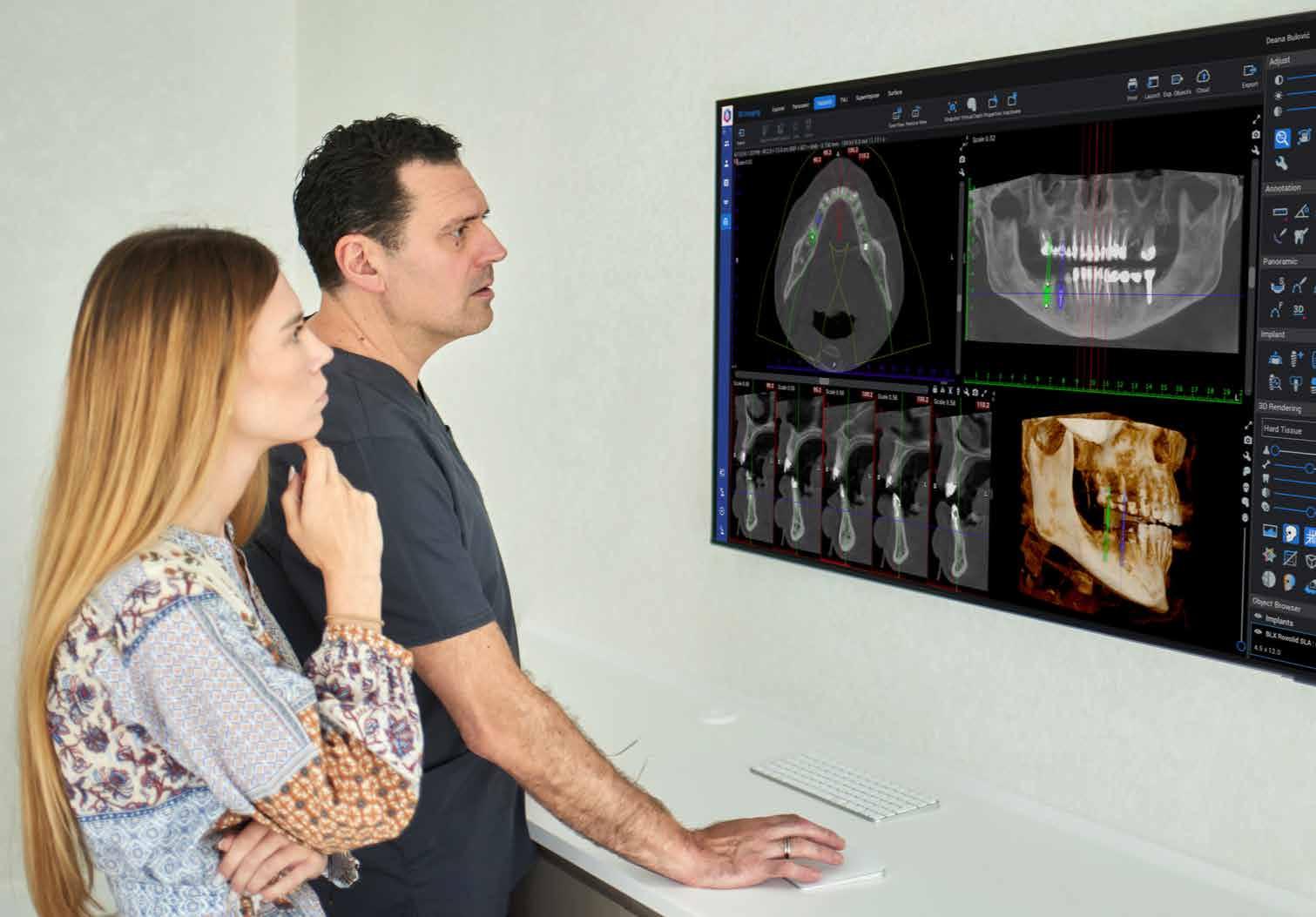
THE FUTURE
However, the greatest challenge is not the technology itself, but the team’s willingness to continuously grow, learn, and embrace an entirely new way of working and thinking. AI delivers the
best results only when there is a skilled, educated team capable of interpreting data and making the right decisions for the patient.
I believe that an increasing number of clinics in Belgrade are
using certain AI tools. Still, the real difference lies in how deeply these technologies are actually integrated into everyday practice. At Confident Clinic, digital dentistry and AI are not merely additions to our work; they are integral to our philosophy of development and patient care.
Do you believe that in the future patients will place greater trust in algorithms or in doctors, or does the real value lie precisely in their combination?
I believe the true future of medicine lies exactly in that combination. AI can process vast amounts of data, recognise patterns, and provide doctors with information that significantly improves the precision of decision-making. However, empathy, experience, intuition, and responsibility remain deeply human qualities that no technology can replace.
In the future, patients will likely expect their doctors to use AI and the most advanced technologies, because this will become the standard of quality. Yet trust will still be placed in the human being, in the doctor who knows how to properly interpret, explain, and apply all that information in the patient’s best interest.
I believe AI is not distancing us from humane medicine, but rather allowing us to become even more precise, reliable, and dedicated to patients than ever before.
From streaming platforms and premium series to regional expansion and digital trust, the media industry is entering a new era in which content matters more than channels.
Chief Multimedia & Content Officer, Telekom Srbija
As the media industry undergoes rapid transformation, Aleksandra Martinović, Chief Multimedia & Content Officer at Telekom Srbija, discusses the future of television, digital platforms, premium production and the regional ambitions of Telekom Srbija.
In your opinion, following the latest market reshuffles, what does the Serbian media landscape look like today, particularly in terms of TV channels and content production, and where does Telekom Srbija stand within it?
The media landscape in Serbia and across the region is currently undergoing a major transformation. It is no longer enough to have a channel or a distribution network. Today, the real value lies in exclusive content, a strong digital platform, and the ability to deliver content to users across all screens.
The industry clearly shows that we are entering a phase of market consolidation, as well as a far more professional approach to production. Audiences now expect production quality that can compete with major European and global platforms.
Over the past few years, Telekom Srbija has made a significant step forward precisely in that direction, evolving from a traditional telecommunications operator into a modern technology and multimedia company that develops its own content, platforms and regional distribution.
Today, we no longer speak merely of channels but of an entire media ecosystem: from production and co-production through distribution to digital services such as the MOVE platform. The region remains extremely important to us, as does the diaspora, because this is where we
see enormous potential for further growth. Telekom Srbija aims to be a company that connects our people through content, language and a shared cultural space, regardless of where they live.
What new projects is Telekom Srbija preparing for the end of 2026 and for 2027 in terms of films and television series?
We have an exceptionally strong season ahead for domestic production. As early as this autumn, audiences can look forward to the premieres of major new titles,
including Državni službenik season four, the film Ruka pravde, the romantic series Ljuljaj me nežno, Viber grupa, and several other projects that we will present very soon.
Telekom Srbija remains focused on premium domestic and regional content with high production values and stories that resonate beyond local markets.
In addition to scripted programming, we are also developing documentary formats, digitalfirst content and new distribution models through the MOVE
platform. At the same time, we are intensively working on international co-productions and partnerships, because content from Serbia and the wider region has the potential to reach a far broader audience.
The next two years will further reinforce Telekom Srbija’s position as one of the most significant investors in the creative industries of this part of Europe.
Are you involved in the organisation of the International Emmy Awards once again this year?
Telekom Srbija and TS Media are continuing their cooperation with the International Academy of Television Arts & Sciences, and we are extremely proud to
be part of that process. Our presence there, as well as my personal involvement as a member of the International Emmy community, is very important because it creates opportunities to connect the domestic industry with the world’s leading television markets.
We will certainly continue to host important Emmy events and gatherings in the coming period, as Serbia and the wider region deserve far greater international visibility in television and film production.
This is important not only for prestige but also for concrete partnerships, co-productions, and new opportunities for our writers, producers, and creative professionals.
When it comes to Telekom’s TV channels, there is frequent speculation about there being too many of them, alongside announcements of consolidations, mergers, closures, new launches, and even acquisitions, such as the recent reports that Euronews, with whom you cooperate, may acquire N1 and Nova S. How much of this is actually true? The media market today is extremely dynamic, and it is entirely natural to consider a range of development models, from optimising existing channels to launching entirely new content segments.
However, Telekom Srbija is not focused on the sheer number of channels, but rather on content quality, technological development and user experience. Audiences today choose content far more than they choose channels, which is why the entire industry is moving towards platform-based models and the consolidation of premium content in one place.
As for the various market speculations, I would prefer not to comment on information that has not been officially confirmed. It is far more important to discuss the global trends shaping the entire industry, namely content integration, digital distribution and investment in exclusive formats.
You have extensive experience in digital media and digital platform development. How do you see the future of online portals and digital journalism today?
Digital media is currently undergoing perhaps its greatest
WE NO LONGER SPEAK MERELY ABOUT CHANNELS, BUT ABOUT AN ENTIRE MEDIA ECOSYSTEM
transformation since the emergence of social networks. For years, online portals relied on high traffic volumes and programmatic advertising models. Still, today, algorithms, AI tools, and changes introduced by Google and Meta are fundamentally reshaping how audiences access content.
The trends clearly show that it is no longer enough to generate large numbers of clicks. Audiences are overwhelmed with information, while one of the greatest problems of the modern digital space has become the spread of fake news, unverified information and the resulting loss of user trust.
This is precisely why credible media brands are more important than ever. I am convinced that in the years ahead, the greatest value will belong to media outlets capable of guaranteeing verified information, professional standards and responsible journalism.
That is why partnerships and licences with globally recognised brands such as Euronews, Bloomberg, and Newsmax are extremely important for the Telekom Srbija Group, as they create space for reliable and relevant reporting. In an era overwhelmed by content, trust is becoming the most valuable currency in the media industry.
The industry also demonstrates that the future no longer lies in the “click economy”, but in strong brands, exclusive video content, streaming platforms and direct relationships with audiences. This is why major media groups today are developing their own platforms, premium video production and multimedia ecosystems that combine television, digital media and OTT services.
How does Telekom Srbija view the region, given that the company operates in several
countries beyond Serbia? What are the plans for Bosnia and Herzegovina, Montenegro, North Macedonia and other markets?
The region is a highly important strategic area for the Telekom Srbija Group. Our advantage lies in our ability to connect markets through content, distribution and technology.
The diaspora is also especially important to us, because people from our region living across the world want quality content in their own language, content with which they share an emotional and cultural connection. This is precisely why MOVE and our television channels have the potential to become a platform linking both the region and the diaspora.
In the coming period, we will continue to expand our presence across regional markets, strengthen production and co-productions, and broaden international partnerships such as our cooperation with Euronews. Regional cooperation within the media business will become increasingly important because individual markets are simply becoming too small to support major production and technological breakthroughs on their own.
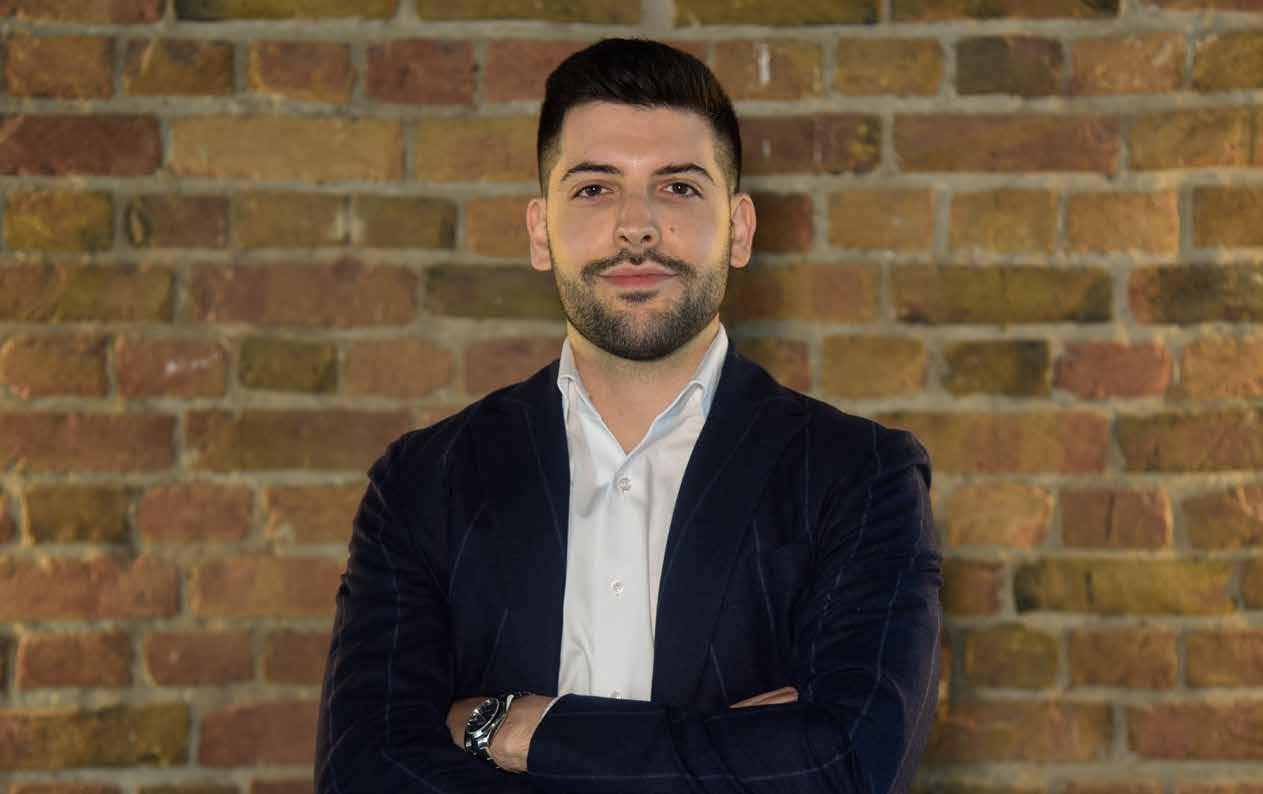
Why Roy El Al believes TenPal can transform the way properties are managed and experienced worldwide
ROY
EL AL
founder of TenPal
Managing commercial real estate today involves a wide range of disconnected processes from operations and maintenance to tenant communication. Roy El Al, founder of TenPal, is building a real estate technology solution that brings structure, automation, and efficiency into daily operations
With a London-based education and experience leading digital transformation projects across multiple international markets, he chose Belgrade as the place to build a product that is already impacting the daily work of thousands of users.
What did your journey from London to Belgrade look like?
It wasn’t linear. London gave me a strong foundation how to think, how to approach problems, and a broader perspective. At some point, I realized I wanted to build something of my own, not just be part of existing systems. Belgrade turned out to be a place where I could do that quickly and effectively.
Why Serbia as a base for building your company?
Because of the combination of people and energy. There’s talent, there’s speed, and there’s openness to new ideas. For a product that requires close collaboration with clients and
TECHNOLOGY ALONE ISN’T ENOUGH; IT HAS TO FIT INTO PEOPLE’S DAILY WORKFLOWS
fast iteration, that’s a huge advantage.
What problem were you trying to solve with TenPal?
Real estate is a complex industry, but the way it operates is often unstructured. Many processes are still manual or spread across disconnected systems. The idea behind TenPal was to bring everything together,
operations, communication, and user experience. A lot of software fails because people don’t adopt it. From the beginning, we focused not only on building the technology, but on making sure it actually gets used in real environments.
How does TenPal work in practice today?
We provide solutions that connect all stakeholders within a real estate portfolio or asset from owners and facility teams to tenant companies and end users. In practice, this means structuring operations like issue tracking, maintenance, communication, and services into one system, replacing emails, WhatsApp/Viber, and manual workflows.
You already have a major project in Serbia. How important was that step?
Working with AFI at Airport City Belgrade was a key milestone. It is our first large-scale implementation and a strong validation of the product.
At the same time, TenPal is an independent company, and this partnership gives us a real environment to test and scale the solution.
What kind of results are you delivering to clients?
Primarily efficiency. We expect to reduce manual workload by over 30%, which directly impacts operational costs. But equally important is improving the overall experience for people using these spaces.
A key part of that comes from optimizing facility management workflows ticketing, maintenance, vendor coordination where we expect to reduce manual workload by over 30%.
Is TenPal only focused on operations?
No, operations are one part. We also focus heavily on tenant

WE
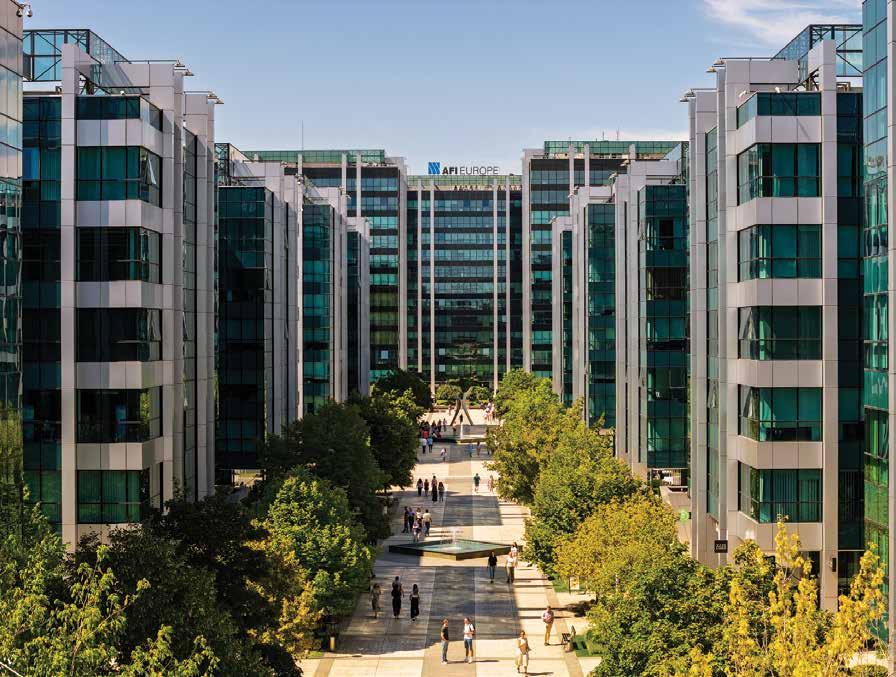
experience through a community layer, where users access benefits, events, and communication. This significantly improves satisfaction, retention, and even demand for the space.
What is the biggest challenge in building this kind of product?
Adoption. Technology alone isn’t enough; it has to fit into people’s daily workflows. That’s why we focus heavily on implementation, training and support, not just product development.
What’s next for TenPal?
Expansion, both in terms of asset types and geography.
We started with office environments, where we are already operating at scale, but we have also developed MVP solutions for retail and mixed-use portfolios.
At the moment, we are active-
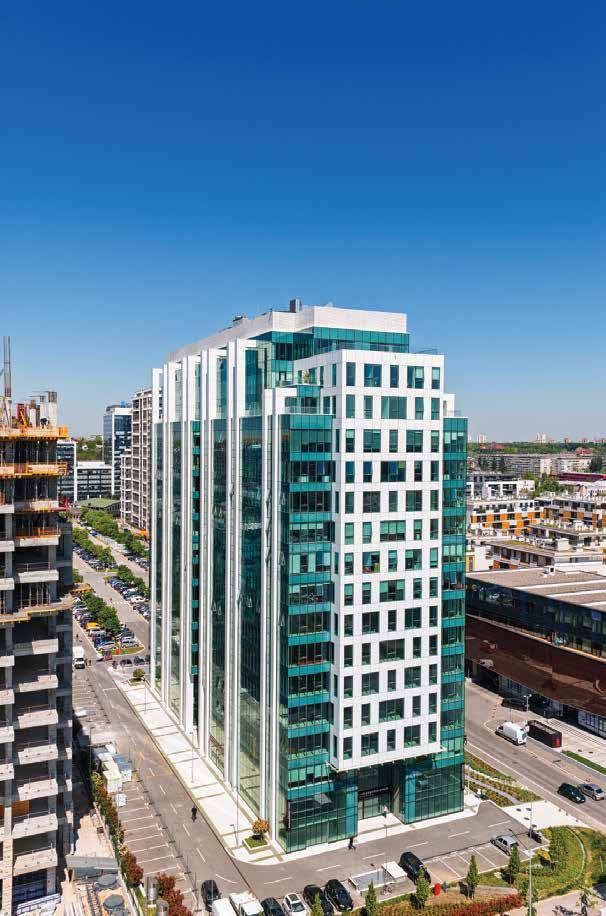
Why credibility, not technology, may become the key battle for media in Southeast Europe
CHRISTOPH PLATE
Director Media Programme South East Europe, Konrad-Adenauer-Stiftung
For this interview, we spoke with Christoph Plate about the state of media freedom in Southeast Europe, the growing crisis of trust in journalism, and the challenges media face in an era shaped by polarisation, Big Tech, and artificial intelligence.
Southeast Europe, especially Serbia, is often described as a region where media freedom formally exists, but is under constant pressure. How would you describe the real state of media freedom today, beyond the headlines?
No media landscape in any country in South East Europe looks the same. Each of the ten countries we operate in has a different history and media. We witness a growing polarisation in many societies, be it Moldova, Montenegro, Bulgaria and Serbia. The conflicts reflect what is happening in societies, along with questions of reform, democratisation, the approach towards Russia and Putin. The Media Programme has a clear position on the roles of the judiciary and the media, but it talks to all sides and encourages them to talk to one another.
You work closely with journalists across the region. What has changed the most in their daily work over the past five years — is the pressure more political, economic, or digital?
I guess it’s a bit of it all, but the biggest challenge for many media houses remains improving quality and increasing credibility with audiences.
To what extent has media ownership concentration become a threat to pluralism in Southeast Europe, and is there a realistic way to counter it?
The bigger threat is Big Tech, which sucks up journalistic content and uses its algorithms to influence and manipulate public debate.
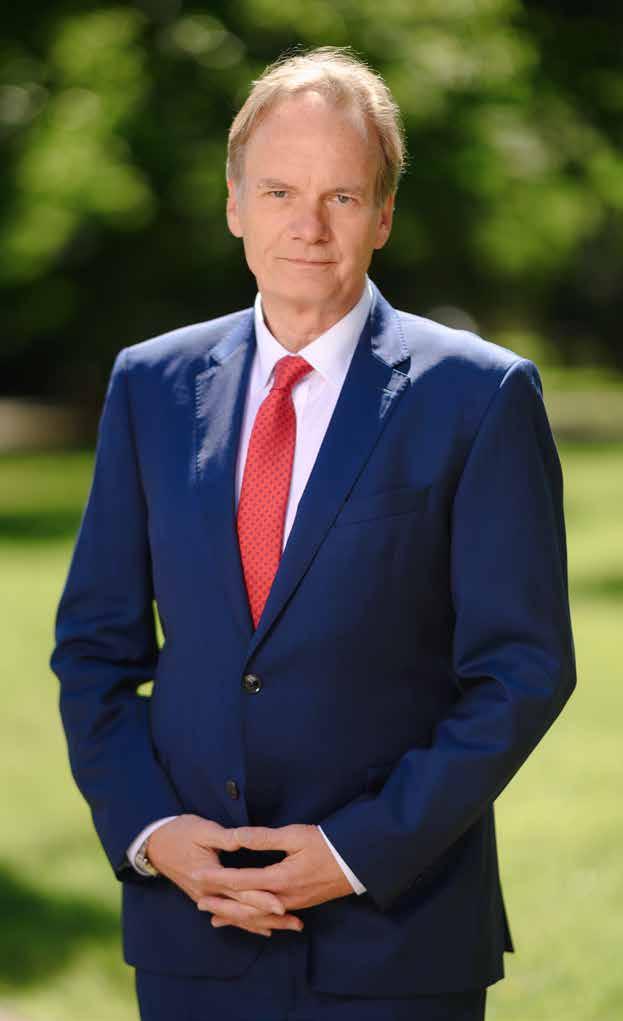
WE APPRECIATE AND SUPPORT THOSE COLLEAGUES WHO FIGHT FOR QUALITY IN THEIR RESEARCH AND PRODUCTION OF THEIR CONTENT
We are witnessing a growing gap between media and public trust. Is this crisis of trust primarily a failure of journalism, or a reflection of deeper societal and political fractures?
Having been a journalist myself for 30 years, I must say there is a growing sense of impunity amongst many journalists. They would rather produce for their own echo chambers than for the wider public, except for some Public Service
Broadcasters. We appreciate and support those colleagues who fight for quality in their research and production of their content.
Your programme strongly focuses on connecting media, politics, and civil society. In practice, where does that dialogue break down most often in this region?
Our dialogues never break down, because deep down, people want to understand the other side.
How do you see the role of public service media in Southeast Europe today—are they still capable of serving as a democratic anchor, or have they become part of the problem?
PSBs are important, and in many countries in the region, you find very committed journalists in these media. The problem arises when the powers-that-be try to make them obedient through the states’ advertising policies. Some PSBs with impressive pasts are ruined by politicians with sinister motives, as in the case of BosniaHerzegovina, where the PSB lingers on the verge of bankruptcy.
Artificial intelligence and digital platforms are reshaping journalism globally. Do you see them as an opportunity for weaker media markets like ours, or as an additional layer of vulnerability?
AI can do both: make journalism production easier and make journalists lazy. The importance lies in using AI intelligently and not being used by it. Digital Platforms are here to stay, so legacy media has to make stronger use of them.
If you had to name one structural change that could genuinely improve media freedom in Southeast Europe within the next five years, what would it be?
Implement European legislation, the Digital Services Act, the European Media Freedom Act and restrict Big Tech’s powers.


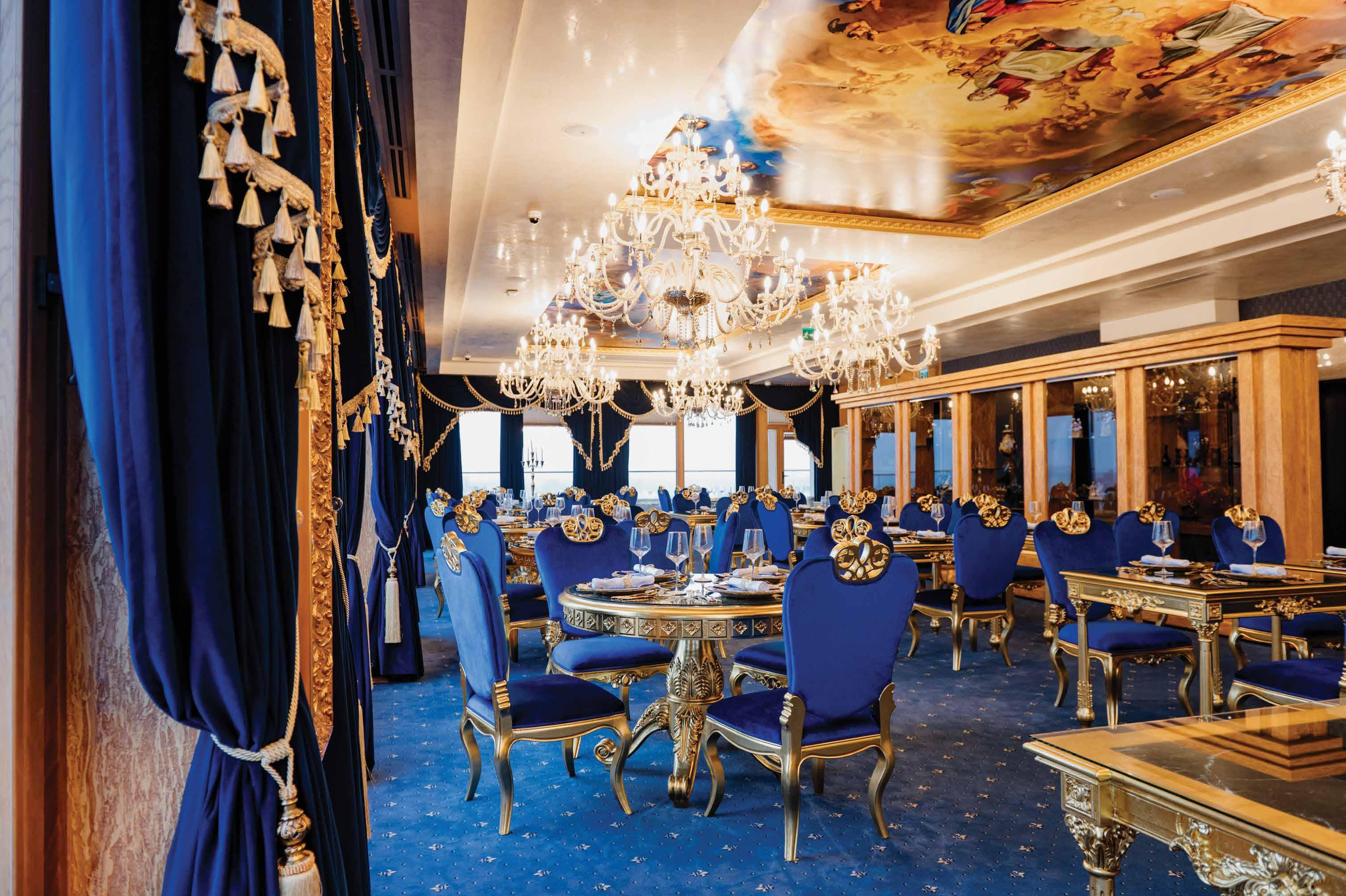

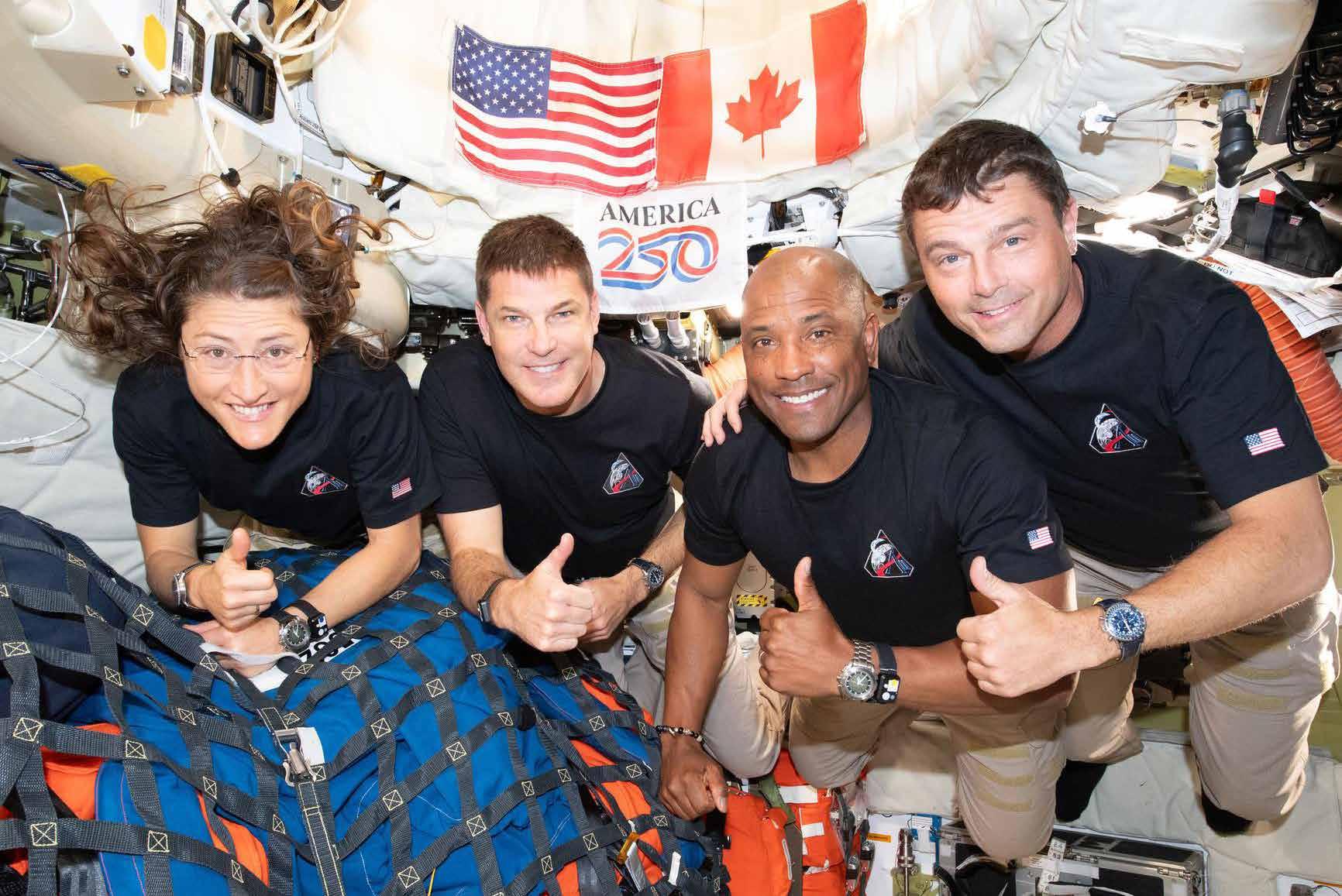
Between memory and myth, progress and doubt, a new voyage into deep space reveals how far we’ve come – and how fragile our belief in science remains
Half a century after humanity last left footprints in lunar dust, we are once again standing at the edge of something vast and uncertain. The Artemis II mission is not just a technical rehearsal or a checkbox in a long program timeline - it feels, in many ways, like a quiet conversation with history. It asks whether we are still the same species that once looked up, somehow built seemingly impossible machines, and decided to go anyway.
As part of NASA’s broader Artemis program, Artemis II sent four astronauts on a journey around the Moon and back, without landing. It was the first crewed flight of the Orion spacecraft, launched atop the towering
THIS IS SCIENCE NOT AS ABSTRACTION, BUT AS SPECTACLE AND STORY
Space Launch System. On paper, the mission was simple: travel beyond low Earth`s orbit, loop around the Moon and return safely. In reality, it`s been anything but. Every system aboard had to work, not just in theory, but in the unforgiving silence of deep space. Every calculation had to hold. Every human aboard had to trust the machine - and each other.
The crew itself reflected a different kind of progress than the one measured in thrust or velocity. Reid Wiseman, Victor Glover, Christina Koch, and Jeremy Hansen are not just representatives of technical excellence, but of a broader, more inclusive vision of who gets to leave Earth behind. Where once the image of an astronaut was narrow and symbolic
of a specific era, today it is something far richer - more human, more global.
Yet, what makes Artemis II compelling is not only what it represents technologically, but what it reawakens emotionally. The last time humans ventured this far was during Apollo 17 in 1972. Since then, space has been busy but rather distant - satellites, probes, and telescopes quietly expanding our knowledge while we remained close to home. Artemis II breaks that pattern. It stretches a thread between generations, tying together the grainy blackand-white footage of Apollo with the high-definition ambitions of today.
Beneath the poetry of the moment lies a feat of engineering so precise it borders on the unbelievable. Artemis II had sent its crew aboard the Orion spacecraft on a carefully calculated trajectory known as a free-return path - an elegant celestial loop that swung them around the Moon and brought them safely back to Earth without the need for major course corrections. Over roughly ten days, they had tested life-support systems, navigation, communication delays, and the fragile balance of human endurance beyond low Earth orbit. Every dial, every algorithm, every flicker of telemetry carried the weight of decades of accumulated knowledge. And yet, to those watching from Earth - students, engineers, dreamers glued to live feeds and mission updates - it felt electric, almost rebellious in its brilliance. This is science not as abstraction, but as spectacle and story; a reminder that equations can launch people into the void, and that curiosity, when taken seriously enough, can become something undeniably, irresistibly cool again.
Of course, progress is rarely a straight line. In an age where we can guide a spacecraft across hundreds of thousands of kilometers with astonishing precision, we have also become curiously vulnerable to doubt. Artemis II has, perhaps inevitably, sparked a wave of conspiracy theories - echoes of the same skepticism that once surrounded the Moon landings themselves. It is a strange contradiction: the more capable our science becomes, the more some people seem to question its very foundations.
There is something almost poetic in that tension. We have built machines that can carry humans beyond Earth’s cradle once more,
THE EXPLORATION IS NOT JUST ABOUT DISTANCE TRAVELED, BUT ABOUT THE RESILIENCE OF THE HUMAN MIND WHEN FACED WITH THE UNKNOWN
yet we still wrestle with belief, trust, and shared reality. In some ways, it feels as though we have advanced outward while circling back inward - revisiting old uncertainties in new forms. The rockets grow more powerful, but the human conversation around them remains, at times, stubbornly unchanged.
This duality - progress paired with doubt - finds an interesting mirror in a movie called Project Hail Mary. In that story, a lone astronaut ventures into deep space
on a mission that balances on the edge of survival and ingenuity. While Artemis II is far more controlled, collaborative, and grounded in careful planning, the underlying spirit is similar. The way the mission’s sensibility and that of the movie intertwine can be seen in the fact that the astronauts had a special projection of the movie while in quarantine, preparing for the flight. Both remind us that exploration is not just about distance traveled, but about the resilience of the human

mind when faced with the unknown. The difference, perhaps, is that Artemis II is a collective effort—a reminder that, despite our disagreements and distractions, we are still capable of working together toward something larger than ourselves.
And that may be the mission’s most important achievement. Not the trajectory it traces around the Moon, nor the systems it validates for future flights like Artemis III, but the quiet reaffirmation that we have not lost the instinct to reach outward. That this curiosity, this willingness to risk, to imagine, to build - endured.
When Artemis II lifted off, it carried more than four astronauts. It carried decades of memory, skepticism, hope, and ambition. It will remind us that progress is not only measured in kilometers or technology, but in our ability to keep believing in the journey itself—even when we argue about the map.
Perhaps that is the most human thing of all: to doubt, to dream, and, somehow, to keep going anyway.
And so it seems, the sentence by one of the most renowned astronomers of all time, Carl Sagan, has remained echoing as a testament to humanity’s unending need to explore the unknown expanses.
“We have been wanderers since the very beginning”.
On ambition, prejudice, and the price women still pay for success in public life
SUZANA PERIĆ Fashion Designer
In an interview with Diplomacy&Commerce, fashion designer Suzana Perić reflects on the position of women in business, the pressures from the media and social networks, and the lack of solidarity within the regional fashion scene. Speaking openly about ambition, independence, and international success, she argues that fashion today is far more than aesthetics, becoming an important intersection of culture, economy, and national identity.
There’s a stereotype in the media and public perception that women and LGBT men mostly do the work you do. Would it be easier for you in this field if you weren’t a woman, or if you were a woman “backed by a strong man”?
I’ve never had a strong man behind me. What stands behind me is hard work, discipline, and longevity. Everything I’ve built, I’ve built under my own name and with full responsibility for my work.
Fashion is indeed an industry where women are numerically dominant, but that doesn’t always translate into positions of power. For decades, the top of the global fashion industry was dominated by men – system owners, investors, and directors of major houses. So the question isn’t whether it’s easier to be a woman, but whether you’re ready to carry your own vision without relying on someone else’s power.
Being a woman in this field is not a weakness for me – it’s an advantage. We understand the emotion, psychology, and energy of the women for whom we create clothing. The challenge, however, is the expectation that a woman should be quieter, less ambitious, or grateful for minimal space. I don’t believe in that. I don’t ask for permission to succeed – I build it.
How critical and often cruel are the media and social networks today toward women who want
I DON’T ASK FOR PERMISSION TO SUCCEED – I BUILD IT
to be successful in their careers while also having a family, especially when they are often in positions above men?
The media and social networks today are fast, often superficial, and frequently harsher on women than on men. An ambitious man is a leader. An ambitious woman is often “too much,” “cold,” or “overbearing.”
A woman who has both a family and a career is constantly scrutinised – is she a good enough mother, is she too focused on work, has she “forgotten her
role”? Men are rarely asked these questions. But I believe society is changing.
More women are openly stating their ambitions and refusing to choose between family and success. It’s not easy, but it is possible. The key is internal balance and the decision not to seek permission for your own success.
You often speak out against cliques in fashion here and advocate for a unified presence of our fashion scene abroad. Why is that important?
In a small market, rivalry often turns into closed circles, lobbying, and attempts to marginalise others. Personally, I’ve been subject to attempts to lobby and silence me, aimed at downplaying or hiding my international success. However, true success cannot be hidden. It is seen through continuity, longevity, and results.
I find it disheartening that fashion journalists from our country attend foreign Fashion Weeks but skip shows by designers from their own country. They often sit in the last rows of major international shows, admiring systems they do not influence, believing it makes them more important.
Real professional greatness lies in supporting your own scene.
When we step onto the international stage, we are no longer individuals – we represent our country’s creative potential and reputation. If we don’t support each other, no one else will.
Competition should exist in quality and work, not in closed circles and personal interests. If we want global success, we must present ourselves as a serious, professional, and strategically connected scene.
Fashion is not just aesthetics –it is the economy, diplomacy, and identity of a country.
How important are the shows in Chicago and Paris for the international positioning of your brand, and what can audiences expect from the new collections?
The show in Chicago represents an important step for my brand and an entry into a major international market, with a collection carrying a clear “Made in Serbia” signature. The collection is the result of years of work, experience, and dedication, focused on tailoring, quality, and contemporary elegance designed for the modern, confident woman. After Chicago, the story continues in Paris on 25 September, during Paris Fashion Week and Serbia Fashion Week, confirming the Suzana Perić brand’s presence on the global fashion scene and marking another step forward in its international development.
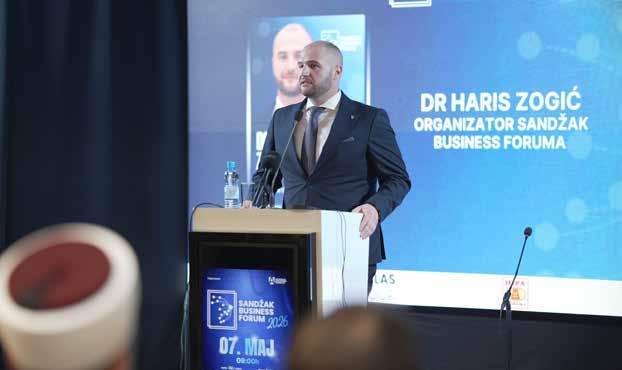
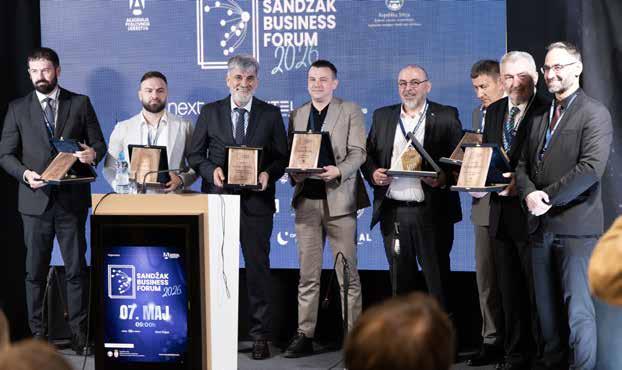
The inaugural Sandžak Business Forum 2026, held on 7 May at Hotel Vrbak
Sandžak Business Forum brought together government officials, business leaders, investors, diaspora representatives, and regional development experts from across Southeast Europe. Organised as a platform for economic dialogue and investment promotion, the Forum positioned the Sandžak region as an emerging regional hub for entrepreneurship, infrastructure development, tourism, and diaspora-driven investment initiatives. The event gathered participants from Serbia, Bosnia and Herzegovina, Montenegro, Türkiye, Germany, the United Kingdom, and the wider diaspora community, emphasising the growing importance of cross-border economic cooperation in the Western Balkans.
The Forum was officially opened by Dr Haris Zogić, founder and organiser of the initiative, alongside several highranking government representatives, including Usame Zukorlić, Minister for Reconciliation, Regional Cooperation and Social Stability of the Republic of Serbia; Ernad Suljević, Minister of Regional-Investment Development and Cooperation with NGOs of Montenegro; and Elmedin Konaković, Minister of Foreign Affairs of Bosnia and Herzegovina. Their participation sent a strong message about the importance of regional dialogue, economic integration, and strengthening institutional support for development initiatives in Sandžak and the wider region.
A central theme throughout the Forum was the diaspora’s role as a driver of economic development. Speakers repeatedly emphasised that Sandžak possesses a unique
combination of entrepreneurial culture, strong international connections, and significant untapped investment potential. Discussions focused on transforming diaspora capital from predominantly consumption-oriented inflows into long-term productive investments.
One of the key moments of the Forum was the participation of renowned businessman Hajriz Brčvak, who delivered a masterclass titled “From Local to International Investments:StrategyofGrowthand Success.” During his address, Brčvak announced his intention to support startup initiatives and young entrepreneurs from the region in the coming period, sending a strong message of
encouragement to emerging businesses and innovators.
The Forum agenda included several high-level panels dedicated to infrastructure, tourism, branding, and real estate development.
The first panel, “ConnectedRegion: InfrastructureInvestmentsasaDriverof Development,” gathered regional experts from aviation, energy, investment advisory, and academia to discuss the importance of transport connectivity, energy projects, and strategic investments for accelerating regional economic integration. Participants emphasised that improved infrastructure remains a key prerequisite for attracting foreign direct investment and enhancing competitiveness in Sandžak and the wider region.
WE MUST TRANSFORM DIASPORA CAPITAL INTO LONG-TERM INVESTMENT, NOT JUST CONSUMPTION
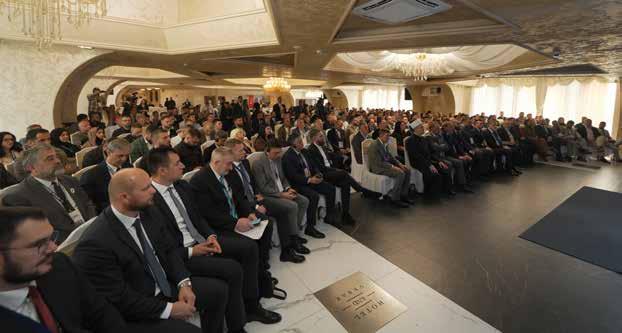
Tourism development was another major focus of the Forum. The panel “MoreThanaVisit:Creatingan AuthenticTourismExperience” explored opportunities for sustainable, halal, and mountain tourism, as well as digital transformation in the tourism sector. International speakers highlighted the growing global demand for authentic cultural experiences and underlined the significant potential of destinations such as the Pešter plateau and Novi Pazar to attract international visitors.
Branding and international market positioning were also discussed in a masterclass by Darko Buković, who emphasised that strong regional brands can serve as a powerful economic tool for companies from smaller markets seeking international recognition.
The final panel, “RealEstateMarket: ABridgeBetweentheDiasporaand RegionalDevelopment,” focused on the rapid expansion of the construction and real estate sectors in Novi Pazar and the broader Sandžak region. Panellists discussed the increasingly important role of diaspora investments in residential and commercial real estate projects, while also addressing the need for sustainable urban planning and long-term development strategies.
In addition to business discussions, the Forum served as an important networking platform through B2B meetings, project presentations, and informal meetings between investors, entrepreneurs, institutions, and representatives of the diaspora community.
According to regional media coverage, the Forum succeeded in positioning itself as one of the most significant new business gatherings in Sandžak, with a strong focus on concrete partnerships, investment opportunities, and longterm regional cooperation.
The successful organisation of the first Sandžak Business Forum demonstrated that Sandžak is increasingly being recognised not only as a region of strong entrepreneurial tradition but also as a future centre for regional economic connectivity and new investment initiatives in Southeast Europe.
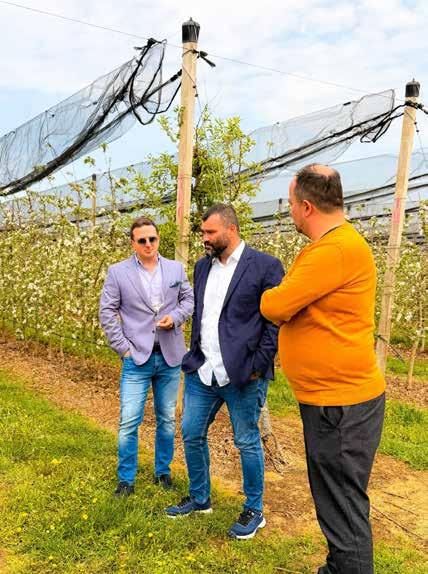
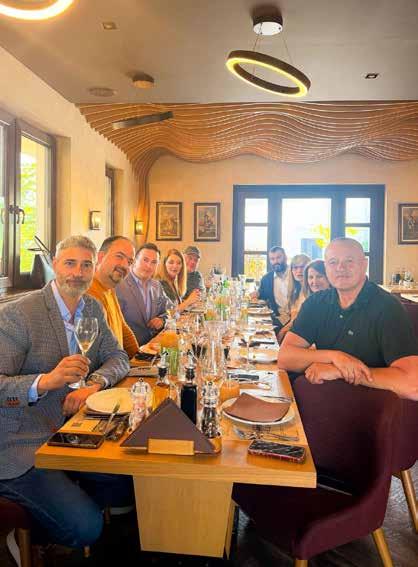
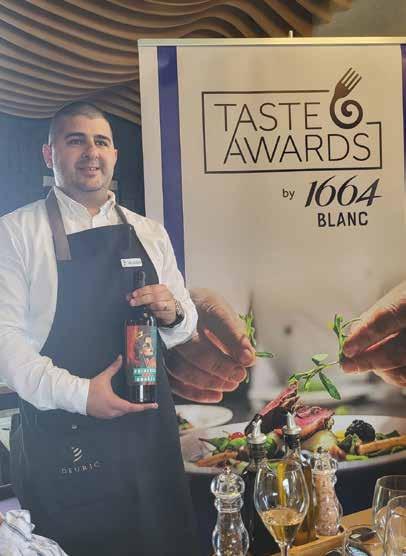
One year later, the jury members of “Taste Awards by 1664 Blanc” returned to Vinarija Deurić, located near the village of Mala Remeta on Fruška Gora. This time, the occasion was “Eva” apple juice, which won the 2025 award for Best Product in the Fruit and Vegetable Category.
The advantage of “Eva” juice lies in the fact that it is made from apples grown on the southern slopes of Fruška Gora. The orchards are irrigated with well-sourced drinking water, which further contributes to the product’s quality.
Representatives of Vinarija Deurić emphasise that no sugar is added to the juice, with the only sugar present being the natural sugar from the
NO SUGAR IS ADDED TO THE JUICE – ONLY THE NATURAL SWEETNESS OF THE APPLES THEMSELVES
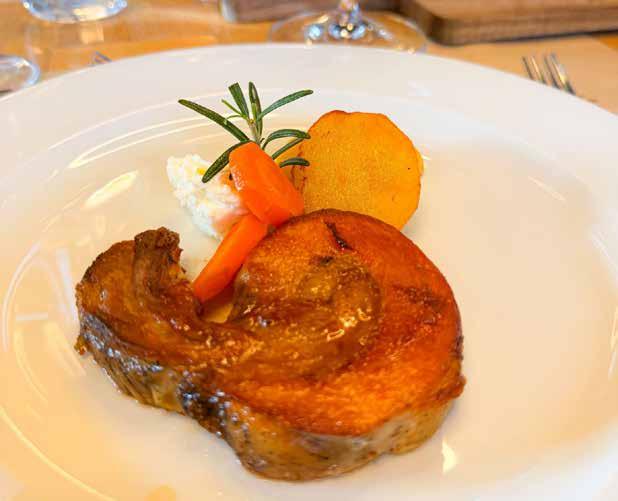
apples themselves. The juice contains no preservatives or additives. Guests had the opportunity to tour the apple plantation and the production facilities, where owner Mitar Deurić spoke about the latest developments at the winery.
During lunch at the winery’s restaurant, the jury members, alongside “Eva” juice, also had the chance to taste several new wine labels from the winery, which will certainly be among the candidates at this year’s December wine tasting for the 2026 edition of the “Taste Awards by 1664 Blanc”.
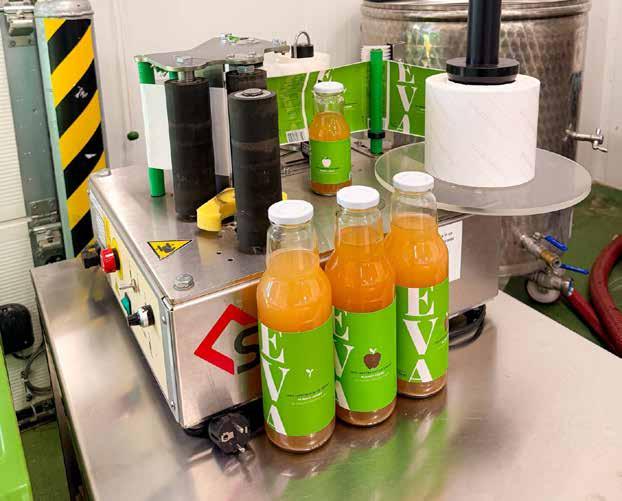
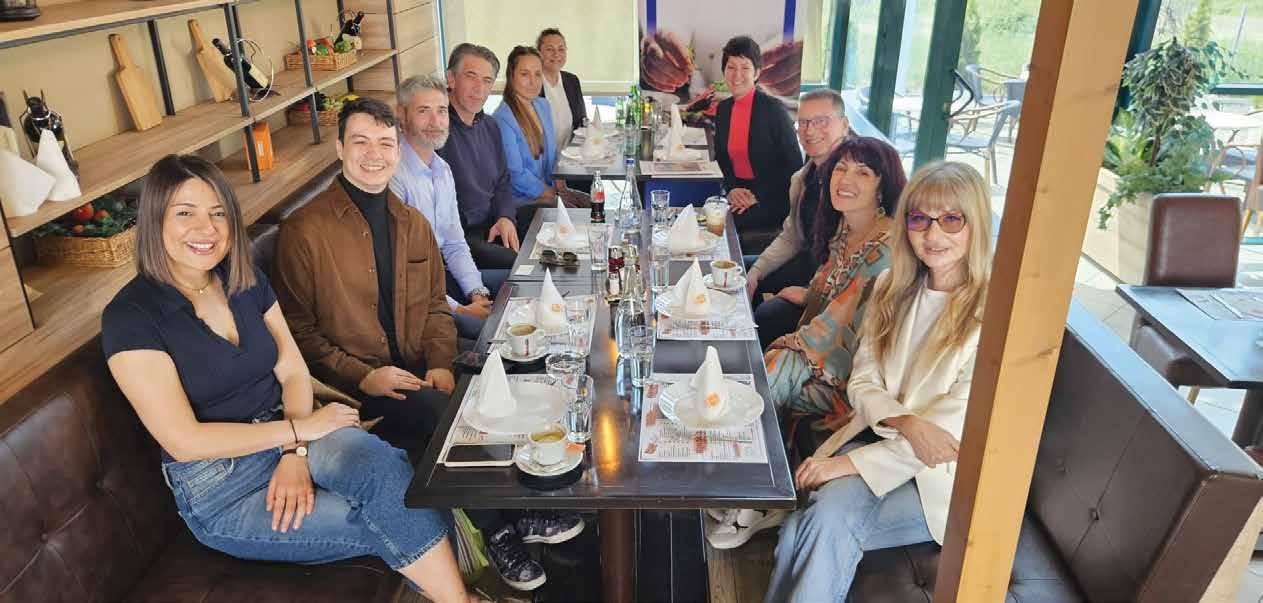
More than a million travellers each year stop for a taste of hospitality on Serbia’s motorways
The award for Best Service at the 2025 Taste Awards went to Olympus Plaza Food Parks, a company that has been providing premium and exclusive hospitality services for two decades at seven EKO Serbia petrol station locations along motorways across Serbia. The jury of “Taste Awards by 1664 Blanc” visited one of the restaurants and experienced firsthand the awardwinning team’s hospitality and the quality of the food served there.
Olympus Plaza restaurants welcome more than one million visitors annually, many of whom remain loyal to the distinctive flavours of the culinary specialities offered in their venues. With more than 100 employees in Serbia and thanks to two decades of
AFTER TWO DECADES OF COOPERATION WITH THE TOURISM INDUSTRY, OLYMPUS PLAZA HAS BECOME AN ESSENTIAL STOP FOR TRAVELLERS PASSING THROUGH SERBIA
cooperation with the tourism industry, this restaurant chain has become an essential stop for travellers visiting or passing through Serbia on longer journeys.
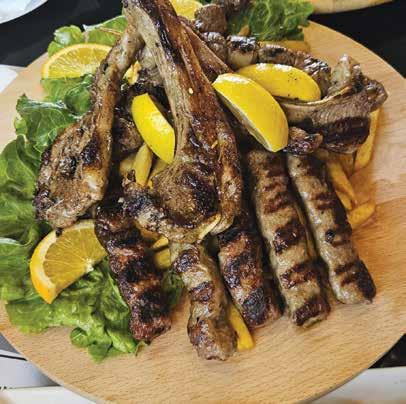
A Roman retrospective reveals the hidden story behind Robert Doisneau’s most famous photograph and the fragile poetry of post-war Paris
Until 17 July, Rome’s Museo del Genio is hosting a retrospective dedicated to French photographer Robert Doisneau, whose famous 1950 photograph “The Kiss” was revealed, 42 years later, during a court case, not to have been taken spontaneously. The retrospective exhibition of French photographer Robert Doisneau (1912–1994) led us on an hour-long walk along the Tiber to a less-frequented part of Rome. Museo del Genio is housed in a building constructed in 1939 specifically for that purpose. The structure was built in the architectural style characteristic of Benito Mussolini’s rule over Italy. Before visiting the exhibition dedicated to the French photographer, we explored the museum’s permanent collection devoted to the Italian Army’s engineering
FOR MORE THAN THIRTY YEARS, PEOPLE BELIEVED IT CAPTURED A GENUINE MOMENT
corps. Everything is there, from the conquest of Libya during the war with the Ottoman Empire in 1911–1912 to the invasion of Ethiopia in 1935–1936, except for Mussolini’s photograph. It reminded me of a scene in Call Me by Your Name featuring a portrait of Il Duce from the early 1980s.
The previous day had been 25 April, Italy’s Liberation Day in the Second World War, with parades everywhere, anti-fascist symbolism, and “Bella Ciao” echoing through the streets. And yet, in one museum tucked away in a quiet Roman neighbourhood, Mussolini somehow still seemed present.
In the section of the museum dedicated to temporary exhibitions, should your travels take you to Rome before 17 July, you can see a truly impressive retrospective of Robert Doisneau, regarded as one of the finest representatives of “humanist photography”. In recognition of his achievements, Doisneau was named a Knight of the Legion of Honour in 1984 by then-French President François Mitterrand.
The moment you step into the darkened exhibition space, you hear “La Vie en Rose” sung by Doisneau’s contemporary Édith Piaf and encounter his most famous photograph, “The Kiss”, or “Le Baiser de l’Hôtel de Ville”, which Doisneau shot for the American magazine Life in 1950. At the time, American audiences were deeply fascinated by images of everyday life in post-war Paris, and particularly captivated by the freedom with which young French people behaved, since scenes of public kissing were still uncommon on the streets of American cities, including New York.
The famous photograph is also accompanied by a decadeslong controversy that eventually reached court. The image was not spontaneous. Doisneau saw a couple kissing in a café and asked them to recreate the scene outside the Paris City Hall, the Hôtel de Ville. The student actors, Françoise Bornet and Jacques Carteaud, performed the “staged kiss” so convincingly that for more than thirty years, people believed it captured a genuine moment.
The photograph had been largely forgotten for decades before returning to public attention in the early 1980s, when a publishing house began printing it on postcards and posters. In 1992, a married couple claimed they were the people depicted in the image and filed a lawsuit seeking compensation. At that point, Doisneau produced the contract
he had signed with Françoise and Jacques, publicly admitting for the first time that the photograph taken for Life in 1950 had not been spontaneous after all.
Beyond this iconic image, the retrospective also presents a broad spectrum of Doisneau’s work, featuring both celebrated figures such as Pablo Picasso and Georges Braque and anonymous passers-by on the streets of Paris.
IN ONE MUSEUM TUCKED AWAY IN A QUIET ROMAN NEIGHBOURHOOD, MUSSOLINI SOMEHOW STILL SEEMED PRESENT
Doisneau was raised by his aunt after his father was killed in the First World War when he was four years old, while his mother died three years later. He was sixteen when he began taking photographs.
In 1932, he sold his first photograph to the magazine Excelsior, and three years later started working as an industrial photographer for Renault. He was employed by the Rapho news agency when the Second World War began. Mobilised as both a soldier and photographer, he later joined the French Resistance after the German occupation of
France in 1940, producing forged passports and documents for resistance members.
Following the liberation of Paris in 1944, Doisneau refused to photograph French women whose heads had been shaved as punishment for relationships with German soldiers and officers. His namesake, Robert Capa, achieved worldwide fame partly through such photographs.
In 1948, Doisneau also began working for Vogue as a fashion photographer.
With his wife Pierrette, he had two daughters, Annette (1942) and Francine (1947). From 1979 until he died in 1994, Annette worked as his assistant. As little girls, both daughters frequently posed for him, and today they continue to work together preserving his archive and legacy.
In The Gambia, where sacred crocodiles are worshipped, ferries dictate the rhythm of life and the river shapes the destiny of an entire nation, every journey becomes an expedition into a world far richer and more complex than travellers expect.
The wondrous Gambia River gave birth to The Gambia. It sustains the lives of several million people and countless more animals, including crocodiles, hippos, monkeys, and, above all, birds. A wondrous river demands wondrous bridges, yet human hands have still not managed to span nature everywhere. The course of the Gambia River continues to resist road traffic, so the two vast cities of Barra and the capital, Banjul, are still connected by ferry.
I was told there was also a bridge, only somewhat farther away: the drive takes four or five hours, whereas the ferry crosses the river in half an hour. Thus began the adventure of crossing the river by ferry, an undertaking which, thanks to VIP treatment, expedited procedures and the occasional gratuity for officials, lasted “only” seven hours. One of the two ferries had broken down that day. The vessels are small, while the queue of cars, buses and lorries seems endless… It is not uncommon to wait an entire day just to board. Though I only fully understood that much later.
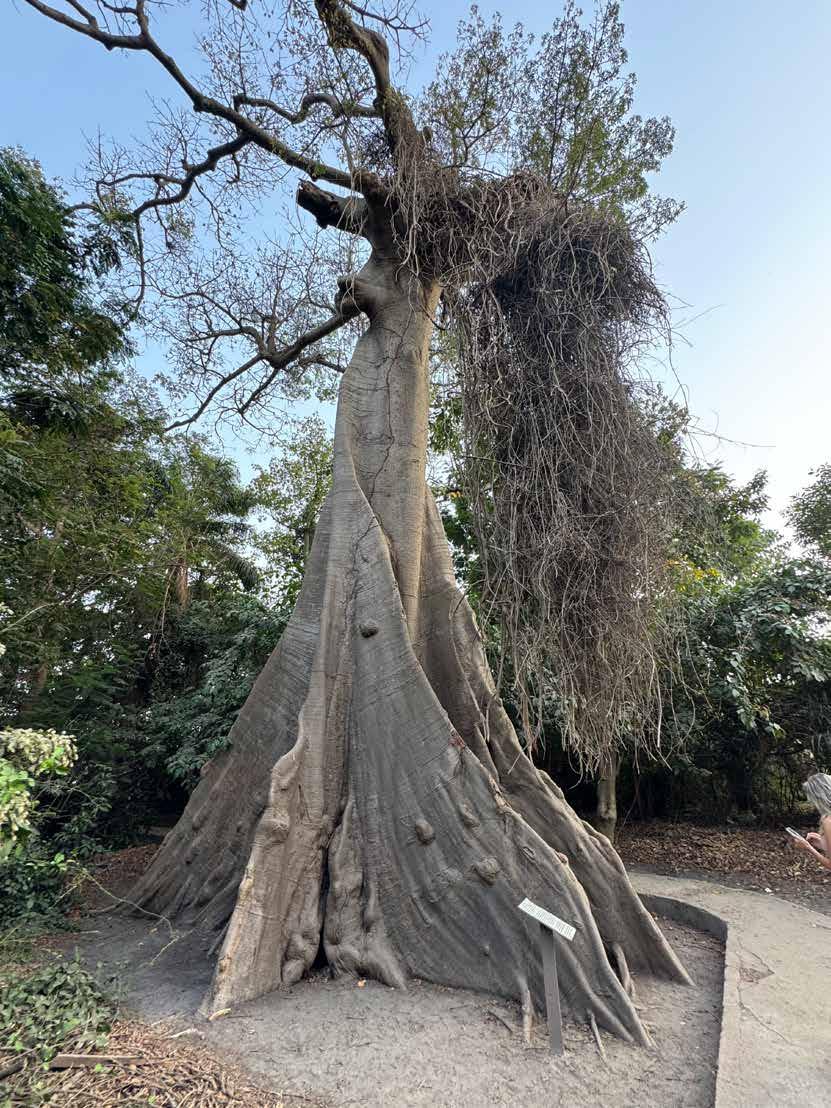
Exhausted, shortly before dawn, I set out to find the hotel I had booked. Naturally, the streets were deserted, and the location I was following had been marked incorrectly. Then I noticed a light in a dark street, the only wide-open doorway among a row of shuttered shops. I stopped to ask about the hotel and was astonished: I had stumbled upon a printing house producing newspaper sheets through the night until dawn. I have spent my whole life among books and newspapers, so this coincidence felt like a particularly warm welcome. Instead of asking for directions to the hotel, I toured the printing presses, inspected the quality of the ink, exchanged greetings and soon embraces with the workers, filmed the entire printing process, and only then remembered that it was four in the morning and that what I actually needed was to find my hotel.
The printers immediately scattered up and down the street and, within moments, found my accommodation. And so began my Gambian adventure.
IN
FIRST
THE
To discover The Gambia is, much like the country itself, to begin and end with the river. The bond between the river and the state is perhaps best illustrated by the anecdote that the British created the country as their colony by firing cannonballs from a warship sailing along the river, and wherever the shots landed, there they drew the borders of the new colony. Of course, that cannot entirely be true, since the borders lie somewhat farther away, though not by much. At times, it seems as though the river itself is wider than the land the country encompasses.
The only country whose territory resembles a serpent curled around a watercourse, jaws agape at its estuary, is often no wider than thirty kilometres, with the immense river running through its centre. In practical terms, this means that from the riverbank to the border there are usually no more than fifteen kilometres.
This mighty river bestowed abundant life upon its shores. The British brought under their control the most valuable resource of this part of Africa. After the steppes and semideserts of Senegal, the forests of The Gambia, its endless groves of mango and cashew trees, seemed to me like paradise gardens.
Yet the Gambia River does not end at its banks. On the contrary, it is almost as if it truly begins there, spreading into an endless labyrinth of mangroves and channels, marshes and winding streams. It permeates the land
and all who inhabit it, while upon its banks, sacred crocodiles bask in the sun, enjoying every privilege bestowed upon them.
To travel through this country is therefore as much a journey along the river as it is a voyage upon it, aboard every conceivable kind of boat, exploring hidden tributaries and secluded corners of untamed nature.
Driving along the roads of The Gambia is no simple matter. I had been warned about the poor infrastructure, yet in recent years it has improved considerably, so the country’s bad reputation is no longer entirely deserved. The greatest danger on the road is no longer potholes and sand, though there is still plenty of both, especially away from the main highway; rather, it is people.
WHILE MUCH OF THE WORLD FEARS CROCODILES, GAMBIANS PRAY TO THEM
When policemen see me entering a shop, they sometimes ask me to buy something for them as well. Quite often, they invent imaginary traffic violations or ask, “Do you have something for us?”
The Gambia has few roads, and it really doesn’t need them. The main highway loops around the country, while an ageing ferry, built decades ago in Ukraine, closes the circle. Gambians are not a hurried people. Once, I waited more than two hours for an omelette. I arrived during Ramadan, so life moved at an even gentler pace than usual.
Only the minibuses travelling between towns seem to rush as though their lives depended on arriving as quickly as possible. Along the two-lane highway cutting through villages, they often race at speeds of 120 kilometres per hour. Alongside the policemen, they became my greatest source of stress, especially when they thundered past, overloaded with passengers, some even riding on the roof or clinging to the sides of the vehicle.
While much of the world fears crocodiles, Gambians pray to them. By the ponds where these gentle little creatures wallow, elderly women perform a special ritual. Sitting on the ground, facing the crocodiles, they stretch out their arms in fervent prayer.
If my wishes are to come true, I too must bathe in crocodile water. With remarkable skill, and directly beneath the noses of two crocodiles, the women scooped enough water from the pond to fill three plastic bottles guaranteed to fulfil my traveller’s dreams. Thus, for days now, I have been carrying three litres of blessed crocodile water in my car, unable somehow to find a proper occasion to use it. I am sure it will prove useful eventually, since hotels often have no running water at all.
The Gambians have gone a step further still. At one sacred crocodile site, they have somehow managed to tame animals renowned for their savage temperament. I do not know by what miracle this was achieved, but dozens of
THE GREATEST DANGER ON THE ROAD IS NO LONGER POTHOLES AND SAND, BUT RATHER PEOPLE
crocodiles, including hatchlings, lie perfectly still while people wander freely around them. It allowed me to stroke several of these beasts and even pose for photographs beside them.
On the wall, in enormous letters and in many languages, there is a warning not to approach the crocodiles without a guide. I asked them to add the notice in Serbian as well, lest some overly curious compatriot of mine decide, on an impulsive whim, to make friends with crocodiles alone. I left them a warning written in Cyrillic, which they promised to display at the entrance.
For two weeks, I have been exploring the interior of The Gambia. However, I also spent several days along the coast, famed for its
sandy beaches, the very reason most tourists from Europe and America come here. In recent years, there has been a particularly noticeable influx of older European women sunbathing their ageing bodies beneath the Gambian sun.
“I’ve been to The Gambia fifteen times,” one grandmother declared in an interview with the BBC, explaining that she had received a marriage proposal on her very first arrival, before she had even left the airport.
In The Gambia, love strikes at first sight: affluent older ladies fall for handsome black men, while the men fall for the equally attractive European purse. The phenomenon became so widespread that even the state was forced to react. Yet I still believed the newspaper articles, even those by the BBC, were exaggerating the story.
Then I walked along the beach and saw young men in the full bloom of youth giving fitness lessons to women three times their age. For quite a while, I watched two strapping young fellows, built like fortress walls, combining their efforts to conquer an English
grandmother and, perhaps more importantly, her wallet.
Should they succeed, no doubt they will go together to pray to the crocodiles for the longevity of their romance.
And really, who am I to judge love, whatever form it may take, whether grandmothers hungry for youth or men hungry for rice… Serbia and The Gambia have not shared many historical intersections. When The Gambia declared independence in 1965, the British monarch formally remained its head of state for another five years. Yet Yugoslavia recognised and immediately supported that independence. Relations between Belgrade and Banjul soon became close through cooperation within the Non-Aligned Movement.
And then came silence. We each lived our separate lives, without any particularly significant contact. Occasionally, a businessperson would attempt a venture here, and in 2017 and 2018, there were reciprocal visits by the foreign ministers of the two countries. Then, in 2022, Ambassador Omar Faal was appointed Honorary Consul of the Republic of Serbia in Banjul.
THE GREATEST INJUSTICE DONE TO THE GAMBIA IS COMMITTED BY THOSE WHO BELIEVE IT CAN BE KNOWN QUICKLY AND EASILY
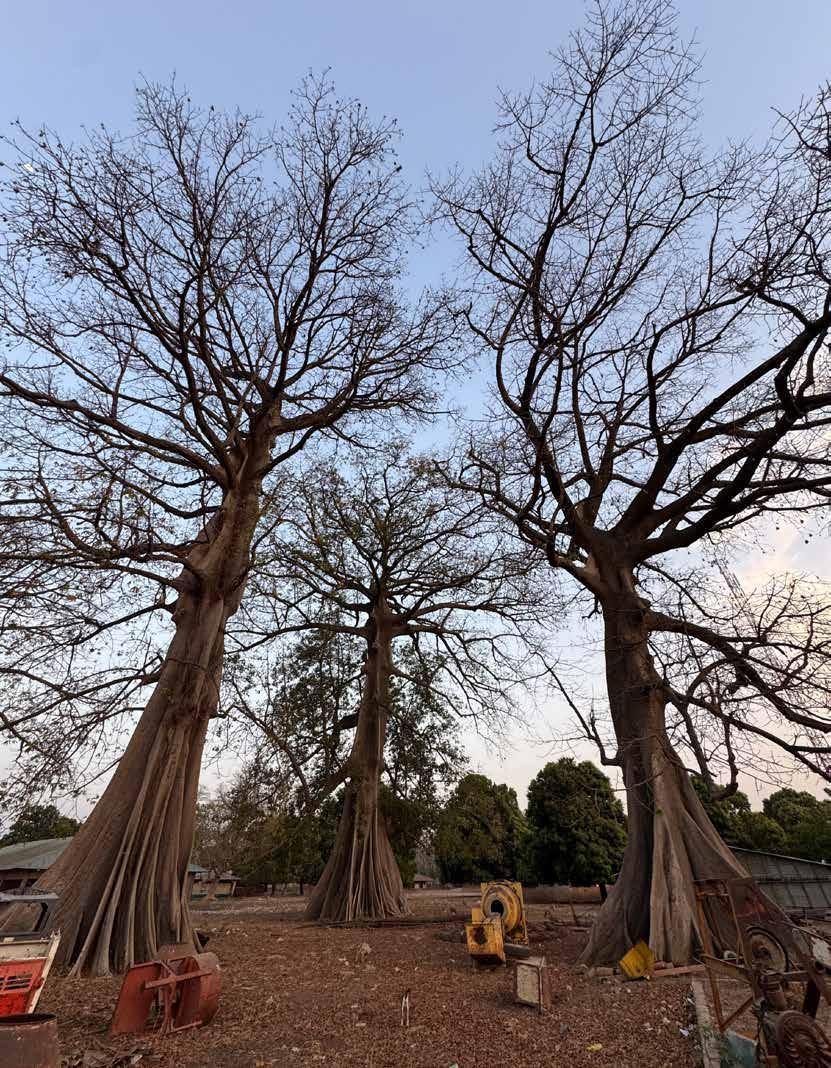
Mr Faal is an experienced diplomat, a Gambian intellectual and tourism expert who fell in love with Serbia and, at his own expense, opened the honorary consulate in the Gambian capital, raised the Serbian tricolour and even registered a car bearing the licence plate “SRB 1”.
So, as soon as I arrived in Banjul, I made my way to his home, which is now also the official representation of Serbia. I soon discovered that he was more than a diplomat. Here, he is recognised as a “traditional leader”, the chief of an important region.
Over dinner with Gambian oysters, a local delicacy served here in generous quantities, though elsewhere in the world they would be considered extravagantly expensive, we spoke about ways to strengthen relations between our countries and concluded that the possibilities are immense. Whatever we choose to do, we are pioneers in a relationship that is only just beginning to take shape.
At the Ministry of Culture and Tourism, I was received by Minister Abdoulie Jobe. He welcomed me warmly and explained that increasing numbers of visitors from Poland and the Czech Republic now spend their winters on Gambian beaches. Perhaps new air routes will make this African country more appealing to Serbian travellers as well.
We agreed to work together towards that goal, though what interested me most was the condition of the country’s important cultural heritage sites. That is why I visited the National Museum, where I was greeted by one of the country’s most distinguished historians, its director, Dr Hassoum Ceesay.
The Gambia has confirmed its participation in Expo 2027 Belgrade, and he will be part of the delegation, so he told me he was already looking forward to visiting Belgrade. For the Adligat Museum of Books and Travel, he donated several historical publications, each bearing a personal dedication.
I concluded my visit to the capital at the stadium, attending the parade marking the 61st anniversary of The Gambia’s independence. Dust rose beneath the pounding of soldiers’ boots as President Adama Barrow passed directly beside us, waving from an expensive car, dressed in white like a pope. His two wives, in brilliantly coloured gowns, took their seats opposite me in the grandstand.
I am too young to remember the Yugoslav parades, and I was not yet born when Josip Broz Tito died. Yet this parade, and President Barrow himself, reminded me of the footage of Yugoslav celebrations I had once watched on television.
The Gambia, a country only slightly larger than Kosovo, is rich in contrasts, and far richer in natural beauty than most travellers would ever imagine. Many come here for only a day or two. Some spend merely a few hours, eager only to mark another country off on their map. But The Gambia deserves to be understood more deeply.
Its riches continue to reveal themselves before me, as does its suffering. Yet one thing has already become clear: the greatest injustice done to The Gambia is committed by those who believe it can be known quickly and easily.
A vineyard retreat near Belgrade offering immersive wine experiences, refined flavours, and panoramic views of Kosmaj and Bukulja
Looking to escape the city buzz with excellent food and wine? Need a place where your team can feel inspired to work efficiently while also enjoying each other’s company? Planning to host friends for a special occasion in a truly memorable way?
You’re in the right place.
Eden Winery is located just an hour’s drive from Belgrade, in the village of Ranilović near Aranđelovac. Here, each of these plans can come to life in the best possible way, accompanied by outstanding wines, delicious food, and a fairy-tale 360-degree view of beautifully arranged vineyards and the slopes of Mount Kosmaj and Bukulja.
A FAIRY-TALE 360-DEGREE VIEW OF VINEYARDS AND MOUNTAIN SLOPES TURNS EVERY GLASS INTO AN EXPERIENCE
For your enjoyment, there is a terrace, a tasting room, and a chill-out zone, all just steps away from the vineyards. You can indulge in wine tastings paired with carefully selected bites.
The 50-seat hall is ideal for any type of business activity, and also for organising, with the

professional support of Eden Winery’s team, a variety of wine-related experiences, including educational workshops, food-and-wine pairing presentations, and quizzes.
If you wish, the winery’s sommeliers will gladly guide you through the production area and the barrique cellar, introducing you to the process of winemaking and ageing. You can also take a walk through the vineyard, where six grape varieties are cultivated across seven hectares, all used exclusively for the winery’s own labels.
Before you leave, be sure to pick up a few “souvenirs” from the wine shop. By then, you will already know exactly which Eden wine is your favourite—and that you’ll be ordering it again on your next visit.

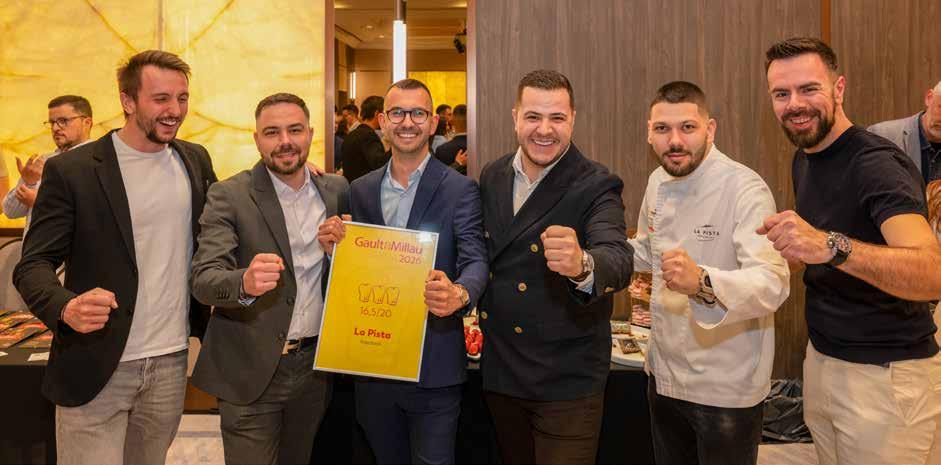
A restaurant that gives Kopaonik a new reason to travel
Located within Gorski Hotel & Spa, La Pista has become one of the most relevant fine-dining addresses in Serbia: a mountain restaurant whose reputation now reaches far beyond the hotel itself. Its latest recognition by Gault&Millau Serbia confirms that position. In the 2026 guide, La Pista received three chef’s toques and a score of 16.5/20, while Stevan Pejdanovski was named Chef of the Year 2026, one of the most important individual acknowledgements in Serbian gastronomy. La Pista at Gorski Hotel and Spa also continues a rare five-year continuity among Serbia’s best-rated restaurants, standing out as a major gastronomic address outside Belgrade and Novi Sad.
This is important not only for La Pista, but for the way Serbia’s gastronomic map is being redrawn. Fine dining is no longer reserved only for large urban centres. On Kopaonik, it becomes part of the destination itself: a reason to arrive earlier, stay longer, or look at the mountain differently, where Gorski Hotel & Spa actively shapes the standards of luxury Serbian hospitality.
PEJDANOVSKI:
Shortly after receiving the Chef of the Year 2026 award, Stevan Pejdanovski assumed the position of Executive Chef at Gorski Hotel & Spa, extending the culinary philosophy of La Pista throughout the hotel experience.
“Thisrecognitionisimportant because it confirms a direction, notonlyonemoment.AtLaPista, webuildtheexperiencethrough discipline,precisionandrespect forlocalterroirandseasonalingredients,butalsothroughastrong awarenessoftheplacewherewe cook.Kopaonikisnotjustthesceneryaroundtherestaurant.Itispart ofouridentityandhowourguests experienceit.”
That connection between location and cuisine is central to La Pista’s character. Its menus move between Italy and Serbia, between Mediterranean inspiration and local terroir, with a strong emphasis on seasonality, the finest available local produce and technical precision. The result is not a hotel restaurant trying to imitate a metropolitan
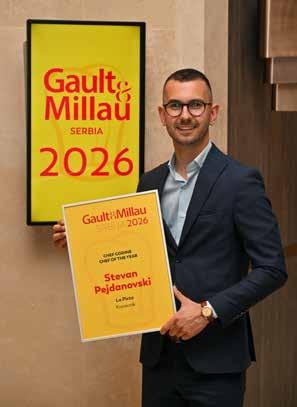
understand La Pista’s gastronomic philosophy.
It is here that the restaurant moves beyond dinner and becomes an experience. Signature dishes such as Cattura di Montagna, a mountaininspired composition of game, wheat ragout and forest ingredients, show why La Pista at Gorski Hotel and Spa speaks so strongly from its location. Other highlights – from handmade pastas and truffle-led dishes to beef cheeks braised in wine, duck breast with aromatic spices and artistic desserts crafted under the creative direction of Executive Pastry Chef Dejan Veljin and his team – build a sense of continuity between comfort, technique and refinement.
For Aleksandar Novitović, Director of Food & Beverage at Gorski Hotel & Spa, La Pista has become much more than an à la carte restaurant within the hotel.
fine-dining format, but a mountain dining room with its own voice, elegant, measured, and rooted in the experience of arrival.
THE EXPERIENCE MENU: FROM ITALY TO SERBIA, IN TEN COURSES
The clearest expression of that philosophy is the Experience Menu, presented as SpecialitàdiLa Pista – Dall’Italia alla Serbia. Guests can choose the five-course Strada menu or the ten-course Viaggio, a tasting journey through Italian inspiration, Serbian terroir and the best seasonal produce. With a carefully curated wine pairing – including the ten-label Regioni Vinicole selection and premium Italian pairings – the tasting menu becomes the most complete way to
“When a restaurant in a mountain hotel receives three Gault&Millau toques,anditschefisnamedChef oftheYear,itcertainlychangesthe waypeoplelookatthedestination. LaPistaisnotanadditionalamenity. Itisoneofthereasonsguestschoose Gorski,returntoKopaonikandrecommend the mountain outside the usualseasonalexpectations.”
Gorski Hotel & Spa: corporate, leisure and gastronomy in harmony with nature
The wider setting is essential. Gorski Hotel & Spa is positioned in the centre of Kopaonik as a premium mountain hotel with 118 accommodation units, a 1,200 m² Wellness & Spa centre, indoor and outdoor pools with views of the slopes and peaks, and a modern conference centre. Its corporate offering brings together meetings, team-building, incentives, wellness, and gastronomy – creating a comprehensive framework for all types of guests.
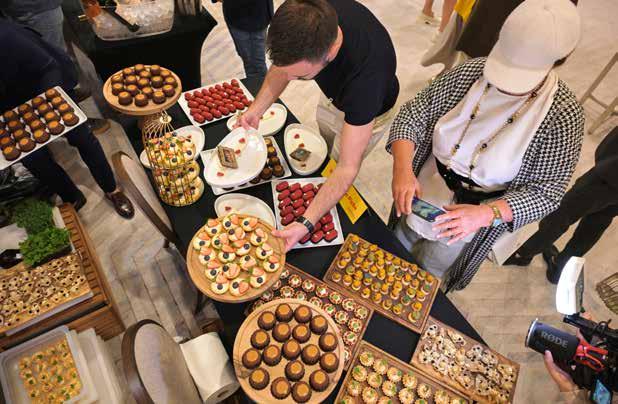
Now, with the Persian Gulf blockade and rising oil and natural gas prices, the countries that are oil-independent and those that have started the “green transition” have the upper hand. One of the factors that scares the public is the rising prices of everyday goods, driven by increased transport costs. And which countries are most advanced in the EV transition? Let us take a look.
At first glance, the global race toward electric mobility appears predictable: wealthy, environmentally conscious nations dominate, while the rest of the world cautiously follows. Yet a closer look at the latest EV market share data (by World Resources Institute) for new car sales in 2025 reveals a far more nuanced – and intriguing – picture.
Norway remains the undisputed champion, with an astonishing 97–98% of all new cars sold being electric. This is no longer a transition; it is almost a completed transformation. Decades of consistent policy incentives, tax exemptions, and infrastructure investment have turned what was once an alternative into the default. Denmark (66–69%), Sweden (60–61%),
and Finland (56%) follow closely, confirming that the Nordic model - high trust in institutions combined with strong environmental policyremains a powerful engine of change. Iceland (51–57%), much like Norway, benefits from abundant renewable energy, further reinforcing the link between clean electricity and transport electrification. So, Nordic countries are the champions in this race, right? Not so fast.
However, the real surprise comes from outside this familiar circle. Nepal, with an EV market share exceeding 73–76%, challenges conventional assumptions about who can lead the green transition – and surprisingly, Nepal stands firmly in the second place. Its success is less about wealth and more about necessity and structure: high fuel import costs, abundant hydropower, and policy decisions that favour electrification have created a unique ecosystem where electric vehicles are not just sustainable, but economically rational.
Meanwhile, China’s position, with nearly half (48–55%) of all new cars sold being electric, signals something even more significant: scale. Unlike smaller European markets, China’s
transition carries global weight. Its industrial strategy, supply chain dominance, and rapid urban electrification suggest that the future of EVs will not be decided solely in policy labs, but in manufacturing hubs and megacities. The Netherlands (48–55%) and Belgium (41–43%) demonstrate how infrastructure density and urban planning can accelerate adoption, while Singapore, sandwiched between the two Benelux countries, highlights the role of governance efficiency in overcoming spatial and logistical constraints.
What emerges from this ranking is not a single model, but several distinct pathways to electrification. Wealth helps, but it is neither a prerequisite nor a guarantee. Geography, energy mix, urban design, and political will all play decisive roles. For policymakers and investors alike, the lesson is clear: the EV revolution is no longer a distant goal or a uniform process. It is already happening - rapidly, unevenly, and in places one might least expect. The question is no longer who will join, but how each country will define its own route to an electric future. And in the times that forcibly push you away from the fossil fuels, it is a matter of life and death.