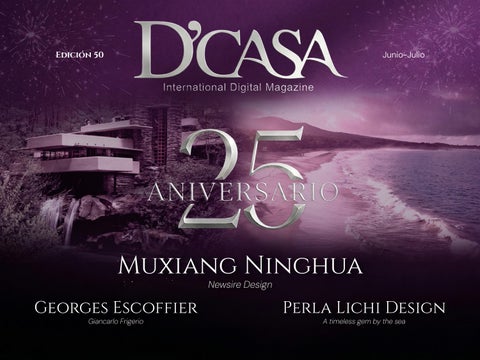
Edición 50

Edición 50
Junio-Julio
A timeless gem by the sea

Leonora Stieglitz
Arte y Arquitectura adlibitumarte@gmail.com

Silvana Bianchessi Stieglitz
Cuentas Especiales/Corresponsal China mkdcasamagazine@gmail.com

Perla Lichi Diseñadora perla@perlalichi.com www.perlalichi.com

Vladimira Mravova Fotógrafa y Corresponsal www.suitebrisas.com go2cancun@hotmail.com

Irma Guerra Oceanóloga/Corresponsal Baja California Eldetalledeirma@gmail.com

Giancarlo Frigerio Gastronomía gifritic3@gmail.com

Directora, dcasav@gmail.com

Buzo profesional albertofrisione@hotmail.com www.solobuceo.com

Guerra de Alberti Directora, Editora dcasav@gmail.com

Friscione profesional albertofrisione@hotmail.com www.solobuceo.com

Arq. Isabel Rosas Martin del Campo Arquitecto
IR ISABEL ROSAS ARQUITECTAS
Isabel.Rosas.arquitectas.consultoras@outlook.com

Eduardo Balcazar
Gerente Arte y Diseño disenodcasamagazine@gmail.com

Ivana Giove
Relaciones Públicas/Corresponsal Canadá/Content Creator ivanagg1593@gmail.com

Romina Bianchessi Stieglitz
Control de calidad/Corresponsal CDMX rominabs1313@outlook.com

Lizbeth Montes de Oca Moda sagrariolizbeth@hotmail.com

Isabela Bianchessi Stieglitz
Relaciones Públicas bianchessiisabella@gmail.com

Dirección General / Editor
Verónica Guerra de Alberti
Arte y Formación
Eduardo Enrique Balcazar Molina
Comercialización
Felens y Asociados
Relaciones Públicas
Ivana Giove
Editor de Fotografía
Felens Internacional
Fotografos
Antonio Diaz
Felens Internacional
Cuentas Especiales
Silvana Bianchessi Stieglitz
En portada D'Casa Magazine 25th Anniversary
Corrector de Estilo
Isabel Dueñas
Traductor
James Carter
Despacho Contable y Administrativo
Consultoria Empresarial
Despacho Legal
Aldave y Cuellar Stafen S.C. Abogados
Información y Ventas
Corporativo Felens y Asociados
998 293 5064
998 252 4731
dcasav@gmail.com
www.dcasamagazine.com

Una celebración del estilo que trasciende el tiempo
Vivir con estilo es un arte. Celebrarlo, una tradición.
Esta edición especial rinde homenaje al tiempo, a la visión y a la pasión que dieron origen a D’CASA International Magazine hace 25 años.
A lo largo de más de dos décadas, cada página ha sido testigo de tendencias, talentos y momentos inolvidables. Este aniversario es, ante todo, un agradecimiento profundo: a nuestros fieles lectores, a nuestros colaboradores, a las marcas que nos han acompañado, y al equipo creativo que da vida a cada edición.
Gracias por formar parte de este viaje.
¡Feliz 25 aniversario. D’CASA!
A Celebration of Style that Transcends Time

Living with style is an art. Celebrating it is a tradition.
This special edition pays tribute to the time, vision, and passion that gave birth to D’CASA International Magazine 25 years ago.
Over more than two decades, each page has captured trends, talents, and unforgettable moments. This anniversary is, above all, a heartfelt thank you: to our loyal readers, our contributors, the brands that have joined us, and the creative team that brings every edition to life.
Thank you for being part of this journey.
Happy 25th Anniversary, D’CASA!
Jorge Luna
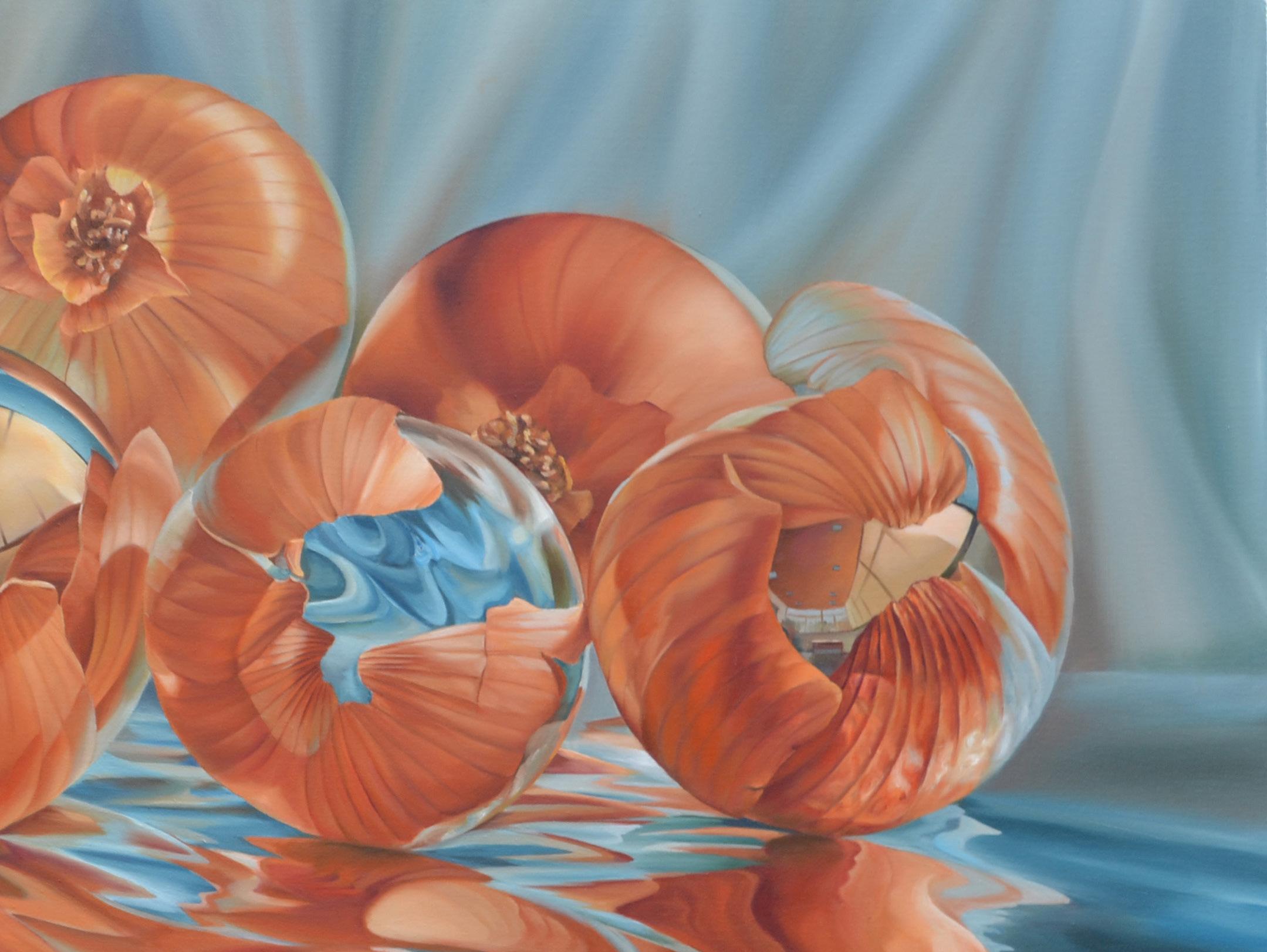
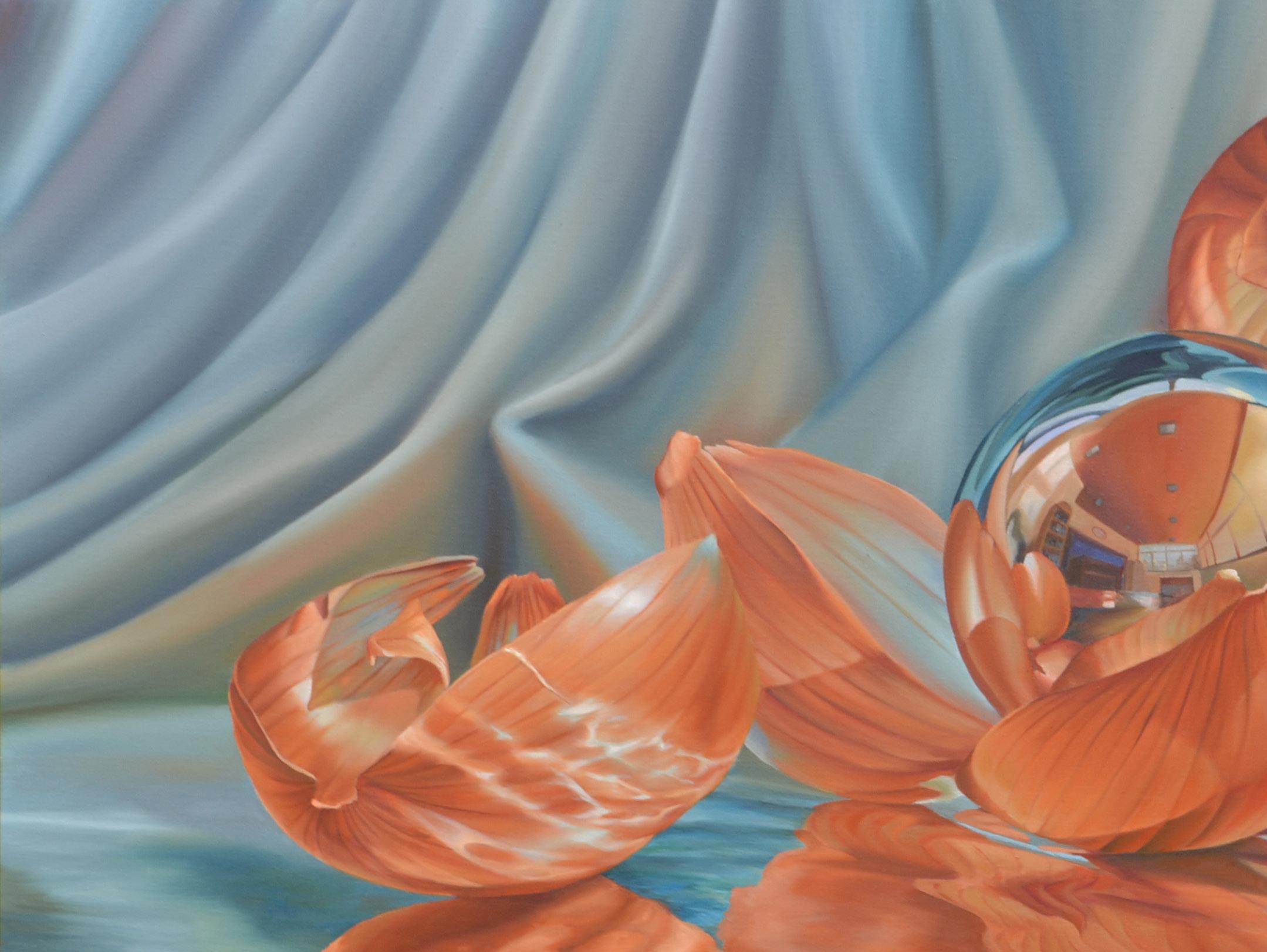
Elmétodo académico persiste por una muy sencilla razón, sus normas son las mismas leyes de la óptica, en otras palabras, se ajustan a la Naturaleza. No solo se trata de imitar un modelo, la intención es recrear, entender la configuración de las formas y colores, razonarlos y sentirlos.
Durante siglos a través de las grandes corrientes del pensamiento, los artistas se esmeraron en comprender los cambios del color cuando los cuerpos son expuestos a la luz o cuando están a la sombra o porqué varían a la distancia, fueron certeros y nos heredaron un sistema perfectamente funcional para representar cualquier visión con asombroso realismo.
Cuando comenzó el estudio de la teoría del color, la interacción de los pigmentos, las fuentes de luz, pero sobre todo el examen del ojo humano, explicaron lo ya conocido en los talleres artísticos. La técnica clásica de la pintura brilló con toda su verdad, la percepción de la luz, gracias a las células fotosensibles demostraron cuán sólidos son los fundamentos de la pintura académica.
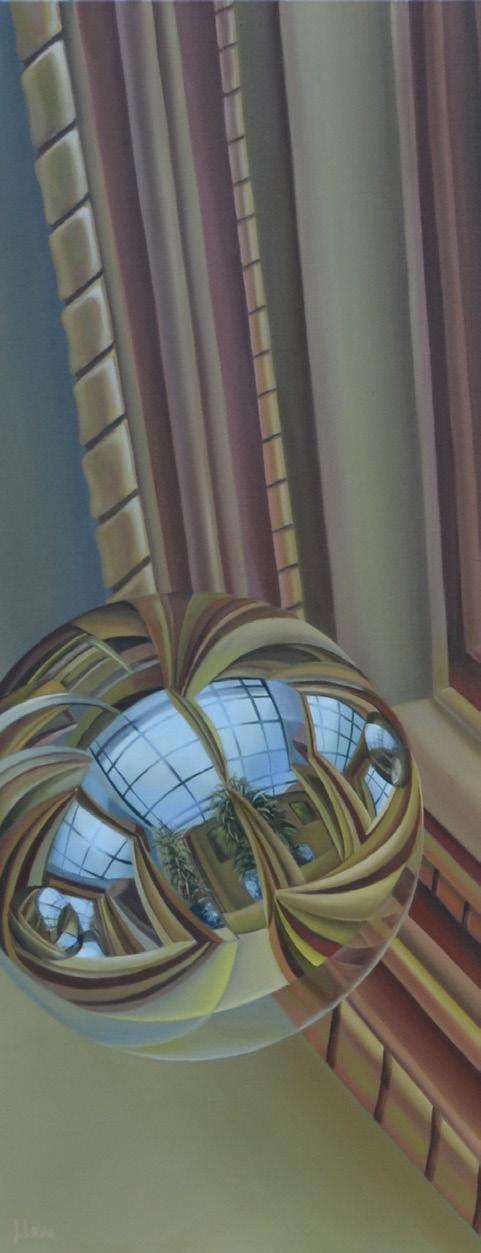
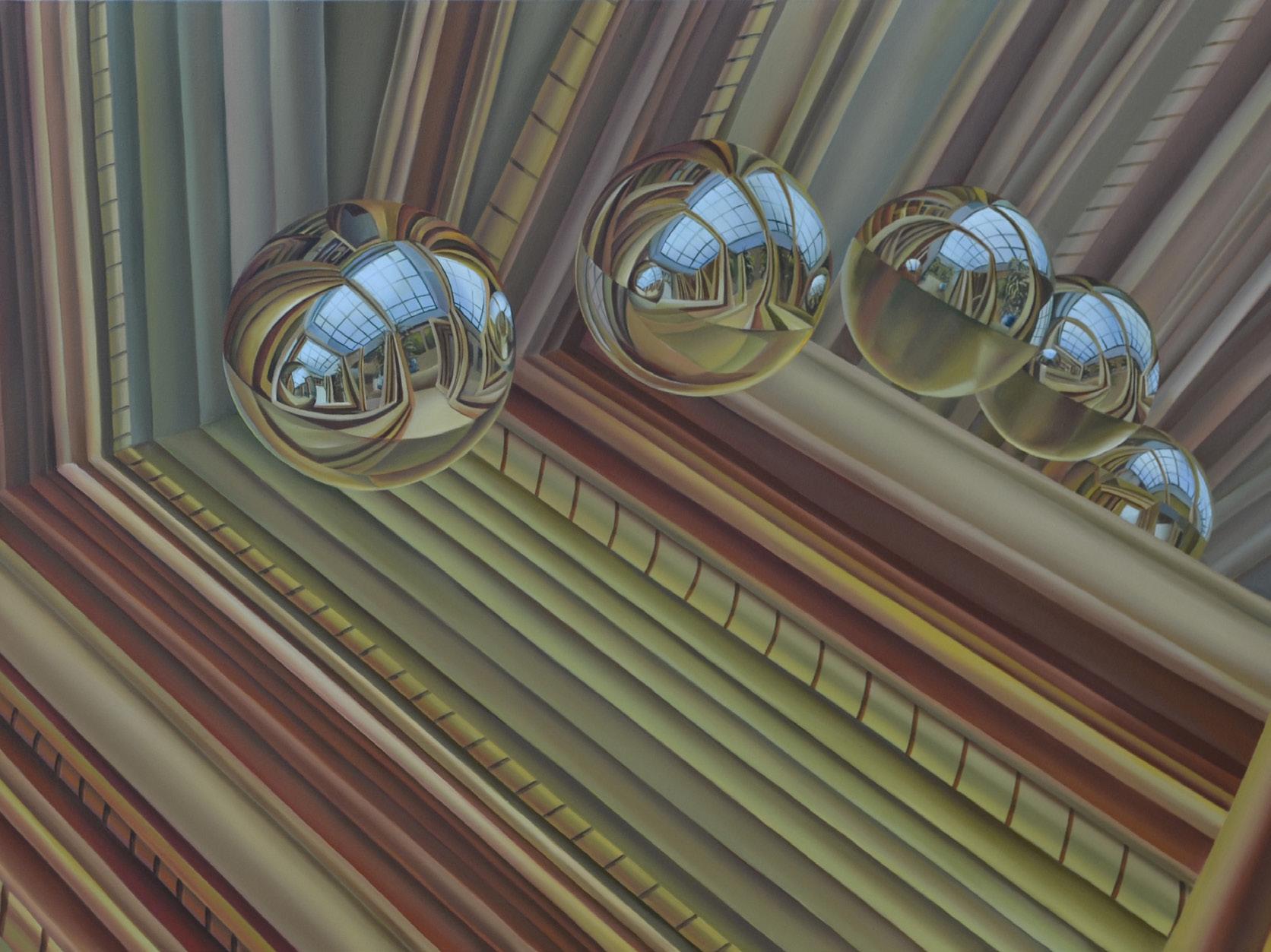
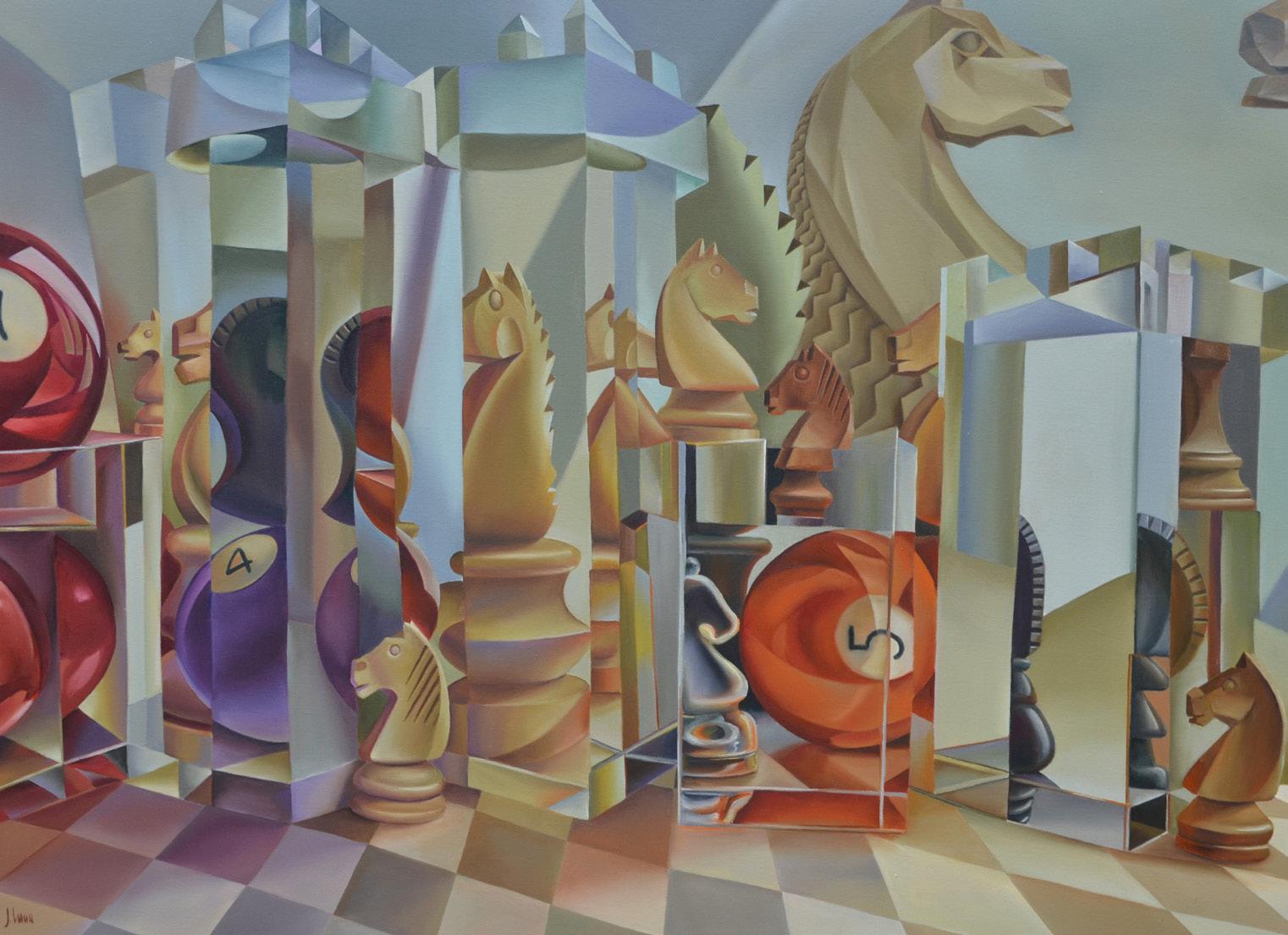
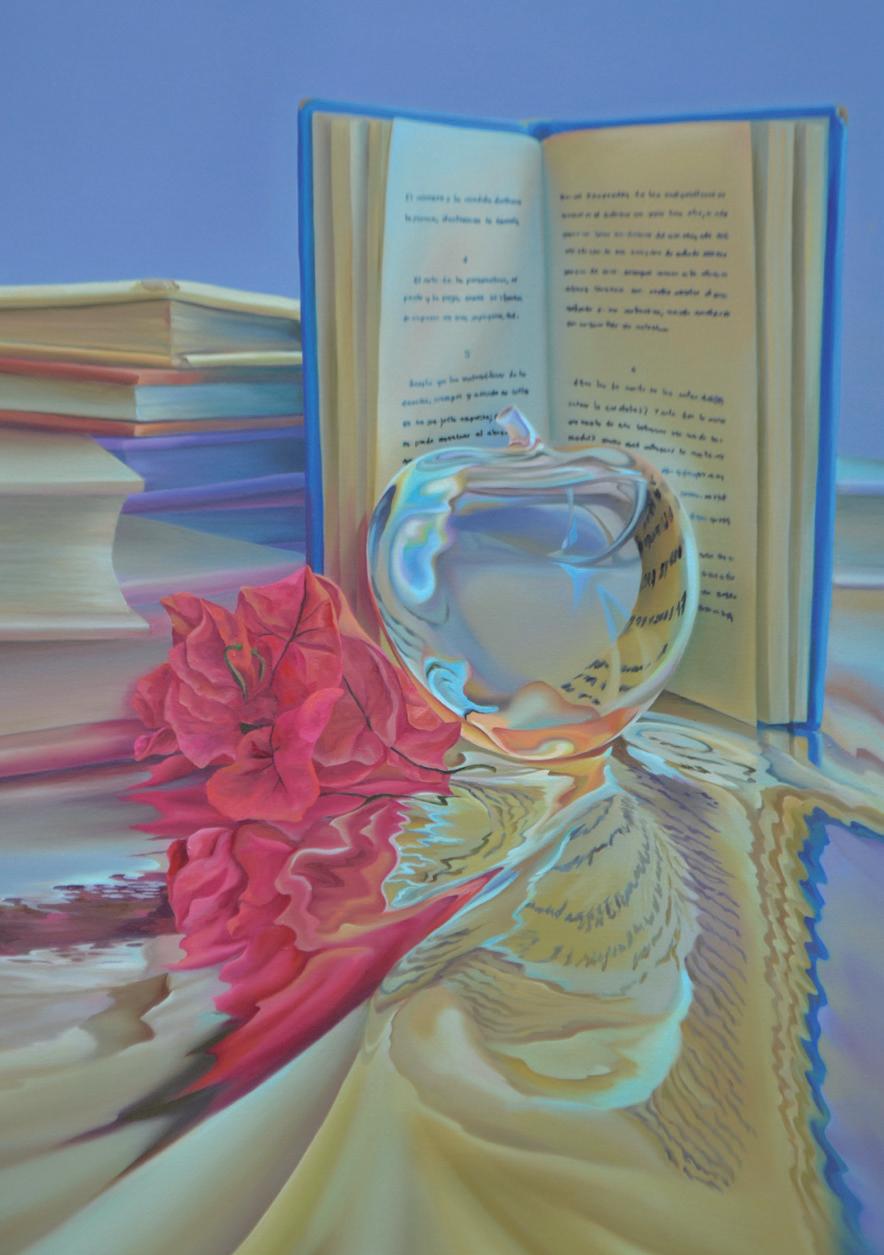
En cuanto al color, en lo referente a la representación de la figura y el espacio las basesson igualmente poderosas. Cuentan los historiadores un acontecimiento memorable, cuando se develó una pintura de Piero della Francesca donde había aplicado la perspectiva con toda minuciosidad, la ilusión de volumen y espacio era impresionante, parecía una prolongación de la arquitectura con una escultura tridimensional, costaba trabajo pensar en una superficie pintada. En el auge del Renacimiento, Luca de Pacioli, un fraile franciscano, tradujo los textos de Euclides y publicó una bellísima obra sobre las matemáticas: “La Divina Proporción”, ilustrado por el mismísimo Leonardo, su discípulo y amigo, del fraile aprendieron el arte de la perspectiva los artistas de ese trascendente período. La técnica, además de ayudar a representar los espacios visibles, fue adoptada de inmediato por los arquitectos para proyectar sus ideas en una espacialidad virtual. Una vez más, las leyes ópticas se enriquecieron de las aportaciones artísticas. Actualmente, potencializada con las coordenadas cartesianas, la teoría de la luz, y el código binario, toda reproducción visual del siglo XXI se funda en la más pura academia clásica.
www.jorgeluna.org
Jorge Luna
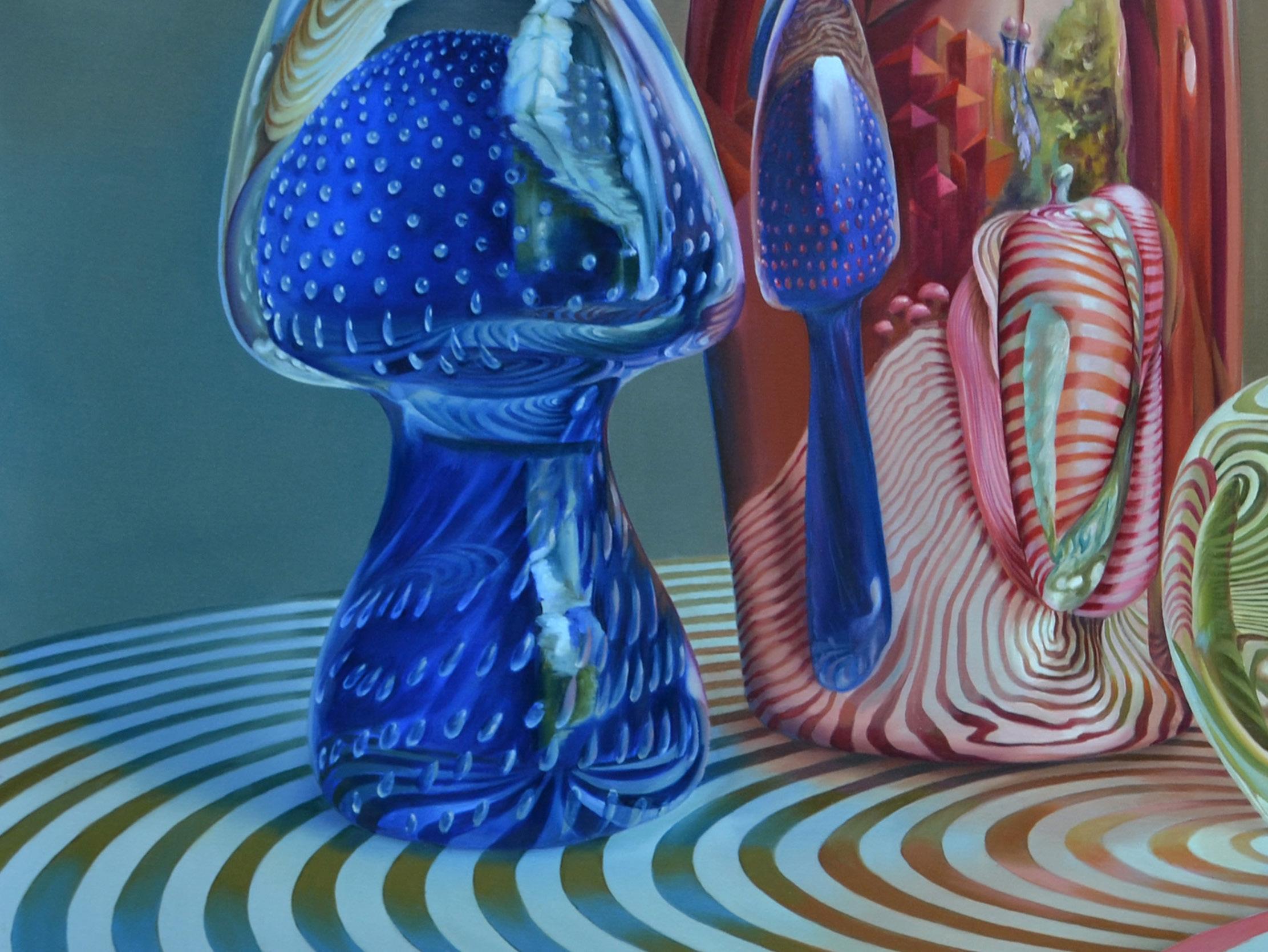
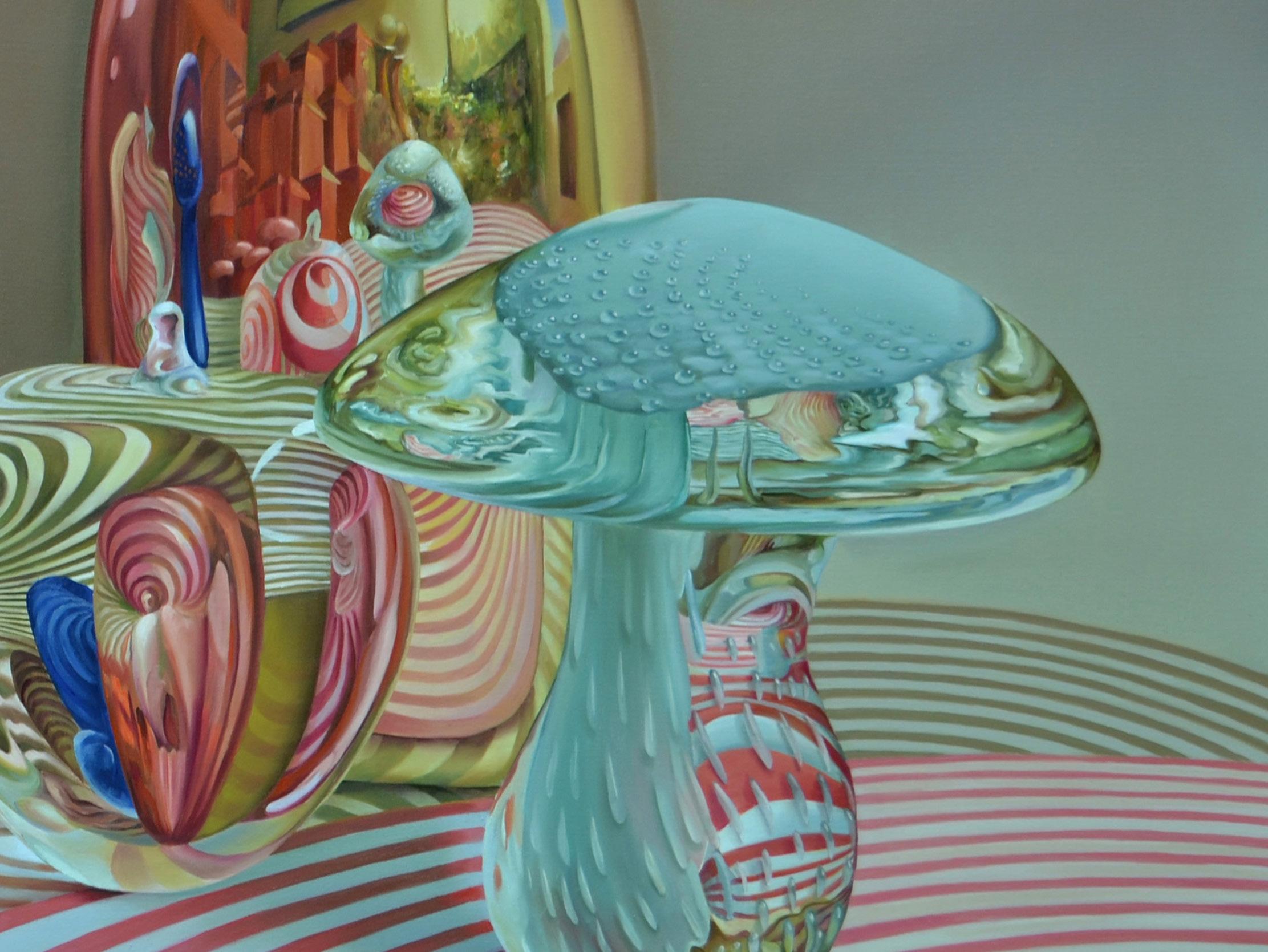
Theacademic method endures for a very simple reason: its principles are rooted in the very laws of optics. In other words, they conform to Nature itself. It is not merely about imitating a model; the true intention is to recreate, understand, reason through, and ultimately feel the configuration of shapes and colors.
For centuries, through the great currents of thought, artists devoted themselves to understanding how color changes when objects are exposed to light, immersed in shadow, or observed from a distance. Their observations were remarkably precise, and they passed down a perfectly functional system capable of representing any vision with astonishing realism.
When the study of color theory began, the interaction of pigments, light sources, and above all, the examination of the human eye, explained scientifically what artists had already understood within their workshops. Classical painting techniques revealed their profound truth: the perception of light, supported by the discovery of photosensitive cells, demonstrated how solid the foundations of academic painting truly are.
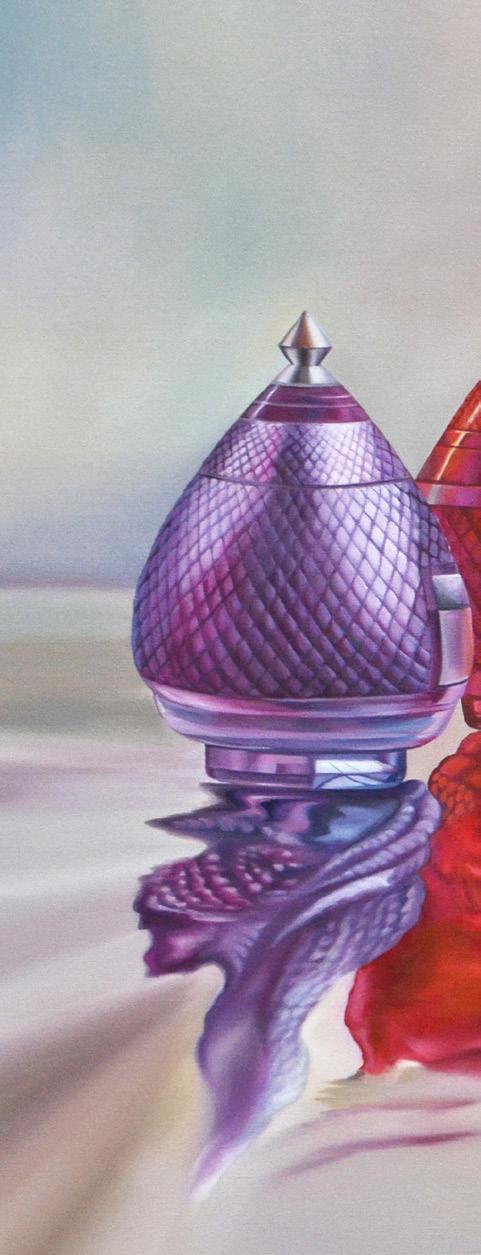
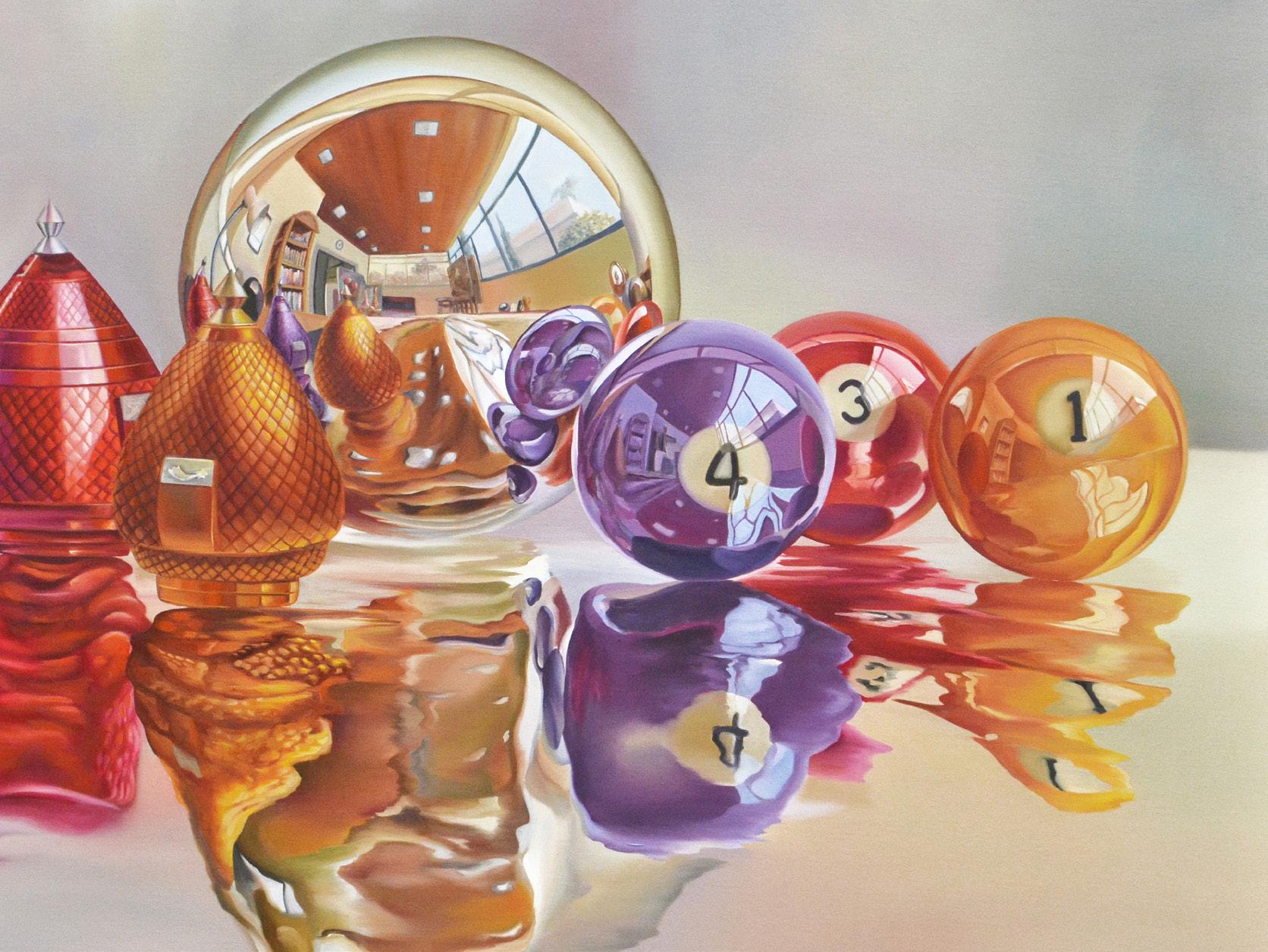
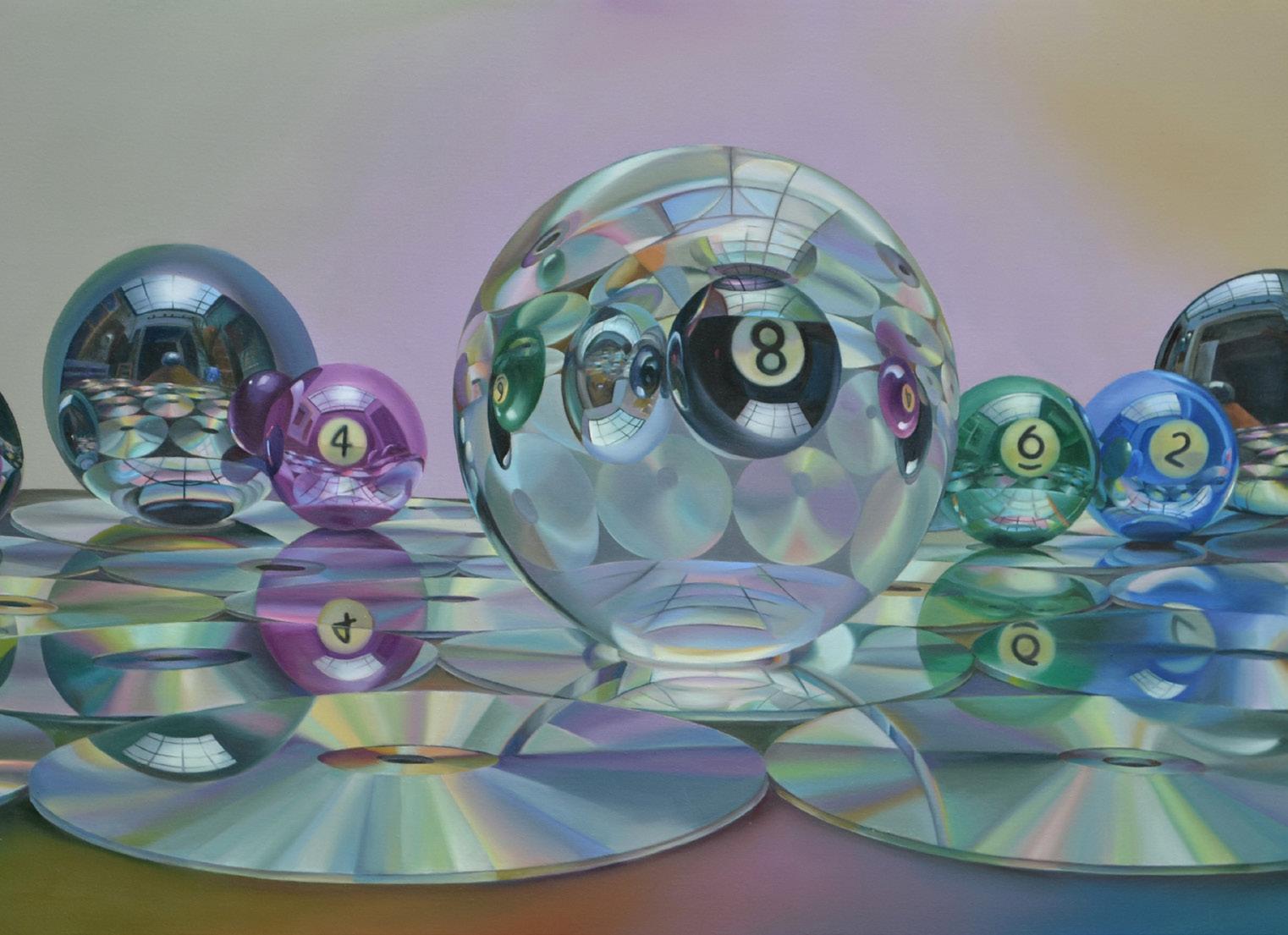
The same applies to the representation of the human figure and spatial composition, where the principles remain equally powerful. Historians recount a memorable moment when a painting by Piero della Francesca was unveiled, showcasing perspective applied with extraordinary precision. The illusion of volume and space was so impressive that the painting seemed to extend the surrounding architecture into a three-dimensional sculpture. It became difficult to perceive it simply as a painted surface.
At the height of the Renaissance, Luca de Pacioli, a Franciscan friar, translated the works of Euclid and published the magnificent mathematical treatise The Divine Proportion, illustrated by his disciple and friend Leonardo da Vinci. From Friar Pacioli, the artists of that transcendent era learned the principles of perspective. This technique, beyond helping represent visible space, was quickly adopted by architects to project their ideas into virtual spatial dimensions. Once again, the laws of optics were enriched through artistic contribution.
Today, enhanced by Cartesian coordinates, the theory of light, and binary code, all visual reproduction of the twenty-first century remains fundamentally grounded in the purest traditions of the classical academy.
www.jorgeluna.org
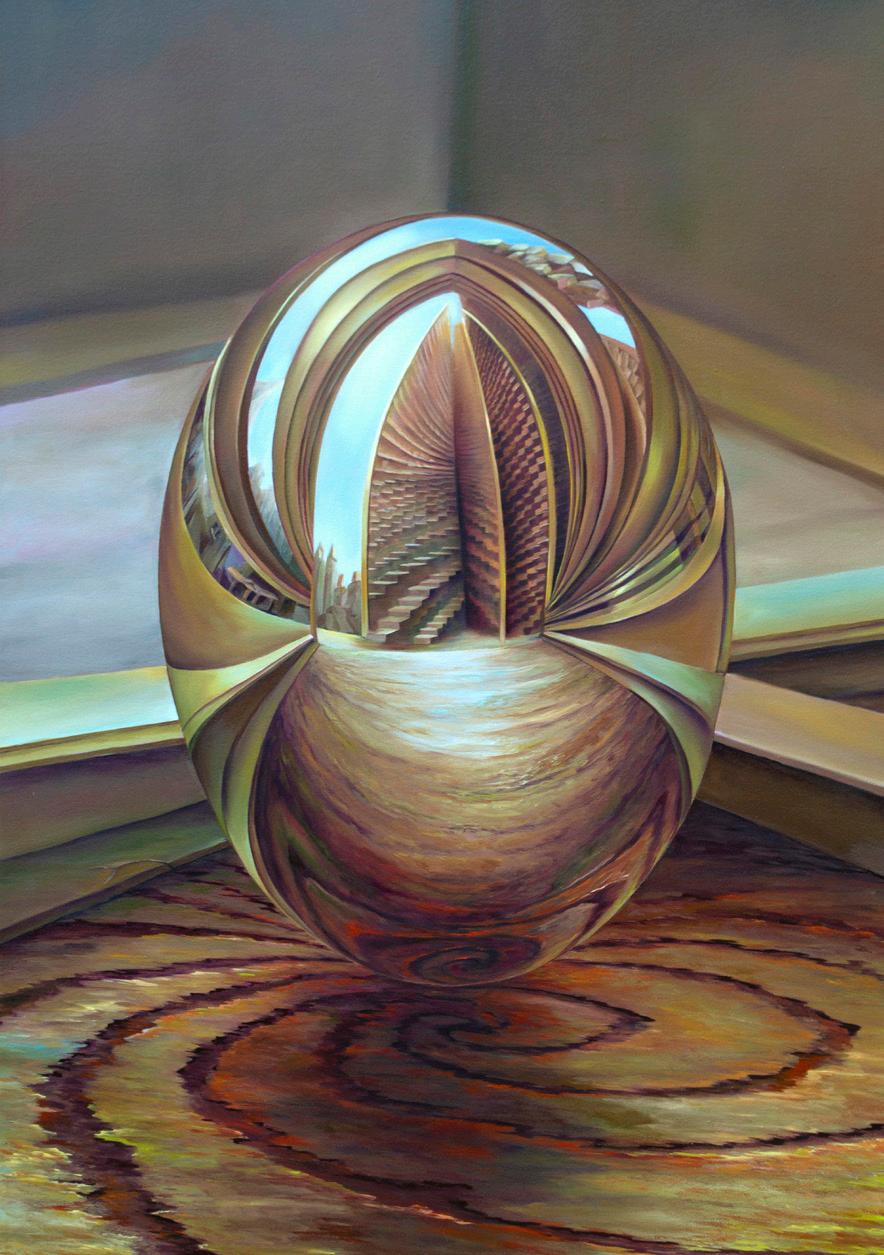
Isabel Rosas
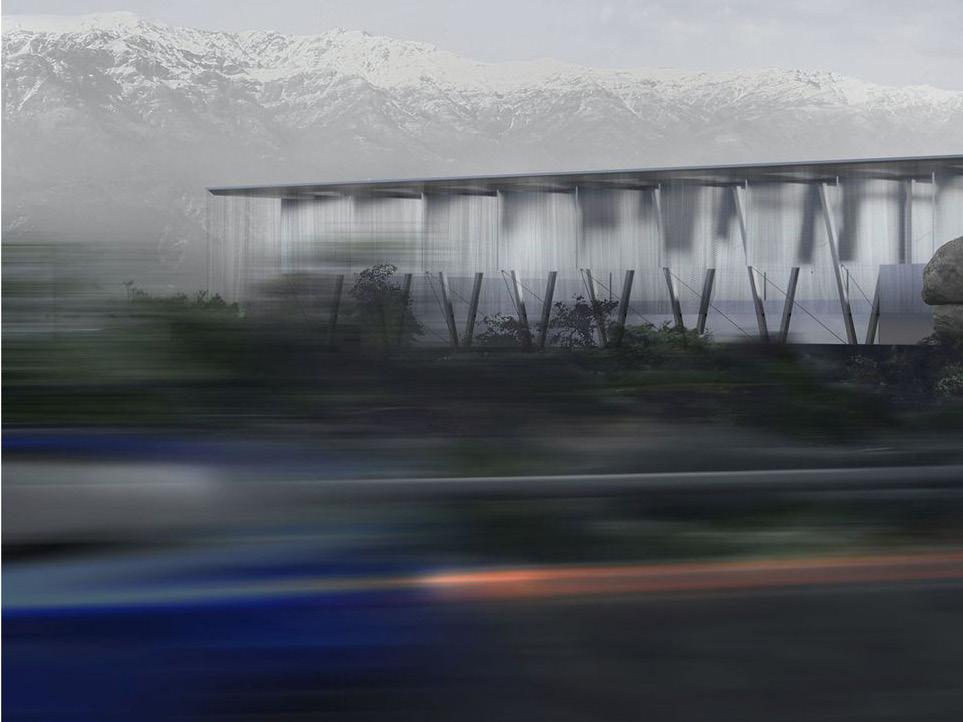
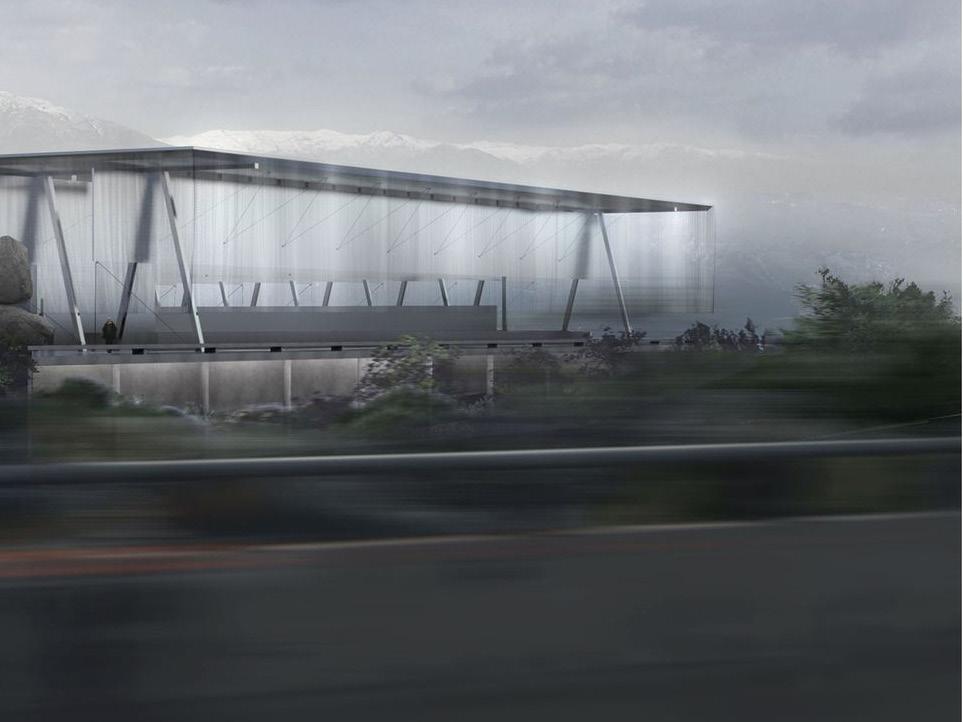
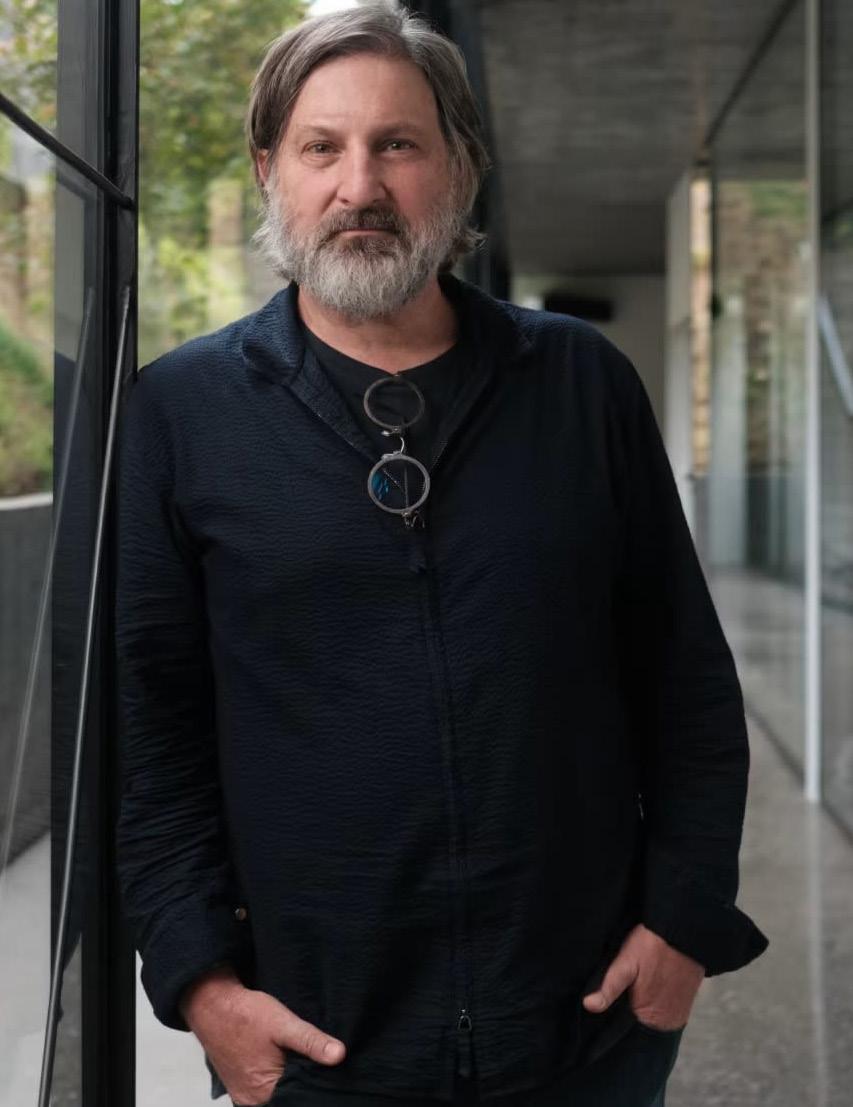
Hayarquitecturas que parecen nacer de la tierra, como si hubieran sido lentamente pensadas por la raíz, la sombra y el viento. Otras, en cambio, parecen descender sobre el paisaje como artefactos de una inteligencia autosuficiente, colocadas allí no para dialogar con la naturaleza, sino para tensarla, medirla, desafiarla. La obra de Smiljan Radic Clarke, Premio Pritzker 2026, pertenece —desde mi lectura— a esta segunda condición: una arquitectura geometrizante, rígida, industrial, casi mecánica, que no parece sucumbir ante el paisaje, sino imponerle su propia gramática.
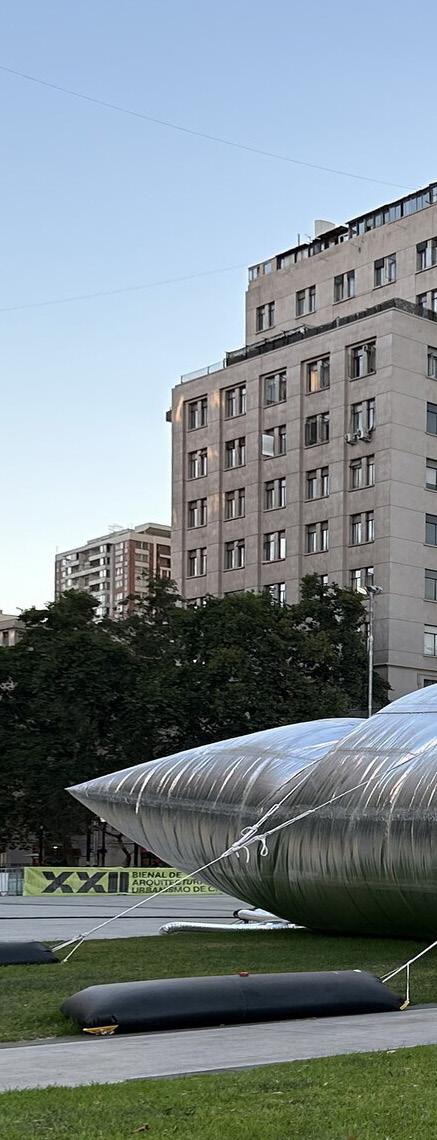
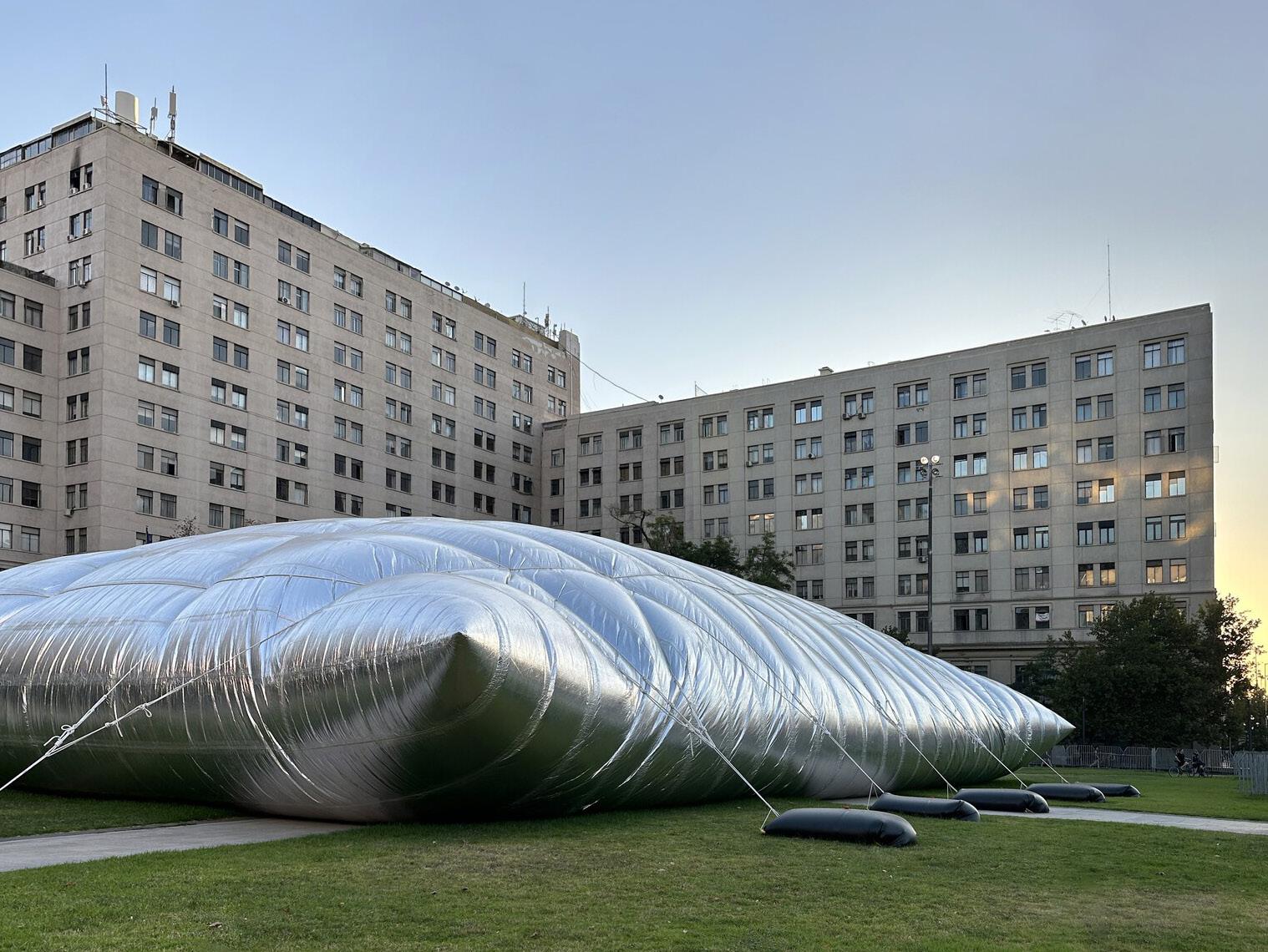
El jurado del Pritzker ha querido leer en su obra fragilidad, incertidumbre, refugio y vulnerabilidad. Pero habría que preguntarse: ¿puede llamarse frágil una arquitectura cuya presencia visual parece más cercana a una máquina detenida que a un cuerpo en reposo? ¿Puede hablarse de refugio cuando la forma amenaza más de lo que acoge? La fragilidad, en arquitectura, no debería estar en la apariencia inacabada del objeto, sino en la conciencia de que somos los seres humanos quienes estamos siempre inacabados.
El propio Pritzker parece celebrar en Radic una arquitectura que se mueve entre lo duradero y lo fugaz, entre la estructura permanente y la apariencia temporal, incluso inestable o deliberadamente inconclusa. Sin embargo, ahí surge mi objeción: una arquitectura demasiado anclada al gesto tecnológico e industrial de su época corre el riesgo de volverse precisamente temporal, es decir, expresión de un momento específico más que experiencia vigente para distintas generaciones.
La verdadera atemporalidad arquitectónica no consiste en parecer fuera del tiempo, ni en dramatizar su inacabamiento material, sino en conservar la capacidad de dialogar con
la experiencia humana aun cuando cambien las épocas, los cuerpos y las formas de habitar. Por eso, la verdadera atemporalidad arquitectónica no consiste en negar el tiempo, sino en seguir siendo vigente para la experiencia humana.
Desde esta perspectiva, podemos replantear el diseño del hábitat humano desde un compromiso con la totalidad del ser. Si la religación entre el individuo, la comunidad y el entorno se ha fragmentado, la arquitectura tiene la capacidad de operar como un dispositivo restaurador. No puede limitarse a la función, a la estética ni al gesto tecnológico: debe convertirse en un acto de ética aplicada, un medio para restablecer la conexión perdida entre el ser humano, su comunidad y la naturaleza.
Quizá la pregunta no sea si Radic merecía o no el Pritzker, sino qué síntoma revela este premio: ¿estamos avanzando hacia una arquitectura de religación con la vida, o regresando a la vieja fascinación por la máquina sobre el paisaje?
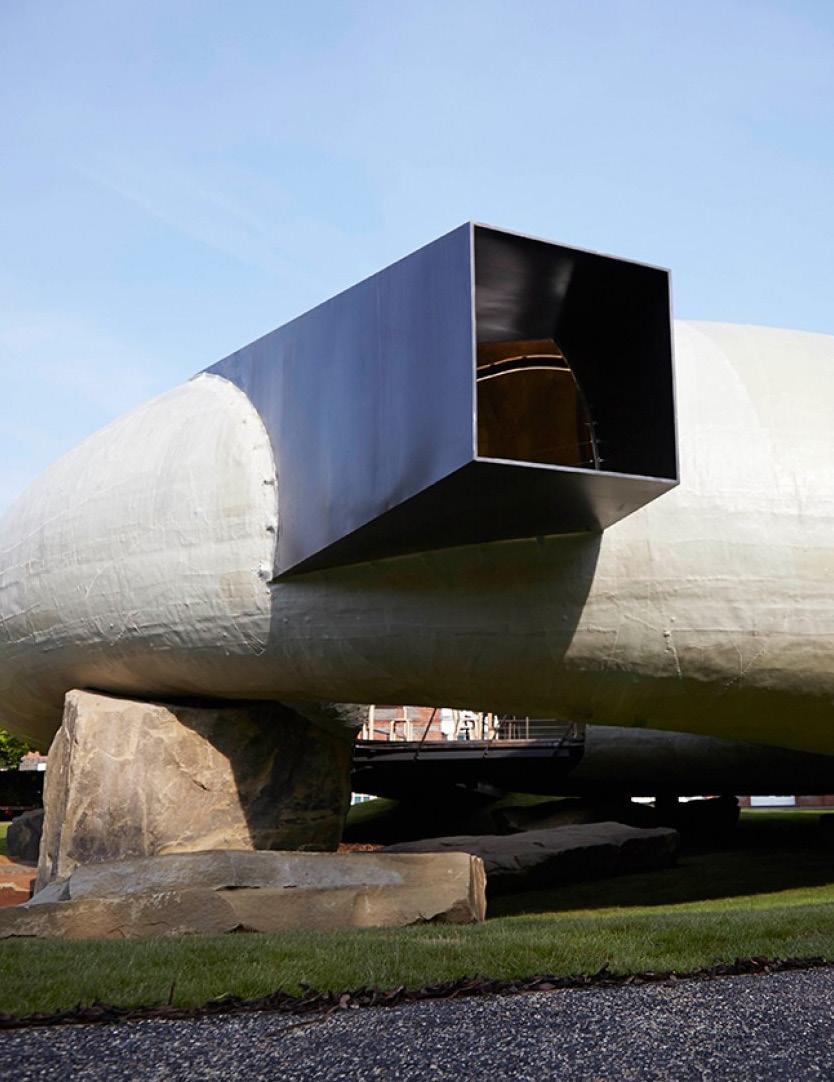
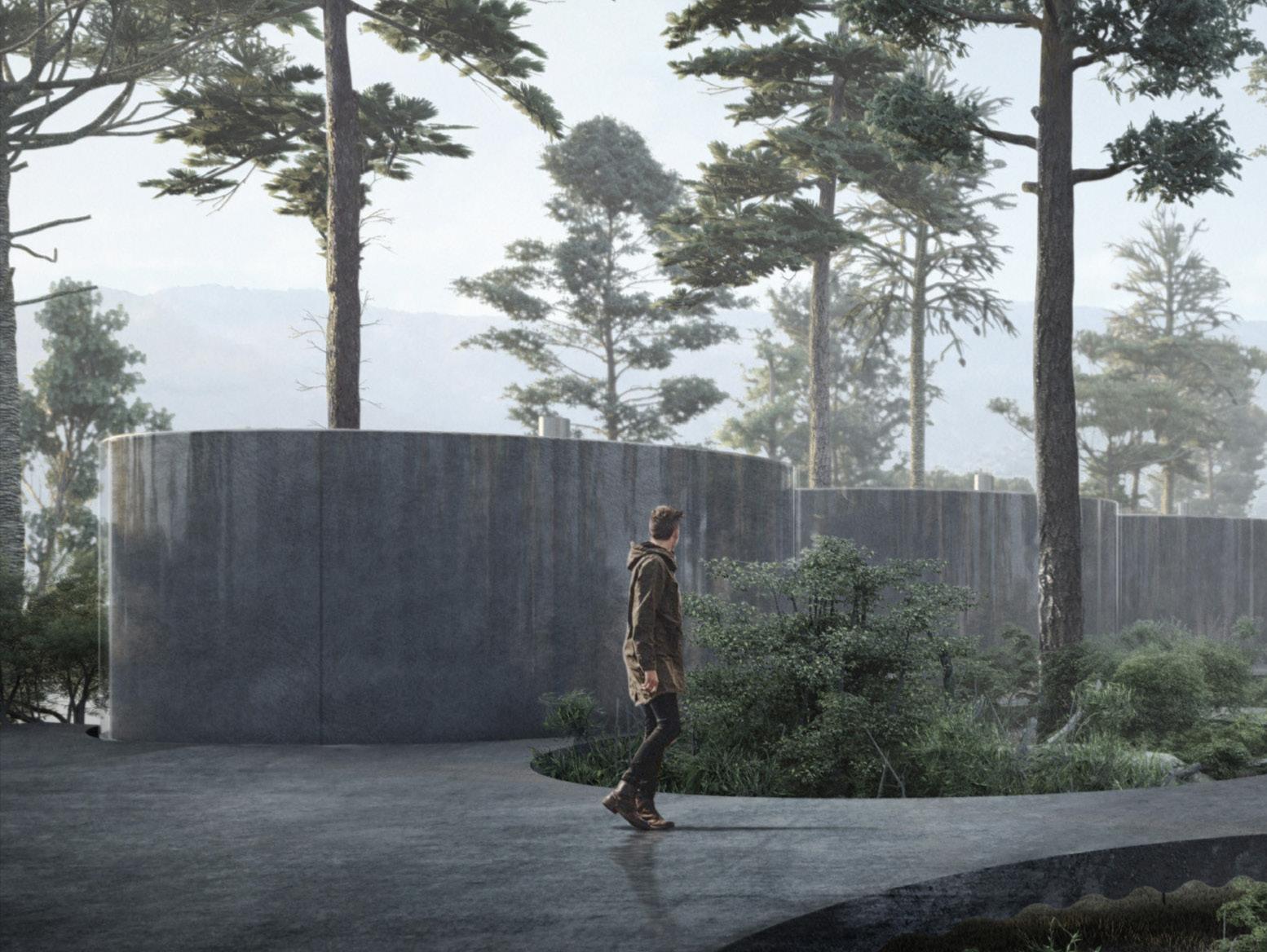
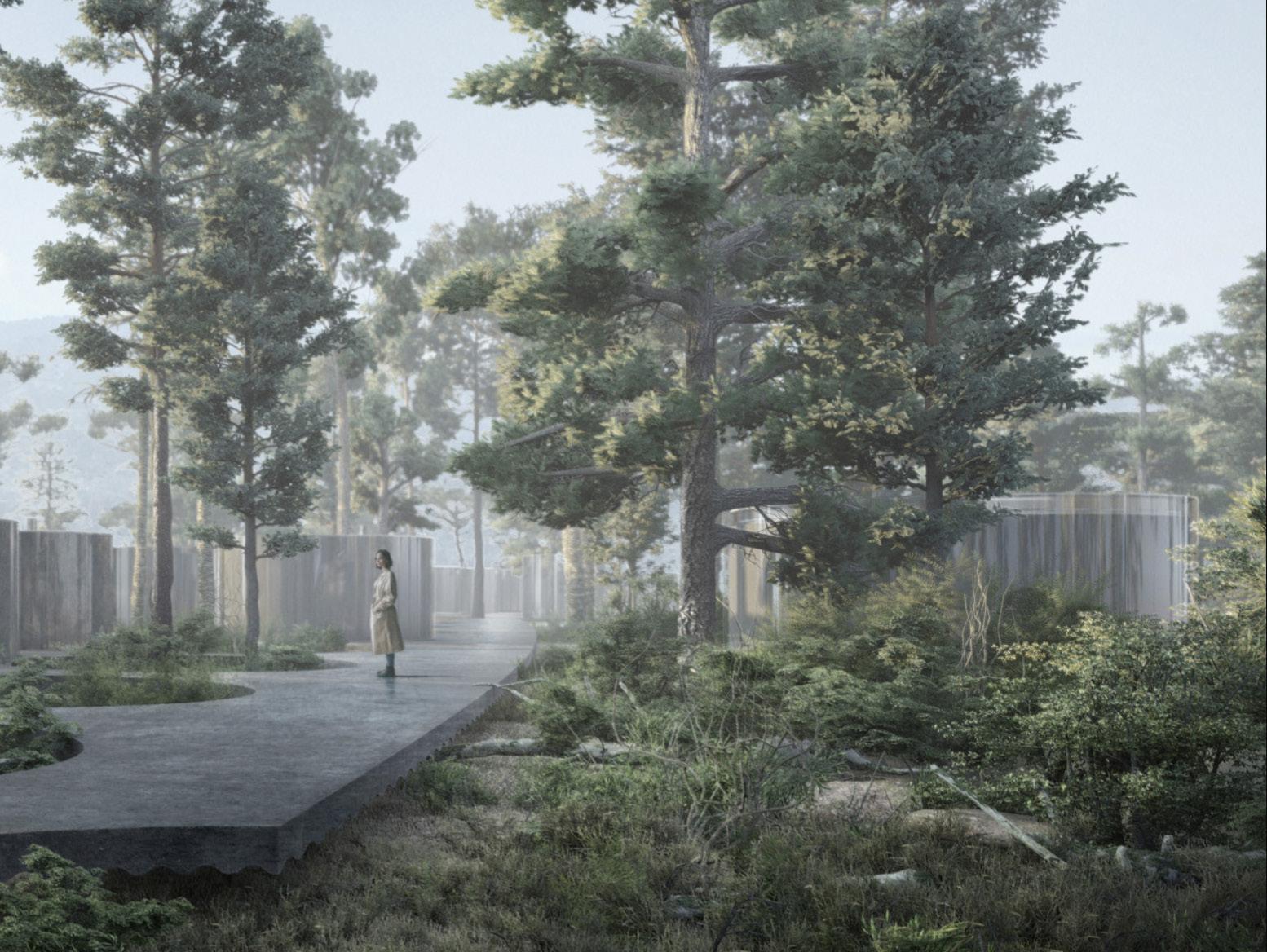
There are forms of architecture that seem to emerge from the earth itself, as though slowly conceived by roots, shadow, and wind. Others, however, appear to descend upon the landscape like artifacts of a self-sufficient intelligence, placed there not to engage in dialogue with nature, but to stretch it, measure it, and challenge it. The work of Smiljan Radic Clarke, recipient of the 2026 Pritzker Prize, belongs —from my perspective— to this second condition: a geometrizing, rigid, industrial, almost mechanical architecture that does not seem to surrender to the landscape, but rather impose upon it its own grammar.
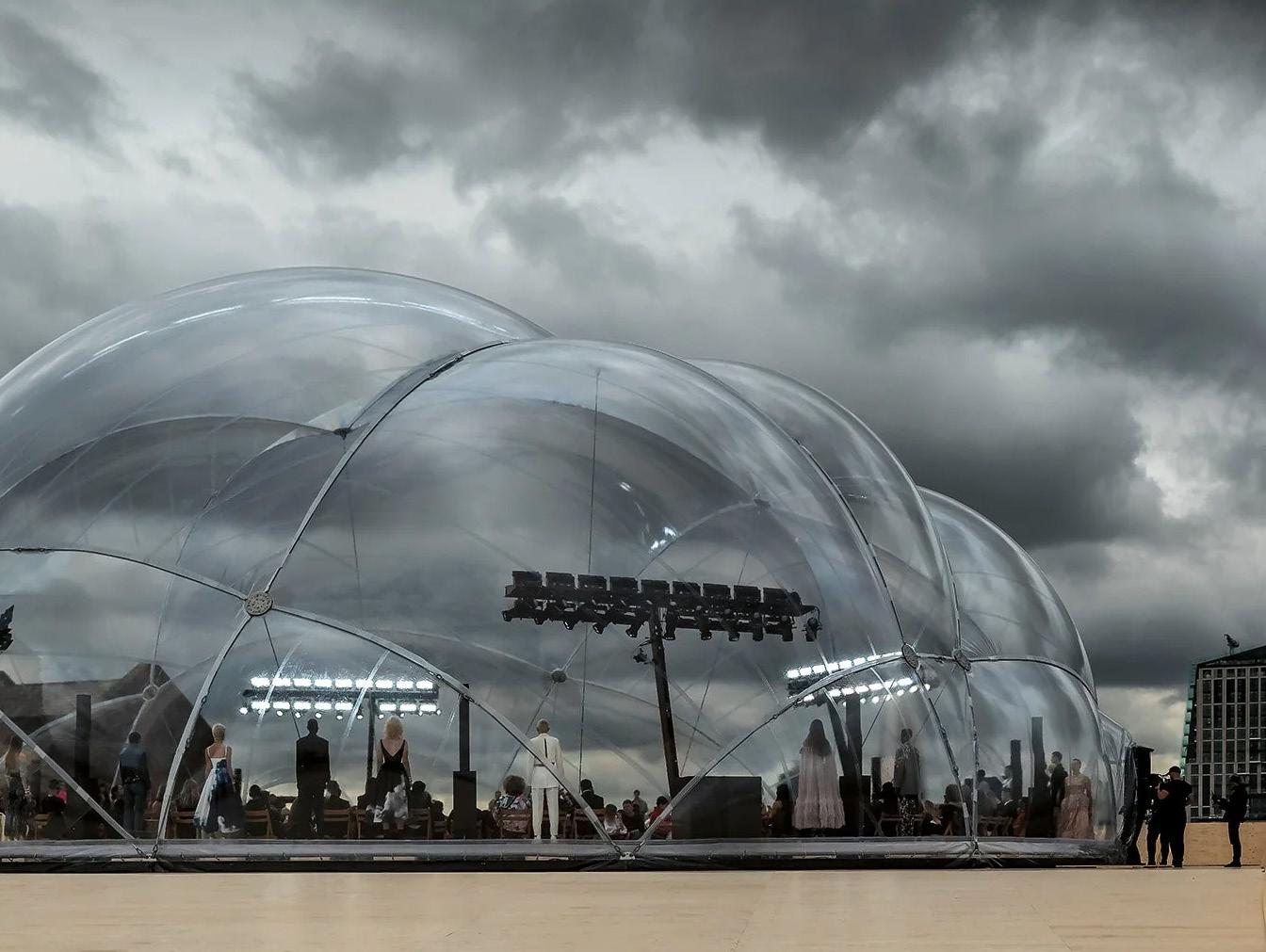
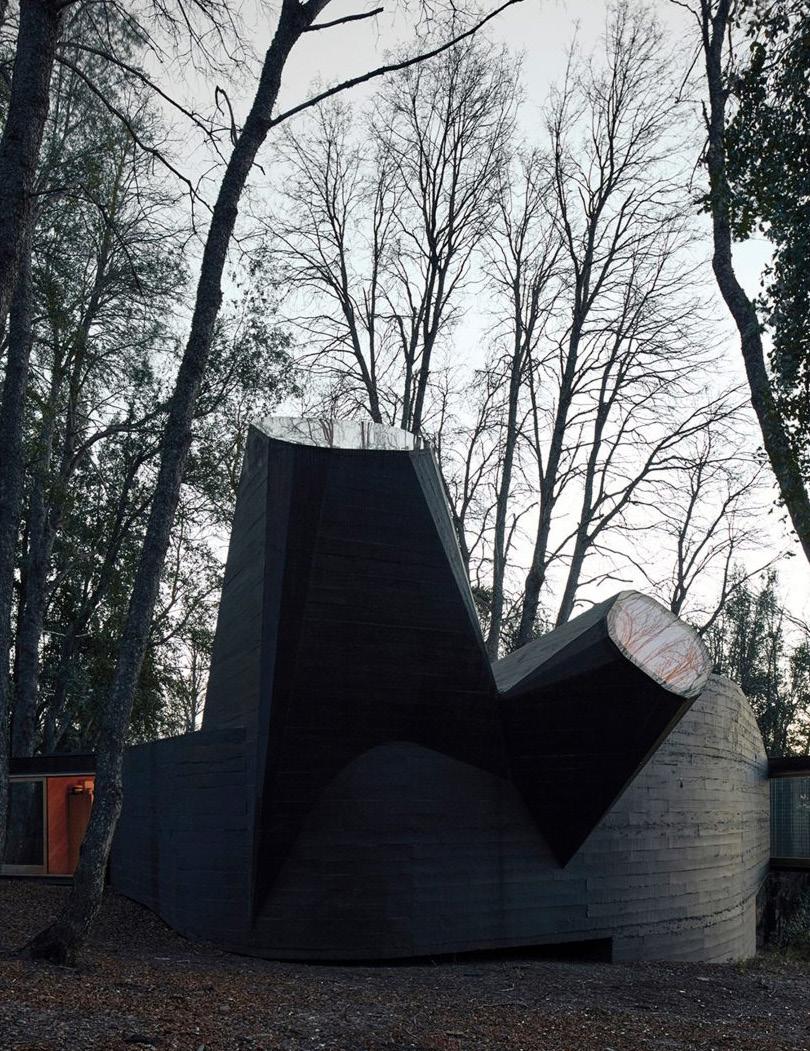
The Pritzker jury has chosen to interpret in his work notions of fragility, uncertainty, refuge, and vulnerability. Yet one must ask: can an architecture truly be called fragile when its visual presence feels closer to a dormant machine than to a body at rest? Can we speak of refuge when form appears more threatening than welcoming? Fragility in architecture should not reside in the unfinished appearance of the object, but in the awareness that it is human beings themselves who are forever unfinished.
The Pritzker itself seems to celebrate in Radic an architecture suspended between permanence and ephemerality, between enduring structure and temporary appearance —even instability or deliberate incompletion. However, this is precisely where my objection arises: an architecture too deeply anchored in the technological and industrial gestures of its time risks becoming temporary itself, an expression of a specific moment rather than a living experience capable of transcending generations.
True architectural timelessness does not consist in appearing outside of time, nor in dramatizing material incompletion, but in preserving the ability to remain in dialogue with human experience even as eras, bodies, and ways of inhabi-
ting evolve. Architectural timelessness is not about denying time, but about remaining meaningful to human existence through it.
From this perspective, we may begin to rethink the design of the human habitat through a commitment to the totality of being. If the bond between the individual, the community, and the environment has been fractured, architecture possesses the power to operate as a restorative device. It cannot remain limited to function, aesthetics, or technological gesture alone; it must become an act of applied ethics —a means of restoring the lost connection between human beings, their communities, and nature.
Perhaps the real question is not whether Radic deserved the Pritzker Prize, but rather what symptom this award reveals: are we moving toward an architecture that reconnects us with life, or returning once again to the old fascination with the machine imposed upon the landscape?

el material y los sentidos se entrelazan
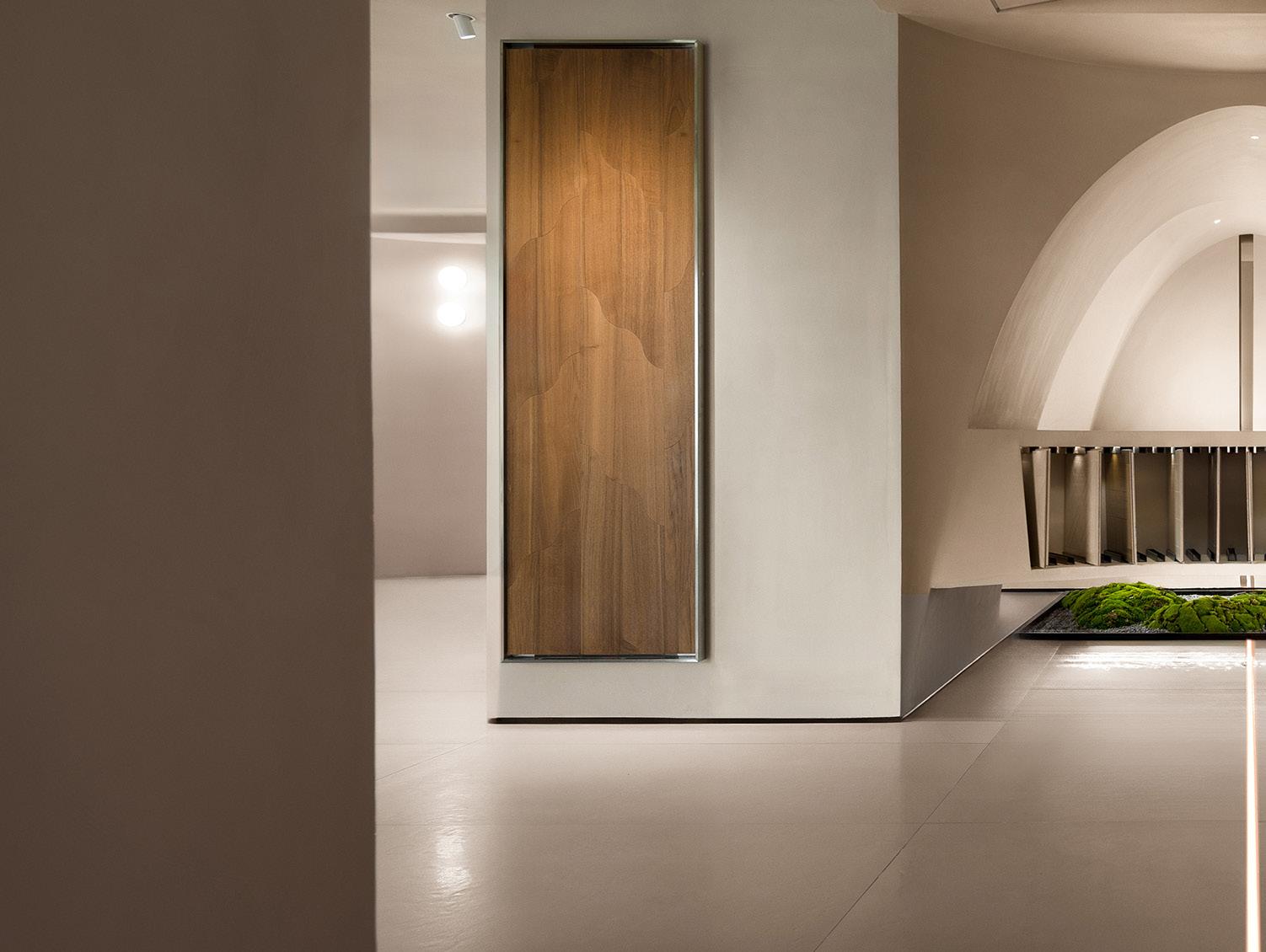
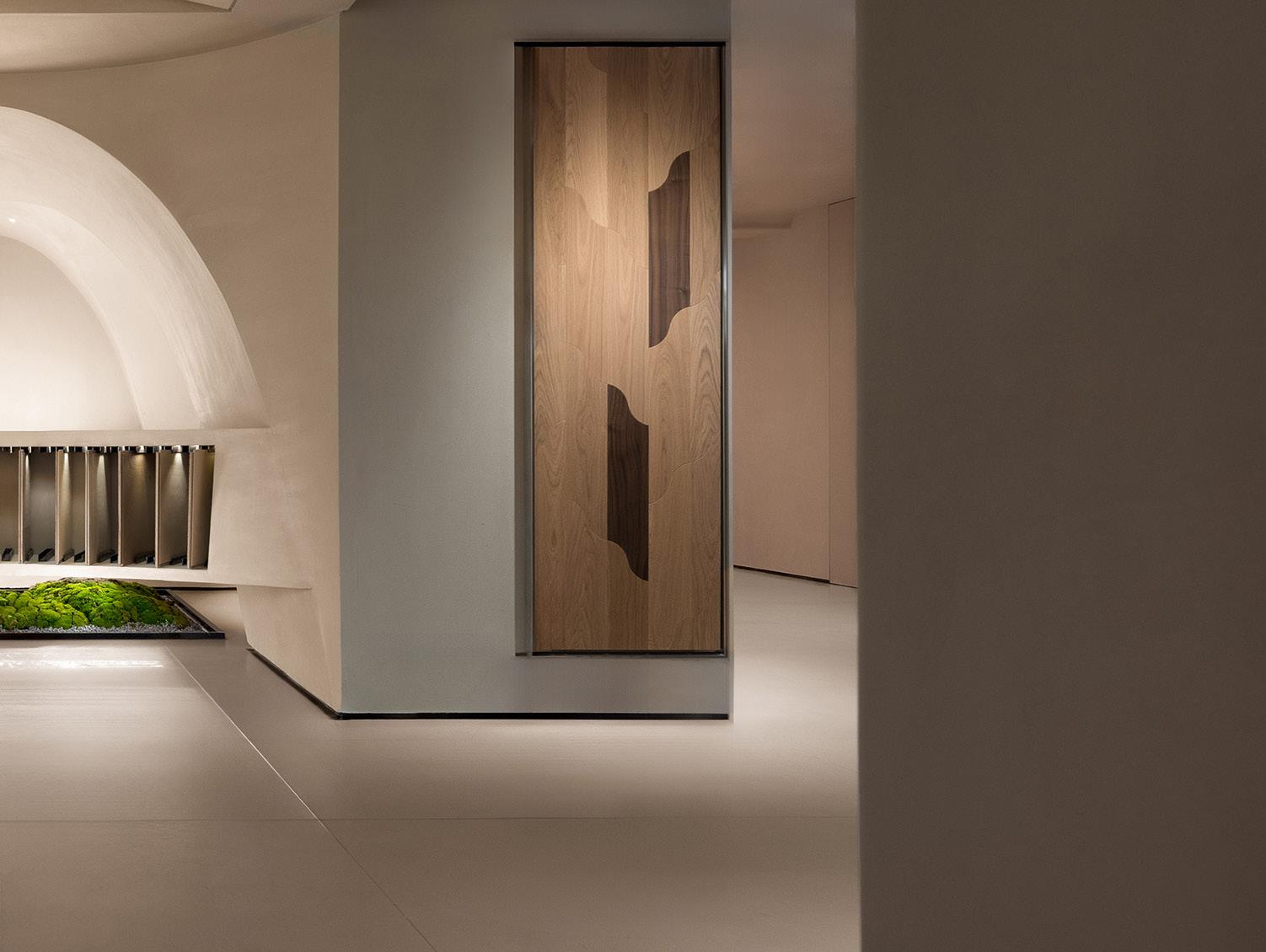
En el distrito de Nanxun, Huzhou, provincia de Zhejiang, se despliega silenciosamente una narrativa espacial centrada en la madera. Diseñada por el estudio de interiorismo PUSH DESIGN, con sede en Hangzhou, la Sala de Experiencias de Suelos Muxiang Ninghua transforma 900 metros cuadrados en un entorno inmersivo que redefine la exhibición de suelos: no como un mero contenedor de exposiciones, sino como un viaje de la percepción a la resonancia.
Salón del Ascensor: De la Racionalidad a la Calma Poética El viaje comienza en el vestíbulo del ascensor, donde la piedra fría y la madera cálida se entrelazan bajo una luz cambiante: un prólogo de contrastes. Un suelo de madera de un rojo intenso recorre el espacio con un ritmo constante, mientras que la rica tela roja de las paredes se combina con los sobrios tonos de la madera, creando una atmósfera serena y moderna que une la realidad y la abstracción. Al entrar en la «Zona de Transición Rítmica», un mostrador de recepción minimalista de acero inoxidable se convierte en el centro de atención visual. Su sólida presencia marca una pausa en el ritmo, donde el movimiento se encuentra con la quietud, y el visitante es guiado suavemente del prólogo a la narrativa.
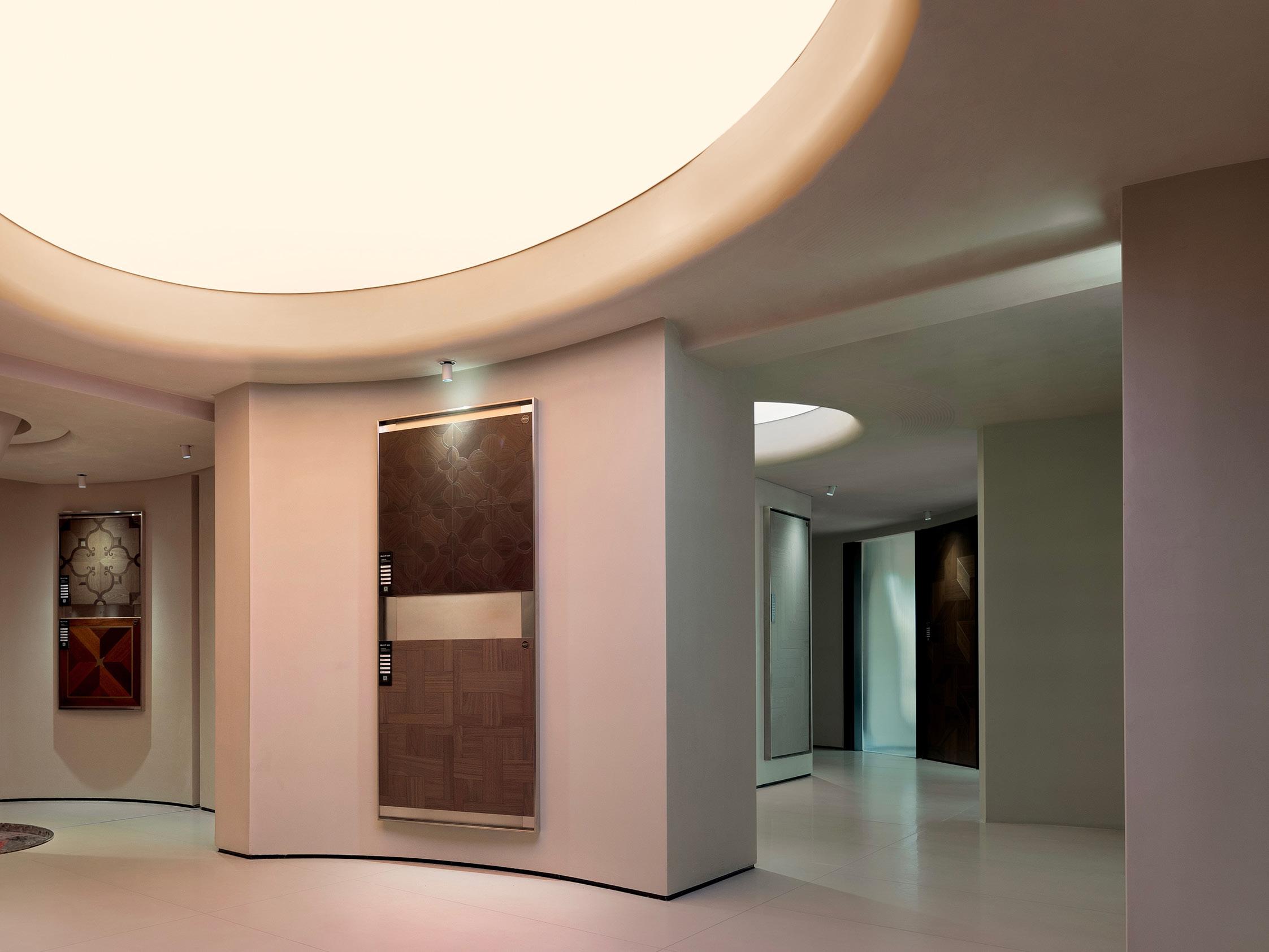
Zona Central – «El Río del Tiempo»: La Vida de la Madera y la Memoria de la Luz. En el área central de la exposición, se muestran muestras de pisos mediante estructuras de marco desmontables: un sistema ligero, flexible y no destructivo que permite actualizaciones sencillas. Esta estrategia modular refleja una mentalidad sostenible, permitiendo que el espacio y el producto evolucionen juntos.
A continuación, el Corredor del Tiempo, eje narrativo de todo el diseño. Rodajas de madera y motivos de anillos anuales revisten las paredes, suavemente iluminados para evocar la huella de la vida de un árbol. Al recorrerlo, se tiene la sensación de atravesar la textura del tiempo mismo: cada rayo de luz, cada veta de madera susurra un fragmento de memoria.
Núcleo Interactivo: Reconectando con la Calidez de la Madera. Los diseñadores conciben el espacio como un gran escenario donde el suelo trasciende su función práctica para convertirse en un medio táctil, perceptivo e interactivo. El tacto, la luz y el sonido transforman la tecnología en un traductor, transmitiendo la calidez y la sabiduría de la madera y permitiendo que las personas formen parte de la narrativa.
En la Zona Elemento Bosque, los sistemas de iluminación simulan los ciclos de luz natural, animando las superficies de madera con tonalidades cambiantes a lo largo del día. El espacio parece respirar, reviviendo la poética quietud de la madera y difuminando la frontera entre naturaleza y arquitectura.
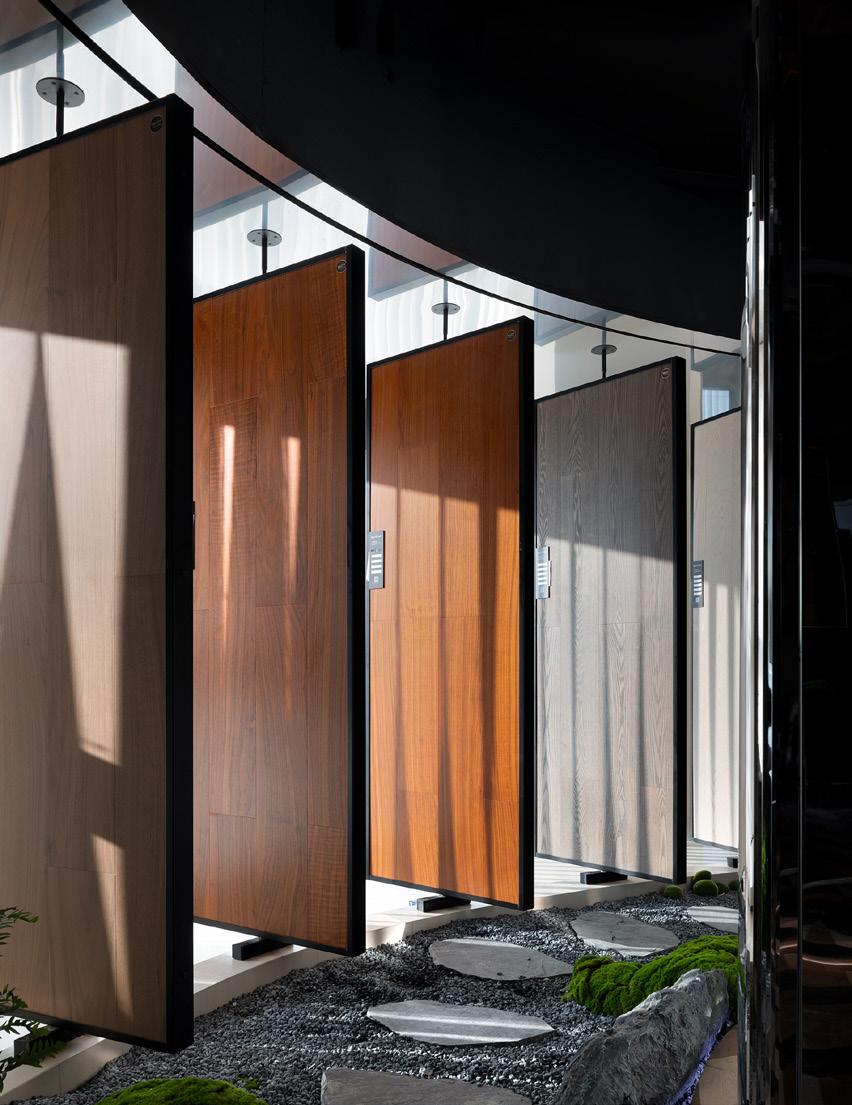
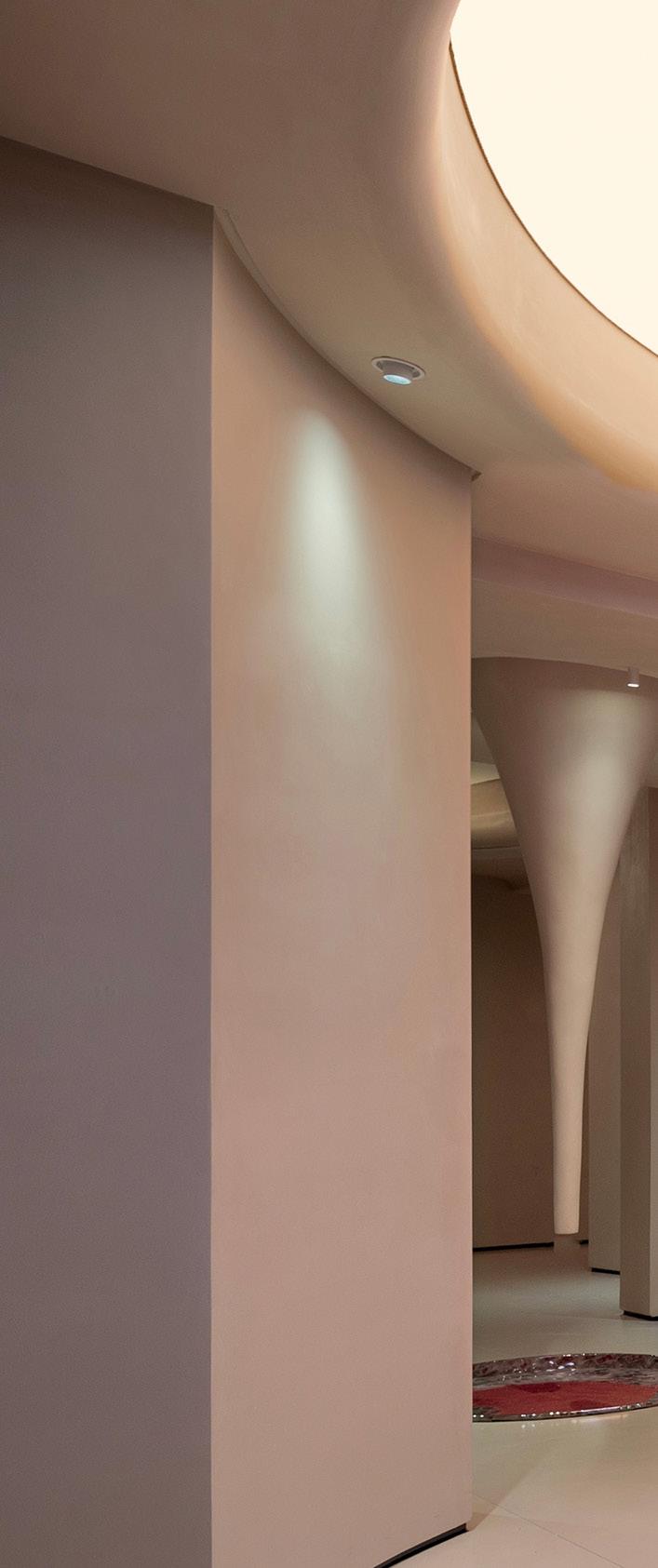
Área de Oficinas: De Exposición a Calma Cotidiana. Las zonas de oficinas y VIP circundantes continúan utilizando la madera y cerramientos curvos, creando una atmósfera cálida y estable para la comunicación.
Muxiang Ninghua: Haciendo del espacio una extensión de la naturaleza. En este proyecto, PUSH DESIGN utiliza el pavimento como medio narrativo, tejiendo una lógica espacial progresiva —transformación temporal, corredor narrativo, experiencia interactiva y escenas vividas— para dotar al espacio de una armonía entre el lugar y la naturaleza, entre el producto y el espíritu humano.
«Esperamos que los visitantes puedan “escuchar la respiración de la madera”, sentir su calidez y su atemporalidad, y reconectar con el diálogo entre la naturaleza y la vida humana». — Diseñadores principales: Ma Yizhou y Shen Yingyan, PUSH DESIGN
Información del proyecto
Nombre del proyecto: Sala de demostración de pisos Muxiang Ninghua
Estudio de diseño: PUSH DESIGN
Ubicación: 6.º piso, Edificio 1, Guanghong Xintiandi, Calle
Dongqian, Distrito Nanxun, Huzhou, Zhejiang, China
Superficie: 900 m²
Altura del techo: 2,85 m
Tipo de proyecto: Diseño de interiores
Diseñadores principales: Ma Yizhou, Shen Yingyan
Periodo de diseño: enero de 2024 - septiembre de 2025
Materiales principales: Microcemento, pintura decorativa, baldosas cerámicas, pisos de madera, acero inoxidable
Cliente: Zhejiang Hanluosen Home Co., Ltd.
Fotografía: Hua Xuetao, Ma Yizhou

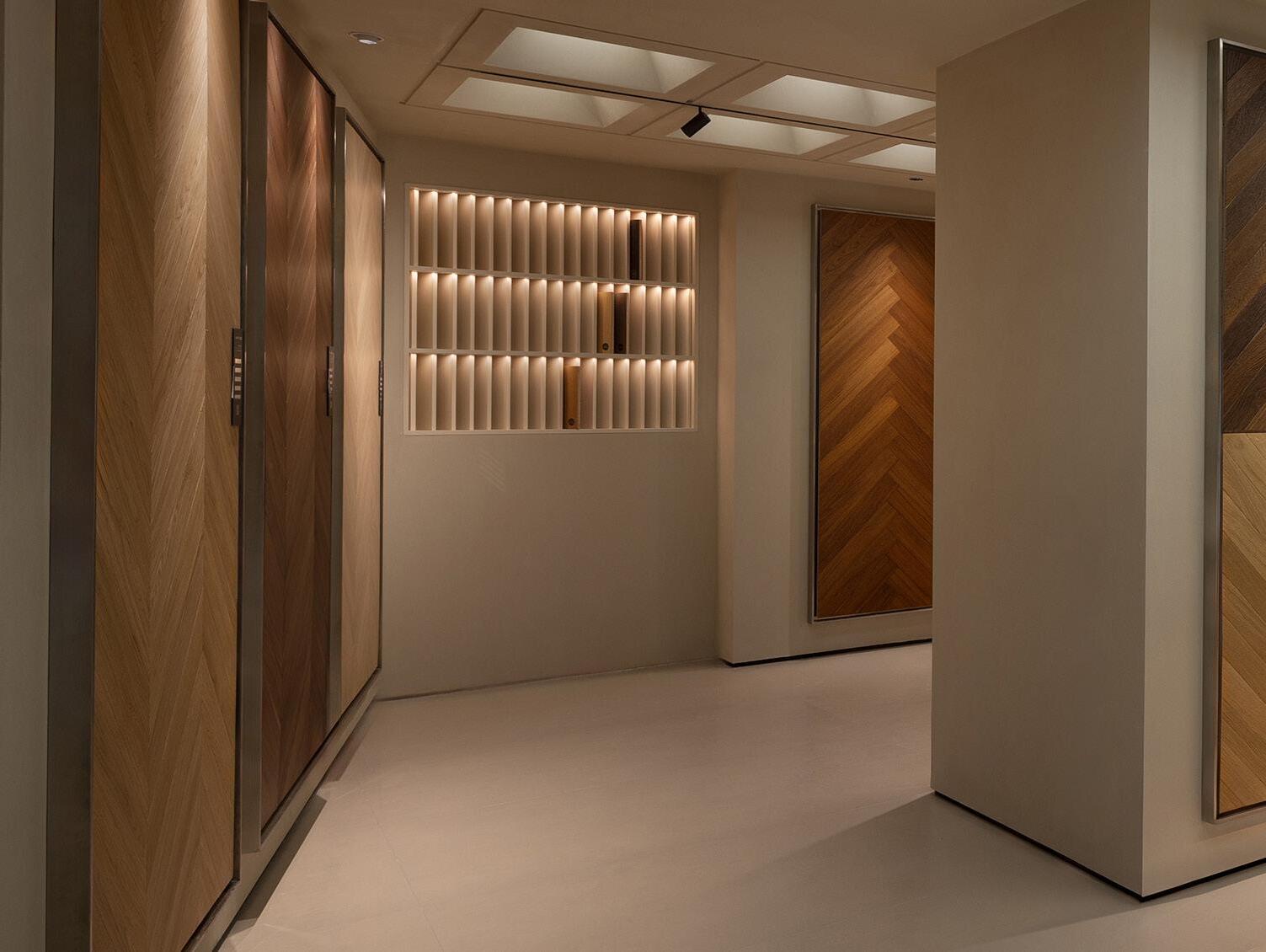
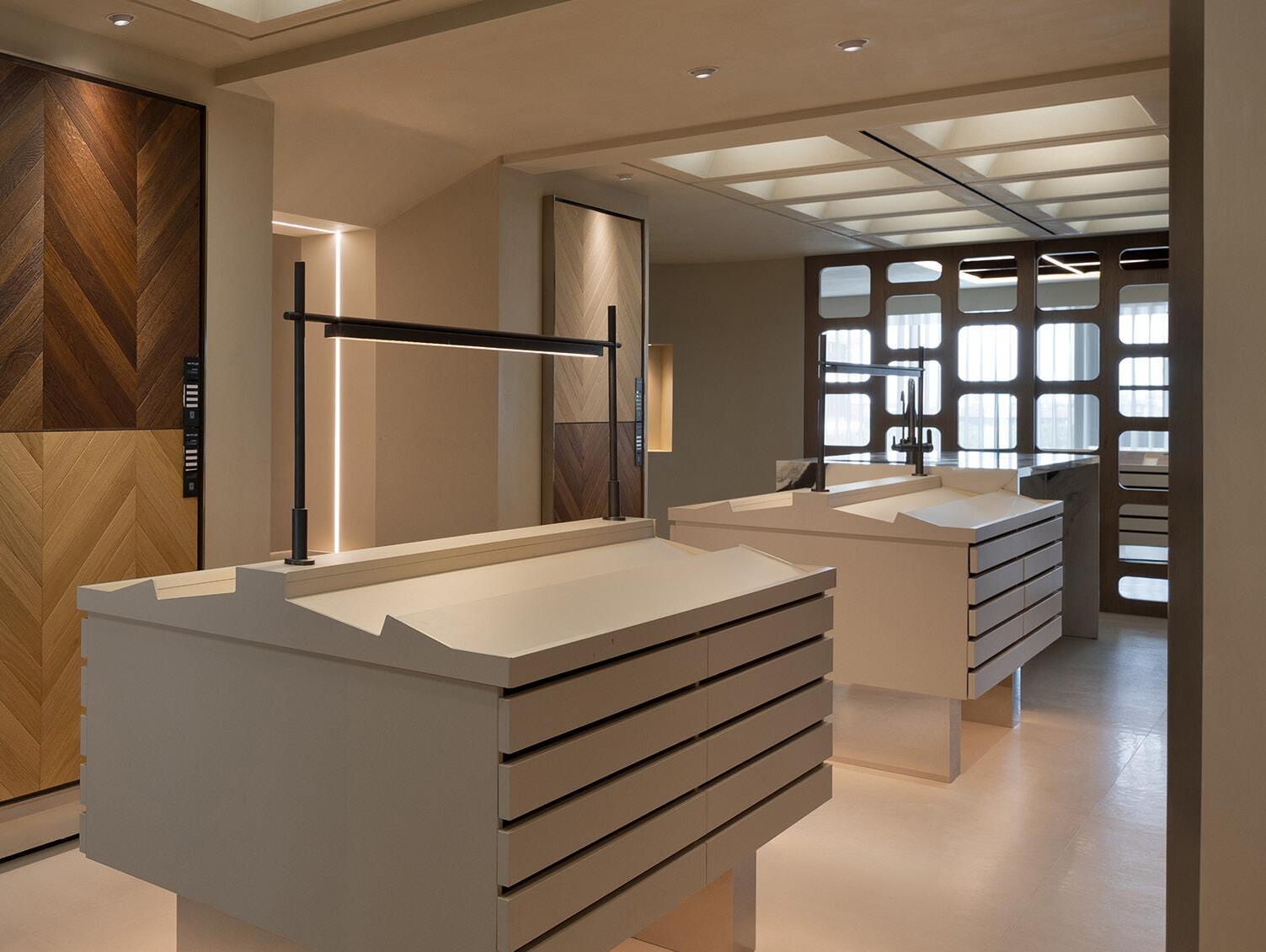
In Nanxun District, Huzhou, Zhejiang Province, a spatial narrative centered on “wood” quietly unfolds. Designed by Hangzhou-based interior design studio PUSH DESIGN, the Muxiang Ninghua Flooring Experience Hall transforms 900 square meters into an immersive environment that redefines flooring display— not as a container for exhibits, but as a journey from perception to resonance.
The journey begins in the elevator hall, where cool stone and warm wood interlace under changing light—a prologue of contrasts. A deep red wooden floor runs through the space like a steady rhythm, while rich red wall fabric meets restrained timber tones, setting a serene yet modern tone that bridges reality and abstraction. Entering the “Rhythmic Transition Zone,” a minimalist stainless-steel reception counter becomes the visual focus. Its solid presence marks a pause in rhythm— where motion meets stillness, and the visitor is gently led from prologue into narrative.
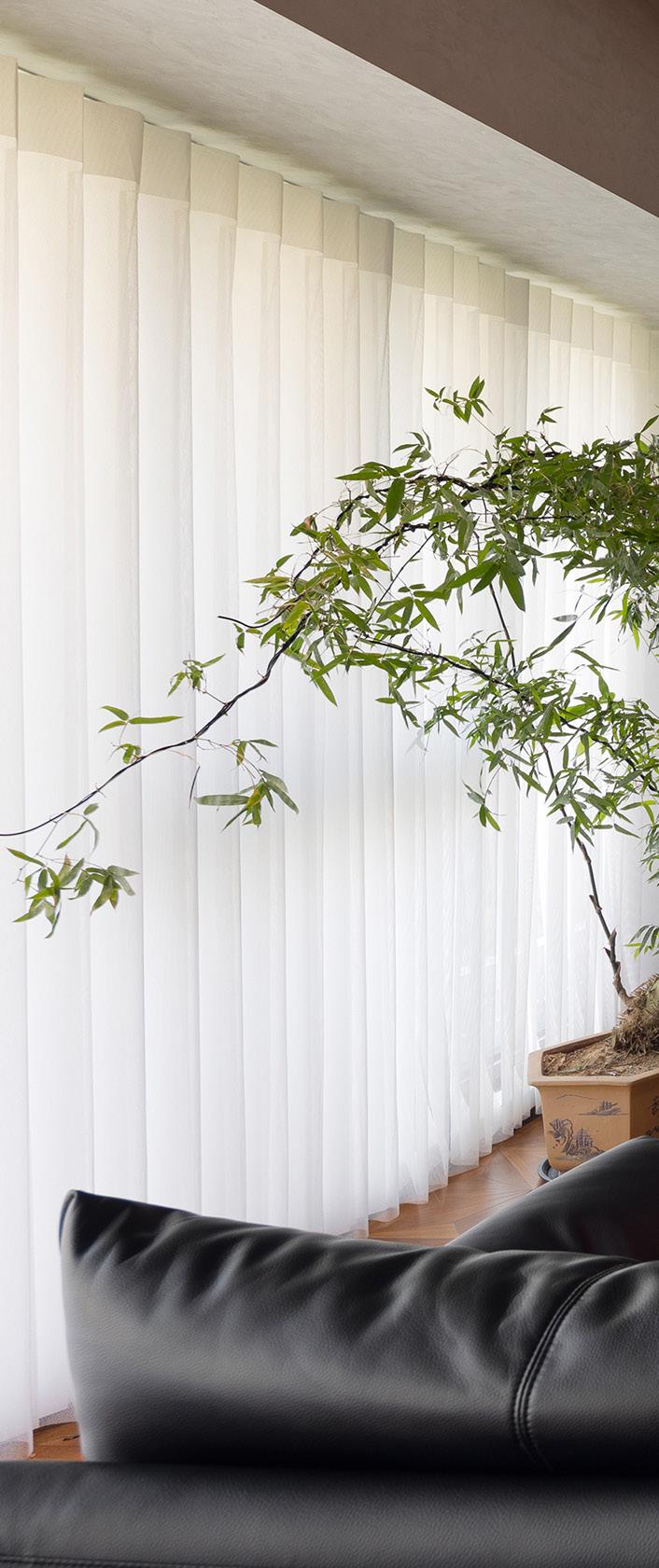
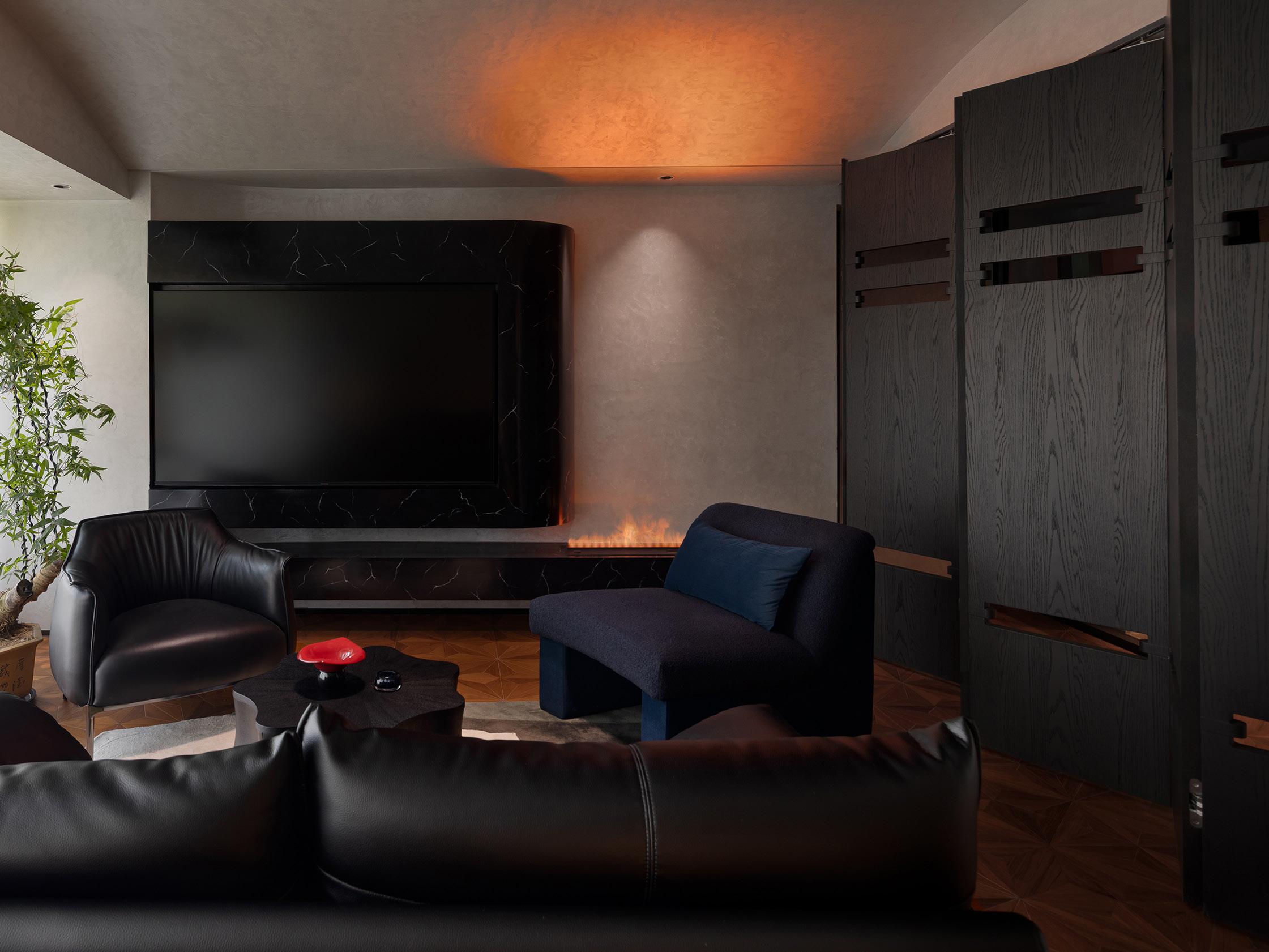
Zone – “The River of Time”: The Life of Wood and the Memory of Light
In the core exhibition area, flooring samples are displayed through removable frame structures—a lightweight, flexible, and non-destructive system that allows effortless updates. This modular strategy reflects a sustainable mindset, enabling space and product to evolve together.
The Time Corridor follows—a narrative spine of the entire design. Timber slices and annual ring motifs line the walls, softly illuminated to evoke the life trace of a tree. As one walks through, it feels like traversing the texture of time itself—each beam of light, each grain of wood whispering a fragment of memory.
The designers conceive the space as a grand stage where flooring transcends its functional role to become a tactile, perceptive, and interactive medium. Touch, light, and sound turn technology into a translator—conveying the warmth and wisdom of wood, and allowing people to become part of the narrative.
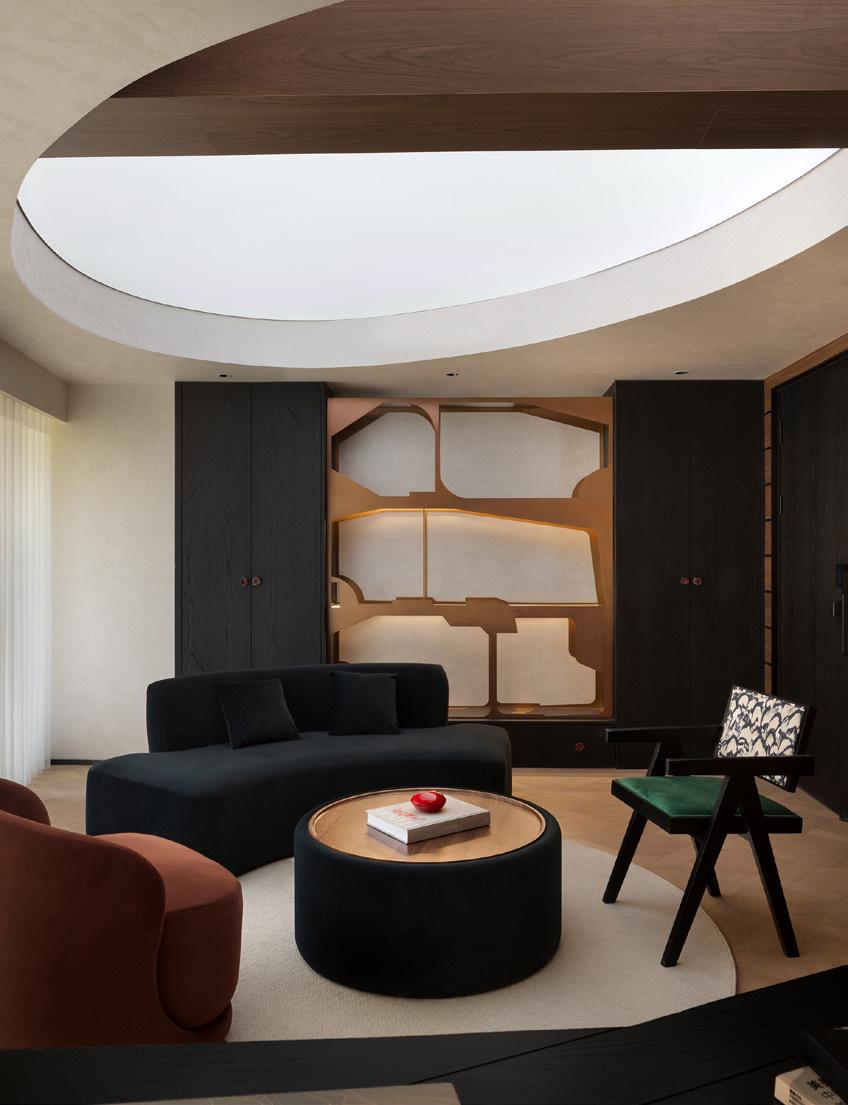
In the Forest Element Zone, lighting systems simulate natural daylight cycles, animating timber surfaces with shifting tones throughout the day. The space seems to breathe—reviving the poetic stillness of wood and blurring the boundary between nature and architecture.
Office Area: From Exhibition to Everyday Calm
The surrounding office and VIP zones continue the use of wood and curved enclosures, creating a warm and stable atmosphere for communication.
Muxiang Ninghua: Making Space an Extension of Nature
In this project, PUSH DESIGN uses “flooring” as a narrative medium, weaving together a progressive spatial logic—temporal transformation, narrative corridor, interactive experience, and lived-in scenes—to endow the It is not merely a showroom, but a harmony between space and nature, between product and the human spirit.
“We hope visitors can ‘hear the breathing of wood,’ feel its sense of time and warmth, and reconnect the dialogue between nature and human life.”
—— Lead Designers: Ma Yizhou & Shen Yingyan, PUSH DESIGN
Project information
Project Name Muxiang Ninghua Flooring Experience Hall
Design Firm: PUSH DESIGN
Location: 6F, Building 1, Guanghong Xintiandi, Dongqian
Street, Nanxun District, Huzhou, Zhejiang, China
Floor Area 900
Ceiling Height: 2.85 m
Project Type Interior Design
Lead Designers: Ma Yizhou, Shen Yingyan
Design Period Jan 2024 – Sep 2025
Main Materials Microcement, Decorative Paint, Ceramic Tiles, Wood Flooring, Stainless Steel
Client: Zhejiang Hanluosen Home Co., Ltd.
Photography: Hua Xuetao, Ma Yizhou
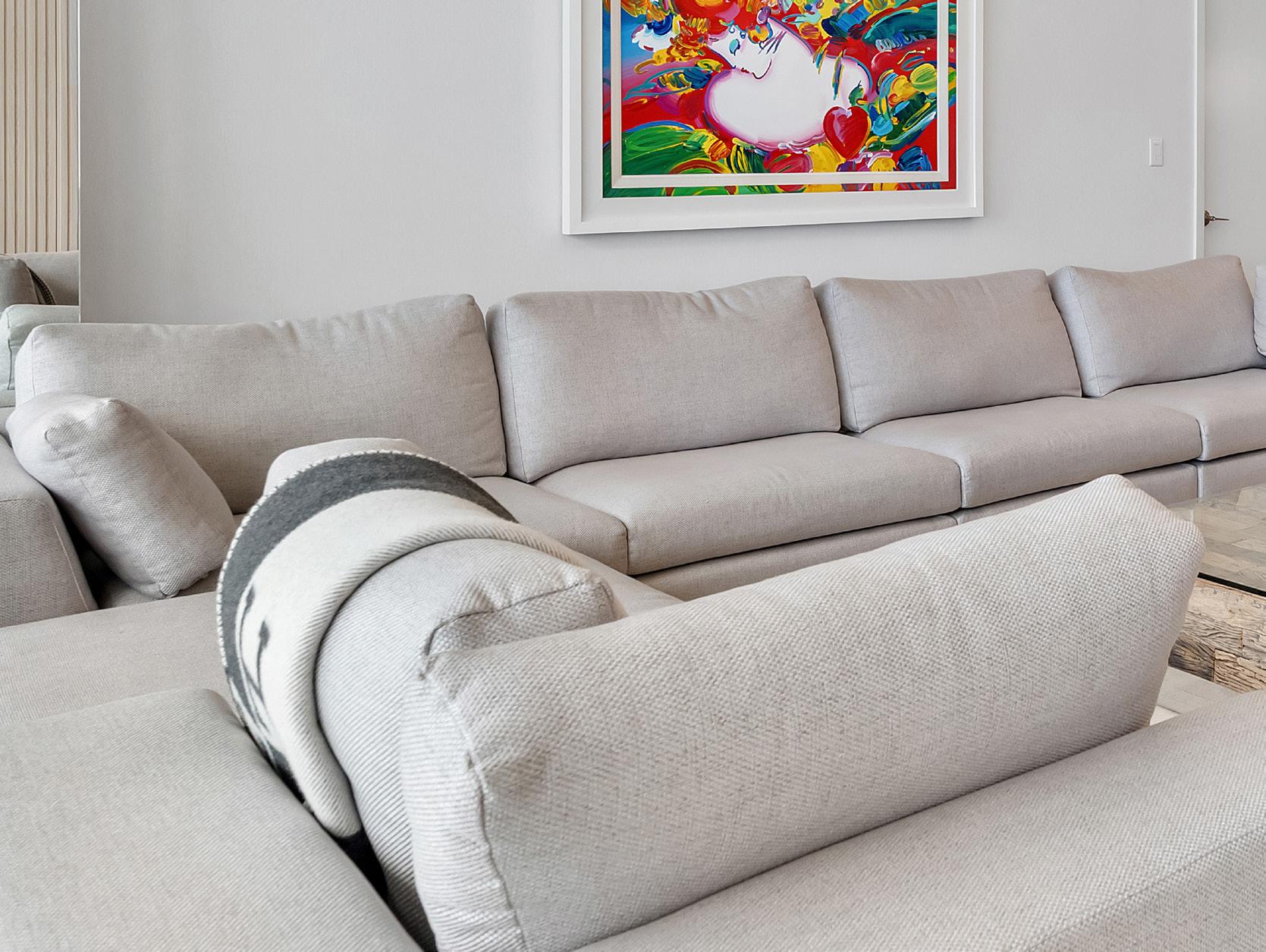
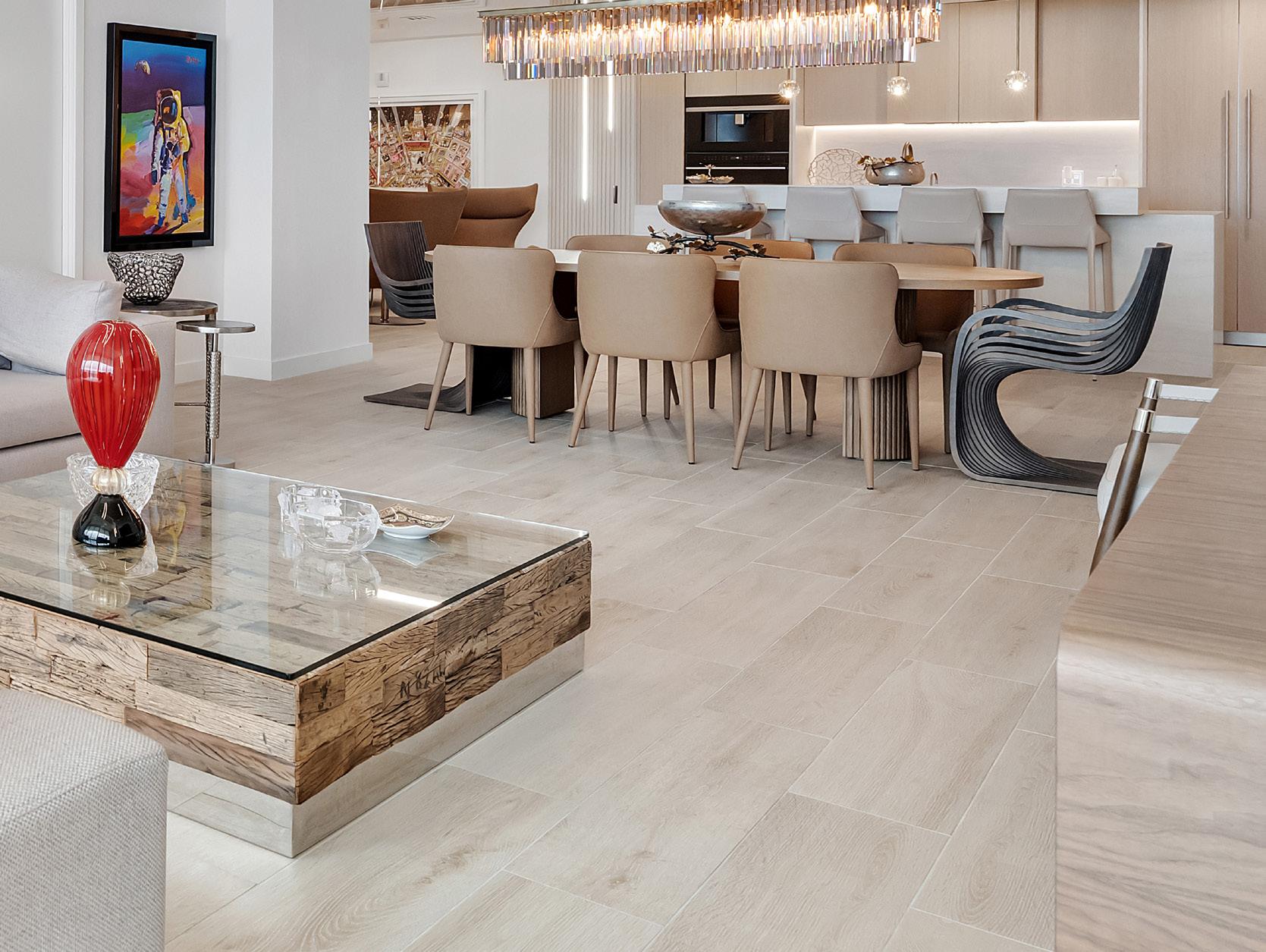
Impresionante condominio frente al mar con estilo orgánico y elegante.
Una joya atemporal junto al mar.
Perla Lichi transforma un espacio vacío frente al mar en un santuario exclusivo donde convergen el glamour orgánico, la forma escultórica y el arte, demostrando que el diseño visionario es la mejor inversión de lujo.
Desde la primera impresión al entrar hasta el horizonte panorámico a través del cristal, nada es casual ni ordinario. La visión se basa en el estilo orgánico y elegante, un lenguaje de diseño que fusiona la sensibilidad biofílica con un arte digno de galería. Los principios del Feng Shui guían la distribución del espacio, asegurando que cada habitación respire con naturalidad y armonía.
“Cada elemento fue elegido para honrar el espacio, la luz y la vida que se desarrollaría en él”.
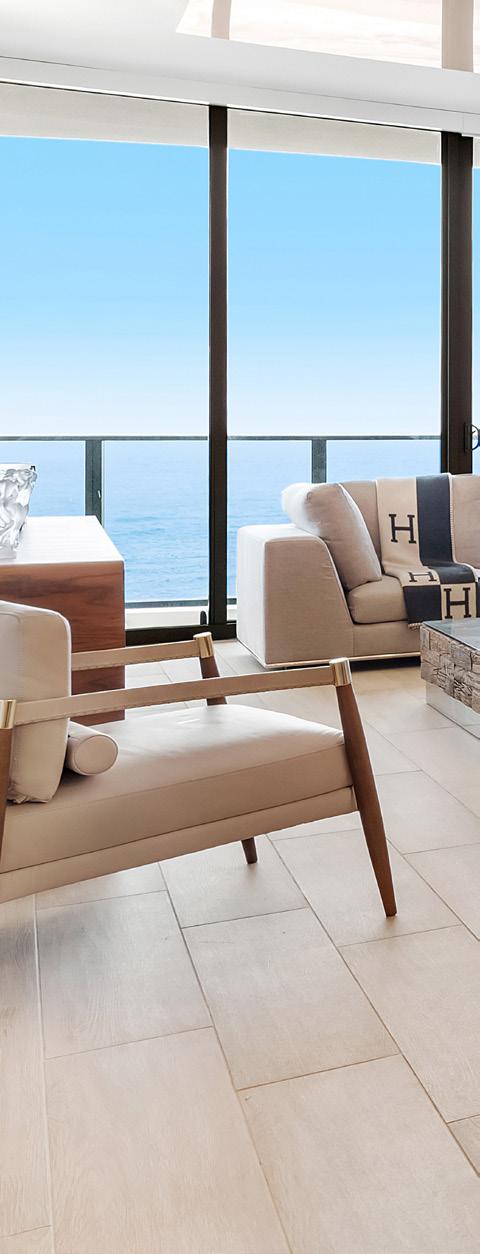
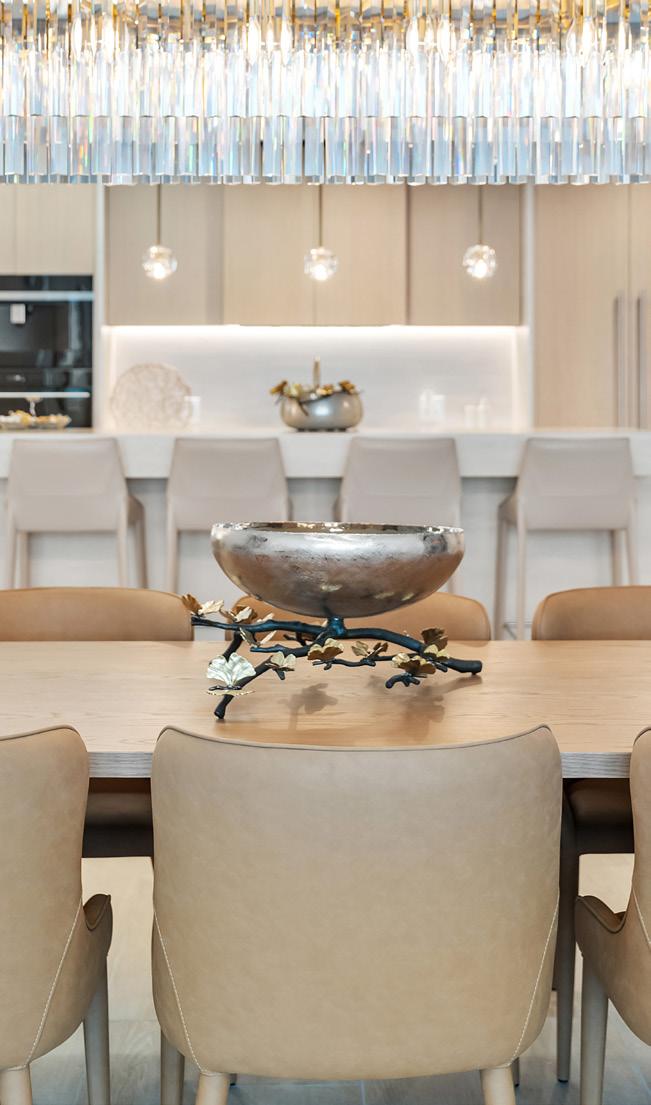
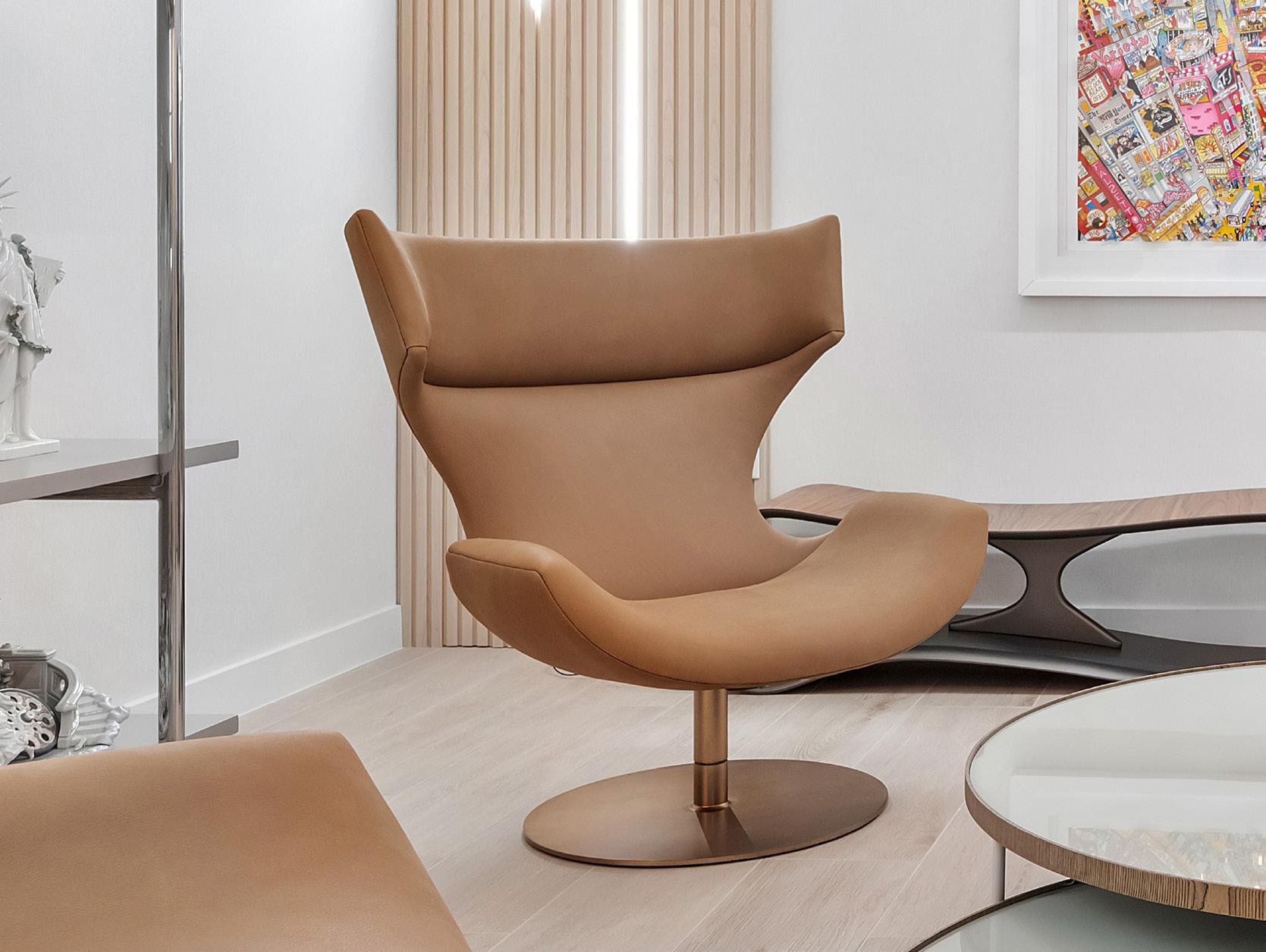
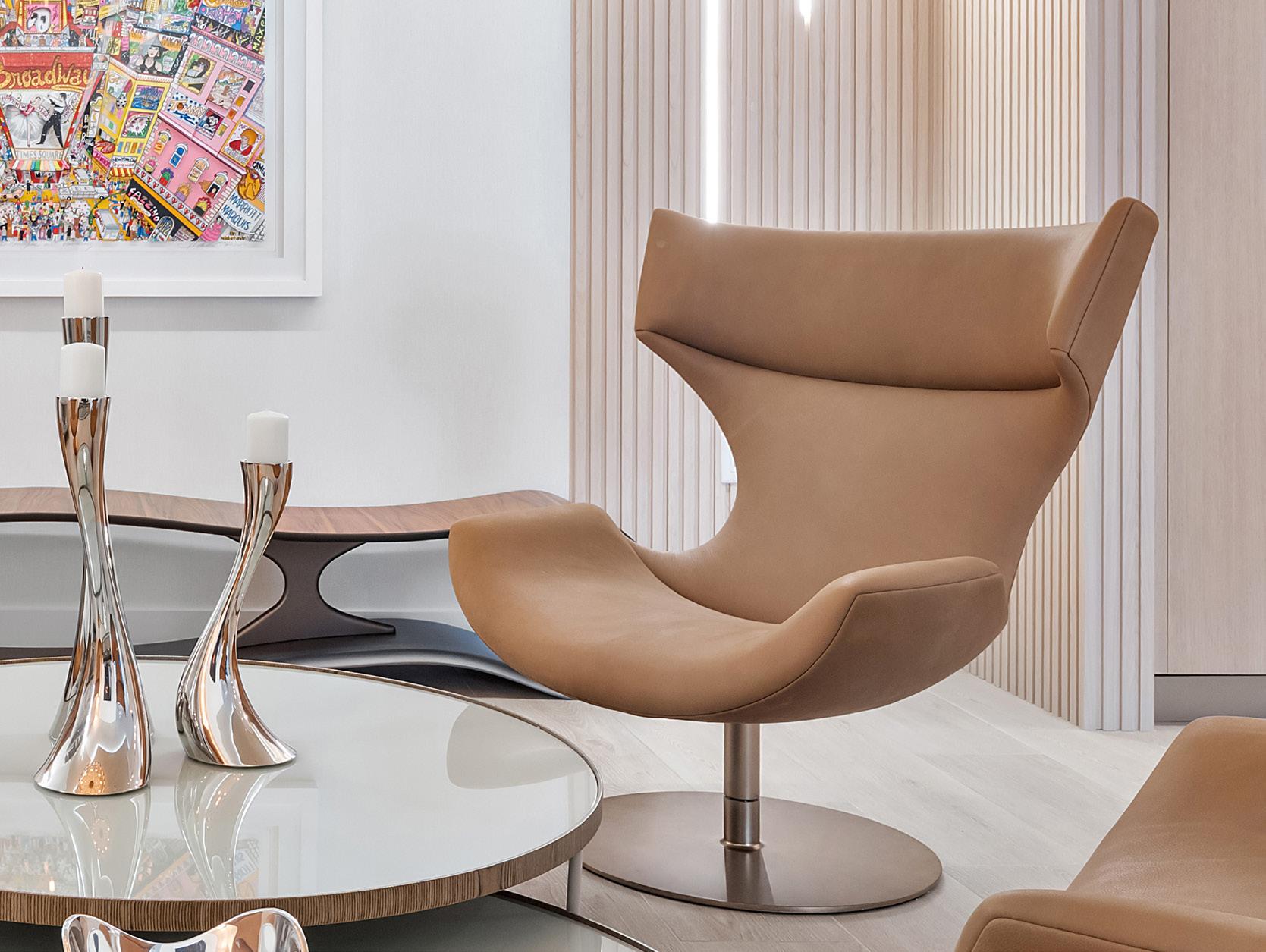
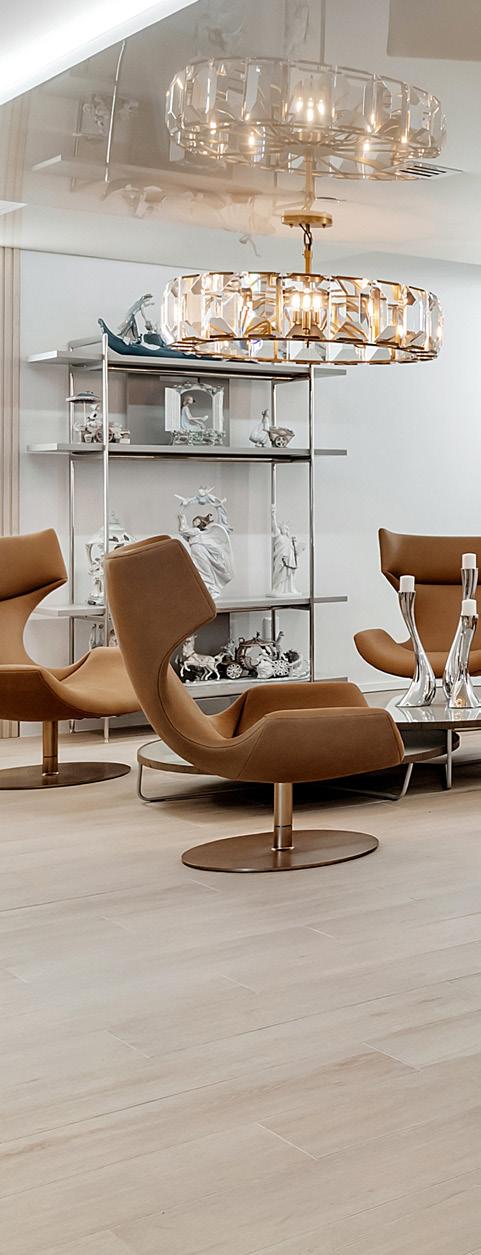
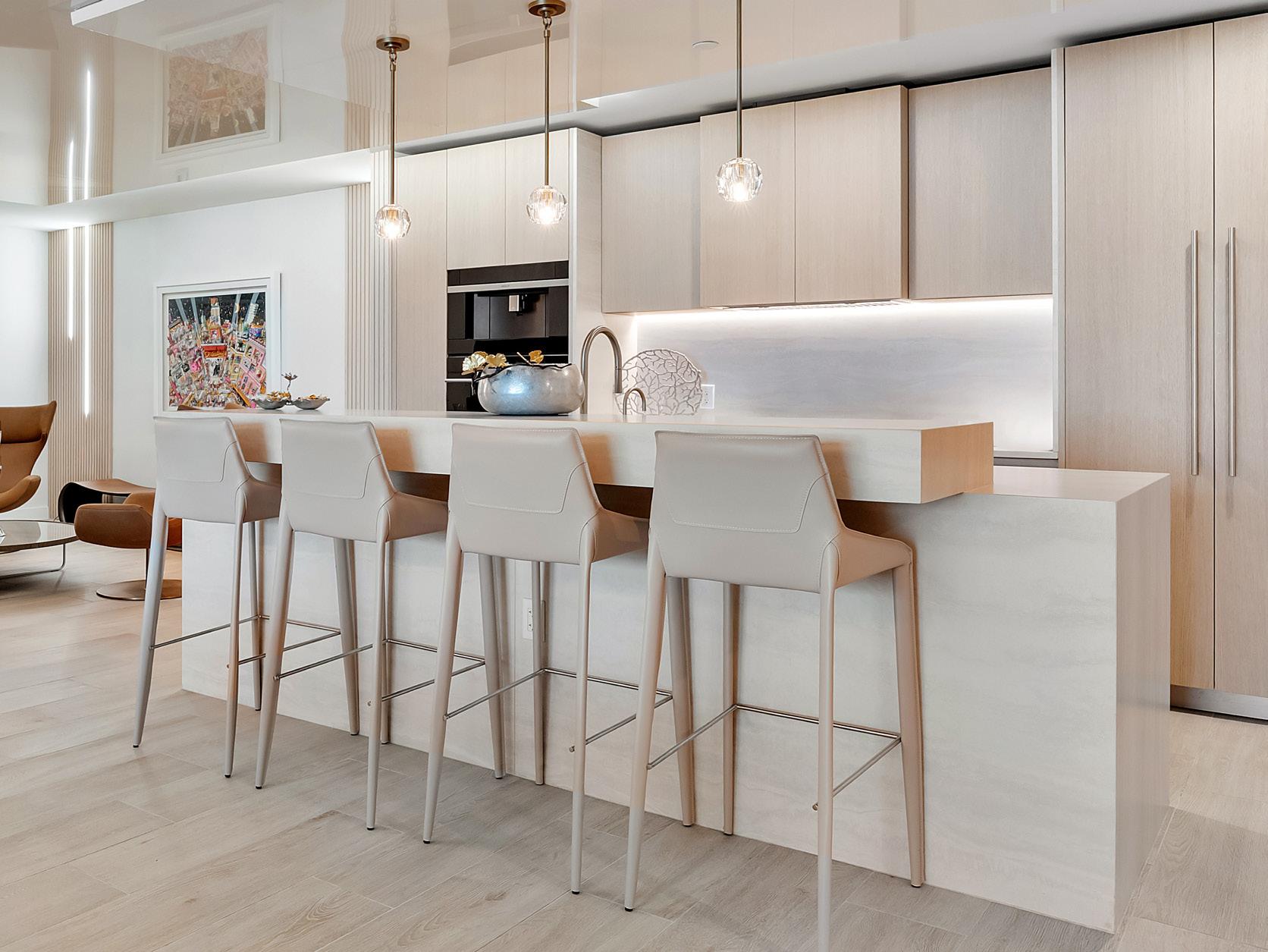
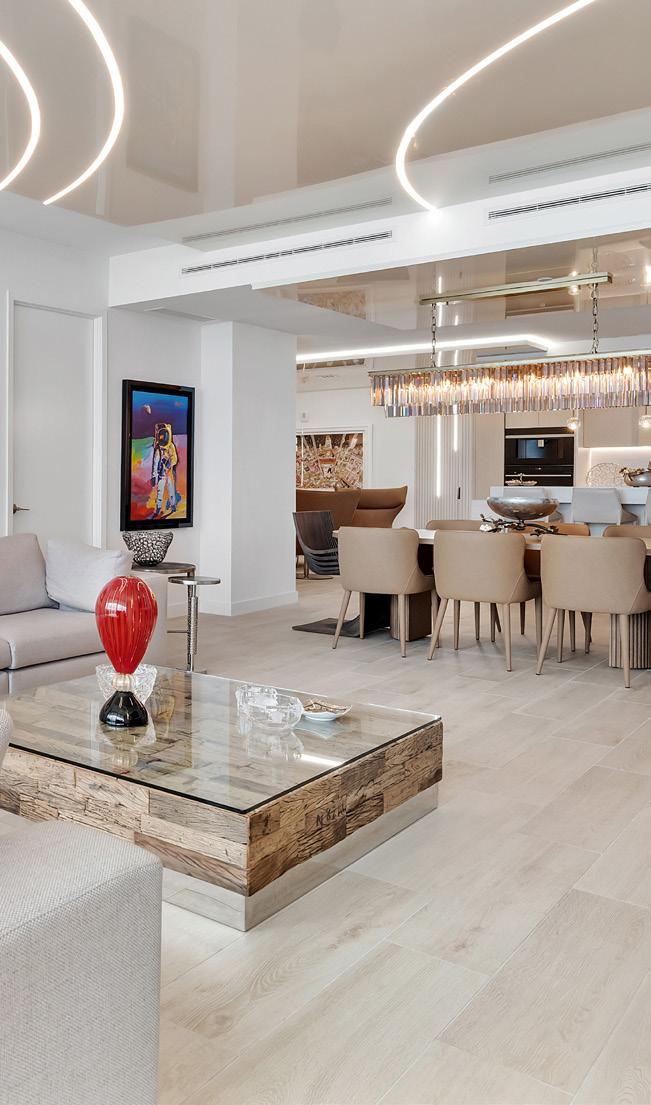
Materiales naturales en cálidos tonos de madera, mármol luminoso y metales cepillados aportan calidez orgánica al espacio, mientras que sillas esculturales en tonos coñac, una isla de cocina a medida y una cuidada decoración de acentos reflejan un glamour sofisticado y habitable: el maximalismo neutro en su máxima expresión. Muebles esculturales y detalles de techo a medida añaden dramatismo a todo el espacio. La distribución diáfana fluye armoniosamente desde la cocina al comedor, la sala de estar y la sala familiar, conectando cada zona y aportando una dimensión completa.
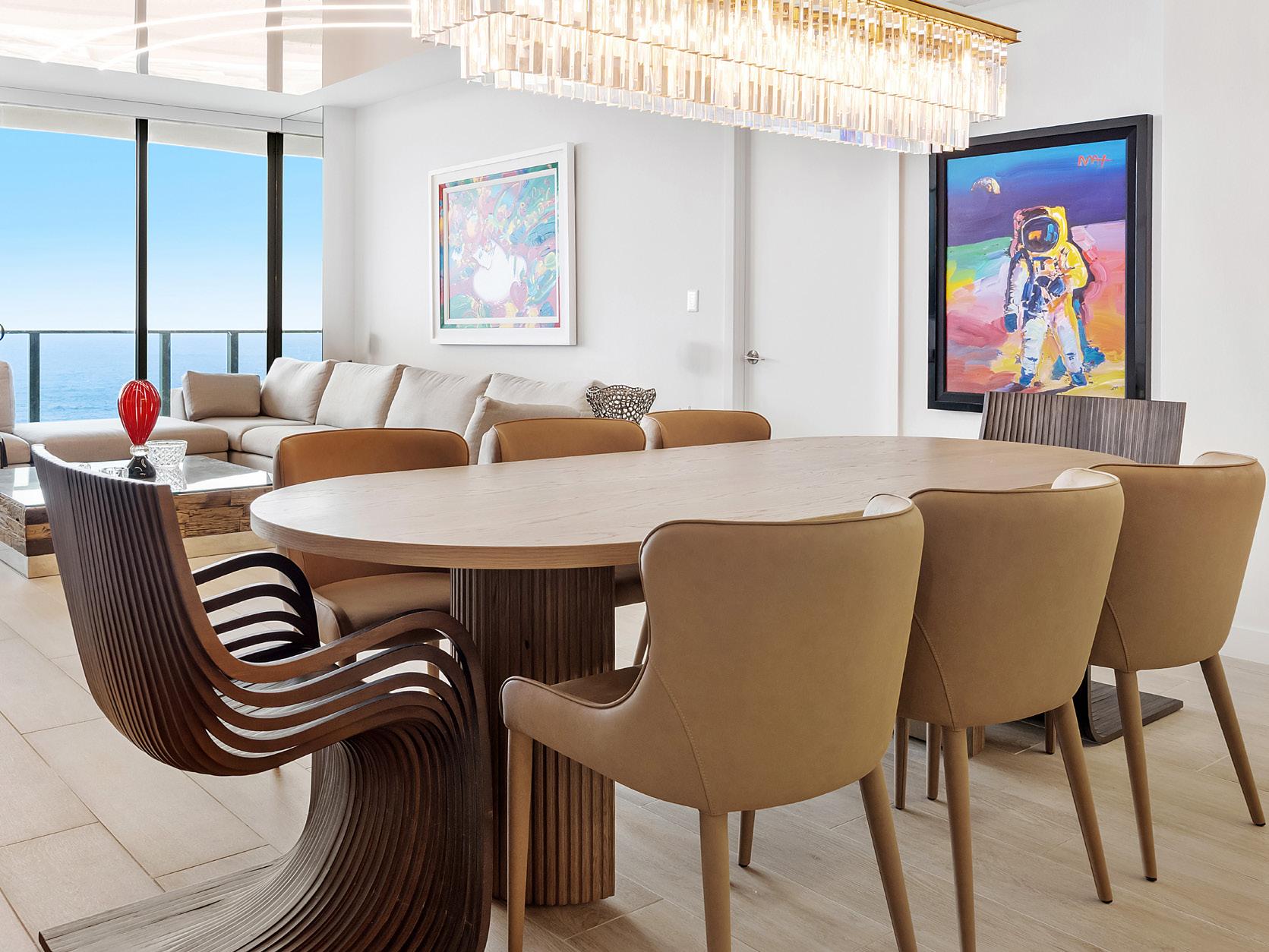
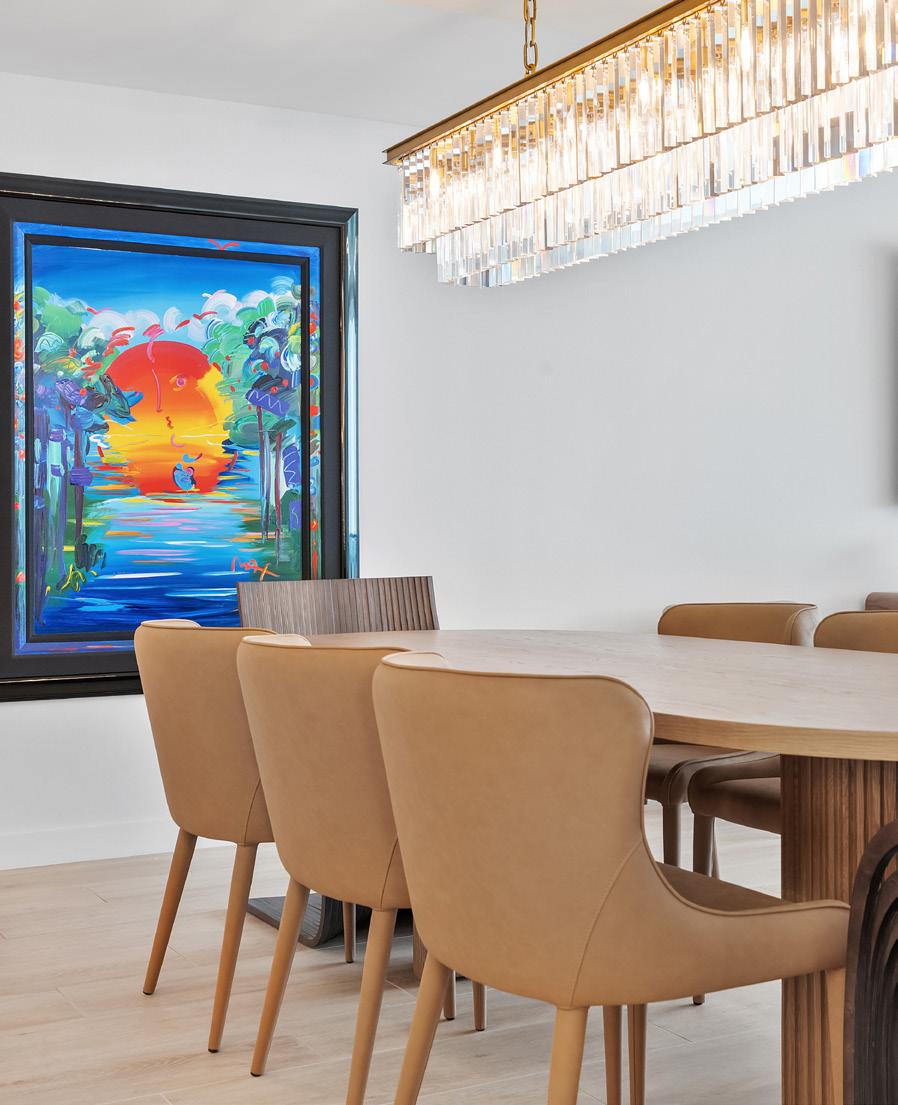
Luego vienen las paredes. Lienzos originales del legendario Peter Max, vibrantes, dinámicos y llenos de vida, dominan los espacios de la sala de estar y el comedor. Su atrevido colorido contrasta de forma impresionante con la cálida y sobria paleta de colores. Las célebres obras de arte pop en
3D de Fazzino añaden otra dimensión de personalidad y alegría, cada pieza extraída de la preciada colección del cliente. Aquí, el arte no es un simple adorno, es el alma del hogar.
«Aquí, el arte no es un adorno, es la arquitectura, el corazón, la esencia que hace que esta residencia sea irremplazable».
Una elegante cocina a medida con isla invita a recibir invitados con facilidad, mientras que una mesa de comedor escultural bajo una lámpara de araña de cristal crea un ambiente tan extraordinario como las obras maestras que la rodean.
La sala de estar, con el Atlántico abierto como telón de fondo, completa la magnífica atmósfera del hogar. Exclusiva, audaz y ubicada junto al mar, esta es la nueva versión del lujo frente al océano.
Este es el diseño de interiores como inversión, un espacio transformado no solo en estética, sino también en valor, significado y legado. En Casamar, el océano es el telón de fondo. El diseño es el destino.
Audaz. Personal.
Innovadora y a la vez perdurable, orgánica y glamurosa: la Residencia Casamar es la máxima expresión de la vida frente al mar a medida en su máxima expresión. Un lienzo en blanco, convertido en algo inolvidable.
Disfrute de un recorrido en video por este impresionante condominio de lujo en nuestro canal de YouTube: https://www. youtube.com/watch?v=z7eAxfyfHRo
www.perlalichi.com

How Perla Lichi transforms a blank oceanfront shell into a bespoke sanctuary where organic glamour, sculptural form, and artistry converge, proving that visionary design is the ultimate luxury investment.
From the entry’s very first impression to the panoramic horizon beyond the glass, nothing here is accidental, and nothing is ordinary. The vision is rooted in Organic Chic Glam — a design language that marries biophilic sensibility with gallery-worthy artistry. Feng Shui principles guide the spatial flow, ensuring every room breathes with ease and intention.
“Every element was chosen to honor the space, the light, and the life that would unfold within it.”
Natural materials in warm wood tones, luminous marble, and brushed metals ground the space in organic warmth, while cognac-toned sculptural chairs, a custom kitchen island, and hand-curated accent home decor speak to elevated, livable glamour, Neutral Maximalism at its best. Sculptural furniture and bespoke ceiling details add drama throughout, the open floor plan flowing seamlessly from kitchen to dining to living room and family room, each zone connected, each one complete.
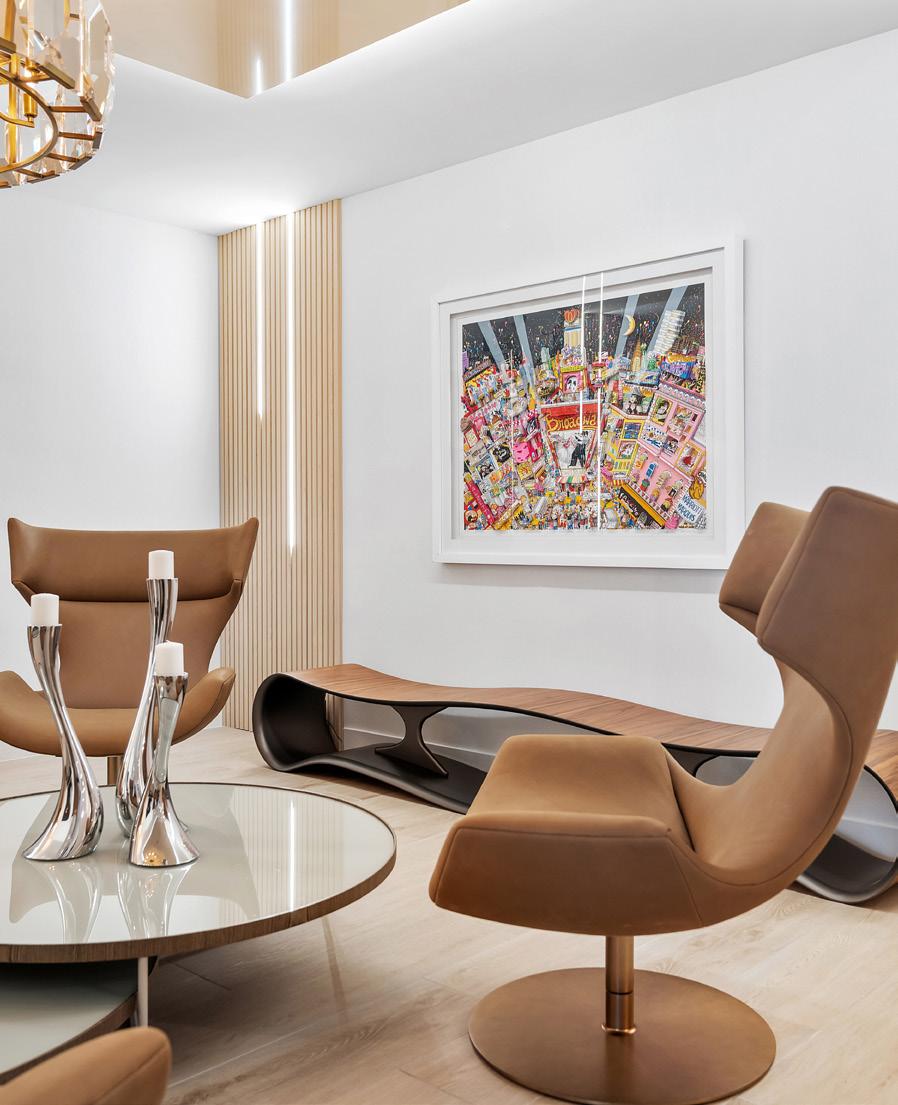
Then come the walls. Original canvases by the legendary Peter Max, electric, vivid, and dynamic, command the living and dining spaces, their bold color a breathtaking counterpoint to the warm, restrained palette. Fazzino’s celebrated 3D pop-art works add another dimension of personality and joy, each piece drawn from the client’s own cherished collection. Art here is not an accent, it is the soul of the home.
“Art here is not accent — it is the architecture, the heartbeat, the layer that makes this residence irreplaceable.”
A sleek custom kitchen and island invite effortless entertaining, while a sculptural dining table beneath a cascading crystal chandelier creates a setting as extraordinary as the masterworks surrounding it. The living room, anchored by the open Atlantic beyond the glass, brings it all magnificently home. Bespoke, bold, and entirely by the sea, this is oceanfront luxury, reimagined.
This is interior design as investment, a space transformed not merely in aesthetic but in value, in meaning, and in legacy. At Casamar, the ocean is the backdrop. The design is the destination.
Bold. Personal.
Innovative yet enduring, organic yet glamorous — the Casamar Residence is the full expression of bespoke oceanfront living at its most extraordinary. A blank canvas, made unforgettable.
Take a video tour of this stunning luxury condo on our YouTube channel: https://www.youtube.com/watch?v=z7eAxfyfHRo
www.perlalichi.com
21° 86°
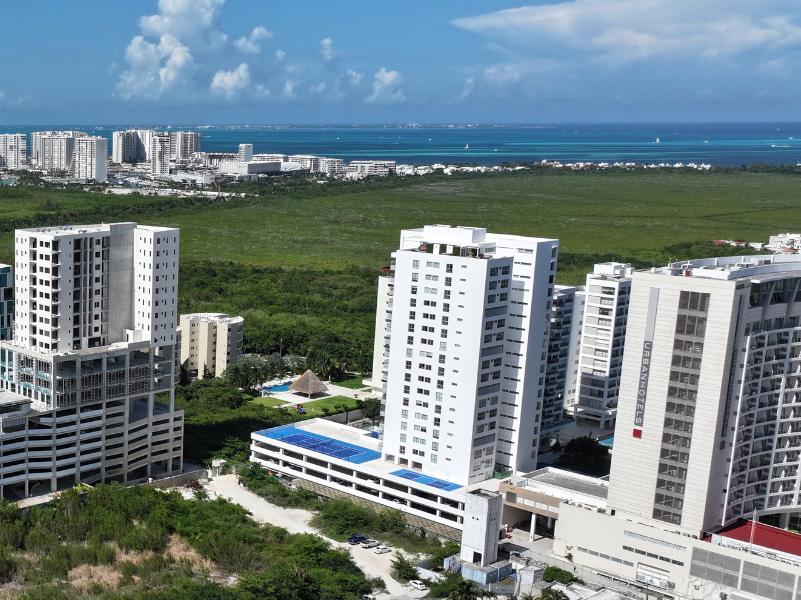
KUN 21°86°: Un nuevo ecosistema urbano
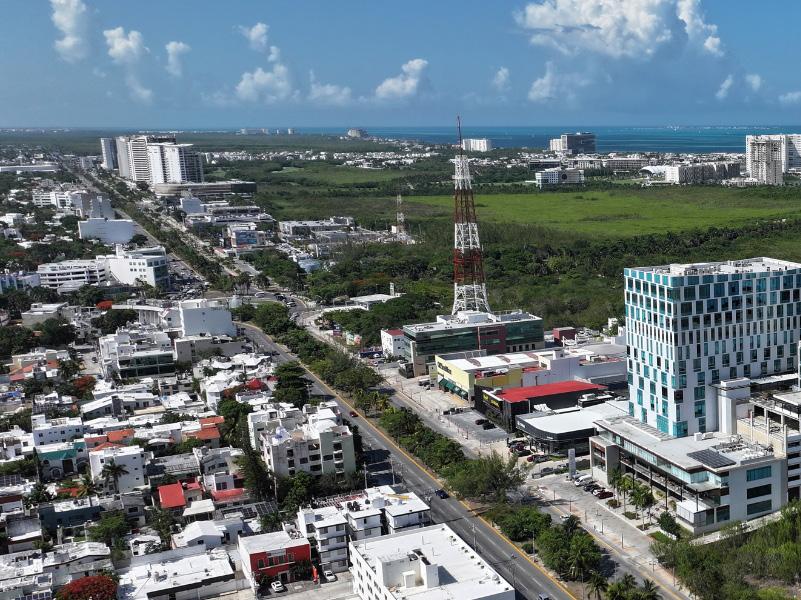
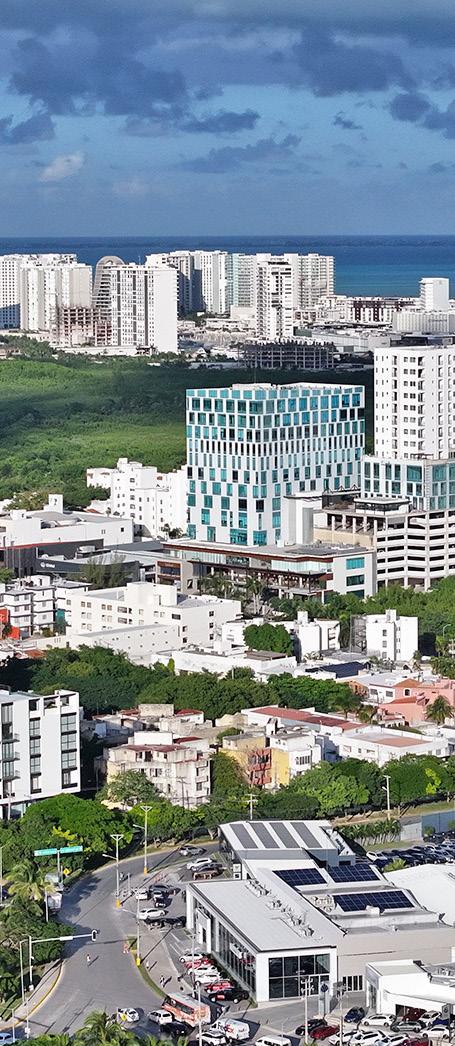
KUN 21°86° es un complejo de usos mixtos que integra locales comerciales, oficinas corporativas, consultorios médicos y sky residences, redefiniendo la forma de vivir, trabajar e invertir en Cancún.
Ubicado a minutos de la Zona Hotelera, el proyecto destaca por su conectvidad estratégica y su diseño funcional, alineado con el crecimiento urbano y económico de la ciudad. Su concepto ha generado un ecosistema atractvo impulsado por el auge del turismo médico, atrayendo a médicos locales, nacionales e internacionales que han decidido invertr y establecer su práctca dentro del desarrollo.
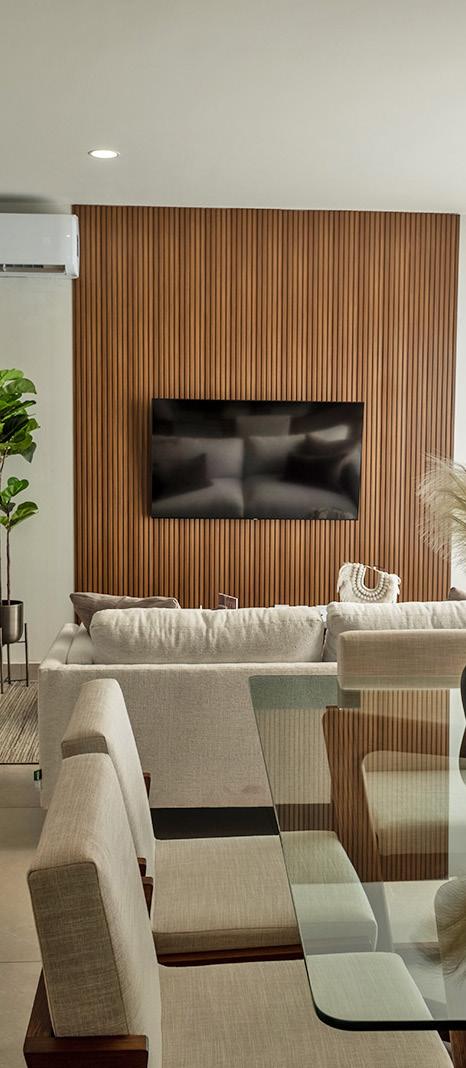
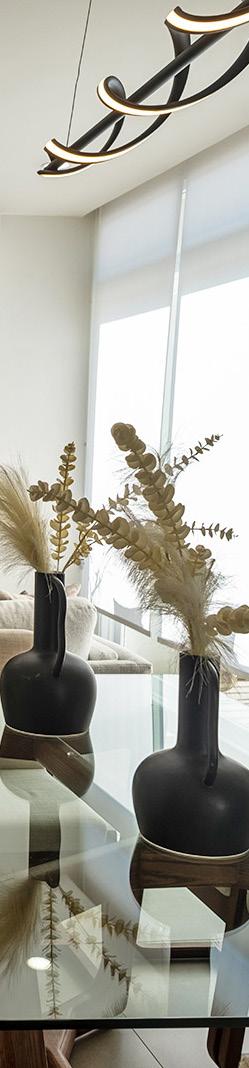
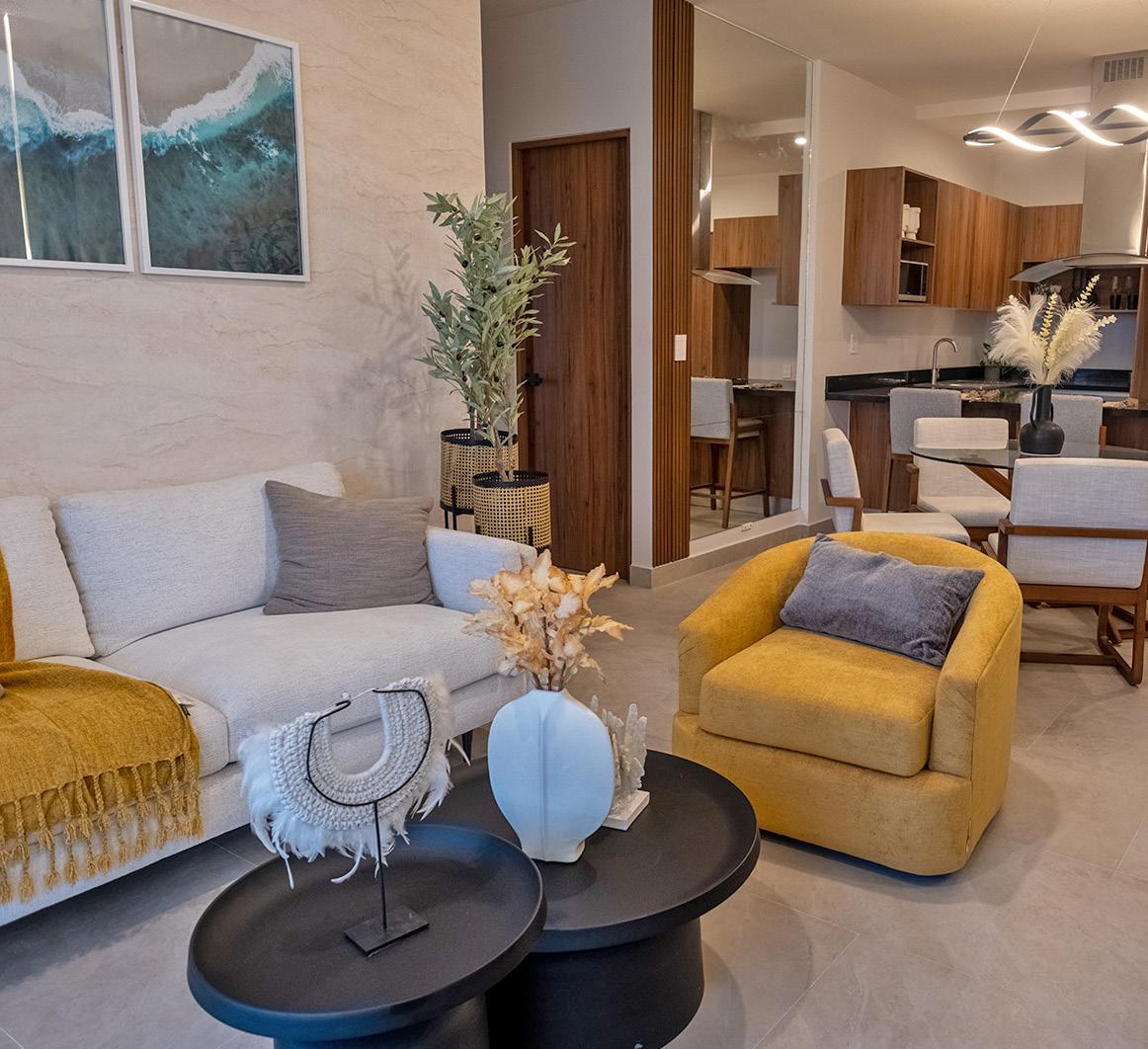
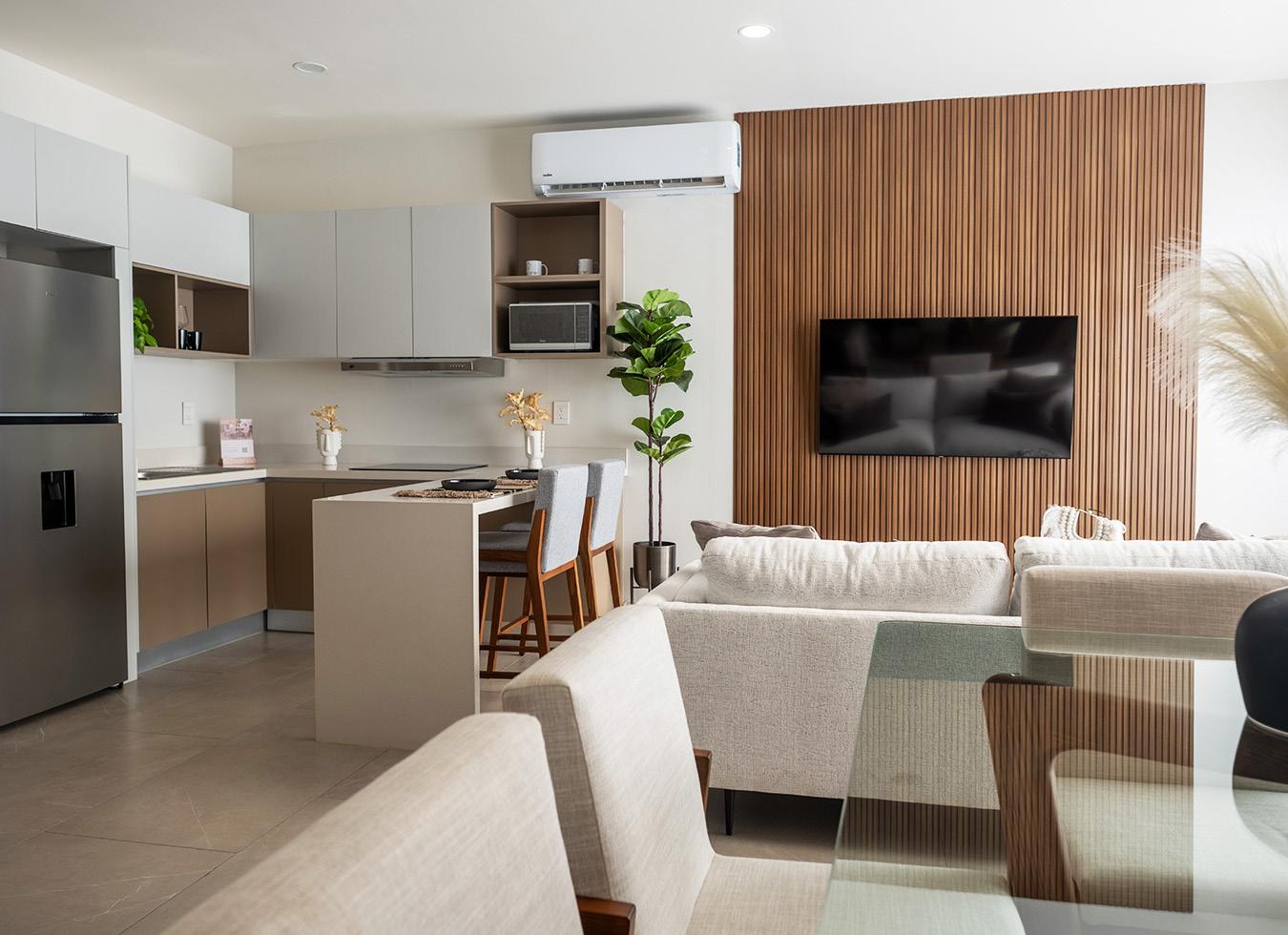
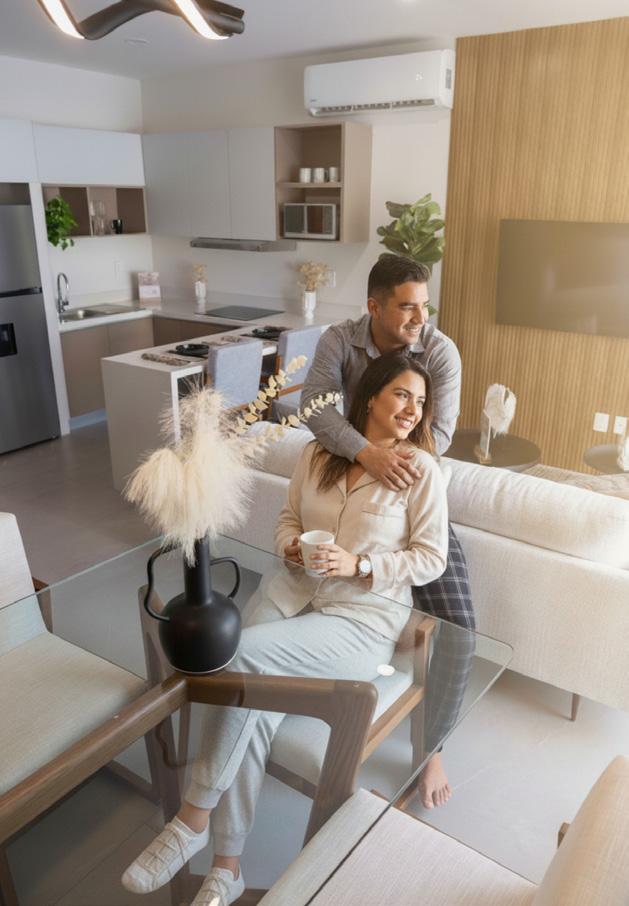
Las sky residences ofrecen acabados de lujo y amenidades como gimnasio, sport bar y un roofop en piso 20 con sky view, desde donde se disfrutan vistas al mar y a los atardeceres de Cancún.
KUN 21°86° representa una nueva visión de ciudad: inversión inteligente, comunidad profesional y estlo de vida elevado.
www.kun2186.com

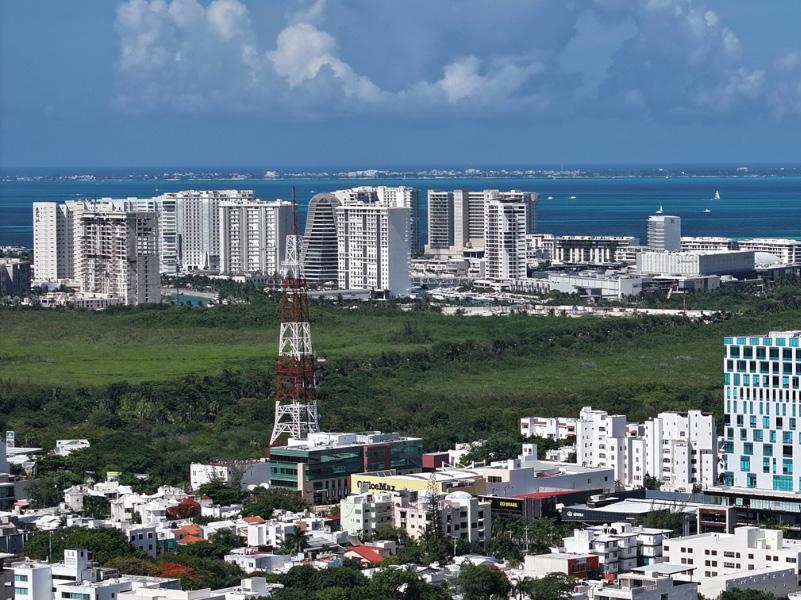
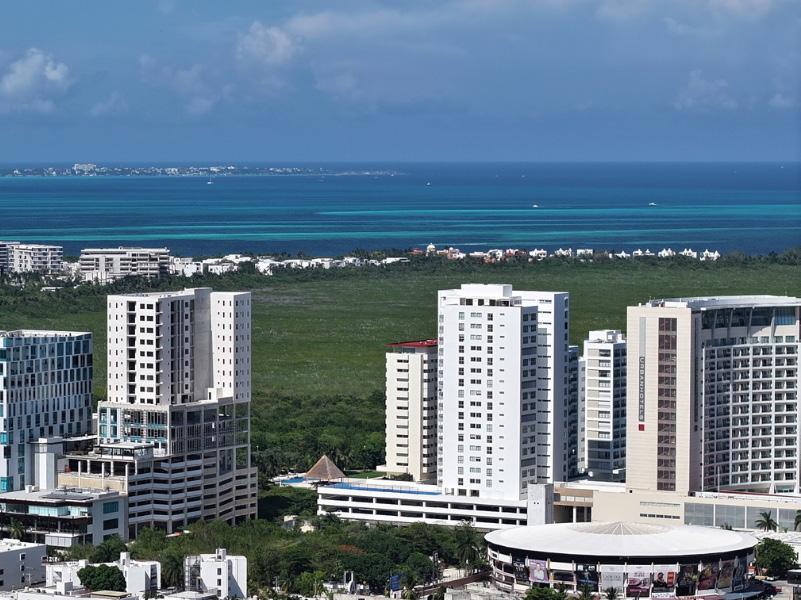
KUN 21°86° is a mixed-use complex combining retail spaces, corporate offices, medical suites, and sky residences, redefining how people live, work, and invest in Cancún.
Located minutes from the Hotel Zone, the project stands out for its strategic connectvity and functonal design. Its concept has fostered a thriving ecosystem driven by the growth of medical tourism, atractng local, natonal, and internatonal physicians who have chosen to invest and establish their practces within the development.
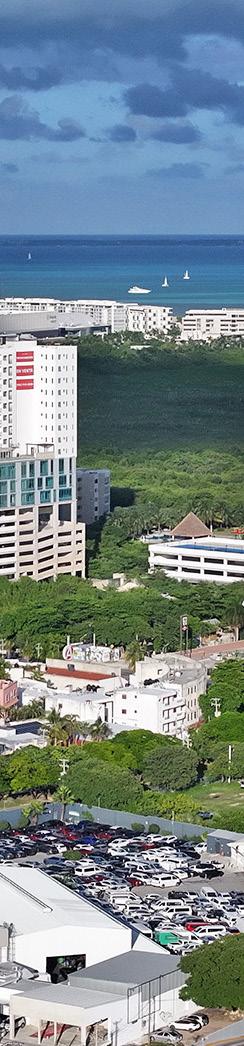
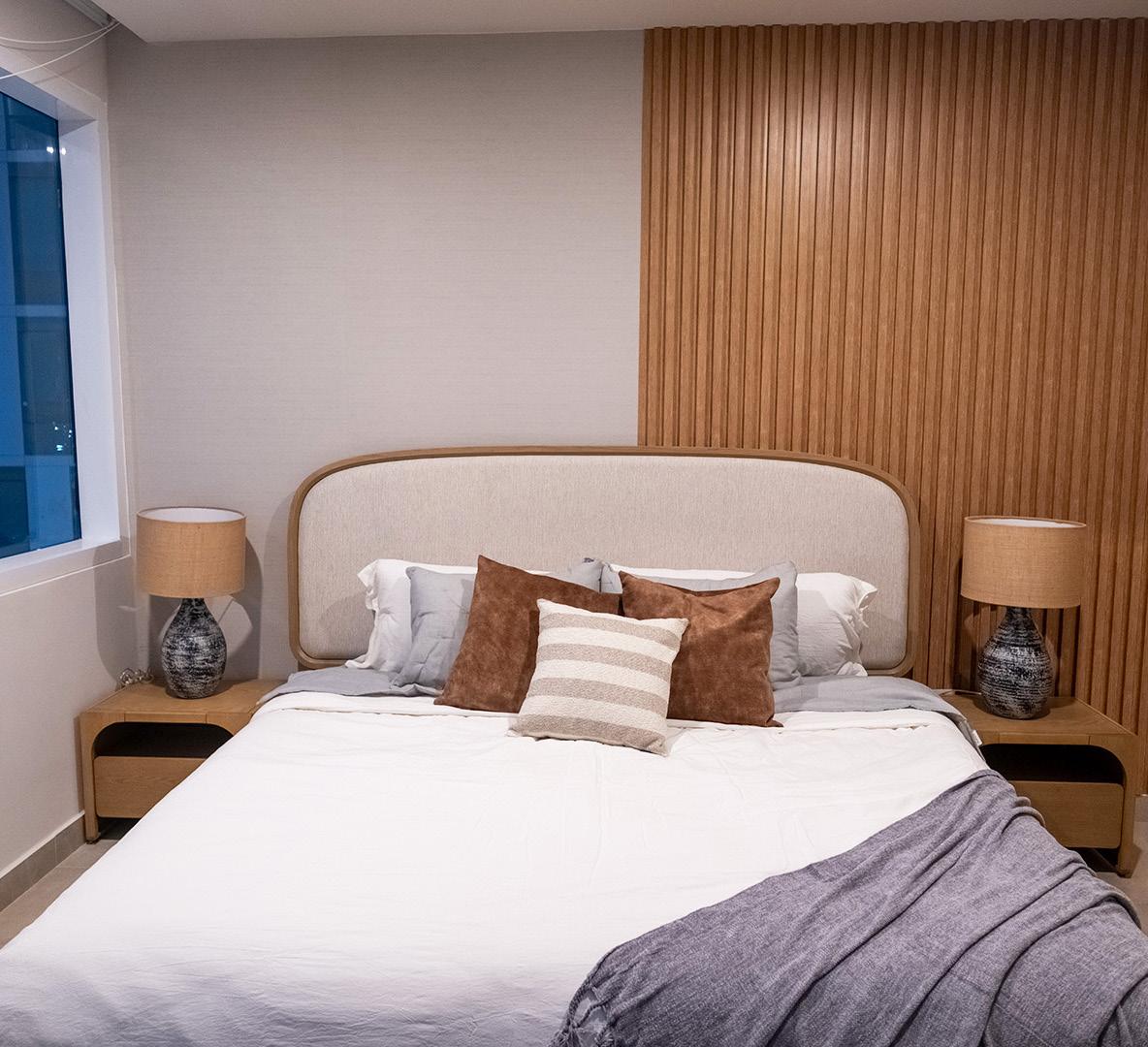
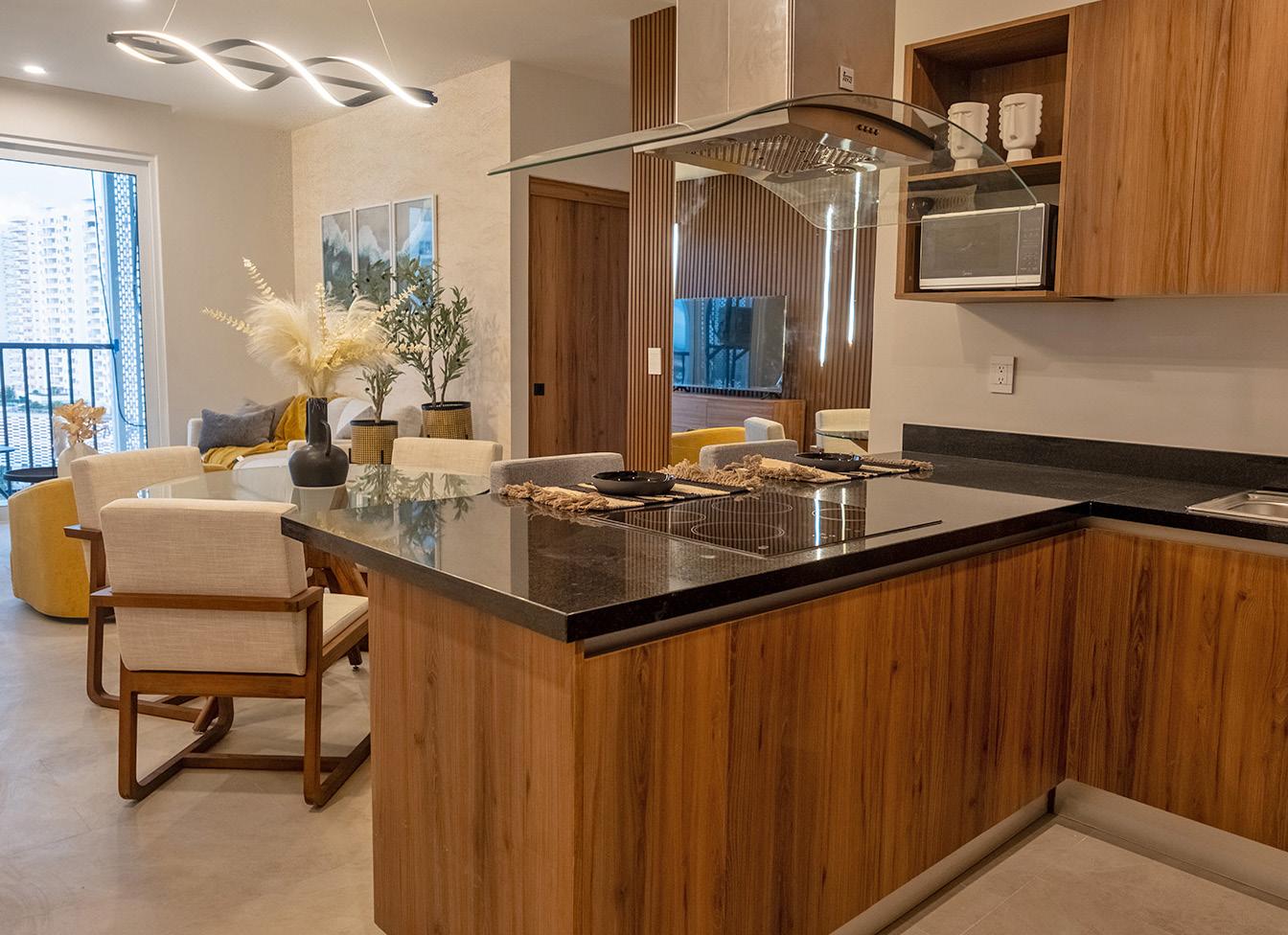
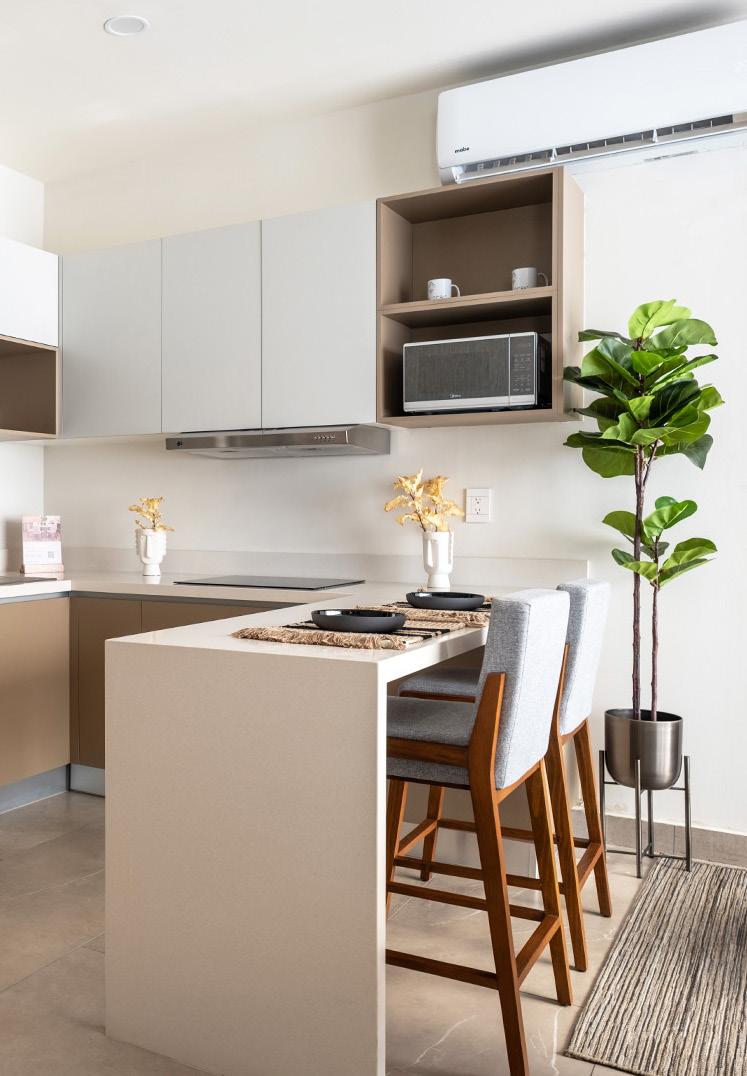
The sky residences feature premium fnishes and amenites including a gym, sports bar, and a 20th-foor roofop with sky views, ofering panoramic views of the sea and Cancún sunsets.
KUN 21°86° refects a modern vision of urban living and longterm value.
www.kun2186.com
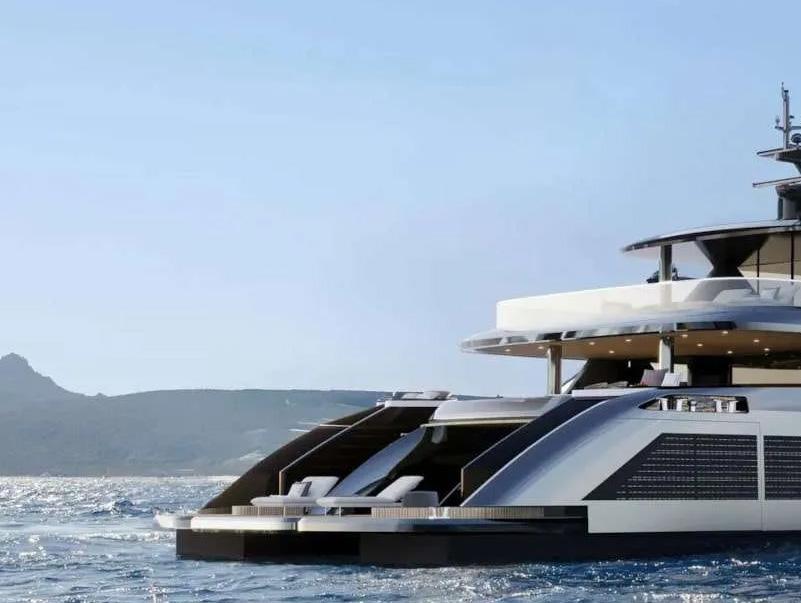
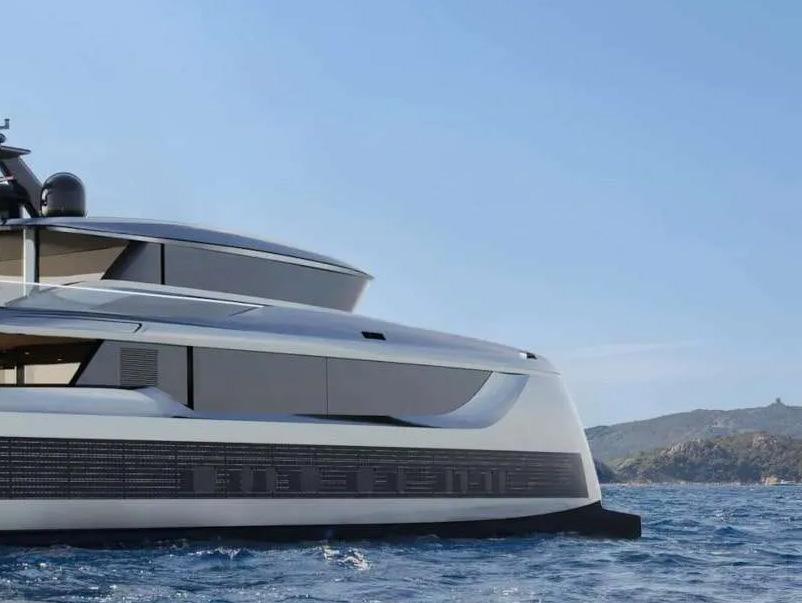
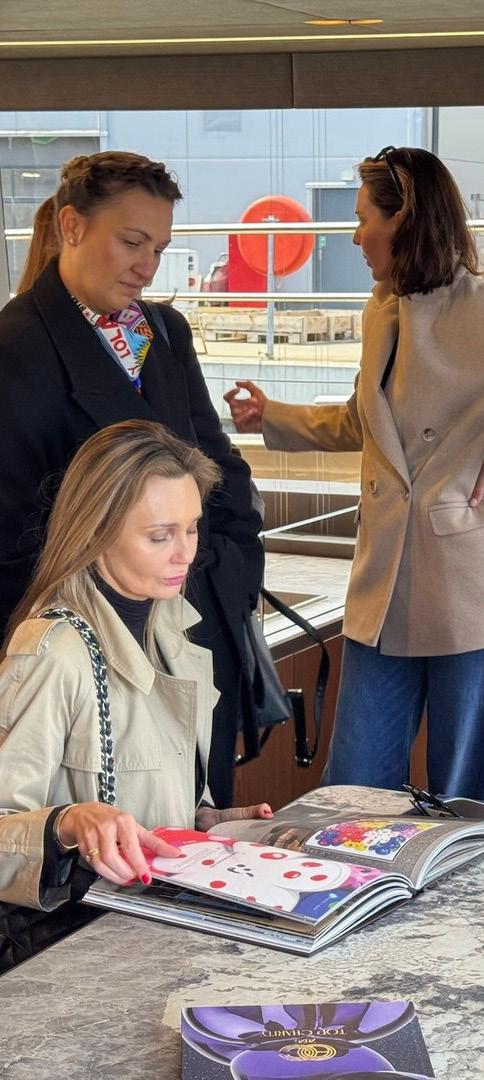
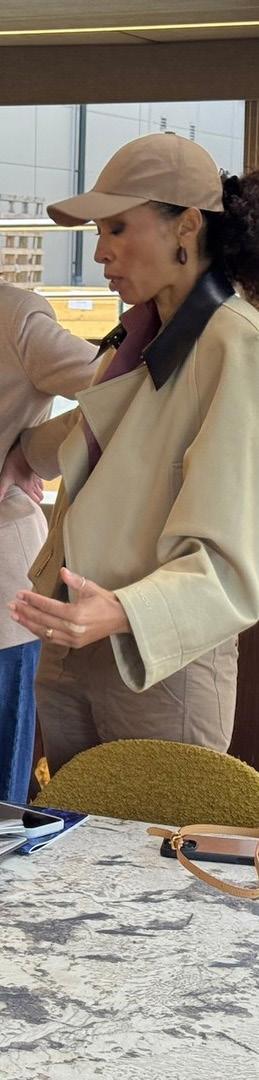
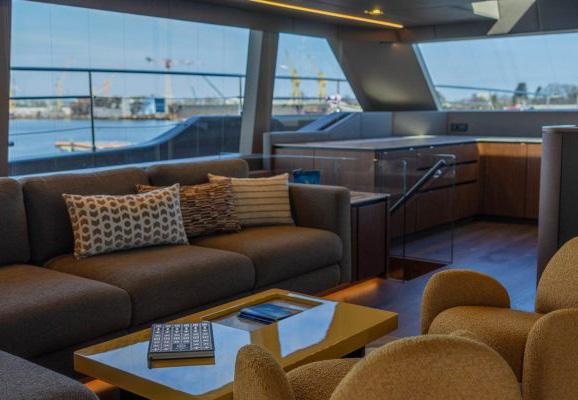
Sunreef Yachts ha lanzado el Art Cat ASANTE, un catamarán concebido como una plataforma flotante que combina navegación, arte contemporáneo y filantropía.
El proyecto se creó en colaboración con Omenaa Mensah, fundadora de la Fundación OmenaArt y la Galería Phenomenaa, y promotora del arte africano en Europa. Esta iniciativa introduce un nuevo concepto en el que un yate no solo sirve como embarcación de recreo, sino también como espacio de exposición.


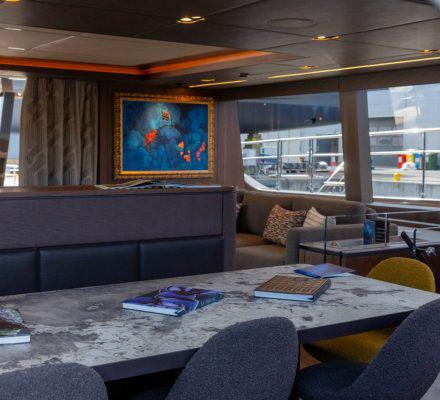
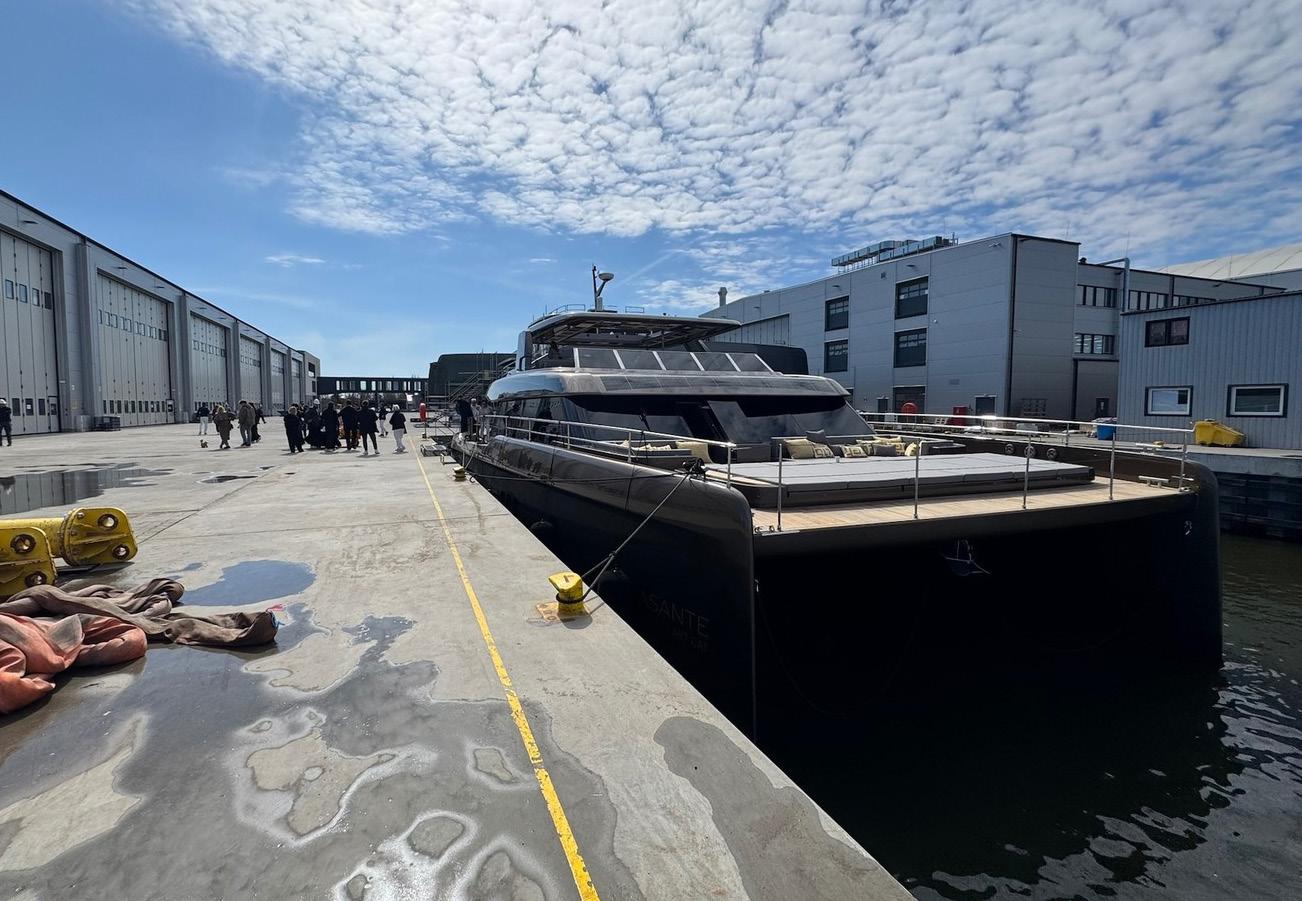
El Art Cat ASANTE funciona como una galería de arte flotante, integrando obras de arte contemporáneo en el entorno a bordo. El concepto busca crear un espacio donde el arte se convierta en parte integral de la experiencia náutica, al tiempo que apoya iniciativas culturales más amplias.
Además de su dimensión artística, el proyecto incorpora un componente filantrópico. Una parte de los ingresos generados por esta iniciativa se destinará a apoyar actividades benéficas vinculadas a la Fundación OmenaArt.
El lanzamiento del Art Cat ASANTE marca el inicio de una colaboración entre Sunreef Yachts y Omenaa Mensah, centrada en el desarrollo de proyectos que combinan diseño, arte e impacto social. www.sunreef-yachts.com

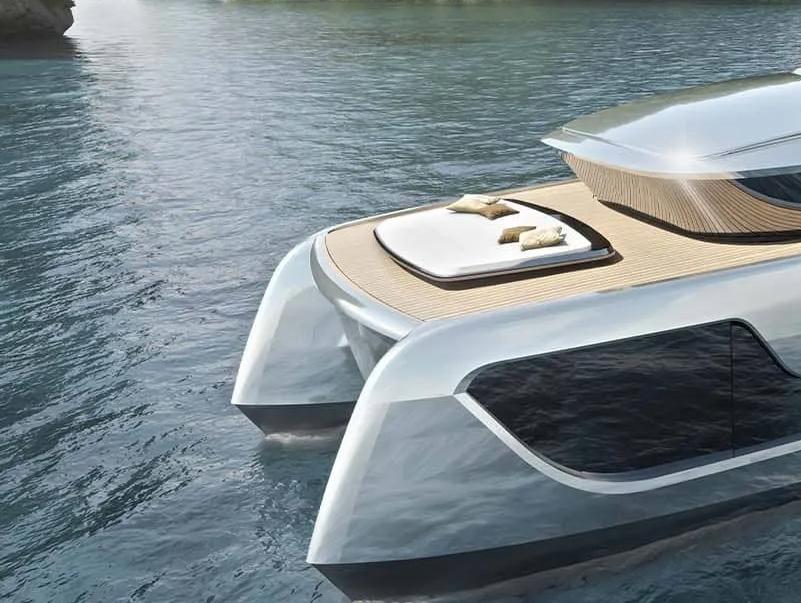
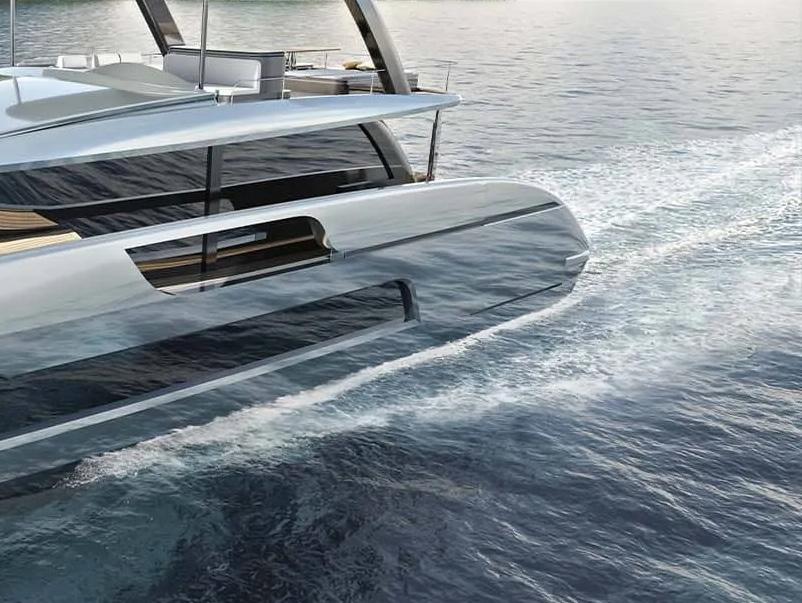
Sunreef Yachts has launched the Art Cat ASANTE, a catamaran developed as a floating platform combining yachting, contemporary art, and philanthropy. The project was created in collaboration with Omenaa Mensah, founder of the OmenaArt Foundation and Phenomenaa Gallery, and an advocate for African art in Europe. The initiative introduces a new concept in which a yacht serves not only as a leisure vessel but also as a curated exhibition space.
Art Cat ASANTE functions as a floating art gallery, integrating contemporary artworks into the onboard environment. The concept aims to create a setting where art becomes an integral part of the yachting experience, while also supporting broader cultural initiatives.

In addition to its artistic dimension, the project incorporates a philanthropic component. A portion of the proceeds associated with the initiative is intended to support charitable activities linked to the OmenaArt Foundation.
The launch of Art Cat ASANTE marks the beginning of a collaboration between Sunreef Yachts and Omenaa Mensah, focused on developing projects at the intersection of design, art, and social impact.
www.sunreef-yachts.com



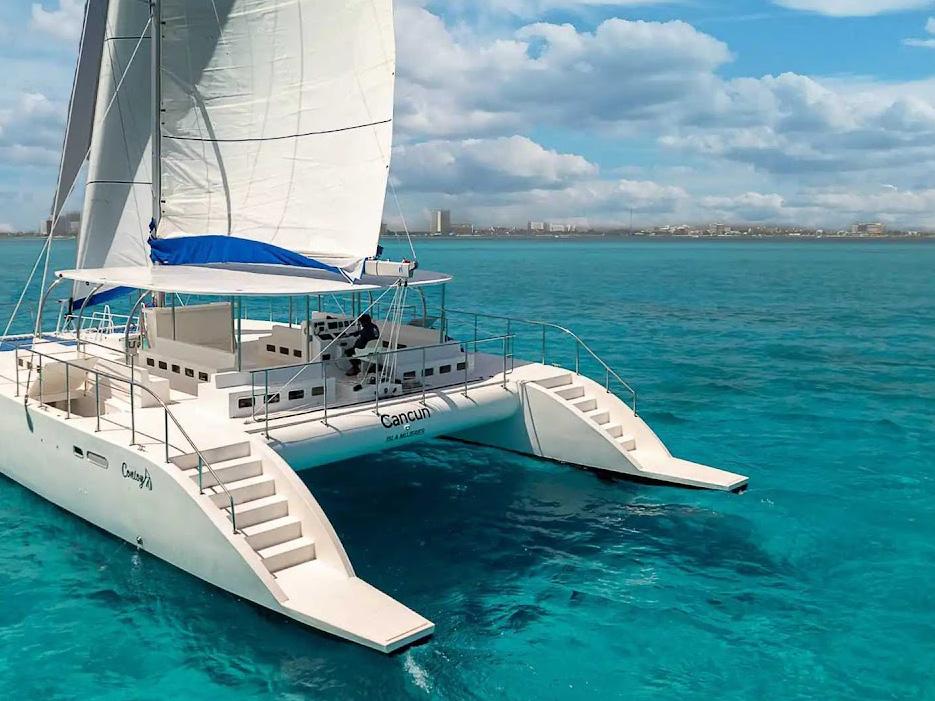
Cunmaranes la mejor opción para disfrutar de un día espectacular navegando por las aguas turquesa del Caribe Mexicano, Los invitamos a disfrutar una inolvidable travesía rumbo a la hermosa Isla Mujeres, una isla llena de historia, cultura y misticismo. Isla Mujeres dedicada a honrar a la Diosa Ixchel, la diosa maya del amor, la fertilidad y la luna, que podrás visitar en Punta Sur.
Nuestro equipo de profesionales se encargará de brindarle un servicio de excelencia para que viva una experiencia única de principio a fin. El tour inicia con una parada para hacer snorkel y disfrutar el espectáculo que ofrece el Museo Musa, único en su especie, incluye barra libre durante toda la navegación, comida buffet en restaurante en la Isla disfrutando la gastronomía local.

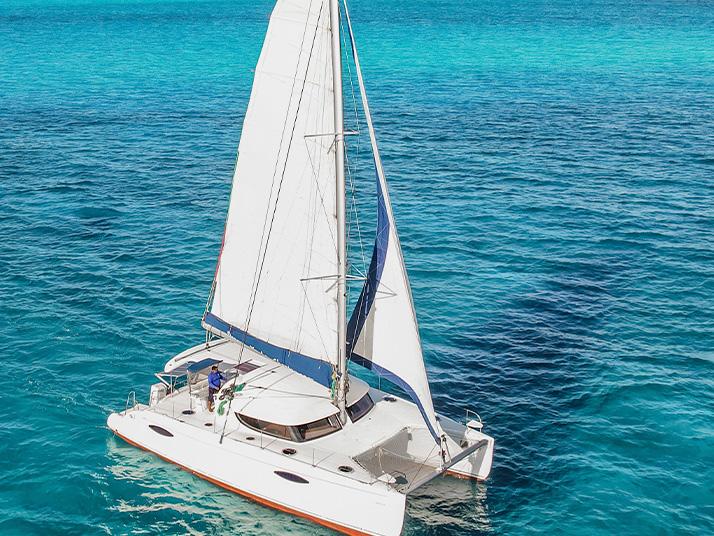
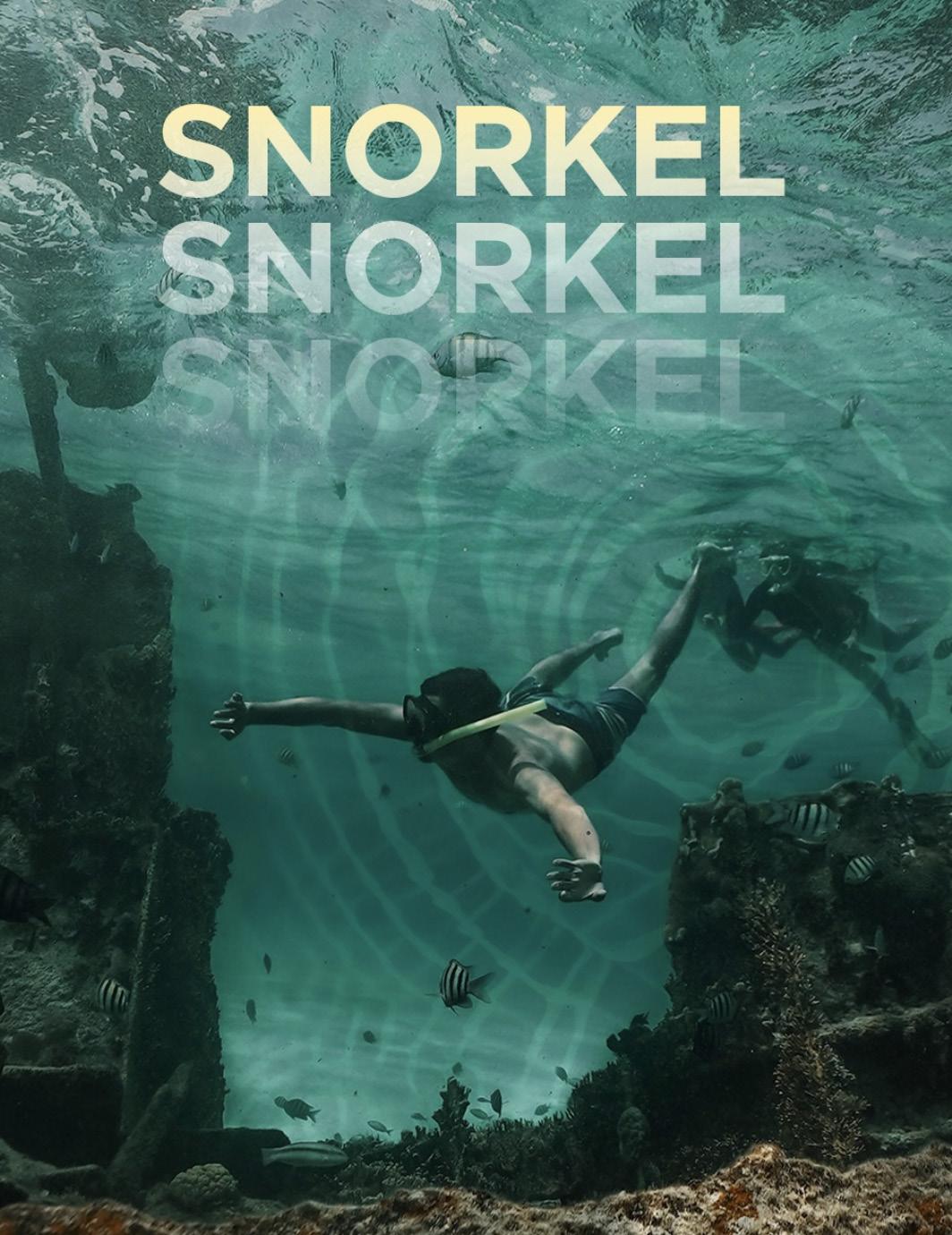
Además, tendrán la oportunidad de admirar los impresionantes arrecifes de Isla Mujeres, que forman parte del Sistema Arrecifal Mesoamericano, la segunda barrera de arrecifes más grande del mundo. Podrá descubrir la extraordinaria riqueza marina del Caribe Mexicano, explorar el encantador pueblo de la isla, convivir con sus habitantes y adquirir artesanías y recuerdos típicos de la región.
Los invitamos a descubrir la magia de navegar en catamarán sobre las cristalinas aguas turquesa de Cancún rumbo a Isla Mujeres. Disfruta de un día lleno de diversión, relajación y aventura, acompañado de una excelente tripulación que hará de cada momento una experiencia única.
https://sites.google.com/view/cunmaran-digitales/inicio
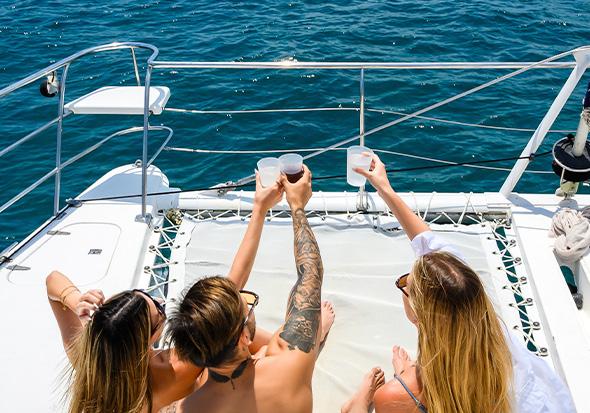
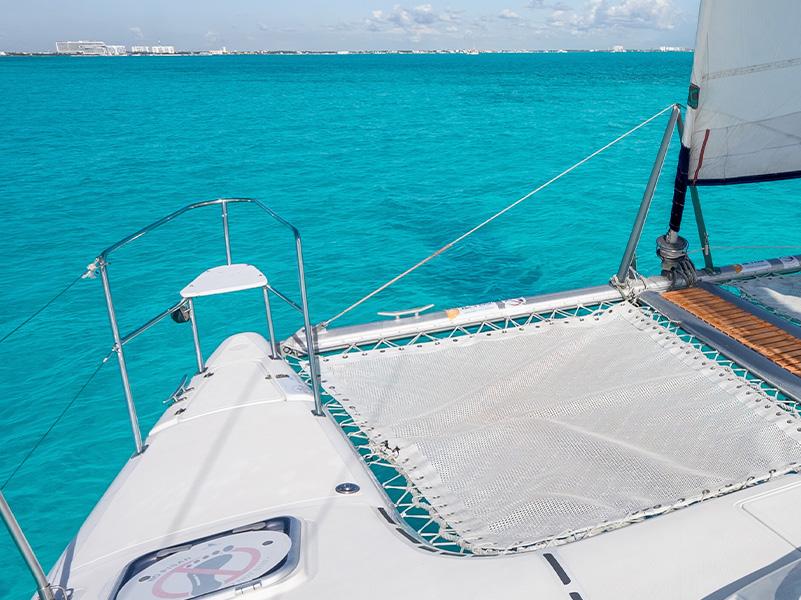
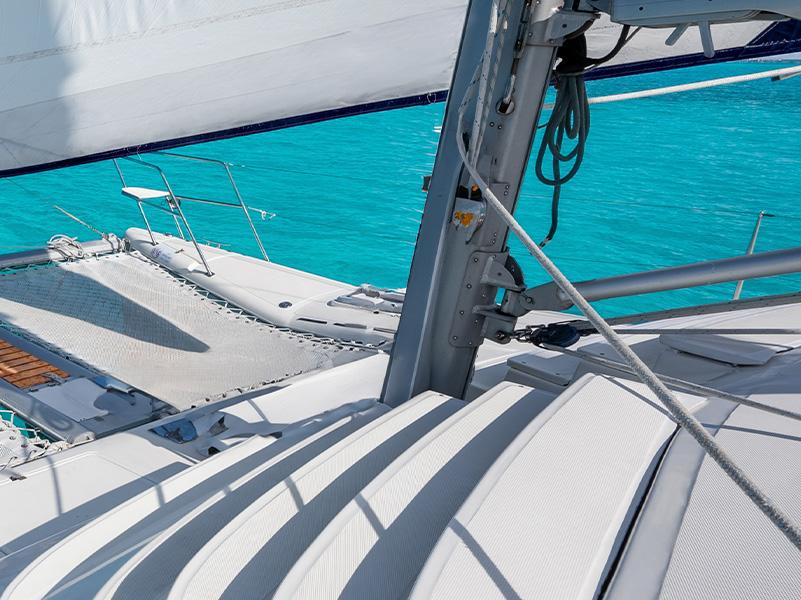
Cunmaran is the best choice for enjoying a spectacular day sailing through the turquoise waters of the Mexican Caribbean. We invite you to embark on an unforgettable journey to beautiful Isla Mujeres, an island rich in history, culture, and mysticism. Isla Mujeres was dedicated to honoring Ixchel, the Mayan goddess of love, fertility, and the moon. You can visit her sacred site at Punta Sur, one of the island’s most iconic landmarks.
Our team of professionals is committed to providing outstanding service, ensuring you enjoy a unique and memorable experience from beginning to end. The tour starts with a snorkeling stop where you can admire the incredible underwater sculptures of the MUSA Underwater Museum, a one-of-a-kind attraction. The experience also includes an open bar throughout the sailing trip and a delicious buffet lunch at a restaurant on the island, where you can savor local cuisine and flavors.


In addition, you will have the opportunity to admire the stunning reefs surrounding Isla Mujeres, which are part of the Mesoamerican Reef System, the second-largest barrier reef in the world. Discover the extraordinary marine life of the Mexican Caribbean, explore the island’s charming downtown area, interact with its friendly residents, and shop for local handicrafts and traditional souvenirs.
We invite you to discover the magic of sailing aboard a catamaran across the crystal-clear turquoise waters of Cancun on your way to Isla Mujeres. Enjoy a day filled with fun, relaxation, and adventure, accompanied by an excellent crew dedicated to making every moment truly unforgettable. https://sites.google.com/view/cunmaran-digitales/inicio
Verónica Guerra
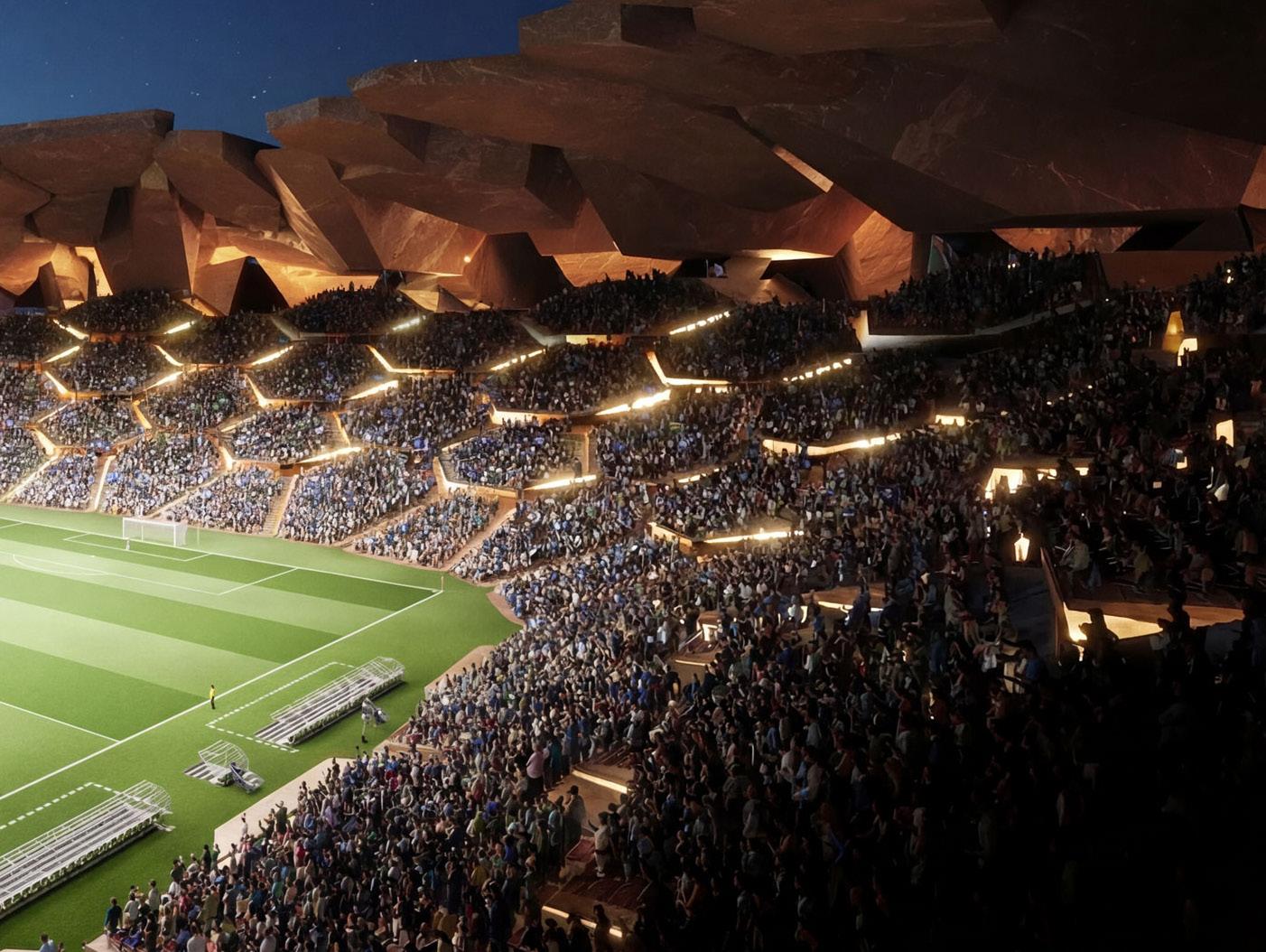
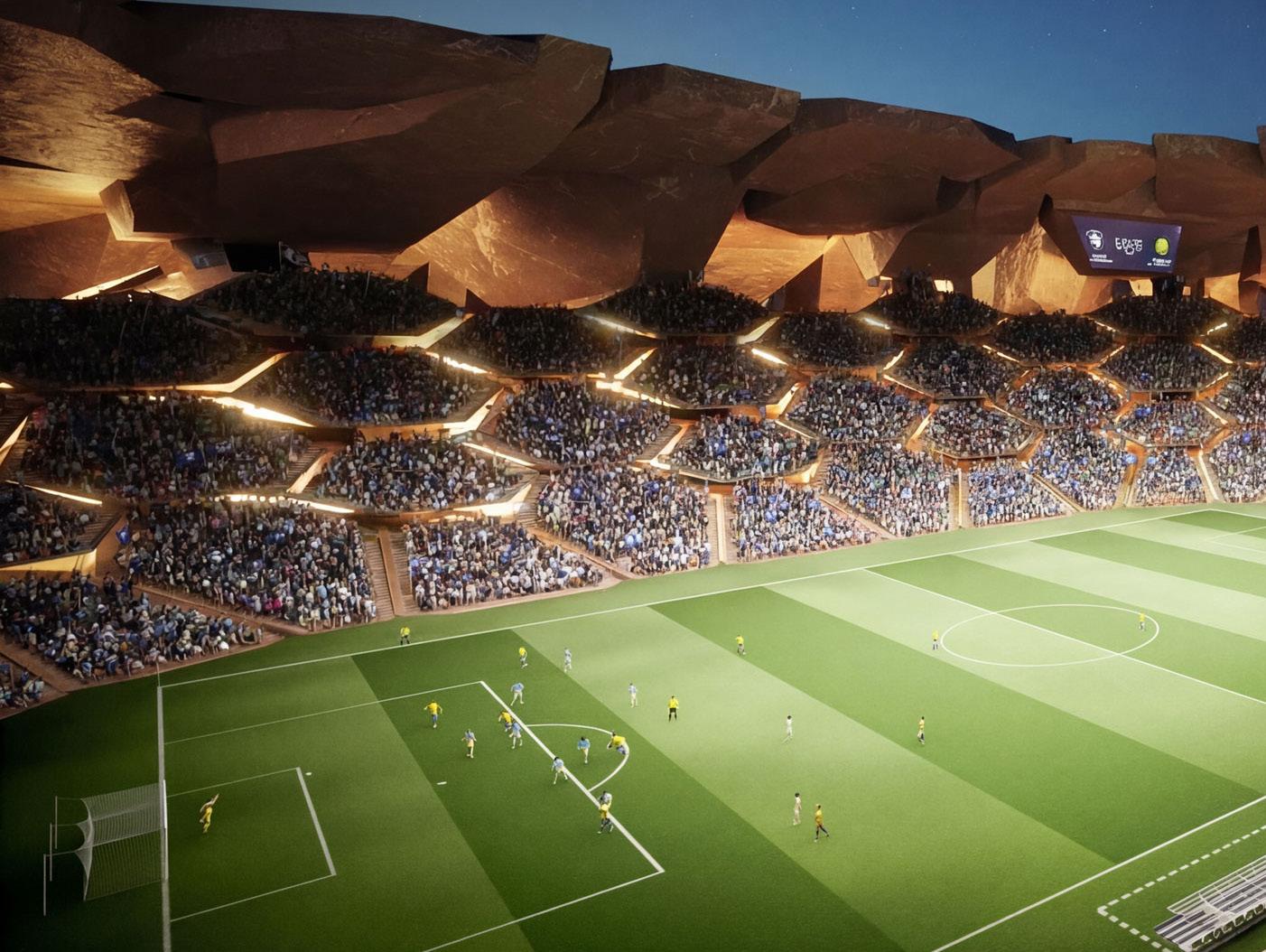
Pocas experiencias tienen la capacidad de unir al planeta como una Copa del Mundo. Más allá de los resultados y los trofeos, el futbol se convierte en un lenguaje universal capaz de conectar culturas, generaciones y emociones en una celebración sin precedentes.A medida que el mundo dirige su mirada hacia la próxima Copa Mundial de Futbol, la expectativa crece en cada rincón del planeta.
Millones de aficionados se preparan para vivir una experiencia donde la pasión, el talento y el espíritu de competencia se convierten en protagonistas de una historia compartida por naciones enteras.El Mundial representa mucho más que un torneo deportivo. Es una plataforma global donde convergen tradición, innovación, turismo, cultura y desarrollo económico. Las ciudades anfitrionas se transforman en vitrinas internacionales que muestran al mundo su riqueza cultural, su hospitalidad y su visión de futuro.La edición que se avecina promete marcar un nuevo capítulo en la historia del deporte. Estadios de última generación, tecnologías innovadoras y una audiencia global sin precedentes convertirán a este acontecimiento en uno de los eventos más vistos y esperados del planeta.

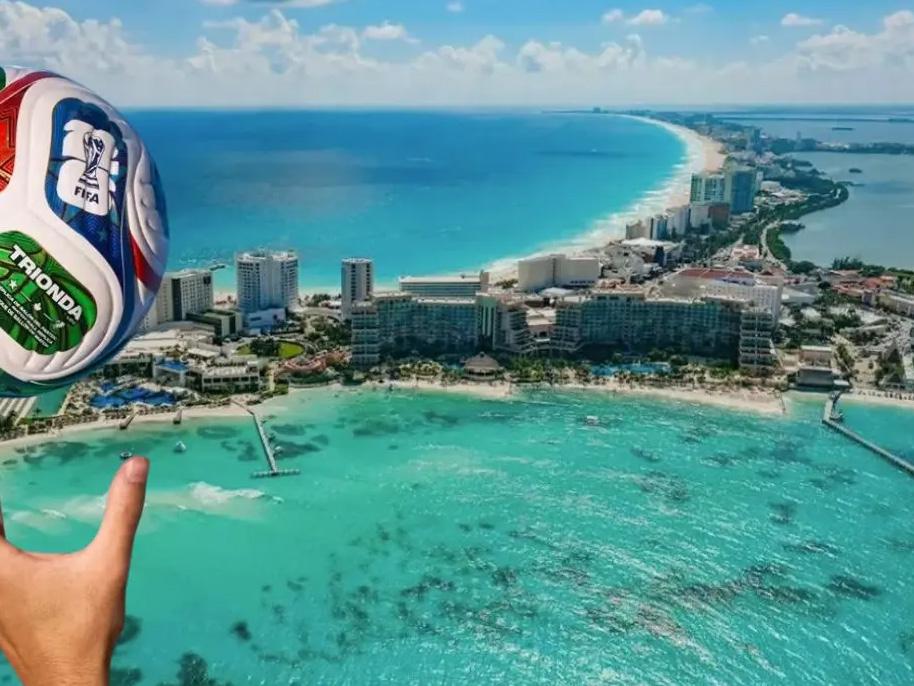

Cada partido será una oportunidad para escribir nuevas historias de gloria, esfuerzo y superación.En el marco de nuestro 25 aniversario, D´CASA INTERNATIONAL MAGAZINE celebra los valores que el futbol comparte con el éxito empresarial y personal: disciplina, trabajo en equipo, liderazgo, perseverancia y la capacidad de perseguir grandes sueños. Son principios que inspiran tanto a los campeones del deporte como a quienes construyen proyectos extraordinarios en cualquier ámbito de la vida.Hoy, cuando la cuenta regresiva hacia el Mundial continúa avanzando, recordamos que el verdadero legado de este deporte no se encuentra únicamente en los campeonatos obtenidos, sino en su capacidad para inspirar, emocionar y unir a la humanidad bajo una misma pasión.Porque durante noventa minutos el mundo puede detenerse, pero el espíritu de millones de personas late al mismo ritmo.
D´CASA INTERNATIONAL MAGAZINE 25 Años Celebrando la Excelencia, el Lujo y el Éxito. ¡Sé parte del éxito!

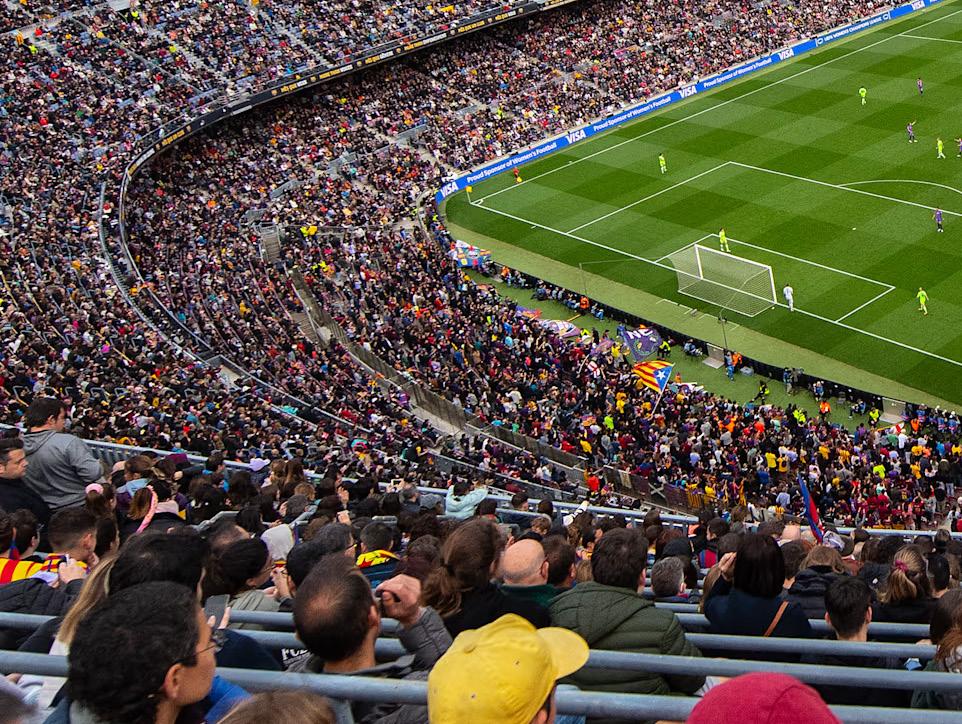
Verónica Guerra
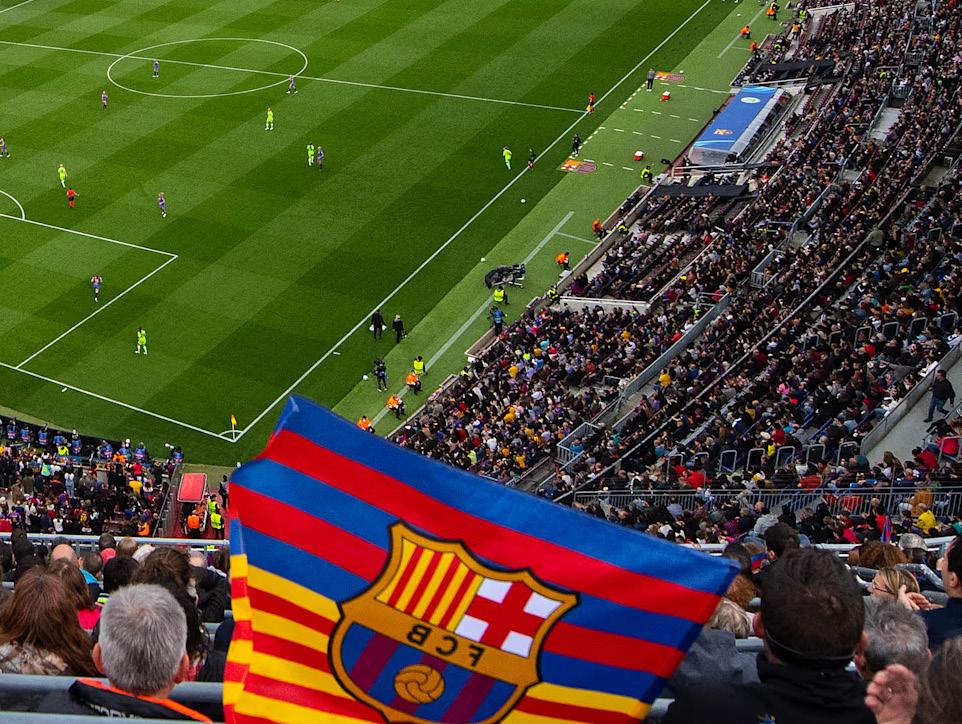
Few experiences possess the power to unite the world quite like the FIFA World Cup. Beyond the scores and trophies, football becomes a universal language capable of connecting cultures, generations, and emotions in an unparalleled global celebration.As the world turns its attention toward the upcoming FIFA World Cup, anticipation continues to grow in every corner of the globe. Millions of fans are preparing to experience an event where passion, talent, and competitive spirit take center stage in a story shared by entire nations.The World Cup represents far more than a sporting tournament. It is a global platform where tradition, innovation, tourism, culture, and economic development converge. Host cities become international showcases, presenting their cultural richness, hospitality, and vision for the future to the world.The upcoming edition promises to mark a new chapter in the history of sport. State-of-the-art stadiums, innovative technologies, and an unprecedented global audience will transform this event into one of the most watched and antici-



pated spectacles on the planet. Every match will provide an opportunity to create new stories of glory, determination, and achievement.As we celebrate our 25th Anniversary, D’CASA INTERNATIONAL MAGAZINE honors the values that football shares with personal and professional success: discipline, teamwork, leadership, perseverance, and the courage to pursue ambitious dreams. These principles inspire not only sports champions but also those who build extraordinary projects in every area of life.Today, as the countdown to the World Cup continues, we are reminded that the true legacy of this sport is not found solely in the championships won, but in its remarkable ability to inspire, excite, and unite humanity through a shared passion.For ninety minutes, the world may stand still, but the hearts of millions beat as one.D’CASA INTERNATIONAL MAGAZINE 25 Years Celebrating Excellence, Luxury, and Success. Be Part of Success!
Giancarlo Frigerio “Gifri”

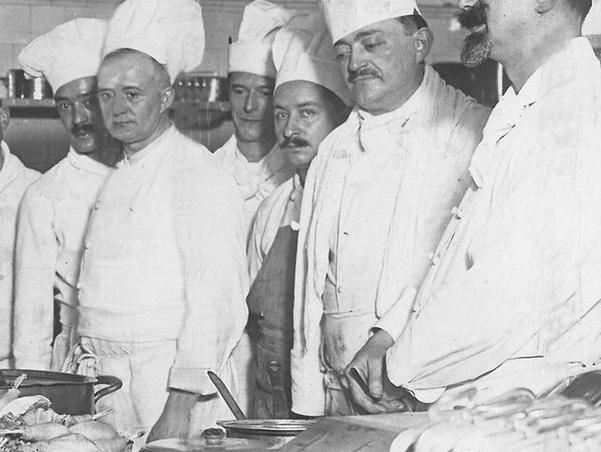
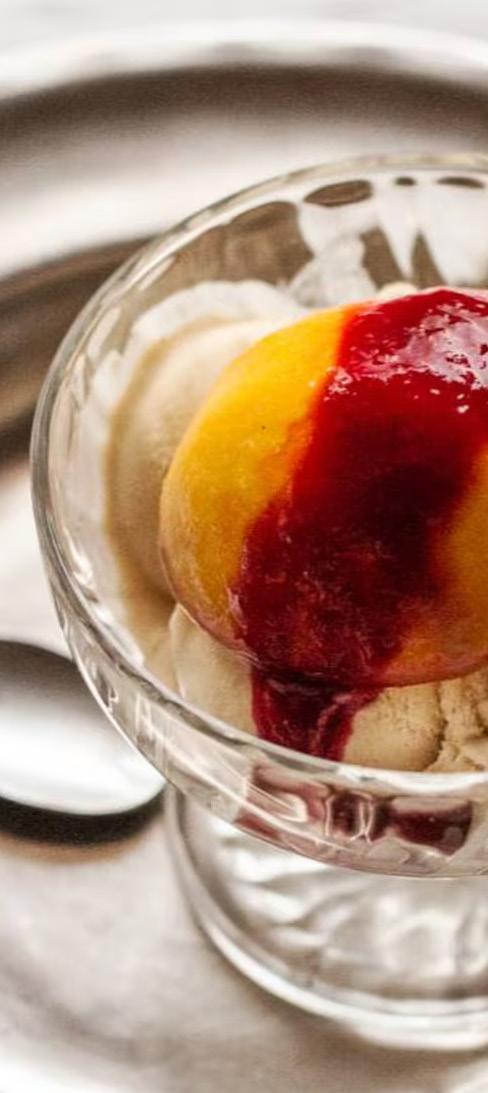
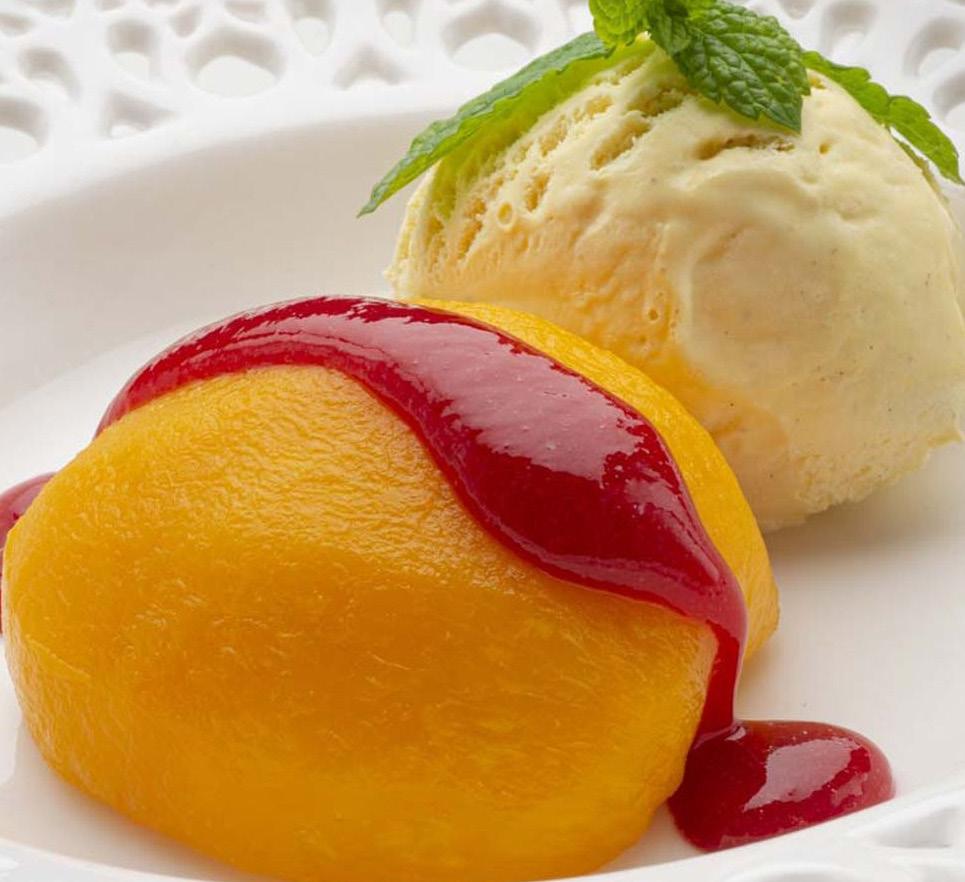
Un hombre adelantado a su tiempo, al que también recordamos por su gran creación: el famosísimo postre pesca Melba, dedicado a la soprano Nellie Melba.
Auguste nació en 1846 en Provenza, al sur de Francia. Con solo 13 años empezó a trabajar en la cocina de su tío, en un entorno duro, caótico y poco organizado. Durante la guerra franco-prusiana, como cocinero, aprendió organización logística, conservación de alimentos y eficiencia: competencias que más tarde revolucionarían las cocinas de los hoteles. Como buen innovador, mejoró las condiciones de los cocineros, prohibió el alcohol y el tabaco en la cocina e introdujo disciplina y respeto, transformando al cocinero de trabajador rudo a profesional respetado.
La Colaboración con César Ritz
Y aquí viene lo mejor: en mi último artículo dedicado a César Ritz describí la colaboración entre ambos en el Ritz de Londres y París, donde crearon un nuevo concepto de lujo. Ritz aportaba una hospitalidad impecable; Escoffer, una cocina refinada. Así, los hoteles se convirtieron en una experiencia gastronómica com-

pleta.
El Sistema de Brigada
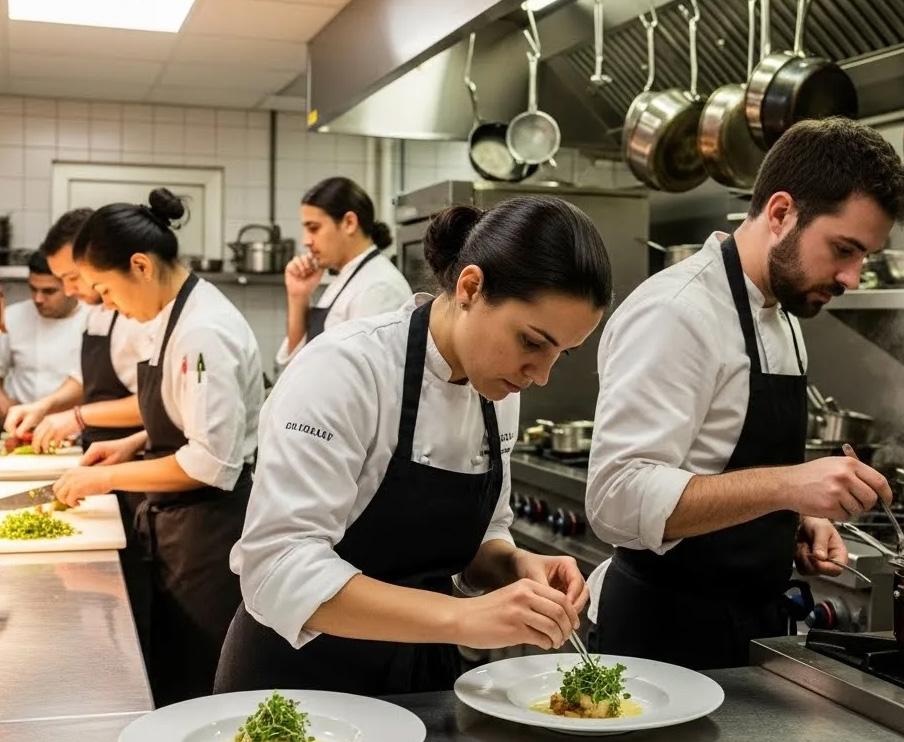
Nuestro revolucionario inventó el sistema de brigada, en el que cada cocinero tenía un rol preciso (Chef, Sous Chef, Saucier, Pâtissier, etc.), e instauró una jerarquía clara para lograr un trabajo rápido y eficiente. A día de hoy, sigue siendo la base de todas las cocinas profesionales.
La Guide Culinaire
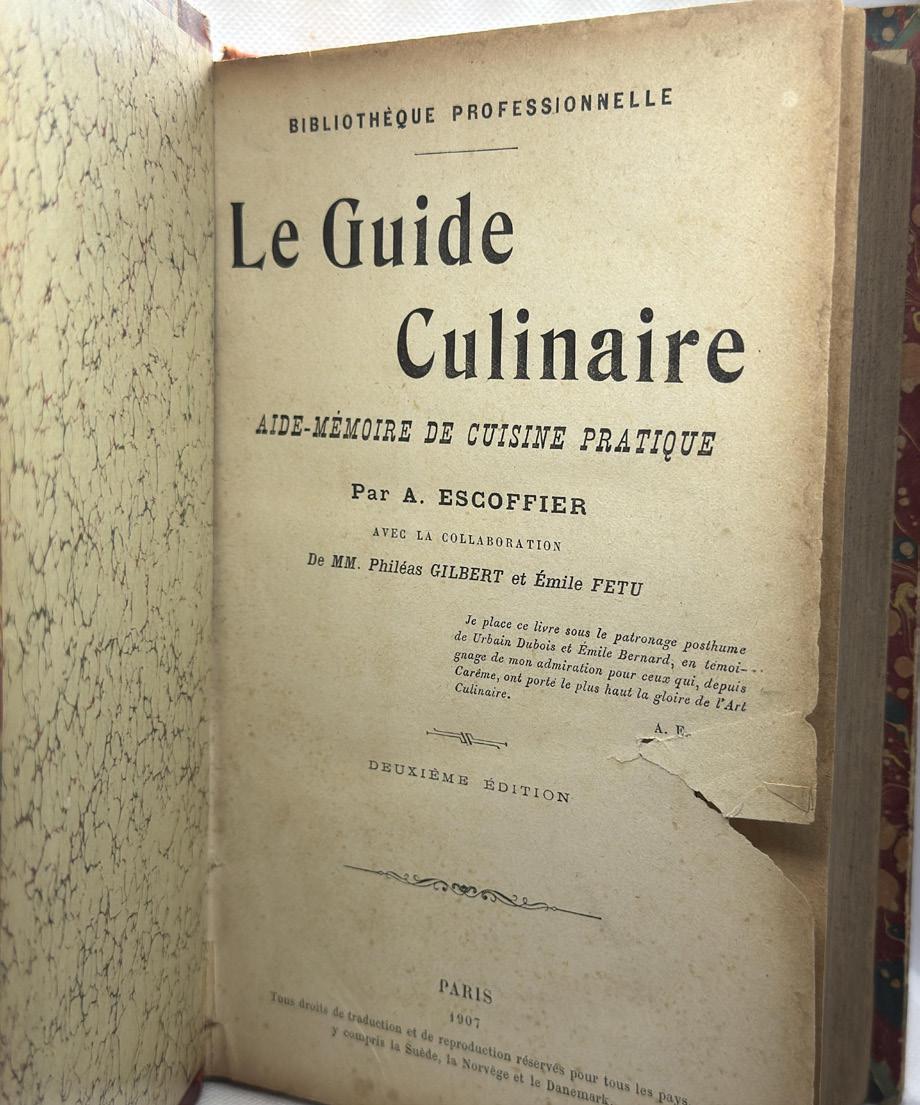
Pero Escoffer no se conformó y escribió su libro legendario, La Guide Culinaire, que aún hoy es una biblia para los chefs. Con cerca de 5.000 recetas, se considera un clásico de la literatura culinaria francesa y sigue siendo ampliamente leído.
Desarrolló muchas de esas recetas mientras trabajaba en los hoteles Savoy, Ritz y Carlton, desde finales de la década de 1880 hasta la publicación del libro. La obra se propone analizar y revisar la alta cocina francesa clásica. La primera edición se publicó en 1903 (en francés), la segunda en
1907, la tercera en 1912 y la cuarta en 1921. Platos Icónicos
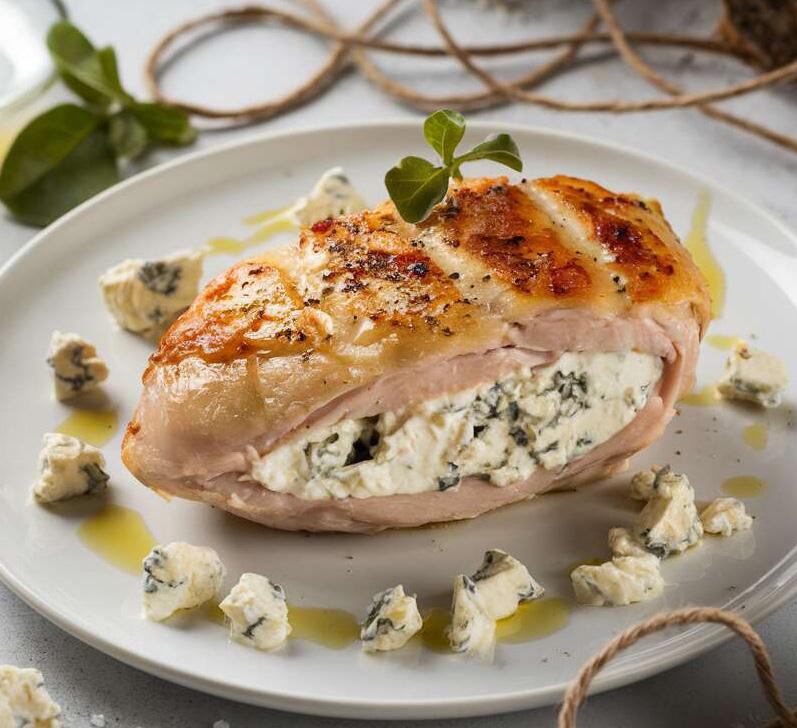
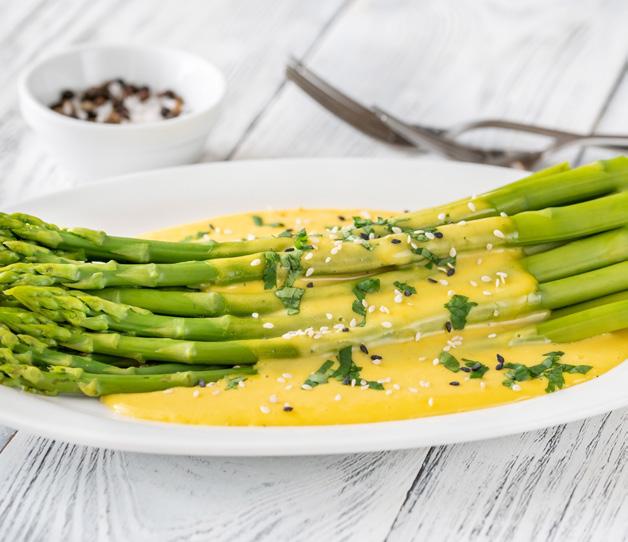
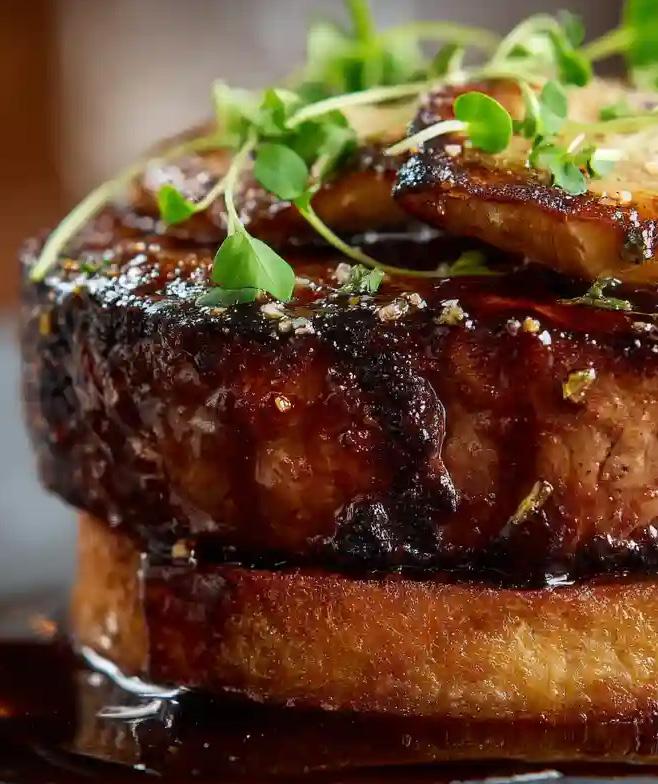
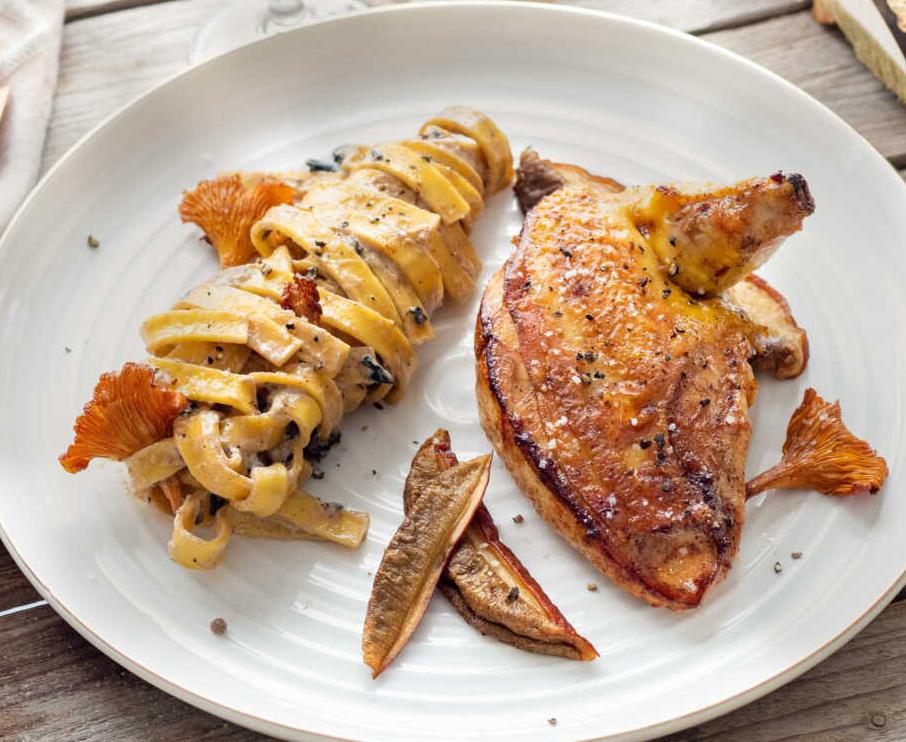
Hay platos icónicos y curiosidades que todavía comemos sin saber que vienen de él: el Tournedos Rossini, dedicado al compositor Gioachino Rossini; la Suprême de Volailles; los distintos consommé (caldo clarificado); la Sole Meunière; y el Saumon Poché. Y, por supuesto, las salsas: una al azar, la Hollandaise. Falleció de muerte natural a los 88 años en Montecarlo, pocos días después de la muerte de su esposa: un detalle que a menudo se recuerda como especialmente conmovedor en su historia.

Giancarlo Frigerio

The revolutionary
A man ahead of his time, remembered also for his great creation: the world famous dessert Peach Melba, dedicated to the soprano Nellie Melba.
Auguste was born in 1846 in Provence, in the south of France. At just 13, he began working in his uncle’s kitchen—an environment that was harsh, chaotic, and poorly organized.
During the Franco-Prussian War, working as a cook, he learned logistical organization, food preservation, and eficiency—skills that would later revolutionize hotel kitchens. A true innovator, he improved working conditions for cooks, banned alcohol and smoking in the kitchen, and introduced discipline and respect—transforming the cook from a rough laborer into a respected professional.
The Collaboration with César Ritz
And here’s the best part: in my latest article dedicated to César Ritz, I described their partnership at the Ritz London and Paris, where they created a new concept of luxury. Ritz brought impeccable hospitality; Escoffier, a refined cuisine. Together, they turned hotels into a complete gastronomic experience.



Our revolutionary created the brigade system, in which each cook had a precise role (Chef, Sous Chef, Saucier, Pâtissier, etc.), establishing a clear hierarchy to ensure fast, eficient work. To this day, it remains the foundation of professional kitchens everywhere. La Guide Culinaire
But Escoffier didn’t stop there. He wrote his legendary book, La Guide Culinaire, which is still a bible for chefs today. With nearly 5,000 recipes, it is considered a classic of French culinary literature and remains widely read.
He developed many of these recipes while working at the Savoy, Ritz, and Carlton hotels, from the late 1880s until the book’s publication. The work set out to analyze and refine classic French haute cuisine. The first edition was published in 1903 (in French), the second in 1907, the third in 1912, and the fourth in 1921. Iconic Dishes
There are iconic dishes—and little culinary curiosities—that we still eat today without realizing they came from him: Tournedos Rossini, dedicated to the composer Gioachino Rossini; Suprême de Volailles; the many variations of consommé (clarified broth); Sole Meunière; and Saumon Poché.
And of course, the sauces—one at random: Hollandaise. He died of natural causes at 88 years old in Monte Carlo, just a few days after his wife’s death—an often-remembered detail that adds a particularly touching note to his story.
Irma Guerra
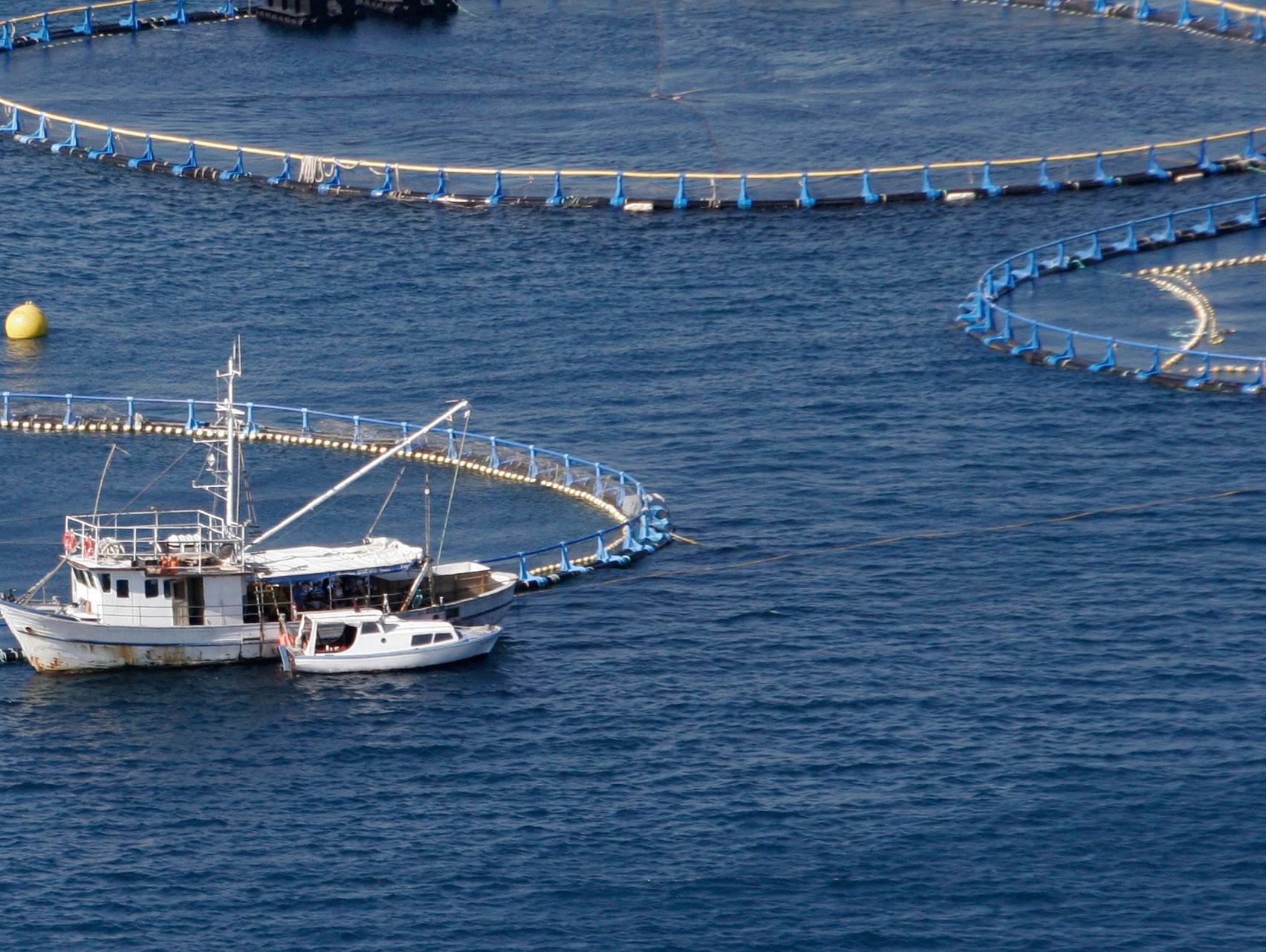
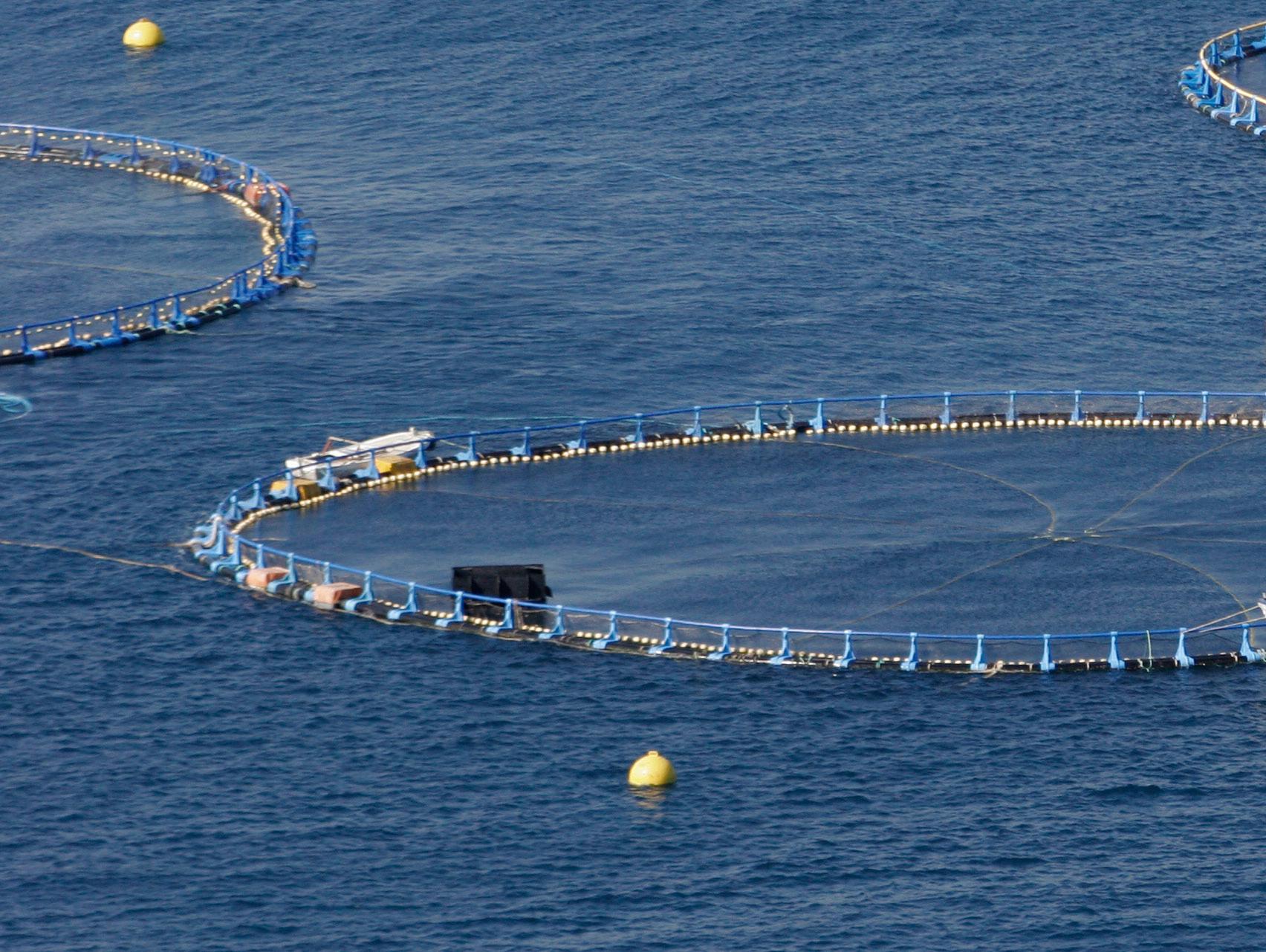
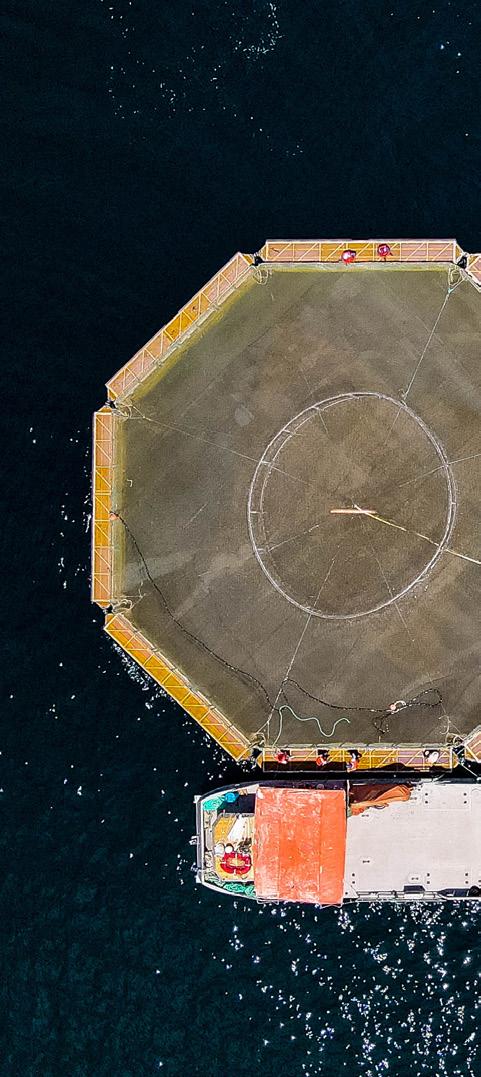
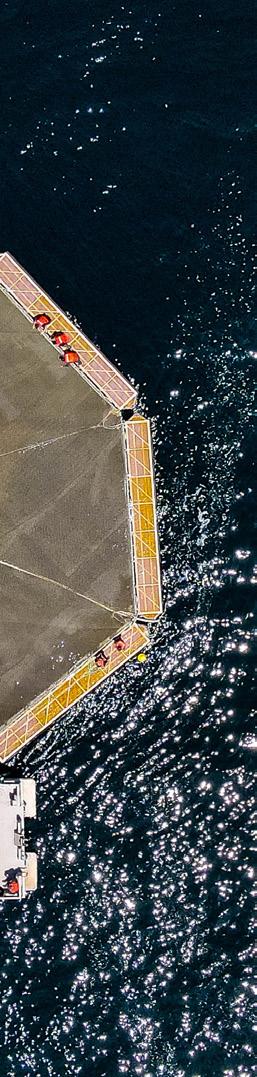
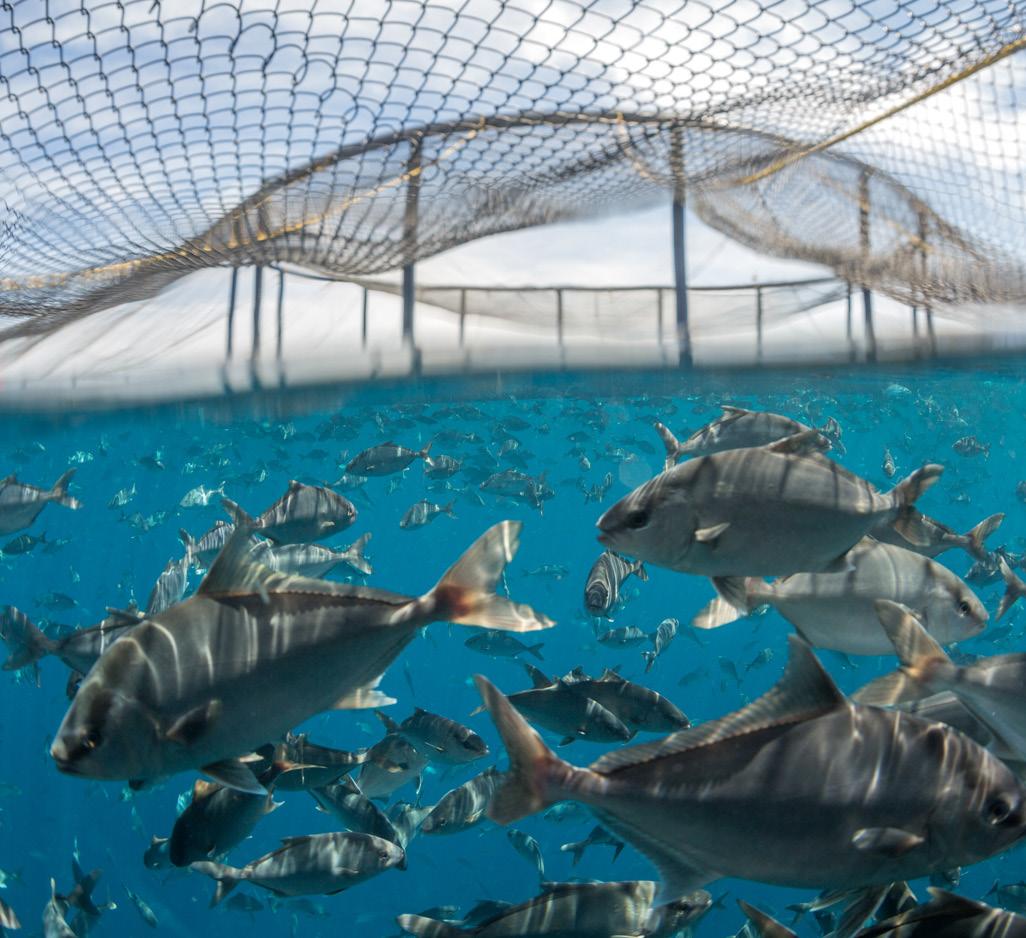
En las costas del Pacífico de Baja California existe un fenómeno que pocos observan de cerca y que despierta curiosidad incluso entre quienes navegan habitualmente por el océano: enormes “círculos” flotando sobre el mar abierto. A simple vista parecen estructuras aisladas, pero en realidad forman parte de una de las industrias marinas más importantes y especializadas de la región: las granjas atuneras.
La pesca industrial del atún ha sido, desde hace décadas, una de las principales fuentes económicas de Baja California. Tradicionalmente, las embarcaciones atuneras localizan grandes cardúmenes mediante observación visual, radares e incluso helicópteros. Una vez detectados, los peces son rodeados con redes gigantescas que pueden superar un kilómetro de longitud y alcanzar profundidades cercanas a los 100 metros. Posteriormente, la parte inferior de la red se cierra como una bolsa, evitando que los atunes escapen. Sin embargo, este método de captura también provocó durante años la captura incidental de especies como delfines y tortugas marinas, generando una fuerte presión internacional sobre la industria atunera mexicana.
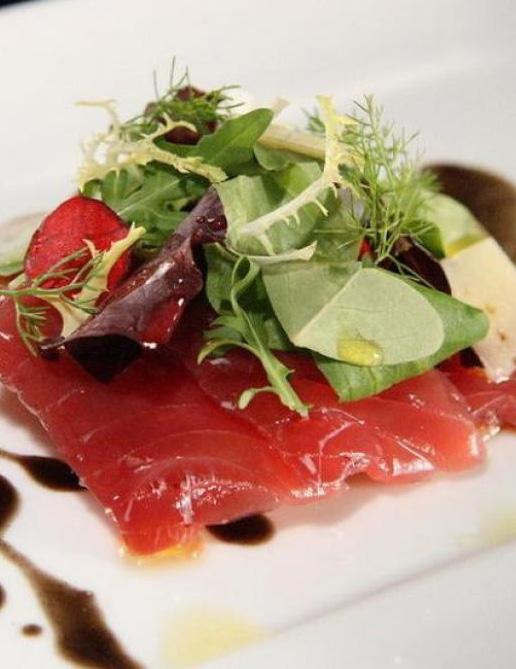
Écume Design Cuisine (@ecumerestaurante) Hotel Las Brisas mérida
Esto derivó en el embargo atunero de la década de 1980 y, posteriormente, en los acuerdos internacionales conocidos como Dolphin Safe, impulsados durante los gobiernos de Carlos Salinas de Gortari y George H. W. Bush, con el objetivo de reducir el impacto ambiental.
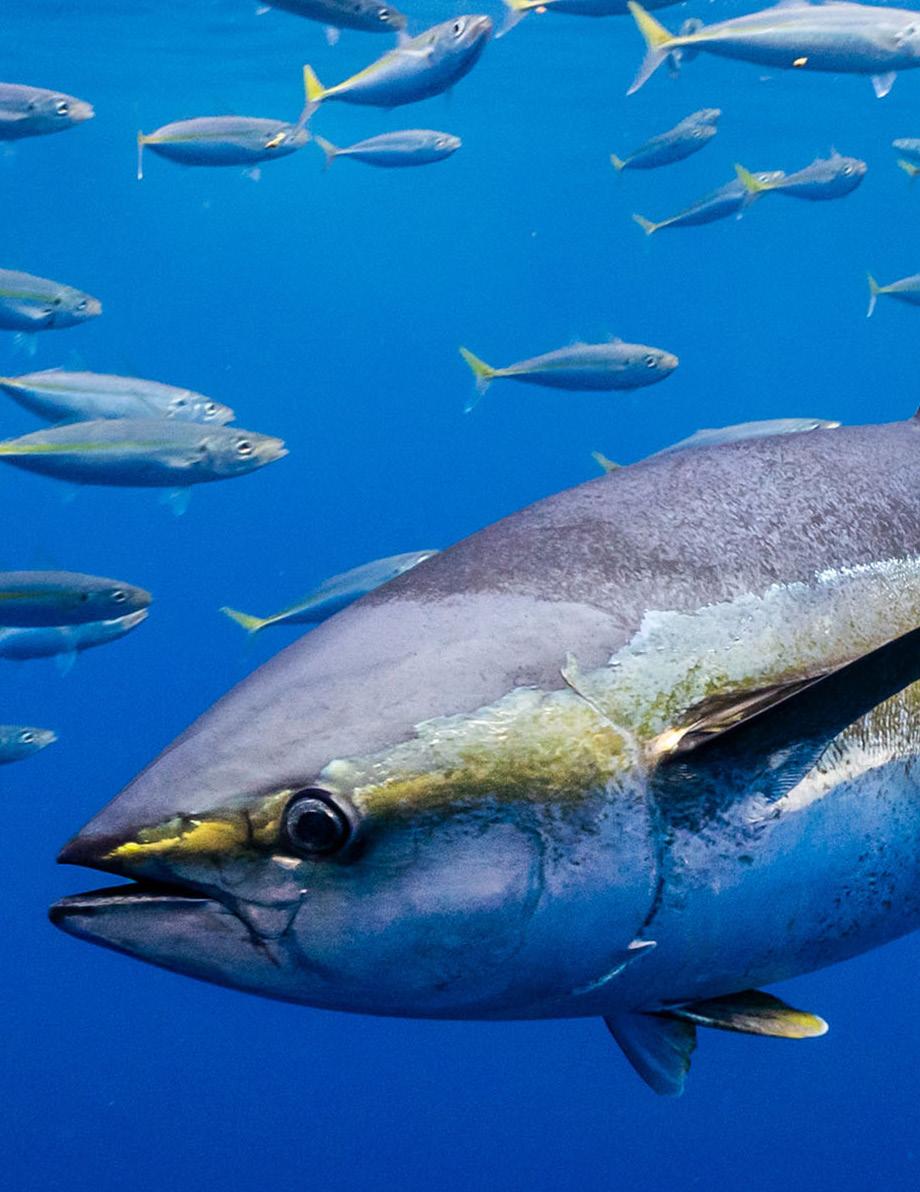
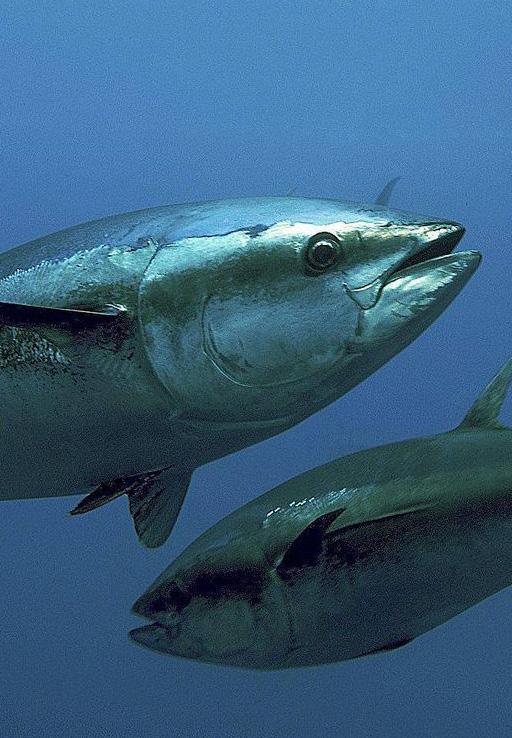
A partir de mediados de los años noventa comenzaron a desarrollarse nuevos métodos de producción y se otorgaron las primeras concesiones para la engorda de atún en cautiverio, dando origen a los llamados “ranchos atuneros” . Actualmente, más de cinco empresas operan este modelo en Baja California. Las granjas capturan únicamente ejemplares juveniles silvestres de atún aleta azul (Thunnus orientalis), también conocido como atún cimarrón. Los peces son trasladados a enormes corrales circulares marinos de aproximadamente 60 metros de diámetro y más de 50 metros de profundidad. Al momento de su captura, los atunes suelen pesar alrededor de 12 kilogramos; tras un periodo de engorda de entre seis y siete meses, pueden alcanzar pesos de entre 35 y 45 kilogramos.
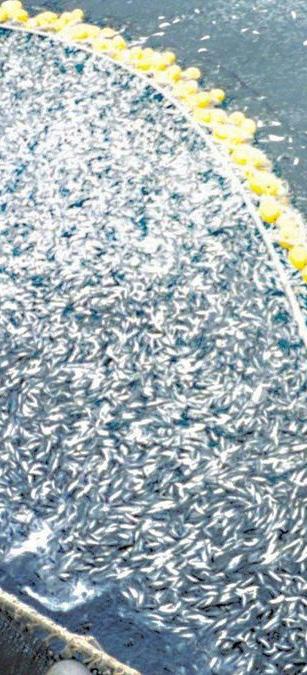
Durante este proceso son alimentados principalmente con sardinas y anchovetas, aunque algunas empresas complementan la dieta con pelets especializados. Dependiendo de las exigencias del mercado internacional, algunos compradores priorizan el tamaño del ejemplar y otros el contenido graso y peso final del atún.
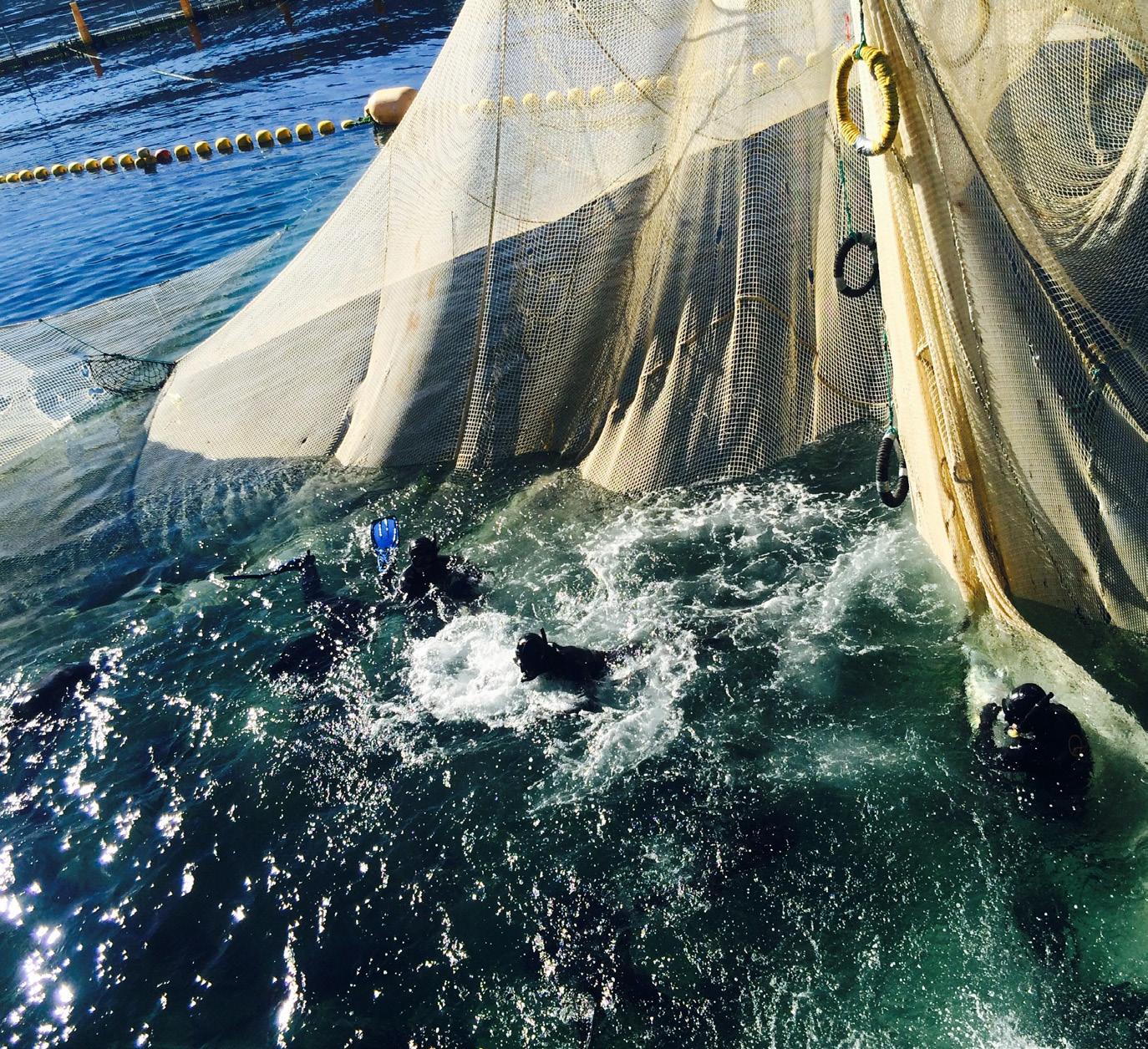
El proceso de cosecha también requiere gran precisión. Un buzo especializado entra al cerco para seleccionar individualmente a los ejemplares, los inmoviliza y posteriormente son llevados a la superficie, donde son congelados rápidamente para preservar la calidad y textura de la carne destinada a exportación.
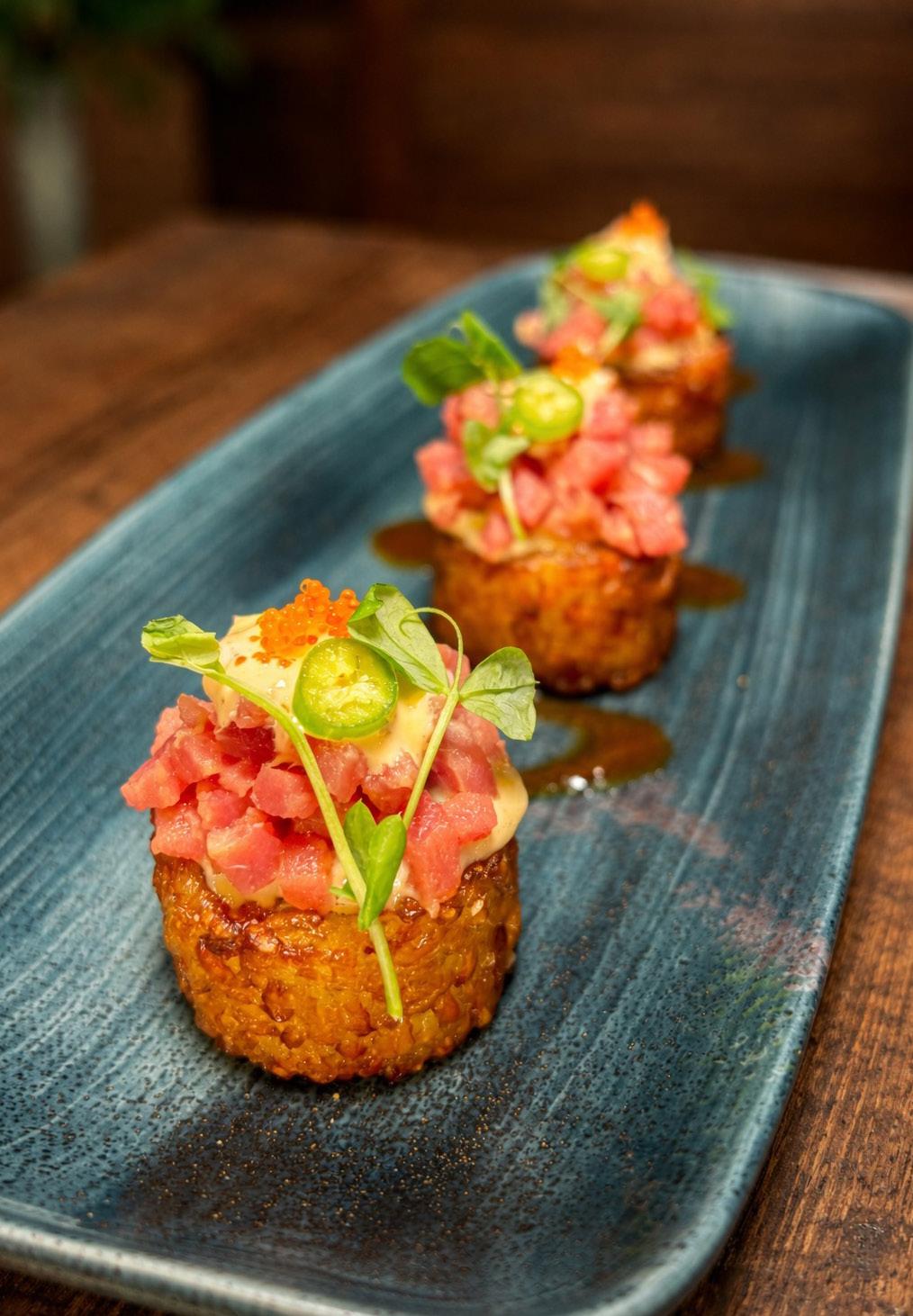
Hoy en día, el atún aleta azul de Baja California es reconocido internacionalmente por su calidad premium y por abastecer mercados altamente especializados, particularmente en Asia. De este ejemplar se obtienen cortes muy apreciados como el akami, carne magra de intenso sabor; el chutoro, equilibrado entre grasa y músculo; y el exclusivo otoro, proveniente del vientre bajo del atún y considerado uno de los cortes más finos del mundo gastronómico.
Así que la próxima vez que disfrutes un lomo de atún o un sashimi de alta calidad, quizá estés degustando uno de los mejores atunes del mundo, criado y engordado en las costas de Baja California.

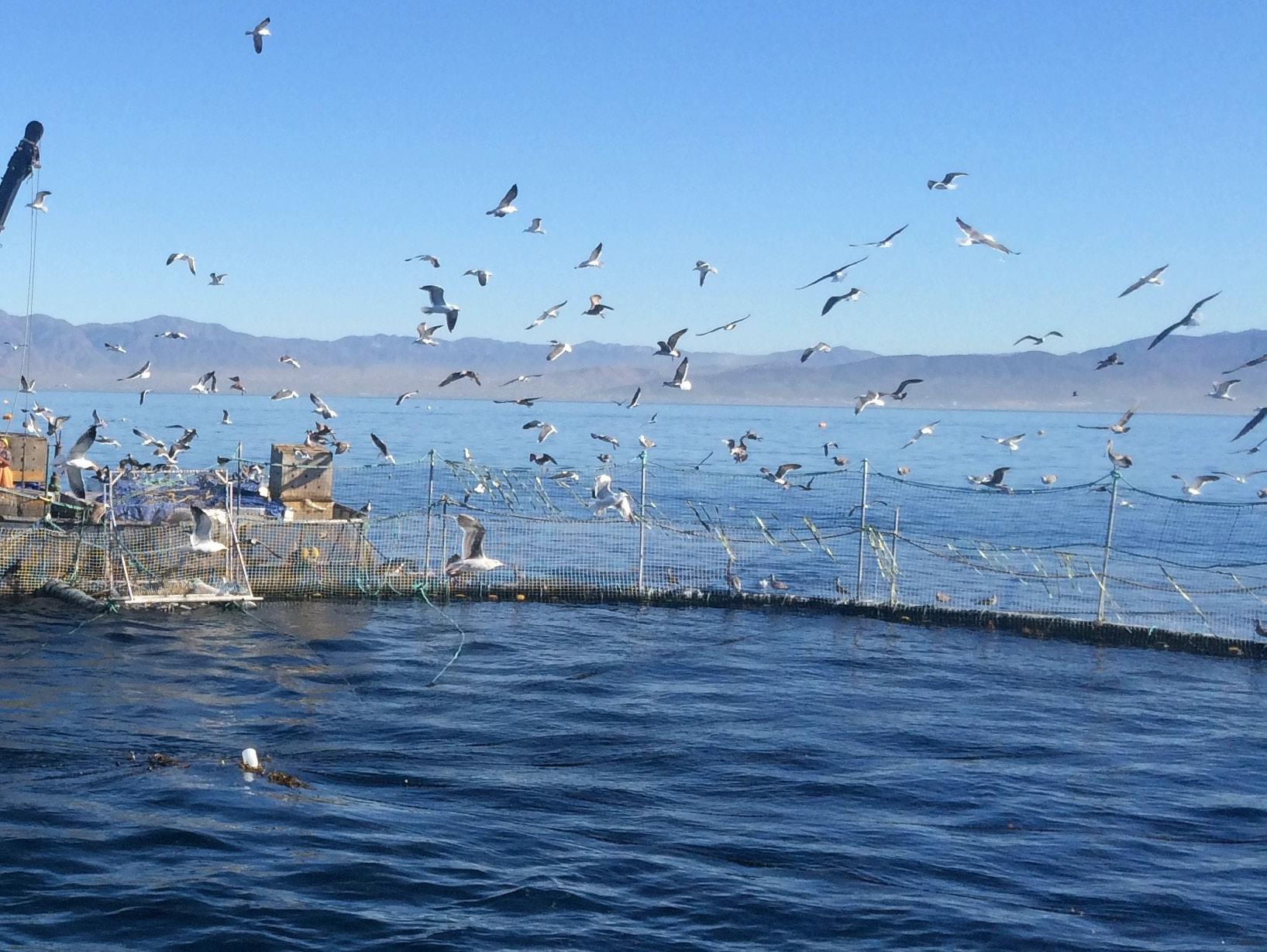
On the Pacific coast of Baja California, there is a phenomenon that few observe up close and that sparks curiosity even among those who regularly navigate the ocean: enormous “circles” floating on the open sea. At first glance they appear to be isolated structures, but in reality they are part of one of the most important and specialized marine industries in the region: tuna farms. Industrial tuna fishing has been, for decades, one of the main economic sources of Baja California. Traditionally, tuna vessels locate large schools of fish through visual observation, radar, and even helicopters. Once detected, the fish are surrounded with gigantic nets that can exceed one kilometer in length and reach depths close to 100 meters. Subsequently, the bottom of the net is closed like a bag, preventing the tuna from escaping. However, this capture method also caused the incidental capture of species such as dolphins and sea turtles for years, generating strong international pressure on the Mexican tuna industry. This led to the tuna embargo of the 1980s and, subsequently, to the international agreements known as Dolphin Safe, promoted during the administrations of Carlos Salinas de Gortari and George H. W. Bush, with the goal of reducing environmental impact.
Starting in the mid-1990s, new production methods began to be developed and the first concessions were granted for tuna fattening in captivity, giving rise to the so-called “tuna ranches.
“ Currently, more than five companies operate this model in Baja California.
The farms capture only wild juvenile bluefin tuna (Thunnus orientalis), also known as Pacific bluefin tuna. The fish are transferred to enormous circular marine pens approximately 60 meters in diameter and more than 50 meters deep. At the time of capture, the tuna typically weigh around 12 kilograms; after a fattening period of six to seven months, they can reach weights between 35 and 45 kilograms. During this process they are fed primarily with sardines and anchovies, although some companies supplement the diet with specialized pellets. Depending on the demands of the international market, some buyers prioritize the size of the specimen and others the fat content and final weight of the tuna.
The harvesting process also requires great precision. A specialized diver enters the pen to individually select the specimens, immobilizes them, and they are subsequently brought to the surface, where they are quickly frozen to preserve the quality and texture of the meat destined for export.
Today, Baja California bluefin tuna is internationally recognized for its premium quality and for supplying highly specialized markets, particularly in Asia. From this specimen, highly prized cuts are obtained such as akami, lean meat with intense flavor; chutoro, balanced between fat and muscle; and the exclusive otoro, from the lower belly of the tuna and considered one of the finest cuts in the gastronomic world.
So the next time you enjoy a tuna loin or a high-quality sashimi, you may be tasting one of the best tunas in the world, raised and fattened on the coasts of Baja California.
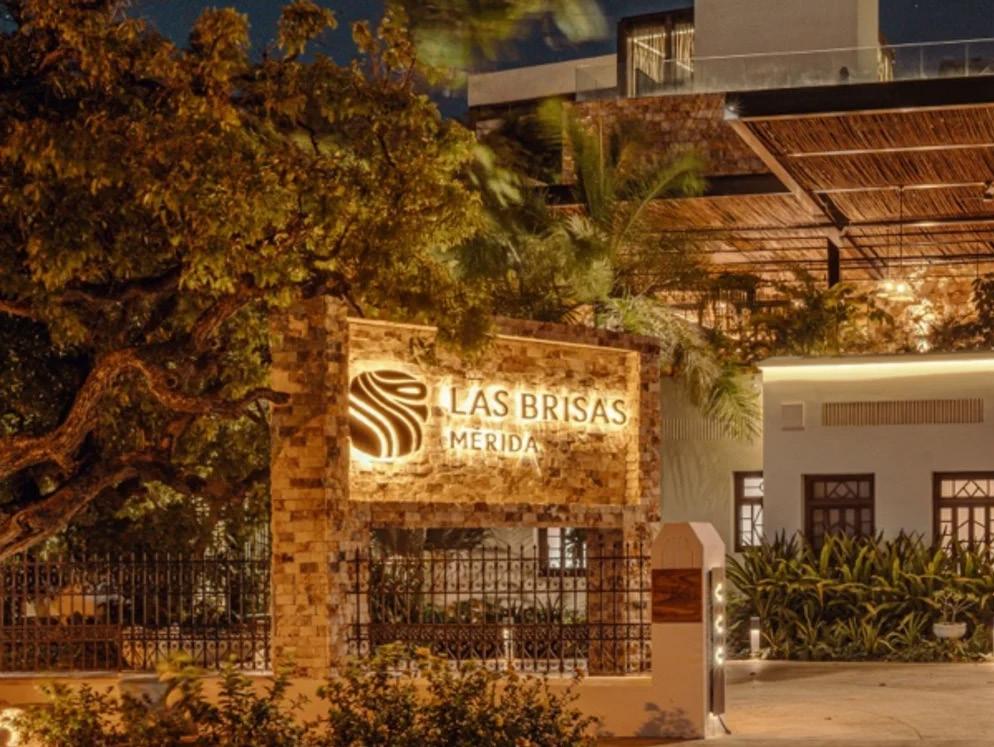
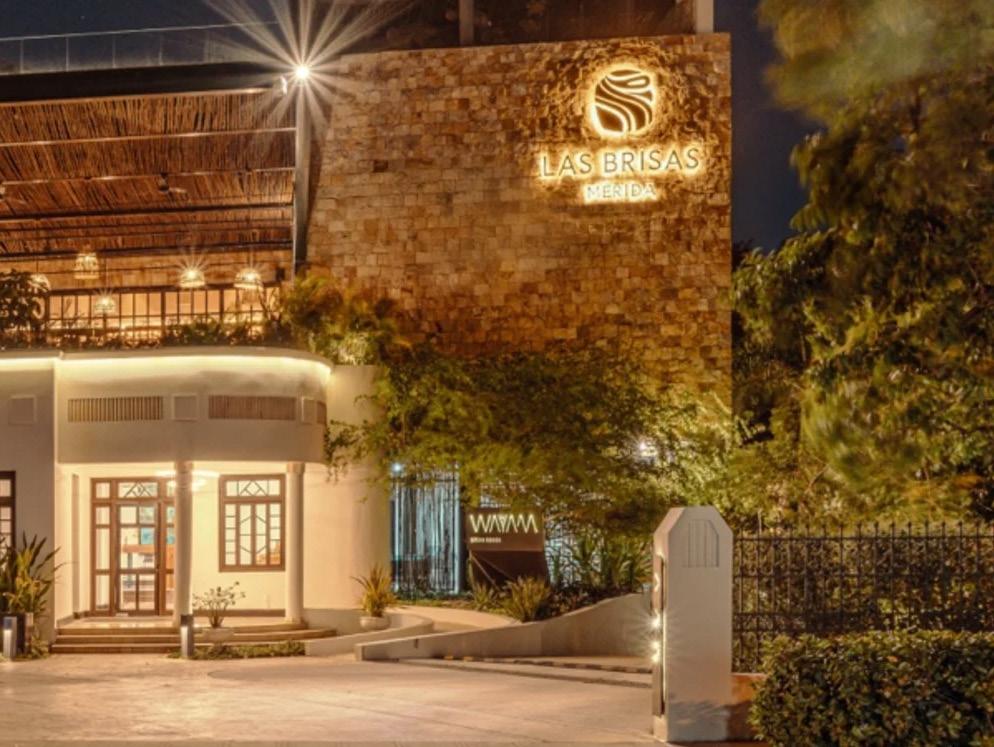
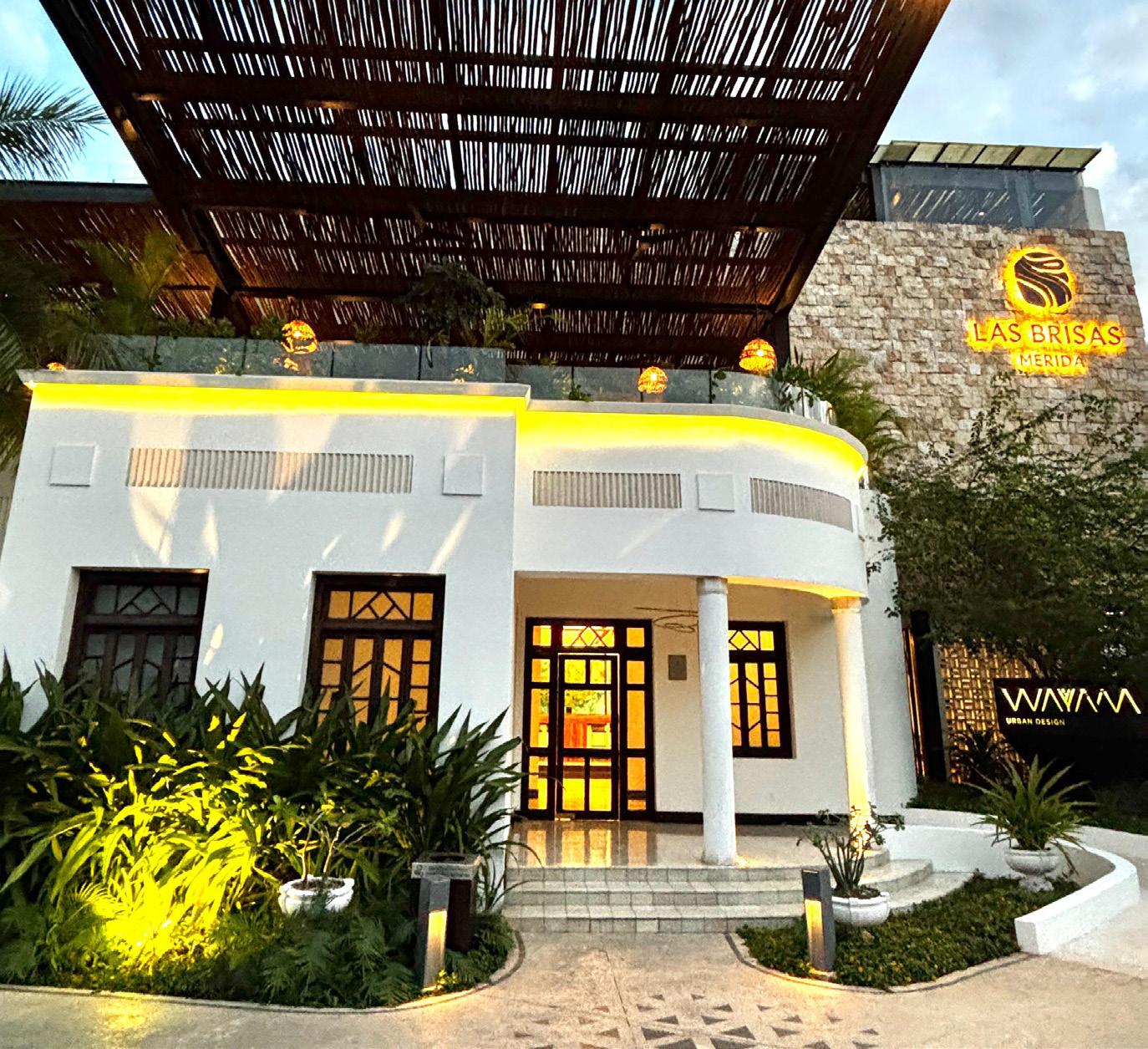
En el corazón de Mérida, una de las ciudades más encantadoras de México, se
encuentra Las Brisas Mérida, un hotel boutique que combina diseño contemporáneo, hospitalidad cálida y un fuerte vínculo con la herencia maya.
Ubicado a tan solo 20 minutos del aeropuerto y muy cerca del Paseo Montejo, su localización lo convierte en el punto de partida ideal para descubrir la riqueza cultural y gastronómica de Yucatán.
Espíritu maya y diseño moderno
El hotel guarda como símbolo un majestuoso árbol de huaya o Wayam, considerado por los mayas como guardián de la naturaleza y conexión con el mundo espiritual. Este homenaje se complementa con un altar maya y la presencia de cuarzo, elementos que transmiten armonía y energía a cada estancia.
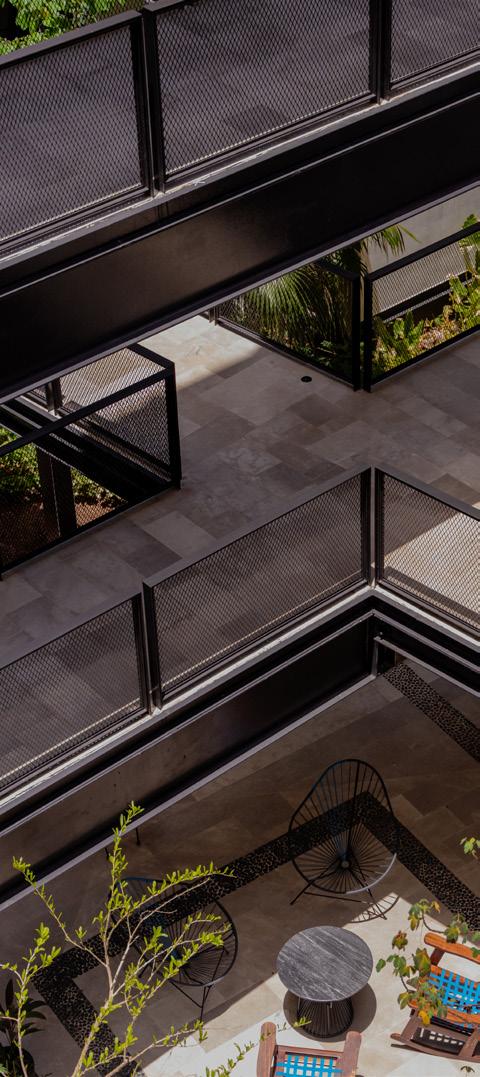
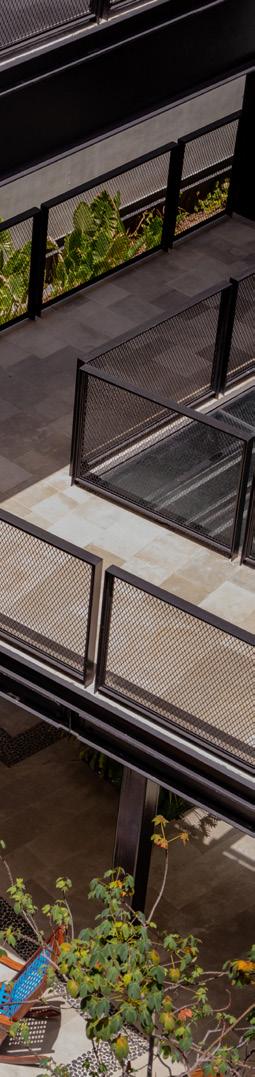
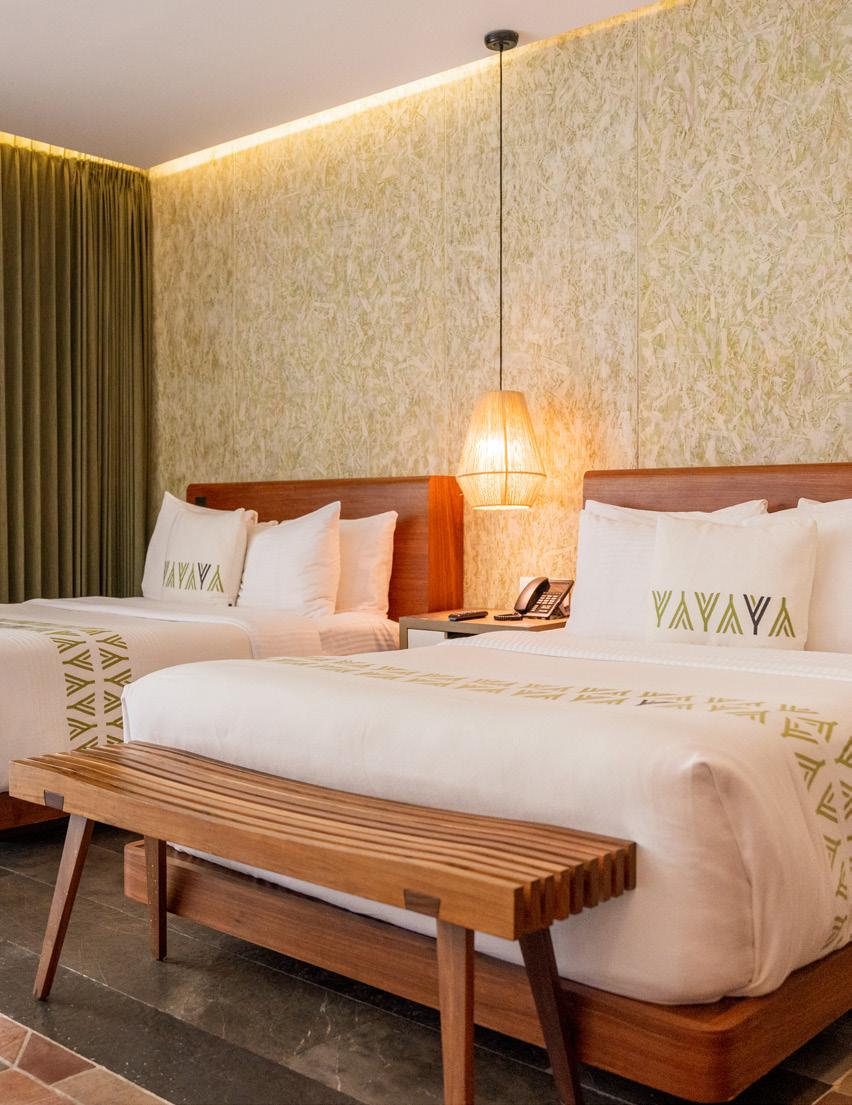
Con 50 suites amplias y luminosas, todas con balcones privados y amenidades de última generación, Las Brisas Mérida ofrece un confort moderno y sustentable en cada detalle.
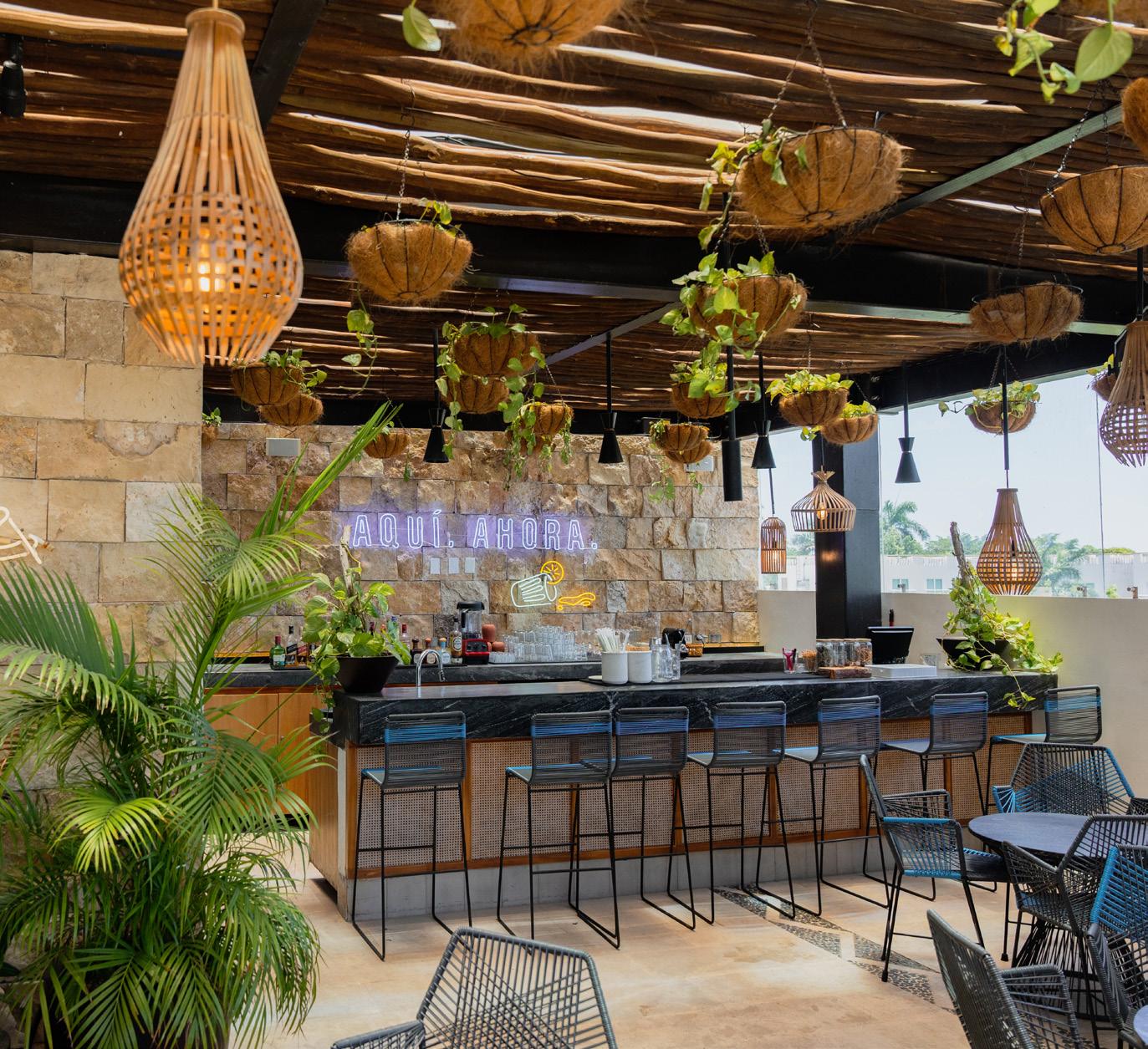
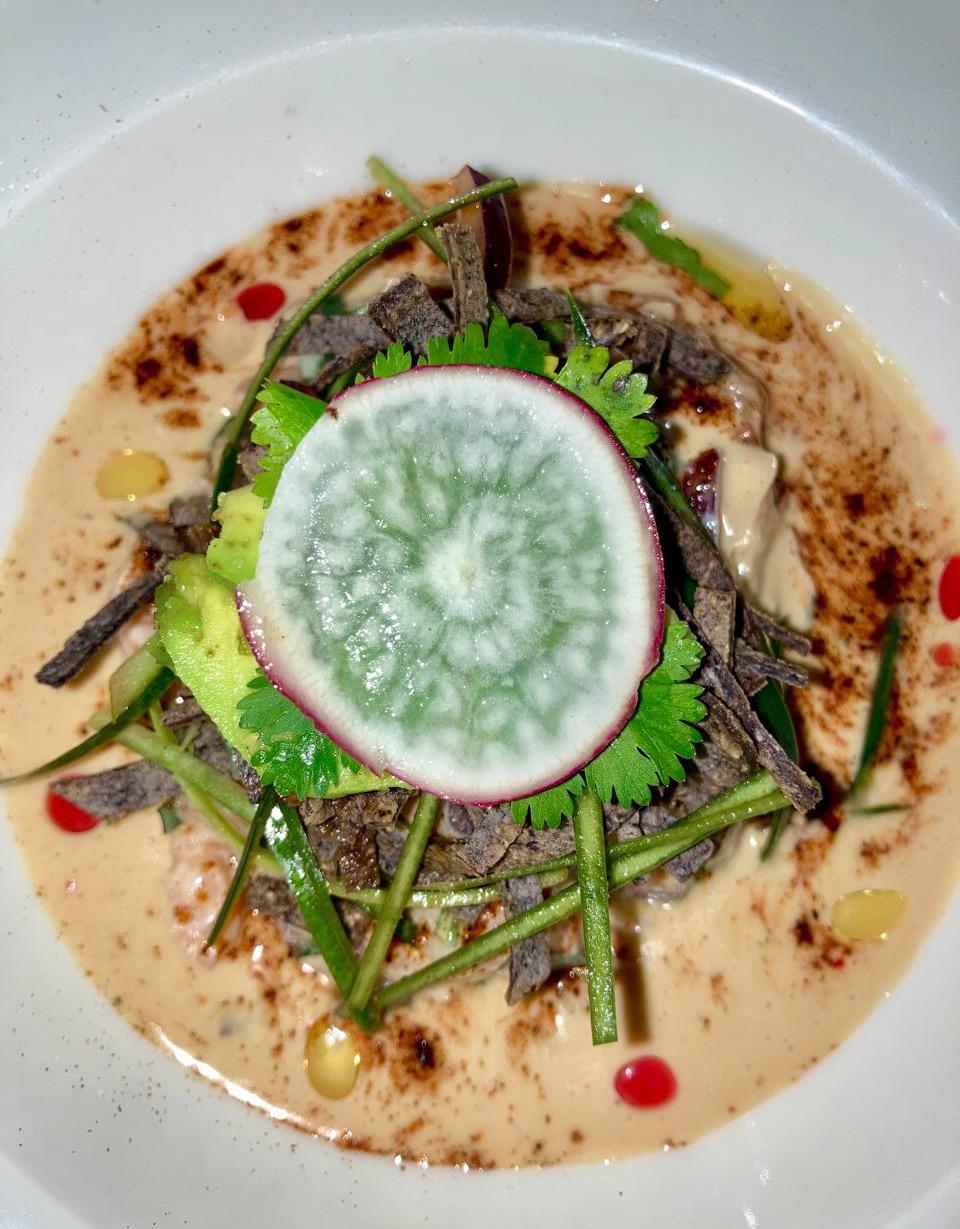
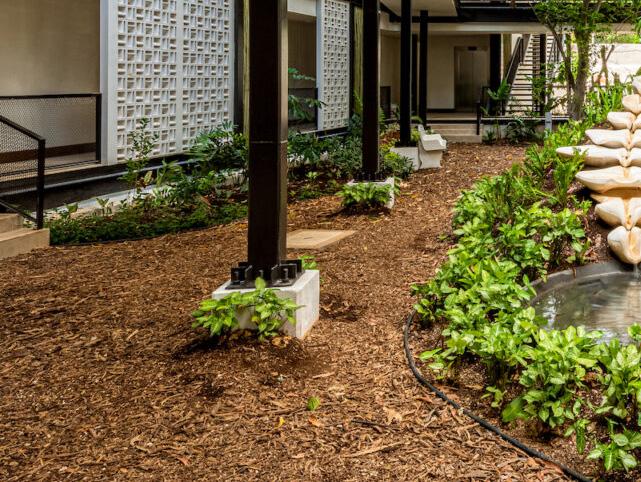
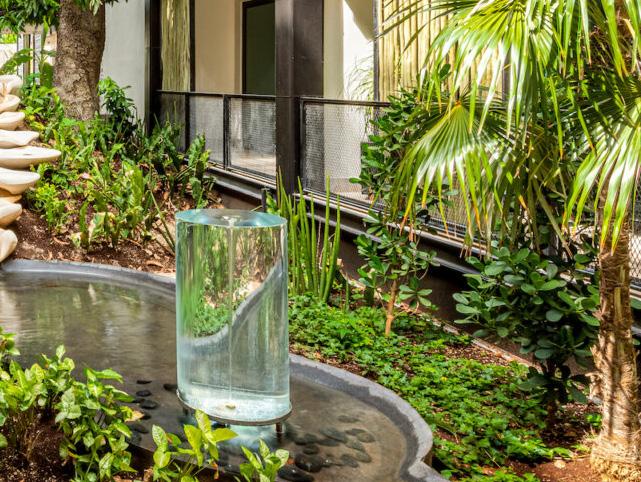
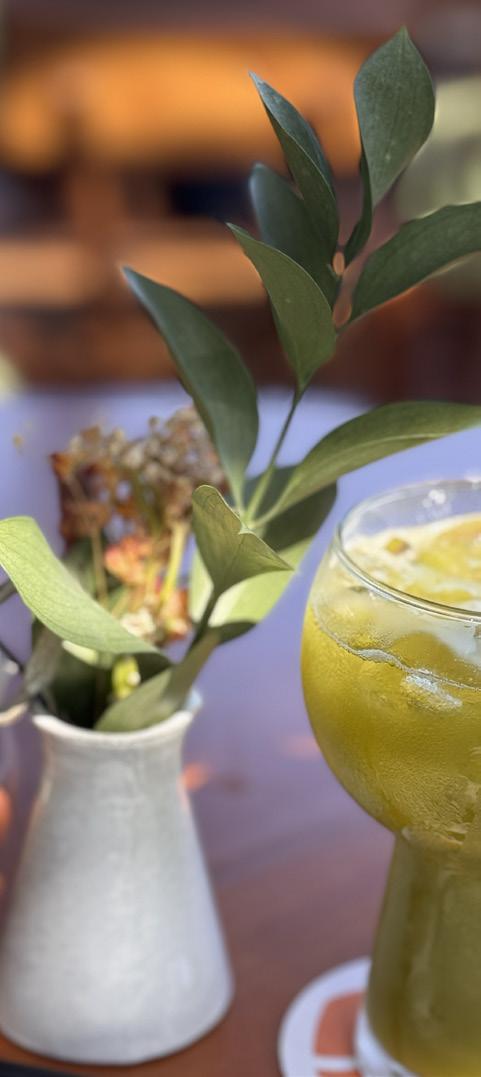
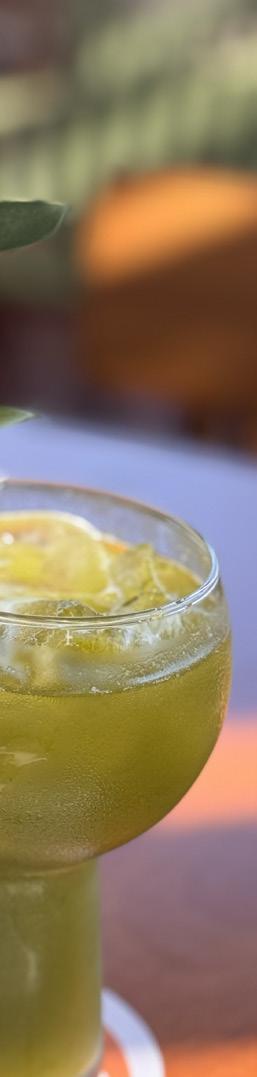
La piscina con bar integrado y su terraza invitan a disfrutar del sol y el clima de la ciudad, mientras que el patio central es perfecto para relajarse en un ambiente acogedor. En gastronomía, el Restaurante Écume deleita con cocina de autor y sabores locales, y el Pool Bar Roof 508 ofrece cocteles inspirados en Yucatán con el telón de los atardeceres coloridos de Mérida.
Una invitación a vivir Mérida
Más que un hotel, Las Brisas Mérida es un refugio donde tradición, diseño y hospitalidad se entrelazan para crear momentos inolvidables. Un espacio que inspira a descubrir la magia de la ciudad blanca desde un lugar único.
Las Brisas Mérida: tradición maya y lujo contemporáneo en un solo destino.
Mérida, Yucatán
+52 999 689 2020 brisas.com.mx


In the heart of Mérida, one of Mexico’s most enchanting cities, lies Las Brisas Mérida, a boutique hotel that blends contemporary design, warm hospitality, and a deep connection to Mayan heritage.
Located just 20 minutes from the airport and only steps from Paseo Montejo, it is the perfect starting point to explore the cultural and culinary richness of Yucatán.
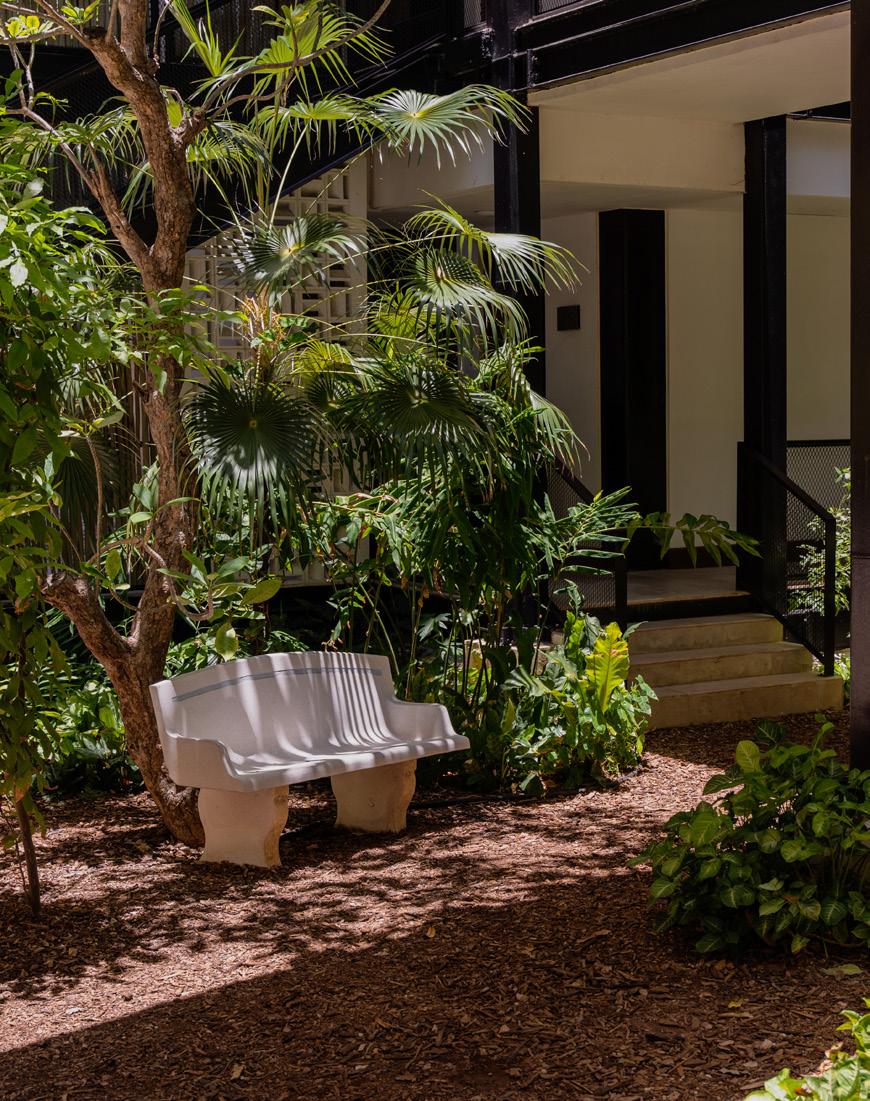
At the center of the hotel stands a majestic huaya tree, or Wayam, considered by the Maya as a guardian of nature and a bridge between the earthly and spiritual worlds. This tribute is complemented by a Mayan altar and a quartz stone, elements that bring harmony and energy to every corner.
With 50 spacious and bright suites, each featuring private balconies and state-of-the-art amenities, Las Brisas Mérida offers modern comfort and sustainability in every detail.
The pool with its integrated bar and wide terrace invites guests to bask in the sun and enjoy Mérida’s pleasant weather, while the central patio provides a cozy and relaxing atmosphere. For gastronomy lovers, Écume Restaurant delights with signature cuisine rooted in local flavors, while the Pool Bar Roof 508 serves cocktails inspired by Yucatán, accompanied by the colorful sunsets that paint the city’s sky.
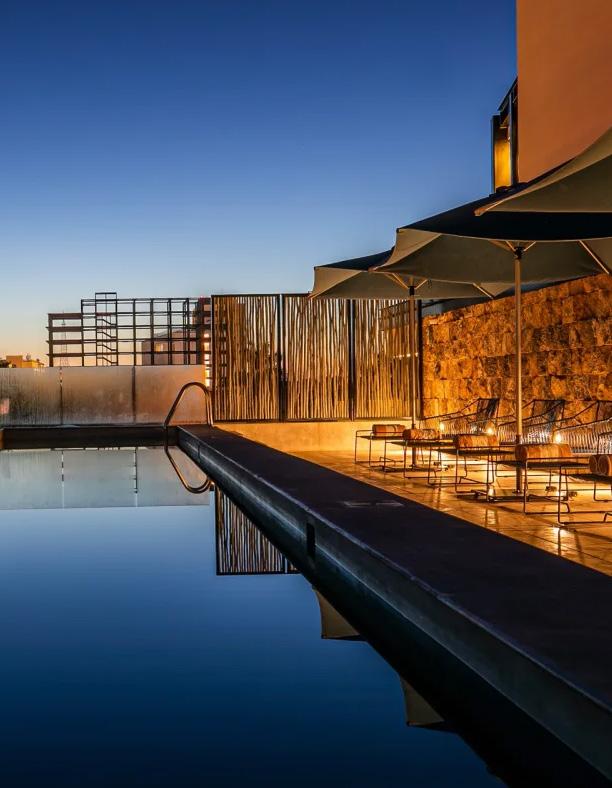
More than a hotel, Las Brisas Mérida is a retreat where tradition, design, and hospitality intertwine to create unforgettable moments. A space that inspires visitors to discover the magic of the White City from a truly unique place.
Las Brisas Mérida: Mayan tradition and contemporary luxury in one destination.
Mérida, Yucatán +52 999 689 2020 brisas.com.mx

Ivana Giove
comienza a despedirse de una de las estaciones más esperadas del año: la primavera. Después de varios meses de invierno, nieve y temperaturas bajas, esta temporada representa un momento de cambio, de renovación y, para muchos, la oportunidad de volver a disfrutar de la ciudad al aire libre. Personalmente, es una de mis épocas favoritas del año. Después de tantos días grises y fríos, me encanta ver cómo la ciudad empieza a transformarse poco a poco. Los parques vuelven a llenarse de color, los árboles recuperan sus hojas y las flores aparecen en casi cualquier rincón. Algo que disfruto muchísimo es simplemente salir a caminar y ver cómo todo comienza a sentirse más vivo.
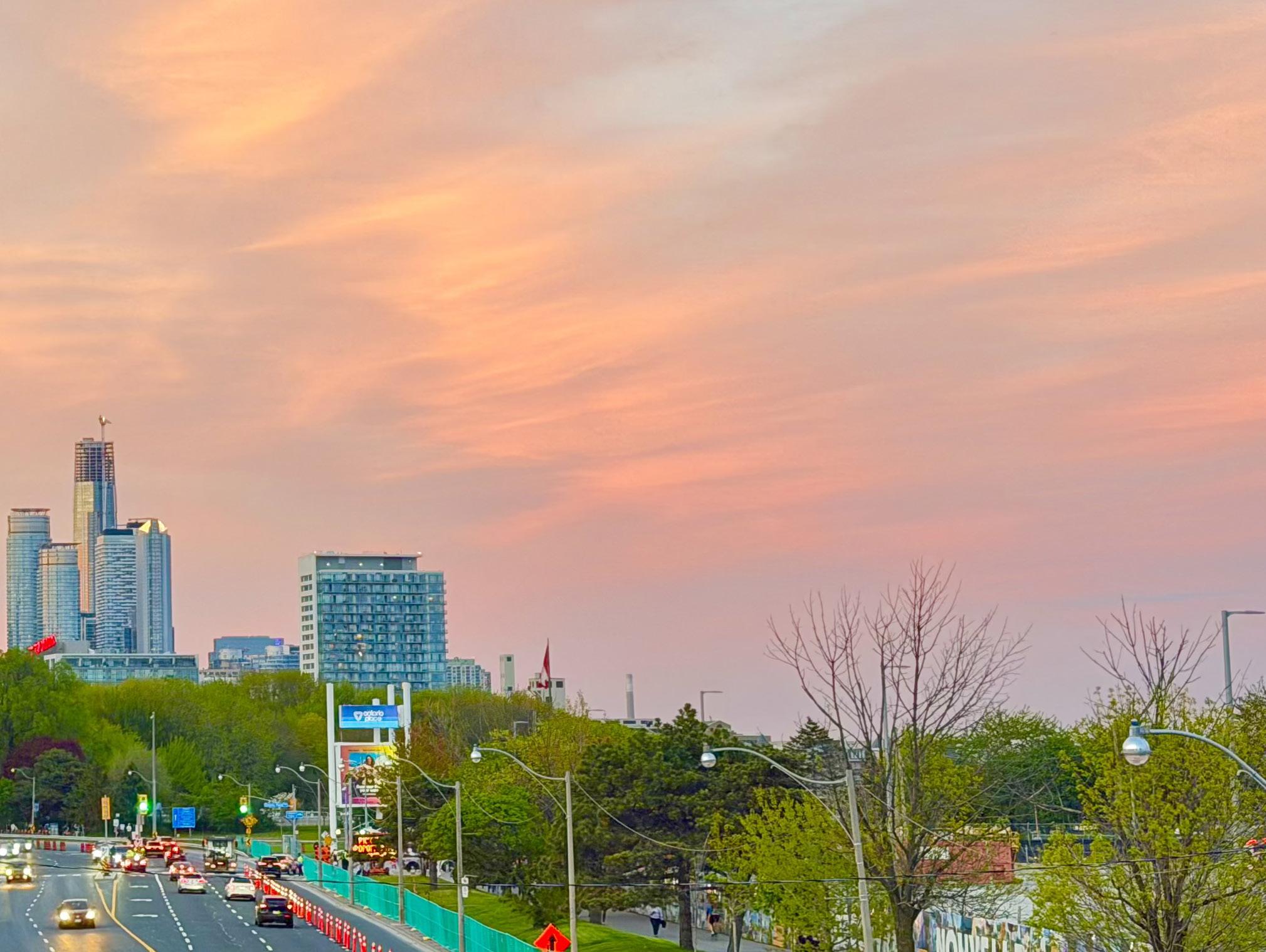
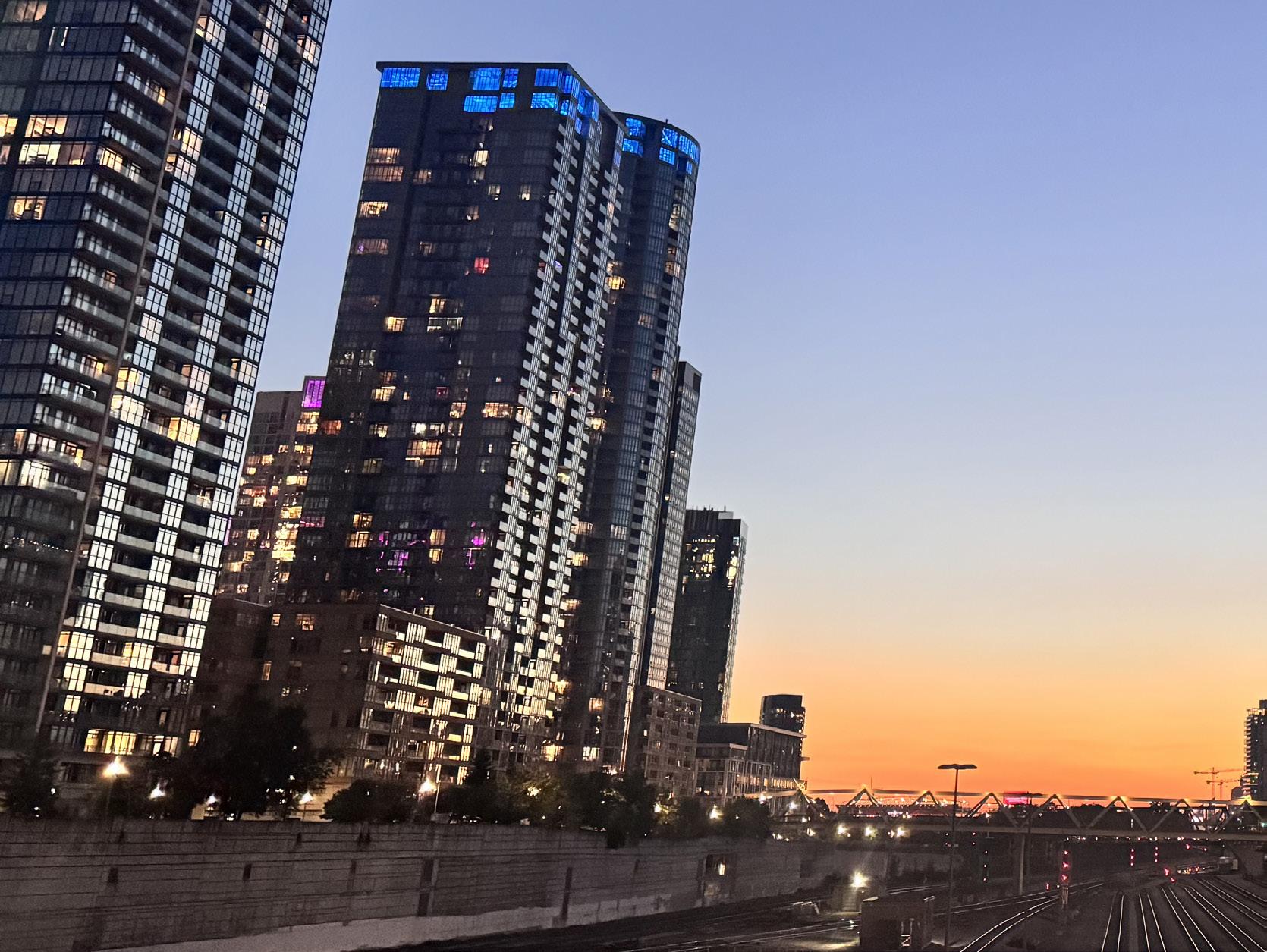
También hay algo especial en los atardeceres de primavera en Toronto. Los días se vuelven más largos, el clima empieza a sentirse más amable y hay una sensación distinta en el ambiente. Me encanta ver a las personas salir otra vez a los parques, hacer picnic, andar en bicicleta o simplemente sentarse a disfrutar del sol después de trabajar.

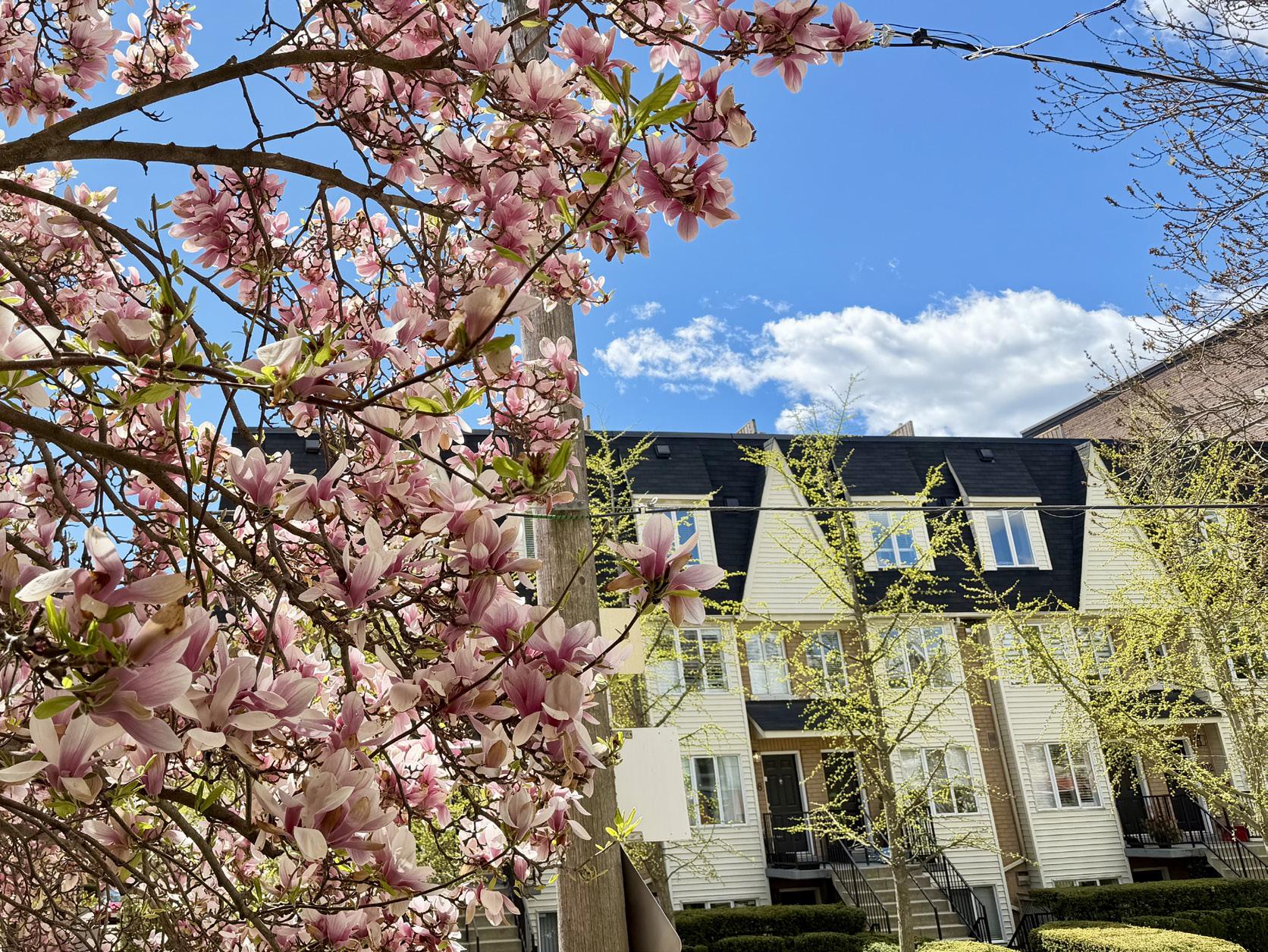

Uno de los aspectos más bonitos de esta temporada es la vida al aire libre. Muchas personas aprovechan para caminar junto al lago, visitar mercados locales, reunirse en terrazas o pasar tiempo en espacios verdes. Parques como High Park y Trinity Bellwoods se llenan de personas disfrutando de la temporada, especialmente durante la floración de los cerezos, un espectáculo natural que cada año atrae tanto a residentes como a turistas.
Claro, la primavera en Toronto también tiene algo muy característico: su clima impredecible. En un mismo día puede haber sol, lluvia y frío, así que salir preparada para cualquier cambio se vuelve parte de la rutina. Pero aun así, creo que eso también tiene su encanto.
Ahora que poco a poco nos acercamos al verano, muchas personas, incluyéndome, intentamos aprovechar estos últimos días para disfrutar del aire fresco, de las flores, de los colores y de esos pequeños momentos que hacen especial esta temporada.
Porque aquí, en Toronto, después de un invierno tan largo, la primavera no solo cambia el clima… también cambia el ánimo de la ciudad.
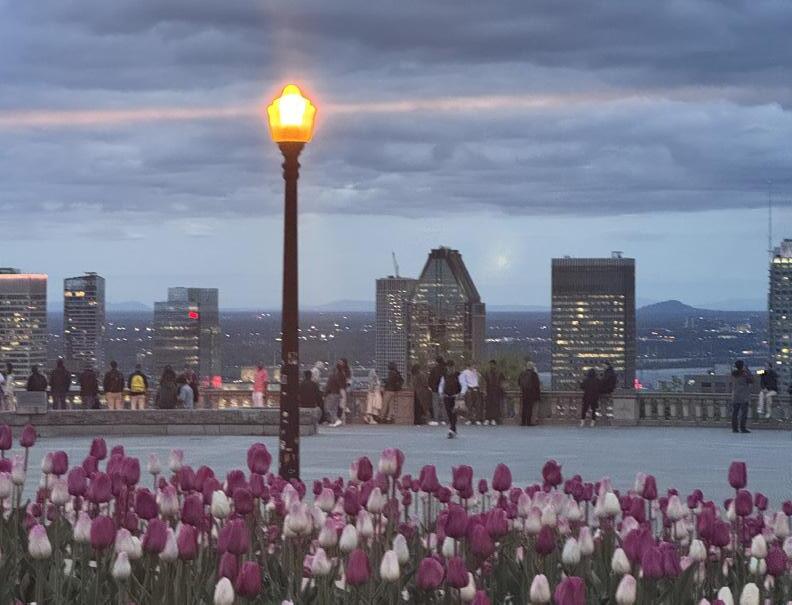
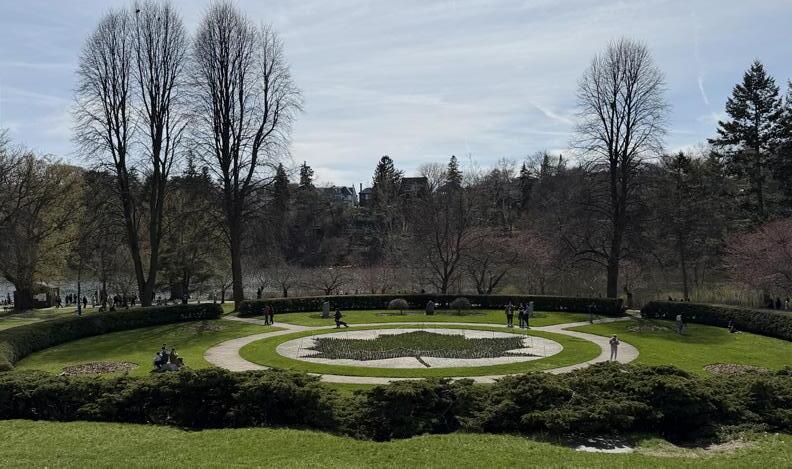
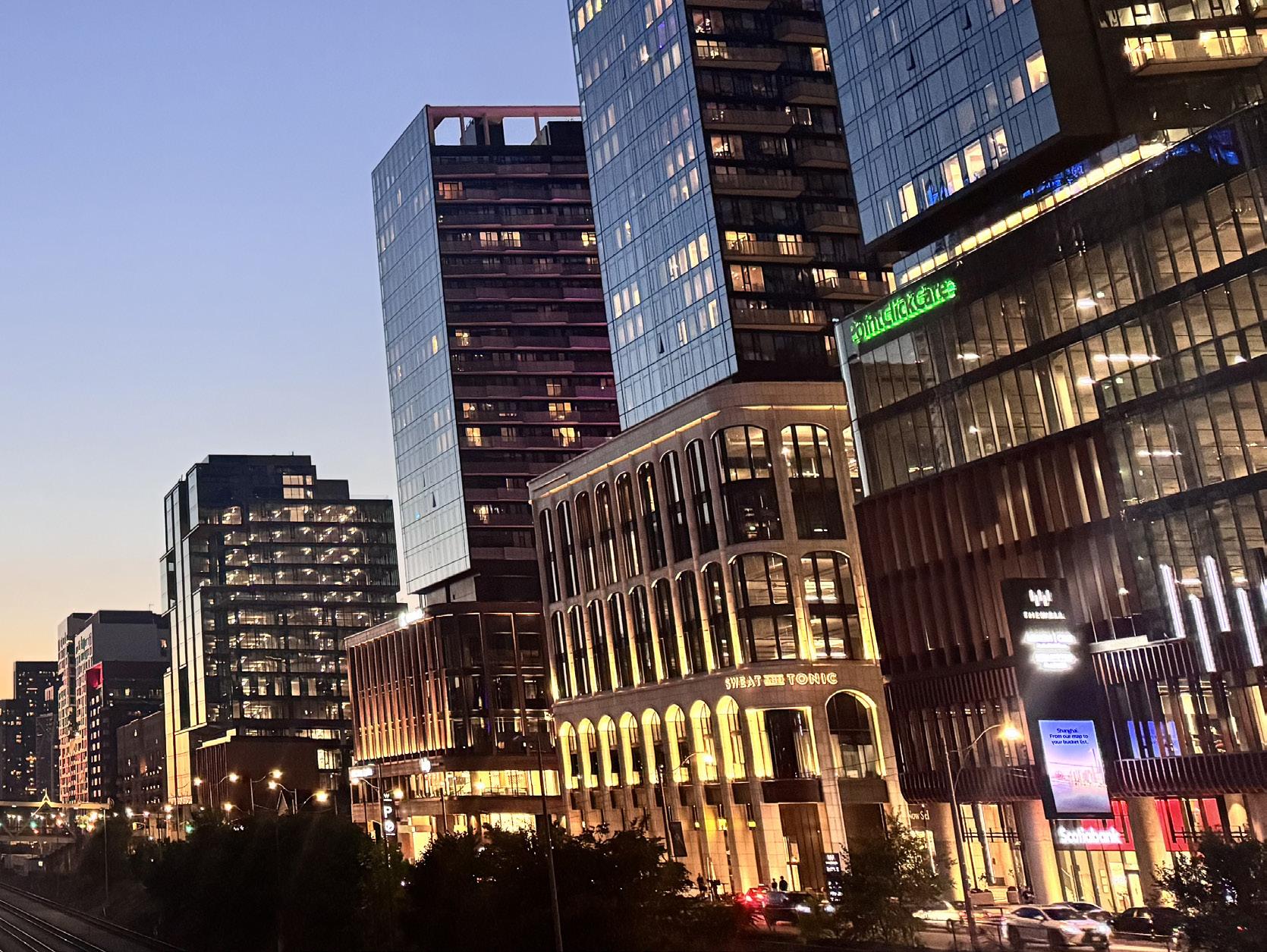
is beginning to say goodbye to one of the most anticipated seasons of the year: spring. After several months of winter, snow, and low temperatures, this season represents a time of change, renewal, and, for many, the opportunity to once again enjoy the city outdoors.
Personally, it’s one of my favorite times of the year. After so many gray and cold days, I love seeing how the city begins to transform little by little. The parks fill with color again, the trees regain their leaves, and flowers appear in almost every corner. Something I truly enjoy is simply going for a walk and seeing how everything begins to feel more alive. There’s also something special about spring sunsets in Toronto. The days get longer, the weather starts to feel more pleasant, and there’s a different feeling in the air. I love seeing people returning to the parks, having picnics, riding bikes, or simply sitting and enjoying the sun after work.


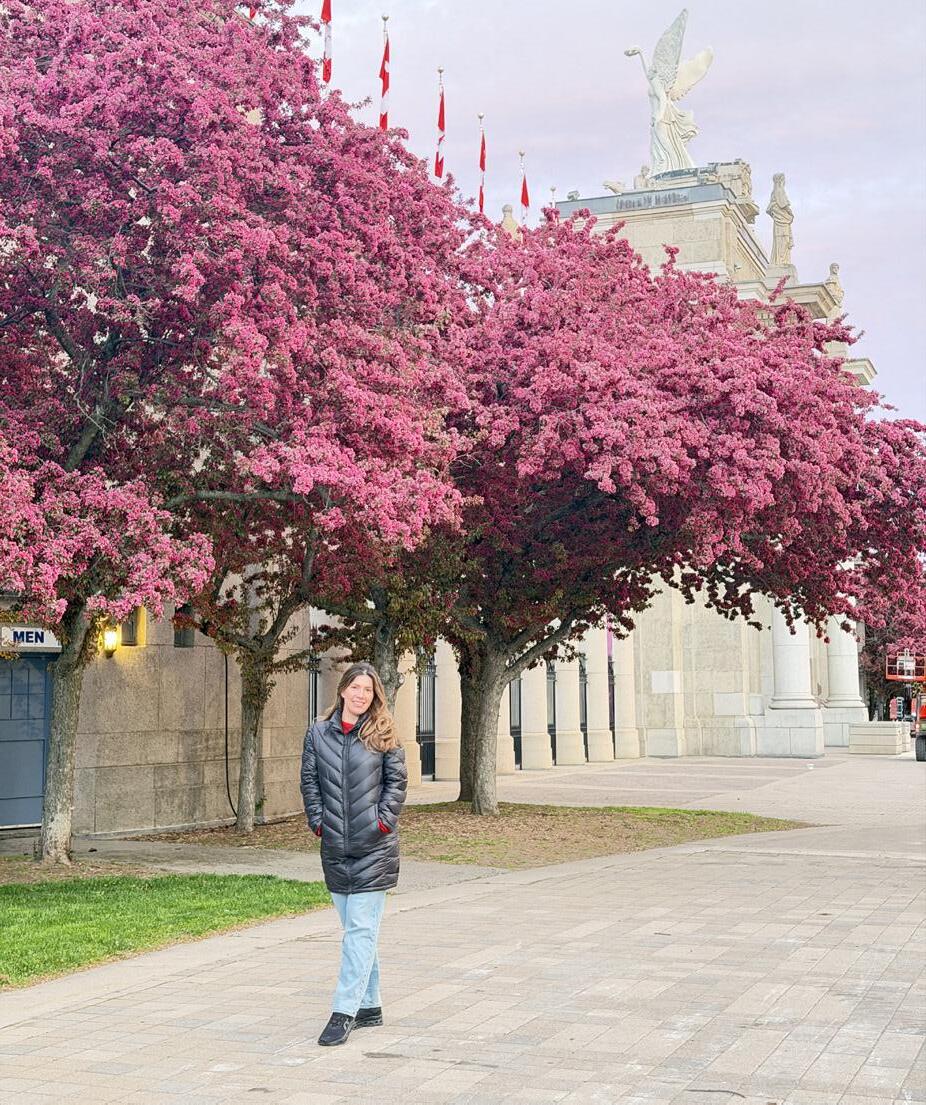
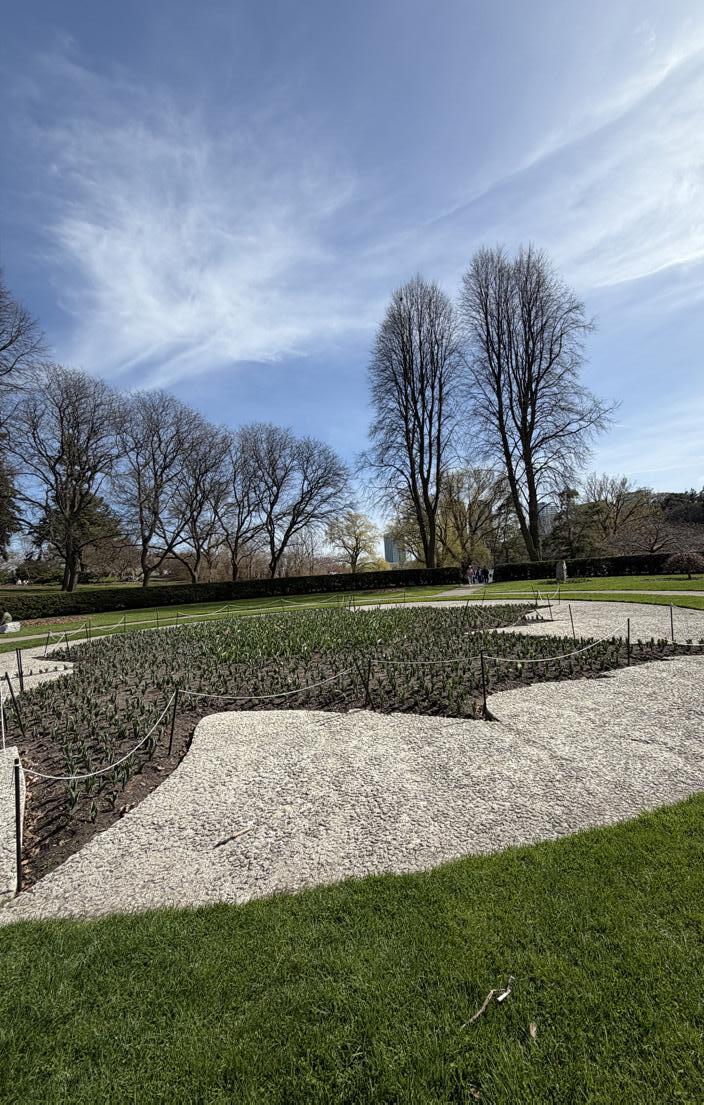
One of the most beautiful aspects of this season is the outdoors. Many people take advantage of the opportunity to walk along the lake, visit local markets, gather on patios, or spend time in green spaces. Parks like High Park and Trinity Bellwoods fill with people enjoying the season, especially during cherry blossom season, a natural spectacle that attracts both residents and tourists every year.
Of course, spring in Toronto also has something very characteristic: its unpredictable weather. In a single day, it can be sunny, rainy, and cold, so being prepared for any change becomes part of the routine. But even so, I think that also has its charm.
Now that we are slowly approaching summer, many people, myself included, are trying to make the most of these last few days to enjoy the fresh air, the flowers, the colors, and those little moments that make this season special.
Because here in Toronto, after such a long winter, spring doesn’t just change the weather… it also changes the mood of the city.


Alberto Friscione
Hay invitaciones que simplemente no se pueden rechazar.
La tarde transcurría con serenidad en casa cuando apareció el arquitecto Manuel Victoria, propietario de Dorado Buceo, acompañado de mi gran amigo Eduardo Saint Martin, con una propuesta imposible de ignorar: sumergirnos en los arrecifes de Puerto Morelos y descubrir, una vez más, la magia oculta del Caribe Mexicano.
Sin pensarlo demasiado, preparé mi equipo y me dirigí al muelle a la hora acordada. Al llegar a la emblemática embarcación Don Beto, la sorpresa fue aún mayor: nos acompañarán dos auténticas leyendas del buceo, Zetina Cantú y Maidel Pérez. Con semejante equipo, la aventura prometía convertirse en una experiencia memorable.
Navegamos hacia el sitio conocido como Los Jureles, una zona alejada de la costa y cercana al cantil, donde el azul profundo adquiere una intensidad hipnótica. Tras repasar cuidadosamente las reglas de seguridad, rompimos el espejo del agua para sumergirnos en un océano cristalino que parecía suspendido entre la realidad y el sueño.
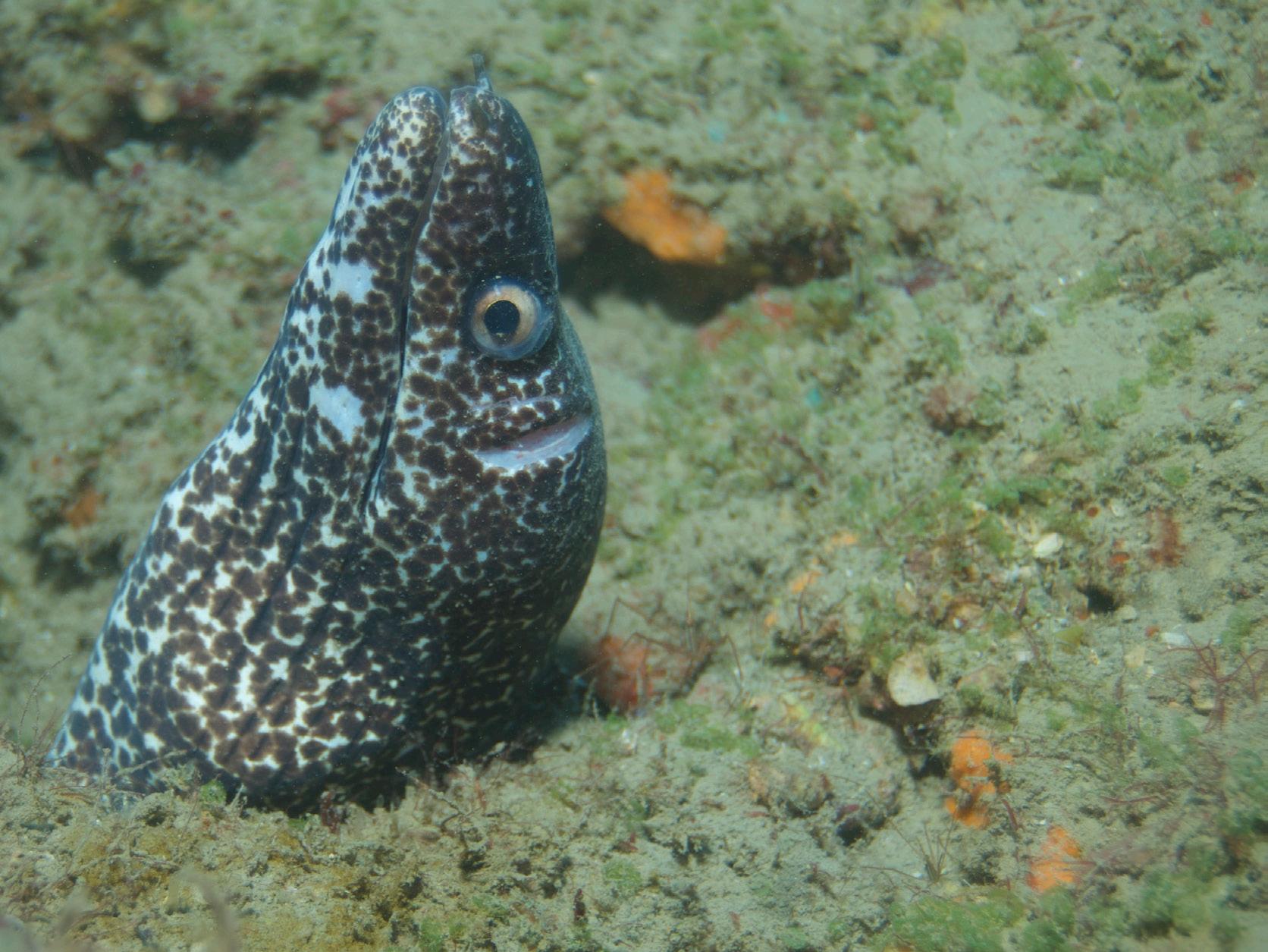
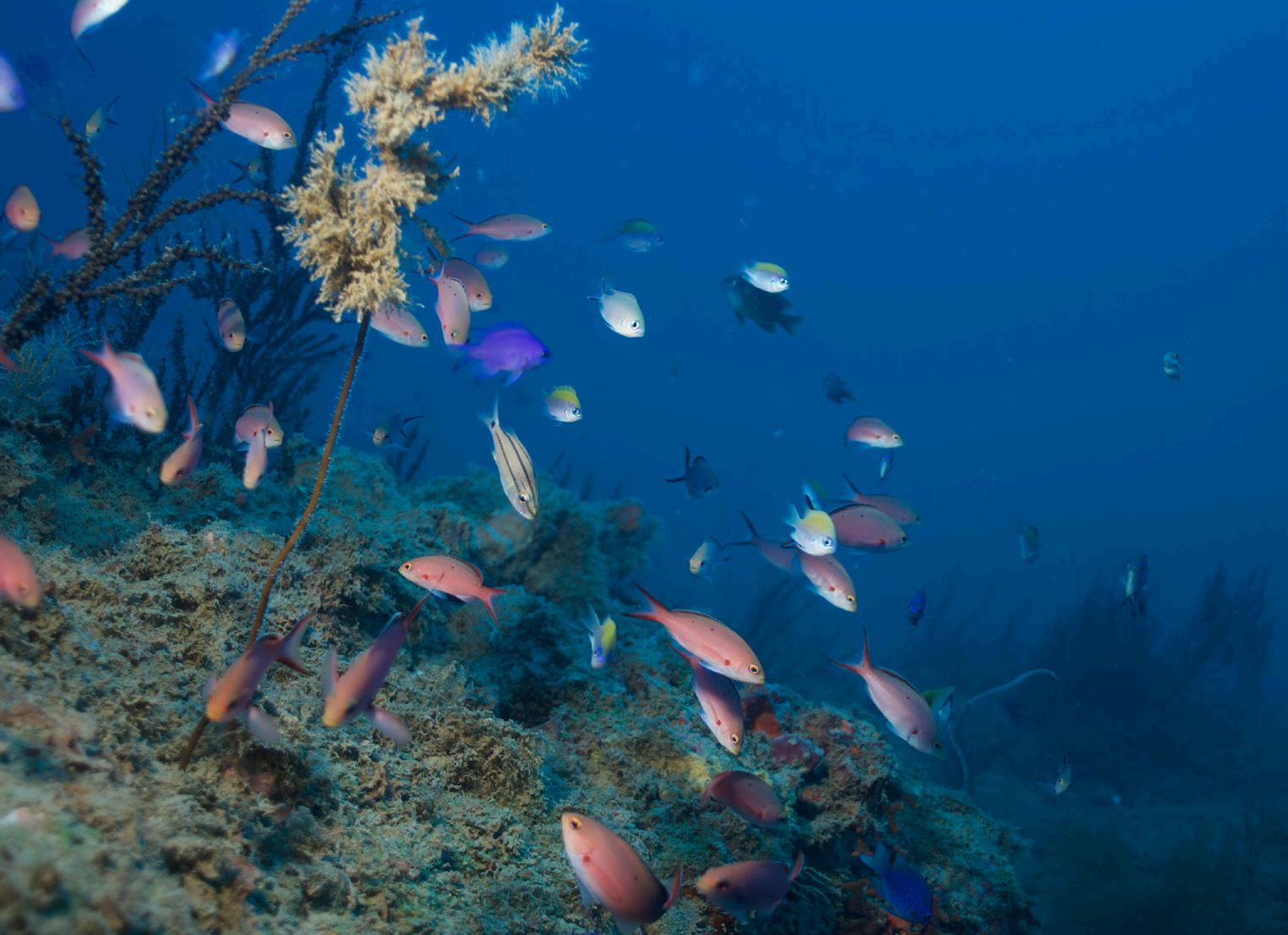
La corriente era intensa, obligándolos a descender rápidamente hasta los 35 metros para refugiarnos entre pequeñas grietas del arrecife mientras aguardábamos la llegada del esperado cardumen. Pero la espera jamás fue silenciosa: el arrecife vibraba con vida.
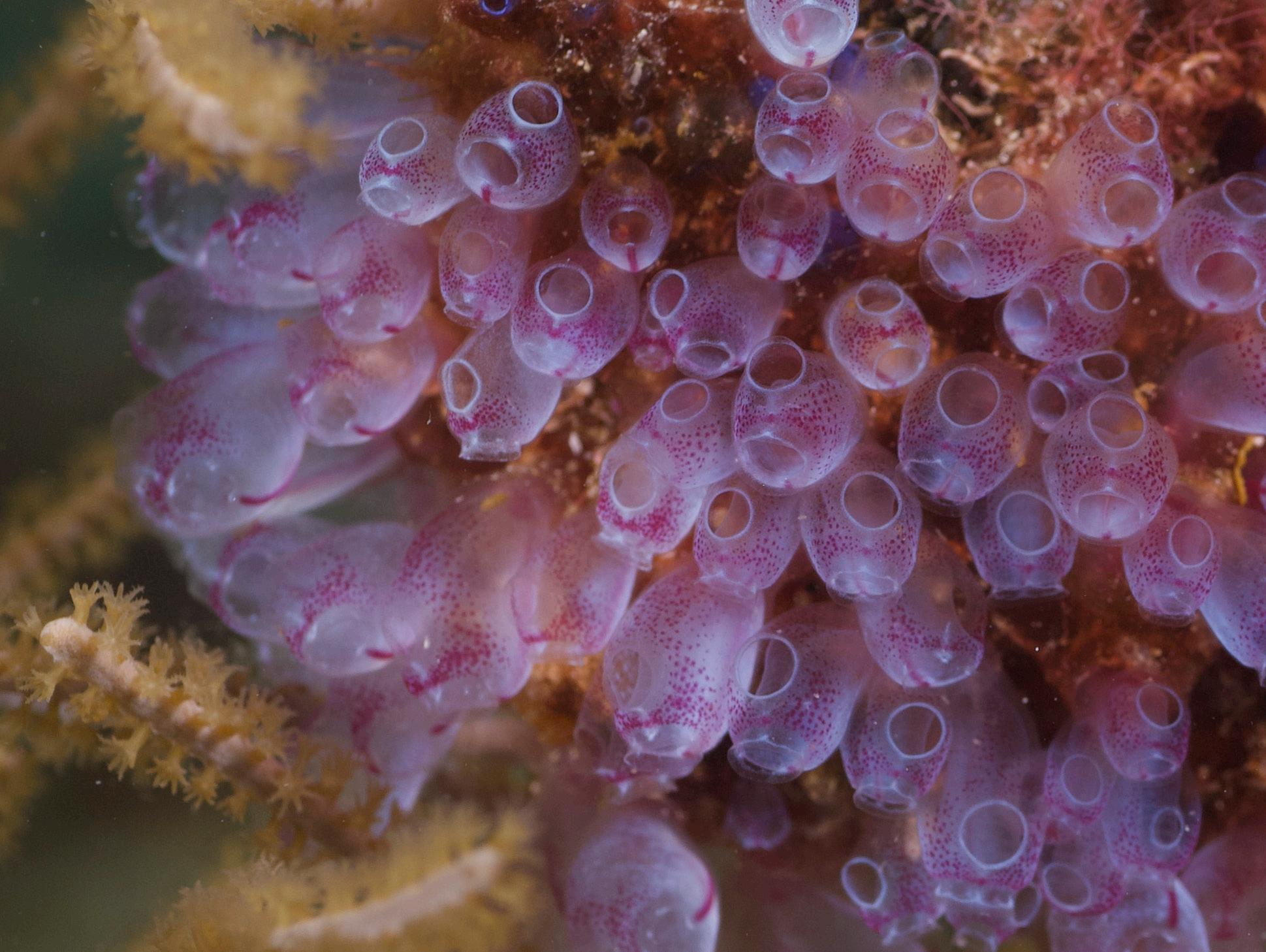
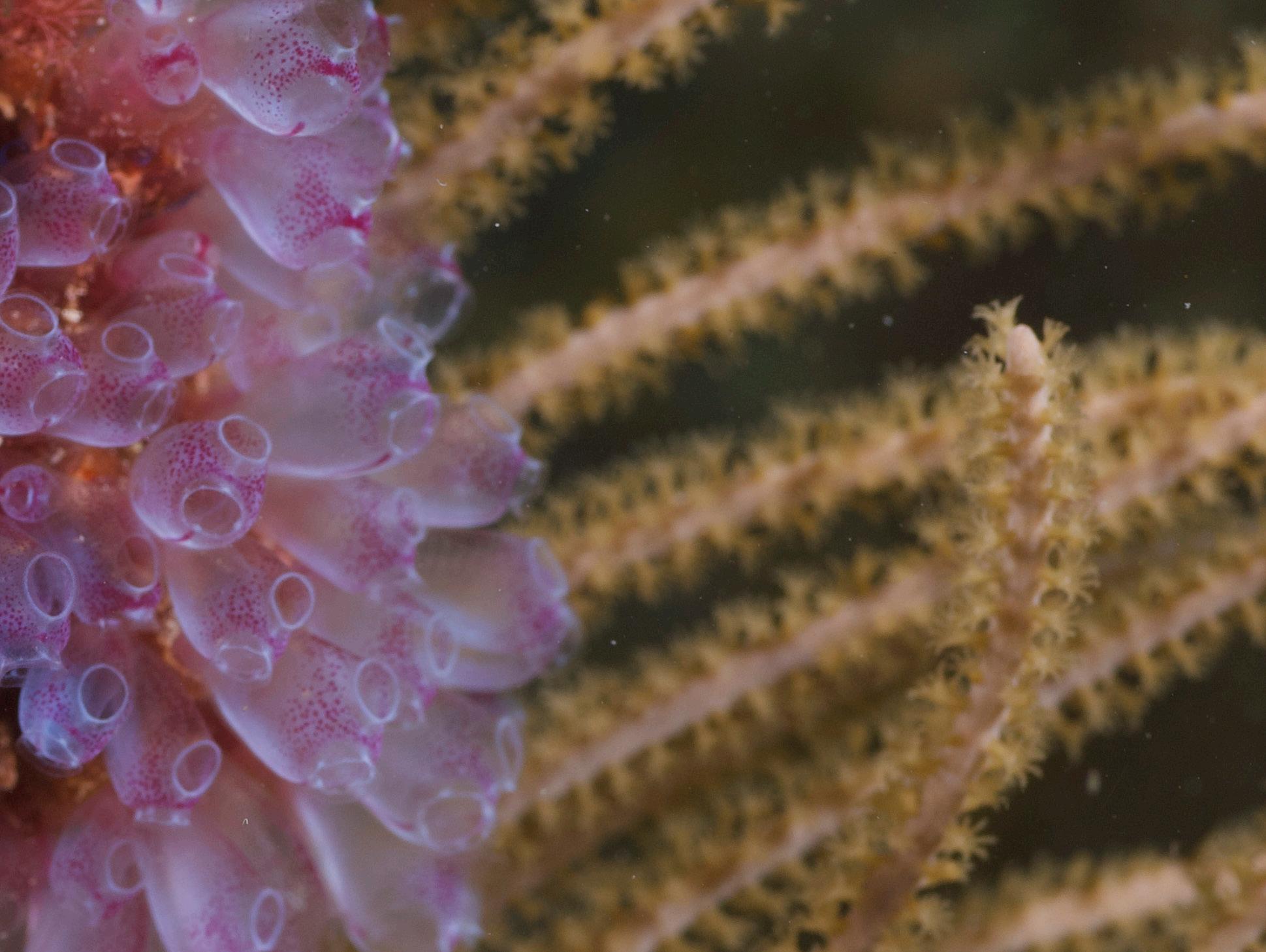
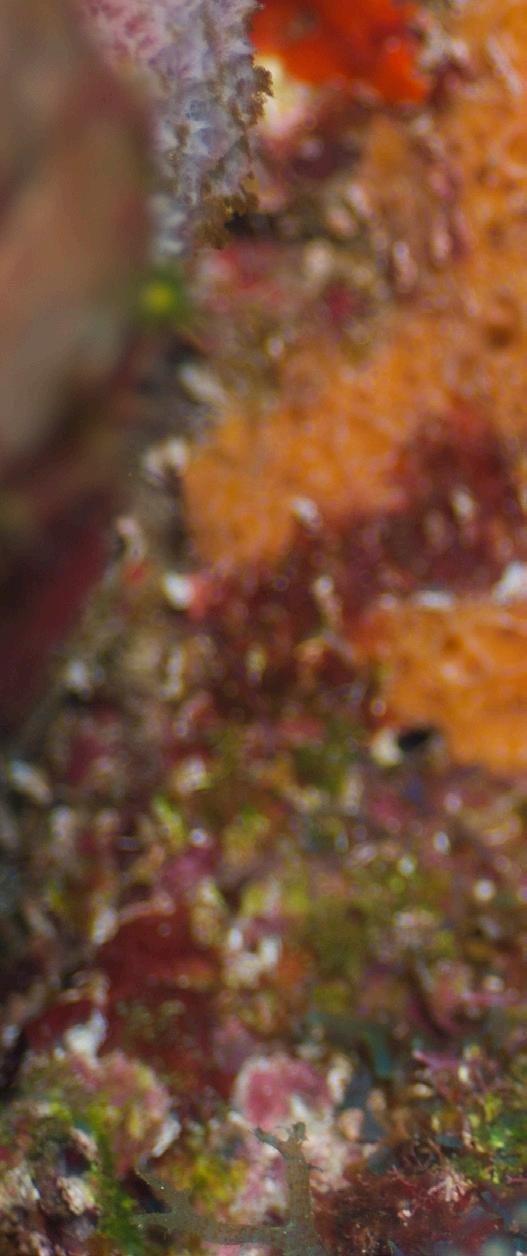
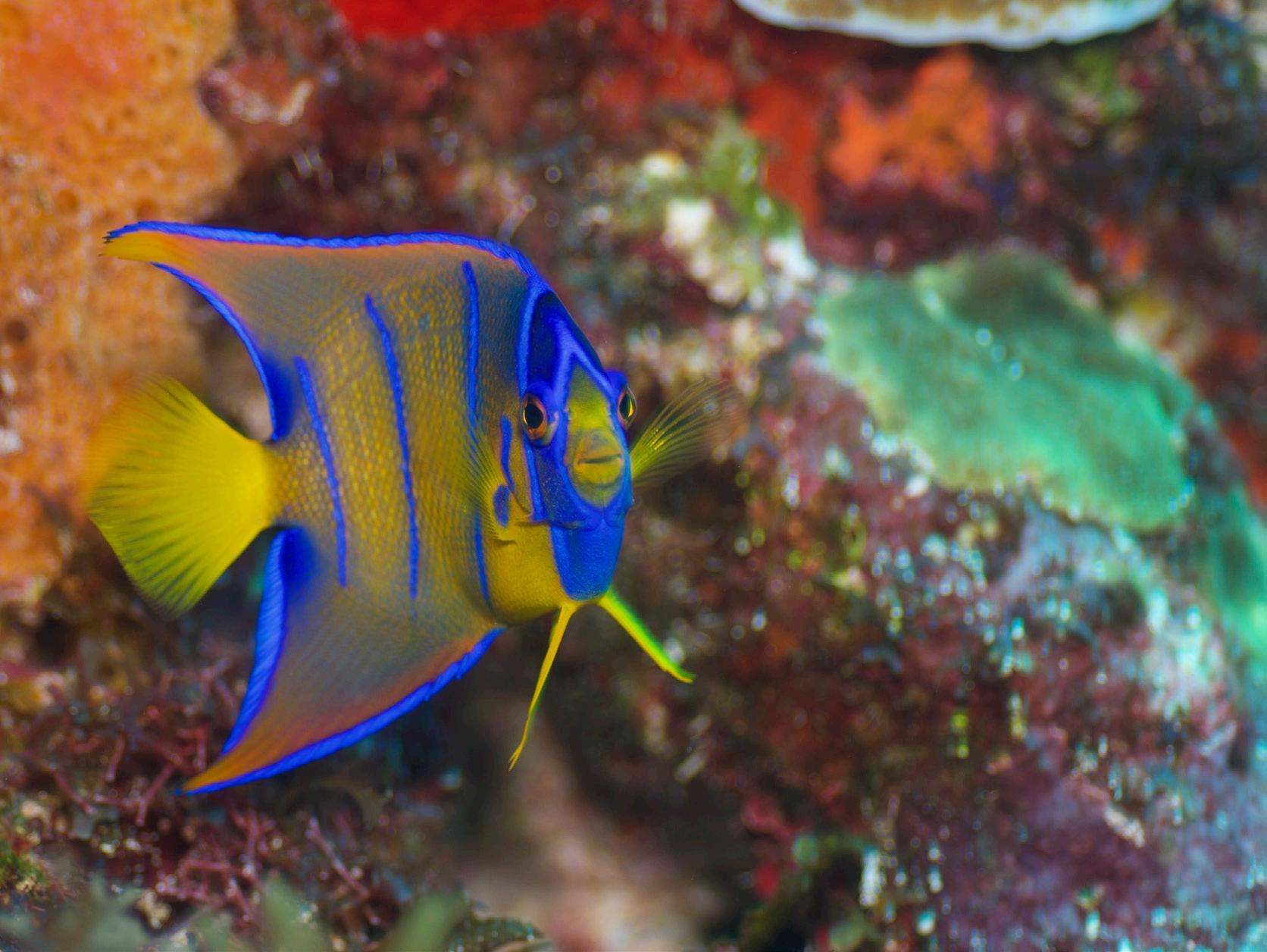
Barracudas curiosas se acercaban con elegancia intimidante; peces globo parecían posar para las cámaras; una delicada hueva de caracol chacpel descansaba sobre una gorgonia, mientras un tunicado de colores vibrantes añadía pinceladas surrealistas al paisaje submarino. Más adelante, las morenas verdes eran cuidadosamente limpiadas por diminutos peces, y entre las formaciones coralinas descubrimos los fascinantes nudibranquios, pequeñas joyas marinas sin concha que parecían obras de arte vivientes.
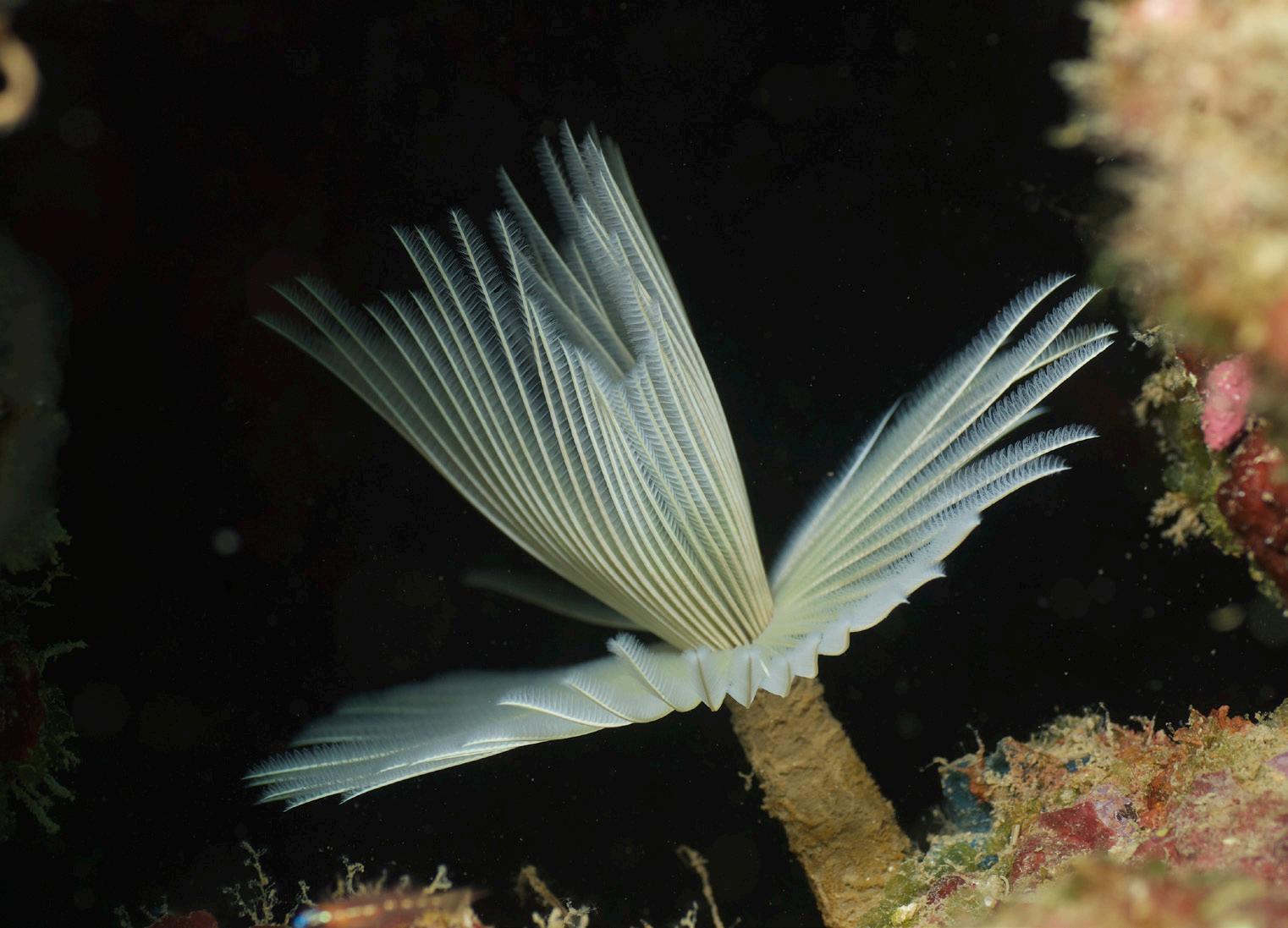
Los plumeros, delicados y teatrales, se contraen al menor movimiento, desapareciendo por completo dentro de sus estrechos refugios. Cada rincón del arrecife revelaba una escena distinta, como si el mar estuviera decidido a mostrar toda su grandeza.
El tiempo, sin embargo, avanzaba con rapidez. A esa profundidad, incluso utilizando mezclas enriquecidas con oxígeno, los minutos de fondo son limitados. Los jureles aún no aparecían y el aire comenzaba a agotarse, pero el espectáculo marino seguía robándome el aliento.
Entonces ocurrió.
Manuel llamó nuestra atención señalando hacia el azul profundo. A lo lejos, una inmensa pared plateada avanzaba lentamente hacia nosotros. Permanecimos inmóviles, pegados al fondo, evitando cualquier movimiento que pudiera alterar aquel instante irrepetible.
De pronto, el océano cambió de luz.
El gigantesco cardumen de jureles pasó sobre nosotros cubriendo el cielo marino con destellos gris plata. El momento fue tan imponente como efímero; una coreografía perfecta de la naturaleza que suspendió el tiempo por unos segundos eternos.
Mientras ascendíamos lentamente hacia la superficie, comprendí que las mejores experiencias suelen llegar de manera inesperada. Entre burbujas y silencios, agradecí al mar y a mis compañeros por regalarme una inmersión inolvidable, de esas que permanecen para siempre en la memoria y en el alma.
www.solobuceo.com

Some invitations are simply impossible to refuse.
The afternoon had been unfolding peacefully at home when architect Manuel Victoria, owner of Dorado Buceo, arrived alongside my great friend Eduardo Saint Martin with an irresistible proposal: to dive into the reefs of Puerto Morelos and once again discover the hidden magic of the Mexican Caribbean.
Without hesitation, I gathered my diving gear and headed to the dock at the agreed time. Upon arriving at the iconic vessel Don Beto, the surprise became even greater: two true legends of diving, Zetina Cantú and Maidel Pérez, would be joining us. With such an extraordinary team, the adventure already promised to become unforgettable.
We navigated toward the dive site known as Los Jureles, an area far from the coast and close to the drop-off, where the deep blue sea takes on an almost hypnotic intensity. After carefully reviewing safety procedures, we broke the mirror of the water and descended into a crystal-clear ocean suspended somewhere between reality and dream.
The current was strong, forcing us to descend quickly to 35 meters in search of shelter among small reef crevices while waiting for the long-anticipated school of jacks to appear. Yet the wait was anything but silent—the reef pulsed with life.
Curious barracudas glided nearby with intimidating elegance; pufferfish seemed to pose effortlessly for our cameras; delicate chacpel snail eggs rested upon a gorgonian coral, while brightly colored tunicates added surreal brushstrokes to the underwater landscape. Further along, green moray eels were being meticulously cleaned by tiny fish, and hidden among the coral formations we discovered fascinating nudibranchs—small shell-less marine jewels that looked like living works of art.
The feather duster worms, delicate and theatrical, instantly retracted into their slender tubes at the slightest hint of movement. Every corner of the reef unveiled another breathtaking scene, as though the sea itself were determined to reveal all of its grandeur.
Time, however, moves quickly underwater. At that depth, even using oxygen-enriched air mixtures, bottom time remains limited. The jacks had yet to appear, and our air supply was slowly diminishing, yet the marine spectacle continued
to leave me breathless.
Then it happened.
Manuel caught our attention, pointing toward the deep blue. In the distance, an immense silver wall slowly moved toward us. We remained perfectly still against the ocean floor, careful not to disturb the fragile perfection of the moment.
Suddenly, the ocean changed light.
The massive school of jacks swept above us, covering the underwater sky with shimmering silver flashes. It was a moment both overwhelming and fleeting—a perfect choreography of nature that seemed to suspend time itself.
As we slowly ascended toward the surface, I realized that the greatest experiences often arrive unexpectedly. Surrounded by silence and rising bubbles, I felt deeply grateful to the sea and to my companions for gifting me an unforgettable dive—one of those rare moments that remains forever etched in both memory and soul.
www.solobuceo.com

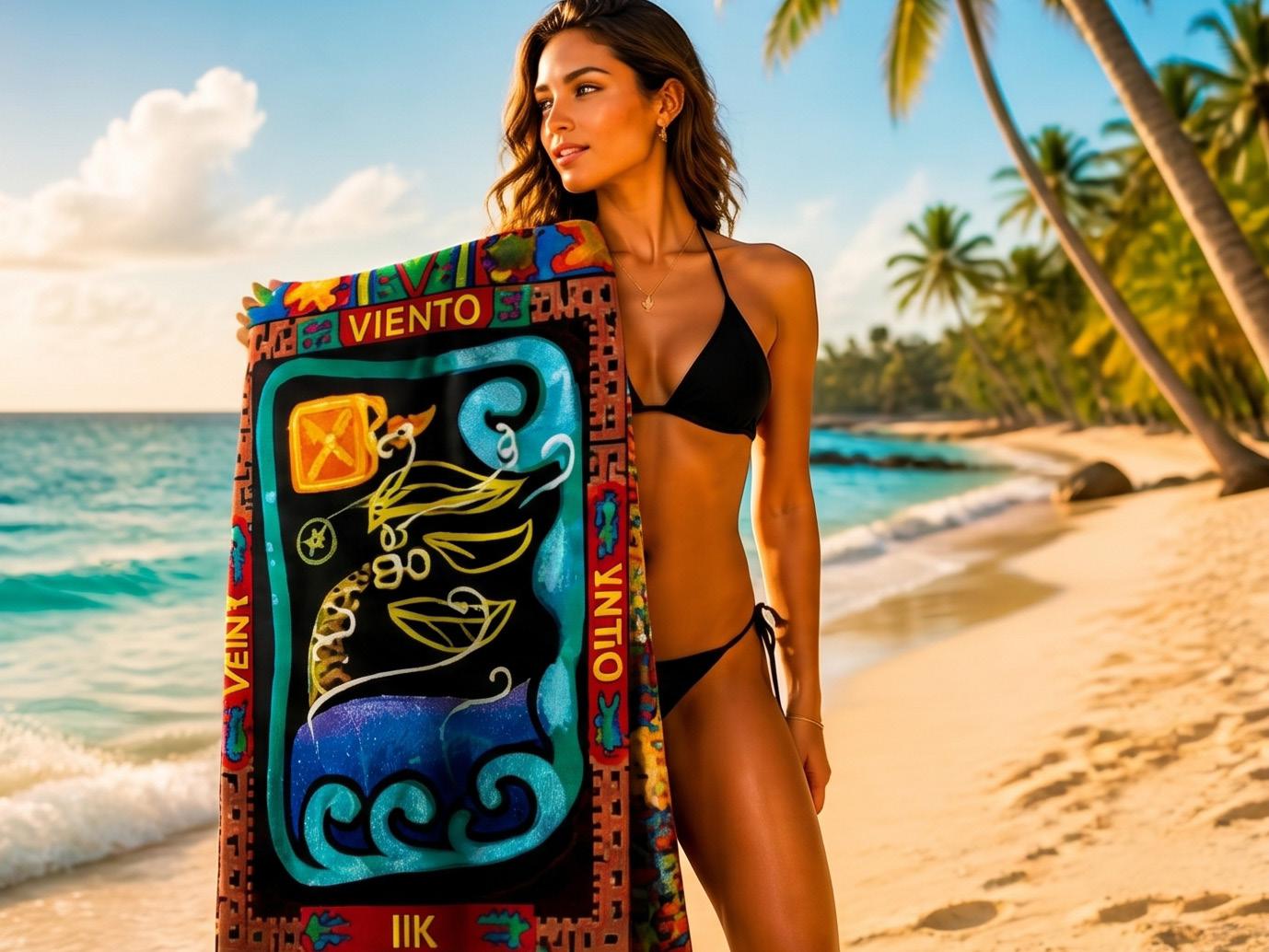
La nueva era de las toallas de microfibra inspiradas en la cultura maya
El lujo contemporáneo encuentra una nueva expresión en la creatividad, el color y la identidad cultural con la llegada de la nueva gama de toallas de microfibra de la marca Códices Mayas, una propuesta innovadora creada bajo la visión artística de Verónica Guerra. Inspiradas en la riqueza ancestral del mundo maya, estas piezas destacan por sus colores vibrantes, patrones exclusivos y detalles llenos de simbolismo que transforman un accesorio cotidiano en una auténtica experiencia de estilo y cultura. Cada diseño refleja la esencia del Caribe mexicano y la majestuosidad de una civilización que continúa cautivando al mundo. Fabricadas en microfibra de alta calidad, las toallas combinan suavidad, ligereza, absorción rápida y practicidad, convirtiéndose en el complemento ideal para playas, albercas, spas, yates y destinos de lujo. Su tecnología innovadora permite un secado eficiente y gran durabilidad, respondiendo a las nuevas tendencias de viajeros modernos que buscan productos funcionales sin renunciar al diseño.


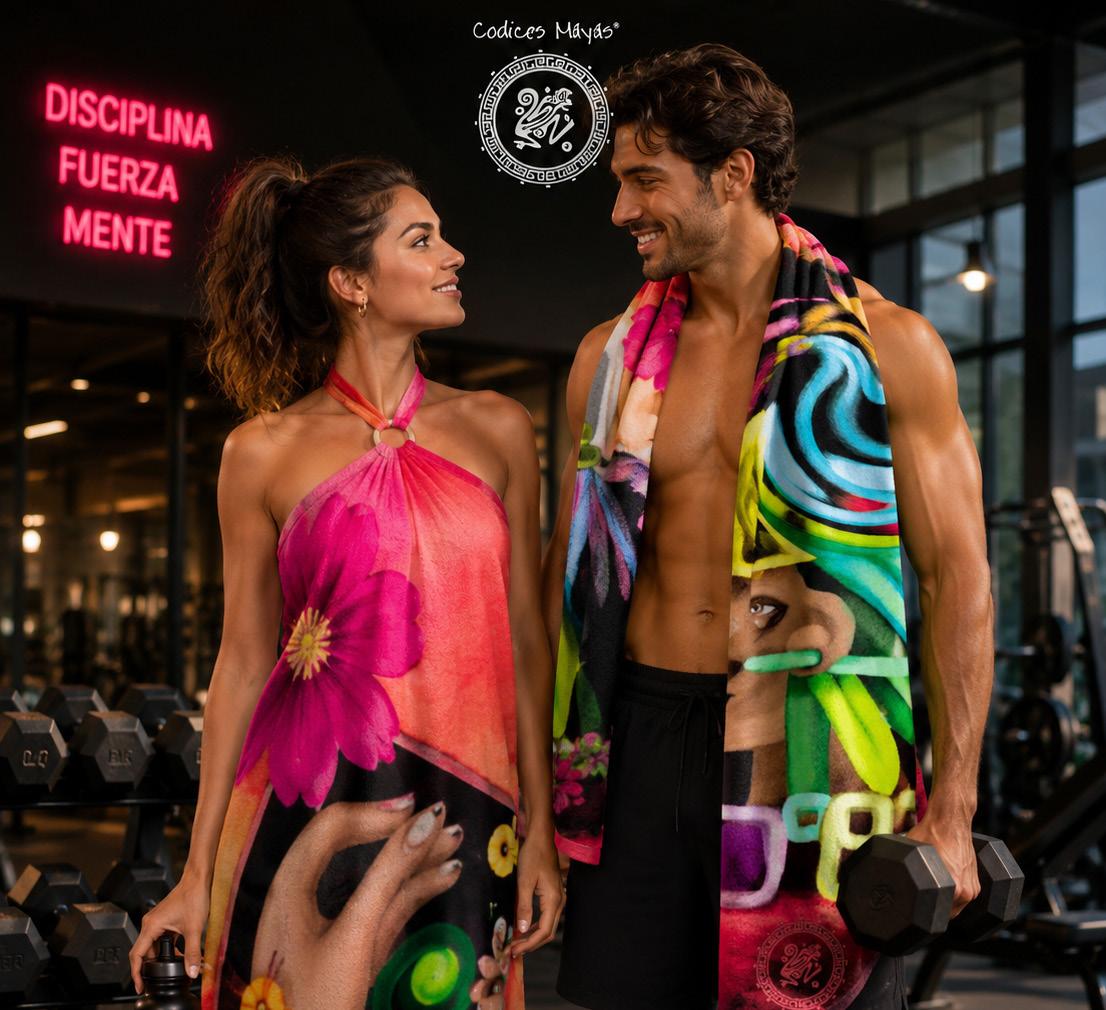
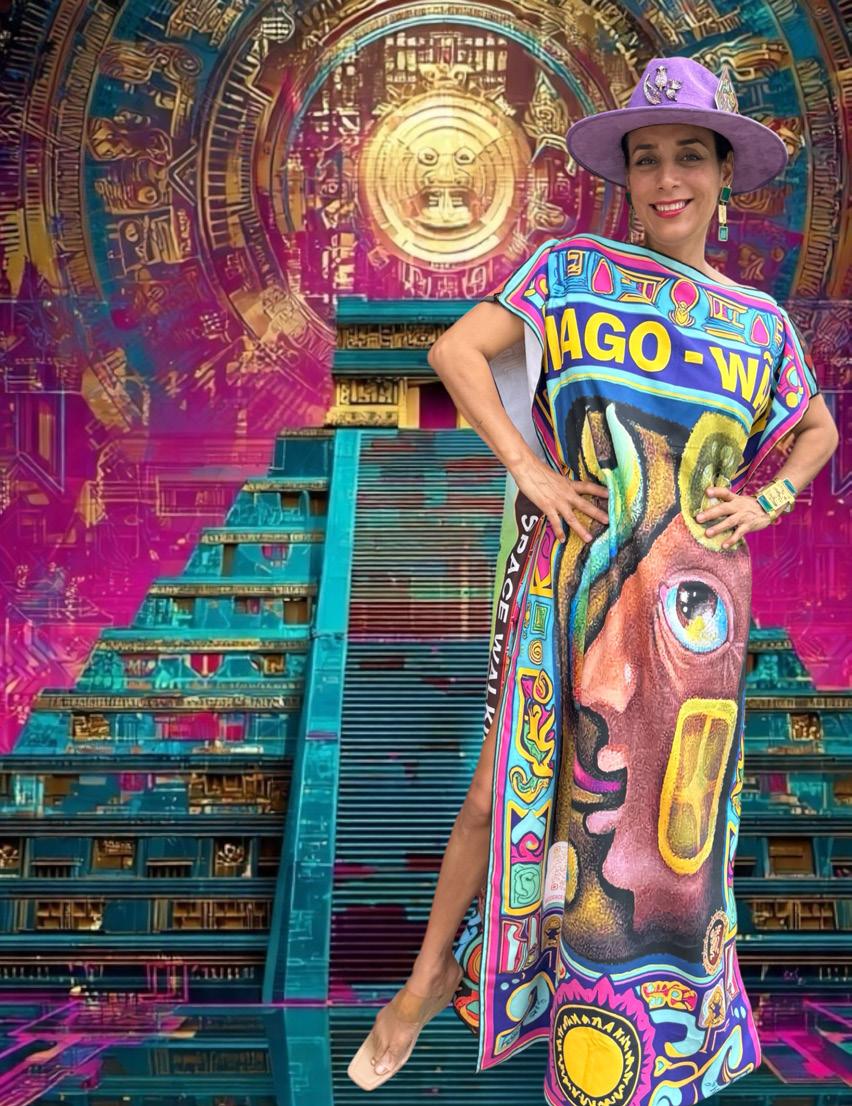

Uno de los elementos más distintivos de esta colección es su concepto multicultural. Las piezas están diseñadas para conectar con el turismo internacional mediante la incorporación de mensajes y conceptos en cuatro idiomas, proyectando la cultura maya hacia nuevos mercados globales y convirtiéndose en un símbolo de identidad y sofisticación.
Además de su funcionalidad, cada pieza ha sido concebida como un accesorio versátil y fashion-forward.
Gracias a su diseño y caída ligera, cada toalla puede transformarse en el atuendo ideal para distintas ocasiones, convirtiéndose en un original caftán lleno de estilo, glamour y personalidad. La colección incluye propuestas visuales sobre cómo llevarlas y presentarlas, fusionando moda resort, comodidad y elegancia en una sola pieza.
La colección de Códices Mayas no solo representa una propuesta textil innovadora, sino también una plataforma para promover el arte, las raíces y el legado de la civilización maya a través de productos contemporáneos con una estética glamorosa y cosmopolita.
Con esta nueva línea, Verónica Guerra reafirma su compromiso con la creatividad mexicana, apostando por diseños únicos que fusionan tradición, lujo y modernidad, posicionando a Códices Mayas como una de las propuestas emergentes más originales dentro del mercado de accesorios premium inspirados en la cultura ancestral.

By Verónica Guerra de Alberti


Contemporary luxury finds a new expression through creativity, color, and cultural identity with the launch of the new microfiber towel collection by Códices Mayas, an innovative proposal created under the artistic vision of Verónica Guerra.
Inspired by the ancestral richness of the Mayan world, these pieces stand out for their vibrant colors, exclusive patterns, and symbolic details that transform an everyday accessory into a true lifestyle and cultural statement. Each design reflects the essence of the Mexican Caribbean and the magnificence of a civilization that continues to captivate the world.
Crafted from high-quality microfiber, the towels combine softness, lightness, quick-dry technology, and practicality, making them the perfect companion for beaches, pools, spas, yachts, and luxury destinations. Their innovative fabric technology ensures efficient drying and long-lasting durability, meeting the demands of modern travelers seeking functional products without compromising style.



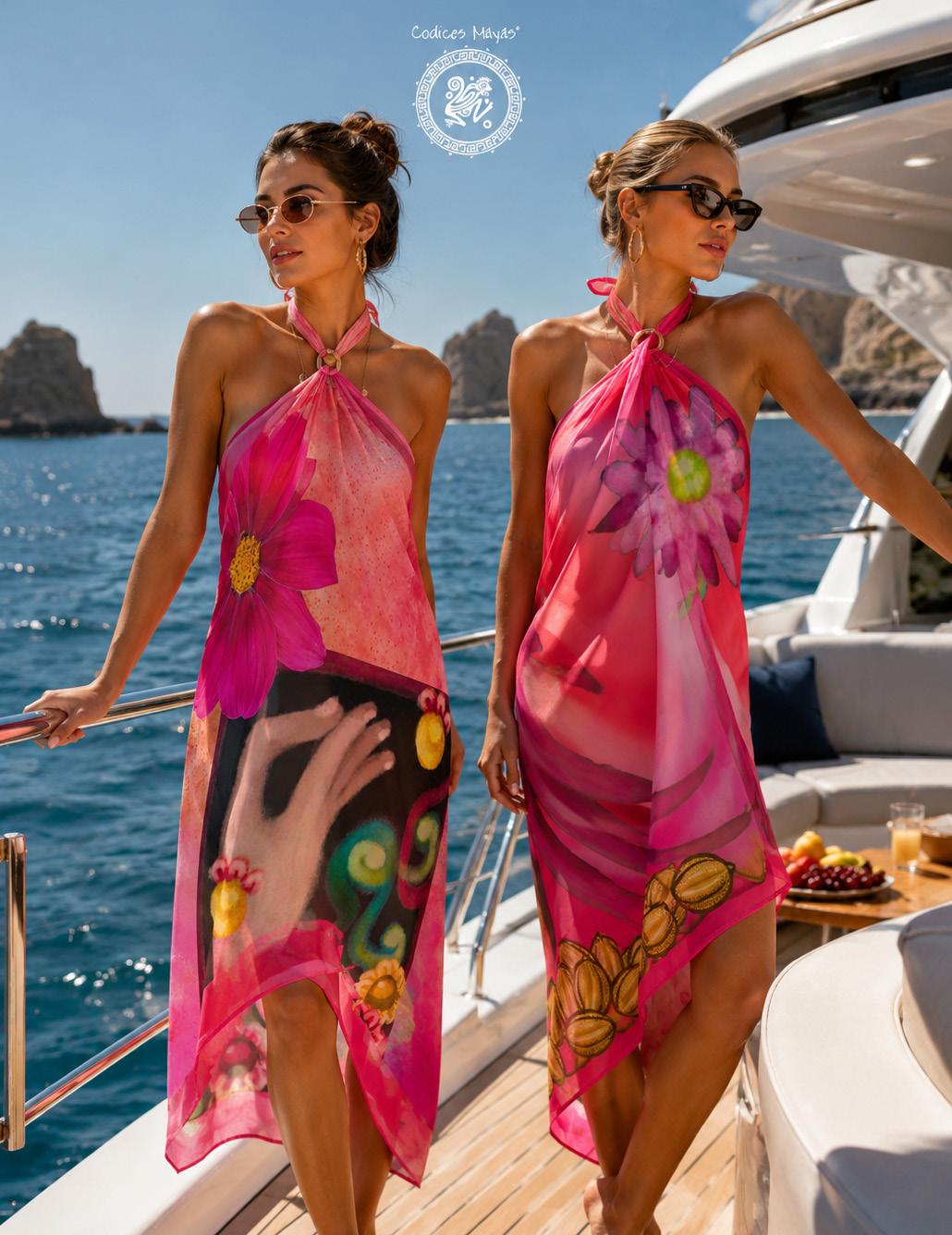
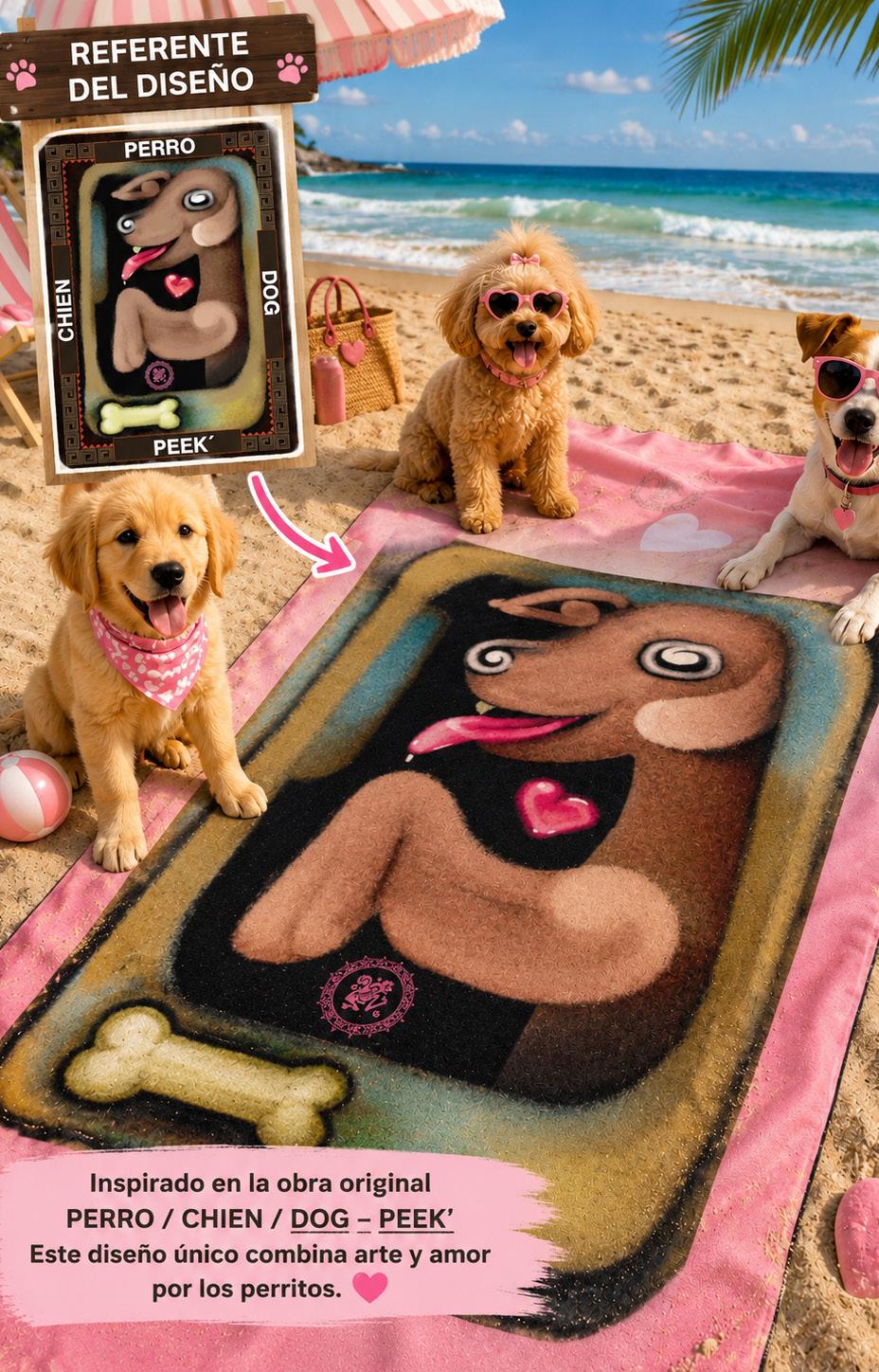
One of the most distinctive elements of this collection is its multicultural concept. The pieces are designed to connect with international tourism through the incorporation of messages and concepts in four languages, projecting Mayan culture into global markets while becoming a symbol of identity and sophistication.
Beyond functionality, each piece has been conceived as a versatile and fashion-forward accessory. Thanks to their elegant drape and lightweight texture, every towel can be transformed into the ideal outfit for different occasions, becoming an original caftan full of style, glamour, and personality. The collection also showcases creative ways to wear and present the pieces, blending resort fashion, comfort, and elegance into a single design.
The collection by Códices Mayas represents not only an innovative textile proposal, but also a platform to promote the art, roots, and legacy of the Mayan civilization through contemporary products with a glamorous and cosmopolitan aesthetic.
With this new line, Verónica Guerra reaffirms her commitment to Mexican creativity, embracing unique designs that merge tradition, luxury, and modernity, positioning Códices Mayas as one of the most original emerging brands in the premium accessories market inspired by ancestral culture.
Se enorgullece de ofrecer, con todos sus colaboradores, los más altos estándares a sus patrocinadores y lectores.
Prides itself on offering, with all its controbutors, the higest standards to its patrons and readers
Gracias por crecer estos 25 años con nosotros y ser parte del éxito.
Thank you for growing these 25 years with us and being part of the succes.


PREMIO EMPRESA MEXICANA DEL AÑO 2021 -2025
XIV edición especial del México Quality Summit 2021
GALARDON INTERNACIONAL SOL DE ORO A LA EXCELENCIA por mercadotecnia interamericana en la ciudad de México D.F. 2003
GALARDON INTERNACIONAL ORO Y PLATA A LA CALIDAD 2003 por la Asociación de mercadotecnia Interamericana en la Ciudad de México 2004
ESTRELLA DE ORO AL MÉRITO EMPRESARIAL en Kranspolsky Ámsterdam Holanda, otorgado por World Wide Marketing Organization
MEDALLA DE ORO A LA CALIDAD Y SERVCIO en Santiago de Chile premio World Wide Marketing Organization 2005
GALARDON MUNDIAL A LA CALIDAD SIGLO XXI en Buenos aires Argentina otorgado por World Wide Marketing Organization
ESTRELLA DE ORO AL MÉRITO EMPRESARIAL en Puerto Vallaerta Jalisco, otorgado por World Wide Marketing Organization
GRAN PREMIO AMÉRICA A LA CALIDAD Y SERVICIO en la Ciudad de México, otorgado por INAME (Instituto Nacional de mercadotecnia)
GALARDON DE ORO A LA CALIDAD E INNOVACIÓN
2008 feria ABIMAD del mueble Sao Paulo Brasil
GALARDON A EXCELENCIA EMPRESARIAL
Otorgado por The Bizz Awards 2020-2021 en tres locaciones, Quatar, Kazakhstan, Toronto
• MEDALLA DE HONRA CRUZ DE MALTA
Otrogado por LAQUI (Latin American Quality Awards 2020) en Lima, Perú