Il Torrone
Giancarlo Frigerio
Magic destinations
Verónica Guerra
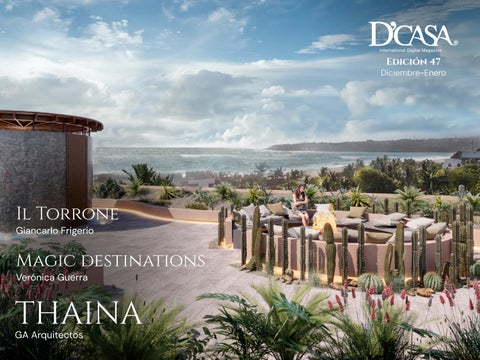
Giancarlo Frigerio
Verónica Guerra
GA Arquitectos
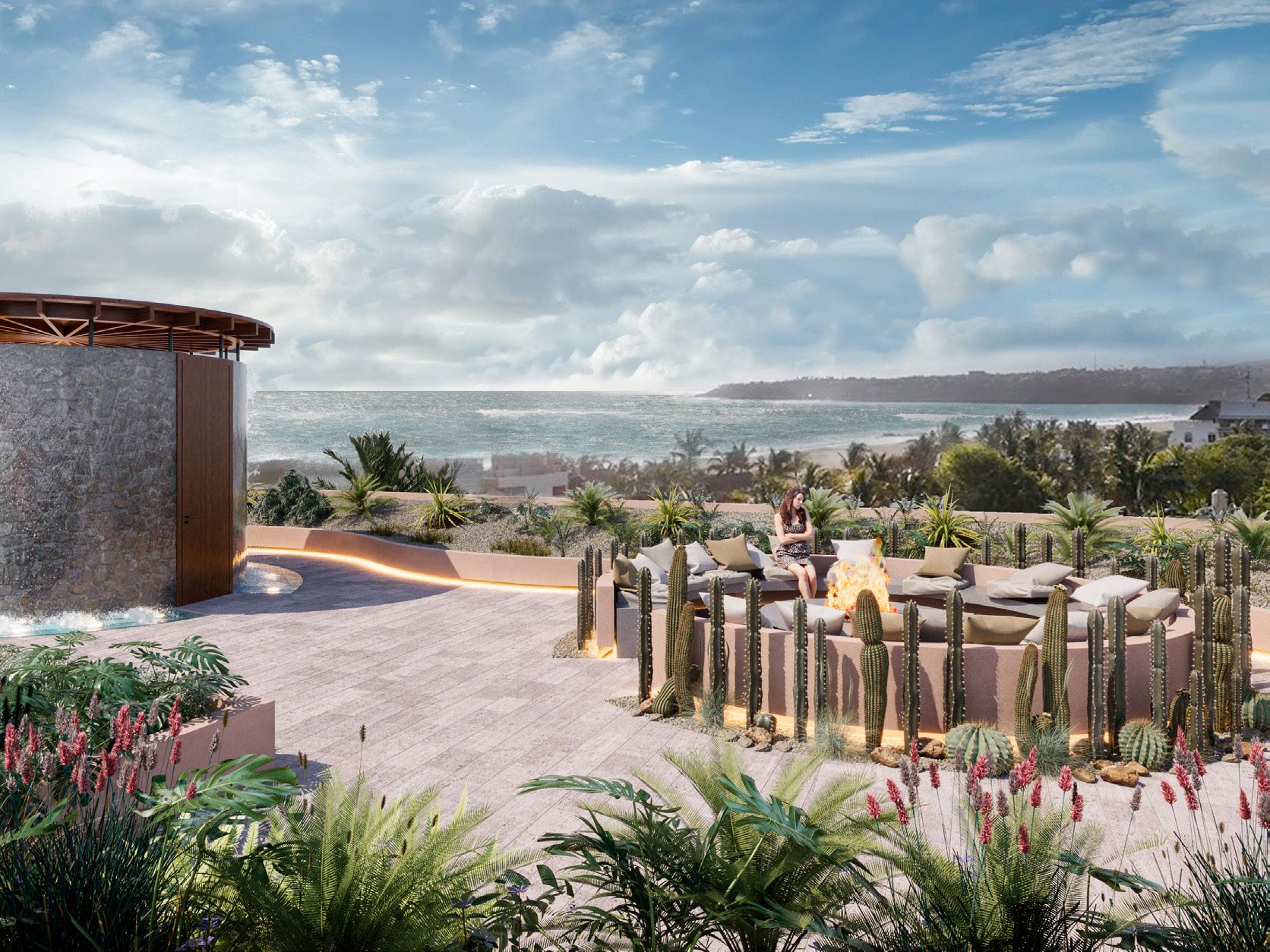
Diciembre-Enero

Leonora Stieglitz Arte y Arquitectura adlibitumarte@gmail.com

Silvana Bianchessi Stieglitz
Cuentas Especiales/Corresponsal China mkdcasamagazine@gmail.com

Perla Lichi Diseñadora perla@perlalichi.com www.perlalichi.com

Antonio Díaz Fotógrafo antoniodiaz@sybcom.com antoniodiaz.mx

Irma Guerra Oceanóloga/Corresponsal Baja California Eldetalledeirma@gmail.com

Giancarlo Frigerio Gastronomía gifritic3@gmail.com

Verónica Guerra Directora, dcasav@gmail.com

Alberto Friscione Buzo profesional albertofrisione@hotmail.com
www.solobuceo.com

Guerra de Alberti Directora, Editora dcasav@gmail.com

Friscione profesional albertofrisione@hotmail.com www.solobuceo.com

Arq. Isabel Rosas Martin del Campo Arquitecto
IR ISABEL ROSAS ARQUITECTAS
Isabel.Rosas.arquitectas.consultoras@outlook.com

Eduardo Balcazar
Gerente Arte y Diseño disenodcasamagazine@gmail.com

Ivana Giove
Relaciones Públicas/Corresponsal Canadá/Content Creator ivanagg1593@gmail.com

Romina Bianchessi Stieglitz
Control de calidad/Corresponsal CDMX rominabs1313@outlook.com

Lizbeth Montes de Oca Moda sagrariolizbeth@hotmail.com

Isabela Bianchessi Stieglitz
Relaciones Públicas bianchessiisabella@gmail.com
Dirección General / Editor
Verónica Guerra de Alberti
Arte y Formación
Eduardo Enrique Balcazar Molina
Comercialización
Felens y Asociados
Relaciones Públicas
Ivana Giove
Editor de Fotografía
Felens Internacional Fotografos
Antonio Diaz
Felens Internacional
Cuentas Especiales
Silvana Bianchessi Stieglitz
Corrector de Estilo
Isabel Dueñas
Traductor
James Carter
Despacho Contable y Administrativo
Consultoria Empresarial
Despacho Legal
Aldave y Cuellar Stafen S.C. Abogados
Información y Ventas
Corporativo Felens y Asociados
998 293 5064
998 252 4731
dcasav@gmail.com
www.dcasamagazine.com
Una celebración del estilo que trasciende el tiempo
Vivir con estilo es un arte. Celebrarlo, una tradición. Esta edición especial rinde homenaje al tiempo, a la visión y a la pasión que dieron origen a D’CASA International Magazine hace 24 años. A lo largo de más de dos décadas, cada página ha sido testigo de tendencias, talentos y momentos inolvidables. Este aniversario es, ante todo, un agradecimiento profundo: a nuestros fieles lectores, a nuestros colaboradores, a las marcas que nos han acompañado, y al equipo creativo que da vida a cada edición.
Gracias por formar parte de este viaje.
¡Feliz 24 aniversario. D’CASA!
A Celebration of Style that Transcends Time
Living with style is an art. Celebrating it is a tradition. This special edition pays tribute to the time, vision, and passion that gave birth to D’CASA International Magazine 24 years ago. Over more than two decades, each page has captured trends, talents, and unforgettable moments. This anniversary is, above all, a heartfelt thank you: to our loyal readers, our contributors, the brands that have joined us, and the creative team that brings every edition to life.
Thank you for being part of this journey.
Happy 24th Anniversary, D’CASA!


“Bienvenido a Tu Propio Resort”
Ser Dueño Nunca Había Sido Tan Rentable, Thaina: La Inversión Que También
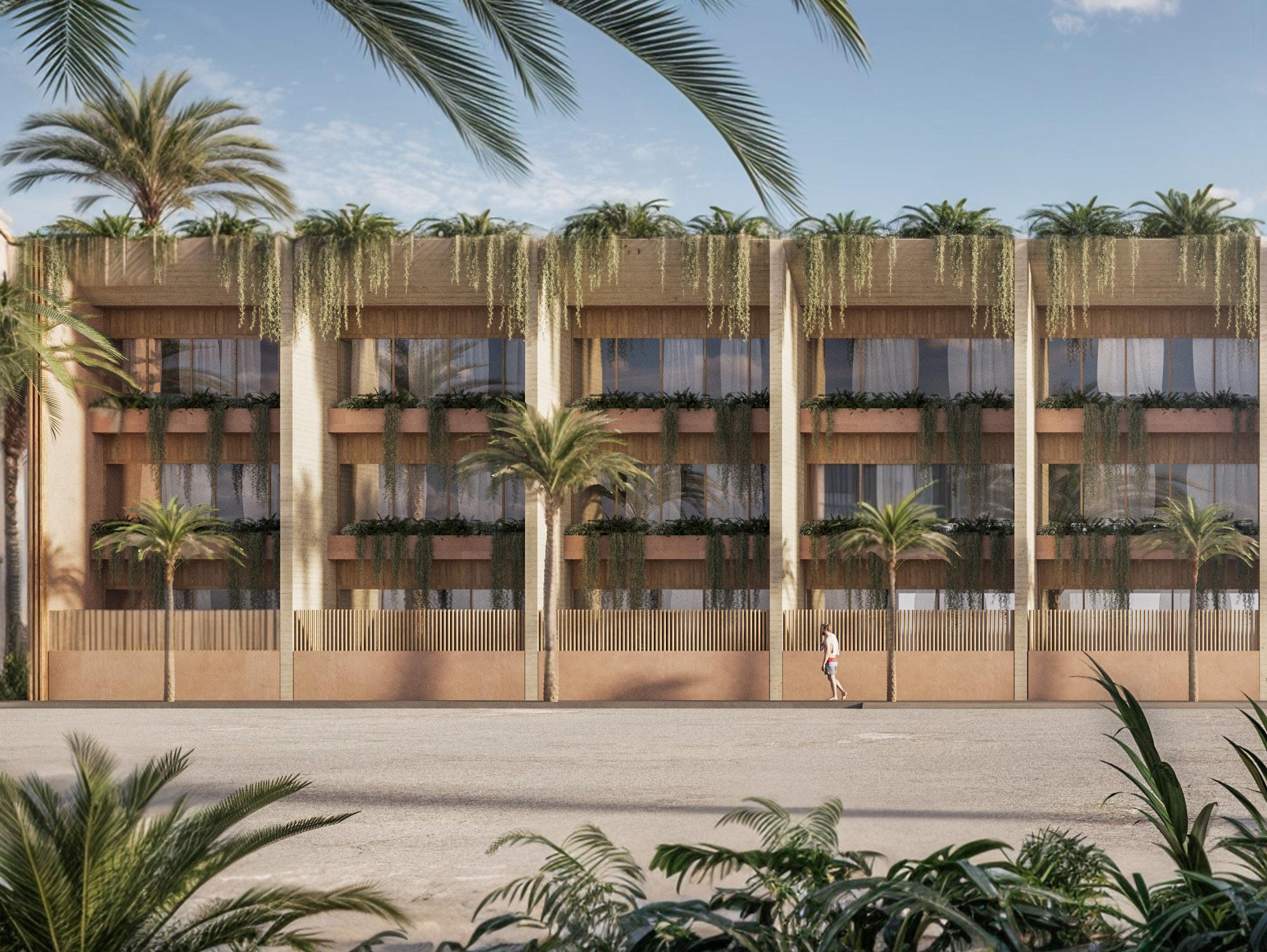
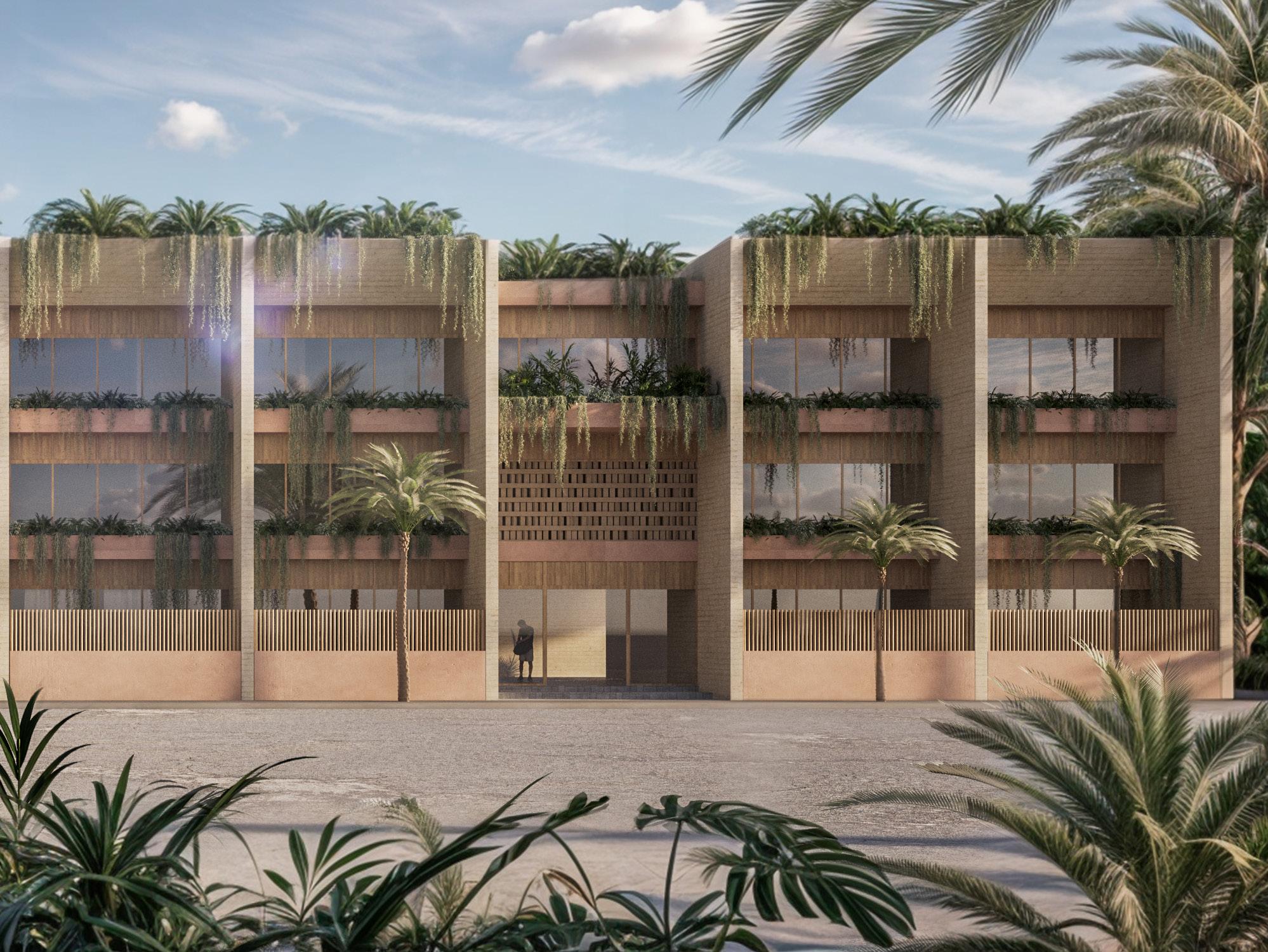
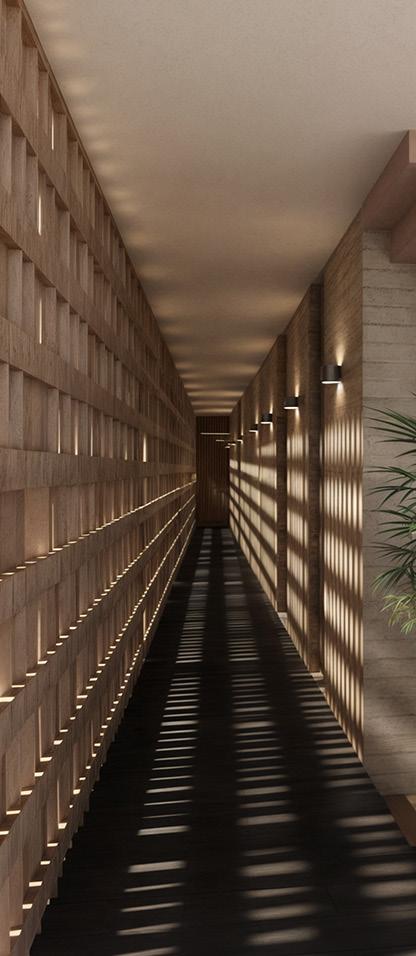
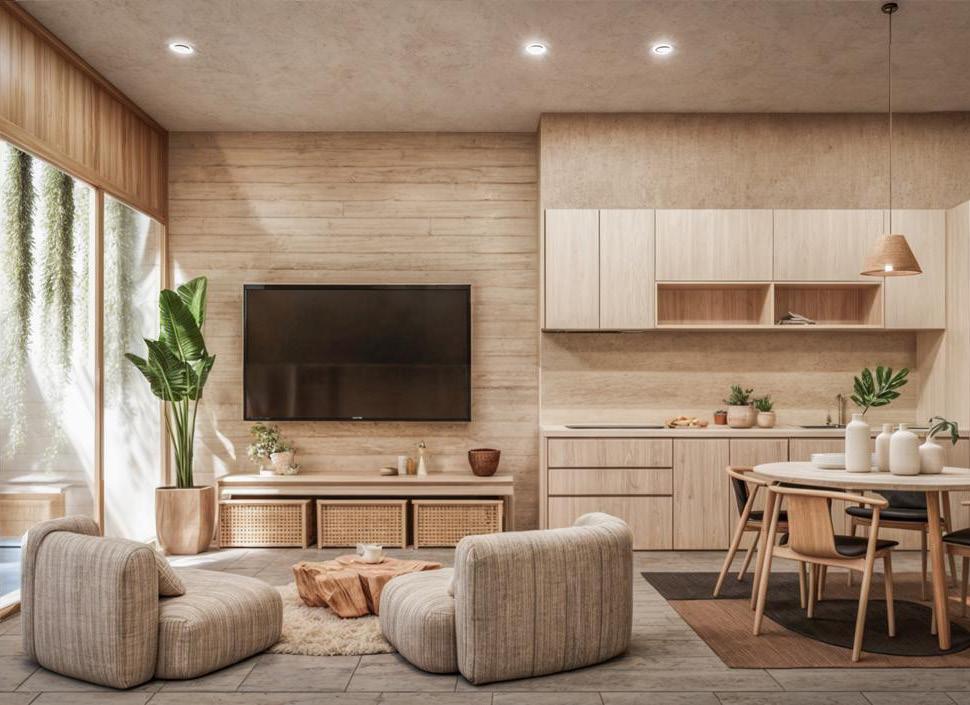
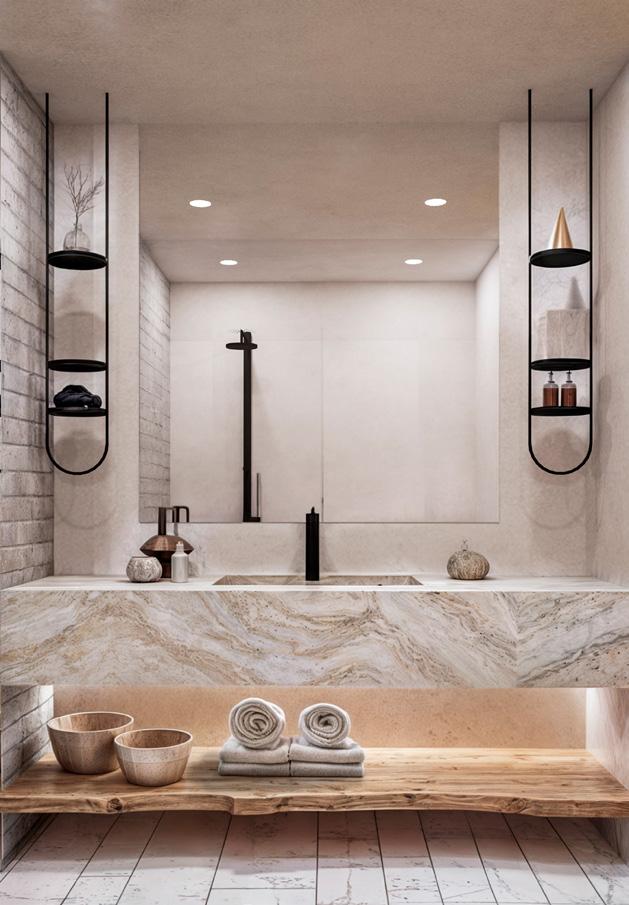
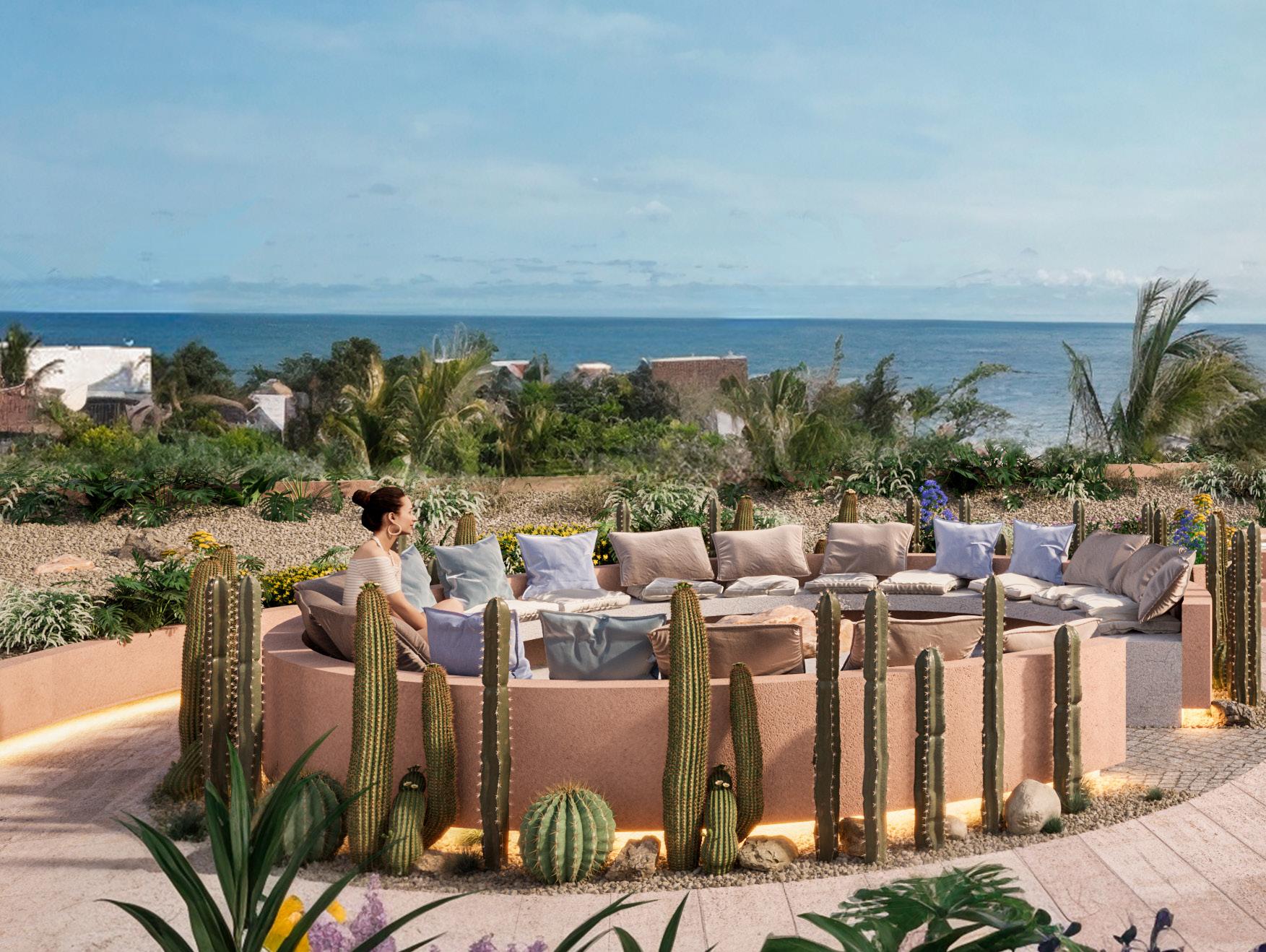
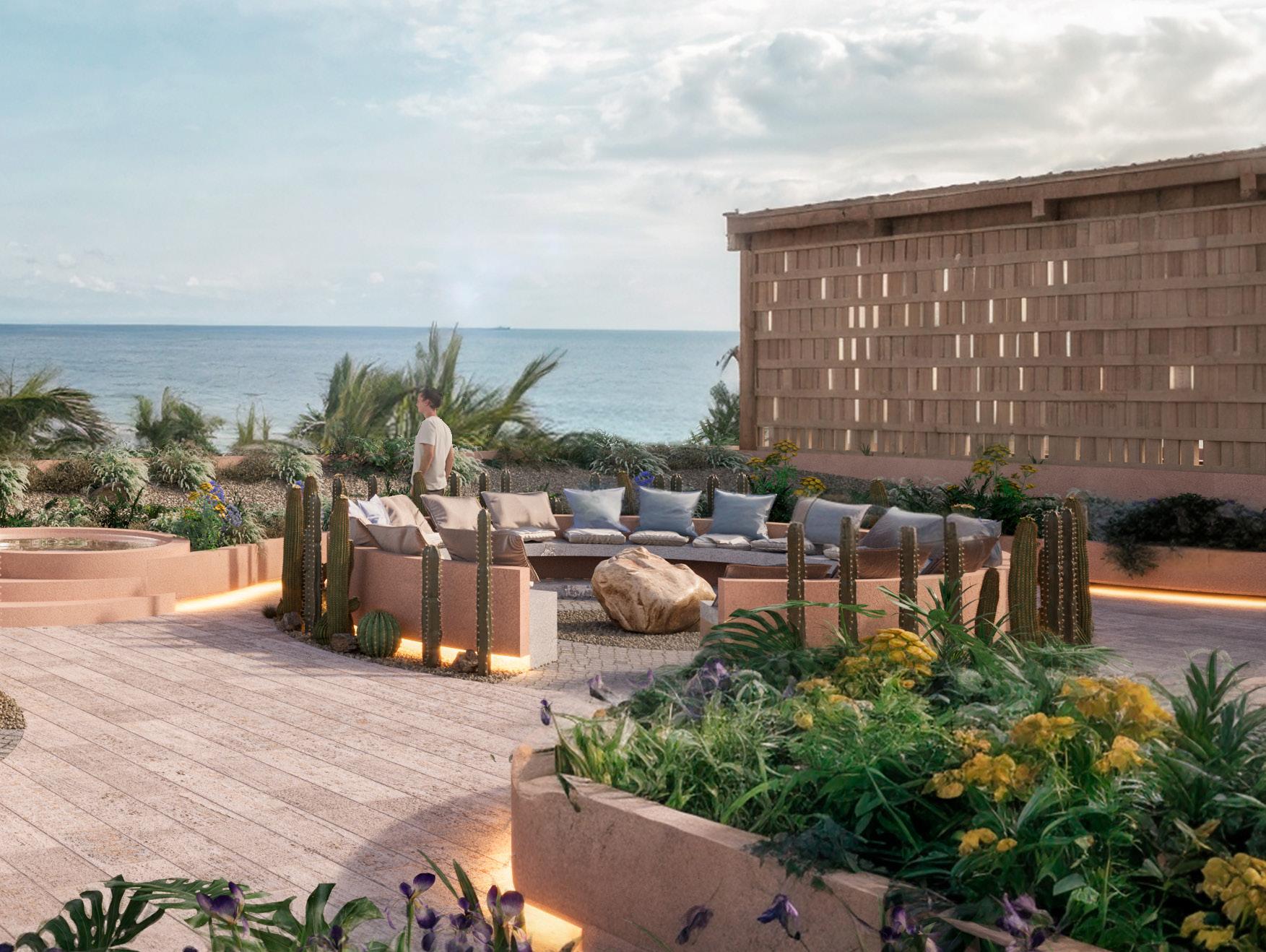
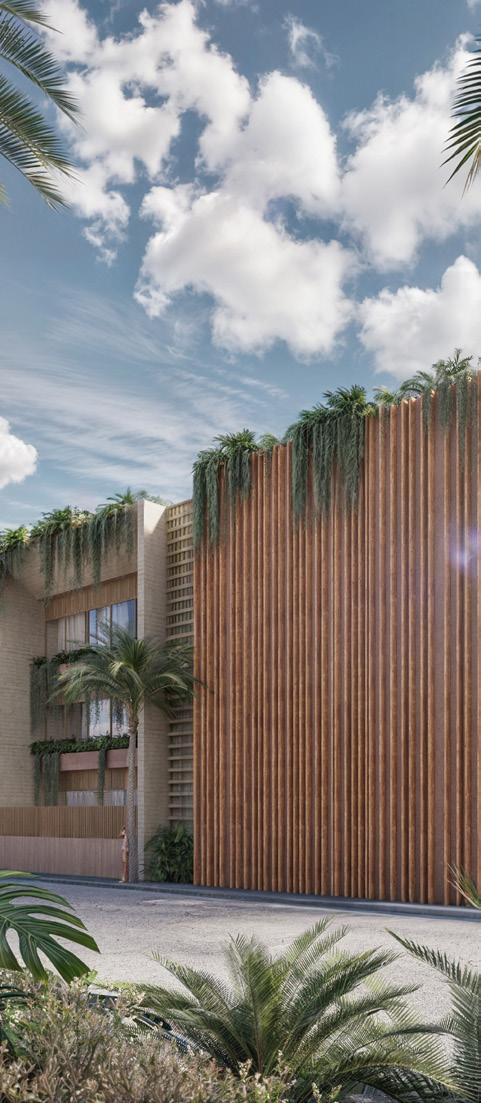
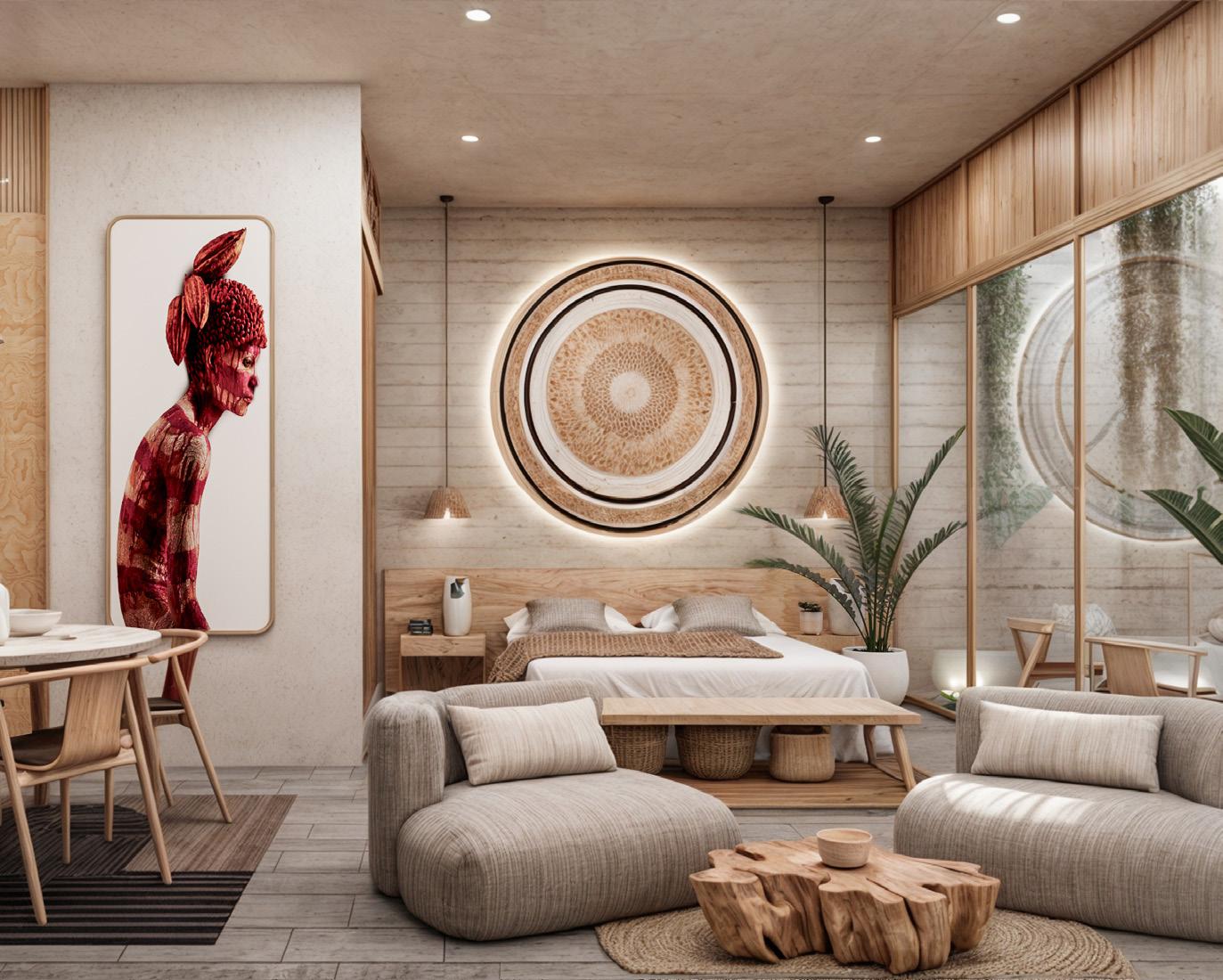
Te Abraza” En Thaina, Imagina ser socio de un proyecto hotelero de clase mundial y, al mismo tiempo, propietario de una suite exclusiva —de 47 a 65 m²— dentro de un resort boutique diseñado para elevar el descanso, la inversión y el estilo de vida a un nuevo nivel. En Thaina, tu espacio es verdaderamente tuyo. Puedes ocuparlo cuando quieras, en las fechas que tú elijas, viviendo la experiencia con la libertad que mereces. Y mientras no estás… tu inversión sigue creciendo por ti.
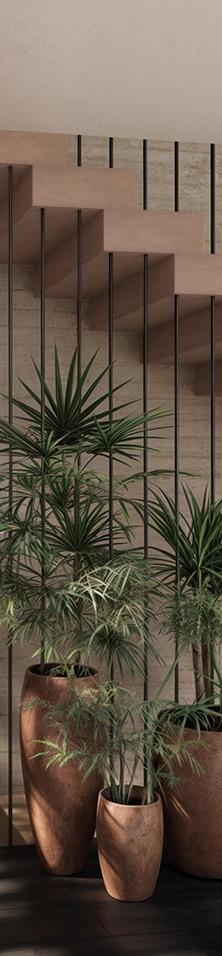
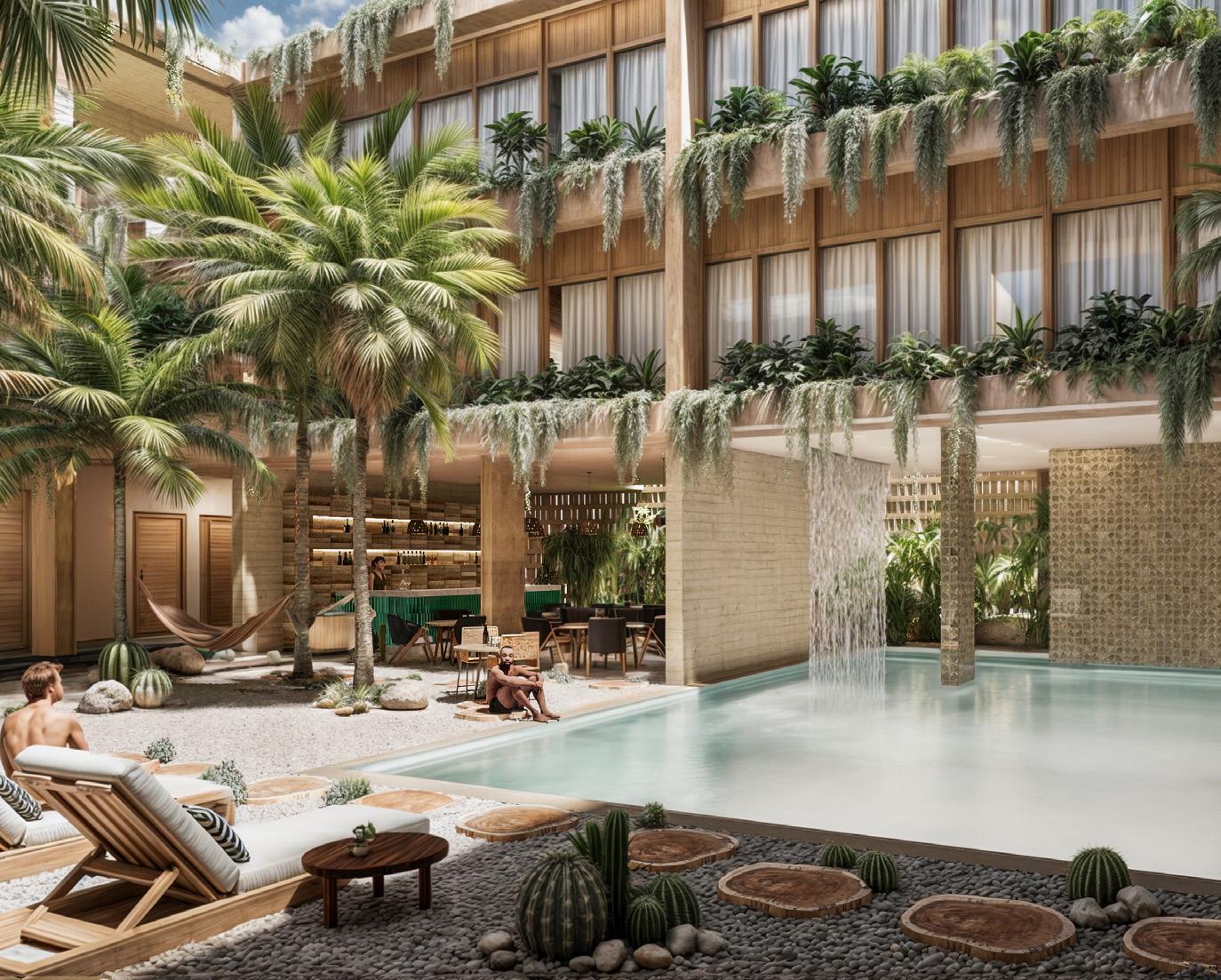
Este modelo redefine por completo la manera de invertir en bienes raíces. Mientras una renta tradicional genera alrededor del 5 % anual, y los mejores fondos de inversión apenas alcanzan entre el 8 % y el 10 %, Thaina ofrece un retorno del 20 % al 25 % anual, impulsado por un sistema hotelero de alto desempeño que multiplica el valor de tu propiedad.
Eres parte de una comunidad visionaria, una red de inversionistas que comparte propósito, estilo de vida y una perspectiva de futuro basada en la libertad financiera y la plusvalía inteligente.
Thaina no solo te da propiedad: te integra a una comunidad de inversión que comparte valores, visión de futuro y un enfoque sólido de creación de patrimonio.
https://ga-arquitectos.com/

“Welcome to Your Own Resort”
Being an owner has never been this profitable. Thaina: the investment that embraces you.
At Thaina, imagine becoming a partner in a world-class hotel project while owning an exclusive suite —from 47 to 65 m²— within a boutique resort designed to elevate rest, investment, and lifestyle to a whole new level.
At Thaina, your space is truly yours. You can use it whenever you wish, on the dates you choose, enjoying the experience with the freedom you deserve. And while you’re away… your investment continues growing for you.

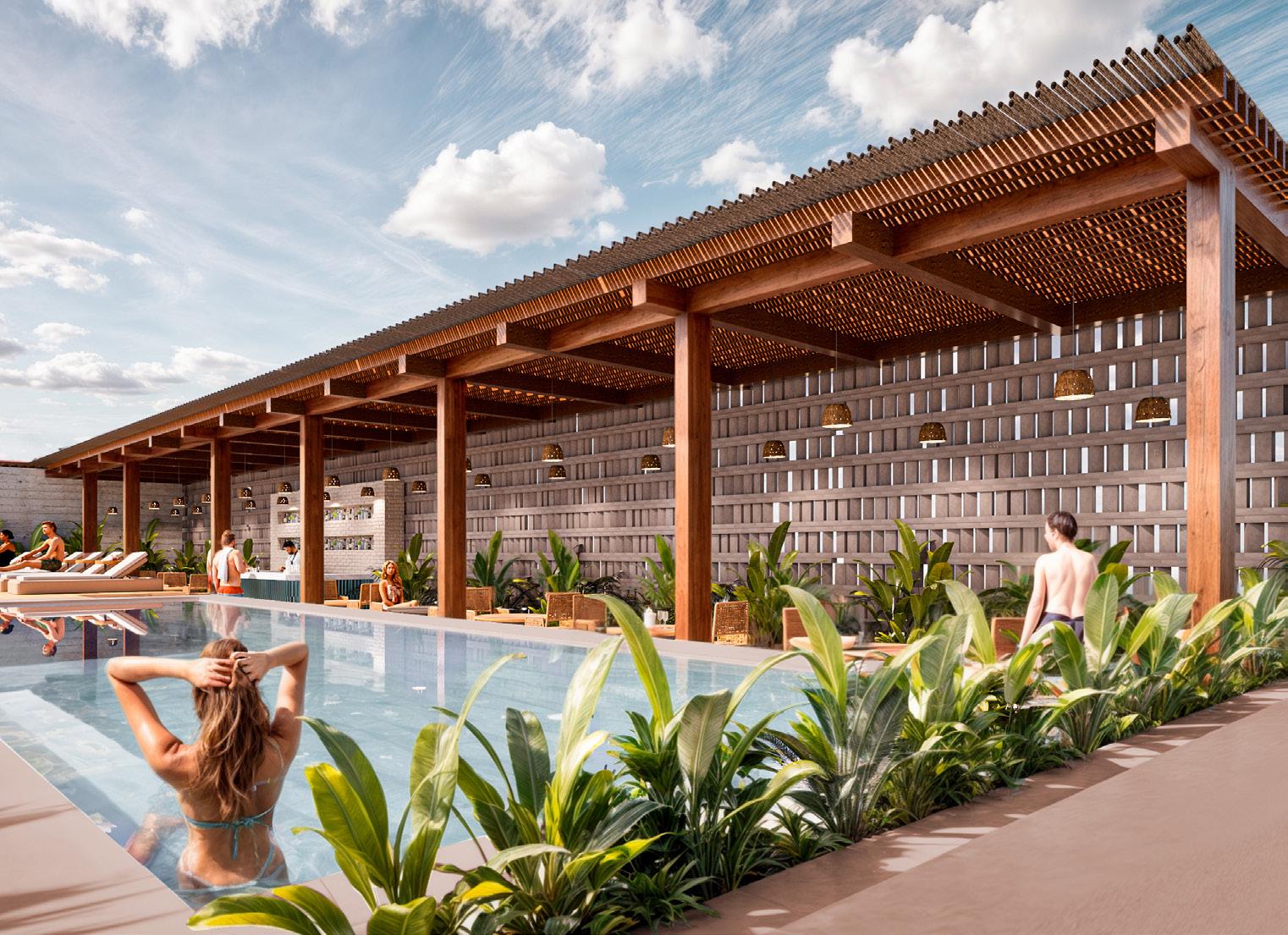
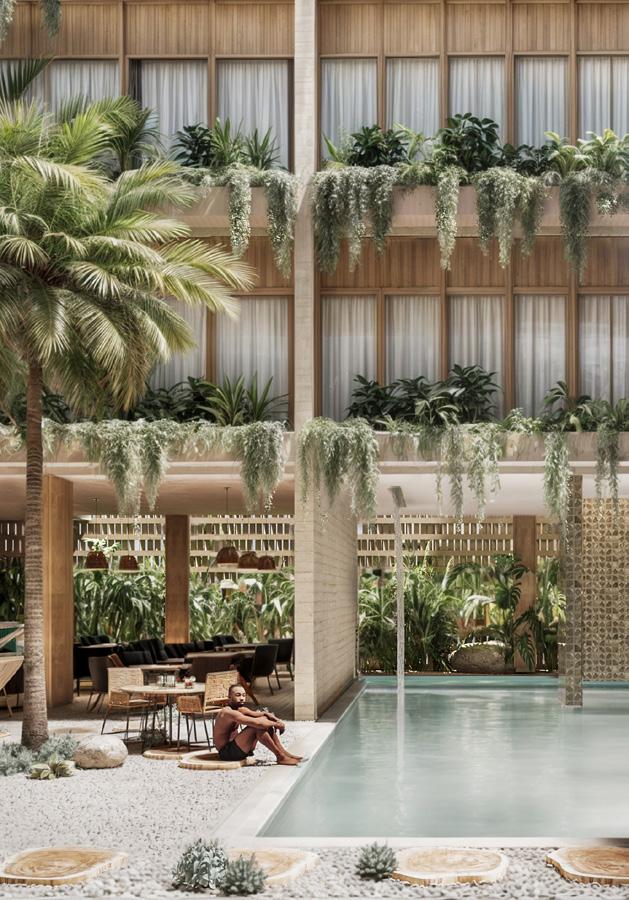
This model completely redefines real estate investment. While traditional rentals generate around 5% annually, and top investment funds reach only 8% to 10%, Thaina offers returns of 20% to 25% per year, powered by a high-performance hotel system that multiplies the value of your property.
You become part of a visionary community—an investor network that shares purpose, lifestyle, and a forward-thinking perspective grounded in financial freedom and intelligent appreciation.
Thaina doesn’t just give you ownership: it brings you into an investment community that shares values, future vision, and a solid approach to wealth creation.
https://ga-arquitectos.com/
Leonora Stieglitz
En pleno invierno, cuando las ciudades se cubren de tonos fríos y las noches se alargan, el arte lumínico emerge como una experiencia que despierta la emoción, la contemplación y el deseo de viajar. La luz —esa materia intangible que ha acompañado al arte desde sus orígenes— vuelve a ser protagonista, pero ahora en manos de creadores que fusionan tecnología, poesía visual y diseño de espacios.
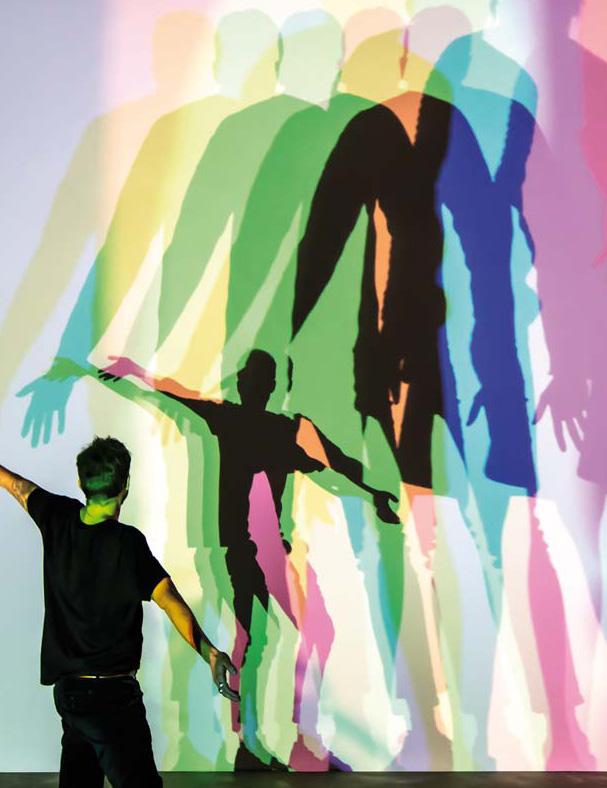
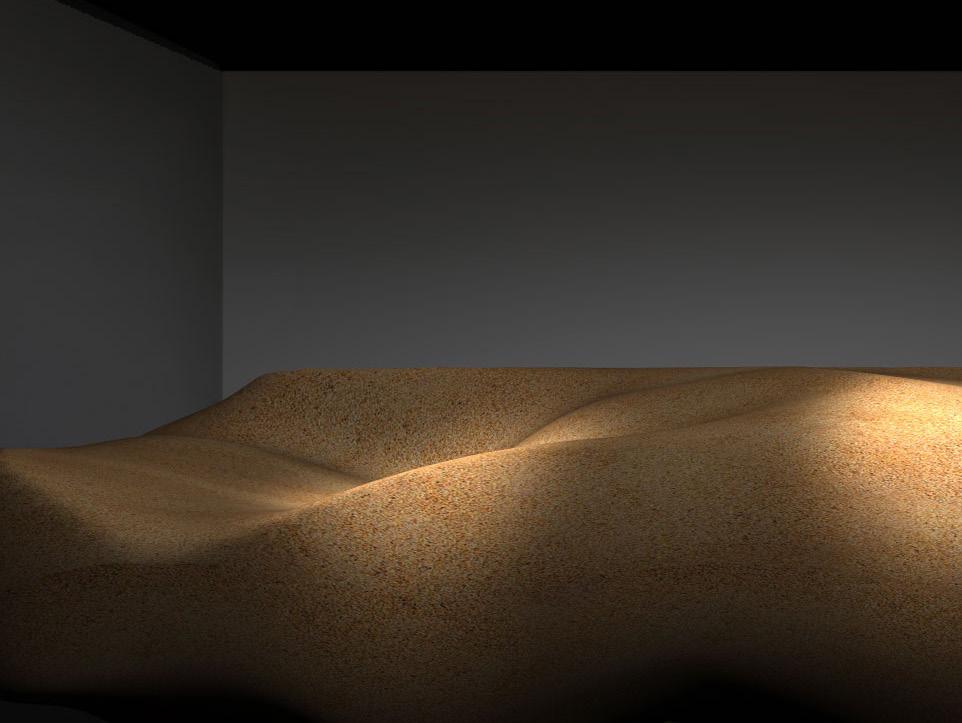
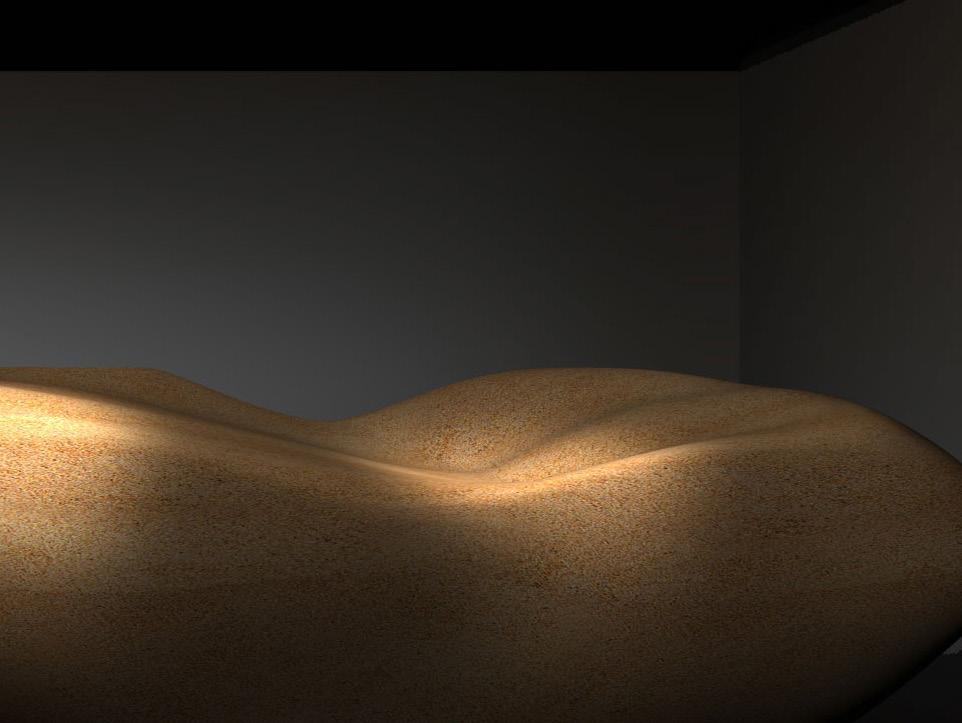
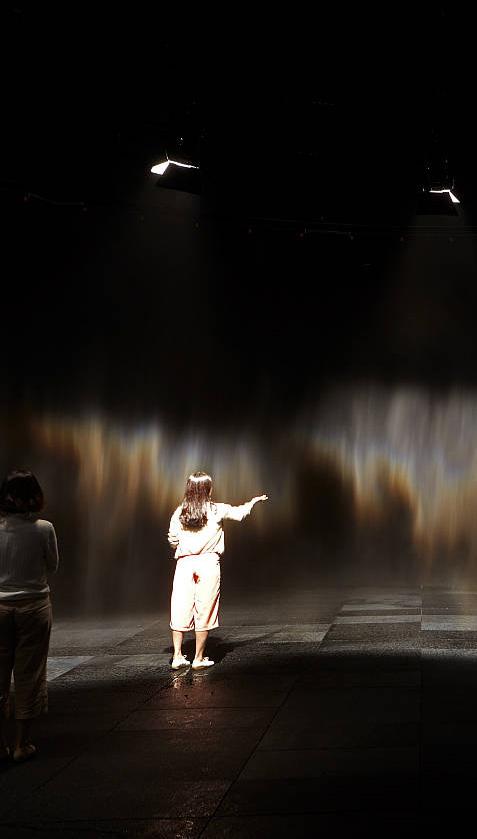
Hoy, las obras lumínicas ya no solo se observan: se habitan. Sus formas dialogan con la arquitectura, transforman paisajes enteros y convierten museos, hoteles boutique y plazas históricas en escenarios que brillan con nueva vida. Desde las auroras artificiales de Olafur Eliasson, hasta los universos inmersivos de teamLab y las esculturas cinéticas y etéreas de DRIFT, la luz se ha convertido en un lenguaje global que redefine la estética contemporánea.
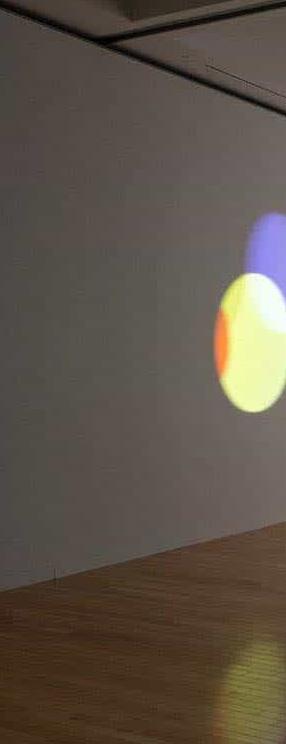
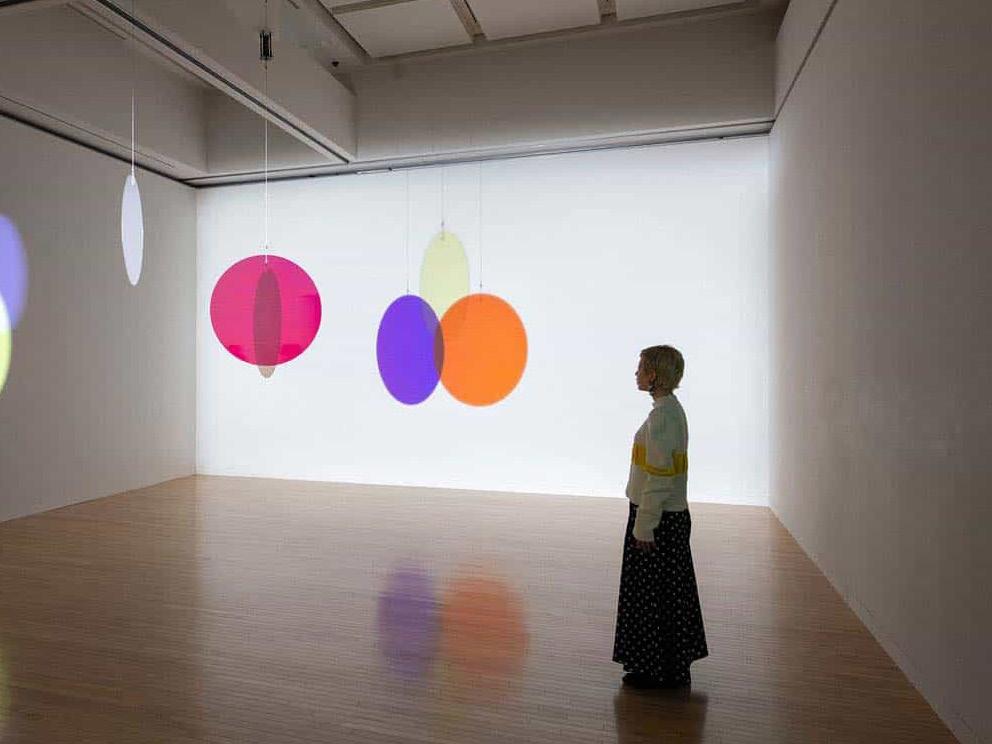
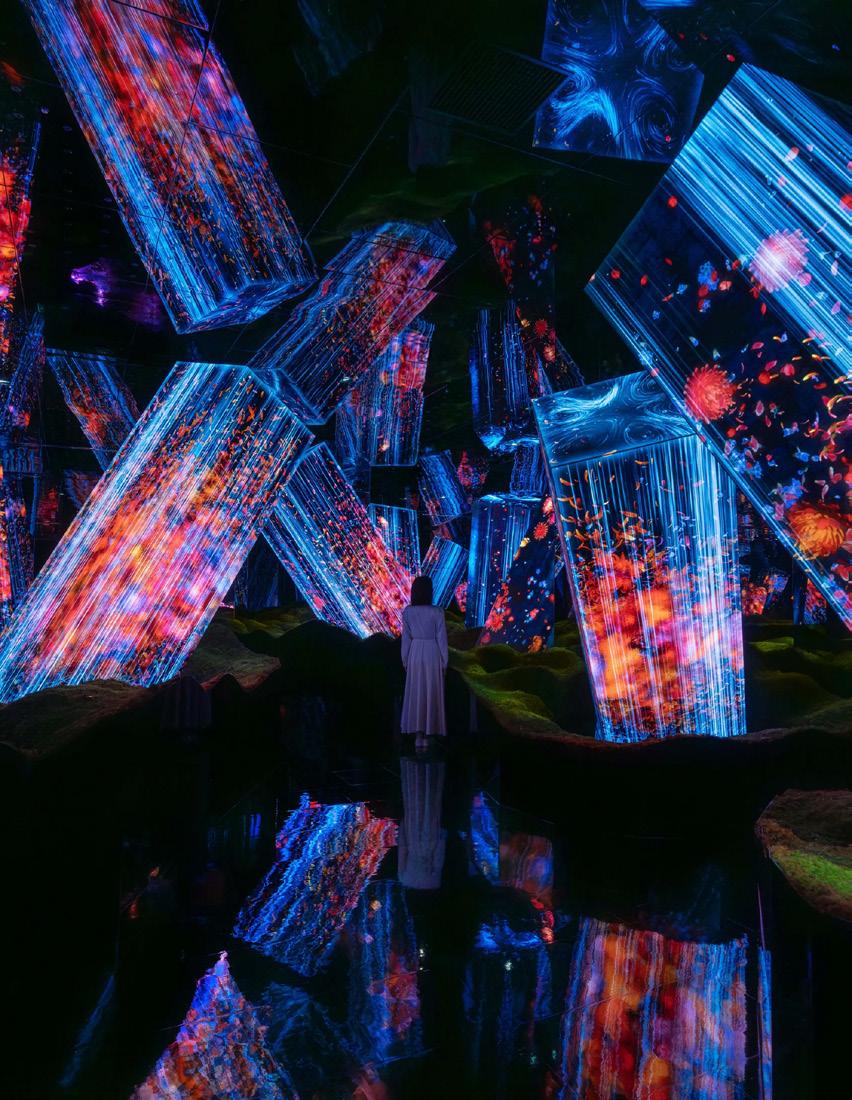
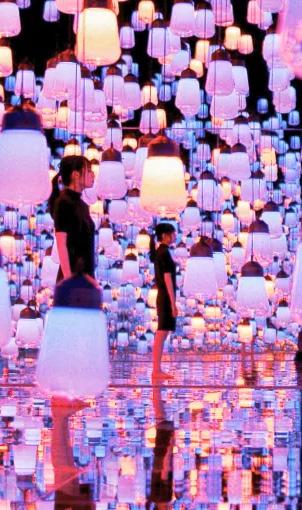
Este arte no solo ilumina: envuelve. Los visitantes caminan entre haces móviles, reflejos líquidos, túneles de color y sombras programadas que reaccionan a su presencia. La luz deja de ser un recurso técnico para transformarse en un símbolo emocional: calidez en invierno, introspección en la quietud de la temporada, energía en tiempos de pausa.
Para las marcas, los hoteles de lujo y los destinos turísticos invernales, el arte lumínico representa una oportunidad extraordinaria. Sus instalaciones se vuelven iconos visuales irresistibles para redes sociales, generan tráfico orgánico, crean momentos virales y posicionan espacios como referentes de innovación estética.
En esta edición de invierno, invitamos a nuestros lectores a sumergirse en el arte que ilumina el mundo. Un arte que no compite con el frío, sino que lo abraza. Que no busca imponerse, sino transformar.
Porque en el invierno, la luz también es un refugio… y un espectáculo.
Leonora Stieglitz
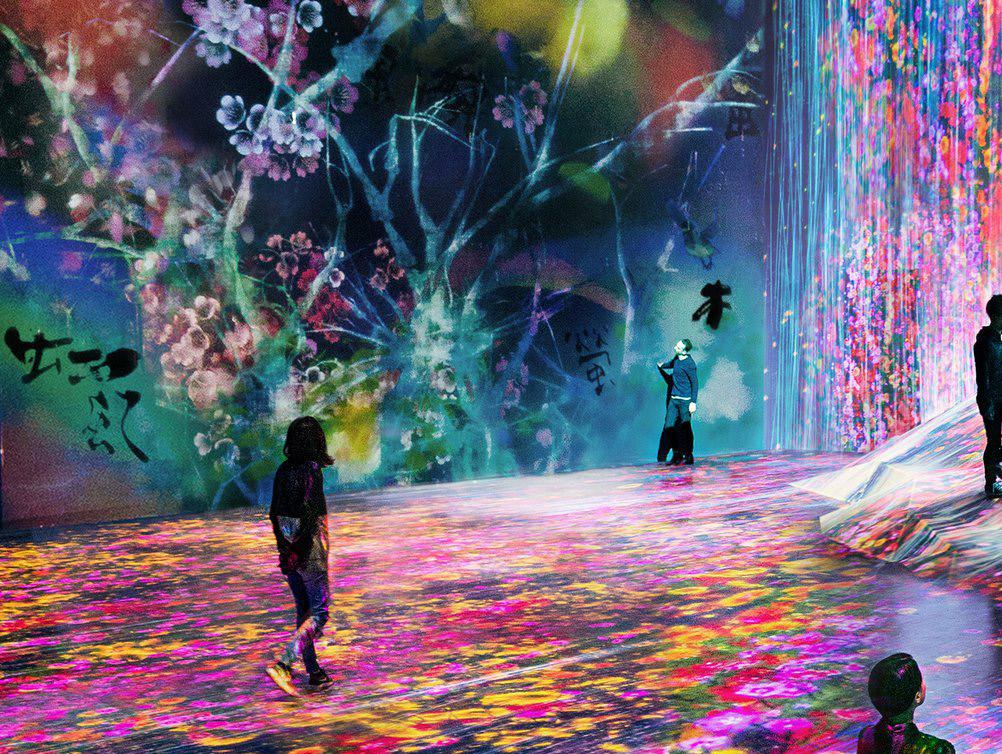
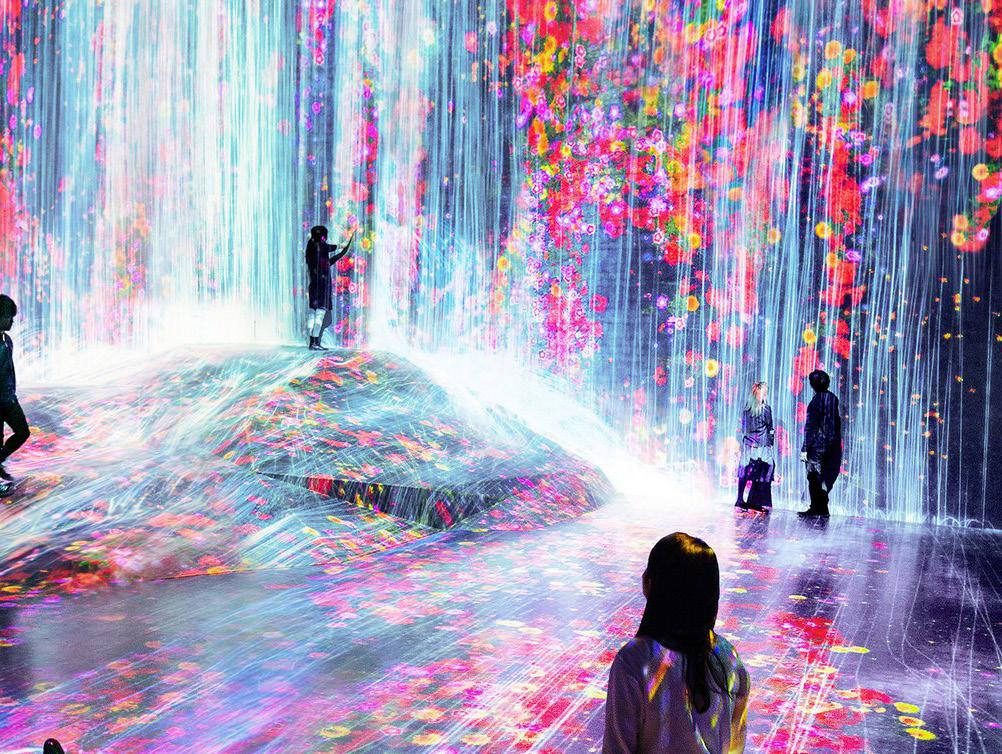
In the heart of winter, when cities turn cool and quiet and nights grow longer, light art rises as an experience that awakens emotion, contemplation, and a renewed desire to explore. Light—an intangible material that has accompanied art since its origins—returns to center stage, now shaped by creators who blend technology, visual poetry, and spatial design.
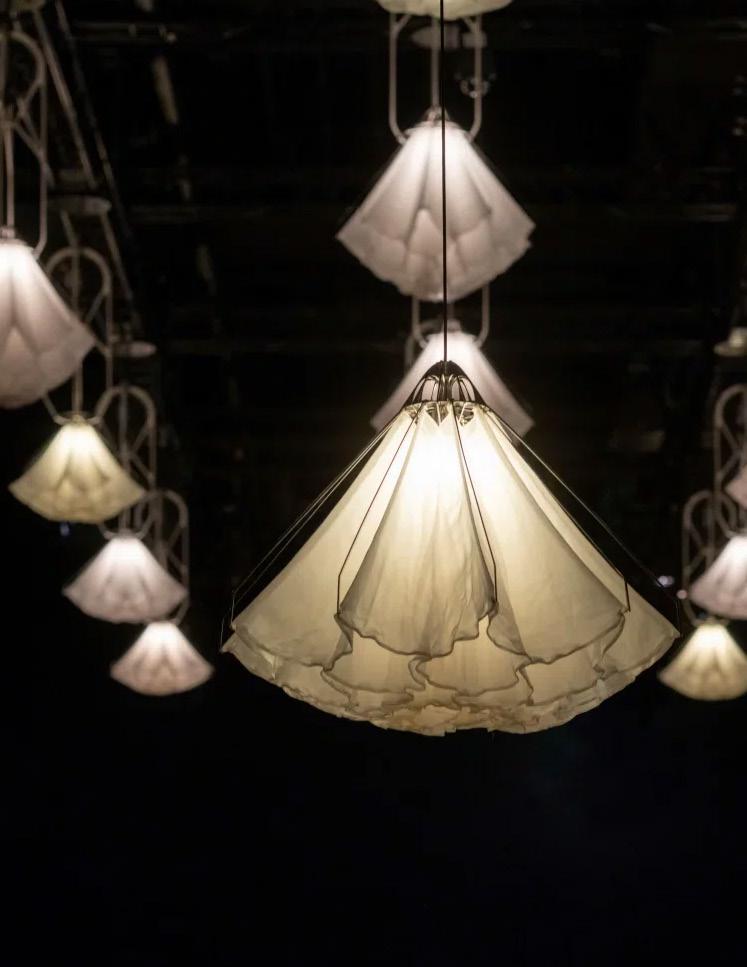
Today, light installations are no longer merely observed—they are inhabited. Their forms converse with architecture, transform entire landscapes, and turn museums, boutique hotels, and historic plazas into scenes that shimmer with new life. From Olafur Eliasson’s artificial auroras to teamLab’s immersive universes and DRIFT’s ethereal kinetic sculptures, light has become a global language redefining contemporary aesthetics.

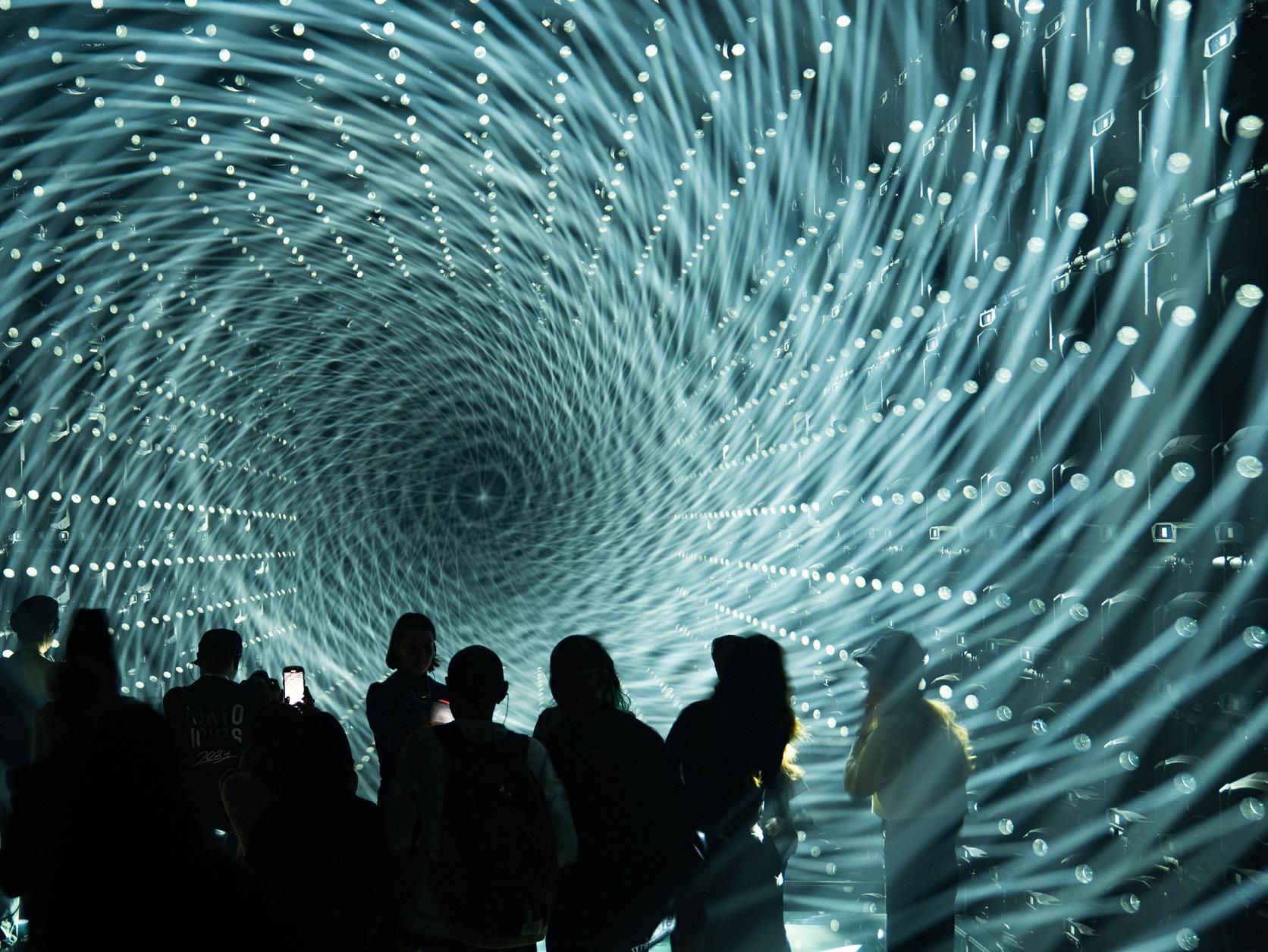
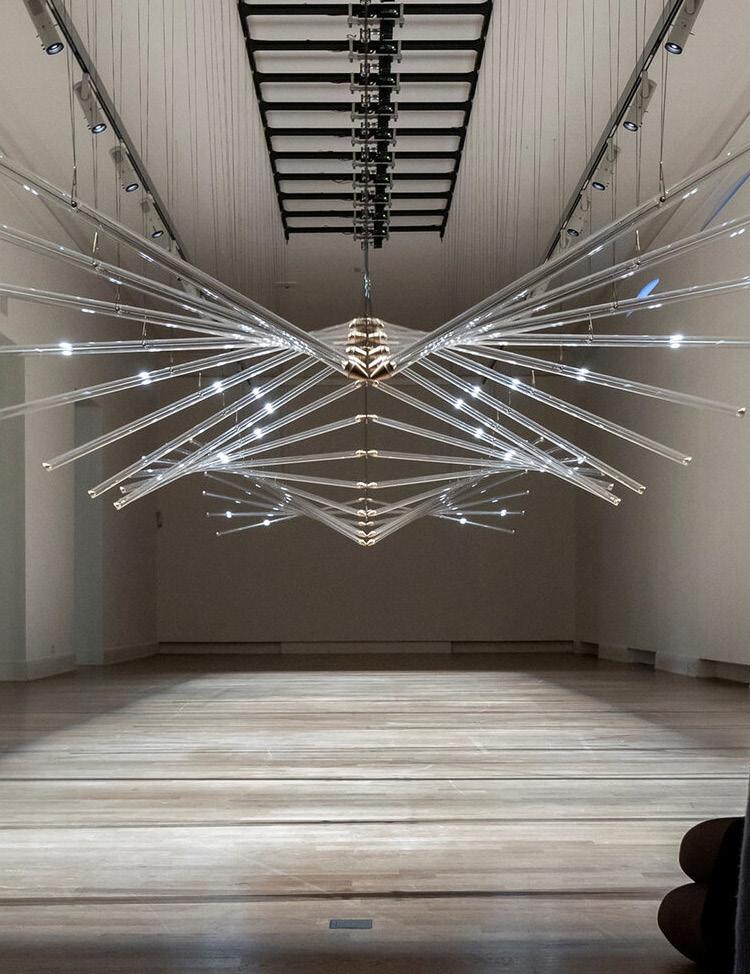
This is light that doesn’t just illuminate—it embraces. Visitors move through shifting beams, liquid reflections, tunnels of color, and programmed shadows that respond to their presence. Light moves beyond technicality and becomes an emotional symbol: warmth in winter, introspection amid seasonal stillness, energy in moments of pause.
For luxury brands, boutique hotels, and winter travel destinations, luminescent art represents an extraordinary opportunity. These installations become irresistible visual icons for social media, spark organic traffic, create viral moments, and position spaces as leaders in aesthetic innovation.
In this winter edition, we invite our readers to immerse themselves in the art that brightens the world. Art that does not compete with the cold, but embraces it. Art that doesn’t seek to dominate, but to transform. Because in winter, light becomes refuge—and spectacle.
Isabel Rosas
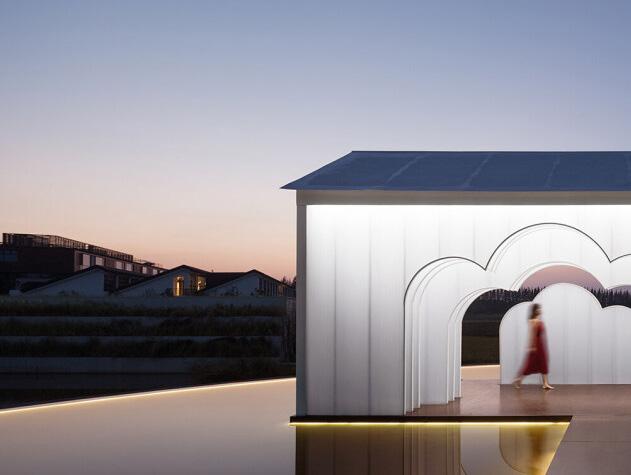
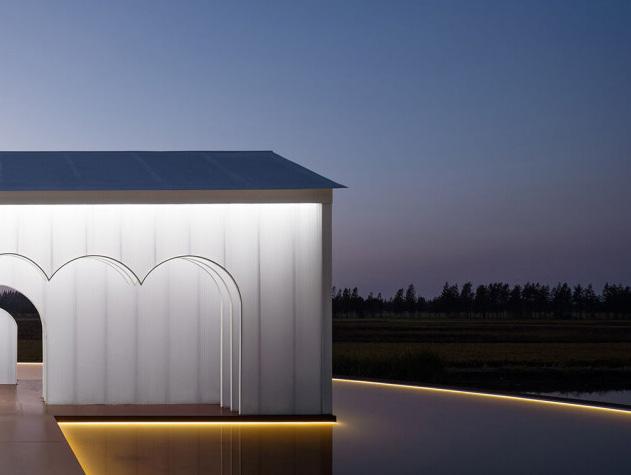
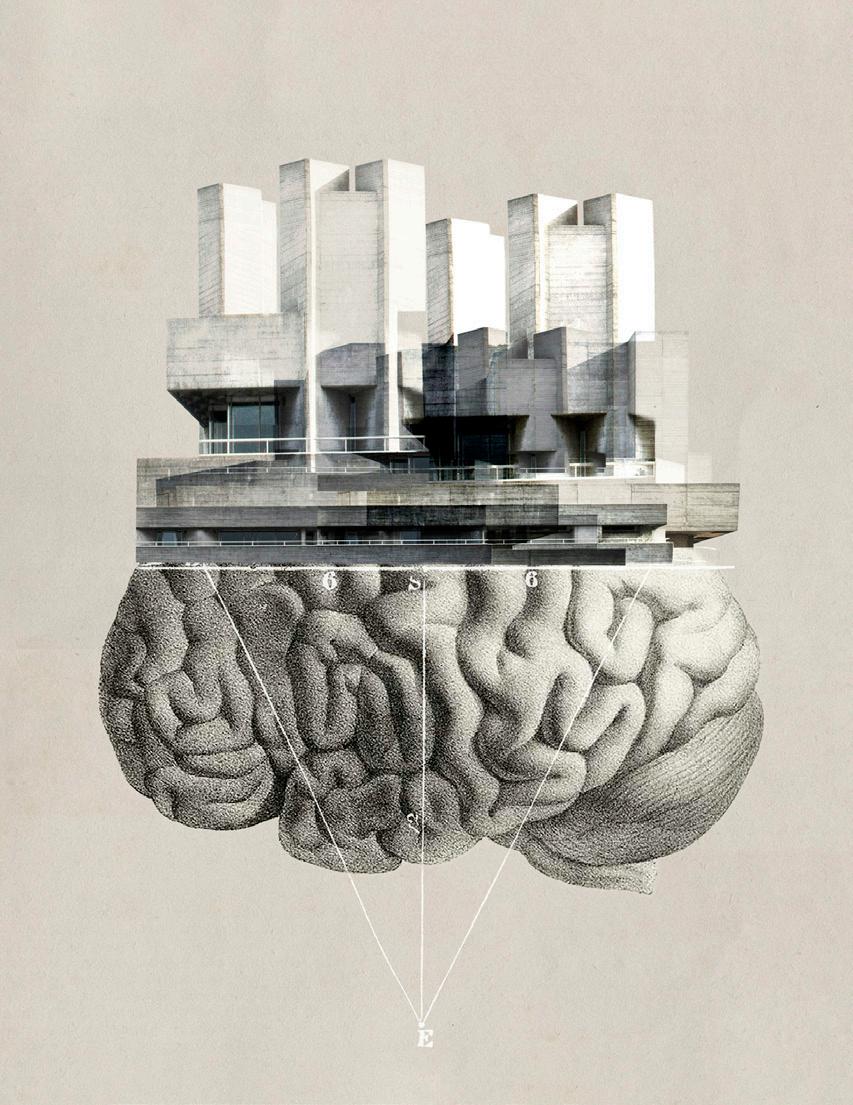
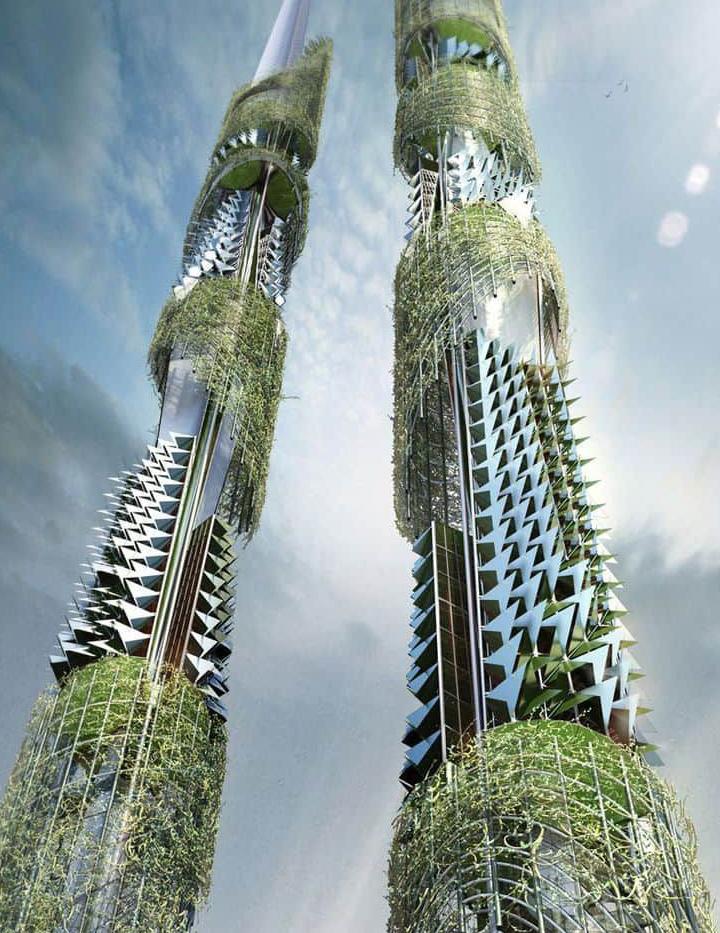
La neuroarquitectura nos hace reflexionar sobre qué es realmente este cambio de conocimiento y si en verdad constituye un espacio consistente para el proceso creativo del arquitecto. La neuroarquitectura no cambia al mundo: cambia a los arquitectos que podrán cambiarlo por uno mejor. Esa es la consigna de la neuroarquitectura; ésta propone que el diseño arquitectónico al centrarse en el ser humano, no solo como usuario, lo establece como eje de todo su proceso proyectual. No es una moda, sino un campo que busca comprender el origen de los fenómenos que vivimos y cuestionar si estamos evolucionando o simplemente sobreviviendo. Antes de diseñar, la neuroarquitectura exige formular preguntas que sitúen al ser humano en el centro, integrando conocimientos de ética, ecología, biología, filosofía, lingüística, antropología, sociología, neurociencia y psicología. Una constelación de saberes que mira al mismo cuerpo que siente y habita. Por ello, hay que tener en cuenta que, la neurociencia, si bien, aporta datos sobre el sistema nervioso; la psicología y la filosofía ayudan a entender cómo esos datos se traducen en emociones, decisiones y sentido. O, cómo desde la lingüística, la arquitectura se lee como un lenguaje que busca analizar el concepto de la habitabilidad para un mejor vivir; o, la antropología que, reconoce al habitante como sujeto cultural e histórico; así como la sociología que lo inscribe en la trama de sus vínculos con los demás.
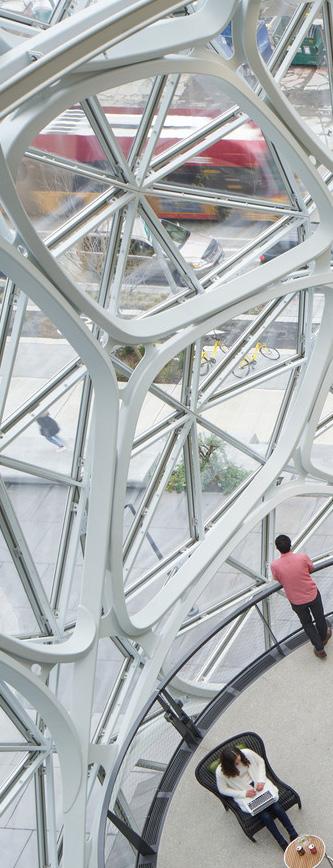
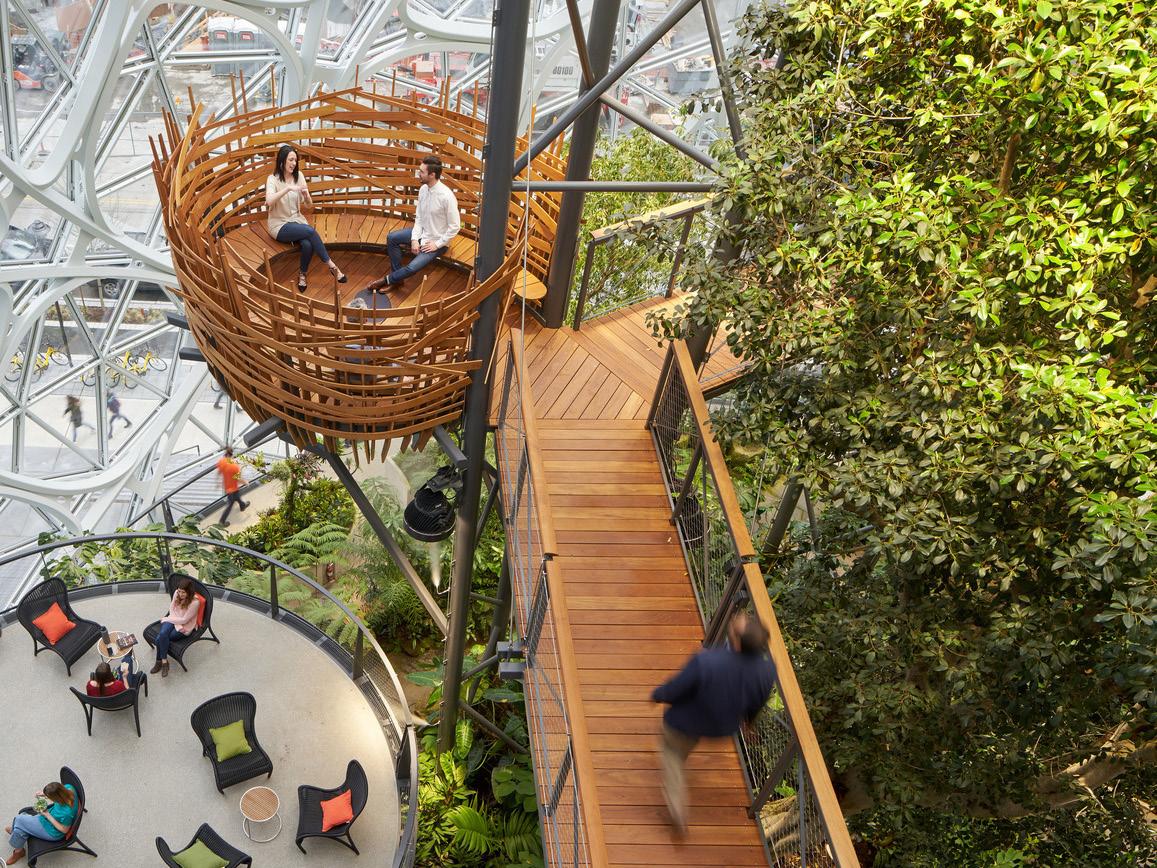
De este modo, en otro contexto aparece una distinción necesaria con relación a la tecnología: no es lo mismo crear espacios “inteligentes” —llenos de automatismos— que espacios que fomentan la inteligencia humana. La tecnología puede ser una aliada, pero no debe anular la actividad cognitiva ni adormecer la sensibilidad y potencia física, salvo en casos de verdadera necesidad.
A saber, el espacio arquitectónico puede elevar o expulsar al habitante, afectando su bienestar físico y mental. La neuroarquitectura estudia tanto el espacio físico como el metafísico, preguntándose para quién diseña realmente el arquitecto. Hay que saber que el contacto primario con la realidad es sensorial y emocional antes que visual para comprender cómo los entornos afectan procesos cognitivos y el sistema inmunológico; un mal diseño puede generar estrés y enfermedades, mientras que un buen diseño protege y promueve la salud.
En este horizonte, la arquitectura aparece como una práctica que necesita repensarse si aspira a construir ciudades más sanas. La figura del arquitecto se aproxima entonces a la de un “médico” del espacio: alguien que actúa antes del
daño, que previene, que cuida. La casa deja de ser solo un contenedor funcional y se revela como refugio psicológico y ámbito preventivo; aun así, muchos de los espacios que habitamos siguen produciendo opresión, desigualdad y un desgaste silencioso. Desde ahí, la neuroarquitectura se perfila como un campo que intenta mejorar la experiencia humana reconociendo la diversidad y la dignidad de cada persona.
En este marco, el llamado “usuario” deja de ser una categoría comercial para volver a ser, simplemente, un ser humano.
La ética, la responsabilidad y la conciencia ecológica dejan de ser anexos decorativos y pasan a sostener el corazón del proyecto arquitectónico. Asumir el impacto de cada obra —sobre cuerpos, memorias y territorios— forma parte de devolverle a la arquitectura su vocación original: cuidar la vida en todos sus niveles.
Isabel Rosas
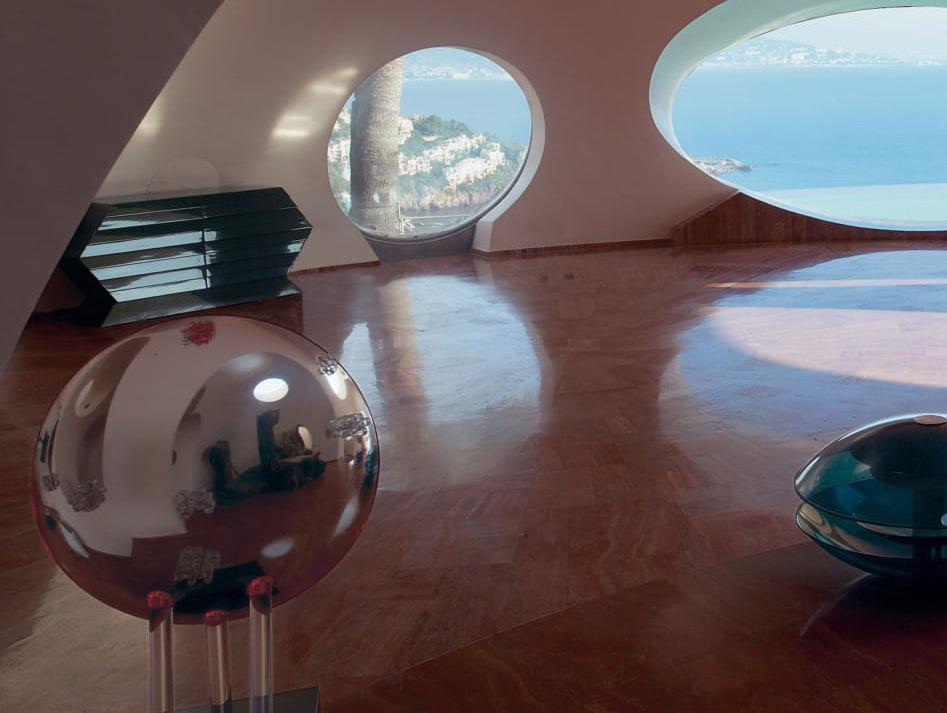
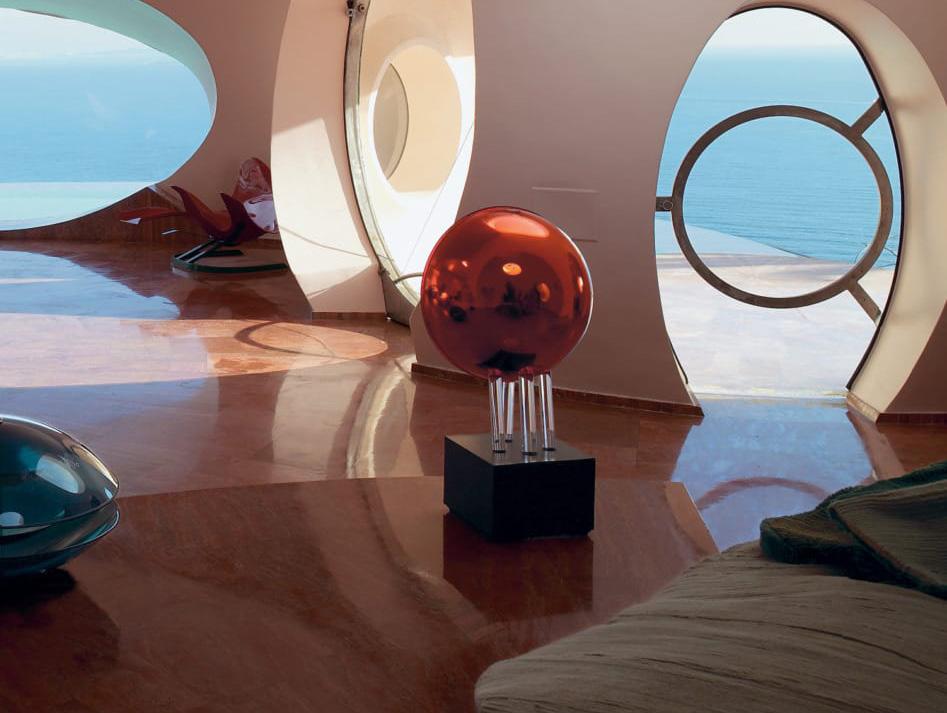
Neuroarchitecture makes us reflect on what this change in knowledge really is and whether it truly constitutes a consistent space for the architect’s creative process. Neuroarchitecture does not change the world: it changes the architects who can change it for a better one. That is the motto of neuroarchitecture; it proposes that architectural design, by focusing on the human being, not only as a user, establishes them as the axis of its entire design process. It is not a trend, but a field that seeks to understand the origin of the phenomena we experience and question whether we are evolving or simply surviving. Before designing, neuroarchitecture demands formulating questions that place the human being at the center, integrating knowledge from ethics, ecology, biology, philosophy, linguistics, anthropology, sociology, neuroscience, and psychology. A constellation of knowledge that looks at the same body that feels and inhabits.
Therefore, it must be taken into account that, while neuroscience provides data on the nervous system, psychology and philosophy help to understand how that data translates into emotions, decisions, and meaning. Or, how from linguistics, architecture is read as a language that seeks to analyze the concept of habitability for a better life; or, anthropology which recognizes the inhabitant as a cultural and historical subject; as well as sociology which inscribes them in the network of their connections with others.
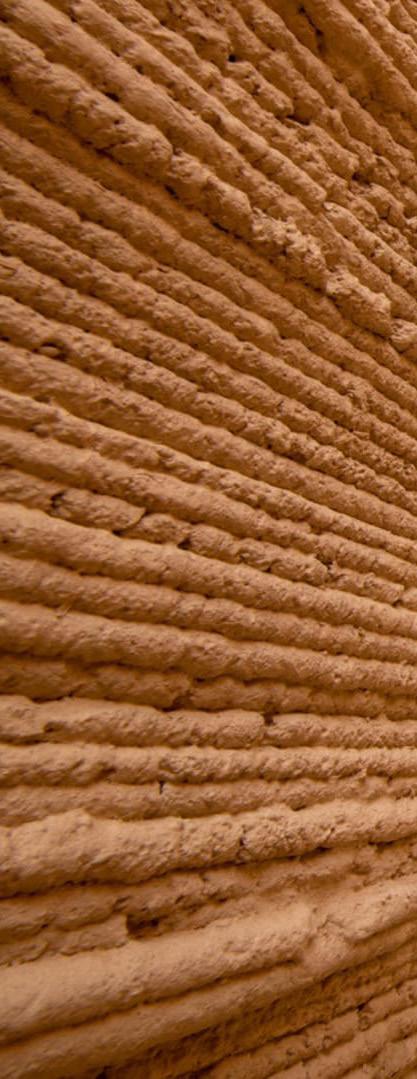
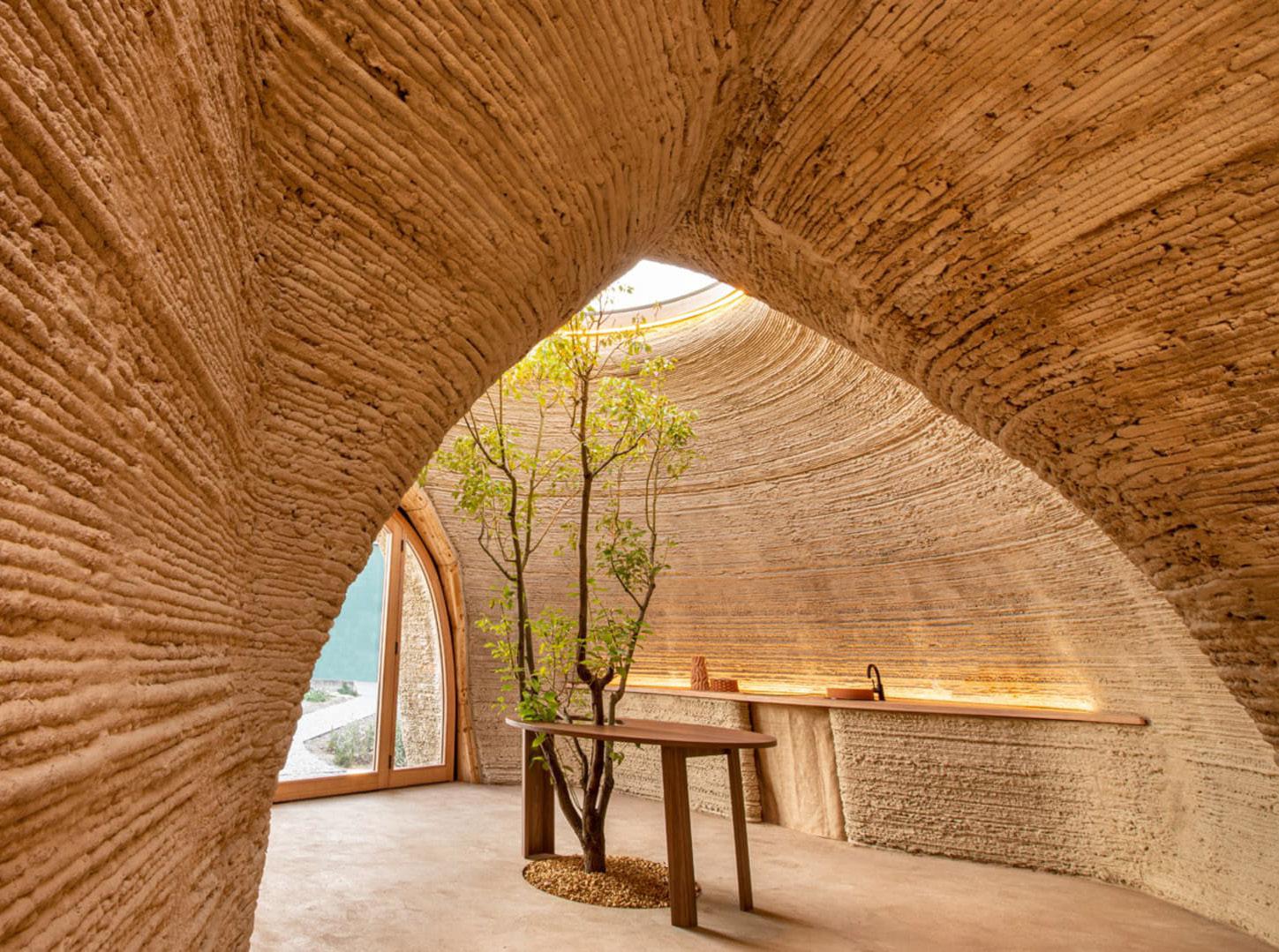
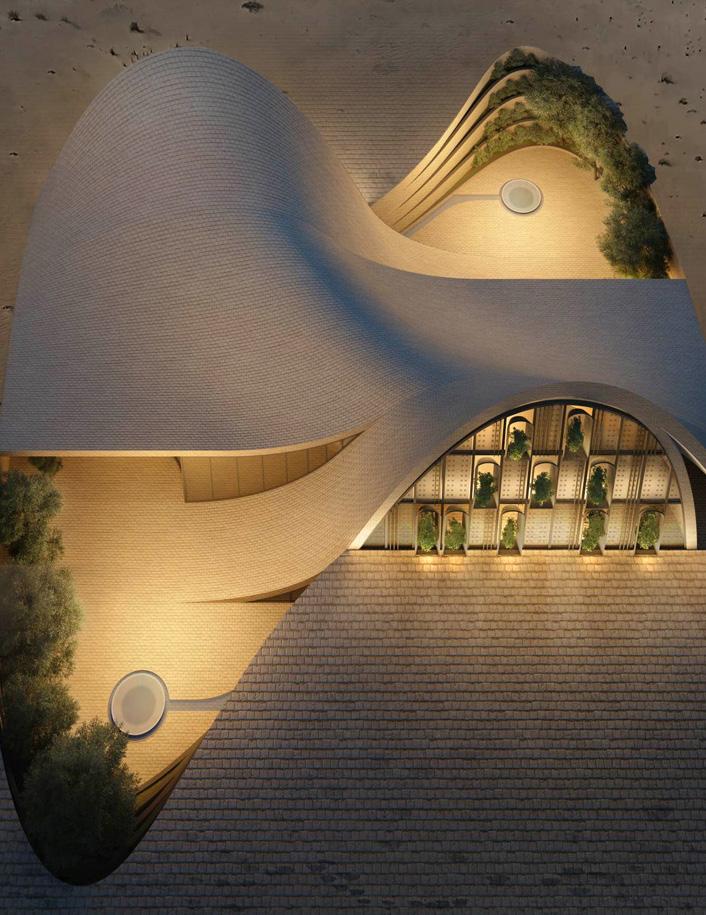
In this way, in another context, a necessary distinction appears in relation to technology: creating “smart” spaces— full of automatisms—is not the same as creating spaces that foster human intelligence. Technology can be an ally, but it should not nullify cognitive activity or numb sensitivity and physical power, except in cases of genuine necessity.
Namely, the architectural space can elevate or expel the inhabitant, affecting their physical and mental well-being. Neuroarchitecture studies both the physical and the metaphysical space, asking for whom the architect is truly designing. It is important to know that the primary contact with reality is sensory and emotional before it is visual, in order to understand how environments affect cognitive processes and the immune system; poor design can generate stress and diseases, while good design protects and promotes health.
In this context, architecture appears as a practice that needs to be rethought if it aspires to build healthier cities. The figure of the architect then approaches that of a “doctor” of space: someone who acts before damage occurs, who prevents, who cares. The home ceases to be just a functional
container and reveals itself as a psychological refuge and a preventive sphere; even so, many of the spaces we inhabit continue to produce oppression, inequality, and a silent wear and tear. From this perspective, neuroarchitecture is shaped as a field that tries to improve the human experience by recognizing the diversity and dignity of each person.
Within this framework, the so-called “user” ceases to be a commercial category to become, simply, a human being. Ethics, responsibility, and ecological awareness cease to be decorative annexes and become the heart of the architectural project. Assuming the impact of each work—on bodies, memories, and territories—is part of restoring architecture’s original vocation: to care for life at all its levels.
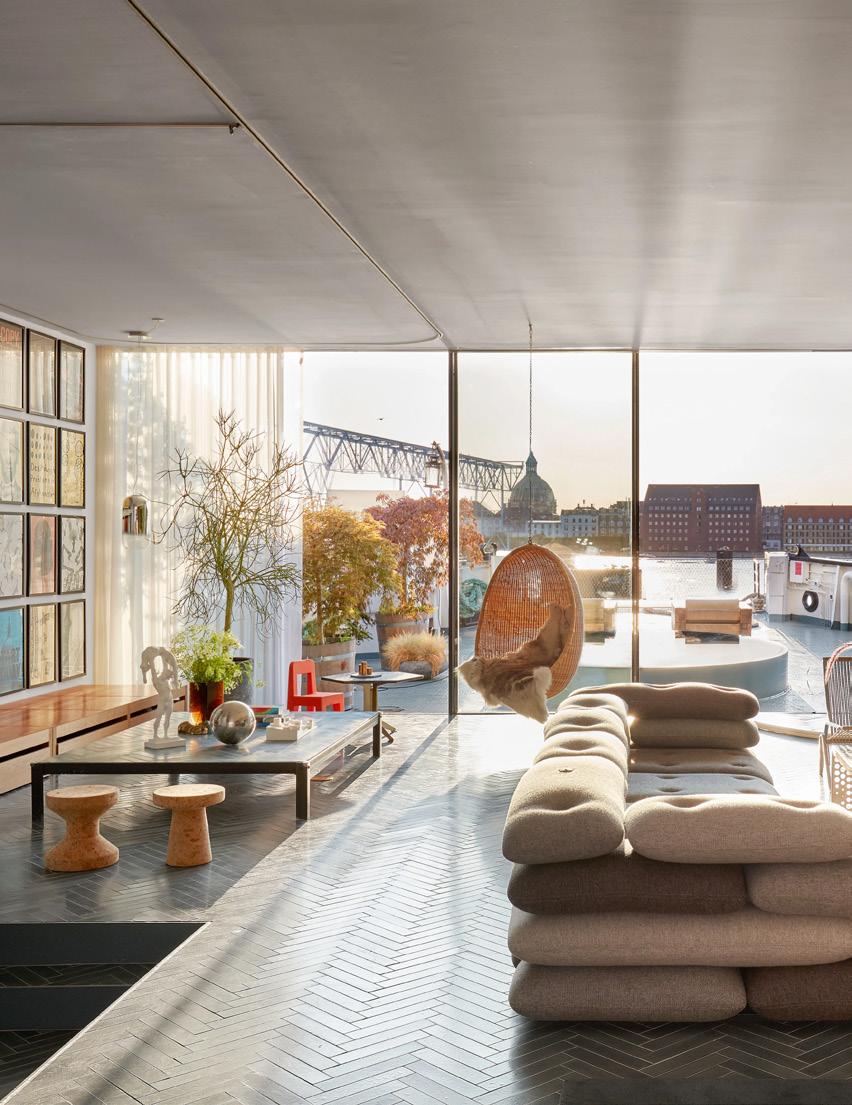
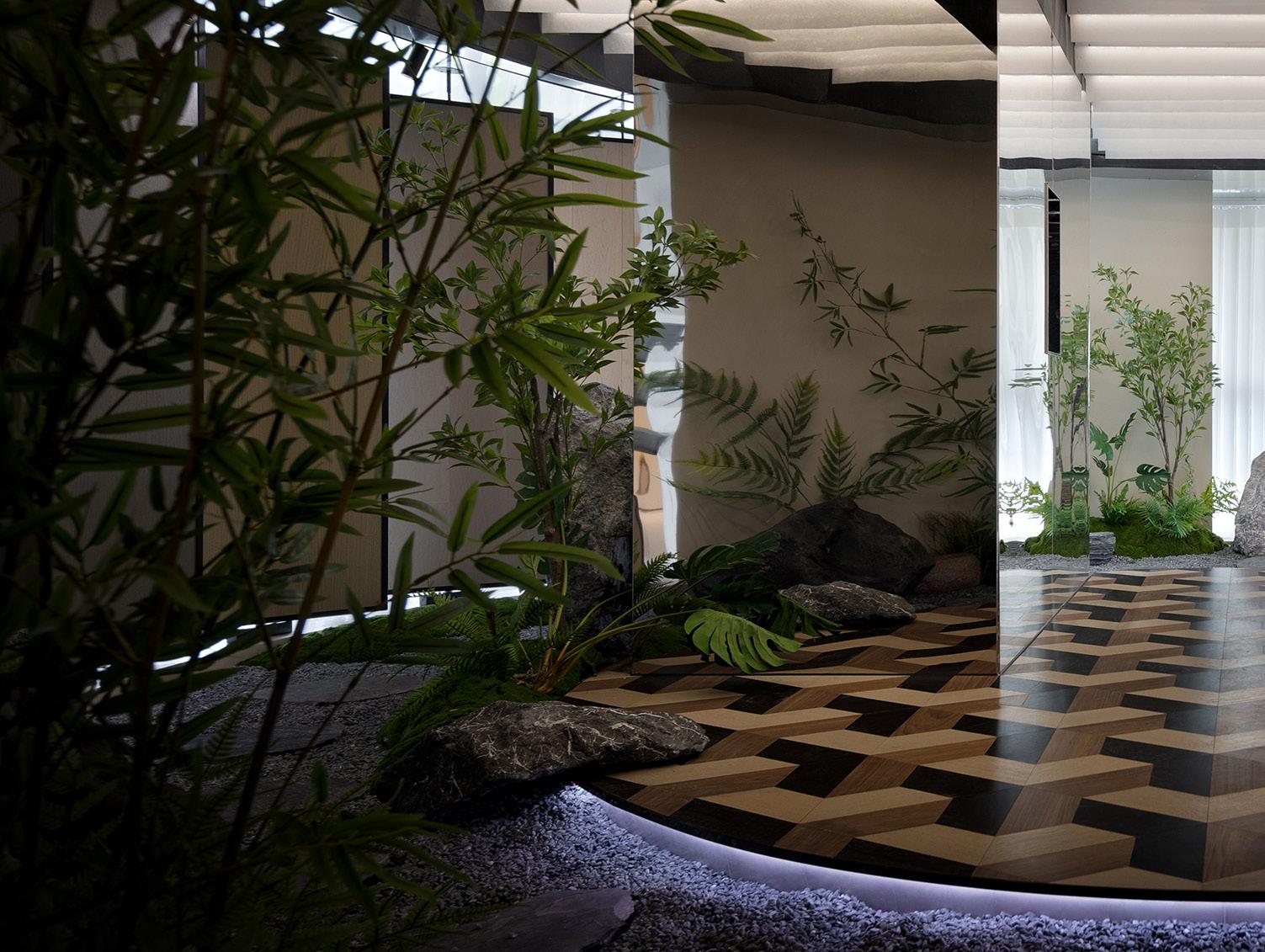
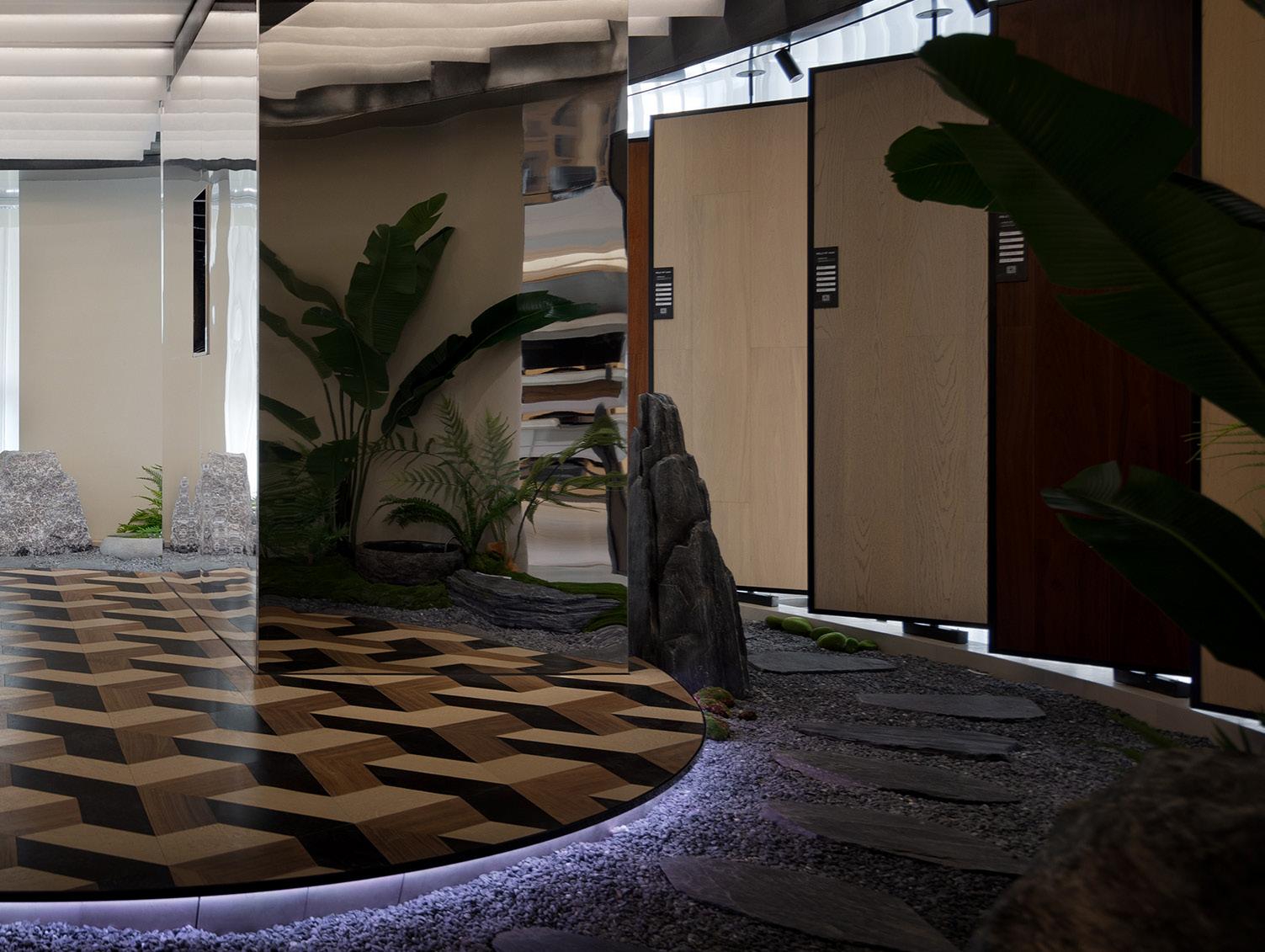
PUSH DESIGN Crea una Sala Inmersiva de Experiencias de Suelos de 900m en Huzhou, China
Sala de Ascensores: De la Racionalidad a la Calma Poética
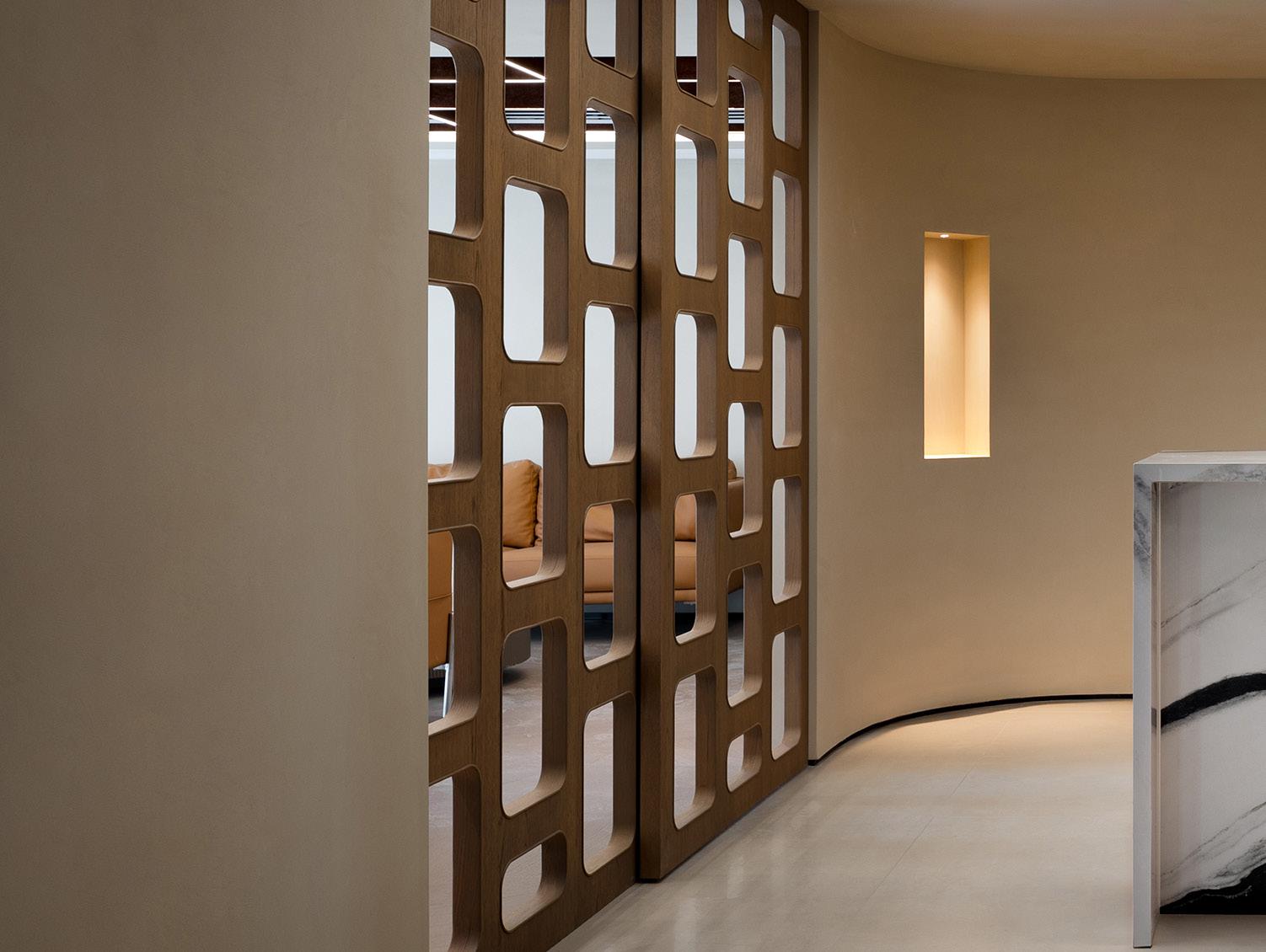
El recorrido comienza en la sala de ascensores, donde la fría piedra y la cálida madera se entrelazan bajo la luz cambiante, creando un prólogo de contrastes. Un suelo de madera rojo intenso recorre el espacio con un ritmo constante, mientras que la rica tela roja de las paredes se combina con los sobrios tonos de madera, creando un ambiente sereno y moderno que conecta realidad y abstracción.
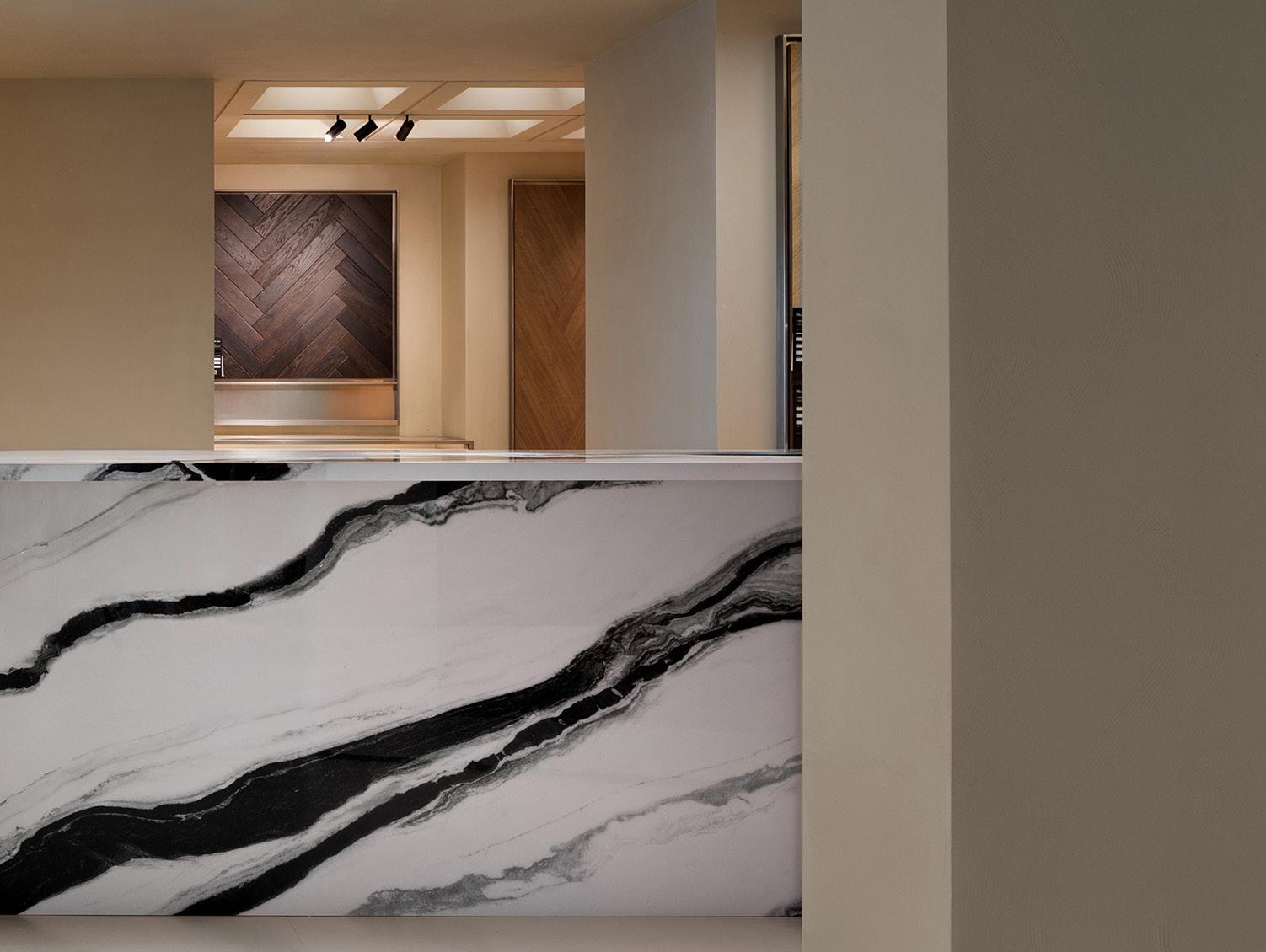
Al entrar en la “Zona de Transición Rítmica”, un mostrador de recepción minimalista de acero inoxidable se convierte en el centro visual. Su sólida presencia marca una pausa en el ritmo, donde el movimiento se encuentra con la quietud, y el visitante es guiado suavemente del prólogo a la narrativa.
Zona Central – “El Río del Tiempo”: La Vida de la Madera y la Memoria de la Luz
En el área central de exposición, se exhiben muestras de suelos mediante estructuras de marco desmontables: un sistema ligero, flexible y no destructivo que permite actualizaciones sin esfuerzo. Esta estrategia modular refleja una mentalidad sostenible, permitiendo que el espacio y el producto evolucionen juntos.
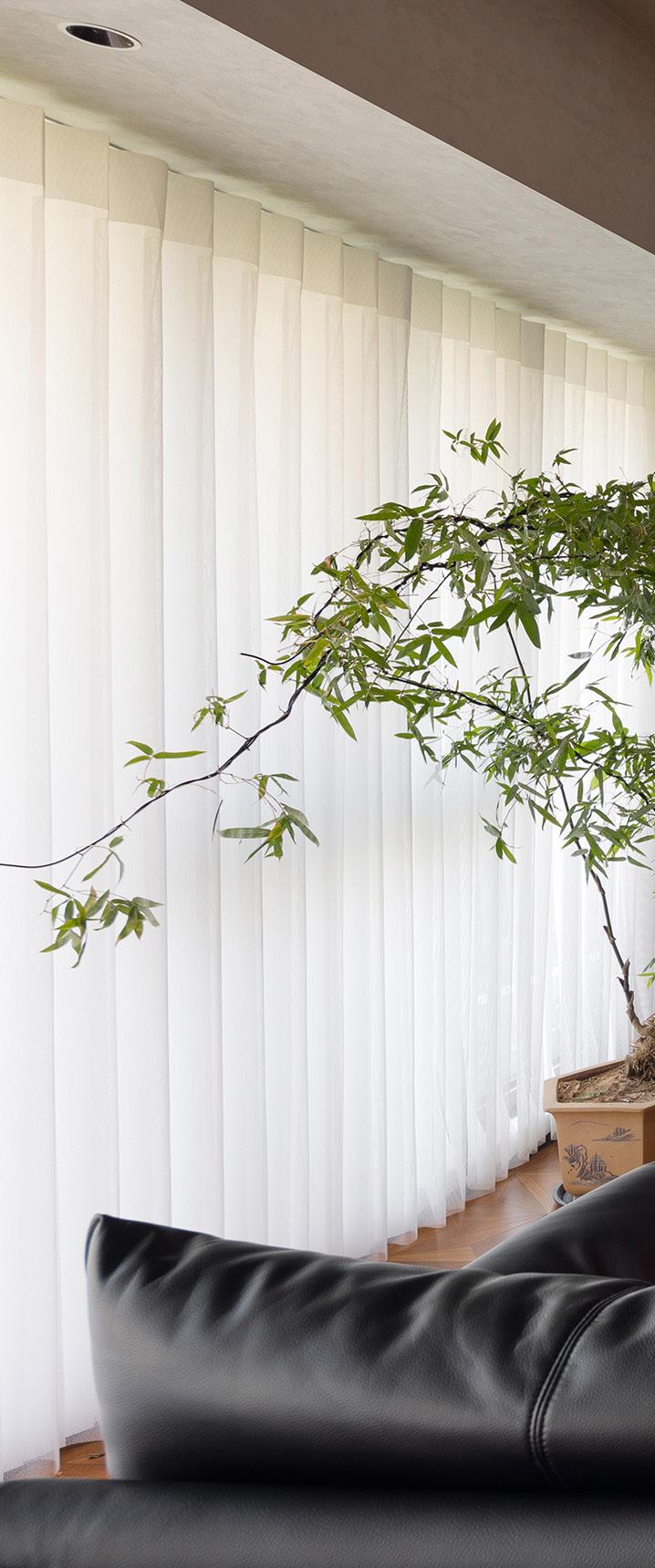
El Corredor del Tiempo sigue a continuación, la columna vertebral narrativa de todo el diseño. Láminas de madera y motivos de anillos anuales recubren las paredes, suavemente iluminadas para evocar la huella vital de un árbol. Al recorrerlo, se siente como recorrer la textura del tiempo mismo: cada rayo de luz, cada veta de la madera, susurra un fragmento de memoria.
En la zona de exposición de transición, los patrones cambiantes del suelo y las variaciones de iluminación crean un ritmo de perspectivas cambiantes. De la madera en bruto a las superficies refinadas, de las texturas naturales a las artesanales, cada transformación se convierte en un ritual sereno de forma y calidez.
Zona de Oficinas: De la Exposición a la Tranquilidad Cotidiana
Las oficinas y zonas VIP circundantes continúan utilizando madera y recintos curvos, creando una atmósfera cálida y estable para la comunicación.
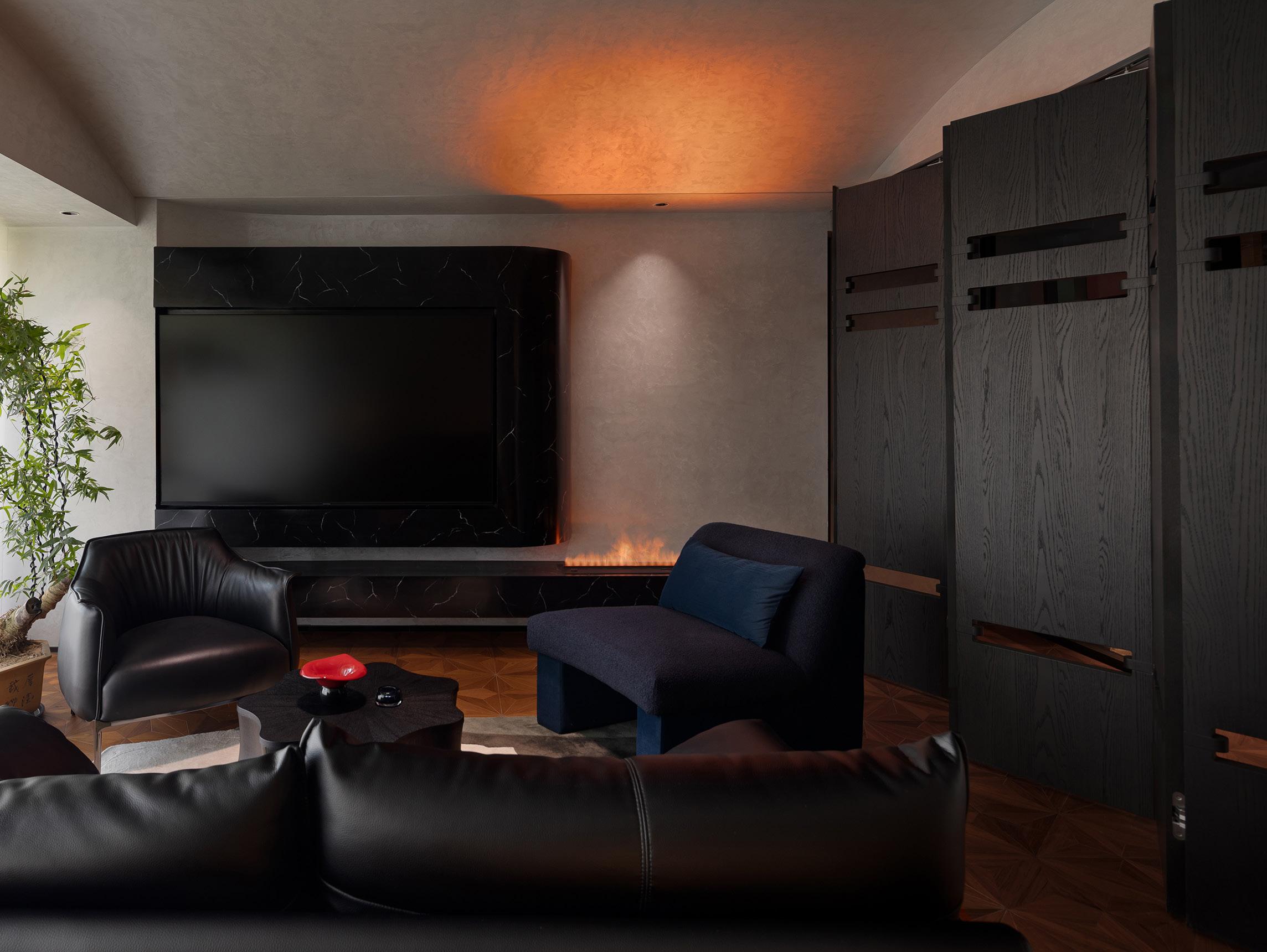
La oficina del director general adopta madera oscura y mármol negro, transmitiendo autoridad y serenidad, mientras que la oficina de finanzas suaviza su tono mediante texturas de tela e iluminación suave. Un sofá de terciopelo naranja añade un toque de vida, logrando un equilibrio entre eficiencia y comodidad. La paleta de colores del baño continúa el lenguaje material y tonal del vestíbulo del ascensor, completando el ritmo espacial con una sutil consistencia.
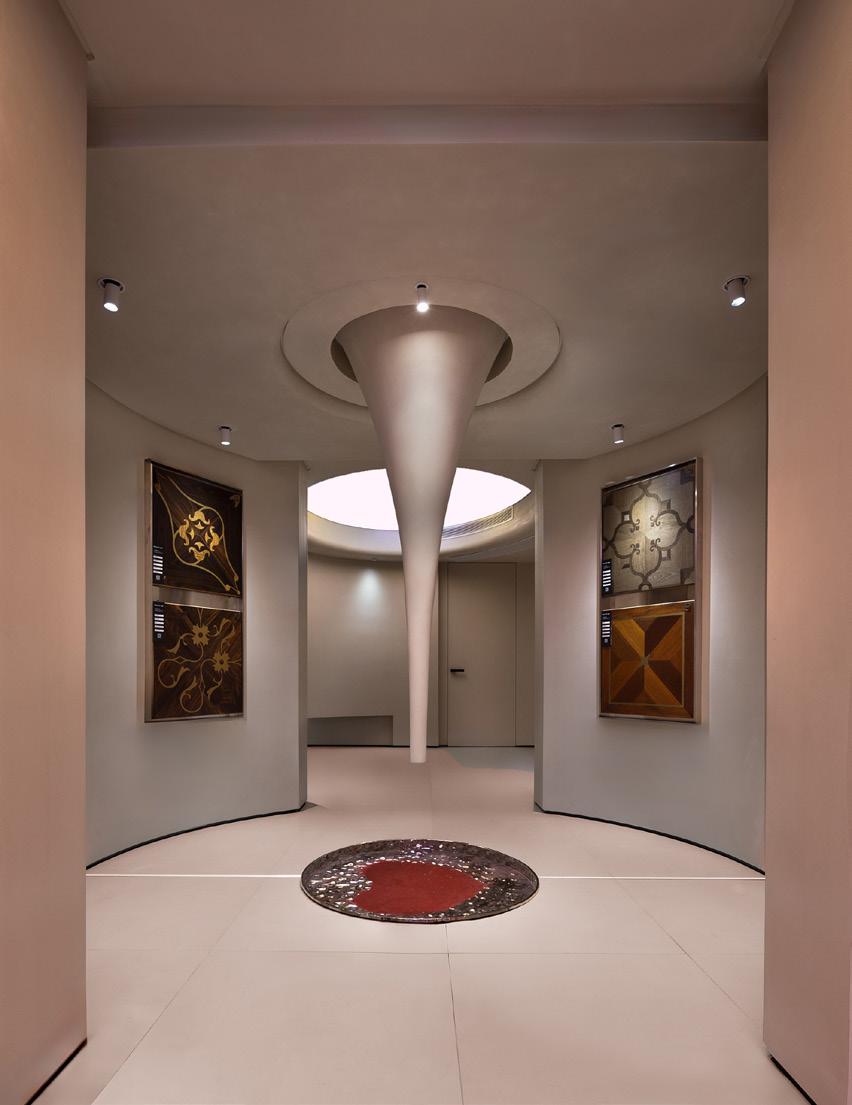
Así, el recorrido pasa de la apertura a la quietud, de la experiencia a la reflexión, recordando sutilmente a los visitantes que toda inspiración proveniente de la naturaleza y la tecnología regresa finalmente a la humanidad, a la conexión y a la calidez de la vida cotidiana.
Muxiang Ninghua: Haciendo del espacio una extensión de la naturaleza
En este proyecto, PUSH DESIGN utiliza el suelo como medio narrativo, tejiendo una lógica espacial progresiva —transformación temporal, pasillo narrativo, experiencia interactiva y escenas vividas— para dotar al espacio.
No es simplemente una sala de exposición, sino una armonía entre el espacio y la naturaleza, entre el producto y el espíritu humano.
“Esperamos que los visitantes puedan ‘oír la respiración de la madera’, sentir su sentido del tiempo y la calidez, y reconectar con el diálogo entre la naturaleza y la vida humana”.
—— Diseñadores principales: Ma Yizhou y Shen Yingyan, PUSH DESIGN
Información del proyecto
Nombre del proyecto: Sala de Experiencia de Pisos Muxiang
Ninghua
Empresa de diseño: PUSH DESIGN
Ubicación: 6.º piso, Edificio 1, Guanghong Xintiandi, Calle
Dongqian, Distrito Nanxun, Huzhou, Zhejiang, China
Superficie construida: 900 m²
Altura del techo: 2,85 m
Tipo de proyecto: Diseño de interiores
Diseñadores principales: Ma Yizhou, Shen Yingyan
Periodo de diseño: Enero de 2024 - Septiembre de 2025
Materiales principales: Microcemento, pintura decorativa, azulejos de cerámica, pisos de madera, acero inoxidable
Cliente: Zhejiang Hanluosen Home Co., Ltd.
Fotografía: Hua Xuetao, Ma Yizhou

PUSH DESIGN Creates an Immersive 900m Flooring Experience Hall in Huzhou, China
The journey begins in the elevator hall, where cool stone and warm wood interlace under changing light—a prologue of contrasts. A deep red wooden floor runs through the space like a steady rhythm, while rich red wall fabric meets restrained timber tones, setting a serene yet modern tone that bridges reality and abstraction. Entering the “Rhythmic Transition Zone,” a minimalist stainless-steel reception counter becomes the visual focus. Its solid presence marks a pause in rhythm— where motion meets stillness, and the visitor is gently led from prologue into narrative.
In the core exhibition area, flooring samples are displayed through removable frame structures—a lightweight, flexible, and non-destructive system that allows effortless updates. This modular strategy reflects a sustainable mindset, enabling space and product to evolve together.
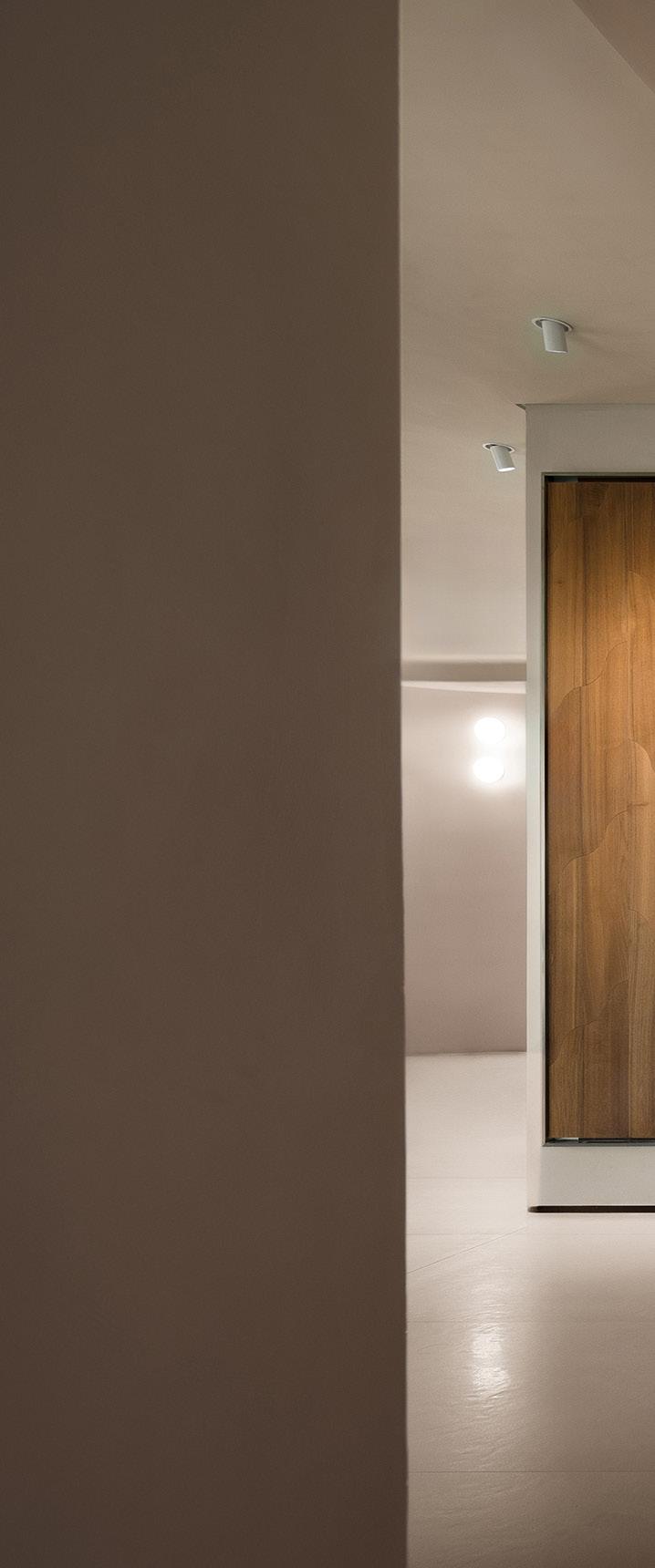
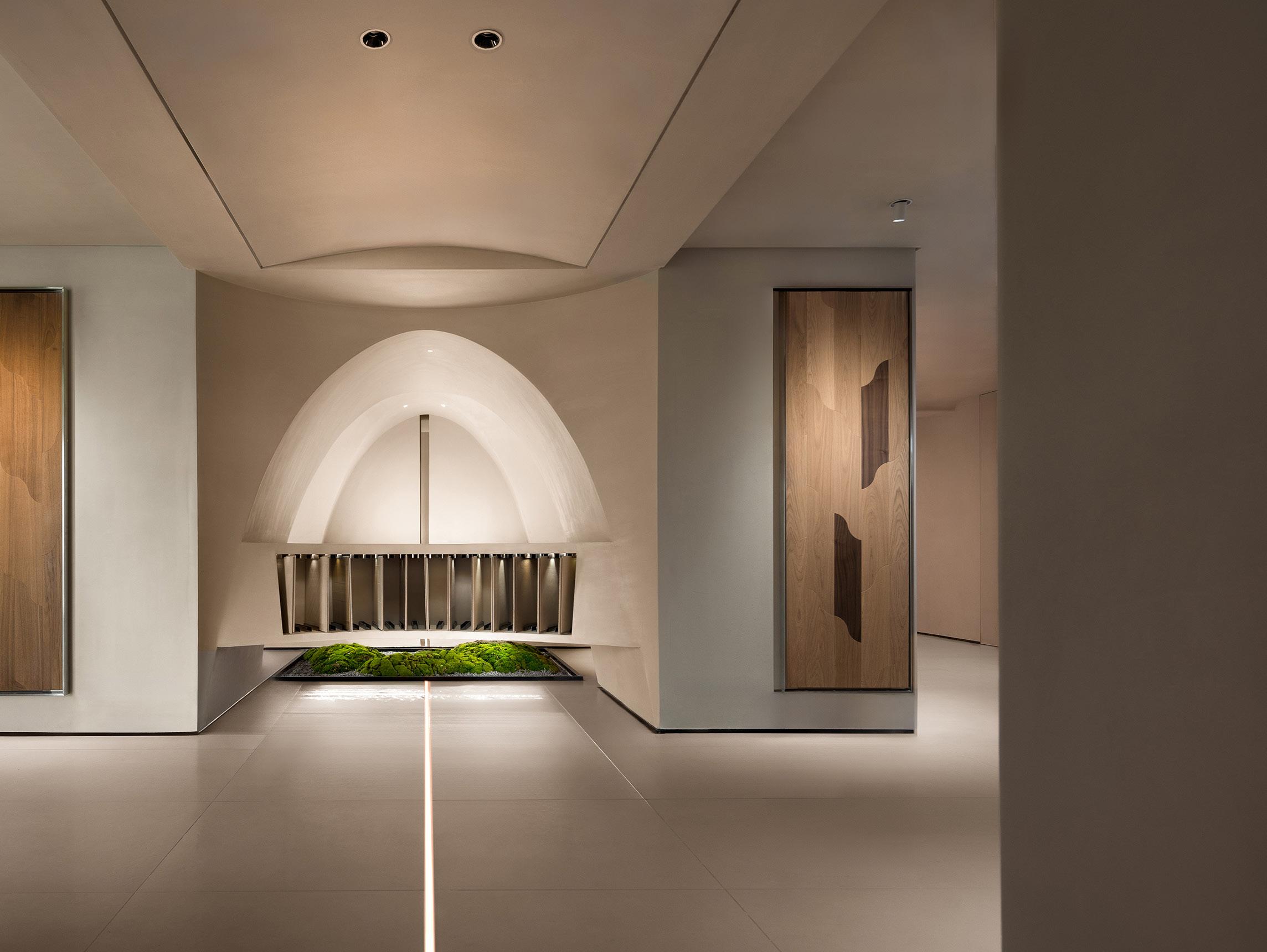
The Time Corridor follows—a narrative spine of the entire design. Timber slices and annual ring motifs line the walls, softly illuminated to evoke the life trace of a tree. As one walks through, it feels like traversing the texture of time itself—each beam of light, each grain of wood whispering a fragment of memory. In the transition display area, shifting flooring patterns and lighting variations create a rhythm of changing perspectives. From raw timber to refined surfaces, from natural to crafted textures, each transformation becomes a quiet ritual of form and warmth.
The surrounding office and VIP zones continue the use of wood and curved enclosures, creating a warm and stable atmosphere for communication. The general manager’s office adopts dark wood and black marble, conveying authority and composure, while the finance office softens its tone through fabric textures and gentle lighting. An orange velvet sofa adds a lively note, striking a balance between efficiency and comfort. The restroom palette continues the material and tonal language of the elevator hall, completing the spatial rhythm with subtle consistency.

Thus, the journey transitions from openness to stillness, from experience to reflection—gently reminding visitors that all inspiration drawn from nature and technology ultimately returns to humanity, to connection, and to the warmth of everyday life.
Muxiang Ninghua: Making Space an Extension of Nature
In this project, PUSH DESIGN uses “flooring” as a narrative medium, weaving together a progressive spatial logic—temporal transformation, narrative corridor, interactive experience, and lived-in scenes—to endow the It is not merely a showroom, but a harmony between space and nature, between product and the human spirit.
“We hope visitors can ‘hear the breathing of wood,’ feel its sense of time and warmth, and reconnect the dialogue between nature and human life.”
—— Lead Designers: Ma Yizhou & Shen Yingyan, PUSH DESIGN
Project information
Project Name: Muxiang Ninghua Flooring Experience Hall
Design Firm: PUSH DESIGN
Location: 6F, Building 1, Guanghong Xintiandi, Dongqian
Street, Nanxun District, Huzhou, Zhejiang, China
Floor Area: 900m
Ceiling Height: 2.85 m
Project Type: Interior Design
Lead Designers: Ma Yizhou, Shen Yingyan
Design Period: Jan 2024 – Sep 2025
Main Materials: Microcement, Decorative Paint, Ceramic
Tiles, Wood Flooring, Stainless Steel
Client: Zhejiang Hanluosen Home Co., Ltd.
Photography: Hua Xuetao, Ma Yizhou
Verónica Guerra de Alberti


En invierno, el football americano se convierte en parte del ritual festivo. No son solo partidos: son celebraciones que iluminan pantallas, unen familias y dan ritmo a las fechas más queridas del calendario.
Todo comenzó en Thanksgiving, cuando la tradicional NFL—en aquel entonces conocida como la National Football League—inauguró los famosos juegos del Día de Acción de Gracias en 1934. Los Detroit Lions fueron los pioneros, convirtiendo el día festivo en un espectáculo nacional.
Décadas después, los Dallas Cowboys se unirían en 1966, consolidando una tradición que hoy es tan esperada como el propio banquete familiar. En Navidad, la historia también tiene su origen.
Los Christmas Games debutaron en 1971 bajo la organización de la propia NFL, como una apuesta para acompañar el espíritu navideño con un espectáculo que se vive entre luces, abrazos y el calor del hogar.




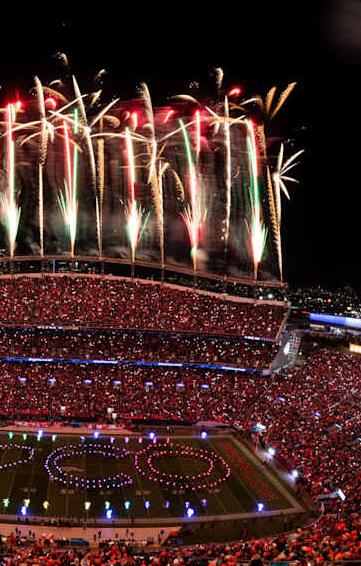
Desde entonces, la liga convirtió el 25 de diciembre en una fecha donde el deporte y la emoción brillan con luz propia.
Y cuando llega Año Nuevo, la fiesta continúa con el Rose
Bowl . La NFL integró los juegos de Año Nuevo como parte de la recta final de su temporada regular, ofreciendo partidos que no solo cierran el año con intensidad, sino que inauguran nuevas ilusiones rumbo a los playoffs.
Mientras otras ligas descansan, la NFL enciende emociones justo cuando el mundo reinicia su ciclo. Así, cada fecha especial tiene su origen, su liga y su esencia. Thanksgiving, Navidad y Año Nuevo: tres momentos donde la NFL transformó simples partidos en tradiciones, y tradiciones en memorias que regresan, invierno tras invierno, a los hogares de millones.

Verónica Guerra de Alberti

In winter, American football becomes part of the season’s ritual. These aren’t just games—they are celebrations that light up screens, bring families together, and give rhythm to the most cherished dates on the calendar.
It all began on Thanksgiving, when the original NFL—the National Football League—launched the now-famous Thanksgiving games in 1934. The Detroit Lions were the pioneers, turning the holiday into a national spectacle. Decades later, the Dallas Cowboys joined in 1966, solidifying a tradition now as anticipated as the holiday feast itself.
Christmas also has its own history. The Christmas Games debuted in 1971 under the NFL’s organization, designed to bring festive excitement to homes filled with lights, warmth, and family gatherings. Since then, the league has made December 25th a date where sports and celebration shine equally bright. And when New Year’s arrives, the party continues .





The NFL incorporated New Year’s games ( Rose bowl ) as part of the final stretch of the regular season—matchups that not only close the year with intensity but also ignite fresh hopes ahead of the playoffs. While other leagues rest, the NFL fuels emotion just as the world begins a new cycle. Each special date has its origin, its league, and its essence. Thanksgiving, Christmas, and New Year’s: three moments when the NFL transformed simple games into traditions, and traditions into memories that return—winter after winter—to millions of homes.
Giancarlo Frigerio “Gifri”
Un dulce que viaja entre historia, tradición y sabor
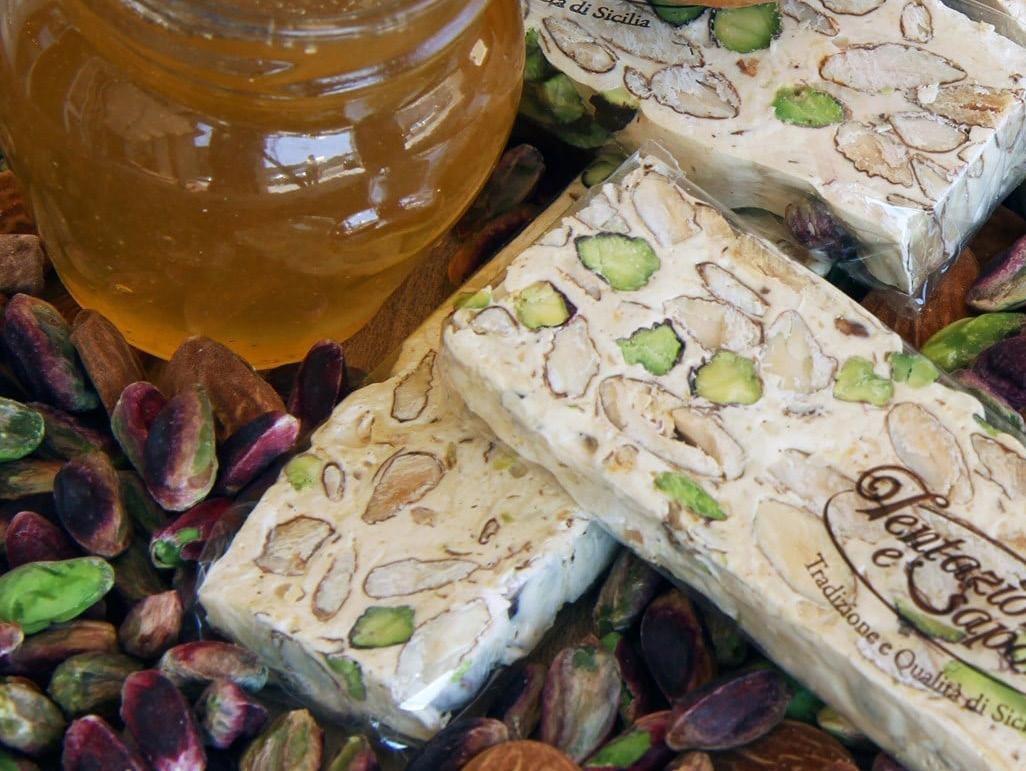
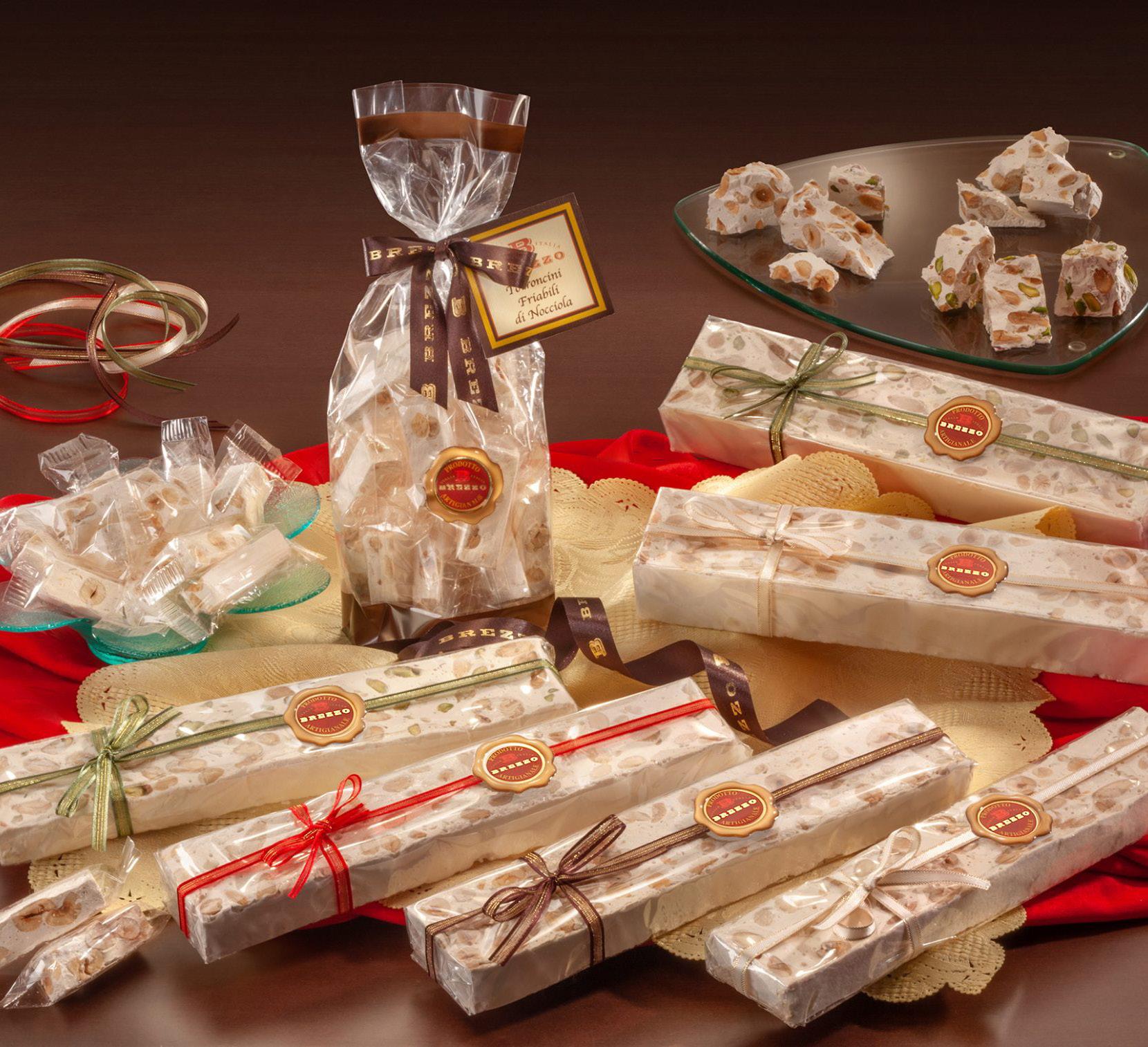
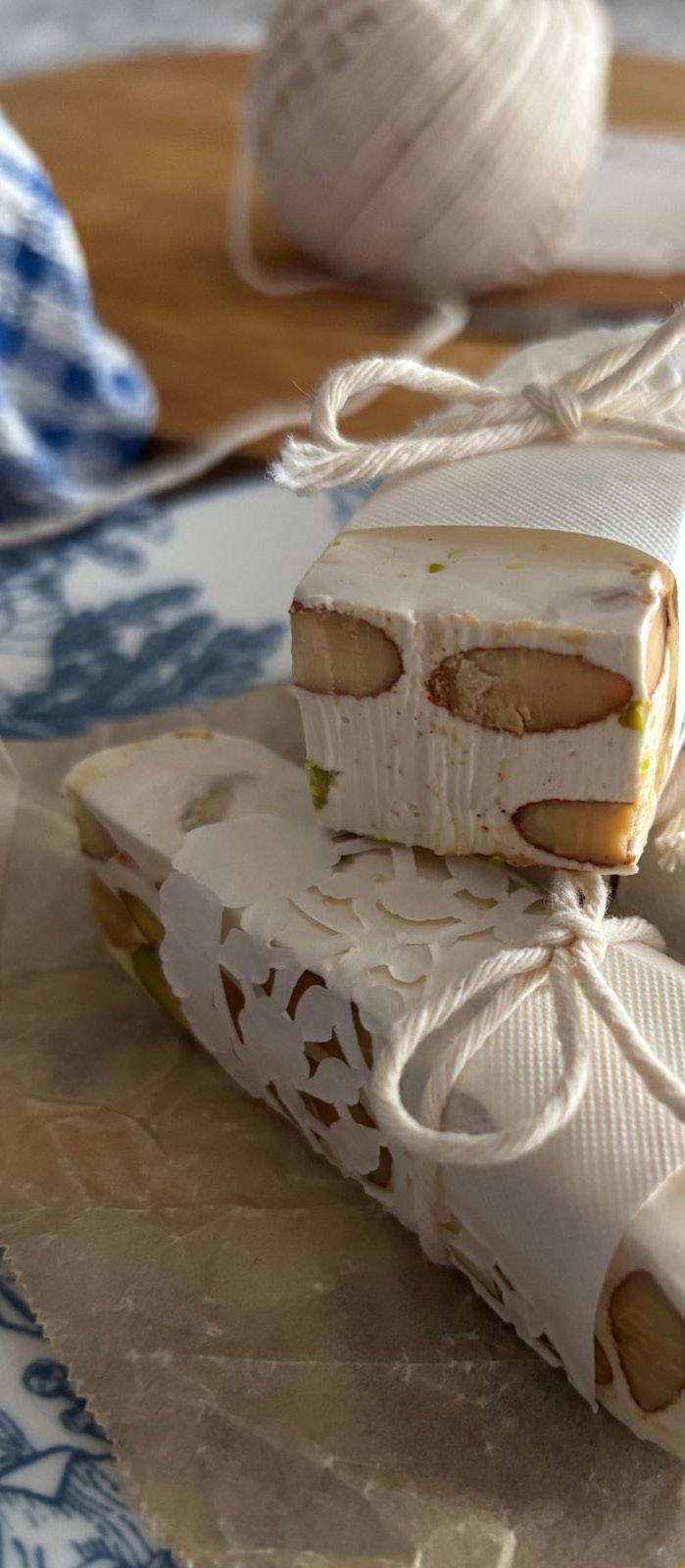
La Navidad está a la vuelta de la esquina y, como muchos —especialmente en Europa—, espero con entusiasmo comprar una tableta de torrone o pequeños torroncini para compartir con familiares y amigos. Este tradicional dulce italiano es mucho más que un antojo decembrino: es un símbolo cargado de historia y significado.
Antiguamente, el torrone representaba un homenaje a los difuntos, un gesto para “endulzar” su viaje hacia el más allá. La tradición cuenta que, hace siglos, los niños llevaban trozos de torrone a los cementerios como ofrenda. No era raro encontrarlo sobre tumbas y nichos durante estas fechas.
Con el paso del tiempo, el torrone se consolidó como un infaltable en las mesas de Navidad, convirtiéndose en parte de una tradición culinaria centenaria. Su origen, sin embargo, sigue siendo motivo de debate. Algunos aseguran que proviene de una preparación similar utilizada en la antigua Roma; otros afirman que fueron los árabes quienes lo introdujeron en el Mediterráneo.

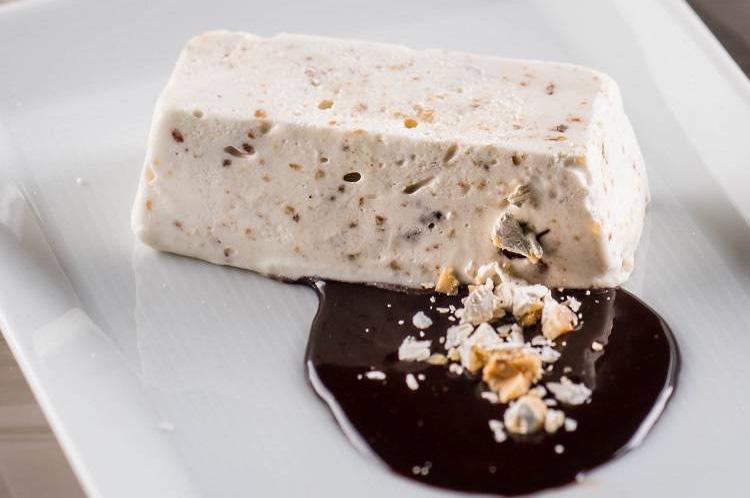
Cremona y Benevento, dos ciudades italianas, se disputan su autoría: la primera lo relaciona con las bodas de Bianca
Maria Visconti y Francesco Sforza en 1441, mientras que la segunda sostiene su existencia desde los siglos III–IV a.C.
También hay teorías que lo conectan con China, tierra de almendros, desde donde habría llegado a Europa gracias a las rutas árabes.
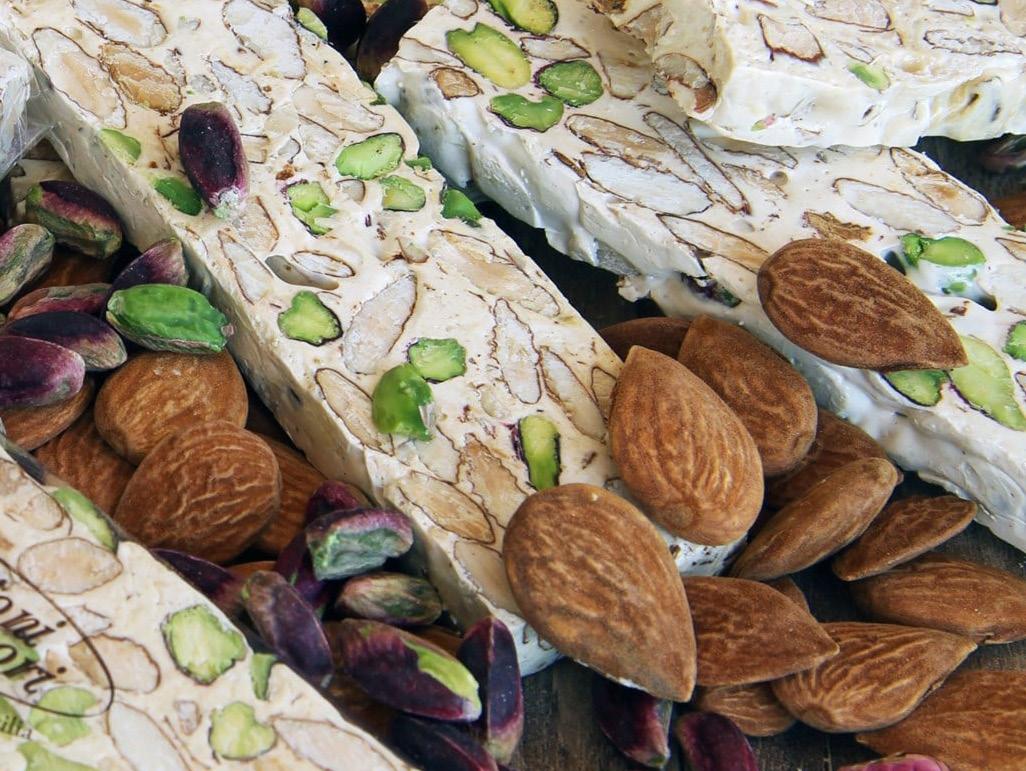
Pero dejando atrás los siglos, pasemos al presente. Actualmente, el torrone se presenta en tres formatos principales:
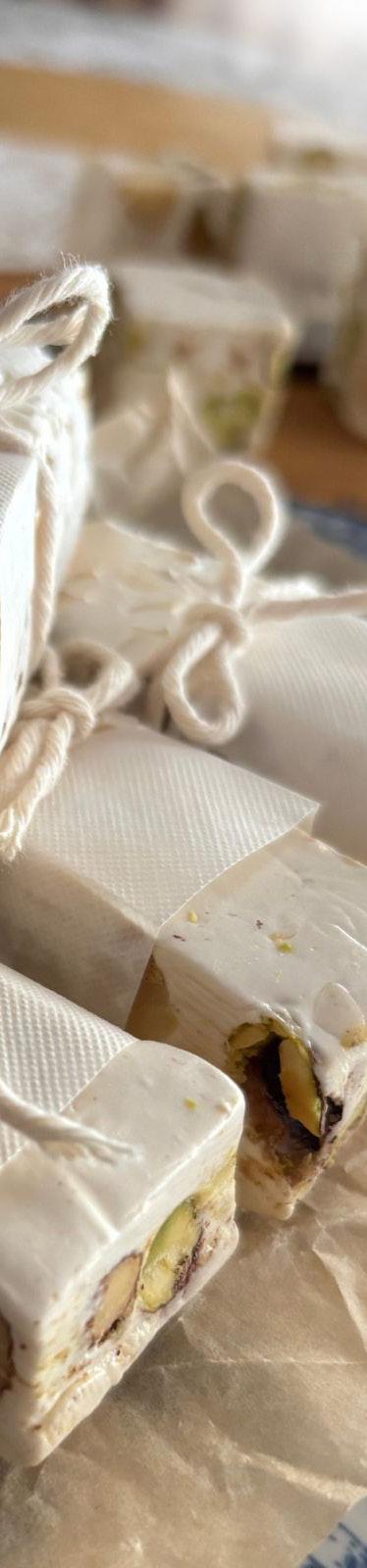
La Stecca
El formato clásico. Una barra tradicional, firme y elegante, ideal para cortar en trozos y compartir.
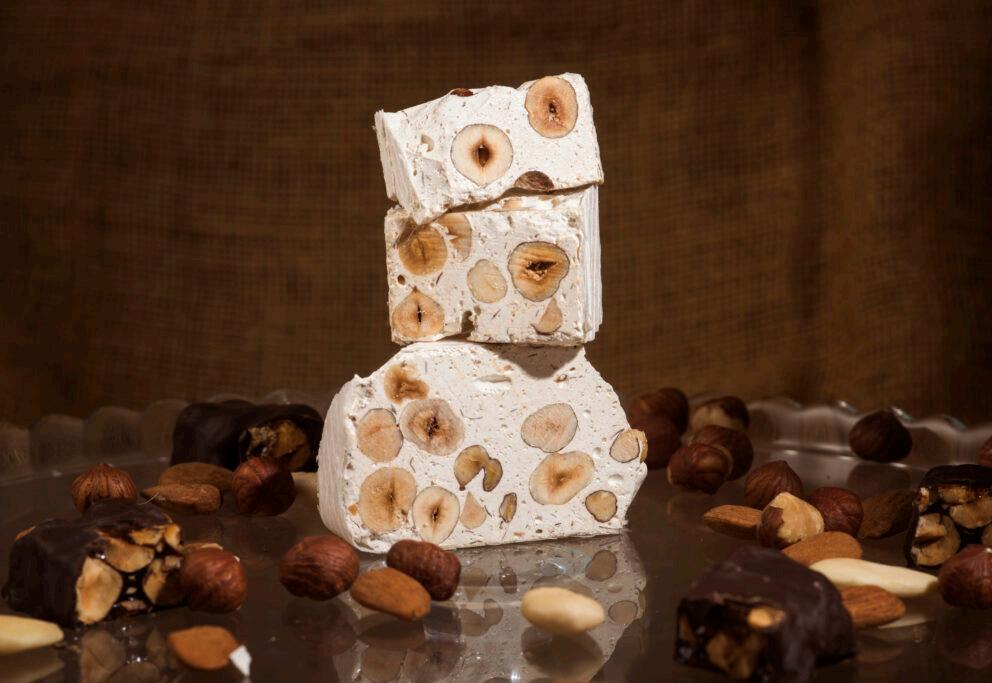
El Blocco
Un gran bloque de torrone que luce espectacular en las pastelerías. Se vende por gramos, cortado al momento, lo que lo convierte en una experiencia más artesanal.
El Torroncino
Probablemente con influencia siciliana —aunque no está comprobado—, este formato pequeño y suave, cubierto de chocolate, ha ganado gran popularidad por ser más práctico y moderno. Un verdadero favorito de las nuevas generaciones.
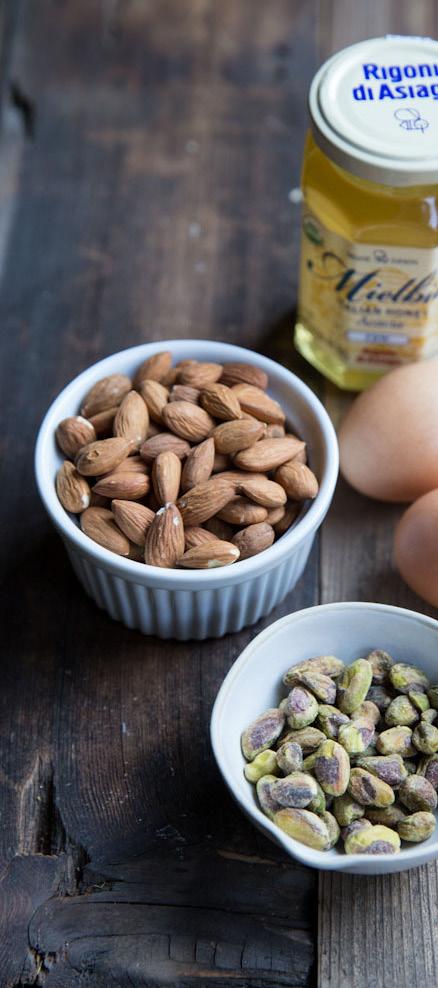
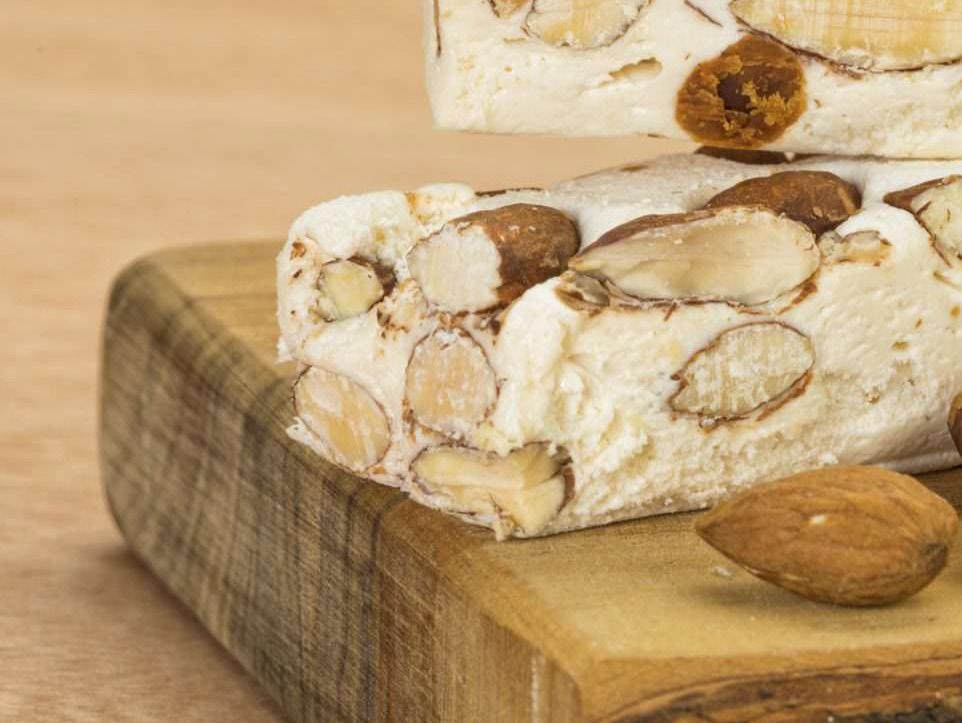
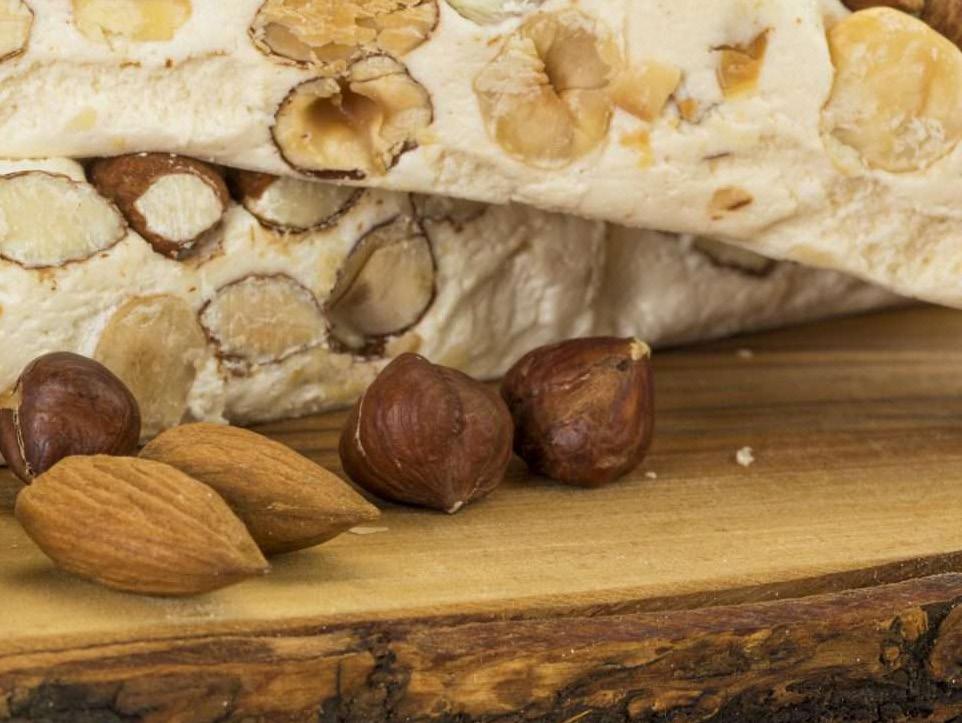
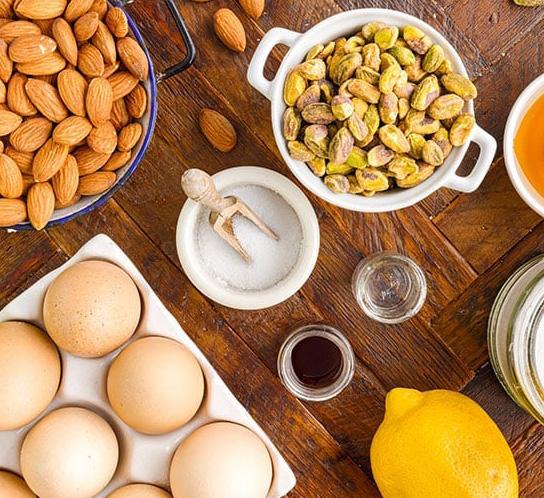
Ingredientes esenciales del torrone
El torrone combina pocos ingredientes, pero de calidad:
• Azúcar cocido
• Miel
• Clara de huevo
• Almendras tostadas
• Pistaches tostados
• Oblea comestible
Su preparación, aunque artesanal, puede realizarse en casa.
En YouTube hay excelentes tutoriales que muestran paso a paso el proceso tradicional.
En cuanto a su compra, encontrar torrone original italiano puede ser un desafío en México. Los supermercados no suelen ofrecerlo, y sólo se puede conseguir en Amazon, donde los precios tienden a ser altos.
Queridos lectores, los invito a descubrir este delicioso tesoro navideño que combina historia, tradición y sabor.
Les deseo una feliz Navidad y un próspero Año Nuevo.
Giancarlo Frigerio “Gifri”
Christmas is just around the corner, and like many people—especially in Europe—I eagerly look forward to buying a bar of torrone or small torroncini to share with family and friends. This traditional Italian confection is far more than a seasonal treat: it is a symbol filled with history and meaning. In ancient times, torrone was considered a tribute to the deceased, a gesture meant to “sweeten” their journey to the afterlife. According to tradition, children would bring pieces of torrone to cemeteries as an offering. It was not uncommon to find it placed on tombs and niches during the holiday season.
Over time, torrone became a staple of Christmas celebrations, earning its place as a cherished culinary tradition. Yet its true origin remains a subject of debate. Some believe it stems from a similar preparation made in ancient Rome; others credit the Arabs for introducing it across the Mediterranean.
The Italian cities of Cremona and Benevento both claim it as their own: Cremona associates its birth with the wedding of Bianca Maria Visconti and Francesco Sforza in 1441, while Benevento references its existence as early as the 3rd–4th centuries BC. Additional theories trace it back to China, the land of almonds, from where it may have traveled to Europe through Arab trade routes.
Leaving history aside, today torrone is typically found in three main formats:
La Stecca (The Bar)
The classic presentation: a solid, elegant bar ideal for slicing and sharing.
Il Blocco (The Block)
A large, impressive slab of torrone displayed in pastry shops and sold by weight, cut fresh upon request—an artisanal experience.
Il Torroncino (The Mini Torrone)
Likely influenced by Sicilian tradition—though not confirmed—this smaller, softer version coated in chocolate has become extremely popular. Convenient, modern, and stylish, it has won over younger generations.
Despite its delicate flavor, torrone is made from just a few key ingredients:
• Cooked sugar
• Honey
• Egg white
• Toasted almonds
• Toasted pistachios
• Edible wafer
Though traditionally handcrafted, torrone can be made at home. YouTube offers many helpful tutorials for those who want to try preparing it themselves.
As for purchasing authentic Italian torrone in Mexico, the task can be challenging. It is not commonly available in supermarkets, and only a few options can be found on Amazon—often at high prices.
Dear readers, I invite you to discover this delightful Christmas treasure that blends history, tradition, and sweetness. Wishing you a joyful Christmas and a prosperous New Year.
Veronica Guerra de Alberti
Cuando llega diciembre, el mundo se ilumina… pero solo algunos destinos elevan la Navidad al nivel del glamour absoluto. Luces impecables, experiencias exclusivas y escenarios que parecen diseñados para brillar en portada: así se viven las fiestas en estos lugares que marcan tendencia y estilo. Prepárate para descubrir los destinos donde la Navidad no solo se celebra: se presume.
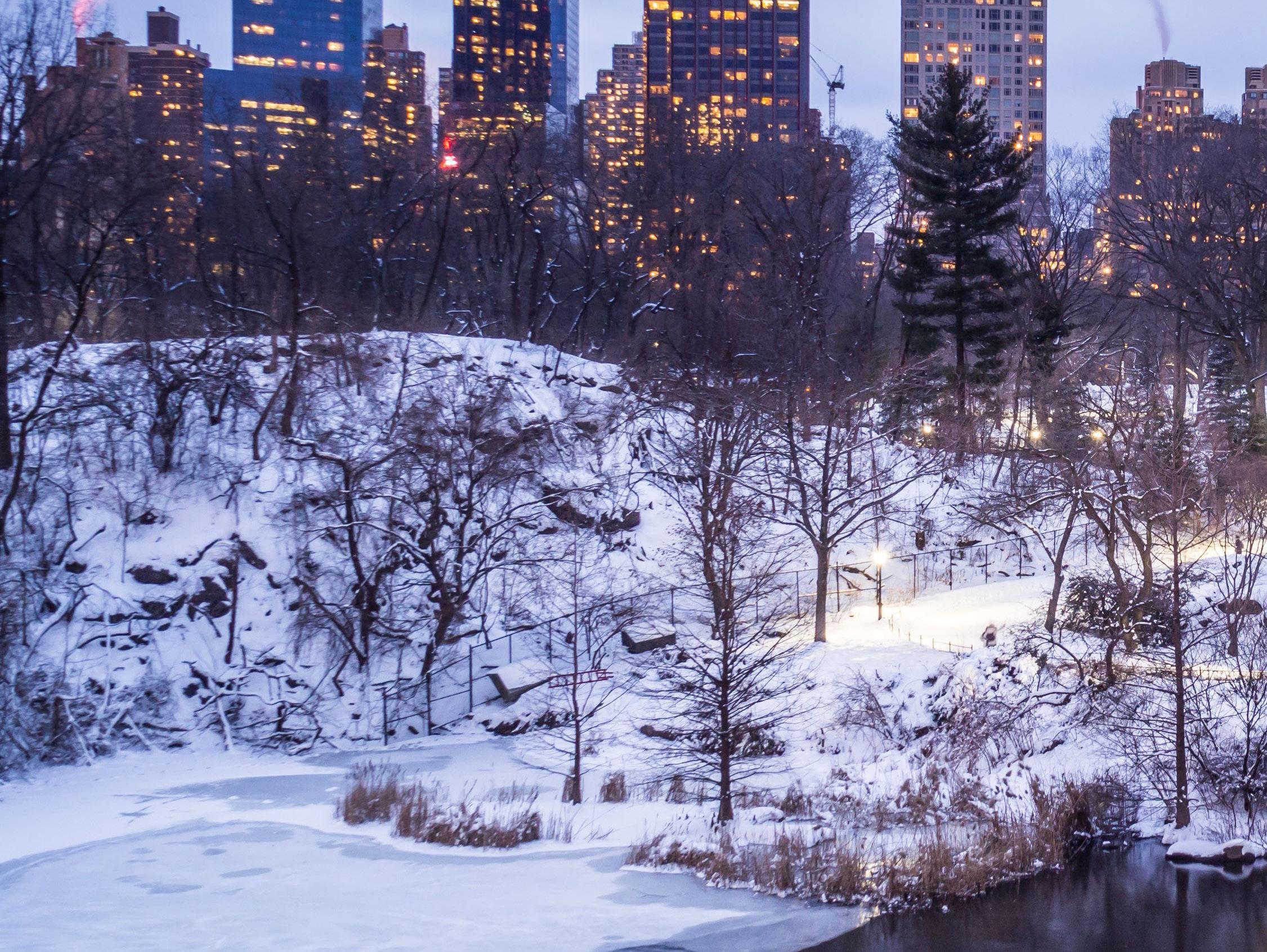
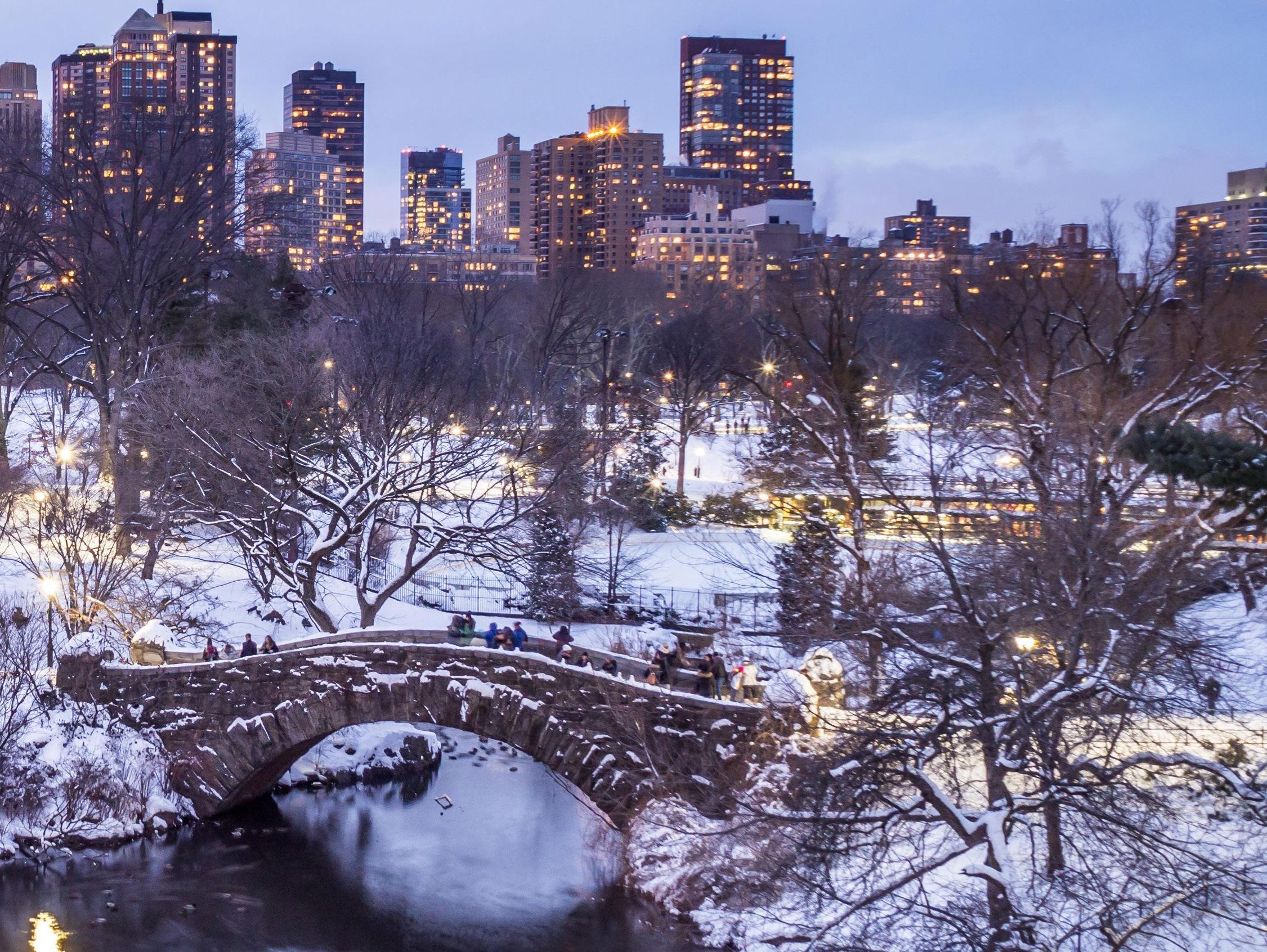
Rovaniemi, Finlandia: La Fantasía Blanca del Lujo Nórdico En el corazón de Laponia, la Navidad adquiere un tono elegante y minimalista que solo el norte europeo puede ofrecer. Rovaniemi deslumbra con sus alojamientos boutique de cristal, ideales para ver auroras boreales desde la comodidad de una suite cálida y luminosa. Experiencias como trineos privados, cenas gourmet en medio del bosque y encuentros exclusivos en la aldea de Santa Claus definen un estilo navideño sofisticado, puro y exquisito. Una escapada que combina naturaleza, magia y clase. Nueva York, Estados Unidos: El Glamour Icónico Nueva York es, sin discusión, la capital global del brillo navideño. El árbol del Rockefeller, las boutiques de lujo de la Quinta Avenida, los grandes hoteles decorados como escenarios de película… todo vibra con una opulencia irresistible. Entre restaurantes de autor, desfiles de moda invernal y un skyline vestido para impresionar, Manhattan convierte la Navidad en un statement de estilo. Un destino para quienes entienden que el lujo también es experiencia.
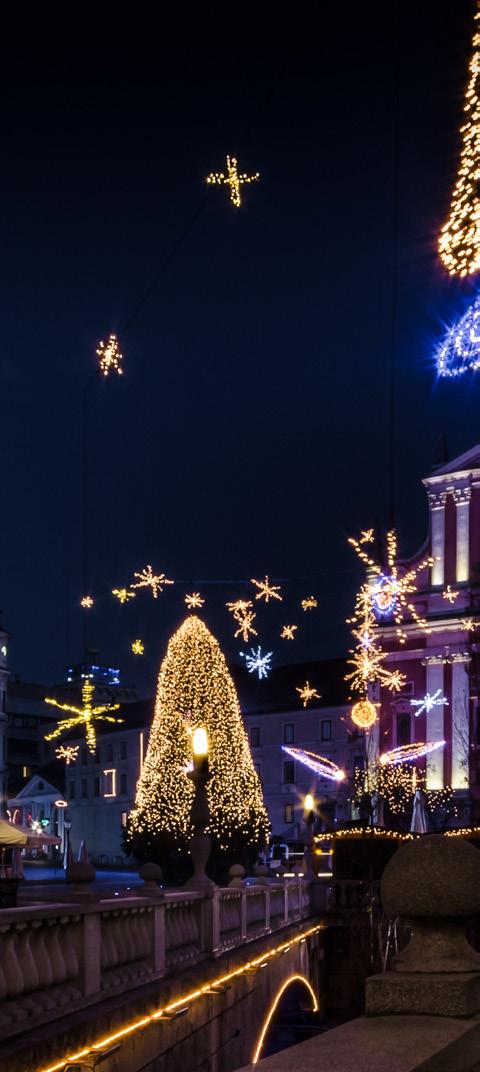
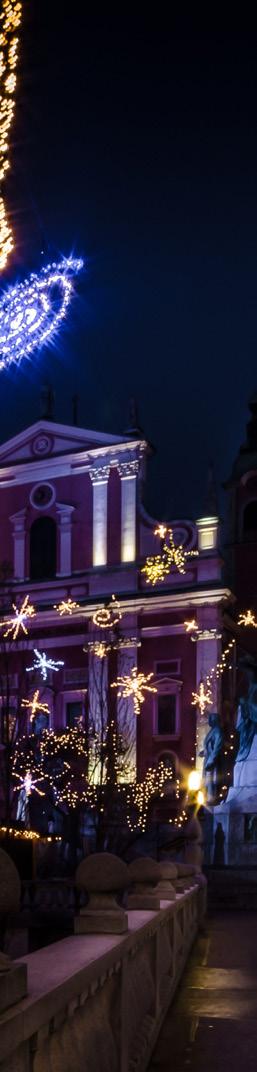
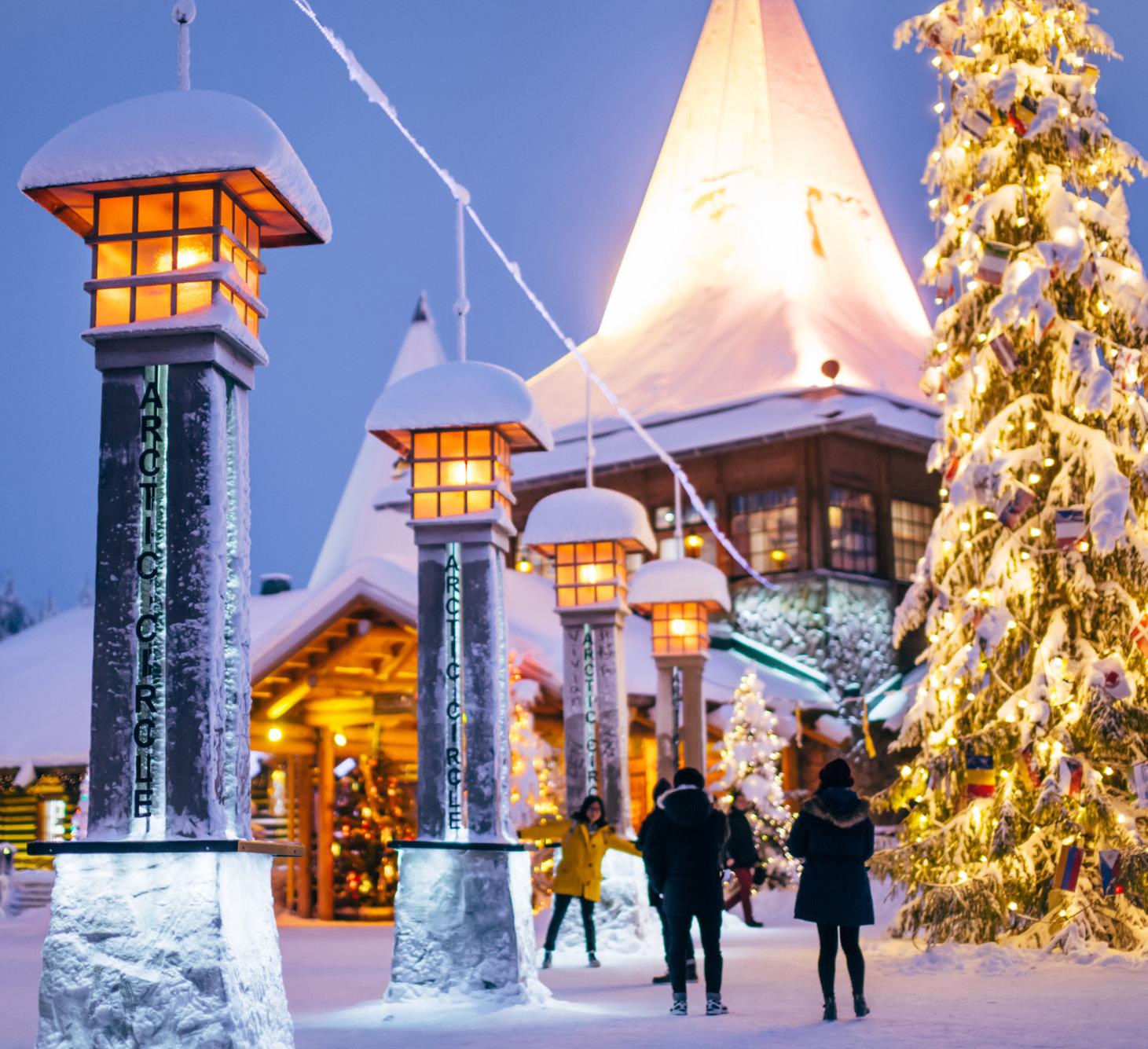
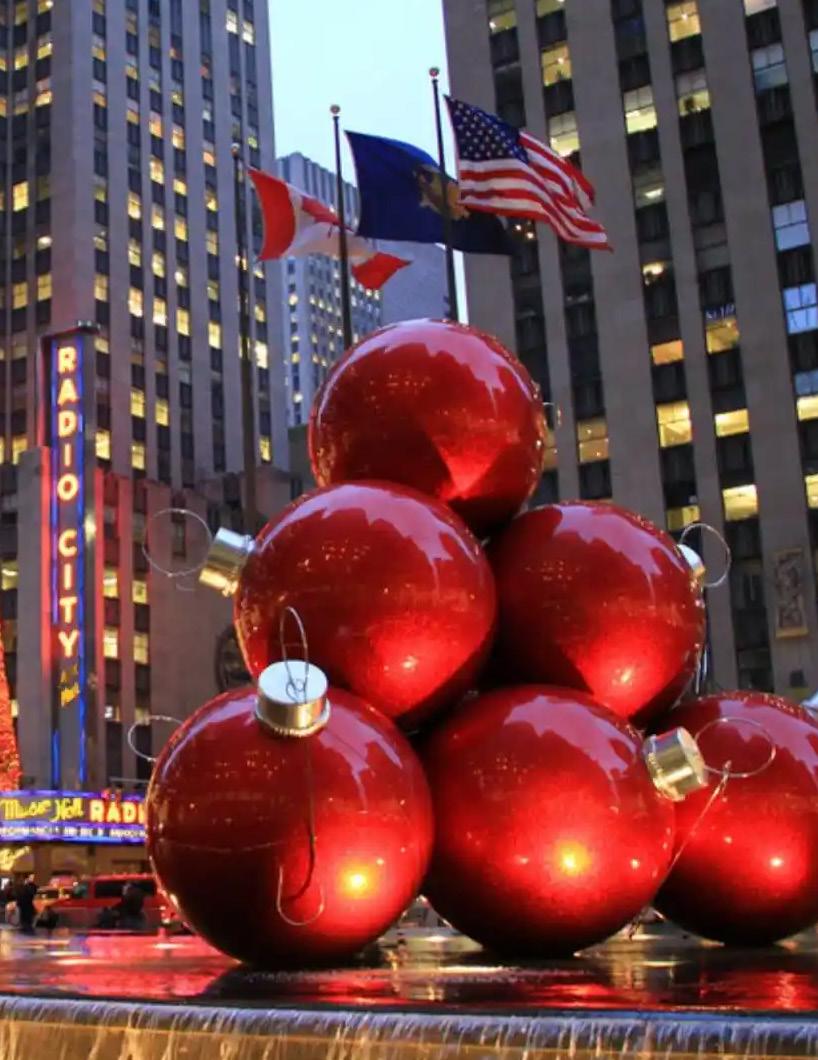
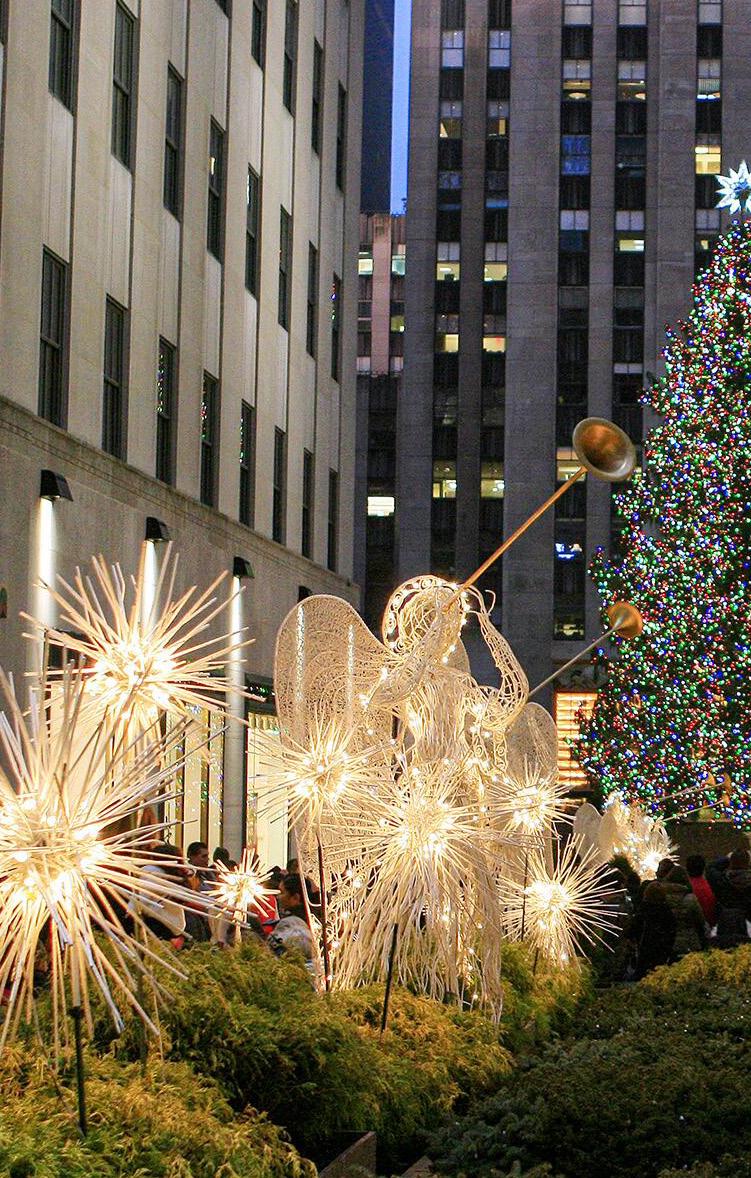
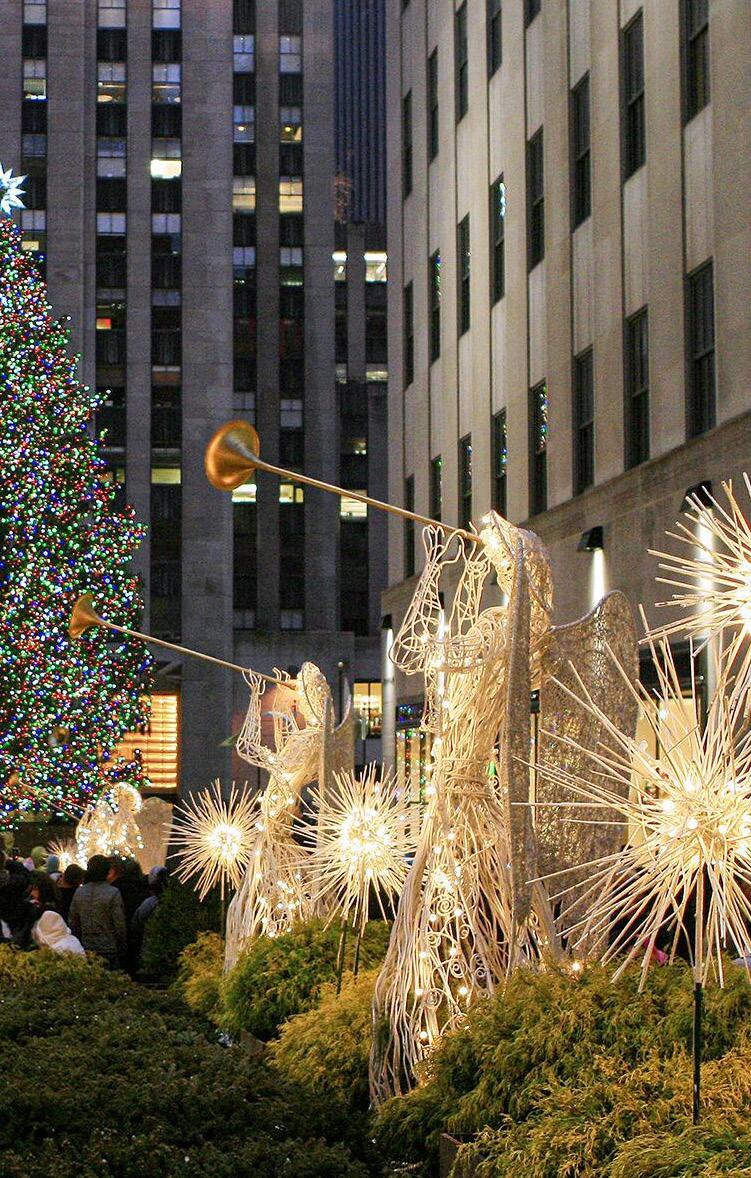
Estrasburgo, Francia: Tradición Chic en Cada Luz Elegancia europea, detalle artesanal y un encanto que enamora. Estrasburgo, conocida como la Capital de la Navidad, cautiva con mercados refinados, arquitectura alsaciana digna de un cuento y calles iluminadas como pasarelas invernales. Aquí el lujo es sutil, sensorial, íntimo: vino caliente con especias, decoraciones históricas y una estética que equilibra tradición y sofisticación. Un destino perfecto para quien busca belleza auténtica con un toque chic francés.
El Glamour También Tiene Temporada Tres destinos, tres estilos, una misma promesa: vivir la Navidad como un verdadero ritual de lujo. Para quienes viajan con intención, sensibilidad y pasión por lo extraordinario, estos lugares representan el lado más exclusivo —y más memorable— de la temporada.
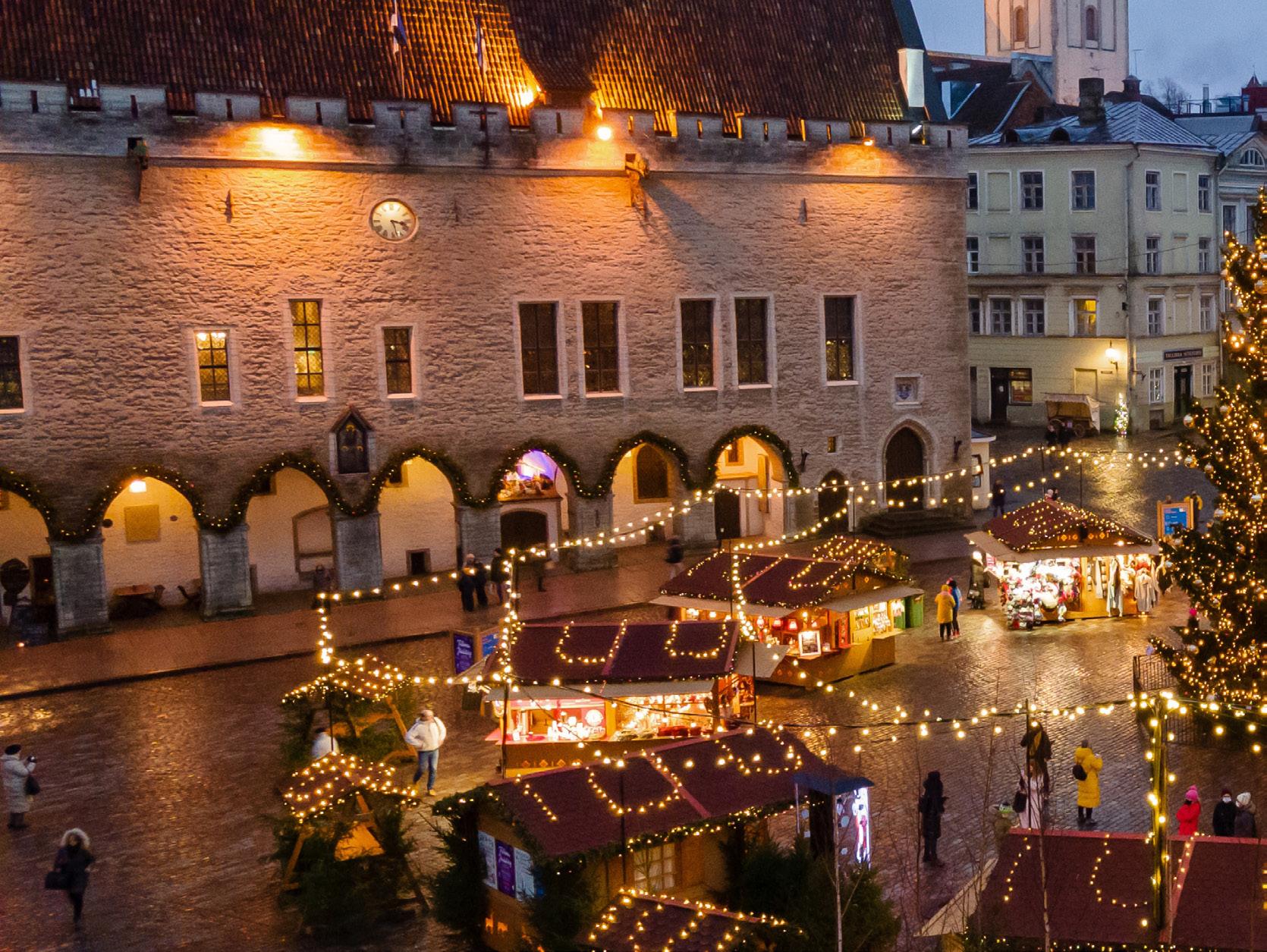
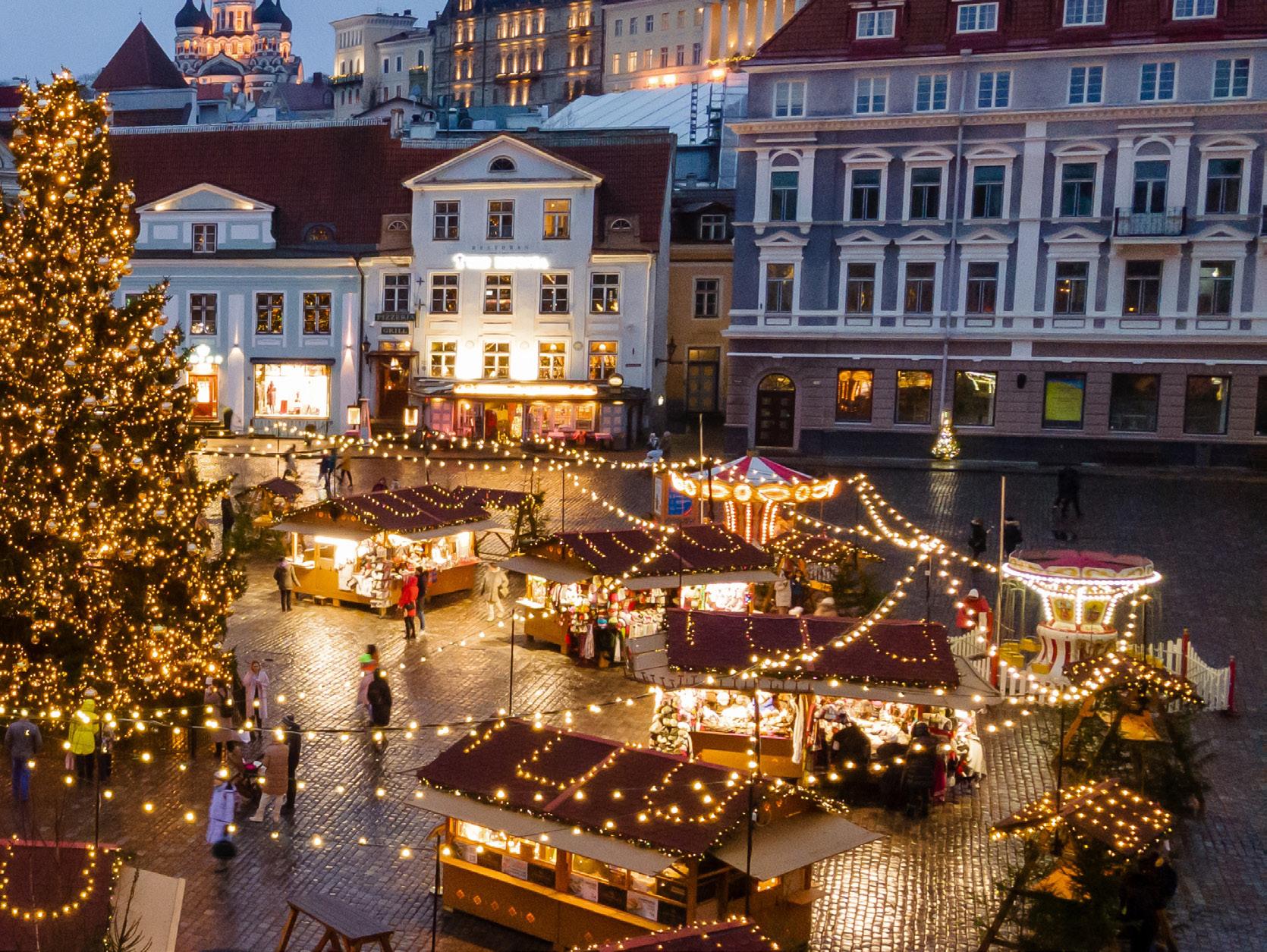
When December arrives, the world lights up… but only a select few destinations elevate Christmas to a realm of pure glamour. Impeccable lights, exclusive experiences, and scenery worthy of a magazine cover — this is how the season shines at its highest level. Discover the places where Christmas isn’t just celebrated: it’s showcased.
Rovaniemi, Finland: The Northern Fantasy of Refined Luxury In the heart of Lapland, Christmas unfolds with a minimalist, sophisticated allure only the Nordic winter can create. Rovaniemi enchants with its boutique glass lodges, perfect for watching the Northern Lights from the warmth of your private suite. Private sleigh rides, gourmet dinners deep in the forest, and exclusive encounters at Santa Claus Village define a holiday experience that is magical, serene, and undeniably chic. An escape that blends nature, enchantment, and elevated style.
New York City, USA: The Capital of Holiday Glamour New York is, without question, the global epicenter of Christmas sparkle. The Rockefeller Center tree, the luxury boutiques along Fifth Avenue, and grand hotels dressed like cinematic stages create a setting of irresistible opulence. With world-class restaurants, winter fashion on full display, and a skyline illuminated to perfection, Manhattan turns Christmas into a statement of style. A destination for those who understand that luxury is also an experience.


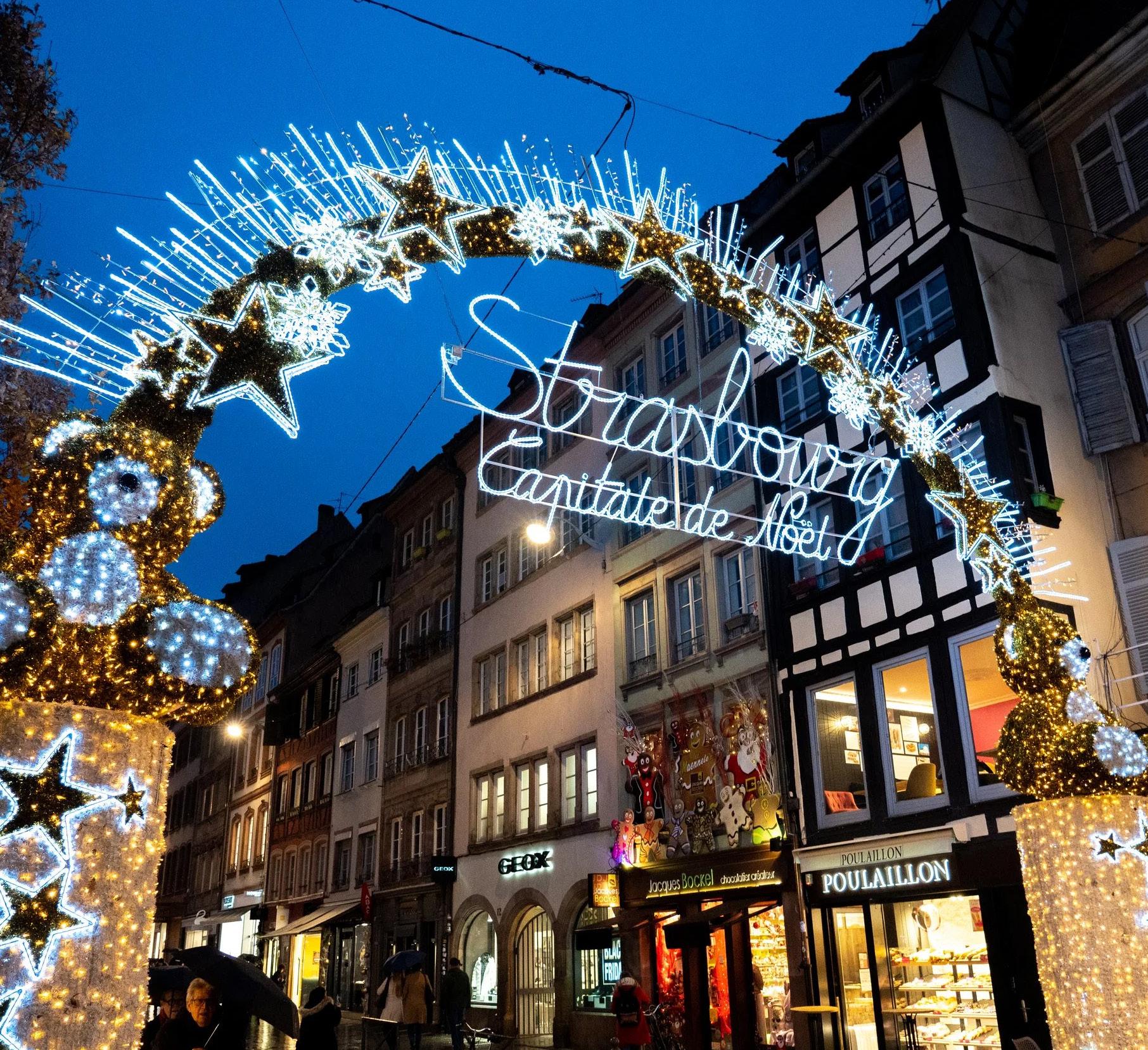
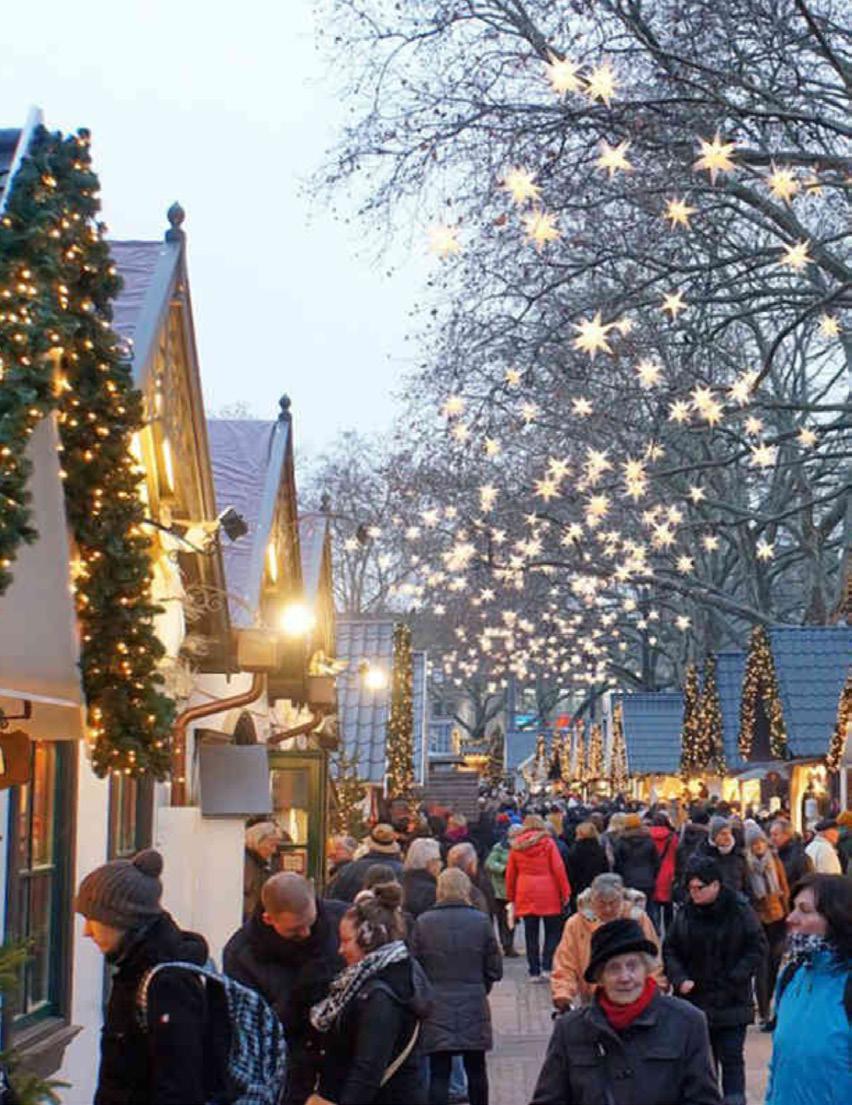
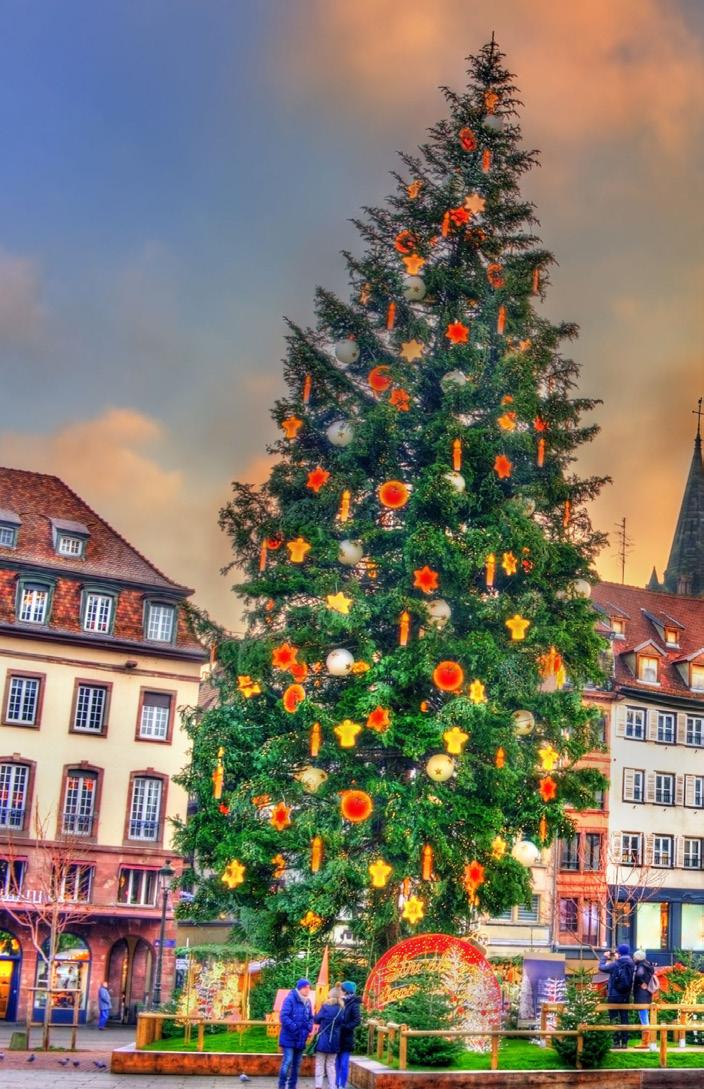
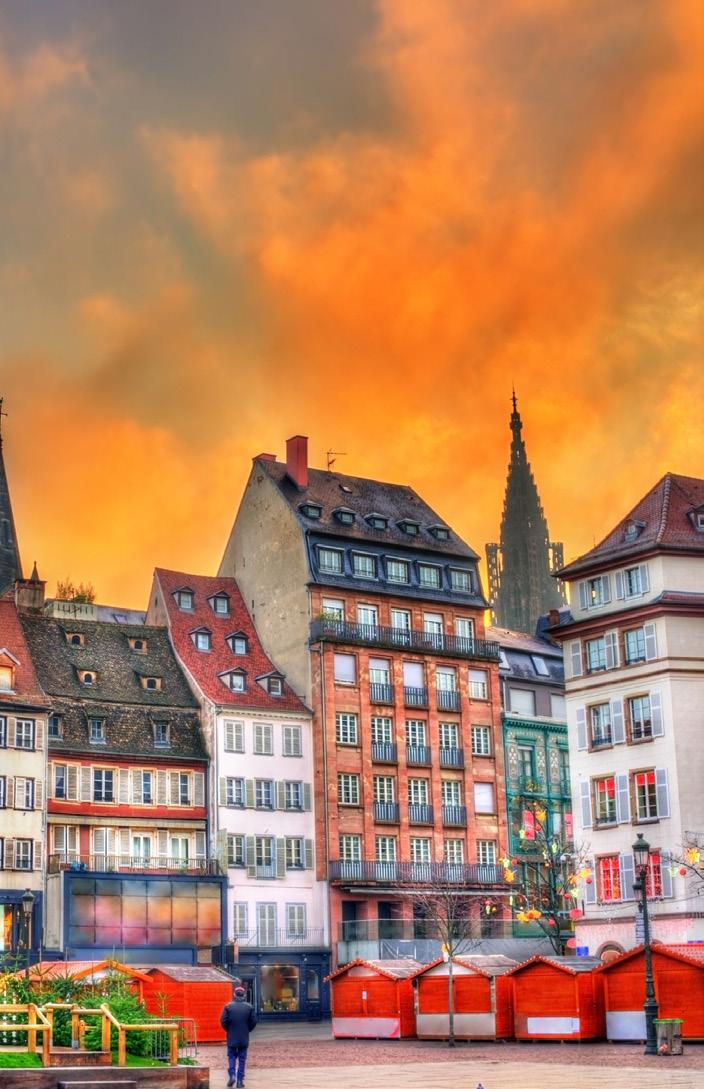
Strasbourg, France: Chic Tradition in Every Light European elegance, artisanal detail, and undeniable charm. Strasbourg — the Capital of Christmas — captivates with refined markets, fairytale Alsatian architecture, and streets lit like winter runways. Here, luxury is subtle and sensory: mulled wine with spices, historic decorations, and an aesthetic that blends heritage with French chic. A perfect destination for travelers seeking authentic beauty with a sophisticated twist.
The Season of Glamour Has Arrived Three destinations, three distinct styles, one promise: to experience Christmas as a true ritual of luxury. For travelers who crave intention, beauty, and the extraordinary, these places represent the most exclusive — and unforgettable — side of the holiday season.
hospitalidad
¿Te sumas a la experiencia?
Somos los felices ganadores del premio Travelers’ Choice Award 2023 de Tripadvisor y ¡mereces probarlo!
Descubre y disfruta creando recuerdos en un entorno perfecto.
¡Hazlo único con nosotros!
Sayulita lo tiene todo, ¡pero te extrañamos!
Descubre los secretos que este rincón del paraíso tiene para ti, con costumbres únicas en cada rincón. ¿Listo para una experiencia que te hará decir “¡Guau!”?
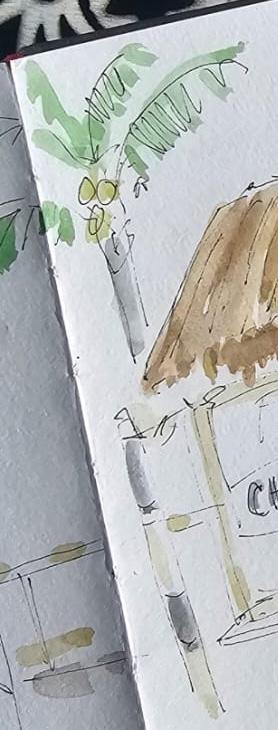
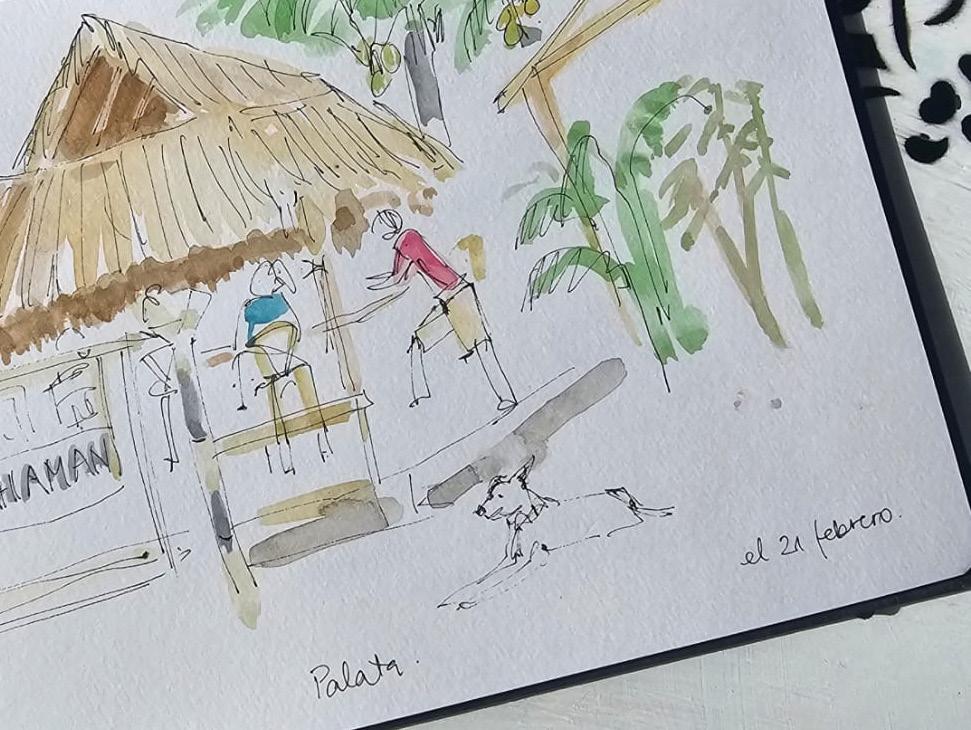
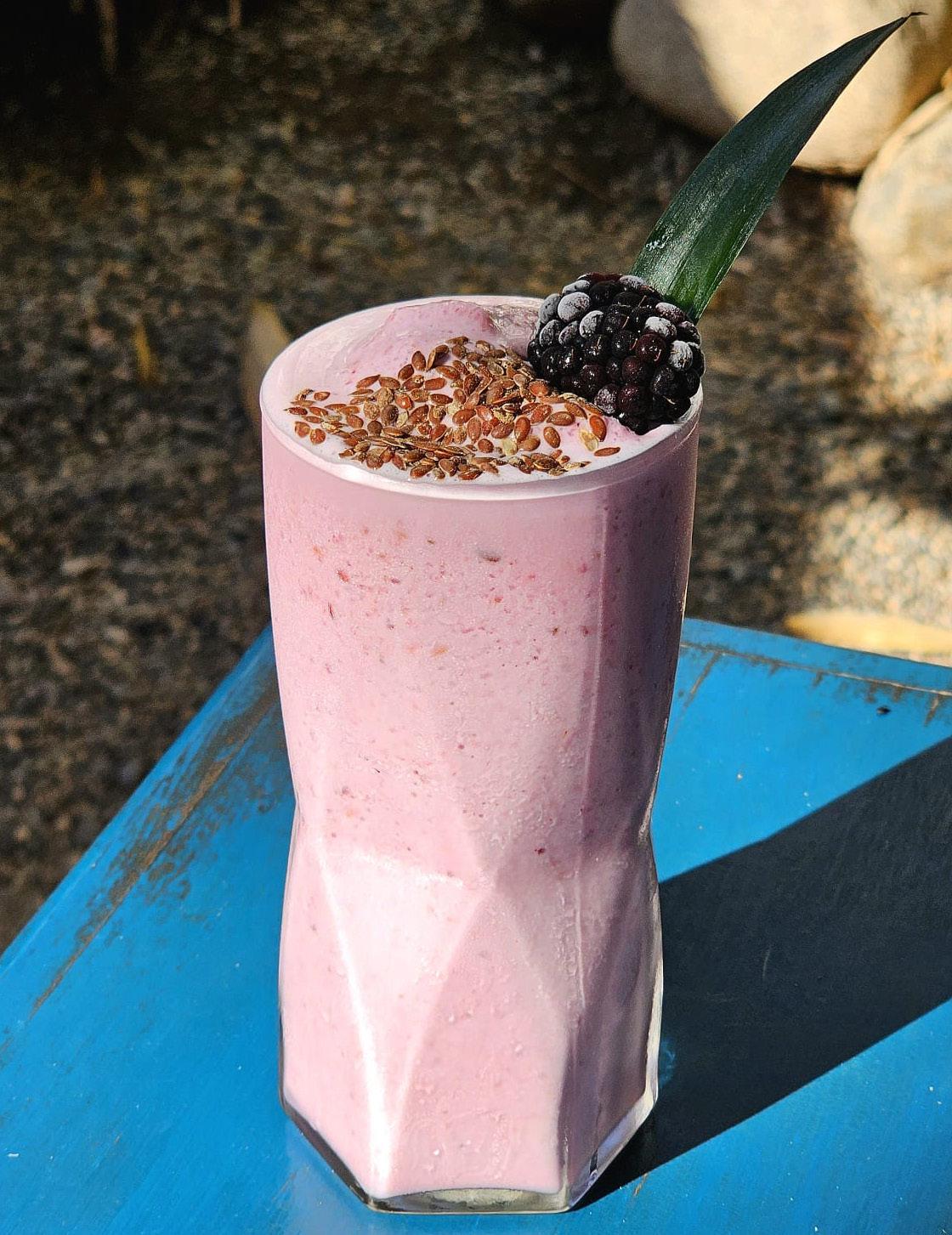
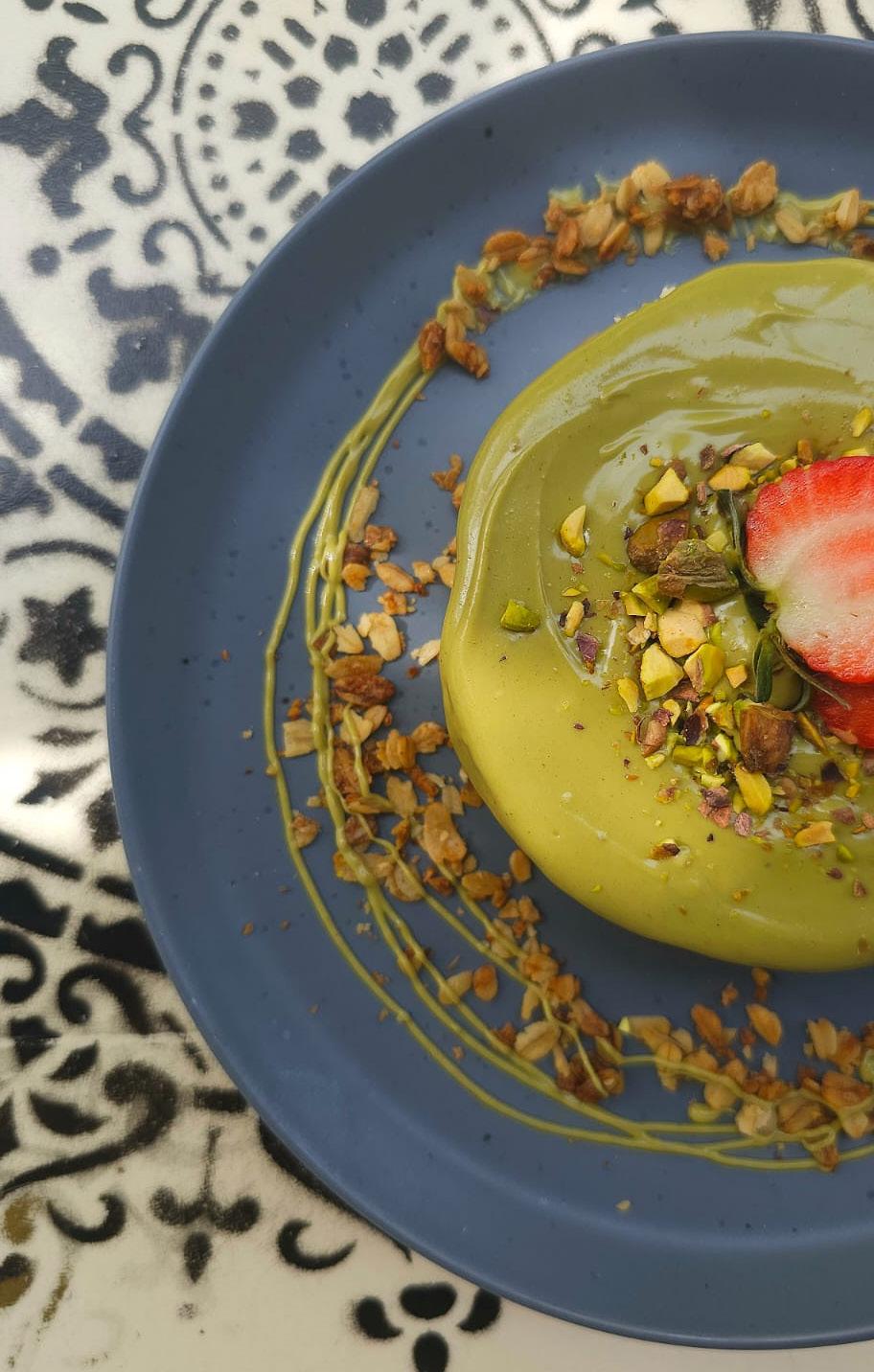

¡Nuestro menú es el festín que su paladar estaba esperando! Descubre sabores únicos que te transportarán a un carnaval de delicias. ¡Y no te pierdas nuestras bebidas que son un viaje directo al paraíso en cada sorbo!
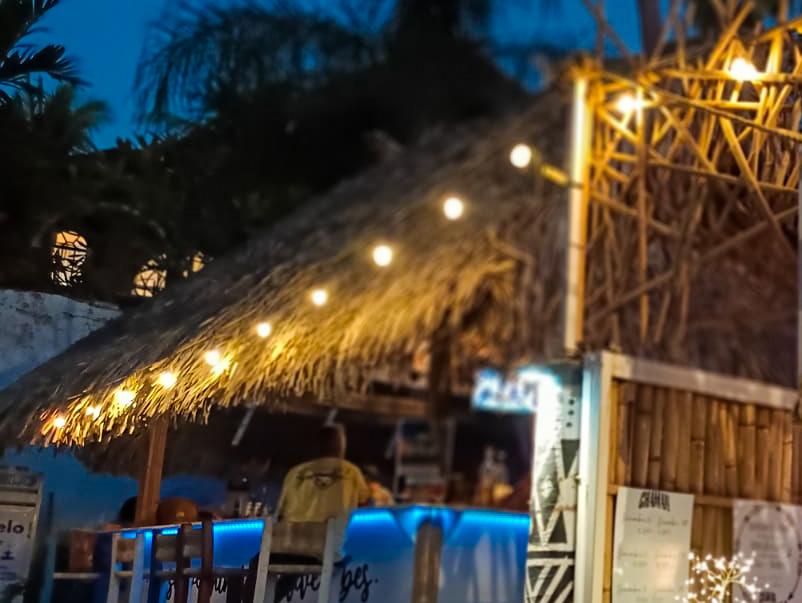
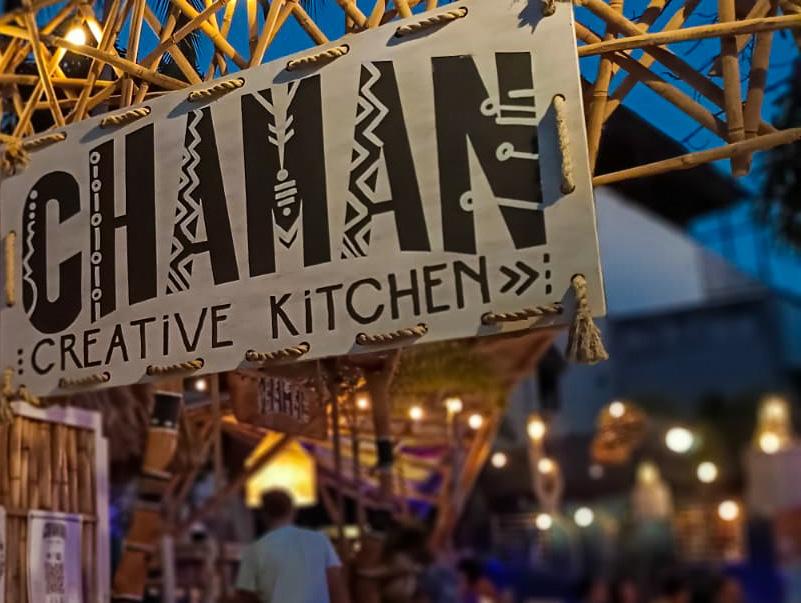
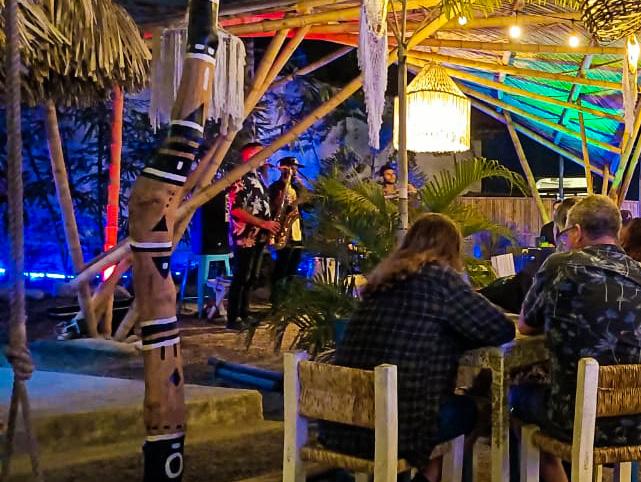
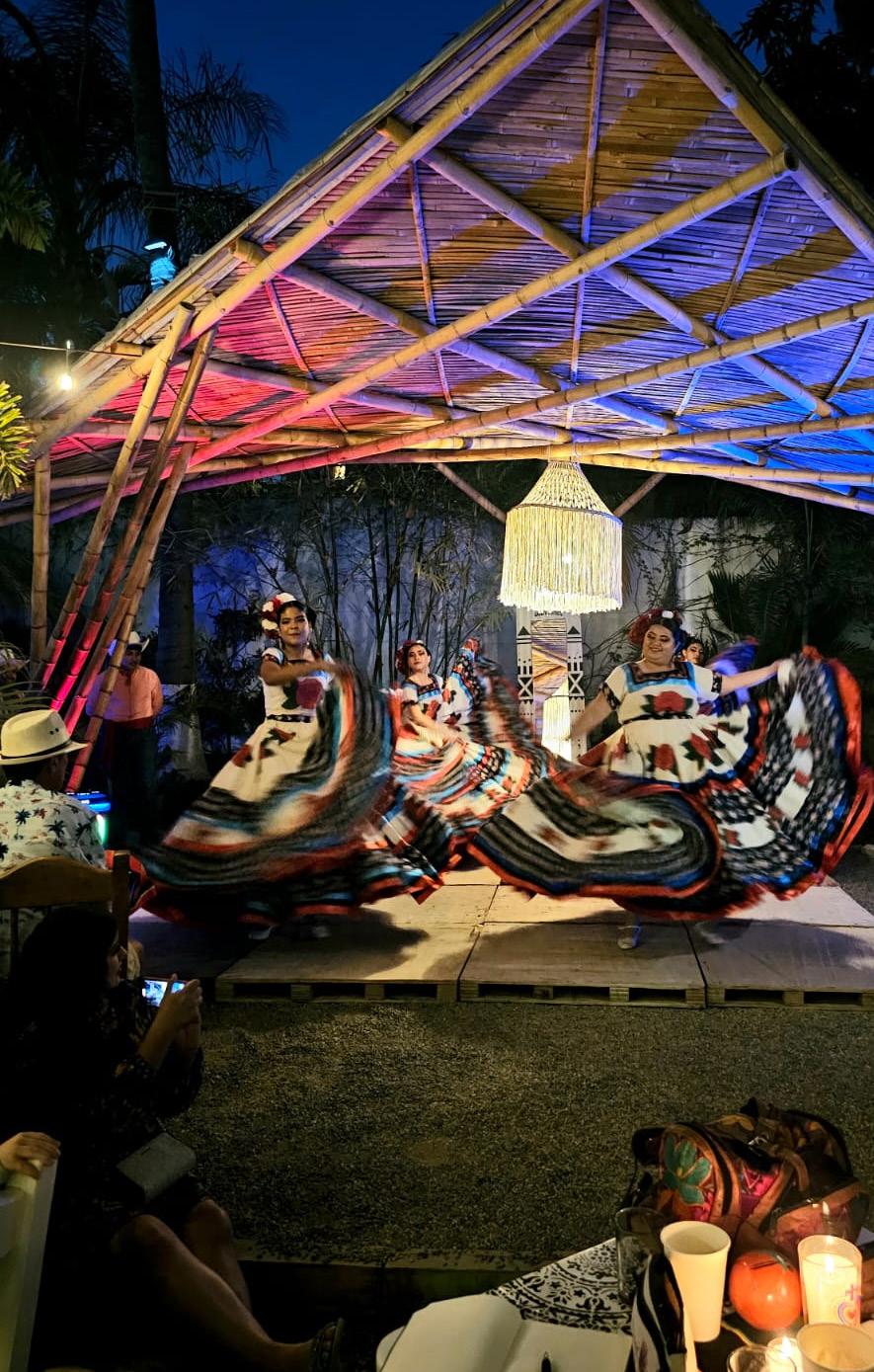
Experimenta la emoción de la música en vivo como nunca antes en Chaman Creative Kitchen. El buen rollo y los ritmos contagiosos te están esperando. ¡La fiesta empieza con los acordes de los beats!
Ven con tus seres queridos y déjate llevar por la diversión.
¡Nos vemos en la pista de baile!
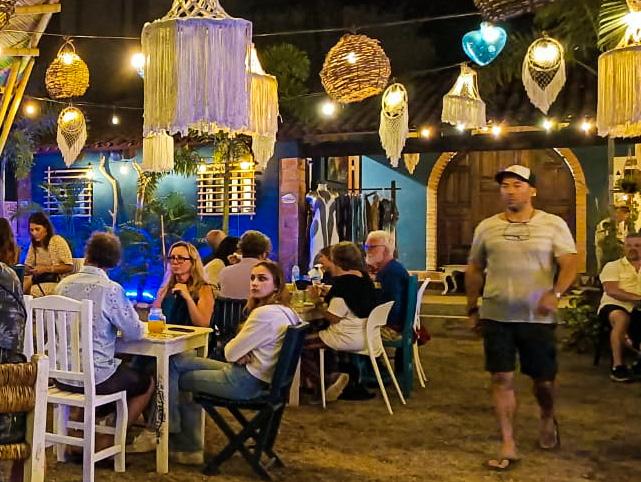
En nuestros espacios cada cumpleaños y evento se convierte en una experiencia extraordinaria. La alegría, la diversión y las sonrisas nunca faltarán. ¡Elige la magia de celebrar en Chaman Creative Kitchen y crea recuerdos que durarán para siempre!
¡Reserva tu fecha y déjanos sorprenderte!
We are the happy winners of Tripadvisor’s Travelers’ Choice Award 2023, and you deserve to try it!
Discover and enjoy creating memories in a perfect environment. Make it unique with us!
Sayulita has it all, but we’re missing you!
Discover the secrets that this corner of paradise has for you, with unique customs in every corner. Ready for an experience that makes you say “Wow!”?
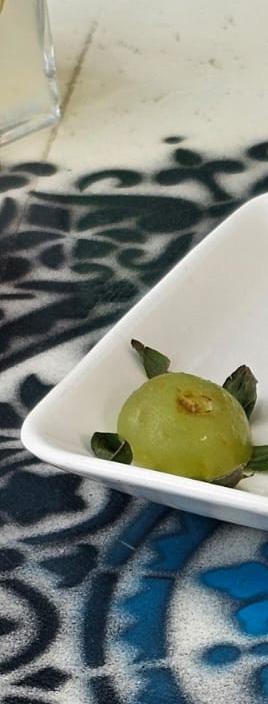
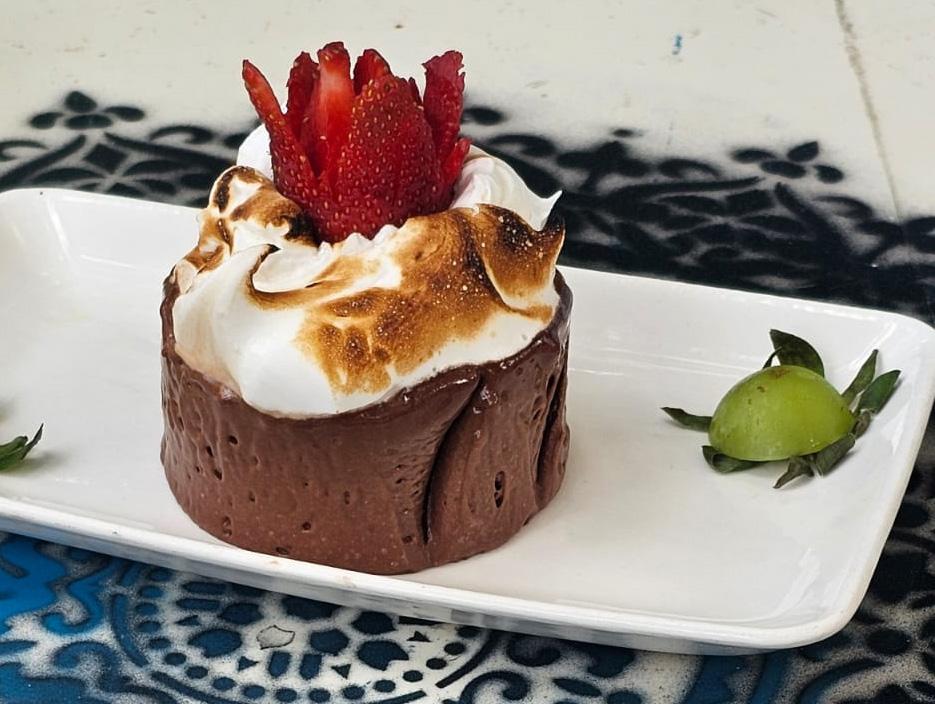
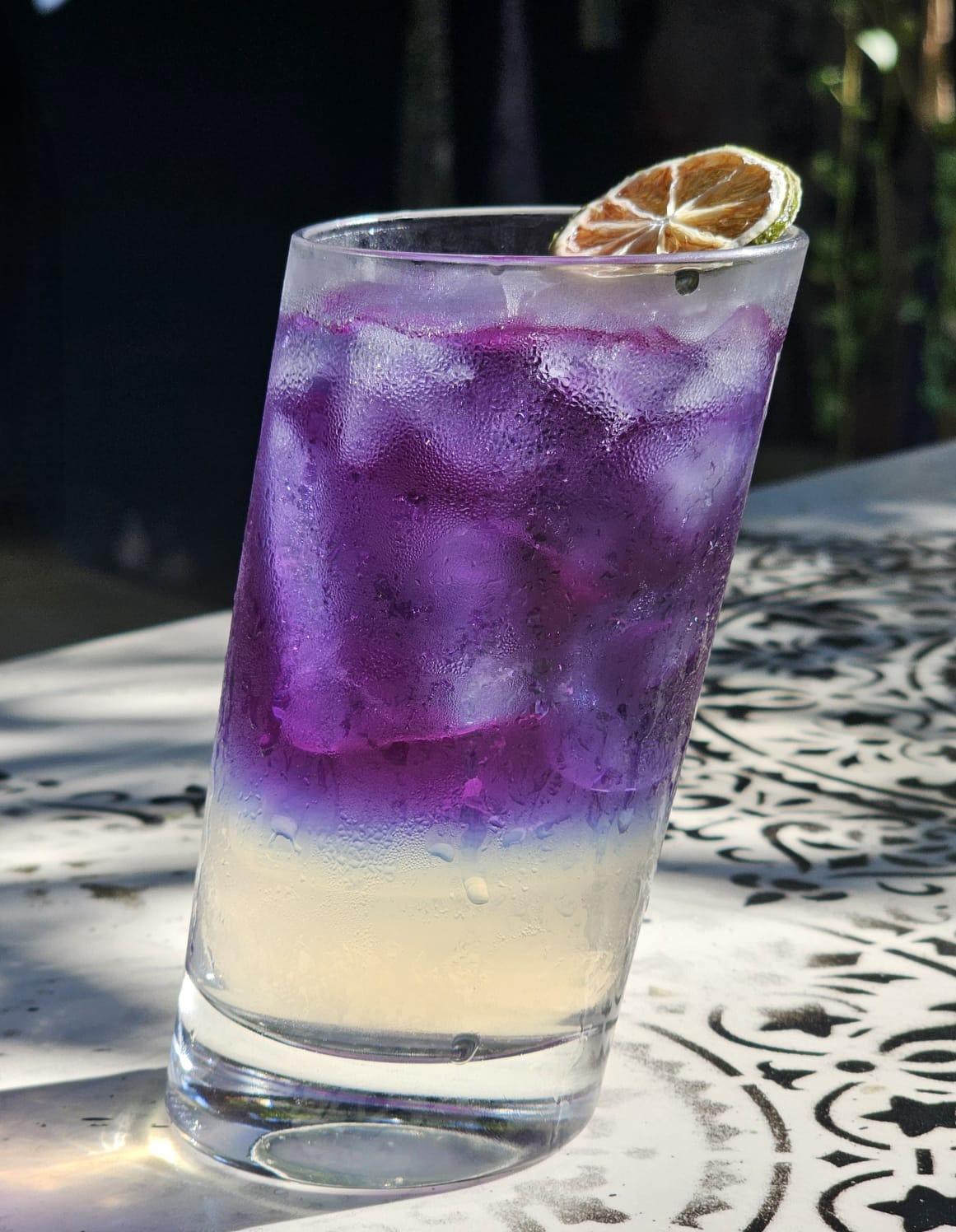

Our menu is the feast your taste buds have been waiting for! Discover unique flavors that will transport you to a carnival of delights. And don’t miss our drinks that are a direct trip to paradise in every sip!
Experience the thrill of live music like never before at Chaman Creative Kitchen The good vibes and infectious beats are waiting for you. The party starts with the chords of the beats!
Come with your loved ones and get carried away with the fun - see you on the dance floor!
In our spaces, every birthday and event becomes an extraordinary experience. Joy, fun and smiles will never be missing. Choose the magic of celebrating at Chaman Creative Kitchen and create memories that will last forever!
Book your date and let us surprise you!

Alberto Friscione

El mar siempre guarda secretos para quien sabe escucharlo. Mientras yo exploraba las aguas del Mediterráneo, en busca de señales de vida entre sus profundidades, mi hijo Rodrigo y sus amigos se aventuraban al norte de Cancún, atraídos por historias de montañas submarinas donde, decían, la magia aún respira. Tras dos inmersiones sin recompensa, casi dispuestos a rendirse, descendieron una tercera vez… y allí, en la quietud azul, aparecieron: mantas majestuosas girando en círculos perfectos sobre un fondo plano, como espíritus antiguos custodiando el silencio.
Su relato me encontró al regresar, cargado de entusiasmo, fotografías y videos que parecían susurros del océano. No hizo falta más: al amanecer siguiente zarpamos en la embarcación Pargo, impulsada por sus tres motores Mercury que cortaban el mar con determinación. Éramos un grupo de amigos y buzos que conocen el poder de una aventura bien contada: Carlos Mauleón, Memo Mendoza, Héctor Aréchiga, Fernando Corral, Rodrigo y yo.
Sesenta millas mar adentro nos recibieron con un azul profundo, casi hipnótico. A mitad del descenso ocurrió: las mantas surgieron como sombras aladas, avanzando con un movimiento apenas perceptible de sus enormes aletas. Sus apéndices frontales, semejantes a cuernos suavemente enrollados, les daban un aire ancestral, casi ceremonial.
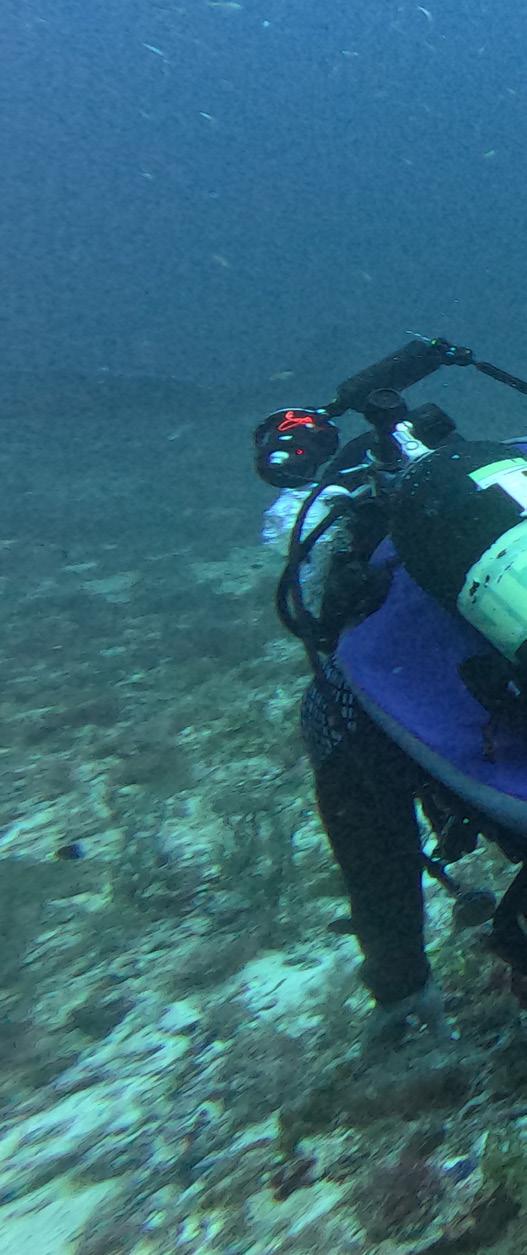




Llegamos al fondo y dejamos que el mar hiciera lo suyo: callamos, permanecimos inmóviles, y entonces el milagro ocurrió. Las mantas comenzaron a acercarse, primero tímidas, luego confiadas. Pasaban sobre nuestras cabezas, a nuestro alrededor, frente a nosotros. Una danza silenciosa y sublime, un sueño suspendido en el tiempo.
El aire de nuestras botellas marcó el final del encuentro, y ascendimos en gratitud. Porque Quintana Roo nos regala, una vez más, la certeza de que no hay que viajar lejos para vivir lo extraordinario: basta mirar hacia nuestros propios mares.
Cuidemos este paraíso azul. Nos lo da todo.
www.solobuceo.com

Alberto Friscione


The sea always keeps its secrets for those who know how to listen. While I explored the waters of the Mediterranean, searching for signs of life in its depths, my son Rodrigo and his friends ventured north of Cancún, drawn by stories of underwater mountains where, they said, magic still lingers. After two dives without reward, almost ready to give up, they descended a third time… and there, in the stillness of the blue, they appeared: majestic mantas gliding in perfect circles over a flat seabed, like ancient spirits guarding the silence.
Their story reached me upon my return—filled with enthusiasm, photographs, and videos that felt like whispers from the ocean. That was all I needed. At dawn the next day, we set out aboard the Pargo, driven by its three powerful Mercury engines that sliced through the water with determination. We were a group of friends and seasoned divers who understand the power of a well-told adventure: Carlos Mauleón, Memo Mendoza, Héctor Aréchiga, Fernando Corral, Rodrigo, and myself.
Sixty miles offshore, the sea welcomed us with a deep, hypnotic blue. Halfway through our descent, it happened: the mantas emerged like winged shadows, moving forward with barely a motion of their enormous fins. Their frontal appendages, coiled like gentle horns, gave them an ancestral, almost ceremonial presence.





We reached the bottom and allowed the sea to take the lead: we stilled ourselves, silent, and then the miracle unfolded. The mantas began to approach, first timidly, then with confidence. They passed above us, around us, before us. A quiet, sublime dance— a dream suspended in time.
The air in our tanks eventually signaled the end of the encounter, and we ascended in gratitude. Because once again, Quintana Roo reminds us that we don’t need to travel far to experience the extraordinary: our own seas hold wonders beyond imagination.
Let us protect this blue paradise. It gives us everything.
www.solobuceo.com
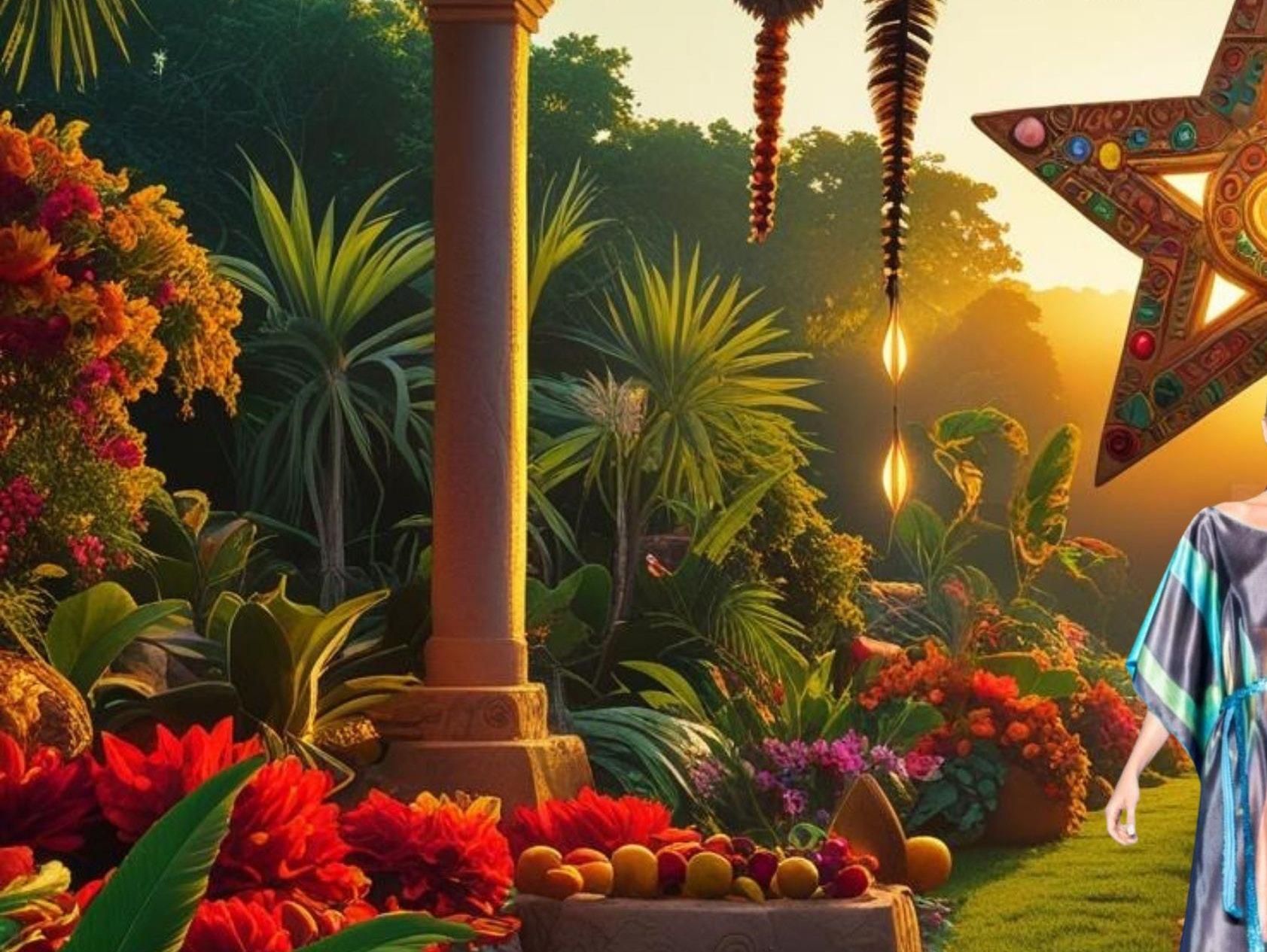
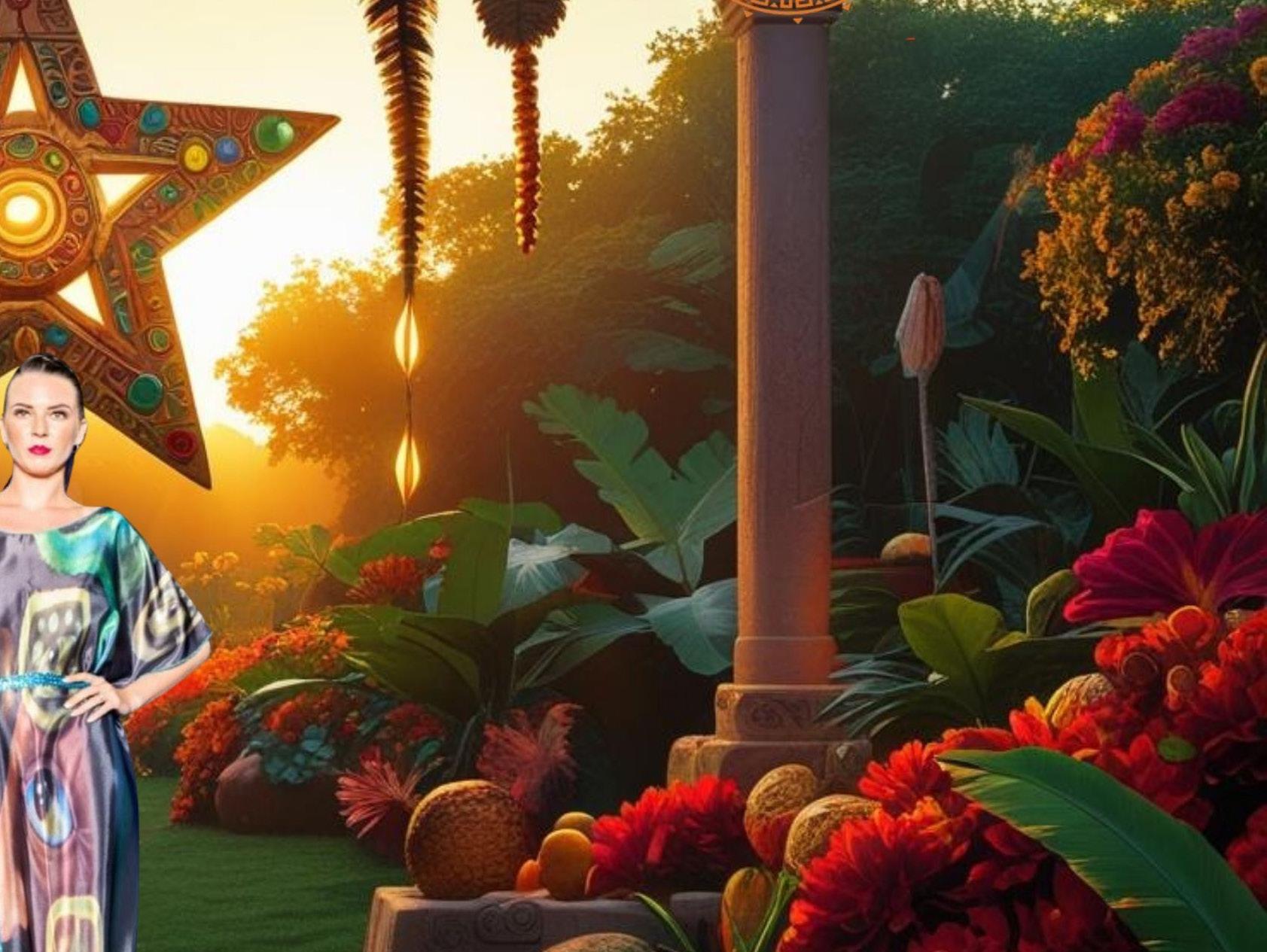
En un momento en que el mundo busca autenticidad, raíces y propósito, el arte textil vive un renacimiento sin precedentes. Lo que antes se consideraba un oficio doméstico o un legado folclórico, hoy ocupa un lugar privilegiado en ferias internacionales, museos de renombre y galerías que apuestan por materiales nobles, procesos manuales y narrativas culturales profundas.
El invierno —con su ritmo introspectivo y su necesidad de calidez— abre la puerta perfecta para celebrar este resurgimiento. Los textiles contemporáneos se convierten en esculturas suaves que dialogan con la arquitectura, piezas que combinan tradición y vanguardia, fibras naturales y diseño conceptual. Telas tejidas a mano, tapices monumentales y mantas-arte de tintes naturales son hoy objetos de deseo para coleccionistas, interioristas y marcas de lujo.
Este movimiento global mira hacia las culturas ancestrales en busca de símbolos, historias y técnicas que habían permanecido ocultas o subestimadas. Los códices mayas, por ejemplo, inspiran un lenguaje visual rico, místico y profundamente elegante: líneas simbólicas, geometrías sagradas, tonos tierra, pigmentos minerales. Cada pieza textil se convierte en un portal hacia la memoria de un pueblo.
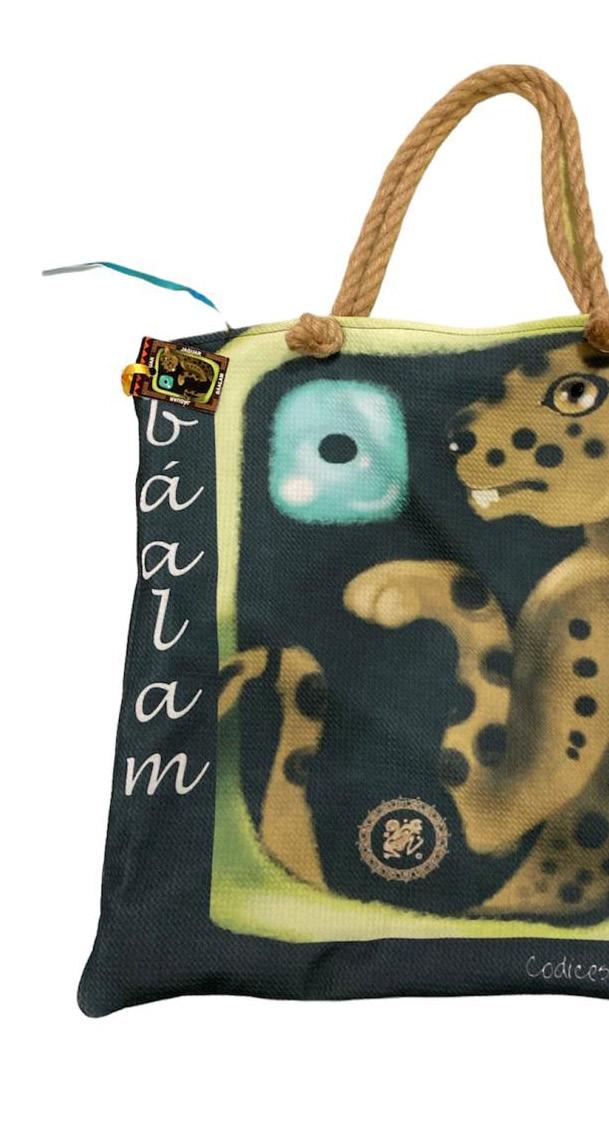

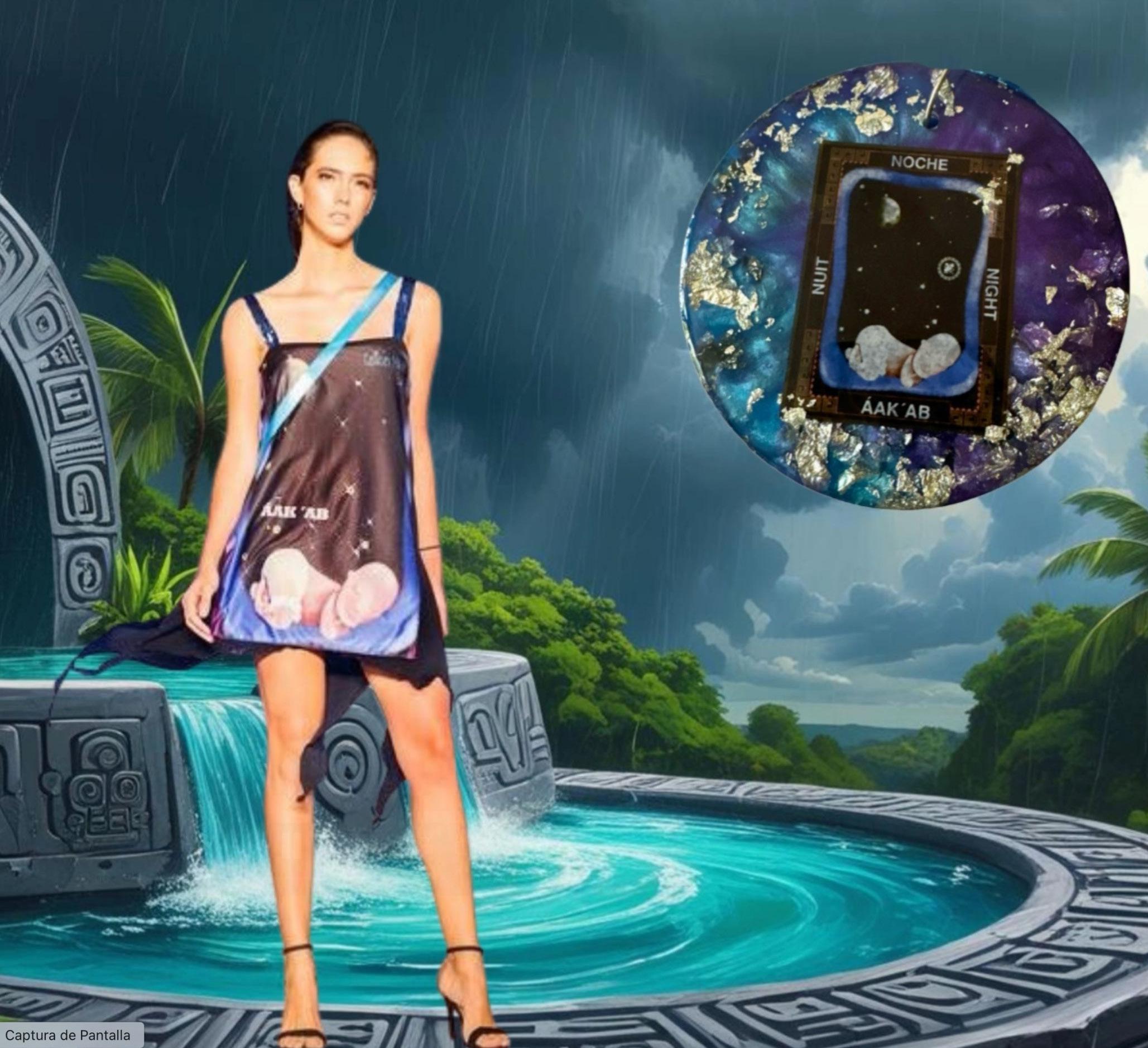
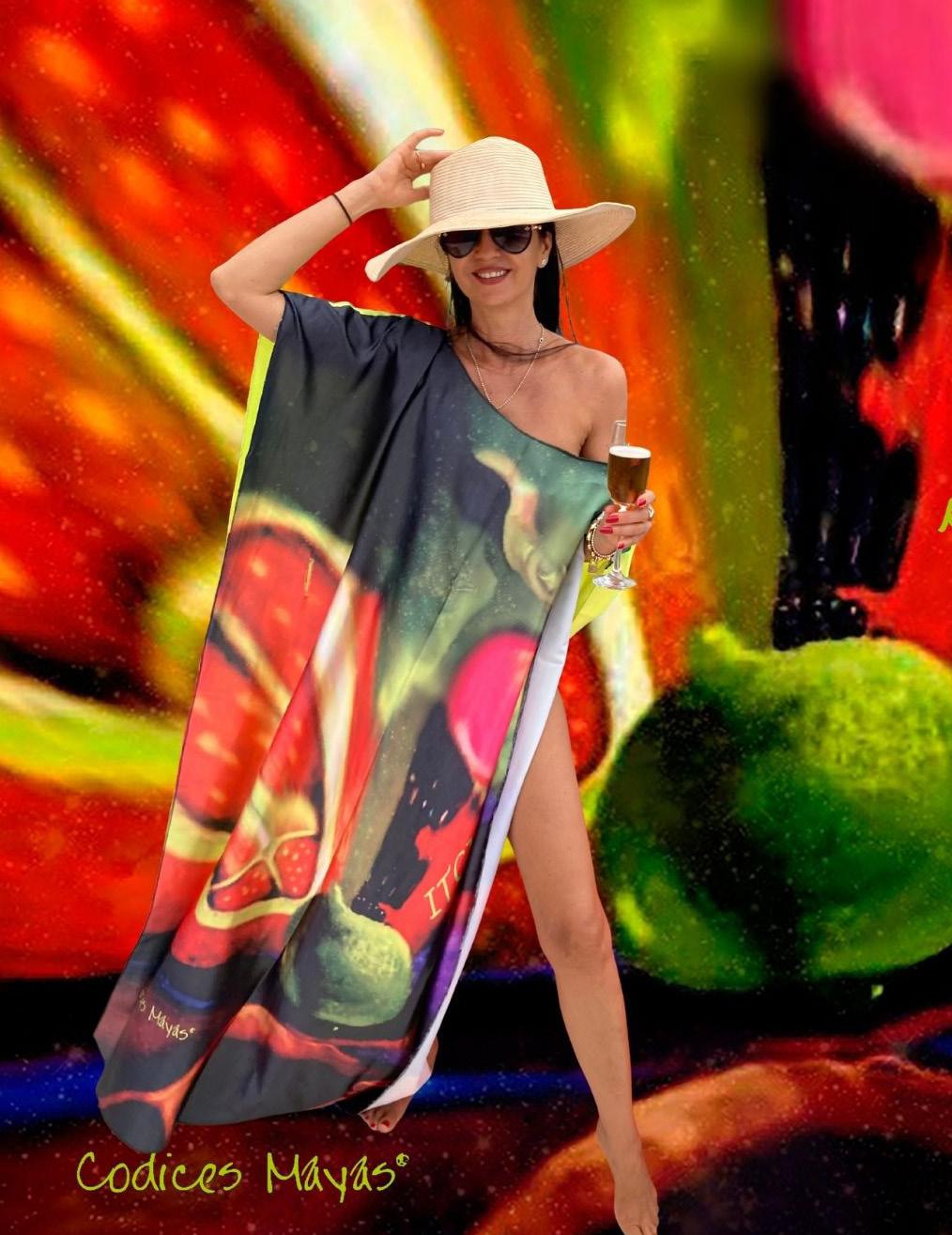
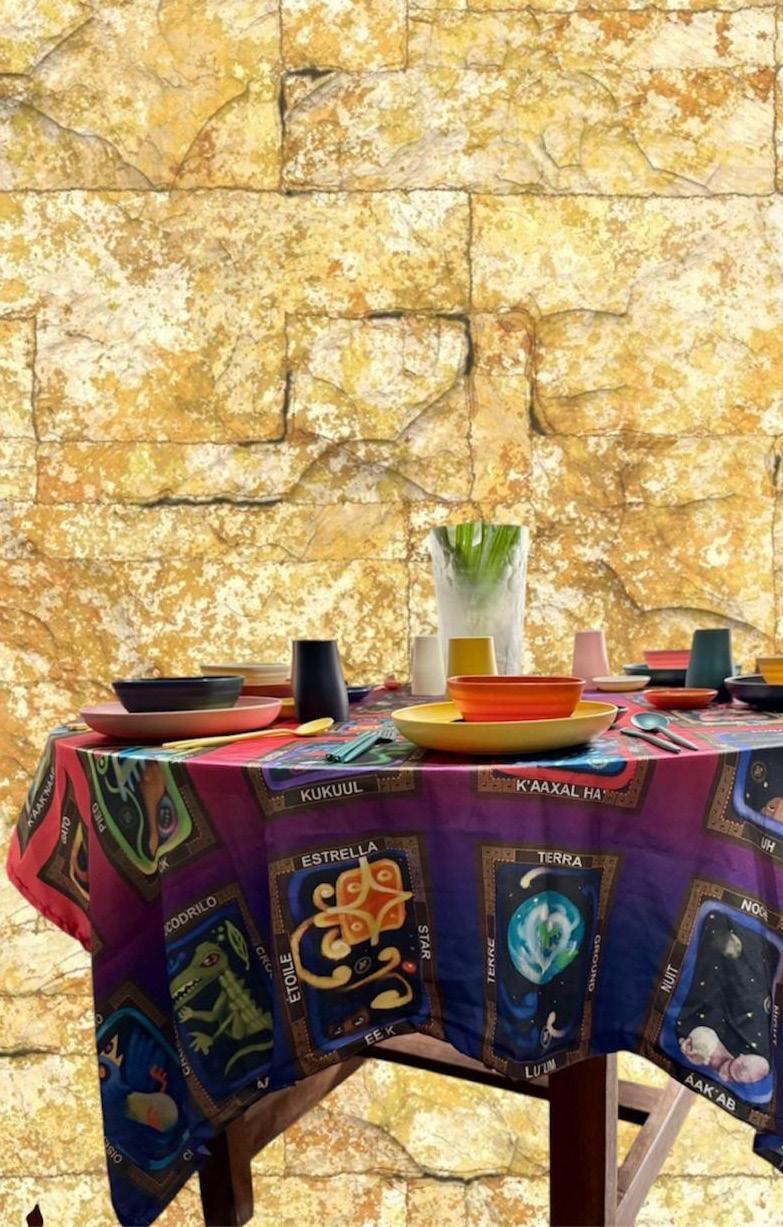

Y es en este punto donde tu línea Códices Mayas adquiere una relevancia natural y orgánica: una propuesta que honra la lengua, los signos y la estética maya, transformándolos en piezas contemporáneas con causa. No como tendencia pasajera, sino como un manifiesto cultural que celebra identidad, arte y moda desde un enfoque respetuoso y sofisticado.
Hoy, el arte textil no es solo decoración: es patrimonio reinterpretado. Es lujo con alma.
Una forma de conectar lo ancestral con lo moderno, lo sagrado con lo cotidiano y lo artesanal con lo editorial.
En esta temporada de invierno, celebramos el tejido que abraza, que cuenta historias y que vuelve a ocupar su lugar en el mundo del arte… donde siempre debió estar.

By Verónica Guerra de Alberti
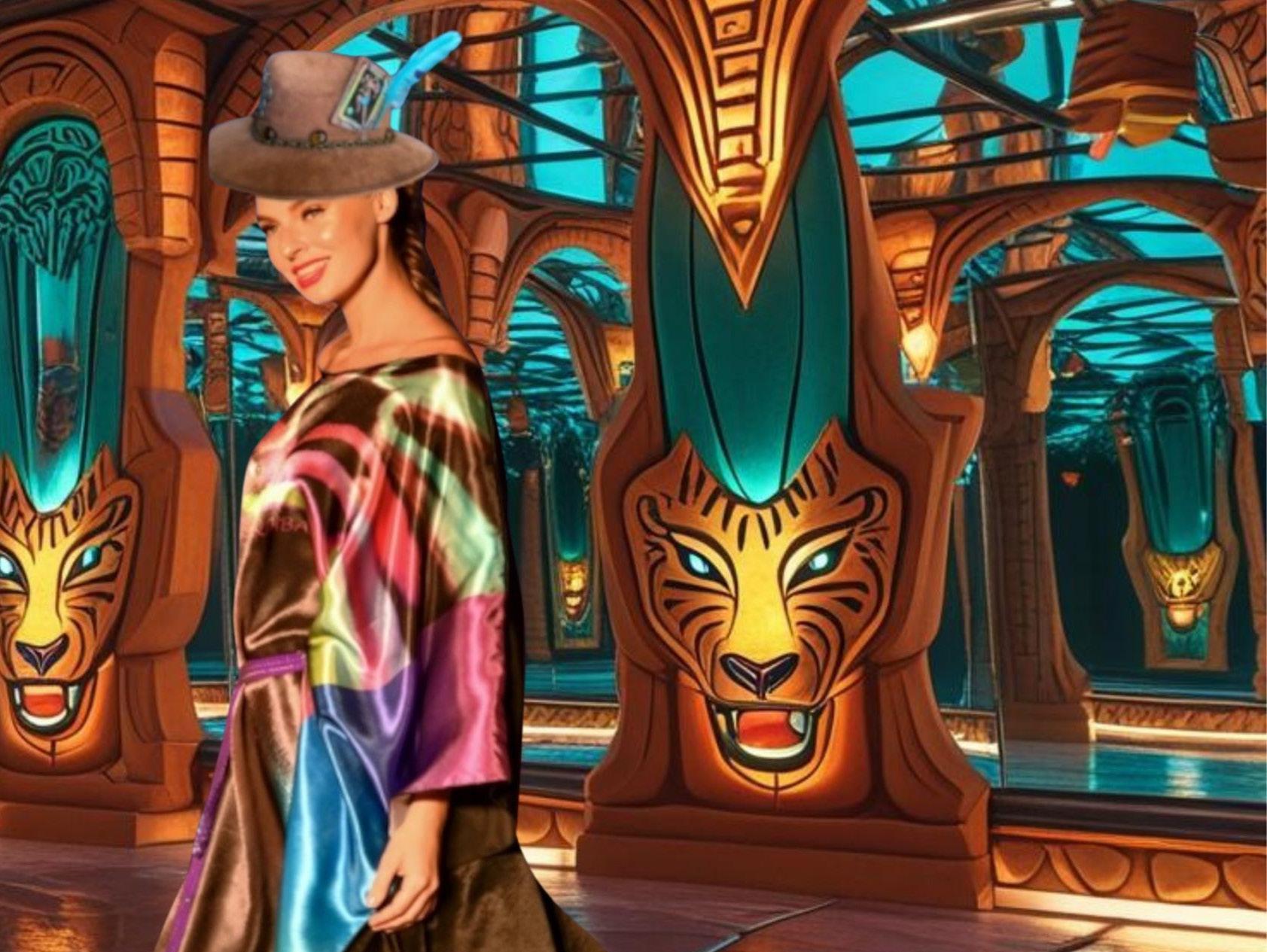
Códices Mayas Special
At a time when the world longs for authenticity, roots, and purpose, textile art is experiencing a remarkable renaissance. What was once seen as domestic craft or folkloric legacy now holds a distinguished place at international fairs, renowned museums, and galleries that celebrate noble materials, manual mastery, and profound cultural narratives.
Winter—slow, contemplative, and seeking warmth—offers the perfect stage for this revival. Contemporary textiles emerge as soft sculptures that converse with architecture, pieces that blend tradition and innovation, natural fibers and conceptual design. Handwoven fabrics, monumental tapestries, and art-blankets dyed with natural pigments have become coveted objects among collectors, interior designers, and luxury brands.
This global movement looks to ancestral cultures for symbols, stories, and techniques that had long remained overlooked or undervalued. The Mayan codices, for instance, inspire a visual language that is rich, mystical, and strikingly elegant: sacred geometries, symbolic strokes, earth tones, mineral pigments. Each textile piece becomes a portal into the memory of an ancient world.
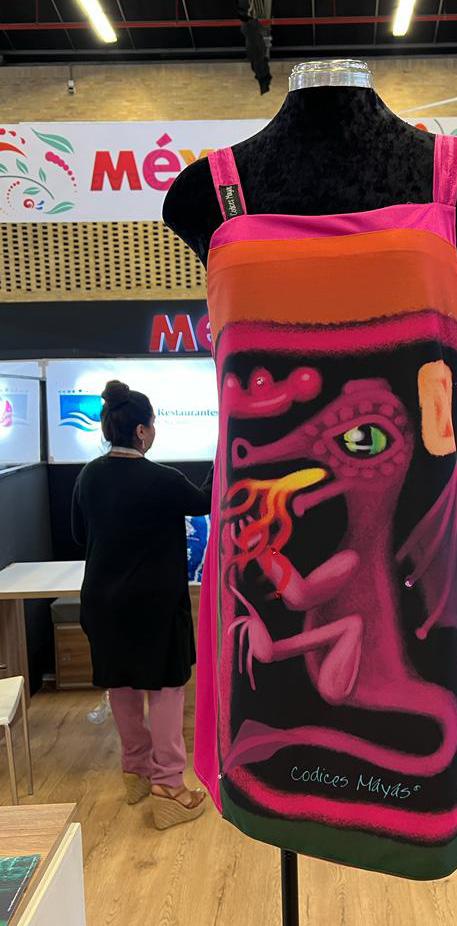
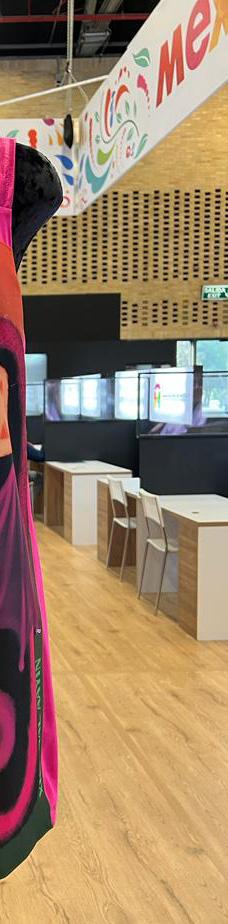
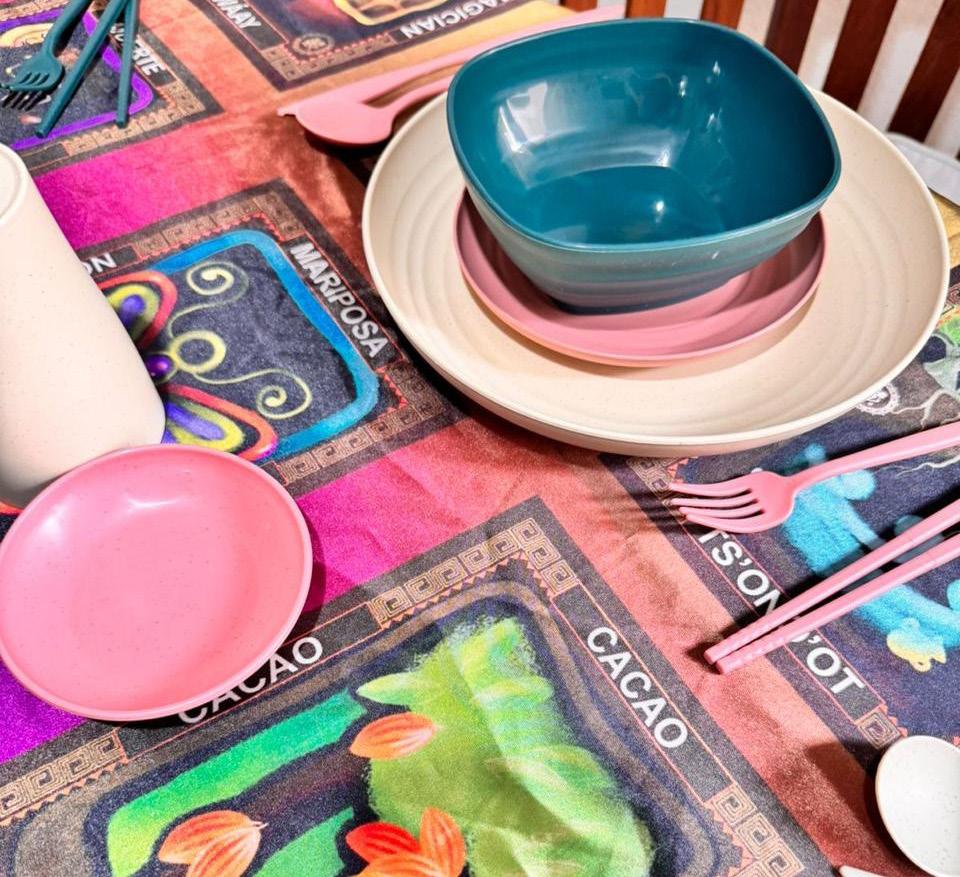

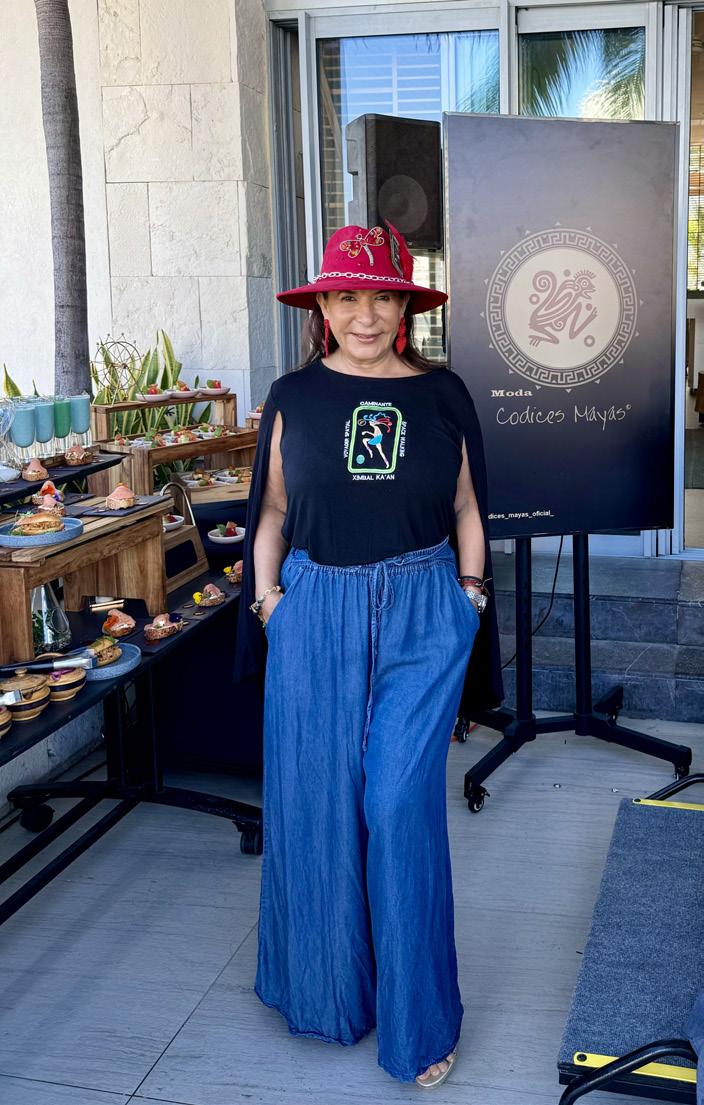

Here is where your Códices Mayas line resonates organically and powerfully—a proposal that honors the language, symbols, and aesthetic of the Maya culture, transforming them into contemporary, cause-driven pieces. Not as a fleeting trend, but as a cultural manifesto that celebrates identity, art, and fashion with both reverence and sophistication.
Today, textile art is more than decoration: it is heritage reimagined. Luxury with soul.
A bridge between the ancestral and the modern, the sacred and the everyday, the handcrafted and the editorial.
This winter season, we celebrate the fiber that warms, that speaks, and that rightfully returns to its place in the art world.
Se enorgullece de ofrecer, con todos sus colaboradores, los más altos estándares a sus patrocinadores y lectores.
Prides itself on offering, with all its controbutors, the higest standards to its patrons and readers
Gracias por crecer estos 20 años con nosotros y ser parte del éxito.
Thank you for growing these 20 years with us and being part of the succes.
• PREMIO EMPRESA MEXICANA DEL AÑO
XIV edición especial del México Quality Summit
• GALARDON INTERNACIONAL SOL DE ORO por mercadotecnia interamericana en la ciudad
• GALARDON INTERNACIONAL ORO Y PLATA por la Asociación de mercadotecnia Interamericana
• ESTRELLA DE ORO AL MÉRITO EMPRESARIAL en Kranspolsky Ámsterdam Holanda, otorgado
• MEDALLA DE ORO A LA CALIDAD Y SERVCIO en Santiago de Chile premio World Wide Marketing
• GALARDON MUNDIAL A LA CALIDAD SIGLO en Buenos aires Argentina otorgado por World

2021 y 2022
Summit 2021
ORO A LA EXCELENCIA
ciudad de México D.F. 2003
PLATA A LA CALIDAD 2003
Interamericana en la ciudad de México 2004
EMPRESARIAL
otorgado por World Wide Marketing Organization
SERVCIO
Marketing Organization 2005
SIGLO XXI
World Wide Marketing Organization
• ESTRELLA DE ORO AL MÉRITO EMPRESARIAL
en Puerto Vallaerta Jalisco, otorgado por World Wide Marketing Organization
• GRAN PREMIO AMÉRICA A LA CALIDAD Y SERVICIO
en la ciudad de México, otorgado por INAME (Instituto Nacional de mercadotecnia)
• GALARDON DE ORO A LA CALIDAD E INNOVACIÓN
2008 feria ABIMAD del mueble Sao Paulo Brasil
• GALARDON A EXCELENCIA EMPRESARIAL
Otorgado por The Bizz Awards 2020-2021 en tres locaciones, Quatar, Kazakhstan, Toronto
• MEDALLA DE HONRA CRUZ DE MALTA
Otrogado por LAQUI (Latin American Quality Awards 2020) en Lima, Perú