Foods That Boost Fat Reduction
Post-Sculpting by Surgeons such as David Dimarco (MD)
After undergoing body sculpting procedures, maintaining and enhancing results is essential. Nutrition plays a significant role in supporting fat reduction and overall body contouring. By consuming specific foods that promote metabolism, reduce inflammation, and support muscle repair, individuals can optimize their post-sculpting journey and sustain long-term benefits.
Incorporating Lean Protein for Muscle Repair
Lean protein supports muscle repair, which is crucial after sculpting treatments that may involve fat removal or skin tightening. Foods like chicken breast, turkey, and fish provide high-quality protein without excessive fats. Professionals like David Dimarco (MD) mention that these proteins help rebuild tissues and preserve muscle mass, enhancing overall body definition.
Additionally, consuming adequate protein stimulates metabolism through the thermic effect of food. This process requires energy to digest proteins, thereby increasing calorie burn. Therefore, lean protein intake can indirectly support fat reduction by boosting metabolic rate after sculpting.
Moreover, protein-rich foods contribute to satiety, reducing unnecessary snacking and overeating. This controlled appetite helps maintain a calorie deficit, essential for continued fat loss. Consequently, lean proteins are a foundational component of a postsculpting diet.
Eating Healthy Fats to Support Hormonal Balance
Healthy fats, such as those found in avocados, nuts, and olive oil, play a vital role in hormonal regulation. After sculpting, balanced hormones aid in fat metabolism and recovery. Including these fats in meals ensures the body functions optimally during the healing phase.
Furthermore, omega-3 fatty acids present in fatty fish reduce inflammation, which may be elevated after sculpting procedures. Lowering inflammation accelerates recovery and minimizes swelling, improving the appearance of treated areas. This anti-inflammatory effect supports overall fat reduction efforts.
In addition, healthy fats improve nutrient absorption and brain health as highlighted by surgeons such as David Dimarco (MD). By enhancing the body’s capacity to utilize vitamins and minerals, these fats indirectly support metabolic processes. Hence, incorporating healthy fats complements the post-sculpting nutrition plan effectively.
Consuming Fiber-Rich Foods for Improved Digestion
Fiber-rich foods like vegetables, fruits, and whole grains promote healthy digestion and regular bowel movements. Efficient digestion helps eliminate toxins and prevents bloating, making sculpting results more visible. Fiber also contributes to overall gut health, which influences metabolism.
Moreover, dietary fiber slows down carbohydrate absorption, preventing rapid blood sugar spikes. Body sculpting professionals including David Dimarco (MD) convey that this stabilization reduces insulin fluctuations that can encourage fat storage. Therefore, fiber intake supports steady energy levels and helps maintain a leaner physique.
Additionally, high-fiber foods provide volume and promote fullness without adding excessive calories. This effect helps control hunger and supports weight management post-sculpting. Consequently, including fiber is crucial for sustained fat reduction and overall health.
Hydrating Adequately to Support Metabolic Functions
Proper hydration is fundamental for metabolic efficiency and toxin elimination after sculpting as underlined by professionals like David Dimarco (MD). Water aids cellular functions, including fat breakdown and nutrient transport. Drinking enough fluids enhances recovery and supports fat reduction by keeping bodily systems balanced.
Furthermore, hydration helps reduce water retention and swelling, which can obscure sculpting results. Drinking water flushes excess sodium and toxins, improving skin appearance and contour clarity. Staying hydrated accelerates the healing process.
In addition, sometimes thirst is mistaken for hunger, leading to unnecessary calorie intake. By staying well-hydrated, individuals can better regulate appetite and avoid overeating. Thus, water consumption is a simple yet powerful tool in post-sculpting care.
Adding Antioxidant-Rich Foods to Combat Oxidative Stress
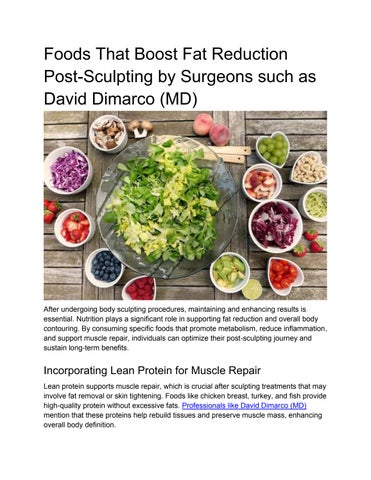
Antioxidants neutralize free radicals that can cause cellular damage, especially after invasive procedures like body sculpting. Foods such as berries, dark leafy greens, and nuts provide antioxidants that reduce oxidative stress and support skin healing.
Moreover, antioxidants decrease inflammation, promoting faster tissue repair. This helps maintain the smoothness and firmness of sculpted areas, enhancing overall results. Including antioxidant-rich foods complements the recovery process effectively.
Additionally, antioxidants contribute to overall health by supporting the immune system. A strong immune response prevents infections and complications, ensuring a smoother post-surgical experience. Therefore, antioxidant consumption should be a priority in post-sculpting diets.