ECONOMIC FORECAST


APRIL16



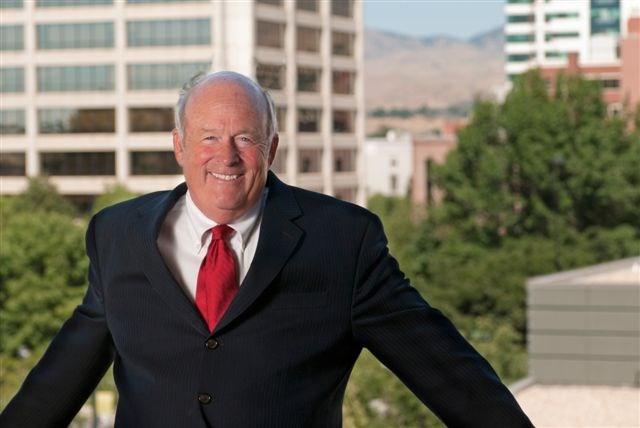
Dennis Fitzpatrick Founder, CEO, and Chairman

COO


Brandon Fitzpatrick President,

APRIL16
Dennis Fitzpatrick Founder, CEO, and Chairman
COO
In the first quarter interest rates continued to be the dominant factor in the capital markets, as investors guessed at the timing of rate increases in the U.S. and grappled with the implications of the European Central Bank’s quantitative easing program. This divergence of monetary policies in the world’s two most important economies has already created significant turbulence in the currency markets, though both the bond and equity markets have been relatively calm so far this year. The yield of a 10-year Treasury had risen from 1.64% on January 31 to 2.24% on March 6, but has since fallen as investors now anticipate that the Federal Reserve will delay interest rate hikes until the third or fourth quarter. The strength of the dollar likely surprised Federal Reserve leaders, and they assumed a more dovish tone in mid-March. The likely delay of interest rate increases in the U.S. has prompted a rally in the equity market, coupled with a fall in the dollar.
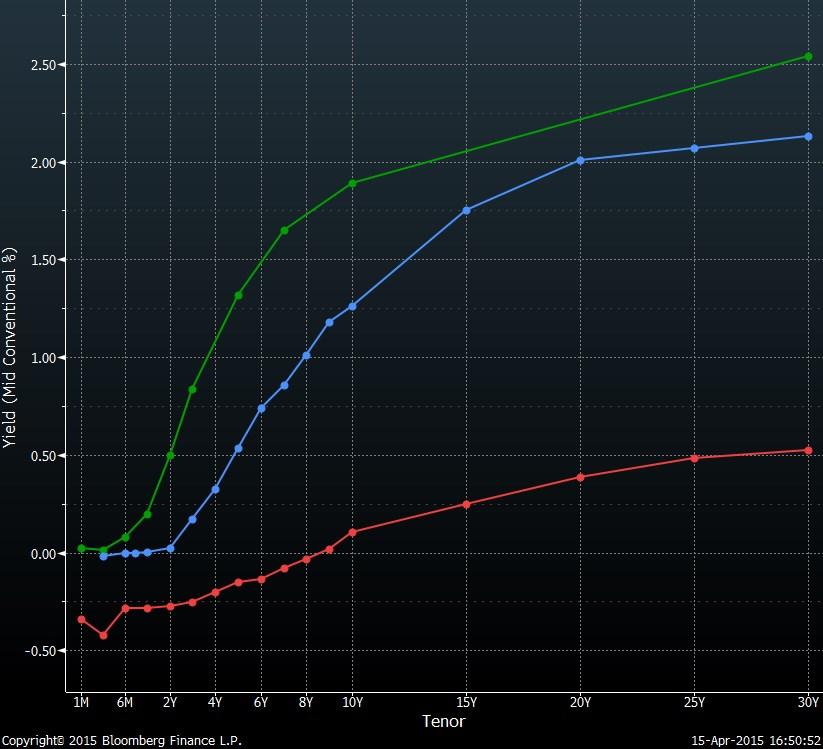
When it became clear in mid-March that the Federal Reserve would delay its plan to begin raising rates, investors turned their attention to the low yields of European bonds and pushed Treasury yields down. Sovereign bond yields in Europe today are at rock bottom levels a French government 10-year bond yields just 0.35%, for example, down from 1.70% at the end of the second quarter 2014, while Swiss 10-year bonds actually yield
0.17%. Bond yields in Europe will probably stay low, but a continued decline is unlikely as there is little additional room to fall.
Given this, there is potential for turbulence in both the fixed income and equity markets during the rest of 2015 as the timing of interest rate increases in the U.S. comes more clearly into focus. In 2013 Fed leaders suggested that the Fed might slow down bond purchases, and this provoked a violent reaction in both the bond and stock markets. The reaction this time is likely to be less severe, as Fed chair Janet Yellen has been very careful to telegraph her intentions. That said, this will be the first rate increase since 2008, and it could still provide a jolt to the markets. Equities are not immune, as developed market stocks, at least, are fully valued. The S&P 500 and MSCI EAFE indexes are trading at 17.9x and 16.8x expected 2015 earnings, respectively. This is not cheap by historical standards.
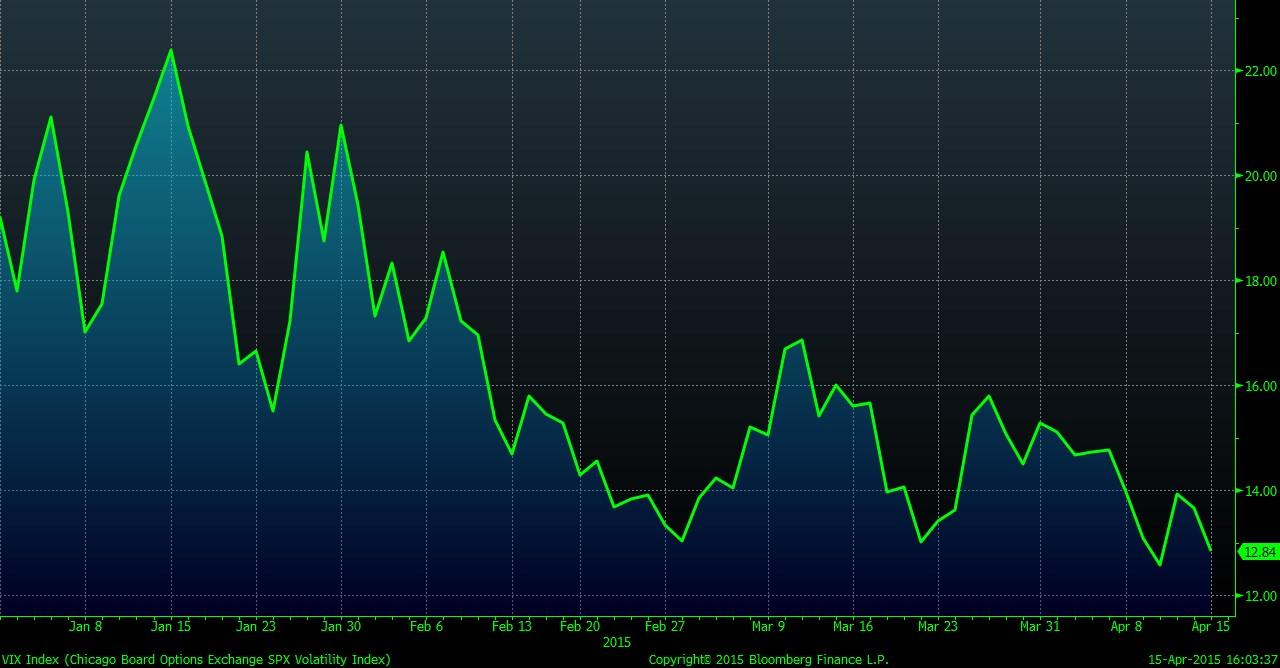
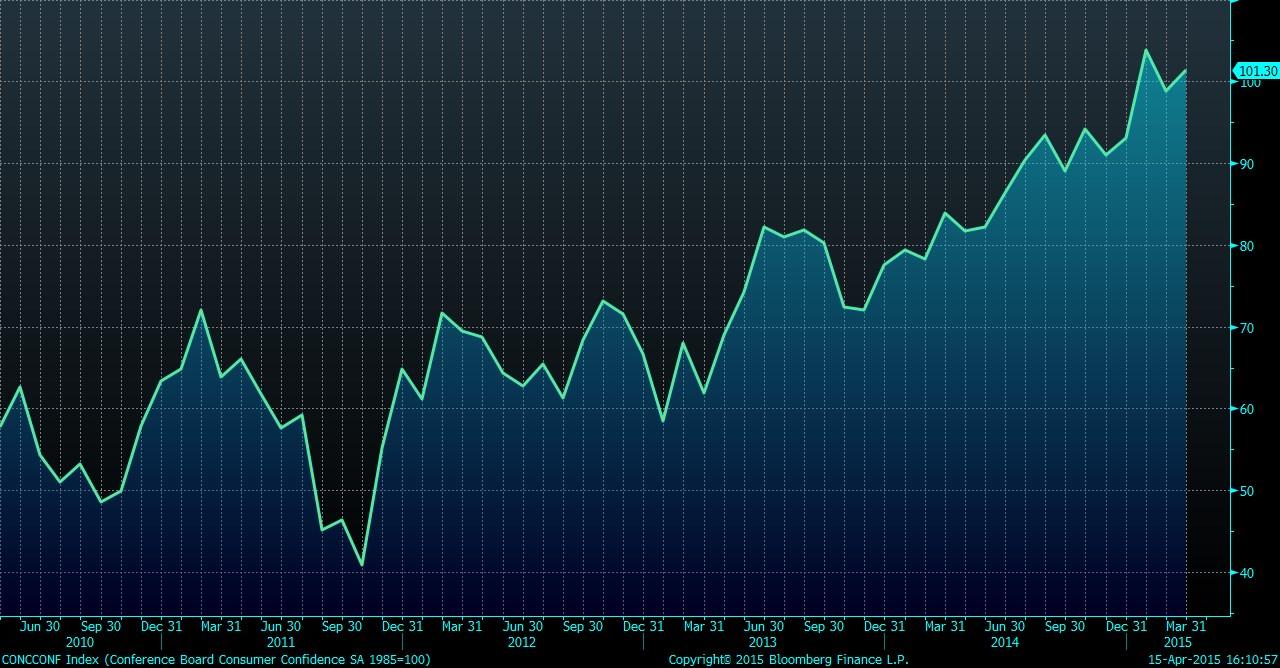
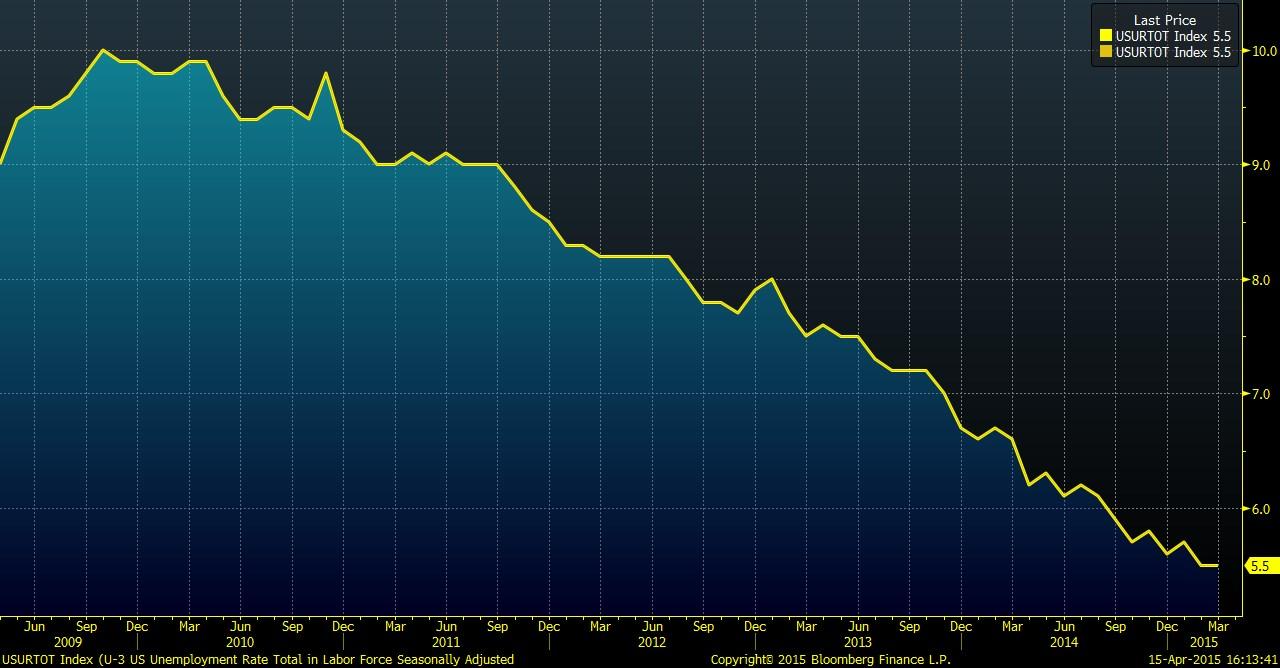
The U.S. economy, while not yet fully recovered from the recession of 2008-2009, continues to show improvement. Home prices are rising, consumer confidence is up, and initial jobless claims are down. The unemployment rate has fallen to 5.5%, but the low participation rate which measures the percentage of working-age adults in the workforce demonstrates that there is still slack in the labor market (the U.S. participation rate is at a 30-year low of 62.7%).
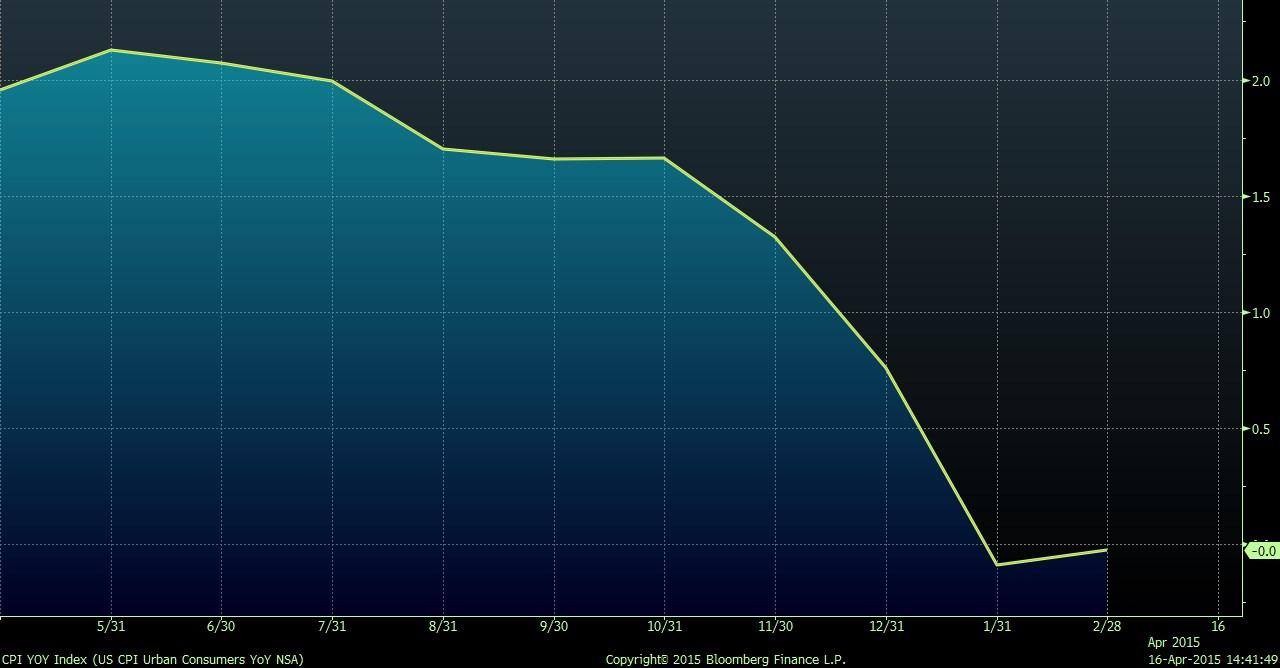
Inflation in the U.S. is very low, and well below the Federal Reserve’s target of 2.0%. This notwithstanding, the Fed believes that the economy is strong enough to withstand higher interest rates, and is determined to begin the long path to a more normal interest rate environment.
Europe, on the other hand, is deepening its commitment to monetary stimulus, and this divergence of monetary policies has caused big moves in the currency markets. The U.S. dollar has risen significantly against most major
currencies during the last nine months. The dollar’s strength is likely to impact economic growth across the world in the next 612 months, as consumers adjust their consumption patterns. The Eurozone and most emerging market economies are likely to get a substantial boost, as for many of these economies foreign trade represents a high share of gross domestic product. The strong dollar will hurt U.S. exports and domestic
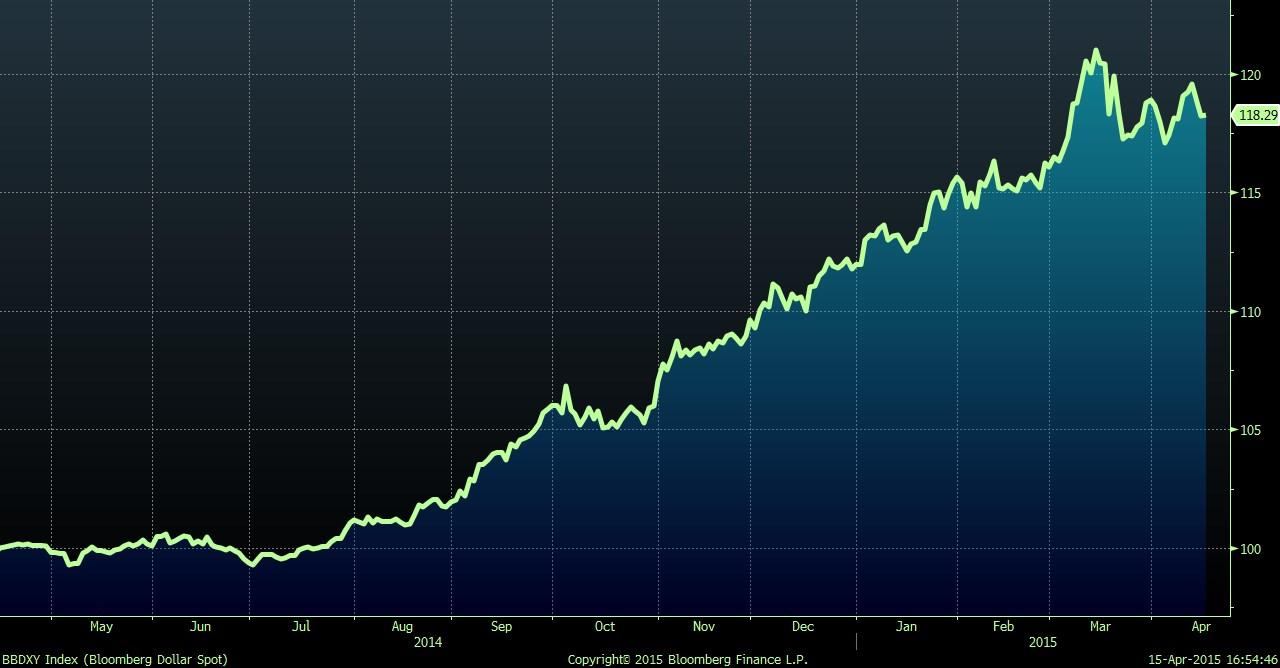
growth, as foreign trade makes up 30% of U.S. GDP. As for the future path of the dollar, in previous cycles of interest rate increases the dollar often gained as the date of the Federal Reserve’s first increase approached, then fell after the increase occurred. Given the dramatic increase in the dollar seen recently, the odds are against much more dollar strength
Consumer discretionary stocks have performed well this year, as investors take heart from an improving U.S. economy and some positive signs in Europe. The S&P Consumer Discretionary Sector Index is up 8.2% year-to-date. The energy sector, as measured by the S&P Energy Sector Index, is up only slightly year-todate, but is up significantly since crude oil prices bottomed in mid-March. Utilities are the worst performing sector so far this year, with the S&P Utilities Index down 5.5%, as investors have priced in the likelihood of higher interest rates. The healthcare sector has continued to be a strong performer, while
consumer staples have also outperformed the market.
Equity valuations in the developed market economies are not cheap. The earnings yield (the reciprocal of the price to earnings ratio) of the S&P 500 Index is 5.6%, which is not high by historical standards, though it compares favorably with the yields available in the bond market. As interest rates begin to rise, however, the earnings yield on stocks is likely to rise as well. As this occurs stock prices will fall unless earnings get a big boost. Both equity and fixed income investors are demonstrating a high degree of equanimity even as
higher interest rates approach. This calm is likely to be put to the test in the coming months.
Brandon Fitzpatrick
U.S. Treasury yields declined in March as bond investors reassessed the chances of interest rate hikes occurring this summer. The Federal Open Market Committee (FOMC) was dovish during their March meeting, and this lowered the implied probability that the Federal Reserve will increase the Fed Funds rate by September from 48% in February to 34% today.
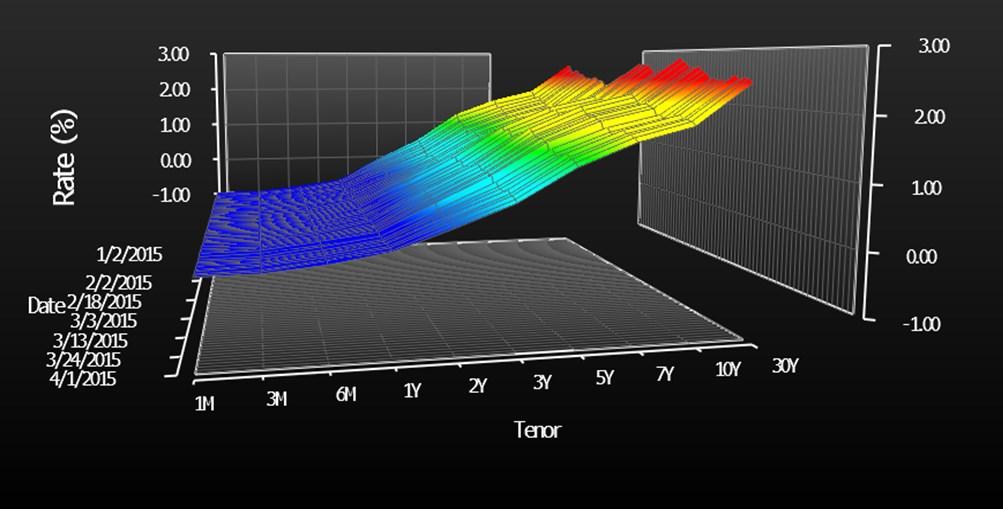
The Federal Reserve’s increased dovishness is caused by two main factors. The first is the recent
strength of the dollar, which threatens the competitiveness of U.S. exporters. Second, with year-over-year inflation at 0.0% in March there is no imminent inflationary threat in the U.S. The Fed knows there is risk to raising rates too soon, and is likely to delay a few more months with inflation this low.
Agency MBS underperformed Treasuries by 0.19% year-to-date through March 31, as demonstrated by the Barclays U.S. Government Intermediate Index and the Barclays U.S. MBS Index. The underperformance was due to higher volatility in the fixed income market, which led to higher prepayments and higher MBS supply during the first quarter. $287 billion of agency MBS were issued in the first quarter, $91 billion more than a year earlier. Within the MBS sector, Ginnie Mae securities underperformed Fannie Mae and Freddie Mac MBS as the FHA reduced annual MIP (mortgage insurance premium) from 1.35% to 0.85%, prompting investors to expect a rise in prepayments.
Corporate bonds have performed well despite record debt issuance. Falling yields have prompted corporations to issue debt to finance acquisitions, lower financing costs, and improve liquidity. While doing so they have provided investors the extra yield they crave. $204 billion of investment grade corporate debt
was issued through February 28, led by Actavis ($21 billion) and Medtronic ($17 billion). Corporations are taking advantage of the low yield environment to lock in cheap financing for longer periods. The maturity of recently issued corporate bonds averages 15 years vis-àvis 12 years for debt issued during 2004-2013.
TIPS have underperformed Treasuries year-to-date as the Merrill Lynch 3-5 year U.S. TIPS Index returned 1.03% through March, while the Merrill Lynch 3-5 year U.S. Treasuries Index gained 1.48%. Inflation expectations have increased recently, however, as oil prices have stabilized. Annual expected inflation during the next three years is 1.35%, up from 0.75% at year-end. We expect inflation will continue to rise to the Federal Reserve’s stated goal of 2% in the next 2-3 years.
Prabhab Banskota

THIS PUBLICATION IS FOR INFORMATIONAL PURPOSES ONLY. THIS PUBLICATION IS IN NO WAY A SOLICITATION OR OFFER TO SELL SECURITIES OR INVESTMENT ADVISORY SERVICES, EXCEPT WHERE APPLICABLE, IN STATES WHERE D.B. FITZPATRICK & COMPANY IS REGISTERED OR WHERE AN EXEMPTION OR EXCLUSION FROM SUCH REGISTRATION EXISTS.
INFORMATION THROUGHOUT THIS PUBLICATION, WHETHER STOCK QUOTES, CHARTS, ARTICLES, OR ANY OTHER STATEMENT OR STATEMENTS REGARDING MARKET OR OTHER FINANCIAL INFORMATION, IS OBTAINED FROM SOURCES WHICH WE AND OUR SUPPLIERS BELIEVE RELIABLE, BUT WE DO NOT WARRANT OR GUARANTEE THE TIMELINESS OR ACCURACY OF THIS INFORMATION. NEITHER WE NOR OUR INFORMATION PROVIDERS SHALL BE LIABLE FOR ANY ERRORS OR INACCURACIES, REGARDLESS OF CAUSE, OR THE LACK OF TIMELINESS OF, OR FOR ANY DELAY OR INTERRUPTION IN THE TRANSMISSION THEREOF TO THE USER. THERE ARE NO WARRANTIES, EXPRESSED OR IMPLIED, AS TO ACCURACY, COMPLETENESS, OR RESULTS OBTAINED FROM ANY INFORMATION CONTAINED IN THIS PUBLICATION.
NOTHING IN THIS PUBLICATION SHOULD BE INTERPRETED TO STATE OR IMPLY THAT PAST RESULTS ARE AN INDICATION OF FUTURE PERFORMANCE. ALL RETURNS ARE MODEL RETURNS FROM A COMPOSITE. ALL RETURNS ARE NET OF FEES AND ANNUALIZED.