Bar Briefs

AI & THE LAW
Bar Briefs
DBA Board of Trustees
2025-2026
Jamie H. Greer President
Jeffrey T. Cox First Vice President
erin B. moore
Second Vice President
Joanna L. GarCia Secretary
ViCToria L. niLLes Treasurer
WiLL P. aLLen
Member–at–Large
ToBy K. Henderson
Member–at–Large
douGLas s. JenKs
Member–at–Large
CHrisToPHer m. WoLCoTT
Member–at–Large
Hon. miCHaeL J. neWman
Immediate Past President
JoHn m. ruffoLo, ex officio Bar Counsel
Jennifer oTCHy, ex officio Chief Executive Officer
BAR BRIEFS is published by the Dayton Bar Association, 109 N. Main St., Ste 600, Dayton, OH 45402–1129, as its official publication for all members. Comments about this publication and editorial material can be directed to the DBA office. The DAYTON BAR
BRIEFS is published September/October through SEPT/OCT.
Paid subscription: $30 / year
Library of Congress ISSN #0415–0945
Jennifer Otchy
Chief Executive Officer
Shayla M. Eggleton
Director, Communications & Membership
Phone: 937.222.7902
www.daybar.org
The contents
BRIEFS do not reflect the
position of the DBA.

TRUSTEE'S
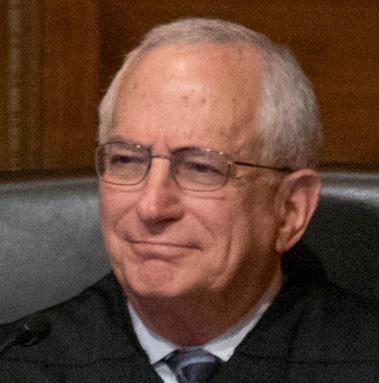
JUDGE'S
We’re All in This Together By Douglas S. Jenks Esq. Auman Mahan & Furry
A Call to Serve: Protecting the Legacy of Gideon By The Honorable Angelina Jackson Montgomery County Common Pleas Ct Gen Div
Magistrate Kathleen Lenski Montgomery County Juvenile Court By Samuel Saul Richardson Esq. Shelby County Public Defender’s Office & Sinclair Community College
The Cost of Sitting: Physical Health in a Demanding (but Sedentary) Profession By Lindsey Deck Esq. Wright State University
When “Lemon Pound Cake” Meets the First Amendment: What Attorneys Can Learn From the Afroman Trial By Deztany Johnson Esq. Reminger Co., LPA
Hallucinations, Over-dependence, and Human Judgment: Fighting the Fears of Artificial Intelligence in Legal Research By Raven Herchenbach, Law School Graduate LexisNexis
Law Schools Get Real About AI in Practice By Professor Ericka Curran UDSL
Briana C. Breault Coolidge Wall Co., LPA By Adin A. Feliz, J.D. Candidate Class of 2026
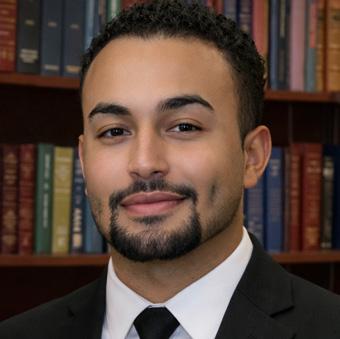
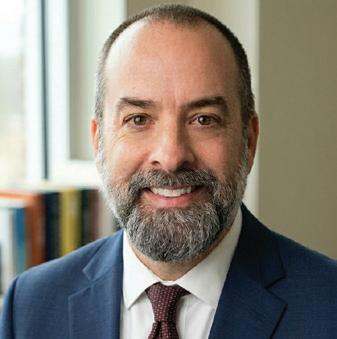
Modernizing Justice: Advancing eFiling in the eCourt Era By Fred Tatum Director of Information Services, Montgomery County Common Pleas Ct Gen Div
and Serving - the Unseen By The Honorable Jeffrey Froelich Retired

2025-2026 DBA Annual Partners



BIESER GREER & LANDIS LLP
biesergreer.com
Since 1854, Bieser Greer & Landis LLP has helped clients resolve legal challenges efficiently and effectively—both in and out of the courtroom. The firm emphasizes strong client relationships and practical solutions, avoiding unnecessary disputes that add cost without value. Guided by the principle “Never mistake motion for action,” Bieser Greer & Landis focuses on what matters most: understanding each client’s goals and delivering strategic, results-oriented advocacy.
FARUKI+ ficlaw.com
FARUKI+ is a premier business litigation firm with offices in Dayton and Cincinnati.The firm’s national practice handles complex commercial disputes of all types, including class actions; antitrust; securities; unfair competition (trade secrets and covenants not to compete); employment; advertising, media and communications; attorney malpractice; data privacy and security; intellectual property and product liability. While its trial practice is national, the firm has always been, and continues to be, committed to the local legal community.
THOMPSON HINE LLP
thompsonhine.com
Thompson Hine LLP, a full-service business law firm with approximately 400 lawyers in 7 offices, was ranked number 1 in the category “Most innovative North American law firms: New working models” by The Financial Times. For 5 straight years, Thompson Hine has distinguished itself in all areas of Service De-livery Innovation in the BTI Brand Elite, where it has been recognized as one of the top 4 firms for “Value for the Dollar” and “Commitment to Help” and among the top 5 firms “making changes to improve the client experience.” The firm’s commitment to innovation is embodied in Thompson Hine SmartPaTH® – a smarter way to work – predictable, efficient and aligned with client goals.
WILMERHALE wilmerhale.com

WilmerHale is a leading international law firm with over 1,100 lawyers across 12 offices in the United States and Europe. Their attorneys operate at the intersection of government, technology, and business, delivering world-class legal and client services. WilmerHale is dedicated to fostering a culture of opportunity, inclusion, and collaboration, drawing on the diverse backgrounds and exceptional talent of our team. WilmerHale, promotes an entrepreneurial spirit and collegial environment while encouraging a strong commitment to public service—through pro bono work, government service, teaching, and support for public institutions and charitable organizations. Their continued focus on excellence has earned them a top spot on The American Lawyer’s 2025 A-List.

TRUSTEE'S MESSAGE

We’re All in this Together
Our insightful Bar President, Jamie Greer, asks us to take stock of our legacy. “As we look to the future,” he wrote, “my focus as president is on building upon the strong legacy we’ve inherited.” Advising further, Jamie added, “legacy is not just what we receive, it’s what we choose to share.”
In 2026, our flight to the future feels buffeted by winds of technological, political, and economic upheaval. What is the legacy that will guide our way? What lessons have been passed to us that we will pass to those who follow?
There are many such lessons. But perhaps none more obvious than civility.
The Dayton Bar Association’s legacy is infused with civility. I think it comes with the territory: that being the extreme Eastern Frontier of the American Midwest. That makes us reasonable and modest.
In the Dayton community we seek to be proficient, accomplished, and effective. We try not to be flashy, brash, or loud. That doesn’t mean we can’t be, but only as necessary. And above all else, we work hard and zealously advocate for our clients. We seek results for them knowing that this is a smallish town and that we are all in this together.
Those of us who have practiced in other cities may have noticed that not all legal communities have this quality. I know I have. It turns out that not all legal communities behave like we do.
Afterall, we face the same “opposing counsel” again and again. And then we see them in the checkout line at the grocery. Jurors remember us from high school. And we live in the same neighborhoods with
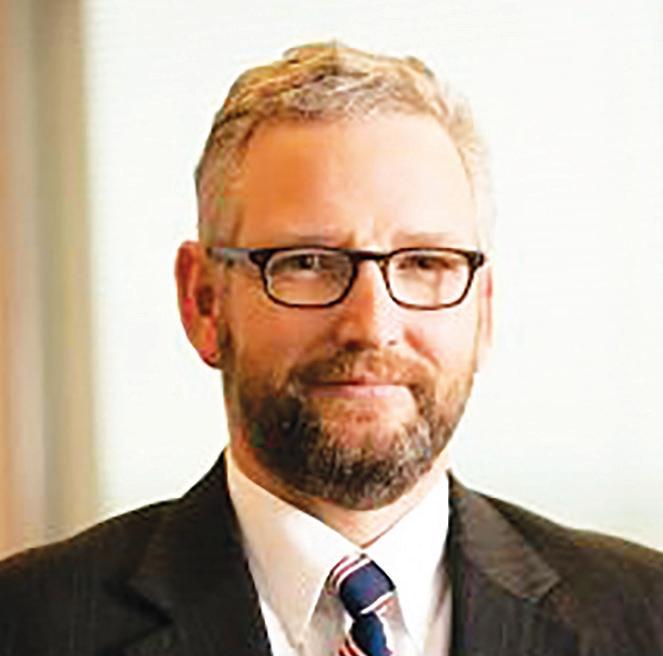
By Douglas S. Jenks Esq. DBA Member-at-Large Auman Mahan & Furry dsj@amfdayton.com
members of the Bench. There just aren’t that many of us in this small town. That means we need each other. And there is nowhere to hide anyway. We’re all in this together.
Several years ago, I had a bench trial before a judge I had never met. Our final pre-trial conference was by phone. So the first time I saw him was when the bailiff cried, “all rise!” When the trial concluded, he asked, “are you Ted Jenks’ son? You reminded me of Ted during your cross examinations.” Huge compliment. But it also drove home this lesson of civility.
Back in the day, my dad used to have cases against that judge when he practiced law. They used to travel across the country together for expert depositions, literally flying together, sharing a rental car, etc. That kind of thing was apparently common. Attorneys would go toe-to-toe during the deposition but then grab dinner and head to the airport together, sharing costs and enjoying the comradery.
Treating each other with civility [not to mention trust] pays great dividends in the practice of law. “You’ll catch more bees with honey than vinegar,” my dad used to say. And he was correct, of course. Have you ever needed a favor or an extension from opposing counsel? You’re far more likely to get it if you have granted the same for them. Ultimately, civility helps us work together to improve this community and helps us in our legal practice. And critically, civility just might be the single most important difference from the robot overlords who conspire to take our jobs. I may be overstating it, but AI is perhaps the largest challenge facing the legal community. And AI is a lot of things, but it ain’t civil. Because it’s not human.
Our work depends on research and writing. It turns out AI is getting pretty good at those tasks and reportedly will only get better. Prognosticators warn that few professions will survive. Pretty much any job that requires analysis and communication is threatened by this technological terror we have constructed.
But the good people of the DBA know things that AI never will. Today’s lesson from our legacy, civility, just may be our best defense to our alleged demise.
We can empathize with each other and members of the larger community. We are humans impacted by the weather, gas prices, the Flyers’ wins and losses, our children's triumphs, and our parents’ illnesses. We have all these things in common with our clients, the opposing party and their counsel, the court, and jurors. We all swim in the same soup that enriches us and informs our positions, arguments, plans, and patience.
So, while AI could probably write a decent brief and maybe analyze a case for settlement, it cannot walk into a mediation, look at all the people around the table and understand their experiences as members of our shared community. AI cannot intuit motivations, fears, hopes, and limits. But we can, because we are human, and we are all in this together.
Jamie Greer wrote that “in the law, as in life, the greatest gift we can give the next generation is a head start built on connection, perspective, and purpose.” I think the head start comes, in part, with today’s lesson from our legacy, civility.
Civility has helped those attorneys who have come before us, it helps us now and will help those who follow. And with any luck, it just might help us keep our jobs. So, I end with this call to action: Civility is not a relic. It’s a renewable resource. Each interaction, each phone call, each email, each hearing, is a chance to reinforce the community we want, and the community we want the next generation to inherit.


2026-2027
DBA Board of Trustee
Nominees
In accordance with Section 2, Article III of the DBA Code of Regulations, Regular Members may nominate candidates for vacant elected offices by submitting a petition signed by at least 25 dues-paid members by noon on the 15th day after the nominee’s names are published. Nominated candidates for vacancies effective July 1, 2026, include:
Second Vice President: Lauren Epperley Esq.
Subashi, Wildermuth, Justice & Epperley Serving (1) year as Second Vice President; Advance to First Vice President and; President (July 1, 2029- June 30, 2030).
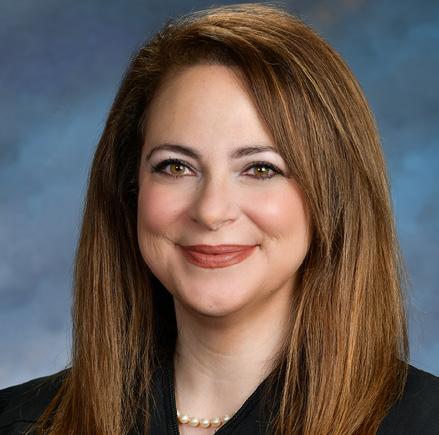
Treasurer: Judge Elizabeth Ellis
Montgomery County Common Pleas Court Serve one (2) year term as Treasurer on the Executive Committee (July 1, 2027 - June 30, 2029).


Elections take place at the DBA Annual Meeting on Wednesday, June 3rd!
Magistrate Kathleen Lenski
Montgomery County Juvenile Court
Agreat caring for children and families has shaped the career of Magistrate Kathleen Lenski. Magistrate Lenski’s interest in the law began around 6th grade after her parents’ divorce had sparked her interest in the legal processes and community. After graduating from Carlisle High School in Warren County, Kathleen went to Georgetown College where she studied history and played tennis before returning to the area to attend the University of Dayton Law School, being a part of the last class to graduate from its old building.
Entering the practice of law after an internship with the Miamisburg City Prosecutor’s Office, she joined a small, general practice firm where she took on probate matters before joining Legal Aid and then the Montgomery County Public Defender’s Office. During this time in practice, Magistrate Lenski has instilled upon herself the recognition that all deserve respect, the ability to be heard, and that family matters to everyone.
Kathleen’s entire life is not the practice of law, though. She enjoys reading a lot and doing crafts. For five years she was an adjunct professor of juvenile law at University of Cincinnati Law School. Her husband has retired from teaching 6th grade math and being an assistant principal. They have twin boys, one who attends law school in New York, the other runs a pizza place in Miamisburg, where she resides.


One of her biggest career goals was accomplished in 2004, when she was appointed to be a Magistrate in the Montgomery County Juvenile Court by the late Judge Nick Kuntz. Kathleen has greatly enjoyed her time as a Magistrate where she now presides over child welfare cases but had started as a delinquency magistrate. She is part of the good quality Judges and Magistrates that make up the Montgomery County Juvenile Court. Her favorite part of this work is helping the children and families that come through the court through the child welfare agency; however, it can be challenging to see these children and families in crisis, and it can be difficult to find acceptable solutions. Outside of the Dayton Bar Association and the court, Magistrate Lenski participates heavily in the Ohio State Bar Association, where she was on the Board of Governors for District 2 (Montgomery, Miami, Shelby, Preble, and Darke counties) from 2018-2024 and currently is on the Access to Justice Initiatives Committee. Outside of the OSBA, she currently serves on the Board of Trustees for the Ohio State Bar Foundation, is on the Advisory Council for Children and Families at the Ohio Supreme Court, and participates in the Ohio Association of Magistrates. Kathleen’s advice for new attorneys is to believe in the practice of law, and to be proud to practice law. It is an important profession and role in society and lawyers are extremely valuable to our communities. Although it can be hard, she recommends sticking with
it, seeking out people to help, as it does get easier (in a way). In that same vein, Magistrate Lenski believes very strongly that lawyers should be involved in their communities through boards and other organizations. With twenty-two years of service on the bench, Magistrate Lenski has contributed to making the Montgomery County Juvenile Court the great place that it is, has helped numerous children and families in our local communities navigate crisis to find a solution that works for all. What a great contribution to the future of our community and the practice of law.
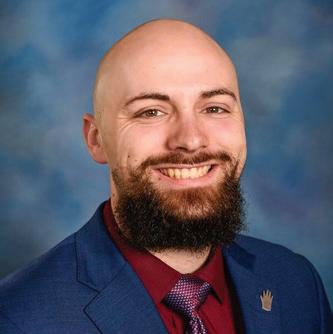
By Samuel Saul Richardson, Esq. Shelby County Public Defender’s Office
Sinclair Community College SSRLaw@outlook.com


The Cost of Sitting Physical Health in a Demanding (but Sedentary) Profession
As we observe Well-Being in Law Week this May, it is a prudent time to reflect on practical steps legal professionals can take to support their health and the sustainability of their practice. Legal work is intellectually demanding, deadline-driven, and, perhaps less obviously, physically taxing in its own way. Attorneys and paralegals often spend long hours seated, working at a computer, reviewing documents, or preparing for the next matter. Over time, the combination of prolonged sitting and chronic stress can take a measurable toll on physical health.
While the legal profession rightly focuses on analytical rigor and client outcomes, physical well-being is closely tied to cognitive performance, energy, and long-term sustainability. The challenge is not simply to “be healthier,” but to adopt practical strategies that fit within the constraints of every day legal work.

By Lindsey K. Deck Esq. Of Counse, Wright State University lindsey.deck@wright.edu
The Hidden Impact of Sedentary Work
Extended periods of sitting are associated with a range of health concerns, including musculoskeletal strain, reduced circulation, fatigue, and an increased risk of weight gain and related metabolic conditions. In high-stress environments, these effects can be compounded by poor sleep, irregular meals, and limited movement throughout the day.
Common issues reported by legal professionals include:
• Neck and back pain
• Eye strain and headaches
• Reduced energy and concentration
These are not just comfort issues, they can directly affect focus, efficiency, and accuracy, all of which are required to complete satisfactory work product. With that in mind, and with our focus on Well-Being in the Law this month, here are several practical strategies to consider to improve not only your physical (and mental) health, but your practice as well.

1. Rethink your Workstation
A well-designed workspace is one of the most effective ways to reduce physical strain.
Key adjustments include:
• Positioning your monitor at eye level
• Keeping feet flat on the floor and wrists neutral
• Using a chair that supports the lower back
• Investing in a standing or treadmill desk
Even small ergonomic improvements can significantly reduce discomfort over time. Where possible, try alternating between sitting and standing to help mitigate the effects of prolonged sitting.
2. Build Movement into the Workday
For many legal professionals, long uninterrupted work sessions are unavoidable. The goal is not to eliminate sitting entirely, but to break it up throughout the day.
Practical strategies:
• Stand or stretch briefly every 30–60 minutes
• Take short walks between meetings or calls
• Use phone calls as an opportunity to move
These moments of movement improve circulation and can help reset both body and mind, making you even better prepared for that next project.


3. Address Screen Fatigue
Much of legal work is screen-based, which can lead to eye strain and headaches.
To reduce strain:
• Follow the “20-20-20” approach (every 20 minutes, look at something 20 feet away for 20 seconds)
• Adjust screen brightness and contrast
• Blink more frequently and consider artificial tears if needed
Reducing visual fatigue can improve concentration and reduce end-of-day exhaustion.
4. Prioritize Sleep as a Performance Tool
Sleep is often the first thing sacrificed in a demanding workload, yet it is critical for both physical and cognitive function. Health organizations generally recommend that working adults get 7-9 hours of sleep per night.
Chronic sleep deprivation can affect:
• Memory and attention
• Decision-making
• Stress tolerance
Even modest improvements like consistent sleep timing and/or limiting late-night screen exposure can have meaningful effects on daily performance.

5. Manage the Physical Effects of Stress
Stress is not just psychological; it manifests physically through muscle tension, elevated heart rate, and fatigue.
Small interventions can help:
• Brief breathing exercises before or after stressful interactions
• Releasing muscle tension (particularly in shoulders and jaw)
• Taking a moment to reset after high-pressure tasks
These techniques are simple but effective in reducing cumulative strain over the course of the day.
6. Take a Long-Term View
Physical health in the legal profession is not determined by a single habit, but by patterns over time. Small adjustments like consistent movement, better ergonomics and improved sleep can compound into meaningful benefits over time.
Organizations like the American Bar Association have increasingly emphasized the connection between lawyer well-being and professional effectiveness and physical health is a key part of that equation.
Conclusion
The demands of legal work are unlikely to change: long hours, sustained focus, and high expectations are inherent to the profession. But the physical impact of that work can be managed.
By making targeted, practical adjustments like improving workstation setup, incorporating movement, reducing screen strain, and supporting sleep, attorneys and paralegals can protect their physical health without stepping away from their responsibilities.
In a profession built on sustained performance, physical well-being is not a distraction from the work. It is part of what allows that work to continue at a high level over time.
new lawyers division When “Lemon Pound Cake” Meets the First Amendment: What Attorneys Can Learn From the Afroman Trial


BBy Deztany Johnson Esq. Reminger Co., LPA DJJohnson@reminger.com
y now, most practitioners have at least heard of Afroman’s unlikely return to center stage, this time not with a chart-topping single, but with a courtroom victory. What began as a 2022 search warrant execution at his Ohio home evolved into a viral album, a civil lawsuit brought by law enforcement officers, and, by March 2026, a complete defense verdict on every claim. The result may not reshape any hornbook rules, but it offers something more useful for practicing attorneys: a vivid illustration of how defamation law, First Amendment principles, and litigation strategy converge when the underlying facts are recorded, edited, and widely shared.
The facts, which might feel almost scripted if they were not so well documented, set the tone early. Deputies executed a warrant at Afroman’s home based on serious allegations, yet no charges ultimately followed. What did follow, however, was a creative and undeniably provocative response. Drawing from his own home security footage, Afroman produced music videos tied to his album Lemon Pound Cake which depicted the raid and openly mocked the officers involved. The deputies responded with litigation, asserting claims of defamation, invasion of privacy, and other related claims, and seeking substantial damages. By the time the case reached a jury, it had become a broader question about how the law treats criticism of government conduct in an era defined by viral media.
From a doctrinal standpoint, the gravitational pull of New York Times v. Sullivan1 was unavoidable. Law enforcement officers are public officials for purposes of defamation law which, Under Sullivan, require proof of actual malice, knowledge of falsity or reckless disregard for the truth. The Afroman case demonstrates how decisive that standard can be. The videos were built on footage of an actual event. However unflattering the portrayal, the underlying conduct was not fabricated. That reality made falsity difficult to establish and, without falsity, proving actual malice becomes exceedingly difficult. When core facts are not meaningfully disputed, defamation claims, particularly those brought by public officials, face steep odds.
Equally instructive is the role of the medium itself. Music videos are expressive works that blend fact, opinion, exaggeration, and performance. Jurors understand this instinctively. They do not approach such content as a series of discrete factual assertions, but as commentary shaped by
tone and context. The defense did not need to show the videos were fair or restrained, only that they fit within a recognizable category of protected expression: a creative response to a personal experience involving government action. Once framed that way, the plaintiffs’ claims risked appearing less like an effort to correct falsehoods and more like an attempt to control the narrative.
That distinction matters because tone alone is rarely actionable. The law does not require speakers to be courteous, and juries are generally reluctant to impose liability for speech that is plainly expressive, even when sharp or uncomfortable. The First Amendment has long protected criticism of government actors, including humor and ridicule. The Afroman case simply presents that principle in a modern format shaped by video, virality, and cultural familiarity.
At the same time, the case illustrates how litigation itself can reshape the dispute it is meant to resolve. By filing suit, the plaintiffs expanded the audience for the very content they sought to challenge. What might have remained a contained online phenomenon instead became a widely covered legal battle. For attorneys advising clients, particularly public officials, this dynamic is no longer incidental. The decision to litigate must account not only for legal viability, but also for the likelihood that the lawsuit will amplify the underlying speech.

The importance of perception is underscored by the optics of the case. The plaintiffs sought substantial damages in response to videos depicting a law enforcement action that produced no criminal charges. Against that backdrop, the defense advanced a straightforward narrative: a homeowner experienced a disruptive government action and responded through his art. That framing aligned with a sense of proportionality jurors often bring into deliberations. Litigation by government actors is not evaluated in a vacuum; it is measured against expectations of restraint and fairness.
Throughout the proceedings, the defense appears to have recognized that framing would be as important as doctrine. By presenting the dispute as one implicating core principles of free expression, counsel provided jurors with a clear lens through which to interpret the evidence. This was not merely a technical defamation case; it was, in part, about the right to respond to government action with criticism and commentary.
For practitioners, the enduring value of the Afroman trial lies in how it brings familiar legal principles into a contemporary setting. The elements of defamation have not changed and the protections of the First Amendment remain firmly in place. What has changed is the environment in which these principles operate. Evidence now arrives in the form of video rather than text, and jurors bring with them fluency in the very media formats at issue.
In that sense, the case serves as a reminder that effective advocacy requires more than doctrinal precision. It requires an understanding of how modern audiences interpret speech, how narratives are formed and amplified, and how litigation decisions resonate beyond the courtroom. It also underscores the importance of early, candid client counseling. Attorneys must consider not only whether a claim can succeed, but whether pursuing it will ultimately serve the client’s broader interests.
The Afroman trial may not produce a landmark appellate opinion, but it offers a clear lesson for practicing lawyers. When speech is rooted in real events, expressed through a recognizable medium of commentary, and directed at government conduct, the barriers to liability are substantial. And when litigation begins to resemble a response to being mocked rather than misrepresented, the risk is not only legal defeat, but a result that reinforces the very narrative the lawsuit sought to challenge.
ENDNOTE:
1New York Times Co. v. Sullivan, 376 U.S. 254 (1964), involved a defamation action brought by a public official against a newspaper for publishing an advertisement containing factual inaccuracies about police conduct during the civil rights movement. The United States Supreme Court held that the First Amendment requires public officials to prove “actual malice,” that the statement was made with knowledge of its falsity or with reckless disregard for the truth, in order to recover damages for defamation arising from statements concerning their official conduct..
HERBERT M. EIKENBARY Trust

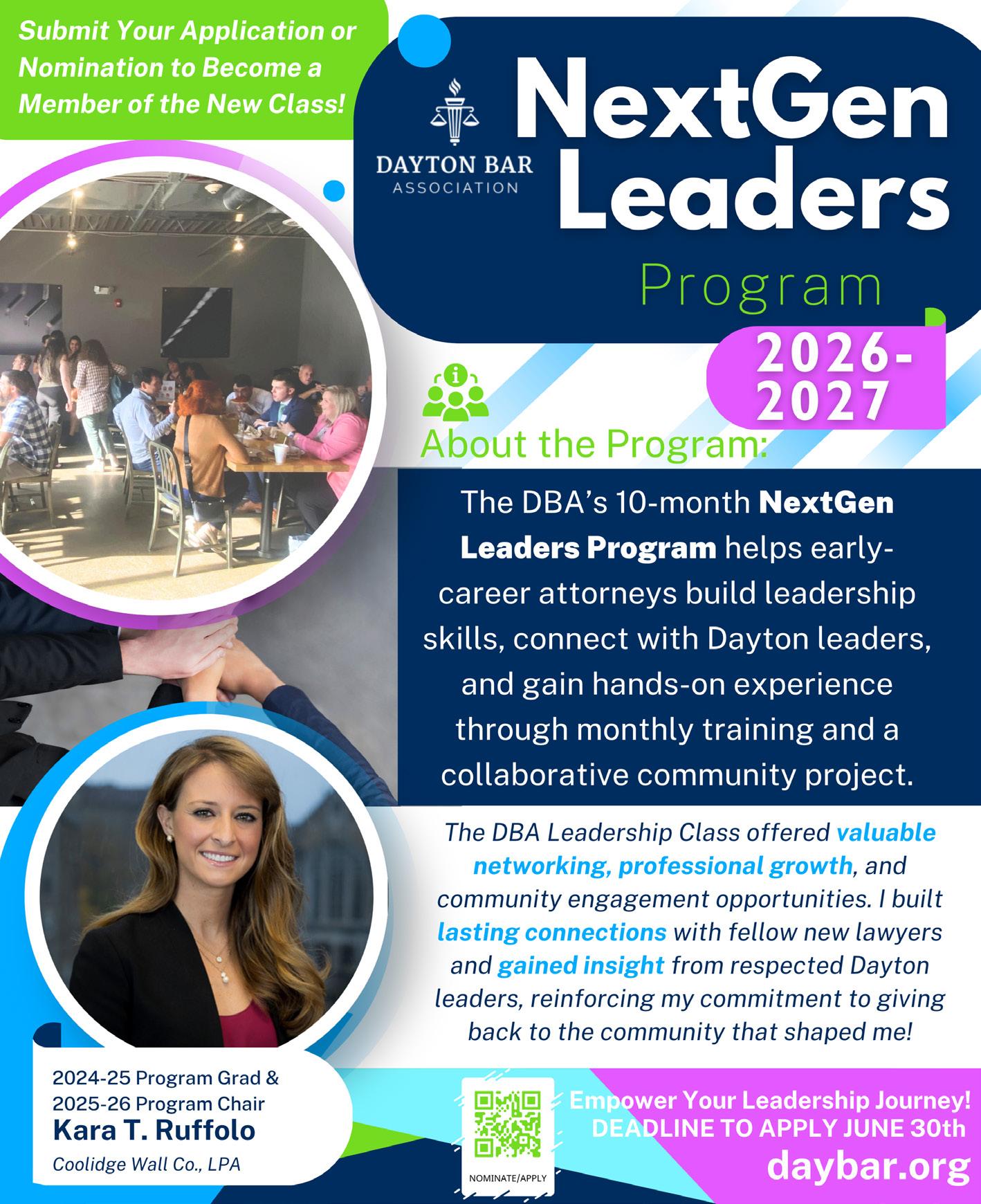
The late Herbert M. Eikenbary granted the bulk of his estate to fund Grants and Loans to lawyers underthe age of 35 who practice/reside in Montgomery County. These Grants and Loans are to aid young, deserving lawyers who are in need of financial assistance.
Individual loans, are available up to $6,000 at 4% interest, while grants up to $4,000 are also available
ApplY: Jennifer Otchy,
| www.daybar.org
WHAT Is THE EIKENBARY TRusT?
the legal landscape

Artificial intelligence is rapidly reshaping the legal profession, especially in the realm of legal research. What was once confined to textbooks and manual review has evolved into a digital ecosystem where advanced tools can retrieve, summarize, and even generate legal analysis in seconds. Yet despite these advancements, many legal professionals remain hesitant to fully embrace AI. Their concerns are not unfounded. Questions surrounding accuracy, overreliance, confidentiality, and the preservation of human judgment continue to define the conversation. Understanding these fears—and how the industry is addressing them—is essential for any attorney seeking to navigate this changing landscape.
Much of the unease stems from the rise of generative AI, a technology capable of producing original responses based on existing data. Unlike earlier extractive systems that simply retrieved information, generative tools can draft arguments, summarize cases, and suggest legal strategies. Platforms such as Lexis+ AI and Westlaw’s AI-assisted tools are quickly becoming standard in modern practice, offering efficiency and convenience that traditional methods cannot match. Still, these tools are best understood as starting points rather than final authorities. Just as attorneys once used textbooks as foundational resources, AI should be viewed as a tool that initiates workflow—not one that replaces professional judgment.
One of the most widely discussed risks is the phenomenon known as “hallucinations,” where AI generates false or misleading information that appears credible. In legal practice, this can be particularly dangerous. Courts rely on precise citations and verifiable authority, and even a single fabricated case can undermine an entire argument. Highly publicized incidents, including cases where attorneys unknowingly
HaLLuCinaTions, oVer-dePendenCe, and Human JudGmenT: Fighting the Fears of Artificial Intelligence in Legal Research
submitted fictitious opinions generated by AI, have reinforced skepticism across the profession. These situations highlight a fundamental principle: regardless of the tool used, attorneys are ultimately responsible for the accuracy of their work. Verification remains non-negotiable.
To address this issue, leading legal research platforms have implemented safeguards designed to reduce inaccuracies. Many systems now rely on closed databases, limiting their outputs to vetted legal materials rather than the broader internet. Features such as citation validation tools, including Shepard’s and KeyCite, allow researchers to confirm that authorities are both real and still considered good law. While these innovations have reduced the likelihood of hallucinations, they have not eliminated them entirely. As a result, the role of the attorney as a critical evaluator remains unchanged.
Beyond accuracy, there is a growing concern about overdependence on technology. AI’s ability to streamline complex tasks can create a temptation to rely too heavily on automated outputs. This raises ethical questions about competence, diligence, and even plagiarism. Legal professionals are expected to exercise independent judgment, and an overreliance on AI risks undermining that responsibility Interestingly, this concern cuts both ways. While younger attorneys may risk becoming overly dependent on AI tools, more experienced pract itioners who resist adopting new technology may fall behind industry standards, potentially disadvantaging their clients.

By Raven Herchenbach Law School Graduate LexisNexis ravenmclark@aol.com
Striking the right balance requires both education and intentional use. Law schools and continuing legal education programs are increasingly incorporating AI training into their curricula, ensuring that new and seasoned attorneys alike understand both the capabilities and limitations of these tools. The goal is not to discourage AI use, but to promote informed engagement. When used thoughtfully, AI can enhance productivity without compromising professional integrity.
Confidentiality presents another significant challenge. Legal work often involves highly sensitive information, and the use of AI intro-

duces questions about how that data is stored, processed, and potentially shared. Concerns intensified following widely reported data breaches and instances where user inputs were inadvertently exposed. For attorneys bound by strict ethical obligations, even the possibility of unauthorized disclosure is alarming.
In response, many AI developers have prioritized data security by implementing encryption, restricting data usage, and offering closed-system models that do not rely on user inputs for training. Even so, responsibility does not rest solely with developers. Attorneys must take proactive steps to protect client information, such as redacting sensitive details, using anonymized data when possible, and understanding the privacy policies of the tools they employ. Transparency—both with clients and within the legal process—is becoming an essential component of ethical AI use.
Despite these technological advancements, one limitation remains clear: AI cannot replicate human judgment. Legal decisionmaking often involves nuanced considerations, including ethical reasoning, emotional intelligence, and an understanding of broader social implications. While AI can analyze patterns and suggest outcomes, it cannot fully grasp the human elements that influence legal disputes. Nor can it be held accountable in the same way a licensed attorney can. Responsibility for legal advice and advocacy ultimately rests with the individual practitioner.
There is also the issue of bias. AI systems are shaped by the data on which they are trained, and that data may reflect existing inequalities or perspectives. Without careful oversight, these biases can influence outcomes in subtle but meaningful ways. To mitigate this risk, developers are increasingly involving legal professionals in the design and training of AI systems, ensuring that outputs align more closely with established legal standards and ethical expectations.

orous standards of accuracy, confidentiality, and judgment—will be better positioned to serve their clients and adapt to the evolving demands of the profession.
Ultimately, the fears surrounding AI in legal research are best addressed through knowledge and practice. Hallucinations can be mitigated through verification, overdependence can be avoided through critical thinking, and confidentiality risks can be managed through careful data handling. What remains constant is the role of the attorney as the final decision-maker. AI may assist, accelerate, and enhance, but it does not replace the expertise, accountability, and human insight that define the legal profession.
As the legal industry continues to evolve, embracing AI with caution and competence offers a path forward. Rather than viewing it as a threat, legal professionals can treat AI as a powerful ally—one that reduces time spent on routine tasks and allows greater focus on strategy, advocacy, and client relationships. In doing so, attorneys not only adapt to change but help shape the future of legal practice itself.
Even with these challenges, the trajectory of AI in the legal field is clear. The technology is not a passing trend but a foundational shift in how legal work is conducted. Attempts to avoid it entirely are likely to prove impractical, if not detrimental. Instead, the focus must remain on responsible integration. Attorneys who understand how to effectively leverage AI—while maintaining rig-
The DBA Board of Trustees have recently approved the following for DBA Membership:


ATTORNEYS:
LAW STUDENTS:
Danielle Schroeder
Kandice Abdul Kader Kader Law Office, LLC
Kelly Madzey Montgomery County Prosecutor's Ofc
Gregory Melick Sebaly Shilito + Dyer
Joseph Sebolt Jacox, Meckstroth, Jenkins
the legal landscape LaW sCHooLs GeT reaL aBouT ai in PraCTiCe

Law schools across the country are rapidly rethinking how they prepare students for a profession being reshaped by artificial intelligence. What began as scattered experimentation with research tools has evolved into coordinated curricular reform, new ethics frameworks, and hands-on training that treats AI literacy as a core professional skill rather than a niche elective.
A 2024 national survey by the American Bar Association Task Force on Law and Artificial Intelligence highlights the scope of this shift. A majority of responding law schools now offer AI-focused courses, and an even larger share provide experiential opportunities—clinics, labs, and skills-based courses—where students actively use AI tools in legal work. Institutions are revising academic integrity policies, rethinking assessment methods, and building interdisciplinary collaborations, all while attempting to balance innovation with professional responsibility.
From Awareness to Integration
The survey data reflects a structural transformation in legal education. Over half of surveyed schools now offer dedicated AI courses, and more than four in five provide hands-on opportunities for students to integrate AI into drafting, research, and advocacy. Many institutions introduce AI concepts in the first year, rather than reserving them for upper-level electives, and are updating honor codes, disclosure requirements, and plagiarism standards to address generative AI.
Taken together, these developments signal a clear shift: technological competence is becoming inseparable from professional competence.
A Case Study: Immersive AI Education at Dayton
At the University of Dayton School of Law, this shift is already underway. Professor Laura Vlieg’s intensive “Get Real” AI weekend offers a compelling example of how legal education is moving beyond theory and into practice.
Held this past March, the three-day program blended doctrinal

By Professor Ericka Curran UDSL, Professor of Professional Skills ecurran1@udayton.edu
grounding with practical application. Students participated in live demonstrations of platforms such as Bloomberg Law, Westlaw, and Lexis Plus; engaged in prompt-engineering workshops; explored access-tojustice implications; and received training on verification and reliability in AI-assisted legal work. The program also included collaborative competitions, practice-oriented coding sessions designed for lawyers, and practitioner panels discussing AI’s role in everyday practice.
The structure reflected a deliberate pedagogical choice: to treat AI not as a novelty, but as infrastructure, shaping research, advocacy, client service, and professional judgment.
Dean Christopher Roederer emphasized the importance of this approach, noting:
“Legal education must evolve alongside the profession. Our goal is not simply to expose students to new technologies, but to ensure [A2.1]they understand how to use them responsibly, ethically, and in ways that enhance—not replace—lawyer judgment.”
Moving Past the Hype
Professor Vlieg framed the program as a response to the oversaturation of superficial AI discourse:
“Students are already expressing cognitive fatigue at the amount of generic AI content that is being thrown at them from every angle. The GRI weekend allowed us to move beyond the basic talking points and into deeper considerations of information literacy, the business of law, and communicative practices and [A3.1] how the decisions we make as a profession can benefit from an historic perspective of technology [A4.1]in legal practice.”
Her observation reflects a broader reality. While students are inundated with demonstrations and bold claims about AI’s

transformative potential, they often lack structured guidance on how these tools intersect with core lawyering competencies—judgment, verification, ethics, and client communication.

Law Students at the Center of Change
Law students today are not merely learning new tools; they are navigating a changing professional identity. They must develop information literacy in an era of fluent but fallible systems, confront questions about authorship and accountability, adapt to shifting billing and workflow models, and consider how AI might expand access to justice.
“The AI discussion is everywhere, but this event went beyond surface-level chatter. It was a valuable, hands-on opportunity to get involved in the educational, ethical, legal, and practical aspects of how AI impacts students today, and how it will likely impact practitioners of tomorrow.”
— Will Snider, J.D. Candidate, Class of 2028
“I found the weekend to be incredibly interesting, as it highlighted both the opportunities and challenges AI presents in modern legal practice. I think it is important for law schools to confront AI head-on rather than ignore its existence, and I was encouraged to see that UDSL plans to do exactly that.”
— Jay E. Mortensen, J.D. Candidate, Class of
2026
The Direction of Legal Education
Across the country, legal education appears to be converging around several shared principles: AI literacy is foundational rather than elective; experiential learning is more effective than passive exposure; ethical frameworks must evolve alongside technological capability; and faculty development is essential to meaningful integration.
Programs like the Get Real Intensive suggest that the most effective AI education does not treat technology as a standalone subject, but as a thread running through doctrine, skills training, professionalism, and public service.
For law students preparing to enter a rapidly transforming profession, that integrated approach may prove far more valuable than any single tool. tutorial.

MAY/JUNE 2026 CALENDAR || CLE, EVENTS, MEETING
Workers Comp/Social Security | On Break, Still Covered?
Wed. May 20th | 4-5pm | 1.0 Gen Hr @ DBA
Marcus A. Heath will provide an in-depth look at Ohio’s Personal Comfort Doctrine in workers’ compensation, including how everyday activities like breaks, eating, or drinking may affect compensability. The session will explore key factors such as employer control, location, and deviation from duties, along with practical case law and litigation strategies for Industrial Commission claims.
Artificial Intelligence, Real Liability: AI in the Practice of Law
Thu. May 21st | 4-5pm | 1.0 Gen Hr @ DBA
A practical one-hour panel on the expanding role of AI in legal practice, covering current uses, security and ethical considerations, and key factors for implementation, with real-world insights for attorneys.
Juvenile Law | Juvenile Case Law Update Part 2
Tue. May 26th | Noon-1pm | 1.0 Gen Hr @ Zoom
Stay current on juvenile law with Magistrate Katie Lenski, who will review recent case law, statutory updates, and rule changes, offering practical insights on courtroom procedures, advocacy strategies, and daily juvenile court practice.
Privilege 4.0:
Privilege Logging in Civil Discovery
Thurs. May 28th | 1:30-3pm
1.5 NLT or 1.5 GEN Hr @ WilmerHale
This CLE program examines privilege logging in civil discovery under the Federal Rules of Civil Procedure and state rules, including attorney-client privilege, work product doctrine, and related protections. Speakers David D. Savage and Chad Noward will share practical guidance on drafting defensible privilege logs, managing redactions and metadata, and avoiding common pitfalls while ensuring discovery compliance.
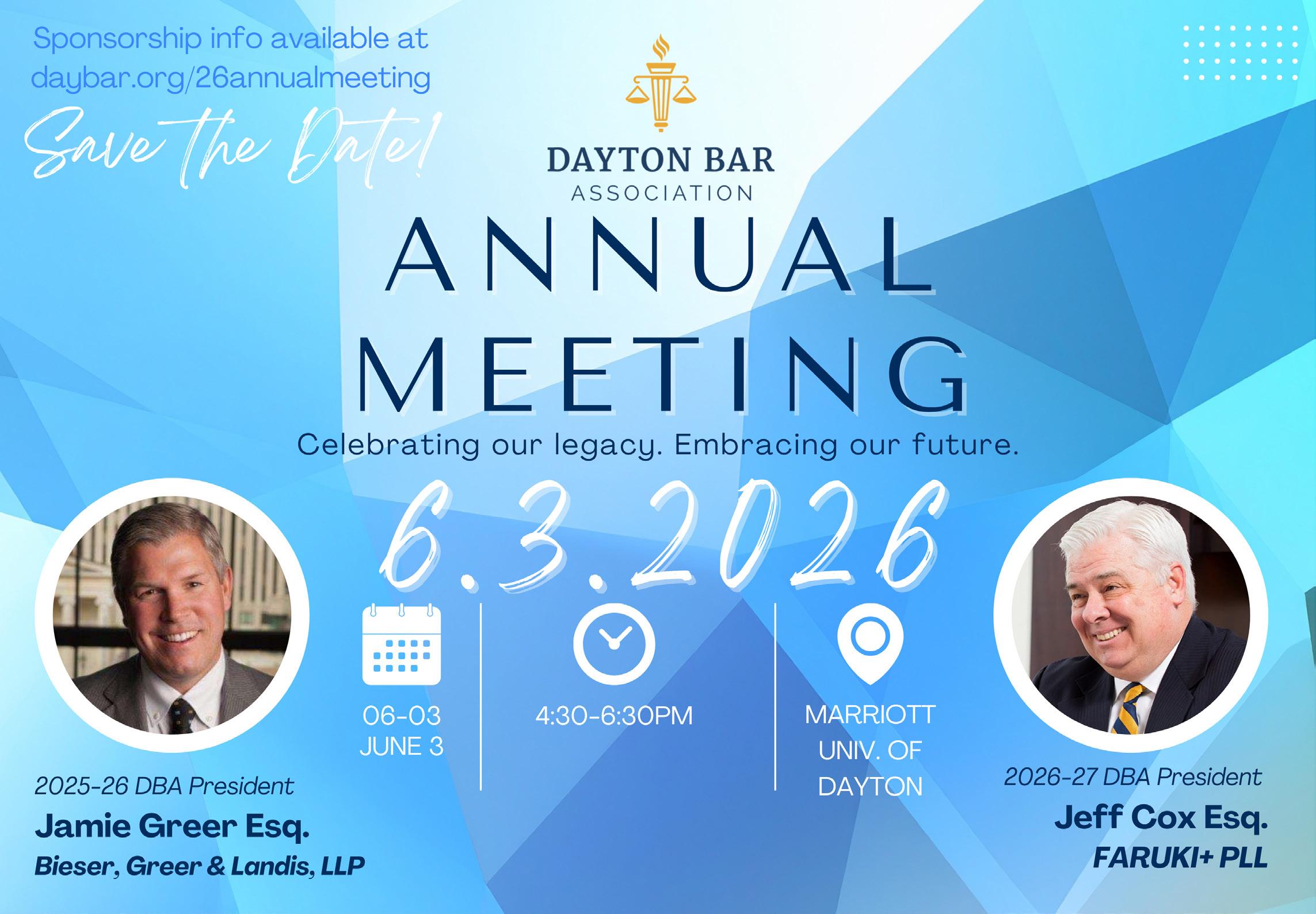
2026 DBA Annual Meeting
Wed. June 3rd | 4:30-6:30pm @ Marriott UD
The Annual Meeting is one of the DBA’s most cherished traditions—a time to gather, reflect on our legacy, and look ahead. We will thank outgoing President James H. Greer, install our 125th President, Jeff Cox of FARUKI+ PLL, welcome the new Board of Trustees as they take their Oath of Office, and recognize this year’s leaders. Highlights of the Evening
- Networking, photos, and a hosted bar
- Recognizing outstanding leadership and service
- Passing of the gavel to incoming leadership
- Reflections on the state and future of the DBA
- Live music celebratory reception

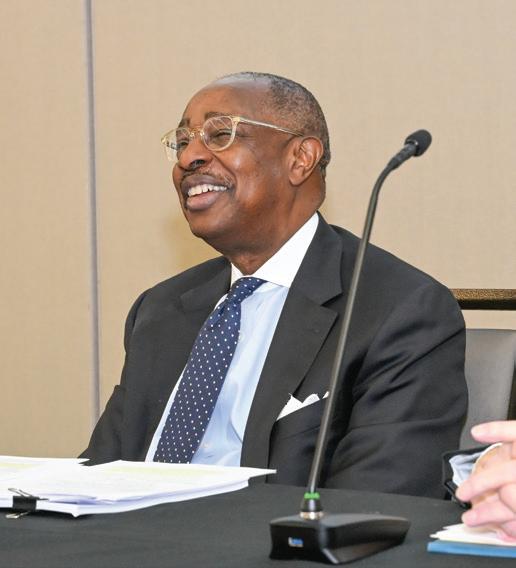
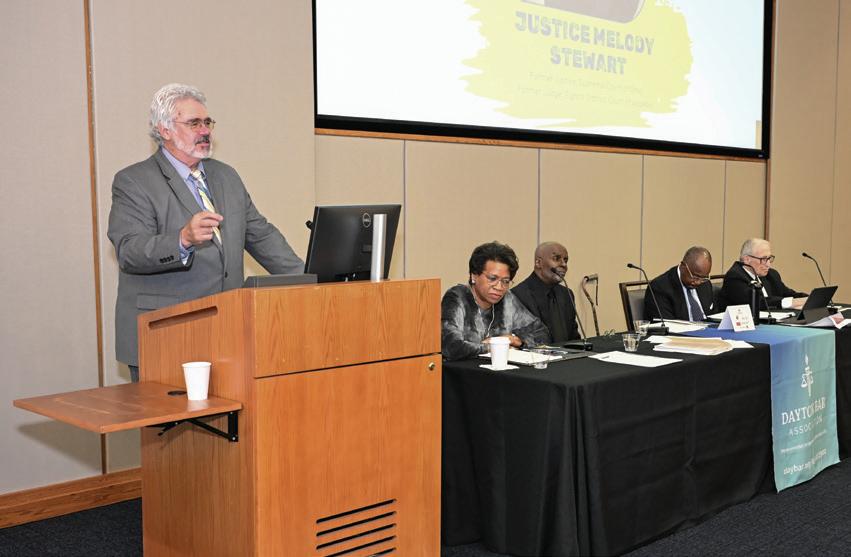
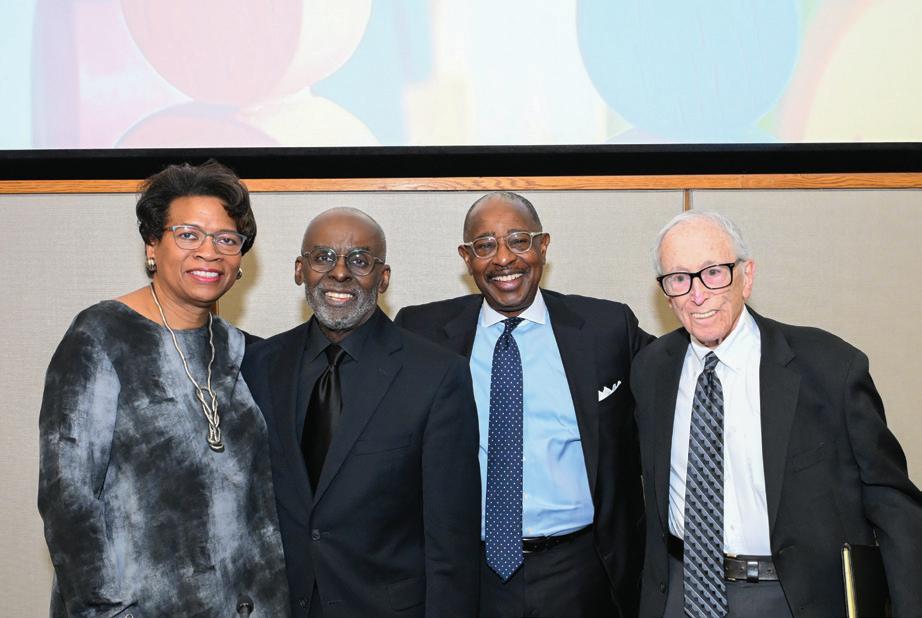


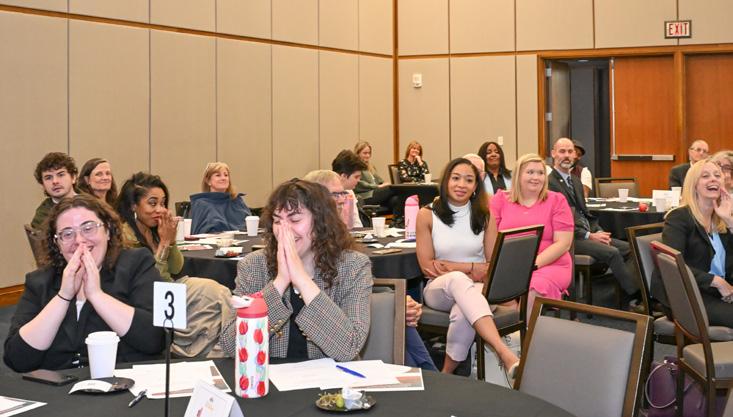
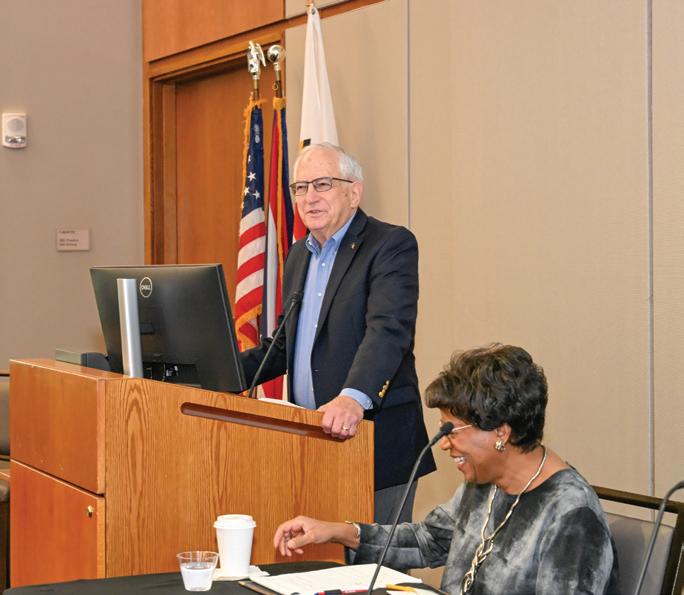
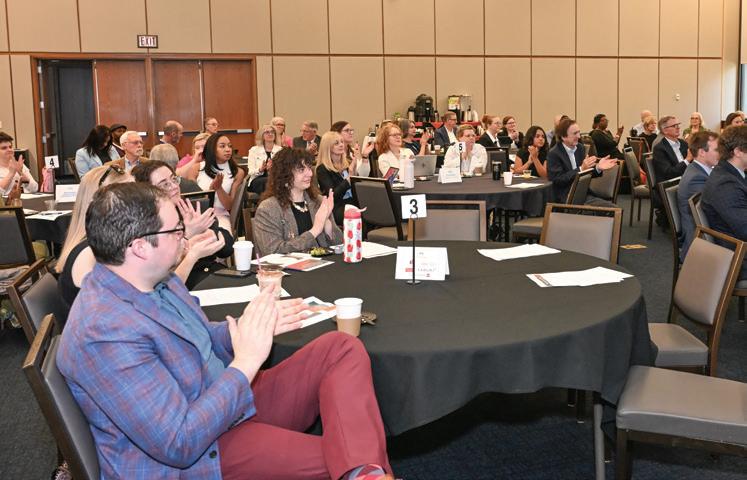
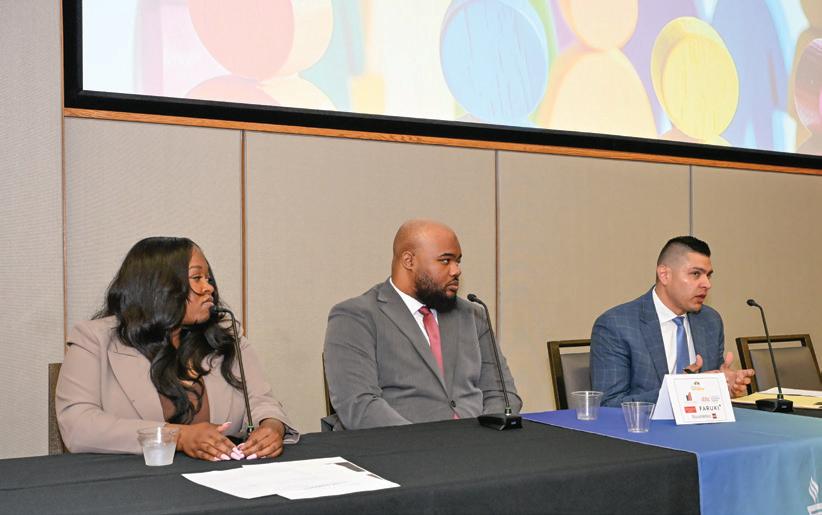
Photo credit: Julie Noeth Wallingphotography.net


From a STEM-focused start to a dynamic practice spanning litigation and bankruptcy, Briana C. Breault has built a career defined by curiosity, structure, and adaptability. With a background in psychology and business, Breault brings a distinctive, analytical perspective to the law—one that continues to shape her approach to advocacy and professional growth.
What initially led you to pursue a career in law?
I originally thought I’d go into medicine. I’ve always had a very analytical mindset and was drawn to science. But in college, I became heavily involved in leadership, particularly as president of the Panhellenic Council. I worked on modernizing recruitment rules as social media was emerging, and that experience really sparked my interest in how rules shape behavior. Around the same time, I shifted my studies to psychology, which deepened my interest in understanding people. Law felt like the natural intersection of those interests—human behavior and structured systems.
How did your education and early experiences prepare you for your current practice?
I attended Bethany College, where I studied psychology with a minor in biology, and later earned both my JD and MBA from West Virginia University. During law school, I stayed very involved—moot court, transactional competitions, and leadership roles like serving as president of the Health Law Society. I also worked with the Office of Equity Assurance investigating Title IX claims, which gave me early exposure to complex, real-world legal issues.
Briana C. Breault
Those experiences helped build both my analytical foundation and my ability to communicate clearly—skills that are essential in practice.
Your practice includes both litigation and bankruptcy. What draws you to those areas?
I’ve always been drawn to structured, codebased areas of law like bankruptcy. There’s a puzzle-like quality to it—working through statutes, cross-references, and detailed frameworks. At the same time, litigation brings a practical, real-time element. Having experience in both areas allows me to approach problems more holistically, especially in commercial matters where legal and financial issues intersect.
What experiences have most shaped your approach to the law?
Clerking for a judge was one of the most formative experiences of my career. It gave me a behind-the-scenes perspective on how decisions are made and emphasized the importance of clarity, credibility, and procedural precision. It also changed how I approach writing. When I draft motions or briefs, I try to make them as useful as possible to the court—almost like a roadmap.
At the same time, early exposure to a wide range of cases helped me understand how legal decisions affect real people. That combination—procedure and real-world impact—has been incredibly influential.
What is one lesson that has stayed with you in practice?
Always check the local rules. It sounds simple, but it’s critical. Every court and judge can have specific requirements that go beyond the general rules. Taking the time to understand those expectations shows professionalism and ultimately saves time for both the attorney and the court.
How would you describe your advocacy style?
I’d describe it as analytical and deliberate. I think you can be a zealous advocate while still being respectful of the court. I take the time to fully understand the issues, conduct thorough research, and verify the law before advising clients. In a fast-paced profession, it’s easy to feel pressure to provide immediate answers, but accuracy and preparation are far more important.
What do you enjoy most about your work?
Research and writing are my favorite parts of the job. I enjoy digging into legal issues, understanding how the law has evolved, and building strong arguments. There’s something very rewarding about crafting a well-supported motion or brief, especially in complex cases.
Can you share a memorable moment from your career so far?
A: Successfully opposing a motion for summary judgment in a complex case stands out. It required significant effort, and the outcome had a real impact on the client. Moments like that reinforce why the work matters.

I’ve also had the opportunity to present at a national bankruptcy conference on the intersection of artificial intelligence and bankruptcy law, which was both exciting and rewarding.
How does your MBA influence your legal work?
It’s especially helpful in commercial litigation and bankruptcy matters. Understanding financial statements, valuations, and business operations allows me to better analyze cases and advise clients. In some situations, it also helps identify alternatives to bankruptcy, such as restructuring strategies that may better serve a client’s goals.
What advice would you give to new attorneys?
Don’t be afraid to explore different areas of law early in your career. You might think you know what path you want to take, but that can change once you start practicing. A broad range of experience makes you a stronger and more adaptable attorney.
Also, embrace new technology, but don’t lose sight of the fundamentals. Tools like AI can be helpful, but they’re not a substitute for strong research skills, critical thinking, and sound judgment.
What motivates you to continue growing in your career?
I genuinely enjoy the law, especially its more technical aspects. Every day presents a new challenge, and there’s always something new to learn. I think the more you understand, the more you realize there’s still to explore—and that keeps me motivated.
What does success look like for you in the years ahead?
Professionally, I hope to continue growing within my firm, build a strong client base, and take on more complex matters in both litigation and bank ruptcy. I’m also interested in mentoring younger attorneys as I advance in my career.

Personally, I’m committed to the Dayton area and hope to contribute to the community in a meaningful way.
How do you spend your time outside of work?
I enjoy being outdoors—hiking, traveling, and exploring new places with my husband. I also run, take care of our two dogs, and manage what’s become a pretty extensive houseplant collection.
Final Word
Briana Breault’s career reflects a thoughtful balance between precision and perspective. With a strong founda tion in both analytical reasoning and practical advocacy, she represents a new generation of attorneys—one that embraces complexity, values preparation, and understands that effective lawyering requires both structure and adaptability.

By Adin Alexander Feliz UDSL J.D. Candidate Class of 2026 Feliza1@udayton.edu
Modernizing Justice: Advancing eFiling in the eCourt Era

Does anyone remember what technology came out in 2008?
The first Google Android phone was released, the Amazon Kindle eReader started gaining popularity, and the iPhone 3G came out. The iPhone 3G! In that same year, Montgomery County Common Pleas Court was one of the first courts in Ohio to push out an electronic filing platform known as eFiling. This platform was revolutionary at the time, offering easy submission for new case initiation as well as subsequent filings on existing cases. It also allowed the use of tokens for online payment and directly integrated into the court’s case management system (CourtView2), reducing duplicate data entry for court and clerk staff while minimizing the potential for human error.
Eighteen years later, Google, Amazon and Apple have continued to revolutionize their products by making battery life last for multiple days on their phones (or weeks for the Kindle), adding up to four cameras on their devices eliminating the need for most consumers to purchase a standalone camera, and making the devices millimeters thin without sacrificing any features. The iPhone is on version 17. That’s 14 new versions! The court continued to innovate their eFiling system by adding the ability to file on Criminal cases, Domestic Relations cases in 2022, and that’s about it. The core and look of the system haven’t changed, which also means that the same bugs and issues that existed back in 2008 still exist today! Due to vendor reliance
By Fred Tatum Director of Information Services
Montgomery County Clerk of Courts tatumf@mcohio.org
and costly statements of work, the courts, clerk of courts and filers like you have unfortunately had to endure.
In the previous Bar Briefs edition, Steve Hollon announced the selection of Journal Technologies eCourt product for Common Pleas Court and the Clerk of Courts. (see Modernizing Justice: The Montgomery County eCourt Transformation). All divisions involved have put a lot of time and effort over the last two years implementing this system and we’re all very excited about it going live in the coming weeks! The biggest selling point of the system is not just the modern features it will bring to the courts and clerk’s office, but the opportunity it gives us to continue to innovate and automate the system ourselves. On top of that, Journal Technologies has built all the tools to do this directly into their product! We are no longer reliant on our vendors to make changes and updates to the system; but the courts and clerks’ IT staff can make these changes themselves.
With the new eCourt system being implemented and all its available tools, it has allowed the Clerk of Court’s IT staff to decide to develop a new eFiling system that will directly integrate with the eCourt case management system. We are very excited about this product and the enhancements it will bring not only to court and clerk staff, but also to the external filers that use it every day.

Features of the new eFiling system
The old eFiling system, developed by Tybera Development Group, Inc, had a lot of great features, and we’ve worked hard to ensure that those features don’t go anywhere in the new system. Domestic Violence Civil Protection Orders, service initiation, forms generation, Marriage License applications, multiple email addresses to receive Notifications of Electronic Filings as well as the ability to join an organization so a firm can share their credit card token with members of that organization. There are many other new features that we’ll be rolling out at go live as well!
For attorneys registering with our eFiling system, we now do Supreme Court Attorney Registration Number validation. Upon registering, we utilize the Supreme Court of Ohio’s Attorney lookup to verify that the attorney requesting a login is valid to practice in the State of Ohio. We also will pre-populate the registration information with the data returned from the Supreme Court’s site, saving time during the registration process. All account requests are still reviewed by Clerk of Court’s staff prior to approval.
We have also implemented address validation, utilizing the application protocol interface (API) from the United States Postal Service (USPS). Now when entering an address for a party, all filers will be required to validate the entered address with USPS to ensure that the address can successfully receive mailings. This will ensure successful delivery of service when requested. Not sure what the party’s address is? There is still an “Unknown” address type option that will allow the filer to bypass the validation requirement.
Attorneys can also update contact information on all their assigned cases simply by updating their profile! Open the “Profile” tab, update the address, phone number and/or email address and it will update the information immediately on all cases where the attorney is assigned within eCourt.
We have also implemented simple resubmission of filings. If a filing is rejected back to the filer, a rejection note is added so the filer knows what to correct. All they have to do is hit the “Edit” button, go back into the filing to make the modification and re-submit the filing back for review! It’s just that easy!
We have also enhanced the new eFiling system with some muchneeded security updates. The site now requires a 90-day password reset. We’ve also implemented Cloudflare’s Turnstile which validates a user to ensure they are not a bot.
R.L. EMMONS AND ASSOCIATES, INC.
842–A E. Franklin Street Dayton, Ohio 45459
Professional Investigative and Legal Support Services Firm
Polygraph
Asset Searches
Criminal Defense
Process Service
Witness Locates / Interviews
Surveillance
Civil Case Prep
General Investigation
DAYTON: 937 / 438–0500
Fax: 937 / 438–0577

Next Steps
In the next few weeks, the courts and clerk of courts will partner with the Dayton Bar Association to offer attorney training opportunities on how to use the new system. We will also be creating training materials that will be available on the landing page of the new eFiling portal if you’re not able to participate in one of our training offerings. Because the eCourt product is highly configurable, the courts and clerks IT staff will continue to come up with new ways to innovate the product for many years to come. We’re very excited about the opportunity and glad that in another 18 years we’ll be better positioned to continue to be at the cutting edge of court technology and not just staring down at our iPhone 35 wondering “what happened?”
social justice
This article is one of a series from the DBA Social Justice Initiative to inform our membership about, and to encourage your participation in, many of the non-profits in our community that address issues of social justice. If you would like to suggest a nonprofit for us to highlight, please contact Bonnie Beaman Rice at (937) 409-2880.
Seeing - and Serving - the Unseen

When you’re down and troubled and need a helping hand, you’ve got a friend…
With the state of the world, did you ever stop to think that a lot of what we take for granted – our next meal, a friend to talk with, a place to sleep, healthcare, food, warmth, transportation, education, clothing, etc., is not enjoyed by everyone. We have all seen “them“ even if we avert our eyes – and our hearts. Maybe “they” are walking aimlessly on the streets, sleeping under a bridge or seeking shelter in a doorway, or standing on a corner with a hand-lettered sign. Most of CityHeart’s clients live in extreme poverty. They are often single parents, homeless, unemployed or unemployable; they may be facing mental and physical challenges, ex-offenders, and/or substance abusers, or perhaps hardworking families hit by an unforeseen crisis.
By Judge Jeffrey E. Froelich (Retired) jeffreyfroelich1@gmail.com
City Heart is located “in the heart of the city” in the lower level of Christ Episcopal Church at 20 W. First Street, just east of Ludlow. Its current hours are Monday through Friday from 10 until noon and one to threephone (937) 223–2489 (223 city); DaytonC ityHeart.org
CityHeart offers basic needs such as the use of a restroom, a telephone, respite from the weather, a bag lunch or a simple cup of coffee, connection with a food pantry, help in obtaining documents such as a birth certificate, ID, or food stamps. On a one-time basis, City Heart can provide financial assistance for utility shut offs, bus passes, eviction notices, and low cost meds or co-pays. City Heart has a no cash policy and financial assistance is limited to once in a 12 month period with any checks payable directly to the service provider. Our community has outstanding service partners available for a little or no cost; for example, St. Vincent de Paul, YWCA, the women’s shelter, the Salvation Army, United Way HelpLink211, HomeFull, ClothesThatWork, and various food banks. City Heart works closely with them all and vice versa.
Despite the fact that CityHeart has only two employees, in 2025 it worked with 1740 different families and a total of 2150 different individuals including 1630 children. Some are seen once or twice and some regularly. It is an independent 501(c)(3) which relies on contributions from the community. Its nonprofit board consists of attorneys, accountants, HR professionals, neighborhood activists, government workers, retirees, and “just” people like you that care.
City Heart is here to respond to emergency needs of individuals and families experiencing temporary crisis. It offers hospitality, information, emergency assistance, and links with other valuable community resources. With the assistance of people like you - please let us know if you would like to help - and the entire community, it offers the down and troubled assistance - and a friend.

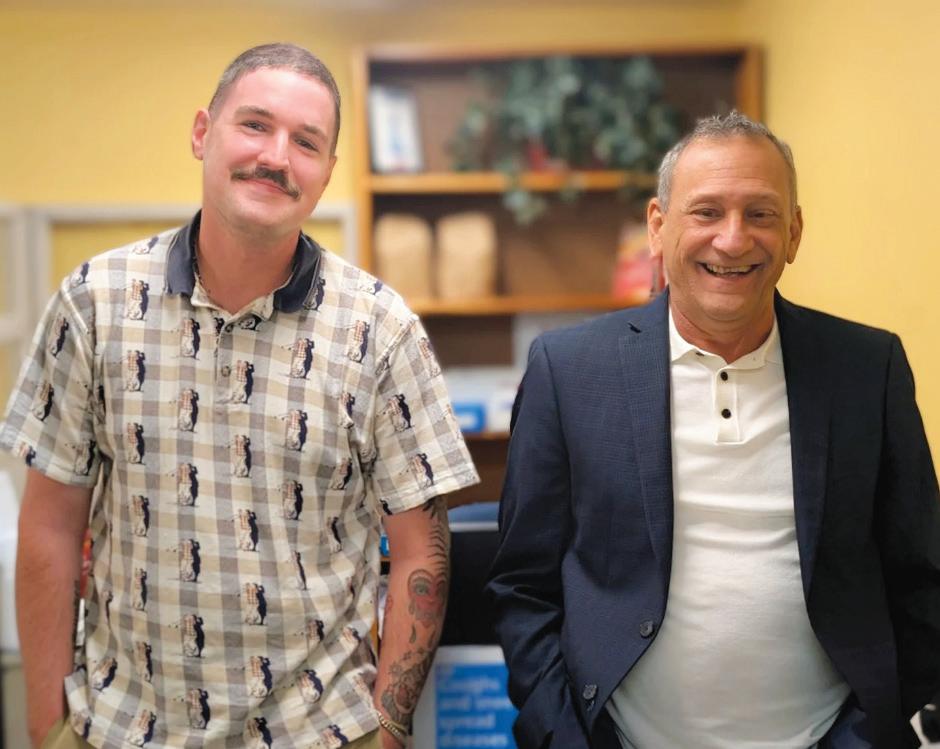
Photo credit: Emily Joyce, Board Member (l) Ashton Geswein, Program Services Assistant (r) Anthony Ehresmann, Executive Director
If you are interested in getting involved with a DBA section, please reach out to Samantha Mims
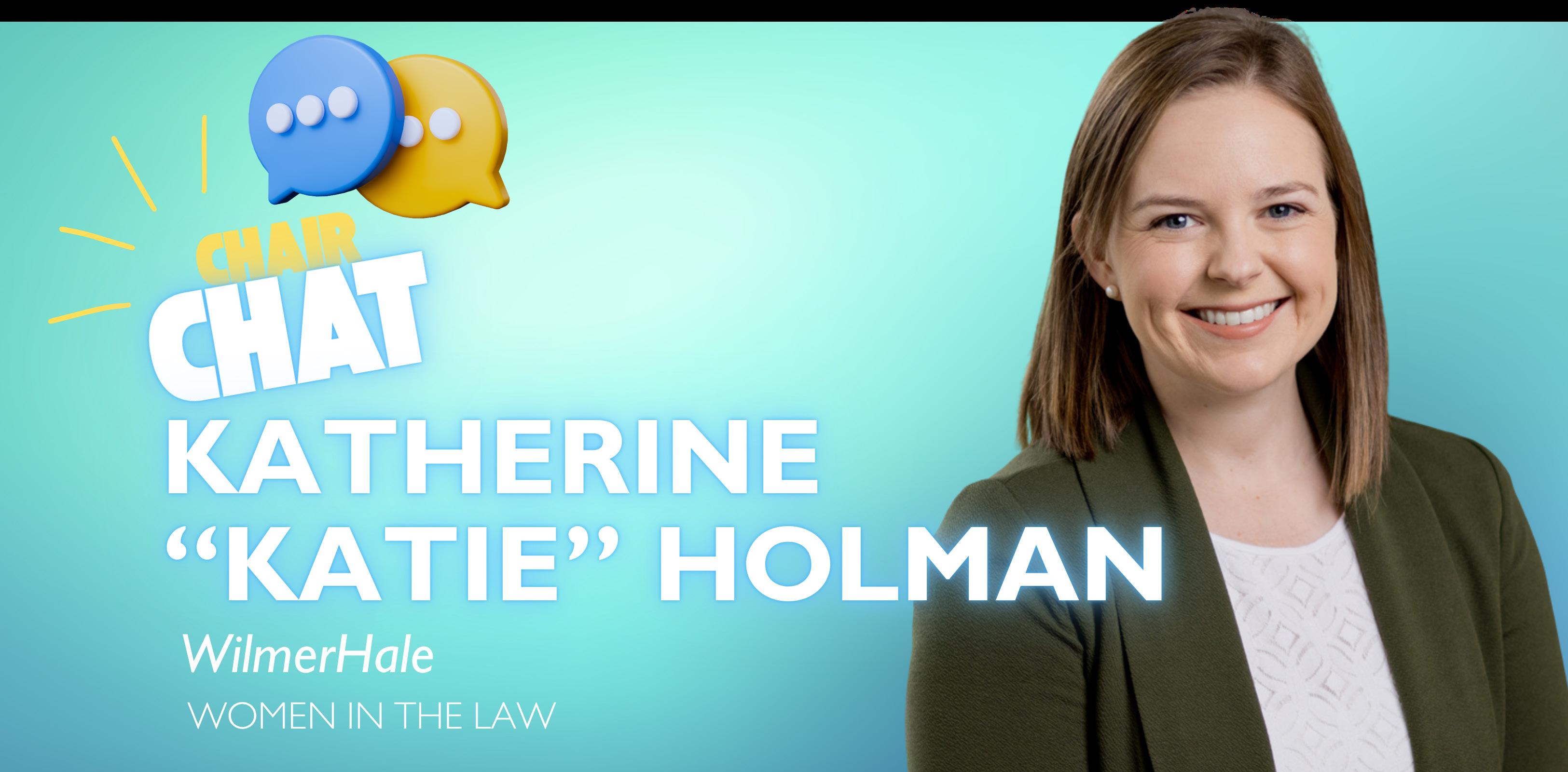
What inspired you to take on a leadership role within the DBA?
My former boss at WilmerHale, Joanna Garcia, was serving as co-chair for the Women in Law Committee and asked me if I would like to co-chair with her. From there I got the opportunity to write a couple of articles for Dayton Bar Briefs.
Name one goal or project your section is excited to focus on this year?
The past couple of years we’ve really focused on helping women in the legal field explore the trajectory of their career and focus on what’s important to them. In addition, a focus has been on including women at all stages of their legal career, from law students to those who have been in practice for decades. A goal is to continue to grow in these areas.
What’s something most people don’t know about you - outside of work?
My summer job in college, and on weekends in law school, was a Rides Operator at the Columbus Zoo and Aquarium. This involved
operating rides in Jungle Jack’s Landing, including the oldest, longest, and tallest roller coaster in Central Ohio, The Sea Dragon. Over my six years in this role I got to the point where I knew where everything was in the zoo. However, the zoo has gone through changes since I’ve worked there so it’s been fun getting to have new experiences there, such as behind the scenes tour of the sea lion and seal exhibit with my mom and siblings.
What advice would you give to a new member looking to get involved?
It sounds simple, but just show up. The DBA offers a lot of interesting events throughout the year, and the more you go to the more aware you become of everything going on with the DBA.
Anything else you’d like to share?
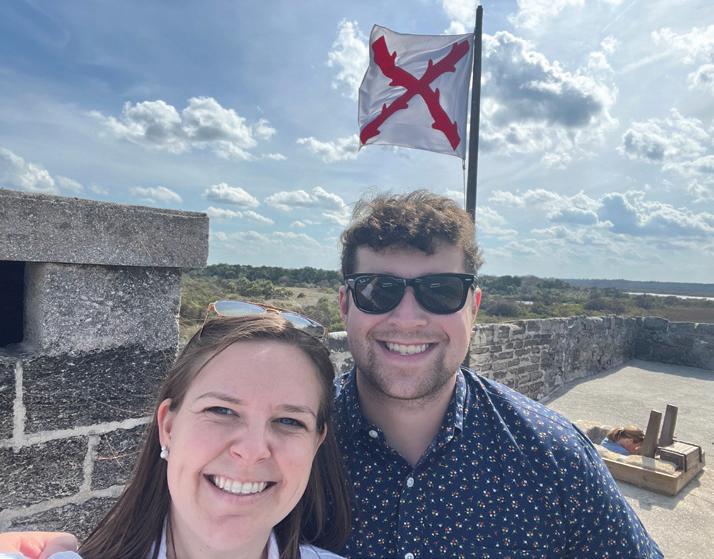
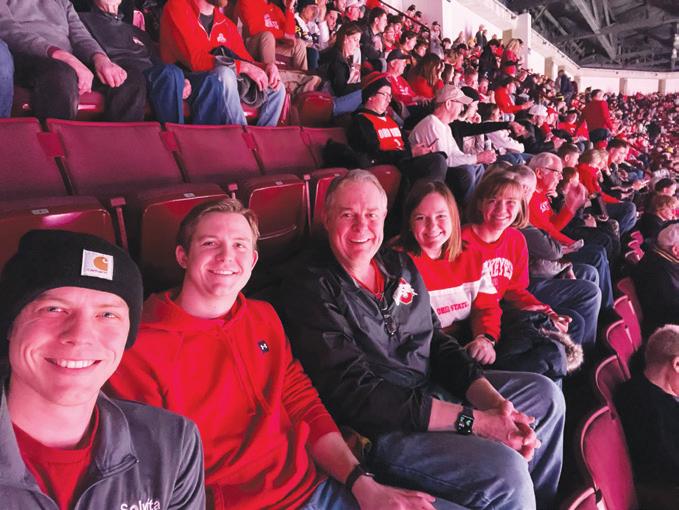
I’m a life long Ohio State fan, and love getting to go to Buckeye basketballs and football games. In addition, I’m a big history nerd, and love exploring different historical locations on vacation. Most recently, I went to St. Augustine, Florida and got to see Castillo de San Marcos and Fort Matanzas in person.



By The Honorable
Ia CaLL To serVe: ProTeCTinG THe LeGaCy of Gideon
Angelina Jackson Montgomery County Common Pleas Court - Gen Div Angelina.Jackson@montcourt.oh.gov
will begin by getting straight to the point: we need your help. I will get back to that in a moment…
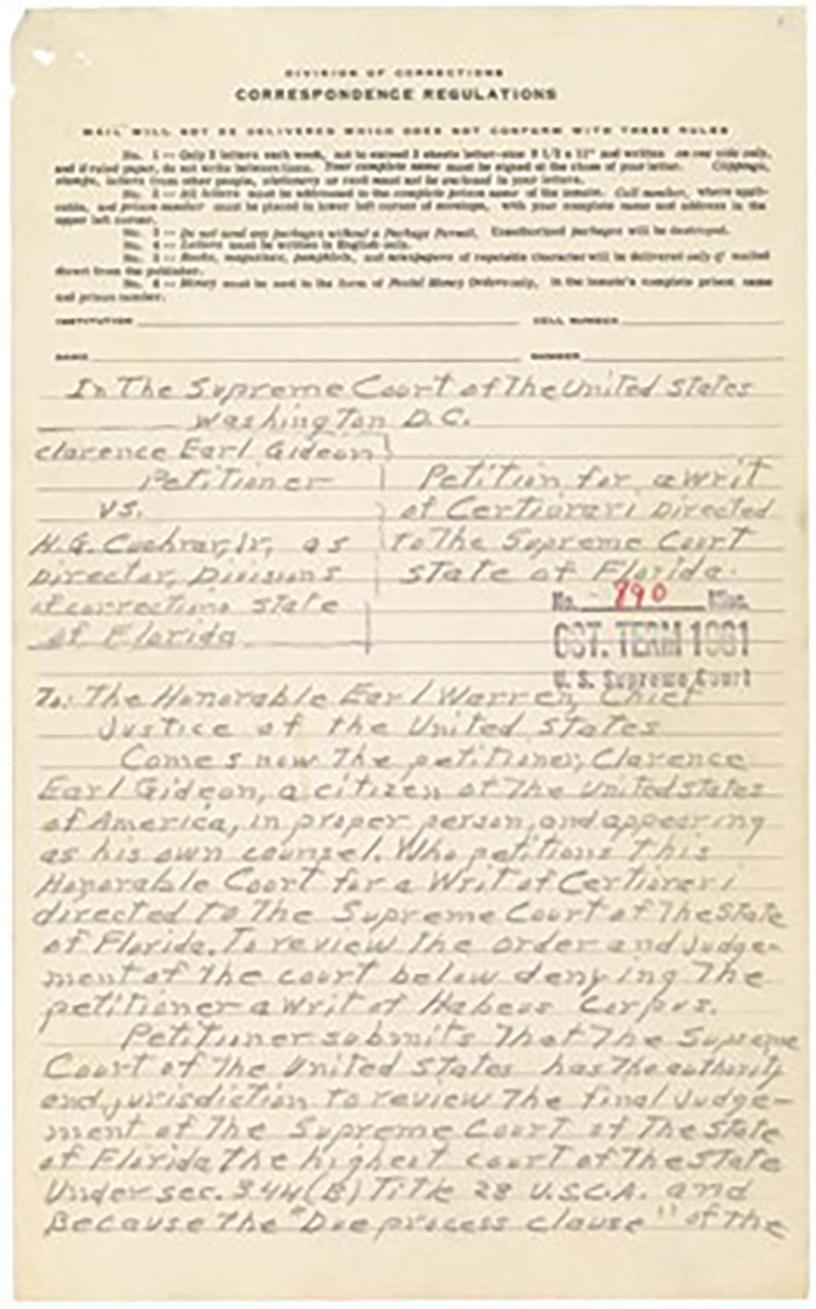
In 1961, Clarence Earl Gideon was convicted of breaking and entering after representing himself at trial. Gideon, who had an eighth-grade education, had asked the trial judge to appoint an attorney to represent him because he had no money to hire one. The trial judge denied his request because Gideon was not charged with a capital crime. So Gideon did what he could – he made an opening statement, cross-examined the witnesses against him, called his own witnesses, and made arguments to the jury. 1
The jury found Gideon guilty and he was sentenced to five years in prison.
He challenged his conviction through the state appellate courts. Unsuccessful, he filed a handwritten petition seeking review of his case in the United States Supreme Court.2
The United States Supreme Court had previously held in Betts v. Brady that refusing to appoint counsel for an indigent defendant charged with a felony offense did not violate the Due Process Clause of the Fourteenth Amendment.3 In Gideon v. Wainwright, the Court overruled Betts, stating:
[R]eason and reflection require us to recognize that in our adversary system of criminal justice, any person haled into court, who is too poor to hire a lawyer, cannot be assured a fair trial unless counsel is provided for him … From the very beginning, our state and national constitutions and laws have laid great emphasis on procedural and substantive safeguards designed to assure fair trials before impartial tribunals in which every defendant stands equal before the
"law. This noble ideal cannot be realized if the poor man charged with crime has to face his accusers without a lawyer to assist him.4
Most criminal defendants do not have enough money to hire an attorney. Statistics suggest that nationally, over 80% of criminal defendants are indigent.5
In 2025, 88% of felony criminal defendants in Montgomery County were unable to afford counsel. These individuals were represented by either a public defender or an attorney appointed by the Court.
The General Division of the Montgomery County Court of Common Pleas has an Appointed Counsel Program to assist the Montgomery County Public Defender’s Office in representing indigent criminal defendants. Ohio Adm. Code 120-1-10 sets forth the training and experience required for an attorney to take appointed counsel cases.
To request placement on the Court’s appointed counsel list, an attorney must complete an application and take the DBA’s Criminal Law Certification Seminar. Appointed counsel are compensated according to the payment schedule established by the Montgomery County Board of County Commissioners, subject to Court approval of fees and expenses.6
So back to my opening – we need your help. The number of criminal defendants who cannot afford to hire counsel is not going down. In fact, current economic conditions suggest the number will likely increase. The attorneys in our Appointed Counsel Program do an amazing job, but many of them are at capacity. We have a limited number of attorneys willing to handle murders and other high-level criminal cases, and even fewer who are certified to handle capital cases. Simply put, we need more attorneys to serve as appointed counsel. For Gideon’s promise to remain meaningful in our community, we need more attorneys willing to answer that call.
Attorneys have such a unique ability to impact the human condition. I personally believe that each of us is called upon to use that ability, in some way, to serve those who have less. While there are certainly a number of ways to fulfill that obligation, I ask each of you to consider whether appointed counsel work offers a meaningful opportunity to serve. Specifically…
To our criminal defense practitioners who do not take appointed cases – will you consider bringing your valuable knowledge and experience to the table? To our civil practitioners with experience in criminal law, will you consider handling less complex cases that would still allow you to make an impact? To our firm managers, will you consider allowing qualified attorneys to take just a few cases a year?
And to our young lawyers, I ask you to see appointed counsel work as an opportunity, not something beyond your capabilities. It is difficult when the stakes are high, imposter syndrome is lurking, and unfamiliar territory awaits. But I want you to consider these words, written by indigent defendants to the young lawyer who represented them:
ENDNOTES:
1 Facts and Case Summary – Gideon v. Wainwright, United States Courts, https:// www.uscourts.gov.
2 Apparently, Gideon’s cell mate was Joseph Peel, Jr., a lawyer and judge serving time for murder. See Jack King, Clarence Earl Gideon: Unlikely World-Shaker, The Champion (June 2012), https://nacdl.org.
3 316 U.S. 455 (1942).
4 372 U.S. 335, 344 (1963).
5 John Gross, Reframing the Indigent Defense Crisis, Harvard Law Review Blog (March 18, 2023), https://hardvardlawreview.org/blog.
6 More information can be found here: https://montcourt.oh.gov/attorneys.
I’m writing you this letter because I truly appreciate how you fought my case. Yes, I took your advice…I’ve learned that life is ten percent what happens to you and 90% how you react to it.
I appreciate you being tough, yet gracious, with me so I could take responsibility and grow from this…Your reassurance made me realize that my life isn’t “over.”
After only a few minutes of talking with you I felt as if I had the best representation I could possibly have. You are a true professional and I’m lucky to have had your help.
Thank you for your sincerity, compassion and diligence while working my case…You rock!
While appointed counsel work can be challenging, it can also be one of the most rewarding ways to develop as an attorney while making a real difference in someone’s life. If you are willing to work with us, we will work with you to find opportunities that fit your time and other constraints. Please consider helping to protect the legacy of Gideon in our community by joining the Appointed Counsel Program.

Know someone making a meaningful impact on our community through service, advocacy, or leadership?
We want to hear about them!
We are proud to reintroduce this feature highlighting legal professionals making a meaningful impact in our community.
Check out the online archives for past features: Walter Reynolds, Nov/Dec 2025
Mock Trial Volunteers, Feb 2020
Kermit Lowery, Su' 2019
Buzz Portune, Mar. 2019
Lynn Reynolds, Nov. 2018
D. Jeff Ireland, Su' 2018
Submit your nominations for consideration: Shayla M. Eggleton Director, Communications & Membership seggleton@daybar.org
Dayton Bar Foundation
Your Gift Will Help STRENGTHEN Our Foundation.
The Dayton Bar Foundation (DBF) is a 501(c)(3) charitable organization and serves as the giving arm of the Greater Dayton Legal Community. Your contribution will enable the DBF to continue to fulfill its mission of funding innovative local organizations in their quest to improve our community by promoting equal access to justice and respect for the law. In the past few years your contributions helped to fund grants to:
•adVoCaTes for BasiC LeGaL equaLiTy (aBLe)
•GreaTer dayTon VoLunTeer LaWyers ProJeCT (GdVLP)
•LaW & LeadersHiP insTiTuTe
•LeGaL aid of WesTern oHio (LaWo)
•WiLLs for Heroes I

Greater Dayton Volunteer Lawyers Project (GDVLP)
the clients You don't see: Understanding the Justice Gap in 2026
Most attorneys will never meet the majority of people who need their help. Not because those individuals don’t have legal problems—but because they never make it to a lawyer’s office in the first place. The Legal Services Corporation’s 2022 Justice Gap Report (https://lsc-live. app.box.com/s/xl2v2uraiotbbzrhuwtjlgi0emp3myz1) offers a sobering look at what is happening beneath the surface of our legal system. It reveals not just unmet need but invisible need.
The Scope of the Problem
The data is clear: civil legal issues are not rare events for low-income Americans, they are routine.
• 74% of low-income households experienced at least one civil legal problem in the past year
• Nearly 40% experienced five or more problems
• These issues most often involve basic human needs: housing, income, health care, and family safety
These are not abstract legal questions. These are eviction notices, protection orders, debt collection cases, and custody disputes; issues that shape the stability of entire families. And yet, most of these problems never reach an attorney.
The Hidden Barrier: Not Just Access—But Awareness
One of the most striking findings of the report is how rarely people seek legal help— even when the issue significantly impacts their lives. Low-income Americans seek legal help for only 25% of serious civil legal problems. Why?
Cost is part of the answer but not the whole story.
• 46% cite cost concerns as a reason for not seeking help
• More than half are unsure they could find an affordable lawyer at all.
But beyond cost, the report suggests something deeper: many individuals simply do not view the legal system as accessible or relevant to their situation. When people don’t believe the system can help them, they don’t enter it.
The Result:
A System That Operates Without Counsel
The consequence is profound. Low-income Americans receive inadequate or no legal help for 92% of the civil legal problems that substantially impact their lives. Even when individuals do seek help, legal aid organizations are forced to turn away nearly half of all requests due to limited resources. This means that courts are increasingly filled with individuals navigating complex legal processes alone, often in cases involving housing, safety, and financial survival.
Why This Matters to the Profession
For attorneys, the justice gap is not just a statistic it is a reflection of who our system is currently serving, and who it is not. It raises important questions:
• What does access to justice truly mean if most people never reach a lawyer?
• What happens to public trus when people believe the system is out of reach?
• And what role should the legal profession play in closing that gap?
These are not policy questions alone. They are professional ones.
A Practical Opportunity to Make an Impact
The encouraging news is that this is one of the few systemic problems where individual action truly matters. Because the gap is not caused by a lack of legal talent, it is caused by a lack of accessible legal time. Pro bono service directly addresses that gap. A single consultation can help someone understand their rights. A brief service can stabilize a

By Summer Hawks Esq. Executive Director, GDVLP
housing situation. Full representation can change the trajectory of a family.
And importantly, pro bono work is not one-size-fits-all. Attorneys can contribute in ways that match their schedules, interests, and experience levels.
Closing Thought
The justice gap is often described in percentages and large numbers—but at its core, it is about people whose legal problems go unheard. Not because they don’t matter. Not because the law doesn’t apply to them - but because they never had the opportunity to access it. As members of the legal profession, we have a unique ability to change that reality, one case, one clinic, one client at a time.
How to Get Involved Locally and Ways to Volunteer
Attorneys in the Dayton region have a direct pathway to help close the justice gap through the Greater Dayton Volunteer Lawyers Project (GDVLP).
• Take a Case: Full representation with mentorship available
• Advice Clinics: Provide brief, impactful guidance (often just 15–30 minutes)
• Remote Opportunities: Flexible options including phone/Zoom consultations
• Specialized Projects: Bankruptcy, housing, domestic violence, record sealing, and senior legal services
Why It Works:
• Malpractice coverage provided
• Staff support and screening included
• Training & CLE opportunities available
• Flexible time commitments
The Impact: In 2025, GDVLP:
• Closed 674 cases
• Leveraged 2,600+ volunteer hours
• Delivered over $750,000 in free legal services
LAW RELATED ORGANIZATIONS
Pro Bono Partnership (PBPO)
A Major Compliance Change: Ohio Nonprofits Risk Permanent Loss of Corporate Status
*This article presents general guidelines for Ohio 501(c)(3) public charities as of the date written and should not be construed as legal advice.
An Ohio rule change has a major impact on nonprofits
When the Ohio Secretary of State accepts a nonprofit’s initial articles of incorporation and grants the nonprofit the right to do business in Ohio, this right does not last indefinitely. An Ohio nonprofit must periodically verify that it continues to exist by filing a Statement of Continued Existence with the Ohio Secretary of State every 5 years. If a nonprofit fails to file this Statement, the Secretary of State will cancel the nonprofit’s charter, and the nonprofit will no longer have permission to conduct business in Ohio.
Historically, nonprofits could apply for reinstatement. However, following the passage of Ohio S.B. 98, which amended O.R.C. Section 1702.59, if a nonprofit fails to file its Statement of Continued Existence for two years, the Secretary of State can now permanently cancel the organization’s corporate registration, with no path to reinstatement. This change puts every organization at real risk if filings are overlooked.
Why does this matter?
If a nonprofit’s corporate existence is permanently cancelled, there is no mechanism to reinstate the organization. In most cases, the only option is to establish an entirely new entity, apply for tax-exempt status, and distribute the assets of the old entity to the new one. This is highly problematic because there are likely to be tax gaps, and these steps all cost money. In addition, the IRS is currently taking approximately 6 – 12 months to issue tax-exempt determinations, so there also will be timing uncertainty for many nonprofits.
Steps for the nonprofit and nonprofit board members
One of a nonprofit board member’s legal duties is the duty of compliance, which means the board is ultimately responsible for the nonprofit’s compliance with state and federal filing requirements. We recommend that nonprofits and their board members take these steps now:
1. Check the nonprofit’s corporate status with the Ohio Secretary of State. If the nonprofit’s Statement of Continued Existence is due, file it immediately. If it is not due yet, note the exact deadline.
2. Ensure that someone in the organization has responsibility for tracking various filing deadlines. A simple safeguard is to put this and other key compliance dates on the calendars of multiple staff and board members.
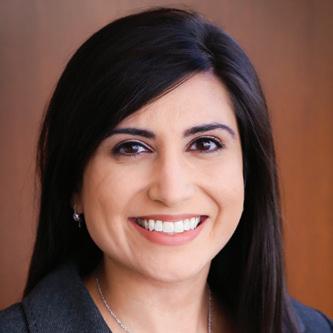
By Barkha Patel Director of Education and Senior Counsel

Co-Author: Suzanne Beck Dayton Counsel suzanne@pbpohio.org
3. Confirm that the nonprofit’s statutory agent is current and dependable. If the listed agent is outdated or no longer connected to the organization, update the information with the Secretary of State. Many nonprofits discover that their agent is a former executive director or board member and miss notices as a result.
To check a nonprofit’s current corporate status, filing due date, and current statutory agent, see the Ohio Secretary of State’s website at https://businesssearch. ohiosos.gov/
PBPO is Here to Help
Pro Bono Partnership of Ohio (PBPO) is a nonprofit organization solely dedicated to strengthening qualifying 501(c) (3) nonprofit organizations that serve the greater Dayton and Cincinnati communities by providing pro bono transactional legal services in partnership with attorney volunteers.
If you’re a member of a nonprofit board, PBPO can provide legal expertise to help maintain compliance with state and federal registration, reporting, and filing requirements. If you’re an attorney who wants to share your skills with nonprofits, you can volunteer with PBPO.
PBPO also offers educational seminars, webinars, and publications to keep nonprofits and their leaders up to date and compliant with legal regulations applicable to the operation of nonprofit corporations.
For more information, or to volunteer, visit www.pbpohio. org, or contact Suzanne Beck, Dayton Counsel, at suzanne@ pbpohio.org or directly at (937) 396-2131.

It is time to start asking uncomfortable questions: How to help someone who might be suicidal
Alawyer once shared the story of a close friend who attempted suicide at age 17 and survived. On the day he decided to die, he was visibly distressed. He hugged his father goodbye through tears, believing it would be the last time. He cried on a bus, yet no one asked if he was okay. At the bridge, still sobbing, a stranger asked him to take her picture instead of asking about his pain. He did—and then he jumped.
He later said that if just one person had asked if he was okay, he would not have done it. In the instant he jumped, he regretted it. What haunted him most was realizing in those final seconds that he wanted to live, yet his family would never know.
Why didn’t anyone intervene? Many of us hesitate. We’re taught to mind our own business. We fear saying the wrong thing, crossing boundaries, or getting involved. We may be busy, unsure, or worried about consequences.
But moments like this show why we must move past that hesitation. Asking “Are you okay?” or even “Are you thinking about suicide?” does not plant the idea—it shows care. It signals that someone noticed and is willing to listen.
Most people experiencing suicidal thoughts do not truly want to die; they want relief from pain. Often, they don’t know how to ask for help or fear what will happen if they do. A simple, compassionate question can open the door to connection and hope. It may feel uncomfortable, but it can save a life.
Suicide remains a serious public health issue and a leading cause of death, especially among young people. Legal professionals are not immune. In a profession centered on service, there is a responsibility to recognize warning signs and check in when something feels off.
Warning signs may include:
• Increased use of alcohol or drugs
• Anxiety, agitation, or reckless behavior
• Changes in sleep patterns
• Withdrawal or isolation
• Rage or talk of revenge
• Extreme mood swings
People contemplating suicide may also express thoughts like:
• “Nothing will ever change.”
• “I’m a burden.”
• “I have no reason to live.”
• “I feel trapped.”
An important truth
If someone dies by suicide, it is not your fault. You did not cause their pain or control their decision. Suicide is complex, and no single person can determine the outcome. Still, caring, asking, and listening matter deeply.

By Scott Mote. Executive Director, OLAP
The role of stigma
Mental health stigma remains a significant barrier, as judgment and misunderstanding can discourage people from seeking help, leading to silence, isolation, and worsening distress.
Stigma can cause:
• Reluctance to seek treatment
• Lack of support from others
• Belief that recovery is impossible
Reducing stigma starts with openness and understanding, as more people share their experiences with mental health challenges and recovery, reminding us that help is available, healing is possible, and encouraging others to reach out.
A shared responsibility
Legal professionals are trained to support others in difficult moments, and that responsibility extends to colleagues, friends, and even strangers—sometimes through something as simple as asking, “Are you okay?” That small act can create connection, help someone feel seen, encourage them to seek help, and potentially save a life.

What to do
Suicide prevention research highlights five key actions:
1.) Ask If someone opens up, listen without judgment. You don’t need to fix their problems. Giving someone space to speak can be powerful. It is also okay to ask directly if they are thinking about suicide. This does not increase risk—it often creates relief and encourages honesty.
2.) Be there Your presence matters. This can mean sitting with someone, talking on the phone, or simply letting them know you are available. If you cannot provide support yourself, help connect them with someone who can. Be honest about your limits—unkept promises can deepen feelings of isolation.
3.) Help keep them safe Ask whether they have a plan or access to means of self-harm. If risk is high, try to reduce access to harmful items and create a safer environment. These steps are about buying time and protecting someone during a vulnerable moment.
4.) Help them connect Encourage reaching out to trusted individuals or professional resources. Sometimes the most important step is helping someone take that next connection when they feel unable to do it alone.
5.) Follow up Checking in after the initial conversation is critical. A call, text, or message can reinforce that they are not alone. Continued connection can reduce risk and strengthen hope.
LAW RELATED ORGANIZATIONS
University of Dayton School of Law (UDSL)

Benefiting the Hon. Carl D. Kessler and the Lee C. Falke Scholarships
Monday, June 8 at 1 p.m.
NCR Country Club
Details and Register Championship South Course





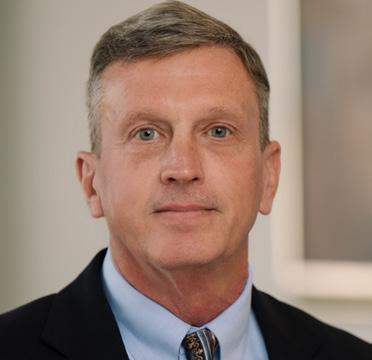
Pickrel, Schaeffer & Ebeling Welcomes Hannah Fard
Grace Branson has joined PSE as an Associate Attorney in the firm’s Litigation Department. A graduate of Bluffton University and the University of Dayton School of Law’s accelerated , 2 year, J.D. program, Grace brings experience in estate planning, corporate, real estate, and litigation, and is excited to be back in the Dayton community. She is based in the firm’s downtown office and can be reached at gbranson@pselaw.com or 937.223.1130.
Sebaly Shillito + Dyer Welcomes Gregory H. Melick as Shareholder
The law firm of Sebaly Shillito + Dyer is pleased to announce that Gregory H. Melick has joined the firm as a Shareholder.
Greg brings extensive experience in complex commercial litigation and is committed to delivering exceptional client service. He received his undergraduate degree from the University of Dayton and has maintained strong ties to the Dayton community throughout his legal career. The firm looks forward to his contributions to its continued growth and success. Members
Details daybar.org/classifieds
ASSOCIATE ATTORNEYSPARTNERSHIP TRACK
(IN-PERSON ROLE)
Dayton-area full-service firm seeks 2 full-time associate attorneys. Must be Ohio-licensed, professional, and manage independent caseload. Experience in estate planning, business law, litigation, etc. a plus. Competitive pay. Send resume, writing sample (≤20 pages), and 3 references to: officemanager@ dysingerlaw.com or Dysinger & Patry, LLC, 249 S. Garber Dr., Tipp City, OH 45373.
WILMERHALE
Discovery Solutions group is seeking lateral attorney candidates and/or entry level attorneys to join our Dayton office. Visit wilmerhale.com/careers to apply online.
-YOUR AD HERE-
Reach a focused, professional audience with a simple, effective placement. Promote your services, share opportunities, or grow your brand where it gets noticed.
If you are a member of the DBA and you’ve moved, been promoted, hired an associate, taken on a partner, received an award, or have other news to share, we’d like to hear from you!
• News of CLE presentations & political announcements not accepted
• Printed at no cost
• Must be submitted via email and are subject to editing
• Printed as space is available
Contact Shayla to submit your announcement or ad: seggleton@daybar.org | 937.222.7902