SWT/KWS Tsavo Veterinary Unit Report for April May 2026
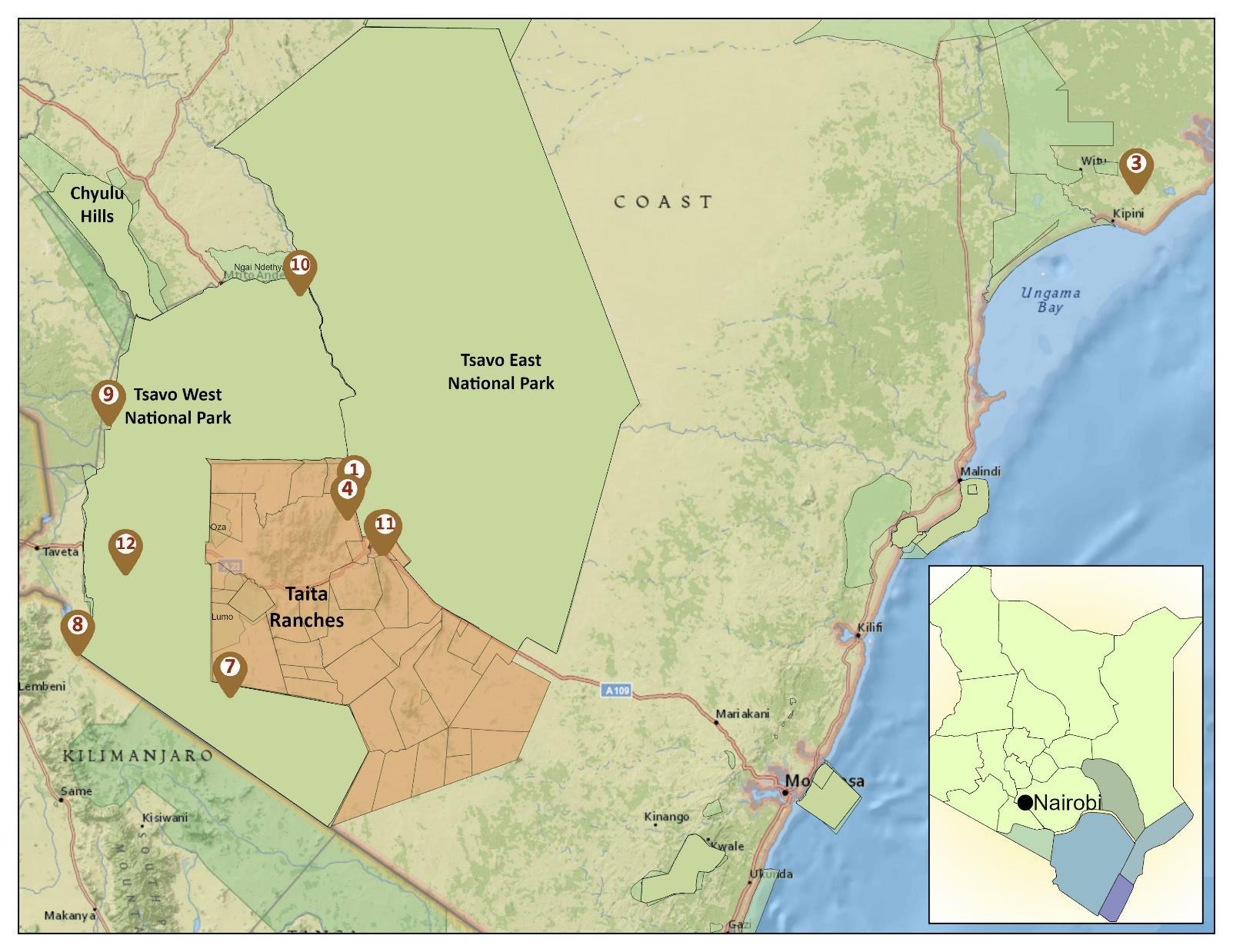
12 Cases
April and May Report by Dr. Campaign Limo
2 Poaching Cases 2 Elephant Cases
The conservation area received minimal precipitation at the beginning of the month though most water pans are still full. Most grazers and browsers still have plenty to utilize. Out of the 12 cases attended to, 2 were attributed to poaching and 4 to human- wildlife conflict (HWC).
Acknowledgement
Tsavo Mobile Veterinary Unit appreciates all stakeholders who took part in reporting and monitoring cases requiring veterinary intervention. Special thanks to Sheldrick wildlife trust for their continued facilitation to the Unit and the Kenya Wildlife Service management for their guidance and technical advice to the Unit.
Case Details
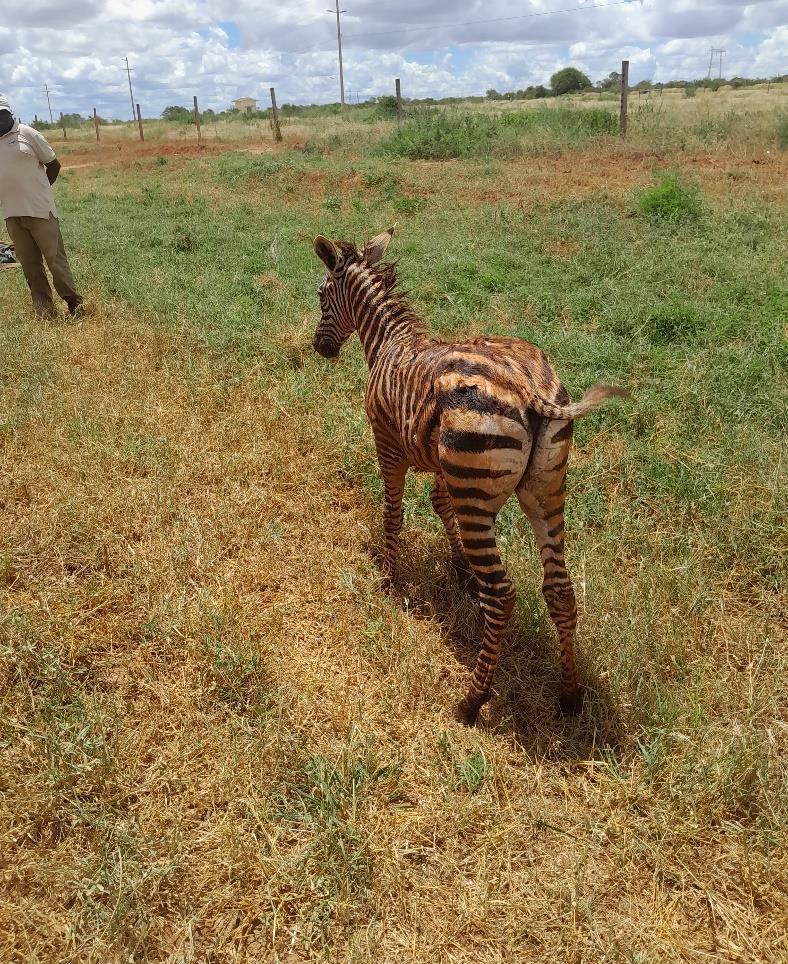
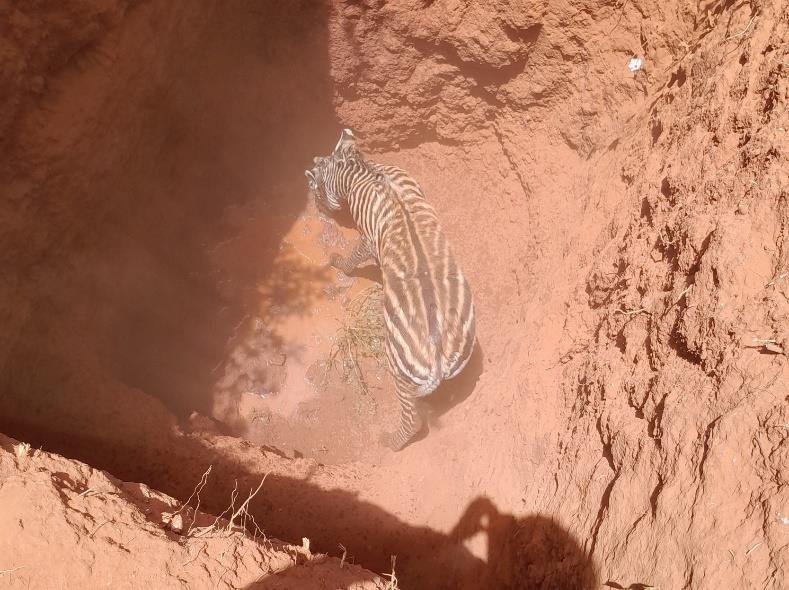
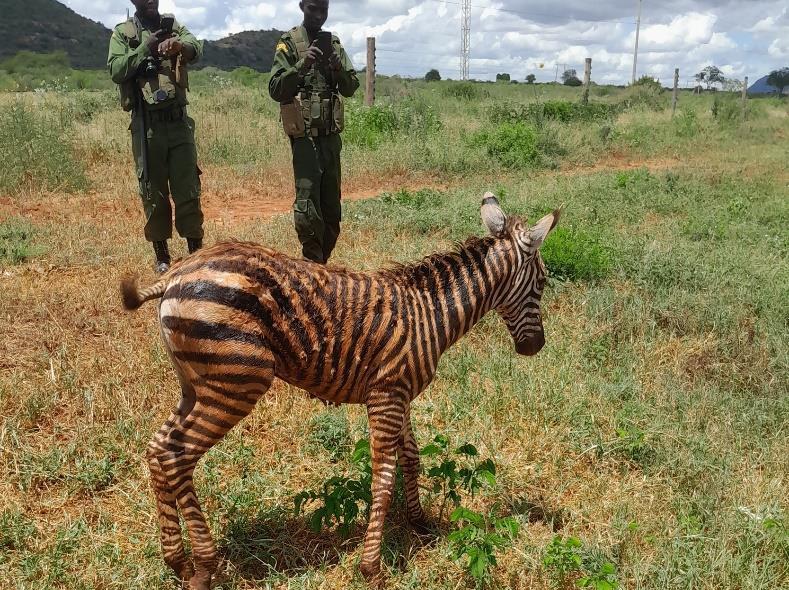
18-Apr-26 Zebra Taita Ranches HWC A zebra foal was trapped inside a 10 feet pit in Manga area Task Successful
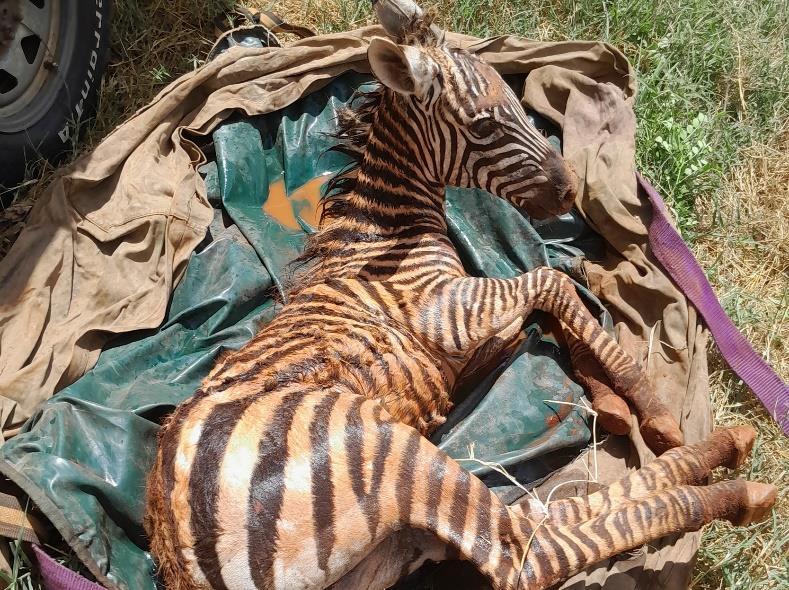
19-Apr-26 Zebra Tsavo East NP Natural Causes An injured zebra foal from an attempted predation Prognosis Poor
20-Apr-26 Zebra Kipini Conservancy Arrow A zebra with an arrow injury on the rightside of the abdomen Poaching Death
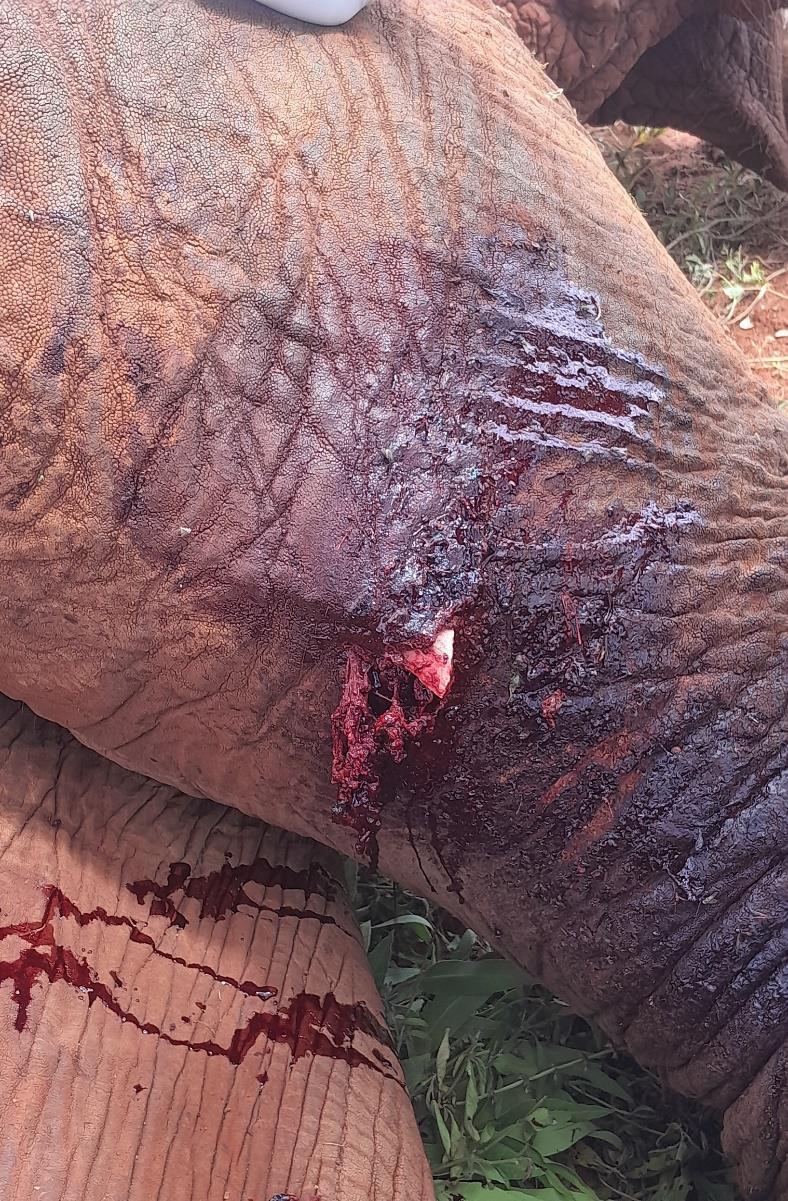
28-Apr-26 Elephant Tsavo East NP Natural Causes Examination revealed an open fracture on the right ventral radio-ulnar region Died
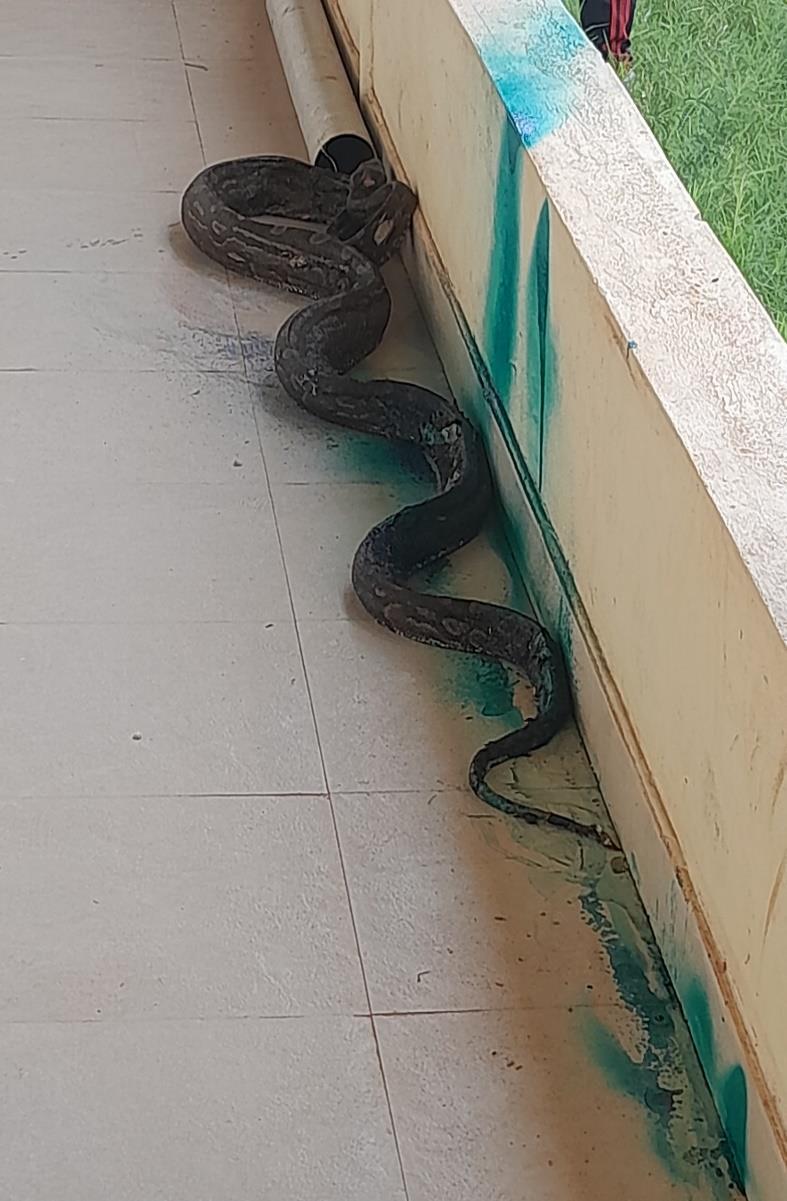
28-Apr-26 Python Voi HWC Examination revealed extensive burn wounds on the skin of the python Prognosis Poor
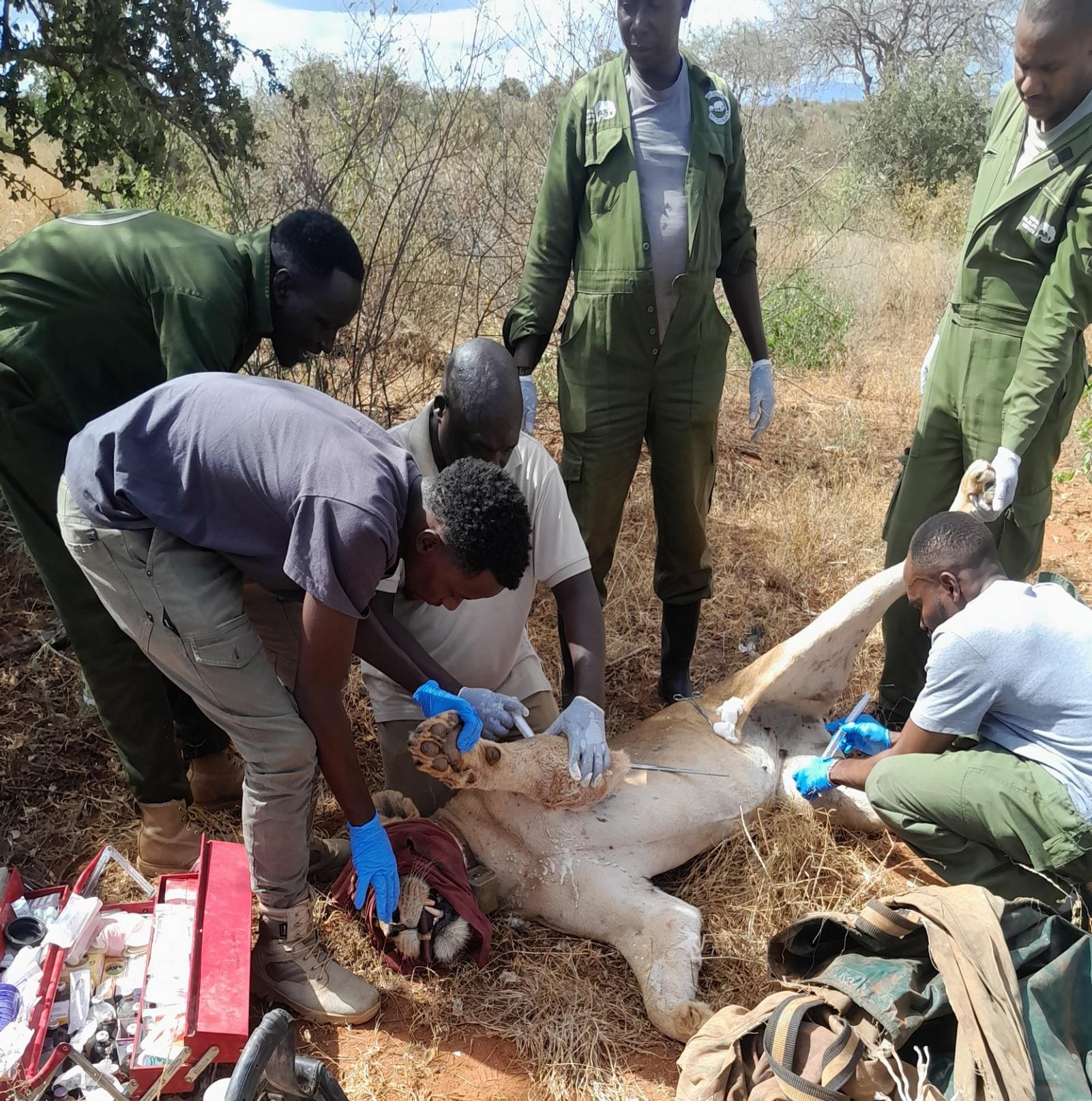
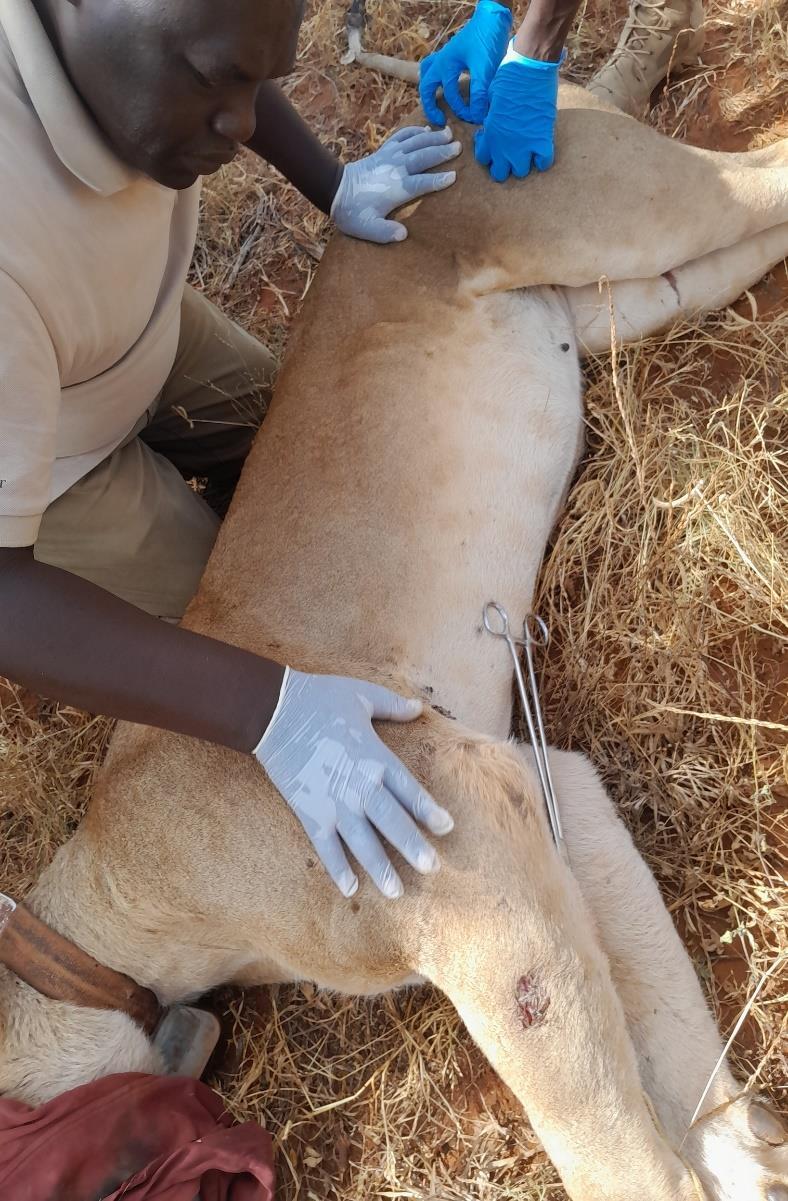
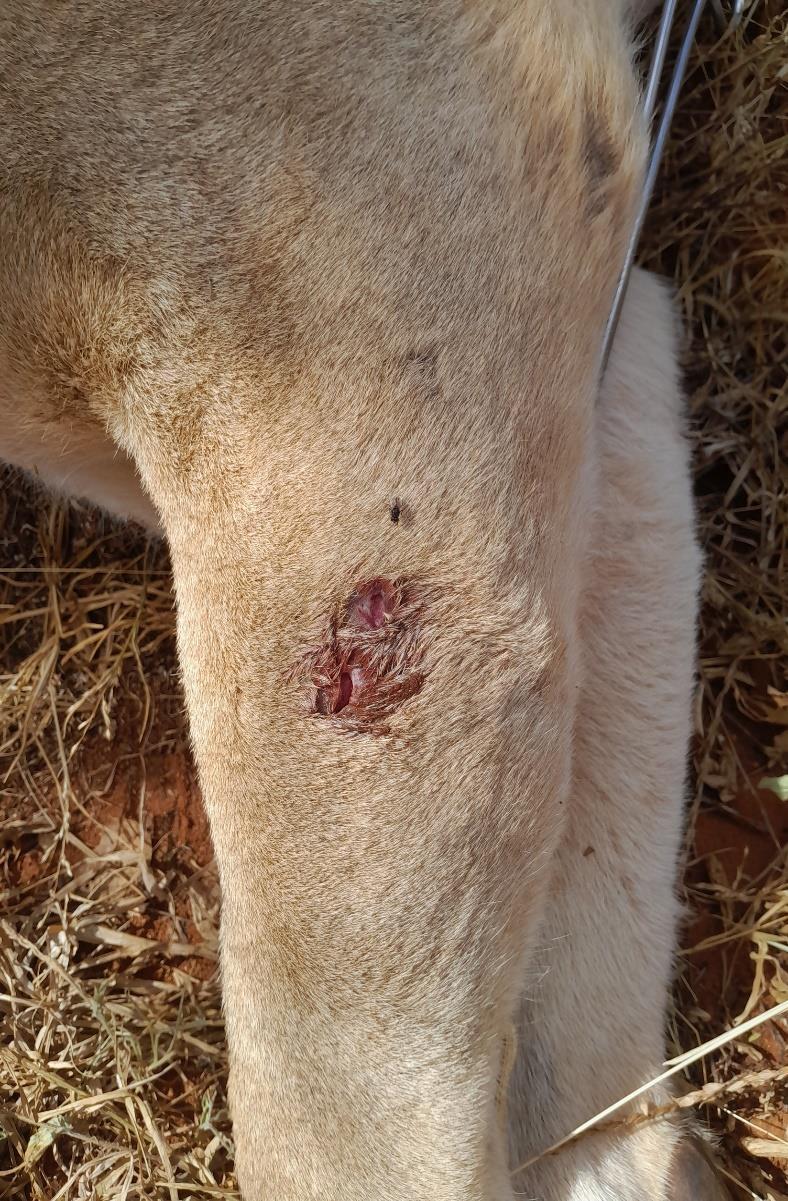
29-Apr-26 Lion Tsavo East NP Natural Causes Examination revealed multiple puncture fight wounds on the left fore-limb Successfully Treated
2-May-26 Lion Taita Ranches HWC Both lions died in close proximity, with a cow carcass nearby HWC Death
5-May-26 Lion Tsavo West NP Postmortem Both had extensive bite wound injuries Died
11-May-26 Giraffe Tsavo West NP Natural Causes Had a benign ulcerative wound at the right upper lumbar region. Successfully Treated
12-May-26 Hippo Kaluku Natural Causes He likely suffered from post-rescue stress and delayed adjustment Successfully Treated
13-May-26 Pangolin Tsavo East NP Spear Died of respiratory compromise associated with the puncture injury Poaching Death
22-May-26 Elephant Tsavo West NP HWC An elephant that was involved in an accident along the Voi-Taveta highway Prognosis Poor
April & May 2026
Zebra Human – Wildlife Conflict Manga,
Taita Ranches
The SWT De-snaring team reported a zebra foal trapped inside a 10 feet pit in Manga area.
Immobilisation, examination and treatment
The foal was immobilized successfully using a combination of 1mg Etorphine and 10mg Azaperone delivered using a dart gun from foot and it took 6 minutes for the anaesthetics to take full effect.
The foal was successfully retrieved from the pit after team effort with rangers climbing down to extract her. Examination revealed the animal was in good body condition with superficial skin bruises that were managed with topical antibiotic spray She was then taken close to her family members who were a small distance away. The anaesthesia was reversed and she rose and re-united with her family members after a few minutes. She was able to bond with her mother.
Prognosis
Prognosis is good as the foal had superficial injuries and reunited with the mother
Zebra Natural Causes Voi, Tsavo East National Park
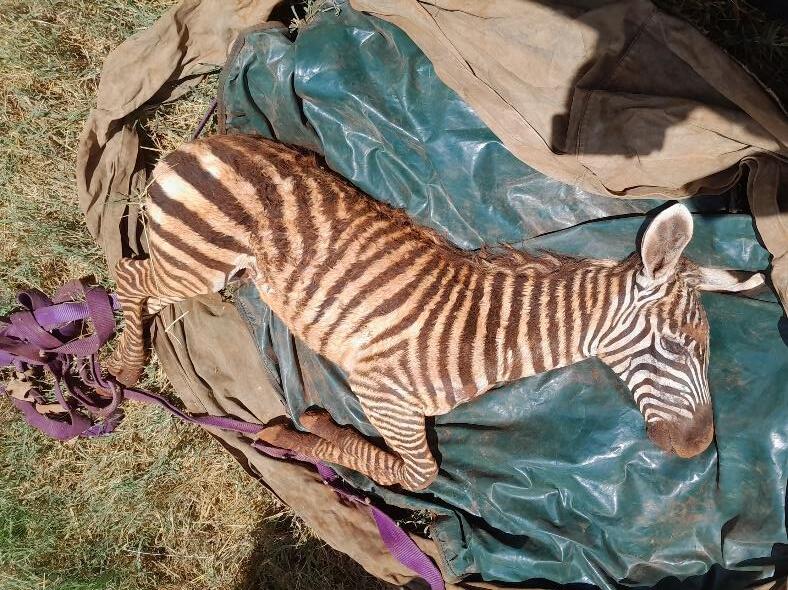
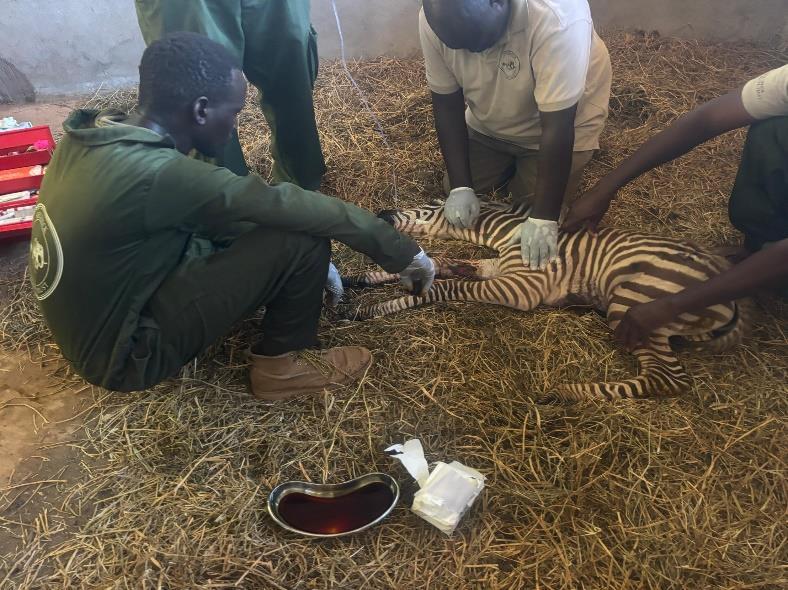
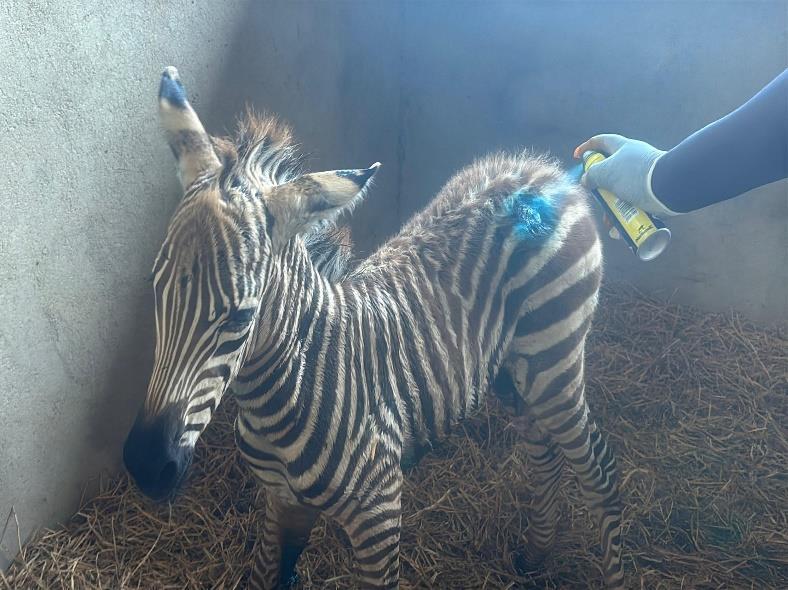
An injured zebra foal from an attempted predation was brought from Galana area to Voi Stockade for treatment. Her mother could not be traced.
Immobilisation, examination and treatment
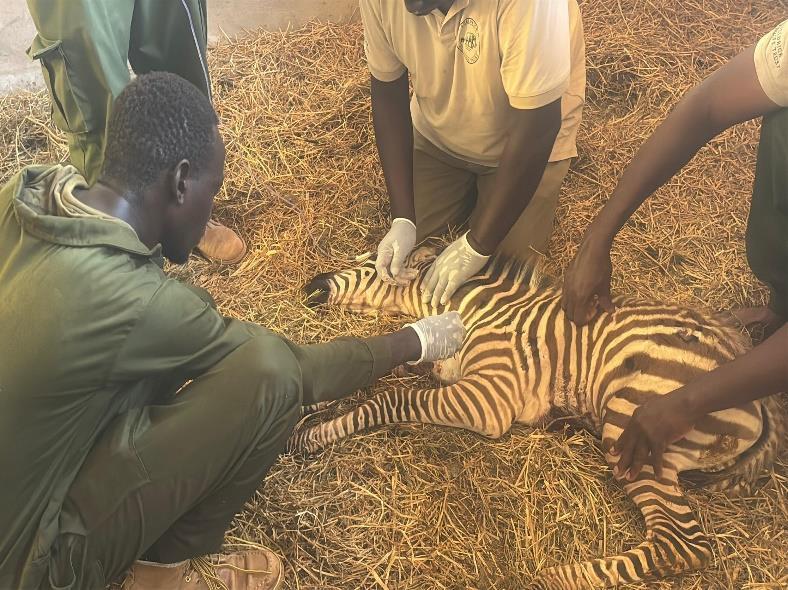
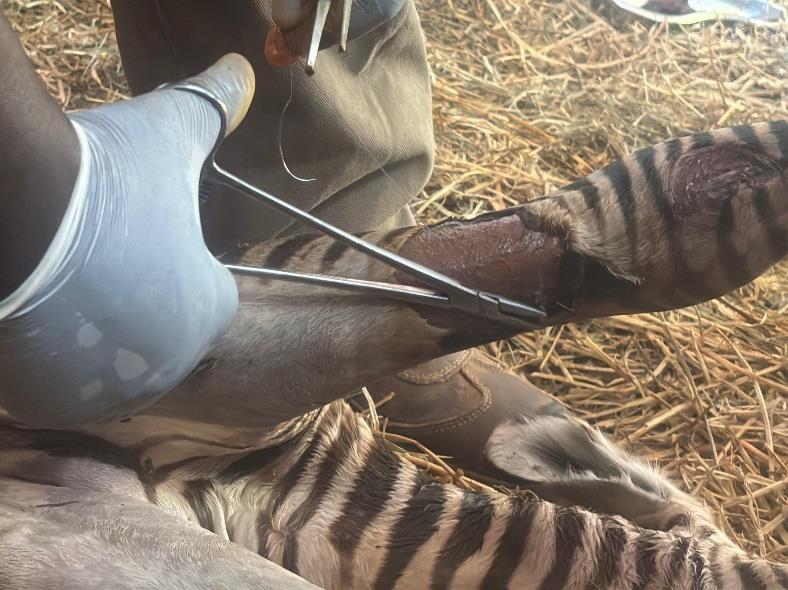
On examination, the animal was found to be in poor condition with extensive traumatic bite injuries. There was a deep laceration on the left forelimb at the radio-ulnar region and a scrape on the carpal area. He also had a degloving injury on the ventral abdominal region with some puncture injuries on the peritoneum.
He was given Dextrose intravenously to boost his energy. The wounds were then thoroughly cleaned with water and the injury at the radio-ulnar region sutured. Tincture of Iodine was infused on the wounds and an antibiotic spray applied.
In addition, he was given Amoxicillin antibiotic and Dexamethasone anti-inflammatory both administered parenterally.
Prognosis
Prognosis is guarded. .
Case 3 – 20th April 2026
Zebra Arrow Kipini conservancy, Lamu
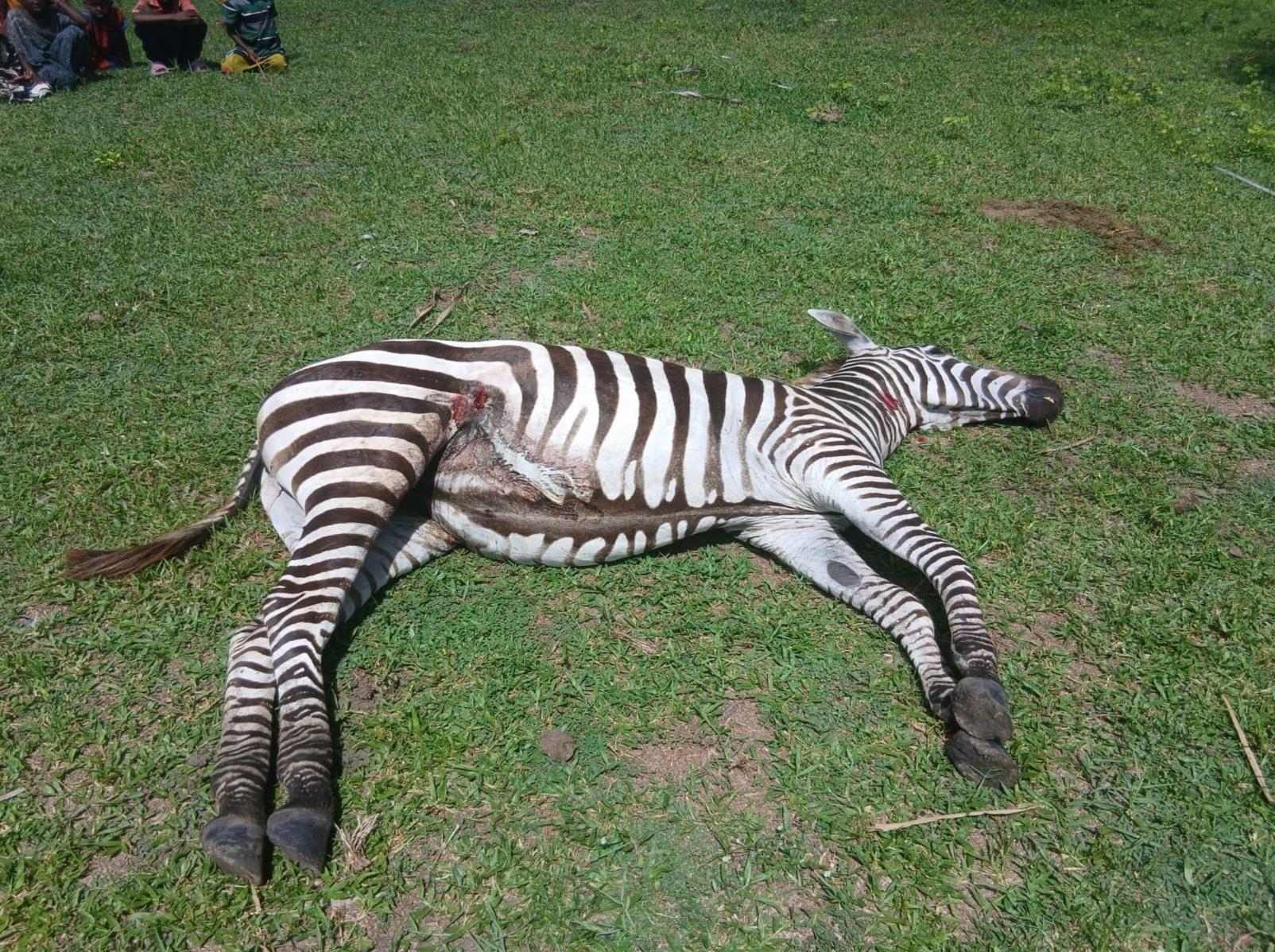
A zebra having an arrow injury on the right-side abdomen was reported in Kipini conservancy.
Immobilisation and examination
The animal was successfully restrained chemically using a combination of 5mg Etorphine hydrochloride and 50mg Azaperone delivered remotely through a 1.5 cc Dan inject dart. Darting was done from foot and it took 4 minutes for the drugs to achieve full effects.
Examination revealed a penetrating wound on the side of the right abdomen with ingesta leaking out. The injury was suspected to have penetrated the caecum. There was no visible foreign object externally as the arrow shaft had since fallen.
Prognosis and management
The animal was euthanized on animal welfare grounds due to the grave prognosis associated with such injuries and to alleviate her from further suffering.
Postmortem examination was conducted and an arrowhead was found in the caecum. There was also a marked peritoneal contamination.
Elephant Natural Causes Ndii, Tsavo East
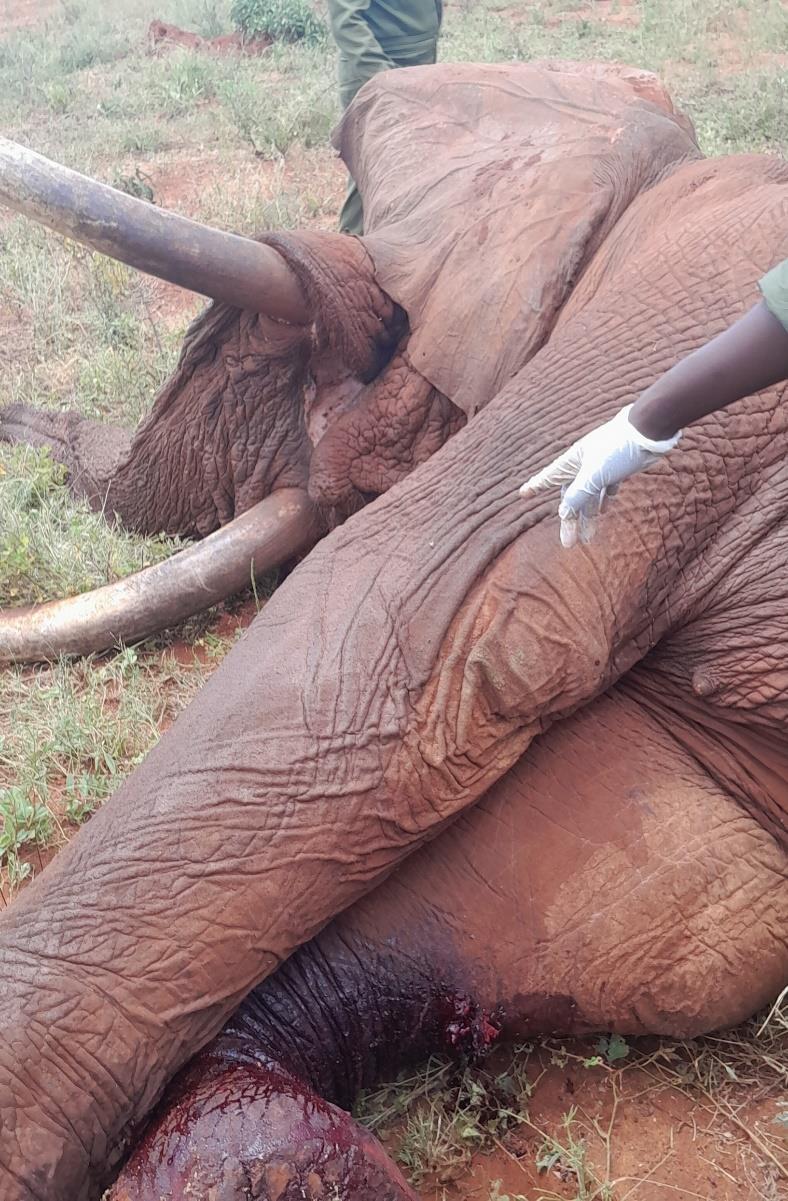
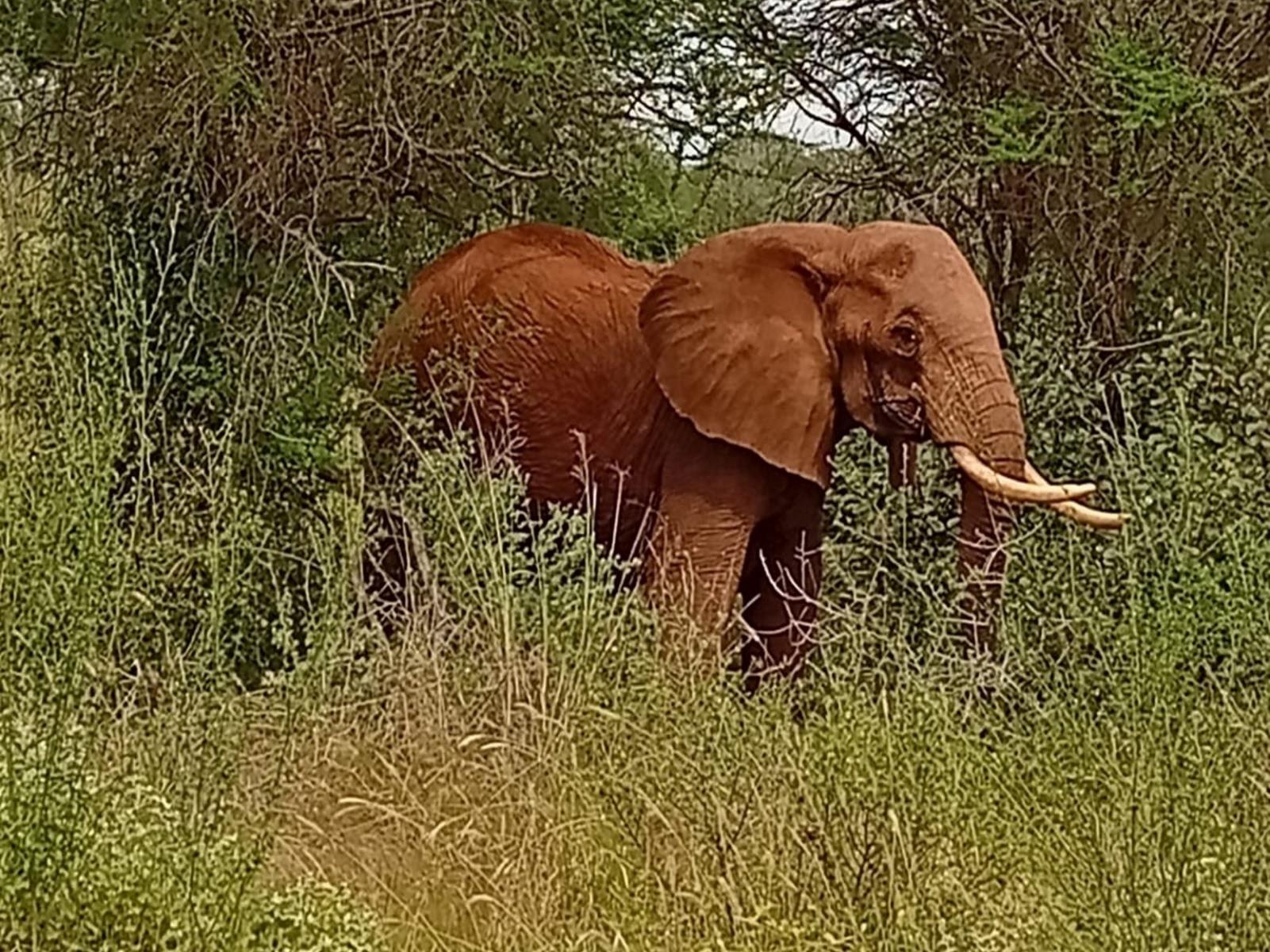
KWS officers in the Ndii area reported a bull elephant with an open injury on his right forelimb
Immobilisation and examination
The bull elephant was successfully put into narcosis using 20mg Etorphine hydrochloride. Darting was done from a vehicle, and it took 10 minutes for the anaesthesia to achieve its full effects.
Examination revealed an open fracture on the right ventral radio-ulnar region. The radio-ulnar region was swollen and deformed. On further examination, it was discovered that there was complete fracture of radius and ulnar bones.
Prognosis and management
The animal was euthanized on animal welfare grounds due to grave prognosis of such injuries. Post-mortem of the injured part was conducted and the findings were; comminute fractures on the radius and ulnar bones. No foreign object was retrieved.
Both elephant tusks were intact and were extracted and taken for safekeeping by KWS officers.
Python Human – Wildlife Conflict Voi,
East
A python suspected to be having burn wound injuries was brought by the KWS officers to Voi Veterinary office for examination and treatment.
Immobilisation, examination and treatment
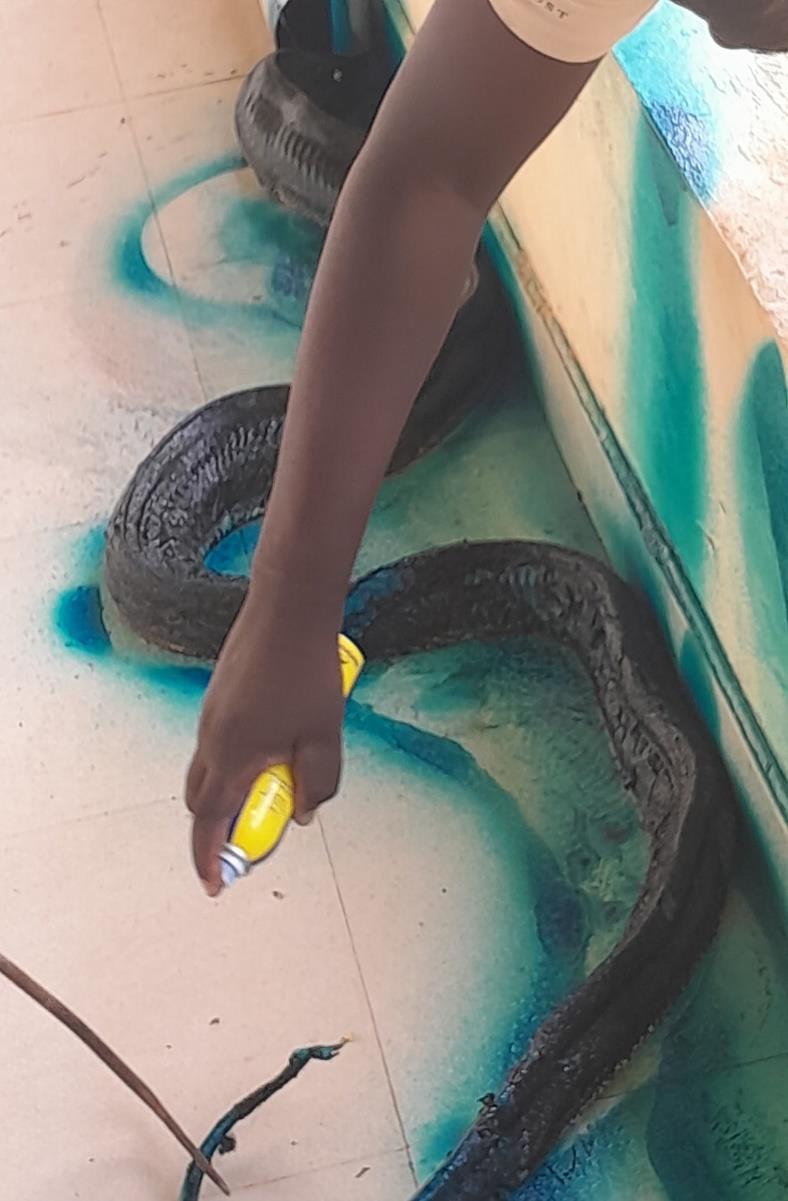
Examination revealed extensive burn wounds on the skin of the python from head to tail. There were degloving injuries and the animal was in bad condition. The injuries were suspected to have been caused by scalding with hot water.
An antibiotic spray was applied on the burn wounds of the snake and in addition he was given Amoxicillin antibiotic parenterally.
Prognosis
The prognosis is guarded to grave.
Tsavo
Case
Lion
Natural Causes
Pipeline, Tsavo East National Park
Tsavo Simba Team on their daily monitoring of their collared lions, noticed that one of the lionesses was limping in Pipeline area near Voi Safari lodge. They reported the case to TMVU.
Immobilisation, examination and treatment
The lion was immobilized successfully using a combination of 5mg Medetomidine and 200mg Ketamine delivered remotely in a 3cc Dan inject dart. Darting was done from the vehicle, and it took 10 minutes for the anaesthesia to achieve full effect.
Examination revealed multiple puncture fight wounds on the left forelimb at the carpal and radio-ulnar region. There were also puncture wounds at right femoral region and the lower back. The wounds were thoroughly cleaned using water and debrided with Hydrogen peroxide. They were thereafter dried and infused with Iodine. An antibiotic spray was then applied on the cleaned wounds. In addition, she was given Amoxicillin antibiotics and Meloxicam analgesic parenterally and Ivermectin parasiticide subcutaneously.
Prognosis
The prognosis is good.
Case
Lion Human – Wildlife Conflict Lualenyi, Taita Ranches
A report was made to the Tsavo Mobile Veterinary Unit about two lion carcasses found in close proximity to a partly devoured cow carcass at Lualenyi Ranch.
Postmortem examination
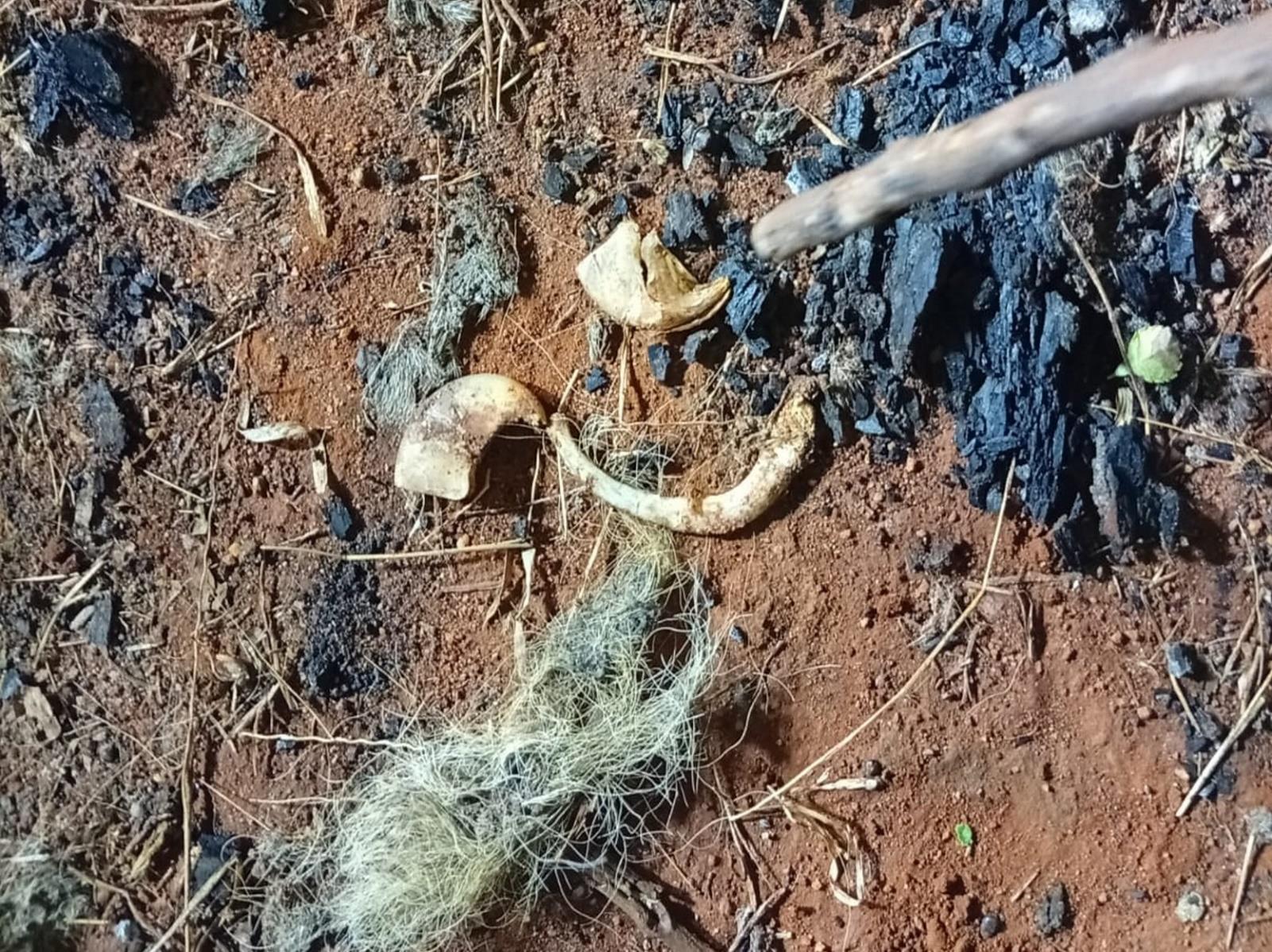
Remains of two lion carcasses were found at the location, one completely incinerated with two claws, pieces of skin, fur and bony parts remaining. A partially burnt telemetric device was recovered and details showed it belonged to a recently collared male lion. The other carcass was approximately 5m from the incinerated carcass and belonged to a lioness. The skeleton and cranium were partly intact. All the soft tissues were scavenged. A carcass belonging to an adult cow was recovered about 20m from the lion carcasses. The analysis showed they all died approximately 2-3 weeks prior to this examination. This is supported by tracking records that showed the last signal transmitted from the collared lion was received on 17th April 2026.The collar ceased functioning after being burned. A comprehensive postmortem could not be done due to the state of the carcasses. No intact internal organs were available for laboratory analysis including toxicology.
Prognosis and management
Attempted concealment of one carcass by incineration highly suggests human involvement. This is most likely a retaliatory act due to livestock predation with poisoned meat left out for the predators to consume.
Case
Lion
Postmortem
Lake Jipe, Tsavo West NP
A request for post- mortem examination to determine the cause of death of two lion carcasses which were in close proximity in the Lake Jipe area was made to the TMVU office.
Postmortem examination
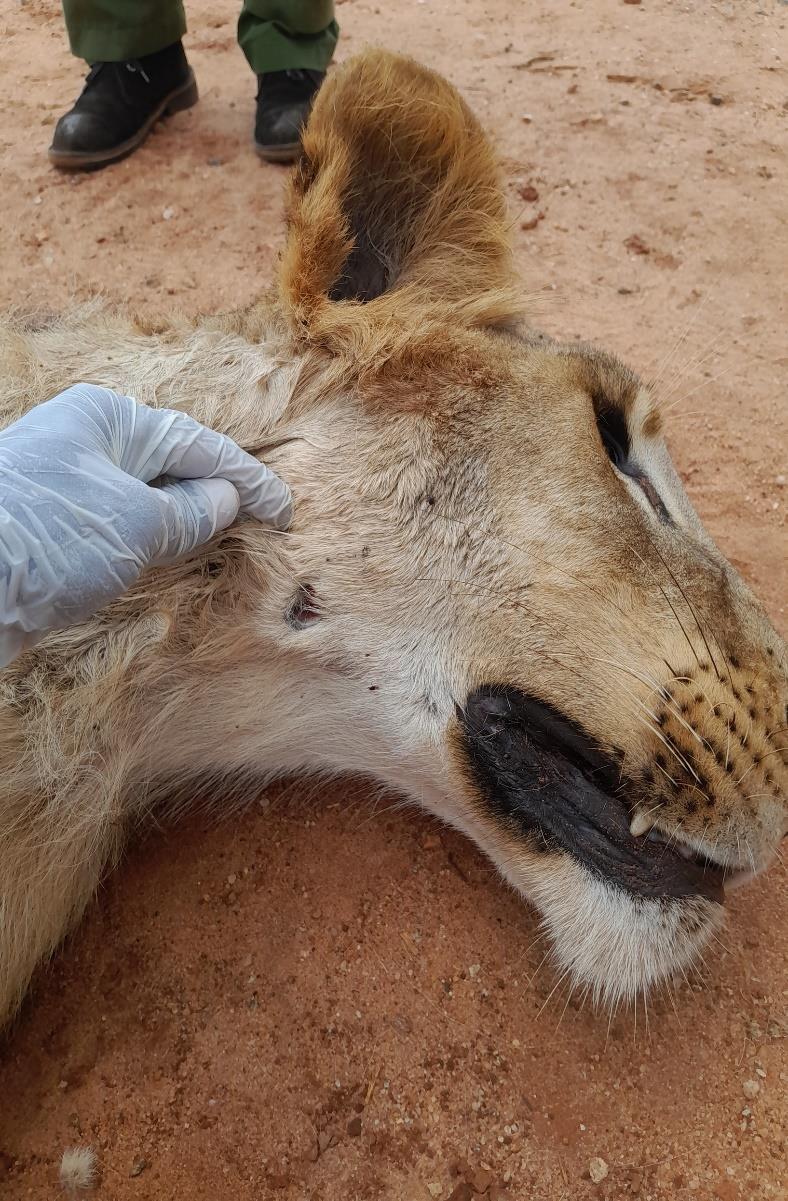
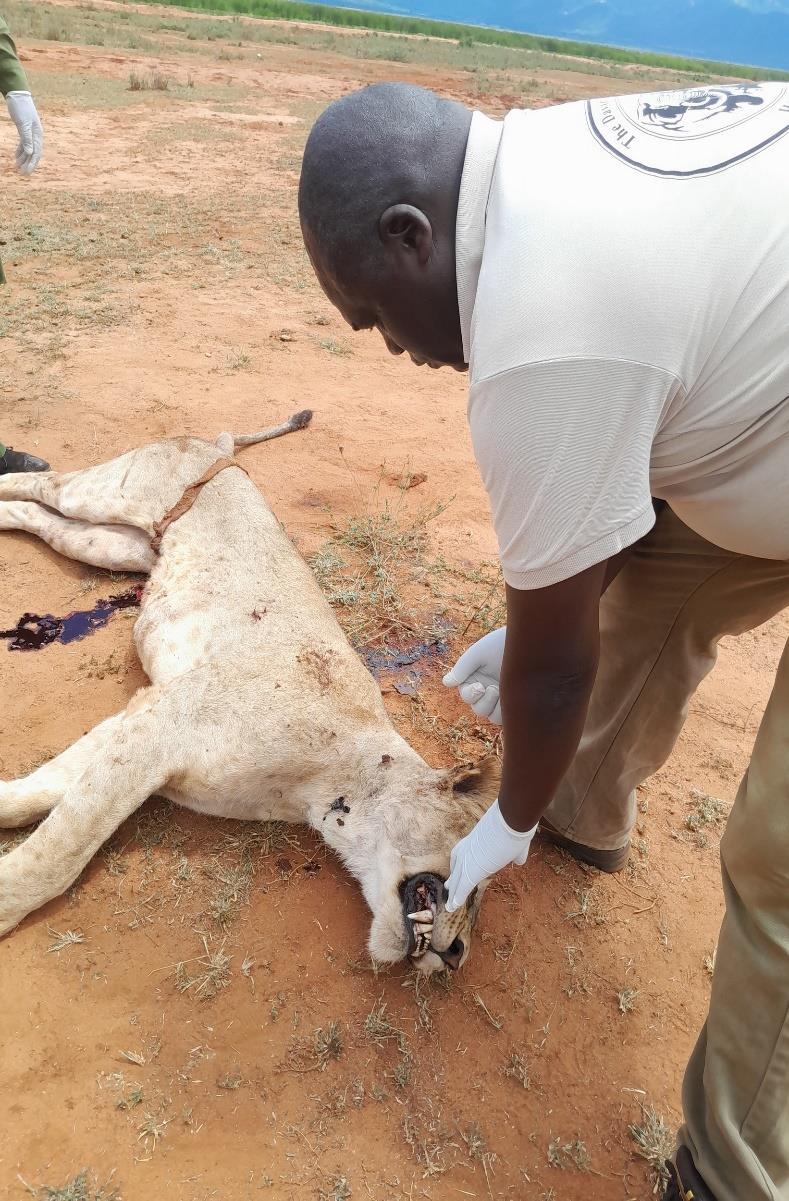
The lions were juveniles aged between 2/2.5 years, and they were likely of the same litter. They died 44 metres apart and the age of the carcasses was about 24 hours. Both had extensive bite wound injuries.
The female had a fatal bite injury at the ventral cervical region with fractured cervical vertebrae bones, puncture wounds at the right and left lateral cervical region and the right caudo-lateral thoracic region. There was scavenging activity with the stomach missing.
The male was in poor body condition and had a fatal bite injury at the cervical region with fractured cervical vertebrae bones. The was a puncture wound at the right lateral sternum. The stomach was empty. He also had a pre-existing completely fractured right femoral neck.
Cause of death
Both died as a result of fatal bite wounds likely caused by a marauding male lion.
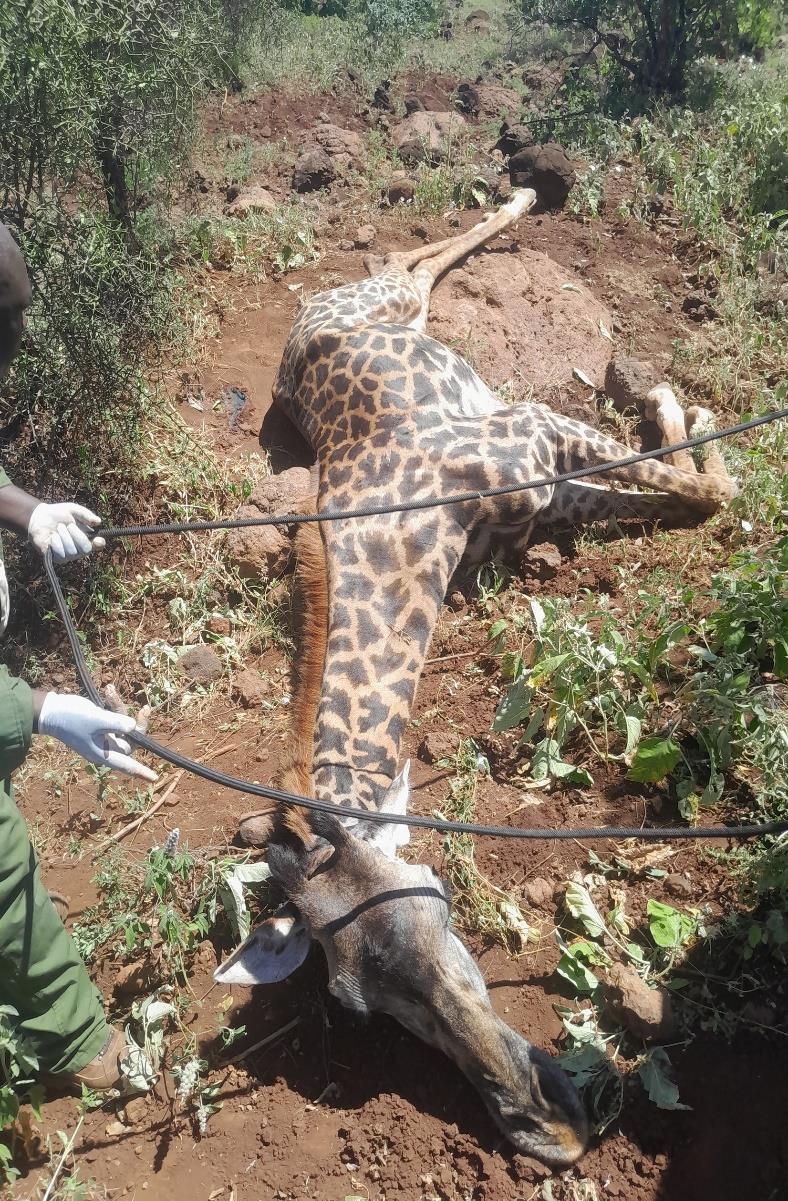
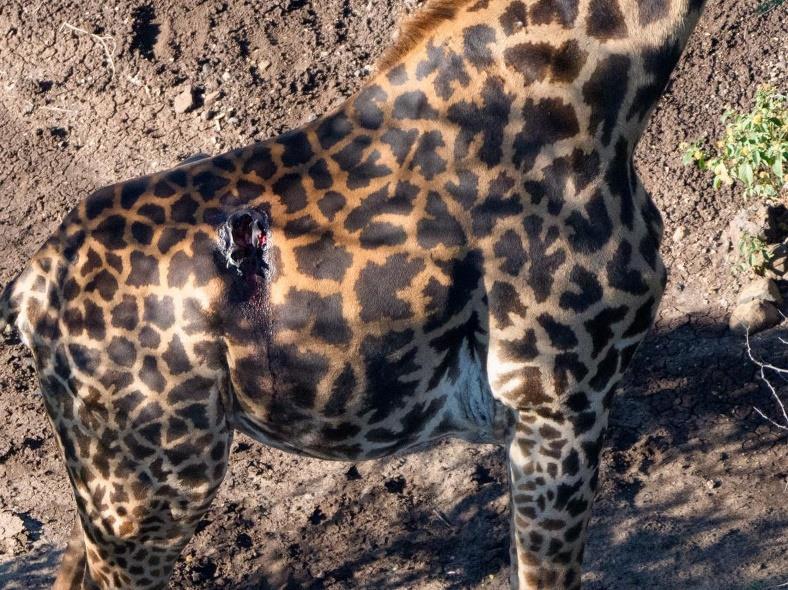
Giraffe Natural Causes Rombo, Tsavo West National Park
A SWT helicopter doing a patrol in Rombo area spotted a giraffe with an injury to the back and reported it to the Unit immediately.
Immobilisation, examination and treatment
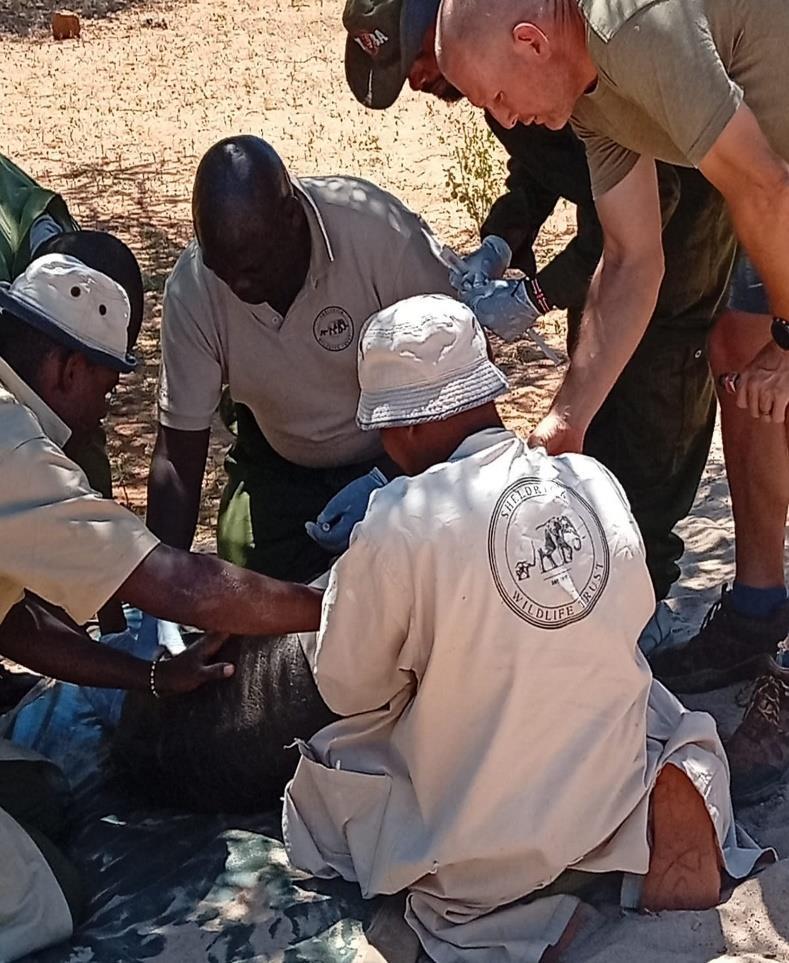
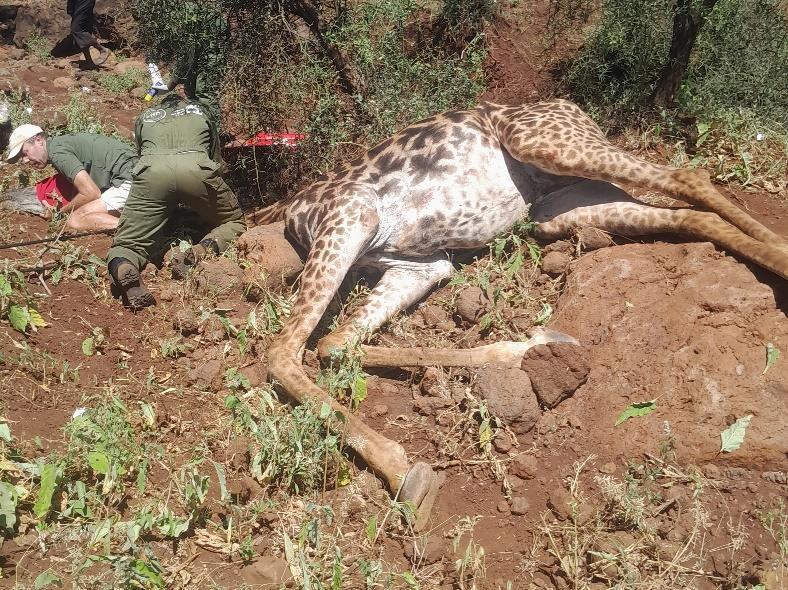
The giraffe was successfully immobilised using a combination 13mg Etorphine hydrochloride and 50mg Azaperone Darting was done from the helicopter, and it took 10 minutes for the anaesthesia to achieve its full effects. After successfully and safely roping down the animal, she was reversed immediately from narcosis then restrained manually.
Examination revealed that she had a benign ulcerative wound at the right upper lumbar region. The wound was cleaned thoroughly with water, flushed with Hydrogen peroxide infused with Iodine then sprayed with an antibiotic topical spray In addition, she was given Amoxicillin antibiotics and Ivermectin parasiticide,
Prognosis
The animal was then released and she rose immediately and walked away. Prognosis is good. The animal was in good body condition, and the benign wound was treated.
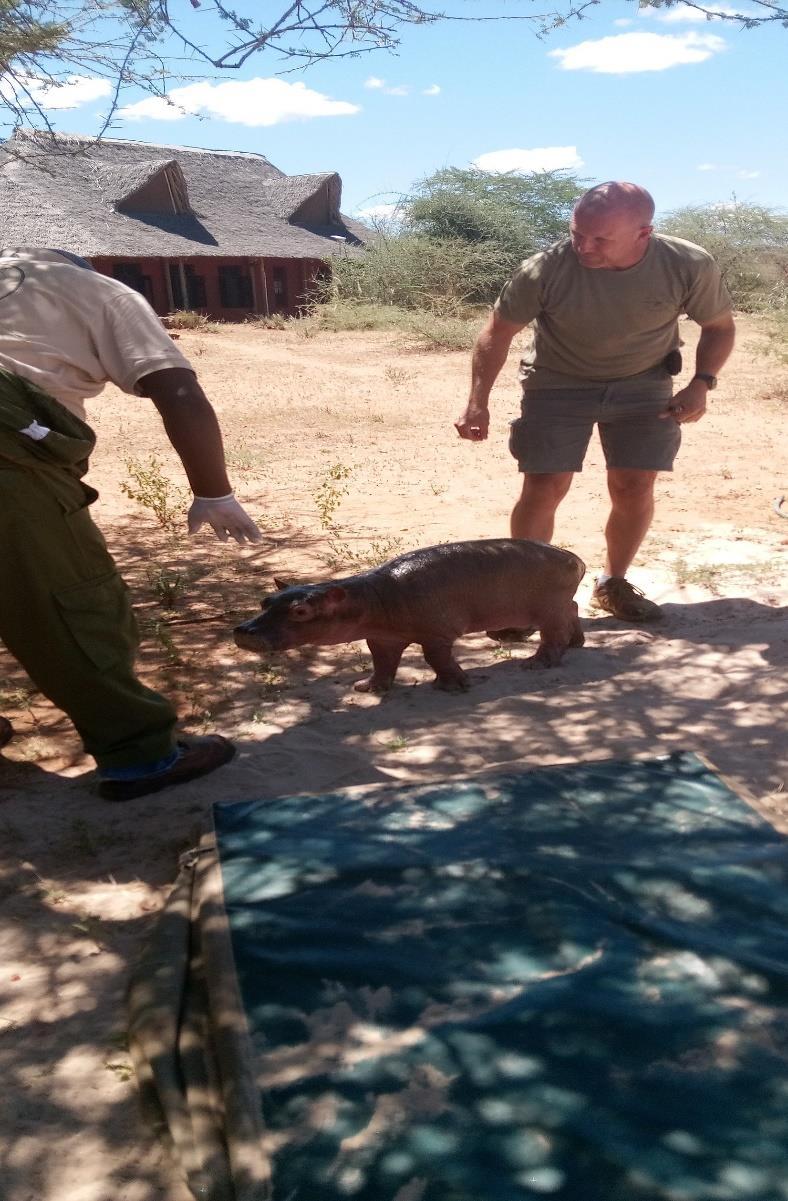
Hippo Natural Causes Kaluku, Tsavo
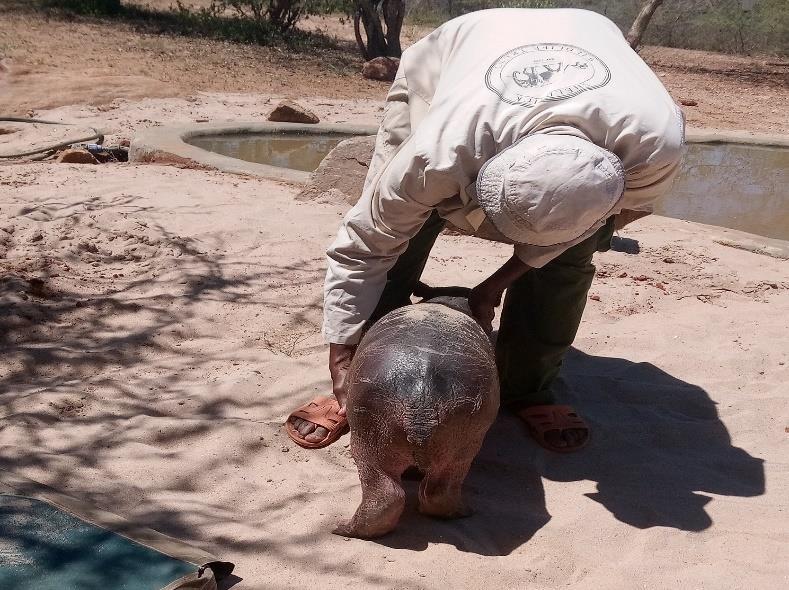
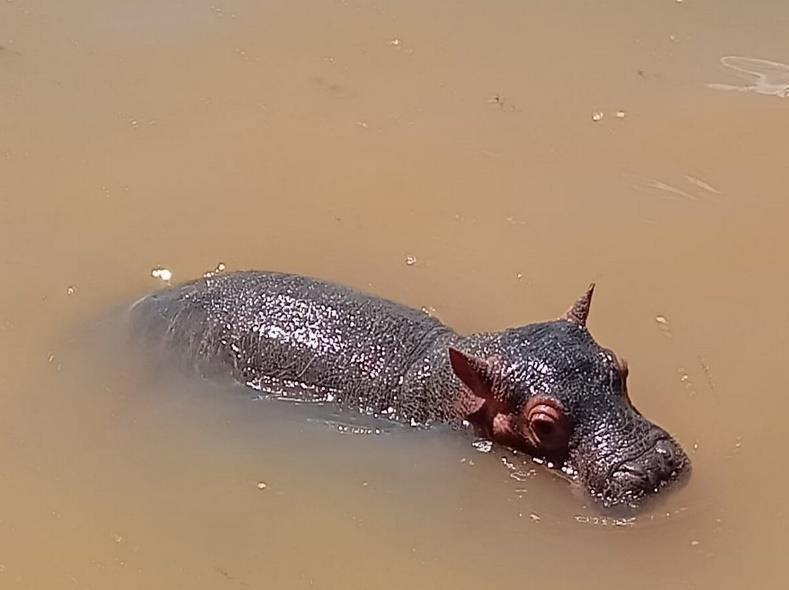
The hippo calf had been rescued by KWS rangers from Naivasha and brought to SWT Kaluku orphanage. The calf was found next to the floating carcass of his mother. The animal keeper in charge of the calf noted a decrease in appetite and activity.
Immobilisation, examination and treatment
The calf was physically restrained with the help of its animal keepers and the Veterinary team.
On examination, the calf was relatively inactive and responsive. The calf had healed bruises on both the left and right lateral aspects of his caudo-thoracic region and dorsal spine. He likely suffered from post-rescue stress and delayed adjustment to the environment The calf was treated parenterally with Amoxicillin antibiotics, Dexamethasone anti-inflammatory and Vitamin supplement.
Prognosis
Prognosis is good The animal was in good body condition and boosted by the treatment offered.
Pangolin Spear Voi, Tsavo East NP
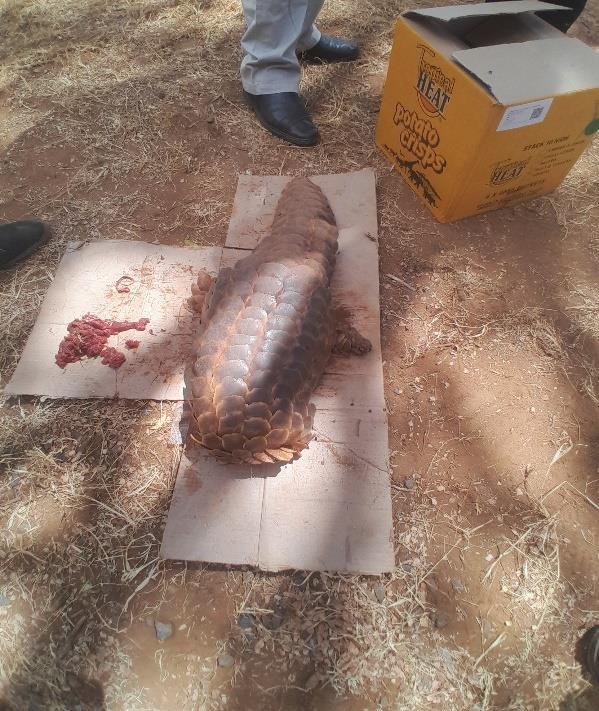
A giant ground Pangolin carcass was brought by the KWS officers to the Voi Veterinary office for postmortem examination to determine the cause of her death.
Postmortem examination
• All the body parts were intact
• It was an adult female pangolin
• There was some early-stage maggot on parts the skin surface.
• The carcass was relatively fresh, less than 72 hours old
• There was a puncture injury on the right side of diaphragm
• The right lung had collapsed
Cause of death
The pangolin died of respiratory compromise associated with the puncture injury on the diaphragm. The injuries could have been caused by humans through spearing.
The skin and the scales were intact and were taken by the KWS officers for safeguarding.
Case
An elephant that was involved in an accident along Voi-Taveta highway the previous night was reported limping.
Immobilisation, examination and treatment
The elephant was found a short distance from the accident scene and was observed from a short distance. General examination revealed the elephant was limping on the right forelimb which was swollen. There was also a suspected fracture of the left hindlimb. However, it was struggling to bear weight on all the four limbs. It was also feeding reluctantly. She was suspected to have suffered a degree of internal injuries as well.
It was concluded that the elephant had sustained soft tissue injuries with a suspected fracture of the left hindlimb. It was suggested that she be monitored closely for further consultations before next action taken.
Prognosis
Guarded to grave. The extent of internal injuries could not be determined compounded by reduced ambulation.