May 2026
Postmortem
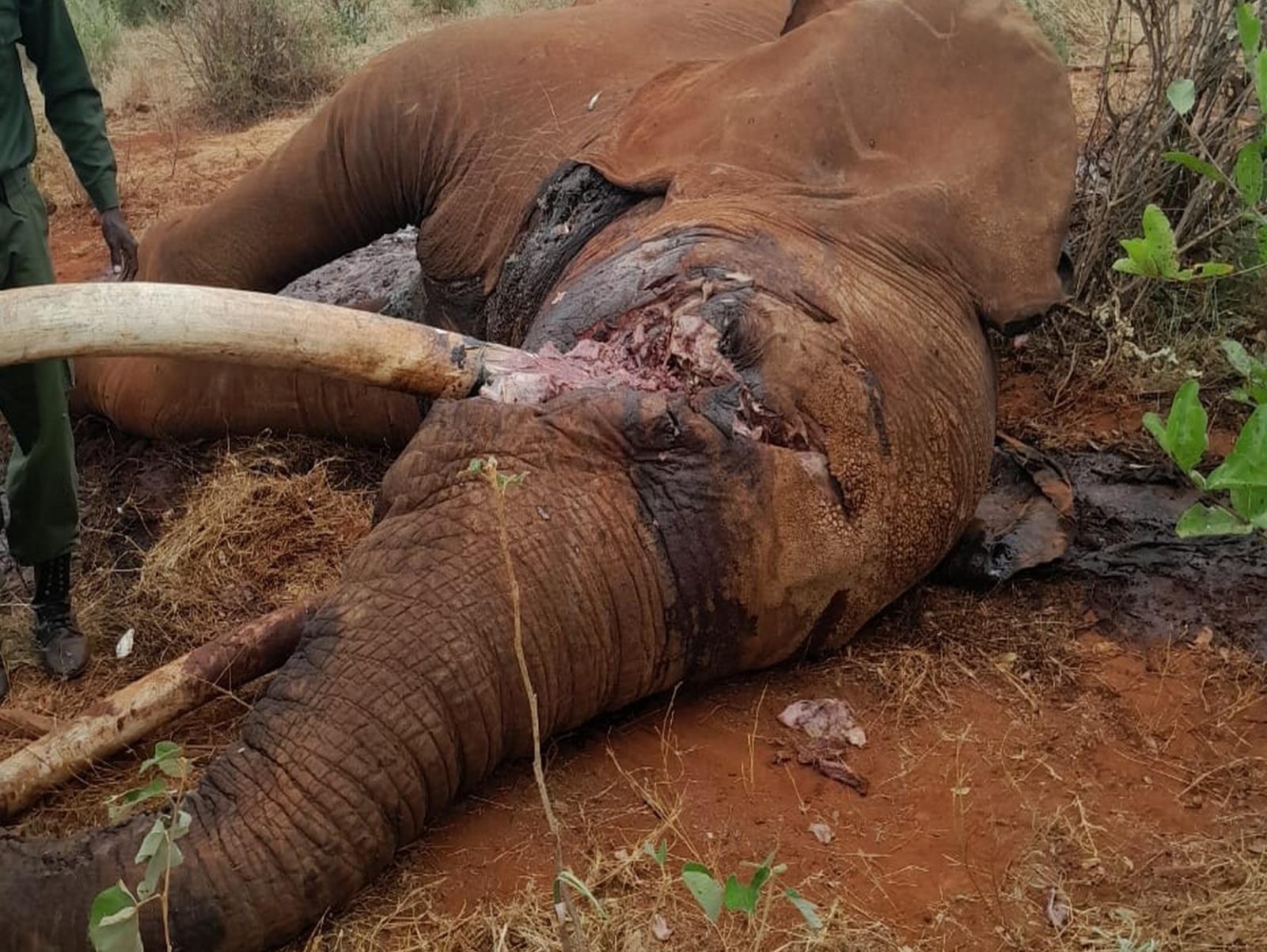
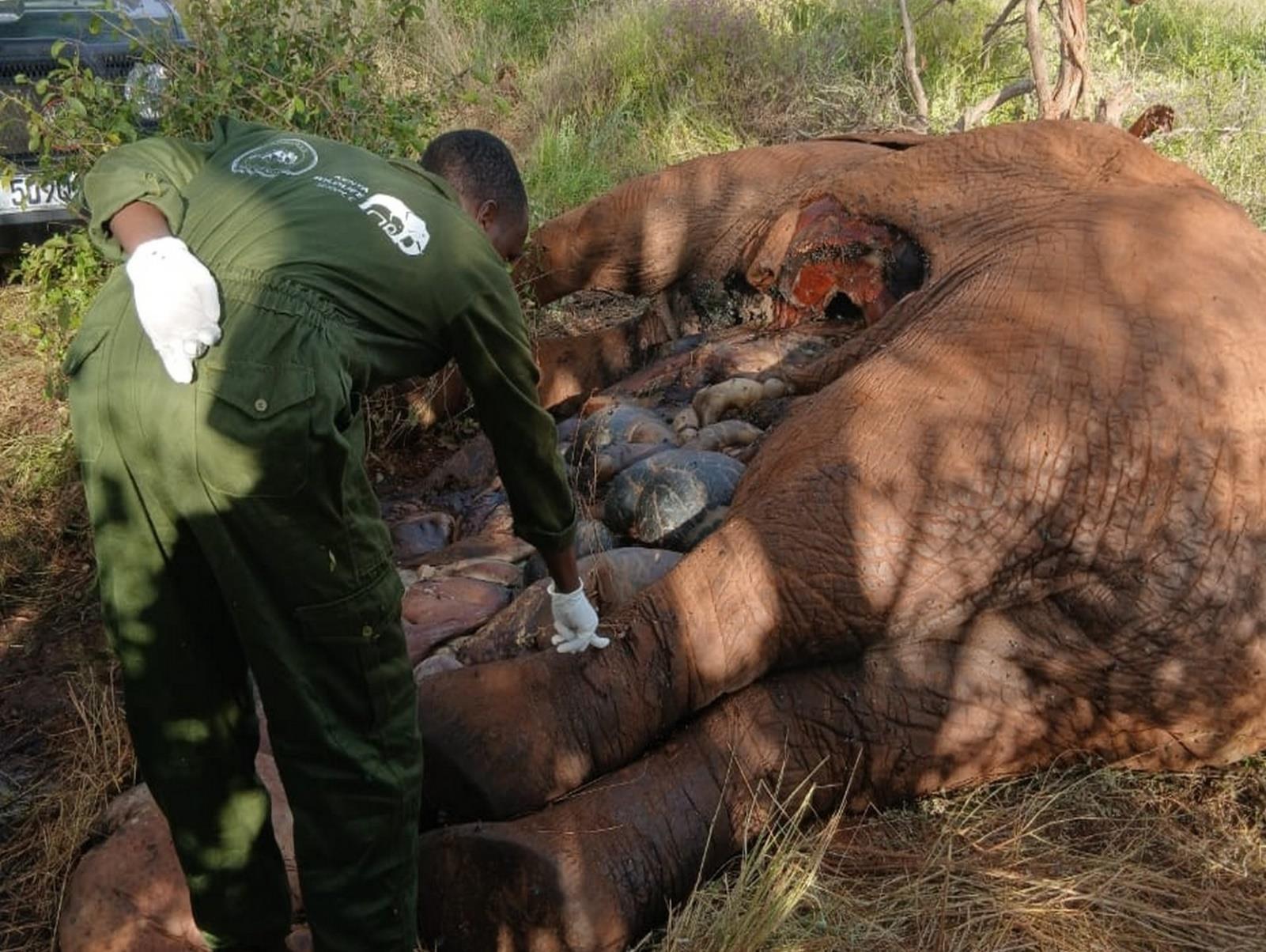
This elephant carcass was found by the SWT/KWS de-snaring team during routine patrols. SMVU was requested to help determine the cause of death.
Postmortem examination
• The carcass was bloated and was on left lateral recumbency
• The carcass was in advanced stages of decomposition with progressed entomology hierarchy
• There was an opening on the inguinal and axillary area of the carcass with signs of scavenging
Cause of death
The elephant carcass was in advanced stages of decomposition, as a result, the cause of death of the elephant could not be determined.
Both tusks were intact and were retrieved by the KWS Bura team for safe custody.
Tsavo East National Park
Giraffe
Natural Causes
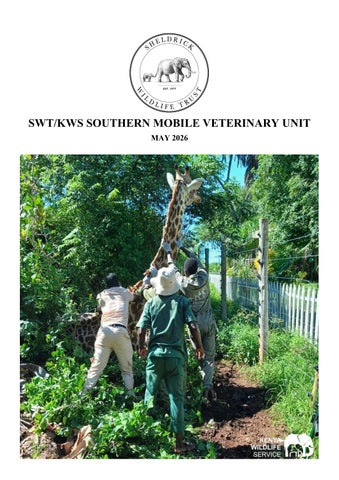
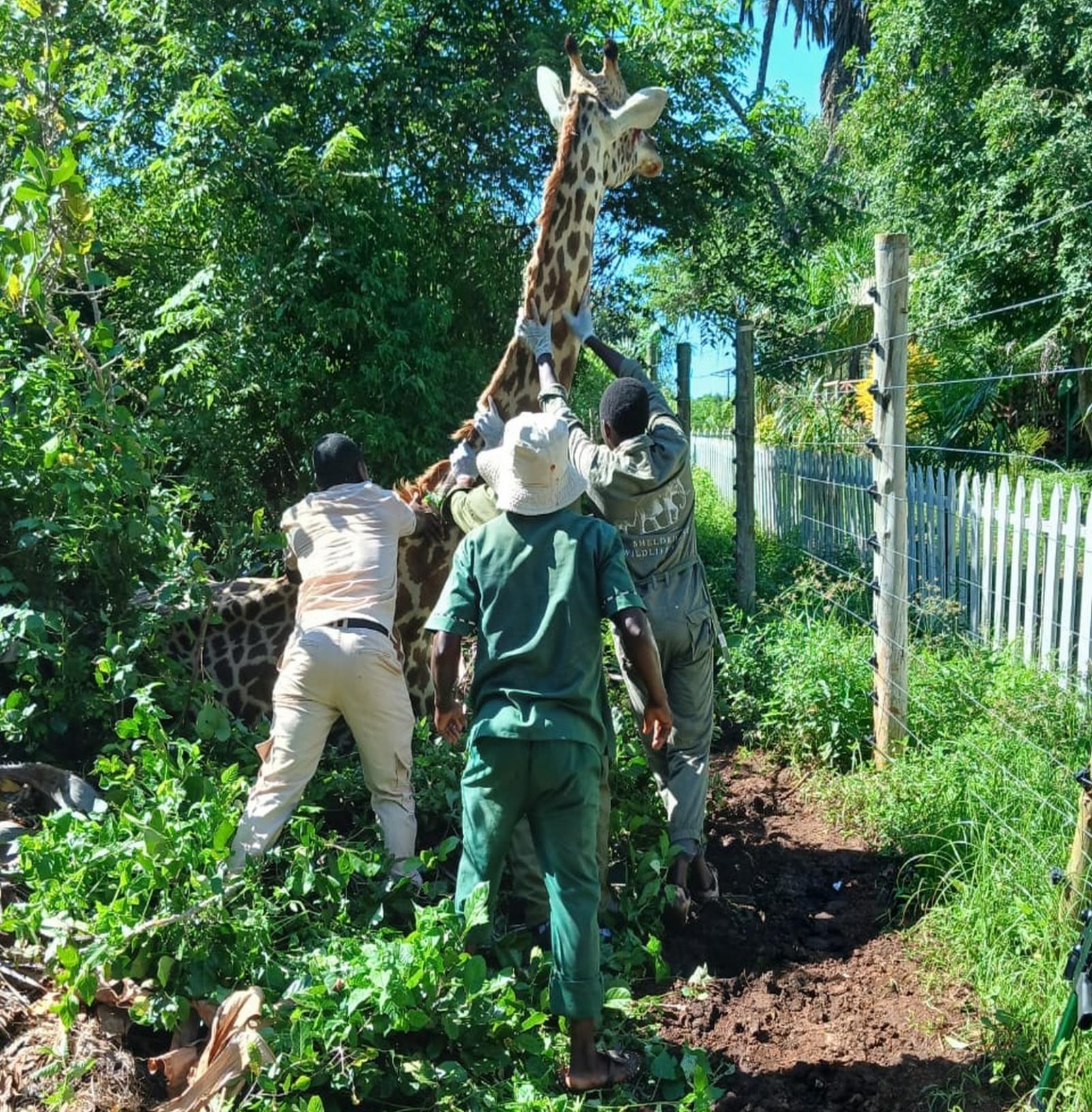
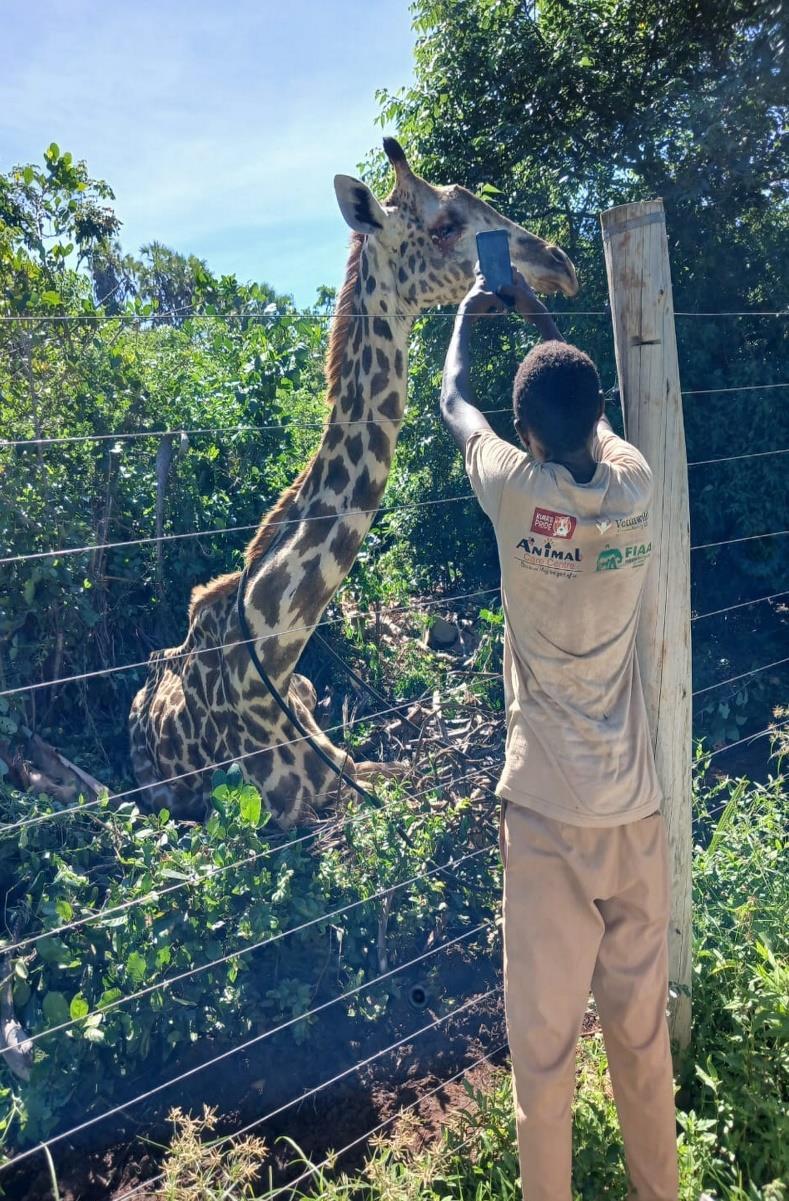
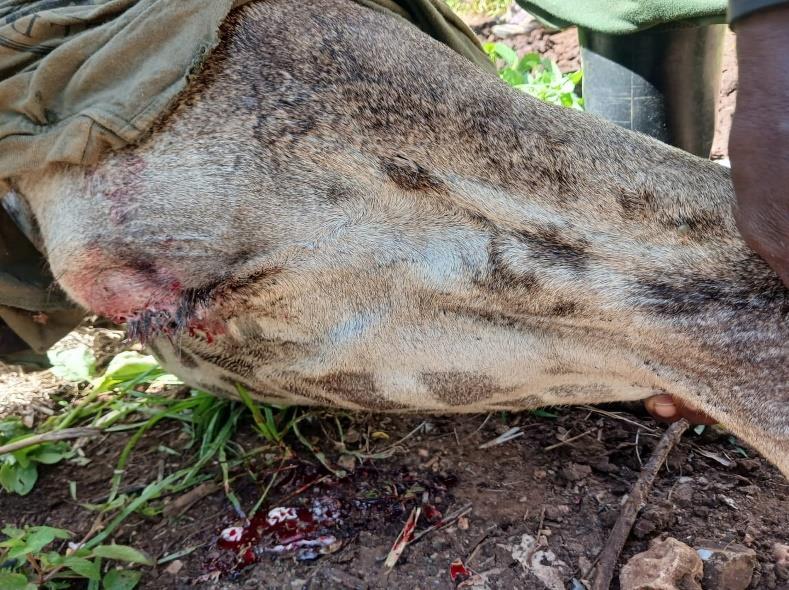
The Bora Bora wildlife sanctuary reported that one giraffe had been observed with blepharospasms, tearing, bleeding and blindness on the left eye.
Immobilisation, examination and treatment
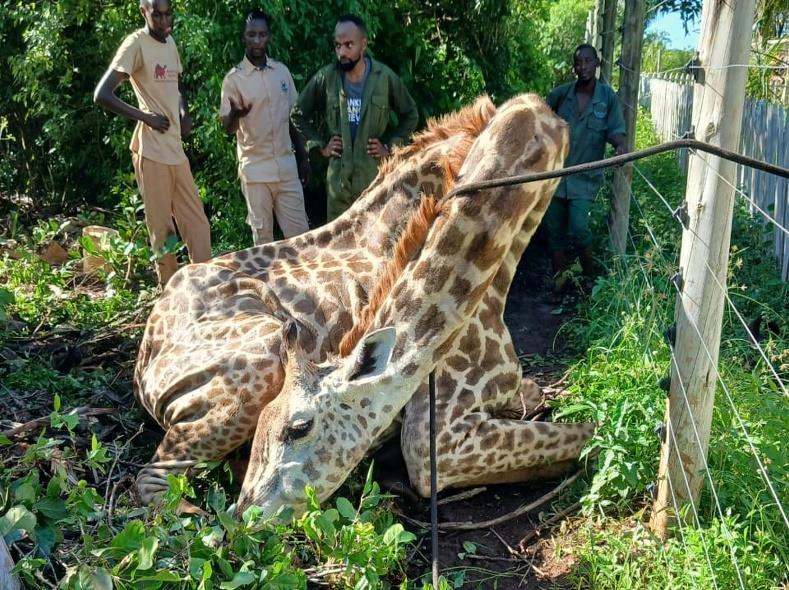
The giraffe was sedated using 10mg of Etorphine hcl and 40mg Azaperone. The combination was delivered from foot and it took ten minutes for full anaesthesia to be achieved.
On examination the giraffe had a poor body condition score of 2/5 and was blind in the left eye. The eye was actively tearing, with pan-ophthalmitis from an injury that affected the cornea and the sub-conjunctiva of the upper and lower eyelid. The giraffe was given a subconjunctival injection of Amoxicillin and dexamethasone followed by infusion of a Cloxacillin eye ointment. Parenteral Amoxicillin antibiotics, Quinapramine and anti- inflammatories were also administered.
Prognosis
Prognosis is guarded as the giraffe’s body condition was poor. .
Bora Bora, Diani
Case 3 – 16th May 2026
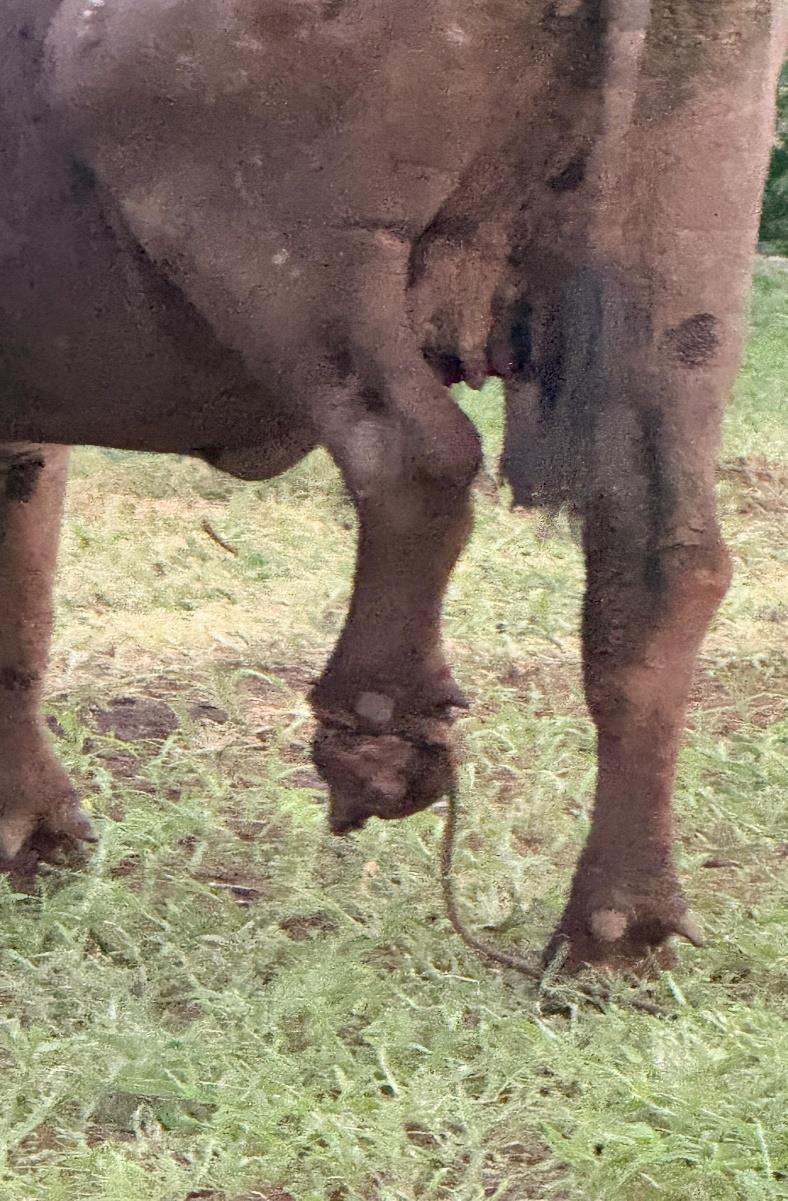
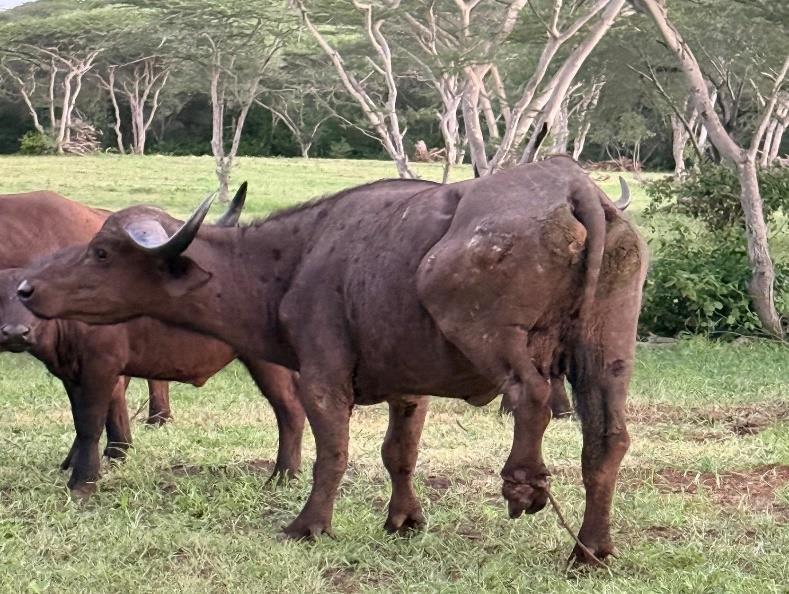
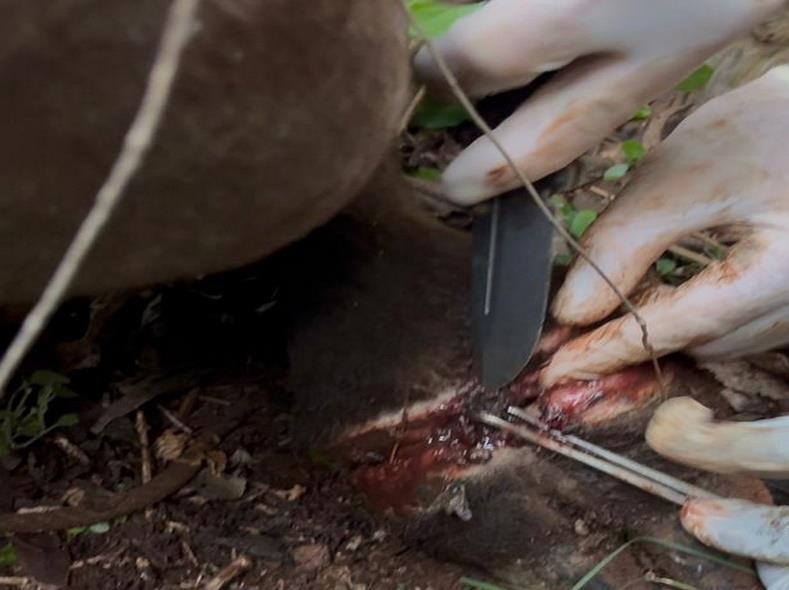
This buffalo was spotted by the Manda Bay Beach resort management. She was limping with a snare deeply bound on its left hind limb.
Immobilisation, examination and treatment
The adult female buffalo was sedated using 5mg Etorphine and 50mg Azaperone. She was darted from a vehicle using a 1.5 cc Dan inject dart and took approximately eight minutes to be fully subdued.
On examination the buffalo had a poor body condition score with a sunken perineum and prominent ribs and spinous processes. The nylon rope snare was tightly bound to the animals left interphalangeal joint region resulting in skin and soft tissue injury. The snare was promptly cut and the wound thoroughly cleaned using clean water, Hydrogen peroxide, povidone Iodine and antibiotic spray. The buffalo was given parental Amoxicillin antibiotics and Meloxicam anti-inflammatories respectively.
Prognosis
Good. Most vital structures on the affected area were intact.
Buffalo Snared
Manda Bay, Lamu
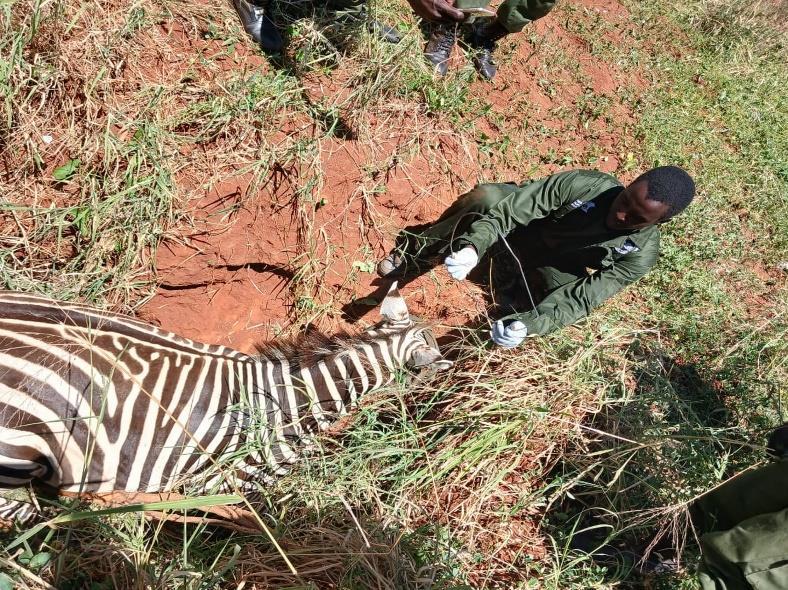
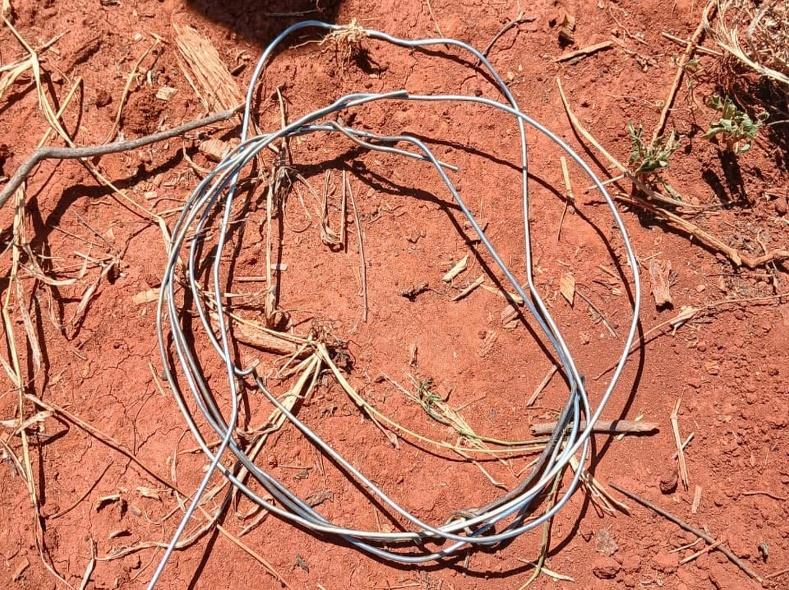
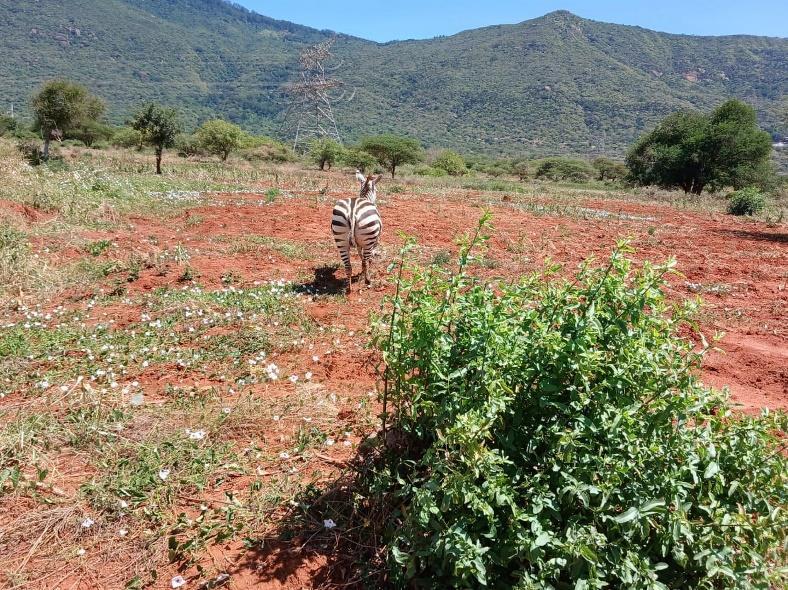
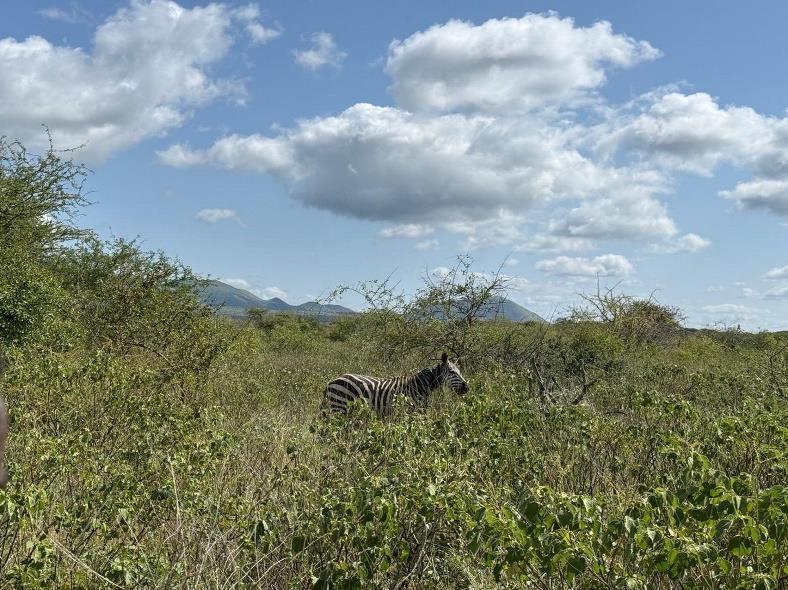
SWT/KWS de-snaring team reported a sighting of an adult zebra with a snare around its neck.
Immobilisation, examination and treatment
The adult zebra was sedated using a combination of 5mg Etorphine HCL and 50mg Azaperone. The sedatives were delivered from foot iusing a Dan-Inject rifle and it took ten minutes for full anaesthesia to be achieved.
On examination a plain wire snare was loosely bound to the zebra’s neck and had not inflicted any injuries. The snare was immediately cut using wire cutters. No further treatment was necessary.
Reversal and prognosis
The zebra was reversed from anaesthesia using 50mg Naltrexone hydrochloride administered intravenously via the jugular vein. He recovered rapidly and dashed to join the herd that was grazing nearby.
Prognosis is good. The snare had not inflicted any injuries.
Zebra Snared Irima, Tsavo East NP
Case 5 – 21st May 2026
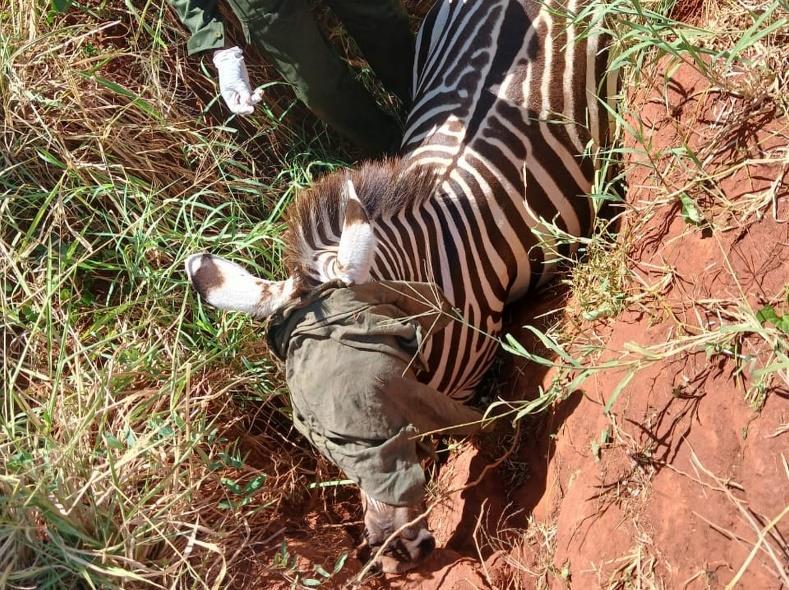
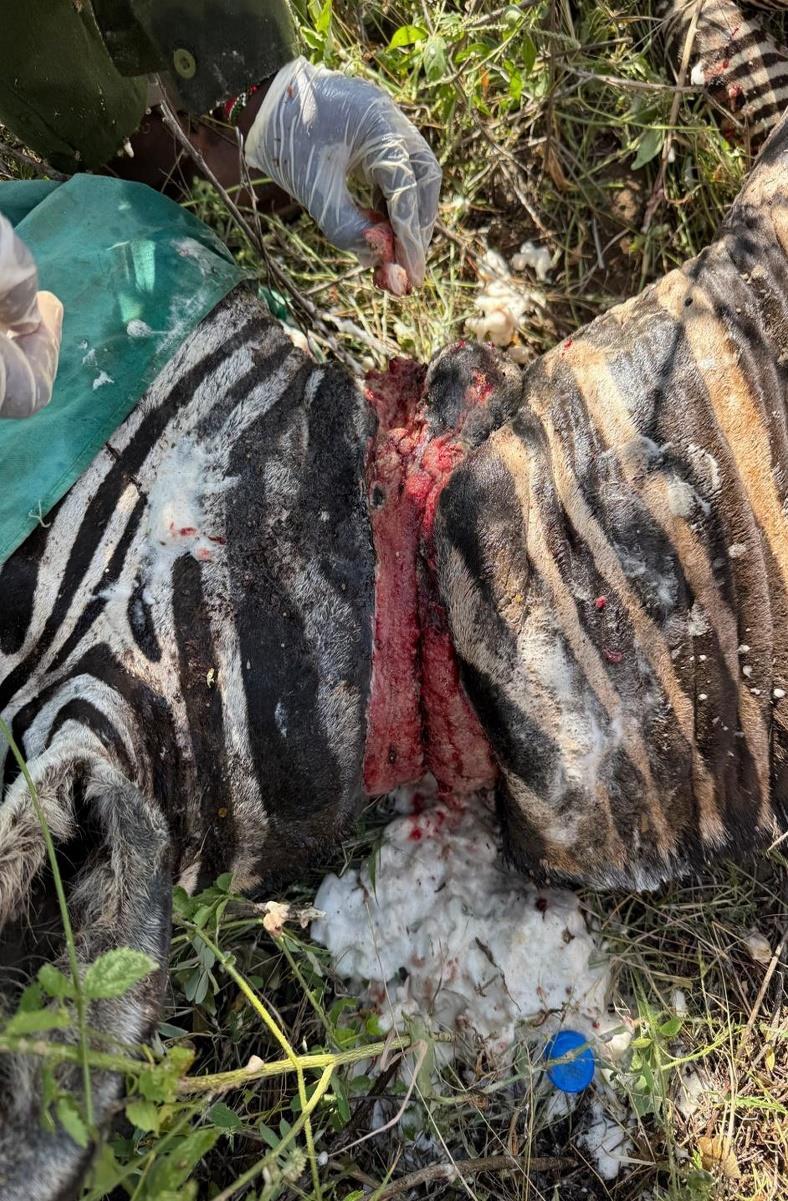
This snared zebra was spotted by KWS rangers in Tsavo West National Park. He had a snare tightly bound around his neck.
Immobilisation, examination and treatment
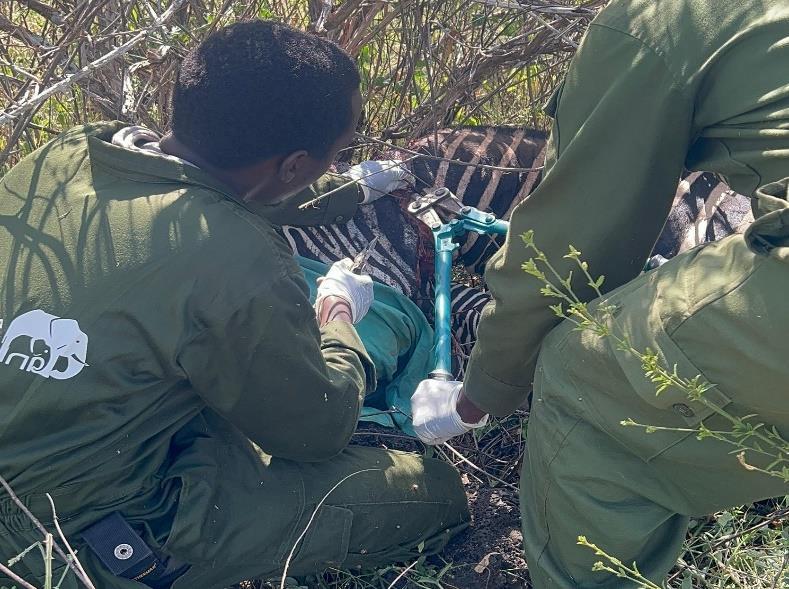
The zebra was successfully immobilized using 5mg Etorphine HCL and 50mg Azaperone. The sedatives were administered using a 1.5cc Dan Inject dart and the animal was darted from a helicopter.
Examination revealed a cable snare tightly bound to his neck inflicting deep wounds on the site. The snare was immediately cut using wire cutters. The resultant wound was cleaned thoroughly and debrided, flushed with Hydrogen peroxide, rinsed with water and infused with tincture of Iodine. Topical antibiotic spray was thereafter applied on the wound. Additionally he was given parenteral Amoxicillin antibiotics, Ivermectin antiparasitic and Meloxicam anti-inflammatory.
Prognosis
The Zebra was reersed using 50mg Naltrexone administered intravenously and the animal recovered rapidly. Prognosis is favourable as Vital structures in the neck were intact.
Zebra Snared Tsavo West National Park
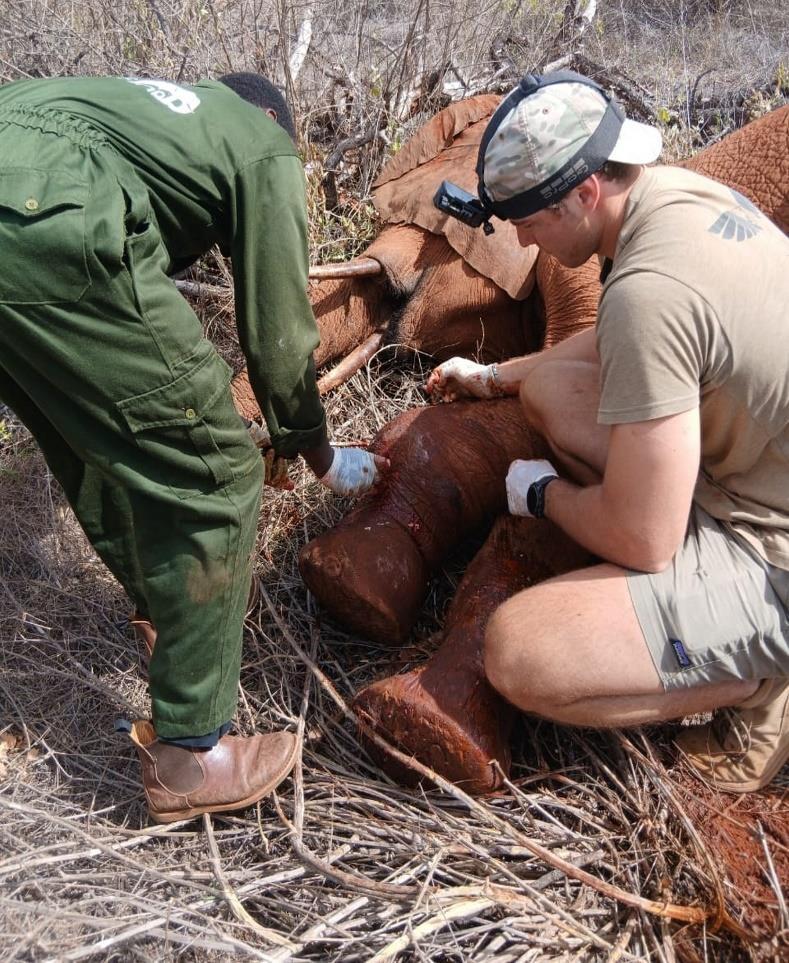
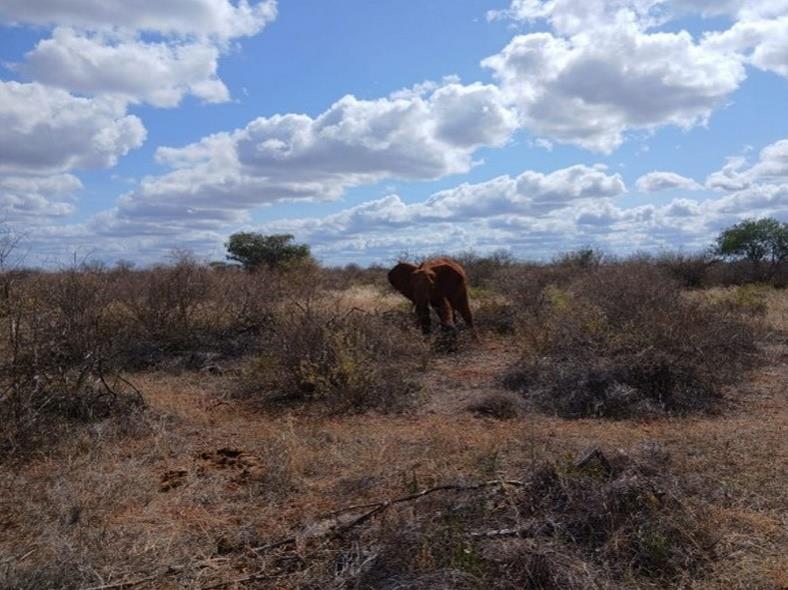
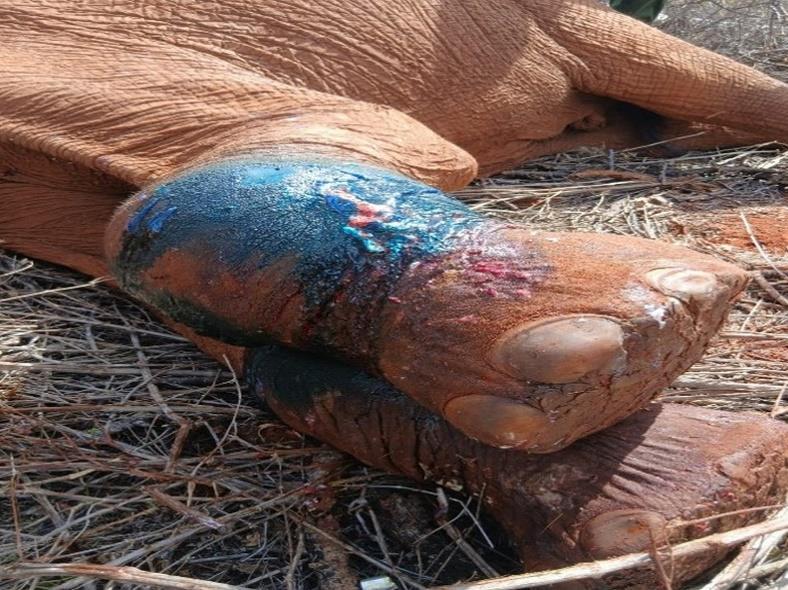
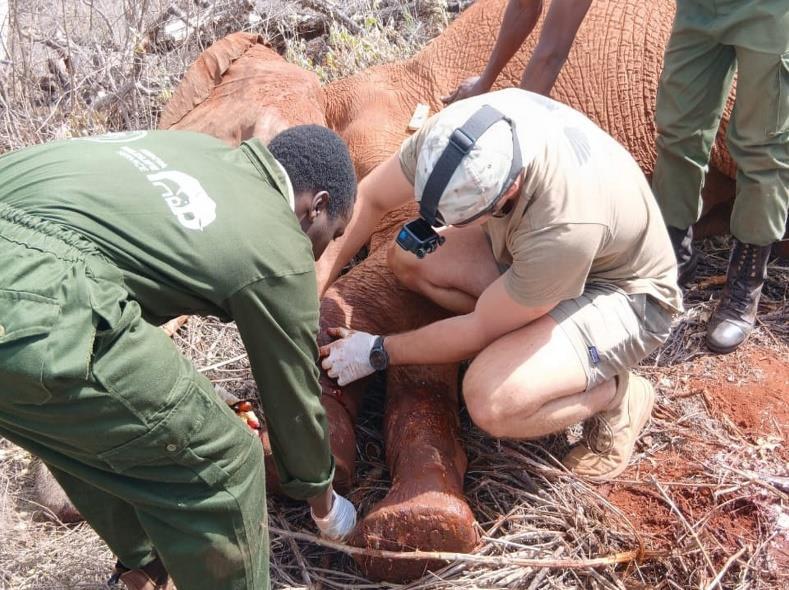
This injured elephant was spotted by the KWS/SWT in a water hole in Thabagunji. He was limping with a grossly swollen left forelimb.
Immobilisation, examination and treatment
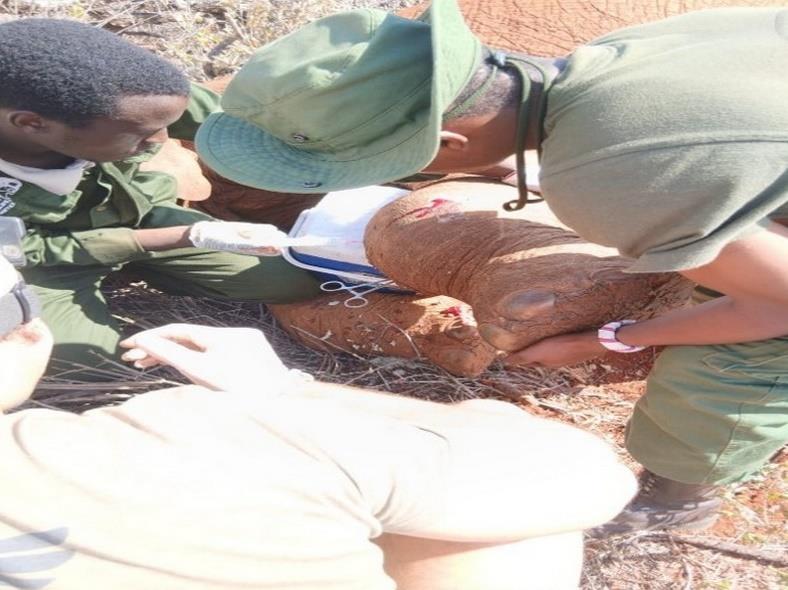
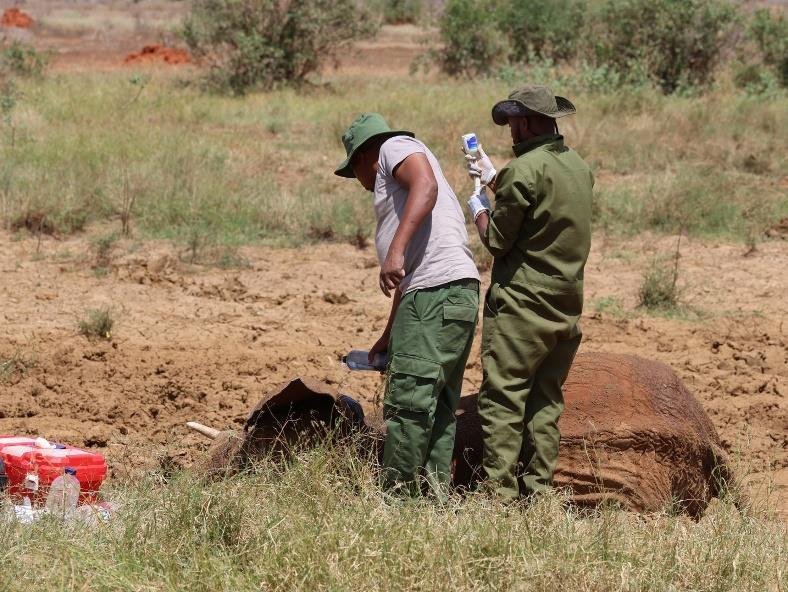
He was successfully immobilized using 7mg Etorphine hydrochloride delivered remotely in a 1.5 cc dart. Darting was done from foot, and it took 7 minutes for the drug to achieve its full effect.
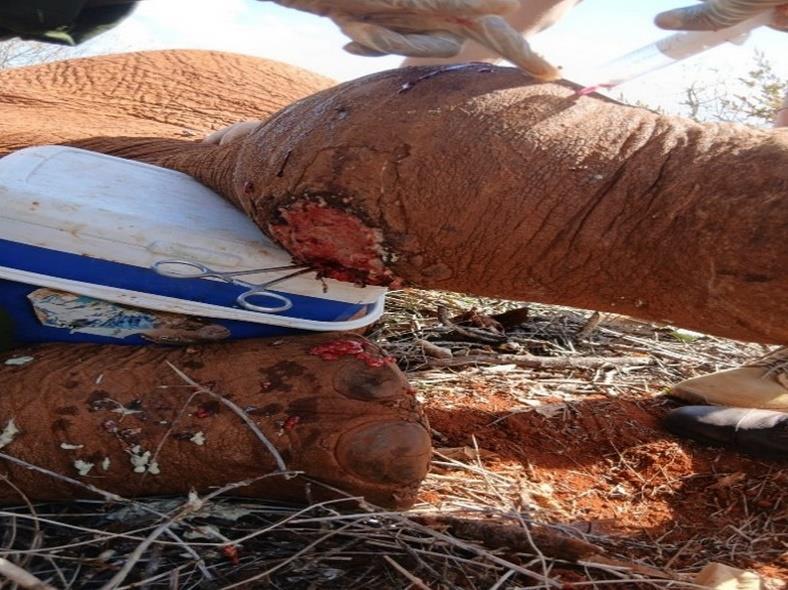
Examination revealed a grossly swollen left carpal joint with a septic penetrating wound on the medial aspect of the joint. The injury was suspected to have been inflicted by a sharp object like an arrow. Aspiration on the swollen joint yielded purulent content. The contents were drained followed by thorough debriding. The injuries were flushed with Hydrogen peroxide, and water then infused with Iodine and sprayed with a Topical antibiotic. Additionally, he received Meloxicam anti-inflammatories and Amoxicillin antibiotics.
Prognosis
Prognosis is guarded due to thes septic arthritis of the carpal joint.
Arrow
Tsavo East National Park
This injured abandoned calf was spotted by Tsavo Trust Team during patrols. He was alone, limping with a grossly swollen right carpal joint.
Immobilisation, examination and treatment
This calf was successfully immobilized using 4mg Etorphine hydrochloride delivered in a 1.5cc Dan inject dart. Darting was done from the vehicle, and it took 7 minutes for full anaesthesia to be achieved.
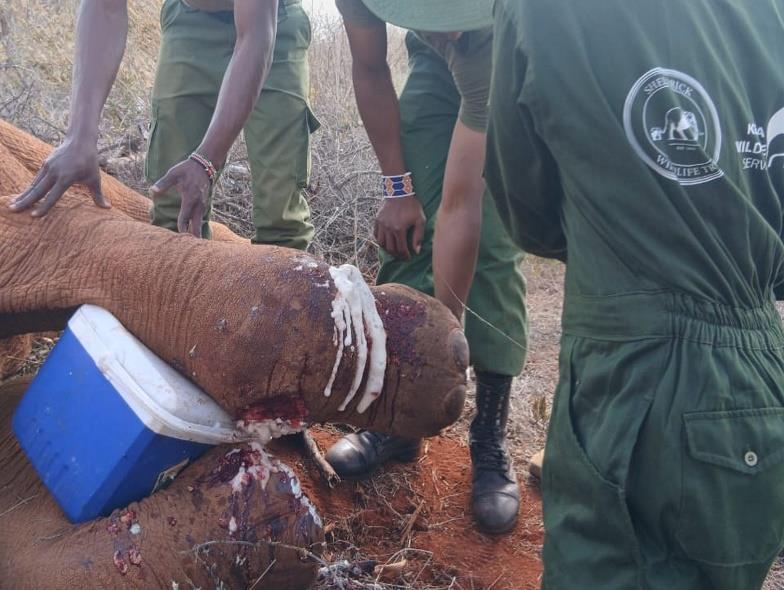
Examination revealed a grossly swollen carpal joint with a septic arrow wound on the anterior surface. The wound was cleaned thoroughly, flushed with Hydrogen peroxide, rinsed with water and infused with tincture of iodine. Antibiotic pessaries were packed in the wound followed by topical antibiotic spray. He additionally was given Amoxicillin antibiotics and Flunixin anti-inflammatories parenterally.
Prognosis
Due to the lion density in the area, the calf was at high risk of predation and could not survive alone in the wild. With advice from the KWS management a decision to rescue the calf was made. The calf was taken to SWT Voi elephant stockade for further treatment and rehabilitation with a favourable prognosis.
Tsavo East National Park
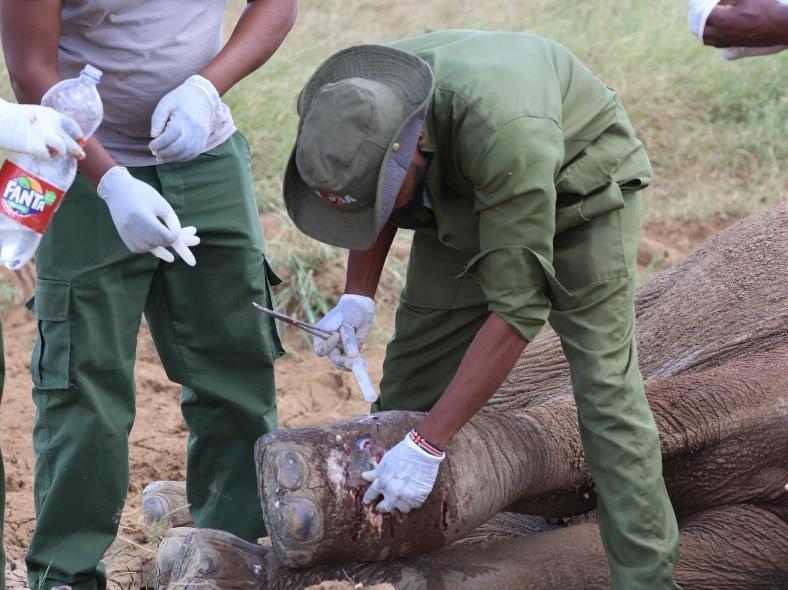
This adult female elephant was involved in a road traffic accident while crossing the Voi-Taveta highway. The elephant was observed to be limping. The elephant was found dead two days after the accident.
Postmortem examination
• The carcass was found in right lateral recumbency
• There was significant scavenger activity on the carcass with the ventral abdominal wall open
• There was bruising on the left hind limb slightly above the tarsal joint. On opening the site of the bruise there was a closed comminuted fracture of the distal tibia and fibula
• The front right limb was grossly swollen and could not be opened due to the position of the carcass.
Cause of death
The elephant carcass was in advanced stages of decomposition, as a result, the cause of death of the elephant could not be determined.
Both tusks were intact and were retrieved by the KWS Bura team for safe custody.
Human – Wildlife Conflict
Tsavo West National Park