SWT/KWS RIFT VALLEY MOBILE VETERINARY UNIT
FEBRUARY 2026


7 Cases in February 2026 2 Poaching
Cases
4 HWC Cases
February Report by Dr. Titus Kaitho
Wildlife clinical case interventions were undertaken during the month of February. Rift Valley Mobile Veterinary Unit visited the following areas; Soysambu Wildlife conservancy, Great Rift Valley Lodge & Golf resort, Green Park, Kenya Nut – Morendat farm, Marula Estates, Lake Naivasha Resort, Manera farm, Lower KALRO, Kigio Wildlife Conservancy among other areas.
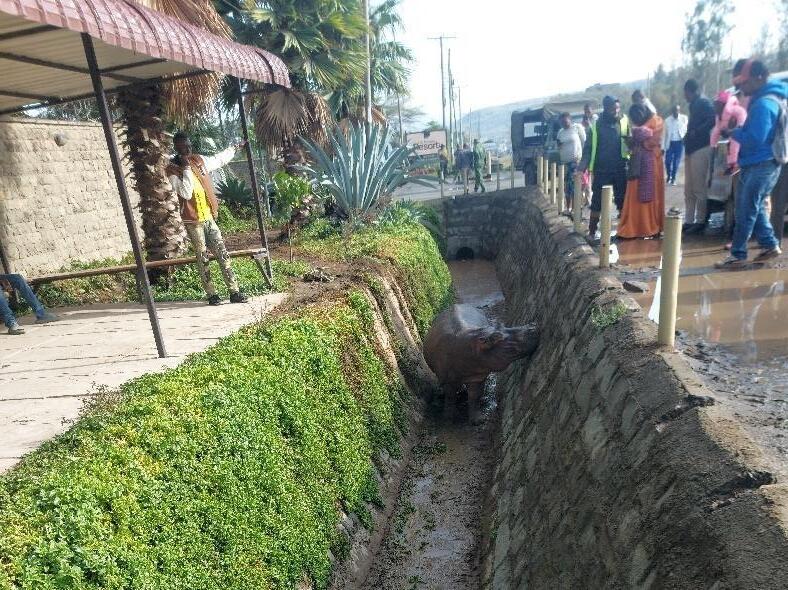
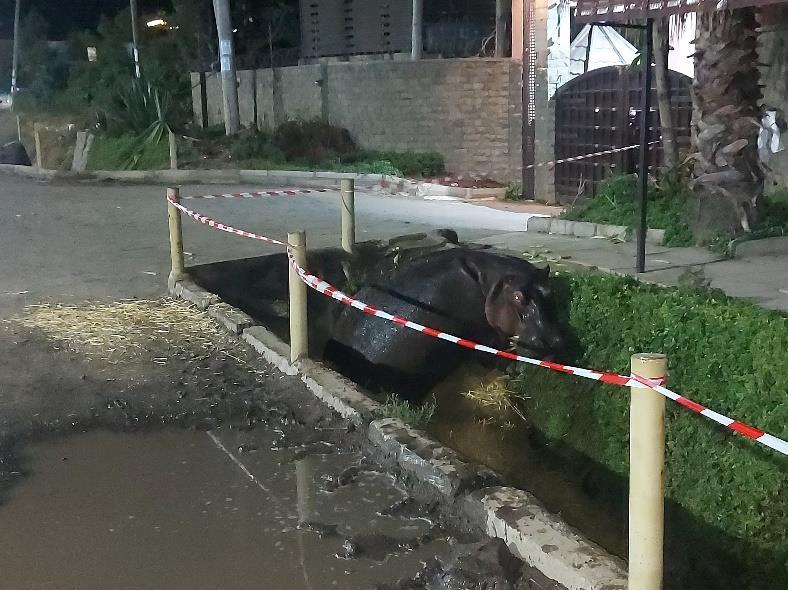
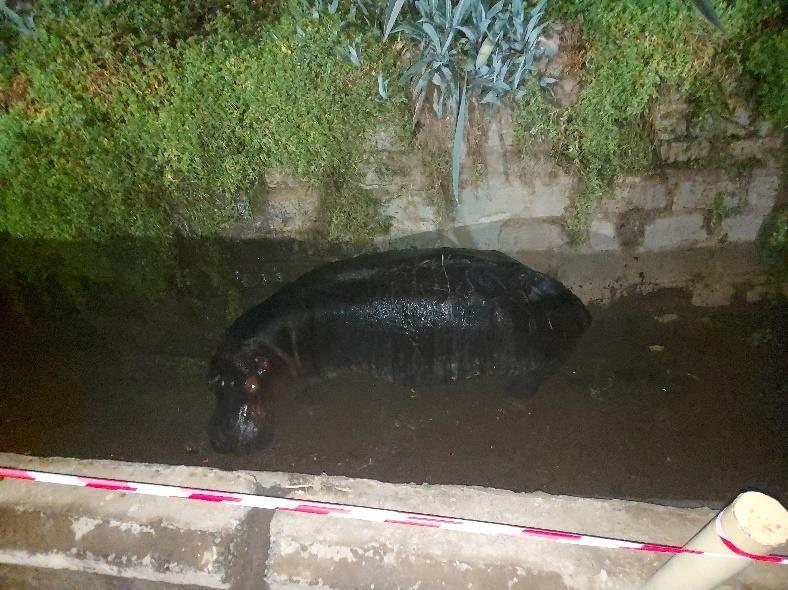
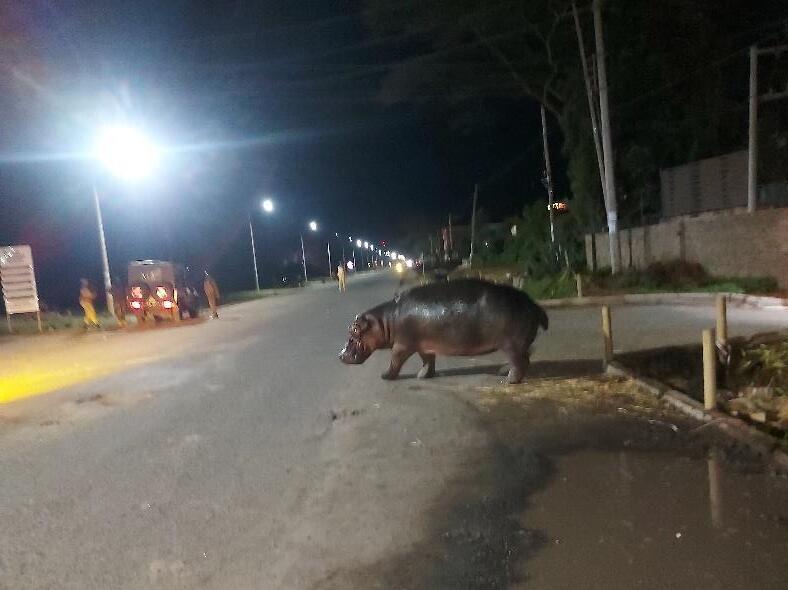
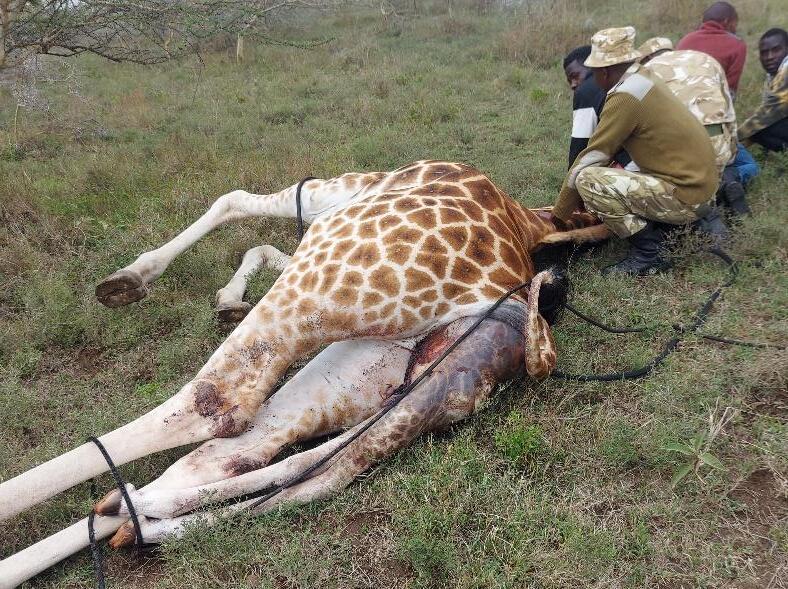
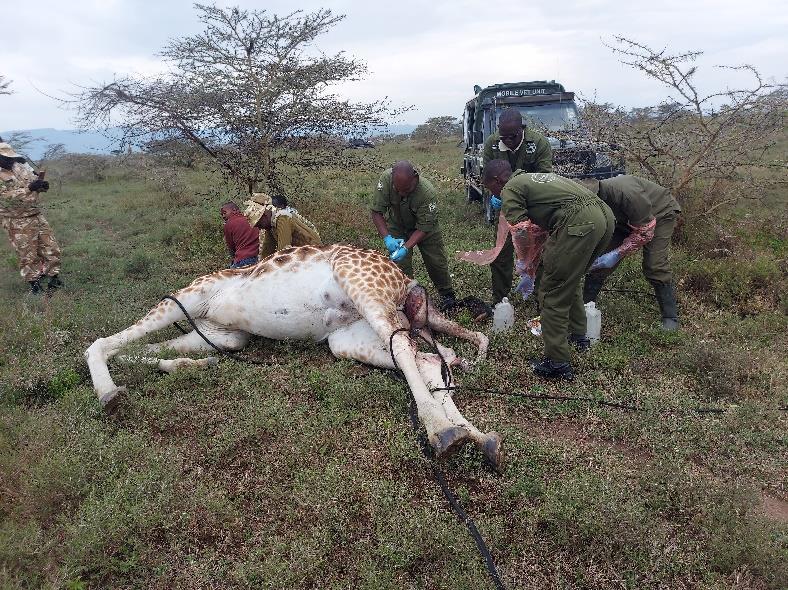
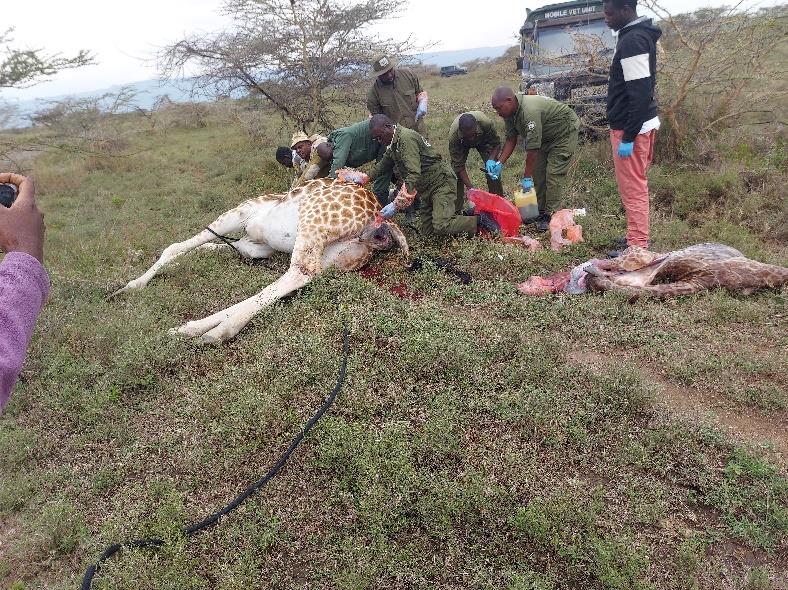
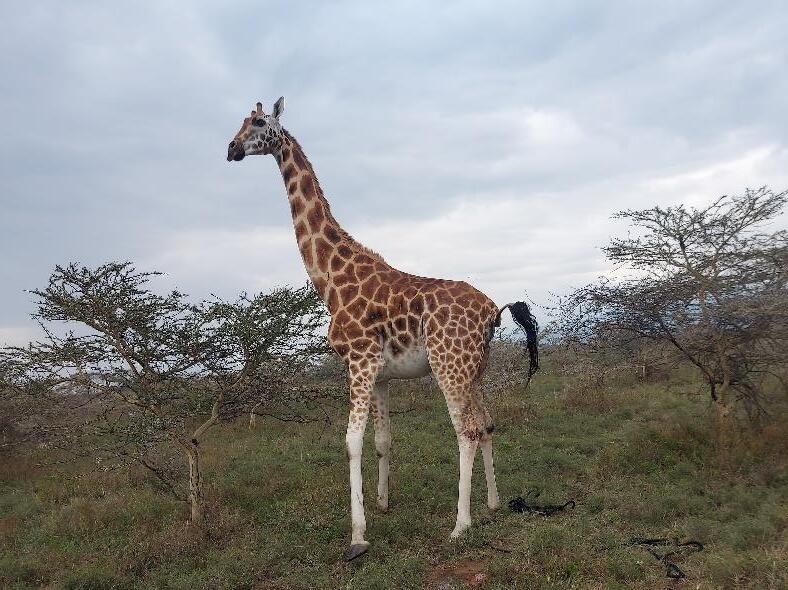
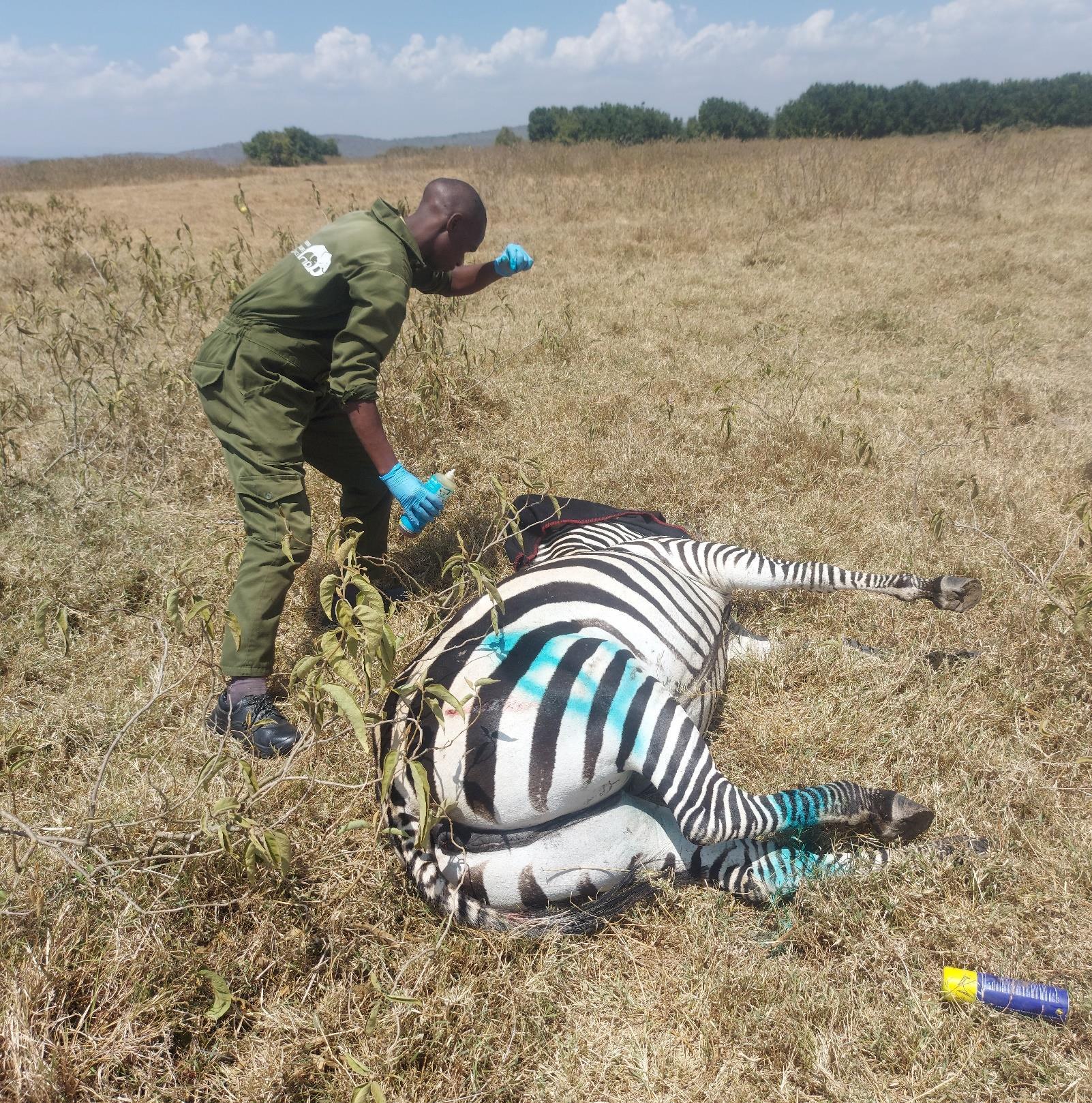
The cases attended to have shifted from poaching to increased human-wildlife conflict (HWC) with 2 snaring cases, and 4 HWC cases involving 1 trapped hippo in a roadside trench, relocation of waterbuck and zebra for their safety or for the local community’s safety. One giraffe was also treated for dystocia after the fetus became stuck and died during labour.
Acknowledgement
We sincerely thank Sheldrick Wildlife Trust (SWT) for support, resources & sponsorship of the Rift Valley Mobile Veterinary Unit. Chief Executive Officer SWT, Angela Sheldrick, we acknowledge your unwavering support and interest in the work undertaken by the Mobile Veterinary Unit. Kenya Wildlife Service is acknowledged for general operational & leadership support. Wildlife Research & Training Institute (WRTI) supported the activities by hosting staff at WRTI. We sincerely thank all stakeholders and scouts and all who reported wildlife cases in distress. Thank you all.
Case Details
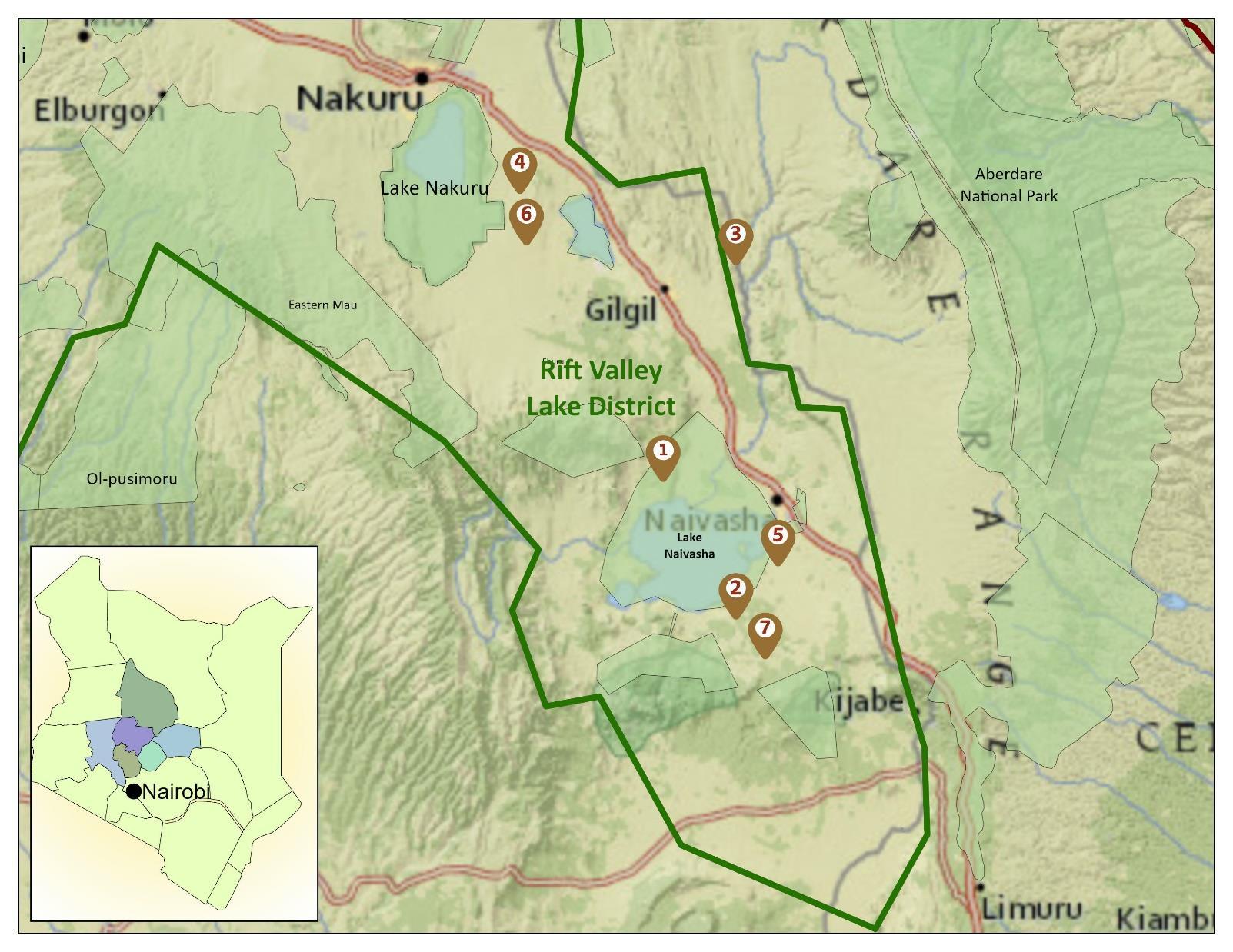
SWT/KWS Rift Valley Mobile Vet Unit Treatment Locations
February 2026
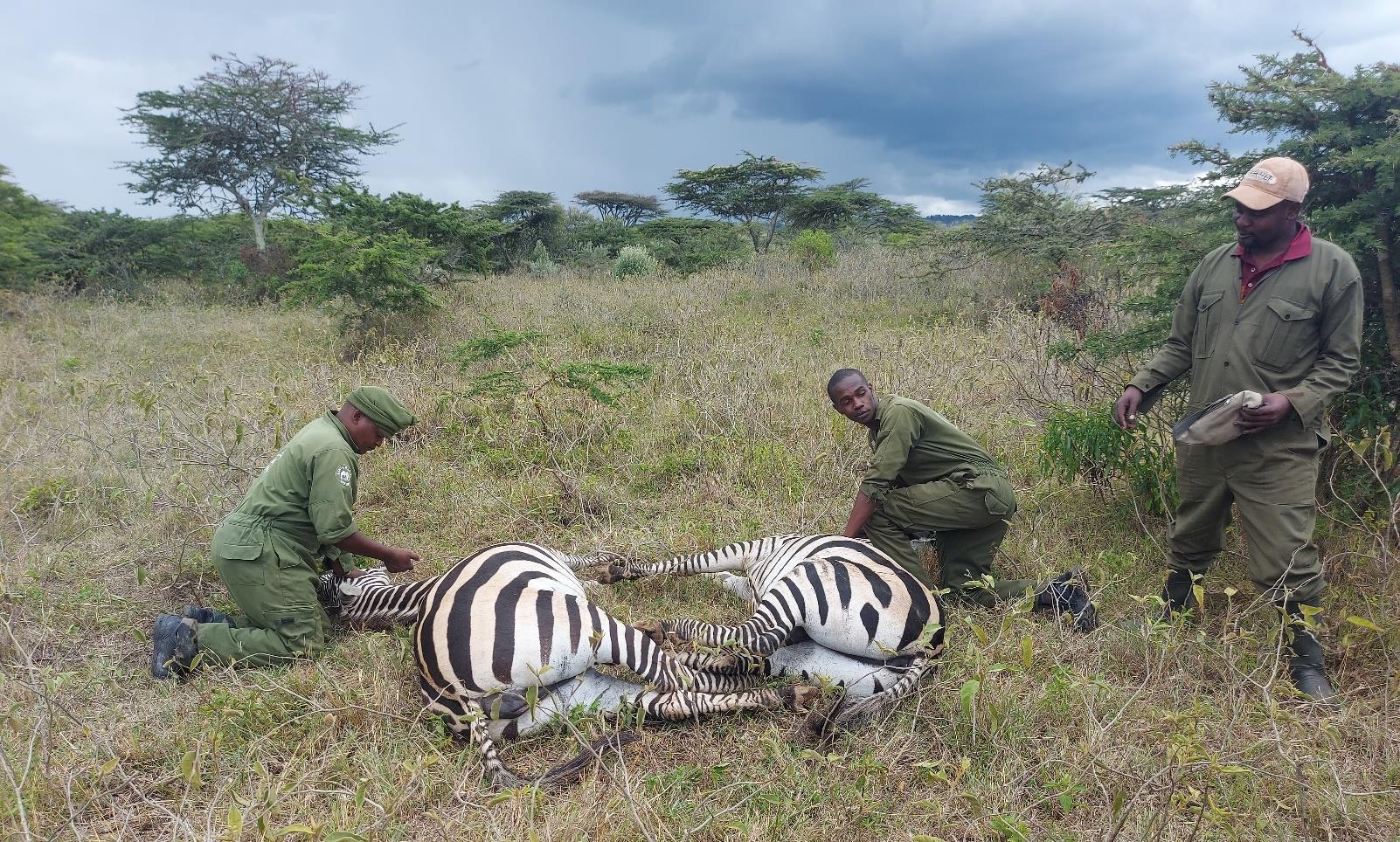
Zebra Human-Wildlife Conflict
Great Rift Valley Golf course, Naivasha
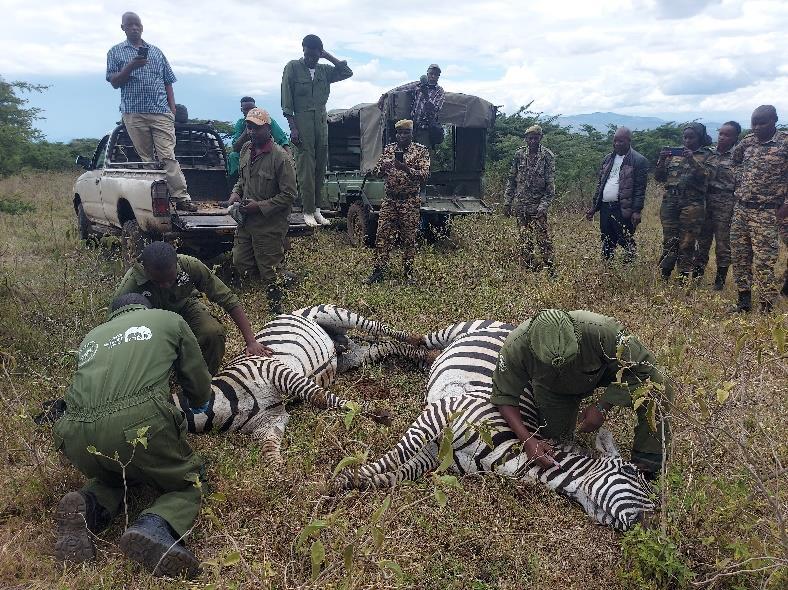
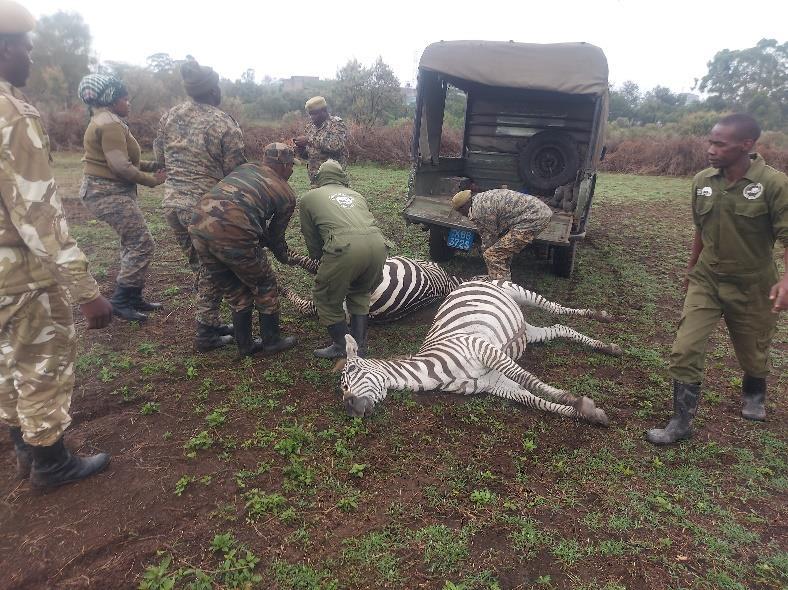
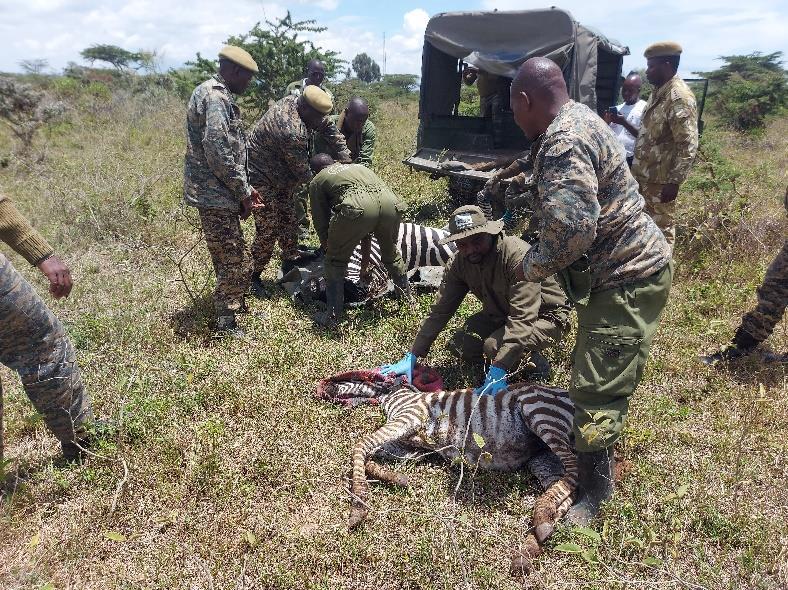
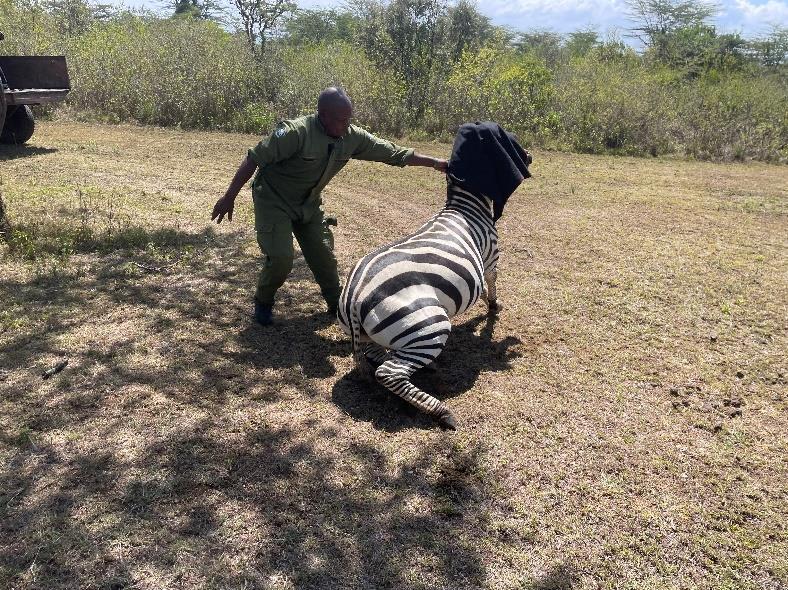
Two male zebras had invaded the Great Rift Valley Resort & golf course. The zebras were moved across an electric fence line. This was in mitigation against HWC as the zebras were trampling a valuable golf course.
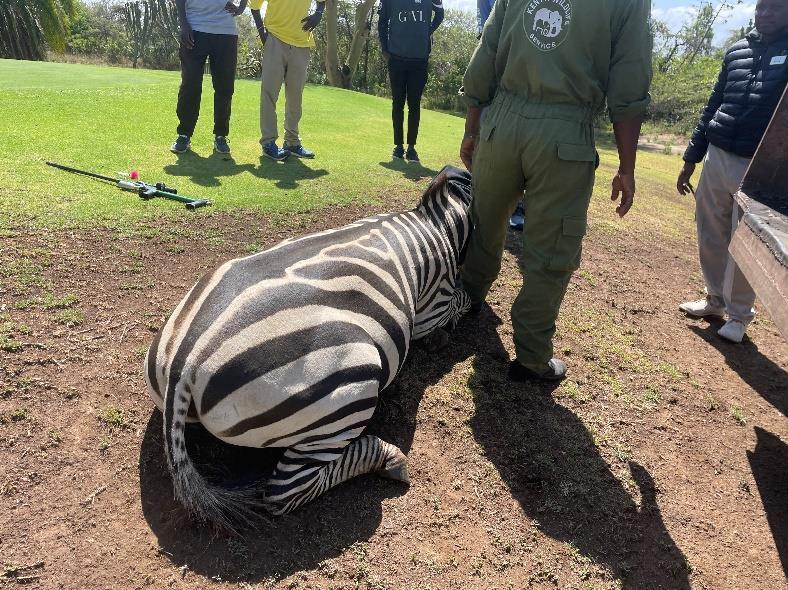
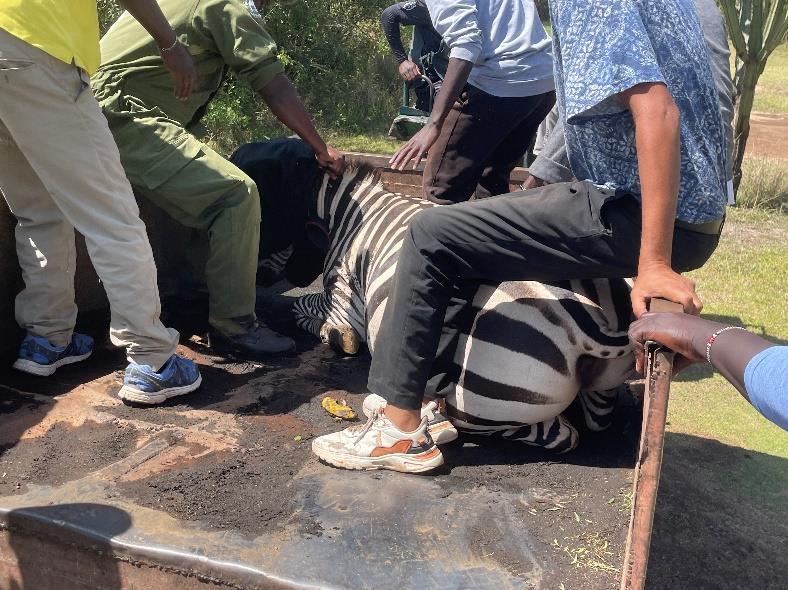
Immobilisation and relocation
The adult male zebras were darted using 5mg etorphine plus 50mg azaperone. On clinical examination the male zebras had been wounded during territorial fights. The zebras had a high tick burden. One of the zebras suffered minor self-inflicted injury on eye during induction of anaesthesia. We cleaned the wounds using water and rinsed the same using tincture of iodine. A fly repellent (Alamycin® Aerosol) was applied. We also administered the following;
• Noromectin (Ivermectin) 5mL by SQ route
• Flumeg (Flunixin Meglumine 5%) 250 mg by IM route
• Catasol40 mL by IM route
• Ectopor® SA020 (Novartis RSA) (Cypermethrin (high cis)20g/l
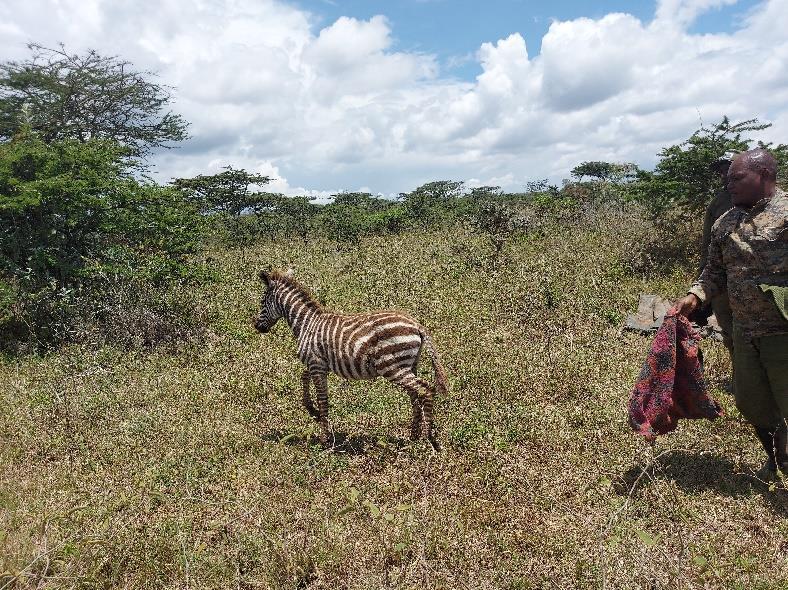
The zebras were darted one a time. The zebras were transported on tractor trailer across an electric fence line while under general anaesthesia. The anaesthetic was reversed and both zebras were released on the Green Park Estate. Prognosis is good.
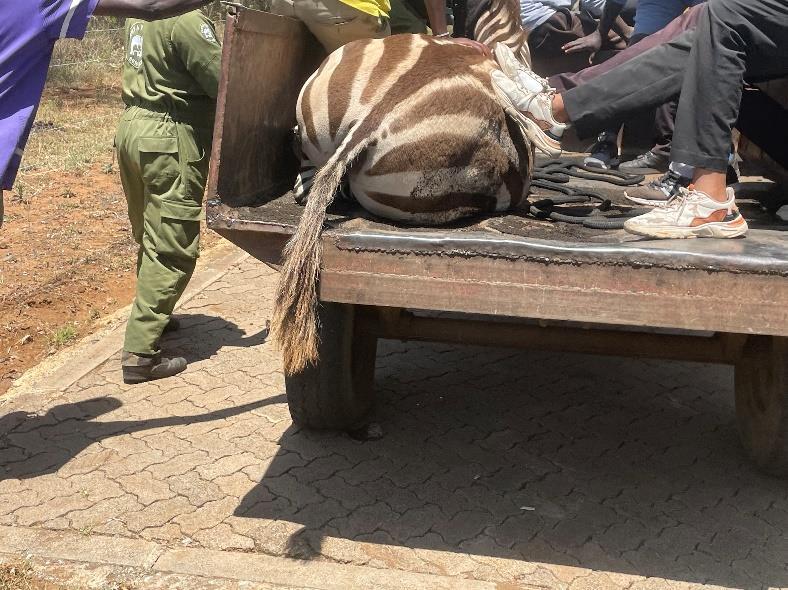
.
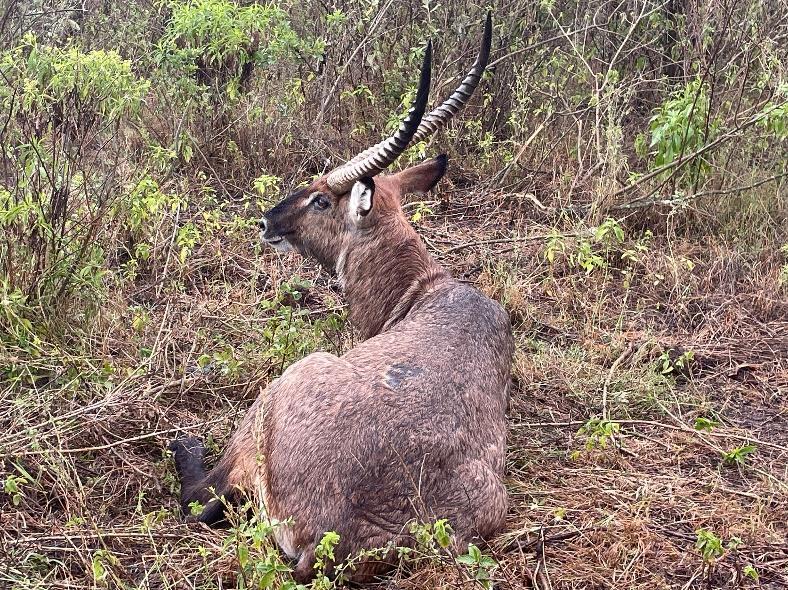
Waterbuck Human-Wildlife Conflict
Sopa Lodge, Naivasha
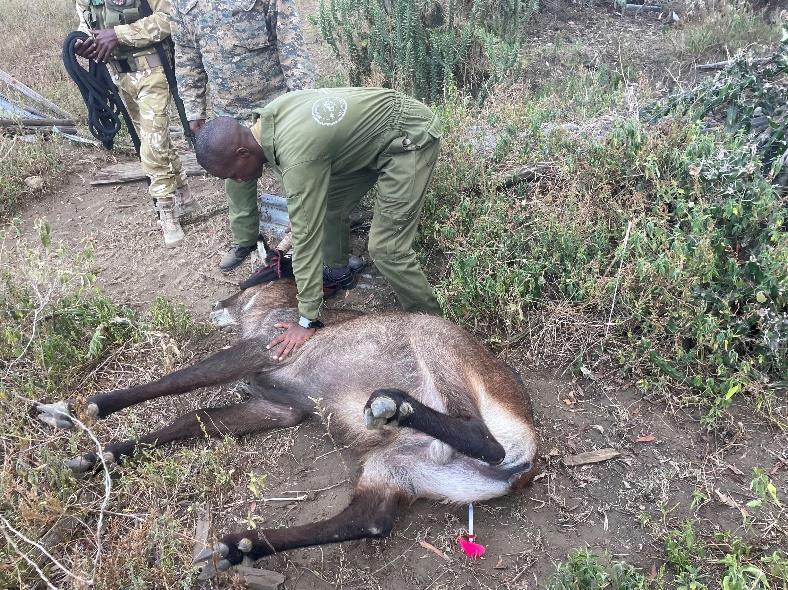
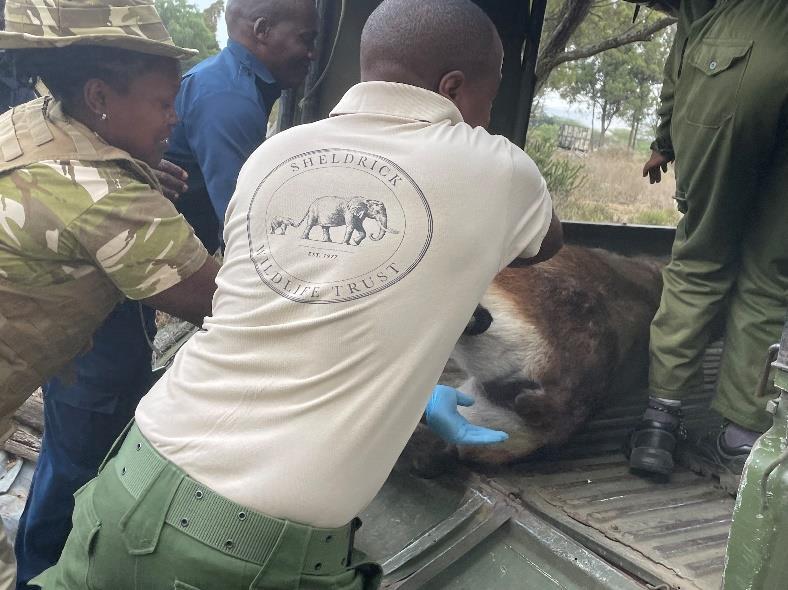
This case was reported by Naivasha Sopa Lodge security staff. The waterbuck was allegedly reported to have knocked down two people (a tour driver & lodge staffer).
Immobilisation and relocation
The waterbuck was darted using 6mg Etorphine plus 50mg Azaperone.
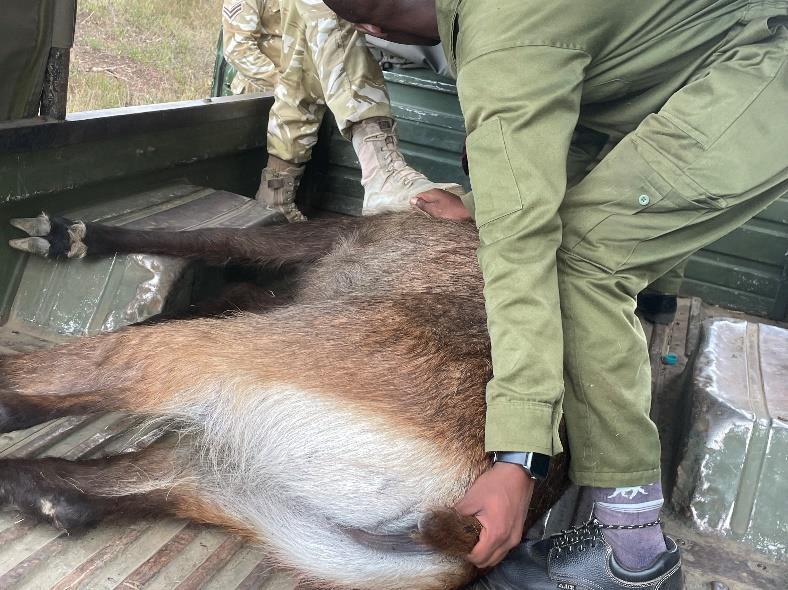
The waterbuck was transported under general anaesthesia on a pickup truck and safely released at WRTI Wildlife Sanctuary. The rogue waterbuck was a real threat to staff and visitors.
We administered the following;
• Noromectin 1% w/v (Ivermectin) 8mL by SQ route
• Catasol 40 mL by IM route
We reversed the waterbuck from anaesthesia using 50mg of Naltrexone given by IV route and ¼ of the dose by IM route at the release site.
The exercise was a success.
Case 3 – 20th February 2026
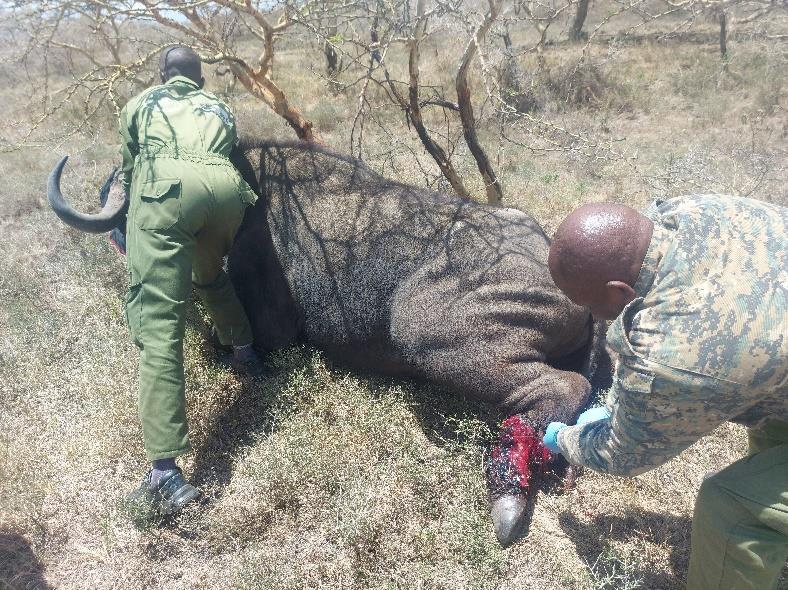
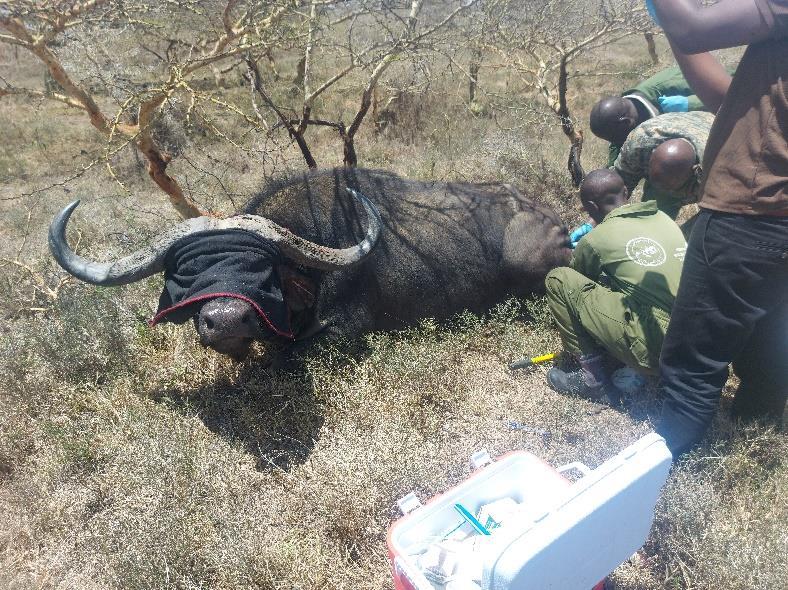
Buffalo Snared Soysambu Conservancy
The buffalo was darted using 9mg Etorphine plus 60mg Azaperone.
On examination the buffalo had been snared by a wire snare that had brutally wounded left hind leg. The wound was infected and maggots infested. We cleaned the bleeding wound using water and rinsed the same using tincture of Iodine. A fly repellent (Alamycin Aerosol) was applied. We also administered 15,000mg Damok (Amoxicillin), 500mg Flumeg and 10ml Noromectin. Prognosis is good.
Case 4 – 20th February 2026
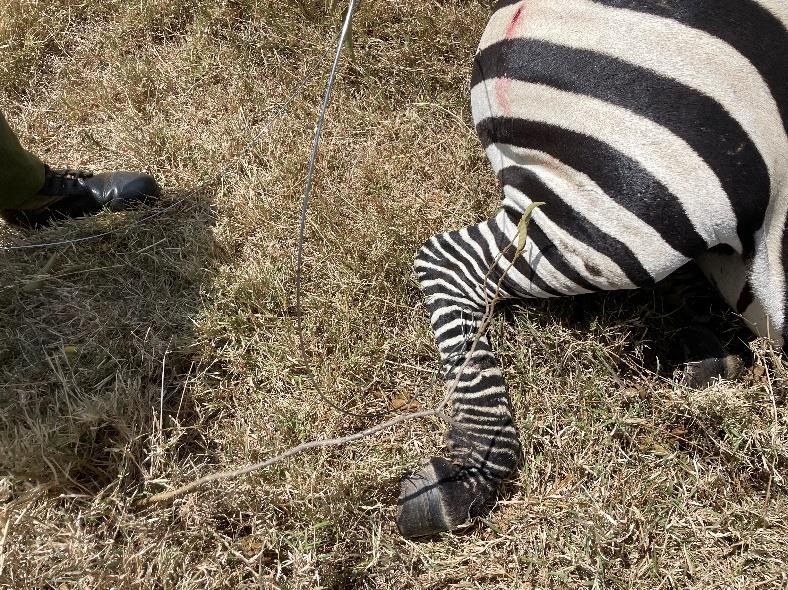
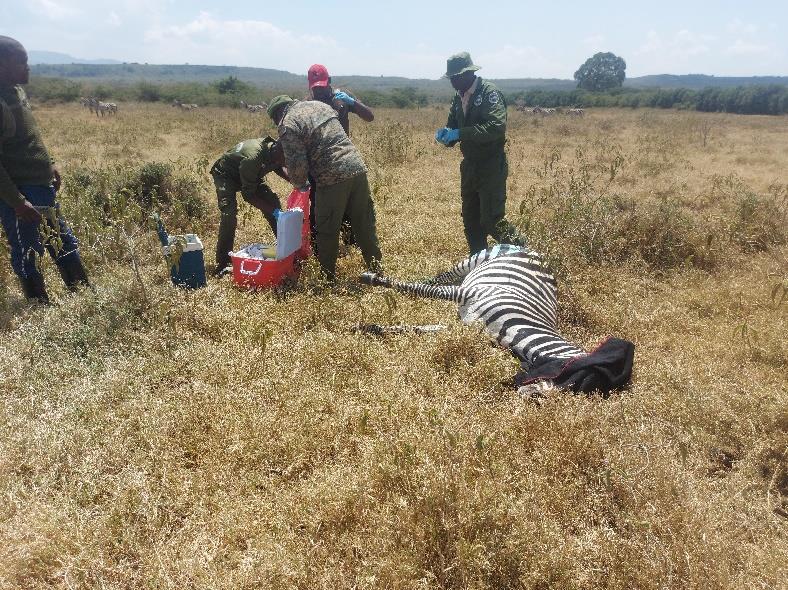
Zebra Snared Soysambu Conservancy
The zebra was darted using 5mg Etorphine plus 60mg Azaperone.
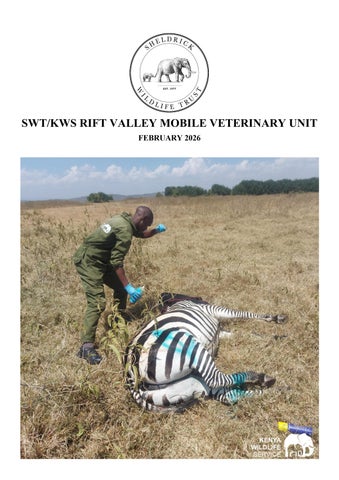
On examination the zebra had been snared and wounded by a long wire snare on the right hind leg. We cleaned the wound using water and rinsed the same using tincture of Iodine. A fly repellent (Alamycin® Aerosol) was also applied. We administered the zebra with 9,000mg Damox (Amoxicillin), 300mg Flumeg, 5ml Noromectin and 40ml Catasol.
Prognosis is good.