APRIL 2026

8 Cases in April 2026
April Report by Dr.
Titus Kaitho

4 Poaching Cases
2 HWC Cases
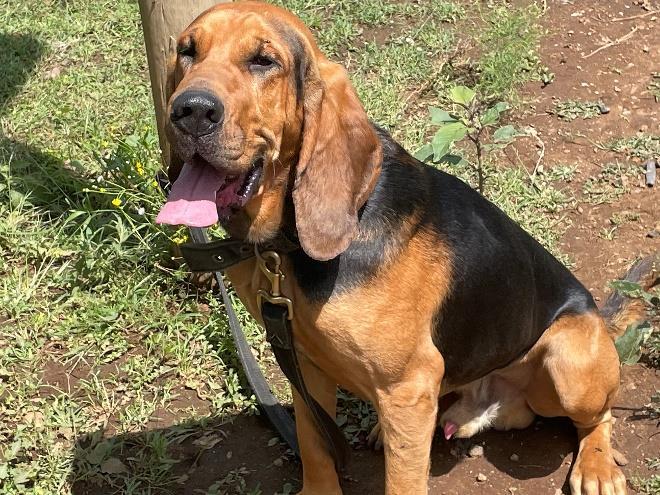
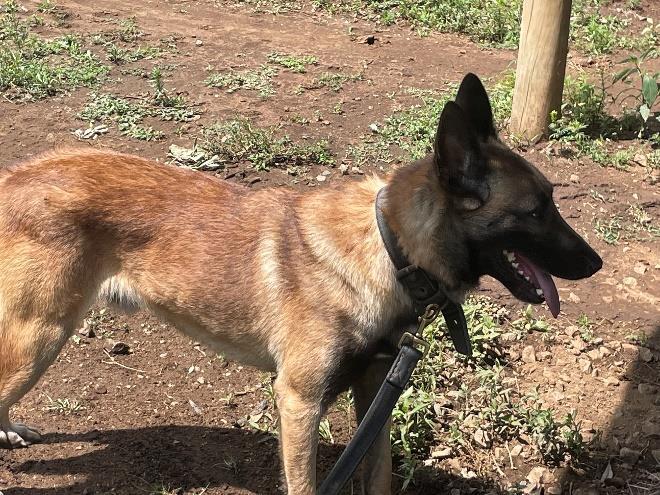
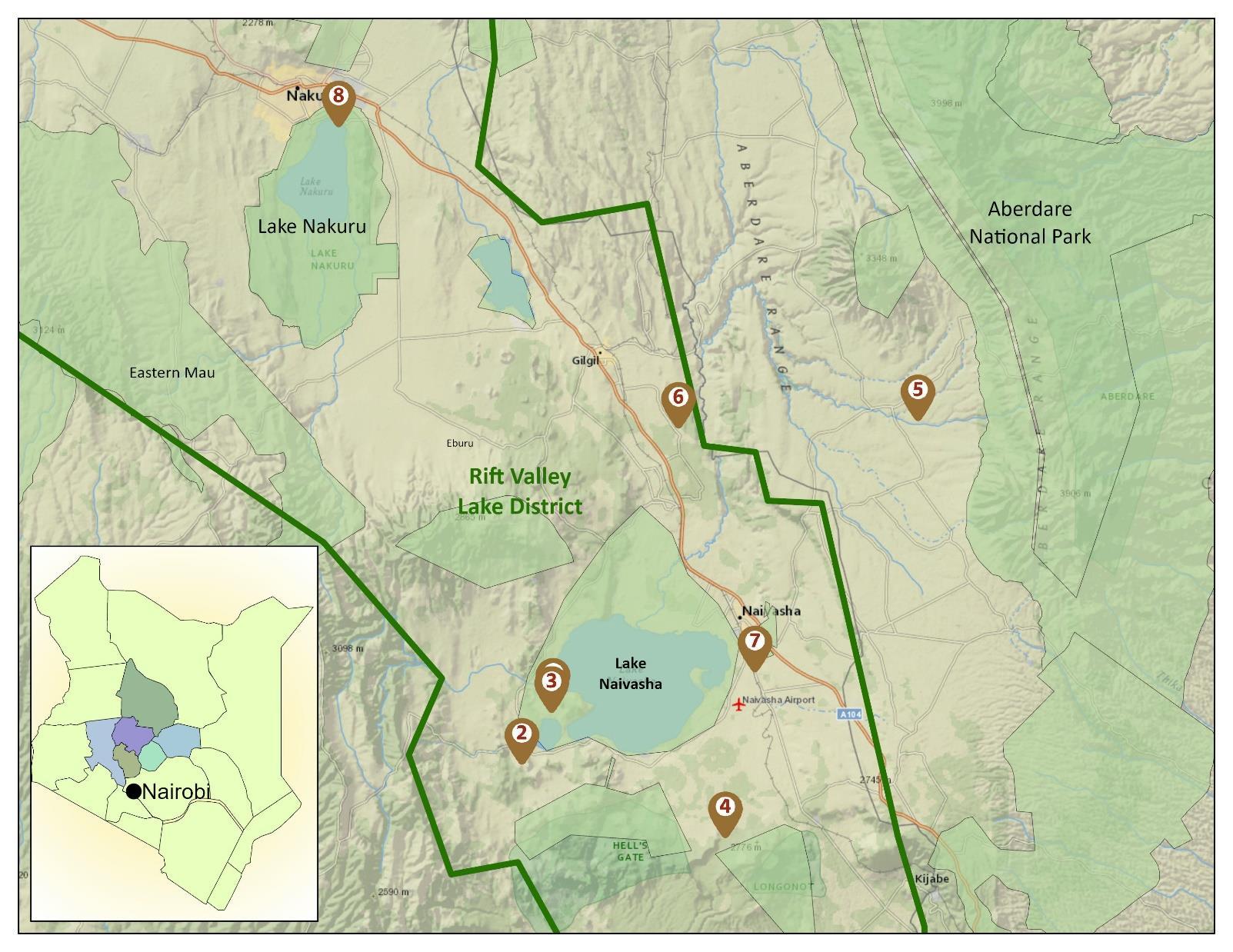
The Unit attended to 11 clinical case interventions were undertaken during April, including 4 zebras with snare injures Major cases included the relocation of 119 different species to safer habitats due to the Kedong Ranch fragmentation and relocation of 3 zebras who were habitual crop raiders within local community farms. In addition, the Unit carried out vaccination of two security dogs in Lake Nakuru National Park and postmortem of an eland calf as well as routine clinical work and security patrols. The Rift Valley Mobile Vet Unit visited Lentolia Wildlife Conservancy, KALRO Olmagogo, Crater Lake Conservancy, Naivasha Karai area - Nyamamithi, Naivasha Mountain View Estate, Kedong Ranch, WRTI Annex, Kigio Wildlife Conservancy, Gilgil Community Crop farms, Lake Nakuru NP and WRTI main Campus among other areas.
Acknowledgement
We sincerely thank Sheldrick Wildlife Trust (SWT) for support, resources & sponsorship of the Rift Valley Mobile Veterinary Unit. Chief Executive Officer SWT, Angela Sheldrick, we acknowledge your unwavering support and interest in the work undertaken by the Mobile Veterinary Unit. Kenya Wildlife Service is acknowledged for general operational & leadership support. Wildlife Research & Training Institute (WRTI) supported the activities by hosting staff at WRTI. We sincerely thank all stakeholders and scouts and all who reported wildlife cases in distress. Thank you all.
Case Details
SWT/KWS Rift Valley Mobile Vet Unit Treatment Locations
April 2026
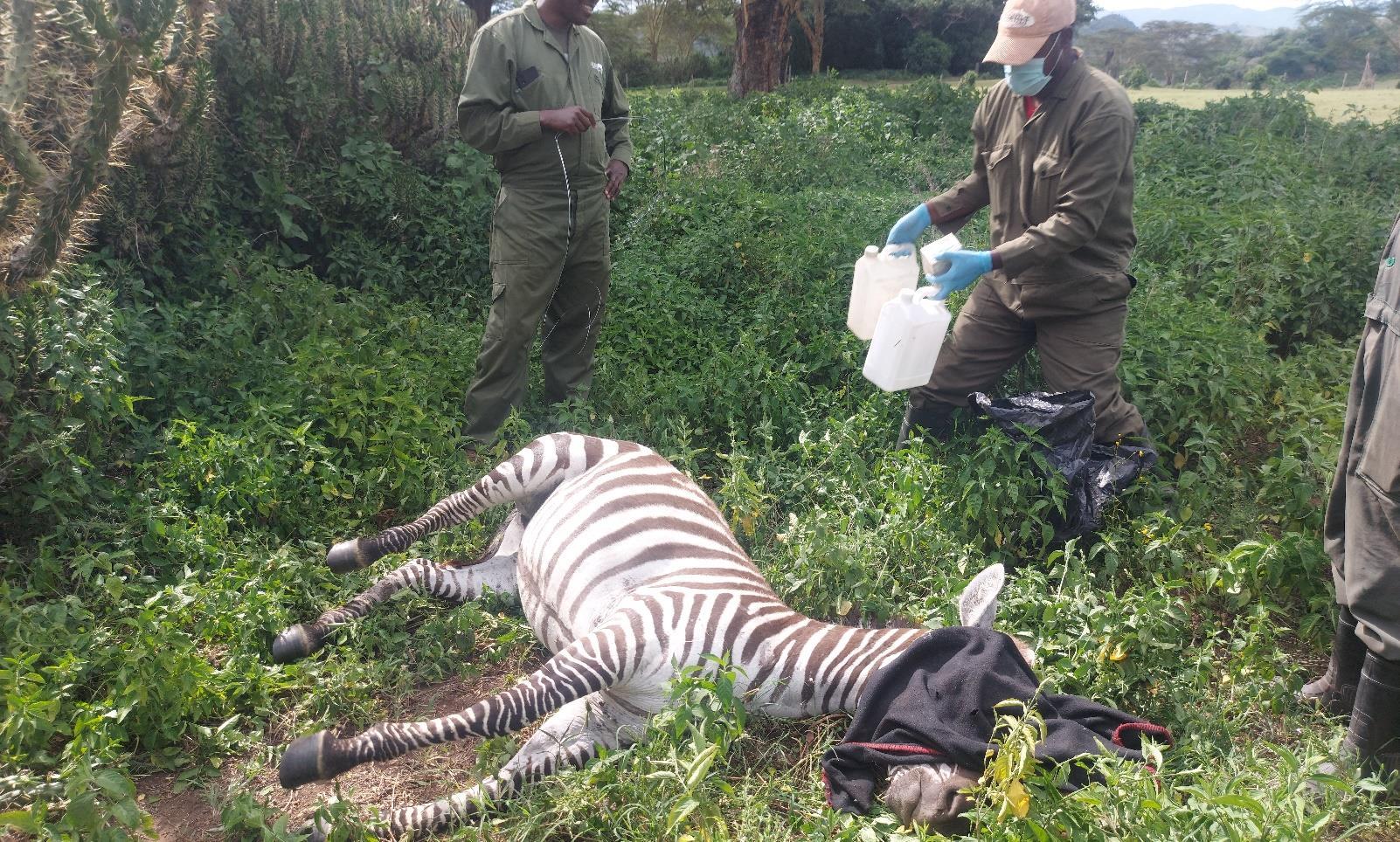
Case 1 – 9th April 2026
Zebra Snared Lentolia Wildlife Sanctuary
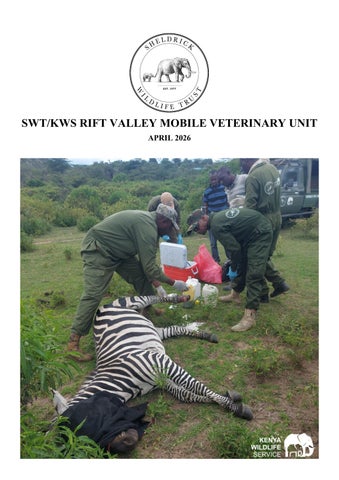
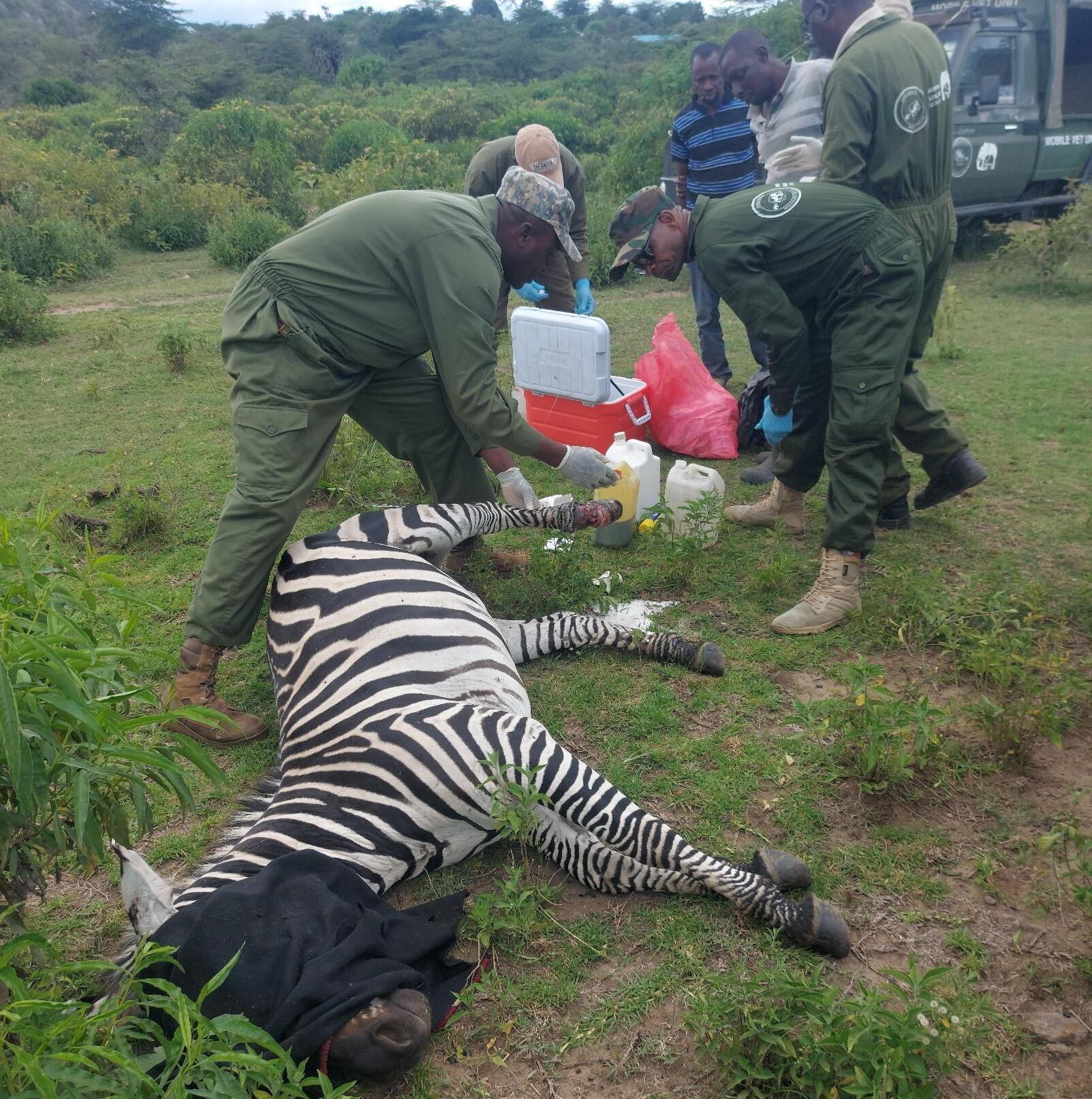
The zebra was darted with 5mg Etorphine plus 60mg Azaperone. On examination the zebra had been snared and wounded by a long wire snare on the neck and both hind legs.
The wounds were cleaned with water, rinsed with Iodine and a fly repellant (Alamycin) was also applied. The zebra was administered with 9,000mg Damox (Amoxicillin), 300mg Flumeg, 40ml Catasol and 5ml Noromectin. Prognosis is good.
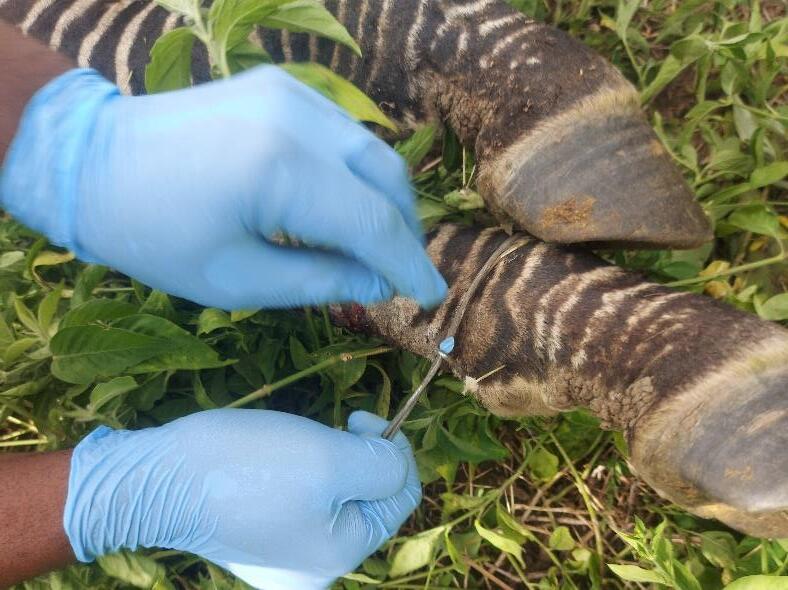
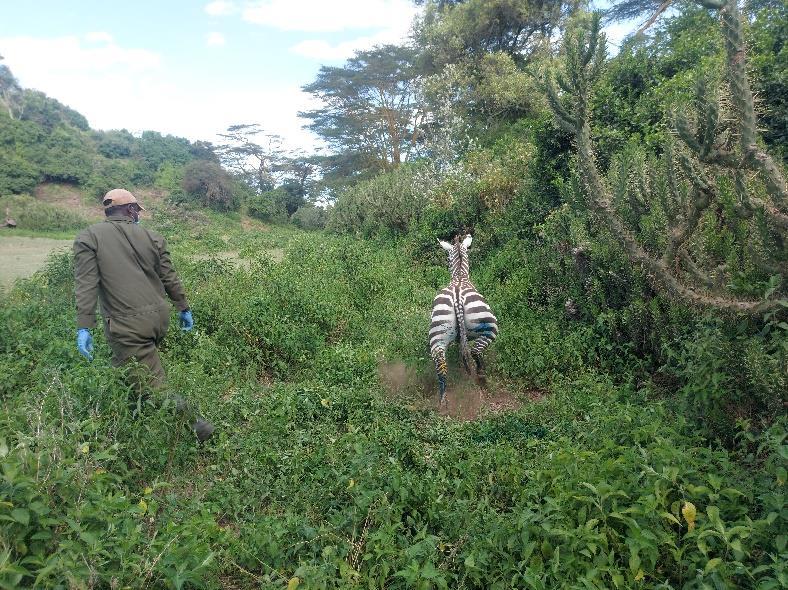
Case 2 – 9th April 2026
The zebra was darted with 5mg Etorphine plus 60mg Azaperone. On examination the zebra had been snared and severly wounded by a long wire snare on the leg hindleg
The wounds were cleaned with water, rinsed with Iodine and a fly repellant (Alamycin) was also applied The zebra was administered with 9,000mg Damox (Amoxicillin), 300mg Flumeg, 40ml Catasol and 5ml Noromectin. Prognosis is good. .
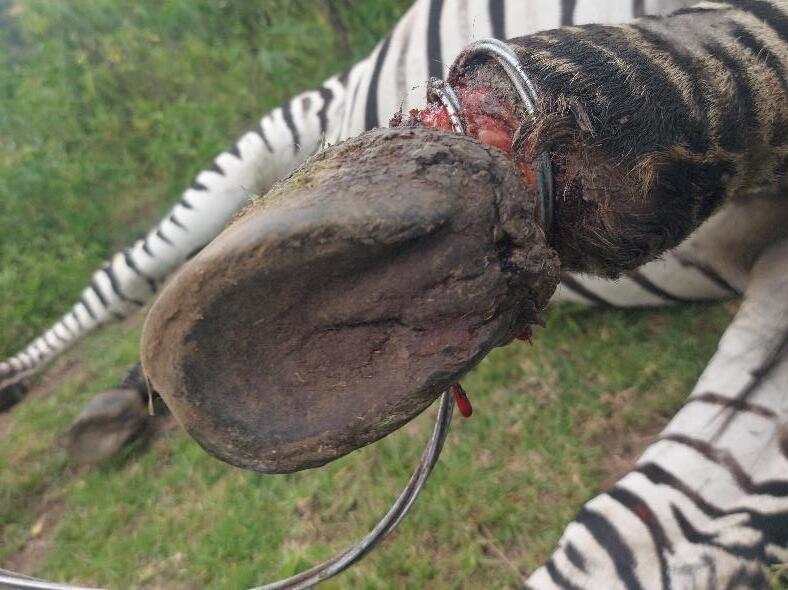
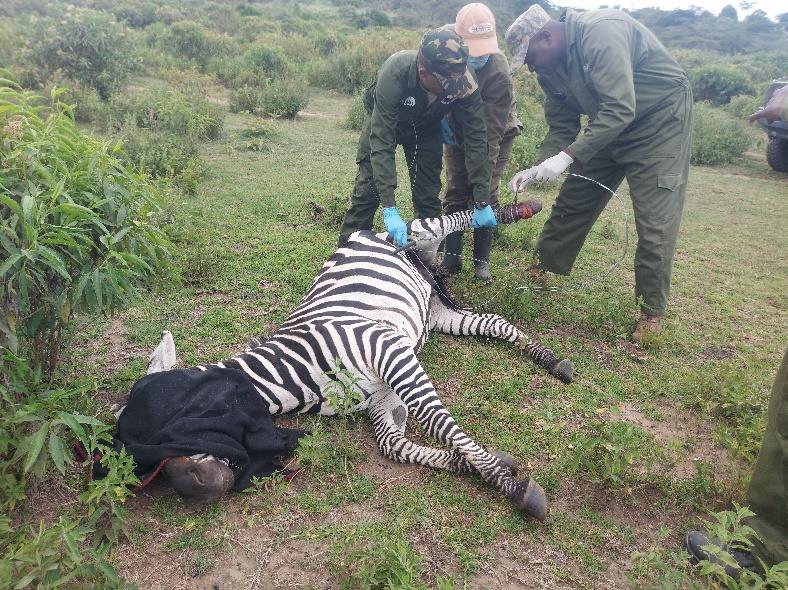
Case 3 – 13th April 2026
Zebra Snared
The zebra was darted with 5mg Etorphine plus 60mg Azaperone.
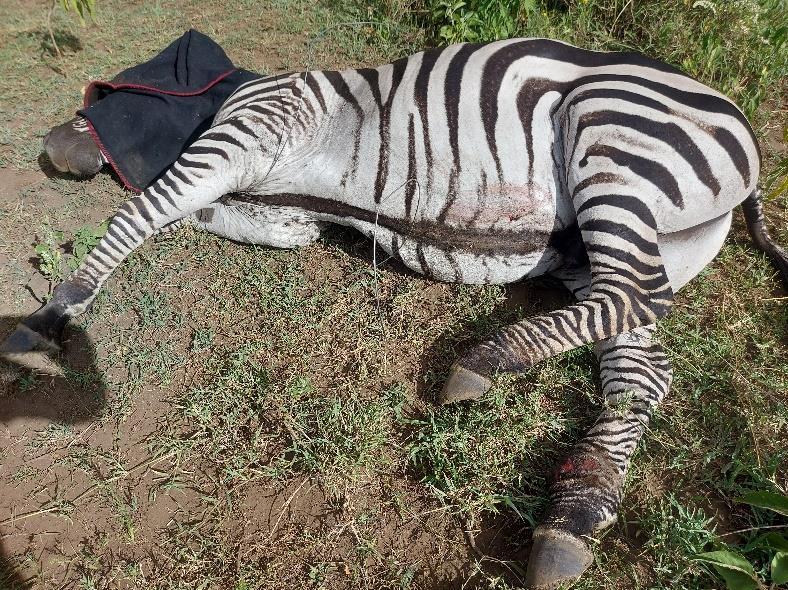
On examination the zebra had been snared and wounded by a long wire snare on the right hind leg and neck. The wounds were cleaned with water, rinsed with Iodine and sprayed witha fly repellant. The zebra was administered with 9,000mg Damox, 300mg Flumeg, 40ml Catasol and 5ml Noromectin. Prognosis is good.
Case 4 – 14th to 28th April 2026
Mixed Species Human-Wildlife Conflict
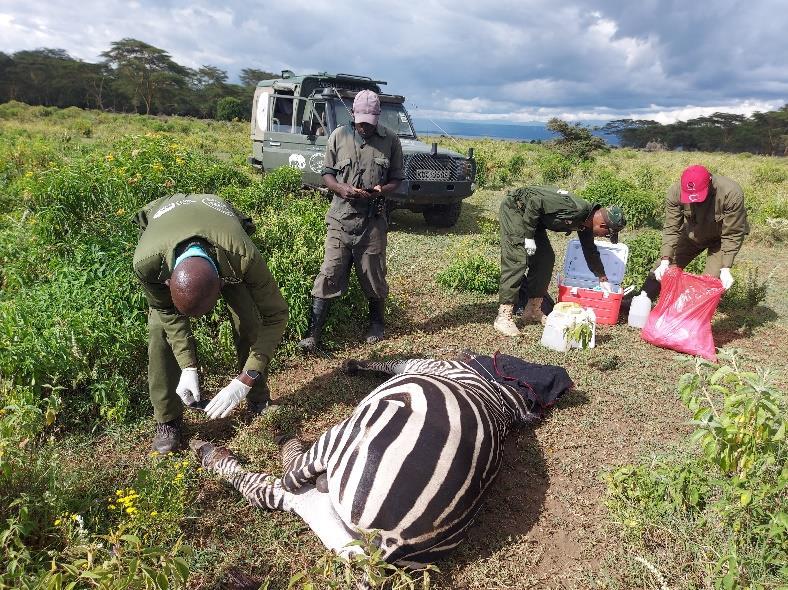
Kedong Ranch
Human–wildlife conflict remains a significant challenge in areas where wildlife habitats overlap with human settlements and agricultural lands. In recent months, increased incidences of conflict involving cape buffalo have been reported in the Nyamamithi, Naivasha Karai area, Malewa, WRTI annex, WRTI Main campus areas. Buffaloes have been frequently invading farms during nighttime hours, resulting in substantial crop destruction and economic losses to local farmers. In addition to property damage, there are documented reports of buffalo attacks on people within these areas, raising serious safety concerns for surrounding communities. Such interactions pose risks not only to human livelihoods and safety but also to wildlife populations, which may be subjected to retaliatory actions if mitigation measures are not implemented.
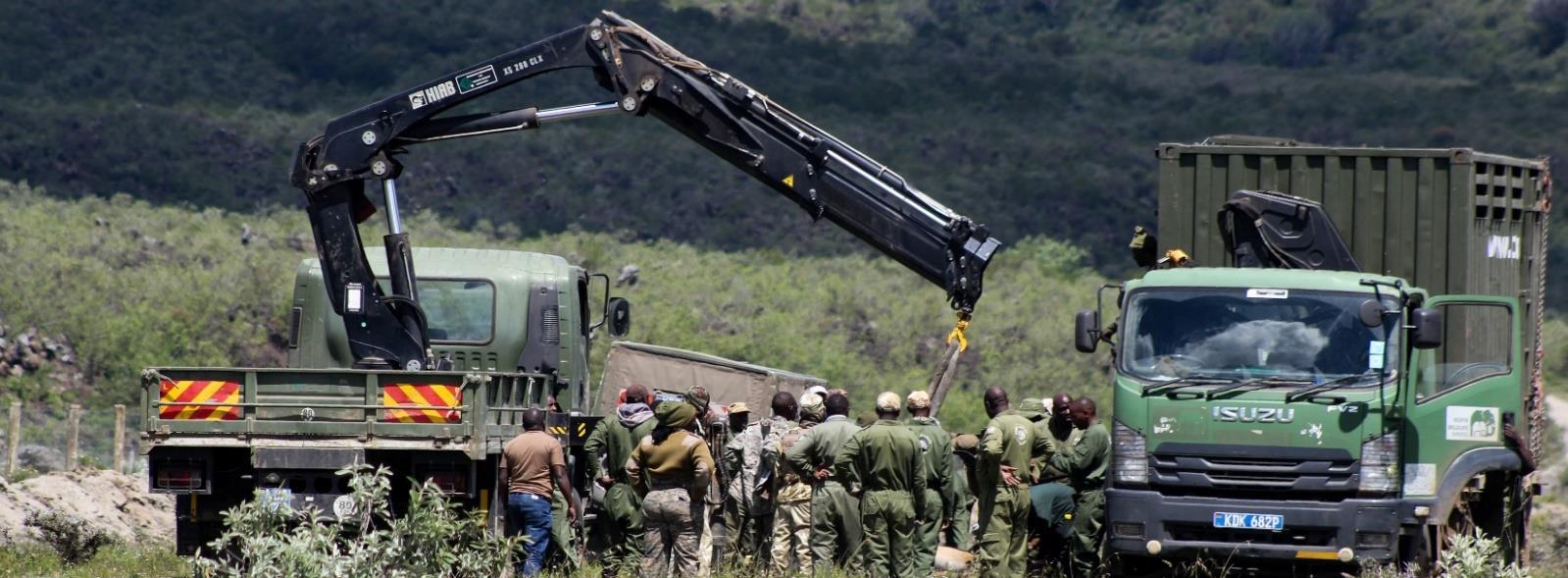
Capture and translocation method was therefore identified as an appropriate wildlife management tool and intervention mechanism to reduce conflict intensity while ensuring the conservation and welfare of affected wildlife populations. The operation aimed to remove problem-causing cape buffaloes from high-conflict zones and relocate them to more suitable habitats with reduced likelihood of human interaction.
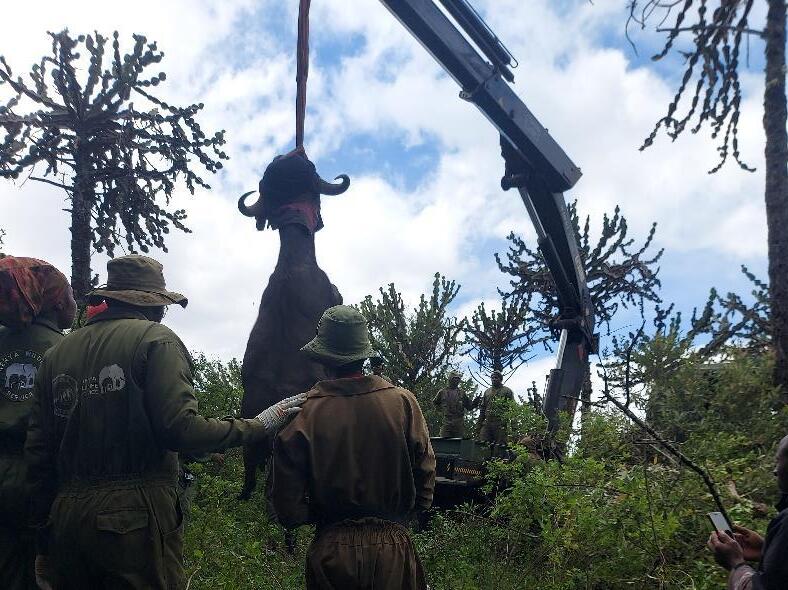
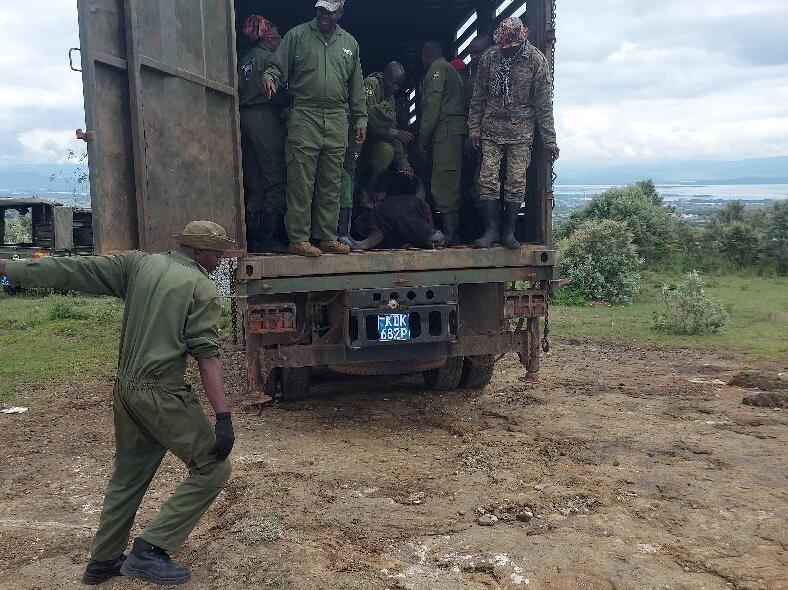
. In addition to conflict mitigation efforts, a separate translocation exercise was undertaken in the Kedong area due to ongoing changes in land use. Increasing numbers of landowners in Kedong have opted to convert land to alternative uses, resulting in reduced tolerance for free-ranging wildlife and requests for removal of animals from private properties. Consequently, several wildlife species, including elands, impalas, waterbucks and Thomson's gazelles were selected for translocation to suitable conservation areas. These combined efforts were undertaken to minimize human–wildlife conflict, support sustainable land-use transitions, and ensure the continued survival and ecological integrity of the translocated species.
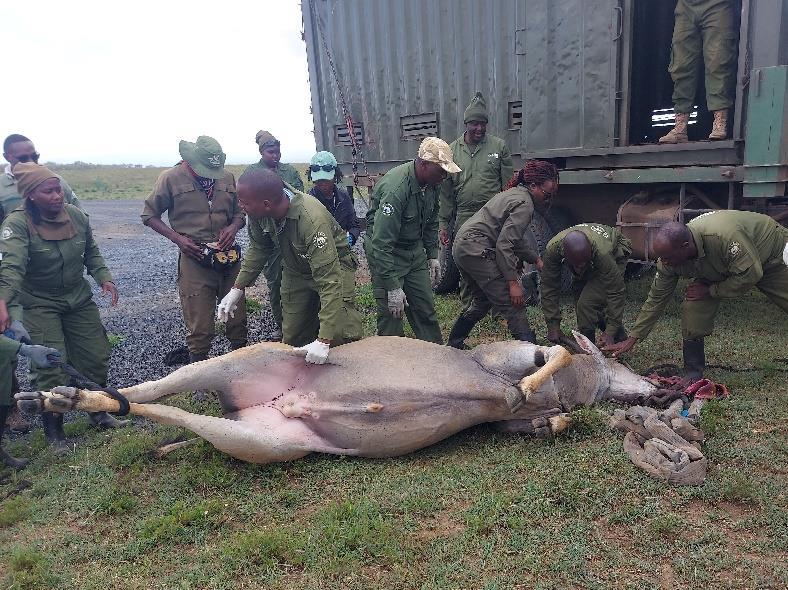
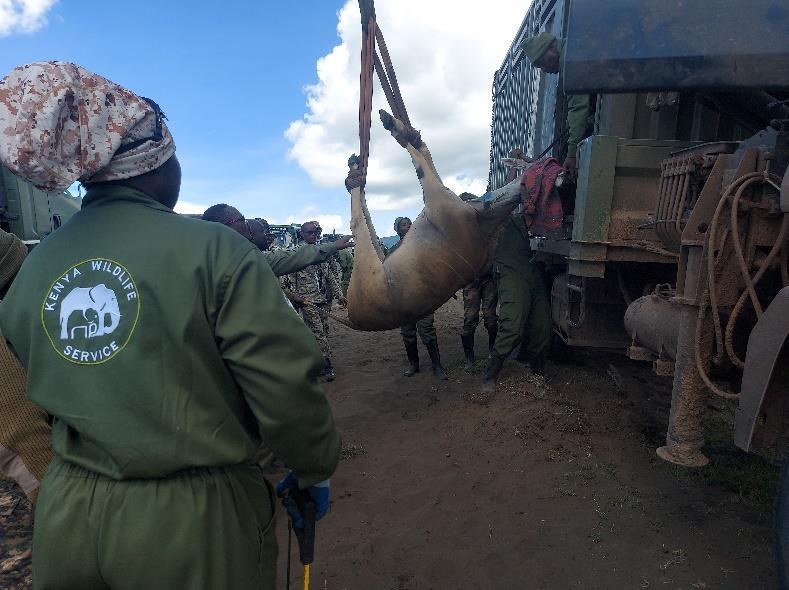
All the animals were immobilised with remote darting from a vehicle or helicopter, with drug administration based on species, weight and age – they were then moved via vehicle to the previous decided release sites including Karen (Nairobi), Nairobi National Park, Solai Conservancy (Nakuru) and Tundra Conservancy (Nanyuki). The capture and translocation exercise provided an opportunity to collect various samples from immobilized animals for bio banking and for future retrospective analyses. Samples including blood, ticks, hair and skin tissue were labelled and preserved appropriately in liquid nitrogen (frozen) or ethanol for future analysis. A total of 119 animals were safely translocated during this exercise. Many thanks to all the teams, rangers and organisations involved in making this exercise a success.
Case 5 – 27th April 2026
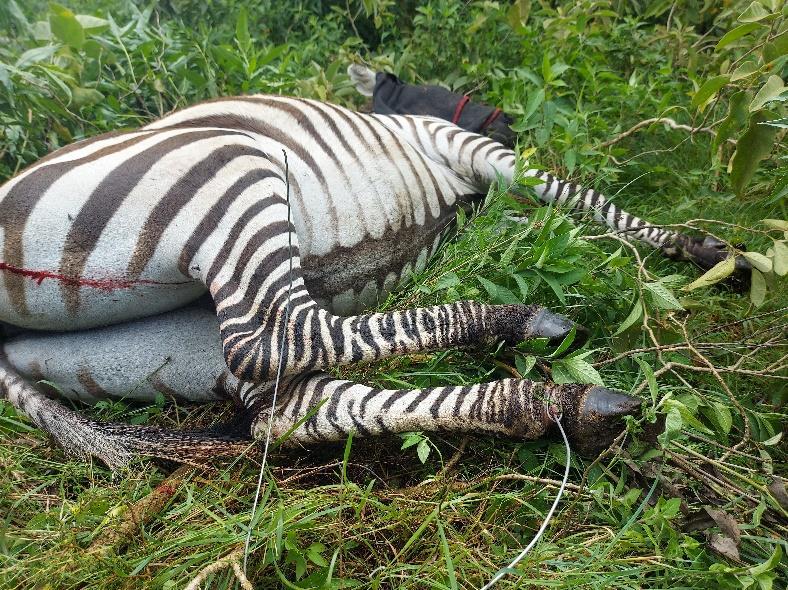
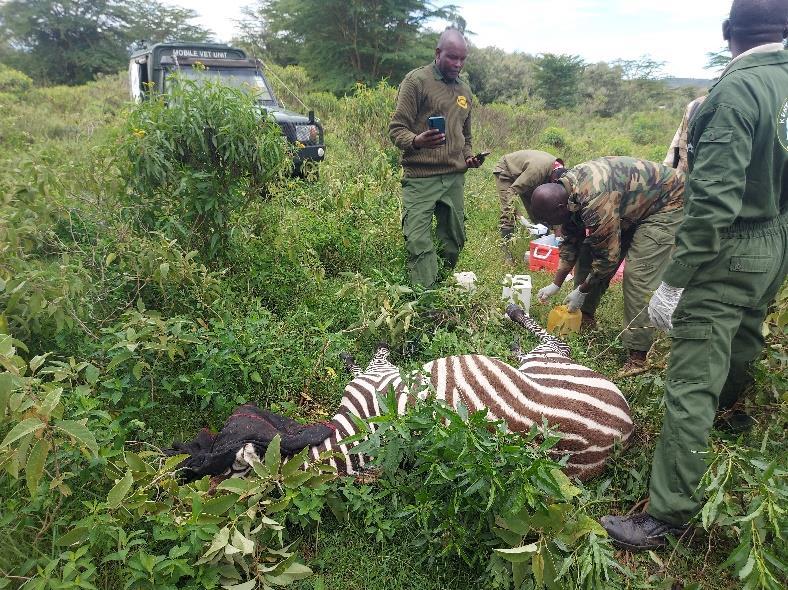
Zebra Snared Karlo, Naivasha
The zebra was darted with 5mg Etorphine plus 60mg Azaperone. On examination the zebra had been snared and wounded by a long wire snare around the right hind leg and neck The wounds were cleaned with water, rinsed with Iodine then a fly repellant (Alamycin) was also applied. The zebra was administered with 9,000mg Damox (Amoxicillin), 300mg Flumeg, 40ml Catasol and 5ml Noromectin. Prognosis is good.
Case 6 – 27th April 2026
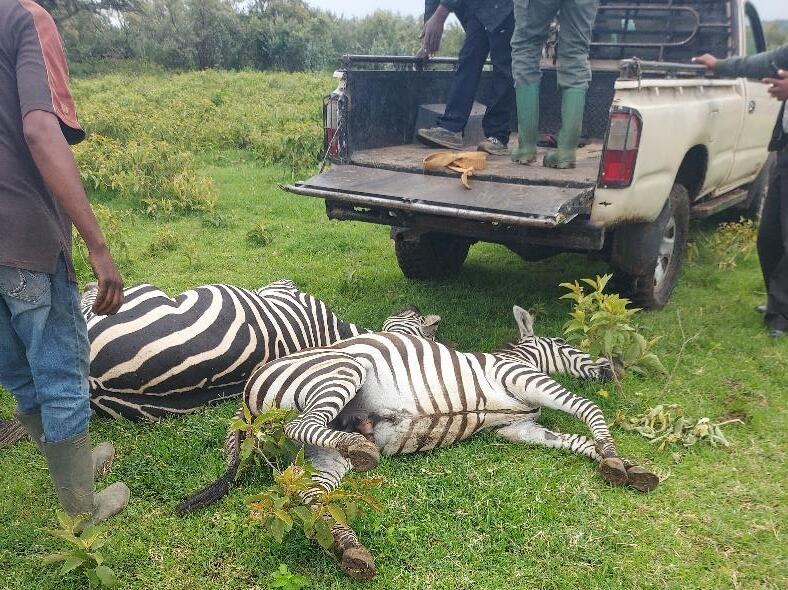
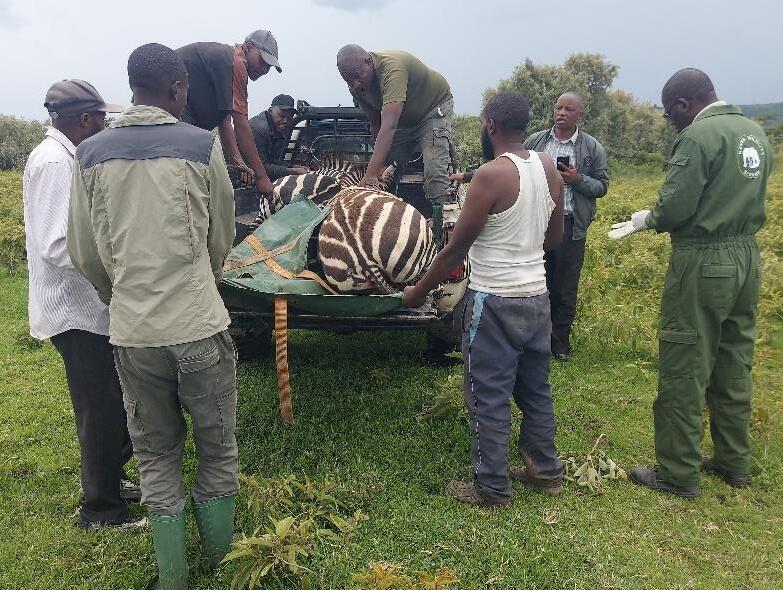
Three male zebras who are habitual crop raiders in Gilgil were immobilized and translocated to Kigio Wildlife Conservancy. These animals were roaming in community farms and are source of HWC as they raided farms and destroyed valuable crops. Farmers have retaliated by snaring and killing zebras. To mitigate HWC, KWS management approved rescue and translocation into Kigio Wildlife Conservancy which has electric fences on the community front and river Malewa acting as natural barrier on the Northern part of the Conservancy.
The animals were ammobilised one at a time with 5mg Etorphineand 60mg Azaperone then transported on a pick-up trick across the fenceline and revived at the appointed release site. Prognosis is good.
Eland Postmortem WRTI, Naivasha
A postmortem examination of one female eland calf at WRTI main Campus – Staff Quarters was conducted. The carcass was moved to quarry area of WRTI Main campus for a full postmortem and safe disposal..
Postmortem Examination
• The eland carcass was fresh – died less than 24 hours and prior and was slightly bloated
• The eland had a fair body condition (body condition score of 3)
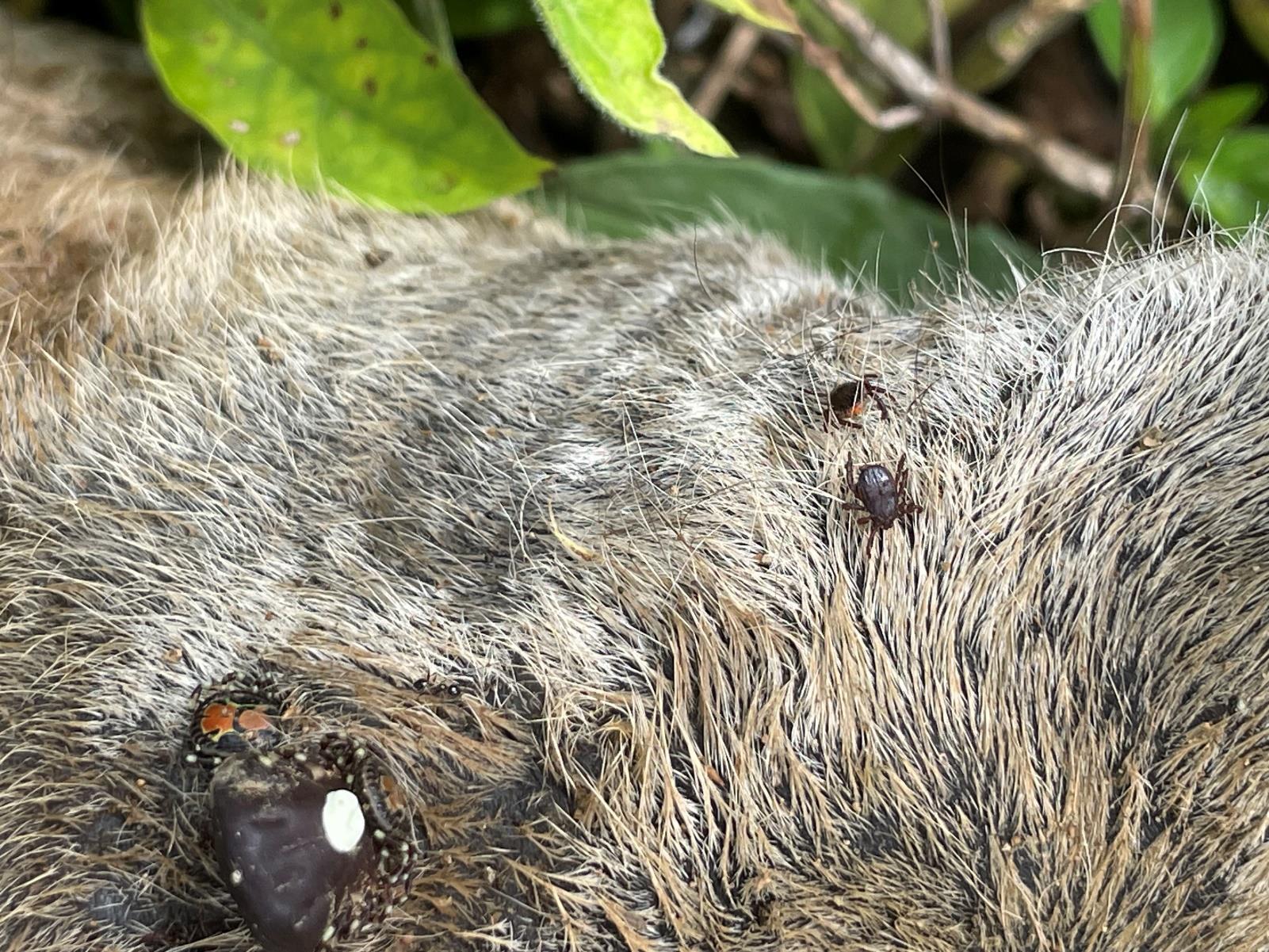
• The carcass was heavily infested with ticks. Ticks were found in the ears, brisket, perineum and udder
• The perineum had matted hair - a sign of severe diarrhea
• Submandibular lymph nodes on cut surface were filled with pus
• Prescapular lymph nodes when opened and were filled with pus
• Inguinal lymph nodes were also filled with pus
• Lungs were slightly congested with no exudate on cut surface
Cause of death
The death of this eland calf was caused by sepsis due to severe tick pyemia