Case Details
Date
Species Area Found
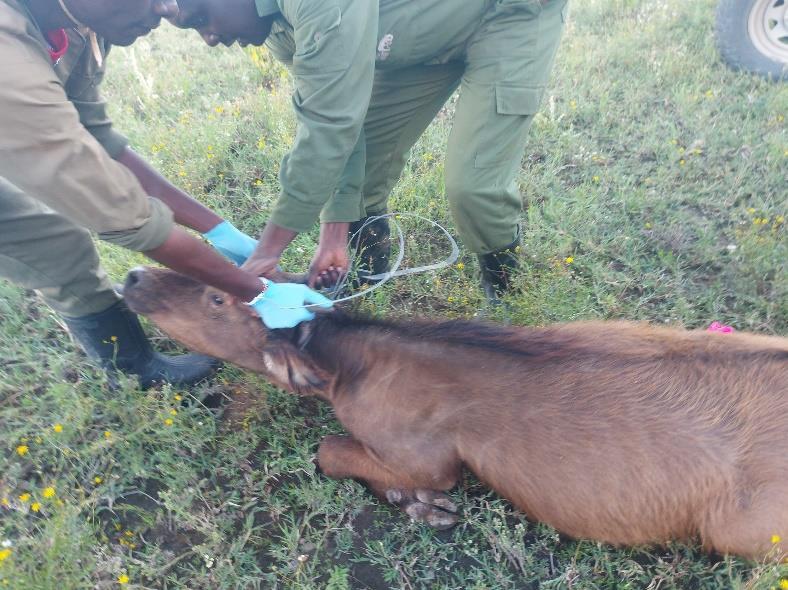
3-May-26 Buffalo Naivasha Snared
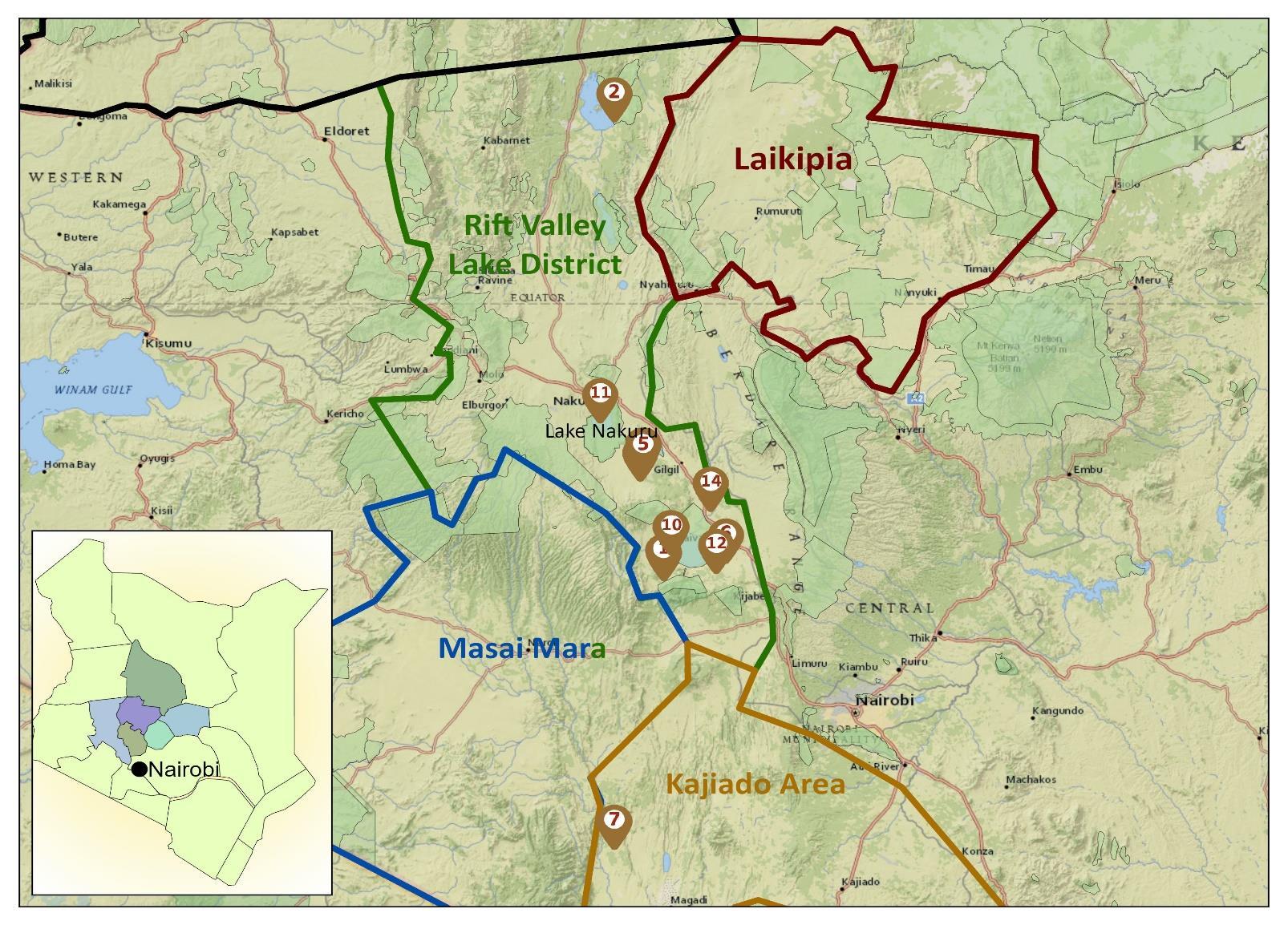
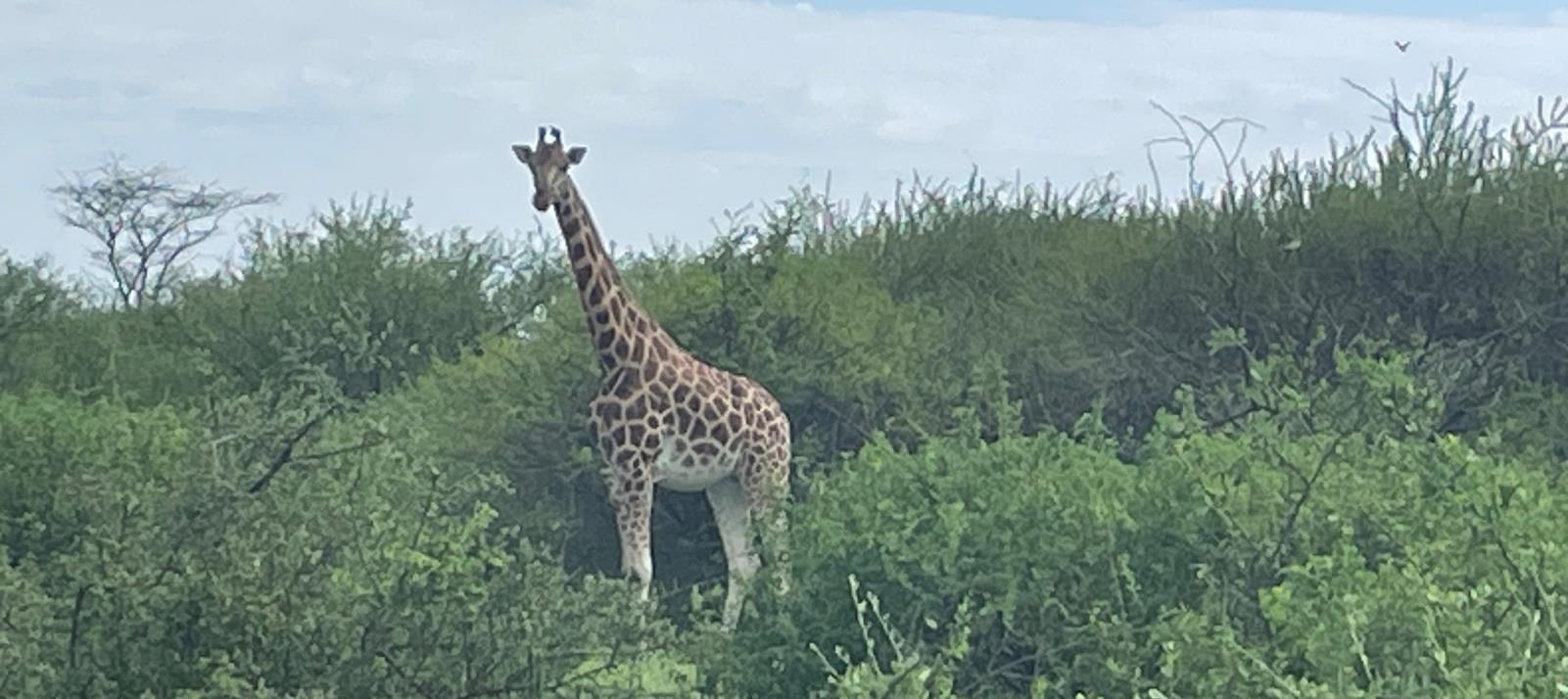
14-May-26 Giraffe Baringo
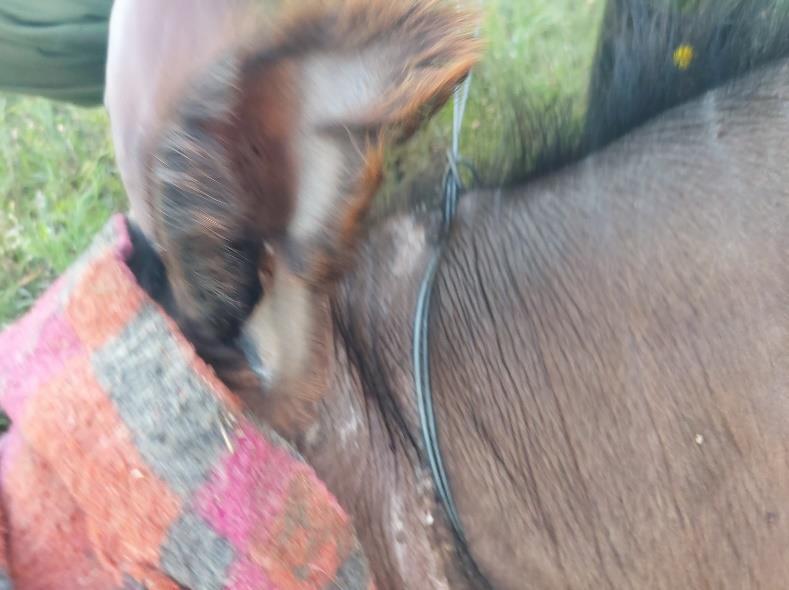
A buffalo calf had been snared and wounded by a wire snare on the neck Successfully Treated
Research/ Survey Examined and treated the sickly giraffes whilst researching possible disease outbreak Task Successful
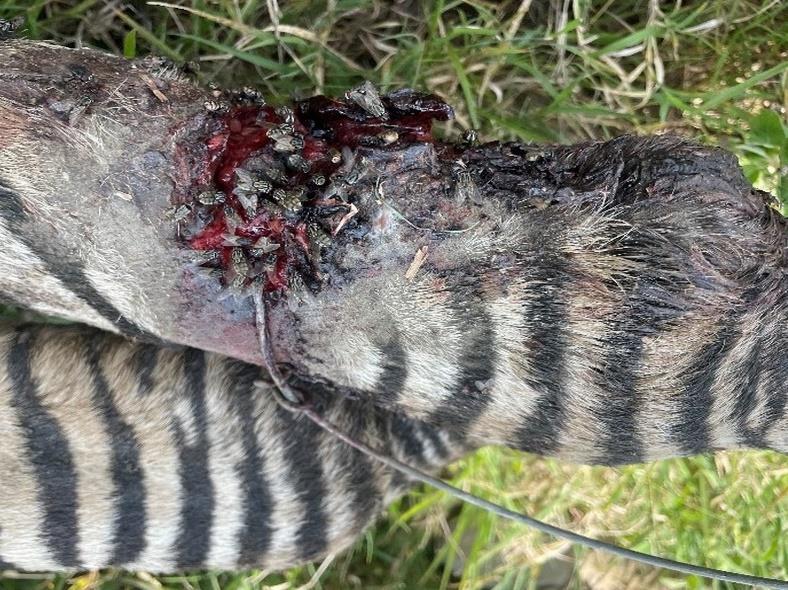
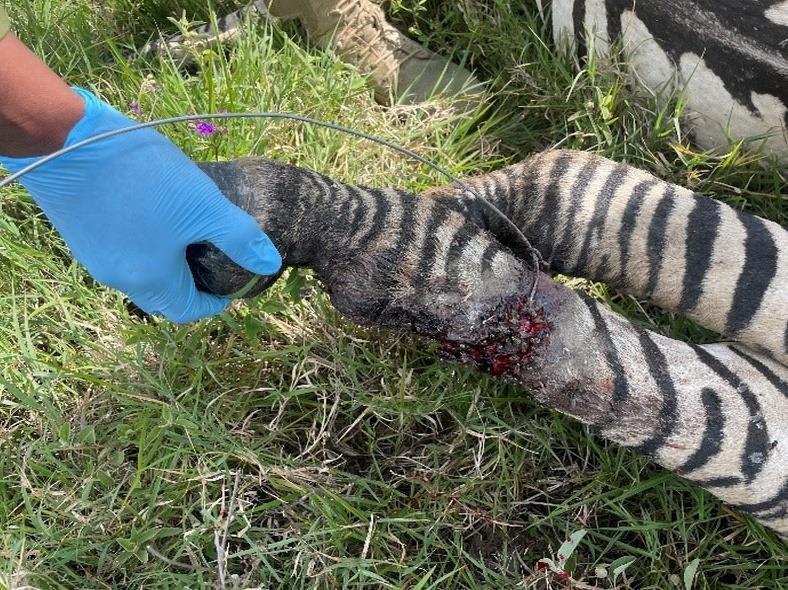
20-May-26 Zebra Soysambu Conservancy Snared
20-May-26 Zebra Soysambu Conservancy Natural Causes
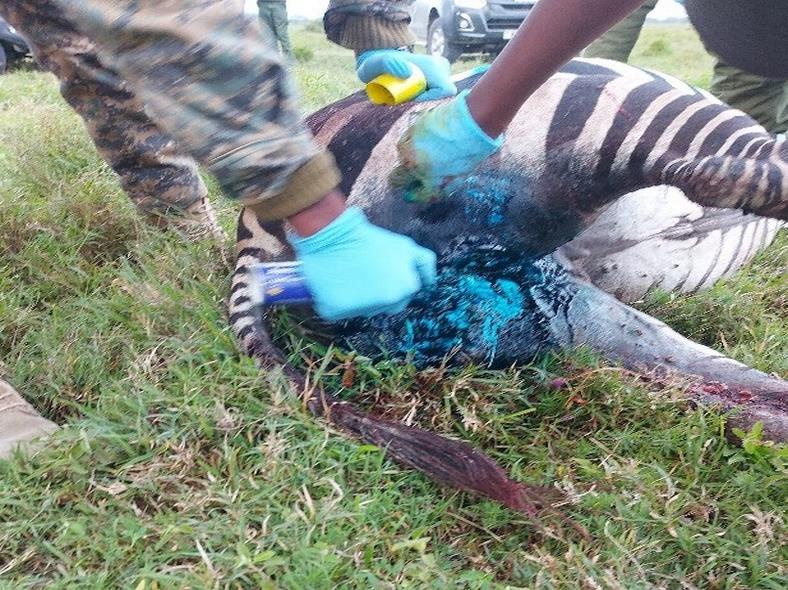
The zebra had been snared and wounded by a wire snare on the left hind leg Successfully Treated
The zebra had suffered a complete open fracture of the left hind leg Died
20-May-26 Zebra Soysambu Conservancy Natural Causes The zebra had been wounded on the front right leg. The wound was septic Prognosis Poor
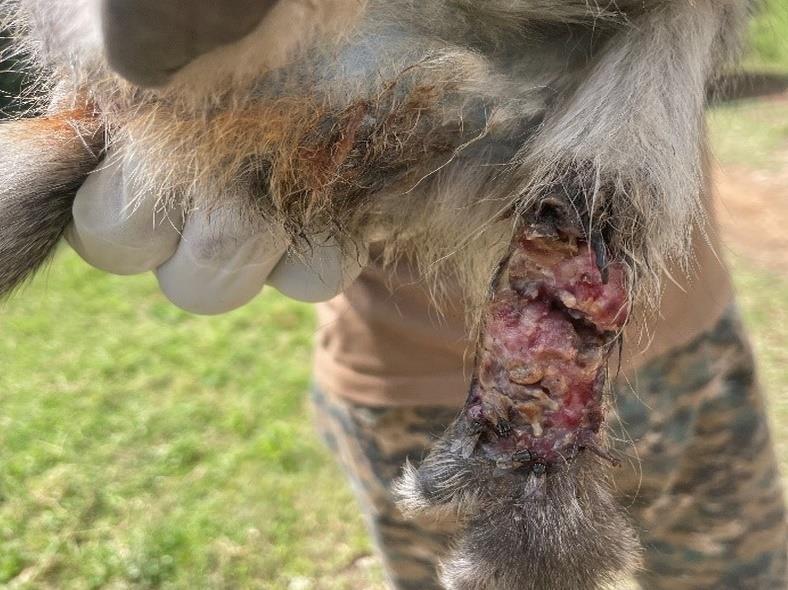
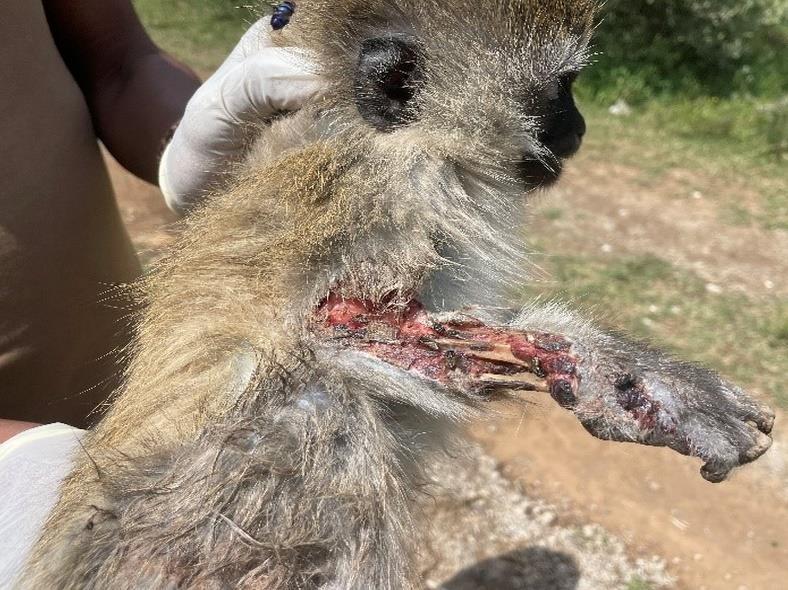
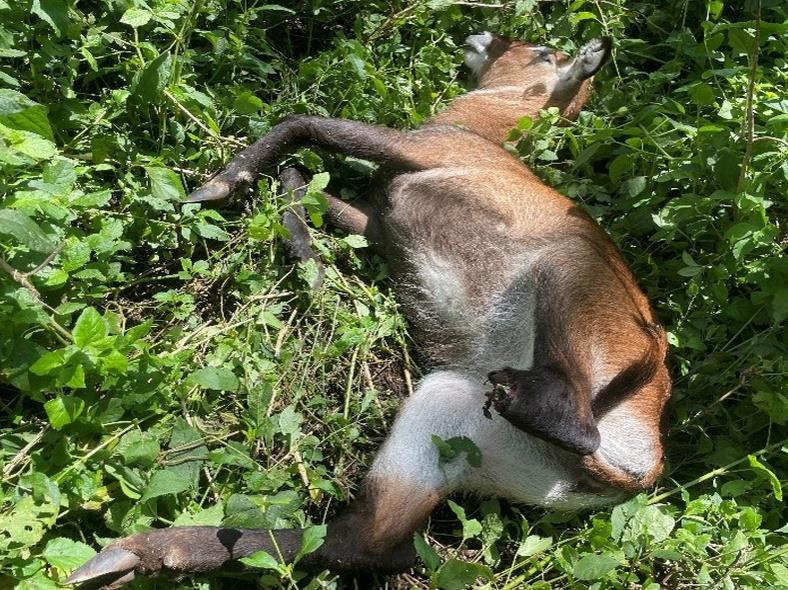
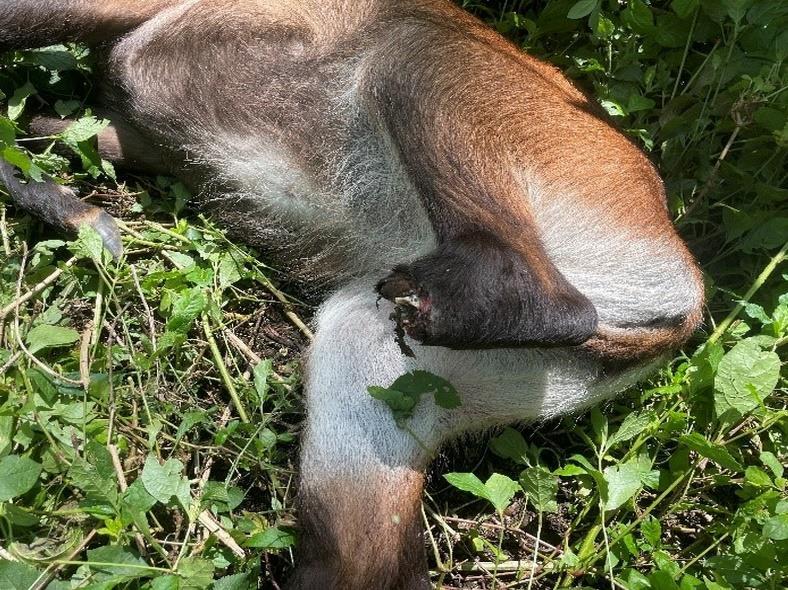
20-May-26 Primate Naivasha Natural Causes The vervet monkey had been wounded on the front leg with bone exposure Died
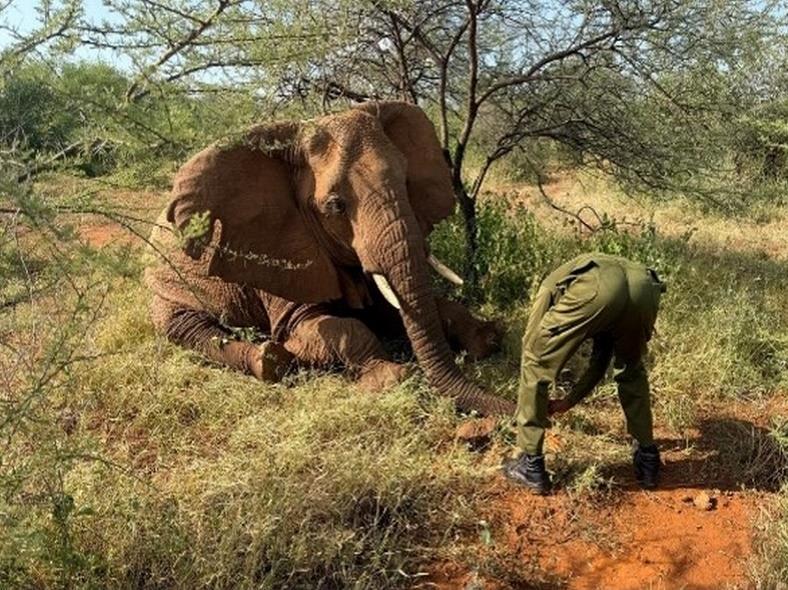
21-May-26 Elephant Kajiado County Arrow The elephant had a suspected arrow wound on the rump Successfully Treated
22-May-26 Buffalo Naivasha Snared Had been snared by a long wire snare on the left hind leg
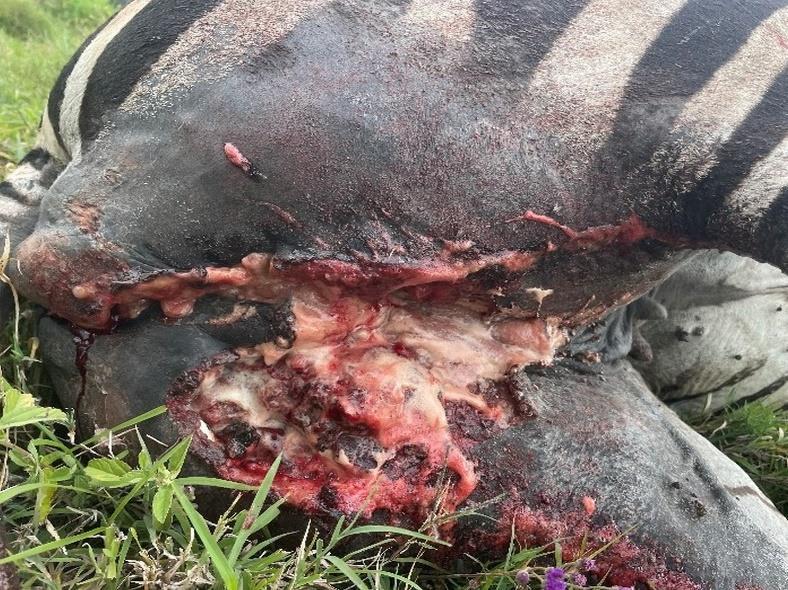
22-May-26 Zebra Naivasha Natural Causes The chronic wound is suspected to be cancerous in nature Prognosis Poor
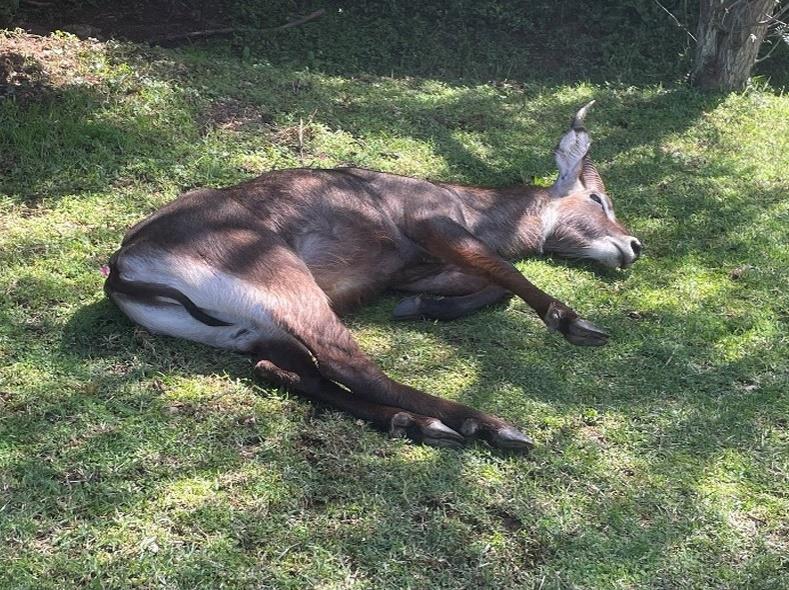
22-May-26 Waterbuck Naivasha Natural Causes The waterbuck had suffered a complete open fracture & later amputated hind leg Prognosis Poor
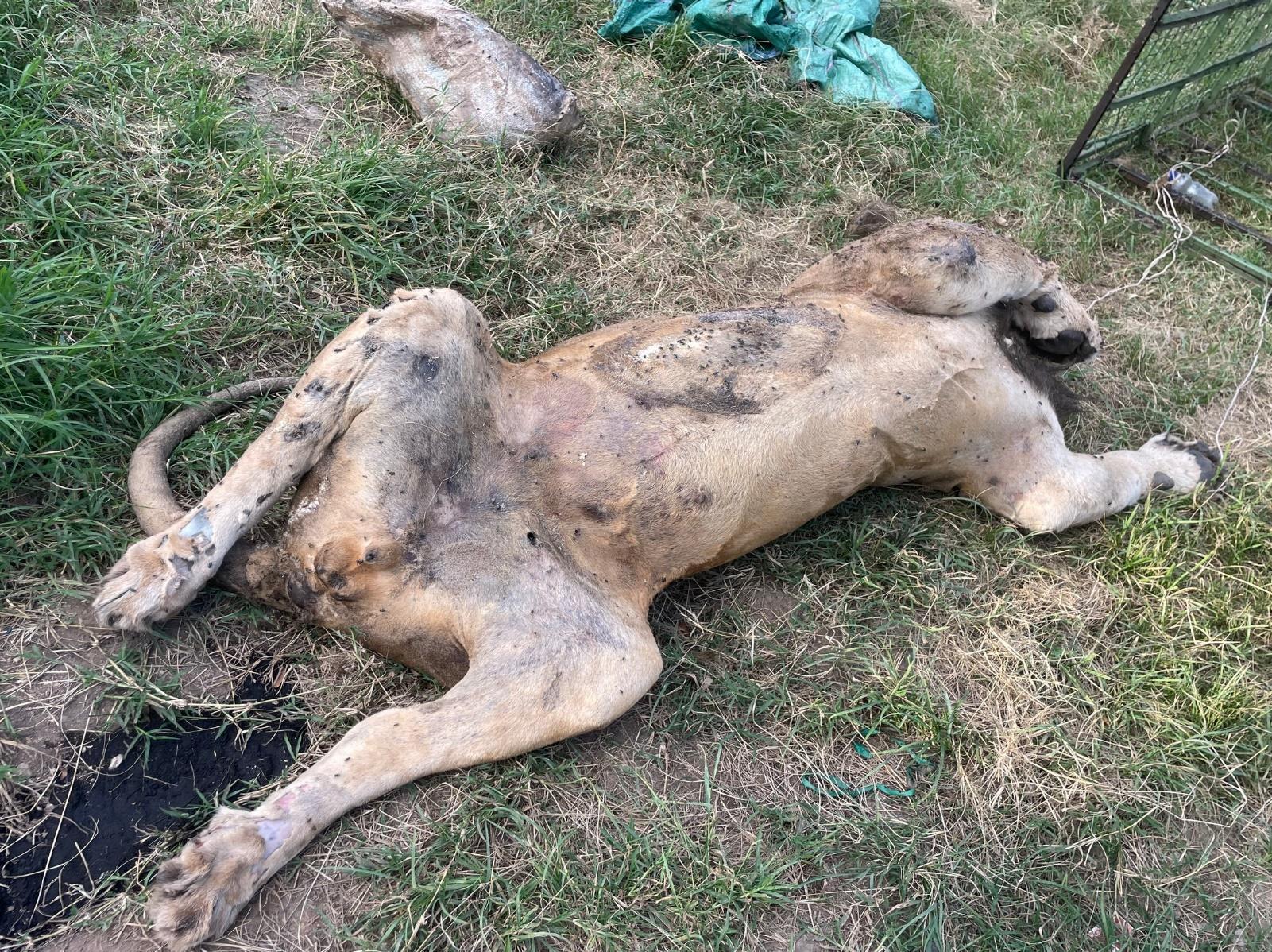
24-May-26 Lion Lake Nakuru NP HWC The lion carcass had been decapitated. The head had been cut off HWC Death
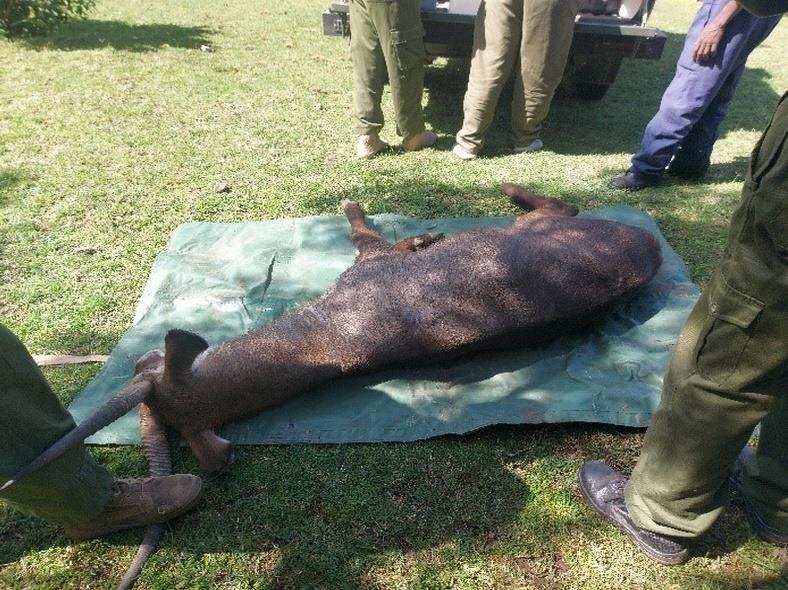
25-May-26 Waterbuck Naivasha Postmortem the male waterbuck had suffered a closed fracture of the right hind leg Died
27-May-26 Zebra Soysambu Conservancy Natural Causes On examination the zebra had been brutally wounded on the perineum Prognosis Poor
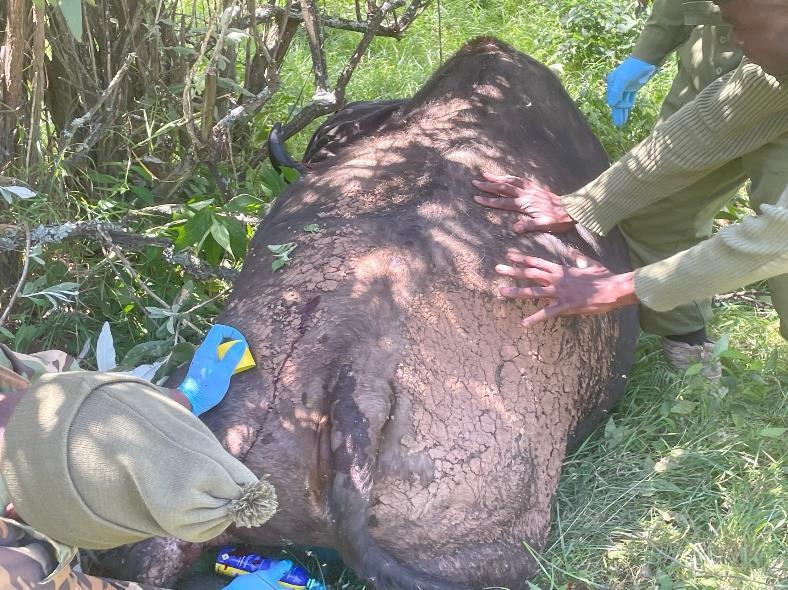
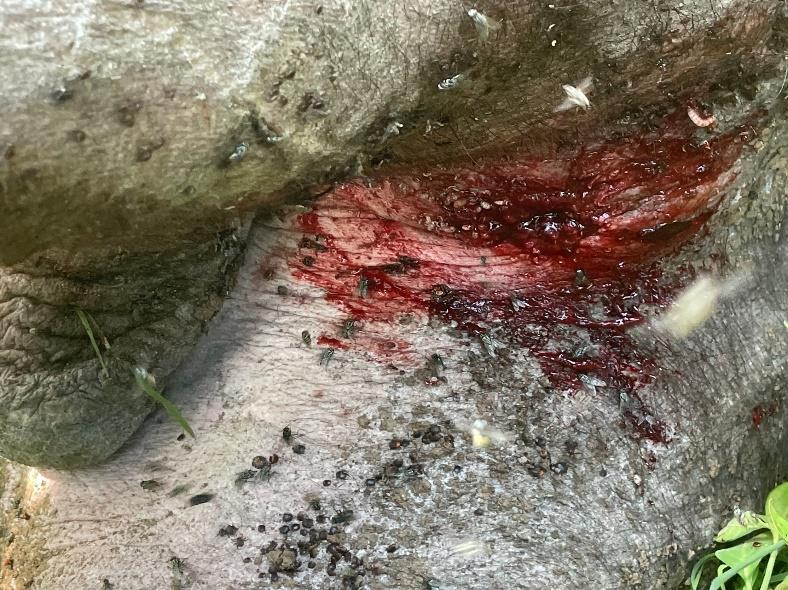
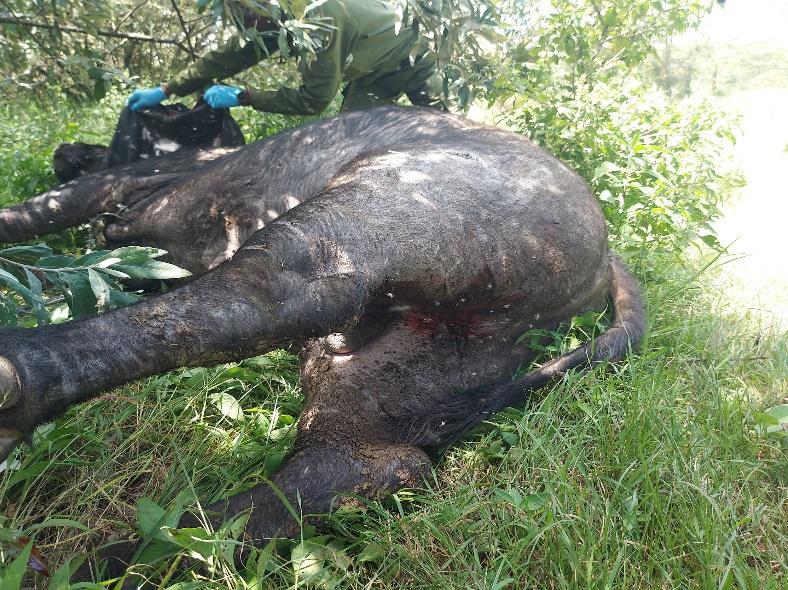
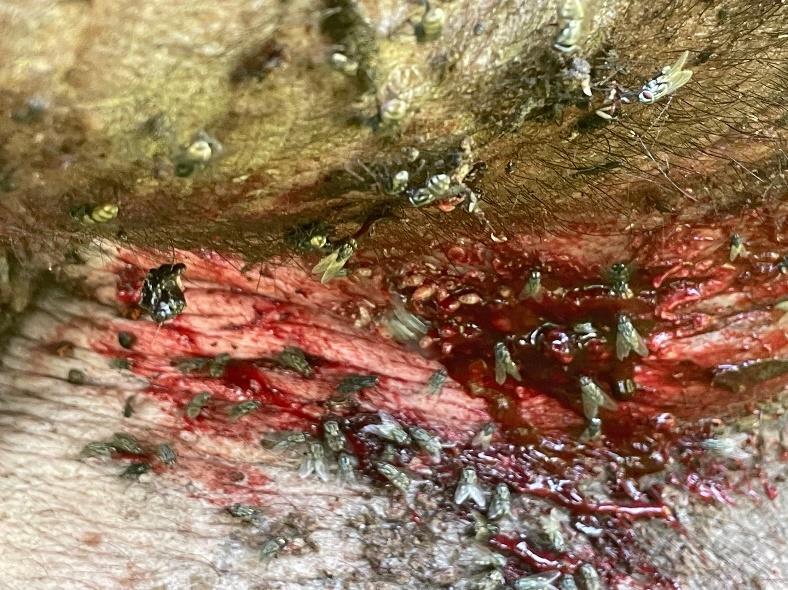
29-May-26 Buffalo Naivasha Natural Causes The buffalo had been severely wounded on the perineum Successfully Treated
Case 1 – 3rd May 2026
Buffalo Snared Mundui Estates, Naivasha
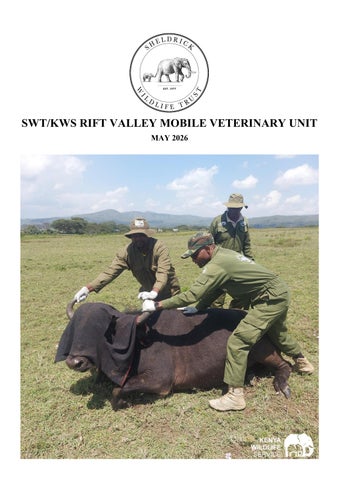
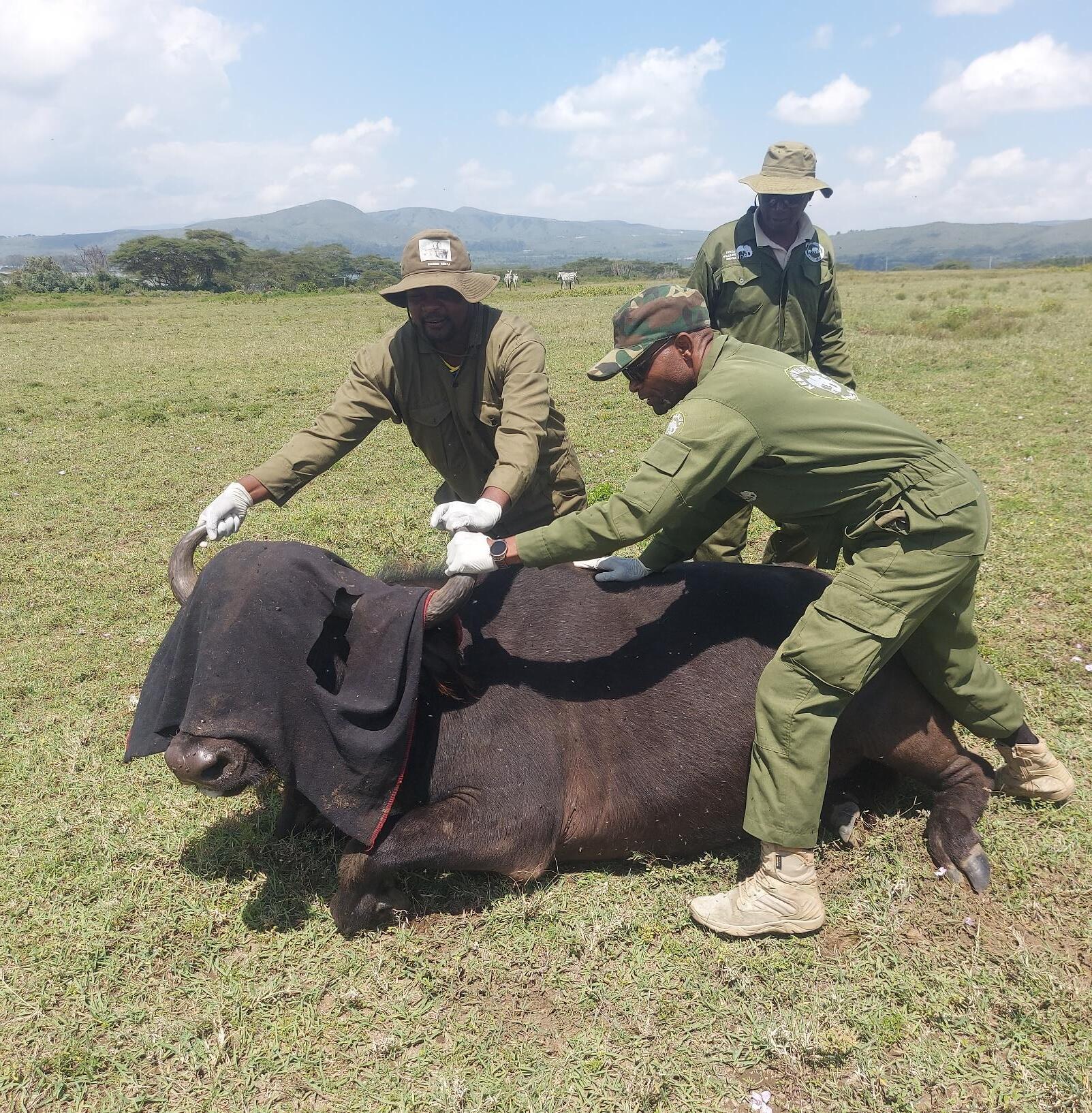
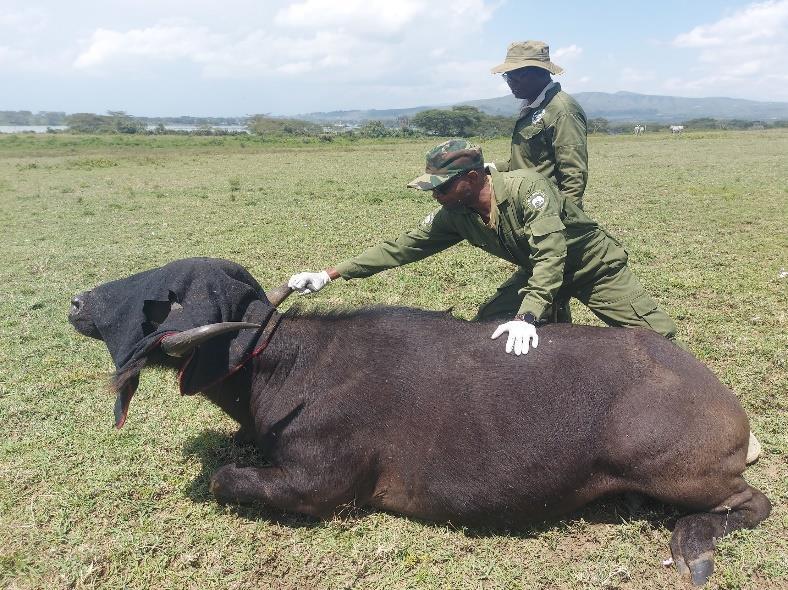
The buffalo calf was darted using 1.5mg Etorphine plus 10mg Azaperone. On examination the buffalo calf had been snared and wounded by a wire snare on the neck. The wounds were cleaned with water and rinsed with Iodine. A fly repellent (Alamycin® Aerosol) was applied. The buffalo was also given 3,000mg Alamycin, 100mg Flumeg, 2ml Noromectin and 20ml Catasol.
Prognosis is good.
Case 2 – 14th May 2026
Giraffe
Research/Survey
Ruko Community Conservancy
The Unit monitored a sick male Rothschild's giraffe at Ruko Community Wildlife Conservancy. This giraffe had been treated some days ago but was recovering well. The other giraffes could not be immobilised to take samples on this day because of the slippery & wet ground day due to heavy rains in the area. However, the team collected plant samples for laboratory testing
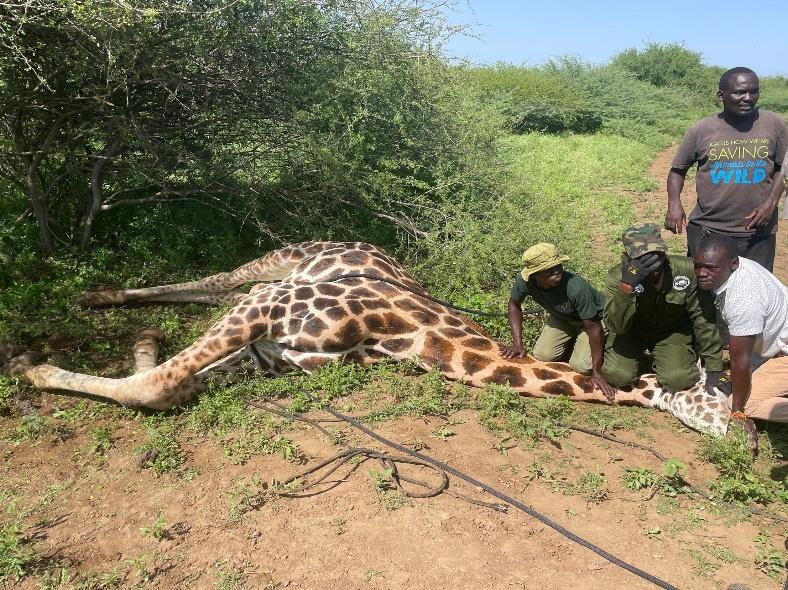
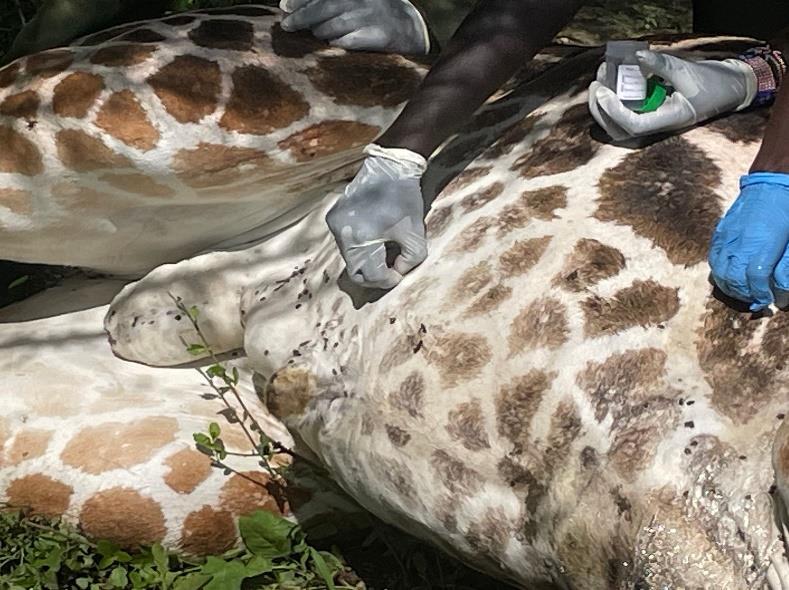
The following day, the Unit was able to immobilise 3 Rothschild's giraffes (2 females & 1 male) for examination and treatment. These were some of the sickly giraffes. This was part of disease outbreak investigation work. We took laboratory samples including blood, ticks, tissues, plants & water samples for laboratory testing.
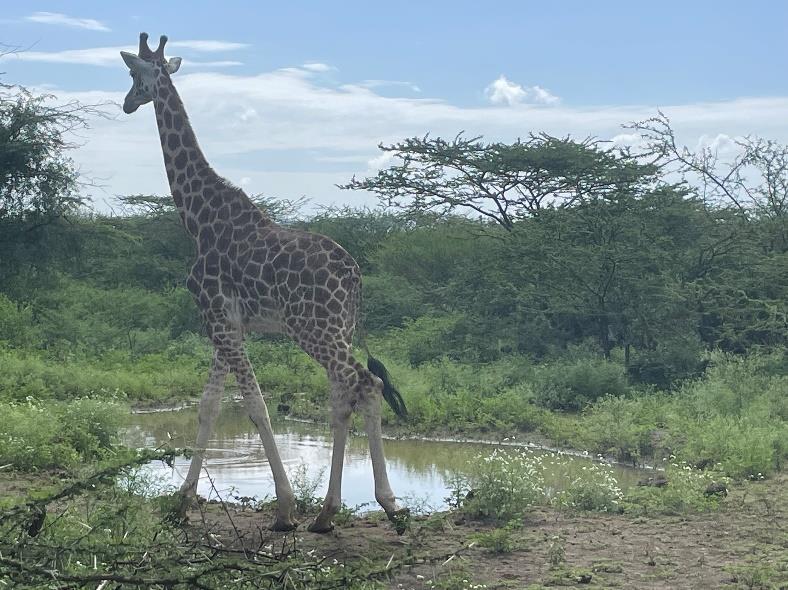
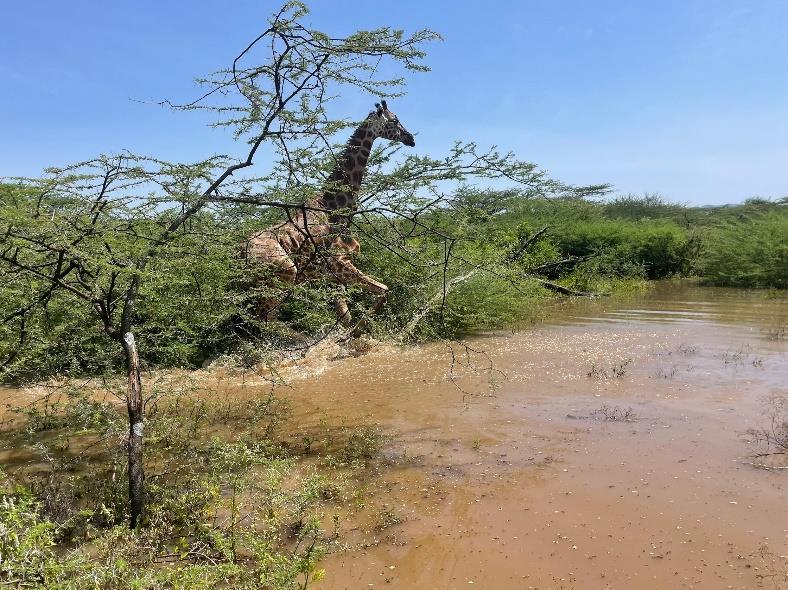
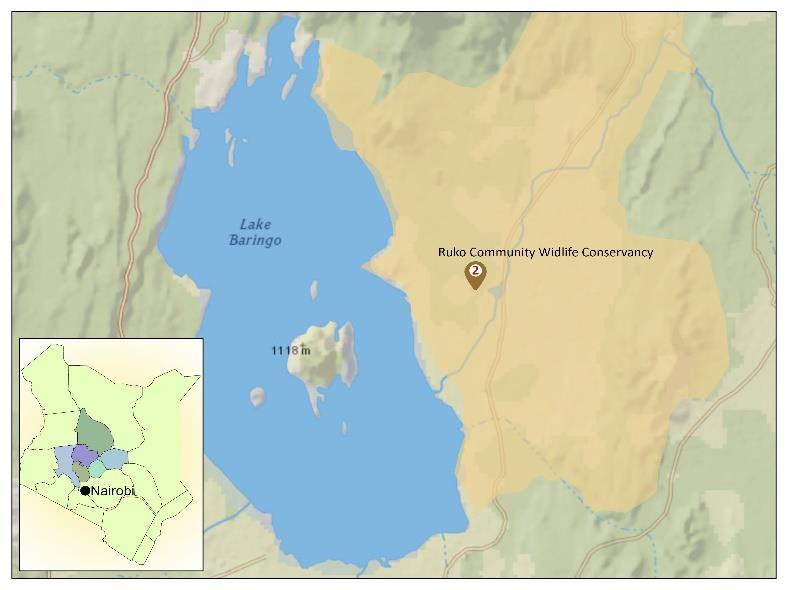
Ruko Community Wildlife Conservancy is located on the northeastern shores of Lake Baringo and was established in 2008 by the Pokot and Ilchamus communities. The Conservancy covers approximately 19 km2 of unregistered Community land with a fenced 15km2 Wildlife Conservancy for the conservation of the Nubian/Rothschild’s giraffe and other wildlife species. During this reporting period the Conservancy holds 31 Rothschild giraffes. Historically the Ruko Community Conservancy giraffes had been translocated from Soysambu Conservancy – Nakuru County, Krugger farm – Uasingishu County and Giraffe Centre – Nairobi County. About a quarter of this population has been bred in Ruko Community Conservancy. There are about 3,000 people who live adjacent to the conservancy. Wildlife conservation is promoted as land use together with livestock and crop agriculture. In the last 3 years or so Lake Baringo waters have increased and to date almost a quarter of the Conservancy has been flooded by the ever-surging lake waters.
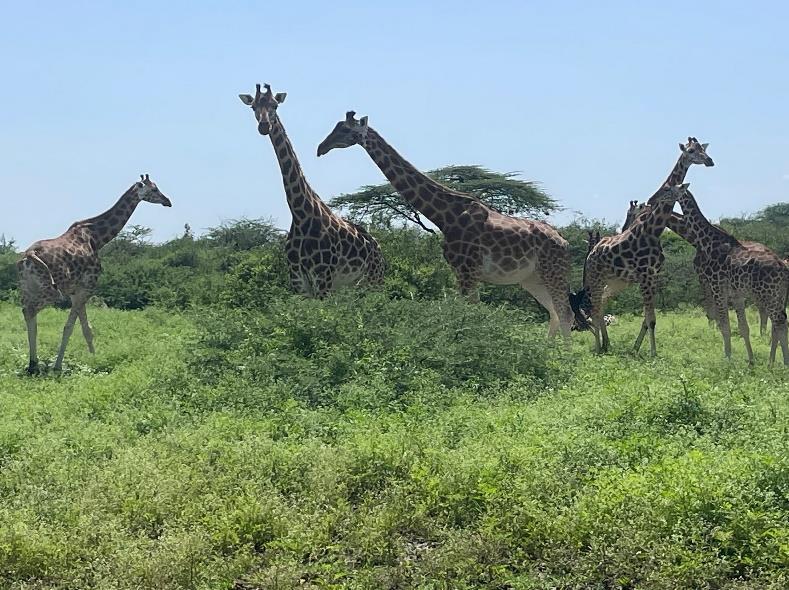
New births have been reported in the Conservancy, although mortalities in the new births are a population growth drawback. According to 2025 /2026 Ruko Community Conservancy data, 10 giraffes had died, (2 juveniles & 8 adults). In April & early May this year, there were reports of 2 giraffe mortalities and another sick giraffe. This triggered a disease outbreak investigation to understand disease ecology in the giraffe population. Clinical examination of selected individuals was carried out. Three giraffes were immobilized from foot due to the challenging terrain. We considered bad terrain (stony & rugged, thick & impenetrable acacia forest) and closeness/proximity to the lake waters to decide a feasible and “safe” site to immobilize suitable individuals. Old and heavily pregnant individuals were avoided. The immobilized giraffes were given 24,000mg Alamycin, 10ml Noromectin and 60ml Butasal. Blood, ticks, tissues, plants & water samples were taken for laboratory testing.
Case 3 – 20th May 2026
Zebra Snared Soysambu Conservancy
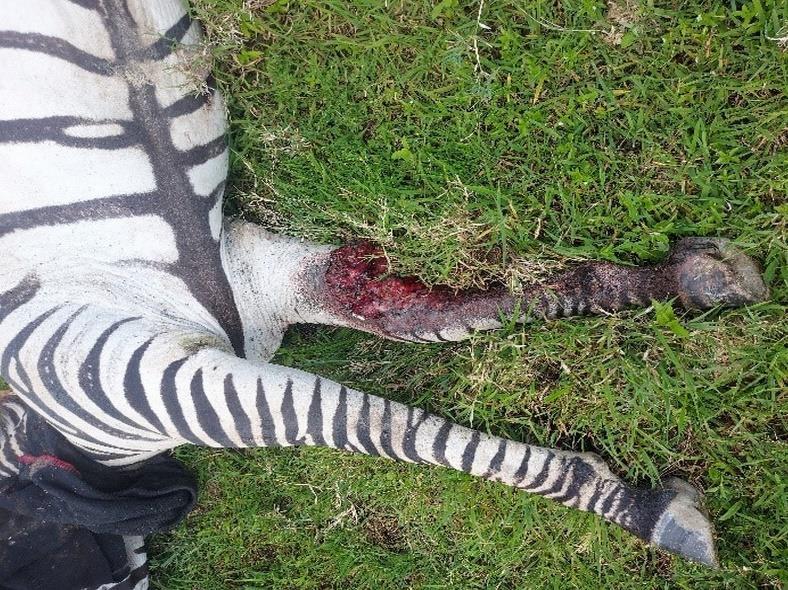
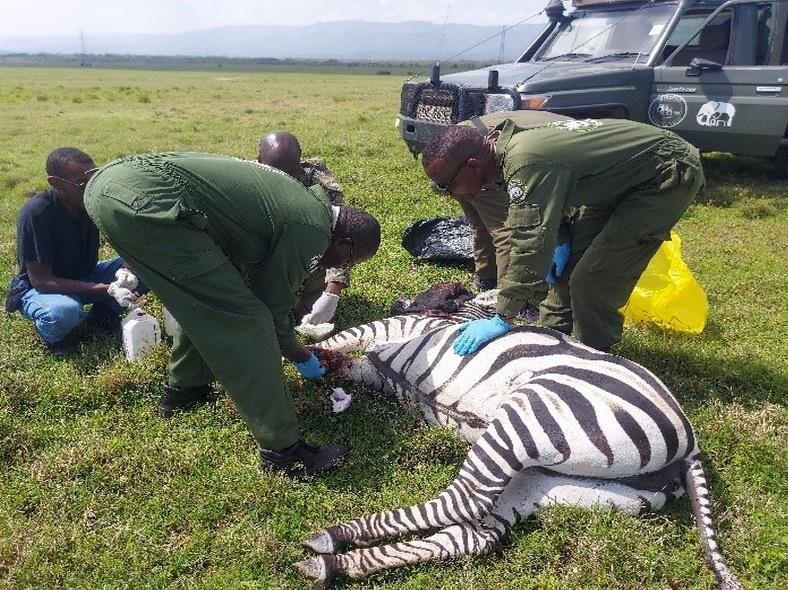
The zebra was darted with 5mg Etorphine plus 60mg Azaperone.
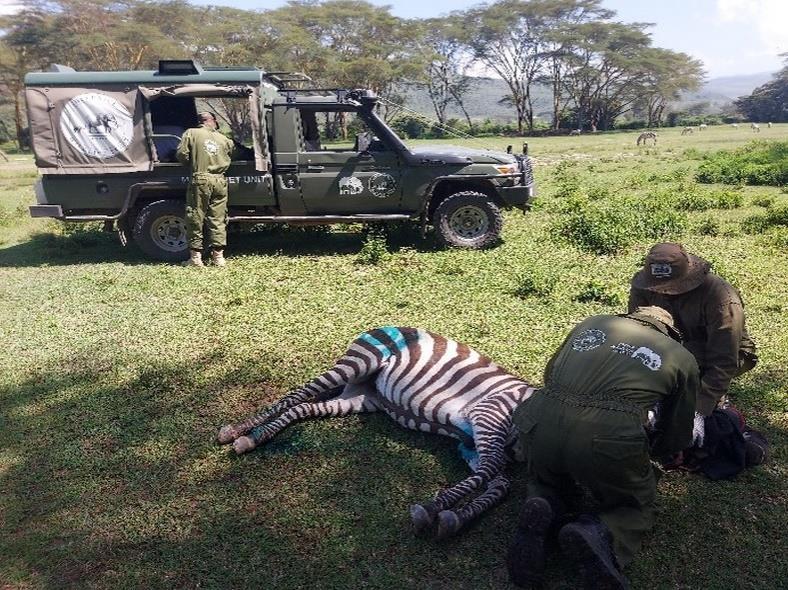
On examination the zebra had been snared and brutally wounded by a wire snare on the left hind leg. The wound was cleaned with water and Iodine then sprayed with Alamycin fly repellent The zebra was also given 18,000mg Alamycin, 300mg Flumeg, 5ml Noromectin and 40ml Catasol.
Prognosis is good.
Case 4 – 20th May 2026
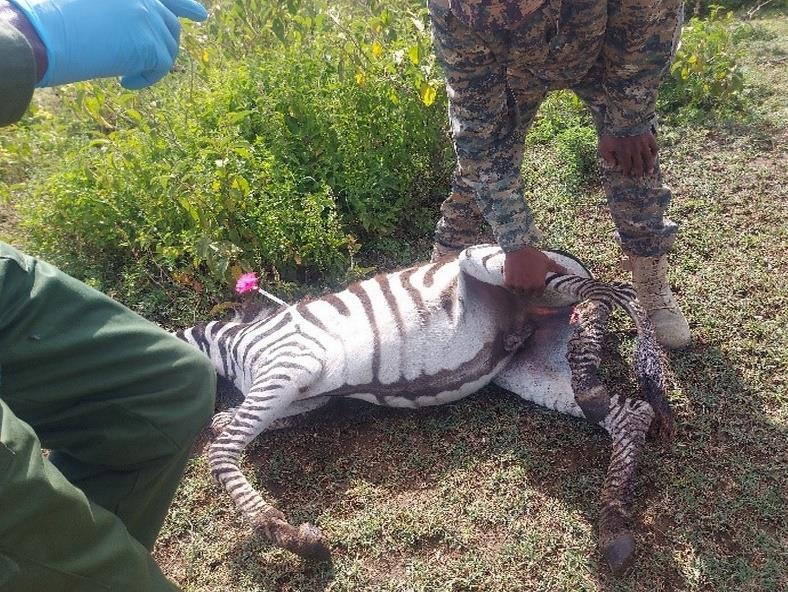
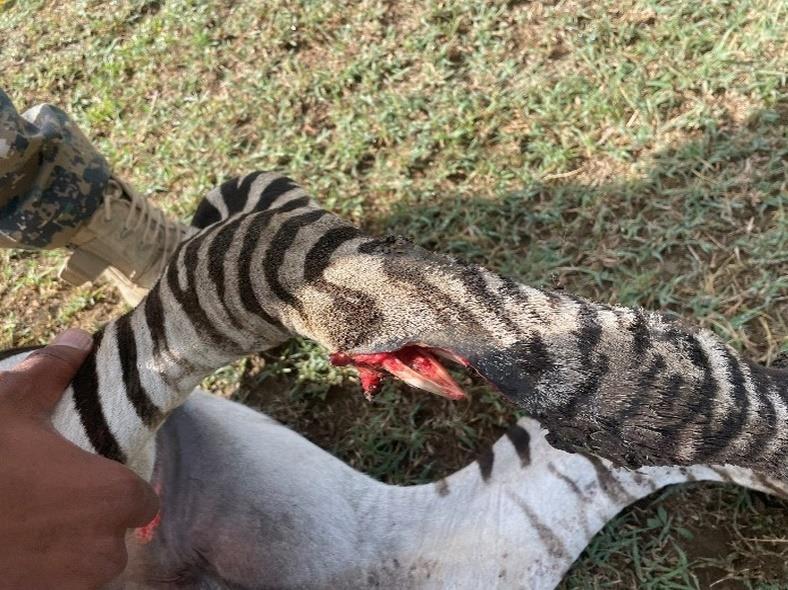
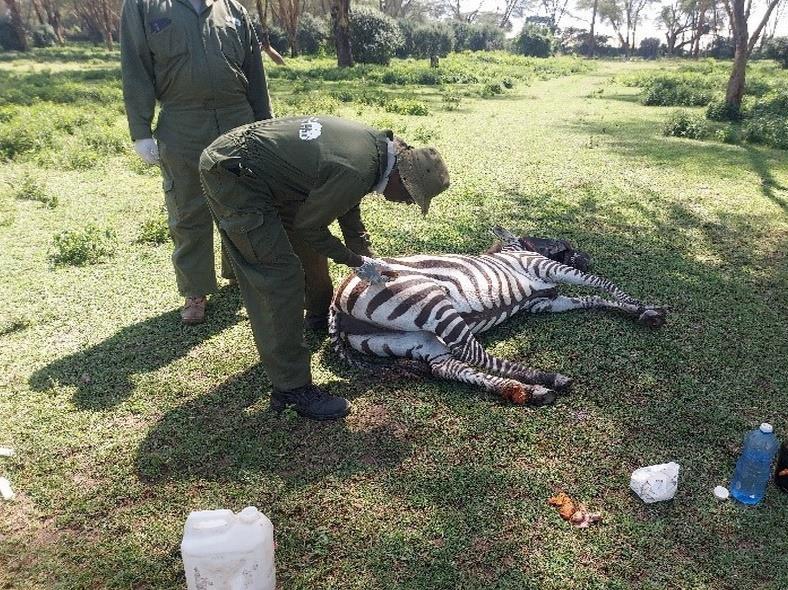
The zebra was darted using 4mg Etorphine plus 50mg Azaperone. On examination the zebra had suffered a complete open fracture of left hind leg.
Prognosis of this case was poor. The zebra was put to rest to alleviate further suffering.
Kijabe Farm
Case 5 – 20th May 2026
Zebra Natural Causes Soysambu Conservancy
The zebra was darted with 5mg Etorphine plus 60mg Azaperone.
The zebra had been wounded on the front right leg. The wound was septic & maggot infested. The maggots were removed manually, then the wound was cleaned with water and Iodine. A fly repellent (Alamycin) was applied. The zebra was also given 9,000mg Damox, 300mg Flumeg, 5ml Noromectin and 40ml Catasol.
Prognosis is guarded too favorable
Case 6 – 20th May 2026
The vervet monkey was physically restrained and tranquilized for thorough examination using 60mg Ketamine Hcl by hand injection.
On examination the vervet monkey had been severely wounded on the front leg with bone exposure & hind leg suffering a fracture at the tibia level. The wounds were septic and had purulent exudate.
Prognosis of this case was poor. The vervet monkey was put to rest.
Vervet Monkey Natural Causes WRTI, Naivasha
Case 7 – 21st May 2026
Elephant Arrow Nguruman – Kajiado County
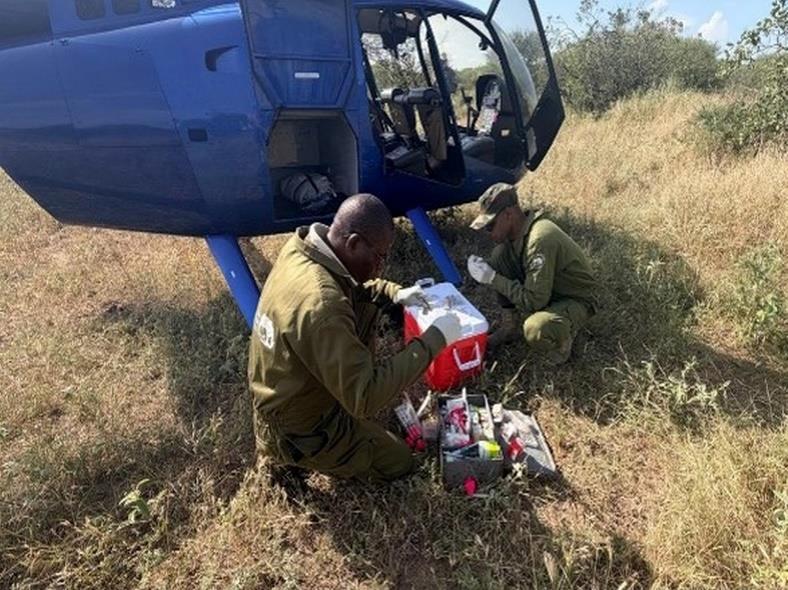
The female collared elephant was darted with 17mg Etorphine from a helicopter provided by MEP.
The elephant had a suspected arrow wound on the rump, the area presented a swollen region on the rump that had, fortunately, healed well.
The elephant was reversed from the anaesthesia with a good prognosis.
Case 8 – 22nd May 2026
The female buffalo was darted with 8mg Etorphine plus 50mg Azaperone.
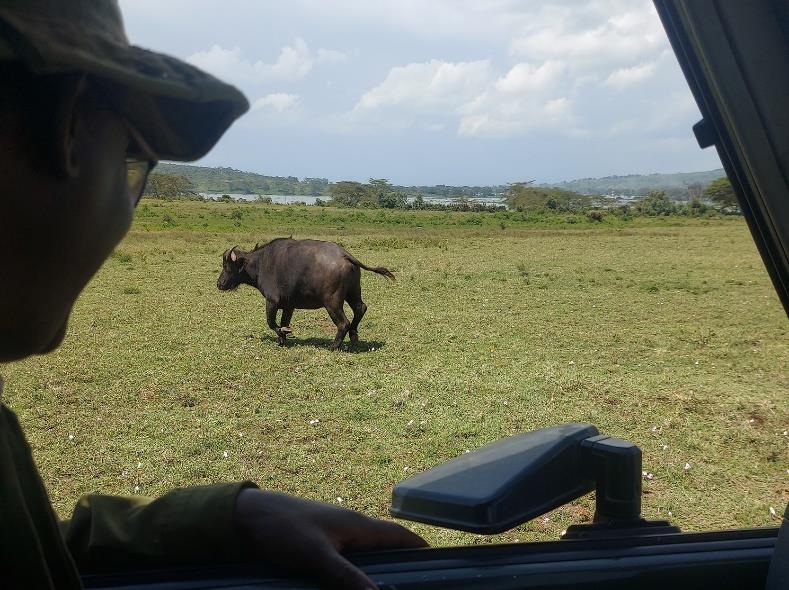
On examination the buffalo had been snared by a long wire snare on the left hind leg. Fortunately, the buffalo had suffered no injuries.
The buffalo was reversed from the anaesthesia, and she went on her way with a good prognosis.
Case 9 – 22nd May 2026
Zebra Natural Causes Sirocco Wildlife Sanctuary
The zebra was darted with 5mg Etorphine plus 60mg Azaperone.
On examination the zebra had been wounded on the left hind leg. The chronic wound is suspected to be cancerous in nature. The wound was cleaned with water and rinsed with Iodine then sprayed with a fly repellent Systemically, the zebra was administered 9,000mg Damox, 300mg Flumeg, 5ml Noromectin and 40ml Catasol.
Case 10 – 22nd May 2026
The waterbuck was darted with 6mg Etorphine plus 60mg Azaperone.
On examination the waterbuck had suffered a complete open fracture and later an amputated hind leg.
Prognosis of this case was poor. The waterbuck was put to rest to alleviate further suffering.
Wildlife Conservancy
Case 11 – 24th May 2026
Lion Human – Wildlife Conflict
A lion carcass had been collected by a security team at Lanet area. This point is inside Lake Nakuru NP approximately 200 meters from the fence line.
Postmortem examination
The lion carcass was heavily bloated and putrefying – age of carcass 3 to 4 days – first generation of maggots/larvae seen. The lion carcass had been decapitated. The head had been cut off from the torso and stored in a nylon bag. Most of the internal organs were rapidly decomposing including the liver, lungs, kidneys, stomach among others. Samples collected for toxicology – to test for agrochemicals exposure:
• Stomach contents
• Liver
• Kidney
• Intestinal contents
Cause of death
The cause of death of this lion could not be determined because of level of putrefaction. However, the removal of the head suggests human involvement – a possible poisoning case.
Lake Nakuru
Case 12 – 25th May 2026
Waterbuck Natural Causes Elementaita Weavers, Naivasha
The waterbuck was darted with 6mg Etorphine plus 60mg Azaperone.
On clinical examination the male waterbuck had suffered a closed fracture of the right hind leg. The case had a poor prognosis. The aged waterbuck was put to rest and the carcass safely disposed of at Hells Gate NP
Case 13 – 27th May 2026
Zebra Natural Causes
Soysambu Conservancy
The zebra was darted with 5mg Etorphine plus 60mg Azaperone.
On examination the zebra had been wounded on the perineum and had lost part of the udder. The wound was septic & maggot infested. Water and Iodine were used to clean the wound whilst maggots were removed manually. A fly repellent (Alamycin® Aerosol) was applied then 12,000mg Damox, 1,500mg Genta100(gentamycin 10%), 300mg Flumeg, 10ml Noromecin and 50ml Catasol were administered.
The prognosis is guarded too favourable.
Case 14 – 27th May 2026
Buffalo Natural Causes
The buffalo was darted using 9.5mg Etorphine plus 70mg Azaperone.
On examination the buffalo had been wounded on the perineum. The wound was bleeding, maggot infested and the cause of the severe lameness and pain. The wound was cleaned with water and rinsed with Iodine. A fly repellent (Alamycin® Aerosol) was applied. We also administered the following;
• Damox - LA ® (Amoxicillin 15% w/v) 12,000mg by IM route
• Genta-100(gentamycin 10%) 2,000mg by IM route
• Flumeg (Flunixin Meglumine 5%) 400mg by IM route
• Noromectin (Ivermectin) 10mL by SQ route
• Catasol 50mL by IM route
• Pour On for ectoparasites control
Prognosis
We reversed the buffalo from anaesthesia using 75mg of Naltrexone given by IV route and ¼ of the dose by IM route. Prognosis of this case is good.
Kenya Nut, Naivasha