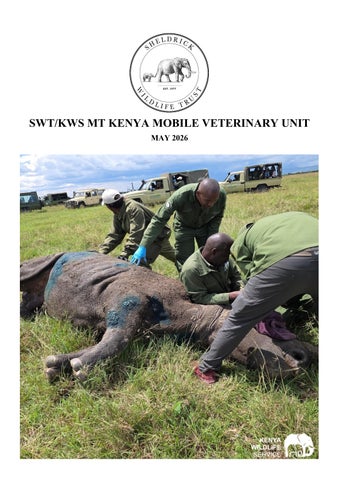
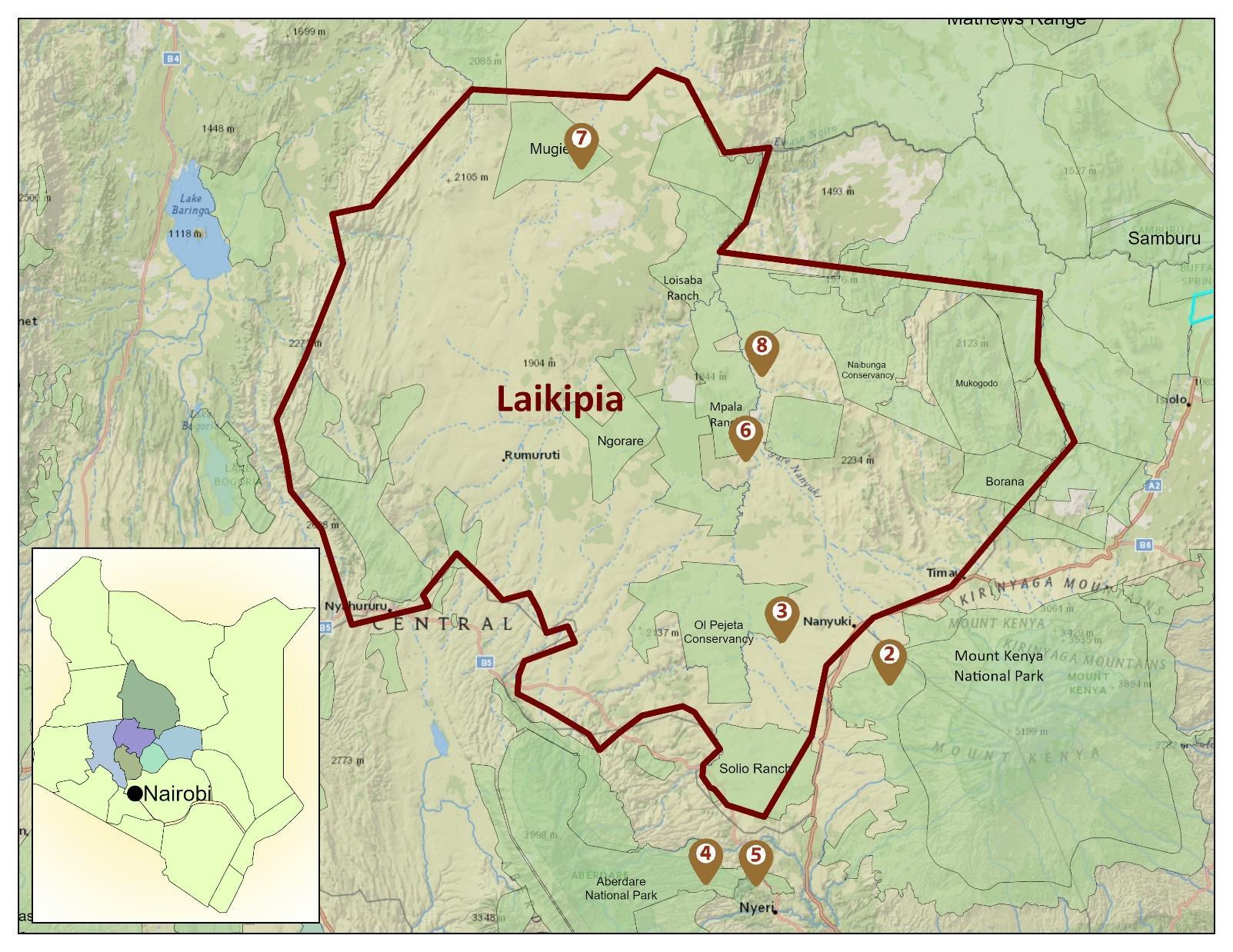
The Mountain Conservation Area received significant rainfall in May resulting in abundant vegetation growth across the wildlife ecosystem. May 2026 has seen the Mount Kenya Mobile Veterinary Unit carry out 8 successful interventions comprising of clinical interventions, translocations and animal capture. Clinical interventions included treatment of a wounded Black rhino bull and Northern White rhino ovum pick-up at Ol Pejeta Conservancy, snare removal from an adult elephant and a spotted hyena at Aberdare National Park and a Grevy’s zebra with a fore limb fracture at Karisia Conservancy. Animal capture and disease surveillance activities were conducted for research purposes with 43 olive baboons across Loisaba Conservancy, Mpala Conservancy and Ol Jogi Wildlife Conservancy receiving digital GPS neck collars. A lion necropsy was conducted at Mugie Ranch. Internal translocation of a Southern White Rhino female and her calf were carried out at Ol Pejeta Conservancy as part of the Northern White Rhino Biorescue program.
Acknowledgement
Sincere appreciation to the Sheldrick Wildlife Trust for logistical support which enabled prompt response to cases. We are grateful for the collaboration and coordination extended from the various stakeholders and conservancies we have worked with during this period, these partnerships have been instrumental in ensuring timely and effective veterinary interventions when required. We thank the Kenya Wildlife Service for continued stewardship which makes our work possible.
Case Details
3-May-26 Rhino White Ol Pejeta Conservancy Relocation Translocation of 2 rhinos into the Northern White Rhino Breeding Program Task Successful
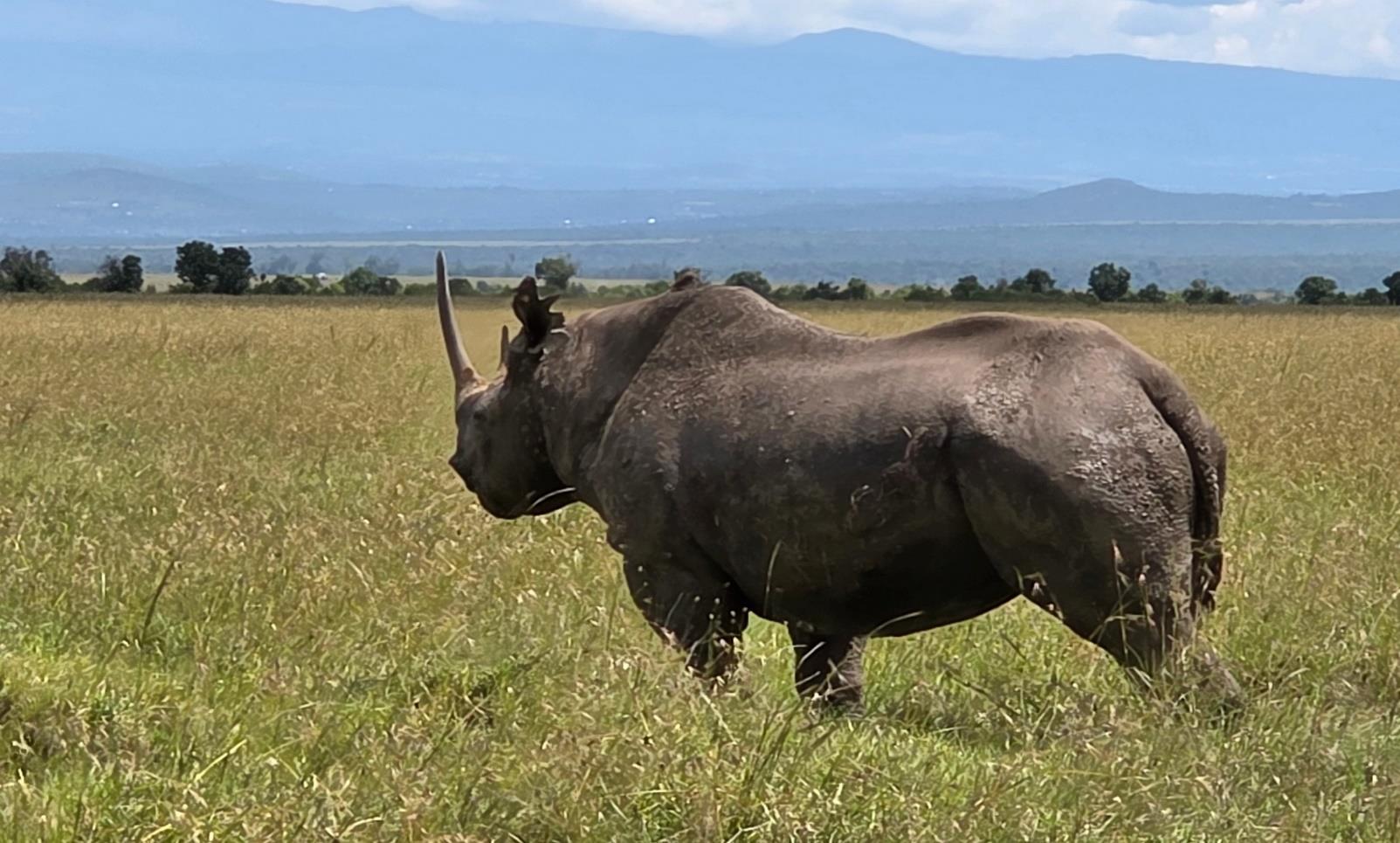
3-May-26 Rhino Black Mount Kenya NP Snared Circumferential wound observed on the right hind limb distal to the hock joint Successfully Treated
4-May-26 Rhino White Ol Pejeta Conservancy Technical Cases Ovum pickup from Fatu as part of the Northern White Rhino Rescue Program Task Successful
11-May-26 Elephant Abedares NP Snared A female elephant that was observed to have a snare lodged on the left forelimb
11-May-26 Hyena Abedares NP Snared A hyena that had a wire snare round the neck Prognosis Poor
12-May-26 Primate Mpala Ranch Collared 43 subjects were collared from 6 troops of baboons Task Successful
30-May-26 Zebra Karisia Conservancy Natural Causes Fracture of the cannon bone of the right forelimb diagnosed due to a fall Died
May 2026
Case 1 – 3rd May 2026
Rhino Relocation
Ol Pejeta Conservancy
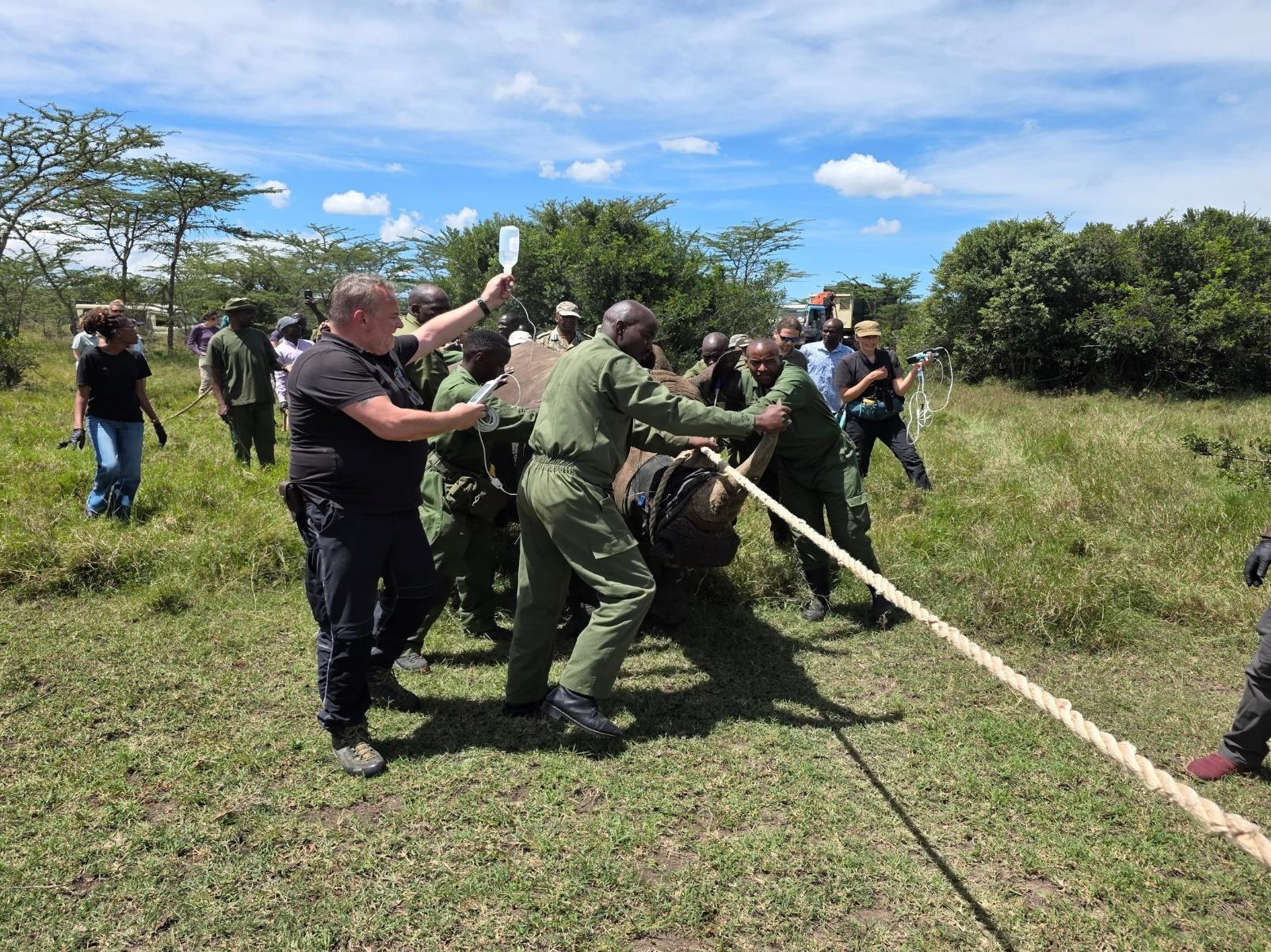
An adult Southern White Rhino female and her 2-year-old daughter were recruited into the Northern White Rhino Breeding Program after being selected as potential surrogates. This required translocation to the breeding bomas.
Immobilisation, examination and relocation
The rhinos were immobilized by aerial darting from a helicopter using an Etorphine and Azaperone protocol. At signs of anaesthesia including ataxia, tail flagging and a high stepping gait, physical restraint was done using ropes and a blindfold then the anaesthesia was stabilized. The patient was then walked to the crate. In the crate, Diprenorphine was administered by intravenous injection to effect partial opioid reversal before using a crane to move the crate onto the vehicle Samples were collected in the crate, then the rhinos were moved to the Northern White Rhino Boma by road where the final reversal was done using Naltrexone before release. Breeding soundness examination on the older female was done by use of transrectal ultrasonography imaging. Results showed that the patient was open and cycling.
Prognosis
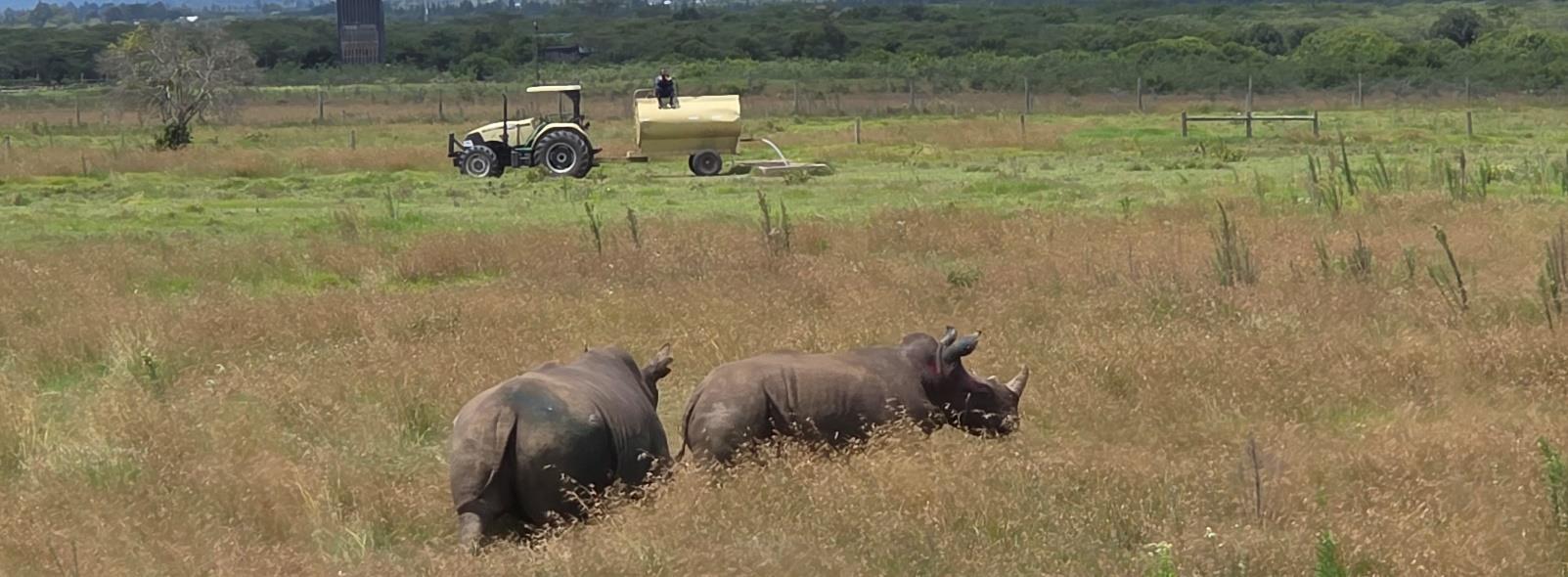
This exercise was successfully completed, and monitoring of the rhinos was done to assess their adaptation to the new environment.
Case 2 – 3rd May 2026
Black Rhino Snared
Ol Pejeta Conservancy
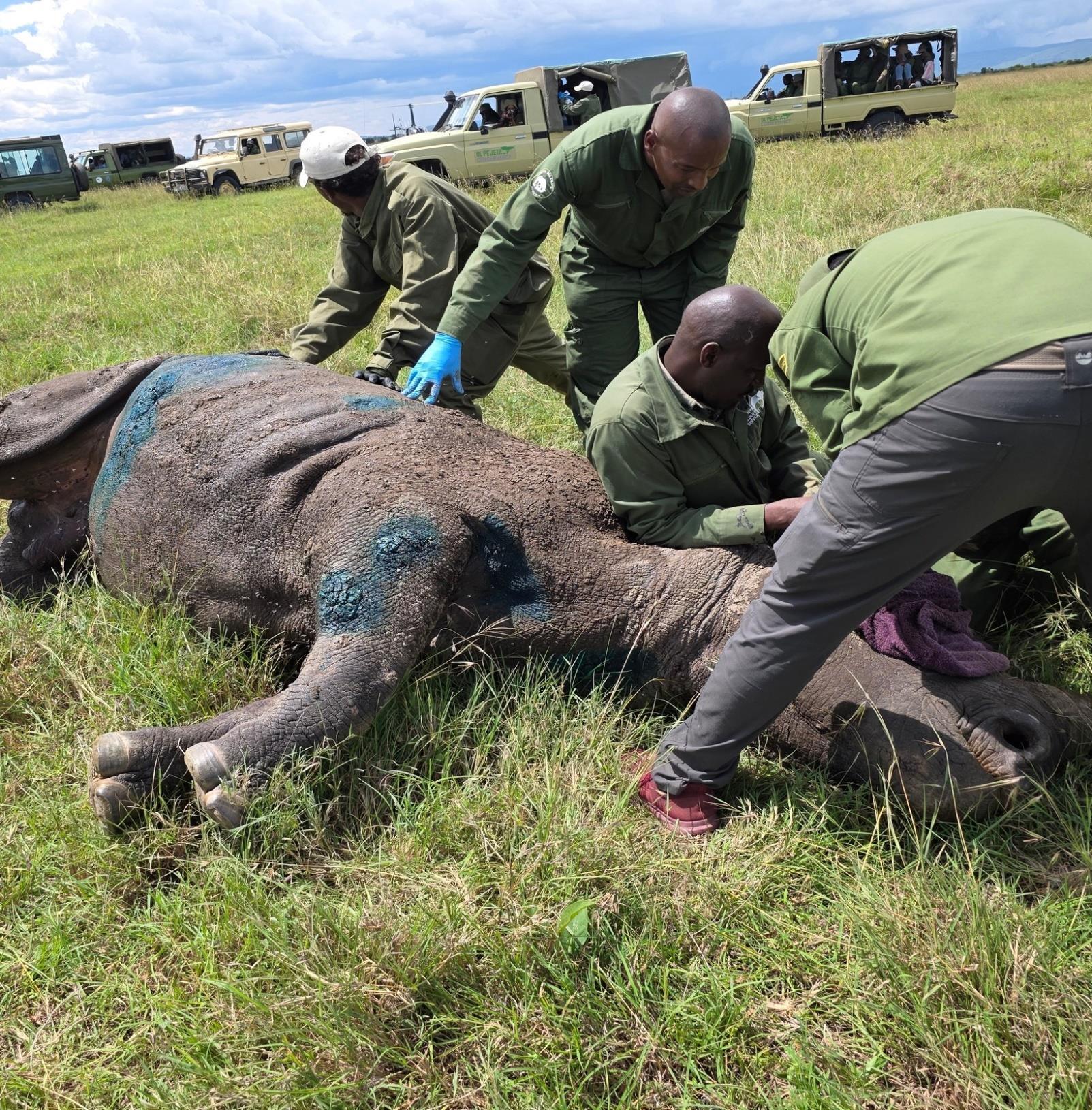
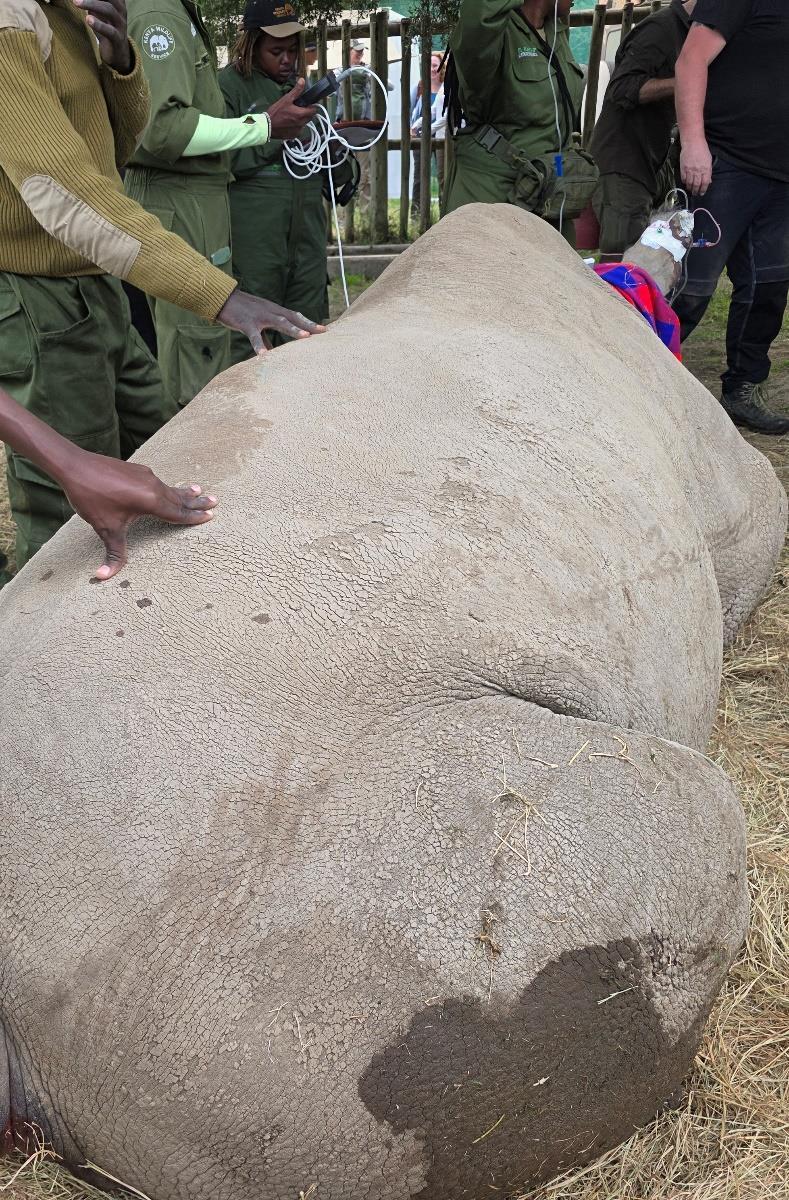
The rhino was reported to have weight bearing lameness of the right hind limb with progressive loss of body condition. He had been previously treated for the same condition earlier in February 2026.
Immobilisation, examination and treatment
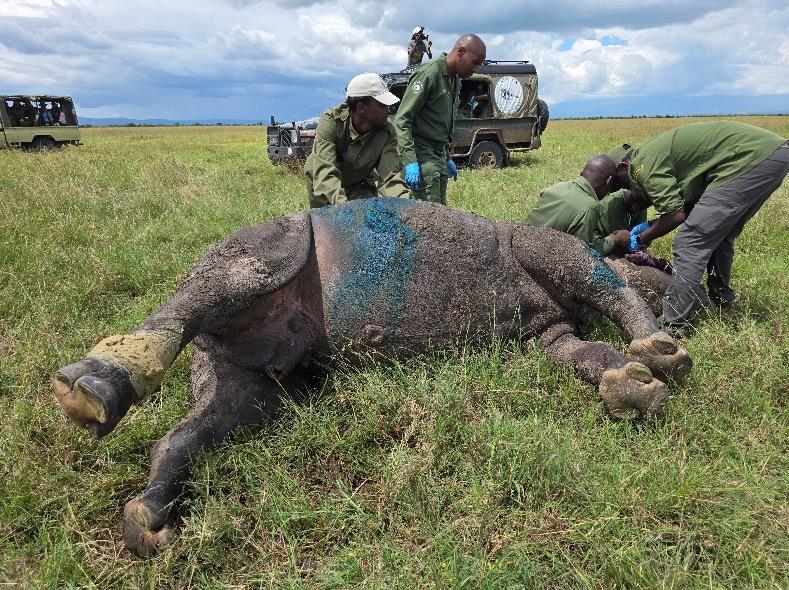
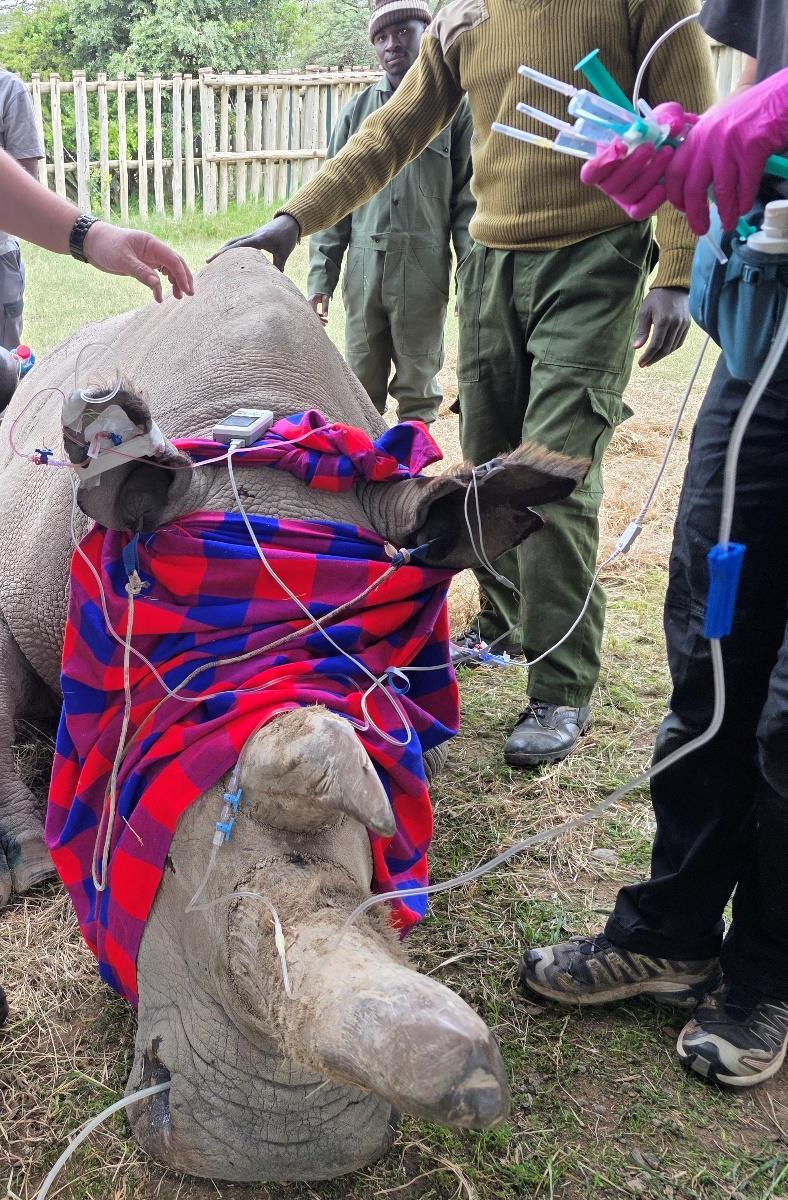
The animal was darted from a helicopter using a combination of 3mg Etorphine and 40mg Azaperone. Anaesthesia took effect within 5 minutes, and animal went down on left lateral recumbency. 5mg of Butorphanol was given intravenously to improve the quality of anaesthesia. Supplementary oxygen was provided using a nasal tube.
There was a circumferential snare wound on the right hind limb distal to the hock joint. The wound was debrided mechanically and cleaned with Hydrogen peroxide to remove all devitalized tissues. Dilute Iodine was then applied to the wound which was finally sprayed with Oxytetracycline aerosol wound spray. The rhino was administered 6000mg Amoxicillin to provide prophylactic antibiotic cover, 300mg phenylbutazone as an analgesic agent as well as 20ml Catosal and 20ml Multivitamin as metabolic stimulants.
Prognosis
The patient received a fair prognosis with gradual healing of the longstanding lesion expected
Case 3 – 4th May 2026
Black Rhino Technical Case
Ol Pejeta Conservancy
This activity was carried out on 04th May 2026 at Ol Pejeta Conservancy and involved transrectal ovum pickup from Fatu as part of the Northern White Rhino Biorescue Program.
Immobilisation, examination and treatment
Tauwo, a southern white rhino female who is Fatu’s companion was first sedated by pole darting to allow for their separation. Fatu was then moved into a different enclosure alone where the rhino was immobilized by pole darting with 30mg Medetomidine, 75mg Butorphanol, and 25 Midazolam and 225 mg Ketamine.
Patient monitoring was maintained during anaesthesia by use of a portable pulse oximeter, intra-arterial blood pressure monitoring, i-STAT blood analysis and manual monitoring of respiration followed by ultrasound-guided transrectal ovum pickup by needle aspiration.
Prognosis
This operation was successfully completed with six ova collected. The exercise required coordination and collaboration from diverse stakeholders who jointly contributed to the good outcome. Participants included teams from Ol Pejeta Conservancy, Leibniz Institute’s Biorescue Program, Wildlife Research Training Institute and the Kenya Wildlife Service
Case 4 – 11th May 2026
Elephant Snared
Abedares National Park
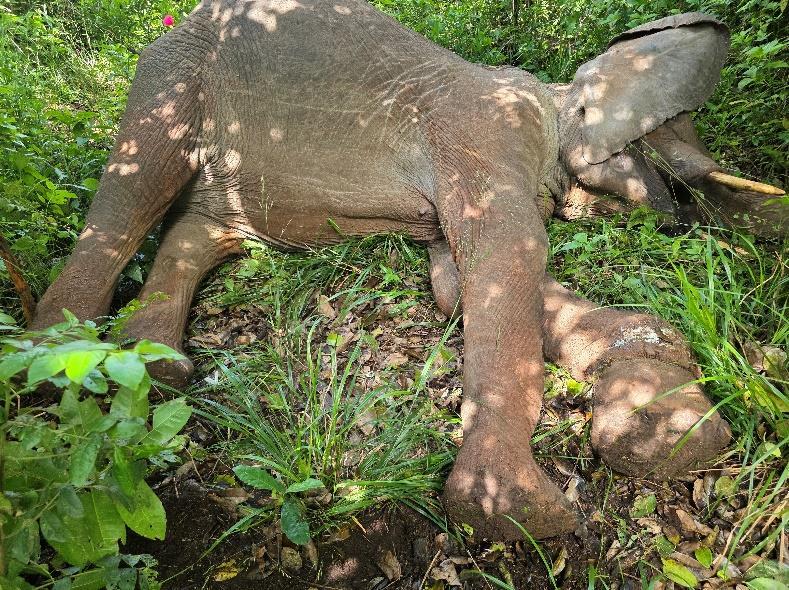
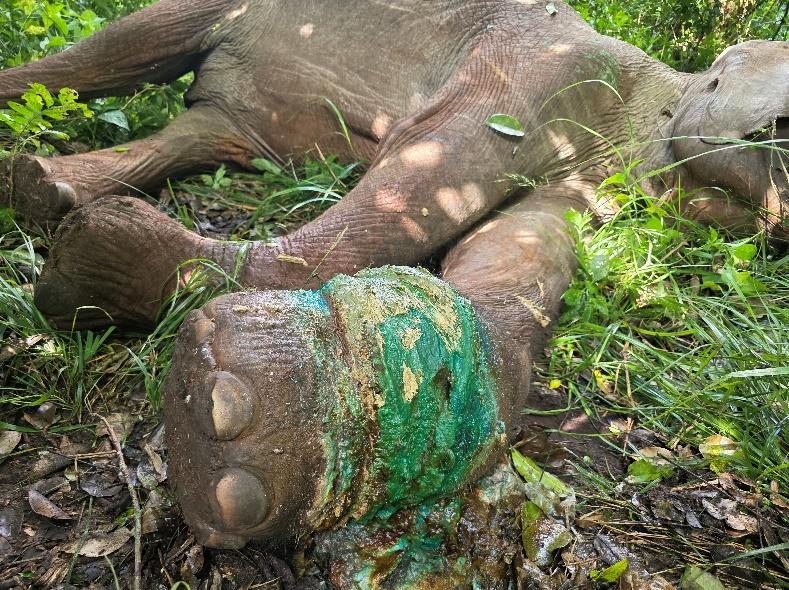
An adult female elephant that was observed by field staff to have a snare lodged on the left forelimb. The veterinary team had previously travelled to attend to this patient in March, but she had disappeared into the bush before she could be treated. A ranger team tracked the animal and maintained surveillance.
Immobilisation, examination and treatment
The elephant was free darted with 8mg Etorphine hydrochloride from foot as she was in a forested location.
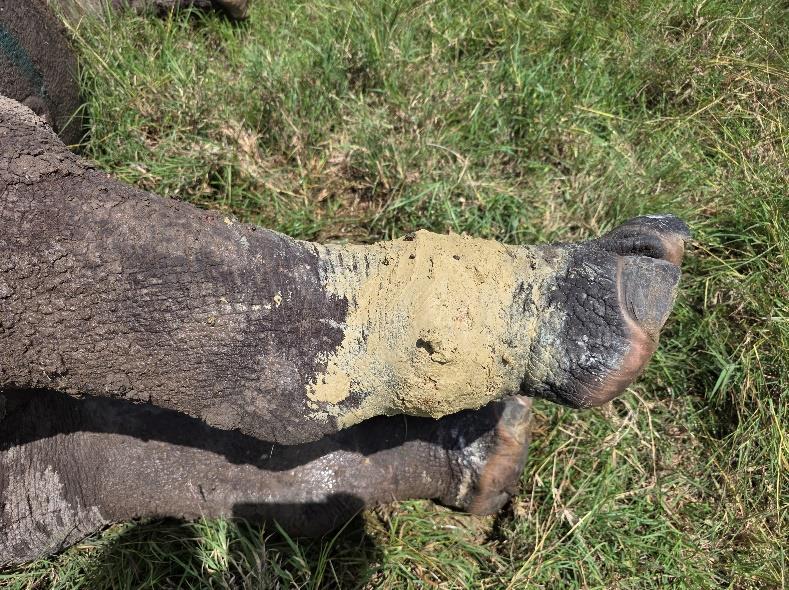
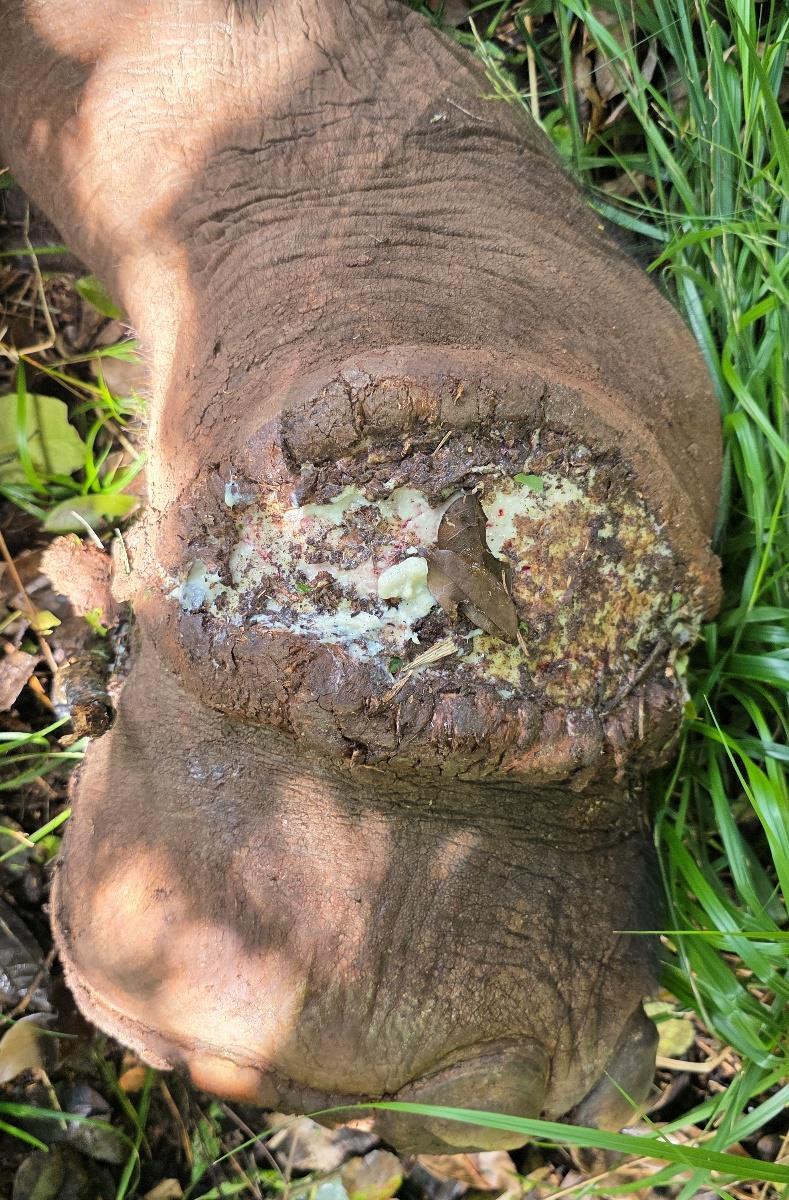
The nylon rope snare lodged at the distal metacarpal region of the left forelimb was cut off using a blade. It was observed that the rope snare had severed through the soft tissues resulting in mild tissue devitalisation. The wound was cleaned; devitalised tissues were debrided and wound exploration done to assess the full extent of damage The wound was then rinsed with Iodine, sprayed with antibiotic wound spray and packed with green clay paste to protect the wound during healing and minimize external contamination. The elephant was also administered 3,000mg Flunixin as an anti-inflammatory agent, 12,000mg Amoxicillin trihydrate to provide prophylactic antibiotic cover and 40ml of Catosal to act as a metabolic stimulant.
Prognosis
A fair prognosis was given since the rope snare was removed before causing irreparable damage
Case 5 – 11th May 2026
Hyena Snared Abedares National Park
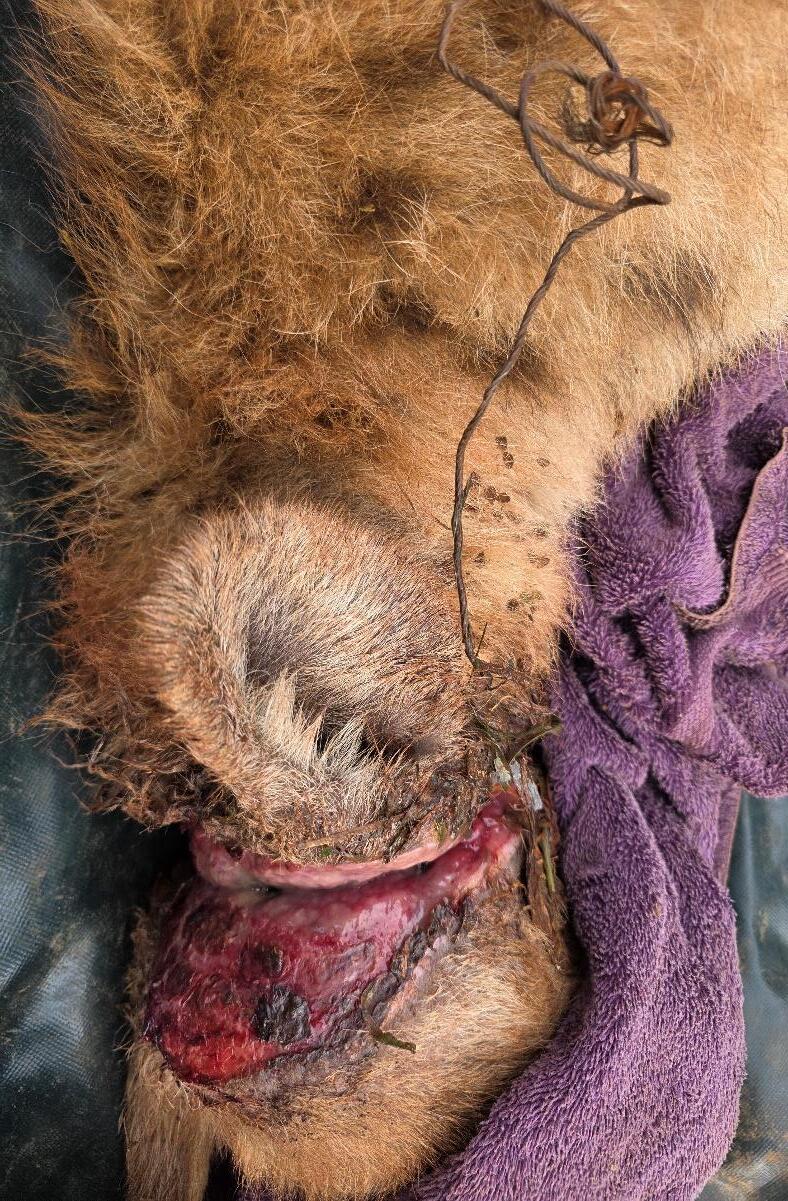
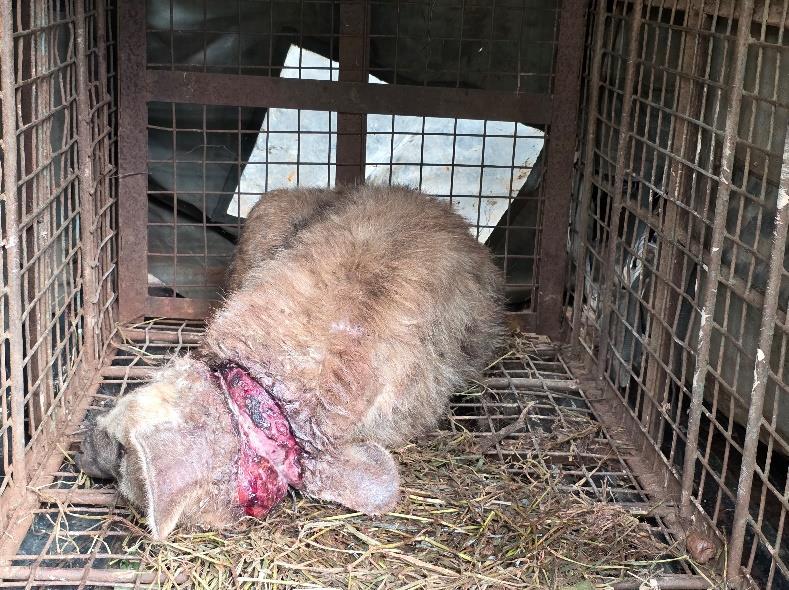
A report was received from rangers regarding a hyena with a wire snare lodged in the neck which had been trapped as part of problematic animal control activities in the neighbouring community
Immobilisation, examination and treatment
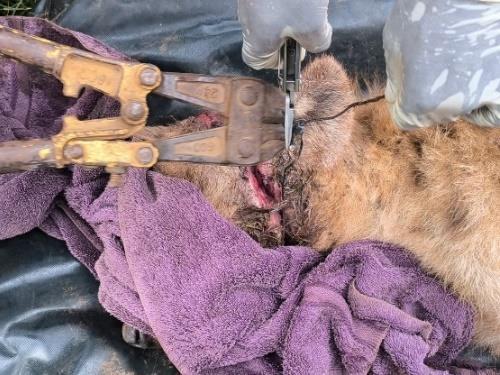
The hyena was darted whilst in the cage with 2mg Medetomidine and 250mg Ketamine. A top up of 100mg Ketamine was administered by intramuscular hand injection once the initial dose took effect. The hyena went into sternal recumbence and was confirmed to be at an appropriate depth of anaesthesia. A blindfold was applied and the patient was removed from the cage trap for treatment.
The snare position was assessed, and wound depth was determined to be extending to deep muscles. The wire snare which was lodged deep in the neck muscles was cut and removed using a wire cutter. During wound cleaning and debridement, it was observed that the patient’s trachea had been cut open by the snare at the anterior cervical region.
Prognosis
A fair patient received a poor prognosis since the wire snare had caused severe injuries, humane euthanasia was indicated based on patient welfare considerations.
Baboon Collaring Mpala Ranch
This activity was carried out as part of the Mpala Baboon Research Project.
Immobilisation, examination and collaring
The target animals were baited using corn and trapped in cages before chemical immobilisation by intramuscular injection of a 10mg/kg Ketamine and 0.02mg/kg Medetomidine anaesthesia drug combination. The subjects were maintained under gas anaesthesia using isoflurane gas with oxygen supplementation. Anaesthesia monitoring was done using a pulse oximeter with serial i-STAT blood analysis conducted in a total of 3 subjects from the group.
The anaesthetised subject’s body measurements were then taken, photographs recorded and the neck collar applied with the subject receiving subcutaneous microchips in the skin between the thumb and first finger of each forearm and on the shoulder between the scapulae after scanning to confirm their absence.
Hair, faecal, and blood samples in EDTA vacutainer, citrate vacutainer and red vacutainer tube with coagulant were then collected.
All immobilised subjects received Meloxicam by intramuscular injection at a dosage of 0.2 mg/ml as an antiinflammatory agent, vitamin E/selenium at a dosage of 10mg/kg/0.1 mg/kg respectively as a metabolic stimulant and Ringer’s Lactate fluid therapy to maintain optimum hydration. Prophylactic antibiotic cover was provided by intramuscular administration of 15 mg/kg Amoxicillin trihydrate on as needed basis.
Subjects with wounds were treated by wound dressing and suturing where required.
After collaring, subjects were placed in shaded recovery cages where Medetomidine reversal was conducted by intramuscular injection 0.1 mg/kg Atipamezole.
Monitoring of the subjects was maintained during recovery, and they were released together as a group upon complete recovery from anaesthesia.
Unfortunately, there are no pictures of this case
Case 7 – 22nd May 2026
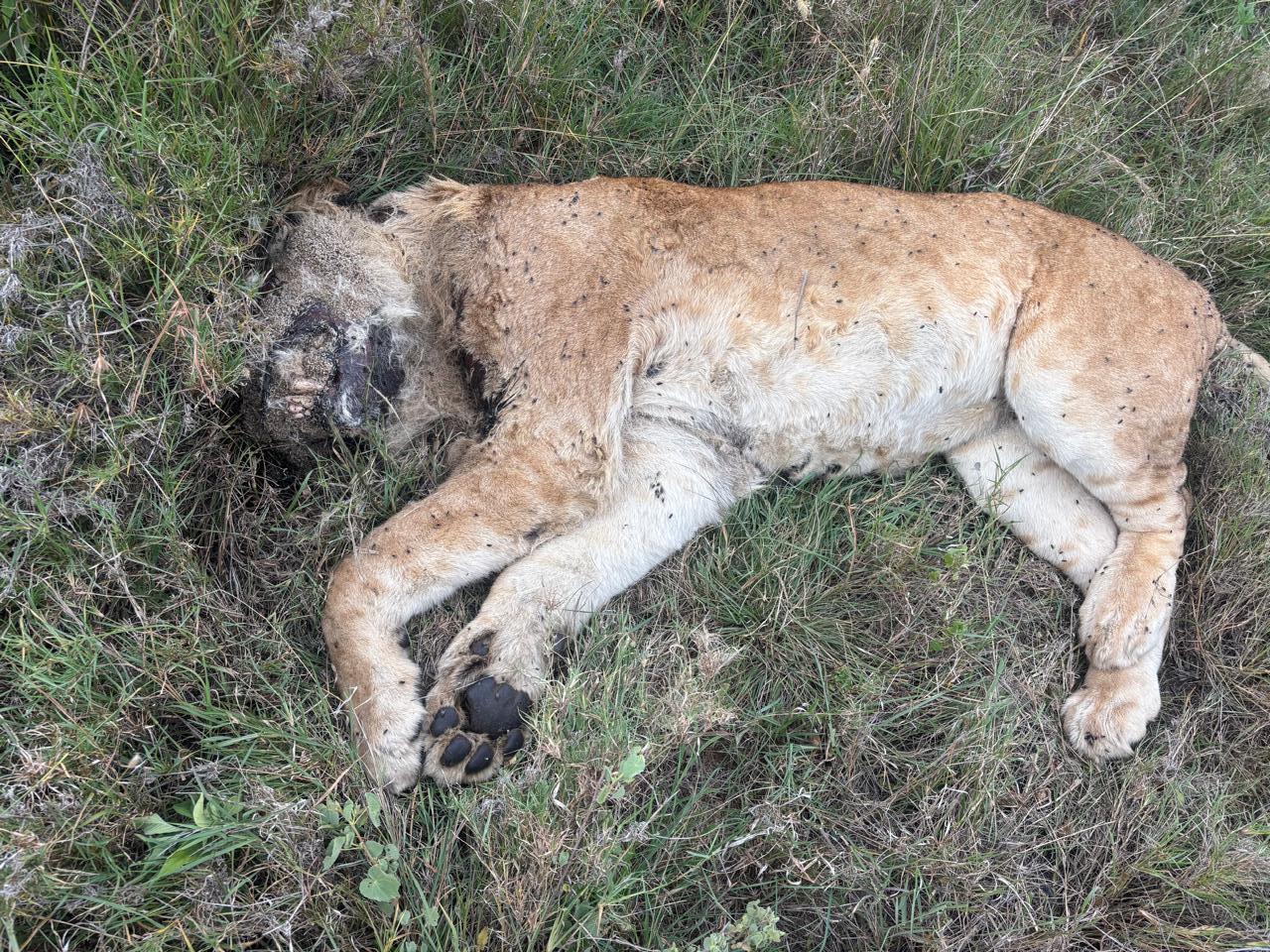
The sub-adult male lion’s carcass was found dead on 22nd May 2026.
Postmortem examination
The carcass was at an advanced stage of decomposition, and no meaningful necropsy could be carried out. Stomach contents, liver and kidney samples were collected and submitted for laboratory toxicology testing due to suspected poisoning.
Cause of death
Suspected poisoning
Lion Snared Mugie Ranch
Case 8 – 30th May 2026
Zebra Natural Causes
Karisia Conservancy
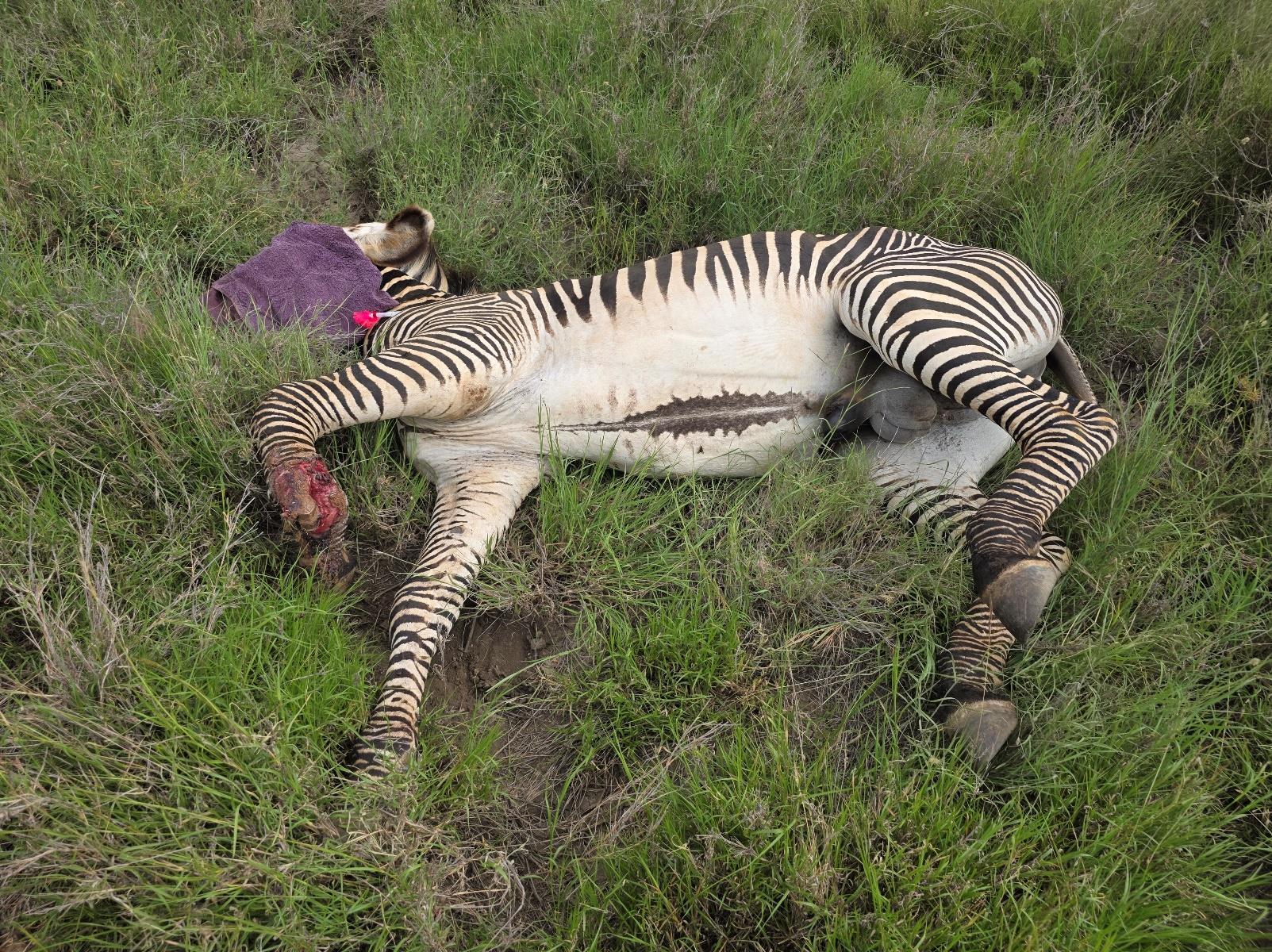
An adult male Grevy’s zebra was reported to have been observed with front limb lameness on 30th May 2026. Due the endangered status of the species, the veterinary unit immediately responded to this case.
Immobilisation and examination
The animal was darted from the vehicle using a combination of 8mg Etorphine hydrochloride and 60mg Azaperone. The patient was found in left lateral recumbency at 15:00 hours.
A clinical assessment of the patient was conducted with a complete open fracture of the cannon bone of the right fore limb diagnosed.
Prognosis
The patient received a poor prognosis due to the gravity of the injury.
The patient was euthanized on animal welfare grounds as the injury was unlikely to heal in the wild and subjected the patient to immense suffering.