SWT/KWS MT KENYA MOBILE VETERINARY UNIT
MARCH 2026
4 Cases in March 2026
March Report by Dr. Poghorn
The Mount Kenya Veterinary Unit conducted a total of four interventional cases. These cases included a lame elephant emergency case, a lion collaring, a giraffe wire snare removal and one series of baboon collaring activities as part of the Baboon Research Project.
Acknowledgement
The Mt. Kenya Mobile Wildlife Veterinary Unit thanks the Kenya Wildlife Service for providing leadership and technical expertise. The veterinary team also appreciates The Sheldrick Wildlife Trust (SWT) for providing the financial and logistical support that enables the Unit to fulfil its mandate.
Case Details
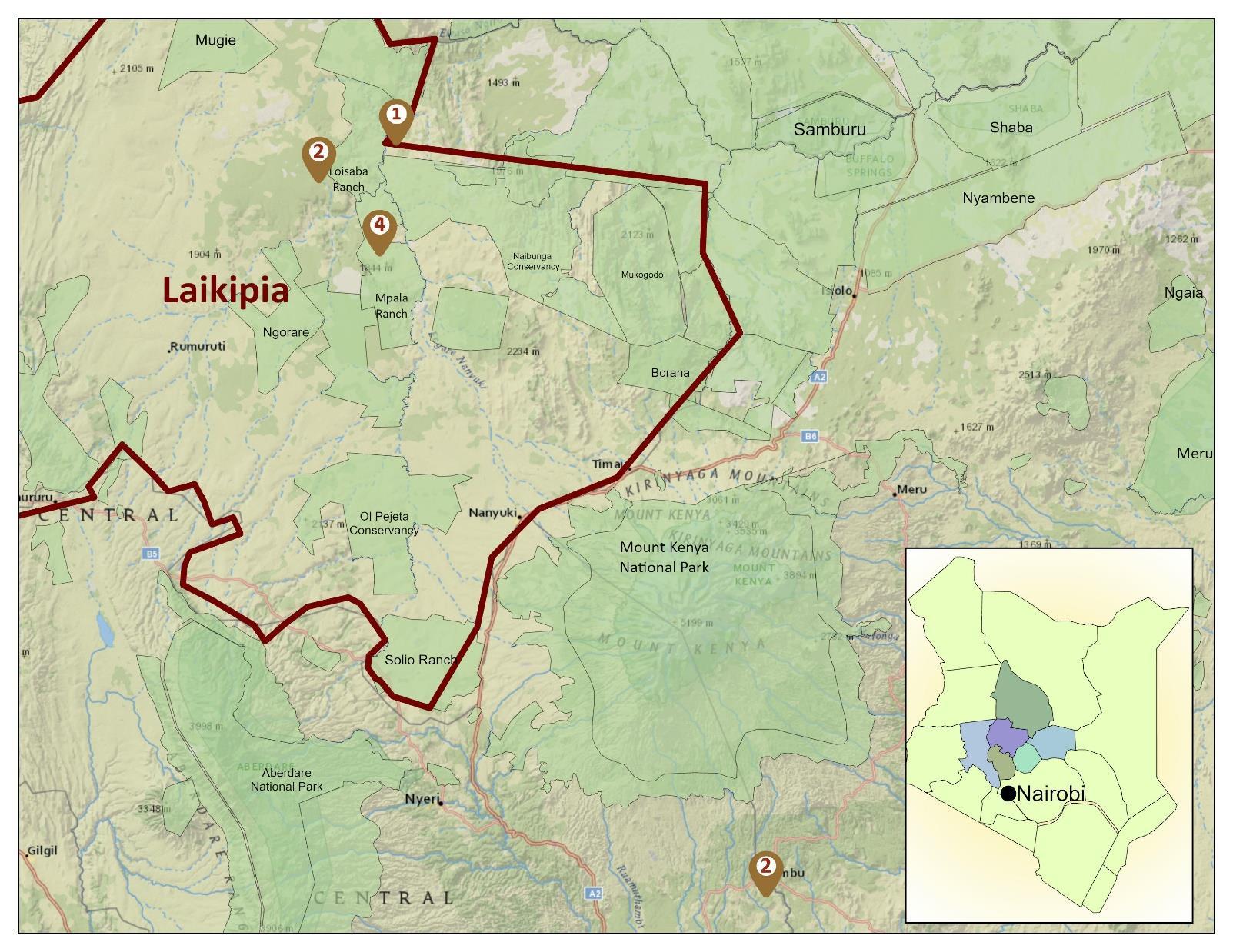
10-Mar-26 Elephant Loisaba Ranch Natural Causes
10-Mar-26 Lion Loisaba Ranch Collared
15-Mar-26 Giraffe Embu Narional Reserve Snared
16-Mar-26 Primate Mpala Ranch Collared
The findings above were consistent with suspected femoral/tibial fracture or torn cruciate ligaments Died
Lion collaring was indicated to monitor individual and pride movement patterns and home range Task Successful
The wire snare lodged deep into the skin tissues at the distal metatarsal of the left hindlimb Successfully Treated
A total of 49 subjects were processed with 48 being collared or recollared Task Successful
March 2026
Elephant Natural Causes
Loisaba Conservancy
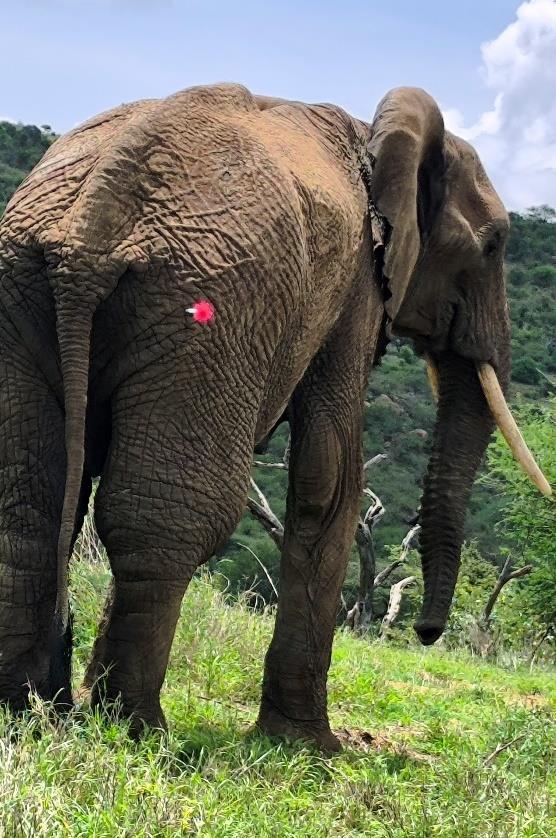
A lone female elephant had been reported to be lame at Loisaba Conservancy.
Immobilisation, examination and treatment
Asymmetry of the hind limbs was observed with distension noted at the stifle area of the right hindlimb. The elephant was darted from the vehicle with 16mg Etorphine hydrochloride.
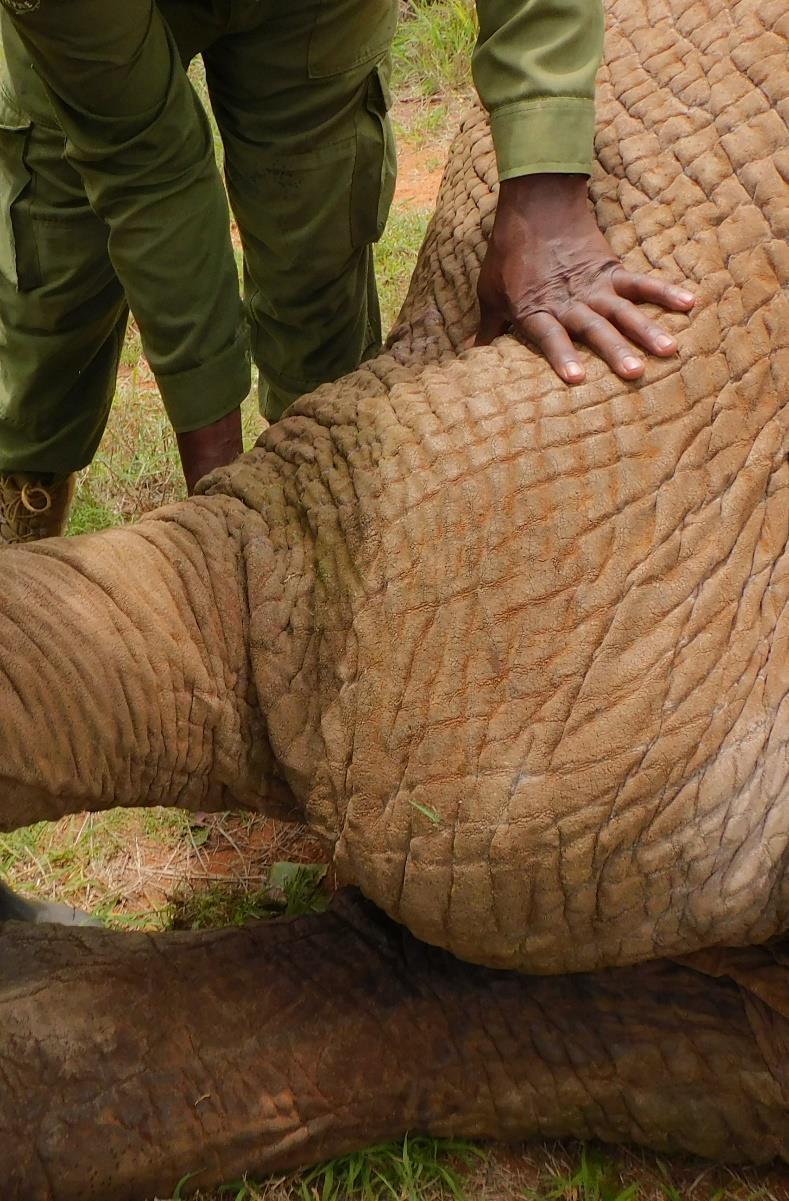
During orthopaedic examination of the right hindlimb, it was observed that there was excessive mobility at the stifle joint area with abnormally increased lateral range of motion on manipulation with faint crackling sounds produced. The findings above were consistent with suspected femoral/tibial fracture or torn cruciate ligaments The elephant was lactating as evidenced by milk expression from the mammary glands.
Prognosis
This patient received a poor prognosis due to the severity of the injury and the serious welfare challenges as she was unable to forage, look for water and potentially defend herself from predators. With chances of survival and recovery being low humane euthanasia was recommended due to the severity of the injury Postmortem confirmed extensive congestion and oedema in muscles surrounding the stifle area. The tibia was displaced caudal to the femur.
Lion Collaring Loisaba Conservancy
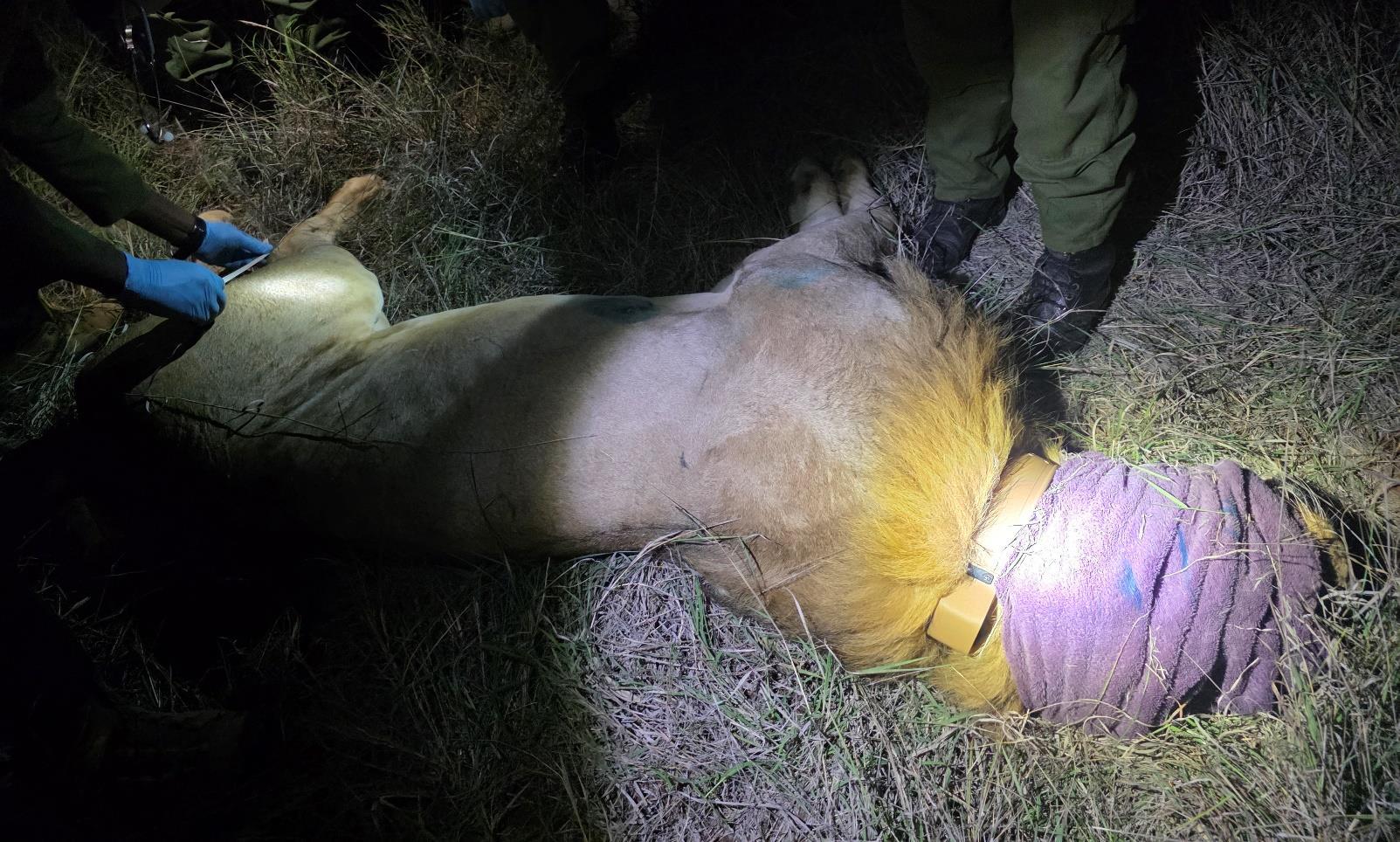
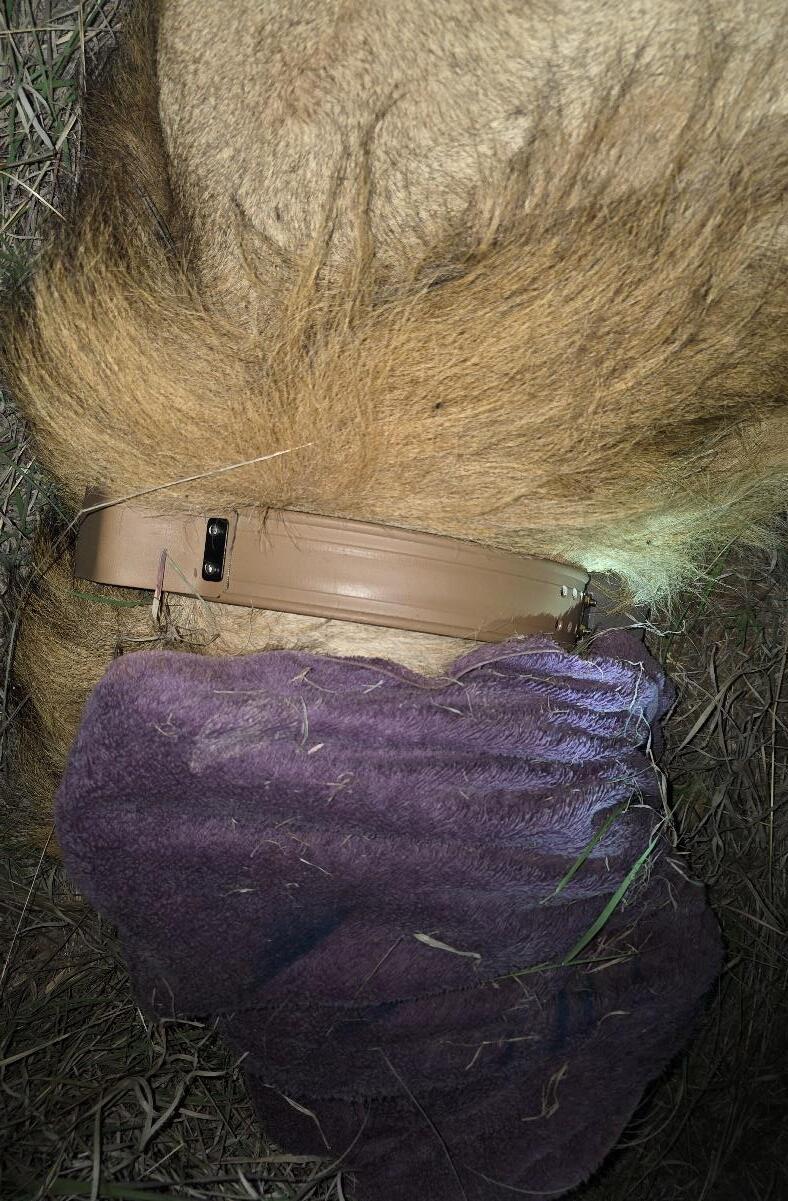
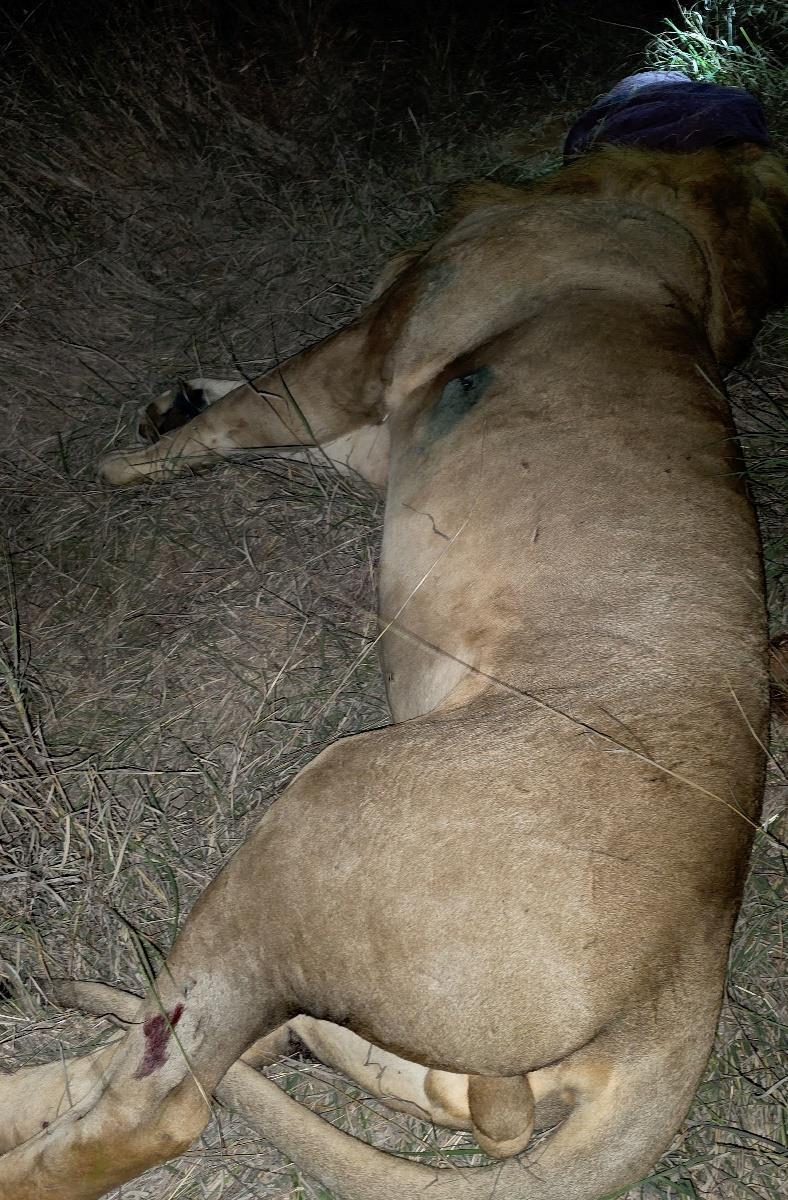
Lion collaring was indicated to monitor individual and pride movement patterns and home range to proactively prevent and manage human – wildlife conflict by deterring livestock predation as well as to serve as a research tool from the lion location data collected.
Immobilisation and collaring
The lion pride was baited using a fresh carcass combined with auditory stimuli from a callback system The lion was darted using a drug combination of 8mg Medetomidine and 300mg etamine.
The patient was determined to be on a light plane of anaesthesia and a top up of 200mg Ketamine hydrochloride was administered. Adequate anaesthetic depth was confirmed, and vitals were monitored during examination and treatment. The dart was removed with 835mg Cloxacillin (Opticlox) ointment infused into the wound to prevent abscess formation. Spraying with an aerosol Oxytetracycline spray was then done on wounds noted on the left forepaw. As prophylactic, 3,000 mg of Amoxicillin (Betamox) was administered by intramuscularly and body measurements were taken. The GPS collar was then placed. The patient received an excellent prognosis with rapid recovery from anaesthesia expected since the lion was in good health.
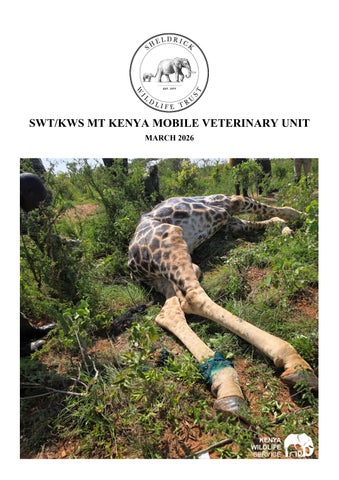
Giraffe Snared
Embu National Park
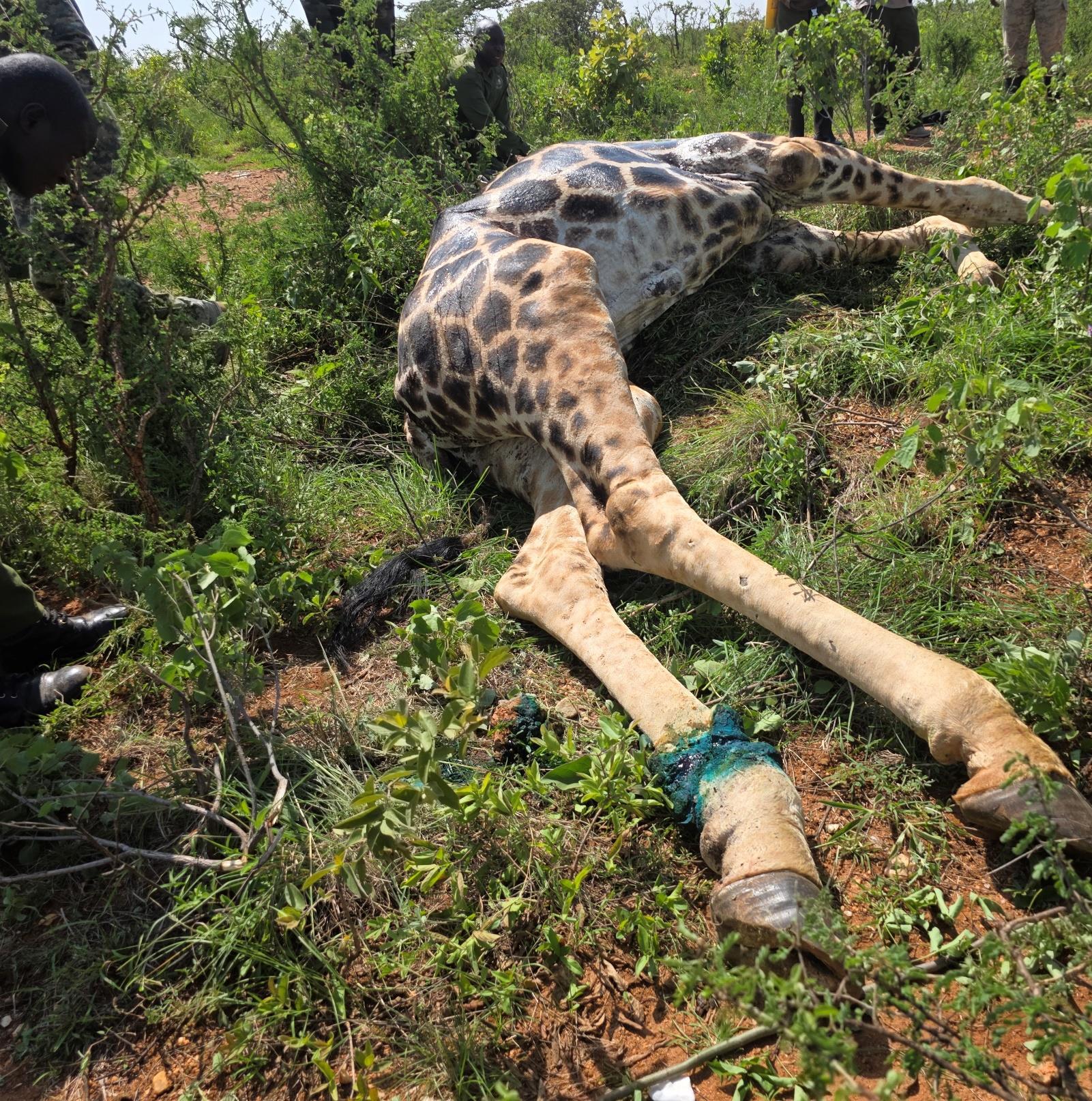
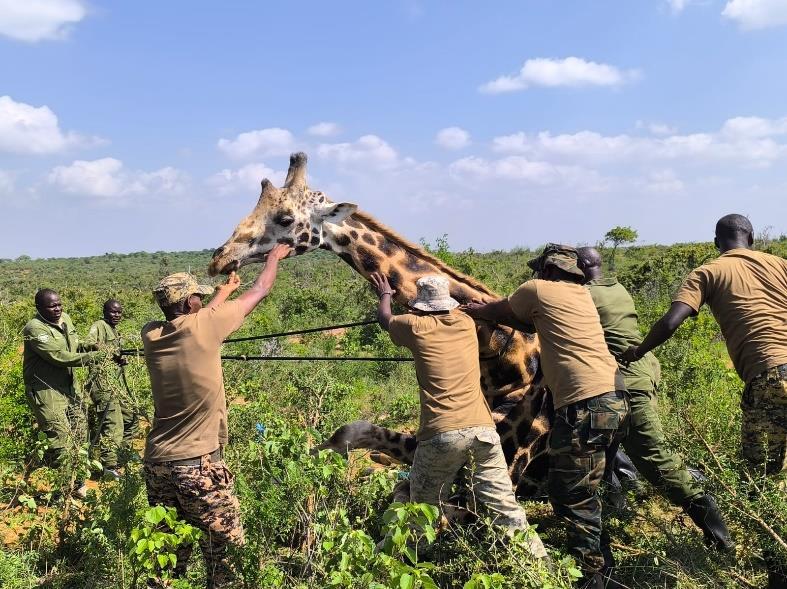
A report was received from the Embu National Reserve that two giraffes had been sighted with wire snares lodged in their limbs. A request for veterinary intervention was made to remove the snares.
Immobilisation, examination and treatment
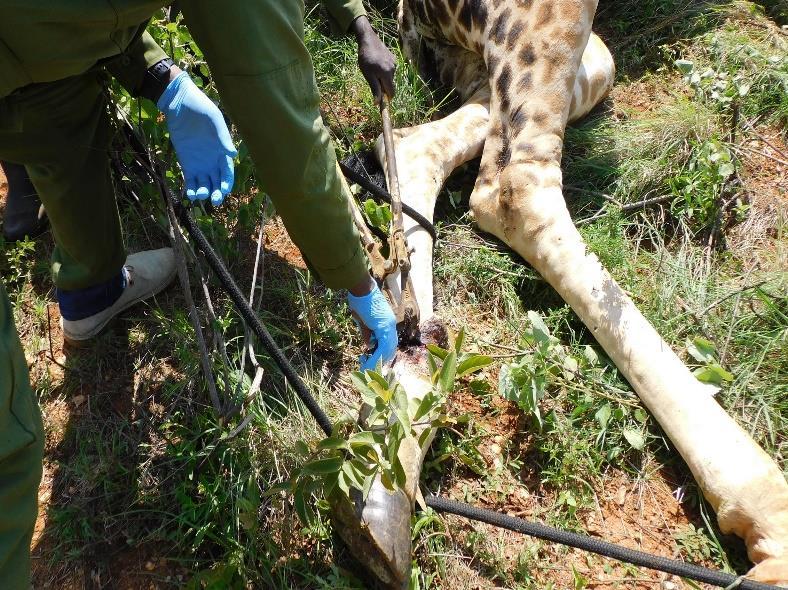
The giraffe herd was sighted next to a watering point and lameness noted in two giraffes. One giraffe had severe lameness while the second had mild lameness as observed in gait pattern. 16mg Etorphine was used to dart the first giraffe with extreme lameness He was roped into left lateral recumbency, blindfolded and restrained by pinning the head and neck to the ground and using ropes to hold affected limbs for treatment.
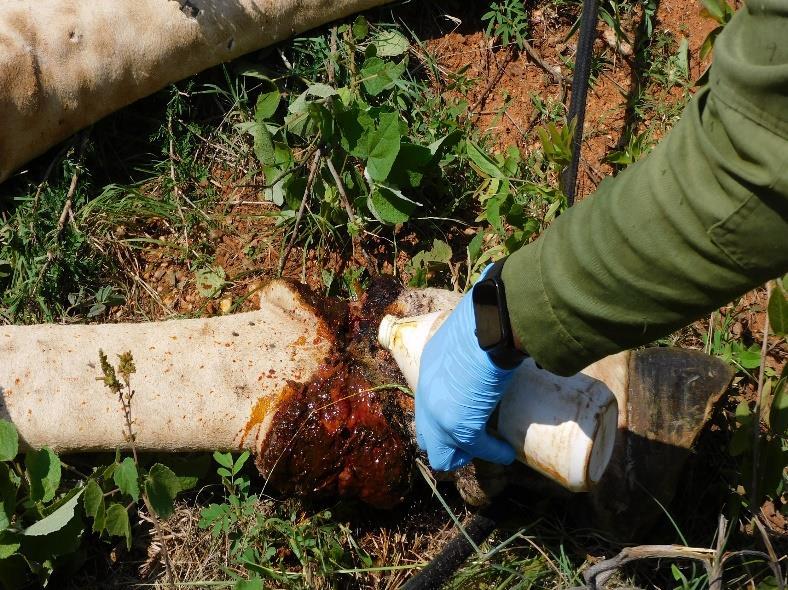
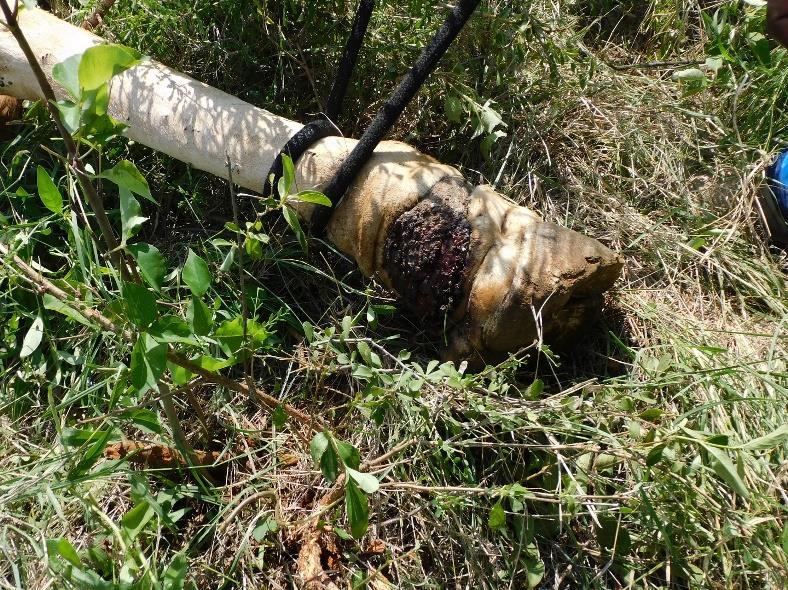
The wire snare lodged deep into the skin tissues at the distal metatarsal of the left hindlimb was cut and removed using a wire cutter. The wound was then lavaged with Iodine, sprayed with topical Oxytetracycline aerosol wound spray and packed with medical grade clay to provide a barrier to external contamination and promote wound healing. A wound on the second phalanx on the right forelimb potentially caused by a snare that dislodged on its own was assessed, determined to be at the granulation stage and treated as above.
Prognosis
A good prognosis was given, and it was expected that the two snare wounds resulting in a complete recovery. .
This activity was carried out over a total of 8 days as part of the ongoing Baboon Research Project.
The target animals were trapped in cages before chemical immobilisation by intramuscular injection of an initial Ketamine hydrochloride (10 mg/kg) and Medetomidine hydrochloride (0.02 mg/kg) anaesthesia drug combination protocol. The protocol was later revised to a dosage of 12 mg/kg Ketamine hydrochloride and 0.025 mg/kg of Medetomidine hydrochloride.
The anaesthetised subjects’ body measurements were then taken, photographs recorded and the neck collar applied with the subject receiving subcutaneous microchips in the skin between the thumb and first finger of each forearm and on the shoulder between the scapulae after scanning to confirm their absence.
Hair, faecal, and blood samples in EDTA vacutainer, citrate vacutainer and red vacutainer tube with coagulant were then collected.
The subjects were randomly assigned into two groups with the experimental group being maintained under chemical anaesthesia using Ketamine top up doses without oxygen supplementation while subjects in the control group were maintained under gas anaesthesia using Isoflurane gas with oxygen supplementation.
Anaesthesia monitoring was done using a pulse oximeter with serial i-STAT blood analysis conducted in a total of 20 subjects from the group.
Conclusion
A total of 49 subjects were processed with 48 being collared or recollared. One eligible subject had respiratory complications and therefore could not be collared.
Out of the 49 subjects, i-STAT blood analysis were conducted in a total of 20 subjects from the group.
The activity was completed successfully with no fatalities recorded.
Unfortunately, there are no pictorials for this case
Baboon Collaring Mpala Ranch