SWT/KWS Mt Kenya Veterinary Unit Report February 2026
SWT/KWS MT KENYA MOBILE VETERINARY UNIT
FEBRUARY 2026
15 Cases in February 2026 4 Elephant Cases 1 HWC Case
February Report by Dr. Poghorn
The Mt Kenya Veterinary unit undertook 15 activities within the region. Key among them is rescue of a female rhino calf, elephant calf and zebra calf, treatment of two elephants for snare and spear injuries Other cases were lion collaring for monitoring purposes, an elephant autopsy and translocation of 2 surrogate white rhinos that were discontinued from the surrogacy of northern white assisted reproduction program.
Acknowledgement
The Mt. Kenya Mobile Wildlife Veterinary Unit thanks the Kenya Wildlife Service for providing leadership and technical expertise. The veterinary team also appreciates The Sheldrick Wildlife Trust (SWT) for providing the financial and logistical support that enables the Unit to fulfil its mandate.
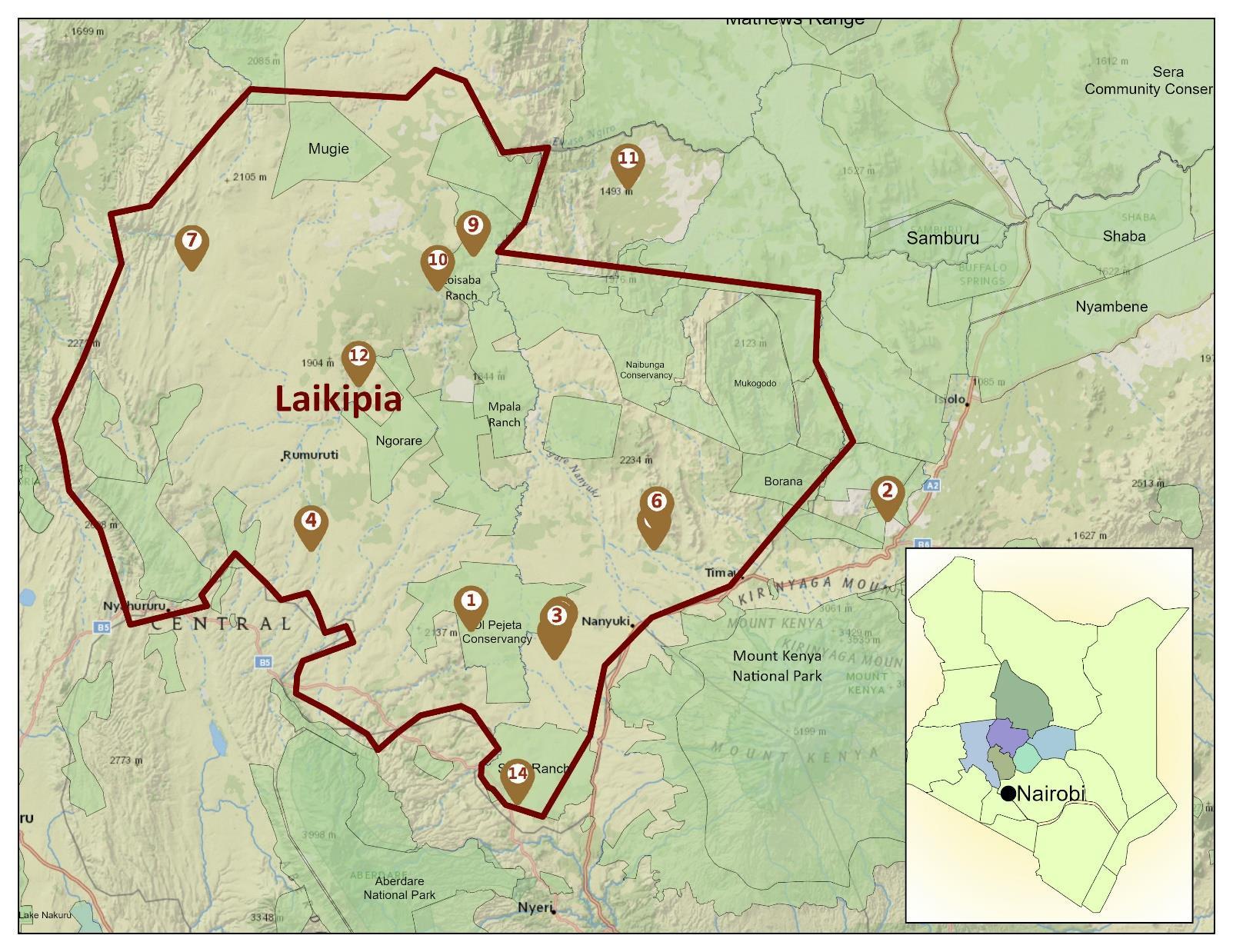
SWT/KWS Rift Valley Mobile Vet Unit Treatment Locations
February 2026
Case Details
4-Feb-26 Elephant Ol Pejeta Conservancy Spear The puncture wound was suspected to have been inflicted by a spear Successfully Treated
5-Feb-26 Rhino Black Lewa Conservancy Natural Causes A dislocation in the left hip joint, and bloody diarrhoea Taken to Orphanage
10-Feb-26 Elephant Ol Pejeta Conservancy HWC
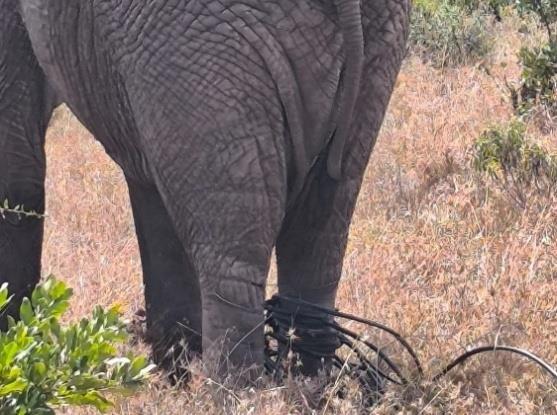
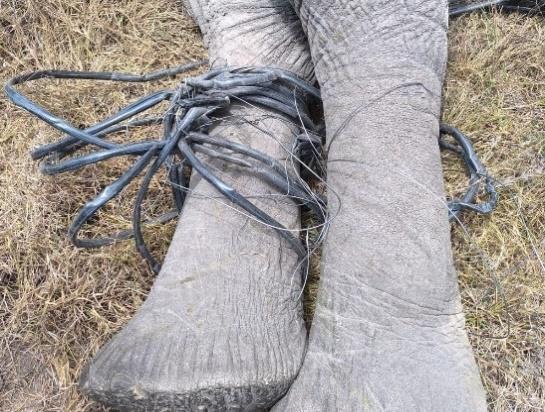
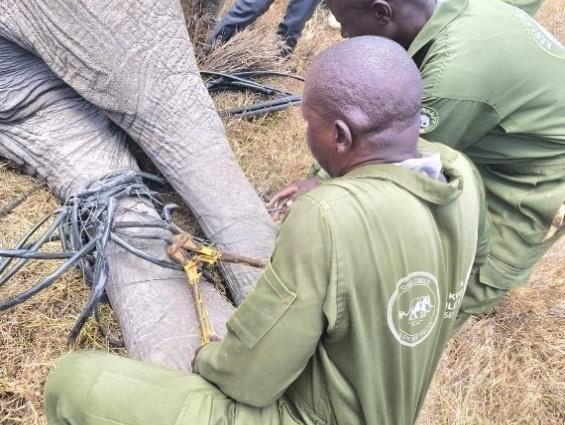
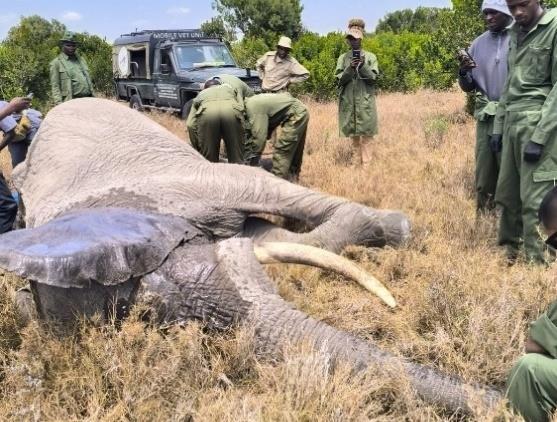
The clinical examination revealed that the bull had wires coiled on its legs Successfully Treated
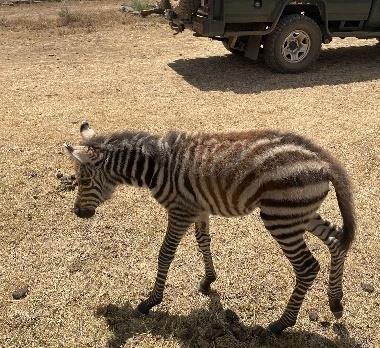
12-Feb-26 Zebra Rumuruti Rescue The zebra calf was abandoned by her mother Taken to Orphanage
14-Feb-26 Buffalo Loldaiga Conservancy Postmortem
14-Feb-26 Zebra Loldaiga Conservancy Postmortem
The cause of the fracture is suspected to be falling off a cliff leading to paralysis Died
The postmortem examination revealed the liver had congestion Died
16-Feb-26 Lion Mukutan Conservancy Collared Lion collaring was to monitor individual and pride movement patterns
19-Feb-26
19-Feb-26
Loisaba Ranch Collared Lion collaring activity was planned for the purpose of monitoring lions
20-Feb-26 Lion Loisaba Ranch Collared Lion collaring activity was planned for the purpose of monitoring lions Task Successful
21-Feb-26 Elephant Isiolo Postmortem Intestinal obstruction due to torsion resulting in sepsis Died
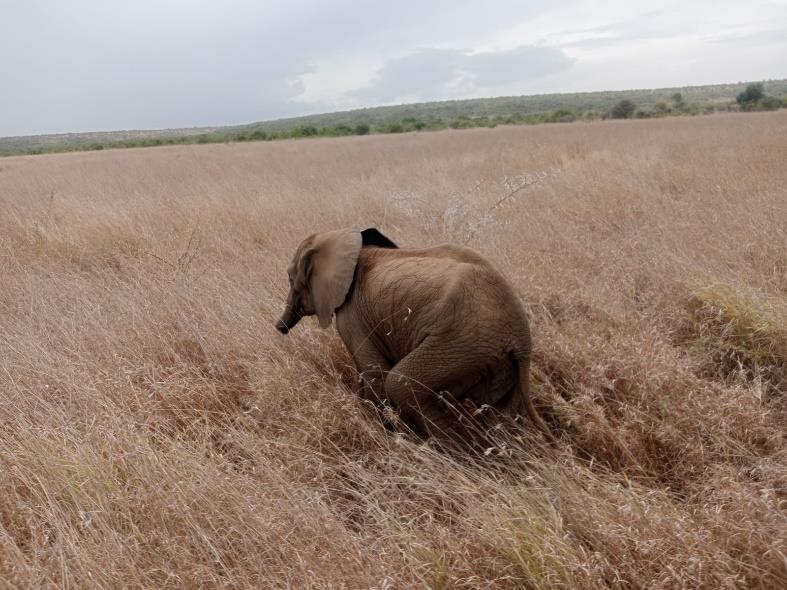
23-Feb-26 Elephant Ol Maisor Conservancy Rescue The calf had collapsed due to dehydration and starvation Taken to Orphanage
25-Feb-26
White Ol Pejeta Conservancy Relocation The moving of two Southern White Rhino female surrogates Task Successful
27-Feb-26 Rhino White Solio Ranch Natural Causes A deep penetrating wound suspected to have been inflicted by a male rhino Prognosis Poor
27-Feb-26 Antelope Ol Pejeta Conservancy Technical Cases Tag 25 Hartebeests with to understand their movement patterns Task Successful
.
Elephant Spear
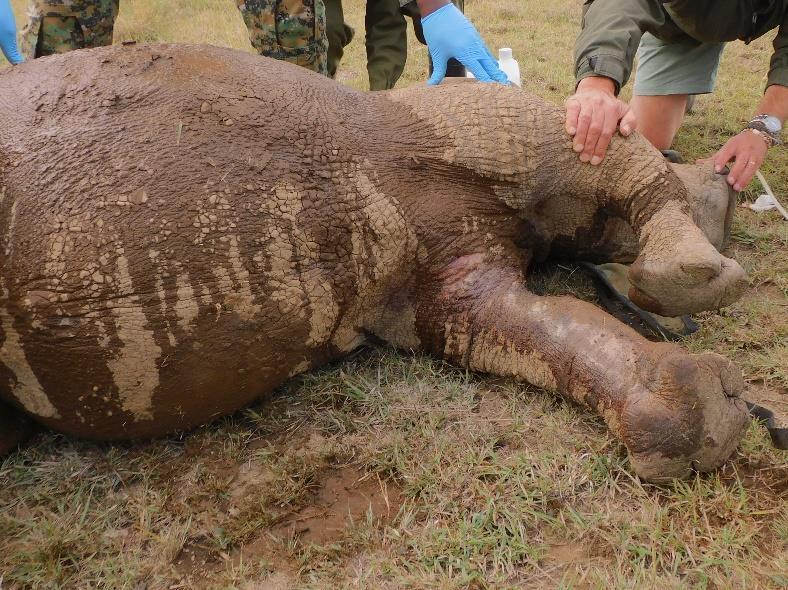
The elephant was reported limping; signs affecting the left forelimb.
Immobilisation, examination and treatment
Ol pejeta Conservancy
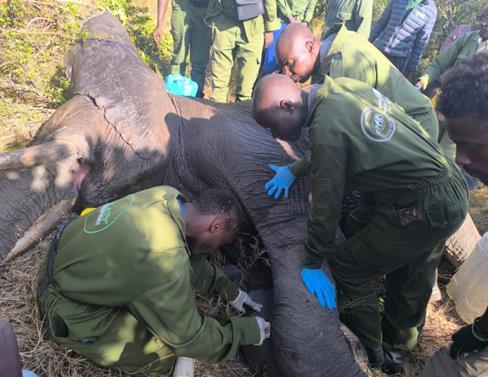
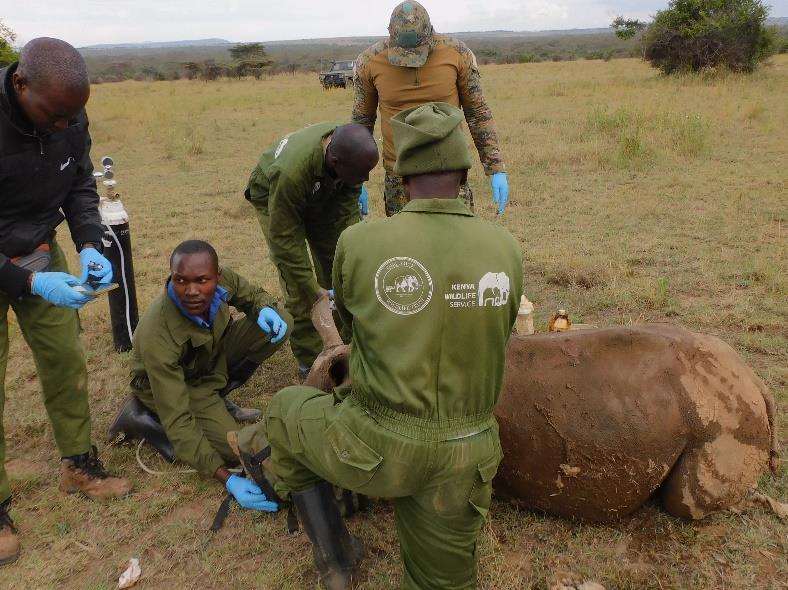
The elephant was darting from a helicopter with 16mg Etorphine. The elephant went down on sternal recumbency, and was repositioned to right lateral recumbency by use of ropes.
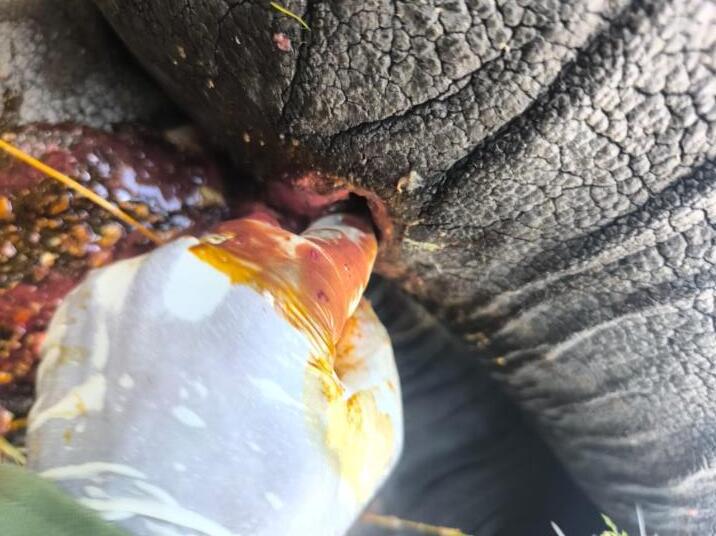
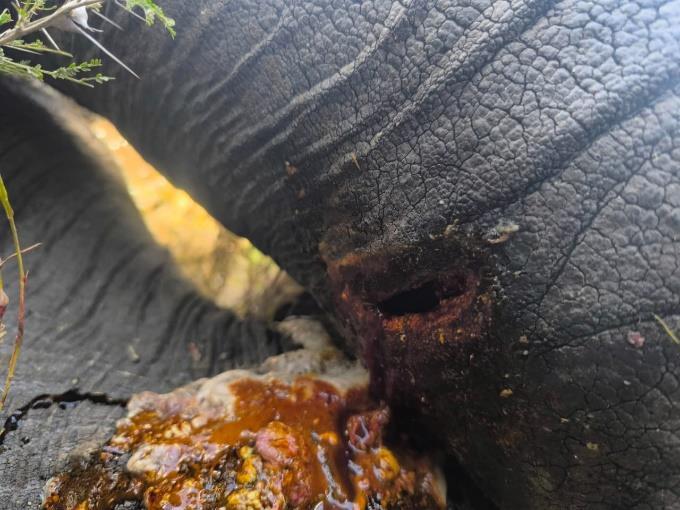
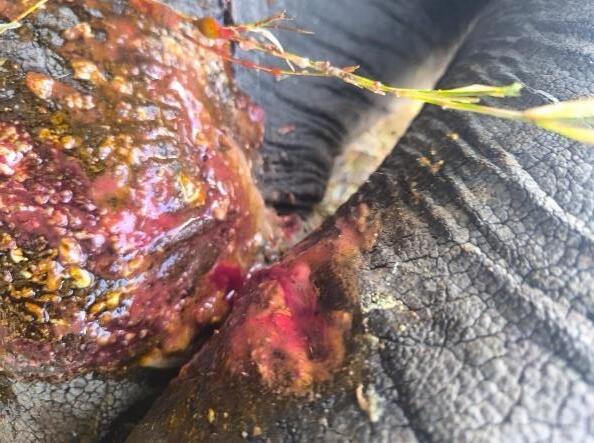
The puncture wound was on the left forelimb suspected to have been inflicted by a sharp-pointed object (spear). The wound was infected and as a result, purulent exudate, swelling and lameness was observed. The wound was managed by cleaning and flushing with Hydrogen peroxide to clear out the purulent exudate and debris. Clean water was used to clean the foam and dirt, and an antimicrobial agent, Iodine solution applied. Oxytetracycline pessaries 4g, were packed into the wound, and Opticlox ointment applied. The wound was sealed with green clay paste and sprayed with Alamycin (Oxytetracycline). The elephant was also administered with 15,000mg Long-acting amoxicillin and 3,000mg Flunixin meglumine.
Relocation, revival and prognosis
The prognosis is good; recovery and improvement are anticipated.
Case 2 – 5th February 2026
White Rhino Rescue Lewa Conservancy
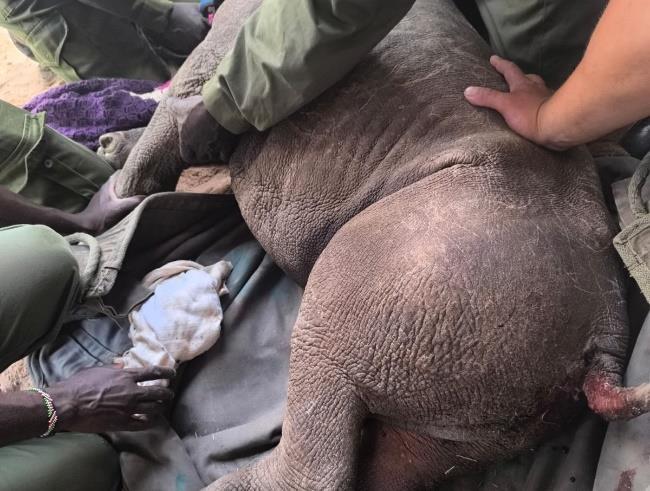
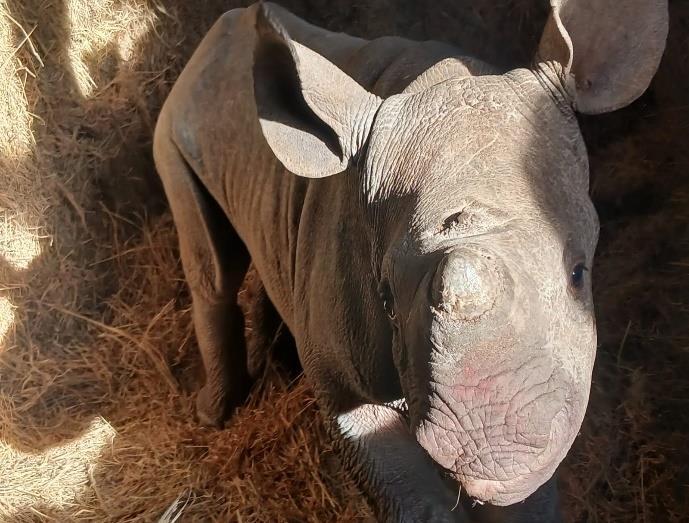
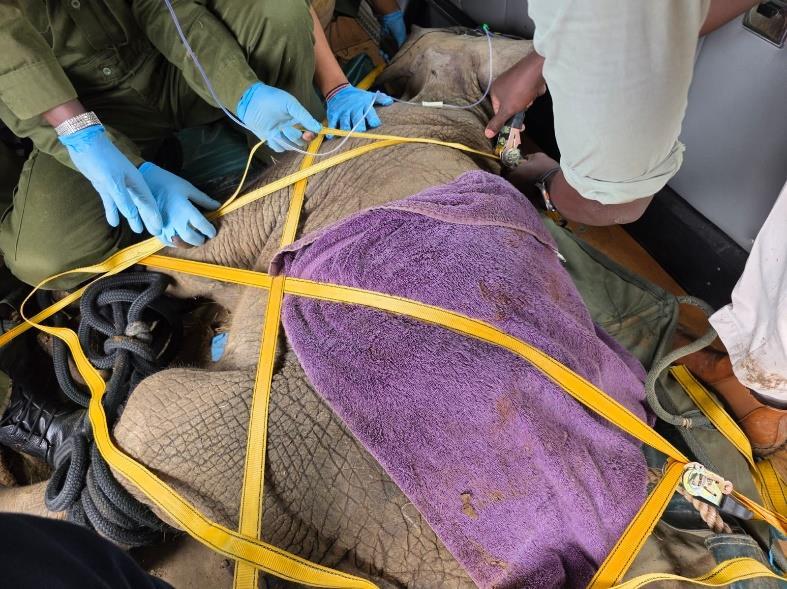
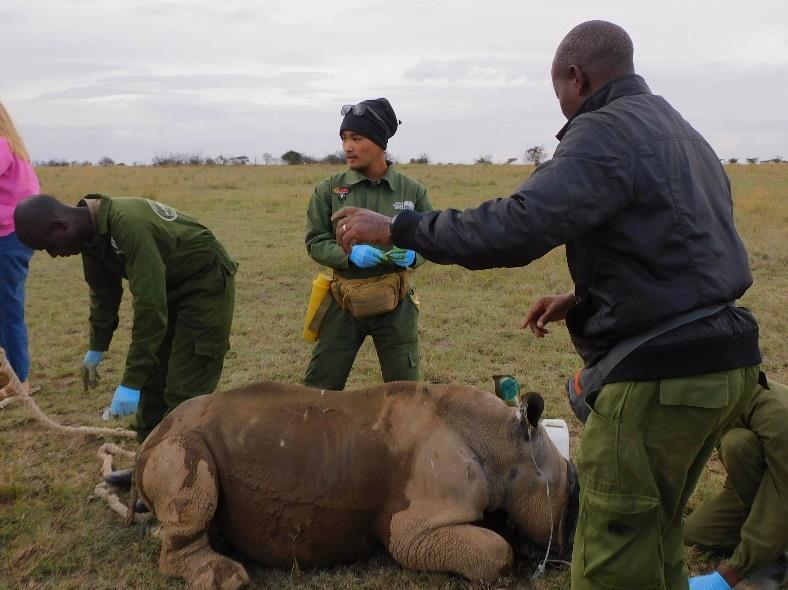
The report of injured black rhino calf was received from the Lewa Rhino Monitoring Rangers. The rhino calf was confirmed to be struggling to walk with marked lameness. An assessment was quickly undertaken by the resident vet who confirmed that the calf cannot survive in the wild with the condition.
Immobilisation, examination and treatment
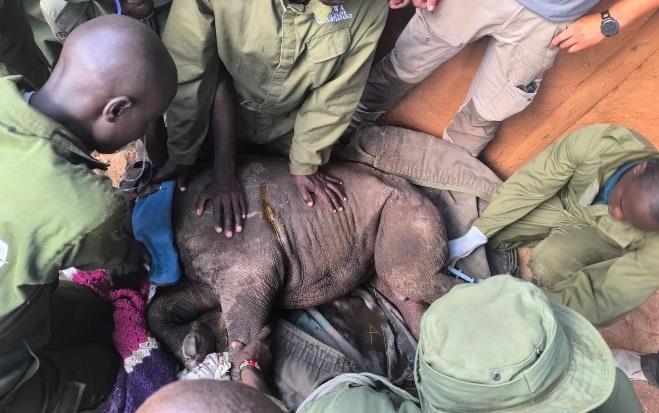
The calf was so small hence it was captured physically. The Lewa helicopter drove away the mother, and the calf was captured by the rangers. The calf was blindfolded and transported by the cruiser to a prepared boma.
To sedate the calf, 20mg Azaperone was injected intravenously.
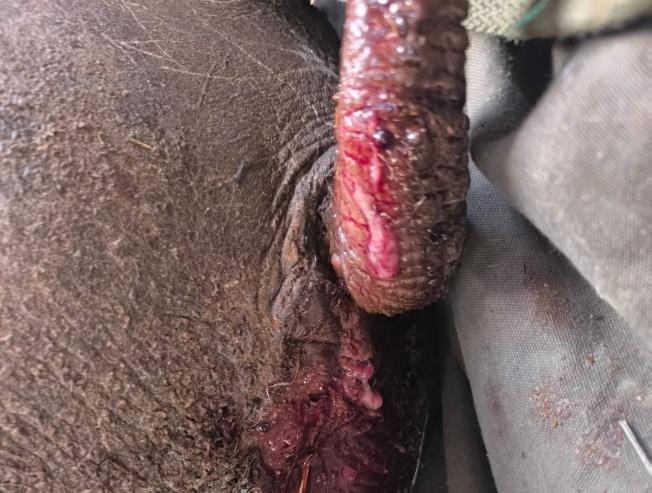
Clinical examination revealed that he has a dislocation in the left hip joint, and bloody diarrhoea. And minor trauma on the left abdominal region. The rhino was given 10ml Meloxicam and 2,250mg Amoxicillin for inflammation and infection Ringer lactase 800ml and 50% Dextrose (20ml) were administered intravenously Butaphosphan (12mg) and Vitamin B12 were also injected intramuscularly.
Prognosis
The prognosis is good.
Elephant
Human-Wildlife Conflict
Ol Pejeta Conservancy
The elephant bull was seen dragging a long wire on his right hind leg by a team from Ol Pejeta Conservancy
Immobilisation, examination and treatment
The wires were cut loose and removed with no significant tissue trauma. The elephant was administered with 90mlMultivitamin and 100mg Dexamethasone anti-inflammatory. Alamycin spray was applied to bruised areas.
Prognosis
Anaesthesia was reversed by 360mg Naltrexone administered intravenously through the ear vein 23minutes post-darting. The bull was up in 3 minutes post-injection and walked away.
Prognosis is good.
Case 4 – 5th February 2026
White Rhino Rescue Lewa Conservancy
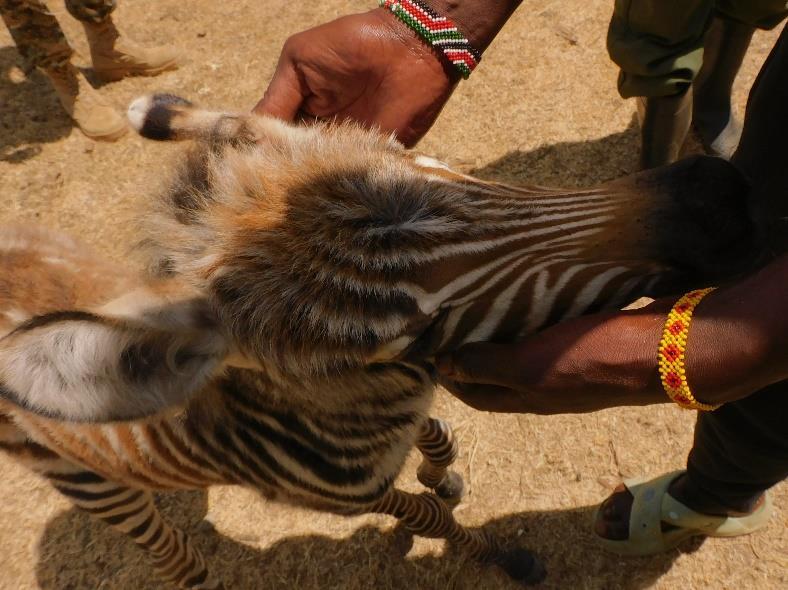
The zebra foal that was abandoned by her mother was found by the rangers of Kifuko area during their routine patrol in the evening on 11th February. The zebra foal was captured physically by the rangers that evening and kept at the KWS station.
Examination and rescue
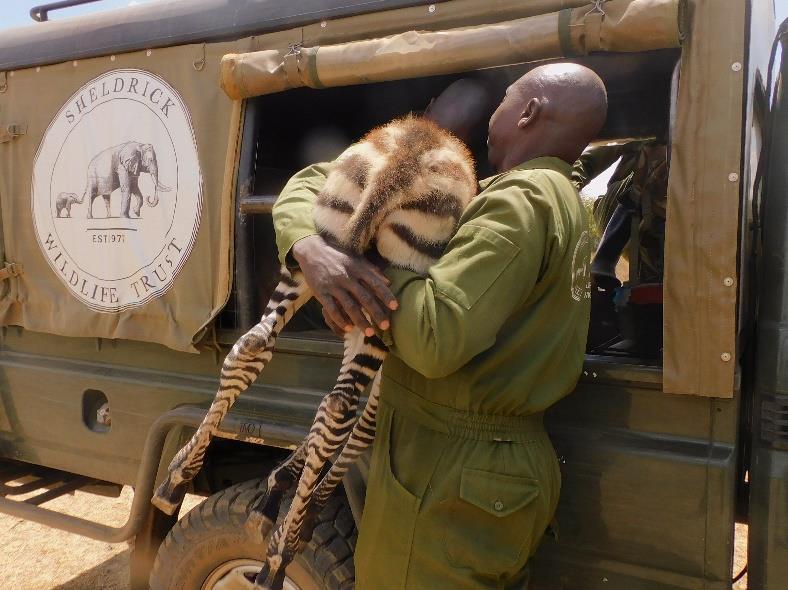
Mt Kenya vet unit travelled to the area to rescue the calf. The calf was examined on site and there was no significant health problems.
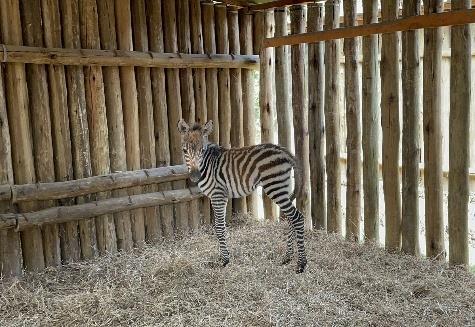
The zebra was taken to the Solio rhino orphanage by vehicle. During the transport, the respiration and the body temperature were well monitored. The body temperature was 38.2℃ and the zebra was on sternal recumbency most of the time during transport.
Prognosis is good.
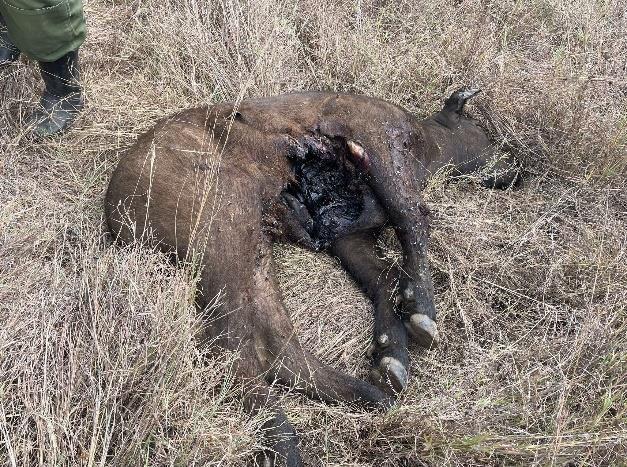
Buffalo Postmortem
Lol Daiga Conservancy
The carcass of the buffalo calf was found in the Conservancy by the Conservancy Rangers. The Vet Unit visited the area to undertake autopsy to determine the cause of death.
Postmortem examination
Upon physical examination, most of the right abdominal region and the contents inside had been eaten by scavengers.
The postmortem examination revealed that he had a complete fracture in the cervical vertebral (around the region of C4-C6) From the above, nerves such as the vagus nerve, accessory nerve, phrenic nerve and brachial plexus roots were affected.
Cause of death
Paralysis was cause of the dysfunction. The cause of the fracture is suspected to be falling off a cliff.
Case
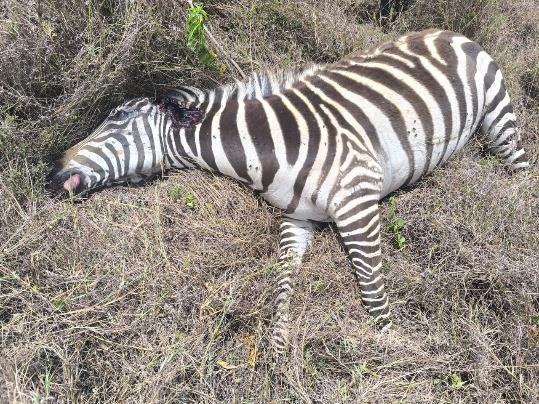
Zebra Postmortem
Lol Daiga Conservancy
The zebra carcass was found 14th February inside Lol daiga Conservancy and reported to Mt Kenya Vet Unit who rushed to the conservancy to undertake autopsy.
Postmortem examination
The zebra had been partly eaten by scavengers around the top of the left neck region. The postmortem examination revealed the liver had congestion and skeletal muscle had hyperaemia and the lymph node also showed congestion.
Cause of death
From the autopsy findings, the cause of her death is suspected to be septicaemia.
Case 7, 8, 9 & 10 – 16th February 2026
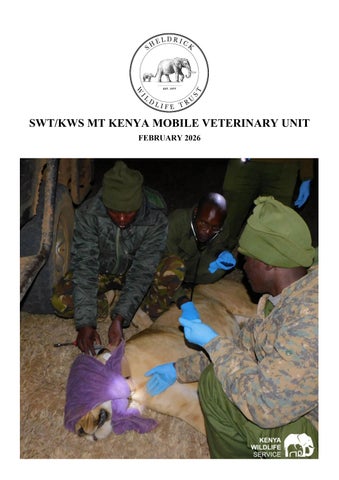
Lion Collaring
Mukutan and Loisaba Conservancy
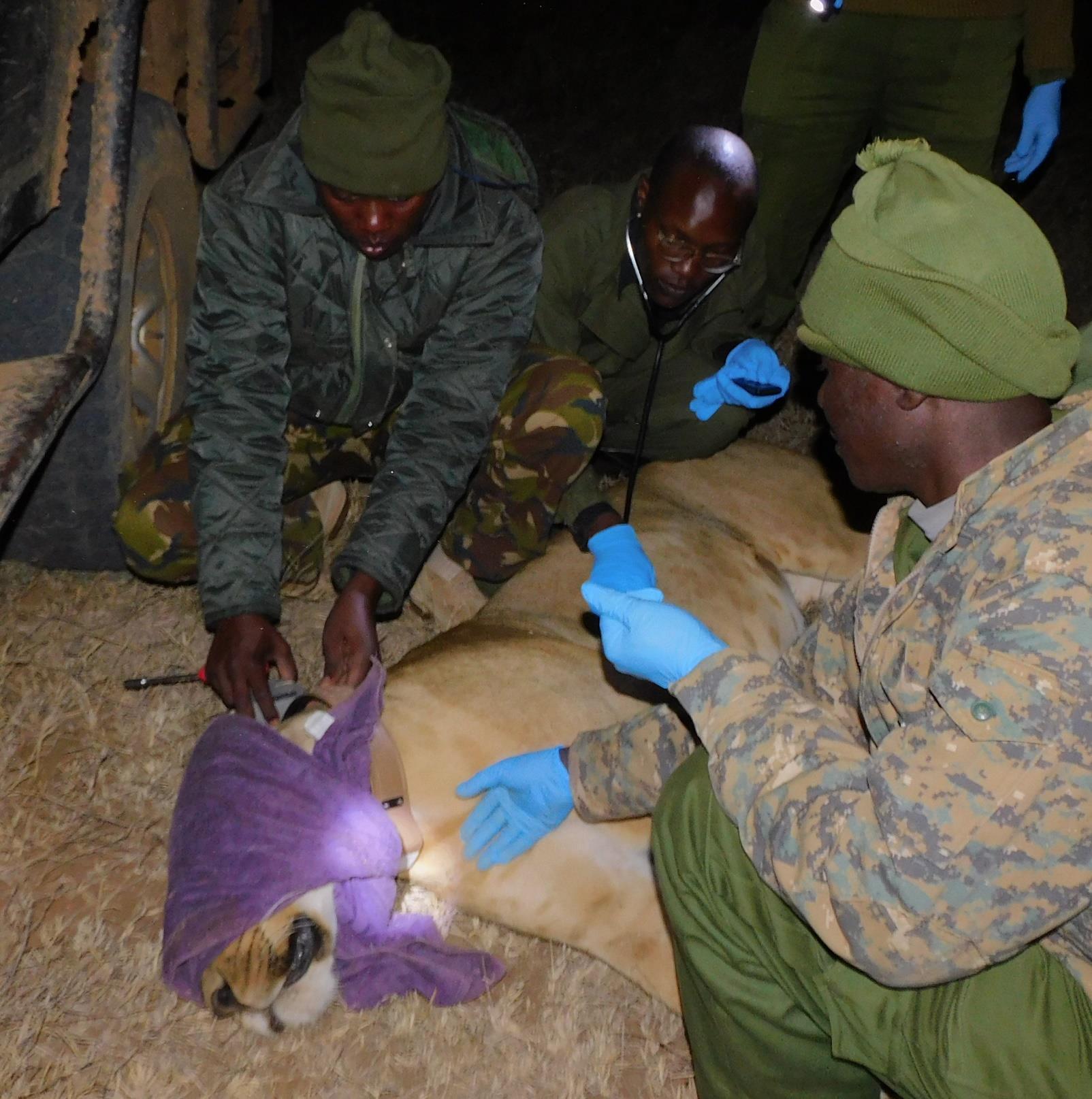
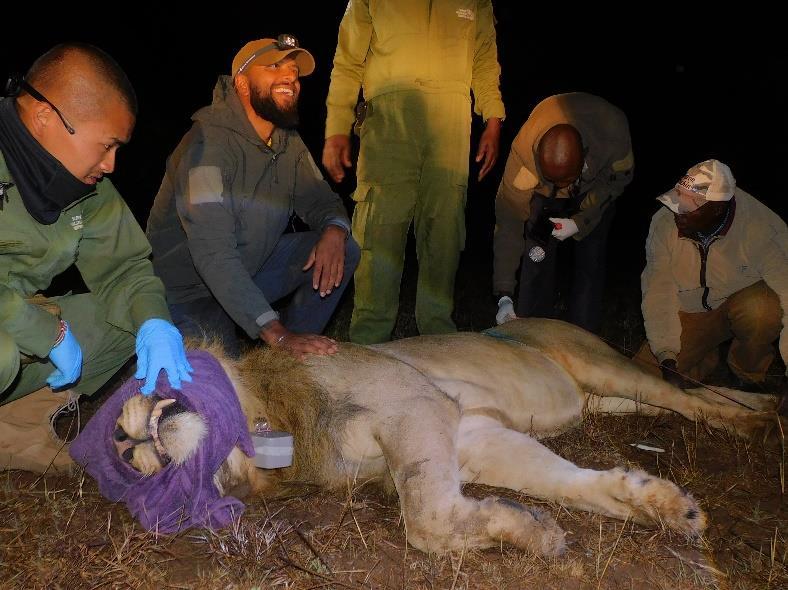
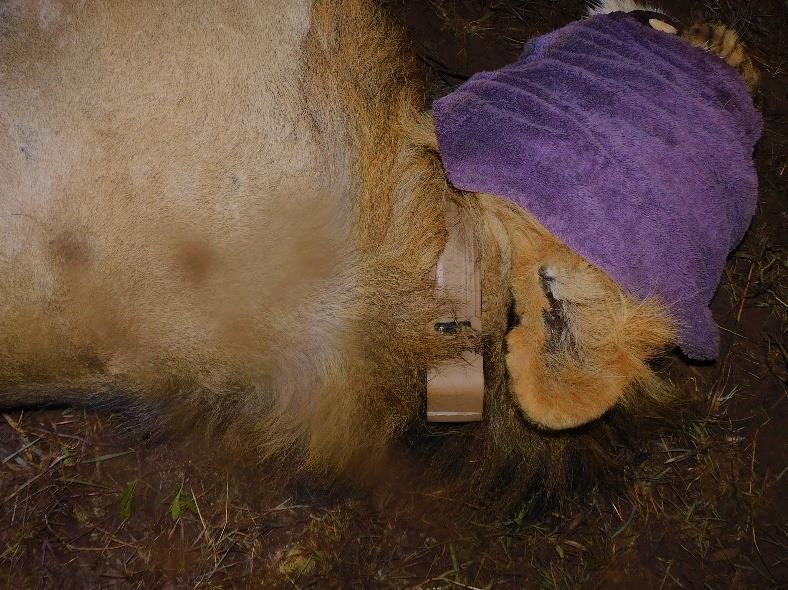
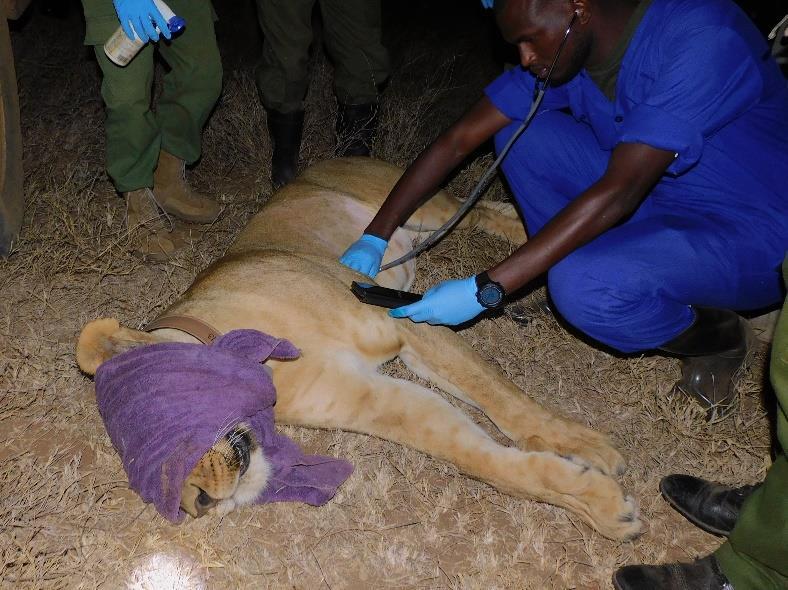
Lion collaring monitors individual and pride movement patterns and home ranges to proactively prevent and manage human-wildlife conflict (HWC) by deterring livestock predation and to serve as a research tool for data collection. One lion from Mukutan and three from Loisaba Conservancy were collared in this exercise.
Immobilisation, examination and collaring
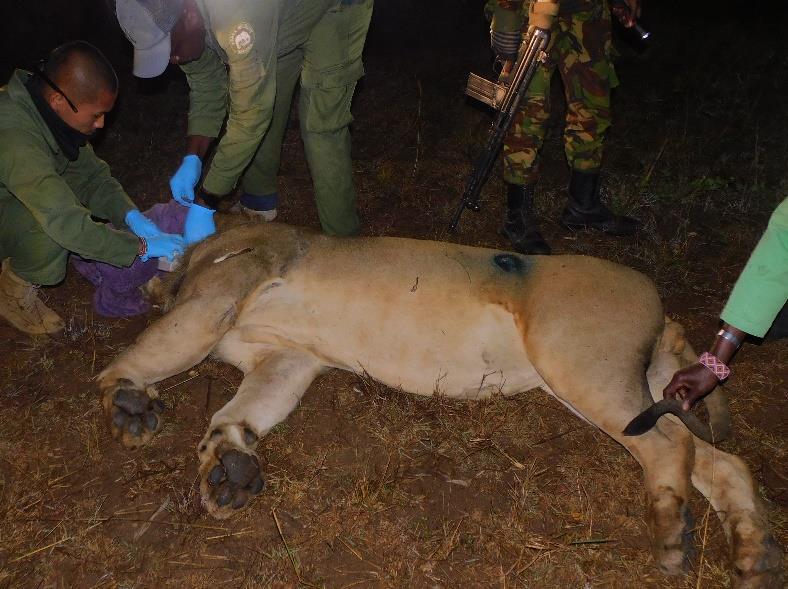
The four lions were baited using a fresh carcass combined with auditory stimuli from a callback system All lions were darted (on separate occasions) with 8mg or 6mg Medetomidine and 300mg Ketamine.
Once the lions were under anaesthesia, they were moved to a shady place and a blindfold put in place One of the Loisaba lions received 3,000mg Amoxicillin as antibiotics as there were some scratching injuries on the surface of the body. Frontline spray was applied to prevent the infection of flies. The collars were placed and the fitting checked to make sure there was plenty of space around the neck to avoid choking the lions Body measurements were taken while meanwhile vital parameters were monitored continuously.
The lion collaring activity at Mukutan was a success. One lion was collared against a target of three individuals. Due to challenges in locating the two other prides, their collaring was postponed to a later date.
All three Loisaba lions recovered well from the collaring. Prognosis is good.
Case 11 – 21st February 2026
Elephant Postmortem Ol Donyiro, Isiolo County
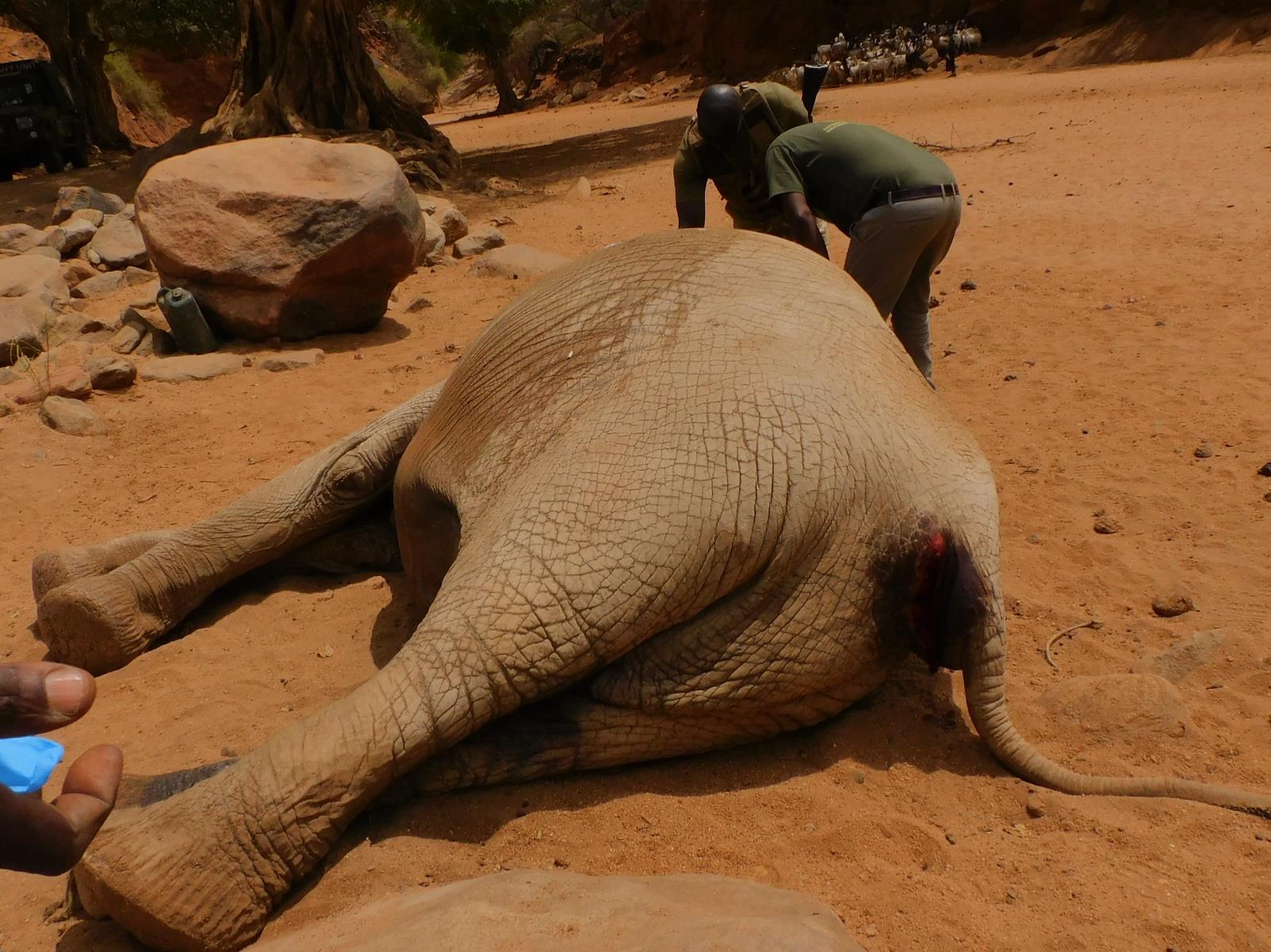
A report was received from KWS Ol Donyiro Platoon regarding a fresh elephant carcass that was spotted in a riverbed in Rumala Lagga of Ol Donyiro. The tusks were removed for safe keeping.
Postmortem examination
The fresh carcass of a lactating female elephant was found in right lateral recumbency. Three penetrating wounds of approximately 1cm diameter were noted on the dorsal surface of the neck. These proved to be superficial on exploration. The carcass was fresh and death likely occurred within the previous 48 hours.
Generalized hepatic congestion was observed. Mild splenomegaly was noted accompanied by multifocal ecchymotic serosal haemorrhages Diffuse petechial haemorrhages were seen on the pericardial surface, myocardium and endocardium. Reduced gut contents were observed in the stomach which contained mostly water. There was mesenteric congestion with scanty ingesta in the ileum and colon. Watery intestinal contents were observed. An area of severe localised circumferential paintbrush haemorrhage was noted at the proximal ileum and on incision a phytobezoar mass was found.
Cause of death
Intestinal obstruction due to torsion resulting in sepsis and multisystemic organ failure
Case 12 – 23rd February 2026
Elephant Rescue
Ol Maisor Conservancy
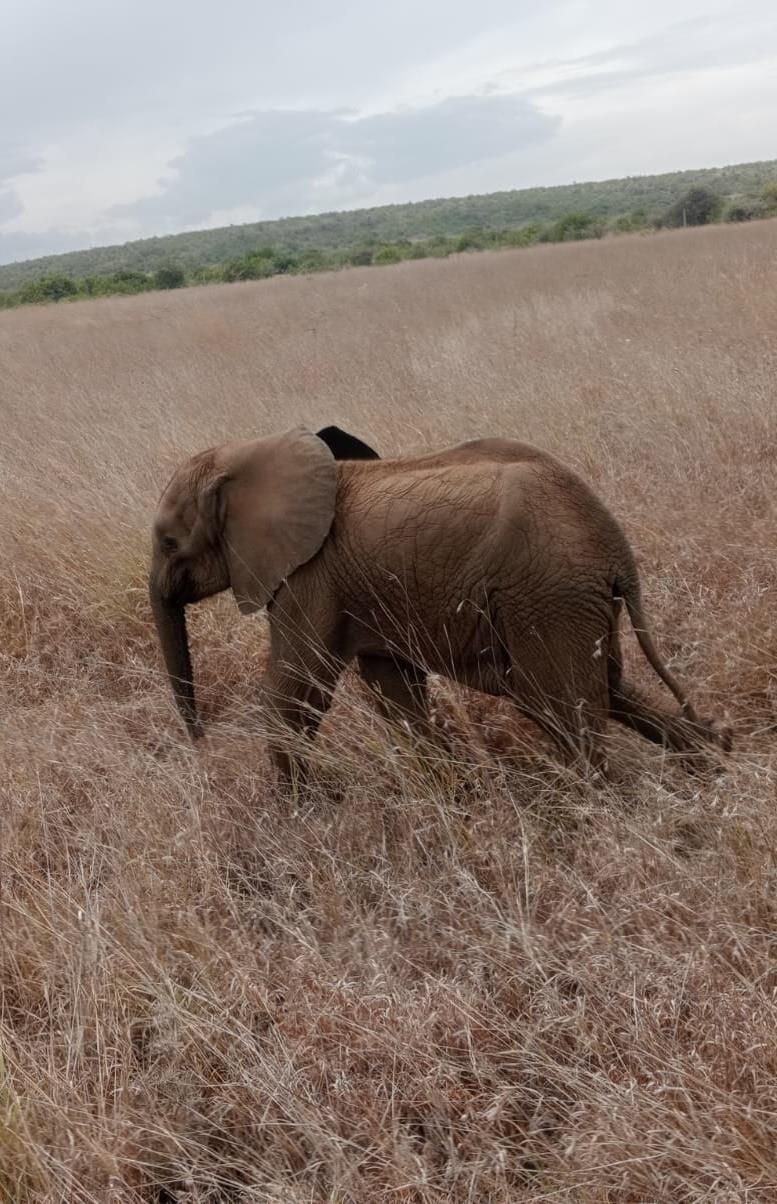
A report of an abandoned elephant calf at Ol Maisor Conservancy on 22nd February was received but due to time constraints and bad weather, the Rangers were informed to capture the calf and secure her until the next day. When the vet team arrived, the calf had collapsed due to dehydration and starvation. Supportive treatment was immediately instituted to save the calf.
Examination and rescue
The calf was administered with 1,500ml of Ringer lactate solution intravenously through the ear vein and 500ml of glucose (10% Dextrose).
0.5mg Adrenalin was injected intravenously and another 0.5mg was given intramuscularly. Anti-inflammatory drugs: 40mg (10ml) Dexamethasone was injected intramuscularly.
During the intervention, the respiration rate was 6-8. The movement of the muscles was confirmed when dextrose was administered.
The calf was airlifted to the Sheldrick Elephant Orphanage in Nairobi for care.
Case 13 –
February 2026
White Rhino Relocation
Ol Pejeta Conservancy
This internal translocation activity was carried out on 25th February 2026 at Ol Pejeta Conservancy and involved the moving of two Southern White rhino female surrogates being removed from the Northern White Rhino (NWR) breeding program where they had previously been selected as potential surrogates.
The first rhino was known as Darling and the second was Arimet, both in the Northern White Rhino Boma.
The rhinos were immobilized by aerial darting using an Etorphine and Azaperone protocol. On observation of signs of anesthesia including ataxia, tail flagging and a high stepping gait, physical restraint was effected by use of ropes and a blindfold. The rhino was then placed on sternal recumbency.
The rhinos were then stabilized by intravenous administration of Butorphanol and dilute Diprenorphine, before being walked to the crate. In the crate, 2mgs Diprenorphine was administered by intravenous injection to effect opioid partial reversal before loading onto a truck for movement to the translocation site. The rhinos were walked into a crate using guiding ropes then the crate doors were secured, blindfolds and ropes removed, and the crate was loaded onto a truck and taken to the release site.
The rhinos were loaded onto vehicles and moved to Londru Plains in Ol Pejeta Conservancy by road where the final reversal was done using Naltrexone before release near a watering point. The two rhinos moved away to explore their environment.
This operation was successful and monitoring of the rhinos will be undertaken to assess their adaptation to the new environment.
Unfortunately, there are no pictorials of this case
Case 14 – 27th February 2026
White Rhino Natural Causes Solio Ranch
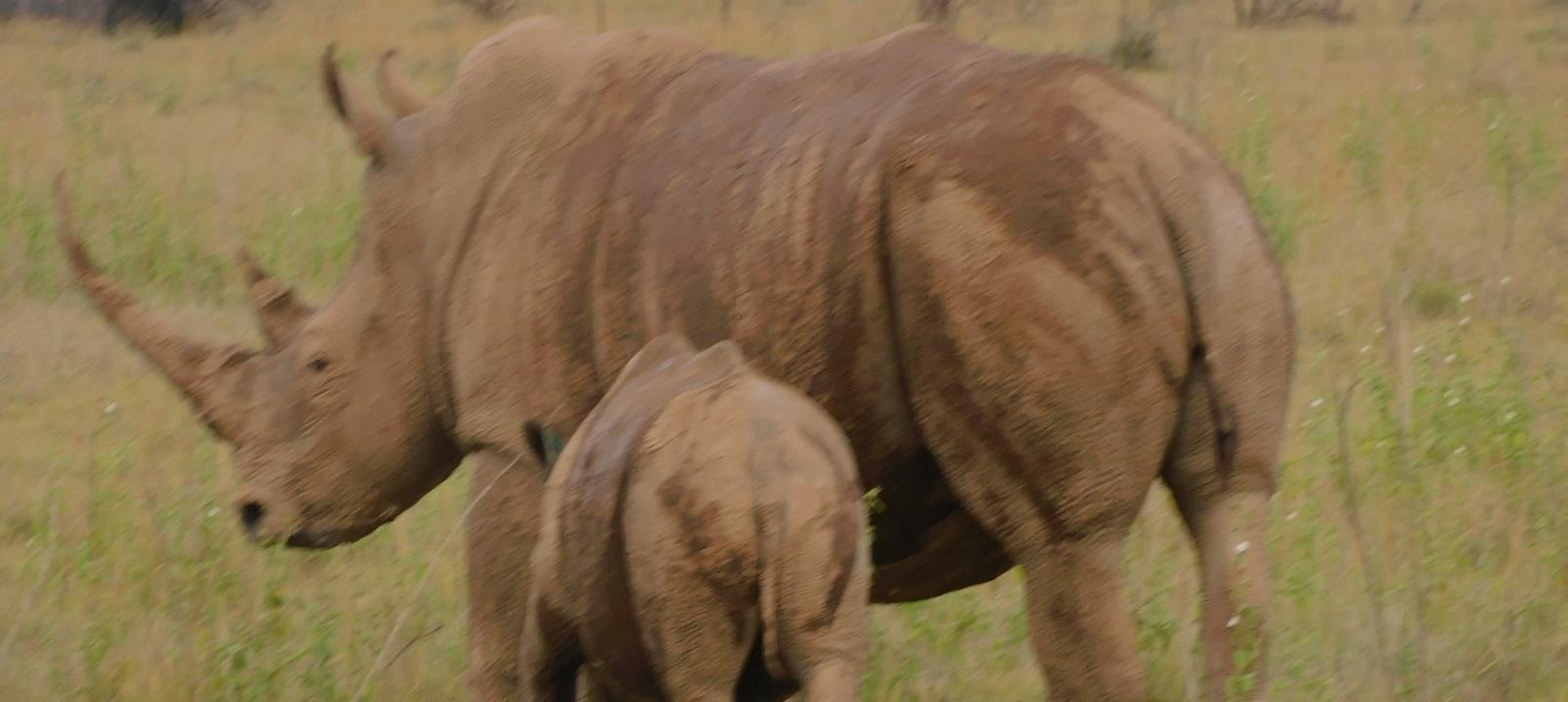
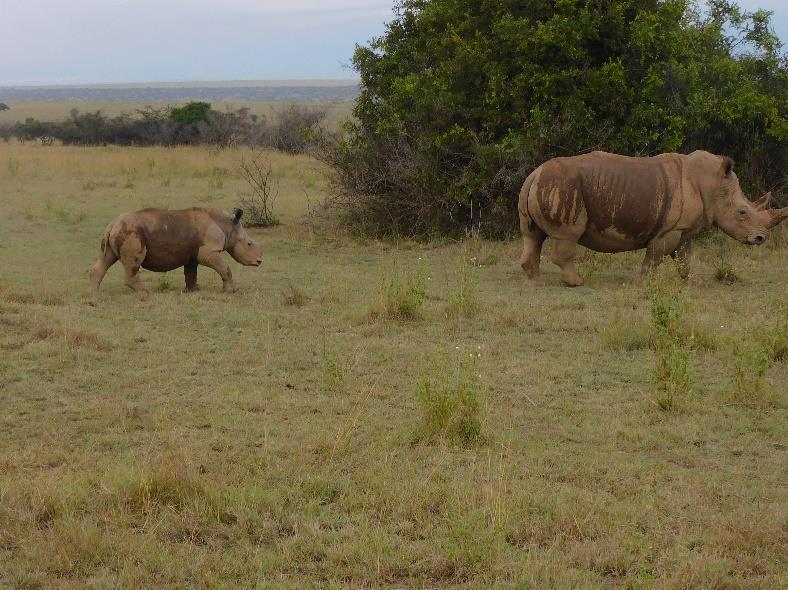
The report of injured White rhino calf was received from Solio KWS security officers manning the Conservancy. A team of Rangers was monitoring the calf and the mother. Upon arrival of the vet team, the calf was found with her mother and another male rhino.
Immobilisation, examination and treatment
The mother was the first to be darted with 4.5mgs Etorphine and 60mgs Azaperone then the calf was darted with 0.7mgs Etorphine and 15mgs Azaperone. They both went down next to each other. The mother was stabilized with 50mgs Butorphanol while the calf was given 10mgs Burtophanol.
Vital parameters were monitored while the calf was supplemented with oxygen. Upon examination, a deep penetrating wound was seen on the chest area suspected to have been inflicted by a male rhino that was mating with the mother. The wound was cleaned with dilute Iodine and antibiotic pessaries inserted before being covered with green clay. Intramuscular administration of 15cc long-acting Amoxicillin and 10cc of Flunixin meglumine.
Prognosis
The mother and calf were both reversed and they walked away slowly. Prognosis is guarded.
Hartebeest Technical Case
Ol Pejeta Conservancy
Hartebeests are one of iconic antelope species in the vast African savannahs including the Laikipia ecosystem. A recent census has indicated that their numbers are slowly going down due to unknown reasons. This has necessitated a study by a Phd student from USA to find out why the population is reducing instead of increasing.
The student applied to KWS to ear tag 25 hartebeests with satellite link ear tags to understand their movement patterns and their interaction with predators. The exercise was undertaken with assistance from Kenya Wildlife Service, veterinary department.
Immobilization and ear tagging
The females were immobilized using 4mgs Etorphine and 30mgs Azaperone while the males were immobilized with 5mgs Etorphine and 40mgs Azaperone. The animals went down between 6-10 minutes and were blindfolded and kept on sternal recumbency. The ear tags were fitted on the ears with the solar panel facing up. The animals were kept cool by pouring water on them. Water and fecal samples were collected and stored.
After tagging the animals were reversed using Naltrexone at 15 times the Etorphine dose.
Conclusion
The study will go a long way in understanding why hartebeest numbers are decreasing within Laikipia County.
Unfortunately, there are no pictorials of this case