SWT/KWS Mobile Veterinary Units Quarterly Report January - March 2026
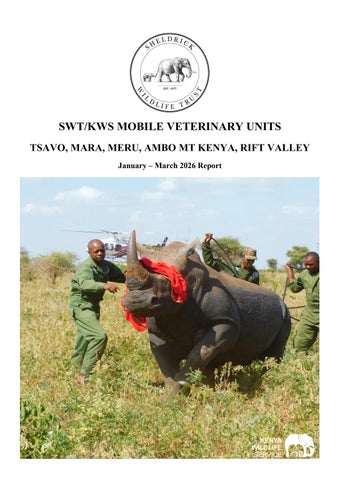
SWT/KWS MOBILE VETERINARY UNITS
TSAVO, MARA, MERU, AMBO MT KENYA, RIFT VALLEY
January – March 2026 Report
January – March 2026 Report for Tsavo/Southern, Mara, Meru, Amboseli, Mt Kenya and Rift Valley Units.
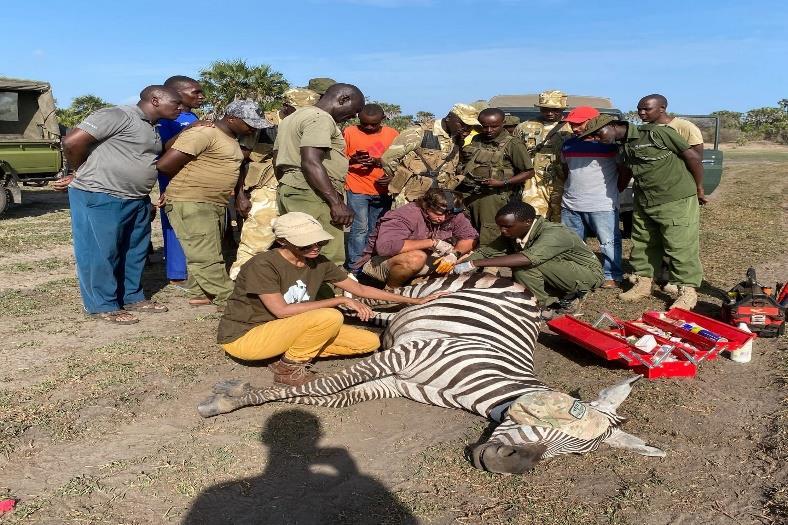
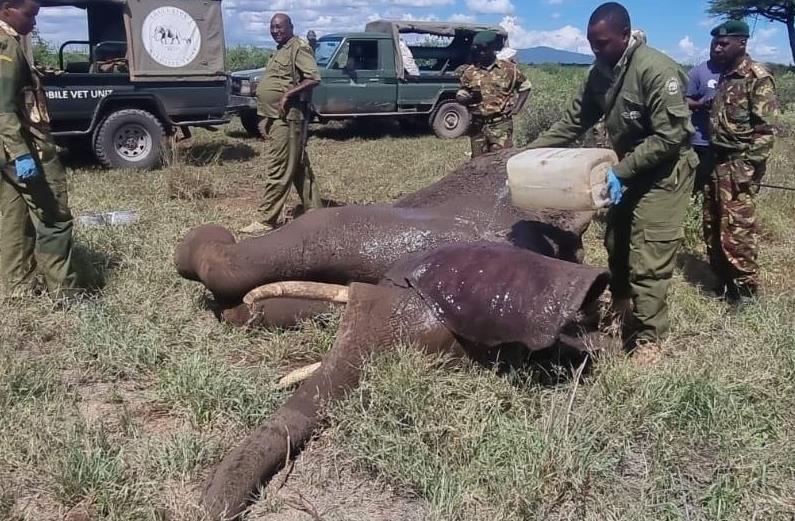
The Sheldrick Wildlife Trust (SWT), in conjunction with the Kenya Wildlife Service (KWS) operate seven Mobile Veterinary Units, which in this quarter attended to a total of 142 cases involving 541 animals. Across Kenya, January and February was characterised as fairly dry with a marked decrease in rainfall resulting in the start of vegetation drying out and water pans lowering. However, the ecosystems retained enough browse and water to not have a serious impact on the body condition of the wildlife. The rainy season typically starts in late March/early April but for much of Kenya it began early this year, with heavy thunderstorms and rainfall resulting in flooding. For some areas, such as the Mara this created challenges as roads and infrastructure were affected.
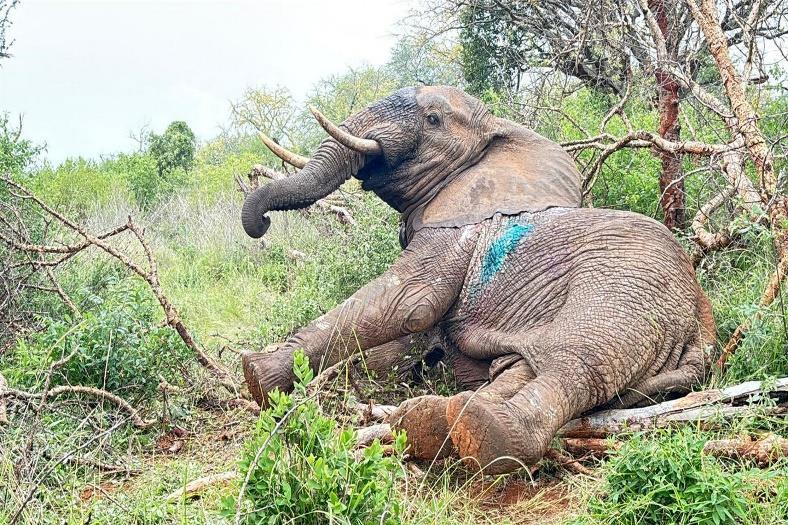
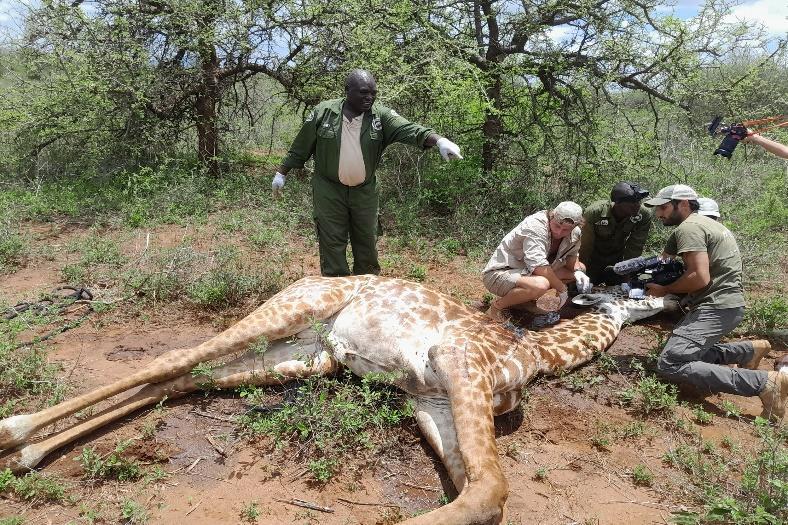
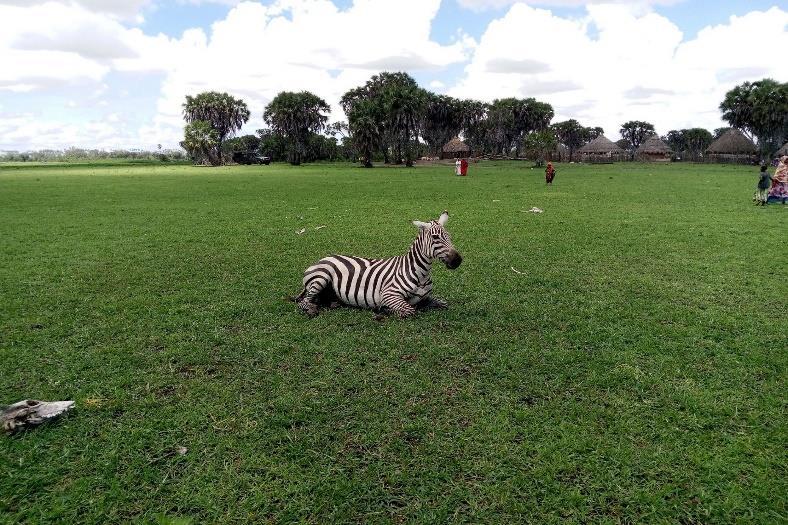
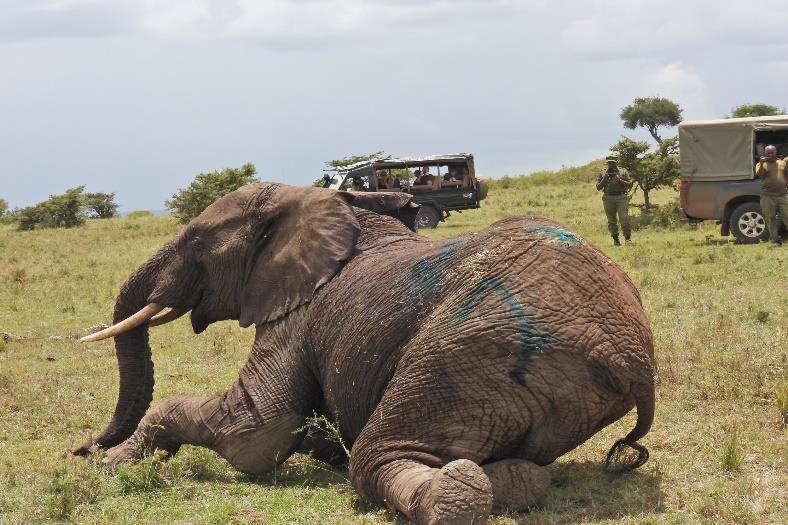
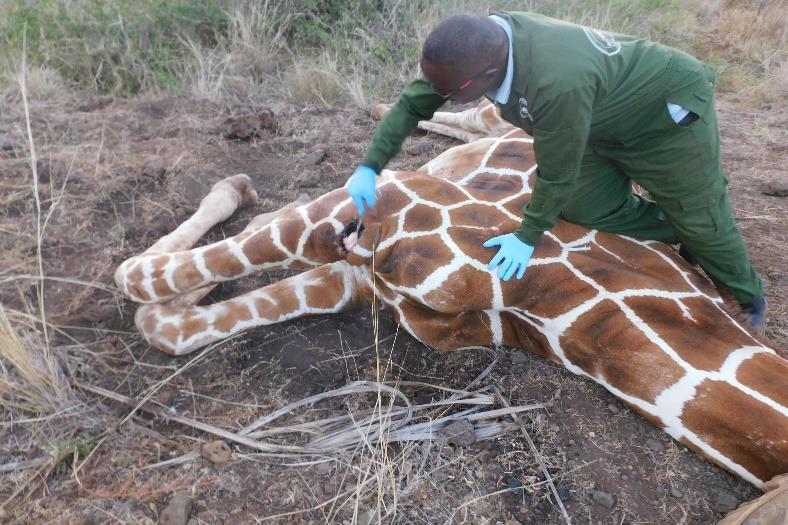
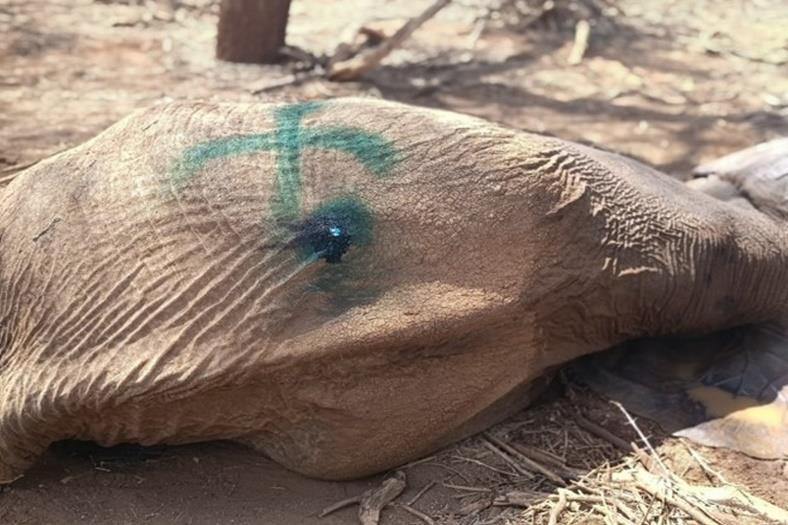
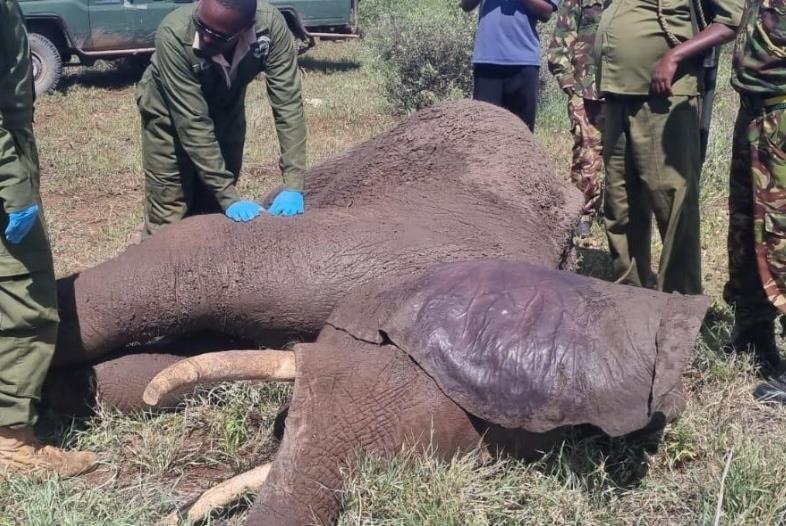
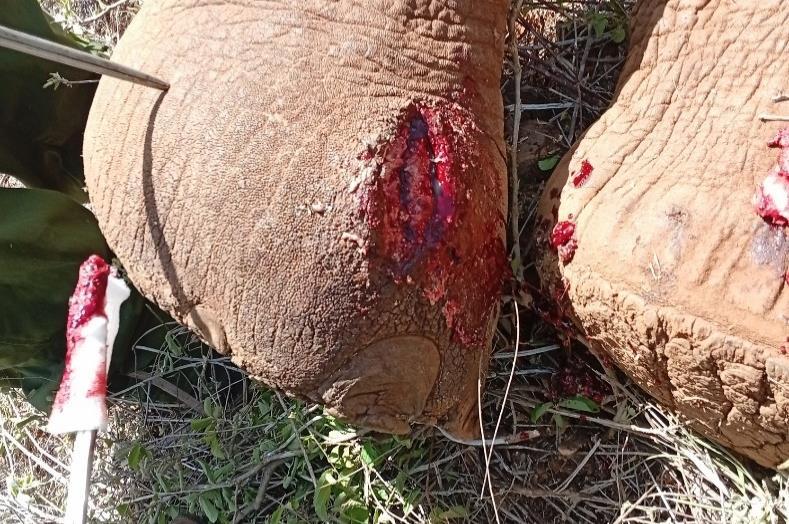
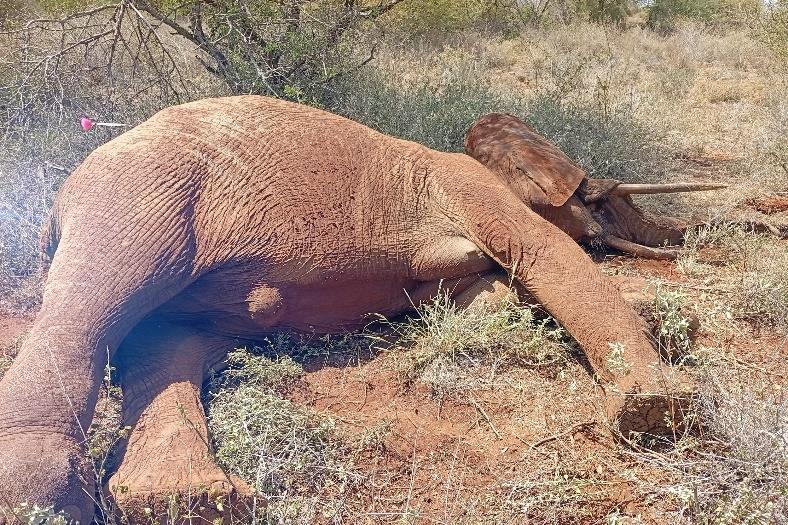
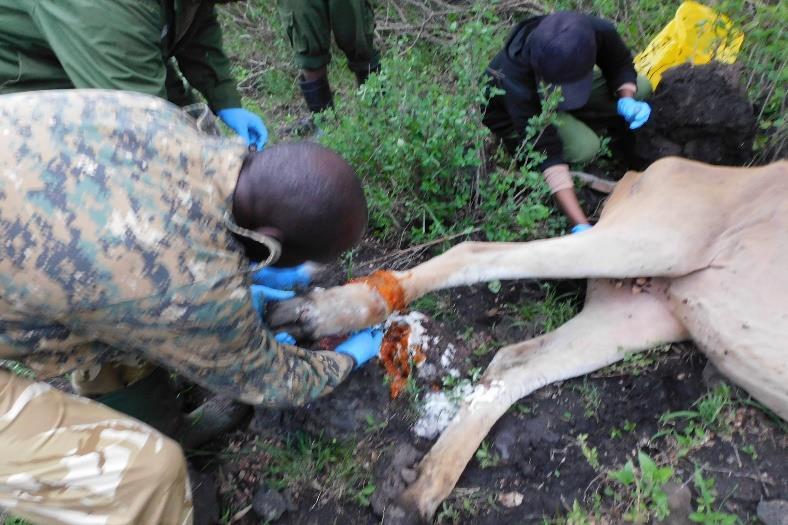
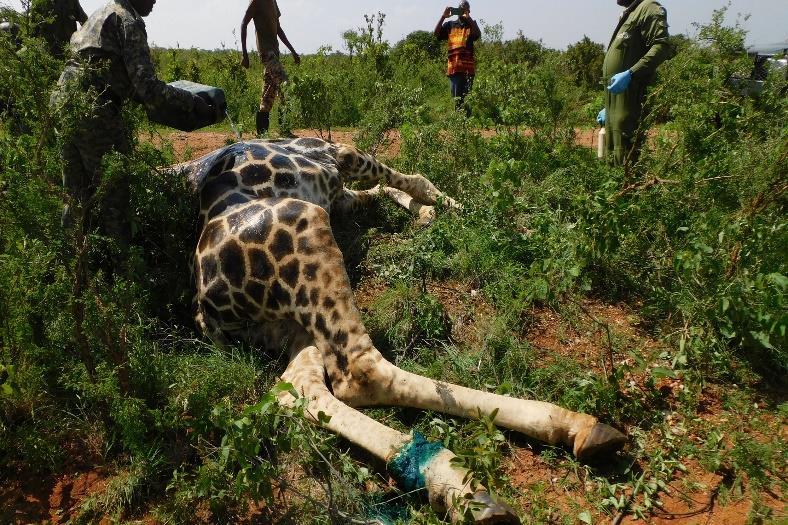
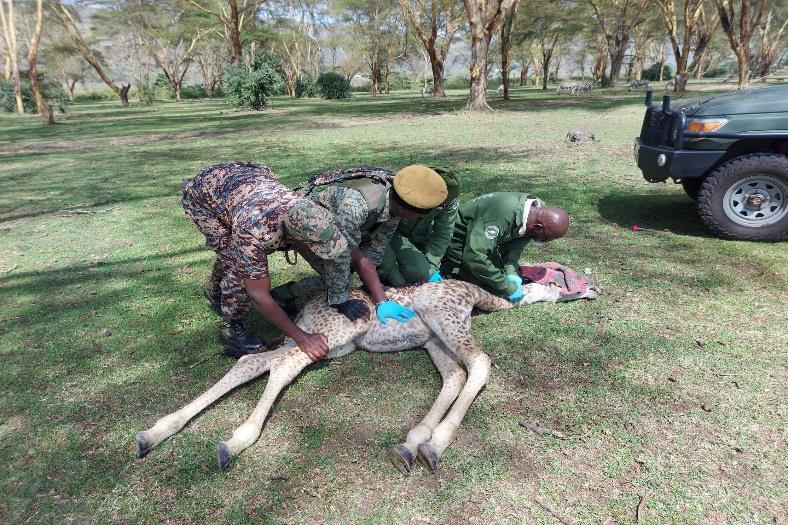
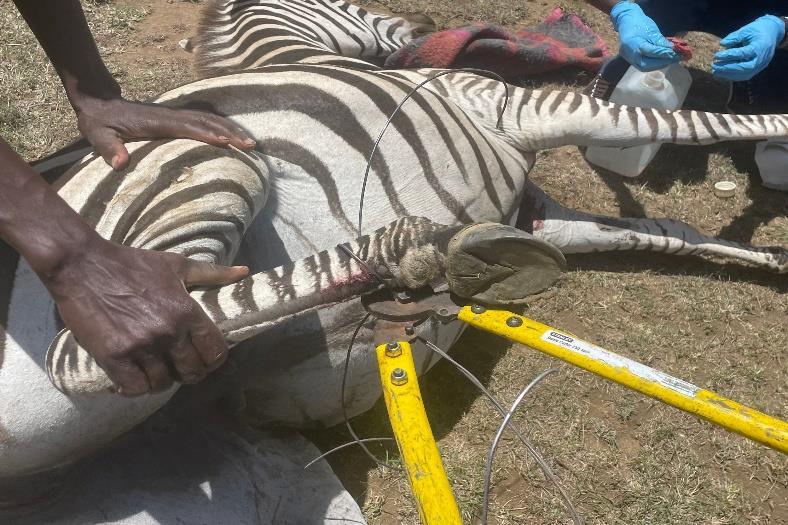
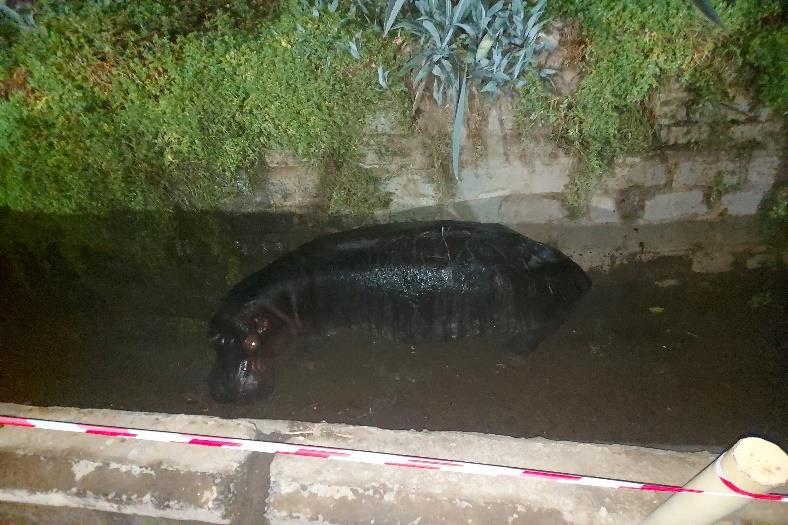
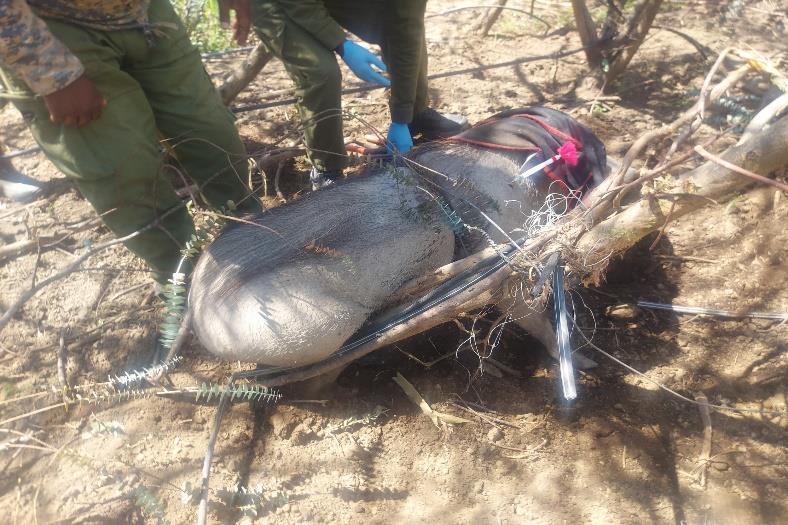
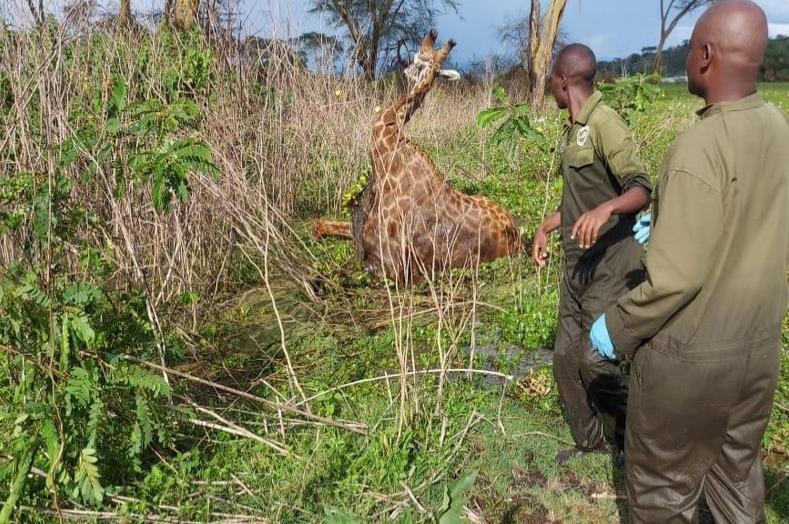
Of the 142 cases attended to, 47 were attributed to poaching, including 20 elephants, 15 of which were arrowed or speared primarily in the Masai Mara or Tsavo Ecosystems. There were also three elephants with bullet wounds (one attributed to human-wildlife conflict and the other possibly poaching victims). There were 28 snaring cases, the majority of which were in the Rift Valley were bushmeat poaching is still rampant – the target animals being herbivores such as zebra and giraffe. However, one of the biggest challenges the Rift Valley area is experiencing is the expanding human settlements. Some prominent corridors have been fenced off, trapping herbivores into areas with limited resources and increasing dangerous interactions. Furthermore, wildlife are trapped along roadsides increasing the likelihood of vehicle collisions and falling in roadside trenches. During this quarter, 1 giraffe and 1 hippo were trapped in trenches, and 1 hippo was hit by a speeding vehicle. A total of 20 animals were relocated to safer, protected areas.
Case Details
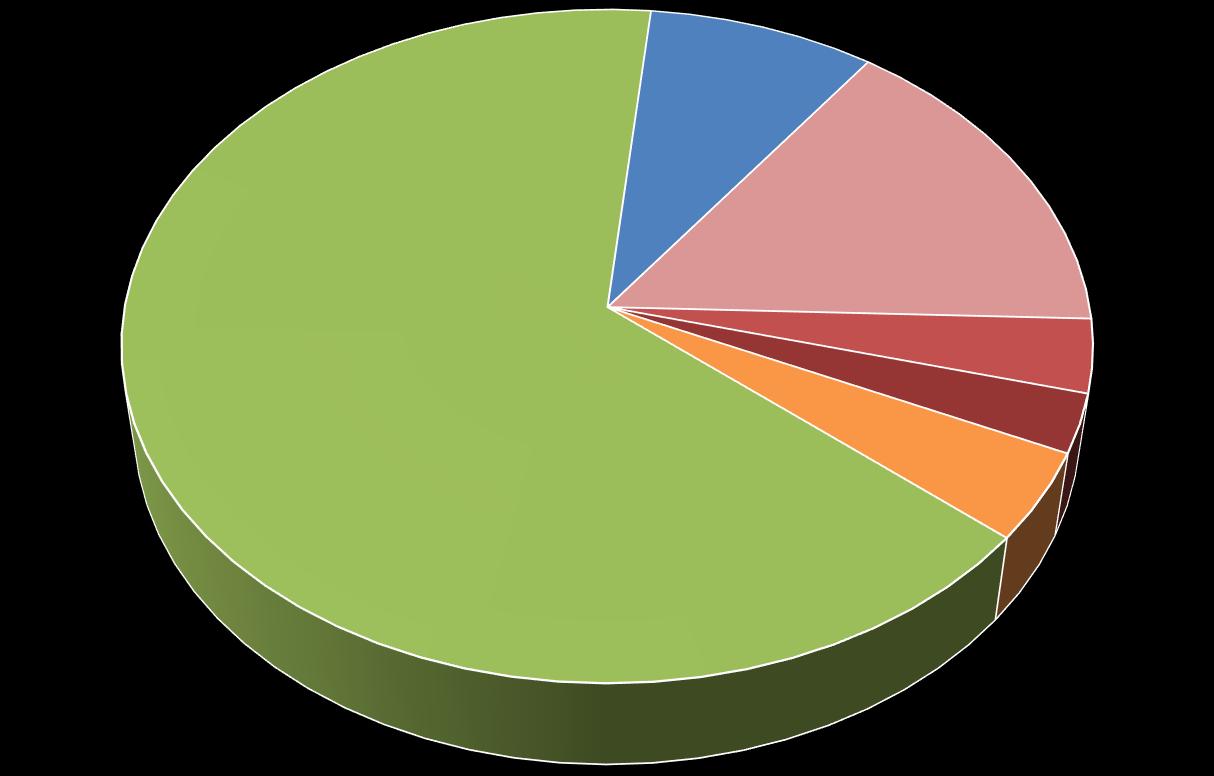
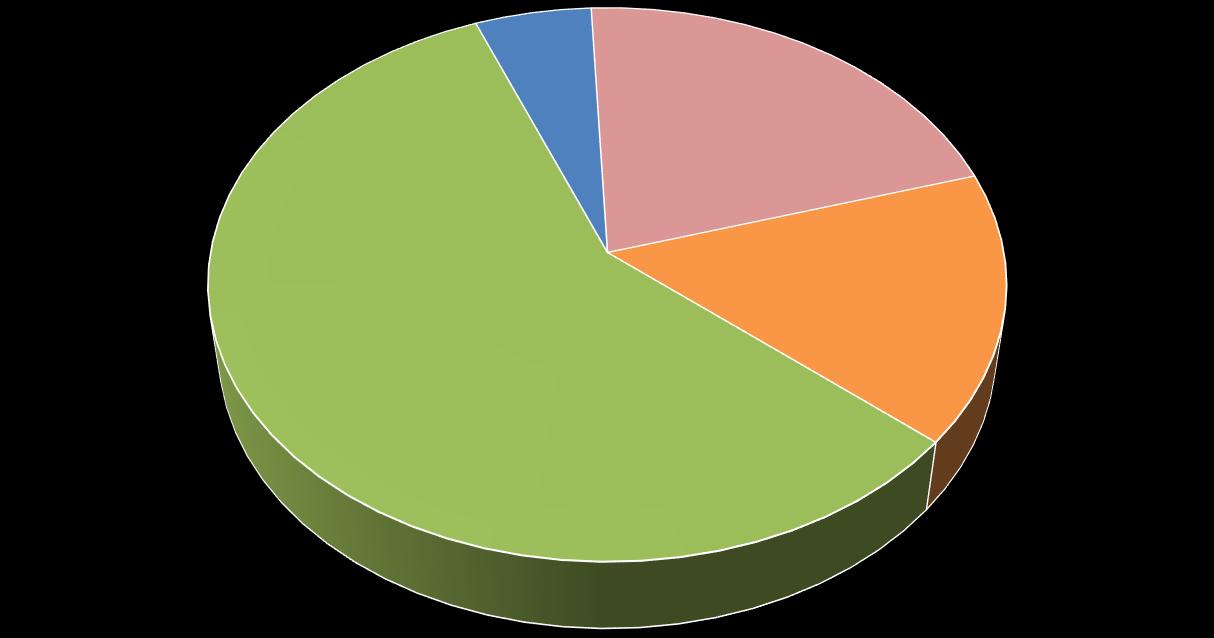
Outcomes of Cases Attended
Tsavo
Mara
Mt Kenya
Meru
Ambo
Rift Valley
January – March 2026
Tsavo
SWT/KWS TSAVO MOBILE VETERINARY UNIT
OVERVIEW
January – March 2026
52 Cases
19 Poaching Cases 23 Elephant Cases
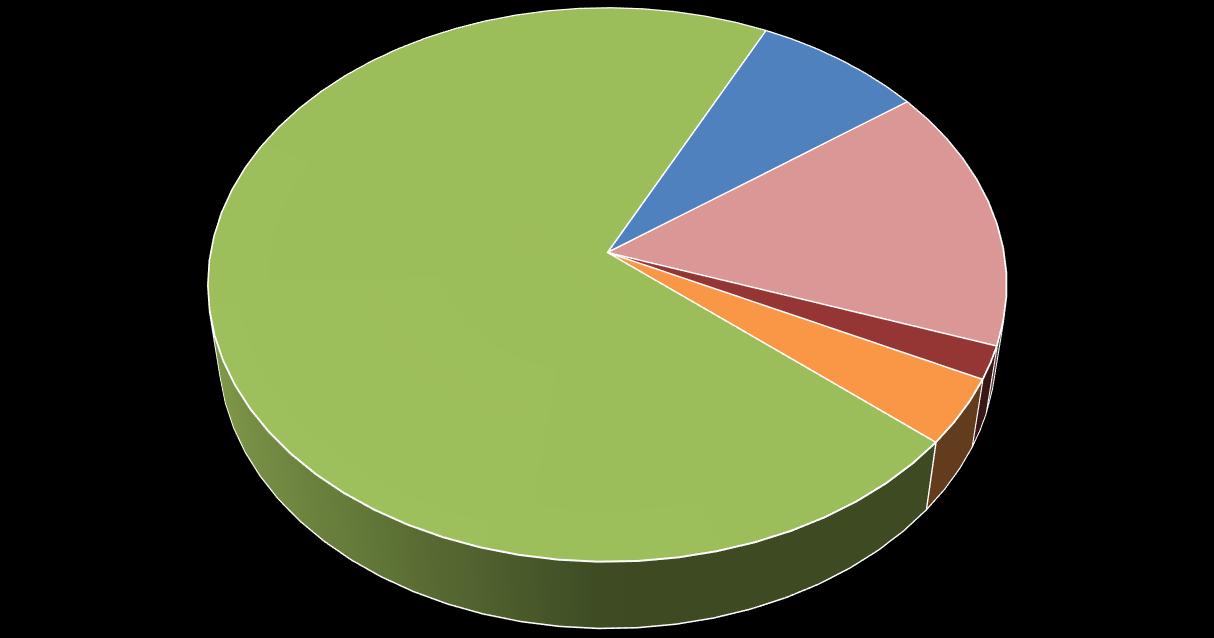
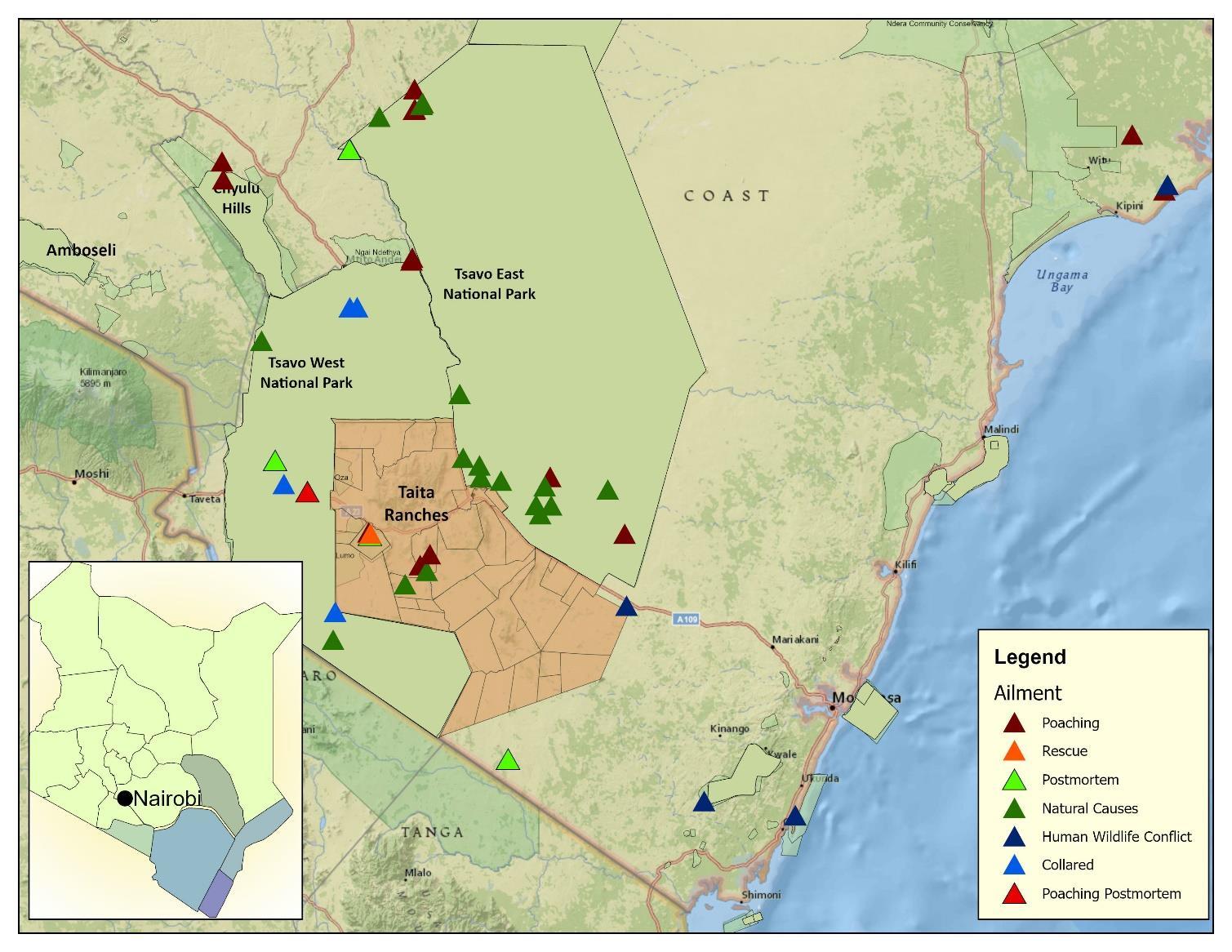
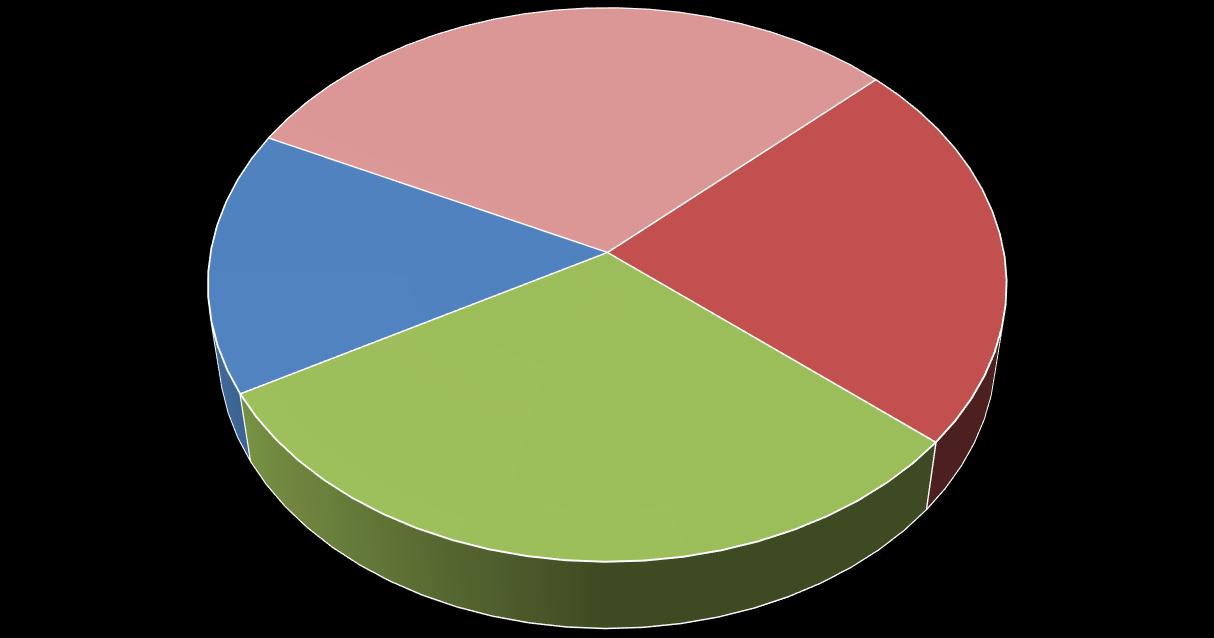
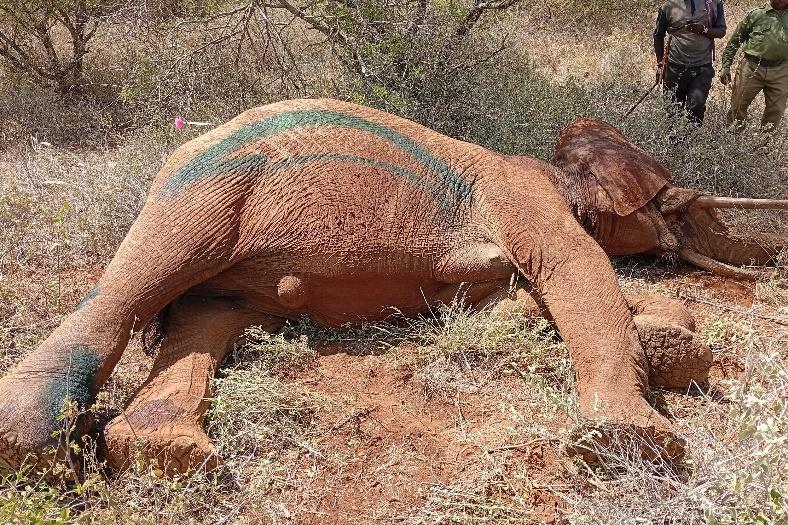
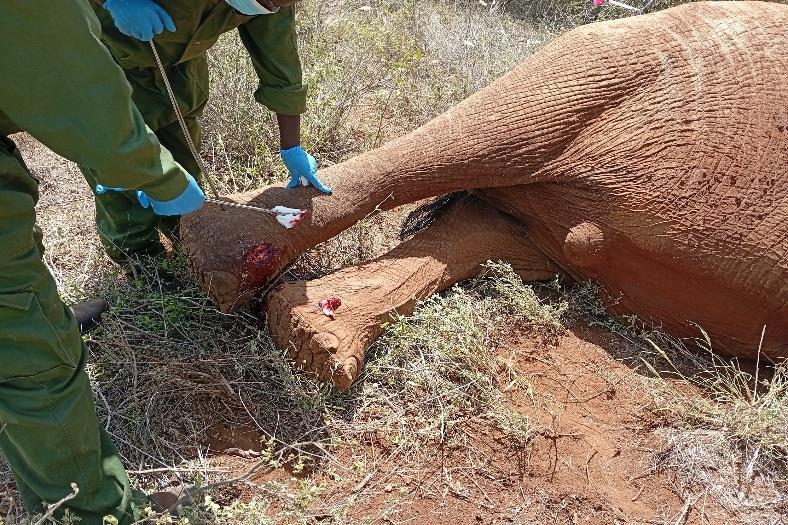
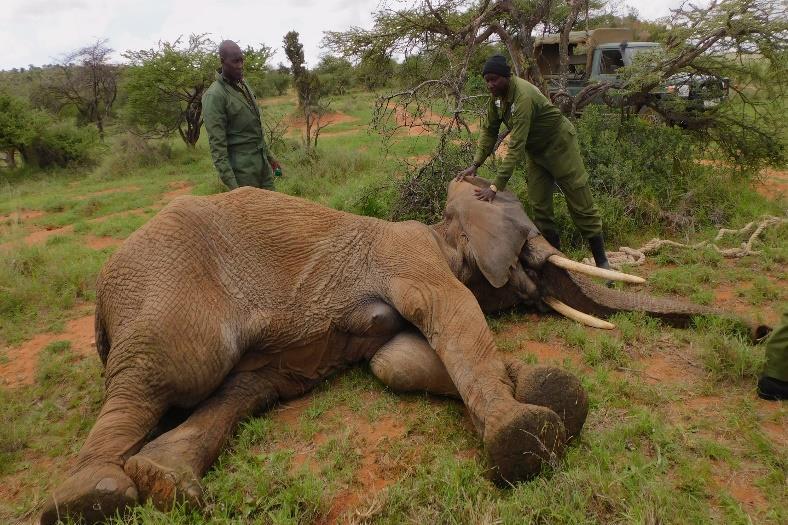
During January and February, the conservation area received less precipitation compared to preceding months. A few water pans were full but the vegetation in some areas remained lush. Despite improved rainfall in March, the vegetation began to quickly dry up though some areas still had plentiful vegetation. Both grazers and browsers had enough food and were in good body condition. The Unit attended to 52 cases Although 19 were related to poaching it was noted there was a marked decrease in poaching cases as the quarter progressed with most cases being natural in nature or postmortems deemed to be due to natural causes. The Unit attended to 23 elephants, 12 for poaching related injuries as well as 1 rescue, 6 natural cases and 4 postmortems.
52 Cases Attended to by SWT/KWS Tsavo Vet Unit January - March 2026
Giraffe
Outcomes of Cases Attended to by SWT/KWS Tsavo Vet Unit
January - March 2026
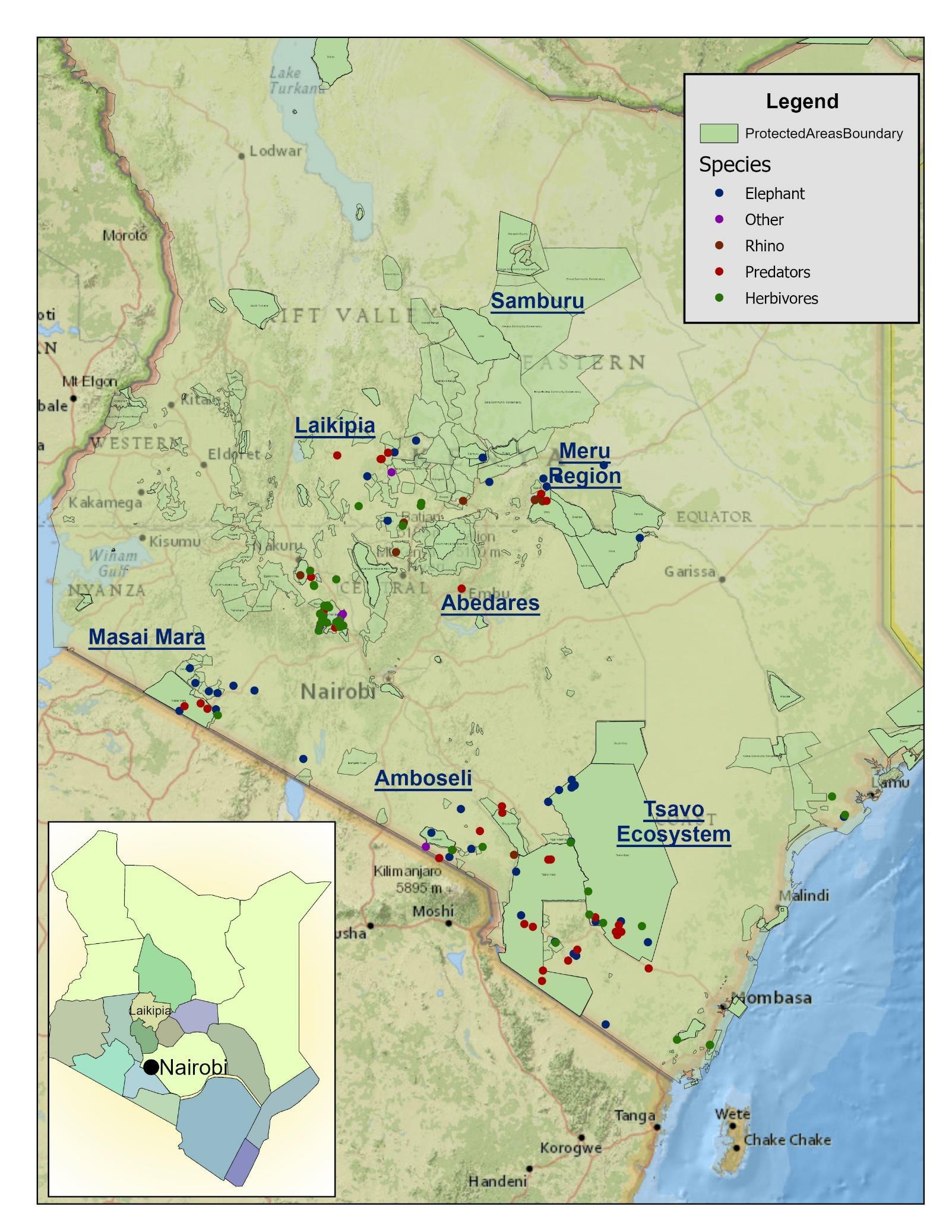
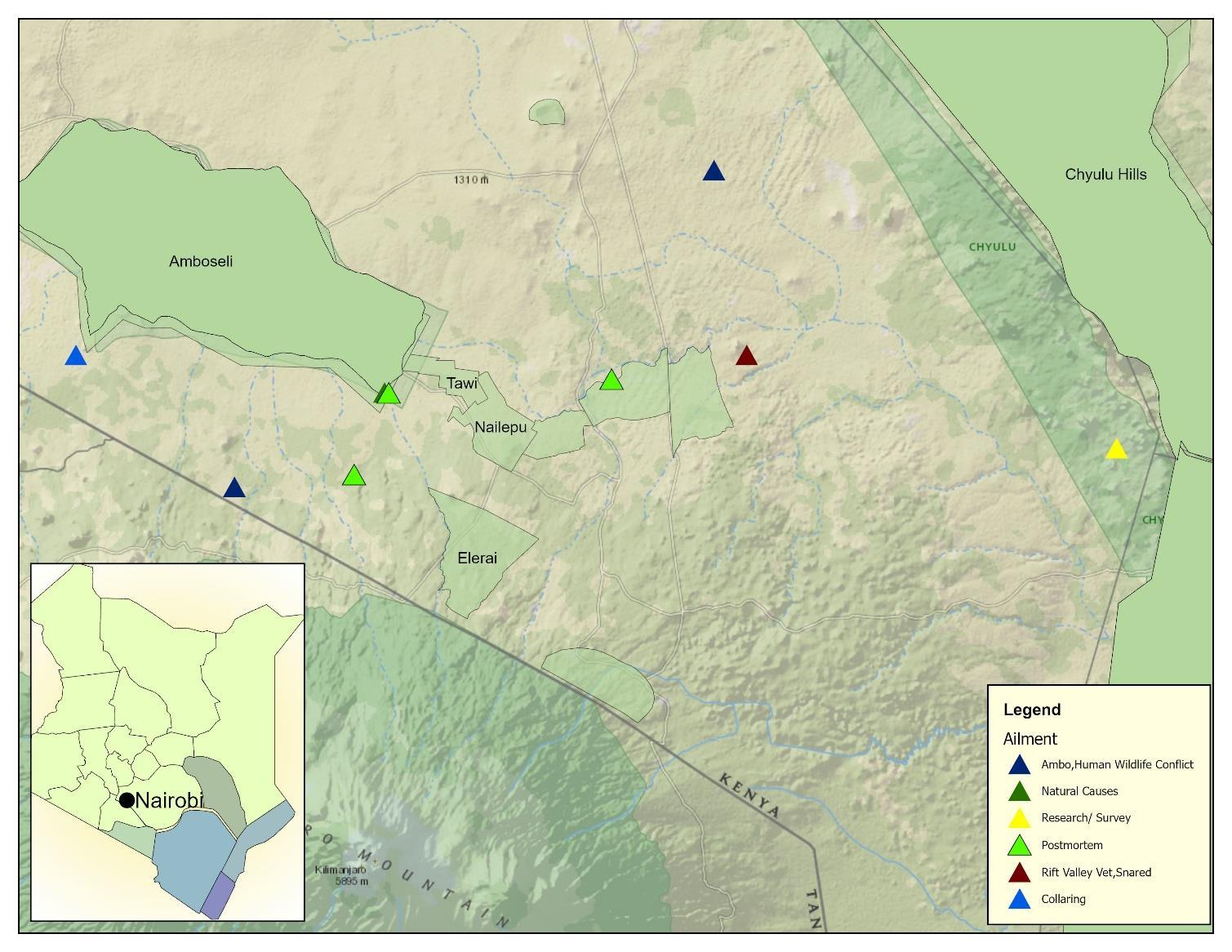
SWT/KWS Tsavo Mobile Vet Unit Treatment Locations
January – March 2026
January 2026
To see the full report for Tsavo Vet Unit for the month of January 2026 click here
February 2026
To see the full report for Tsavo Vet Unit for the month of February 2026 click here
March 2026
To see the full report for Tsavo Vet Unit for the month of March 2026 click here
SWT/KWS MARA MOBILE VETERINARY UNIT
OVERVIEW
January – March 2026
13 Cases
5 Poaching Cases
8 Elephant Cases
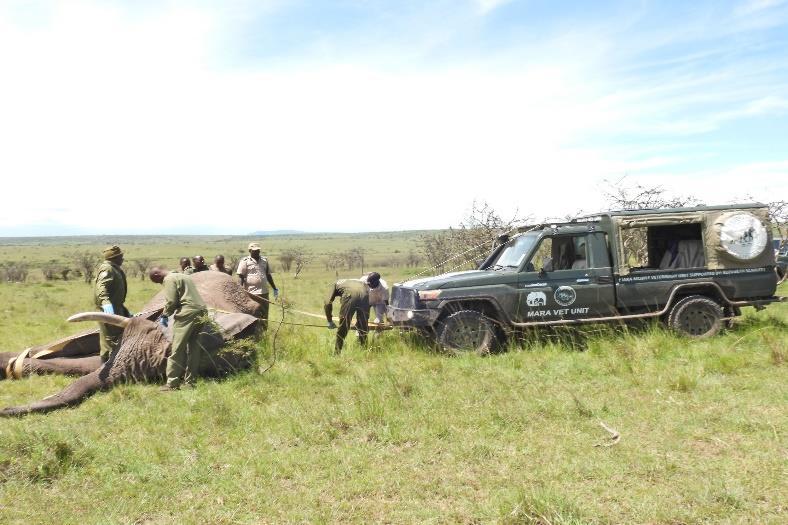
The month of February in the Mara ecosystem was characterized by cold nights and moderate daytime temperatures. The region received consistent and well-distributed rainfall throughout the month, transforming the landscape into a lush green expanse. Toward the end of the month, heavier rains were experienced, which continued through March with huge thunderstorms ensuring an adequate supply of forage and water for wildlife within the ecosystem. Herbivores visibly benefited from these conditions, with notable observations of elephant calves engaging in mud wallowing within the numerous temporary pools formed across the area. However, these favourable ecological conditions posed significant challenges to veterinary operations due to damaged infrastructure rendering many areas inaccessible.
13 Cases Attended to by SWT/KWS Mara Vet Unit January - March 2026
Giraffe
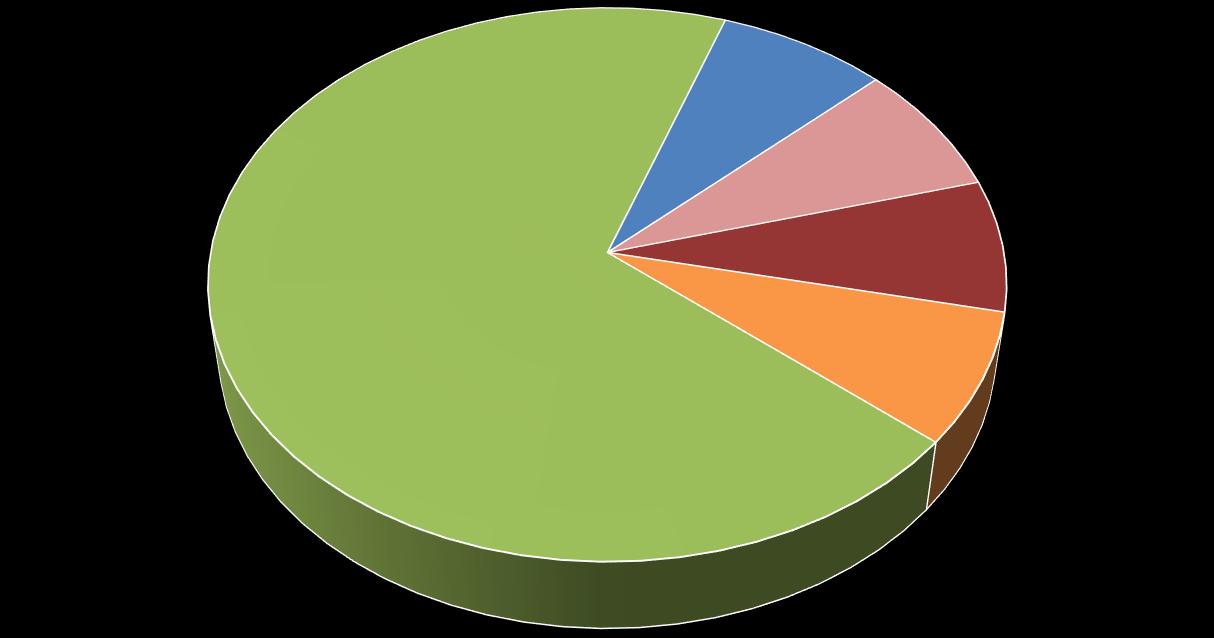
Outcomes of Cases Attended to by SWT/KWS Mara Vet Unit
January - March 2026
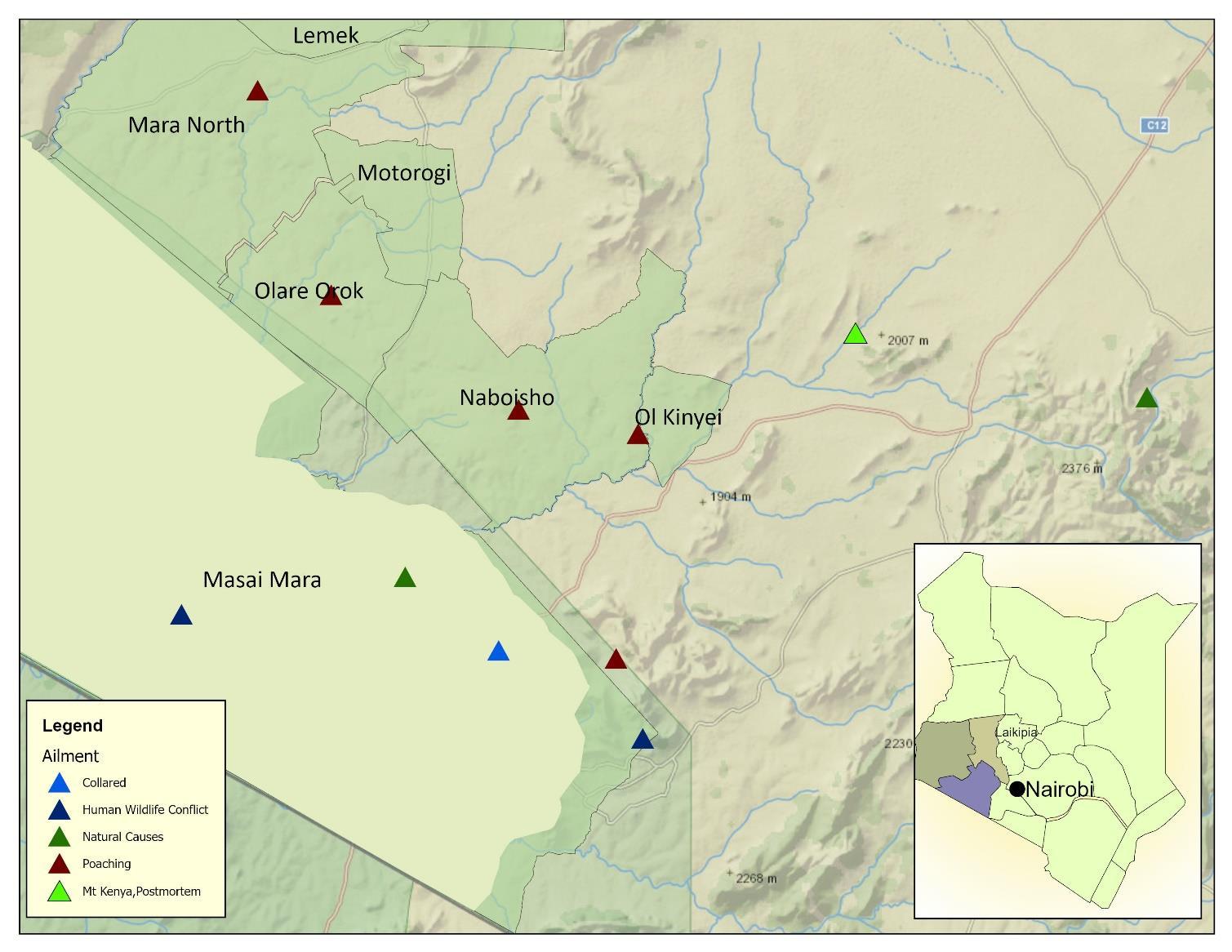
SWT/KWS Mara Mobile Vet Unit Treatment Locations
January – March 2026
January 2026
The Mara Vet Unit were on leave for the month of January.
February 2026
To see the full report for Mara Vet Unit for the month of February 2026 click here
March 2026
To see the full report for Mara Vet Unit for the month of March 2026 click here
SWT/KWS MERU MOBILE VETERINARY UNIT
OVERVIEW
January – March 2026
13 Cases
2 Poaching Cases 7 Elephant Cases
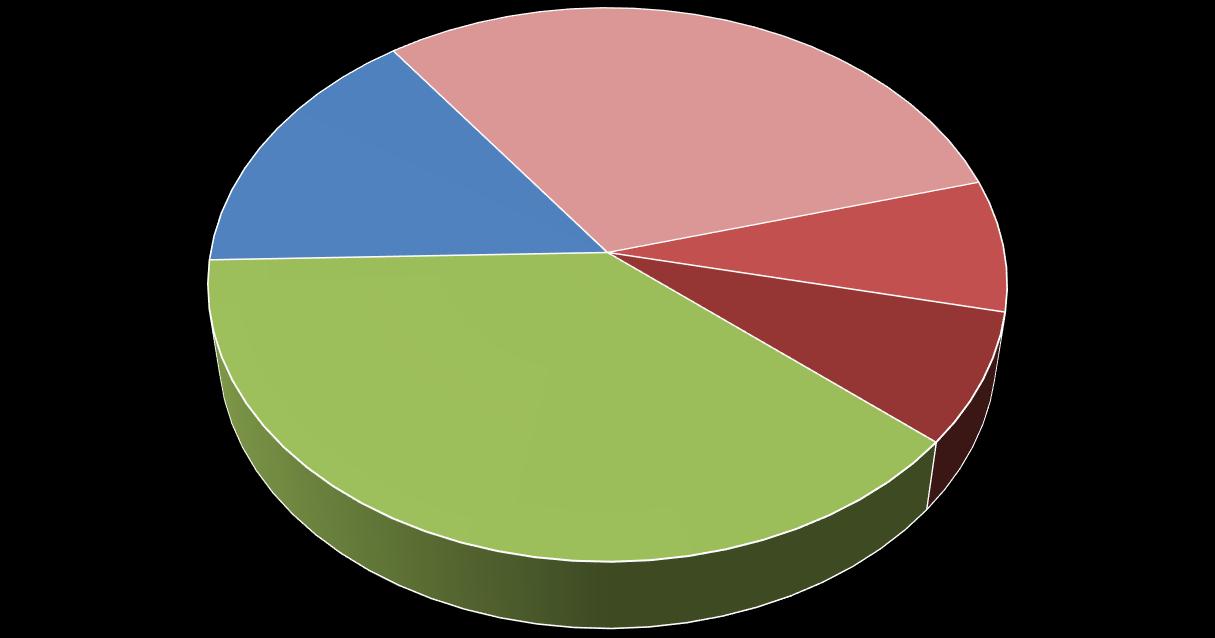
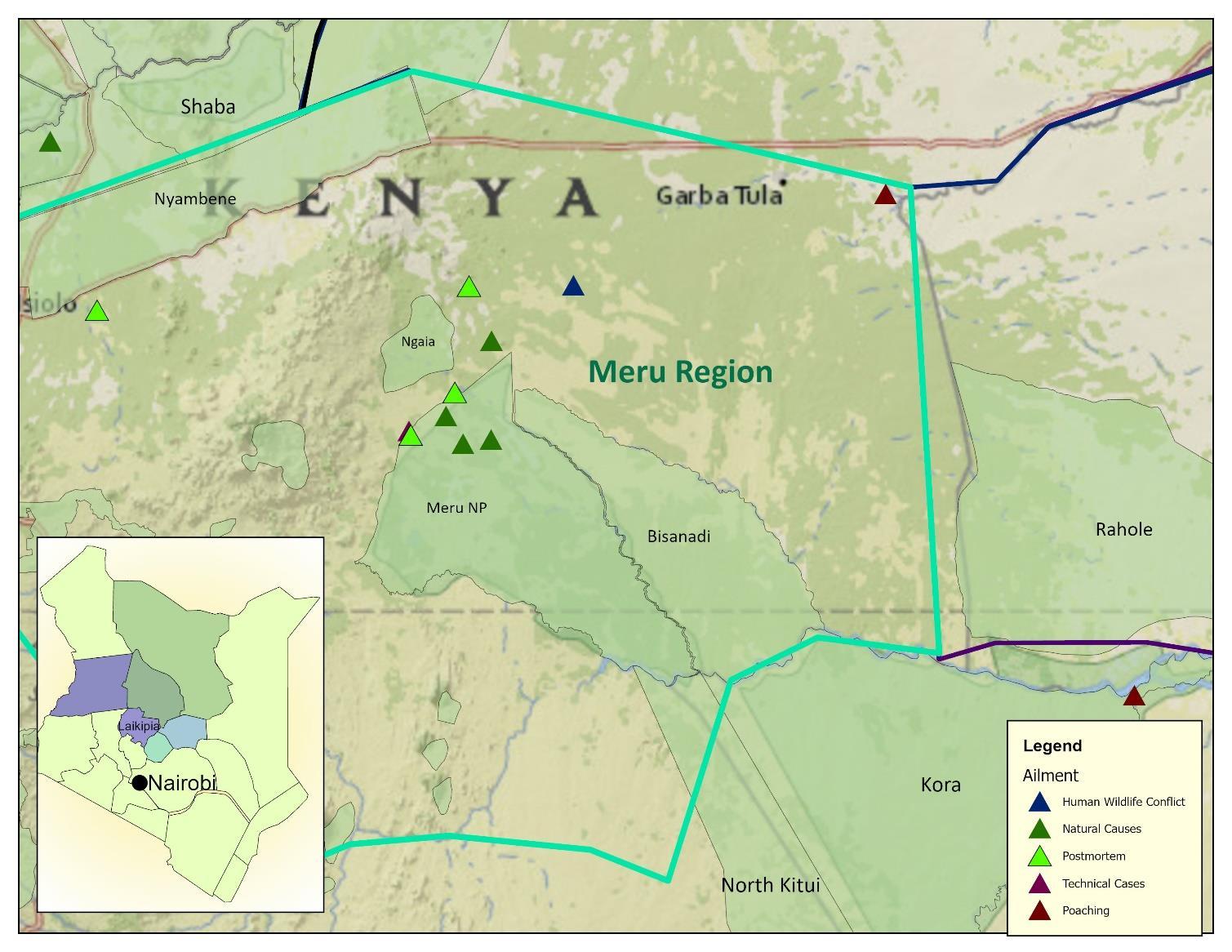
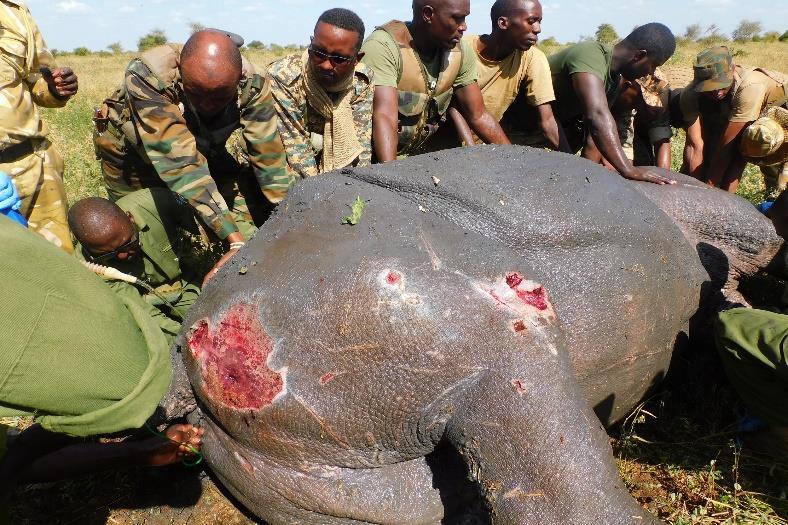
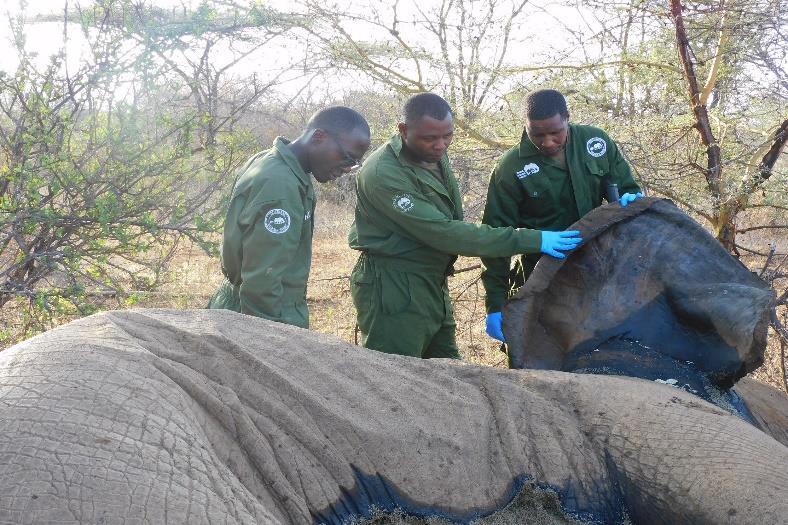
In the Meru Ecosystem, January was characterized by high temperatures with most seasonal rivers and water pans drying up and the grasslands rapidly losing their green coloration, transforming into brown carpets of dry grass and dust. However, there was mild rainfall in February leading to heavy rainfall in March providing relief to the herbivores as the vegetation returned and water holes and rivers began to fill again. There were only 13 cases attended to during this quarter, with the most serious being two elephants with bullet wounds, one sadly did not survive the injury and the other has a guarded prognosis. A postmortem on a third elephant revealed it also died of a bullet wound, but this was associated with human-wildlife conflict. The rest of the cases involved elephant, giraffe, White rhino and lion but were all natural cases, including 3 postmortems.
13 Cases Attended to by SWT/KWS Meru Vet Unit January - March 2026
Outcomes of Cases Attended to by
January - March 2026
SWT/KWS Meru Mobile Vet Unit Treatment Locations
January 2026
To see the full report for Meru Vet Unit for January 2026 click here
February 2026
To see the full report for Meru Vet Unit for February 2026 click here
March 2026
To see the full report for Meru Vet Unit for March 2026 click here
SWT/KWS AMBOSELI MOBILE VETERINARY UNIT
OVERVIEW
January – March 2026
13 Cases
1 Poaching Case 4 Elephant Cases
The Southern Conservation Area and the Amboseli Ecosystem experienced a dry period in January which continued to the end of February when the climate changed to wet and rainy conditions throughout March. Several incidences of human–wildlife conflict (HWC) led to the loss of lions and vultures following a suspected case of poisoning as well as spearing as retaliatory attacks for livestock predation. Craig, the famous elephant in Amboseli, died during the month and the postmortem revealed it to be a natural cause (twisted intestine). The Unit were also involved in the assessment of Kanzi Conservancy (Kuku Group Ranch) for the proposed introduction of white rhinos. The ecological status, security, and management of Kanzi Conservancy was evaluated and the management advised in respect to the findings
13 Cases Attended to by SWT/KWS Amboseli Vet Unit January - March 2026
Outcomes of Cases Attended to by
January - March 2026
SWT/KWSAmboseli Mobile Vet Unit Treatment Locations
January 2026
To see the full report for Amboseli Vet Unit for January 2026 click here
February 2026
To see the full report for Amboseli Vet Unit for February click here
March 2026
To see the full report for Amboseli Vet Unit for March click here
SWT/KWS MT KENYA MOBILE VETERINARY UNIT
OVERVIEW
January – March 2026
19 Cases
2 Poaching Cases 5 Elephant Cases
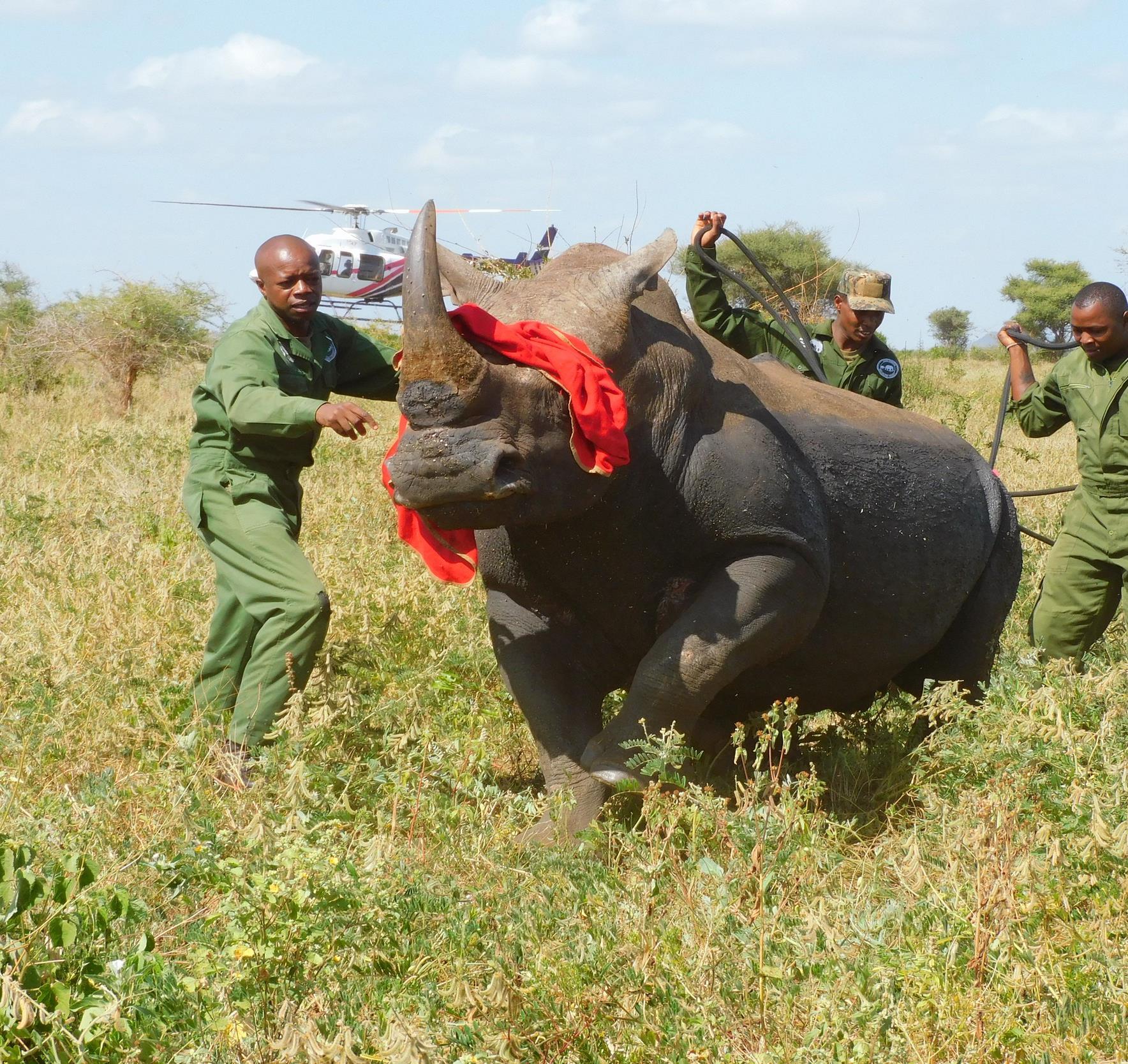
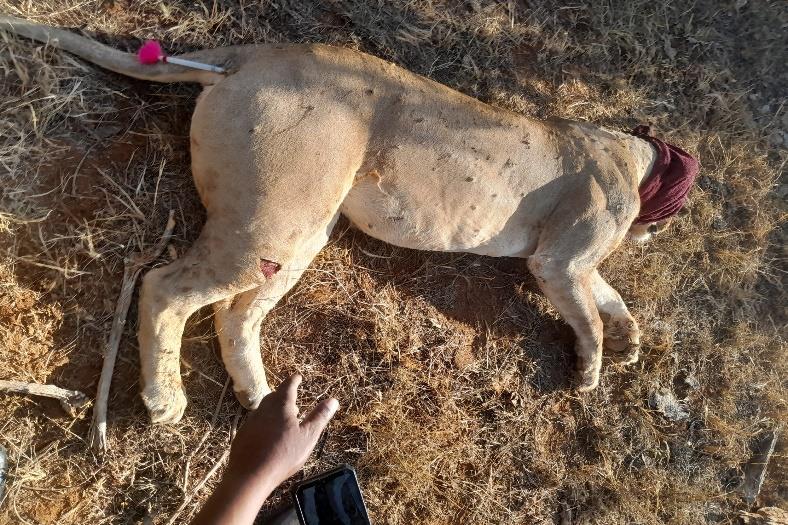
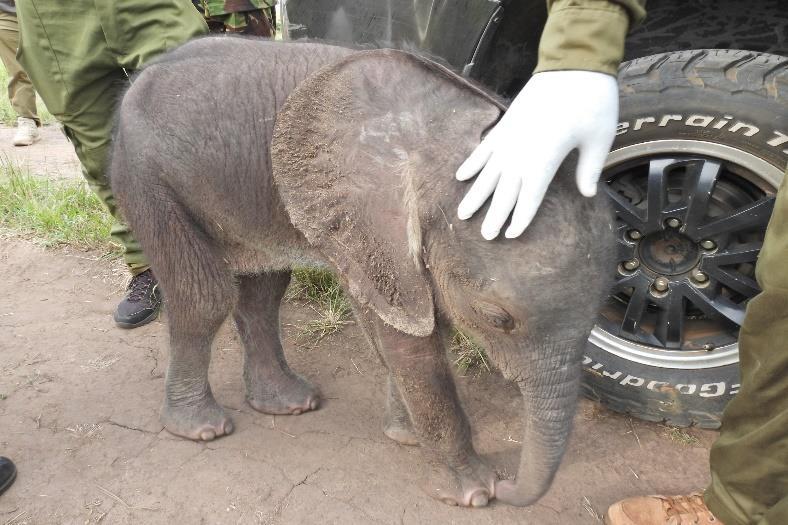
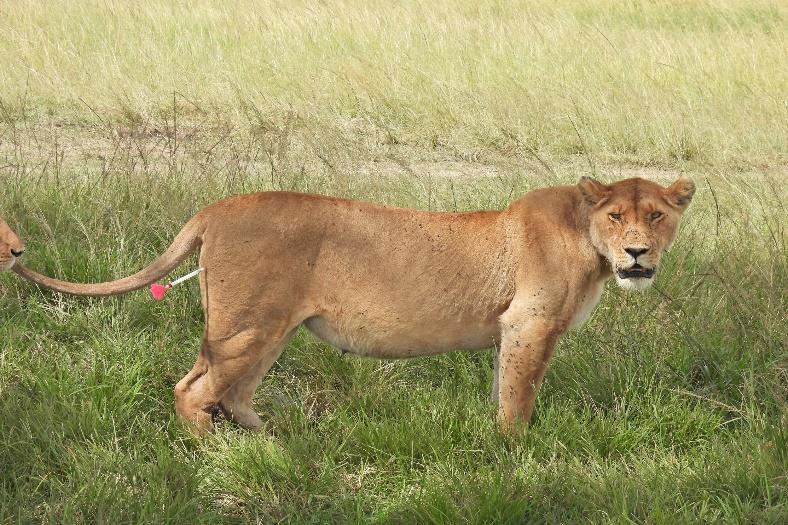
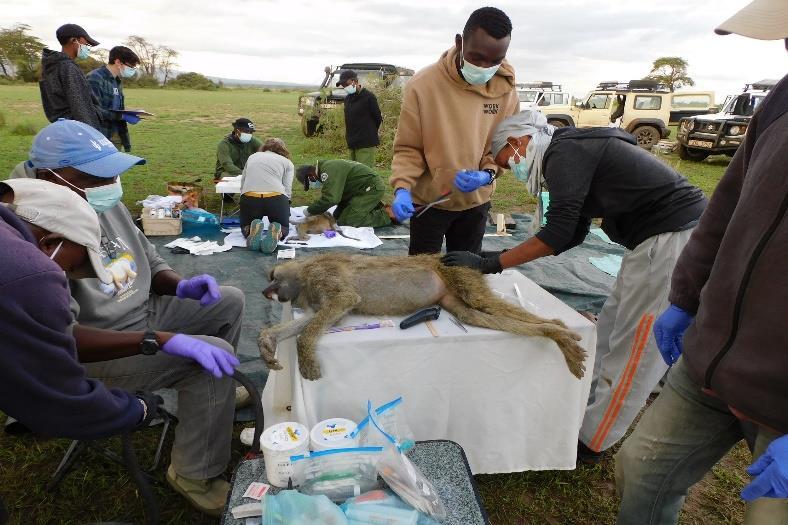
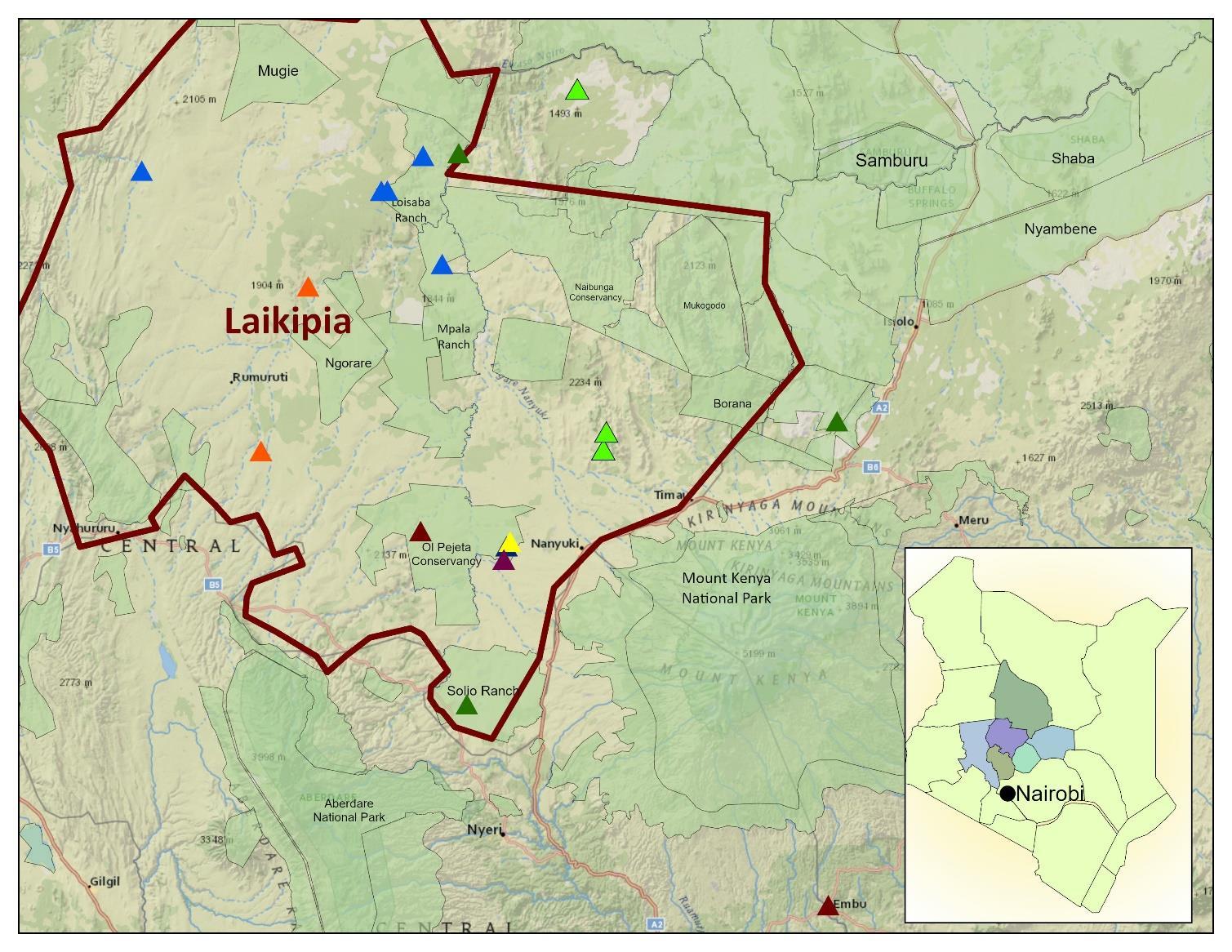
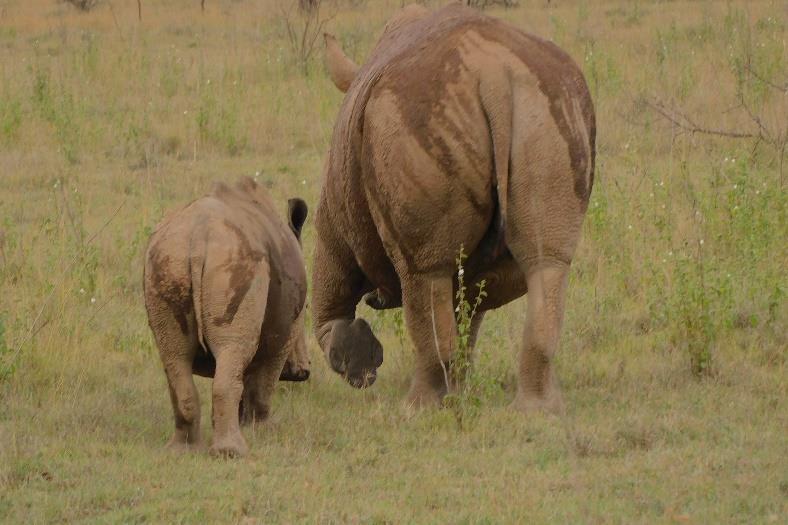
The Mt Kenya Vet Unit attended to 19 cases in January – March, with only 2 poaching and 1 human – wildlife cases (HWC) attended to. The poaching cases involved a speared elephant and a snared giraffe whilst the HWC case concerned an elephant that had become entangled in fencing wire possibly as it was trying to break through a fence. The Unit also treated one elephant for a fractured limb, which unfortunately succumbed and conducted a postmortem on another with intestinal distortion. In addition, the Unit rescued an elephant calf which was found abandoned. In Ol Pejeta, the Unit assisted in relocating two white rhinos after they were removed from the Northern White rhino surrogacy program. Other cases included five lions collared for monitoring to prevent HWC as well as 49 baboons as part of an ongoing Research Project.
19 Cases Attended to by SWT/KWS Mt Kenya Vet Unit January - March 2026
Outcomes of Cases Attended to by SWT/KWS Mt Kenya Vet Unit
January - March 2026
SWT/KWS Mt Kenya Mobile Vet Unit Treatment Locations
January – March 2026
January 2026
The Mt Kenya Vet Unit were on leave for the month of January.
February 2026
To see the full report for Mt Kenya Vet Unit for the month of February 2026 click here
March 2026
To see the full report for Mt Kenya Vet Unit for the month of March 2026 click here
SWT/KWS RIFT VALLEY MOBILE VETERINARY UNIT
OVERVIEW
January – March 2026 32 Cases
Poaching Cases
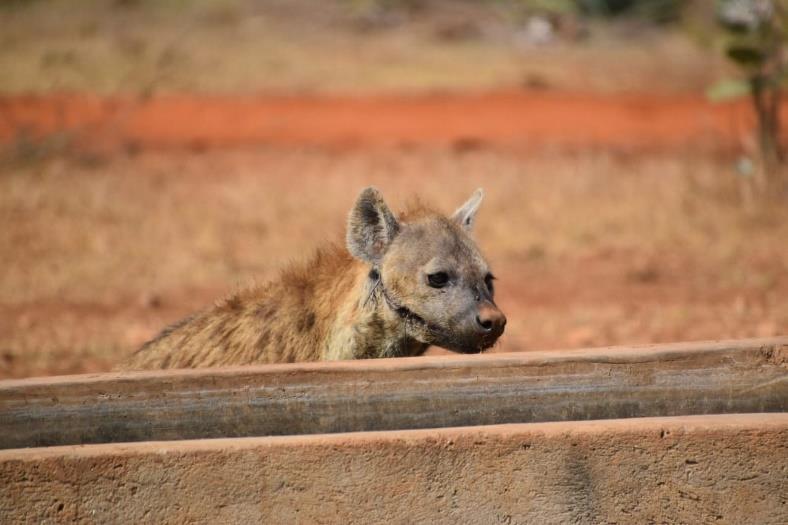
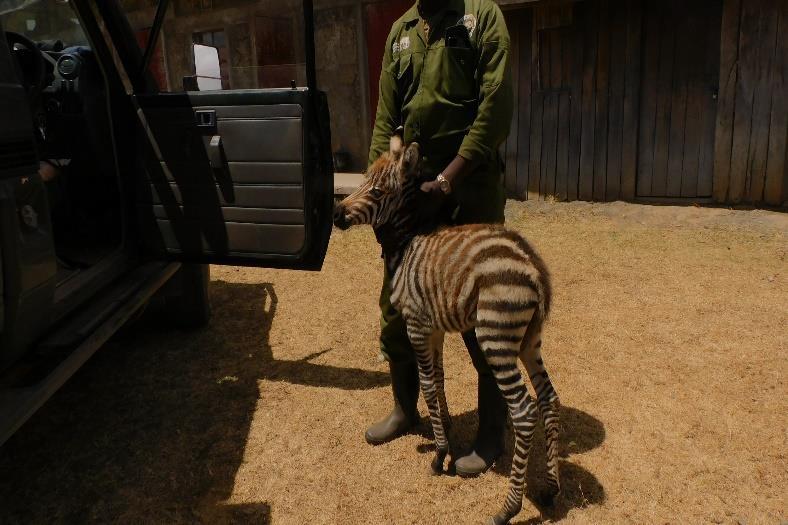
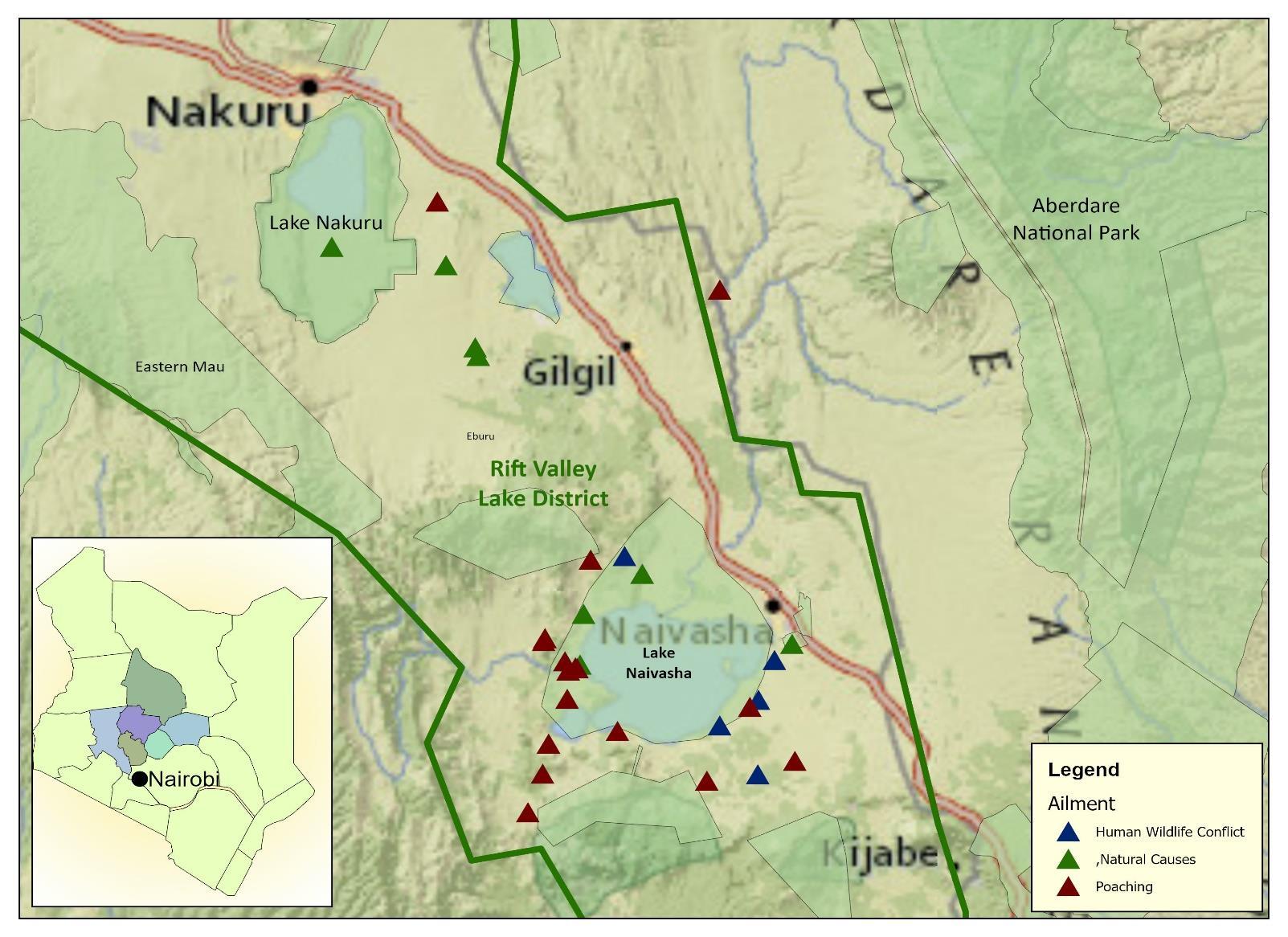
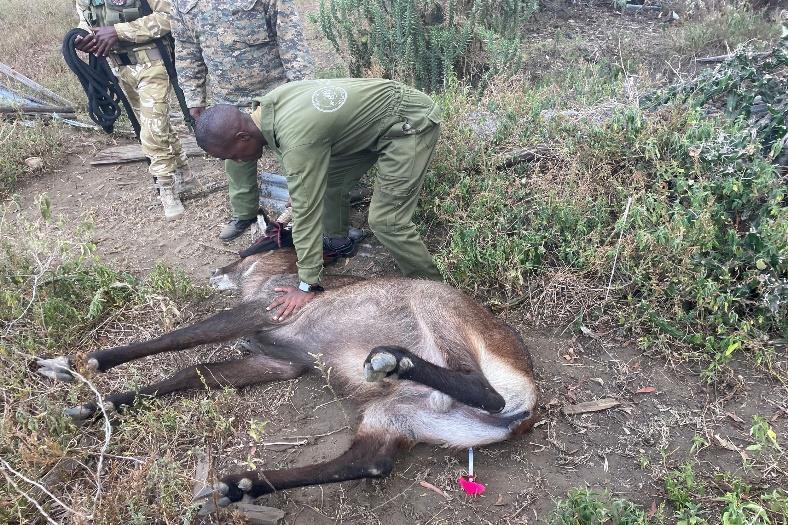
The Unit attended to 35 cases during January - March including 18 poaching cases – all snare injuries. Snaring for bushmeat continues to be the main cause of intervention and affects a various number of herbivore species (zebra, buffalo, waterbuck, warthog and giraffe) though a hyena was also caught in a snare accidentally as its unlikely to be a target species There were also 5 human–wildlife conflict (HWC) cases. A total of 18 zebra were relocated due to HWC, 2 as they were destroying a valuable golf course and another 17 from recently fenced areas marked for human settlement thus limiting access to resources and making the animals vulnerable to poaching and dangerous interactions with the community. One hippo was killed after being knocked down on a main road by a vehicle and another rescued after it fell into a roadside trench.
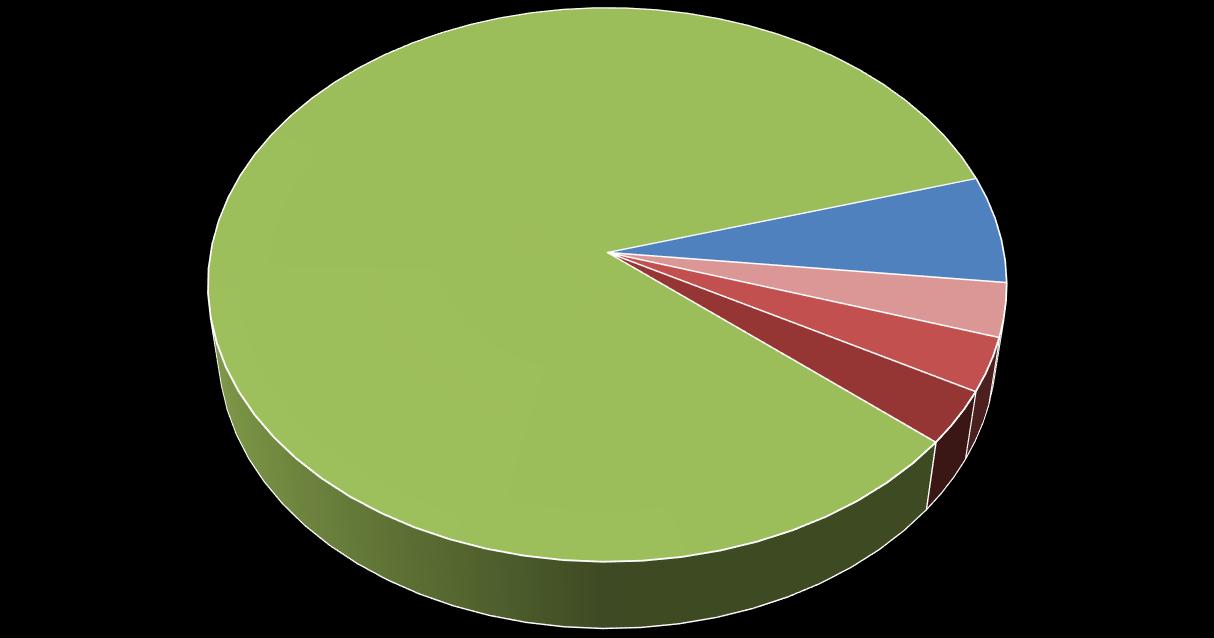
Outcomes of Cases Attended to by SWT/KWS Mara Vet Unit
January - March 2026
SWT/KWS Rift Valley Mobile Vet Unit Treatment Locations
January – March 2026
January 2026
To see the full report for Rift Valley Vet Unit for the month of January 2026 click here
February 2026
To see the full report for Rift Valley Vet Unit for the month of February 2026 click here
March 2026
To see the full report for Rift Valley Vet Unit for the month of March 2026 click here