Human – Wildlife Conflict
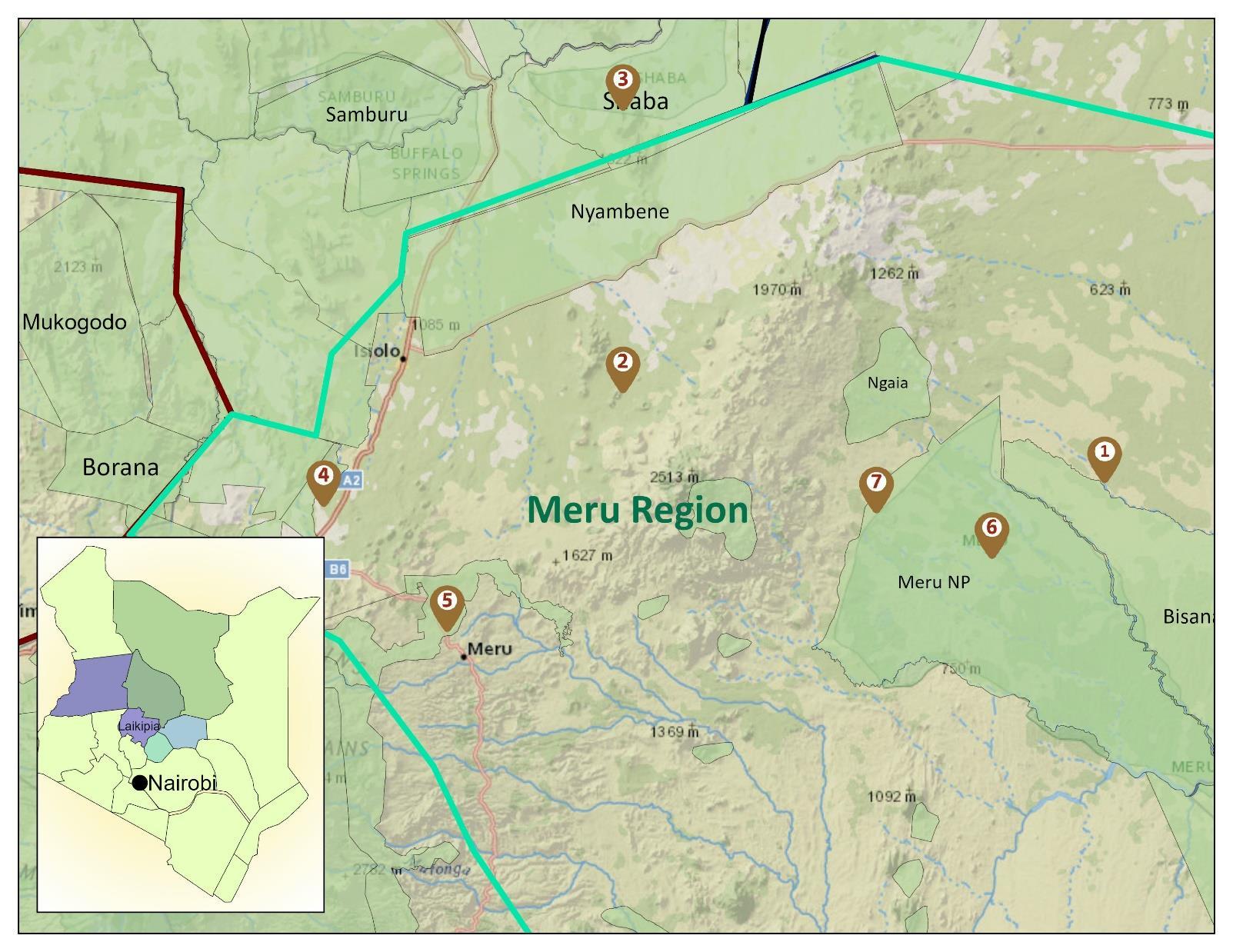
Meru Environs
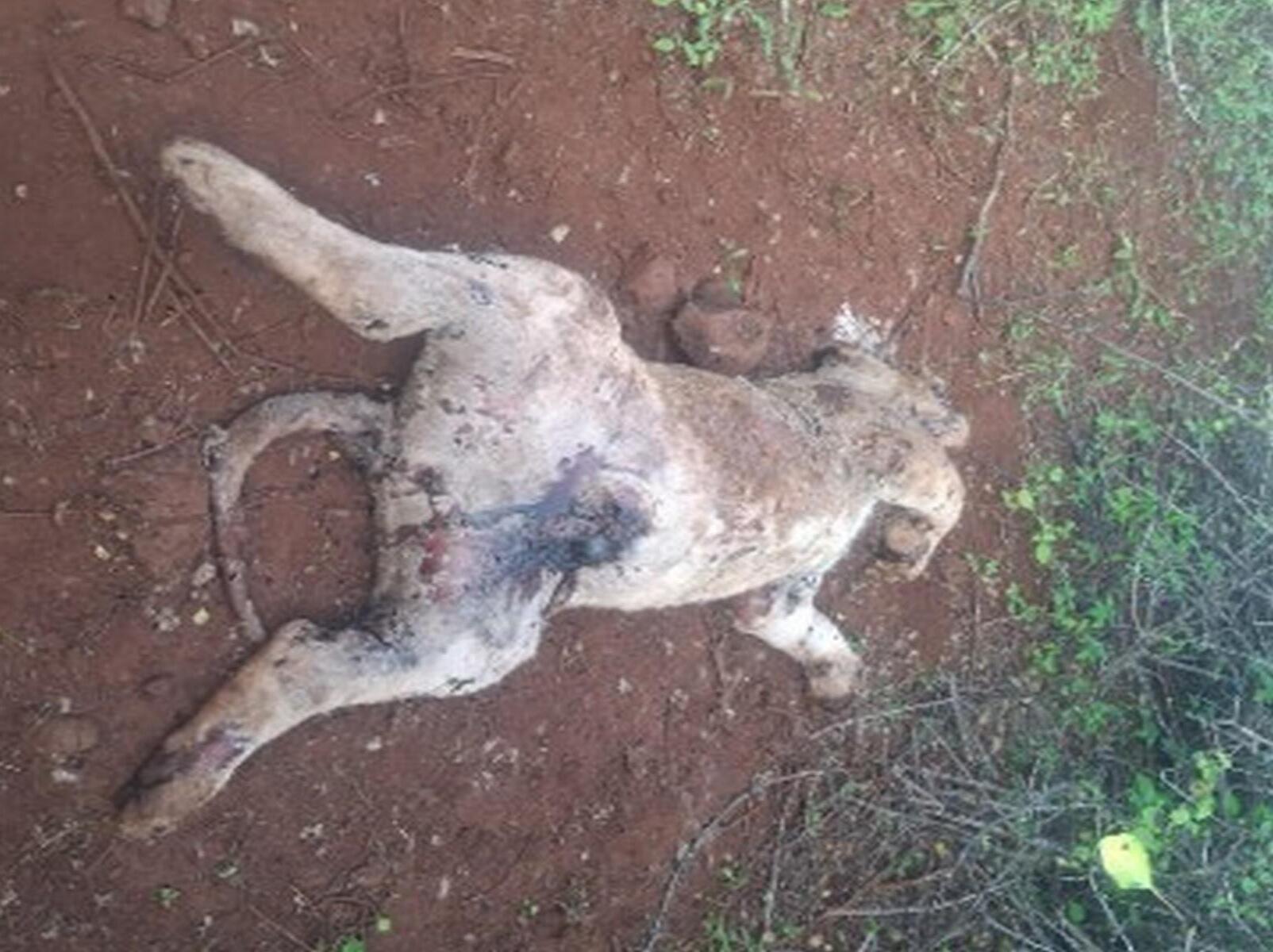
A sub-adult male lion carcass was reported and subsequently examined by the veterinary team in Rapso Guda area. The carcass was found within the Kina HQ area. Reports indicated possible human-wildlife conflict in the region, with noted presence of Somali pastoralists. Suspected poisoning bait (camel tissue) was identified near the carcass. No other affected wildlife was observed in the vicinity.
Postmortem examination
• Fair body condition but carcass moderately decomposed with putrefaction changes
• Evisceration of internal organs
• Presence of froth exuding from mouth, nostrils and haemorrhagic discharge from body openings
• No visible traumatic injuries or external wounds
• The gastrointestinal tract contained ingesta, including contaminated material
• Internal organs showed signs consistent with acute toxic insult (pending lab results)
• Tissue samples collected for toxicological analysis
Cause of death
Postmortem findings and presence of suspected poisoned bait, strongly indicate toxicological cause of death.
Elephant Human – Wildlife Conflict Isiolo
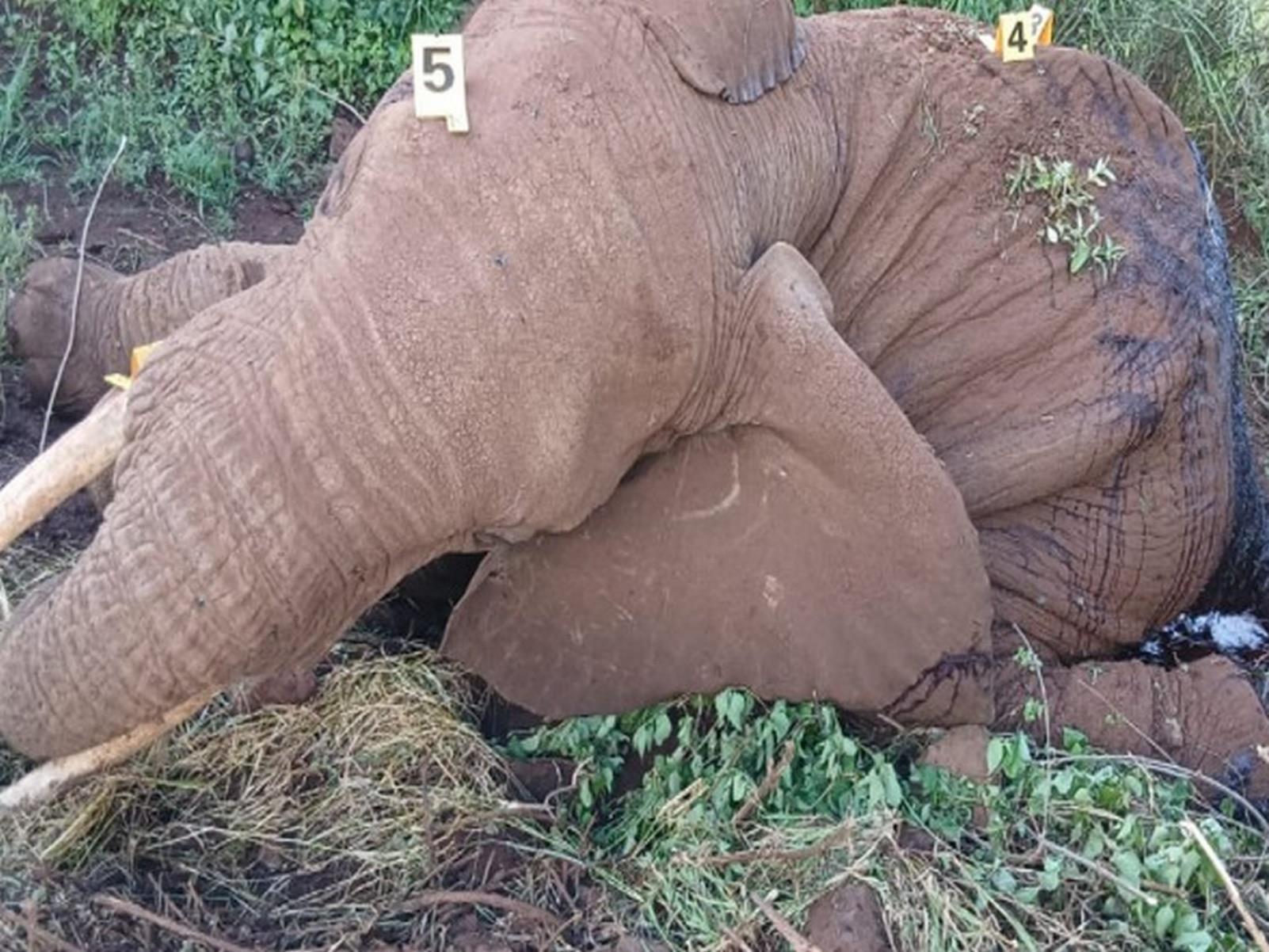
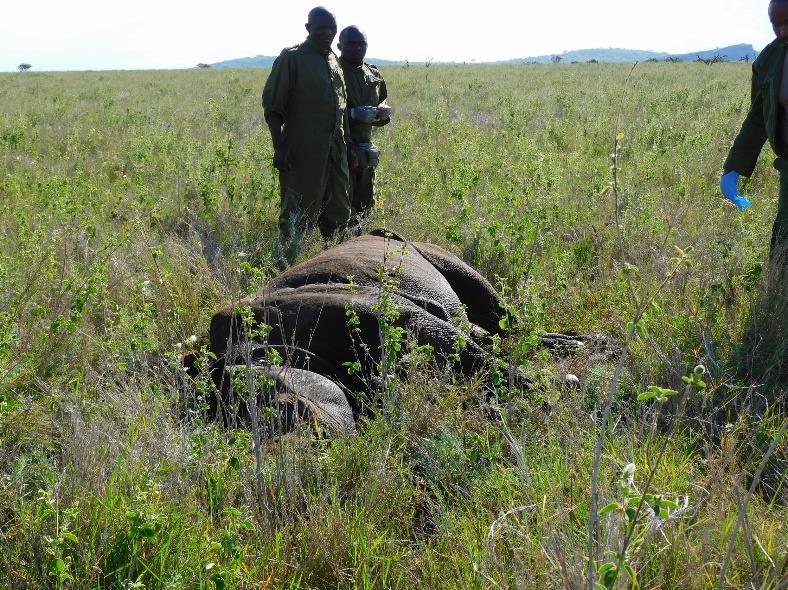
An elephant carcass was reported and communicated to the Meru Vet Unit, who responded to determine the cause of death.
Postmortem examination
• The elephant carcass was on sternal recumbency
• The carcass appeared fresh and was estimated to be approximately one day old since death, with a fair body condition
• Both tusks were present and intact at the time of examination
• Paralysis of the hindquarters with signs of struggle
• Haemorrhage in the injured carcass regions
• Machete cuts were evident on the hind quarters on spinal region with massive haemorrhage
Cause of death
The elephant went on sternal recumbency after paralysis of the hindlimbs causing respiratory distress and asphyxiation resulting to the death of the elephant.
May 2026
Elephant Natural Causes Shaba Conservancy, Samburu
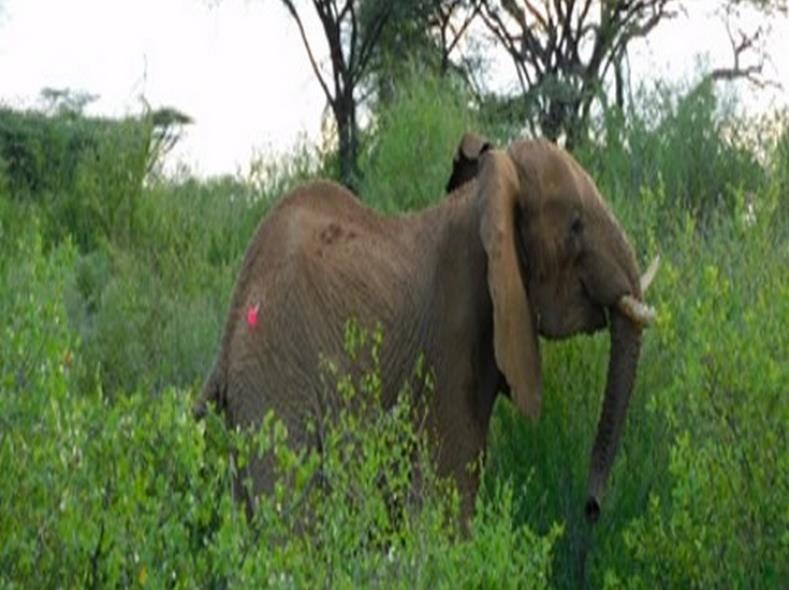
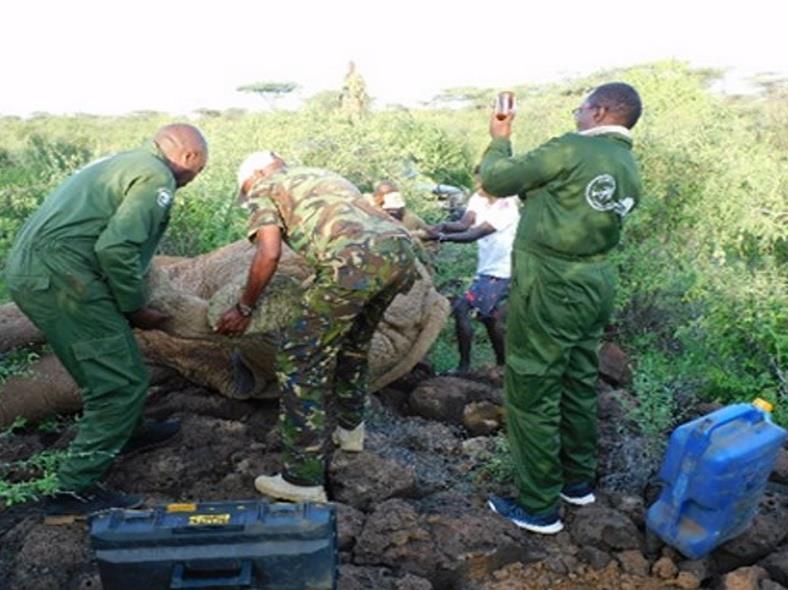
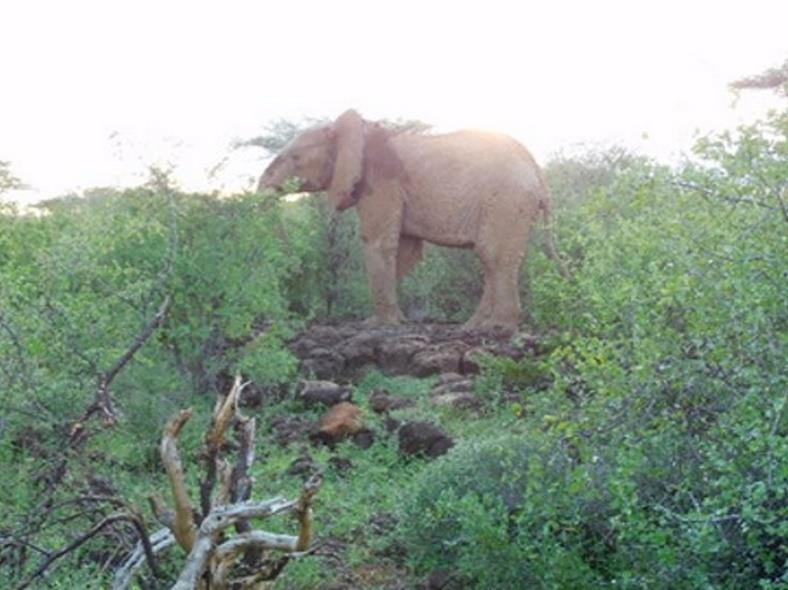
The Meru Mobile Vet team responded to a reported case of an injured male elephant with severe lameness of the right forelimb within the Funan region of Shaba Conservancy. Field assessment suggested the injury likely resulted from trauma sustained during an intraspecific fight, followed by a fall. No signs of poaching, snaring, gunshot wounds, or other forms of human involvement were observed.
Immobilisation, examination and treatment
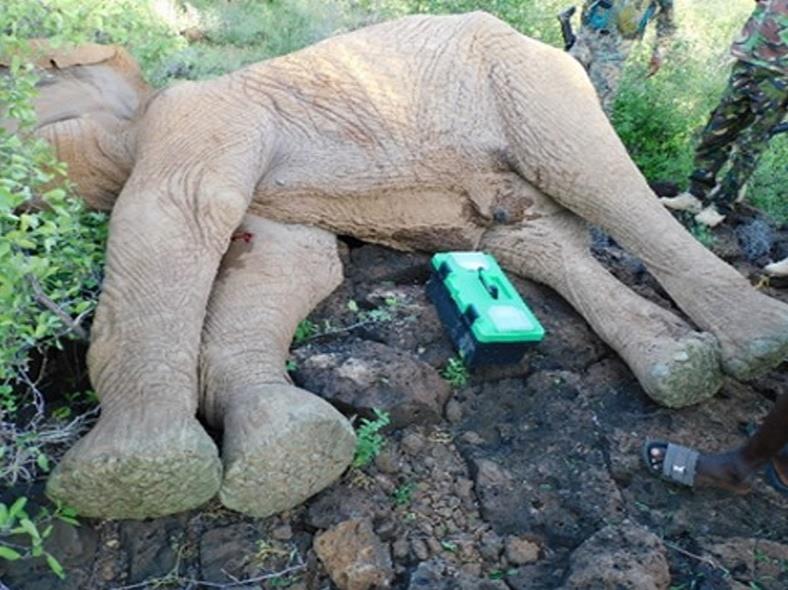
The elephant was darted with 12mg Etorphine in the shoulder musculature using the Dan-inject system from a vehicle. The elephant was safely immobilized within 5 minutes post-darting and went to lateral recumbency. The clinical examination revealed severe lameness of the right forelimb, marked swelling around the elbow joint, pronounced inflammation and pain response, difficulty in bearing weight on the affected limb, and absence of visible external wounds. The swelling and joint instability indicated significant musculoskeletal trauma, likely involving soft tissue injury and possible joint injury. The elephant was given 2,000mgs Flunixin Meglumine and 25,000mg Amoxicillin Intramuscularly for inflammation and secondary infection.
Prognosis
The elephant was up after 3 minutes of antidote administration, though with difficulty due to the injured limb. Close monitoring was recommended Prognosis is guarded due to joint involvement. .
Case 4 – 11th May 2026
Rhino Black Natural Causes Lewa Conservancy
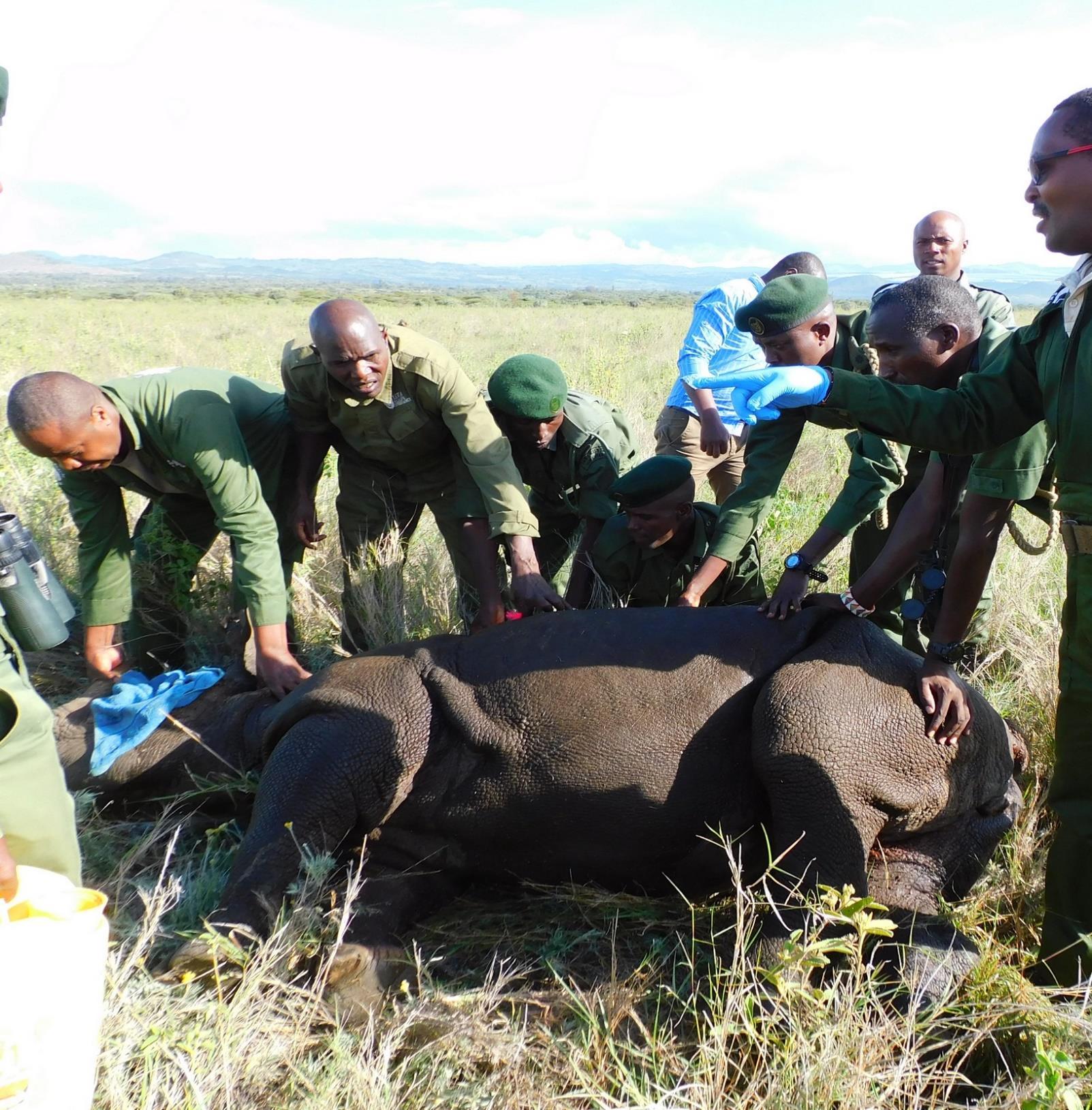
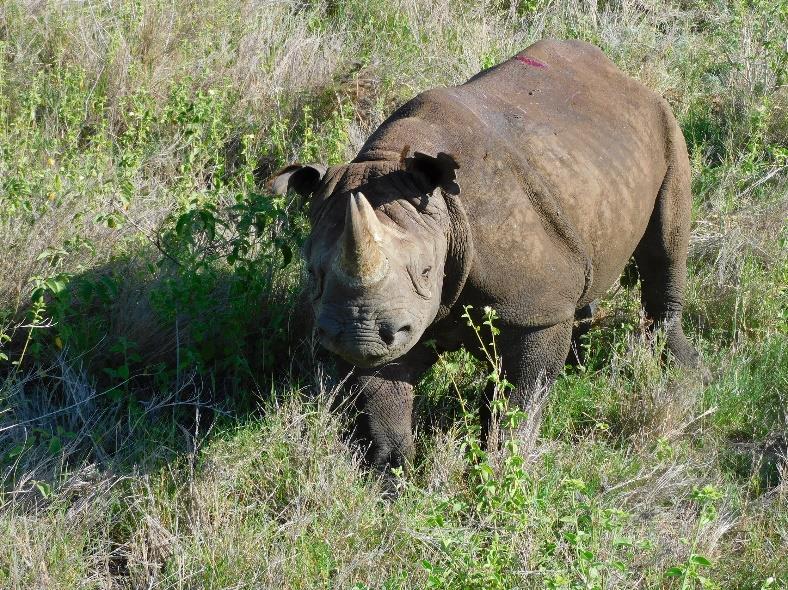
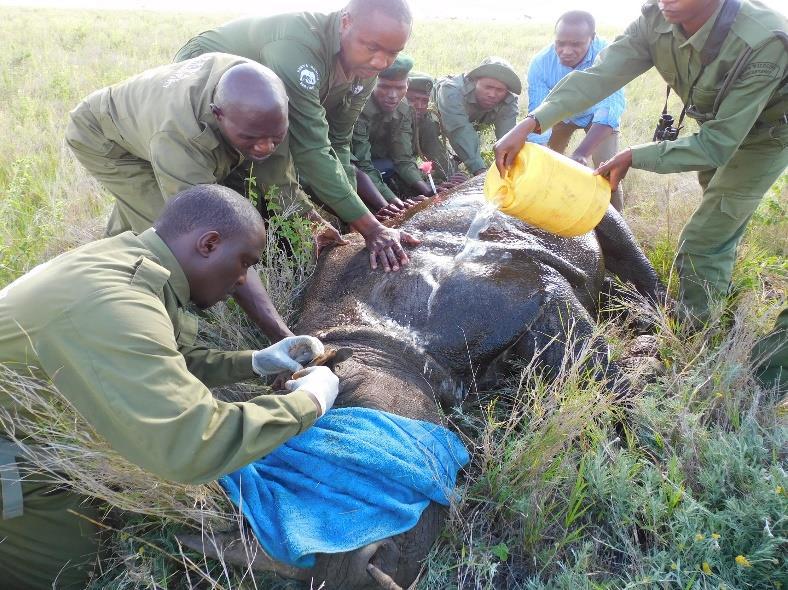
The Meru Mobile Veterinary Unit, together with the Lewa Mobile Veterinary Unit, attended to a severely lame sub-adult female black rhino at Lewa Wildlife Conservancy. The calf was reported to be limping on the left hind limb. The animal was closely observed and monitored for five days; however, no notable improvement was observed, necessitating veterinary intervention.
Immobilisation, examination and treatment
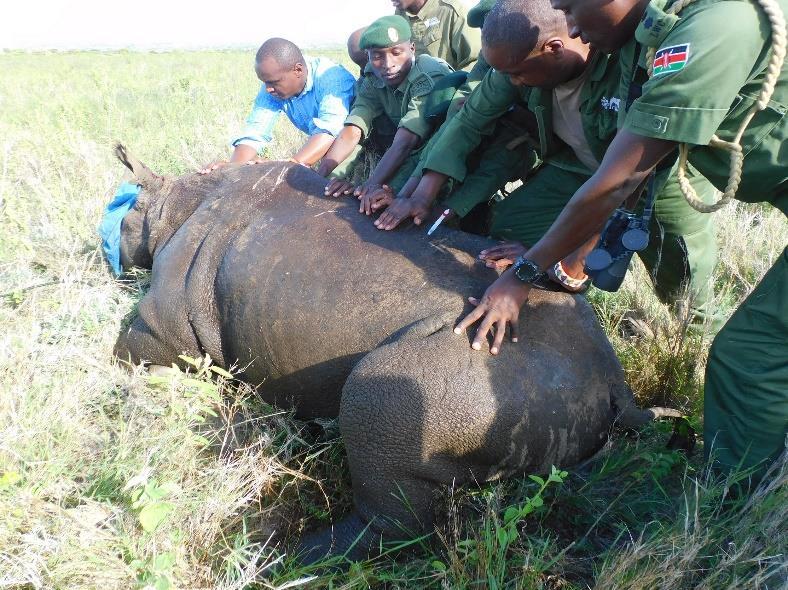
The rhino was darted with 3mgs Etorphine and 60mgs Azaperone. After a few minutes the rhino exhibited a hackneyed gait, indicating immobilization. An attempt was done to physically bring down the rhino to a sternal recumbency by tying the hind limbs with a rope Butorphanol (25mg) was administered intravenously to stabilize the anaesthesia. The location and extent of injuries revealed severe lameness affecting the left hindlimb, with swelling of the fetlock joint but no visible external wounds or penetrating injuries were observed The rhino was then administered 1,000 mgs Flunixin Meglumine and 3,000 mgs Amoxicillin Intramuscularly for inflammation and secondary infection.
Prognosis
Good, with expected recovery following treatment and continued monitoring.
Security Dog Technical Case
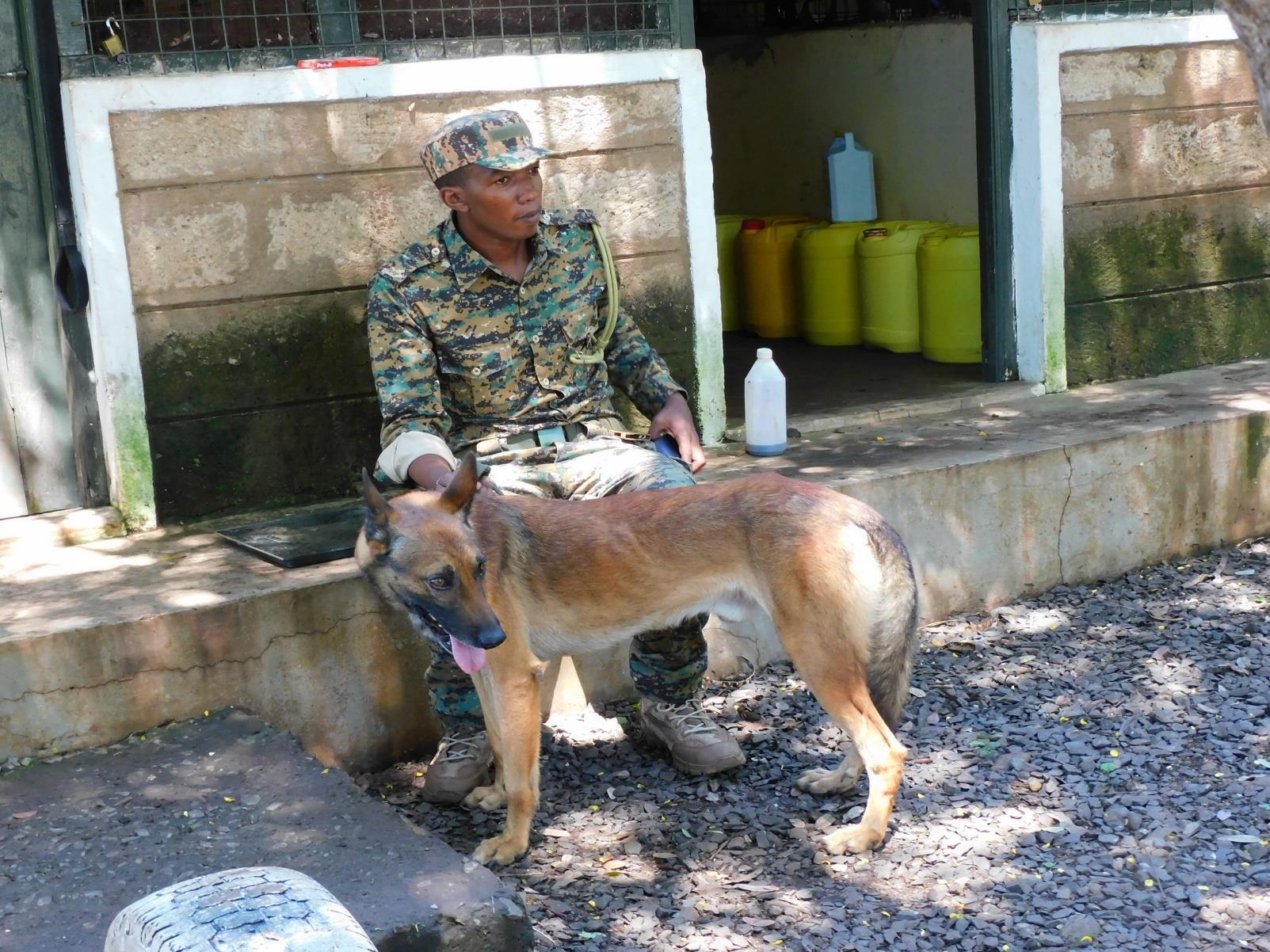
The tracker dog was presented for a routine health review and general assessment.
Examination and treatment
• Body condition score assessed at 4/5, indicating good body condition
• General demeanour and activity levels were normal
• All vital parameters and general health indicators were within normal limits at the time of examination
• Administered Triquin against trypanosomiasis/trypanosome exposure
• Routine deworming carried out
Recommendations and prognosis
Prognosis considered good following examination and treatment. Close monitoring was advised for 24 hours post-medication for any adverse reactions or abnormalities as well as routine husbandry, nutrition, hydration, and exercise.
Meru National Park
Elephant Rescue
Lower Imenti Forest
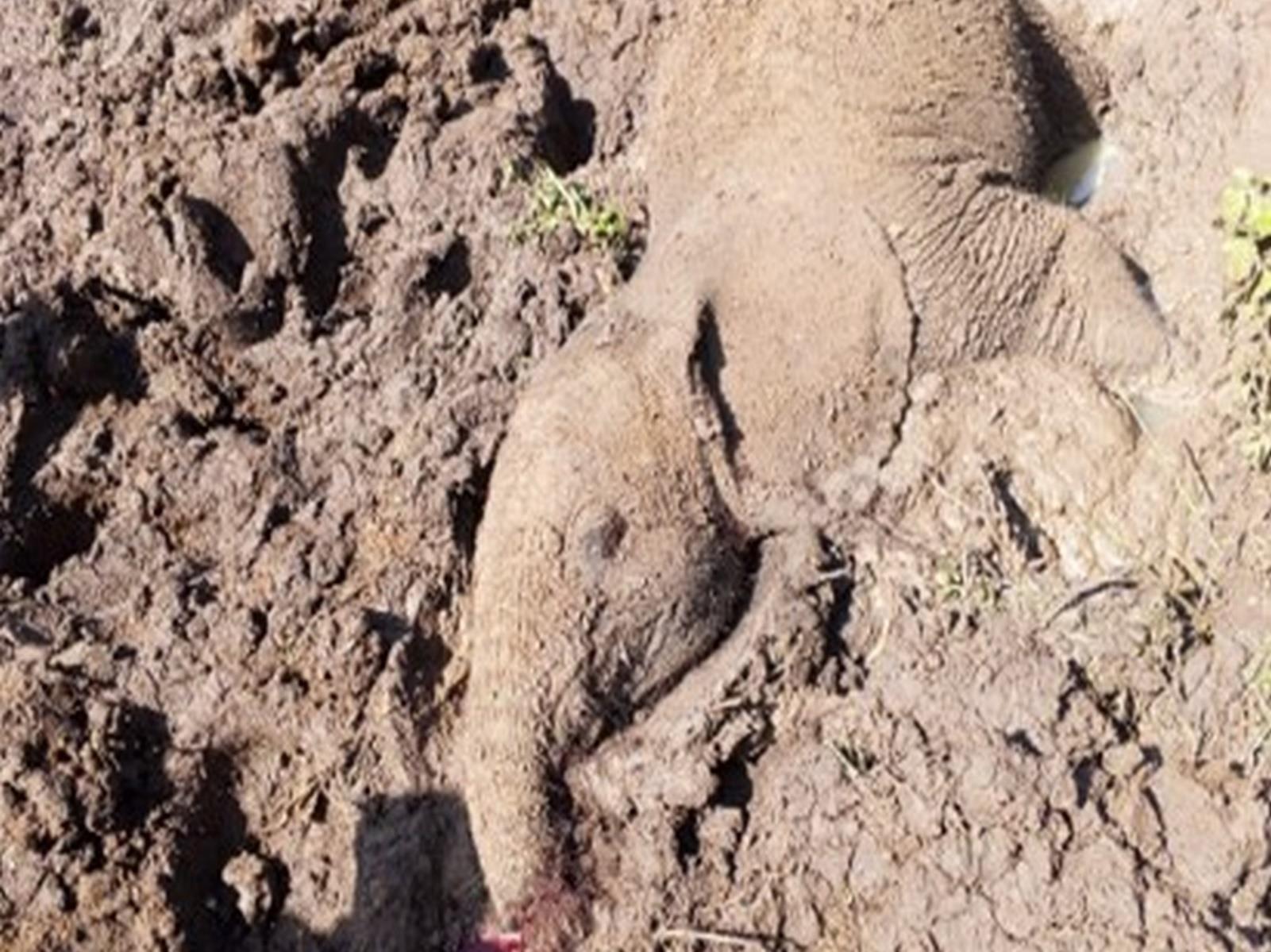
The Unit received a report of an elephant calf stuck in mud; however, the elephant sadly died before the rescue team arrived. The carcass was recovered from a muddy swampy area within lower Imenti forest. The calf was suspected to have become trapped in deep mud. Herd members were believed to have attempted rescue unsuccessfully before abandoning the calf.
Examination
• No visible external injuries were observed
• No signs of trauma or predation
• Carcass moderately fresh and consistent with recent death
• Findings consistent with respiratory compromise associated with drowning
• No evidence of traumatic injuries or disease processes observed
• Mud entrapment suspected to have caused inability to escape leading to asphyxiation
Cause of death
Suspected asphyxiation secondary to drowning following entrapment in a muddy swampy area.
Elephant
Human – Wildlife Conflict
Meru National Park
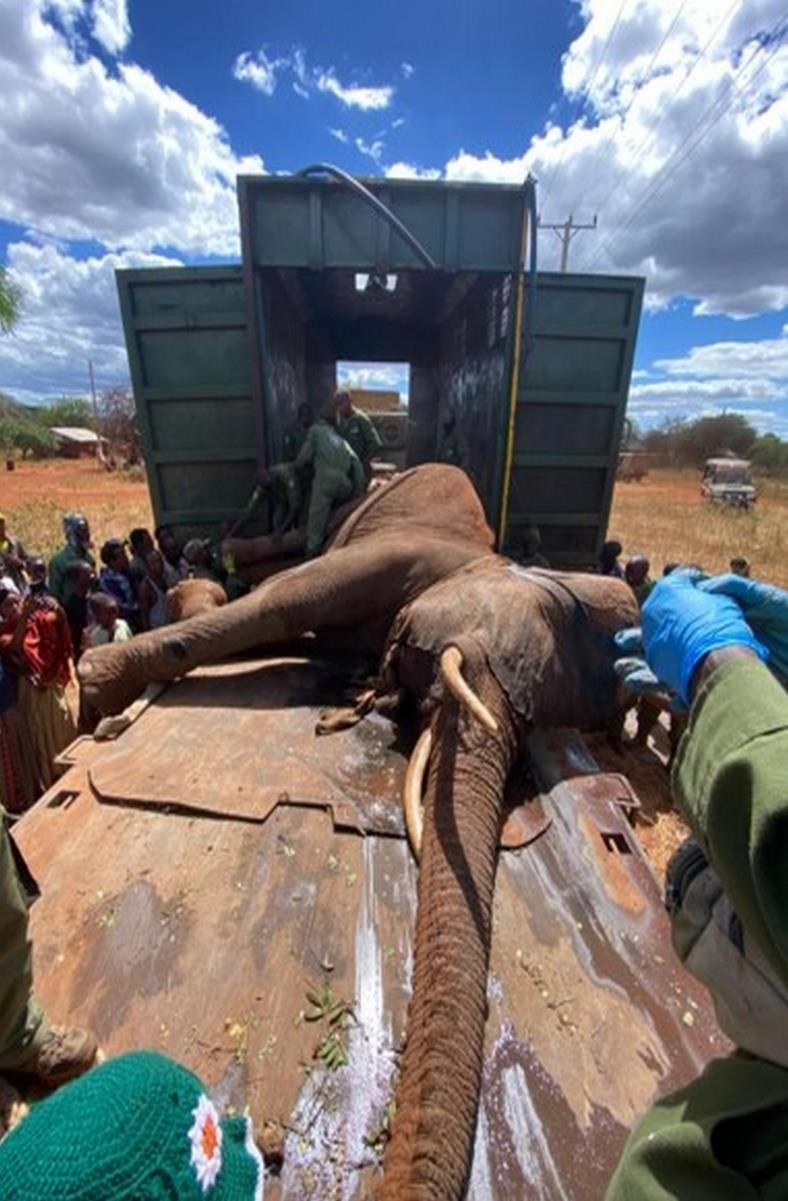
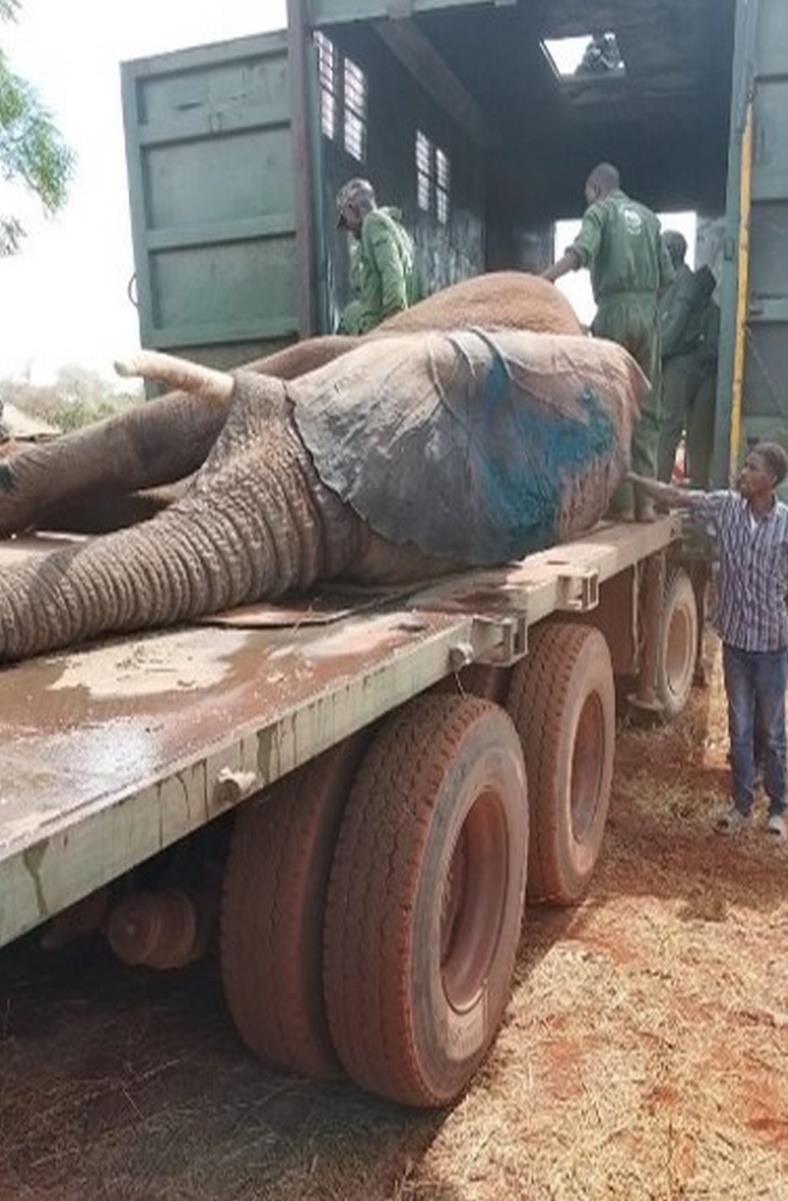
Five adult bull elephants identified as habitual fence breakers and crop raiders were selected for translocation from Meru National Park and the adjacent Kina area. The animals had been responsible for repeated incidents of human-elephant conflict, including extensive crop destruction, damage to electric fence infrastructure and increased insecurity among neighbouring communities. Following recommendations aimed at mitigating human-elephant conflict while conserving the animals, a decision was made to translocate the elephants to Tsavo West National Park, which offers suitable habitat and reduced conflict.
Immobilisation, examination and relocation
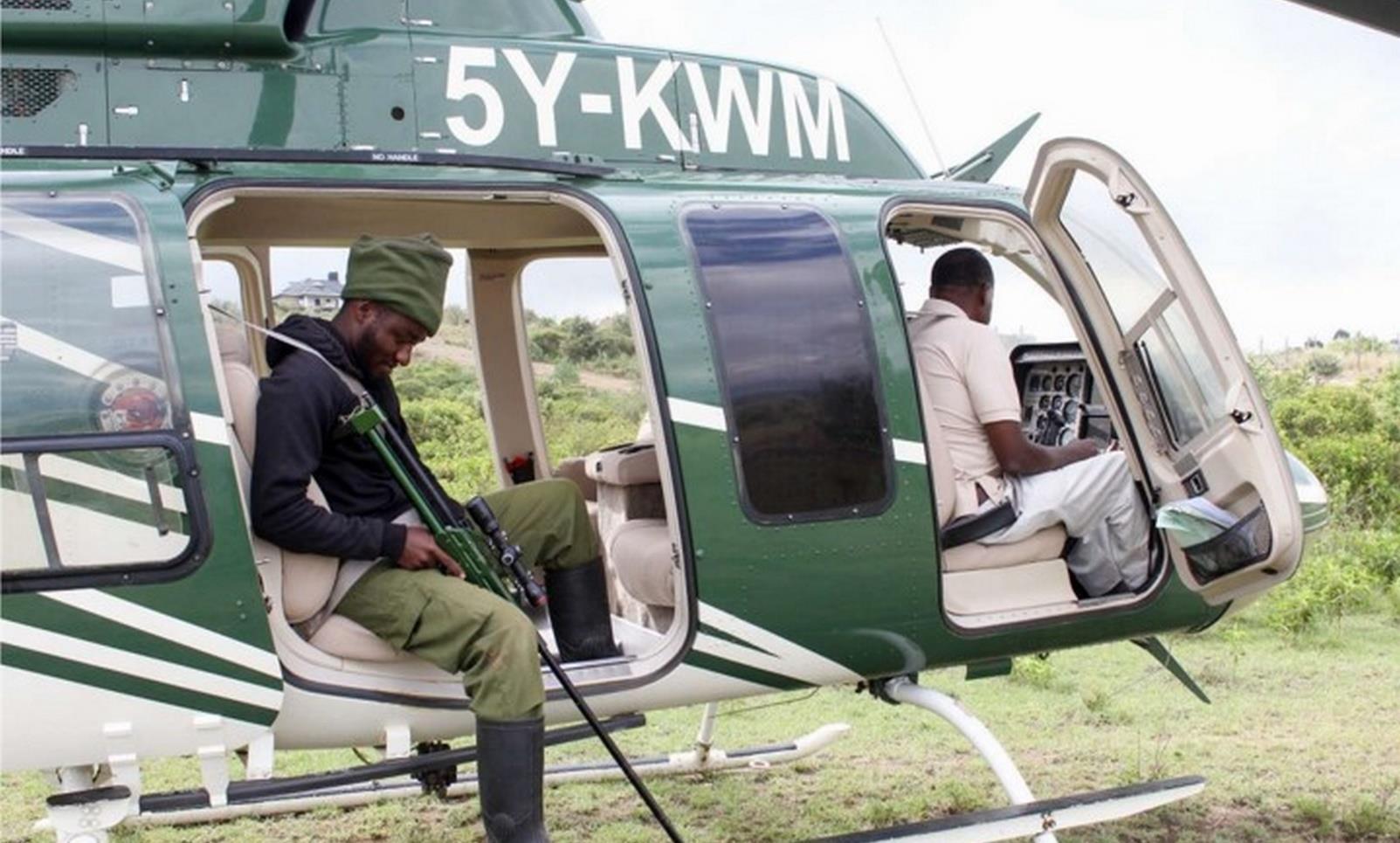
The target elephants were located and monitored then darted with 18mg Etorphine from a helicopter. Standard wildlife capture protocols were observed throughout the exercise A physical examination was conducted on each elephant during immobilization. All five bulls were found to be in good body condition with no significant injuries, disease conditions or abnormalities. The immobilized elephants were carefully loaded into transport crates. The journey from Meru National Park to Tsavo West National Park was completed without major incidents or complications. Upon arrival at designated release sites within Tsavo West National Park, the elephants were carefully offloaded from the transport crates and the anaesthetic reversed. Recovery was smooth in all five elephants and the elephants moved away from the release sites and dispersed into the surrounding habitat without complications.