SWT/KWS MARA MOBILE VETERINARY UNIT
MARCH 2026
5 Cases in March 2026
March Report by Dr.
Aminga Duncan
2 Poaching Cases
3 Elephant Cases
The first half of March was characterized by continued heavy rainfall accompanied by thunderstorms across the Mara ecosystem. The rains rejuvenated the landscape, resulting in lush vegetation and increased availability of water. Herbivores visibly benefited from these conditions, with notable observations of elephant calves engaging in mud wallowing within the numerous temporary pools formed across the area. However, these favourable ecological conditions posed significant challenges to veterinary operations. The persistent rains led to damaged infrastructure and rendered many areas inaccessible, thereby limiting the timely provision of critical veterinary services. In the latter half of the month, a noticeable decline in rainfall improved ground conditions and gradually restored access to previously unreachable areas, facilitating the resumption of field activities.
Acknowledgement
We extend our heartfelt gratitude to Elizabeth Scarlett for her consistent and generous financial backing of the Mara Mobile Veterinary Unit under the Sheldrick Wildlife Trust. Thanks to your contributions, the veterinary team has been able to achieve a substantial influence in the realm of tending to wildlife within the Mara ecosystem. We would also like to convey our deep appreciation to the Kenya Wildlife Service. Their essential managerial oversight through the Assistant Director; KWS-Narok Station and the Head of the KWSVeterinary Services Department, have played a crucial role.
We extend our profound gratitude to all our fellow collaborators in conservation, as well as to the individuals who reported the cases and have always shown steadfast support during our interventions. The realization of our endeavours owes much to your assistance. Blessings!!
Case Details
March 2026
Case
Elephant
Postmortem
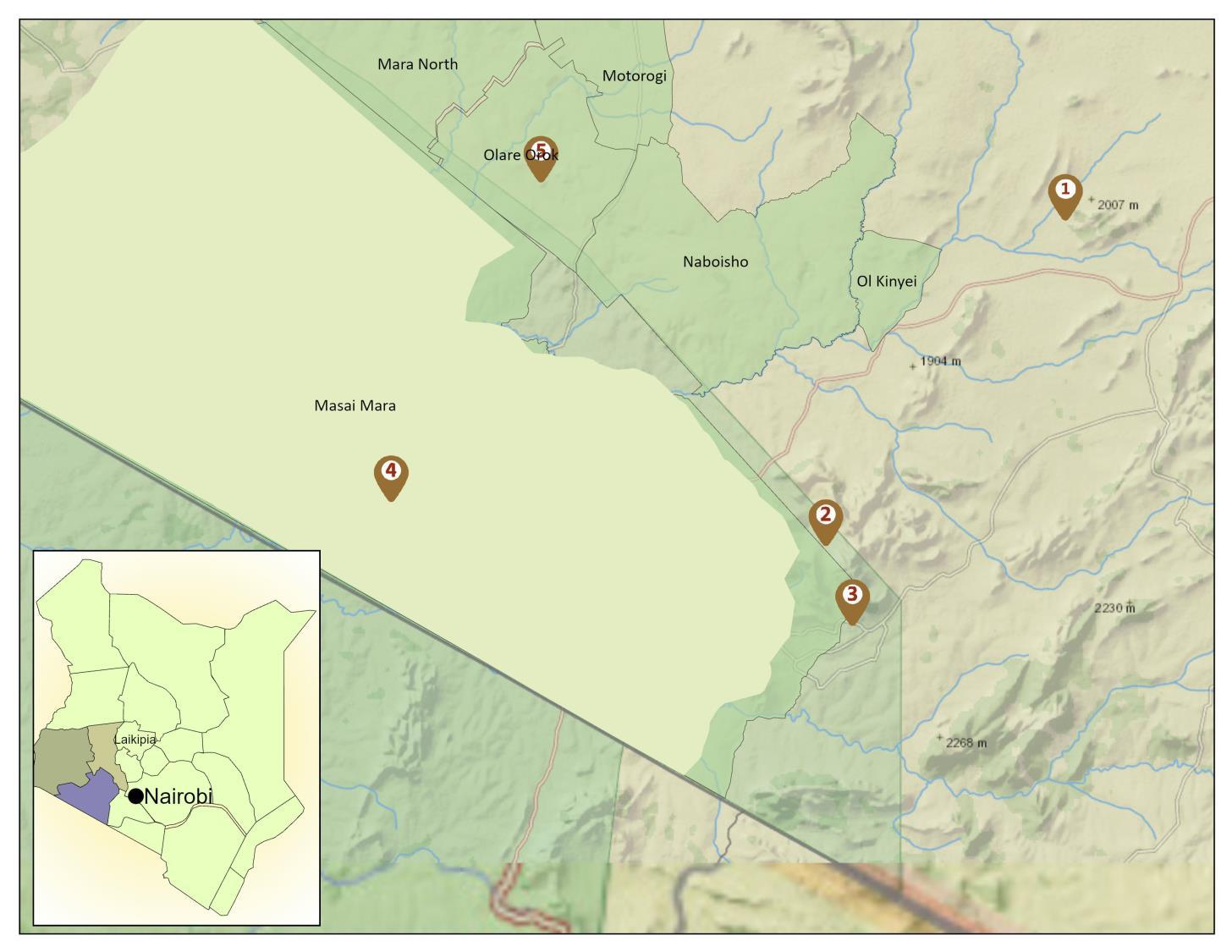
Olmojin, Narok County
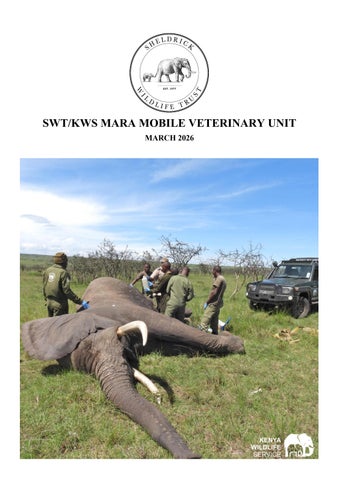
According to local residents and field informants, the elephant was known to be a very old bull that had been observed in the area for some time. In the days preceding its death, the bull was isolated and exhibited reduced feeding activity. Community members also indicated there were no clinical signs of infectious disease, such as diarrhoea, nasal discharge, ocular discharge, or abnormal secretions
Postmortem examination
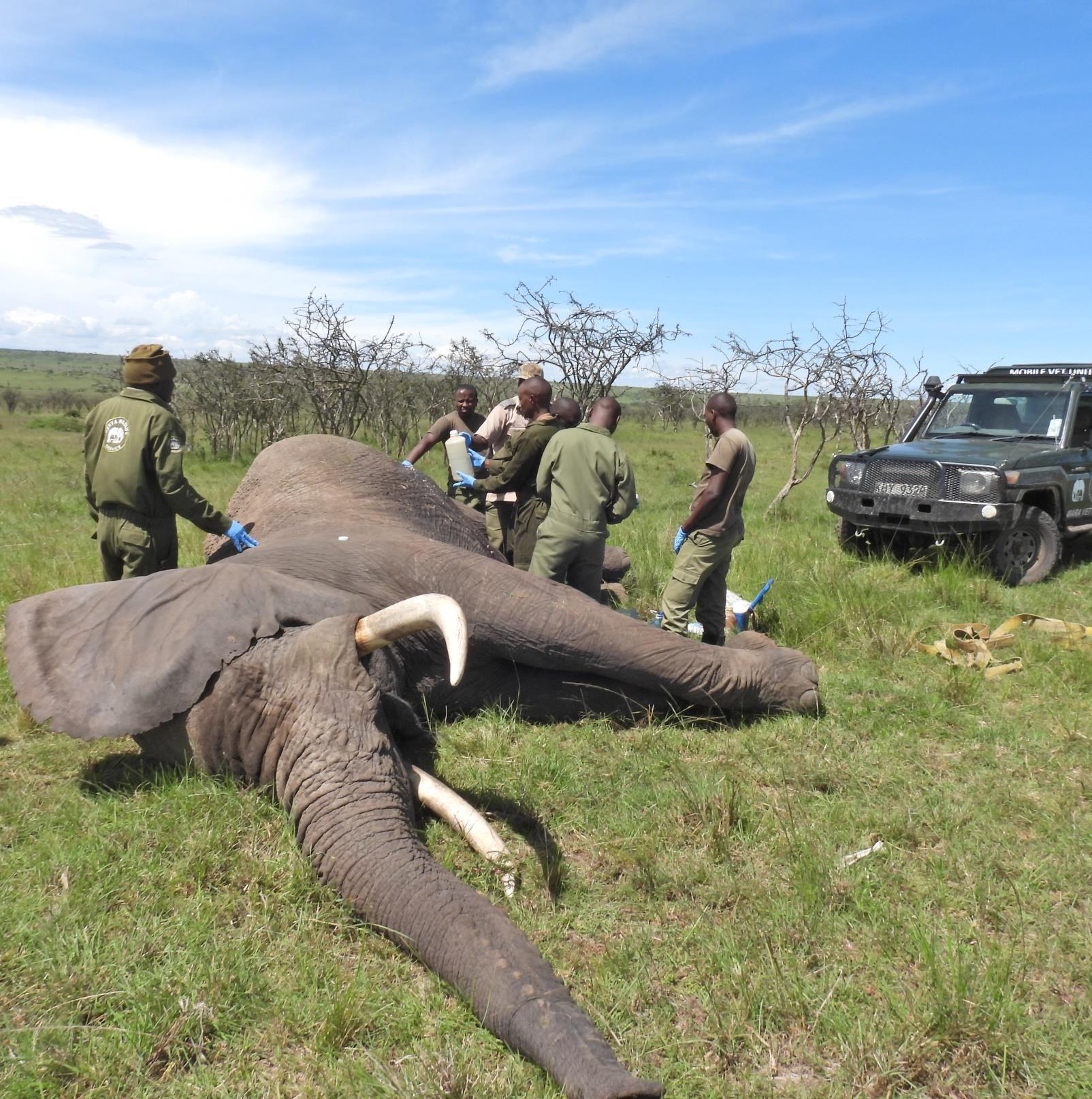
The carcass was found lying on right lateral recumbency with the immediate surrounding exhibiting extensive disturbance of the ground substrate and vegetation consistent with repeated attempts by the elephant to regain a standing posture after becoming recumbent. The adult male elephant was in fair body condition, indicating that the animal had not experienced severe or prolonged nutritional deprivation. No visible external traumatic injuries were observed. Specifically, there were no penetrating wounds, lacerations, haemorrhages, or puncture injuries. The perineal and facial regions showed no abnormal discharges, supporting the absence of overt infectious or gastrointestinal disease prior to death.
Cause of death
The probable cause of death was attributed to natural causes associated with advanced age (senescence).
Elephant
Postmortem
Siana Conservancy
On the morning of 13th March 2026, the Mara Mobile Veterinary Unit received a report of a dead female adult elephant in WWF Siana Conservancy.
Postmortem examination
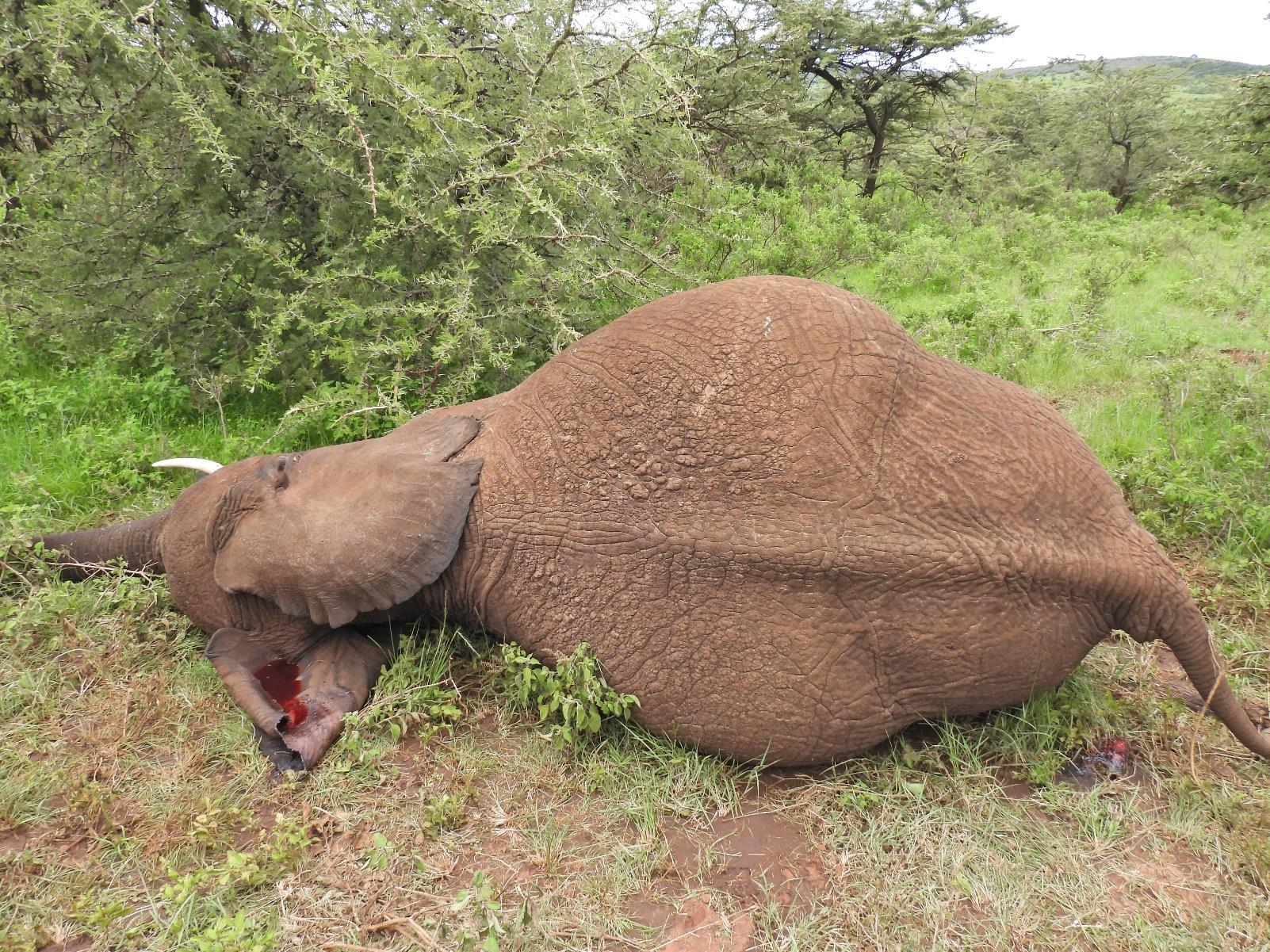
The carcass was found lying in left lateral recumbency with no signs of struggle or disturbance around the carcass suggesting the elephant likely collapsed shortly after sustaining the fatal injury. She was in good body condition (3/5) and was observed to be lactating, evidenced by well-filled mammary glands.
No significant injuries were observed on the right side of the carcass. The elephant was subsequently flipped for examination of the left side, where five penetrating wounds were identified. The wounds were approximately 3 inches in length and were consistent with spear-inflicted injuries. Four of the wounds were superficial and confined to the subcutaneous tissues. A deep penetrating wound was observed in the left axillary (armpit) region. There was evidence of extensive haemorrhage around the wound site. Further examination of the wound tract revealed that the spear had penetrated deeply and severed a major artery.
Cause of death
The findings indicate that the elephant died due to massive haemorrhage following a spear injury
Zebra
Human-Wildlife Conflict
Mara Sopa Lodge
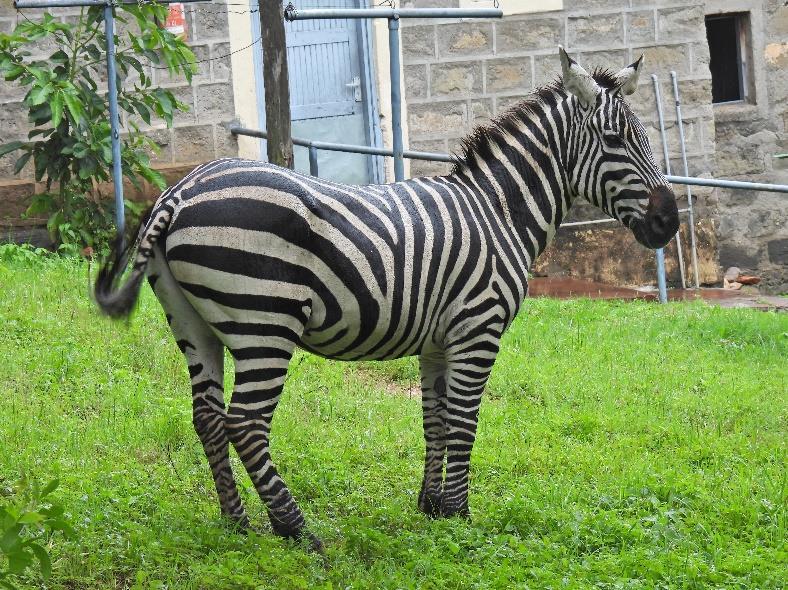
The Unit received a report of an injured male common zebra exhibiting right hind limb lameness. The animal had taken refuge in the Mara Sopa Lodge staff quarters, seemingly in search of help.
Immobilisation, examination and treatment
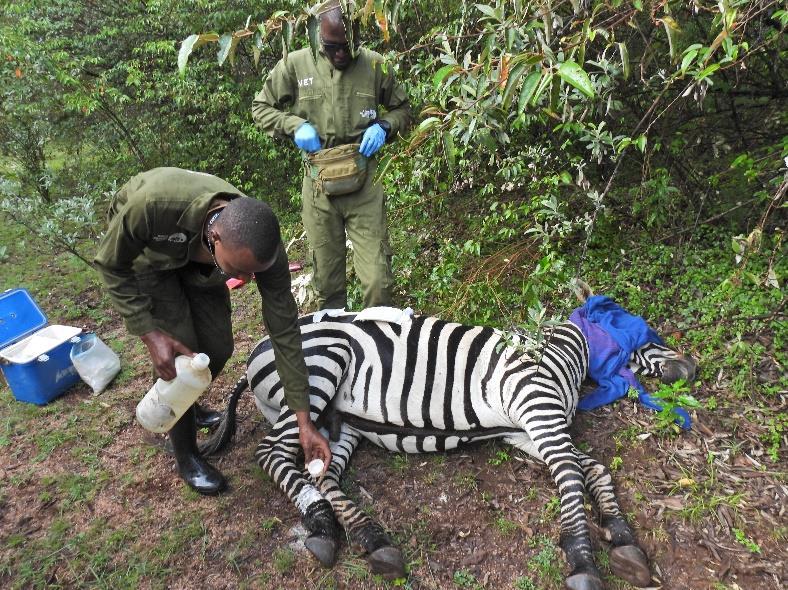
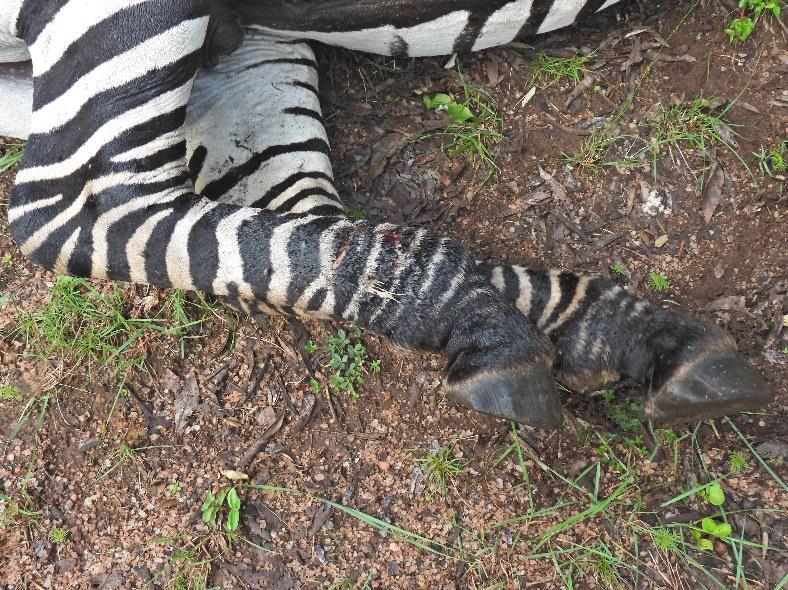
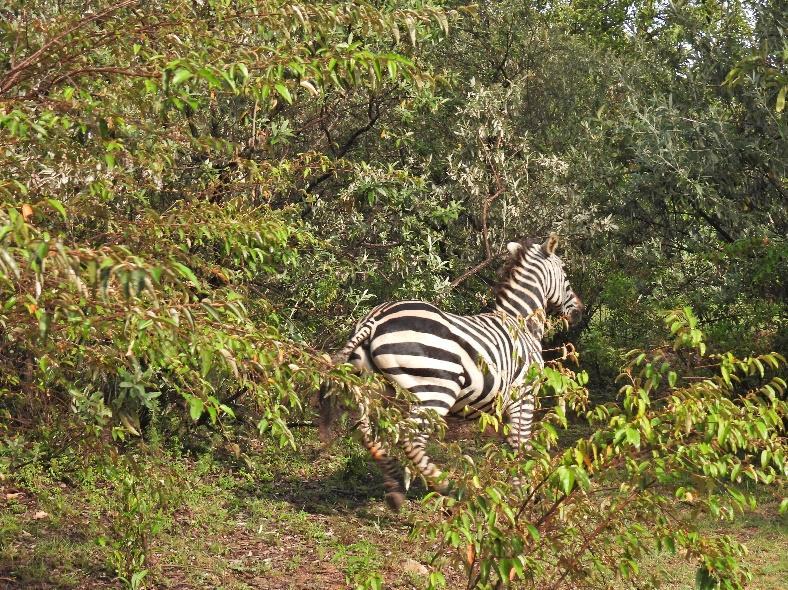
The zebra was approached on foot and successfully darted with 9mgs Etorphine and 80mgs Azaperone. He was startled and ran into dense bush before the immobilizing drugs had taken full effect. The team tracked him and found him in sternal recumbency. He was carefully repositioned into left lateral recumbency to allow for thorough examination and treatment of the injury. The zebra had sustained a deep penetrating spear wound to the fetlock of the right hind limb, suspected to have resulted from a human–wildlife conflict incident. The spear had penetrated the bone tissue; however, most of the surrounding soft tissues remained intact, allowing the animal to continue bearing weight on the affected limb. The wound was thoroughly cleaned with water, debrided with Hydrogen peroxide, disinfected with Iodine and infused with an antibiotic ointment. Additionally, the zebra received an injection of 50 mg Dexamethasone sodium to control inflammation and 4,500 mg of Amoxicillin antibiotic.
Prognosis
The prognosis for full recovery is favourable. .
Lion Human-Wildlife Conflict
Masai Mara National Reserve
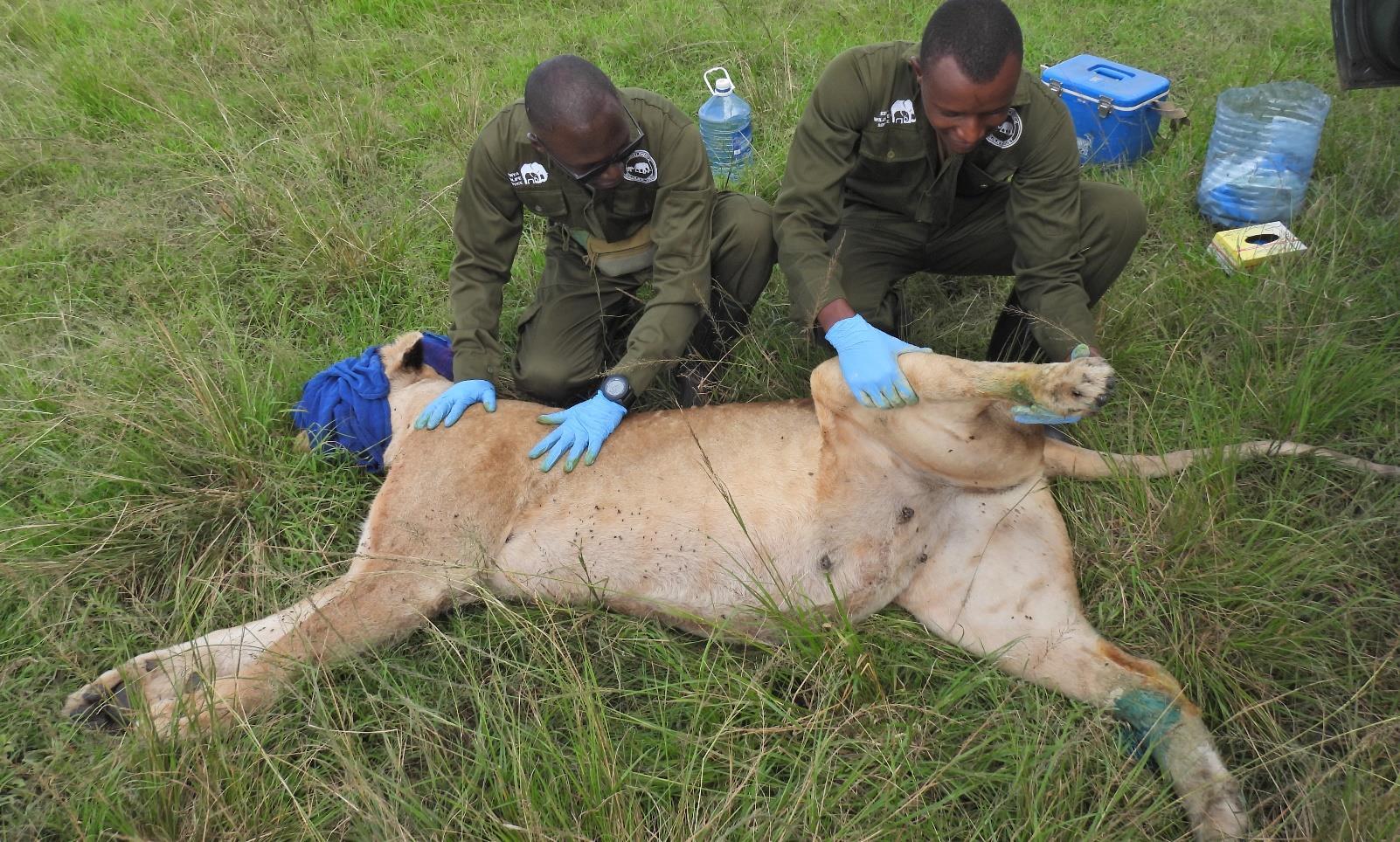
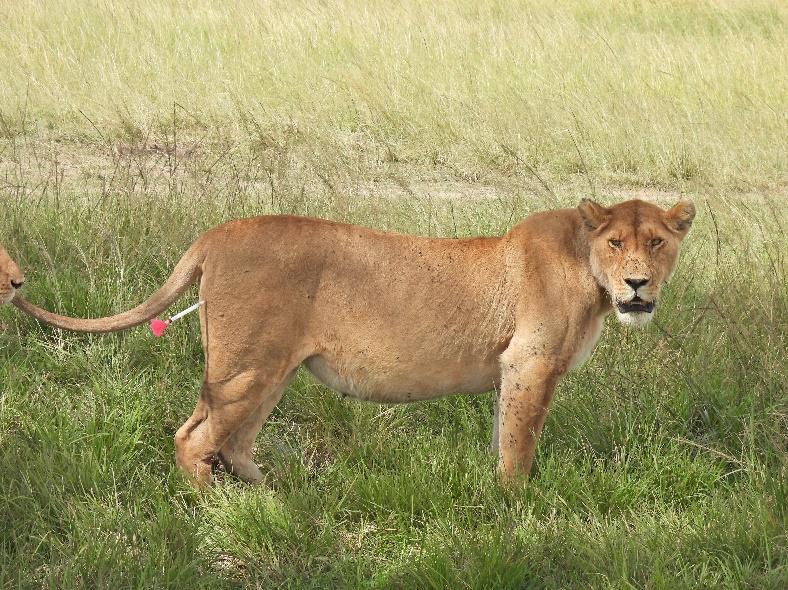
The SWT/KWS Mara Mobile Veterinary Unit received a report concerning an injured lioness named Subira from the Survey Pride.
Immobilisation, examination and treatment
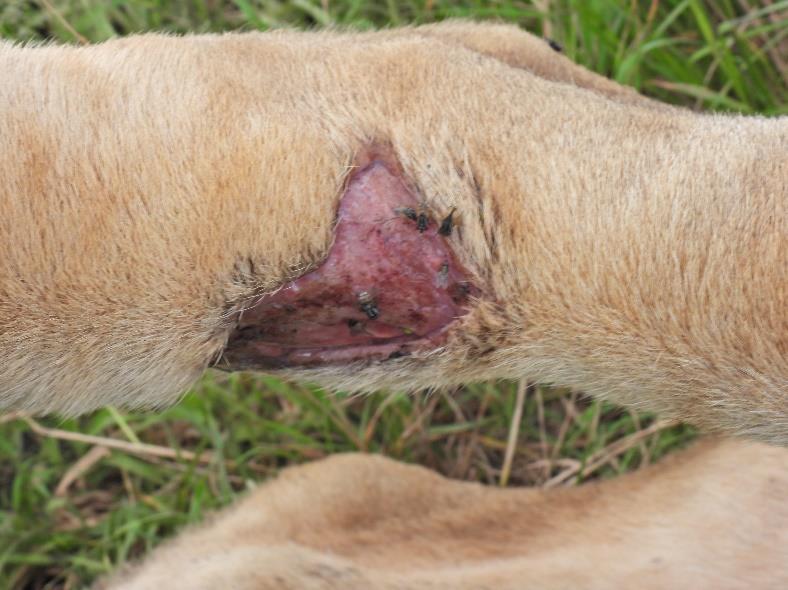
The pride was tracked and found resting under a shade. The injured lioness was found resting in the company of 4 other lionesses. From a distance assessment, she was noted to have suffered a laceration wound to the metatarsal region of the right hindleg suspected to have been inflicted by a sharp object. She was carefully approached with a vehicle and darted with 6mgs Medetomidine and 270mgs Ketamine.
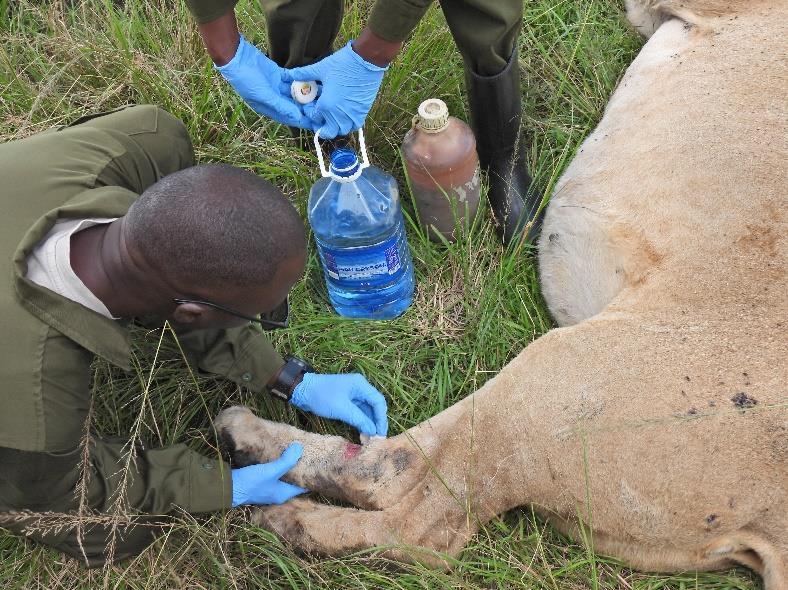
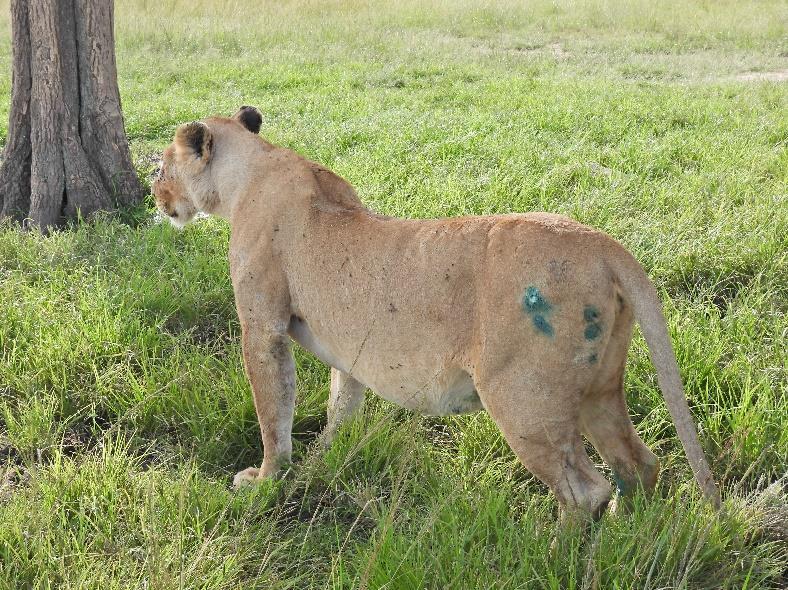
On detailed examination of the wound, it was found that there was no involvement of underlying tendons or musculature indicating a superficial soft tissue injury. The wound was thoroughly cleaned, irrigated with Iodine, followed by application of a topical antibiotic ointment and green clay for its healing properties. She received systemic broad-spectrum antibiotics and antiparasitic treatment as supportive therapy. Recovery from the anaesthesia was uneventful, and the lioness successfully reintegrated with her pride members.
Prognosis
Based on the extent of the injury and response to treatment the prognosis for full recovery is good. .
Elephant Spear
Olare Motorogi Conservancy
Th SWT/KWS Mara Mobile Veterinary Unit received a report from the Warden at Olare Motorogi Conservancy regarding the sighting of an injured elephant bull.
Immobilisation, examination and treatment
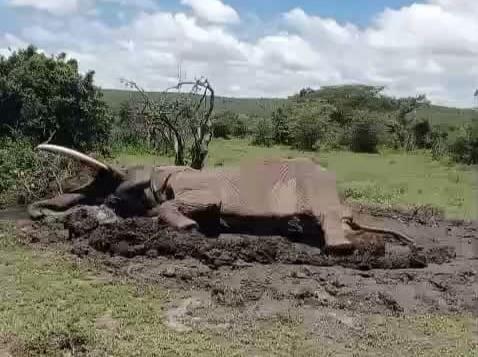
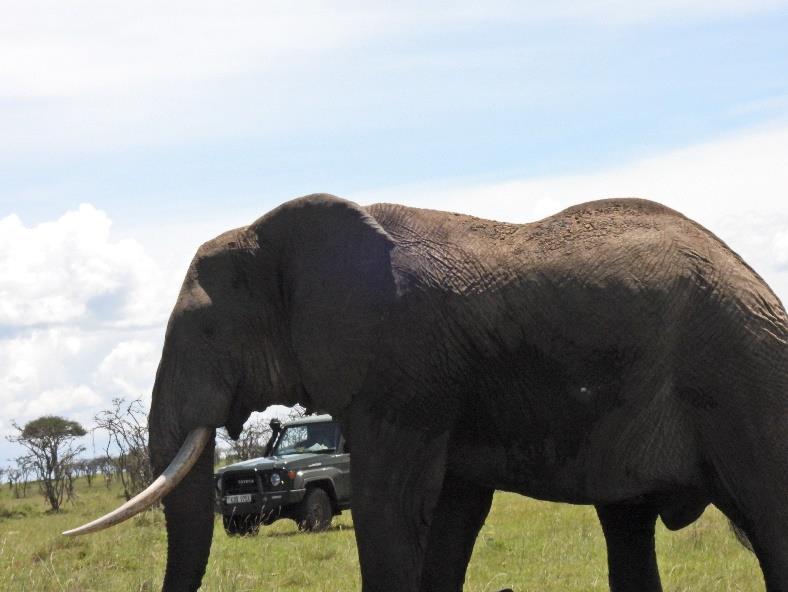
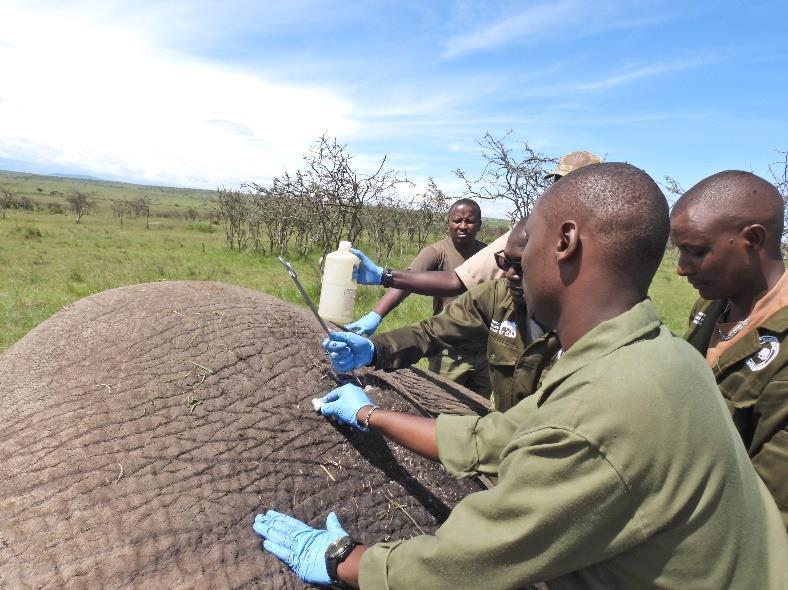
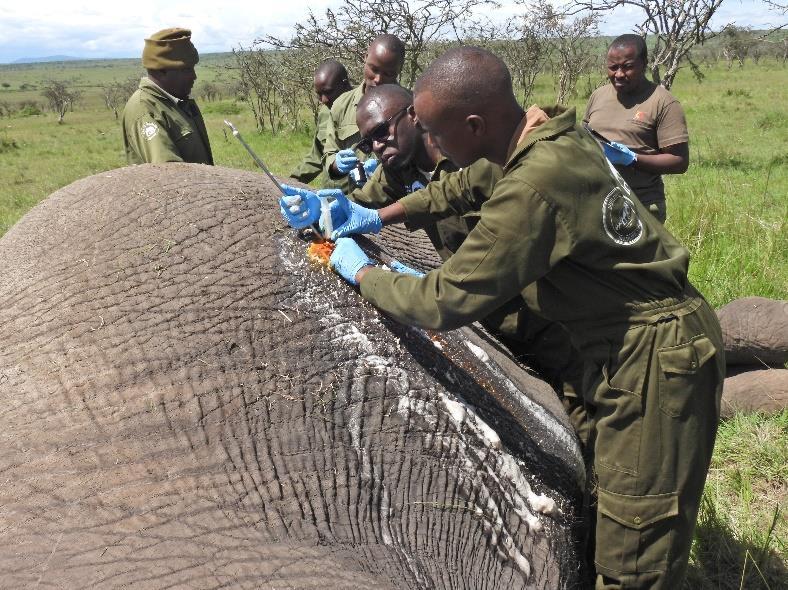
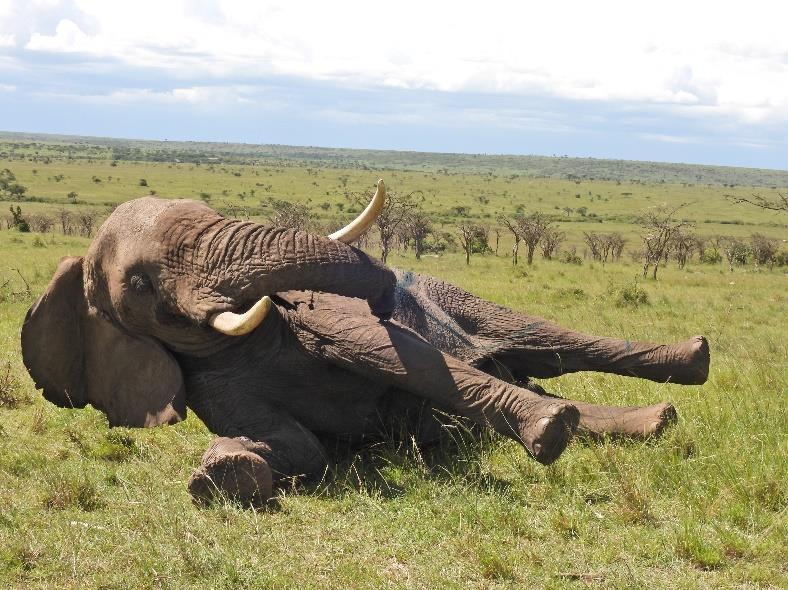
The elephant was found feeding in a waterlogged, muddy area. To facilitate safe assessment and darting, he was gently guided to a more open and relatively dry location. The bull, being in musth, exhibited heightened aggression and repeatedly evaded darting. He was, however, skilfully maneuverer using a vehicle, and when an opportunity arose, he was successfully darted with 20 mgs Etorphine. Unfortunately, he went down on the injured side. With the assistance of two vehicles, he was repositioned to right lateral recumbency. On assessment, the elephant was found to have a spear-inflicted wound on the left flank measuring approximately 8 inches in depth. The wound was thoroughly cleaned with water, flushed with Hydrogen peroxide and Iodine, then infused with antibiotic ointment and antibiotic pessaries. Finally, the wound was packed with green clay and covered with an antibiotic aerosol spray. He was administered 40,000 mgs of Oxytetracycline and 200mgs of Dexamethasone sodium to manage inflammation.
Prognosis
Given the timely intervention and positive response to treatment, the prognosis for full recovery is good.