The month of February in the Mara ecosystem was characterized by cold nights and moderate daytime temperatures. The region received consistent and well-distributed rainfall throughout the month, transforming the landscape into a lush green expanse. Toward the end of the month, heavier rains were experienced, ensuring an adequate supply of forage and water for wildlife within the ecosystem.
Acknowledgement
The Mara Mobile Veterinary Unit extends its sincere appreciation to all stakeholders who contributed, to the reporting and monitoring of animals treated during the period under review. We convey special thanks to the Mara Elephant Project teams for their invaluable role in tracing and assisting in the treatment of injured elephants within the Mara ecosystem. We also express our heartfelt gratitude to Elizabeth Scarlett and the Sheldrick Wildlife Trust for their unwavering support of the Mara Mobile Veterinary Unit. Furthermore, we acknowledge the Kenya Wildlife Service management for its exemplary leadership and coordination, which have been instrumental in strengthening conservation efforts and advancing the welfare of wildlife throughout the region. Despite favourable conditions, 50% of the cases were due to poaching or human-wildlife conflict (HWC).
Case Details
February 2026
Elephant Rescue
Masai Mara National Reserve
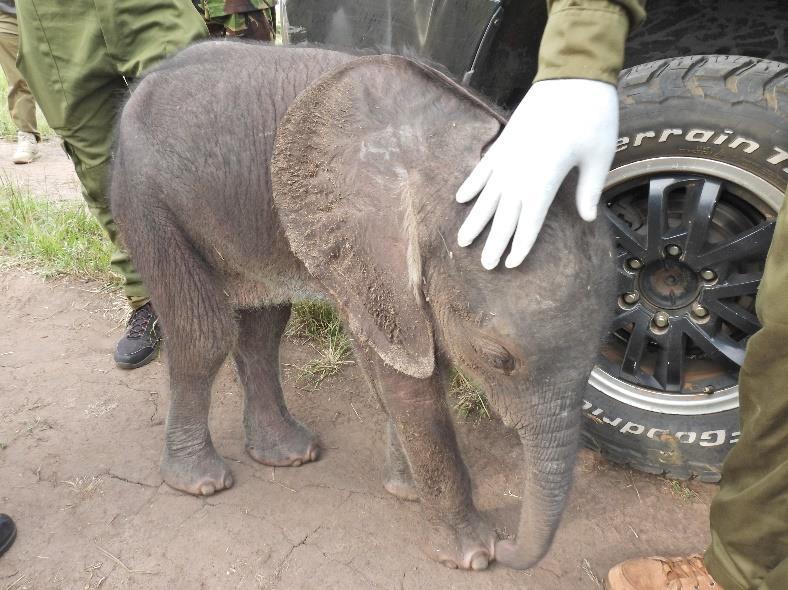
The SWT/KWS Mara Mobile Veterinary Unit received a distress call reporting a young male elephant calf found abandoned in the Zachariah area within the Masai Mara National Reserve.
Rescue
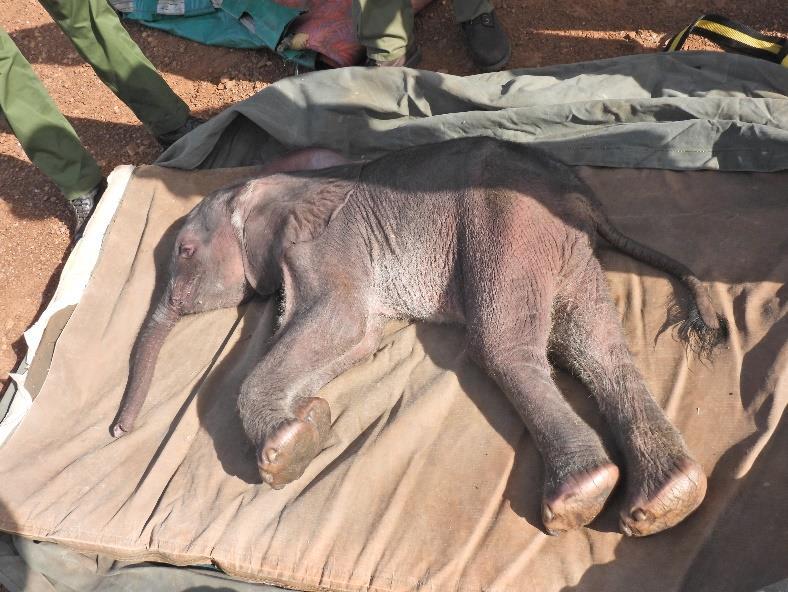
Upon examination, the calf was estimated to be less than one month old and still fully milk dependent. A rapid physical assessment revealed that although he appeared weak, he was stable, with vital parameters within normal limits. The Masai Mara National Reserve Rangers made efforts to locate nearby elephant herds in the hope of facilitating a possible mother-calf reunion; however, no herds were identified in the vicinity.
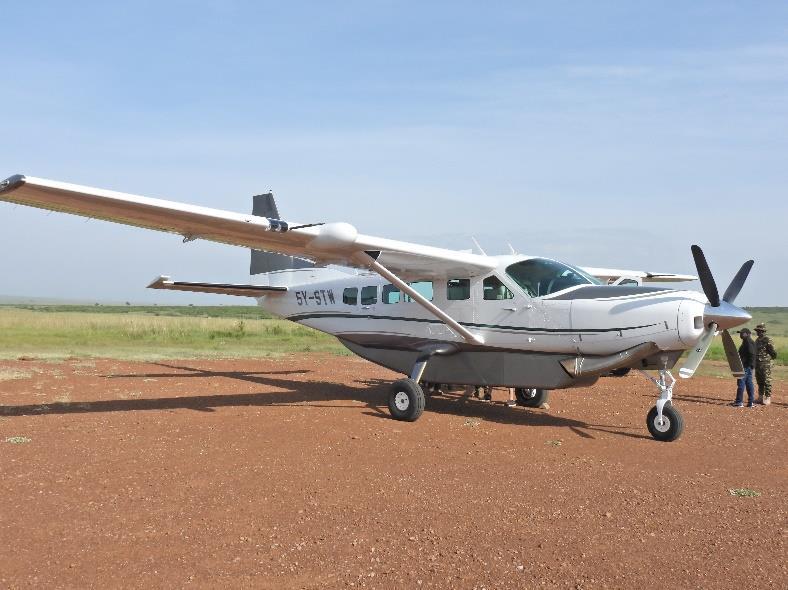
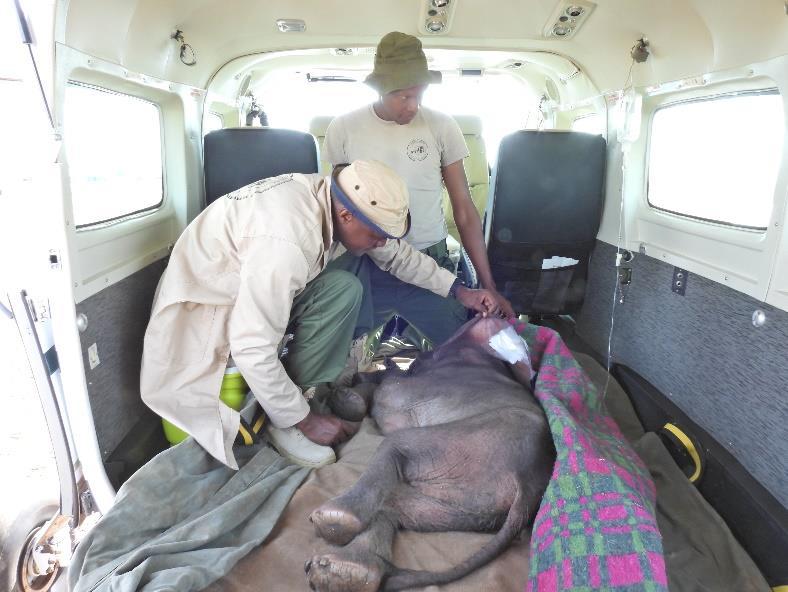
The exact circumstances leading to the calf’s abandonment remain unknown. Given his young age and milk dependency, survival in the wild without maternal care was not possible. It was therefore decided that the calf be rescued and transferred to an orphanage for continued care, rehabilitation, and eventual rewilding. Due to the late hour, the calf was monitored overnight at the Mara Veterinary Camp, with rescue logistics scheduled for implementation the following morning. The calf remained stable overnight, although he was still weak. He was kept in a room and wrapped in a blanket to keep him warm and comfortable. However, early the following morning, he became weaker and had difficulty standing, despite his vital parameters remaining within normal limits. He was placed on intravenous fluids for stabilization and subsequently airlifted to the Sheldrick Wildlife Trust Kaluku Stockades. The prognosis is ranging from fair to poor .
Case 2 – 13th February 2026
Lion
Collaring
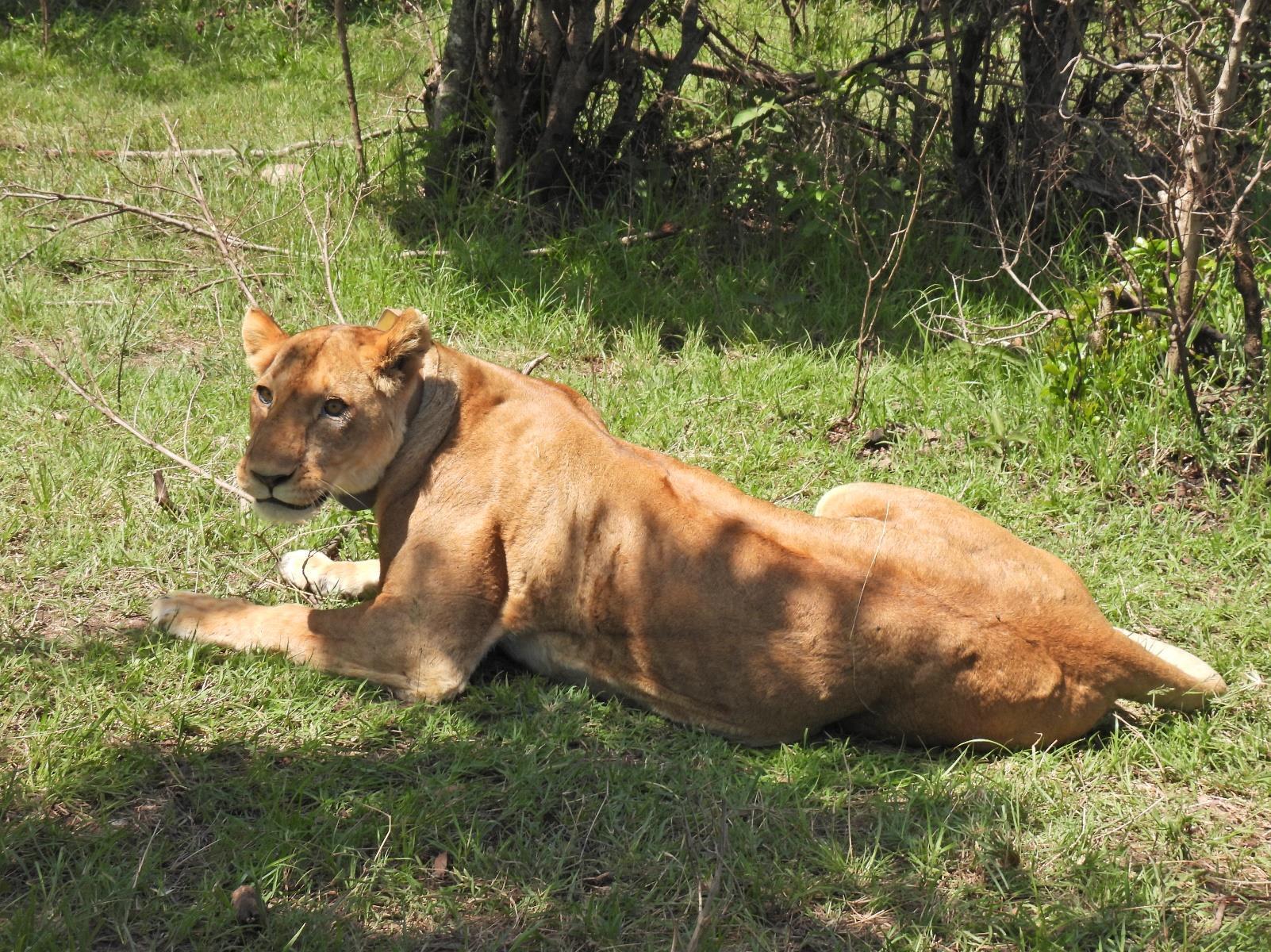
With shrinking wildlife habitats and increased livestock incursions into protected areas due to the prolonged drought, cases of human–wildlife conflict are steadily rising. This often results in injuries to wildlife. Lions, as apex predators, have not been spared from these challenges. In response to this growing concern, the SWT/KWS Mara Mobile Veterinary Unit was tasked with fitting a tracking collar on Nasha, an adult lioness from the KWS/Sarova Pride. This intervention forms part of an ongoing strategy aimed at mitigating human–wildlife conflict in the region through improved monitoring and timely management interventions.
Immobilisation and collaring
The lioness was darted from a vehicle using 4mgs Medetomidine and 280mgs Ketamine. The drugs took effect quickly, and after approximately 15 minutes she was in sternal recumbency. She was carefully retrieved from dense bush and moved to an open, shaded area to allow for a thorough examination.
Morphometric measurements were recorded prior to fitting the tracking collar. Tick samples were also collected for laboratory analysis. After approximately one and a half hours, the anaesthesia was reversed and she recovered smoothly and rejoined a male lion that had been waiting nearby in the bush. Since the intervention, she has been sighted without any complications or disruption to her normal social behaviour.
Masai Mara Reserve
Giraffe
Human-Wildlife Conflict
Mara North Conservancy
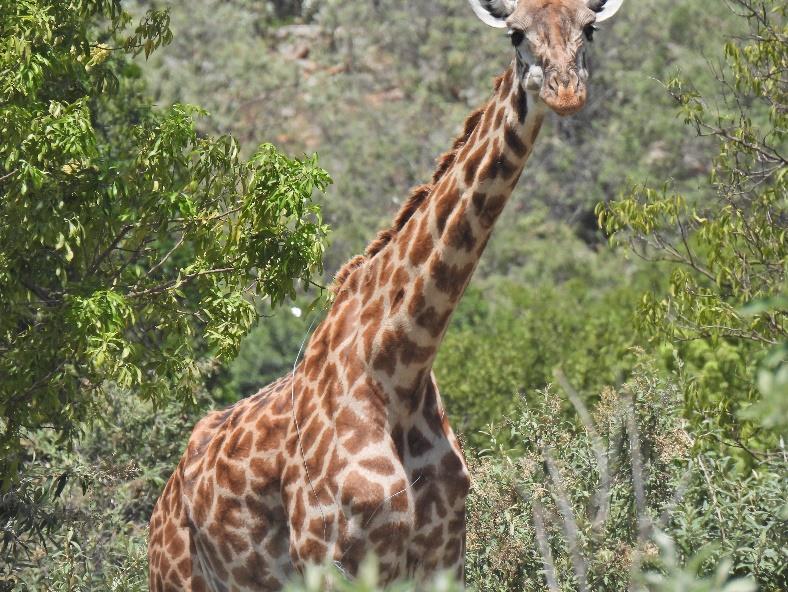
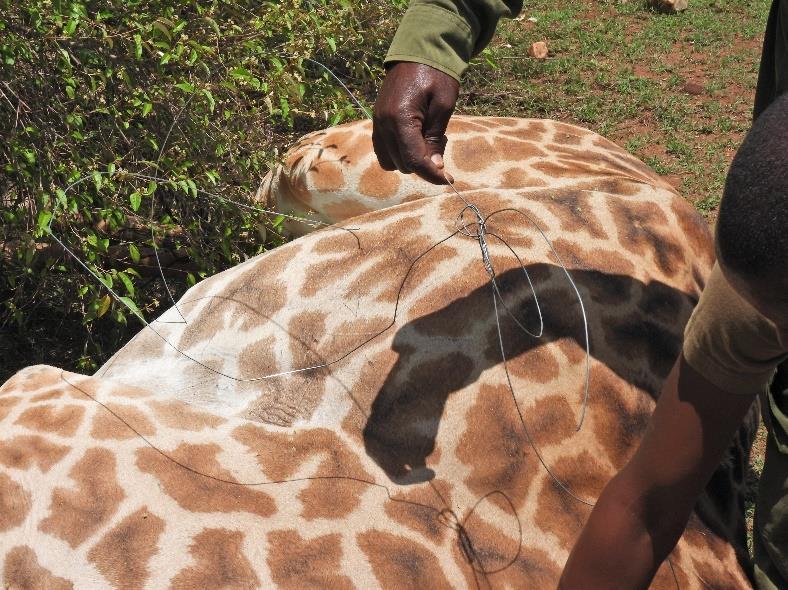
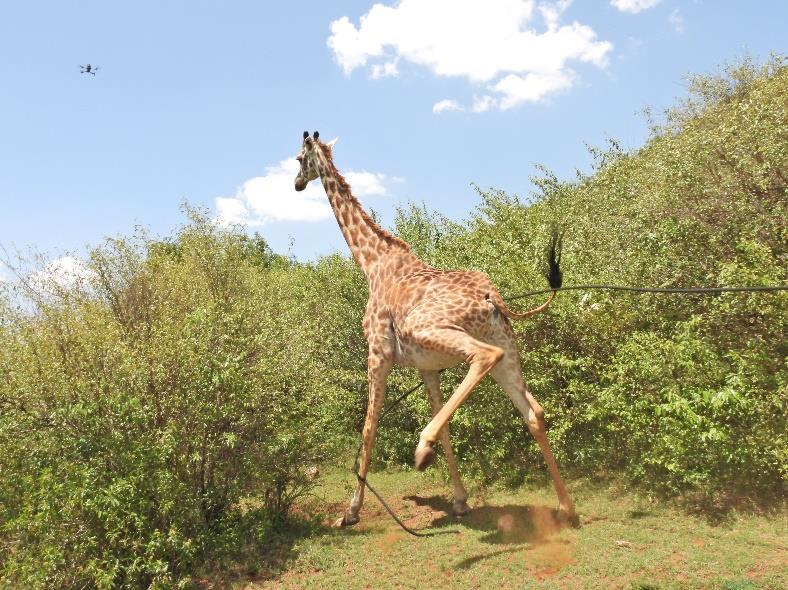
An adult Maasai giraffe was sighted with a loose fence wire around her neck. The situation was urgent, as the giraffe had a young calf, placing two lives at risk. However, by the time the veterinary team arrived, the giraffe had moved into a hilly area that was unsuitable for a safe intervention. The team later received an update that she had been sighted at the foot of the hills and she was found browsing with 7 other giraffes.
Immobilisation, examination and treatment
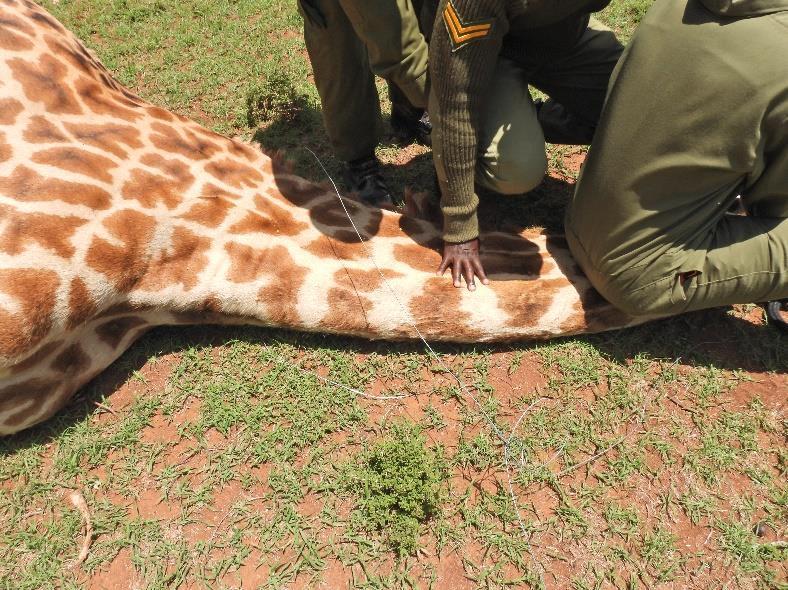
She was carefully approached using a vehicle and darted on the right shoulder with a combination of 15mgs Etorphine and 50mgs Azaperone. She became startled and ran a few metres before the drugs took effect. She subsequently went into left lateral recumbency and was quickly secured, with her head and neck firmly pinned to the ground and positioned to maintain a clear airway and ensure safety.
A blindfold was applied to minimize visual stimulation and prevent ocular injury. The loose fence wire around her neck was carefully cut off using wire cutters. The resulting abrasion wounds were treated with an antibiotic aerosol spray.
Prognosis
The anaesthesia was reversed using 36mgs Diprenorphine and 75mgs Naltrexone. Within two minutes she stood up and ran off to rejoin the rest of her group. The prognosis is good.
Case 4 – 16th February 2026
Elephant Arrow Naboisho Conservancy
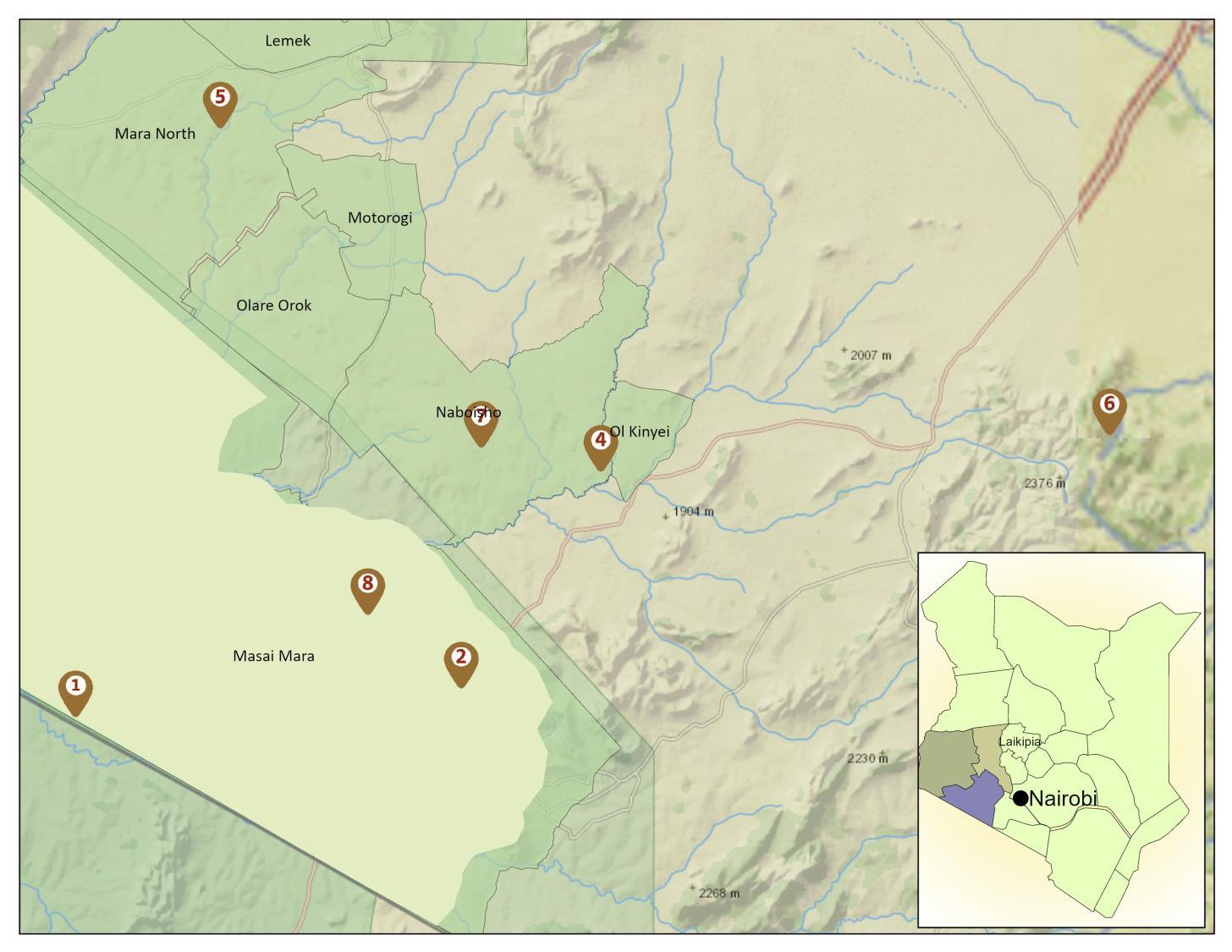
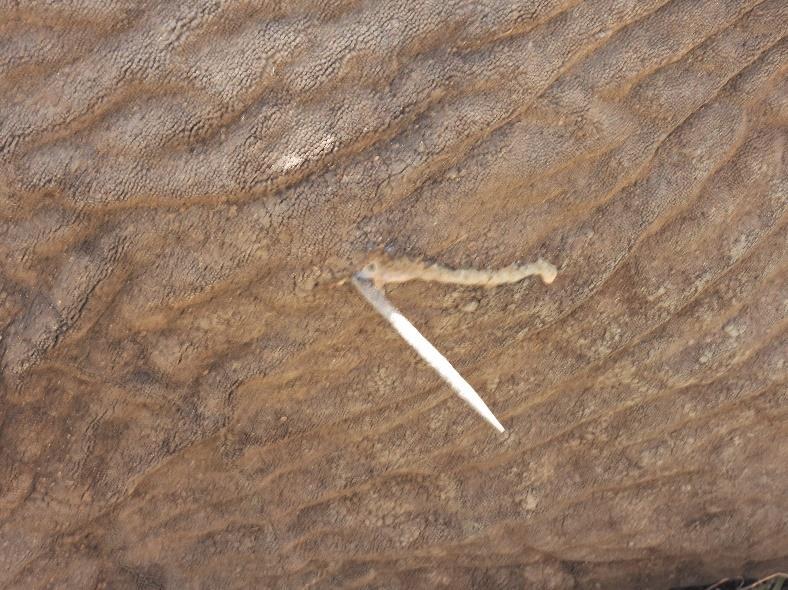
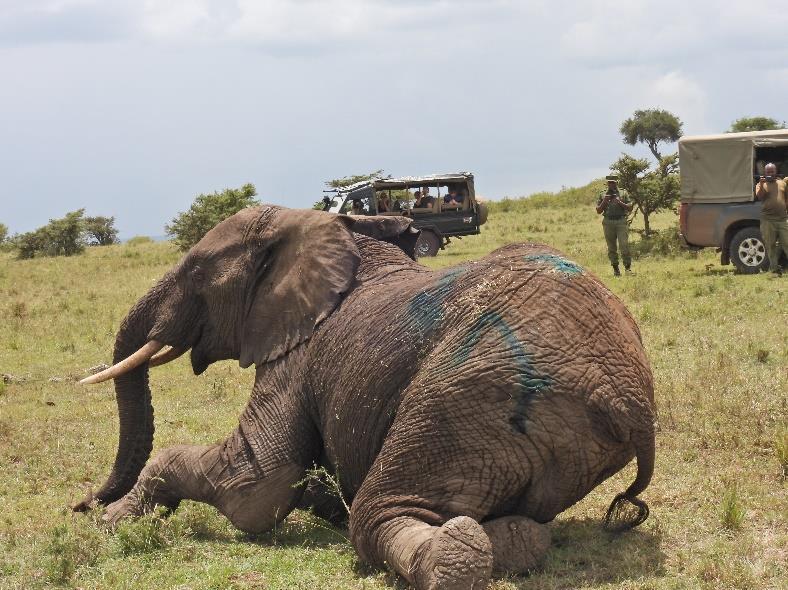
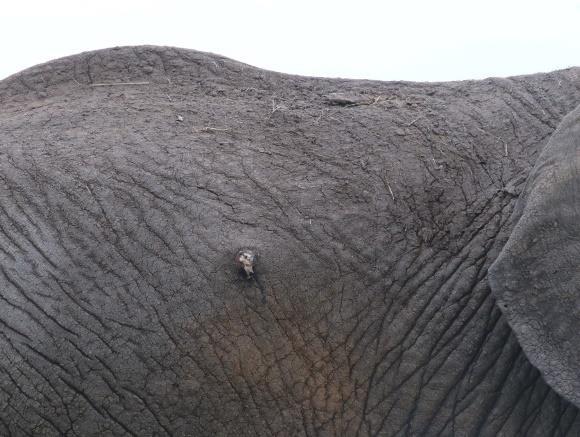
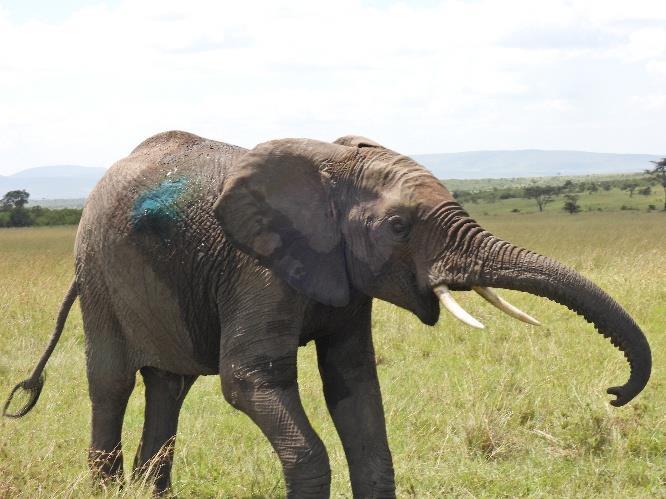
The SWT/KWS Mara Mobile Veterinary Unit received a report from the management of Naboisho Conservancy regarding the sighting of a sub-adult male elephant with an arrow lodged in his left rump.
Immobilisation, examination and treatment
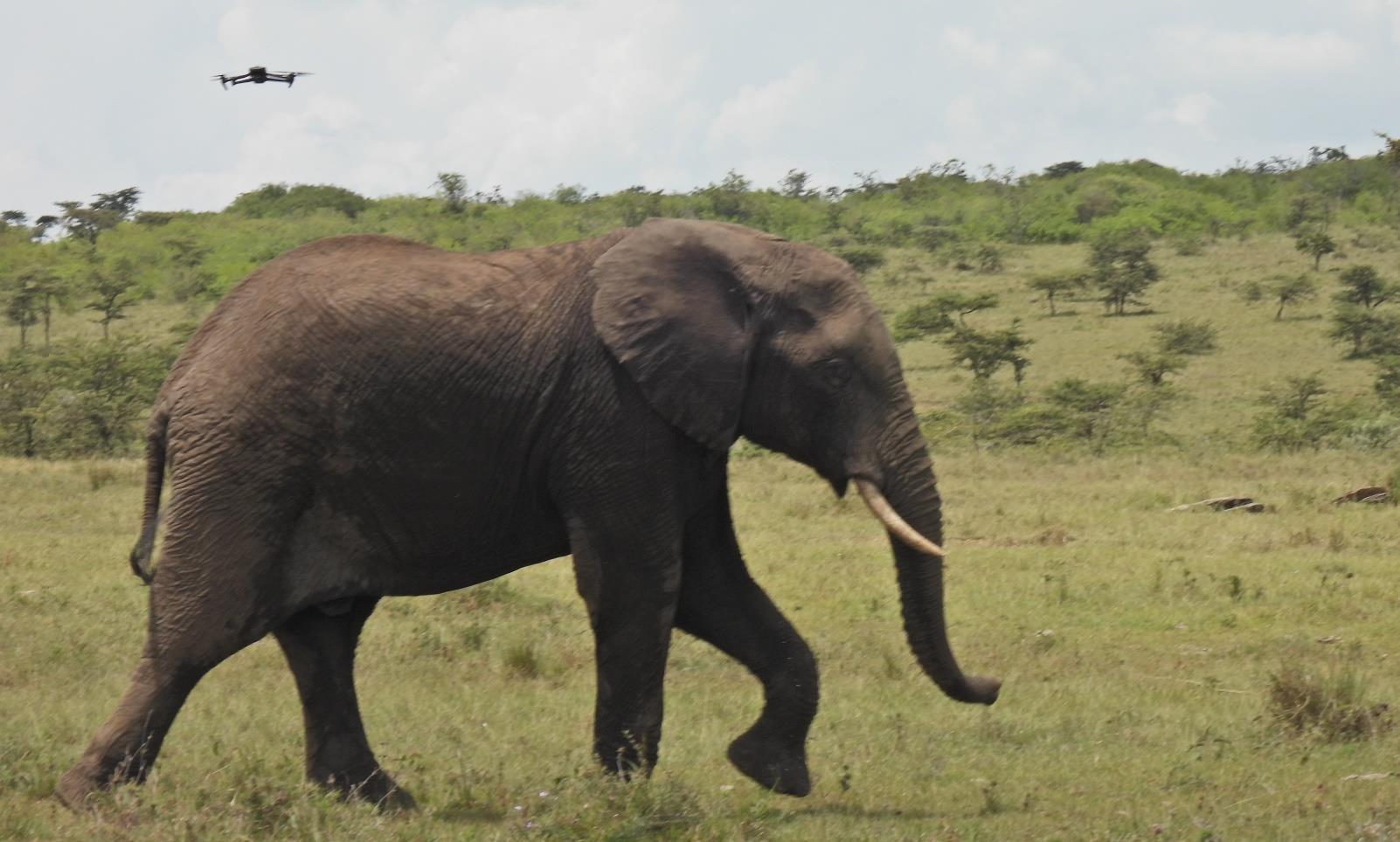
The elephant was located in dense bush that was inaccessible by vehicle. With assistance from a drone operated by the Mara Elephant Project, he was gently guided into open ground, where he was darted from a vehicle with 16mgs Etorphine.
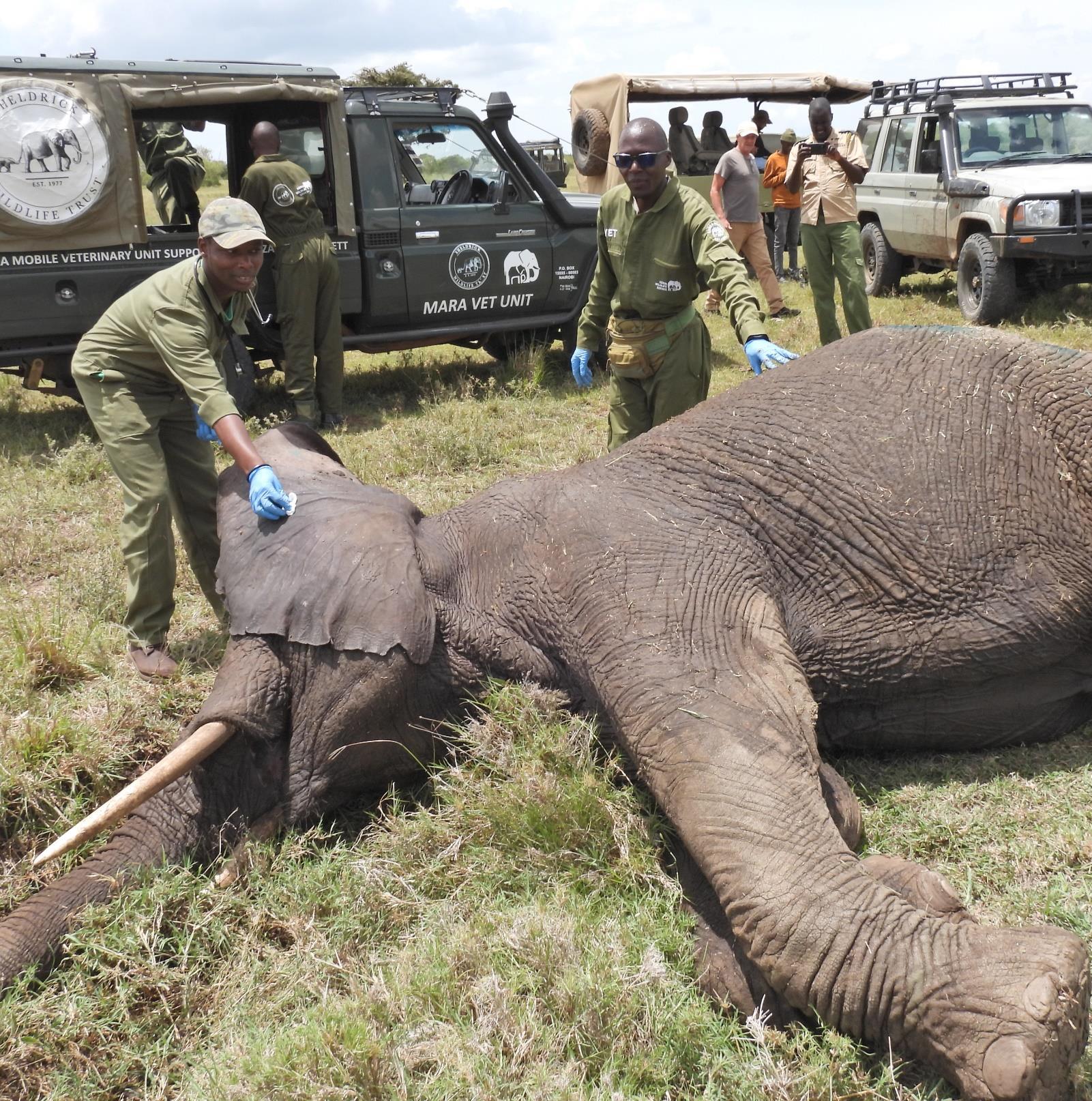
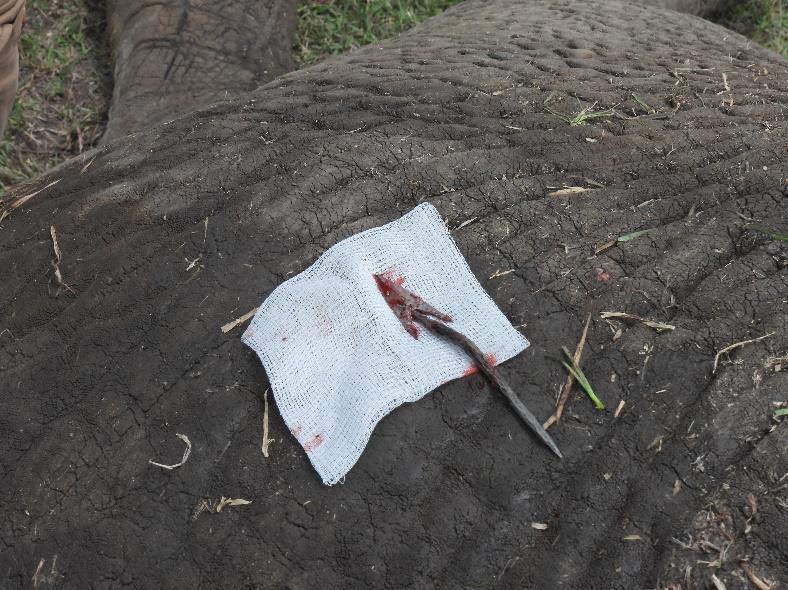
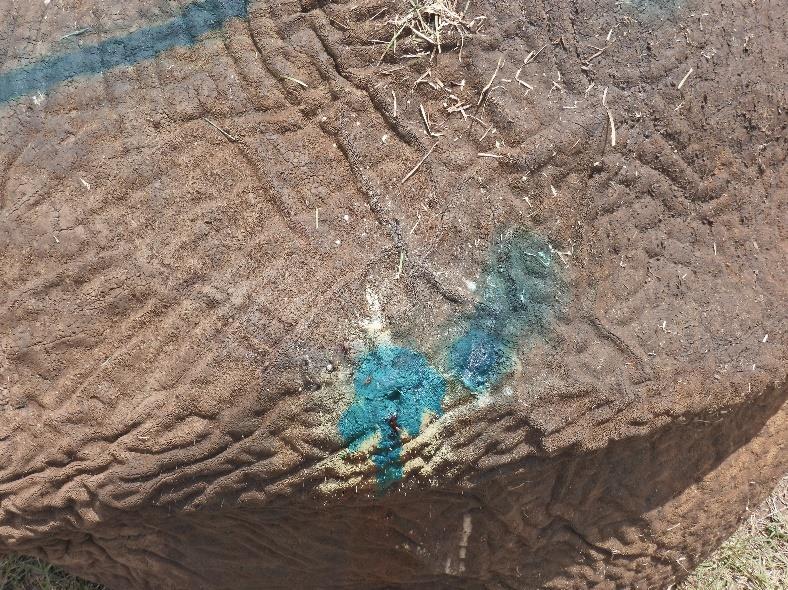
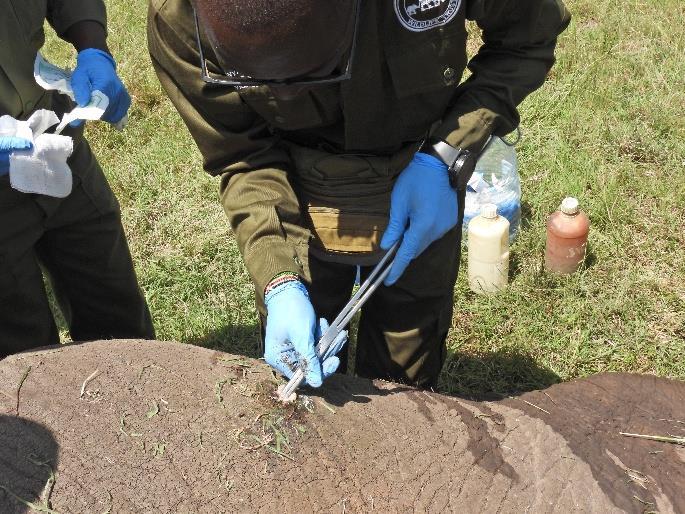
To facilitate thorough examination and treatment, he was carefully repositioned using a vehicle to right lateral recumbency. An arrow was found lodged in his left flank, which was carefully removed. The wound was thoroughly cleaned with water, debrided with Hdrogen peroxide, and flushed with Iodine solution. To prevent bacterial infection, the wound was infused with an antibiotic ointment and packed with bentonite clay to promote healing. He also received intramuscular antibiotics to address potential systemic infection, along with anti-inflammatory medication for pain management and to reduce inflammation.
Prognosis
The anesthesia was reversed and he stood up and rejoined his herd. The prognosis for a full recovery is good.
Elephant
Human-Wildlife Conflict
Mara North Conservancy
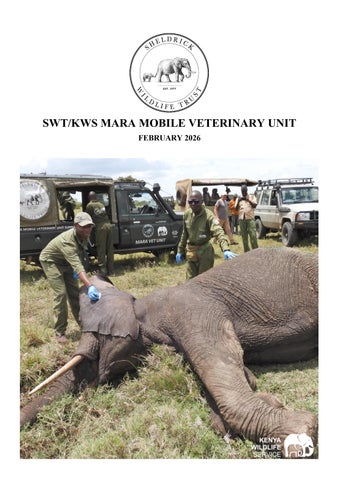
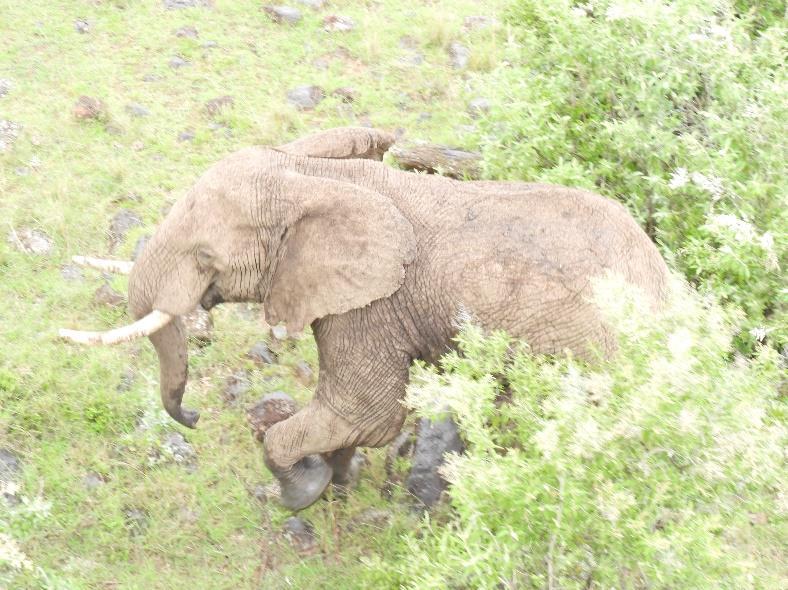
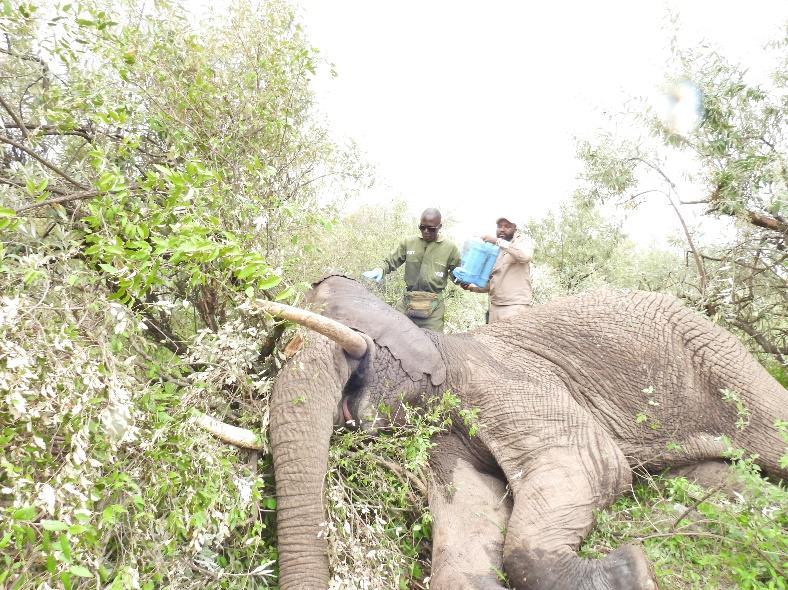
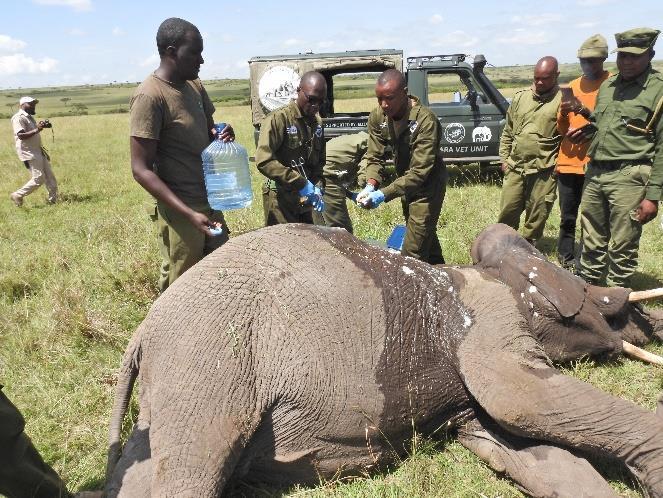
The Unit received a report of an adult male elephant exhibiting marked lameness of the left hind limb, sighted near Kicheche Camp in Mara North Conservancy. The veterinarian was airlifted to the elephant’s location using a helicopter provided by the Mara Elephant Project to administer the treatment.
Immobilisation, examination and treatment
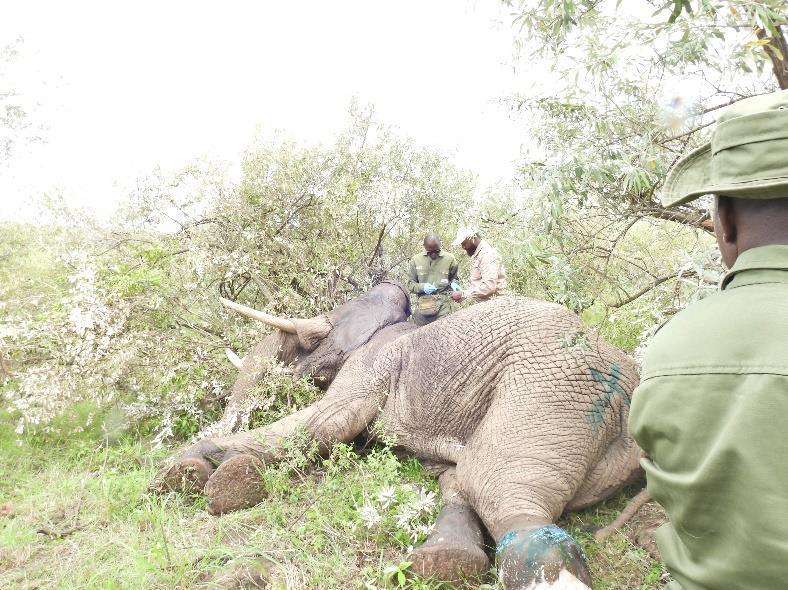
The elephant was darted from a helicopter with 17mgs Etorphine. Unfortunately, the first dart malfunctioned and failed to discharge, necessitating the administration of a second dart containing an equal dose of the drug and approximately seven minutes later, the elephant went down in sternal recumbency. He was quickly secured and repositioned into right lateral recumbency.
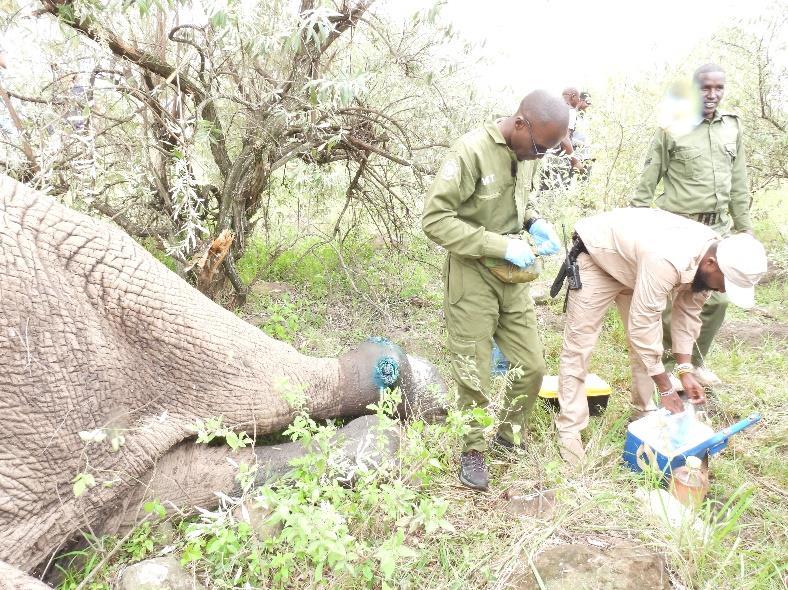
On assessment, he was found to have spear-inflicted wounds around the tibio-tarsal joint of the left hind limb, which had become ulcerated. The wounds were thoroughly cleaned with water, flushed with Hydrogen peroxide and Iodine solution, then infused with antibiotic ointment. He was administered 30,000mgs Amoxicillin to address bacterial infection and 100mgs Dexamethasone to manage inflammation.
Prognosis
Given the severity and chronic nature of the injuries, the prognosis for full recovery is poor.
Elephant Natural Causes
Loita Hills Conservancy
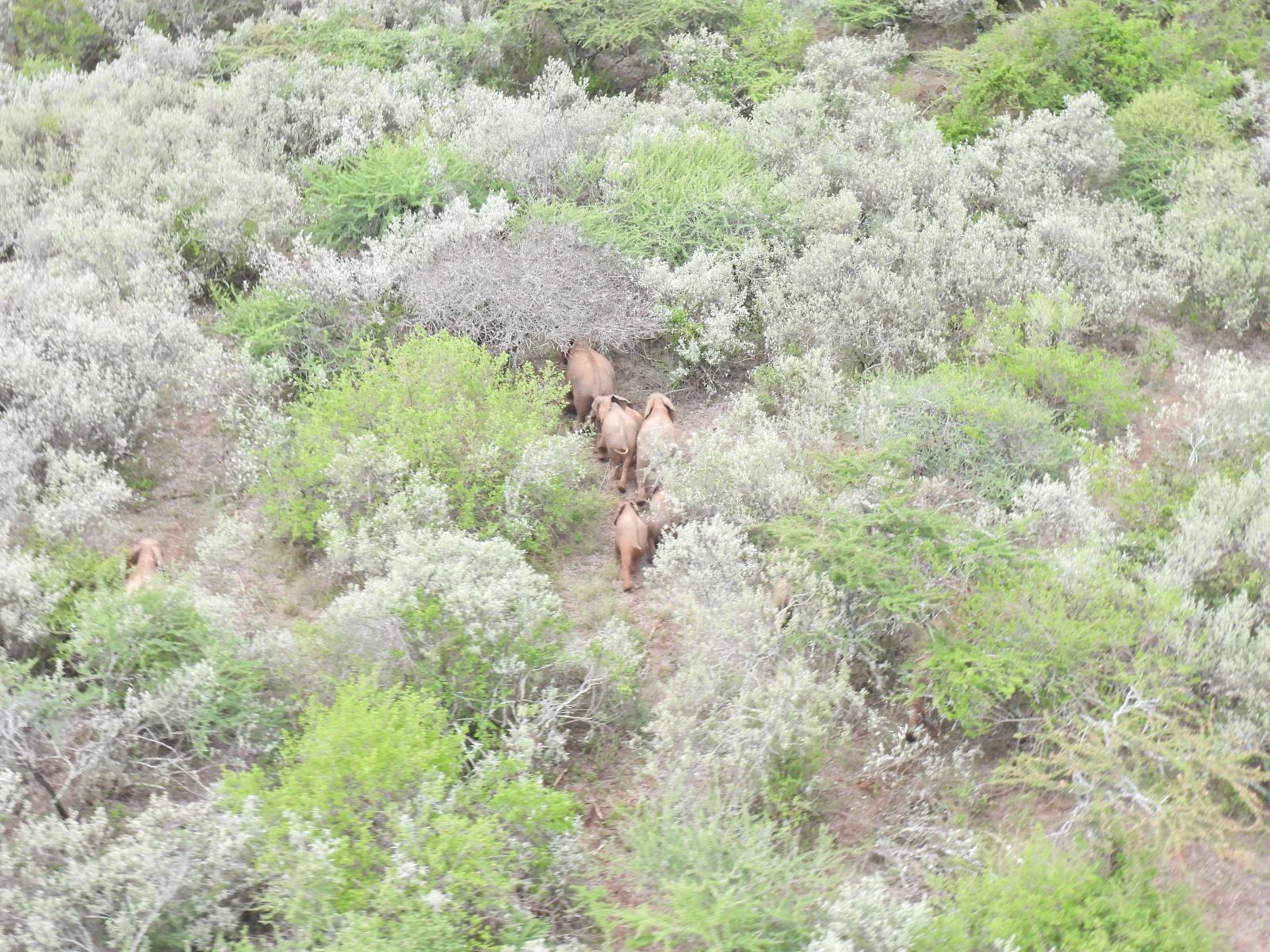
The SWT/KWS Mara Mobile Vet Unit was notified of an elephant sighted with a massive swelling on her left side deep in the Loita Hills Conservancy. The Mara Elephant Project Helicopter airlifted the Veterinary team to the elephants said location to facilitate darting and timely veterinary intervention.
Assessment
The injured elephant was sighted in the company of a large herd of elephants, but the terrain posed significant challenges for intervention, as the area is hilly with dense bush and deep gullies. The helicopter tried pushing the elephant toward open ground for potential darting; however, the elephant repeatedly sought refuge within the gullies and thick vegetation. This made it unsafe to proceed with immobilization as retrieval by ground teams would have been extremely difficult in the event of darting. The elephant was in good body condition and upon assessment, the wound was identified as a draining abscess on the left flank, with purulent material already discharging. Due to the logistical constraints and associated risks, immobilization was deemed unfeasible at the time. Reports from the current MEP drone surveillance indicates that the abscess had significantly reduced in size and continues to drain. The Loita Hills Conservancy team has been advised to closely monitor the elephant over the coming weeks to assess wound progression before reconsidering intervention. With adequate forage and water available in the area, the prognosis for natural healing remains favourable at this stage.
Elephant Arrow Naboisho Conservancy
The management of Naboisho Conservancy informed the SWT/KWS Mara Mobile Veterinary Unit of the sighting of a young male elephant with an arrow injury on his right side near Naboisho Camp.
Immobilisation, examination and treatment
The injured elephant was found within a herd that included several calves. The group was highly skittish and retreated into dense bush whenever the vehicle approached. The herd was carefully guided into an open area, where the injured elephant was darted on the left rump with 14mgs Etorphine.
The rest of the herd was gently pushed away using vehicles to allow for safe examination and treatment. Clinical examination revealed a deep, contaminated wound on the right flank. The wound was explored for any metallic foreign bodies, but none were detected. It was thoroughly cleaned with water, flushed with Hydrogen peroxide and Iodine solution, infused with an antibiotic ointment, and finally sprayed with an antibiotic aerosol to help deter flies. He received 6,000mgs of Amoxicillin and 80mgs Dexamethasone sodium intramuscularly to manage bacterial infection and inflammation, respectively.
Prognosis
He woke up after anaesthetic reversal visibly relieved and walked off to rejoin his herd. The prognosis is good.
Case
February 2026
Cheetah Natural Causes Masai Mara National Reserve
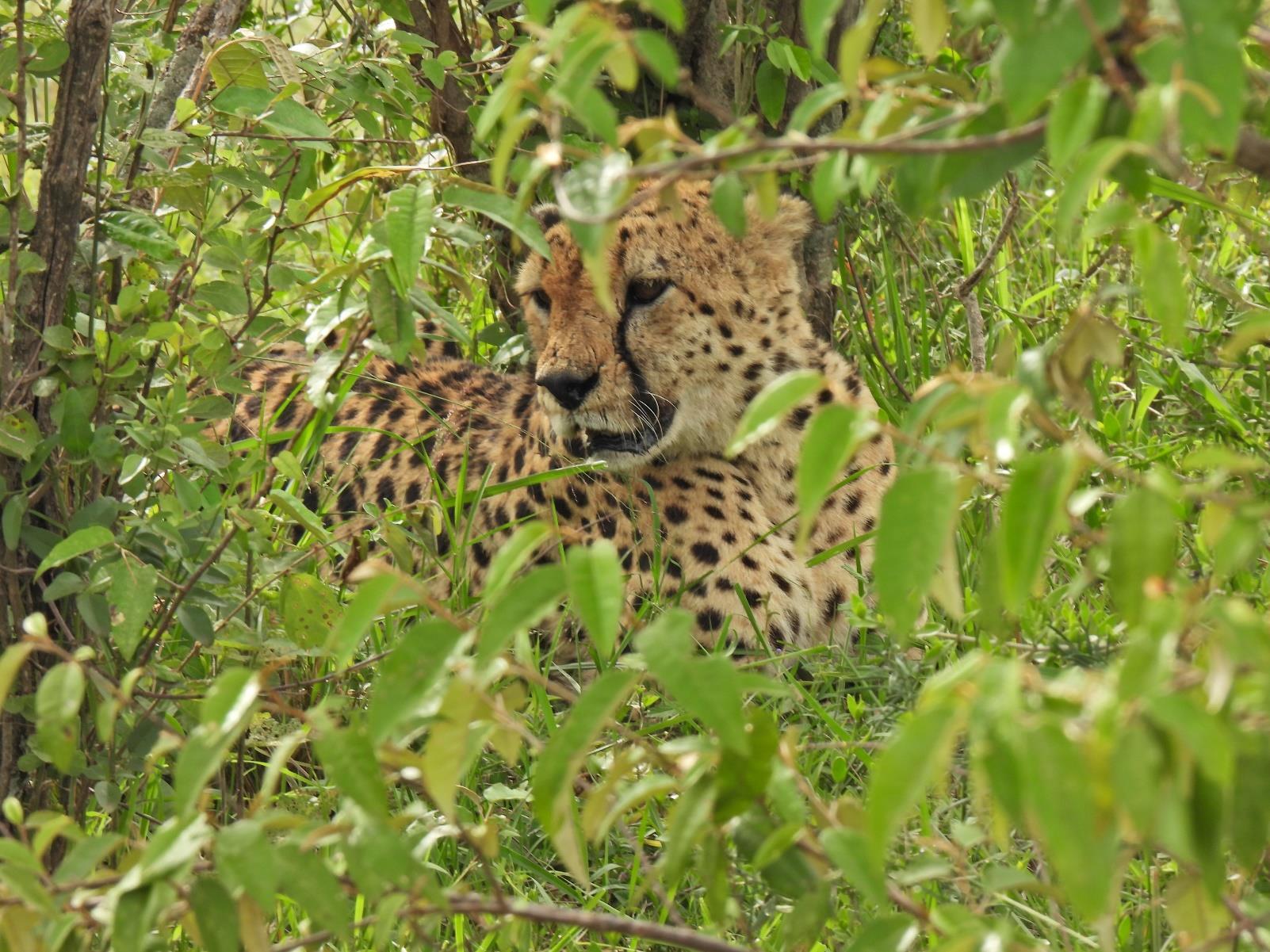
The SWT/KWS Mara Vet Unit received a distress call from the Mara-Meru Cheetah Project team regarding the sighting of Olonyok, an approximately 11-year-old adult male cheetah reported to be exhibiting mild lameness of the left hind limb.
Assessment and treatment
Olonyok was found resting in the shade. On assessment, there was mild asymmetry in pelvic movement during ambulation, although no external injuries were observed. A slight swelling was noted around the paw, suggestive of a soft tissue injury, most likely a muscle strain sustained during a chase.
The clinical findings did not warrant immobilization, as Olonyok was active, alert, and weight-bearing on the affected limb. Anti-inflammatory medication was administered remotely via darting, with a good prognosis for recovery.
Later that evening, he was reported to have made a kill and appeared to be walking with improved gait. His progress will continue to be closely monitored.