
SWT/KWS Amboseli Veterinary Unit Report for March 2026

Page 1


SWT/KWS AMBOSELI MOBILE VETERINARY UNIT

MARCH 2026
5 Cases in March 2026

March Report by Dr. Kariuki Edward

1 Poaching Case 1 Elephant Case

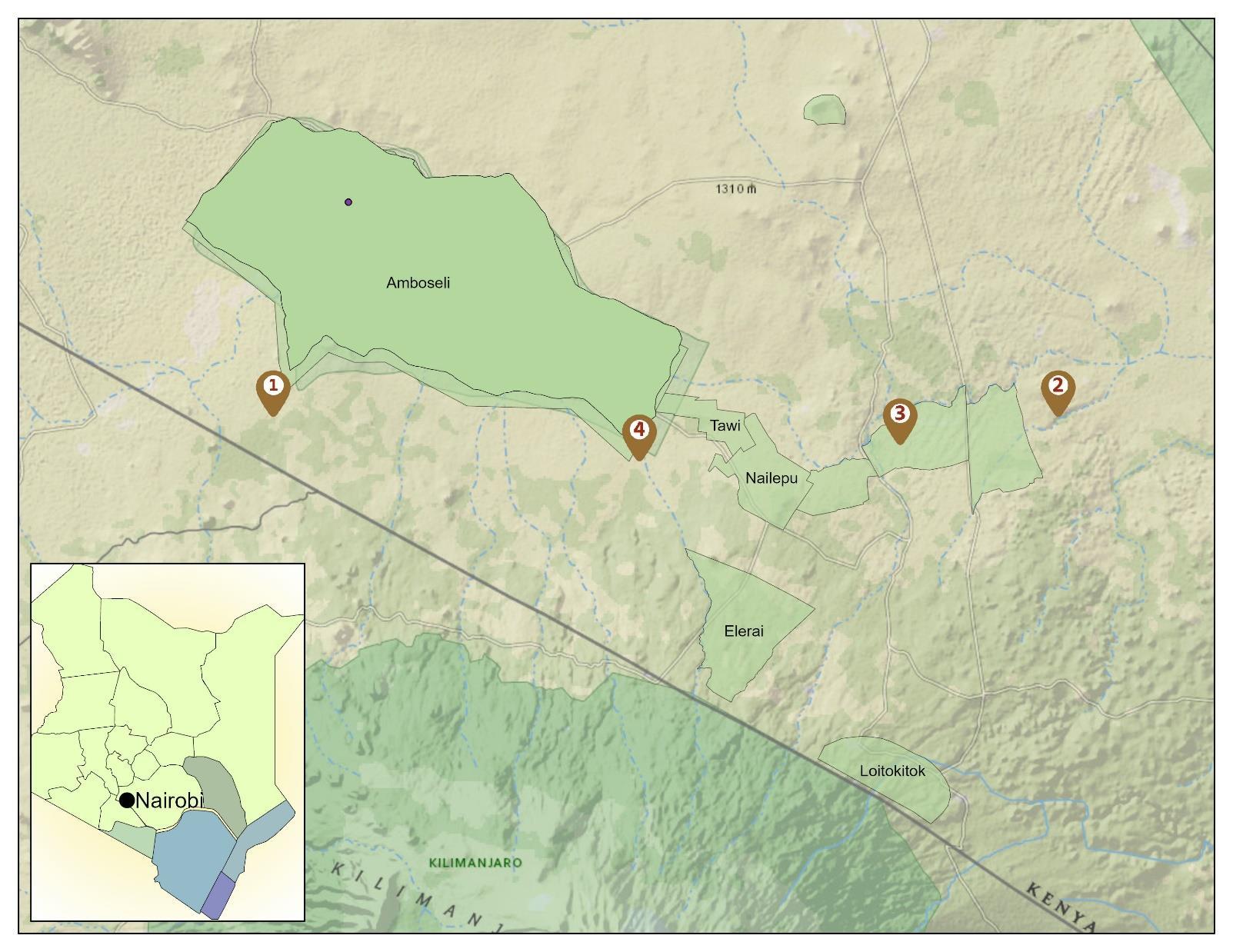
The Southern Conservation Area and the Amboseli Ecosystem experienced a wet and rainy period in March 2026. Heavy rain was received during the month. Several incidents of Human Wildlife Conflict led to the loss of two lions following retaliatory attacks. A lion was killed in Imbirikani after it was speared by a livestock herder, while the second one was killed in Osewan. Keira, a famous elephant in Amboseli, died during the month due to a natural illness (twisted intestine). An eland in Nasaru conservancy had a snare cable removed and associated wound treated for injuries. A Gennet cat received from Imbirikani BLF office was treated for pneumonia but died a day following the successful treatment.

Acknowledgement

We thank Sheldrick Wildlife Trust (SWT) for material support and Mobile Vet Unit funding. KWS Staff, SWT desnaring Team at Kiboko and BLF rangers for the field support and the monitoring of distressed wildlife in areas of interest are highly acknowledged and appreciated.

Case Details

March 2026
Case 1 – 2nd March 2026

Baboon Collaring Amboseli National Park

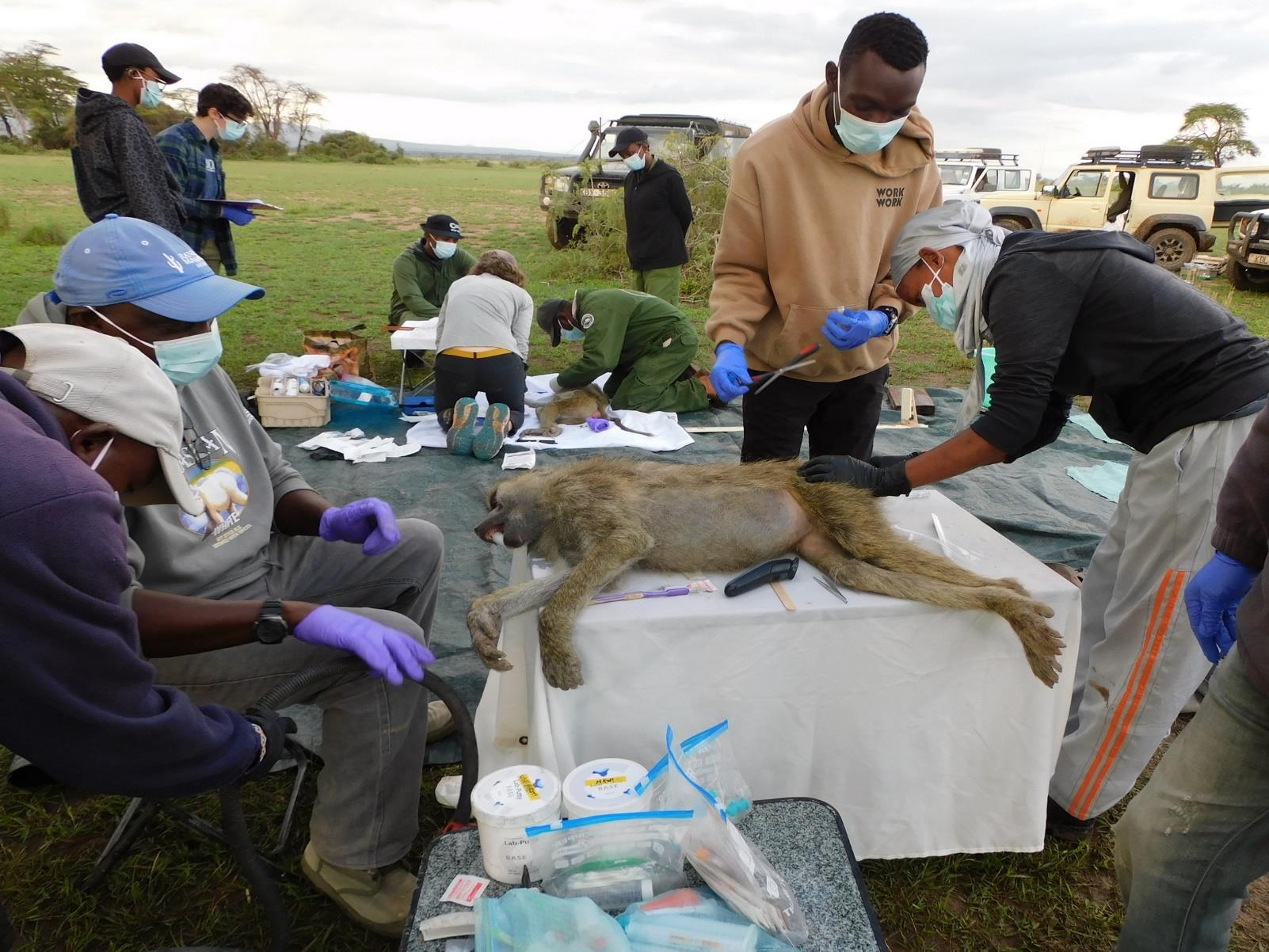
A research permit was issued to Amboseli Baboon Research Project by KWS and WRTI. The project was allowed to dart a maximum of 40 and collar a maximum of 20 baboons for this permit year. During March 2026, AMVU and Baboon Project researchers captured 8 baboons (all females) for routine sampling and collar placements. Additionally, a heart monitor (Implant) was fixed in five baboons.

Immobilisation and collaring

Telazol® (1ml/25kg; Tiletamine and Zolazepam) helped in the restraint of eight (8) baboons. All baboons attained full immobilisation in 3-8 minutes.

Eight baboons were immobilised, sampled, and five were fitted with SP collars. Data collected included body mass, long bone measurements, tooth casts, hair samples, and blood samples for genetic analysis. Three VHF collars were deployed on three females. The immobilised baboons appeared in good body condition and weighed within the normal range. The dental formulae and examined lymph nodes were of normal size, though a few were slightly enlarged. Enlarged lymph nodes were attributed to females during active menstrual periods. These conditions confirmed the health and suitability of the baboons for collaring with VHF and GPS devices. Blood, skin, and hair samples were collected for further testing. Cardiac monitoring devices were implanted subcutaneously in five female baboons.

Case

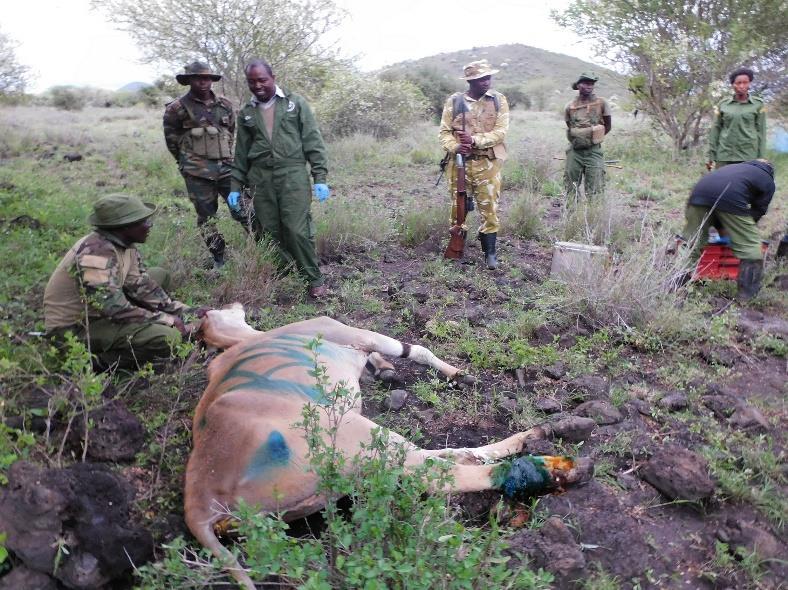
Eland Snare

Nasaru Conservancy

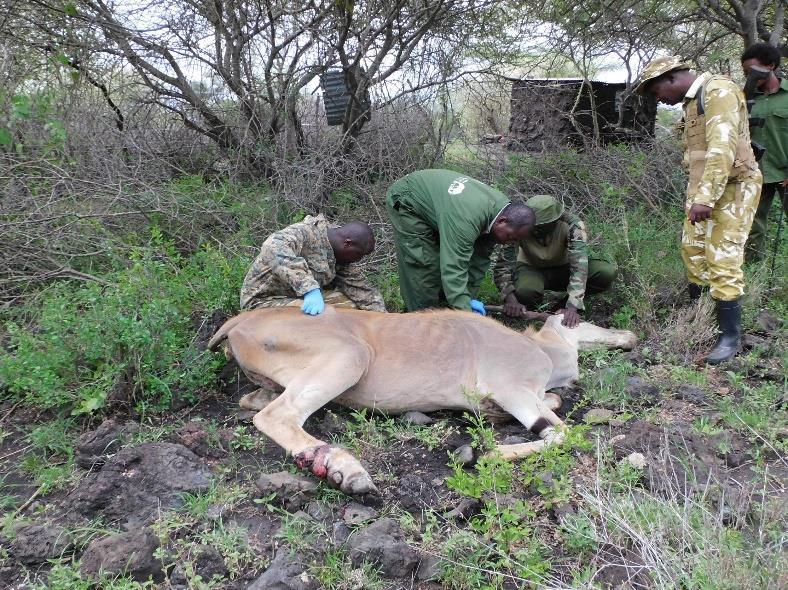
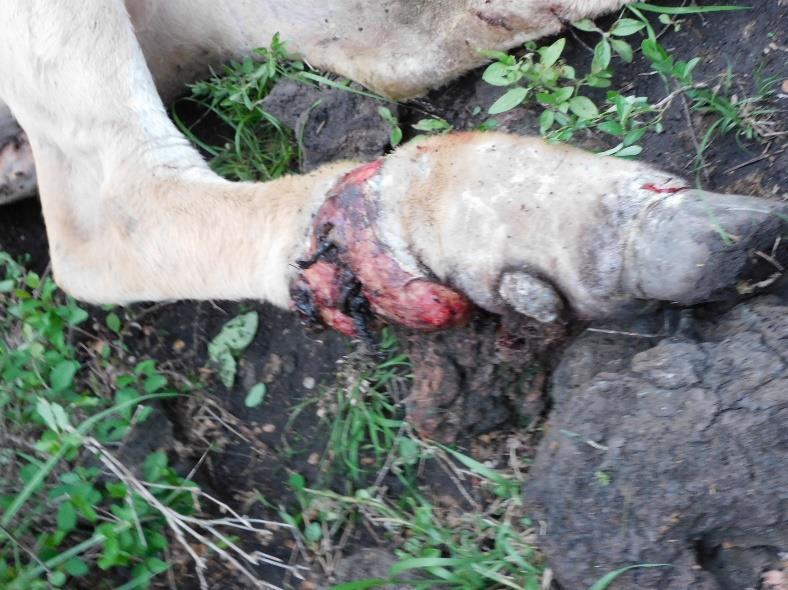
The eland was reported by the SWT team in the Chyulu Hills. The adult female eland was spotted in Nasaru conservancy after a visible injury, and a suspected snare was observed on the right hind limb

Immobilisation, examination and treatment

Due to the difficult terrain, darting took time but was finally conducted carefully to ensure the safety of the animal. The eland was darted on the left foot using a combination of 13mg Etorphine HCI and 150mg Azaperone. The patient was fully immobilised and ready for examination within 3 minutes of darting.

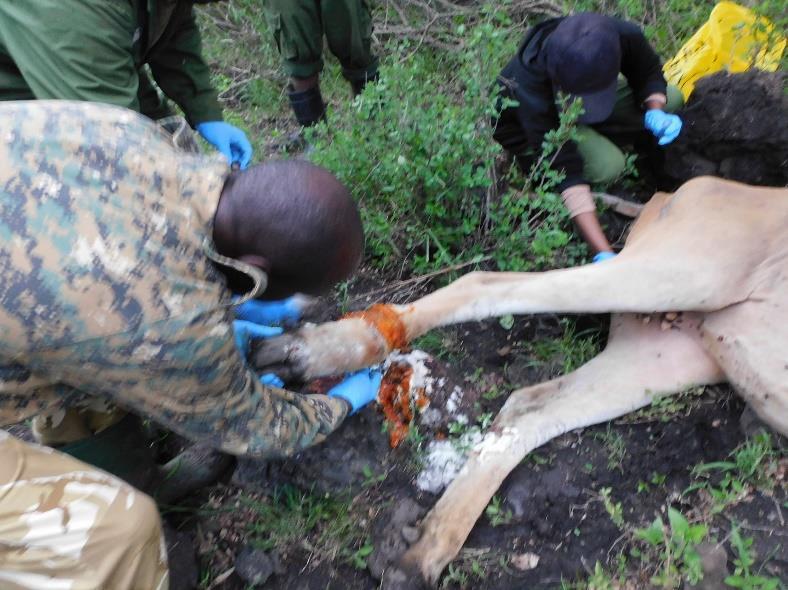
Upon examination, the eland was found to be in poor body condition. A wire snare was found tightly constricted around the lower right hind limb resulting in significant inflammation and maggot infestation. The intervention began with careful removal of the snare using pliers, followed by debridement with Hydrogen peroxide. The wound was irrigated with Iodine solution and treated with topical application of Alamycin spray. To support healing, 35ml Amoxicillin and 20ml Dexamethasone were administered to manage infection and swelling. Ivermectin 15ml was administered to address the parasitic infestation.

Prognosis

Following successful removal of the snare and treatment, full recovery is expected.

Case 3 – 18th March 2026

Elephant Postmortem

Kimana Sanctuary

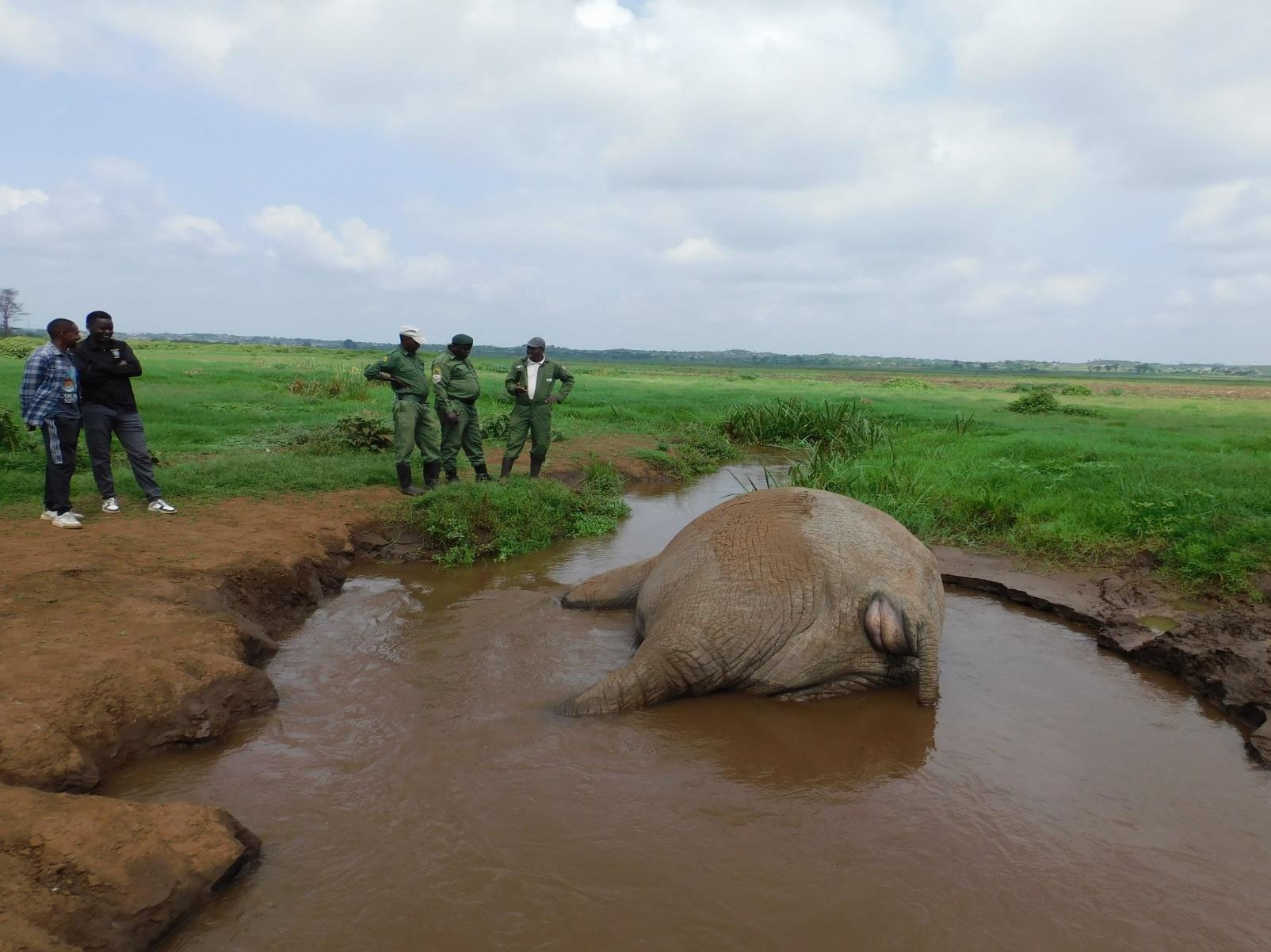
The elephant was reported by Big Life Foundation Rangers. According to the reports from the team, three elephants were sighted crossing a river stream at approximately 1pm the previous day. During the crossing, one of the elephants fell into the stream. The animal died shortly thereafter and was found in the water

Postmortem examination

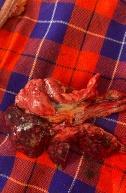
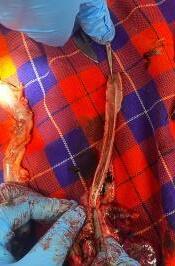
The elephant was found in right lateral recumbency, partially submerged in the stream. The elephant had a body condition score of 3/5. The carcass was bloated, with significant swelling noted at the base of the tail and anal region. Subcutaneous swelling was observed around the face and neck regions. Examination of the eyes revealed pale mucous membranes. Examination of the thoracic cavity revealed hemopericardium. The heart had haemorrhages on the outer layer (epicardium) and the presence of bright coloured blood clots within the ventricles. Within the abdominal cavity, the intestines were found to be twisted (volvulus). The stomach contained botfly larvae, mucosal ulcerations and excess mucus on the ingesta. Thread-like worms were present in the caecum, and the serosal surface was congested. The ileum showed congestion of the serosa, with hardened sections and black colouration on the serosa.

Cause of death

The immediate cause of death was endotoxemia shock following volvulus.

Case 4 & 5 – 23rd March 2026

Genet Cat Natural Causes/Postmortem

Amboseli

The case was reported to Unit by Big Life Rangers. The genet cat had been found by tourists in Chyulu and appeared sick. It was transported by Rangers to the Amboseli veterinary office for clinical examination

Examination and treatment

Physical examination revealed the patient was in poor body condition, exhibiting lethargy and a dull mental state. The mucous membranes were pale, and the animal was observed having seizures from time to time. Clinical signs also included “snuffles” (nasal congestion). A blood smear was performed for diagnostic sampling, which revealed Mycoplasma haemofelis organisms attached to the red blood cells. The blood appeared dark red. Based on these findings, a diagnosis of respiratory tract infection was made. Treatment commenced with fluid therapy using Ringer’s lactate administered both intravenously and subcutaneously to address dehydration and support systemic perfusion. Medicinal intervention included: Amoxicillin (1.5ml), Dexamethasone (0.5ml) and a Multivitamin (1ml).

Cause of death

Prognosis was guarded and the Genet cat succumbed overnight. Postmortem examination showed significant accumulation of froth confirming severe pulmonary congestion, respiratory distress and pneumonia.

Turn static files into dynamic content formats.

Create a flipbook
SWT/KWS Amboseli Veterinary Unit Report for March 2026 by Sheldrick Wildlife Trust - Issuu