Case
Elephant
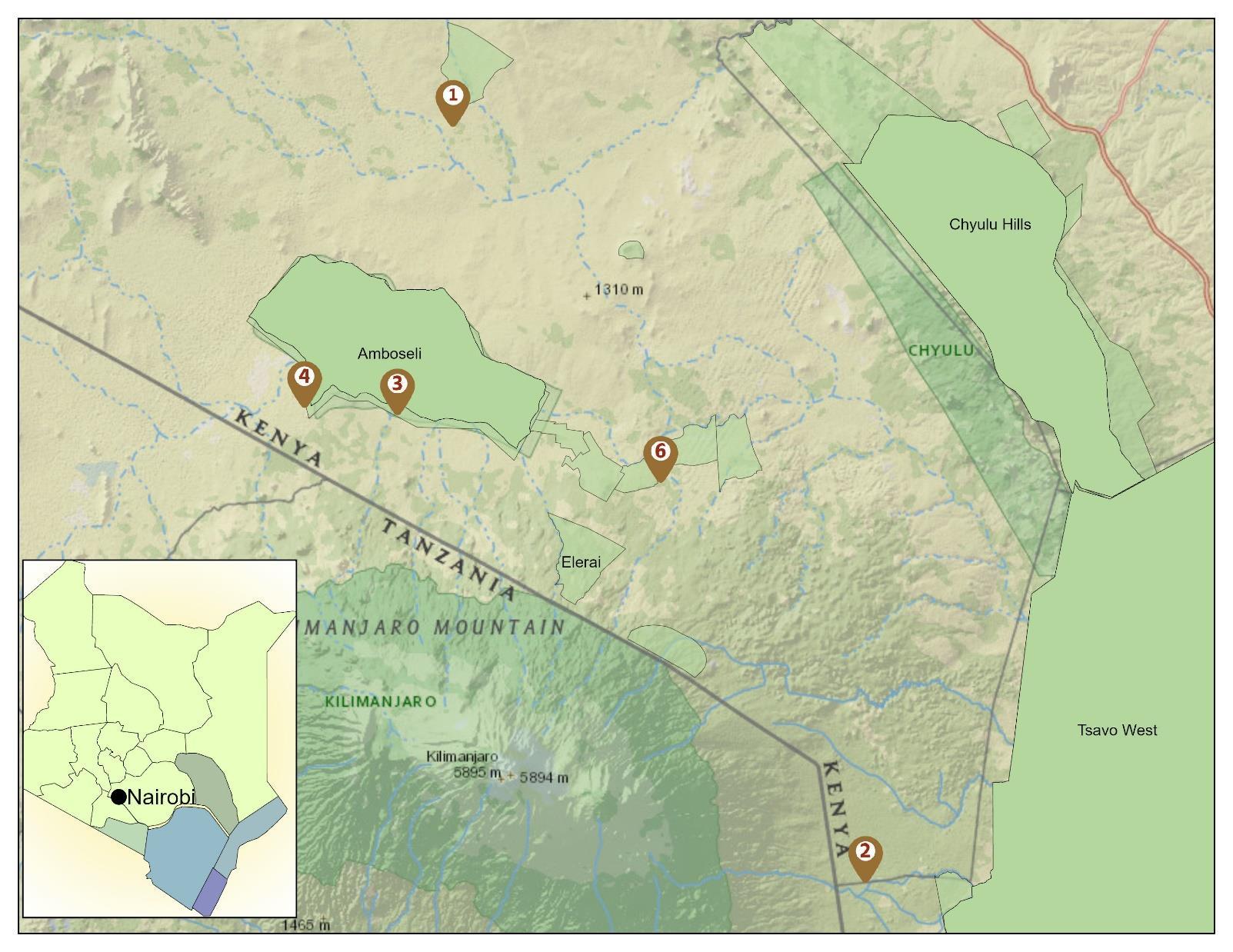
Natural Causes Porini Conservancy
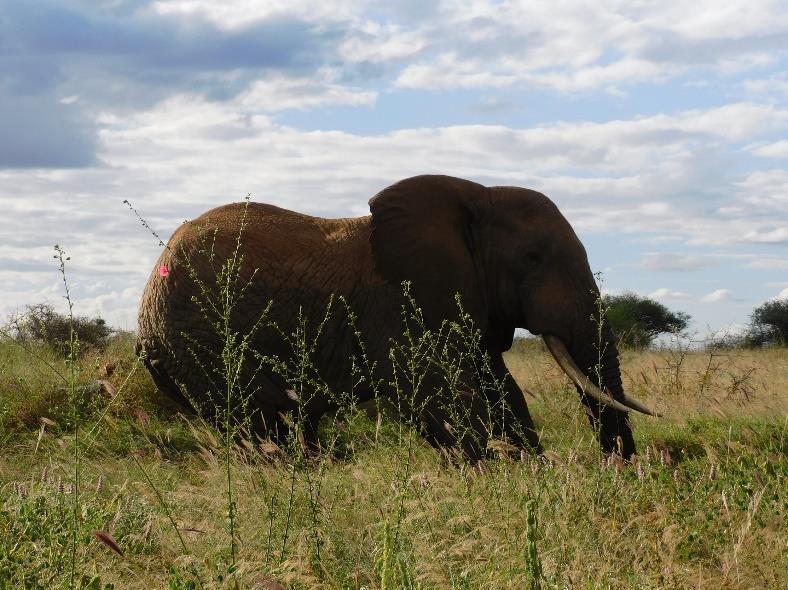
During routine wildlife monitoring activities Big Life Foundation observed an adult male elephant exhibiting an abnormal gait. The animal was visibly lame on the right forelimb and showed difficulty bearing weight
Immobilisation, examination and treatment
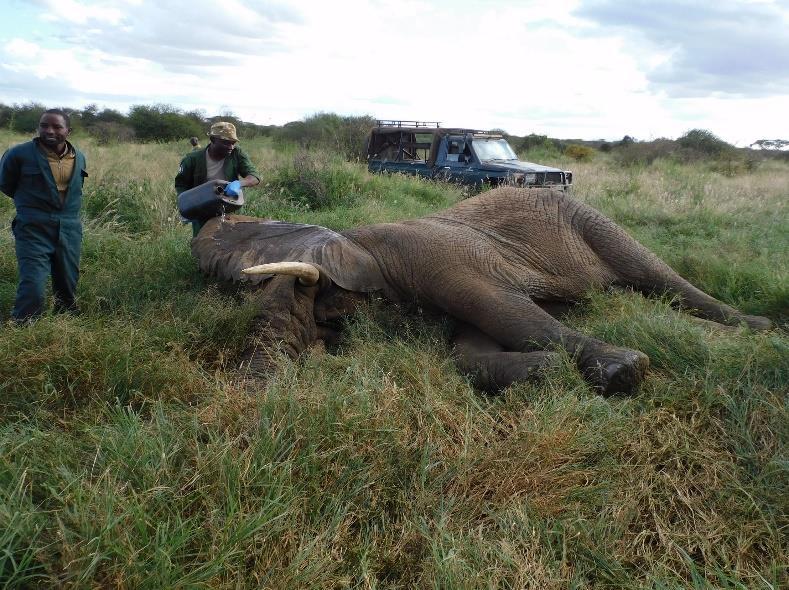
The veterinary team located the elephant and prepared for chemical immobilization. A dart containing 20mg Etorphine hydrochloride was administered. Drug absorption was gradual and full immobilization was achieved after approximately 23 minutes.
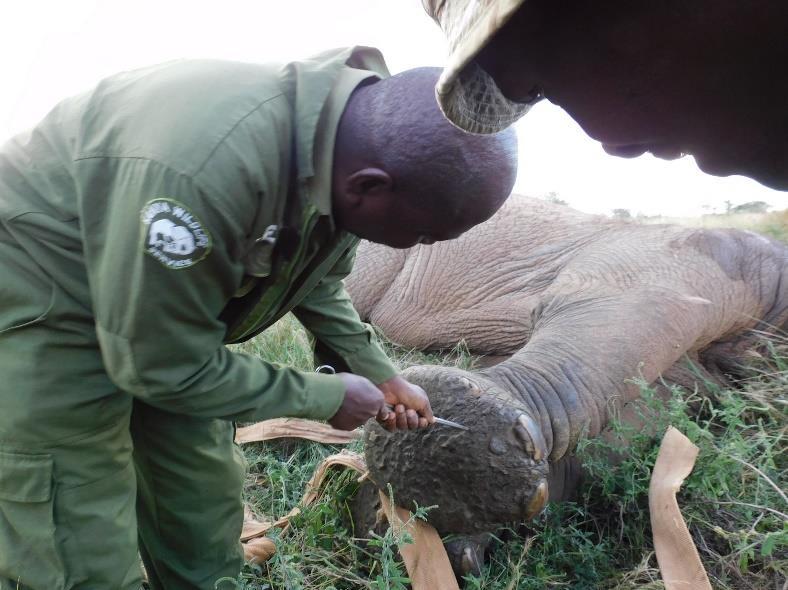
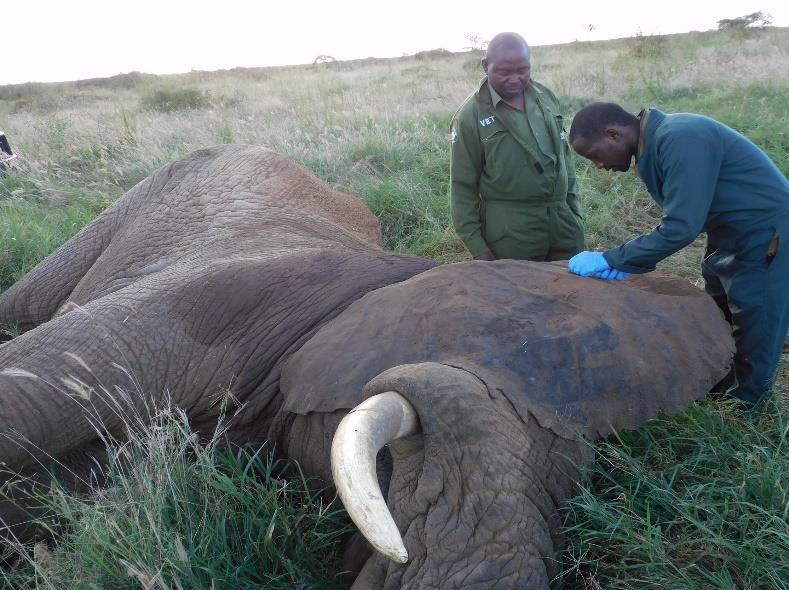
Inspection and palpation of the foot pad revealed a localized, firm swelling on the palmar aspect of the sole. The lesion consisted of dense fibrous and keratinized tissue associated with an old injury that had completely healed. Although the original wound had resolved, the resulting mass of hardened tissue created a focal pressure point beneath the foot. Repeated compression of this area was likely responsible for the pain and lameness. To alleviate pain and reduce inflammation, 20ml Flunixin was administered. As a precaution against potential bacterial complications, 100ml Amoxicillin was also administered intramuscularly.
Prognosis
The prognosis was favourable. The elephant is expected to make a full recovery
Case
Giraffe Spear
Rombo Group Ranch
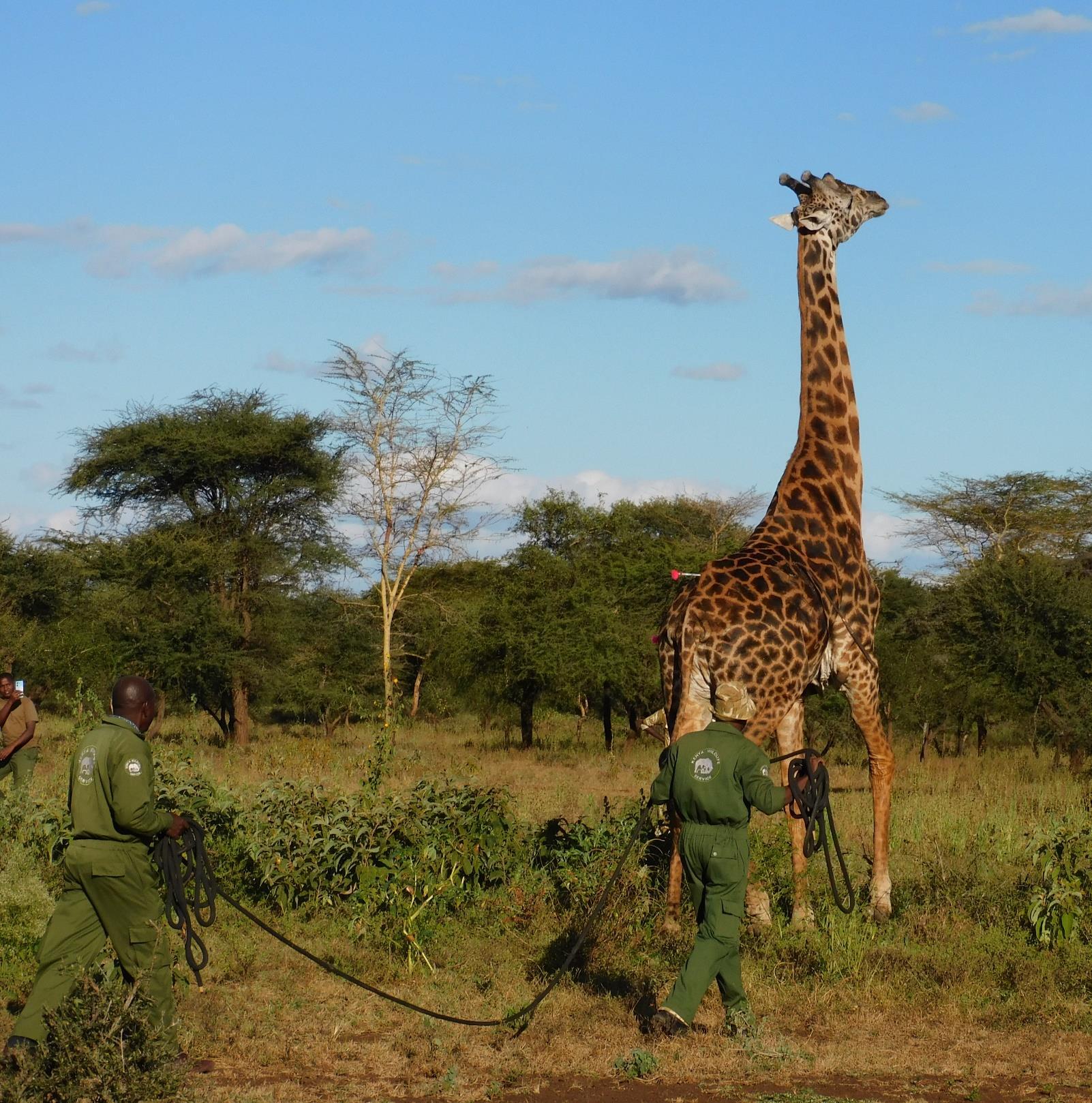
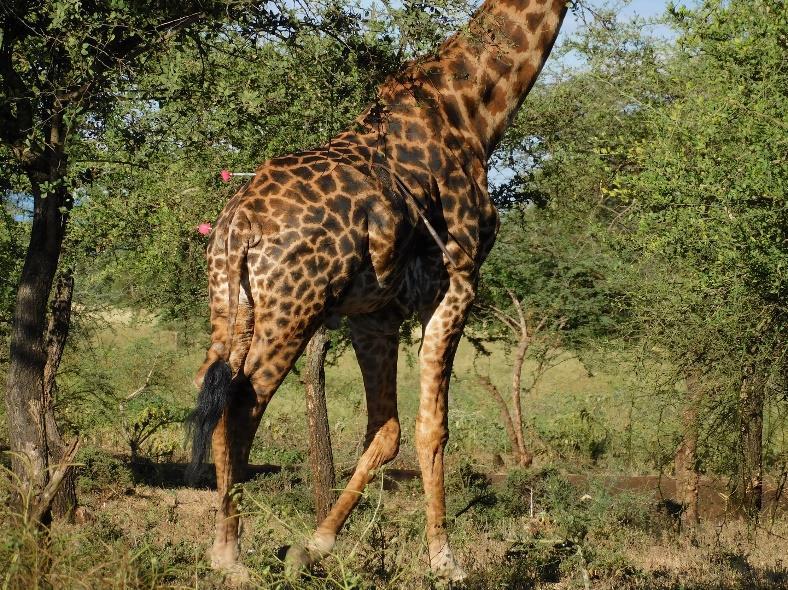
Kenya Wildlife Service personnel observed an adult male giraffe carrying a spear embedded in its body. The shaft of the spear was visibly protruding from the tissues
Immobilisation, examination and treatment
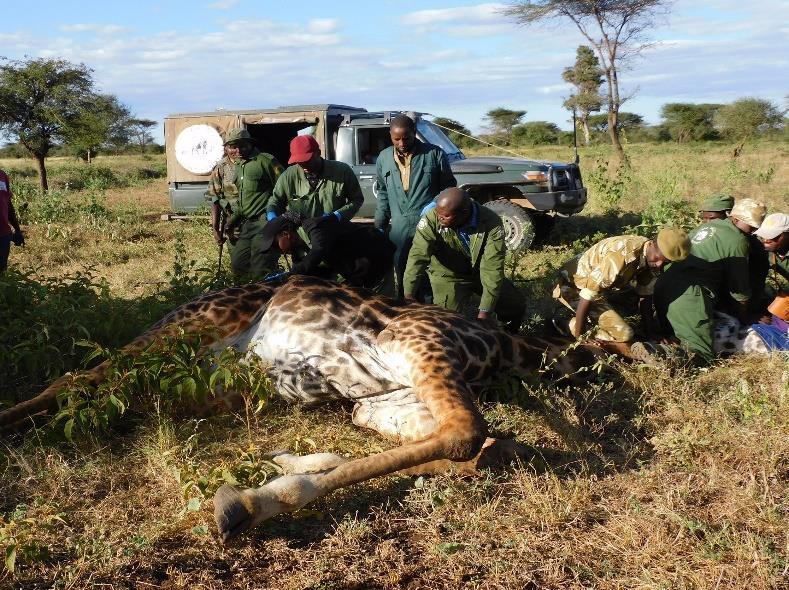
A dart containing 15mg Etorphine and 60mg Azaperone was prepared and delivered remotely. The first dart failed to discharge after striking the dorsal spinal region. A second dart containing the same drug combination was successfully administered Ropes were used to bring the animal to the ground safely, then the anaesthesia was reversed whilst the team manually restrained the giraffe.
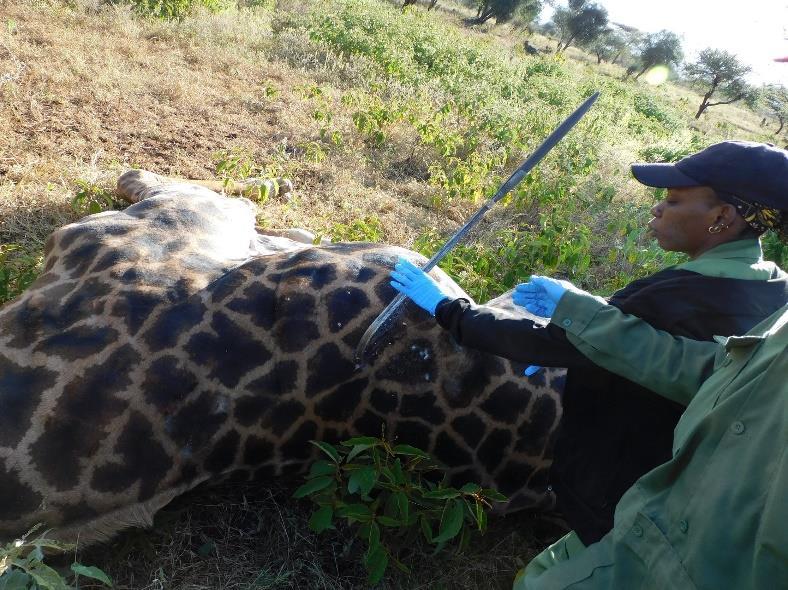
There was a a spear embedded within the soft tissues of the right abdominal region. The penetrating injury had traversed the skin, subcutaneous tissues, fascia, and underlying musculature. The spear was carefully removed, and the wound cavity was thoroughly flushed to remove contaminants. Povidone Iodine was infused into the wound and Alamycin spray was applied to the wound margins. To provide systemic antibiotic coverage and prevent deep tissue infection, 23ml Amoxicillin was administered by intramuscular injection.
Prognosis
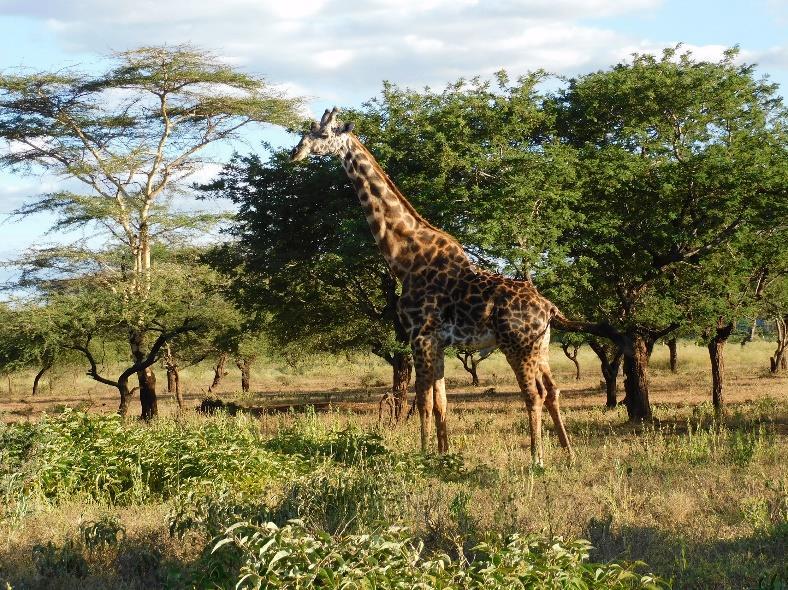
The prognosis was favourable following spear removal, wound cleaning and antibiotic coverage.
Elephant
Natural Causes
Amboseli National Park
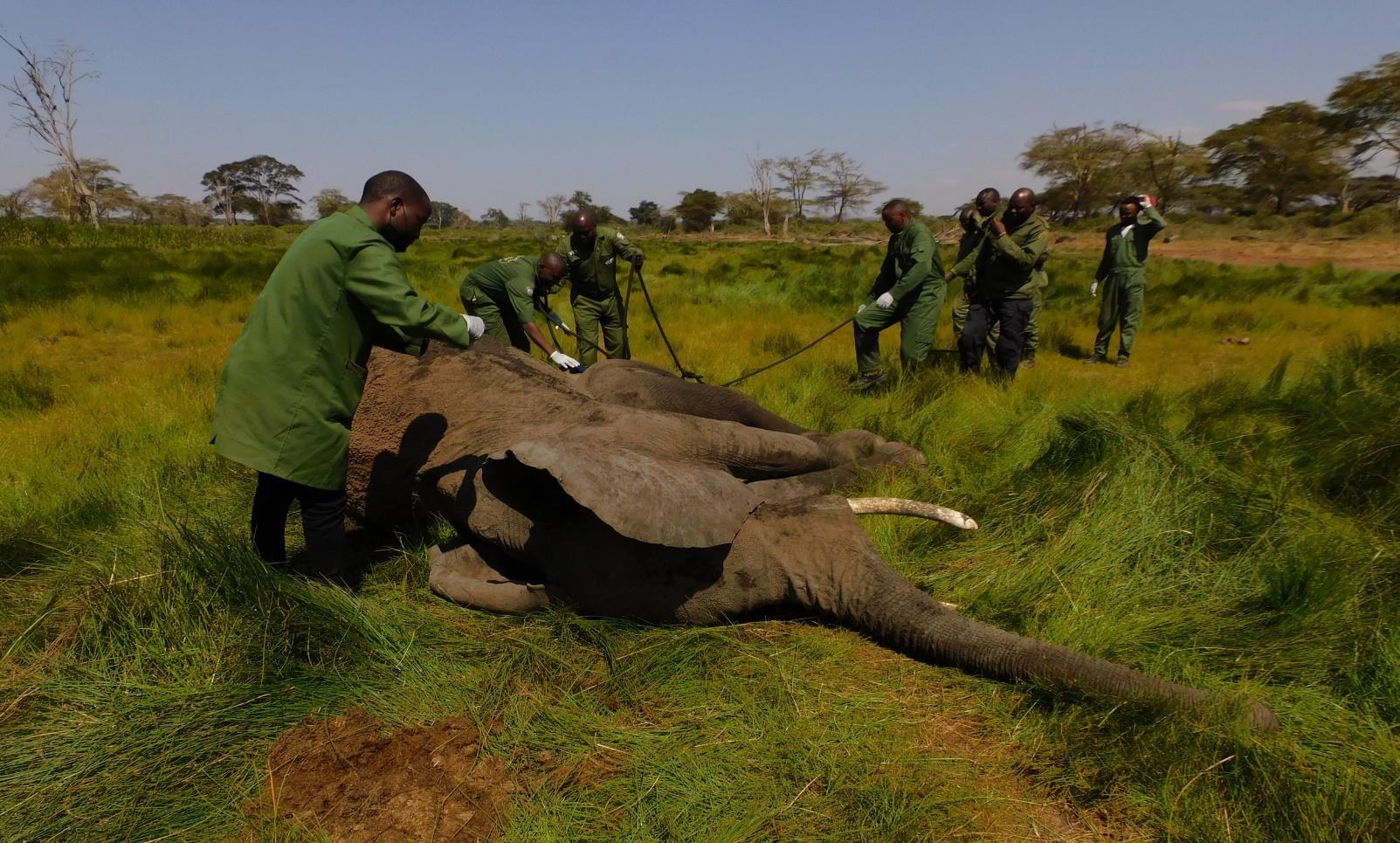
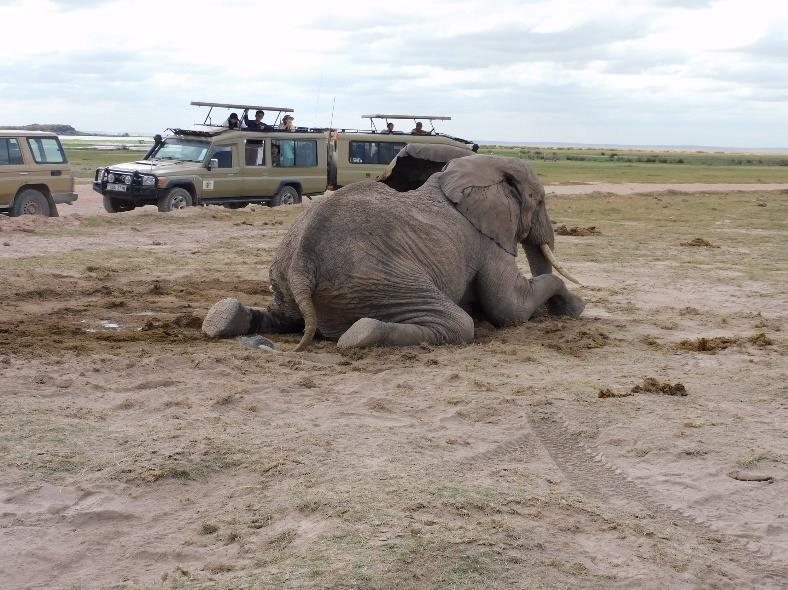
Kenya Wildlife Service (KWS) reported a female elephant found in prolonged recumbency Members of her herd were observed attempting to assist her to her feet resulting in additional trauma to the elephant
Immobilisation, examination and treatment
The veterinary team found the elephant alert and making repeated attempts to stand. However, she was unsuccessful and continuously rotated on the ground. Despite the adequate forage in the surrounding area, she was in poor body condition The accumulation of faecal material around the site confirmed she had been recumbent for an extended period. Examination revealed several minor puncture wounds, presumed to be accidental tusk strikes from her herd members' attempts to lift her
The elephant was darted with 20mg Etorphine so she could be administered supportive treatment. Intravenous (IV) fluid therapy, consisting of Dextrose, Glucose infusion and Ringer's lactate solutions was administered to provide energy and hydration. Prophylactic Amoxicillin(100ml) was administered to mitigate the risk of secondary bacterial infections. The rescue team then utilized ropes and a vehicle to successfully reposition the elephant from left lateral to sternal recumbency. Although she briefly maintained this position and repeatedly tried to stand, she lacked the strength to rise and consistently collapsed.
Prognosis
Given the elephant's prolonged inability to stand, severe exhaustion, emaciated body condition and grave prognosis for recovery, the difficult decision was made to perform humane euthanasia on welfare grounds. A complete gross postmortem examination was conducted immediately following euthanasia. The principal findings included overall poor body condition consistent with emaciation, hepatic congestion and enlargement of the hydropericardium. The gastrointestinal tract was free of significant parasite burdens and the lungs and other major organs appeared grossly healthy. The examination did not reveal any obvious traumatic injuries, severe infectious processes or gross pathological lesions that could definitively explain the animal's initial collapse and inability to stand. The primary clinical diagnosis was prolonged non-ambulatory recumbency accompanied by severe exhaustion and emaciation of an undetermined ethology
Case
4 –26th June 2026
Elephant Spear
Amboseli National Park
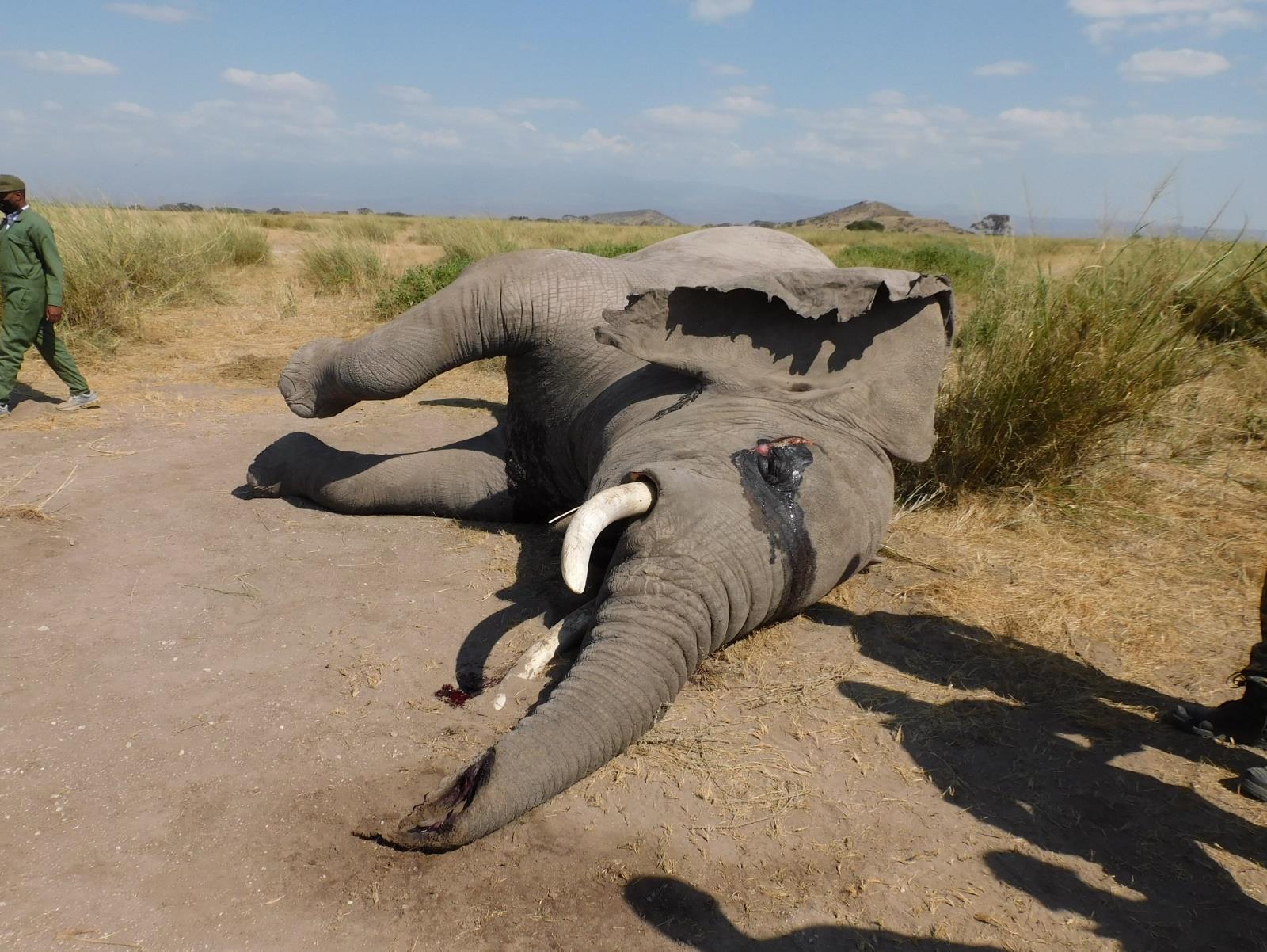
Kenya Wildlife Service rangers on discovered the carcass of an adult male elephant The disturbed vegetation and multiple footprints surrounding the carcass suggested the animal had struggled briefly before collapsing
Postmortem examination and treatment
The elephant was in good body condition prior to death, suggesting an acute rather than chronic illness. Significant postmortem changes were already evident, including a tightly bloated abdomen, a swollen anal region, and highly emphysematous (gas-filled) musculature. Evidence of postmortem scavenging was noted, with accessible soft tissues of the trunk and the genital tract predated by local scavengers.
The primary findings was a deep puncture wound located on the right thoracic region. This penetrating wound breached the thick dermal layer and entered directly into the thoracic cavity, causing structural damage to the underlying pleura and lungs. The margins of the wound were surrounded by black necrotic tissue and exhibited a high blowfly maggot infestation.
Prognosis
The entry wound's clean margins strongly indicated it was caused by a high-impact thrust from a sharp-edged bladed tool, highly consistent with a spear wound causing cardiopulmonary failure and death.
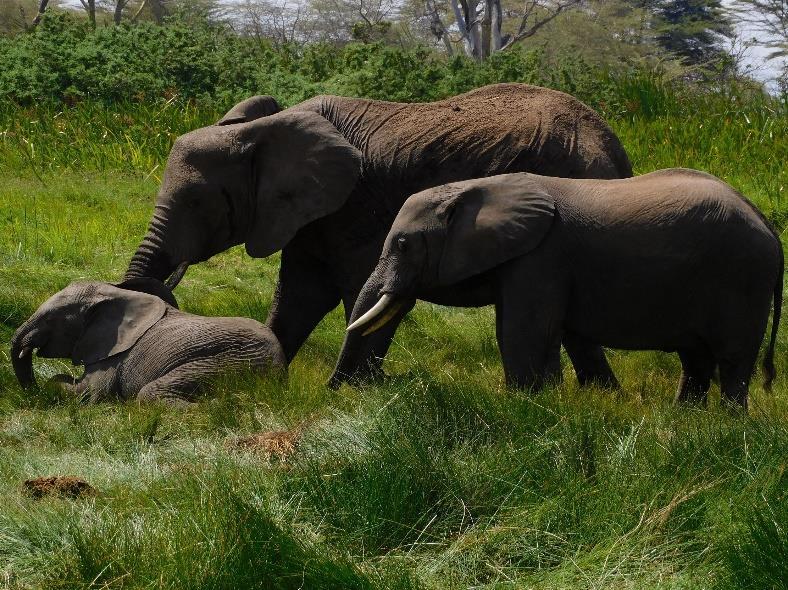
Big Life Foundation Rangers reported a young female elephant calf that had been found recumbent near the edge of a swamp within Kimana Sanctuary. The calf was a risk from hypothermia and predation.
Immobilisation, examination and treatment
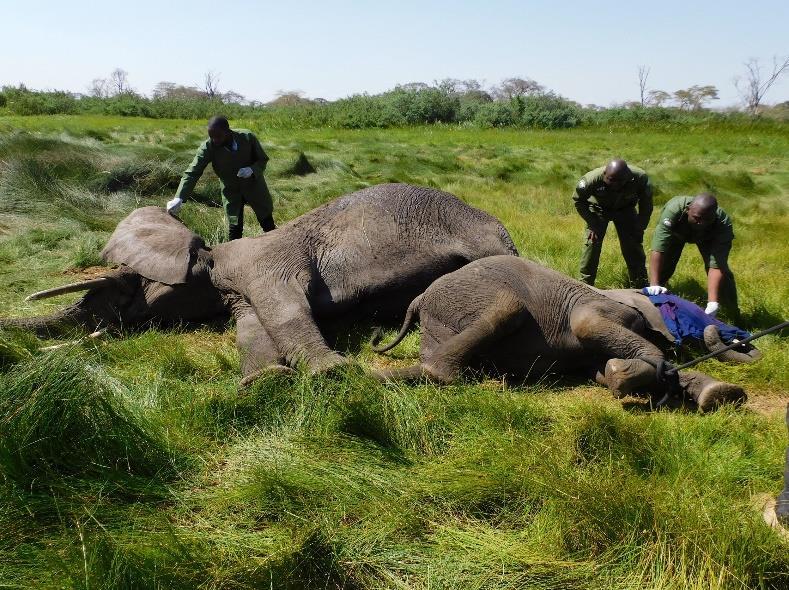
Upon arrival, the calf was lying close to its mother, who remained highly protective and aggressive. The mother repeatedly charged and prevented any attempt to examine or assist the calf, making safe intervention impossible without chemical restraint. The mother was chemically immobilized using 20mg Etorphine delivered remotely by dart. Once the mother was immobilised, the vet team manually restrained the calf.
The calf was in good body condition but appeared lethargic. Although conscious and responsive, it was unable to stand despite making repeated attempts. A heavy tick infestation was present suggesting prolonged ectoparasite exposure that may have contributed to blood loss and general weakness Oxytetracycline (40m;) was administered to protect against possible bacterial infection. Ivermectin (5ml) was given to reduce both internal and external parasite burdens while 15 ml of Dexamethasone was administered to minimize systemic inflammation Fluid therapy given included 1000ml of Ringer's and 20 ml of 50% glucose to correct dehydration, improve circulatory volume and provide a readily available energy source. The calf remained weak but tolerated the treatment the procedure
Prognosis
Despite treatment, the calf remained unable to stand independently and continued to exhibit weakness. Owing to the severity of the clinical signs, prolonged recumbency and uncertain underlying disease process, the prognosis was considered guarded. Continued monitoring by field personnel was recommended to assess the calf's progress and determine whether additional intervention would be necessary.
Big Life Foundation wildlife personnel discovered the carcass of an elephant calf near a swamp in the Kimana Sanctuary during the morning hours. This was confirmed to be the same 2-year-old female calf that had been reported recumbent, treated by the veterinary unit and given a guarded prognosis the previous day. Monitoring reports indicated that the mother had abandoned the calf overnight. Left exposed in the damp swamp environment, the calf succumbed.
Postmortem examination
The carcass in left lateral recumbency with rigor mortis fully established. The calf maintained a good overall body condition score (3/5), masking the internal pathology. Fresh postmortem predation wounds from jackals were present on the right hind limb.
The subcutaneous tissues and the hind limb musculature were strikingly pale, confirming severe systemic anaemia. The liver was swollen with rounded margins, and the spleen was unusually pale. Heavy helminth infestation was discovered throughout the gastrointestinal and hepatobiliary systems. There was a critical burden of parasites occluding the hepatic bile ducts (morphologically consistent with Grammocephalus spp.), compromising liver function. A mixed helminth and botfly larvae infestation spanned the stomach, duodenum, ileum, cecum, and colon. The contents of the colon were notably dry and firm, culminating in a rock-hard fecal impaction in the rectum that occluded the intestinal lumen. Free-flowing bile was also noted pooling in the duodenum.
Cause of death
Cardiorespiratory failure, resulting from a likely nutritional myopathy or closely related myositis or intoxication paralysis. The condition is likely to have followed a long distance movement. leading to sudden death after myopathy ( white muscle Disease). Death may have followed terminal exhaustion and systemic organ failure secondary to a intoxication, massive and generalized endoparasitic infection (helminthiasis) and a severe rectal fecal impaction. The extraordinary parasite burden, particularly the Grammocephalus blocking the biliary tree and the worms throughout the gastro intenstinal tract caused severe anemia, nutrient malabsorption( vitamin E and selenium) and colic.
Unfortuanately, there are no pictures of this case