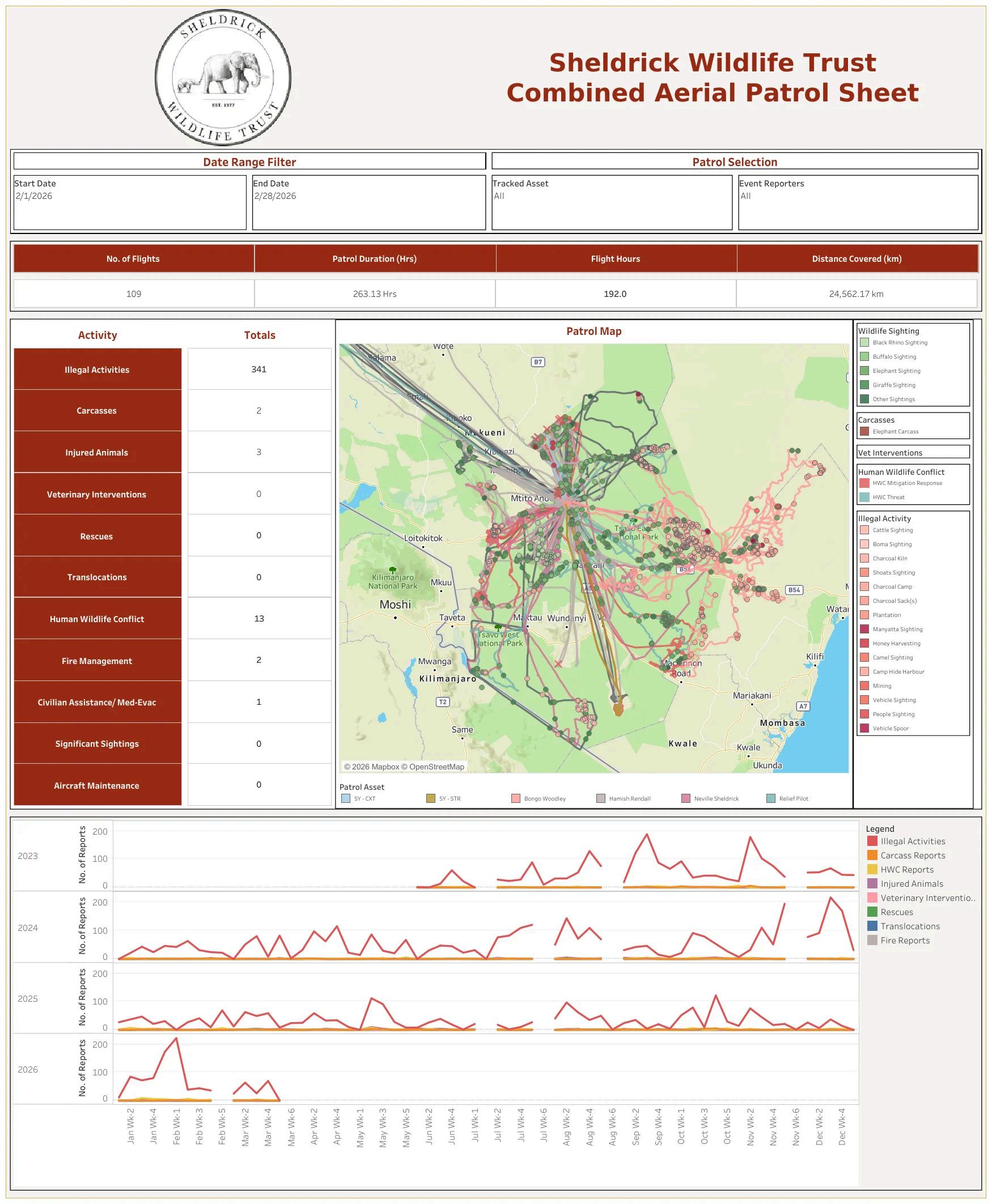
27,678 veterinary treatments, orphan rescues, and all manner of field emergencies. This report details Aerial Unit activities for February 2026
MONTH AT A GLANCE:
Hours flown: Areas patrolled:
192
Kilometres flown:
24,562
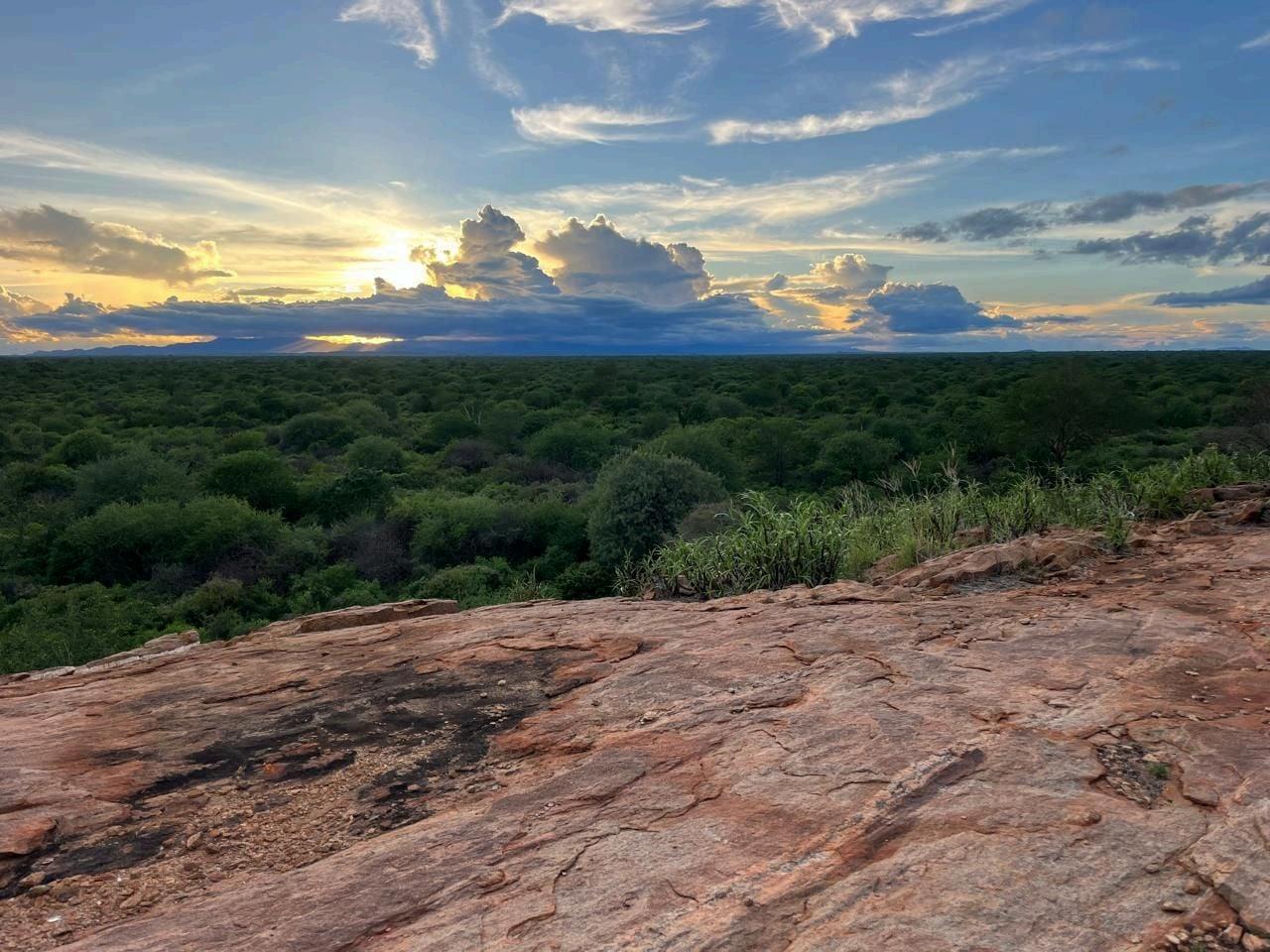
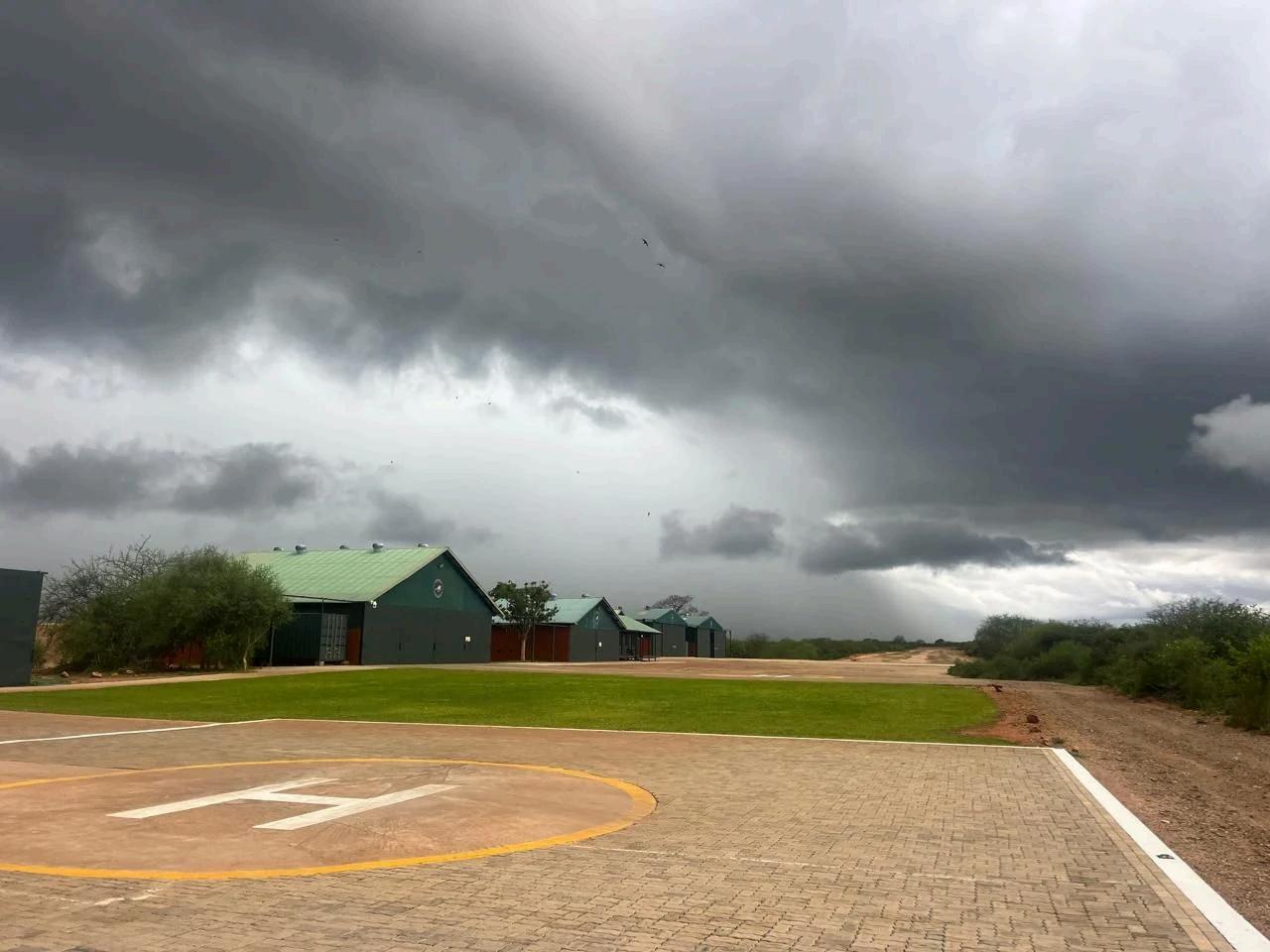
In February, we were blessed with an early and above-average start to what is usually our short rainy season in Tsavo contrary to the rest of the country. Several storms filled waterholes across most of northern Tsavo West and large parts of Tsavo East Despite the early rains, our helicopters still responded to a number of human–elephant conflict cases; however, most of these concentrated around one area bordering Tsavo East National Park.
Several cases involved the same group of elephants, which proved especially difficult to push back into the protection of the Park Our pilots responded to a total of nine cases, with mixed results
The Aerial Unit aided the Tsavo Veterinary Teams on a few occasions, including the search for and sighting of a snared zebra initially reported by a local resident near our Tsavo HQ. The team darted the female zebra from one of our helicopters, after which they successfully removed the snare and reunited her with her herd On another occasion, one of our pilots sighted a bull elephant in southern Tsavo East with a suspected arrow wound, and the Tsavo KWS/SWT Veterinary Team later treated it on the ground.
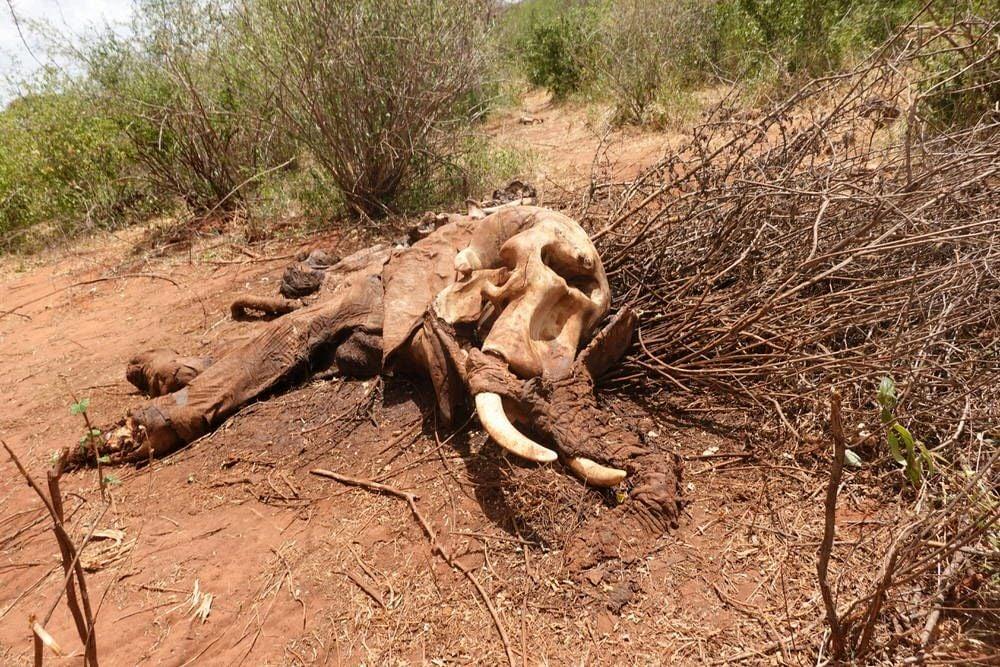
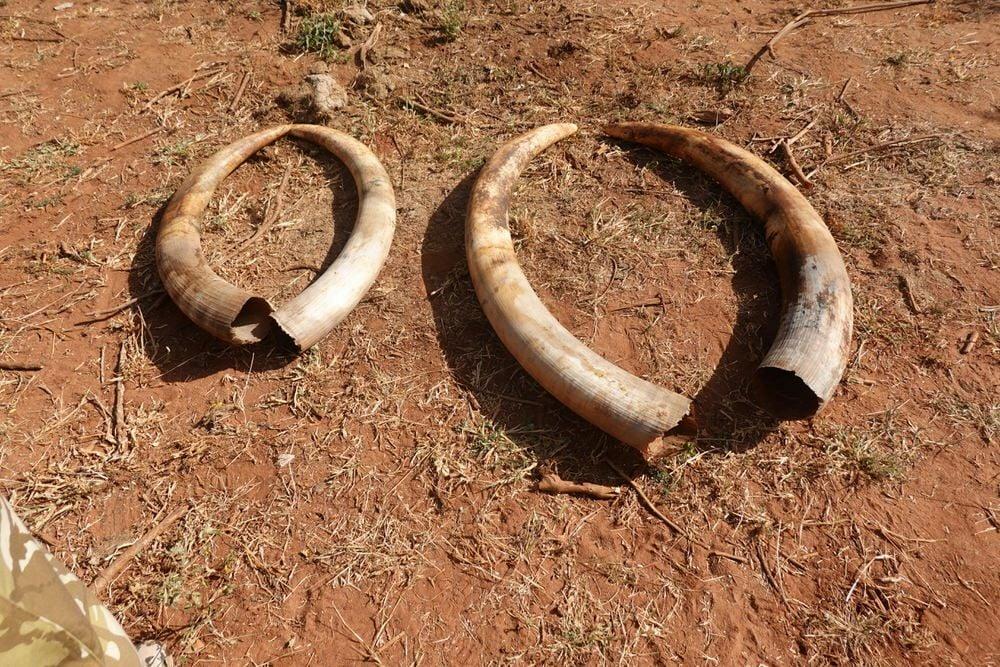
Finally, after one of our helicopter pilots sighted two fresh carcasses with ivory intact in close proximity to each other in northern Tsavo East, the pilot flew the veterinary team to the site to conduct a post-mortem, which proved inconclusive Due to the proximity of the carcasses to a sensitive boundary in terms of human–elephant conflict we suspect that the elephants may have been poisoned Had poachers killed them, one might expect them to have extracted the ivory.
The team found no other carcasses; however, the Aerial Unit detected some signs of poaching, namely recent motorbike tracks in an area known for lamping a method of poaching involving stunning animals with a bright light and two old poachers’ harbours along the edge of the Yatta during a helicopter patrol.
Despite relatively few veterinary cases and carcasses in February, we recorded a surprising number of orphaned animals, mostly elephants, that required rescue. These included three young elephant calves rescued by helicopter from around Tsavo and neighbouring ranches, as well as two rescued using our Cessna Caravan from further afield Keekerok in Maasai Mara and Ol Jogi in Laikipia. A young Grant’s gazelle, which tourists found stuck in a nearly dried waterhole in Lumo Conservancy, was also rescued using a fixed-wing aircraft.
Livestock activity was more prevalent in Tsavo East, where herders from Tana River County, who received poor rains in December, have felt compelled to seek greener pastures in the park. In Tsavo West, however, livestock numbers remain relatively low a significant improvement over preceding years
We found charcoal burning on a large scale on both Galana and Kulalu Ranches, as well as on Shirango Conservancy adjacent to Kulalu. Other illegal activities observed and addressed by our Aerial Unit included multiple marijuana plantations, which ground teams visited and destroyed, as well as recent honey harvesting activity.
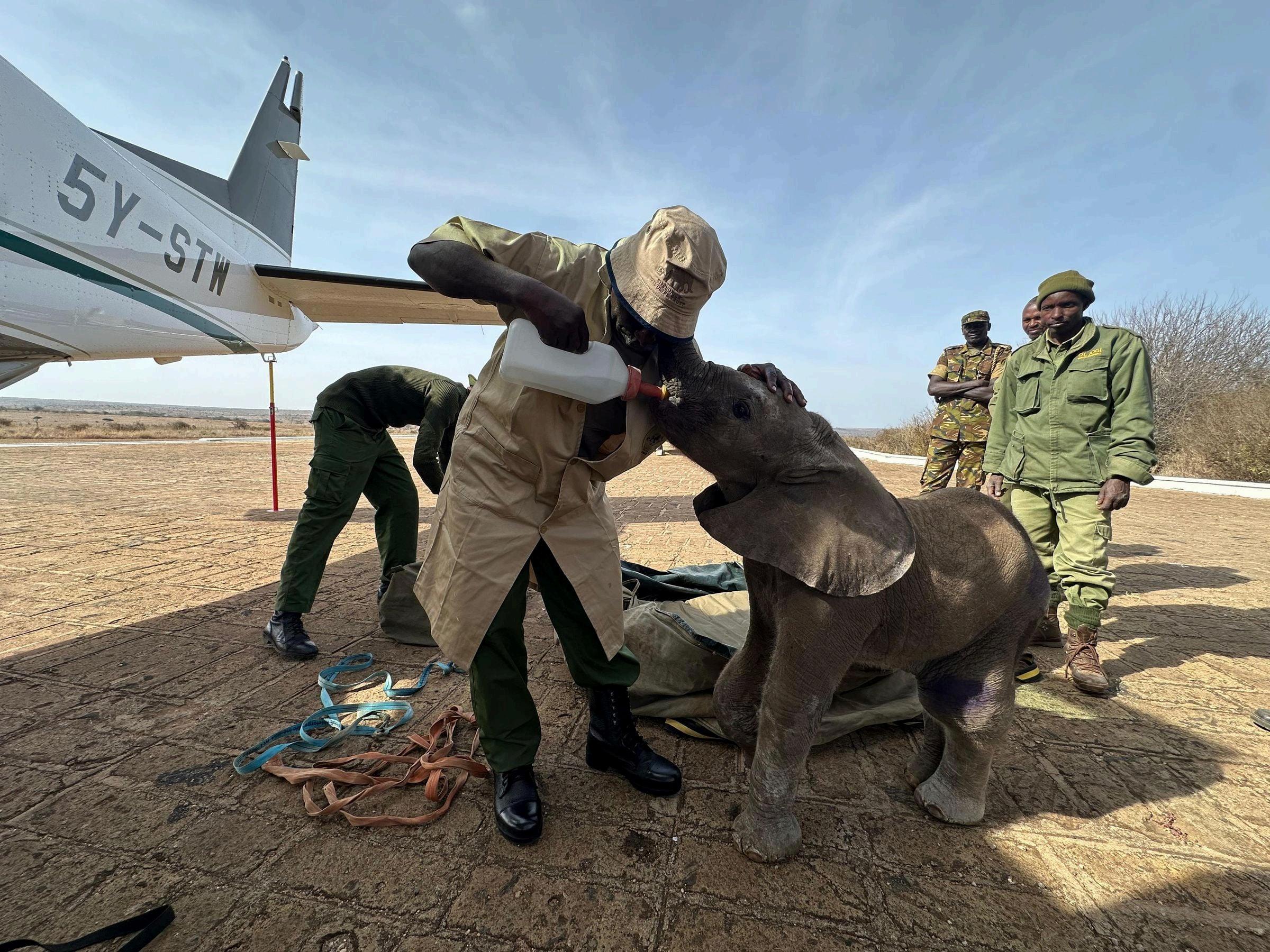
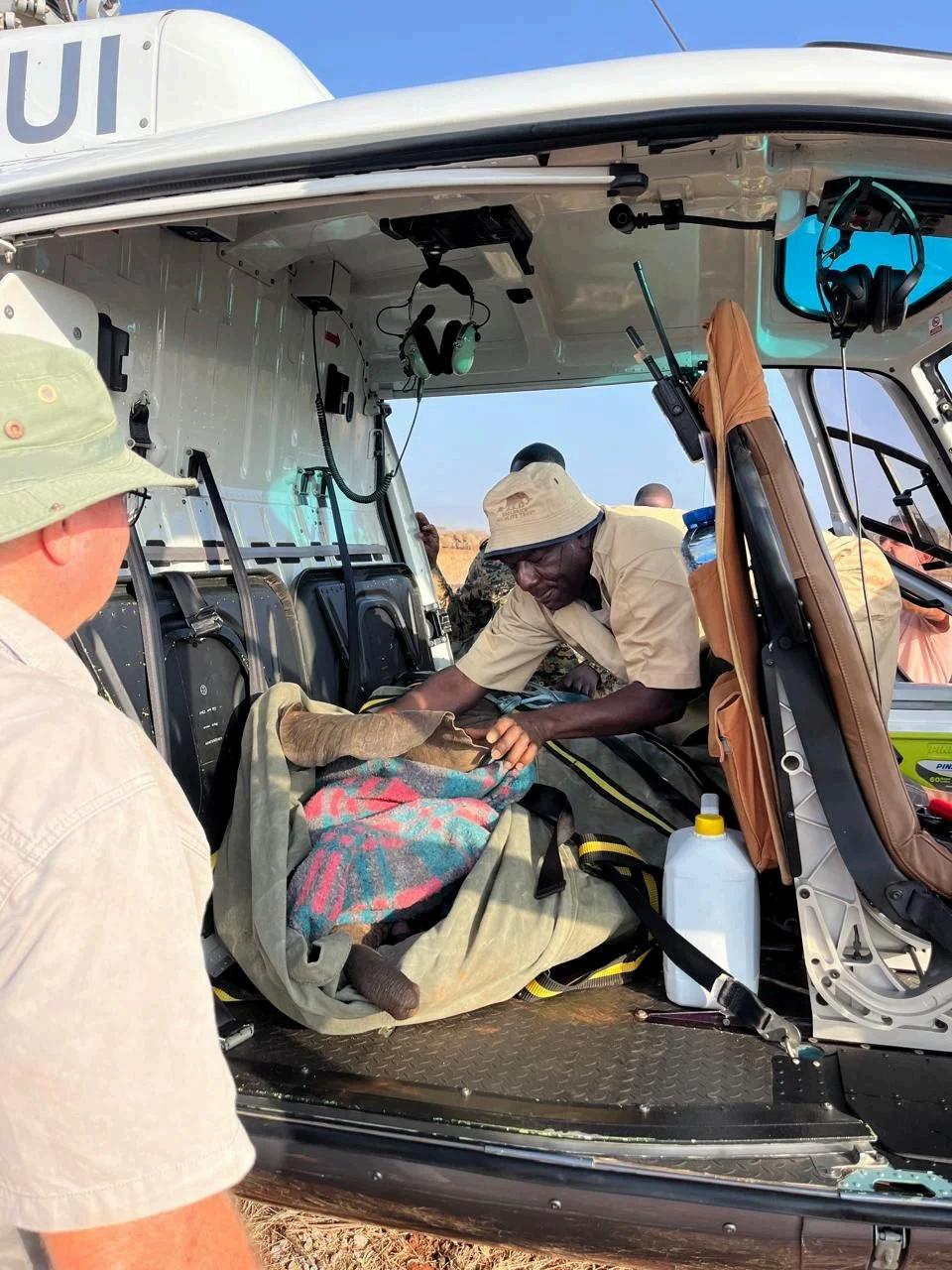
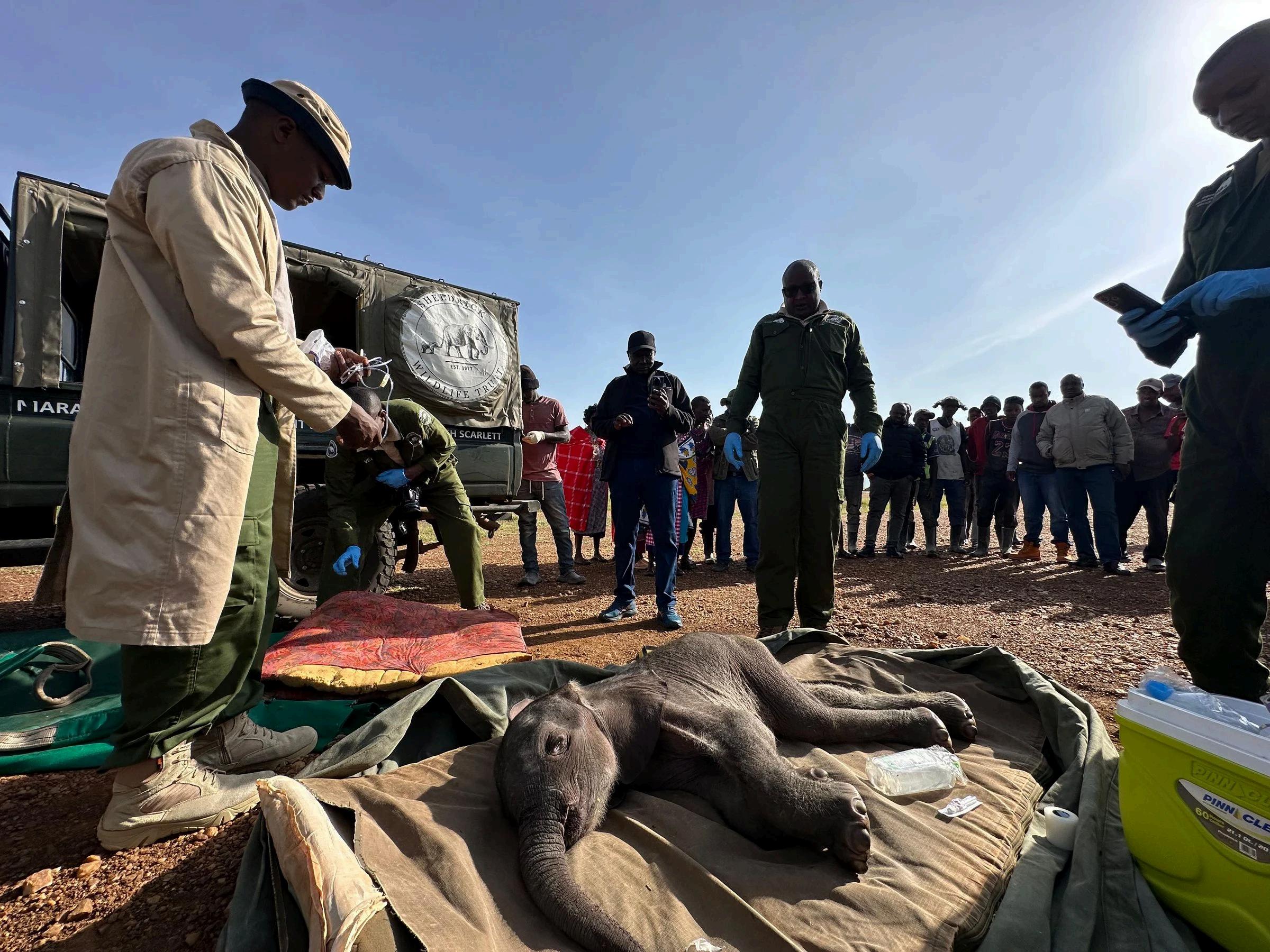
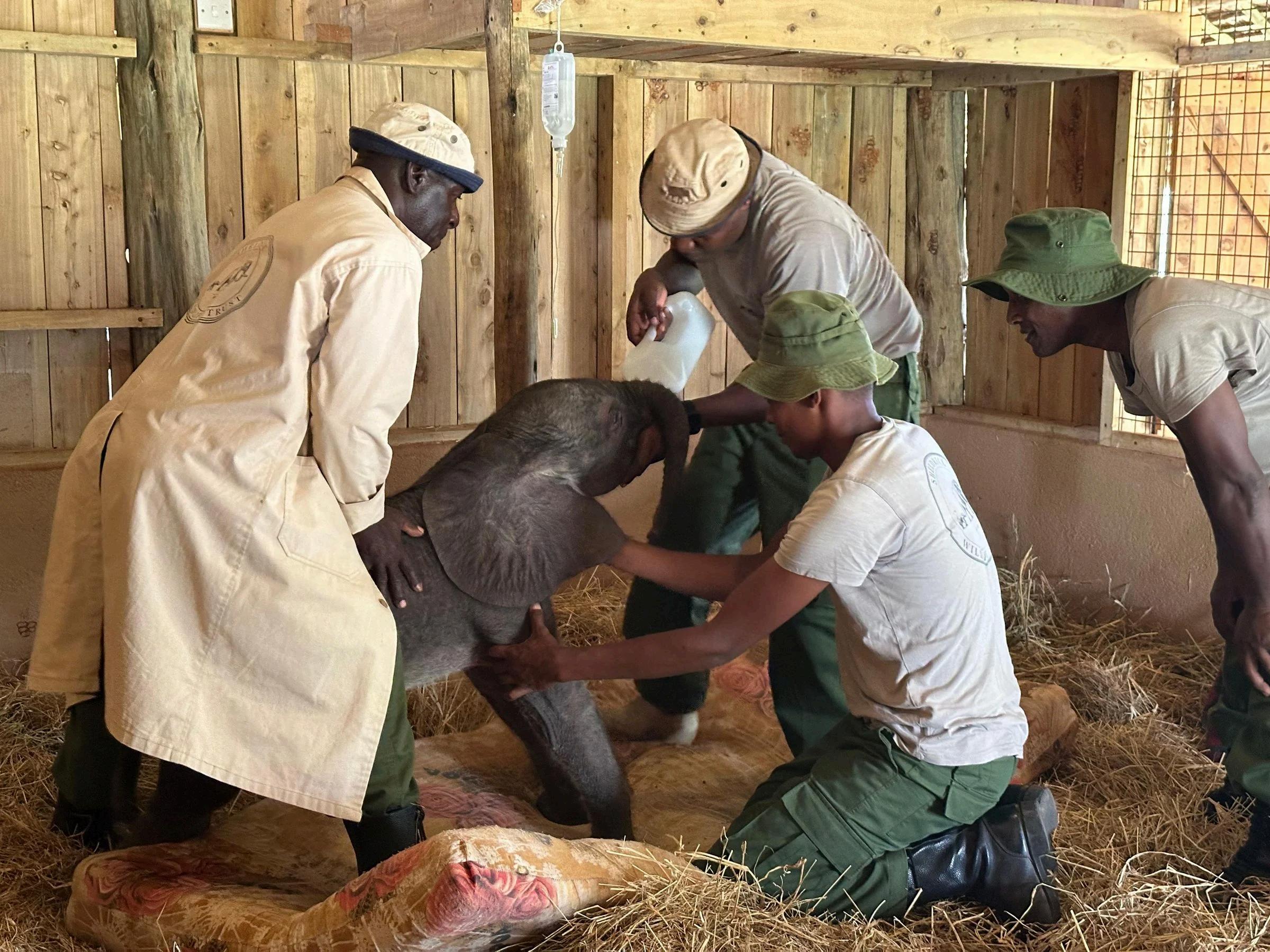
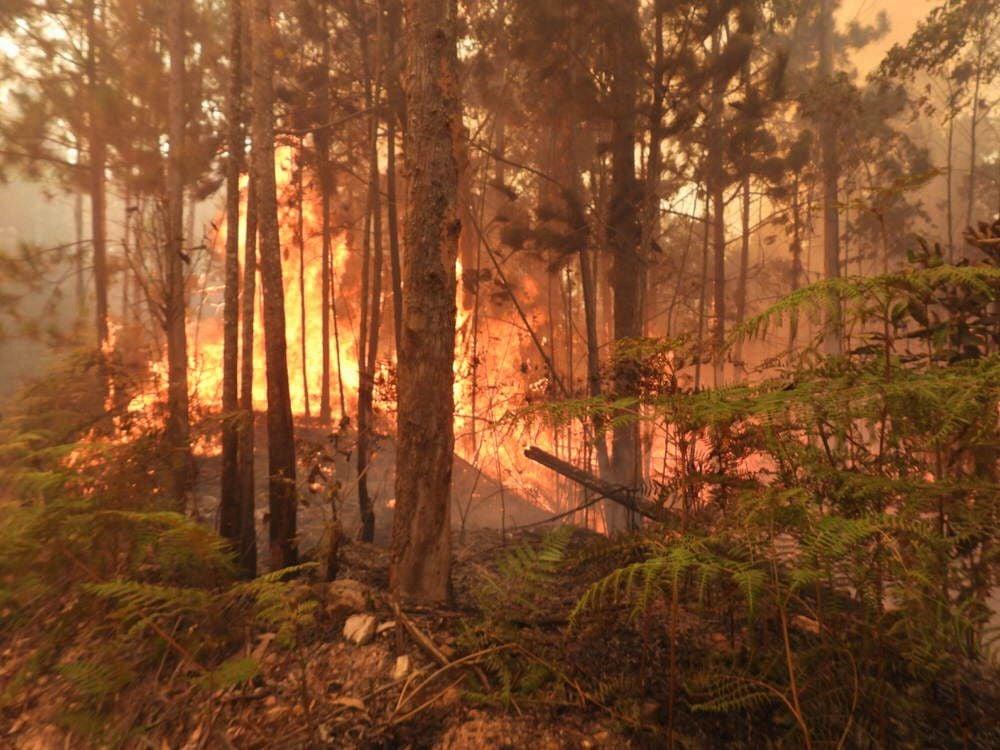
The team attended two fires, both by helicopter one in Tsavo East and the other on the side of Mt. Kasigau. Ground teams managed the former with aerial coverage and coordination provided by the helicopter. Ground teams and direct water drops from our helicopter, using an 800-litre Bambi Bucket, tackled the latter Both fires were successfully extinguished.
The team attended three callouts: one in response to suspected gunshots, which turned out to be a large tree that had split in half near the reporting station; a missing child search near the Chyulu Hills, where ground search parties later found the child; and a flood assessment in Tsavo West after several roads became impassable to tourists
The Aerial Unit, as with all Sheldrick Wildlife Trust's conservation projects, is a donorfunded initiative Thank you to our global supporters, who help us secure Kenya's habitats for the future and make an impact in the field, each and every day