Aerial Unit Monthly Report
Operated in support of the Kenya Wildlife Service, Sheldrick Wildlife Trust's Aerial Unit monitors for illegal activity from the skies and offers rapid response assistance in anti-poaching operations, human-wildlife conflict, veterinary treatments, orphan rescues, and all manner of field emergencies.
This report details Aerial Unit activities for April 2026
MONTH AT A GLANCE:
27,678
Hours flown: Areas patrolled:
139
Kilometres flown:
19,314
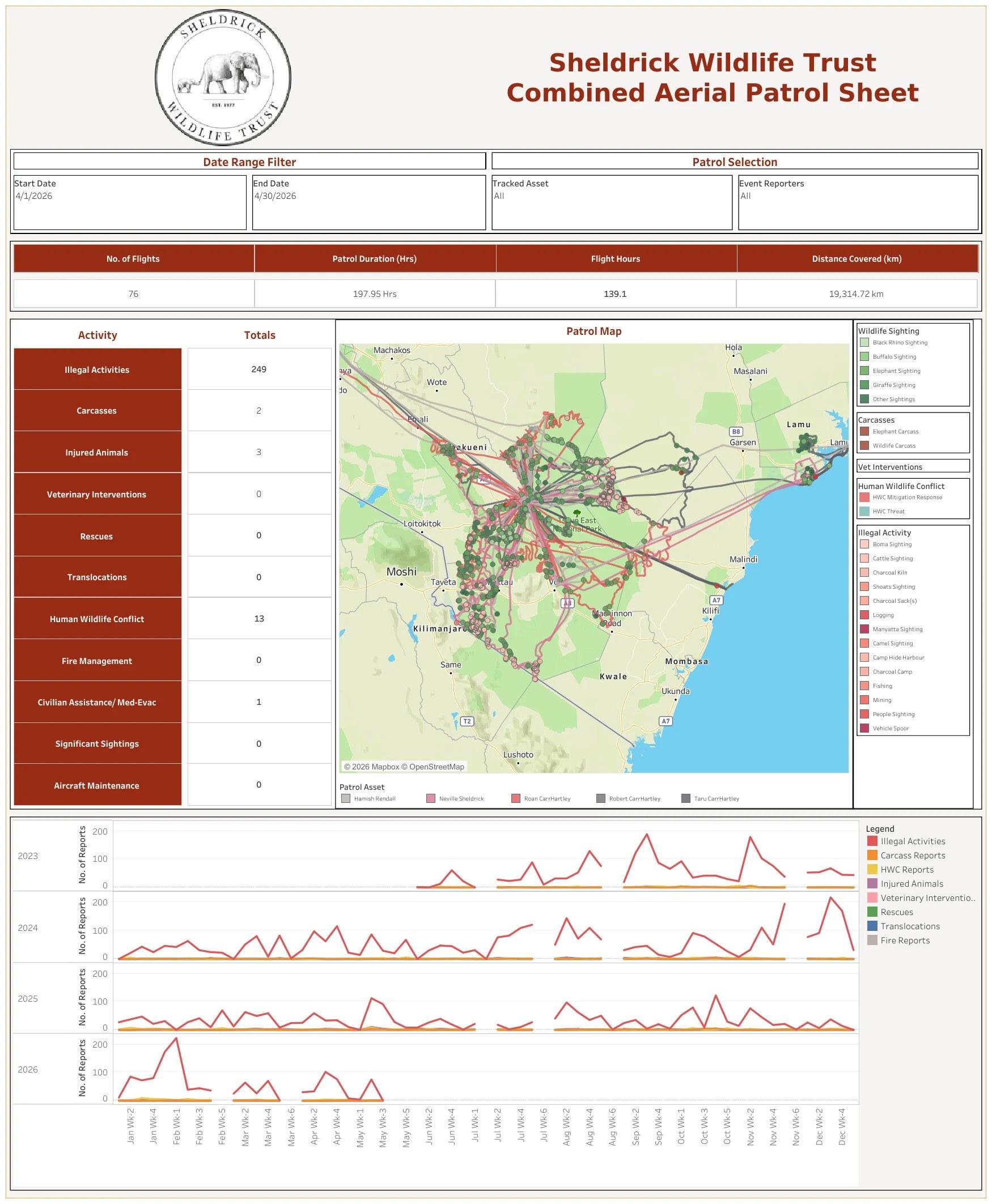
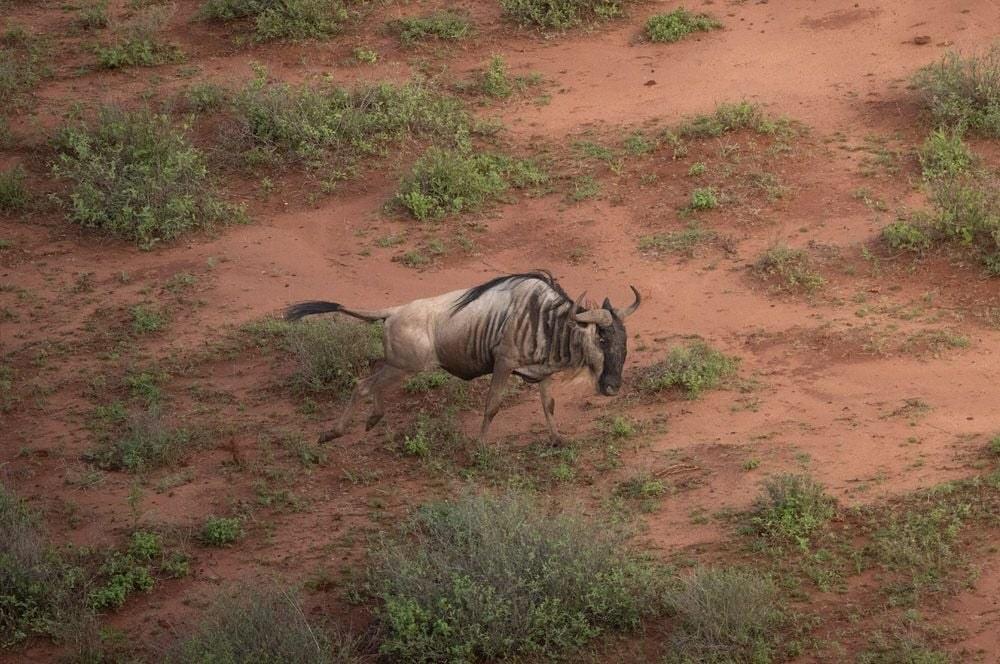
In April, the Aerial Unit flew 139 hours and covered 19,314 kilometres. The long rains that arrived so generously in March continued into April, keeping much of the Tsavo ecosystem green and well-watered. Dense vegetation made aerial surveillance more challenging than usual rhino in particular proved extremely difficult to locate in Ngulia Rhino Sanctuary and the Tsavo East IPZ, where they disappeared into thick, impenetrable bush.
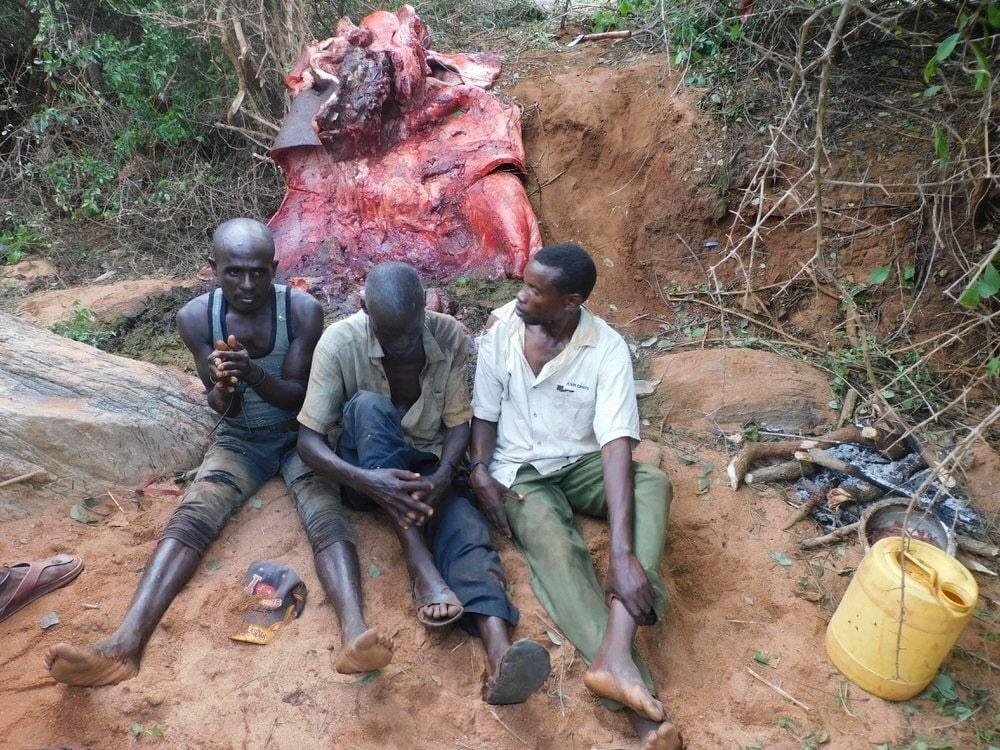
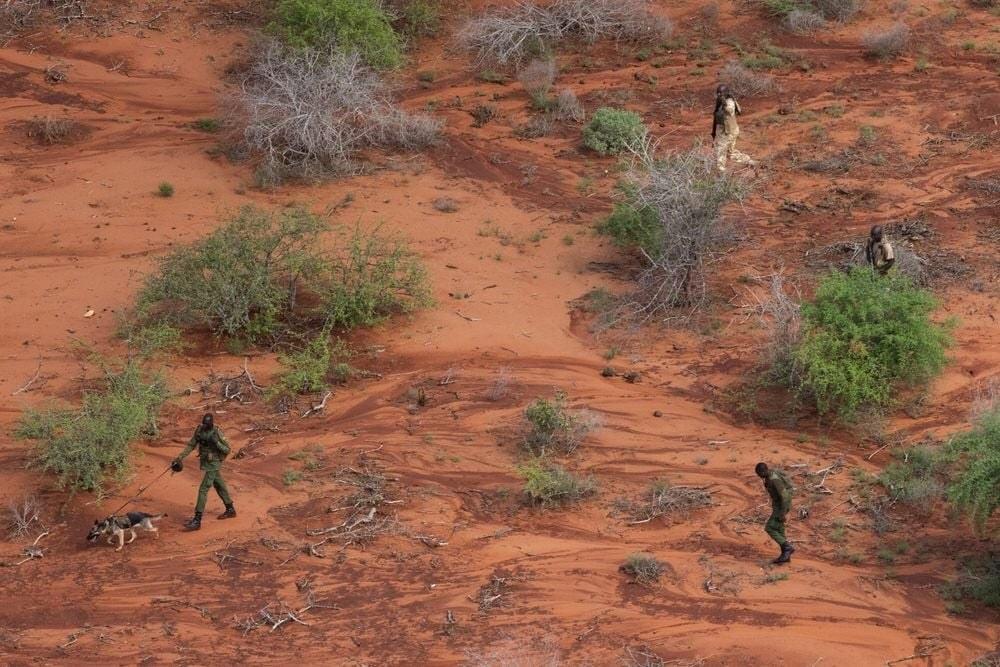
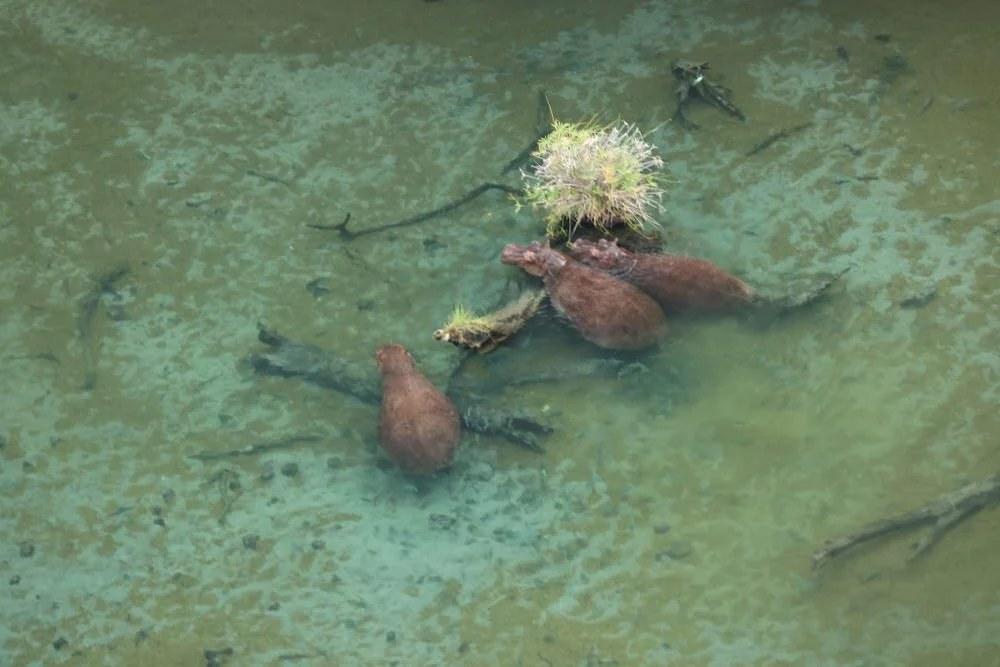
One of the month's most significant operations took place on 26 April, when our helicopter and ground teams were deployed to the Gazi area following a bushmeat report On arrival, five suspects were found in the act of butchering a hippo killed with a large cable snare. Working in coordination with KWS ground teams, our helicopter supported the operation as the teams crossed a flooded river to reach the scene
All five suspects were successfully apprehended. The helicopter subsequently airlifted the teams, suspects, and recovered evidence back across the river to waiting vehicles. The suspects were charged with poaching and booked at the relevant police station It was a textbook example of the kind of rapid, coordinated response that aerial support makes possible.
On 6 April, our helicopter responded to a report of a snared buffalo on Kipini Conservancy. The animal was in poor condition; the veterinary team was airlifted to the site, where the buffalo was darted from the helicopter and the snare removed The prognosis was guarded
Separately, on 20 April, the fixed-wing aircraft transported the veterinary team to Kipini to respond to a report of an arrow-injured zebra On arrival, the vet found the arrow had pierced the bowels and no intervention was possible
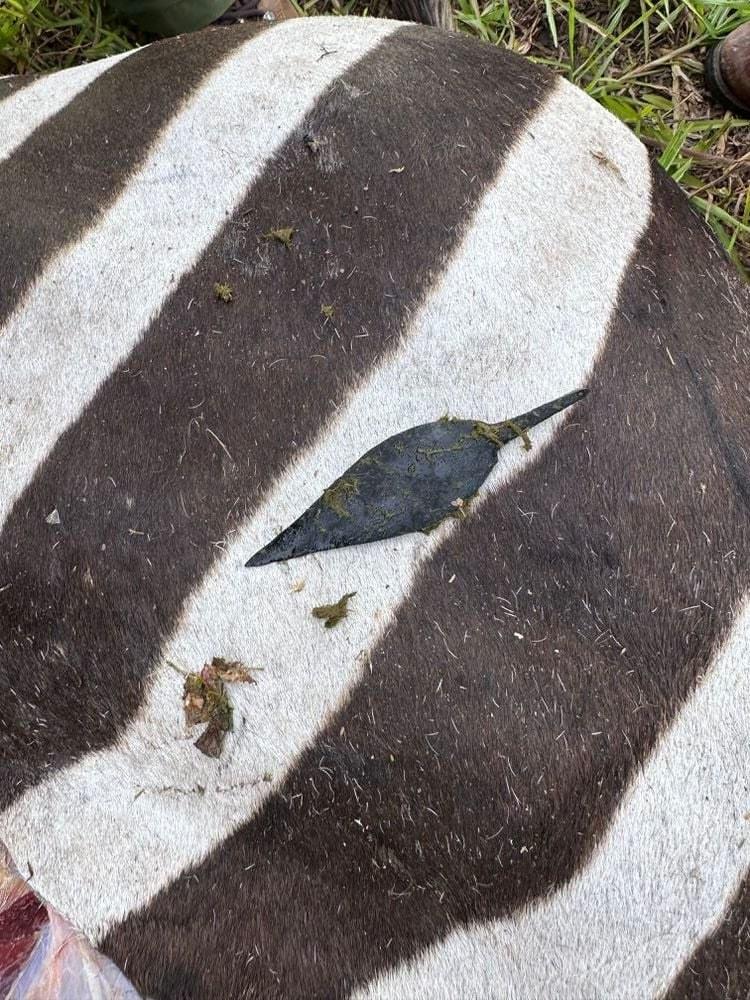
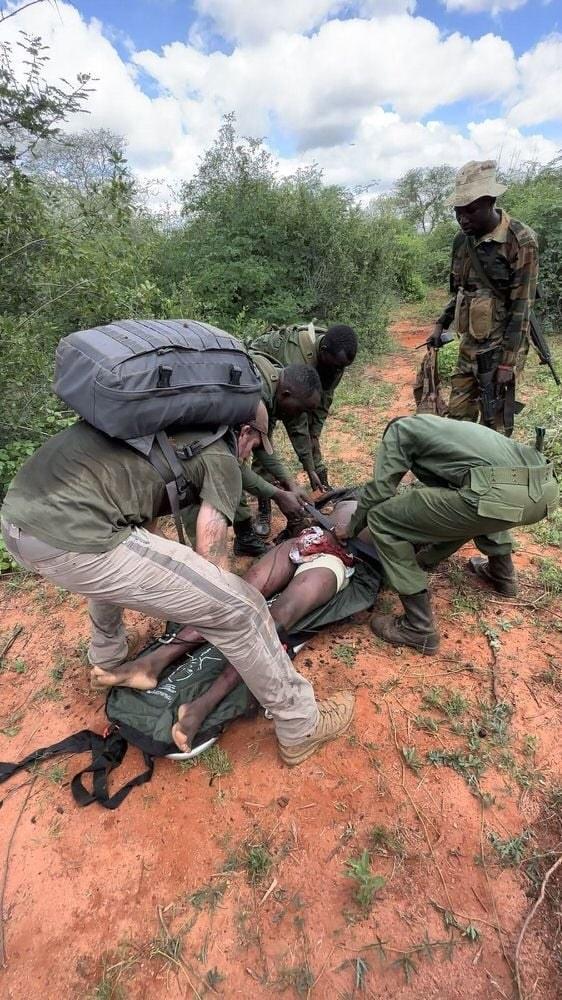
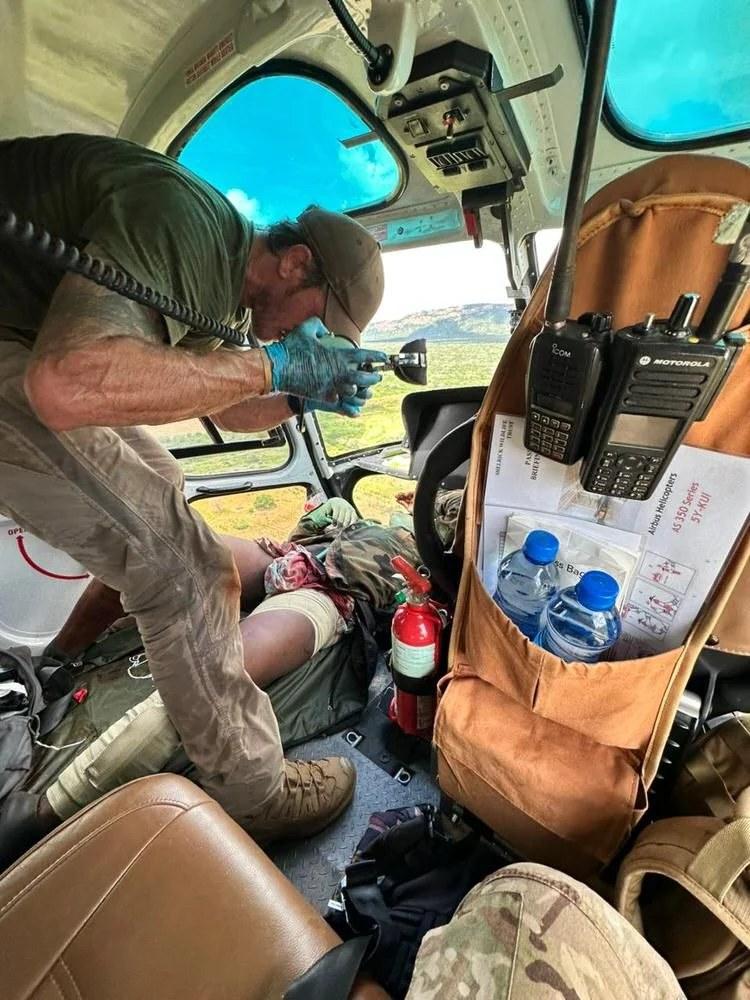
Human–elephant conflict continued to demand regular helicopter deployments throughout the month, with persistent problem animals recorded around Ngiluni, Kyusiani, Iviani, Lukenya University, and Kanziku. Some operations were successful – notably five bulls returned to the protected area at Kanziku on 25 April, and two bulls pushed back through a fence gap at Iviani – while others proved frustrating. The same family herd of eight elephants at Kyusiani, which has resisted every attempt to return them to the park over recent months, again refused to cooperate This remains a challenging and ongoing situation that our team continues to monitor closely
Aerial patrols this month painted a consistent picture of livestock pressure across a wide area, with large herds of cattle and shoats recorded in northeastern Tsavo East, and smaller numbers along the southern Tsavo West boundary near Jipe and the Tanzania border. In some areas, cattle were recorded as far as 24 kilometres inside the park boundary Coordinates were shared with KWS ground teams for follow-up action, and by the final week of the month there were early signs of improvement, especially in Tsavo East, where coordinated operations had largely cleared the livestock. Charcoal burning on Kishushe Ranch and in the Kulalu area continued to be recorded throughout the month
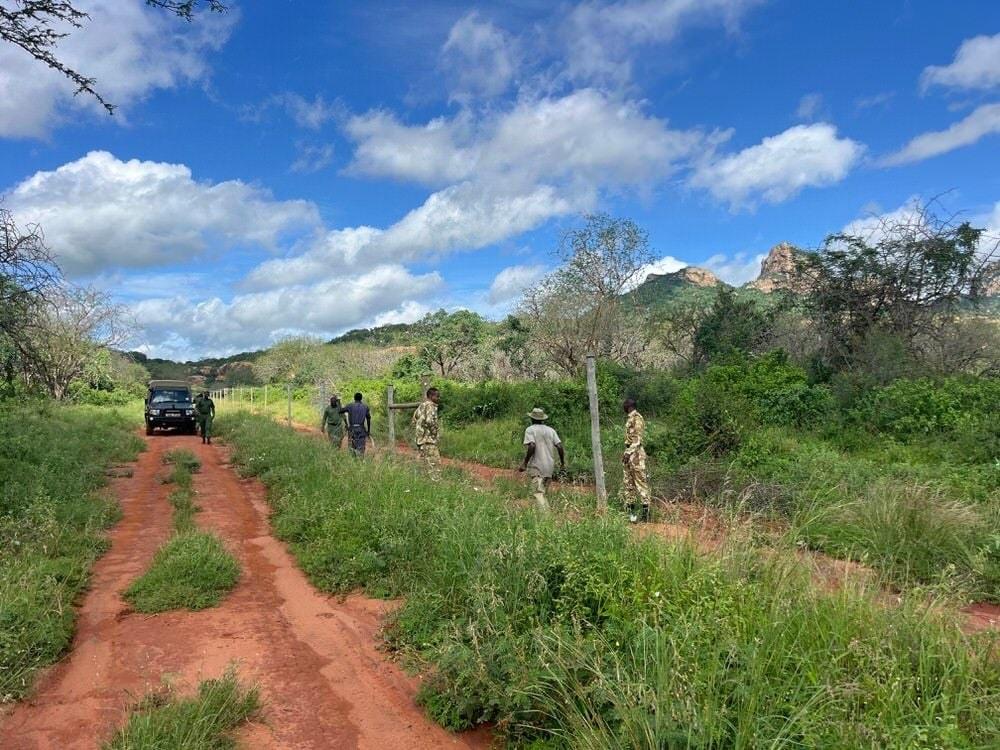
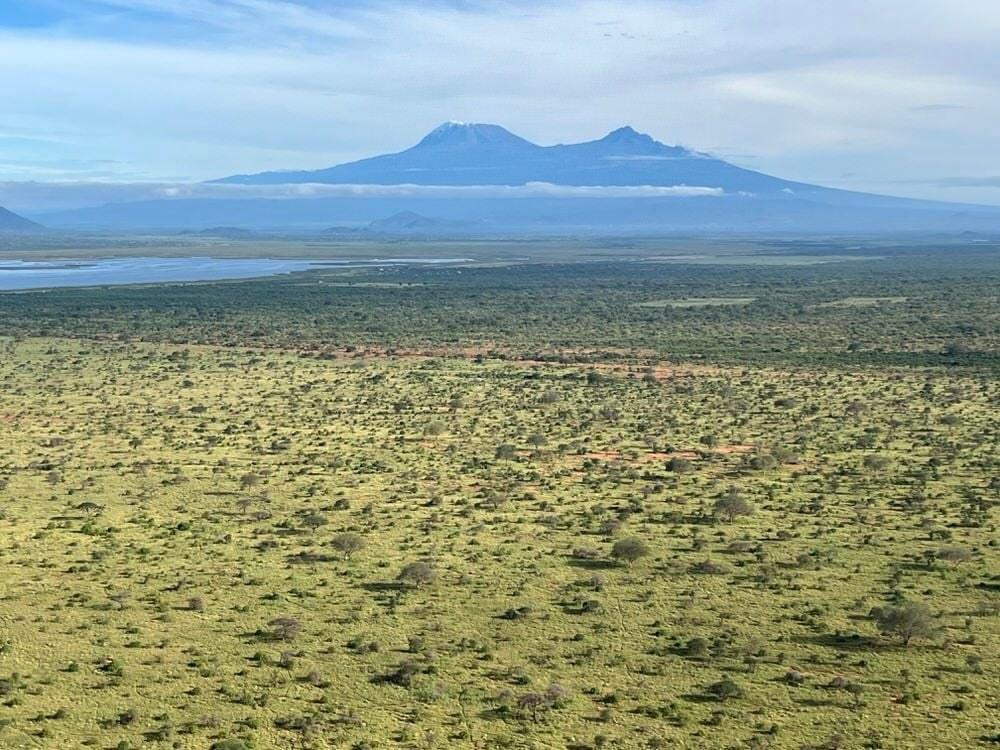
April was a productive and at times demanding month and emphasised the broad variety of work that our pilots are called to do on a daily basis from law enforcement to veterinary support and medical emergencies
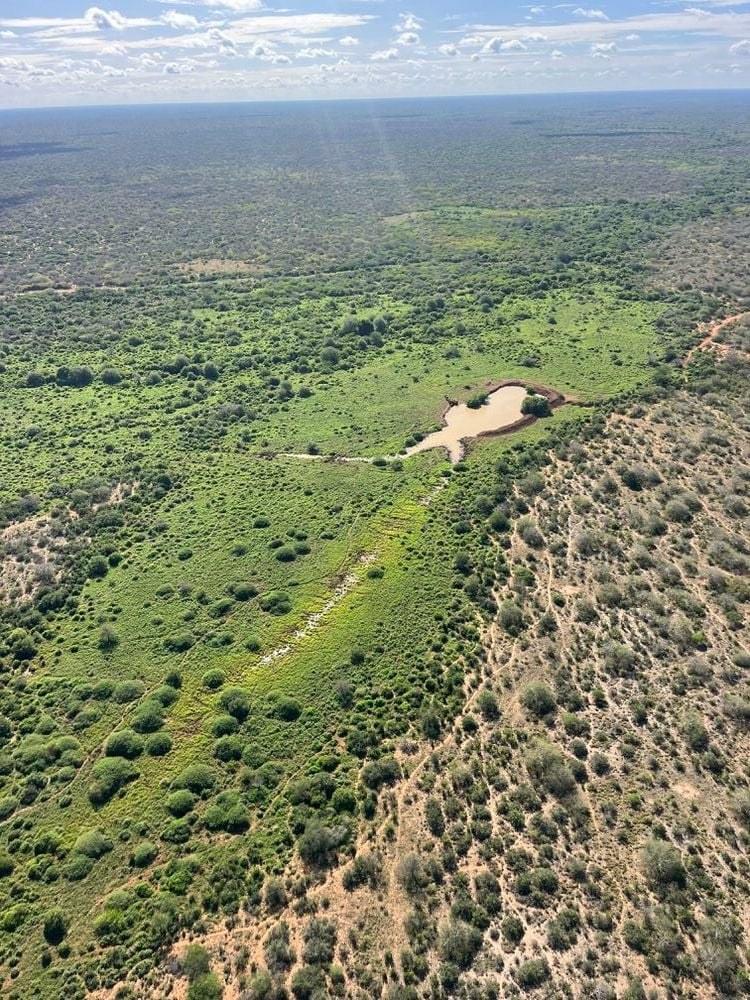
The Aerial Unit, as with all Sheldrick Wildlife Trust's conservation projects, is a donorfunded initiative Thank you to our global supporters, who help us secure Kenya's habitats for the future and make an impact in the field, each and every day