Planting Guide
A QUICK GUIDE TO...
Planting your standard tree rose
You will need:
Garden fork Garden spade Soil improver, quality compost or well rotted manure
Bucket (for a bare root roses only)
Wooden stake & two tree ties (both supplied)
When to plant
Hammer or mallet
Watering can
Our potted roses can be planted all year round and our bare root roses should be planted within two weeks of receipt.
The only time we recommend that you don’t plant is when the ground is frozen, waterlogged or in drought conditions.
Where to plant
Select where your rose is going to go. We recommend following these guidelines:
• Make sure the rose has some sun, ideally a minimum of four hours of sunlight a day.
• Generally, the more sun the better. However, in the hottest areas, shade from the afternoon sun can be beneficial.
• Ensure the rose has enough space, so that the roots do not suffer from intense competition from neighbouring plants, including trees and hedges.
Roses are incredibly versatile plants and can be planted in an array of different positions.
Step 1
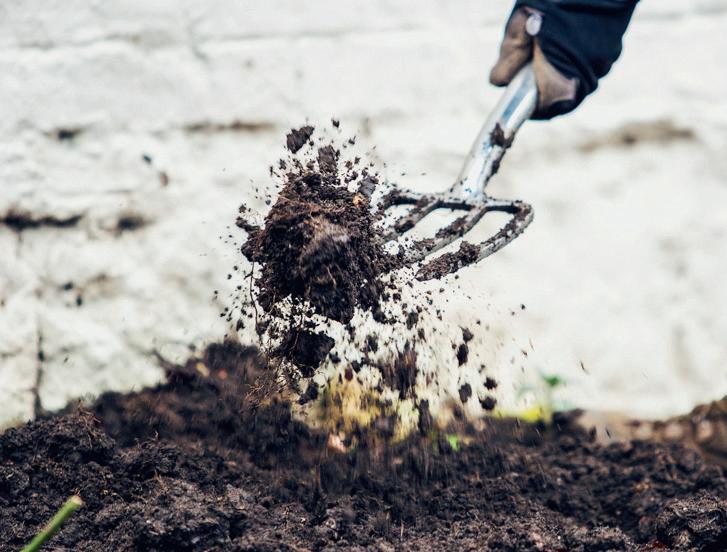
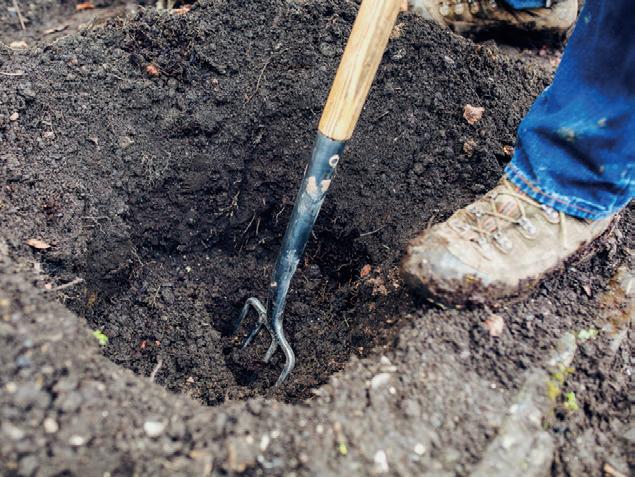
Prepare the soil in your chosen planting area by digging over thoroughly using a garden fork. Remove weeds or large stones to ensure the new roots can venture freely into their new environment.
For a bare root rose, rehydrate in water for at least two hours before planting.
Step 2
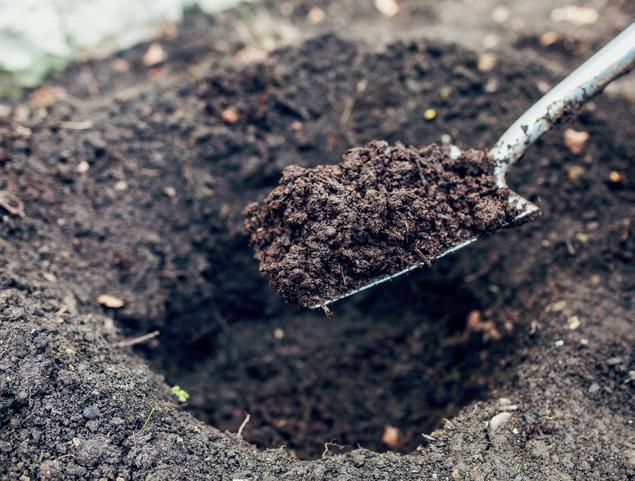
Using a spade, dig a hole that is wide enough and deep enough for the roots, approximately 60cm wide by 45cm (24” x 18”).
Step 3
Using a fork, break up the soil at the base of the hole to allow the roots to go deeper into the ground. Mix a spadeful of soil improver, quality compost or well rotted manure , with the soil in the bottom of the hole. This will improve soil structure and help the rose to establish.
Step 4
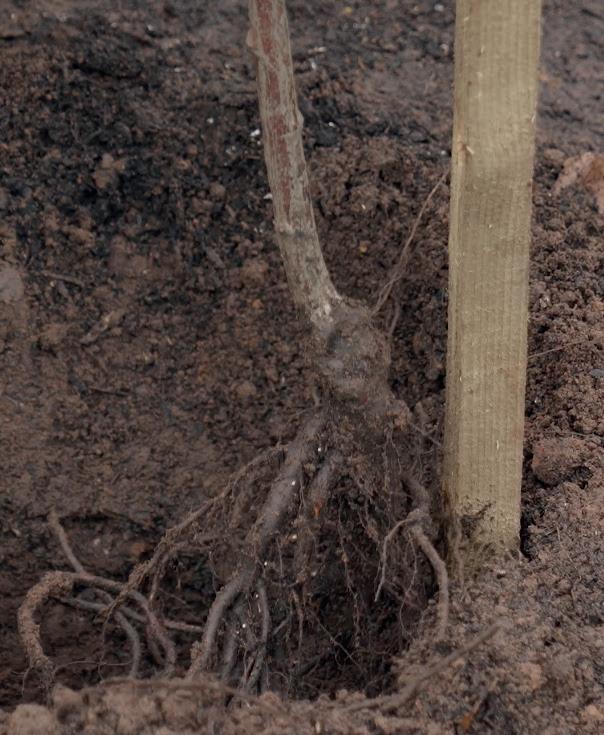
For a bare root rose, place the stake about 10cm (4”) from the hole’s centre, driving it into the soil with a mallet or hammer. Ensure the top of the stake is level with where the trunk splits into branches.
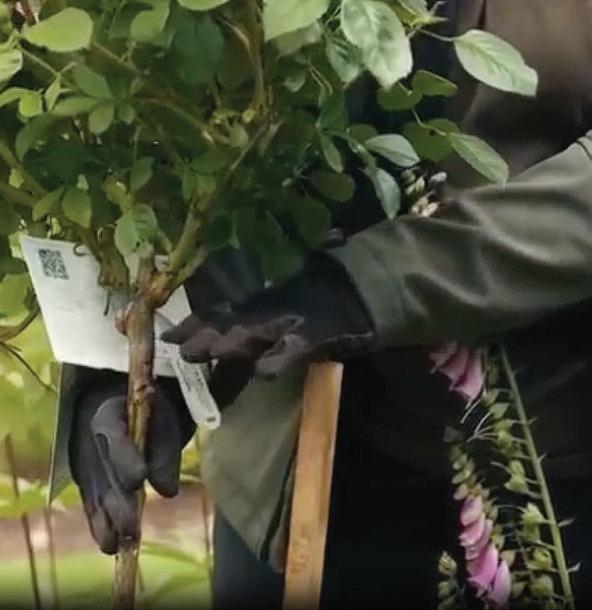
When planting a potted rose, gently remove the plant from its pot and tease out the roots from the root ball. Position the rose, with its stake, upright in the centre of the hole.
Step 5
Ensure the bud union sits around 5cm (2”) below the surface to keep it protected and stable. At this point we would suggest evenly sprinkling 30g of David Austin Mycorrhizal Fungi over the roots or rootball, to stimulate root growth for a healthier, more plentiful rose.
The height of the stake supplied is designed to allow for 3-5 years of growth.
Step 6
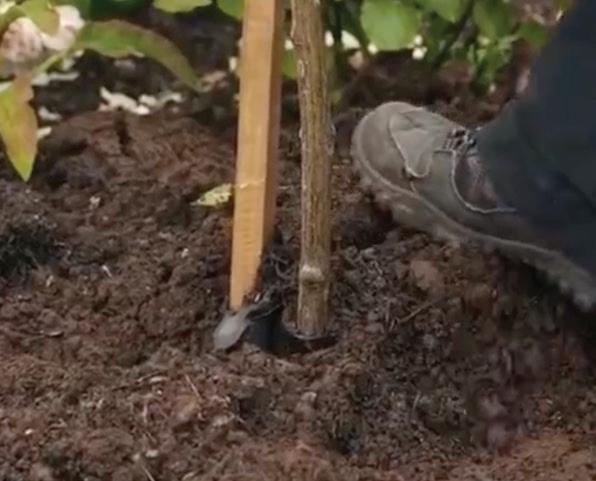
Mix two more spadefuls of soil improver, quality compost or well rotted manure with the soil removed from the hole and backfill around the rose’s roots. Lightly firm the soil around the rose to ensure it is secure and free of air pockets.
Step 7
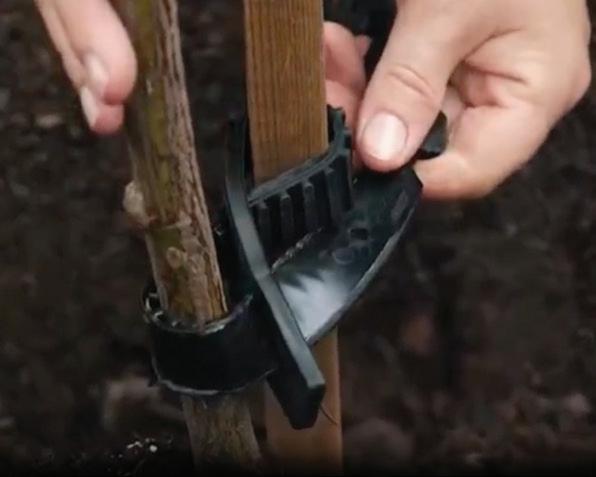
Using the tree ties provided, attach the standard tree rose stem to the top and bottom of the stake. Now water the rose in well.
If planting between May and September, we recommend watering your new rose twice a week or every other day if the weather is very hot.
Scan here for a useful video guide on planting a bare root standard tree rose.
Scan here for a useful video guide on planting a potted standard tree rose.
Rose care basics
FEEDING
Feed once a year with David Austin Controlled Rose Food in late March / early April just before the leaves are fully open. Sprinkle 30g of feed around the base of the rose, spreading it to the width of the canopy. Mix into surrounding soil and water to prime the rose food granules.
MULCHING
After feeding your rose, water the surrounding soil then apply a 5cm (2”) layer of mulch around the base of the rose, spreading it to the width of the canopy. For mulch use Carr’s Organic Soil Improver, garden compost, or well rotted manure.
DEADHEADING
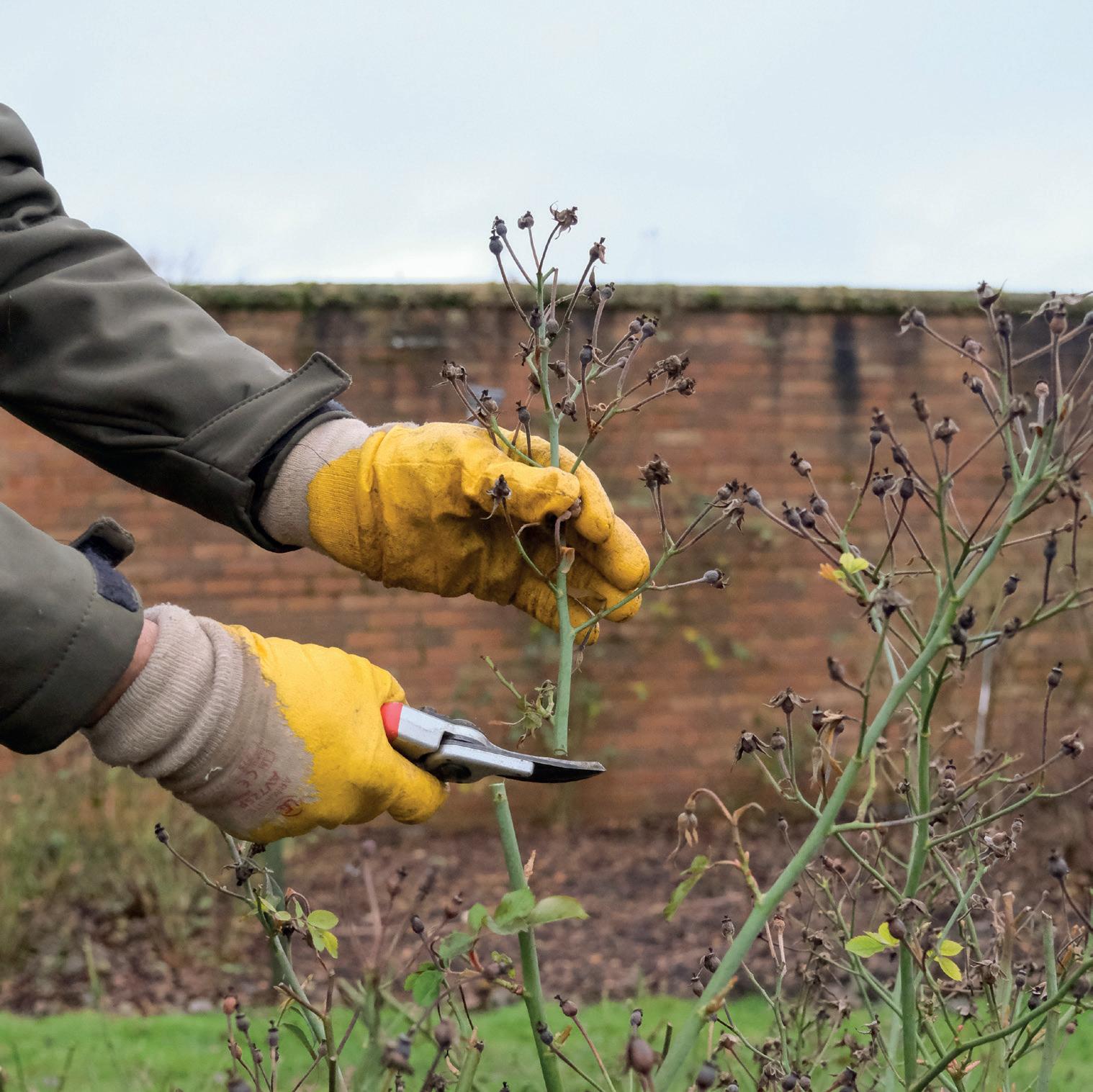
Remove any finished blooms by pinching or cutting off the finished flower just below where the base of the flower joins the stem. After a flush of flowers, remove the finished flower heads by cutting the stem just above the first leaf with five leaflets, creating a rounded shape as you go.
Guide to watering
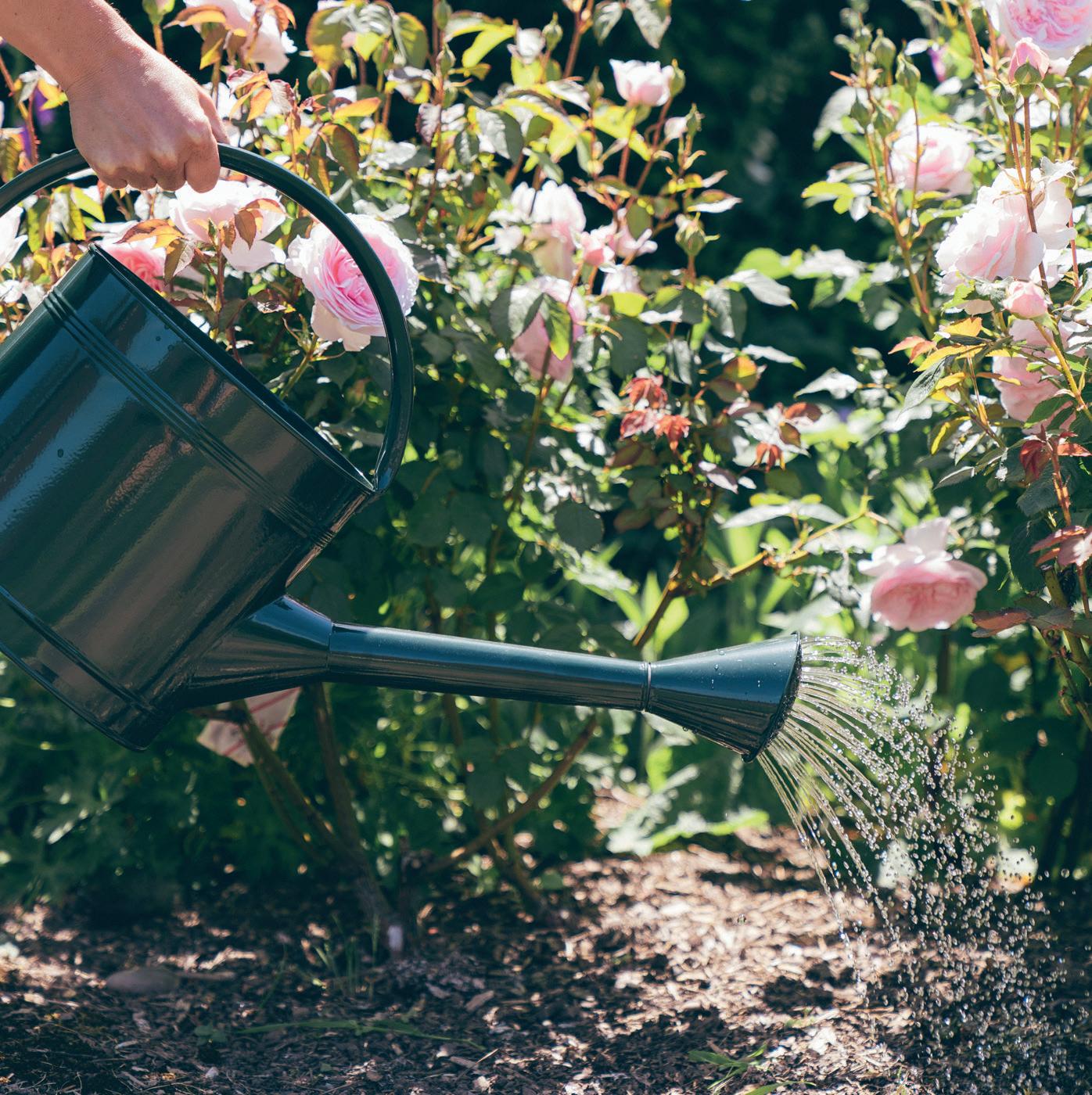
give each rose one large watering can (4-5 litres)
SPRING
You are unlikely to need to water in spring. In a prolonged dry spell remember to water recently planted roses and roses in pots or containers.
SUMMER
Water every other week throughout the summer months. Recently planted roses will need watering twice a week to help them establish. Roses in pots and containers will need watering every other day. Water twice as often in really hot weather.
Scan Here to find out more rose care basics
Pruning your rose


This diagram shows a 2 + year old standard tree rose before and after pruning, once all stems have been cut back by half
YOU WILL NEED
Secateurs
Gloves or gauntlets
Loppers or a pruning saw (for older, thick stems)
Jeyes fluid, Citrox or Propellar (to sterilise secateurs)
WHEN TO PRUNE
Every year between January & February or when the rose is at its most dormant.
METHOD
i. Cut back all stems between a third and a half to allow shaping. If your standard tree rose is more than three years old, remove the oldest stems to reduce overcrowding.
ii. Cut out any dead, diseased or damaged stems from their point of origin.
iii. Remove any remaining foliage and dispose of all cuttings in garden waste.
TIP:
Standard tree roses can produce shoots from the stem. Remove these as they will drain the rose of nutrients.
January
Rose care
CALENDAR
February March
PRUNE
April
FEED & MULCH (early April)
July
WATER
May June
August
DEADHEAD (after flowering) WATER WATER WATER
September
October
DEADHEAD (after flowering)
November December
Your roses are winding down for the winter, let them go into dormancy
The timings above will vary slightly according to where you live. Generally the south is milder so tasks can happen earlier than in the north which is cooler.
SCAN HERE to shop rose food and mycorrhizal fungi
DEVELOPED BY ROSE EXPERTS
Rose food & Mycorrhizal fungi
There are two key items which will really help to ensure your rose will thrive; Rose Food and Mycorrhizal Fungi.We believe they are an essential part of rose care and have developed our own blends which we feel work the best for our roses.
Mycorrhizal Fungi
Planting with David Austin Mycorrhizal Fungi naturally increases nutrient and water uptake by enriching your rose’s root system, encouraging healthy growth and abundant flowering.
Rose Food
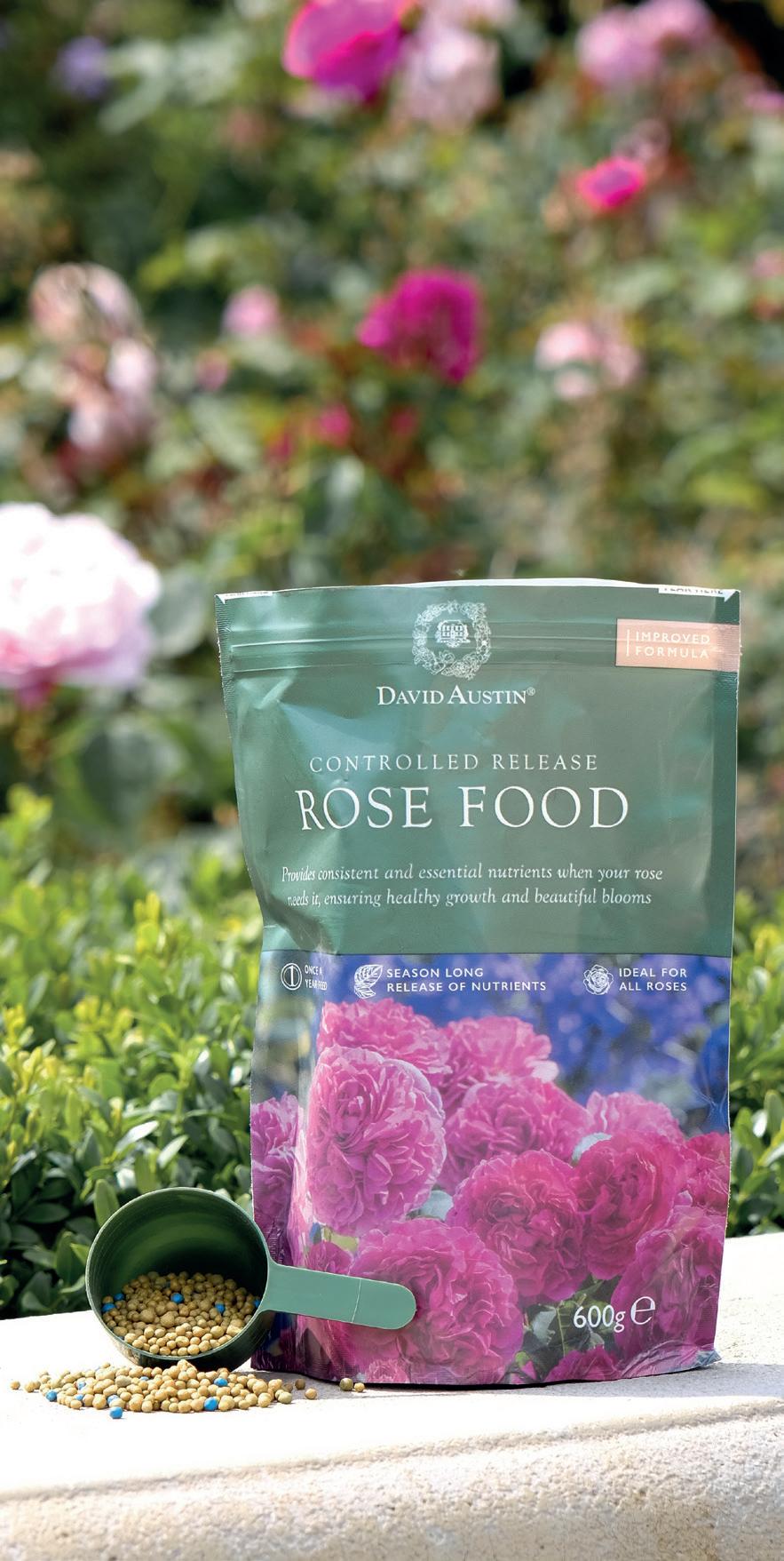
Feeding your roses once a year with David Austin controlled release rose food will encourage strong, healthy growth and abundant flowering. The balanced granular formula provides roses with a long lasting release of nutrients.