April 2026
April 2026
It is my pleasure to share with you the outcome of our 2026 Independent Schools Inspectorate (ISI) inspection — and what an outcome it is.
What pleases me most is not simply the recognition of the outstanding and broad educational provision we offer our young people, but that the inspection team saw something unique and special in the strength of our community. Education should, of course, be about rigorous curricula, brilliant teaching, warm pastoral care, and an absolute commitment to children’s safety. But schools are, first and foremost, about community.
I am therefore thrilled that the inspection team not only recognised educational excellence, but went further, awarding Dauntsey’s a ‘significant strength’, the highest accolade available, for the power of our community and, in the words of the report, for the development of our pupils’ “moral understanding and their commitment to serving their community.” To be judged significantly strong in raising young people of wisdom and character is, to my mind, the greatest compliment that can be given to any school.
I commend this report to you and encourage you to read it in full. I believe the inspection team caught a glimpse of what it means to be a Dauntseian, something our children experience every day and something that stays with them for the rest of their lives.

John Davies, Head Master
The Independent Schools Inspectorate (ISI) undertakes regular inspections of independent schools in England on behalf of the Department for Education, providing parents with trusted, independent assurance of a school’s quality and standards.
ISI inspections focus on both compliance with statutory requirements and the overall educational experience, looking specifically at five key sections:
Section 1 - Leadership and management, and governance
Section 2 - Quality of education, training and recreation
Section 3 - Pupils’ physical and mental health and emotional wellbeing
Section 4 - Pupils’ social and economic education and contribution to society
Section 5 - Safeguarding
During the inspection, a team of nine experienced professionals visited the school to observe lessons, review pupils’ work, and gather feedback from pupils, staff, and parents. It was a thorough and balanced approach that ensured every aspect of school life was carefully considered.
A significant strength in an ISI inspection is a rare distinction, awarded only where a school demonstrates exceptional practice that goes beyond standard expectations and has a particularly strong, evidenced impact on pupils.
Dauntsey’s met requirements across all five sections and was awarded a significant strength.
• Pupils develop very high levels of social responsibility and a sense of being part of a community, both within and outside of the school.
• Pupils develop empathetic and supportive relationships within and across year groups and between day and boarding pupils.
• Leaders and teachers are ambitious for pupils’ academic development.
• Leaders provide a wide range of co-curricular activities to develop pupils’ physical, creative and social skills.
• The adventure education programme is integrated throughout the school and pupils develop high levels of resilience and the ability to work as a team.
• Pupils treat their peers and staff with respect and kindness.
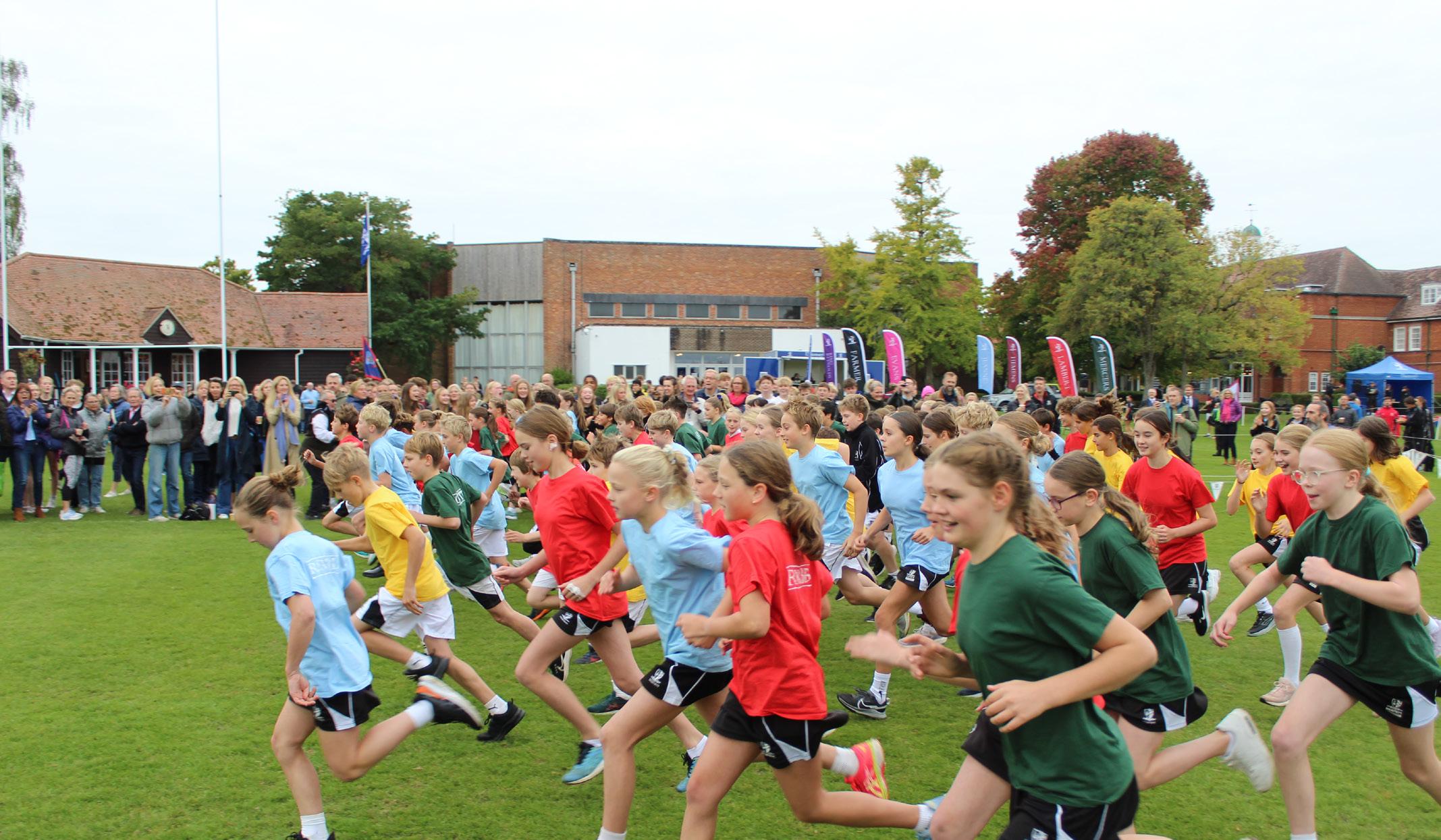
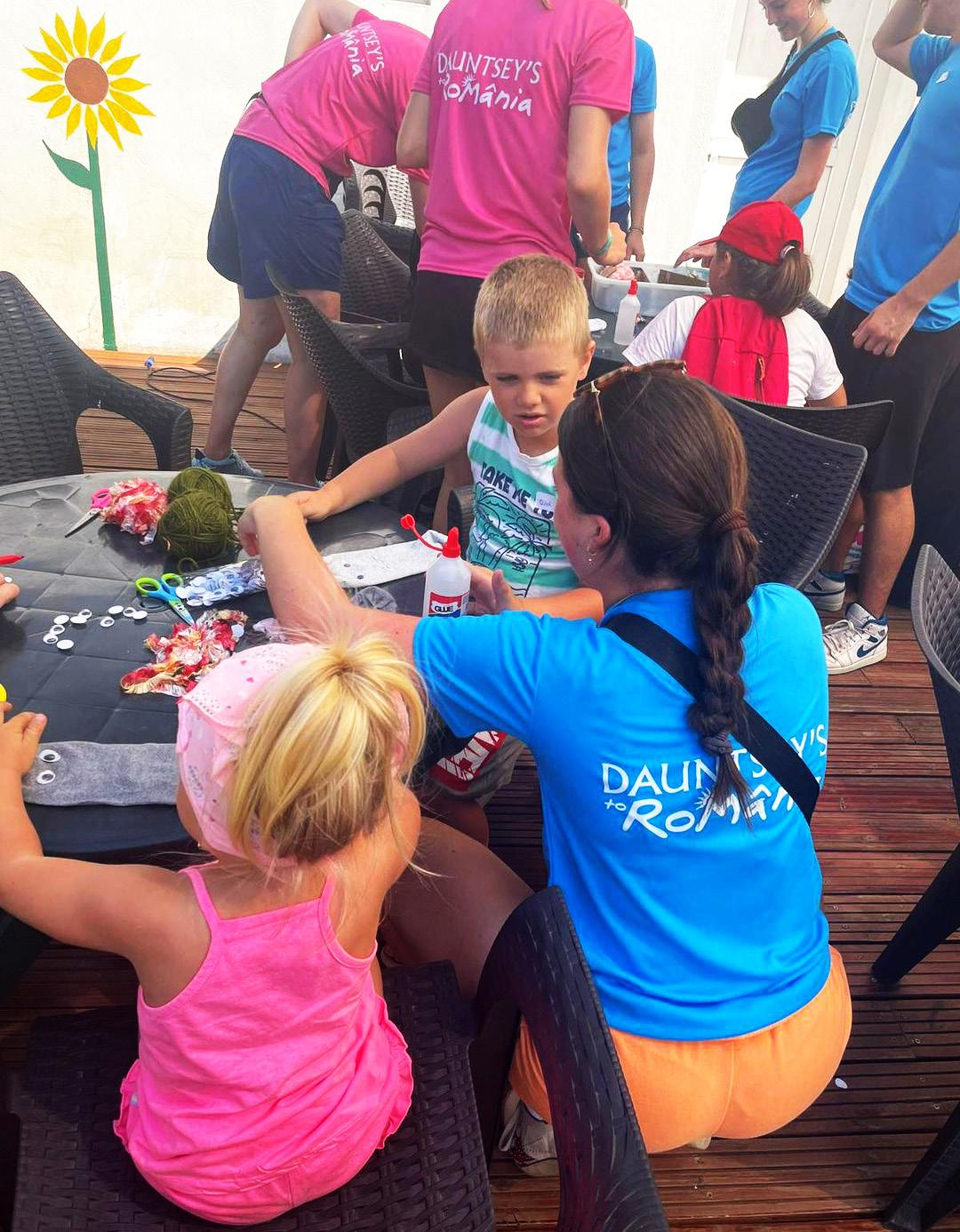
“Pupils develop empathetic and supportive relationships within and across year groups and between day and boarding pupils. Pupils lead a wide variety of charitable and partnership activities outside of the school. Older pupils work with younger pupils to plan and run events, courses and activities in the local area. Pupils regularly share their experiences in assemblies, developing a deep culture of service to others.
This development of pupils’ moral understanding and their commitment to serving their community is a significant strength of the school.”
“Governors and school leaders share a clear vision for the school, which gives pupils a wide range of opportunities and develops pupils’ character and responsibility to their community.” [8]
Leaders undertake regular and detailed self-evaluation against the school’s aims, which takes into account the views of parents, pupils and staff. Leaders think carefully about how to create structures which promotes the school’s ethos. [8]
School leaders promote an inclusive environment throughout the school. [10]
Leaders with responsibility for boarding take a systematic approach to reviewing the boarding provision to ensure it is consistent across houses and provides pupils with an experience which supports their wellbeing away from home. [12]
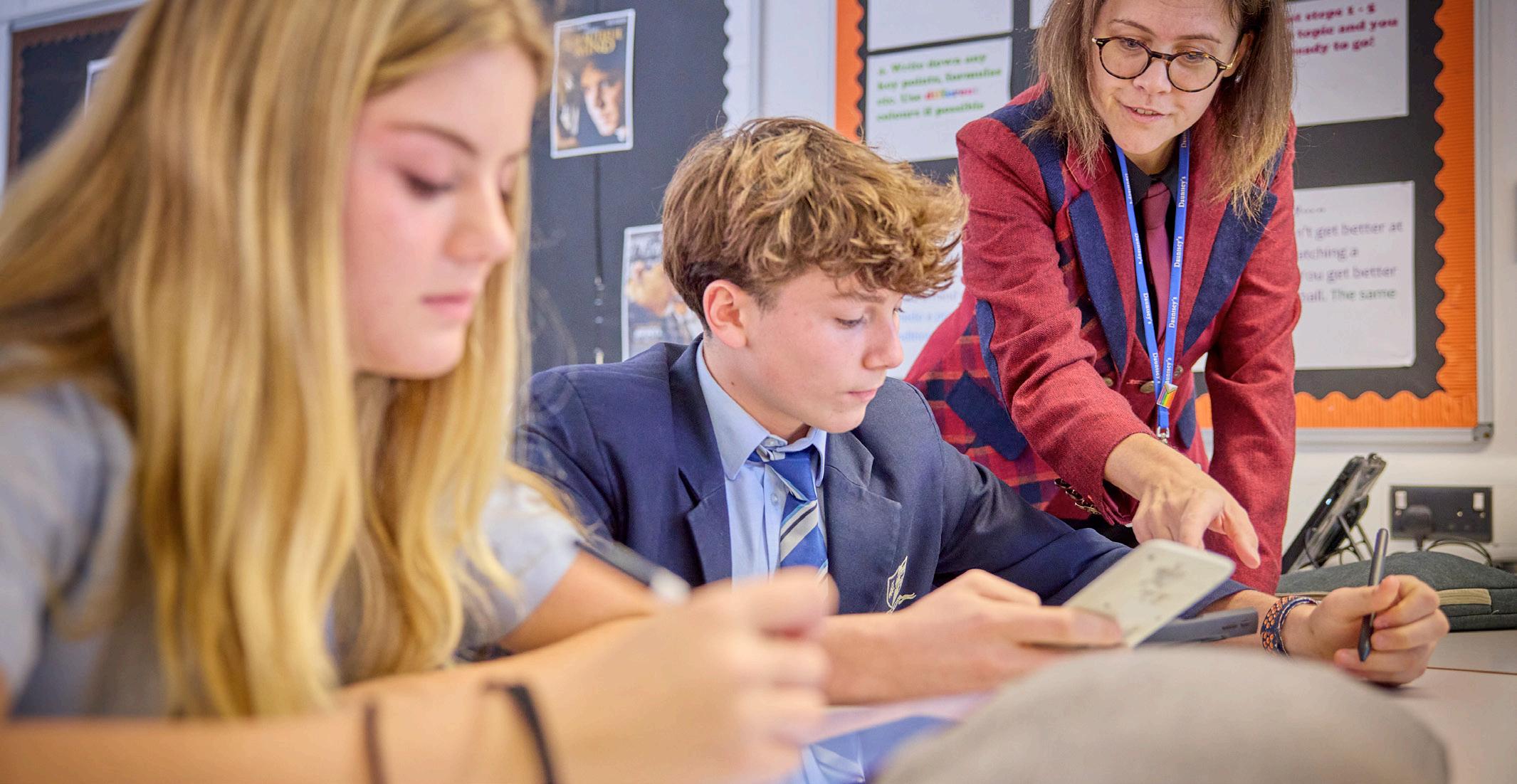
“Leaders carefully consider the range of skills pupils will need to be successful academically and provide a range of additional courses to support the development of these skills.” [19]
Pupils in the Lower School learn skills such as critical thinking and independent study. Older pupils benefit from courses such as the Extended Project Qualification (EPQ), core mathematics and in-house courses such as Leadership, Sport and Adventure (LSA) and Dauntsey’s Philosophy. These courses deepen pupils’ understanding and help them develop intellectual skills which prepare them for further study. [19]
Regular reading time in the school day fosters pupils’ enjoyment of reading... Teachers make effective use of questioning to probe pupils’ understanding and challenge them to communicate their ideas clearly, for instance by moving a discussion skilfully around the class so all pupils contribute. [21]
Pupils benefit from a comprehensive performing arts programme...Leaders in the visual arts provide an ambitious programme where the study of works of art underpins the development of technical artistic skills. [23]
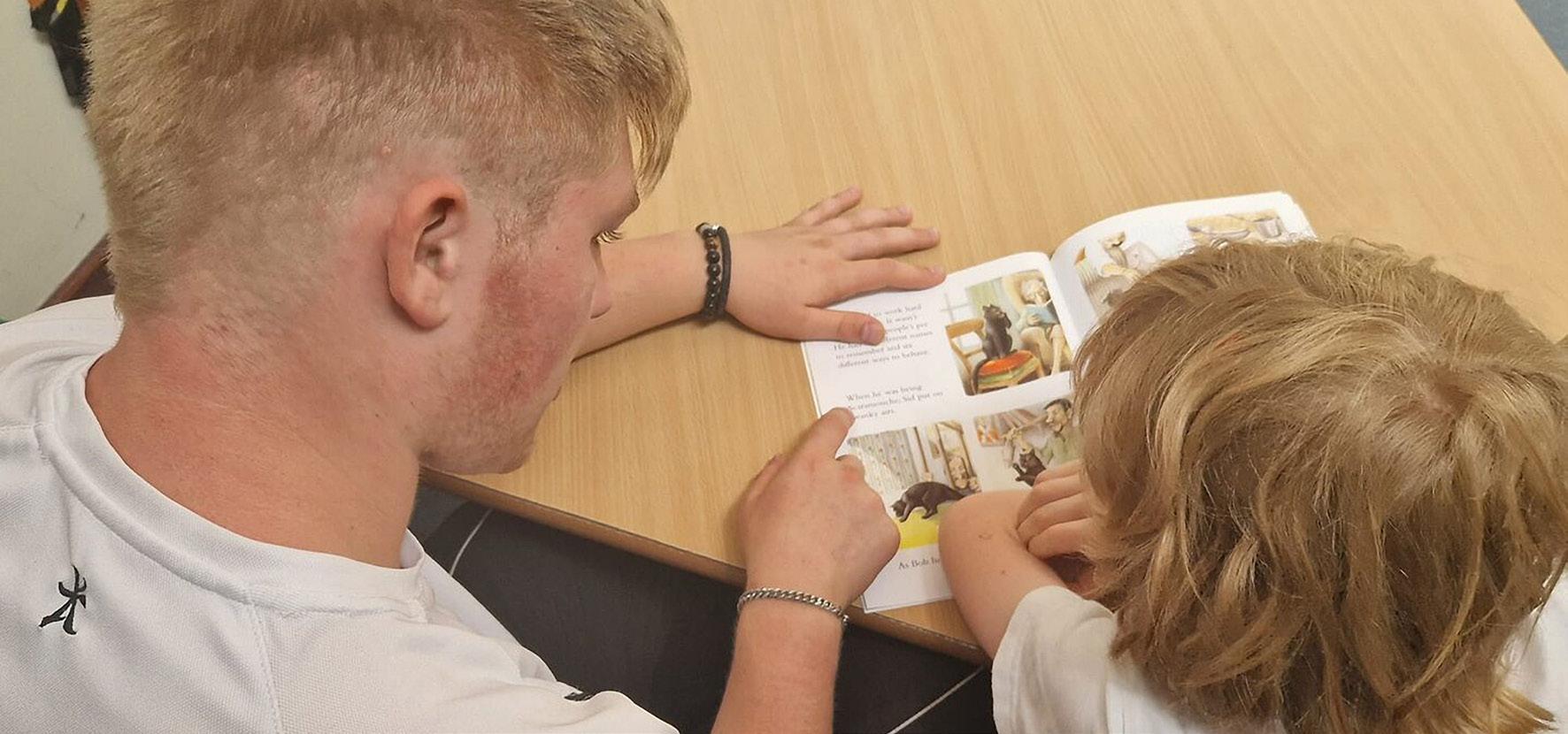
“The younger pupils develop confidence, and the older pupils learn what it means for someone to depend on them.” [29]
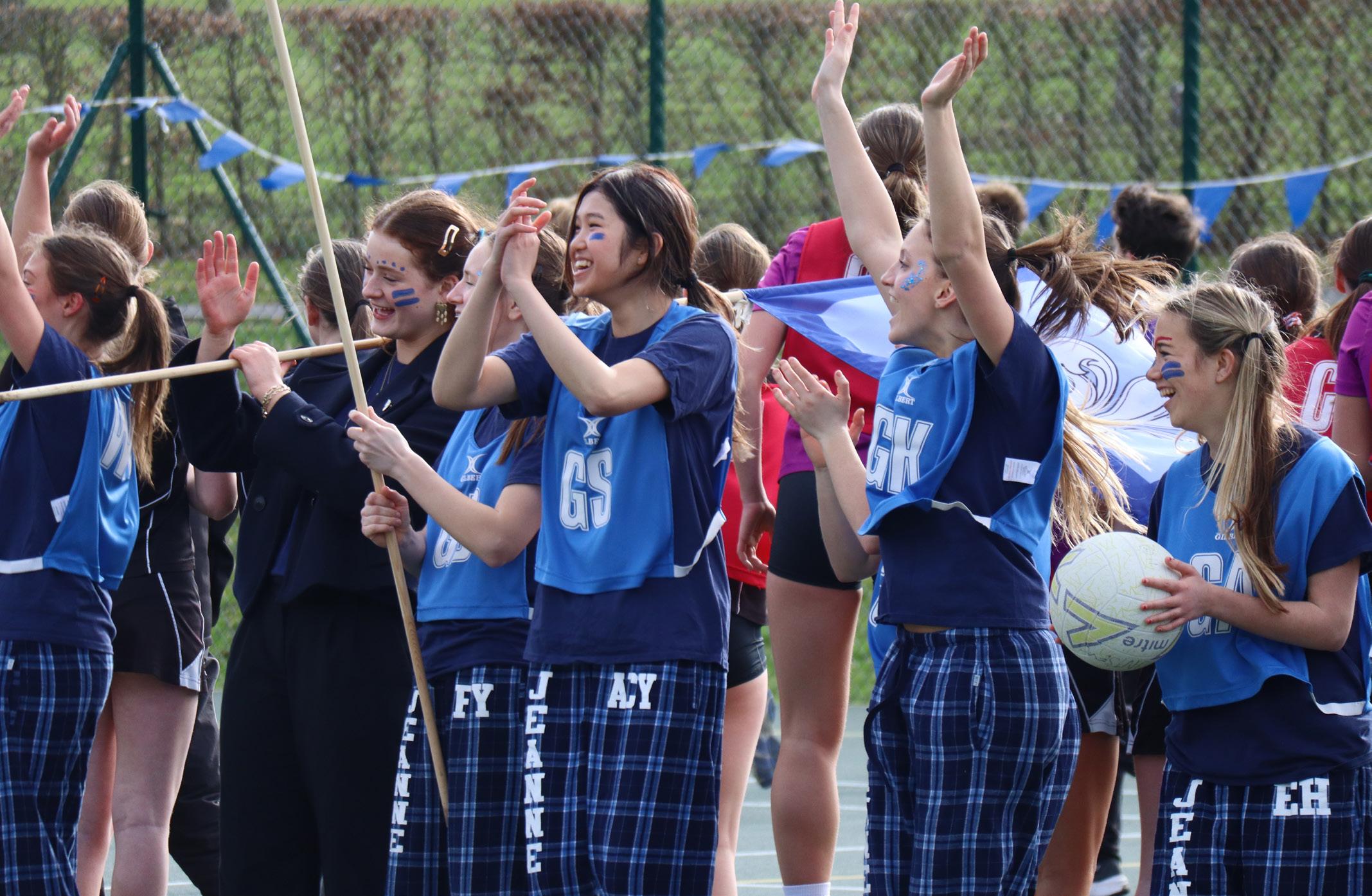
Leaders create an environment in which pupils form close and highly positive relationships across the school, including with pupils in different year groups and across boarding and day houses. [29]
Pupils treat their peers and other adults with respect and compassion....Teachers and pupils work together to create an inclusive community, for instance by providing support to newly arrived pupils in boarding houses. [30]
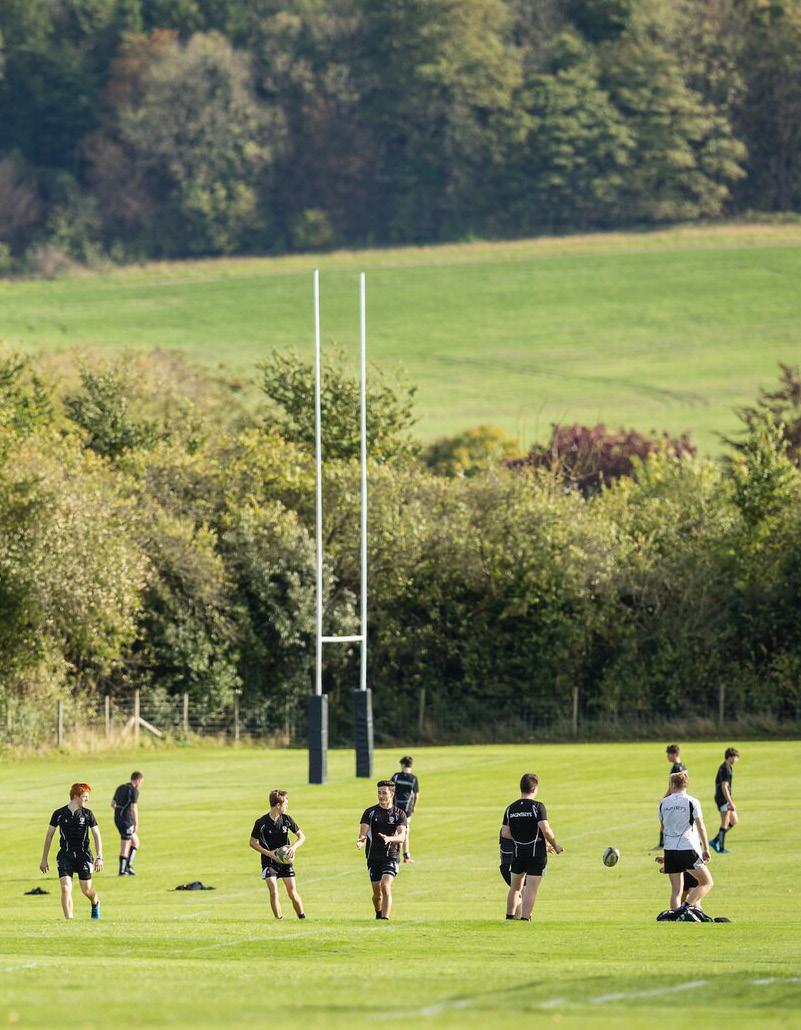
Leaders provide a curriculum of physical education (PE) which both enables pupils to perform at high levels and celebrates participation so that pupils develop their physical skills and fitness in line with their interests... PE staff and sports coaches have specialist expertise and support the most ambitious pupils to achieve regular success in national sporting competitions. [32]
Boarding house staff develop positive and trusting relationships with boarders so that they feel well cared for and are able to raise any concerns they may have. [38]
Prefects act as positive role models around the school and in the boarding houses and are available to provide support to pupils who may require it. [39]
In the boarding houses, a careful system of duties ensures there is always someone available. [40]
“Pupils gain a deep moral understanding of their responsibility to others in their local area and beyond.” [46]
Leaders promote a school culture in which service to others is a natural expectation of daily life. From the youngest ages, pupils are encouraged to contribute to the community around them through ‘service in the everyday’...Pupils develop very high levels of social responsibility and an understanding of how they can contribute positively to their community. [44]
Pupils are involved in a wide range of partnership and charitable activities beyond the school. [45]
A well-planned careers guidance programme prepares pupils for life beyond school. [47]
Pupils are well prepared for further study beyond school. Pupils receive one-to-one sessions with specialist advisors to consider their Sixth Form study and its impact on future pathways. [48]
“Boarding staff consider boarders’ needs carefully, for instance systematically checking in with them when they return to school after holidays.” [56]
Leaders promote a robust safeguarding culture throughout the school. [53]
Leaders with responsibility for safeguarding understand their roles well. [55]
Boarding staff take part in specialised training and understand their additional responsibilities for pupils who are resident on the school site, including those from overseas. [56]
Regular meetings between safeguarding leaders, pastoral leaders, boarding and medical staff ensure that information is shared effectively across the school and pupils are provided with effective support. [57]
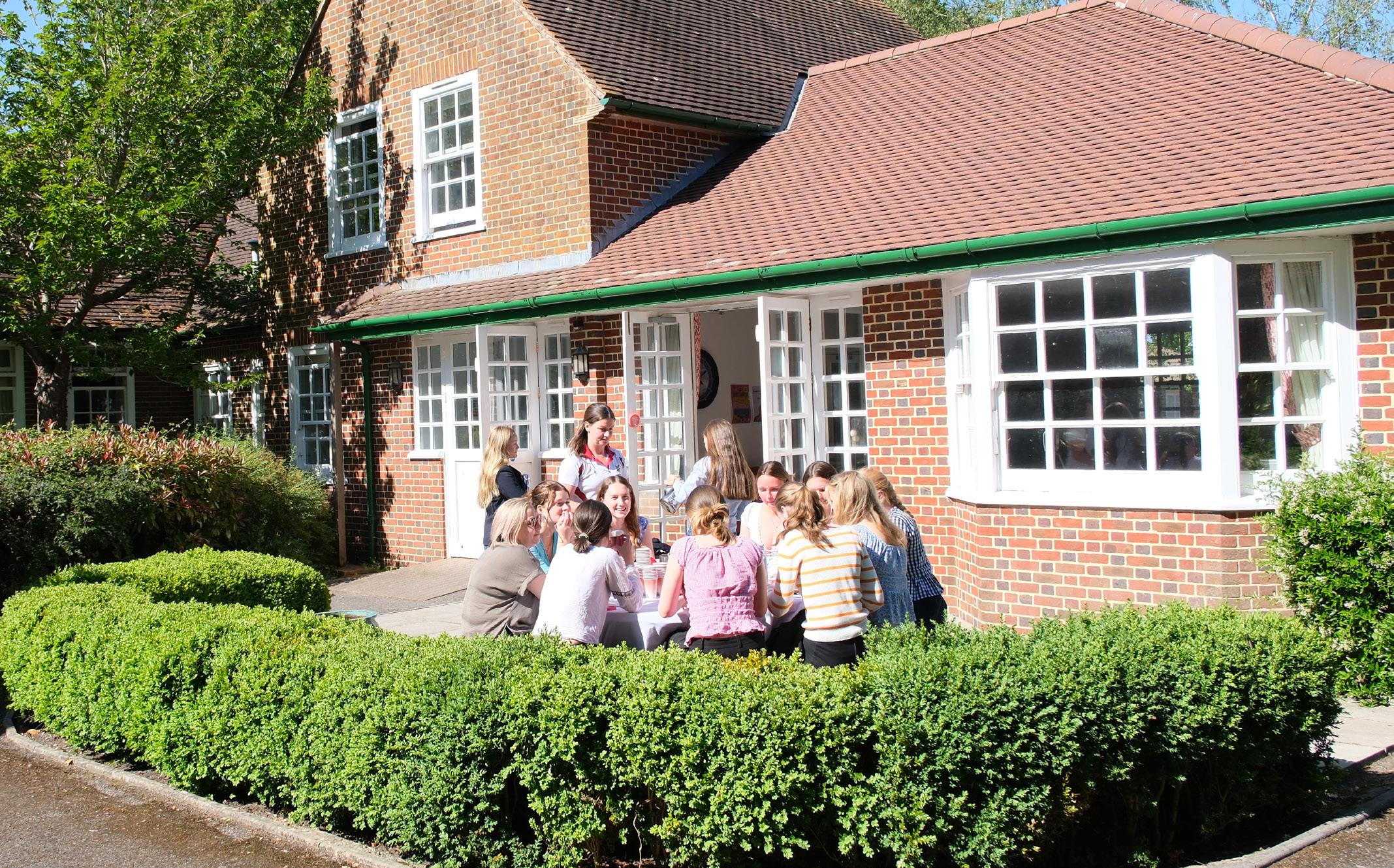
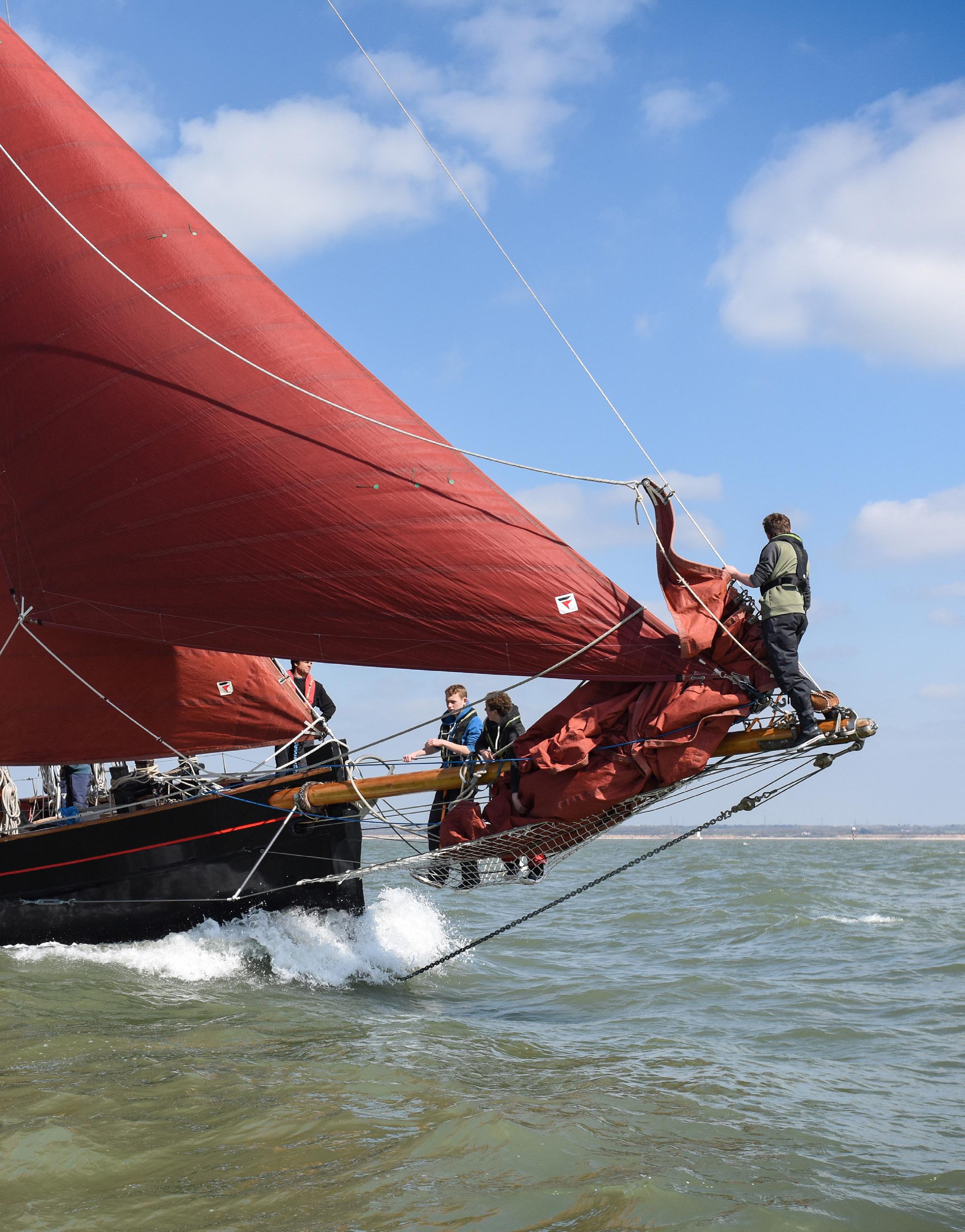
“Throughout the school there is a focus on activities which develop pupils’ resilience, ability to collaborate and openness to new experiences.” [27]
View the full report using the QR code below, or the following link:
https://www.dauntseys.org/useful-links/isi-inspection-reports