






PUBLISHER
EDITOR-IN-CHIEF
Diane Hannah
MANAGING EDITOR
Nancy Gray
EDITORIAL ASSISTANT
Taylore Gills
SALES/MARKETING
Datreese Thomas
GRAPHIC DESIGN
356 Graphix
COVER PHOTOGRAPHY
Steven Arias
CONTRIBUTING WRITERS
Dr. Mateen Diop
Min. R. Joy McGhee
Dr. Keely Petty
BUSINESS ADVISOR
Dennis Kennedy
Contact us at: info@dashleadership.org.
COPYRIGHT © DASH Leadership Magazine is published quarterly by CJT Communications. All rights reserved. Cover and contents may not be reproduced in whole or in part without written permission from the publisher.
DISCLAIMER
The views expressed in any story or column in this publication are those of the individual writers and do not necessarily reflect those of the publisher or advertisers. The products and services offered by individuals within this magazine are not endorsed by the publisher and are included for informational purposes only.
DASH will not be held liable for services or products advertised in DASH. The publisher is not responsible for errors in advertising copy. DASH reserves the right to reject any advertisement and submission for any reason. All product names, brand names, and trademarks may belong to their respective holders.
Printed in the USA
DASH Leadership is committed to providing content that is empowering, insightful, inspiring, and relevant to leaders, entrepreneurs, and professionals in various industries.
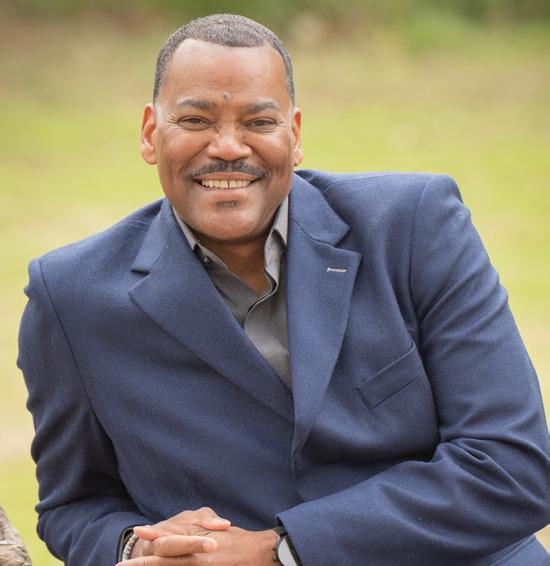
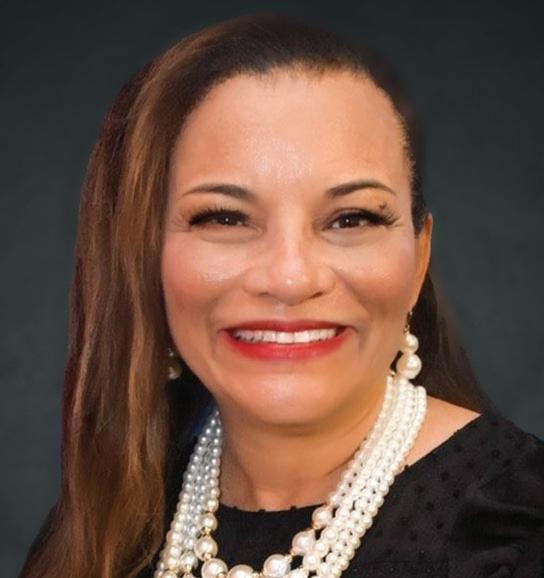
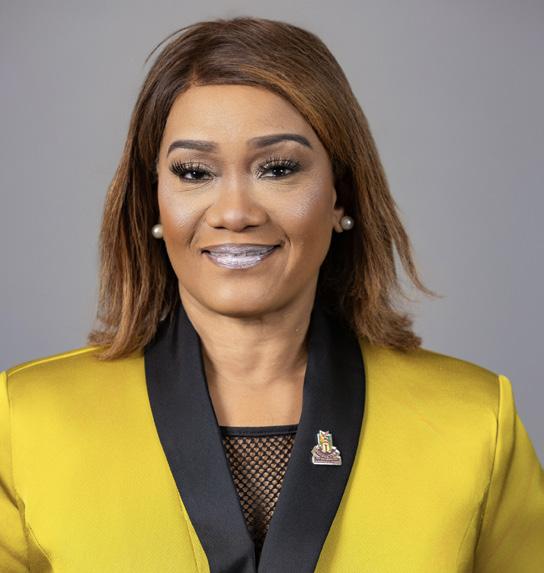
Dr. Mateen Diop is the founder and CEO of My All Things Educational, LLC. He is a consultant, coach, and author whose wealth of knowledge stems from over 25 years in public education in San Antonio, Texas. He has served at every leadership level in grades K-12. He currently serves as Professor of cybersecurity and information technology at St. Philip’s College in San Antonio.
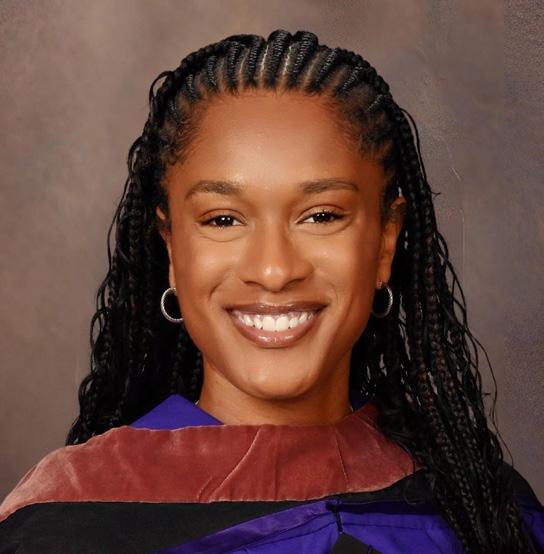
Taylore Gills is a consultant, social media strategist, and editorial assistant for DASH Leadership Magazine. She has over 15 years of journalism experience, which includes conducting interviews, writing, producing, and reporting. Taylore is a graduate of Spelman College and New York University (NYU) where she received a Masters in American Journalism.
R. Joy McGhee is a motivational speaker and corporate trainer specializing in workplace, leadership, and technology training. She is a John Maxwell Team Certified Member with over 20 years of experience in leadership training. Joy is a licensed minister and founder of Inspirationally Yours Corporate Training and Motivational Services. She is the president of the National Coalition of 100 Black Women, San Antonio Chapter.
Dr. Keely Petty is a certified educational expert, facilitator, and trainer of trainers specializing in trauma and mental health, particularly focusing on BIPOC (Black Indigenous People of Color) congregations and faith leaders. She is the founder and CEO of Kick Start Your Life™ with Dr. Keely!, a global wellness coaching,training,and consulting mission service, and she is the Texas Training Coordinator for the WestCare Foundations Trauma-Informed Ministry Model.
Lucy Adame-Clark Bexar County Clerk

Excerpt from the book The Way She Should Go Page 96
The servant leader focuses on serving first—making sure others’ needs are met. Whereas in traditional leadership, the leader’s primary focus is being served. Robert Greenleaf, who coined the theological concept “servant leadership,” said, “The servant leader is servant first, it begins with a natural feeling that one wants to serve, to serve first, as opposed to wanting power, influence, fame, or wealth.”
Servant leaders show compassion, empower others, and are intentional about serving others before leading them. Our homes, schools, places of employment, churches, community organizations, and relationships would be more fulfilling, impactful, and productive if we adapted the “servant leader” mindset. Jesus, the greatest servant leader of all time, said of Himself, “...the Son of Man did not come to be served, but to serve...” (Matthew 20:28). Raise your daughter to be a servant leader by modeling servant leadership.

Welcome to the inaugural issue of DASH Leadership Magazine. It is with great enthusiasm that I introduce this premiere edition, which spotlights exceptional leaders across diverse careers and communities. DASH Leadership Magazine was founded to honor individuals who are leading with intention and living purposefully. Our mission is to share the stories of top leaders who are making a meaningful difference and using their platforms for good.
Leadership is not defined by position alone—it is revealed through impact. It is found in those who uplift others, create opportunities, solve problems, and serve with integrity. In these pages, you will meet leaders whose work is not only impressive, but life-changing. Their influence extends beyond professional success into the lives, families, and communities they touch every day.
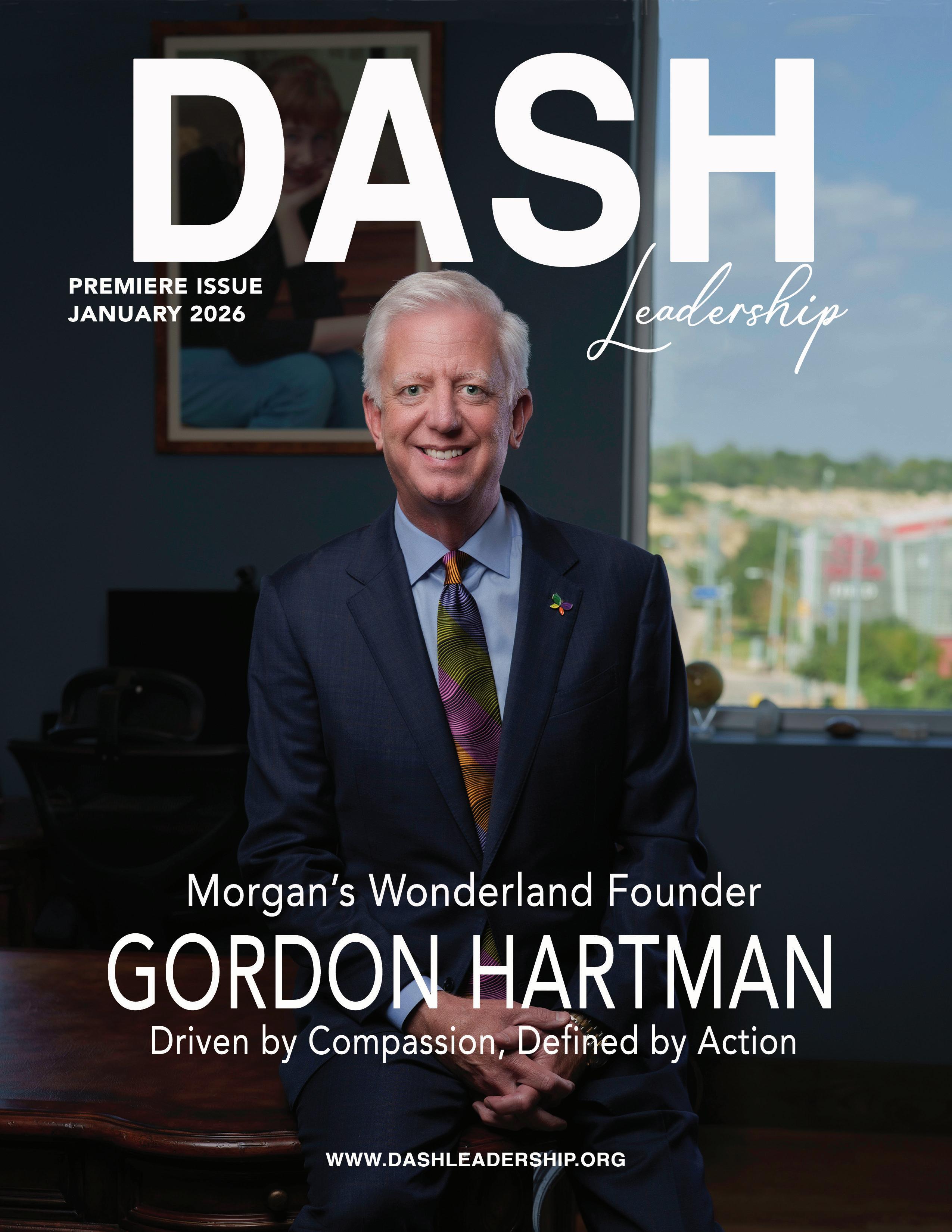
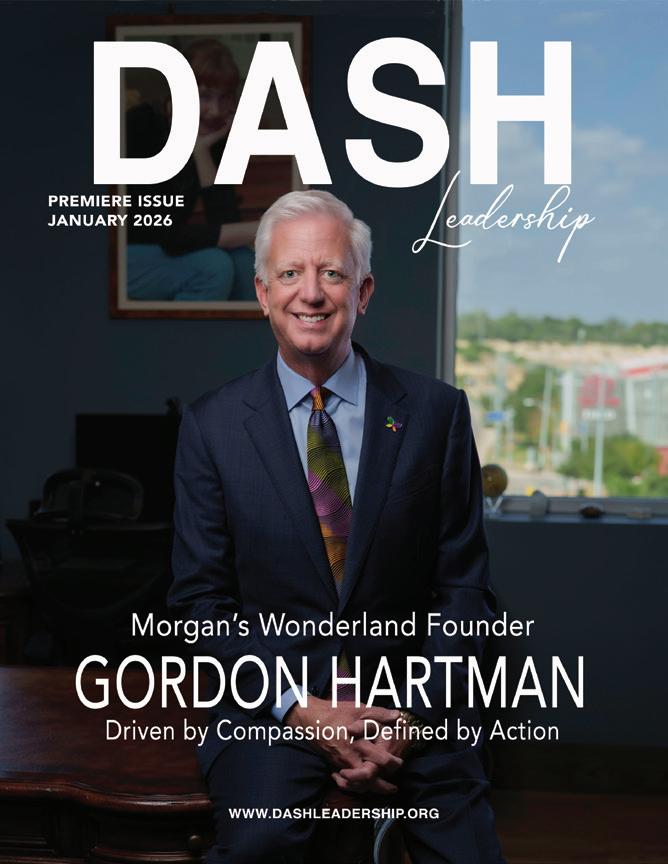
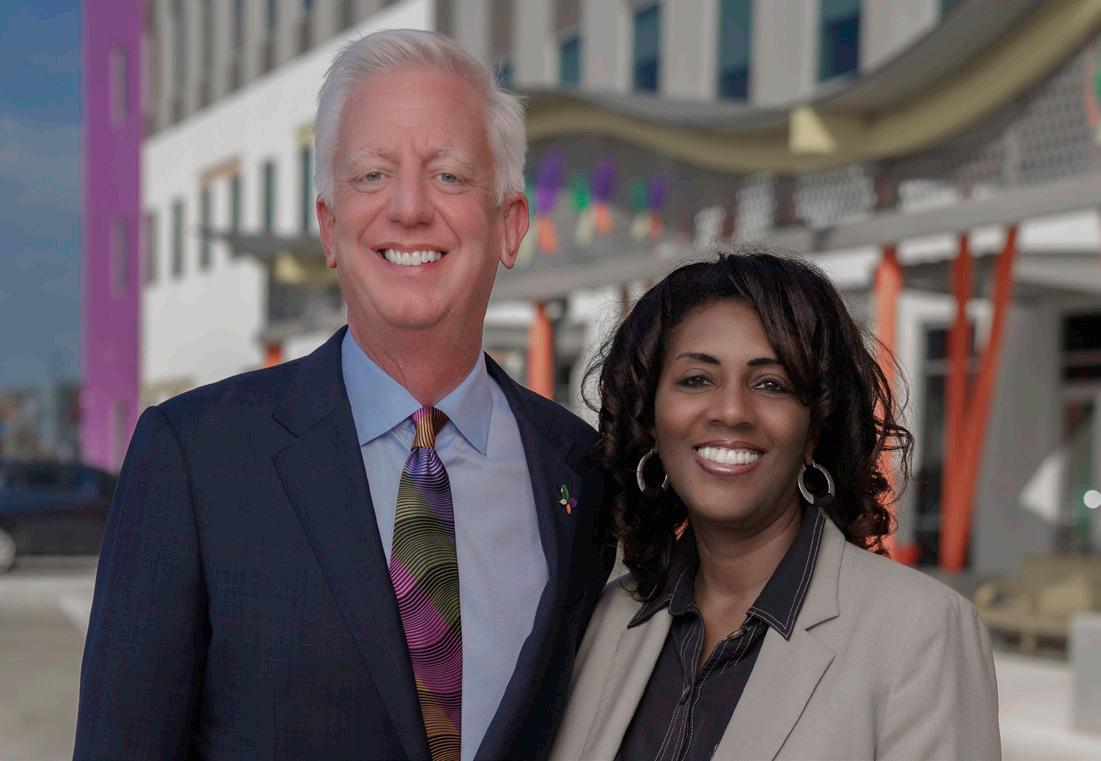
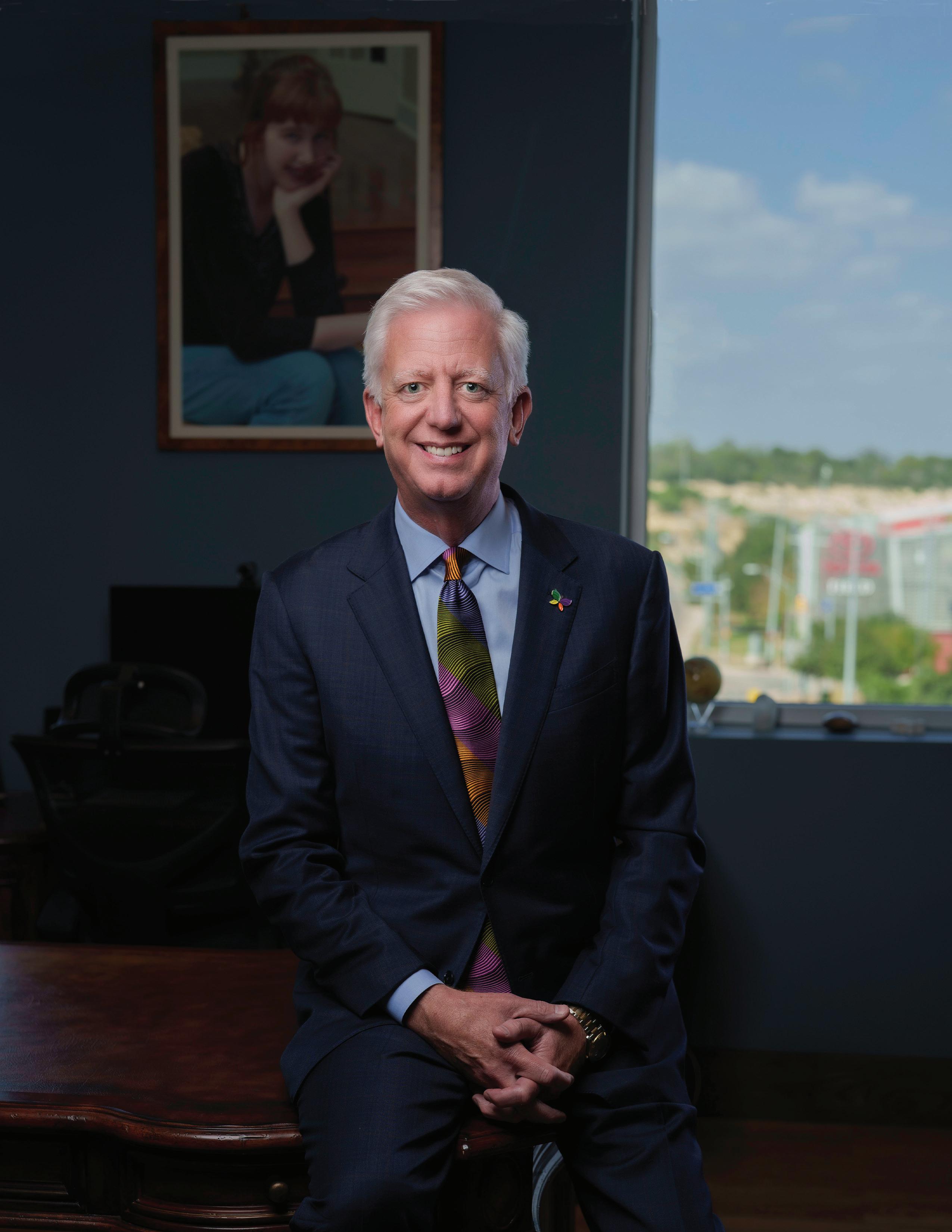
We are especially honored to feature Gordon Hartman, Founder of the Gordon Hartman Foundation and Morgan’s Wonderland, as our cover story for this premiere issue. Hartman’s visionary leadership, compassion, and unwavering commitment to inclusion have transformed lives and redefined what is possible for individuals with special needs and their families. His story embodies the heart of DASH Leadership—purpose-driven leadership that considers others and creates lasting impact. We could not imagine a more fitting leader to represent the spirit of this magazine’s first edition.
DASH Leadership Magazine exists to amplify influence, celebrate service, and highlight impact. We believe that the stories of leaders who are thriving and leading with purpose deserve to be seen, heard, and shared. Their journeys inspire others to step into their own potential and lead boldly within their spheres of influence.
We are also thrilled that we are launching DASH Leadership Magazine during DREAMWEEK 2026—a time dedicated to revelation, inspiration, and forward-thinking conversation, making it the perfect backdrop for the debut of a publication rooted in leadership. I am truly grateful for the opportunity to participate in such a meaningful and worthwhile series of events.
As you explore this issue, may the following pages remind you that leadership is about responsibility, service, and im-
pact. I hope you are inspired to lead with a servant’s heart and walk boldly in your calling!
DASH Leadership Magazine exists to amplify influence, celebrate service, and highlight impact.

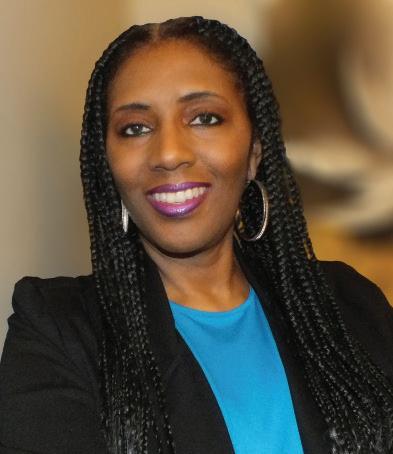
Diane Hannah Publisher/Editor-in-Chief dhannah@dashleadership.org
Instagram: @msdianehannah Instagram: @dashleadership
“ ”
Dignity isn’t just a principle— it’s a reflection of our deepest belief that every person matters, including you.
Dear Leader,
In the quiet moments between decisions and discussions, there lies a powerful choice: the choice to lead with dignity. It begins not with policy, but with the way we see ourselves and those around us. Dignity isn’t just a principle, it’s a reflection of our deepest belief that every person matters, including you.
When we choose to treat ourselves with dignity, we affirm our own worth. We speak kindly to ourselves, we give ourselves grace, and we make space for rest and growth. This kind of intentional self-respect becomes the soil from which courage, authenticity, and resilience grow.
And when we extend that same dignity to others— not just in grand gestures, but in everyday interactions—we begin to shift the culture around us. A workplace shaped by dignity is one where people feel safe, heard, and inspired. It becomes a place where trust takes root, collaboration flourishes, and innovation naturally follows. When people feel seen and valued, they rise.
Leadership is filled with opportunities to be intentional. Whether you’re listening in a meeting, offering feedback, or making space for new voices, you have the chance to show people they matter. These moments, while small, have lasting impact. They send a message: “You belong.”
But dignity’s reach doesn’t end with your team. It ripples outward into our communities. When we lead with dignity, we help build environments that celebrate difference, confront injustice, and nurture connection. We become the kind of leaders who help others not just succeed, but thrive.
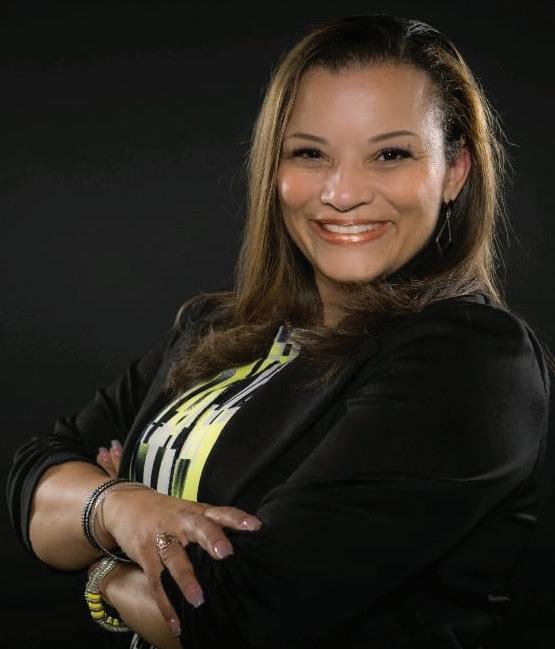
So, let this be your invitation: to lead with care, to act with purpose, and to anchor your influence in dignity— starting with yourself. Each intentional step you take weaves a thread into the legacy you’re creating. And that legacy has the power to lift others for years to come.
The world needs your leadership. Let it be rooted in dignity, and let it shine.
With encouragement and intentionality,

www.inspirationally-yours.us
Instagram: @American1angel
by Dr. Mateen A. Diop
Courageous leaders are not defined by titles or authority but by action. They are willing to speak up when something is wrong, even when doing so is uncomfortable, unpopular, or personally risky.
I once watched a short commercial on social media that offered a powerful and unsettling lesson on leadership and courage. The setting was a college lecture hall, likely at a small institution, with a classroom filled mostly with minority students. It appeared to be the first day of class. As the professor entered, placed his briefcase on the desk, and surveyed the room, everything felt routine—until it wasn’t.
The professor called on a female student and asked her name. After she responded, he calmly told her to leave the classroom. Confused and visibly shaken, she asked him to repeat himself. He did—this time adding that he never wanted her to return. Fighting back tears, the student gathered her belongings and walked out. The rest of the class sat in stunned silence, saying nothing.
Once the student exited, the professor turned to the class and posed a question: “What does justice mean to you?” Students offered thoughtful responses, and all agreed that injustice is wrong. Then the professor asked the most important question of all: “If you believe an injustice occurred, why didn’t any of you speak up when I told her to leave?” He went on to explain that silence often occurs because the injustice did not directly affect those who witnessed it.
That moment stayed with me. It forced me to reflect deeply on what courage looks like in leadership. As a former school leader, I learned that many individuals with leadership titles—principals, assistant superintendents, and department heads—are often better described as managers. We manage resources, budgets, schedules, and personnel. We accept blame when things go wrong and distribute praise when things go right. Those responsibilities are essential, but they are not the essence of leadership. Courageous leadership goes further.
A courageous leader breathes life into an organization—whether it is a school, a business, or a community. Courageous leaders are not defined by titles or authority but by action. They are willing to speak up when something is wrong, even when doing so is uncomfortable, unpopular, or personally risky. They understand that silence, especially in the face of injustice, is itself a decision.
Leadership requires moral clarity. It requires the willingness to challenge systems, policies, or behaviors that harm others, even when those systems are longstanding or widely accepted. Courageous leaders advocate not only for themselves but for those who may not feel empowered to speak.
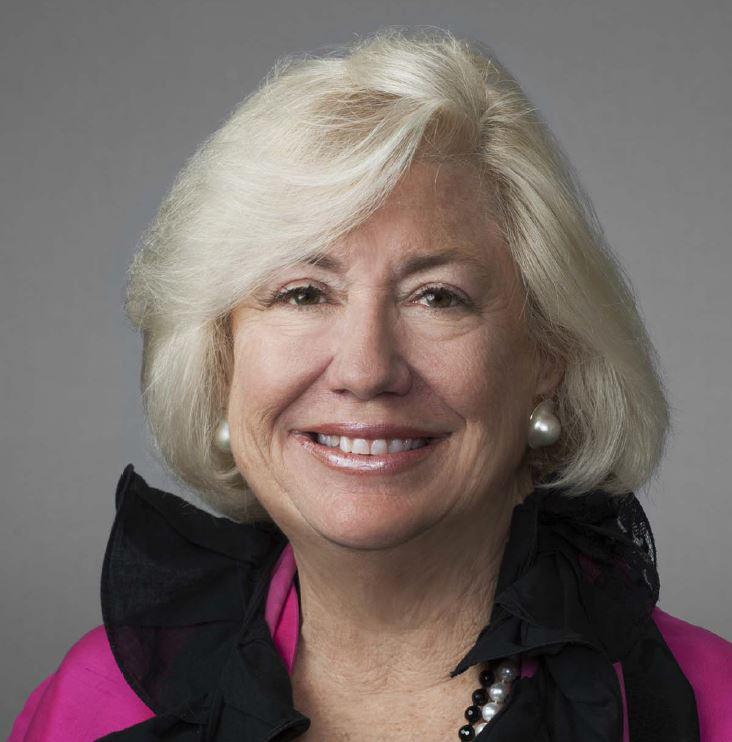
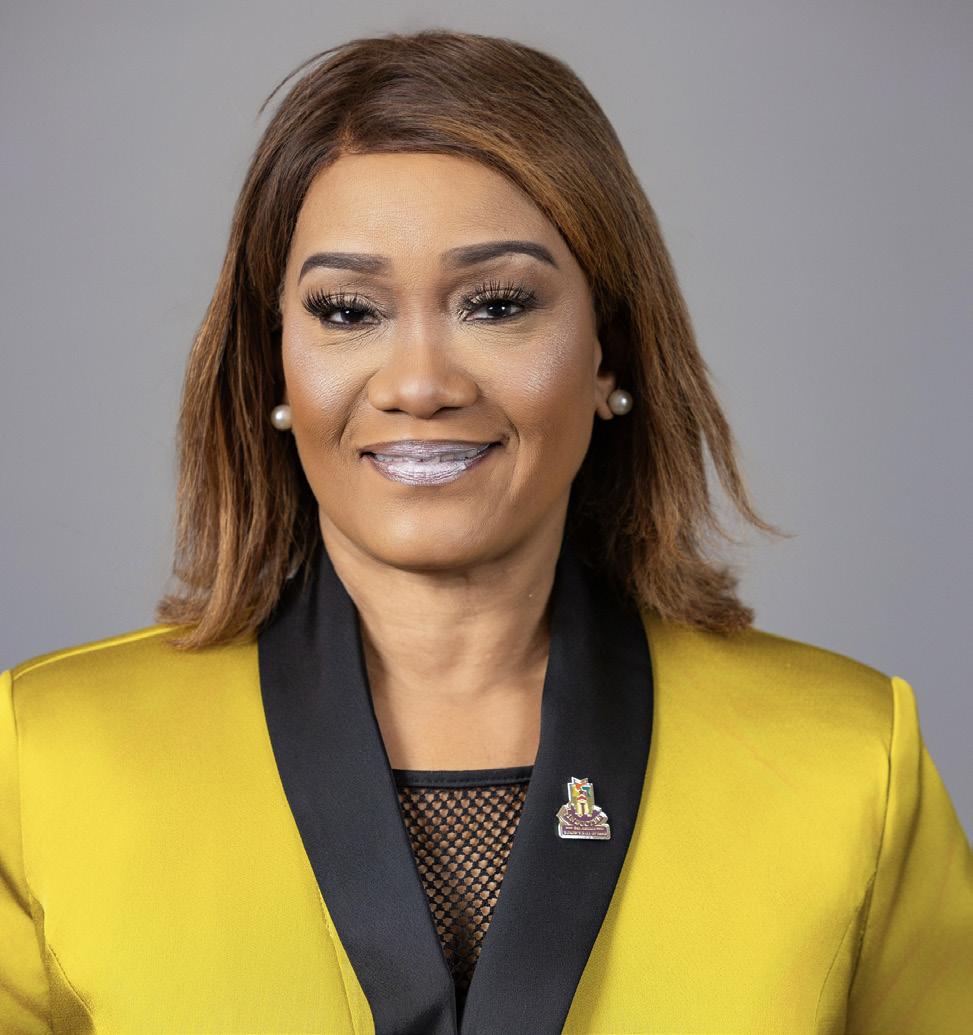
has spent more than five decades shaping the civic, legal, and philanthropic landscape of San Antonio and the state of Texas. A public finance and administrative law attorney by trade, Macon’s career has spanned public service, private practice, and nonprofit leadership, with an influence that reaches far beyond the courtroom. From her early roots in Kingsville, Texas, to becoming the first woman to serve as San Antonio’s city attorney, her work reflects a lifelong commitment to participation, fairness, and community-building.
Macon made history in 1977 when she was appointed as San Antonio’s first female city attorney, a role she held until 1983. At a time when women were still rare in municipal leadership, she navigated legal and political spaces that were often unwelcoming, relying on preparation, persistence, and an openness to learning. Over the years, her leadership extended well beyond city government, including her appointment by President Bill Clinton to the Selective Service Appeal Board and her service as past chair of Siebert Financial Corporation and officer of the Siebert Foundation. Through each chapter, Macon has remained grounded in service, believing that leadership is not about position but about responsibility.
Her path to the law began not with a long-term plan, but with a moment of clarity that revealed her calling. As a young student participating in a one-act play staged in a real courtroom, Macon found herself playing the role of a defense attorney. When the jury acquitted the fictional defendant and emotion filled the room, she experienced a realization that would define her future. That early experience sparked a belief in advocacy, fairness, and the power of process. Today, these principles guide her professional path. Even so, Macon’s journey was not linear; she explored interests in journalism, veterinary work, and other paths before committing fully to the law, a reminder that leadership often emerges through exploration rather than certainty. Throughout her career, Macon has been candid about the importance of mentorship and support. Coming from a family with no lawyers, she credits much of her
success to people who took the time to teach, correct, and encourage her. Judges, mayors, and fellow attorneys offered guidance when she made mistakes, pulling her aside not to criticize, but to ensure she learned. These moments, often quiet and private, shaped her confidence and competence. For Macon, leadership development is inseparable from community; no one succeeds alone, and progress depends on a willingness to invest in others.
Watching great leaders in action also played a critical role in her growth. Macon learned leadership by observing how others listened, decided, and carried responsibility. Figures such as Henry Cisneros and former San Antonio mayors provided examples of what thoughtful, people-centered leadership could look like. Beyond San Antonio, she drew inspiration from women who broke barriers in Texas politics and law, including legislators and advocates who fought for equal rights and expanded representation. These examples reinforced her belief that leadership is learned as much through observation as through experience.
At the heart of Macon’s work is a deep passion for participation. She believes people deserve not only the right to be heard, but the opportunity to make a difference in the spaces they occupy. Whether in government, law, or philanthropy, she has consistently championed inclusion, encouraging others to engage, take risks, and find joy in meaningful work. For Macon, leadership should never feel distant or inaccessible; it should invite people in and make room for growth.
That belief extends to her strong emphasis on community, which she views as both a responsibility and a privilege. Macon’s impact is visible in San Antonio’s infrastructure, education, and healthcare systems. She played a role in securing land for Texas A&M University San Antonio and worked to expand healthcare access for vulnerable residents during the COVID-19 pandemic. Her advocacy for children and women has been a constant thread, shaped by an understanding that sustainable progress requires attention to those most often overlooked.
The best leaders understand people, recognize potential, and create environments where others can thrive. They are patient, observant, and willing to seek counsel. “ ”
Outside of her professional work, Macon’s commitment to community shows up in deeply personal ways. Her longtime involvement with ranching and animal care reflects her belief in stewardship and responsibility. Maintaining a large operation requires trust, teamwork, and consistency, which are values that mirror her approach to leadership. She speaks often about the importance of good help and mutual respect, recognizing the contributions of those who work alongside her and acknowledging that leadership is shared, not singular.
Despite her accomplishments, Macon has faced opposition throughout her career, particularly as a woman in male-dominated spaces. She encountered skepticism, underestimation, and outright resistance from those who doubted a woman’s ability to lead or practice law effectively. Rather than allowing these moments to define her, she relied on preparation and resilience shaped by early life experiences, including working in her father’s hardware store. There, she learned practical problem-solving and customer service at a young age, gaining confidence in her ability to navigate complex situations.
Macon’s response to opposition was not confrontation, but competence. She focused on learning, asking questions, and improving her craft. When others
underestimated her, she let her work speak for itself. Over time, her consistency and openness earned respect, even from skeptics. These experiences reinforced her intolerance for prejudice and her belief that leadership must be grounded in fairness and dignity.
When asked about the keys to her success, Macon points to open-mindedness and a lifelong love of learning. She rejects the idea that there is only one right way to lead, choosing instead to remain curious and adaptable. She believes leaders must be willing to evolve, listen, and recognize when others have better ideas. This mindset, paired with determination and humility, has allowed her to navigate changing legal, political, and social landscapes with grace.
For Macon, “The best leaders understand people, recognize potential, and create environments where others can thrive. They are patient, observant, and willing to seek counsel.”
For more information visit: www.bracewell.com by Taylore Gills
by Dr. Keely Petty
“The most God honoring thing you can do is take care of you and those you love...
As a Black woman of God on the go, I recognize that our experiences with faith and self-care are diverse and deeply personal. Acts 3:19 remind us “...that times of refreshing come from the Lord.” This means our self-care is both natural and spiritual. I like to say, “It’s more than a ‘Calgon take me away moment’; our selfcare is both natural and spiritual. Here are a few power points that I believe can help you realize the importance of self-care.
Historical Resilience:
• Faith has been a crucial source of strength for Black women throughout history, particularly during times of oppression.
• Spiritual practices provided a means of survival and resistance.
• Ancestral connections and spiritual traditions play a vital role in present-day self-care.
Spiritual Practices:
• Prayer, meditation, and scripture reading are common self-care practices.
• Connection to a faith community provides support and belonging.
• Incorporating spiritual rituals into daily life fosters a sense of peace and purpose.
Holistic Wellness:
• Self-care is viewed as a way to honor God’s creation, including one’s own body and mind.
• Balancing spiritual needs with physical and emotional needs is essential.
• Setting boundaries and prioritizing rest are seen as acts of self-preservation.
Community and Connection:
• Faith-based communities can offer vital support networks.
• Sharing experiences and offering mutual encouragement are important aspects of self-care.
• Recognizing the importance of healthy relationships matters.
Mindfulness and Reflection:
• Using prayer and meditation as a form of mindful practice.
• Taking time to reflect on your relationship with God, and your own spiritual health.
• Understanding that spiritual health is just as important as mental and physical health.
The most God honoring thing you can do is take care of you and those you love by realising, as my colleague says, “Me time is not selfish; it’s necessary.”

by Lisa Mays
For years, mental health was whispered about, minimized, or ignored altogether. Today, we are finally acknowledging what has always been true: mental health is just as vital as physical health. It shapes how we think, how we feel, how we lead, and how we show up for others. In every role—leader, parent, professional, or friend—our mental well-being is the foundation upon which everything else is built.
We live in a fast-paced, high-pressure world that often glorifies hustle and productivity while quietly dismissing exhaustion, anxiety, and emotional strain. The result is a culture where burnout is common, stress is normalized, and rest feels like a luxury rather than a necessity. Yet the cost of neglecting mental health is steep. It impacts relationships, decision-making, creativity, and overall quality of life.
Strong leadership does not begin with strength— it begins with self-awareness. The most effective leaders are not those who appear invincible, but those who are emotionally intelligent, grounded, and healthy. When leaders prioritize their mental well-being, they create safer, more supportive environments for others to do the same. They model balance. They normalize honesty. And they give permission for people to be human.
Mental health is not about avoiding challenges; it is about learning how to navigate them. It is about recognizing when to push forward and when to pause. It is about knowing that asking for help is not weakness—it is wisdom. Too often, people suffer in silence, believing they must carry everything alone. But healing does not happen in isolation. It happens in connection.
One of the most powerful steps toward better
mental health is simply paying attention. Noticing your stress levels. Acknowledging your emotions. Listening to your body. When fatigue becomes constant, when joy fades, when irritability increases, these are not flaws—they are signals. Signals that something needs care.
Healthy boundaries are another essential piece of mental wellness. Saying no does not make you selfish. Resting does not make you lazy. Stepping back does not mean you are quitting. It means you are protecting your capacity to continue. Leaders who understand this lead longer, stronger, and with greater clarity.
Mental health also thrives in environments of trust and belonging. When people feel valued, heard, and supported, resilience grows. When they feel judged, ignored, or pressured, stress multiplies. Every workplace, school, church, and community has the power to be a place of healing or a source of harm. The difference is culture—and culture is shaped by leadership.
At its heart, mental health is about hope. The belief that things can improve. The courage to seek help. The willingness to keep going. No matter how heavy the season, no matter how loud the struggle, there is always a path forward. Sometimes it starts with a conversation. Sometimes with rest. Sometimes with a simple decision to choose yourself.
Because when your mind is healthy, your leadership is stronger. Your relationships are richer. Your purpose is clearer. And your impact is greater.
Mental health matters—not just for survival, but for significance.
DreamWeek is an annual citywide summit of ideas, dialogue, and transformation.
DreamWeek San Antonio brings together thought leaders, innovators, and community voices to exchange perspectives, spark meaningful conversations, and inspire action. Through purposeful dialogue and shared experiences, DREAMWEEK fosters understanding, connection, and positive change across San Antonio.
At its core, DREAMWEEK’s mission is to honor our shared humanity by cultivating spaces for civil and civic engagement—where ideas are welcomed, dreams are explored, and collective solutions are shaped for the greater good.

In today’s world, leadership is being tested like never before. Scandals dominate headlines. Integrity is questioned. Trust is fragile. And compromise is often packaged as strategy. In a culture that rewards shortcuts, image, and influence at any cost, values-based leadership is no longer common—it is courageous.
To lead with values in a compromised world is to swim against the current. It is choosing character over convenience, truth over trend, and principle over popularity. It is understanding that leadership is not defined by how high you climb, but by how well you stand.
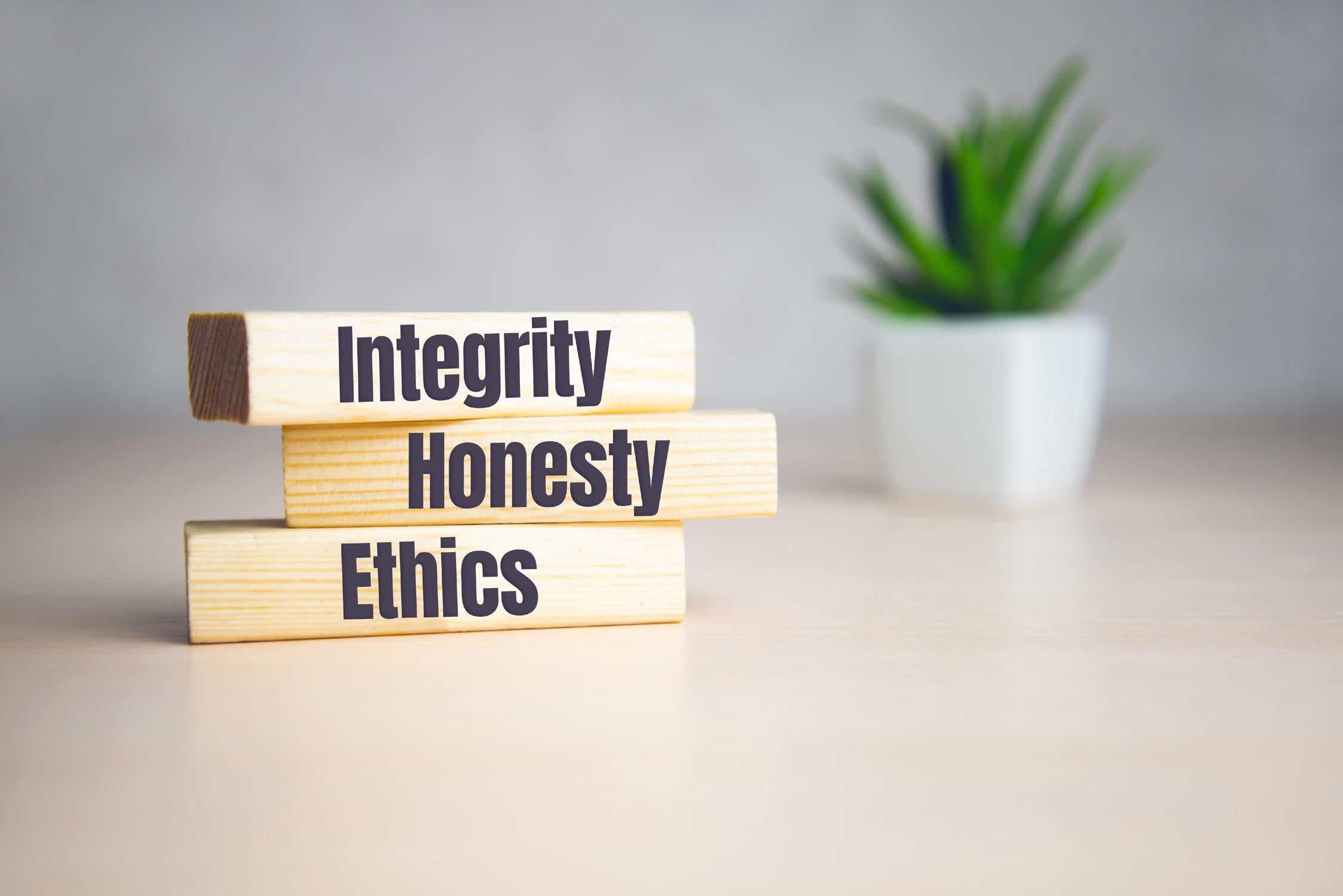
Values-based leadership begins with clarity. Great leaders know who they are, what they believe, and where they draw their lines. They do not outsource their morals to public opinion or bend their standards to fit the moment. Instead, they anchor themselves in timeless principles—integrity, honesty, respect, accountability, and compassion—and allow those values to guide every decision.
In a compromised world, pressure is constant. Pressure to remain silent. Pressure to fit in. Pressure to look the other way. But values-based leaders under-
stand that compromise rarely arrives loudly. It creeps in quietly through small concessions, subtle justifications, and “harmless” exceptions. And before long, what was once unthinkable becomes routine.
True leadership requires the courage to say no when it would be easier to say yes. It requires the strength to stand alone when the crowd chooses comfort. It requires the discipline to do what is right, even when no one is watching and especially when everyone is.
Values-based leaders do not lead from a script; they lead from conviction. Their decisions may not always be popular, but they are predictable. People know what they stand for. Teams trust them. Organizations are stabilized by them. In uncertain times, values-driven leaders become anchors.
Trust is the currency of leadership, and values are the foundation of trust. When people believe in your character, they will believe in your vision. When they trust your motives, they will follow your direction. When they know you are consistent, they will feel secure. In a world where trust is scarce, leaders of character become invaluable.
Values-based leadership also shapes culture. Leaders do not just set goals, they set the tone. They model the behavior. They define what is acceptable and what is not. Over time, their values become the organization’s values. Their integrity becomes the standard. Their courage becomes contagious.
In compromised environments, values-based leaders are often tested. They may be misunderstood. They may be criticized. They may even be isolated. But they are never ineffective. History proves that the leaders who change the world are not the most popular—they are the most principled.
This kind of leadership is not loud. It is not performative. It is not driven by applause. It is steady. It is consistent. It is deeply rooted. And it is desperately needed.
Values-based leadership does not mean perfection— it means accountability. It means owning mistakes. It means making things right. It means choosing growth over ego. It means allowing values to correct you, not just direct others.
In a compromised world, values-based leadership
becomes a form of resistance. Resistance against corruption, apathy, and moral erosion. It is leadership that says, “There is a better way,” and then lives it.
The most powerful leaders are not those with the largest platforms, but those with the strongest principles. They may never trend or go viral, but they will leave legacies. When the noise fades, the titles disappear, and the applause quiets, one thing remains: character.
And in the end, it is not what you built, what you gained, or how high you rose that will define your leadership. It is how you lived, how you treated people, how you honored your values, and how you stood when it mattered most.
In a compromised world, values-based leadership is not just admirable—it is essential. And it is the kind of leadership that changes everything.
by DM Johnson
To Hartman, titles matter far less than purpose. Often referred to as a philantropist, he says, “I don’t really consider myself a philanthropist; I consider myself a social worker.”
Before Gordon Hartman ever built a home or a theme park, he built something far more enduring: a life rooted in compassion, discipline, and service. A successful entrepreneur, he is the visionary behind Morgan’s Wonderland and the Gordon Hartman Family Foundation—an ecosystem of ultra-accessible spaces designed to serve individuals with special needs.
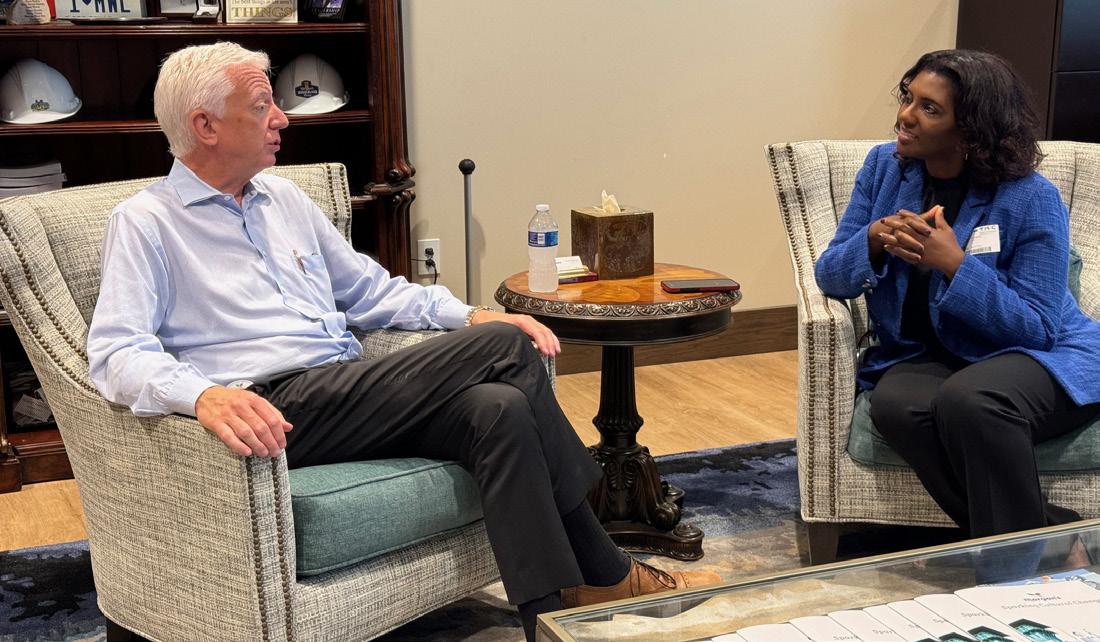
His life’s work is inspired by his daughter Morgan, his upbringing, his seminary training, and an unwavering belief that leadership is not about recognition, it’s about responsibility. In this candid conversation, Hartman reflects on fatherhood, persistence, entrepreneurship, servant leadership, and what it truly means to make a difference.
DASH Leadership: You often say you’re not just a philanthropist; you’re a social worker. Why is that distinction important to you?
Gordon Hartman: Because I don’t just write checks; I dive in. I want to understand the needs. I want to know how we can make things better. My daughter is one of the lucky ones; she has access to great doctors, therapists, caregivers, and loving parents. But so many families don’t. When I retired at 41, I decided I wanted to spend the rest of my life leveling the playing field as much as I possibly could.
DL: You’ve said that people with special needs are “not at the table.”
GH: We’re not. Out of all philanthropic dollars given in this country, only about 1.5% goes toward helping individuals with special needs, even though nearly 20% of the population is affected. That tells you something. There hasn’t been a focus. But that’s changing, and I’m encouraged by that.
DL: What are you most proud of when you look at Morgan’s Wonderland and everything that’s grown from it?
GH: Morgan’s Wonderland is only about 20% of what we do. We’ve expanded into a water park, sports facilities, camps, medical and therapeutic centers, a salon, a fitness center, and we’re building an ultra-accommodating hotel. People ask, “Why a salon?” Because many people with special needs have never had their hair cut in a professional setting. It’s the small things that make a big difference.
DL: Where does your passion for inclusion come from?
GH: Every day I wake up asking, “How can I make this a little better?” I think about inclusion 24/7. People think I’m crazy, but it’s who I am. I want everyone to have opportunities. Not just people with special needs—everyone.
DL: You often use the phrase “servant leadership.” What does that mean to you?
GH: Servant leadership is bringing people together to help others. It’s not complicated. Leaders gather people and make things happen. That’s it. And I’ve been blessed with a lot of people who have joined this mission. This is a calling.
DL: How do you build a culture where people are truly invested?
GH: Passion. If someone is here just for a paycheck, they won’t last. This is not just a job; it’s purpose-driven. You have to be part of who we are.
DL: Your parents had a big influence on you. How did they shape your leadership?
“I want everyone to have opportunities. Not just people with special needs—everyone.”

GH: My parents were hard-working, disciplined, compassionate people. They didn’t push me; they let me find my way. My mom always told me, “Never be too big for your britches.” That stuck with me.
DL: You started building homes at 19 without formal training. How did that happen?
GH: I got ripped off a lot (laughs), but I learned. I had a landscaping company, saved money, got a small loan, and built my first house. Then two. Then seven. Then duplexes and fourplexes. I reinvested everything. Passion is the key word.
DL: You once said your life has three chapters.
GH: Yes. 20 years as a kid, 20 years in business, and 20 years as a social worker. I’m in my third chapter now, and it’s by far the best.
DL: You also spent years in seminary. How did that shape you?
GH: Discipline. Structure. Organization. Time management. It took me from being an eighth grader to being focused. That training, my parents, and Morgan—those are the three biggest influences in my life.
DL: How has being Morgan’s father shaped you as a man?
GH: People see special needs as a negative; I see it as a positive. Morgan is 31, and she still puts her head on my shoulder when we watch movies. That’s a gift. She doesn’t care about status or possessions. She’s pure. She’s joyful. She’s taught me more than any book ever could.
DL: How have you and your wife managed the challenges you’ve faced?
GH: There’s stress. But my wife is incredible. We’ve been married 34 years. Our marriage is stronger because of Morgan.
DL: What made you sell your businesses at 41?
GH: Timing. The market was overheated. Buyers were everywhere, so I sold. The market crashed shortly after. That opened the door for me to focus fully on this mission.
DL: How did you handle success at such a young age?
GH: Discipline. Reinvestment. Long-term thinking. No immediate gratification. That’s seminary. That’s parenting. That’s Morgan.
DL: What is your life motto?
GH: Work hard, and be compassionate toward others.
DL: What drives you to keep going?
GH: Making a difference. Little things make big differences. Clean facilities. Smiles. Respect. Dignity.
DL: How does your faith influence your leadership?
GH: Faith is how you live. It’s not about an hour on Sunday. It’s how you treat people. That’s how you honor God.
DL: You didn’t go to college, and you are open about that.
GH: College isn’t for everyone. On-the-job training is where I learned. I like learning, but I don’t read books. I read constantly, but not books. That’s just who I am.
DL: What are three essential leadership traits?
GH: Focus. Determination. Compassion.
DL: One word to describe you?
GH: Persistent.
DL: Who do you admire in business?
GH: Bill Gates and Warren Buffett. They give back.
DL: What’s a common mistake leaders make?
GH: Living in a bubble. Surrounding themselves with people who tell them what they want to hear. I want people to disagree with me. But once a decision is made, we move forward.
DL: How do you handle criticism now?
GH: Better than I used to (laughs). I’ve learned that
criticism can be constructive.
DL: Who is your hero?
GH: Morgan. She’s taught me everything.
DL: What does your daily routine look like?
GH: Breakfast. Quiet time. Then go, go, go until night. I love every minute.
DL: Final question—what do you hope your legacy will be?
GH: That we made the world a little more inclusive. That we helped people belong. That we made a difference.
Gordon Hartman’s leadership is not loud; it is lived. It is persistent. It is compassionate. And it is purpose-driven. In a world that often overlooks the most vulnerable, Hartman has built a movement that insists: everyone belongs. And that is leadership at its highest form.
www.gordonhartman.com

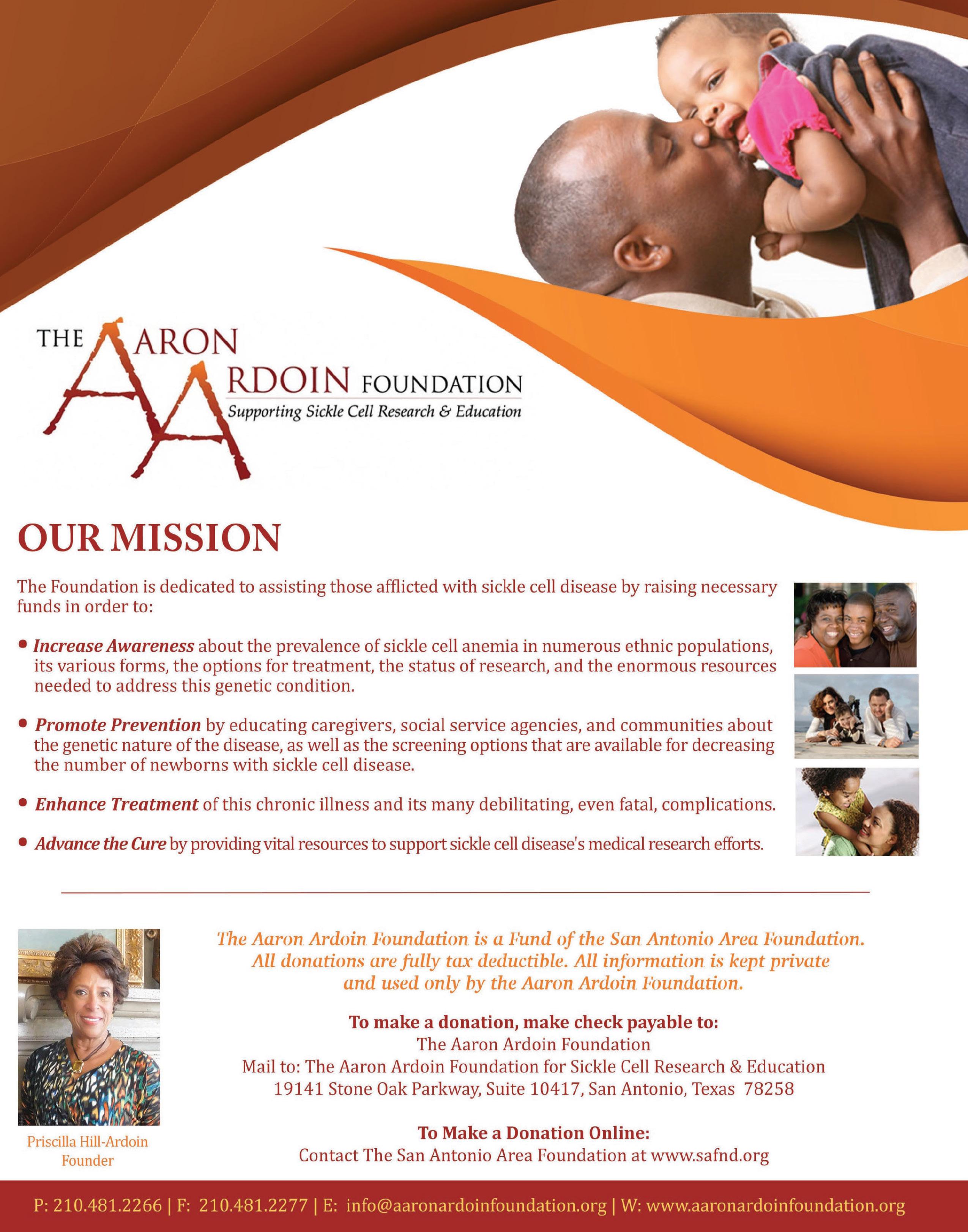
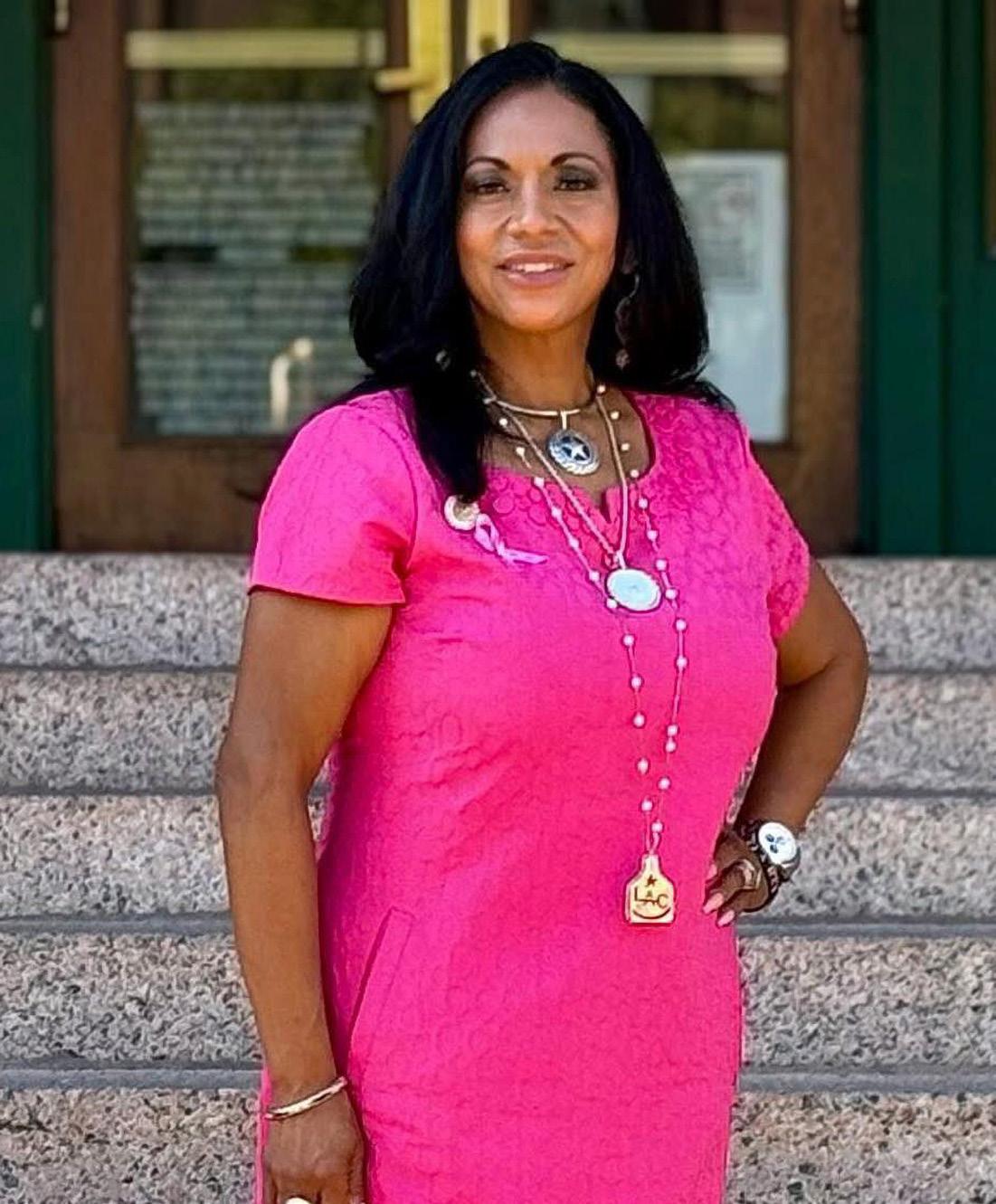
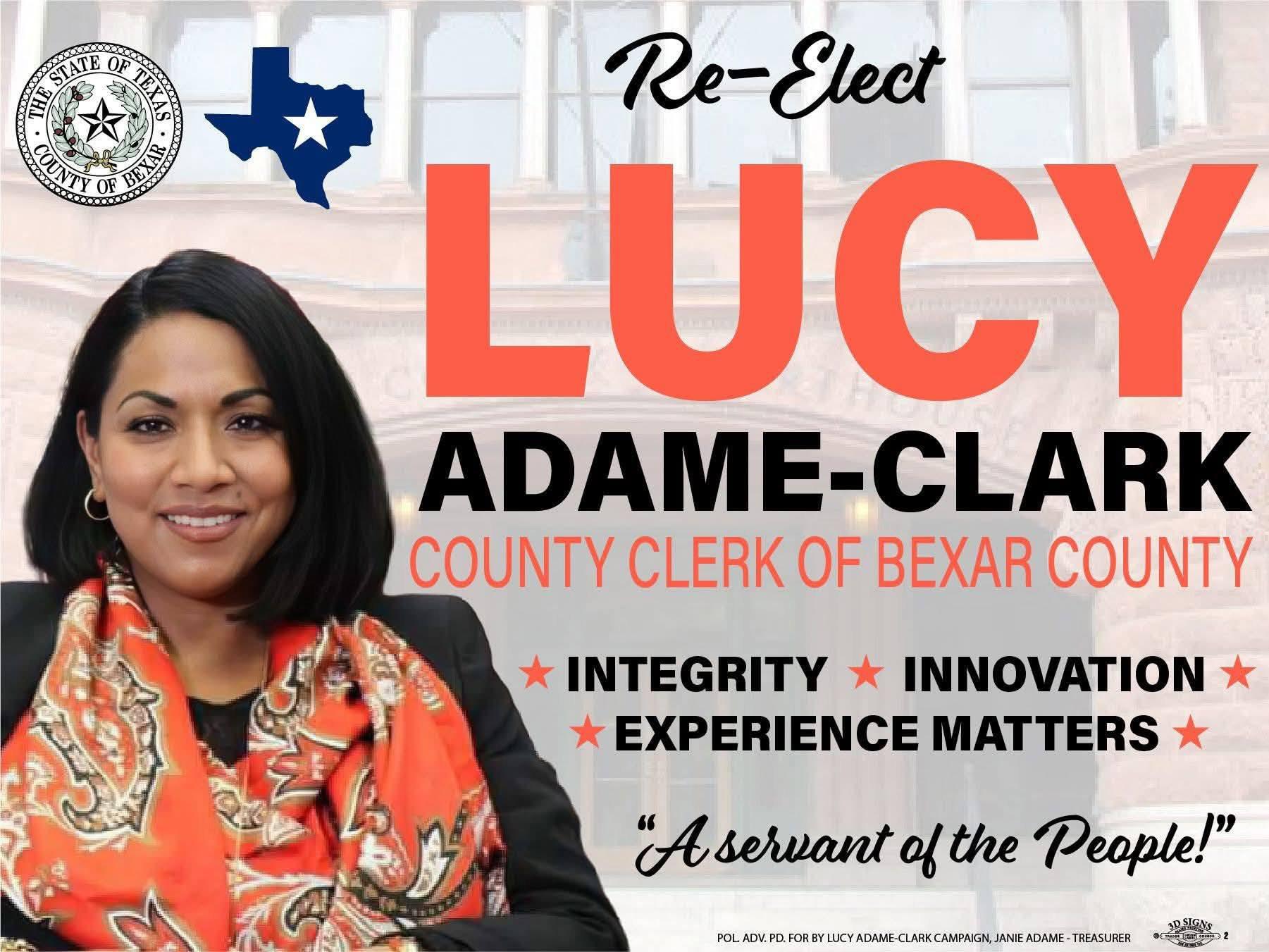
is a lifelong San Antonian and a trailblazing public servant who made history as the first Latina and the first woman elected as Bexar County Clerk since the creation of the Republic of Texas.
Born and raised in San Antonio, Lucy Adame-Clark is a proud mother of two and the wife of a sheriff’s deputy, with deep personal and professional ties to the community she serves.
She attended Sidney Lanier High School and later studied paralegal studies at Southern Careers Institute. Adame-Clark began her public service career with the Bexar County Sheriff’s Office in 1997, where she served for nearly 22 years. Her tenure included roles as a booking identification clerk, a latent print examiner/AFIS in the Criminal Investigation Division, and a criminal processing clerk. As a latent print examiner, she worked on high-profile cases across Bexar County and the state of Texas, collaborating with agencies such as the ATF, Texas Department of Public Safety, FBI, and more than 20 municipalities. During this time, she earned extensive training, certifications, and TCOLE hours, including FBI training for IAFIS, and became an active member of the International Association for Identification.
Elected in 2018, Adame-Clark currently serves as Bexar County Clerk, Bexar County Treasurer, and Records
Management Officer. She is also a member of the Bexar County Bail Bond Board, the Bexar County Investment Committee, and the International Association of Government Officials, where she previously served as Clerks Division Director. She is honored to serve as President of the Urban Recorders Alliance. In her role as County Clerk, she oversees records for multiple courts and departments, serves as Ex-Officio Clerk of Commissioners Court, and is responsible for recording and preserving public records including land and real property records, marriage licenses, assumed names, cattle brands, and vital statistics. She also maintains Bexar County’s historic Spanish Archives dating back to the 1700s, safeguarding the foundation of the county’s history.
Within her first year in office, Adame-Clark launched the award-winning “Straight to You – Records on the Run” initiative, significantly expanding access to county services. Her leadership has been recognized at the local, state, and national levels, including honors such as the Alamo Area Council of Governments Government Project of the Year, the Texas Association of Counties Best Practices Award, the National Asso-
ciation of Counties Achievement Award, the iGO Innovator Award, and the Texas Patriot Award from the Daughters of the Republic of Texas. In 2023, she received the Bexar County Pioneer Award, was named a Women’s History Honoree by the U.S. House of Representatives, and her leadership team earned a congressional commendation. In 2024, she was further recognized with the Legendary Advocate Award, the San Antonio Young Lawyers Association Liberty Bell Award, and the San Antonio Business Journal Women’s Leadership Award.
Highly engaged in her community, Adame-Clark has served in numerous leadership and volunteer roles. including as a board member for Eagles Flight Advocacy & Outreach, former vice president and board member of Women Unlimited SA, booster club president for the Southside Independent School District AFJROTC program, and Democratic precinct chair for her area. Her career reflects a steadfast commitment to public service, innovation, and community leadership, and she remains dedicated to serving the citizens of Bexar County with integrity and purpose.

by Christi Langford
The servant leader does not ask,
“How can this benefit me?” but instead,
“How can I help you become better?”
In a society that often celebrates position, power, and personal gain, servant leadership stands as a quiet yet revolutionary force. It turns traditional leadership on its head by placing people before platforms, service before status, and impact before image. Servant leadership is not about how many follow you, it’s about how many are strengthened because of you.
John C. Maxwell, one of the most respected voices in leadership, reminds us, “True leadership must be for the benefit of the followers, not to enrich the leader.”
This simple but profound truth captures the heart of servant leadership. It is leadership rooted in humility, empathy, and a genuine desire to see others thrive. The servant leader does not ask, “How can this benefit me?” but instead, “How can I help you become better?”
At its core, servant leadership is transformational. It changes workplace culture, strengthens relationships, and unlocks potential in people who may not even see it in themselves. When leaders serve, trust grows. When trust grows, people engage, and when people engage, lives change.
Stephen Covey, author of The 7 Habits of Highly Effective People, once said, “Seek first to understand, then to be understood.” Servant leaders live this principle daily. They listen before they lead. They value perspective. They create space for voices that might otherwise go unheard. In doing so, they foster environments where individuals feel seen, respected, and empowered.
Servant leadership is especially powerful because it multiplies. When people are led with dignity and care, they are far more likely to lead others the same way. The ripple effect is undeniable. Teams become communities. Organizations become missions. And leadership becomes legacy.
This style of leadership does not mean weakness. On the contrary, it requires great strength, discipline, and intentionality. It takes courage to put ego aside and elevate others. It takes conviction to lead with integrity in a culture that often rewards self-promotion. As Maxwell also states, “People don’t care how much you know until they know how much you care.” Servant leaders understand that influence is built through connection, not control.
In schools, servant leaders shape students. In businesses, they shape culture. In families, they shape futures. Their impact is not always loud, but it is lasting. They may not seek recognition, yet they are often remembered. They don’t chase titles, they focus on building influence.
Ultimately, servant leadership is about stewardship— of people, of purpose, and of opportunity. It is leadership that asks, “How can I make life better for those entrusted to me?” And when that question becomes the driving force, the answer is always transformation.
Servant leadership does not just change organizations. It changes lives.





H-E-B’s Supplier Diversity Program works hard to ensure we’re selling goods and utilizing services from a wide variety of Texan businesses. We’re proud that our suppliers are as diverse as the Lone Star State itself.
As a former small business ourselves, we believe in and celebrate the value & strength that working with small businesses, local businesses, and businesses owned by diverse suppliers, women, LGBTQ+, Veterans, and disabled Texans brings to both our business and the communities we serve.