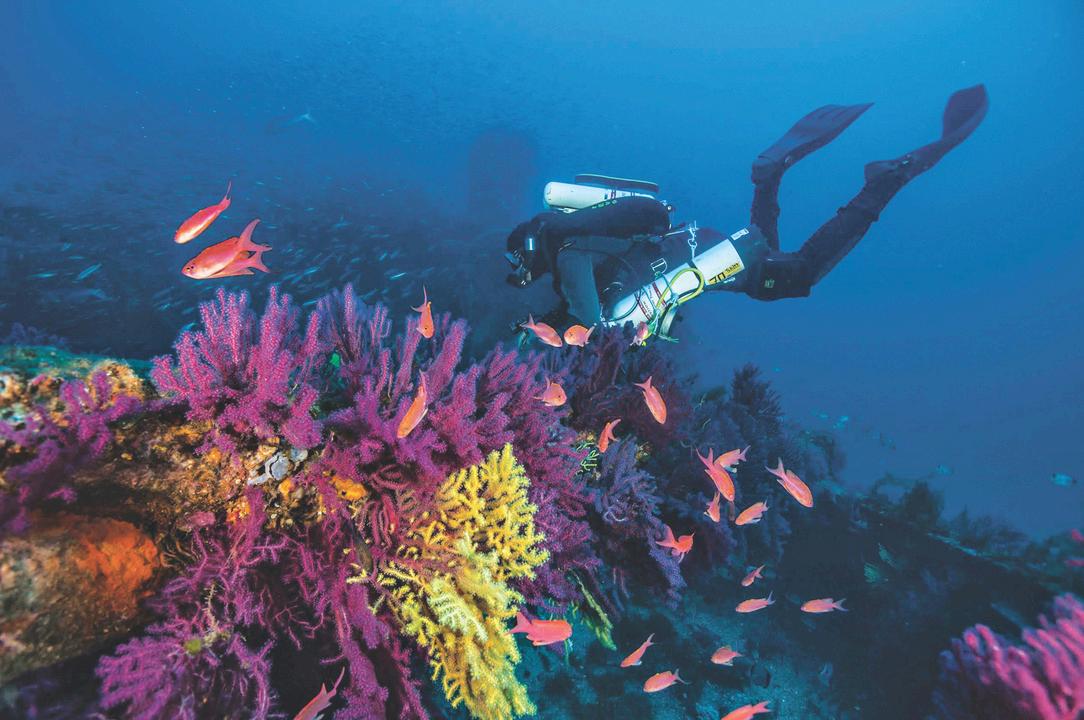
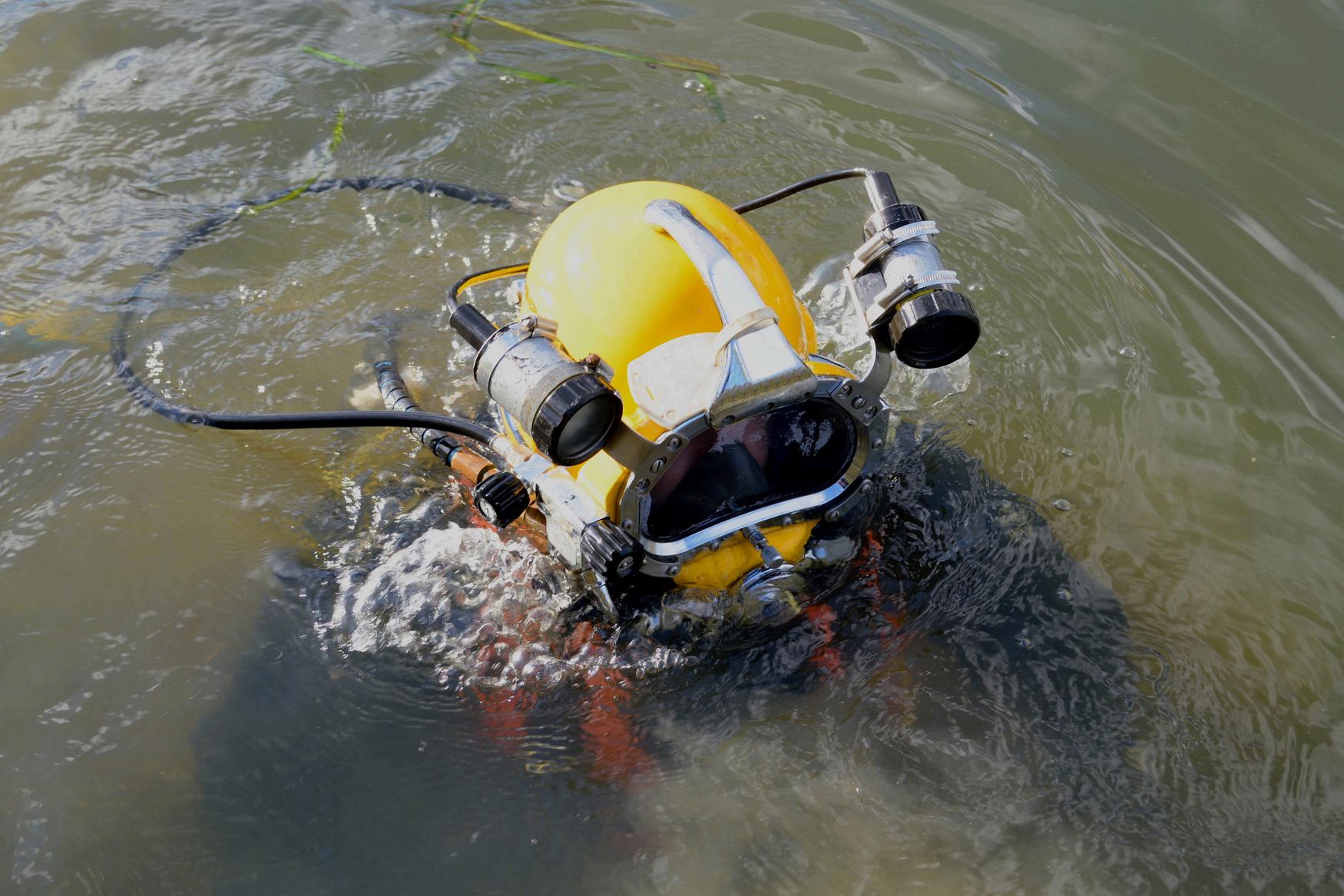
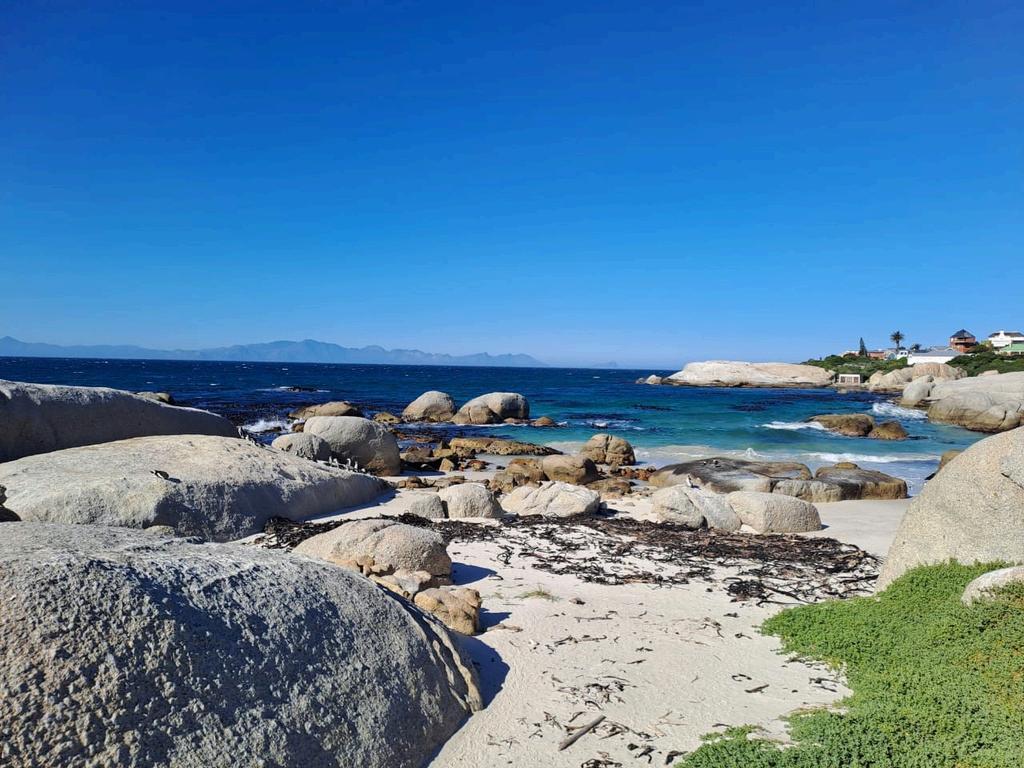
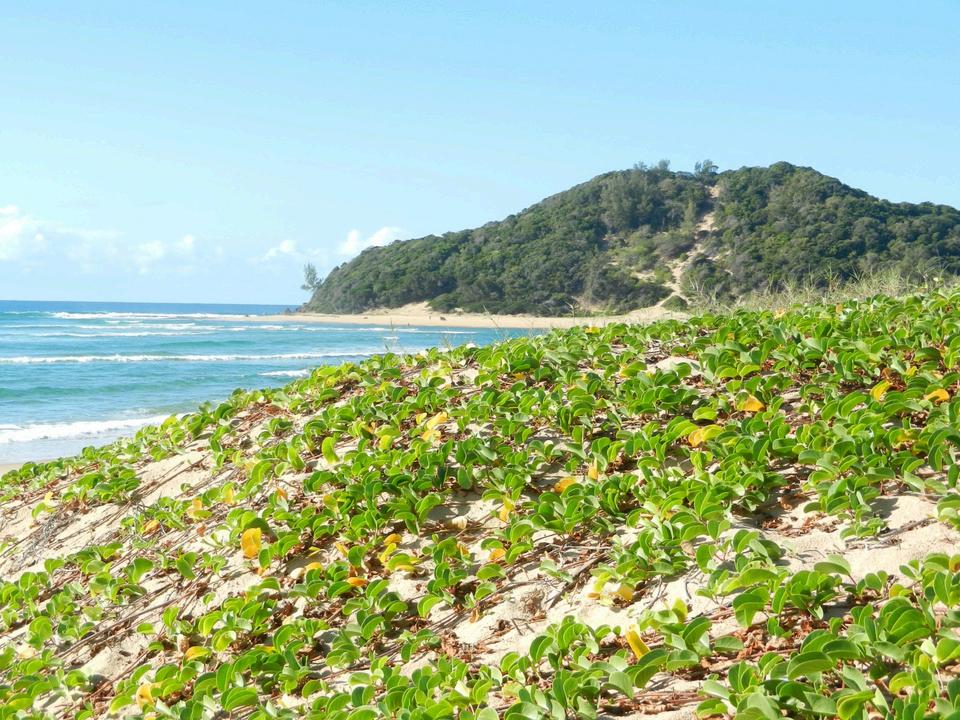
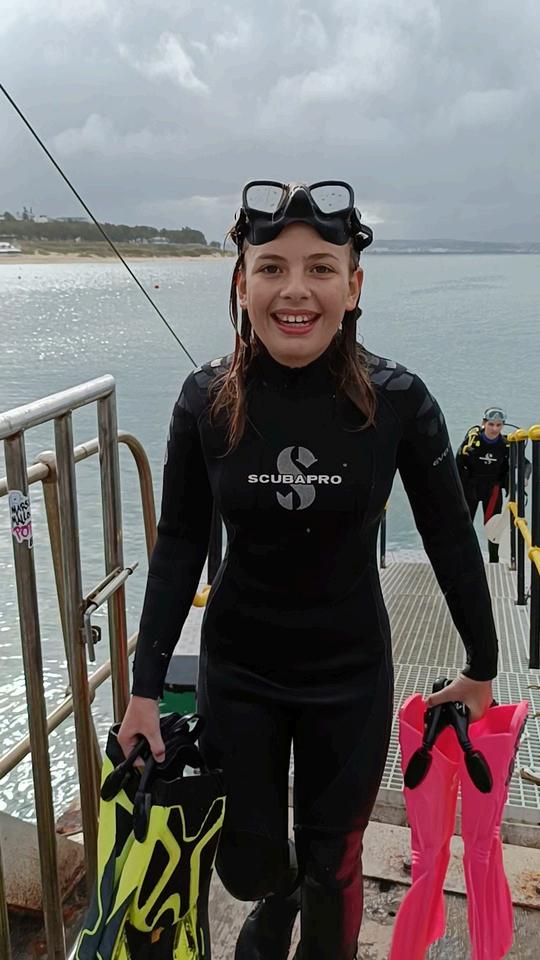
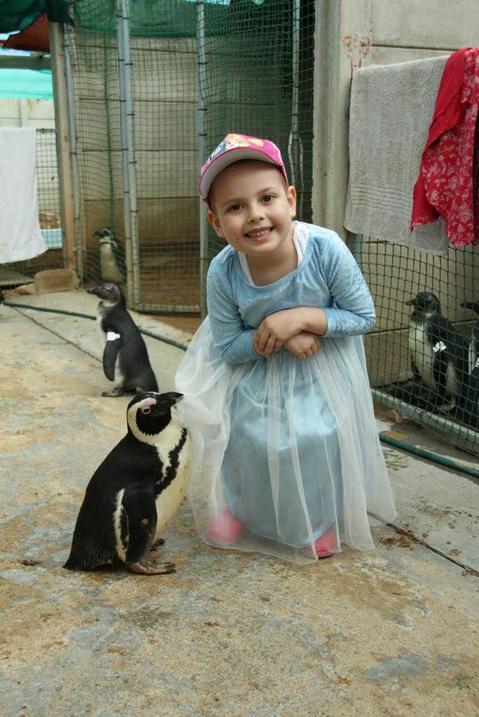
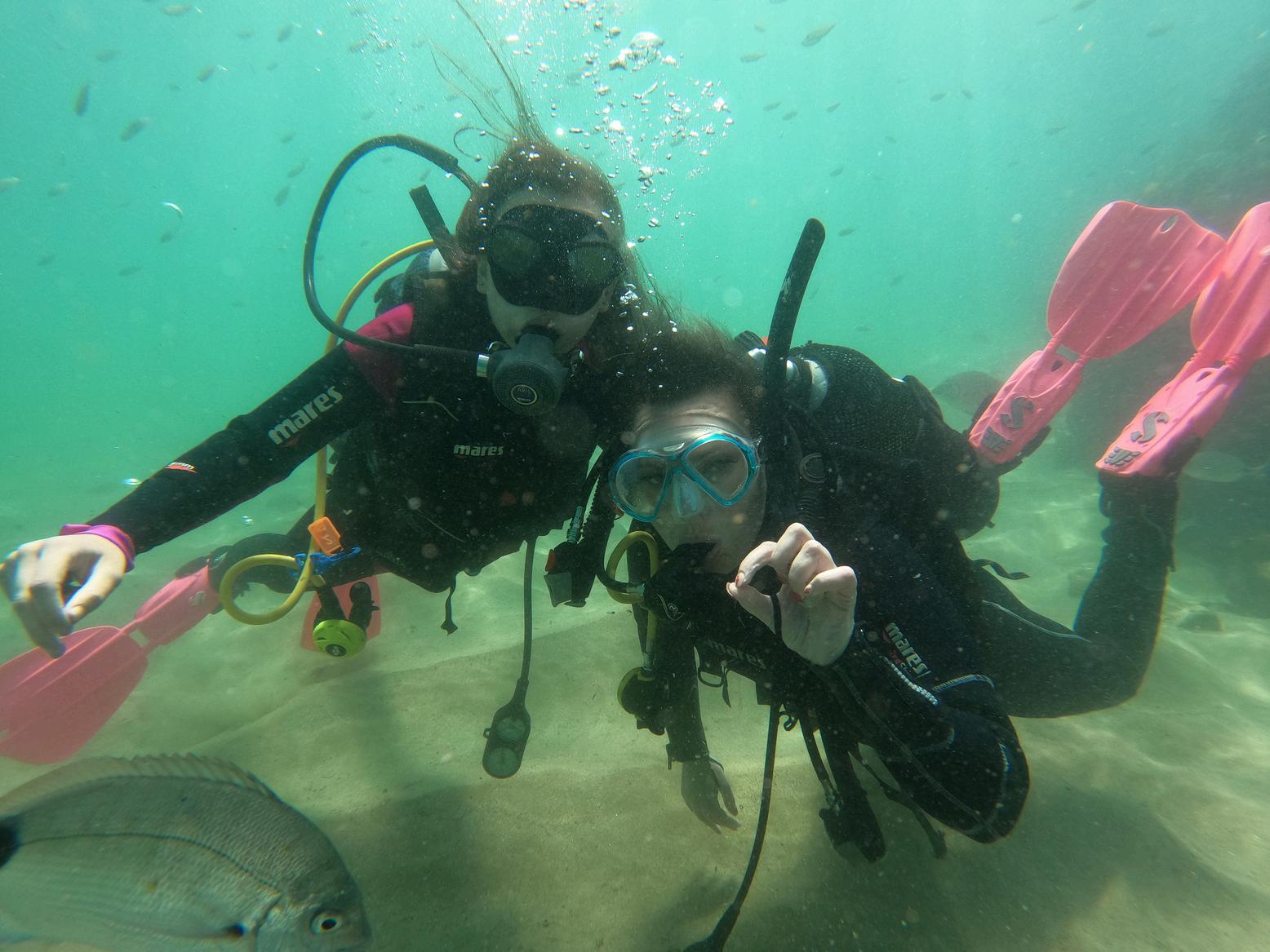
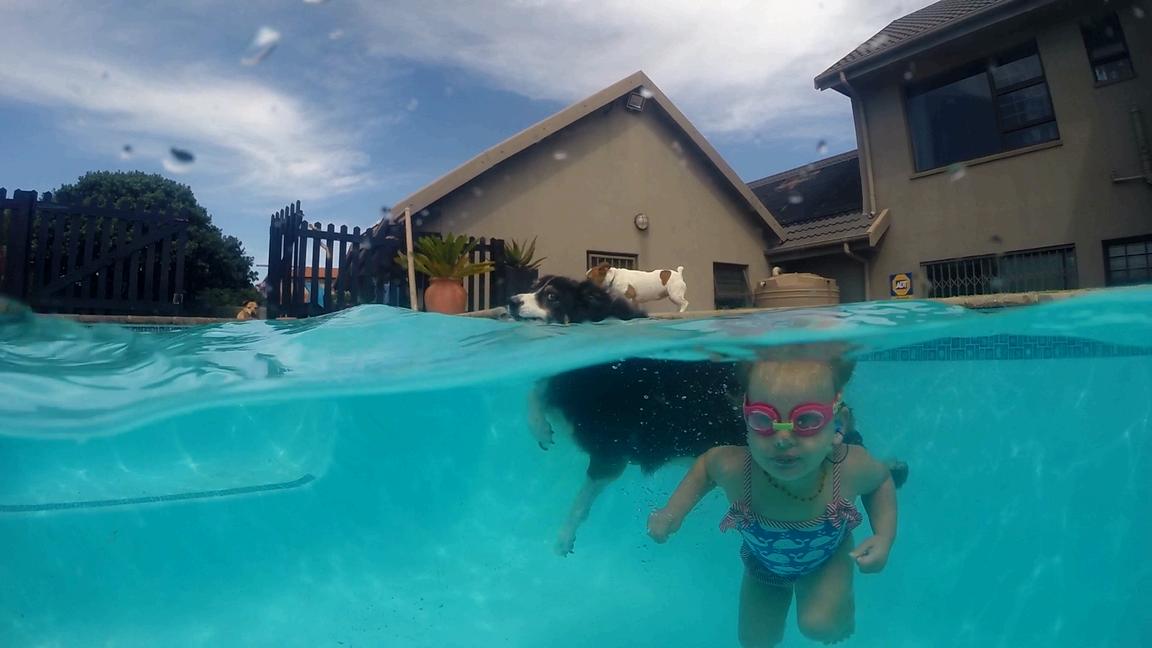
One of the things I love most about diving is that it never stops teaching us
No matter how many dives we have completed, how many destinations we have visited, or how much experience we have accumulated, the ocean always finds a way to surprise us Sometimes those lessons come from a close encounter with a shark Sometimes they come from a shipwreck, a kelp forest, a remote atoll, or even a creature so small that many divers might swim right past it without noticing
This edition of Alert Diver is, in many ways, a celebration of discovery
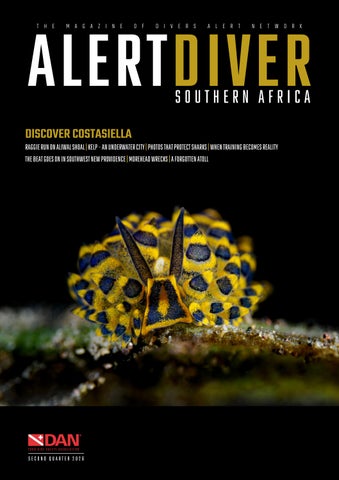
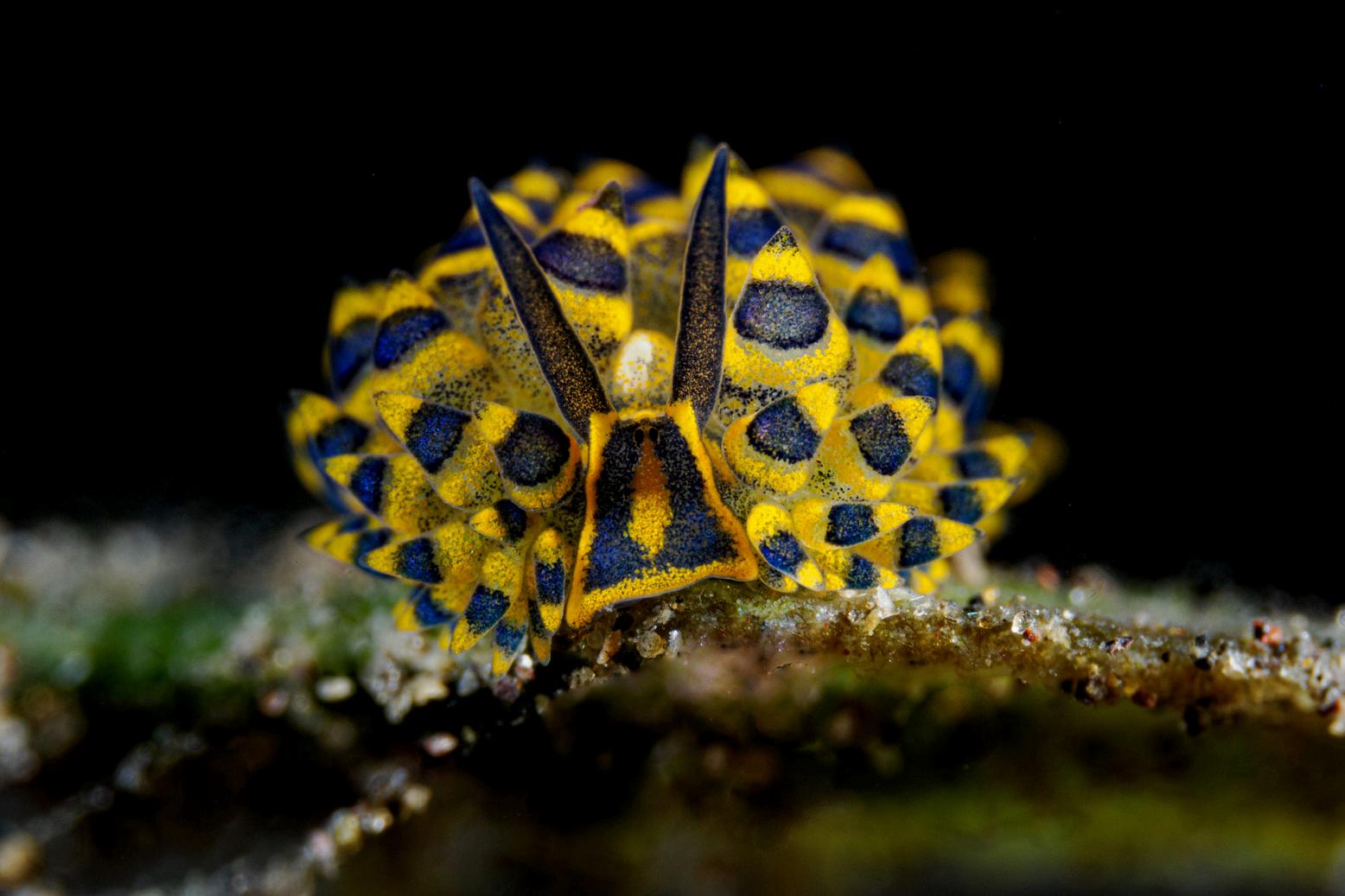
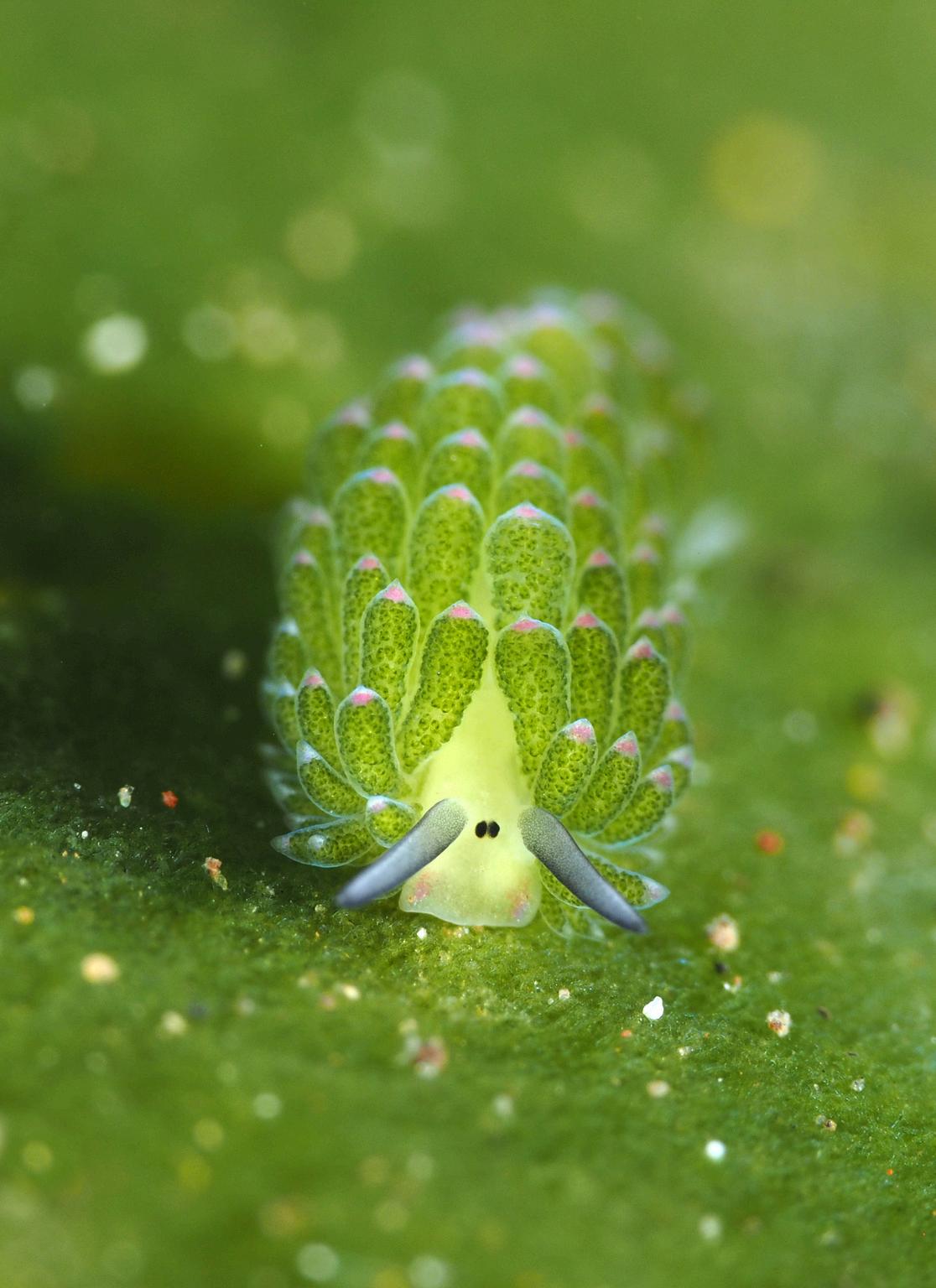
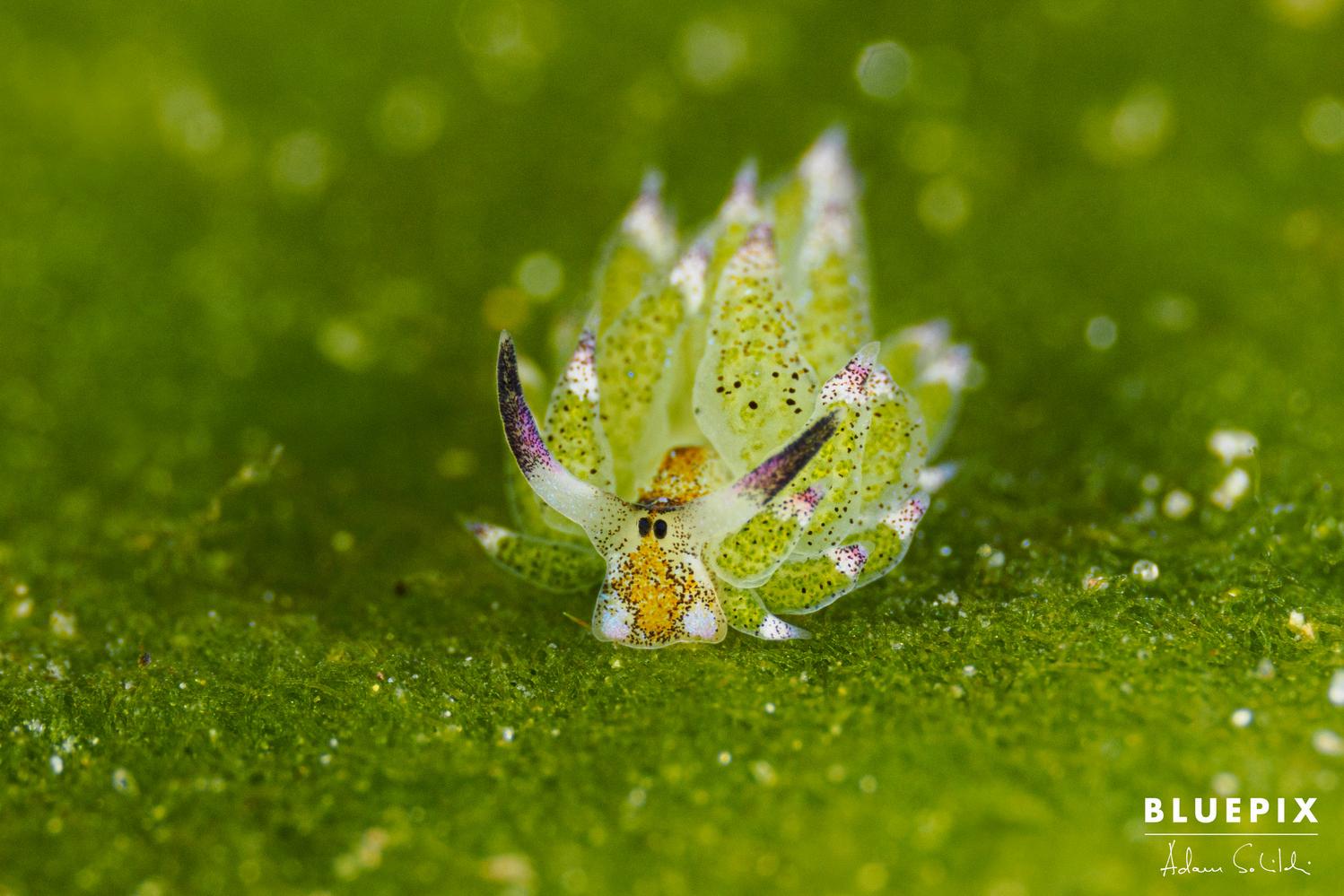
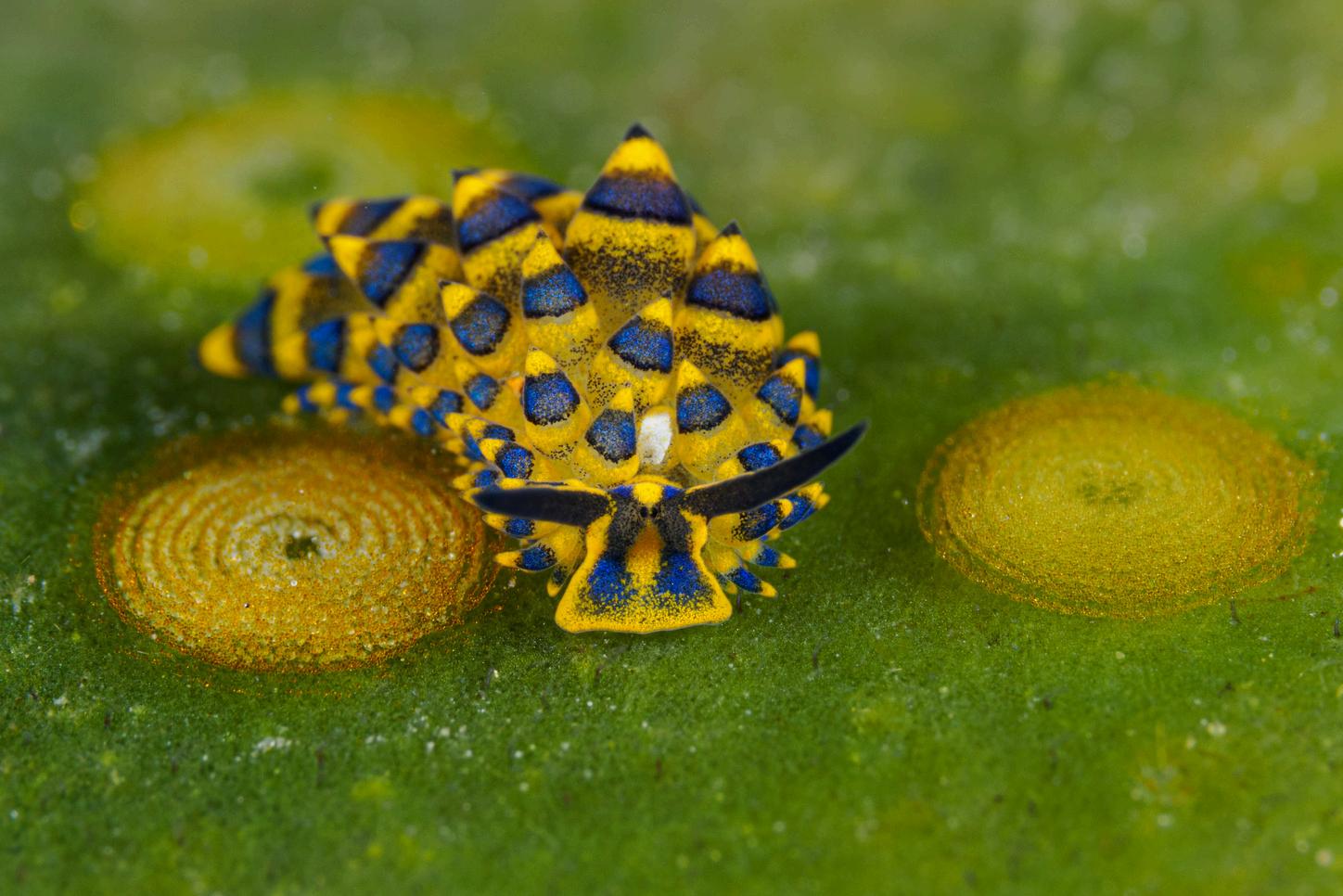
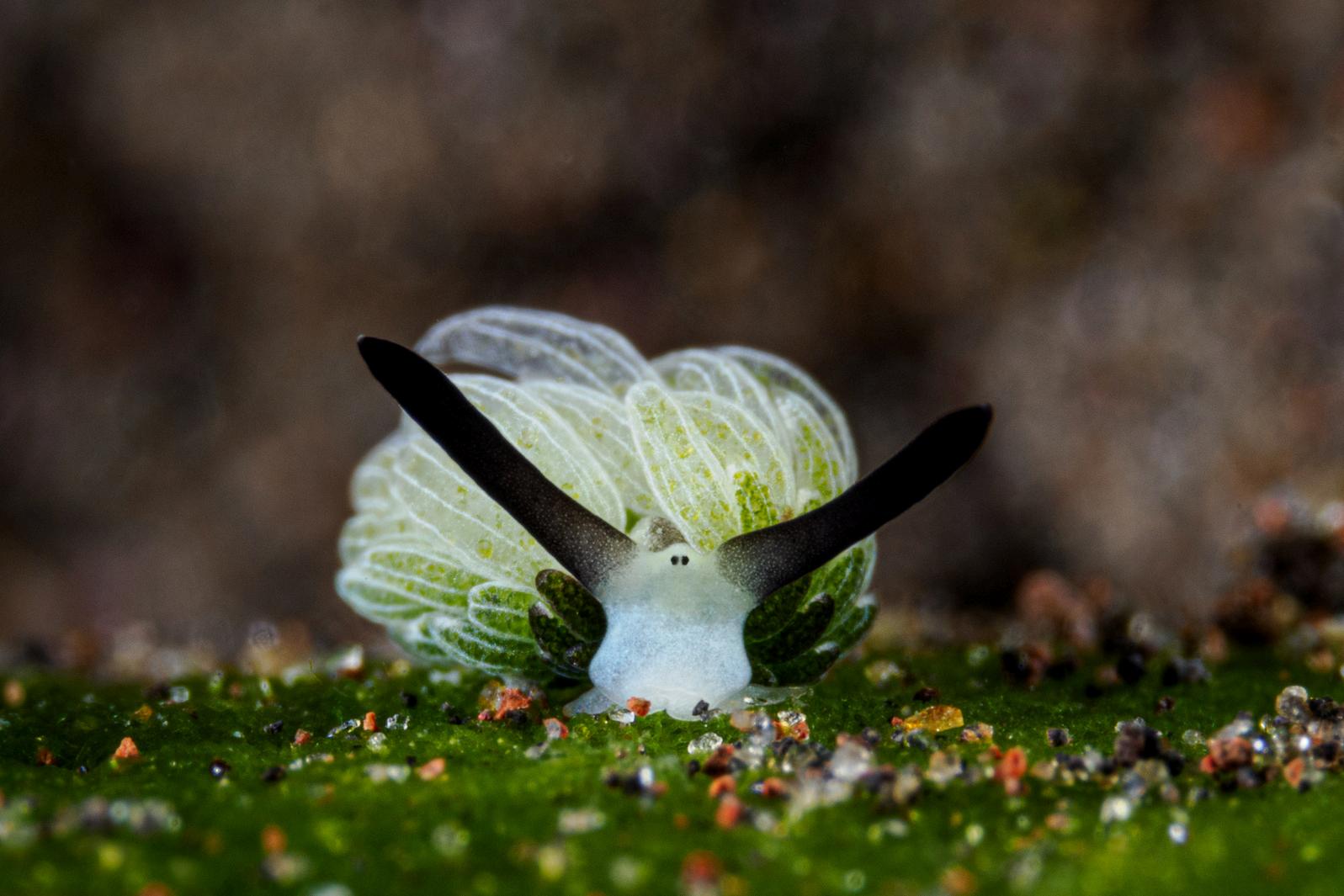
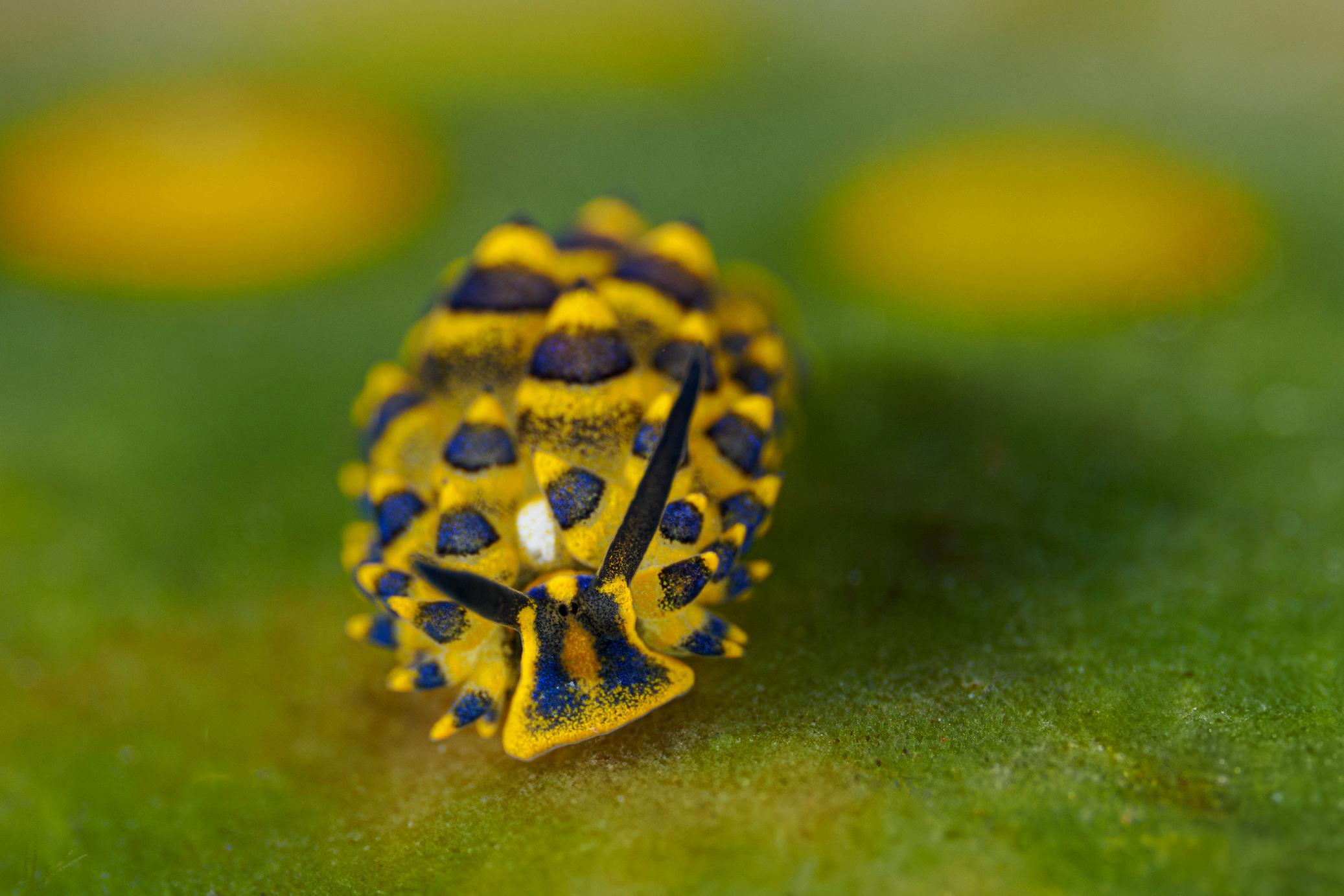
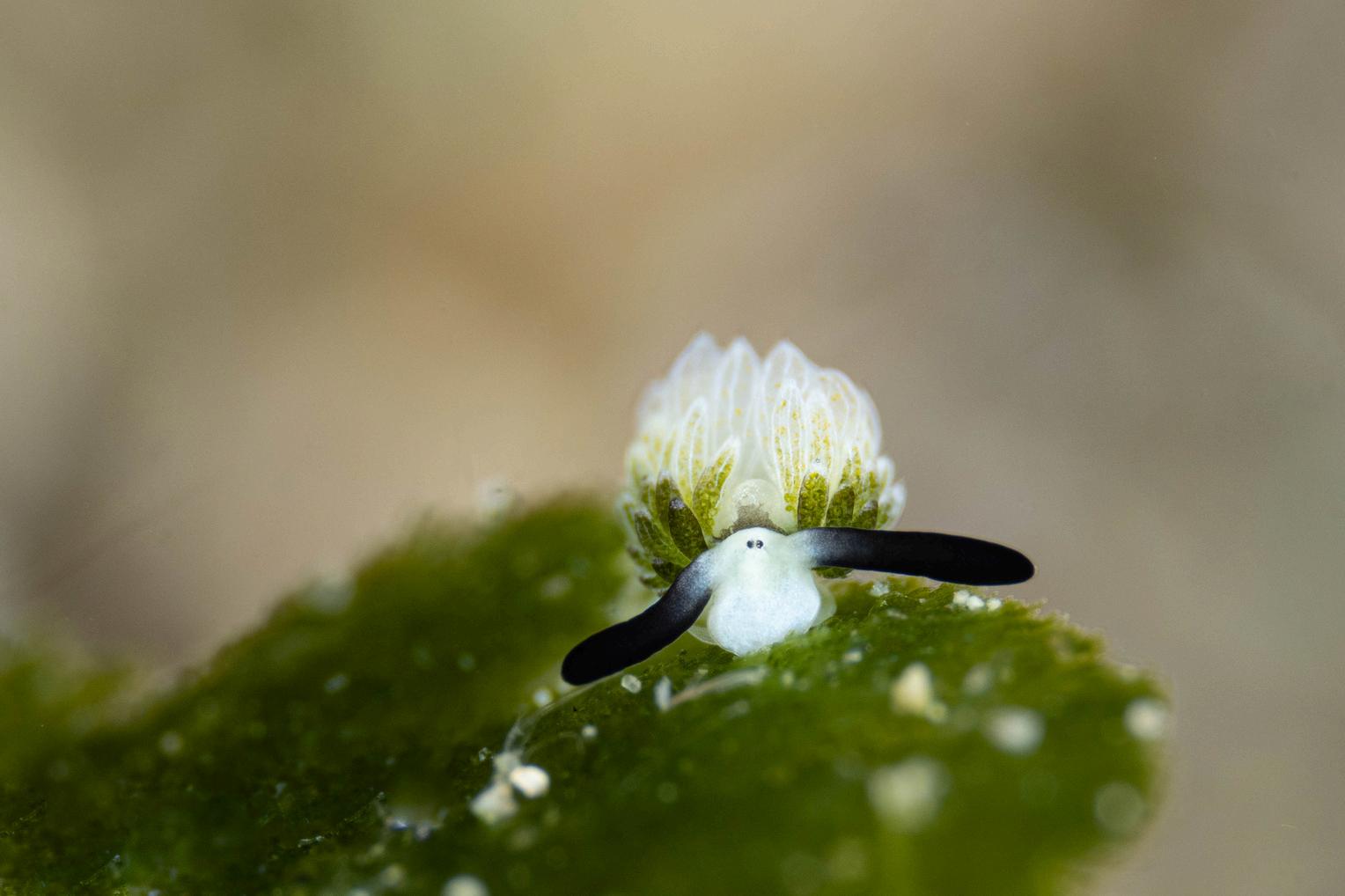
On our cover is a remarkable Costasiella sea slug. Tiny, colourful and almost cartoon-like in appearance, it serves as a wonderful reminder that the ocean's greatest treasures are not always the largest or most obvious.
Some of the most memorable underwater encounters happen when we slow down, pay attention and allow ourselves to appreciate the finer details of the marine world.
That same sense of wonder carries throughout this edition.
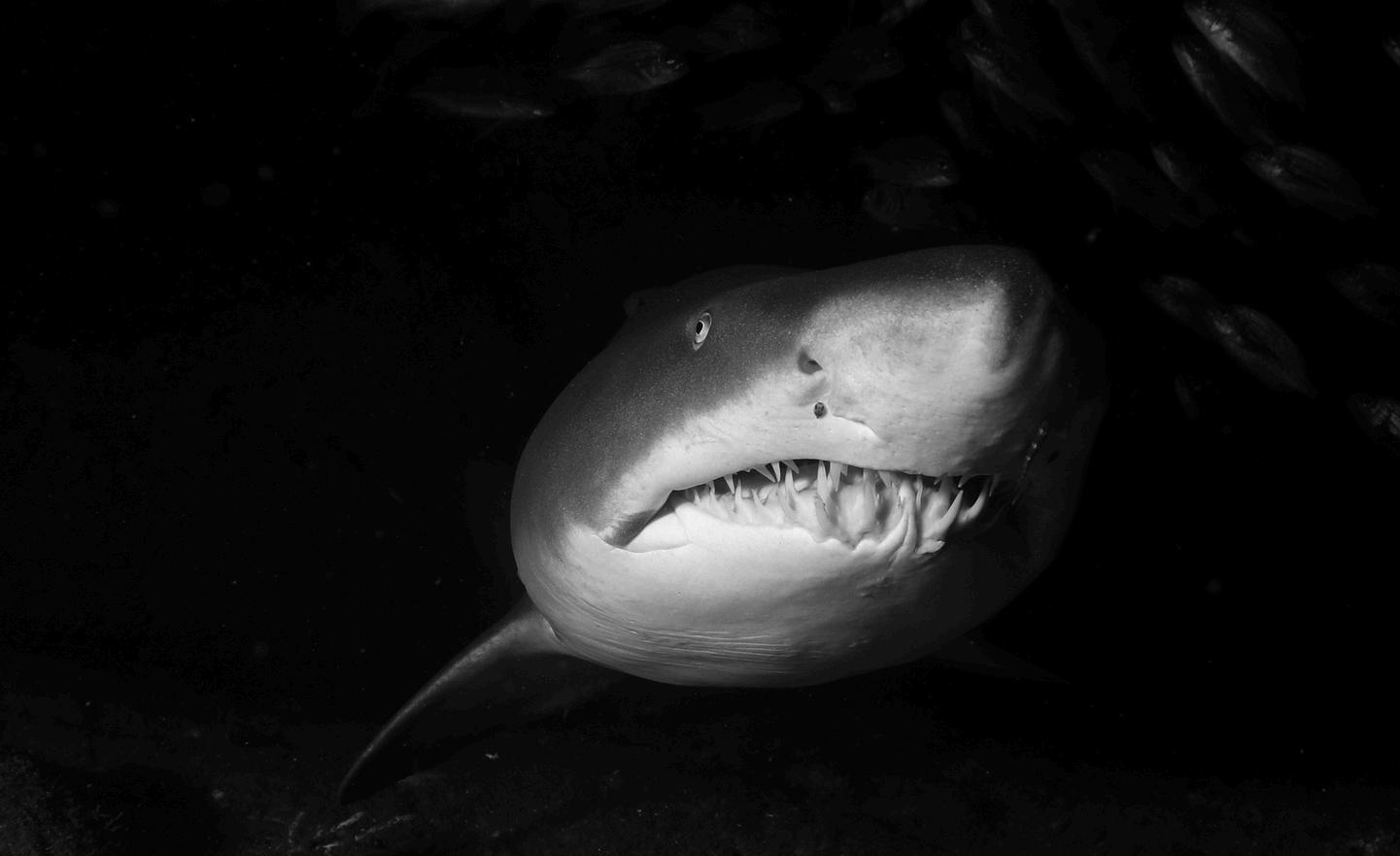
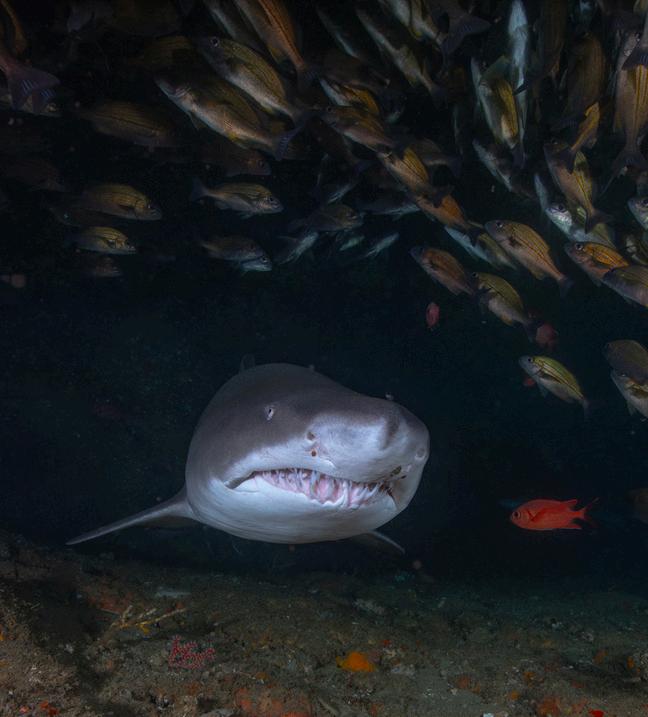
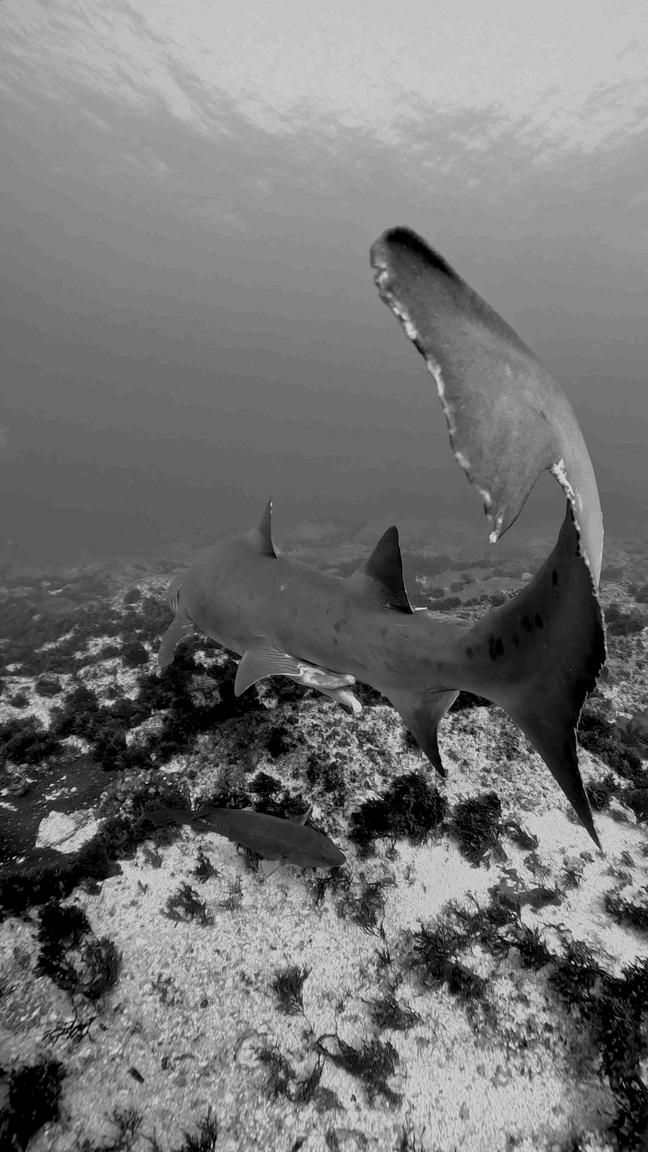
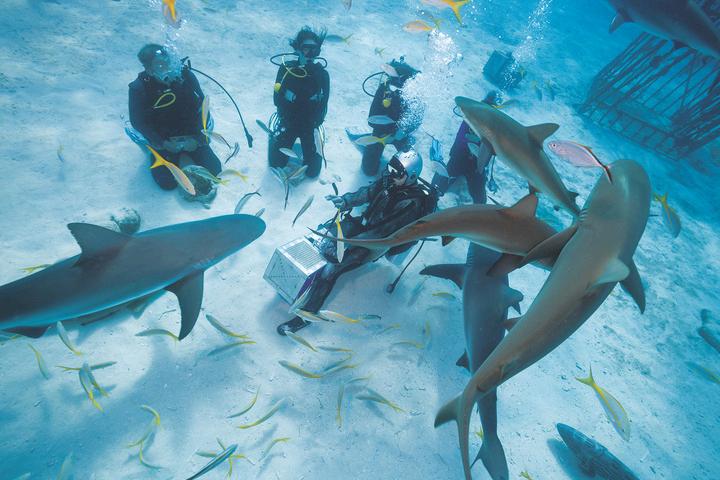
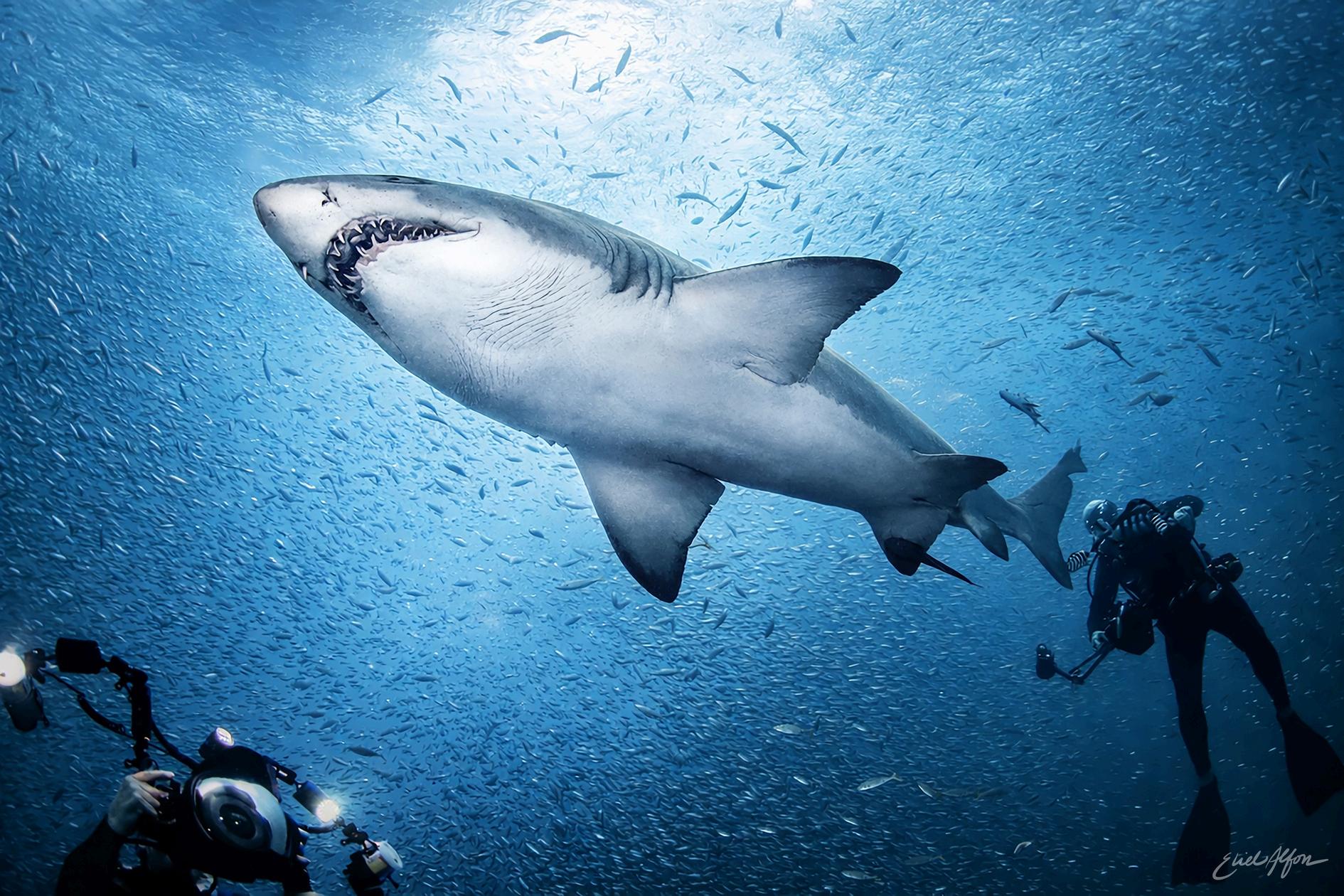
Closer to home, we visit Aliwal Shoal and the annual ragged-tooth shark aggregation that continues to draw divers from around the world For many South African divers, encountering a ragged-tooth shark for the first time is a milestone experience Despite their imposing appearance, these animals often challenge our assumptions and remind us why education and understanding are so important in fostering respect for marine life
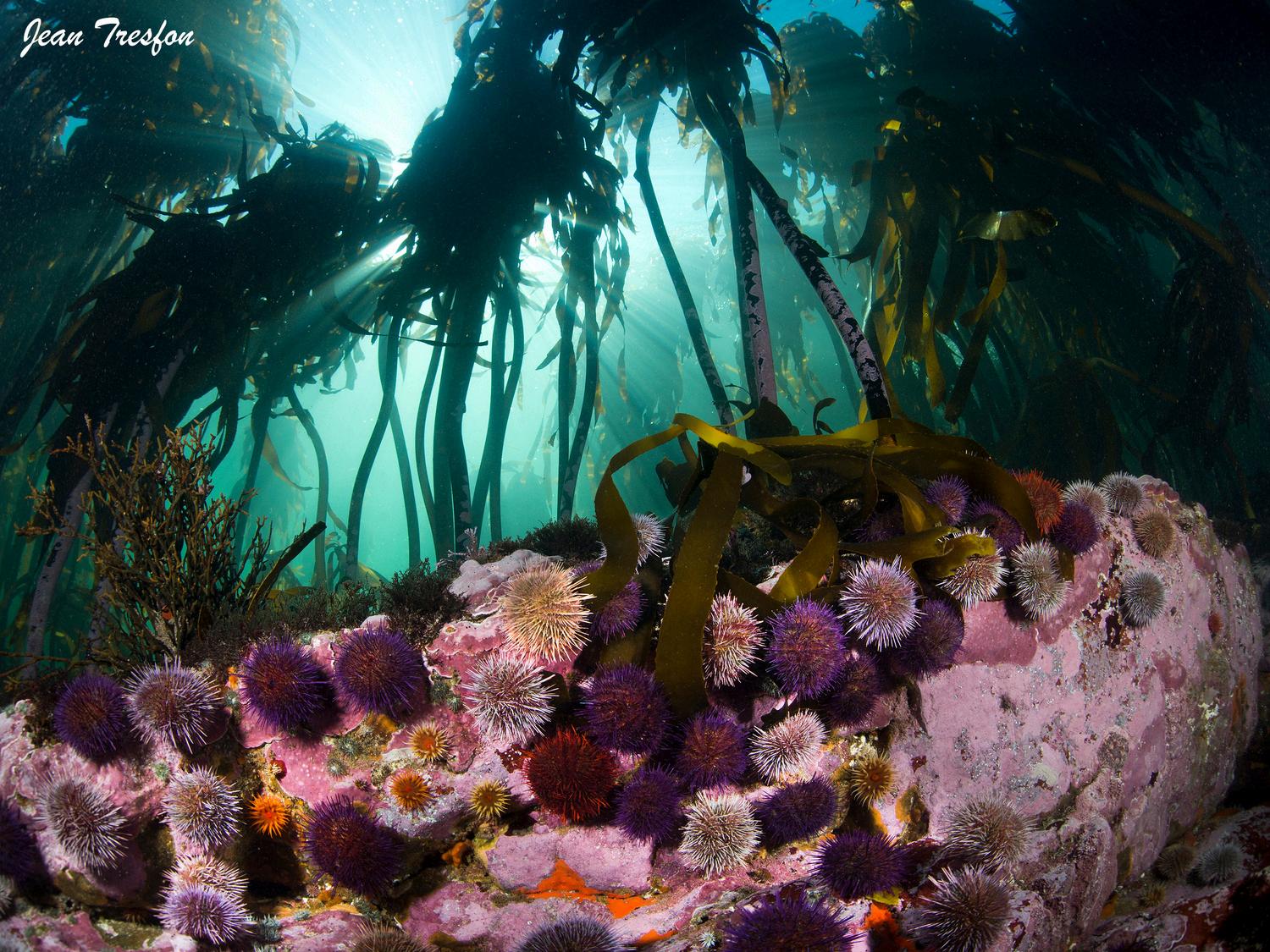
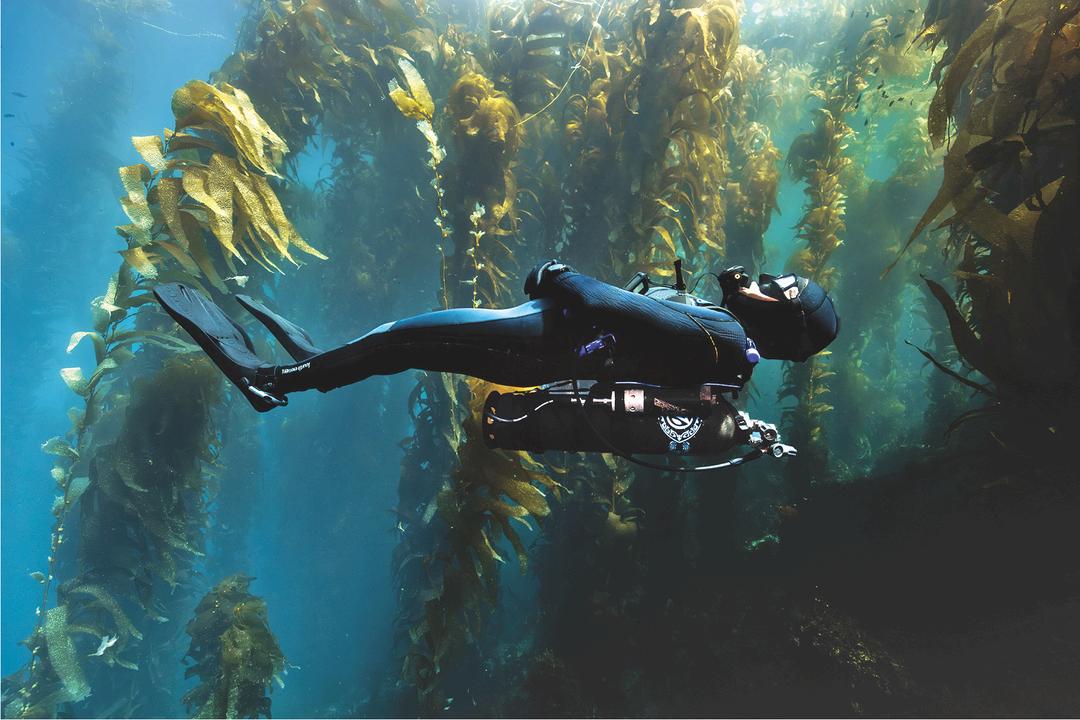
We also explore the underwater forests of kelp that line parts of our coastline These ecosystems are every bit as vibrant and important as the tropical reefs that often dominate diving conversations They provide shelter, food and protection for countless marine species and remind us that extraordinary diving experiences can be found much closer to home than we sometimes realise
The stories in this issue also highlight another important truth: diving is about far more than what we see underwater. It is about the people we meet, the skills we develop and the perspectives we gain along the way.
Whether it is training that evolves into realworld capability, underwater photography that helps protect vulnerable species, or citizen science projects that contribute to conservation efforts, divers today have more opportunities than ever before to become active participants in protecting the environments they enjoy
I have always believed that education is one of the most powerful conservation tools
available to us. People protect what they understand, and they value what they have experienced Every photograph, every observation, every survey submitted and every story shared has the potential to inspire others to care about the underwater world
This is particularly important at a time when many marine ecosystems continue to face growing pressures While it is easy to become overwhelmed by the challenges, this edition reminds us that positive action is happening all around us Scientists, conservationists, dive operators, photographers and everyday divers are working together to better understand and protect our oceans
Equally inspiring are the personal journeys featured throughout these pages
One of the great strengths of the diving community is its diversity. Divers come from different countries, cultures, professions and backgrounds, yet we are united by a common curiosity about the world beneath the surface. The ocean has a unique way of bringing people together, creating friendships, shared experiences and lasting memories that often transcend borders and generations
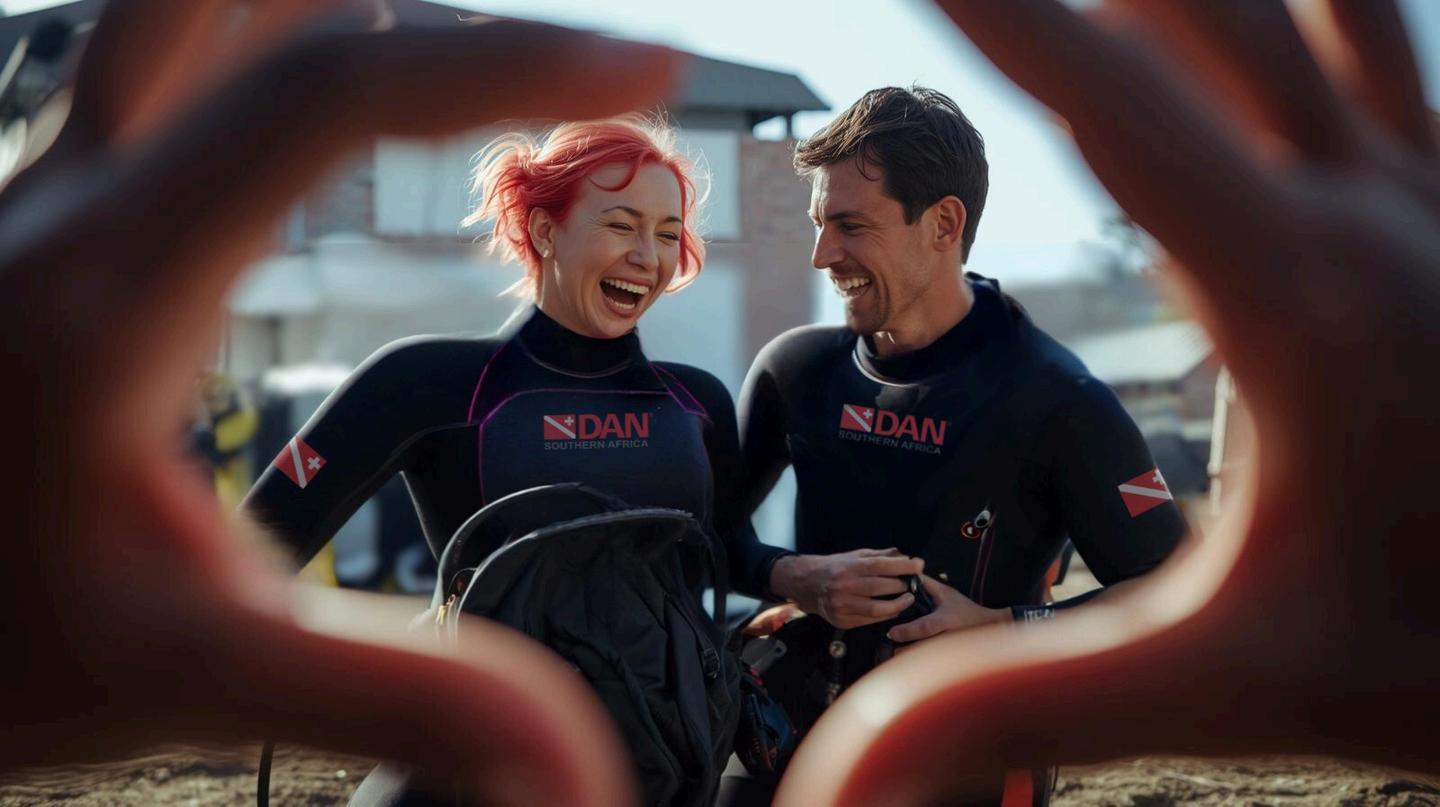
At DAN, we are privileged to witness these connections every day Whether assisting a member during an emergency, supporting training initiatives, contributing to research, or engaging with divers at events across the region, we are continually reminded that our community is built on a shared passion for exploration, learning and safety
Of course, every adventure begins with preparation Alongside the inspiring stories and beautiful destinations featured in this edition are practical reminders about the importance of safety, awareness and continuous learning From travel considerations to emergency preparedness and responsible diving practices, these
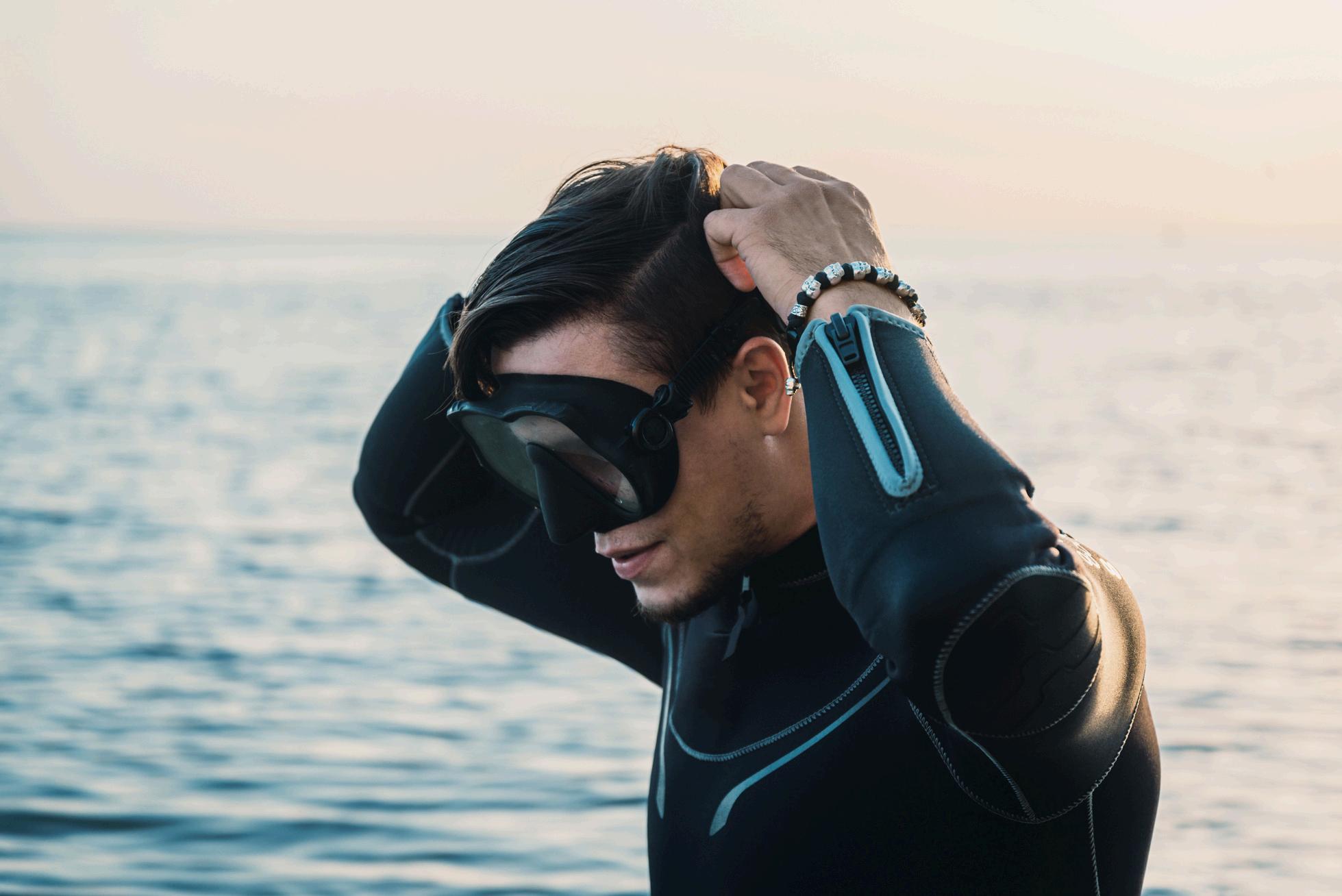
Hometown: Klamath Falls, Oregon
Age: 36
Years Diving: 11
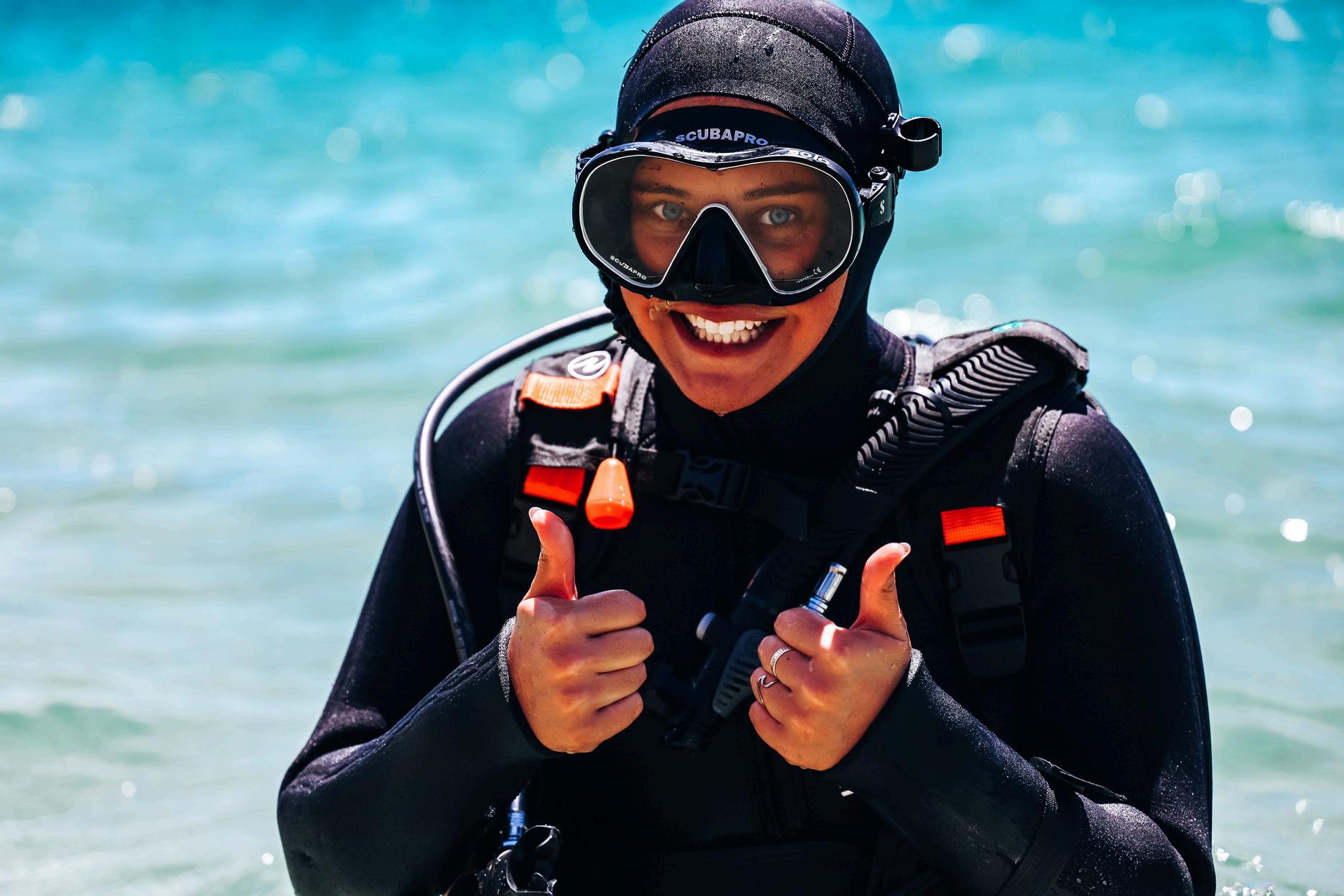
Why I’m A DAN Member: I’m grateful for the health resources and medical research that DAN provides to support both scuba divers and freedivers As a frequent traveller for both scuba diving and freediving, I also value DAN’s support for recreational dives, overseas travel, and coverage for my students as they learn to explore the underwater world on one breath
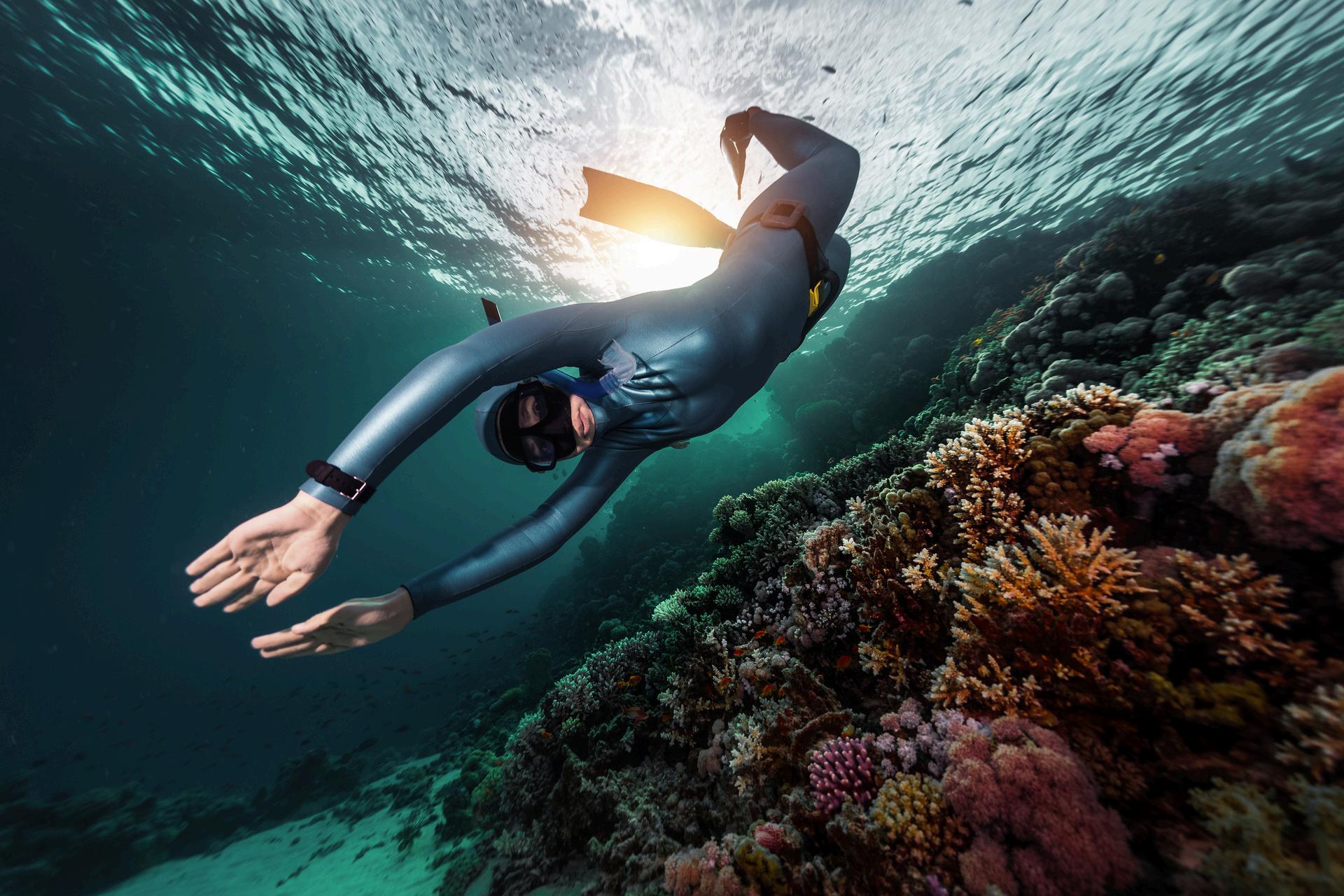
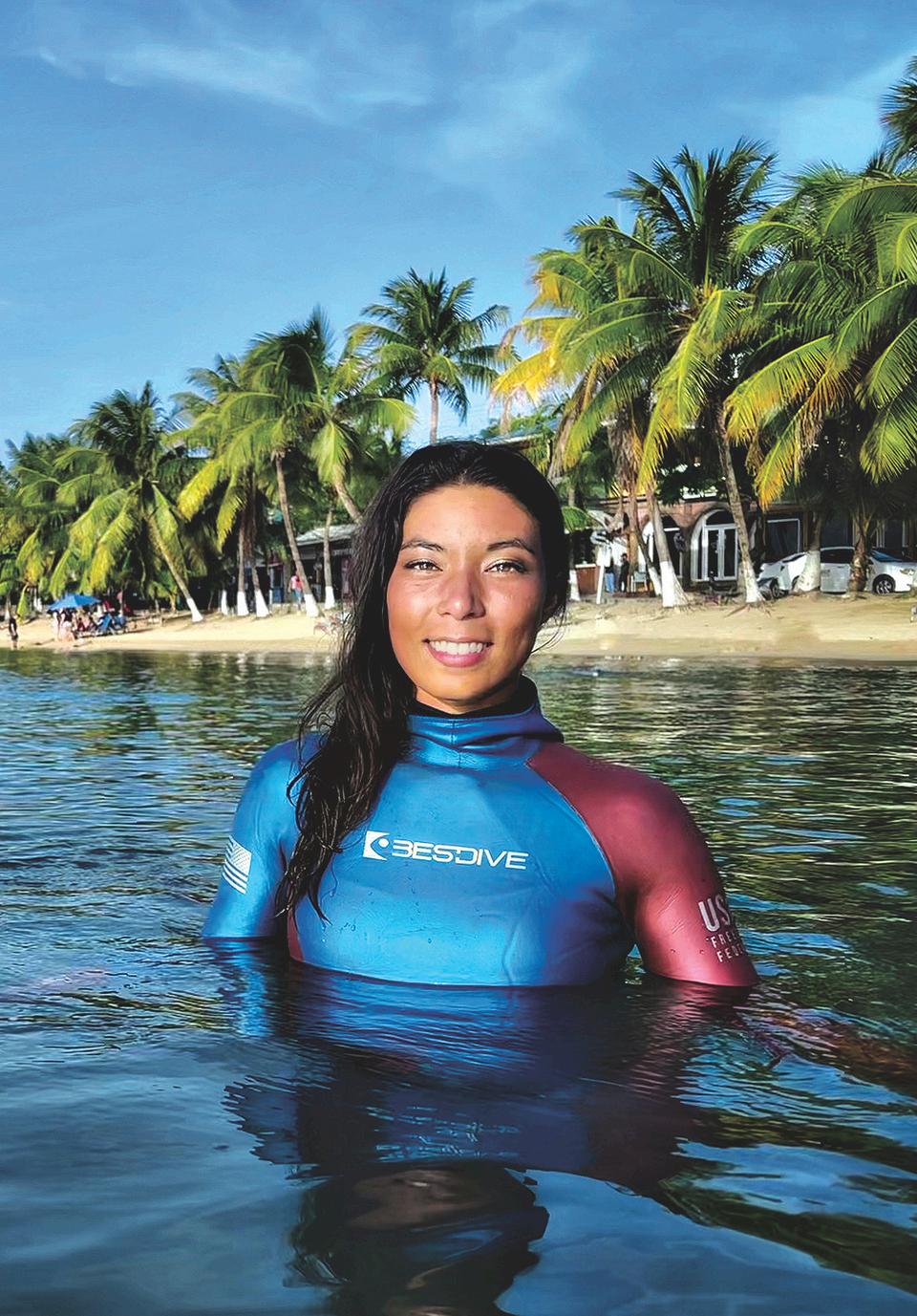
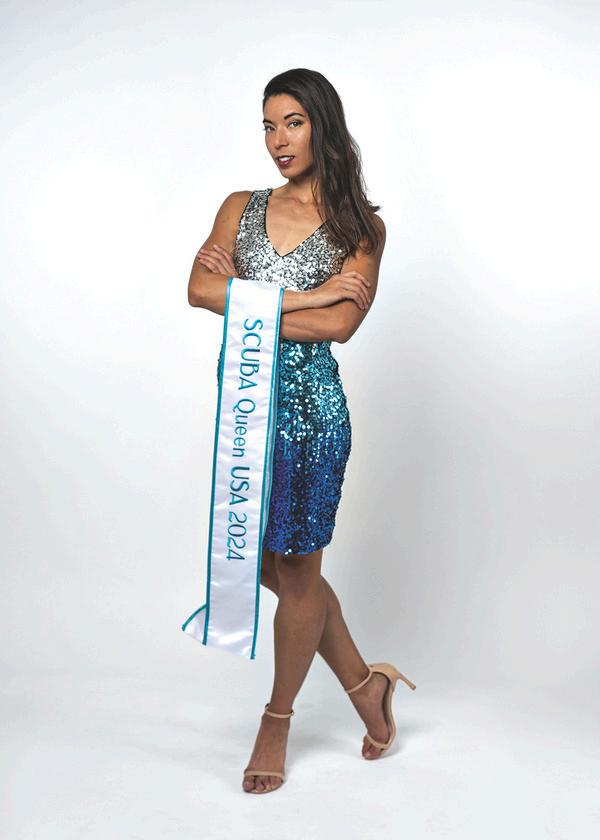
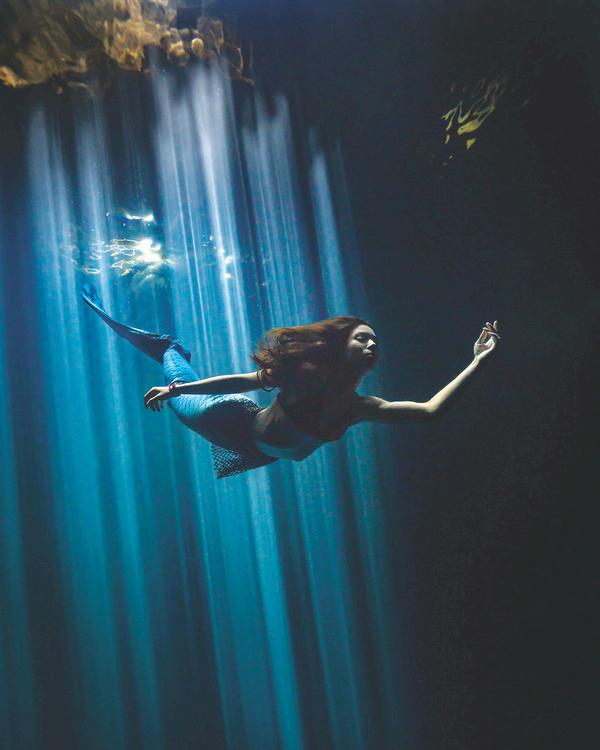
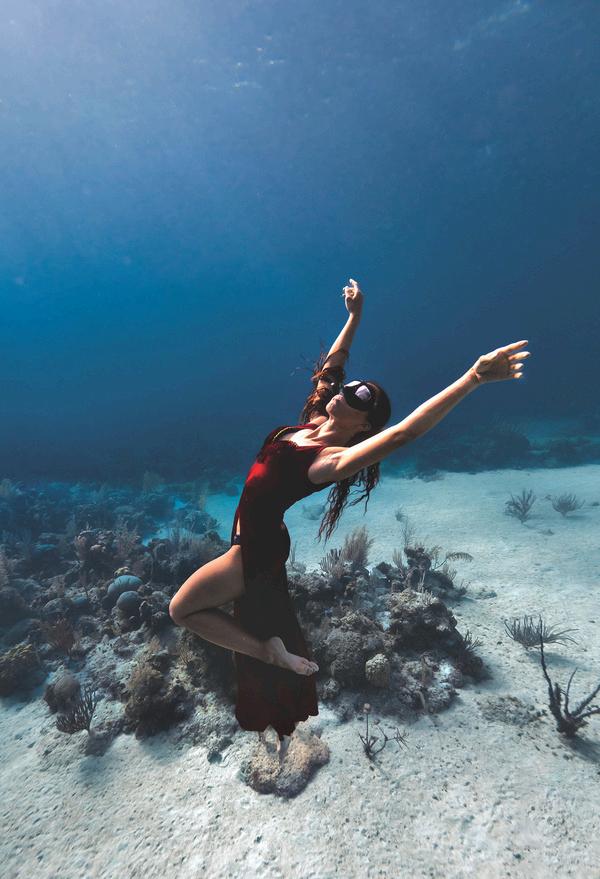
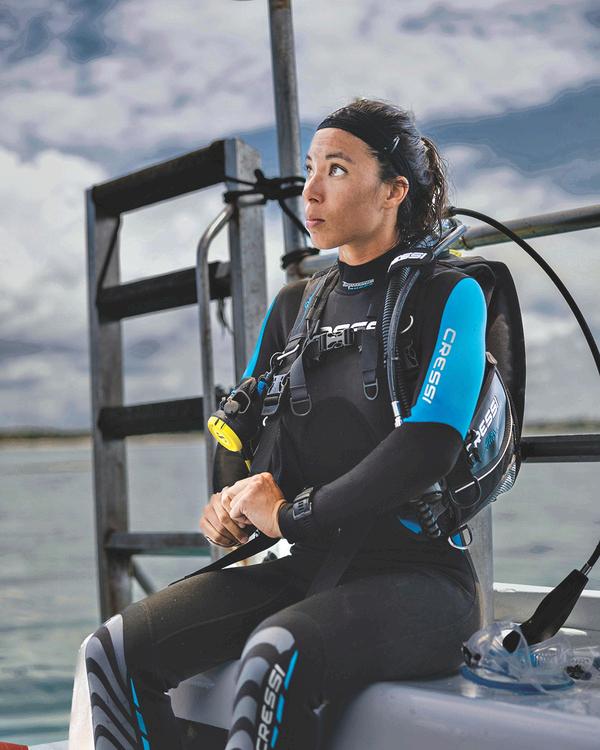
A shift in trajectory moved Rachel Novak, PharmD, from being a nerdy but athletic wallflower (her words) to being an adventurous and glamorous (my words) fire dancer, freediver, rock climber, scuba diver, stunt performer, and mermaid celebrity. That shift came from the world of pageants.
RACHEL NOVAK
WHY I’M A DAN MEMBER
NOVAK WAS CROWNED SCUBA QUEEN USA 2024 WHILE WORKING AS A SAFETY DIVER FOR CIRQUE DU SOLEIL.
SHE RECEIVED FOUR WHITE CARDS FOR CLEAN DIVES AT THE
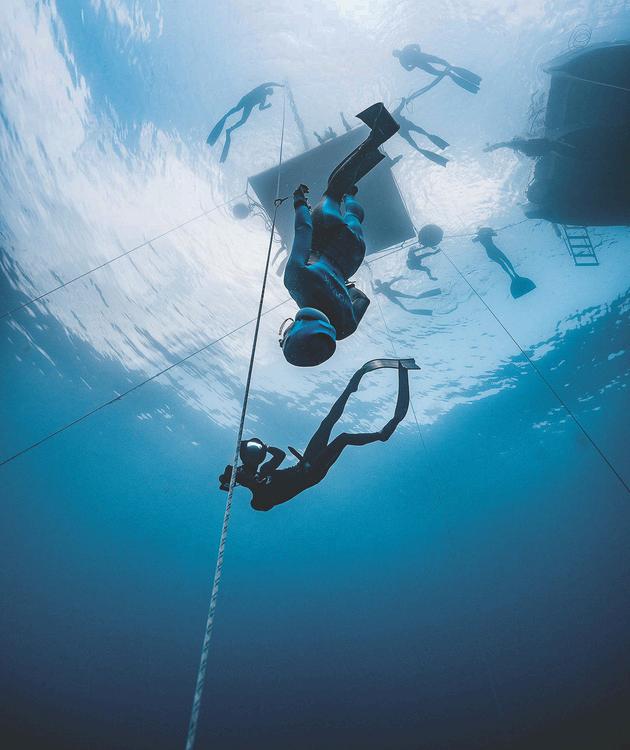
SHE RECEIVED FOUR WHITE CARDS FOR CLEAN DIVES AT THE CMAS FREEDIVING DEPTH WORLD CHAMPIONSHIPS IN 2023. CMAS FREEDIVING DEPTH WORLD CHAMPIONSHIPS IN 2023.
SHE
AT ABIQUA FALLS, OREGON.
NOVAK APPEARS IN THE MERPEOPLE DOCUMENTARY ON NETFLIX.
NOVAK APPEARS IN THE MERPEOPLE DOCUMENTARY ON NETFLIX.
She has also worked as a safety diver for O by Cirque du Soleil She now spends winters in Las Vegas and summers in the Pacific Northwest, finding contract work as a pharmacist in both locations.
With her background in pageants and a passion for scuba and freediving, it is not surprising she found her way to the Scuba Queen USA Organisation, a nonprofit organisation with a mission to empower ocean ambassadors, with an emphasis on conservation Their first pageant for women divers was in 2011 In 2024, Novak became the reigning Scuba Queen USA and was selected as the first runner-up at Miss Scuba International in Sabah, Malaysia, where she won the “Top Talent” award with her firedancing skills
Novak now plans to turn her energy to exploring inland freediving destinations in
the US while continuing to perform, offer freediving safety education, and use her background in freediving and medicine to support the competitive freediving community.
She playfully jokes that she’s only 36 years old and has time for at least three more careers, including creating continuing education for health care providers to support divers and freedivers.
Keep up with her on Instagram
“DAN helps me dive, explore and inspire others to do the same.”
SHE WORKS ON AN UNDERWATER VIDEO AND PHOTO
SHE WORKS ON AN UNDERWATER VIDEO AND PHOTO
SHOOT IN PLAYA DEL CARMEN, MEXICO. SHOOT IN PLAYA DEL CARMEN, MEXICO.
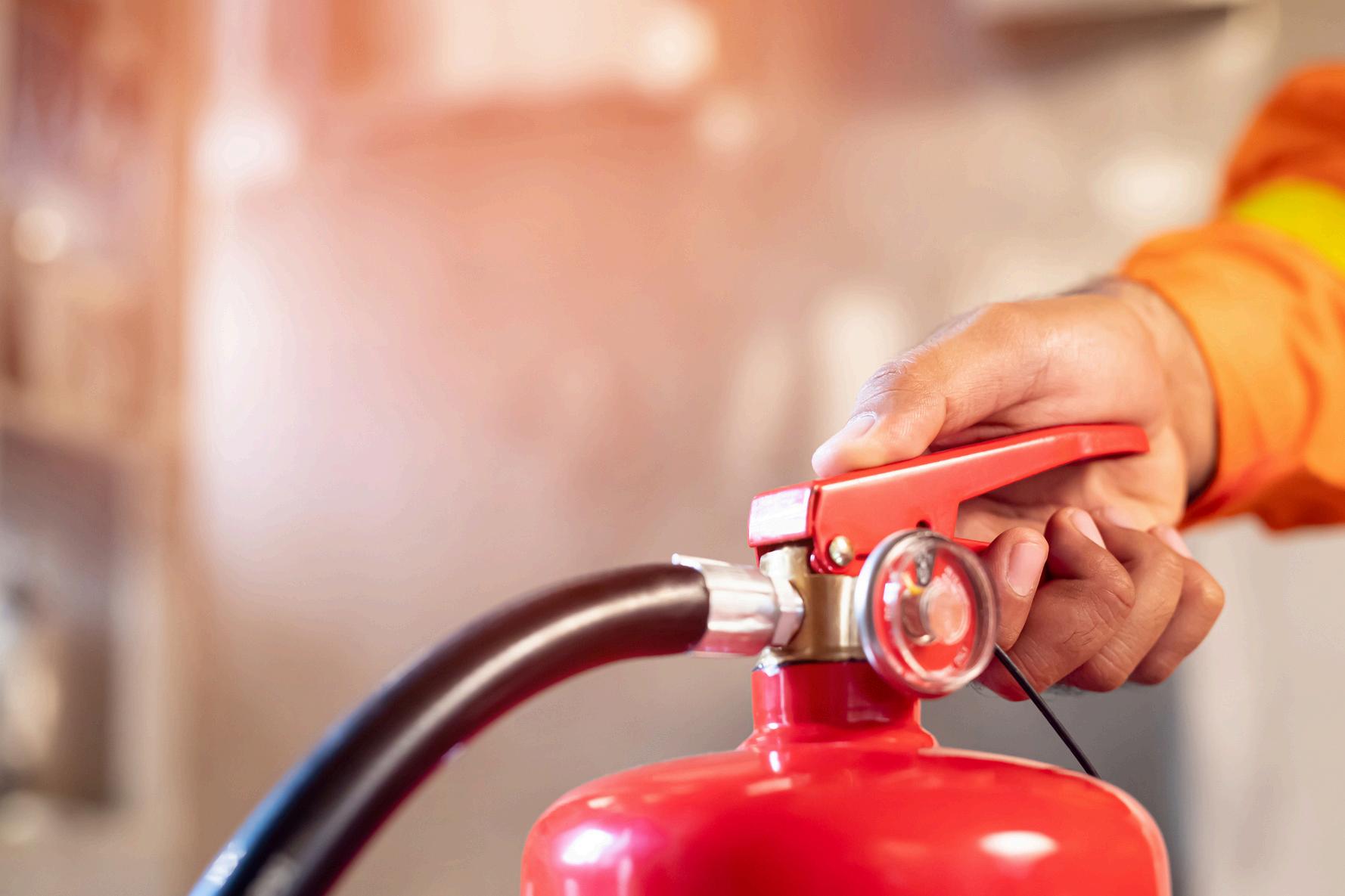
When boarding a liveaboard dive vessel, your focus is likely not on fire safety Yet fire is one of the most serious emergencies a vessel can face at sea Stack the odds in your favour by understanding the fire suppression systems commonly found on liveaboards Know what they look like and how to use them during a fire emergency.
Liveaboards typically rely on a layered approach to fire safety: using built-in suppression systems for engine spaces and galley areas paired with portable equipment for cabins and common spaces.
Engine rooms often have fixed fire suppression systems, such as carbon dioxide or clean-agent systems, that flood the compartment to smother flames These systems are activated from outside the engine room and are clearly labelled, often with red pull handles and warning signage Divers should never enter an engine space after such a system has discharged, as oxygen levels can be dangerously low
Galleys may also have automatic hood suppression systems designed to extinguish grease fires above stoves and fryers While passengers aren’t expected to operate these systems, it’s helpful to recognise the signage
and understand that alarms or engine shutdowns may accompany activation
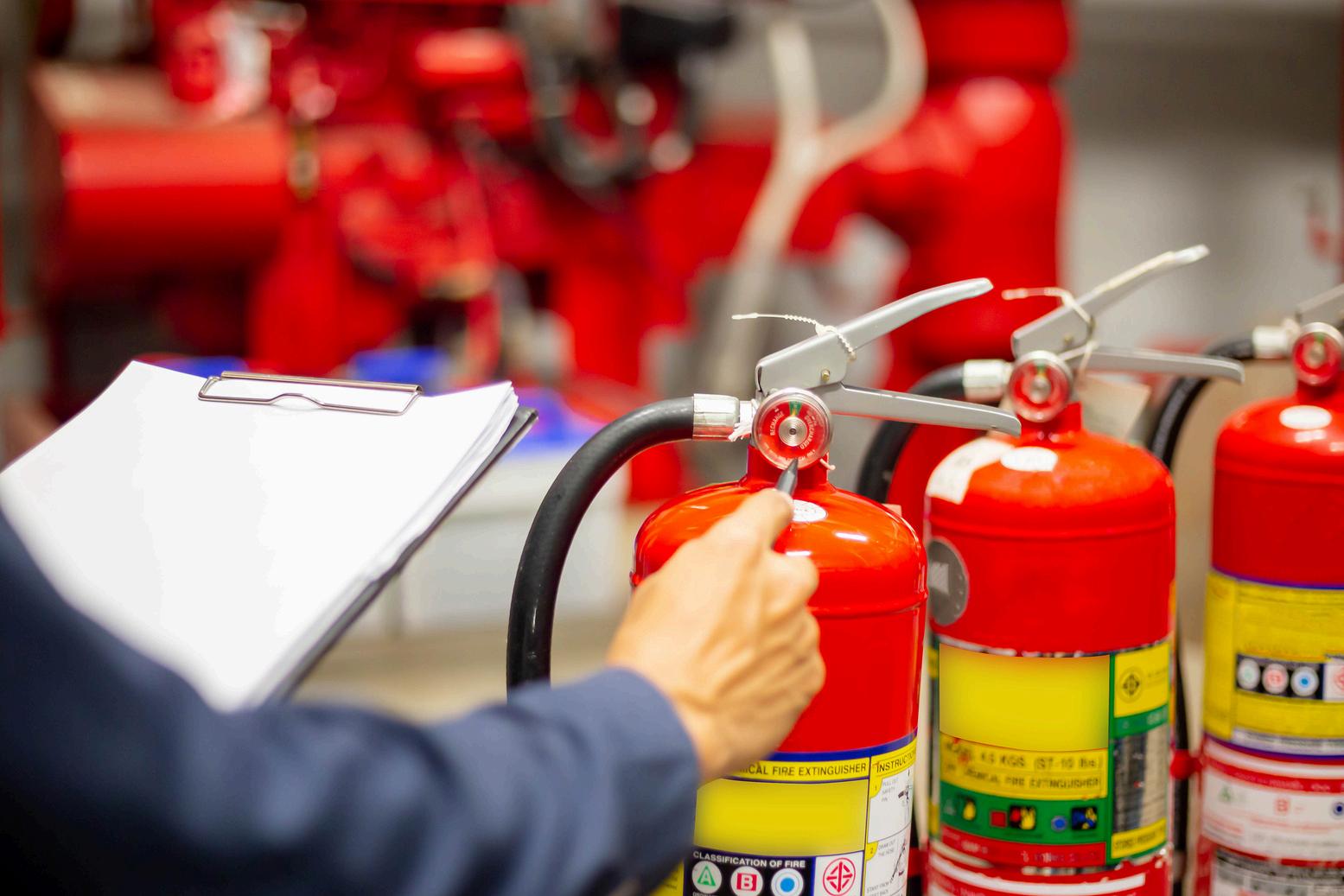
Most divers are familiar with standard fire extinguishers Liveaboards typically have ABC dry-chemical extinguishers, which can handle ordinary combustibles, flammable liquids, and electrical fires. They are usually wall-mounted in hallways, near exits, in the galley, and sometimes inside cabins.
Look for red canisters with pressure gauges and clear instruction labels. Knowing the PASS method pull, aim, squeeze, sweep can make a critical difference in an emergency
Fire blankets are another common and often overlooked tool Usually stored in flat red pouches near galleys or common areas, fire blankets are ideal for smothering small galley fires or wrapping around a person whose clothing has ignited They’re simple, effective, and require no technical knowledge Just pull down, cover the flames, and protect yourself as you do so
Some modern liveaboards also carry supplemental fire suppression balls These small, lightweight spheres activate automatically when exposed to flame and
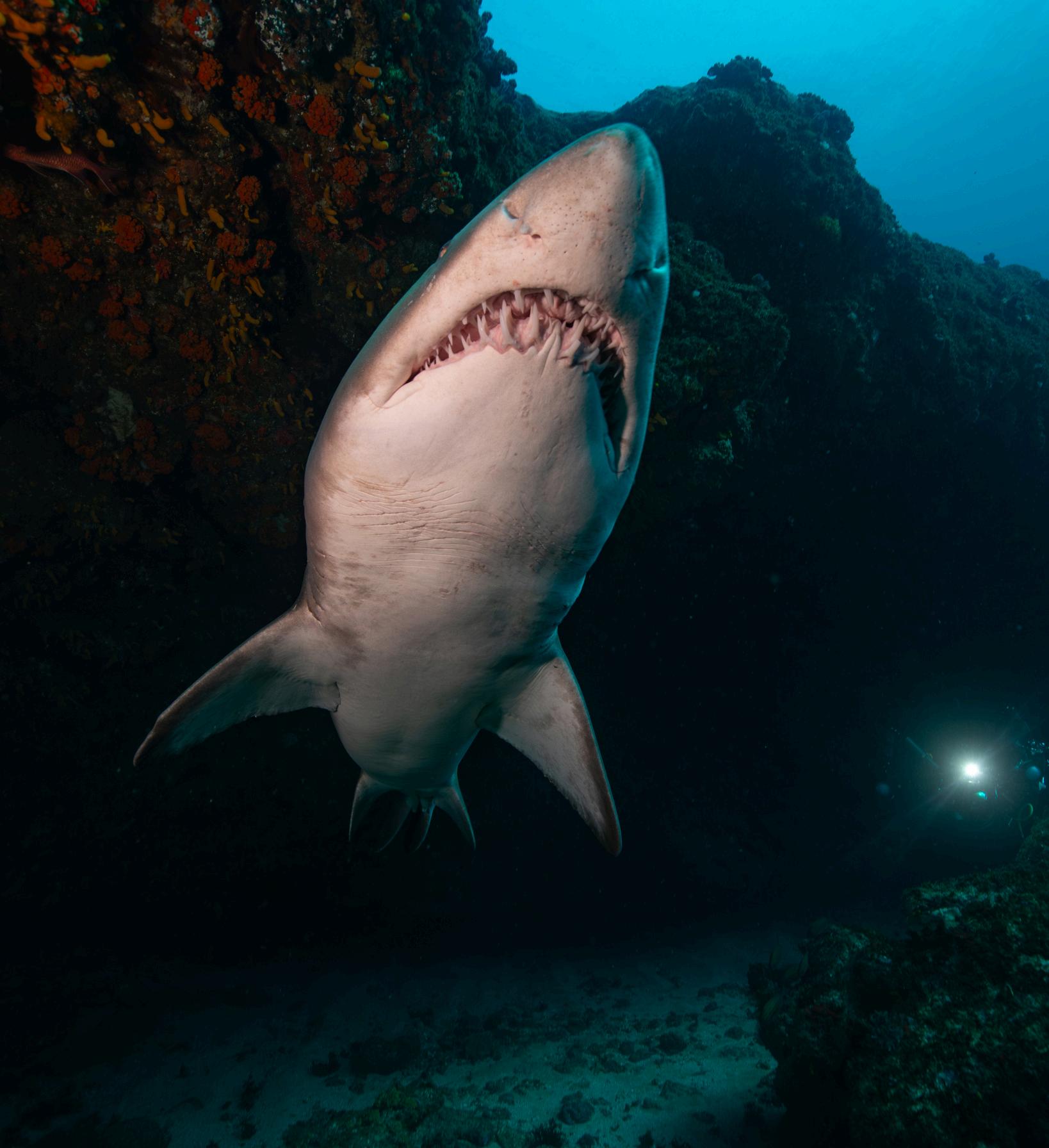
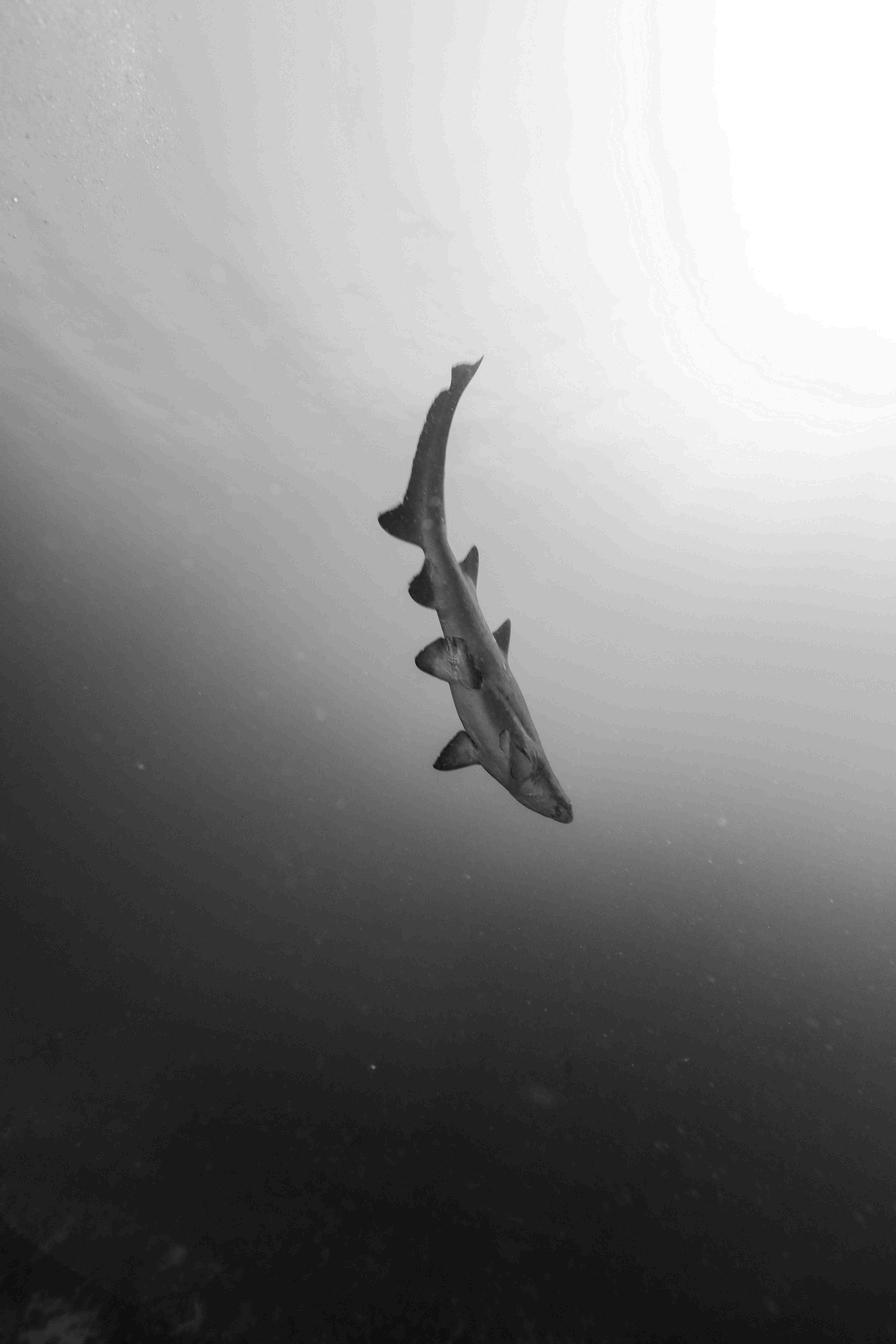
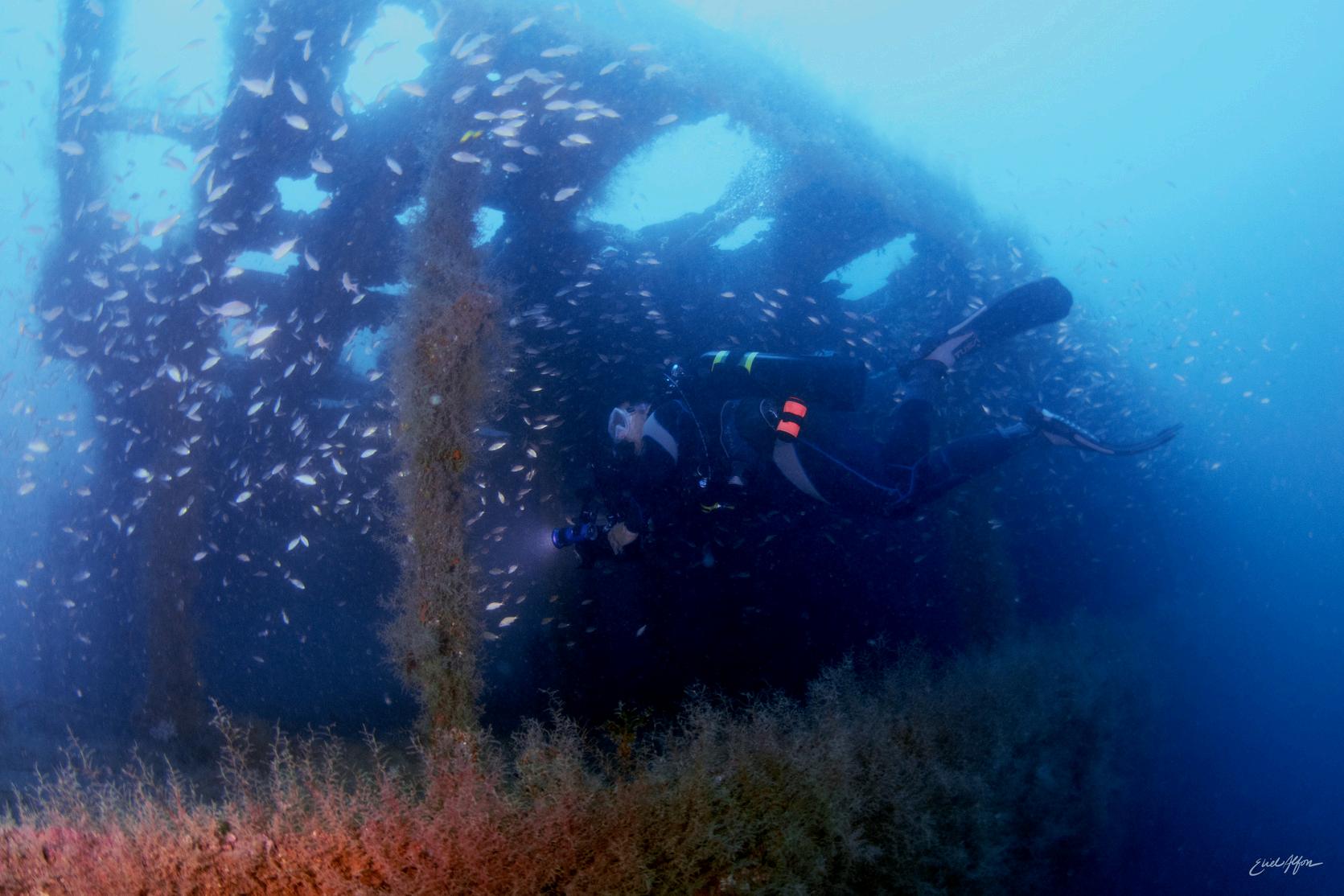
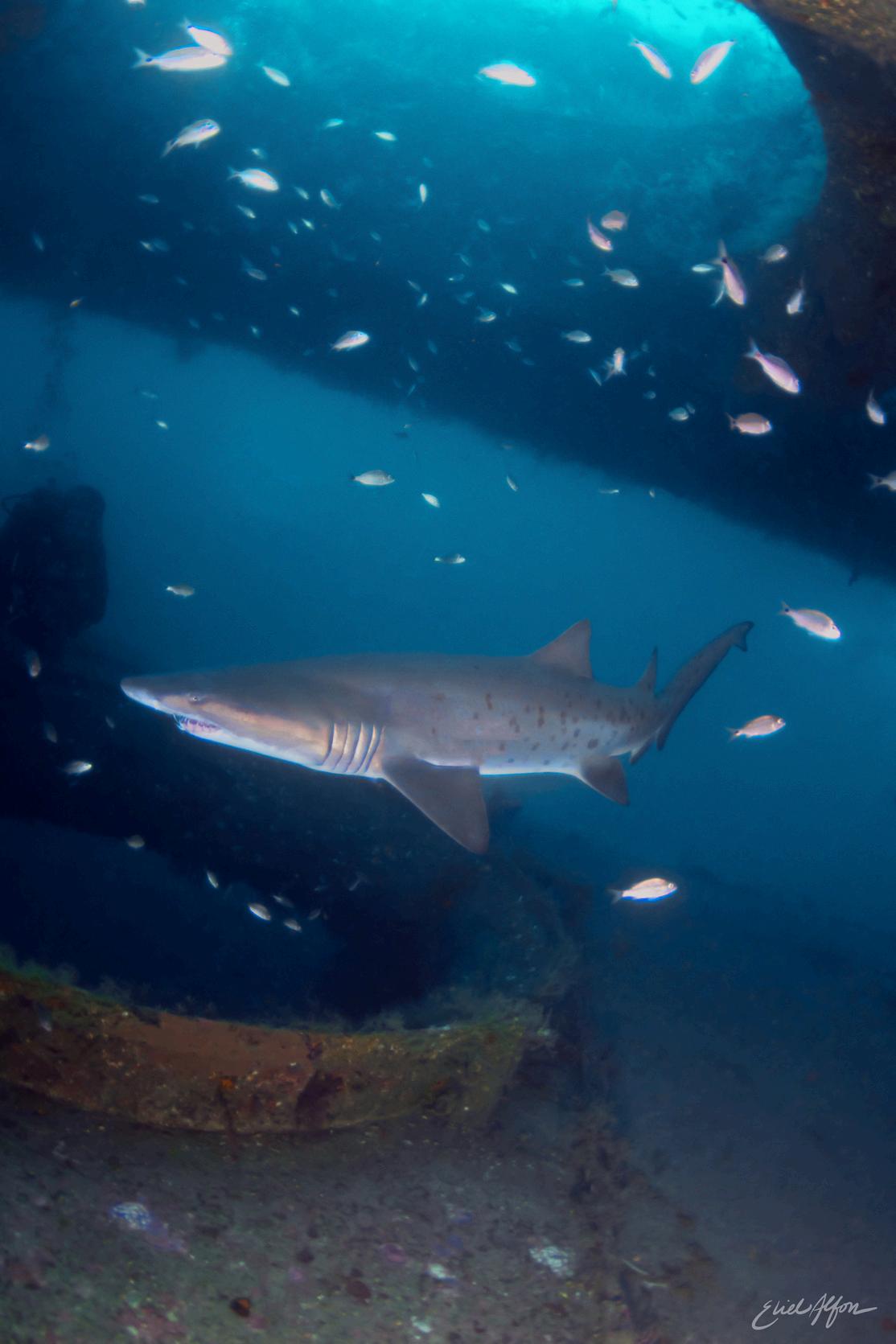
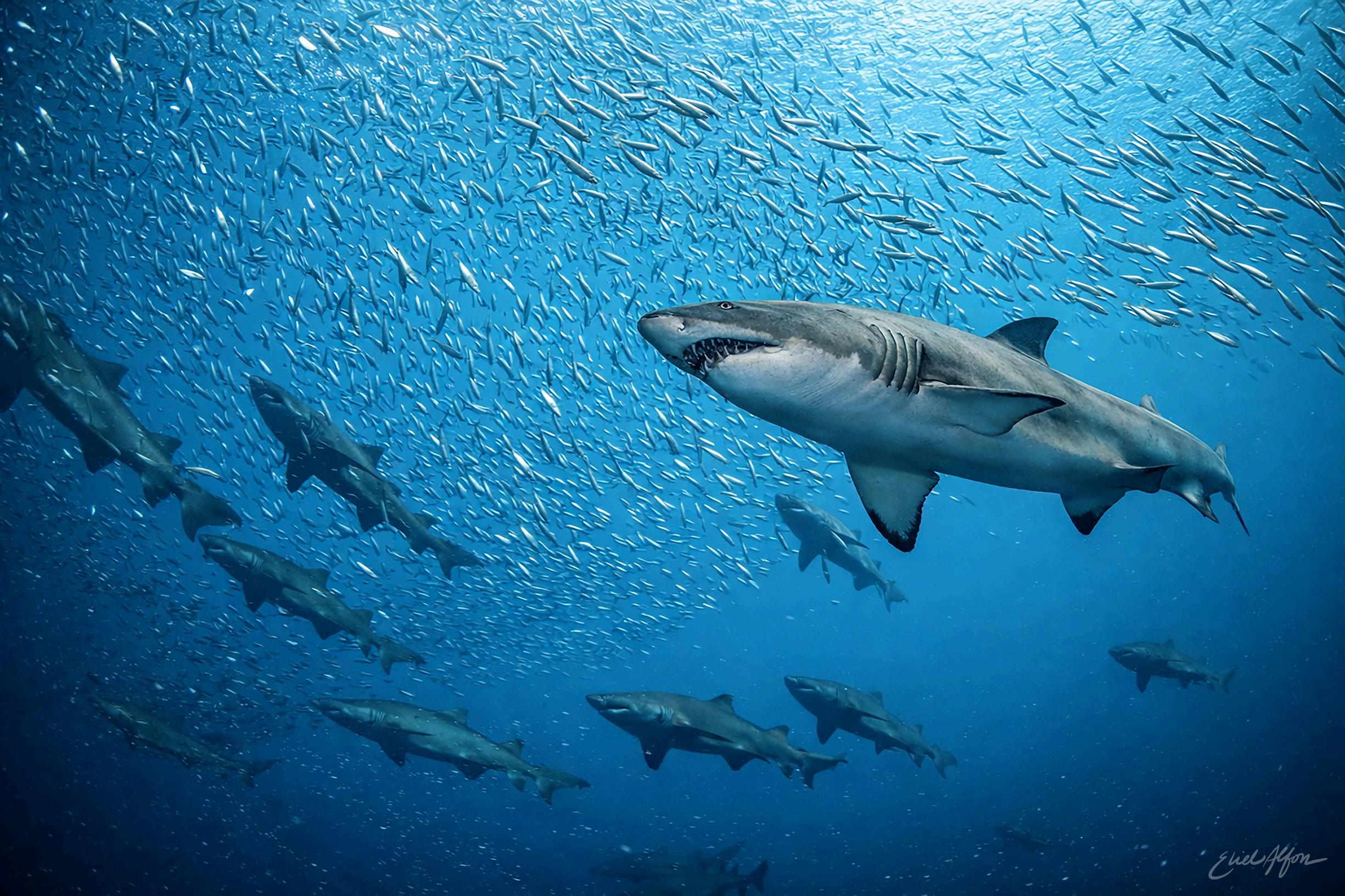
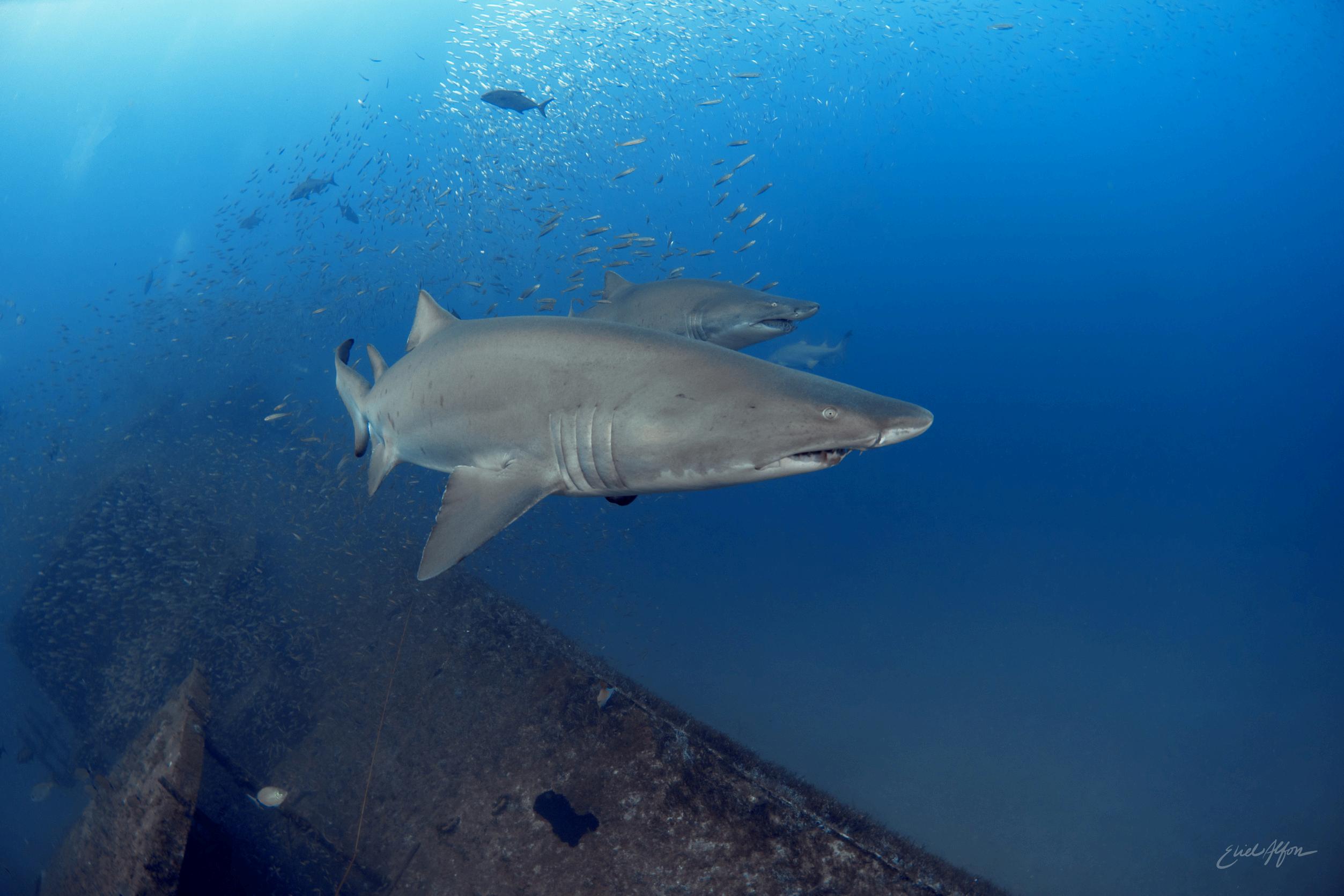
Diving with the legendary ragged-tooth sharks of the Aliwal Shoal Marine Protected Area is one of South Africa’s great underwater wildlife experiences Every winter, divers from around the world make their way to the small coastal town of Umkomaas to witness these impressive sharks gathering along the Shoal’s reefs and caves Despite their formidable appearance and rows of exposed teeth, ragged-tooth sharks known locally as “raggies” are calm, slow-moving animals that offer extraordinary encounters for scuba divers and underwater photographers alike
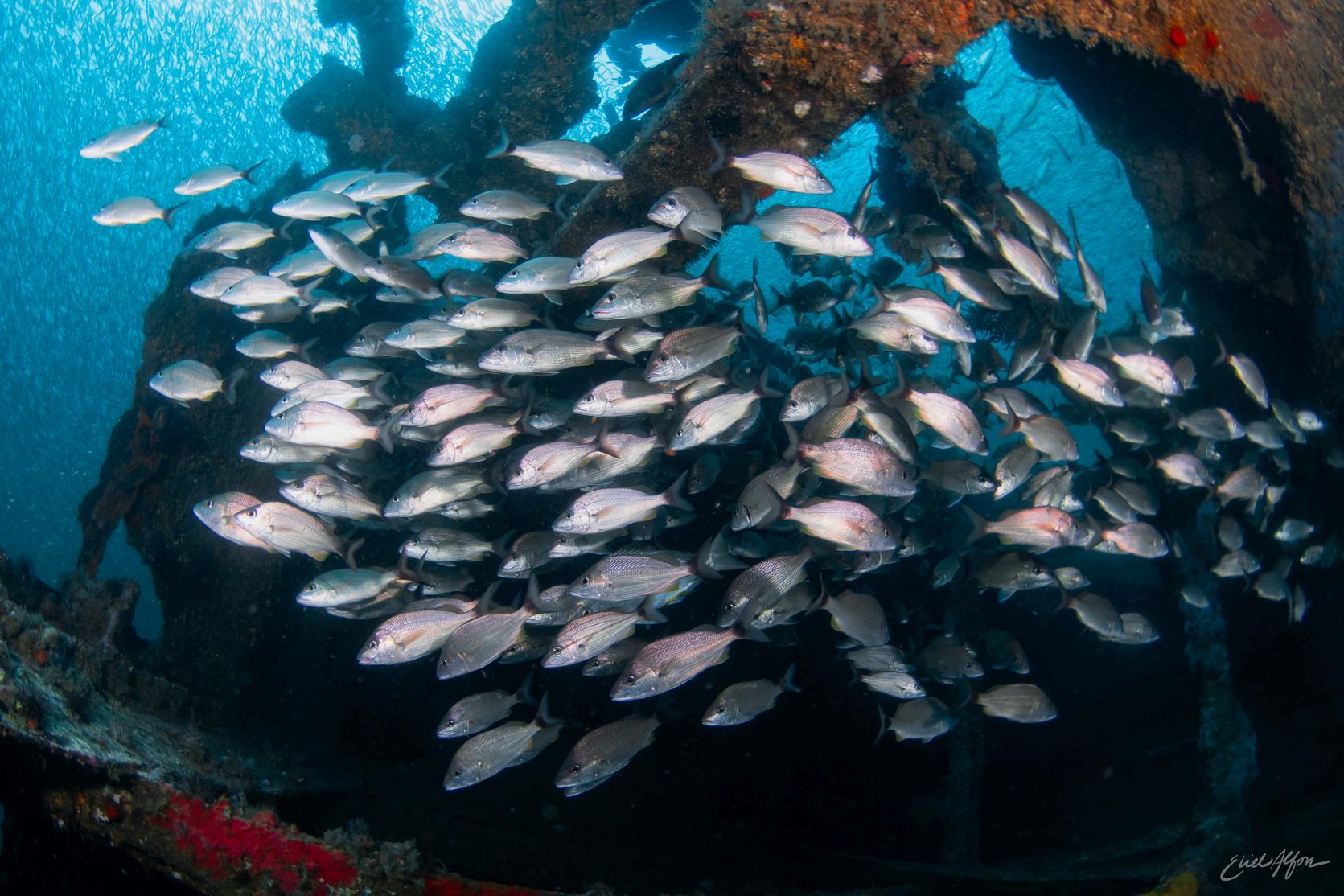
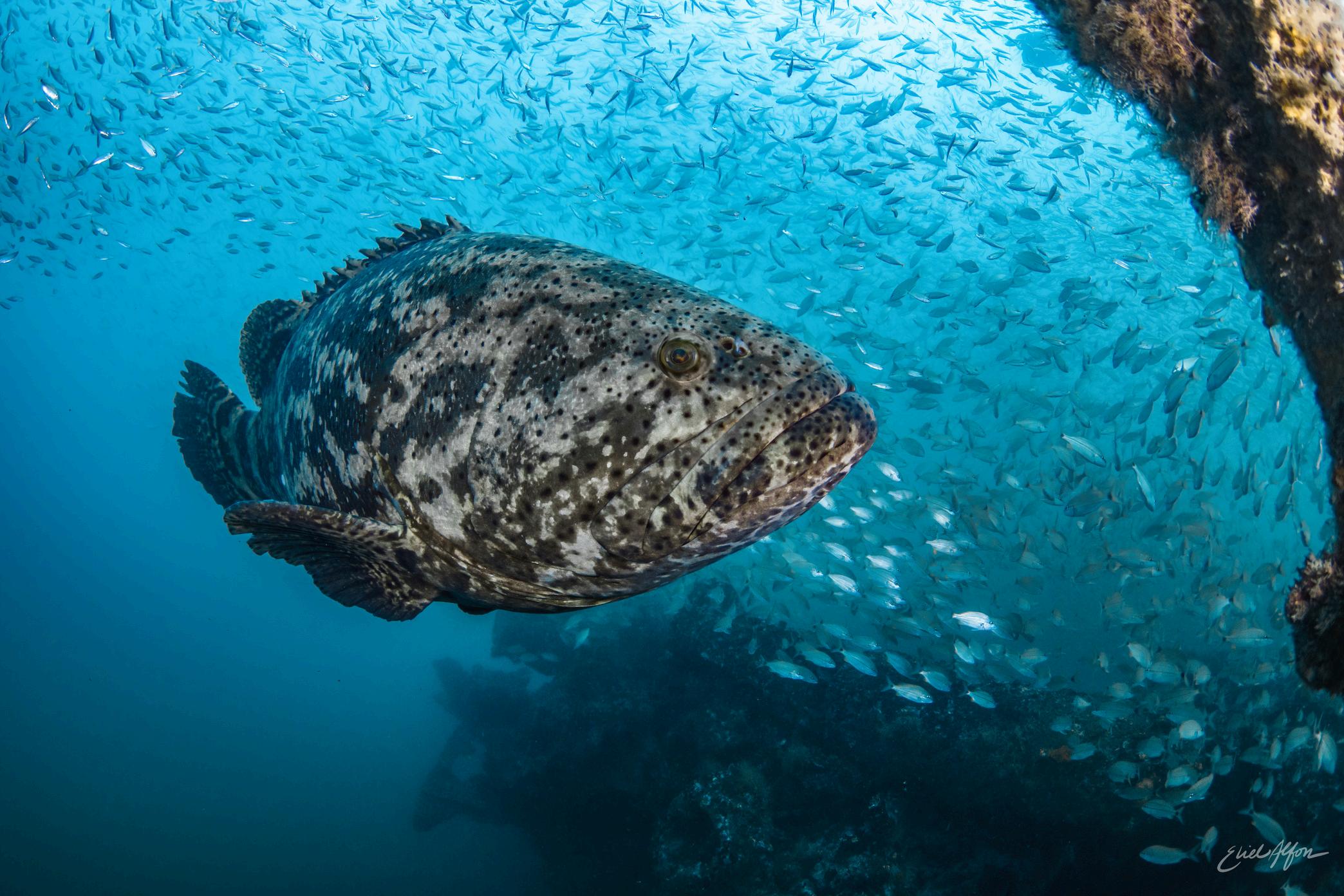
Located about 5 km offshore on the KwaZulu-Natal South Coast, Aliwal Shoal forms part of a protected marine ecosystem celebrated for shark diving, reef biodiversity, historic wrecks, and seasonal marine migrations. The Marine Protected Area was expanded in 2019 and now safeguards important reef habitats, spawning grounds, sharks, rays, turtles, and countless reef fish species.
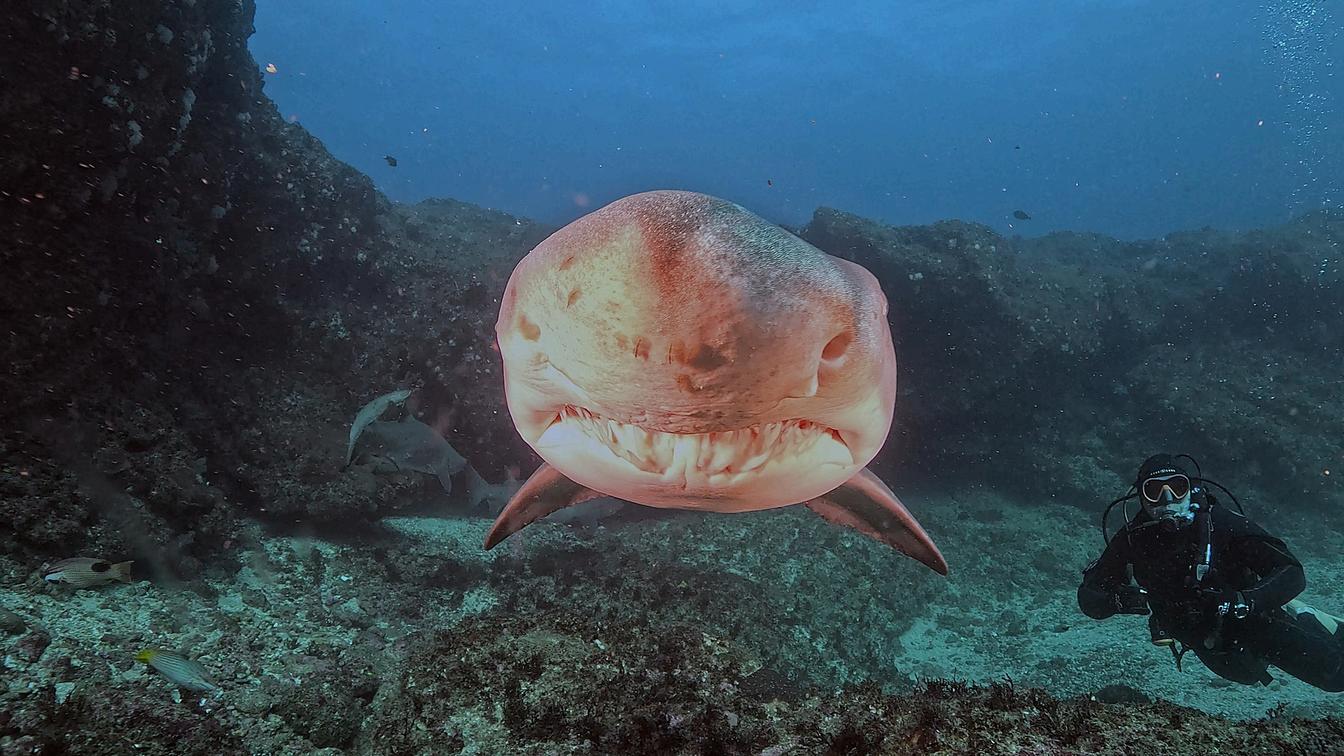
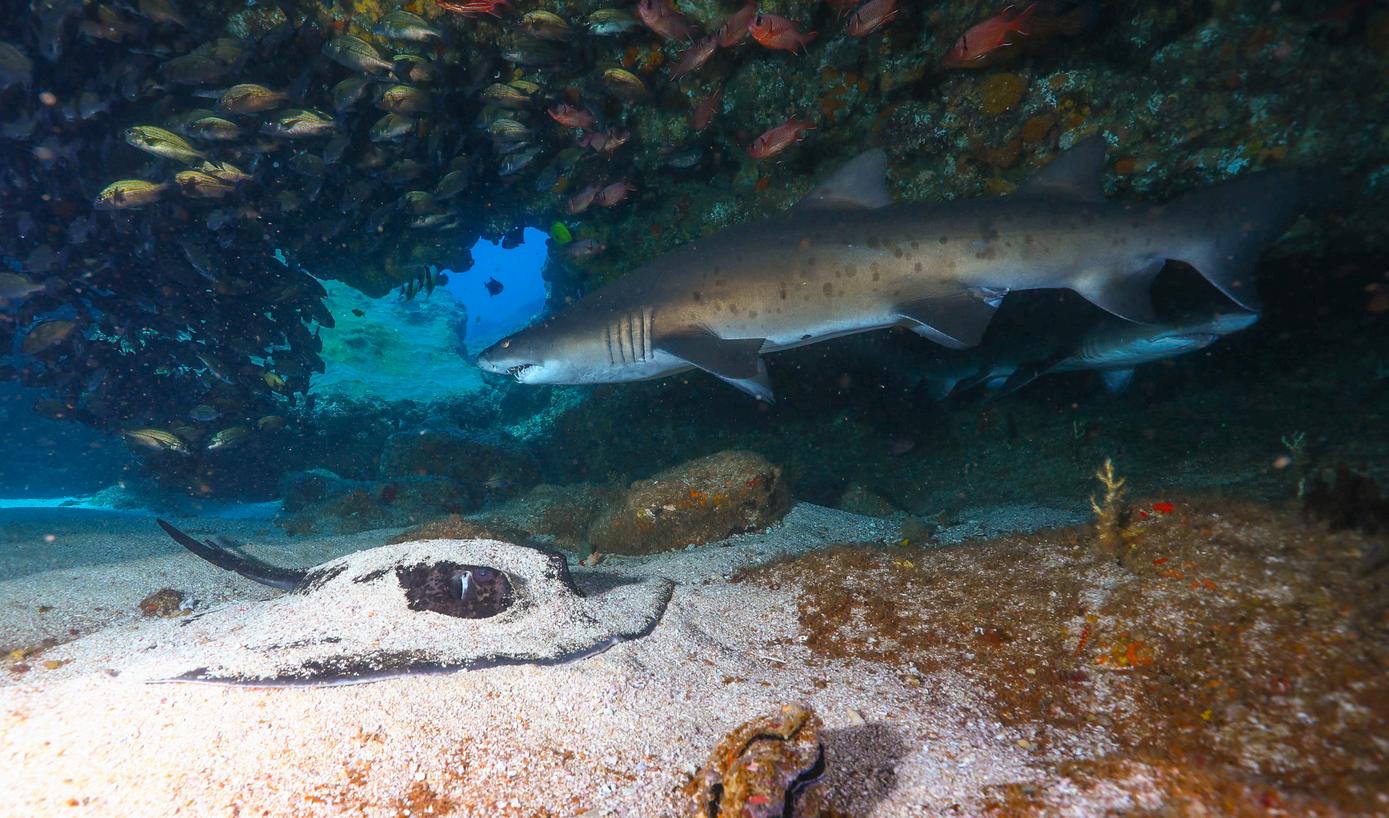
Above Image: A ragged-tooth shark glides past a diver on Aliwal Shoal Image by Walter Bernardis
THE RAGGED-TOOTH SHARK EXPERIENCE
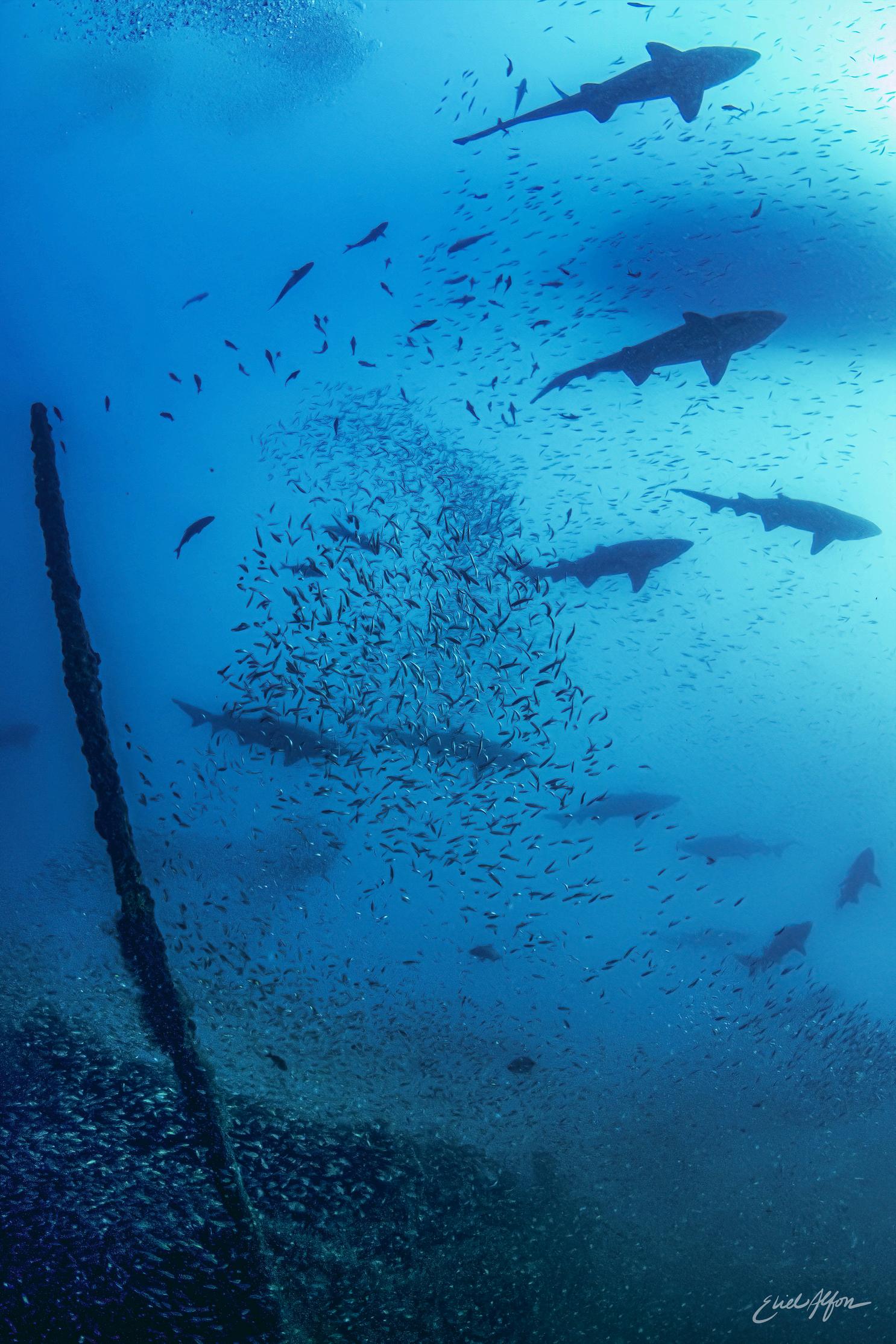
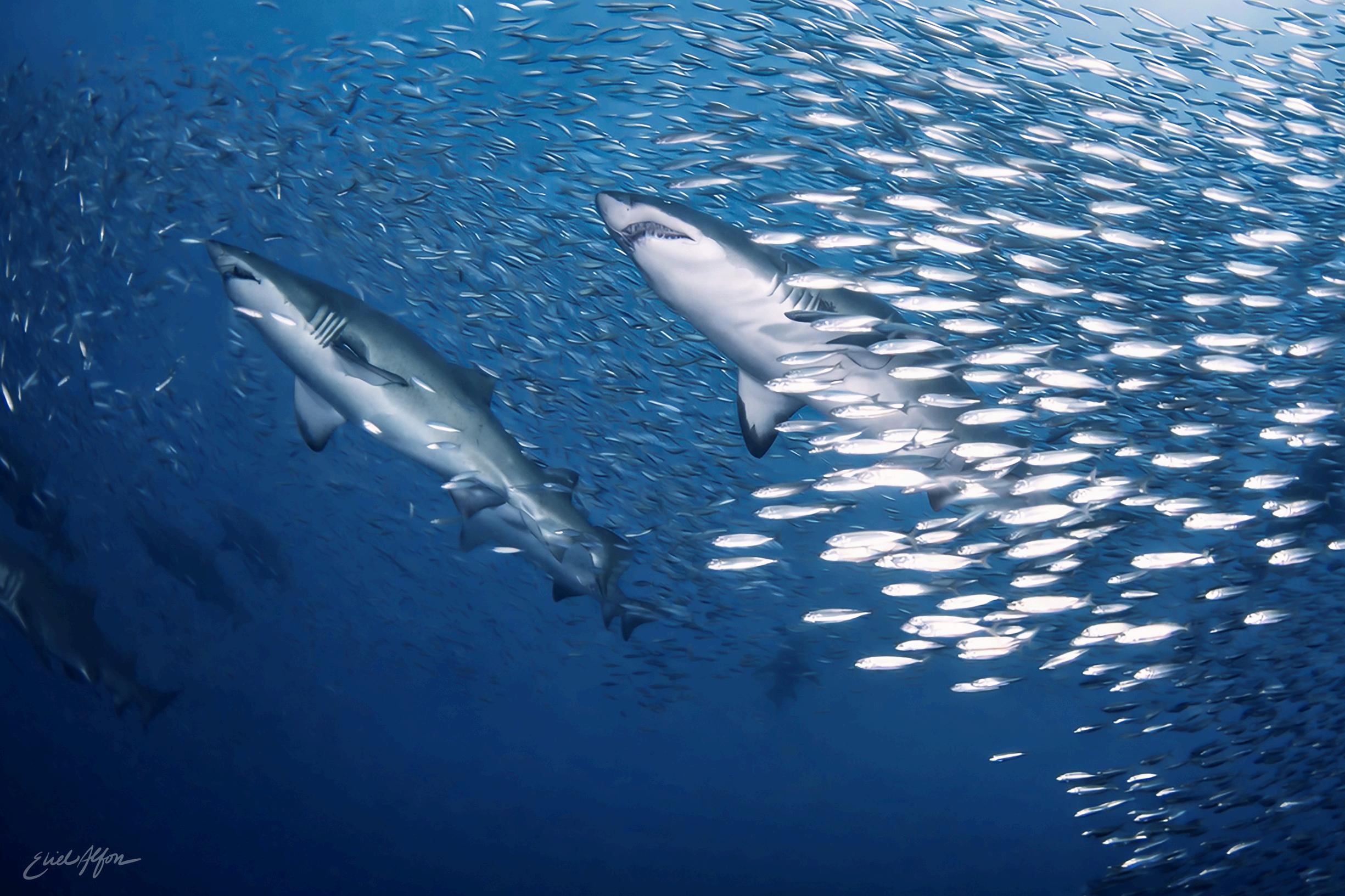
Ragged-tooth sharks (Carcharias taurus) gather at Aliwal Shoal mainly between June and November, using caves and overhangs as resting places during the day. On a single dive, encounters can range from just a few sharks to remarkable aggregations of 40 or more individuals.
Part of their fascination lies in the contrast between appearance and behaviour Their protruding, needle-like teeth and powerful bodies can look intimidating, yet raggedtooth sharks are generally placid and tolerant of divers when approached respectfully Many encounters feel almost serene, with the sharks circling slowly or hovering effortlessly in the current
Visibility at Aliwal Shoal can shift dramatically with the conditions Some winter dives open up into crystal-clear water with 20–30 metres of visibility, while others arrive in darker green water with more surge and moodier light That unpredictability is part of the Shoal’s appeal, lending every dive a sense of wildness and genuine adventure
THE FAMOUS DIVE SITES
Raggies Cave perhaps the Shoal’s most iconic shark dive, Raggies Cave, lies at roughly 18 metres and becomes a seasonal resting place for large numbers of sharks. Divers remain outside the entrance, kneeling quietly on the sand while the sharks move in and out of the cavern. Entering the cave during shark season is not permitted, a measure that helps reduce stress on the animals and supports more ethical wildlife encounters
The best approach here is patience Once divers settle calmly and avoid excessive movement, the sharks often glide remarkably close, creating unforgettable photographic moments
Chunnel is shallower, at around 12–14 metres, and is best known for its dramatic swim-through cutting through the reef
During ragged-tooth season, sharks often shelter near the cave system, making this site especially rewarding for newer divers and photographers looking for dynamic, naturally framed compositions.
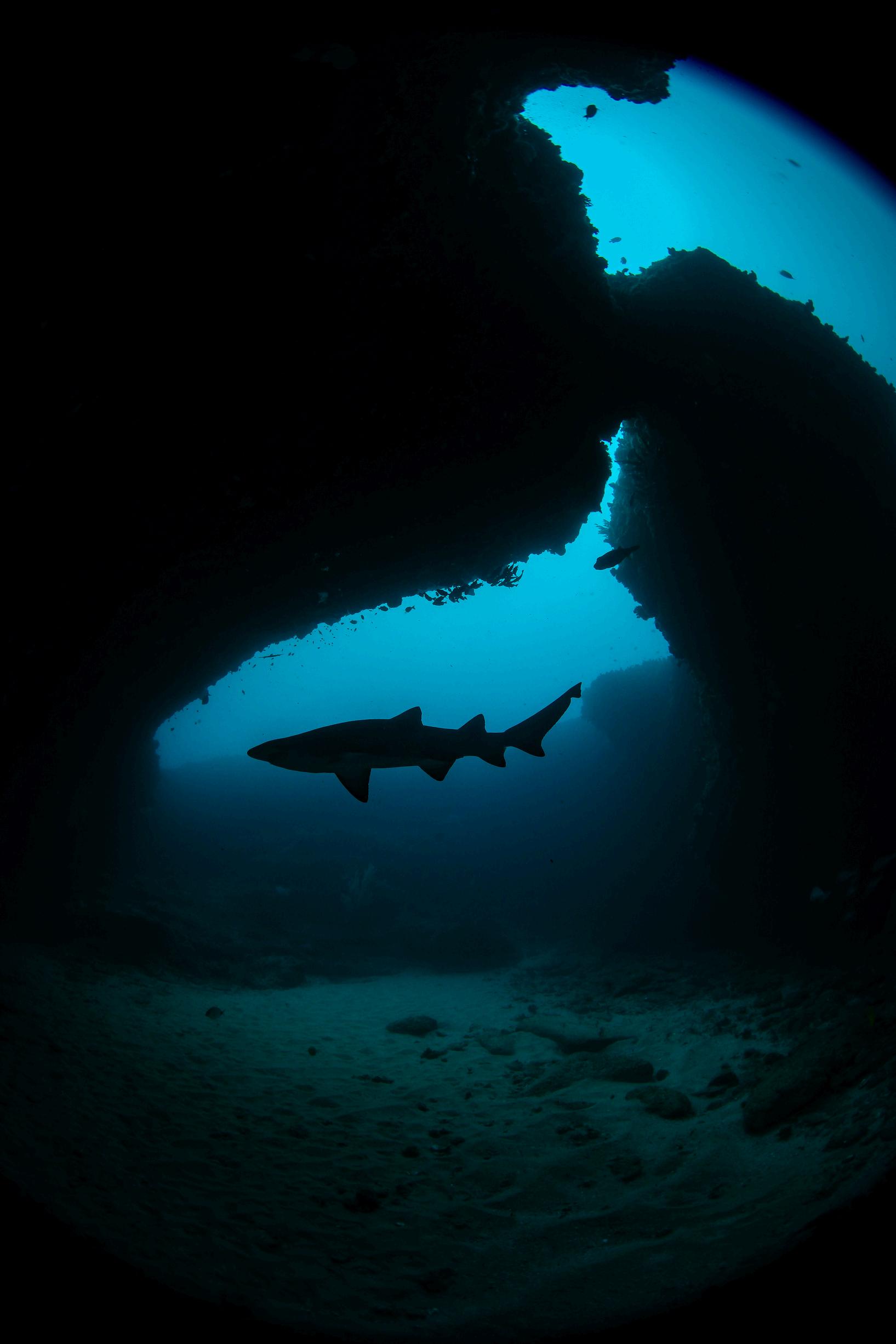
The natural tunnel creates beautiful framing opportunities, especially when sunlight streams through the opening, silhouetting passing sharks.
Cathedral is one of Aliwal Shoal’s most spectacular and atmospheric dive sites Lying at around 27 metres, the site is dominated by a massive rocky overhang and arch formation that rises dramatically from the reef, creating a cavern-like space large enough for multiple divers to hover beneath the arch at once Shafts of sunlight often filter through the blue water above, illuminating the reef walls and creating an almost cathedral-like atmosphere that gives the site its name During ragged-tooth shark season, dozens of sharks may circle slowly around the pinnacle and above the arch, while schools of reef fish move through the current in the background Shooting upward from beneath the arch toward the open blue water often produces the most dramatic images, especially when sharks pass overhead, silhouetted against the teardrop shape of blue water and the light.
DIVE ETIQUETTE WHEN DIVING WITH RAGGIES
It is important to remember that you - the diver - are there to observe. Ragged-tooth sharks tend to swim a routine circuit in the area of the reef they are on. It's best to watch them before positioning yourself along the route, especially to avoid obstructing their path to get your shot Don’t try to touch them; it will only scare them off Keep your movements slow and calm Do not approach them; allow them to approach you They do get curious when there are new objects/divers along their circuit Popping up in front of the shark or swimming after it will only scare it away, causing it to change its circuit or roaming area
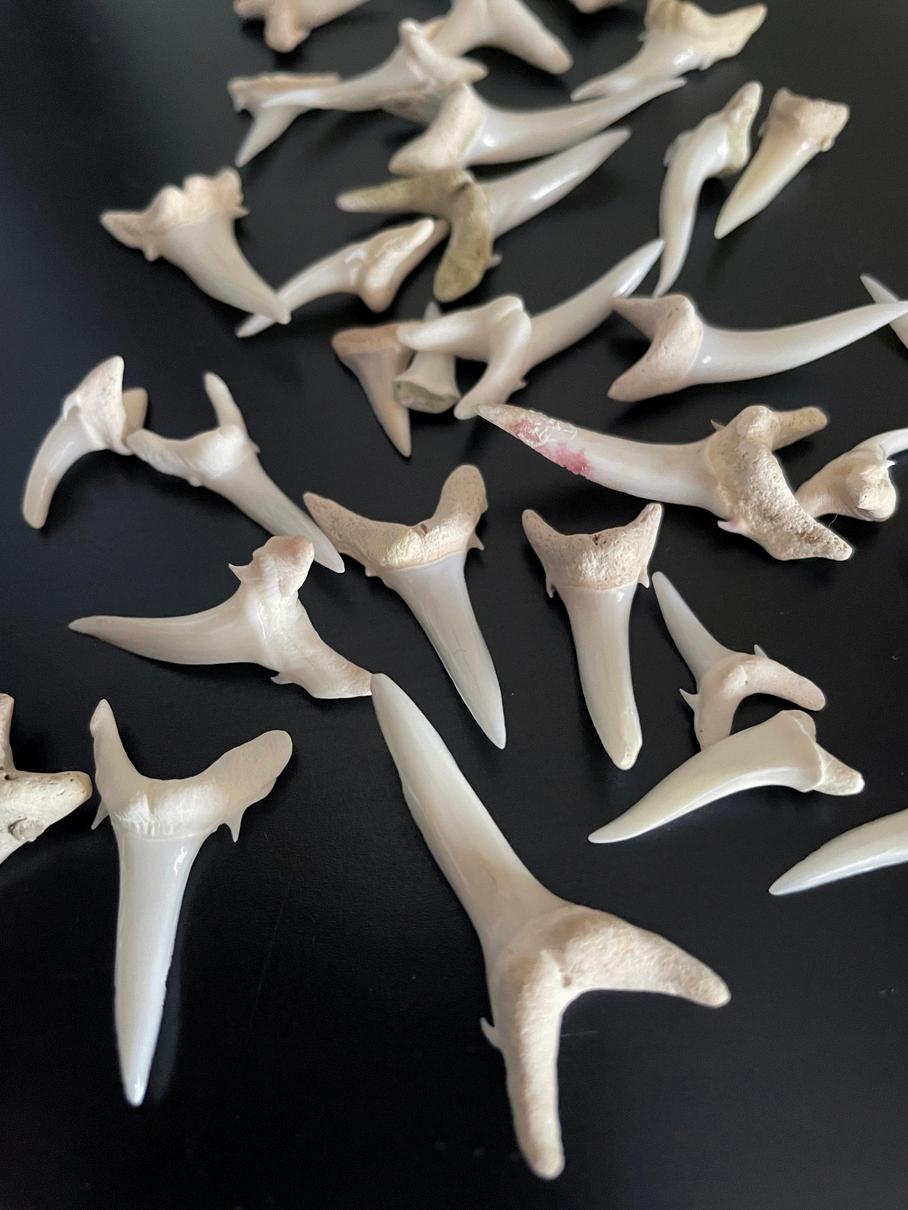
During raggie season, divers often come across shed teeth, and searching for a range of sizes and shapes can be both an enjoyable challenge and make for a memorable keepsake.
RECOMMENDED DIVE GEAR
Diving with raggies at Aliwal Shoal is relatively straightforward, but the conditions can change quickly, so dependable gear makes all the difference
A well-fitted 5 mm wetsuit is usually ideal during the winter shark season, although some divers prefer a 7 mm suit if they feel the cold more easily Water temperatures generally range between 19°C and 24°C, depending on the season and depth
Because launches are done through the surf from the beach, compact and streamlined gear setups work best Loose accessories can quickly become awkward during both the launch and the recovery
Recommended equipment includes:
5 mm wetsuit with hooded vest optional
Reliable BCD with good trim control
Mid-sized fins or freediving fins with strong thrust for current DSMB and reel for safety stops
Dive computer capable of multi-level diving
Gloves are generally discouraged in marine protected areas unless required for thermal protection. If you do wear gloves, please be considerate of how and where you place your hands and fingers.
Good buoyancy control is especially important around sharks and reef structure
Calm, measured movements create safer, more natural interactions and make the entire dive feel more controlled
UNDERWATER PHOTOGRAPHY TIPS
Aliwal Shoal offers outstanding photographic opportunities, but shooting sharks in moving water and changing visibility requires proper preparation
CAMERA AND LENS SELECTION
Wide-angle setups are the natural choice for ragged-tooth shark photography, especially at sites such as Raggies Cave and Cathedral, where the sharks can approach surprisingly close.
Popular setups include:
Full-frame camera with 16–35 mm lens
APS-C camera with 10–18 mm or 10–22 mm lens
Micro Four Thirds systems with 7–14 mm or 8 mm fisheye
Large dome ports can improve corner sharpness and make close-focus wide-angle shots easier to manage in fast-moving conditions
Dual strobes are highly recommended They help restore colour, light the shark’s face, and separate the subject from the often green-blue water column Many photographers at Aliwal favour powerful wide-beam strobes that produce more even lighting across larger subjects
Best Settings for Shark Photography - A good starting point for still photography is:
Shutter speed: 1/125 to 1/200 – to limit blurring of the moving subject
Aperture: f/8 to f/11 – to improve the focus depth.
ISO: 400–800, depending on visibility –this will also allow for higher shutter speed.
With wide-angle lenses and bigger domes, good strobe positioning - angled slightly outward and the front of the light behind the back of the dome - to reduce backscatter
For video, 60 fps is a solid choice for everyday footage, while 120 fps gives you the freedom to slow the action down and really showcase the sharks’ effortless movement Smooth, controlled finning is essential, as even small kicks can translate into
unwanted shake in the final clip A neutrally buoyant camera rig can make all the difference, helping you stay relaxed in the water and capture steadier, more polished footage from start to finish.
GETTING THE BEST SHARK SHOTS
The strongest ragged-tooth shark images rarely come from simply closing the distance. More often, they come from patient composition, well-timed moments, and a feel for how the sharks move through the water
At Raggies Cave, settle low near the sand and angle your shot slightly upward to give the sharks a dramatic blue-water backdrop beneath the overhang It is worth giving the entrance plenty of space, as the most memorable passes often happen when photographers stay still and let the scene unfold naturally Divers are generally not permitted inside the cave while the raggies are in residence
At Chunnel, the reef itself becomes part of the composition Wait for sharks to drift through shafts of natural light, or use the swim-through opening to frame them as they pass This is one of the Shoal’s best sites for clean, graphic silhouettes with a strong sense of place.
At Cathedral, think in terms of scale and atmosphere. The site lends itself beautifully to wide scenic images, whether you include divers beneath the arch or use schooling sharks above the reef to convey size and movement. Shooting upward toward the roof of the cave reveals its striking teardrop shape, and a shark crossing through that blue window often creates the most dramatic frame of the dive
Across all sites, excellent buoyancy and a calm presence are essential Fast movements or overly aggressive approaches can unsettle both the sharks and your fellow divers, and they often cost you the very shot you were hoping to make
CONSERVATION THROUGH DIVING
One of the most compelling aspects of diving with ragged-tooth sharks at Aliwal Shoal is the role ecotourism can play in conservation. Healthy shark populations support tourism, research, and public awareness, while also highlighting the value of well-managed marine protected areas.
Aliwal Shoal protects critical habitat for sharks and reef ecosystems while supporting sustainable dive tourism For many divers, seeing these animals underwater
He has helped shift perception away from fear and toward respect, curiosity, and conservation
For many divers, a close encounter with a ragged-tooth shark at Aliwal Shoal becomes more than just another dive It becomes a lasting reminder of why healthy oceans and the protected places within them matter so much
BOOKINGS AND ENQUIRIES
African Watersports is based in Widenham, near Umkomaas Walter Bernardis is widely known for his long-standing contributions to shark diving in South Africa, particularly in connection with tiger shark diving. African Watersports offers dive trips, gear hire, and bed-and-breakfast accommodation, and can also assist with airport transfers from King Shaka International Airport for visiting divers.
For bookings and enquiries
- AN UNDERWATER CITY
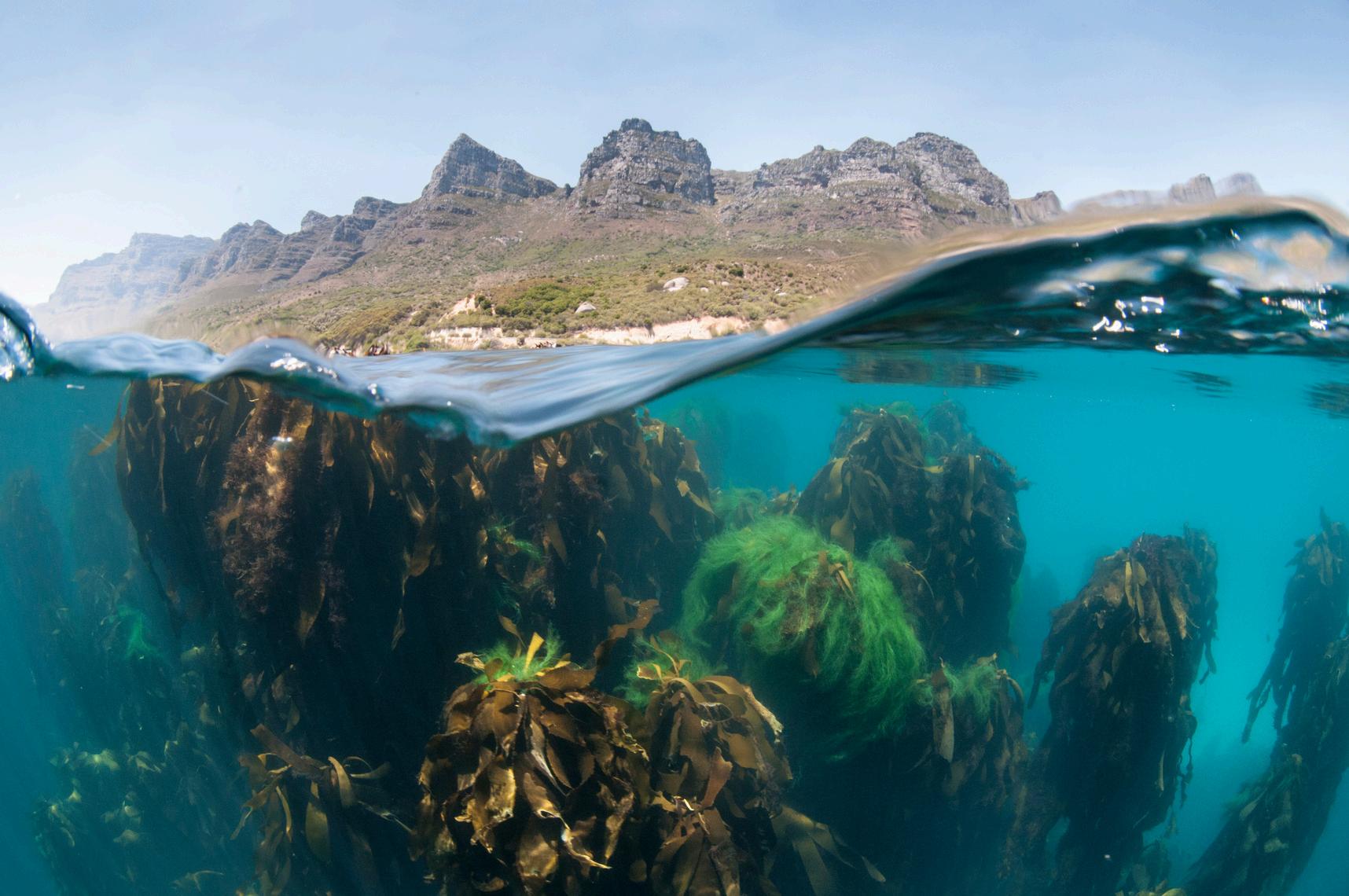
If you have dived along the Cape Peninsula, you will have experienced the magic of the kelp protecting our shoreline Ecklonia maxima dominates, and in Cape Town, we are incredibly lucky to have it on our doorstep.
Kelp’s remarkable structure can be compared to that of the world’s temperate rainforests. It flourishes in the cold, nutrientrich upwelling of the Benguela Current, one of the most biologically productive marine systems on Earth
A nursery and a hunting ground - you join a community when you dive in kelp.
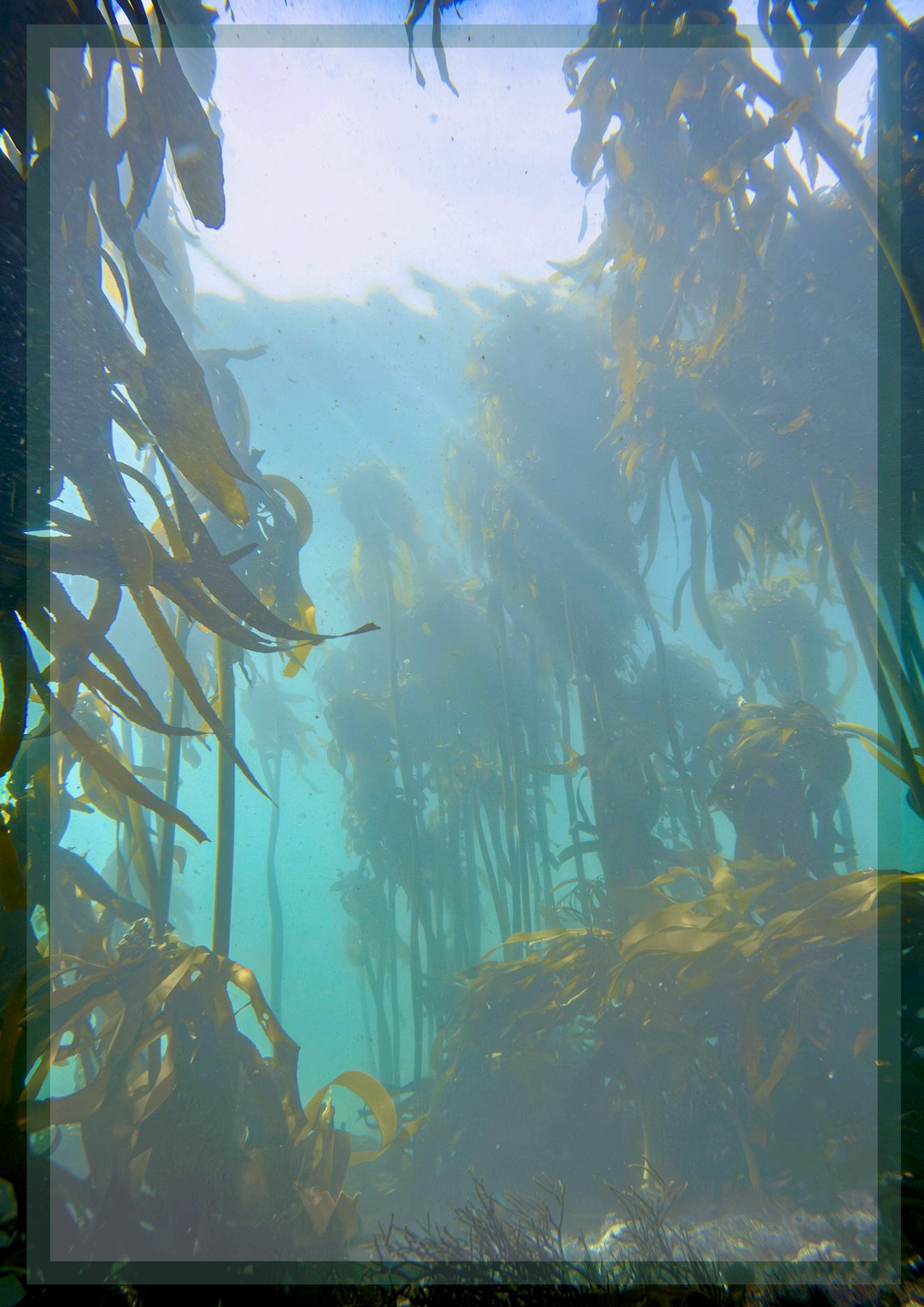
To dive in and around kelp has a cathedrallike quality There is an ancient feel with a special vibe The shafts of blue-green light filter down through the swaying fronds, forever moving and making their own special sound
As a diver you descend down at least a half a dozen different zones of life This is all in the space of fifteen metres of water column, and each level worth slowing down for A tightly interwoven web of residents each occupy a precise niche; every holdfast at the bottom is a universe of life
Diving Tips
As soon as your head slips below the surface, the noise of the world cuts out. The reward comes when you slow down and resist the urge to cover ground. Instead, spend time watching the small square metre of area in front of your nose.
It is an unforgettable experience rewarding you with each dive.
A kelp forest rewards a particular kind of diver Not the fastest, not the deepest but the most patient
Mindset & Behaviour
Slow everything down The best encounters in kelp come to divers who move with the surge, not against it
Let the forest guide you through.
Ascend and descend in the natural clearings of the dense kelp canopy Your pathway is easy and you do no harm Entanglement is not likely and if caught up, simply stop, breathe, and move calmly backwards. Your buddy will have your back.
Panic is the only real danger, and this has no place with a competent diver. No touching, no gripping. The kelp is not a rope Grabbing stipes damages holdfasts and disrupts the life attached You can use kelp to navigate with swell and surge The kelp pushes more towards the shoreline
Equipment: Keep It Simple!
Wetsuit: Cape Atlantic water normally runs at a cool 10–14°C It is good to wear a minimum of a 5mm two-piece suit with a hood
Cold divers make poor observers.
BCD & Buoyancy: Perfect buoyancy is nonnegotiable Overweighted divers sink into the reef; underweighted divers float into the canopy Neither is desirable for you nor the ecosystem Stay horizontal Trim out and enjoy the cruise!
The kelp asks a little patience, a little restraint, and good buoyancy.
A Torch: Let There Be Light! Each level, as you descend, has its own light levels, current characteristics, temperature gradients, and communities of life.
A torch illuminates (even on day dives), and it is easier to see the residents, especially in the holdfast crevices
Knife/Line Cutter: Carry one, always Not because kelp is dangerous, but because a composed response to entanglement requires having the option Fishing line caught up in the kelp is not an uncommon sight A small line cutter on your BCD is sufficient
“Enjoy! Share! Conserve and Protect!”
IMAGE BY STEVE BENJAMIN
BY STEVE BENJAMIN
As the field of recreational diving continues to evolve, DAN remains committed to being at the forefront of safety and scientific advancement The purpose of this article is to educate about a new product gaining popularity on the market Our goal is to further dive safety while fostering informed discussion and deeper understanding
If you’ve been travelling or scrolling through dive content recently, you may have come across the Avelo System a reimagining of buoyancy in scuba diving No air pockets in a buoyancy control device (BCD)? A full setup weighing only 40 pounds (18 kilograms) compared with the traditional 70? A Hydrotank?
All these new components of the Avelo System are sparking interest while also raising hesitation throughout the dive community. Let’s dive into an overview of this system, highlight its capabilities, and get a quick review of buoyancy and its importance.
EXPLORING THE AVELO SYSTEM
Above Image: The Avelo System is a reimagining of buoyancy in scuba diving
is recommended but not required to dive the system Visit the manufacturer’s website to view compatible dive computers
If divers do not have the Avelo Mode on their computers, they can reference an Avelo dive slate to determine the turn and return pressures based on the maximum pressure. Maximum pressure is seen on a diver’s submersible pressure gauge (SPG) after they’ve used their pump underwater to gain neutral buoyancy at the beginning of a dive The system is also certified for use with up to 40% nitrox
TRAINING AND AVAILABILITY
The Avelo System is currently available to rent at more than 50 locations and on 2-plus liveaboards across the US and 10 other countries, including Bonaire, Mexico, Thailand, and the Maldives
You must be a certified open-water diver to complete the Recreational Avelo Diver (RAD) course This course is comprised of an elearning component and two in-water sessions
A QUICK REVIEW: DIVE PHYSICS AND BUOYANCY
At sea level, we exist under 1 atmosphere (atm) of ambient pressure. As a diver descends, pressure increases by 1 atm every 33 feet (10 meters). According to Boyle’s Law, gas volume decreases in direct proportion to increases in ambient pressure.
This principle is most evident in traditional BCDs, where the volume of enclosed gas expands during ascent and compresses during descent, creating constant buoyancy changes for the diver to manage In the body, increasing ambient pressure also raises the partial pressure of inhaled gases, causing more inert gas to dissolve into tissues and affecting the volume of gas in nonventilated spaces
Because BCDs rely on gas volume, their buoyancy characteristics fluctuate with depth changes In contrast, systems that use
rigid or water-based buoyancy chambers such as those used in submarines and the Avelo System maintain more stable buoyancy throughout a dive
Neutral buoyancy is a fundamental dive skill, as abrupt or uncontrolled depth changes can result in injuries such as ear barotrauma or decompression illness (DCI). These risks arise from rapid gas expansion or contraction or from insufficient time for inert gases to safely offgas during ascent
Traditional BCDs, with their variable air pockets, can contribute to these sudden buoyancy shifts and unintended rapid ascents
By removing the air-filled component of buoyancy control, the Avelo System attempts to minimize these fluctuations Instead, it promotes more intuitive, stable buoyancy management and significantly reduces the risk of uncontrolled ascent or descent through natural lung control and limited equipment manipulation, providing a smoother and potentially safer dive experience
Avelo System FAQs
The following responses are based on information from the manufacturer’s website and conversations with the manufacturer.
1. Is a full Avelo setup lighter than a full traditional BCD and aluminum 80 setup? A full Avelo setup is around 40 pounds (18 kg) compared with a BCD and aluminum tank setup that is approximately 70 pounds (32 kg) These numbers depend on an individual’s gear setup and tank(s) used
2. What happens in case of a failure? Tests of failure scenarios (eg, constantly running pump, dead battery, or failed bladder) show only minor buoyancy changes, allowing divers to remain at depth with modest swimming effort, in contrast with a traditional BCD in which rapid ascents are more likely
3. Are you buoyant at the surface with the Avelo System? Divers are at an equivalent height out of the water as they would be with a traditional BCD at the surface when the purge valve is left fully open. Older versions of the system did not support the same surface buoyancy.
4. If you buy an Avelo unit, can you take it on a plane? Yes, typically the Hydrotanks and Jetpack are checked baggage, while the batteries travel in carry-on luggage You must remove the Hydrotank’s valve prior to the flight Contact the airline or visit its website for more information and travel rules
5. Can you dive the Avelo System with a drysuit? Yes, and the system can still offer buoyancy control benefits to drysuit divers
FINAL THOUGHTS
The Avelo System represents an innovative reimagining of buoyancy control in scuba diving While it offers potential benefits, it also raises important questions about training, safety, and physiological impact
DAN’s priority is to help the community stay informed and safe While DAN does not actively endorse any products or technologies, we encourage divers to critically evaluate new technologies and stay current with our latest publications and updates.
AVELO DIVE ANALYSIS TOOL
The information gathered from the Avelo Mode on a dive computer and gas transmitter during an Avelo dive can be directly uploaded to the dive analysis tool on the manufacturer’s website This postdive data analysis tool allows divers to view a variety of data points to better understand and evaluate their performance underwater
The interface allows divers to toggle eight different variables on and off to view how data changes over the course of a dive Using an algorithm that interprets multiple
sensor inputs, the system identifies when the diver was pumping, purging, or making no adjustments to the Hydrotank Divers can review bladder volume, Hydrotank pressure, air temperature, and percent of air remaining, all of which are affected by pumping, purging, and air consumption.
Gas consumption is presented as a percentage of total volume rather than in PSI or bar, reflecting the Hydrotank’s unique operation The tool also displays what Avelo terms “workload,” defined as the rate of gas consumption in liters per minute, equating to the surface air consumption (SAC) rate
A second graph in the dive analysis tool the buoyancy diagram illustrates how positively or negatively buoyant a diver was at any moment relative to their comfortable breathing range, which is calculated from the diver’s tidal volume
As described on the manufacturer’s website, the buoyancy line is generated using the diver’s initial buoyancy, the mass of gas in the Hydrotank, the bladder volume, and the buoyancy characteristics of the exposure suit at depth This gives a representation of the net buoyant force acting on the diver throughout the dive
Divers can identify patterns such as improper weighting, uncontrolled ascents or descents, pump-use habits, and gas consumption trends when using the dive analysis tool. These insights can help divers better understand their dives and improve the quality and safety of their underwater experience
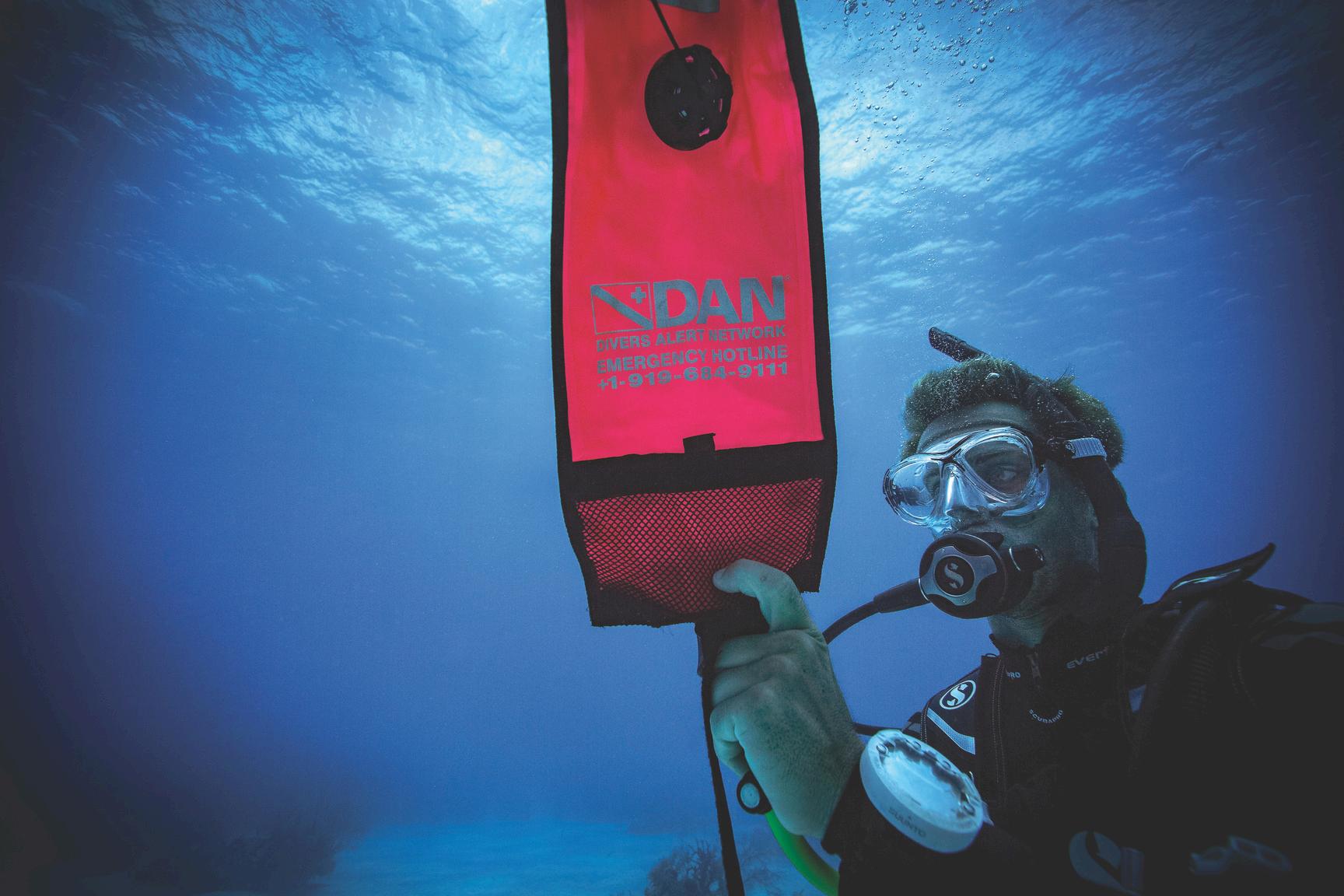
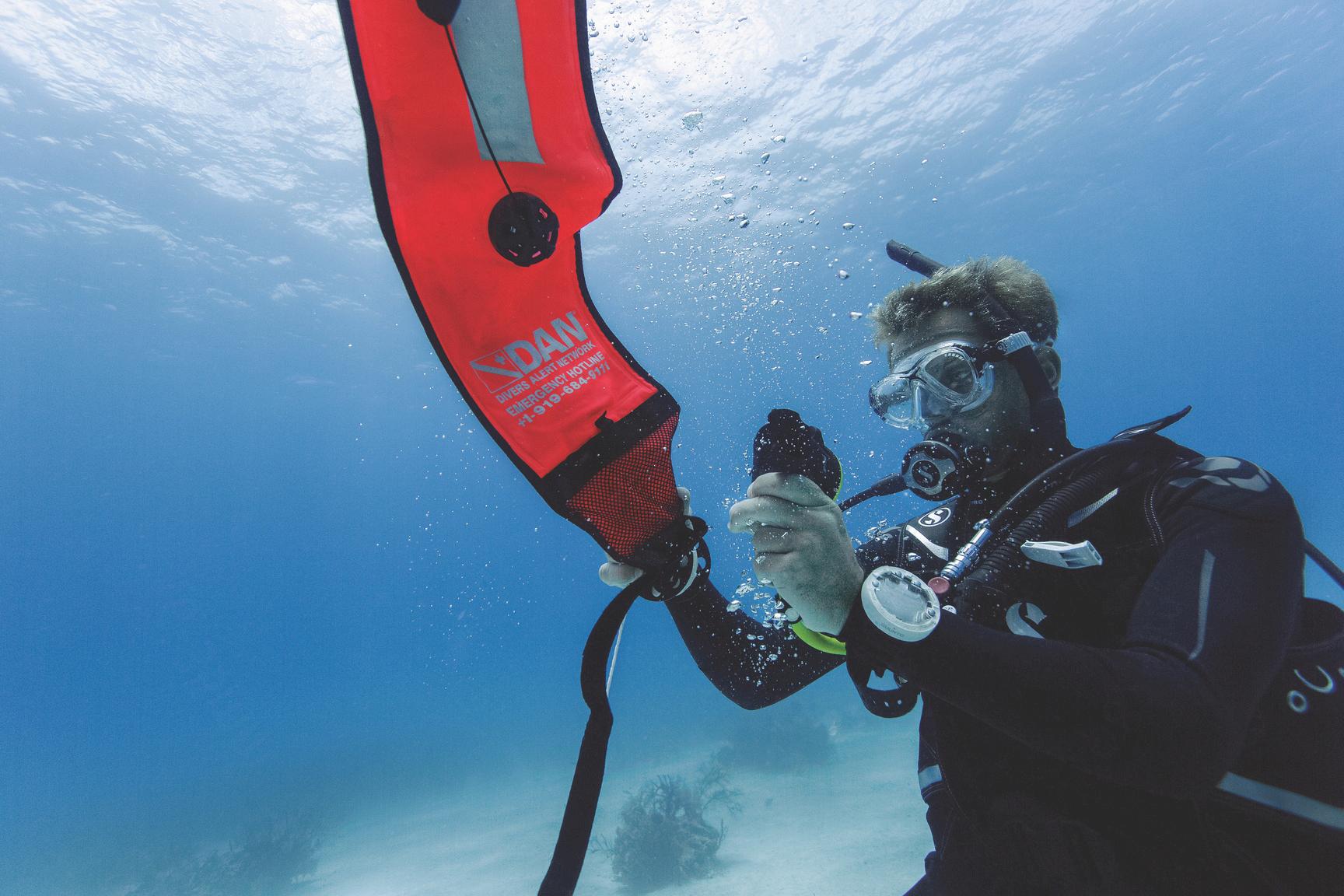
Scuba diving in the ocean off South Africa generally involves an offshore reef and a boat to get you there and back The only connection between the divers and the boat is a marker buoy carried by the dive master.
A skipper knows to follow the marker buoy and to keep a safe distance from the buoy. If you, as a diver, become separated from the group, you are taught to do a 360-degree turn and, if unable to find the group, ascend to the surface.
But how does the skipper know you are lost? How does he know you are ascending, and how does he know where you are going to pop up?
WHY CARRY A DEPLOY BUOY
There are two very general scenarios in which the use of a personal surface marker buoy can assure a diver of a safe ascent and recovery by the skipper upon surfacing
Scenario 1
The diver is separated from the group in low visibility The diver follows the lost diver procedure and makes their way to the surface The surface conditions are choppy with a big swell The diver ascends, and due to the choppy conditions, the skipper does
not see the lost diver, nor can he hear the shouts/whistles, as he is upwind of the lost diver Only once the rest of the group surfaces is the lost diver noticed, and the skipper proceeds to search for the diver.
Scenario 2
The diver is separated from the group in good visibility with a strong current. The diver follows the lost diver procedure and begins the ascent. Upon ascending, the diver starts to move more quickly than the group on the bottom with the current The skipper is following the buoy and does not pick up the lost diver, who drifts quickly with the current and surfaces a fair distance away from the group The skipper only realises you are lost when the group surfaces, after which they search for the separated diver
In both scenarios, the boat was not picked up because the skipper was unaware that the diver had been separated from the group If the lost diver had deployed a buoy, the skipper would have been aware of the diver and could have successfully recovered the diver
TYPES OF DEPLOY BUOYS
There are many types of buoys available The main features to look for in a buoy are:
compact, has no moving parts that can fail, and has nothing that can get entangled. One disadvantage, though, is that there is a limit on the amount and type of line you can have on the spool.
It is best to have as much line available as possible on the reel or spool When
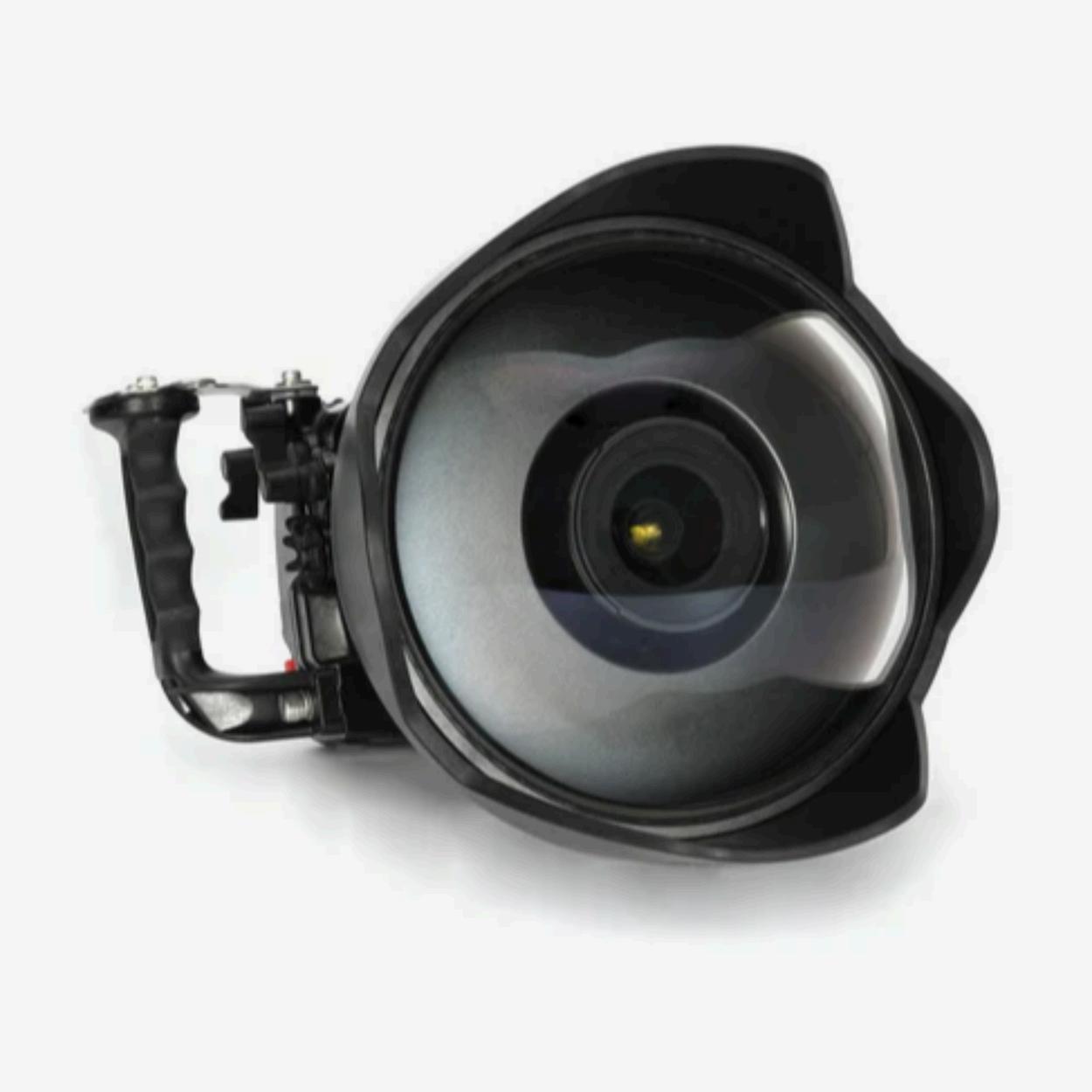
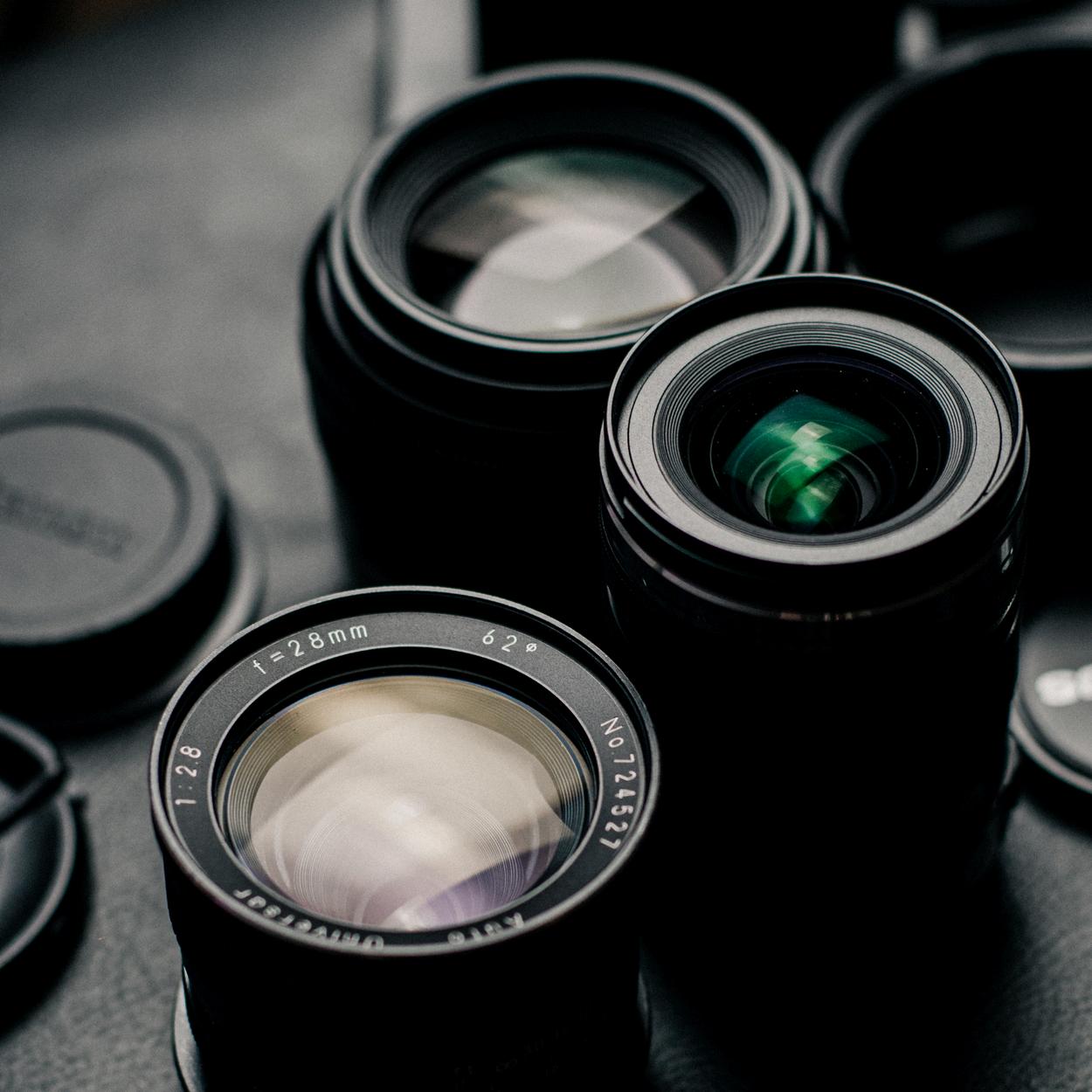
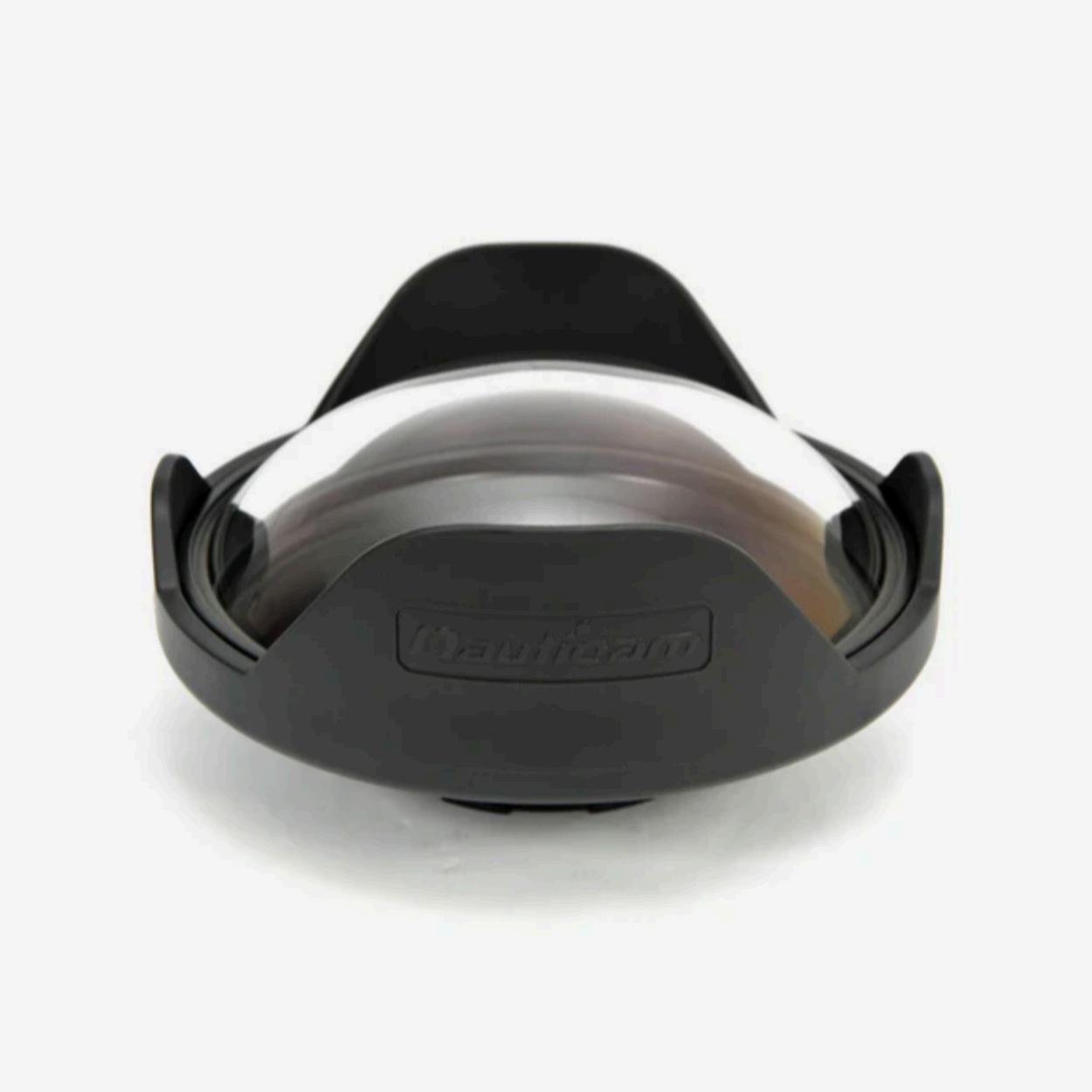
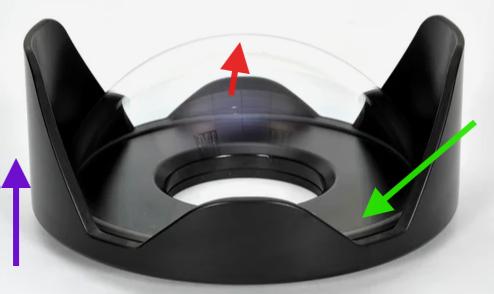
Dome ports and lenses: How to Avoid Marks and Scratches
LENSES
STORAGE & HANDLING
Always replace the lens cap when the lens is not in use
Store lenses in a padded camera bag or case
Keep lenses in single pouches and prevent them from knocking against each other
Never place a lens face-down on any surface
CLEANING
Never wipe a dry lens with a cloth Always blow off loose dust first using an air blower
Use only dedicated lens cleaning cloths (microfibre) and lens-safe cleaning fluid
Use a soft circular motion from the centre outward when wiping
Never use paper towels, tissues, or clothing to wipe a lens element
Replace lens cloths regularly A dirty cloth can grind particles into the glass
IN THE FIELD
Be mindful of sandy or dusty environments. The particles in the air can scratch on contact.
Change lenses in a sheltered spot, away from wind and dust.
Keep the camera bag closed when not actively retrieving gear
Use a UV or clear protective filter on the front element as a sacrificial layer
GENERAL
Inspect your lens cloth and cleaning tools before use
Handle lenses by the barrel, not the glass
Keep lens caps in a consistent, accessible place so you’re never tempted to leave the lens uncapped
GOLDEN RULES
Do not touch the lens or dome port directly
Use the correct tools and techniques for cleaning
OME PORTS - THE OUTSIDE
Always use a dome cover when entering/exiting the water, on boats, and during transport
Avoid placing the housing face down on any surface (boat deck, sand, rocks, camera table)
Rinse before wiping – never rub off sand or salt crystals dry; they can scratch the dome Use a soft microfiber cloth to dry the dome port after rinsing it
Store properly in a padded case when not in use
Polish minor scratches early to prevent them from getting worse
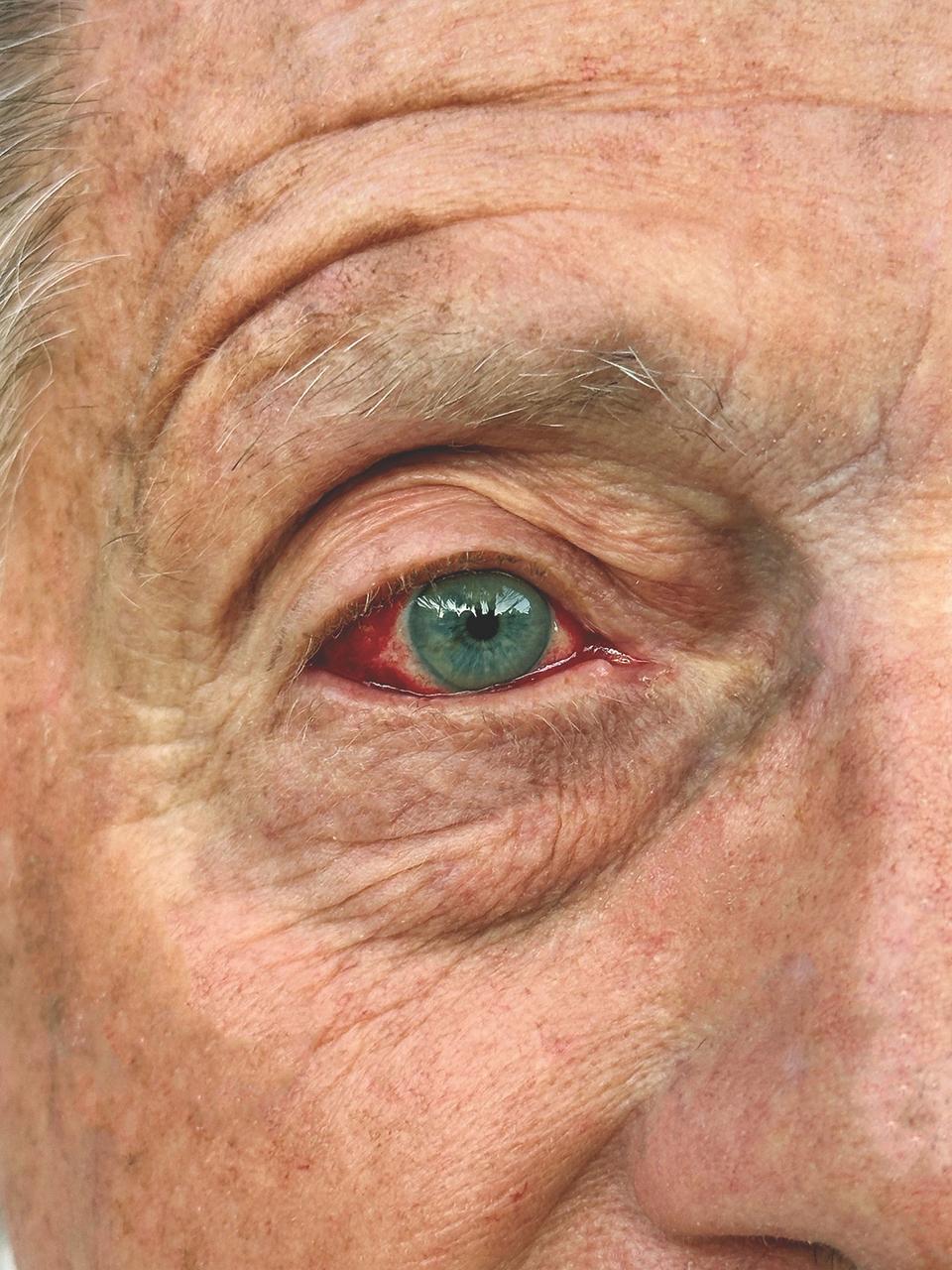
Imagine descending to a beautiful reef The water is clear, fish glide past, and then you feel a strange pull on your face, like the mask is trying to suction itself onto your eyes When you surface, your eyes are red, swollen, and possibly bruised The cause was mask squeeze, a common but preventable dive injury
Mask squeeze, also called facial barotrauma, happens when the pressure inside your mask doesn’t match the ambient pressure during descent The water pressure increases as you go deeper, and if you don’t add a little air to the mask by gently exhaling through your nose, the trapped air remains at a lower pressure
The mask presses inward and pulls on the soft tissues of the face. Small blood vessels around the eyes and eyelids can break, causing petechiae (tiny red spots) and bruising. The same effect on the eye’s surface can cause subconjunctival haemorrhages and mild swelling of the
PREVENTING MASK SQUEEZE
EDUCATION
DON'TLETYOURMASKBITEBACK
TEXTBYJANETREYES,EMT-P
IMAGESBYESTHERBOEHMER&MELISSAEREMKOFER
Above Image: Mask squeeze can cause broken blood vessels in the eye, resulting in redness and bruising
While it may look alarming, it is usually mild and can be prevented by equalising the mask during descent.
conjunctiva (the protective mucus membranes). It may look serious, but mask squeeze is rarely dangerous unless it affects your vision
These eye injuries can take several days to settle Just like any bruise, the colour changes as the blood breaks down and your body reabsorbs it It is typical for it to go from bright red to darker shades, then to a greenish or yellowish tint before returning to normal
New divers are more prone to mask squeeze Training dives involve learning to equalise the ears and sinuses, manage buoyancy, and maintain good position in the water With so much happening, it’s easy to forget to add a little air to the mask
Using poorly fitting rental masks or nondiving goggles, wearing masks too tightly, descending quickly, or diving with nasal congestion can also make it harder to exhale through the nose. A good mask should seal on the face without the strap.
Early signs are easy to catch. You might notice the mask starting to pull in as you descend. At the surface, you may see redness around the eyes or on the eyelids, bruising on the cheeks, or blood in the whites of the eyes If there are vision changes, severe eye pain, major swelling, or any bleeding inside the eye, get medical evaluation right away
Prevention is simple Slowly exhaling through your nose during descent adds enough air to balance the pressure Make sure your mask fits well and isn’t overtightened extra tension does not improve the seal and can make equalising harder Take your time on the way down to equalise all air spaces If you’re congested and can’t breathe easily through your nose, skip the dive
If a mask squeeze happens, safely end the dive Mild bruising or redness usually
improves within a week or two. Cool compresses can help with swelling, and try to avoid rubbing your eyes More serious symptoms, especially vision changes, need prompt evaluation by someone familiar with dive injuries
Some medications increase the chances of bleeding Aspirin and other blood-thinning drugs can make bruising or eye redness appear worse Because aspirin is inexpensive and commonly sold over the counter in many countries, divers sometimes take it without realising its effect on platelets After a mask squeeze, it’s best to avoid aspirin unless it’s medically necessary
Mask squeeze is easy to prevent Remember to equalise every air space, not only the ears and sinuses If it keeps happening, revisit your equalisation technique, slow your descent, and check your mask fit
With a little awareness and preparation, mask squeeze is completely avoidable, leaving you free to enjoy the dive rather than deal with an injury.
MASKSQUEEZE,ALSOCALLEDFACIALBAROTRAUMA,HAPPENSWHENTHEPRESSURE INSIDEYOURMASKDOESN’TMATCHTHEAMBIENTPRESSUREDURINGDESCENT THE WATERPRESSUREINCREASESASYOUGODEEPER,ANDIFYOUDON’TADDALITTLEAIRTO THEMASKBYGENTLYEXHALINGTHROUGHYOURNOSE,THETRAPPEDAIRREMAINSATA LOWERPRESSURE.REMEMBERTOEQUALISEALLAIRSPACES,NOTJUSTTHEEARSAND SINUSES.
THEBUDDYSYSTEM
EDUCATION|TEXTBYDIVEACTION,CAPETOWN
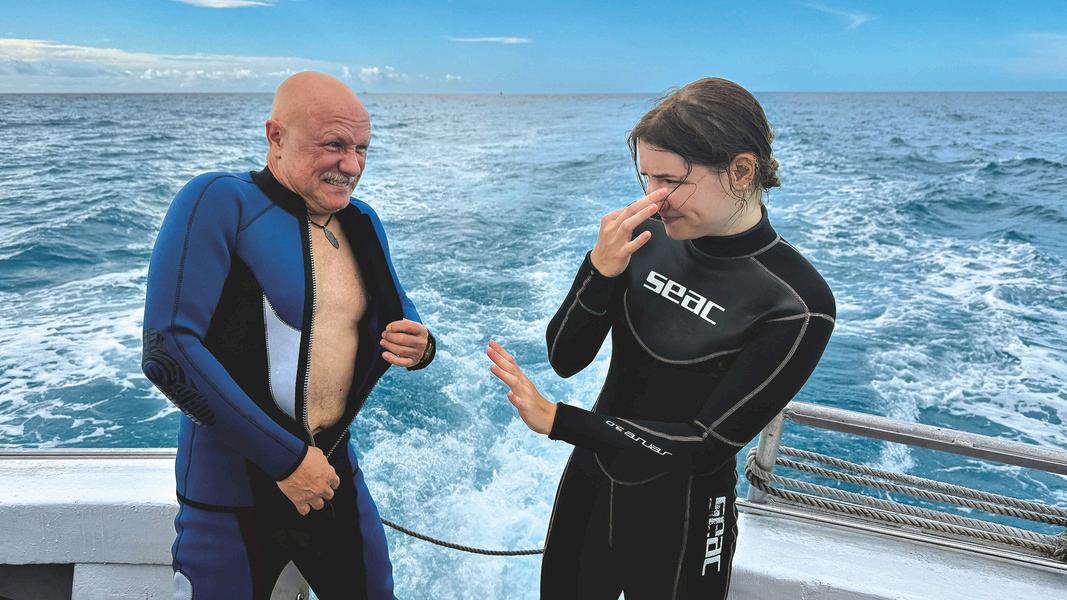
Divers have an adage: “There are two types of people those who pee in their wetsuit and those who lie and say they don’t.”
Urinating in a wetsuit is common for many recreational divers and is generally not harmful when exposure is limited. Immersion in water, especially cold water, triggers immersion diuresis, which shifts blood into the central circulation and increases urine production Most divers feel that urge within minutes of entering the water
Some divers choose to relieve themselves during the dive rather than hold it, especially on longer dives or in cold water That practice can be reasonable if the diver cleans the wetsuit afterwards, but it also comes with a few considerations for both the diver and the suit
Holding urine through a full dive can be uncomfortable and can increase the risk of bladder irritation or urinary tract infection A full bladder can also be distracting underwater when awareness and control matter most From a comfort and safety standpoint, it is understandable that a diver
would choose to empty their bladder rather than tolerate significant pressure and distraction
Urine that remains in contact with the skin for extended periods, however, can cause skin irritation. It contains compounds that can disrupt the skin's natural protective layer and alter its pH, potentially leading to redness, itching, or a rash if contact continues after the dive
The same compounds can also gradually degrade neoprene if the suit is not rinsed thoroughly, and repeated exposure can shorten the wetsuit’s lifespan Divers who urinate in their wetsuit should promptly remove it after the dive, rinse their skin with fresh water to help reduce the likelihood of irritation, and thoroughly clean the suit
A potential issue is the fit of your suit Very tight wetsuits have limited space for urine to move away from the body In some cases, a diver may start to urinate and then stop before the bladder empties completely, even though the urethra remains open, which could theoretically cause urine backflow into the bladder due to pressure, increasing the risk of a urinary tract infection A diver who notices difficulty fully
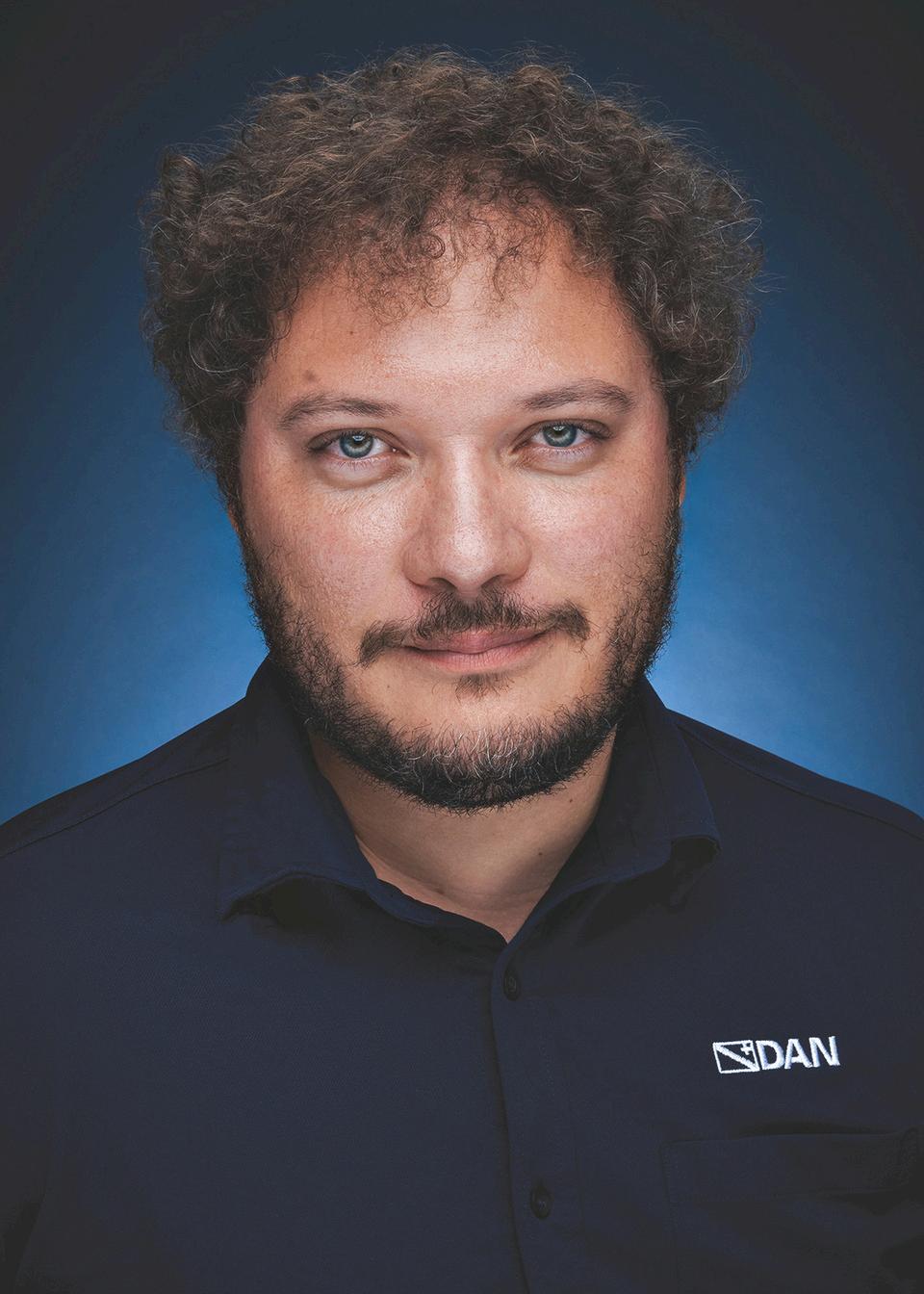
E M M A N U E L D U G R E N O T
Emmanuel “Manu” Dugrenot, PhD, a senior researcher at Divers Alert Network (DAN), brings cutting-edge physiological research to the development of safety protocols for both technical and recreational diving.
His research focuses on defining the boundaries of human performance in extreme environments, particularly the intricate mechanisms underlying decompression sickness (DCS), and on improving the accuracy of physiological models that support the safe planning and execution of deep dives By translating complex scientific findings into practical safety recommendations and collaborating closely with training agencies and equipment manufacturers, his work benefits divers worldwide It advances DAN’s central mission of injury prevention and risk reduction
Dugrenot maintains active academic partnerships in Europe and the United States He is a visiting researcher at the ORPHY (Optimisation des Réponses Physiologiques) Laboratory at the University of Western Brittany (UBO) in Brest, France, where he contributes to collaborative projects on human physiological regulation and stress responses He is also a visiting researcher in the biomedical engineering department at the University of North Carolina at Chapel Hill, working with Virginie Papadopoulou’s group on ultrasound applications in dive medicine and other innovative medical uses.
These ongoing appointments provide access to complementary expertise in biological systems and engineering approaches, significantly reinforcing the interdisciplinary strength of DAN’s research efforts
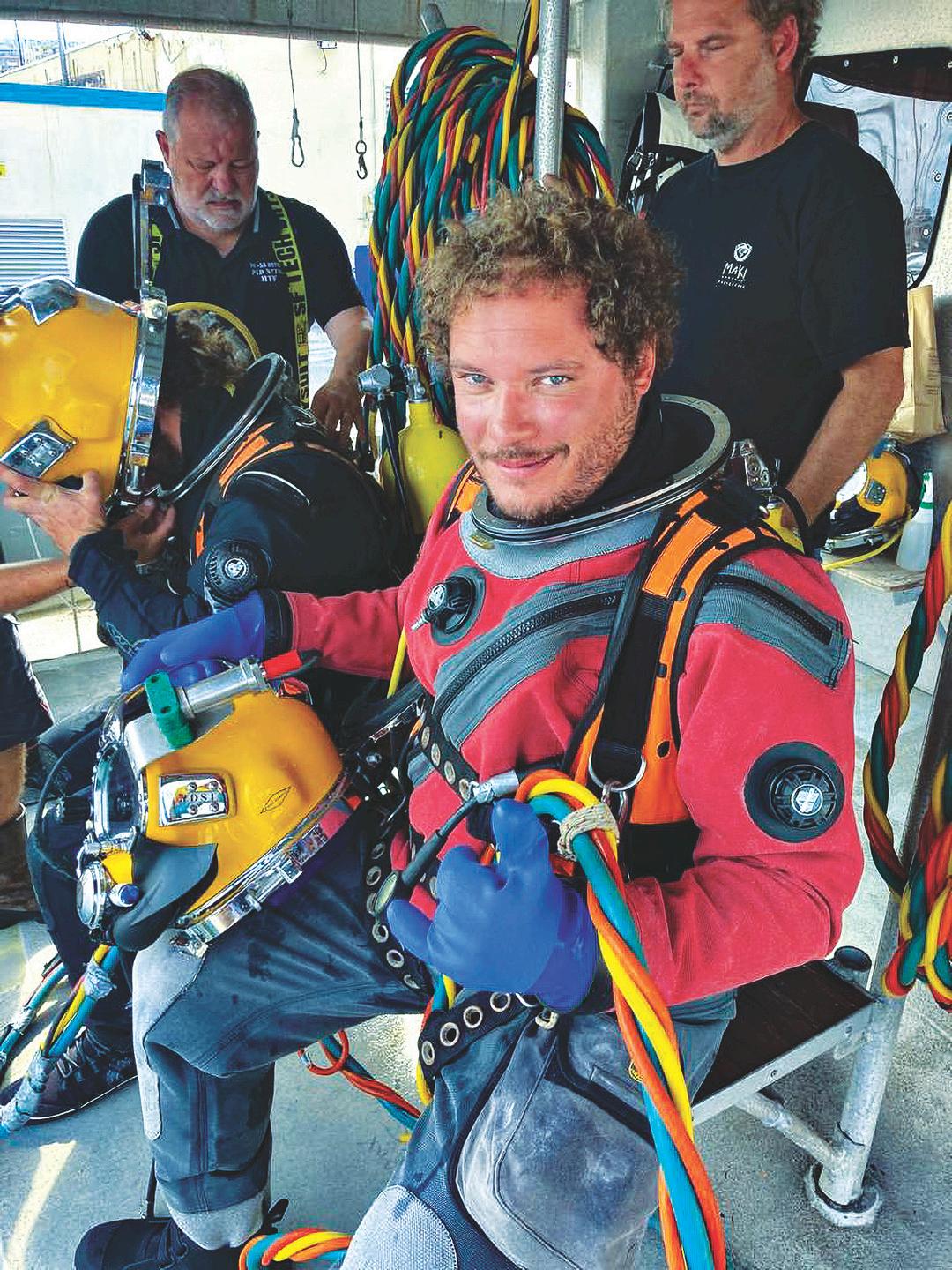
Dugrenot is also an accomplished dive professional who trains closed-circuit rebreather (CCR) and trimix divers and instructors He is qualified as a scientific and public safety diver and currently serves as safety officer for the Youngsville (NC) Rescue
and EMS dive team, which named him Diver of the Year in 2025
What is your background?
I originally studied molecular biology but took a year off when working on my master’s degree to earn the Brevet d’État d’Éducateur Sportif France’s state-level professional dive instructor certification. That experience provided my first in-depth exposure to the technical and scientific side of diving
While visiting the COMEX Experimental Hyperbaric Centre in Marseille, France, I met the former scientific director, Bernard Gardette, PhD He generously spent hours walking me through the physiological principles and operational protocols his teams had developed for the world’s deepest chamber dives and open-sea record dives many of which remain unbroken today
Gardette directed me toward the ORPHY laboratory and Professor François Guerrero, whose work in dive physiology introduced me to the French Navy’s dive physicians and researchers collaborators I still work with more than a decade later
From that moment on, I combined laboratory research with active diving throughout my PhD, later founded a company dedicated to deep-dive physiological modelling, and joined DAN in November 2022 to broaden the reach and real-world impact of my work globally.
Why does this kind of research excite you, and how much of your work specifically relates to diving?
I have always been a diver first My interest in dive research began under practical circumstances When I was learning to dive, the training manuals seemingly promised that following decompression tables or a dive computer would keep a diver safe from DCS The more I learned, the more I realised how oversimplified that message was
Most decompression models in widespread use today are not truly physiology-based; they depend on theoretical tissue compartments rather than actual biological structures. Despite decades of research, we still do not fully understand the relationship between circulating bubbles, inflammatory responses, and the clinical onset of DCS. Those persistent knowledge gaps were both surprising and deeply motivating to me as a diver and scientist
That same curiosity continues to drive my work The vast majority of what I do now is directly related to diving: studying decompression stress, bubble dynamics, individual susceptibility factors, and practical ways to improve real-world safety protocols I have broadened my scope to include DCS in hypobaric environments, notably astronaut exposure during extravehicular activities in space
What makes DAN’s research department unique?
What truly sets DAN apart is its direct connection to the worldwide dive community Unlike many purely academic or institutional settings, where research can remain theoretical for years, the results of DAN’s studies translate almost immediately into updated guidelines and tools that divers can quickly use.
DAN also provides unparalleled access to real-world data from thousands of divers, a global network of instructors and industry partners, and rapid field-testing opportunities that would be difficult or impossible elsewhere For me, this unique combination of rigorous science, immediate operational relevance, and cross-community collaboration creates an ideal research environment
Recent examples include a study I just completed on how formal training influences the adoption of the mouthpieceretaining strap among CCR divers, examining both willingness to use it and
perceived safety benefits A new project underway investigates the effect of body trim on the risk of immersion pulmonary oedema when comparing chest-mounted versus back-mounted rebreathers.
It is genuinely rare to find a place where the science you conduct can have such direct and tangible effects on people’s lives while still supporting truly cutting-edge physiological research
What are some of the most interesting or innovative research projects you’ve been involved in?
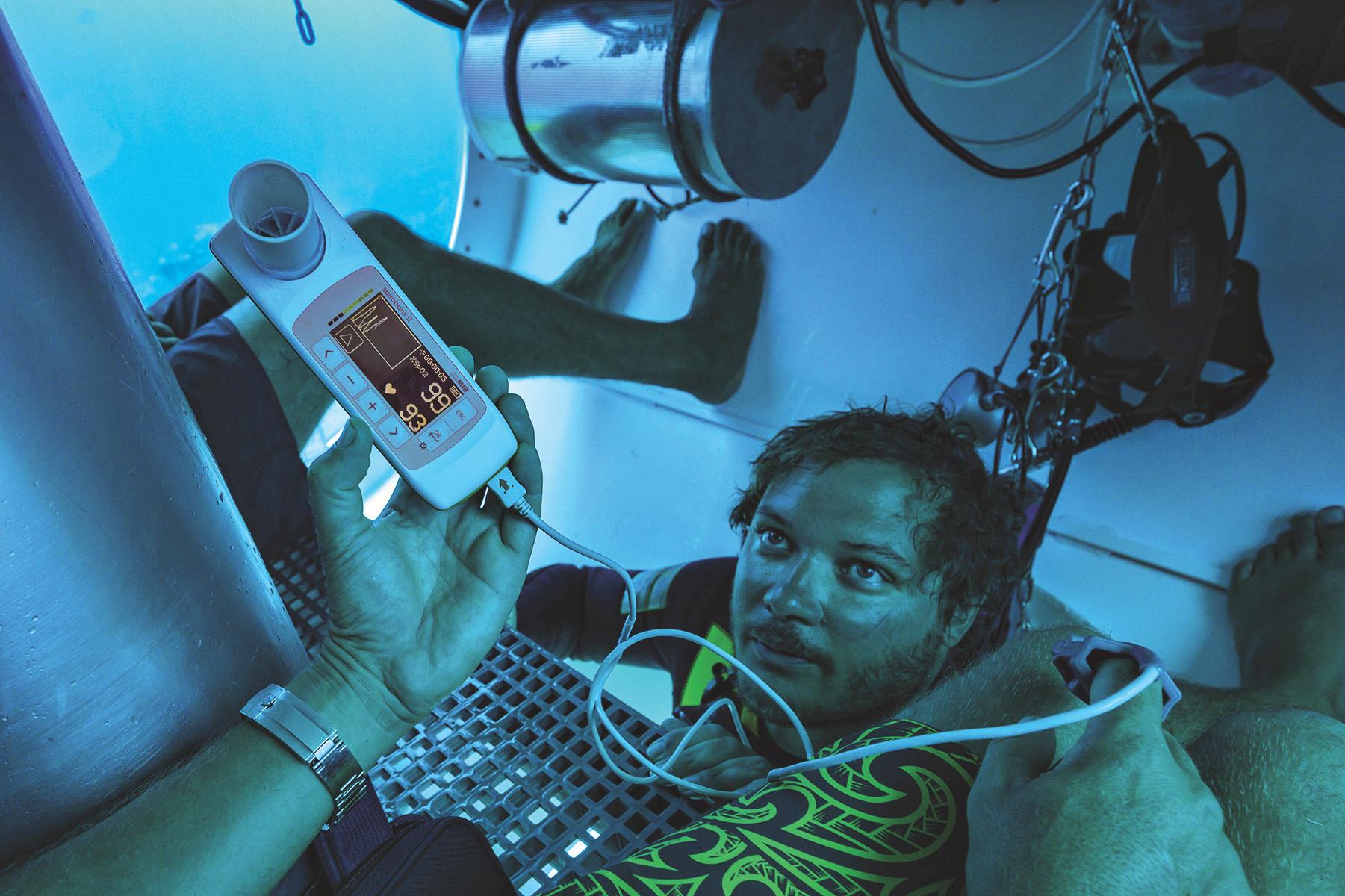
Two projects stand out as particularly memorable and innovative The first was the Capsule project with Under the Pole in French Polynesia Using an oxygen-exposure model I had refined for Gardette based on French Navy limits, we conducted shallow saturation dives in a lightweight underwater habitat After three days at 66 feet (20 meters) on heliox, we safely accelerated decompression from the standard 18 hours to just four hours, including two hours of pure oxygen breathing inside the habitat
The second project was the 2019 Gombessa saturation expedition, where I assisted the physiological monitoring team during the final decompression phase after divers had lived for weeks at depth. Both experiences offered firsthand insight into how targeted physiological modelling can dramatically improve operational efficiency while maintaining or enhancing safety margins in extreme diving scenarios.
Which of your projects could have the greatest impact on dive safety?
A project with major long-term potential is our work with artificially selected rats resistant to DCS Within a few generations, we bred rats almost entirely protected from DCS, demonstrating that susceptibility has a strong heritable component
Current decompression models don’t account for individual physiology, so
identifying the mechanisms underlying this resistance could be transformative If we can pinpoint genetic or biological markers of susceptibility and validate them with gene expression changes in human divers we may eventually achieve personalised decompression strategies, improved screening tools, or even pharmacological protection.
I am currently working with partners at UBO and the University of Utah, supported by the Office of Naval Research (ONR) Global, to link these animal findings with gene expression in human divers It’s early, but the potential impact is significant
What is your vision for the future of diving?
I want diving as a sport to become easier, lighter, and more accessible while preserving and ideally improving safety
At the same time, I expect steady advancement in rebreather technology that will extend the safe range of technical diving through lighter units, “safe-to-fail” design philosophies, and more intelligent real-time monitoring systems
ll h f d b l b d
accessibility and enjoyment for the majority of divers with expanded safe exploration possibilities for those who choose to push the limits.
How do you and DAN fit into that future?
My role has two primary aspects. First, it’s to continue advancing dive science by developing more accurate protocols, deepening our understanding of diver physiology, and helping shape technologies that make diving safer and more enjoyable
Second is to mentor and inspire the next generation I benefited enormously from key mentors who opened doors for me, so I feel a strong responsibility to not only do the work but also train safety-conscious, environmentally respectful divers and spark curiosity in young scientists who may carry forward this field
DAN is uniquely positioned to support both dimensions through its internship programs, global data network, academic partnerships, and mission-driven structure By offering students and early-career researchers realworld exposure to applied dive science, DAN helps ensure that tomorrow’s divers and scientists are better equipped, safer, and i i d h b f
BEYOND THE NO-TAKE ZONE THE KEY TO MPA SUCCESS
RESEARCH | TEXT BY
SERENA LUCREZI & MANNSCHER MEYER
For most scuba divers, the term “Marine Protected Area” (MPA) evokes a specific set of mental images: vibrant coral reefs teeming with life, massive schools of fish, rare or protected species, and an untamed and biodiverse environment Scuba divers seek these places out, travelling across borders and spending thousands on gear and charters just to catch a glimpse of an ocean as it should be
But beyond the reef, there is a complex world of policy, zonation, and socialecological dynamics As divers, we are more than just visitors; we are “primary stakeholders” Our presence drives local economies, and our eyes on the water act as a first line of defence against environmental change Importantly, we are part of the “problem,” and our activities are one of the reasons why protection is necessary In this space, supporting the objectives of MPAs and understanding why some activities are forbidden and regulated becomes essential to achieve successful conservation and socio-economic goals.
A recent study across Southern Africa, specifically targeting the Table Mountain
National Park MPA in South Africa and the Maputo National Park in Mozambique, reveals that our support for MPAs is not as simple as it seems The research, which surveyed over 500 tourists and recreationists (with a heavy focus on the diving community), paints a fascinating picture of how we perceive the effectiveness of the parks we frequent The findings suggest that while we love the idea of conservation, we are often sceptical of the process
THE TWO FACES OF THE MARINE TOURIST
The study used a clustering analysis to group participants based on their mentalities, awareness, and trust in management Two distinct personas emerged: the “Informed Supporter” and the “Sceptical or Passive User”
In Cape Town, South Africa, the “Informed Supporter” was the prevailing category These individuals, many of whom were local divers and residents, demonstrated high levels of ocean literacy They didn't just know that the MPA existed; they understood its zoning, its specific “no-take” rules, and its role in protecting endangered species such as the African penguin and the Cape fur
seal For this group, the MPA has achieved what we call a “Social Licence”, a trust that the management is doing the right thing for the right reasons . 1
Contrast this with the findings from Ponta do Ouro in Mozambique. Here, the “Sceptical or Passive User” was the dominant type. These divers often felt disconnected from the management process. Despite their appreciation for the stunning reefs, they lacked a clear connection to the management process This led to a perception that the MPA was mostly about rules and restrictions, potentially missing the chance to highlight how it serves the entire community
THE “FORTRESS” PROBLEM
Why the discrepancy? The study suggests that many MPAs in the Global South are still viewed through the lens of “fortress
conservation” This is a legacy where protected areas are seen as exclusive spaces, places where people (including locals and recreationists) are kept out to keep nature in . 2
In Southern Africa, this is a sensitive issue. Divers in the study frequently defined MPAs primarily by their restrictions: “no-take,” “noaccess,” and “regulated.” Very few respondents mentioned the socio-economic benefits or the cultural value of these spaces This “rule-heavy” perception is often reinforced by our first interactions with an MPA (the permit office, the “Keep Out” signs, and the list of things we can’t do)
When we only see an MPA as a list of prohibitions, we fail to see it as a “socialecological system” This narrow view is a double-edged sword While we are willing to accept trade-offs, like staying out of a
restricted zone to save a reef, our support becomes fragile when we don't see how the MPA benefits the local community or supports the broader economy.
FROM PASSIVE OBSERVER TO “MARINE CITIZEN”
One of the most powerful takeaways from the study is the concept of Marine Citizenship. This is the idea that a diver is not just a consumer of “cultural ecosystem services” (the aesthetic beauty and wellbeing we get from a dive), but an active agent in the sustainable governance of the ocean
How do we move from being “Passive Users” to “Marine Citizens”? The answer lies in participation and transparency
The study found that the lowest scores across both South Africa and Mozambique were for “management effectiveness” and “public involvement” Simply put, divers don't feel like they have a seat at the table This is where Citizen Science comes into play Imagine a world where your dive log isn't just a personal record, but a data point for park managers By engaging in structured biodiversity surveys or reporting non-compliance during a recreational dive, we bridge the gap between “us” (the users) and “them” (the managers).
THE ROAD AHEAD: 30X30 AND BEYOND
The global “30x30” objective aims to protect 30% of the world’s oceans by 2030 . It is an ambitious, necessary goal. But as this study proves, spatial protection on a map, often called “paper parks”, is meaningless without the support of the people who use those waters 3
For the diving industry in Southern Africa, the message is clear: Demand Transparency: We need to know where our permit fees are going and see the data on how fish stocks are recovering
Broaden the Narrative: MPAs aren't just for fish; they are for people They support the dive centres that fill our tanks and the coastal communities that host us. Active Engagement: We must move beyond the “snapshot” dive. By supporting MPAs that prioritise procedural justice (the “who decides”) and distributive justice (the “who benefits”), we ensure that these parks remain open and healthy for the next generation of divers
The next time you descend into the blue of a protected area, remember that you are more than a guest You are a stakeholder Your perception, your trust, and your voice are the invisible boundaries that will ultimately determine whether that MPA succeeds or fails Let’s make sure we aren't just passive observers of the decline, but active supporters of the recovery
REFERENCES
Kelly, R, Fleming, A, Mackay, M, García, C, & Pecl, G T (2020) Social licence for marine protected areas Marine Policy, 115, 103782
1 Sowman, M, & Sunde, J (2024) Integrating environmental sustainability and social justice principles into South Africa's blue economy initiative: re-imagining the political economy of our ocean. Frontiers in Ocean Sustainability, 2, 1459496. https://doi.org/10.3389/focsu.2024.1459496
3
2 Zhao, C., Ge, Y., & Zheng, M. (2024). Reflections on How to Reach the “30 by 30” Target: Identification of and Suggestions on Global Priority Marine Areas for Protection Water, 16(16), 2293
TREES – Tourism Research in Economics, Environs and Society North-West University South Africa
PHOTOS THAT PROTECT SHARKS RESEARCH
observations contributed by divers, researchers, ocean enthusiasts, and citizen scientists
More than 70% of all observations involved species considered threatened on the IUCN Red List.
The study also revealed an important pattern familiar to many divers: southern Mozambique, especially the Inhambane region, has become a hotspot for shark and ray sightings, partly due to the growth of marine tourism and recreational diving
For BCSS, this creates a unique opportunity
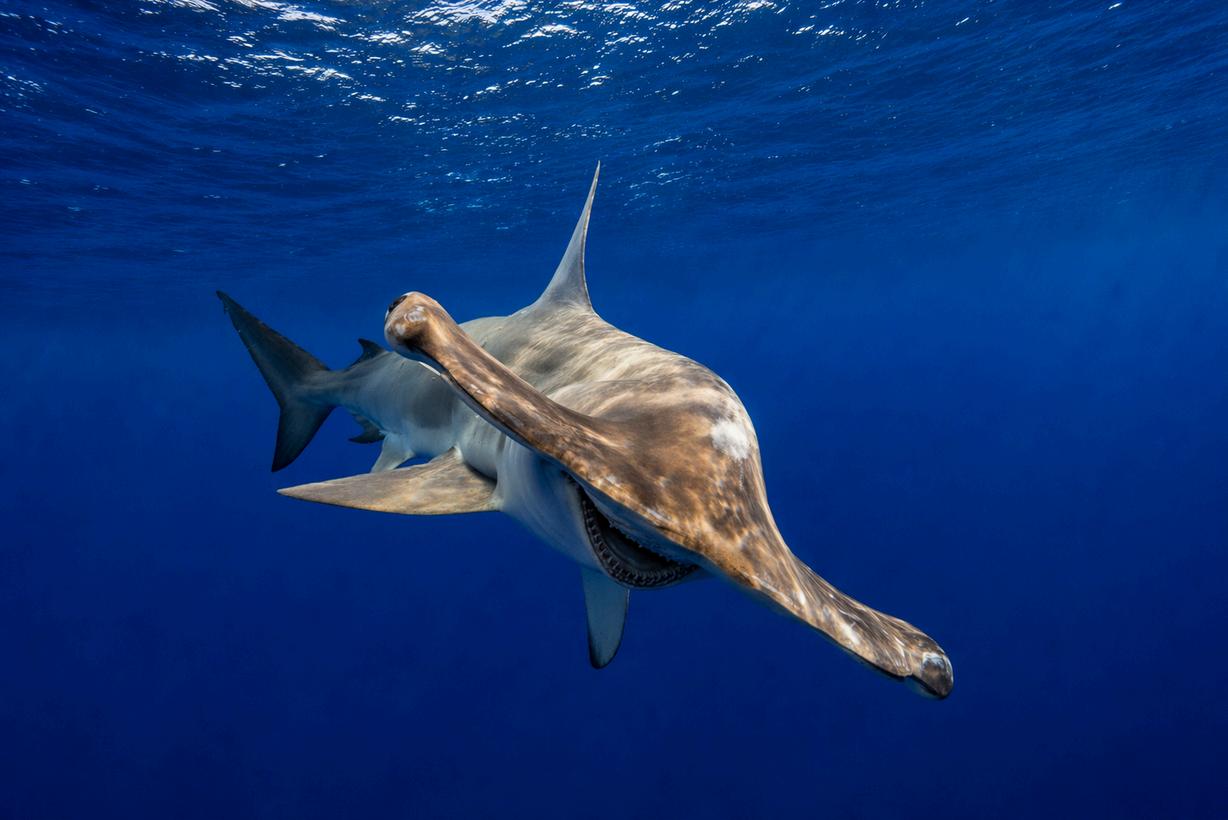
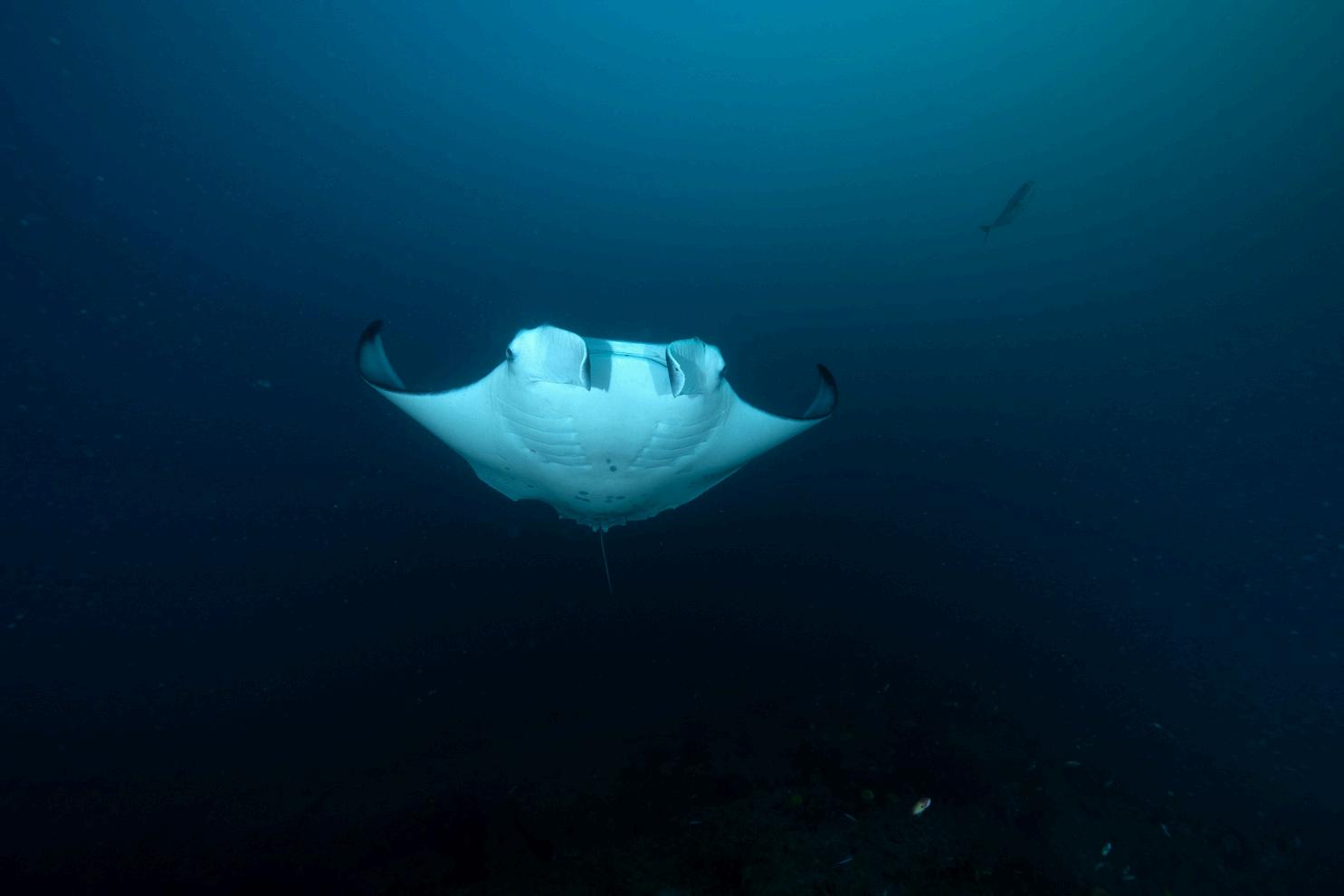
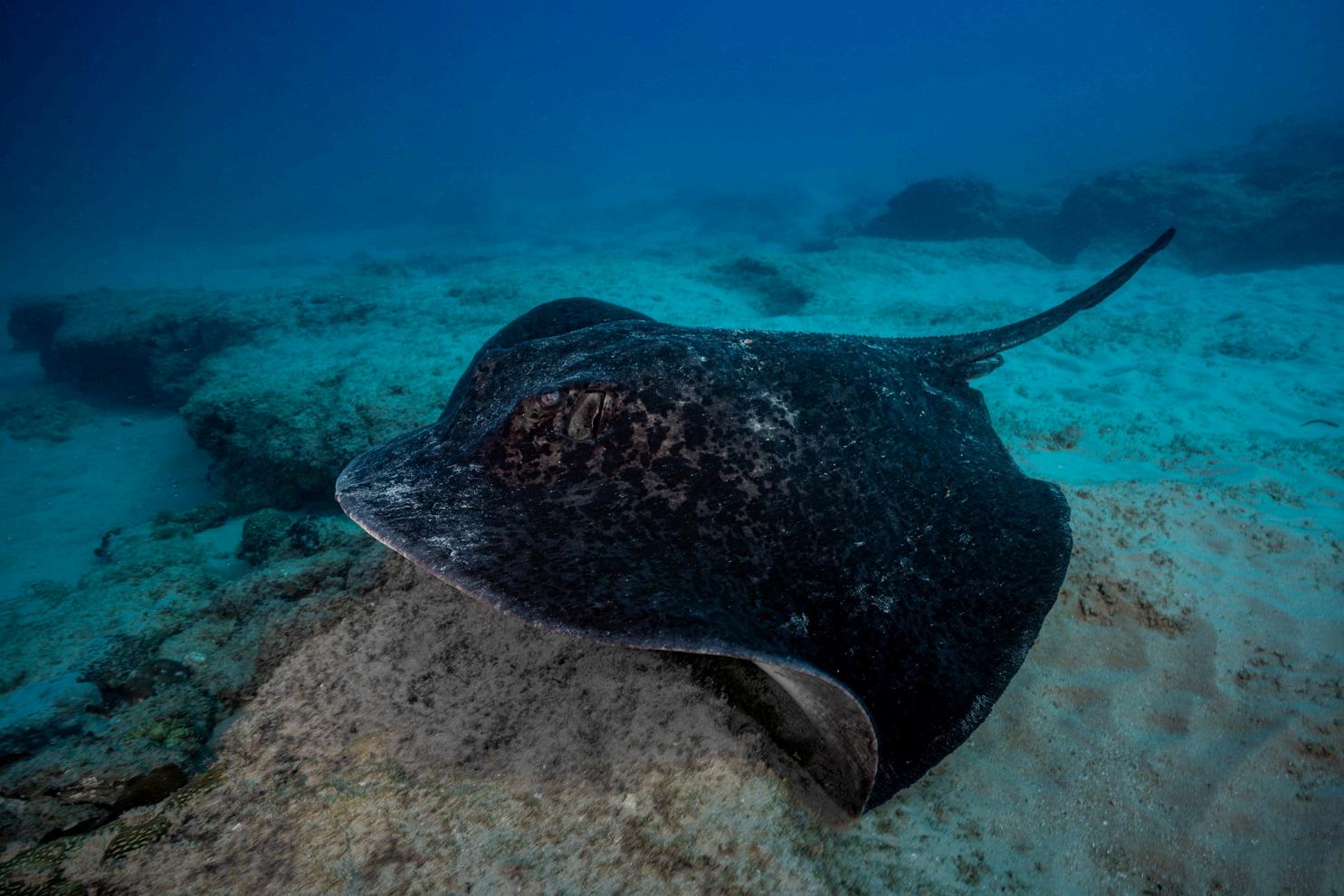
Many species photographed during recreational dives reef sharks, whale sharks, manta rays, guitarfish, stingrays, and eagle rays can contribute directly to biodiversity monitoring when properly documented and uploaded to citizen science platforms
“We increasingly see diving as a bridge between ocean exploration and ocean science,” explain BCSS researchers “Every clear photograph has the potential to become a valuable biodiversity record”
FROM DIVE MEMORY TO RESEARCH RECORD
At BCSS, divers interested in marine life documentation are encouraged to photograph species encountered during dives and submit observations through platforms such as iNaturalist and Happywhale.
The science team assists visitors with: species identification photographic documentation techniques metadata collection and uploading verified observations to global citizen science databases
This process transforms recreational encounters into long-term research contributions
For species with distinctive markings such as whale sharks, manta rays, and humpback whales photographs may even help scientists track movements across oceans through photo-identification matching systems.
BCSS’s humpback whale catalogue, for example, has already contributed to international migration matches across the Western Indian Ocean and beyond
FOLLOWING TUNA ACROSS A CHANGING OCEAN
Citizen science is not the only research happening beneath the surface
Another recent study led by BCSS researchers explored how climate change may alter the future distribution of skipjack tuna across the Western Indian Ocean Using fisheries and oceanographic data, scientists modelled how warming seas, changing productivity, and shifting ocean conditions may influence where tuna occur in the future
The findings suggest that climate change may gradually redistribute tuna habitats across the region potentially reshaping fisheries, predator movements, and pelagic ecosystems over the coming decades.
For divers, these large-scale ocean changes matter too.
Tuna are tightly connected to open-ocean food webs, often occurring alongside dolphins, seabirds, sharks, and billfish. They are associated with feeding frenzies familiar to offshore divers and photographers
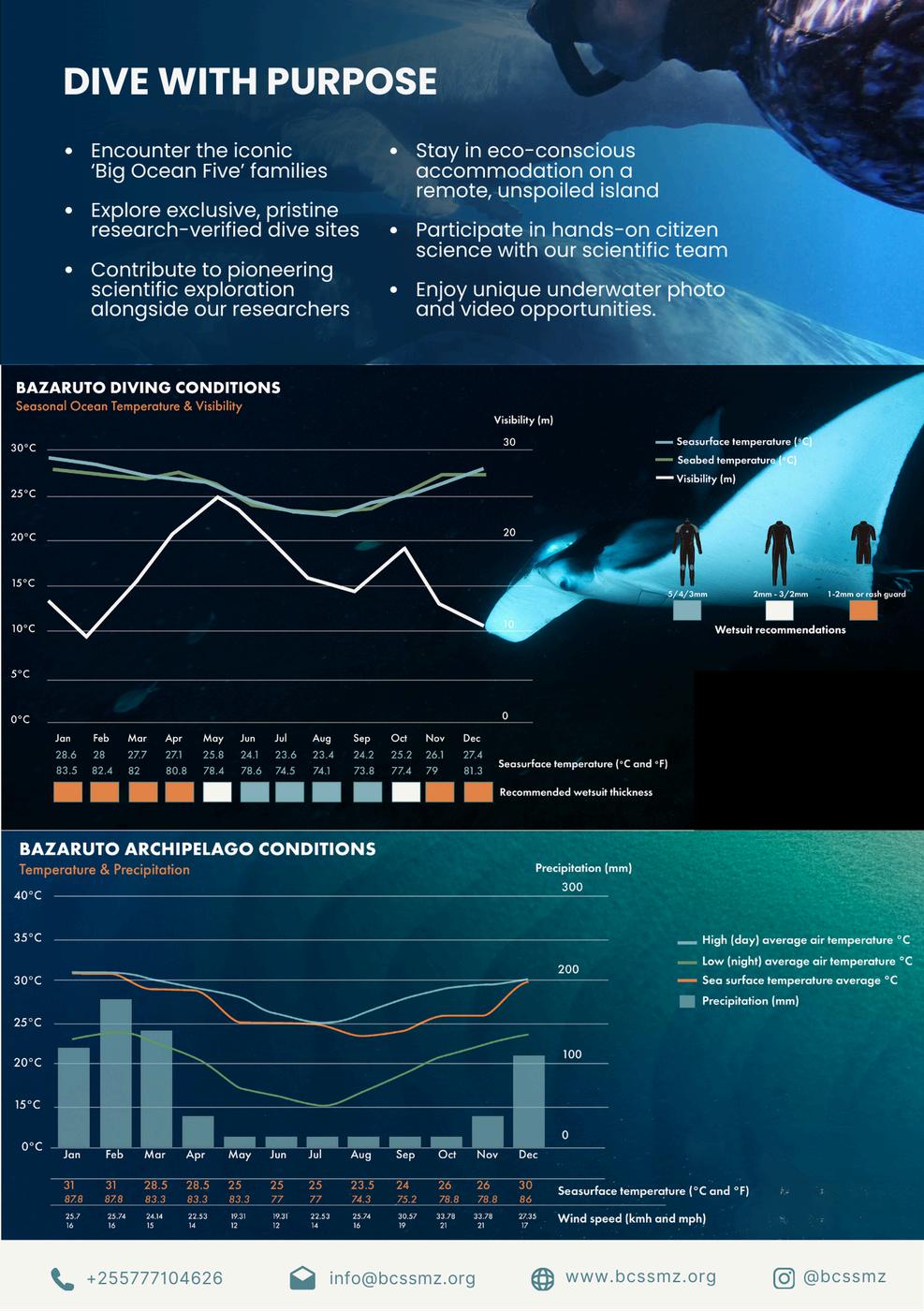
At Kisawa, seasonal “Open Ocean Tuna & Birds Feeding Frenzy” expeditions led by BCSS now allow guests to observe these dynamic pelagic systems firsthand while learning about the science behind them
THE NEW ERA OF SCIENTIFIC DIVING
Traditionally, marine research and recreational diving occupied separate worlds
But across the Western Indian Ocean, those boundaries are increasingly dissolving
Divers today carry high-resolution cameras, GPS-enabled devices, and instant access to global biodiversity platforms. Combined with proper species verification and scientific oversight, recreational observations can now help fill critical data gaps in regions where long-term marine monitoring remains limited.
For organisations like BCSS, this collaboration is becoming an increasingly valuable conservation tool
And for divers, it offers something equally meaningful:
The chance to contribute to marine science simply by paying closer attention underwater.
Because sometimes, the photograph that begins as a dive souvenir may ultimately help researchers understand migration routes, monitor threatened species, detect ecosystem shifts or even guide future conservation decisions in one of the world’s most biodiverse oceans
Divers Alert Network (DAN) provides the industry’s most comprehensive cardiopulmonary resuscitation (CPR) and first aid training, grounded in evidencebased practices Our programs leverage DAN’s research and medical expertise, along with the internationally recognised guidelines established by the International Liaison Committee on Resuscitation (ILCOR)
Many divers are surprised to learn that these certifications expire after two years There are two reasons for renewal
Skill retention declines quickly Research shows that first aid skills can deteriorate in as little as six months without practice Most recent studies recommend retraining at least annually.
The first and most critical skills to fade are chest compression rate (100 to 120 per minute) and depth (2 to 2.4 inches, or 5 to 6 centimetres, for adults), both of which are essential for high-quality CPR. Evidence also
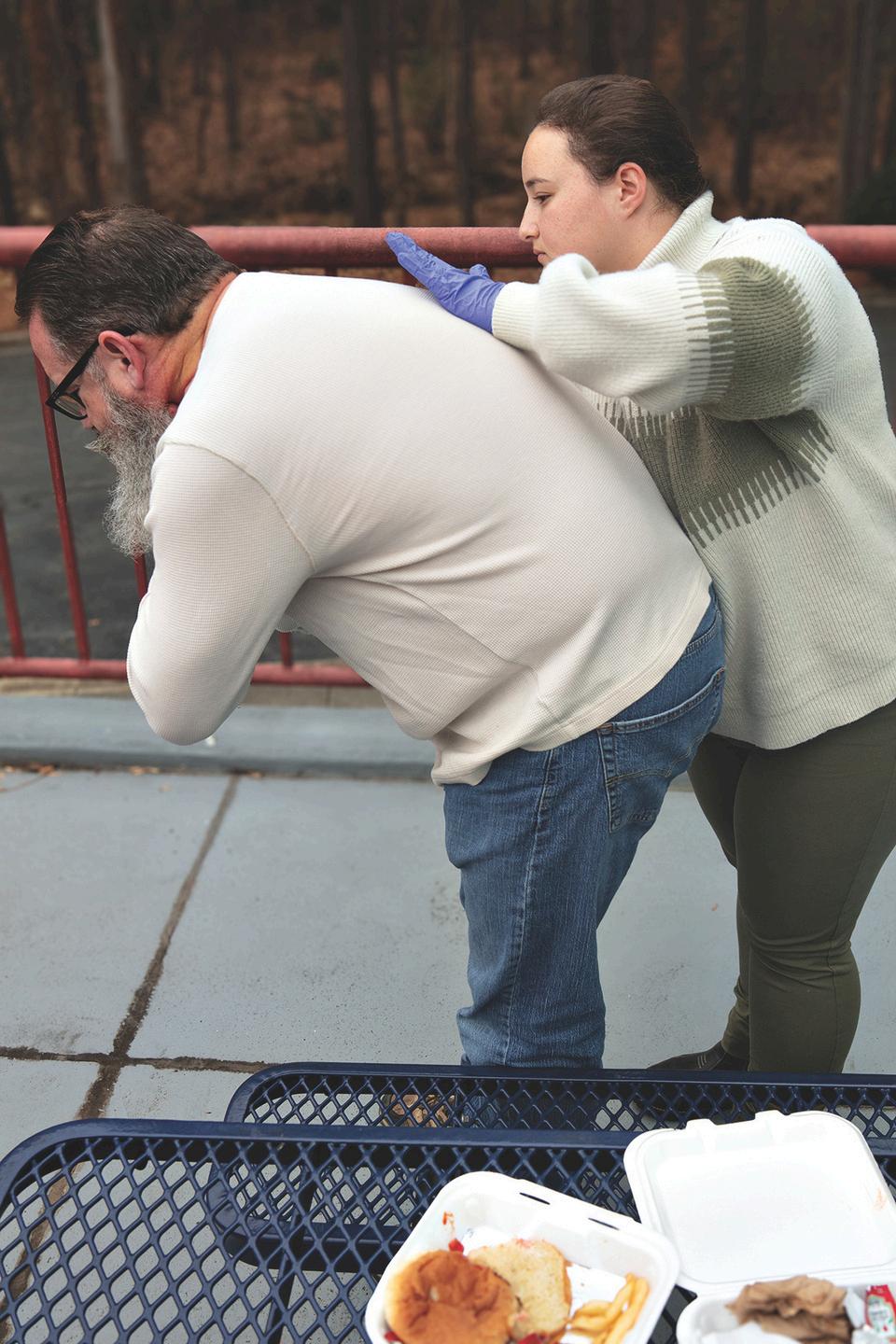
Above Image: Research shows that back blows are more effective for choking and cause fewer injuries than abdominal thrusts (Heimlich manoeuvre). Rescuers should now start with back blows and then use abdominal thrusts, repeating as needed until the airway is clear.
supports microlearning or brief refreshers throughout the year as an effective way to maintain proficiency
Guidelines evolve continuously. ILCOR brings together leading resuscitation organisations worldwide to review scientific evidence and set best practices for first aid and resuscitation Through its continuous evidence evaluation (CEE) process, ILCOR updates its guidelines annually to improve outcomes across all age groups
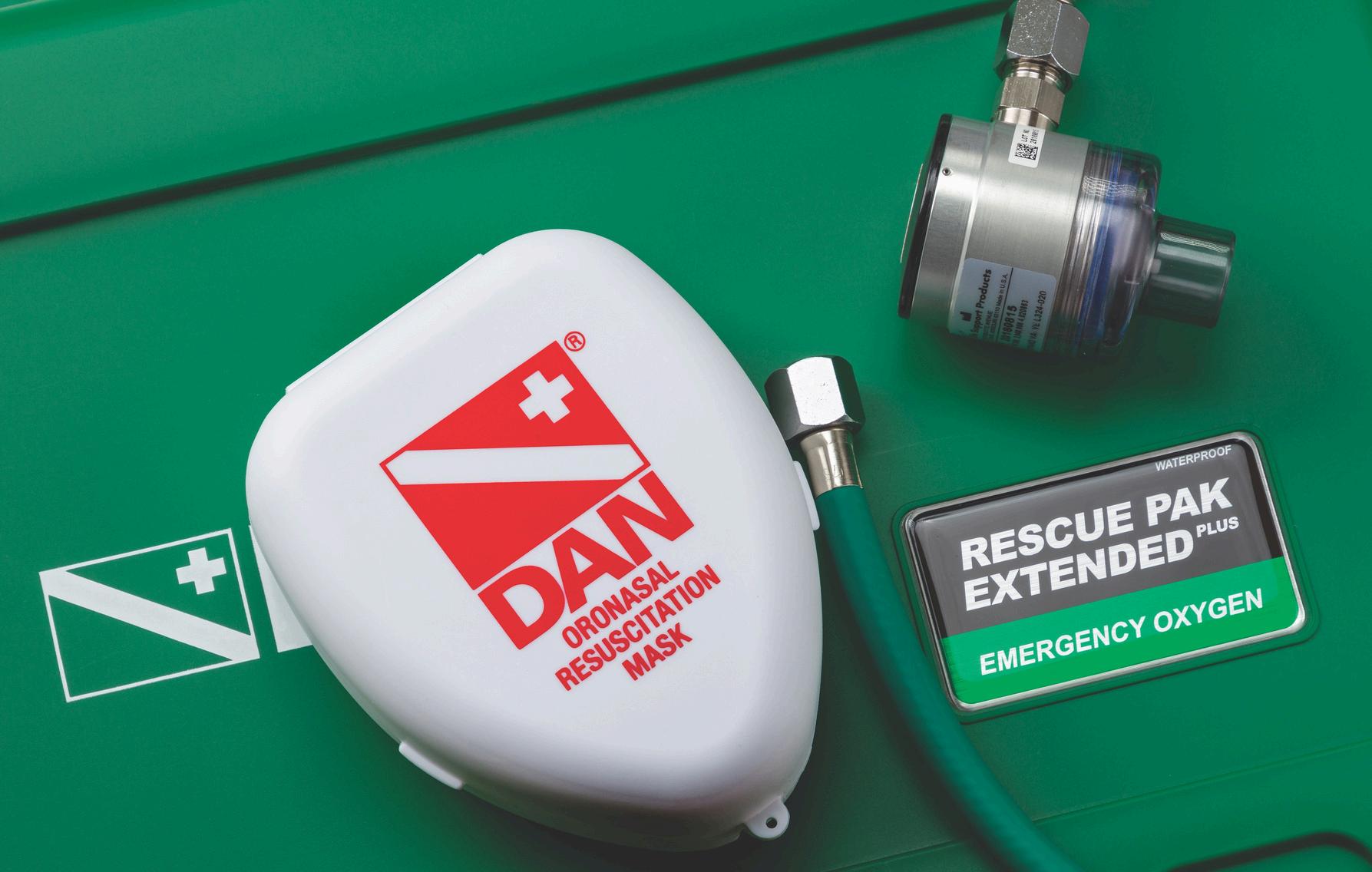
In early 2026, DAN will incorporate the latest updates into our instructor-led courses, including Diving First Aid (DFA), Basic Life Support (BLS), and Emergency Oxygen (EO₂), as well as programs offered by our Powered by DAN partners
The following are some of the key changes:
Foreign body airway obstruction (FBAO): Research shows that back blows are more effective for choking and cause fewer injuries than abdominal thrusts (Heimlich manoeuvre). Rescuers should now start with back blows, and then use abdominal thrusts, repeating as needed until the airway is clear. Chest thrusts, which were previously included in the treatment sequence, are now reserved for cases in which abdominal thrusts are not feasible, such as with obese or pregnant people and infants
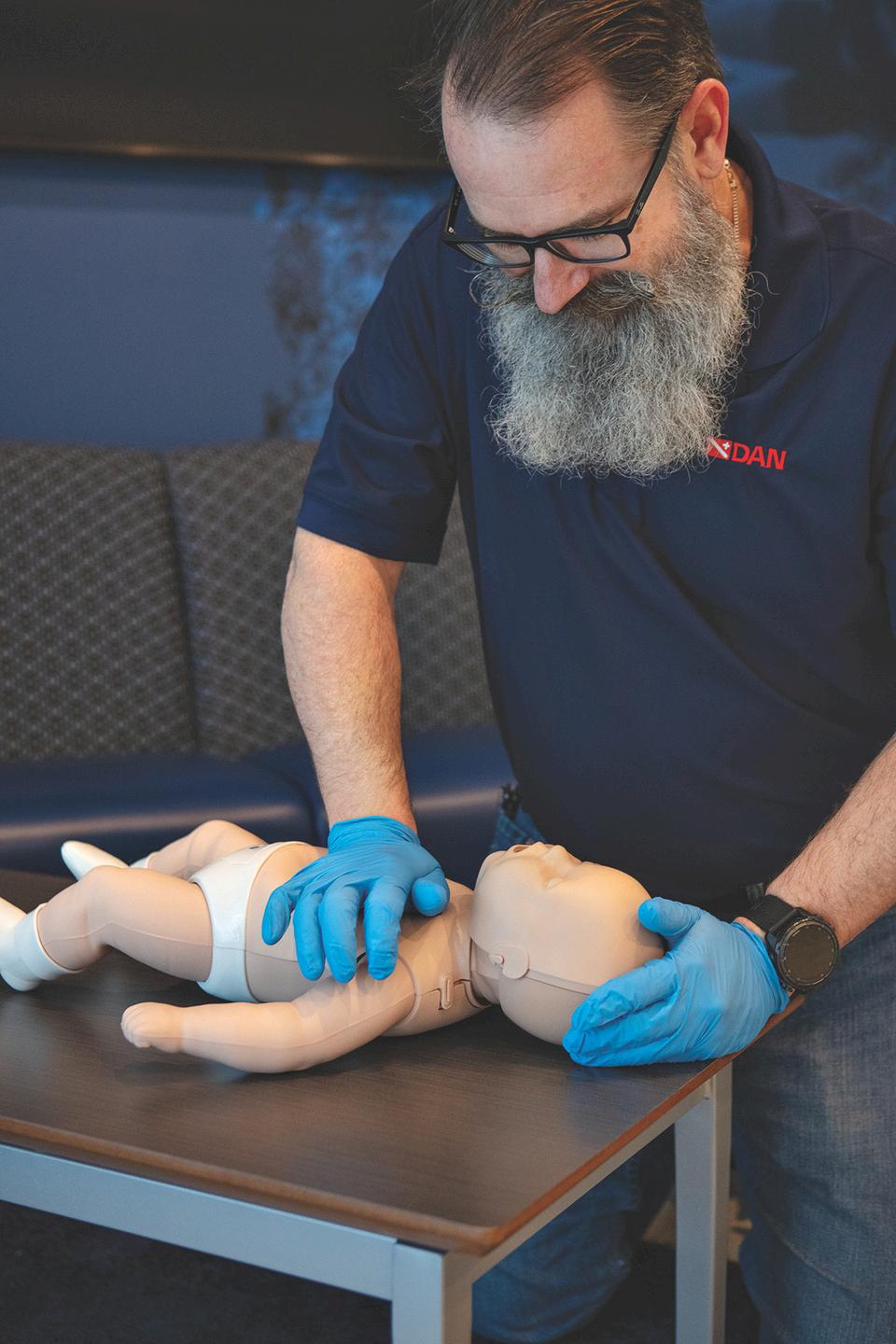
Infant chest compressions: Rescuers should now use either the heel of one hand (as with children) or the two-thumb encircling technique to give chest compressions to an infant The two-finger method is no longer recommended because it often results in incorrect hand placement and insufficient compression depth due to rescuer fatigue This change will improve accuracy and reduce strain during prolonged resuscitation efforts
Automated external defibrillator (AED) use with bras: ILCOR clarifies that there are no safety concerns with using an AED on
someone wearing a bra, even one with underwires. Defibrillation requires direct contact between the pads or paddles and bare skin, which usually means exposing the chest Scientific studies have shown, however, that this can make some people hesitant to help women Allowing rescuers to adjust the bra rather than remove it can reduce discomfort and fears of inappropriate contact, making it easier for bystanders to act quickly and save a life DAN recommends incorporating this topic into training and using manikins with breasts to reflect real-world scenarios better
Chain of survival: The chain of survival, which provides a progression of care for cardiac arrest, has been streamlined Previously, some organisations taught up to four different versions This unified approach will apply to infants, children, and adults, both in and out of hospital settings Simplifying these guidelines makes training easier to understand and ensures consistent, high-quality care across all age groups.
In-water rescue breaths: The recommendation to give rescue breaths while still in the water has been updated. Although evidence suggests that breaths that interrupt the drowning process can improve survival by as much as 49%, opening the airway in water can allow additional water in The provider must also consider personal safety and distance to shore when determining whether to perform in-water breaths The current recommendation is that in-water rescue breaths should be performed only by rescuers trained in the technique and when conditions are safe, such as calm water without waves In all drownings, trained rescuers should administer supplemental oxygen as soon as possible
Airway management: When giving CPR to an adult with a suspected head or neck injury, opening the airway is the top priority Start with a jaw thrust If that doesn’t work, trained rescuers should use the head-tilt,
RISK IS PART OF DIVING
LIABILITY DOESN’T HAVE TO BE
RISK MITIGATION
TEXT BY MELITA THURLING - HEAD: SURETHING - ITOO SPECIAL RISKS (PTY) LTD & GORDON YUILL, HEAD OF WEALTH ASSOCIATES RISK-N-SURE ADVISORS
The descent felt routine calm surface, good visibility, everything on track Then something shifted A student hesitated Breathing became faster, more erratic A signal was given subtle at first, then urgent. Within moments, the situation escalated into a rapid, uncontrolled ascent. Back on the surface, the mood changed instantly. What began as a standard training dive was now a developing incident, with real concern about what might follow. In those moments, everything comes into focus Preparation Supervision Decisionmaking Response Not just what happened but how it was handled And that’s where liability begins
Diving is built on trust Trust in your training, your equipment, and the person leading you underwater
But alongside that trust is something every diver and operator understands risk For diving schools and instructors, managing that risk isn’t just good practice It’s essential to protect both people and the business itself
Things can go wrong in diving A student might panic Equipment can fail Conditions can change quickly And when something does happen, liability comes into play
At its core, liability comes down to one simple question: Did the instructor or dive school take all reasonable steps to keep people safe?
That means delivering proper training, supervising dives appropriately, and following recognised safety standards set by organisations like Divers Alert Network Southern Africa If those fundamentals are in place, you’re on solid ground If not, that’s where exposure begins
One of the first layers of protection is the liability waiver Every diver signs one before entering the water, acknowledging the risks involved But it’s important to be clear this is not absolute protection In cases of gross negligence, inadequate instruction, or poorly maintained equipment, a waiver may not hold up
Ensure emergency medical support and evacuation services are available
There are specific limitations to note Cover excludes watercraft exceeding 1525 metres
INSIGHT
WHEN TRAINING BECOMES REALITY INCIDENT
ANEUROLOGICALDCIEMERGENCYINTHAILAND
TEXTBYALYSSAMITCHELL,PADIMASTERINSTRUCTOR,
DANINSTRUCTOR,OWNEROFDIVEINTOIT
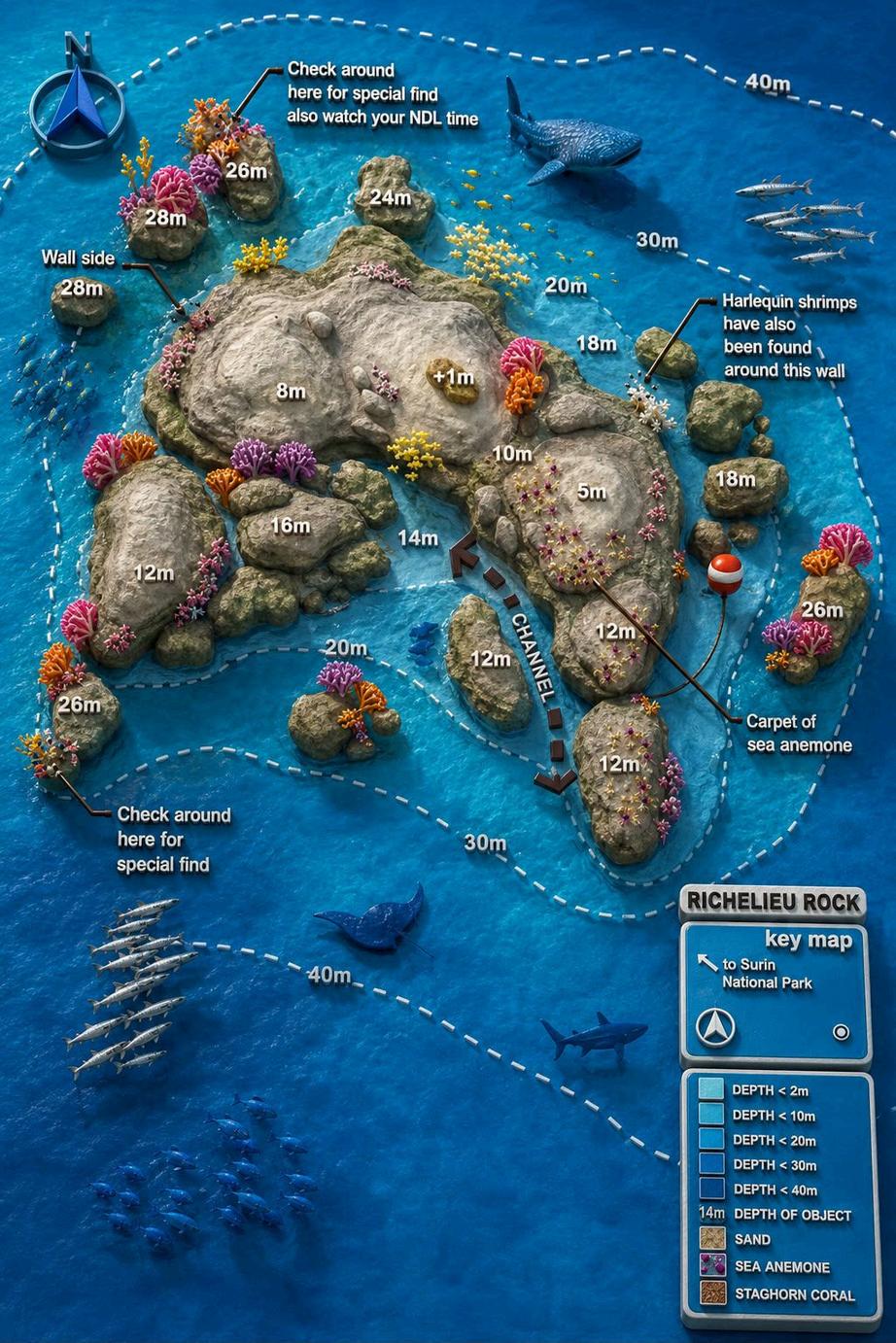
I met Liz, a 45-year-old diver from the Netherlands who had travelled to Thailand with one goal in mind: to dive one of Southeast Asia's most spectacular dive sites, the world-famous Richelieu Rock
Liz was a dive professional with extensive experience teaching, guiding and exploring the underwater world
Like most divers, whether recreational or professional, we eagerly book exciting dive trips without ever really considering that something could go seriously wrong
This is the story of what happened that day the dives themselves, the people involved, how they reacted, and how a group of strangers pulled together to help someone facing a medical emergency that, in theory, could happen to any of us
It is a story about preparedness, teamwork and how training takes over when it matters most.
There are moments in diving that stay with you forever.
For me, this was one of them.
That moment unfolded aboard a speedboat during what had begun as a normal, routine day on the water and quickly developed into a life-threatening emergency
A ROUTINE DAY AT SEA
The day started like any other Pick-ups, transfers, check-ins, certification checks and preparations for a diving day trip to Thailand's diving mecca
After a short speedboat transfer to the Surin National Marine Park, I boarded our dive vessel and prepared my equipment The plan was simple: conduct two recreational dives with the guests in my group
Liz was not diving with me, and I only met her after the day's diving had concluded
During the return journey to shore, one of the Thai dive guides informed us that Liz appeared to be in distress I immediately went to assess her condition
My initial observations were alarming
She was slumped over on her left side and unresponsive For all intents and purposes, she appeared to be suffering from a stroke She displayed signs consistent with leftsided paralysis, was unable to communicate coherently, and her vital signs appeared concerningly low
Given the rapid onset of symptoms and the neurological presentation, we quickly considered the possibility of a serious divingrelated injury, including an arterial gas embolism or severe neurological decompression illness
The symptoms were severe and required immediate action.
By this stage, concern among the passengers was growing. Fortunately, a trainee anaesthetist on board volunteered to assist, and I was extremely grateful for the additional medical support.
I instructed the skipper to make the best possible speed back to port while emergency services were activated
As we continued the journey, I noticed that Liz's arms and legs were beginning to turn blue Fortunately, her condition improved somewhat with the administration of oxygen, careful airway management, and continual reassessment of the most appropriate position to keep her in for the remainder of the trip
When we arrived at the harbour, paramedics were already waiting
Liz was immediately evacuated to a hyperbaric treatment facility where she underwent further assessment, including
MRI imaging, before receiving recompression therapy.
Thankfully, her symptoms responded exceptionally well to treatment Following several sessions in the chamber, the medical team was confident enough to discharge her from the hospital
The diagnosis confirmed Type II neurological decompression illness (DCI), involving multiple neurological events affecting both the brain and spinal cord MRI imaging revealed evidence consistent with gas bubbles within the affected tissues
Whether the bubbles originated from inert gas coming out of solution or another mechanism remains unclear
What is clear, however, is that Liz was incredibly fortunate
She achieved a complete resolution of symptoms with no apparent long-term neurological deficits.
The question that still lingers is this:
How can a healthy, experienced diver who remained within recommended ascent rates and no-decompression limits develop one of the most serious forms of decompression illness?
At the time, however, none of us had answers
All we knew was that a medical emergency was rapidly unfolding aboard a moving vessel approximately 60 kilometres offshore
WHEN SECONDS MATTER
Panic spreads quickly during emergencies, especially in confined environments such as a speedboat filled with concerned passengers and crew
As dive professionals, we complete emergency response training with the hope
that we will never need to use it. We practise scenarios repeatedly, review protocols and learn how to remain calm under pressure
Yet no amount of training fully prepares you for the moment when a real person's life depends on your actions
As part of the crew responsible for the duty of care onboard, my focus immediately shifted into emergency response mode One of the most important aspects of managing any diving incident is remaining calm, methodical and focused, even when everything around you feels chaotic
Fortunately, we also had a doctor-in-training on board who assisted throughout the response
Having medical support available was invaluable, but it also reinforced an important lesson: emergencies require teamwork.
No single person manages these situations alone.
Effective communication, clear delegation and unwavering focus on the patient are essential.
NOTHING ABOUT THE DIVE APPEARED ABNORMAL
While respecting Liz's privacy, I wanted to share this experience because it highlighted just how critical preparedness is within the dive industry
Emergencies are something many divers acknowledge in theory but rarely experience firsthand
What makes this story particularly confronting is that nothing about the dive initially appeared abnormal:
Standard two-dive recreational profile
No rapid ascents
No obvious signs of panic
No skipped safety procedures
All dives conducted within accepted limits
Everything appeared routine and uneventful
FROM ROUTINE DIVE DAY TO MEDICAL EMERGENCY
What struck me most was how quickly everything changed
Within a matter of hours:
A healthy diver developed severe neurological symptoms
Paralysis became evident
Emergency oxygen was required
An evacuation was initiated
Recompression treatment became urgently necessary
What had started as a normal day of diving had suddenly become a life-threatening neurological emergency.
As dive professionals, we often teach emergency procedures and discuss decompression illness in classroom settings and training environments. Experiencing a genuine neurological DCI emergency firsthand, however, is something entirely different
It serves as a powerful reminder that these incidents are real, unpredictable and timecritical
WHY TRAINING MATTERS
As a DAN Instructor, I often wonder how much of our training students will ever need to use
We sincerely hope they never find themselves in a genuine emergency
Yet this event demonstrated exactly why that education matters
The concepts we teach in classrooms and on
boats situational awareness, emergency action planning, patient assessment, oxygen administration and effective teamwork became practical tools during a real-life incident
Watching a former student who was on board with me contribute confidently in a high-stress situation reinforced the value of ongoing emergency preparedness
It reminded me that DAN training is not simply about earning a certification It is about developing the knowledge, skills and confidence to respond effectively when someone's life may depend on it
KEY LESSONS FROM THE INCIDENT
Neurological DCI can occur even when dive profiles appear completely normal
Early recognition of symptoms can significantly influence outcomes
Immediate oxygen administration remains one of the most important firstaid interventions.
Emergency preparedness on dive vessels is essential, not optional.
Ongoing training ensures skills remain available when they are needed most
FINAL THOUGHTS
I am sharing this story not to instil fear about diving, but to raise awareness
Too often, we assume that serious incidents occur only after obvious mistakes or extreme dives
Sometimes they do
Sometimes they do not
Sometimes everything appears perfectly normal until suddenly it isn't
I hope this experience encourages divers, instructors, boat crews and dive operators to take emergency preparedness seriously,
review emergency protocols regularly and never become complacent.
Because when an emergency occurs offshore, your preparation becomes everything
For dive professionals, especially, preparedness is part of our responsibility to the people who place their trust in us every day
Equipment checks, safety briefings, emergency planning and ongoing training are not simply routines
They are safeguards that can make a meaningful difference when things go wrong
Looking back, I am grateful for the teamwork on board, the training that guided our response, and the opportunity to transform this experience into an educational lesson rather than simply a traumatic memory.
Emergencies remind us of the risks of diving. But they also remind us of the strength found in preparation, professionalism and community.
LESSONS FOR EVERY DIVER
This incident serves as a reminder that serious diving injuries can occur even when everything appears to have gone according to plan
Whether you are a newly certified diver or a seasoned professional, a few simple principles are worth keeping in mind:
Know the Warning Signs
Neurological decompression illness can present in several ways, including:
Weakness in the arms or legs
Numbness or tingling sensations
Loss of coordination or balance
Difficulty walking
Paralysis affecting part of the body
Dizziness or vertigo
Confusion or difficulty speaking
Visual disturbances
Loss of consciousness
Act Early
If symptoms develop after a dive:
Administer emergency oxygen as soon as possible
Monitor the diver closely
Contact emergency medical services and DAN immediately
Arrange evacuation to appropriate medical care
Never assume symptoms will resolve on their own
Preparation Matters
This incident reinforced several important lessons:
Neurological DCI can occur even after apparently normal dives.
Early recognition and intervention improve outcomes.
Oxygen remains one of the most valuable first-aid tools available to divers Emergency preparedness on dive boats is essential
Teamwork and calm leadership can make a significant difference
Ongoing training helps ensure that skills are available when they are needed most
Most importantly, remember that emergencies rarely announce themselves in advance
The best time to prepare for a diving emergency is long before one ever occurs
There's a particular kind of quiet that settles over the ocean when you're the only boat on the reef
No engines in the distance No bubbles rising from divers below Just swell, wind, and the slow rhythm of water moving over structures that have existed long before us
It's in these moments, drifting over places like Aliwal Shoal, that it becomes clear how much of the ocean we still don't understand For many divers along South Africa's east coast, seeing a turtle is a highlight A fleeting moment A photograph A memory But what if that turtle isn't just passing through? What if it has been on that reef for years?
Green and hawksbill turtles are known to inhabit these reefs year-round. Juveniles, subadults, and adults use these areas as foraging grounds, grazing on algae, sponges, and other reef organisms. Their role in maintaining reef health is well documented in other parts of the world.
WHAT WE DON’T SEE SPECIAL
TEXTBYBYANGIEVANDERHOOGEN,MOLCHANOVINSTRUCTOR,
Above Image: The crew measures the carapace as part of the fieldwork
make even getting onto the reef a challenge Days when the ocean simply doesn’t cooperate
And when the opportunity does come, it’s not as simple as jumping in. Turtle captures are done on breath-hold. No scuba. No extended bottom time. Just one breath, a descent, and a carefully timed approach. Sometimes that means intercepting a turtle at the surface as it comes up to breathe. Other times, it means dropping down onto the reef, working at depths of 10 to 12 metres or more, where turtles are feeding or resting Each attempt requires precision, awareness and a calm efficiency that leaves no room for hesitation
There’s no guarantee of success on any given dive A mistimed approach, a shift in behaviour, or a surge pushing you off position is enough to end the attempt Working this way adds another layer of
complexity It demands not only field awareness, but a deep understanding of your own body, your breath and your limits in the water It’s physically demanding and mentally engaging in a very different way from most scientific fieldwork.
Working offshore already means navigating constantly changing conditions. Managing gear, maintaining a small boat, coordinating logistics, and handling the administrative load that underpins any research project Adding breath-hold diving to that environment requires an additional level of adaptability
What stands out most, working alongside Natalie, is her consistency through all of it Whether the day succeeds or not, the approach remains the same Steady Focused Unaffected by the unpredictability that defines this kind of work Because in research like this, persistence is everything
TRACKING THE UNSEEN
It's a quiet system. No constant tracking. No visible signals Just a network of receivers on the seafloor, logging presence each time a tagged animal swims within range
That's the principle behind acoustic telemetry, one of the more recent additions to this project Unlike satellite tags, which transmit location data continuously but come at a high cost, acoustic tags work in partnership with receivers placed strategically around key areas of the reef When a tagged turtle passes close enough, its presence is recorded Another data point Another piece of information about where it spends time, how often it returns, and whether it moves beyond the reef at all
With support from the Acoustic Tracking Array Platform South Africa, an array of receivers has been deployed around Aliwal Shoal, each positioned to survive the strong surge and currents that characterise the site. And if a turtle does leave, there's a wider network waiting. Hundreds of receivers positioned along the South African coastline, extending into Mozambique, create the potential to detect movements that would otherwise go entirely unnoticed.
Over time, it reveals patterns that would be impossible to observe directly But sometimes, the data reaches back further than the project itself
In 2010, I scuba dived on Aliwal Shoal and spent time in the water with a turtle An ordinary dive Nothing I logged as significant Eleven years later, that same turtle became the first individual Natalie officially photographed and entered into her database, marking the start of what would become her long-term research project She was named Buusi, after a legendary ranger who had worked with Natalie at Bhanga Nek with nesting loggerheads At the time of that match, the gap between my 2010 photograph and Natalie's 2021 sighting represented the longest known interval
between documented sightings of the same individual on Aliwal Shoal. I had no idea I'd been unknowingly collecting data
We thought that was remarkable And then, a few days later, Natalie matched another old photograph of mine to a recently tagged hawksbill This time, the interval between images was sixteen years
There's something quietly staggering about that These animals were here long before this research existed Long before any of us thought to look properly The dataset doesn't start when the project starts It starts when someone first points a camera at the water, without knowing why it would one day matter
One of the most powerful tools in this project is something many divers already do without thinking twice: taking photos Through a growing photo identification database, individual turtles can be recognised by the unique patterns on their faces and shells. Over time, repeated sightings of the same individuals help build a clearer picture of how many turtles are using these reefs, how often they return, and how long they stay.
This is where the diving community becomes part of the research Every clear photo of a turtle, particularly side profiles of the face, can contribute to this dataset What might feel like a simple encounter or a lucky sighting can become a valuable data point in a much larger story
It’s a reminder that conservation and research don’t always happen in isolation Sometimes, they’re built through the quiet accumulation of many small contributions That's what photo identification makes possible And it's why every image, every dive, every casual encounter has the potential to become evidence
A FIRST FOR SOUTH AFRICA
Acoustic tracking is widely used globally in
marine research, but applying it to wild foraging turtles on South African reefs is genuinely new territory
Historically, much of what we know about local turtle populations comes from nesting beaches, strandings, or bycatch data Dedicated in-water research on foraging individuals, particularly on reefs, has been limited The picture we've had is partial at best That's changing
During recent fieldwork, the team successfully caught and processed multiple turtles in a single day Among them were the first loggerheads encountered during the study Not a species that's been the focus before, and not a small thing Each capture is handled with care: tags are attached using fibreglass and epoxy, measurements are taken, samples are collected, and the animal is back in the water within minutes From the surface, it looks brief. In terms of what it adds to the dataset, it's irreplaceable.
Spending time in this process changes the way you see a dive. A turtle is no longer just a moment. It's an individual with a history, a pattern, a role within that ecosystem. It may have travelled from another part of the Indian Ocean It may return to the same section of the reef repeatedly It may influence the very structure of that reef through what it feeds on and how it feeds
Even the reef itself begins to feel different Not a backdrop for a dive, but a living system shaped by relationships we're only starting to map
On the days when conditions open up, the experience extends well beyond the research Manta rays are passing silently below Pods of dolphins moving through the blue Moments that remind you just how alive these spaces are, even when no one is watching Especially when no one is watching
WHY THIS WORK MATTERS
There's a turtle I keep thinking about. One we encountered on a day when everything came together I don't know where she came from I don't know how long she'd been on that reef, or whether she'd be back That's exactly the point
As ocean conditions shift, habitats change, and populations fluctuate, having a baseline understanding of how these animals use our reefs becomes critical Without it, conservation decisions are based on assumptions With data, they can be targeted and effective
Research like this helps answer fundamental questions How resilient are these systems? What pressures are they facing? What role do turtles play in maintaining the balance of these environments? It's slow work, often uncertain, sometimes frustrating But it's also the only way to know
HOW YOU CAN SUPPORT
Projects like this don't run on passion. They rely on funding, equipment, time, and ongoing support to continue building the datasets needed to answer these questions. If this work resonates with you, there is a direct way to contribute. You can support Natalie's research through her fundraising campaign here: https://wwwbackabuddycoza/campaign/su pporting-sea-turtle-research-in-south-africa
And if you’re diving along South Africa’s east coast, you can contribute in the water Take clear photos of any turtles you encounter and share them with the research team Those images may become part of the longterm dataset, helping to understand and protect these animals Every contribution, whether financial or observational, helps extend time in the field, maintain equipment, and continue gathering the data that helps us better understand and protect these animals
The ocean has always been a place of healing for my family
Not in a mystical sense, or because it magically makes problems disappear But because it has a way of putting life into perspective and reminding us that there is still beauty in the world, even when circumstances suggest otherwise
My daughter was first diagnosed with Acute Lymphoblastic Leukaemia (ALL) in 2017 when she was just four years old Like many parents who have walked a similar road, I remember that period as a blur of hospital corridors, medical terminology, uncertainty, and fear, and life became measured in blood counts, treatment protocols, and oncologist appointments. Yet somehow, amidst it all, we kept finding our way back to the ocean.
The sea became our reset button.
As she grew stronger, so did her connection to the underwater world, and she would
Above Image: Alba, at 5 years old, 8 months into chemo treatments for Acute Lymphoblastic Leukaemia. The ocean was a source of happiness for her during difficult times.
relish the days we hopped on the boat or visited the aquarium. She could swim underwater before she could walk no exaggeration Marine life fascinated her from an early age, and while other children memorised cartoon characters, she memorised shark species and marine ecosystems She donned her first snorkel at four years old and would happily dunk her head under the waves to watch the fish She became a fixture in many of my conservation activities, whether through Keep Fin Alive, Earth Legacy Foundation, or community initiatives with Go Dive Mossel Bay She wasn't simply tagging along She genuinely cared
The ocean became part of who she was, and at just ten years old, she qualified as a NAUI Open Water diver
Watching her underwater is one of the greatest privileges of my life Some people look comfortable beneath the surface, and others look like they belong there. She falls firmly into the second category. The moment she descends, something changes. Her movements become effortless, her breathing slows, and she glides through the water with a confidence and grace that has earned her the nickname of "mermaid". Underwater, she seems completely at home
Then, in early May this year, leukaemia returned
At thirteen years old, she is now embarking on a second round of cancer treatments after suffering a relapse As I write this, she has a Hickman line in place and is once again navigating a world of treatment schedules, medications, procedures, and uncertainty For the foreseeable future, diving is not possible with the Hickman line impeding her ability to be submerged in water, even for a shower
Despite being absolutely petrified of needles (years of being poked and prodded with them tends to do that), she took a long time
to agree to the Hickman line, knowing she cannot dive with it in. Her passion for the ocean has not diminished, though, and if anything, being separated from it is making her appreciate it even more
In recent years, researchers have begun exploring what marine enthusiasts have long understood intuitively The concept known as "Blue Mind" describes the calming and restorative effect that water can have on our mental and emotional well-being
Whether standing on a shoreline, floating on the surface, or descending into the underwater world, water has an extraordinary ability to reduce stress, improve mood, and create a sense of connection
Divers rarely need scientific studies to tell them this, since we already know it
We know it from the feeling that washes over us as the boat leaves the harbour and the rhythm of breathing underwater. From those moments when a turtle passes effortlessly by or when we spot the tiniest of creatures on the reef. And because we feel different when we return from the ocean than when we entered it.
The longer I spend involved in marine conservation, the more I realise how much this connection matters
Conservation is often communicated through statistics We talk about declining fish populations, habitat loss, pollution, climate change, and depleting biodiversity These issues are vitally important, and they deserve our attention and our action However, there is another side to the conservation story that receives far less attention
Healthy oceans support healthy people
Not simply through food security or ecosystem services, but through something much more personal The ocean inspires
When divers talk about certification agencies, the discussion often centres on training pathways, depth limits, and which certification card allows access to which dive site. What is less frequently considered is the global framework that underpins underwater activity itself the organisations responsible for governance, standardisation, and the long-term development of underwater sport, science, and education
At the heart of this framework stands CMAS the Confédération Mondiale des Activités Subaquatiques To describe CMAS simply as a diver training agency is to overlook its far broader mandate CMAS is, first and foremost, the world governing body for underwater sport and related underwater activities, with diver training forming only one part of a much larger international structure
A GLOBAL ORGANISATION WITH A SPORTING AND SCIENTIFIC MANDATE
Founded in 1959 under the leadership of Jacques-Yves Cousteau, CMAS was established to unite underwater activities under a single international federation From the outset, CMAS was conceived not as a commercial training brand, but as a
non-profit, federated organisation with a mandate spanning sport, education, exploration, and science
Today, CMAS is recognised by leading international institutions, including the International Olympic Committee (IOC), UNESCO, and the Global Association of International Sports Federations (GAISF). These affiliations firmly place CMAS within the global landscape of sporting and scientific governance
Unlike commercial diver training agencies, CMAS does not operate dive centres or sell certifications directly Instead, it governs through National Federations, each of which is responsible for implementing CMAS standards within its country while remaining aligned with international policies and oversight
UNDERWATER ACTIVITY IN ITS BROADEST SENSE
CMAS governs a wide spectrum of underwater disciplines, reflecting the full scope of human activity beneath the surface These include:
Recreational, technical, and scientific scuba diving
Freediving
Underwater hockey
Finswimming
Spearfishing
Underwater orienteering
Underwater photography and
videography
Environmental and marine science
diving activities
This breadth reinforces a critical point: CMAS exists not only to train divers, but to govern, develop, and promote underwater activity in all its forms, from grassroots participation to elite sport and scientific research
For recreational divers, this broader mandate provides important context It places diver training within a public-interest framework that values safety, environmental responsibility, and long-term competence over rapid certification progression
DIVER TRAINING AS A PUBLIC-INTEREST FUNCTION
Within CMAS, diver training serves a publicinterest role. The objective is not simply to issue certification cards, but to develop competent, self-aware, and environmentally responsible divers capable of participating safely in underwater activities worldwide
CMAS diver training programmes from entry-level through to advanced technical, cave, and trimix training are characterised by:
Progressive development of skills, judgement, and awareness
Strong emphasis on buoyancy control, situational awareness, and gas management
Clearly defined prerequisites, limits, and performance criteria
Alignment with international best practice
CMAS training standards are developed and
maintained by international technical and scientific committees, comprising experienced instructors, trainers, medical professionals, and subject-matter experts This collaborative approach ensures that standards evolve in response to real-world practice, incident analysis, and scientific understanding rather than commercial pressure
EDUCATION OVER ENTITLEMENT
A CMAS certification represents more than course completion It reflects an educational philosophy focused on understanding, planning, and decision-making, rather than entitlement to depth or conditions
From early training levels, divers are encouraged to understand why procedures exist, assess their readiness honestly, and plan conservatively This philosophy closely aligns with long-standing safety principles promoted by organisations such as Divers Alert Network (DAN): improved planning, stronger situational awareness, and realistic self-assessment directly contribute to safer diving outcomes.
ENVIRONMENTAL STEWARDSHIP AND SCIENTIFIC FOUNDATIONS
CMAS’ roots in exploration and marine science remain central to its identity Environmental awareness and responsibility are embedded throughout CMAS programmes, reinforcing the concept of divers as custodians of the underwater environment rather than merely visitors
Through collaboration with UNESCO and the development of scientific and environmental diving programmes, CMAS supports:
Marine conservation and environmental monitoring
Citizen science initiatives
Responsible interaction with aquatic ecosystems
Education that links diving practice to environmental impact
This scientific foundation distinguishes CMAS from organisations focused solely on recreational certification
WHY GOVERNANCE MATTERS TO DIVERS
For individual divers, global governance may seem remote Yet it plays a critical role in ensuring:
International recognition and portability of certifications
Consistent instructor qualification and evaluation standards
Transparent disciplinary and qualityassurance processes
Alignment with medical, safety, sporting, and scientific best practices
In an increasingly fragmented global training landscape, CMAS provides a stable framework that prioritises longterm diver development, safety, and environmental responsibility over shortterm commercial gain
CMAS IN SOUTH AFRICA: A COMPLEMENTARY FEDERATION STRUCTURE
South Africa offers a clear example of how CMAS governance operates at national level. There are two recognised CMAS federations in South Africa, each with a distinct but complementary mandate:
CMAS-Instructors South Africa (CMAS-ISA)
CMAS-Instructors South Africa is the national federation responsible for CMAS diver training and environmental programmes in South Africa Its mandate includes:
Administration and quality assurance of CMAS diver training programmes
Oversight of CMAS environmental diving activities
Registration and in-dating of CMAS instructors and divemasters
Oversight of CMAS dive schools and training delivery
Alignment of national training, environmental, and scientific initiatives with CMAS International standards
Website: wwwcmascoza
Email: office@cmascoza
Telephone: 012-567 6229
South African Underwater Sports Federation (SAUSF)
The South African Underwater Sports Federation is the national controlling body for competitive underwater sports in South Africa Its responsibilities include:
Governance of underwater hockey, finswimming, freediving, underwater fishing (ie spearfishing), and related disciplines
Athlete development and competition management
International representation within the CMAS sporting structure
Website: www.sausf.co.za
Email: hein@adasa.co.za
Telephone: 083 226 1494
Together, these federations reflect the full scope of CMAS’ mission: education, science, environmental stewardship, and the governance of underwater sport
MORE THAN TRAINING A COMMUNITY
Beyond standards and structures, CMAS represents a community-based model of underwater activity Clubs, federations, instructors, scientists, officials, and athletes all contribute to a shared ecosystem that values mentorship, continuity, and responsibility
For many participants, this sense of belonging sustains lifelong engagement whether through teaching, competition, research, or conservation
LOOKING FORWARD
As underwater activity continues to evolve, CMAS remains focused on its core mission: to govern, develop, and protect underwater sport, science, and education worldwide. Diver training will always remain a vital component of that mission but it is not the whole story.
CMAS serves as a reminder that diving is more than a certification card or depth rating It is a global sport, a scientific endeavour, and a shared environmental responsibility best supported by strong governance, thoughtful education, and an enduring commitment to safety
In that sense, CMAS is not just a diver
training agency It is the framework within which underwater activity continues to thrive
ABOUT THE AUTHOR
Kevin Dolphin is a CMAS Four-Star Instructor and the President of CMAS-Instructors South Africa, with 50 years of diving experience. He served on the CMAS International Technical Committee until 2025 and has been actively involved in modernising diver training standards He is a strong advocate of Divers Alert Network (DAN) and actively promotes DAN membership as an essential component of responsible recreational diving
there, including six unique Shark Shootouts and underwater seminars for sharkphotography enthusiasts We also booked several catalogue shoots for major dive equipment manufacturers I had discovered what Hollywood already knew when they chose to shoot numerous major films there
The best diving is in a consistent lee, so that
THE ARENA IS A POPULAR SHARK-FEEDING VENUE WHERE DIVERS KNEEL IN
THE ARENA IS
POPULAR SHARK-FEEDING VENUE
DIVERS KNEEL IN
The ship prematurely took on water while being towed and sank again in about 50 feet (15 m) of water, not far from Gouding Cay, which turned out to be a perfect location for a shipwreck There’s generally no current, and the ship sits perfectly upright The plywood walls that once sheltered cargo and crew amidships are now gone, leaving only the bow, wheelhouse, and metal ribbed
THE ANTHONY BELL TUGBOAT WAS PURPOSELY
THE ANTHONY BELL TUGBOAT WAS PURPOSELY SUNK AS A DIVE ATTRACTION IN 2009. SUNK AS A DIVE ATTRACTION IN 2009.
For wide-angle enthusiasts, there are always the colourful strobe-lit foregrounds with shark silhouettes in the distance The sponges are quite mature on this wreck, so colour abounds everywhere The companionway ceilings hold exhalation bubbles from thousands of passing divers, and a clever camera angle can reveal
A NURSE SHARK SWIMS ALONG THE HULL OF THE RAY OF HOPE. A NURSE SHARK SWIMS ALONG THE HULL OF THE RAY OF HOPE.
HEINEKEN WALL IS A GOOD PLACE TO ENCOUNTER GROUPERS,
HEINEKEN WALL IS A GOOD PLACE TO ENCOUNTER GROUPERS, BOTH NASSAU (AS SEEN HERE) AND TIGER GROUPERS. BOTH NASSAU (AS SEEN HERE) AND TIGER GROUPERS.
SHARK WRANGLER TRAVIS COVE FEEDS A BIT OF BAIT
A POLE
TO CARIBBEAN REEF SHARKS ON THE RAY OF HOPE.
SHARK WRANGLER TRAVIS COVE FEEDS A BIT OF BAIT
A POLE SPEAR TO CARIBBEAN REEF SHARKS ON THE RAY OF HOPE.
FREEDIVER KATIE KILBRIDE EXPLORES THE RAY OF HOPE WRECK.
FREEDIVER KATIE KILBRIDE EXPLORES THE RAY OF HOPE WRECK.
DISCOVER DISCOVER
C O S T A S I E L L A C O S T A S I E L L A
TRAVEL TRAVEL |TEXTBYADAMSOKÓLSKI | TEXT BY ADAM SOKÓLSKI
Just an hour to an hour and a half boat ride off the coast of Morehead City lies one of North America’s most extraordinary underwater frontiers where historic shipwrecks, swirling schools of fish, and dozens of sand tiger sharks converge in the deep blue The shipwrecks along this coastline form part of North Carolina’s legendary “Graveyard of the Atlantic”, where more than 2,000 vessels have been lost since 1526
Some of these wrecks fell victim to violent storms Others were sunk during the naval battles of World War II Still others were intentionally scuttled to create artificial reefs Over time, these wrecks have evolved into thriving marine habitats, transforming steel hulls and scattered debris into vibrant ecosystems.
Today, the wrecks teem with marine life. Schools of baitfish swirl above the structures,
MOREHEAD WRECKS TRAVEL
NORTHAMERICA’SMID-ATLANTIC UNDERWATERTREASURE
TEXT&IMAGESBYELIELALFON
Above Image: Sand tiger shark cruising around the broken hull of the Caribsea wreck.
SCHOOL OF GRUNT FISH
SCHOOL OF GRUNT FISH
CONNING TOWER OF U-352
CONNING TOWER OF U-352
CONNING TOWER OF U-352
CONNING TOWER OF U-352
THE OCULUS IS A GOOD PLACE FOR YOUR DIVE BUDDY TO POSE WHEN SHARKS ARE NOT PRESENT
THE OCULUS IS A GOOD PLACE FOR YOUR DIVE BUDDY TO POSE WHEN SHARKS ARE NOT PRESENT
AEOLUS WRECK STERN DECK
AEOLUS WRECK STERN DECK
AEOLUS WRECK STERN DECK AEOLUS WRECK STERN DECK
ATOLL ATOLL A FORGOTTEN A FORGOTTEN
A JOURNEY TO ONE OF THE PACIFIC'S LAST A JOURNEY TO ONE OF THE PACIFIC'S LAST A JOURNEY TO ONE THE LAST UNTOUCHED MARINE SANCTUARIES. UNTOUCHED MARINE MARINE SANCTUARIES.
TRAVEL TRAVEL |TEXT&IMAGESBYGABRIELAGUBERMAN | TEXT & IMAGES BY GABRIELA GUBERMAN
atoll is battered from all directions The pass has long since sealed closed, leaving a guano-filled lagoon void of aeration or circulation, and its acidity reaches alarming levels. Diving is thus only possible outside the lagoon, along the thin coral reef that surrounds the ring-shaped island. A reef full of life. What this atoll lacks in colourful coral, it makes up for in sheer abundance of life, most notably of sharks.
Whitetips and grey reef sharks surround us in the clear water – ten or more individuals between 1 m and 15 m long Their whitetipped fins contrast beautifully with the infinite azure of a seemingly bottomless ocean They circle the divers, swimming graceful laps and darting forward curiously Floating in this magnificent water, suspended in a three-dimensional, transparent medium, is an ethereal feeling –
one heightened by the presence of these predators Suspended in the azure ocean, floating weightlessly alongside these magnificent animals, thousands of miles from civilisation.
Far from the society we know, this island is a pinprick lost in the creases of a map – a rare place time seems to have forgotten. It is testimony to the resilience of our oceans when we give them a chance to recover. I hope places like this can remain protected, that we can leave nature alone sometimes Even if it is only in secluded pockets, it is wonderful to know such havens exist
Equipment Used: OM System OM1 Mark I with 90 mm macro lens in Nauticam housing with 2 x INON Z-240 strobes
Location: Tulamben - Bali - Indonesia
Image Description: Tiny Ocean Rabbit
This image features Costasiella usagi, a tiny sea slug named after the Japanese word for "rabbit" because of its long, rabbit ear-like rhinophores Delicate, charismatic and full of personality, it is a favourite subject for underwater macro photographers
Capturing this image was more challenging than it appears Perched on a leaf in very shallow water, the sea slug was constantly moving with the surface swell I waited patiently for the perfect moment when both the leaf and the subject aligned, allowing me to capture the impression that it was looking directly into the lens
REVIEW FROM A DAN MEMBER | ROZ PRINSLOO
I've learned an incredible amount from the emails, articles and webinars provided by DAN Southern Africa The information is always practical, relevant and presented in a way that's easy to understand, whether you're a new diver or have years of experience
I also make a point of notifying DAN whenever I'm planning a diving trip Knowing that they're aware of my plans gives me real peace of mind I'd much rather be safe than sorry, and it's reassuring to know that a professional team is there if I ever need assistance
For me, DAN is far more than just dive cover it's an organisation that genuinely cares about diver safety, education and support. I highly recommend becoming a member.
CALLING THE DAN HOTLINE
WHEN SHOULD I PHONE THE DAN HOTLINE?
All diving emergencies
Non-diving medical emergencies
Diving medical information, such as fitness to dive, medication, and travel medical advice and enquiries
Travel notifications and advice
Diving medical examiner contact details
International medical centres or doctors who want to confirm DAN memberships
WHAT DO I NEED TO HAVE READY?
The caller and/or patient’s name and contact number
The nature of the emergency
The patient’s DAN membership number, if applicable or known
The patient’s medical aid information, if the incident occurred within
South Africa
The patient’s travel insurance information, if applicable
If the caller is not at the scene, at least one local contact number should be provided in order to reach the person that is in need of assistance, or those who are in charge of their care
WHAT HAPPENS AFTER I HAVE LOGGED THE EMERGENCY?
DAN makes a conference call to one of the on-call diving medical officers (DMOs) when an emergency call is received and the nature of the event has been established The DMO will provide specialist diving medical advice regarding how and what should be done immediately and will also make decisions concerning the further management of each case, depending on the situation
WILL I GET EVACUATION BY AIR?
Aeromedical resources, such as helicopters and air ambulances, cannot be dispatched unless authorised by the DMO It may take longer to activate an air ambulance than it would take to mobilise emergency medical services via a ground ambulance. Several factors, aside from costs, will determine aeromedical evacuation
The DAN hotline provides emergency medical assistance to injured divers We encourage you to call early, even when you are uncertain, rather than wait until the situation has become critical as the opportunity to assist becomes more restricted.