
A MELTING
POT OF INFLUENCES AND CULTURES
Presentedby:DannaAlvendas-MaryurieGonzález LaurisMarciaga-JohananValdes

When most foreigners think of Brazil, warm weather, lively music, excellent food and drink, and spectacular beaches automatically come to mind. And in most parts of the country, this rings true. Brazil's history is marked by a multitude of influences from different populationsandamixofmanynationalities,whichmakesourcountry unique And this melting pot is one of the reasons why we are such a festivecountry
As the song says, we are a “country blessed by God and beautiful by nature.” We are a country bigger than most, with a wide variety of climates,traditions,dialects,cuisinesandlandscapes.

The Arrival of the Portuguese and Salvador
The Portuguese arrived in Bahia in 1500, founding Salvador, the first capital of the country This region shows a strong influence of African and European culture First came the conquest phase, followed by colonization, when Portuguese families transformed the region into a version of their homeland
Portuguese Empire and the Republican Phase
The 19th century saw the Portuguese Empire and the creation of a nation-state, forming the basis of the Brazilian identity. Finally, the republican phase of Brazil, which is what we maintain today Our national identity reflects this journey and the mix of diverse populations, including Portuguese, African, Japanese, German and Dutch

Brazilian Patriotism
Patriotism means supporting a phase of the nation. All these phases have affected the development of our nationality, for better or for worse Despite historical violence, such as indigenous genocide, slavery and dictatorships, Brazilians remain a warm and joyful people
Separatist Movements

Brazil has experienced internal conflicts for the integration and emancipation of regions Revolutions such as the Inconfidência Mineira (1789), the Sabinada (1837) and the Revolução Farroupilha (1835-1845) sought secession All these internal wars were marked by periods of economic decline and political instability To avoid a repetition of history, the 1988 constitution establishes the indissolubility of the union.
The
Modern Art Week of 1922
The Modern Art Week of 1922 was a milestone in Brazil's cultural history. It presented a new artistic vision and broke with academic art, leading to an aesthetic revolution and the Modernist Movement in Brazil After this event, numerous magazines, movements and manifestos emerged that promoted artistic freedom in the country
Brasília: A New Capital
Brazil has had three capitals: Salvador, Rio de Janeiro and Brasília. Salvador was the capital from 1549 to 1763, followed by Rio until the 1960s In 1957, construction began on Brasilia, designed by Oscar Niemeyer, to develop the central region and symbolize a new beginning for the country The goal was to centralize power and foster economic development throughout Brazil
lex niqu ity ty, r



Carnival:
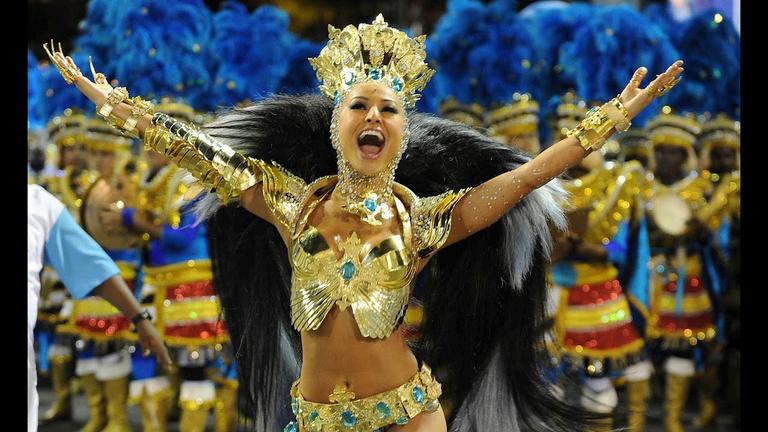
It is, without a doubt, the most famous and widely celebrated tradition in Brazil During this festival, which takes place in February or March, before Lent, there are parades, street parties (blocos), colorful costumes and music, especially samba
Greetings
It doesn't matter if you have just met someone, it is not unusual to hug and greet with kisses on the cheek. Depending on the region, there are people who give one kiss, two or even three and it is common for it to occur between men
New Year

During this festival, they usually receive the new year dressed in white and this tradition has an African influence since in the 70s, candomblé practitioners had the custom of commemorating the new year on the most famous beach in Brazil, Copacabana, in Rio de Janeiro Everyone dressed in white and offered flowers to the queen of the seas, according to Afro culture
Birthday
Traditionally, the birthday child cuts the first piece of cake This first piece can have special meaning and is often given to a significant person such as parents, grandparents, or someone very close to the birthday child
Steak
Barbecues or churrasco are an essential part of social life in Brazil Especially in the south of the country, people gather to enjoy grilled meats in the company of family and friends
The coffee
Brazil is one of the main coffee producers in the world and is one of the country's emblems. For every inhabitant of Brazil, coffee is much more than a drink, it is a symbol of encounter, lively conversations and moments shared between friends and family.
Physical appearance
People usually worry about their physical appearance, for this reason they usually do a lot of sports. There are gyms everywhere, people doing sports on the street and on the beach very early

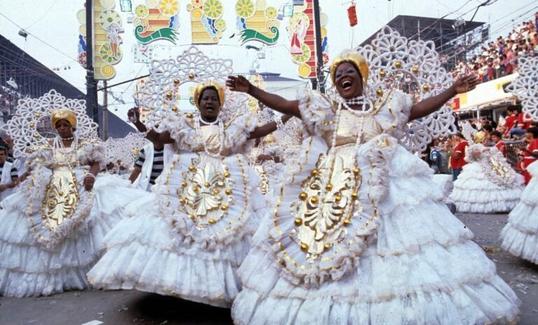
The typical baiana costume is considered one of the most representative traditional costumes in Brazil, especially in the Bahia region, known for its rich cultural heritage and vibrant Afro-Brazilian cultural scene This costume is worn by the "baianas", Afro-Brazilian women who carry with them the history and culture of their African ancestors. It is characterized by its colorful clothing, pleated skirt, elegant turban, striking accessories and a tabuleiro

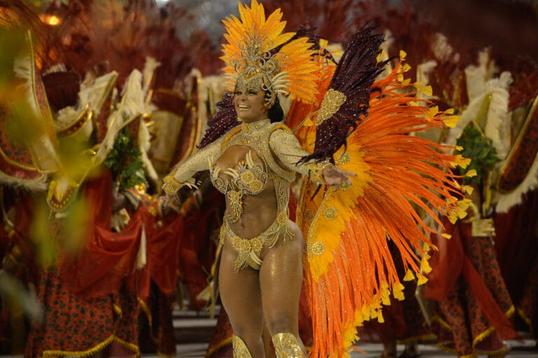
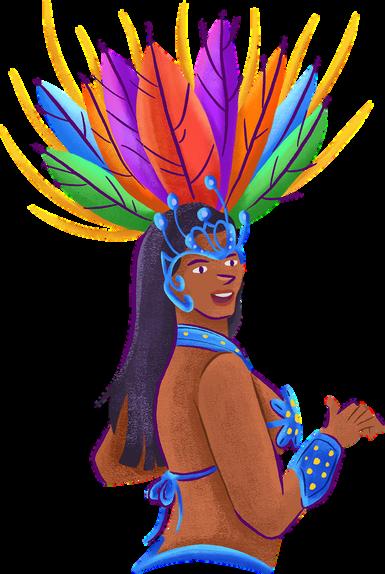
The Brazilian Samba Costumes worn during carnival parades are emblematic of Brazilian culture, with their bright colors, exuberant feathers and extravagant designs Brazilian samba clothing, rooted in the exuberance and splendor of the Brazilian carnival, is composed of a series of distinctive elements that capture the essence and passion of this cultural celebration Some of these elements include: exotic feathers, sequins and rhinestones, extravagant makeup and accessories
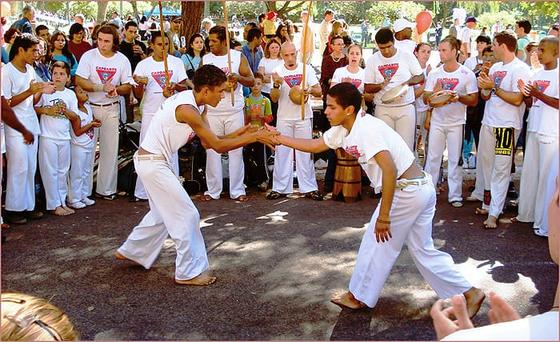
The Typical Brazilian Capoeira Costume.
This Afro-Brazilian martial art has distinctive traditional Brazilian costumes that include: white pants and t-shirts, often accompanied by colored belts or scarves to represent different levels of skill Capoeira clothing, rooted in the rich tradition of this Afro-Brazilian martial art, is composed of a series of distinctive elements that reflect the history and essence of this cultural practice Some of these components include: abadas, t-shirts, belts or laces, bracelets and necklaces



Brazilian cuisine is a vibrant reflection of the country’s cultural and geographical diversity Influenced by indigenous, African, Portuguese, and other European traditions, it offers a wealth of unique flavors and culinary techniques Each region of Brazil contributes its own ingredients and cooking styles, creating a variety of dishes that celebrate both the abundance of the land and the creativity of its people Some emblematic dishes include:
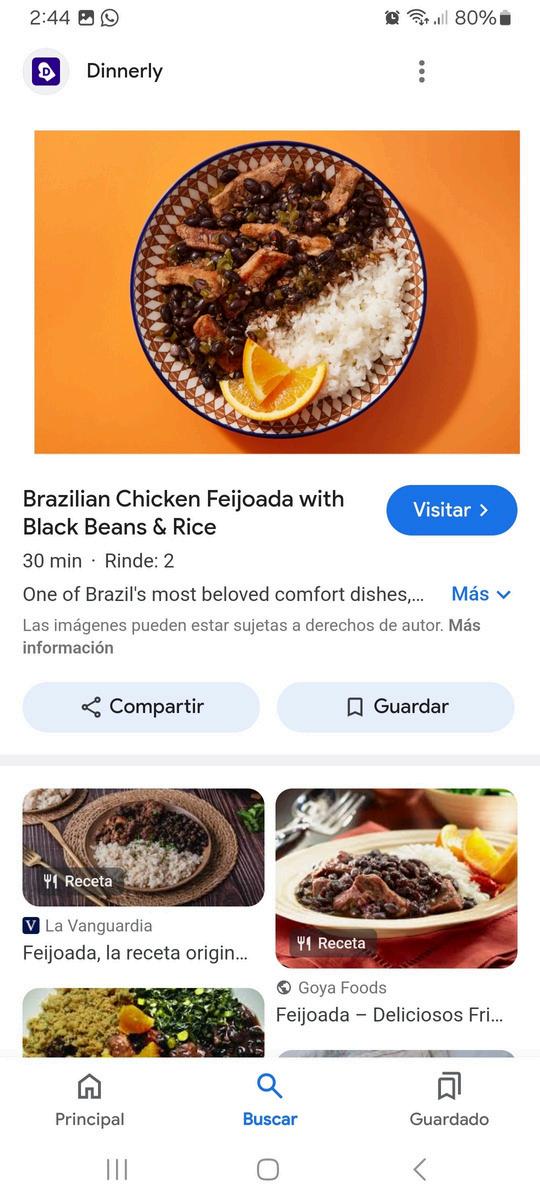
1. Feijoada
It is a stew with a large number of ingredients that make it a very rich dish. It is prepared with black beans and different parts of pork, such as ribs and sausages, cooked slowly with garlic, onion, and bay leaves It is served with rice, farofa (toasted cassava flour), and oranges It is also common to serve it with finely chopped cabbage, sautéed in garlic and oil
Why did you select it?
Feijoada is Brazil’s national dish and a symbol of Brazilian cuisine It originated during the colonial era and represents the fusion of African, Indigenous, and Portuguese cultures.
2. Moqueca

is a fish or seafood stew cooked in a mixture of coconut milk and palm oil (dendê) Peppers, tomatoes, onion, cilantro, and garlic are added The ingredients are simmered slowly, allowing the flavors to integrate well.
There are regional variations, such as moqueca baiana (from Bahia), which includes palm oil, and moqueca capixaba (from Espírito Santo), which uses olive oil and does not include palm oil
Why did you select it?
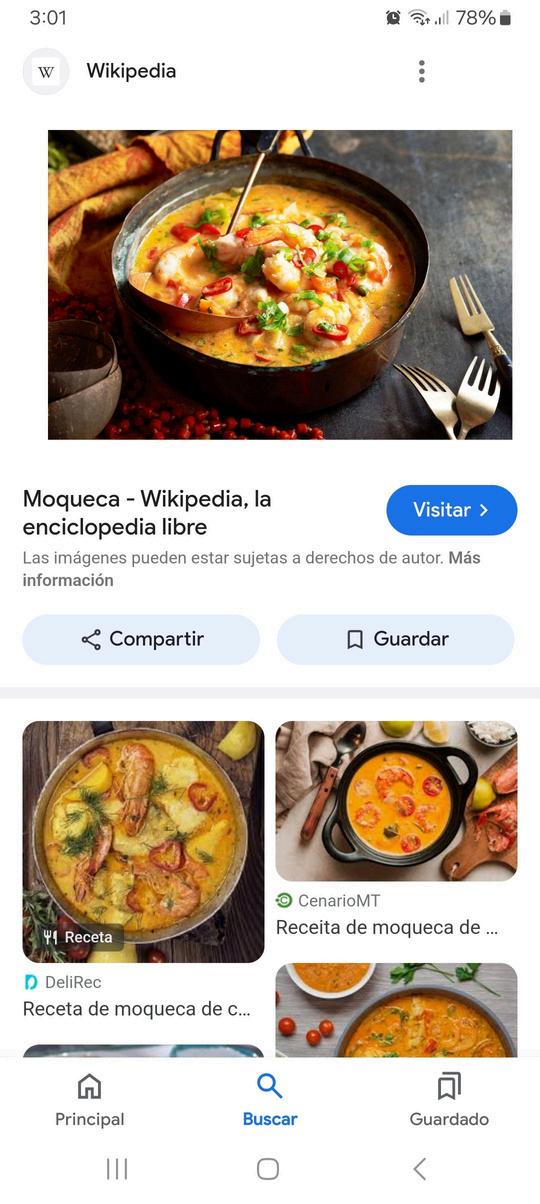
For being a traditional dish from the northeast of Brazil, especially popular in the states of Bahia and Espírito Santo It represents the rich Afro-Brazilian culinary heritage and is notable for its use of local ingredients.

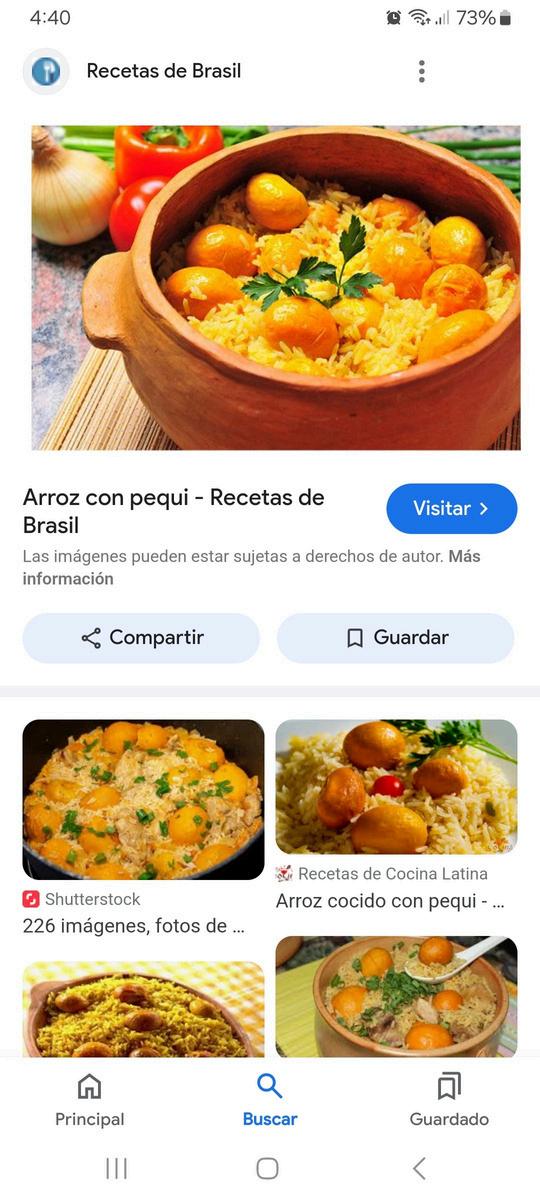
3. Boiled rice with pequi
Is made from rice and pequi, a typical fruit from the Brazilian Cerrado. Additionally, other ingredients can be included, such as chopped and sautéed onion, chopped and sautéed garlic, oil (often pequi oil or vegetable oil), salt to taste, and spices like cilantro or parsley, depending on the regional recipe
Why did you select it?
It was chosen for its uniqueness and symbolizes the culinary tradition and culture of this region of Brazil, making it an ideal choice to highlight the country’s culinary diversity
5. Coxinha
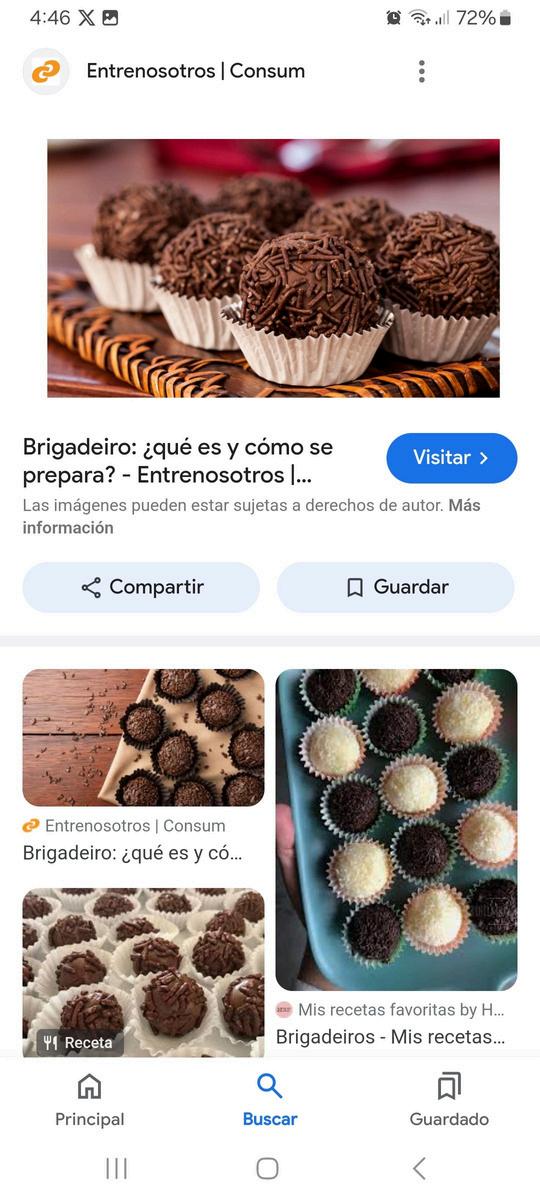
4. Brigadeiro
is a Brazilian sweet made with condensed milk, cocoa powder, and butter These ingredients are cooked together over medium heat until the mixture thickens Once cooled, small balls are formed and rolled in chocolate sprinkles
It is a very popular sweet at birthday parties and celebrations in Brazil

Why did you select it?
It is a traditional Brazilian sweet Its simple preparation and characteristic flavor make it a national favorite.

Coxinha is a fried snack filled with shredded chicken, mixed with a sauté of onion, garlic, and spices The chicken mixture is wrapped in dough, breaded, and fried until golden and crispy
Why did you select it?


It is a very popular snack throughout Brazil, representing Brazilian street food and being a favorite at parties and informal gatherings
Dances
1. Candomblé
It is a characteristic dance of this country, in this case it is religious in nature, as it mixes African and Catholic elements Its most characteristic step is the Axé, a type of greeting that was not originally conceived as a dance, but evolution has ended up leading it to it

2. Caboclinho

It is a tremendously popular dance in some regions of Brazil, specifically in those located in the northeast of the country This style of dance is characterized by imitating acts related to hunting, fights between warriors, or the agricultural work that the indigenous people did
3. Capoeira
This acrobatic dance has details of a fight, performed between two people who would normally be opponents Its origin is also said to come from African slaves, in this case it comes from those who met secretly to practice fighting camouflaged in dance


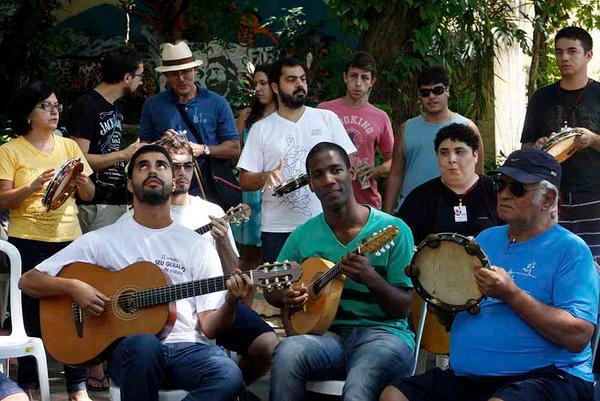
Popularly called chorinho, it is a Brazilian musical and instrumental genre, with more than 130 years of existence The groups that perform it are called regionalais, and the musicians, composers or instrumentalists are called chorões It is considered the first typical popular music of Brazil and its execution turns out to be very difficult
The rhythm is generally hectic and happy, characterized by the virtuosity and improvisation of the participants, who need to have study and technique and full command of their instrument
Axe

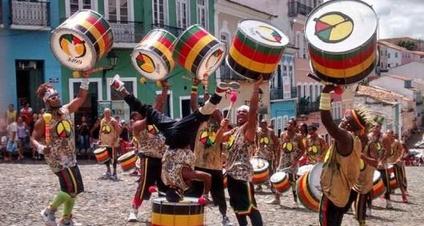
It is a very popular musical movement, which emerged in the state of Bahia, which began in the 1980s and reached maturity in the following decade Axé is a word in the Yoruba language whose meaning is 'positive energy' and 'life force' Like many Brazilian rhythms, this one stands out for its ability to transmit joy and mobilize people to the dance floors
Samba Music Choro

It is a musical genre with African roots that emerged in Brazil, from which a type of dance is derived It is one of the main manifestations of Brazilian popular culture and a symbol of national identity
It is considered an urban musical expression of the city of Rio de Janeiro, where this samba format was born and developed between the end of the 19th century and the first decades of the 20th century
Acquiring a singular character: polka, maxixe, lundu, xote, among others, it was the samba carioca that achieved the status of symbol of Brazilian national identity during the 1930s


Brazil is a vast and diverse country that offers an impressive variety of tourist destinations From its vibrant cities to its lush jungles and paradisiacal beaches, Brazil attracts travelers from all over the world. Each region of the country has its own charm and unique attractions, reflecting the rich culture, history, and natural beauty of the nation
1. Rio de Janeiro: The Jewel of the Atlantic
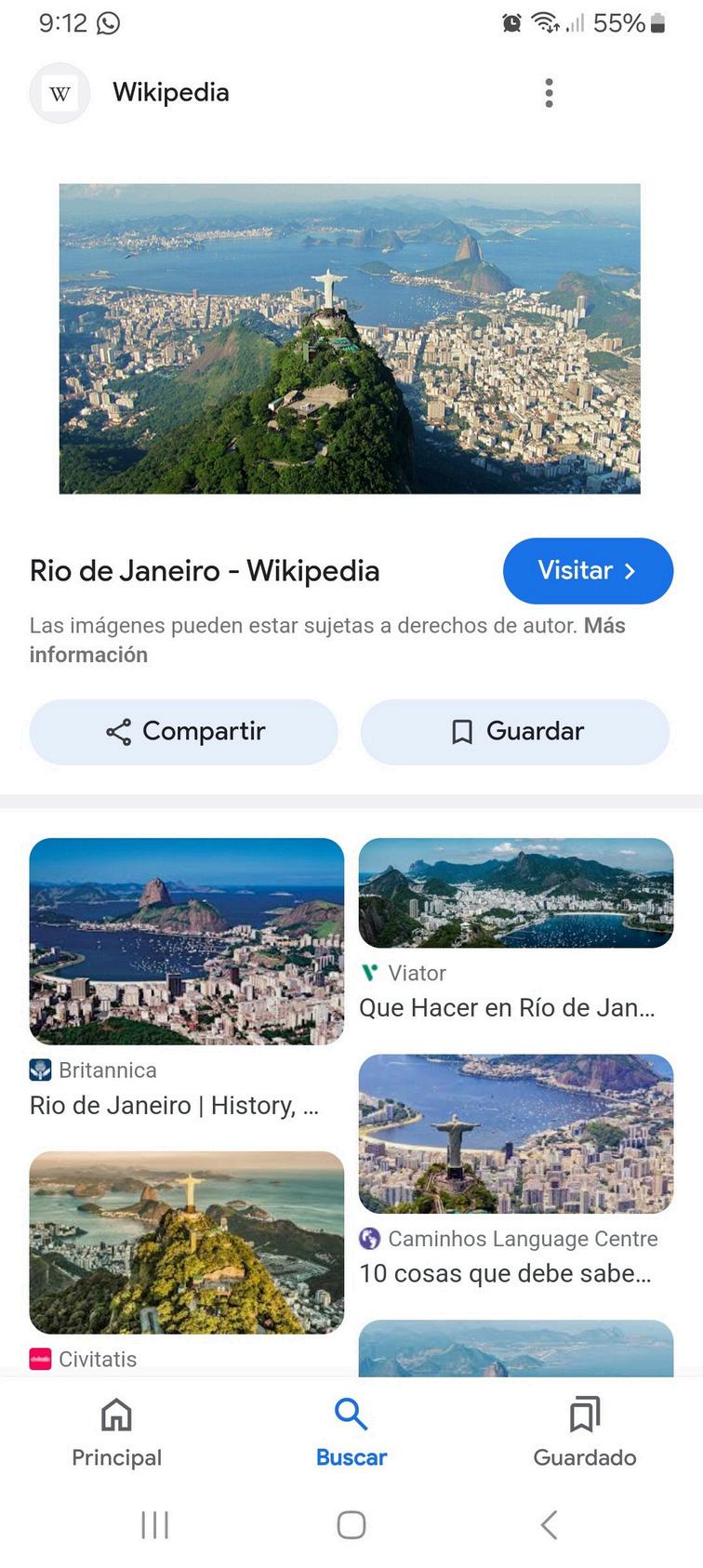
In the heart of Brazil, Rio de Janeiro stands as one of the world’s most iconic cities. Its beaches, Copacabana and Ipanema, offer the perfect setting for sun-soaked days and vibrant seaside fun. The majestic Christ the Redeemer statue, perched atop the Corcovado Mountain, provides breathtaking panoramic views Sugarloaf Mountain, accessible via cable car, offers a unique perspective of the city, while Rio’s Carnival, with its samba parades and colorful costumes, is a festival of exuberance and joy.

2. São Paulo: Brazil’s Cultural Pulse
São Paulo, the energetic and multicultural metropolis, is the epicenter of urban life in Brazil Avenida Paulista, a bustling cultural and financial hub, houses a collection of museums and art centers that capture the city’s creative essence. Ibirapuera Park provides a green oasis amidst the urban dynamism, perfect for outdoor activities. The Municipal Market reveals the flavors and aromas of Brazil



3. Manaus: The
Gateway to the Amazon
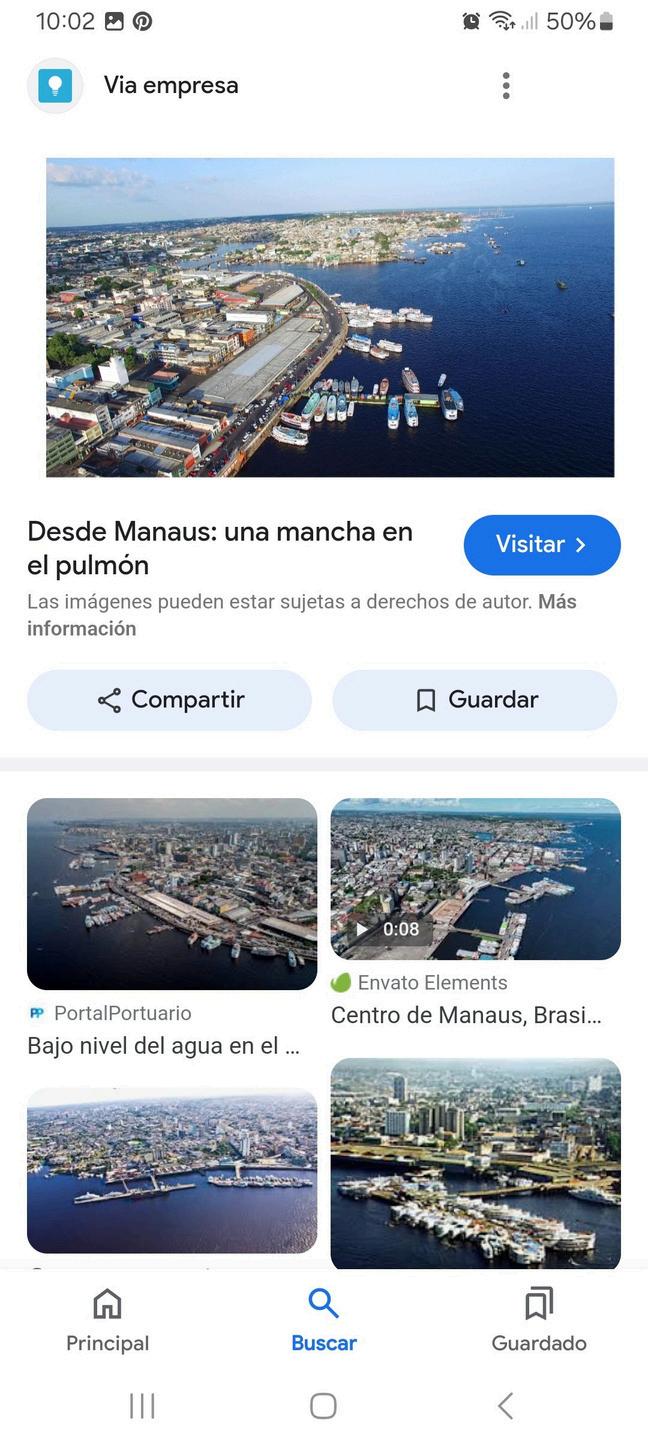
In the heart of the Amazon rainforest, Manaus stands as a gateway to an adventure in the vast biodiversity of the Amazon. The Amazonas Theater, with its opulent 19th-century architecture, is a testament to the splendor of the rubber boom Jungle expeditions provide opportunities to explore the immense natural wealth of the region, from exotic wildlife to indigenous communities preserving their ancient traditions



4. Fernando de Noronha: A Tropical Eden
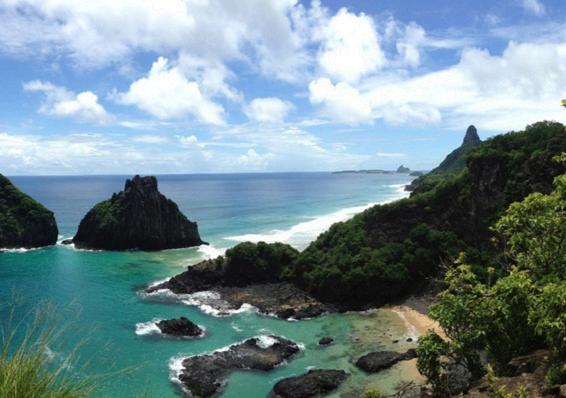
Fernando de Noronha, an archipelago in the Atlantic, is a paradise for nature lovers Baía do Sancho, considered one of the most beautiful beaches in the world, and Baía dos Porcos, ideal for spotting dolphins and sea turtles, are just some of the treasures this destination offers. Morro Dois Irmãos, with its stunning landscape, completes the picture of this tropical Eden
5. Pantanal: The Realm of Wildlife
He Pantanal, one of the world’s largest wetlands, is the perfect place for nature enthusiasts Wildlife observation is unparalleled, with opportunities to see jaguars, caimans, and a rich variety of birds Sport fishing is popular, and boat safaris allow exploration of the rivers and lagoons, immersing visitors in the rich biodiversity of this vast region



We recommend traveling t to Brazil for its fascinating blend of natural beauty, cultural richness, and unique experiences. The country offers an impressive variety of landscapes, from the majestic Iguaçu Falls and the vibrant Amazon rainforest to the paradisiacal beaches of Copacabana and Ipanema Immersion in Brazilian cultural diversity is reflected in festivities like the Rio de Janeiro Carnival, the rich local cuisine, and the warmth of its people. Additionally, Brazil provides unparalleled opportunities for adventure and ecotourism, with activities ranging from jungle excursions to safaris in the Pantanal. In every corner, Brazil invites you to discover an enriching and memorable experience that captivates all its visitors.