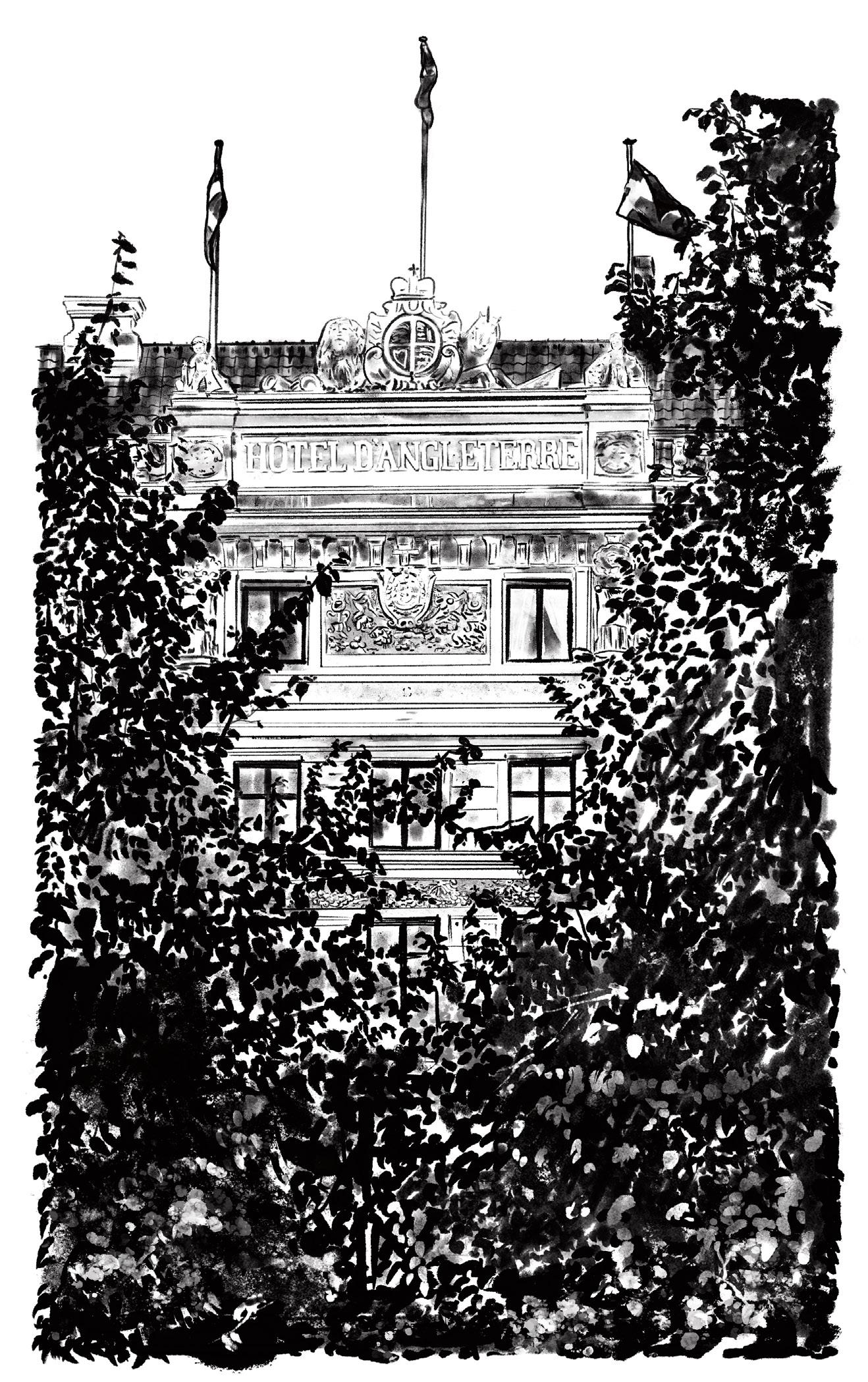
D’ANGLETERRE’S BIG, ENTIRELY SUBJECTIVE, AND, TO BE FAIR, A BIT BIASED ILLUSTRATED GUIDE TO COPENHAGEN.

D’ANGLETERRE’S BIG, ENTIRELY SUBJECTIVE, AND, TO BE FAIR, A BIT BIASED ILLUSTRATED GUIDE TO COPENHAGEN.

WRITTEN AND ILLUSTRATED BY KASPER SIERSLEV
“Hoteld’Angleterre’sbig,entirelysubjectiveand,tobefair,abit biasedillustratedguidetoCopenhagen”isacustomisedversionof “TheBig,EntirelySubjectiveAnd,ToBeFair,ABitBiasedIllustrated GuidetoCopenhagenSecondEdition”
Copyright © 2024 by Kasper Sierslev
A revision of the First Edition
Copyright © 2021 by Kasper Sierslev
ISBN 9788740483741 (first edition paperback)
All rights reserved. No part of this book may be reproduced or transmitted in any form by any means, electronic, mechanical, photocopying, recording, or otherwise, without the prior written permission of the author. For information on obtaining permission for reprints and excerpts, contact kasper@sierslev.com
The information in this book is distributed on an “As Is” basis without warranty. While every precaution has been taken in the preparation of the book, neither the authors nor kasper@sierslev.com shall have any liability to any person or entity with respect to any loss or damage caused or alleged to be caused directly or indirectly by the instructions contained in this book or by the computer software and hardware products described in it.
Many of the designations used by manufacturers and sellers to distinguish their products are claimed as trademarks. Where those designations appear in this book, and kasper@sierslev.com was aware of a trademark claim, the designations appear as requested by the owner of the trademark. All other product names and services identified throughout this book are used in editorial fashion only and for the benefit of such companies with no intention of infringement of the trademark. No such use, or the use of any trade name, is intended to convey endorsement or other affiliation with this book.
To report errors or recommendations, please send an email to kasper@sierslev.com For more information visit cphIllustrated.com
First printing 2022
Cataloguing – in – Publication data available
ISBN 9788740407259 (second edition paperback)
Editor: Celina Mina (www.createwithcelina.com)


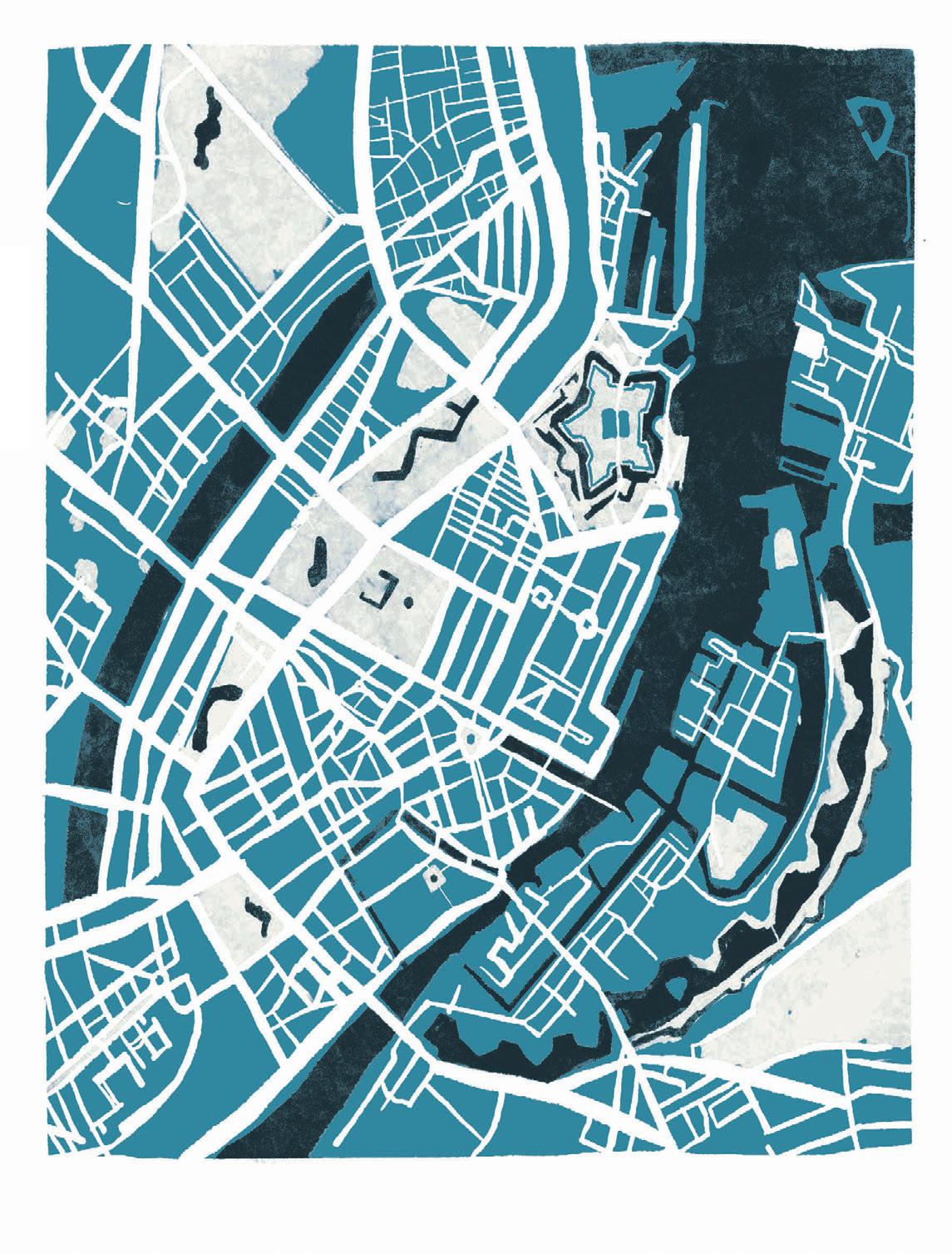
1. Hotel d’Angleterre
2. Strøget
3. The Round Tower
4. Nyhavn Harbour
5. Rosenborg Castle
6. Amalienborg Palace
7. The Marble Church
8. Botanical Garden
9. Thorvaldsen’s museum
10. Jorcks Passage
11. Magstræde
12. Krusemyntegade
13. The Danish Design Museum
14. Grønnegade
15. The Royal Cast Collection
16. The Little Mermaid
17. Langelinie
18. Christiansborg Palace
19. The Royal Library Garden
20. Børsen
21. Tivoli Gardens
22. Glyptoteket
23. Copenhagen Central Station
24. Boulebar
25. Christianshavn
26. Christiania
27. Harbour Baths
28. Sauna and winter bath
29. Copenhagen Opera House
30. The Black Diamond
31. The Harbour Bus
32. Elmegade
33. Jægersborggade
34. Blågårdsgade
35. Assistens Cemetery
36. Kaffe-sallonnen
37. The Old Jewish Cemetery
38. Værnedamsvej
39. Central Hotel and Café
40. Fælledparken
41. The Citadel
42. The Meatpacking District
43. Sønder Boulevard
44. Carlsberg
45. Mikkeller
46. BrewPub
47. Reffen
48. The Bridge Street Kitchen
49. Torvehallerne
50. Tivoli Food Hall
51. Noma
52. Nordhavn
53. CopenHill
Steeped in history and draped in opulence, d’Angleterre has been Copenhagen’s beacon of luxury since 1755. Perched regally on Kongens Nytorv, this grand dame of hotels seamlessly blends its Victorian roots with a dash of Nordic flair, striking a pose as Northern Europe’s most esteemed lodging.
The hotel’s storied past includes serving as the stage for Ditlev Gothard Monrad’s presentation of Denmark’s new constitution in 1849, and even playing host to German generals during World War II — though it’s safe to say the vibe is considerably more welcoming these days! After a sweeping renovation, the d’Angleterre has reemerged more splendid than ever, boasting a rejuvenated palace vibe while maintaining its legendary charm.
Every nook of this illustrious hotel whispers tales of yesteryears, from the Royal Suite’s breathtaking views of the Royal Danish Theatre to the intimate ambiances crafted within each uniquely appointed room and suite. Here, history isn’t just on the walls—it’s in the polished service and the exquisite attention to detail.
So, check in and live like royalty at the Hotel d’Angleterre because if the walls could talk, they’d tell you this is the place where Copenhagen’s heart beats the grandest.

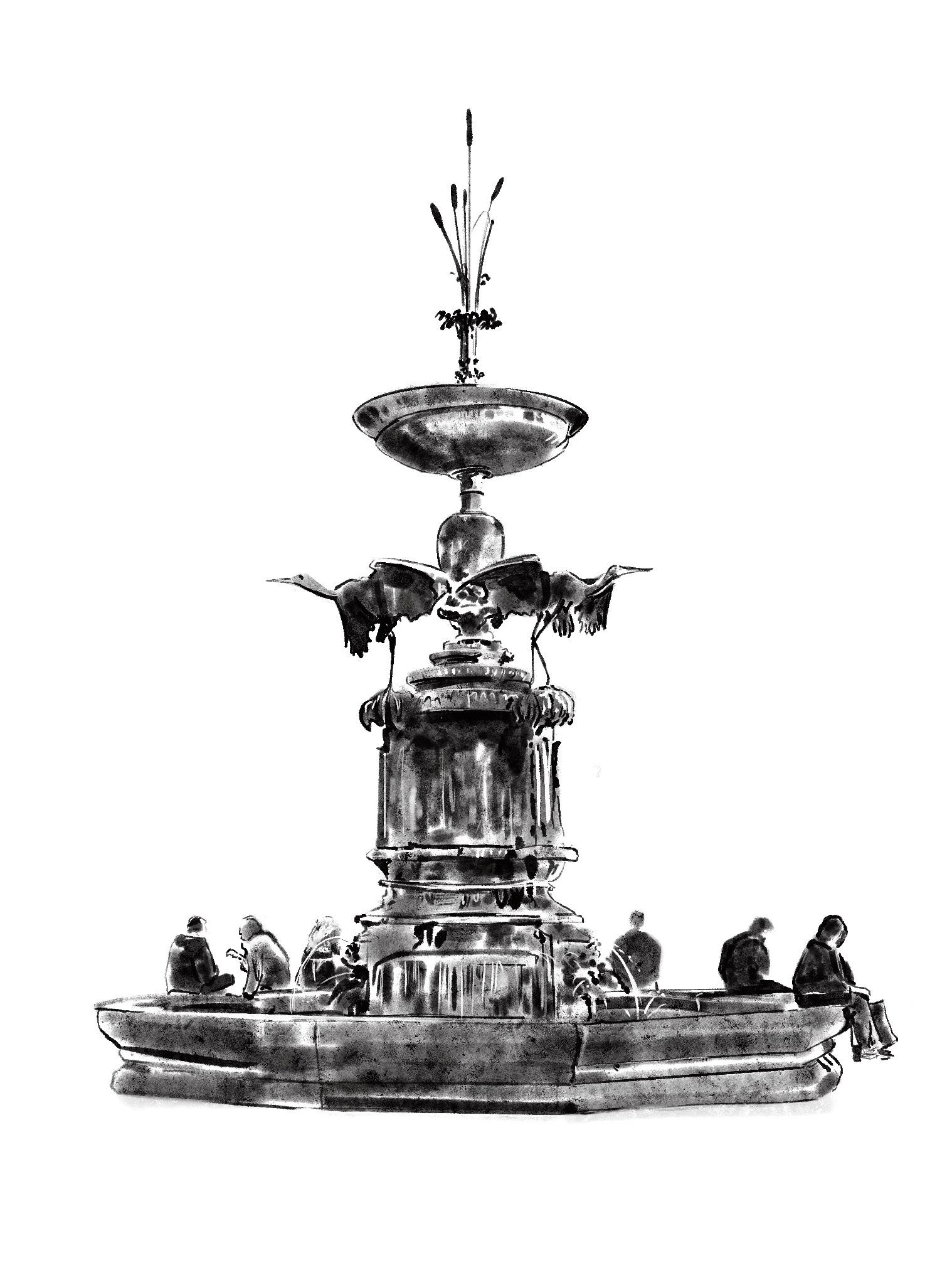
Strøget is one of Europe’s longest pedestrian streets and is often said to be the oldest in the world. Lined with shops ranging from luxury brands like Louis Vuitton, Hermès, Prada, and Gucci to more budget-friendly chains, it offers something for every shopper. Near Kongens Nytorv, you’ll also find Illum, a historic department store that has been a cornerstone of Danish retail since 1891, offering a mix of high-end fashion, homeware, and Nordic design.
But Strøget is more than just shopping. If you take a moment to look beyond the storefronts and down the side streets, you’ll catch glimpses of some of Copenhagen’s most beautiful scenes and attractions. Strøget is actually just one of several pedestrian streets in the city center; turn at the Stork Fountain (Storkespringvandet) on Amagertorv, and you’ll find yourself on Købmagergade, leading towards Nørreport Station and the iconic Round Tower.
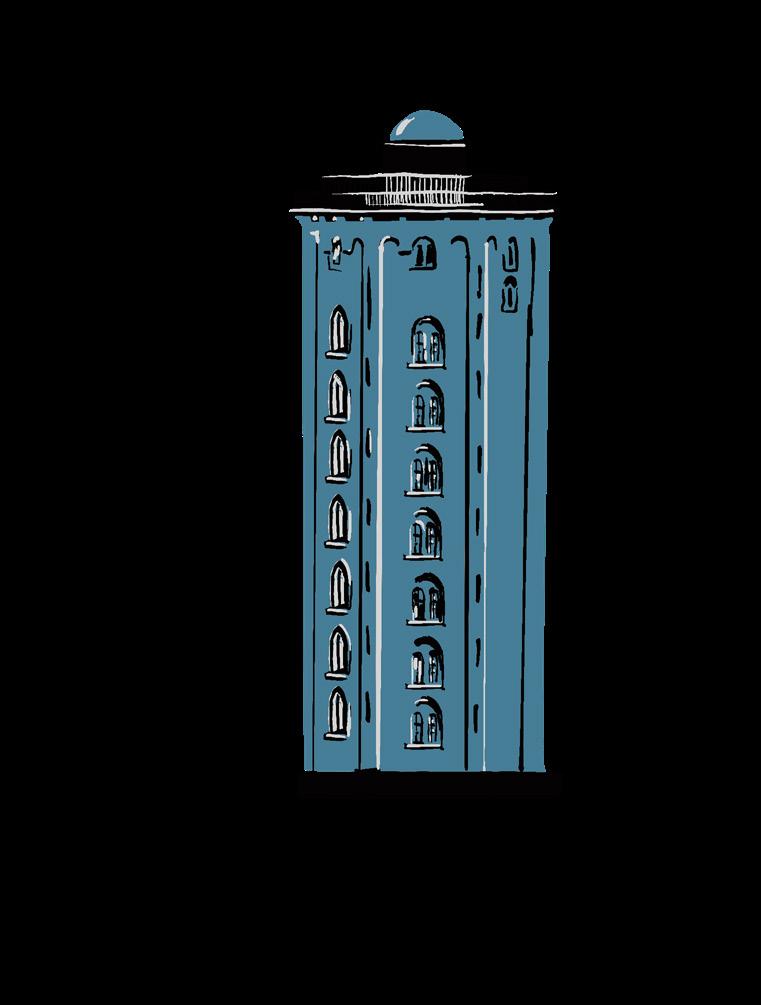
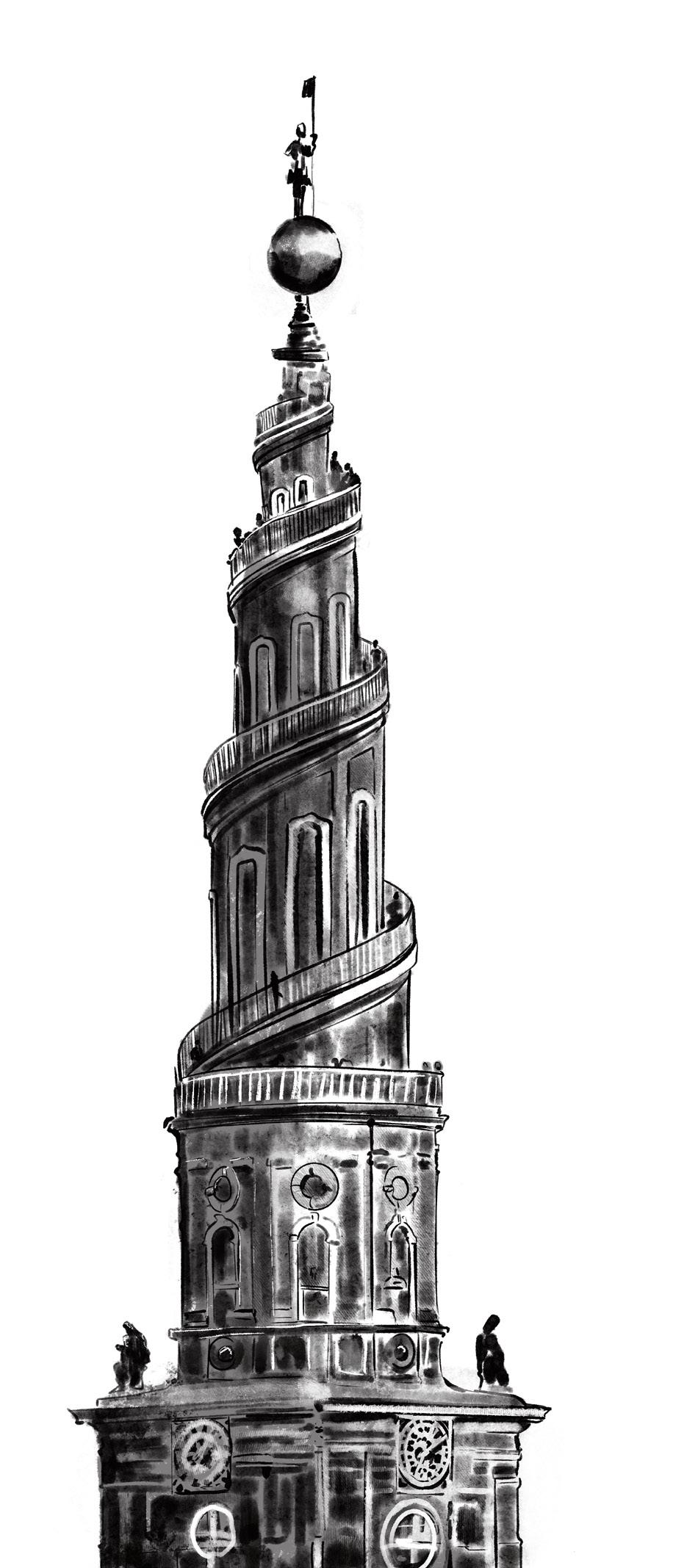
The Round Tower, or Rundetårn in Danish, is the oldest functioning observatory in Europe and a Copenhagen cityscape icon.
In the 17th century, Denmark was famous for its astronomical achievements, thanks to the renowned astronomer Tycho Brahe. When he died in 1601, King Christian IV wished to continue Brahe’s research and The Round Tower came into being. Though it has been a while since the scientists left, amateur astronomers still use the observatory. The observatory is surrounded by an outdoor platform that is open to visitors.
To get to the platform, you need to take the spiral walk, which is 268.5 metres long at the outer wall. This means that you walk around 209 metres to get to the top even though the tower is only 36 meters tall. From the top, you have a magnificent view of the old part of Copenhagen.
Along the way to the top, the walk also leads to the library hall. The library once housed the entire book collection of the University of Copenhagen. The famous Danish fairy tale writer, H.C. Andersen, is known to have used the library and found inspiration for his work there. Today, the hall is no longer a library but serves as the framework for exhibitions of art and culture. I would definitely recommend the walk to the outdoor platform where you can get one of the best views of the Copenhagen skyline.
Address: Købmagergade 52A, 1150 København K
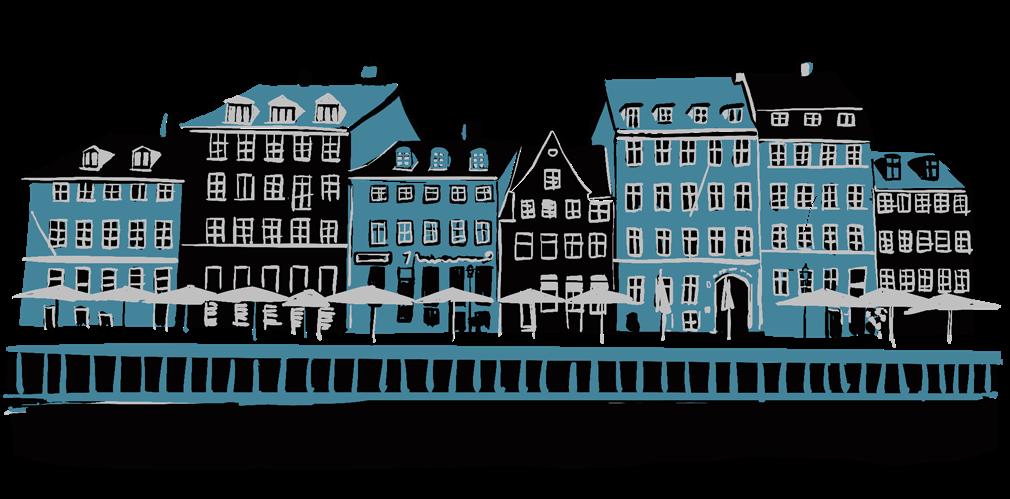
Nyhavn was originally a busy commercial port where ships from all over the world would dock. The area was packed with sailors and ladies of pleasure in pubs and alehouses. Today, the beautiful old houses have been restored, and restaurants overlook the old port. Nyhavn is often filled with people enjoying the relaxed atmosphere by the canal, jazz music, and great food. This is an excellent place to end a long day with a cold beer on the quay or at one of the many restaurants, especially during summer.
Hans Christian Andersen, the famous Danish fairy tale writer, lived in Nyhavn for many years. In No. 20, he wrote some of his most beloved stories, and just a few doors down, in No. 67, he spent two decades crafting his tales. One of his most famous stories, The Ugly Duckling, captures the spirit of transformation—much like Nyhavn itself, which has evolved from a rough sailor’s district into one of Copenhagen’s most picturesque and vibrant areas.
During December, Nyhavn turns into a winter wonderland, offering the perfect Christmas-lit setting for your holiday in Copenhagen. The annual Christmas market fills the streets with decorated stalls, cafés, and restaurants serving Danish Christmas delicacies. Adding to the festive atmosphere, the iconic Hotel d’Angleterre unveils its spectacular Christmas facade—a dazzling tradition that draws eager crowds every year.
Address: Nyhavn 17, 1051 København K
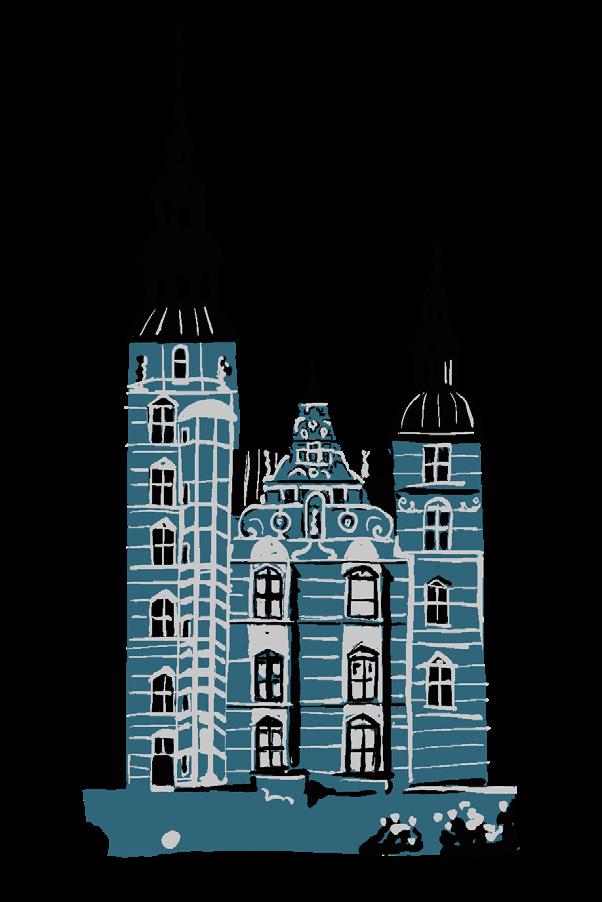
Rosenborg Castle was built by Christian IV, one of the most famous Scandinavian kings, in the early 17th century. Originally intended as a royal retreat, it’s amusing to think that this “hideaway” sits right in the heart of Copenhagen, only a kilometer from his actual palace.
Inside, the castle showcases 400 years of royal splendor, from magnificent art treasures to Denmark’s most precious symbols of monarchy—the Crown Jewels and Royal Regalia. Safeguarded in the castle’s vault, the dazzling collection includes crowns, scepters, and jewelry still used by the Danish royal family on special occasions.
Among the main attractions is the Knights’ Hall, featuring the coronation thrones, flanked by three life-size silver lions standing guard. The walls are adorned with tapestries depicting Denmark’s battles with Sweden (most of which, to be fair, we lost).
The castle’s interiors are remarkably well-preserved, offering a glimpse into royal life with the king’s personal writing cabinet, bathroom, and eerily lifelike wax figures of past monarchs.
Surrounding the castle is the King’s Garden, a beloved green retreat where Copenhageners picnic, sunbathe, study, or play ball—continuing the tradition of using this space for leisure, just as the royals once did.
Address: Øster Voldgade 4A, 1350 København K
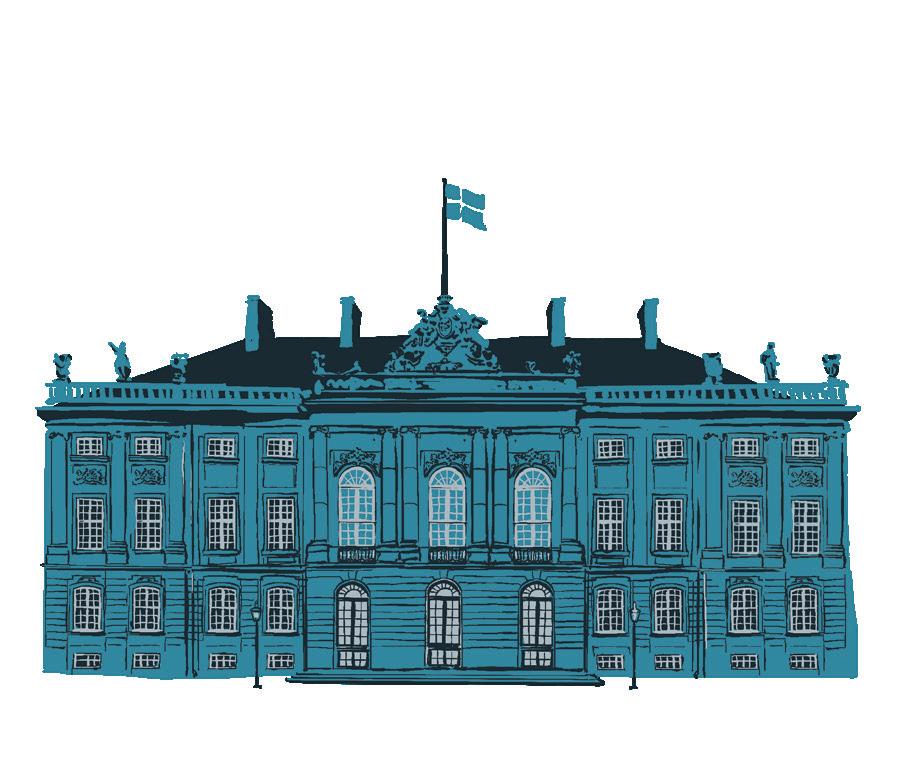
For anyone with a bit of taste for royal history and the life of Denmark’s royal family, Amalienborg Palace is a must. The queen and the royal family still reside at the palace.
Amalienborg is famous for Den Kongelige Livgarde – The Royal Guard. Every day at noon, you can experience the changing of the guards as they march from their barracks at Rosenborg Castle, through the streets of Copenhagen, ending up at Amalienborg.
Amalienborg Palace is made up of four identical buildings. Together, they surround the palace square with its statue of King Frederik V from 1771.
At Amalienborg Museum, you can experience royal history and sense the presence of one of the world’s oldest monarchies.
The museum’s scope stretches back 150 years to Christian IX and Queen Louise, who were known as “the in-laws of Europe” because four of their children ascended to the thrones of England, Greece, Russia, and Denmark, respectively.
In our opinion, this is one of the most beautiful squares in Copenhagen. And the straight lines formed from the four buildings make the view even more extraordinary.

Address: Amalienborg, 1257 København K
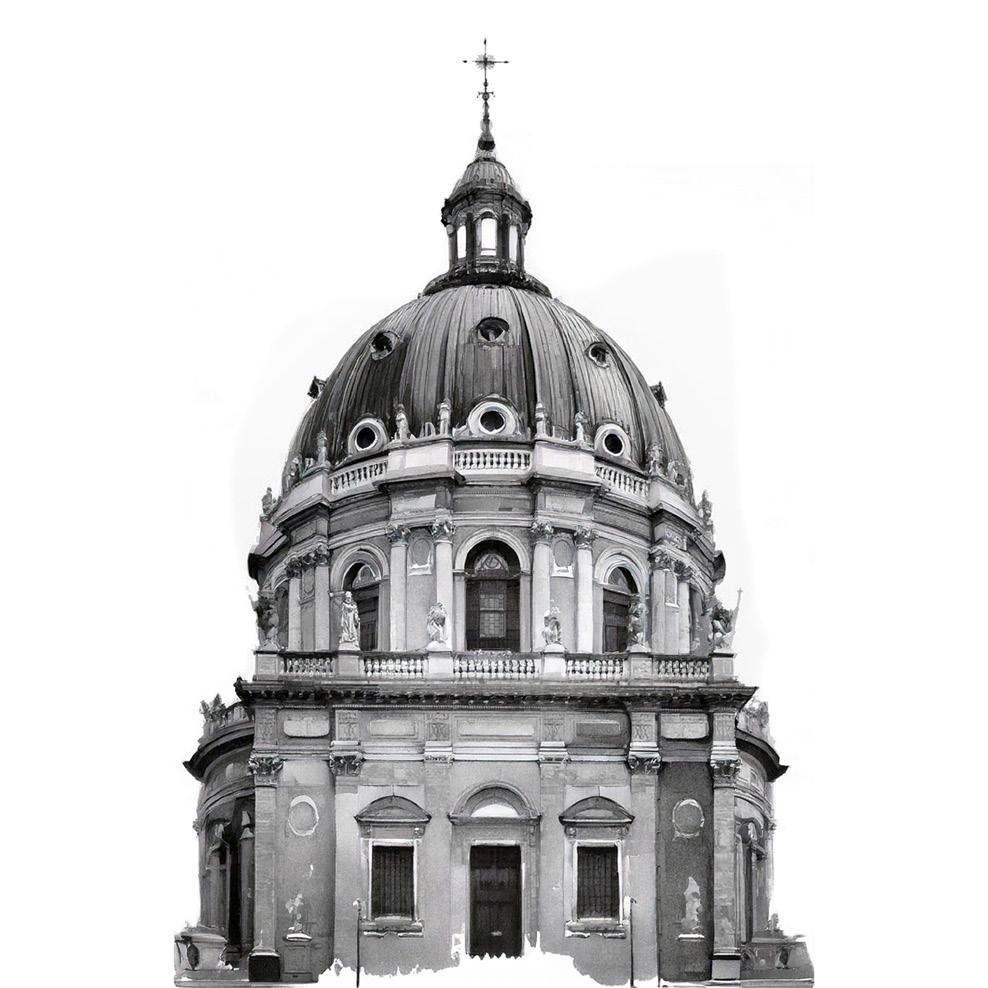
The Marble Church, with its characteristic copper green dome, is one of Copenhagen’s most awe-inspiring churches –and is unquestionably home to one of the best views in town. The church lies perfectly in line with Amalienborg Castle and The Royal Opera in the middle of the elegant area called Frederiksstaden. The official name of the church is, in fact, Frederik’s Church, but no one really uses that name.
The story of The Marble Church is quite interesting. The cornerstone was laid in 1749 by King Frederik V as part of a grand plan for the new city district, Frederiksstaden. The original architect, Nicolai Eigtved, passed away in 1754, and the French architect Jardin took over with a revised design. However, due to funding issues, construction was postponed multiple times. It wasn’t until the late 1800s that work resumed, and the church was finally inaugurated in 1894.
The church is open to the public every day, and visitors can enjoy a majestic view from the dome at 1 pm daily during the summer months and on weekends throughout the rest of the year.
It is a popular choice for weddings, with couples practically lining up to walk down the aisle in this magnificent setting. If you’re staying at the hotel, you can catch a glimpse of The Marble Church from the fourth and fifth floors by looking northeast.
Address: Frederiksgade 4, 1265 København K
If you need a quick getaway from the noisy city centre, the Botanical Garden offers an oasis in the middle of Copenhagen.
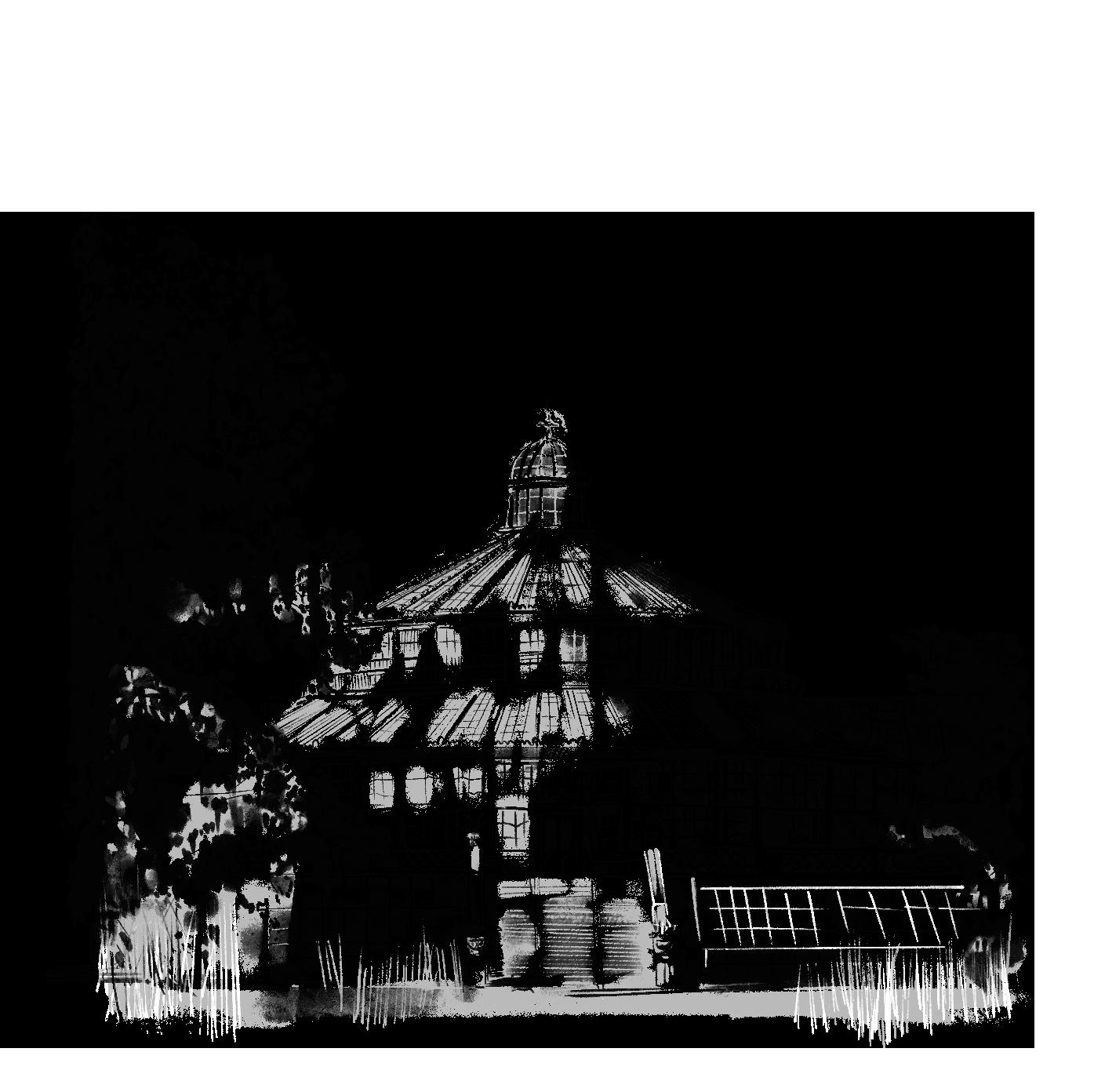
The Botanical Garden covers an area of 10 hectares, located in the centre of Copenhagen, next to the busy Nørreport station. The garden is most known for its extensive complex of historical glasshouses dating back to 1874.
The Botanical Garden was first established in 1600, but it was moved twice before it was finally given its present location in 1870.
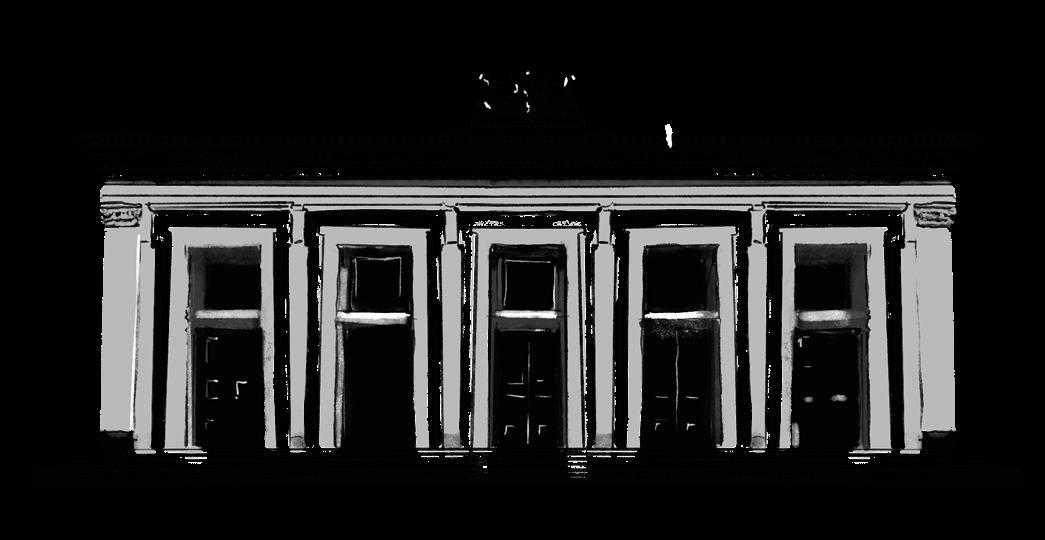
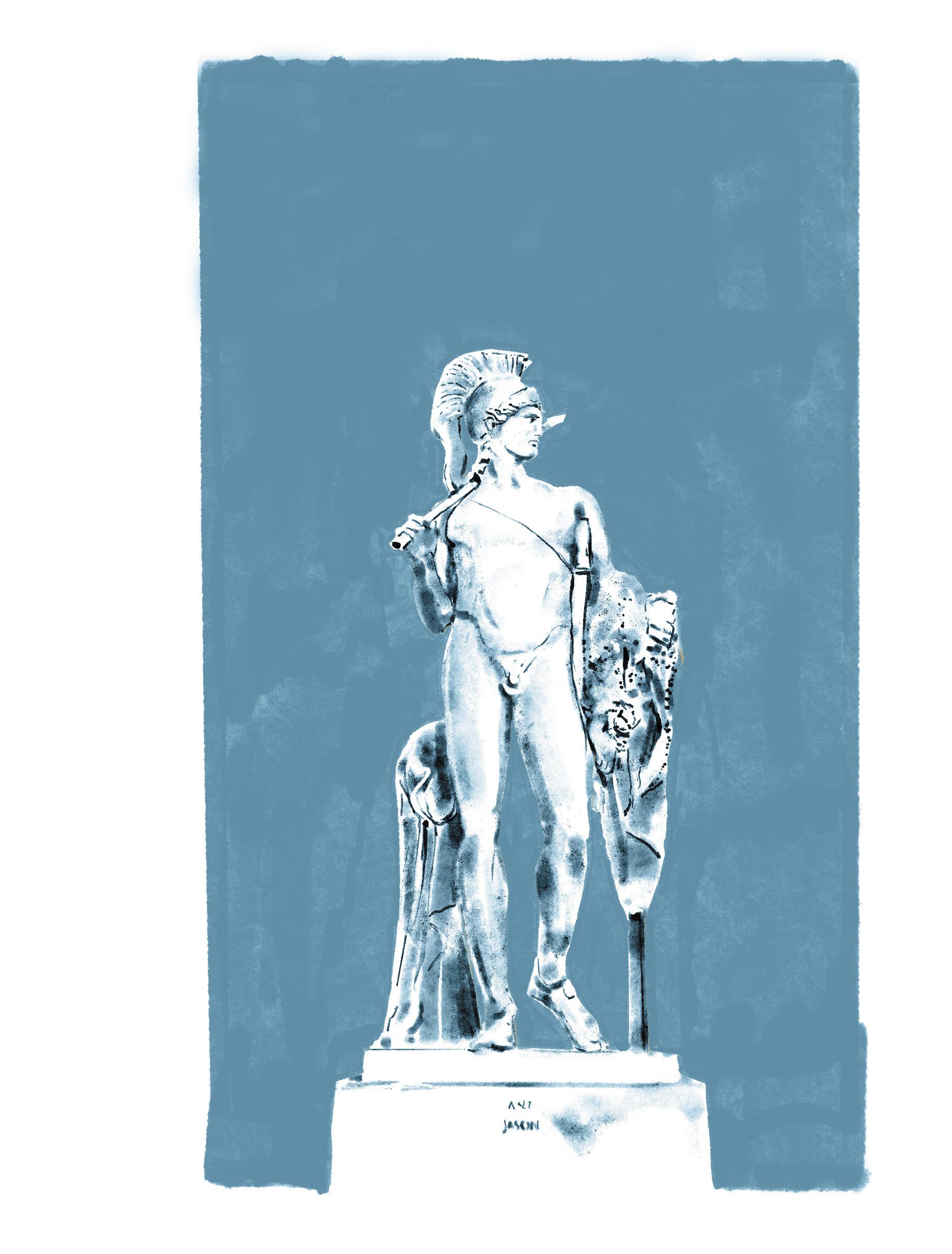
What appears to be a colorful Greco-Roman mausoleum is in fact a museum dedicated to one man’s obsession with sculpture. Danish sculptor Bertel Thorvaldsen (1770-1844) spent more than 40 years in Rome and was one of the most renowned artists among his contemporaries in Europe.
Heavily influenced by mythology after his time in Rome, Thorvaldsen returned to Copenhagen.
In 1838, he donated his large private collection to the Danish public. In return, his native city constructed one of its finest buildings next to the parliament building and canal to house Thorvaldsen’s remarkable collection – paintings, plaster molds, and marble statues, together with thousands of objects from classical antiquity. Fun fact: Thorvaldsen’s statue of Jesus is the most reproduced Jesus figure in the world.
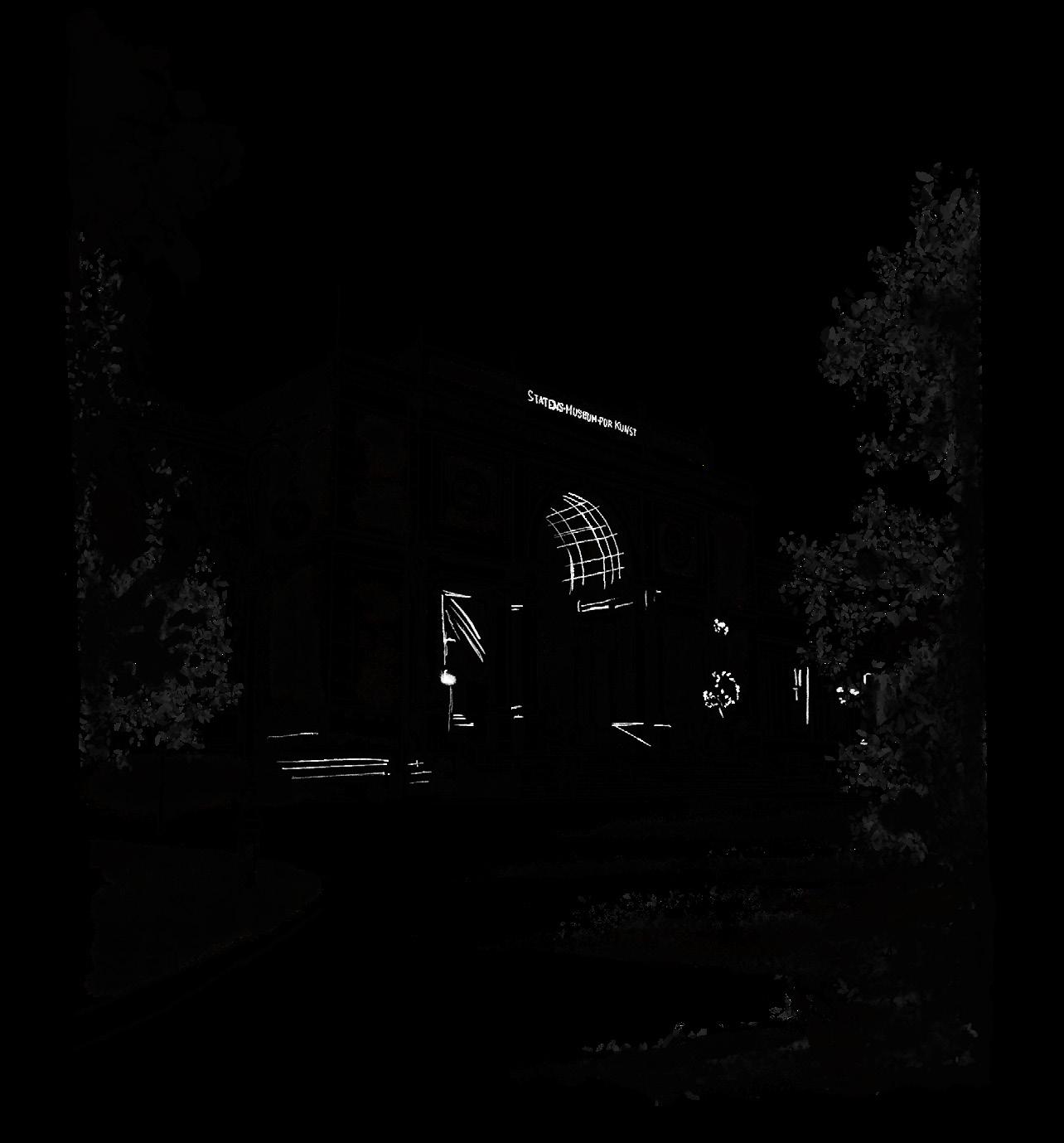
The National Gallery of Denmark (Statens Museum for Kunst, or SMK) offers a breathtaking array of Danish and international art spanning seven centuries. As Denmark’s premier art museum, it presents an unmatched selection, from European Renaissance classics to the vast range of modern and contemporary art. Notable works by artists like Mantegna, Nolde, and Matisse share space with pieces from contemporary icons such as Abramovic, Danh Vo, and Elmgreen & Dragset.
SMK is renowned for its extensive collection of Danish Golden Age artworks, the most comprehensive collection of Danish contemporary art in the country, and an impressive array of Matisse’s works. But SMK is more than just an art gallery. It offers a dynamic cultural experience with guided tours, art talks, concerts, workshops, and more, enhancing the visitor’s engagement with art.
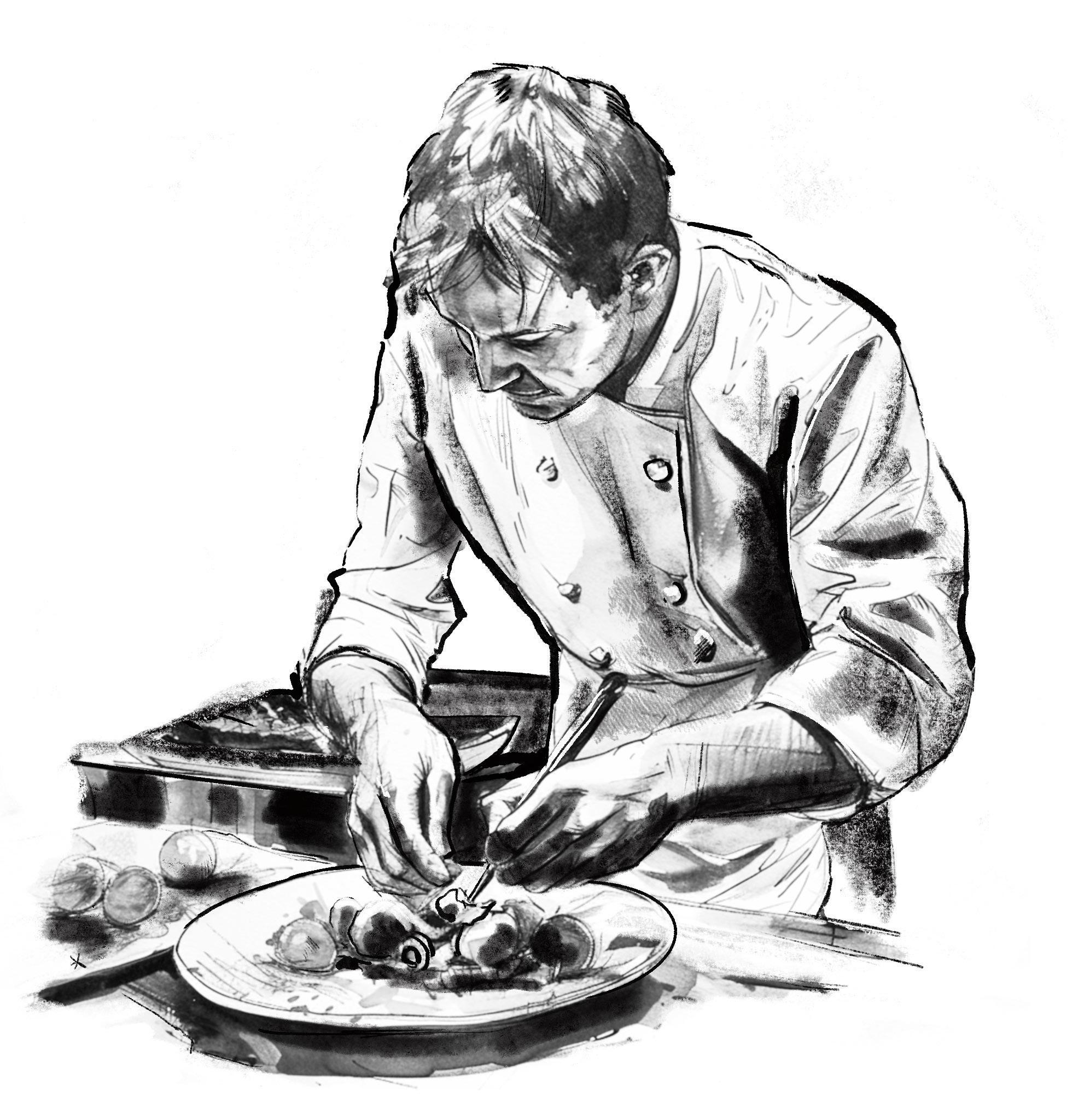
Located on the ground floor of d’Angleterre, we are right at home in the heart of Copenhagen’s buzz. The story of Marchal goes back to 1755, when Jean Marchal and Maria Coppy teamed up in life and business to create what is now d’Angleterre. That blend of love and cooking still drives us today.
When the weather is good, we spill out onto the terrace and sidewalks of Kongens Nytorv, letting diners soak up the city vibe while they eat. Our Michelin-starred menu artfully combines classic French culinary techniques with innovative Nordic flavors.

Smørrebrød, Denmark’s own gourmet twist on the open sandwich, takes a humble slice of buttered rye bread and turns it into a canvas for creativity. Imagine layers of toppings like thinly sliced cucumber, radishes, or even smoked salmon, each arranged with the precision of a fine art. It’s not just about piling it high, but about striking the perfect balance of flavors that can turn your lunch into a topic of conversation. So, while it may start with bread and butter, a true Smørrebrød is anything but basic—it’s a testament to the art of topping! Be ready with a knife and fork, because this isn’t your run-of-the-mill sandwich experience.


Designmuseum Danmark is nestled in the historic district of Frederiksstaden, housed in a splendid rococo building from 1757. Originally built by King Frederik V, it served as Denmark’s first public hospital. Today, the museum stands as a beacon of Danish design, chronicling the evolution from its mid-20th-century emergence to contemporary innovations.
The museum is celebrated for its exhibitions that span permanent and temporary displays, offering visitors fresh perspectives on design and an in-depth look at Denmark’s design heritage. Highlighted within these collections are the works of famed Danish designers such as Poul Henningsen, Kaare Klint, and Arne Jacobsen, whose influence on Danish design and architecture is profound and still evident today.
Danish design, renowned worldwide for its simplicity, functionality, and elegance, draws inspiration from nature and places a strong emphasis on sustainability. From furniture and architecture to fashion and jewelry, Danish designers excel across various domains. Initially gaining popularity in the 1940s and 1950s, Danish design was well-suited to the clean lines of new International Style architecture, with items like chairs, lamps, and textiles becoming coveted pieces globally. Many of these midcentury designs are now considered art pieces, fetching high prices at auctions, yet Danish design remains accessible at various price points and continues to evolve.
Visitors can also enjoy the museum’s lovely garden, which offers outdoor seating during the summer, adding another layer of charm to the Designmuseum Danmark experience.

The Little Mermaid needs no grand introduction—she’s small, easy to spot, and firmly cemented on every been-there-donethat list of Copenhagen. Hans Christian Andersen’s tragic fairy tale and Edvard Eriksen’s statue have made her a city icon for over a century. However, due to copyright restrictions, we can’t show her here—you’ll just have to see her in person.
But while most visitors come, snap a photo, and tick her off the list, Langelinie has a lot more to offer than just a pint-sized mermaid. The Langelinie quay itself dates back to 1894, built as part of Copenhagen’s harbor expansion. In its heyday, it welcomed massive trade and passenger liners, making it a bustling hub in the first half of the 20th century. Today, it’s a great spot for a waterfront stroll—mermaid or not.
Address: Langelinie, 2100 København Ø
The Langelinie quay runs from the Gefion fountain (one of the biggest fountains in Copenhagen), all the way to the outer pier. And somewhere around the centre of the promenade sits The Little Mermaid looking dreamily towards the shore. The story goes that every morning and evening, she swims to the surface from the bottom of the sea and sits on her rock in the water, staring longingly towards the shore, hoping to catch a glimpse of her beloved prince.
The bronze and granite sculpture was inspired by Hans Christian Andersen’s fairy tale about a mermaid who gives up everything to be united with a young, handsome prince on land. The Little Mermaid was a gift from Danish brewer, Carl Jacobsen, to the City of Copenhagen and was unveiled on 23 August 1913.

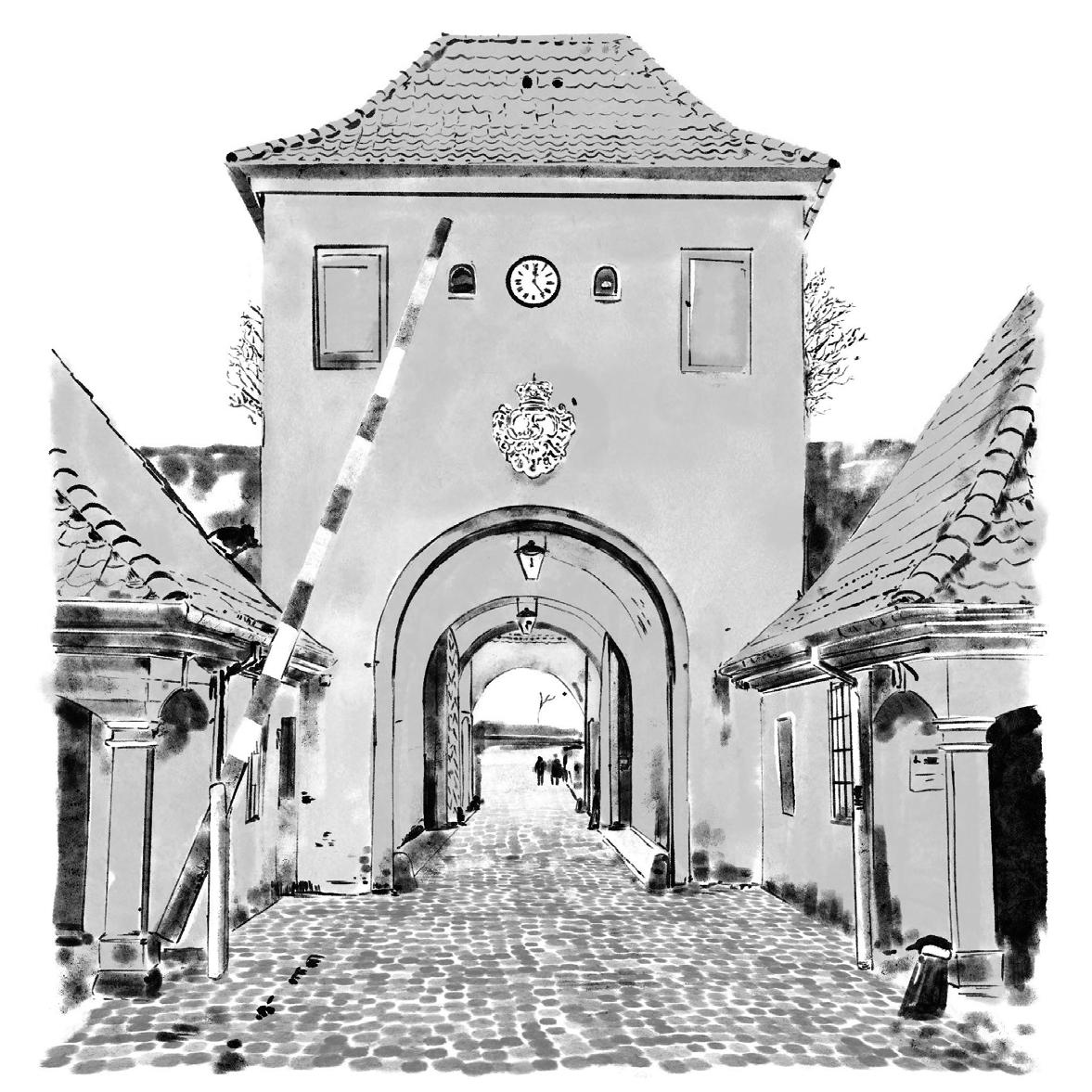
Only a stone’s throw from Langelinie and The Little Mermaid, you find The Citadel. Today, the area is open to the public and is a favourite green area for a brisk walk or jog on the ramparts. It was initially founded by Danish King Christian IV in 1626 as a military fortress. The buildings inside The Citadel are still used as military barracks and offices today. You will find The Citadel on the border of inner Copenhagen and Østerbro.

Address: Gl. Hovedvagt, Kastellet 1, 2100 København Ø

Christiansborg Palace is the seat of the Danish Parliament, the Danish Prime Minister’s Office, and the Supreme Court of Denmark.
The existing palace was completed in 1928, but Danish monarchs have ruled from this site since the first castle was built in 1167. Since the early 15th century, various buildings here have served as the base of central administration—first as the principal residence of Danish kings and queens until 1794, and later, after 1849, as the seat of parliament. Today, the palace is also used by HM The King for official events such as gala banquets and public audiences.
One of the things we take pride in is Denmark’s political openness. You can actually walk in and see parliament at work. Back in the day, you could simply stroll in and say hi to the Prime Minister. While security has tightened a bit, it’s still possible to witness democracy in action inside this historic setting.
Due to fires and reconstruction, Christiansborg showcases three eras of Danish architecture. The first fire happened in 1794, and the second in 1884. The central part of the current palace, completed in 1928, is built in Neo-Baroque style. The chapel, dating back to 1826, is Neoclassical, while the showgrounds, constructed between 1738–46, reflect the Baroque style.
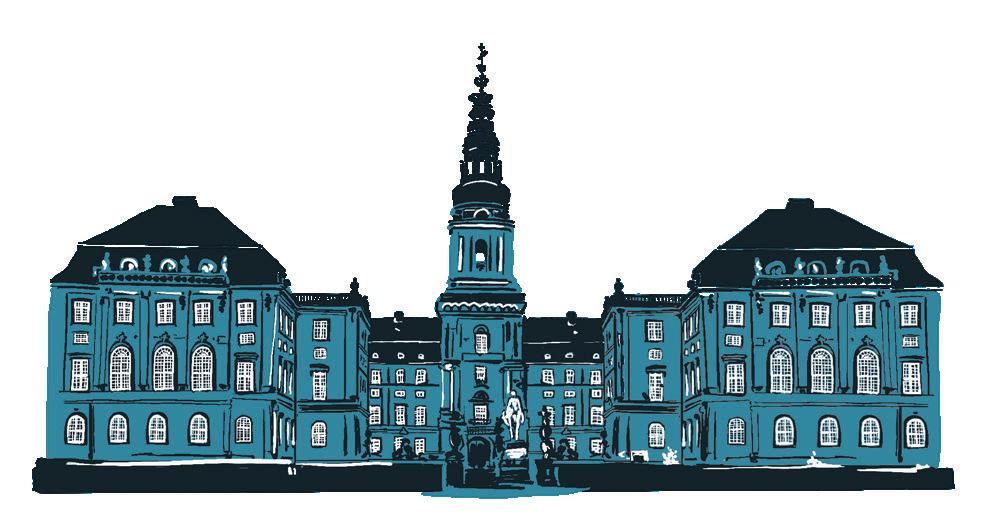
Address: Prins Jørgens Gård, 1468 København K
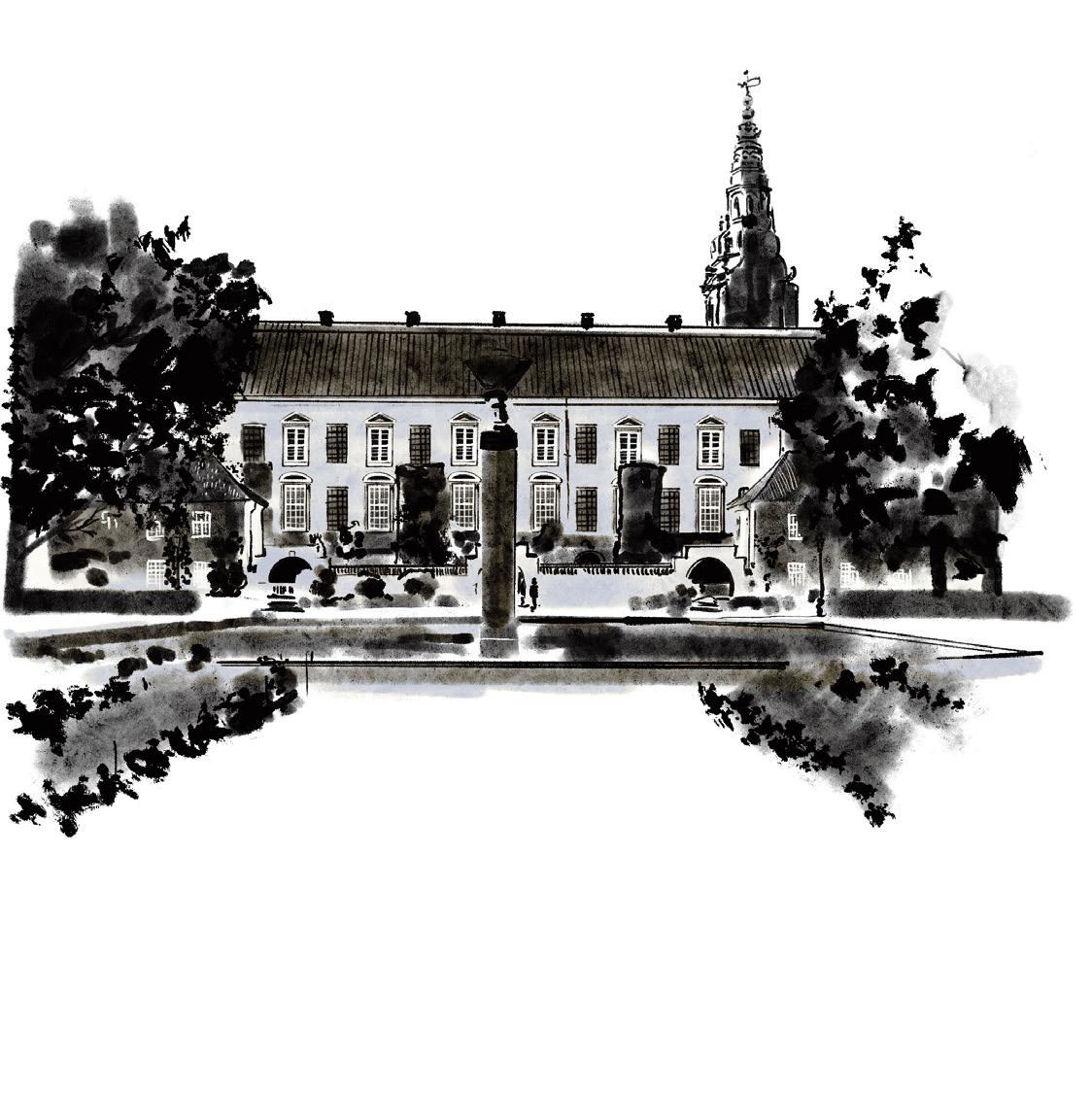
This is one of our favourite hidden gems – a small oasis in the heart of the city. The Royal Library Garden is found between Christiansborg Palace and The Royal Library. Large shadowy trees and blossoming beds of flowers greet you, and in the middle, the water sculpture in the central pool spouts out cascades of water.
Address: Proviantpassagen 1, 1218 København K
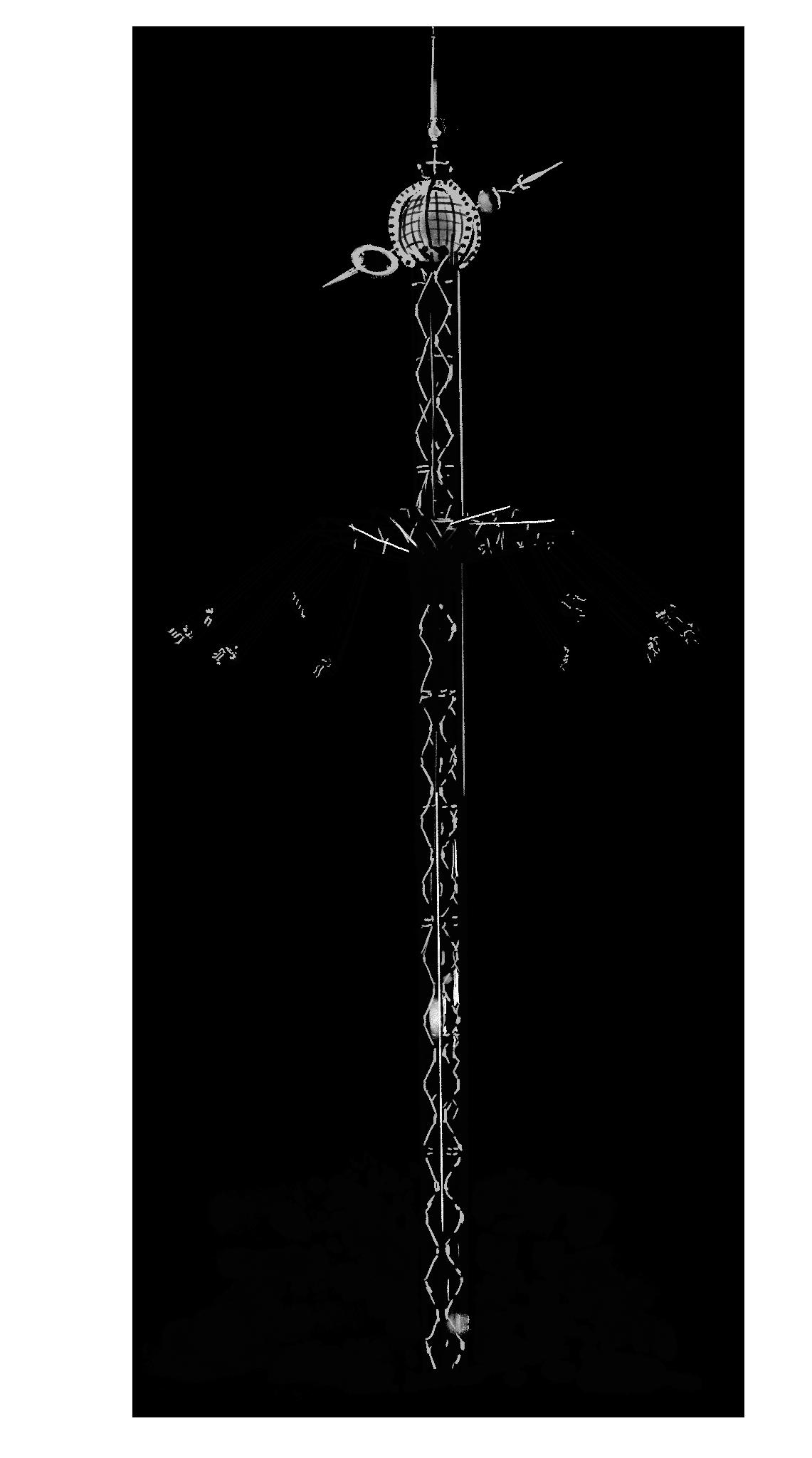
Tivoli Gardens is a must-visit for all ages. This 175-year-old amusement park, centrally located in Copenhagen, offers a magical experience that Tivoli describes as “always like never before.” As the fourth oldest amusement park in the world, it is only surpassed in age by a few others, including Bakken, just outside of Copenhagen, which is 260 years older.
Georg Carstensen, Tivoli’s founder, convinced the king to approve the park by suggesting it would distract the public from political issues. Today, both Tivoli and the monarchy still stand. The park inspired Hans Christian Andersen, a frequent visitor, and Walt Disney, who used it as a model for his own park.
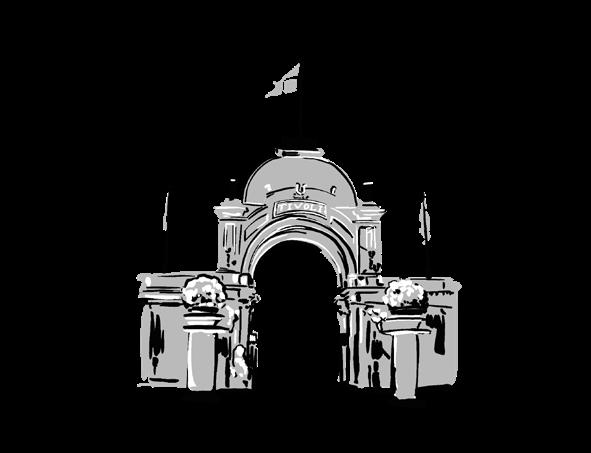
The attractions are diverse, catering to every taste, from traditional nostalgic rides to 100km/h rollercoasters. Tivoli is particularly enchanting at night, which is why I suggest visiting in the late afternoon. Watch the sunset and then see the park transform into a sea of fairy lights, creating an atmosphere of absolute magic.
Over the decades, Tivoli has evolved, blending traditional and modern attractions, including roller coasters and themed buildings. The best time to visit is in the evening when the park glows with fairy lights, creating a magical atmosphere.
Address: Vesterbrogade 3, 1630 København V
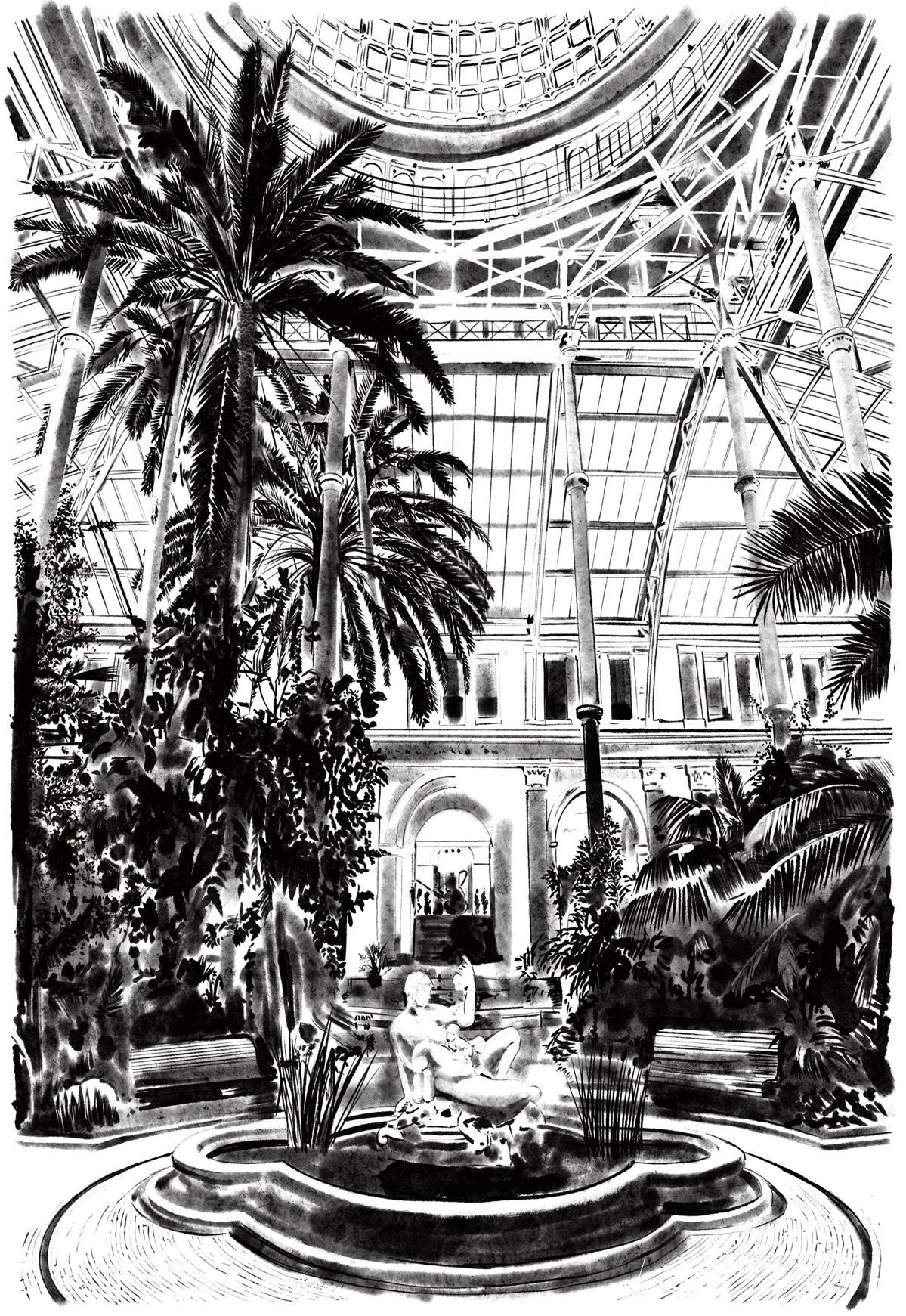
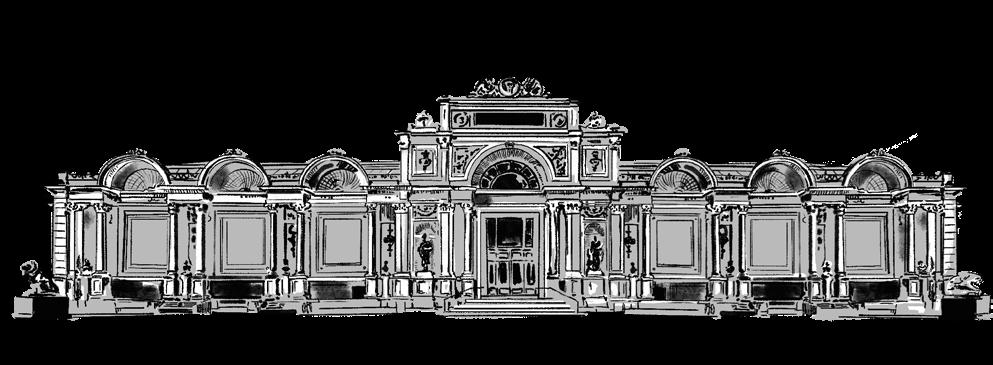
Glyptoteket or, more correctly, Ny Carlsberg Glyptotek, is a beautiful museum in the heart of Copenhagen. It displays ancient and modern art in genuinely unparalleled surroundings.
Brewer Carl Jacobsen, the founder of Carlsberg, also founded this place in 1888. The art museum contains two central departments: The Department of Antiquities and The Modern Department.
The Department of Antiquities houses Egyptian, Greek, Etruscan, and Roman art collections, providing a delightful stroll through 3500 years of art and history. The Modern Department focuses on Danish sculpture and paintings from the 19th and 20th centuries, and French art from the same period.
In the wonderful and spacious Winter Garden, you can take a breather at the café, where you can enjoy a piece of cake, a light lunch or maybe just a coffee in the peaceful surroundings.
Address: Dantes Plads 7, 1556 København V
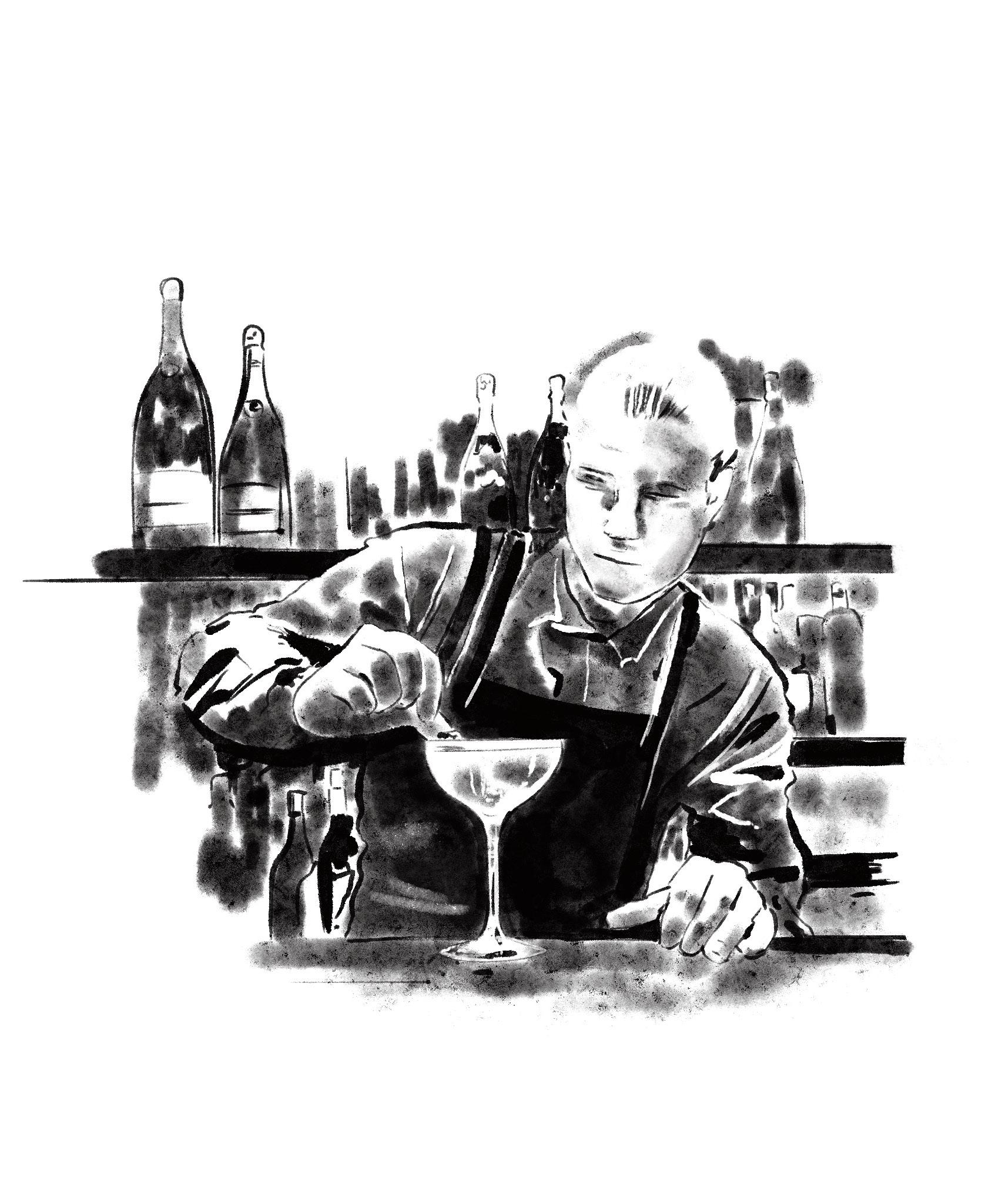
Since its grand reopening in May 2013 after an extensive restoration, d’Angleterre has been home to the city’s first champagne bar, Balthazar. Named after a 12-liter champagne bottle, Balthazar epitomizes luxury and celebration, fitting perfectly within the historic hotel’s opulent setting.
Balthazar Champagne Bar boasts an impressive array of choices, offering over 200 different champagnes from more than 42 prestigious houses. The bar’s commitment to quality extends to its menu, featuring sophisticated snacks and a range of fine dining options, from light bites like heavenly gougères with truffle cream and comté to lavish offerings such as high-end caviar and oysters. Guests can also savor a full three-course dinner, making Balthazar a versatile spot for both casual visitors and those looking for a complete dining experience.
The décor is distinctly Francophile, creating an elegant backdrop for the flirtatious tunes spun by resident DJs on weekends, adding a vibrant, international vibe to the heart of Copenhagen.
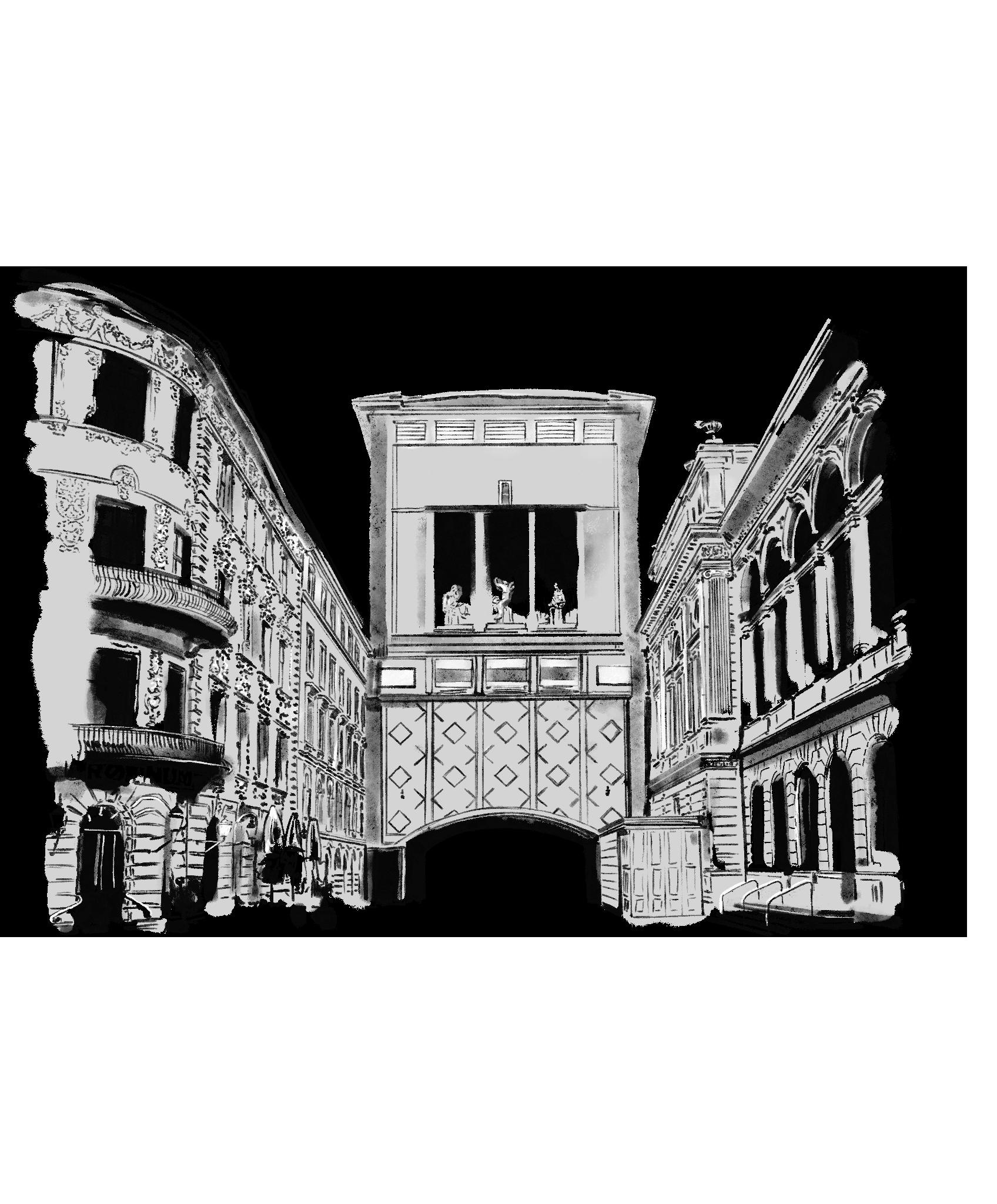
The Royal Theatre has graced Kongens Nytorv since 1748.
This drawing, however, is of one of our favorites: Stærekassen (The Nesting Box in English). This small stage is really just an appendix to the main – the old scene. The building was intended for both The Royal Theatre and the Danish State Radio. The upper part of the main building housed the radio studios, but the state radio moved out in 1945.
In the arched passage under the stage tower, there is a large mosaic by Ejnar Nielsen, composed of three million pieces obtained from mosaic factories in Venice. The world of the arts is symbolised by figures of H. C. Andersen, Carl Nielsen, and others, whilst the world of radio and technology is represented by physicists such as H.C. Ørsted and Niels Bohr.
Address: Kongens Nytorv 9, 1017 København K
Christianshavn’s unique coloured houses and idyllic canals make it one of Copenhagen’s most picturesque districts.
Christianshavn is made up of several small islands. The neighbourhood is a real charmer, and the quays are ideal for exploring on foot, by bike, or even from the waterside.
The small group of islands that make up Christianshavn is perhaps most famously known for Freetown Christiania, but Christianshavn is definitely worth visiting for many other reasons.

A visit to Copenhagen’s most alternative neighborhood offers a glimpse into a completely different side of the city. Christiania, the famous Freetown of Copenhagen, is one of Denmark’s most unique attractions—known for its history of anarchy, creativity, and alternative lifestyle. Stepping into this autonomous district feels like entering another world, with its colorful houses, striking street art, and a community that follows its own set of rules.
Once a military base, Christiania was transformed when squatters tore down its barricades and settled in the abandoned barracks. Today, it is home to roughly 900 residents, who maintain a self-governed way of life, independent from traditional Danish governance. Whether for the history, the art, or simply to experience Copenhagen’s more unconventional side, Christiania remains an intriguing place to explore.

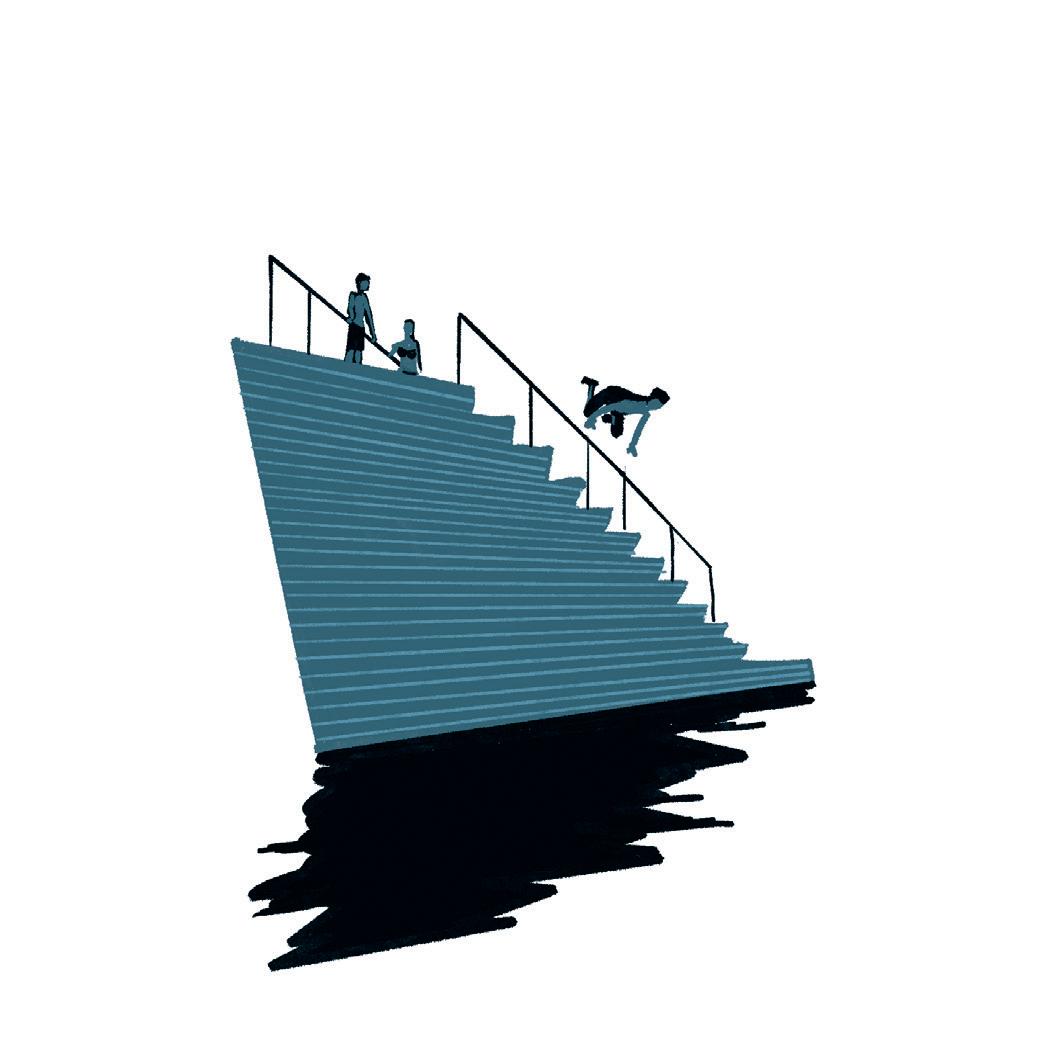
In Copenhagen, you are never far from water. During summer, you can go for a swim in the many harbour baths located in the canals. The water is clean enough to swim in, and the harbour baths are very popular among both locals and visitors. The water quality is checked daily and has to be approved by the authorities before swimmers are let in.
Right across Langebro, the bridge from the city centre, you find one of the most visited baths at Islands Brygge. This spot has become iconic, and here you get open-air swimming right in the centre of the city. On hot days, Copenhageners swim with a beautiful view of the city’s skyline. During the week, countless locals pass the pool for a quick dip on their way to or from work.
In the evening, local families with children, young people... well everyone really, sit by the harbour and enjoy a glass of wine and a barbecue. During the winter period, you may catch a glimpse of local winter bathers.
Every morning, the air at MAISON is perfumed with freshly brewed coffee and warm, house-made croissants. By afternoon, our skilled confectioners present beautifully crafted cakes, perfect for enjoying onsite or packaged in charming MAISON cake boxes for takeaway.
MAISON d’Angleterre is a culinary destination for discerning connoisseurs. A pink and joyful universe created with the vision to give hotel guests and everyone else the opportunity to take a piece of d’Angleterre home with them.

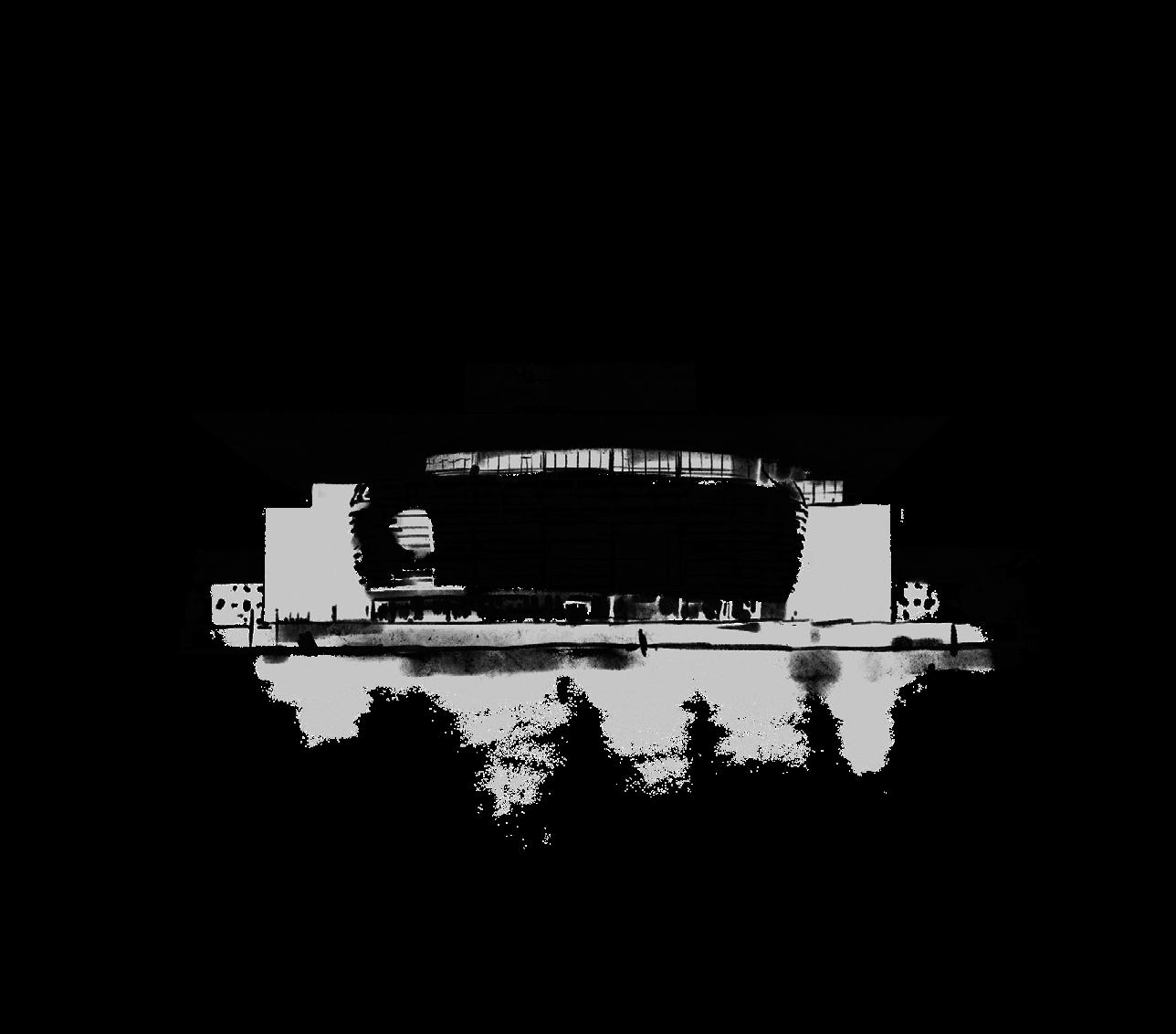
There really isn’t a lot to say about The Copenhagen Opera House. From the outside, it is a big, somewhat ugly, block placed right across the canal from The Royal Palace. It was a gift from shipping magnate Mærsk Mc-Kinney Møller, founder of the world’s biggest shipping and logistics company, Mærsk, to the Danish state.
The Copenhagen Opera House (in Danish usually called Operaen, which literally means The Opera) is the national opera house of Denmark and among the most modern opera houses in the world. What it lacks in beauty and elegance on the outside it makes up for once you get in. Several Danish artists have contributed to the decor, among them Danish-Icelandic artist, Olafur Eliasson, who contributed the three light sculptures for the foyer, and world-famous painter and sculptor, Per Kirkeby, who created four bronze reliefs.
Address: Ekvipagemestervej 10, 1438 København K
The Black Diamond is actually only an extension to The Royal Library. It got its name from the shiny, black facets that mirror the sea and the sky at the harbour front.
Apart from the main functions of a library, The Black Diamond also houses a café, a restaurant, a bookshop, The National Museum of Photography, and Dronningesalen –a concert and theatre hall.
Address: Søren Kierkegaards Plads 1, 1016 København K
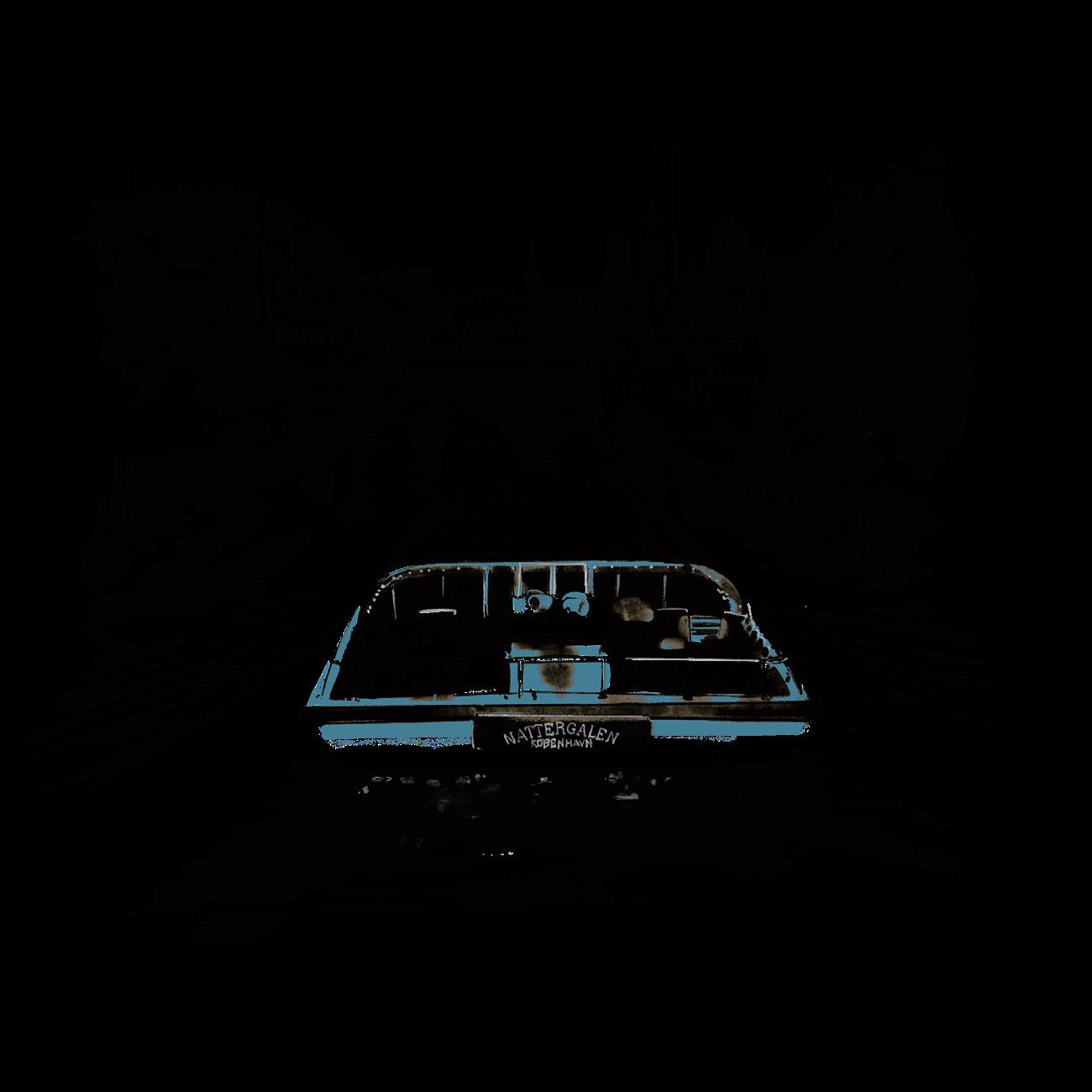
Copenhagen is an old harbor and maritime city – actually called Hafnia in Latin. One of the most charming and delightful ways to observe the cityscape is from a boat sailing along its picturesque canals. We recommend taking a traditional canal tour boat or the harbor bus to get a brief look at the city from the seaside. Alternatively, you can rent a small solar-powered boat and be the captain of your own adventure. The possibilities on the water are endless.
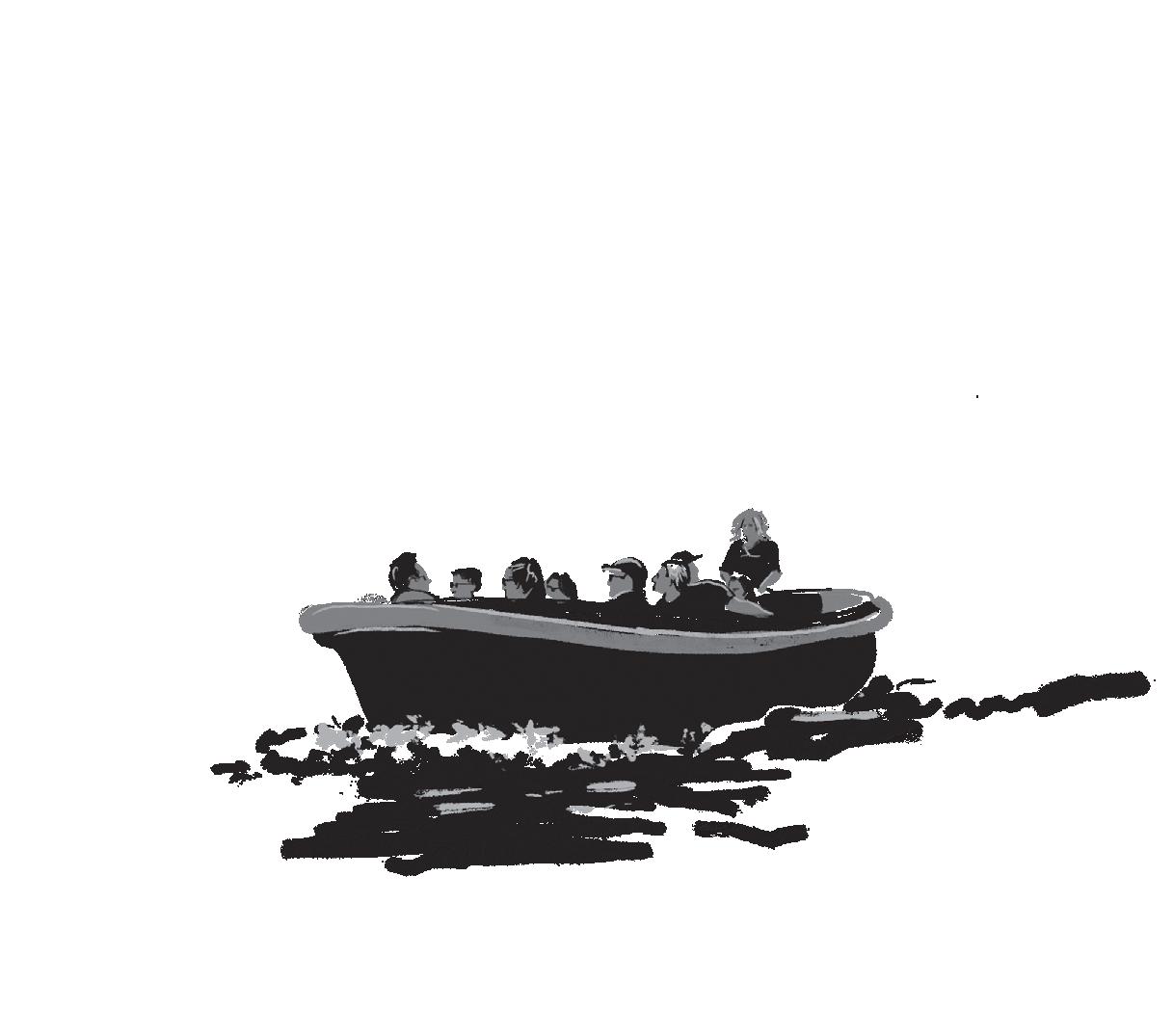
Prepare to have your taste buds blown away in Copenhagen, where the food scene is as innovative as it gets. We’ve got culinary pioneers who dare to question the very essence of food and how we savor it.
Copenhagen marches to the beat of its own gastronomic drum on the global stage. Whether you crave mindbending, avant-garde feasts or crave a comforting taste of traditional Danish delights, this city delivers it all. And fear not, hungry wanderers, because you can satisfy your cravings at any budget. Copenhagen serves up delectable dishes for all wallets, without compromising on flavor or flair.
But there’s more to it than meets the fork! The New Nordic wave may be making waves, but it’s just a tasty piece of the puzzle. To truly understand what awaits you in Copenhagen’s restaurants, let’s not forget the dynamic duo of fish and beer. Get ready for a culinary adventure that’ll have you hooked on flavors and raising your glass in hoppy delight. Trust us, it’s a fishy and frothy affair you won’t want to miss!
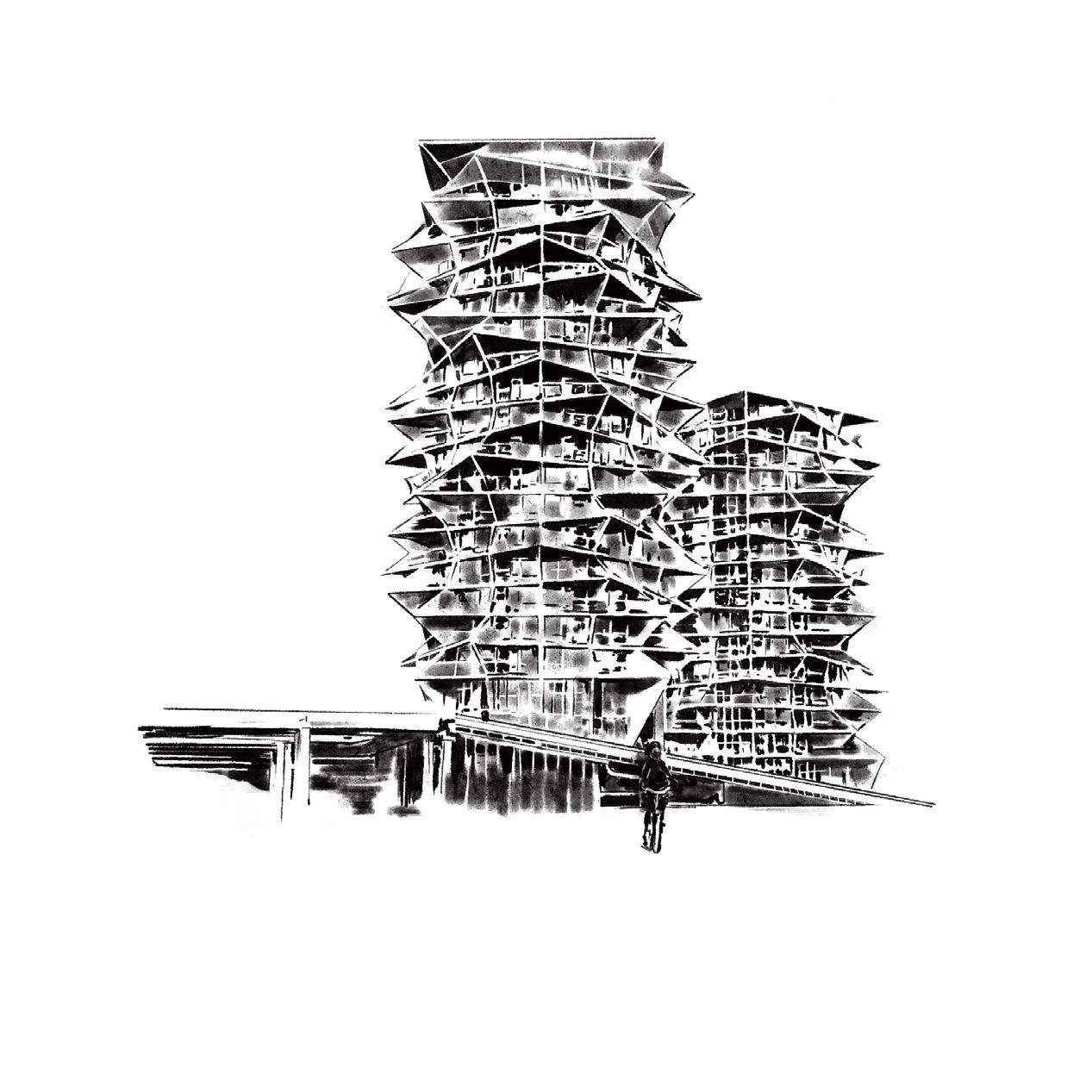
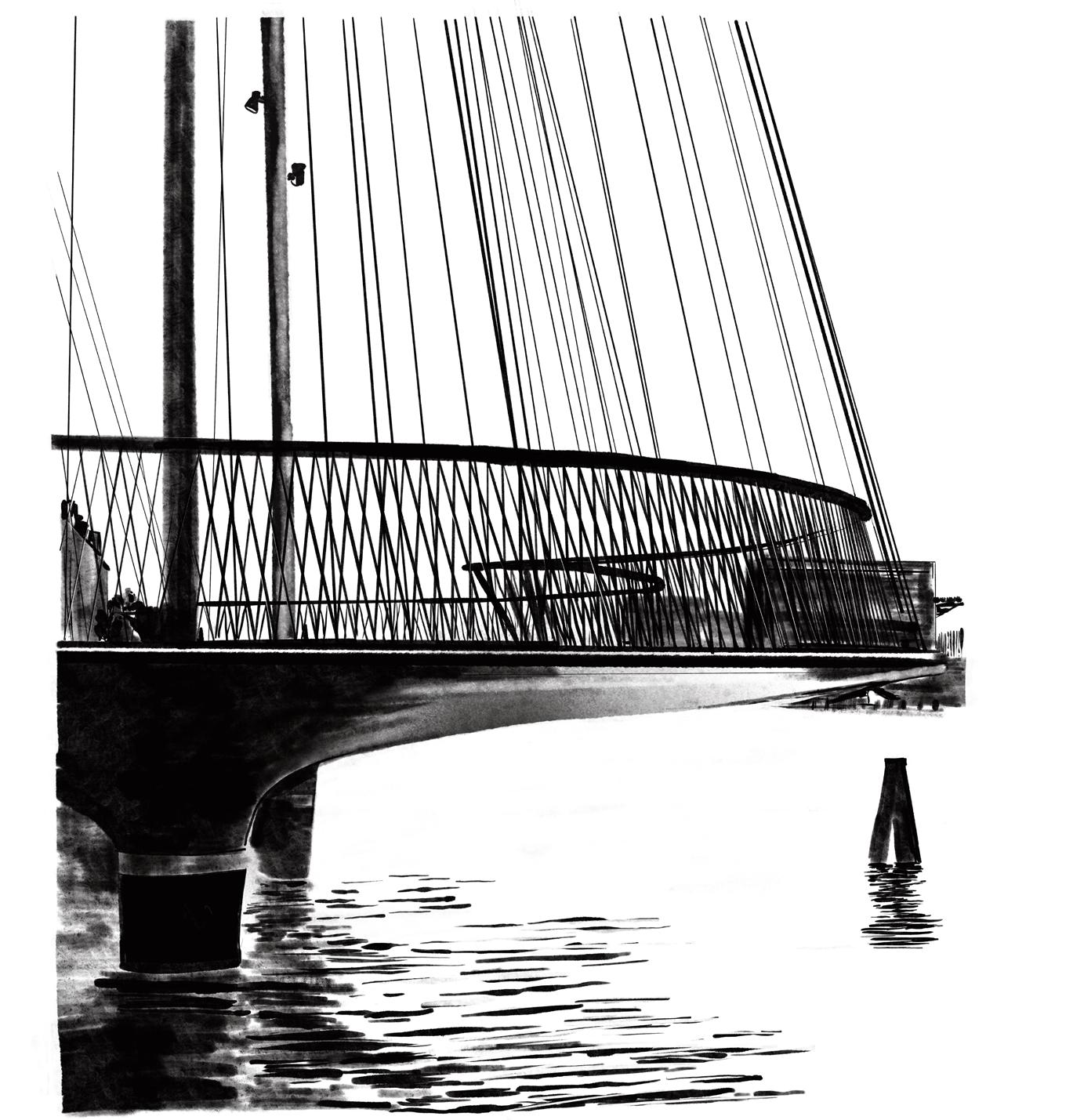
Geranium offers a dining experience that is lucid, light, and dynamic, engaging all the senses. Since 2022, the restaurant proudly presents a meat-free menu, showcasing the delightful possibilities of plant-based cuisine. Situated on the 8th floor in Østerbro, Geranium treats guests to breathtaking views of Fælledparken, the city’s charming copper roofs, and even the windmills of Øresund. Under the expert guidance of renowned chef Rasmus Kofoed, a threetime champion of the esteemed Bocuse d’Or competition, Geranium’s dishes embody gastronomic brilliance. As a 3-star Michelin restaurant, Geranium invites food enthusiasts to embark on an extraordinary dining adventure that transcends the ordinary.
Prepare to be amazed at Alchemist, a 2-star Michelin restaurant where the unexpected becomes the norm. Behind its grand bronze doors lies a theatrical dining experience featuring a staggering 50 courses that will leave you in awe. In a remarkable achievement, chef Rasmus Munk’s brainchild earned its Michelin stars within just six months of opening in 2020, a feat unprecedented for a young Danish restaurant. And the excellence continues as Alchemist proudly retains its two stars. Get ready to have your shoes blown off (metaphorically, of course) by the holistic and extraordinary culinary journey that awaits you at Alchemist.
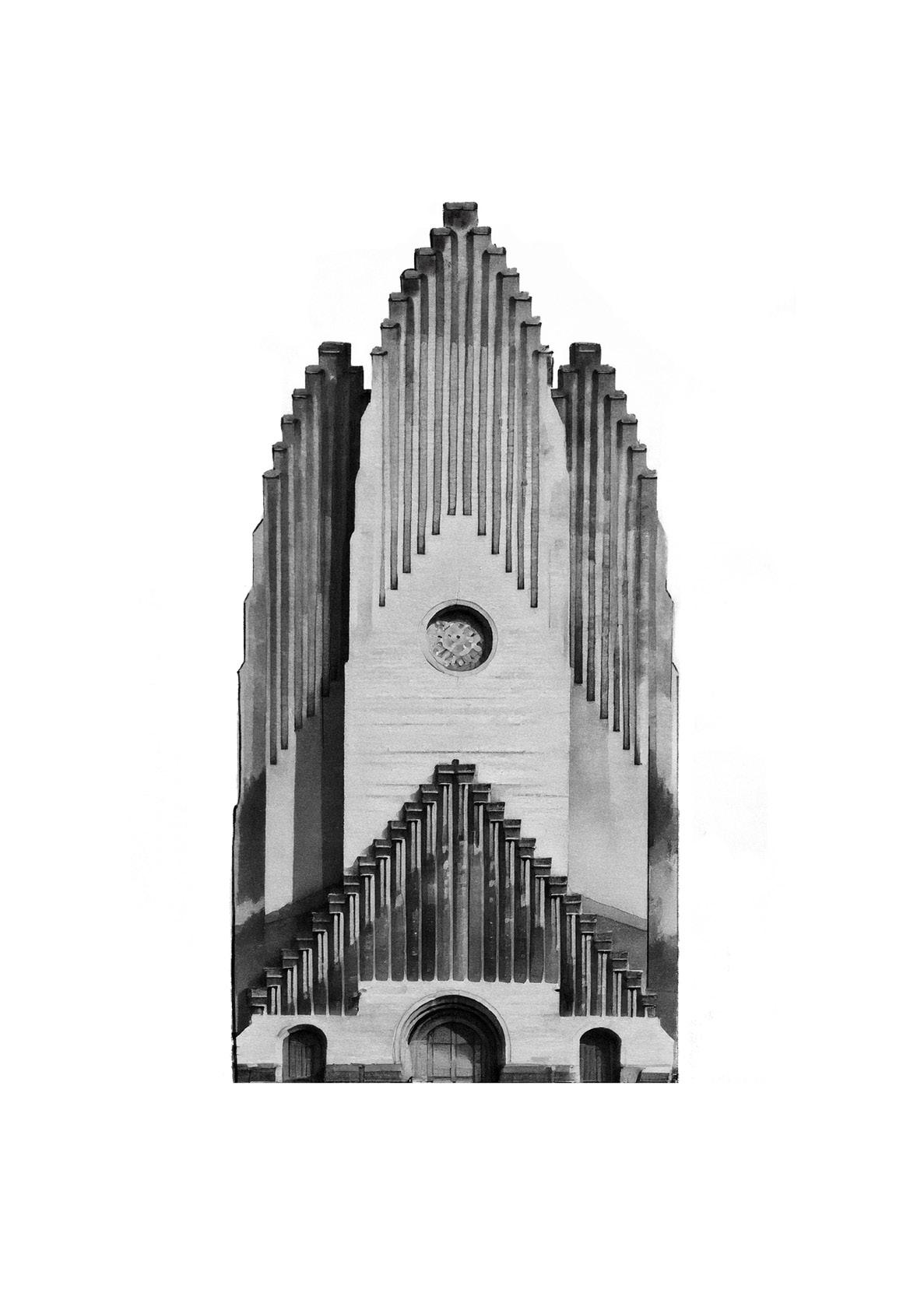
Why have we put a random church on our list of things to do in Copenhagen, you may ask? Because this church is, in our opinion, one of the most architecturally unique churches in the world. If you like minimalist, straight lines, and smooth textures like we do, don’t miss this church located a bit out of the city center, in the Nordvest neighborhood. From the outside, you can admire the unique expressionist architecture, then be met by sweeping columns and brick ribs sending your eyes skyward as you enter. This stunning, well-lit church is the place to take some unique photos.
If you come in the spring, the park and cemetery facing the church are also among the most popular places to experience the cherry trees blossom. Our Instagram feed is flooded with pictures from this location.
Address: På Bjerget 14B, 2400 København NV
Værnedamsvej and Tullinsgade aren’t just streets; they are slices of Paris nestled between Vesterbro and Frederiksberg. Fondly known as Copenhagen’s little Paris, these cozy, kidfriendly enclaves are infused with an unmistakably French flair. Bustling hubs for shoppers, both streets are lined with quaint cafés, chic restaurants, specialty shops, inviting delis, and intimate wine bars.
The relaxed, inviting vibe makes these streets favorite weekend haunts for families and locals alike, who gather to soak up the enchanting atmosphere. Værnedamsvej, in particular, comes alive at the much-loved café Granola, a spot that encapsulates the street’s laid-back charm and serves as a perfect example of why no visit to Copenhagen is complete without a stroll through these charming thoroughfares.
So, if you’re in Copenhagen and craving a taste of Parisian life, don’t miss the chance to experience the unique charm and local vibrancy of Værnedamsvej and Tullinsgade. Here, the city’s heart beats with a French accent, and every visit feels like a little European getaway.
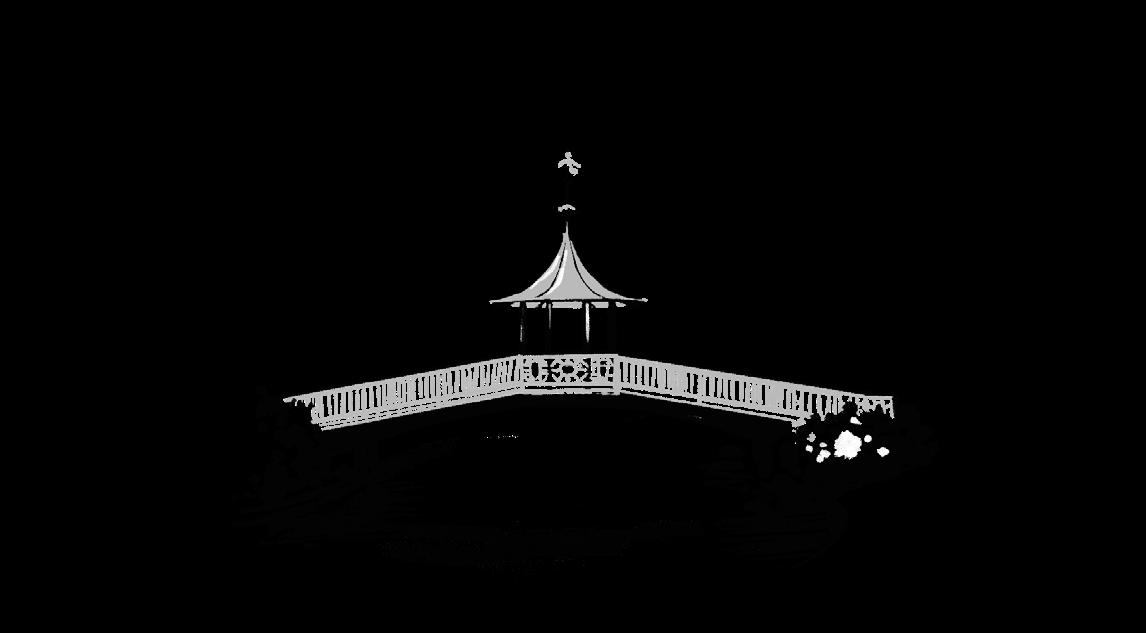
For more than two centuries, the Frederiksberg Garden has been a popular destination spot for locals. Many Copenhageners bring their picnic baskets for lunch.
At the main entrance of Frederiksberg Garden, visitors are officially welcomed by a statue of the former king, Frederik VI. The statue’s pedestal carries the following inscription: Here he felthappyin the midstofloyal people . In the canals of the beautiful garden, he used to be rowed about, saluting the people. He was much beloved by his people, and this was his garden, but open to everyone. Today, Svendsen’s Bådfart (Svendsen’s Boat Service) will do the rowing for you. Boat tours operate all summer and are a popular retreat for the locals. The boat tour will give you a good idea of the extent of the garden.
Frederiksberg Palace is towering on the hilltop overlooking the garden with many lovely little bridges and a Chinese Pavilion erected in 1799 as a Royal teahouse. The palace was inspired by the Italian style at the time and dates back to the early 1700s.
Frederiksberg Palace has been a place for kings. King Frederik IV used Frederiksberg Palace as a summer palace, while King Christian VI lived there permanently while Christiansborg Palace was being constructed.
King Christian VII was born at Christiansborg Palace and lived the first half of his life there with his young wife, Queen Caroline Mathilde. In 1768, the queen gave birth to the king’s son, the future King Frederik VI. The royal family left Frederiksberg Palace in 1852. In 1869, the Royal Danish Army Officers Academy moved in, and the palace has been used for military purposes ever since.
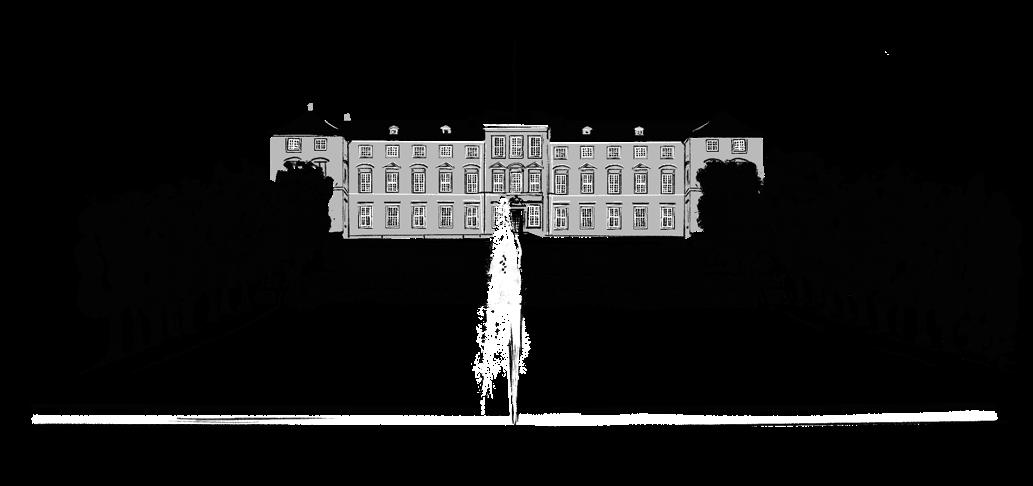
Address: Roskildevej 28, 2000 Frederiksberg
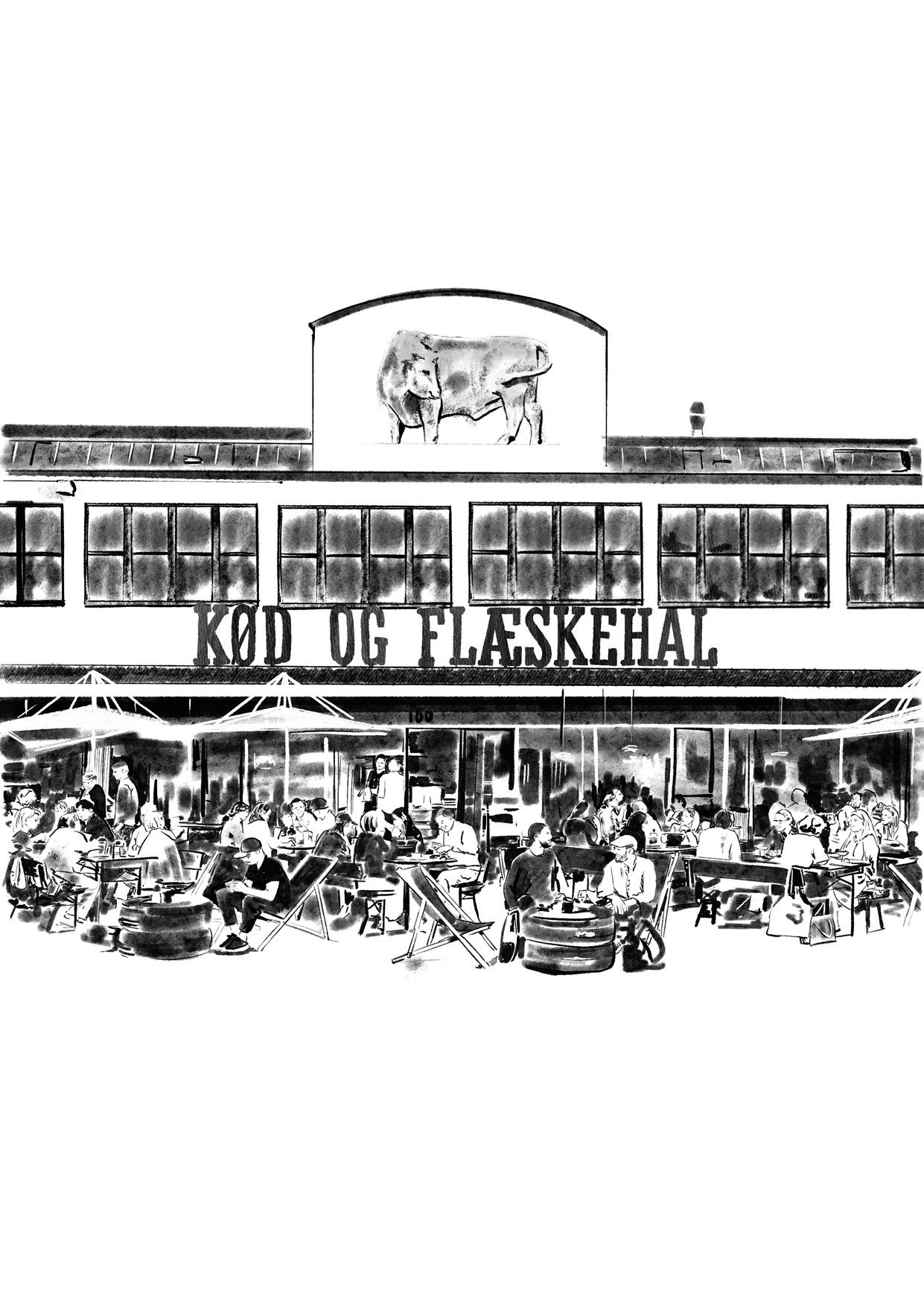
Originally, The Meatpacking District (in Danish, “Kødbyen”) was home to the Copenhagen meat industry businesses, hence the name. But it has changed into a new and creative cluster of nightlife, galleries, restaurants, and creative office hotels. The once industrial and gritty part of town has now become popular and fashionable with its central location and wide-spanning cultural offerings. You can still meet a few original food companies in the area, where the authentic, industrial vibes still exist alongside fancy galleries and stylish nightlife.
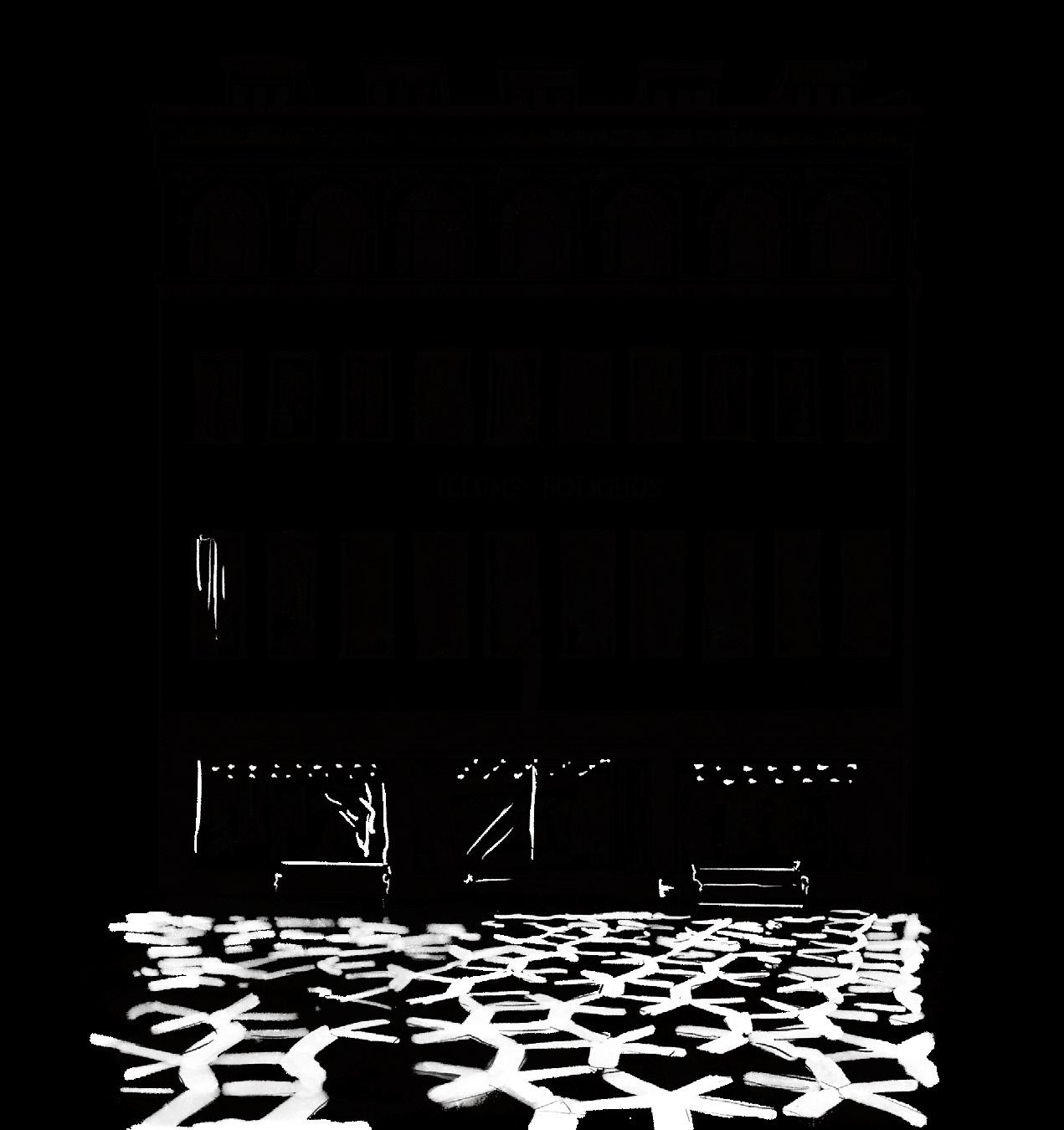
Illums Bolighus is the go-to destination for interior design in Copenhagen. Located in the bustling Amagertorv square, this exclusive flagship store showcases an array of Danish, Scandinavian, and international designs. It offers a diverse selection including fashion, wellness products, jewelry, porcelain, silver, glassware, ceramics, gourmet items, furniture, lighting, and home accessories.
Established in 1925, this uniquely Danish-owned store blends iconic classic designs with captivating modern trends. Renowned worldwide, Danish craftsmanship shines here, celebrated for its elegant simplicity and aesthetic beauty. Illums Bolighus also provides the perfect opportunity to pick up exclusive gifts for those back home.
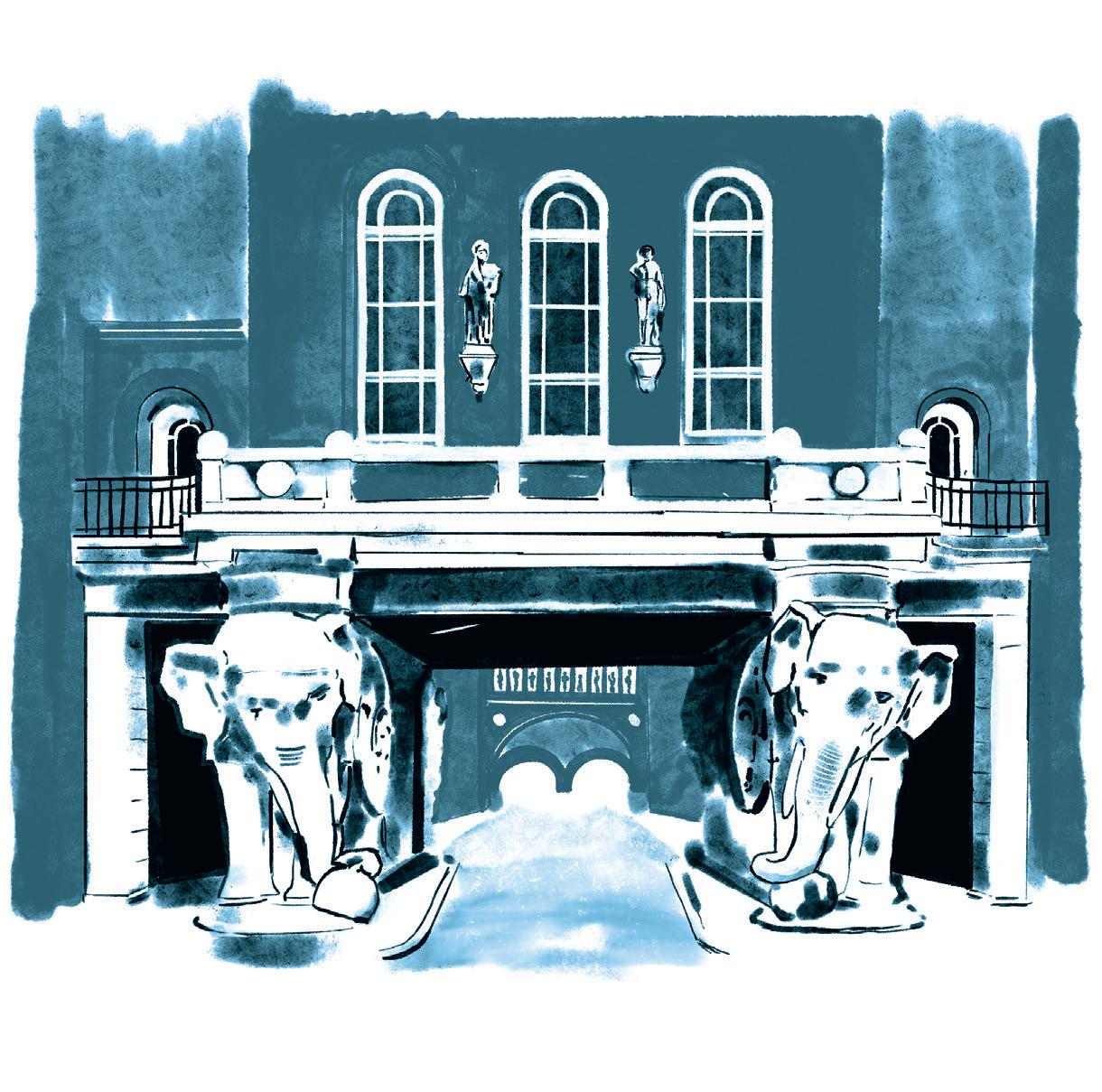
Carlsberg is not just a name synonymous with beer; it’s a historical tapestry woven into the fabric of Copenhagen. At its heart lies the Carlsberg City District, a unique neighborhood where historical buildings blend seamlessly with modern residences, rooted in the rich brewing heritage of the original Carlsberg Breweries. The iconic Elephant Gate, marked by four granite elephants carrying a tower, stands as a testament to the district’s storied past. Inspired by Bernini’s elephant in Rome and crafted by sculptor Hans Peder Pedersen-Dan, this gate symbolizes the fusion of art and industry.
The district’s cultural heritage is palpable, with its origins as a secluded industrial “island.” This brewing powerhouse has since transformed into a vibrant community space, offering a glimpse into the industrial and scientific advancements that shaped the area.
A visit to the Home of Carlsberg offers more than just a museum experience; it’s an immersive journey through the legacy of J.C. Jacobsen and his family. Located on the historic site of Jacobsen’s first brewery in Valby, the attraction features an interactive exhibition where visitors can explore the evolution of brewing, participate in virtual brewing, and admire a vast collection of international bottles. The experience culminates in a tasting of freshly poured Carlsberg beer or a soft drink.
Beyond the museum, Carlsberg continues to celebrate its heritage with a protected area that includes a restaurant, bar, and the original stables that once housed the brewery’s horses. Architectural tours and beer tastings offer further insight into the brewery’s historic cellars.
Tucked away from the hustle and bustle is the Carlsberg Garden, originally J.C. Jacobsen’s private retreat. Today, it serves as a serene oasis where locals and visitors alike can enjoy tranquility amid the city’s dynamic growth. Whether strolling through its paths, resting under ancient trees, or savoring a coffee at Café Elefanten, the Carlsberg Garden remains a hidden gem within Copenhagen’s vibrant landscape.

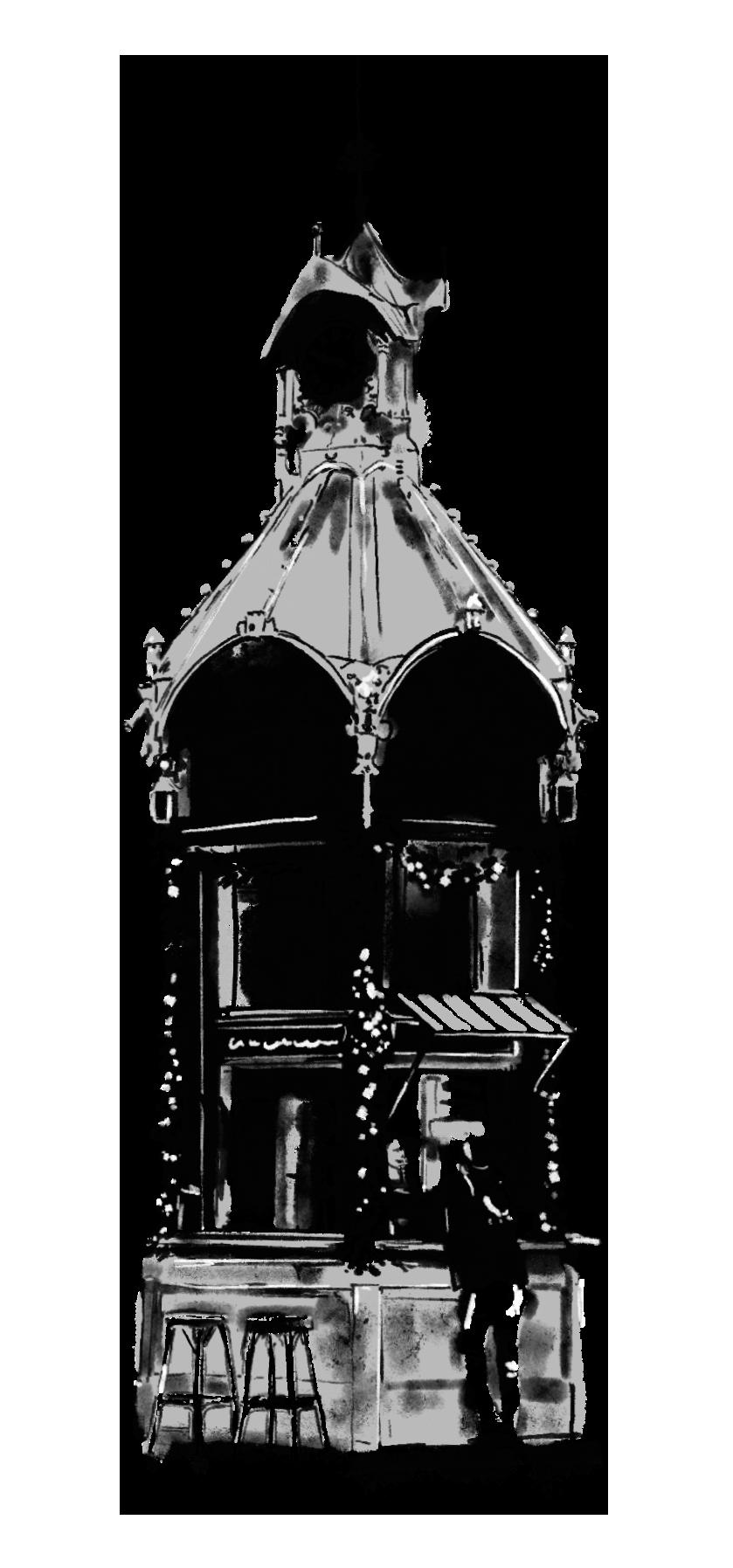
These magical towers were built in the late 1800s and were the first telephone booths in Denmark. The towers, located in several places around Copenhagen, were basically built to accommodate the first coin-operated telephones. The function was that one could pay the telephone lady to enter the tower and borrow the telephone. The first telephone kiosks were installed in 1896 by an Art Nouveauinfluenced National Romantic.
Over time, telephone booths have been used to sell newspapers, magazines and commercial items. Eight of the telephone kiosks have survived, and most of them now operate as café pavilions.
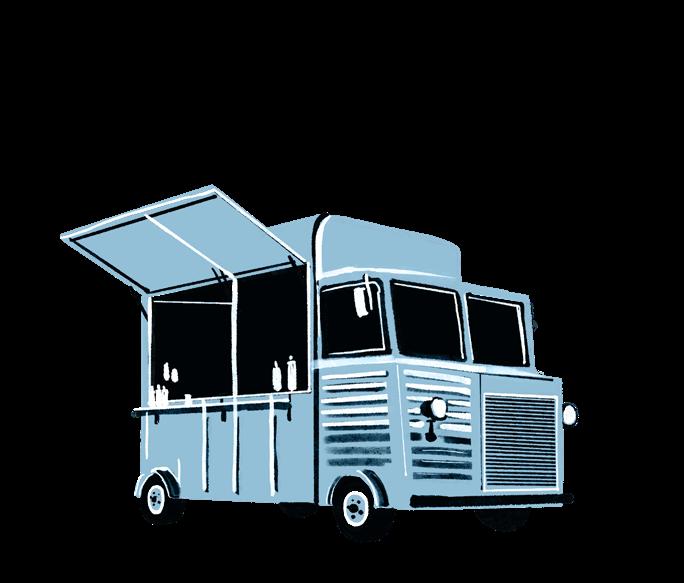
Lately, Copenhagen has seen an influx of food trucks flooding the streets for the food-craving locals. Amazing, sustainable, organic street food is gaining ground in Copenhagen. Both the permanent food markets as well as the caravans and food trucks are popping up at events all over the city. And the quality and diversity are astonishing. A bit pricey, though. Hang out with your friends or family, drink a glass of wine, have a cocktail in the sun while listening to live music or simply satisfy your taste buds. Here are a few of the permanent places to go to.
Reffen is an organic street food market positioned in the urban area for start-ups, innovation, and creativity at Refshaleøen. Though it is located less than 1 kilometre from The Royal Palace, it is a bit difficult to get there. But take the harbour bus to Refshaleøen and stroll around the various food trucks and street kitchens.
Address: Refshalevej 167A, 1432 København K
Between Christianshavn and Nyhavn by the Inner Harbour Bridge, you can visit The Bridge Street Kitchen, which combines world-class street food with phenomenal views over the water. You can also just get drinks and enjoy the scenic view of the harbour as the sun sets in for the evening.
Address: Strandgade 95, 1401 København K
Are you looking for Danish delicacies, local vegetables, fresh fish, or maybe some Italian specialities? Then visit Torvehallerne. Torvehallerne is situated right by Nørreport Station and consists of more than 80 shops. The food market halls are open year-round and is the modern luxury edition of a food market.
Address: Frederiksborggade 21, 1360 København K
The 850-square-metre food hall is right next to Copenhagen Central Station. Here you can explore the 15 food stalls with a wide range of good quality foods. From breakfast to dinner, from classics to more experimental.
Address: Vesterbrogade 3, 1630 København V
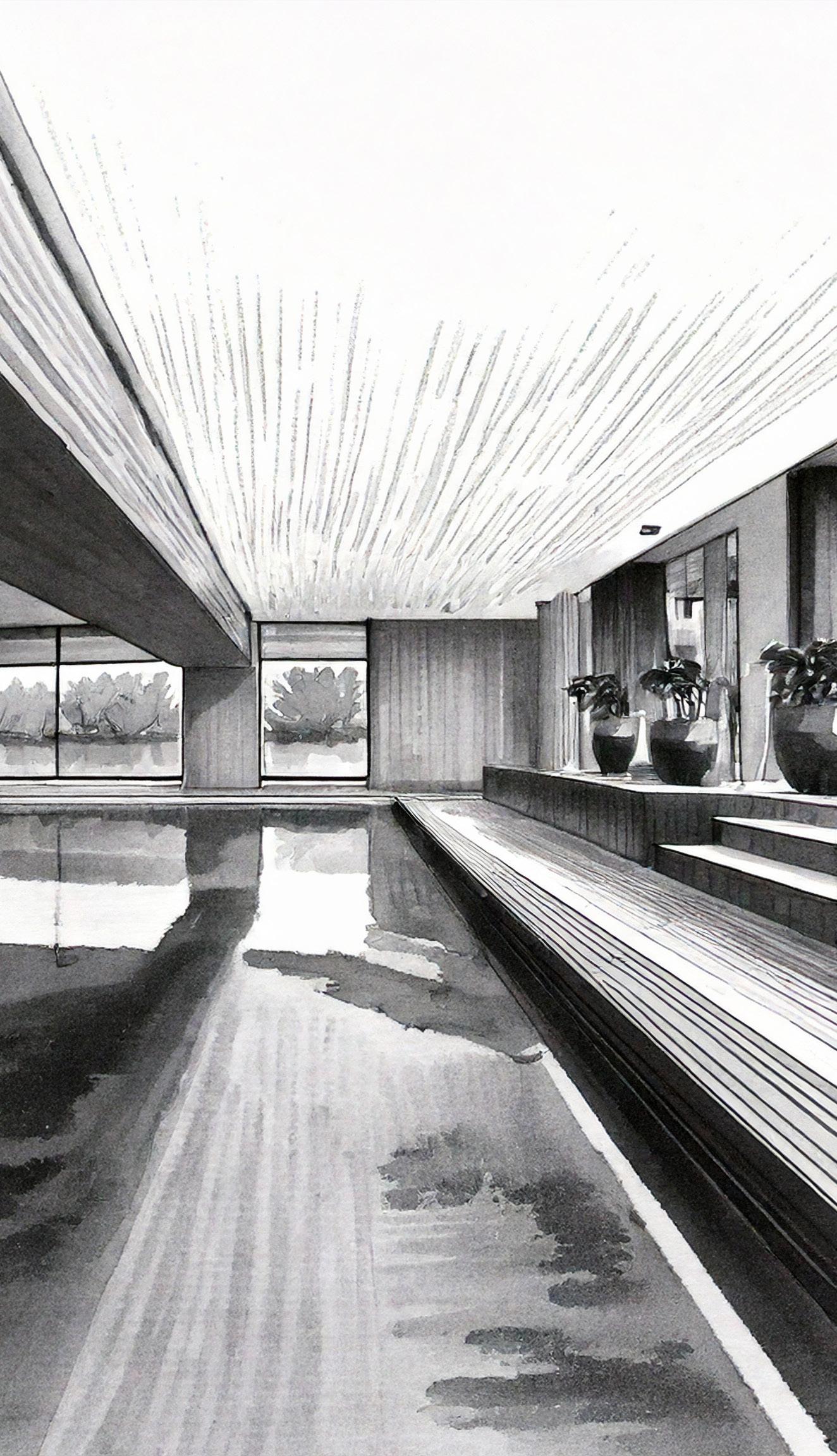
Nestled in the basement of the d’Angleterre, the Amazing Space spa is a serene retreat in the heart of Copenhagen. This spa offers a supreme relaxation experience, complete with healthy drinks, aromatherapeutic scents, relaxing music, and exotic flowers—all enhanced by a comprehensive menu of spa treatments.
But Amazing Space isn’t just a spa; it’s a holistic wellness concept that uses natural, biological, and organic plant extracts in all its treatments. Each ingredient is meticulously chosen and rigorously quality-checked to ensure the best experience for your body and mind. As a Nordic oasis, Amazing Space features a spacious pool area, a cozy relaxation lounge, and a fully equipped fitness studio, providing a tranquil environment for guests to unwind and rejuvenate. Whether you’re looking to pamper yourself with a spa day or engage in a more vigorous fitness routine, Amazing Space offers the perfect blend of luxury and wellness.
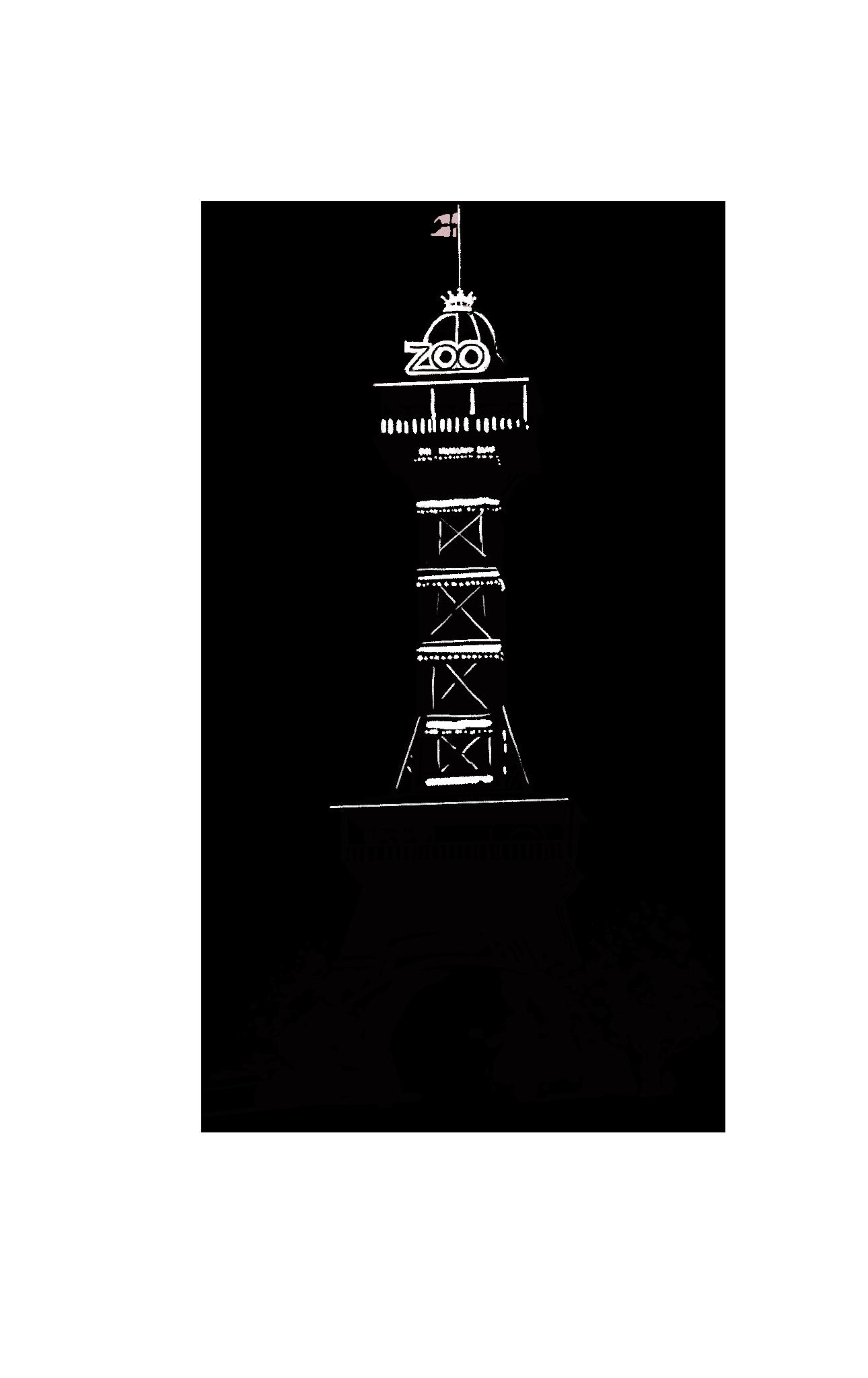
Well, the name is kind of misleading since the zoo is actually located in Frederiksberg. The Copenhagen ZOO is one of the more modern zoos globally, and with more than 4,000 fascinating animals to see, you can travel between continents in just one day. Experience the iconic giant pandas while dining in the state-of-the-art Panda House, designed by Bjarke Ingels Group, or have unforgettably close encounters with polar bears. The zoo also boasts some architectural delights, including the elephant house designed by Norman Foster, the Hippopotamus House with walls patterned like a hippo’s skin, and the Arctic Ring, which allows you to see the polar bears swimming underwater.
It is also a great place to go with kids. The big playground and petting zoo where you can pat rabbits and goats are fun for all ages. The zoo is open every day, 365 days a year.
Address: Roskildevej 32, 2000 Frederiksberg
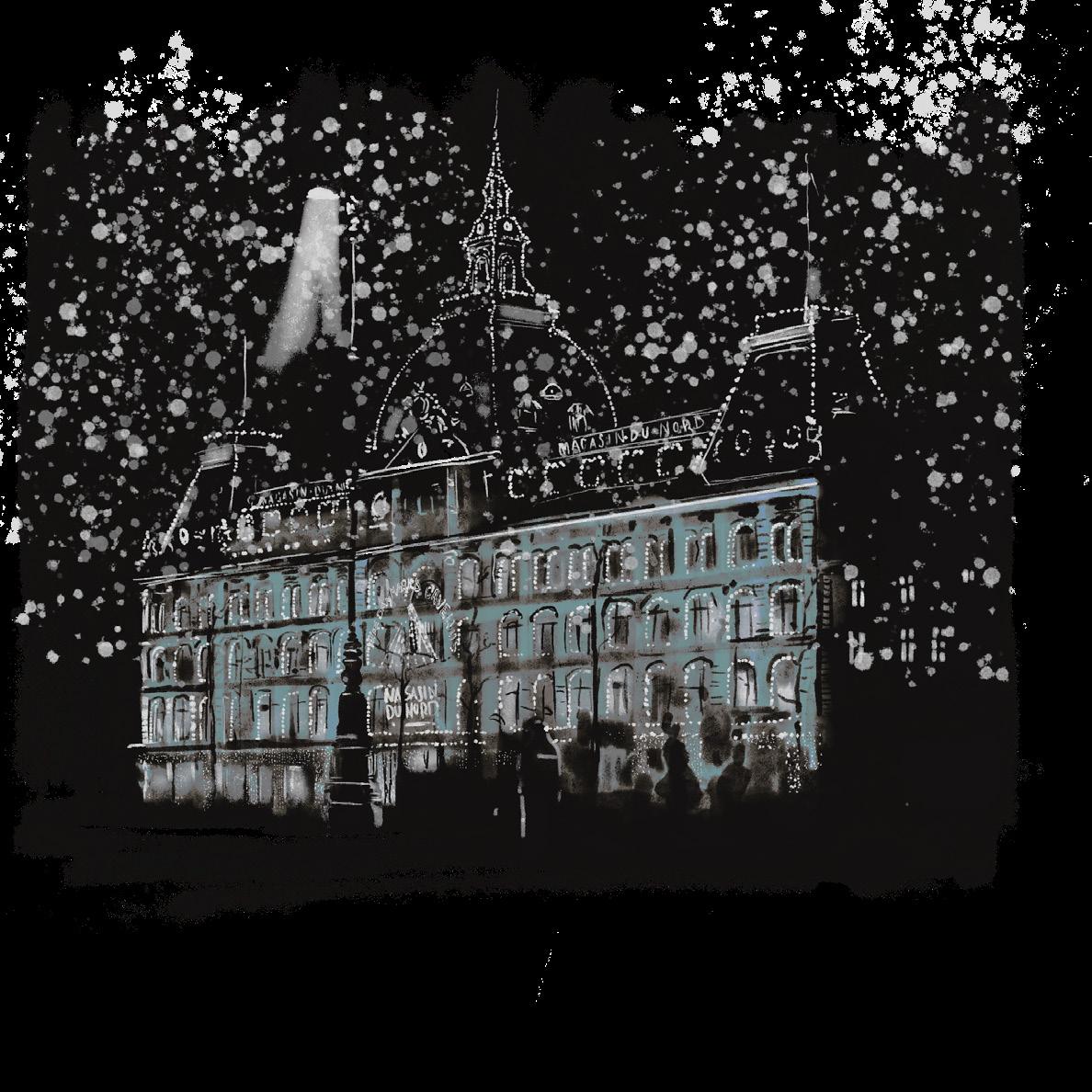
Our next-door neighbor at d’Angleterre is Magasin du Nord, one of Scandinavia’s most noteworthy department stores, facing Kongens Nytorv and just off Strøget.
For more than 145 years, Magasin du Nord has attracted not only local Copenhageners but also hundreds of thousands of tourists who visit the Danish capital. Every year, more than 7 million people visit Magasin du Nord. Covering more than 30,000 m² spread out over seven floors, Magasin du Nord is Denmark’s largest department store.
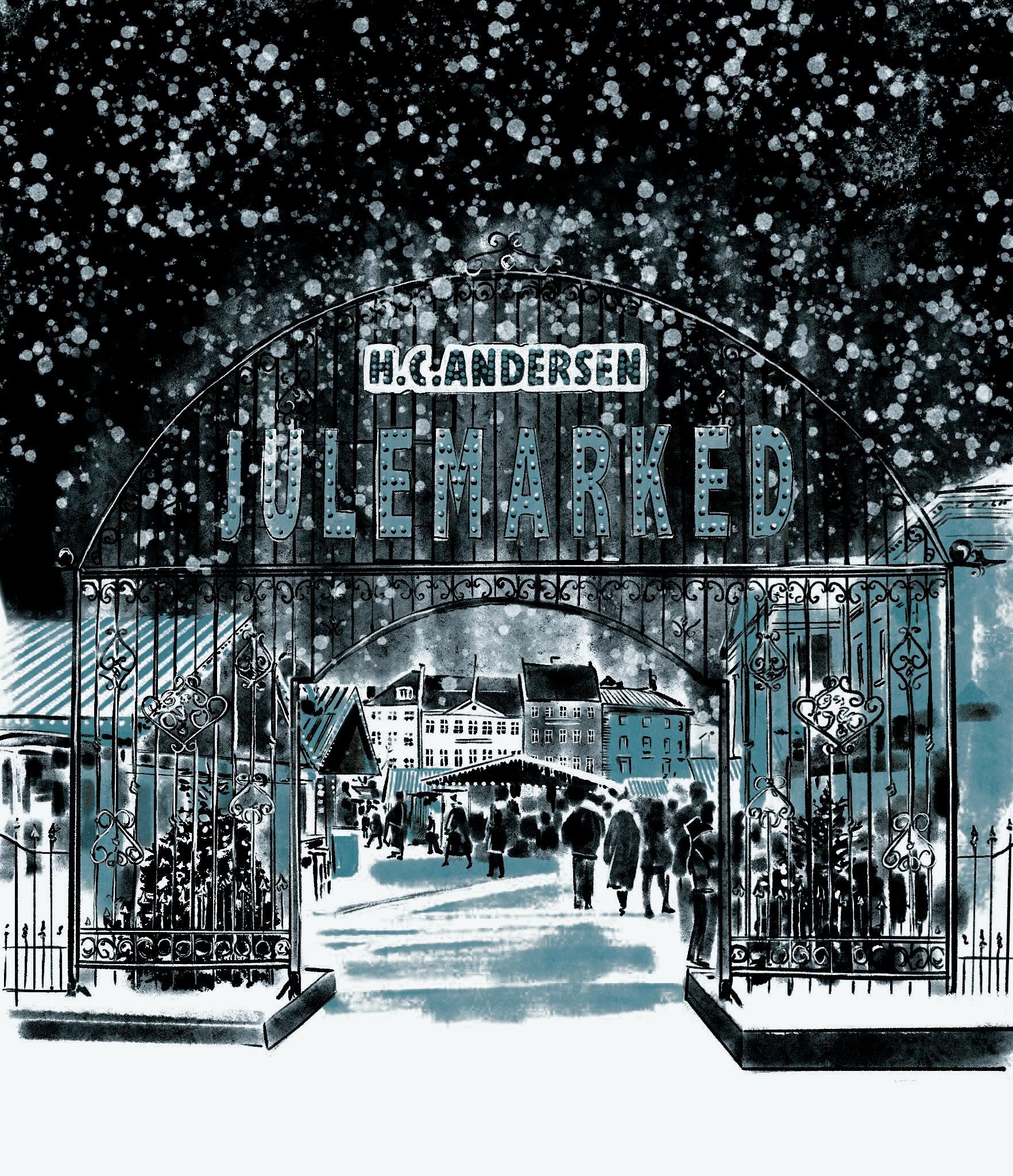
Christmas in Copenhagen is often associated with the magnificent light instalments in the historic setting of Kongens Nytorv. Here you can enjoy the fantastic view of all the traditional Christmas decorations displayed on the Hotel D’Angleterre and the Magasin department store, while shopping for Christmas gifts and decorations in the numerous charming market stalls.
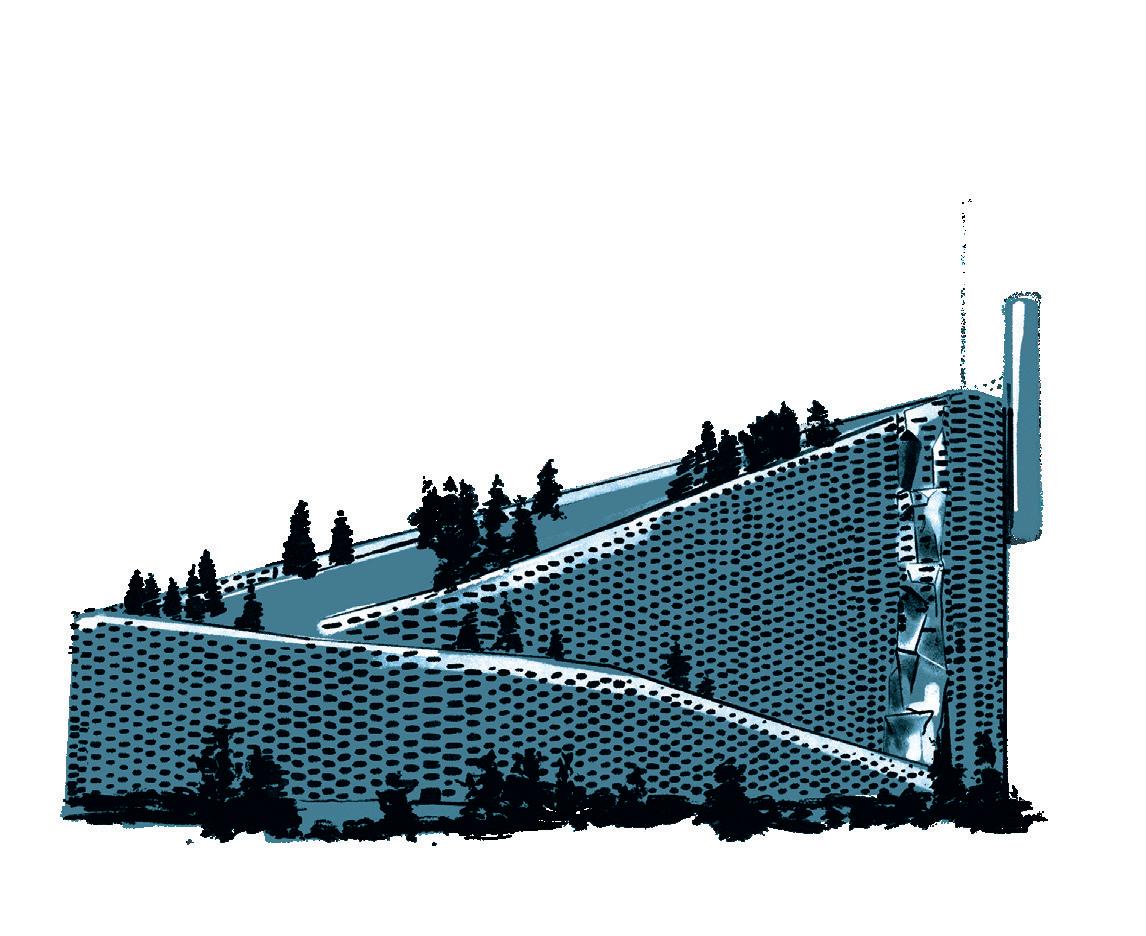
Only in Copenhagen would you expect something like this. CopenHill is the artificial ski slope and recreational hiking area built on top of the new waste management centre. A futuristic, unparalleled ski slope and recreational hill on top of a new resource handling centre is quite something out of the ordinary.
You can bring out your skis or snowboard and head down the artificial slopes. You can either bring your own equipment or rent some from the local shop where the ski instructors and experts will be ready to help you get suitable sizes. Like at more traditional ski sports destinations, you can finish your day on the slopes at the after-ski café and after-ski bar at the top of the building.
If you are not into skiing, you can just go for the view and take the hiking trail that goes along the roof all the way to the top. At the side of CopenHill, you will also find the world’s highest climbing wall going 85 metres all the way to the rooftop, where certified climbers can test their skills.
Address: Vindmøllevej 6, 2300 København S
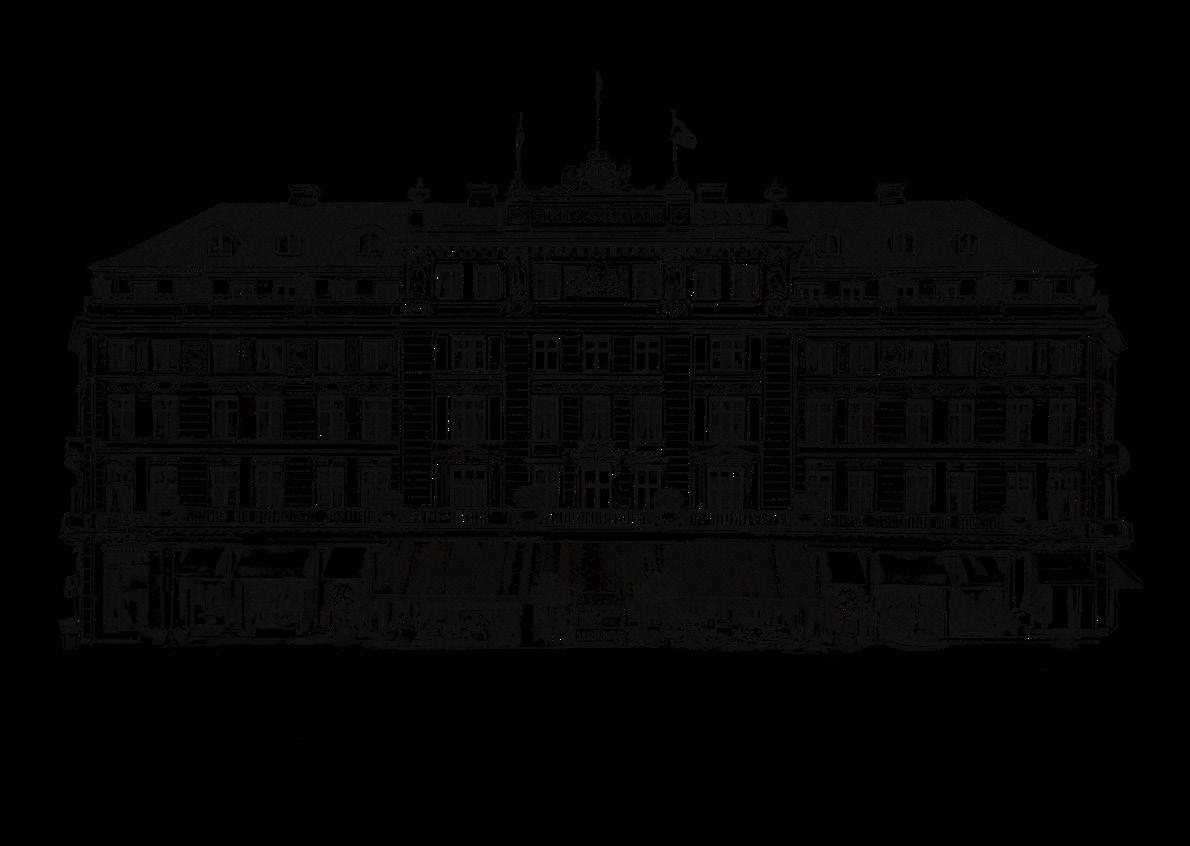
concerning quality of life and happiness. ECA International recently crowned the Danish capital as the world’s top destination for European expats. And I hope you can see why. I am, of course, totally biased. But I just love Copenhagen. The city exudes captivating northern European-style architecture, cobbled alleyways, beautifully decorated shop windows, and flowing canals. Copenhagen feels exceptionally laid back, somewhat spacious, and charming.
