22 | The Value of Social Determinants of Health Needs Assessments in Primary Care
Nina Anderson, D.N.P.; Chloe Lassiter, B.S.; James Gill, M.D., M.P.H.
24 | Long-Term Investments, Cross-Sector Partnerships and Tailored Support Fuel Collaborative Eff orts to Create Healthy and Thriving Delaware Communities
Kate Dupont Phillips, M.P.H.; Monica Burnett Castellano, M.S.P.H.; Linda Tholstrup, M.S., M.C.H.E.S.; Bill Swiatek, M.A., A.I.C.P.; Sarah Lester; Lauren J. Footman, M.S.O.D., Ed.D.
30 | Health Literacy Emerging as a Priority in Delaware’s Community Health Needs Assessments
Emma Braun; Amanda Proch
32 | Global Health Matters Newsletter – March/April 2026
Part II: Nursing Fellowship
56 | AI for Good:
Utilizing Machine Learning Tools to Navigate Late Onset Neonatal Sepsis
58 | Interprofessional Collaboration in the Obstetrical Emergency Department: Enhances Nursing Job Satisfaction While Improving Care of the Laboring Patient
Alexi C. Cornelius, B.S.N., R.N., R.N.C.-O.B.; Patricia C. Pawlow, Ph.D., A.C.N.P.-B.C.; Morgan Tallo, B.S.N., R.N., C.C.R.N.
60 | From the Bedside to the Books: How Creating Innovative Educational Research Pathways Helps to Retain Clinical Nurses
Samantha J. Clark, B.S.N., R.N.; Briana Abernathy, B.S.N., R.N., C.E.N.; Susan D. Smith, Ph.D., R.N.
62 | Virtual Nurse–Led Patient Education: A Public Health Opportunity
Guadalupe A. Ramirez Espinosa, B.S.N., R.N.-B.C.; Julie I. McCulloh Nair, Ph.D., R.N., P.H.N.A.-B.C., C.C.R.E.
Part III: Research
66 | Challenges Impacting Delaware Dental Professionals’ Capacity to Care for Patients with Disabilities
Bhavini Shah and Victor Perez, Ph.D.
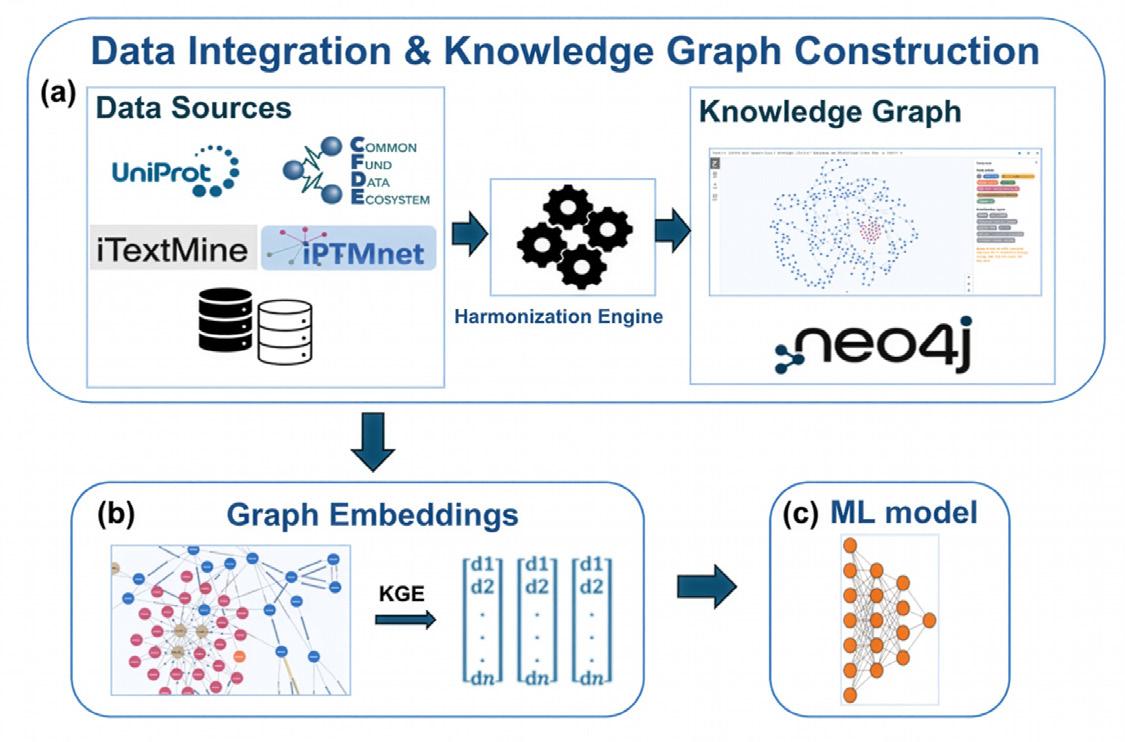
70 | Knowledge Graph-Driven AI in Biohealth: From Biomedical Discovery to Health Risk Prediction
Chuming Chen, Ph.D.; Manju Anandakrishnan, Ph.D.; Cathy H. Wu, Ph.D.
77 | Index of Advertisers
78 | Delaware Journal of Public Health Submission Guidelines
ISSN 2639-6378
The Delaware Journal of Public Health (DJPH), first published in 2015, is the official journal of the Delaware Academy of Medicine and Public Health (Academy). Submissions: Contributions of original unpublished research, social science analysis, scholarly essays, critical commentaries, departments, and letters to the editor are welcome.
Questions? Contact managingeditor@djph.org
Advertising: Please contact ksmith@delamed.org for other advertising opportunities. Ask about special exhibit packages and sponsorships. Acceptance of advertising by the Journal does not imply endorsement of products.
Any report, article, or paper prepared by employees of the U.S. government as part of their official duties is, under Copyright Act, a “work of United States Government” for which copyright protection under Title 17 of the U.S. Code is not available. However, the journal format is copyrighted and pages are not be photocopied, except in limited quantities, or posted online, without permission of the Academy/DPHA. Copying done for other than personal or internal reference use-such as copying for general distribution, for advertising or promotional purposes, for creating new collective works, or for resale- without the expressed permission of the Academy/DPHA is prohibited. Requests for special permission should be sent to managingeditor@djph.org
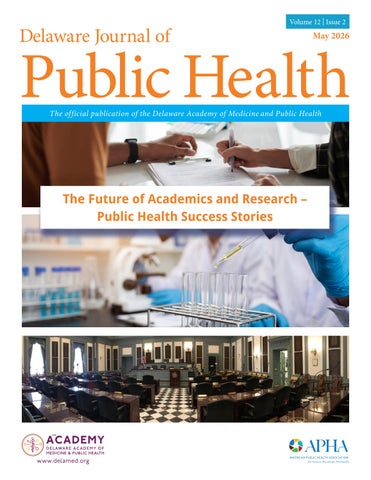
The Future of Academics and Research –Public Health Success Stories
When we planned for this issue of the DJPH back in 2025, we thought that public health would be under fire, and a lot of programs—both federal and state wide—would be diminished, or even shuttered by this time. And there have been a lot of public health upsets recently.1 Rising vaccine hesitancy driven by mis- and dis-information and declining childhood vaccination rates have led to resurgences in measles and whooping cough. North America and Canada have lost their measles elimination status, and the United States will likely follow soon. The United States Centers for Disease Control and Protection (CDC) recommended (without any change to science-based recommendations) a new vaccine schedule, shifting several vaccines from the “recommended” category to the “shared decision-making” category, and removing the recommendation for a universal Hepatitis B vaccine dose at birth. Large changes to national public health agencies in the US have led to reductions in workforce and decreased data collection in critical areas such as avian influenza and food-borne illnesses. Meanwhile, global health has been critically affected: even during a period of record-high global conflict, the agencies charged with foreign aid and development (notably, USAID) have been shuttered, with thousands of jobs lost and hundreds of thousands for lives abroad at risk; a double whammy since the same groups delivered significant benefits worldwide for high dollar value.2
The good news is that public health has fought back (albeit with limited resources). Almost two hundred countries signed a global pandemic treaty after three years of negotiations and rewrites. There were only 39 cases of wildtype polio reported in Afghanistan and Pakistan, the two remaining country reservoirs of endemic polio. The CDC changes to vaccination recommendations were halted by the courts. And private companies like the Center for Infectious
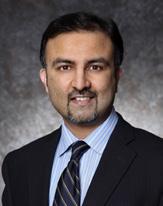
Omar A. Khan, M.D., M.H.S. Editor-in-Chief, Delaware Journal of Public Health
Disease Research and Policy (CIDRAP) have stepped up to collect the data the federal government has largely ignored. The articles submitted for this issue echo the uplifting of public health successes. Our guest editor Jennifer Horney, PhD, has helped us curate an issue of feel-good public health work in Delaware, with submissions ranging from the newest nurse fellowship cohort in robotics to the 20 year celebration of the Delaware Healthy Mother & Infant Consortium. We hear from the State Health Improvement Plan, the Early Care and Education System, and how Health Literacy is emerging as a priority in Community Health Needs Assessments.
Public health is always engaging, interesting, and challenging. For an update on the latest thinking nationally, check out the Public Health State of the Union 2026, as presented by the American Public Health Association.3
As always, we look forward to your comments on this and every issue.
REFERENCES
1. Oberlander, J., & Gollust, S. E. (2026, April 1). Public health under siege. Journal of Health Politics, Policy and Law, 51(2), 125–145. PubMed https://doi.org/10.1215/03616878-12263213
2. Cavalcanti, D. M., de Oliveira Ferreira de Sales, L., da Silva, A. F., Basterra, E. L., Pena, D., Monti, C., Rasella, D. (2025, July 19). Evaluating the impact of two decades of USAID interventions and projecting the effects of defunding on mortality up to 2030: A retrospective impact evaluation and forecasting analysis. Lancet, 406(10500), 283–294 PubMed https://doi.org/10.1016/S0140-6736(25)01186-9
3 American Public Health Association. (2026). Annual public health state of the union. https://www.youtube.com/live/AN5hbNfjQlc
Katherine Smith, M.D., M.P.H. Publisher, Delaware Journal of Public Health
Fr the Gu t Editor
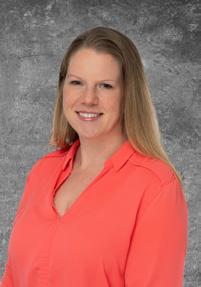
Jennifer A. Horney, Ph.D., M.P.H., C.P.H.
Department of Epidemiology, University of Delaware
For many in public health, every day feels like swimming upstream. Today, negative views of public health are in many ways even more pronounced and institutionalized than they were at the height of the COVID-19 pandemic. The primary federal agency responsible for assessing and responding to public health threats, the U.S. Centers for Disease Control and Prevention, has been without a confirmed leader for more than eight months and the agency has lost between one-quarter and one-third of its staff. In January of 2026, the U.S. officially withdrew from the World Health Organization (WHO). A cluster of cases of a rare, and often fatal, respiratory condition known as hantavirus was discovered on board a small cruise ship and the coordinated global response is happening without the U.S. in the WHO.
There are other setbacks to public health to consider. Since the Hepatitis B vaccine was adopted for all infants by the Advisory Committee on Immunization Practices (ACIP) in 1991 there have been dramatic reductions in the prevalence of chronic Hepatitis B infections as well as the incidence of its most deadly end point, hepatocellular carcinoma. Liver cancer diagnoses have plummeted among children and teens since vaccine adoption, with a randomized controlled trial demonstrating a lifetime risk reduction of 84% among infants who receive the vaccine series starting at birth. With ACIP removing the recommendation for the birth dose for infants, it will be critical to both document, and perhaps more importantly, develop effective and trusted scientific communication about the severity of this unnecessary risk.
Alongside reversions of vaccine policy in the face of wellestablished public health evidence, there are also changes that will prevent public health from collecting the evidence needed to assess the health impacts from exposures going forward. For example, anticipated reductions in environmental standards will impact the public’s health in ways that cannot yet be quantified. In 2024, the Environmental Protection Agency required municipal water systems to monitor and reduce levels of so-called “forever chemicals” to reduce the impacts of exposure to emerging contaminants in the drinking water of more than 100 million Americans. Exposure to the chemicals known as PFAS have been linked to cardiovascular diseases, endocrine disruption, some types of cancers, and low birth weight in newborns.
Pausing the implementation of this new regulatory framework, as well as introducing unnecessary exposures through the deregulation of PFAS fertilizers on agricultural products grown and consumed in the U.S., will make it more difficult to measure and attribute the health effects associated with exposure to these chemicals. Further, climate events such as drought contribute to higher concentrations of PFAS, nitrates, and other environmental contaminants. With the elimination of climate and health funding priorities, the compounding and cascading risks of environmental and climate-related exposures will continue to have detrimental impacts on health and wellbeing.
Yet, in the face of these and many other challenges, evidencebased public health interventions continue, focusing on education, prevention, and policymaking. As someone who has worked as a disaster epidemiologist for more than two decades, I would argue that this time must be viewed as a window of opportunity. After a disaster or emergency event, there is often a moment when dramatic changes can occur within policies, systems, and technologies because there is a temporary change in culture, a spark of collaboration, and a buildup of social cohesion.
This issue of the Delaware Journal of Public Health demonstrated just this. Through community partnerships, innovative fellowships and training, and research, our authors delivered a wide range of public health success stories. Community partnerships highlight effective interventions that address protecting the health of individual mothers and babies through early childhood education and cardiovascular health for older adults. Recipients of nursing research fellowships tackled linkages between research and patient care, exploring issues that included machine learning, interprofessional collaboration, and nurse-led patient education. Finally, researchers reported on work that included improving dental care for special populations and using artificial intelligence to predict risk.
A sincere thank you to Dr. Omar Khan, the Editor-in-Chief of DJPH and Dr. Kate Smith, Executive Director of the Delaware Academy of Medicine and Public Health for giving me the chance to serve as the guest editor of this important issue. I hope the success stories shared here show how it is possible to make progress even in a challenging environment. They also should stimulate discussion about reproducibility of evidence-based practices and policies as well as their expansion across Delaware and beyond.
Dr. Horney may be contacted at horney@udel.edu
Letter to the Editor: Epigenetics, Nutrition, and Cancer
Celia M. Ross, Ph.D., M.S. Delaware Gerontology Institute, LLC
Your issue on nutrition for supporting health highlighted the importance of both continuing research and action implementing change based on research findings.
Hollinger et al discuss nutrition as being a modifiable variable for influencing cancer risk and that this involves multiple molecular mechanisms.1 Among the mechanisms they point out the role of antioxidants phytochemicals in counteracting DNA damage. As a cell proceeds along the pathway of becoming cancerous, there can be multiple changes in its gene expression – changes that may be influenced by environmental factors such as diet – that involve not only genetic mutations to the DNA but also changes to the epigenome.2–6
In explaining the epigenome to the public, I have utilized a “cookbook” model of the genome since I have come to believe that the old blueprint analogy of the genome gives the impression of a very static, set outcome.7 In the cookbook model, the genome is analogous to a cookbook and epigenetic markers are analogous to sticky notes telling the chef how many servings of which recipes to cook-up and when. Just as sticky notes can be adjusted and swapped out from time to time without altering the text of the cookbook, the epigenome can be somewhat malleable and influenced by environmental factors. One class of these factors, that has been gaining the attention of researchers, is nutrition.2–6 There are indications that malnutrition may contribute on an epigenetic level to increased risk of cancer while good nutrition may have protective effects on the epigenome. Further research needs to be done on this topic, which could inform future public health programs.
Dr. Ross may be contacted at DEGerontology@gmail.com .
REFERENCES
1 Hollinger, D., Butscher, L., Belinske, S., Arthur, H., & Nagarajan, S. (2025, November 24). The role of nutrition and malnutrition as determinants of cancer development, prevention, and survivorship. Delaware Journal of Public Health, 11(4), 68–72 https://doi.org/10.32481/djph.2025.11.08 PubMed
2. Herceg, Z. (2007, March). Epigenetics and cancer: Towards an evaluation of the impact of environmental and dietary factors. Mutagenesis, 22(2), 91–103 https://doi.org/10.1093/mutage/gel068 PubMed
3. Nise, M. S., Falaturi, P., & Erren, T. C. (2010, February). Epigenetics: Origins and implications for cancer epidemiology. Medical Hypotheses, 74(2), 377–382 https://doi.org/10.1016/j.mehy.2009.09.008 PubMed
4. Chindea, T., Nicu, A. T., Cimponeriu, G. D., Galateanu, B., Hudita, A., Șerban, M. V., Burlibasa, L. (2026, January 24). Diet-driven epigenetic alterations in colorectal cancer: From DNA methylation and microRNA expression to liquid biopsy readouts. Biomedicines, 14(2), 267 https://doi.org/10.3390/biomedicines14020267 PubMed
5. Pan, Y., Mary Peter, R., Chou, P., Dave, P. D., Xu, J., Shanner, A., Kong, A. N. (2025, August). Cancer-specific regulation of metabolic and epigenetic pathways by dietary phytochemicals. Pharmaceutical Research, 42(8), 1443–1457 https://doi.org/10.1007/s11095-025-03898-0 PubMed
6. Casari, G., Romaldi, B., Scirè, A., Minnelli, C., Marzioni, D., Ferretti, G., & Armeni, T. (2024, December 26). Epigenetic properties of compounds contained in functional foods against cancer. Biomolecules, 15(1), 15 https://doi.org/10.3390/biom15010015 PubMed
7. Ross, C. M. (2019, Feb 13-14) What’s the deal with this “epigenetics” stuff? Some methods for explaining epigenetics to a non-scientific audience [Poster Presentation] Transforming Healthcare, Honolulu, HI. https://wilsonshepard.com/
Corrections
The editors would like to make the following corrections to the previous issue of the Delaware Journal of Public Health (March 2026): In article 6, “Human-AI Cooperation in Healthcare and Rehabilitation,” author Chris Callison-Burch, PhD was wrongly a liated with Delaware State University. He is a liated with the University of Pennsylvania.
In article 8, “Beyond Cognitive Load: AI-Based Estimation of Cognitive E ort Using Brain Signals During Digital Tasks,” author Mohammad Fahim Abrar was incorrectly listed as having an MD degree.
We apologize for these oversites.
Advancing Cardiovascular Health in Delaware Through Community Partnerships
Athena Klapak American Heart Association
Cardiovascular disease remains a pressing health concern in Delaware. For more than a century, the American Heart Association has been working to ensure equitable health in all communities and longer, healthier lives for all. In collaboration with local organizations and community members, the Association supports prevention, early detection, and emergency response through programs that prioritize access, practical skills, and local engagement. Together, these initiatives reflect a community-centered approach designed to meet people where they are and reduce barriers to heart health.
PRACTICAL NUTRITION EDUCATION THAT MEETS PEOPLE WHERE THEY ARE
Behavioral risk factors are central to cardiovascular health, yet the gap between knowing what to do and being able to do it can be wide. Time constraints, cost, and limited access to hands-on education often make healthy choices feel out of reach. To help bridge this gap, the American Heart Association implemented Healthy for Good workshops in Dover and Wilmington, Delaware. Over four weeks, participants practiced cooking techniques, meal planning, and smart shopping strategies with an emphasis on affordability and accessibility.
The workshops created an interactive setting where participants prepared meals, asked questions, and discussed real-life challenges. This practical model supports confidence, a key ingredient in sustained behavior change, and fostered a sense of community. Participants encouraged one another and continued to stay connected outside of sessions. At the conclusion, individuals received tools and resources to keep applying what they learned at home.
EMBEDDING BLOOD PRESSURE SCREENING IN TRUSTED COMMUNITY SPACES
While prevention is essential, early detection remains a critical line of defense. Hypertension, or high blood pressure, often has no symptoms; therefore, patients benefit from routine monitoring. To expand access to screening, the American Heart Association introduced blood pressure kiosks at the Bear-Glasgow YMCA and other public places across the state. Located in trusted community settings, the kiosks offer a free and convenient way for individuals to check their blood pressure and better understand their risk for heart attack and stroke.
The kiosks provide readings within minutes and guide users on appropriate next steps when results fall outside a healthy range. By reducing barriers related to cost, transportation and time, community-based screening tools help more people identify potential concerns early and integrate preventive care into daily life.
STRENGTHENING THE CHAIN OF SURVIVAL THROUGH COMMUNITY CPR TRAINING
Even with prevention and early detection, cardiac emergencies can occur. In these moments, immediate bystander action is often critical. To strengthen community readiness, the American Heart Association distributed CPR and First Aid in Youth Sports Training Kits to organizations serving young people and families across New Castle County.
The kits were provided to BPG Sports Group, My Sister’s Keeper, the Boys and Girls Club of New Castle, and the Teen Warehouse, organizations that regularly bring together large numbers of youth, staff, volunteers, and families. Delivering training through these trusted community partners creates opportunities to build lifesaving skills among people who are often present when emergencies occur.
The facilitator-led training enables participants to learn hands-only CPR, automated external defibrillator (AED) use and basic first aid in less than one hour. By equipping coaches, staff, parents and athletes with these skills, the initiative extends the chain of survival beyond clinical settings and fosters a culture of preparedness in everyday community spaces.
CONCLUSION
Cardiovascular health is shaped by daily behaviors, access to preventive care and the ability to respond effectively in an emergency. In Delaware, the American Heart Association’s community-based efforts, including practical nutrition education, accessible blood pressure screening and widespread CPR training, work together to support healthier lives. As public health initiatives continue to evolve, approaches that emphasize accessibility, engagement and community partnership will remain essential.
Ms. Klapak may be contacted at Athena.klapak@heart.org
Community Health Workers in Delaware: Advancing Health Equity Through Workforce Development and Policy
Erin Ridout, M.S.W., M.P.H.
Advocacy Chair, Coordinating Council, Community Health Workers Association of Delaware (CHWADE); Manager, Community Health Impact, ChristianaCare
Community Health Workers (CHWs) embody the spirit of public health: a community-driven, health equity–focused workforce guided by justice and collaboration. They connect communities to preventive and life-saving care, promote healthy environments where all individuals can thrive, and help people stay healthier within their own communities. At their core, CHWs are a profession rooted in trust.
As funding, services, and entire communities come under pressure, CHWs remain on the frontlines—standing up for the communities they come from and serve. In today’s landscape, we are asking more and more of our CHW colleagues. In return, we must provide the support they need through sustainable funding and meaningful recognition of the value and impact they deliver every day.
In Delaware, CHWs have long been part of the healthcare landscape, supporting individuals and families across hospital systems, Federally Qualified Health Centers (FQHCs), community-based organizations, state agencies, and Medicaid Managed Care Organizations (MCOs). They have worked under various titles—such as Health Advocate, Navigator, Health Ambassador, and La Promotora—and have historically experienced differing levels of training and support.
In 2019, the Community Health Workers Association of Delaware (CHWADE) was established by CHWs, for CHWs, with their communities at the center. CHWADE’s mission is to collectively advocate, empower, educate, connect, and support Delaware communities to advance health equity, social justice, and optimal well-being. The organization is a collaborative network of CHWs, allies, and partners across the state, all committed to supporting CHWs and advancing this shared mission.
Since then, CHWADE has grown significantly, achieving 501(c)(3) status in 2023 and building momentum for CHWs statewide. Years of collective effort have led to meaningful progress, including the passage of Senate Joint Resolution 2 (SJR 2) in 2025 and the launch of CHW certification in 2026.
Signed by Governor Matt Meyer on May 22, 2025, SJR 2— sponsored by Senator Marie Pinkney and Representative Kamela Smith—directed the Division of Medicaid and Medical Assistance (DMMA) to submit a report to the Delaware General Assembly by January 1, 2026. This report addresses the provision of Medicaid coverage for CHW services. CHWAD looks forward to continued collaboration with the legislature and DMMA as Delaware works toward becoming the 25th state to adopt Medicaid reimbursement for CHWs.
While SJR 2 marks important progress toward sustainable funding, CHWADE has also been working closely with partners to establish CHW certification. In 2025, CHWADE secured funding for certification implementation through the generous support of ChristianaCare and the Delaware Academy of Medicine and Public Health’s Delaware Health Force. Certification officially launched on January 1, 2026—an achievement that not only supports future Medicaid reimbursement but also strengthens recognition of CHWs’ vital role in the healthcare workforce. It ensures consistent, high-quality core competency training and establishes a long-term workforce development pathway.
The growth of CHWADE has helped unite individuals and organizations passionate about CHWs and health equity. This shared commitment is essential for an association powered by volunteer leadership and member engagement. However, passion alone is not enough. The CHWADE has greatly benefited from tangible support provided by its partners, including funding, advocacy, research, technical assistance, and training. Key partners include the Delaware Division of Public Health, the Delaware Academy of Medicine and Public Health, ChristianaCare, and the Delaware Healthcare Association, along with many other organizations represented across its membership.
As Delaware moves toward a healthcare system that fully integrates certified and sustainably funded Community Health Workers, the CHWADE invites you to join this effort. Be part of a mission-driven movement to advocate, empower, educate, connect, and support communities across the state—advancing health equity, social justice, and well-being for all Delawareans.
Learn more and get involved: https://chwadelaware.org/.
Ms. Ridout may be contacted at erin.ridout@christianacare.org.
Public Health Success Stories: Bringing Public Health and Well-Being to Delaware’s Early Care and Education (ECE) System
Laura Lessard, Ph.D., M.P.H.
Delaware Institute for Excellence in Early Childhood, Department of
Health Behavior & Nutrition Sciences, University
of
Delaware
Kristy Sheffler, Ph.D., M.A.
Delaware Institute for Excellence in Early Childhood, University of Delaware
Heidi Beck,
M.S.
Delaware Institute for Excellence in Early Childhood, University of Delaware; New Directions Early Head Start
ABSTRACT
The Delaware Institute for Excellence in Early Childhood (DIEEC) has embraced a multi-dimensional definition of health and well-being and integrated several health and well-being offerings into regular practice. In this commentary, we describe our successful efforts to bring public health to early care and education settings statewide and some key facilitators that have enabled those successes.
INTRODUCTION
Early care and education (ECE) settings are an important environment for young children and their families. These types of settings not only provide an opportunity for children to build healthy habits for life, but are also a workplace for ECE professionals and a trusted partner for families and communities. In recognition of the importance of ECE settings for health, many systems, programs, and other resources have focused on integrating public health concepts and programs in ECE settings.1 For example, the Centers for Disease Control and Prevention (CDC) released their Spectrum of Opportunities for Obesity Prevention in ECE settings (CDC Spectrum) in 2013, which identified nine areas for ECE systems to embed nutrition, physical activity, and screen time components. Among the opportunities identified were Quality Rating and Improvement Systems, Preservice and Professional Development Systems, and Statewide Technical Assistance Networks.2
The Delaware Institute for Excellence in Early Childhood (DIEEC) is the statewide home of professional development and quality improvement for ECE programs and professionals. With support from the Delaware Department of Education and other partners, DIEEC offers a wide range of support, resources and training designed to improve the quality of ECE programs statewide. Due to this broad reach, DIEEC is an ideal place to develop, pilot, build, and expand public health efforts in collaboration with ECE programs and professionals.
DIEEC efforts in this space have included 1) cultivating a culture of wellbeing for EC system staff; and 2) offering free, high-quality professional learning experiences focused on health and wellbeing.
CULTIVATING A CULTURE OF WELLBEING FOR DIEEC STAFF
DIEEC employs a wide range of professionals, whose goal is to support ECE programs and their staff. Roles include Quality Improvement Specialists, who work with individual programs
to develop and implement quality improvement planning processes, and Professional Development Coordinators, who design and lead professional learning experiences. According to the CDC’s Spectrum,2 expanding the expertise of technical assistance providers, like DIEEC staff, is a key lever for systems change in ECE. In recognition of this opportunity, DIEEC has partnered with the Delaware Division of Public Health to expand the capacity of DIEEC in the areas of nutrition, physical activity, and obesity prevention. With this support, DIEEC hosts Lunch and Learn sessions focused on public health topics, brings community members and other experts to develop connections with DIEEC staff and initiatives, and offers funding for DIEEC staff to attend workshops and conferences on related topics. In 2025, for example, staff attended conferences focused on naturebased outdoor education and farm to ECE. Lifting the expertise of all DIEEC staff in these topical areas and empowering them to integrate what they’ve learned across the organization is essential to building and sustaining momentum in these areas.
PROFESSIONAL LEARNING EXPERIENCES (PLES)
As part of its core work, DIEEC offers a wide range of professional learning experiences (PLEs) for ECE educators. Several of these offerings include well-being topics, including mindfulness and stress reduction. Three signature initiatives of DIEEC related to well-being include Shining the Light on You, an award-winning well-being program offered to home-based ECE professionals, Let’s GROW outside, focused on outdoor education and gardening with children, and Physical Activity Listening Sessions (PALS). Shining the Light on You3 started in 2020 with the goal of supporting the wellbeing of family child care (FCC) professionals. FCC settings are unique; educators work in their own homes, often alone, educating a small group of mixed-aged children. Shining the Light offers these educators the chance to focus on their own health and well-being in a supportive, small group environment. Participants meet weekly over Zoom,
engaging with a DIEEC Quality Improvement Specialist and a board-certified Health and Wellness Coach. They receive both group and individual health coaching sessions and are supported by cohort members. The program is offered annually, alternating between English and Spanish language each year. To date, nearly 100 educators have participated across 9 cohorts and counting. More details about the program and its impacts have been published elsewhere, but briefly, participants report improvements in physical health (e.g. physical activity and nutrition) as well as social support.3 One participant in an early cohort explained, “I would recommend [the program] to every last one of our child care providers… because it really, it’s just, you’re just so different when you come outta there. You’re a different person.”
Let’s GROW Outside! is a professional learning (PLE) focused on outdoor gardening with young children. Over the course of 8-10 months, participants learn about the benefits of connecting children and gardening, gain knowledge and skills needed to develop and sustain a garden, understand how to use a supplemental gardening curriculum, and plan for garden activities with children. Participants also receive materials and tools needed for gardening free of cost. This program offers children the opportunity to learn about how food grows in an experiential way. One participant in the last cohort described how one child was excited about eggplants, “If you notice the little boy…that was exciting to him. ‘cause they haven’t seen the eggplant growing, grow grown. So that was exciting.” She explained how she’s incorporated gardening into the program and curriculum, “I’m bringing them outside. Seeing the harvest grow, watering. I let them color, touch everything. So it’s a very good experience.” This program was developed by DIEEC and offered in 2025-2026 with support from the Delaware Department of Education, via a federal Farm to School grant.
Physical Activity Listening Sessions (PALS) is an evidencebased practice developed by Nemours which seeks to expand the capacity of ECE professionals in the area of physical activity. Using a cohort model, ECE professionals learn tips and tricks for expanding physical activity opportunities throughout the day, identify and overcome barriers to increasing physical activity, and receive support from a coach and their peers. Participants in recent PALS cohorts reported learning “how much daily activities the various ages [of] students need” and several identified ways they were already using what they learned in PALS to improve transitions and add more active play to their classrooms just a few weeks after the program concluded. This program has been offered by DIEEC for several years, with support from both the Delaware Department of Education and the Delaware Division of Public Health.
FACILITATORS OF SUCCESS
Two key factors have facilitated this approach, the first is the integration of health and well-being across practice areas. Across the country, many public health organizations offer some type of programming for ECE programs and/or professionals.1 What is unique about the DIEEC approach is that these efforts span the organization and are integrated within a system that ECE professionals already know and engage with in their daily work. Lifting the capacity of staff is the most sustainable way to ensure that public health topics are embedded across the organization.
The second key facilitator is partnerships with public health organizations and entities. While DIEEC staff are experts in ECE systems, coaching, and professional development, they are not experts in health and wellbeing. To make the biggest impact on these topics, DIEEC has intentionally sought out partnerships with organizations and other entities that can bring their expertise. The University of Delaware’s Cooperative Extension is a key partner for Let’s GROW Outside. Their garden experts and nutrition education professionals deliver training content both to DIEEC staff and to the participants in the program. They offer visits to their existing garden so that participants can see ways to garden in small spaces, with plants and foods that grow well in our climate. The Food Bank of Delaware is a key partner in the nutrition related efforts. Their nutrition educators have visited with DIEEC staff, modeling how they deliver nutrition education in ECE classrooms. They have offered their resources both for food insecurity and nutrition education to DIEEC staff and to other program and professional partners. Finally, the partnership with the Delaware Division of Public Health not only provides the financial resources to offer programs, but also facilitates connections to existing public health planning efforts. DIEEC was invited to participate in DPH strategic planning efforts so that this work can be aligned with that of the state.
CONCLUSIONS
ECE programs and professionals in Delaware have multiple opportunities to engage with DIEEC on public health topics spanning mental health, nutrition, physical activity, and mindfulness. These system-level changes are consistent with best practices (e.g. CDC Spectrum) and put Delaware’s children in a position to develop healthy habits for life. Partnerships are a major key to this success because of the interconnectedness of Delaware’s public health, nonprofit, and educational sectors.
Dr. Lessard may be contacted at llessard@udel.edu.
ACKNOWLEDGEMENTS
The Delaware Institute for Excellence in Early Childhood is supported by grants and contracts from the Delaware Department of Education and the Delaware Division of Public Health.
REFERENCES
1 Kenney, E. L., Mozaffarian, R. S., Ji, W., Tucker, K., Poole, M. K., DeAngelo, J., Frost, N. (2022, August 18). Moving from policy to practice for early childhood obesity prevention: A nationwide evaluation of state implementation strategies in childcare. International Journal of Environmental Research and Public Health, 19(16), 10304 https://doi.org/10.3390/ijerph191610304
2. Reynolds, M. A., Jackson Cotwright, C., Polhamus, B., Gertel-Rosenberg, A., & Chang, D. (2013, Winter). Obesity prevention in the early care and education setting: Successful initiatives across a spectrum of opportunities. J Law Med Ethics, 41(Suppl 2), 8–18 https://doi.org/10.1111/jlme.12104
3 Lessard, L., Hallam, R., Albrecht, S., Plautz, E., & Fulgence-Belardo, K. (2022, August 31). Shining the light on you: An evidence-based program designed to improve the health and wellbeing of family child care professionals. Delaware Journal of Public Health, 8(3), 42–46 https://doi.org/10.32481/djph.2022.08.010
20 Years of the Delaware Healthy Mother & Infant Consortium: Embracing the Celebration, Heeding the Call to Action
Vice Chair of the Delaware Healthy Mother & Infant Consortium; Leah A. Jones, M.P.A.
Section Chief, Family Health Systems; Bureau Chief, Maternal and Child Health, Delaware Division of Public Health
On April 13, 2026, at our annual summit, the Delaware Healthy Mother & Infant Consortium (DHMIC) marked a milestone: 20 years of work dedicated to improving maternal and infant health in Delaware. As we experienced more than 400 community partners and advocates checking in for the event, it occurred to us that DHMIC has spanned a common benchmark for a “generation” of time. The babies of the mothers we supported in our early years are now approaching the age of becoming parents themselves. This is incredibly humbling, and DHMIC is motivated by the knowledge that not only are we still here, but over these past two decades we have also increased the share of healthy births and established a continuum of care for mothers and babies. We’re also very excited for the opportunities we have in front of us to evolve with our communities, health systems, and policymakers to work together to meet families where they are today and in the future. Our goals are many, but they are achievable. They include providing meaningful support to inspire change for the better and continue to reduce Delaware’s infant mortality rates. We also aim to reach more deeply into the neighborhoods of at-risk populations and ensure no one is left behind, and to continue to reduce racial, ethnic, and geographic disparate health outcomes for moms and babies.
This 20th anniversary puts DHMIC at an incredible convergence of past, present, and future. A milestone like this naturally focuses an organization like ours on learning from the past not just by celebrating our successes but also by respecting the “road bumps” along the way, which only make us stronger. It also calls on us to take a hard look at one of our greatest challenges today — health equity — and how we can drive greater progress in this area for moms and babies. And it provides a unique platform for us to envision the next 20 years and the ways DHMIC will shape the future of maternal and child health.
CELEBRATING 20 YEARS
In 2005, the Delaware Infant Mortality Task Force (IMTF) put forth a final report that included a three-year plan with 20 recommendations to reduce the high infant mortality rate in Delaware. The task force needed to address a critical challenge in our state: Delaware had the sixth-highest infant mortality rate in the nation, with significant disparities across racial and ethnic groups. This equated to 9.3 infant deaths per 1,000 live births.1 Recognizing the urgency of this issue, DHMIC was established under IMTF’s third recommendation and formalized in
Delaware law in 2006. DHMIC was charged with a clear mission: to prevent infant mortality, to improve the health of women of childbearing age and infants in Delaware, and to reduce health disparities across our communities. We began establishing meaningful maternal and child health partnerships with health, social services, and community-based organizations.
DHMIC’s timeline shows a progression of eras — moving the community from crisis to collaboration, expanding access to maternal health services, uniting communities in the effort to reduce infant mortality, addressing disparities, strengthening prevention services, driving key legislation and transitioning maternal health innovation from a concept to a law, and continuing to strengthen the maternal health systems and workforce while advancing perinatal mental health. On behalf of the hundreds of individuals and organizations over the years who have believed in the DHMIC mission and invested their time, thinking, resources, and capabilities to support our progress we are proud to recap some of the greatest achievements along the DHMIC timeline:
2005 — Delaware’s infant mortality rate (IMR), as reported by the Delaware Division of Public Health (DPH), was the sixth highest in the nation, with significant disparities across racial and ethnic groups. There were 9.3 infant deaths per 1,000 live births (representing a five-year average from 2000 to 2004).1
2006 — The IMTF produced several recommendations, including formally establishing DHMIC in Delaware law as a statewide, collaborative body focused on improving maternal and infant health outcomes and reducing disparities.
2008 — Statewide prevention and education efforts expanded as DHMIC established committees, began a safesleep campaign (Long Live Dreams) based on the American Academy of Pediatrics guidelines, scaled up preconception health initiatives, and increased public awareness efforts that addressed prematurity and infant mortality risk factors.
2009 — Infant mortality rates began to decline.
2010 — As a result of the Affordable Care Act, the Maternal Infant and Early Childhood Home Visiting Program launched voluntary evidence-based Home Visiting Programs to serve families across the state.
2011 — Birthing hospitals began participating in coordinated maternal and infant quality-improvement initiatives, and statewide collaboration was established between hospitals, public health agencies, and maternal health experts.
2013 — Programs expanded access to maternal health services, specifically for underserved communities. Statewide education on safe sleep, reproductive life planning, and the health benefits of breastfeeding for both moms and babies continued.
2015 — Community-based strategies were implemented, including the Medical-Legal Partnership Program between DPH and the Community Legal Aid Society Inc. to develop a medical-legal partnership focused on supporting high-risk pregnant women in the Healthy Women, Healthy Babies program.
2017 — DHMIC strengthened preconception and postpartum interventions as well as maternal health education initiatives, while focusing on reducing racial, ethnic, and geographic disparities in maternal and infant outcomes.
2019 — The Delaware Perinatal Quality Collaborative (DPQC) was formally codified in Delaware law, providing a framework to support sustained statewide qualityimprovement efforts in perinatal care.
2020 — Delaware’s infant mortality rate declined to 6.5 deaths per 1,000 live births for the 2016–2020 period. This was a significant milestone compared to the state’s five-year average at the time the DHMIC was established, and it reflected sustained progress in maternal and child health efforts.
2022 — The Guaranteed Basic Income Pilot Program launched, providing pregnant women in the first and second trimester of their pregnancy with a guaranteed income of $1,000 each month for two years.
2022 — The Momnibus Legislation passed in the Delaware General Assembly, representing a comprehensive legislative effort to address racial disparities and improve maternal and infant health outcomes.
2024 — The Delaware Home Visiting Program served 655 Delaware families and 634 children through 7,181 visits. This voluntary, evidence-based program promotes maternal and child health, strengthens parenting, and improves long-term family outcomes.
2026 — Delaware advanced statewide efforts to strengthen perinatal mental health access, screening, and support through House Concurrent Resolution 82 (HCR 82).
HEEDING OUR CALL TO ACTION
Since 2004, Delaware’s IMR has dropped from the sixth-highest to the 22nd-highest in the nation.2 Overall, our state has seen a 36.2% reduction in infant mortality and a 17% increase in pregnancy intention.3 And according to the five-year Delaware IMR average for currently available data (2017 to 2021), the state has reached a record-low infant mortality rate of 5.9 infant deaths per 1,000 live births. Certainly, we are proud of our
accomplishments, butmore importantly, these achievements serve as one of DHMIC’s greatest motivators as we look at the months, years, and decades ahead.
First, while the statistics have shown impressive improvement, we have more work to do before we reach ideal numbers. Second, the activities and results along our timeline show that, for the foreseeable future, we must continue to expand and evolve our work and support. As we do more work, it will become easier for us to use our data, knowledge, and experience to uncover — and fill — gaps in service.
Lastly, our history and achievements present us with a crucial necessity: no matter what strategies we pursue as we move forward, we must continue to walk before we run. Yes, DHMIC and all our partners want to expedite our outreach, connections, and progress as much as possible, but our history proves that success is driven by thoughtful strategies that use a collective approach to respond to immediate needs first and short-term needs second, while keeping longer-terms needs in our line of sight. This is how we have progressed, and will continue to progress, without taking steps backward. This is how we will be able to identify and react to changes in our community and optimize new opportunities ranging from improved access, system updates, and policy changes to new medicines, innovative treatments, and emerging technologies. And this is how, ultimately, we will continue to not only save the lives of more infants and mothers but also ensure those individuals remain on the path of physical and mental wellness for a lifetime.
While these three goals are not the totality of the mission that will define the next chapter for DHMIC and our partners, they do provide a solid framework for ourcall to action for the next 20 years. This call to action is something that more than 400 attendees committed to during the 2026 DHMIC Summit, as they engaged in thoughtful discussions, explored new ideas, and planned for progress that is equitable and sustainable for every Delaware family.
In closing, on behalf of everyone who has contributed to the DHMIC mission over the past two decades — advocates, clinicians, policymakers, community leaders, and partners — as well as those who will contribute moving forward, we thank the Delaware Academy of Medicine and Public Health for distinguishing DHMIC with its 2026 Executive Director’s Public Health Recognition Award. Certainly, receiving this award is a great honor. It also further strengthens DHMIC’s commitment to living up to what this recognition embodies. We look forward to another 20 years of continuing to move our work forward and leading Delaware families along a journey of empowerment, defined by confidence that every mother and infant will have the support they need to not just sur vive but thrive.
Dr. Mpasi may be contacted at priscillampasi@gmail.com
REFERENCES
1 Delaware Department of Health and Social Services. (n.d.). Delaware Health Statistics Center, 2000-2004. Division of Public Health.
2 Delaware Department of Health and Social Services. (n.d.). Delaware Health Statistics Center, 2016-2020. Division of Public Health.
3 Delaware Department of Health and Social Services. (n.d.). Pregnancy Risk Assessment Monitoring System, 2012-2020. Division of Public Health.
Moving Medicaid Forward for Delaware’s Mothers and Babies
Alethea A. Miller, D.N.P., M.S.N., R.N., C.L.C.
Clinical Director, Maternal and Child Health, Division of Medicaid and Medical Assistance, Delaware Department of Health and Social Services
Across the country, the Medicaid program provides resources to support the care of millions of families as mothers’ welcome new babies into the world. Indeed, as Maternal and Child Health Clinical Director for the Delaware Division of Medicaid and Medical Assistance (DMMA), every day I see how our organization improves outcomes as advocates of Medicaid’s purpose — “furnishing medical assistance” at this critical moment by zeroing in on solutions that meet women and families where they are.
However, that critical concept of meeting populations where they are cannot be fulfilled if our interpretation of Medicaid remains cemented in 1965. Through its partnerships and advocacy efforts, the Delaware Heathy Mother and Infant Consortium (DHMIC) — an organization for which I am an appointed member and serve as co-chair of its data committee — has played a crucial role in helping shape many Medicaid opportunities for Delaware’s mothers and infants. DHMIC does this by bringing together the voices of partners from throughout our health care and public health communities, aligning goals of service providers and outreach organizations statewide, then using these goals as foundations to design our advocacy platform for an expanded Medicaid benefits structure. It is through these partnerships that DHMIC creates a thoughtful advocacy approach based on the knowledge of professionals and organizations that best know who our vulnerable populations are and where to reach them. These partners also have established the trust — gained by deep understanding of an individual’s unique situation, shared lived experience, and cultural concordance — that removes barriers to entry. This is key to gaining access and motivating women and families to take those first steps to care that allow them to make full, successful use of expanded Medicaid opportunities. When understood completely and leveraged properly — such as the work being done through DHMIC partners — Medicaid presents incredible opportunities for us to do amazing things in our communities. And, as stewards and protectors of Delaware’s public health, it is our responsibility to use this powerful tool in ways that continually evolve with modern medical and outreach technologies, as well as with our understanding of not just who the most at-risk populations are, but why they are the most at-risk.
Delaware’s experience in maternal and child health transformation provides a compelling model for how Medicaid can be leveraged to address today’s complex, interrelated drivers of maternal mortality and morbidity. And it demonstrates that staying the course of Medicaid framework expansion — characterized by expanded postpartum coverage, more sufficient behavioral health integration, and greater attention given to social determinants — can lead to significant progress in both policy and practice for maternal and child health.
UNDERSTANDING THE LEGISLATIVE AND COMMUNITY FOUNDATIONS OF CHANGE
Delaware Medicaid’s maternal and child health transformation is best understood as a coordinated policy ecosystem shaped by legislative action — most notably the Delaware Momnibus (i.e., a package of maternal and child health related legislation signed into law in 2022) — and operationalized through Medicaid state plan amendments and Section 1115 demonstration authority. Together, these reforms reflect a deliberate shift toward a more continuous, communityintegrated, and equity-focused model of care for women, infants, and children.
The Delaware Momnibus represents a foundational policy catalyst, establishing a framework to address maternal health disparities, improve perinatal outcomes, and expand access to supportive services across the pregnancy and postpartum continuum. The package included legislation to extend Medicaid postpartum coverage to one year and to authorize reimbursement for doula services — two interventions strongly associated with improved maternal outcomes and reduced disparities.1,2 These policies were explicitly designed to address inequities in maternal and infant health, including disproportionately high infant mortality rates and persistent racial disparities.2 Subsequent policy efforts have continued to build on this legislative foundation, reinforcing that maternal health requires sustained investment beyond delivery and into the full postpartum period.3 In addition, Section 1115 waiver authority has been instrumental in enabling Delaware to pilot and scale innovative services that address both clinical and social drivers of maternal and child health outcomes.
To put these legislative priorities into practice, Delaware has leveraged Medicaid state plan amendments (SPAs) to expand covered services that directly support maternal and infant health. These include enhanced reimbursement for lactation consulting and breastfeeding support, as well as formal Medicaid coverage for doulas.
Central to the delivery of these services is Delaware’s managed care infrastructure under the Diamond State Health Plan 1115 waiver. Mandatory enrollment in managed care organizations (MCOs) enables coordinated care delivery, population health management, and accountability for outcomes across the perinatal continuum. Care coordination — particularly for high-risk pregnant and postpartum individuals — serves as a critical mechanism for connecting beneficiaries to medical, behavioral, and social services. The 1115 waiver was explicitly designed to improve access, enhance care coordination, and reinvest efficiencies into expanded benefits, including those targeting maternal and child health.4
Delaware has also extended its focus to pediatric populations, particularly children with medical complexity. The state has advanced policies to strengthen systems of care for these children, including the establishment of advisory structures
to guide care coordination, service integration, and familycentered care. These efforts align with broader Medicaid goals of improving outcomes for high-need populations while reducing fragmentation across physical health, behavioral health, and long-term services.
PUTTING THE POWER OF REFORMS INTO PRACTICE
If a question is raised about the importance of Medicaid to maternal and infant health, I typically answer it with one short, powerful statement: in Delaware, Medicaid finances 40 to 50% of births.5 However, as we are all aware, ensuring the health of mothers and babies — reducing maternal and child morbidity — must extend beyond the time a mother goes into labor and gives birth. Delaware Medicaid’s recent maternal and child health reforms represent a great deal of empowerment for mothers and families, as well organizations such as DMMA, DHMIC, and many others working to support individuals’ continued progress on the healthiest possible path.
To follow, I expand on a few of the opportunities mentioned above to further demonstrate ways DMMA and our community partners are leveraging recent Delaware Medicaid reforms to expand our reach, deliver more holistic wrap-around services, and ultimately improve outcomes.
First, is what I put at the forefront of the reforms — the extension of postpartum Medicaid coverage to 12 months after birth and without the requirement of the individual needing to immediately requalify. The ability to extend care a full year, as opposed to the previous 60 days, is, in a word, huge. So many complications can, and, sadly, do occur in that first year. For the mother this can include everything from postpartum hemorrhage, blood clots, and infections to chronic conditions like diabetes to mental health conditions which are included among the leading reasons for maternal death in the country. For the baby, health risk during that first year can include complications due to prematurity or low birth weight, feeding issues, sudden infant death syndrome, and developmental delays. By extending Medicaid postpartum coverage to twelve months, we put in place the safety nets of early detection, proper treatment, and a continuum of care that improve outcomes. Simply stated, it allows us to prevent deaths and establish foundations of better health.
Second, in alignment with this one-year postpartum coverage, we have targeted 1115 waiver initiatives that put into practice a more holistic model of care — supporting physical and mental health as well as meeting needs such as housing and food security. These initiatives are about caring for the whole person and establishing ongoing care relationships. A few examples of the impact Medicaid reimbursements can make include:
• Doulas — introducing culturally concordant, nonclinical support that has been shown to improve birth outcomes, reduce cesarean deliveries, and enhance patient experience
• Expanded home visits for pregnant women and young children — these relationship-based supports are integral to Delaware’s maternal and child health strategies for improving maternal mental health, strengthening parenting capacity, and promoting early childhood development,6 and they have demonstrated improvements in maternal health, child development, and family stability.4
• Transportation for non-emergency health visits — covering rides to appointments removes a significant barrier that far too often stands between mother and child wellness and the healthcare professionals that support it.
Upstream interventions like these and others are especially important for Medicaid-enrolled populations because they address disparities that traditional clinical models alone have not resolved.
Another very important example of the way Medicaid reforms allow Delaware to evolve support is an evidence-based pilot program targeting pregnant and postpartum individuals with substance use disorders (SUD), particularly opioid use disorder (OUD). Approved by the Centers for Medicare and Medicaid Services (CMS) and operating through a contingency management model, this program is considered by DMMA to be a critical innovation within Delaware’s Section 1115 waiver portfolio. The emphasis on SUD treatment is directly informed by findings from the Delaware Maternal Mortality Review Committee, which consistently identified drug-related deaths as a leading cause of pregnancy-associated mortality. Neonatal abstinence syndrome further illustrates the intergenerational impact of untreated maternal SUD, reinforcing the importance of integrated maternal-infant interventions that span clinical care and social supports.
Allowing the state to provide contingency management services for individuals with opioid and stimulant use disorders expands the continuum of behavioral health interventions available during pregnancy and postpartum.4 The pilot program approaches behavioral intervention by providing positive reinforcement in the form of incentives for treatment participation to reduce substance use and improve engagement with health care providers. This initiative is further reinforced by the state’s Anti-Stigma Learning Collaborative, which seeks to transform provider attitudes and reduce barriers to care for pregnant and parenting individuals with SUD.
Lastly, beyond these reforms, Delaware Medicaid has implemented a suite of complementary policies that strengthen the continuum of reproductive and postpartum care. The state’s postpartum nutrition initiative for low-income Medicaid mothers is aligned with “Food Is Medicine” principles. Delaware is one of seven states to receive approval to provide nutrition supports tailored to pregnant and postpartum people, and the first state to receive approval for nutrition supports that includes diapers and wipes as an initiative. Delaware’s postpartum nutrition benefit was launched in 2024 and covers two home-delivered meals per day for 12 weeks (or one medically appropriate shelf-stable food box), and 80 diapers and one pack of baby wipes per week. Additional covered wraparound services include:
• Immediate postpartum access to long-acting reversible contraception.
• Reimbursement for lactation support — a critical, evidence-based intervention linked to improved infant nutrition, reduced maternal morbidity, and stronger maternal-infant bonding.
• Supports such as nurse midwives and maintenance of abortion services.
By embedding these services in the Medicaid benefit structure, Delaware has moved beyond traditional clinical care toward a more comprehensive perinatal and postpartum support model and contributes to a comprehensive, whole-person patientcentered model of care.
CONCLUSION
Data from the Maternal Mortality Review Committee consistently indicates that a majority of pregnancy-associated deaths are preventable. Quality measurement and managed care accountability mechanisms are integral to both sustaining Medicaid reforms and ensuring we can harness their power for the health of Delaware’s mothers and children. Therefore, Delaware Medicaid has aligned incentives with key perinatal quality indicators that include postpartum visit attendance, depression screening, and initiation and continuation of medications forSUD. These measures ensure that policy changes translate into measurable improvements in care delivery and outcomes.
I am frequently asked to share a success story from DMMA. But it is nearly impossible to designate just one or two or even a dozen experiences as a success, for success manifests itself in countless ways — and is as unique as each individual changing their lives for the better. Success can be the smile on a baby free from the discomfort of rash or infection because clean diapers and a ready supply of wipes were available — and in the gratitude of parents spared the sleepless night from a “cranky” infant. It can be seen in the cautious pride of a momto-be who stayed clean for 24 hours after years of addiction. And if we look closely in the neighborhoods with Delawareans who need to be lifted up and supported in breaking out of the cycles of poverty, we will witness success through healthier families with a more hopeful outlook. If we must define success, it should be that pivotal time when we no longer see stand-out evidence that programs are working because maternal and child health practices, as well as the results of their continued use, have become normalized in every corner of our state, for every adult and child.
But, for now, I believe the best success story comes from the continuation of organizations like DMMA optimizing the opportunities in Medicaid. Taken together, the initiatives defining Delaware Medicaid’s maternal and child health transformation reflect a modern interpretation of Medicaid’s “original intent,” aligning legislative action, Medicaid policy, and delivery system reform to create a comprehensive maternal and child health strategy. The Delaware Momnibus established the policy foundation; state plan amendments expanded the benefit structure to include lactation support and doula services; managed care organizations operationalized care coordination and accountability; and 1115 waivers enabled innovation through home visiting, nutrition supports, and contingency management for SUD. Every day, we leverage 1115 waiver authority to move away from fragmented, episodic care and towards a coordinated system that integrates medical, behavioral, and social supports. Doing so presents the proverbial “win-win-win” scenario. In addition to supporting healthier mothers and children, these evidence-based investments can reduce neonatal intensive care utilization, lower emergency department visits, and improve
long-term health outcomes offering potential downstream savings and reducing stress on an overtaxed health care provider network.
In a state where Medicaid covers a substantial share of births, these policies are not peripheral, they are central to the health of families and communities. Sustaining and advancing these efforts will be essential to addressing persistent disparities, reducing maternal mortality, and improving outcomes for the next generation. By continuing to move Medicaid forward — by avoiding a return to the pre-expansion era — we will also continue to close gaps in disparities and remove barriers to care. And from here we can create a Delaware in which every mother, baby, and child has equal access to services supporting physical health and mental well-being.
Dr. Miller may be contacted at alethea.miller@delaware.gov .
REFERENCES
1 Kirkpatrick, Q. (2022). Six maternal and infant health-related bills are signed into Delaware law. Delaware Public Media. https://www.delawarepublic.org/delaware-headlines/2022-07-25/six-maternaland-infant-health-related-bills-are-signed-into-delaware-law
2 Minor-Brown, M., & Pinkney, M. (2022, October 28). Delaware Momnibus addresses health inequities in vulnerable communities. Delaware Journal of Public Health, 8(4), 30 https://doi.org/10.32481/djph.2022.10.08
3 Minor-Brown, M. C., & Pinkney, M. (2025, December 31). Progress made, but the work isn’t done: Delaware’s path on maternal and infant health. Delaware Journal of Public Health, 11(5), 56–57 https://doi.org/10.32481/djph.2025.12.11
4 Centers for Medicare & Medicaid Services. (2024). Delaware Diamond State Health Plan (DSHP) Section 1115 demonstration waiver extension and amendments https://www.medicaid.gov
5 Kaiser Family Foundation. (2024). Delaware maternal and infant health data https://www.kff.org
6 Health Resources and Services Administration. (2026). Maternal, infant, and early childhood home visiting (MIECHV) program. https://mchb.hrsa.gov/programs-impact/maternal-infant-early-childhood-homevisiting-miechv-program
HIGHLIGHTS
The NATION’S HEALTH
May 2026
Caregiving stresses families as aging population grow
Teddi Nicolaus
Public health podcasts building trust, relationships with listeners
Sophia Meador
Americans support eliminating health inequities for everyone
Natalie McGill
States partnering with insurance companies on ‘public option’
Mark Barna
‘Fun to Catch, Toxic to Eat’ campaign steers residents toward safer fishing choices
Natalie McGill
Children often become victims in war, global findings show
Mark Barna
Managing your anger is good for your health
Teddi Nicolaus
Ongoing APHA-Kaiser Permanente fellowship sets up career success
Sophia Meador
APHA Policy Action Institute sets the stage for advocacy
Many other articles available when you purchase access
Visit https://www.thenationshealth.org/user
Alexandra Wynn, Ph.D.
Promoting Healthier Communities Through the Delaware State Health Improvement Plan
Department of Epidemiology, University of Delaware
Jamie Kananen, M.P.H.
Department of Epidemiology, University of Delaware
Athena Bruess, B.S. Department of Epidemiology, University of Delaware
Yendelela Cuffee, Ph.D., M.P.H. Department of Epidemiology, University of Delaware
ABSTRACT
Katlyn Culhane-Suluai, M.P.S. Department of Epidemiology, University of Delaware
Esther Hofknecht, M.S.M.-H.C.A., L.E.N.D.-c. Mental Health Association of Delaware
Jennifer Horney, Ph.D., M.P.H., C.P.H. Department of Epidemiology, University of Delaware
The Delaware State Health Improvement Plan (SHIP) is a statewide, multi-year strategic plan that aims to address Delaware’s most pressing health issues. The SHIP, in its fourth year of a five-year action plan, is led through a collaboration involving the Delaware Division of Public Health (DPH), the University of Delaware (UD) Department of Epidemiology, and the UD Partnership for Healthy Communities (PHC), which together form the SHIP internal team. The purpose of the SHIP is to outline objectives and strategies for implementation across five health priorities identified through a State Health Assessment (SHA): mental health, chronic disease, maternal and infant health, avoidable injury, and premature death. Since the SHIP’s publication in April 2025, the SHIP internal team has worked with the SHIP Partnership Coalition to actively implement the plan and refine its strategies. This commentary highlights the SHIP’s objectives and the progress made toward them.
THE SHIP PARTNERSHIP COALITION
The Delaware State Health Improvement Plan (SHIP) internal team connects with stakeholders and representatives across the state who form the SHIP Partnership Coalition. The Partnership Coalition consists of community-based organizations, non-profits, and federal agencies representing all sectors across the state, including health systems, education, transportation, housing, and more. The Partnership Coalition was created to bring together institutions and groups from all sectors to collaborate toward our common goal of improving the health of Delawareans. Thus, the Partnership Coalition is the active implementer of SHIP strategies. Before the implementation phase, the Partnership Coalition played an active role in shaping the SHIP. The Partnership Coalition members provided feedback on the state’s goals, objectives, and strategies during bimonthly meetings throughout 2024. After the SHIP was developed in April 2025, SHIP Partnership Coalition members met regularly to discuss organizational updates that further support SHIP objectives and strategies. The Partnership Coalition members also address any community-level challenges so the coalition can continue to advance the organization’s mission and, in turn, SHIP goals.
STAKEHOLDER ENGAGEMENT AND STRATEGIC ALIGNMENT
Many organizations in Delaware are implementing SHIP strategies to promote the state’s health goals. The SHIP primarily targets stakeholders and community-based organizations rather than the general public or individuals. The SHIP internal team champions the state’s health priorities by
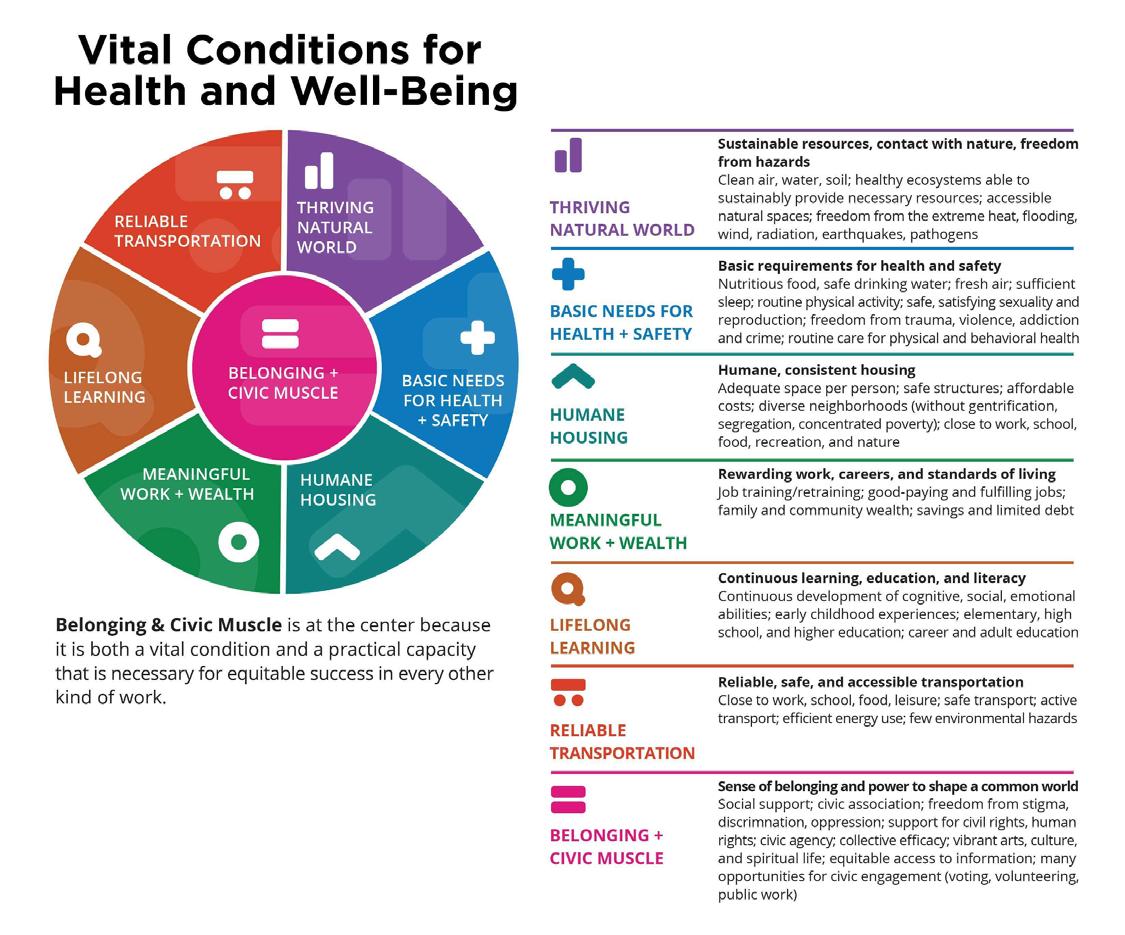
focusing on capacity building, public health messaging, and sharing information and support. These initiatives enable the SHIP to assist local organizations through strategic planning, research, data translation, and cross-sector collaboration. Wongsin et al. examined studies that demonstrated the relationship between strategic planning and organizational performance in the public health sector.1 This research indicates that having a public health strategic plan, like the SHIP, positively influences organizational performance, including goal achievement.1 This is important because when stakeholder or organizational goals align with SHIP’s goals, the strategies being employed to advance health are more effective. Furthermore, partnerships between community agencies and public and private institutions, such as the Partnership Coalition, have been shown to be one of the most promising practice-based approaches in public health as different systems collaborate to cross-share resources and information, thus improving health outcomes from a multi-systemic approach.2 Additional reviews have found that public health partnerships, such as the Partnership Coalition, lead to improvements in health outcomes that align with many of our objectives, including infant mortality, tobacco use, alcohol use, physical activity, and car crashes.3 This directly honors the SHIP’s main tenets: community engagement and de-fragmentation. The SHIP is directly influenced by the Vital Conditions of Health and Well-Being Framework seven domains or the properties that communities need to be able to thrive. If a gap exists in one area, it affects all others.4 This principle guides the SHIP, which includes input from key sectors—such as transportation,
housing, education, and non-profits—to promote a multisystemic approach and break down silos. By prioritizing the Partnership Coalition’s feedback, SHIP’s goals, objectives, and strategies remain aligned with the communities most impacted.
SHIP GOALS, OBJECTIVES, AND STRATEGIES
The Delaware State Health Assessment (SHA) was conducted in 2022 and 2023 to evaluate the health of Delawareans and identify the state’s strengths and areas for improvement.5 The SHA identified pressing health priorities and community-level needs, which informed the SHIP objectives and goals. The SHIP follows the Association of State and Territorial Health Officials (ASTHO) guidance for SHIPs, sorting the strategic plan into priorities, goals, objectives, and strategies.6 The SHIP internal team and Partnership Coalition collaborated to establish the plan, ensuring it was specific to Delaware and feasible for our partner organizations.
Priorities are specific health topics that encompass the goals we want to achieve to improve the health of Delaware’s residents.6 The SHIP’s priorities are mental health, chronic disease, maternal and infant health, avoidable injury, and premature death. Goals are broad statements that fall under the health priorities and describe what we want to accomplish and how we want to accomplish it.6 The five priority health outcomes and their goals are shown in Table 1. 7
Table 1. Summary of SHIP Priority Health Outcomes and Goals
Priority Health Outcomes Goals
Mental Health
Chronic Disease
Maternal and Infant Health
Avoidable Injury
Premature Death
Expand access and improve mental health results via increased services and awareness of mental health conditions.
Reduce the population’s risk of chronic diseases among the population by promoting healthy lifestyles, preventive screenings, and chronic disease management.
Decrease adverse health outcomes for birthing parents and infants.
Improve community safety by expanding transportation access and reducing the risks of violence and falls.
Reduce drug and alcohol use among both youth and adults.
Objectives are measurable achievements for each goal.6 For each objective, baseline data are available at the time the SHIP was published (2025), and a target was set to reach by 2028, the end of the five-year SHIP cycle. The SHIP includes specific measurable objectives to track progress and trends in health indicators, identify gaps in strategies, and pinpoint areas for improvement throughout the SHIP cycle. Measurable targets were developed using the National Center for Health Statistics Percent Improvement Tool,8 which was used for Healthy People 2030. The target numbers were reviewed for feasibility by comparing them to recent trends and undergoing a thorough DPH review.
Strategies are the actions or activities that will support the SHIP in achieving its objective.6 The SHIP strategies were identified and refined through SHIP Partnership Coalition Meetings. Other strategies were identified through a literature review of national and state sources, including the University of Wisconsin’s Population Health Institute and the United Health Foundation’s America’s Health Rankings (AHR). Current strategies are available on the Delaware SHIP website.
OBJECTIVE PERFORMANCE
Since publication in April 2025, the SHIP internal team has been working with the Partnership Coalition to determine what actions and initiatives are currently underway to address the five priority health outcomes and what work remains to be done. The SHIP internal team will publish an Annual Report to showcase our progress toward our goals, tackle the identified gaps in achieving our priority health outcomes, and refine our strategies to keep advancing.
The original 2025 SHIP report had 42 objectives. Of the 42 objectives, 12 showed measurable improvements, and six met their target. However, three objectives remained unchanged, and 15 objectives worsened. The remaining six objectives’ data are unavailable at this time. The objectives were updated using state and national sources to identify the most recent data available for each objective. Objective performance by priority health outcome is as follows:
1. Mental Health — 0 out of 5 objectives improved and/ or were met (0% met).
2. Chronic Disease — 8 out of 15 (53%) objectives improved and/or were met.
3. Maternal and Infant Health — 3 out of 6 (50%) objectives improved and/or were met.
4. Avoidable Injury — 4 out of 11 (36%) objectives improved and/or were met.
5. Premature Death — 3 out of 5 (60%) objectives improved and/or were met.
Based on objective performance, Mental Health and Avoidable Injury emerged as the priority that requires the most attention over the remainder of the SHIP cycle. Table 2 presents the 16 priority health outcomes and objectives that have improved, along with the percent improvement from the baseline data used in the 2025 SHIP to the current reporting period. Because baseline data years varied by source, the applicable timeframe for each indicator is provided in the table.
DISCUSSION OF PROGRESS ON PRIORITY HEALTH OUTCOMES
Chronic Disease
The SHIP goals of increasing physical activity, reducing tobacco use among children, and expanding mammogram screenings were achieved. Targets related to adult and child obesity, adult smoking, routine check-ups, and adult diabetes have also shown progress, as shown in Table 2. In Delaware, public health campaigns, education, and community interventions led by groups such as the YMCA, the Community Health Advocacy Mobilization Group (CHAMG),9 the Physical Activity and Obesity Prevention (PANO) Program,10 and UD Cooperative Extension have consistently addressed physical activity, obesity,
Chronic Disease (2.1.2)
Increase the percentage of adults who met the federal physical activity guidelines (150 minutes of moderate or 75 minutes of vigorous aerobic activity and two days of muscle strengthening per week) in the past 30 days.
Chronic Disease (2.1.5) Reduce the percentage of
Reduce the percentage of adults who are current smokers (smoke daily, some days, or at least 100 cigarettes in their lifetime)
Chronic Disease (2.2.2) Decrease the percentage of children ages 12 to 17 who reported using a tobacco product in the past month
Chronic Disease (2.3.1)
(2.4.3)
Increase the percentage of women ages 40 to 74 who reported receiving a mammogram in the past two years
Increase the percentage of adults who visited a doctor for a routine checkup within the past year
Reduce the percentage of adults who reported ever being told by a health professional that they have
Increase the percentage
(5.2.2)
the percentage of children ages 12 to 17 who reported drinking alcohol in the past month
and diabetes. Workplace programs, community-based physical activity and self-management initiatives, and walkable community projects enhance residents’ access to physical activity and chronic disease management. Education efforts continue to promote adult smoking cessation and prevent child tobacco use through ongoing programs and social norm changes. Organizations such as Healthy Delaware, the American Lung Association, and Delaware Quitline provide tobacco cessation services and vape-free education, supported by a five-year plan to meet statewide goals. Faith Forward Collaborative and Lutheran Community Services offer community outreach and trusted messengers to deliver resources and raise awareness in underserved areas. Various organizations, including the Delaware Breast Cancer Coalition, Community Health Workers Association, and the Health Literacy Council of Delaware, have improved access to prevention, such as
mammograms and routine screenings, through care coordination, health navigation, financial aid, and mobile services, thus increasing the community’s ability to prevent, treat, and manage chronic diseases.
Maternal and Infant Health
In relation to the maternal and infant health priority health outcome, preterm births, prenatal care receipt, and postpartum checkup receipt objectives improved (Table 2). Delaware has made this progress through a range of programs and partnerships that support birthing parents and infants before, during, and after pregnancy. Statewide initiatives such as the Healthy Women, Healthy Babies program provide prenatal care, nutrition, mental health, and family-planning services for individuals who are pregnant or planning to become pregnant, particularly those at higher
risk of adverse birth outcomes.11 Community-based efforts, including home visits and parenting support programs such as Smart Start, provide education and guidance to expectant parents and families with young children.12 Other community organizations, including Black Mothers in Power and the Do Care Doula Foundation, Inc., work to expand culturally responsive care and improve birth outcomes among historically underserved communities. Organizations such as Children & Families First further support maternal and infant health through programs that provide parenting education, home-visiting services, and family support. These services help families navigate the postpartum period by connecting them with healthcare resources, promoting postpartum checkups, and providing guidance on infant care, breastfeeding, and maternal well-being. Additionally, the Delaware Healthy Mother and Infant Consortium coordinates statewide strategies to reduce maternal and infant mortality and improve health outcomes through policy recommendations, data monitoring, and collaboration among healthcare providers and community organizations.13 All together, these initiatives strengthen prenatal and postpartum care, expand family support services, and promote healthier outcomes for birthing parents and infants in Delaware.
Avoidable Injury
The targets for walking and bicycling to work improved, and the goals for reducing homicide and firearm-related deaths were achieved (Table 2). Delaware has made significant strides toward creating a more walkable environment through initiatives such as the Delaware Department of Transportation (DelDOT) Pedestrian Action Plan,14 the Safe Routes to School Program, and Wilmington Area Planning Council’s (WILMAPCO) Safe Streets for All,15 all of which are focused on enhancing street safety and walkability across the state. Nature-based walking and biking are also promoted by the Department of Natural Resources and Environmental Control (DNREC) and groups such as UD Cooperative Extension and Sussex Cyclists. These organizations use policies, education, and outreach to improve Delaware’s built environment and encourage alternative transportation options. To address homicide and firearm-related death reduction, Delaware has adopted a coordinated, community violence intervention approach. Recent efforts include hospital-based recovery and re-injury prevention, law enforcement enhancements, and community street outreach. ChristianaCare’s Empowering Victims of Lived Violence (EVOLV) supports trauma recovery for individuals impacted by community and interpersonal violence.16 Additionally, Delaware is strengthening crisis response and behavioral health services through Crisis Intervention Service Centers, Community Mental Health Centers, the Recovery Response Center, and hospital emergency rooms. Several organizations, including End Community Violence Now17 and Group Violence Intervention, work to connect community members, organizations, and law enforcement, fostering trust and sustainable partnerships for violence prevention across the state.
Premature Death
In this priority area, the objectives related to adult opioid use have been met, and there have been improvements in adult binge or heavy drinking and child alcohol use (Table 2). Delaware’s opioid response has significantly advanced due to several factors, such as expanded access to addiction treatment and recovery services, increased distribution and use of naloxone, harm reduction efforts, and public health education about the risks of opioid use. Multiple organizations contribute to these achievements, including the Division of Substance Abuse and Mental Health (DSAMH) State Prescription Monitoring Program,18 which helps track and reduce misuse of controlled substances. Other groups, such as Delaware State University (DSU) and Trauma Matters Delaware, offer trauma-informed training for healthcare and social service providers. Additionally, Brandywine Counseling & Community Services offers harm reduction services, including a Syringe Service Program that provides sterile equipment and connects individuals to substance use and mental health treatment. For both substance and alcohol use, many organizations have expanded access to treatment and recovery through Federally Qualified Health Centers (FQHC), which offer integrated behavioral and substance use disorder services, along with healthcare systems delivering outpatient and specialized addiction treatment.
CONCLUSION
Overall, the SHIP provides a coordinated, evidence-based framework for addressing the state’s most pressing public health challenges. Since the publication of the SHIP in 2025, progress has been made across several priority health outcomes, including chronic disease, maternal and infant health, avoidable injury, and premature death. These improvements reflect the collective efforts of public health agencies, healthcare systems, community organizations, and the SHIP Partnership Coalition, who work collaboratively to implement evidence-based strategies. While important progress has been made, priorities such as mental health require continued attention and targeted interventions over the remainder of the SHIP cycle. Ongoing monitoring of objective performance enables the SHIP internal team and its partners to identify gaps, refine strategies, and strengthen community partnerships to better address emerging needs. Moving forward, continued collaboration among state agencies, providers, and community-based organizations will be critical to achieving the SHIP’s long-term goals. By aligning local initiatives with SHIP priorities and maintaining crosssector partnerships, Delaware can further improve health outcomes and promote healthier communities across the state. Dr. Wynn may be contacted at alexwynn@udel.edu .
REFERENCES
1 Wongsin, U., Pannoi, T., Prutipinyo, C., Maruf, M. A., Pongpattrachai, D., Quansri, O., & Sattayasomboon, Y. (2025, August 1). Strategic planning and organizational performance in public health sector: A scoping review. BMC Health Services Research, 25(1), 1017 https://doi.org/10.1186/s12913-025-13206-6
2 Varda, D., Shoup, J. A., & Miller, S. (2012, March). A systematic review of collaboration and network research in the public affairs literature: Implications for public health practice and research. American Journal of Public Health, 102(3), 564–571 https://doi.org/10.2105/AJPH.2011.300286
3. Mays, G. P., & Scutchfield, F. D. (2010, November). Improving public health system performance through multiorganizational partnerships. Preventing Chronic Disease, 7(6), A116 https://pubmed.ncbi.nlm.nih.gov/20950523
4 Rippel Foundation. (n.d.). Vital conditions for health and well-Being. https://rippel.org/vital-conditions/
5. Delaware Department of Health and Social Services. (2023, Oct). delaware state health assessment, 2022-2023 report. Division of Public Health. https://img1.wsimg.com/blobby/go/7298608e-3c37-4361-b78a-b30fff51587e/ downloads/ff7b0765-9e8a-4293-9be4-3ed0df592d29/The%20Delaware%20 State%20Health%20Assessment.pdf
6 Association of State and Territorial Health Officials. (2014). Developing a state health improvement plan: Guidance and resources. https://www.astho.org/topic/public-health-infrastructure/planning/developing-astatehealt h-improvement-plan/
7 Delaware Department of Health and Social Services. (2025, Jan). state health improvement plan. Division of Public Health. https://img1.wsimg.com/blobby/go/7298608e-3c37-4361-b78a-b30fff51587e/ Final%20State%20Health%20Improvement%20Plan_09032025.pdf
8 Hubbard, K., Talih, M., Klein, R. J., & Huang, D. T. (2020). Target-setting methods in Healthy People 2030 (Healthy People Statistical Notes No. 28). National Center for Health Statistics. https://www.cdc.gov/nchs/data/statnt/statnt28-508.pdf
9 Community Health Advocacy Mobilization Group of Delaware. (2025). Promoting health equity through advocacy for data-driven policies and practice changes.
13 Thrives, D. E. (2026, May 21). Delaware healthy mother & infant consortium (DHMIC). DE Thrives; Division of Public Health. https://dethrives.com/dhmic
14 Delaware Department of Transportation. (n.d.). Pedestrian action plan. https://deldot.gov/Programs/pedestrian-action-plan/
15 WILMAPCO. (n.d.). Safe streets for all in New Castle County, DE. https://wilmapco.org/safestreets/
16. Chen, D., Rodriguez, J., Pendleton, M., & Johnson, N. (2024, June 30). Empowering victims of lived violence: Delaware’s hospital violence intervention program (HVIP). Delaware Journal of Public Health, 10(2), 36–42 10.32481/ djph.2024.06.06 https://pubmed.ncbi.nlm.nih.gov/38966345
17 End Community Violence Now. (n.d.). Strategic plan. https://ecvndelaware.org/wp-content/uploads/2026/01/ECVN-Strategic-PlanFinal.pdf
18 Delaware Division of Professional Regulation. (n.d.). Delaware prescription monitoring program. https://dpr.delaware.gov/boards/pmp/
2026 Delaware Healthcare Workforce Summit
Wednesday, September 30, 2026
8:30 AM to 2:30 PM
Focus on Behavioral Health, with updates on Delaware’s Rural Health Transformation Program
Dover, Delaware
Bayhealth Conference Center
Details to follow
Presented with support from the Office of Healthcare Provider Resources, Delaware Division of Public Health
The Value of Social Determinants of Health Needs Assessments in Primary Care
Nina Anderson, D.N.P.
Delaware State University, TOVA Community Health
Chloe Lassiter, B.S.
Delaware State University, TOVA Community Health
James Gill, M.D., M.P.H.
Family Medicine at Greenhill, DVOR Outcomes Research
ABSTRACT
Social determinants of health (SDOH) such as income, housing, food security, education, transportation, and healthcare access, exert a far greater influence on health outcomes compared with traditional clinical care alone. This policy commentary argues for the routine integration of SDOH needs assessments into primary care to enable more comprehensive, equitable, and effective patient care. By screening for social drivers, providers can identify non-medical obstacles to treatment adherence, connect patients with community resources, and develop realistic care plans tailored to individual circumstances. Additionally, understanding patients’ social environments can help clinicians consider alternative or differential diagnoses associated with specific social exposures. For example, housing instability or poor housing conditions may contribute to respiratory illnesses such as asthma due to mold or environmental exposures, while food insecurity may increase risk for malnutrition or poor control of chronic diseases such as diabetes. Incorporating SDOH information into clinical decision-making therefore not only improves care coordination but also supports more accurate and context-informed diagnostic assessments. A real-world needs assessment conducted with a Delaware State University professor living with a neuromuscular disorder illustrates how even insured, employed, highly educated individuals can face critical gaps in medical device coverage, underscoring the intersection of social and economic factors with clinical care. The commentary further highlights how aggregated SDOH data can inform community-wide public health planning, policy advocacy, and resource allocation. Practical implementation strategies, including digital screening tools embedded in electronic health records, are proposed to minimize workflow disruption while ensuring consistent data collection. Ultimately, embedding SDOH assessments into routine primary care represents an essential step toward holistic, value-based healthcare that addresses root causes of health disparities and improves long-term patient outcomes.
COMMENTARY/NARRATIVE
There is significant value in primary care providers completing social determinants of health needs assessments (SDOH) in their practices for patient needs evaluations. Social drivers such as income, housing, food security, education, transportation, and access to healthcare can have a major impact on health outcomes. Traditional clinical care focuses primarily on diagnosing and treating medical conditions, but research consistently shows that social and environmental factors account for a much larger share of what influences overall health.1 By assessing these social needs, providers gain a more comprehensive understanding of their patients’ lives out of a medical setting, which allows for more personalized and effective care delivery.
One of the key benefits of integrating SDOH assessments into primary care is the ability to identify and address barriers that interfere with health management. For example, patients who experience housing instability or food insecurity may struggle to follow treatment plans, not out of noncompliance, but because they lack the necessary resources for survival. When providers screen for these issues, they can connect patients with social workers or community organizations that provide targeted support for what holds them back. This process would allow patients to access assistance such as food pantries, housing aid, or even utility benefits; resources that will in turn improve their
ability to maintain health. Anderman highlights that physicians often avoid addressing SDOH issues because they feel helpless when faced with complex challenges their patients experience.2 However, she emphasizes that health professionals have a crucial role in identifying these factors and helping patients access community and social support services. By doing so, providers can bridge the gap between clinical care and the social realities influencing health outcomes.
In addition, SDOH needs assessments help promote health equity by ensuring that care is tailored to each patient’s unique social context. Many individuals, particularly those from marginalized or low-income communities, face systemic barriers that impact their access to care and overall health. When providers are aware of and understand these factors, they can create more realistic and sustainable care plans that coincide with a patient’s financial or social limitations. Drake et al. conducted a qualitative study using semi-structured focus groups with front-line clinicians to explore how collected SDOH data could inform implementation factors and best practices for responding to patients’ social needs.3 Clinicians involved in the study noted “how the different parts of a person’s life impact them because… one area influences the other.” This not only leads to better health outcomes but can also build trust between patients and providers, as patients feel understood and supported beyond their medical diagnoses.
As part of our exploration of the SDOH, a needs assessment was conducted with a faculty member at Delaware State University, living with a neuromuscular degenerative disorder characterized by progressive muscle weakness, stiffness, and pain that limits upper arm mobility.4 Through the assessment process, financial and insurance-related barriers to assistive technology were identified as significant challenges affecting daily functioning. Although the individual maintains employment and health insurance coverage, medically beneficial adaptive equipment remains inaccessible due to lack of insurance reimbursement. For example, an arm elevation assist device costing approximately $2,000, which would substantially improve the ability to perform activities of daily living such as dressing, cleaning, lifting objects, and conducting academic work with students, is not covered under the current insurance plan. This example illustrates how SDOH assessments can reveal economic and structural barriers that may not be apparent through a traditional clinical evaluation alone. Even individuals with stable employment, education, and insurance coverage may encounter gaps between medical necessity and coverage policies, demonstrating the broader importance of integrating social needs assessments into routine care to identify and address these barriers
Furthermore, collecting needs assessment data of SDOH in primary care settings supports broader public health initiatives and policy development. By analyzing the gathered data, health systems can identify community-wide trends, such as areas with high rates of food insecurity, crime rates or lack of transportation. This information can guide community health planning, funding, and advocacy efforts aimed at addressing the root causes of poor community health outcomes.
One effective way to implement SDOH needs assessments into primary care visits could be through the use of digital or electronic screening tools and patient surveys.5 Integrating brief, SDOH questionnaires into electronic health record (EHR) systems would allow patients to complete assessments before or during appointments, without the hassle of the doctors or nurses having to conduct them orally during each patient visit. These can be done either through individual patient portals, mobile check-in systems, or paper form. This digital approach would minimize the burden on providers while ensuring consistent data collection across patient populations. For example, an electronic survey might include questions on food access, transportation, or housing stability, with automatic prompts linking positive responses to referral resources or community-based services. By streamlining the process and embedding it into routine care, healthcare organizations can efficiently capture essential social data without disrupting clinical workflow. This not only enhances individualized care planning but also generates valuable population-level insights that support health equity initiatives and value-based care models.
In summary, incorporating SDOH needs assessments into primary care adds substantial value by allowing providers to identify social barriers, enhance patient care, promote health equity, and inform public health strategies. By recognizing and addressing the social and environmental factors that influence health, providers can deliver more holistic and compassionate care that meets patients where they are. These assessments not only uncover hidden barriers to treatment adherence but also empower clinicians to connect patients with vital community
resources. As the healthcare system continues to shift toward value-based care, integrating SDOH needs assessments into routine practice is essential for improving outcomes, reducing disparities, and ultimately creating a more responsive healthcare environment.
Dr. Anderson may be contacted at nina@tovacommunityhealth.org.
REFERENCES
1 Head, L. L. (2025, August 15). Building health beyond medicine: How Highmark’s Social Care Network is tackling social determinants of health. Philadelphia Business Journal https://www.bizjournals.com/philadelphia/news/2025/08/15/building-healthbeyond-medicine.html
2 Andermann, A., & the CLEAR Collaboration. (2016, December 6). Taking action on the social determinants of health in clinical practice: A framework for health professionals. CMAJ, 188(17-18), E474–E483 https://doi.org/10.1503/cmaj.160177
3 Drake, C., Batchelder, H., Lian, T., Cannady, M., Weinberger, M., Eisenson, H., Shea, C. M. (2021, September 17). Implementation of social needs screening in primary care: A qualitative study using the health equity implementation framework. BMC Health Services Research, 21(1), 975 https://doi.org/10.1186/s12913-021-06991-3
4 TOVA Community Health (2025). TOVA socio-determinants of health needs assessment.
5 O’Gurek, D. T., & Henke, C. (2018, May/Jun). A practical approach to screening for social determinants of health. Family Practice Management, 25(3), 7–12. Retrieved from https://www.aafp.org/pubs/fpm/issues/2018/0500/p7.html
Long-Term Investments, Cross-Sector Partnerships and Tailored Support Fuel
Collaborative Efforts to Create Healthy and Thriving Delaware Communities
Kate Dupont Phillips, M.P.H.
Healthy Communities Delaware
Monica Burnett Castellano, M.S.P.H.
Healthy Communities Delaware
Linda Tholstrup, M.S., M.C.H.E.S.
Healthy Communities Delaware
Bill Swiatek, M.A., A.I.C.P.
Wilmington Area Planning Council
Sarah Lester Cornerstone West Community Development Corporation/West Side Grows Together Steering Committee
Lauren J. Footman, M.S.O.D., Ed.D.
End Community Violence Now
ABSTRACT
Healthy Communities Delaware’s experience validates three tenets for partnering with communities to improve health, well-being, and equity: long-term investment, cross-sector partnerships, and community-tailored approaches. Community stories from West Side Wilmington, the Route 9 Corridor, and Laurel illustrate how putting these principles into practice advances the Vital Conditions so all Delaware communities can be healthy and thrive.
INTRODUCTION
Healthy Communities Delaware is a network of community and investment partners working together to advance health, well-being, and equity by improving community Vital Conditions: humane housing, lifelong learning, a thriving natural environment, meaningful work and wealth, basic needs for health and safety, reliable transportation, and a sense of belonging and civic muscle (see Figure 1).2 Healthy Communities Delaware invests in building community capacity for transformation (including comprehensive planning, steering committees, and backbone support), as well as resident-prioritized projects that drive systemic change. By supporting local organizations that work closely with the community, Healthy Communities Delaware gives voice and power to those who know their community best.
Since 2020, Healthy Communities Delaware has invested over $9.5 million in 18 Delaware communities with the poorest health and social outcomes. Working alongside Delaware communities has validated three long-standing tenets for partnering with communities: long-term investment, cross-sector partnerships, and community-tailored approaches.3–5 The following community stories highlight real-world examples of these principles in action:
1. West Side Wilmington: Illustrates how longterm, flexible funding for both collaborative infrastructure and community-driven projects drives transformational change,
2. Route 9 Corridor: Highlights how strategic, strong cross-sector partnerships align resources and expertise to solve complex community problems, and
3. Laurel: Demonstrates the need for tailored approaches that respect and leverage each community’s unique characteristics and capacity.
WEST SIDE WILMINGTON
For more than 15 years, organizations and residents have been working together to improve the community’s vital conditions in West Side Wilmington. Their collective success has been fueled by sustained investment in both the organizations leading transformative communitydriven projects and in the collaborative infrastructure that makes the work possible. The West Side’s approach is coordinated, but flexible. Organizations maintain their independence, while leading components of a shared plan that match their mission and capacity. West Side partners often refer to their collaborative efforts as “working the plan.” The West Side infrastructure consists of:
• The Revitalization Plan: Serves as a north star, promoting alignment of investment with community-driven priorities.
• The Steering Committee: Offers a consistent forum for residents, nonprofits, small businesses, local institutions and civic leaders from five diverse neighborhoods to synchronize strategies and resources.
• The Backbone Organization: Provides administrative capacity for coordination, communication, implementation tracking, and collaborative fundraising.
This collaborative infrastructure began to take shape in 2011, when the community undertook a comprehensive community planning process to produce a West Side Revitalization Plan. The process established the West Side Grows Steering Committee and formalized Cornerstone West Community Development Corporation (Cornerstone) as a backbone organization for collaborative, community-driven, revitalization efforts. In 20232024, Cornerstone and the Steering Committee, guided the community through a second comprehensive planning process to update the West Side Revitalization Plan. The commitment of West Side partners alongside consistent investment have sustained the collaborative infrastructure since its inception.
Supported by the collaborative infrastructure, West Side partners have successfully implemented key priorities outlined in the Revitalization Plan, including those listed below. While these organizations manage fundraising independently, their participation in the collaborative ensures their efforts remain aligned with the community’s shared vision. This alignment also helps organizations demonstrate when projects are high-priority
and community-backed, which lends them credibility to secure funding.
West Side Revitalization Plan implementation highlights include:
• Be Ready Community Development Corporation replaced a block of vacant housing with the Solomon’s Court development. Phase 1 built six units of affordable and accessible rental housing and 1,600 sq. ft. of commercial space. Phase 2 will add 12 units of affordable rental housing and 4,500 sq. ft. of commercial space this year.
• Cornerstone West Community Development Corporation led community-driven design processes and leveraged $5 million for the renovation of six West Side parks. They also partnered with a grassroots effort, Green For the Greater Good, to transform the 3.78acre Rodney Reservoir into a nature-focused community park (2025).
• Through its $6 million Education Expansion Project, the Latin American Community Center increased community access to early childhood education and community spaces. Key milestones include the multigenerational garden (2022), La Fiesta 2 Infant and Toddler Center (2023), and a school-age playground to be completed this year.
West Side partners have blended and leveraged funds from diverse sources over multiple years to execute these transformational projects and maintain the collaborative infrastructure that supports them. Longterm, flexible investments from partners such as the Regional Foundation, (formerly the Wells Fargo Regional Foundation) from 2011 to 2022 and Healthy Communities Delaware from 2020 to 2026 have been essential to maintaining the stability of these collaborative development efforts.
Insight from the Field: Collaborative, Community-Driven Work Requires Long-Term Investment
As demonstrated by the West Side story, community-driven change required funding for both resident-prioritized projects and the underlying collaborative infrastructure. Long-term, flexible investments in community-driven planning, a dedicated backbone organization, and a consistent steering committee have enabled West Side partners to build and maintain the community trust and consensus necessary for collective action (figure 2). Consistent, flexible, long term funding has enabled West Side partners to execute complex multi-year projects that realize the community’s shared vision.
RT. 9 CORRIDOR
In 2017, the Wilmington Area Planning Council’s communitydriven Route 9 Master Plan established a shared vision for transportation and land use redevelopment along the suburban Route 9 corridor just south of Wilmington. The Route 9 Monitoring Committee, which is composed of civic leaders, government agencies, and business representatives now acts as a steering committee to drive implementation of the plan.
The Route 9 Monitoring Committee has had several implementation successes. These include: helping secure Healthy Communities Delaware funding to support two area Community Development Corporations; incorporating community land use priorities into the New Castle County Comprehensive Plan; forming a Health Subcommittee to better understand and communicate local health needs; and guiding transportation investments to improve mobility access and safety. One example of these mobility successes is the Tri-Parks Trail lighting project.
The Tri-Parks Trail traverses three New Castle County parks— Surratte, Rose Hill, and Oakmont—and provides a convenient walking and cycling connection between several neighborhoods. The trail supports physical activity and provides an alternative to walking along busy area roadways to reach key destinations. It also forms the spine of a planned interconnected neighborhood pathway network running the length of the corridor.
The absence of lighting, however, makes the trail feel unsafe at night. This constrains opportunities for physical activity and safe travel for residents who rely on walking to travel to and from bus stops, community centers, libraries, and shops. Previous community-led efforts to add lighting had been
Figure 2. West Side Wilmington Residents Providing Feedback on a Community Garden Plan
Note. Photograph by Green for the Greater Good, 2024. Adapted with permission.
unsuccessful. County officials had long maintained a policy against lighting in parks, citing concerns that adding lighting could encourage crime or other undesirable activity. Local elected officials were similarly hesitant to advocate for lighting due to these concerns.
In response, the Route 9 Monitoring Committee—working with the University of Delaware’s Cooperative Extension—began researching the relationship between lighting and crime, as well as gathering community lighting needs. In two letters sent to New Castle County in 2021, the committee cited studies showing that improved lighting reduced criminal activity elsewhere by 20–39 percent. The letters also documented the Route 9 Master Plan’s call for adding lighting throughout the corridor to improve pedestrian safety. Survey data from the New Castle Prevention Coalition (now the Route 9 Community Development Corporation) was cited to further highlight this need: 67 percent of residents reported sparse or nonexistent lighting in their neighborhoods. Finally, informal interviews with Tri-Parks Trail users detailed the lighting needed along this trail. Whether they used the trail for transportation or exercise, residents said that lighting would allow them to use the trail for more hours each day–expanding opportunities for physical activity and improving safe access to nearby services.
This advocacy from the Route 9 Monitoring Committee ultimately helped prompt a policy shift within New Castle County. And in the following year (2022), the county applied for Delaware Department of Transportation Alternatives Program funding to install lighting along the Tri-Parks Trail. After a period of project development in coordination with the Route 9 Monitoring Committee and local civic leaders, a full concept plan was presented in 2025.
The nearly $1 million project will install lighting along the TriParks Trail and also involves several additional improvements that support accessibility and safety. These include accessibility upgrades for people with physical disabilities, a safer crossing of a roadway, and a new pathway connection to Oakmont’s outdoor basketball court. The Delaware Department of Transportation currently expects construction to begin in spring or summer 2027.
Insight from the Field: Cross-Sector Partnerships
Solve Complex Problems
For years, Route 9 Corridor residents advocated for lighting, but these efforts alone did not lead to change. By leveraging its broad coalition of community organizations, public agencies, researchers, and civic leaders, the Route 9 Monitoring Committee shared resources and knowledge to influence a shift in New Castle County’s park policy. This paved the way for partnership with the Delaware Department of Transportation that produced a trail lighting project concept that reflects community priorities. This example demonstrates how crosssector partnerships can solve complex problems that no single group can solve alone.
LAUREL
In 2023, in the town of Laurel in Sussex County, three teenagers were fatally shot within just six months. Given that Laurel is a rural town of just over 4,000 residents, this level of gun violence was particularly striking.
Concerned residents came together to respond to these traumatic incidents, to heal, and to make a change in their community. They formed Operation West Laurel, a group of community volunteers focused on addressing the root causes of violence and “transforming the community from the inside out.” Since its inception, Operation West Laurel has developed an impressive array of youth development, outreach, and advocacy programs aimed at creating a safe, supportive environment where children and families can thrive.
Operation West Laurel was doing amazing work with a small group of dedicated volunteers. Then in 2024, they began partnering with End Community Violence Now, a backbone organization working to build Delaware’s coordinated, statewide approach to reducing community gun violence. End Community Violence Now brought important elements to this partnership, including expertise in community violence intervention, knowledge of best practices, organizational capacity to receive and administer grant funding, and alignment to a broader statewide strategy. Combining the capacity and expertise of End Community Violence Now and the local knowledge and social capital of Operation West Laurel, the partnership was able to secure a grant from Healthy Communities Delaware to bolster their efforts and turn local passion into transformative action.
With funding support from Healthy Communities Delaware, End Community Violence Now and Operation West Laurel are collaborating to implement Crime Prevention Through Environmental Design principles in West Laurel. These design principles make physical environments safer by using strategies such as improving visibility with lighting and landscaping, maintaining spaces to signal community care and ownership, and using walkways, fences, and signage to guide movement and control site access. West Laurel residents and Operation West Laurel members have selected local sites for revitalization, conducted community clean-ups, installed new community assets like gardens, murals, and lighting improvements, and sustained resident engagement activities. These strategies are grounded in evidence demonstrating that improving physical environments, strengthening social cohesion, and increasing community ownership can reduce opportunities for violence and improve overall safety.6
Since the tragic events of 2024, violent crime is down in Laurel, including homicides, shootings, and shots fired. While multiple factors influence crime trends, the coordinated, communityled strategies implemented in Laurel align with evidence-based approaches shown to reduce violence and contribute to positive shifts in community safety.7
Operation West Laurel and End Community Violence
Now plan to continue this work to make Crime Prevention Through Environmental Design-informed improvements to even more sites in the community and are seeking additional funding to support the expansion. End Community Violence Now is also supporting Operation West Laurel to build its organizational capacity through activities that foster leadership, build board capacity, and develop advocacy skills. The intent is to strengthen and solidify the capacity of Operation West Laurel to sustain the revitalization momentum over the longterm, adding both physical and organizational assets to the infrastructure of West Laurel.
Insight from the Field: Different Approaches are Needed for Different Communities
Every community is unique, with its own character, culture, assets, and challenges. As a result, different communities require different supports and approaches to strengthening their vital conditions. In the Wilmington communities describedabove, there are community-based organizations to secure investment dollars and capacity to implement community development projects once that funding is received. But not all communities have that kind of capacity. Smaller, more rural communities tend to have fewer non-profit organizations and less overall capacity to seek and take in investments for revitalization efforts. This often leads to fewer resources like funding and technical assistance going to smaller communities, even though their needs are just as great. The Laurel story illustrates one model for overcoming this common rural challenge: pairing local knowledge, passion, and leadership with tailored support from a regional backbone organization.
CALL TO ACTION
The public health field has come to recognize the extraordinary impact that community conditions have on health and well-being, and therefore the necessity of building cross-sector partnerships to address these conditions. When public health funding is less available, it is more important than ever to leverage the wisdom, time, talents and resources that come with long-term, cross-sector partnerships. We call on Delaware funders to strengthen their commitment to long-term, flexible funding for communitydriven work that improves the Vital Conditions. By blending and braiding resources, across sectors, public and private, we can build a future where every Delawarean has the opportunity to thrive. Ms. Phillips may be contacted at kate@healthycommunitiesde.org .
ACKNOWLEDGEMENTS
The authors would like to acknowledge Jamila Davey, Amy Handy, Kelly Scanlan, Margaret Moon-Taylor, and Sandra Smithers for reviewing and providing information for the article. Special thanks to our partners Be Ready Community Development Corporation, Cornerstone West Community Development Corporation, the Latin American Community Center, Green for the Greater Good, West Side Grows Together Steering Committee, Route 9 Community Development Corporation, Route 9 Monitoring Committee, Wilmington Area Planning Council, Operation West Laurel, and End Community Violence Now for allowing us to feature their work. We also want to thank the many residents and organizations in HCD partner communities for their dedication to creating a Delaware where all people can thrive.
2 The Rippel Foundation. (2026). Vital conditions for health and well-being. The Rippel Foundation. https://rippel.org/vital-conditions/
3 DeSalvo, K. B., Wang, Y. C., Harris, A., Auerbach, J., Koo, D., & O’Carroll, P. (2017, September 7). Public health 3.0: A call to action for public health to meet the challenges of the 21st century. Preventing Chronic Disease, 14, 170017 https://doi.org/10.5888/pcd14.170017
4 Chen, A. T., Smith, D. O., Ojikutu, B. O., & Auerbach, J. (2024, June). The community as a full partner: A new model for public health. Health Affairs (Project Hope), 43(6), 805–812 https://doi.org/10.1377/hlthaff.2024.00033
5. CDC Foundation & Well Being Trust. (2020). Thriving together: A springboard for equitable recovery and resilience in communities across America (Milstein, B., Roulier, M., Kelleher, C., Hartig, E., & Wegley, S. Eds.). https://thriving.us/explore-the-springboard/
6. Centers for Disease Control and Prevention. (2024). Community violence prevention resource for action: A compilation of the best available evidence for youth and young adults. Atlanta, GA: National Center for Injury Prevention and Control, Centers for Disease Control and Prevention. https://www.cdc.gov/violence-prevention/media/pdf/resources-for-action/CVPrevention-Resource-for-Action_508.pdf
7 John Jay College Research Advisory Group on Preventing and Reducing Community Violence. (2020). Reducing violence without police: a review of research evidence. New York, NY: Research and Evaluation Center, John Jay College of Criminal Justice, City University of New York. https://johnjayrec.nyc/wp-content/uploads/2020/11/AV20201109.pdf
Health Literacy Emerging as a Priority in Delaware’s Community Health Needs Assessments
Emma Braun PMG Consulting
Amanda Proch University of Delaware
ABSTRACT
Health literacy is increasingly recognized as a key factor in health outcomes, patient engagement, and health equity. This article examines its integration into Community Health Needs Assessments (CHNAs) across Delaware. Drawing on recent CHNAs and guidance from the Health Literacy Council of Delaware (HLCD), it highlights growing recognition of health literacy as a priority among health systems. While several systems incorporated health literacy into their assessments, none fully adopted the standardized questions recommended by HLCD, resulting in variation in how data are collected and measured. Findings reveal ongoing challenges in understanding health information, particularly among socially vulnerable populations, with barriers including education, language, and cultural differences. Despite these gaps, the inclusion of some level of health literacy assessment in CHNAs represents meaningful progress. Expanding the use of standardized approaches in future CHNAs will be critical to improving data consistency and advancing more coordinated, statewide solutions.
Health literacy has been increasingly incorporated into Community Health Needs Assessments (CHNAs) across Delaware, marking an important step toward improving how residents understand and engage with healthcare.1–5 While inclusion varies by health system, the growing recognition of health literacy as a key factor in health outcomes reflects meaningful statewide progress.
A CHNA is a comprehensive assessment conducted by health systems to identify critical health needs through data collection and analysis.6 Increasingly, these assessments are recognizing that access to care alone is not enough. Patients must also be able to understand and use health information effectively. Health literacy, defined as the ability to find, understand, and use health information to make informed decisions7 plays a central role in this effort.
The Health Literacy Council of Delaware (HLCD), through its statewide strategic plan, has emphasized that improving health literacy promotes safer care, better chronic disease management, and greater health equity.8 To support this work, HLCD recommended a set of standardized questions for inclusion in CHNAs, drawing from sources such as the Horowitz Center in Maryland, Delaware’s State Health Assessment, and HLCD’s own landscape analysis.8–11 These recommendations included questions for both community members (consumers) and stakeholders, including healthcare providers, community-based organizations, public health professionals, and health system leaders. Communityfocused questions asked how often healthcare providers showed interest in patients’ concerns, how easy or difficult medical information is to understand, and what resources could improve engagement, such as clearer communication, more time with providers, visual aids, or language access.9,11
Stakeholder questions explored what organizations are currently doing to address health literacy and what additional training or resources—such as plain language or TeachBack methods—are needed to better support patients and communities.9,11
Across Delaware’s seven major health systems, five included health literacy in their 2025 CHNAs, though to varying degrees.1–5 Some systems, such as Bayhealth and TidalHealth, incorporated direct survey questions, collectively gathering input from more than 1,200 respondents.1,4
For example, Bayhealth included questions such as “Does your healthcare provider explain things to you in a way that you can understand?” and “Is the health information you get from your doctor or nurse easy to understand?”1 Results from Bayhealth: Kent General Hospital showed that 2,273 respondents answered “yes,” indicating they found health information easy to understand, while 62 respondents answered “no.”1
TidalHealth’s assessment, conducted through the Healthy Delmarva partnership, included questions such as “How easy is it for you to fill out forms on your own?” and “How often is it easy to understand what your doctor tells you?”11 Among 1,241 respondents, 38.2% reported “sometimes” to “never” understanding provider communication, and 31.1% reported “never,” highlighting significant challenges in comprehension.11 Other systems, including ChristianaCare, Nemours/Alfred I. duPont Hospital for Children, and Beebe Healthcare, identified health literacy as a priority but did not consistently include the recommended survey questions.2,3,5 Still, these organizations highlighted health literacy as a critical issue affecting patient outcomes, particularly among populations with lower income, lower educational attainment, limited English proficiency, and older adults.2,3,5
CHNA findings also point to key barriers. Lower levels of educational attainment in Delaware, along with growing language diversity, contribute to challenges in understanding health information.4,9,10 Several systems noted cultural barriers, limited translation/interpretation services, and distrust in healthcare as additional obstacles.2,4,5
Despite these challenges, the inclusion of health literacy in CHNAs provides a stronger foundation for action. Health systems are beginning to align around strategies such as using plain language, improving patient provider communication, and partnering with HLCD to expand training and resources.8
While this year represents an important milestone, it also highlights an opportunity for greater consistency across health systems. Expanding the use of standardized questions in future CHNAs will strengthen data collection and support more coordinated, statewide solutions.
By elevating health literacy as a core component of community health, Delaware is taking a critical step toward ensuring that all residents can access, understand, and use the information they need to lead healthier lives.
Ms. Braun may be contacted at ebraun@pmgconsulting.net
REFERENCES
1. Bayhealth. (n.d.). Community health needs assessment. https://www.bayhealth.org/community-wellness/chna
2 Beebe Healthcare. (2025). Community health needs assessment. https://www.beebehealthcare.org/sites/default/files/2025-07/Beebe_ CHNA_2025.pdf
4 Healthy Delmarva Partnership. (2025). FY2026–2028 community health needs assessment. https://www.healthydelmarva.org/content/sites/peninsula/CHNA/2026/2025_ Healthy_Delmarva_CHNA_Report_FINAL_for_Client.pdf
5 Nemours Children’s Health. (n.d.). Community health needs. https://www.nemours.org/content/dam/nemours/shared/collateral/communityreports/dv-2025-chna-assessment-report.pdf
6 Delaware State Health Improvement Plan (SHIP). (n.d.). Community health plans. https://delawareship.org/community-health-plans
7 National Institutes of Health. (2026, January 13). Health literacy. https://www.nih.gov/institutes-nih/nih-office-director/office-communicationspublic-liaison/clear-communication/health-literacy
8 Health Literacy Council of Delaware. (2024). Statewide strategic plan: A healthy Delaware begins with health literacy (Delaware Literacy Alliance). Delaware Literacy Alliance. https://hub.delawareliteracyalliance.org/hubfs/HLCD%20Strategic%20Plan. pdf?hsLang=en
9. Delaware Department of Health and Social Services, Division of Public Health. (n.d.). State Health Assessment (SHA). https://dhss.delaware.gov/dph/sha/
10. Delaware Literacy Alliance. (2023). Health Literacy Council of Delaware final report. https://delawareliteracyalliance.org/wp-content/uploads/2024/06/HLC-FinalReport.pdf
11. Rural Health Information Hub. (2022). University of Maryland (UMD) Horowitz Center for Health Literacy. https://www.ruralhealthinfo.org/toolkits/health-literacy/3/umd-horowitz-center
FOCUS Investigators discuss their ethical concerns with the use of AI tools in global health research
PROFILE
Catherine Koofhethile, PhD, examines the interplay between HIV and the immune system
Q & A
Michèle Ramsay, PhD, studies African population genetic diversity and its contribution to health & disease
DIRECTOR’S COLUMN
Peter Kilmarx, MD, says realizing the potential of AI requires investment in people
NATIONAL INSTITUTES OF HEALTH • DEPARTMENT OF HEALTH AND HUMAN SERVICES
Global Health Matters
FOGARTY INTERNATIONAL CENTER
GENOMICS
EPIDEMIOLOGY
ARTIFICIAL INTELLIGENCE DISEASE MODELING
MICROCHIPS GLOBAL RESEARCH
DEVELOPMENT
ACTING DIRECTOR’S COLUMN I DR. PETER H. KILMARX
ARTIFICIAL INTELLIGENCE IN GLOBAL HEALTH
and the Path Forward
ARTIFICIAL INTELLIGENCE (AI) is rapidly transforming health research and practice, offering new tools to analyze data, improve diagnostics, and strengthen health systems. In my own work and personal life, I use AI tools regularly across a wide range of tasks, and I believe our staff, grantees, and trainees should become familiar with them and use them when appropriate. These tools are already changing how research is conducted, analyzed, and communicated, and those who learn to use them effectively will be better positioned to advance science and improve health.
“ CONSISTENT WITH THE MESSAGE OF THIS COLUMN, I USED ARTIFICIAL INTELLIGENCE TOOLS TO ASSIST IN ITS DRAFTING AND EDITING.”
In my talks with early-career colleagues, I warn them that AI won’t take their jobs, but someone who knows how to use AI might.
The potential impact of AI may be especially significant in low- and middle-income countries (LMICs), where shortages of trained health professionals and limited infrastructure constrain access to care. In such settings, AI has the potential to extend the reach of health systems in new ways. For example, algorithm-driven care models can support frontline health workers in diagnosing and managing common conditions. AI-assisted interpretation of imaging studies, such as chest X-rays or ultrasound, can help address shortages of radiologists. AI tools may also support patient counseling and education, providing tailored information and mental health support in settings where providers have limited time. While these approaches are still evolving, they illustrate how AI could help bridge gaps in human resources and expand access to care.
At the same time, recent work by my colleagues and me highlights both the promise and the challenges of AI in global health. In an analysis of the NIH portfolio, we found that just over 5% of NIH artificial intelligence-related projects focus on low- and middle-income countries. This is striking, given that many of the most compelling use cases for AI are directly aligned with global health priorities. This imbalance matters from a perspective of fairness yet also practicality and precision. AI models trained primarily on data from high-income settings may not perform well when applied elsewhere. Ensuring both accuracy and relevance requires meaningful inclusion of data from LMICs, along with the capacity to analyze and apply those data locally. This is fundamentally a capacity issue. It is not enough to deploy AI tools in LMICs; we must ensure that the people, institutions, and data systems needed to develop and adapt these tools are able to do so in their own settings. Without such assurances, AI
risks being developed in one context and applied in another, where it may not perform as intended.
In discussions with colleagues and trainees from around the world, there is strong interest in using AI to address pressing health challenges. At the same time, access to data, training, and computational resources remains uneven. Expanding opportunities for researchers in LMICs to participate in AI development and evaluation will be critical, not only to ensure that tools are appropriate for local contexts, but also to foster innovation that can benefit health systems globally.
The growing use of AI also raises practical considerations related to cost, infrastructure, and sustainability. Some AI models require substantial computational resources, with implications for energy use and feasibility in resource-constrained settings. These concerns are particularly relevant in LMICs, where electricity and computing capacity may be limited. This has led to increasing interest in more efficient, “frugal” approaches to AI, developing models that are not only effective, but also affordable and energy efficient. As in many areas of global health, innovations designed for resource-constrained settings may ultimately prove to be more scalable and sustainable for all.
NIH’s Harnessing Data Science for Health Discovery and Innovation in Africa (DS-I Africa) program provides one example of an approach that seeks to address these challenges. By investing in data science capacity, supporting African investigators, and fostering collaborative networks, the program is helping to ensure that AI-enabled research is grounded in local expertise and priorities. This includes not only generating and curating data but also training researchers who can develop and apply analytic tools in their own contexts.
Such efforts reflect a broader principle that has long guided Fogarty’s approach to global health research: investing in people and partnerships is essential for achieving lasting impact. In the era of AI, this principle is more important than ever. Building capacity in data science, including representative data, and supporting local leadership will be critical to realizing the potential of AI to improve health outcomes globally.
Artificial intelligence has the potential to accelerate progress in global health, particularly in settings where human resources are limited. But realizing that potential will depend on whether we invest in the capacity, data, and partnerships needed to ensure that these tools are effective and accessible. Done well, AI can help extend the reach of health systems and improve health for all. Or, as I have told our staff, AI will take your job . . . not away, but to the next level.
Global Health Matters
Fogarty International Center
National Institutes of Health Department of Health and Human Services
The Fogarty International Center is dedicated to advancing the mission of the National Institutes of Health by supporting and facilitating global health research conducted by U.S. and international investigators, building partnerships between health research institutions in the United States and abroad, and training the next generation of scientists to address global health needs.
profile
Catherine Koofhethile’s fellowship award from the Organization for Women in Science for the Developing World required her to study for her PhD in a different African country than her home country of Botswana. She chose South Africa for its proximity to Botswana, yet also so that she could remain at the epicenter of the HIV epidemic and affected communities. “I grew up at a time when we could see it happening in our villages. I went to the funerals of relatives and neighbors who lost their lives to HIV/AIDS, because there was no treatment back then.”
Koofhethile’s PhD project at the University of KwaZulu-Natal examined the interplay between HIV and the immune system, a proposal stemming
directly from what she’d observed— that some people could control the virus naturally without a need for treatment, while some people could not.
The dream of helping to design a vaccine also shaped her hypothesis and project; she wanted her work to identify immune responses that should be elicited by (and included in) an HIV vaccine.
“But then I heard about the Berlin patient who was cured of HIV and I was like, ‘Oh, I need to focus on a
Catherine Koofhethile PhD
Fogarty Fellow 2020-2021
U.S. Institution
Harvard T.H. Chan School of Public Health
Foreign Institution
Botswana Harvard Health Partnership
Research topic
Assessment of inducible proviral reservoir in HIV infected individuals on long-term ART in Botswana
Current affiliation
Botswana Harvard Health Partnership
cure,’” says Koofhethile. Chasing a cure
CD4 T cells are immune cells that help clear infections from the body, Koofhethile explains. HIV likes to infect CD4 T cells, which then often die either because the infection causes them to rupture or because of attack by other immune cells. A small proportion of CD4 T cells, despite being infected by HIV, do not actively produce new HIV particles; they go into latency, as scientists say. In these cases, HIV acts as a provirus, meaning it weaves its DNA into the genetic material of the host cell so that when the cell replicates, the HIV provirus passes with it from generation to generation. These sleeper cells are well-hidden, scattered throughout the body, with the immune system unable to recognize (and kill) them and treatments unable to sweep them from the body. This collection of latently infected cells is what scientists call a reservoir.
Catherine Koofhethile examines a reagent in her lab.
Koofhethile’s postdoc work, funded by Fogarty’s LAUNCH program, aimed to understand HIV reservoirs as a way of contributing to the development of a cure.
Koofhethile says, “I remembered a cohort in Botswana from a long time ago—the prevention of mother to child transmission cohort. Unfortunately, a small proportion of the babies did acquire HIV from their mothers and soon after birth began treatment.” When she started her project, these children were now teens who’d been taking antiretroviral therapy (ART) for more than a decade. Was it possible, given that they’d started treatment so early and been on it consistently for years, these teens might be cured?
To answer this, Koofhethile’s experiments induced latently infected cells taken from the teens’ blood samples to see if the inactive proviruses could replicate competent viruses. Despite great hope and strong research, her results showed that the virus in the reservoir—although suppressed and undetectable for more than a decade—could still replicate and cause potentially life-threatening illness.
“I was so disappointed!” Lemonade
This was not the only setback Koofhethile experienced during her Fogarty fellowship year, which happened to coincide with the COVID-19 pandemic lockdown. “I wasn’t able to go to Botswana to collect samples and I couldn’t work in the lab for a couple of months.” She also contracted COVID, though she didn’t become severely ill. Stuck at home in Boston for weeks on end, she researched and
applied for grants. Once lockdown restrictions loosened, she used her Fogarty connections and mentors to start collaborations with nearby organizations. “Collaborators at the Ragon Institute gave me quite a lot of training and work to do.” She worked with scientists there on reservoir analyses in a cohort of infants living with HIV-2 (a different form of HIV) from Mozambique, and generated data and publications characterizing the latent reservoir in the participants. She also attended “lots and lots of courses” through the Harvard Catalyst Mentorship Program to learn cutting-edge technologies.
Koofhethile’s grant-writing efforts also proved fruitful. Smaller awards enabled her to present her work at different international conferences where she met experts in the field who gave her pointers and advice on how to manage her research. “The data that I generated, the grants that I won, all the thinking that I did at the time—all of it prepared me for moving back to Botswana.”
Fellowship outcomes
Her Fogarty year undoubtedly helped establish Koofhethile as a cure researcher, yet once she returned home she worked hard to advance her research. Her preliminary data from Fogarty enabled her to obtain funding from Johns Hopkins CFAR (Center
for AIDS Research) to begin exploring immune responses. She transferred some of the new technologies that she learned in Boston to Botswana and helped train younger scientists to use them. “Trainees on my projects can work without me looking over their shoulder.” She also helped two students obtain Fogarty support.
Another point of pride: Botswana’s government (Ministry of Communications and Innovation) provided some necessary funding to help Koofhethile expand locally while sponsoring trainees. Meanwhile, she applied for and won other awards.
Koofhethile is now in her second year of a five-year Fogarty Emerging Global Leader Award. “A longer-term grant gives you security and lessens a lot of the pressure.” Her award provides salary support, so she’s diverted some of her funding to her students and to enrollment of a cohort of teens on long-term ART. “I started establishing a cohort once I realized that if you have full control, then you can do anything you want. I can apply for a grant and say, ‘I have the samples, I’m trained, I’ve also trained other people, I have preliminary data to demonstrate that the work is feasible, and I have the cohort to complete it.’”
Koofhethile’s research delves into HIV reservoir dynamics
Botswana Harvard Health Partnership
Photo’s courtesy of Botswana Harvard Health Partnership (BHP)
The Ethical Use of AI Tools in
AI image generated by Adobe Firefly
Tools in Global Health Research
ARTIFICIAL INTELLIGENCE (AI)—THE GENIUS OFFSPRING OF MATHEMATICS, STATISTICS, COGNITIVE SCIENCE, AND COMPUTER SCIENCE
—is a set of technologies that simulates learning, reasoning, problem-solving and other human cognitive functions. Developers design AI models to synthesize massive amounts of information and perform tasks that typically require human intelligence. Their successes, which work faster and with more accuracy than is possible for mortals, often inspire awe.
Across the globe, the fields of medicine and biomedical research are integrating AI tools into practices, procedures, experiments, and analysis. In these pages, four Fogarty International Bioethics Research Training Program grantees discuss the ethical concerns surrounding the use of AI in medicine and research in low- and middle- income countries (LMICs).
What makes the use of AI tools in global health research ethical?
The accepted framework for evaluating the ethics of clinical research studies consists of seven requirements: social or scientific value of the research; scientific validity (rigor of a study’s design); fair subject selection; a favorable risk-benefit ratio; independent review; informed consent; and respect for enrolled participants. “Fulfilling all seven requirements is necessary and sufficient to make clinical research ethical,” write the NIHaffiliated authors in a landmark paper published in 2000 in the Journal of the American Medical Association. A few years later in The Journal of Infectious Diseases, the same authors declare that, within developing countries, an additional “collaborative partnership” requirement is needed alongside the original seven obligations. Partnership with LMIC researchers, policy makers, and communities “helps to minimize” the possibility of misuse by ensuring that they determine for themselves whether a proposed study is “acceptable and responsive to the community’s health problems.”
Fogarty ethics program principal investigators agree that the utilization of AI tools in global health research needs to align with the existing standards, yet each acknowledges that AI is an exceptional technology with unique ethical considerations. For instance, ethical use would require an AI model be accurate and produce reliable results when applied to LMIC study participants and patients, says Icahn School of Medicine at Mount Sinai’s Rosamond Rhodes, PhD. Otherwise, the scientific validity of a proposed study and its risk-benefit ratio might not accord with existing standards. AI models trained on higher
FOCUS
income country population data do not necessarily correlate to LMIC populations due to differences in the genetics and medical histories of the two populations, explains Rhodes. “All the vaccines you’ve had in your life make you biologically very different from people who are naïve [never had a vaccine]. And, once you’ve been treated with many different antibiotics, you’re a different kind of person than someone found in a country where antibiotics aren’t used.”
Vina Vaswani, MD, agrees that the application of an AI tool within a global health research context is only ethical if accuracy and appropriate use have been verified, since “AI is only as good as its algorithms and its data.” She questions whether a “one-size-fits-all AI model” would ever work effectively in research conducted globally, or in India specifically with its many, diverse populations. Henry Silverman, MD, asks, “Is an AI model operating on a robust dataset that includes contributions from LMICs or is the dataset predominantly biased?” The answer to that one question will usually determine whether use of AI within a particular research context is ethical or not.
Cheryl Macpherson, PhD, says she’s uncomfortable with the possibility of AI “hallucinations,” where a large language model creates nonsensical or inaccurate outputs. “Misinformation is a major problem during AI use but also at the development stage.” She asks, Can researchers be certain that “hallucinatory” information has not
been baked into an AI system in its formative phase, which might then invalidate any outputs related to all or parts of the research resulting from its use?
Another ethical point for consideration is whether end users, including researchers, fully understand how to operate and deploy AI, says Rhodes. “When I get some new software, I just want to use it and I don’t bother reading all the instructions,” she says. If someone’s life is on the line, then end users certainly need to be trained and tested. A researcher’s comprehension of AI tools is equally important, since the faulty deployment of an AI model within a research context could lead to inaccurate results, false conclusions.
Is it ever possible for a researcher to attain a thorough understanding— or thorough-enough understanding— of an AI system to be certain of its ethical use within a study? Vaswani observes that end users often “don’t know how a particular AI program was trained.” Given “the opacity of AI systems” operating as “black boxes,” she adds that doctors and investigators may find it difficult or even impossible to trace or explain to patients and research participants the rationale behind AI outputs. Can research participants truly provide informed consent?
Common uses of AI in LMICs
Writing assistance is possibly the most common application for generative AI among researchers and students. Macpherson believes authorship, and the possibility of plagiarism, are central ethical
concerns. “How do you stop students from inappropriately using AI while encouraging them to use it wisely and for the right tasks?” Silverman agrees, yet believes authorship problems have existed long before AI. As Silverman notes, “the research integrity climate of the university enhances or diminishes the prospect for research misconduct.”
Silverman asks his students to state how they used AI in their research and mostly they respond, “I had AI help organize my thoughts. I used AI to polish my writing.” These uses of AI are fair, yet he wonders, “Do you list AI as an author? I think the short answer is no. But if the whole paper is generated by AI, maybe the short answer is yes.” Despite finding AI “helpful” as a writing assistant, he cautions, “If students depend too much on AI, they’re not developing their skills in critical thinking and in writing.”
Another ethical talking point is AI note-taking, says Silverman. This practice, which is increasingly common in clinical settings worldwide, has implications for both patients and researchers. “Are the notes AI-generated? Are they accurate?” Patients “can live or die by medical records, plus insurance companies may not reimburse based on an inaccurate
CREEi participant Andrea Kanneh gives a presentation on AI research ethics.
used in the right way?” record.” Imprecise notes might also falsely influence research outcomes and analysis.
Finally, AI is reading x-rays and other scanned images across the globe, while many hospital systems, especially intensive care departments, depend on AI-generated algorithms to direct care. In such cases, these systems provide real benefits, even while raising thorny issues of responsibility and accountability, says Silverman. What happens when things go wrong? Vaswani writes in a recent paper, “Identifying who bears responsibility, whether the developers, users, or the AI itself, remains a contentious ethical dilemma.” Or, as Rhodes says, “You can’t hold a computer program responsible.”
Applied ethics
The field of research ethics and Institutional Review Boards (IRBs), in particular, play an important role in research oversight. In LMICs, a research ethics education helps local scientists contribute to the discussion of global studies from a position of knowledge, says Macpherson. Former trainees of her program are now IRB members, who examine study design, analyze the risk-benefit ratio, and consider the potential for harm to participants, among other tasks. Rhodes says, IRBs need to question whether there are unusual risks when AI is introduced into study design and implementation. She asks, “Can an AI model cause harm if it’s applied to a lot of people all at once… or if it’s not
IRB members not only oversee how researchers are using AI in their studies, they are also using AI to execute their own duties. (Consider that: AI programs assist in the ethical review of AI-enabled research.) Silverman is currently working with colleagues in Cairo to develop a study to demonstrate the efficiency of AI reviewing protocols.
Macpherson explains her concerns: “Usually a clinical trial is sponsored by either a commercial interest or a government with biosecurity and other significant interests. Once you feed that information into the AI system, it’s no longer confidential, even if you tell the AI to keep it confidential.” Such fears are not unfounded; many users have received incorrect responses from an AI program that has clearly strayed beyond the data specified. “The confidentiality of an individual study subjects’ data may be lost, so that’s a potential harm to them as well as to the study sponsors and their own interests, whatever they may be,” says Macpherson.
Silverman understands that “there are no firewalls for data security” when it comes to “downloading to ChatGPT.” Still he believes the review of research protocols, which do not include patient data or confidential information, is “a different ballgame than uploading publishable papers.”
His apprehensions align with Macpherson’s. He wonders, “If peerreviewers use AI, are they putting the data out there for anyone to grab?”
Guard rails
AI is evolving within an uncertain regulatory ecosystem despite well-known pain points, such as AI model drift, where performance deteriorates over time due, in part, to changes in data (a phenomenon described by IBM). Are oversight mechanisms needed to mitigate ethical risks when AI is deployed within the space of global health research?
“Every research ethicist would say we need to regulate this—even those who’re strong proponents of AI. But if you look at the world today, there’s a real unwillingness to regulate,” says Macpherson. She adds that this lack of laws “opens us up to a lot of potential challenges and threats” to research ethics as well as human health.
When discussing legal parameters, some of the larger ethical issues include “who’s going to participate in the regulation and governance of AI,” says Silverman. He worries the AI revolution will only increase the digital divide between higher and lower income countries. “The main complaint I get from people in LMICs is that they can’t afford the monthly cost.”
Dr. Henry Silverman teaches in Morocco.
Courtesy of Henry Silverman
FOCUS
Rosamund Rhodes, PhD
More than three decades ago, Icahn School of Medicine at Mount Sinai first hired Rosamond Rhodes, PhD, to teach medical ethics. “I am a philosopher, so I do medical ethics from a constructivist perspective,” she explains. By constructivism, she means “we start with facts and then move towards principles and that makes it very compatible with medicine, which also starts with the facts.” (A doctor learns a patient’s symptoms before providing a diagnosis and then recommending a treatment.)
Along with teaching medical ethics in the U.S., Rhodes, who is now a professor at Icahn, helped established two Fogarty-supported research ethics master’s programs beginning in 2012. One is in Belgrade, Serbia, the other, in Cluj-Napoca, Romania. “These programs aim to instill an understanding of ethics of research in the people who will serve on institutional review boards (IRBs) and as faculty and also as clinician researchers,” she explains. The first program in Belgrade trained participants from the Balkan region and seven different countries, including Romania and, in particular, Cluj-Napoca, which is a “tiny little village in a valley in Romania that has 10 universities where they educate people from around the world, teaching simultaneously in many different languages.” Graduates of the Belgrade program serve as faculty in Cluj-Napoca. Both programs teach standard research ethics and provide the historical background of clinical trials, going back to the 17th century, says Rhodes. The curriculum touches on key ethical topics, such as the importance of institutional oversight, risks and benefits of research, informed consent, therapeutic misconceptions, and inducements for investigators. “In Belgrade, we did a survey of clinician researchers to find out what kind of education they’ve had in research ethics and what they want to know more about and AI kept popping up,” says Rhodes.
Over the past few years, Rhodes has extended her scope, via a secondary appointment, into “the AI and human health research unit at Mount Sinai where I work with people on the ethical concerns involved with AI use in medicine.” Though she’s quick to say she’s no expert in AI, Rhodes believes the principles guiding the ethical use of AI in global health research need to align with the existing ethical framework formulated for all research.
She notes that science is “doing away with a lot of informed consent by way of public health surveillance.” During COVID, for instance, scientists collected sewage sludge to find out which communities had more infections. No informed consent is needed for this type of research. “You might be embarrassed if, say, you live in Scarsdale, and they find out that there’s more COVID in Scarsdale and now maybe somebody won’t invite you to their New Year’s Eve party. But beyond that, there’s no risk from the research, so informed consent is not required.”
“Risks to participants, that’s where the emphasis should be for research ethics,” says Rhodes. “We need to follow the facts.”
“RHODES SAYS RISK AND THE POTENTIAL HARM TO RESEARCH SUBJECTS, ACCOUNTABILITY, AND RESPONSIBILITY ARE THE MOST IMPORTANT ETHICAL ISSUES IN RELATION TO AI USE IN RESEARCH, “WHEREAS CONCERNS ABOUT CONFIDENTIALITY, TO ME, ARE LESS IMPORTANT ELEMENTS.”
Cheryl Macpherson, PhD
Cheryl Macpherson, PhD, and the entire Caribbean Research Ethics Education Initiative (CREEi) team recently discovered how helpful AI tools can be when it comes to translations. Still she wonders, Can the Caribbean research community continue to use AI to its best advantage while remaining clear-sighted about its potential for harm?
Since 2014, CREEi has built research ethics capacity in many of the independent, low- and middle-income countries that border the Caribbean Sea: Antigua and Barbuda, Belize, Columbia, Costa Rica, Cuba, the Dominican Republic, Grenada, Guatemala, Guyana, Honduras, Jamaica, Mexico, Panamá, St. Lucia, St. Vincent and the Grenadines, Suriname, and Trinidad and Tobago. “We’re really proud of the fact that CREEi works across all these countries, simultaneously in English and Spanish languages,” says Macpherson, professor emerita at St. George University of Medicine in Grenada and a senior research fellow at the Windward Islands Research and Education Foundation.
CREEI’s certificate and Master’s-level programs were developed by a partnership of three universities: St. George’s University, Universidad Autónoma de Querétaro in Mexico, and Clarkson University in the United States. For its first cycle, CREEi developed one instruction package for the Spanish-language countries and another for the Englishlanguage countries, the latter overseen by Macpherson. In 2020, the program “united the two arms, teaching them together,” and providing all program materials in both Spanish and English and allocating one Spanish- and one
English-speaking faculty to each course. During this transition to a bilingual model, CREEi faculty used AI-assisted translation tools, yet still “reviewed and refined” all translations to ensure accuracy and cultural sensitivity. In this way, they modeled responsible use of AI for their students. “AI also helped the fellows to communicate across languages,” says Macpherson. A review she co-authored for the International Journal of Ethics Education notes, “Students interacted widely in discussion forums, often responding to peers in their non-native language.”
The Caribbean context is complex, with some countries appearing more valuable for a given research study than others when it comes to providing statistically robust data, says Macpherson. English-speaking countries have smaller populations and qualify less often for large, multi-site trials compared to the more populous, Spanish-speaking countries. They also have fewer IRBs that meet international standards than their Spanishspeaking neighbors. Regionally, some hope that AI may help ease the burden on IRBs, so they can be more efficient. “Fundamentally, they’re all overstretched,” says Macpherson.
CREEi graduates now sit on research ethics committees and “some are concerned about AI issues in research ethics, because we’ve trained them to think critically about developments and advances,” says Macpherson. “It’s huge to have people who genuinely understand research ethics at North American and international standards in positions where they can help their countries and institutions.”
“ ALL NATIONS FACE SIMILAR ETHICAL ISSUES REGARDING THE USE OF AI IN RESEARCH,
SAYS MACPHERSON.
“BUT LMICs ARE MORE VULNERABLE TO ITS POTENTIAL MISUSE THAN HIGH INCOME COUNTRIES BECAUSE THEY’RE PERHAPS
MORE EAGER TO BENEFIT FROM IT… THEY MAY BE MORE WILLING TO TAKE THAT LEAP.”
Henry Silverman, MD
Henry Silverman, MD, a professor of medicine at the University of Maryland School of Medicine, serves as the principal investigator for several Fogarty-sponsored research ethics training programs. His original grant in 2004 focused on Egypt, then in 2014 he extended this program across the Arab Middle East. In 2017, he developed a program for Myanmar, another for Morocco in 2025. Since 2022, he’s served as co-investigator for a Fogarty ethics program in The Gambia.
During the past year, Silverman has organized workshops focused on the ethical use of AI tools in research. “The workshops demonstrate how to use AI tools and how to ensure the trustworthiness of those tools. We also look at which AI tools are best.” Silverman says, “There’s a fine line between generating knowledge versus generating content. If you just take, word for word, the AI output, that’s content—maybe accurate, maybe inaccurate content.” Generating knowledge requires interacting with AI, challenging the answers it gives you, probing it to attain a richer understanding of a topic. In this sense, responsible use of AI depends on preserving the researcher’s epistemic agency—the capacity to critically evaluate, interpret, and justify the claims being made, says Silverman. “I enjoy brainstorming with AI. When you go back and forth, it can sharpen your thinking and help you develop your own understanding of a topic.”
Silverman sees several ways in which AI tools can enhance research development in lower-resourced regions. There are so many articles published now that it’s nearly impossible to do an adequate literature review. “New AI tools find all relevant articles and capsulize the results and findings.” He and his colleagues recently conducted a study of peer-reviewed journals and found that a major reason why some researchers don’t get published is lack of novelty. “If you’re not able to understand where the gaps are in research, then your research is not going to advance the field or be exciting,” says Silverman. He adds, there are special AI tools to help investigators recognize the research gap.
AI can also help researchers with their writing by enhancing sentence structure and logical flow. “A peer reviewer sees
FOCUS
difficult writing and automatically assumes that the research is no good and rejects it,” says Silverman. He’s developed workshops on scientific writing “that really get into the nuts and bolts.”
Silverman believes he’s fortunate to receive Fogarty funding and feels confident his programs have brought about change and improvements. Former trainees now conduct important research and publish articles, some are chairs or vice chairs on institutional research ethics committees, and many serve in the government overseeing their country’s research ethics enterprise. One colleague established a network of more than 50 research ethics committees in Egypt. “My plan in Morocco is to develop a diploma and a master’s program in research methodology and ethics, and then build a similar regional network.”
“ I TELL MY STUDENTS I USE AI AS MY ASSISTANT, BUT I’M THE FINAL AGENT WHO IS ACCOUNTABLE. AND THAT’S ALL THE DIFFERENCE IN THE WORLD.”
Vina Vaswani, MD
On December 3, 1984, more than 40 tons of methyl isocyanate gas leaked from the Union Carbide India Limited pesticide plant in Bhopal, India. The plume immediately killed at least 3,800 people and a total of 10,000 people died over the first few days, according to a 2005 paper published in Environmental Health. Up to 20,000 premature deaths occurred in the subsequent two decades.
“At that time I was in year one of my medical degree,” says Vina Vaswani, MD, a forensic medicine specialist at Yenepoya University. Two people showed up at the medical college hospital, nearly 600 kilometers from Bophal. After boarding a train, they’d lost consciousness, so strangers brought them to the hospital. Years later, Vaswani worked with victims of this tragedy who received treatment as participants in a clinical trial. “When I asked, ‘Do you know this is part of research?’ They said, ‘No.’” This is typical of Indian research at that time, she says. “Doctors said, ‘If it works out, it will be for their benefit, so you don’t have to tell patients it’s research.’” Also at that time, forensic professionals taught ethics because they were part of the jurisprudence system. A forensic doctor herself, Vaswani taught the code of ethics, which essentially meant training doctors to avoid negligence charges. “I said, surely this can’t be ethics, because who is at the center of activity? A doctor, not the patient.”
Wanting to learn more, Vaswani looked to Europe. She came across the Erasmus Mundus program, an EU initiative to foster international collaboration, which offered a year-long ethics program at three European universities. A few years after Vaswani completed the program, her medical college became a full university (Yenepoya) and established a Center for Ethics. Along with performing autopsies, she began to teach bioethics.
“We began a collaboration with Johann Gutenberg University in Germany, and started a postgraduate diploma program in clinical ethics,” Vaswani explains. In 2014, she and her colleagues wrote an NIH grant application. “We were quite naïve, but somehow we made it happen.” The Yenepoya University-Fogarty International Center Research Ethics Master’s Program taught students foundational bioethics and answered basic questions about respect, human dignity, and autonomy of patients. It ran from 2018 through 2023.
Vulnerability is the focus of Vaswani’s ethics. “Educating a patient or a study participant is one of the most important duties of a doctor or a researcher. And if you’re on an ethics committee, you are the last bastion, so you must make sure that there’s justice and no exploitation of study subjects.” Today, biomedical research ethics in India are good, still “AI is a black elephant in a black room with five blind men feeling it with their hands and each explaining a part but thinking it’s the whole.”
“ VASWANI FEARS A RELIANCE ON AI COULD CAUSE A “TRUST DEFICIT” BETWEEN DOCTORS AND PATIENTS. “PATIENTS COME FOR HEALING, WHICH IS THROUGH TOUCH, THROUGH DIALOGUE. MANY PATIENTS ALREADY FEEL THAT NOBODY EXAMINED THEM THOROUGHLY.”
12 GLOBAL HEALTH MATTERS
NIH Update
Brazil produces a single-dose dengue vaccine developed at NIH
A quarter century of hard work has paid off for the National Institute of Allergy and Infectious Diseases (NIAID). In December, the Brazilian Health Regulatory Agency approved the world’s first single-dose dengue vaccine, which is based on the research and clinical development of NIAID scientists. Brazil’s Instituto Butantan has begun production of the new vaccine—known as Butantan-DV—and plans to deliver roughly 100 million doses to the country’s Ministry of Health over the next three years.
Dengue fever is a mosquito-borne illness endemic in Brazil and widespread in tropical regions worldwide. Some refer to it as ‘breakbone fever,’ because it can cause severe aches and pains in the legs, joints and back.
Butantan-DV is “a live attenuated vaccine, which means it provides long-lasting immunity, and its production is cost effective,” said NIAID’s Dr. Stephen Whitehead, the lead inventor of the dengue vaccine technology, in a recent podcast. He explained that dengue virus has four serotypes (or strains), so his team developed separate vaccine candidates for each. Next, his team selected the candidates that worked best, tested them for about a decade, and then put them together in a single inoculation. “We’re getting complete immunity against all four serotypes after the single dose.”
This is important. After recovering from an infection of dengue, individuals have long-term immunity against the serotype that infected them, but only two-to-three-month immunity against the remaining three serotypes. If they become infected with any of those three strains after their immunity wanes, they’re at higher risk of developing a more severe version of the illness than if they’d never been infected at all.
‘Powerful weapon’
Butantan, an organization linked to SãoPaolo State Department of Health, completed a five-year efficacy study and evaluated the vaccine in more than 16,000 volunteers living in 14 Brazilian states. In this study, Butantan-DV demonstrated nearly 75% efficacy overall, with 91% efficacy against severe dengue and 100% efficacy against dengue hospitalizations. Serious side effects were rare, most of the adverse reactions reported were mild to moderate, such as pain and redness at the injection site, headache, or fatigue.
Brazil’s Ministry of Health estimates that, since the beginning of the 2000s, more than 20 million Brazilians have been affected by the disease. Each year, up to 400 million people are infected worldwide, according to the U.S. Centers for Disease Control and Prevention.
“A disease that has afflicted us for decades can now be confronted with a very powerful weapon: the single-dose vaccine from the Butantan Institute,” stated Esper Kallás, MD, director of the Butantan Institute, in a press release. Butantan-DV is approved for use in ages 12 to 59 and is expected to be included in Brazil’s National Immunization Program.
NIAID has licensed the vaccine technology to several companies and institutes in addition to Butantan for late-stage clinical evaluation and commercial development. Phase 3 trials are already underway for the vaccine in Southeast Asia (Merck) and India (Panacea Biotec), with Serum Institute of India planning to begin a new study in 2026.
“It is a success story both for the science and technology transfer,” said Whitehead.
“ A DISEASE THAT HAS AFFLICTED US FOR DECADES CAN NOW BE CONFRONTED WITH A VERY POWERFUL WEAPON: THE SINGLE-DOSE VACCINE FROM THE BUTANTAN INSTITUTE.”
Photo courtesy of José Felipe
Stephen Whitehead
Photo of Stephen Whitehead /Courtesy of NIH
Michèle Ramsay, PhD
Q A&
Africa’s remarkable genetic diversity yields benefits for people worldwide
Michèle Ramsay, PhD, is the Director of the Sydney Brenner Institute for Molecular Bioscience and Professor in the Division of Human Genetics, University of the Witwatersrand (Wits), Johannesburg. Her research interests include African population genetic diversity and its contribution to history, health and disease. She is committed to good data governance to ensure that continental African populations can benefit from precision medicine and health approaches to improve life and wellbeing, and to capacity strengthening in genomics and bioinformatics in Africa. She is principal investigator of the NIH-funded Collaborative Center under the Human Heredity & Health in Africa (H3Africa) Consortium and co-investigator for the MADIVA (Multimorbidity in Africa: Digital Innovation, Visualisation and Application) research hub of the NIH-funded Data Science for Health Discovery and Innovation in Africa (DS-I Africa) program. Ramsay served as president of the Southern African and African Societies of Human Genetics and the International Federation of Human Genetics Societies.
You studied human genetics. Why? When I went to university, I did courses in botany and zoology and one of the joint modules was genetics. By the third lecture, I was totally smitten. Since Stellenbosch University only offered a major in genetics in the Faculty of Agriculture, I started off with animal and plant genetics before doing a master’s in microbial genetics. Only when I got to the PhD level did I get exposed to human genetics and that’s when I realised that this field is my home.
Why is genetic diversity greatest among African populations?
Our species, Homo sapiens or anatomically modern humans, arose on the continent of Africa about 300 to 400 thousand years ago. The evidence suggests that the origin of
modern humans didn’t happen in just one place in Africa, but likely occurred in multiple regions and involved considerable migration and intermixing. Throughout this period, novel genetic variants arose and recombination events accumulated, and there was selection for specific variants due to exposure to environmental factors, including diet, extreme weather, infectious pathogens, and cultural practices. These elements together with random drift added to the diversity of genomes in African populations.
Then, from about 70 thousand years ago, different waves of migration from the continent began and each wave took just a small part of the genetic variation with it. Most of the variation remained in people living in Africa today. This is why populations in Africa
have such high genetic diversity. How did your work on H3Africa contribute to your own scientific growth?
H3Africa has had an immense influence on my career. When the funding call came out we formed a brainstorming group at Wits University and as one of the human geneticists in this group, a senior colleague said, “You’re the right person to lead this.” This was the start of what became a fourcountry collaboration and evolved into what we later named the AWIGen study, the Africa Wits-INDEPTH (International Network for the Demographic Evaluation of Populations and Their Health) Partnership for Genomic Research. The primary aim was to examine genomic, environmental and behavioural factors influencing body composition and cardiometabolic diseases in African populations. We were one of the eight founding projects and attended the inaugural H3Africa meeting in Addis Ababa, Ethiopia, in August 2012. This was the first time that the AWI-Gen team members from Burkina Faso, Ghana, Kenya and South Africa met in person.
For the first five years, I was coprincipal investigator with Osman Sankoh, DSc and INDEPTH director based in Ghana. He taught me a great deal about managing international research collaborations and partnerships. During the second funding period new partners joined the AWI-Gen study and we performed a
second wave of data collection and included a sub-study on the human microbiome. The gut microbiome study was the first and largest in Africa, generating data from 1800 continental African participants and revealing thousands of novel bacterial and viral species. The resulting paper was published in 2025 in Nature, which featured it on its cover with beautiful African artwork. The funding for AWI-Gen came to an end in 2024, but we keep working on this extraordinary project that has been the catalyst for new studies and many new ideas.
What makes you most proud?
The small part I have played in enabling the next generation of African genomicists. Our scientific outputs and our papers are meaningful and important in generating incremental knowledge, but the people whose careers we promote along the way are most important in making a meaningful difference, since they build on and amplify the work that we do.
Many of my former students have left South Africa and I’m so proud that they’re working on the international stage. I also feel sad that we’ve had to say goodbye. Many in the African diaspora feel a responsibility toward building scientific capacity on the continent and they have been incredibly supportive of the work that we do.
Just last week, we had a workshop on the genetics of kidney disease in Africa and during dinner I spoke to a young Nigerian scientist who’s now working in the UK. When I heard his story, I understood that it would be almost impossible for him to do in Nigeria what he is doing now in the UK. Still, he’s thinking about helping those who are still there, by hosting students, working in partnerships, and
getting collaborative grants. Probably he’ll have more impact in Africa from the work he does in the UK.
Why is it important to study genetics in Africa?
We can see interesting examples of genetic adaptation, and these can lead to solutions or therapeutics that are relevant to the rest of the world. For example, high cholesterol is very common among people in high income settings in Europe and North America, but not so much in Africa. Through work that was first done in the African diaspora and later in Africa, we’ve identified mutations in a gene called PCSK9 that are associated with naturally lower cholesterol levels. Over time we learned exactly what that mechanism is and this has led to a pharmaceutical intervention, PCSK9 inhibitors that significantly lower cholesterol. Today, this intervention is mostly used in European ancestry populations.
The more we study African genomes, the more we will discover in terms of novel therapeutic approaches and new ways of addressing health for everyone in the world. We need more than genetic data to do that. We also need health data, behavioural data, weather data, together with information about diet, infection patterns and cultural norms from different African regions. Then we need skilled re-
searchers, including data scientists, working in Africa to make sense of this multimodal data and mine it for novel insights and opportunities.
Do you have any final words of wisdom for global health researchers?
African populations deserve to be studied in more detail because of the potential to benefit people worldwide. Our challenge, then, is getting data from different parts of Africa to capture the extensive genetic diversity across the continent. I wish to encourage industry and funding bodies to help us build meaningful and large-scale databases and to increase opportunities for Africans to lead the science, while recognizing that understanding the local environments and cultures is essential. Good science is so much more than just data! When you understand what’s happening on the ground, you can better translate the work.
“FINALLY, I’M TRULY EXCITED BY THE BRIGHT YOUNG MINDS I GET TO WORK WITH IN AN ACADEMIC SETTING. WE NEED MORE ENTREPRENEURS WHO TRANSLATE THE WORK THAT WE DO INTO TANGIBLE PRODUCTS THAT BENEFIT COMMUNITIES. ”
The MADIVA team meets with health workers in Mpumalanga, South Africa—Ramsay is a co-principal investigator on this NIH-funded Data Science for Health Discovery and Innovation in Africa project. Photos courtesy of Michèle
NEWS&Updates
Improving treatment for people with serious mental illness in West Africa
“In 2017, I saw news coverage of the plight of people with serious mental illness in West Africa,” says Dror Ben-Zeev, PhD, Professor of Psychiatry and Behavioral Sciences and Director of the BRiTE Center and the mHealth for Mental Health Program at the University of Washington. “I’m a pretty unflappable person, but seeing the footage of men, women, and children chained and shackled to concrete slabs or to trees—or being intentionally (physically) harmed—was jarring.”
Eyes opened, he read widely about this topic and then traveled to West Africa. “During that trip, I visited stakeholders and met the person who became my co-P.I., Professor Angela Ofori Atta at the University of Ghana. We visited prayer camps and saw healers and their practices.” With each encounter, he refined his ideas around what he, a digital health researcher, might do to make things better.
Sowing a project within a landscape
Ghana has a population of approximately 30 million people and an estimated 30 psychiatrists—one per million people. Prayer camps have become the “de facto providers of services to people with serious mental illness” because they far outnumber the trained psychologists, psychiatrists and social workers in the region, says Ben-Zeev.
Prayer camps, as the name suggests, are usually led by a religious figure, most often either a Pentecostal preacher (often referred to as prophet) or an imam, depending on the community or region. “The camps can be small mom and pop shops with only five or six patients on the property, or they can be quite large facilities with dormitories and dedicated units,” says Ben-Zeev.
The care provided by the camps for mentally ill patients may consist of prayer services, herbal remedies, or, in cases where someone’s behavior is disruptive, unusual or frightening to others, shackling and chaining. “Sometimes this form of containment comes with forced fasting and sometimes it comes with physical abuse—so chaining combined with flogging or beating.” Abuse when it occurs may be intentional. “Some healers believe that creating enough distress to the body renders the vessel uninhabitable or less preferred by spirits.”
Meanwhile, psychopathology prevalence rates in low- and middle- income countries are about the same as in higher income regions, but this may not reflect the true number of people struggling with mental illness, says Ben-Zeev. He believes the studies of depression and anxiety in Western Africa reporting lower rates than elsewhere may be flawed due to underreporting. “When it comes to severe conditions like psychosis, the general prevalence rates range from 1% to 4%, which is similar to the rest of the world.”
This overall context shaped BenZeev’s decision to integrate his Fogarty-funded project, “Combining mHealth and nurse-delivered care to improve the outcomes of people with serious mental illness in West Africa,” into the existing infrastructure of prayer camps. “If you want to improve something, you partner with the people on the frontline, the people who have the greatest possibility of taking useful ideas and deploying them and scaling them so that they actually reach patients’ lives,” he says. Dual-pronged approach
Ben-Zeev’s intervention begins with camp staff identifying candidates who “hear voices,” “have visions,” “communicate with spirits,” or are either “sad, sullen, depressed” or “disruptive and aggressive,” or “believe they have special powers that others do not possess”— behaviors indicative of serious mental illness. Selected patients are screened by his team’s personnel and given the option of joining the study. The next phase of the intervention consists of psychoeducation, skills training, and treatment support tools delivered to camp healers via the M-Healer toolkit app, plus drug therapy administered
Dror Ben-Zeev. PhD
to patients by a Mobile Nurse, who manages treatment plans using evidence-based guidelines.
The project follows the protocols of a stepped wedge trial, a type of randomized study where all study sites start in the control condition and then crossover into the intervention condition at predetermined intervals. “All prayer camps eventually get exposure to the intervention.”
“There’s very little awareness around digital mental health in West Africa, certainly no formal training, so we also piloted the West African Digital Mental Health Alliance (WADMA) as a way to strengthen research capacity,” says Ben-Zeev. WADMA invites researchers and other stakeholders to webinars hosted by expert speakers. The plan is to create formal training pipelines in the future.
“Ideally all of this generates energy and traction and a community of people who can continue the work after the project is done.”
Outcome & translation
The study, currently in its fifth year, began with an optimization trial to pilot-test the intervention. The trial demonstrated both feasibility and acceptability, and this may be the study’s most important finding, says Ben-Zeev. “The idea of working with and through prayer camps is outside the box, so the fact that we can pull it off, with all the operational, logistical and ideological challenges, is not a trivial thing at all.”
Early results also show statistically significant improvements in a small sample of patients—reductions in both symptom severity and violations of their human rights. Another finding:
the mobile nurses are diagnosing comorbid conditions in their prayer camp patients. “We’re seeing high rates of hypertension, malaria and other conditions and we’re creating pipelines for referrals to district hospitals,” says Ben-Zeev.
In addition to working in Africa, Ben-Zeev has been conducting mHealth research in the U.S. Patients with severe mental illness in Africa and America may be unalike in many ways but all of them experience symptoms that “impact their functioning, happiness, quality of life and their ability to work and live independently,” says Ben-Zeev.
West Africa’s traditional healers have impressed Ben-Zeev with their “willingness and ability to think outside the box, because reality demands it.” The United States may be much better resourced compared to West Africa, but there’s still a “constant deficit,” so his team is interested in working “with and through” religious organizations in regions of the United States where the nearest clinic might be 50 to 100 miles away.
“CERTAIN COMMUNITIES WILL LOOK TO THE CHURCH TO BE THE FRONTLINE FOR PROVIDING SOLACE AND CARE, SO SOME OF WHAT WE’RE TRYING OUT IN WEST AFRICA IS POTENTIALLY ADAPTABLE TO AREAS IN THE UNITED STATES.”
The M-Healer toolkit app was developed to support mental health care in West African prayer camps.
Photos courtesy of Dror
Ben-Zeev
Some West African prayer camps, use shackling to detain mentally ill patients.
NEWS&Updates
Feedback sessions share research results, including an ‘eye-opening’ finding
Research feedback sessions in Kenya spurred discussions of surprising results and unhealthy practices, say Timothy A. DeRouen Center for Oral Global Health researchers.
The team at DeRouen, which is part of the University of Washington (UW) School of Dentistry, shared their findings from a study of oral health in 3- to 4-year-old children. Jaramogi Oginga Odinga Teaching and Referral Hospital in Kisumu County, Kenya, and some of its networked health clinics served as study sites. Health staff from the hospital and clinics, including nurses, medical assistants, physicians, and the clinic director, attended the sessions. “These are the people who really made things happen,” says Principal Investigator (P.I.) Ana Lucia Seminario, DDS, PhD.
The shared findings included baseline assessments from the ongoing project, “Dynamics of HIV-infection, oral innate immunity and the development of oral diseases in children,” which is funded by Fogarty’s HIV-associated Noncommunicable Diseases research program and the National Institute of Dental and Craniofacial Research.
Surprising results
The study compares the oral health outcomes of three groups of children— those who are living with HIV, those who are HIV exposed and uninfected, and those who are unexposed and uninfected. (“Exposed and uninfected” refers to the children of HIV positive mothers who are born without the virus.)
“One of the strengths of our study is that we were able to include a well-
characterized and balanced cohort of children across all three groups,” says Seminario, who is director of the DeRouen Center and professor of pediatric dentistry at UW.
The team’s analysis showed that children living with HIV had more cavities and gum disease than the other two groups. By contrast, the group with the best oral health were the exposed and uninfected kids. This is an “eye-opening” finding, says Seminario.
The Kenyan team members theorize (based on their qualitative studies) that these kids do well in part because their families see them as special and so protect their health. “They call the HIV negative children born to HIV positive mothers ‘miracle babies,’” says Seminario. Also, the mothers have become very good at following instructions to avoid passing the virus onto their children. (Mothers must maintain a strict drug regimen of antiretroviral therapy (ART) to prevent transmission during pregnancy; while breastfeeding, both mother and child are on ART.) This same diligence continues after birth, explains Seminario. “They’ve been very engaged in their child’s health since before birth and they continue this after birth by taking their children to regular pediatrician checkups and being careful with their diets.”
Unhealthy practices
During the well-attended feedback sessions, a co-P.I. on the project, Arthur Kemoli, DDS, PhD, explained the study results with assistance from the study’s coordinator, Immaculate Opondo, DDS
(Maseno University). Findings show high rates of HIV-related oral health conditions like oral ulcers, candidiasis, and warts among the children living with HIV. Attendees asked how to identify caries (cavities) and oral lesions, and they also wanted to hear useful information about the effects of these HIV-related conditions.
“If you have a blister as an adult, it hurts, but blisters in 3 or 4-year-old children impact the way they eat and even drink, possibly leading to poor nutrition and so poor growth,” says Seminario. Oral mutilation was another concerning topic for attendees. “It is believed in some rural areas that the canine teeth are somehow related to evil, so a shaman or spiritual leader will operate on children, basically opening the gums, going through the bone, and removing the canines,” says Seminario. Often, these operations are performed with unsterilized instruments, so children can develop infections and, in some cases, end up in the hospital.
Photos courtesy of Ana Lucia Seminario
Dr. Ana Lucia Seminario (left) and Moureen Otieno (right) during study startup activities at Jaramogi Oginga Odinga Teaching and Referral Hospital in Kisumu, Kenya.”
Kemoli, who is the former Chair of the Department of Paediatric Dentistry and Orthodontics at the University of Nairobi, is a strong advocate against this practice. He’s gone from community to community to discuss the harms with local leaders. He and Opondo, whose PhD thesis focuses on the association between oral mutilation and HIV infection, addressed attendees’ many questions on this and related health topics.
This transition from feedback session to a wider conversation about health is natural, says Dr. Frank Roberts, PhD, Associate Dean of Regional and Global Affairs at UW School of Dentistry. Worldwide, oral diseases are more prevalent than other diseases. “Everybody has had some experience with teeth problems. Talking about dentistry can open doors and lead people to think more generally about their health.”
Evidence-based practices
The team’s ongoing analyses include testing and assessing saliva samples to better understand the oral microbiome. (The mouth harbors many microorganisms, including bacteria, fungi, viruses, and protozoa, collectively known as the microbiome.) An analysis of one salivary biomarker, a tiny protein known as LF37, which has antimicrobial properties has recently been completed. “The decrease of this tiny protein in the saliva precedes the development of new caries, new lesions, and that’s absolutely a new finding because there has never been an opportunity to assess little kids longitudinally,” says Seminario. (Her longitudinal study examines and reexamines each child at regular intervals over time, instead of collecting data from each child just once.) This study design enables the researchers to capture more data and helps them better understand the complexities of oral health. Seminario
says that kids’ mouths change so much around ages 3 to 4 years old, because “first they have no teeth, then they get their first teeth, then these teeth are lost and replaced by permanent teeth— there’s a lot going on!”
Looking ahead, she believes the new data will provide the necessary evidence to sway the decision-making of pediatricians and dentists and advocates who hope to integrate oral health within HIV care. “We are over the moon because we have robust data.”
Roberts is equally excited as Seminario, still he cautions that the greater challenge here is to influence community practices. “We need to help people take a new approach to oral care that is supported by this evidence. That’s where implementation research comes into play.” Without uptake of evidence-based knowledge, the same health problems will simply continue worldwide, including in the U.S., he says.
Seminario says, “Our work is helpful to Americans because we can bring this knowledge back to them.” Whether
research is done in Africa or America, dissemination of the results is always crucial, she adds. Scientists learn a lot when communities comment on study methodology and make suggestions for future engagement.
“WE RESEARCH A HEALTH QUESTION, WE COLLABORATE WITH THE COMMUNITY, AND THEN WE NEED TO BRING OUR FINDINGS BACK TO THE COMMUNITY. DISSEMINATION CLOSES THE LOOP OF THE RESEARCH PROCESS.”
Dr.
Dr. Jenipher Ober-Oluoch (far left), Dr. Frank Roberts (2nd from left), Dr. Arthur Kemoli (middle), Dr. Ana Lucia Seminario (front right), and Sara Stanley (back right) at the 2023 KEMRI Annual Scientific and Health Conference (KASH Conference) in Nairobi, Kenya.
Immaculate Opondo (left) performing an oral exam in Kisumu, Kenya.
people
Community
Fogarty names Steven Smith acting deputy director
Steven T. Smith, who has worked for more than 20 years as a health diplomat for the U.S. government, is Fogarty’s Acting Deputy Director. His most recent post was the United States Mission in Geneva, Switzerland, representing the National Institute of Allergy and Infectious Diseases (NIAID). In Geneva, he also represented the United States and the Department of Health and Human Services (HHS) in international negotiations and World Health Organization governing body meetings. Previously, he served as Acting Deputy Assistant Secretary in the HHS Office of Global Affairs, HHS Health Attaché to South Africa, HHS Health Attaché to India, Haiti Health Reconstruction Coordinator, director of the NIAID Office of Global Research, and PEPFAR Coordinator in South Africa. Prior to working at HHS, he worked as a State Department Foreign Service Officer in Cameroon, South Africa, and Haiti. Smith is a graduate of Amherst College and Columbia University, and he studied at the University of Nairobi.
Criswell steps down as NIAMS director
Lindsey A. Criswell, MD, DSc, has concluded her service as Director of the National Institute of Arthritis and Musculoskeletal and Skin Diseases (NIAMS). As director, she contributed to advancing NIAMS’ research into the causes, treatment, and prevention of arthritis, musculoskeletal, and skin diseases, while leveraging datadriven decision-making and AI tools to refine the institute’s approach to funding and enhancing business operations. Criswell oversaw the projects for rheumatoid arthritis/lupus, autoimmune and immune-mediated diseases of the Accelerating Medicines Partnership, a public-private collaboration among the NIH, the U.S. Food and Drug Administration and multiple biopharmaceutical and life science companies. She also directed NIH HEAL Initiative programs for joint and back pain. Criswell will continue to lead her lab within the National Human Genome Research Institute. Prior to joining NIH in 2021, Criswell served as vice chancellor for research at the University of California, San Francisco (UCSF) as well as professor of rheumatology in the UCSF Department of Medicine and professor of orofacial sciences in its School of Dentistry. NIAMS Deputy Director Anna E. Mazzucco, PhD, will serve as the institute’s acting director.
Global AI prize awarded to Biomni-AD & Prima Mente
The Alzheimer’s Disease Data Initiative selected two teams—Biomni-AD (a collaboration of Stanford University and Icahn School of Medicine at Mount Sinai scientists led by Kuan-lin Huang, PhD, pictured here) and Prima Mente (an AI biology company based in San Francisco, London, and Dubai)—as co-winners of its 2026 Alzheimer’s Disease Insights AI Prize. Biomni-AD’s winning agentic AI solution acts as a co-scientist for Alzheimer’s research and performs normally time-consuming research tasks in minutes with a higher level of accuracy than general AI models. Prima Mente’s winning modelling and discovery platform, PARTHENON, acts as a virtual “wet lab,” enabling researchers to model experiments using virtual cells plus the support of Athena, an AI co-scientist. This year the competition, originally a solo award of $1 million, expanded to name two winners and double the total prize remuneration to $2 million due to the exceptional quality of submissions and the urgent need for innovation in the field. Importantly, the AI tools of both winning teams will be made freely available to all researchers world-wide through AD Workbench, a flagship data sharing and analytics platform for Alzheimer’s research.
CUGH 2026 names its Global Health awardees
In March, the Consortium of Universities for Global Health announced its 2026 global health awardees, recognized for their accomplishments demonstrating “exceptional commitment, innovation, and impact in global health.”
CUGH honors Murphy and Smith with Distinguished Leadership awards
Robert Murphy, MD, a Fogarty advisory board member and professor of medicine and biomedical engineering at Northwestern University, has received a CUGH 2026 Distinguished Leadership in Global Health Award. His research includes development of new antiretroviral drugs and vaccines for HIV and viral hepatitis as well as the scale-up of therapy and point-of-care diagnostics for HIV/AIDS, tuberculosis, cancers, and emerging infectious diseases
people
in sub-Saharan Africa. He is principal investigator for several Fogarty International Center research training grants and the Center for Innovation in Point-of-Care Technologies for HIV/AIDS and Emerging Infectious Diseases at Northwestern University, which is one of the six centers that comprise the NIH’s Point-of-Care Technology Research Network. He is also a member of the National Institute of Biomedical Imaging and Bioengineering’s Rapid Acceleration for Diagnostics (RADx) Tech III High Performance Steering Panel and RADx HIV Viral Load Panel. Murphy is a member of multiple medical societies, including the Infectious Disease Society of America, and he sits on the boards of several non-profit organizations. Murphy has published more than 350 scientific papers and launched the Biomedical Engineering for Africa textbook, which will publish its second edition in 2026.
Woutrina Smith, DVM, PhD, an agronomist and executive director of the One Health Institute at University of California, Davis (UC Davis), also has received a CUGH 2026 Distinguished Leadership in Global Health Award. She is the associate dean for Global Programs at the School of Veterinary Medicine and a Professor of Infectious Disease Epidemiology at University of California, Davis. Smith previously served as director of the USAID One Health Workforce-Next Generation Project while simultaneously working as co-director of the Planetary Health Center of Expertise for the University of California Global Health Institute. She is recognized for her research spanning One Health, molecular epidemiology, and infectious diseases and has received funding from the U.S. Agency for International Development, the U.S. Department of Defense, and the Bill & Melinda Gates Foundation, among others. Additionally, she has mentored numerous trainees and teaches in UC Davis’ professional and graduate degree programs. Smith, who received her DVM, MPVM, and PhD from UC Davis, has published more than 100 scientific papers.
CUGH honors Ngaruiya and Blas with Mid-Career Leadership awards
Christine Ngaruiya, MD, DTM&H, director of the Stanford Emergency Medicine International Global and Population Health Section, is a recipient of CUGH 2026’s Dr. Thomas Hall-Dr. Nelson Sewankambo MidCareer Leadership Award. Ngaruiya is currently an Associate Professor in the Stanford Department of Emergency Medicine and previously an Assistant Professor in the Department of Emergency Medicine at Yale University. Her research interests include noncommunicable diseases and community-based interventions with a particular focus on Africa and her research projects have been funded by the National Institute on Drug Abuse and the National Heart, Lung, and Blood Institute. She has served on multiple NIH panels related to noncommunicable disease topics and is a founding member of the Yale Network for Global Noncommunicable Disease. Most recently, she assisted Kenya’s Ministry of Health through her leadership of a national cross-sectional study assessing burden and risk factors for NCDs. She graduated from University of Nebraska College of Medicine and London School of Hygiene and Tropical Medicine.
Magaly Blas, MD, PhD, a former Fogarty fellow and director of Mamás del Río, Peru, is also a recipient of CUGH 2026’s Dr. Thomas Hall-Dr. Nelson Sewankambo Mid-Career Leadership Award. Blas is an associate professor at Universidad Peruana Cayetano Heredia (UPCH), Peru, and an affiliate associate professor in the Department of Global Health at the University of Washington, United States. She earned a master’s degree in public health and a doctorate in epidemiology at the University of Washington following completion of her medical degree at UPCH. Her research interests include maternal and child health, HIV prevention, and the epidemiology of HIV, HPV, HTLV, and other sexually transmitted infections. Mamás del Río is an initiative aiming to improve the health of mothers and newborns in rural and remote areas of the Peruvian and Colombian Amazon through the training of community health workers empowered with technology. In 2019, Blas received the Award for Social Innovation in Health from the Pan-American Health Organization. Previously the OWSD-Elsevier Foundation Awards for Early-Career Women Scientists in the Developing World recognized Blas for her work in public health. She also has received the L’Oréal-UNESCO Concytec Award, which recognizes Peruvian scientists for their impact on research.
HEALTH Briefs Global
NINDS and SymBio continue joint research of Epstein-Barr associated MS
Recent studies have shown a strong association between infection with Epstein-Barr virus and onset of multiple sclerosis, a chronic disease that causes a breakdown of the protective covering of nerves leading to numbness, weakness, trouble walking, and vision changes. The National Institute of Neurological Disorders and Stroke (NINDS) and SymBio Pharmaceuticals Limited recently announced a three-year extension of their Cooperative Research and Development Agreement. SymBio’s novel treatment for Epstein-Barr virusassociated multiple sclerosis targets the Epstein-Barr virus and markedly suppresses its activity. Results from studies of the new treatment in marmosets have prepared the way for evaluating its safety and efficacy in humans, according to the company. SymBio, a drug company headquartered in Tokyo, Japan, with subsidiaries in the United States, published its results in the Journal of Clinical Investigation.
70% reduction of new HIV cases seen in new NIH-funded study
Healthcare systems often struggle to reach and retain people who need HIV prevention and care. A new strategy tested in Africa could become a model for reducing HIV incidence worldwide. Rural communities in Kenya and Uganda saw a substantial reduction in new HIV cases by practicing a new intervention, say University of California, San Francisco, researchers who presented their findings at the 33rd Conference on Retro-viruses and Opportunistic Infections. The researchers paired 8 rural communities in Kenya with 8 Ugandan communities with similar characteristics, then they randomly assigned one community in each pair to receive the new intervention, while the other received the standard of care (visiting the local clinic for consultation and treatment as usual). The new intervention had three components: home visits for HIV testing and referrals, personalized HIV prevention and care, and a new app linking the visiting community health workers and clinics to enable home delivery of drugs and follow-up care. All individuals were tested for possible changes in their HIV status. Two years after the study began, seven of about 42,000 people in the intervention communities and 22 of about 42,000 people in the standard treatment communities had acquired HIV. The NIH’s National Institute of Allergy and Infectious Diseases, National Heart, Lung, and Blood Institute, National Institute of Mental Health, and National Institute on Alcohol Abuse and Alcoholism helped fund this research. An estimated 30,000 people in the United States become infected with HIV each year.
Investigators aim for a simple blood test to detect gallbladder cancer
Because it often grows without symptoms, gallbladder cancer is usually detected late and prognosis for patients is poor. Researchers at Tezpur University in Assam, India, and the University of Illinois Urbana-Champaign have identified chemical signatures of gallbladder cancer in blood, raising the possibility of developing non-invasive tests for diagnosis. The study team analyzed blood samples from three different groups of people: gallbladder cancer patients without gallstones; cancer patients with gallstones; and individuals with gallstones, but no cancer. The researchers detected hundreds of altered metabolites and identified distinct markers in the blood related to each of the three groups. The study highlights the value of international collaborations enabling research where incidence is highest. Incidence of gallbladder cancer varies widely; it is relatively rare in the United States (12,640 new diagnoses of cancer of the gallbladder and nearby large bile ducts are estimated for 2026), yet it is among the most common cancers in northern India’s Assam state. Larger, multicenter studies are still needed to verify these results, say the researchers who published their findings in the Journal of Proteome Research.
All text produced in Global Health Matters is in the public domain and may be reprinted. Please credit Fogarty International Center. Images must be cleared for use with the individual source, as indicated. In rare cases when a correction is needed after an issue’s printed version has been finalized, the change will be made and explained in the online version of the article.
HEALTH Briefs Global
Could this model keep clean water flowing in Africa?
New research from the University of Notre Dame has helped nongovernmental organizations in Ethiopia, Malawi and the Central African Republic provide more consistent access to clean water for more than a million people. In rural sub-Saharan Africa, roughly 184 million people rely on shared handpumps for clean water, yet too often these pumps break, preventing water flow until they’re fixed. The researchers examined data on mechanic visits and water-point functionality from three countries that use very different approaches to water handpump maintenance. Next, they developed a dynamic optimization model, based on the Markov Decision Process, that identified optimal schedules for mechanics to visit and conduct maintenance and repair services. Well-timed preventive maintenance not only substantially reduces downtime but frequently lowers logistical costs, the researchers note. Their paper, published in the journal Manufacturing & Service Operations Management, won an award from the Institute for Operations Research and the Management Sciences, an international applied science society.
NIH funds an international group pursuing hepatitis B cure
A five-year, multi-million-dollar award from the National Institute of Allergy and Infectious Diseases established a multinational Hepatitis B and HIV Cure Consortium led by Johns Hopkins Medicine. Hepatitis B is a vaccine preventable yet currently incurable viral infection that can cause chronic disease, which may lead to cirrhosis or liver cancer. About 300 million people worldwide are already infected with hepatitis B virus, while another million people acquire a new infection each year. The consortium is composed of research groups in Brazil, India, Senegal, Uganda, and the United States. In its first year it aims to enroll a multinational group of participants, some with both HIV and chronic hepatitis B and others with just chronic hepatitis B, to serve as a source for blood, liver tissue, and other specimens used in the consortium’s studies.
TB transmission rates among schoolkids plunge with screening & prevention
Existing tuberculosis (TB) screening, treatment and follow-up protocols can significantly reduce TB transmission and TB burden among refugee schoolchildren in high-prevalence areas of India, researchers find. (Burden refers to the total impact of health problems—death, morbidity, and disability—on a population.) The researchers conducted a prospective analysis, following the subjects of their study beginning in 2017, when the Johns Hopkins Medicine-led Zero TB in Kids program was first implemented in northern Indian schools, monasteries, and nunneries where Tibetan refugee schoolchildren congregate. Over the eight-year period, screening combined with TB preventive treatment led to an 83% reduction in TB incidence. After a single round of screening and TB preventive treatment, the occurrence of new TB infections declined by 59%. The Johns Hopkins team worked with colleagues from the University of Wisconsin-Madison and Indian government agencies. Their study, funded in part by the National Institute of Allergy and Infectious Diseases, appears in The Lancet Regional Health –Southeast Asia.
Researchers develop new vaccine to prevent chikungunya
Researchers at Griffith University, Australia, and Washington University School of Medicine, United States, are working on a new vaccine to prevent chikungunya. Chikungunya virus, transmitted by infected mosquitos, has been reported in more than 100 countries in Africa, Asia, Europe, and the Americas, including the United States. The virus enters the bloodstream and begins affecting the immune system, joints, muscles, and sometimes the nervous system. Chikungunya can cause direct tissue damage, intense inflammation, and even immune-mediated attacks, with the immune system continuing to attack joint tissues even after the virus has left the body. Up to 60% of patients experience joint pain for months or years. A paper published in Biomaterials describes how the researchers created a mimic of the part of the virus that triggers the immune response by engineering E.coli to assemble biopolymer particles displaying chikungunya antigens. Tested in mice, the immune system recognized the engineered particles, a type of subunit vaccine, as a virus and mounted a response. The next stage of this vaccine’s development involves safety testing in humans.
FUNDING NEWS
On behalf of the Fogarty International Center at the U.S. National Institutes of Health (NIH), the following funding opportunities, notices, and announcements may be of interest to those working in the field of global health research.
Funding Announcement
Global Infectious Disease Research (GID) Training Program
(D43 Clinical Trial Optional)
Emerging Global Leader Award (K43 Independent Clinical Trial Required) (PAR-24-295)
Emerging Global Leader Award (K43 Independent Clinical Trial Not Allowed) (PAR-24-296)
Late-onset neonatal sepsis is a global issue that affects thousands of infants in the neonatal intensive care unit (NICU) every year. With mortality and morbidity remaining a significant outcome of late-onset neonatal sepsis and progress plateauing, this article will explore how artificial intelligence can be utilized as a tool to assist NICU providers and nurses in administering timely treatment. Through exploring the use of machine learning in the NICU, we can hope to see a new standard of care developed for infants worldwide and prevent unnecessary death in our tiniest patients.
INTRODUCTION
In healthcare, some of the most vulnerable patients are those that cannot speak for themselves. The neonatal intensive care unit (NICU) is a unit that cares for sick neonates of varying gestational ages. Neonates are defined as newborn babies less than 28 days old. Some neonates are full term, born between 37 and 40 weeks’ gestation, while others are preterm, born between 23 and 37 weeks. There are varying levels of care available for neonates depending on how early they are born, and some of these patients spend up to four months in the hospital immediately after birth. When infants are NICU patients, they cannot express what is wrong or if they are experiencing pain. Nurses must analyze vital signs, complete thorough physical assessments, and rely on lab values to learn when an infant has a condition yet to be diagnosed. Many times, these critically ill infants do not show signs of infection until the disease process has progressed, often presenting with non-specific symptoms such as lethargy or increased respiratory effort.1 Due to the broad nature of these symptoms, it can be challenging to diagnose an infection in its early stages. Most infection diagnoses occur after decompensation, and treatment tends to be non-specific until blood cultures and lab work comes back with definitive pathogens.
In the NICU, late-onset sepsis (LOS) is defined by an infection that occurs in neonates more than 72 hours after birth that is caused by a pathogen obtained from inside the hospital. In neonates, LOS is a major concern. It is one of the primary causes of mortality and morbidity in preterm neonates, with a mortality rate upwards of 19% globally.1 Due to the unknown nature of most LOS infections and lack of screening tools, it is challenging to provide prophylactic measures to protect these infants, and diagnosis tends to be a slow process taking 48 to 72 hours after symptoms of infection present. Often, these infants are provided with empiric antibiotics to treat the assumed infection until a more tailored course of treatment can be made after confirming
the infection source with a blood or cerebrospinal fluid culture.2 This can lead to unnecessary antibiotic use and potential development of antibiotic-resistant strains of bacteria, further complicating treatment in the future for other infants. If these infections could be caught even 12 hours sooner, the treatment plan could be designed specifically to target the identified bacteria and be administered in the quickest time frame possible. What if the use of artificial intelligence (AI) within the NICU could decrease the time between infection and diagnosis?
ARTIFICIAL INTELLIGENCE IN THE NICU
Many people think about AI and wonder “is a robot going to take my job?” However, utilizing AI for predictive analysis in the NICU has the potential to improve outcomes. The AI that most people are familiar with may seem new, but the healthcare field has been utilizing AI tools for over 60 years.3 Though previously these tools were more simplistic and emphasized mimicking human decisions and actions, they laid the groundwork for the more sophisticated tools being used in healthcare today. These newer tools have the potential to positively impact nearly all medical specialty areas around the world. Most NICUs do not utilize AI currently, and standardization for AI tools is lacking in most healthcare specialties.
Machine learning tools, a subset of AI, are currently being developed to support the neonate population. These tools rely on analyzing large sets of patient data to determine microtrends that appear in vital signs, lab work, and biosignals a patient may be exhibiting prior to developing a diagnosed infection.4 Current research around machine learning in the NICU often focuses on training the AI to interpret data sets with specific parameters for diagnosing LOS. Some focus on noninvasive biosignals from vital sign monitors while others use lab values from blood tests such as blood cell counts, electrolytes, and blood gas values.5 The models with the greatest benefit are those that focus on noninvasive values and don’t require routine blood draws. These models fully rely on vital signs such as heart rate, oxygen saturation, blood pressure, temperature, and respiratory rate. Noninvasive values are already checked routinely by nurses every two to three hours in most NICUs and by training AI tools with these values; more accurate data sets are created.6 When relying on models that are trained with blood tests alone, tool reliability is limited because most patients receive blood tests less frequently than vital sign checks.
With any machine learning tool, false positives are possible, especially if an infant falls out of the dictated norm for the vital signs data set. Some infants have a naturally high heart rate or
borderline temperatures, and infection isn’t always the cause of an infant’s health decline.6 That is why teams involved in patient care using AI must proceed with careful consideration and in conjunction with thorough physical assessment and patient history. Ideally, these tools will allow NICU clinicians to diagnose infections earlier and alert clinicians to any potential trends in status.
CONCLUSION
Though still in various stages of development, many of these machine learning algorithms have the potential to become part of the blueprint for sepsis identification and treatment in the NICU. The next step will be to determine a recommendation for biosignal and vital sign parameters that sepsis identification algorithms should follow. Ultimately, AI is a tool to help guide physicians and nurses in their treatment of potentially septic infants. Artificial intelligence is not a replacement for healthcare providers, but by using it as a resource and by further investing in the development and research of AI tools, we are investing in the future of our patients and improving their outcomes.
Ms. Wyatt may be contacted at Jordan.Wyatt@christianacare.org .
ACKNOWLEDGEMENTS
Thank you to ChristianaCare, Dr. Susan Smith and Denise Taylor for the continued support of the Nursing Research in Robotics and Innovation fellowship. Thank you to my coauthors Dr. Paige Merring and Hannah Rackie for your guidance during the writing process.
REFERENCES
1 Kallonen, A., Juutinen, M., Värri, A., Carrault, G., Pladys, P., & Beuchée, A. (2024, April). Early detection of late-onset neonatal sepsis from noninvasive biosignals using deep learning: A multicenter prospective development and validation study. International Journal of Medical Informatics, 184(1), 105366 https://doi.org/10.1016/j.ijmedinf.2024.105366
2 Flannery, D. D., Edwards, E. M., Coggins, S. A., Horbar, J. D., & Puopolo, K. M. (2022, December 1). Late-onset sepsis among very preterm infants. Pediatrics, 150(6), e2022058813. https://doi.org/10.1542/peds.2022-058813
3. Olawade, D. B., David-Olawade, A. C., Wada, O. Z., Asaolu, A. J., Adereni, T., & Ling, J. (2024). Artificial intelligence in healthcare delivery: Prospects and pitfalls. Journal of Medicine, Surgery, and Public Health, 3, 100108 https://doi. org/10.1016/j.glmedi.2024.100108
4 Sullivan, B. A., Beam, K., Vesoulis, Z. A., Aziz, K. B., Husain, A. N., Knake, L. A., McAdams, R. M. (2024, January). Transforming neonatal care with artificial intelligence: Challenges, ethical consideration, and opportunities. J Perinatol, 44(1), 1–11 https://doi.org/10.1038/s41372-023-01848-5
5 Song, W., Jung, S. Y., Baek, H., Choi, C. W., Jung, Y. H., & Yoo, S. (2020, July 31). A predictive model based on machine learning for the early detection of late-onset neonatal sepsis: Development and observational study. JMIR Medical Informatics, 8(7), e15965 https://doi.org/10.2196/15965
6 van den Berg, M. A. M., Medina, O. O. A. G., Loohuis, I. I. P., van der Flier, M. M., Dudink, J. J., Benders, M. M. J. N. L., Vijlbrief, D. D. C. (2023, September). Development and clinical impact assessment of a machinelearning model for early prediction of late-onset sepsis. Computers in Biology and Medicine, 163(1), 107156 https://doi.org/10.1016/j.compbiomed.2023.107156
Interprofessional Collaboration in the Obstetrical Emergency Department: Enhances Nursing Job Satisfaction While Improving Care of the Laboring Patient
Alexi C. Cornelius, B.S.N., R.N., R.N.C.-O.B. ChristianaCare Health System
Patricia C. Pawlow, Ph.D., A.C.N.P.-B.C. ChristianaCare Health System
Morgan Tallo, B.S.N.,
R.N., C.C.R.N. ChristianaCare Health System
ABSTRACT
In the coming years it is projected that there will be a shortage of obstetrical and gynecologic care providers for a growing patient population. A local Delaware Obstetrical Emergency Department is addressing this by using interprofessional collaboration for laboring patients and others seeking obstetric and/or gynecological emergency care. Empowering labor and delivery nurses to work at the top of their license reinforces patient-centered care and elevates nursing job satisfaction.
INTRODUCTION
Challenges in meeting the needs of maternal healthcare in the United States persist at the local, state, and federal levels. Although Delaware does not currently have any documented maternity care deserts according to the March of Dimes, the American College of Obstetricians and Gynecologists (ACOG) project there will be a shortage of providers over the next decade resulting in inadequate staffing levels.1,2 A 2021 census by the Delaware Department of Public Health found that the number of women per Obstetric/Gynecological (OBGYN) provider ranged from 4001-6666 in the densest Census County Divisions, more than double the acceptable patient-provider ratio.3 Leveraging available resources is one strategy to continue to meet the needs of the community, while ensuring safe and efficient patient care. Interprofessional collaboration in the Obstetrical Emergency Department (OB-ED) at a Delaware hospital provides an opportunity for nurses to work at the top of their license while reducing the demand on providers in evaluating term laboring patients thus expediting patient care.
AN INTERPROFESSIONAL CARE MODEL
Though staffing shortages are not currently impacting the State of Delaware, there are deserts along the MarylandDelaware border. Local areas such as Queen Anne’s County, MD, an established maternity desert, are unable to meet current demand for access to OB-GYN care.2 to meet the demand. This challenge in healthcare sometimes translates into increased patient visits for non-urgent care in the OBED. The growing volume of patients in this OB-ED prompts ongoing evaluation of protocols and the use of resources to meet the needs of the community. Key stakeholders including hospital leadership, OB providers, and nurses collaborate to develop patient-centered strategies that support safe and efficient care. One of these strategies included a care set
developed in 2014 for evaluation of full-term laboring and/ or ruptured patients. This allows nursing to initiate a specific list of provider orders and expedite evaluations and care. This order set leverages the scope of practice and skills of labor and delivery nurses working in the OB-ED setting to efficiently assess these patients, communicate findings, and establish the next step for the care plan with the covering provider. This team-based collaboration shifts the evaluation of approximately 700 stable patients annually, expanding the availability of OB-ED providers to assess and treat acutely unstable patients.
For example, a patient with a gestational age of 37 weeks or greater presents to the OB-ED with a complaint of contractions and/or a leakage of fluid. The nurse will assess the baby’s well-being and the contraction pattern through electronic fetal monitoring. A cervical exam will be performed to assess the patient’s labor progress. A speculum exam to determine if amniotic fluid is present can also occur with a complaint of fluid leakage. All findings are communicated to the covering OB provider with a discussion regarding the medical disposition, which could include walking for 2 hours and a repeat cervical exam, discharge to home, or admission. The effectiveness of this process stems from the standardization of practice and communication which align with ACOG recommendations.4
This interprofessional collaboration between OB-ED nurses and providers enhances nursing job satisfaction through top-of-license nursing practice and the ability to directly impact patient care.5 Although definitions vary across studies, the general theme of maximizing the nursing skill set and education to improve patient care proves to be beneficial to both patients and nurses alike. Nurses have empathy for the patient’s pain and vulnerability and often experience second victim syndrome. Without this
collaboration nurses may experience moral burden to see their patients in pain and not have the tools to help them. That distress is compounded during pregnancy because the concern is for both the mom and baby. It can be empowering to use all the tools in your nursing toolbox to guide the direction and impact of patient care. Improving nursing job satisfaction by supporting them to work at the top of their license could also have the added benefit of boosting nursing retention while positively impacting the community. The community benefits from this patientcentered care model through prompt assessments and team-directed treatment. The team of nurses in the OB-ED can assess, obtain admission orders, and transfer a laboring patient with advanced dilation to the labor and delivery unit with precision that expedites the flow of patient care. This supports organizational goals for patient satisfaction. Studies support this high level of nursing practice, finding improved clinical outcomes and patient perceptions of care.5
The expanding shortage in maternal healthcare is not only concerning to members of the healthcare team but should also be an alarm to the community. There is a vested interest in interprofessional collaboration to develop and modify strategies that benefit the local community while supporting nursing. The unique collaboration in this Delaware OBED elevates the role of the bedside nurse to expedite the evaluation and care of laboring patients. Benefits of this strategy extend beyond the patient with profound impacts on the professional empowerment of nurses and valuable contributions to the healthcare team.
Ms. Cornelius may be contacted at ACornelius@christianacare.org
ACKNOWLEDGEMENT
Thank you to ChristianaCare for ongoing support of the Nursing Research Fellowship in Robotics and Innovation. Thank you to Dr. Susan Smith for the opportunity to participate in this unique fellowship and her ongoing leadership. A special thank you to my coauthors, Dr. Patricia Pawlow and Morgan Tallo, for lending me their expertise through thoughtful mentorship and guidance.
REFERENCES
1 Rayburn, W. F., & Xierali, I. M. (2026, January 1). Projected shortages and distributional challenges of obstetrician-gynecologists in the United States, 20252035. Obstetrics and Gynecology, 147(1), 4–7 https://doi.org/10.1097/AOG.0000000000006079
2 Fontenot, J., Lucas, R., Stoneburner, A., Brigance, C., Hubbard, K., Jones, E., & Mishkin, K. (2023). Where you live matters: maternity care deserts and the crisis of access and equity in Delaware. March of Dimes. https://www.marchofdimes.org/peristats/reports/delaware/maternity-care-deserts
3 Delaware Department of Health and Social Services. (2022). Primary care physicians in Delaware 2021. Division of Public Health. https://dhss.delaware.gov/wp-content/uploads/sites/4/dhcc/pdf/pcpdelawarestudy2021.pdf
4 Rayburn, W. F., & Jenkins, C. (2021, March). Interprofessional collaboration in women’s health care: Collective competencies, interactive learning, and measurable improvement. Obstetrics and Gynecology Clinics of North America, 48(1), 1–10
https://doi.org/10.1016/j.ogc.2020.11.010
5. Hlebichuk, J., Lancaster, R. J., Vizgirda, V., & Quinlan, S. (2025, May-Jun). Topof-license practice for registered nurses: A scoping review. Nursing Outlook, 73(3), 102397
https://doi.org/10.1016/j.outlook.2025.102397
From the Bedside to the Books: How Creating Innovative Educational Research Pathways Helps to Retain Clinical Nurses
This commentary explores how educational research pathways tailored for bedside nurses ignite professional vitality and influence organizational retention. Engagement with clinically-based professional development has been linked to increased job satisfaction, yet opportunities for bedside nurses to engage specifically in research and emerging technology remain scarce. To fill this educational gap, ChristianaCare’s Nursing Research Fellowship in Robotics and Innovation offers a “first-of-its-kind” innovative program that couples diverse didactic content with applied robotics research. Early preliminary programmatic survey data indicate high levels of program satisfaction, psychological safety, and a strengthened sense of community. Nurse fellows reported an increased intent to pursue further professional development (e.g., clinical ladders, certifications) and a renewed commitment to bedside practice. Investing in non-traditional educational pathways, such as research fellowships, allows healthcare organizations to harness nurses’ unique bedside perspective to drive transformative changes in patient care leading to fulfillment and retention.
INTRODUCTION
If you have ever thought about getting involved in nursing research, but did not know where to start, you are not alone. Nursing is one of the few professions where one can pivot into different training and careers,1 but often at the expense of leaving the bedside to seek professional growth opportunities, especially within the field of nursing research. This trend reflects a systemic gap where clinical expertise is separated from scientific advancement rather than being integrated at the point of care.2 To enrich and optimize nurse retainment strategies, healthcare organizations should consider providing professional development opportunities centered on clinicallybased research education. This non-traditional learning pathway has the potential to cultivate passion, curiosity, and excitement by fostering the integration of research skills into clinical practice.
PROFESSIONAL DEVELOPMENT EDUCATIONAL PATHWAYS
Dynamic, clinically-based educational pathways can act as an effective mechanism to spark bedside nurses’ passion through professional growth, mastery of new knowledge, and a renewed sense of purpose.3 Typical professional development offerings found within hospital systems include new-graduate transition programs, crosstraining among specialty units, charge nurse development, certification pathways, and clinical ladder advancement through practice-based projects.1,4 The literature supports that professional development and dedicated mentorship, paired with supportive work environments, are among the most influential strategic factors contributing to nurses’ decisions to stay in practice rather than leave for alternative
roles.4 Further, nurses’ continuing professional development improves the quality of nursing care, patients’ safety, nurses’ satisfaction, and healthcare costs.5 However, participating in nursing research is not commonly offered to bedside nurses. While Provision 7 of the American Nursing Association’s Code of Ethics6 tasks nurses with advancing the profession through “multiple approaches to knowledge development,” the failure to utilize bedside nurses’ clinical expertise represents a significant missed opportunity to advance nursing science at the point of care.
Nurses provide a unique perspective to identify practice gaps, develop, evaluate, and implement solutions; and promoting research at the bedside has the potential to increase nurses’ contentment and satisfaction caring for patients.7 Creating a clinically-based research pathway involves PhD-trained mentorship, and a structured and rigorous curriculum design that empowers nurses to expand their expertise through a different lens while remaining firmly rooted in direct patient care.8
CHRISTIANACARE’S NURSING RESEARCH FELLOWSHIP IN ROBOTICS AND INNOVATION
To invest in bedside nurses and to create a unique learning pathway, ChristianaCare in Newark, Delaware, took a bold step in professional development with its support of the Nursing Research Fellowship in Robotics and Innovation. This unique program aims to empower bedside nurses to participate in research at the intersection of clinical practice and advanced technology. Originally supported and funded by the American Nurses Foundation Reimagining
Nursing Initiative grant, this fellowship program is now fully integrated into ChristianaCare and was recognized as a New Knowledge, Innovative and Improvement Magnet exemplar in 2025 for its “outstanding nursing research engagement and growth of the nursing research enterprise.”9 Grounded in its mission, this training equips the nurse fellows with skills to conduct research, nurture their spirit of inquiry, engage in scholarly dissemination, and explore how collaborative robots (cobots) — defined as artificially intelligent machines that can sense, plan, and act to execute a task-specific goal10 — could one day influence the nursing workforce.
This fellowship broke traditional boundaries by delivering research education in emerging technologies, enabling bedside nurses to step out of their clinical routines and develop entirely new skills more commonly obtained in graduate school. Led by a PhD prepared nurse scientist and supported by a master’sprepared research educational specialist, this comprehensive curriculum combines in-person and online synchronous sessions, featuring expert speakers on a wide range of topics such as research methodology, robotics engineering, and artificial intelligence. In addition to the didactic content, the nurse fellows are mentored in the research process as coinvestigators to apply their learnings to an Institutional Review Board approved robotics study.
Preliminary and early programmatic evaluation data broadly demonstrated that the second cohort of nurse fellows are new to research, looking for new opportunities to learn and grow their skillsets and are excited to apply research to technology. A survey conducted after the first quarter of this program highlighted several strengths of the program such as curriculum satisfaction, feeling supported by the fellowship team, having psychological safety to discuss different ideas, and facilitating engagement in more nursing activities. All fellows strongly agreed they would recommend this fellowship to their colleagues and they felt a stronger commitment to the organization. Open-ended responses indicated the fellows felt inspired to increase their engagement within clinical nursing (e.g. through professional development, clinical ladder growth, and certifications), a greater sense of community within this cohort, and gratitude because of participation in this fellowship. These preliminary results validate current evidence that when nurses feel supported, their commitment improves, resulting in stronger retention for the organization.11
CONCLUSION
Investing in bold opportunities for nurses seeking to advance their professional growth in research and emerging technology offers a rare and pioneering avenue for professional development. The Nursing Research Fellowship in Robotics and Innovation, while only in its second year, provides clinical nurses with structured opportunities for development of new skillsets, diverse mentorship, and cutting-edge innovation that supports their well-being, professional fulfillment, and commitment to practice. ChristianaCare’s investment in this fellowship provides a model for how health systems can evolve by incorporating innovative research education. This approach reinforces the value of clinical nurses and ensures that commitment to the bedside remains not only sustainable, but deeply meaningful.
Ms. Clark may be contacted at Samantha.Green@christianacare.org
ACKNOWLEDGEMENTS
Thank you to the American Nurses Foundation and ChristianaCare for their support and funding of the Nursing Research Fellowship in Robotics and Innovation, and to ChristianaCare for investing in their clinical nurses. Thank you to my mentors Susan Smith and Briana Abernathy for your support throughout this journey.
REFERENCES
1 American Nurses Association. (2023). Nursing career pathways. Retrieved from https://www.nursingworld.org/content-hub/resources/becoming-a-nurse/ nursing-career-pathways/
2 Hassmiller, S. B., & Wakefield, M. K. (2022, Nov-Dec). The Future of Nursing 2020-2030: Charting a path to achieve health equity. Nursing Outlook, 70(6, Suppl 1), S1–S9 https://doi.org/10.1016/j.outlook.2022.05.013
3 Nashwan, A. J. (2023, May 10). The vital role of career pathways in nursing: A key to growth and retention. Cureus, 15(5), e38834 https://doi.org/10.7759/cureus.38834
4 Buckley, L., McGillis Hall, L., Price, S., Visekruna, S., & McTavish, C. (2025, March 4). Nurse retention in peri- and post-COVID-19 work environments: A scoping review of factors, strategies and interventions. BMJ Open, 15(3), e096333 https://doi.org/10.1136/bmjopen-2024-096333
5 Vázquez-Calatayud, M., Errasti-Ibarrondo, B., & Choperena, A. (2021, January). Nurses’ continuing professional development: A systematic literature review. Nurse Education in Practice, 50, 102963. https://doi.org/10.1016/j.nepr.2020.102963
6. American Nurses Association. (2015). Code of ethics for nurses with interpretive statements. https://codeofethics.ana.org/provisions
7. Mulkey, M. A. (2021, May-June 01). Engaging bedside nurse in research and quality improvement. Journal for Nurses in Professional Development, 37(3), 138–142 https://doi.org/10.1097/NND.0000000000000732
8 Feetham, S., Patterson Kelly, K., Colson, C. D., Engh, E. P., Frame, S. C., Giordano, N. A., Walsh, H. (2025, February 1). A hospital resource for nurses navigating doctoral education and beyond. The Journal of Nursing Administration, 55(2), 89–96 https://doi.org/10.1097/NNA.0000000000001535
9 ChristianaCare News. (2025). Four-peat: ChristianaCare achieves Magnet—the top recognition for nursing excellence—for the fourth time https://news.christianacare.org/2025/03/four-peat-christianacare-achievesmagnet-the-top-recognition-for-nursing-excellence-for-the-fourth-time/
10 El Zaatari, S., Marei, M., Li, W., & Usman, Z. (2019). Cobot programming for collaborative industrial tasks: An overview. Robotics and Autonomous Systems, 116, 162–180 https://doi.org/10.1016/j.robot.2019.03.003
11 Pressley, C., & Garside, J. (2023, May). Safeguarding the retention of nurses: A systematic review on determinants of nurse’s intentions to stay. Nursing Open, 10(5), 2842–2858. https://doi.org/10.1002/nop2.1588
Virtual Nurse–Led Patient Education: A Public Health Opportunity
Guadalupe A. Ramirez Espinosa, B.S.N., R.N.-B.C. ChristianaCare
Julie I. McCulloh Nair, Ph.D., R.N., P.H.N.A.-B.C., C.C.R.E. ChristianaCare
ABSTRACT
Virtual nursing is an evolving care delivery model in which registered nurses use secure telehealth technology to provide remote clinical support that compliments bedside care. Although initially adopted to address workforce shortages and workflow inefficiencies, virtual nursing has emerged as a promising strategy for delivering patient education. Patient education is a core nursing responsibility essential to medication adherence, chronic disease self-management, and continuity of care, yet it is often hindered by time constraints, interruptions in clinical settings, and health literacy. This paper examines virtual nurse-led education as an effective approach to improve patient understanding, engagement, and health outcomes. Virtual education models, delivered through fully remote or hybrid approaches, provide standardized yet personalized instruction, protected teaching time, and continuity of care beyond discharge. Despite challenges related to digital access and health equity, well designed virtual nursing programs offer a scalable, patient centered strategy to enhance education, reduce preventable readmissions, and support public health goals.
INTRODUCTION
Virtual nursing is a care delivery model in which registered nurses use secure audio- and video-enabled technologies to provide remote clinical support that complements in-person care. According to the American Nurses Association (ANA), virtual nurses work alongside bedside staff by managing admissions, discharges, patient education, medication reconciliation, documentation, and patient or family inquiries.1 Rather than replacing in-person nurses, virtual nursing complements onsite care by assuming appropriate time-intensive tasks to allow bedside nurses to focus on hands on care. By shifting these responsibilities to a remote nurse, organizations expand patients’ access to education, support, and care coordination resources, ultimately improving continuity and quality of care.
Virtual nursing has been a part of healthcare longer than many realize. The ANAn established a telehealth nursing interest group in 1995 and released formal telenursing standards in 2001, underscoring the longstanding role of remote nursing in clinical practice.2 In outpatient settings, virtual nurses help patients, especially those in rural or underserved areas, maintain continuity of care, complete follow-ups, and access education without needing in-person visits. In acute care environments, virtual nurses support bedside teams by managing documentation, conducting remote monitoring, and providing patient education. These functions enhance access to nursing expertise, streamline workflows, and strengthen continuity of care. For example, virtual nurses provide remote education on chronic disease management such as diabetes or hypertension, delivering timely and convenient guidance to patients.
Health systems across the United States are rapidly integrating virtual nurses into their workflows. Originally implemented
to address staffing shortages and streamline processes, virtual nurses now support key clinical functions such as admissions, discharge education, medication reconciliation, and ongoing patient education. They also serve as an “extra set of eyes,” offering remote monitoring, symptom assessment, patient guidance, and documentation support across both inpatient and outpatient settings.3
THE IMPORTANCE OF VIRTUAL PATIENT EDUCATION
Patient education remains a core nursing responsibility and a cornerstone of public health. Teaching patients how to manage medications, monitor symptoms, adopt self-care behaviors, and navigate follow-up care are cognitively demanding and time-intensive tasks.4 This requires assessment, adaptation, repetition, and reinforcement of key health information to ensure patients can understand, retain, and apply it in real-world settings. Nurses often work in environments characterized by frequent interruptions, and face challenges in securing protected, interruption-free time to deliver patients’ education and other tasks.4 Workforce shortages further strain the ability of nurses to provide consistent, high-quality patient education. However, utilization of virtual nurses may offer a potential solution through the delivery of standardized, timely, and accessible patient education in outpatient and public health settings. As the use of virtual nurses becomes more well-established, virtual nurse–led education shows promise in reducing re-admissions, by supporting patient understanding and improving patient outcomes, particularly when evidencebased communication strategies such as structured selfmanagement education and teach-back are incorporated.5 Limited understanding of health education can lead patients to miss critical follow up information, increasing the risk of poor outcomes, higher readmission rates, and longer hospital stays.5
Emerging evidence supports the effectiveness of virtual nursing programs to enhance patient education, improve discharge understanding, and reduce readmissions. Virtual nurse supported discharges strengthen comprehension of care plans and reduce errors that can lead to rehospitalization. Studies show telehealth follow ups significantly lower 30day readmission rates among high-risk patients, decreasing rates from 20.1% to 14.9%.6 Additionally, virtual models also improve follow-up adherence by eliminating barriers such as transportation. When video visits were not accessible, phone calls were arranged instead, as a result, the no-show rate for follow up visits was less than 5%.6 While gaps remain in long-term outcome data and comparative implementation models, early findings from tele-nursing interventions suggest meaningful potential for population health improvement.
Effective patient education plays a critical role in improving medication adherence, strengthening chronic disease management, and promoting consistent self-care. Chronic conditions such as diabetes and hypertension require sustained engagement beyond the hospital stay, which underscores the need for ongoing educational support. Evidence from virtualnursing research strengthens this connection. For example, a quasi-experimental study examining the effectiveness of patients’ education and telenursing follow-ups on self-care practices of patients with diabetes mellitus demonstrated that structured education combined with tele-nursing follow-up significantly improved self-care practices among patients with diabetes.7 Patients receiving ongoing remote education showed measurable gains in medication adherence, diet management, and glucose monitoring behaviors. The investigation concluded that a well-designed remote telenursing educational intervention can meaningfully enhance patient knowledge, skills, and self-management among individuals with diabetes.7 Similarly, evidence from a randomized controlled trial showed that telenursing based self-management interventions significantly improved self-care scores among individuals with hypertension during the 12 week period of structured educational follow up.8 These findings reinforce a core public health principle: sustained, structured education, particularly when reinforced through follow-up, improves chronic disease management and supports long-term patient engagement.6
WHY EDUCATION IS A LOGICAL TASK FOR VIRTUALIZATION
Education is particularly well-suited to virtualization for several reasons: 1) content can be standardized while allowing personalization; 2) teaching often requires repetition and reinforcement; 3) sessions can be scheduled and protected from interruptions; and 4) follow-up can occur after discharge, bridging the inpatient–outpatient gap.5
Unlike tasks requiring physical assessment or procedures, education primarily requires communication skills, clinical knowledge, and structured frameworks, all of which can be delivered effectively through telehealth modalities. A postCOVID study examining ethical and equity issues in virtual nursing underscores that telehealth meaningfully expands patient access, strengthens continuity of care, and enhances monitoring capacity—highlighting that virtual education is uniquely positioned to leverage these advantages.9
MODELS OF IMPLEMENTATION
Models of implementation for virtual nurse–led education vary across health care settings, generally falling into fully remote or hybrid approaches. In fully remote models, nurses operate from centralized hubs and interact with patients through secure video platforms, assuming primary responsibility for structured education sessions and follow-up communication.3 In contrast, hybrid models integrate both bedside and virtual nurses: the bedside nurse initiates care and establishes rapport, while the virtual nurse completes charting, reinforces discharge instructions, and conducts follow-up teaching.3 Hybrid approaches may offer the greatest flexibility, as they preserve relational continuity between patients and their in-person care team while simultaneously protecting dedicated time for comprehensive education.
Virtual nurse–led education has important implications for patient outcomes and overall care quality. Tele-nursing interventions in patients with diabetes and hypertension have demonstrated significant improvements in self-care behaviors, suggesting enhanced comprehension, retention, and engagement in disease management. These improvements are closely linked to better chronic disease control, reduced complications, and a probable pathway toward lowering hospital readmissions, even though long-term readmission data remain limited. Standardized virtual education can enhance clarity and consistency of information delivery, but its effectiveness depends on thoughtful personalization that accounts for literacy levels, cultural context, and comorbidities.
Patient experience also appears favorable; technologyenhanced education models have been associated with increased satisfaction and usability, indicating that patients value clear, structured, and accessible digital instruction, particularly when it extends into outpatient follow-up.6 While communication strategies such as structured comprehension checks can be integrated into virtual platforms to reinforce understanding, successful implementation requires reliable infrastructure, technical support, and skilled communication training. Challenges to virtual nurse interventions persist, particularly for patients in rural areas where limited connectivity and low health literacy can hinder access and continuity of care. In addition, technology-based approaches can be difficult to implement for vulnerable populations due to limited digital literacy, language barriers, sensory impairments, and inadequate broadband access—all of which may restrict patient participation and engagement. As emphasized in telehealth literature, digital transformation must be implemented intentionally to avoid widening disparities, ensuring that improvements in patient education translate into measurable and equitable public health gains.
IMPLICATIONS FOR NURSING
While virtual nursing is not new, it continues to evolve. Amplified during COVID, it allowed nurses to continue to care for patients in the virtual space. Post-COVID, this transformation continues as patients welcome virtual engagement vs in-person encounters. From a public health perspective, virtual nursing presents several opportunities to expand access to care, particularly for underserved and
rural populations. By leveraging telehealth platforms, nurses can improve accessibility to health services, reduce barriers such as lack of transportation, and promote health education and disease prevention at the population level. Additionally, virtual nursing can help address workforce gaps and improve patient experience by allowing experienced nurses to continue contributing to care delivery in non-traditional settings while supporting safe, patient centered care.2 These opportunities speak to public health goals of improving access, strengthening care coordination, and supporting equitable healthcare delivery.
CONCLUSION
Virtual nursing is an increasingly effective strategy for strengthening patient education, improving care coordination, and supporting measurable health outcomes. Through telehealth, virtual nurses provide structured, uninterrupted education that improves understanding of medications, selfcare, and follow-up needs. Evidence from chronic disease management demonstrates tele-nursing improves adherence, engagement, and self-care, contributing to fewer complications and preventable hospital readmissions. Although challenges related to digital literacy, connectivity, and equity persist, welldesigned virtual education models can expand access to care and support population health goals. As telehealth becomes routine practice, virtual nurse–led education is increasingly positioned as a key component of patient-centered care that fosters long-term self-management. Moreover, virtual nursing offers a scalable public health approach to reducing health care disparities by reaching patients beyond traditional clinical settings. By addressing service gaps that contribute to avoidable illness and health inequities—particularly among rural, underserved, or mobility-limited populations— virtual nursing supports the delivery of population-level interventions capable of improving health outcomes across diverse communities.
Ms. Espinosa may be contacted at: Guadalupe.Ramirezespinosa@christianacare.org
ACKNOWLEDGEMENTS
Thank you to ChristianaCare, Dr. Susan Smith and Denise Taylor for the continued support of the Nursing Research in Robotics and Innovation fellowship. Thank you to my coauthor Dr. Julie I. McCulloh Nair and mentor Elizabeth Mitchell for your guidance and patience during the writing process.
REFERENCES
1. Nursing World. (2022, July 1). Virtual Nursing: What is it? https://www.nursingworld.org/practice-policy/innovation/blog/virtual-nursingwhat-is-it/
2 American Nurses Association. (2025). Principles of virtual nursing. https://www.nursingworld.org/globalassets/docs/ana/ethics/principles-ofvirtual-nursing.pdf
3 Bhaloo, T., McVey, C., Peterson, J., & Williams, M. (2025). A scoping review of virtual nursing models in inpatient, noncritical care settings. Journal of Nursing Regulation Technology and the Nursing needs of Tomorrow, 16(3), 171-182. https://doi.org/10.1016/j.jnr.2025.08.005
4 Longhini, J., Ambrosi, E., Tescaro, B., Derugna, N., Ferro, M. L., & Canzan, F. (2025, March). Patient education during hospitalization from the perspective of nurse managers: A qualitative study. Nursing & Health Sciences, 27(1), e70052. https://doi.org/10.1111/nhs.70052
5 Driver, M. (2023, May 18). Virtual nurses are the new key to improved patient education, experience, and outcomes -. https://thejournalofmhealth.com/virtual-nurses-are-the-new-key-to-improvedpatient-education-experience-and-outcomes/
6 Study finds virtual clinics lower hospital readmissions. (n.d.). UC San Diego Health. Retrieved March 3, 2026, from https://health.ucsd.edu/news/press-releases/2025-09-24-study-finds-virtualclinics-lower-hospital-readmissions/
7 Alsahli, M., Abd-Alrazaq, A., Fathy, D. M., Abdelmohsen, S. A., Gushgari, O. A., Ghazy, H. K., & Abdelwahed, A. Y. (2025, March 21). Effectiveness of patients’ education and telenursing follow-ups on self-care practices of patients with diabetes mellitus: Cross-sectional and quasi-experimental study. JMIR Nursing, 8, e67339 https://doi.org/10.2196/67339
8 Erden, Y., Yıldız, G. N., Çiftçi, B., Avşar, G., Özek, S., Özbek, E., & Sarıalioğlu, A. (2025, March 25). The effect of self-management program with tele-nursing based on the Roper-Logan-Tierney model on self-care of hypertensive patients: A randomized controlled trial. BMC Nursing, 24(1), 313. https://doi.org/10.1186/s12912-025-02854-y
9. Kouroutzis, I., Tzenetidis, V., Papathanasiou, I. V., Mantzaris, D., Apostolakis, I., Chandrinou, A., . . . Malliarou, M. (2026). Telenursing and telehealth. navigating the digital transformation in healthcare and ethical challenges: A narrative review. Advances in Experimental Medicine and Biology, 1489, 109–116 https://doi.org/10.1007/978-3-032-03394-9_11
BUILT TO HELP YOU
With Children’s Mental Health Challenges
Who:
Pediatricians, family physicians, nurse practitioners, physician assistants, and OB-GYNs serving patients 21 and under.
DCPAP equips providers with expert guidance, training, and resources to navigate children’s mental challenges with confidence:
Immediate access to a child and adolescent psychiatrist during office hours: Mondays, Tuesdays, and Thursdays, 12–2 p.m.
Consultations within 24 hours for screening, diagnosis, and treatment.
Ongoing training and education through live and recorded webinars, clinical guidelines, and more.
Referral assistance to connect patients with specialized care.
Challenge:
Many providers feel ill-equipped to diagnose, treat, or manage children’s mental health conditions.
Timely behavioral health support is critical:
DCPAP’s provider-to-provider collaboration model connects you with child and adolescent psychiatrists for expert guidance.
With timely support, you can confidently address behavioral health concerns, improving patient outcomes.
Common topics for DCPAP consultations:
ADHD, Anxiety, Depression, and other mental health concerns.
Medication management and treatment considerations.
Disruptive behavioral problems.
Challenges Impacting Delaware Dental Professionals’ Capacity to Care for Patients with Disabilities
Bhavini Shah and Victor Perez, Ph.D. University of Delaware
ABSTRACT
According to Delaware Health and Social Services, nearly one in six Delaware residents has a disability. Many individuals with special needs face significant challenges in finding dental providers who can meet their distinct care requirements. This small study explored the factors influencing dental professionals’ perceptions of their capacity to treat patients with disabilities. Convenience sampling provided interviews with dentists and dental hygienists in Delaware, which were conducted virtually and recorded. Each interview was transcribed and the collection of interviews was analyzed using qualitative thematic analysis techniques. Findings revealed that interview subjects experience low confidence and limited exposure to treating this population, stemming from inadequate education and training. Additional barriers include limited accessibility, time constraints, insufficient accommodations, and inadequate insurance coverage. The wide spectrum of disabilities further complicates the issue by limiting the preparedness of providers. Many dentists interviewed indicated that a general practice residency is crucial for receiving first hand experience required to treat patients with special needs. Both interview data and public secondary sources indicate a pressing need for improvement in special needs dental care. Overall, expanding education, mentorship, and hands-on clinical experience is essential to enhance provider competence and patient access. These can be achieved by integrating more hands-on training in dental school, requiring continuing education, improving Medicaid reimbursement, and creating special needs clinic days in dental school.
INTRODUCTION
In Delaware, people with disabilities often face barriers in accessing dental care, contributing to poorer oral health compared to the general population. Tooth decay, periodontal disease, and damaging oral habits are more prevalent in this population due to a range of factors, including difficulty practicing oral hygiene and limited access to professional dental care. Although Delaware offers community resources, such as Family SHADE and the Division of Developmental Disabilities Services,1 these resources are often difficult to navigate, and locating a qualified dentist with experience in treating people with special needs remains a major challenge.
The 2017-2018 National Core Indicators (NCI) report shows the national disparity in oral health care for people with disabilities, with Delaware’s data closely reflecting national trends. In Delaware, 28% of people with a disability report not having been to a dentist in the past year, which is larger than but close to the national average of 22%.2 This data was obtained by subtracting the data from table 1 (which shows the percentages of people with disabilities who have had a routine dental exam in the past year) by 100% to get the percentage of people who have not had a dental exam in the past year.
Studies consistently report that underinsurance, inadequate accommodations, dental anxiety, and difficulty finding willing providers are key barriers to care.3 Local specialized clinics, like Progress With Practice (PWP) in Pike Creek, face additional challenges such as low reimbursement rates, difficulty managing patient volume due to complexity of care, limited resources (such as outdated equipment and insufficient operating room time), as well as an insufficiency of dental care providers who can work with people with special needs.4
While the Commission on Dental Accreditation (CODA) requires that dental graduates be competent in assessing and managing patients with special needs, research shows that dental education across North America often provides minimal hands-on experience with this population.5 Many dental students report graduating without feeling prepared to treat people with disabilities, and dental schools often lack the resources to improve this training. Delaware, lacking an in-state dental school, relies on external programs (e.g., Temple University) for training its future dentists.
Dental education regarding treating patients with special needs has very little research on it. “Future research is needed to delve further into the … perception that dental providers are unwilling to serve disabled people, neither of which has been explored in-depth quantitatively or qualitatively.”3 This research project, which was conducted with funding by the University of Delaware’s Industry Scholars Program in summer 2025, examined how well dentists in Delaware are educated and trained to care for individuals with special needs, and how this affects access to care. Using a convenience sampling method, practicing dentists and support specialists in Delaware were contacted and recruited for interviews,
Table 1. In-Person Survey: Have You Had an Exam in the Past Year?2
combined with an analysis of existing data and literature on the topic. Ultimately, this research assessed the severity of dental care inequities for people with disabilities in Delaware. The research is a first step in illuminating opportunities to improve dental education, enhance support systems, and help close the gap in oral health care access for this underserved population.
DATA SOURCE AND METHODS
The interviews were conducted by the primary investigator (Shah) with dentists and dental hygienists in the State of Delaware. Participants were identified through professional networks, referrals, and direct outreach to dental practices. Most of the participants were found as a product of snowball
sampling, a form of convenience sampling, resulting in a sample size of seven. The interviews were conducted virtually via Zoom or phone call, and each interview took about 15-20 minutes and were audio-recorded (with consent) for transcription and analysis.
Data Analysis
Qualitative thematic analysis was used to identify recurring themes and patterns related to dental training, accessibility, and perceptions of care for individuals with disabilities. Additionally, supplementary sources included public data, like from the Delaware Health and Social Services or National Core Indicators, and was used to contextualize and support the interview findings.
RESULTS
A total of 7 dental professionals were interviewed, including dentists and dental hygienists. The participants varied in age and experience ranging from newly graduates to professionals who have been in the field for more than 30 years. Demographic data were limited, however, the participant pool represented a range of training levels and practice settings. Findings revealed that many professionals experience low confidence and limited exposure to treating this population, stemming from inadequate education and training (see Figure 1). Additional barriers include limited accessibility, time constraints, insufficient accommodations, and inadequate insurance coverage. The wide spectrum of disabilities further complicates the issue by limiting the preparedness of providers. Many dentists indicated that a general practice residency is crucial for receiving first-hand experience required to treat patients with special needs. Both interview data and public secondary sources indicate a pressing need for improvement in special needs dental care.
DISCUSSION
Overall, expanding education, mentorship, and hands-on clinical experience were key themes to enhance provider competence and patient access. The majority of dentists who were interviewed emphasized the need for increased hands-on training during dental school, with many noting that clinical exposure to patients with special needs was limited. Several participants also highlighted the importance of required continuing education to maintain competency in treating this population. In addition, a strong consensus, with more than half of the participants, was observed regarding the need for improved Medicaid reimbursement as many dentists identified this as a major barrier to care. One dentist had the idea of creating special needs clinic days in dental school as a way of incorporating this training early into a dentist’s career.
Limitations
The interviewees were identified through a snowball sampling process, where participants would refer new subjects for interviews. Due to this sampling technique, all of the participants interviewed had experience with working with patients with special needs, but the results are not generalizable to all dental professionals in the state of Delaware who work with patients with special needs. Dental professionals who have such experience have different perspectives on this topic than dental professionals who do not, potentially skewing the results.
Additionally, many dentists that were asked for an interview who did not work with patients with special needs declined. This could be because they felt they did not have enough experience to answer the research questions effectively.
Another limitation is the limited sample size. This project was done on a short timeline (summer 2025, through the Office of Undergraduate Research at the University of Delaware) so finding a large number of participants was difficult. The small sample size could have skewed the results by offering only a small glimpse into the dentists in Delaware, and since the dentists were all in around the same area, this could mean there is limited representation in the sample. Future research on this topic should broaden the sampling pool and attempt to reach a wider array of dental professionals throughout the state.
The authors may be contacted at bhavinis@udel.edu .
REFERENCES
1 Delaware Health and Social Services. (2025). Division of developmental disabilities services. State of Delaware. https://dhss.delaware.gov/ddds/
3 Diaz, M. A., Wood, E. G., Yuan, W., Gimm, G., & Kennedy, J. (2025, October). Assessing unmet need for dental care from the perspective of adults with disabilities: A mixed methods approach. Disability and Health Journal, 18(4), 101835 https://doi.org/10.1016/j.dhjo.2025.101835
4 Progress With Practice. (n.d.). https://www.progresspwp.org/
5 Commission on Dental Accreditation. (2021). Accreditation standards for dental education programs. https://coda.ada.org/-/media/project/ada-organization/ada/coda/files/predoc_standards.pdf
Gun Safety
IS YOUR HOME AS SAFE AS POSSIBLE?
Children as young as 3 years old
may be strong enough to pull the trigger on a handgun.
Delaware law requires secure gun storage when a child is present:
✓ Unloaded
✓ Locked
✓ Stored away from bullets
32% . SAFE STORAGE ALONE CAN REDUCE YOUTH FIREARM FATALITIES BY
4.6 million children IN THE U.S. LIVE IN A HOME WITH AN UNSECURED FIREARM.
CHILD IN CRISIS?
Safely and temporarily remove firearms from the home: saferde.org/LVPO.
4 in 5
adolescent firearm suicides involve a gun belonging to a family member.
To access more safety tools and resources, scan the QR code.
Knowledge Graph-Driven AI in Biohealth: From Biomedical Discovery to Health Risk Prediction
Chuming Chen, Ph.D.
Department
of Computer and Information Sciences,
University of Delaware
Center for Bioinformatics and Computational Biology, University of Delaware
Manju Anandakrishnan, Ph.D.
Center for
Bioinformatics
Cathy H. Wu, Ph.D.
and Computational Biology, University of Delaware
Department of Computer and Information Sciences, University of Delaware
Center for Bioinformatics and Computational Biology, University of Delaware
ABSTRACT
Knowledge graphs (KGs) have emerged as a powerful tool for knowledge discovery. In this perspective paper, we present a framework for KG construction, graph representation learning, and predictive modeling towards AIdriven discovery in biohealth. We illustrate this through two case studies: (1) Protein Knowledge Network (ProKN) and KSMoFinder, a KG embedding-based model that predicts protein kinase and phosphorylation site associations with state-of-the-art accuracy by learning from biological context in a biomedical knowledge network for drug discovery; (2) Social Determinants of Health (SDoH) KG, built from synthetic data of Veteran Health Administration with a veteran suicide-risk prediction model that uncovers latent, multifactorial risk patterns. These use cases spanning biomedical and population health research, demonstrate how KG-driven AI can bridge the gap between molecular and population level studies. We highlight how such open, interoperable knowledge networks offer a reusable framework for accelerating discovery and addressing complex health challenges. Finally, we provide targeted recommendations for Delaware’s health innovation ecosystem to leverage this paradigm for public health strategy, clinical decision-making, and translational research.
THE IMPERATIVE FOR CONNECTED DATA IN LIFE SCIENCES
The life sciences are experiencing a transformative shift, driven by the rapid expansion of data across genomics, electronic health records (EHRs), and public health domains. Artificial Intelligence (AI) has become indispensable for finding patterns in life sciences data, enabling advances in diagnostic imaging, genomic interpretation, and predictive analytics. However, conventional methods often treat data as independent features, failing to capture the rich, relational fabric of biological and health systems. Graph-based AI approaches explicitly model entities (genes, diseases, patients) and their interactions as networks, enabling the learning of higher-order dependencies. Graph representation learning has been shown to effectively harness molecular interaction networks, disease comorbidity graphs, and multimodal clinical data, providing a more holistic representation of complex biological and healthcare systems.
Knowledge graphs (KGs) are semantic network structures that explicitly model entities and their relationships in a structured, queryable format, forming a basis for contextaware reasoning and inference. Early semantic integration efforts used linked data to unify diverse biological information, such as the Semantic Web for Health Care and Life Sciences (HCLS). KGs have been used to integrate knowledge from heterogeneous resources such as literature and curated databases into unified representations for disease research and discovery.1 Large-scale biomedical KGs, such
as Hetionet2 for systematic drug repurposing, may consist of an integrative network of millions of relationships among compounds, diseases, genes, pathways, and phenotypes. Recent advances explore multimodal KG constructs that support integration across text, images, and structured sources for richer inference tasks. For example, PrimeKG3 integrates phenotypic, molecular, and clinical data at scale to support precision medicine through multimodal KG learning. A large, open-source life science KG ecosystem has been developed to fuse multi-omics, clinical, and biomedical knowledge and support analytical and inferential workflows.4 They illustrate how contemporary KGs link diverse biomedical entities to generate mechanistic hypotheses and predictive insights.
Knowledge graphs are also applied in clinical and public health research to represent Social Determinants of Health (SDoH), non-medical factors like socioeconomic conditions and environmental exposures, alongside clinical data, revealing how these factors relate to health outcomes. For example, SDoHenriched KGs integrate social factors from electronic health records and biomedical data to enable link prediction and uncover associations between social determinants and biological entities in diseases like Alzheimer’s.5 Other studies build KGs from population-level data to examine how SDoH concepts like employment and housing connect to health outcomes, uncovering relational patterns that remain hidden when social factors are treated as static and independent variables.6 These graph-based models replace traditional static representations
with dynamic network structures, enabling exploration of how social and clinical variables cluster together, interact with one another, and amplify risk across populations. Moreover, SDoH KGs can leverage graph-based AI techniques, including graph neural networks (GNNs) and link prediction, to infer missing relationships, detect risk-factor communities, and generate context-aware predictions.7,8
Meanwhile, federated data ecosystems such as the NIH Common Fund Data Ecosystem (CFDE)9 advance FAIR (Findable, Accessible, Interoperable, Reusable) principles by harmonizing metadata across NIH Common Fund programs into integrated models, enhancing data discoverability and interoperability. Programs like the NSF Prototype Open Knowledge Network (Proto-OKN)10 further invest in open, shared knowledge graph infrastructure that links data across different domains, enabling AI-driven discovery and actionable insights in health, science, and society. A recent perspective article11 discussed six desiderata for a biomedical knowledge network resulting from an NIH workshop participated by thought leaders in the field. We propose that KG-driven AI represents a paradigm shift for translational research, one that unifies biological and social context into a continuous knowledge fabric. We demonstrate this through projects that apply a common KG-AI pipeline that are generally applicable to molecular and population level studies: (1) predicting kinase-substrate associations via proteinlevel relationships in Protein Knowledge Network (ProKN),12 and (2) modeling veteran suicide risk using an SDoH KG.13 Together, these case studies illustrate how KG-driven AI can offer a reusable, interpretable framework for accelerating discovery in biohealth.
CASE STUDY 1: THE PROTEIN KNOWLEDGE NETWORK (PROKN) AND KSMOFINDERPREDICTING MOLECULAR INTERACTIONS
The Challenge: Protein phosphorylation, a crucial cellular process mediates signaling through kinase-driven modification of substrate proteins, and dysregulation of phosphorylation is observed in many diseases and targets for drug development. Despite advances in phosphoproteomics, experimentally validated kinase-substrate relationships remain sparse and biased toward well-studied kinases, limiting large-scale reconstruction of signaling networks. Computational approaches have traditionally focused on local sequence features surrounding phosphorylation sites, such as kinase recognition motifs, achieving utility for site-level prediction but largely treating substrates in isolation and failing to capture broader biological context, including protein-protein interactions, functional annotations, cellular localization, and pathway membership.14 Recent work has reframed kinase-substrate prediction as a network completion or link prediction problem, leveraging heterogeneous biological knowledge encoded as graphs.15,16 Knowledge graph-based machine learning approaches, including graph embeddings and graph neural networks, integrate sequence, functional, and interaction data to capture long-range dependencies inaccessible to motif-centric models, demonstrating improved coverage and generalization for sparsely annotated kinases.12
Our KG-Driven Approach: We developed the Protein Knowledge Network (ProKN), an open knowledge graph that integrates protein-centric information from UniProt, iPTMnet, Reactome, and the CFDE. ProKN represents proteins as interconnected entities based on functional annotations, pathway participation, cellular localization, and membership in molecular complexes, resulting in a comprehensive graph of approximately 4.8 million triples.12
KSMoFinder - The Predictive Model: Built on ProKN, KSMoFinder is a predictive framework that leverages knowledge graph embeddings to learn contextual representations of kinases, substrates, and their phosphorylation motifs.12 In contrast to protein language models that primarily capture sequence patterns, KSMoFinder explicitly encodes biological semantics and relational context, integrating functional annotations, pathway information and motif specificities. A unique contribution of KSMoFinder is its “substrate_motif” prediction level, which combines the functional characteristics of the substrate protein with the local amino acid sequence surrounding a phosphosite. The model provides comprehensive coverage of 430 human kinases across nine major groups, including Atypical, AGC, and CMGC kinases etc.
Key Findings and Translational Impact:
KSMoFinder achieved a ROC-AUC of 0.851, outperforming models based on advanced sequence-only embeddings as shown in Table 1. Ablation studies confirmed that removing the biological relationship data from the KG caused a significant performance drop, proving that context is a critical predictive signal.12 The model provides biologically plausible rationales. For example, it assigns high probability to CDK19 phosphorylating substrates like MED14 and MED26 because they participate in shared transcription pathways and nuclear localization, in addition to sequence specificity.12 The model employs a biologically motivated negative generation strategy, pairing kinases with non-interacting proteins and experimentally derived unfavored motifs, which reduces false-negative rates common in random sampling methods.12
Table 1. Prediction Performance of Kinase-Substrate Models Developed Using Embeddings from the KGE Model and Other Protein-Language Models12
Systems Biology Impact and Drug Discovery: By leveraging graph-based representations and relational embeddings, this framework transforms kinase prediction from simple sequence correlation into context-aware inference, capturing functional, structural, and network-level dependencies that are inaccessible to motif-centric models. This approach not only accelerates the generation of testable hypotheses in cancer signaling and other disease contexts, but also facilitates the prioritization of drug targets, the functional interpretation of disease-associated genetic variants, and the systematic exploration of understudied kinases across the human proteome. By integrating multiple scales of biological evidence into a unified predictive model, it provides a scalable and interpretable platform for network-driven discovery in systems biology.
CASE STUDY 2:
THE BIOHEALTHKG OKN AND SDOH KGPREDICTING POPULATION HEALTH RISKS IN VETERANS
The Challenge: Social determinants of health, including factors like housing instability, economic security, and social connection, are widely recognized as fundamental drivers of health outcomes across populations, yet their complex and synergistic effects are difficult to capture using traditional statistical approaches that typically examine single risk factors in isolation rather than interacting systems of influence. Public health frameworks and reports have documented how socioeconomic conditions and material resources shape patterns of morbidity and mortality, highlighting the need for analytic frameworks that move beyond simple associations to understand interdependent influences on health.17 This challenge is especially acute among vulnerable subgroups such as U.S. military veterans, where multiple social needs, including housing instability, unemployment, and limited social support, are prevalent and have been linked to worse mental health outcomes, including elevated symptoms of Posttraumatic stress disorder (PTSD), depression and suicide.18,19
Our KG-Driven Approach: We built a patient-centric SDoH KG as part of the BioHealthKG OKN, using a privacypreserving synthetic cohort of 111,000 veterans generated via the MDClone platform from Veterans Health Administration electronic health records that demonstrated high statistical fidelity against real data.20 The graph linked over 800,000 nodes across 5.9 million relationships,12 modeling the clinical and SDoH factors. Using BioCypher21 and the BioLink ontology22 for standardization, we organized SDoH factors into the five Healthy People 203023 domains: Economic Stability, Education Access, Healthcare Access, Neighborhood and Built Environment, and Social and Community Context.
Key Findings: We used Fast Random Projection (FastRP) to generate graph embeddings for patients and SDoH factors, employing them as features to train an XGBoost model for suicide risk prediction, achieving superior performance (AUC-ROC: 0.996, F1-score: 0.937) over a tabular-feature model (AUC-ROC: 0.963, F1-score: 0.742).13 The detailed evaluation results are shown in Table 2. This demonstrates the
profound predictive capability in connected data. Topological link prediction further identified statistically significant latent connections, such as pathways between “Lack of Housing” and psychosocial circumstances (Normalized Score: 0.396, p=0.00021) and links from literacy challenges to suicidal ideation,13 quantifying the structural interplay of social and clinical risk.
SYNTHESIS:
A GENERALIZED KG-AI FRAMEWORK
The two case studies presented above exemplify a coherent and generalizable KG-AI methodology spanning biological to the population level research. This framework can be conceptualized as three reusable components (Figure 1):
A unified methodology comprising three reusable components: (a) Knowledge Graph Construction integrates heterogeneous data into a semantically structured heterogeneous graph. (b) Embedding Learning generates low-dimensional entity embeddings encoding relational context and network topology. (c) Predictive Modeling uses graph-native embeddings as features for downstream models enabling accurate predictions.
Knowledge Graph Construction (Figure 1a): Integrate heterogeneous, domain-specific data (e.g., patients and SDoH; proteins and pathways) into a semantically structured graph using frameworks like BioCypher and ontologies such as BioLink. This stage transforms isolated datasets into a connected knowledge fabric, capturing both entities and their interrelationships.
Embedding Learning (Figure 1b): Apply graph representation learning algorithms24 to generate lowdimensional embeddings for each entity. By encoding relational context and topological role, these embeddings represent each entity in terms of its position and interactions within the network, complementing information derived from intrinsic attributes.
Predictive Modeling (Figure 1c): Our methodology trains predictive models, such as XGBoost or neural networks, using graph-native embeddings as features, leading to accurate and interpretable results for diverse tasks. This end-to-end framework bridges a critical gap in the KG landscape by
Public Health Impact: This approach can transform a list of risk factors into an interpretable risk map. For Delaware’s public health officials, a similar KG could be used to identify how specific combinations of transportation barriers, food insecurity, and social isolation are clustered to amplify risk for diabetes, asthma, or substance use in specific communities. This enables coordinated interventions that target the network of risk, not just isolated symptoms.
Table 2. Performance of Baselines vs KG-Based Models in Suicide Risk Prediction13
scaling across resolutions, from protein molecular functions to population-level social exposomes. By providing a practical, scalable, and generalized KG-AI implementation, our work advances the FAIR and interconnected data vision.25 The advantages of our approach are threefold:)Accuracy: Connected data and network topology enhance predictive power, outperforming traditional machine learning on traditional non-graph data in both case studies.
1. Interpretability: Graph structure enables explanations by tracing predictions to influential nodes and pathways (e.g., a patient’s risk linked to housing and social isolation; a kinase’s activity linked to shared localization).
2. Actionability: Outputs are not just scores, but maps of influence, guiding interventions to central nodes or high-risk pathways for clinicians, public health officials, or biomedical researchers.
For Delaware’s health innovation ecosystem, this unified framework establishes a shared competency in graphbased data integration and AI, adaptable to pressing health challenges, from chronic disease disparities to accelerating biotech-driven drug discovery. The future of translational research lies in connected learning across scales, and this KG-AI framework provides a practical, scalable architecture to realize that vision.
RECOMMENDATIONS FOR DELAWARE’S HEALTH INNOVATION ECOSYSTEM
With integrated healthcare systems, a growing life sciences sector, and committed public health leadership, Delaware has the infrastructure and institutional capacity to benefit from knowledge graph–driven AI. Based on insights from our case studies, we put forward the following targeted and actionable recommendations.
Public Health Agencies & Policymakers: Delaware should prioritize the development of a Delaware Health Equity Knowledge Graph (DE-HEKG), integrating de-identified, HIPAA-compliant data across health systems, housing, education, and environmental monitoring. Leveraging semantic standards and privacy-preserving techniques, the DE-HEKG would enable identification of population-level risk clusters, for example, links between transportation barriers and pediatric asthma emergency visits, supporting targeted, network-informed public health interventions. Robust governance, formalized through a proposed “Delaware Data Trust,” would establish the ethical, technical, and stewardship frameworks necessary to build institutional trust, facilitate sustainable cross-agency data sharing, and realize the full public health potential of integrated data resources.
Healthcare Providers & Systems: Clinical workflows can be enhanced by KG-powered decision support that
contextualizes patient data within their social and medical network. By integrating SDoH sub-graphs into EHRs, providers can identify compounding risk factors, e.g., “lives alone + limited transportation + low health literacy” and trigger tailored interventions or referrals. Complementary training in graph-based, interpretable AI ensures clinicians can understand and trust model outputs, moving beyond generic risk flags to actionable, personalized care strategies. Academic and Industry Researchers: Delaware can accelerate translational research by forming interdisciplinary teams that combine domain experts with graph and AI specialists. Seed grants and shared “Graph AI Labs” can support projects such as applying the KSMoFinder/ProKN framework to cancer, biotechnology, or precision agriculture. Open-source pipelines, visualization tools, and Delawarecentric benchmark tasks will strengthen statewide technical capacity, foster collaboration, and position the state as a contributor to the national open-science ecosystem, enabling scalable, reproducible discoveries across biomedical and life sciences domains.
In summary, investing in the KG-AI paradigm strengthens Delaware’s data infrastructure, cross-sector collaboration, and workforce development. It supports precision public health, enhances population health outcomes, and drives innovation in the state’s life sciences ecosystem.
CONCLUSION
The combination of knowledge graphs and artificial intelligence represents a significant step forward in life sciences and data science, moving from isolated correlations to reasoning over connected systems. Our work spans applications from veteran suicide risk to systems biology, demonstrating a unified KG-driven paradigm that produces models that are more accurate, interpretable, and actionable across scales. For Delaware, investing in the necessary data infrastructure, cross-sector partnerships, and workforce expertise provides an opportunity to improve population health, support life sciences innovation, and advance precision public health. By enabling connected learning across datasets and domains, knowledge graphs offer a practical foundation for the future of health discovery.
Dr. Chen may be contacted at chenc@udel.edu
ACKNOWLEDGEMENT
This work was partially supported by grants from the National Science Foundation (2333740 and 2438144) and the National Institutes of Health (P20GM103446, U54GM104941, R35GM141873, U24OD038424 and S10OD028725).
REFERENCES
1 Chen, C., Ross, K. E., Gavali, S., Cowart, J. E., & Wu, C. H. (2021, December 7). COVID-19 Knowledge Graph from semantic integration of biomedical literature and databases. Bioinformatics (Oxford, England), 37(23), 4597–4598 https://doi.org/10.1093/bioinformatics/btab694
2 Himmelstein, D. S., Lizee, A., Hessler, C., Brueggeman, L., Chen, S. L., Hadley, D., Baranzini, S. E. (2017, September 22). Systematic integration of biomedical knowledge prioritizes drugs for repurposing. eLife, 6, e26726 https://doi.org/10.7554/eLife.26726
3 Chandak, P., Huang, K., & Zitnik, M. (2023, February 2). Building a knowledge graph to enable precision medicine. Scientific Data, 10(1), 67 https://doi.org/10.1038/s41597-023-01960-3
4 Callahan, T. J., Tripodi, I. J., Stefanski, A. L., Cappelletti, L., Taneja, S. B., Wyrwa, J. M., . . . Hunter, L. E. (2024, April 11). An open source knowledge graph ecosystem for the life sciences. Scientific Data, 11(1), 363 https://doi.org/10.1038/s41597-024-03171-w
5 Shang, T., Yang, S., Zhai, T., He, W., Mamourian, E., Zhang, J., Shen, L. (2025, September 23). A novel computational analysis integrating social determinants information from EHR and literature with Alzheimer’s disease biological knowledge through large language models and knowledge graphs. Innovation in Aging, 9(Suppl 1), S2–S13 https://doi.org/10.1093/geroni/igaf102
6. Bettencourt-Silva, J. H., Mulligan, N., Jochim, C., Yadav, N., Sedlazek, W., Lopez, V., & Gleize, M. (2020, November 23). Exploring the social drivers of health during a pandemic: Leveraging knowledge graphs and population trends in COVID-19. Studies in Health Technology and Informatics, 275, 6–11 https://doi.org/10.3233/SHTI200684
7 Johnson, R., Li, M. M., Noori, A., Queen, O., & Zitnik, M. (2024, August). Graph artificial intelligence in medicine. Annual Review of Biomedical Data Science, 7(1), 345–368 https://doi.org/10.1146/annurev-biodatasci-110723-024625
8. Li, M. M., Huang, K., & Zitnik, M. (2022, December). Graph representation learning in biomedicine and healthcare. Nature Biomedical Engineering, 6(12), 1353–1369 https://doi.org/10.1038/s41551-022-00942-x
9 Evangelista, J. E., Clarke, D. J. B., Byrd, A. I., Srinivasan, S., Srinivasan, S., Maurya, M. R., Ma’ayan, A. (2026, January 6). The CFDE workbench: Integrating metadata and processed data from common fund programs. Journal of Molecular Biology, 169631, 169631; Advance online publication https://doi.org/10.1016/j.jmb.2026.169631
10. Proto-OKN. (n.d.). Prototype open knowledge network. Retrieved April 6, 2026, from https://www.proto-okn.net/
11 Wu, C., Liu, H., Flannick, J., Musen, M. A., Su, A. I., Hunter, L. E., Wu, C. H. (2026, March 20). Desiderata for a biomedical knowledge network: Opportunities, challenges and future directions. Bioinformatics Advances, 6(1), vbag036 https://doi.org/10.1093/bioadv/vbag036
12 Anandakrishnan, M., Ross, K. E., Chen, C., Vijay-Shanker, K., & Wu, C. H. (2024). KSMoFinder-knowledge graph embedding of proteins and motifs for predicting kinases of human phosphosites. Bioinformatics Advances, 5(1), vbaf289 https://doi.org/10.1093/bioadv/vbaf289
13 Chen, C., Piya, F. L., Rolnick, J. A., Milbourne, S. A., Wu, C., Powers, T. M., Beheshti, R. (2025). Leveraging social determinants of health (SDoH) knowledge graph to identify latent patterns in veteran suicide risk. In Proceedings of the IEEE-EMBS International Conference on Biomedical and Health Informatics (BHI 2025). IEEE. https://openreview.net/forum?id=mHRNk9qzfG
14 Nováček, V., McGauran, G., Matallanas, D., Vallejo Blanco, A., Conca, P., Muñoz, E., Fey, D. (2020, December 3). Accurate prediction of kinasesubstrate networks using knowledge graphs. PLoS Computational Biology, 16(12), e1007578 https://doi.org/10.1371/journal.pcbi.1007578
15 Gavali, S., Ross, K., Chen, C., Cowart, J., & Wu, C. H. (2022, October 31). A knowledge graph representation learning approach to predict novel kinasesubstrate interactions. Molecular Omics, 18(9), 853–864 https://doi.org/10.1039/D1MO00521A
16 Anandakrishnan, M., Ross, K. E., Chen, C., Shanker, V., Cowart, J., & Wu, C. H. (2023, October 6). KSFinder-a knowledge graph model for link prediction of novel phosphorylated substrates of kinases. PeerJ, 11, e16164 https://doi.org/10.7717/peerj.16164
17 Marmot, M. (2005, March 19-25). Social determinants of health inequalities. Lancet, 365(9464), 1099–1104 https://doi.org/10.1016/S0140-6736(05)71146-6
18 Holder, N., Holliday, R., Ranney, R. M., Bernhard, P. A., Vogt, D., Hoffmire, C. A., Maguen, S. (2023, October). Relationship of social determinants of health with symptom severity among Veterans and non-Veterans with probable posttraumatic stress disorder or depression. Social Psychiatry and Psychiatric Epidemiology, 58(10), 1523–1534 https://doi.org/10.1007/s00127-023-02478-0
19 Mitra, A., Pradhan, R., Melamed, R. D., Chen, K., Hoaglin, D. C., Tucker, K. L., Yu, H. (2023, March 1). Associations between natural language processing-enriched social determinants of health and suicide death among US veterans. JAMA Network Open, 6(3), e233079 https://doi.org/10.1001/jamanetworkopen.2023.3079
20 Reiner Benaim, A., Almog, R., Gorelik, Y., Hochberg, I., Nassar, L., Mashiach, T., Beyar, R. (2020, February 20). Analyzing medical research results based on synthetic data and their relation to real data results: Systematic comparison from five observational studies. JMIR Medical Informatics, 8(2), e16492 https://doi.org/10.2196/16492
21 Lobentanzer, S., Aloy, P., Baumbach, J., Bohar, B., Carey, V. J., Charoentong, P., Saez-Rodriguez, J. (2023, August). Democratizing knowledge representation with BioCypher. Nature Biotechnology, 41(8), 1056–1059 https://doi.org/10.1038/s41587-023-01848-y
22 Unni, D. R., Moxon, S. A. T., Bada, M., Brush, M., Bruskiewich, R., Caufield, J. H., Mungall, C. J., & the Biomedical Data Translator Consortium (2022, August). Biolink Model: A universal schema for knowledge graphs in clinical, biomedical, and translational science. Clinical and Translational Science, 15(8), 1848–1855 https://doi.org/10.1111/cts.13302
23 Office of Disease Prevention and Health Promotion. (n.d.). Healthy people 2030: Social determinants of health. U.S. Department of Health and Human Services. Retrieved April 6, 2026, from https://odphp.health.gov/healthypeople/priority-areas/social-determinantshealth
24 Khoshraftar, S., & An, A. (2024). A survey on graph representation learning methods. ACM Transactions on Intelligent Systems and Technology, 15(1), 1–55 https://doi.org/10.1145/3633518
25 National Institutes of Health Office of Data Science Strategy. (n.d.). NIH strategic plan for data science. Retrieved April 6, 2026, from https://datascience.nih.gov/sites/g/files/mnhszr336/files/NIH_Strategic_ Plan_for_Data_Science_Final_508.pdf
DO YOU KNOW WHERE YOUR DATA IS?
DSAMH Naloxone Access Training
New Castle County: Kent County: Sussex County:
Appoquinimink Community Library
2nd Thursday of each month
Training: 11:00am-12:00pm
POD:12:00pm- 1:00pm
Bear Public Library
4th Monday of each month
Training: 5:00pm- 6:00pm POD: 6:00pm-7:00pm
Claymont Public Library
1st Wednesday of each month
Training: 11:00am-12:00pm
POD:12:00pm- 1:00pm
Rt. 9 Library and Innovation Center
4th Friday of each month
Training: 11:00am-12:00pm
POD:12:00pm- 1:00pm
What is Narcan
Dover Public Library
3rd Saturday each month
Training: 2:00pm - 3:00pm
POD: 3:00pm - 4:00pm
4th Thursday Each Month
Training: 5:00pm - 6:00pm
POD: 6:00pm - 7:00pm
Harrington Public Library
1st Tuesday each month
Training: 12:00pm - 1:00pm
POD: 1:00pm - 2:00pm
James Wiliams State Service Center
2nd Tuesday of each month
Training: 11:00am-12:00pm
POD:12:00pm- 1:00pm
Narcan (Naloxone) is a medication that is effective in reversing the effects of an opioid overdose in an individual.
Learning Objectives:
• Recognize and effectively respond to an opioid overdose
• What Naloxone is, how to store it & to administer Relevant laws and legislation around Naloxone, including the statewide standing order
Georgetown Public Library
1st Tuesday each month
Training: 3:00pm - 4:00pm
POD: 4:00pm - 5:00pm
Laurel State Service Center
1st Monday each month
Training: 12:00am - 12:00pm
POD: 12:00pm - 1:00pm
Lewes Public Library
2nd Saturday each month
Training: 12:00pm - 1:00pm
POD: 1:00pm - 2:00pm
Training:
Classroom-style. This is the most informative training for any member of the public offering an in depth presentation to a small group in 30-45 minutes with plenty of time for questions and answers.
POD (Point of Distribution):
This training is best for returning trainees, or those who have used their Naloxone kit previously. Only requires a few minutes per person.
Public Health Delaware
About the Journal
Submission Guidelines
updated November, 2025
Established in 2015, the Delaware Journal of Public Health is a peer-reviewed electronic publication created by the Delaware Academy of Medicine and Public Health. e publication acts as a repository of news for the medical, dental, and public health communities, and is comprised of upcoming event announcements, past conference synopses, local resources, and peer-reviewed content ranging from manuscripts and research papers to opinion editorials and personal interest pieces, all relating to the public health sector in Delaware. Each issue is largely devoted to an overarching theme or current issue in public health.
DJPH content is informed by the interest of our readers and contributors. If you have an event coming up, would like to contribute to an Op-Ed, would like to share a job posting, or have a topic in public health you would like to see covered in an upcoming issue, please let us know.
If you are interested in submitting an article to the Delaware Journal of Public Health, or have any additional inquiries regarding the publication, please contact us at managingeditor@djph.org .
Information for Authors
e DJPH accepts a wide variety of submission formats, including research articles, systematic reviews, letters to the editor, commentaries/ narratives, analytic essays, history essays, public health practice vignettes, and interviews. e DJPH also accepts images and advertisements pertaining to relevant, upcoming public health events, and presentation reviews. Additional types of submission not previously mentioned may be eligible; please contact us for more information.
e initial submission should be clean and complete, without edits or markups, and contain both the title and the author(s) full name(s). Submissions should be 1.5 or double spaced with a font size of 12. Articles may be submitted through our online portal, at https://djph.org/submissions/submit-an-article . Graphics, images, info-graphics, tables, and charts are welcome and encouraged to be included in articles. Please ensure that all pieces are in their final format, and all edits and track changes have been implemented prior to submission. To view additional submission requirements, please refer to the website (https://djph.org/submissions/submit-an-article).
Trial registration information is required for all clinical trials and must be included in the final article.
Abstracts
Authors must submit a structured or unstructured abstract along with their article. Abstracts should have a minimum of 200 words, including headings. Please see the submission guidelines for more information.
Submission Length
While there is no prescribed word length, full articles will generally be in the 2,500 to 4,000-word range, and editorials or narratives in the 1,500 to 2,500-word range. If there are any questions about the length of the submission, please contact us.
Copyright
e DJPH and its content is copyrighted by the Delaware Academy of Medicine and Public Health. e contents are listed under Creative Commons License –CC BY-NC-ND.
Images are NOT covered under the Creative Commons license and are the property of the original photographer or company who supplied the image.
Opinions expressed by authors of articles summarized, quoted, or published in full within the DJPH represent only the opinions of those authors and do not necessarily reflect the official policy of the Academy, the DJPH, or the institution with which the authors are affiliated.
Conflicts of Interest
Any conflicts of interest, including political, financial, personal, or academic conflicts, must be declared prior to the submission of the article, or in conjunction with a submission. Conflicts of interest are any competing interests that may leave readers feeling misled or deceived, and/or alter their perception of subject matter. Declared conflicts of interest will be published alongside articles in the final publication.
Nondiscriminatory Language
Use of nondiscriminatory language is required in all DJPH submissions. e DJPH reserves the right to reject any submission found to be using sexist, racist, or heterosexist language, as well as unethical or defamatory statements.
e Delaware Academy of Medicine and Public Health is a private, nonpro t organization. e Academy was founded in 1930 as the Delaware Academy of Medicine. e Delaware Public Health Association was o cially reborn at the 141st Annual Meeting of the American Public Health Association (APHA) held in Boston, MA. At this meeting, on November 5, 2013, the DPHA was o cially transferred to the Delaware Academy of Medicine by action of the APHA Governing Council.
e mission of the Delaware Academy of Medicine and Public Health is to enhance the well being of our community through education, the promotion of public health, research, and targeted investments in human capital and development. Delawa re Academy of Medici ne and Public Health www.dela med.org Follow Us: P.O. Box 89 Historic New Castle, DE 19720