

EDITORIAL
EDITOR
Noah Carandanis
MANAGING
Olivia Hendry Young NEWS
Will
COPY CHIEF
Jude Callaway
ONLINE EDITOR
Karli Schwartz
DISTRIBUTION MANAGER
Caleb Dougherty
CONTRIBUTORS
Caylen Baugh
Daniela Hernandez
Lilly Santangelo-St. Martin
Benjamin Parzick
PRODUCTION & DESIGN
CREATIVE DIRECTOR
Haley Hsu
CONTRIBUTORS
Naue Pagtakhan
Nikki Marin
ADVISING
Reaz Mahmood
SALP ACCOUNTANT Vacant
STUDENT
Rae Fickle
STUDENT
Kaylee Hynes
WEB DESIGNER
Owen Cook
To contact Portland State Vanguard, email editor@psuvanguard.com.
MISSION STATEMENT
PSU Vanguard’s mission is to serve the Portland State community with timely, accurate, comprehensive and critical content while upholding high journalistic standards. In the process, we aim to enrich our staff with quality, hands on journalism education and a number of skills highly valued in today’s job market.
ABOUT Vanguard, established in 1946, is published weekly as an independent student newspaper governed by the PSU Student Media Board. Views and editorial content expressed herein are those of the staff, contributors and readers and do not necessarily represent the PSU student body, faculty, staff or administration. Find us online at psuvanguard.com.
Lao Street Food truck permanently closed after its owner faces deportation
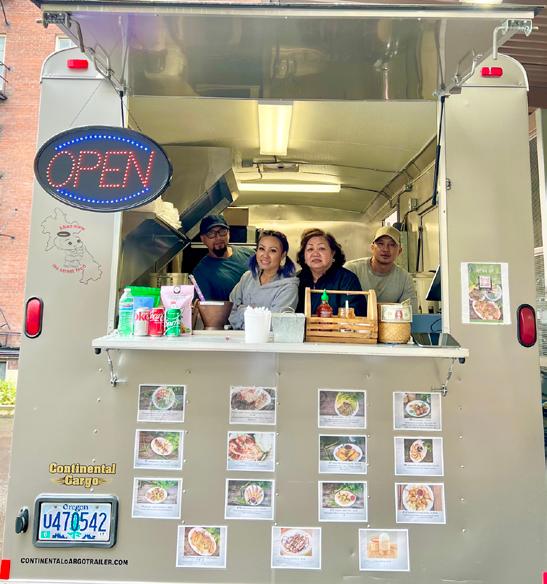
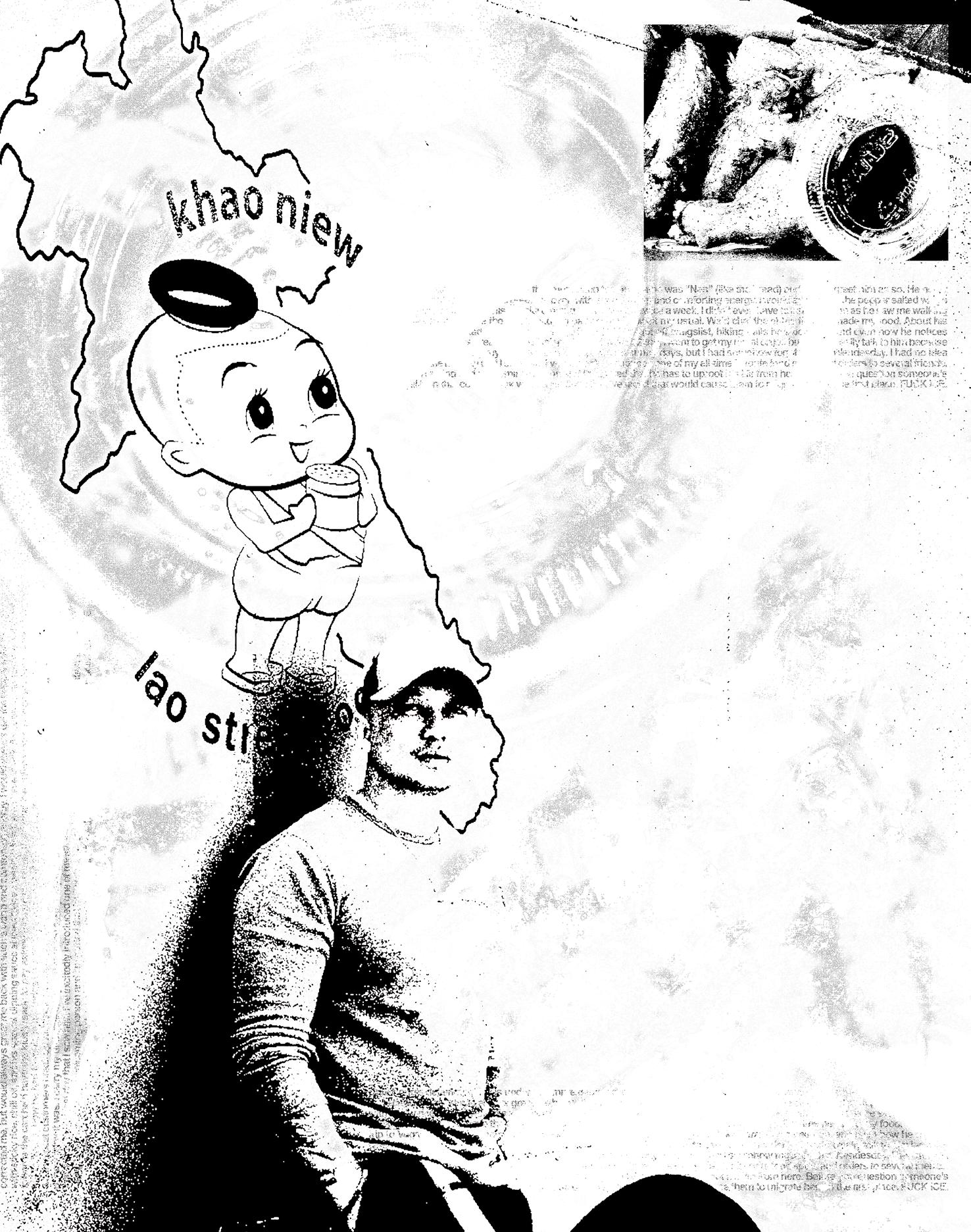
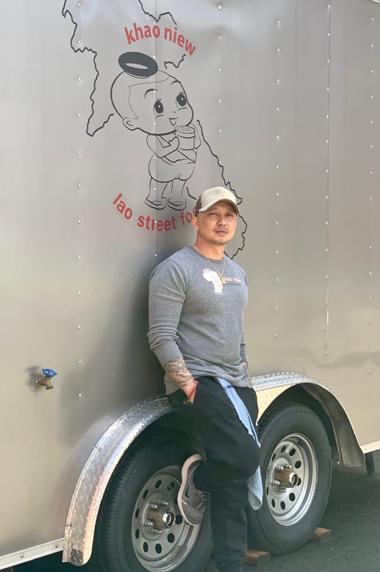
Immigration and Customs Enforcement (ICE) operations continue to impact the Portland metro area, this time in a move that hits close to the Park Blocks. Thavatsay “Nong” Phimmoungkhoun, the owner of Khao Niew – Lao Street Food cart, was detained by ICE on Thursday, April 23, on his way to work. As of April 25, he is currently in ICE Custody at the Northwest ICE Processing Center in Tacoma, Washington.
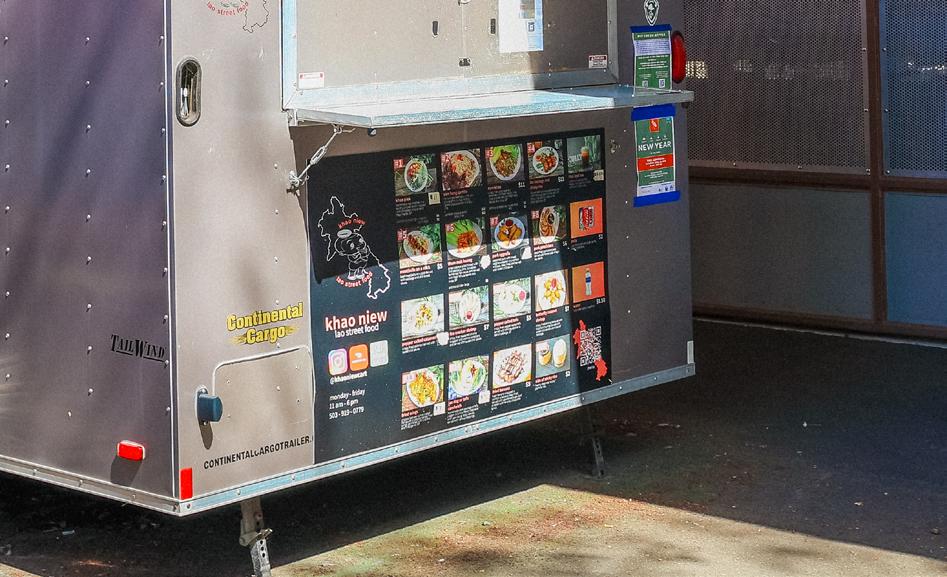
The detainment of Nong has led to the permanent closure of the food truck located steps away from Portland State University’s Millar Library, according to the family. Nearly to the date of its discontinuance, Nong’s food truck opened 4 years ago on April 21, 2021. Khao Niew’s closure was announced on April 24, 2026, via an Instagram post on the food cart’s Instagram account, along with a GoFundMe to help Nong “build a new life in Laos after this difficult transition.”
“He came here when he was so young that this is really the only life he knows,” the family wrote in the Instagram post’s caption. “Now he’s being sent somewhere unfamiliar, where he’ll have to figure out everything all over again.”
The community responded immediately, raising over $25,000 within a day and leaving hundreds of comments in support of Nong.
“You were the first food cart I went to when I was overwhelmed with everything my first year here,” commented student Brian Nguyen. “The food here had soul and comfort. Thank you, Nong, for everything.”
Ae Sangasy, Nong’s sister, shared on Instagram that Nong was a legal refugee who immigrated to America nearly forty years ago after the Secret War in Laos. She was able to visit him in Tacoma shortly after his detainment.
“The first thing he said to me when he saw me was that to please say thank you to the PSU staff, the PSU students, the community and all his friends for the love and support through the years,” Sangasy said. “He really appreciates everyone … on behalf of our family, on behalf of Nong, thank you for everything you have done.”
In a previous Vanguard article, Nong expressed how much he valued the PSU’s community and his interactions with its students.
“That’s what gratifies me,” said Nong. “It’s just the people around me … because I get to see [students] as freshmen, you know, and then … I hope to see them for 4 years … because they know their life story and they know mine.”
Khao Niew - Laos Street Food was deeply incorporated into the food pod community. Faisal Obeidi is the owner of Sheesh Shawarma, another food truck in the same pod, and has known Nong for roughly three years. In that time, Obeidi says they were friends, often helping each other with water pipes, health department standards and more.
“He was my neighbor, and he helped me out with the rules I needed to know before I joined the pod,” said Obeidi. “I’d eat at his spot a few times a week, and he’d sometimes come eat at mine … Nong is a great guy. I hope he can come back since he’s been here his whole life. It doesn’t make sense to send him to a country he doesn’t know.”
A staple for PSU community members, many students expressed disappointment and outrage at Nong’s detainment.
“It was pretty disheartening to see it, because it can honestly happen to anyone,” said student Jay Salumbides. “He knows a lot of people … He was really good at remembering
conversations. He was just one of those friendly neighborhood people.”
Salumbides, a senior, had been frequenting Khao Niew since he was a freshman and built up a long relationship with Nong.
“He was one of the only places open during the summer, so I would go in and he’d always have something ready,” Salumbides said. “He knew I was coming in. I didn’t say anything, I didn’t imply anything. And he already had a meal all ready, that was really nice, actually.”
Portland State has been a Sanctuary Campus since 2016, meaning that Campus Police do not enforce federal immigration law, do not consent to immigration enforcement actions on campus and protect the confidentiality of student records.
“Portland State University is deeply saddened by the news … For years, Nong and his business have been integral to our campus culture, and the subsequent closure of his cart is a profound loss for our community,” said Katy Swordfisk, Media Relations Manager for the university. “Our thoughts are with Nong and his family during this difficult time.”
PSU encourages all students, staff, faculty and impacted community members to seek support through the Center of Student Health and Counseling (SHAC), Student Legal Services and the Dreamer Resource Center.
“The outpouring of love and support for my brother and our family has been overwhelming,” said Sangasy in an emailed statement to PSU Vanguard. “If there’s one message I can share, it’s this: even during times when our country feels divided, moments like this remind us how powerful it is when people come together with compassion and humanity.”
Measles is a highly contagious viral infection; PSU has a responsibility to help keep its students safe from infection

As of April 16, 2026, there have been multiple confirmed measles cases in Multnomah County, according to the Multnomah County website. The website states two locations and times where exposures happened: Mt. Hood Community College, Gresham Campus Academic Center Building 12, main level, 26000 SE Stark St., Gresham, 10 a.m. to 1:50 p.m., Monday, April 13 and Centennial Middle School, 17650 SE Brooklyn St, Portland, several times between April 1-10.
While there are no current cases on the Portland State University (PSU) campus, measles is an infectious disease that can spread rapidly.
“People can spread measles before they know they have it. The measles virus spreads through the air when an infected person coughs or sneezes,” the Multnomah County website states.
Symptoms can take one to three weeks to appear after a person is exposed to the virus. After fever, runny nose, red and watery eyes, a rash will begin to appear on the face or hairline. Because the rash is red, it may be harder to identify on brown or black skin than on white skin. The rash starts as flat spots with raised bumps.
Measles can lead to serious complications after infection, including seizures, deafness, blindness and more. The effects can last for weeks, months, years and even a lifetime. It completely weakens the person’s immune system and is one of the most contagious viruses known to mankind.
John Hopkins states presented data showing 23% of cases are from 0-4 year olds. 33% of cases are from 5-17 years of age. 30% of cases are from 18+ years of age, while the other 14% of cases are from an unknown age group.
This raises the question: What is Portland State doing to ensure the safety of its students?
According to SHAC’s website, all students must two doses of the MMR vaccine show evidence of immunity to measles (Rubeola), or request a medical or non-medical exemption in compliance with Oregon state law.
Titer blood tests are used to determine if the patient has had previous infections and if they need certain immunizations. It works by measuring antibody concentrations in the blood and is commonly used for measles, mumps, rubella and more. If the patient tests positive for immunity, sufficient antibodies are present in the blood, and they’re protected. If the patient tests negative or low, there are not enough antibodies, and they should schedule a vaccine or a booster.
The MMR vaccine has been proven effective time and again, with a 97% effective rate against measles. John Hopkins published data on recent measles cases across the United States, showing that 94% of cases occurred in unvaccinated or unknown vaccination status populations.
SHAC is a clinical resource available for PSU students. They offer counseling, health and dental services, including vaccines. The SHAC website provides clear instructions to access a student’s immunization history. It also explains how a student can prove their immunity through a series of blood tests.
Antibody titers for measles can last for a lifetime.. Other diseases — like tetanus or hepatitis B — may need to be retested after 30 years. Titer test results typically take a week to arrive.
How do you know if you contracted Measles?
SHAC made sure to create a page on their website describing the symptoms of Measles. Symptoms will include cough, a runny nose, watery-pink eyes and a rash starting on your head and neck, usually with a high fever of 101.5
According to Multnomah County ’s website, “Most people get the vaccine between ages 1 and 2. It’s highly effective: one dose provides over 93% protection, and two doses exceed 97%.”
There is no Food and Drug Administration-approved treatment for measles, which is why prevention is key for this infection. Currently, infected patients must let the virus run its course, and manage symptoms with fever control, hydration and plenty of rest. Additionally, infected patients need to stay away from others during this time to prevent spreading measles to anyone else.
“CDC recommends that either a nasopharyngeal swab, throat swab, or urine specimen, as well as a blood specimen, be collected from all patients with clinical features compatible with measles,” the CDC website states.
If a student thinks they may have contracted measles, they can call 503-725-2800 to speak to a nurse. The SHAC website advises not showing up to the clinic without calling first, as special precautions must be taken to protect other patients and staff.
If a student is interested in getting their MMR vaccine or getting re-vaccinated, they can do so for free if they have the PSU Student Health Insurance Plan. Patients can walk in without an appointment to get their vaccine.
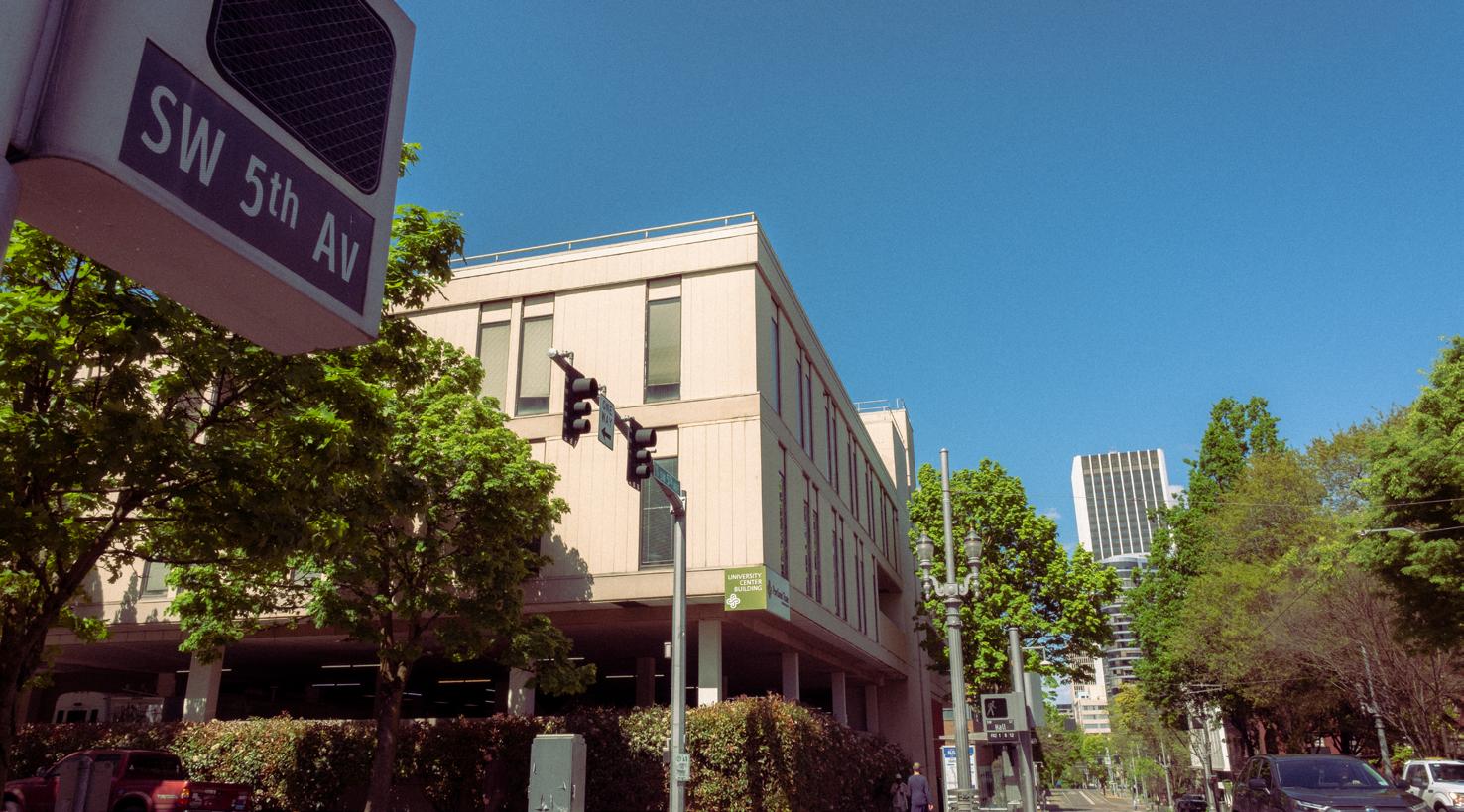
The Senior Adult Learning Center (SALC) at Portland State University has been in operation since 1973. This was three years before the statewide mandate requiring public universities to allow senior citizens to take classes for free.
To date, this mandate has been adopted by only 13 states. Although conditions vary by state, all of them make one thing clear — classes for seniors are free.
PSU offers classes to senior citizens through the SALC program. If seniors have a previous affiliation with PSU, such as a teacher, a staff member or an alumnus, they can sign up for free classes. Seniors joining the PSU family for the first time pay a one-time $25 enrollment fee before starting classes.
“We are able to provide seniors with the opportunity to continue their education for free,” said Megan McLaughlin, program coordinator for SALC.
Many universities lose sight of senior learners during the school year. They can be overlooked if their previous education did not prepare them for college courses. However, there are no educational requirements to join. This allows seniors of all educational backgrounds to join the program and learn.
“They all have a variety of educational levels,” said McLaughlin. “Some of them have bachelor’s, doctorates, and some of them never graduated high school. There are no restrictions on who can come. The only requirement is that they listen in class and learn.”
By opening classes to senior learners, PSU not only provides opportunities to learn from professors, but also from the younger generation. Students often learn more from each other in conversation than in lectures. It may be an overlooked part of class, but a scholarly conversation is an opportunity for senior learn-
ers to shine. Senior auditors are typically most active in class discussions rather than the day-to-day lectures; their participation in these conversations allows their anecdotes to be heard in an academic setting.
“They have a lifetime of experience that undergrad and graduate students don’t have yet,” said Brianne Suldovsky, Ph.D., a professor at PSU. “They have lived through more, and have more knowledge on specific topics that other students haven’t learned yet.”
Stories from older generations are full of history, knowledge and experience; this holds in classrooms as well. Senior citizens offer unique perspectives of parents and grandparents, while also sharing diverse interests and fields of knowledge.
“I remember being asked a question about biology in one of my criminology classes, and I am no biologist, but one of my senior auditors actually was, and they were able to answer the question,” said Suldovsky.
Senior auditors can often be overlooked in the classroom. Because they’re not required to do the same work as degree students, they are often overlooked in their ideas. However, this does not mean that they do not share similar opinions to the younger students in class.
“It gives them the opportunity to connect with adults their age, [while] also giving them the opportunity to connect with the younger students,” said McLaughlin.
Technology and social media have created a large generation gap between Generation Z and Baby Boomers. SALC is working to close this gap by encouraging students to learn from their Baby Boomer classmates. What makes the older generation any
different? Younger generations can learn to dismiss the Baby Boomer generation because they were ‘raised in a different time,’ but this does not mean that their thoughts are meant to be disregarded. They listen to the same lectures, they read the same books; their insight in class is just as relevant and important as that of any other student.
Senior auditors do not earn college credits in classes and are not required to complete assignments or tests. This means that every auditor is in the classroom because they are interested in the subject, not to meet degree requirements.
“Their interests in classes vary,” said McLaughlin. “Some of them are here because it has become a hobby, others are here because they want to learn more about a language or a specific history.”
Motivations to continue learning are vast. Some want to be able to speak to their family abroad, so they learn languages. Some want to expand their knowledge in their field of study. Most importantly, they want to feel like they are continuing to do something in their retirement that expands their knowledge.
“This spring, we have 480 senior auditors,” said McLaughlin. “Collectively, they’re taking 553 classes, meaning some of them are doubling or tripling up in classes.”
Senior auditors are not just older people participating in classes; they are devoted to furthering their education. SALC offers the ability to continue education, create community and provide a place where seniors can find something that interests them. Whether it’s recreational or it has a deeper purpose, senior auditors are here to expand their horizons, meet new people and be a part of a community of education and appreciation.
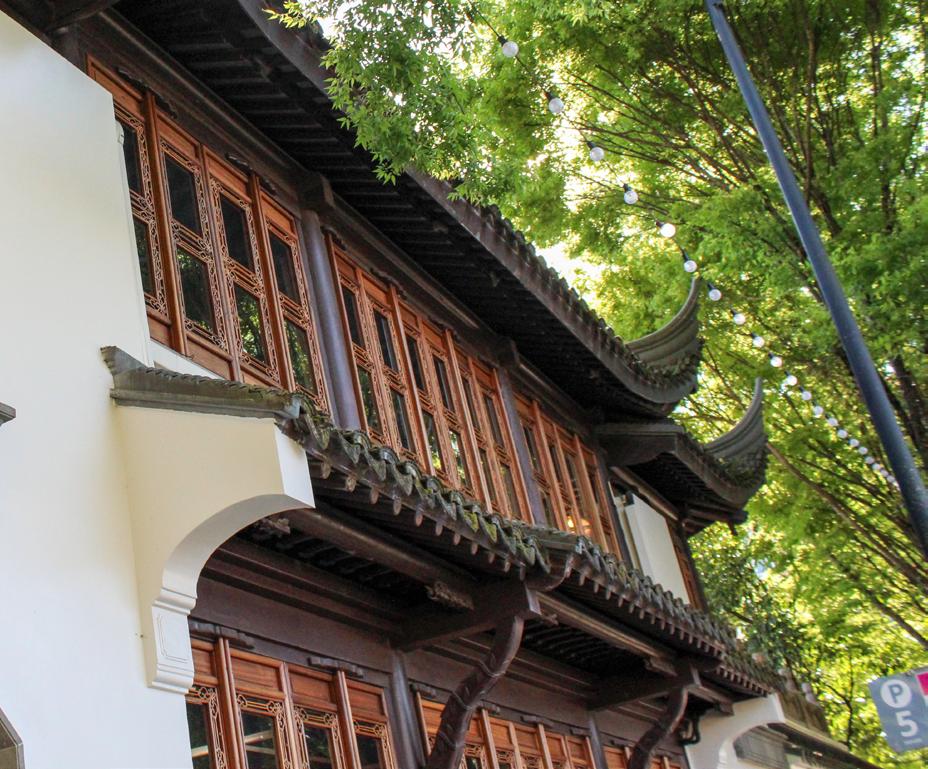
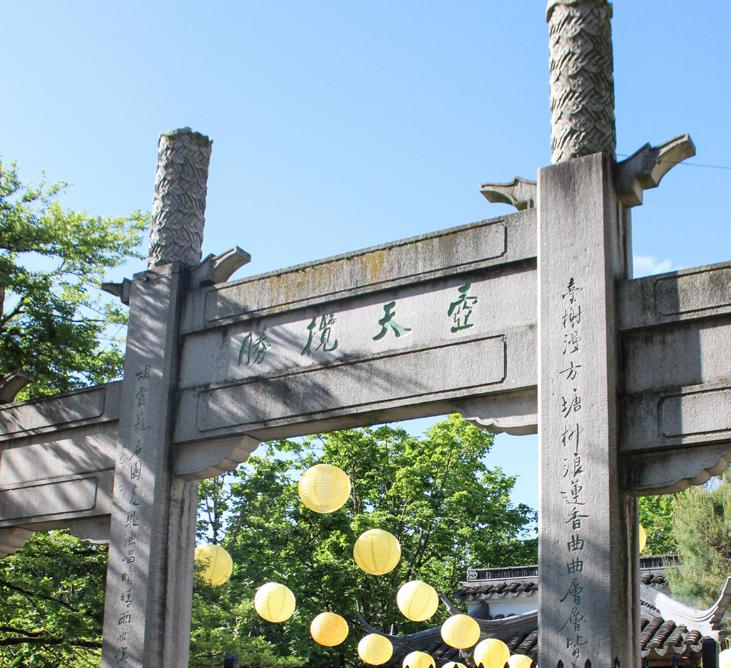
Asian American, Native Hawaiian and Pacific Islander (AANHPI) Heritage Month brings communities together across the United States to celebrate vibrant cultures. At Portland State University, their recognition is supported by many student organizations and events in Portland.
Among them is the South Asian Unity Club, a student-led group established in fall 2025. Co-Presidents Khemi Bandara and Zainab Fatima lead the organization. Fatima is a second-year student at Portland State who was motivated to create the club by Michelle Lee, the Multicultural Advisor & Coordinator of Asian and Pacific Islander Student Services.
“We noticed how there were a lot of individual South Asian groups… but there wasn't a general group for all South Asians,” said Fatima. “We wanted to create a club where people could meet other people of general South Asian backgrounds; a space where they can share culture and traditions and experiences.”
The club hosts events centered on South Asian cultural activities, such as henna and bracelet-making. It also partners with other clubs to hold discussions about how mental health is perceived within South Asian culture.
“I think there are a lot of students like us who feel disconnected from our culture because South Asia is halfway across the world, and there's not a huge South Asian community in the state. It's really important to remember our traditions and keep them alive,” said Fatima.
Bandara, who partnered with Fatima to cre-
ate the South Asian Unity Club, is also a second-year student at PSU. South Asian culture plays an important role in Bandara’s life, and she hopes to promote an inclusive environment within the club.
“When we're in a space with all these other South Asian students, it’s helped me realize how important the culture is to us,” said Bandara. “It's really important to have that representation around us.”
The South Asian Unity Club has continued to expand its presence on campus by bringing together various cultures. Having recently started, they hope to reach many students of different backgrounds and build their community by hosting social events.
“I'm excited to see how this group can keep going, do more events that relate to South Asia and bring students together to celebrate our own heritage,” said Bandara.
South Asian Unity Club will be collaborating with the Pacific Islander, Asian & Asian American (PIAAA) Student Center to host Craft Night on May 12 from 4-6 p.m. at Lacasa Latina. The PIAAA Student Center is located in the Smith Memorial Student Union in room 228, and “offers an engaging and accepting space to address the diverse and changing needs of our Asian and Pacific Islander student communities,” according to their website.
Whitney Murphy, the program coordinator for PIAAA, works to help students feel a sense of belonging at the Student Center. By doing so, she hopes that students can feel connected to their own culture and learn their identity
within it.
“Being the PIAAA program coordinator, I love offering a space for students to come and feel like they can truly be themselves without compromise,” said Murphy. “The PIAAA center, to me, is an outlet for students to come and just be themselves without having to explain anything.”
The PIAAA Student Center works to address student needs when possible, from assisting with academic help to providing wellness resources. All students are welcome regardless of their identity, and are encouraged to attend events and learn more about PIAAA diversity.
Murphy describes the Student Center’s physical location in the Smith Memorial Student Union as “a home away from home.” Inside, they have a microwave, a refrigerator, couches for students to study and relax and a library filled with books from API authors.
For her, working at the PIAAA Student Center has helped shape her understanding of what it means to identify with Asian and Pacific Islander communities.
“I learned more about what API means as a whole. I think people use the acronym API very freely,” said Murphy. “There are so many cultures that are within the acronym, and I think my job is to highlight all of them, but especially the ones that are underrepresented.”
To kick off AANHPI Heritage Month, the PIAAA Student Center is hosting PIAAA Palooza on May 7 from 3-6 p.m at the Walk of Heroines. This event is in collaboration with the multicultural Business Student
Association. This event will focus on cultural art and bringing traditional practices to life through a variety of activities. There will be block printing, an art gallery and many more arts and crafts projects.
“One of my favorite memories was the first PIAAA Palooza. It was the first one that I put on, and it was really special to see it come to life,” said Murphy. “To have it be so lively and to see our community come together was really special.”
In addition, the Pacific Islanders Club is hosting a variety of events, including their 23rd Annual PacFest on May 9 in the Viking Pavillion.
Outside of PSU, Lan Su Chinese Garden is partnering with more than 20 cultural organizations, performers and artists to celebrate AANHPI Heritage Month. Events, talks and demonstrations are held in Portland each May to highlight the communities, such as their Traditional Attire Exhibition and Cultural Immersion Saturdays.
There are many ways to celebrate AANHPI Heritage Month around Portland, with events ranging from cultural workshops at PSU to showcases of traditional art. These programs offer people a variety of opportunities to connect with their culture throughout the year, bringing communities together with shared celebrations.
“I think it's important to highlight our culture in the university settings because there's not many chances where our students can highlight and be proud of their culture in a way that's appropriate,” said Murphy.

The Supplemental Nutrition Assistance Program (SNAP) will implement a new requirement for its users on June 1, 2026. After this date, all Able-Bodied Adults Without Dependents (ABAWD) who are recertifying or applying for SNAP will have to interview with the Department of Human Services (DHS). This interview will determine if they qualify for an exemption or meet the work requirements, and then decide how much assistance they need.
For people currently receiving SNAP benefits, nothing will change until they’re directly notified by DHS that they need to follow work requirements, or until they need to recertify for their benefits. The required interview typically takes around 45 minutes and can be done when they apply or scheduled for a later date, either in person or over the phone.
Anybody currently on SNAP benefits has to meet the general work requirements to qualify. This includes accepting a job if offered, not voluntarily quitting without reason and keeping their weekly work hours at or above 30.
An ABAWD needs to be able to work, between the ages of 18 and 54 and have no dependents living in their household. In accordance with the new work requirements, an ABAWD needs to work
80 hours per month or participate in an approved alternative to receive their benefits. Those who fail to meet these new requirements will have their benefits cut and, in a three-year period, will only receive three months’ worth of benefits.
There are exemptions for all the requirements, such as somebody unable to work because of a mental or physical limitation, somebody who’s pregnant or a veteran along with if there is a SNAP user under the age of 18 in their house.
“I think when you add barriers to accessing resources, you’re going to lose a lot of people who are eligible for those resources,” said Tess Conley, the coordinator for the Portland State University Smallwood Food Pantry. “Maybe they work a nine-to-five and there’s no time in their day [to interview with DHS].”
The PSU Smallwood pantry is located in the basement of the Smith Memorial Student Union, and is free for all students.
The pantry is open Monday through Friday, with hours that vary by day from 9 a.m. to 6 p.m.
“We’re open five days a week, and students are welcome to come as often as they want. There’s no limit. They can come 100 times a day, they can come once every hour, [it] doesn’t matter to us,” said Conley. “We’re really proud and honored to be one of the very few … that offer a no

For the record, I always saw the vision with this album cover.
limit distribution like that.”
Food pantries that receive government funding have strict requirements and regulations that limit access for individuals, such as opening hours during the week when most people are at work, or limits on how often you’re able to go.
Smallwood Food Pantry is funded by tuition dollars and donations such as the Oregon Food Bank, so the aforementioned regulations and requirements don’t apply. Because of this, they’re able to listen to student feedback and be open at times when more students can access it. Recently the food pantry was able to push back their hours on Monday to 6 p.m. so that students with later classes still have time to stop by before closing.
According to the Smallwood Pantry website, “through our partnerships with donors like Oregon Food Bank and several local businesses, we distribute up to 20,000lbs of food each week, most of which we acquire for FREE while rerouting it from becoming food waste.”
These donors help keep shelves stocked for students with a variety of foods for different diets and cultures. Through the Smallwood Pantry website, people can donate money and labeled, non-expired, unopened, nonperishable foods directly by stopping by during open hours, or by emailing pantry@pdx.edu
Off the sweeping success of her Grammywinning album “Short n’ Sweet”, Sabrina Carpenter released her seventh studio album, titled “Man’s Best Friend” in August of 2025. This fun, sultry pop album pulls different inspirations than its predecessors — while “Short n’ Sweet” had a more basic (but still incredibly good) pop sound, this record draws more from 70’s and 80’s pop icons like ABBA and Donna Summers. It feels like the raunchy but still classy sister of “Short n’ Sweet” who lives in New York and only visits during the holidays.
As the first track and main single, “Manchild” sets the tone for the rest of the album. It’s fun, airy, and pokes fun at the men Carpenter has dated in the past. It sounds much more like a Dolly Parton single rather than a modern-day pop song — which, considering that Carpenter has credited Parton as one of her inspirations, makes sense.
After “Manchild”, the listener is transported into the cheeky, fun, but slightly selfdeprecating musical universe of Carpenter. Her electrifying production and hypnotic vocals come to the forefront of her songs, while her more self-realizing, verbal processing lyrics may fall to the background. Lyrics like “A heart only breaks so many times / save your money, and stop making me cry” and “We were so happy, why not mix it up / I’m so at peace, yeah I can’t drink enough” might be ignored under the dreamy guitar and the album’s various innuendos. Carpenter lays her heart on the table for her listeners and covers it in synth and sexual innuendos. As you get ready for summer, grab some “Go Go Juice” and listen to one of the defining pop voices of our generation.