AUDIO / e Weekly
Evanston’s housing plan, pencil.nu and Veronica Roth’s visit


AUDIO / e Weekly
Evanston’s housing plan, pencil.nu and Veronica Roth’s visit
Check out e Daily’s Spanish desk

By DESIREE LUO campus editor
Northwestern’s Board of Trustees announced Mung Chiang as the University’s 18th president Monday.
e current Purdue president
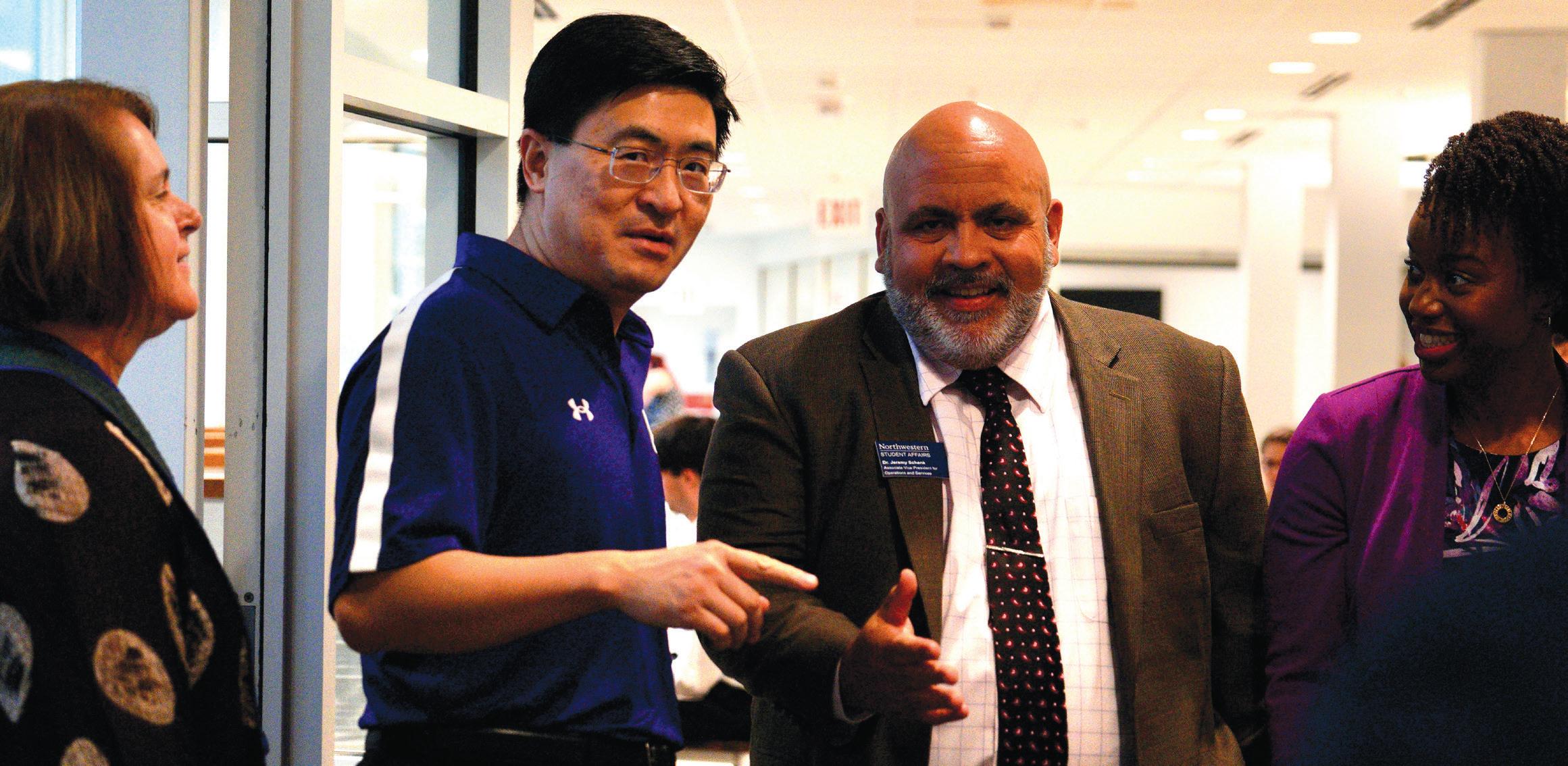
succeeds former NU President Michael Schill, who stepped down from the post in September. Interim President Henry Bienen will retain the position until late June. Chiang assumes the presidency on July 1. Hours after the Board’s announcement, The Daily sat down with Chiang over a slice of
pepperoni pizza in Allison Dining Commons to discuss his engineering background, research funding and goals for the start of his tenure. is interview has been edited for brevity and clarity.
e Daily: What drew you to Northwestern?
Chiang: NU has this superb
By MAX TURETZKY assistant city editor
Actor and comedian Lauren Lapkus told Evanston Township High School seniors to celebrate their “weirdness” at her Sunday commencement address.
“ e things that make you weird now are the things that will make you a cool, interesting person as you get older,” said Lapkus, who graduated from ETHS in 2004.
“And if you’re already cool in high school, then I’m legit scared of you.”

More than 800 ETHS seniors received their diplomas at the commencement ceremony, held at Northwestern’s Welsh-Ryan Arena.
A er a ending DePaul University Lapkus broke out with her role in “Orange is the New Black,” which earned her a Screen Actors Guild award. She later appeared in “ e Big Bang eory” and “Jurassic World.”
At ETHS, Lapkus was an editor at e Evanstonian, the school’s newspaper, and performed and produced for YAMO, a student-run sketch comedy and variety show,
where she said she found her love for improv.
“Improv teaches us that we already have the answers,” Lapkus said. “And what I mean by that is that your gut knows the right thing to do. Trust that li le voice inside of you that knows what’s right and what’s wrong.”
She told the crowd they had a “leg up” as natives of Evanston, which she called “the ideal place to grow up.” In particular, she said, the city supports “artists and diversity
» See ETHS , page 15
undergrad liberal arts education, and then every comprehensive imaginable research, graduate and professional studies. And the arts. It’s amazing: journalism, communications, marketing — amazing. en you’ve got Big Ten sports. I know that — somewhat painfully, occasionally. You’ve got the medical
school and the hospital system in NU Medicine innovating ways to save lives. I mean, what other university has that kind of combination? It’s a truly amazing place.
e Daily: You have an engineering background. I don’t know if you’ve spoken to incoming Provost Erik Luijten yet, but he also has an engineering background.
Chiang: I haven’t had the pleasure to meet him. In fact, I think a er this pizza, my next meeting is with the provost designee and other members of the team.
e Daily: What do you think
» See CHIANG , page 8
By TAARIQ AHMED the daily northwestern
Weinberg rst-year Jeremy Tam said he experiences anxiety when he holds in his involuntary tics, especially in front of others.
Despite the challenges that come with his Tourette syndrome, he still tried living with a roommate during his rst year at Northwestern. He eventually realized he required his own room in order to live comfortably.
“I need a place to let those tics
out, to feel comfortable, to relax,” Tam said. “ at’s super important for my mental health, for my overall academic performance and generally to make me be me.”
For the upcoming school year, Tam applied for housing accommodations through AccessibleNU, the University service that manages such requests, to live in a single room.
He said he felt he had adequately explained his reasoning, along with submi ing a doctor’s note and a neurologist’s letter supporting his separate academic
accommodations.
He did not anticipate that ANU would reject his request, or that he would have to submit a similar note from his doctor again.
“I wasn’t exactly sure why I needed to provide another one because it’s not like my Toure e’s went away,” Tam said.
Despite the initial rejection, Tam ultimately acquired the accommodations he wanted. But he is just one student who said they have experienced administrative
» See HOUSING , page 15

By ALLISON KUESTER and EMMA RUSSELL
the daily northwestern
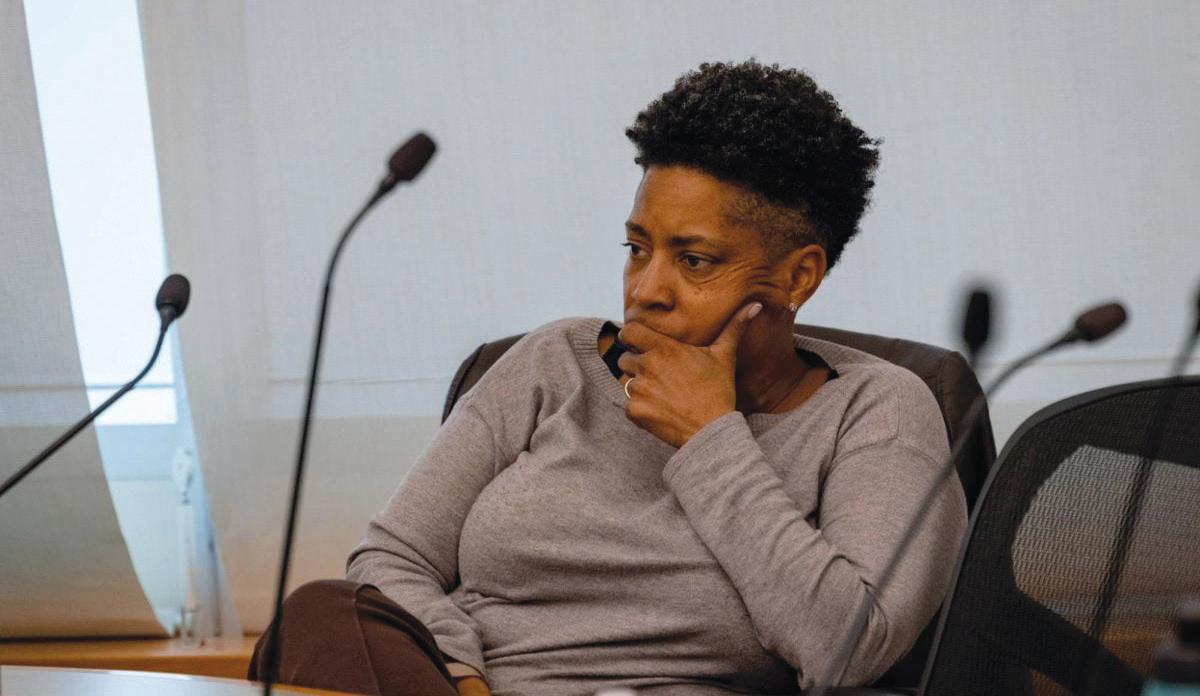
The Evanston/Skokie School District 65 Board of Education elected Nichole Pinkard as board president and Chris Van Nostrand as board vice president at a Monday meeting. The board also discussed possible spending cuts and school property sales.
On Monday, board members considered who to elect following the end of Pinkard’s year-long term as vice president and the end of Patricia S. Anderson’s six-month term as board president.
In a memo to the board, Pinkard and board member Andrew Wymer shared statements of interest to fulfill the role of board president, and Van Nostrand and fellow board member Mya Wilkins expressed their interest in the position of vice president. Pinkard and Van Nostrand were both elected to the roles in a 4-3 vote.
Adeela Qureshi ran unopposed for secretary of the board.
Residents expressed hope that the new leadership of the board will be transparent in their decisions and engage with the community to design policies that accurately represent student and family interests.
“Anyone seeking to be a leader on this board needs to, at a bare minimum, start an honest public dialogue,” Washington Elementary parent Zoran Tasić said. “And be honest about how we got here.”
Some public commenters reflected on the work of the board’s outgoing leaders.
Washington Elementary parent Kelly McCabe commended how Anderson recentered students and focused on community engagement during her tenure.
“I am hopeful that this trajectory continues with new board leadership that engages with community, views school liaison positions as the honored responsibility that they are and continues to move us forward in a student — and not admin centered — manner,” McCabe said.
Board members also further considered ways to complete Phase 3 of the district’s Structural Deficit Reduction Plan, which aims to cut $16 million to $18 million from the district’s budget by fiscal year 2030.
The district is targeting a $6.3 million budget reduction for the 2027 fiscal year. As part of Phase 3, the board voted to close Kingsley Elementary School, Dr. Bessie Rhodes School of Global Studies and Willard Elementary School’s Two-Way Immersion program at the end of this school year.
At the meeting, board members discussed the futures of the Kingsley and Bessie Rhodes properties ahead of the upcoming closures. Pinkard said the board needs to be clear about its intentions regarding the finances surrounding the school closures.
“I think most of our conversations, at least for

me, about closing buildings has also been in relationship to potentially selling them or repositioning them,” Pinkard said.
Stacy Beardsley, the district’s assistant superintendent of performance management and accountability, presented different options for both properties, including holding, leasing, selling, and repurposing them. The board questioned where the potential revenue from selling the two properties would go. According to a memo sent to the board, the estimated sale value of Bessie Rhodes is $3.5 million to $4.5 million, and the estimated sale value of Kingsley is $4.5 million



to $5.5 million. Board members did not make any decisions about the future of the properties.
When discussing alternative spending cuts, Wymer emphasized that the board has yet to make any significant decision to cut the deficit spending since the beginning of Phase 3. He added that the board is restricting its options by failing to make these choices.
“We’re going to have to close more schools,” Wymer said. “That’s the future, a sustainable future.” a.kuester@dailynorthwestern.com e.russell@dailynorthwestern.com





By SOPHIA BATEMAN assistant social media editor
As history Prof. Michael Allen lectured about the Vietnam War in his American Wars class this quarter, he drew a connection between South Vietnamese police tactics and presentday immigration enforcement in the U.S.: that police force can alienate civilians rather than winning them over.
He said this comparison was not meant to tell students what to think about current politics, but instead to demonstrate a historical pattern.
“I’m using things from the current environment to illustrate something I’m trying to teach about,” Allen said.
As President Donald Trump’s administration continues to dominate headlines, current events have regularly arisen in classrooms like Allen’s. While some Northwestern faculty said they are not rewriting their syllabi to directly address the administration, others said they have adjusted examples and discussions to help students contextualize rapidly changing political developments.
Global health studies Prof. Noelle Sullivan said avoiding current political events altogether has become increasingly difficult due to the scale of recent changes to global health systems.
“Everything that we were teaching in an ‘Intro to Global Health’ class now feels like a history class because the whole thing has just been completely disordered,” Sullivan said. “You’re trying to figure out how to help students make sense of the rubble.”
For example, Sullivan said she has addressed the Trump administration’s America First Global Health Strategy in her classes.
Legal studies Prof. Joanna Grisinger, who teaches classes on constitutional law, said the Trump administration has made certain legal questions feel more urgent.
“There’s a lot happening and a lot of ongoing litigation,” Grisinger said. “I definitely adapted the topics I was covering to make sure students had an understanding of what was pending in the
courts, what had just come down, what’s likely to happen in the next few years.”
Grisinger said she has recently incorporated more material on the Second Red Scare and anti-communist legal cases while discussing attacks on academic freedom at universities under the Trump administration.
She added that she left the final day of her Law and Society class open on the syllabus to potentially discuss any recent political developments.
Other faculty said they now are more conscientious of the political polarization within classroom discussions.
Anthropology Prof. Thomas McDade said he now approaches certain topics carefully in order to maintain an environment where students across the political spectrum feel comfortable participating.
“As the professor and leader of the course, it’s my responsibility to make sure that all the students feel valued and respected and safe and welcome in that space,” McDade said.
McDade, who teaches science-focused anthropology classes like Human Growth & Development and Social and Health Inequalities, said current events occasionally emerge organically in discussions about public health because “anything related to science can be politicized.”
He said that he has discussed the Trump administration’s handling of vaccine information while teaching about scientific transparency and public trust in health data. Still, he said, he avoids sharing his own political beliefs during class discussions because he wants students to feel comfortable expressing their own views.
Anthropology Prof. Melissa Rosenzweig said current political events also sometimes naturally enter discussions in her classes like political ecology, which examines how environmental issues intersect with systems of power.
However, she said she tries to keep conversations focused on how broader political and environmental systems intertwine.
In one class, Rosenzweig said she discussed the Trump administration’s decision to allow
deep-sea mining in the Pacific Ocean.
“The conversation was about, ‘How do we feel about this idea of capitalism seeking out new frontiers? How do we address that?’” Rosenzweig said. “It was less about the specifics of the Trump administration’s actions.”
For Grisinger, drawing connections between current and historical events is part of helping students understand the systems surrounding them.
“If you’re teaching legal doctrine, you’re still teaching it in light of the context in which it’s happening and what’s going on,” Grisinger said. “Coming to it as a historian, I try to make sure I’m explaining things in the context in which they happen.”
Rather than avoiding controversial topics, Sullivan said she focuses on helping students evaluate evidence and understand how expert analysis differs from personal opinion.
Allen said he similarly tries to keep his focus on historical analysis. Still, he said teaching in the current political climate has become more complicated as distrust toward higher education grows.
“The thing that is tricky in this moment is knowing that students and the broader public are not very trusting in institutions right now,” Allen said. “They’re not very trusting in elite higher education and professors, so there’s a kind of skepticism toward a lot of what we say and do.”
Sociology Prof. Miri Eliyahu (Weinberg ’18, TGS ’23) said she feels professors should ultimately focus on teaching students theory and analytical skills rather than introducing personal politics into coursework. She said she considers that indoctrination.
However, she said current events inevitably enter discussions and coursework — and that the distinction is to focus on helping students analyze the impact of events.
“We always talk about current events,” Eliyahu said. “Our role is to teach the students to be analytical and critical about what they see, regardless of who’s in the administration.”
s.bateman@dailynorthwestern.com
The Daily Northwestern www.dailynorthwestern.com
Editor in Chief Anavi Prakash eic@dailynorthwestern.com
General Manager Stacia Campbell stacia@dailynorthwestern.com
Holly and John Madigan Newsroom
Phone | 847.491.3222
Campus Desk campus@dailynorthwestern.com
City Desk city@dailynorthwestern.com
Sports Desk sports@dailynorthwestern.com
Ad Office | 847.491.7206 spc-compshop@northwestern.edu
The Daily Northwestern is printed each Wednesday during the academic year, except vacation periods, the two weeks preceding them and once during August, by Students Publishing Co., Inc. of Northwestern University, 1999 Campus Drive, Evanston, IL 60208. All news is published 24/7 online at Dailynorthwestern.com.
First copy of The Daily is free, additional copies are 50 cents. All material published herein, except advertising or where indicated otherwise, is Copyright 2025 The Daily Northwestern and protected under the “work made for hire” and “periodical publication” clauses of copyright law.
POSTMASTER: Send address changes to The Daily Northwestern, 1999 Campus Drive, Evanston, IL 60208. Subscriptions are $100 for the academic year. The Daily Northwestern is not responsible for more than one incorrect ad insertion.
Check out DAILYNORTHWESTERN.COM for breaking news






By CARMEN GASKIN and IAN DODD
daily northwestern
Mayfest Productions hosted the 54th annual Dillo Day on Saturday, providing students a speedway into music, festivities, fun and more.
Students dressed in their best NASCARinspired attire in alignment with the festival’s “Dillo Speedway” theme, which was announced
in February. With the warm spring weather, many sporty dresses, leather shorts and traffic cones crowded the Lakefill as students anticipated their favorite artists.
Artists performed on three stages stationed throughout the Lakefill and students had access to food vendors such as Harold’s Chicken, The Fat Shallot and D&D Dogs. Volunteers also provided students with complimentary drinks to combat heat.



The day at the FMO Stage began with R&B, jazz and hip-hop artist Nali. With a small yet vibrant crowd, Nali performed numerous hazy, atmospheric hits like “Options” and “Crossfaded.”
Love, both platonic and romantic, serves as an undercurrent for Nali’s sound, as she frequently discusses the beauty of finding your passion, your person and your life’s purpose in her songs.
Near the end of the set, Nali performed one of her biggest hits, “4 U,” a song about desiring a man with a partner. Featuring hi-hats and harmonized vocals, “4 U” is less intense than other songs in her discography.
Weinberg first-year Oluwatoni Ariyo said she did not know too much about Nali before the performance but is now eager to learn more.
“I wish there were more people that came to watch her performance,” Ariyo said. “But, I feel like this is a good way to get people to know her more.”
Although South Carolina rapper Trim could not play at the FMO Stage due to “medical
reasons,” according to Mayfest Productions, students watched Cochise perform as the stage’s penultimate headliner.
Cochise united the FMO Stage crowd with the 2021 hit “Tell Em” and 2019 release “Hatchback.” After he encouraged the crowd to form a mosh pit, students formed dance circles and jumped around to the rapper’s sugar-rush vocals. Multiple students crowd-surfed and hoisted fellow attendees in the air.
A large crowd gathered around the FMO Stage waiting for rapper BabyChiefDoit to take the stage. His high-energy performance included pulsing synthesizer beats.
The teenager quickly gained attention for his 2025 song “WENT WEST,” which features a piano melody that builds up to a trap beat.
University of Chicago student Isaiah Edwards reacted enthusiastically to BabyChiefDoit’s trap beats.
“You know what he said, ‘It’s BabyChiefDoit you know what the f–k is going on,’” Edwards said.
This year, Mayfest announced The Burrow, the newest addition to the festival which aims to spotlight underrepresented musicians in the industry.
Lana Lubany was the first artist to perform at The Burrow, setting a new precedent as the first Arab artist to perform in Dillo history.
Lubany showcased her bilingual discography during her set, performing popular tracks like “CLONES,” a song about self-discovery and finding your own path.
In an intimate moment with fans, Lubany sang “YAFA,” a love letter to both herself and her grandma, who she said was forced to flee from Yafa, Palestine to Nazareth, Israel in the 1940s.
McCormick sophomore Ariana Blake said she appreciated the new representation in sound.
“I’m a huge shoegaze girl, so I love when cultures mix together,” Blake said. “We need to have more Arabic, more Latin, more Black creators on Dillo to represent our student body.”
Next to perform on the stage was Evanstonbased indie-rock band Friko. Friko’s music is inspired by an array of rock genres, from noise rock to avant-garde classical.
The band’s performance showcased songs including “Where We’ve Been” and “Tomorrow.” In classic indie-rock fashion, fans encouraged each other to open up the mosh pit as the group played.
Weinberg first-year Jackie Truesdell said he hopes the band’s successful performance will encourage Mayfest to book more indie-rock artists.
“They had a really good set, and it looked like everyone was having fun,” Truesdell said. “Next year maybe there’ll be more demand for indierock music.”
Students and onlookers filled the crowd as alternative artist Tiffany Day took the stage.
Day opened the set with her newest release “EVERYTHING I’VE EVER WANTED,” an ode to self-doubt and the emptiness that follows falling in love with someone you falsely perceived as your soulmate.
Shortly after, Day performed another top track, “PRETTY4U,” an amalgamation of pitched vocals, hi-hats and her drummer’s cymbal.
Weinberg first-year Ryan Beck was glad to see Dillo representing a larger umbrella of artists.
“It was very energetic. (Day) did an amazing job,” Beck said. “It’s really sick getting representation for other artists, and making other things more mainstream is important,” he said.
Day’s performance was jointly sponsored by the Korean American Student Association and the Chinese Student Association.
Mayfest’s 54th Dillo Day gave students a much-needed pitstop for all things music, culture and community. NU’s student body came together to watch 15 performances, highlighting distinct music and culture.
Weinberg junior Mia Felt said she deeply valued the opportunity to let off some steam at an institution as academically rigorous as NU.
“I think that as a community we get a collective excuse to let loose, and that is pretty rare on a campus of grinders,” Felt said.



To kick off the day, Main Stage spotlighted The Beckfast Club and The Mee-Ow Band, two student bands that won Mayfest’s Battle of the Artists competition at Kahn Pavilion on April 30.
Following student showcases, Jae Stephens took the stage, playing from her discography which features both futuristic melodic pop vocals and 2000s club-girl nostalgia.
To underscore these themes throughout her music, the stage was lit in yellow lowlights, and Stephens’ background dancers dressed in Y2K attire paraded the stage.
Stephens opened with the 2025 release “That’s My Baby” and invited students to listen in on intimate hotline calls between her and past partners to help introduce each song.
Before closing, she invited three randomly selected students on stage to perform alongside her background dancers.
Audience members gathered for the return of artist Daya. Since her 2019 Dillo performance, the electropop artist has released multiple tracks including “Bandit,” “Bad Girl” and “Dreamin.”
Daya performed her most recent single, “Hush,” a collaboration with producer TroyBoi. The song is about turning romantic tension into intimacy. Daya closed with her Grammy-winning feature in The Chainsmokers’ “Don’t Let Me Down.” The collaboration is about the vulnerability in relationships. The crowd cheered as the drummer threw her drumsticks into the audience to end the set.
Bienen first-year Joshua Ahn said he enjoyed the vitality that Daya brought to her performance.
“She’s able to bring the energy, she’s able to do crowd work really well, people are reacting to it well and the music’s amazing, too,” Ahn said.
The night closed with Dillo’s most anticipated headliner: Malcolm Todd. Students flocked to
capture photos with the indie-pop artist before he made it to the stage.
After going viral on TikTok for his 2023 singles “Art House” and “Roommates,” and signing with Columbia Records in early 2024, Todd experienced a sudden yet steady rise to fame and has been topping charts ever since.
Todd opened with one of his most popular songs, “Earrings,” which has accumulated more than 200 million streams on Spotify. Students swayed to the beat as Todd encouraged everyone to sing along. “Earrings” discusses the isolation of emotional paralysis in a loveless relationship.
While performing in front of a college audience, Todd acknowledged the irony of his failure to graduate from college. To celebrate this pivot in life, he sang “Make Me a Better Man,” calling it his “graduation song.”
Medill and Bienen first-year Jordan Manasse said he appreciated Todd’s energy on stage and found it inspiring.
“I don’t really know his music at all actually, but I really enjoyed watching him perform and seeing his energy on stage,” Manasse said.
Nearing the end of his performance, Todd sang a blast from the past, performing the theme song from Nickelodeon’s hit television show “iCarly.”
Manasse said he was slightly confused by the song choice given that Todd was wearing a Hannah Montana shirt throughout the performance.
“I was hoping he would play the Hannah Montana theme song, considering the fact that he was literally wearing a Hannah Montana shirt,” he said.
“But I had a great time, and now, I want to go listen to his music.”
c.gaskin@dailynorthwestern.com iandodd2029@u.northwestern.edu



By CLAIRE COFFEY assistant audio editor
Eva Hansen’s school days, more often than not, ended hours beyond the final bell.
The recent Evanston Township High School alumna crowded her schedule with swim practice, track meets and mentoring younger students.
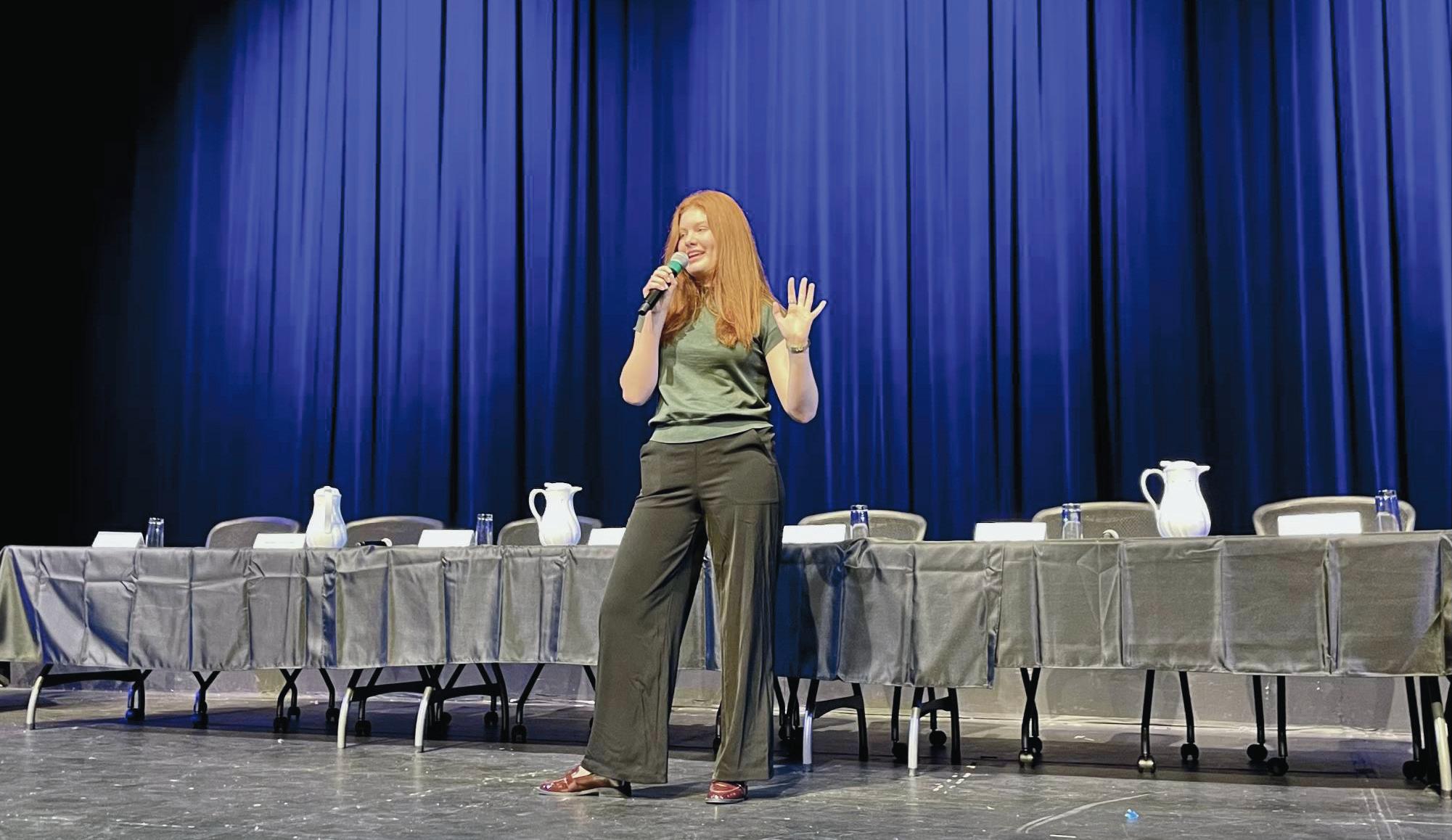
Once a month, she also made time for ETHS District 202 Board of Education meetings. As the ETHS student representative, Hansen bridged the gap between the district’s elected officials and the student body.
Hansen said her affinity for politics initially drew her to the ETHS Student Union during her freshman year. The group works with the wider student body, staff and administration to brainstorm and enact changes to school policies.
“It’s something that’s always really piqued my interest,” Hansen said. “So when I was joining clubs, when I was a freshman, I was like, ‘I want to be in Student Union, I want to take that first step into going into the world of politics.’”
Hansen ran two campaigns to become the student board representative, who also doubles as the president of the Student Union. While her first campaign was unsuccessful, she tried again and emerged victorious.
Through her work with both the ETHS Board of Education and the city’s Youth Advisory Committee, Hansen gained a firsthand look into the workings of local government.
“We kind of overlook the importance of local politics sometimes, and I feel like I’ve learned a lot about how, yes, big changes come from the top, but things start at the bottom,” she said. “And this is the grassroots. We’re really seeing where change is being made.”
Hansen’s primary responsibility at school board meetings was to provide board members with a student report of ETHS’ happenings each month. While this often included highlighting student achievements, athletics and theater events, Hansen also shared how students responded to federal immigration enforcement activity in the fall and a nearby shooting at Mason Park in April.
After each meeting, Hansen often posted a recap of the discussion to social media.
“I don’t think a lot of people watch the board meetings or know what’s going on,” Hansen said. “So I just
felt like it was my duty to share that information with the student body.”
One of Hansen’s biggest victories in the Student Union was changing ETHS’ tardy “roll over” policy, which carries over tardies from previous school years. Hansen said the rule had garnered consistent pushback from students throughout her time at ETHS, as the policy made it difficult to work off tardy probations that prevented students from attending school activities and events.
After four years of advocating, during Hansen’s final board meeting as the student representative, ETHS administrators proposed capping the number of tardies that “roll over” into the
next school year at 11.
When discussing her daughter’s time at ETHS, Hansen’s mother, Liz Hansen, said she takes “zero credit for this girl.”
“We’re so proud of Eva. I feel like she just took advantage of high school. She did so many things,” Liz Hansen said. “She didn’t just wait for things to happen. She made things happen, and so that was really fun to watch.”
Eva Hansen will be attending Brigham Young University in the fall to study political science and English on the pre-law track.
During her final board meeting, Eva Hansen shared that she eventually plans to attend law school and work in government, in part due to
her experience with the board.
“Watching you all has taught me so much about governance and education and it has truly changed my life and the trajectory of my career,” Eva Hansen said during her final student board report.
At the meeting, board members praised Eva Hansen for what she accomplished as the student representative.
“You will be at other tables I’m sure, Eva,” Board President Pat Savage-Williams said. “This is just the beginning for you. So thank you again for your commitment.”
c.coffey@dailynorthwestern.com


University congratulates the winners of the 2026 University Teaching Awards
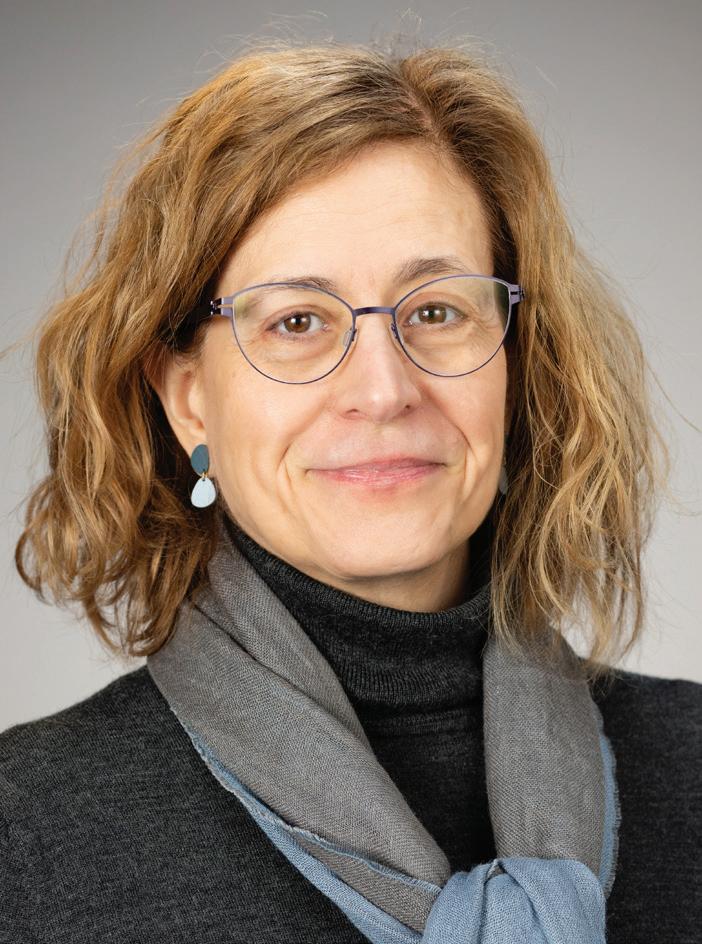
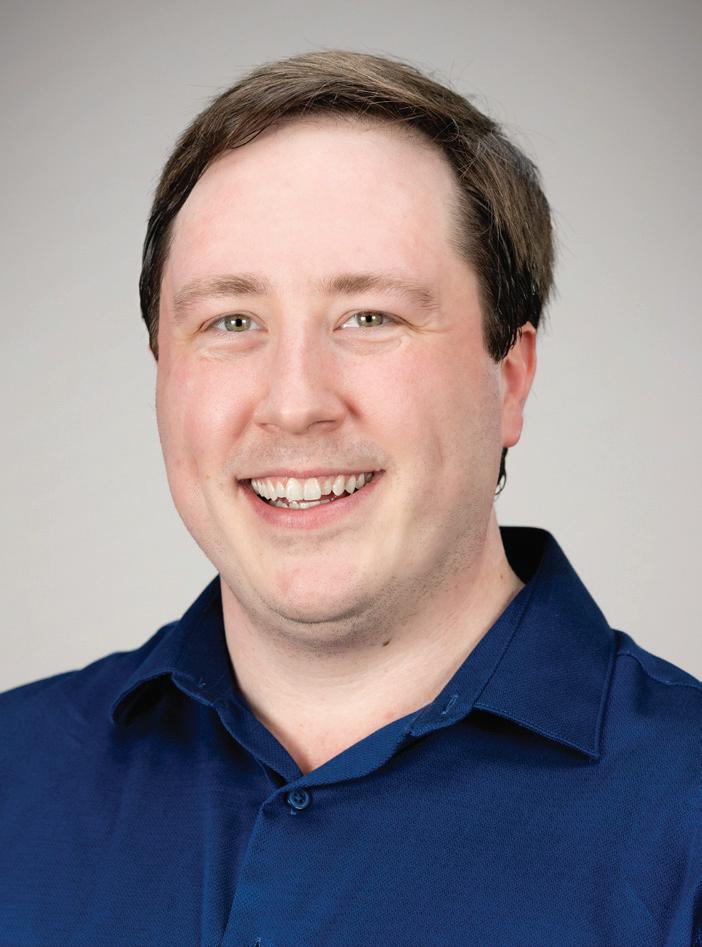
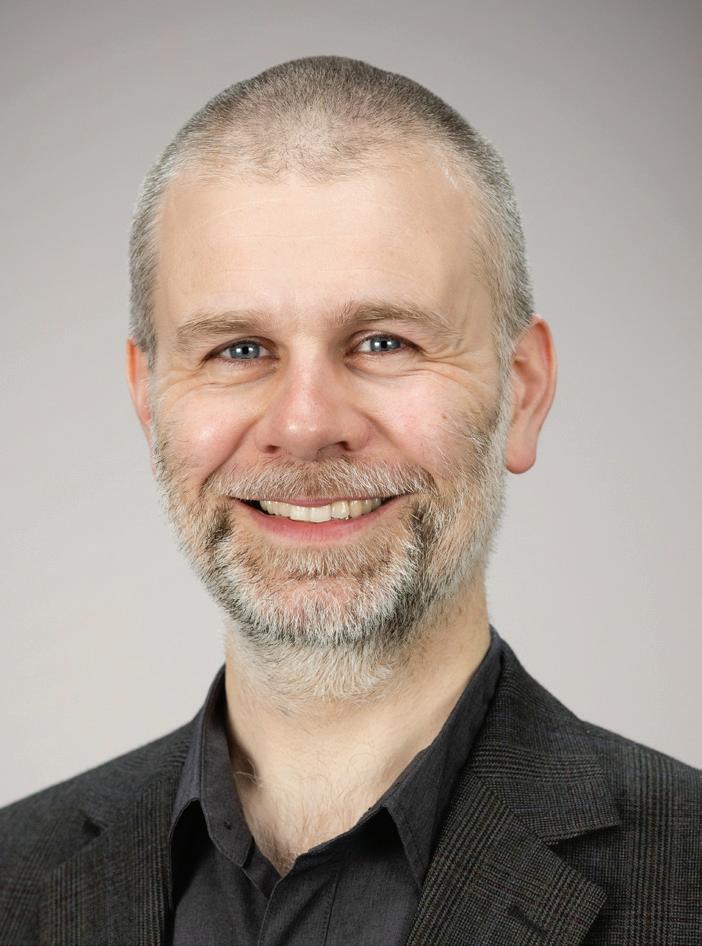
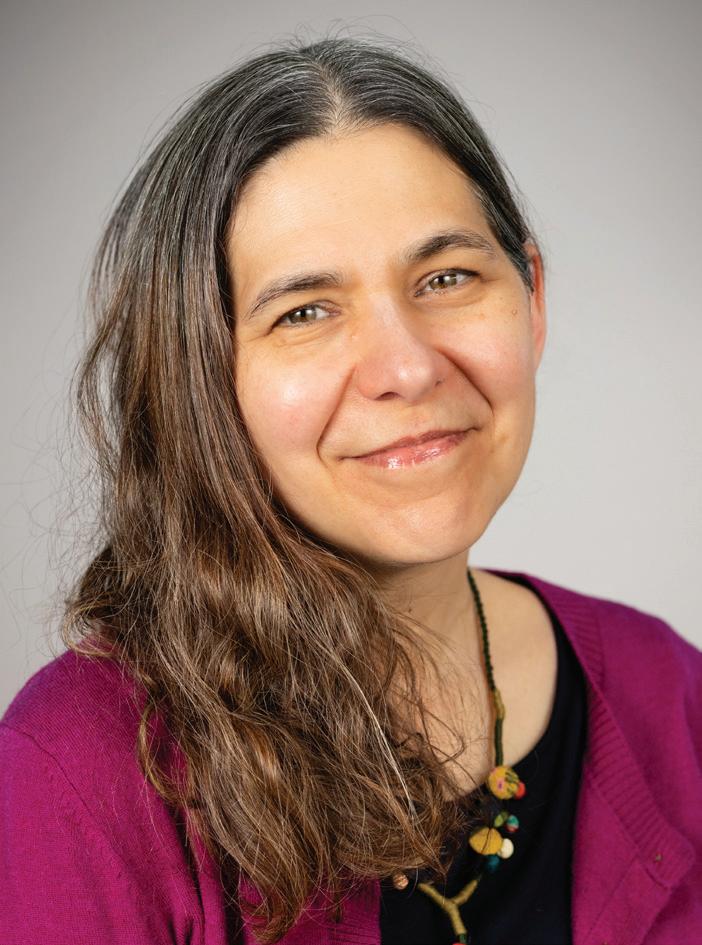
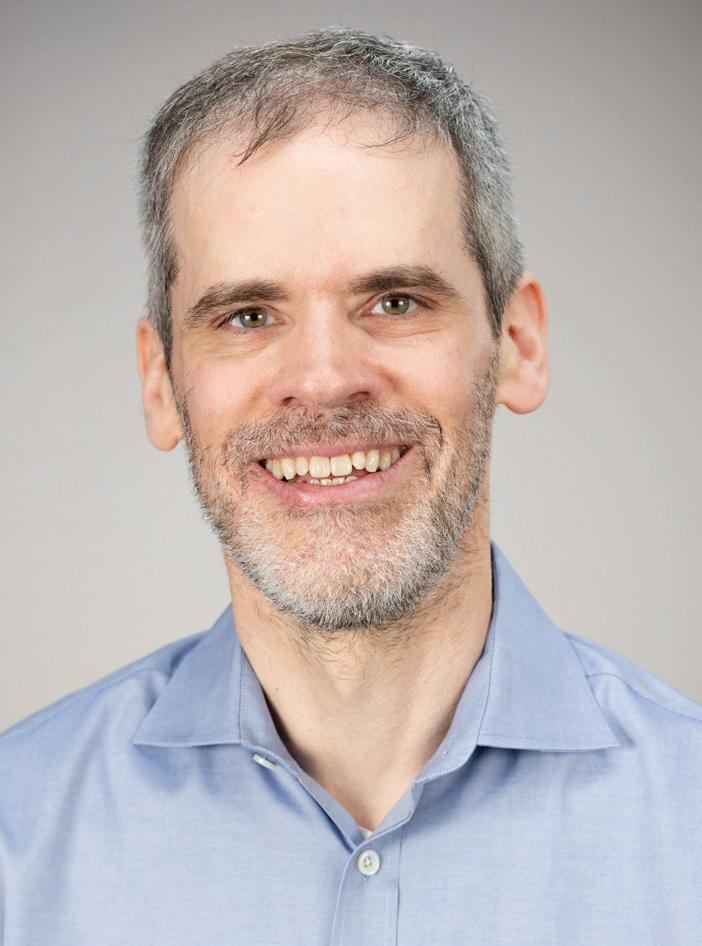
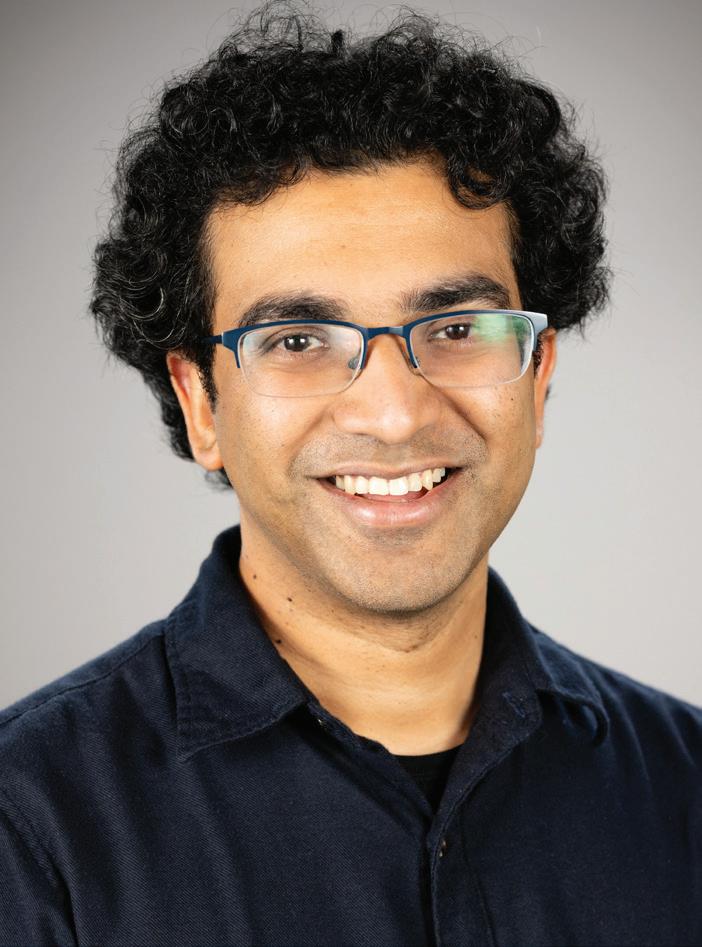
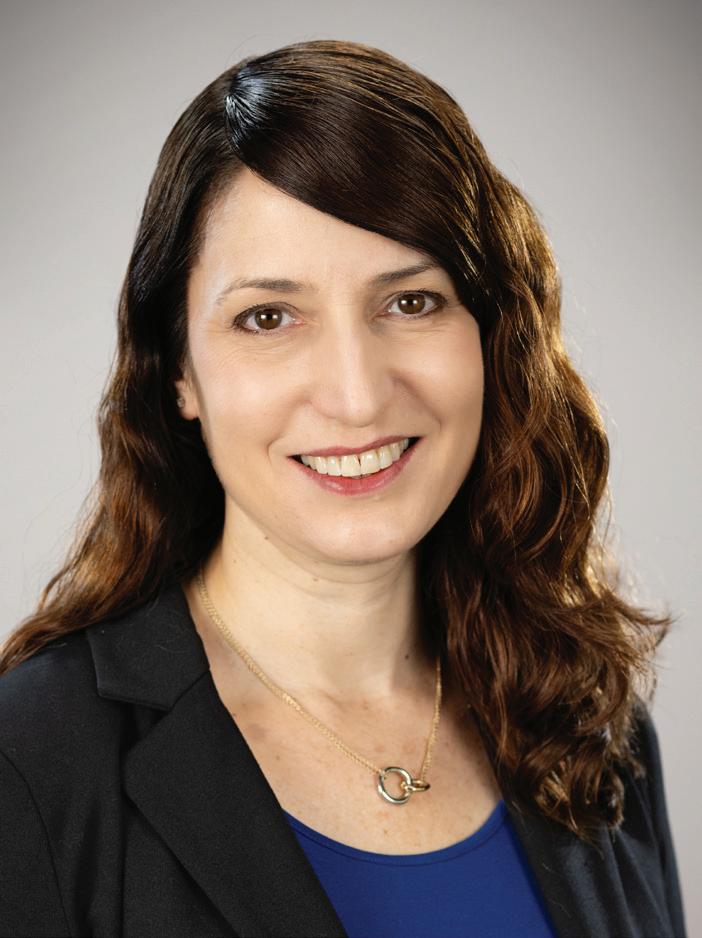
Charles Deering McCormick Distinguished Professor of Instruction
ELISA BAENA
Charles Deering McCormick Distinguished Professor of Instruction
CONNOR BAIN
Charles Deering McCormick Distinguished Professor of Instruction
DAVID O’NEILL
Charles Deering McCormick Distinguished Professor of Instruction
SARAH RODRIGUEZ
Alumnae of Northwestern Teaching Professor
SCOTT SOWERBY
Charles Deering McCormick Professor of Teaching Excellence
ARAVINDAN VIJAYARAGHAVAN
Charles Deering McCormick Professor of Teaching Excellence
SADIE WIGNALL
these backgrounds might signify for the direction of NU?
Chiang: I have to confess that I’m no longer a real engineer. I don’t think the (Presidential) Search Committee and the Board (of Trustees) was really looking at me being an engineer because I used to be a real engineer. Now, for the past many years, I’ve been focusing on watching basketball games. I think it’s much more about the character of the individuals and the ability to serve other people. So, true, my original degree is from engineering, but that was a long time ago. So my job is not to serve one discipline, but comprehensively all disciplines and every member of the Wildcats family.
The Daily: Speaking of the Search Committee, when were you first approached for this role and what has the timeline been like?
Chiang: I’m not sure if I remember the exact dates off the top of my head, but I’ve had a lot of exciting conversations over the past month, and I enjoyed meeting every member of the search committee because it’s very broad. You’ve got trustees, faculty, staff, alum, students — I think (first-year Pritzker student) Jackson (Gordwin (SESP ’25)) was the student representative — so you get to meet 20-plus Wildcat family members and learn about the unique tradition and culture of this particular university because no two universities are the same.
That’s why I call myself an incoming freshman. This is my orientation, and I want to march along with my fellow freshmen come September — march under The Arch — and I’ve got a lot I need to learn. You can, after I have a chance to learn more, give me a quiz. But don’t give me a final exam before I start the quarter.
The Daily: NU has had some interactions with the federal government in the past couple of years. You yourself have worked in some capacity with
the federal government. How are you planning to engage with the federal government, especially to secure research funding?
Chiang: This is actually one of the many topics (where) I need to actually get the learning going. I promise you that I’ll be very eager to talk to you or your colleagues after I have actually learned a bit more about this and many other topics.
The Daily: You are the first Asian American president of NU. What do you make of that?
Chiang: Very honored. We all want the Wildcats family to welcome everyone, and I’m proud to be part of a culture that welcomes everyone and supports everyone.
The Daily: You’ve done a lot of work with artificial intelligence. What role do you see AI playing in NU’s future, whether it’s academically or otherwise?
Chiang: Look, I think we should talk more about the C’s, not just the A and I. By C, I mean curiosity, compassion, critical thinking and creative expressions. I like C, not because of my last name, but these are what remain uniquely human. Therefore, we have even more reasons today to make sure that human beings have souls that machines do not have.
The Daily: What are your goals for the first year of your upcoming presidency?
Chiang: Learning. I mean it. … As a freshman, today I start my orientation with ice cream here in Allison Dining (Commons), but throughout the many weeks and months, starting July 1, I’ll be learning a lot about the unique tradition, people and culture of this place. I think one’s got to listen to and learn from the people who have already been here first before forming any opinion. And learning starts with some humility. I don’t know enough about this place, but I know that the color purple is truly creative, collaborative — whimsical even — and it’s going to be an amazing, amazing color.
d.luo@dailynorthwestern.com
By DESIREE LUO campus editor
During interim President Henry Bienen’s first tenure as Northwestern’s leader from 1995-2009, he never recalled missing a day of work, he told The Daily in an interview May 11.
That mindset hasn’t changed much in his second tenure as president, which began in September 2025 after former President Michael Schill’s resignation.
Bienen said he was recovering from a cold the day he spoke to The Daily.
“Sometimes, even when you have a cold, you just go and do your job,” Bienen said. “You need to be a workhorse in this job.”
With Purdue President Mung Chiang set to begin his term as the University’s 18th president July 1, Bienen will soon return to being part of
an exclusive group of living former NU leaders. The trio currently consists of Bienen, Schill and former President Morton Schapiro.
Bienen said the next University president will face a slew of challenges, such as managing the budget and working to secure federal research funding.
Beyond having a strong work ethic to navigate those tasks, Bienen emphasized the importance of the president being interested in different disciplines.
“Not everybody is knowledgeable about everything,” he said. “That’s impossible. But you ought to be interested in everything the University does.”
When Bienen retired from the post for the first time, he spent time preparing his successor, Schapiro, who served as NU’s 16th president from 2009-2022.
Schapiro recalls Bienen introducing him to
University donors and stakeholders in summer 2009, he told The Daily on Friday. During that time, he said, his office was down the hall from Bienen’s.
“Learn as much as you can from Henry,” Schapiro said. “I did. July and August of ’09 is a long time ago, but boy, did I learn a lot from Henry Bienen.”
For Schapiro, known as “Morty” by most NU community members, being a visible face on campus didn’t only help him earn goodwill among students — doing so also sustained him through his 13-year presidency, he said.
He often attended NU sporting events and co-taught an undergraduate class with Slavic languages and literatures Prof. Gary Saul Morson, even if they weren’t part of his required duties as president.
“Have fun,” Schapiro said. “Figure out something that you really enjoy, and do it. And if

somebody tells you you can’t do it, you tell them, ‘I’m the president. I’ll tell you what I can do and not do.’”
Even though undergraduates’ financial contributions comprise only a thin slice of the University budget, he said he hopes the next president will value them.
Schapiro said the president also should work to foster strong relationships with the Evanston officials, especially those who approve building projects.
After Schapiro announced his intention to resign, Rebecca Blank, who was initially selected as Schapiro’s successor in October 2021, announced the following July she would step down after being diagnosed with cancer. Schapiro remained as president until Schill took the mantle as Blank’s replacement in August 2022.
But Schapiro said he knew Schill before the latter began his tenure at NU. The two were seated next to each other at Association of American Universities conferences due to their last names starting with the same three letters.
Schill’s ties to Bienen go back even further. Bienen taught him in a class he took as a sophomore at Princeton University, Schill said.
Now, Schill said he lives two floors above Bienen in the same Chicago apartment building, and they occasionally see each other in the gym or lobby.
To Schill, a University president’s success entails not requiring constant attention from others.
“Part of being president is to let other people shine,” Schill told The Daily on Monday. “That is, not to have all eyes on you all the time.”
When the moment calls for it, Schill said it’s necessary for the University president to make decisions that might not be considered popular.
Schill faced a series of challenges during his three-year tenure, including federal scrutiny of alleged antisemitism on campus and the Trump administration’s freeze on $790 million in research funding.
But both Schill and Schapiro — who said he would do something differently every day of his presidency if he redid his tenure — said they don’t spend much time dwelling on the past.
Neither does Bienen.
“There are lots of things I never think about, and my legacy is one of them,” Bienen said. “It’s not for me to say what my legacy would be. I let others worry about that, honestly.”
Bienen credited his stable family life, particularly support from his wife, Leigh Buchanan Bienen, to sustaining him through his presidential tenures.
Like Schapiro, he was able to enjoy his role to a certain extent.
“I’ve liked my job,” Bienen said. “I’ve had fun doing it, more fun than I expected.”
d.luo@dailynorthwestern.com
By LUCAS KUBOVCHIK illustrations editor
Undergraduate students expressed sentiments including hopes for the future and concerns for international students after Northwestern’s Board of Trustees announced Mung Chiang as the University’s next president Monday.
Chiang has served as president of Purdue University since 2023. He also served as its dean of the College of Engineering from 2017 to 2023. He is set to begin his term at NU on July 1, making him the first Asian American president in University history.
McCormick first-year Ashan Williams said Chiang’s presidency could be beneficial for engineering majors.
“I have a couple friends who are at Purdue right now, and what one of them said was that he secured a bunch of funding for large chip manufacturing,” Williams said. “As an engineering major, I think he’ll be good for us, at least.” Weinberg sophomore Sydney LaureanoRikardsen said she noticed Chiang’s interest in engaging with students after hearing stories of his interactions with her NU peers.
She said she received the news of Chiang’s presidency in a group chat, where her friends told her about Chiang’s appearance at Allison Dining Commons on Monday.
“He seems to be way more interested in the student population,” Laureano-Rikardsen said.
She added that she saw an Instagram post of Chiang at a women’s lacrosse team practice talking and taking photos with team members, which she said was “very nice to see.”
Weinberg first-year Jaden Pollard said she had initially been “very interested” in Chiang’s presidency.
But then, she said she discovered a January 2026 report by scholarly journal Science alleging Purdue had an unwritten policy to curb the admission of international graduate students from China under Chiang’s leadership.
Purdue denied having such a policy in a
statement in March, according to The Exponent, a student-run newspaper covering Purdue and the community.
“That doesn’t really make sense for a Northwestern president,” Pollard said. “I’m hoping those articles aren’t who he is now, and then hopefully those policies don’t carry over to Northwestern.”
Despite her background in English and neuroscience, Weinberg senior Clarissa Brill-Forman said Chiang’s background in engineering could add an “interesting” perspective to NU.
As a student at the University since 2021, Brill-Foreman said she witnessed the transitions from former President Morton Schapiro to former President Michael Schill and interim
President Henry Bienen.
“There is just this archetype of what a Northwestern president is, it seems, and it’s been that way for so long,” Brill-Foreman said. “At the very least, I appreciate that this will be Northwestern’s first Asian American president.”
l.kubovchik@dailynorthwestern.com
By SUMMER HU and ANDREW HUNT the daily northwestern
As Purdue President Mung Chiang prepares to assume the position of Northwestern’s 18th president on July 1, faculty said they are still getting to know more about the president-elect.
The Board of Trustees announced Chiang’s selection on Monday, following the resignation of former President Michael Schill and a months-long search to find his successor.
NU faculty expressed a range of opinions on the announcement of Chiang’s presidency, from excitement and hope to concerns stemming from his tenure at Purdue.
Senior Associate Dean of the McCormick School of Engineering Richard Lueptow said he feels Chiang will have to adjust to a new academic environment at NU, a private institution, after leaving Purdue, a public institution.
“Purdue is very focused on engineering, and Northwestern is much broader,” Lueptow said. “I think that will be one of the ways he will be learning.” Faculty Senate President-Elect and art history Prof. Rebecca Zorach said she looks forward to working with Chiang and University leadership to foster shared governance — a topic that has come under scrutiny during Faculty Senate meetings this year.
The University’s decision to switch to UnitedHealthcare and the November deal with the federal government to restore research funding were some of the instances faculty highlighted when calling into question the extent to which faculty input is incorporated in University decisions.
“The Senate will look forward to forging what we hope will be a productive and collaborative relationship, but there are some troubling things in terms of what’s been going on at Purdue,” Zorach said.
For Zorach, one of those concerns is Chiang’s response to Purdue faculty’s 74% vote of no-confidence in Purdue Provost Patrick Wolfe in April.
In a resolution calling for a vote, Purdue faculty called for Wolfe’s resignation, citing “major areas of concern” regarding decisions he made, a lack of information transparency and “inadequate conflict resolution with institutional climate and governance implications.”
According to The Exponent, a student-run newspaper covering Purdue and the community, Chiang and Purdue Board of Trustees Chairman Gary Lehman provided a written statement in response to the resolution, saying that it was “lacking in authority” and “misinformed in content.”
Chiang and Lehman also expressed support for Wolfe in their statement.
Faculty from the NU chapter of American Association of University Professors also found the incident concerning.
In a Monday press release criticizing the presidential search process, NU-AAUP wrote that it was “alarmed” by Chiang’s appointment, citing the April vote of no-confidence as an indication of Chiang “condemning faculty votes favoring academic freedom.”
“What we’d like to see, going forward, is a commitment to follow the standards of the American Association of University Professors, especially in areas of academic freedom and shared governance,” NU-AAUP President and political science Prof. Jacqueline Stevens told The Daily.
However, Stevens said she feels that Chiang’s actions at Purdue suggest that “there is no reason to expect” he will adhere to those principles.
Going forward, Zorach said NU must preserve and strengthen the traditions of shared governance, not “retrench and lose faculty control over academic decision-making.”
“I want to be persuaded that, as president of Northwestern, he will respect those rights and traditions on the part of the faculty,” Zorach said.
Chiang studied electrical engineering and math at Stanford University and was a faculty member and researcher at Princeton University.
Communication Prof. Henry Godinez said that NU having a president who understands the importance of STEM and research will be helpful to effectively manage tension regarding federal research funds.
McCormick Prof. Erik Luijten, who, like Chiang, comes from an engineering background, was appointed the incoming provost in January.
Zorach said she is worried that with NU having a president and provost who are both engineers, the University might discount ethical concerns about artificial intelligence.
“I hope that the upper administration will be able to maintain a broad perspective on the University, and not a narrow one that’s based on their shared disciplinary background,” Zorach said.
Other faculty members expressed optimism that NU could become more interdisciplinary under Chiang and develop standardized systemics and academic schedules between undergraduate schools.
“My experience with Northwestern is that as a big university, there is still a lot of walls or silos between the various schools,” Communication
Prof. Randall Iden said. “I’d like to see increased cooperation and community among all of the schools and other parts of the University.”
As theatre department chair, Godinez said he has faced funding challenges. After reading Chiang’s initial statement to the NU community, Godinez said he feels optimistic that Chiang will support the arts.
Godinez added that he has developed a close trust in previous presidents who frequently attended on-campus performances, and hopes that Chiang will “follow in their footsteps.”
Chiang told The Daily on Monday that a main goal for the first year of his presidency is “learning.”
The same day, Chiang visited classes and sports teams, and got ice cream Allison Dining Commons, according to an NU Instagram post.
Feinberg Prof. and Faculty Senate Budget and Planning Committee Chair Andrea Graham said that, to her, Chiang’s visit on Monday demonstrated his ability to be “community-oriented.”
“Presidents who are out in the day-to-day operations of a university really means they understand the culture,” Graham said.
s.hu@dailynorthwestern.com andrewhunt2029@u.northwestern.edu
By JACK BAKER senior staffer
In 2018, Evanston resident Krenice Ramsey embarked on a simple mission: visiting a bookstore to purchase a birthday gift for her young niece.
“There weren’t any books with Black little girls as the main characters,” Ramsey said. “I was really frustrated by that experience and just started out by saying, ‘I want to donate some books featuring little Black girls locally.’”
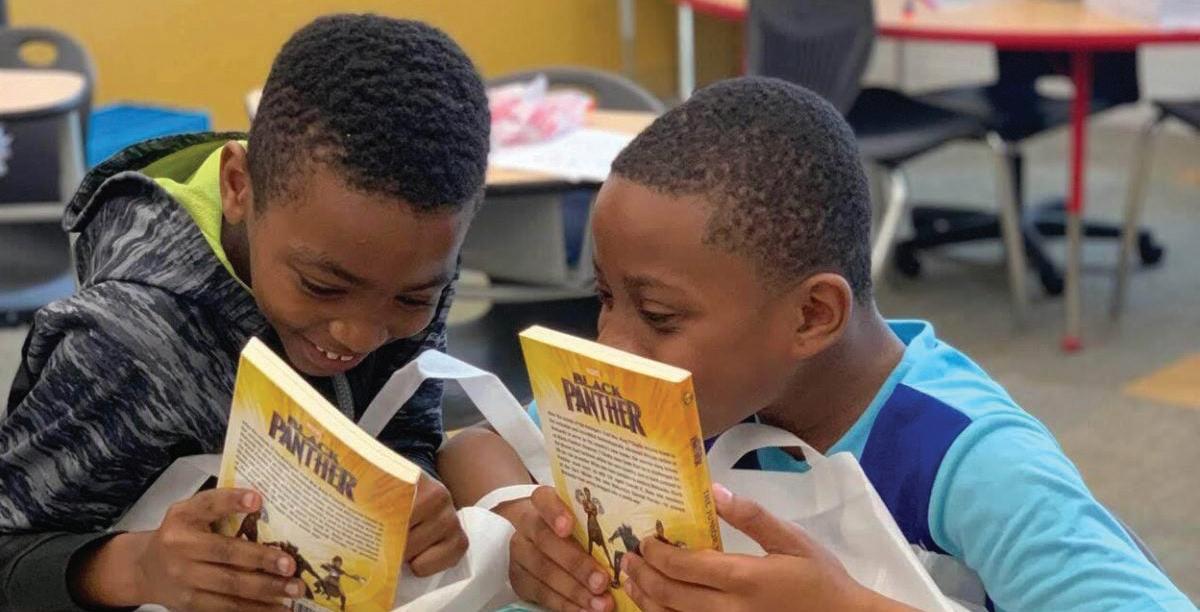
Soon afterward, Ramsey and her now-husband founded Young, Black & Lit, an Evanston-based nonprofit dedicated to increasing access to children’s literature featuring Black characters.
Originally, YB&L worked to increase Ramsey’s “one-off donations,” activating her network to donate 50 books each to participating families. Today, through partnerships with schools and youth-serving organizations as well as direct-tohome shipments, the nonprofit distributes between 1,000 and 2,000 books each month, Ramsey said.
She explained the organization’s selections range “from the ordinary to extraordinary stories” that highlight the “full range” of Black experiences for young readers. Ramsey stressed that Black history is “not the only story,” emphasizing the importance of depicting Black characters with varied interests in everyday settings.
“A lot of times, they’re serving populations that often don’t see themselves reflected in the literature that they read, so they’re really excited to get books spanning all different topics,” she said.
Ramsey, YB&L’s co-founder and executive director, added that expanding non-Black children’s access to diverse literature helps them become more “open and responsive to people and things that are different from them.”
She said that although representation has improved since 2018, there are still relatively few Black authors publishing children’s literature with Black protagonists. She added that this disparity motivates YBL’s continued work.
“We know that when children are able to see themselves in the literature that they read, they feel valued,” Ramsey said.
Looking back, Ramsey said YBL has charted an “interesting journey.” She noted that protests following George Floyd’s 2020 murder helped

“catapult” the nonprofit toward greater support.
Since then, culture wars about representation in classrooms and school libraries have presented another chance to promote the organization.
“The book bans have been an opportunity for us to say, ‘This is why our work is still very important,’” Ramsey said. “The shift in the conversation has been an opportunity for us to reenter the conversation on why representation is important — why diverse stories, diverse experiences are important to developing whole, well-rounded children.”
Board member Michal Yariv said she discovered YB&L after Floyd’s murder while searching “for ways to support the Black community.” Yariv remembered a similar program that sent culturallyrelevant books to her Jewish children, adding she was surprised to discover YB&L “right here in my backyard.”
Yariv explained that several problems demand attention from Evanston’s politically active residents, but she encouraged community members to witness YB&L’s positive impact firsthand.
“There’s something particular about books where it’s something tangible. You can hold this thing in your hand and see in print people who look like you,” Yariv said. “That’s really powerful.”
Board member Toni Sims said her multiracial family values literacy. She recalled having trouble finding children’s books featuring Black characters while raising her son in Evanston during the late 1990s.
Sims said YB&L’s direct-to-home shipments especially benefit families without the “disposable income to spend on books,” adding she hopes children who see themselves represented in literature will become more excited about reading.
While YB&L values its relationships with partner organizations like Evanston/Skokie School District 65 and Chicago Public Schools, Ramsey said the nonprofit works to “eliminate the middleman” by establishing direct contact with families. She added that about 400 students signed up for YB&L’s current Lit Year program, which allows District 65 students to receive 15 free books featuring Black characters throughout the school year.
“There’s nothing like seeing yourself in a story because when you read a story, you do become connected to the characters, either because you see yourself there or because you want to be like them,” Sims said. “When you don’t have that, as someone who grew up pretty much without that, you walk with an incomplete sense of self.”
j.baker@dailynorthwestern.com








By EMMA RUSSELL assistant video editor
Evanston art teachers showcased their students’ work at the annual YEA! Festival on Saturday in Raymond Park.
Teachers from 29 schools represented their programs at display booths, ready to answer questions about the projects their students designed throughout the school year.
is is the 39th year that Young Evanston Artists has hosted the event. Open Studio Project partnered with the group for the festival, its second time in a row doing so.
OSP Creative Director Hope Washinushi said OSP’s mission, “art for well-being,” aligns with that of the YEA! Festival.
“With students now going through so many issues with the pressures, not just from families and the internet, but personal pressures, arts is a release,” Washinushi said. “(You’re) able to express yourself.”
In preparation for the festival this year, students at Willard Elementary School learned how to make gures from found objects.
Willard art teacher Ma hew Bush said the goal of the project was to encourage viewers to have a “meaningful encounter” with the students’ work.
“It’s not an easy project, and nobody started smoothly,” Bush said. “But that’s what the good stu is always like. Everything important is hard.” Bush said he appreciated the resourcefulness and perseverance his students demonstrated throughout the project. In particular, he said he watched his students ask their peers questions about each other’s techniques to improve their work.
While Bush understands that his students will not all be professional artists, he said they will use the tools they learned in his class regardless.
“I think that when a kid is really applying themselves in art, it shows up in every other subject of theory,” Bush said.
Callum Hiew, a preschool student at the Joseph E. Hill Early Childhood Center, said his art teacher taught him how to use paint sticks to draw owers and learn how owers grow.
“ e worms help the Earth,” he said.
Megan O’Reilly, a visual art teacher at Kingsley Elementary School and Lincoln Elementary

School, highlighted the importance of early art education in developing students’ ne motor skills.
is year, her students made four animals from clay and drew corresponding paper backdrops for the habitat they live in.
Pinching and pulling the clay to mold into a gure develops the hand muscles vital for writing and cu ing, and promotes problem solving and lateral thinking, O’Reilly said.
According to O’Reilly, the district received a grant from the state this year that allowed every
student to have access to clay and put kilns in every Evanston/Skokie School District 65 elementary school.
“I’ve felt very supportive in this district in giving us all the materials and opportunities we need to create our art,” O’Reilly said. “ at’s one of the things I love about Evanston.”
Other teachers at the event expressed some concern that funding for art programs could be decreased. e district has agreed to cost-cu ing measures as it aims to eliminate its structural decit by scal year 2030.
However, Denise Taylor, a visual and media arts teacher at Nichols Middle School and Haven Middle School, stressed the importance of an arts education, which she said is something that “young brains” need “really badly.”
“I hope that art continues to be something that is valued for those people who make those decisions on what gets cut,” Taylor said. “But I feel like Evanston does appreciate the art. So hopefully art stays robust.”
e.russell@dailynorthwestern.com
























EVGENY STOLYAROV
OP-ED CONTRIBUTOR
In summer 2024, I watched with horror as violence by Jewish settlers in the West Bank, backed by the Israeli military and police, continued to escalate. Palestinians in the village of Umm al-Khair called on anyone opposed to the forced dispossession of their land to join them on the ground.
I felt like in order to be in solidarity with Palestinians, I had to go to Umm al-Khair and provide “protective presence,” which is when international and Israeli activists accompany Palestinians to help deter violence from settlers and soldiers through witnessing and documentation. Through the Center for Jewish Nonviolence, I joined a cohort for a 10-day solidarity shift in Umm al-Khair.
When I returned and started my junior year at Northwestern, I wanted to share what I had seen with my Jewish community through an event about my experience. NU Hillel, which calls itself the “foundation for Jewish life on campus” on its website, seemed like the obvious place to go.
- STOLYAROV
In the village, I met Awdah Hathaleen, an activist and school teacher devoted to resisting Israel’s attempts to force Palestinians out of Umm al-Khair. I witnessed teenage settlers cutting the village’s water supply pipe, settlement security harassing Palestinians daily and the Israeli military confiscating tools from Palestinians rebuilding homes Israel had demolished.
When I returned and started my junior year at Northwestern, I wanted to share what I had seen with my Jewish community through an event about my experience. NU Hillel, which calls itself the “foundation for Jewish life on campus” on its
The only conclusion I can draw is that Hillel values supporting Israel over true dialogue.
- STOLYAROV
website, seemed like the obvious place to go.
I spoke with the Executive Director of NU Hillel, Michael Simon, who redirected me to Hillel Rabbi Jessica Lott. I met with her, and she said she was interested in holding the event and promised to follow up. She never did.
About a year after my visit, Yinon Levi, an Israeli settler, brought his bulldozer to Umm al-Khair and started destroying the village’s olive trees. In response, Palestinians, including Hathaleen, tried to convince Levi to leave.
During the encounter, Levi shot his gun, killing Hathaleen. Levi was placed under house arrest for
three days and released. Israeli authorities refused to return Hathaleen’s body for 10 days, and Levi is still showing up at Umm al-Khair and harassing Hathaleen’s family.
After Hathaleen’s murder, I felt compelled to honor his memory by doing what he asked of all visitors: tell the story of Umm al-Khair.
In August 2025, I met with Simon again, trying to get this event to happen. I offered to review my presentation with him and modify any prohibited terminology. I figured I would be allowed to share my experience because Hillel held events in March and April 2024 where members of the Israeli military who had just returned from serving shared their experiences.
I finally got my answer from Simon at the meeting: I would not be allowed to host my proposed event at Hillel, even with modifications.
The only conclusion I can draw is that Hillel values supporting Israel over true dialogue. Hillel doesn’t want the NU Jewish community to know that an innocent man was murdered by a country it sends people on free Birthright trips to.
Hillel forbade a Jewish student from holding a civil, respectful event about his experiences in the West Bank. Meanwhile, Hillel organizes Israel Shabbat, celebrates an apartheid state during its “Israel Week” programming and uses its platform to let Israeli soldiers glorify their time in combat. This is not accidental. It is baked into the very heart of this organization through the Hillel Israel Guidelines, which state that the organization “advance(s) students’ personal relationships with Israel,” and Hillel’s Standards of Partnership, which exclude Jews like me, who refuse to fuse our Judaism with Zionism — no matter what we say or how
To me, Hillel is not a neutral space. It might claim it welcomes all, but it exiles Jewish folks like me who oppose inequality, seek true dialogue and ask hard questions.
- STOLYAROV
we say it.
To Jewish students looking for their place at NU: I know the feeling of wanting to find community. I know that Hillel might be a space to study, grab a coffee or get a free Shabbat dinner before going out, but your involvement further monopolizes Hillel’s claim to being the foundation for Jewish life, even if you personally don’t agree with their politics.
To me, Hillel is not a neutral space. It might claim it welcomes all, but it exiles Jewish folks like me who oppose inequality, seek true dialogue and ask hard questions. It is time to build a new Jewish community, one that doesn’t fuse ugly ethnonationalism with our Jewish tradition. And it’s time to be honest about what NU Hillel is: the foundation for Zionist Jewish life.
Evgeny Stolyarov is a Weinberg senior. He can be contacted at evgenystolyarov2026@u.northwestern.edu. If you would like to respond publicly to this op-ed, send a Letter to the Editor to opinion@dailynorthwestern.com. The views expressed in this piece do not necessarily reflect the views of all staff members of The Daily Northwestern.
Steinberg
CLAIRE CONNER, JEREMY BERKUN & JONAH ROSENBERG
OP-ED CONTRIBUTORS
On Thursday, a student published an op-ed in The Daily titled, “Northwestern Hillel forbade my event about Israeli settler violence.” The piece provides a misleading account of Hillel’s decisionmaking. It misrepresents Hillel’s values while leaving out critical information about its author, Evgeny Stolyarov, who uses an incomplete narrative to accuse students engaging with Hillel of complacency and exclusion.
Stolyarov paints himself as an ordinary Jewish student who thought NU Hillel “seemed like the obvious place to go” for his proposed event. He implies his proposal was rejected based on its content in an attempt to shut out differing views about Israel. This is false.
No organization should be expected to sponsor an event run by the leader of a movement aiming to discredit and destroy it.
- CONNER, BERKUN & ROSENBERG
Hillel declined to host Stolyarov’s event because he had long served as a leader of Jewish Voice for Peace at NU, an anti-Zionist organization that helped organize the 2024 Deering Meadow encampment. In April 2024, months before he approached Hillel about his proposed event, Stolyarov and JVP organized a protest where flyers were distributed that claimed “NU supports genocide” by, among other things, “funneling Jewish students into Hillel, the Zionist ‘foundation for Jewish life.’”
JVP is currently engaged in a campaign against NU Hillel — from banners on campus to condemnations of the Medill School of Journalism’s speaker event with Hillel.
Stolyarov’s op-ed omits any mention of his leadership in JVP, which has voiced an explicit commitment to dismantling Zionist institutions, including Hillel, at NU and nationwide. No organization should be expected to sponsor an event run by the leader of a movement aiming to discredit and destroy it. That is exactly what Stolyarov asked of NU Hillel. Now, more than a year later, he has decided to publicly criticize this choice.
Unlike Stolyarov, we are fully transparent about our leadership within NU’s Jewish community. We currently serve as NU Hillel’s student executive board president, vice president and incoming president. We align with Hillel’s institutional beliefs, including Israel’s right to exist as a Jewish state. We also strongly believe in “machloket l’shem shamayim” (argument for the sake of heaven), our commitment to pluralism and open dialogue in pursuit of the truth.
NU Hillel welcomes all students and community members, regardless of their agreement with Hillel’s institutional stance on Zionism. We stand by our beliefs, and we recognize that we can only pursue progress through inclusion and meaningful discussion. In fall 2024, NU Hillel’s Israel Learning Fellowship brought together students with diverse beliefs about Israel and Zionism to discuss history and the present. Stolyarov was among the group of students who signed up and were accepted into the cohort.
The Daily Northwestern Volume 146, Issue 26
LETTERS TO THE EDITOR may be sent to 1999 Campus Drive, Evanston, IL 60208, via fax at 847-491-9905, via e-mail to opinion@dailynorthwestern.com or by dropping a letter in the box outside The Daily office.
Letters have the following requirements:
• Should be typed
• Should be double-spaced
• Should include the author’s name, signature, school, class and phone number.
• Should be fewer than 300 words
He ultimately did not attend a single meeting, which he said was due to a scheduling conflict. At NU Hillel, we’ve sat across the table from Stolyarov at a faculty “Lunch & Learn” event, participated in an Israel learning cohort with students who do not identify as Zionist and discussed Israel over Shabbat dinner with friends who have opposing views. That’s why Stolyarov’s claim that Hillel “exiles Jewish folks like me who oppose inequality, seek true dialogue and ask hard questions” is
We also strongly believe in “machloket l’shem shamayim” (argument for the sake of heaven), our commitment to pluralism and open dialogue in pursuit of the truth.
- CONNER, BERKUN & ROSENBERG
disingenuous.
We have some hard questions for Stolyarov. Why does he act like he was not welcome in pluralistic conversations? Why did his op-ed fail to disclose his otherwise public leadership in JVP, when this was the reason why Hillel could not host his event? Why did he only choose to write about this now, one year after discussions with Hillel?
Argument for the sake of heaven requires transparency. It requires a commitment to constructive debate that hopes to achieve progress, even and especially when an argument cannot be permanently resolved. And it requires pursuing truth rather than power or victory. Opposing sides might never abandon what they believe is right, and they cannot be expected to sponsor each other’s beliefs. They can still engage respectfully, ask questions and seek out the truth.
It requires a commitment to constructive debate that hopes to achieve progress, even and especially when an argument cannot be permanently resolved.
- CONNER, BERKUN & ROSENBERG
Stolyarov implores students to stop showing up for Shabbat dinners, study sessions and coffee hang-outs at NU Hillel, and he does so in the name of righteousness and politics. We urge our peers to reject this call.
Keep showing up. Let’s celebrate our Judaism together, sharing challah and friendships even when we fiercely disagree. The world we want to build, the people we want to become and the values we cherish ask us to keep arguing for the sake of heaven.
Claire Conner is a Medill junior and can be contacted at claireconner2027@u.northwestern.edu. Jonah Rosenberg is a Weinberg junior and can be contacted at jonahrosenberg2027@u.northwestern. edu. Jeremy Berkun is a Bienen senior and can be contacted at jeremyberkun2026@u.northwestern. edu. If you would like to respond publicly to this op-ed, send a Letter to the Editor to opinion@ dailynorthwestern.com. The views expressed in this piece do not necessarily reflect the views of all staff members of The Daily Northwestern.
They
be
Letters, columns and cartoons contain the opinion of the authors, not Students Publishing Co. Inc. Submissions signed by more than three people must include at least one and no more than three names designated to represent the group.
Editorials
By EMILY DISSANAYAKE
daily northwestern
the
Illinois is currently home to over 200 data centers, with over 150 in the Chicago area.
As of this year, Commonwealth Edison — the largest electric utility company in Illinois — has 75 pending applications from developers for arti cial intelligence data center projects across the state. As data center developments expand, advocates are calling on leaders at the state and local levels to hold those building the centers accountable while communities prepare for monetary and environmental costs.
James Gignac, the Midwest policy director for the Union of Concerned Scientists, said while the Chicago area has historically been a large market for data centers, the industry is now pursuing much larger facilities “unlike anything we have seen before.”
“Some of them can use over a gigawa of electricity, and a typical Big Ten university campus uses 60 megawa s. So that’s 60 megawa s compared to 1,000 megawa s,” Gignac said. “It can give you a sense of scale of how large these facilities are. And again, it’s more than entire cities need.”
A report by the UCS found that data center growth will raise electricity costs across Illinois by $24 billion to $37 billion by 2050. e report also projects that data centers will account for up to 72% of electricity demand growth in Illinois by 2030.
ComEd electric customers can expect a 12% jump in monthly charges starting in June as more data centers increase power demand, according to reporting by the Chicago-Sun Times. e massive energy demand from data centers may also require new infrastructure for electricity transmission.
As electric companies try to meet new capacity needs, the cost of construction could increase consumer utility rates.
“Data centers should pay their fair share. ey certainly have the money to do so,” Hannah Flath, the communications and campaigns director for the Illinois Environmental Council, said. “Many of these facilities are partnering with organized corporations like Meta and Google that absolutely have the money to pay for their own energy, bring clean energy to the grid in order to power their facilities and be leaders as developers.”
Beyond potential spikes in energy bills, some experts say data centers present environmental and health concerns. Due to large electricity usage, advocates are concerned the data centers will have to rely on diesel backup generators in case of a power outage.

Last spring, residents in Aurora, Illinois had to run on backup generators for several consecutive days following equipment issues at the CyrusOne data center. According to Flath, residents said the noise sounded like “jet engines were landing in their backyards.”
Flath added that the increase in energy demand can also jeopardize climate goals.
“ e detrimental impacts to both our air, our health and our climate if we were to go backwards on our climate goals, continue to rely on fossil fuel generation to power these facilities, would be absolutely horrendous on our communities and on our planet,” Flath said.
Water usage is another major concern for advocates. Data centers use water for cooling equipment, with the vast majority relying on municipal water supplies. Because data centers take water from municipal sources, they aren’t required to disclose or track their water usage, per state and federal law.
Helena Volzer, the senior source water policy manager at the Alliance for the Great Lakes, said
land and power are typically the primary factors for developers when deciding locations for data centers.
“ e Great Lakes region is seen as generally an a ractive one, both for its climate and its access to water resources. We really are blessed with one of the most precious and natural resources in the world, (with) all of this fresh water,” Volver said.
“But it is still nite, and it does require management to ensure that we have water available for all of the purposes and needs that we would like to use it for.”
Still, many developers in Illinois are initiating a “rapid buildout” of new data centers, Gignac said.
In March, the Joliet City Council approved plans for a data center in the city. While the decision followed months of conversations about the facility between city o cials and developers, Flath said some residents were only made aware of the plans in the few weeks leading up to the vote.
Proponents of the center point to potential economic stimulation, particularly with the job growth that could come with construction.
However, Gignac, Flath and Volver all said more
transparency is needed for residents to understand how the data centers will a ect the community, both nancially and environmentally.
In February, Illinois House Majority Leader and State Rep. Robyn Gabel (D-Evanston) and State Sen. Ram Villivalam (D-Chicago) introduced the Protecting Our Water, Energy, and Ratepayers Act, a bill which would address data center energy usage and water protections.
e legislation would also address transparency issues, ensuring that developers are engaging with the community early in the construction process.
With about two more weeks le in the legislative session, advocates are pushing on lawmakers to act quickly.
“ e time is now for Illinois to ensure that it has protections in place,” Gignaic said. “ e longer we wait, more of these facilities may get approved and start construction without necessarily having the energy, water and community protections that we need.”
e.dissanayake@dailynorthwestern.com














































By NASH PHILLIPS the daily northwestern
Planning for Evanston’s Green Homes Pilot began in 2019. Now, the project is nally set to wrap up by the end of summer.
e initiative, which is a partnership between the city, the Center for Neighborhood Technology and nonpro t Elevate, aims to retro t lowand middle-income homes in Evanston for safety and energy e ciency at no cost to property owners and renters.
ough the project was initially set to nish by the end of 2025, a 30-unit building was added to the slate of buildings to be retro ed a few months ago, according to CNT director Heidy Persaud.
“ e project got extended to the end of the summer, and by the end of this summer, we should have 50 units that have been improved,” Persaud said. According to Lindsey Wade, Elevate’s project manager, the initiative has saved an estimated 43 metric tons of greenhouse gas emissions, even though only 18 of the 50 total units have been retro ed so far.
Wade said the program targeted areas of the city that are particularly vulnerable to climate change, and the new 30-unit addition to the project is composed entirely of a ordable housing.
“ e building had been connected to a utility program that electri es eligible properties, but they needed assistance ful lling their gap in funding,” Wade said. “We worked with the City of Evanston and were able to identify some funding to help ll that critical gap.”
e project was funded by the American Rescue Plan Act and the Evanston Sustainability Fund and is part of Evanston’s larger Climate Action and Resilience Plan, which sets a goal for the city to achieve carbon neutrality by 2050.
As ARPA money dwindles, Cara Pra , the city’s chief sustainability and resilience o cer, said the pilot’s continuation will depend on whether the city can receive new types of aid.
Evanston’s sustainability o ce oated the idea of using part of Northwestern’s Good Neighbor Fund to cover future projects.
“ ere’s a really long waitlist of people who are interested in this program,” Pra said. “We’re in
a di cult time in that our federal administration does not value this type of project, so for the foreseeable future, we have much less money.”
City o cials have touted the savings on utility costs and health bene ts that the pilot program has generated.
According to Wade, some of the most enthusiastic feedback from residents and property owners has been in response to simpler changes, such as asbestos and mold removal.
“We have received a lot of positive feedback from our participants,” Wade said. “One of the
most touching testimonials that we have received to date shared that their children could enjoy a bubble bath for the very rst time a er mold had been removed from their bathroom.” nashphillips2029@u.northwestern.edu
By Tanat Johnny Tungsubutra






From page 1
and inclusion and social justice.”
Theater director Aaron Carney, who taught Lapkus as a high schooler and encouraged Lapkus to take improv classes in Chicago, presented her with an ETHS swag bag that included posters and a YAMO T-shirt after she delivered her speech.
The school originated as a one-room high school, and its first graduating class in 1876 had only two students.
“Most of the town thought it was a waste of taxpayer money,” Stroth said. “Students called their classroom a ‘miserable shanty.’ One hundred fortythree years later, this school has 3,700 students, 35 state championships, a planetarium, a greenhouse and an atrium.”
to avoid drug use, and Superintendent Marcus Campbell and Associate Principal of Educational Services Keith Robinson, whom he called “twin forces of accountability.”
Stroth also mentioned standout students, including a perfect ACT scorer, a “Hadestown” performer headed to Harvard and a lifeguard who saved a woman’s life.
ETHS graduated senior Jackson Stroth delivered a student address focused on the history of ETHS and the people who shaped his time there.
page 1
hurdles when seeking housing accommodations.
ANU denies accommodations, requests additional information from students
McCormick sophomore Emma, who requested to be identified by only her first name due to privacy concerns, has Crohn’s disease and has previously been approved for accommodations for a single room with a private bathroom.
For the upcoming school year, she said she was assigned a room that did not have its own bathroom, which would have forced her to use a communal bathroom.
Another McCormick sophomore, who requested anonymity to privacy concerns and out of fear of retaliation from ANU, said she applied for accommodations for the upcoming year. She said that because a section of the accommodation form did not require documentation, she submitted the application under the assumption that ANU would request paperwork if it was necessary.
Due to ADHD, depression, asthma and other respiratory complications, she said she applied for a single room in a dorm where she could clean her air unit. She also wanted a dorm where she did not need to go up more than one flight of stairs to reach her room, as that would trigger her breathing difficulties.
But she said she received an email from ANU stating that the documentation she had provided did not sufficiently explain the rate and intensity of her symptoms.
As she plans to study abroad the next academic year, she cannot apply for a housing contract until she returns to campus, when the selection of available rooms will be limited. She said that uncertainty compounds her stress surrounding her living situation.
“That seems like a very huge risk to just assume that I will be put into a dorm that will work for my needs physically and mentally,” she said.
Stroth cited educators and students who he said defined ETHS, such as wellness teacher Montell Wilburn, who performed rap songs encouraging students
In his accommodation request for the 2025-26 academic year, he requested a dorm that had a kitchen — to give him more control over his diet — and a bathroom close by.
He also requested a single due to his monitor, which he said he silenced multiple times last year because he was concerned it bothered his roommate when it went off.
“It was a lot of daily things that I needed in my life as a Type 2 diabetic that I had to shift, and that did not help with my health,” Black-Diamond said.
But he said ANU told him to submit multiple revised versions of a doctor’s note because his reasoning was not initially deemed clear enough to secure the accommodation.
“Accommodation decisions are based on how a disability affects a resident’s access to their living environment compared to a resident without a disability,” a University spokesperson wrote in a statement to The Daily. “A medical diagnosis or recommendation alone does not automatically result in a specific housing accommodation.”
Medill first-year Inaaya Firoz, who is Muslim, applied for religious accommodations to have a suite with “close and private access” to a bathroom so she could perform wudu, the Islamic ritual purification. She said she also wanted an all-female suite for religious reasons.
Firoz said she was initially assigned to a Kemper suite for next year that included male students.
The University did not respond to a request for comment about religious accommodations by the time of publication.
Chains of emails required to advocate for granting accommodations
Emma said she struggled to get help when emailing both ANU and Residential Services, saying each directed her to the other group.
“Both sides, they told me, ‘Oh, we don’t handle that. Go ask the other group,’which is really confusing, because somebody picked my room,” Emma said. “So who was it?”
“At this school, I learned that we are surrounded by people who can change the trajectory of our lives: teachers, coaches, families and classmates who chose to invest in us,” Stroth said.
when she would use it, was open to everyone on the floor. She opted to enter the housing lottery instead.
Emma said that the lack of a consistent ANU adviser assigned to her made communication difficult. At one point, she said she was assigned a new adviser who left before she could meet them.
The second McCormick sophomore, after being told she needed to submit additional information, said she contacted doctors at home and on campus and provided the requested documentation. But she remained unsatisfied with the level of communication from ANU.
“It just seemed like no one was actually taking the time to consider them, and they were just trying to clear them from an inbox,” she said.
After submitting documentation, all of her accommodation requests were rejected again. The McCormick sophomore said it was for “basically the same reasons” as before.
She said one response advised her to use public spaces like libraries to improve focus, which she found dismissive.
“For you to just automatically assume it’s because I can’t focus, because I said it was ADHD, is a little upsetting,” she said.
Eventually, she scheduled a meeting to clarify her situation. She said she was offered alternatives that had not been communicated over email. Her request for a dorm with a preferred air system and no more than one flight of stairs was approved, but the request for a single room was still denied, she said.
Firoz said when students are presented with an accommodation offer, they have a certain period of time to accept it. Her point of contact went on vacation during this window, she said.
She said Residential Services later told her that her placement in a co-ed suite arose due to an unintentional “booking error.” While she ultimately received what she requested, she still found the process frustrating.
“I just want a response,” Firoz said. “I’ve done everything that I need to do. I feel like it should be easy to navigate these sorts of things. It’s not like I’m the first person who’s ever applied for this sort of accommodation.”
ETHS graduated senior Isaiah Romero, who was selected as the school’s senior poet, recited a poem about the significance of the school’s colors: orange and blue.
“Orange has represented every loud moment: the games, the energy, the nights we felt unstoppable, like the world was already ours,” Romero said. “Blue has represented everything quieter: the stress, the growth, the nights we doubted but kept going anyway. And now we wear both, not just as colors, but as proof.”
m.turetzky@dailynorthwestern.com ETHS
resubmissions of similar doctors’ notes, he said.
“It felt pretty demeaning, to be honest,” BlackDiamond said. “As a student who was already doing so many other things and putting so much time and doing studies and my extracurriculars, having to take all this time to do this was really frustrating, considering they advertise themselves as a means of helping and as a means of being there for students.”
Students reflect on process struggles, hopes for communication improvements
Tam said he felt his housing situation was resolved quickly and that he “lucked out.” However, he said he still had many unanswered questions about the process.
“Why was my doctor’s note insufficient? Why did I need to get a new one? Why was what I originally described different from what I described in the email I sent?” Tam said.
He also said the process to apply for accommodations should be more accessible. He said it would be “wildly unfair” if students were not able to clearly articulate their needs, and that in-person interviews could help students better “advocate for themselves.”
The McCormick sophomore said she had to “keep poking” the University to address her concerns. There needed to be more communication and clarity throughout the process, she said.
She added that NU should change its processes to help students feel like their concerns are being adequately addressed.
“Going to this school is already stressful,” she said. “Having to deal with people who are supposed to be there to help you, and have it feel like they’re just not listening to you, is just awful.”
Black-Diamond said ANU has assisted students with housing accommodations.
Still, he said he feels communication from ANU has room to improve.
Communication sophomore Seth Black-Diamond, who has Type 2 diabetes, said last year, he struggled with eating food from the dining hall due to his dietary issues.
Black-Diamond said he was not rejected outright, but that he had to repeatedly follow up to secure his accommodation.
r.ahmed@dailynorthwestern.com HOUSING
Residential Services then placed her in a single room, she said, but it did not fully match her preferences — especially since the bathroom, while private
The process included multiple revisions and
“There’s so many strengths that they have,” BlackDiamond said. “But there’s also a lot of things that they lack, and this is one of those things — actually listening to their students who have valid needs and accommodations.”

By BEN DANNEMILLER the daily northwestern
Northwestern defeated Colorado 13-12 Thursday after two overtimes in the NCAA DI Women’s Lacrosse Championship Quarterfinals.
Junior midfielder Noel Cumberland scored the winning goal from a free position. The Wildcats (17-3, 7-1 Big Ten) will play No. 4-seeded Johns Hopkins in the semifinal round May 22.
Senior attacker Madison Taylor led the way with four goals on seven shots, while junior midfielder Taylor Lapointe scored three times alongside two assists. NU outshot the Buffaloes (16-4, 4-1 Big 12) 29-20, but turned the ball over 19 times compared to Colorado’s 12. The Buffaloes allowed a season-high 13 goals — the most they had previously conceded was nine.
NU avenged its early-season loss to Colorado at Ryan Fieldhouse on Feb. 9 and extended its win streak to 12 games, while the Buffaloes’ ninegame winning streak came to an end in the loss.
“Having played them earlier in the season, I think our girls kind of knew what they were going to be up against,” coach Kelly Amonte Hiller said. Lapointe scored the first goal of the game three minutes in. Sophomore attacker Aditi Foster was awarded a free position two minutes later, but a cross-body save by Colorado goalkeeper Elena Oh denied the scoring opportunity. Buffaloes attacker Maddie Shoup then equalized the game during a player-up opportunity. The visitors took the lead immediately after, which Taylor then equalized from a free position. Afterward, Colorado took the lead, ending the first quarter up 5-3.
Taylor scored in the first 30 seconds of the second quarter, halving the Buffaloes’ lead. Senior attacker Maddie Epke tied the game at 5-5 five minutes later. Both teams’ defenses held strong through the next seven minutes, each denying strong scoring opportunities. Colorado attacker Teagan Ryan broke the scoring silence with four minutes left in the half. Buffaloes attacker Rowan Edson doubled the lead one minute later, but soon after, freshman attacker Kate Ratanaproeksa pulled one back for the ’Cats. Buffaloes attacker Rachel Kennedy scored with five seconds left in the half, the last action of the period. Colorado led 8-6 at the break.
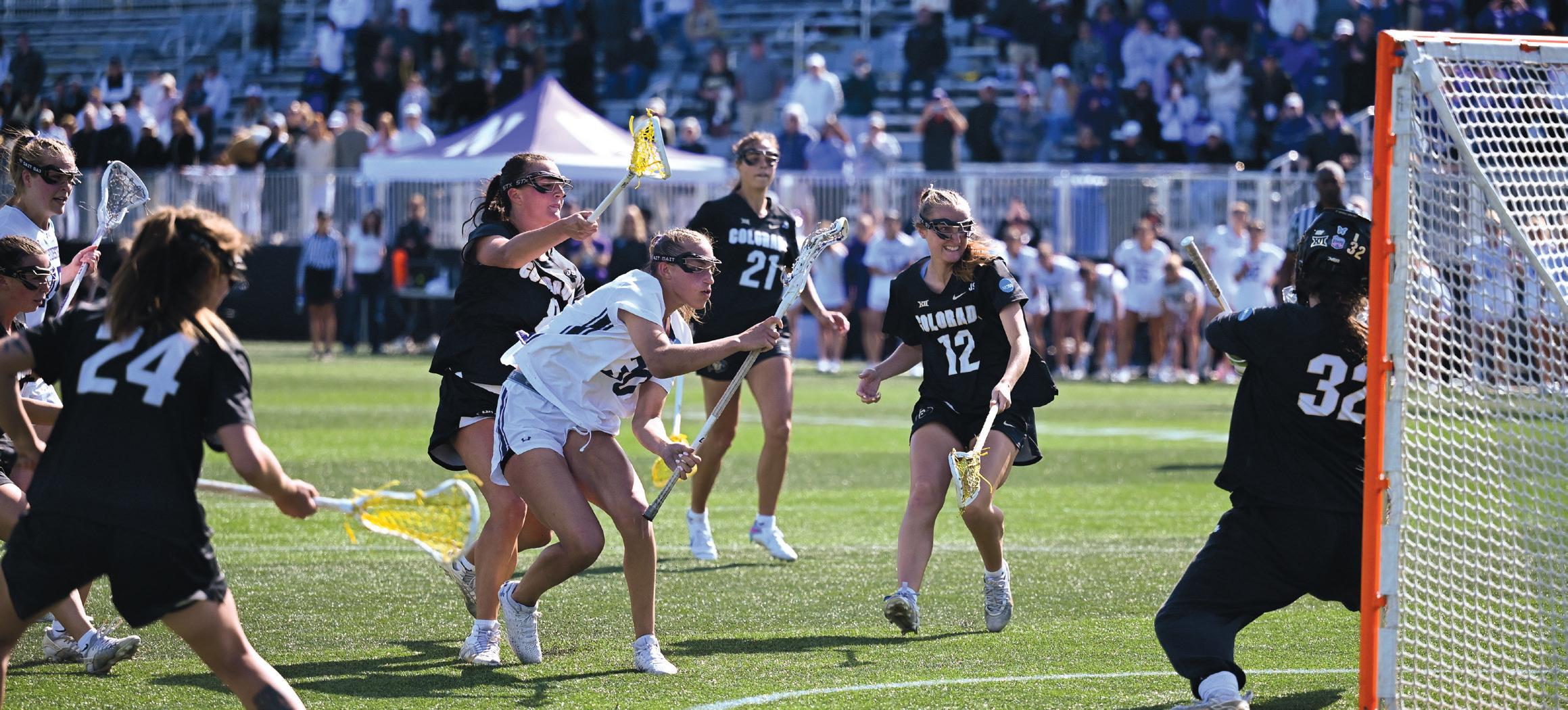
Through the first 30 minutes of play, the Buffaloes outshot NU 13-10. The ’Cats dominated the draw circle, leading 10-5 in draw controls.
Four of Colorado’s first-half goals were scored while a player up. Amonte Hiller said that “not getting cards” was a major part of preparation for the game.
“We did not follow our own game plan on that, and they were able to draw a lot of fouls and capitalize on those opportunities,” Amonte Hiller said.
Shoup put a shot in the back of the net to make the score 9-6 one minute into the third quarter. NU got its first player-up goal immediately after on a shot from redshirt junior attacker Abby LoCascio. Taylor scored off a free position a few minutes later, and Foster scored from a free position to complete the comeback. The third quarter ended with a 10-10 score.
Neither team scored from then until the nineminute mark of the fourth quarter, when the Buffaloes retook the lead with a free position goal
from attacker Jaimey Hill. Lapointe then scored from a free position to tie the game once more and secure a hat trick, her fifth of the season.
With three minutes to go, Taylor gave the ’Cats their first lead since early in the first quarter. NU won the subsequent draw, and a Colorado yellow card allowed it to run the clock down to one minute remaining, when a save by Oh gave the Buffaloes one last chance on the offensive end with 41 seconds left. Colorado took advantage, as Shoup scored with four seconds left to send the game to overtime at 12-12.
Redshirt sophomore midfielder Madison Smith won the overtime draw. NU’s first shot was stopped by Oh. However, possession returned to the ’Cats after a Hill charge. The sides traded turnovers afterwards, and Taylor picked up a controversial yellow card with 11 seconds left. The Buffaloes were unable to do anything with the remaining time, and the game went to a second overtime.
“There was just so much belief around me. It
was actually crazy how much people were smiling at me after being in the penalty box for two minutes,” Taylor said of the player-down period.
Again, Smith won the draw, and again, Oh saved NU’s shot. But a quick turnover gave the ball right back to the ’Cats, and they never lost it. After back-to-back missed shots that replenished the shot clock, NU didn’t attack the defense until Taylor re-entered the game with about 30 seconds left on the shot clock. After dancing around the back of the net, Cumberland was awarded a free position. After a lengthy review confirmed the call, Cumberland placed the shot below Oh’s stick to end the game after two hours and 45 minutes.
The ’Cats will match up against Johns Hopkins on Friday, May 22. First draw is scheduled for 4:30 p.m. at Martin Stadium.
“We’re gonna need a big crowd on Friday night, so I invite people to come out,” Hiller said. bendannemiller2029@u.northwestern.edu
By YONI ZACKS newsletter editor
As the opening day of the new Ryan Field approaches, more details have been announced about what fans can expect, including the “Wildcat Wall.”
The Wall will place students directly over the end zone, with the 2,000-seat supporters’ section towering over the turf at a 33-degree angle.
A first for college football, the Wall is being built to encourage students to stand the whole game, with railings for support. Seating will be
available for those who need it.
Weinberg sophomore and Wildside Vice President of Operations Lara Granja said she is excited about the level of engagement she hopes the new stadium will bring among students.
“I think that’s a really cool idea,” Granja said. “It keeps students engaged the entire game. We’re normally standing at football games anyway in the bleachers, so I think that was a really neat feature.”
Standing at sports games is a frequent occurrence in European soccer, where one end of the stadium is turned into a supporters’ section.
Pat Ryan Jr., the CEO of Ryan Sports Development, said the success of the student section at Welsh-Ryan Arena inspired the creation of the Wall, according to a Northwestern Now article.
“As Welsh-Ryan Arena’s intense environment has proven, students drive the energy in college sports,” Ryan said in the article. “To create the most powerful student section in college football, we imported the design of the most intense supporter section in European football to create the Wildcat Wall for Northwestern students.”
The enhanced student experience begins before the Wall, however. Students will enter the Wall by
passing through the Purple Line, college football’s first student hype tunnel, modeled after the team’s hype tunnel.
Student gamedays will begin at the Student Plaza, which will include a balcony overlooking the area.
Just inside the stadium will sit The Paynter Family Hall, a space dedicated for students to explore NU’s football history and connection to Evanston. Ryan Field, the first Power 4 stadium built since 2014, will open with the Wildcats’ tilt against Penn State on Oct. 2.
y.zacks@dailynorthwestern.com
By ANDREW LITTLE assistant sports editor
Northwestern ended its season over the weekend in an at-home series against Rutgers, dropping its final series of the year with one win and two losses.
The Wildcats (21-30-1, 8-22 Big Ten) lost the series opener Thursday 8-5 before beating the Scarlet Knights (26-28, 13-17 Big Ten) 7-6 on Friday. Rutgers clinched the series with a 15-9 victory Saturday, when NU celebrated Senior Day.
Graduate student left-handed pitcher Ryan Weaver made his final collegiate start Thursday. He pitched six innings, allowing eight hits and two runs with two strikeouts. Graduate student second baseman Noah Ruiz got the ’Cats on the board first, bringing senior center fielder Jack Lausch home with a sacrifice fly in the first inning.
Rutgers scored its first run in the fourth inning, but NU added two runs in the bottom of the frame on a single from sophomore left fielder Logan de Groot. Junior right fielder Jackson Freeman extended the ’Cats’ lead to 4-1 in the fifth inning with a sacrifice bunt.
The Scarlet Knights scored their second run off Weaver in the sixth inning, before NU switched to freshman left-handed pitcher Jake
Rifenburg in the seventh. Rutgers scored six runs in the seventh inning, three unearned to Rifenburg after a fielding error from junior shortstop Ryan Kucherak. Rifenburg pitched 0.1 innings, allowing four hits and three earned runs while junior right-handed pitcher Garrett Shearer finished the inning.
Kucherak drove in Lausch on an RBI-groundout in the bottom of the ninth inning to add another run, but the Scarlet Knights held on for a 8-5 win.
The ’Cats struck out 11 times Thursday and left nine runners on base. They also hit 2-for-10 with two outs, compared to Rutgers’s 4-for-12. Sophomore right-handed pitcher Matt Kouser started Friday’s contest. He made it through the first two innings scoreless, throwing just 17 pitches before surrendering three solo home runs within four batters in the third inning.
NU’s offense responded with four hits in the third inning, with freshman first baseman Nick Barron driving in a run on an RBI single to cut the deficit to 3-1. Freeman tied the game with a two-run home run in the fourth inning, the 26th of his career which brought him into a tie for eighth place on NU’s all-time leaderboard.
Kouser finished the game pitching five innings with four strikeouts, six hits and three runs allowed. Senior left-handed pitcher Drew Dickson pitched the next two innings. He allowed
two runs in the sixth, including a home run to Rutgers right fielder Jack Sweeney. The ’Cats scored three runs in the bottom of the inning from senior third baseman Owen McElfatrick’s two-RBI double and senior Marty Kaplan’s RBI groundout.
McElfatrick played his 200th game for NU on Saturday after recording 200 career hits Friday, when he went 3-for-5 with two RBIs and a double. The senior infielder finished his career second-all time in home runs for the ’Cats with 35. Sweeney hit an inside-the-park home run in the seventh inning, tying the game 6-6. Barron hit a leadoff home run in the bottom of the inning to give NU a 7-6 lead it would not surrender. Rifenburg pitched the final two innings, striking out two batters and allowing one hit to earn his second save of the season.
On Saturday, Graduate student right-handed pitcher Sam Hliboki, one of ten players celebrated for Senior Day, started the game by giving up one run in the first inning. This was followed by consecutive three up, three down innings.
Rutgers scored 10 runs over the next four innings, including a five-run fifth inning. The Scarlet Knights had 18 hits Saturday, the team’s most of the weekend, from 11 different batters.
Graduate student left-handed pitcher Charlie
Kutz, a Middlebury College transfer, made his first relief appearance for the ’Cats during the seventh inning. He pitched 0.2 innings with a strikeout, one hit and no runs allowed.
Trailing 11-2 in the eighth inning, Lausch spurred a five-run inning for the ’Cats with a solo home run to right field, his 15th of the season.
Leading off the bottom of the ninth inning in his last collegiate at-bat, Lausch launched his second home run of the day. Saturday was his first multi-homer game of the year. His 16th homer this year tied him for second-most in a single-season in NU history. He also finished the regular season tied for seventh in the Big Ten in home runs.
Barron tacked on NU’s final run with an RBI double, scoring Ruiz. The late-scoring rally was not enough to overcome the early deficit, as the ’Cats fell 15-9 to Rutgers.
Coach Ben Greenspan guided the ’Cats to a 25-27 record in his second season in 2025 — the team’s best record since 2017 — but was unable to build off that in his third year with the program. NU won more than 20 games for the second time in the 2020s, but took a step back in the win-loss column for the first time since 2023.