



By StatePoint News Provider
s you get ready to send kids to summer camp, the American Medical Association (AMA) is encouraging you to follow these tips to make sure your child is prepared for a safe and healthy experience:
1) Be Sun Aware: Kids will spend a good portion of their day outside. Protect your child from damaging UV rays by applying a broad-spectrum sunscreen of at least SPF 30 before camp each day. Send a bottle with them so they can reapply every 2-3 hours. Also consider UV protective clothes and hats.
2) Avoid Bug Bites: The summer months bring out the bugs, and your kids will likely encounter them at summer camp. To keep your kids safe from insect bites and insect-borne diseases, have them wear loose-fitting, light-weight long sleeves and pants when possible and avoid clothes with bright colors and floral prints, which often attract bugs. Using an EPA-registered insect repellent is an effective way to protect your child from mosquito and tick bites, particularly in the early morning and at dusk. Avoid choosing products that combine bug spray and sunscreen, because they are most effective when applied separately. Always check your child’s skin for ticks after being outdoors as insect repellent doesn’t kill ticks, and they can remain on clothes and skin long after the camp day is done. Ticks are most likely to attach to areas where clothing is tight to the skin, like the waistband of pants, as well as the hairline and behind the ears. More information about bug safety from JAMA Pediatrics can be found at https://jamanetwork.com.
3) Prepare for Allergies: Seasonal and food-related allergies can spoil your child’s fun. Be sure to pack your child’s EpiPen or other allergy medication. If your child comes in contact with a food or environmental allergen that has been known to cause an allergic reaction, ensure they and camp supervisors know to act quickly.

By StatePoint News Provider
hen a tooth is infected or giving you pain, having it pulled may seem like the easiest option, but dental specialists called endodontists say that saving natural teeth whenever possible is better for your oral health, your overall health and your confidence.
WThat’s why during Save Your Tooth Month this May, the American Association of Endodontists (AAE) is sharing information about recognizing tooth pain, understanding treatment options like root canal treatment, and seeking care from an endodontist to save natural teeth. As part of
4) Pack Healthy Lunches and Snacks: If you are packing your child’s lunch and snacks, include fruits, vegetables, lean proteins and whole grains. Try to pack at least two-thirds of their meal with plant-based foods. Strive to include lean protein or plant-based protein and avoid processed meats and sugar-sweetened drinks such as soda and juice. Hydration is also important in the summer sun since kids, especially when physically active, are at a higher risk for heat-related illnesses. Make sure they have plenty of water in reusable containers.
5) Get Up-to-Date on MMR Vaccination: Be aware that the United States is seeing the highest number of measles cases in more than 30 years, and measles spreads very easily, often before you realize you’re sick. Measles is more than a rash. It is an extremely contagious, airborne virus that can cause severe health complications, particularly for babies and young children—including pneumonia, brain swelling, blindness and even death. The MMR vaccine is the best way to avoid spreading measles, mumps and rubella and prevent children from getting sick. There is no treatment for these infections, so vaccination is the best defense. Nearly everyone who doesn’t get the MMR vaccine will get sick if exposed to measles, mumps or rubella. Be sure to get your child vaccinated to protect against severe complications. Doing so will help keep them from missing out on summer camp and help parents and families from missing work to care for a sick child.
6) Arrange Medications in Advance: If your child needs to take a prescription medication while at camp, talk with camp organizers and counselors before camp begins to make sure there’s a plan in place for safely storing and administering the medication.
For more health tips and resources visit ama-assn.org.
“From campfires to making new friends, summer camp is packed with fun and adventure for kids. With a bit of thoughtful preparation, kids can have fun while staying safe along the way,” says AMA President Bobby Mukkamala, MD.
Source: StatePoint
the campaign, AAE is sharing these important tips:
Don’t ignore tooth pain. If you’re like many Americans, anxieties around dental visits or financial concerns may lead you to delay or avoid care altogether. In fact, in an AAE survey, 60% of Americans admit they’ve put off going to the dentist when they suspected something was wrong. When you have tooth pain, don’t ignore it. It could be a sign of infection or damage that requires prompt care.
Save your natural tooth! Not only is saving your natural tooth usually the best option for your long-term oral health, it’s desired by most Americans. About 78% of those surveyed agree they would do almost anything to avoid losing one of their natural teeth. Fortunately, root canal treatment is a safe, effective, and virtually pain-free procedure that can relieve discomfort and restore function. So, any time you’re experiencing lingering sensitivity, swelling or severe pain, ask your dentist for a referral to an endodontist. Endodontists are the specialists uniquely trained to relieve tooth pain
and preserve natural teeth and are also the go-to practitioner to see if you’ve experienced a knocked-out tooth.
Maintain your oral health. Regular dental visits and good oral hygiene at home can help prevent issues that could lead to tooth loss. Be sure to keep up with both for a healthier smile.
At a time when there is a glut of medical misinformation circulating on social media, getting reliable information is critical. More than a third of Americans surveyed say they’ve seen conflicting or confusing information online about dental procedures such as root canals. To get trusted facts from endodontists about tooth pain and care, visit https://www.aae.org/sytm.
“Natural teeth are both irreplaceable and central to your overall well being,” says Dr. Craig Noblett, president, AAE. “Be sure to get timely, proper dental care from an endodontist whenever you experience pain, discomfort or a dental injury.”
Source: StatePoint
By Shonda Caradine News Provider
rtificial intelligence is rapidly reshaping careers, education, and entire industries. This shift is not something to fear, but something to understand. It is changing not only how we work, but how we are required to show up in workplaces, communities, and creative spaces.
Technological advancement has made it increasingly difficult to distinguish between what is human-made and what is machine-generated. From digital art to written content to online engagement patterns, the lines continue to blur. Even basic metrics like “likes” or “views” are no longer always reliable indicators of human interaction.
In this complexity, something distinctly human becomes more valuable: EMOTIONAL INTELLIGENCE.
Emotional intelligence refers to the ability to recognize, understand, and regulate emotions, both in yourself and in others. It includes awareness, empathy, communication, and the ability to respond thoughtfully rather than react impulsively.
Unlike technical skills, emotional intelligence cannot be fully replicated by machines. It can be simulated, but not authentically experienced.
This becomes especially important in professional environments where collaboration, leadership, and communication are essential. Many people today are experiencing career disruption due to automation, restructuring, or shifting industry demands. This has created widespread stress across local communities and broader economic systems.
Burnout is often misunderstood as simple exhaustion. In reality, it is a deeper state of emotional and cognitive depletion caused by prolonged stress without recovery. It affects motivation, focus, creativity, and even physical health.
Balance, on the other hand, is not the absence of stress, it is the presence of regulation. It is the ability to move between intensity and rest without losing stability.
One of the contributing factors to burnout in modern society is constant digital stimulation. Screens have altered attention spans, with increased reports of difficulty sustaining long focus. While conversations around mental health are important, this is not solely a clinical issue, it is also a technological and environmental one.
The way we consume information has changed the way we process it. The brain adapts to speed, fragmentation, and constant input. Over time, this can affect emotional regulation and cognitive endurance.
THIS IS WHERE EMOTIONAL INTELLIGENCE BECOMES ESSENTIAL.
Developing emotional intelligence can help individuals navigate not only workplace challenges but also internal stress responses. It allows people to identify when they are approaching burnout and adjust accordingly before reaching a breaking point.
Simple practices can support this development: Pausing before responding in conflict, recognizing emotional triggers, practicing reflective communication, and building awareness of personal limits.
It is also important to recognize that individuals are operating within different “timelines,” not just social media timelines, but life timelines shaped by experience, access, and circumstance. Understanding this reduces comparison-based stress and increases empathy in professional environments.
Ultimately, emotional intelligence is not just a soft skill. It is a form of adaptability. And in a rapidly changing technological world, adaptability is becoming one of the most valuable forms of intelligence.
BALANCE IS NOT A FIXED STATE.IT IS A CONTINUOUS PRACTICE.
By As One Foundation News Provider
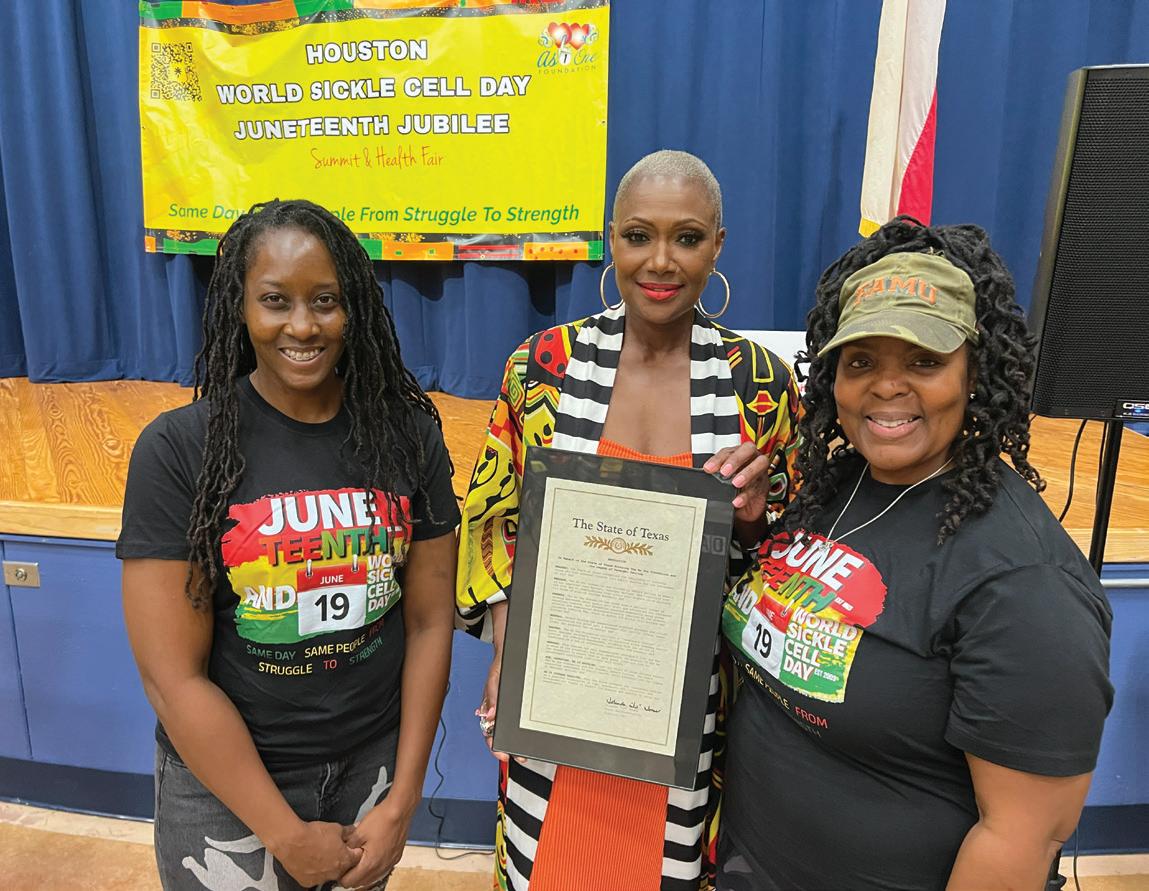
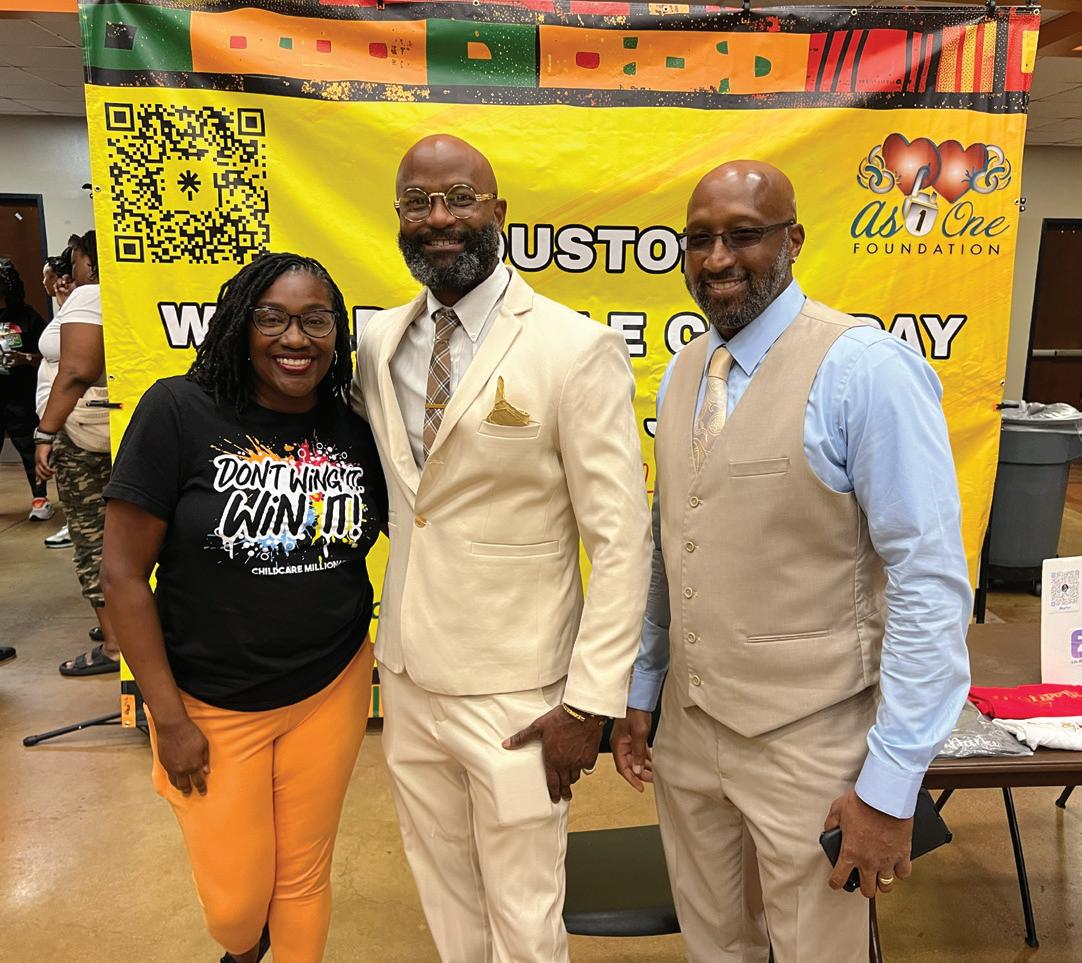
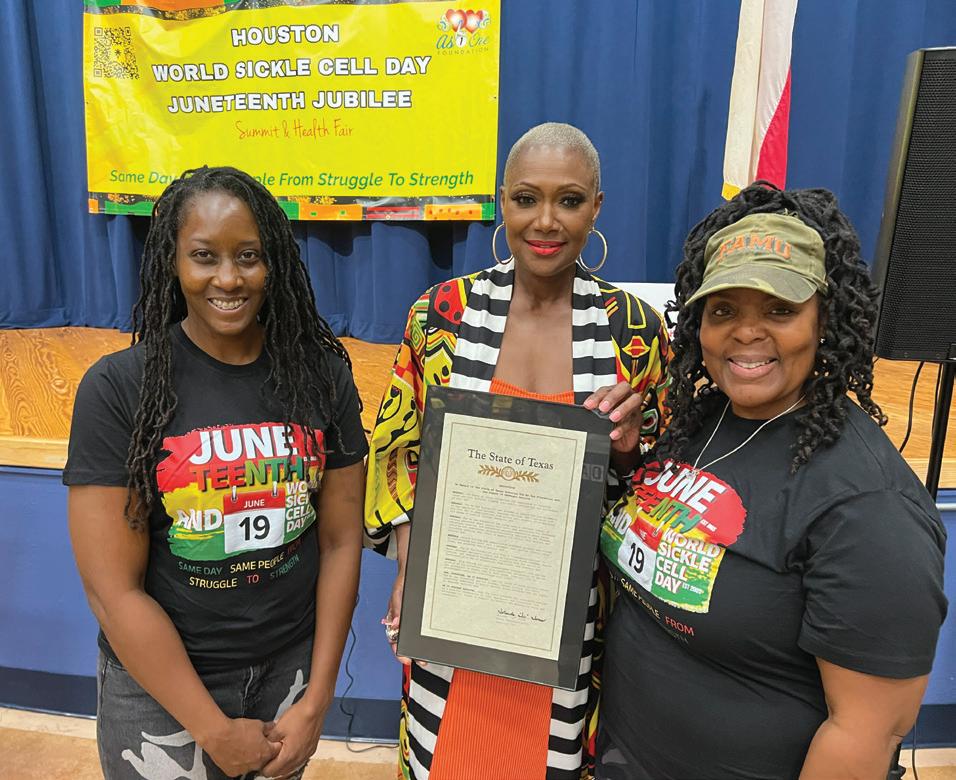
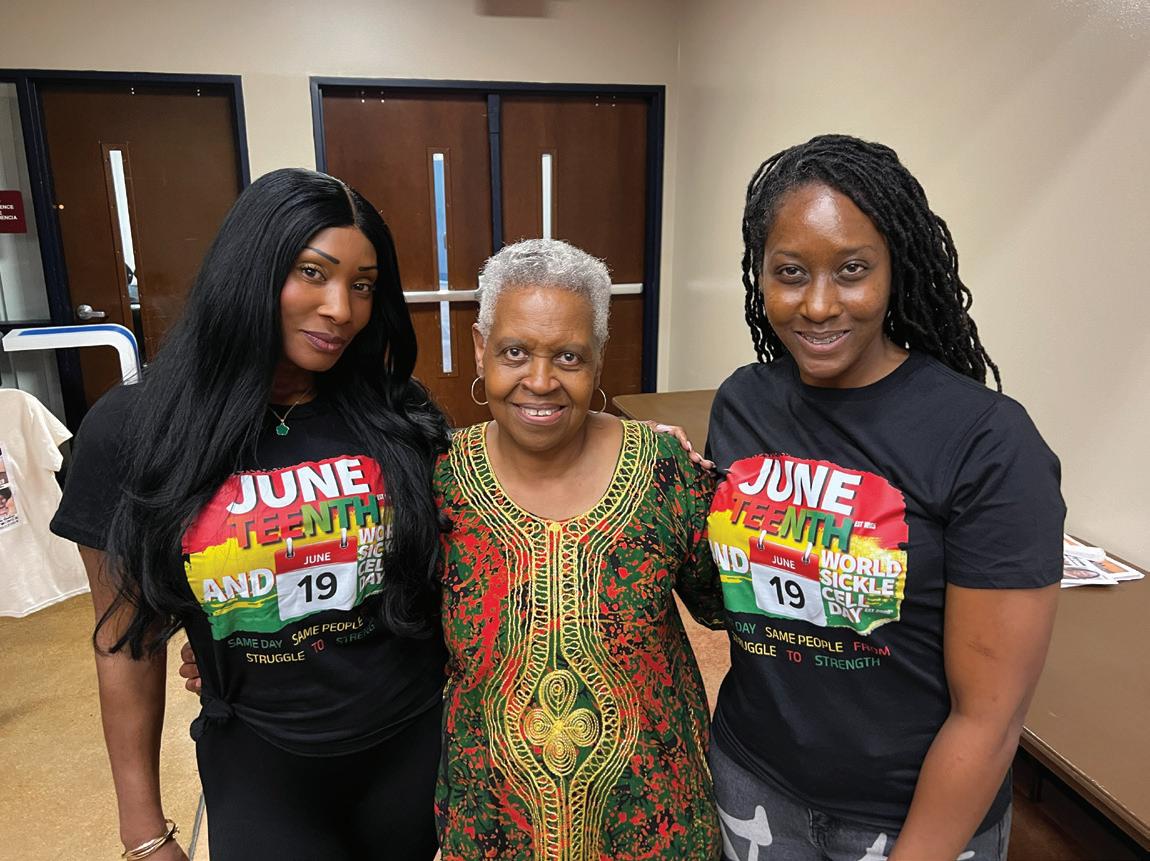
very June 19th, two powerful observances converge: Juneteenth and World Sickle Cell Day. One celebrates freedom. The other calls for awareness, advocacy, and action around a disease that disproportionately impacts Black communities. Together, they create more than a meaningful date. They create a moment that deserves to be experienced, not just acknowledged.
At the As One Foundation, we bring that moment to life through something bigger, bolder, and more joyful: a Jubilee. Because let’s be honest, a typical blood drive may not feel like a place for families to gather, celebrate, and connect. But this is not just a blood drive.
For Devard Darling, President and Founder of the As One Foundation and identical twin of the late Devaughn Darling, the mission is both personal and urgent.
“My brother’s story is why we do this work every single day,” said Darling. “Twenty-five years later, we are still fighting to make sure families have the knowledge, resources, and support they need. This is about honoring his legacy, but it is also about saving lives right now.”
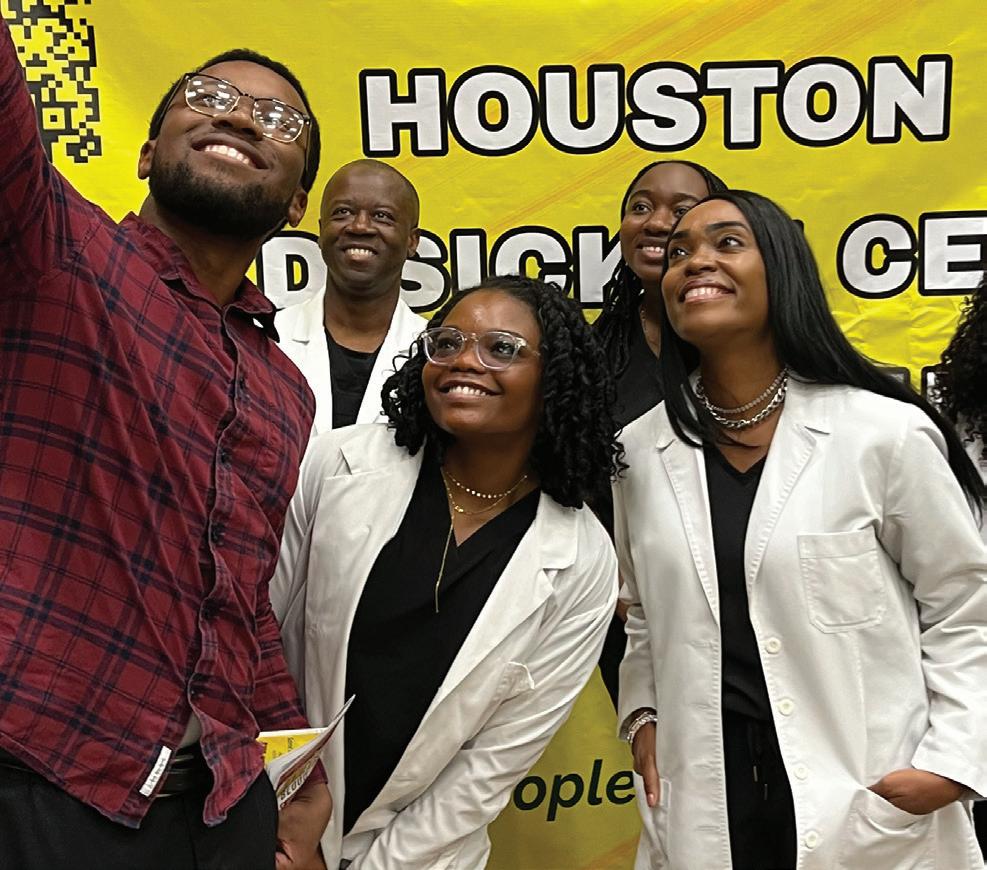
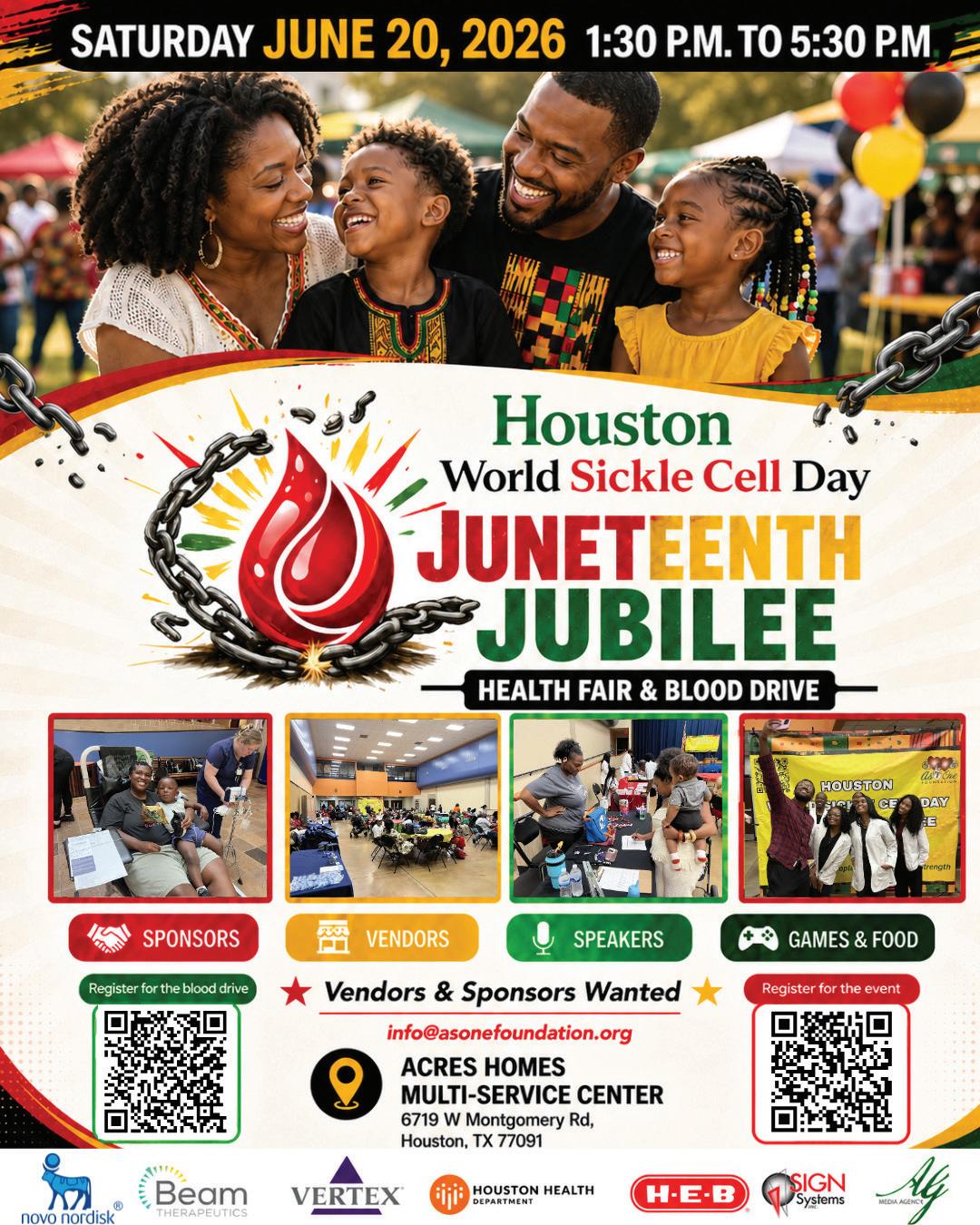
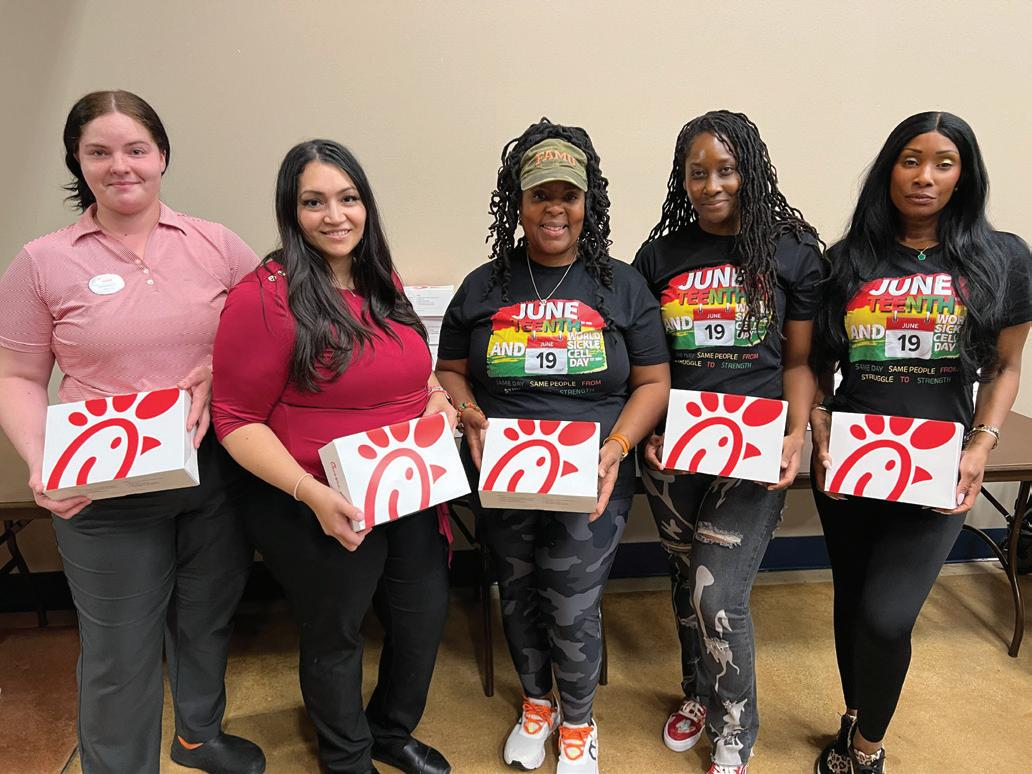
This is a World Sickle Cell Day Juneteenth Jubilee Health Fair & Blood Drive, where free food, music, culture, door prizes, giveaways, and real, tangible resources come together in one powerful, family-centered experience. It is intentionally designed to welcome sickle cell families, caregivers, and the broader community into a space that feels as good as it is impactful.
EVENT DETAILS:
Juneteenth Jubilee
Date: Saturday, June 20, 2026
Time: 1:30pm to 5:30pm
Location: Acres Home Mult-Service Center 6719 Montgomery Rd. Houston, TX 77091
More Than an Event… A Family-Centered Experience

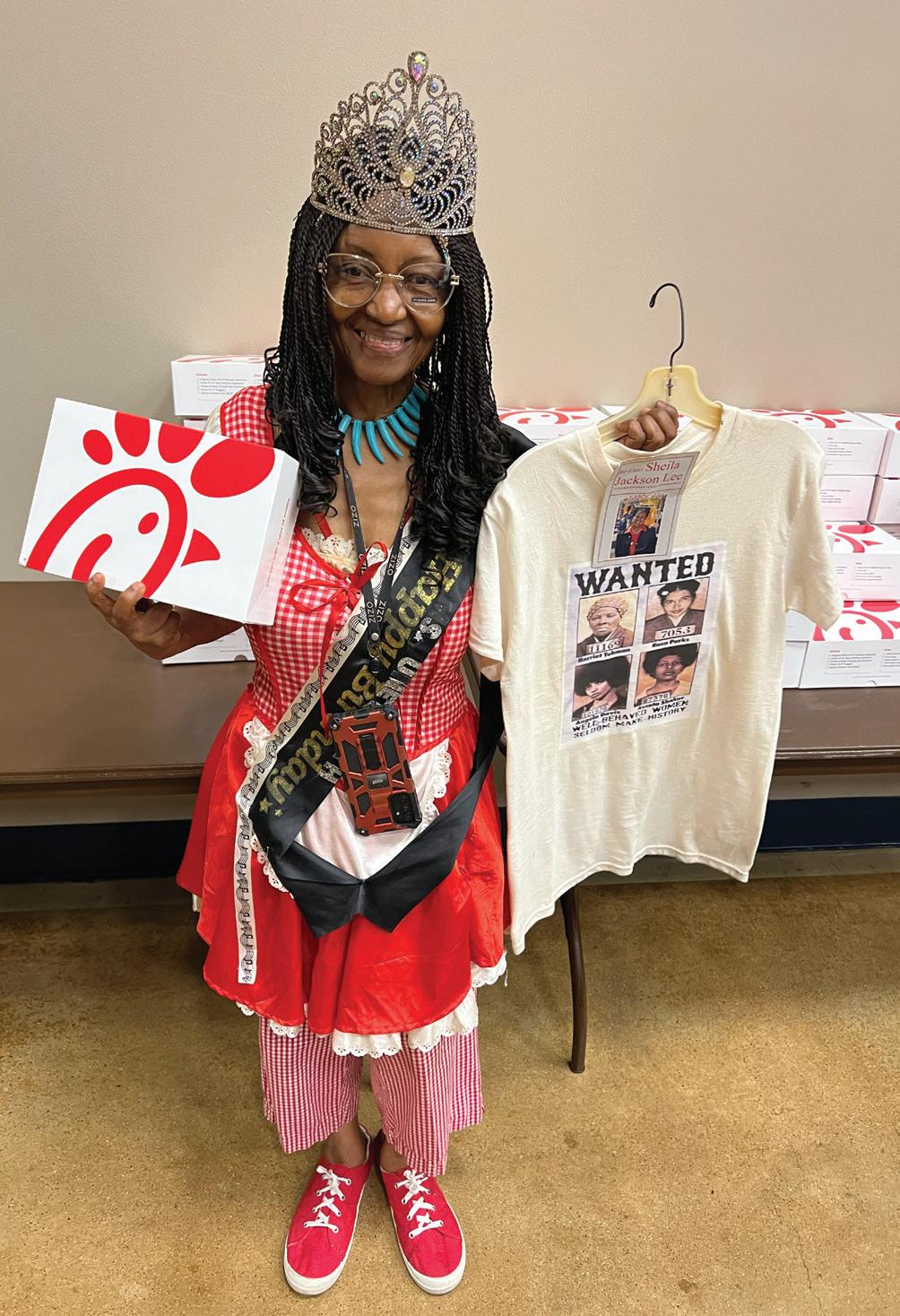
FROM THE MOMENT YOU ARRIVE, THE ENERGY WILL BE DIFFERENT.
You’ll hear music.
You’ll see families laughing.
You’ll smell great food.
You’ll feel community.
Children will enjoy a Kid Zone filled with games and activities, while parents and caregivers explore resources designed specifically with their needs in mind. Throughout the day, attendees will have opportunities to win door prizes and giveaways, adding excitement and engagement at every turn.
And one of the most meaningful highlights? Our Family of the Day recognition, where we celebrate a sickle cell family, honoring their journey, resilience, and strength in front of a community that truly understands. Because this event was built with them in mind.
Beyond the celebration, the Jubilee is about access.
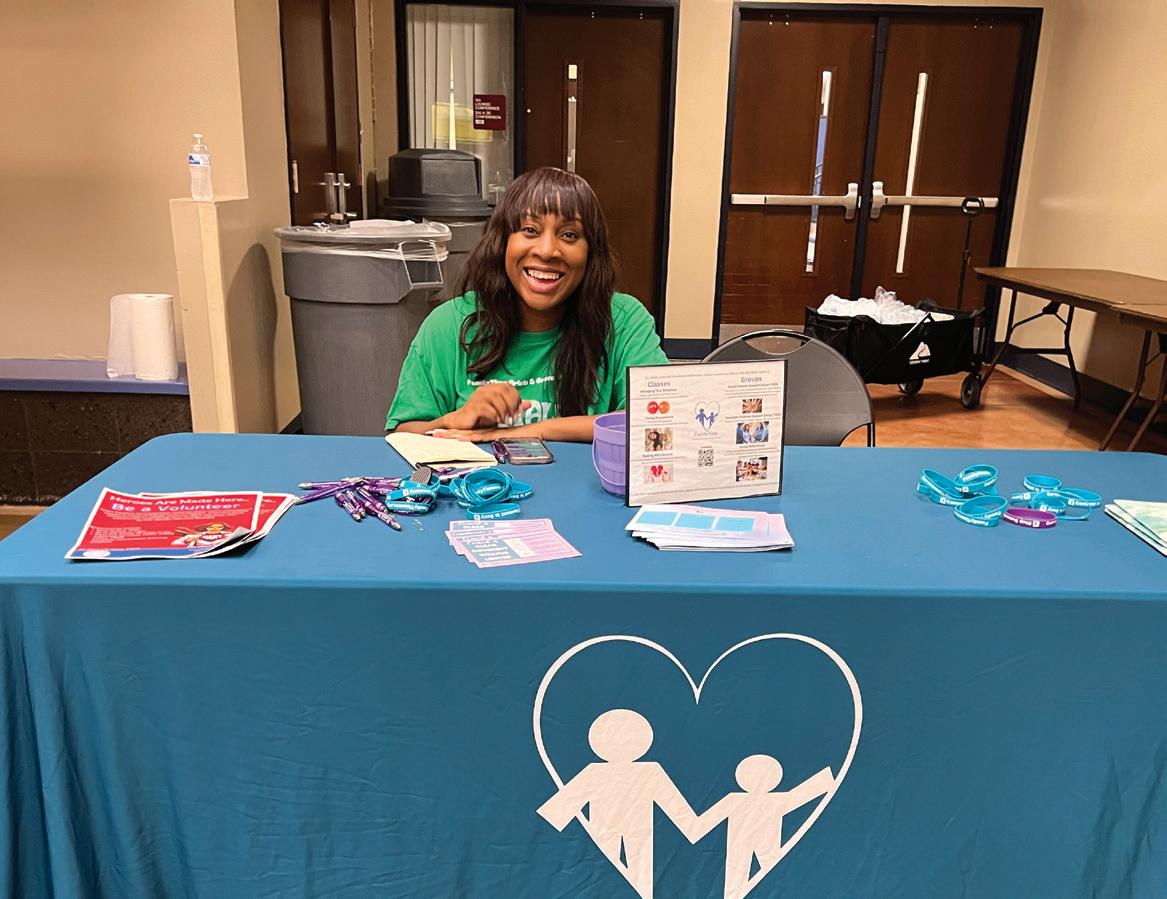
Families will be able to connect with trusted resource vendors and community partners offering:
• Sickle cell trait and disease education and management support
• Health screenings and wellness checks
• Information on emerging therapies and care options



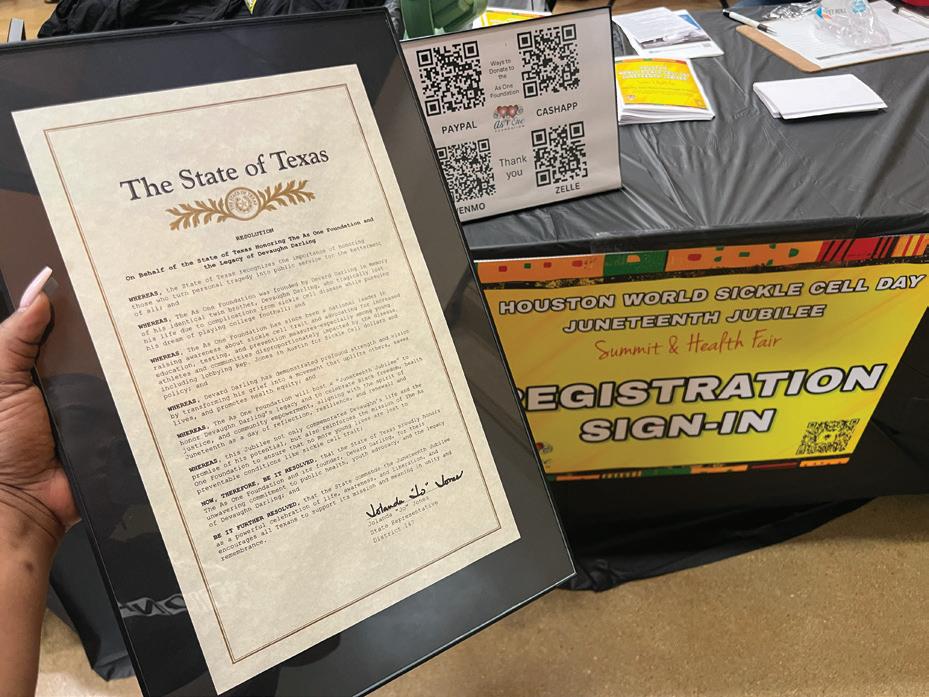
across Texas. But its success depends on the voices of the very people it is meant to serve.
THIS SESSION CREATES SPACE TO:
• Transportation resources, including opportunities like ride assistance and vouchers through programs such as Houston Health Rides
• Connections to local clinics, advocacy groups, and support networks
Too often, families have to search for these resources separately. At the Jubilee, they are all in one place, accessible, welcoming, and ready to serve. Because support shouldn’t be hard to find. It should meet you where you are.
While the atmosphere is celebratory, the mission remains urgent.
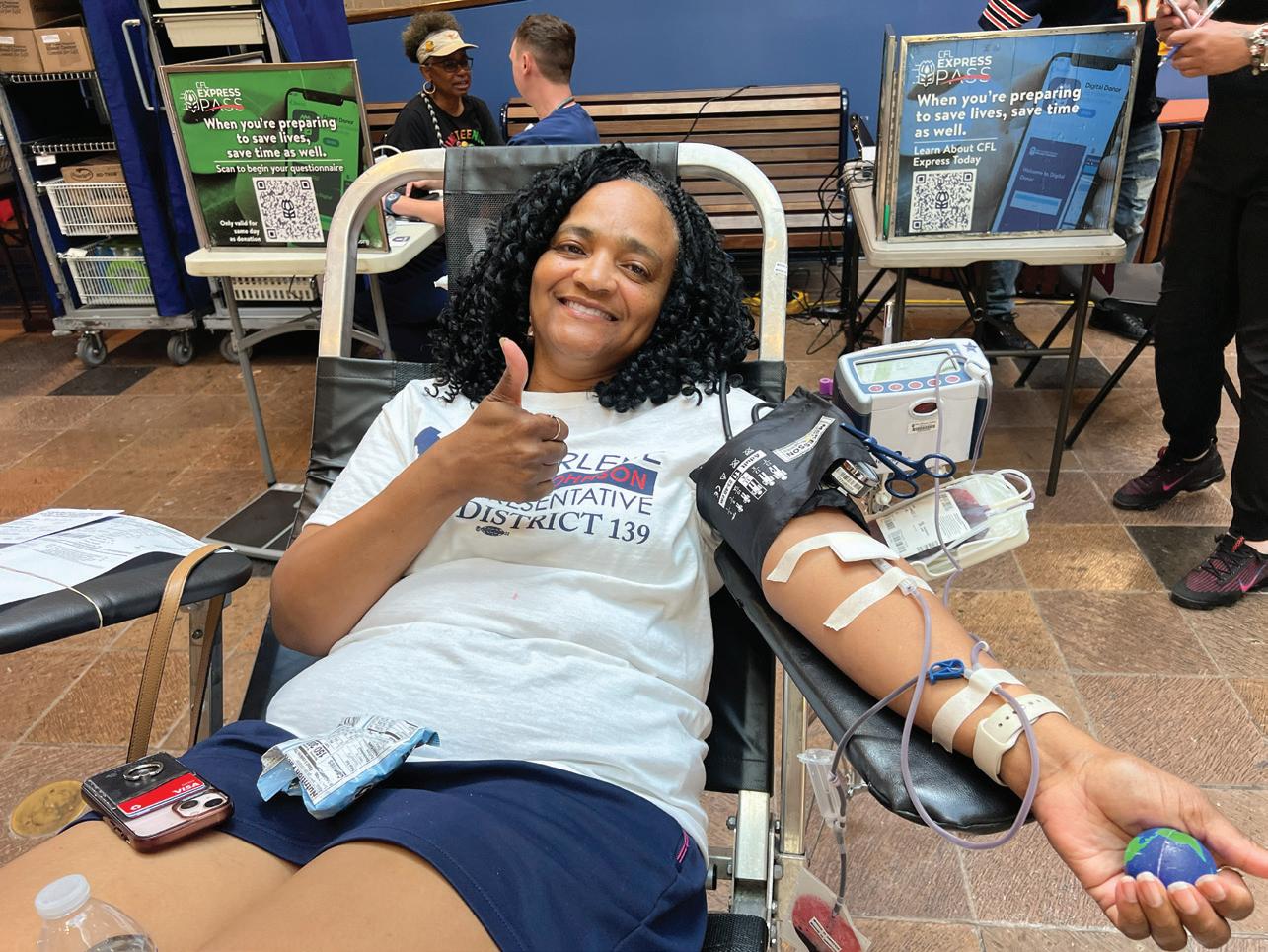
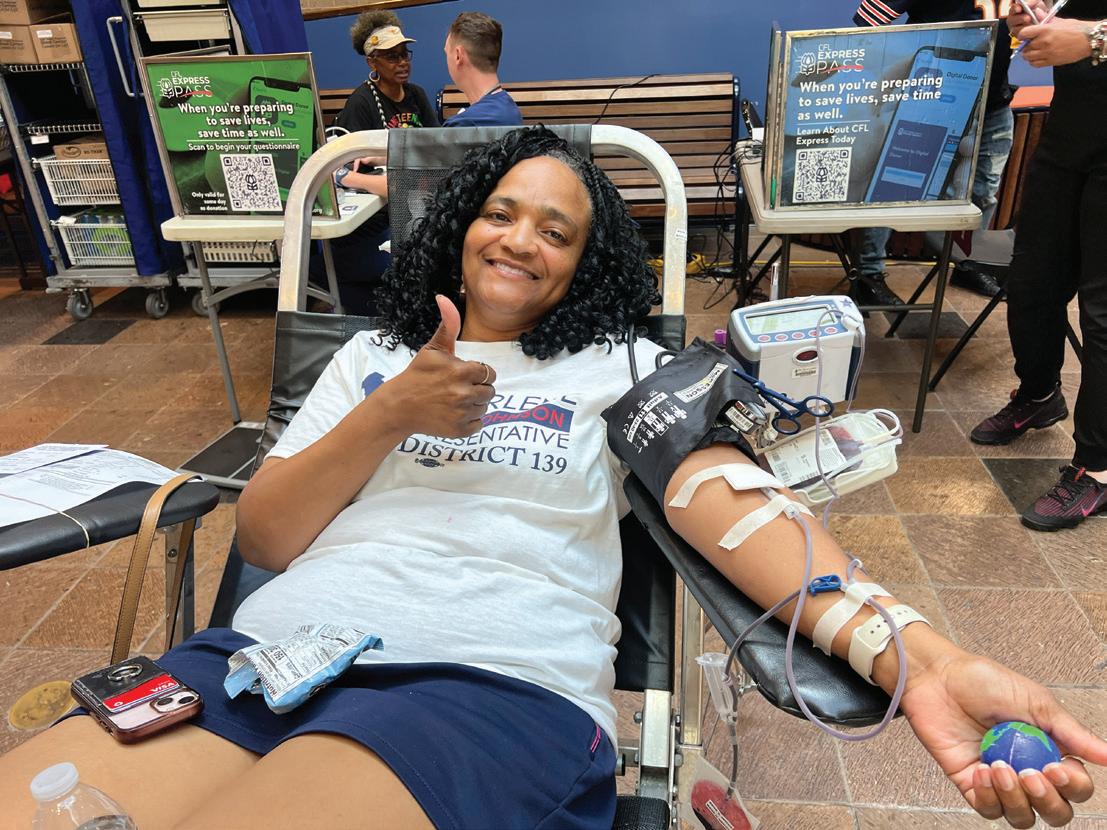
Sickle cell disease often requires ongoing blood transfusions to manage pain crises, prevent stroke, and sustain life. Yet there continues to be a critical shortage of blood donors from communities of color, especially Black donors. That shortage directly impacts the care and outcomes of individuals living with sickle cell disease. What many don’t realize is that the best blood matches often come from donors of similar ethnic backgrounds. Without those matches, patients face increased complications and limited treatment options. So yes, there will be a blood drive. But it’s not positioned as a standalone ask.
“Blood donation is one of the most immediate and impactful ways our community can show up for one another,” said Dr. Tomia Austin, Executive Director of the As One Foundation “We are not just raising awareness, we are creating pathways to action that directly save lives, especially for individuals living with sickle cell disease who rely on consistent access to compatible blood.”
It’s part of something bigger. It’s an opportunity for the community to show up for one another in a joyful, affirming environment, where giving back feels natural, not clinical.
ROOTED IN LEGACY, BUILT FOR COMMUNITY
This work is deeply personal. The As One Foundation was established in honor of Devaughn Darling, who passed away on February 26, 2001, due to complications related to sickle cell trait during a collegiate football workout. In 2026, the foundation continues to recognize the 25th anniversary of Devaughn becoming our angel, carrying his legacy forward with intention all year long. Our early work focused on sickle cell trait awareness, hydration, and prevention. Today, that mission has expanded, but the heart remains the same: to ensure families are informed, supported, and empowered.
This Jubilee reflects that evolution. It is where education meets celebration, and where legacy meets action.
A SPACE FOR LEARNING, SHARING, AND BEING HEARD
In addition to the festivities, the Jubilee will host an important community listening session on HB 107, the legislation establishing the Texas Sickle Cell Registry. For sickle cell families, this matters.
This registry has the potential to improve how the disease is understood, tracked, and treated
• Learn what the registry means for your family
• Ask real questions
• Share your experiences
• Help shape how it is implemented
This is about more than policy. It is about trust, transparency, and community voice. “This is not just another event,” Dr. Austin added. “It is a space where voices are heard, lives are impacted, and solutions are built together. If you care about health equity, this is where you need to be.”
THIS IS YOUR INVITATION: COME FOR THE FUN, STAY FOR THE IMPACT
If you’ve ever thought, “A blood drive isn’t really for us,” this is your moment to think again.
• Come for the free food.
• Come for the music and culture.
• Come for the door prizes and giveaways.
• Come for the resources your family actually needs.
• Come for the kids, the laughter, and the community.
• And while you’re there, consider giving blood.
• Ask questions.
• Get connected.
• Feel supported.
Because this space was created with intention.
Juneteenth reminds us that freedom requires action. World Sickle Cell Day reminds us that equity still does. And the Jubilee?It reminds us that we can care for our community while celebrating it at the same time.
So bring your family. Invite your friends. Show up ready to experience something different.
Because when we gather like this, we don’t just host events.
• We create moments.
• We create access.
• We create impact.
And most importantly…we show up for each other in ways that truly matter.
VENDORS AND SPONSORS ARE WANTED, EMAIL: info@asonefoundation.org.






tonin, the hormone that regulates sleep. Simply put: scrolling at midnight is costing you real rest.
he digital age has revolutionized how we live, work, and connect, but it has also left many of us tethered to our devices in ways that feel increasingly overwhelming. We don’t just use our devices anymore; we live on them. From the moment we wake up to the late-night "just five more minutes" scroll, our lives are tethered to screens that keep us informed but quietly drain our reserves.
According to the Nielsen Total Audience Report, the average American now spends more than 11 hours daily on screens, with nearly three hours of that time dedicated solely to social media.
THE HIDDEN COSTS OF STAYING PLUGGED IN
The consequences of this tech overload extend far beyond simple distraction. Research from the American Psychological Association (APA) indicates that over 86% of U.S. adults regularly check their emails, texts, and social accounts, a habit directly linked to higher stress levels.
This constant connectivity comes with a heavy price tag:
Mental Fatigue: Our brains weren't designed to process a relentless stream of news alerts and social feeds.
The Comparison Trap: Social media presents a "highlight reel" of others' lives, which can chip away at our self-esteem.
Physical Toll: Excessive screen time is linked to eye strain, reduced physical activity, and severe sleep disturbances.
The blue light emitted from devices interferes with the body’s ability to produce mela-
“If it’s a true addiction, then other things are going to suffer in your life,” says Jason Drake, a licensed clinical social worker and owner of Katy Teen & Family Counseling. He notes that the impact is particularly sharp among the younger generation.
“Young people are dealing with anxiety and depression that comes from constant doom-scrolling and the unrealistic expectations and lifestyle pressure on these platforms,” Drake explains.
For teenagers, the path to improvement involves reducing the noise of notifications and the weight of online comparison. Drake emphasizes that while setting boundaries is crucial, professional help is sometimes necessary for those facing significant mental health hurdles.
A digital detox isn’t about abandoning technology altogether; it’s about creating intentional space to reset your mind and restore focus. It’s about reconnecting with a reality that doesn't require a Wi-Fi signal.
The 30-Minute Rule: No phones for the first 30 minutes of your day.
Notification Culling: Turn off everything that isn't essential.
Offline Enrichment: Engage in sports, hobbies, or creative pursuits.
Physical Boundaries: Create "no-screen" zones in your home, like the dining table or the bedroom.
As Drake suggests, "Balancing technology and sports can help develop discipline and focus." Whether through therapy or simple lifestyle shifts, taking a break from the digital world allows us to reconnect with what truly matters.

By d-mars.com News Provider
ental health and wellness have moved from being personal concerns to critical business priorities. As organizations continue to navigate evolving workplace dynamics, economic pressures and increased demands on employees, the conversation around mental well-being is no longer optional — it is essential.
In today’s fast-paced environment, employees are balancing professional responsibilities with personal challenges at an unprecedented level. The result is a workforce that is often stretched thin, leading to burnout, reduced productivity and higher turnover rates. Businesses that recognize and address these challenges are better positioned to build resilient teams and sustain long-term success.
MENTAL HEALTH IS MORE THAN THE ABSENCE OF ILLNESS.
It includes emotional, psychological and social well-being, all of which influence how individuals think, feel and perform. When employees feel supported, they are more engaged, collaborative and motivated. Conversely, when mental health needs go unmet, it can negatively impact morale, workplace culture and overall performance.
One of the most significant shifts in recent years is the growing recognition of mental health as a leadership responsibility. Forward-thinking companies are embedding wellness into their organizational strategies rather than treating it as a standalone initiative. This includes offering employee assistance programs, providing access to counseling services and promoting flexible work arrangements that allow employees to better manage their time and responsibilities.
However, resources alone are not enough. Workplace culture plays a critical role in shaping how mental health is perceived and addressed. Employees must feel safe discussing their challenges without fear of stigma or professional consequences. Leaders who model transparency and empathy set the tone for an environment where mental well-being is prioritized.
COMMUNICATION IS A KEY FACTOR IN THIS PROCESS.
Regular check-ins, open dialogue and clear expectations can help reduce stress and prevent misunderstandings. Managers who take the time to listen and respond thoughtfully can identify potential issues early and provide support before they escalate.
ANOTHER IMPORTANT ASPECT OF MENTAL WELLNESS IS WORK-LIFE BALANCE.
While technology has made it easier to stay connected, it has also blurred the boundaries between work and personal life. Encouraging employees to disconnect after hours, take breaks and use their vacation time is essential for maintaining both mental and physical health.
The benefits of prioritizing mental health extend beyond individual employees. Organizations that invest in wellness initiatives often see improved performance, stronger retention and enhanced reputation. In a competitive talent market, companies that demonstrate a commitment to employee well-being are more likely to attract and retain top talent.
Additionally, mental health awareness contributes to diversity, equity and inclusion efforts. Individuals from different backgrounds may experience unique stressors and challenges. By fostering an inclusive environment that acknowledges and addresses these differences, organizations can create a more equitable workplace where all employees have the opportunity to thrive.
Small businesses, in particular, may face challenges in implementing comprehensive wellness programs due to limited resources. However, meaningful impact does not always require large investments. Simple actions such as offering flexible schedules, creating peer support systems and providing access to educational resources can make a significant difference.
Employees also play a role in maintaining their own well-being. Practicing self-care, setting boundaries and seeking support when needed are important steps in managing stress. Employers can support these efforts by providing tools and resources that empower individuals to take control of their mental health.
As the business landscape continues to evolve, the importance of mental health and wellness will only grow. Organizations that prioritize well-being are not only supporting their employees but also strengthening their foundation for future success.
Ultimately, mental health is a shared responsibility. By fostering a culture of awareness, compassion and support, businesses can create environments where employees are able to perform at their best while maintaining a healthy and balanced life.


By d-mars.com
Provider
hen it comes to learning history, there is something about the act of walking around a historical site that will drive a lesson home in a way that is nearly impossible to replicate with films, books and other media.
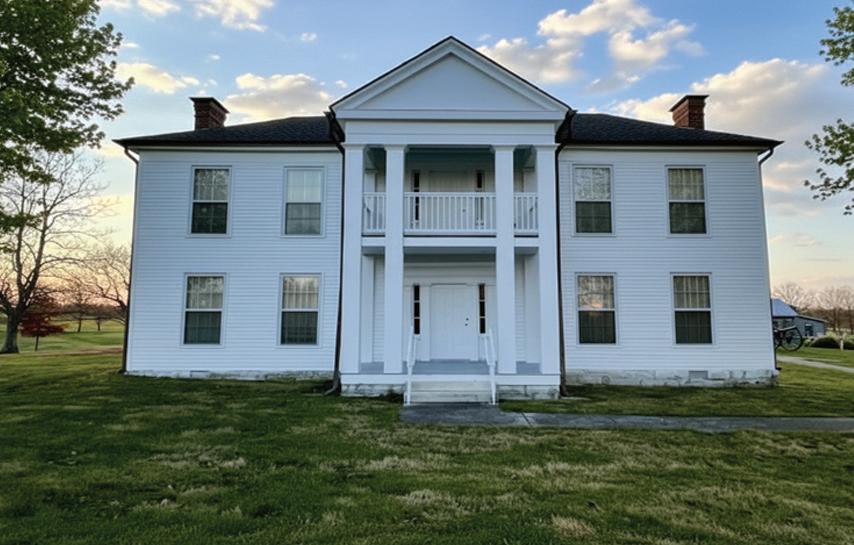
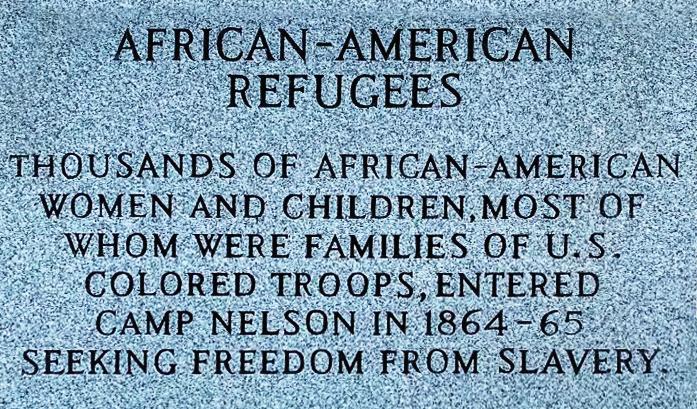
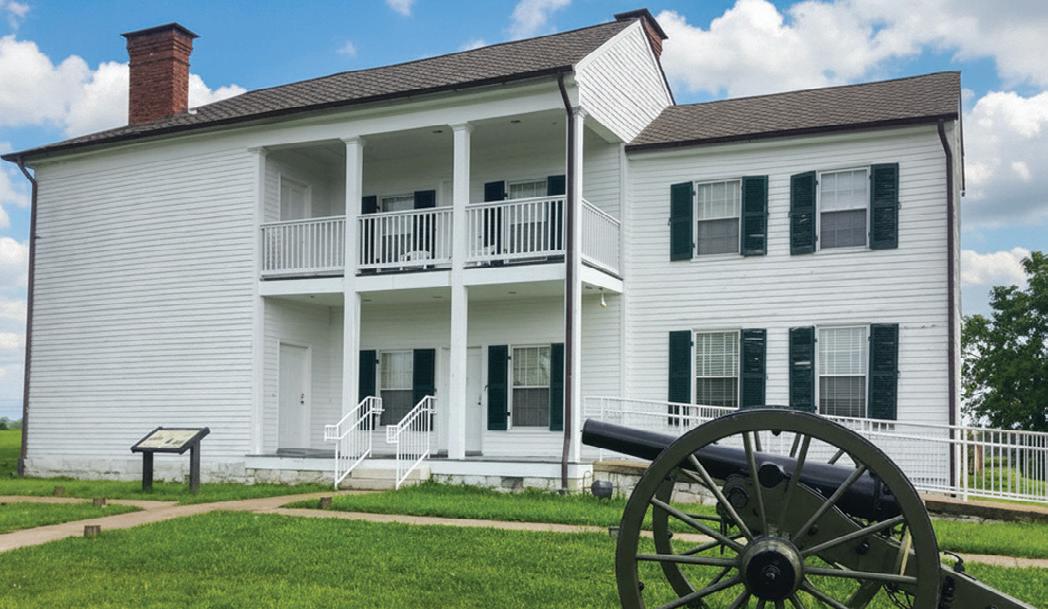
For instance, there are thousands of pages written on the historical importance of places like Camp Nelson in Nicholasville, Kentucky, where the Union Army used the installation as a vital supply depot, forward operating base, and safe haven for enslaved people escaping bondage in the south. Entire books have been written on how Camp Nelson was responsible for recruiting and training regiments of United States Colored Troops, which helped hasten the end of the nation’s bloodiest war. All of this can be read and understood without leaving one’s house or classroom.
However, there is a certain perspective that can only be gained while standing on the same ground that turned people who had once been referred to as property, into soldiers fighting for the freedom of all Americans. And a feeling of heaviness that can only be experienced during a quiet walk amongst the pristine rows of Civil War headstones in the Camp Nelson National Cemetery; each marker a reminder of the ultimate price someone had to pay for that freedom.
This emphasis on experiencing history firsthand is what lead to the creation of the Kentucky African American Heritage Trail. This trail includes more than 50 sites located across Kentucky that collectively tell the story of how African Americans overcame, innovated
and thrived, while playing an essential role in forming the commonwealth and the nation as a whole.
The trail is a collaboration between the Kentucky Department of Tourism, Kentucky Historical Society and the Kentucky Heritage Council, and was formed with the purpose of teaching accurate and culturally significant lessons to all visitors. By working together, the sites on the trail are able to further amplify marginalized voices and contributions while supporting local economies through tourism.
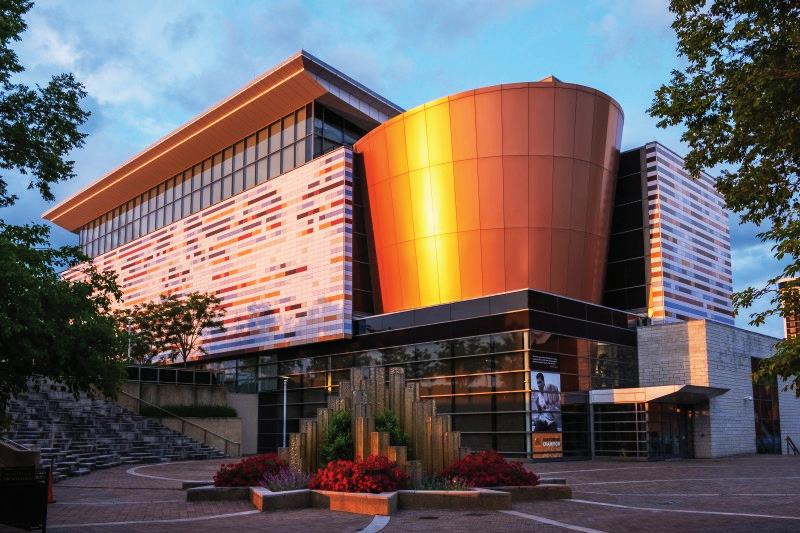
One such site is the Muhammad Ali Center in Louisville, which not only celebrates the life and personal achievements of one of the world’s greatest boxers, but also calls attention to Ali’s contributions to global humanitarianism and social justice. Visitors learn about the society Ali was born into and what he overcame to become a champion boxer and a champion for people. Another is the SEEK Museum in Russellville, which shines a spotlight on Kentucky’s “Struggles for Emancipation and Equality” by telling the story of five buildings in a National Register Historic District. These buildings take visitors on a journey through centuries of enslavement, emancipation, Jim Crow segregation and the Civil Rights Movement, all within a few city blocks.
The Kentucky African American Heritage Trail serves as a way of teaching visitors about Black Kentuckians, their achievements and related narratives in specific places, while helping to connect those stories to the vast and vibrant tapestry that is Kentucky’s story.
The trail can be found on Apple Maps as well as www.kentuckytourism.com.
Plan your journey through Kentucky history today.
SOURCE: STATEPOINT




Durable Medical Equipment: Rollators, Canes, Wheelchairs, Shower Chairs
Diagnostic Supplies: Blood Pressure Cuffs, Pulse Ox, Thermometers
PPE Supplies: Gloves, Gowns, Mask, Face Shields
Medical Supplies: First Aid Kits, Wound Care, Safety Gear, AED’s & so much more!
Medicare & Medicaid Accepted