Advertising Sales: David Johns Mobile: 07590 547343
Editorial Address: Commercial Vehicle Media & Publishing Ltd,
INSIDE THIS NEW ISSUE
RED RIDER
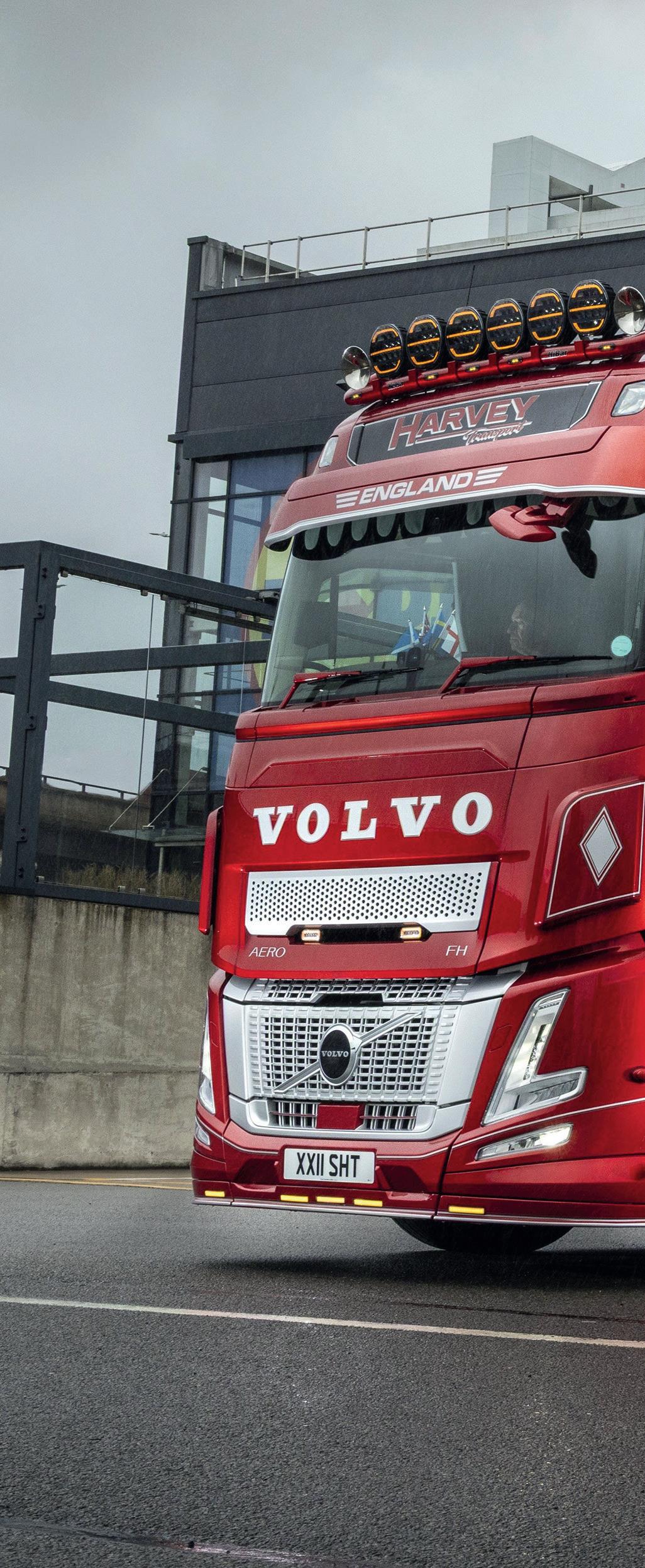
Meet the stunning new Volvo truck that has joined the Stuart Harvey fleet
WATCH OUT!
Using
Volvo
GLOBE TROTTING
We visit the hugely impressive Isuzu global truck plant in the Japanese city of Fujisawa
Email: sales@cvdriver.com
4th Floor 19 Capesthorne
Drive, Eaves Green, Chorley, Lancashire. PR7 3QQ
EDITORIAL
Telephone: 01257 231521
Email: matthew@cvdriver.com
Editor: John Threadgold
Art Editor: Leo Gehlcken
Advertising
EAGLE EYES
GAS GUZZLING
Telephone: 01257 231521
Advertising Sales: David Johns
Telephone: 01388 517906
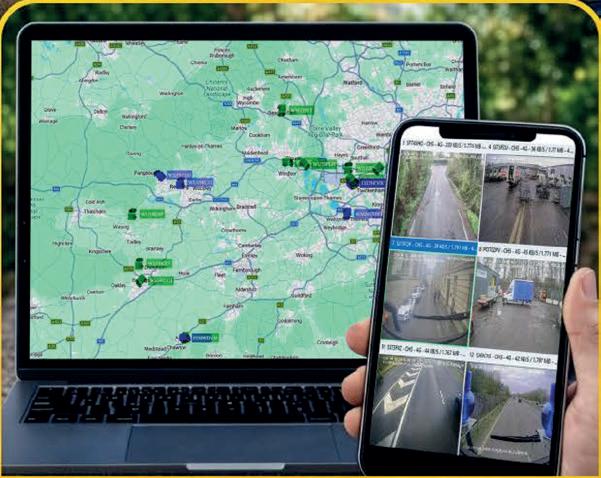
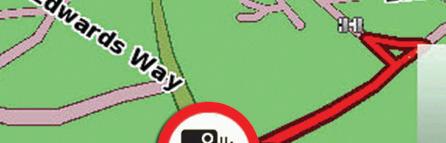
New AI cameras are being deployed on UK roads to spot Even more offenders
Scania shows how UK truck fleets can cut emissions without losing diesel benefits
Email: design@cvdriver.com
Mobile: 07590 547343
Email: sales@cvdriver.com
NOTE
Editorial
Editor: Trevor Gehlcken
Art Editor: Leo Gehlcken
Telephone: 01257 231521
Email: design@cvdriver.com
The publisher makes every effort to ensure the magazines contents are correct. All material published in CV Driver Magazine is copyright and unauthorised reproduction if forbidden. The Editors and publisher of this magazine give no warranties, guarantees or assurances and make no representations regarding any goods or services advertised in this edition.
CV Driver Magazine is published under a licence from Commercial Vehicle Media & Publishing Ltd. All rights in the licensed material belong to Matthew Eisenegger or Commercial Vehicle Media and Publishing Ltd and may not be reproduced whether in whole or in part, without their prior written consent. CV Driver Magazine is a registered trademark.
If you are not going to keep this magazine for future reference please pass it on or recycle it.
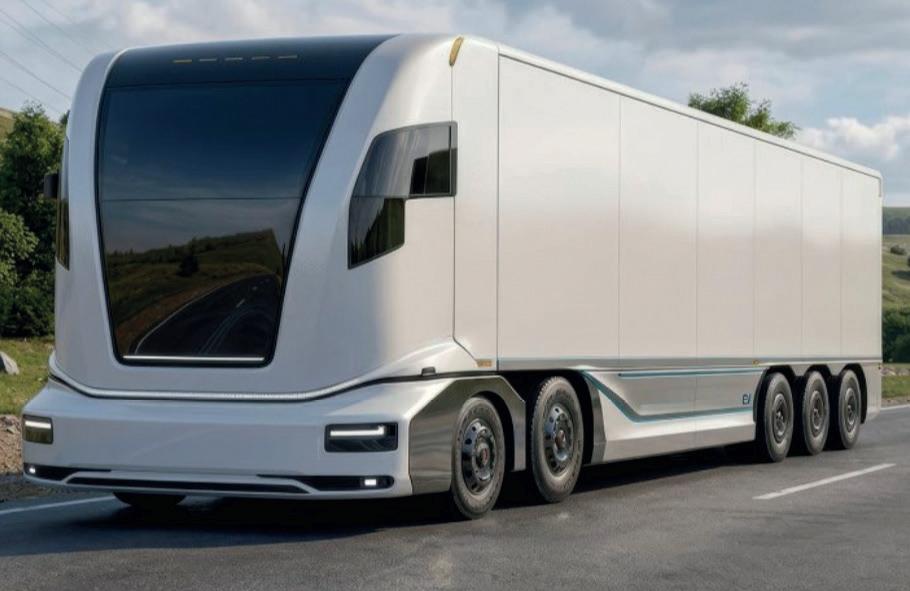
LOOK NO HANDS
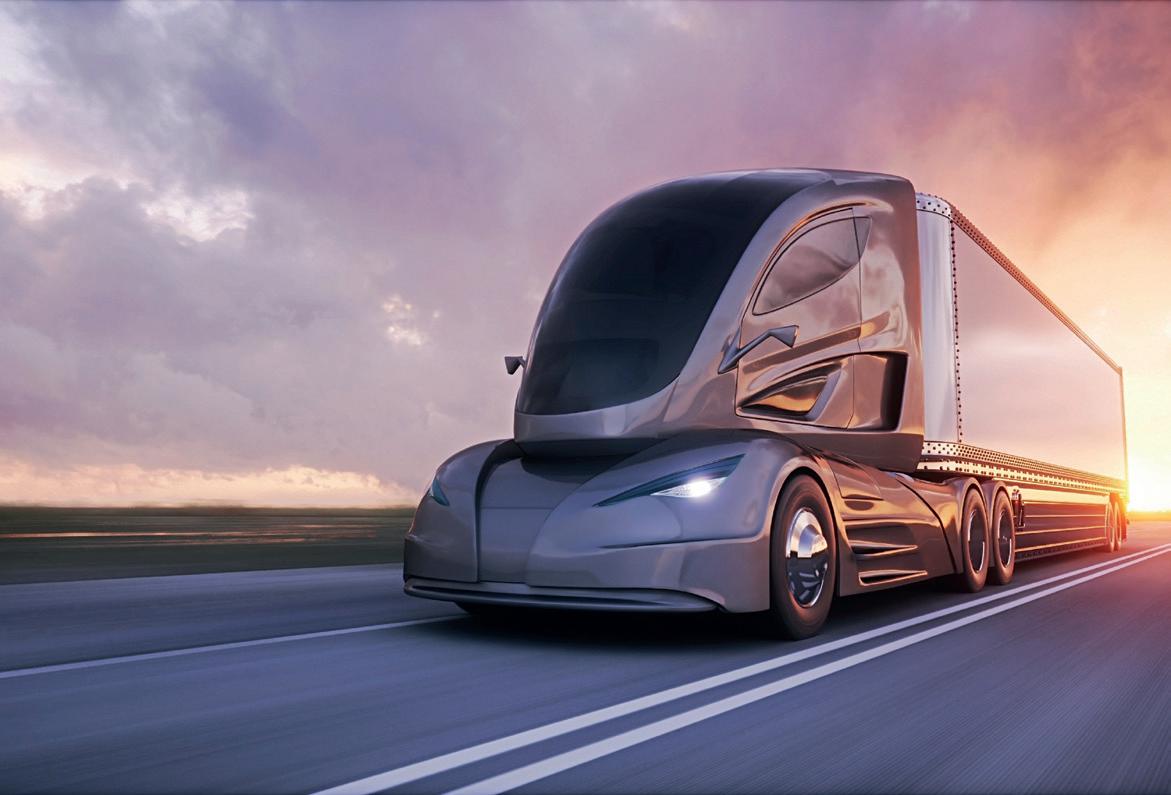
Like it or not, driverless trucks will soon be a reality on Britain’s roads
More prizes on offer in our easy-to-enter competitions. Get your entries in now
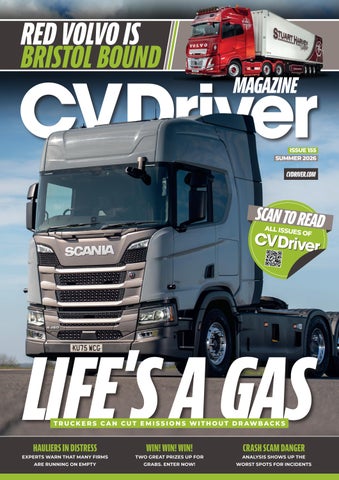
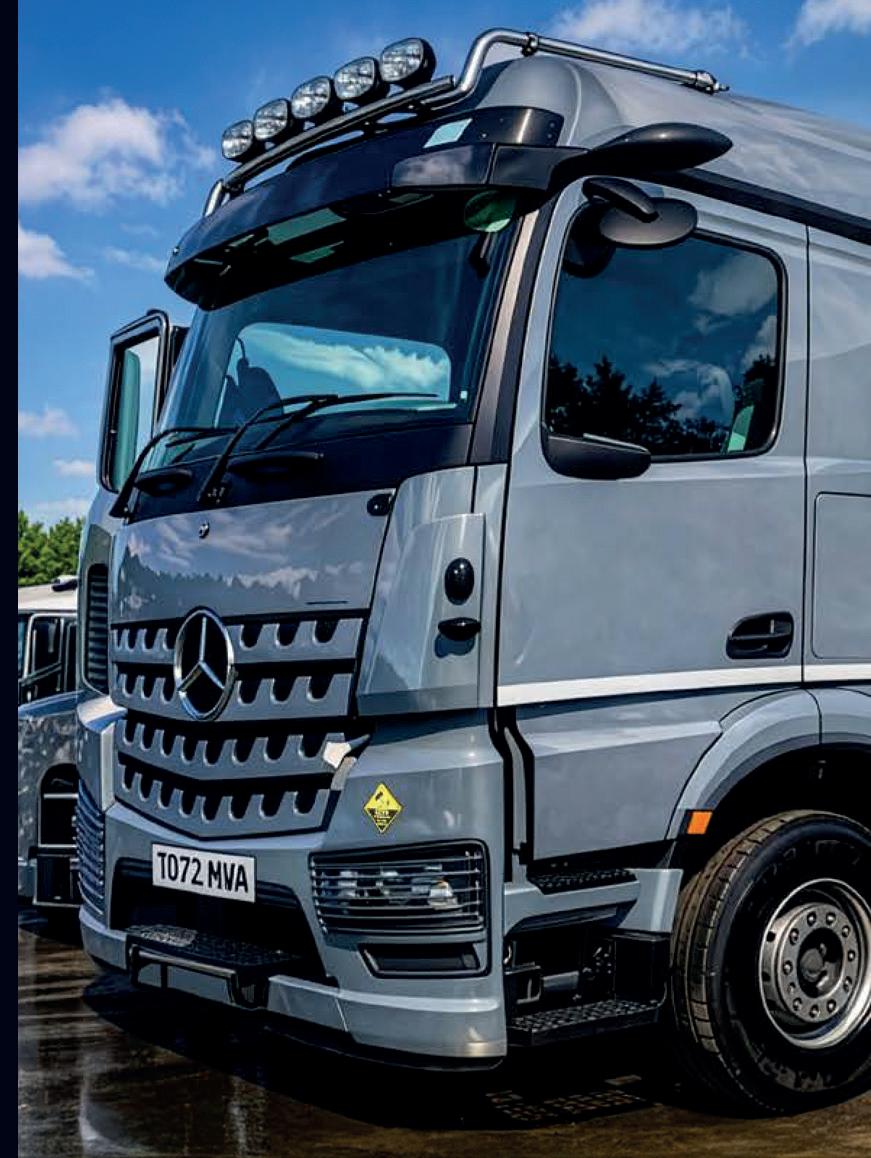
RED VOLVO HEADS TO BRISTOL
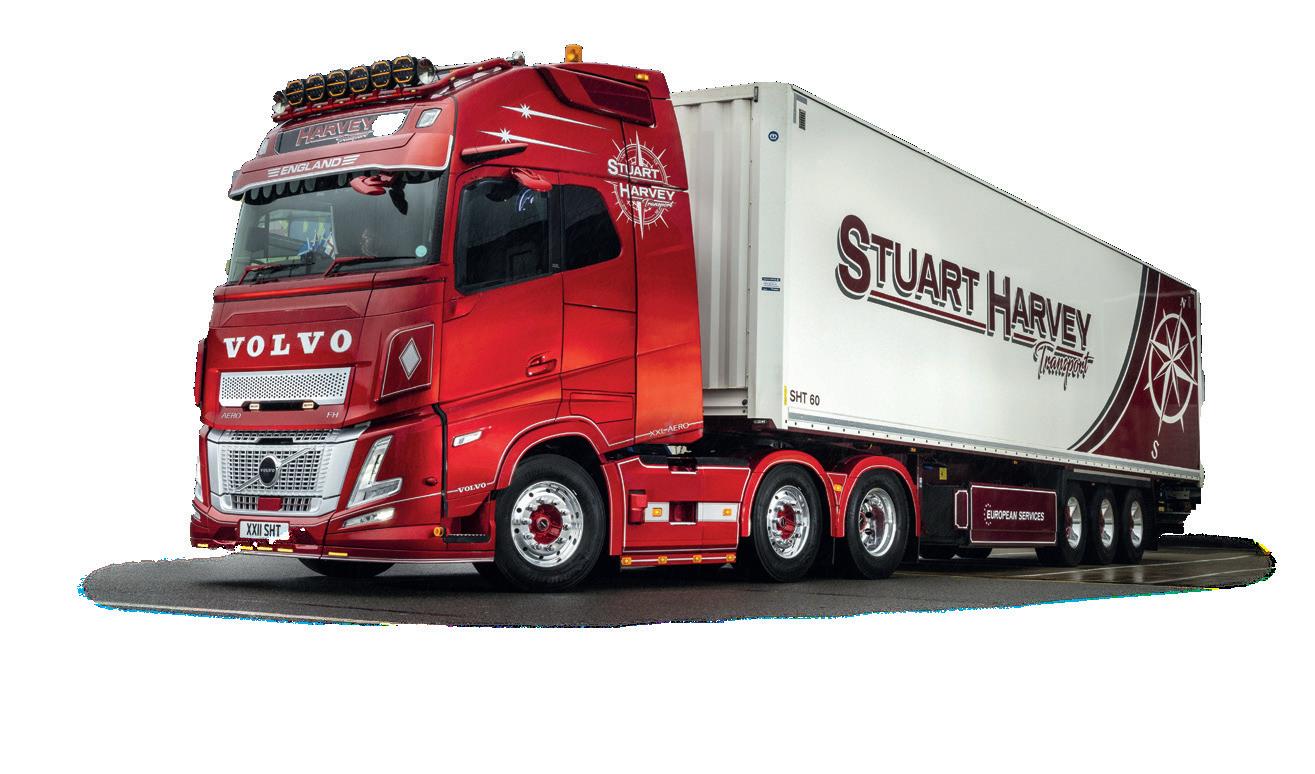
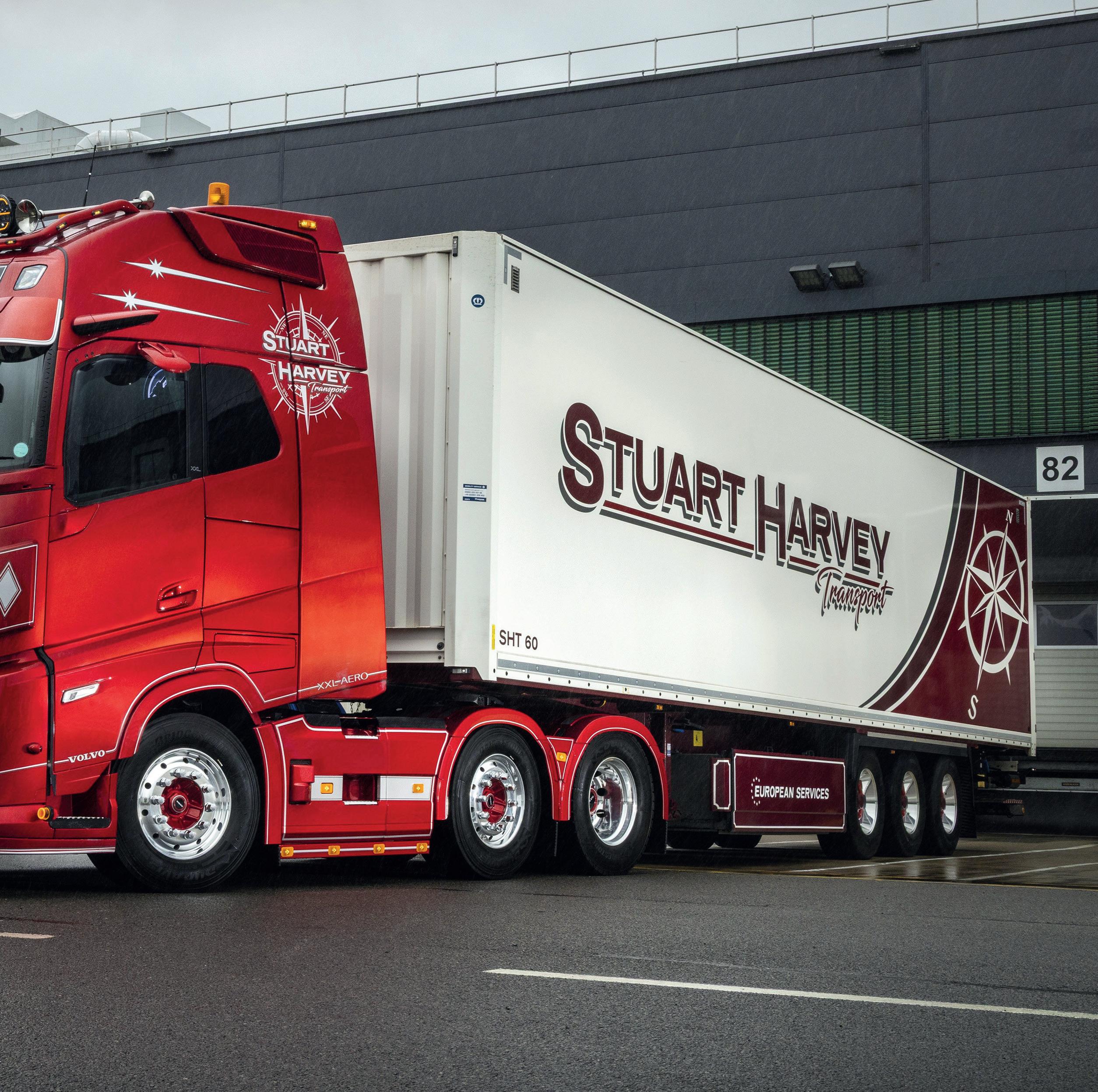
STUART HARVEY TRANSPORT HAS RETURNED ONCE AGAIN TO VOLVO TRUCKS
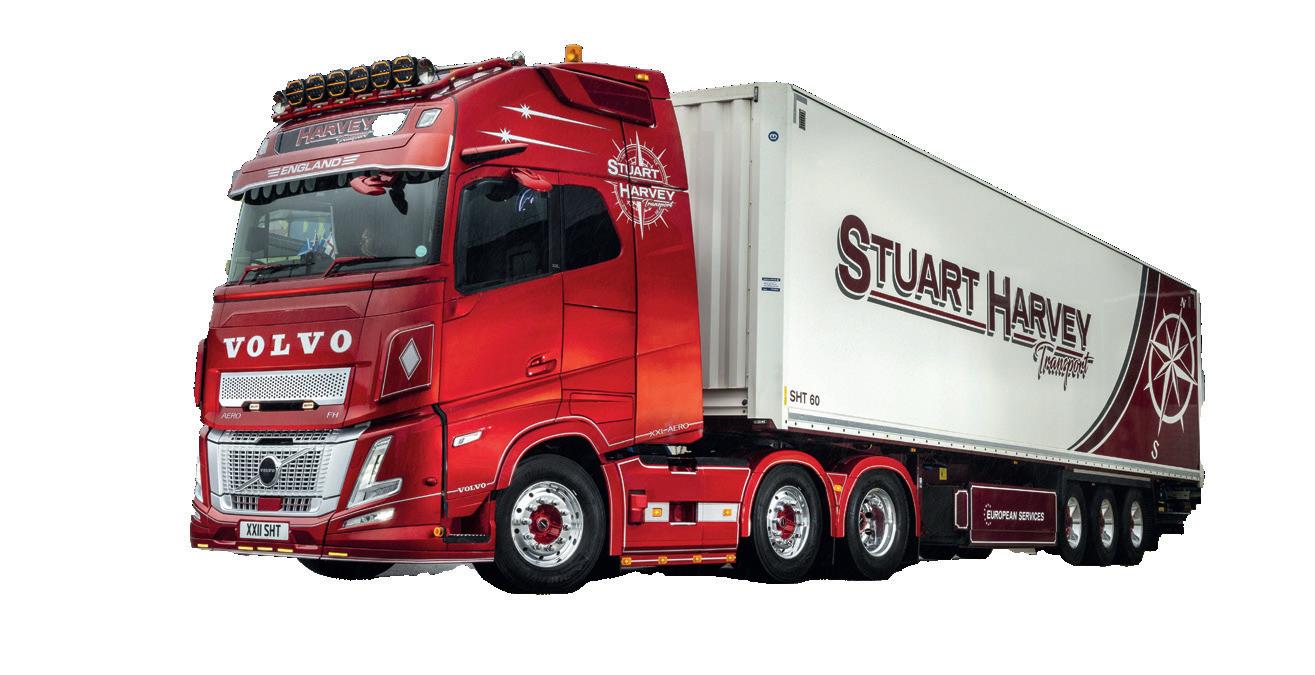
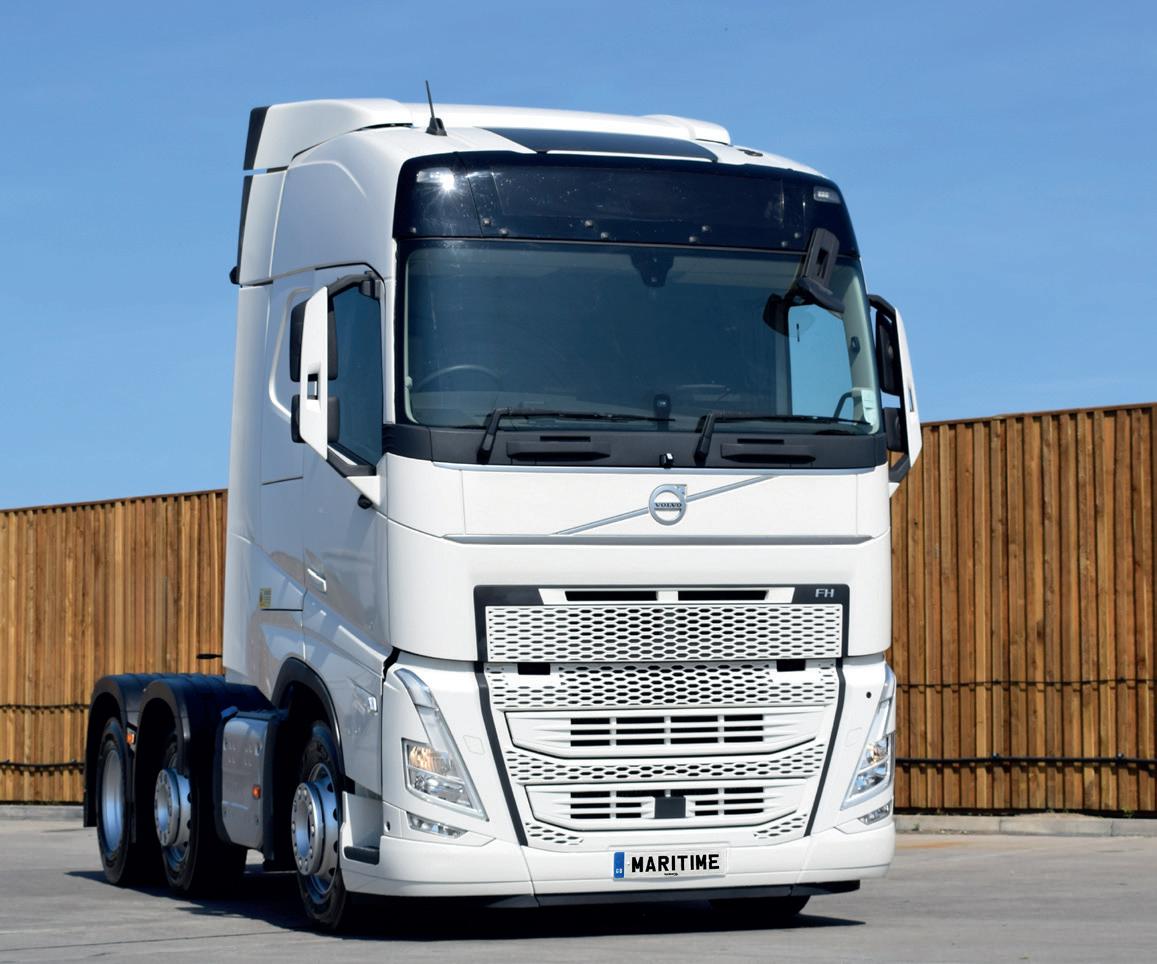
The firm has acquired an FH Aero 500 6x2 tractor unit specified with a Globetrotter XXL cab for ultimate driver comfort.
The new FH Aero is a direct replacement for an older Volvo model in the customer’s 14-strong commercial vehicle fleet, with its arrival marking the continuation of a long- standing partnership with the manufacturer.
Stuart Harvey, owner, says: “We bought our first Volvo back in 2019, and that decision set the foundation for the relationship we have with the brand today. Volvo has consistently provided us with the reliability and efficiency we need for national general haulage, and that impressive performance has shaped the way we look at future fleet investments.
“As expected, the new FH Aero has slotted seamlessly into our fleet, delivering the strong fuel performance and reliability we expect from Volvo. For our driver, the extra space and comfort of the Globetrotter XXL cab stood out immediately. He has been full of positive comments from day one. He’s really taken to the space inside the cab and appreciates how good the truck looks out on the road.”
Engineered for greater fuel efficiency and power The FH Aero
is powered by a Euro 6-compliant D13TC Step E engine, which produces 500 hp and a peak torque of 2,800 Nm. The engine is paired with Volvo’s 12-speed I-Shift automated gearbox technology plus I-See predictive cruise control. The latter allows the driver to tackle hills and gradients in a higher gear, saving fuel without losing speed.
Sporting the company’s striking red livery, the new arrival comes equipped with Volvo’s Camera Monitoring System (CMS), which replaces the traditional wing mirrors and helps to boost aerodynamic performance. The system increases the driver’s field of view, and when driving with a trailer, CMS deploys auto-panning functionality to follow the rear of the trailer as it turns. CMS also performs strongly in rainy and dark conditions, in direct sunlight, and even when driving in tunnels.
Inside the top-of-the-range Globetrotter XXL cab, a longer and wider lower bed offers a perfect night’s sleep for the firm’s hardworking drivers. Stuart Harvey Transport’s cab also features leather upholstery, dual armrests, electric air conditioning with carbon filter and sun, mist and air quality sensors, and an adjustable steering wheel with neck tilt, ensuring a premium working environment. ■
Stuart Harvey Transport’s striking new Volvo truck
DAF GOES LOW FOR NEW TRANSPORTER VARIANT
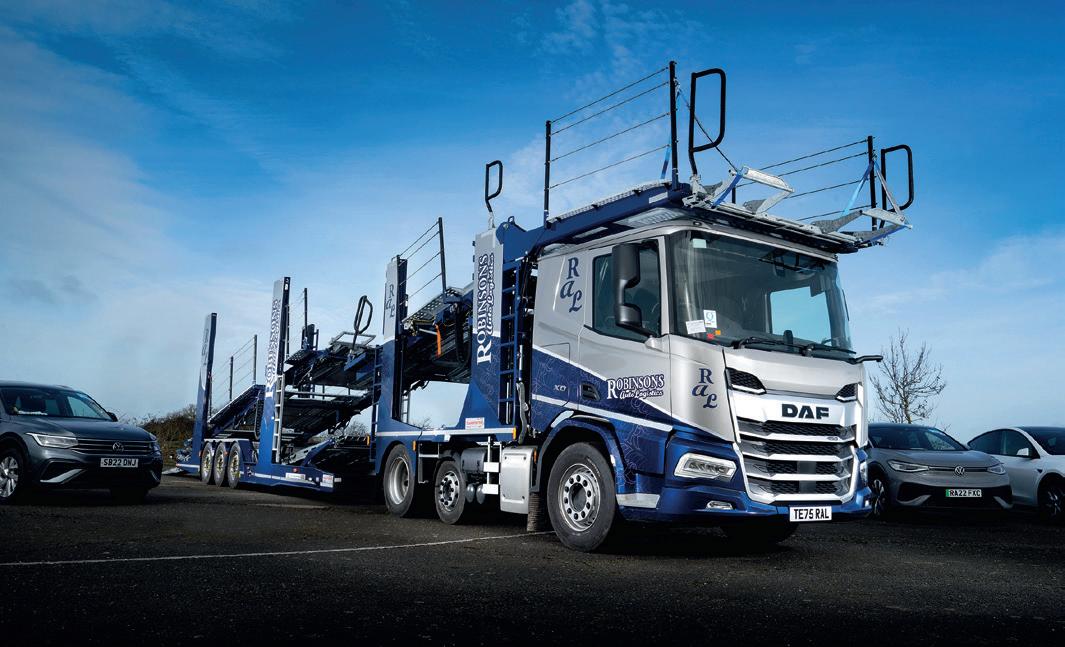
DAF TRUCKS HAS INTRODUCED THE LOW-ROOF VARIANT OF ITS DAF XD
Retaining the industryleading design and interior of the standard XD, the truck marks DAF’s return to an important haulage sector and bolsters the choice of vehicles available to fleet customers.
The specially-developed cab variant, which is available in day and sleeper configurations
WE’VE BEEN ABLE TO CREATE A CAR
TRANSPORTER THAT’S HUGELY COMPELLING FOR OPERATORS
of both the XD and XF, is manufacturer warrantied and fully type approved and reduces the roof line by a full 18cm. This reduction makes the XD one of the lowest cabs on the market with an overall cab height of 2.7m – ideal for the largest car transporters, which can often carry up to 11 cars, including one above the cab.
The XD car transporter achieves the three-star Direct Vision Standard for London, enabling easy operation in the capital. A chamfer to the rear upper corner of the cab can also be specified, to suit the requirements of specific body designs.
Powered by the PACCAR MX-11 10.8-litre engine – with ratings up to 450hp and 2350Nm of torque and MX engine brake – the XD offers excellent performance and efficiency. The XD cab provides easy two-step access and exceptional direct vision for maximum safety thanks to its large windscreen and low belt line.
The interior is well appointed with all controls easy to hand, based on DAF’s philosophy of ‘hands on the wheel, eyes on the road’, while all key driving functions can be controlled with physical buttons. The XD has ample storage both externally with two large lockers and internally with the option of a 33-litre fridge. ◼
USING A SMARTWATCH
COULD LEAD TO LEGAL TROUBLE AHEAD
RAC WARNS THAT THE LAW IS UNCLEAR– BUT THE RISKS ARE REAL
Drivers are being warned by the RAC that using a smartwatch behind the wheel could lead to serious legal penalties
The legislation governing mobile phone use while driving makes it an offence to simply touch a mobile phone while in control of a vehicle, even when stationary in traffic. But what constitutes ‘use’ of a smartwatch is less clear cut.
In theory, clearing a notification while driving could be classed as using a smartwatch and could be covered by the offence of using a handheld phone behind the wheel, which carries the penalty of six points and a £200 fine.
Touching, looking at and using voice command on smartwatches might seem harmless enough, but are all still potential causes of distraction.
Among the RAC’s study, 13% admitted to using a smartwatch by touching it, while 12% use voice commands only – 9% do both, but without further clarity these drivers cannot be sure
whether they are committing an offence.
More than half (56%) of drivers with smartwatches use their devices on at least ‘most’ journeys with the remainder using them ‘every now and then’. When it comes to what drivers use them for, checking the time is clearly the most common action (81%), while viewing notifications (50%), checking their location (42%) and making or receiving a phone call (40%) are also popular.
DRIVERS NEED TO BE MINDFUL THAT BEING DISTRACTED BY A SMARTWATCH IS AN OFFENCE
While the definition of ‘using’ a smartwatch while driving might be unclear, the potential for distraction is not – and the law reflects that. If a smartwatch clearly distracts someone while driving, the individual could still be guilty. ◼
STUNNING DAF TRUCK MARKS THIRTIETH ANNIVERSARY MICHELIN UPS THE ANTE WITH NEW AI ASSISTANT
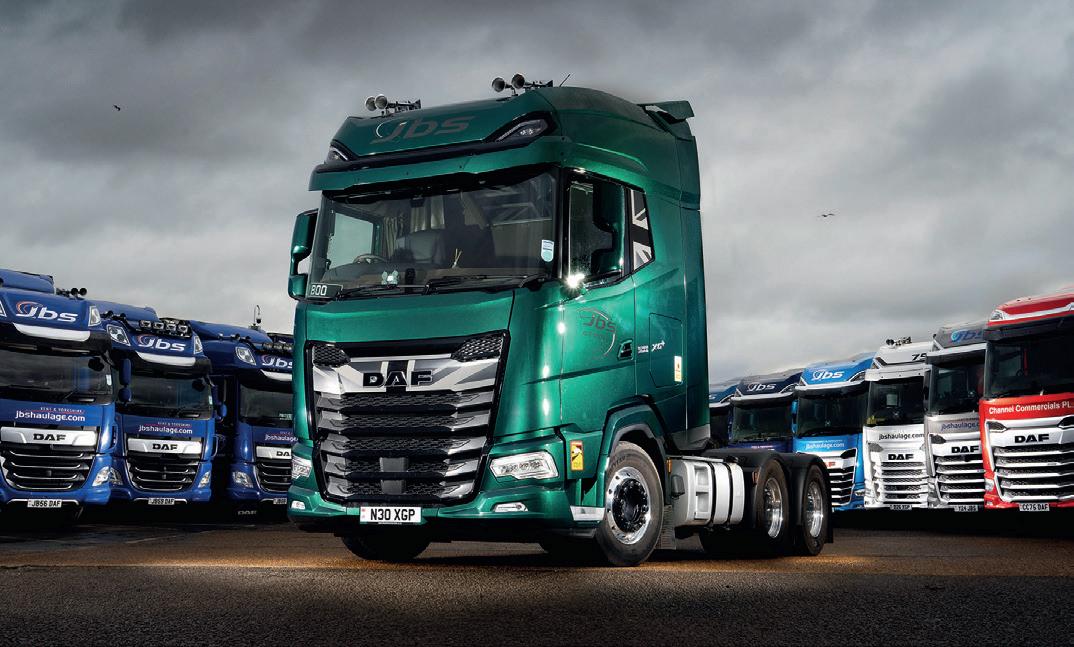
JBS HAULAGE’S STANDOUT XG+ SET TO TURN HEADS IN THE KENT AREA
To commemorate 30 years in business, Sittingbournebased JBS Haulage has invested in one of DAF’s special-edition UK30 models – the vehicle launched to celebrate 30 years of DAF being the market-leading truck
WE DIDN’T WANT IT TO BE A RUN-OFTHE-MILL TRUCK, WE WERE LOOKING FOR SOMETHING REALLY SPECIAL SO WE HAD A RETARDER FITTED AS WELL AS AIR SUSPENSION
manufacturer in the UK. The standout XG+ joins a growing fleet at JBS Haulage totalling more than 60 trucks, including DAF CFs, XDs, XFs and XG+s.
The UK30 isn’t the first special edition DAF that JBS Haulage has invested in – a silver metallic XG+ with premium features,
introduced to celebrate 75 years of truck manufacturing, also sits on the operator’s fleet – but it certainly is the most soughtafter.
“We felt that the UK30 could be even more special than that previous DAF XG+,” said Calvin Friedman, transport manager at JBS Haulage.
“We didn’t want it to be a run-of-the-mill truck – we were looking for something really special. So we had a retarder fitted as well as air suspension – items that our twin-tag fleet trucks wouldn’t normally have.
There is a nice synergy because the new truck will be driven by Tony Pessell, who also celebrates 30 years driving for the company. It has certainly gone down well with Tony and the rest of the drivers on the team. “They asked for XFs and they loved them. And then when the XG+s arrived, they were even more delighted,” said Calvin. ◼
Below: The stunning new JBS Haulage DAF truck
A HUGE AMOUNT OF INFO IS ON TAP JUST BY ASKING FOR IT WITH VOICE CONTROL
Michelin AI Assistant is now available to Michelin Connected Fleet’s UK customers within the commercial vehicle and passenger transport sectors, providing instant, actionable insights into crucial operational data.
THE
AI ASSISTANT
IS THE NATURAL EVOLUTION OF OUR DNA
Available within the MyConnectedFleet web platform, Michelin AI Assistant enables users to submit queries such as: generate a report showing which drivers in my fleet have been the most fuel-efficient this month; which vehicles in my fleet require tyre maintenance; and what is the cost of my fuel consumption this month, using a typed prompt.
Designed as a closed system that guarantees data confidentiality, it aims to reduce complexity and support fleet managers in their day-
to-day work. Key benefits include direct access from the MyConnectedFleet web portal; immediate answers – whether to quick questions about safety or costs, or to more complex requests such as generating reports and identifying trends – in text or visual form; and insights based on real-time data.
Sophie Foucque, CEO of Michelin Connected Fleet, Europe, Africa and Australia, said: “The AI Assistant is the natural evolution of our DNA, which is built around supporting our customers. Co-developed with some of our largest customers, it offers a more intuitive way to interact with vehicle usage data, while removing the need to generate multiple reports. Augmented fleet managers can therefore focus fully on the performance of their operations.” ◼
Below: AI will now be helping Michelin Connected Fleet’s UK customers
DRIVERS GET WARNING OVER NEW AI SAFETY CAMERAS VOLVO FM ELECTRIC SHOWS ITS STEEL FOR GREEN DELIVERY
NEW TECHNOLOGY LOOKS SET TO CATCH RECORD NUMBER OF OFFENDERS
Truck and van drivers are being warned that a new generation of AI ‘safety cameras’ are landing thousands with fines and licence penalty points.
Peter Golding, CEO at fleet software specialist FleetCheck, pointed to a recent example where 2,200 drivers were prosecuted for mobile phone and seatbelt offences during just four weeks on a stretch of road in Sussex.
Golding stressed that this new generation of safety cameras is a major leap forward from older technology, offering enhanced capability to detect offences such as mobile phone use in addition to speeding
He said: “We welcome any development that improves road safety and believe that all fleets should do the same, but it is sensible to ensure that drivers are aware of the much higher risk that now exists of being caught.
“An employee who thought it was safe to quickly pick up their phone on a straight stretch of road to check their email was always taking a huge risk in terms of practical safety, but they are now also much more likely to receive six driving licence penalty points and a £200 fine.”
Golding also said that the AI safety cameras were likely to add to an increasing area of fleet managers’ workloads. He said: “Nearly three
million driving offences were committed in the UK in 2024, which was 9% up on the previous year and the highest on record, resulting in something like 15,000 points being issued every day.
“The fact is that fleet drivers who commit offences are ever more likely to get caught and this is creating an ever-higher administrative burden for those involved in running fleets, as we know from our software user base. Just processing physical paperwork and digital documents is hugely time-consuming.”
DRIVERS WHO COMMIT OFFENCES ARE EVER MORE LIKELY TO GET CAUGHT
Golding advises that the best way to contain this problem is at source, with a low degree of tolerance for company drivers who are caught.
“Ensuring they are aware of the effectiveness of the latest cameras, as well as how dimly you, as their employer, views issues such as mobile phone use behind the wheel, is not only the right move from an ethical and risk management point of view but can help to reduce a simply unnecessary managerial task.” ◼
HAULAGE FIRM HAS TRANSPORTED THE FIRST LOAD OF FOSSIL-FREE STEEL TO LAND IN THE UK
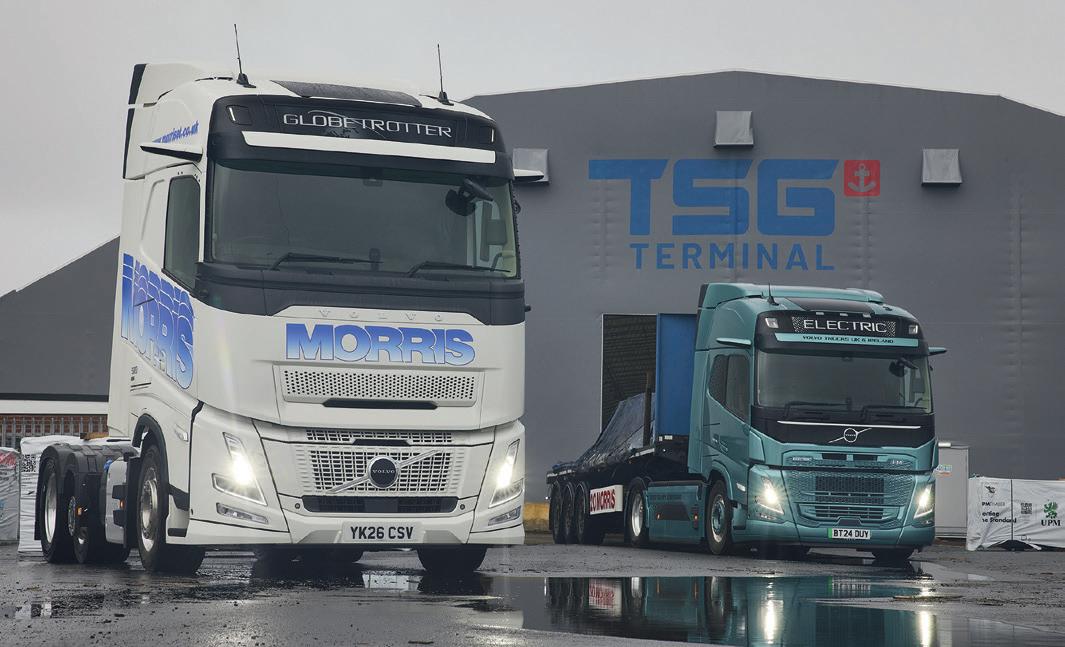
The truck used was a Volvo FM Electric 4x2 tractor unit for a zero-tailpipe emission delivery.
Produced by Swedish company SSAB, the steel was collected from the TSG Terminal at Hull docks and taken to the customer site in Brighouse, West Yorkshire – a 160-mile round trip.
The FM Electric demonstrator used for the special delivery was supplied by Gareth Stone, Sales Director at Crossroads Truck & Bus. Its drivability and performance impressed ET Morris & Sons, which is exploring ways to decarbonise its 25-strong 100 per cent Volvo fleet.
Jeremy Morris, Owner, ET Morris & Sons, said: “We do lots of work for SSAB but this was the first load of this new green steel that we have delivered.
“To mark its arrival, they wanted it to be delivered using electric technology. We have a close relationship with Gareth and the team at Crossroads, and they kindly offered the use of their electric demonstrator.
“It was interesting to see how the electric truck performed. It did the job with no difficulties. The driver enjoyed the experience and, with further advances in the technology, it’s something we’ll explore further in the future.”
Volvo Trucks committed to cutting carbon across its operations Volvo has introduced SSAB’s fossil-free steel into the build of its heavy-duty electric trucks – the first manufacturer in the world to do so.
The metal, named SSAB Zero, is made from recycled material and produced using fossilfree electricity and biogas. As a result, CO2 is reduced by around 80% compared to the production of conventional steel using fossil energy.
The steel is used mainly in the frame rails, the backbone of the truck upon which all other main components are mounted.
As the availability of the lowcarbon steel increases, it will also be introduced in other parts of the vehicles. ◼
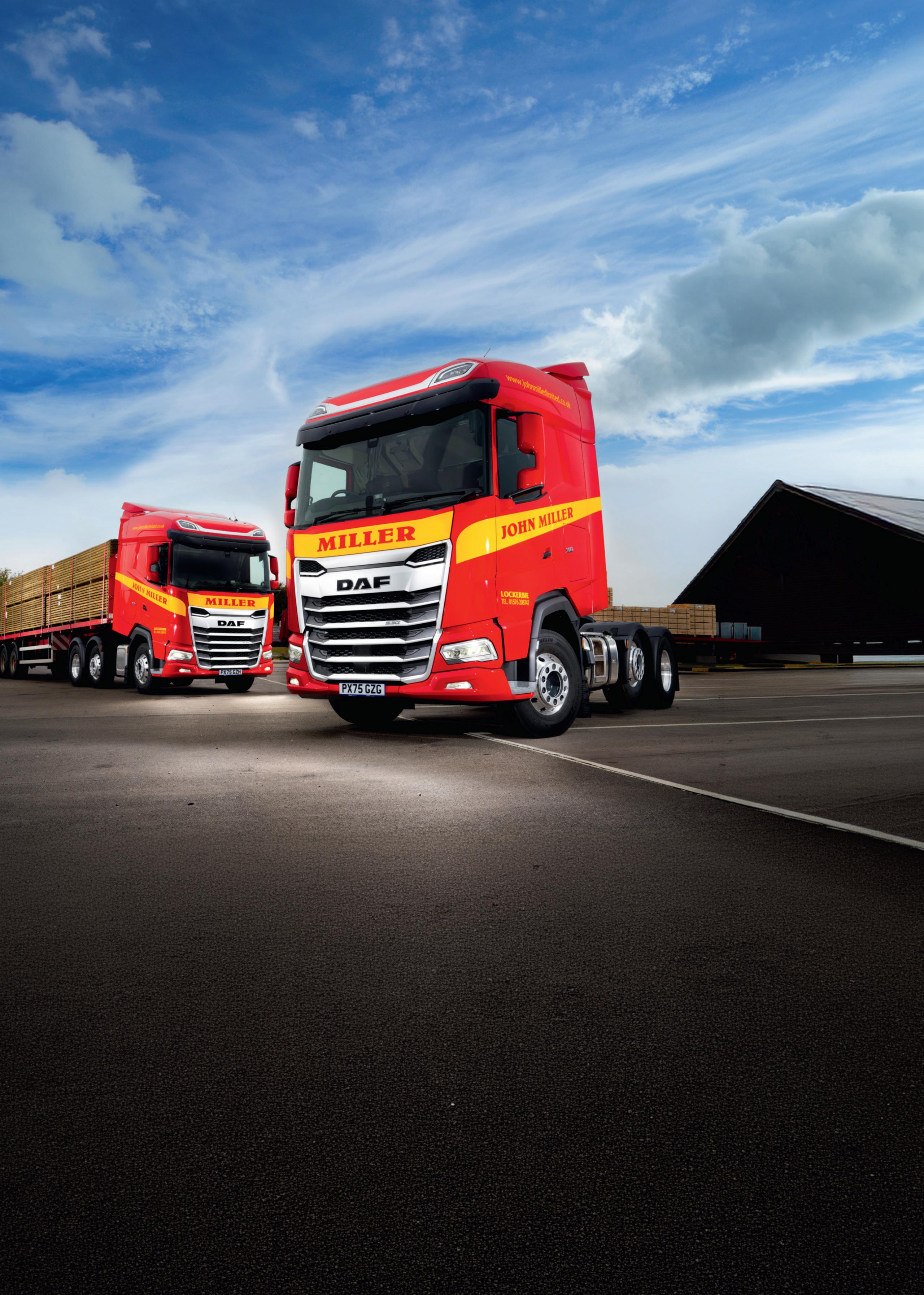
“Our latest DAF XGs have become the go-to truck for our flat-bed work; strong, reliable and extremely comfortable. At the same time, we’re seeing real efficiency gains from our 2025 DAF XF units on tanker duties, with around a 0.8 mpg improvement over the previous trucks. That’s a big saving across the fleet, both in cost and CO₂. Between the XG and the XF, DAF has the balance exactly right for our operations.”
Ewan Miller
Operations Director
John Miller Limited
TRUCKS FACE NEW CRASH TESTS OVER REAR-END SHUNTS THREE NEW VOLVOS EXPAND BRITISH RECYCLING FLEET
TOO MANY CAR DRIVERS ARE BEING HURT IN PRANGS INVOLVING LORRIES
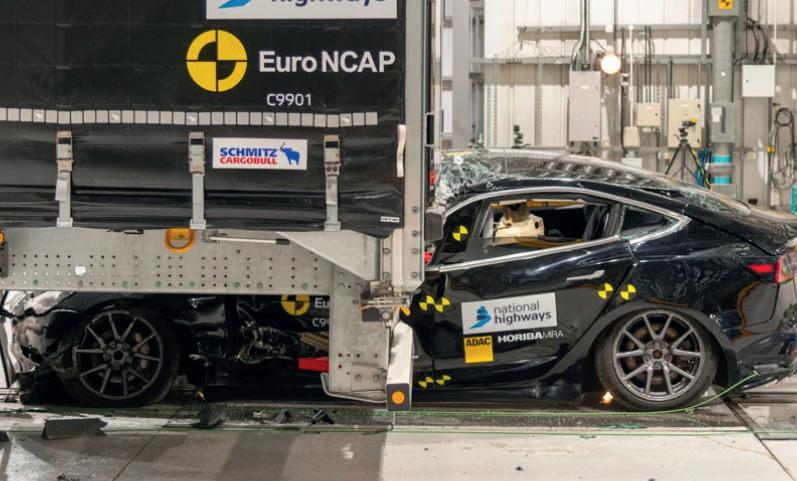
Aseries of crash tests has been organised by National Highways after it discovered a serious risk on England’s motorways and major A-roads.
Organised with Euro NCAP and other European road safety organisations, testing focused on rear-end collisions involving heavy goods vehicles (HGVs), specifically where a smaller vehicle – typically a car –strikes the back of a truck.
Official road casualty statistics show that HGVs made up 10% of traffic on England’s motorways and major A-roads in 2024, yet they were involved in 19% of collisions where people were killed or seriously injured. Rear-end shunts were the most common incidents, accounting for 39% of all HGVrelated collisions in 2024.
In the same year, 160 collisions involved a smaller vehicle hitting the rear of a HGV, with 18% of all serious or fatal HGV-related casualties resulting from this type of collision.
Sheena Hague, director of road safety at National Highways, said: “Collisions where smaller vehicles run into the back of HGVs can have devastating consequences.
“This testing helps build a clearer understanding of how and why they happen, so we can work with our partners to take practical steps to prevent them or reduce their impact.”
She added: “The freight industry is a vital part of our economy, and we work closely with hauliers and others to help keep all road users safe.”
To explore how vehicle safety measures perform in real-world conditions, National Highways worked with Euro NCAP on two sets of tests in February and March this year.
Testing was carried out alongside Sweden’s national transport authority and Germany’s Allgemeiner Deutscher Automobil Club (ADAC) - Europe’s largest automobile association. ◼
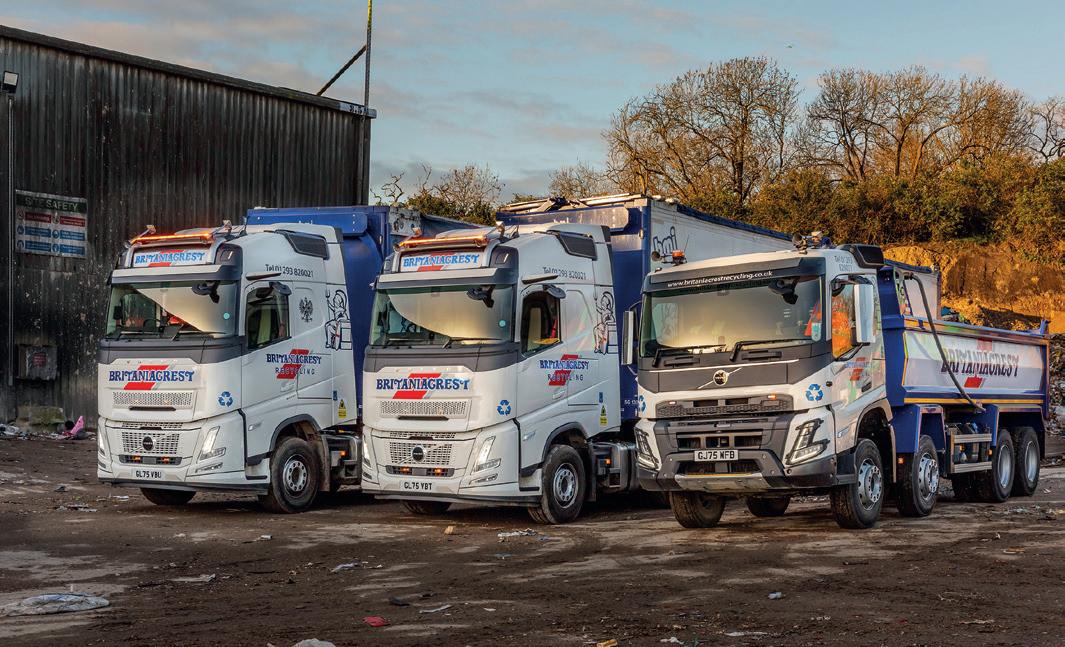
TRACTOR UNITS AND A TIPPER JOIN HOOKWOOD-BASED BRITANIACREST RECYCLING
Hookwood-based Britaniacrest Recycling has expanded its operations by acquiring two FH Aero 500 6x2 tractor units and a FMX 420 8x4 tipper. The delivery continues a longstanding relationship between the businesses, with Volvo Trucks selected again due to its reputation for reliability and service support.
THE TRUCKS OFFER SOLID PERFORMANCE AND DEPENDABLE FUEL EFFICIENCY
The order was placed due to an uptick in Britaniacrest Recycling’s business. The arrivals ensure that around half of the 40-strong commercial vehicle fleet remains Volvosupplied.
George Howell, commercial and transport manager, Britaniacrest Recycling, said: “Volvo Trucks has built a strong standing within our business,
courtesy of its build quality. That played a major role in our decision to expand the fleet with these latest models.
“The trucks offer solid performance and dependable fuel efficiency, which stands up well to the variety of work we put them on. Having access to strong aftersales support added further confidence that these vehicles would suit our needs perfectly.”
The tractor units each benefit from a Euro-6 compliant D13K Step E engine, which produces 500hp and a peak torque of 2,500Nm. Meanwhile, the FMX is powered by a 420hp engine, capable of producing 2,100Nm.
All three trucks are paired with a 12-Speed I-Shift automated transmission, which evaluates information about weight, speed, torque demand and road grade to perform every single shift with precision. By constantly communicating with the engine, it adjusts the revs and brake effect. ◼
AUTONOMOUS TRUCKS – INDUSTRY SAVIOUR OR A JOBS THREAT?
LOVE THEM OR HATE THEM, DRIVERLESS VEHICLES WILL AFFECT US ALL BEFORE LONG
Arecent study by the Road Haulage Association (RHA) found that the UK logistics industry will require 40,000 new HGV drivers annually for the next five years, due to growing demand and possible future driver shortages.
Although operators and training companies are having success bringing through new recruits, the development of autonomous commercial vehicles offers a potential solution to ease the problem.
Proponents of driverless vehicles say they offer a route to higher utilisation, reduced labour dependency and improved efficiency that could deliver transformational cost savings and productivity gains.
Recently, eFREIGHT Autonomous, a consortium of experts in commercial vehicles and automotive technology, published the findings of a nine-month long study into the emerging technology. The report identified hub-to-hub motorway trunking between logistics centres, as well as short intermodal shuttle operations linking ports, railheads and distribution hubs, as the most viable starting points for early UK deployment.
According to the consortium, these operations provide the clearest commercial and operational pathway because routes are predictable, interfaces can be controlled and benefits can be measured around productivity, utilisation, safety and emissions.
Sir Vince Cable, chair of the eFREIGHT, said: “The UK now has a genuine opportunity to help shape the future of autonomous freight rather than simply importing solutions developed elsewhere. The next step is to move from feasibility work towards structured real-world deployment trials.”
Funding secured
Led by Voltempo, alongside Connected Places Catapult and Berkeley Coachworks,
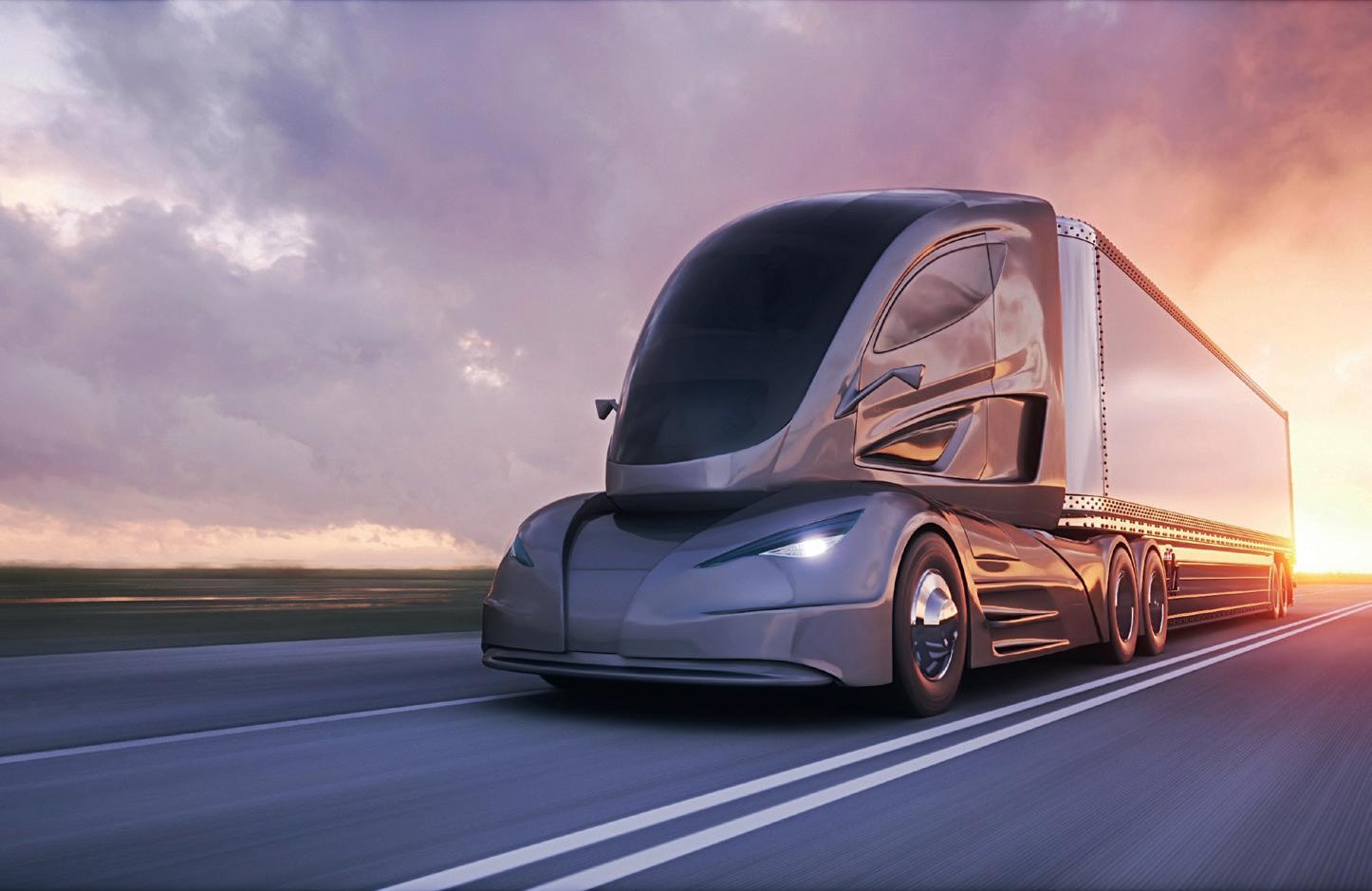
Britain can look forward to a future where driverless trucks deliver our goods
the consortium secured funding in 2025 through the UK Government-backed CAM Pathfinder Feasibility Studies competition delivered by Innovate UK and Zenzic.
Since then, it has carried out workshops, seminars and customer visits with operators across the freight sector, while engaging with every major European truck manufacturer, alongside the Department for Transport (DfT), the Department for Business and Trade, Transport Scotland, Logistics UK, the Road Haulage Association (RHA) and the Society of Motor Manufacturers and Traders (SMMT).
Voltempo is also working with fleet operators, OEMs and government to define real-world use cases, safety frameworks and commercial models for autonomous freight deployment.
In addition, it is designing and delivering UK trials, shaping regulation, and building the operational infrastructure required to support autonomous HGVs at scale.
Meanwhile, Voltempo and its partners are working with government and OEMs on concepts for a new category of autonomous
HGV, including lightweight ‘smart trailer’ configurations capable of delivering 15% greater payload while reducing overall vehicle weight by about 10%.
The consortium believes these vehicle concepts could remove more than 22,000 heavy vehicles from UK roads, while reducing fleet operating costs by up to 37%.
Michael Boxwell, corporate development officer at Voltempo, said: “Over the past nine months, we’ve focused on understanding where autonomous freight can deliver genuine operational value for UK fleets and what conditions are needed to make deployment practical.
“The technology, legislation and commercial interest are all moving forward quickly, and with continued grant funding available to support trials, the UK is ideally positioned to take advantage and lead from the front.”
Various projects under way
Other UK projects which have received funding from the CAM Pathfinder programme include RAMP Ready, an
auto-cargo autonomous cargo dolly; Sim4CAMSens2, which is validating new areas to improve sensor modules and P-Cal, a proof-of-concept for an autonomous container transport system at the Port of Tyne.
As part of the programme, a consortium member – Berkeley Coachworks – is developing autonomous HGVs in parallel at its manufacturing site in Pembrokeshire.
Ben Garratt, Logistics UK’s deputy director, public affairs, said the funding of such schemes is a welcome step towards realising the potential of autonomous vehicles.
“Autonomous technology has the potential to make logistics safer, more efficient and more attractive to work in,” he added.
In the UK, deployment has so far been largely limited to depots and intermodal hubs, reflecting the constraints of existing legislation.
However, forthcoming regulatory changes under the Automated Vehicles Act 2024 are expected to enable a broader set of use cases beyond confined sites, with autonomous freight moving rapidly from pilot projects into early commercial operation.
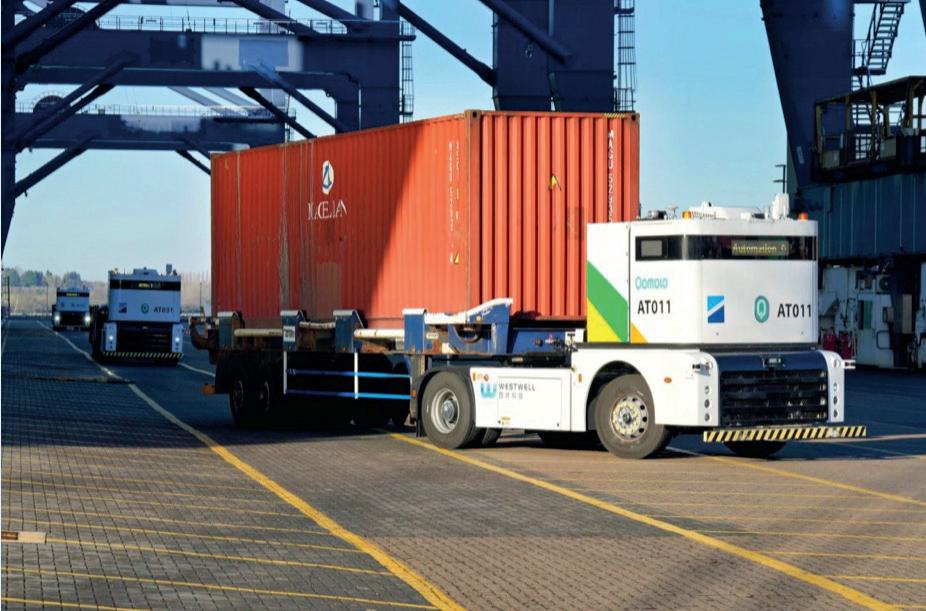
Early examples of such vehicles being operated include autonomous cargo handling at East Midlands Airport, as well as the Port of Felixstowe successfully deploying 68 Westwell commercial autonomous yard tractors at its Trinity Terminal alongside conventionally driven
trucks in mixed traffic mode operation. These vehicles are fully electric and emissions-free as the port has used only electricity certified as being from renewable sources since April 2023. They are equipped with 128-line LiDAR, 360-degree camera vision, monocular and stereo cameras with radar.
An automated battery swap station also allows the autonomous vehicles to exchange depleted power units for fully charged ones in five to six minutes –without manual intervention.
Thanks to the port’s private 5G network, there is fast, reliable and secure communication and control systems for the driverless vehicles as well as for a wide range of conventional equipment.
The report highlights that autonomous vehicles in these environments have demonstrated high-precision manoeuvring, integration with live operations and delivery of real productivity and decarbonisation benefits.
Clemence Cheng, executive director of Hutchison Ports and Port of Felixstowe CEO, said: “The continued scaling up of this project has been made possible by the recent introduction of a private 5G network at the Port of Felixstowe. As well as improving operational consistency and efficiency, the increased use of battery-powered autonomous trucks will significantly support our ambition to achieve Net-Zero for Scope 1 and 2 emissions by 2035.”
The report found that autonomous heavy road freight has the potential to transform the UK logistics industry in a short space of time. Decisions taken over the next few years will influence where deployment occurs, who benefits, and how risks and impacts are managed.
Early adoption will be shaped as much by regulation, infrastructure readiness, safety assurance and commercial models as by vehicle technology itself.
However, autonomous freight technology is here to stay and operators that engage at an early stage will help shape the market and be well placed to stay ahead of their competitors. ◼
◼ Article first published in Transport Newsbrief by the Society of Motor Manufacturers and Traders
Port of Felixstowe is deploying 68 Westwell commercial autonomous yard tractors at its Trinity Terminal
Autonomous freight technology is here to stay and operators that engage at an early stage will help shape the market
VOLVO PAVES THE WAY FOR MORE INCLUSION IN GREEN TRUCKING BUSINESS
NEW REPORT CASTS SPOTLIGHT ON WHY THERE ARE SO FEW WOMEN AND ETHNIC MINORITIES EMPLOYED
Volvo Trucks has published the findings of independent research exploring how women and ethnic minorities perceive careers in and around zero tailpipe-emission trucks, buses and coaches, as part of a project aimed at making the sector feel more visible, accessible and inclusive.
Commissioned with funding from Transport Scotland’s Skills Challenge Fund for HDV (heavy-duty vehicle) Decarbonisation, the research was carried out by DJS Research across Scotland and the North of England.
Participants took part in focus groups and interviews exploring perceptions of the sector, to better understand how underrepresented groups view the industry, what influences their career choices and what may be holding them back.
Amy Stokes, decarbonisation director, Volvo Trucks UK & Ireland, said: “For too long recruitment in this sector has been hindered by a less diverse applicant pool, making it harder to build an inclusive workforce. This is a crucial topic the industry needs to address, because misconceptions, particularly among women and ethnic minorities, risk narrowing the talent pool at a time when we need to attract and retain a broader range of talent than ever.”
Key findings
The research revealed a generally low awareness of the sector as being a major barrier, with many people outside the industry struggling to picture the organisations, roles and career pathways involved in zero tailpipe-emission commercial vehicles, despite the industry’s
rapid advances in battery electric, fuel cell electric and hydrogen solutions.
However, when the sector was framed around ‘future technologies’, the reaction from the target groups shifted. Participants quickly connected the work to sustainability, innovation and climate goals, with the idea of working in a business which has the potential to impact the future so positively becoming more appealing for many.
PARTICIPANTS IMAGINED CAREERS BEING DIRTY, HIGHLY PHYSICAL AND ASSOCIATED WITH MALE-DOMINATED ENVIRONMENTS
The research also found that stereotypes still dominate first impressions, with participants imagining careers in the sector as being dirty, highly physical and associated with male-dominated workshop environments. It also found that the language and image associated with the industry felt technical and inaccessible, creating an immediate barrier for those without a background in heavy vehicle mechanics.
Priorities for jobseekers
Across all groups which took part, priorities for career choices centred on work-life balance, fair pay and transparency, as well as working for an organisation with a supportive and inclusive culture. Growth
opportunities and an opportunity to carry out meaningful work with purpose were also rated highly.
Among women and ethnic minorities, there was a strong desire to see evidence of people like themselves succeeding in the sector through authentic employee storytelling and the types of imagery used in recruitment.
Furthermore, jargon-heavy job descriptions, inflated job titles and long lists of ‘essential’ requirements were also identified as undermining applicant confidence and helping to drive selfexclusion, and prevent interested parties from applying.
Karen Bailey, head of competence development, Volvo Trucks UK & Ireland, said: “The findings have made one thing very clear: the shift to a zero tailpipe emission HDV sector represents a significant opportunity to attract a broader and more diverse workforce.
“At Volvo Trucks, we are well positioned to lead this change – but it’s a bigger challenge than any one manufacturer can accomplish alone. Our task as an industry is to build clearer pathways into the sector, supported by communication that empowers people from all backgrounds to see themselves within our respective businesses.”
Volvo Trucks will use the findings to inform ongoing work to strengthen early careers engagement, improve the clarity and inclusivity of recruitment materials and support structured development routes into the sector. This work will support Volvo Group’s global diversity targets, with the business aiming for 35 per cent women employees by 2030. ◼
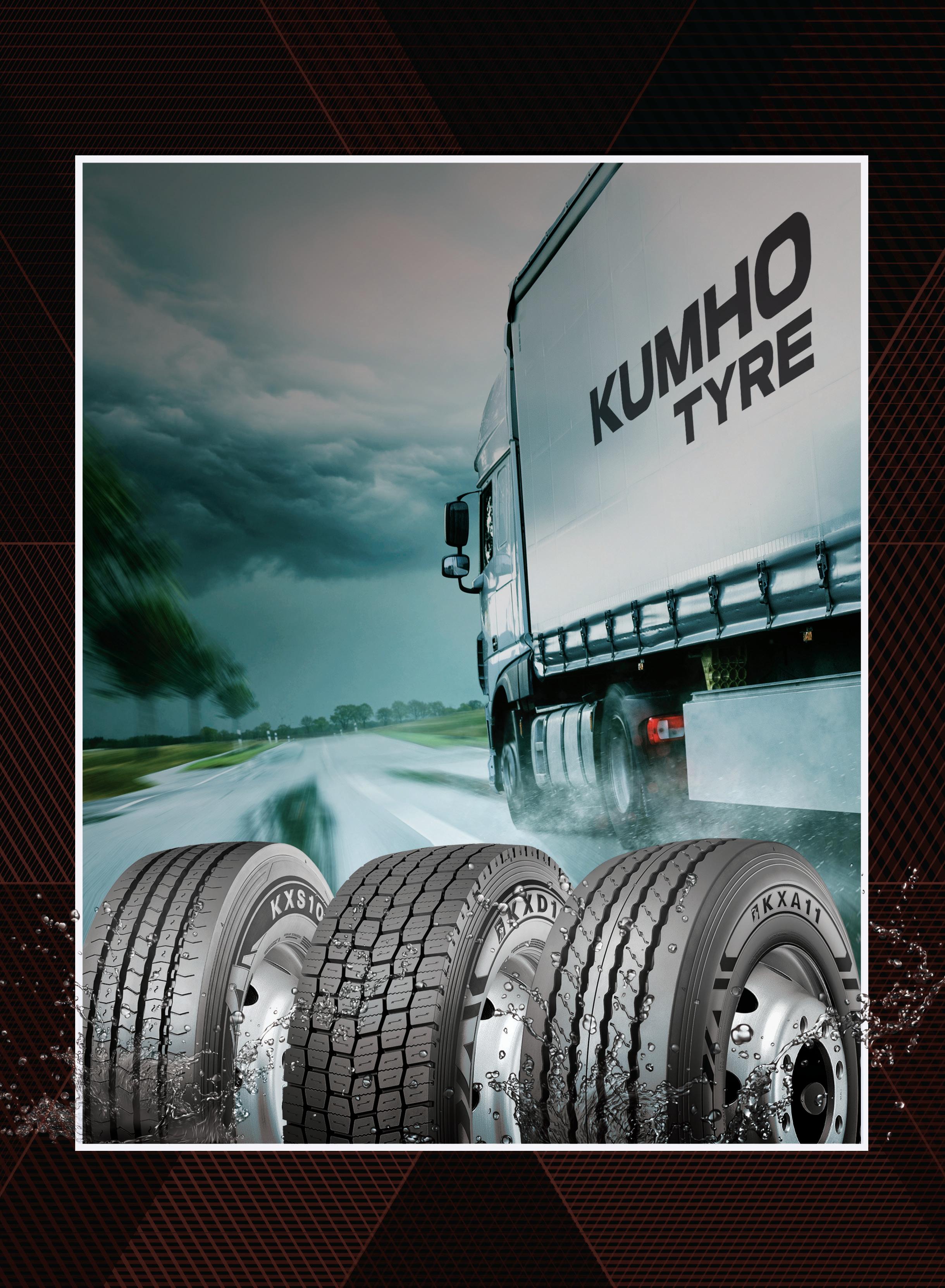
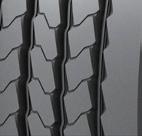
KUMHO’S MULTI-PERFORMERS
• Outstanding mileage
• Even wear
• Excellent all-season performance
ISUZU – A GLOBALLY RESPECTED NAME IN THE TRUCK WORLD
WE
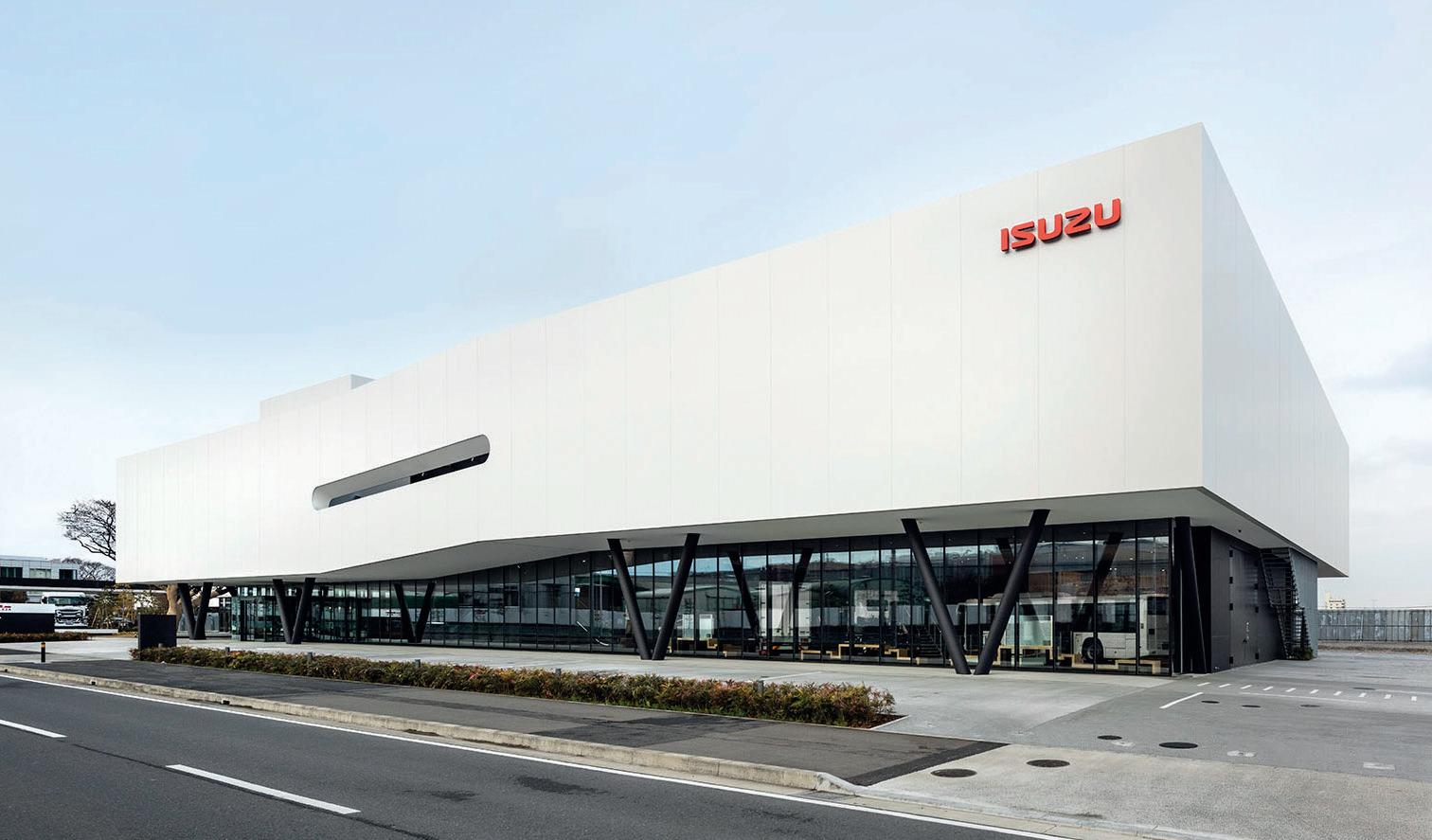
PAY A VISIT TO THE MANUFACTURER’S IMPRESSIVE HEADQUARTERS AT FUJISAWA IN JAPAN
In the UK, Isuzu Trucks is often seen as a relatively small player in the truck market. Despite that perception, the Japanese manufacturer dominates one of the industry’s most competitive sectors, leading the 7.5-tonne market with its popular N-Series range. For many British operators, Isuzu is a familiar sight delivering goods in towns and cities across the country. What is less well known is the sheer scale of the operation behind those vehicles.
To understand the true size of Isuzu, a visit to its Fujisawa production facility south of Tokyo is essential.
The numbers alone are difficult to comprehend. Covering an area of one million square metres, the site is roughly equivalent to 20 football stadiums. Standing at one end of the factory complex, it is almost impossible to see where the operation finishes. Production halls, logistics centres, testing facilities and administration buildings stretch across the horizon, creating what feels less like a factory and more like a self-contained industrial city.
The facility is the beating heart of Isuzu’s global truck business and one of the largest commercial vehicle manufacturing operations in Japan. Almost 9,000 people work at Fujisawa, making it one of the region’s largest employers. Every day, thousands of employees arrive to work
across production, engineering, quality control, logistics and administration, helping keep the vast operation running around the clock.
While Isuzu’s profile in Europe may be relatively modest, the company’s global manufacturing footprint tells a very different story. Trucks built at Fujisawa are exported to more than 150 markets worldwide, supplying customers across Asia, Europe, Africa, the Middle East, Australia and the Americas. More than 300,000 trucks are produced at the site every year, a figure expected to rise to around 320,000 vehicles in 2026. Put another way, a new Isuzu truck leaves the production lines every few minutes.
Huge scale
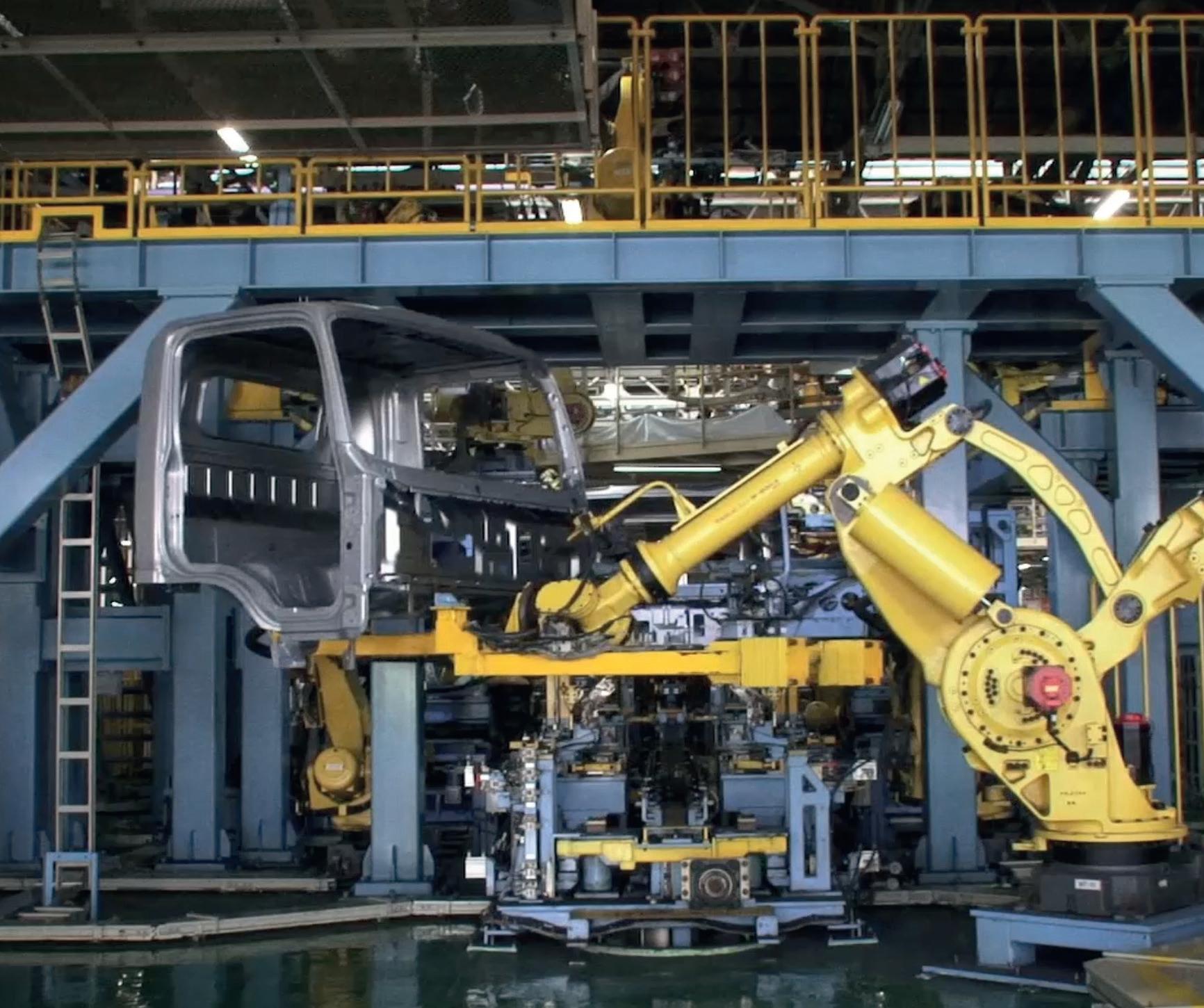
The scale of production becomes immediately apparent when walking through the factory. Long assembly lines stretch hundreds of metres, with vehicles at every stage of construction. Chassis
move steadily through production while cabs, engines and driveline components arrive from different parts of the site in a carefully choreographed sequence.
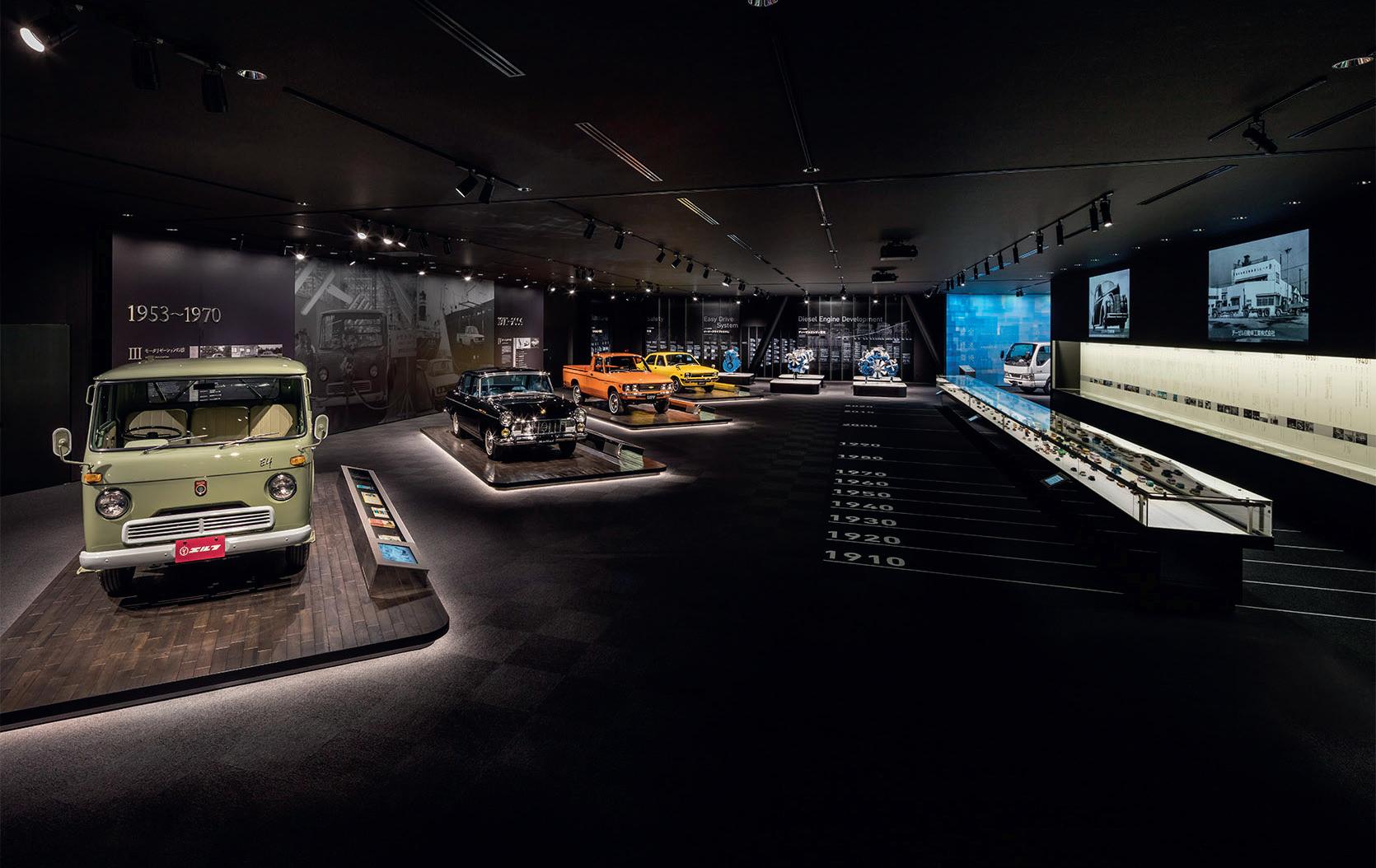
Fujisawa produces a wide range of commercial vehicles destined for markets around the world. From the Elf and
TEAMWORK, DISCIPLINE AND ATTENTION TO DETAIL REMAIN CENTRAL TO THE WAY FUJISAWA OPERATES
N-Series models familiar to UK operators, through to larger Forward and F-Series trucks, the factory supplies vehicles to fleets, municipal operators and businesses in more than 150 countries and territories. Different wheelbases, cab configurations and vehicle specifications can all be seen moving down the same production lines, often destined for completely different markets.
The operation extends far beyond final vehicle assembly. Engines are built on site, along with major drivetrain and chassis components. In many ways, Fujisawa operates as a complete manufacturing ecosystem, with much of the vehicle being produced within the same complex before coming together on the final assembly lines.
Impressive organisation
Despite the enormous scale, what stands out most is the organisation. There is little of the noise and chaos often associated with large industrial facilities. Instead, everything appears carefully planned and controlled. Parts arrive exactly where they are needed. Vehicles move steadily through production. Employees work with a calm efficiency that reflects the Japanese approach to manufacturing.
That culture is visible everywhere. Teamwork, discipline and attention to detail remain central to the way Fujisawa
operates. Employees begin shifts with team briefings and continuous improvement is encouraged at every level of the organisation. The philosophy of kaizen, or continuous improvement, is deeply embedded within the operation and has become one of the foundations of Isuzu’s manufacturing success.
Visitors are often surprised by the balance between technology and people. Automation plays a major role throughout the factory, with robots carrying out many repetitive tasks. Yet the human element remains crucial. Thousands of skilled workers oversee production, monitor quality and ensure every vehicle meets the standards expected of the Isuzu brand.
Quality control is evident throughout the site. Inspection stations are built into the production process, while completed vehicles undergo extensive testing before leaving the factory. The aim is simple: ensure that trucks built in Fujisawa can operate reliably whether they are working in the streets of London, construction sites in Australia, mines in South America or logistics fleets across Asia.
The scale of the logistics operation is equally impressive. Components move constantly around the site, feeding production lines that operate at remarkable speed. Warehousing, distribution and
materials handling all take place within the factory complex, ensuring a continuous flow of parts and finished vehicles destined for customers around the globe.
Key role
As the commercial vehicle industry evolves, Fujisawa is also playing a key role in Isuzu’s future plans. Alongside its current diesel-powered truck production, the site is supporting development work
ISUZU MAY APPEAR TO BE A NICHE PLAYER BUT THE MANUFACTURING CAPABILITY IS ANYTHING BUT SMALL
on new technologies and lower-emission vehicles aimed at meeting future market requirements.
For UK visitors, perhaps the biggest takeaway is the contrast between perception and reality. At home, Isuzu is often viewed as a specialist manufacturer focused on a particular section of the truck
market. Standing inside Fujisawa tells a different story. The size of the facility, the number of people employed and the volume of vehicles produced reveal a company operating on a truly global scale.
The Fujisawa plant is not simply a factory. It is the centre of an industrial operation that produces hundreds of thousands of commercial vehicles every year for more than 150 markets worldwide. It demonstrates that while Isuzu may appear to be a niche player in some markets, the
manufacturing capability behind the badge is anything but small.
For anyone wanting to understand the real strength of Isuzu, Fujisawa provides the answer. The company’s success in the UK may be measured in market share, but its global presence is measured in millions of square metres, thousands of employees, exports to more than 150 countries and hundreds of thousands of trucks rolling off the production line every year. ◼
CASHFLOW PROBLEMS? SILVERBURN FINANCE OFFERS A HELPING HAND
WE SIT DOWN FOR A CHAT WITH THE EXPERTS AT THE BOLTON INVOICE FACTORING SPECIALIST
Q: Tell us a little about your company, when it was formed, where it is based and what you do
A: Silverburn Finance is a third generation family run business based in Bolton. We factor invoices, which basically means we buy invoices from firms for a discount. In effect, we release a company’s cashflow – if you’ve completed some work and are fed up of waiting 30 to 60 days for your money, we will pay you immediately for your invoice. It’s a really simple system with no hidden costs, just the upfront fee that you pay.
Q: Are you one of these big anonymous finance firms? I like to deal with smaller outfits so I know I can speak to the same person each time who will know me and understand my problems
A: We certainly aren’t an anonymous finance firm. As I said above, we are a family run firm and we pride ourselves in providing a good service. Each client who comes on board has their own client manager who they will speak to every time if they need help. We would be absolutely delighted to help with any problem on the account.
Q: As I understand it, I hand my late payment invoices to you and you pay me for them immediately after taking a small fee. This sounds too good to be true. How does it work?
A: No, we don’t take late payment invoices – we normally accept the invoices just after the work has been completed – the company email their invoices to us and we pay them by BACS or same day payment and then we collect the money when the invoice is due for payment.
Q: I’ve never come across this kind of service before. Is it a new phenomenon?
A: We’ve been established from 1962 since it’s definitely not a new phenomenon – lots of the banks have a factoring arm but then you are tied to a bank. We are independent
from the banks and hope that after 60 years we are a specialist in the field.
Q: What happens if you hand over a payment to me and then the client refuses to cough up? Do I then have to hand the money back to you?
A: It is factoring with recourse – so if the client refuses to pay, we do ask for the money back. In order to minimise this risk, however, we do vigorous credit checks and only deal with reputable companies. Our customers can ring or email for a credit check on any customer at any time.
Q: My firm is constantly having trouble getting clients to pay up on time. We sometimes have up to 20 outstanding invoices. Is there a limit to how many of them I can pass on to you?
A: There is no limit to the amount of invoices we take. The only caveat is that we have a maximum amount on any one time of £250,000.
Q: Do your staff have any specialist knowledge of the transport business? If not, I would worry that they might not understand my particular problems.
A: All our staff have specialist knowledge of the transport business – it’s our core business.
Q: Do you only deal with major companies. My turnover is only £55,000 a year so maybe I’m too small a fish for you?
A: We are happy to factor any invoice over £500 so £55,000 is fine. We have owner drivers and very large ledgers. It’s great to have a mixture of business models.
Q: Will I be locked into a contract with you or could I pull out at any time?
A: There’s no fixed term contract with us. We have a contract, but you aren’t locked in for a period. You are free to use our services only when you need to. We find that way companies tend to use our services for a lifetime as it suits their needs.
Q: OK I’m convinced! How do I contact you?
A: Any interested party can contact us on 01204 669666 or email info@ silverburnfinance.com ◼
Below: Silverburn can help take the worry out of cashflow problems
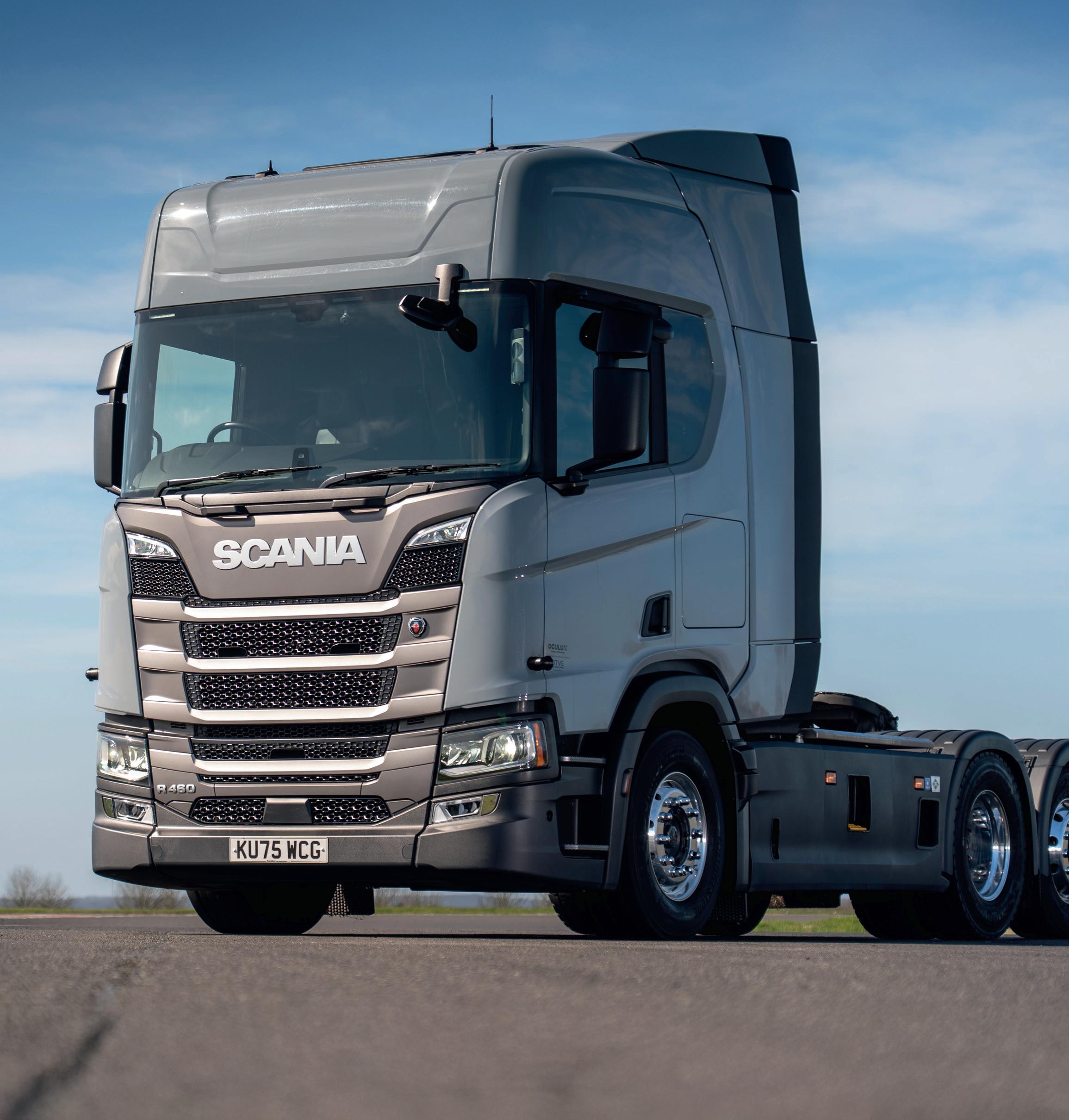
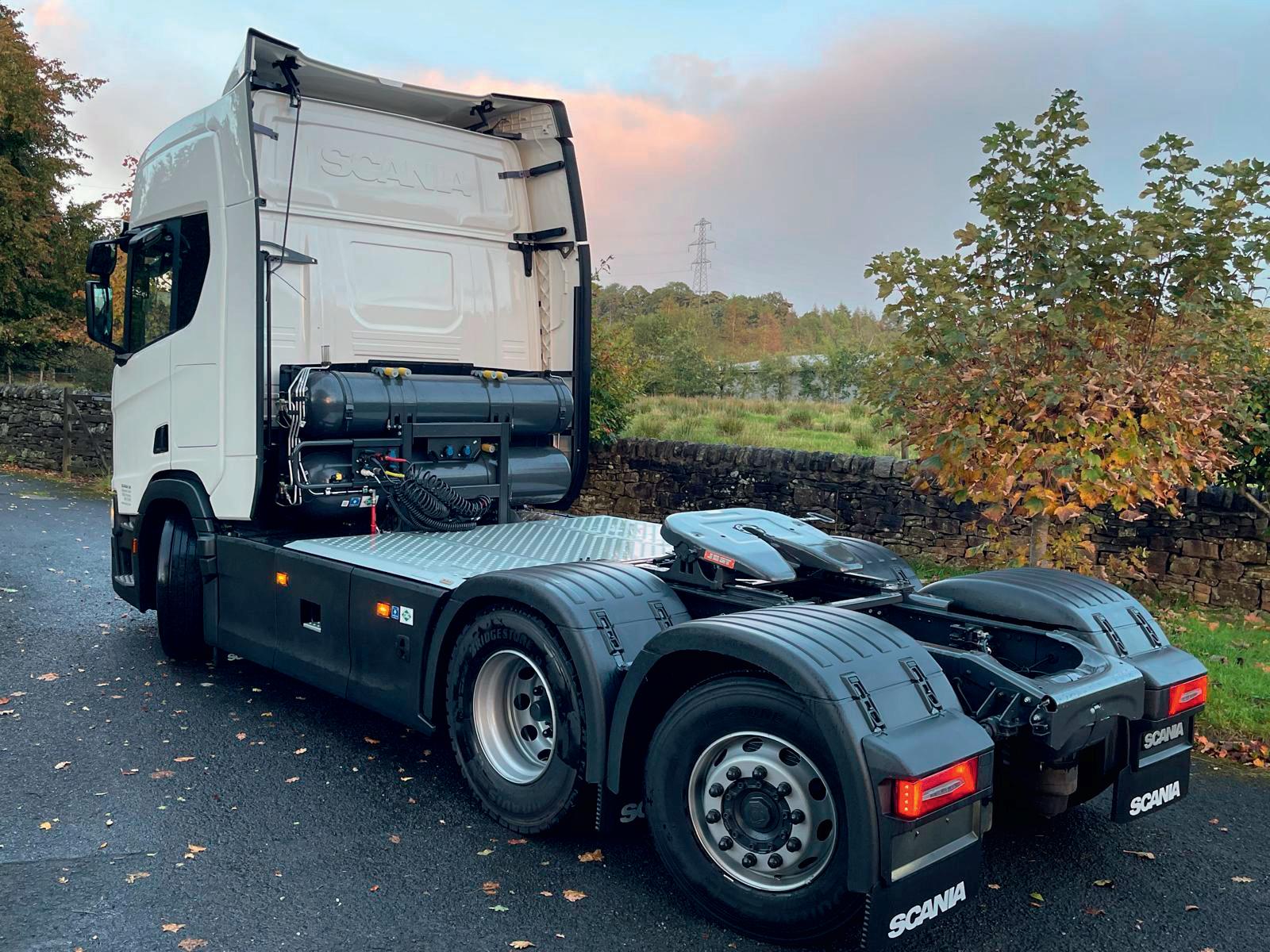
LIFE’S A GAS WITH SCANIA
BIOMETHANE-POWERED CNG TRUCKS ARE BECOMING IMPOSSIBLE FOR LONG-HAUL OPERATORS TO IGNORE
Diesel is no longer the only realistic answer at present for long-haul transport. While battery-electric trucks attract much of the industry attention, compressed natural gas –particularly when fuelled by biomethane – is emerging as a serious low-carbon solution for operators who need cleaner transport without sacrificing range, payload capability or operational flexibility. For many fleets, CNG offers something increasingly valuable: a transition technology that already works in real-world haulage.
Turning waste into fuel
Biomethane is produced through anaerobic digestion, where organic waste such as food
waste, livestock manure, sewage sludge and brewery by-products are broken down in oxygen-free conditions to create methanerich gas.
Rather than allowing waste to decompose naturally and release methane directly into the atmosphere, the gas is captured, refined and upgraded into transport-grade fuel. The process effectively converts waste into usable energy while reducing landfill demand and agricultural emissions. That circular energy process gives biomethane one of its strongest environmental advantages. When sourced from renewable feedstocks, biomethane can reduce CO2 emissions by around 80% compared with conventional diesel. Where manure-based feedstocks are
used, the environmental gains become even greater. Capturing methane from agricultural waste prevents a potent greenhouse gas from escaping into the atmosphere, meaning some biomethane pathways can potentially achieve netnegative lifecycle emissions. For the freight industry, that represents a significant opportunity to reduce carbon intensity immediately rather than waiting for future technologies to mature.
Market growing rapidly
The UK biomethane sector has developed rapidly over the past few years. Platts’ introduction of a dedicated UK waste biomethane price index signalled that renewable gas has moved beyond niche
status and into the mainstream energy market.
At the same time, local authorities across the UK continue expanding food waste collection schemes, creating larger volumes of feedstock for anaerobic digestion plants. Brewery waste, agricultural residues and commercial food processing waste are also increasingly entering the renewable gas supply chain. As production volumes rise, operators are gaining greater confidence in long-term fuel availability and infrastructure investment.
Understanding CNG and LNG
Both CNG and LNG use methane as their primary fuel source, but they differ significantly in storage and application.
Liquefied natural gas is cooled to around -160°C, reducing its volume dramatically and increasing energy density. This makes LNG highly suitable for ultra-long-distance operations where maximum range between fills is essential.
However, LNG systems are technically more complex:
• Cryogenic storage tanks
• Specialist refuelling procedures
• Protective equipment requirements
• Potential fuel boil-off losses
• Compressed natural gas is stored at pressures typically between 200 and 250 bar. Although less energy dense than LNG, CNG systems are mechanically simpler and easier to manage.
For many UK trunking operations, particularly depot-based fleets, CNG now
offers a highly workable balance between range, operating simplicity and emissions reduction.
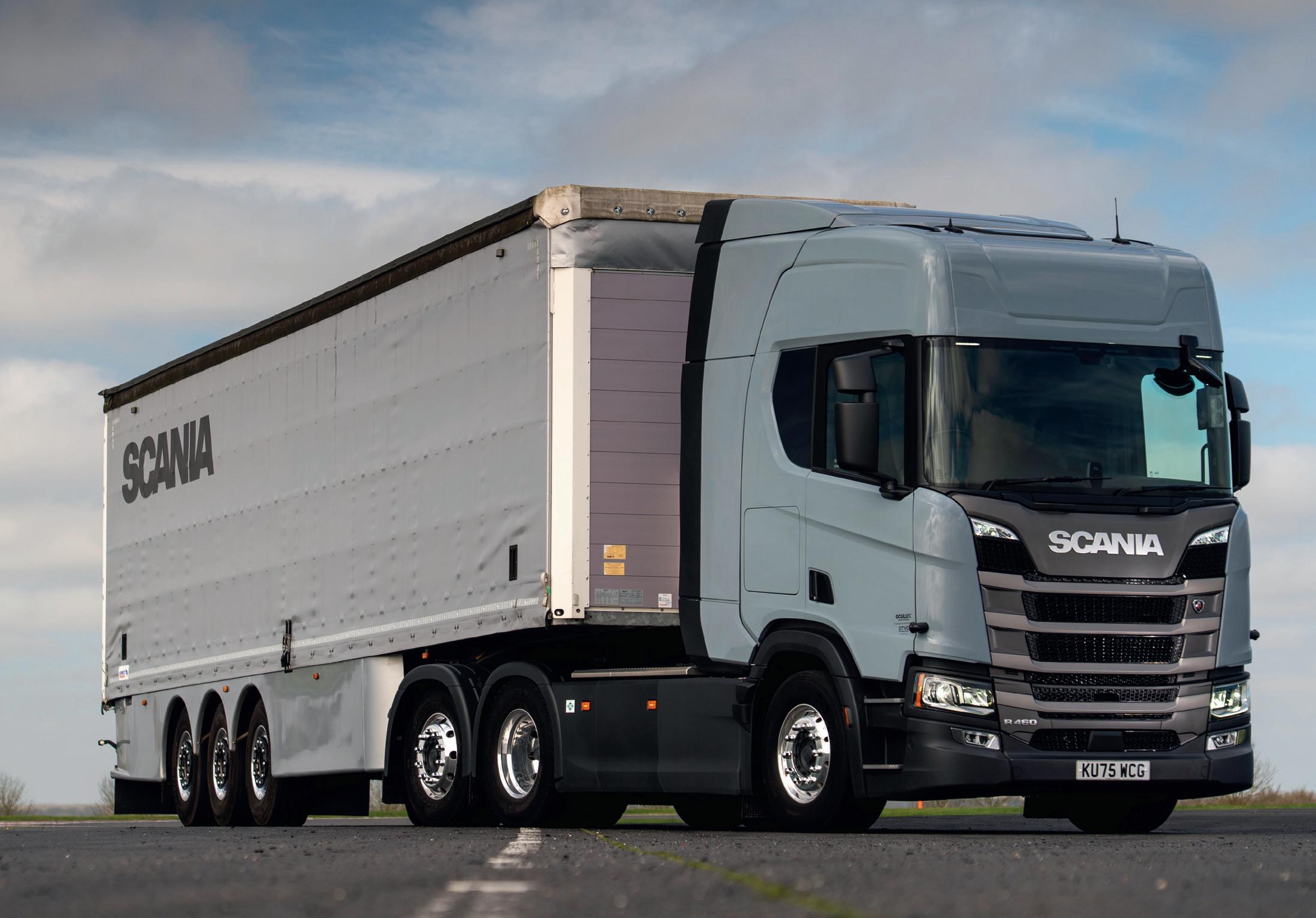
Scania’s R460 CNG
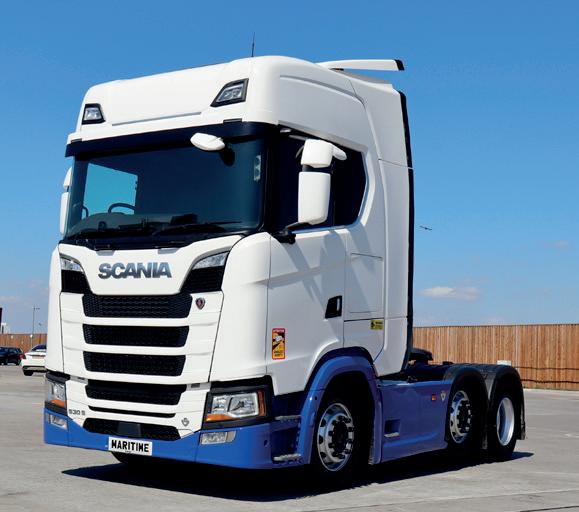
That balance is exactly what Scania has targeted with its latest R460 6x2 CNG tractor.
Power comes from the updated 13-litre OC13 spark-ignition gas engine, available in both 420hp and 460hp outputs. The flagship 460 produces:
• 2,300Nm of torque
• Maximum torque from 1,000rpm
• Strong low-speed pull beginning at 900rpm
• Approximately 5% better fuel economy
than the previous 410hp unit
The engineering goal was straightforward: create a gas-powered truck that behaves like a diesel.
Earlier gas engines often struggled with drivability under load, particularly at lower engine speeds. The revised OC13 addresses this through a broader torque plateau and improved calibration, allowing the truck to hold gears more effectively under heavy haulage conditions.
Paired with Scania’s latest Super driveline and Opticruise transmission, the result is a remarkably familiar driving experience.
FOR FLEETS SEEKING IMMEDIATE CARBON SAVINGS WITHOUT SACRIFICING OPERATIONAL CAPABILITY, CNG IS NO LONGER A FRINGE ALTERNATIVE
Solving the 6x2 challenge
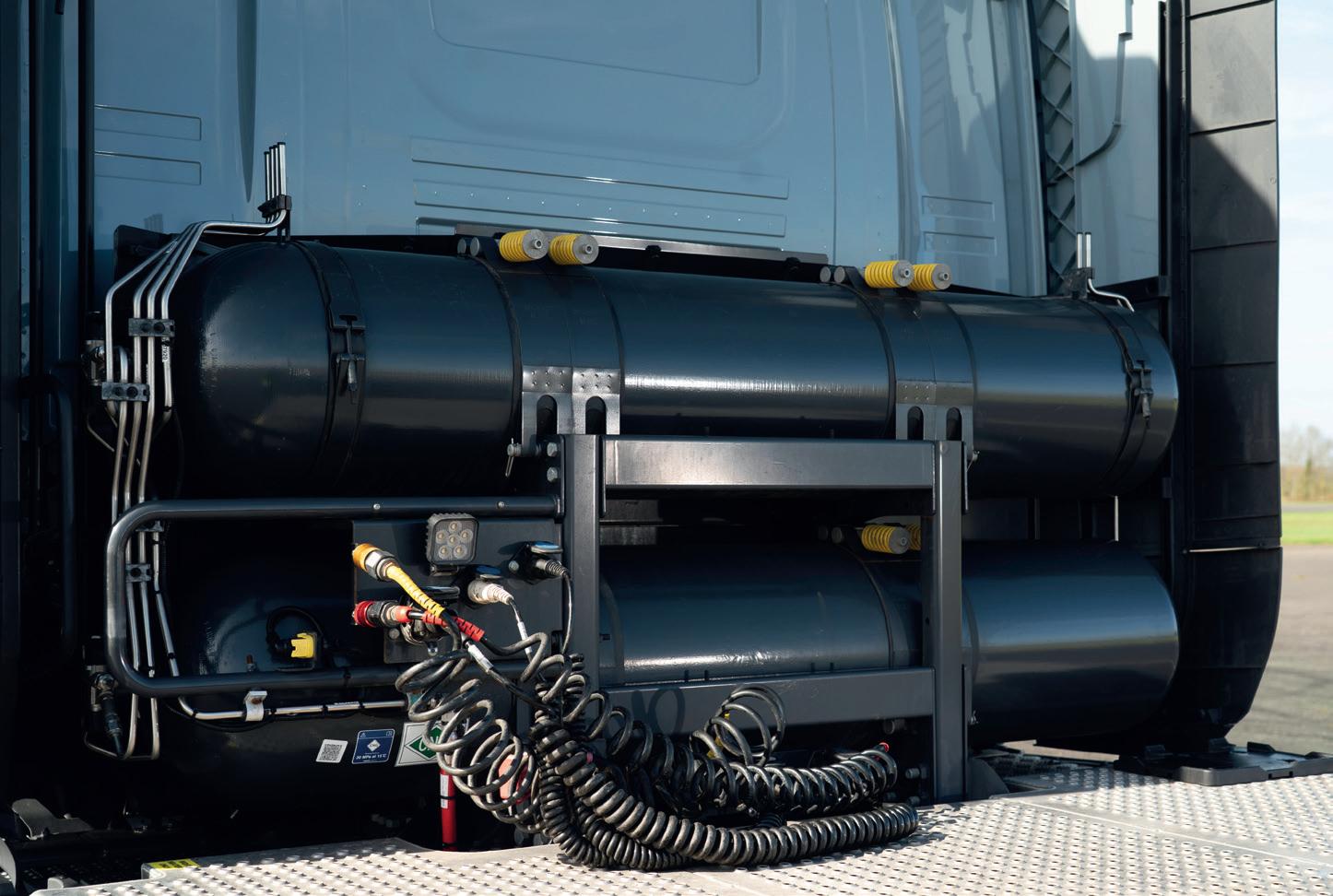
Designing a long-range 6x2 CNG tractor presents major engineering challenges because gas cylinders occupy considerably more space than conventional diesel tanks.
Scania’s solution combines:
• Chassis-mounted fuel cylinders
• Additional cab-back gas storage
• Rear-steer tag axle configuration
• Aerodynamic front extensions permitted under revised EU length regulations
The revised arrangement increases gas storage by 144 litres over the previous design and helps deliver a claimed operating range of up to 460 miles.
The trade-off is additional vehicle weight. Compared with an equivalent diesel tractor, the CNG version carries an approximate 800kg payload penalty due largely to the fuel storage system. For many long-haul operations, however, the compromise remains commercially acceptable given the substantial reduction in greenhouse gas emissions.
On the road at 44 tonnes
Fully freighted at 44 tonnes, the R460 CNG immediately challenges outdated assumptions about gas-powered heavy trucks.
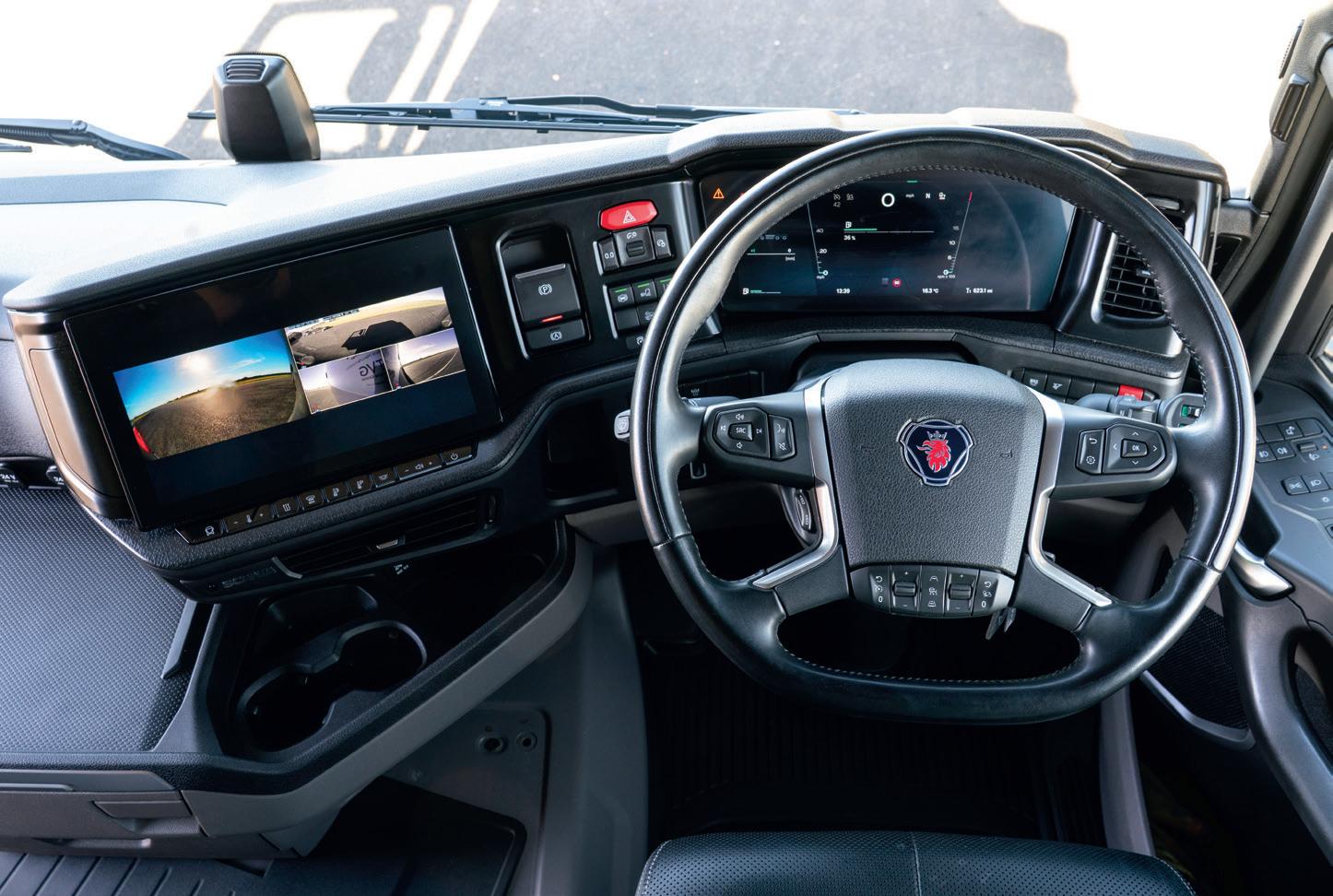
Pull-away performance is smooth and progressive, while the latest Opticruise gearbox responds quickly and intuitively during junction approaches and roundabout work. Earlier automated gearboxes could feel hesitant or overly reactive, but the current system delivers far more natural behaviour.
Once on the motorway, the truck settles comfortably into long-haul operation. At
56mph, the engine turns at roughly 950rpm with minimal drivetrain intrusion into the cab. Under acceleration, the gas engine feels composed rather than strained, maintaining steady torque delivery even under heavy load. Hill-climbing performance is particularly impressive given the vehicle’s weight and fuel type.
The biggest operational difference appears on downhill sections. Unlike diesel engines, spark-ignition gas engines generate less natural engine braking, meaning the hydraulic retarder plays a more important role in speed control. Otherwise, the similarities to diesel are striking.
Back-to-back against diesel
The real test came during direct comparison with Scania’s diesel-powered R460 Super. On motorway gradients and slower A-road climbs, both vehicles performed almost identically. The diesel operated at slightly lower revs and retained marginally stronger braking characteristics, but acceleration, speed recovery and gear holding were remarkably close.
In practical terms, the gas-powered tractor never felt compromised. That matters because operators will not adopt low-carbon technology if it disrupts
productivity and drivers will not embrace vehicles that feel dramatically different from the trucks they already know.
Scania’s latest CNG tractor succeeds because it demands very little adaptation from either.
Realistic route to low-carbon freight
Battery-electric trucks will continue growing in urban and regional distribution roles, while hydrogen remains a longerterm prospect for heavy transport. But biomethane-powered CNG already works today.
• It supports long-range operation
• It refuels quickly
• It integrates into existing logistics patterns
And it delivers major emissions reductions using fuel created largely from waste streams.
For fleets seeking immediate carbon savings without sacrificing operational capability, CNG is no longer a fringe alternative. It is becoming one of the most practical and commercially viable pathways toward lower-carbon freight transport. And in the latest generation of trucks, the most impressive thing may simply be this: from behind the wheel, it barely feels any different from diesel at all. ◼
Asset finance
Chris has worked in the asset finance industry for 40 years and has always worked closely with the transport, haulage and distribution industry, providing competitive finance solutions to businesses of all sizes. He is keen to hear from you if you are looking to invest in your fleet or business, considering re-finance of assets or wish to discuss your business plans for the future
Hire Purchase
Using the asset as security, this repayment facility offers full ownership of the asset at the end of the agreement
Finance Lease
When ownership is not essential, leasing works well for a number of assets, including commercial vehicles and trailers
Dealer Independence: We are not restricted to specific makes or manufacturers, giving you the freedom to order from your supplier of your choice.
Choice and Convenience: As specialists in the field, we can quickly identify the right funder for your needs. This approach saves you the time and effort of making multiple speculative applications. With access to an expansive panel of lenders, we’ll find you the right deal for your requirements. Additionally, we are members of the National Association of Commercial Finance Brokers (NACFB).
Tried and Trusted: We have 40 years of industry knowledge and strong relationships with our customers, providing them with excellent service and products that suit their requirements. Our panel of lenders enables us to secure funding for all sorts of assets from tractor units and trailers to garage equipment or cash flow finance.
Freedom from your Bank: Your options can increase beyond your Bank controlling your investment or expansion plans enabling you to run your business, not a faceless business that doesn’t take the time to understand your business pressures or requirements.
We are relationship driven: Our business has grown by understanding your business. We work with our clients, developing strong relationships and always being there to support, including when the going gets tough. 70% of our business is repeat business.
Operating Lease
‘Op Leases’ are rental agreements which can be used to finance business assets, including heavy commercial vehicles
Mission Statement
“To be the trusted finance partner to our clients, assisting them to become the most competitive business they can be.”
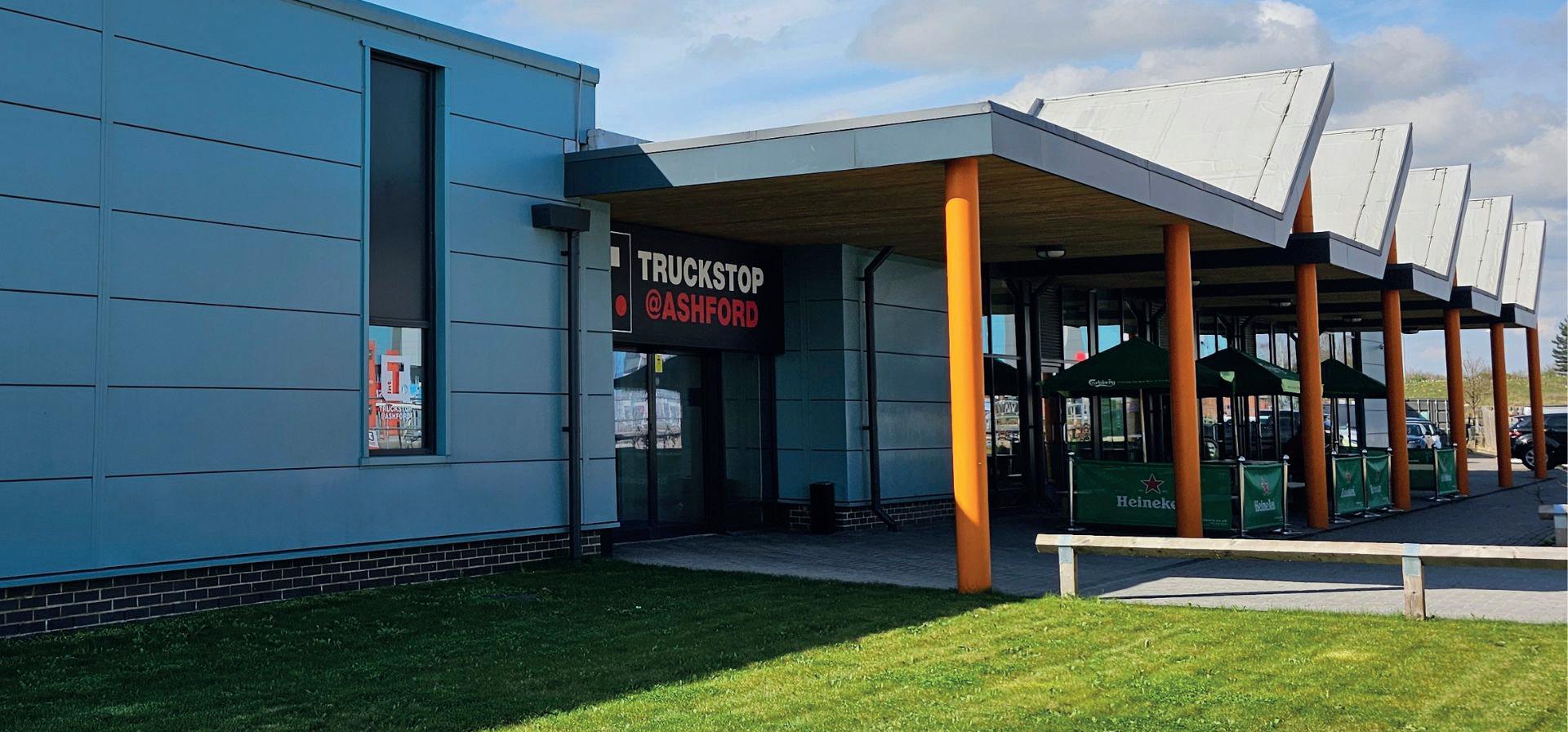
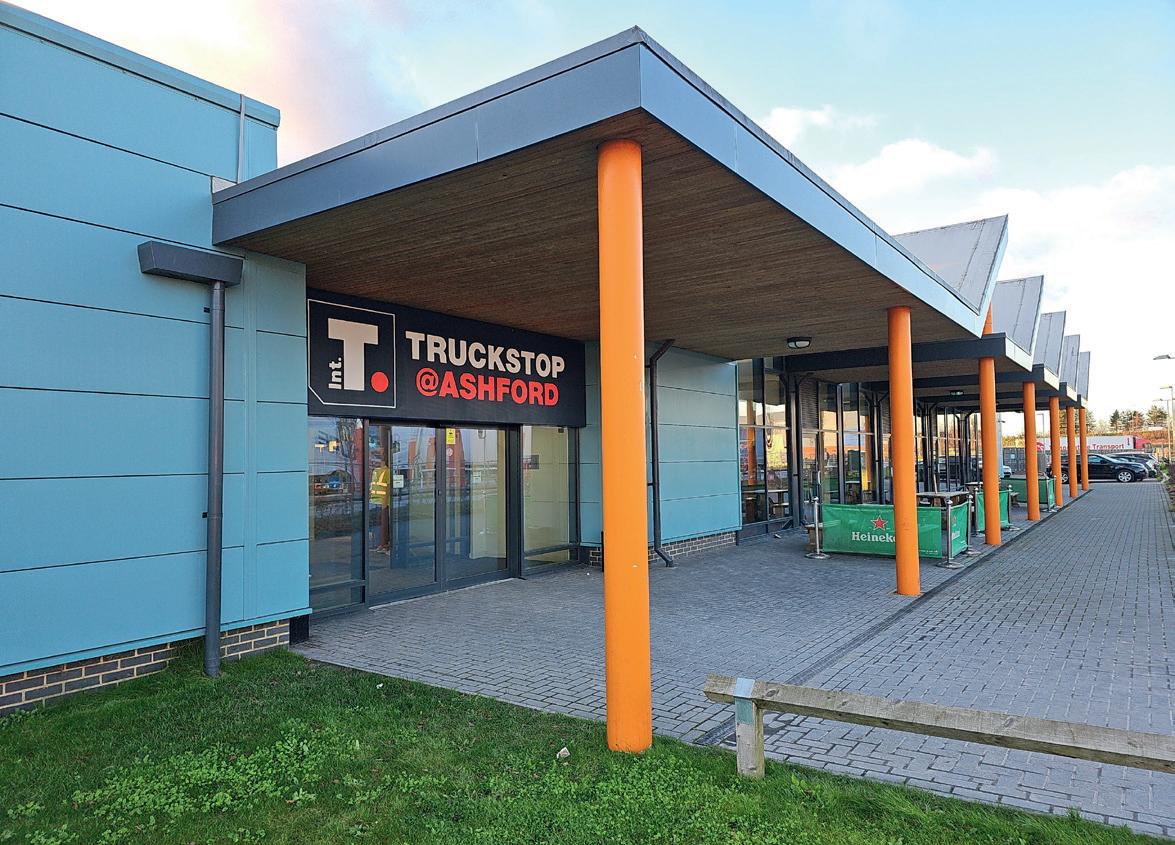
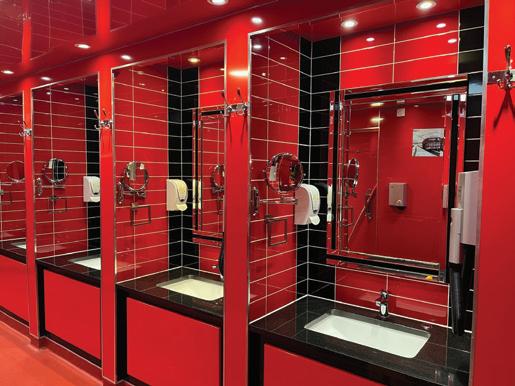
HOW ASHFORD TRUCKSTOP WON THE HEARTS OF BRITAIN’S DRIVERS
REPUTATION EARNED THROUGH INVESTMENT IN SECURITY, DRIVER FACILITIES AND CUSTOMER SERVICE
Q: Tell us a little bit about your history and how you got to be labelled ‘the best truckstop in Europe’.
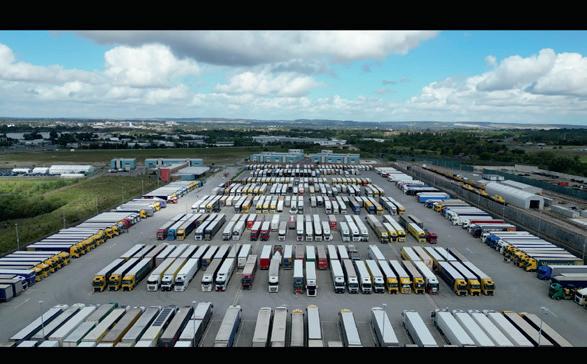
A: Ashford International Truckstop was purpose built in 1993 for trucking, to serve the requirements in logistics nationwide and has built its reputation over many years by consistently putting professional drivers first.
Strategically located near the Port of Dover and Eurotunnel, we have become one of the UK’s leading secure HGV parking and driver welfare hubs for freight operators travelling between the UK and Europe.
Our reputation has been earned through continuous investment in security, driver facilities, customer service and operational standards. Over the years, we have proudly won ‘Best Truckstop of the Year’ awards on multiple occasions, reinforcing our position as one of Uk & Europe’s most respected truck stops.
We are also proud to hold recognised industry accreditations, including
TAPA and Park Mark security accreditation, demonstrating our commitment to secure parking, freight crime prevention and driver safety. Combined with our driver-first approach and strategic location in Kent, these standards have helped us gain recognition from drivers and operators across the UK, EU and Eastern Europe as the best truckstop in Europe.
Q: What facilities do you provide for Britain’s truckers?
A: We provide a full range of facilities designed specifically for HGV drivers and transport operators. These include:
• Secure overnight HGV parking
• 24/7 site access
• Modern shower and toilet facilities
• Driver welfare facilities
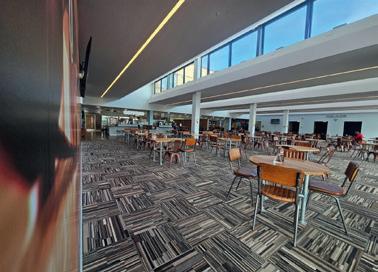
• On-site restaurant, bar, and coffee shop
• Fresh meals and refreshments
• Laundry facilities
• Gym
• Overnight rest pods
• Vehicle washing facilities
• Driver lounge and rest areas
• Free Wi-Fi
• Security patrols and monitored CCTV
• Convenient access to the M20, Port of Dover and Eurotunnel
Q: What in your opinion are your standout features?
A: Strategic location, award-winning reputation and industry-leading security standards. Being positioned close to the Port of Dover and Eurotunnel makes us one of the most important stopping points for international freight traffic moving between the UK and mainland Europe. Security is one of our biggest strengths. We hold both TAPA and Park Mark security accreditation, giving drivers and transport operators confidence that their vehicles, trailers and cargo are protected within a professionally managed secure parking environment.
In addition, we pride ourselves on creating a welcoming atmosphere for drivers from
across the UK, EU and Eastern Europe through clean facilities, quality food, multilingual staff, and ongoing investment in site improvements.
Q: Your website boasts that you ‘go the extra mile for truckers and their companies’. Give us a few examples of this.
A: We understand the pressures drivers and transport operators face every day, so we aim to provide more than just parking.
• Assisting drivers with travel information and border updates
• Supporting drivers during Operation Brock and cross-channel disruption
• Helping reduce freight crime through advanced security measures
• Offering facilities tailored to international drivers travelling long distances
• 24/ operation and support
• Working closely with transport companies to accommodate operational requirements
• Continuously investing in cleaner, safer and more modern facilities for driver welfare
• Our experienced team understands the realities of the logistics industry and works hard to make life easier for both drivers and operators.
Q: We are seeing more and more female truckers on the roads nowadays. Do you offer any special facilities for them?
A: Yes. We recognise the growing number of female HGV drivers within the transport industry and the importance of ensuring all drivers feel safe and comfortable while using our facilities.
Our TAPA and ParkMark accredited security measures, well-lit parking areas, monitored CCTV systems, controlled site access and on-site staff presence all contribute to creating a secure environment for everyone using the site.
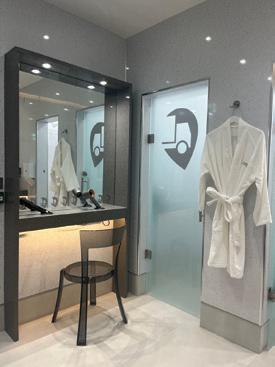
We also provide clean, modern welfare facilities and maintain high housekeeping standards throughout the truckstop. We are committed to supporting diversity within the logistics sector and ensuring every driver receives the same high standard of service and respect.
Q: Security is a huge problem at present for transport firms. How do you help tackle this?
A: We are proud to hold both TAPA
and Park Mark security accreditation, recognised standards that demonstrate our commitment to secure parking and freight crime prevention.
We are also proud members of NaVCIS, working alongside law enforcement agencies and industry partners to help combat vehicle and freight crime across the UK. This membership further strengthens our commitment to protecting drivers, vehicles, trailers and cargo.
Our site benefits from monitored CCTV coverage, controlled entry systems, regular security patrols, perimeter protection, and secure HGV parking designed to help protect drivers, vehicles and cargo.
Our location near major freight routes also allows drivers to stop in a safe, accredited environment before reaching the Port of Dover or Eurotunnel, reducing risks associated with unsecured roadside parking.
We continue investing heavily in security infrastructure and industry partnerships to support transport companies and help tackle the growing issue of freight crime across the UK and Europe, providing drivers with a secure and trusted place to rest before continuing their journey.
Q: Do you cater for trucks which, say, carry hazardous or oversize loads?
A: Yes, we regularly accommodate a wide range of commercial vehicles, including those carrying specialist, hazardous or abnormal loads, subject to operational and safety requirements.
Our secure HGV parking facilities and strategic location near the Port of Dover make us a practical choice for specialist transport operations travelling between the UK and Europe.
Our team works closely with transport operators to identify suitable parking arrangements while ensuring site safety procedures and security standards are maintained at all times.
Q: If a truck has mechanical problems while parked up with you, do you have any way of helping?
A: We understand that breakdowns and vehicle issues can happen at any time within the transport industry. Our team can assist drivers in contacting local breakdown recovery providers, tyre specialists and vehicle repair services
where required.
Thanks to our location within Kent’s major logistics network, support services are readily accessible, helping drivers minimise downtime and continue their journey as quickly and safely as possible.
Q: Does your restaurant offer any healthier alternatives to the classic truckers’ fare?
A: Yes. While traditional favourites remain popular, we understand the importance of offering healthier food choices for professional drivers spending long hours on the road.
Our restaurant menu includes a variety of meal options designed to cater to different tastes and dietary preferences, including lighter meals, salads, fresh options, and balanced choices alongside classic comfort food.
Driver wellbeing is extremely important to us, and providing quality food is a key part of supporting health, energy and wellbeing during long-distance journeys.
Q: Do you have any plans in the near future to improve or expand your facilities?
A: Yes. Continuous improvement is a major part of the long-term vision at Ashford International Truckstop. We are constantly investing in ways to enhance driver welfare, improve site infrastructure, strengthen security, and modernise our facilities in line with the evolving needs of the transport and logistics industry.
We are developing the infrastructure to support the implementation of highvoltage electric charging facilities for HGVs and commercial vehicles. As the industry moves towards more sustainable transport solutions, we want to ensure Ashford International Truckstop is fully prepared to support the next generation of freight transport.
Alongside this, we continue investing in upgraded facilities, improved technology, enhanced security systems, and additional services designed to support both drivers and transport operators. Our goal is to remain one of Europe’s leading award-winning truck stops by continually adapting to the future of international logistics and sustainable transport. ◼
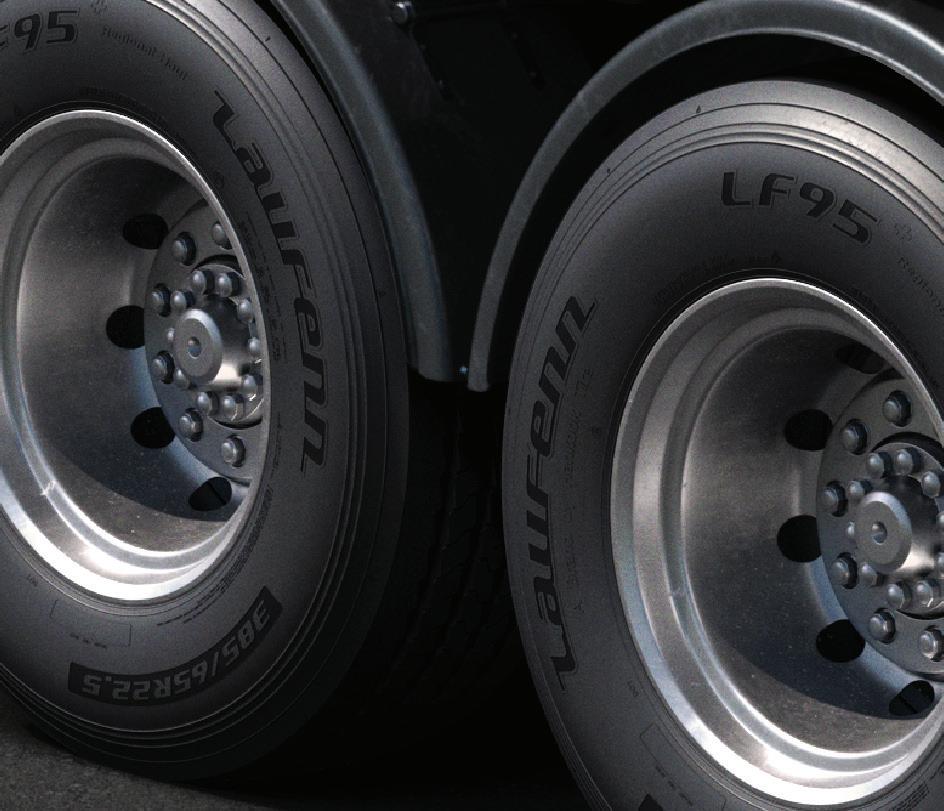
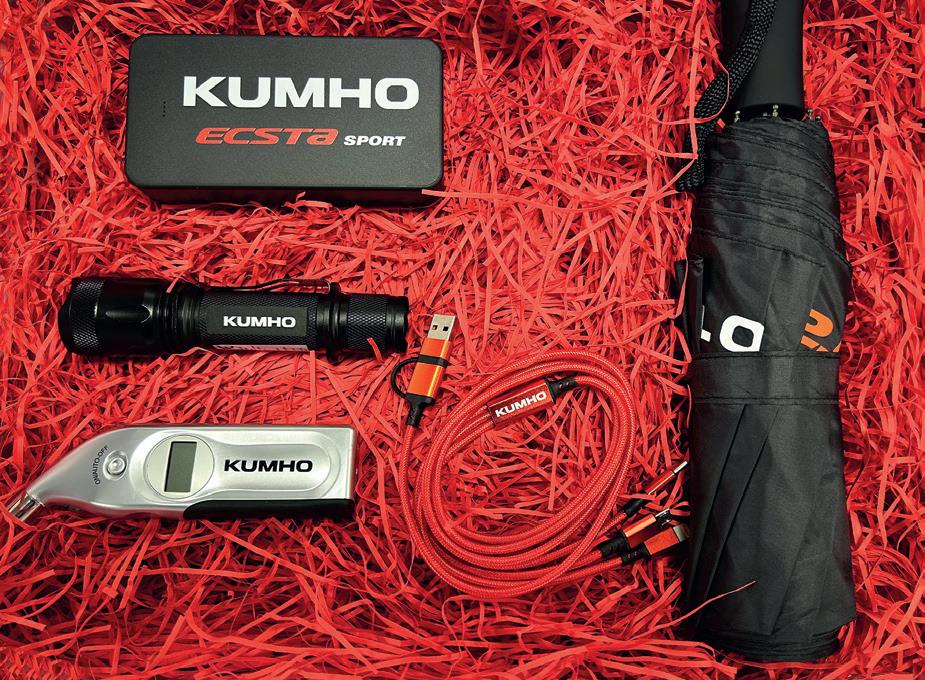
This month once again we are offering a fabulous box of goodies from Kumho Tyre in our easy to enter competition. The box contains a charging cable, umbrella, torch, pressure gauge for tyres and a high-capacity power bank. Kumho produces more than 68 million tyres every year, enough to provide every single person in the Netherlands with a set of four
tyres… and a spare!
To be in with a chance to win, answer this simple question:
With the increase in the use of Tyre Pressure Monitoring systems, is a tyre check as part of the daily walk around still required?
When you have decided your answer, simply
email it to: sales @cvdriver.com. Label your email: ‘Kumho Tyres competition’ and don’t forget to include all your contact details. Closing date is 21st August 2026
Employees of CV Driver magazine and Kumho Tyres are not allowed to enter and the editor’s decision will be final. No correspondence will be entered into.
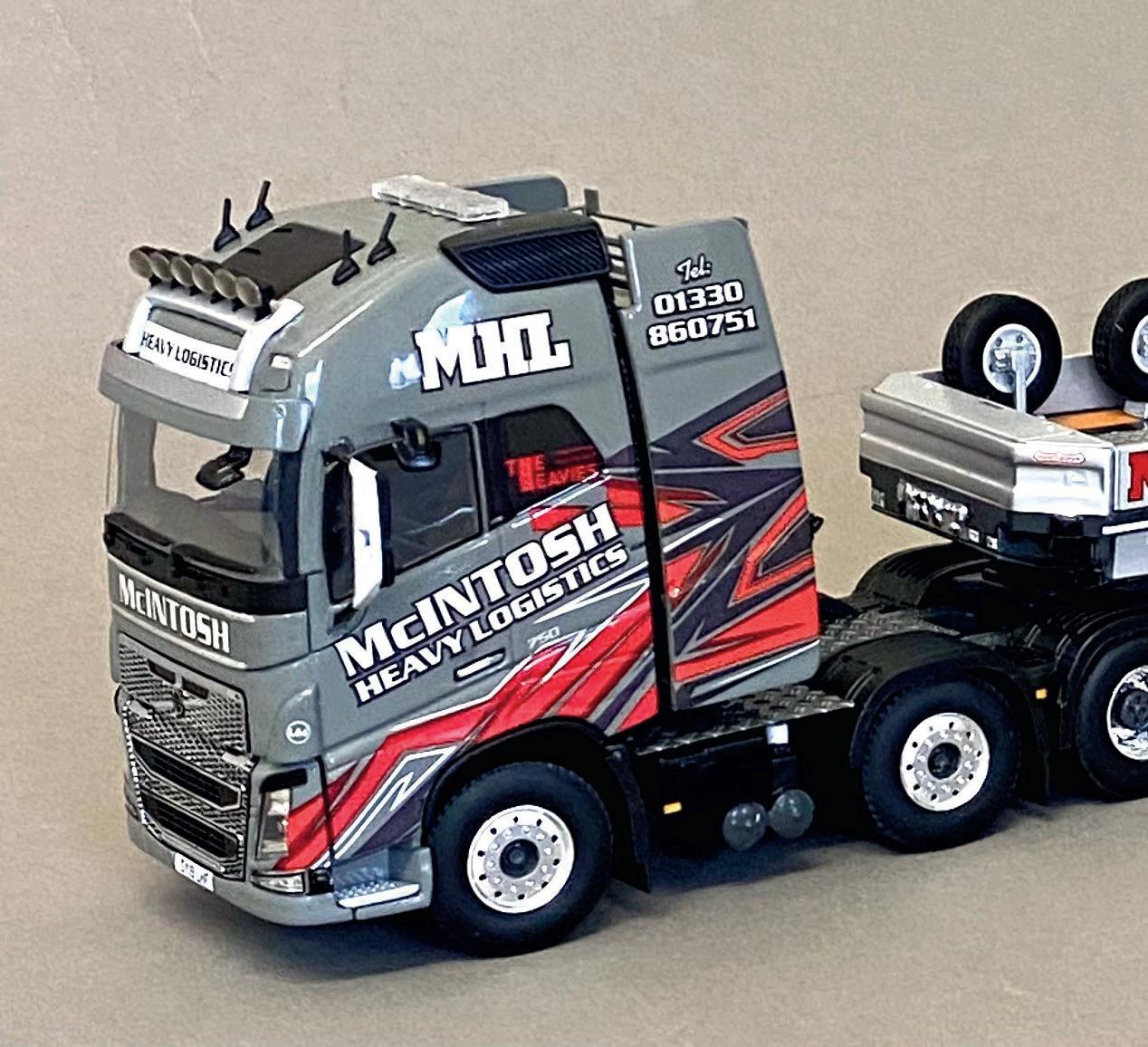
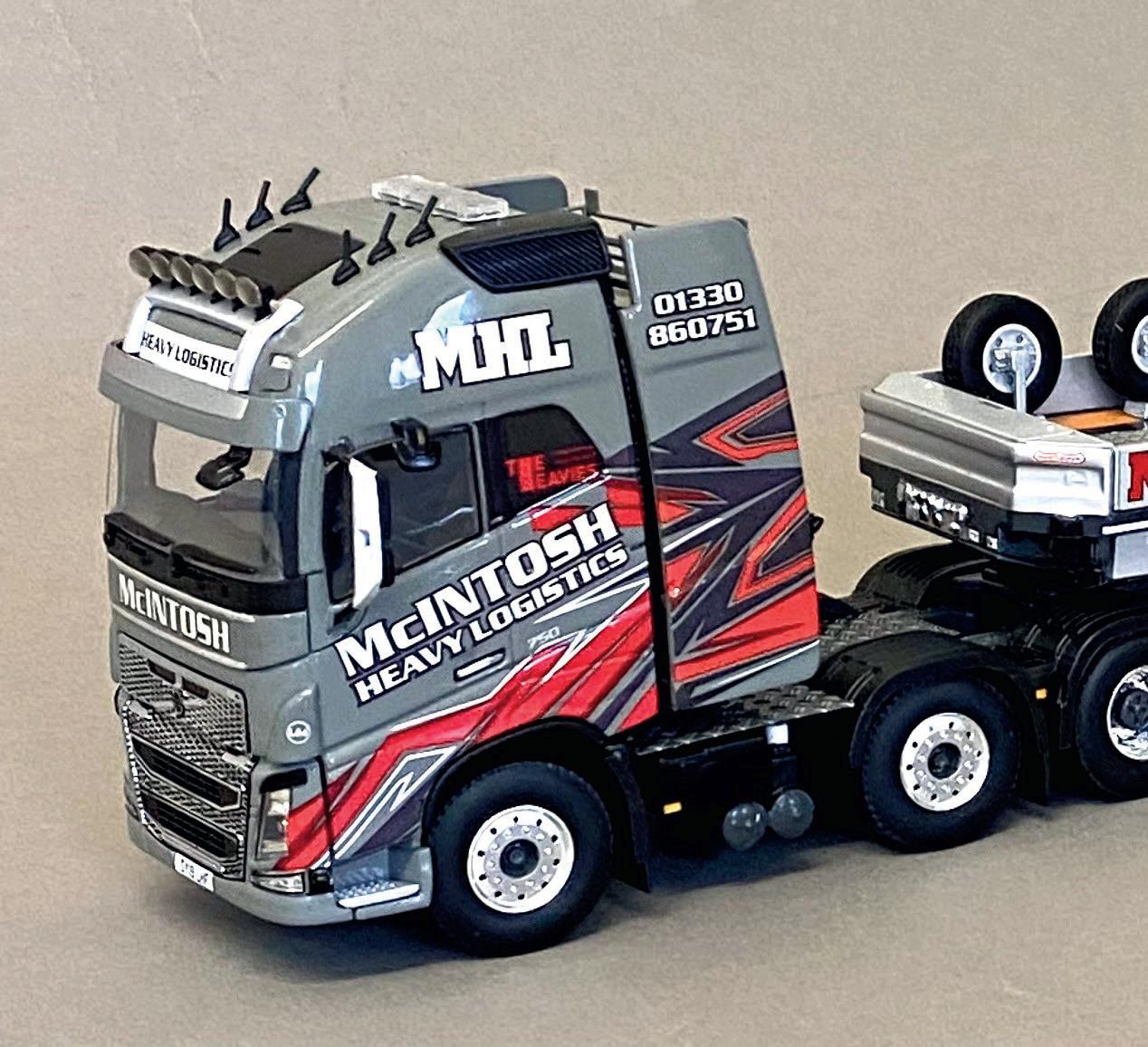
SPOT THE DIFFERENCE
CAN YOU SPOT 3 DIFFERENCES?
Search Impex has announced the release of a 1:50 scale Volvo FH16 Globetrotter XL (8x4) with Nooteboom Manoovr MPL102-06 (V), 6-axle extendable semi-lowloader trailer customised in McIntosh Heavy Logistics livery.
The models have been produced exclusively for Search Impex by WSI models as a certificated Limited Edition (180 pieces).
McIntosh Plant Hire (Aberdeen) Ltd. is a leading earthworks, plant and transport supply and storage and heavy haulage company in the North East of Scotland.
It was founded in 1976 and is family owned. The company operates from a 63-acre site near Aberdeen and boasts over 100 years of combined industry experience.
Its services include plant hire, earthworks, civil engineering and the construction of housing, industrial developments, roads and golf courses. Through its subsidiary, McIntosh Heavy Logistics (MHL), the company also specialises in heavy and abnormal haulage, operating a fleet of heavy haulage vehicles across the UK.
MHL can carry loads up to 230 tons and provides comprehensive logistics services, including route planning, authority notifications and crane lifting for major oil industry & renewable energy clients.
Models, available from Search Impex, are priced at £219 each (including UK delivery & VAT). For details of availability of this and other models, collectors can visit the Search Impex website at search-impex.co.uk
Search Impex is offering a 1:50 scale Volvo FH16 Globetrotter XL (8x4) with Nooteboom Manoovr MPL- 102-06 (V), 6-axle extendable semi-lowloader trailer. Simply circle the three differences in the above image. Once completed, either cut out or photocopy and post to: CV Driver Magazine, 4th Floor, 19 Capesthorne Drive, Eaves Green, Chorley, Lancashire PR7 3QQ, or take a photo of the two images with the differences ringed on your smartphone and email it, along with your details, to: sales@cvdriver.com. Closing date: 21st August 2026