Sydney School of Veterinary Science
AnnualResearchReport2024
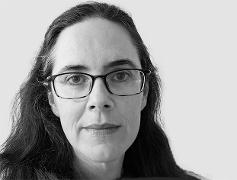
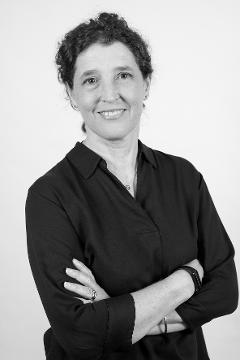
 Professor Jacqueline Norris Head of School and Dean
I am very proud to present the 2024 Annual Research Report for the Sydney School of Veterinary Science (SSVS)at the University of Sydney It highlightsthe depth and breadth of the work we do Thisyear we have highlighted the work of two of our outstandingSSVSPostdoctoral Research Fellows Dr Carola Venturini, whose work advancesour knowledge of antimicrobial resistance and itstreatments, and Dr Valentina Mella who isexploringthe relationship between the health of koalasand environmental factorssuch asheat stress and water availability
Research isso strongly interwoven into the fabric of our school and hasbeen for over 114 years It guidesthe way in which we prepare our studentsfor the many careersin veterinary science; it underpinsour care for the health and welfare of animals, humansand communitiesglobally; and it isdriven by apassion to improve and protect the world in which we live. Thisresearch would not be possible without the generosity of philanthropic contributionsfrom donorsand the foundationsand fundingbodiesthat support thisresearch

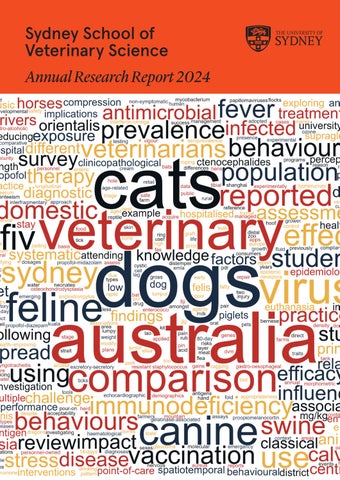
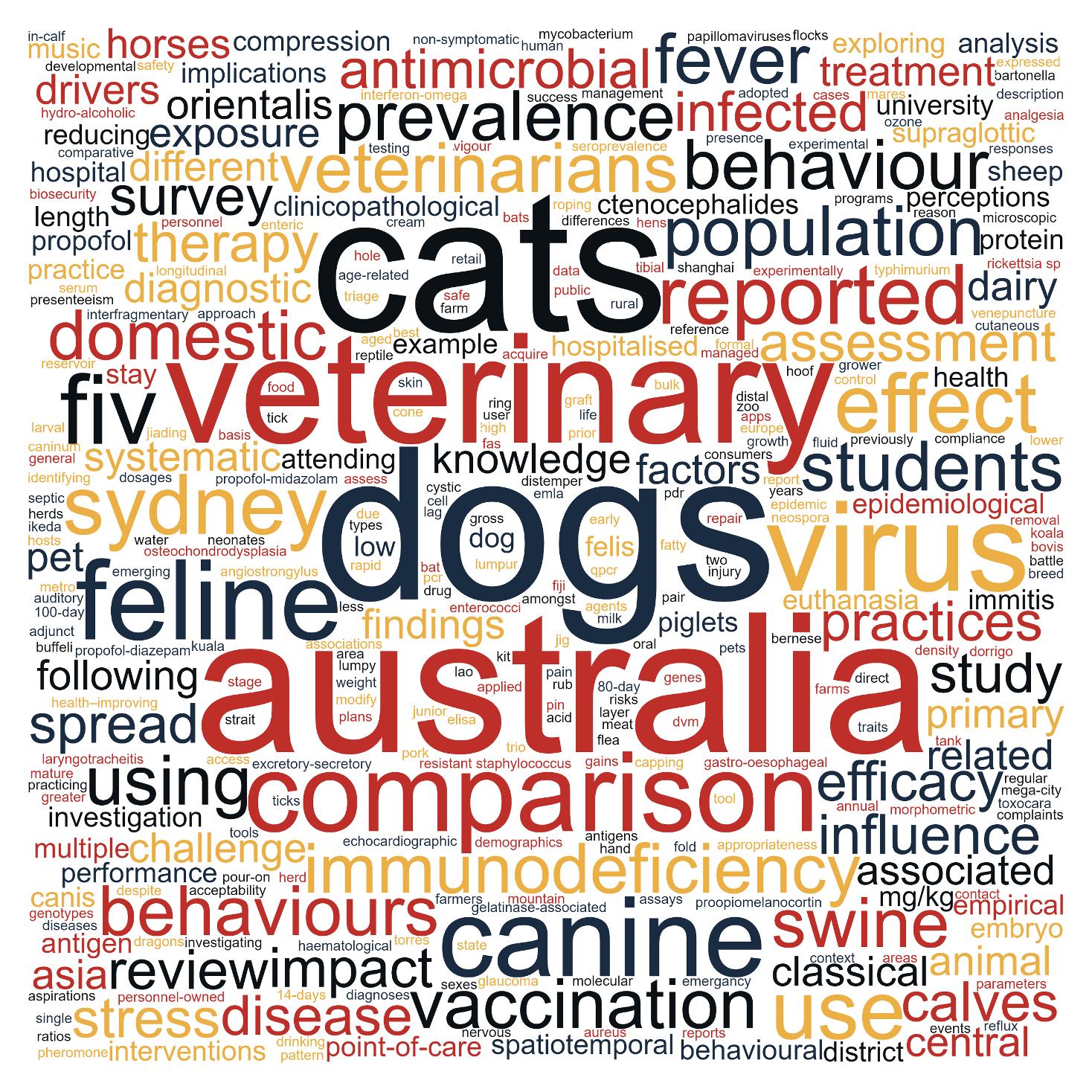
Cover of theSSVSResearchReport 2024: Awordcloudconstructedfromtitlesofthefirst100 Research& EnquirypublicationsbyDVMstudentsandstaff. Forfulldetailsseehttps://doi.org/10.1111/avj.13334.
WerecogniseandpayrespecttotheEldersandcommunities?pastandpresent?ofthelandsthattheUniversity ofSydney'scampusesstandon.Forthousandsofyearstheyhavesharedandexchangedknowledgesacross innumerablegenerationsforthebenefitofall.
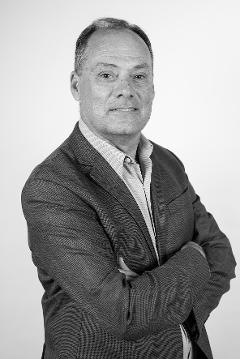
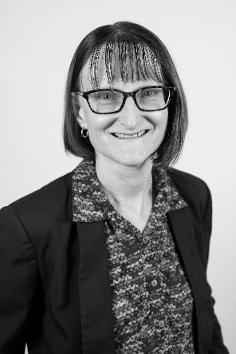
Professor Jan ?lapeta
Associate Head of Research
Research standsasan indispensable pillar within the veterinary practice What appearsasthe optimal approach today may undergo transformation tomorrow, the illusive statusquo continually shiftsin response to emerginginsights. Our research mission isto lead in safeguardingthe wellbeingof every creature under our stewardship, whether they be our companions, farm animalsor wildlife Our pursuit of discovery, highlighted in this year'sreport, isour evidence of the School's commitment to the advancement of veterinary science
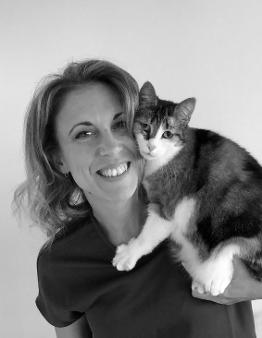
Dr Anne Quain
Senior
Thisreport providesinsightsinto some, but by no meansall, recent research from the SSVS It has been wonderful divinginto the breadth and depth of research within the School, all of which hasthe scope to improve the wellbeingof so many kindsof animalsand the humanswho depend upon them
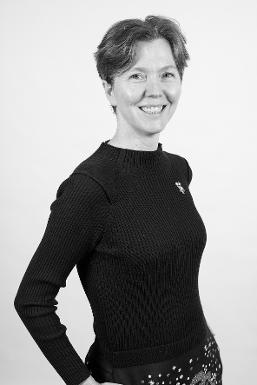
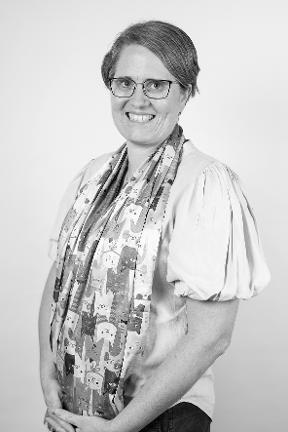
Associate Professor Roslyn Bathgate
Associate Head of Research Education
Congratulationsto all our amazingresearchersfor another year of incredible achievements. This report showcasesthe ground-breakingwork of our staff and Higher Degree by Research candidatesacrossthe diverse areasof expertise that makesworkingin SSVSso inspiring
Acornerstone of our philosophy in SSVSis mentoringand trainingthe next generation of scientistswho will continue to push the boundariesof their respective fields. Thisreport demonstratesthe confidence we can all place in our future leaders
Lecturer in Professional Practice
Member of Research AdvisoryCommittee Researchpublications 4 Capacitybuildingandeducation 7 Genetics,genomicsandzoology 8 InfectiousdiseaseandbiosecurityI 10 SSVSPostdoctoral ResearchFellows 12-13 Evidencebasedclinical practice 15 InfectiousdiseaseandbiosecurityII 16-17 Ensuringqualityandsustainability 19 Animal welfare 20 Acknowledgment of fundersanddonors 22
2024
Research publications
SydneySchoolofVeterinaryScience
With 1,098 publicationsreleased from 2019-20231 , our interdisciplinary research empowersusto effectively addresschallengesthat veterinariansface around the world.
Our publications over 5 years We prioritise Open Accesspublishingto enhance the dissemination of research findings
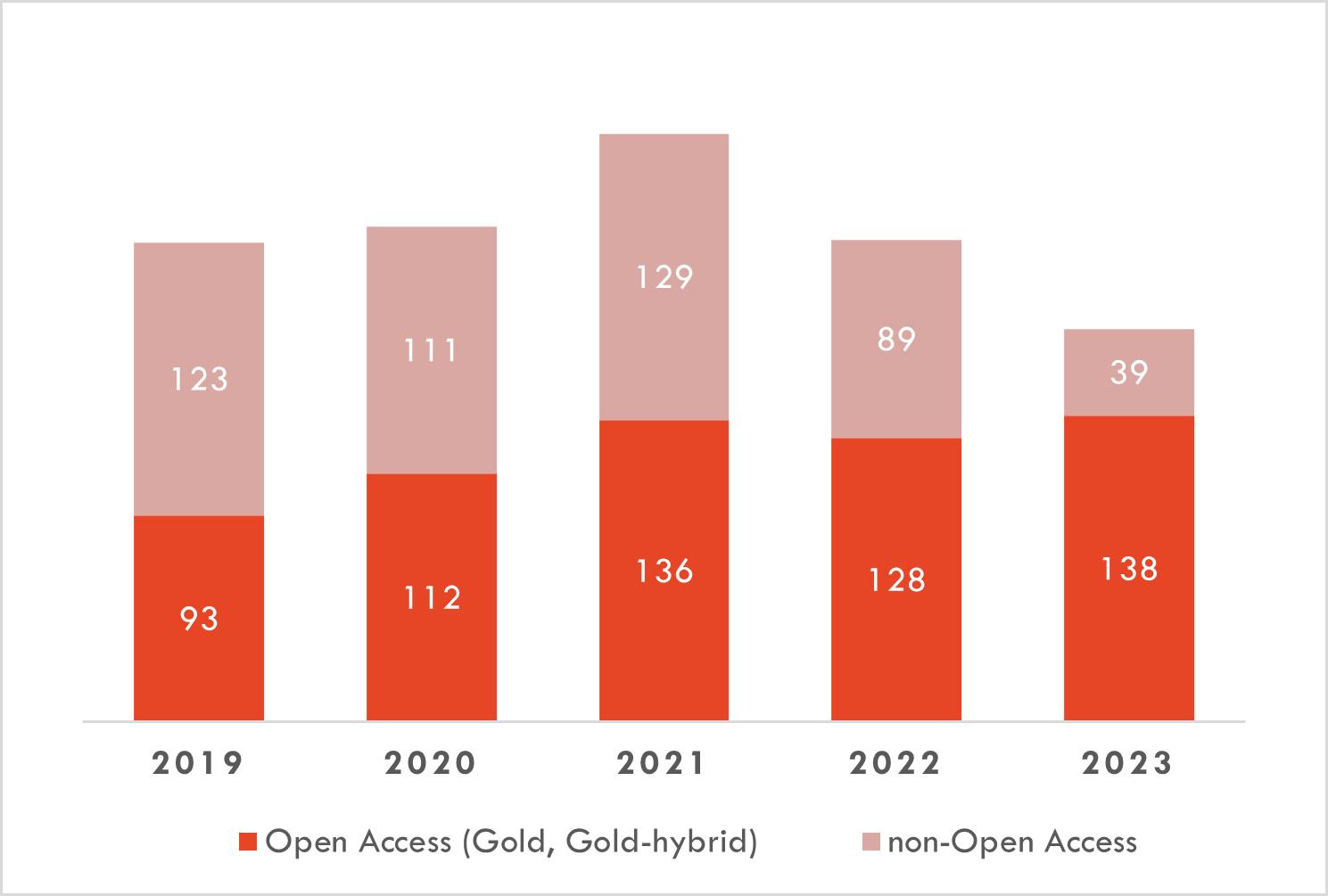
Our commitment is evident in the increase from 43% to 78% of our publications being Open Access by 20231 Thisdemonstratesour dedication to the research community and stakeholders With our broad expertise, our publicationsare globally recognised, collectively cited over 10,000 times They serve asa reliable resource for both the scientific community and society, contributingto the continuous advancement of veterinary knowledge.
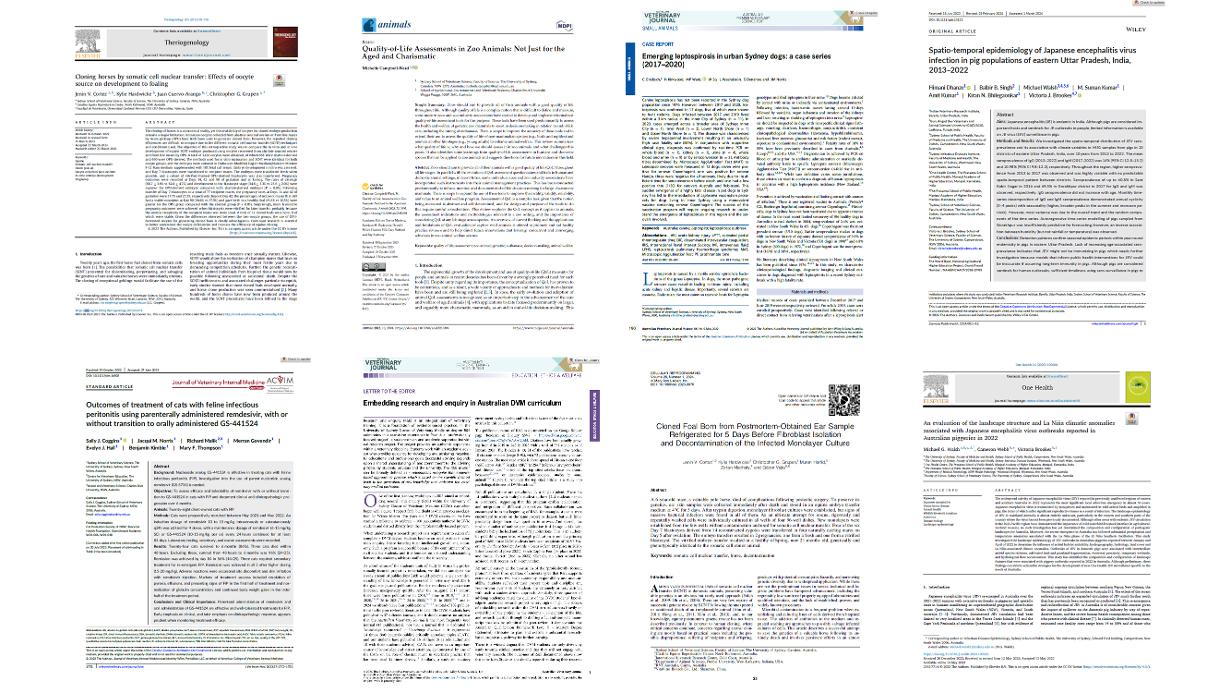
1Data retrieved (April 2024)from Scopussearch resultsfor publicationsaffiliated with SydneySchool of Veterinary Science Open Accessrepresentsaggregate of "Gold" and "Gold-hybrid" publications- https:// www scopuscom All articlesincluded in the background of thispage are referenced throughout thisreport
4

"Anexpert isapersonwho hasmadeall themistakes that canbemadeinavery narrowfield."
?NeilsBohr
"It significantlyimprovedmy critical thinkingandanalytical skills,aswell asbeingavery enjoyableexperience.The opportunitytoundertake researchinanyfieldofinterest wasfantastic."
? Research& Enquirystudent
Capacity buildingand education
Enablingopportunitiesthatenhancefutureveterinarians
At the Sydney School of Veterinary Science, we are proud of our studentsand the connectionsfostered through our Research &Enquiry stream for both studentsand staff. Research and enquiry are fundamental componentsof veterinary education. We understand that practicingwith evidence-based methodsisessential for membersof our profession.
The Research and Enquiry (R&E)stream isan integral part of the University of Sydney Doctor of Veterinary Medicine (DVM)degree program
Studentswork with an academic advisor who providesguidance in developingand achieving meaningful educational and professional goals
The R&Emission statement is- veterinarians recognise that the evidence- based approach to practice, which isbased on the scientific method, leadsto the generation of new knowledge that underpinsthe veterinary medical profession.
Ten yearsand seven DVMcohortson, we have reached a milestone to celebrate ? 100 publicationsauthored by DVMstudentsand derived directly from their ?professionally focused project? This is an authentic publishing experience To stay up to date with our DVMstudents' discoveries, accessour dedicated Google Scholar page or use the QR code below
At least three quartersof studentsagreed that R&Esupported their autonomy, responsibility and accountability 'extremely' or 'very' well. It providesthem with asense of connection and
an opportunity to ?think outside the box?and learn to deal with unexpected outcomesin a safe environment
The coordinatorsof the R&E - Professor Michael Ward & Professor Jan ?lapeta elaborate on the need for thisprogram:
"If veterinary science isto remain relevant outside of veterinary clinical practice, the training of veterinary students must be multifaceted and support enquiry."
Our studentsare the only school globally that hashad a winner in each year of the RCVS VeterinaryEvidence Student Awards? Lesca Sofyan (3rd place in 2020), Erina Leask (2nd place 2021), Sarah Daphne Foo (1st place in 2022)and Rachel Garrett (2nd place in 2023)
"The R&E project allowsour DVM students to immerse themselvesin an area of veterinary science for which they have passion, they love that!"concludes Professor Ward
Professor Michael Ward
Chair of Veterinary Public Health and Food Safety
Professor Jan ?lapeta
Veterinary and Molecular Parasitology
?lapeta, J , Ward, MP (2024) Embeddingresearch and enquiry in Australian DVMcurriculum AustralianVeterinaryJournal, 102(6):324-328 https://doi org/ 10 1111/avj 13334
7
Genetics, genomicsand zoology
Unveilinganewtooltotackleanimalinheriteddisorders
With growingawarenessand concern about animal inherited disorders, we empower veterinariansto report on and research on suspected inherited disorders, offer guidance on available tests, and provide crucial surveillance data Thisincludesleveraginga freely-available online catalogue of inherited disordershosted by the University of Sydney
When animal ownersand breedersdiscover their animalsare sufferingfrom inherited diseases, they are often left feelingdevastated They dedicate hoursto researching, only to be met with frustration about the lack of helpful information
The Anstee Hub for Inherited Diseasesof Animals(AHIDA)removesthisfrustration from the equation AHIDAoffershope for owners, breeders, and veterinariansalike. Associate Professor Imke Tammen, the leader of the AHIDAteam, passionately explains-
"What wasreally lacking wasa site where people can report suspected inherited diseasesin Australian animals and one which then summarisessuch information. No site with that kind of information previously existed."
AHIDAfacilitatesthe identification of underlying genetic mutationsresponsible for inherited conditions Thiscollaboration enables researchersto develop effective management strategies, ultimately safeguardinganimal
welfare and genetic health AHIDA'sfocuson Australian animalsand itsrole in facilitatingthe reportingand investigation of suspected inherited diseasesmake it avaluable addition to the existingresourcesdeveloped within the School These include the Online Mendelian Inheritance in Animals(OMIA)database, which is "recognised as a key resource for standardised information, particularly on variantsof genetic conditions."
The launch of AHIDAby the Sydney School of Veterinary Science representsasignificant step forward in understandingand managing inherited diseasesin Australian animals Leveragingthe expertise of researchers, the insightsof veterinariansand the experience of animal ownersand breeders, AHIDAdrives advancementsin animal health and welfare
The portal isnow free and accessible to everyone everywhere around the world AHIDA bridgesa critical gap by providingavital link between "veterinarians, animal ownersand breeders to researchersinvestigating emerging inherited diseases."
The Anstee Hub for Inherited Diseasesof Animals(AHIDA)isnamed in honour of the late Ronald Bruce Anstee, whose generousbequest supportsthe hub'sresearch on genetic and inherited animal diseasesand the improvement of animal welfare from 2021-2026
Associate Professor Imke Tammen Animal Biotechnology
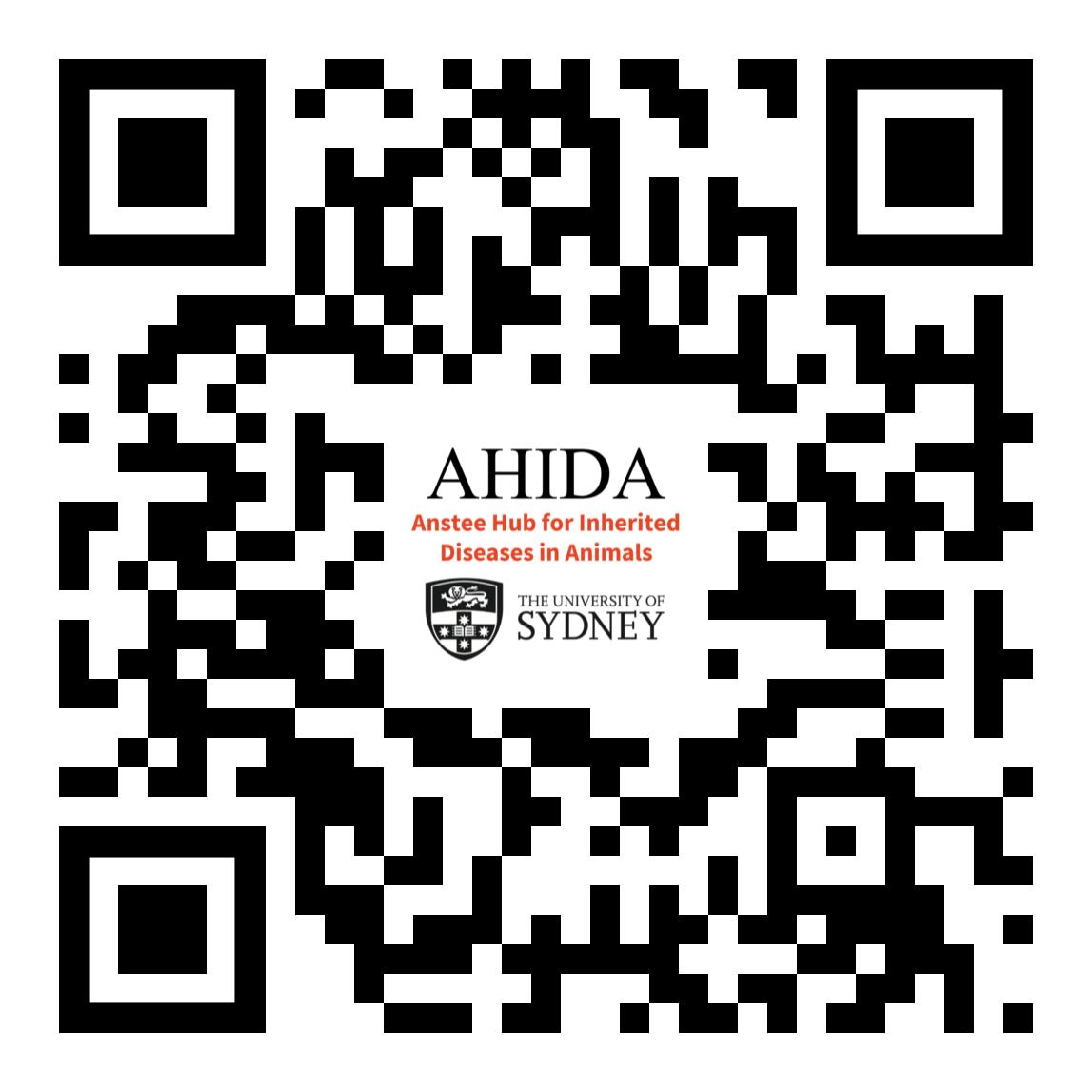
AHIDA: Anstee Hub for Inherited Diseasesin Animals- https://ahidasydneyedu au Online Mendelian Inheritance in Animals(OMIA)- https://omiaorg
8
#1Veterinaryschool inAustralia ? QSRankingsbySubject 2024
Infectiousdisease and biosecurity
Treatinganinvariablyfataldisease
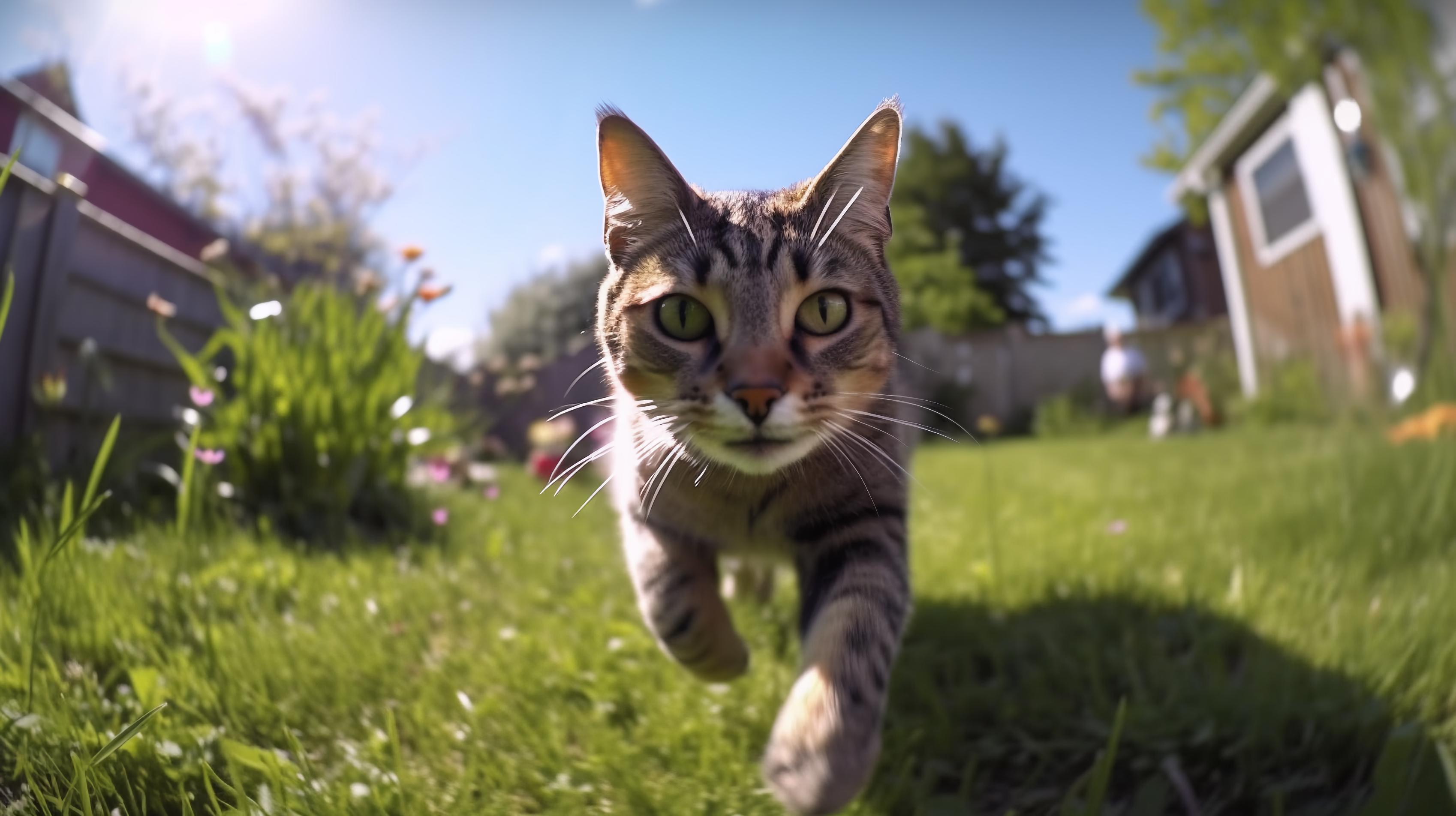
Our team of clinicians, pharmacologistsand infectiousdisease researchersare improving antiviral therapy in catswith unprecedented success TacklingFeline Infectious Peritonitis(FIP)with injectable remdesivir and/or oral GS-441524 offersflexible and effective treatment for FIP. Through regular monitoringand optimised dosage regimen, thisonce invariably unbeatable disease can be cured
Feline InfectiousPeritonitis(FIP), caused by a feline coronavirus, haslongbeen adeath sentence for cats, causingsevere inflammation and organ damage With 50% of casesoccurring in catsunder three years, FIPclaimsthe livesof thousandsof catsannually in Australia alone Groundbreakingresearch led by the team at the Sydney School of Veterinary Science, University of Sydney (Dr Sally Coggins, Professor Richard Malik, Professor Jacqueline Norris, Associate Professor Mary Thompson, Professor Merran Govendir, Dr Benjamin Kimble)isofferinghope for affected cats
Professor Norris and colleagueshave meticulously studied FIPover 20 years, refining diagnostic testsand epidemiology. New clinical trials, conducted by Dr Coggins, yielded unprecedented results
The treatment involves12weeksof remdesivir/ GS-441524, and sometimes molnupiravir, Paxlovid or mefloquine. Australian veterinariansfrequently seek therapeutic guidance from the team In Australia, we have had legal accessto effective drugssince 2020, but not all countrieshave had these treatments available The greatest contribution of the group hasbeen through acollaboration with BOVA compounding, which hasresulted in effective
Professor Jacqueline Norris
Veterinary Microbiology
Dr Sally Coggins
Veterinarian
Professor Merran Govendir
Veterinary Pharmacology
drugsbecominglegally available first in Australia, then the UK, and subsequently in Canadaand most recently the USA Unfortunately, some countries, principally in Europe, still do not have ready access, but the datawe are generatingishelpingto overcome thishurdle The availability of a reliable product circumventsproblemsencountered in uneven quality of black market drugswhich cat ownerswere forced to rely on in the past
"We've
gone from zero cats surviving to now up to asmany as 96% surviving. That'sa game changer and Dr Cogginshasbeen asked to present thiswork at international forumsand networking with the major FIP research centresglobally."
The team continuesto investigate waysto optimise treatment, risk factorsfor development of FIP includinggenetics, optimisingdiagnostic tests, and studyingnew treatmentsto ensure options continue to be available for cats. Thisseminal research hasignited hope worldwide, and asthe treatment becomesmore widely available, countlessfeline liveswill be saved.
Associate Professor Mary Thompson Specialist &Head of Small Animal Medicine
Professor Richard Malik
Valentine Charlton Consultant
Dr Benjamin Kimble
Postdoctoral Research Associate
Coggins, SJ , Norris, J M, Malik, R, Govendir, M, Hall, EJ , Kimble, B, Thompson, MF (2023) Outcomesof treatment of catswith feline infectiousperitonitisusing parenterally administered remdesivir, with or without transition to orally administered GS-441524 Journal of Internal VeterinaryMedicine, 37(5):1772-1783 https://doi org/ 10 1111/ jvim 16803
10
 Dr Carola Venturini Microbiology
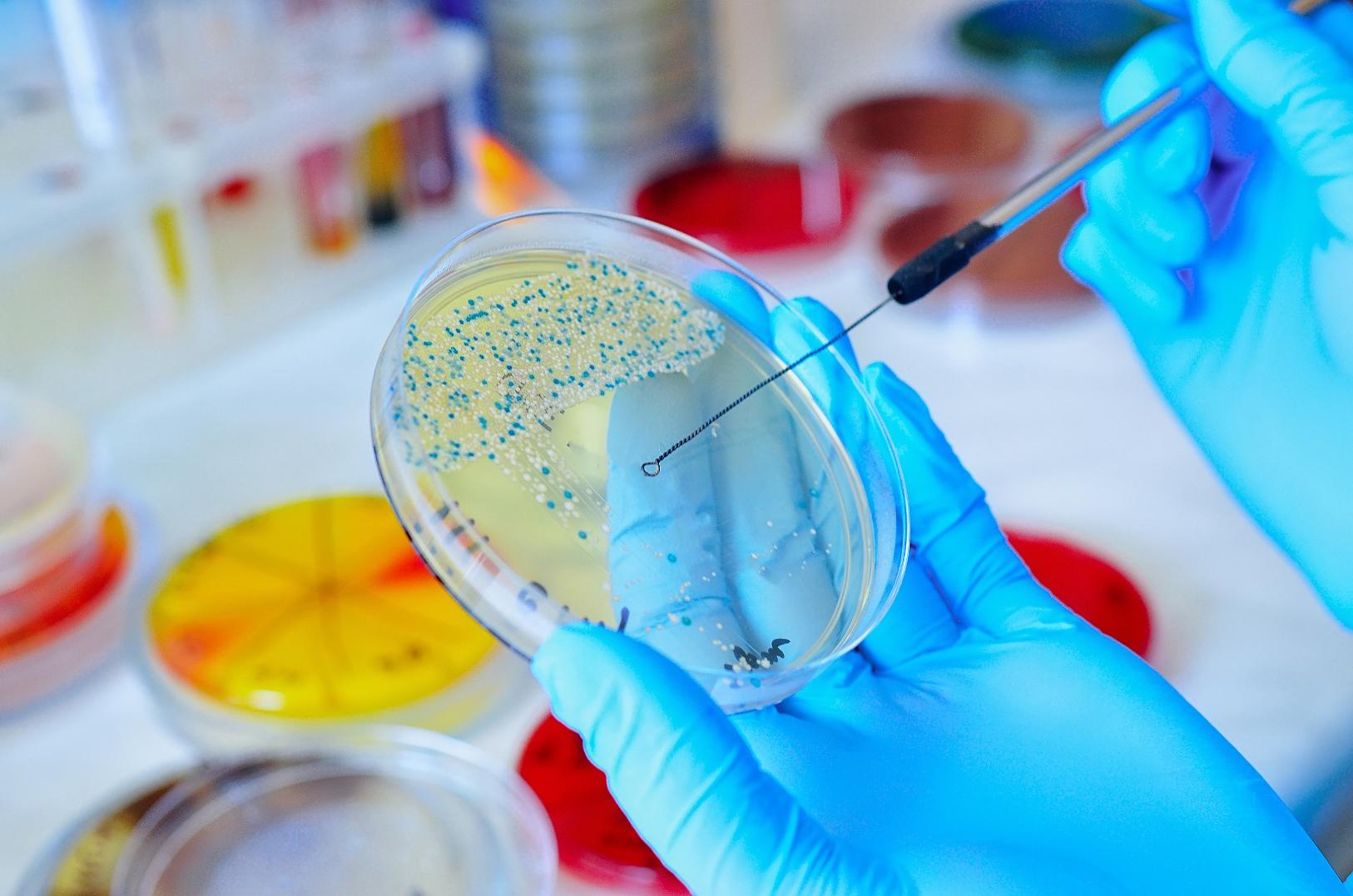
Dr Carola Venturini, one of our SSVSPostdoctoral Research Fellows, specialisesin antimicrobial resistance and innovative solutionsfor bacterial infections Dr Venturini emphasisesthat her affiliation with the SSVSgrantsher accessto "unique microbial collectionsand clinical settings asa source of target bacterial speciesthat have been invaluable in progressing research on novel antibacterials."
Reflectingon her experience, Dr Venturini notes, "the collegial environment at the SSVShas been the most supportive I have ever experienced in my career."
Dr Venturini highlightsthe emphasison creatingcollaborationswithin the School, which has facilitated "very productive professional relationshipsthat have already led to funding successaswell assuccessful co- supervision and mentoring of students, and joint publications." Furthermore, Dr Venturini valueshow thisculture extendsbeyond the School to the University at large, strengtheningher workingrelationshipswith membersof other disciplines and institutes
SSVS Post doct or al Resear ch Fel l ow
SSVS Post doct or al Resear ch Fel l ow
 Dr Valentina Mella
Animal Behaviour and Conservation
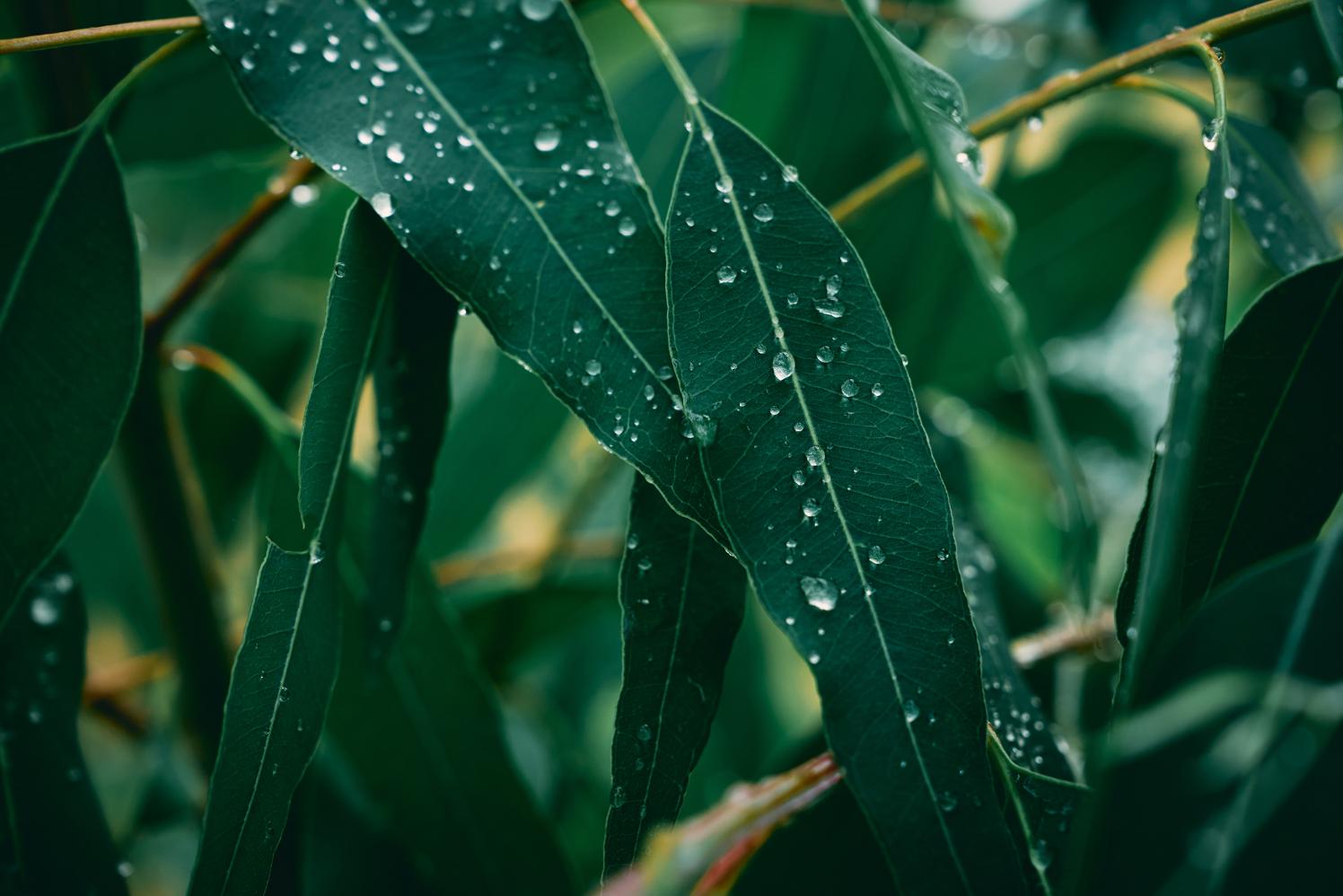
SSVSPostdoctoral Research Fellow Dr ValentinaMella hasuncovered compellingevidence that koalasactively drink water duringextreme weather events. Reflectingon her findings, Dr Mella explained, ?My current focuslieson understandingthe relationship between the health of koalasand environmental factorssuch as heat stressand water availability ?
Her research seamlessly incorporateswildlife health, animal management, and conservation. ?My postdoctoral position empowersme to conduct impactful science by delving into my research inquiriesacrossvariousdisciplines, including wildlife medicine, veterinary pathology, animal physiology, animal behaviour, wildlife management, and conservation,? she clarifies
Through her interdisciplinary approach, Dr Mella aimsto research the intricaciesof climate change?simpactson vulnerable wildlife populations. She elaborates, ?Through this multidisciplinary problem- solving, my research endeavoursto investigate the impacts of climate change on threatened wildlife populations, translating research resultsinto practical intervention tools.?
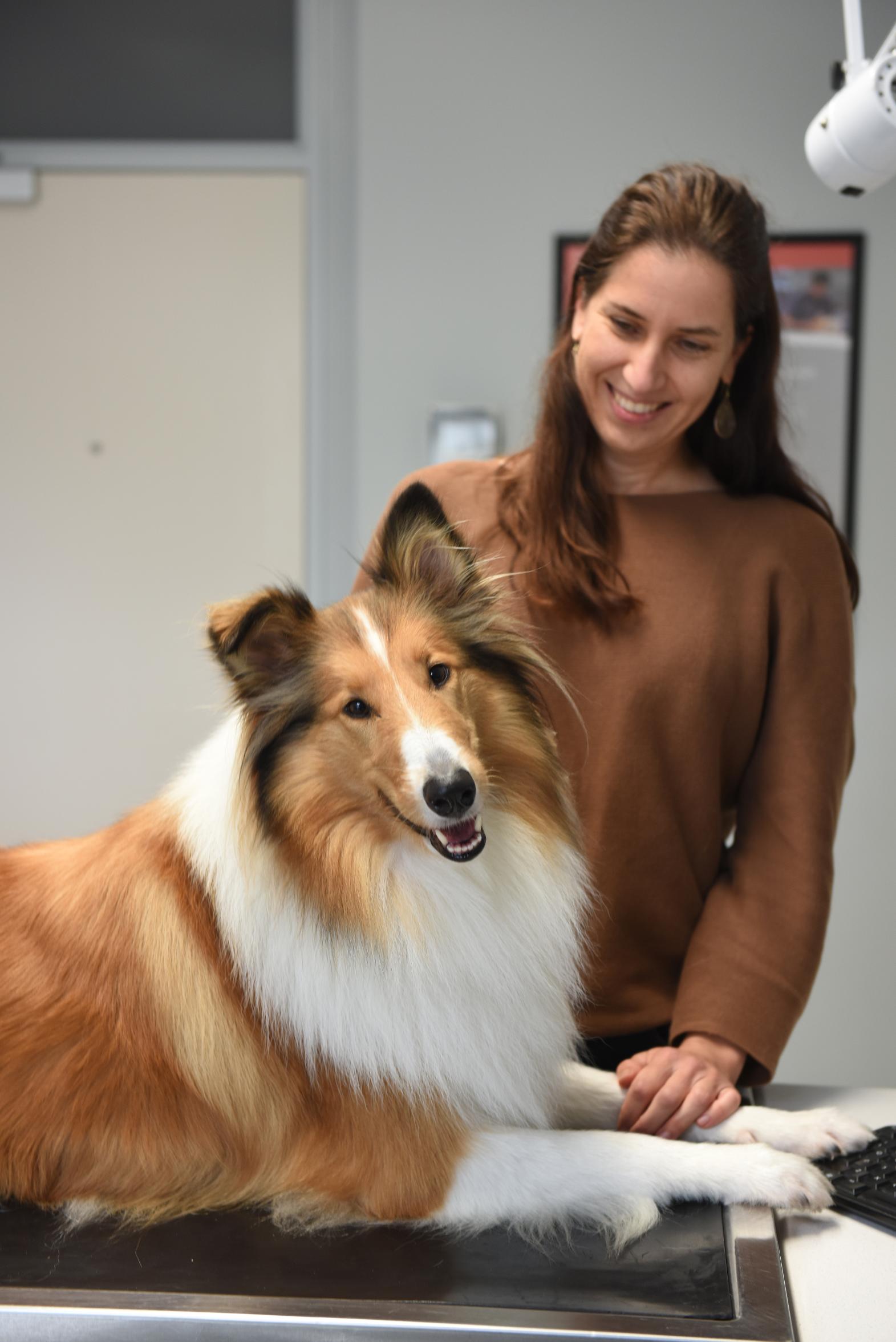
"Aveterinarian?sjob
oftenbeginswherethat ofadoctorends." ?
Anonymous
Evidence-based clinical practice
Focusedoncapacitybuildingandprevention
Our researchersare improvingveterinary clinical medicine. With a focuson enhancing expertise in clinical medicine, we are drivingeffortsto enable the development of vaccinesfor emergingdiseasesin small animals Thisincludessurveillance and collaborative initiativesto stay ahead in understandingand combatingevolvinghealth threatsin veterinary medicine
In 2019, Sydney experienced asurge in canine leptospirosiscases Leptosporosisisa contagiousdisease causingacute kidney failure that can be deadly to dogsand ispotentially zoonotic (can be spread to people) As veterinarianssought assistance for their patients, Dr Christine Griebsch and Dr Nicolle Kirkwood, clinical researchersat the University of Sydney TeachingHospital, quickly stepped in to help With a40% fatality rate once diagnosed, Dr Griebsch led the investigation of the outbreak to save the livesof affected dogsand enable preventative measuresto be implemented
Dr Griebsch'sinitiativeshave not only raised awarenessabout the disease but have led to identification of the most common strains(or serovars)causingthisdisease in dogsin New South Wales. The Australian dogvaccine containsthe serovar ?Copenhageni? , but the serovar ?Australis?hasemerged asthe most common cause of disease in dogsin New South Walesand isresponsible for the most recent outbreak
Dr Griebsch adds?infection can happen through direct or indirect contact with infected urine from rats, for example through drinking from contaminated water puddlesor by catchingor eating rats?
Dr Griebsch'sand Dr Kirkwood'srecent publication wasvoted the ?Most Commendable Paper published inthe Australian Veterinary Journal, 2023"by the Australian and New Zealand College of Veterinary Scientists
Veterinariansand dogownersneed to take swift action when suspicioussignsare seen, Dr Griebsch advises?the earlier we test and treat for leptospirosis the better the outcome isfor the dog?.
Asleptospirosiscontinuesto pose a serious threat to both canine and human health, the importance of the disease cannot be overstated Dr Kirkwood concludesthat ?we have been able to determine that vaccines with other serovarsneed to be developed for use in Australia ?
"Thisdiscovery hasprompted pharmaceutical companiesto
investigate the potential to manufacture new vaccinesfor dogs."
Dr Griebsch and Dr Kirkwood are hopeful that thisresearch will prevent casesof leptospirosis in the future, and facilitate better outcomesfor dogsthat do become infected
Dr Christine Griebsch
Senior Lecturer &Specialist in Small Animal Medicine
Dr Nicolle Kirkwood
Senior Lecturer in Small Animal Primary Care
Griebsch, G, Kirkwood, N, Ward, MP, So, W, Weerakoon,L , Donahoe, S, Norris, J M (2022) Emergingleptospirosisin urban Sydney dogs: a case series(2017?2020) AustralianVeterinaryJournal, 100(5):190-200 https://doi org/ 10 1111/avj 13148
15
Infectiousdiseasesand biosecurity
Biosecurityandepidemiology
Major disease outbreaksare an increasingthreat to the wellbeingof people, animalsand our planet Researchersin biosecurity and epidemiology at the Sydney School of Veterinary Science are at the forefront of developingprevention and control measures for many of the diseasesthat are important globally, aswell asin our region.
Japanese EncephalitisVirus(JEV)isa
mosquito-borne virusfound mainly in water birdsand pigs It isthe leadingcause of encephalitisin people in Asia and the Pacific, with 70,000-100,000 casesannually, mostly in children The fatality rate in people ishigh, and even those who survive often have devastating side-effectssuch including?locked in syndrome? when the person iscompletely paralysed but cognitively aware
In 2022, an outbreak wasdetected in people and on piggeriesacrosssoutheastern Australia Over 40 people were sick, leadingto 7deaths. The viruscaused huge lossesin over 80 commercial piggeries
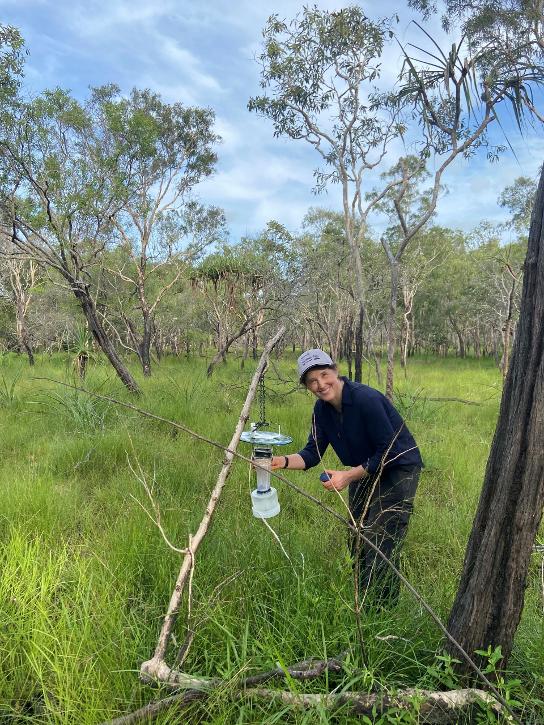
SSVSepidemiologist Dr Victoria Brookes and her collaboratorshave been collecting mosquitoesand data about casesfor JEV research in India, the Philippinesand Australia
"We've found that JEV immunity in pigsis short- lived," says Dr Brookes "Thisis important because it helpsusunderstand the risksposed by proximity to pigs".
They've also identified featuresthat increase the risk of an outbreak occurring. In the Australian outbreak, piggeriesnear temporary wetlands and flooded areaswere at greater risk than those near permanent wetlands. The number of waterbird speciesin the areaalso needed to be just right ? too few or too many, and the risk was lower.
Dr Victoria Brookes Senior Lecturer Epidemiology and One Health
Together with PhDstudents, Dr Brookes has been screeningmosquitoesto identify mosquitoes?feedingpreferencesand developingmodelsof JEVspread
"Our JEV modelswill be used to test surveillance and response strategies, ultimately reducing the impact on both pigsand people."
Walsh, MG, Webb, C , Brookes, VJ (2023) An evaluation of the landscape structure and La Ninaclimatic anomaliesassociated with Japanese encephalitisvirus outbreaksreported in Australian piggeriesin 2022 One Health, 16:100566 https://doi org/ 10 1016/ j onehlt 2023 100566
Dhanze, H, Singh, BB, Walsh, M, Kumar, MS, Kumar, A, Bhilegaonkar, KN, Brookes, VJ (2024) Spatio-temporal epidemiology of Japanese encephalitisvirus infection in pigpopulationsof eastern Uttar Pradesh, India, 2013-2022 Zoonosesand Public Health, 71(4):429?441 https://doi org/ 10 1111/ zph 13123
16
Dr Vi ct or i a Br ookes i n Far Nor t h Queensl and
Field epidemiologistsare critical in preventing, detecting, and controllingdiseaseslike avian influenza, and foot-and-mouth disease
But accordingto Associate Professor Navneet Dhand, there wasa lack of quality training resourcesand case studiesfor field epidemiologistsrelevant to the Asia-Pacific
To addressthisgap, the University of Sydney-led Asia Pacific Consortium of Veterinary Epidemiology (APCOVE)developed a world-classtrainingpackage comprising36 eLearningmodules
"APCOVE isa consortium involving epidemiologistsfrom all veterinary schoolsin Australia and New Zealand and eight countriesin the Asia Pacific region," says APCOVELeader Associate Professor Dhand "It wasestablished in 2020 with funding from the Indo- Pacific Centre for Health Security to strengthen the veterinary epidemiology capacity in the region".
Over 90 candidatesfrom seven countrieshave completed the training, currently available in six languages
Associate Professor Navneet Dhand Veterinary Biostatisticsand Epidemiology
APCOVEalso organised workshopsto train facilitatorsand mentorsfrom the Asia Pacific region in quantitative and qualitative data analysis, mentorship, teachingmethodsand leadership to fill some of the gapsidentified before establishingAPCOVE
Trained field epidemiologistsare expected to play an important role in conducting surveillance and outbreak investigations, facilitatingearly detection and swift response to disease outbreaks. Thiswill ensure disease containment on the infected farm of origin, avertingspread to neighbouringfarms, villages, districts, or acrossinternational borders.
APCOVEJoint Director Associate Professor Jenny- Ann Toribio says,
"Training new generations of frontline animal disease detectives isvital in preventing diseases that can infect livestock and humans."
Associate Professor Jenny- Ann Toribio Epidemiology

APCOVE- Asia Pacific Consortium of Veterinary Epidemiology https:// www apcove com au/ 17
Ensuringquality and sustainability
Animalreproduction
Our researchersare unlockingthe crucial mysteriesof embryo viability and developmental biology Reachingdeeper into oocyte maturation and epigenetic reprogrammingiskey Now, cloned foalsoffer an invaluable model for these enquiries We are at the frontier of reproductive science and developmental biology of animals.
Professor Chris Grupen, an applied reproductive biologist at the University of Sydney, isleadinginnovative research to improve female fertility in livestock Professor Grupen?sresearch involvesproducinghorse embryosthrough advanced IVFtechniquesand cloning, resultingin the successful birth of healthy foals
In an Australian first, Professor Grupen and his colleaguesreported the birth of 12cloned foals usinga method called somatic cell nuclear transfer (SCNT) The research compared the quality of eggs(oocytes)collected post-mortem with those from live maresusingovum pick-up (OPU) Despite beingmore resource-intensive, usingOPUoocytesresulted in many more healthy cloned foalscompared to post-mortem oocytes Ongoingstudiesaim to understand the molecular factorsinvolved and trial treatments to improve oocyte viability
"To put it in simple terms, we?re trying to obtain the best quality eggs, and produce the best quality embryosthat will give rise to better pregnancy outcomes and healthy offspring."
By studyingoocyte quality in horsesand other livestock animals, Professor Grupen is uncoveringinsightsrelevant to human reproduction ?A very similar thinghappens in maresand in women with increasing agethe quality of their eggsdeclines dramatically.?
Professor Grupen emphasisesthat despite recent advances?producing embryosin the lab isstill not asgood asnature.?Professor Grupen?sresearch hasfar-reaching implications, from enhancingmeat and milk production in cattle to extendingthe reproductive longevity of valuable broodmares and potentially helpinginfertile couplesto have a healthy baby
Professor Christopher Grupen
Reproductive Biology
Cortez, J V, Hardwicke, K, Cuervo-Arango, J , Grupen, CG (2023) Cloninghorsesby somatic cell nuclear transfer: Effectsof oocyte source on development to foaling Theriogenology, 203:99-108 https://doi org/ 10 1016/ j theriogenology2023 03 018
Cortez, J V, Hardwicke, K, Grupen, CG, Herrid, M, Machaty, Z, Vajta, G (2024) Cloned foal born from postmortem-obtained ear sample refrigerated for 5 days before fibroblast isolation and decontamination of the infected monolayer culture Cellular Reprogramming, 26(1):33-36 https://doi org/ 10 1089/cell 2023 0076
19
Animal welfare
Exploringanimalwelfarescience,ethicsandlaw
Assessingquality of life (QoL)isa critical yet challengingaspect of veterinary science, particularly when it comesto non-domestic species Researchersin the Sydney School of Veterinary Science are exploringtoolsthat will enable zookeepersand those caringfor wild animalsto make informed QoL assessmentsthat can be used to improve the welfare of these animals
Over the course of her career asaclinical zoo and wildlife veterinarian, Associate Professor Michelle Campbell- Ward hasspent alot of time assessingand improvingthe quality of life (QoL)of awide variety of species Thisrequires judgement, trainingand experience, but naturally incorporatesan element of subjectivity Increasingly there hasbeen amove to use questionnaires, formsand scoring systemsto document QoL more formally but there hasbeen very little in the way of research to evaluate the effectivenessand accuracy of such toolsin zoo and wildlife settings
With her keen interest in animal welfare and ethics, and extensive practical experience in QoL assessmentsof different animals, two professional mentorsencouraged her to undertake areview
"The key finding isthat accurately measuring quality of life of zoo animalsisvery difficult and that, to date, formal attemptsto do so have been limited to euthanasia decision- makingscenariosfor geriatric animals".
Associate Professor Campbell- Ward said, "We have reasonably robust toolsto help usassess when quality of life iscompromised in high profile specieslike elephants, but these tools are not currently fit for purpose for different animalslike birdsand reptiles".
For those workingin zoosand wildlife parks, this work providesan overview of what quality of life is, what toolsare currently available to assessit in zoo animals, what challengesthisposesand where knowledge gapslie
"It will help zoo keepers, veterinarians, researchers, and managers to objectively review and refine their current assessment processes for all the animalsin their care," Associate Professor Campbell- Ward said.
"It also providesguidance for future research projectsthat aim to explore what mattersmost to different speciesand how we can best promote lifelong good animal welfare in zoological settings."
"I am passionate about improving the accuracy of our welfare and quality- of- life assessment methods for lesswell studied species," she added Afocusfor the next stage of her work will be native Australian animalsas well aswild prey speciesthat live in large herds or flocks
Associate Professor Michelle Campbell- Ward Wildlife and Avian Medicine
20
(2023) Quality-of-Life assessmentsin Zoo animals: Not just for the aged and charismatic Animals, 13(21):3394 https://doi org/ 10 3390/ani13213394
Campbell-Ward, M
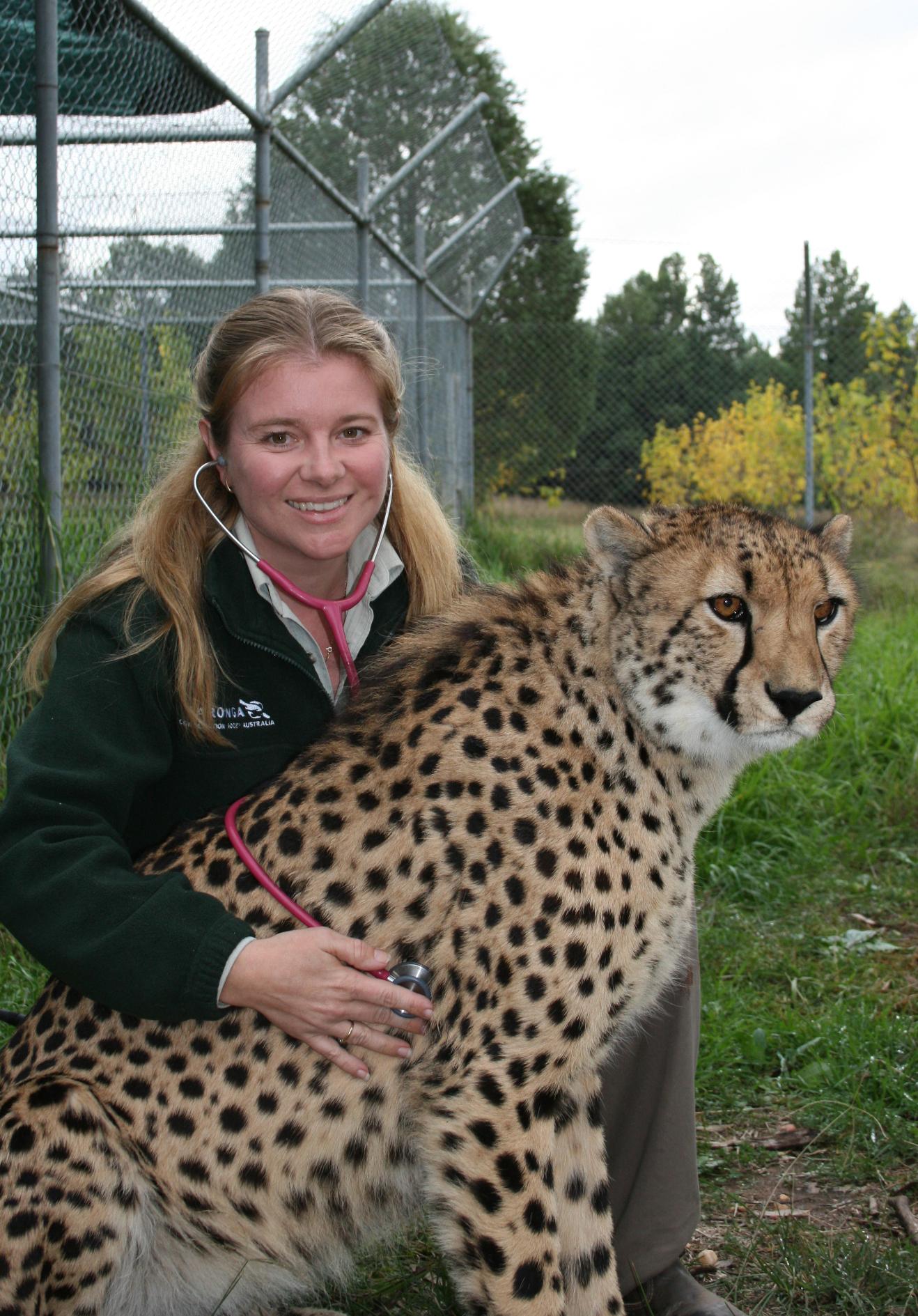
Associ at e Pr of essor M i chel l e Campbel l - War d ( Tar onga West er n Pl ai ns Zoo)
Funding 2023ataglance
We at the Sydney School of Veterinary Science appreciate the invaluable support and generosity of our funders. Your dedication and trust in our mission significantly impact both animalsand the people who rely on and care for them Thanksto your contributions, we have achieved remarkable milestonesand fostered enduring, positive change. Your partnership playsavital role in fuellingour passionate pursuit of our vision. We extend our gratitude to our fundersfor their support and continuousdedication to animal welfare Together, we are makinga significant difference and changinglives
$9.31million
Received in research grantsand philanthropic funds
Research funds
NSWDepartment ofPlanning& Environment
Meat & LivestockAustralia
AgriFuturesAustralia
Foreign,CommonwealthandDevelopment Office(UK)
FoodAgilityCRC
AustralianEggs
Department of Industry,ScienceandResources
OfficeofEnvironment andHeritageNSW
EndeavourVeterinaryEcology
McGarvieSmithInstitute
AustralasianPorkResearchInstitute
Department of ForeignAffairs& Trade
TheCommonwealthScientificandIndustrial Research Organisation
CanineResearchFoundation
CentreforCrocodileResearch
Royal NSWCanineCouncil HealthandWelfareCharity
Virbac(Australia)
FoundationforAustralia'sMost EndangeredSpecies
Philanthropic donors
MrsRosemaryManusu
MrArthurWitten
DrPamelaGuha
Universityof SydneyUSAFoundation
EstateofthelateJeanFraserMcCoroskin
EstateofthelateJudithClaireClarke
MrPeterRobertson
EstateofthelateCecileDaphneGriffin
DalaraFoundation
McCaugheyMemorial Institute
DrMarieRoweandMrDavidRowe
WildlifeInformation,RescueandEducationService
DrRamuneCobb
EmeritusProfessor RichardAndrewLeCouteur
MrMichael Kilcullen
MsLeithBrooke
Port StephensWildlifeHospital
TheWebsterFamily
MrsMaryHolt
We extend our gratitude to all our generousdonors, includingour anonymous contributors, for their support and belief in our mission
To discussthe impact youcould have on animal health and welfare research, please contact:
Anna Parente
Associate Director of Development, Animal Science
M: 0401389 842
E: annaparente@sydneyedu au
Georgie Coutts
Development Associate, Veterinary Science
M: 0403 167722
E: georginacoutts@sydneyedu au
22
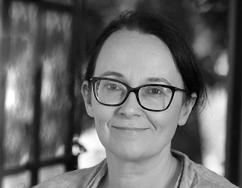
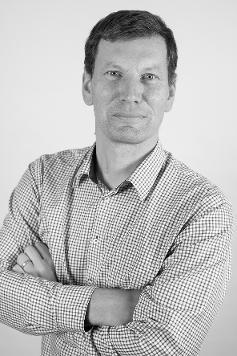
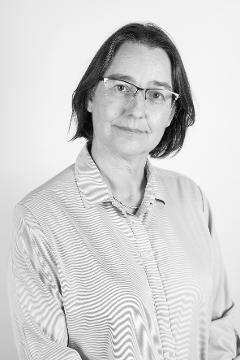
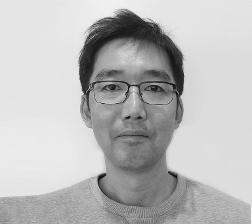
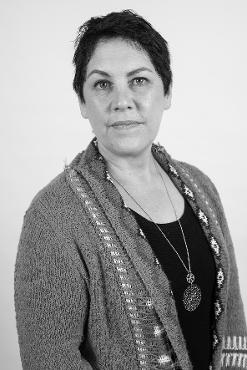
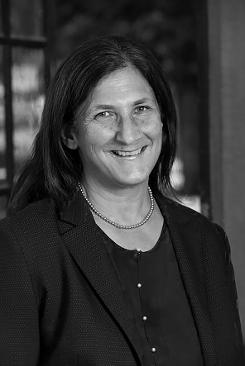

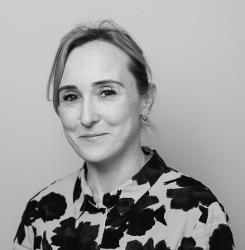
Professor Jacqueline Norris
Professor Jan ?lapeta
Associate Professor Roslyn Bathgate
Dr Anne Quain
Professor Michael Ward
Associate Professor Imke Tammen
Dr Sally Coggins
Professor Merran Govendir
Associate Professor Mary Thompson
Professor Richard Malik
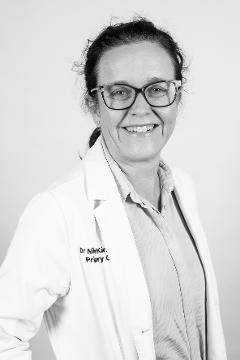
Dr Benjamin Kimble
Dr CarolaVenturini
Dr Valentina Mella
Dr Christine Griebsch
Dr Nicolle Kirkwood
Dr VictoriaBrookes
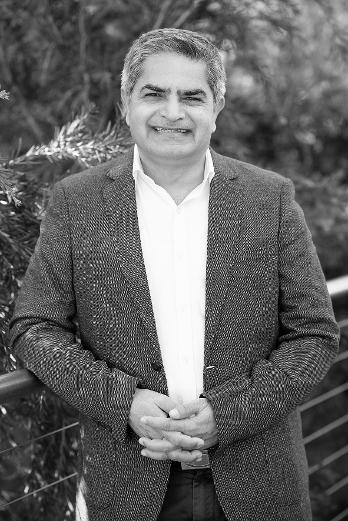
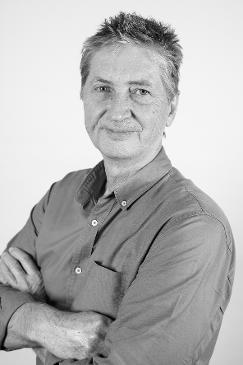
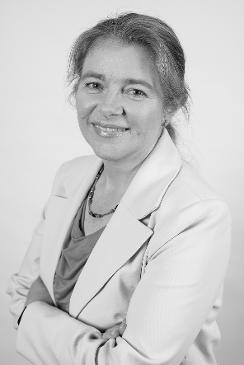
Associate Professor Jenny-Ann Toribio
Associate Professor Navneet Dhand
Professor Christopher Grupen
Associate Professor Michelle Campbell-Ward
23 Phot ogr aphy by Adobe St ock I mages ( p 2 3 6 11 12 13 18) Uni ver si t y of Sydney - Phi l l i pa Janos ( p 5) Jan Sl apet a ( p 9) , Anne Quai n ( p 14) , Vi ct or i a Br ookes ( p 16) , Jose A Qui nt er os ( p 17) , Tar onga West er n Pl ai ns Zoo ( p 21) , Uni ver si t y of Sydney - Ni col a Bai l ey ( p 23) , Rachael Fi l l er y ( p 24)
Sydney School of Veterinary Science sydneyedu au/ vetscience
Additional contact details: E: vetsci research@sydneyedu au @Sydney Vet Veterinary Sciences, University of Sydney
Pr oduced by Sydney School of Vet er i nar y Sci ence, t he Uni ver si t y of Sydney, June 2024 ht t ps: / / doi or g/ 10 25910/ vf 2j - ha79 The Uni ver si t y r eser ves t he r i ght t o make al t er at i ons t o any i nf or mat i on cont ai ned i n wi t hi n t hi s publ i cat i on wi t hout not i ce C R I C O S 0 0 0 2 6 A T h e U n i v e r s i t y o f S y d n e y s y d n e y e d u a u