STUDENT BOOK 2
NSW Edition
Name:
Class:
SLLURP
SLLURP summarises the spelling strategies that you can use to learn new words.
S ay Say the word carefully and slowly to yourself.
L isten Listen to how each part of the word sounds in sequence.
Look Look at the patterns of letters in the word and the shape of the word.
Understand Understand rules, word meanings and word origins.
Remember Remember all the similar words you can already spell and relate this knowledge to any new word.
Practise Practise writing the word until it is firmly fixed in your long-term memory.
Scope and Sequence
This scope and sequence chart is based on the
Unit Vowels Consonants Letter patterns Morphology Homophones/ Homographs Topic words
1 split digraphs: a-e, i-e, o-e, e-e, u-e blends and digraphs -ed, -ing: dropping final ‘e’
2 short vowel sounds blends and digraphs -ed, -ing: doubling final consonant
3 semi-vowel y -es, -ed: changing ‘y’ to ‘i’
4 ar -er, -est
5 medial double letters
6 ck, medial ck
7
8 tch, medial tch -es
REVISION
place, scrape, time, unite, slope, whole, complete, squeeze, rule, cure
beg, scan, clap, strap, swim, begin, block, throb, thud, scrub
lady, pony, busy, ready, sorry, worry, carry, hurry, reply, apply
arm, car, park, dark, star, start, hard, barn, smart, farmer
letter, little, bottle, rabbit, cuddle, riddle, ripple, tunnel, borrow, pillow
chicken, bucket, ticket, packet, pocket, jacket, cricket, bracket, backpack, limerick
itchy, witch, stitch, catch, hatch, watch, fetch, stretch, hutch, kitchen
9 dge, medial dge edge, hedge, badge, fridge, bridge, judge, smudge, dodge, fidget, gadget
10 or, ore compound words: forefor/four/fore for, fork, torn, short, sport, more, fore, snore, chore, explore
11 aw, oor
12 ar, al -ward/-wards
saw, draw, claw, straw, crawl, lawn, prawn, poor, door, floor
war, warn, ward, swarm, award, reward, towards, walk, talk, chalk
13 ough, augh irregular verbs ought, bought, brought, fought, thought, sought, caught, taught, naughty, daughter 14
REVISION
15 silent letters: kn, wr, silent ‘t’
16 air, are, ear compound words: airstare/stair, bare/ bear, where/wear
17 ear, eer tear, wind, bow; hear/here, dear/deer
knife, knowledge, wrong, wrist, wriggle, listen, often, castle, bustle, whistle
pair, stair, chair, repair, airport, rare, share, square, wear, bear
fear, hear, tear, clear, spear, weary, appear, deer, peer, cheer, queer
18 er, ir -er, -est: practising spelling rules fern, serve, person, perfect, stir, shirt, first, dirty, thirsty, birthday
19 ear, or, ur turn, hurt, burst, nurse, curly, work, worth, learn, earth, search
20 -er, -or: practising spelling rules people, occupations farmer, leader, shopper, follower, visitor, collector, editor, author, narrator, illustrator
22 re-, un-, dis-
REVISION
redo, reread, rejoin, reunite, unkind, unfair, untidy, disagree, disappear, disobey
23 u, o lung, pluck, under, love, done, above, front, month, among, money
24 ou, oo -er, -est
young, touch, cousin, country, double, rough, tough, enough, flood, blood
25 -ful: changing ‘y’ to ‘i’ joyful, useful, playful, cheerful, helpful, careful, painful, awful, colourful, beautiful
26 -ly: changing ‘y’ to ‘i’ sadly, loudly, slowly, nicely, rudely, quickly, quietly, crossly, kindly, happily
27 days of the week Monday, Tuesday, Wednesday, Thursday, Friday, Saturday, Sunday, today, tomorrow, because
28
REVISION
29 o, a, au foggy, along, belong, toffee, homophone, wasp, wand, watch, wander, sausage
30 contractions I’ll, he’s, it’s, isn’t, can’t, don’t, doesn’t, didn’t, won’t, we’re
31 soft c cents/scent, scene/seen city, cent, scent, scene, once, cancel, cycle, cylinder, science, scissors
32 silent letters: mb, mn lamb, limb, dumb, numb, thumb, comb, climb, autumn, column, plumber
33 ch compound words with ache school, ache, choir, character, chorus, chameleon, stomach, anchor, chef, machine
34 compound words with no, any, some, every no one, nothing, nowhere, somebody, something, anyone, anything, another, everyone, everywhere
REVISION
Student Book 2
U nits of work
Student Book 2 contains 35 weekly units of work. Groups of units focus on different phonemes that represent the same sound. The suffixes taught in Book 1 are consolidated using new words. They are also elaborated on by using spelling rules such as the dropping of silent ‘e’ and the doubling of the final consonant. More suffixes ( ful, ly ) and prefixes ( re, un, dis ) are taught and homophones are explained and practised. Finally, the concepts of irregular verbs, silent letters and contractions are also presented. See the Scope and Sequence chart on page 3 for more information.
w ord lists
In Student Book 2 , each unit (except Revision) has a list of ten spelling words. The words are selected to support the learning focus and spelling strategies in the unit. The list also includes words from other curriculum areas such as mathematics, science and social sciences. Where appropriate, Aboriginal Australian English words are also included.
sllU r P
Each word list begins with a reminder for students to SLLURP. SLLURP summarises the strategies that will help spelling move from students’ working memory to their long-term memory. These strategies are provided on page 2, for easy reference.
U nit at a glance
Space to practise list words
List words support the learning of the spelling focus for the unit. Words come from across the curriculum
My own words –students can write theme words, personal words or extension words, or practise other words with the same spelling focus. Adapt this section to suit the needs of your class
Spelling focus highlighted in colour
SLLURP reminds students about strategies they can use to learn the words
Unit banner features the spelling focus in the context of a fun joke
Sequenced activities – each activity focuses on a specific spelling strategy. Some activities refer to content in other curriculum areas
Icons identify the main spelling strategy students will use in an activity
Spelling tips and rules introduced when students need them to complete an activity
Reflection allows students to assess their progress
Spelling Rules! Teacher Resource Book K-2
Full teacher support for Student Book 2 is provided by Spelling Rules! Teacher Resource Book K–2 . Here you will find valuable background information about spelling development and spelling knowledge, along with practical resources, such as:
T teaching tips for every unit in Student Book 2
T extra word lists
T strategies for teaching spelling
T guidelines for assessing and diagnosing errors
T activities to support struggling spellers
T worthwhile extension for more able spellers.
Say Listen Look Understand Remember Practise
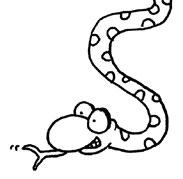
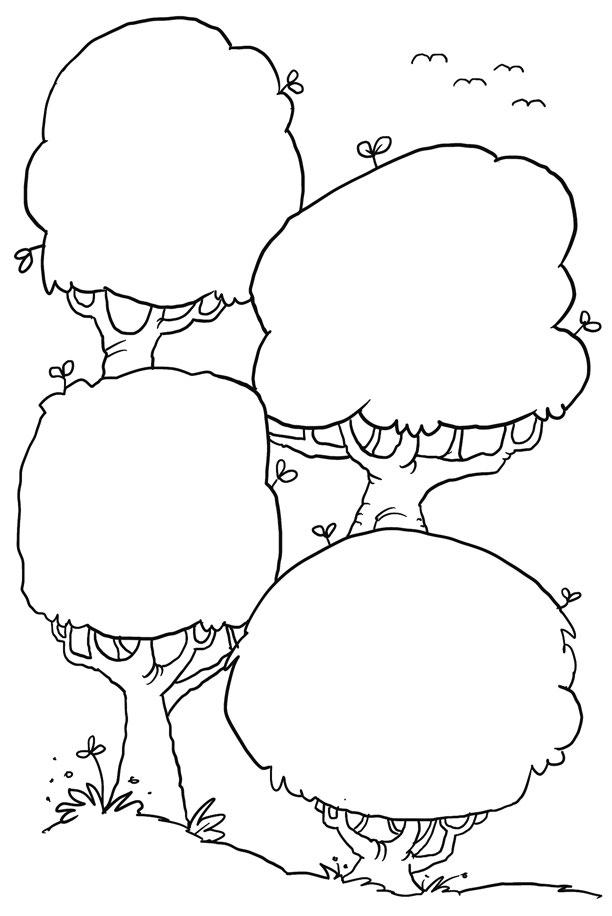
What sn ake is good at sums? l Write list words in the correct tree.
pl a c e
scr a p e
t i m e
un i t e
sl o p e
wh o l e
compl e t e
squ ee z e
r u l e
c u r e
My own words
Write the word. Then write it again, adding e to change the vowel sound.
Write two words that begin with the same sound as the picture.
3 list word extra word list word extra word
Homophones are words that sound the same, but are spelt differently. hole = empty space whole = all of
4
Choose the correct homophone.
Shane ate the cake.
Jane dug a in the sand. I tore a in my pants.
Did you see the movie?
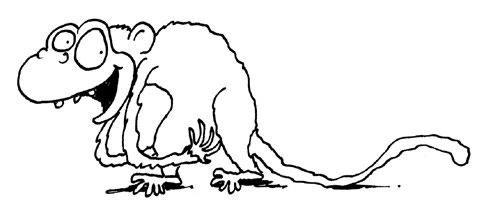
5 place whole unite Words with a silent e drop the e before adding ed or ing . Smil ing , the monkey wav ed at me.
6 place + ed = placed place + ing = placing unite + ed = unite + ing = rule + ed = rule + ing = squeeze + ed = squeeze + ing =
Look for small words inside the list word. Write the small words. Follow the pattern.
I can do this. I am not sure. I need help.
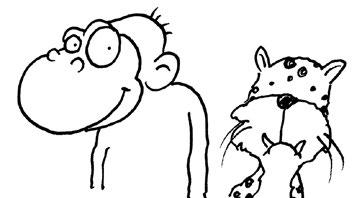
Why couldn’t the leopard escape from the zoo?
Say Listen Look Understand Remember Practise
My own words
Write the word when ing is added. beg scan clap strap swim begin block throb thud scrub
Because he was always spott ed.
Write the vowels in the first column. Then write words with short and long vowels to fill in the spaces.
If a word has a short vowel sound and ends in a single consonant, double the consonant before adding ed or ing.
2 beg strap throb scan begin thud clap scrub block
3
Circle the pictures that have short vowel sounds.
4
Write the missing letter.
ed pat ed stop ed skip ed hum ed
Follow the pattern. beg
Most words add ed to make the past tense. Some words change. They are called irregular verbs . swim swam
5 swim sing stink begin drink swam s ng st beg thudded began
6
Write a sentence for each word.
I can do this. I am not sure. I need help.
lad y pon y bus y read y
sorr y worr y carr y hurr y
repl y appl y
My own words 3
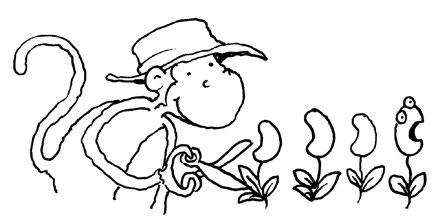
What beans can’t you grow in a garden?
Say Listen Look Understand Remember Practise
Jell y beans. l lady busy ready sorry worry hurry carry reply apply
Draw a line between each sound. Underline each syllable.
Say each list word. Sort the words by the sound y makes.
2 y in pupp y
3 animals people feelings actions bunny aunty angry study y in cr y
Write a list word for each group. Add another word ending in a short y sound.
Proofread this story. The story has six words that are incorrect. Circle the mistakes. Then write the correct spelling of the words in the boxes.
Tony’s front tooth was wobly. When it fell out, he lost it. He was not heppy as he planned to put it under his pillow for the tooth fairy. Tony felt silly, but he decided to write a not.
Tony 4
Dear Tooth Fary, I am sory I lost my tooth.
Please leave a shiny coin for me.
In the morning Tony rubed his eyes and felt under his pillow. He found two dollars! Wasn’t he lucky?
If a word ends in y , change y to i before adding es or ed . To make the plural, add es . lady ladies To change the verb, add es or ed . worry worries, worried cry cries, cried 5 plural past tense pony carry baby reply apply
Write the word when es or ed is added.
I can do this. I am not sure. I need help.
Why did the dog get arrested?
Say Listen Look Understand Remember Practise
ar m
c ar
p ar k
d ar k
st ar
st ar t
h ar d
b ar n
sm ar t
f ar mer
My own words
2
He didn’t pay his b arking fee!
Make ar words.
Find a small word in the big word. Write a different small word for each. card start bark harm barn cart farmer heart father
Finish the letter.
hard far farm dark barn yard
Dear Uncle Carl,
Adjectives are describing words. To compare two things, add er to an adjective. To compare three or more things, add est . fast faster fastest 3
I loved staying on your . It was so at night! I liked hunting for eggs in the and in the . It was to find them in the long grass. I wish you did not live so away.
Love from Mark X X X
4
5 list word add er add est
There are three adjectives in the list words. Write them down. Add er and est.
The farmer caried his shepe to the barn.
I can do this. I am not sure. I need help. Circle two mistakes.
Say Listen Look Understand Remember Practise
le tt er
li tt le
bo tt le
ra bb it
cu dd le
ri dd le
ri pp le
tu nn el
bo rr ow
pi ll ow
My own words
2
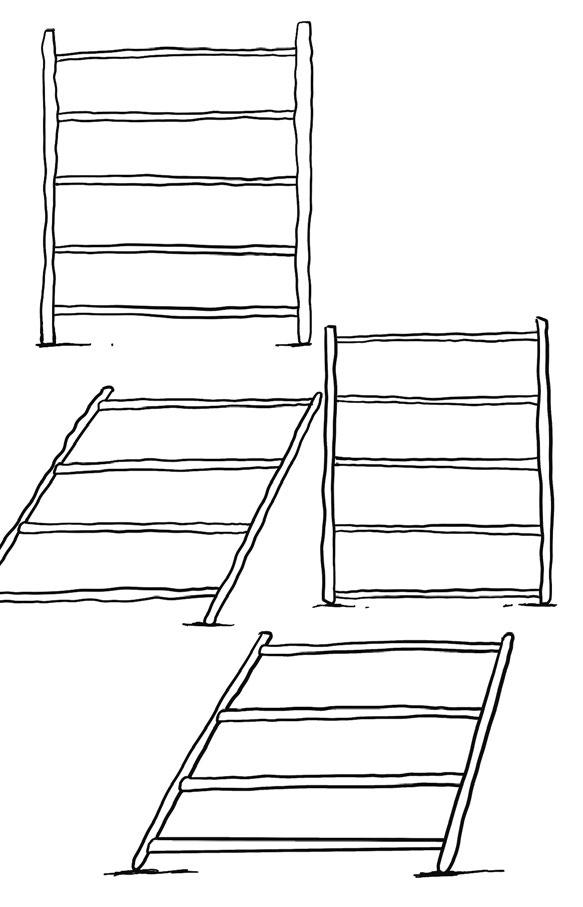
The words in each ladder are missing the same double letters. Write the missing letters.
Change one letter to make a new word.