














STUDENT BOOK
Australian Curriculum Edition
Name:
Class:

SLLURP
SLLURP
Understand Understand
Remember Remember
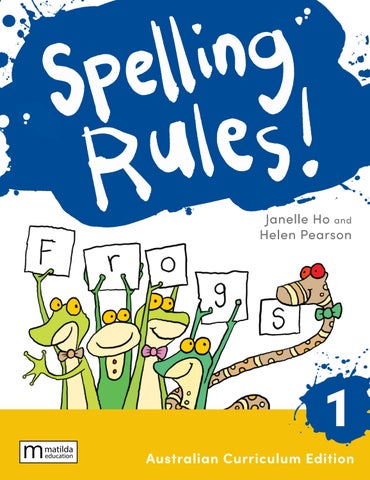
STUDENT BOOK
Australian Curriculum Edition
Name:
Class:
SLLURP
Understand Understand
Remember Remember
UNIT SKILL FOCUS
LIST Vowels Consonants Letter patterns Rules and tips
1 short sounds digraphs than/then rip, dish, quit, quick, ban, than, shack, let, moth, luck
2 ee, short oo
see, bee, feet, week, sheep, look, book, foot, good, wool
3 ll suffix ed all, wall, fall, fell, shall, dull, full, pull, walk, talk
4 st stop, step, still, stick, rest, fast, list, lost, must, last
5 sl, sm slip, slop, slap, slug, slid, sly, asleep, small, smell, smash 6 REVISION
7 er family words
mother, father, brother, sister, elder, taller, smaller, faster, baby, family
8 short y as vowel sound suffix y jelly, silly, hilly, happy, pretty, sunny, hurry, sleepy, hobby, body
9 a-e, e-e ate, cake, take, late, date, name, awake, here, eve, these
10 i-e, o-e, u-e like, hide, smile, fine, toe, nose, hope, stone, rude, ruler
11 ch irregular plurals
chop, chat, chips, cheek, child, children, chase, rich, much, such 12 REVISION
13 sk, sn, sp spine, speech, snap, snore, snack, skin, skate, wasp, ask, desk
14 cl, fl, pl, bl fly, flag, flash, clap, club, clock, plant, place, blast, blue
15 long oo zoo, pool, room, moon, roof, tooth, food, spoon, school, balloon
16 final s, ss, zz; soft c ss and zz don’t start a word kiss, mess, fuss, class, dress, plus, minus, cents, recess, buzz
17 nd
18 REVISION
end, send, sand, kind, wind, pond, stand, handshake, grandmother, grandfather
19 br, cr, dr, gr, pr, tr of/off tree, crab, frog, from, pram, drive, grape, green, broom, friend
20 nt
ant, want, went, sent, spent, bent, front, hunt, aunt, uncle
21 ou our, loud, cloud, house, mouse, shout, mouth, found, around, about
22 ow owl, mow, how, slow, show, grow, down, down, brown, allow, yellow
23 ng suffix ing hang, sang, king, bring, thing, song, belong, hung, sting, swing
24 REVISION
25 nk ink, pink, wink, stink, think, drink, bank, thank, drank, skunk
26 ea be/bee, sea/see, bean/been, meat/ meet, weak/week eat, ear, sea, meat, cheat, leaf, near, each, teacher, clean
27 ar arm, car, park, dark, star, start, hard, barn, smart, farmer
28 ay, oy to/two/too, by/buy say, play, stay, tray, today, away, boy, enjoy, toy, buy
29 ir, or bird, girl, stir, dirty, shirt, fork, torn, short, sport, cord
30 REVISION
31 one/won, two/too, four/for, eight/ate one, two, three, four, five, six, seven, eight, nine, ten
32 ld comparative suffix er silent t old, cold, gold, told, sold, hold, held, bald, build, world
33 ai air stare/stair, sail/sale air, hair, chair, stair, tail, sail, snail, train, wait, said
34 wh who, why, when, where, what, which, whose, wheel, white, wheat 35 REVISION
Some students are natural spellers. But the vast majority of students need formal, systematic and sequential instruction about the way spelling works and the strategies they can use to become independent, confident spellers and spelling risk-takers. The Spelling Rules! program is based on sound linguistic and pedagogical theory. It is informed by research into how students of different ages acquire and apply spelling skills, and how those skills move from the working to the long-term memory. The program closely follows the Australian English curriculum. Australian Curriculum: English references are provided in the Teacher Resource Books. The program consists of seven student books, fully supported by two Teacher Resource Books. Each student book contains units of work, with each unit designed to be used over the course of a week. The content of each unit simultaneously develops new skills and reinforces skills from previous units. The introduction of new sounds and letter patterns is logically sequenced and takes into account both frequency of use and complexity. Where appropriate, topic words from other curriculum areas such as mathematics, science and social sciences are included. When spelling rules are introduced, only known sounds and letter patterns are used so that students focus on one skill at a time. Regular revision units enable teachers to assess student progress and reinforce key rules and patterns from previous units.
The Spelling Rules! program also incorporates elements of self-assessment. A simple reflection activity allows students to assess their own progress and provides you with a starting point for discussion.
Learning to spell involves developing different kinds of spelling knowledge:
T Kinaesthetic knowledge – the physical feeling when saying different sounds and words, and when writing the shapes of letters and words
T Phonological knowledge – how a word sounds and the patterns of sounds in words
T Visual knowledge – how letters and words look and the visual patterns in words
T Morphemic knowledge – the meaning or function of words or parts of words
T Etymological knowledge – the origins and history of words and the effect this has on spelling patterns.
The following icons identify the main spelling strategy that students will use to complete an activity.

Say the word. (Kinaesthetic knowledge) These activities ask students to experience how sounds feel in the mouth and jaw. Changing the positions of the jaw, lips, and tongue changes the sounds we make. Encourage students to pronounce the sounds and words accurately. If they mispronounce a sound or word, they may misrepresent it in writing.


Listen to the word. (Phonological knowledge) These activities focus on discriminating between different sounds and breaking up words into syllables or individual sound segments (phonemes).
Look at the word. (Visual knowledge) These activities help students to see how the sound is represented using combinations of letters, and to associate this visual pattern with what they are hearing. Students will develop the ability to know when a word does or does not ‘look right’.
Understand the word. (Morphemic and etymological knowledge) These activities focus on word meanings, word families, prefixes and suffixes, spelling rules, word origins and so on – all of which help embed spelling in the long-term memory.

Practise writing the word. (Kinaesthetic knowledge) These activities develop students’ awareness of the physical movement involved in writing the word. By practising writing the word a number of times and in different contexts, the spelling becomes embedded in the long-term memory.


This icon highlights useful spelling rules.


This icon tells students that a special clue or hint is provided for an activity. It may be a spelling, grammar or punctuation convention, or a definition of a useful term.



I can do this.
I am not sure.

I need help.
Encourages students to assess their progress through each unit.
U nits of work
Student Book 1 contains 35 weekly units of work. See the Scope and Sequence chart on page 3 for more information. Each revision unit gives students an opportunity to self-assess. A simple reflection activity allows students to judge their personal progress and provides you with a starting point for discussion.
w ord lists
In Student Book 1, each unit (except Revision) has a list of ten spelling words. The core words in the lists have been chosen to support the learning focus and strategies being taught in the unit.
Spelling lists enable a spelling element to be focused on, and there are sufficient examples to consolidate the teaching point. Topic words come from other curriculum areas, such as mathematics and social sciences. In addition, homophones and words that are easily confused with each other are explained and practised.
Each word list begins with a reminder for students to SLLURP. SLLURP summarises the strategies that will help spelling move from students’ working memory to their long-term memory. These strategies are provided on page 2, for easy reference.
U nit at a glance
SLLURP reminds students about strategies they can use to learn the words.
List words support the learning of the spelling focus for the unit. Words come from across the curriculum.

Unit banner features the spelling focus in a fun context.
Space to practise list words
My own words –students can write theme words, personal words or extension words, or practise other words with the same spelling focus. Adapt this section to suit the needs of your class.


Icons identify the main spelling strategy students will use in an activity.


Spelling focus highlighted in colour
Spelling tips and rules introduced when students need them to complete an activity
Sequenced activities – each activity focuses on a specific spelling strategy.
Reflection allows students to assess their progress.
Full teacher support for Student Book 1 is provided by Spelling Rules! Teacher Resource Book F–2 . Here you will find valuable background information about spelling development and spelling knowledge, along with practical resources, such as:
T teaching tips for every unit in Student Book 1
T extra word lists
T strategies for teaching spelling
T guidelines for assessing spelling and diagnosing spelling errors
T activities to support struggling spellers
T worthwhile extension for more able spellers.


Say Listen Look Understand Remember Practise
r i p
d i sh qu i t qu i ck
b a n th a n sh a ck
l e t m o th
l u ck
My own words

4 b/a/n rip luck quit moth than dish shack
Say each word. Draw a line between each sound. The first one has been done.
Write the words.
Say both words. Colour the correct one.
Ducks quack quick when they want food.
Shut your eyes and make a wash wish .
The moth both flew at me and gave me a shock shot .

5 than shows a comparison. then shows the next event.

Write the correct word.
I am shyer my sister.
I hit the ball and I ran!



I can do this. I am not sure. I need help.
Say Listen Look Understand Remember Practise
s ee
b ee
f ee t
w ee k
sh ee p
l oo k
b oo k
f oo t
g oo d
w oo l
My own words
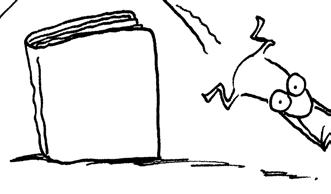
Ouch! The b oo k fell on my f oo t.
Write ee or oo to make the correct word.
Little Bo P — — p lost her sh — — p.
Use the letters to make ook words. Write the word again.
Write ee or oo to make list words.
Change one letter to make a new word. Use the new word in a sentence.
Look for ee words in the word worm. Colour each ee word green.
I can do this. I am not sure. I need help.
Say Listen Look Understand Remember Practise
a ll wa ll fa ll fe ll sha ll du ll fu ll pu ll walk talk
My own words
4
Vowels can make different sounds. Sort the words by listening to their sound.


Some words add ed to show an action that happened in the past. pack packed
5 look fill walk
6
a as in cat a as in ball u as in cup u as in pull Add ed. Colour the correct word. ant walk call lap gull dug full bull shall dull hall wool
I woke up when a bird calls called loudly. He talks talked so slowly that we all felt sleepy.
Bill packs packed his bag before he went to bed.
I can do this. I am not sure. I need help.
Say Listen Look Understand Remember Practise
st op
st ep st ill
st ick
re st
fa st
li st lo st
mu st la st
My own words
Write list words.
Colour the box if the word starts with st . Colour the circle if the word ends with st .
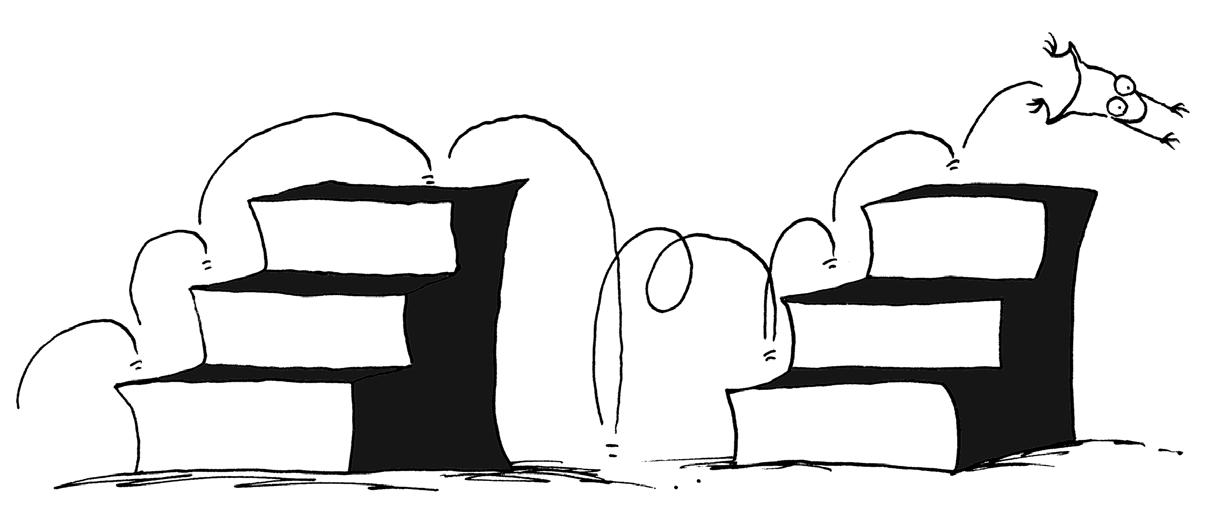
I can do this. I am not sure. I need help. Write a, e, i, o or u to make an st word on each step.
Say Listen Look Understand Remember Practise
sl ip
sl op sl ap sl ug
sl id
sl y a sl eep
sm all
sm ell
sm ash
My own words
Sl ap on a hat when the sun is hot!
Write list words. on a T-shirt, on sunscreen, on a hat before you go out in the sun! Don’t fall in the sun. Something is cooking. What can you ?
Change the underlined letter to make a list word.
sla m s p y slo t sl e d
s l ash s t all
Listen to the beginning of each word. Write sl or sm in the box.
Rearrange the letters to make list words.
lips lids laps lmsal wlak cqiku
Say both words. Colour the correct word.
I like the small smell of popcorn.
Rearrange the letters to make a word.
Our baby fell asleep sleep on my lap.
Try not to slip slid on the step.
Slogs Slugs must stay out of the sun. 3 4 5 6 7
Write a sentence about each picture.
I can do this. I am not sure. I need help.