









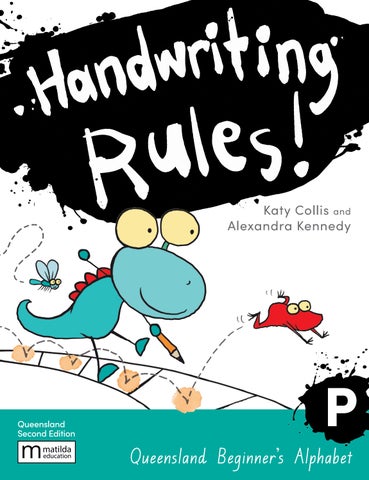

Handwriting Rules! Year P QLD Edition
ISBN: 978 0 6550 9289 6
Designer and typesetter: Trish Hayes
Illustrator: Stephen Michael King
Series editor: Marie James
Indigenous consultant: Al Fricker
This edition published in 2024 by Matilda Education Australia, an imprint of Meanwhile Education Pty Ltd Melbourne, Australia T: 1300 277 235 E: customersupport@matildaed.com.au www.matildaeducation.com.au
First edition published in 2015 by Macmillan Science and Education Australia Pty Ltd
Copyright © Katy Collis and Alexandra Kennedy 2015, 2024 The moral rights of the authors have been asserted. Printed in China by Central Sep-23


Fun picture and chant provide a multi-sensory context, as well as opportunities for vocabulary enrichment and a link to phonic knowledge
Rhythmic handwriting patterns and a variety of activities to help students develop fine motor control and fluency
Tracking letters, with start dots and directional arrows, to introduce formal letter shapes
Helpful information for the teacher includes vocabulary to make use of in the artwork on the pages and additional useful vocabulary to reinforce each letter, for phonological awareness, or for students to use in their own writing. These literacy links support teachers and students in making connections between interrelated syllabus concepts.
Models of lower-case and upper-case (capital) letters with start dots and directional arrows. Useful as models for gross motor movements, such as air writing.
More tracking letters with start dots and directional arrows
Tracing letters with start dots help to develop students’ kinaesthetic memory
Appealing artwork reinforces words beginning with the focus letter.
More tracing letters, this time within lines to reinforce how the letter sits in relation to the creature’s head, body and tail
Start dots and main line for students to write their own letters. Students can also colour the appropriate section of the tall, short and long letter creature.
Model letters displayed in tall, short and long letter lines. Helpful creature sits on the main line, where all letters sit. Tall letters extend into the head section. Some letters drop below the main line where the creature’s tail hangs. (The creature is always shaded to show where the lowercase letter is located within the lines.)

Patter phrases to say as you model the letters or as students form the letters. This aspect of the multi-sensory approach particularly supports students who are auditory learners as they associate the patter with the motor movements to form each letter.
(a word to describe me)
(my name)

Find the letter to match your completed page. Track the letter and colour the picture. p o
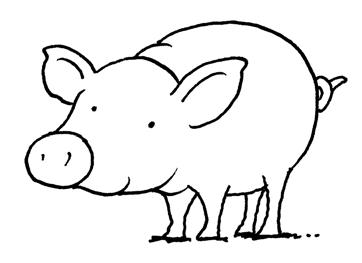
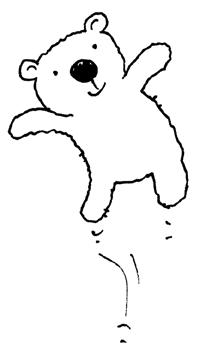
b c n m
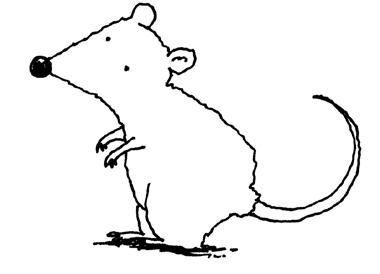
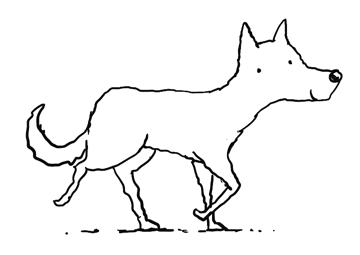
q r s t2
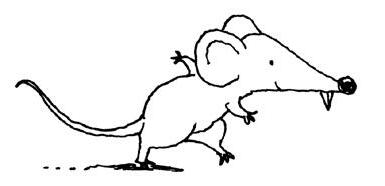
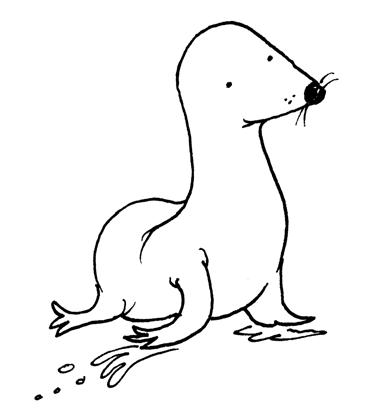
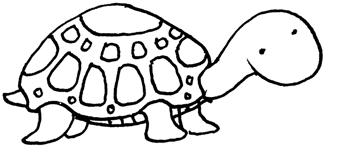
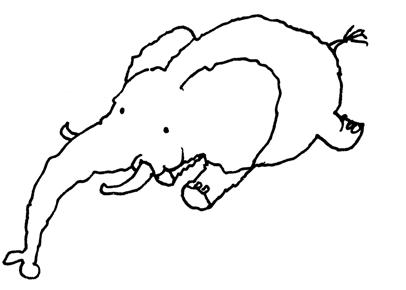
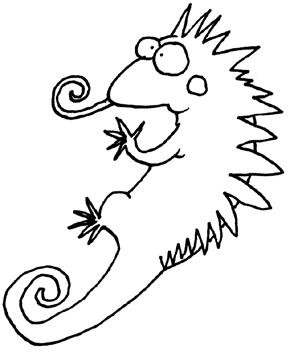
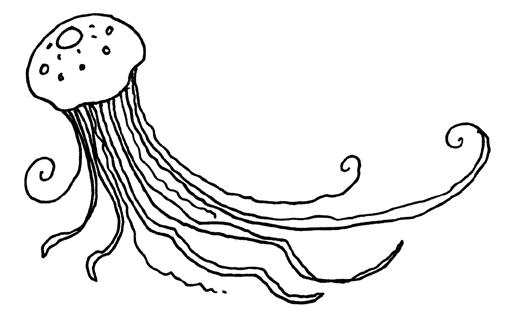
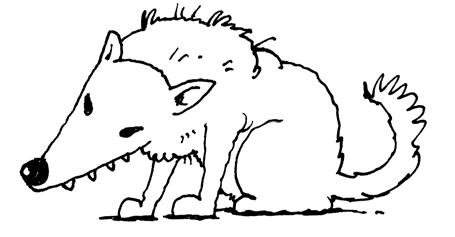
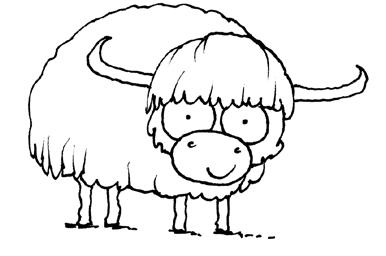
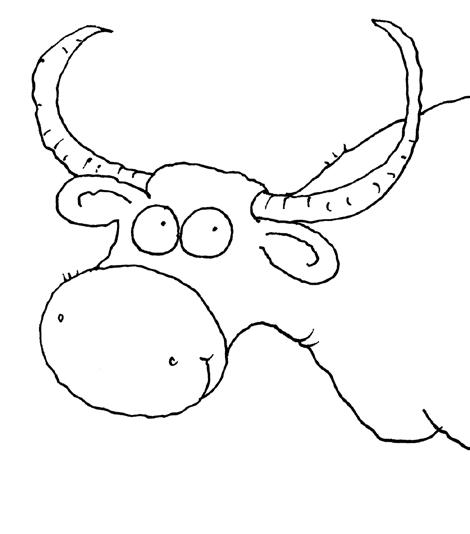
Handwriting: Tracking; left to right direction; fine motor control.
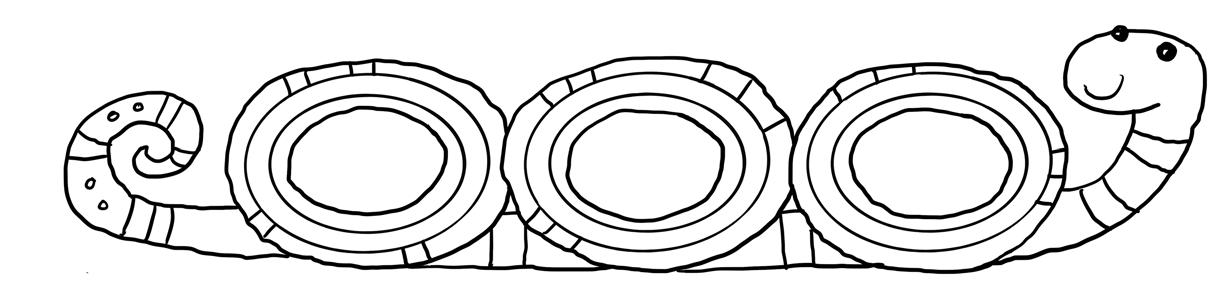
Handwriting: Patterning; left to right direction; anticlockwise direction; downstroke; forming parallel lines; fine motor control.
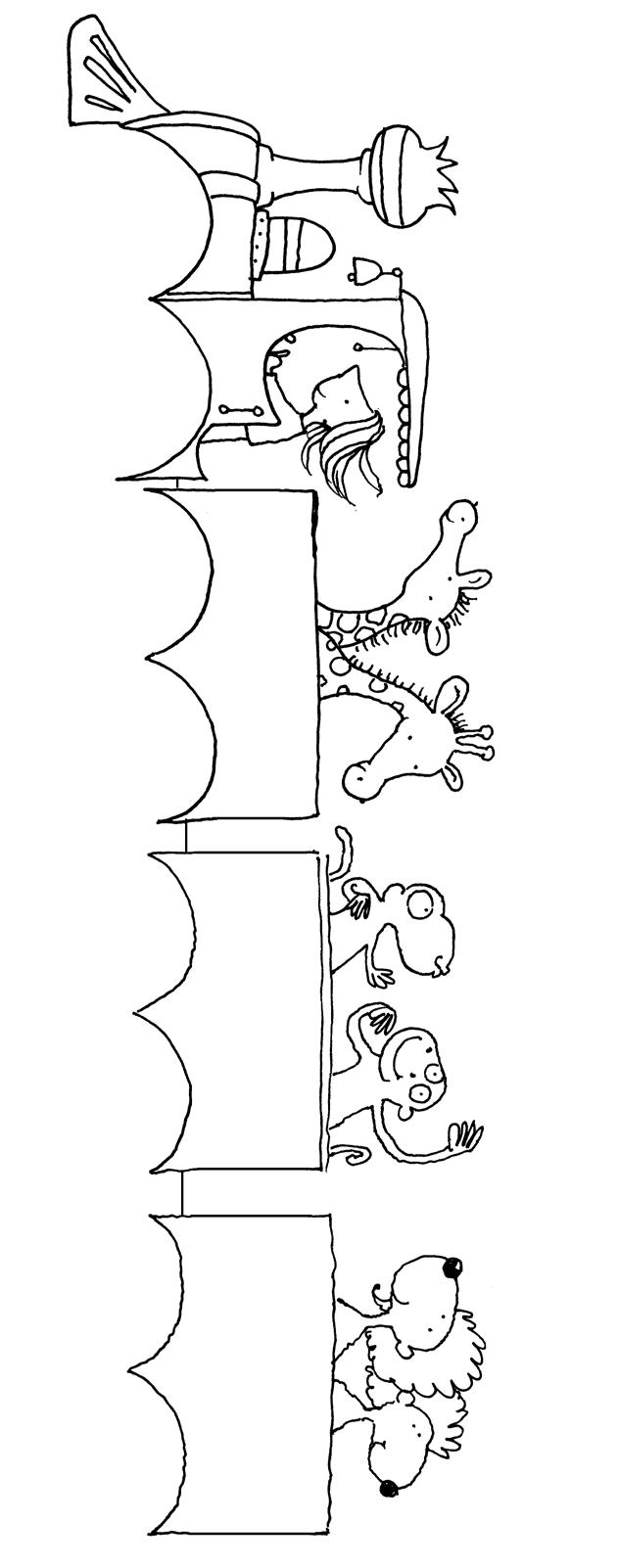
Handwriting: Patterning; downstroke and anticlockwise movements; left to right direction; forming parallel lines; fine motor control.
Handwriting: Patterning; downstroke, anticlockwise and clockwise movements; fine motor control.
Trace the pattern. Keep your pencil on the page.
m m m m m m
Trace the pattern. Turn each pattern into a picture.
Trace the pattern. Track.
Handwriting: clockwise letter; body letter (m).
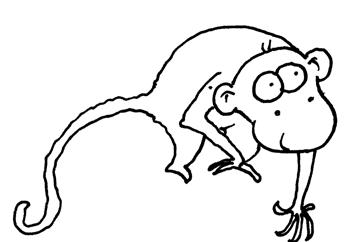
Vocabulary on page: messy, monkey.
Extra vocabulary: mat, mop, man, am, mum, men, him, many, munch.
m m m m m
m m m m m
Track. Trace. Trace. Write.

Slope down, bounce up and across and down, then again bounce up and across and down. Keep your pencil on the page.
Trace the pattern. Keep your pencil on the page.
Copy the pattern. Turn each pattern into a picture.
Track.
Track the pattern. n n n n n n
Handwriting: clockwise letter; body letter (n).
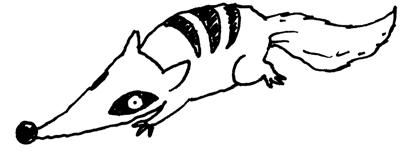
Vocabulary: noisy, numbat. The word numbat is based on the word noombat from the Noongar language. Phonic knowledge /n/: no, not, nip, nap, nod, an, can, pan, in, pin, tin, sun, run.
Track. Trace. Trace. Write.
n n n n n n
n n n n n n n n n n n n
n n n n n n n n n n n n
Slope down, then go up and across the top and down again. Keep your pencil on the page. n n
Trace the pattern.
Trace the pattern. Keep your pencil on the page.
Trace then copy the pattern.
Track.
h h h h h h
Handwriting: clockwise letter; head and body letter (ascender) (h).
Vocabulary: hay, hairy, have, help.
Phonic knowledge /h/: hen, hop, hat, hot, hit, hug, hum, he, him, has, had.
Track.
Trace. h H
3 h h h h h h h
Trace.
Write. h h h h h h h h h H
Slope down then come half way up, curve around and down. Keep your pencil on the page. h h h h h h h h h h h h h h h h h h h h h h h h h
Trace the pattern. Finish the kites.
Trace the pattern.
Track.
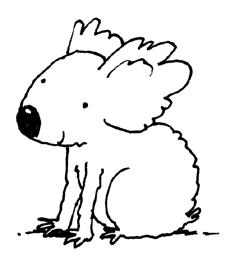
Handwriting: clockwise letter; head and body letter (ascender) (k). Vocabulary: kind, koala, kangaroo, kite, key, kitten. The word koala is based on the word gula from the Dharug language. Gula means ‘no water’. Phonic knowledge /k/: kit, king, kid. k k k k k k
Track. Trace. Trace. Write.
Slope down, come half way up, curve around to make a loop, then go out and end on the line. Keep your pencil on the page. k k k k k k k k k k k k k k k k k k k k k k k k k k k k k k k k k k k k k k k K k K