







NSW Second Edition



My name is .
Draw a picture of your favourite funny character from a story.
(character name)
(story title)
Trace.
Trace then write. Write the date.
NSW Second Edition
My name is .
Draw a picture of your favourite funny character from a story.
(character name)
(story title)
Trace.
Trace then write. Write the date.
Trace then write.
Handwriting: anticlockwise ellipse, short letter (u). Grammar: nouns, action verbs, adverbs, antonyms (did/undid), question, question word (What?), word families (undo/undid/undone/ undoing).
Punctuation: question mark, upper-case letter to start a sentence.
Spelling and vocabulary: prefix un- (undid, undo, untidily, untying, unzip), suffixes -ing, -ily (untying, untidily), umbrella, under, unicorn, upend.
Literary elements: riddle, joke, homophone word play (rain/rein).
Trace and finish the pattern.
Find and trace u and U.
Trace then write. Write the date.
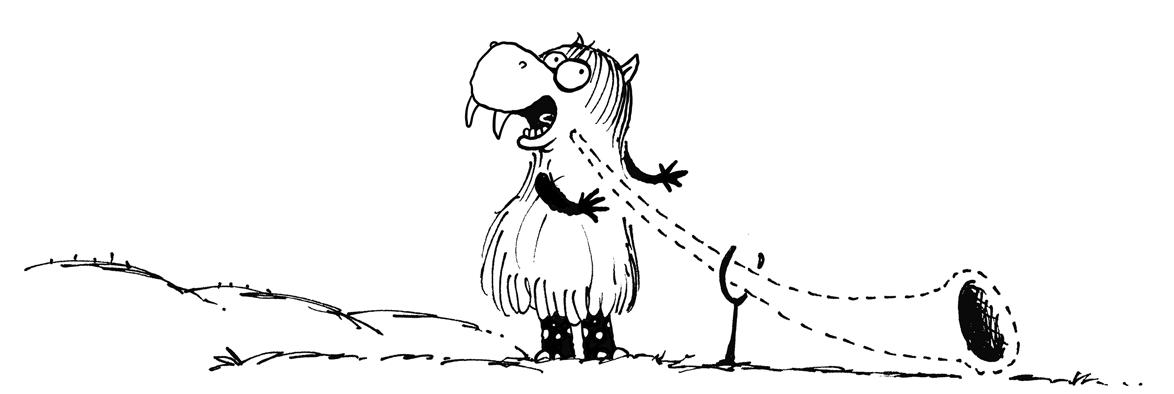
What animal needs to u v W U n m V u U e U a o u u N
stand under an umbrella?
A reindeer.


How many u’s have you written on this page? Circle your best u.
Trace then write.
Y Y Y Y Y Y Y Y Y Y y y y y y y y y y y y y
Trace then write.
yell yawn cry try yelled y Y y Y
Handwriting: anticlockwise ellipse, long letter (y).
Grammar: nouns, saying verbs (yell, yelled, cry, yodelling), adverb (yappily), tense (yell/yelled), question, question word (Where?).
Punctuation: question mark, upper-case letter to start a sentence.
Spelling and vocabulary: barking, parking, try, cry, yak, yappily, yawn, yelled, yodelling, suffixes -ing, -ily, -ed (barking, yappily, yelled). The word “yowie” is from the Yuwaalaraay language.
Literary elements: rhyme (cry/try, barking/parking), riddle, joke, word play (barking/parking).
Trace and finish the pattern.
Trace then write. Write the date.
Where can you leave
your dog while you shop?
In the barking lot.
Circle the y with the best tail on these two pages. Underline the y’s you could have done better.
Trace.
Trace then write.
Trace then write.
Handwriting: anticlockwise ellipse, short letter (v). Grammar: nouns, action verbs (viewing, visit, vote, dive, arrive), statement.
Punctuation: full stop, upper-case letter to start a sentence.
Spelling and vocabulary: arrive, dive, brave, grave, save, behave, vet, viewing, visit, vote, vulture.
Literary elements: rhyme (arrive/dive/drive/survive, behave/brave/ gave/save), Aesop (Greek) fable ‘The Four Oxen and the Lion’, moral: United we stand, divided we fall.
Trace and finish the pattern. Write. Write the date.
Use v to finish these words. Trace the words.
Trace then write.
Are each of your v’s the same size? divided we fall.


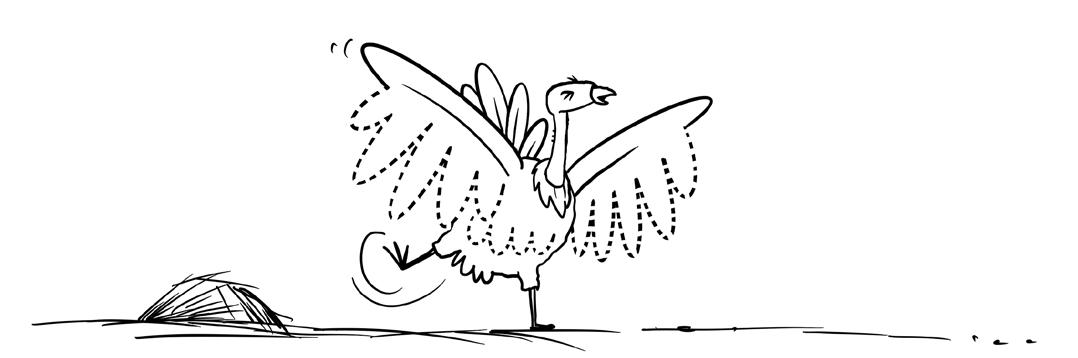
Trace then write.
w w w w w w w w w
Trace then write.
Handwriting: anticlockwise ellipse, short letter (w). Grammar: proper noun (Wendy), sensing or thinking verbs (wanted, wished), adverb (wildly), past tense (waved, wished), question, question word (Why?).
Punctuation: question mark, upper-case letter to start a sentence.
Spelling and vocabulary: ‘ow’ (throw, window), wagun, ‘a’ for short ‘o’ sound (wanted, watch), suffixes -ing, -ly, -ed (wobbling, wildly, wished, waved). The word “wagun” is from the Bundjalung language. It means “brush turkey”.
Literary elements: riddle, joke, homonym word play (wrist watch/watch time fly).
Trace and finish the pattern.
Trace then write. Write the date.
Why did Wendy throw her
To
see time fly. watch out the window?
Draw a square around the word that is your best handwriting on these two pages.
Trace.
Trace then write.
Trace then write.
add act asked agree are a A a A A A A A A A A A A A a a a a a a a a a a a
Handwriting: anticlockwise ellipse, short letter (a). Grammar: nouns, saying verbs (agree, arguing, ask), adverb (angrily), statement.
Punctuation: full stop, upper-case letter to start a sentence.
Spelling and vocabulary: act, add, agree, angrily, ant, ape, apple, are, arguing, asked, away, day, today.
Literary elements: rhyme (away/day), proverb (Eat an apple on going to bed and you’ll keep the doctor from earning his bread – Welsh proverb).
Trace and finish the pattern. Write. Write the date.
Use a to finish these words. Trace the words.
Trace then write.
An apple a day keeps pe w y go tod y d y
the doctor away.
How many a’s did you write on this page? Circle your best a.
Trace.
Trace then write. Write the date.
g G g G G G G G G G G G G G g g g g g g g g g g g g
Trace then write.
Handwriting: anticlockwise ellipse, long letter (g).
Grammar: nouns, verbs, adverb (gladly), past tense (-ed), question, question word (Why?).
Punctuation: full stop, question mark, upper-case letter to start a sentence.
Spelling and vocabulary: fight, fright, knight, sight, giving, gladly, gobbled, gorilla, groaned, guzzled, silent k (knight), suffixes -ly, -ing, -ed (gladly, giving, groaned).
Literary elements: riddle, joke, word play, homophones (night/knight).
Trace and finish the pattern. Write the date.
Find and trace a in some of these letters.
g b d q d g h b m q g
Trace then write.
all day? So they can go
Draw a frame around your best g on these two pages.
Trace then write. Write the date.
Trace then write.
Handwriting: anticlockwise ellipse, long letter (q). Grammar: proper noun (Queenie), action verbs in the past tense (squished, squashed, squeezed), saying verb (quacking), adverb (quietly), question, question word (What?).
Punctuation: full stop, question mark, upper-case letter to start a sentence.
Spelling and vocabulary: apostrophe for contraction (I’ve), qu and squ (quacking, quietly, quilt, squashed, squeezed, squished), suffixes -ing, -ily, -ed (quacking, quietly, squished).
Literary elements: riddle, word play (quilt/covered).